




Journal Description
Acoustics
Acoustics
is an international, peer-reviewed, open access journal on acoustics science and engineering, published quarterly online by MDPI.
- Open Access— free for readers, with article processing charges (APC) paid by authors or their institutions.
- High Visibility: indexed within ESCI (Web of Science), Scopus, and other databases.
- Journal Rank: CiteScore - Q2 (Acoustics and Ultrasonics)
- Rapid Publication: manuscripts are peer-reviewed and a first decision is provided to authors approximately 20 days after submission; acceptance to publication is undertaken in 4.9 days (median values for papers published in this journal in the second half of 2024).
- Recognition of Reviewers: reviewers who provide timely, thorough peer-review reports receive vouchers entitling them to a discount on the APC of their next publication in any MDPI journal, in appreciation of the work done.
Impact Factor:
1.3 (2023);
5-Year Impact Factor:
1.9 (2023)
Latest Articles
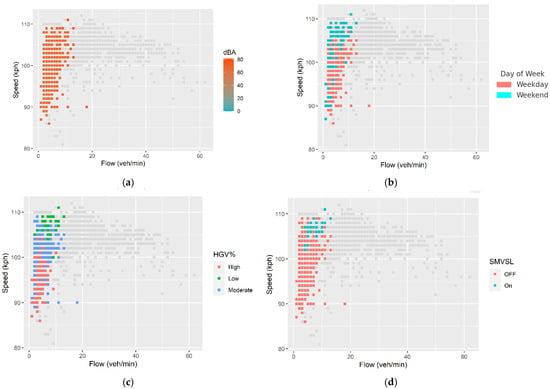
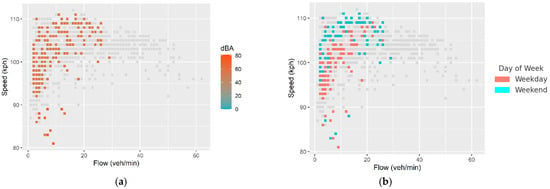
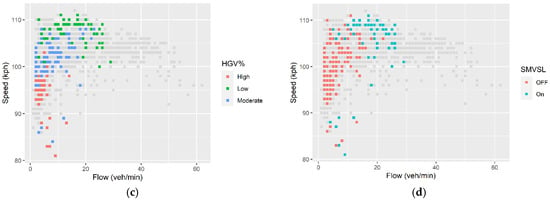
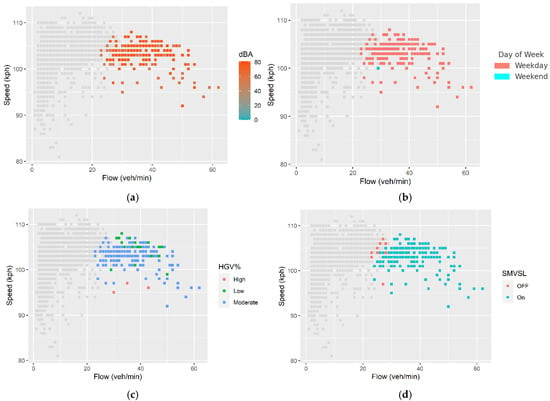
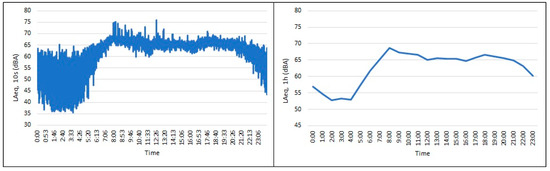
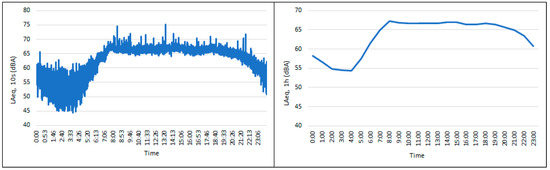
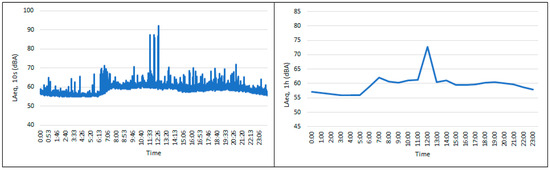
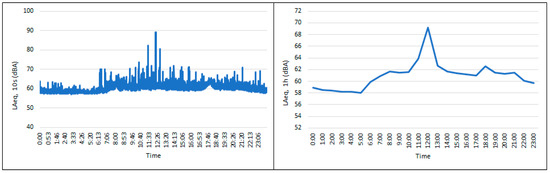
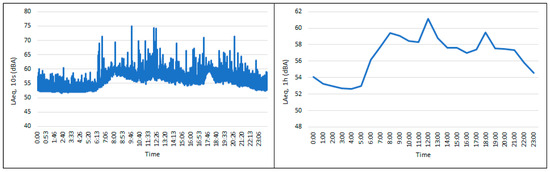
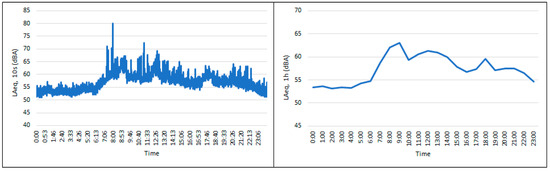
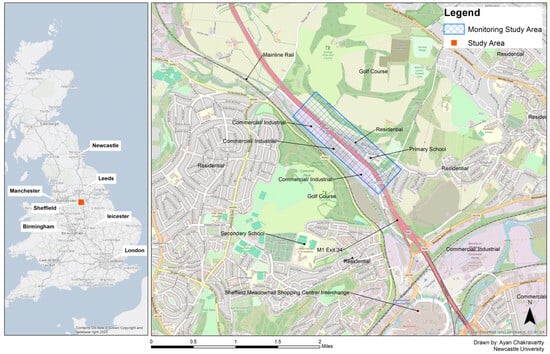
Impact of Motorway Speed Management on Environmental Noise: Insights from High-Resolution Monitoring
Acoustics 2025, 7(2), 18; https://doi.org/10.3390/acoustics7020018 - 28 Mar 2025
Abstract
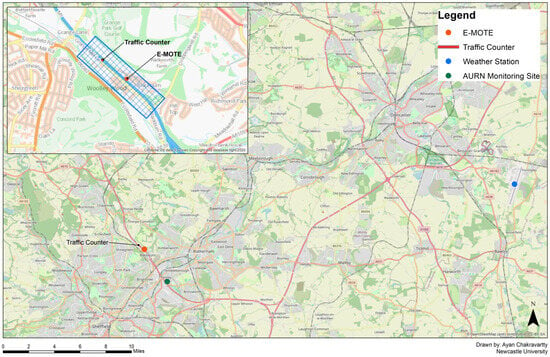
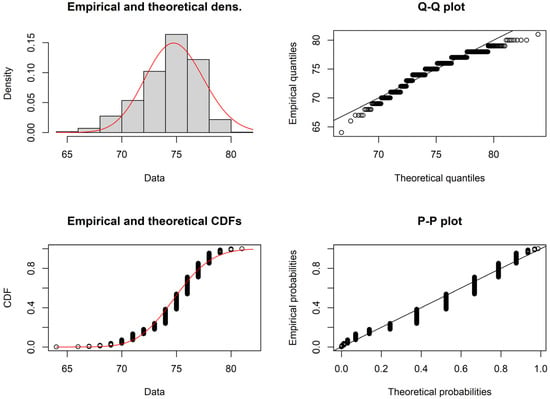
This study explores the impact of road transport on the environment, focusing on noise pollution. Using high-resolution, one-minute data from a low-cost environmental sensor, this research examines traffic flow dynamics, meteorological influences, and their relationship to noise along a major transport corridor. The
[...] Read more.
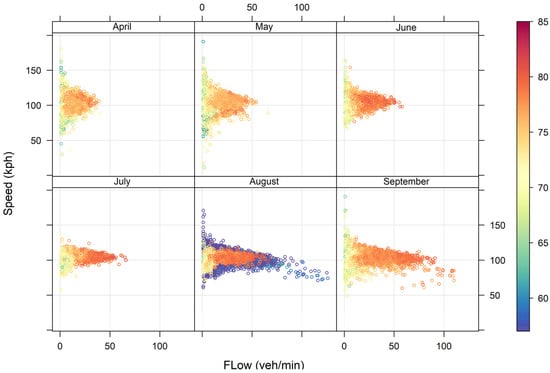
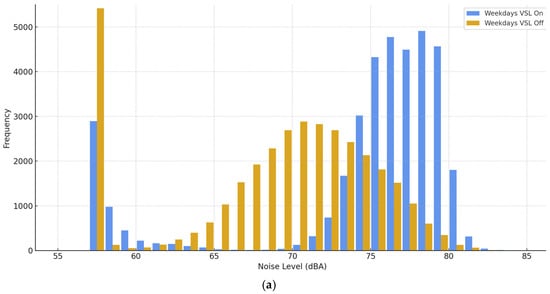
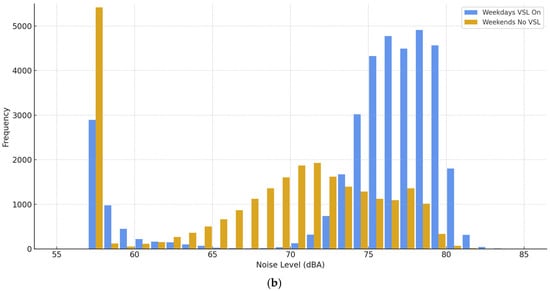
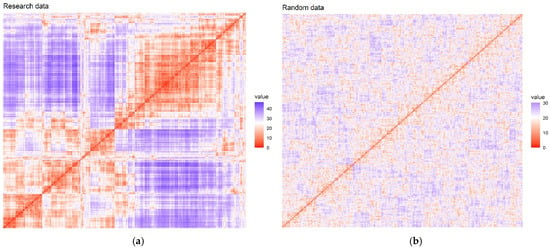
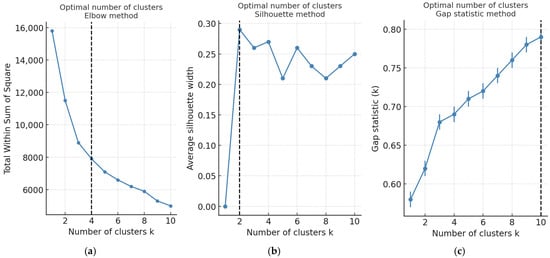
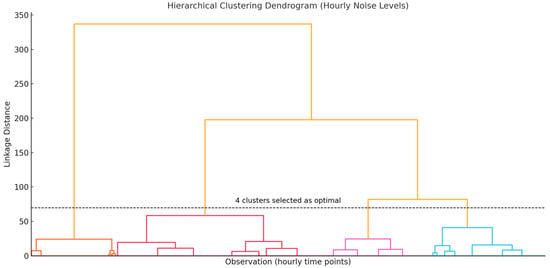
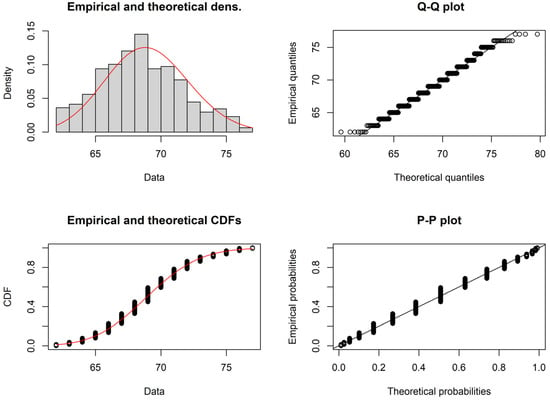
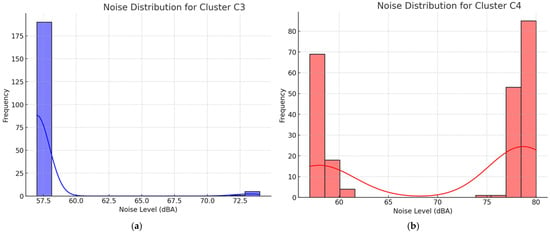
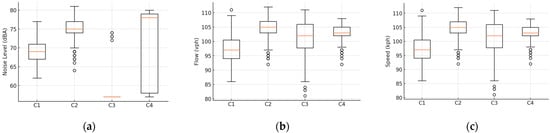
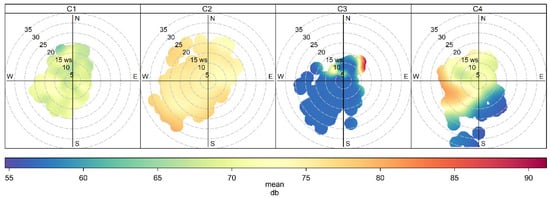
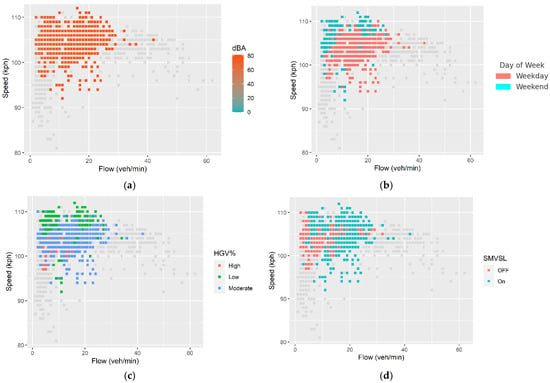
This study explores the impact of road transport on the environment, focusing on noise pollution. Using high-resolution, one-minute data from a low-cost environmental sensor, this research examines traffic flow dynamics, meteorological influences, and their relationship to noise along a major transport corridor. The methodology combines cluster analysis and descriptive statistics to evaluate the effects of deploying a Smart Motorway Variable Speed Limit (SMVSL) system over a six-month monitoring period. Results indicate that SMVSL systems not only smooth traffic flow but also significantly reduce noise variability, particularly during peak hours, thus mitigating noise peaks associated with adverse health outcomes. LAeq values were found to differ modestly between day and night, with clustering revealing a reduction in extreme noise events (LAmax > 70 dB(A)) in SMVSL scenarios dominated by heavy goods vehicles. This study further identifies associations between unmanaged speed regimes and elevated noise levels, enriching our understanding of the environmental impacts of unregulated traffic conditions. These findings inform sustainable planning and policy strategies aimed at improving urban environmental quality and enhancing public health outcomes.
Full article
(This article belongs to the Special Issue Vibration and Noise (2nd Edition))
►
Show Figures
Open AccessArticle
Enhancement of Subharmonic Intensity in a Cavity Filled with Bubbly Liquid Through Its Nonlinear Resonance Shift
by
María Teresa Tejedor-Sastre and Christian Vanhille
Acoustics 2025, 7(2), 17; https://doi.org/10.3390/acoustics7020017 - 28 Mar 2025
Abstract
►▼
Show Figures
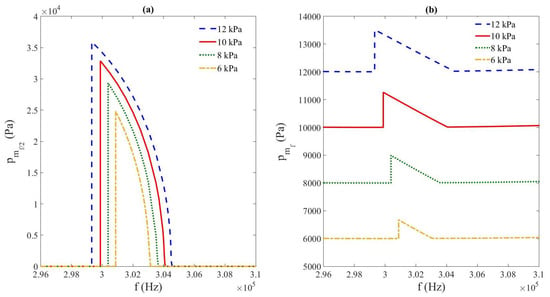
The aim of this study is to examine the behavior of subharmonics in a one-dimensional cavity filled with a bubbly liquid, leveraging the nonlinear softening phenomenon of the medium at high amplitudes to enhance subharmonic generation. To this purpose, we use a numerical
[...] Read more.
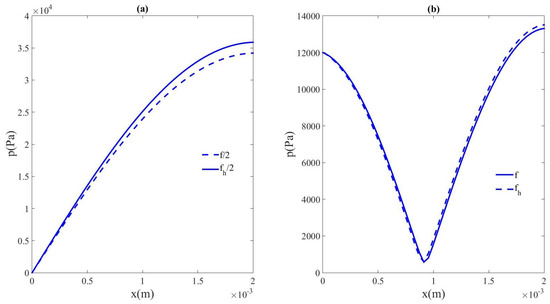
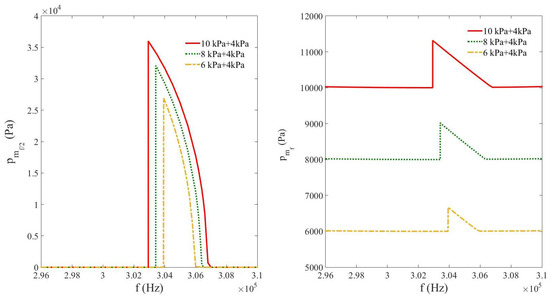
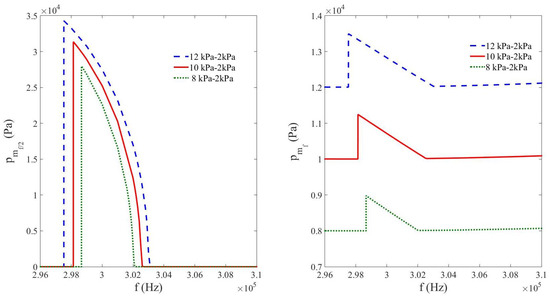
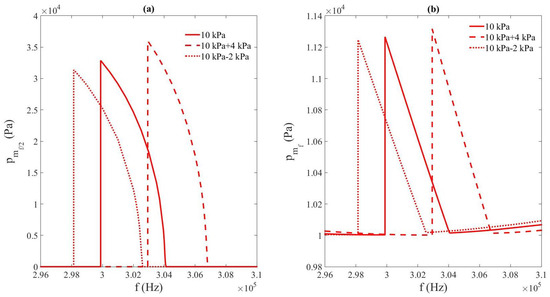
The aim of this study is to examine the behavior of subharmonics in a one-dimensional cavity filled with a bubbly liquid, leveraging the nonlinear softening phenomenon of the medium at high amplitudes to enhance subharmonic generation. To this purpose, we use a numerical model developed previously that solves a coupled differential system formed by the wave equation and a Taylor-expanded Rayleigh–Plesset equation. This system describes the nonlinear mutual interaction between ultrasound and bubble vibrations. We carry out several different simulations to measure the response of the subharmonic component and the acoustic source frequency signal f when the cavity is excited over a range around the linear resonance frequency of the cavity (the resonance value obtained at low pressure amplitudes). Different source amplitudes in three different kinds of medium are used. Our results reveal several new characteristics of subharmonics as follows: their generation is predominant compared to the source frequency; their generation is affected by the softening of the bubbly medium when acoustic pressure amplitudes are raised; this specific behavior is solely an acoustically-related phenomenon; their behavior may indicate that the bubbly liquid medium is undergoing a softening process.
Full article

Figure 1
Open AccessTechnical Note
Evaluation of the Environmental Noise and Prevention Measures for a Standard Hospital Area from Spain
by
Rafael Sánchez-Sánchez, Alejandro Barba-Lobo, Guillermo Isasti Aizpurua and Juan Pedro Bolivar
Acoustics 2025, 7(1), 16; https://doi.org/10.3390/acoustics7010016 - 19 Mar 2025
Abstract
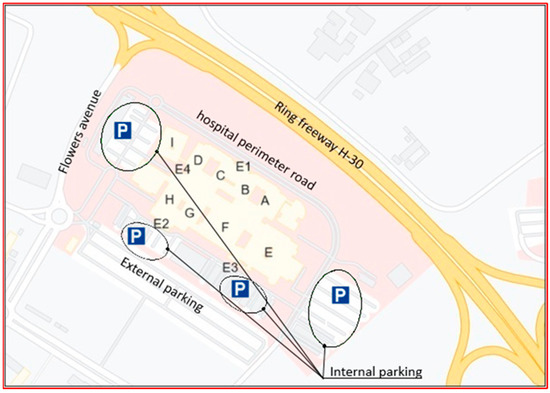
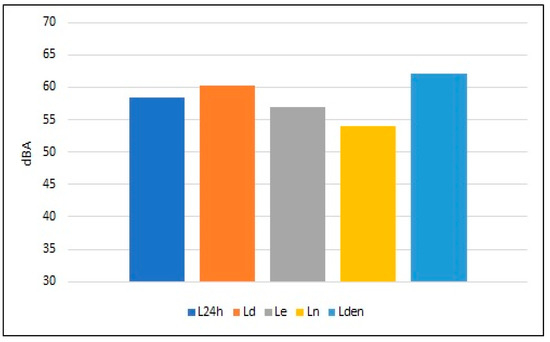
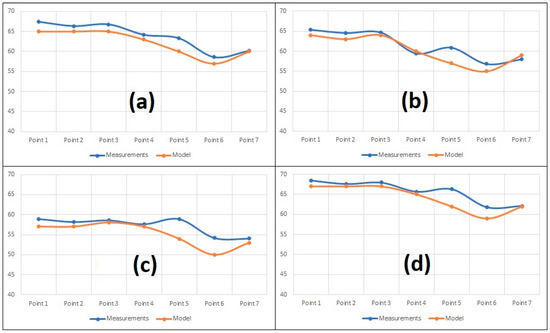
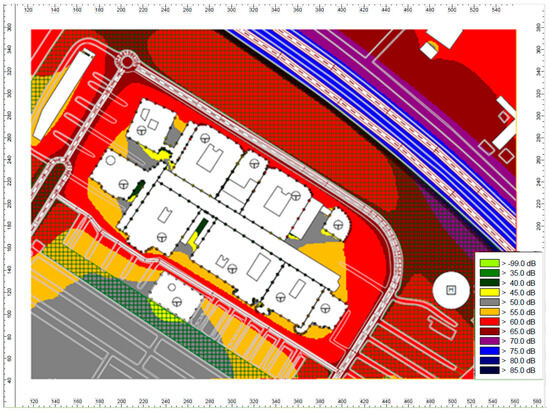
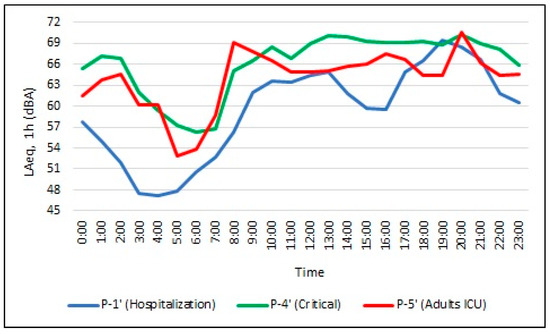
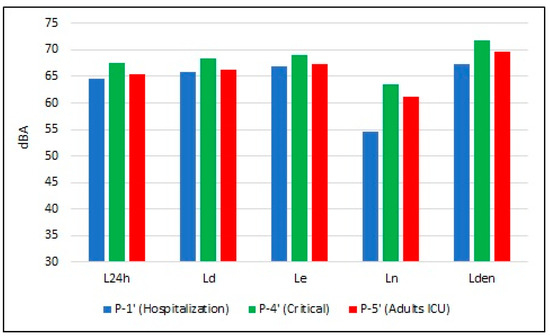
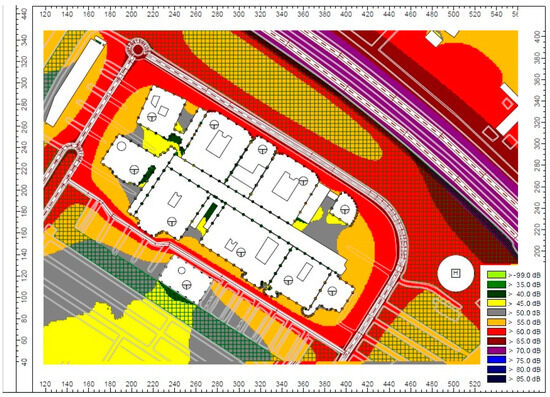
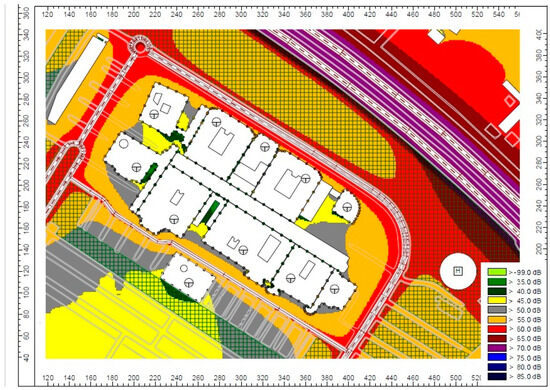
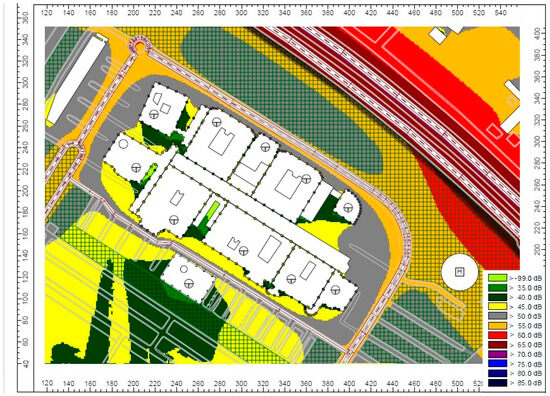
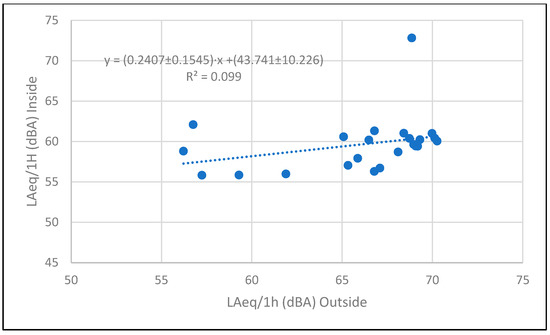
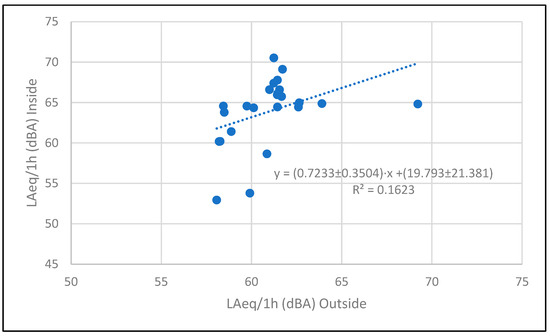
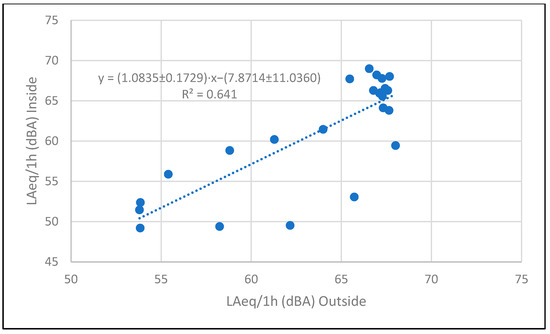
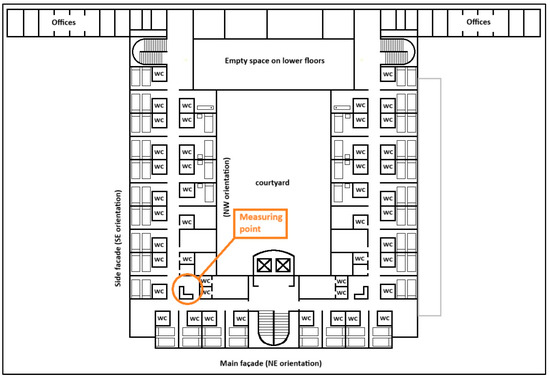
In this research, a global assessment of the acoustic situation of the Juan Ramón Jiménez University Hospital (Huelva, Spain) was carried out. For this study, measurements were made in situ, both outside and inside the buildings. With the methodology used, long-term exterior and
[...] Read more.
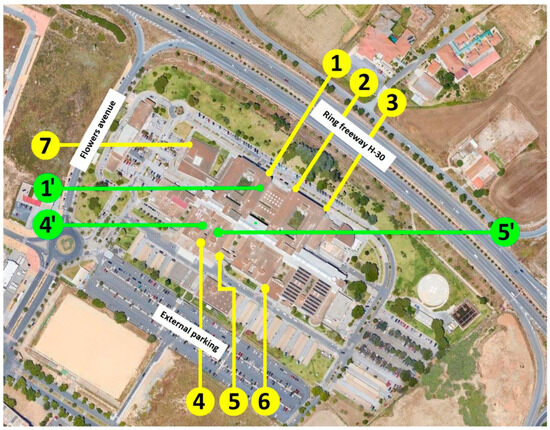
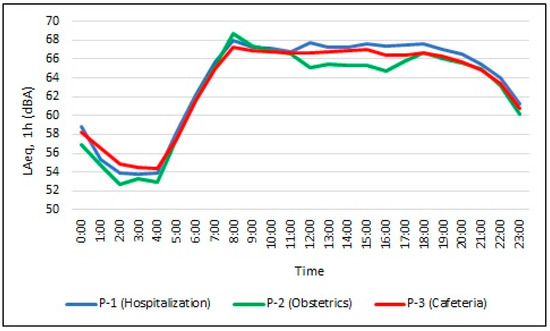
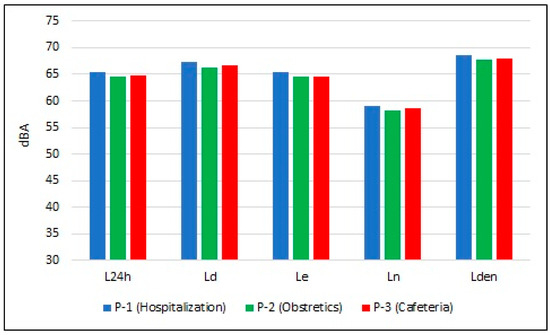
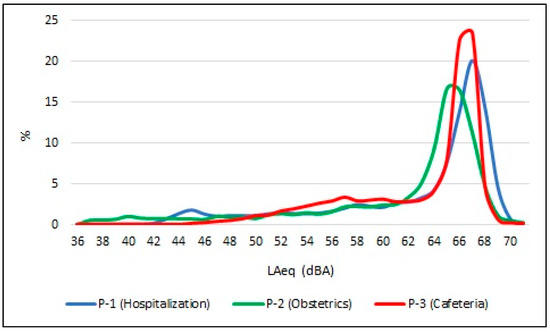
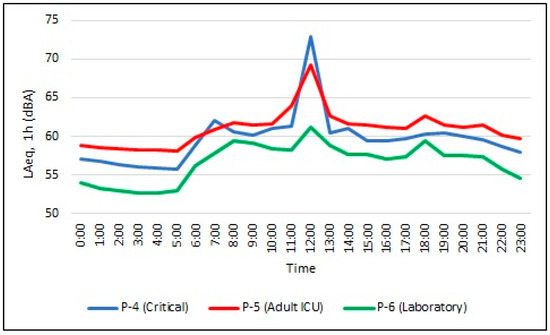
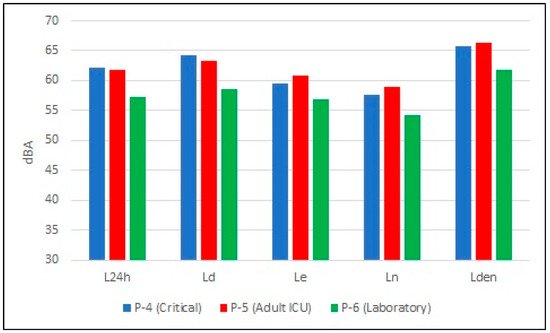
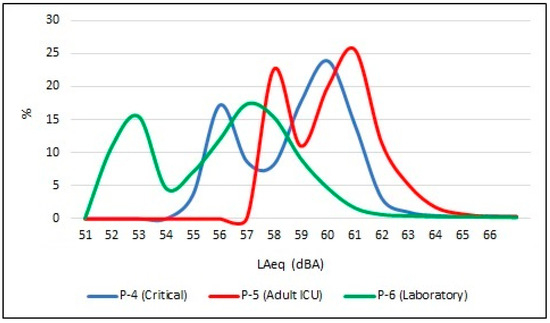
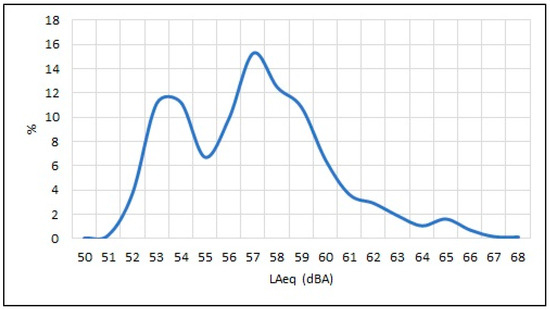
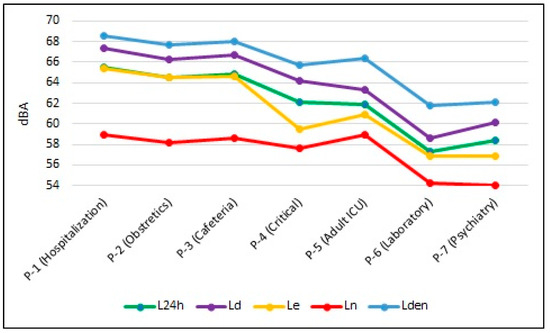
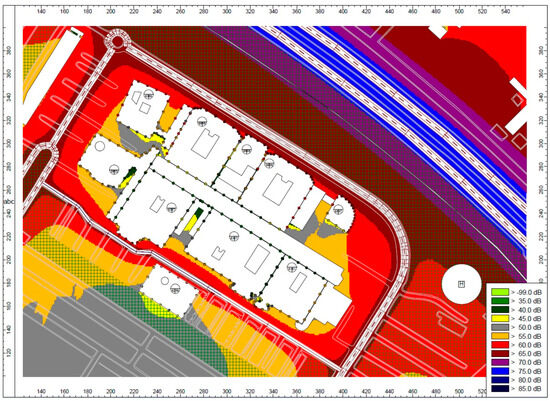
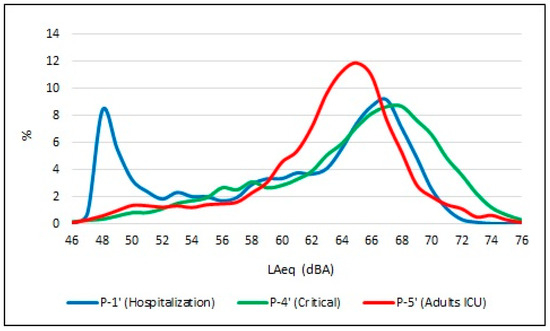
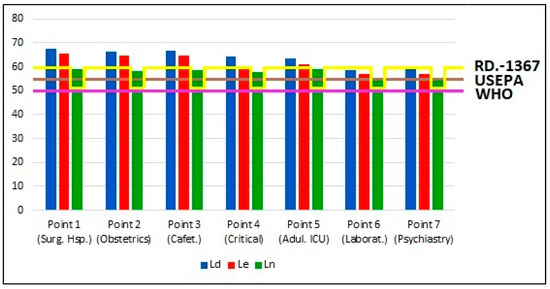
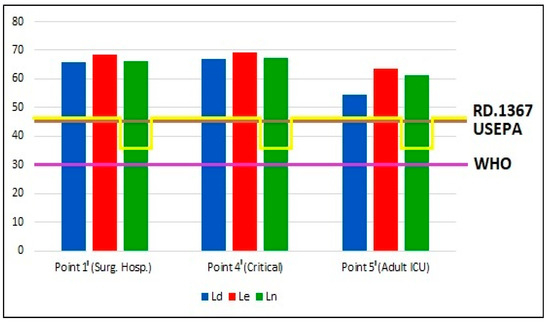
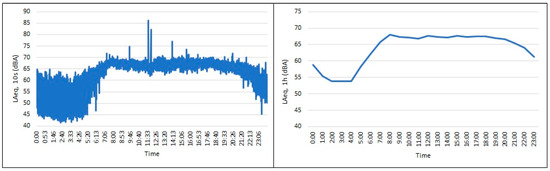
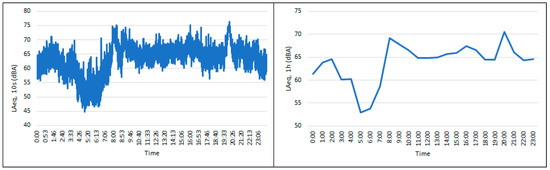
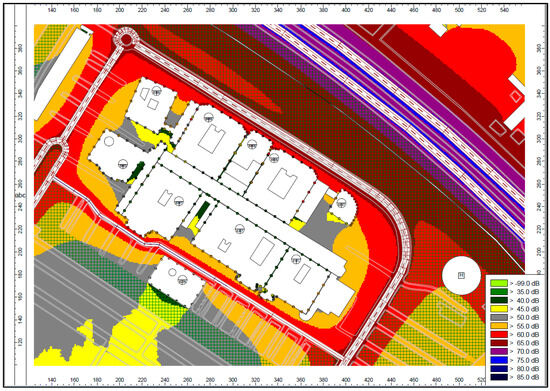
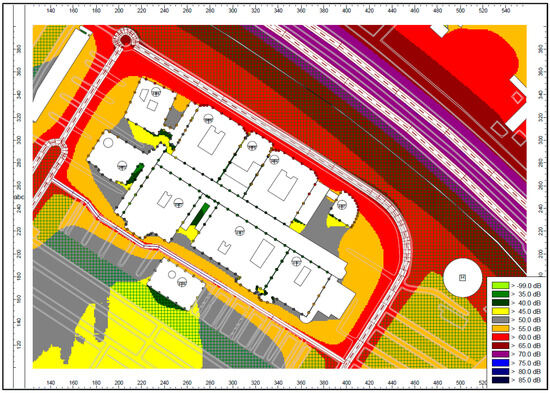
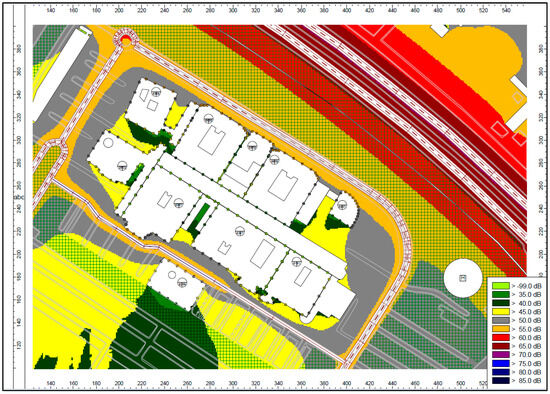
In this research, a global assessment of the acoustic situation of the Juan Ramón Jiménez University Hospital (Huelva, Spain) was carried out. For this study, measurements were made in situ, both outside and inside the buildings. With the methodology used, long-term exterior and interior measurements were performed, and an acoustic propagation model of exterior environmental noise was also developed, digitising the main sources of noise, thereby obtaining the corresponding noise maps of the study area. This study demonstrates that the indices of the external and internal acoustic environment of the hospital exceed those recommended by the World Health Organization, United States Environmental Protection Agency, and Spanish law itself. It is concluded that the acoustic environments, both outside and inside, should be improved, for which a series of interventions on the external zone, other interventions on the internal zone, and others on management has been proposed.
Full article
(This article belongs to the Special Issue Vibration and Noise (2nd Edition))
►▼
Show Figures

Figure 1
Open AccessArticle
Acoustic Pressure Distribution and Mode-Specific Analysis Along the Bore of the Alto Saxophone
by
Enis Ukshini and Joris Dirckx
Acoustics 2025, 7(1), 15; https://doi.org/10.3390/acoustics7010015 - 14 Mar 2025
Abstract
►▼
Show Figures
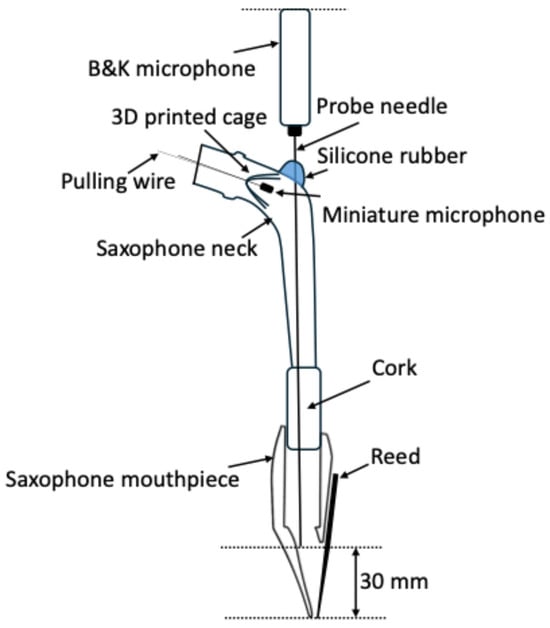
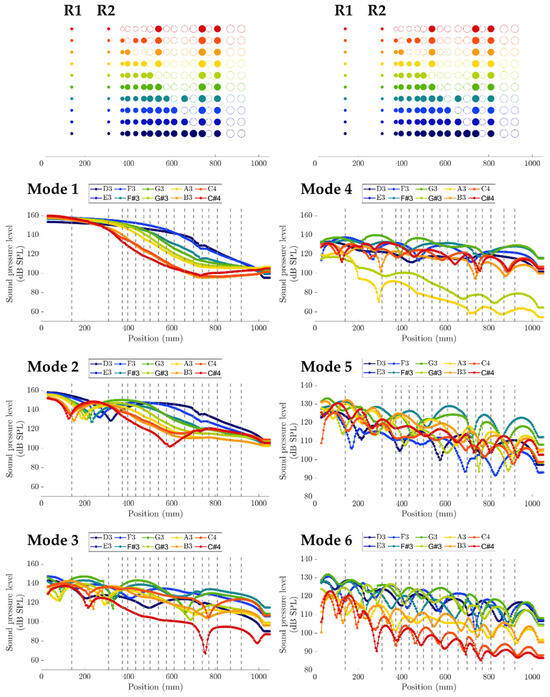
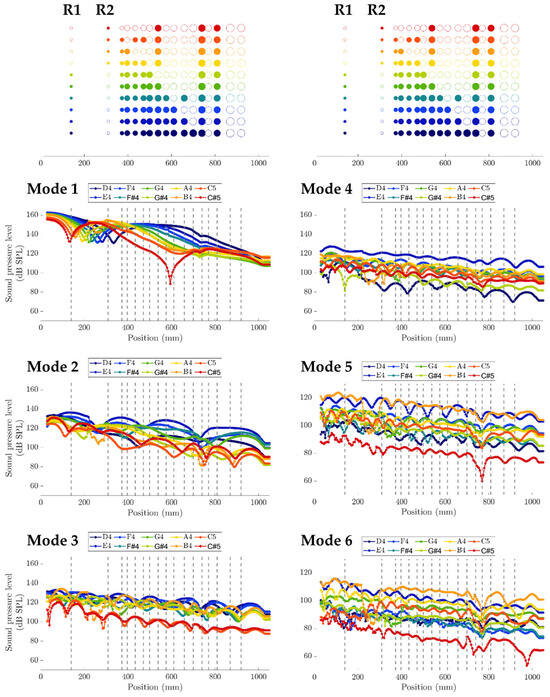
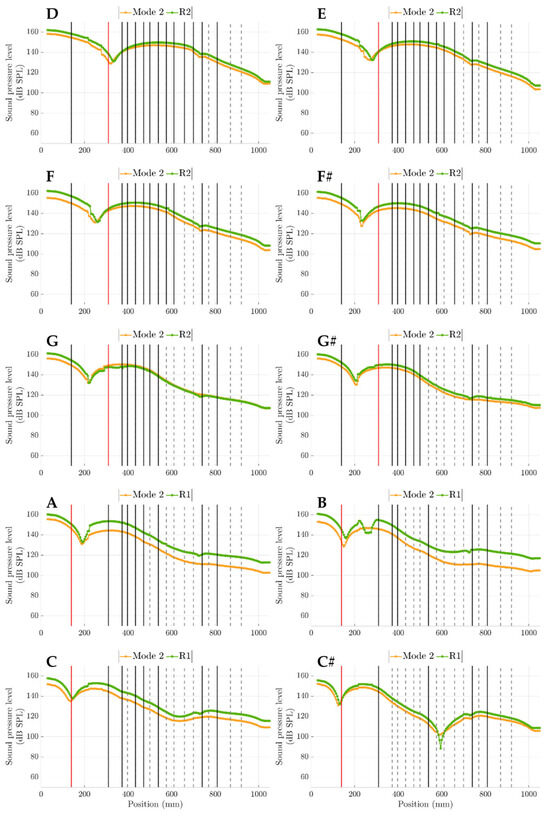
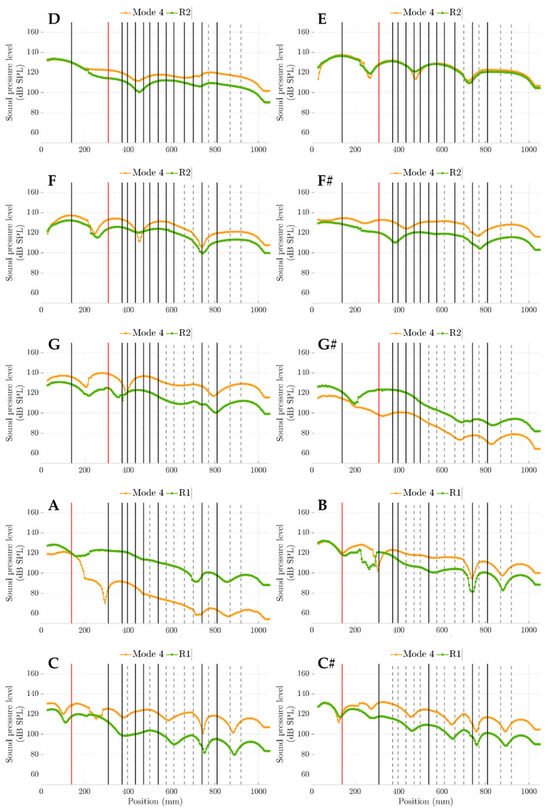
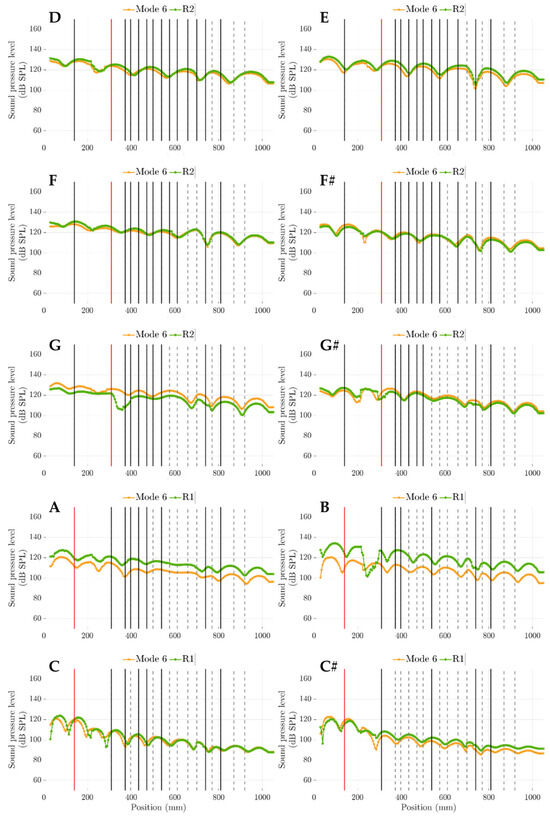
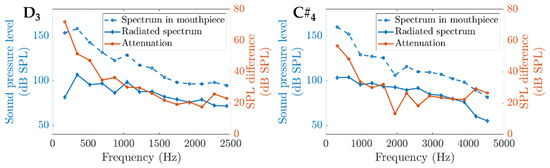
This study investigates the acoustic characteristics of the alto saxophone by analyzing the spectral content of sound pressure along its bore and examining the influence of register valves. A detailed in situ analysis is presented of internal sound pressure from the mouthpiece to
[...] Read more.
This study investigates the acoustic characteristics of the alto saxophone by analyzing the spectral content of sound pressure along its bore and examining the influence of register valves. A detailed in situ analysis is presented of internal sound pressure from the mouthpiece to the bell for notes ranging from D3 to C#5, using a thin probe microphone needle in the neck and a movable miniature microphone in the body of the saxophone. The findings reveal that the cut-off frequency for lower notes in the first register is located near the third mode, whereas for higher notes, it shifts closer to the fourth mode. This research investigated previous assumptions that the cut-off frequency lies near the sixth mode, instead demonstrating that it occurs at lower modes depending on the note played. In the second register, the cut-off frequency consistently aligns with the second mode for all notes. The results demonstrate that opening the register tone holes alters the sound pressure level (SPL) distribution and shifts the positions of sound pressure valleys, with the first register valve having a more pronounced effect on SPL and mode shape than the second register valve. For the fourth mode in the first register, the register valves exhibit a stronger influence on SPL distribution compared to mode 2.
Full article

Figure 1
Open AccessCommunication
From Spherical Harmonics to Gaussian Beampatterns
by
Kevin J. Parker and Miguel A. Alonso
Acoustics 2025, 7(1), 14; https://doi.org/10.3390/acoustics7010014 - 11 Mar 2025
Abstract
►▼
Show Figures
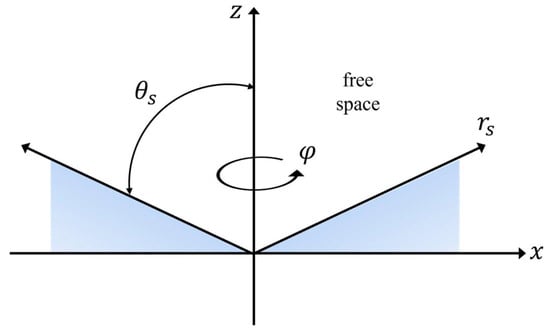
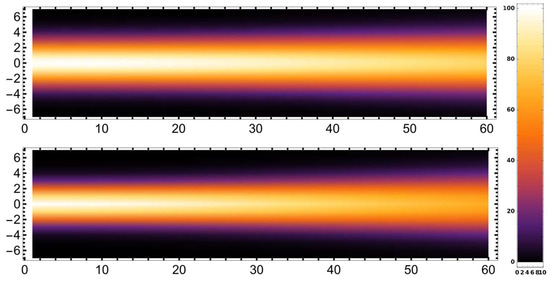
The use of multipoles, otherwise called spherical wavefunctions, has been explored for acoustic fields that can be omnidirectional, for example, in scattering theory. Less developed is the use of spherical harmonic multipoles for the construction of directed beams, such as the Gaussian unfocused
[...] Read more.
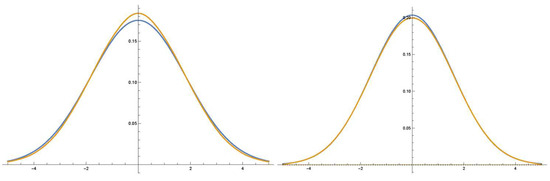
The use of multipoles, otherwise called spherical wavefunctions, has been explored for acoustic fields that can be omnidirectional, for example, in scattering theory. Less developed is the use of spherical harmonic multipoles for the construction of directed beams, such as the Gaussian unfocused beampattern, which is an important reference beam in many practical applications. We develop the straightforward construction of a Gaussian unfocused beam using the special properties of the sum of spherical harmonics; these include the use of an imaginary offset in directing the forward propagation to the desired beampattern. Examples are given for narrowband and broadband pulse propagation in the ultrasound MHz range, with comparisons against a classical acoustics formulation of the Gaussian beam. The use of spherical harmonics forms an alternative framework for devising beampatterns, with apodization and concentration issues of the beam linked to an array of a limited number of discrete multipoles at the source.
Full article

Figure 1
Open AccessArticle
Vocal Directivity of the Greek Singing Voice on the First Three Formant Frequencies
by
Georgios Dedousis, Konstantinos Bakogiannis, Areti Andreopoulou and Anastasia Georgaki
Acoustics 2025, 7(1), 13; https://doi.org/10.3390/acoustics7010013 - 4 Mar 2025
Abstract
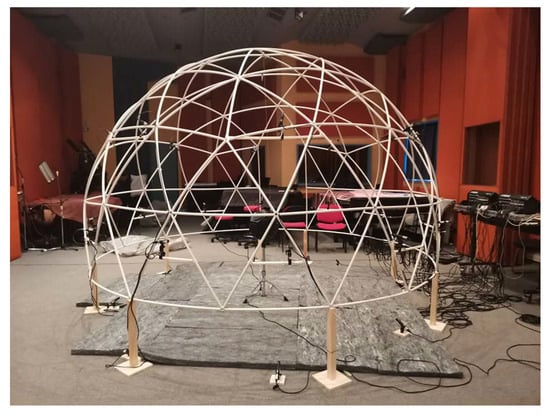
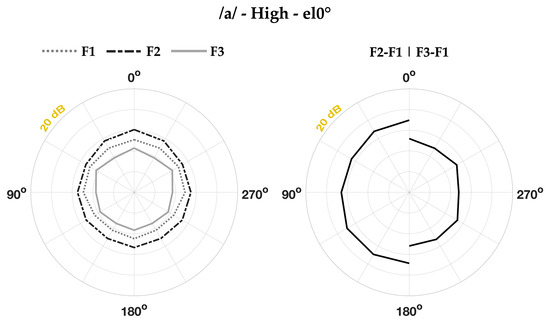
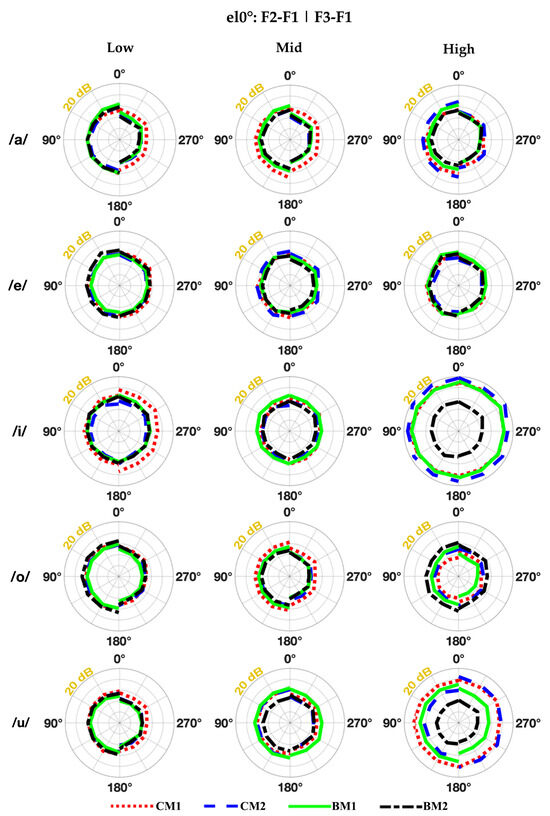
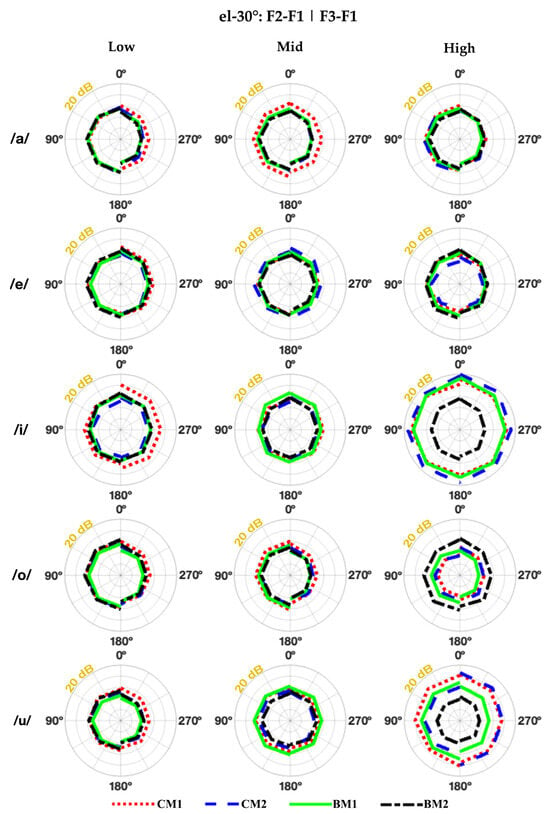
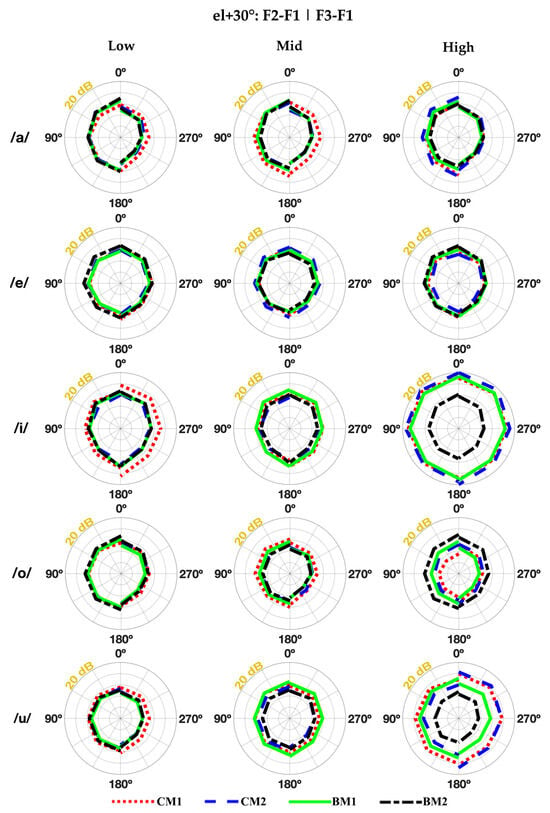
This study explores the relationship between formant frequencies and the directivity patterns of the Greek singing voice. Recordings were conducted in a controlled acoustic environment with four professional singers, two trained in classical music and two in Byzantine chant. Using microphones placed symmetrically
[...] Read more.
This study explores the relationship between formant frequencies and the directivity patterns of the Greek singing voice. Recordings were conducted in a controlled acoustic environment with four professional singers, two trained in classical music and two in Byzantine chant. Using microphones placed symmetrically on a hemispherical structure, participants sang the Greek vowels across different registers. Directivity patterns were analyzed in third-octave bands centered on each singer’s first three formant frequencies (F1, F2, F3). The results indicate that directivity patterns vary with register and center frequency, with differences observed across vowels and singers. These findings contribute to vocal production research and the development of simulation, auralization, and virtual reality applications for speech and music.
Full article
(This article belongs to the Special Issue Developments in Acoustic Phonetic Research)
►▼
Show Figures

Figure 1
Open AccessArticle
Layered Acoustic Structures with Equally Phased Elements
by
Paola Gori, Claudia Guattari, Luca Evangelisti, Roberto De Lieto Vollaro and Francesco Asdrubali
Acoustics 2025, 7(1), 12; https://doi.org/10.3390/acoustics7010012 - 4 Mar 2025
Abstract
►▼
Show Figures
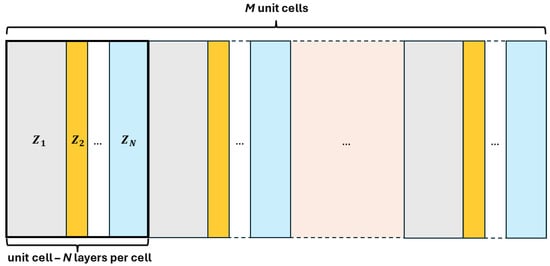
It is often required to control the acoustic transmission across layered structures in order to favor or, more frequently, limit it in prescribed energy ranges. The selection of the materials and layer thicknesses needed to achieve a given objective is not straightforward, and
[...] Read more.
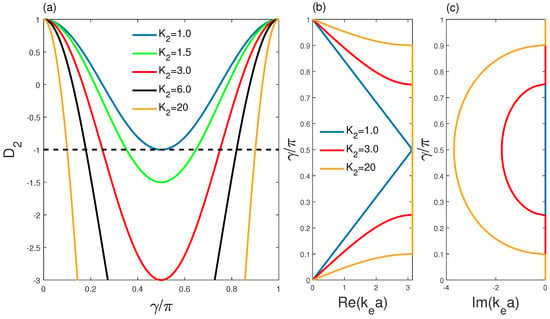
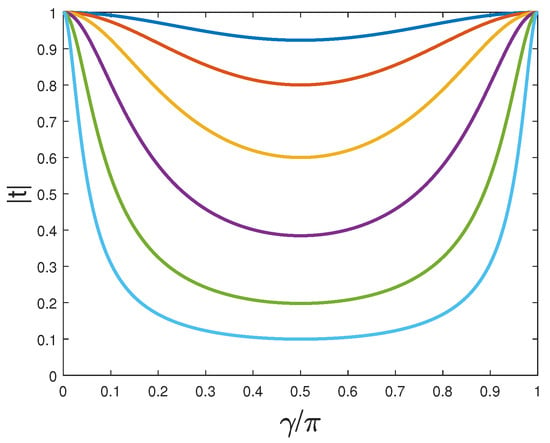
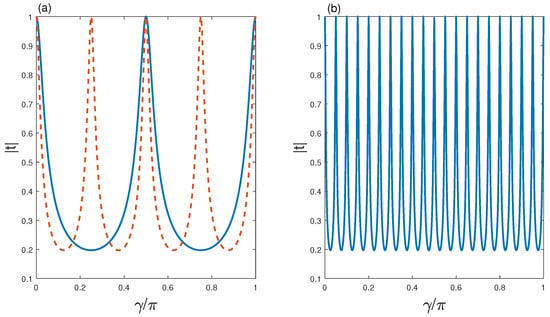
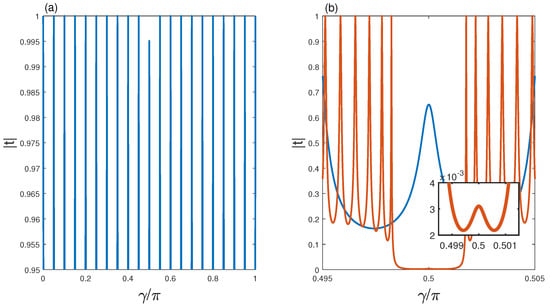
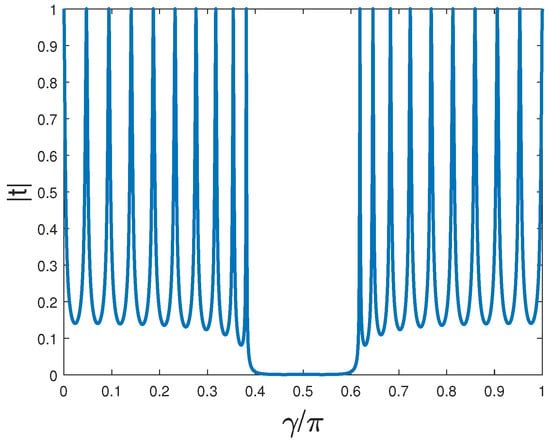
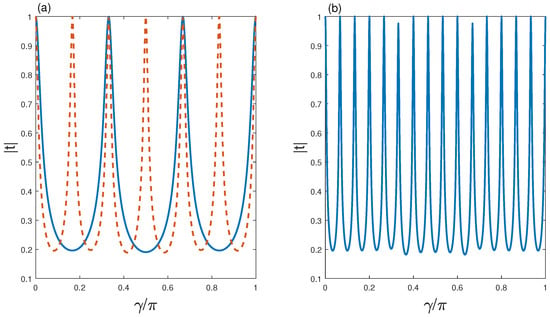
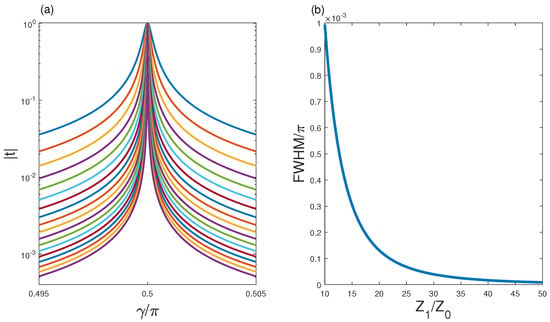
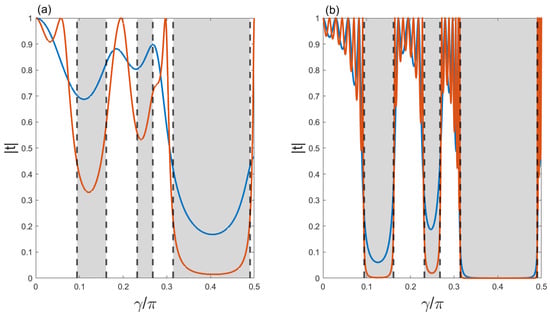
It is often required to control the acoustic transmission across layered structures in order to favor or, more frequently, limit it in prescribed energy ranges. The selection of the materials and layer thicknesses needed to achieve a given objective is not straightforward, and it is often performed empirically. This is connected with the lack of simple models that dictate the frequency behavior of the layered structure. In this work, we present an approach to the systematic design of layered media, based on an assumption that allows us to obtain simple analytical expressions for the occurrence of bandgaps in the frequency response of ideally infinite periodic structures. Correspondingly low-transmission frequency ranges are then analyzed and discussed in finite-thickness realizations of the designed periodic structures.
Full article

Figure 1
Open AccessArticle
Evaluation of Soundboard Damping Variations on Physical and Perceptual Aspects of the Sound of a Steel-String Acoustic Guitar
by
Tom Wühle, Sebastian Merchel and M. Ercan Altinsoy
Acoustics 2025, 7(1), 11; https://doi.org/10.3390/acoustics7010011 - 28 Feb 2025
Abstract
►▼
Show Figures
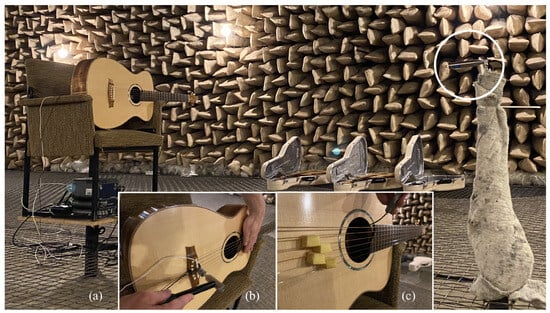
To make guitars with high sonic quality, it is essential to understand the relationship between the physical characteristics of the selected materials and the acoustic characteristics of the final instrument and how they will be perceived. The selection of wood for the soundboard
[...] Read more.
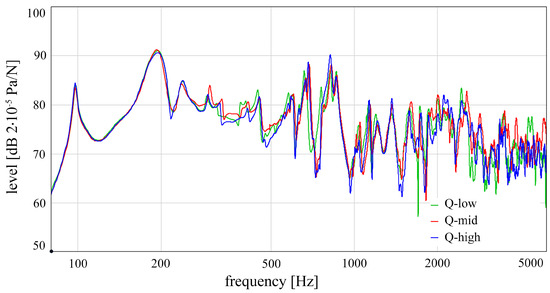
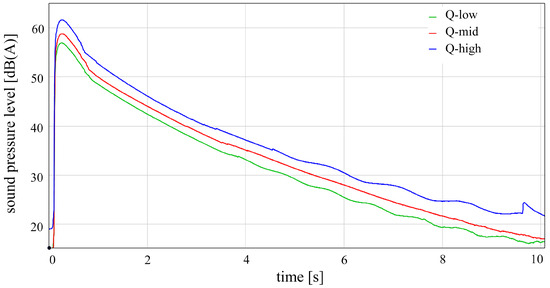
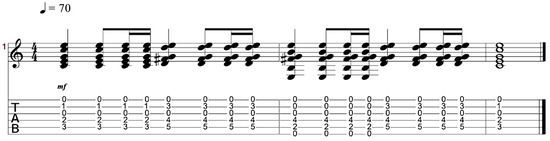
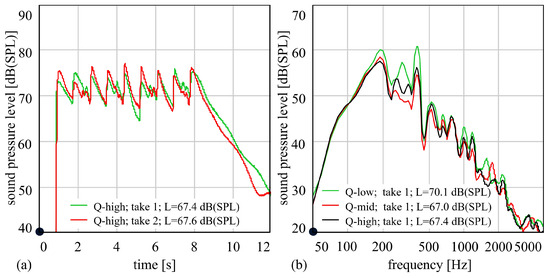
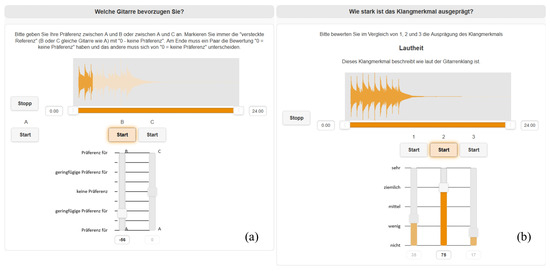
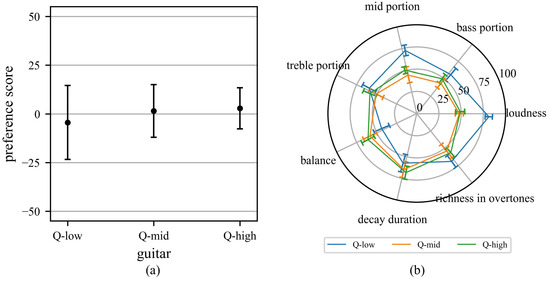
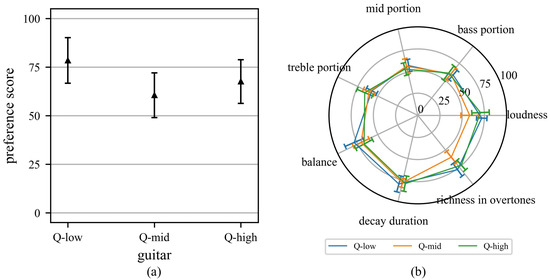
To make guitars with high sonic quality, it is essential to understand the relationship between the physical characteristics of the selected materials and the acoustic characteristics of the final instrument and how they will be perceived. The selection of wood for the soundboard is a crucial step in the guitar-making process. One relevant physical characteristic is internal material damping, about which, however, only little is known in comparison to other characteristics such as density and Young’s modulus. The present study investigated the relationship of soundboard damping to both physical and perceptual aspects of guitar sound. Three similar steel-string guitars were built with the damping of their soundboards varying between low, mid and high. Measurements of the transfer function and the plucked tone decay of the final guitars were carried out. A listening test and a playing test were conducted. The participants were asked to rate preference and seven sound attributes comprising loudness and both spectral and temporal aspects. To prepare the listening test, a short sequence was recorded by a professional guitarist with each guitar. The results suggest that varying soundboard damping had no practically relevant influence on the physical and perceptual aspects of the sound of the guitar used in this study.
Full article

Figure 1
Open AccessSystematic Review
Characterization and Effects of Floor Impact Sound in Residential Buildings: A Systematic Review
by
Yuying Zou, Mengjin Liu and Hui Ma
Acoustics 2025, 7(1), 10; https://doi.org/10.3390/acoustics7010010 - 28 Feb 2025
Abstract
►▼
Show Figures
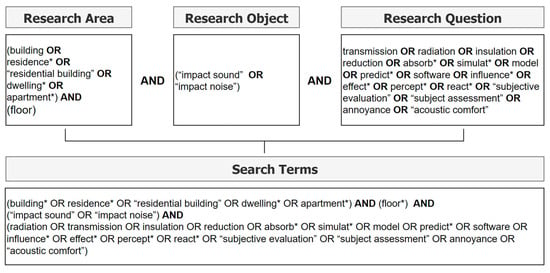
The lightweight development trend of modern residential structures reduces sound attenuation in buildings and makes sound propagation paths more complex. Neighbor-induced impact sound has become a significant source of residents’ dissatisfaction with the acoustic environment. To gain a deeper understanding of the characteristics
[...] Read more.
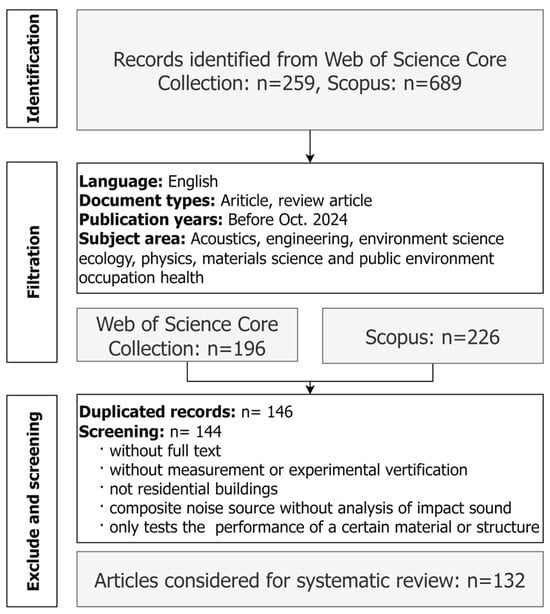
The lightweight development trend of modern residential structures reduces sound attenuation in buildings and makes sound propagation paths more complex. Neighbor-induced impact sound has become a significant source of residents’ dissatisfaction with the acoustic environment. To gain a deeper understanding of the characteristics of residential impact sound, reduce its impact on users, and improve the quality of residential buildings, a systematic review of existing research based on PRISMA2020 was carried out. Articles indexed in the Web of Science core dataset and Scopus were searched, with a cutoff date of October 2024. After screening and reviewing, 132 articles were systematically analyzed, categorizing the research on floor impact sound into four aspects, namely impact sound sources, evaluation indicators, prediction methods, and improvement measures. The results show that due to the diversity of real sound sources and differences in living habits, the standard impact sound sources in different countries or regions still need further study. Both subjective and objective evaluations indicate that heavyweight impact sound, particularly low-frequency sound, has the greatest impact on occupants and is the most difficult to eliminate. The physical characteristics of floor impact sound can be predicted using methods such as finite element analysis. However, there are fewer prediction methods for subjective evaluations due to the poor correlation between subjective and objective evaluation indicators. Though different soundproofing measures significantly improve the sound insulation of impact sound, they are still not widely applied due to materials, construction techniques, and time and economic costs. This study provides a reference for research on residential impact sound in China and offers an outlook for future research directions.
Full article

Figure 1
Open AccessArticle
Identification of the Aeroacoustic Emission Source Regions Within a Ceiling Swirl Diffuser
by
Philipp Ostmann, Martin Kremer and Dirk Müller
Acoustics 2025, 7(1), 9; https://doi.org/10.3390/acoustics7010009 - 24 Feb 2025
Abstract
►▼
Show Figures
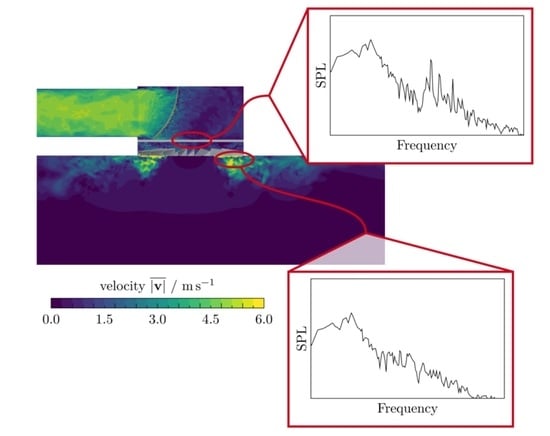
The acoustic emissions of ventilation systems and their subcomponents contribute to the perceived overall comfort in indoor environments and are, therefore, the subject of research. In contrast to fans, there is little research on the aeroacoustic properties of air diffusers (often referred to
[...] Read more.
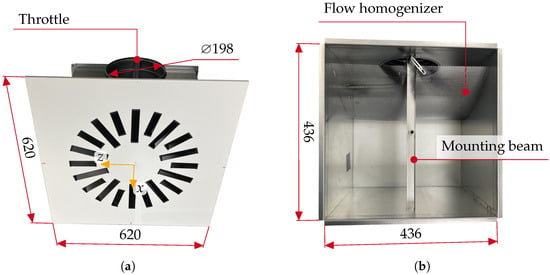
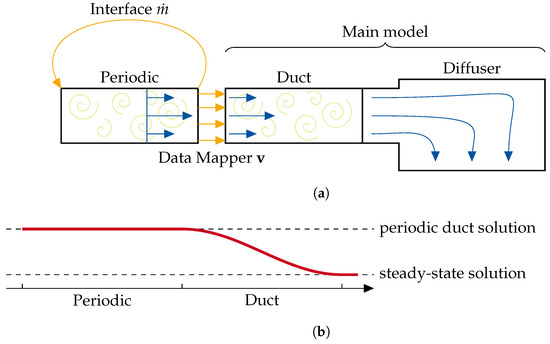
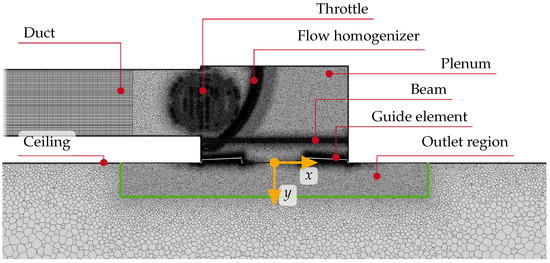
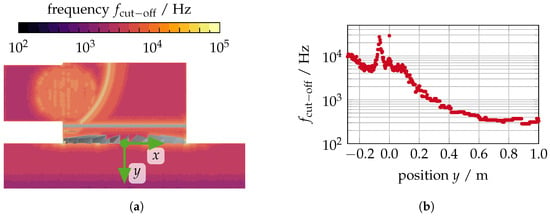
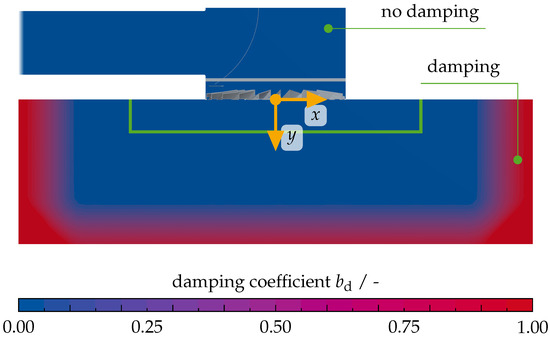
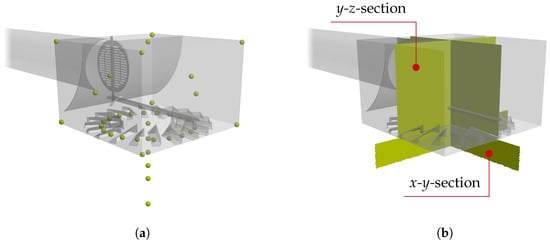
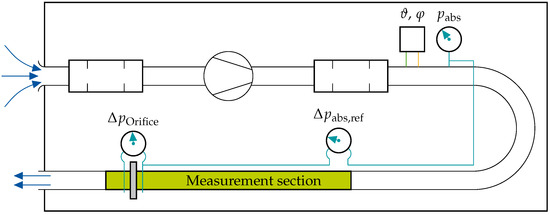
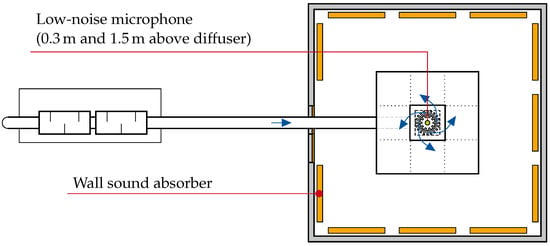
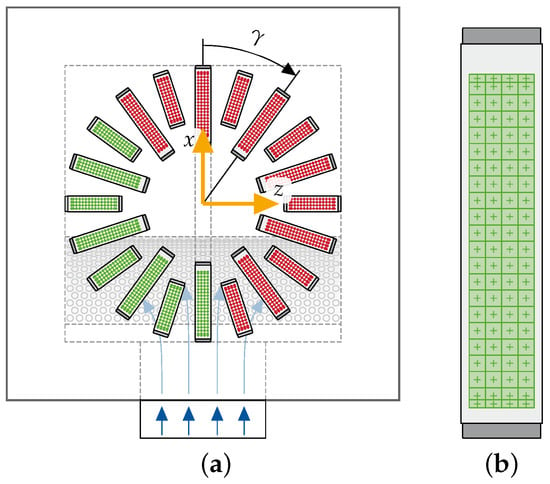
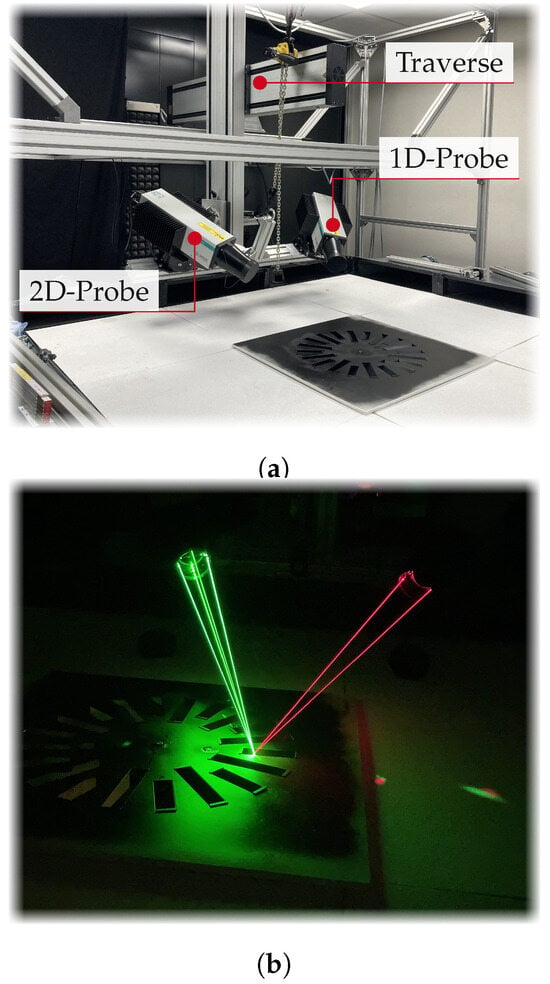
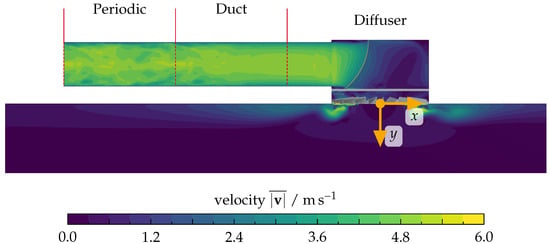
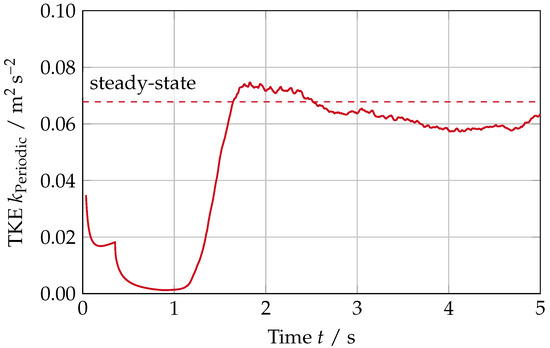
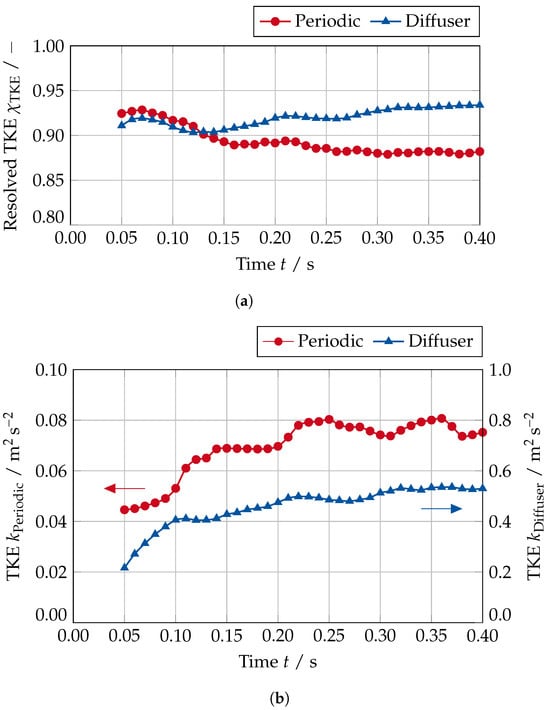
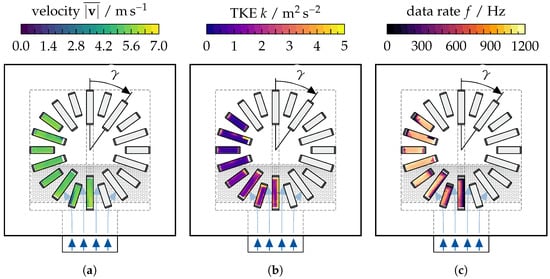
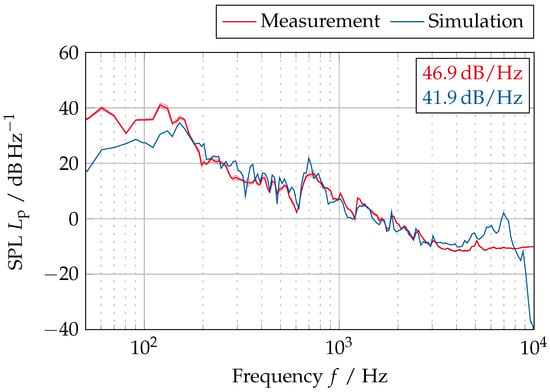
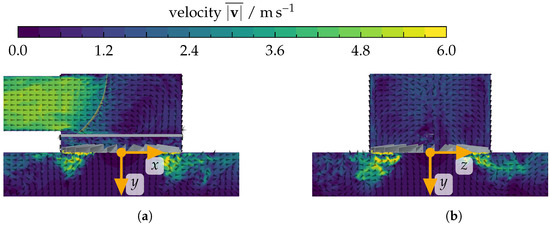
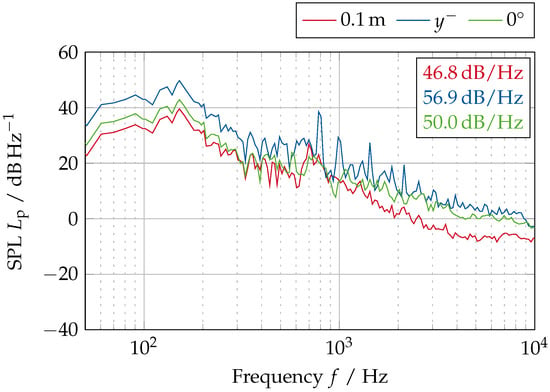
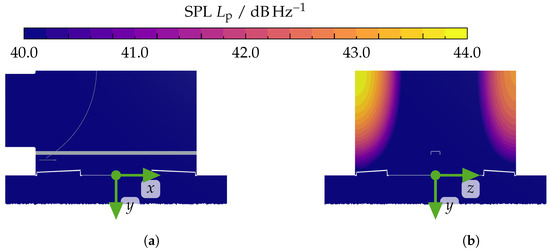
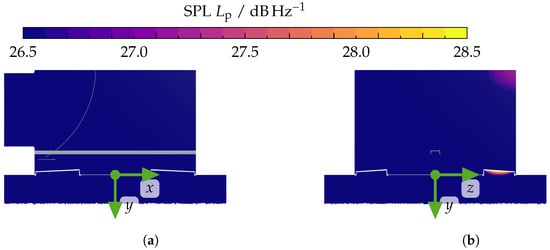
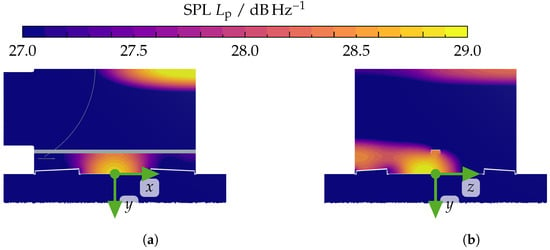
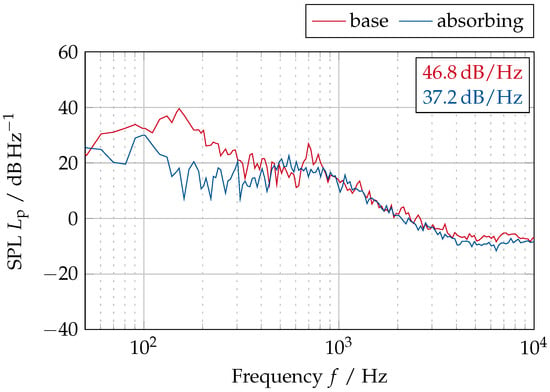
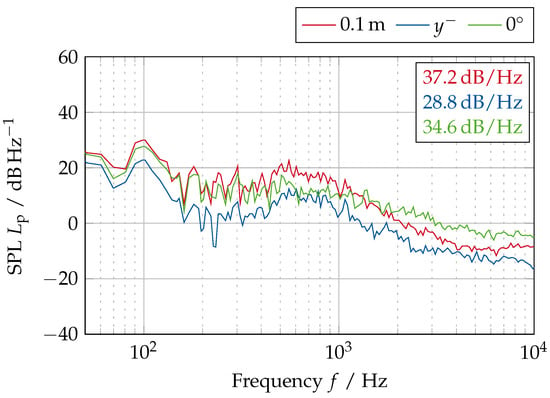
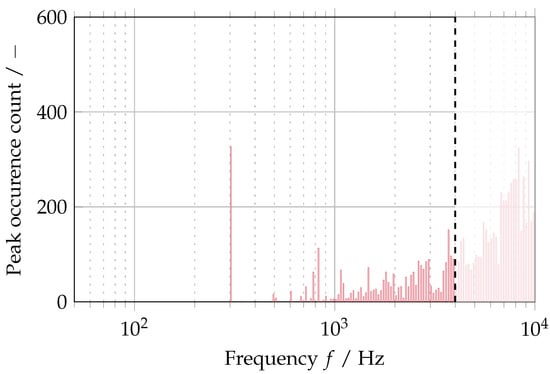
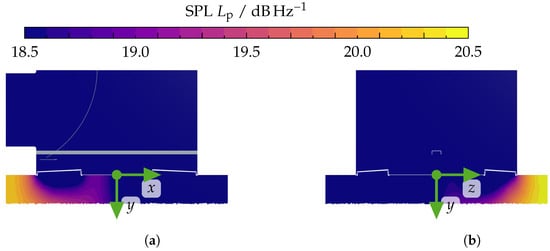
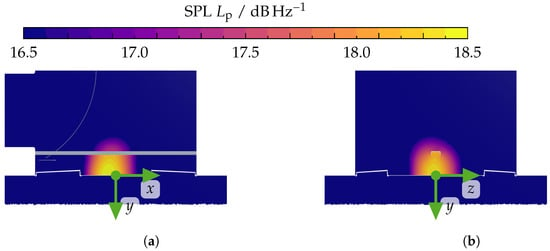
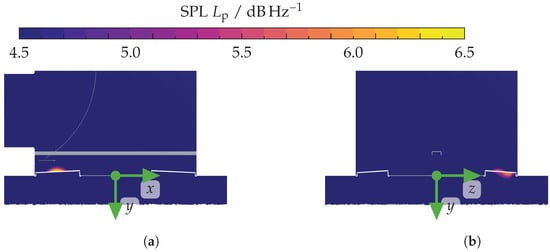
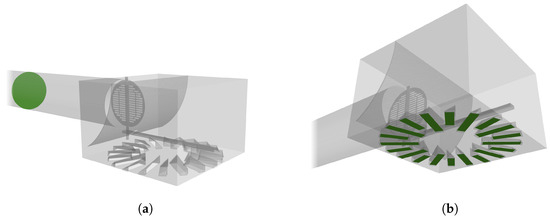
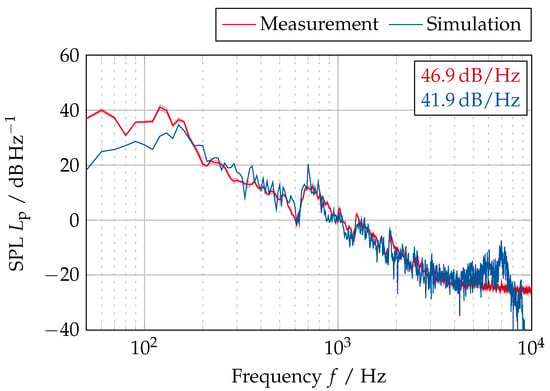
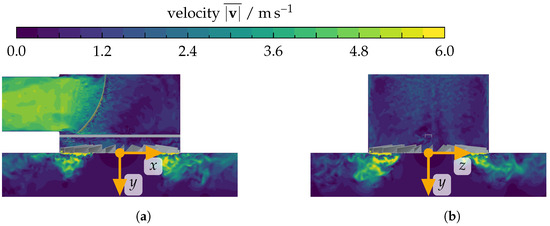
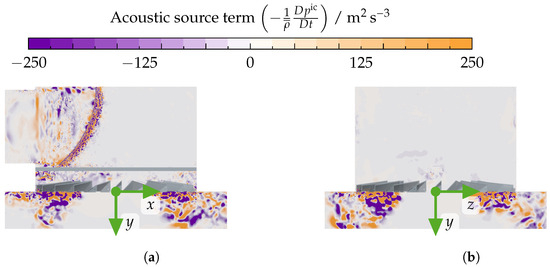
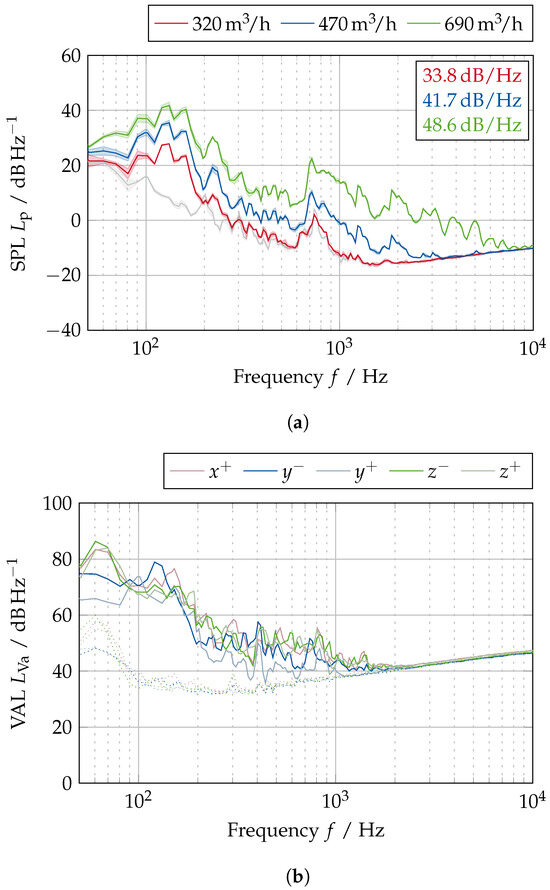
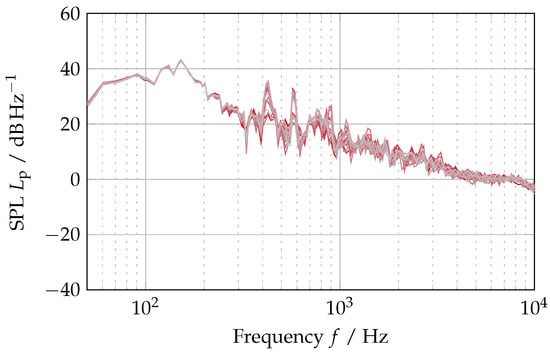
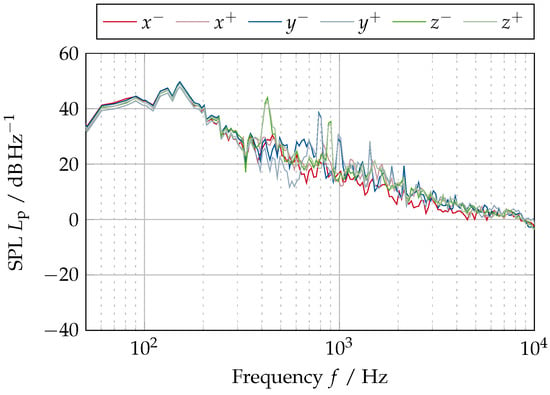
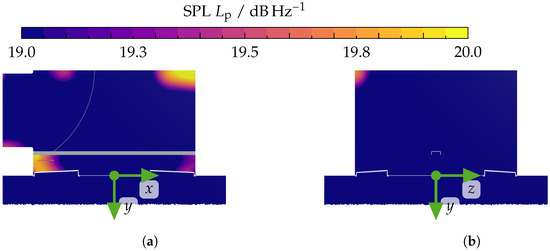
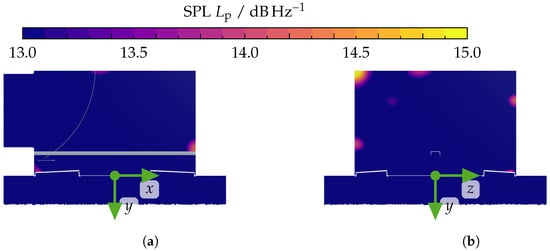
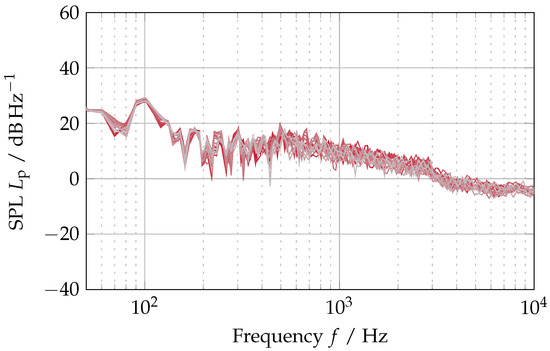
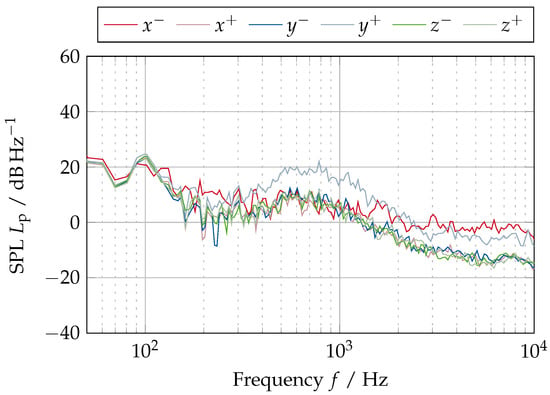
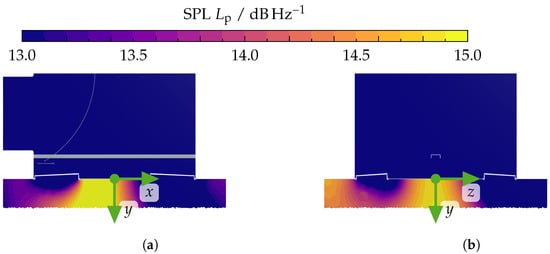
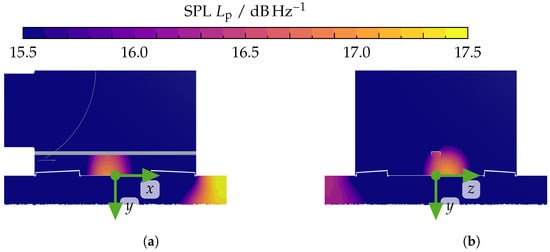
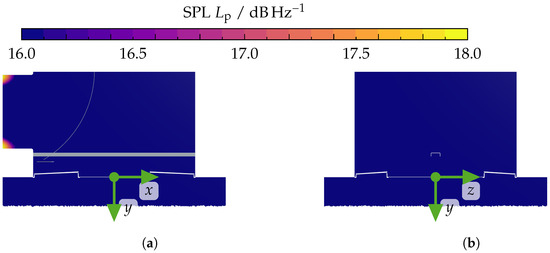
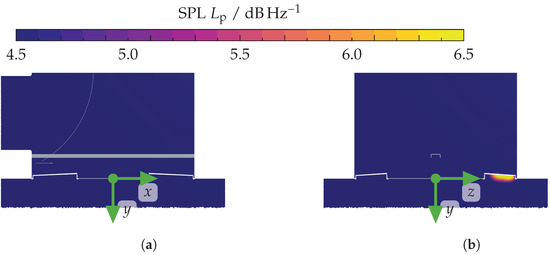
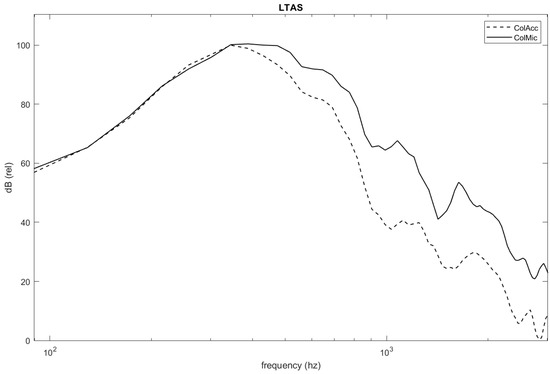
The acoustic emissions of ventilation systems and their subcomponents contribute to the perceived overall comfort in indoor environments and are, therefore, the subject of research. In contrast to fans, there is little research on the aeroacoustic properties of air diffusers (often referred to as outlets). This study investigates a commercially available ceiling swirl diffuser. Using a hybrid approach, a detailed three-dimensional large-eddy simulation is coupled with a perturbed wave equation to capture the aeroacoustic processes within the diffuser. The flow model is validated for the investigated operating point of 470 m3/h using laser-optical and acoustic measurements. To identify the noise sources, the acoustic pressure is sampled with various receivers and on cut sections to evaluate the cross-power spectral density, and the sound-pressure level distribution on cut sections is evaluated. It is found that the plenum attenuates the noise near its acoustic eigenmodes and thus dominates other noise sources by several orders of magnitude. By implementing the plenum walls as sound-absorbing, the overall sound-pressure level is predicted to decrease by nearly 10 dB/Hz. Other relevant geometric features are the mounting beam and the guide elements, which are responsible for flow-borne noise emissions near 698 Hz and 2699 Hz, respectively.
Full article

Graphical abstract
Open AccessArticle
Effects of Acoustic Shielding on Beamforming for Rotating Sound Source Localization
by
Ce Zhang, Cheng Wei Lee and Wei Ma
Acoustics 2025, 7(1), 8; https://doi.org/10.3390/acoustics7010008 - 24 Feb 2025
Abstract
►▼
Show Figures
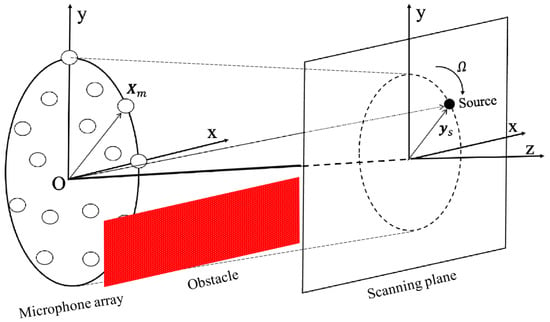
Beamforming for rotating sound source localization (denoted by rotating beamforming) is widely used in engineering nowadays. Acoustic shielding, such as shafts and covers, is typically employed in the practical measurement of rotating source localization. Acoustic shielding blocks the signal propagation between rotating sources
[...] Read more.
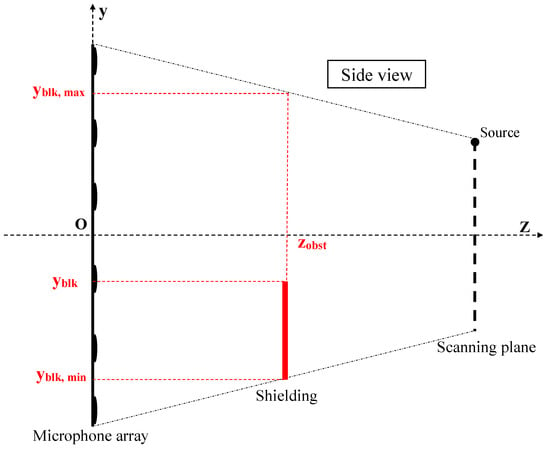
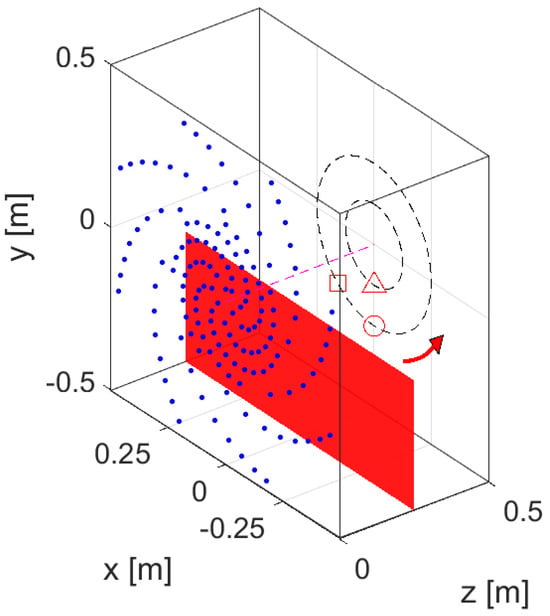
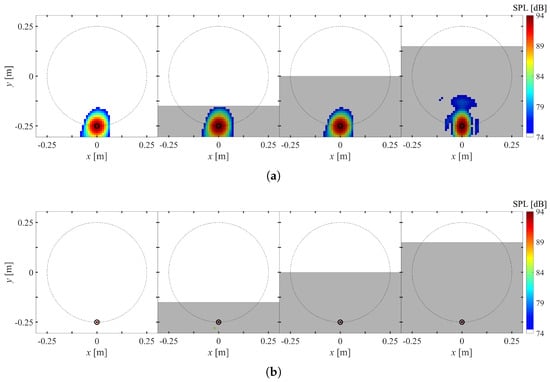
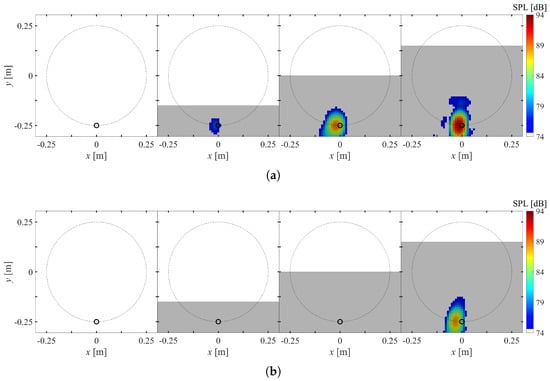
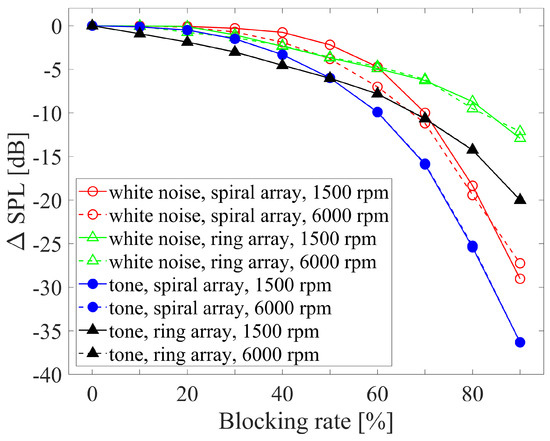
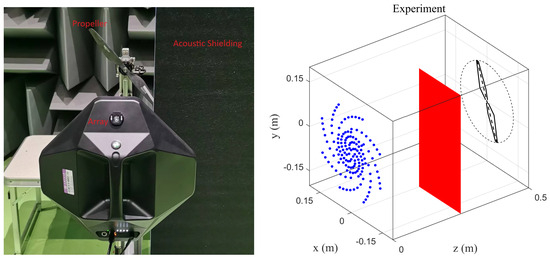
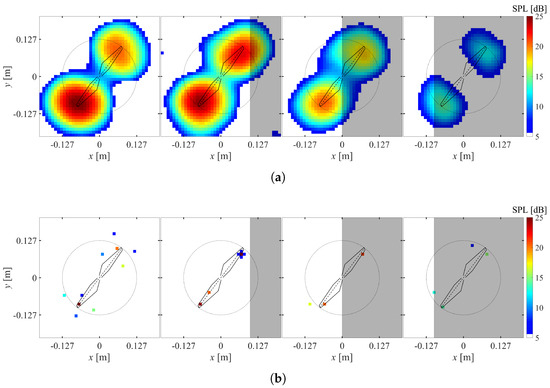
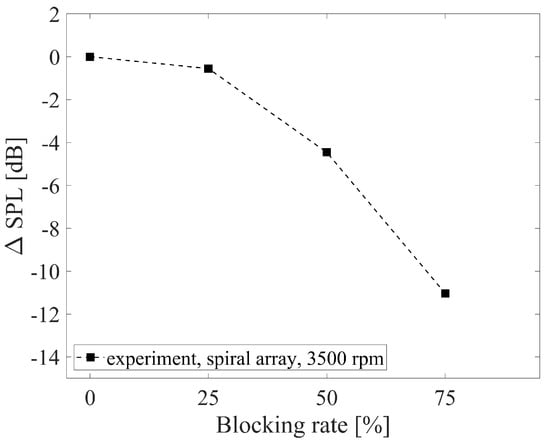
Beamforming for rotating sound source localization (denoted by rotating beamforming) is widely used in engineering nowadays. Acoustic shielding, such as shafts and covers, is typically employed in the practical measurement of rotating source localization. Acoustic shielding blocks the signal propagation between rotating sources and the array, and thus affects the performance of rotating beamforming. However, the detailed effects of acoustic shielding on rotating beamforming are still unclear. In this study, the blocking rate that represents the degree of signal propagation path blockage is defined first. The effects of acoustic shielding on rotating beamforming are then investigated in simulations. Finally, these effects are verified by experiments. According to the results of the simulation and experiments, rotating beamforming can still localize rotating sources, as long as the signal propagation path is not completely blocked. However acoustic shielding decreases sound intensity accuracy, especially when the blocking rate is larger than 50%. When acoustic shielding is employed, the ability of rotating beamforming to compensate for Doppler effects weakens.
Full article

Figure 1
Open AccessArticle
Quality Comparison of Dynamic Auditory Virtual-Reality Simulation Approaches of Approaching Vehicles Regarding Perceptual Behavior and Psychoacoustic Values
by
Jonas Krautwurm, Daniel Oberfeld-Twistel, Thirsa Huisman, Maria Mareen Maravich and Ercan Altinsoy
Acoustics 2025, 7(1), 7; https://doi.org/10.3390/acoustics7010007 - 8 Feb 2025
Abstract
►▼
Show Figures
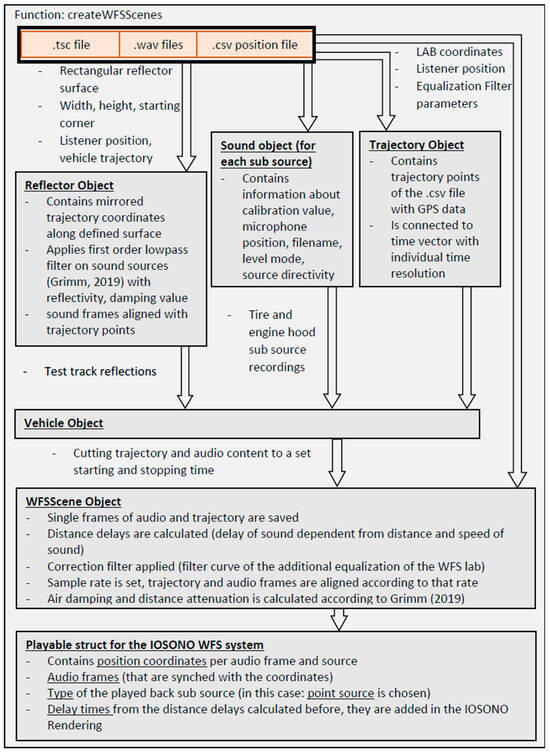
Traffic safety experiments are often conducted in virtual environments in order to avoid dangerous situations and conduct the experiments more cost-efficiently. This means that attention must be paid to the fidelity of the traffic scenario reproduction, because the pedestrians’ judgments have to be
[...] Read more.
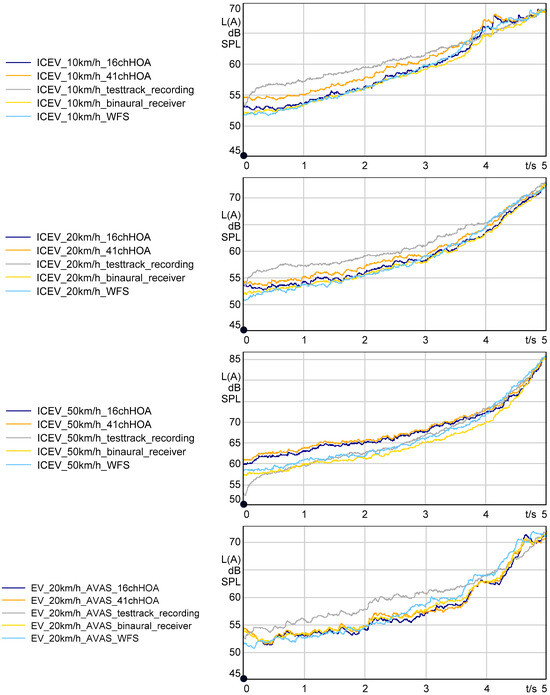
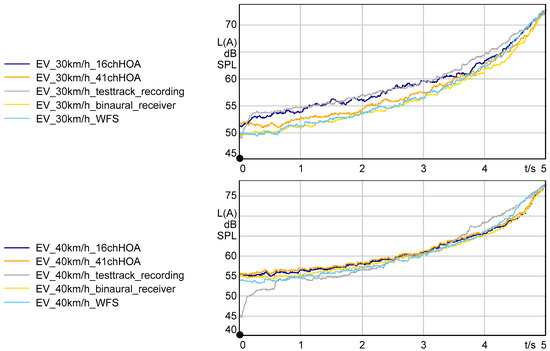
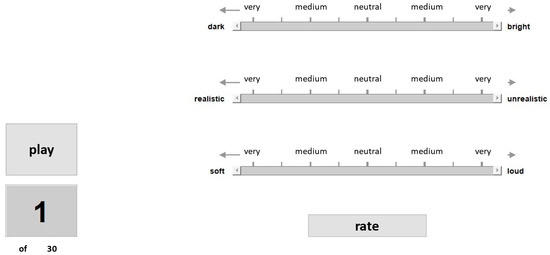
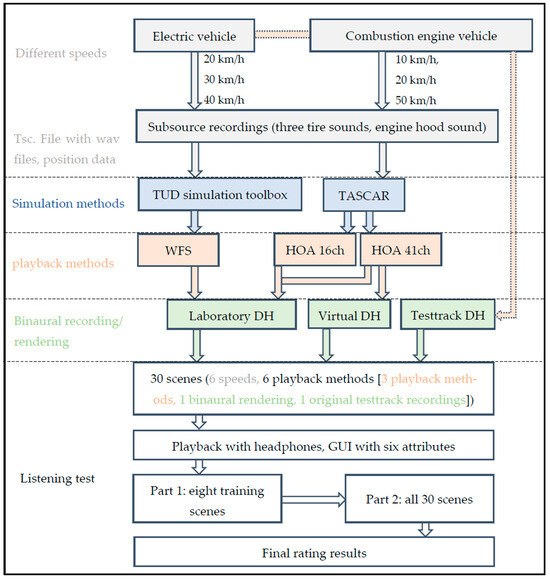
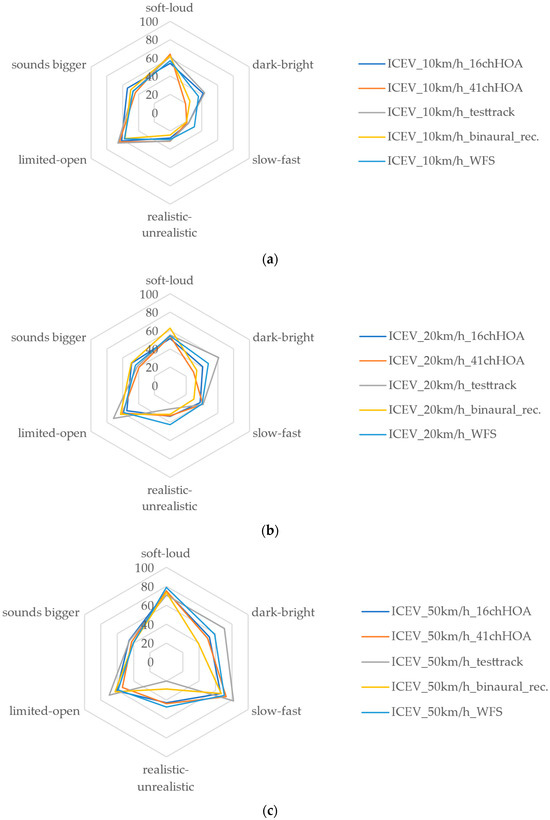
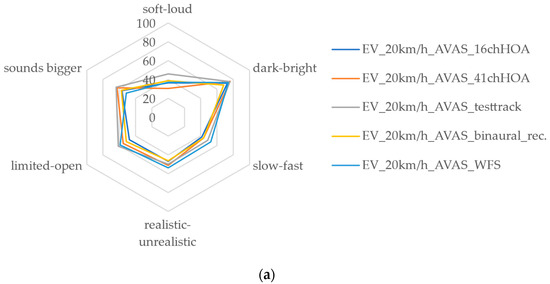
Traffic safety experiments are often conducted in virtual environments in order to avoid dangerous situations and conduct the experiments more cost-efficiently. This means that attention must be paid to the fidelity of the traffic scenario reproduction, because the pedestrians’ judgments have to be close to reality. To understand behavior in relation to the prevailing audio rendering systems better, a listening test was conducted which focused on perceptual differences between simulation and playback methods. Six vehicle driving-by-scenes were presented using two different simulation methods and three different playback methods, and binaural recordings from the test track acquired during the recordings of the vehicle sound sources for the simulation were additionally incorporated. Each vehicle driving-by-scene was characterized by different vehicle types and different speeds. Participants rated six attributes of the perceptual dimensions: “timbral balance”, “naturalness”, “room-related”, “source localization”, “loudness” and “speed perception”. While the ratings showed a high degree of similarity among the ratings of the sound attributes in the different reproduction systems, there were minor differences in the speed and loudness estimations and the different perceptions of brightness stood out. A comparison of the loudness ratings in the scenes featuring electric and combustion-engine vehicles highlights the issue of reduced detection abilities with regard to the former.
Full article

Figure 1
Open AccessArticle
Exploring Agreement in Voice Acoustic Parameters: A Repeated Measures Case Study Across Varied Recording Instruments, Speech Samples, and Daily Timeframes
by
Lady Catherine Cantor-Cutiva, Adrián Castillo-Allendes and Eric James Hunter
Acoustics 2025, 7(1), 6; https://doi.org/10.3390/acoustics7010006 - 22 Jan 2025
Abstract
►▼
Show Figures
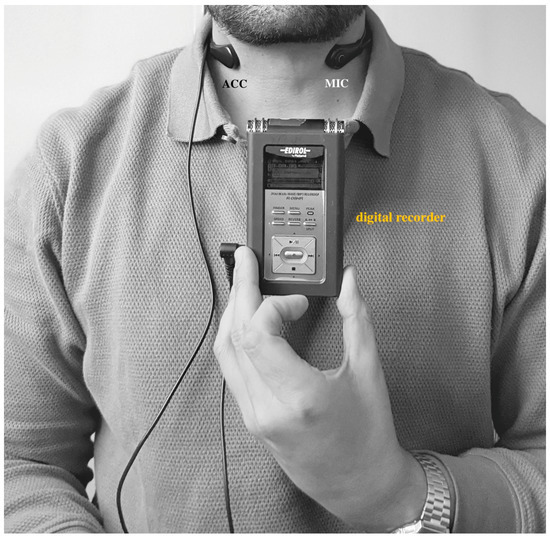
Aims: The aim was to assess the agreement between microphone-derived and neck accelerometer-derived voice acoustic parameters and their associations with recording moments and speech types. Methods: Using simultaneous recordings, a 7-week study on a single individual was conducted to reduce intersubject variability. Agreement
[...] Read more.
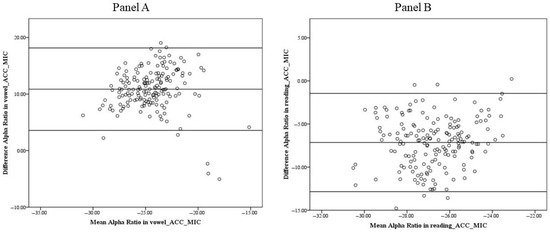
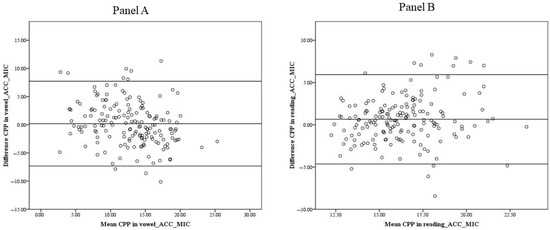
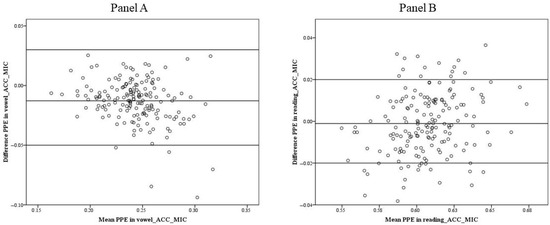
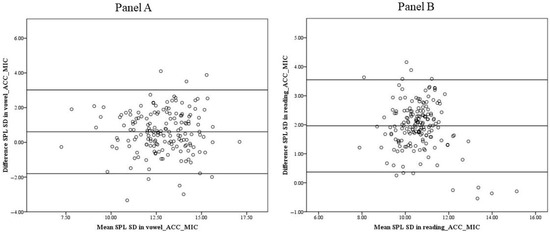
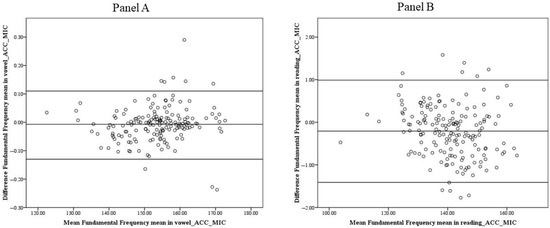
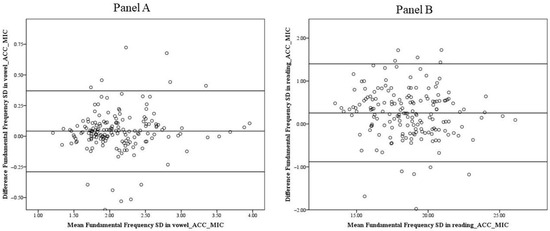
Aims: The aim was to assess the agreement between microphone-derived and neck accelerometer-derived voice acoustic parameters and their associations with recording moments and speech types. Methods: Using simultaneous recordings, a 7-week study on a single individual was conducted to reduce intersubject variability. Agreement was assessed using Bland–Altman plots, and associations were examined with generalized estimating equations. Results: Bland–Altman plots showed no significant bias between microphone (MIC) and accelerometer (ACC) measurements for alpha ratio, CPP, PPE, SPL SD, fundamental frequency (fo) mean, and SD. Speech type and measurement timing were significantly associated with alpha ratio, while the instrument was not. Microphone measurements resulted in slightly lower CPP compared to the accelerometer, while reading samples yielded higher CPP compared to vowel productions. PPE, SPL SD, and fo mean showed significant associations with speech type, based on univariate analysis. Microphone measurements yielded a statistically smaller fo SD compared to the accelerometer, while reading productions had a larger fo SD than vowel productions. Conclusions: Fundamental frequency, alpha ratio, PPE, and SPL SD values were robust, regardless of the instrument used, suggesting the potential use of accelerometers in less-controlled environments. These findings are crucial for enhancing confidence in voice metrics and exploring efficient clinical assessment protocols.
Full article

Figure 1
Open AccessArticle
A Periodic Extension to the Fokas Method for Acoustic Scattering by an Infinite Grating
by
Shiza B. Naqvi and Lorna J. Ayton
Acoustics 2025, 7(1), 5; https://doi.org/10.3390/acoustics7010005 - 17 Jan 2025
Abstract
►▼
Show Figures
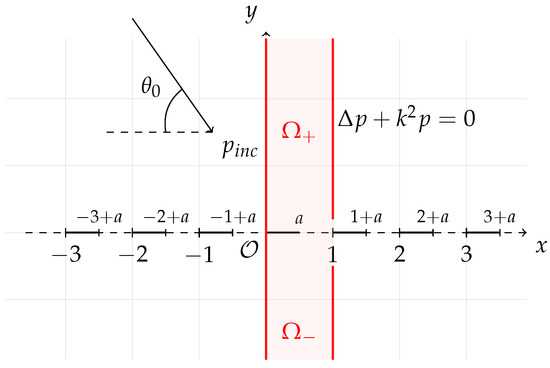
The Fokas method (also known as the unified transform method) is used to investigate acoustic scattering by thin, infinite grating by extending the methodology to apply to spatially periodic domains. Infinite grating is used to model a perforated screen, a material of interest
[...] Read more.
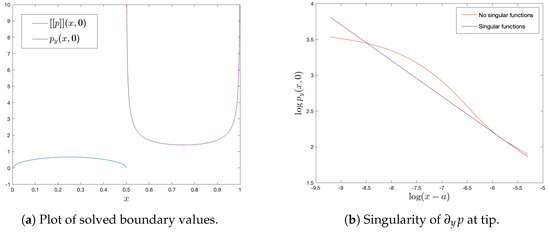
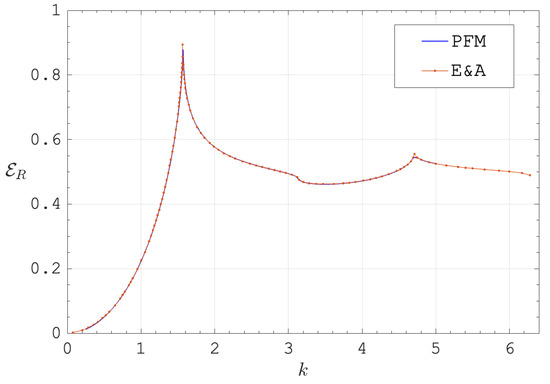
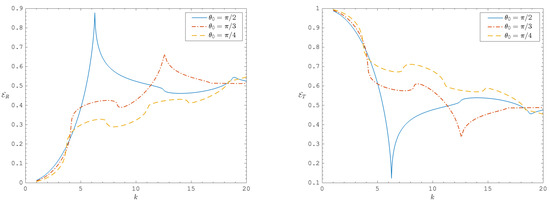
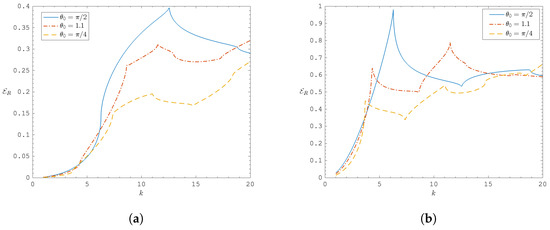
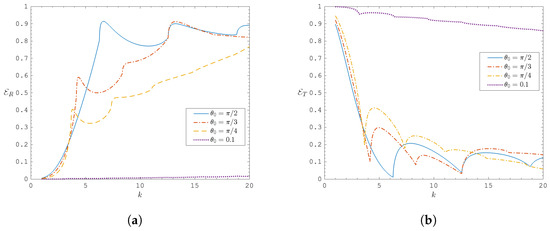
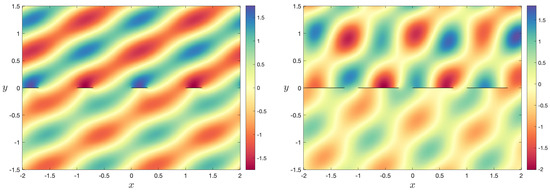
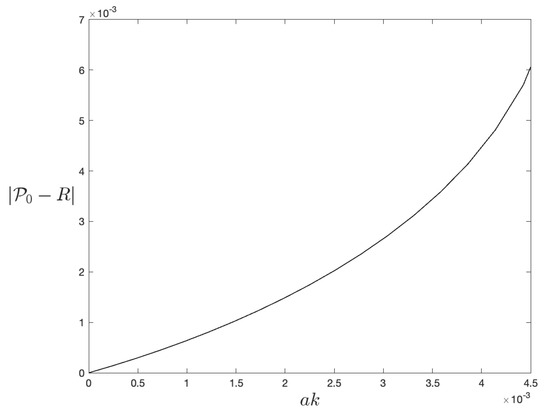
The Fokas method (also known as the unified transform method) is used to investigate acoustic scattering by thin, infinite grating by extending the methodology to apply to spatially periodic domains. Infinite grating is used to model a perforated screen, a material of interest in aeroacoustics and noise reduction. Once the method is established, its numerical results are verified against the Wiener–Hopf (WH) technique, which has solved the problem only for a special case. A key benefit of the novel approach is that the scatterer, modelled as an infinitely repeating unit cell consisting of a thin, rigid plate, can take any length. This is in contrast to the WH method, where the plate length is restricted to half the width of the unit cell (for this method, no such restriction exists). The numerical method is an over-sampled collocation method of the integral equation resulting from applying the Fokas method: the global relation. The only increase in complexity in adapting the Fokas method to more complicated cell geometries is a higher number of terms in the global relation. The proportion of energy transmitted and reflected by the grating structure is assessed for varying incident wave angles, frequencies, and plate lengths.
Full article

Figure 1
Open AccessArticle
Improved Direct–Parallel Active Noise Control Systems for Narrowband Noise
by
Cheng-Yuan Chang, Ming-Han Ho and Sen M. Kuo
Acoustics 2025, 7(1), 4; https://doi.org/10.3390/acoustics7010004 - 13 Jan 2025
Abstract
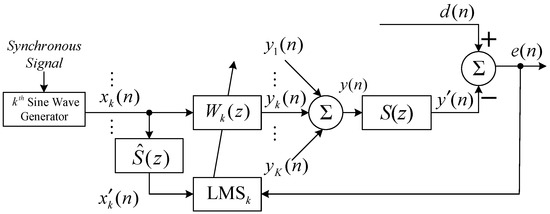
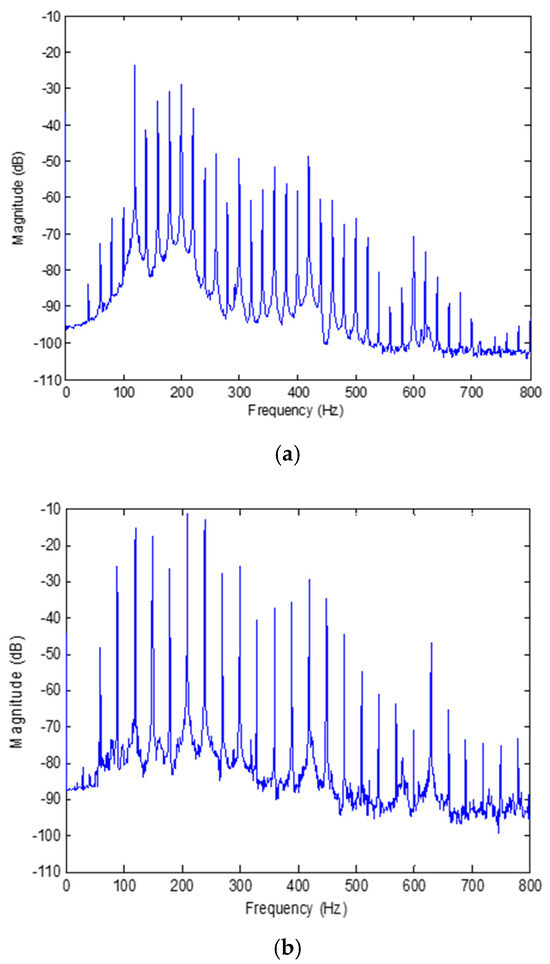
Narrowband active noise control (NANC) systems are extensively used to cancel narrowband noise. Direct, parallel, and direct–parallel NANC systems use nonacoustic sensors to measure rotational speeds, and a bank of signal generators then produces synchronized sinusoidal waveforms as reference signals corresponding to the
[...] Read more.
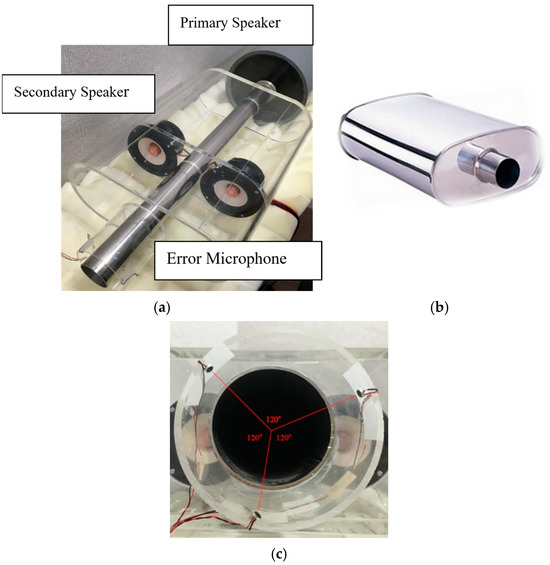
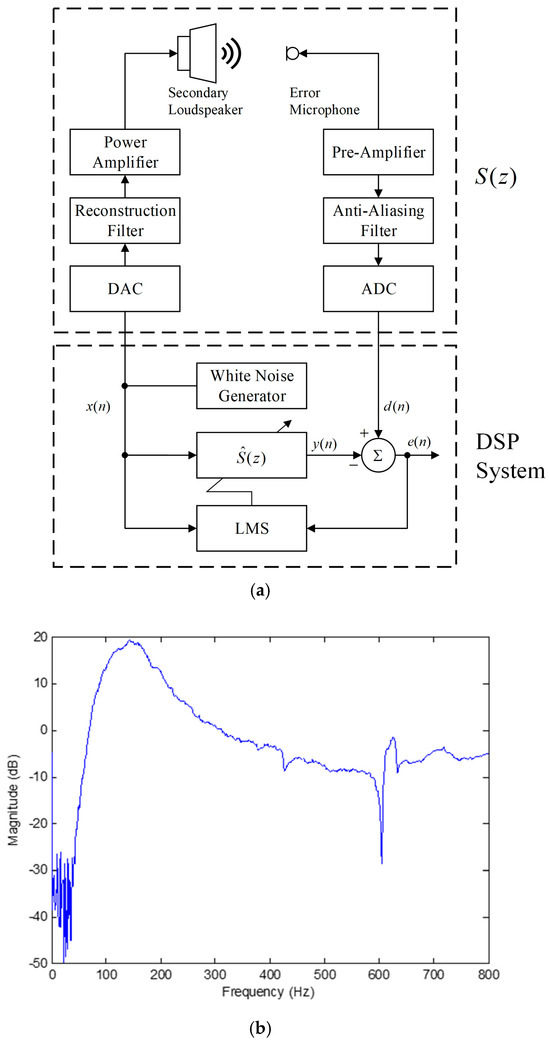
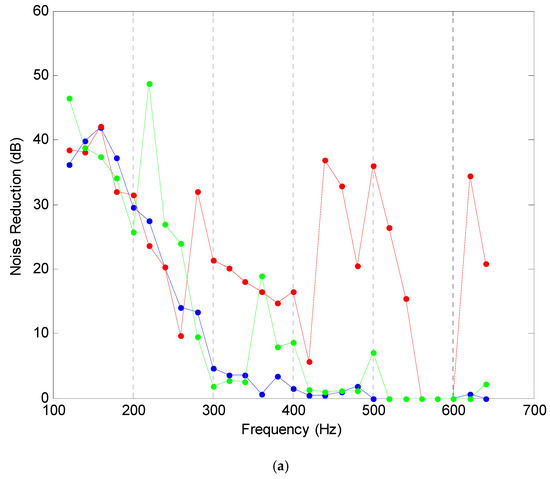
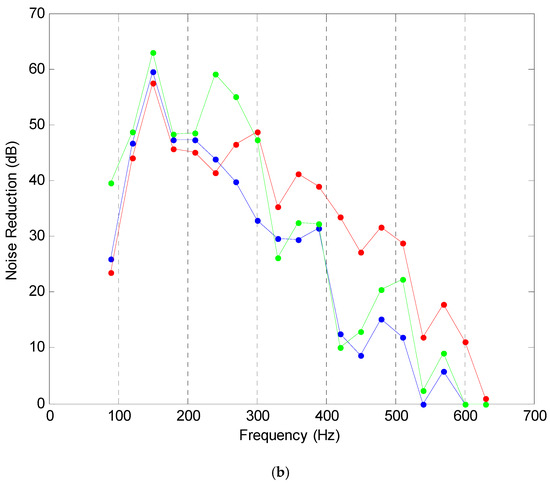
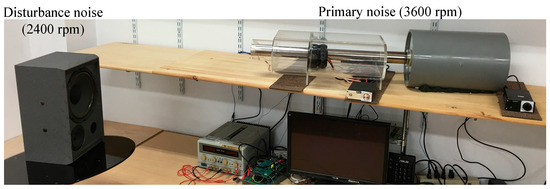
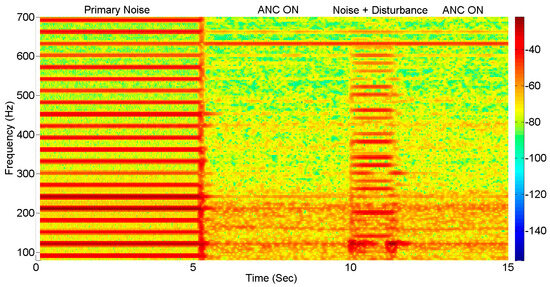
Narrowband active noise control (NANC) systems are extensively used to cancel narrowband noise. Direct, parallel, and direct–parallel NANC systems use nonacoustic sensors to measure rotational speeds, and a bank of signal generators then produces synchronized sinusoidal waveforms as reference signals corresponding to the fundamental frequency of the undesired noise. The performance of direct NANC systems is based on the frequency difference between two adjacent reference input sinusoids. Parallel NANC systems apply several sinewave generators and two-weight adaptive filters in parallel to attenuate these narrowband components. Conventional direct–parallel NANC systems split these sinusoids into several mutually exclusive sets such that the distance between frequencies within sets is maximized. This paper proposes an improved direct–parallel NANC system in which reference sinusoidal signals are separated by amplitude to enhance efficiency and improve noise reduction performance. Several experiments were conducted using a muffler model to verify the performance of the proposed NANC system.
Full article
(This article belongs to the Special Issue Active Control of Sound and Vibration)
►▼
Show Figures

Figure 1
Open AccessArticle
Effect of Acoustic Absorber Type and Size on Sound Absorption of Porous Materials in a Full-Scale Reverberation Chamber
by
Oshoke Wil Ikpekha and Mark Simms
Acoustics 2025, 7(1), 3; https://doi.org/10.3390/acoustics7010003 - 7 Jan 2025
Cited by 1
Abstract
The acoustic product development process, crucial for effective noise control, emphasises efficient testing and validation of materials for sound absorption in the R&D phase. Balancing cost-effectiveness, speed, and sustainability, the focus is on minimising excess materials. While strides have been made in reducing
[...] Read more.
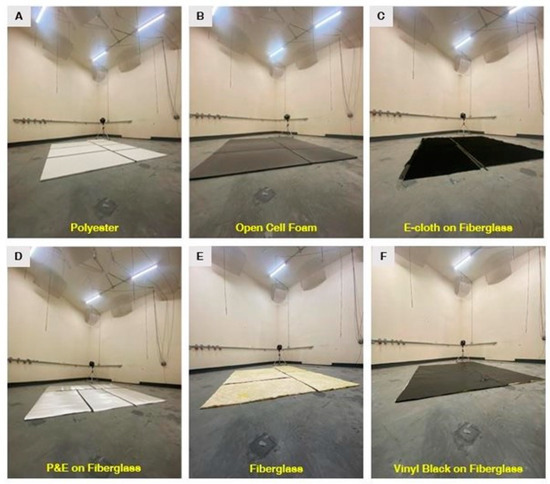
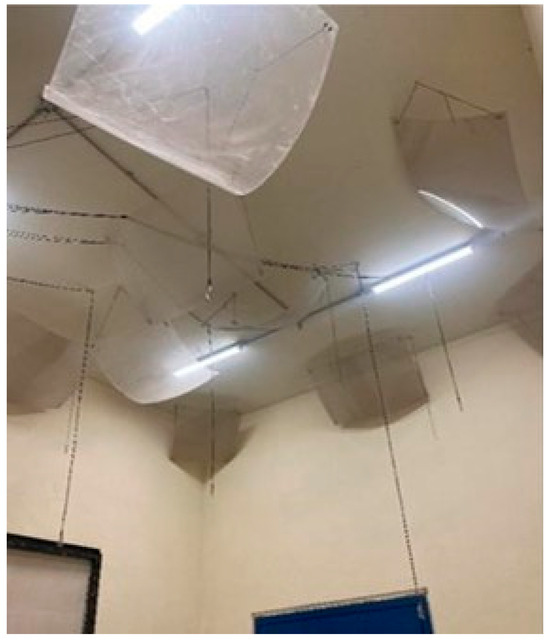
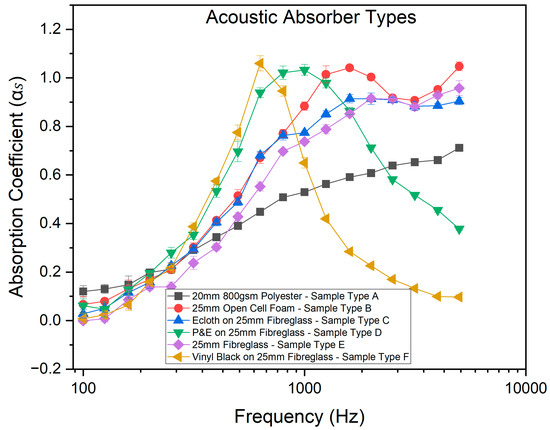
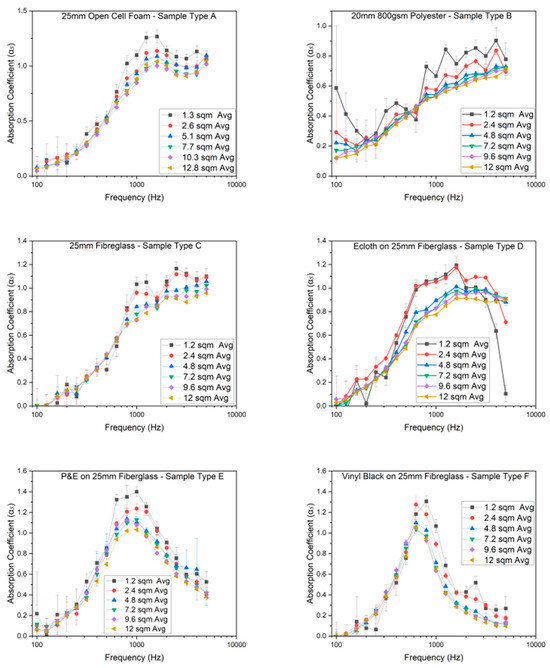
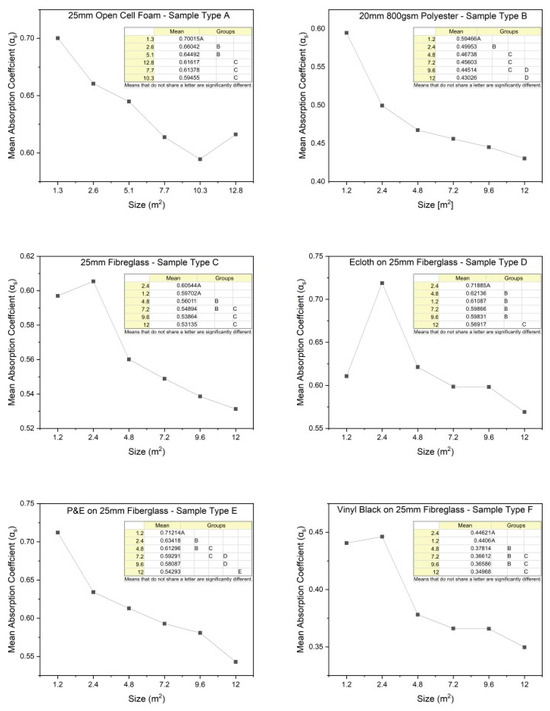
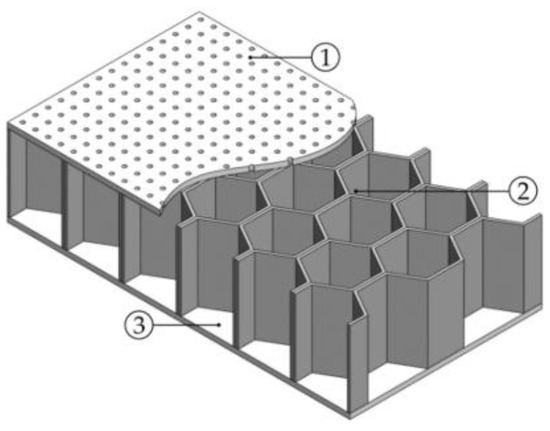
The acoustic product development process, crucial for effective noise control, emphasises efficient testing and validation of materials for sound absorption in the R&D phase. Balancing cost-effectiveness, speed, and sustainability, the focus is on minimising excess materials. While strides have been made in reducing sample sizes for estimating random-incident absorption, challenges persist, particularly in establishing validity thresholds for smaller samples with increasing thickness, susceptible to potential overestimation due to edge effects. This study delves into analysing the absorption coefficients of widely used acoustic absorber types—polyester, fibreglass, and open-cell foam—in a full-scale reverberation chamber at Ventac, Blessington, and Wicklow. Demonstrating significant absorption above 500 Hz, these porous absorbers exhibit diminished effectiveness at lower frequencies. The strategic combination of these absorbers with different facings enhances their theoretical broadband absorption characteristics in practical applications. Moreover, the study assesses the validity threshold for reduced sample sizes, employing statistical analysis against ISO 354:2003 standard control samples of the absorber types. Analysis of Variance (ANOVA) on material groups underscores the significant influence of frequency components and sample sizes on the absorption coefficient. The determined validity threshold for 12.8 sqm ISO 354 standard control size is 7.7 sqm for the 25 mm open-cell foam. Similarly, the validity threshold of the 12 sqm ISO 354 standard control size is 9.6 sqm for the 20 mm 800 gsm polyester, 7.2 sqm for the 25 mm fibreglass, and the vinyl black on 25 mm fibreglass.
Full article
(This article belongs to the Special Issue Acoustic Materials)
►▼
Show Figures

Figure 1

Open AccessArticle
Determining Water Pipe Leakage Using an RP-CNN Model to Identify the Causes and Improve Poor-Accuracy Cases
by
Muhammad Anshari Caronge, Taichi Shibuya, Yasuhiro Arai, Xinyi Dong, Takaharu Kunizane and Akira Koizumi
Acoustics 2025, 7(1), 2; https://doi.org/10.3390/acoustics7010002 - 3 Jan 2025
Abstract
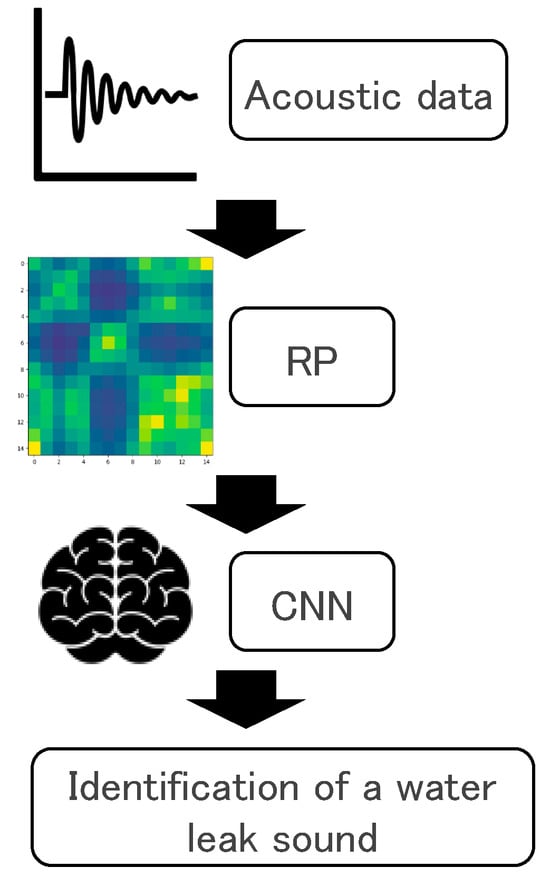
This study aimed to assess and improve the accuracy of a water leakage detection model proposed in preliminary research. The poor results for water leakage sound (recall) and background noise (specificity) were clarified using countermeasures in accordance with each condition. Additionally, frequency amplification
[...] Read more.
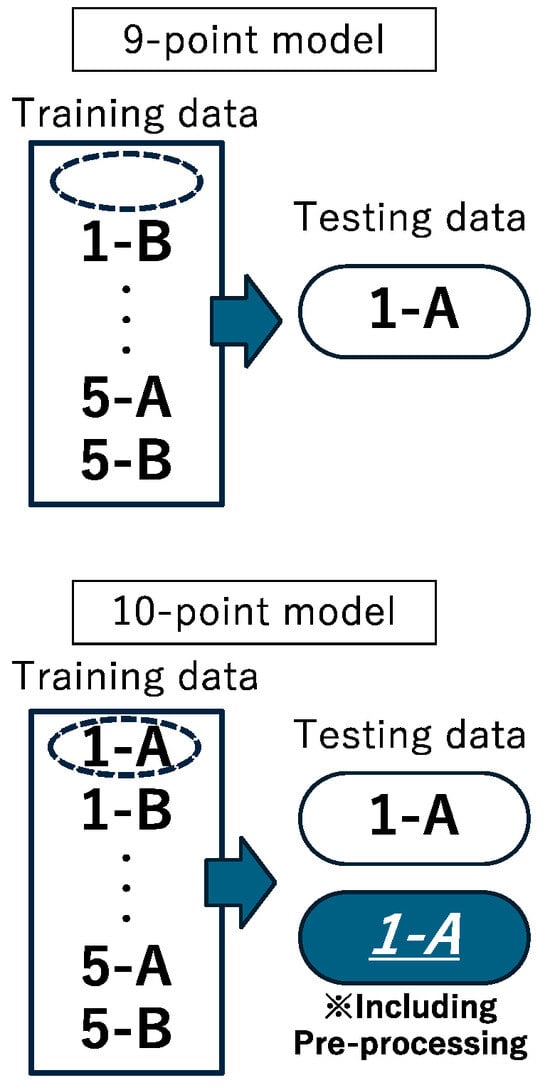
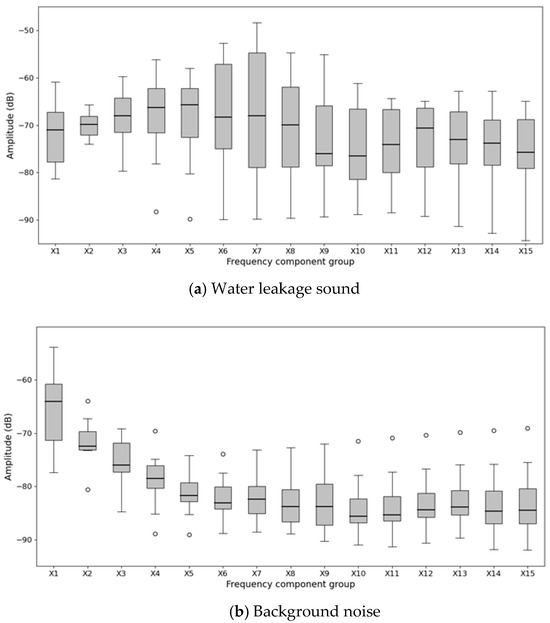
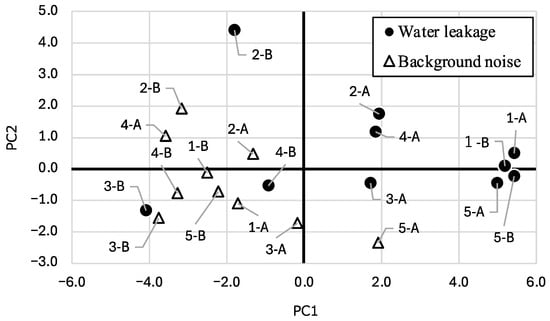
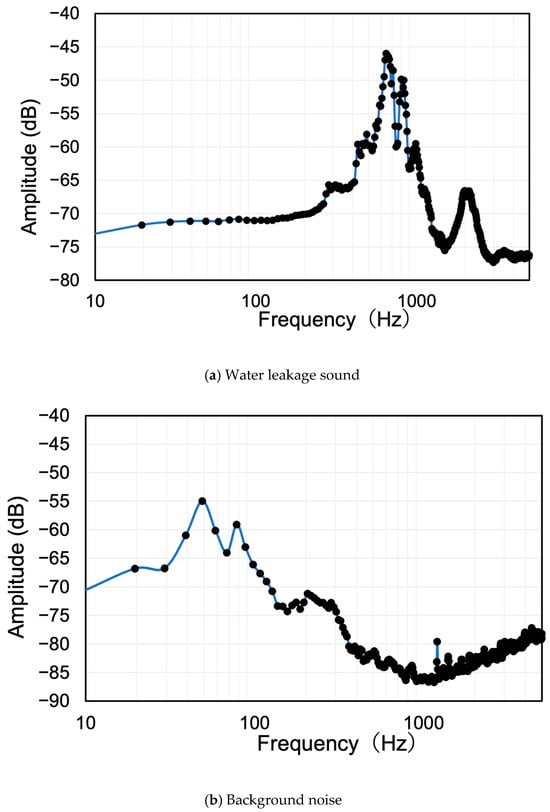
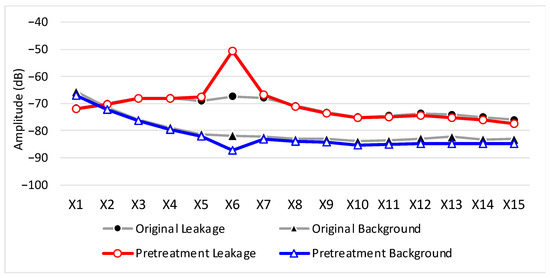
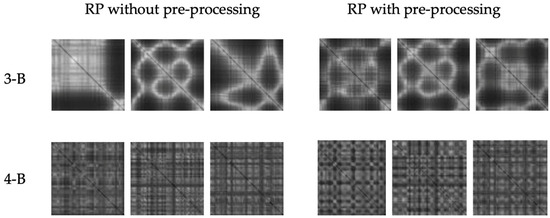
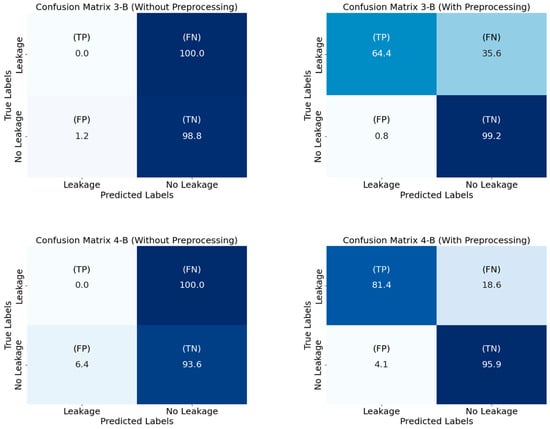
This study aimed to assess and improve the accuracy of a water leakage detection model proposed in preliminary research. The poor results for water leakage sound (recall) and background noise (specificity) were clarified using countermeasures in accordance with each condition. Additionally, frequency amplification in the range of 500–600 Hz, the attenuation of weak components, and a band-stop filter were used to remove the 50 Hz component and harmonics. Pre-processing was carried out in the form of amplification, with weak noise removed using a band-stop filter. The results showed that the application of the proposed model improved the detection accuracy by 80% at the observation points that initially had poor accuracy. Thus, the proposed method was effective at improving the performance of the Recurrence Plot-Convolutional Neural Network (RP-CNN) model for detecting water leakages.
Full article
(This article belongs to the Special Issue Duct Acoustics)
►▼
Show Figures

Figure 1
Open AccessArticle
Influence of Infotainment-System Audio Cues on the Sound Quality Perception Onboard Electric Vehicles in the Presence of Air-Conditioning Noise
by
Massimiliano Masullo, Katsuya Yamauchi, Minori Dan, Federico Cioffi and Luigi Maffei
Acoustics 2025, 7(1), 1; https://doi.org/10.3390/acoustics7010001 - 25 Dec 2024
Abstract
►▼
Show Figures
Car cabin noise generated by heating, ventilation, and air-conditioning (HVAC) systems significantly impacts passengers’ acoustic comfort. In fact, with the reduction in engine noise due to the passage from internal combustion to electric or hybrid-electric engines, interior background noise has dramatically reduced, especially
[...] Read more.
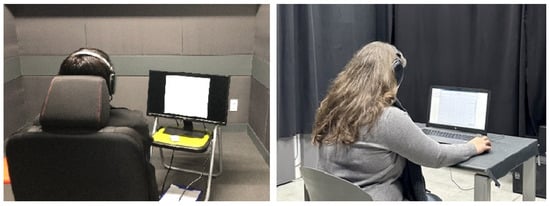
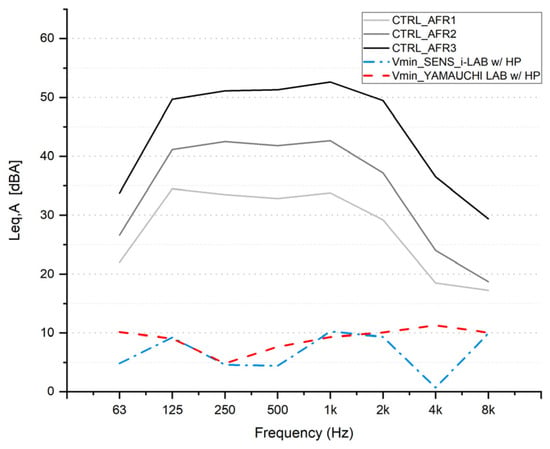
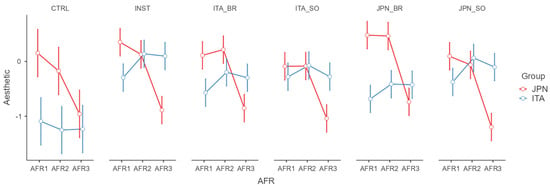
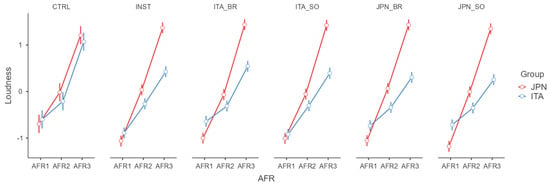
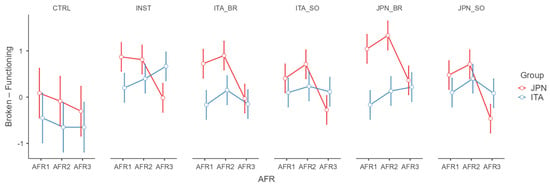
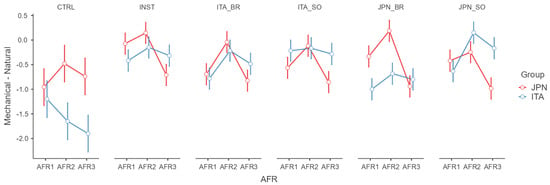
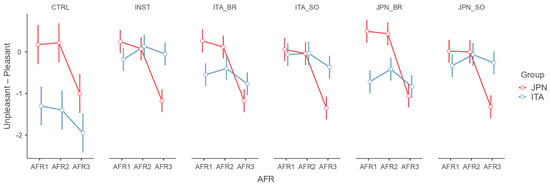
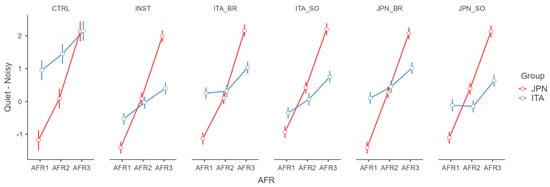
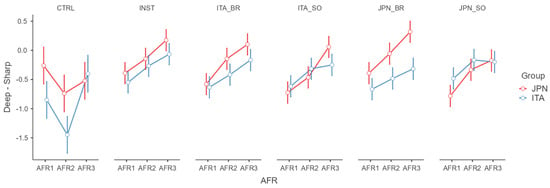
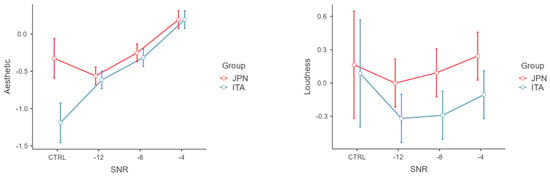
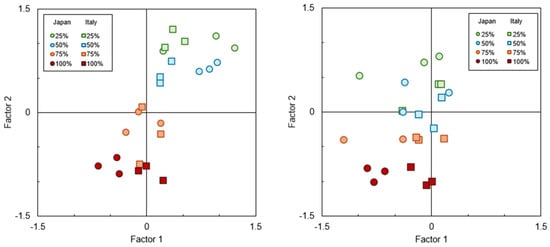
Car cabin noise generated by heating, ventilation, and air-conditioning (HVAC) systems significantly impacts passengers’ acoustic comfort. In fact, with the reduction in engine noise due to the passage from internal combustion to electric or hybrid-electric engines, interior background noise has dramatically reduced, especially at 25% and 50% HVAC airflow rates. While previous research has focused on the effect of HVAC noise in car cabins, this paper investigates the possibility of using car infotainment-system audio cues to moderate onboard sound quality perception. A laboratory experiment combining the factors of infotainment-system audio (ISA) cues, signal-to-noise ratios (SNRs), and airflow rates (AFRs) at different levels was performed in two university laboratories in Italy and Japan involving groups of local individuals. The results indicate that introducing ISA cues in car cabins fosters improvements in the perceived aesthetic dimension of sound quality, making it more functioning, natural, and pleasant. For the Italian group, adding ISA cues also moderated the loudness dimension by reducing noise perception. The moderating effects of ISA cues differed between the Italian and Japanese groups, depending on the AFR. All these effects were more evident at the SNR level of −4 dB when the ISA cues competed with existing background noise.
Full article

Figure 1
Open AccessArticle
Racing in Kart Dromes: Laboratory and Site Assessment of Noise Levels from Competition and Rental Karts
by
Antonella Bevilacqua, Gino Iannace, Luis Gomez-Agustina and Amelia Trematerra
Acoustics 2024, 6(4), 1180-1192; https://doi.org/10.3390/acoustics6040064 - 17 Dec 2024
Abstract
Kart racing is one of the hobbies that people get passionate about from a young age. Kart dromes are commonly built in suburban or rural areas, generally surrounded by industrial zones and sporadic residential buildings. The circuits are primarily active during summer, hosting
[...] Read more.
Kart racing is one of the hobbies that people get passionate about from a young age. Kart dromes are commonly built in suburban or rural areas, generally surrounded by industrial zones and sporadic residential buildings. The circuits are primarily active during summer, hosting races that often extend into the evening and night hours, where each race has a duration of 20 min. This study examines the noise generated by kart dromes through acoustic measurements conducted at a kart drome located in southern Italy, where a microphone was placed at the side of the circuit for short periods in addition to a survey conducted at the nearest sensitive receptor. Another survey was conducted within the kart drome for a long-term period to record all of the variations in noise levels of a typical summer day when the races are organized during the nighttime; for this type of data, the hourly average values were taken for one week in June, July, and August, highlighting the increasing trend in the noise levels due to the kart races. However, a detailed analysis of noise emissions during different phases of kart operation revealed two significant acoustic events, such as the acceleration of pass-by peaks centered on high frequencies and strong breaking noise at curves that are centered at low-medium frequencies, causing a whistling noise of the wheels while turning the kart. This paper highlights the increasing trend in noise levels during summer nighttime races, compares on-site measurements with laboratory data, and discusses the implications for local communities and noise regulations.
Full article
(This article belongs to the Special Issue Vibration and Noise (2nd Edition))
►▼
Show Figures

Figure 1

Open AccessArticle
Introducing Silencers on Micro Turboshafts Powering Unmanned Aerial Vehicles
by
Andrei-George Totu, Cristian Olariu, Marius Deaconu, Laurențiu Cristea, Luminița Drăgășanu and Constantin Sandu
Acoustics 2024, 6(4), 1154-1179; https://doi.org/10.3390/acoustics6040063 - 16 Dec 2024
Abstract
The transition to alternative electrical energy solutions for drone propulsion systems presents several challenges, particularly in managing noise. This noise, compounded by that from the propellers, can produce spectra that are either unpleasant to humans or detrimental to mission objectives. This study explores
[...] Read more.
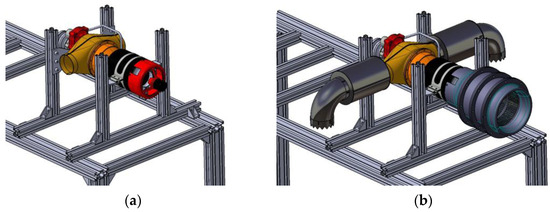
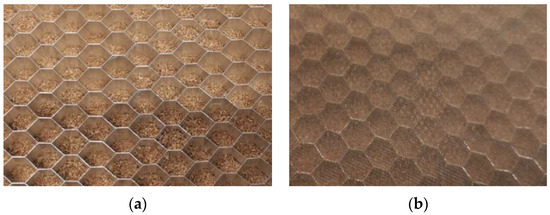
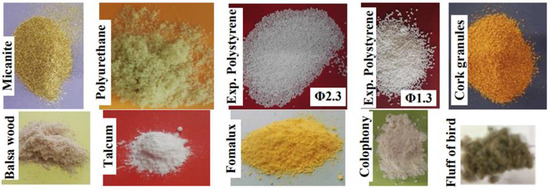
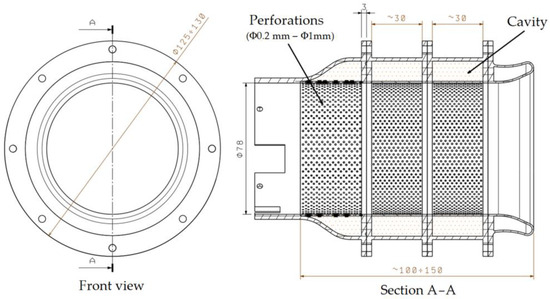
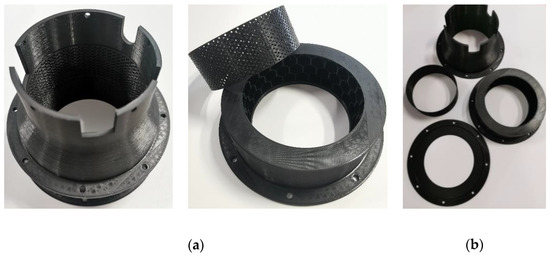
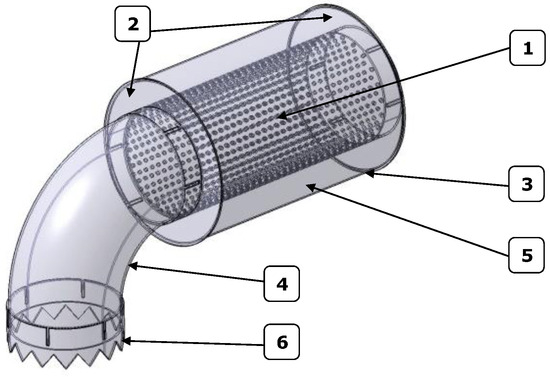
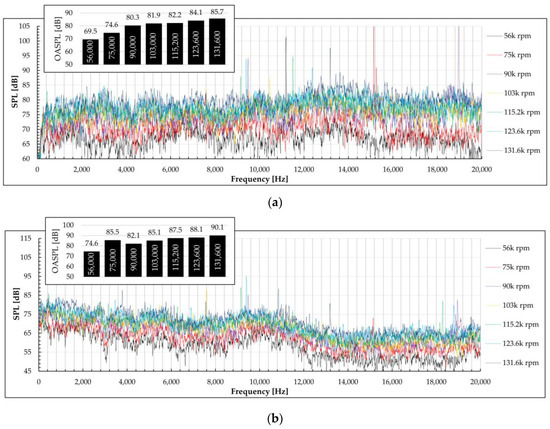
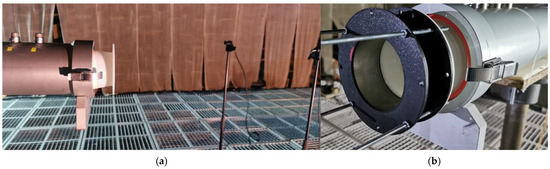
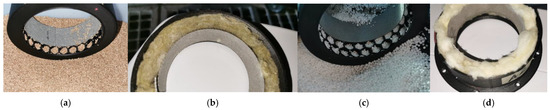
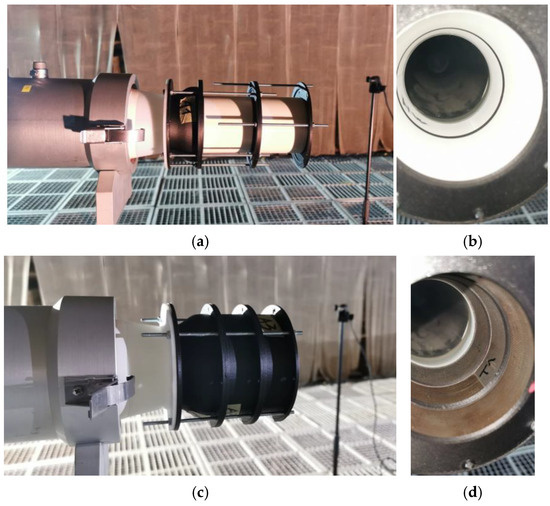
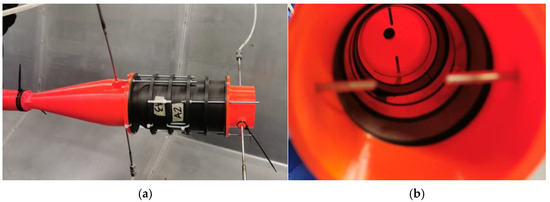
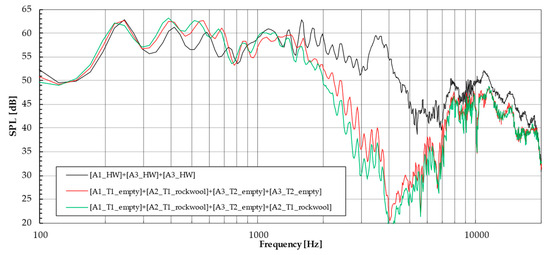
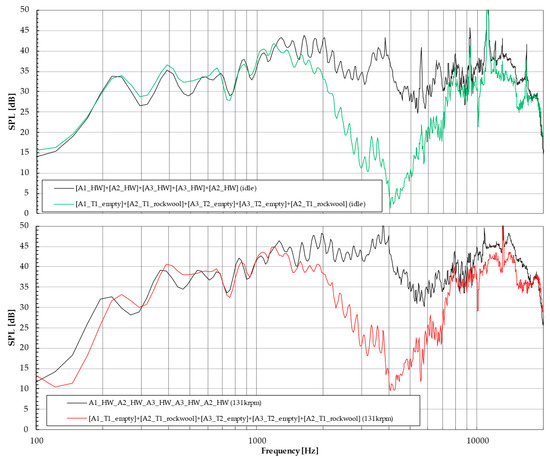
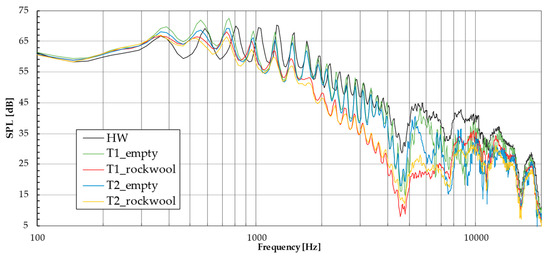
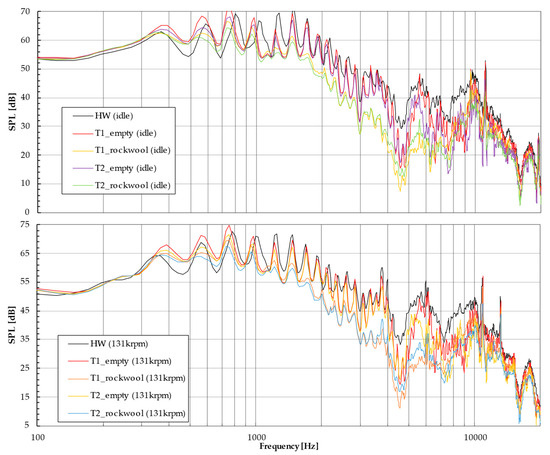
The transition to alternative electrical energy solutions for drone propulsion systems presents several challenges, particularly in managing noise. This noise, compounded by that from the propellers, can produce spectra that are either unpleasant to humans or detrimental to mission objectives. This study explores potential solutions to mitigate noise produced by a micro turboshaft engine, focusing on the solutions’ impact on weight, power output, and acoustic level. We propose two modular, scalable designs—one for the intake and one for the exhaust—based on well-known applications in cold and hot flows. These designs aim to operate effectively across the audible frequency spectrum and incorporate various Helmholtz resonator geometries, including combinations of different lengths, perforated metal sheet parameters, and cavity-filling materials, to enhance bandwidth and noise reduction. Experimental results indicate that these designs can achieve tonal noise reductions of up to 40 dB. While the results are promising, further analysis is required to evaluate the practical applicability and comprehensive impact of these solutions on drone performance.
Full article
(This article belongs to the Special Issue Machinery Noise: Emission, Modelling and Control)
►▼
Show Figures

Figure 1
Highly Accessed Articles
Latest Books
E-Mail Alert
News
Topics
Conferences
Special Issues
Special Issue in
Acoustics
Soundscape in Urban Forests - 2nd Edition
Guest Editors: Xin-Chen Hong, Jiang Liu, Guangyu WangDeadline: 31 May 2025
Special Issue in
Acoustics
The Past Has Ears: Archaeoacoustics and Acoustic Heritage
Guest Editor: Brian FG KatzDeadline: 31 May 2025
Special Issue in
Acoustics
Vibration and Noise (2nd Edition)
Guest Editor: Yat Sze ChoyDeadline: 8 August 2025
Special Issue in
Acoustics
Effects on Wildlife from Changing Soundscapes
Guest Editor: Rianna E. BurnhamDeadline: 15 January 2026
Topical Collections
Topical Collection in
Acoustics
Featured Position and Review Papers in Acoustics Science
Collection Editor: Jian Kang