


Journal Description
Actuators
Actuators
is an international, peer-reviewed, open access journal on the science and technology of actuators and control systems published monthly online by MDPI.
- Open Access— free for readers, with article processing charges (APC) paid by authors or their institutions.
- High Visibility: indexed within SCIE (Web of Science), Scopus, Inspec, and other databases.
- Journal Rank: JCR - Q2 (Engineering, Mechanical) / CiteScore - Q2 (Control and Optimization)
- Rapid Publication: manuscripts are peer-reviewed and a first decision is provided to authors approximately 17.7 days after submission; acceptance to publication is undertaken in 1.9 days (median values for papers published in this journal in the second half of 2024).
- Recognition of Reviewers: reviewers who provide timely, thorough peer-review reports receive vouchers entitling them to a discount on the APC of their next publication in any MDPI journal, in appreciation of the work done.
Impact Factor:
2.2 (2023);
5-Year Impact Factor:
2.4 (2023)
Latest Articles
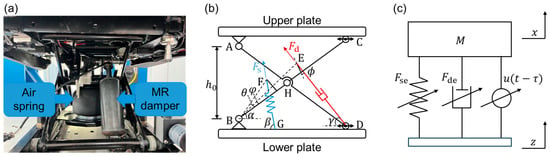
Adaptive Backstepping Control with Time-Delay Compensation for MR-Damper-Based Vehicle Seat Suspension
Actuators 2025, 14(4), 178; https://doi.org/10.3390/act14040178 (registering DOI) - 6 Apr 2025
Abstract
►
Show Figures
Long-term vibrations endanger driver health and affect ride performance. Semi-active seat suspension systems equipped with magnetorheological (MR) dampers can effectively reduce vibrations transmitted to drivers, exhibiting excellent potential for widespread applications owing to their outstanding performance characteristics. In this paper, we propose an
[...] Read more.
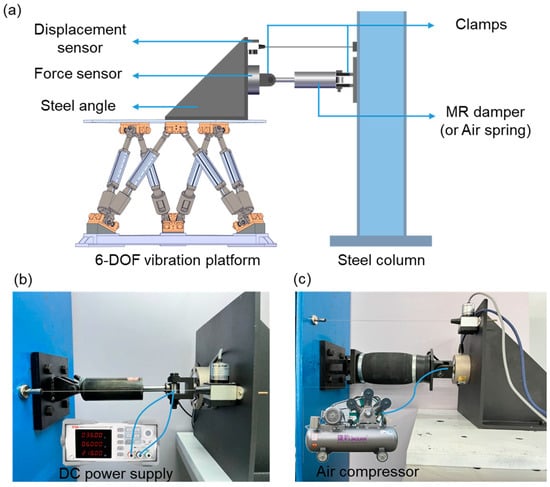
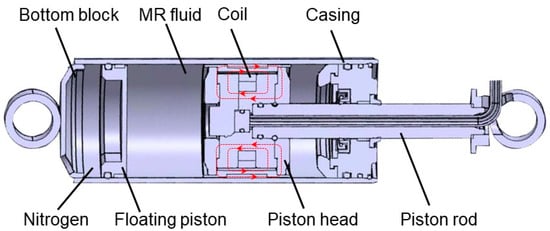
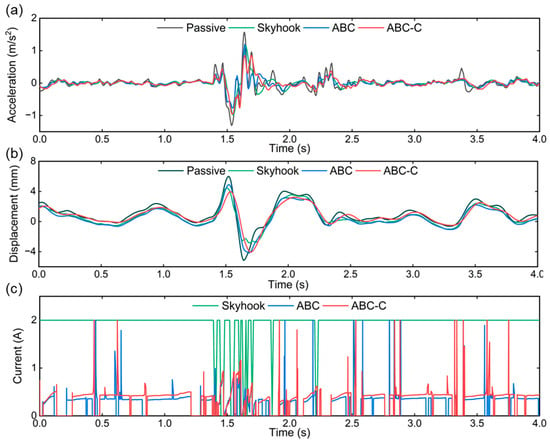
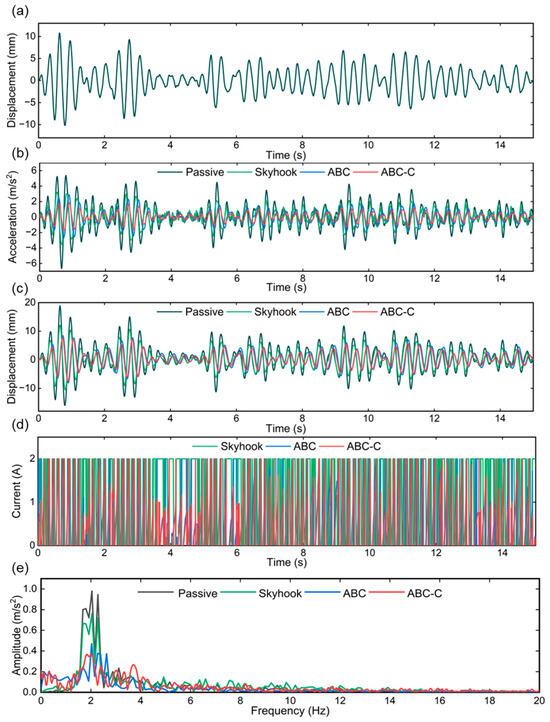
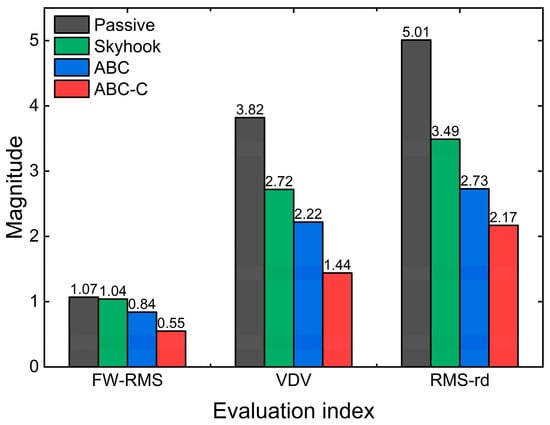
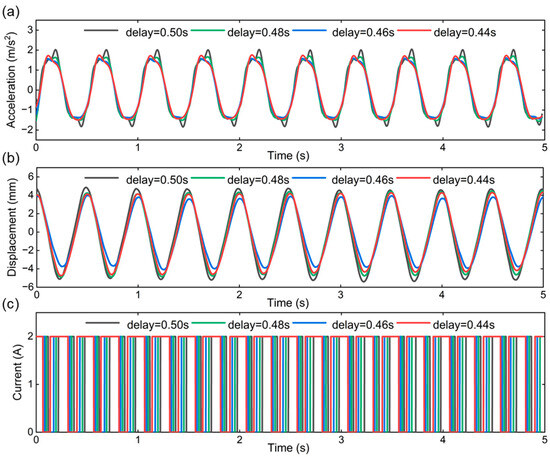
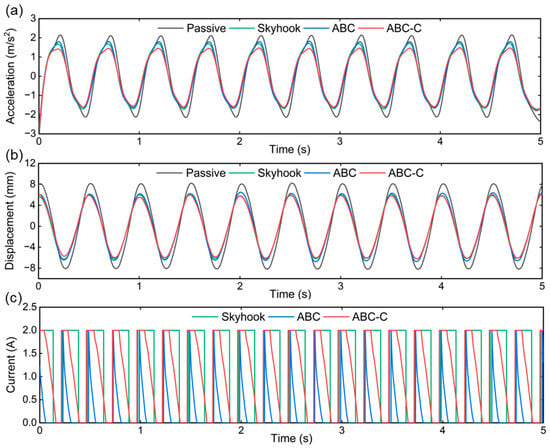
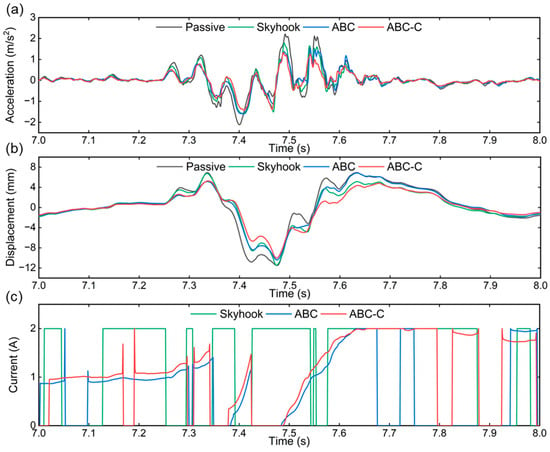
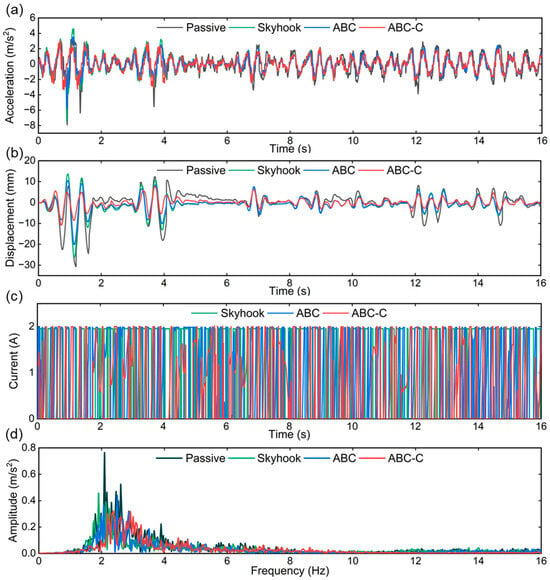
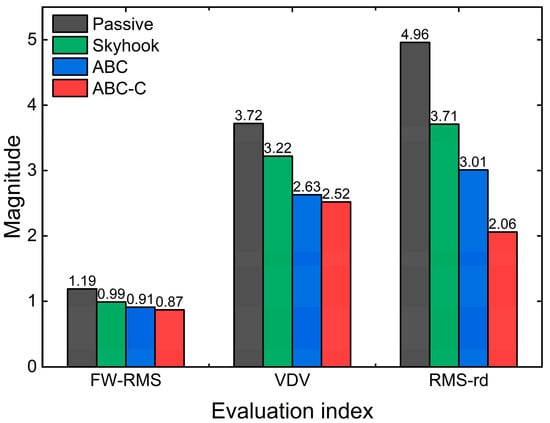
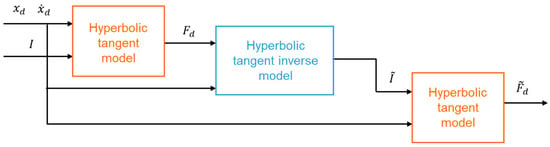
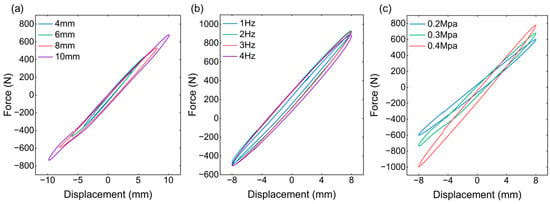
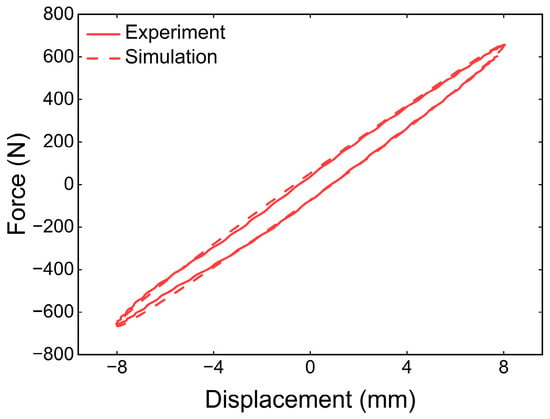
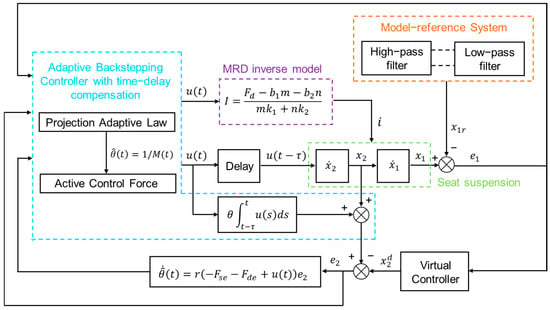
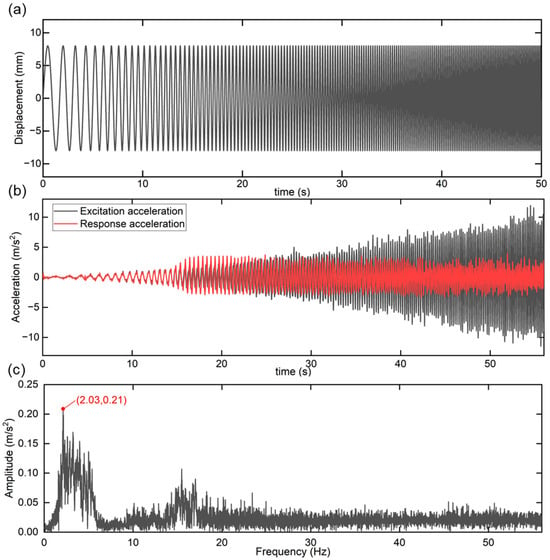
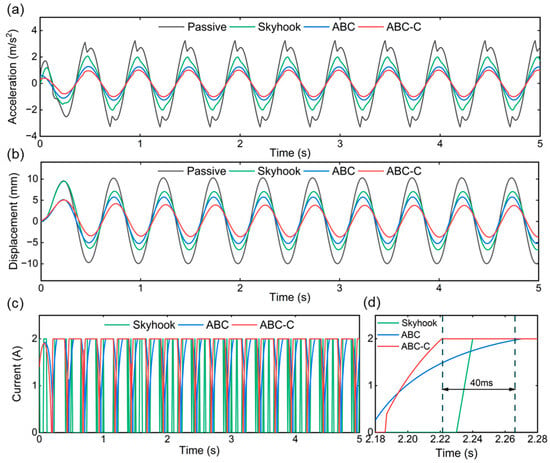
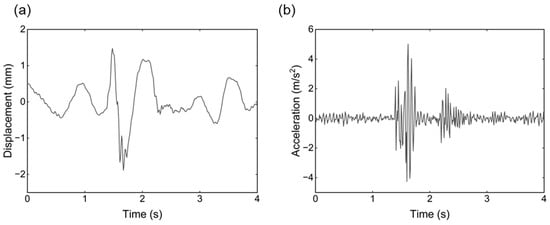
Long-term vibrations endanger driver health and affect ride performance. Semi-active seat suspension systems equipped with magnetorheological (MR) dampers can effectively reduce vibrations transmitted to drivers, exhibiting excellent potential for widespread applications owing to their outstanding performance characteristics. In this paper, we propose an adaptive backstepping control system with time-delay compensation (ABC-C) for an MR-damper-based semi-active seat suspension system to enhance ride comfort and stability in commercial vehicles. The control framework integrates a reference model, an adaptive backstepping controller, a time-delay compensator, and an MR damper inverse model. The reference model balances ride comfort and stability using high-pass and low-pass filters, while the adaptive controller ensures robustness against parameter uncertainties and disturbances. A time-delay compensator mitigates delays in the control loop, improving system stability and performance. Numerical simulations under harmonic, bump, and random excitations demonstrated the superior performance of the ABC-C controller. The experimental results show that under random road excitation conditions, the frequency-weighted root mean square (FW-RMS) of acceleration was reduced by 26.9%, the vibration dose value (VDV) decreased by 29.3%, and the root mean square of relative displacement (RMS_rd) was reduced by 58.46%. The results highlight the practical effectiveness of the ABC-C controller in improving ride comfort and safety for drivers of commercial vehicles, offering significant potential for real-world applications.
Full article
Open AccessReview
Hybrid Fault-Tolerant Control in Cooperative Robotics: Advances in Resilience and Scalability
by
Claudio Urrea
Actuators 2025, 14(4), 177; https://doi.org/10.3390/act14040177 - 4 Apr 2025
Abstract
Cooperative robotics relies on robust fault-tolerant control (FTC) to maintain resilience in dynamic environments, where actuators are pivotal to system reliability. This review synthesizes advancements in hybrid FTC, integrating mechanical redundancy with electronic adaptability and learning-based techniques like deep reinforcement learning and swarm-optimized
[...] Read more.
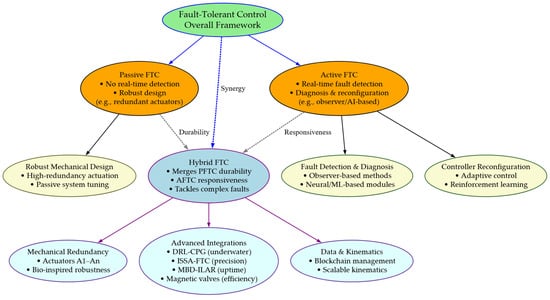
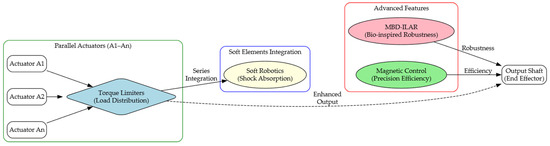
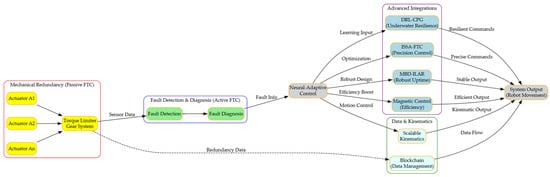
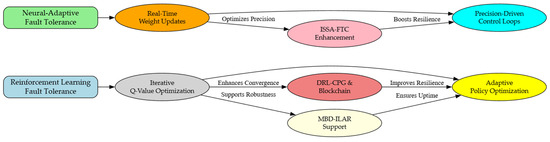
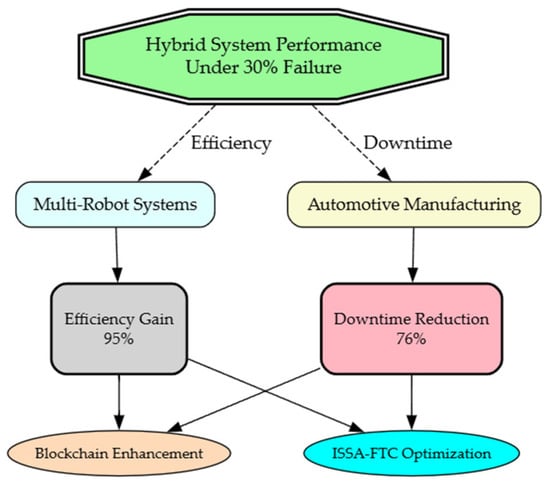
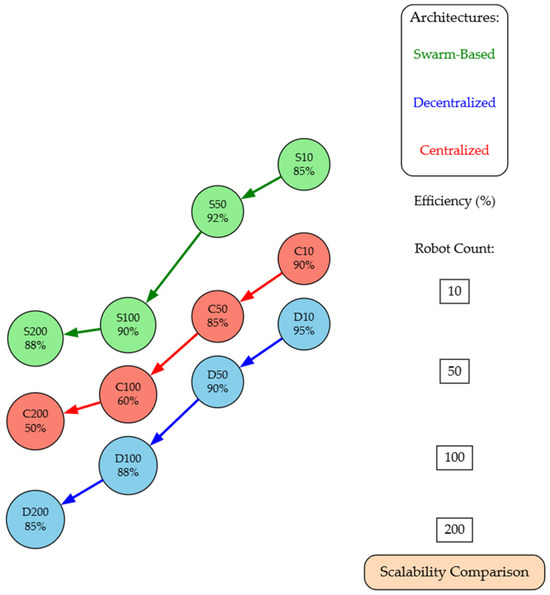
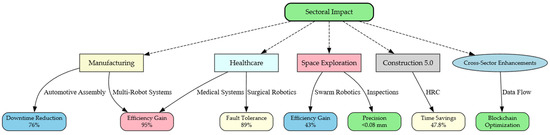
Cooperative robotics relies on robust fault-tolerant control (FTC) to maintain resilience in dynamic environments, where actuators are pivotal to system reliability. This review synthesizes advancements in hybrid FTC, integrating mechanical redundancy with electronic adaptability and learning-based techniques like deep reinforcement learning and swarm-optimized control, drawing from interdisciplinary evidence across manufacturing, healthcare, agriculture, space exploration, and underwater robotics. It examines how these approaches enhance uptime, precision, and coordination in multi-robot systems, reporting significant improvements despite physical validation being limited to approximately one-quarter of strategies. Addressing gaps in prior work by overcoming limitations of traditional methods, it extends to Construction 5.0, supporting human–robot collaboration (HRC) through scalability and adaptability. Future efforts will prioritize broader testing, standardized benchmarks, safety considerations, and optimization under uncertainty to align theoretical gains with practical outcomes, enhancing resilient automation across domains.
Full article
(This article belongs to the Section Actuators for Robotics)
►▼
Show Figures

Figure 1
Open AccessArticle
Design of Experiments Approach for Structural Optimization of Urban Air Mobility Vehicles
by
Marco Claudio De Simone, Salvio Veneziano, Alessia Porcaro and Domenico Guida
Actuators 2025, 14(4), 176; https://doi.org/10.3390/act14040176 - 3 Apr 2025
Abstract
The current global context demands the development of new solutions that prioritize energy efficiency, time optimization, safety, and sustainability. Urban transportation is one of the sectors undergoing significant transformation. Pursuing new urban transportation solutions has become increasingly intense, involving research institutions and companies.
[...] Read more.
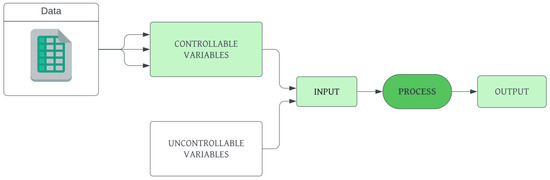
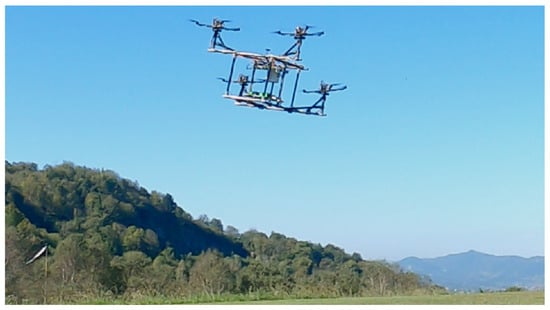
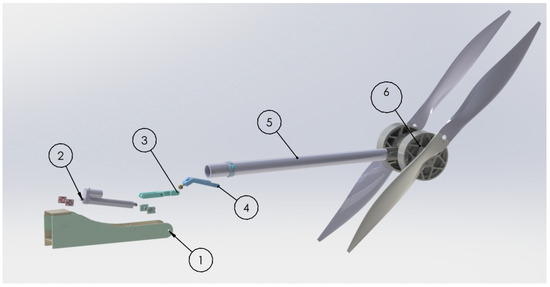
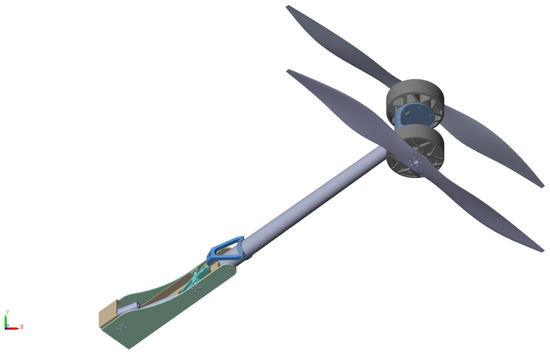
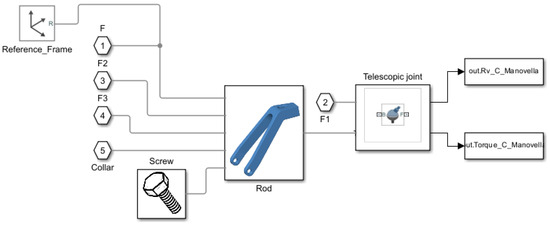
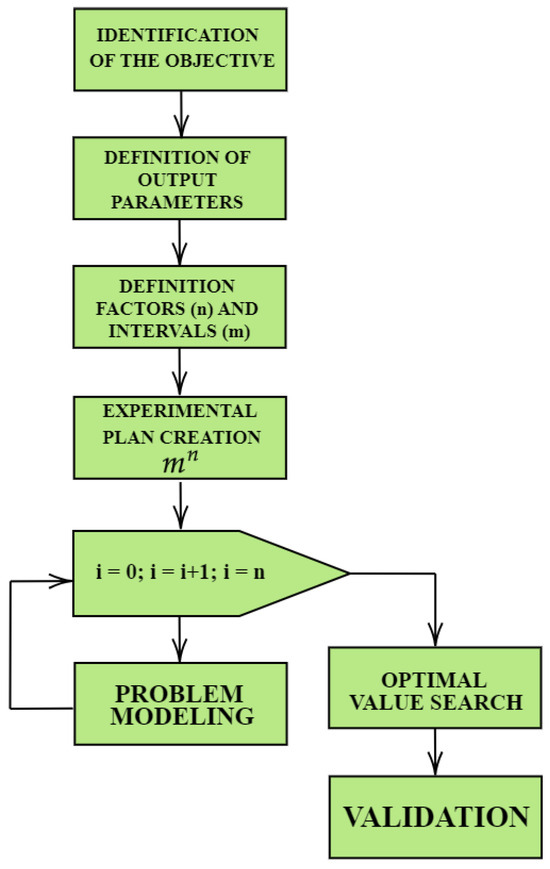
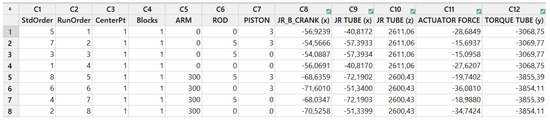
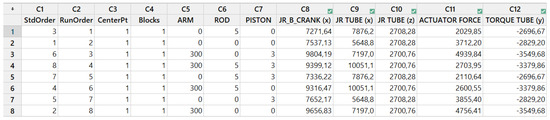
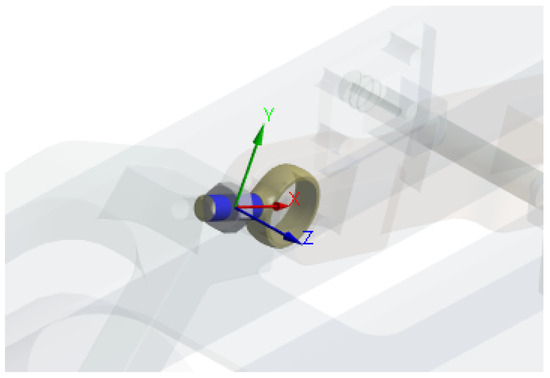
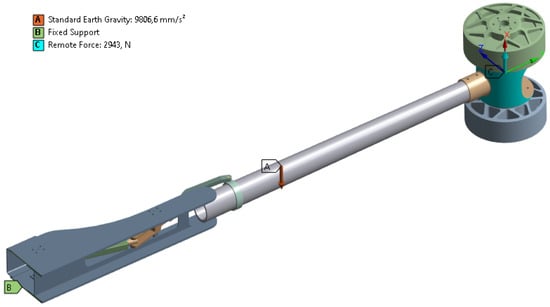
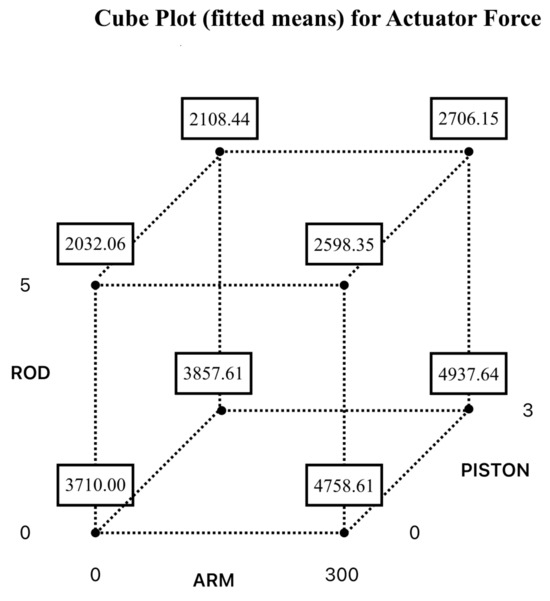
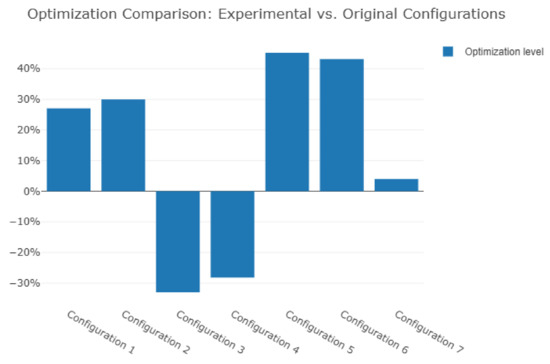
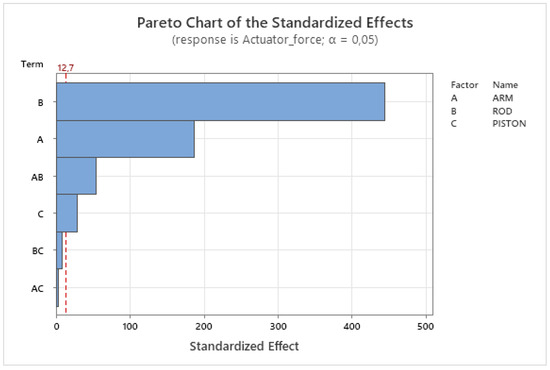
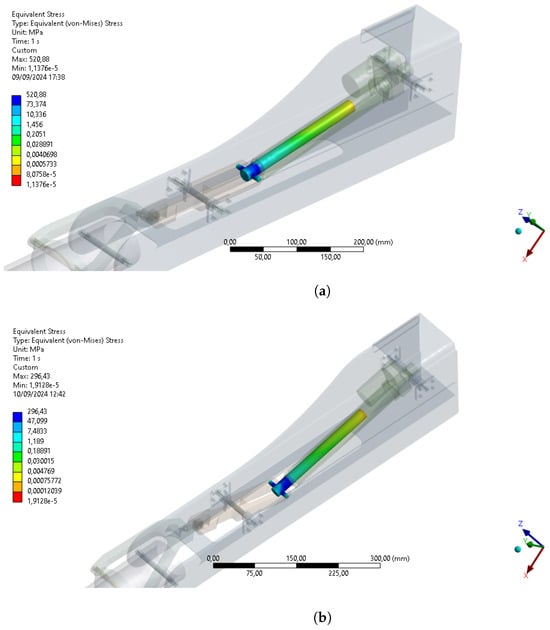
The current global context demands the development of new solutions that prioritize energy efficiency, time optimization, safety, and sustainability. Urban transportation is one of the sectors undergoing significant transformation. Pursuing new urban transportation solutions has become increasingly intense, involving research institutions and companies. Considering this context, this study focused on the optimization procedures for designing a new vehicle capable of vertical take-off for urban air mobility applications. This paper reports on the optimization process of a thruster deployment mechanism using statistical techniques. In particular, the authors tested the use of Design of Experiments (DOE) techniques for the optimal design of a structural component of a new vehicle for urban mobility purposes under development at the Applied Mechanics laboratory of the Department of Industrial Engineering of the University of Salerno. For this reason, it was decided that a parametric multibody model would be developed in the Simscape Multibody environment for structural optimization using designed experiment plans to “guide” the designer in the analysis phase and search for an optimal configuration using a minimum number of configurations. Finally, employing FEM analysis, the chosen configuration was validated. This study allowed us to test the use of DOE techniques to design new systems. It allowed us to evaluate different configurations, the static and dynamic behavior, the constraining reactions present in the joints, and the active forces and torques of the actuators, highlighting the correlation between factors that can guide the designer in identifying optimal solutions.
Full article
(This article belongs to the Special Issue Advances in Dynamics and Motion Control of Unmanned Aerial/Underwater/Ground Vehicles—2nd Edition)
►▼
Show Figures

Figure 1
Open AccessArticle
Modeling and Analysis of a Cutting Robot for the “Excavation–Backfill–Retention” Integrated Mining and Excavation Equipment
by
Hongwei Ma, Wenda Cui, Chuanwei Wang, Xusheng Xue, Qinghua Mao, Haotian Wang, Limeng Xue, Hao Su, Zukun Yu, Jiashuai Cheng, Yifeng Guo and Kexiang Ma
Actuators 2025, 14(4), 175; https://doi.org/10.3390/act14040175 - 3 Apr 2025
Abstract
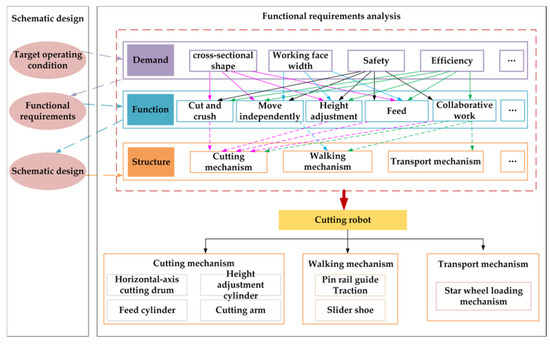
To meet the mining requirements of the ’excavation–backfill–retention’ tunneling method for inter-panel coal pillars, this paper proposes an integrated ‘excavation–backfill–retention’ equipment system centered on a cutting robot. An interactive design method was employed to analyze the interaction between mining conditions and the cutting
[...] Read more.
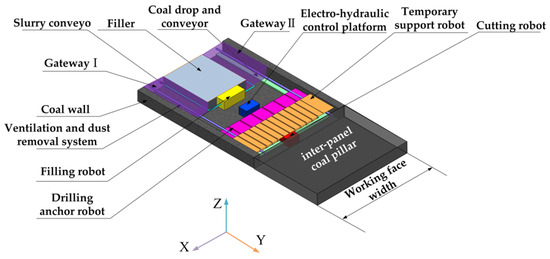
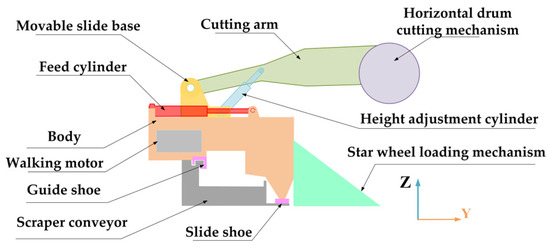
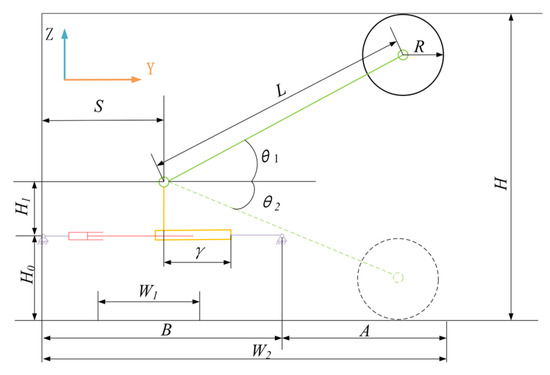
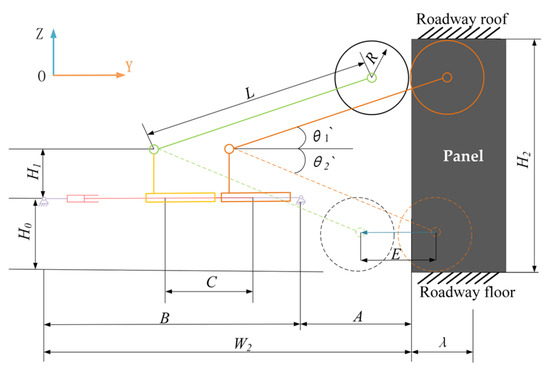
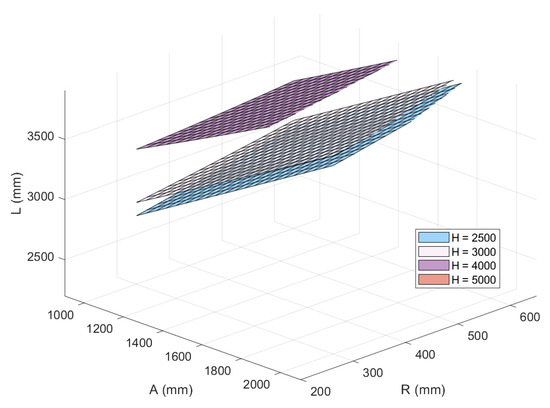
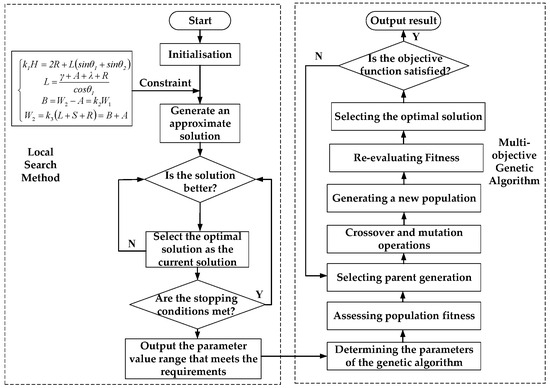
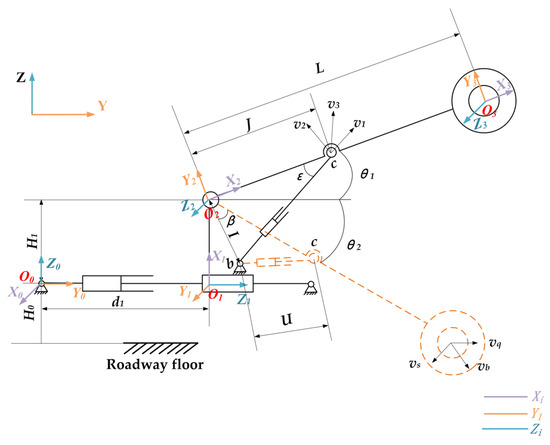
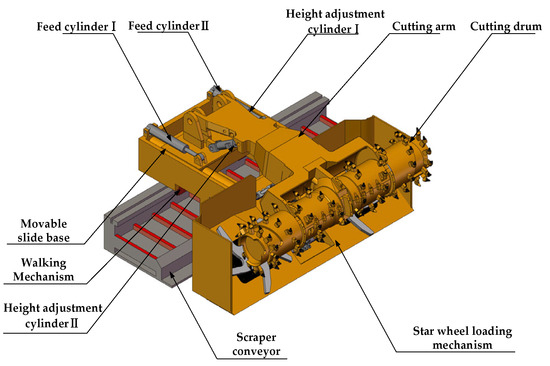
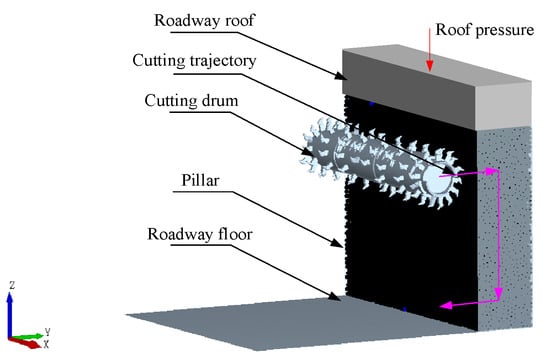
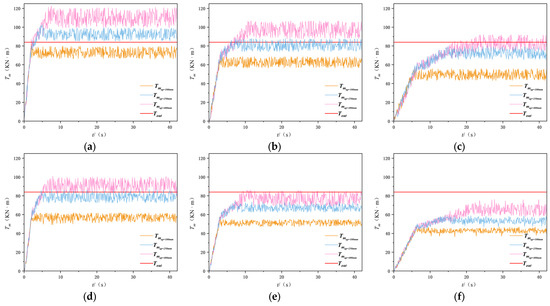
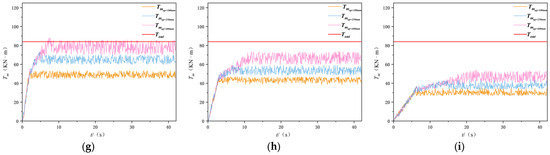
To meet the mining requirements of the ’excavation–backfill–retention’ tunneling method for inter-panel coal pillars, this paper proposes an integrated ‘excavation–backfill–retention’ equipment system centered on a cutting robot. An interactive design method was employed to analyze the interaction between mining conditions and the cutting robot, constructing a ’requirements–functions–structure’ model. The robot integrates a horizontal drum cutting mechanism with a slider shoe walking mechanism, offering enhanced adaptability to various mining conditions. A parameter model was constructed to explore the relationship between the cutting arm length and the robot’s structural parameters under varying mining heights. Using a hierarchical solution method that combines local search and multi−objective genetic algorithms, the robot’s fundamental parameters were determined, enabling the development of a detailed 3D model. A kinematic model based on the modified D–H method was developed to analyze the cutting arm’s swing angle, cylinder extension, propulsion velocity, and cutting velocity in practical mining scenarios. The working range of the height adjustment and feed cylinders at different mining heights was determined through simulation. A dynamics model of the cutting drum was developed, and a coupled simulation using the discrete element method (DEM) was conducted to analyze the relationship between coal/rock hardness, drum load, and cutting depth. The simulation results indicate that as the cutting depth raises the number of cutting teeth in contact with surrounding rock, the cutting depth grows, resulting in a larger reaction force from the coal seam and greater fluctuations in drum load torque. Once the maximum cutting depth is reached, load torque stabilizes within a specific range. Considering cutting efficiency, the robot achieves a maximum cutting velocity of 1 m/min with a cutting depth of 250 mm for rock strength greater than f3. For rock strength f3, the maximum cutting velocity is 1 m/min with a 400 mm depth, and for f2, it is 2 m/min with a 400 mm depth. These findings provide a theoretical foundation for the development of adaptive cutting strategies in mining operations, contributing to improved performance and efficiency in complex mining conditions.
Full article
(This article belongs to the Section Actuators for Robotics)
►▼
Show Figures

Figure 1
Open AccessArticle
Research on Sensorless Technology of a Magnetic Suspension Flywheel Battery Based on a Genetic BP Neural Network
by
Weiyu Zhang and Fei Guo
Actuators 2025, 14(4), 174; https://doi.org/10.3390/act14040174 - 2 Apr 2025
Abstract
The research object of this paper is a new type of multi-functional, air-gap-type, vehicle-mounted magnetic suspension flywheel battery. It is a new energy storage technology with a long working life, high energy conversion efficiency, multiple charging and discharging times, low carbon and environmental
[...] Read more.
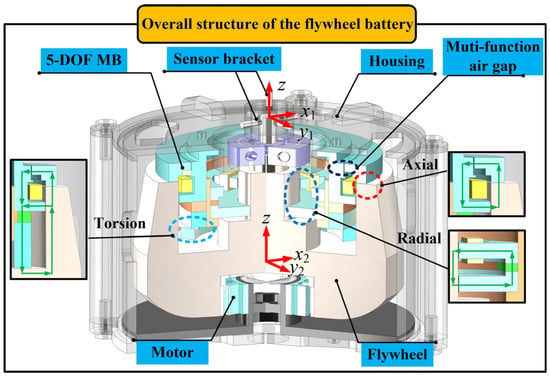
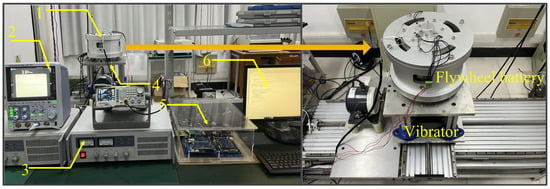
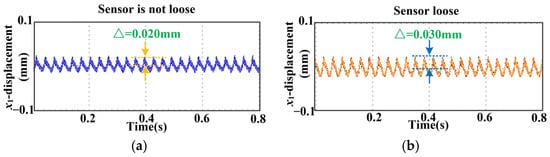
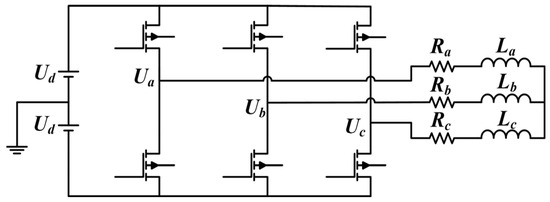
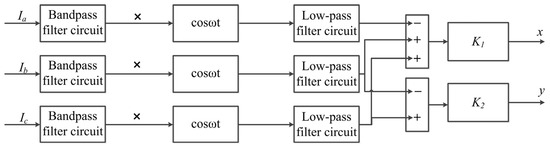
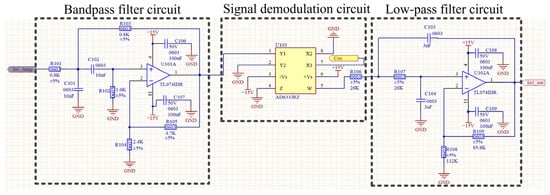
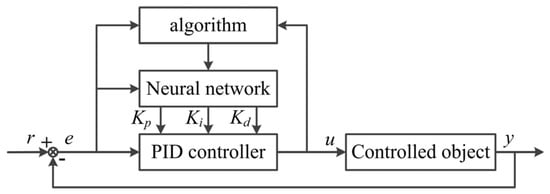
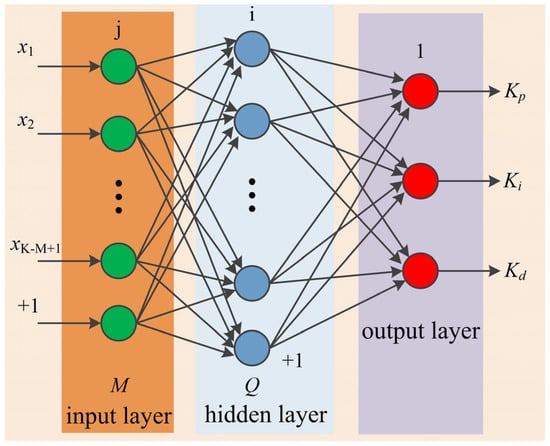
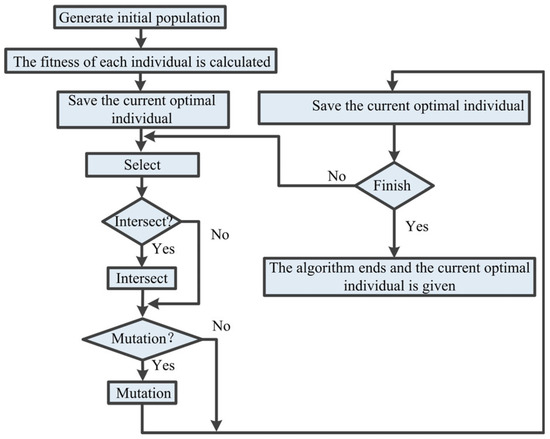
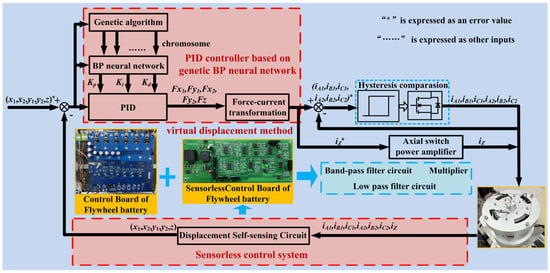
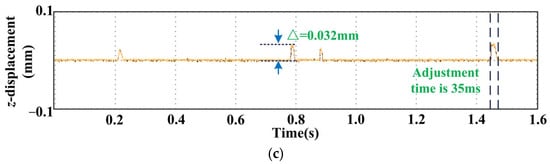
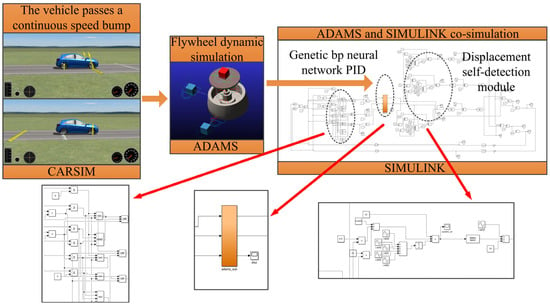
The research object of this paper is a new type of multi-functional, air-gap-type, vehicle-mounted magnetic suspension flywheel battery. It is a new energy storage technology with a long working life, high energy conversion efficiency, multiple charging and discharging times, low carbon and environmental protection. However, when the vehicle-mounted flywheel battery is operating, it will inevitably be disturbed by road conditions, resulting in loose sensors and feedback errors, thereby reducing the control accuracy and reliability of the system. To solve these problems, a sensorless control system came into being. It samples the current of the magnetic bearing coil through the hardware circuit and converts it into displacement for real-time control, eliminating the risk of sensor failure. However, the control accuracy of the traditional sensorless system is relatively low. Therefore, this paper adopts a BP (backpropagation) neural network PID controller based on genetic algorithm optimization on the basis of the sensorless control system. Through the joint simulation of the dynamic simulation software ADAMS/VIEW2018 and MATLAB2022b, the optimal PID control parameter database for complex road conditions is established. Through sensorless technology, the current of the flywheel battery is converted into the position error for extensive training so that the genetic BP neural network PID controller can accurately identify the current complex road conditions according to the position error, so as to provide the optimal PID control parameters corresponding to the road conditions to carry out accurate real-time stability control of the flywheel rotor. The experimental results show that the method can effectively reduce feedback errors, improve the control accuracy, and output optimal control parameters in real time under complex road conditions, which significantly improves the reliability and control performance of the vehicle flywheel battery system.
Full article
(This article belongs to the Special Issue Advanced Technologies on the Control Method of Electromagnetic Actuator—Second Edition)
►▼
Show Figures

Figure 1
Open AccessArticle
Modeling and Analysis of Transmission Efficiency for 3K Planetary Gearbox with Flexure-Based Carrier for Backdrivable Robot Joints
by
Qinghao Du, Guilin Yang, Weijun Wang, Chin-Yin Chen and Zaojun Fang
Actuators 2025, 14(4), 173; https://doi.org/10.3390/act14040173 - 1 Apr 2025
Abstract
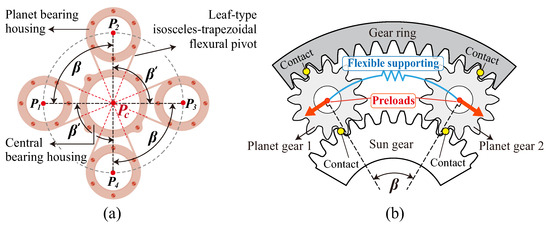
A high-gear-ratio anti-backlash 3K planetary gearbox with a preloaded flexure-based carrier is a suitable reducer for robot joints owning to its compact design and high transmission accuracy. However, to design such a 3K planetary gearbox with high bidirectional efficiencies for backdrivable robot joints,
[...] Read more.
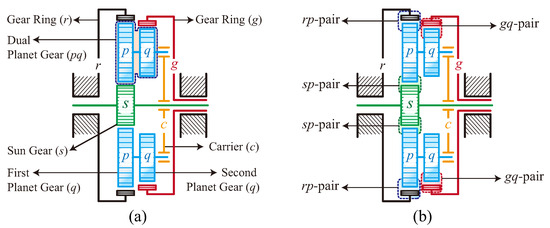
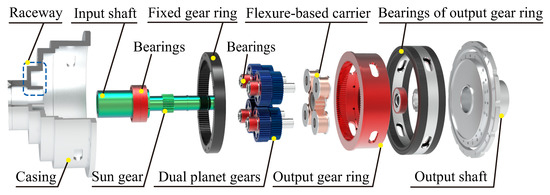
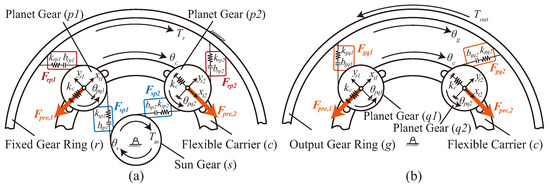
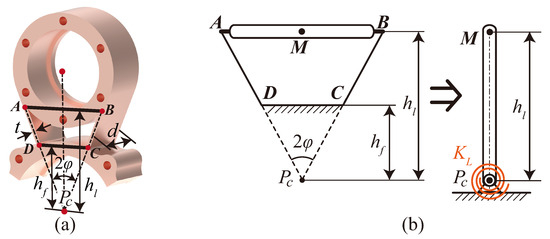
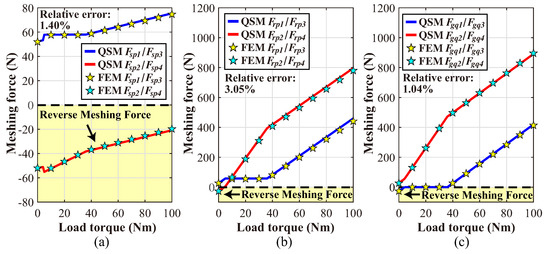
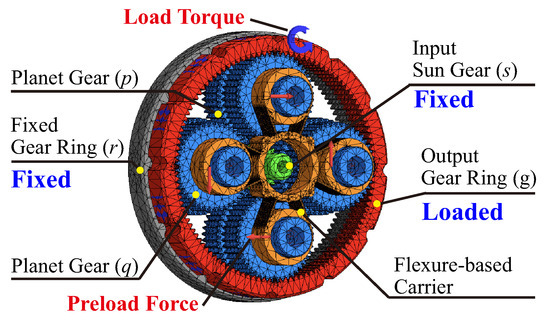
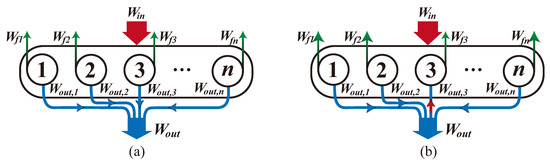
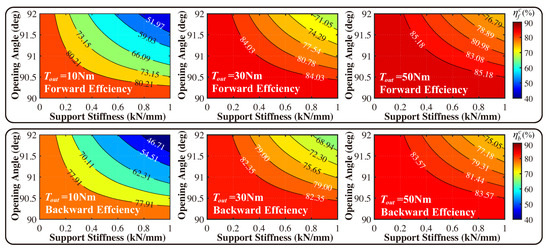
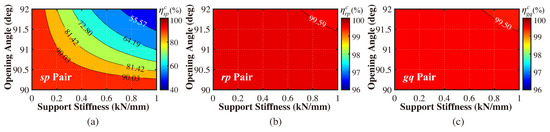
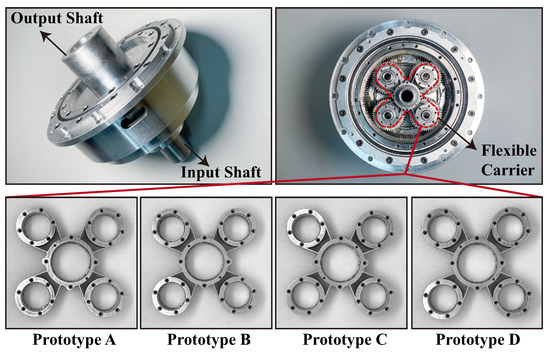
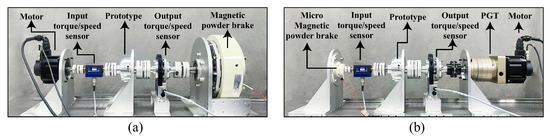
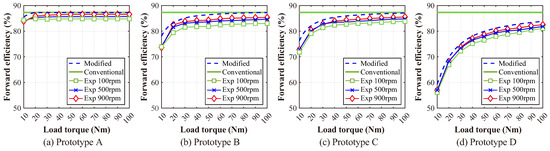
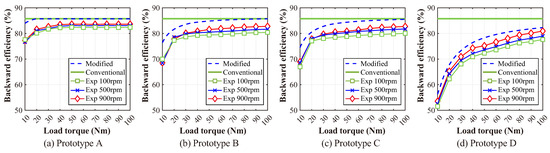
A high-gear-ratio anti-backlash 3K planetary gearbox with a preloaded flexure-based carrier is a suitable reducer for robot joints owning to its compact design and high transmission accuracy. However, to design such a 3K planetary gearbox with high bidirectional efficiencies for backdrivable robot joints, it is critical to develop an accurate transmission efficiency model to predict the effects of the preloaded flexure-based carrier on the efficiency of the 3K planetary gearbox. To determine the meshing forces of gear pairs in the 3K planetary gearbox, a quasi-static model is formulated according to tangential displacements of planet gears resulting from the preloaded flexure-based carrier. Considering the reverse meshing forces in the anti-backlash 3K planetary gearbox, a modified efficiency model is developed and the bidirectional transmission efficiencies are analyzed. Simulation results show that both forward and backward transmission efficiencies of the anti-backlash 3K planetary gearbox decrease as the preload increases, while they all increase with the increasing load torque. It is also revealed that the preload primarily affects the meshing efficiency of the sun–planet gear pair. Four different carrier prototypes are fabricated for experiments. The average errors between the predicted and measured results for forward and backward transmission efficiencies are 2.30% and 4.01%, respectively.
Full article
(This article belongs to the Special Issue AI, Designing, Sensing, Instrumentation, Diagnosis, Controlling, and Integration of Actuators in Digital Manufacturing—2nd Edition)
►▼
Show Figures

Figure 1
Open AccessArticle
Development of Real-Time Models of Electromechanical Actuators for a Hybrid Iron Bird of a Regional Aircraft
by
Antonio Carlo Bertolino, Jean-Charles Maré, Silvio Akitani, Andrea De Martin and Giovanni Jacazio
Actuators 2025, 14(4), 172; https://doi.org/10.3390/act14040172 - 31 Mar 2025
Abstract
This study presents the development of a real-time simulation model for electromechanical actuators tailored to a hybrid iron bird for next-generation regional turboprop aircraft. This iron bird is aimed at integrating real and virtual components, enabling advanced validation of flight control systems while
[...] Read more.
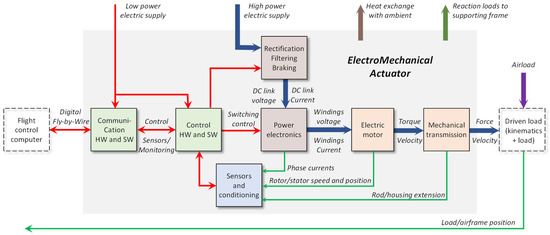
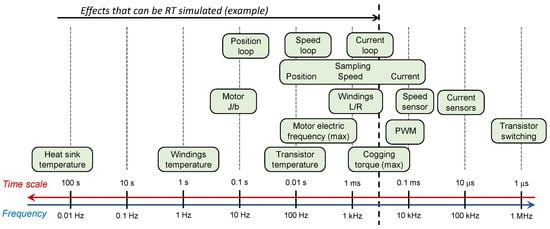
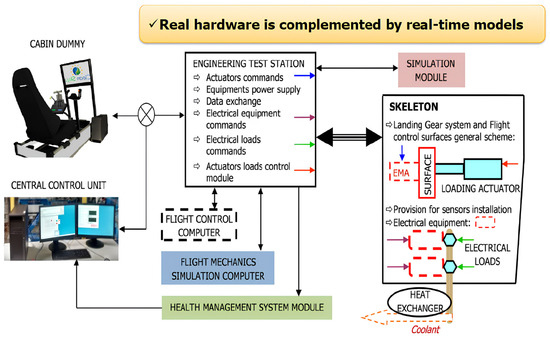
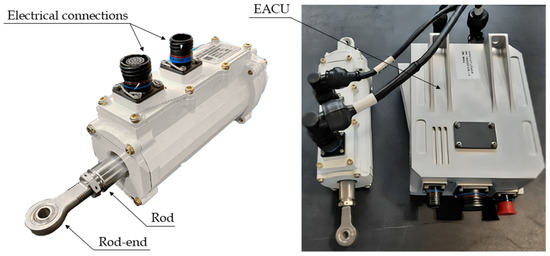
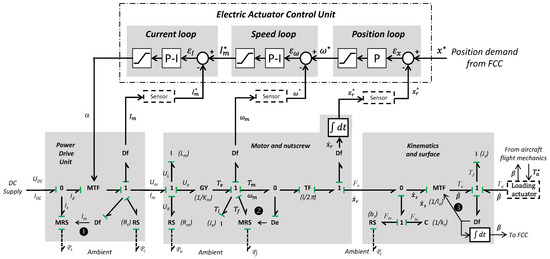
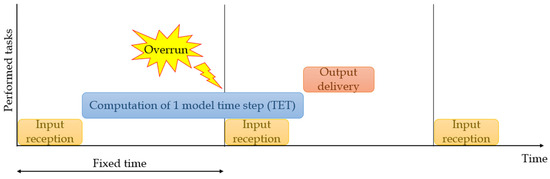
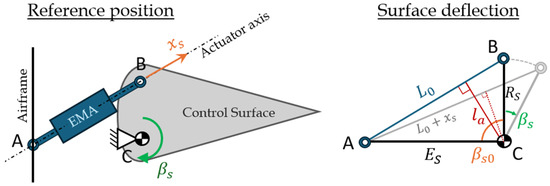
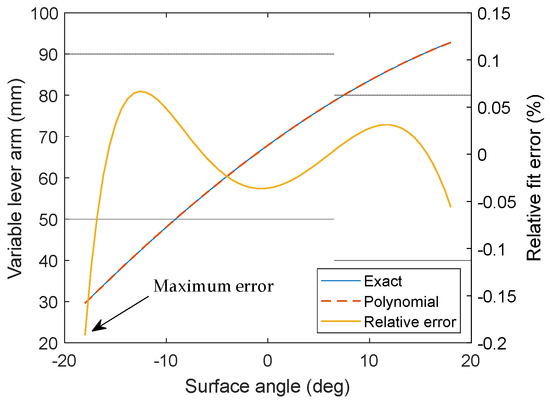
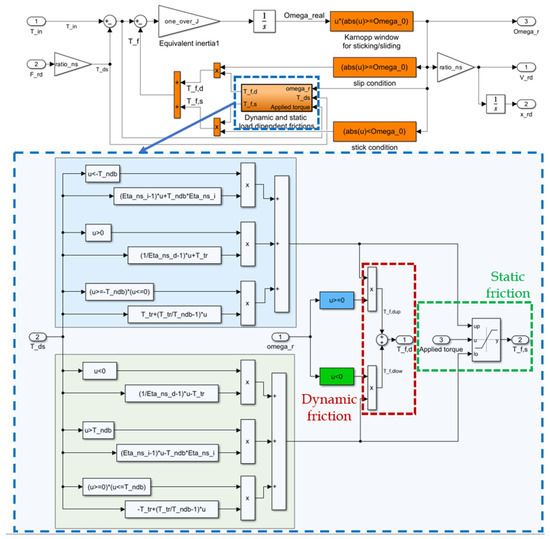
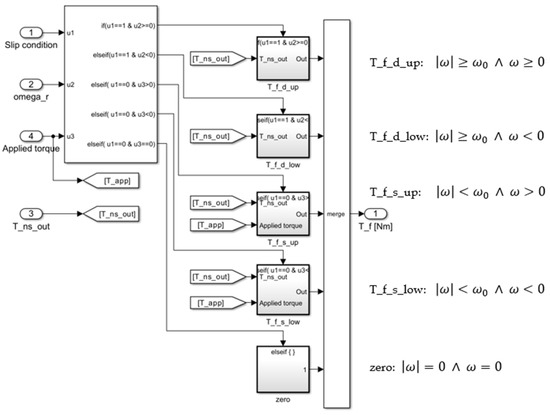
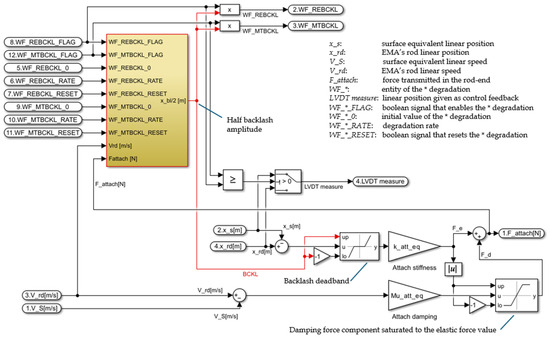
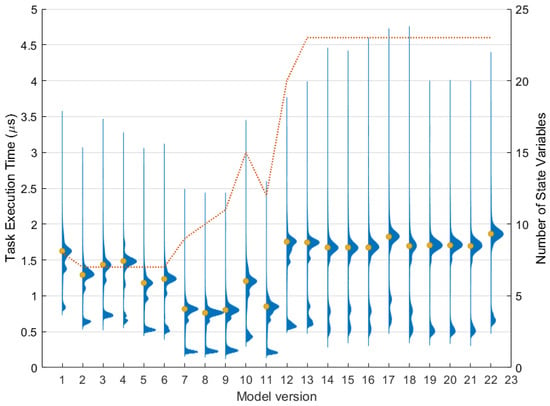
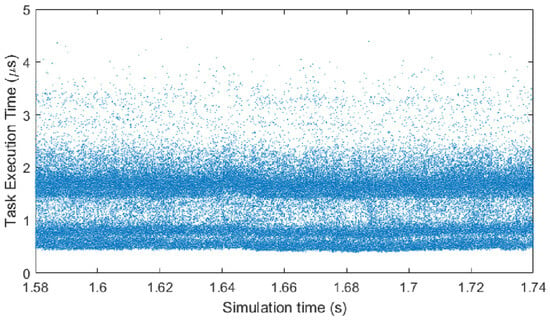
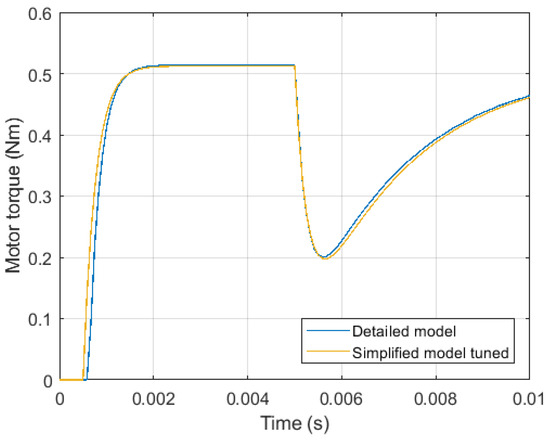
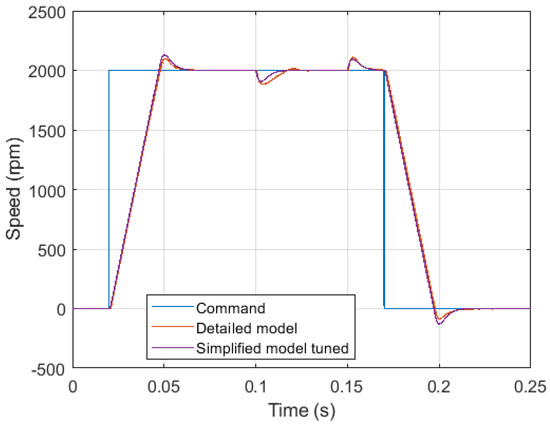
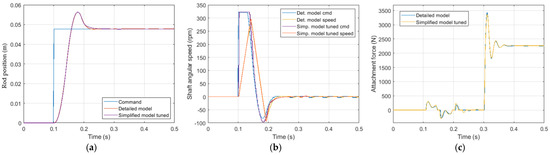
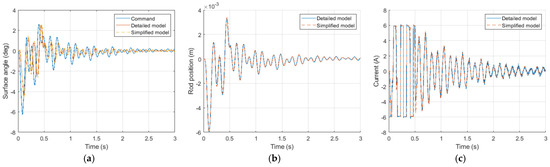
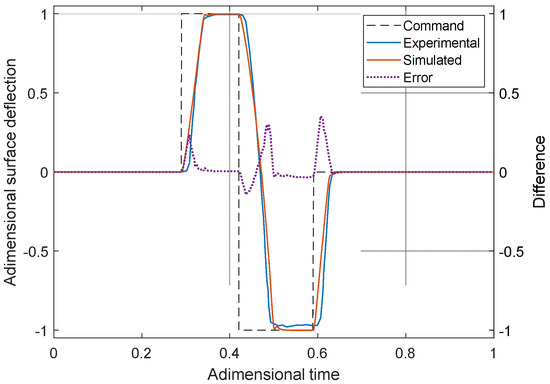
This study presents the development of a real-time simulation model for electromechanical actuators tailored to a hybrid iron bird for next-generation regional turboprop aircraft. This iron bird is aimed at integrating real and virtual components, enabling advanced validation of flight control systems while balancing risk and cost. The mathematical models of actuators needed for the development and operation of the iron bird must comply with stringent requirements, especially in terms of computational cost. A novel two-step iterative methodology is proposed, combining bottom-up and top-down approaches. This process begins with simplified low-fidelity models. Then, the models are incrementally refined to capture complex dynamics while maintaining computational efficiency. Using the proposed approach, the computational time of the real-time model remained almost unvaried and consistent with the sampling frequency, while the number of state variables and the range of described phenomena grew significantly. The real-time model is validated against simulated data from a reference high-fidelity model and experimental data, achieving excellent agreement while reducing the computational time by 93%. The enhanced model incorporates selected failure modes equivalent models regarding the electric motor, power drive unit, and mechanical transmission, supporting possible future prognostics and health management (PHM) applications. These results showcase a scalable solution for integrating electromechanical actuation in modern aerospace systems, paving the way for full virtual iron birds and greener aviation technologies.
Full article
(This article belongs to the Special Issue Flight Control Systems and Dynamic Simulation for Aerospace Applications)
►▼
Show Figures

Figure 1
Open AccessArticle
Photo-Responsive Liquid Crystal Elastomer Coils Inspired by Tropism Movements of Plants
by
Xiyun Zhan, Zhiyu Ran, Jiajun Li, Jiaqi Zhu, Zhibo Zhang and Kun-Lin Yang
Actuators 2025, 14(4), 171; https://doi.org/10.3390/act14040171 - 31 Mar 2025
Abstract
Plant tendrils exhibit intriguing tropism motions like bending, twisting, and coiling. Herein, we report the application of a liquid crystal elastomer (LCE) to make a light-sensitive and biomimetic coil to replicate behaviors of plant tendrils. The LCE coil consists of diacrylate azobenzene, diacrylate
[...] Read more.
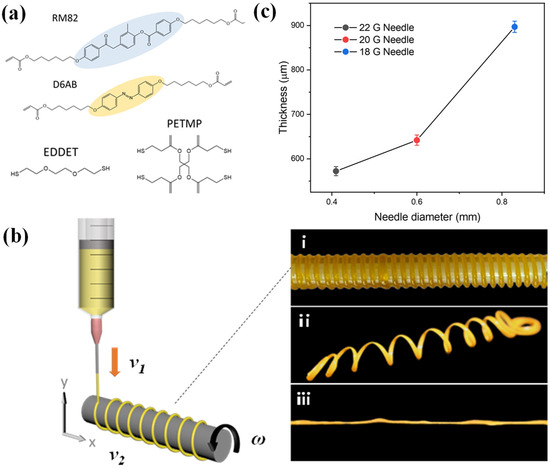
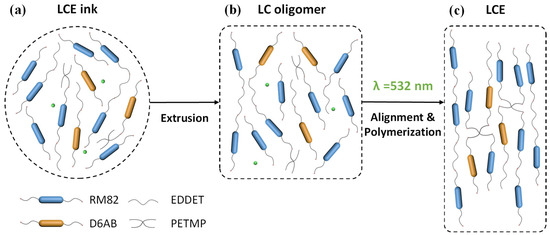
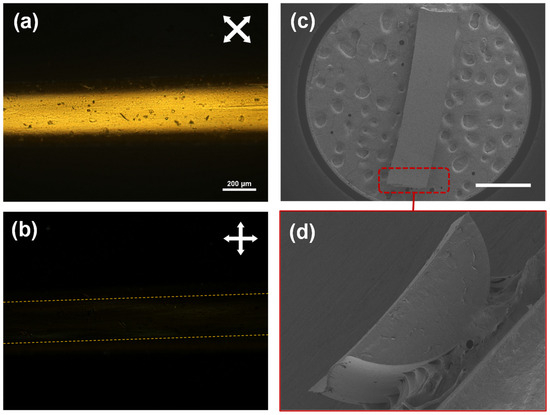
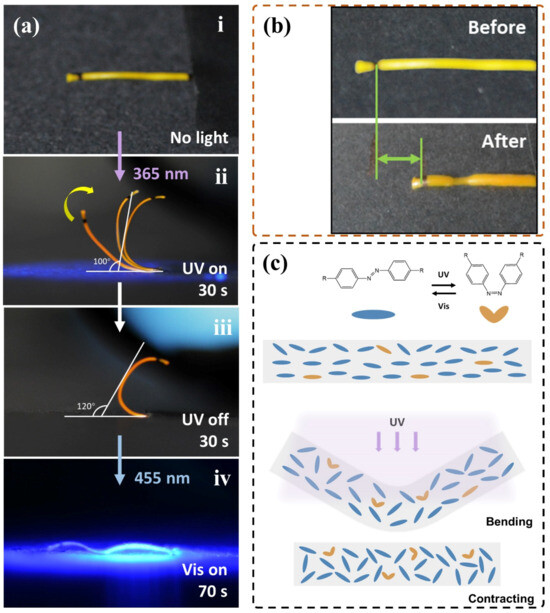
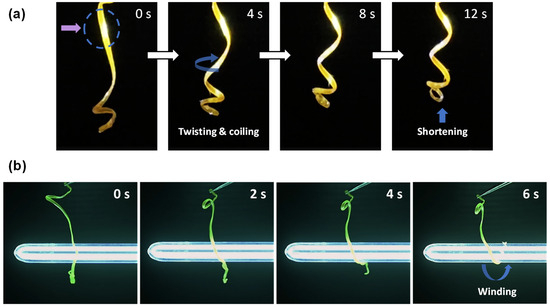
Plant tendrils exhibit intriguing tropism motions like bending, twisting, and coiling. Herein, we report the application of a liquid crystal elastomer (LCE) to make a light-sensitive and biomimetic coil to replicate behaviors of plant tendrils. The LCE coil consists of diacrylate azobenzene, diacrylate mesogens, and thiol-based spacers. These components are first mixed to form a highly viscous prepolymer solution through a thiol-acrylate Michael addition reaction. Subsequently, an extrusion–rolling process is developed to draw the viscous solution into a coil, which is mechanically stretched in a single direction to align mesogens in the LCE. Finally, the coil is photopolymerized under UV light to form an LCE coil with a diameter of 375 µm. The LCE coil possesses good rigidity and flexibility and shows movement upon light exposure. For example, the LCE coil shows a reversible bending up to 120° to 365 nm UV and 30% contraction to 455 nm visible light, respectively, due to trans-cis photoisomerization of azobenzene derivatives. When the coil is irradiated with UV light with an intensity up to 10 mW cm−2, it can twist and coil up. It can also wrap around the UV light tube in 6 s, similar to a plant tendril. This type of light-responsive coil has great potential in making biomimetic plants or soft robotics.
Full article
(This article belongs to the Special Issue Smart Responsive Materials for Sensors and Actuators)
►▼
Show Figures

Figure 1
Open AccessArticle
Improved Non-Singular Fast Terminal Sliding Mode Control with Hysteresis Compensation for Piezo-Driven Fast Steering Mirrors
by
Enfu Zhong, Shuai Wang, Chuanlong Zhai and Wenjie Li
Actuators 2025, 14(4), 170; https://doi.org/10.3390/act14040170 - 31 Mar 2025
Abstract
Piezo-driven fast steering mirrors (PFSMs) are widely employed in high-precision beam steering and accurate tracking applications. However, the inherent hysteresis nonlinearity of piezoelectric actuators significantly degrades tracking accuracy. To address the challenges posed by dynamic hysteresis nonlinearity, this study proposes an improved non-singular
[...] Read more.
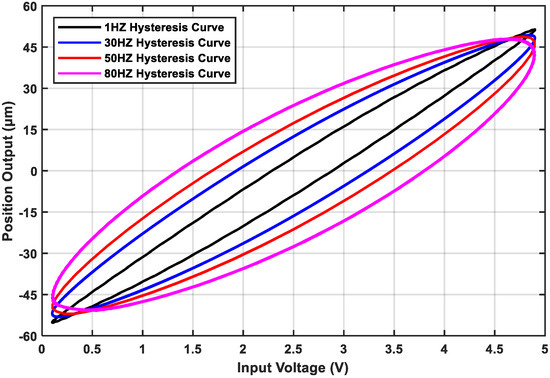
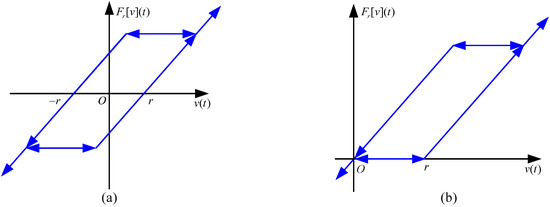
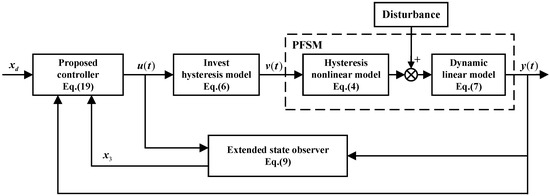
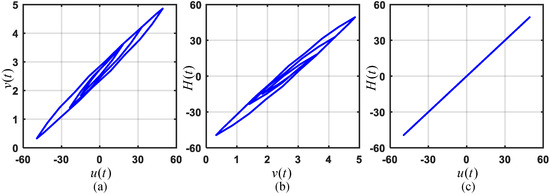
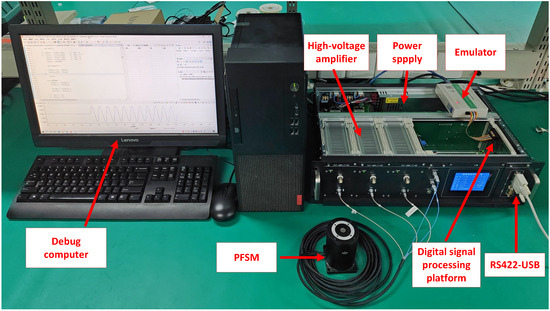
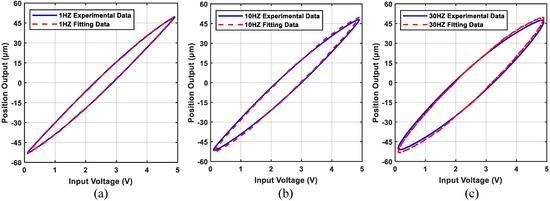
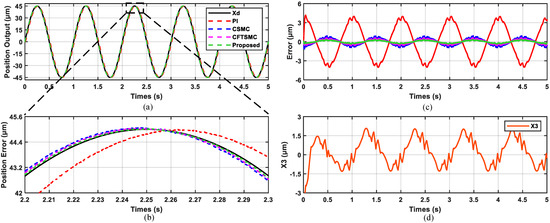
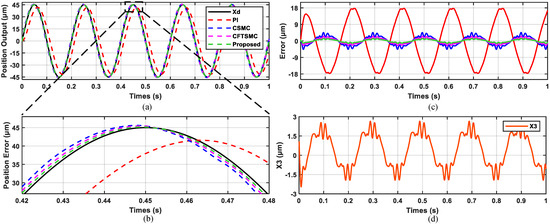
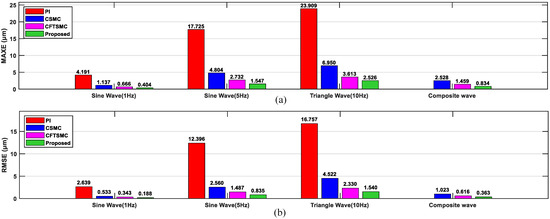
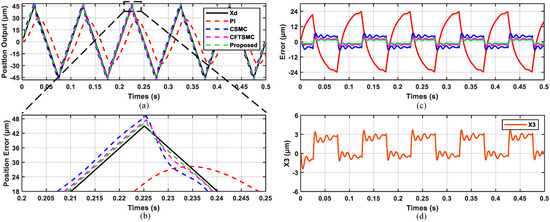
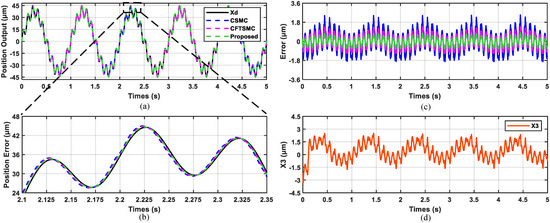
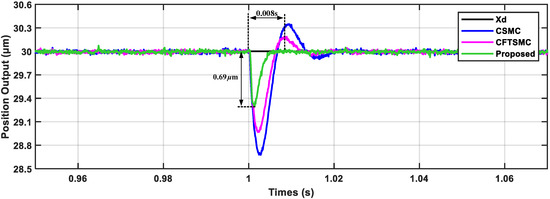
Piezo-driven fast steering mirrors (PFSMs) are widely employed in high-precision beam steering and accurate tracking applications. However, the inherent hysteresis nonlinearity of piezoelectric actuators significantly degrades tracking accuracy. To address the challenges posed by dynamic hysteresis nonlinearity, this study proposes an improved non-singular fast terminal sliding mode control strategy. The proposed method integrates a non-singular fast terminal sliding surface and introduces an adaptive function in the reaching law to enhance response speed and improve control robustness. Additionally, the strategy incorporates an extended state observer (ESO) and an inverse model-based feedforward compensation mechanism. Specifically, the feedforward compensation based on the inverse model aims to offset hysteresis effects, while the ESO provides a real-time estimation of the total system disturbance to mitigate the impact of external disturbances and unmodeled hysteresis. Experimental results demonstrate that the proposed method effectively compensates for the hysteresis nonlinearity of PFSMs, improves disturbance rejection performance, and enhances position control accuracy.
Full article
(This article belongs to the Special Issue New Control Schemes for Actuators—2nd Edition)
►▼
Show Figures

Figure 1
Open AccessArticle
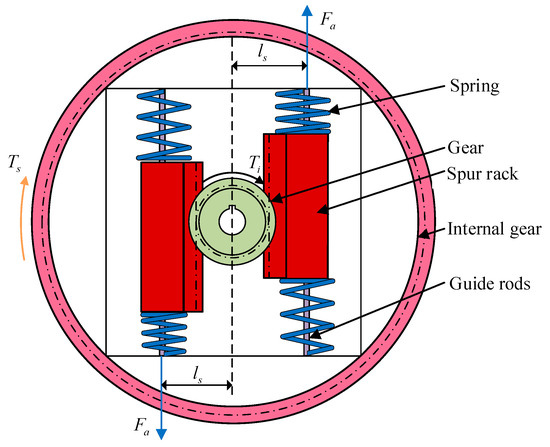
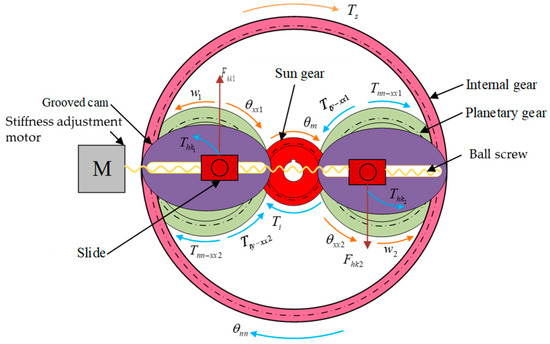
Dynamic Modelling and Experimental Investigation of an Active–Passive Variable Stiffness Actuator
by
Caidong Wang, Zhou Zhang, Yanqiu Xiao, Pengfei Gao and Xiaoli Liu
Actuators 2025, 14(4), 169; https://doi.org/10.3390/act14040169 - 29 Mar 2025
Abstract
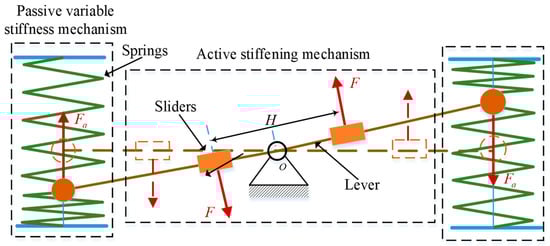
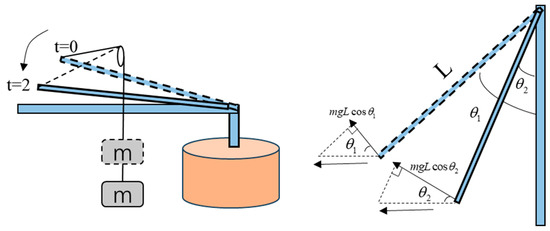
To overcome the limitations imposed by the low flexible angle of conventional robots, an active–passive variable stiffness elastic actuator (APVSA) is investigated and a nonlinear dynamic model for the APVSA is established, considering the factors of the moment of inertia, stiffness and damping
[...] Read more.
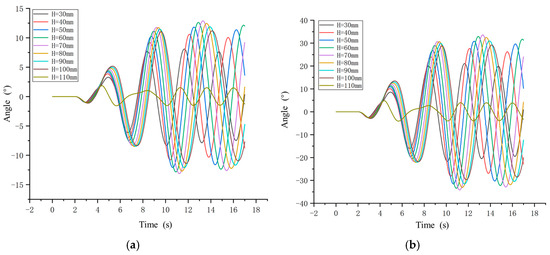
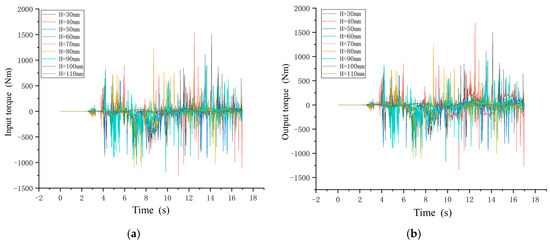
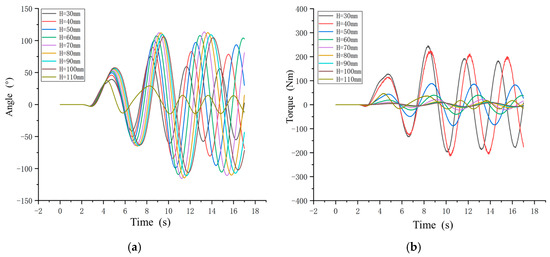
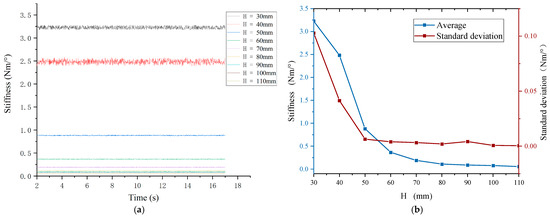
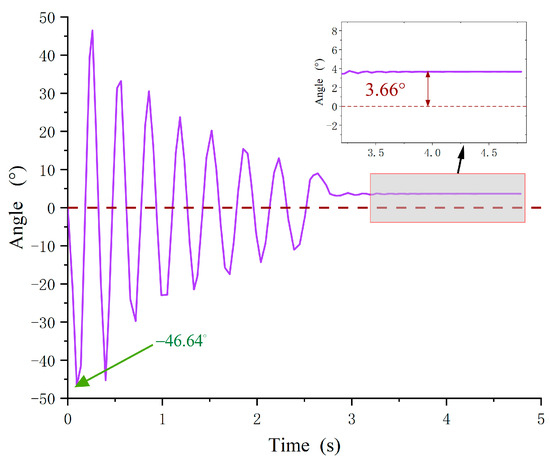
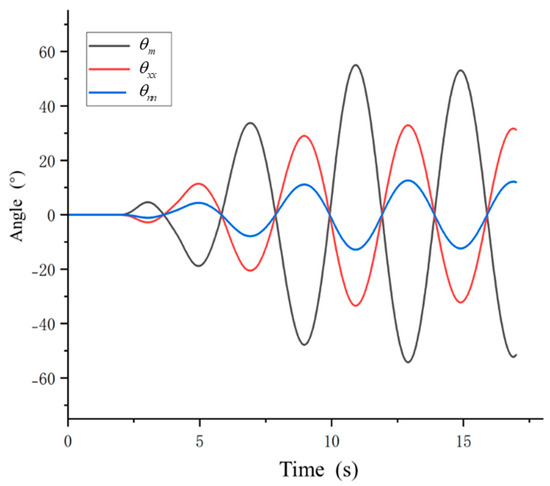
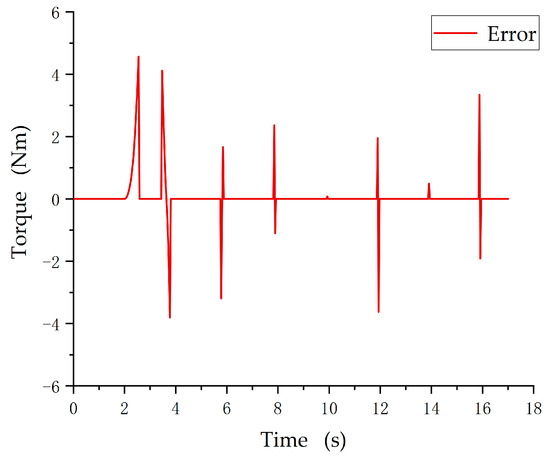
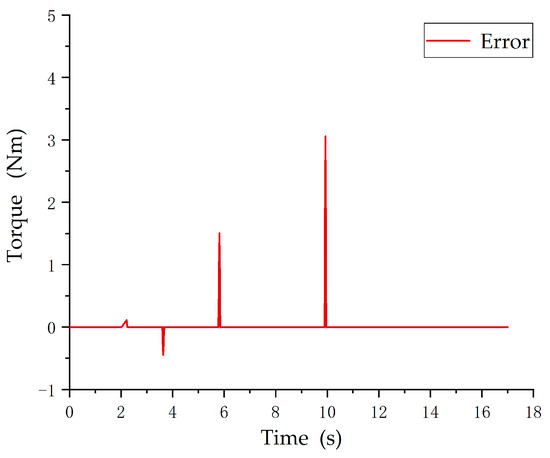
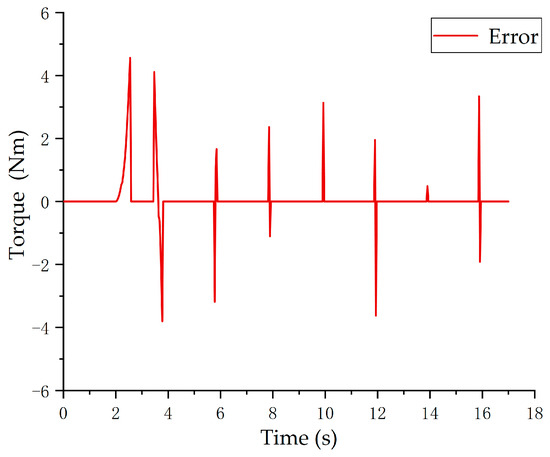
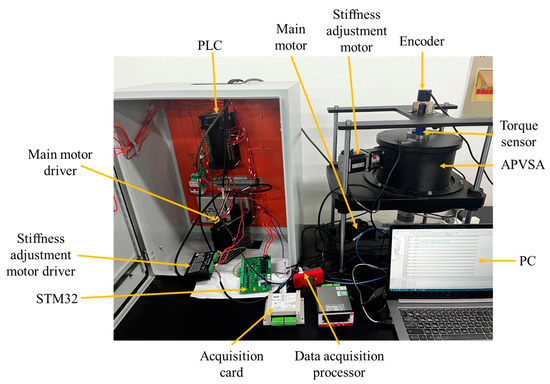
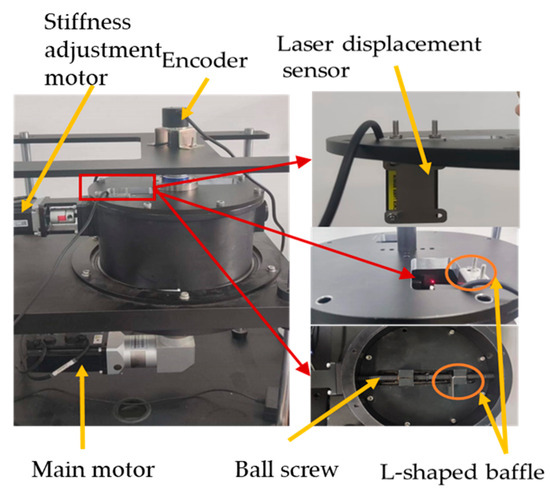
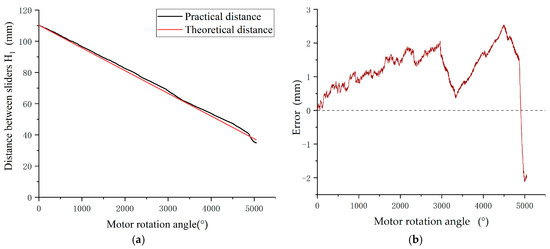
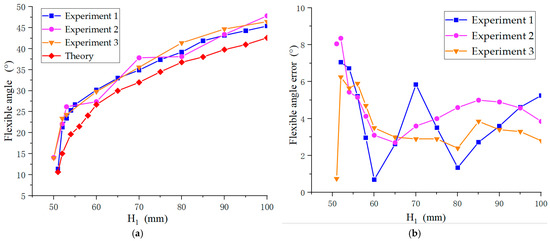
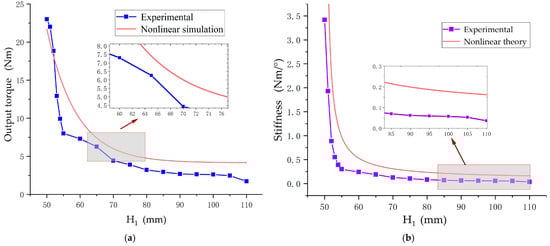
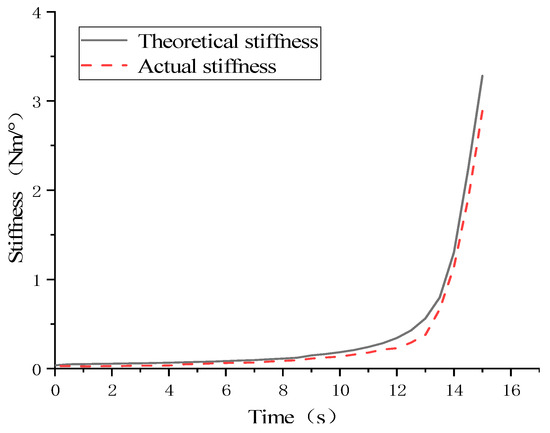
To overcome the limitations imposed by the low flexible angle of conventional robots, an active–passive variable stiffness elastic actuator (APVSA) is investigated and a nonlinear dynamic model for the APVSA is established, considering the factors of the moment of inertia, stiffness and damping of elastic elements, meshing stiffness of gear systems, nonlinear backlash, nonlinear meshing damping, and comprehensive transmission error. The established dynamic model is discretized by the forward Euler method, and the variable stiffness performance and the influence of nonlinear factors on the APVSA are analysed by Adams and Simulink simulations, respectively. A physical prototype and an experimental platform were assembled, and the dynamic and static variable stiffness experiments were conducted. The experimental results realized the expected stiffness adjustment target and provided the foundation for the next step of control.
Full article
(This article belongs to the Section Actuator Materials)
►▼
Show Figures

Figure 1
Open AccessArticle
The Optimization Design of Variable Valve Parameters for Internal Combustion Engines Considering the Energy Consumption of a Composite Electromagnetic Valve Mechanism
by
Xinyu Fan, Juyi Han, Jie Yin, Li Zheng and Wei Shao
Actuators 2025, 14(4), 168; https://doi.org/10.3390/act14040168 - 28 Mar 2025
Abstract
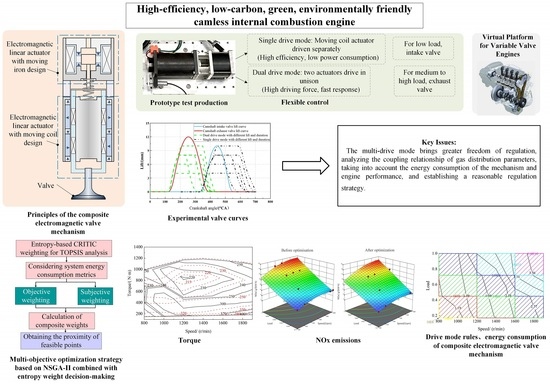
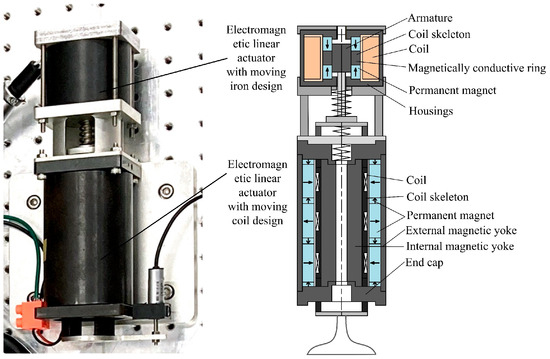
The variable valve mechanism, as a critical component for the efficient and low-carbon development of internal combustion engines, faces increasingly stringent requirements regarding its driving efficiency, output force, precision, and energy consumption. To address the limitations of existing technologies, a new composite electromagnetic
[...] Read more.
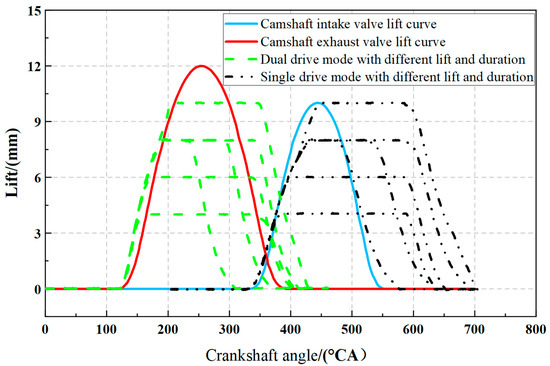
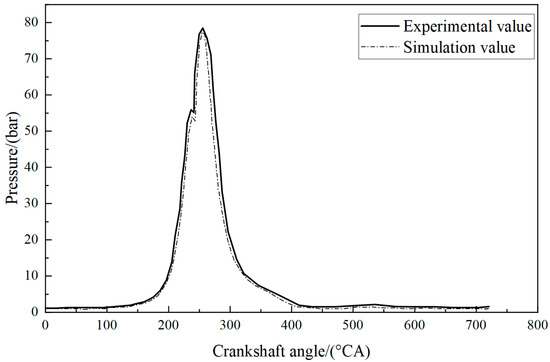
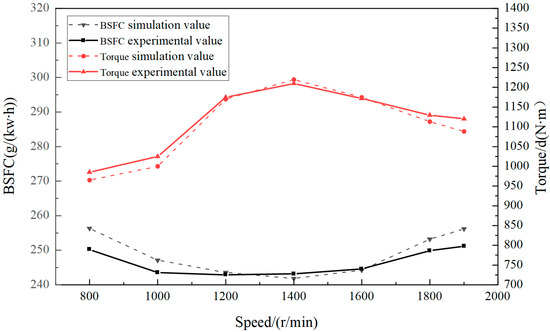
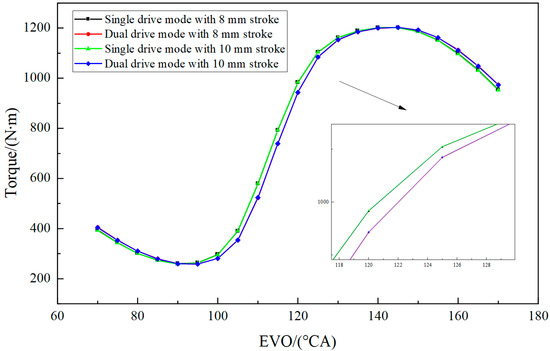
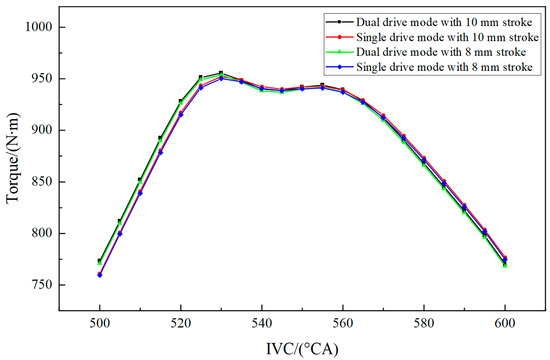
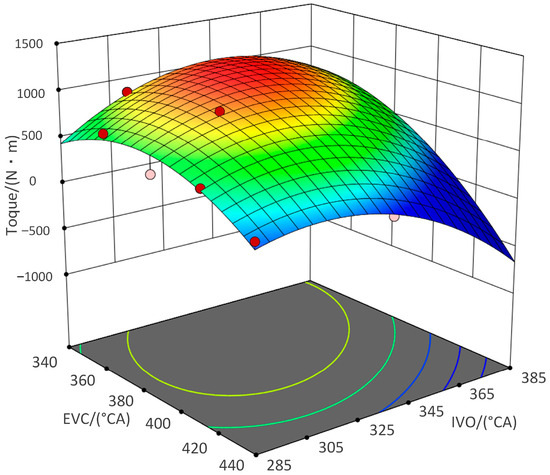
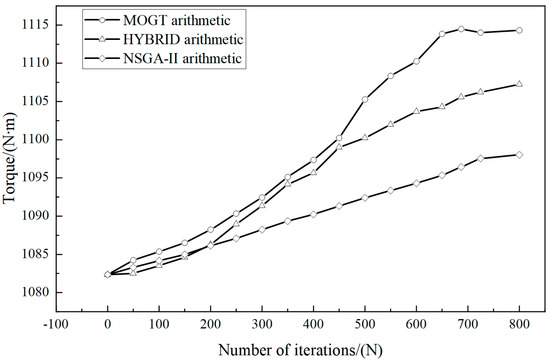
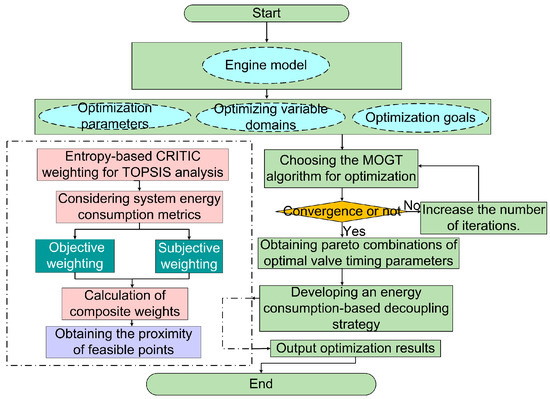
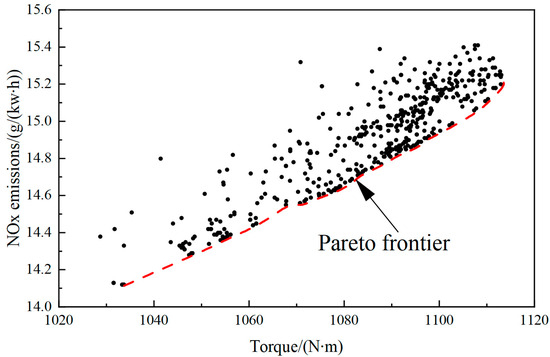
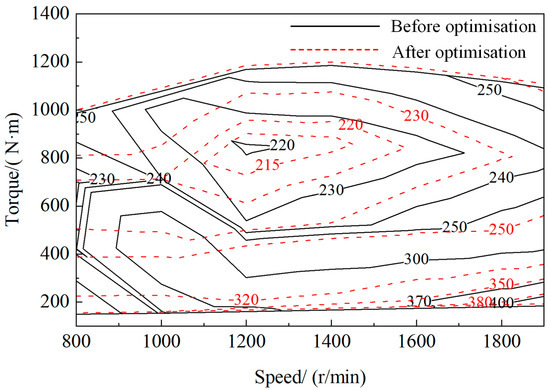
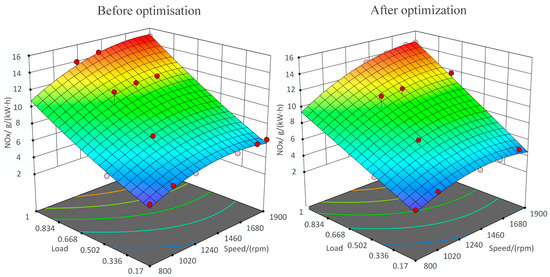
The variable valve mechanism, as a critical component for the efficient and low-carbon development of internal combustion engines, faces increasingly stringent requirements regarding its driving efficiency, output force, precision, and energy consumption. To address the limitations of existing technologies, a new composite electromagnetic valve train is proposed, characterized by a high force-to-power ratio, fast response, and high precision, along with a unique single/double drive mode, which offers greater flexibility in controlling valve timing parameters; however, it also introduces complex coupling relationships and increases the difficulty of optimization design. To this end, this paper establishes a thermodynamic model of the engine based on the composite electromagnetic valve mechanism. First, it analyzes the effects of different valve timing parameters and drive modes on engine performance; second, a multi-objective game theory optimization algorithm is employed to optimize the valve timing parameters and obtain the optimal solution set; finally, taking into account the energy consumption of the valve mechanism, engine emissions, and performance, a control strategy for valve timing parameters is developed based on an entropy-weighted method combined with a superiority and inferiority solution distance analysis. The results indicated that, under all the operating conditions of the engine, the average torque increased by 2.56%, the effective fuel consumption rate decreased by 6.23%, and nitrogen oxide emissions reduced by 9.86%. Meanwhile, an efficient and economical operational mode for the variable valve mechanism was obtained, providing new insights for the development of variable valve timing technology.
Full article
(This article belongs to the Section High Torque/Power Density Actuators)
►▼
Show Figures

Graphical abstract
Open AccessArticle
A Control-Oriented Model for Polymer-Dispersed Liquid Crystal Films as an Actuator for Natural Light Control
by
Alexander H. Pesch and Chiara Vetter
Actuators 2025, 14(4), 167; https://doi.org/10.3390/act14040167 - 28 Mar 2025
Abstract
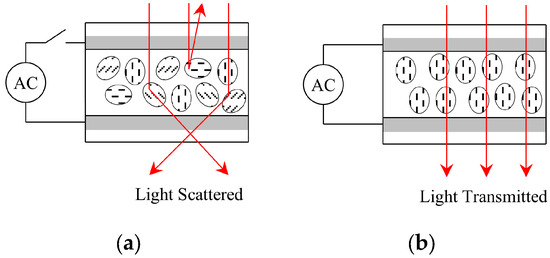
A polymer-dispersed liquid crystal (PDLC) film is a device that can transition from opaque to transparent when electrically charged. These films can be used as actuators to control light levels in response to changing natural light. However, the current state of the art
[...] Read more.
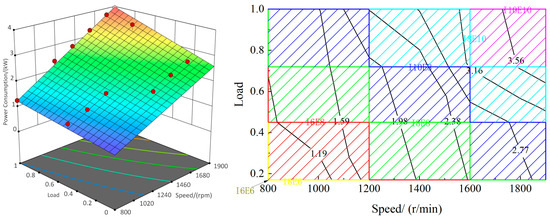
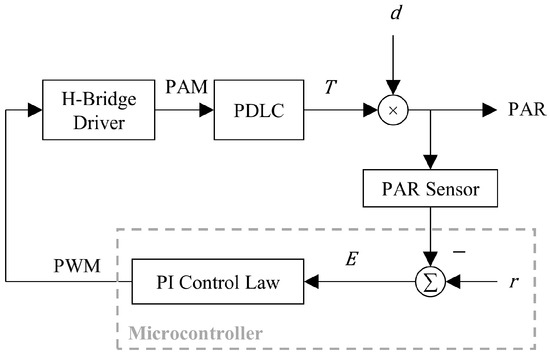
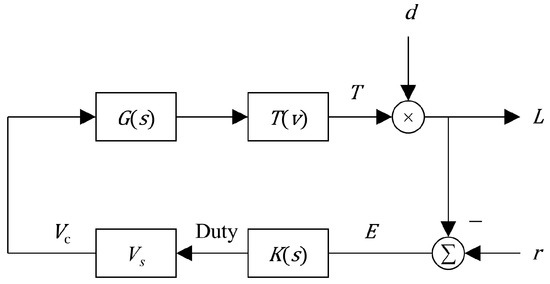
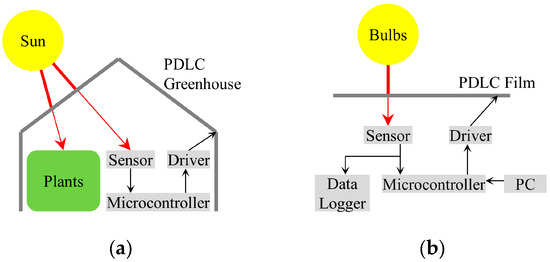
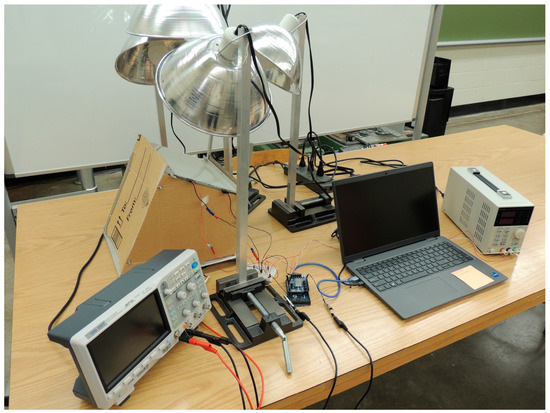
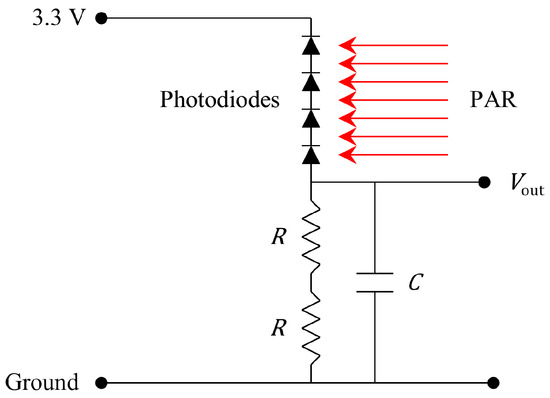
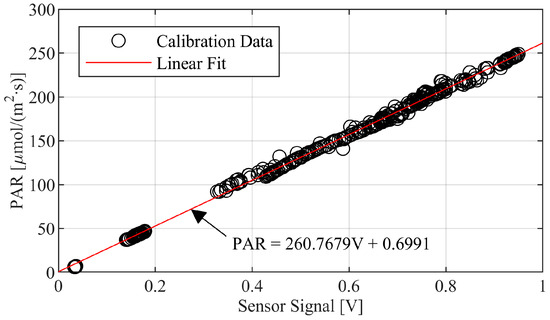
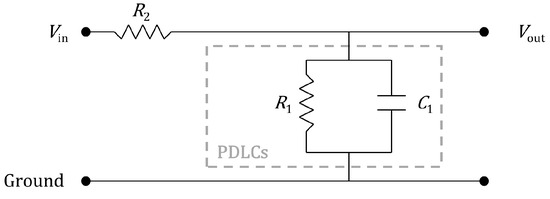
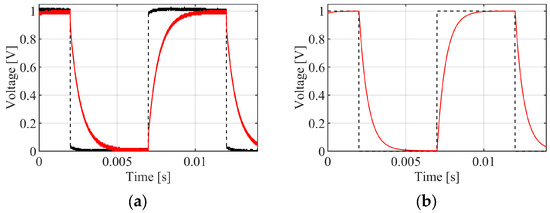
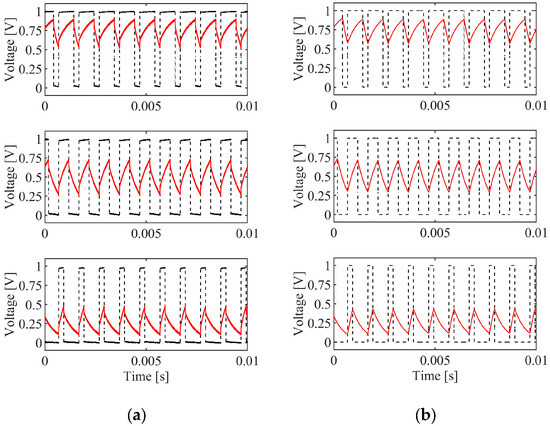
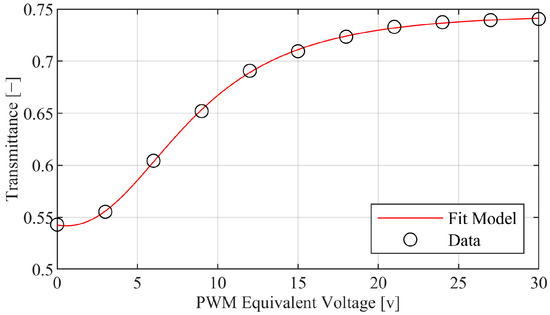
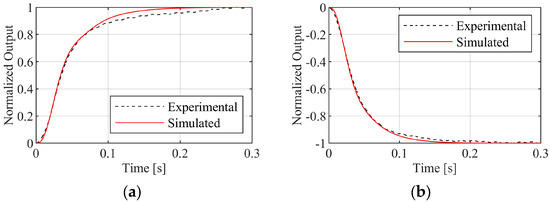
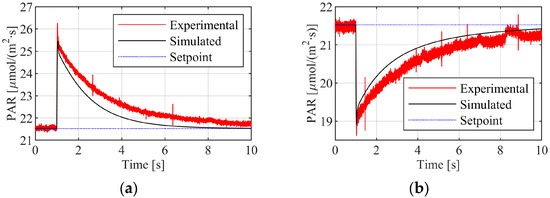
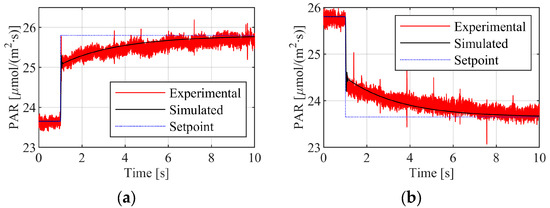
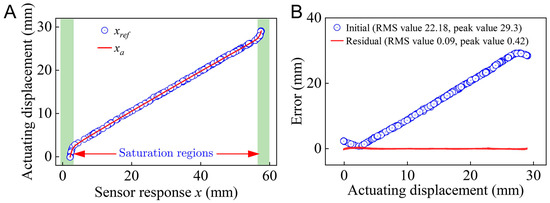
A polymer-dispersed liquid crystal (PDLC) film is a device that can transition from opaque to transparent when electrically charged. These films can be used as actuators to control light levels in response to changing natural light. However, the current state of the art for controlling PDLC films is limited to on/off functionality, and few works in the current body of literature have explored continuous control. This study develops a novel nonlinear model for PDLCs in the context of the feedback control of light. This study also demonstrates the model’s utility by comparing experimental data of a PDLC in feedback with a proportional–integral (PI) controller for disturbance rejection and tracking of a desired light setpoint. This development is motivated by the need for a smart greenhouse that can provide programmable optimized light levels for plant growth. Specifically, a light sensor is composed of a circuit with photodiodes and calibrated for the photosynthetically active radiation range. The light sensor is placed under the film, separate from an exogenous light source, allowing for feedback control to be applied. A proportional–integral type control law is selected for stiffness and the ability to eliminate steady-state error, and it is implemented using a microcontroller. An equivalent analog control effort is applied to the PDLC via a PWM voltage signal and an H-bridge type driver. Details necessary for the driving of the PDLC are presented. Open-loop identification of the nonlinear quasi-static and dynamic step-response transients of the PDLC at different control levels are presented and modeled. Finally, closed-loop experimental and simulated results are presented for both light disturbance rejection and setpoint tracking. This shows that the proposed control framework allows for continuous control of light.
Full article
(This article belongs to the Section Control Systems)
►▼
Show Figures

Figure 1
Open AccessArticle
A Dual-Morphing Pneumatic Origami Gripper
by
Ting Yan, Shao-Feng Xu and Kuo-Chih Chuang
Actuators 2025, 14(4), 166; https://doi.org/10.3390/act14040166 - 27 Mar 2025
Abstract
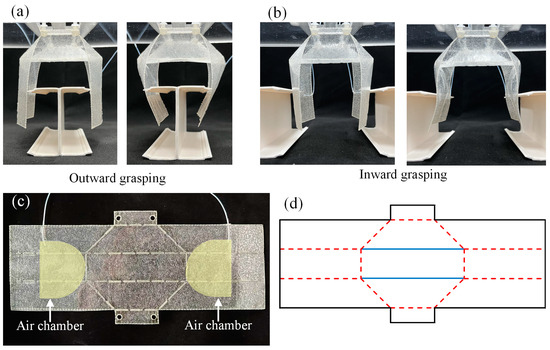
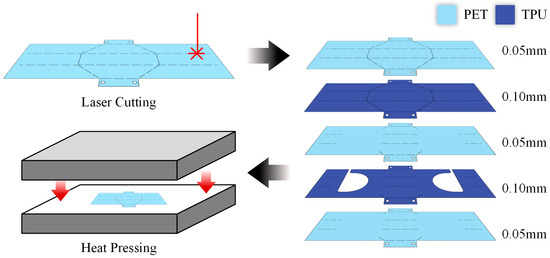
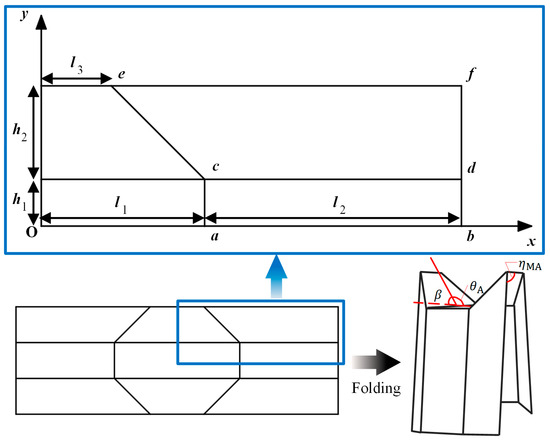
In this work, we propose a lightweight pneumatic gripper that can grasp objects from either the outer or inner surfaces. Inspired by the Miura-ori pattern, the gripper is fabricated by laminating films with different cutting patterns to form the crease lines and air
[...] Read more.
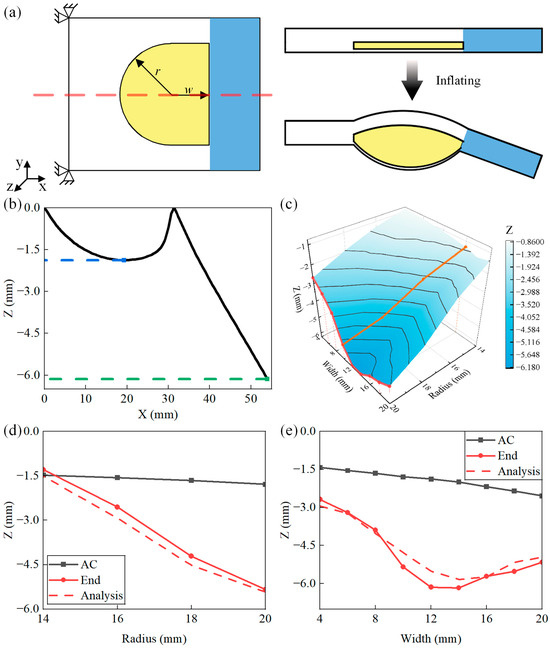
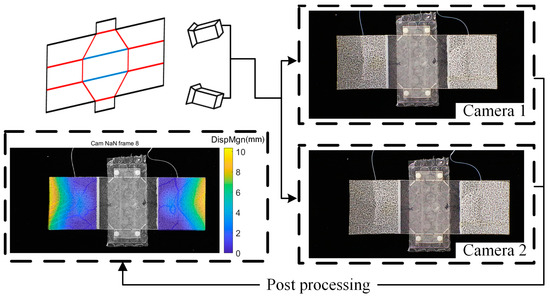
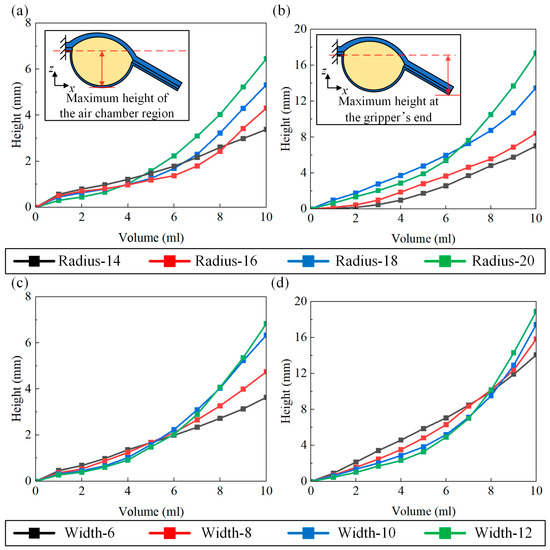
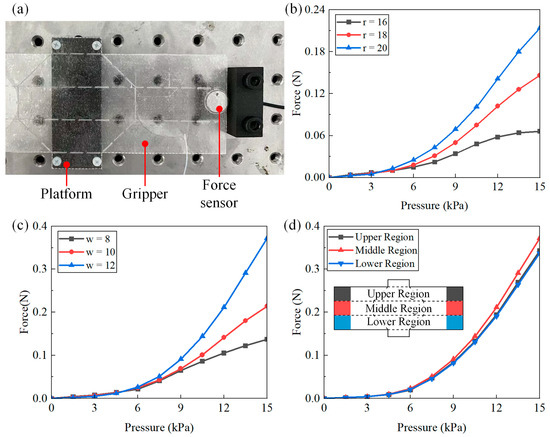
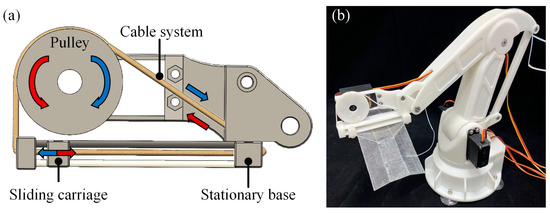
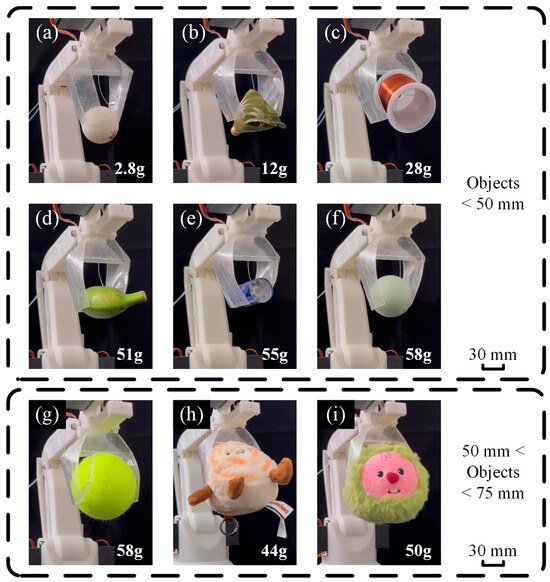
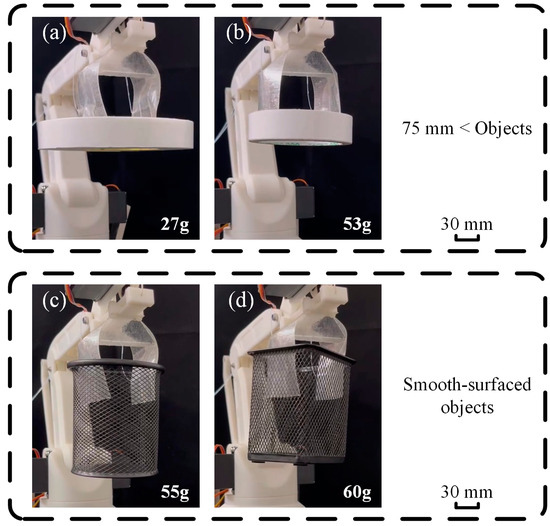
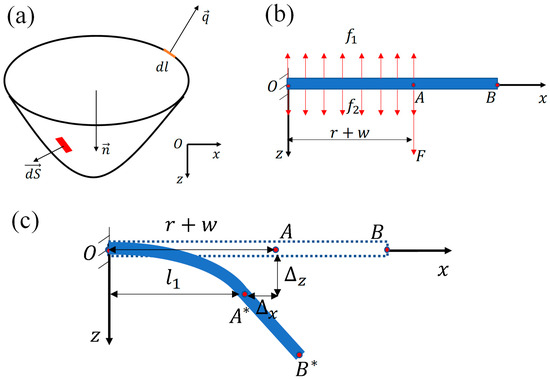
In this work, we propose a lightweight pneumatic gripper that can grasp objects from either the outer or inner surfaces. Inspired by the Miura-ori pattern, the gripper is fabricated by laminating films with different cutting patterns to form the crease lines and air chambers. The asymmetry in the thickness of the top and bottom sides of the air chambers causes the gripper’s end to rotate in a predetermined direction upon inflation, enabling a dual-morphing grasping action. The dual morphings include an outward grasping morphing (grasping from the outer surface) and an inward grasping morphing (grasping from the inner surface). The deflection of the gripper’s end, induced by the air chamber’s inflation, is theoretically analyzed using a simplified one-dimensional model. We conducted both finite element modeling and experimental measurements to investigate the influence of the air chamber’s design parameters. Weighing only 4.5 g, the gripper can lift objects more than ten times of its own weight. This study provides a valuable design insight for developing more flexible and adaptable soft grippers capable of holding objects with a wider range of geometrical characteristics.
Full article
(This article belongs to the Special Issue Advancement in the Design and Control of Robotic Grippers—Second Edition)
►▼
Show Figures

Figure 1
Open AccessArticle
Deep Reinforcement Learning-Based Enhancement of Robotic Arm Target-Reaching Performance
by
Ldet Honelign, Yoseph Abebe, Abera Tullu and Sunghun Jung
Actuators 2025, 14(4), 165; https://doi.org/10.3390/act14040165 - 26 Mar 2025
Abstract
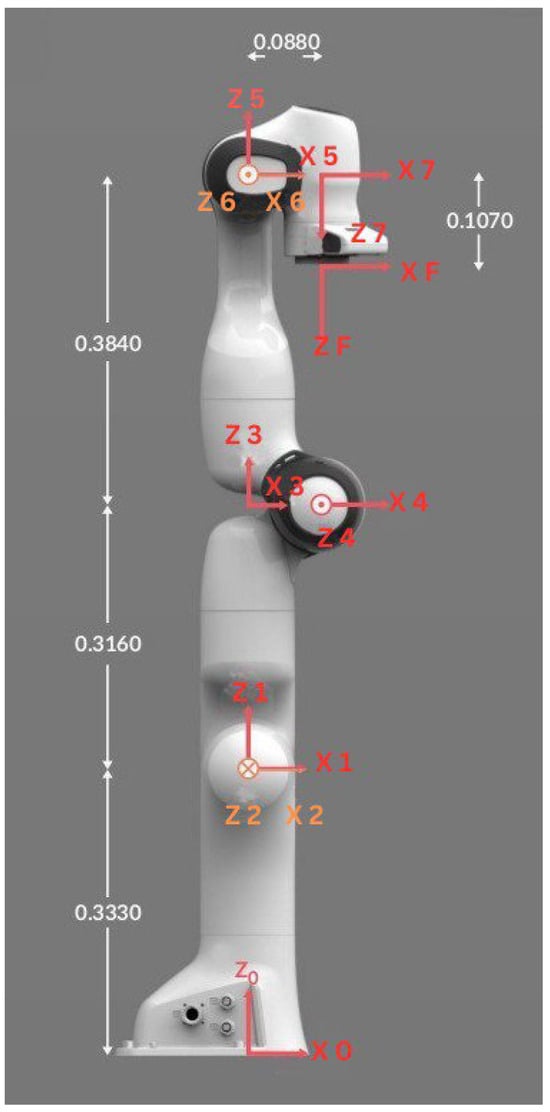
This work investigates the implementation of the Deep Deterministic Policy Gradient (DDPG) algorithm to enhance the target-reaching capability of the seven degree-of-freedom (7-DoF) Franka Pandarobotic arm. A simulated environment is established by employing OpenAI Gym, PyBullet, and Panda Gym. After 100,000 training time
[...] Read more.
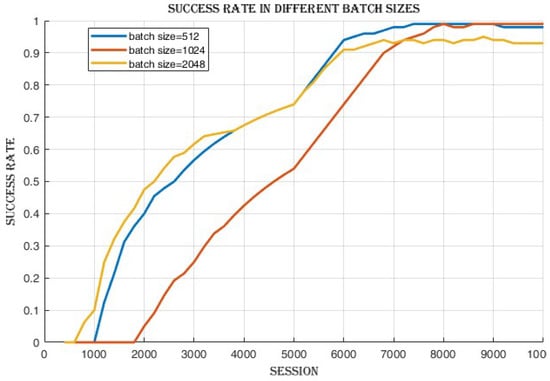
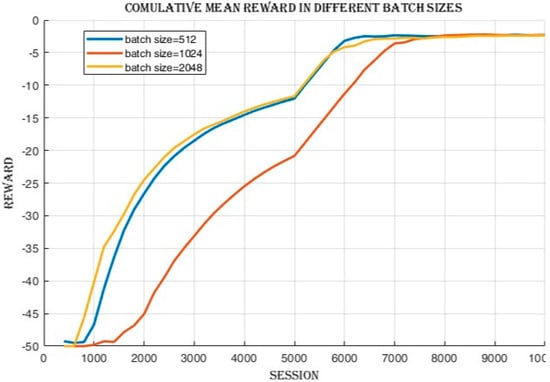
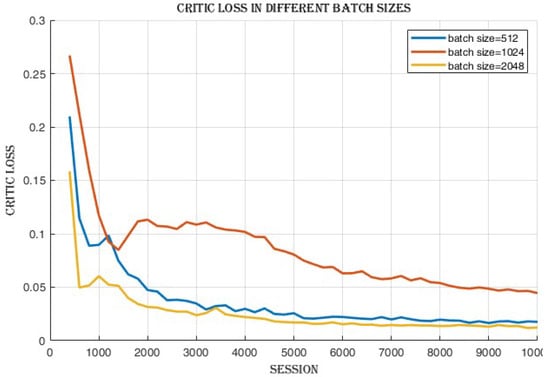
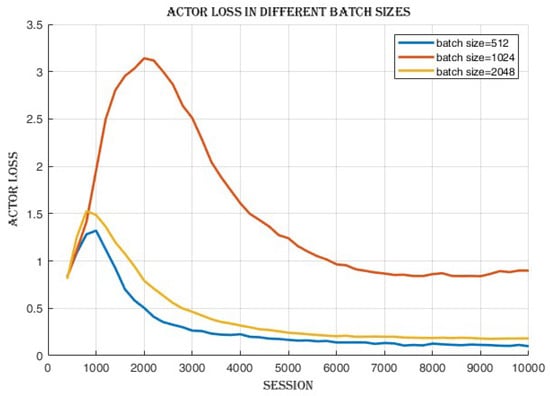
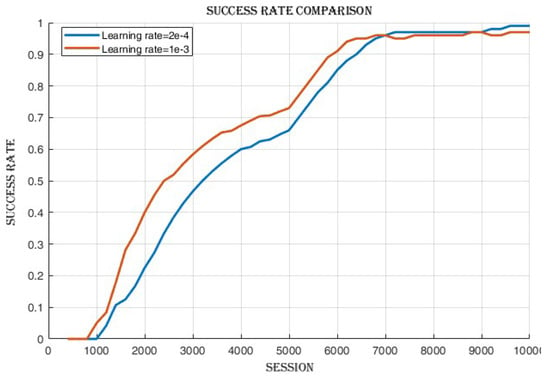
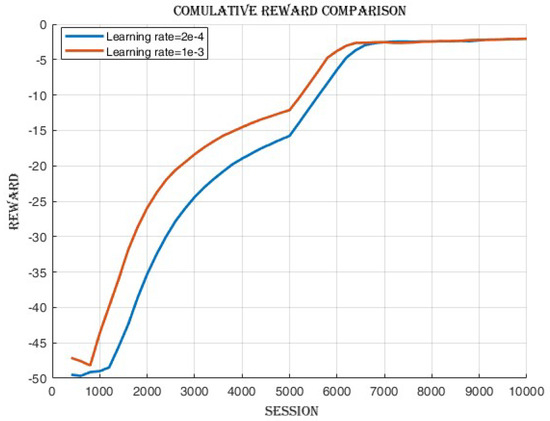
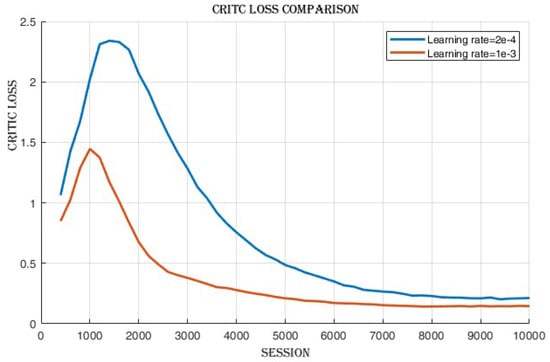
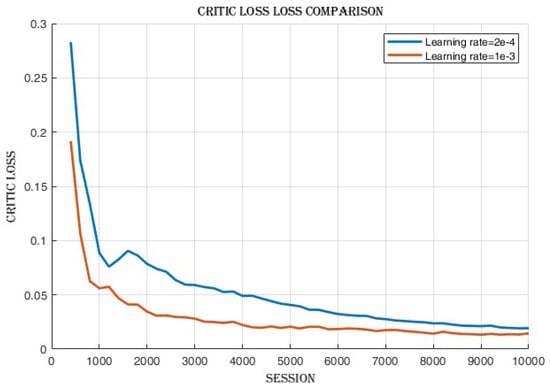
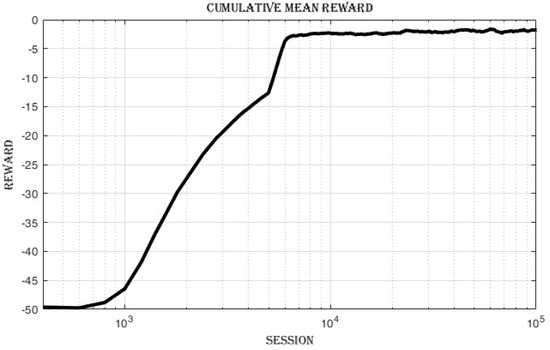
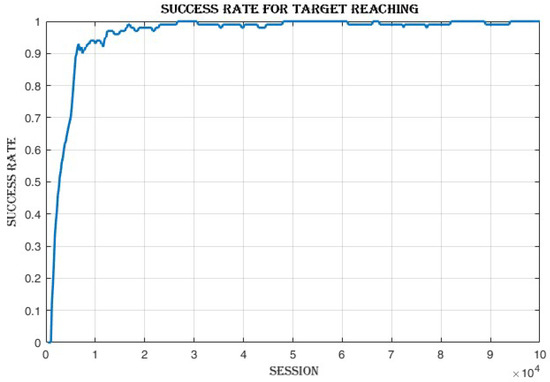
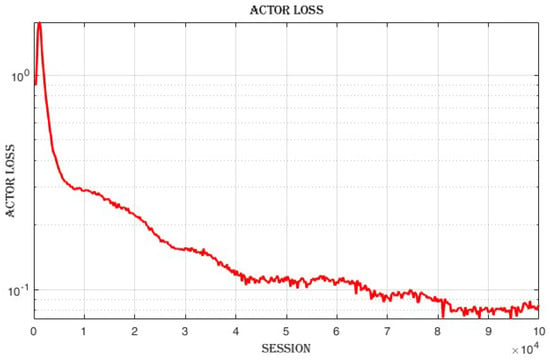
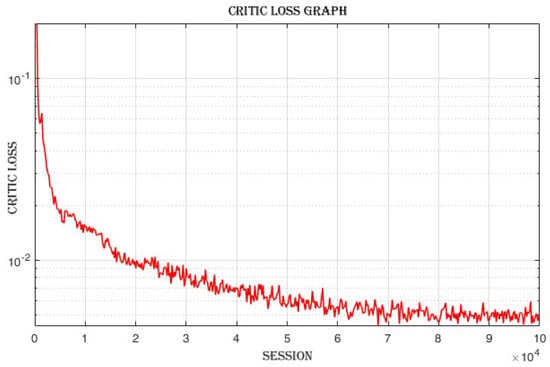
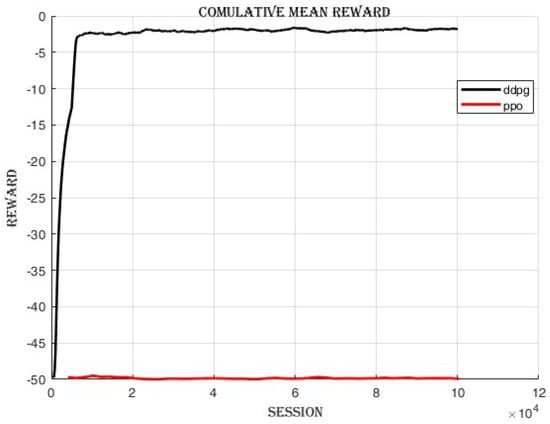
This work investigates the implementation of the Deep Deterministic Policy Gradient (DDPG) algorithm to enhance the target-reaching capability of the seven degree-of-freedom (7-DoF) Franka Pandarobotic arm. A simulated environment is established by employing OpenAI Gym, PyBullet, and Panda Gym. After 100,000 training time steps, the DDPG algorithm attains a success rate of 100% and an average reward of −1.8. The actor loss and critic loss values are 0.0846 and 0.00486, respectively, indicating improved decision-making and accurate value function estimations. The simulation results demonstrate the efficiency of DDPG in improving robotic arm performance, highlighting its potential for application to improve robotic arm manipulation.
Full article
(This article belongs to the Special Issue From Theory to Practice: Incremental Nonlinear Control)
►▼
Show Figures

Figure 1
Open AccessArticle
Web-Based Real-Time Alarm and Teleoperation System for Autonomous Navigation Failures Using ROS 1 and ROS 2
by
Nabih Pico, Giovanny Mite, Daniel Morán, Manuel S. Alvarez-Alvarado, Eugene Auh and Hyungpil Moon
Actuators 2025, 14(4), 164; https://doi.org/10.3390/act14040164 - 26 Mar 2025
Abstract
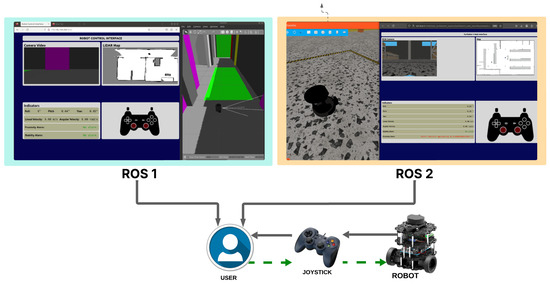
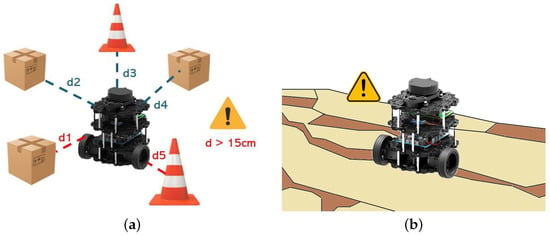
This paper presents an alarm system and teleoperation control framework, comparing ROS 1 and ROS 2 within a local network to mitigate the risk of robots failing to reach their goals during autonomous navigation. Such failures can occur when the robot moves through
[...] Read more.
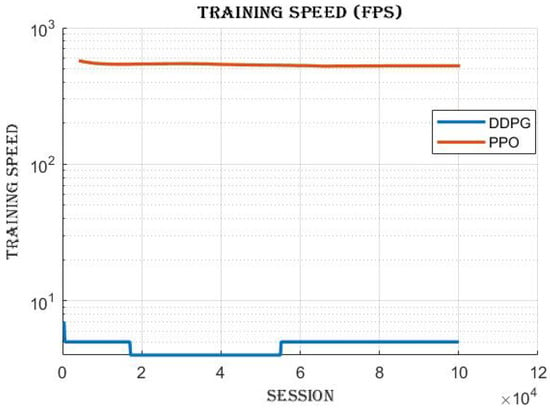
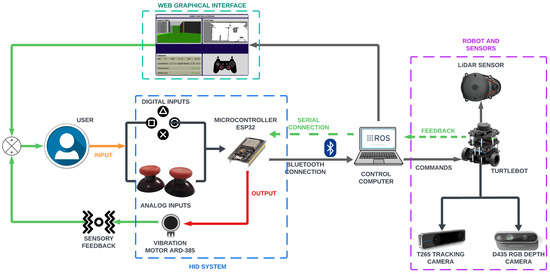
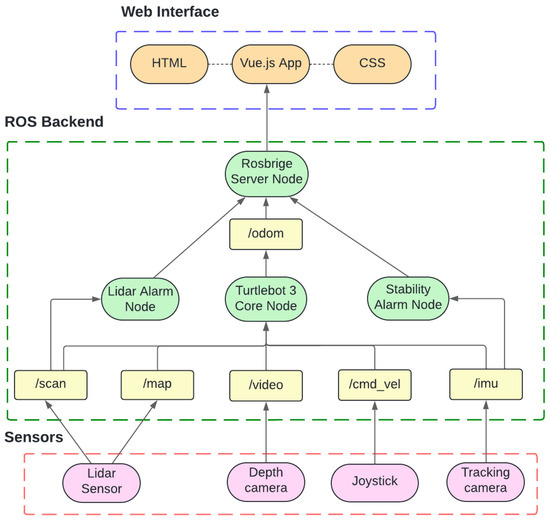
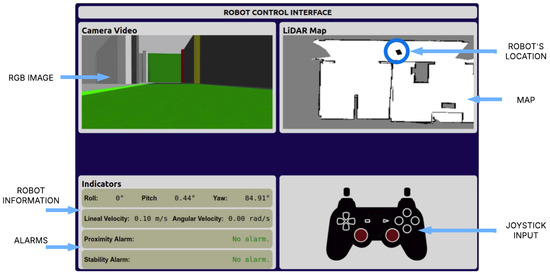
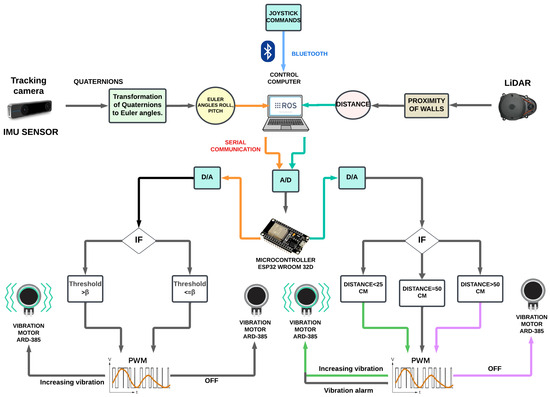
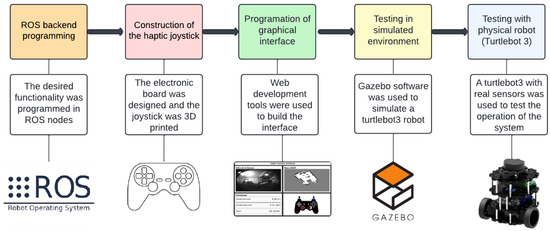
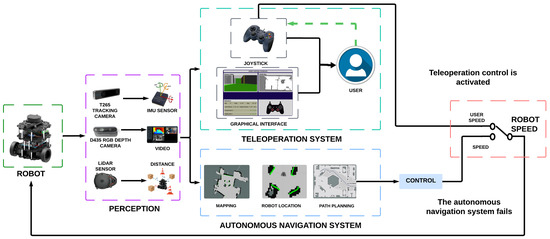
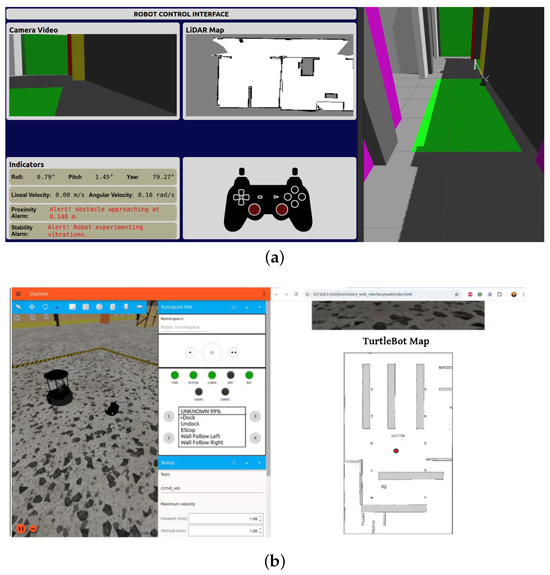
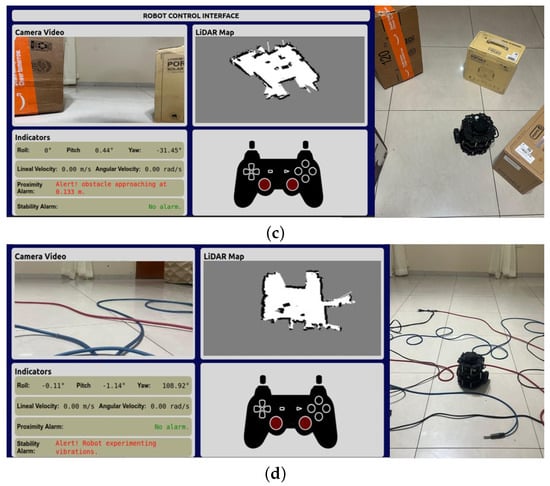
This paper presents an alarm system and teleoperation control framework, comparing ROS 1 and ROS 2 within a local network to mitigate the risk of robots failing to reach their goals during autonomous navigation. Such failures can occur when the robot moves through irregular terrain, becomes stuck on small steps, or approaches walls and obstacles without maintaining a safe distance. These issues may arise due to a combination of technical, environmental, and operational factors, including inaccurate sensor data, sensor blind spots, localization errors, infeasible path planning, and an inability to adapt to unexpected obstacles. The system integrates a web-based graphical interface developed using frontend frameworks and a joystick for real-time monitoring and control of the robot’s localization, velocity, and proximity to obstacles. The robot is equipped with RGB-D and tracking cameras, a 2D LiDAR, and odometry sensors, providing detailed environmental data. The alarm system provides sensory feedback through visual alerts on the web interface and vibration alerts on the joystick when the robot approaches walls, faces potential collisions with objects, or loses stability. The system is evaluated in both simulation (Gazebo) and real-world experiments, where latency is measured and sensor performance is assessed for both ROS 1 and ROS 2. The results demonstrate that both systems can operate effectively in real time, ensuring the robot’s safety and enabling timely operator intervention. ROS 2 offers lower latency for LiDAR and joystick inputs, making it advantageous over ROS 1. However, camera latency is higher, suggesting the need for potential optimizations in image data processing. Additionally, the platform supports the integration of additional sensors or applications based on user requirements.
Full article
(This article belongs to the Section Actuators for Robotics)
►▼
Show Figures

Figure 1
Open AccessArticle
Structural Optimization and Fluid–Structure Interaction Analysis of a Novel High-Speed Switching Control Valve
by
Hexi Ji, Jiazhen Han, Yong Wang, Yongkang Liu, Yudong Xie, Sen Yang, Derui Shi and Yilong Song
Actuators 2025, 14(4), 163; https://doi.org/10.3390/act14040163 - 24 Mar 2025
Abstract
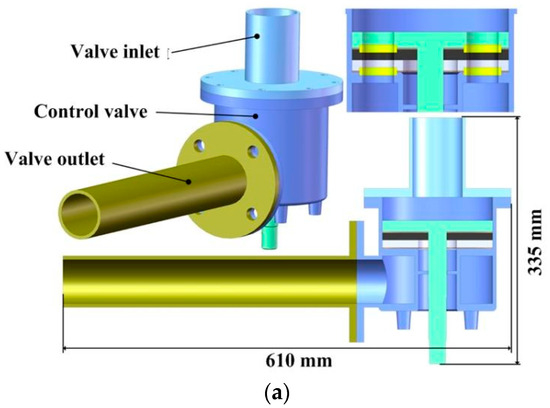
Laver fluffy is an indispensable link in the processing of laver products. After fluffing, the laver acquires an appealing color, which is conducive to better marketability. During the primary mechanical processing of laver, a valve capable of rapid opening and closing is required
[...] Read more.
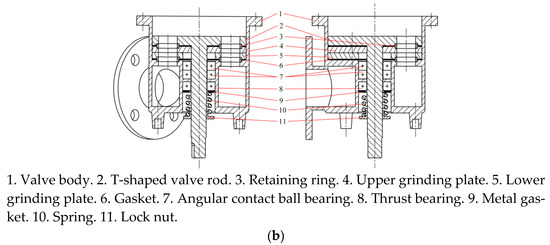
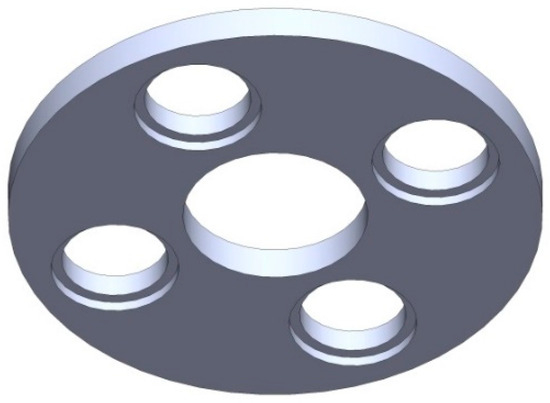
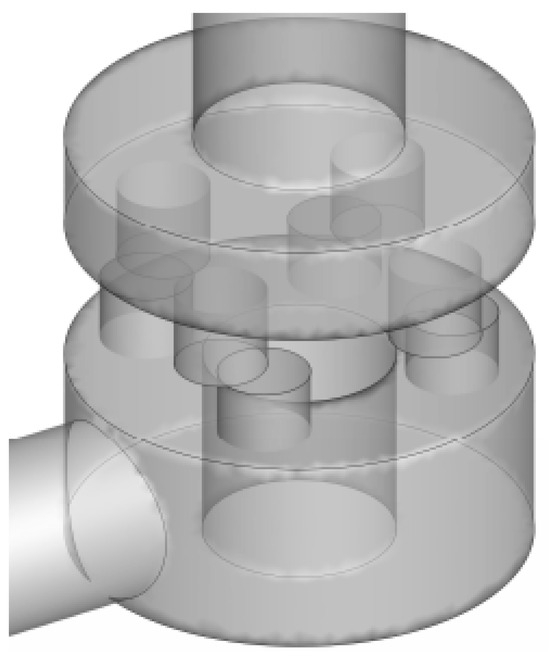
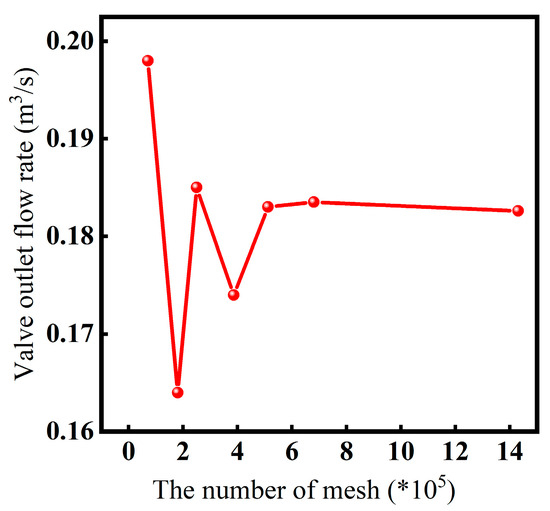
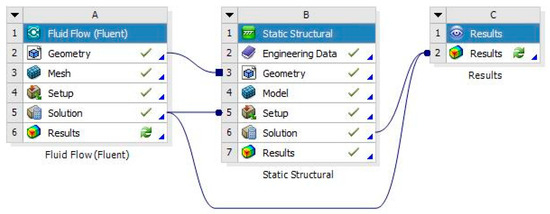
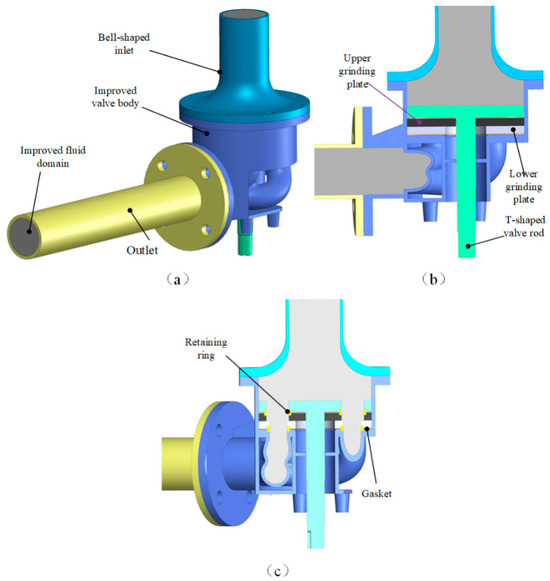
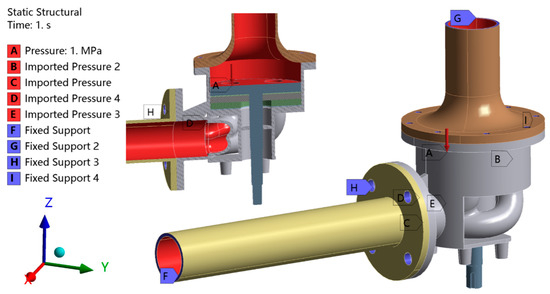
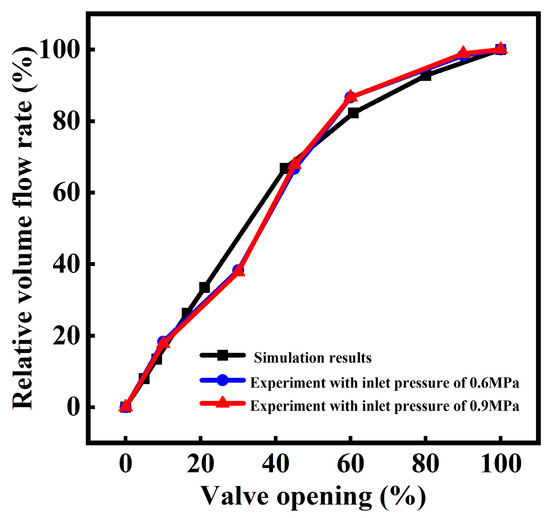
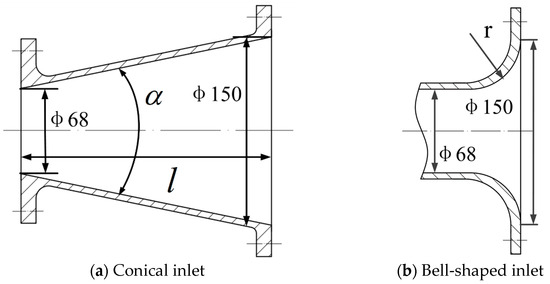
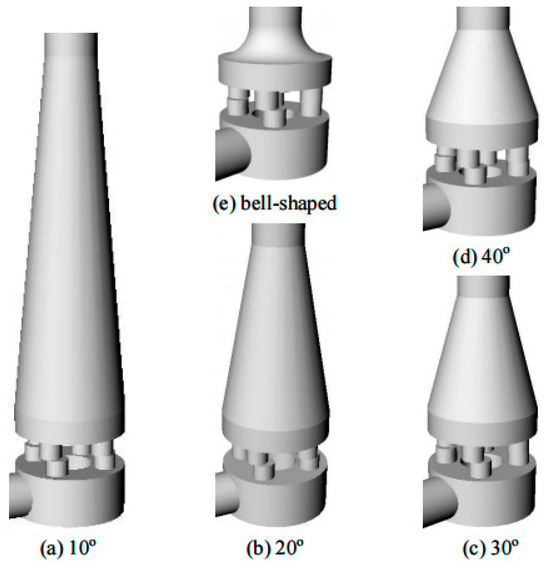
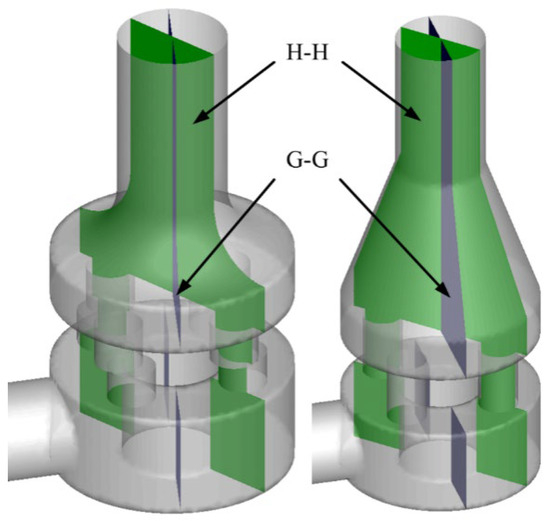
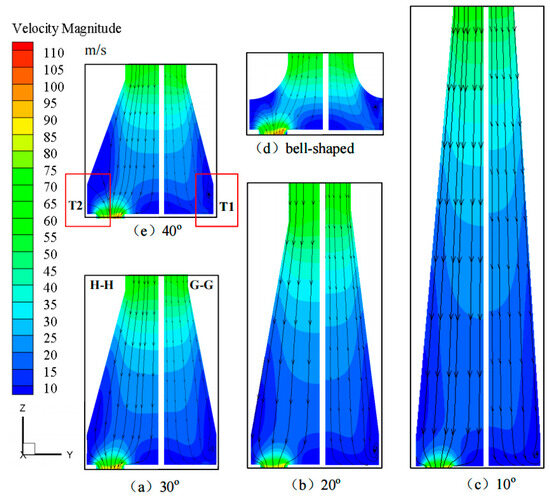
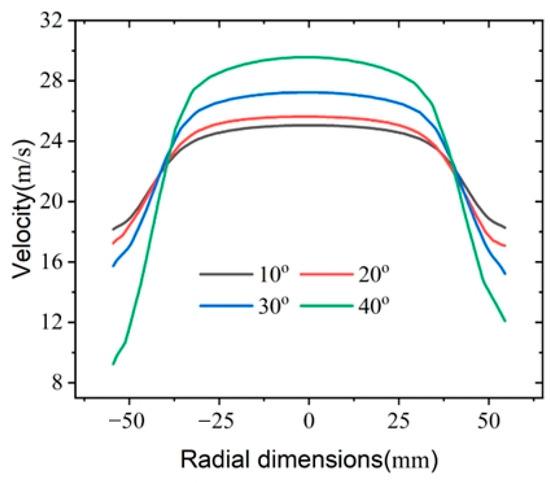
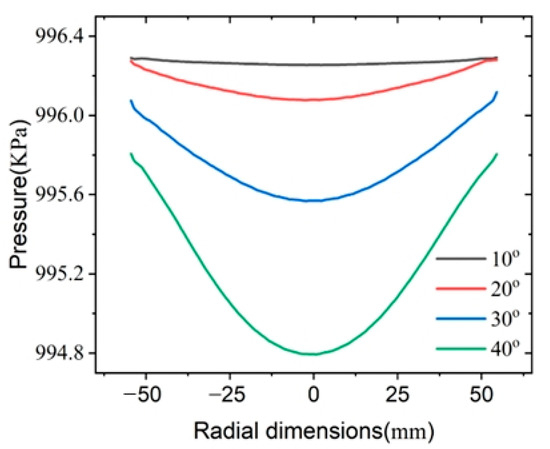
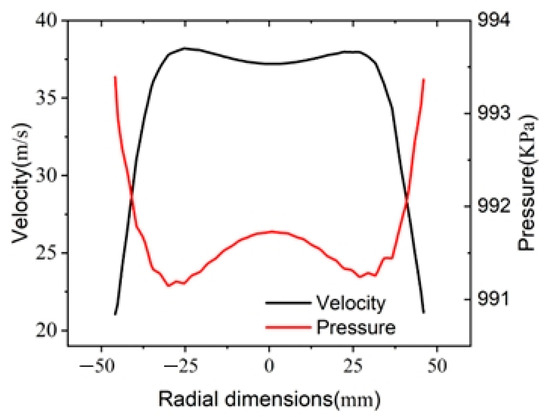
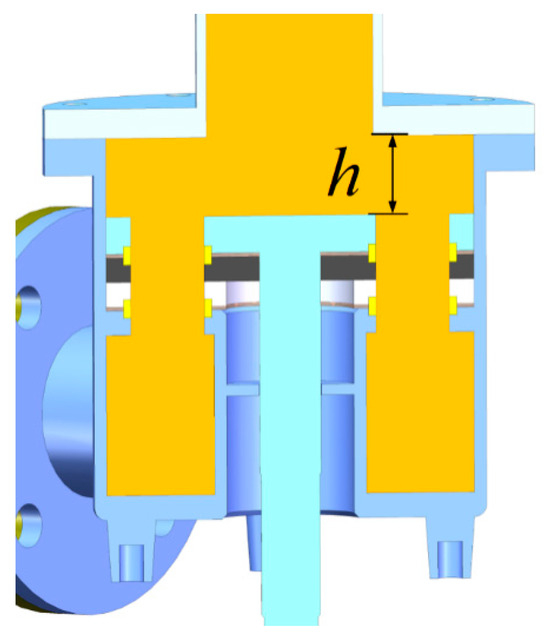
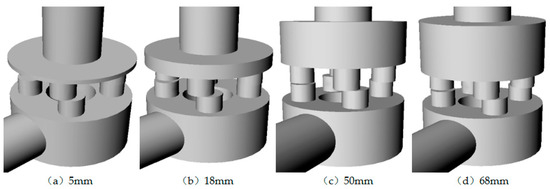
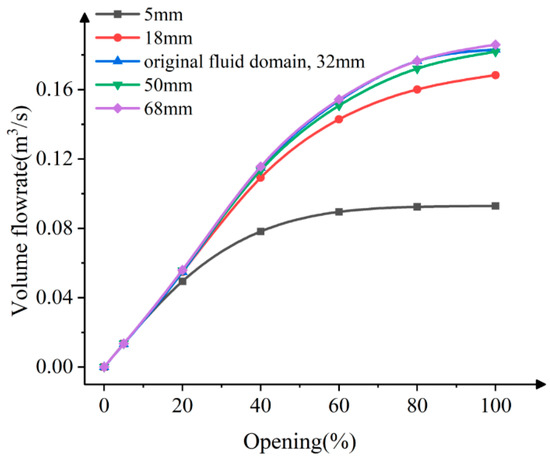
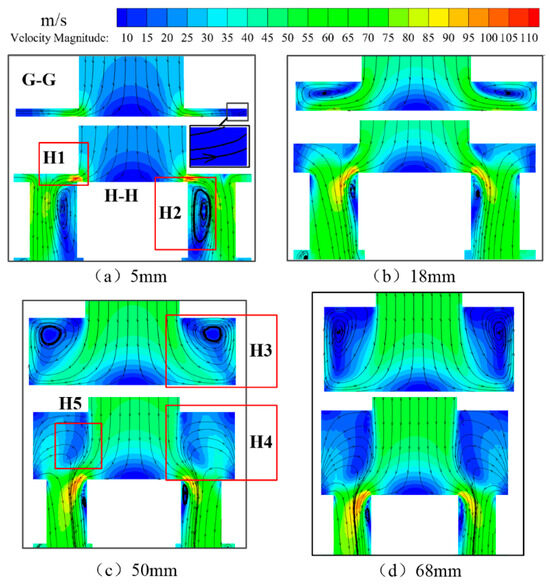
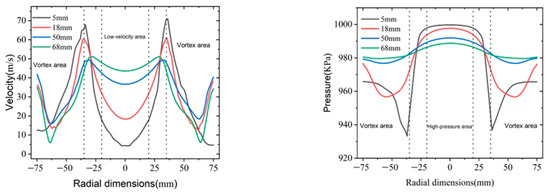
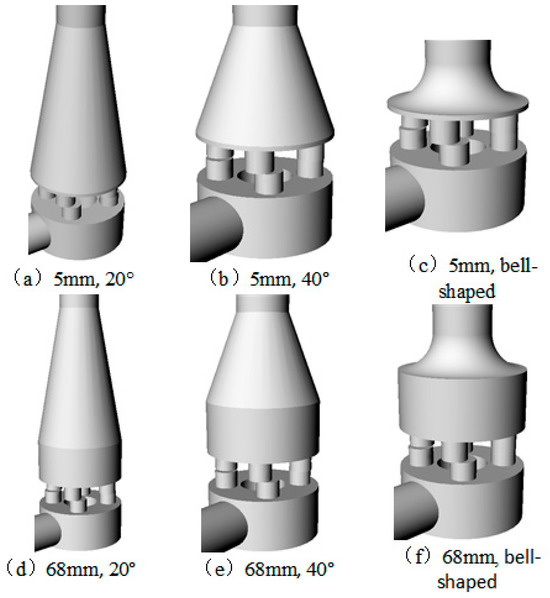
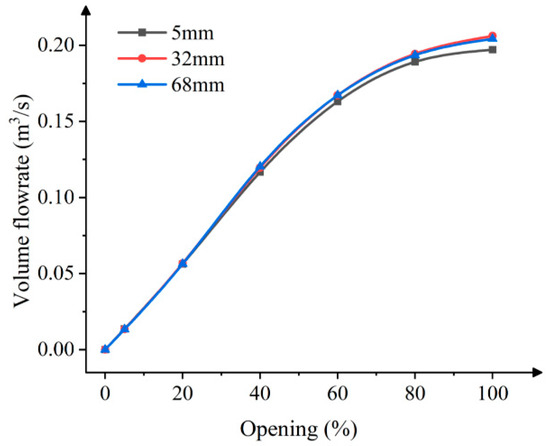
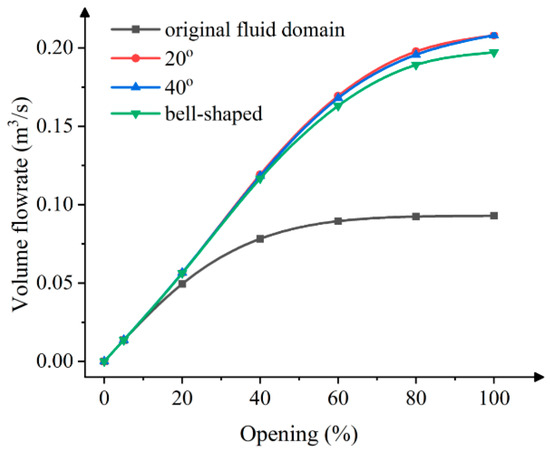
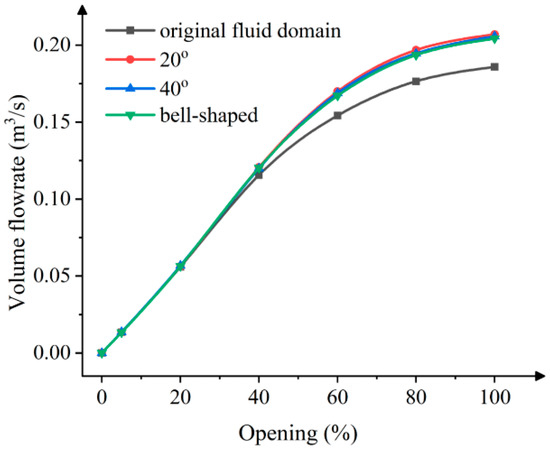
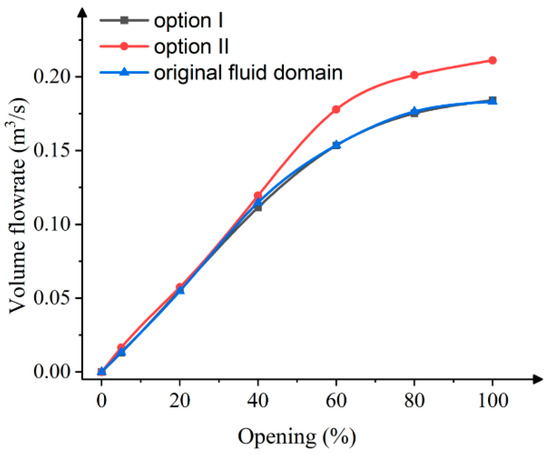
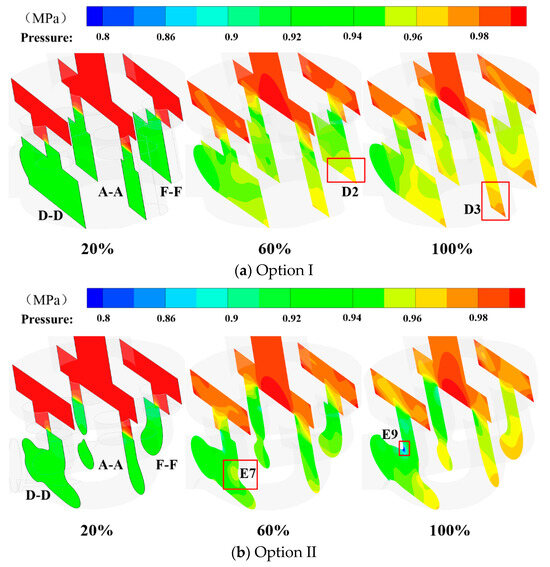
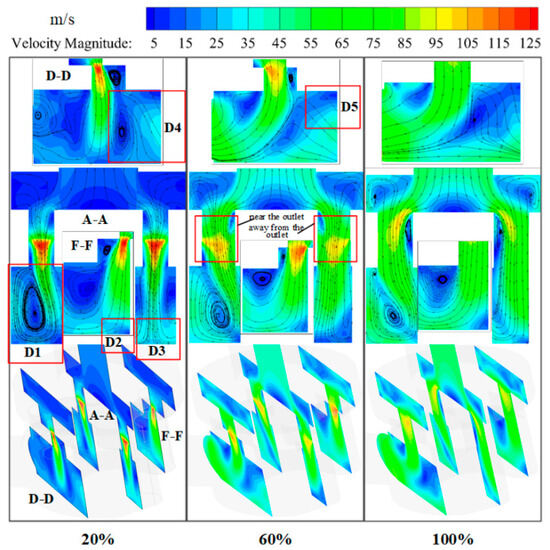
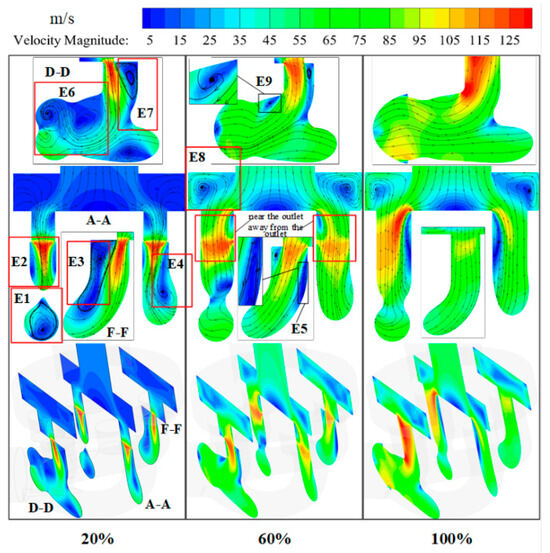
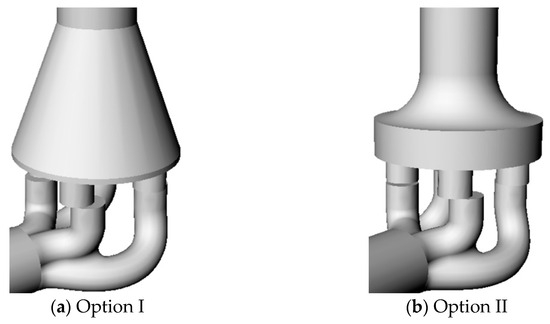
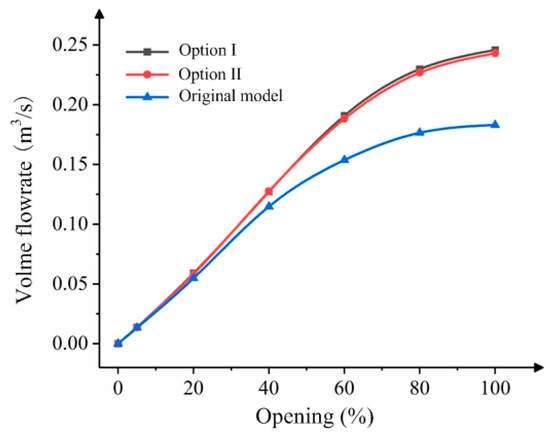
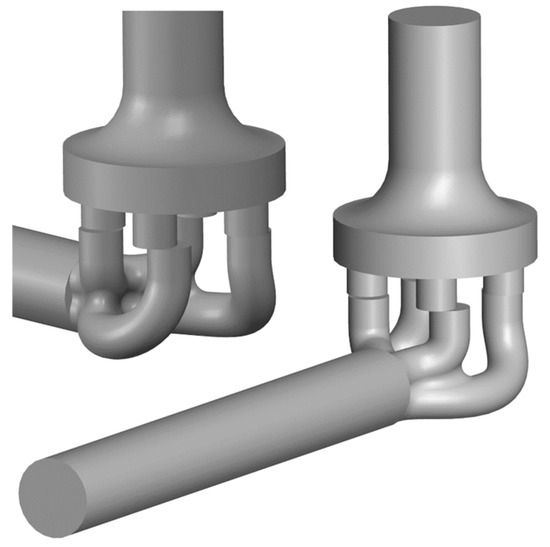
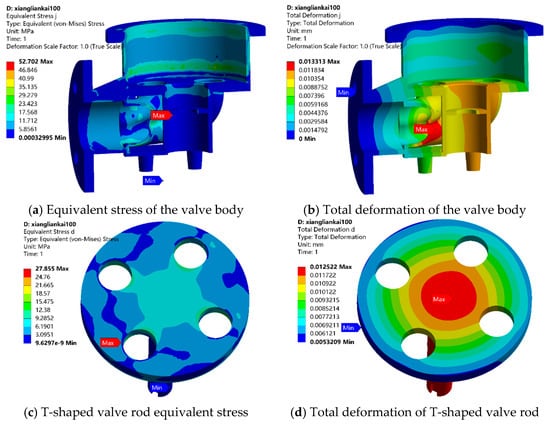
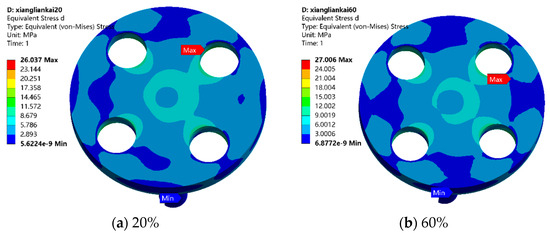
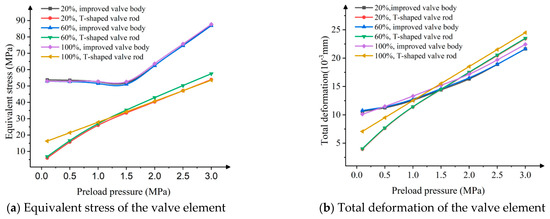
Laver fluffy is an indispensable link in the processing of laver products. After fluffing, the laver acquires an appealing color, which is conducive to better marketability. During the primary mechanical processing of laver, a valve capable of rapid opening and closing is required to ensure that the laver’s surface becomes fluffy and lustrous post-processing. However, valve products that can meet the specific requirements of laver fluffing are scarce. This study proposes a novel principle for a high-speed switching control valve. This valve can quickly turn on or cut off the high-pressure gas path during laver processing while also taking into account the response speed and service life. The structure and principle of the new control valve were introduced. Different flow field models in the valve were designed, and their flow characteristics and flow field performance under various schemes were compared and discussed by using Fluent. Subsequently, an optimized control valve structure model was proposed. Based on this, a strength analysis of the control valve was conducted via fluid–structure interaction, revealing the response characteristics of the valve under the working state. The results indicate that, when different cone angles and bell shapes were selected for the upper chamber inlet of the control valve, the number and intensity of vortices in the upper chamber can be reduced. The height of the upper chamber affected the formation of the throttle between the top and bottom surfaces of the upper chamber. When the height of the upper chamber was 32 mm, the energy loss in the upper chamber remains basically stable. Simultaneously changing the inlet shape and height of the upper chamber can effectively prevent the throttle formed by the height of the upper chamber, which was conducive to increasing the valve outlet flow rate. Through the analysis of the flow field with different valve chamber structures, the improved control valve adopted the bell-shaped inlet, with an upper chamber height of 32 mm and curved transition for the internal flow channel. Compared to the original fluid domain, when the opening was 100%, the outlet flow rate of the 10° conical tube and bell-shaped inlet increased by 12.77% and 12.59%, respectively. The outlet flow rate at the curved transition position rose by 15.35%, and the outlet flow of the improved control valve increased by 32.70%. When the control valve was operating under a preload pressure of 1 MPa, at 20% opening, the maximum equivalent stress of the valve body was 52.51 MPa, and the total deformation was 12.56 microns. When the preload pressure exceeded 1.5 MPa, the equivalent stress and total deformation of the control valve body and T-shaped valve stem exhibited an upward trend with further increases in the preload pressure.
Full article
(This article belongs to the Special Issue Design, Hydrodynamics, and Control of Valve Systems)
►▼
Show Figures

Figure 1
Open AccessArticle
Data-Driven Feedforward Force Control of a Single-Acting Pneumatic Cylinder with a Nonlinear Hysteresis Characteristic
by
Xiaofeng Wu, Hongliang Hua, Songquan Feng, Yanli Zhao, Yuhong Yang and Zhenqiang Liao
Actuators 2025, 14(4), 162; https://doi.org/10.3390/act14040162 - 24 Mar 2025
Abstract
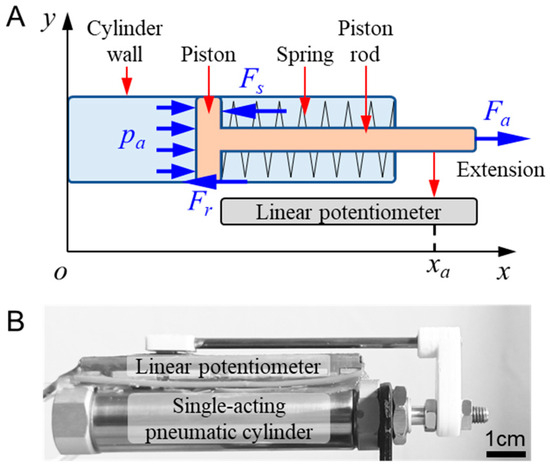
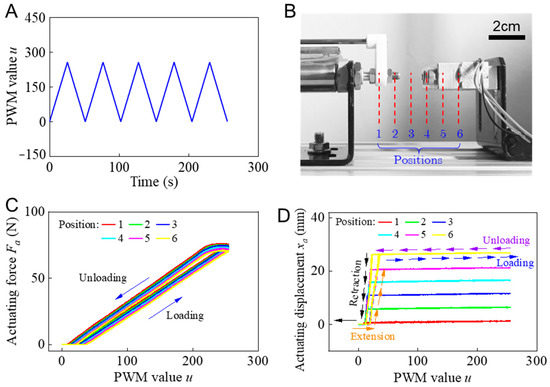
Pneumatic force control has a broad application background in the automation field, such as in industrial polishing, robotic grasping, and humanoid robots. Nonlinear hysteresis characteristics are one of the major factors that affect the feedforward force control performance of a pneumatic system. The
[...] Read more.
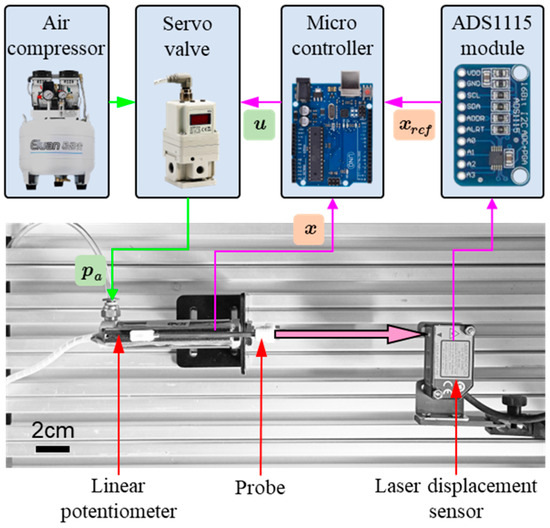
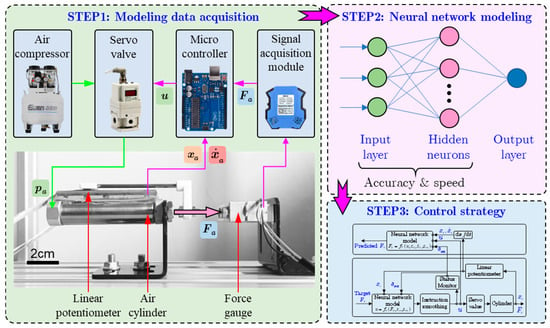
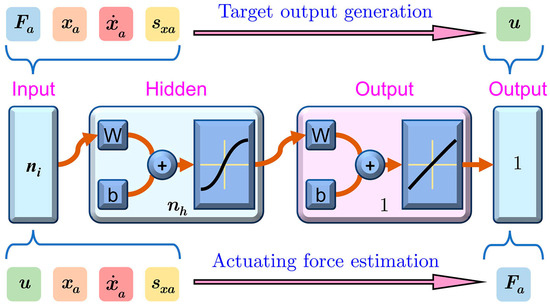
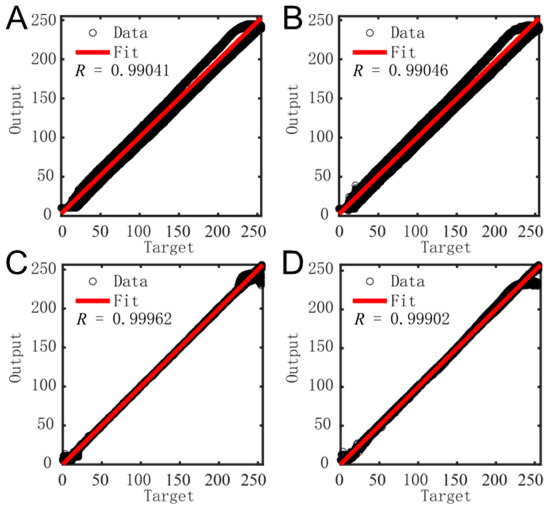
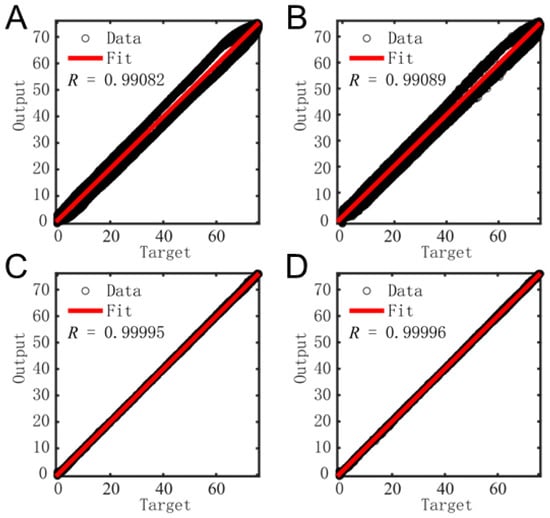
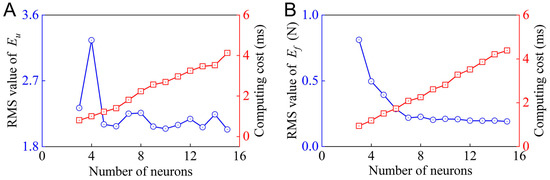
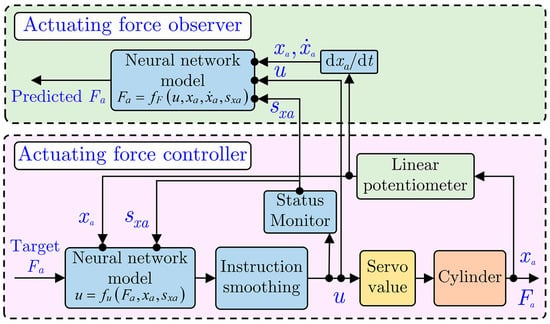
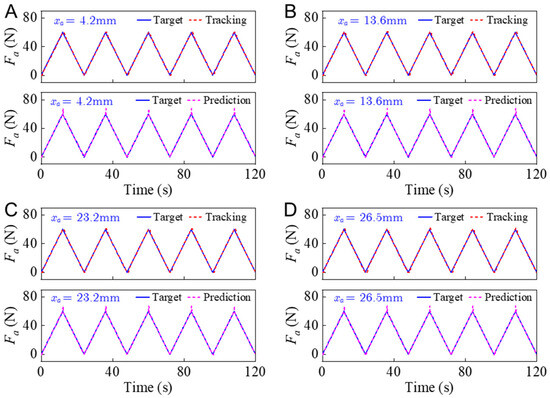
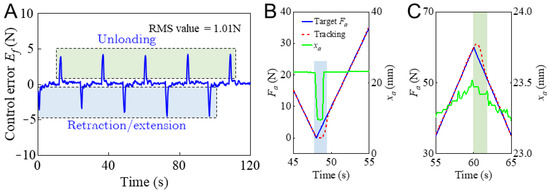
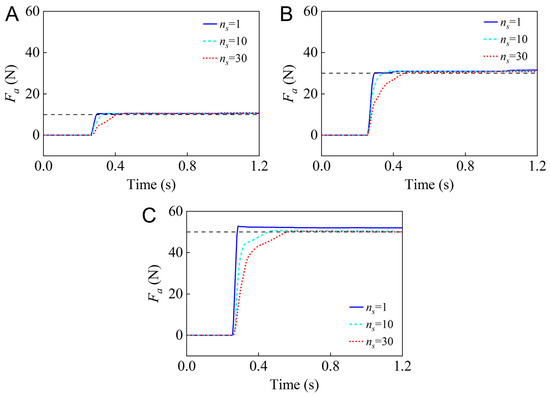
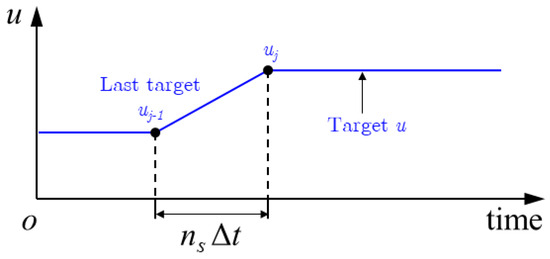
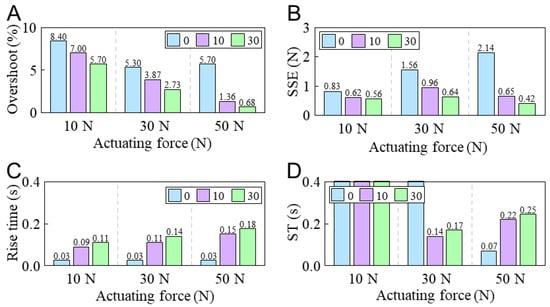
Pneumatic force control has a broad application background in the automation field, such as in industrial polishing, robotic grasping, and humanoid robots. Nonlinear hysteresis characteristics are one of the major factors that affect the feedforward force control performance of a pneumatic system. The primary motivation of this paper is to develop an accurate feedforward actuating force control method for a single-acting pneumatic cylinder with a nonlinear hysteresis characteristic. A data-driven neural network modeling method is presented to achieve accurate actuating force modeling. The modeling accuracy of the neural network model under different configurations of the input layer is quantitatively analyzed to determine the essential modeling variables. The real-time execution speed of neural network models with different numbers of hidden neurons is evaluated to achieve a balance between the modeling accuracy and the real-time computing speed of the neural network model. Then, a single-acting pneumatic system is fabricated to experimentally verify the effectiveness of the proposed modeling and control method. The experimental results reveal that the actuating force can achieve ideal tracking of the target. In both the loading and the unloading process, the amplitude of the control error is less than 0.5 N. The overall RMS value of the control error is about 1 N. An instruction smoothing operation could reduce the percentage overshoot and steady-state error of the feedforward step actuating force control.
Full article
(This article belongs to the Special Issue Neural Networks-Based Modeling and Control for Uncertain Dynamical Systems)
►▼
Show Figures

Figure 1
Open AccessArticle
Adaptive Super-Twisting Controller-Based Modified Extended State Observer for Permanent Magnet Synchronous Motors
by
Lili Pan, Chunyun Fu and Bin Chen
Actuators 2025, 14(4), 161; https://doi.org/10.3390/act14040161 - 23 Mar 2025
Abstract
A novel sliding mode control (SMC) strategy incorporating an adaptive super-twisting algorithm is developed for permanent magnet synchronous motors (PMSMs), effectively mitigating high-frequency chattering while enhancing external disturbance rejection capabilities. Initially, a sliding surface is crafted based on the dynamic characteristics of the
[...] Read more.
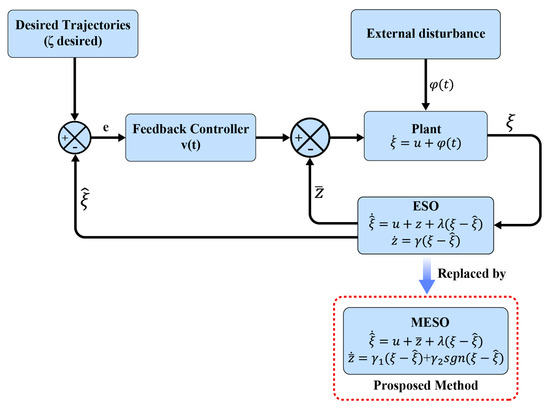
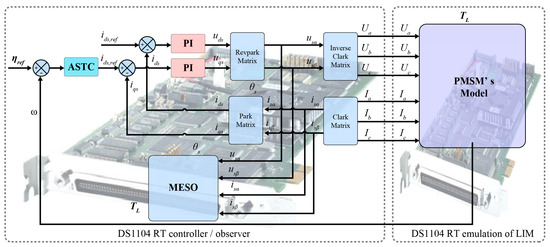
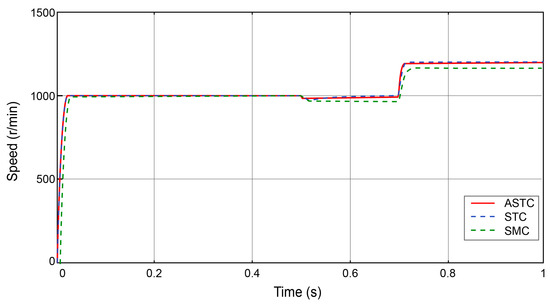
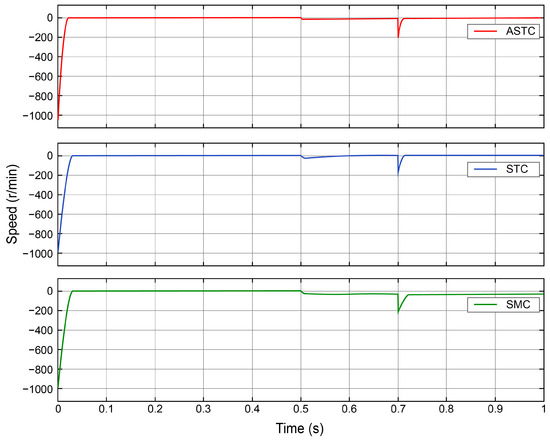
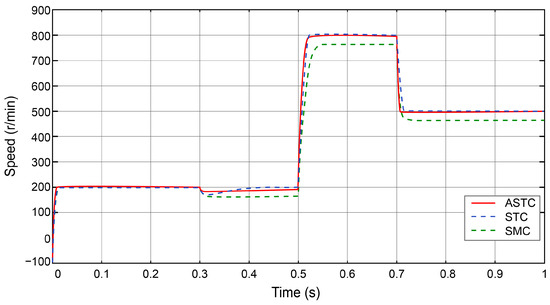
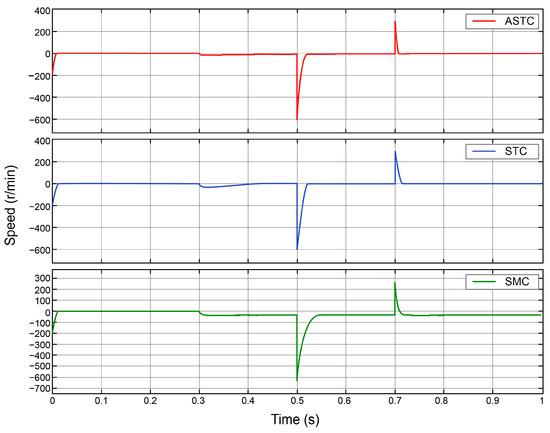
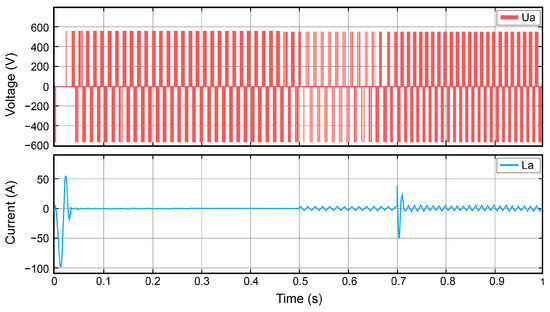
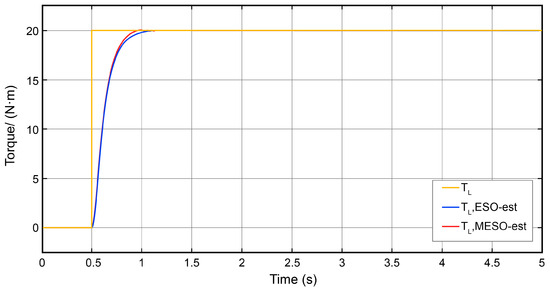
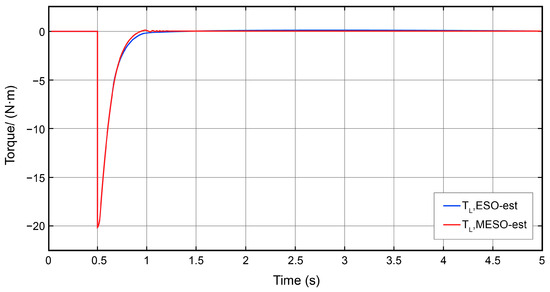
A novel sliding mode control (SMC) strategy incorporating an adaptive super-twisting algorithm is developed for permanent magnet synchronous motors (PMSMs), effectively mitigating high-frequency chattering while enhancing external disturbance rejection capabilities. Initially, a sliding surface is crafted based on the dynamic characteristics of the PMSM and real-time feedback. The super-twisting algorithm is subsequently applied adaptively to dynamically adjust the control effort required to maintain the sliding mode state, thereby ensuring precise and prompt intervention to uphold system stability and enhance response speed. Additionally, in light of operational challenges such as road-induced load disturbances, a Lyapunov-based disturbance observer is proposed for precise load torque estimation in PMSM systems. The efficacy of the proposed control and observation methods is substantiated through a hardware-in-the-loop experiment test, demonstrating that the developed sliding mode controller, leveraging the adaptive super-twisting algorithm, exhibits superior tracking and disturbance rejection capabilities, reduces steady-state current error, and bolsters system parameter robustness, and the modified extended state observer (MESO) exhibits commendable estimation performance.
Full article
(This article belongs to the Section Control Systems)
►▼
Show Figures

Figure 1
Open AccessArticle
On Modelling and State Estimation of DC Motors
by
Erik Arévalo, Ramón Herrera Hernández, Dimitrios Katselis, Carlos Reusser and Rodrigo Carvajal
Actuators 2025, 14(4), 160; https://doi.org/10.3390/act14040160 - 21 Mar 2025
Abstract
Direct current motors are widely used in a plethora of applications, ranging from industrial to modern electric (and intelligent) vehicle applications. Most recent operation methods of these motors involve drives that are designed based on an adequate knowledge of the motor dynamics and
[...] Read more.
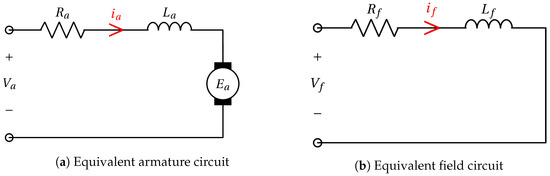
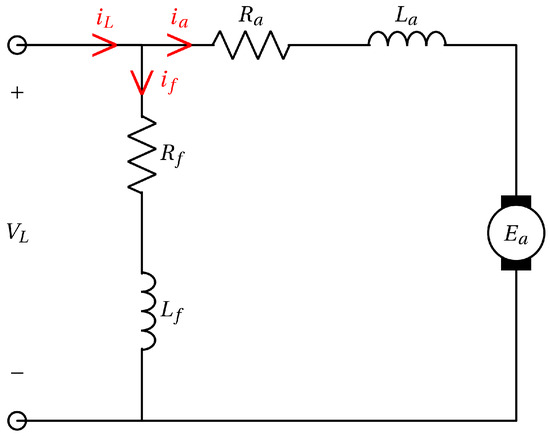
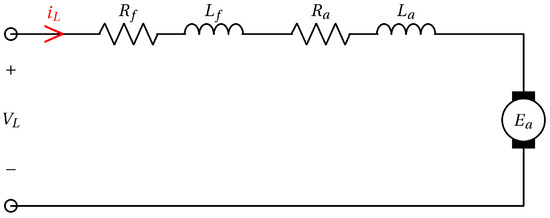
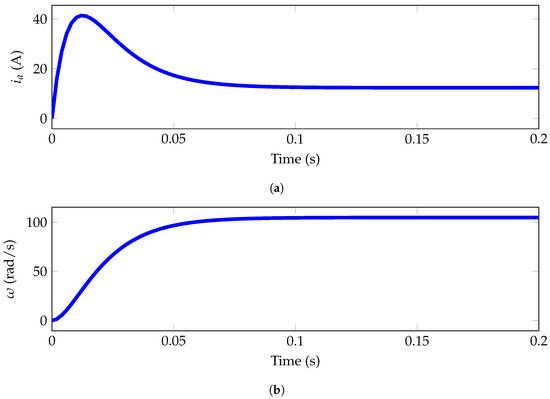
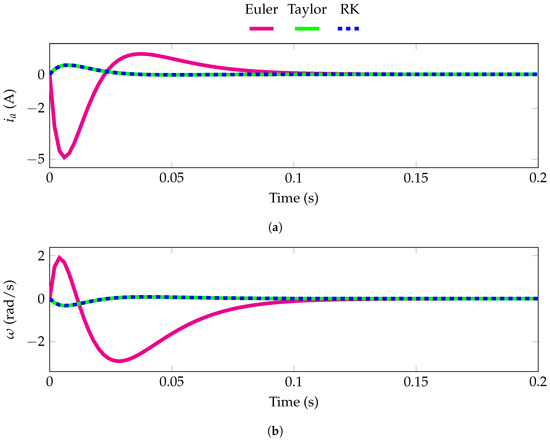
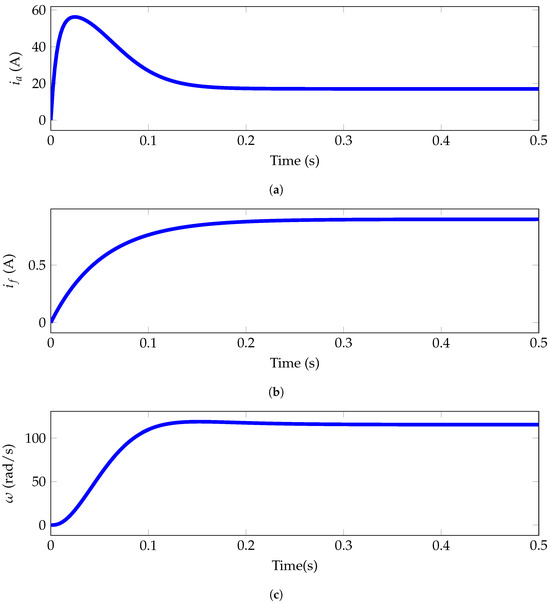
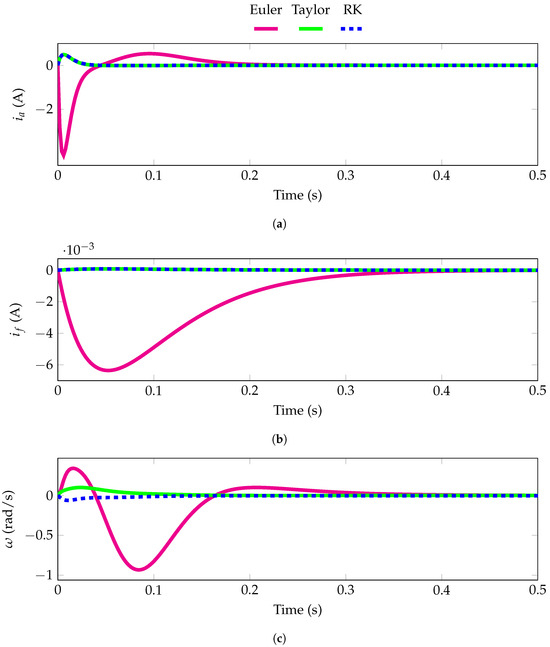
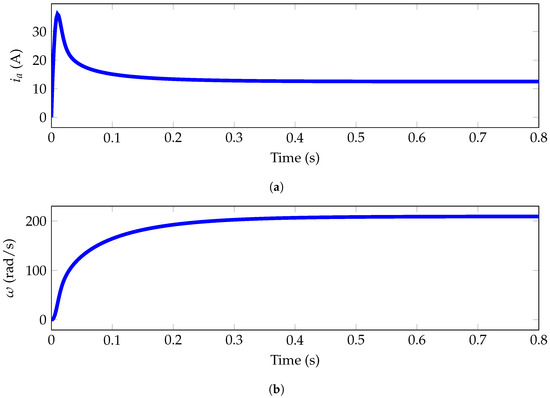
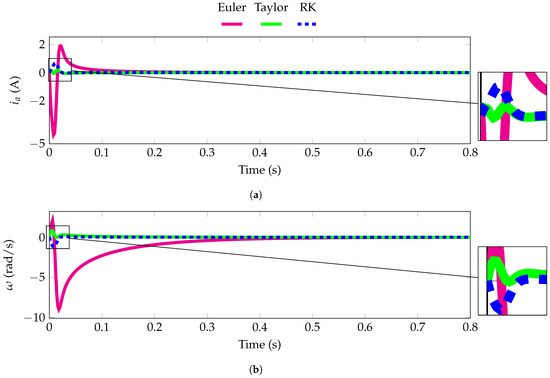
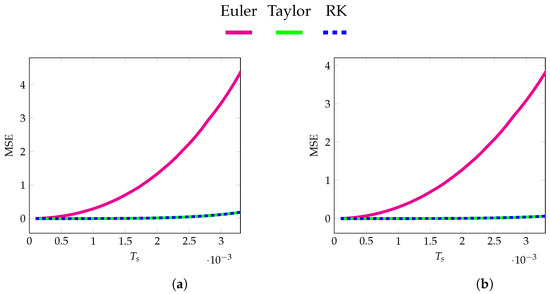
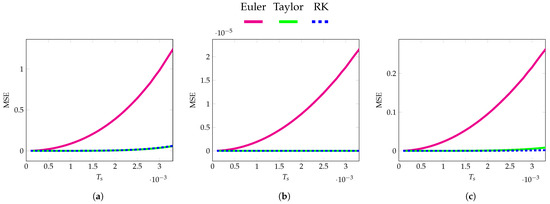
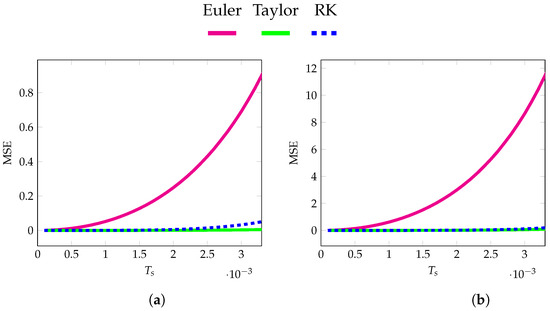
Direct current motors are widely used in a plethora of applications, ranging from industrial to modern electric (and intelligent) vehicle applications. Most recent operation methods of these motors involve drives that are designed based on an adequate knowledge of the motor dynamics and circulating currents. However, in spite of its simplicity, accurate discrete-time models are not always attainable when utilising the Euler method. Moreover, these inaccuracies may not be reduced when estimating the currents and rotor speed in sensorless direct current motors. In this paper, we analyse three discretisation methods, namely the Euler, second-order Taylor method and second-order Runge–Kutta method, applied to three common types of direct current motor: separately excited, series, and shunt. We also analyse the performance of two of the most simple Bayesian filtering methods, namely the Kalman filter and the extended Kalman filter. For the comparison of the models and the state estimation techniques, we performed several Monte Carlo simulations. Our simulations show that, in general, the Taylor and Runge–Kutta methods exhibit similar behaviours, whilst the Euler method results in less accurate models.
Full article
(This article belongs to the Section High Torque/Power Density Actuators)
►▼
Show Figures

Figure 1
Open AccessArticle
A Hybrid Strategy for Forward Kinematics of the Stewart Platform Based on Dual Quaternion Neural Network and ARMA Time Series Prediction
by
Jie Tao, Huicheng Zhou and Wei Fan
Actuators 2025, 14(4), 159; https://doi.org/10.3390/act14040159 - 21 Mar 2025
Abstract
The forward kinematics of the Stewart platform is crucial for precise control and reliable operation in six-degree-of-freedom motion. However, there are some shortcomings in practical applications, such as calculation precision, computational efficiency, the capacity to resolve singular Jacobian matrix and real-time predictive performance.
[...] Read more.
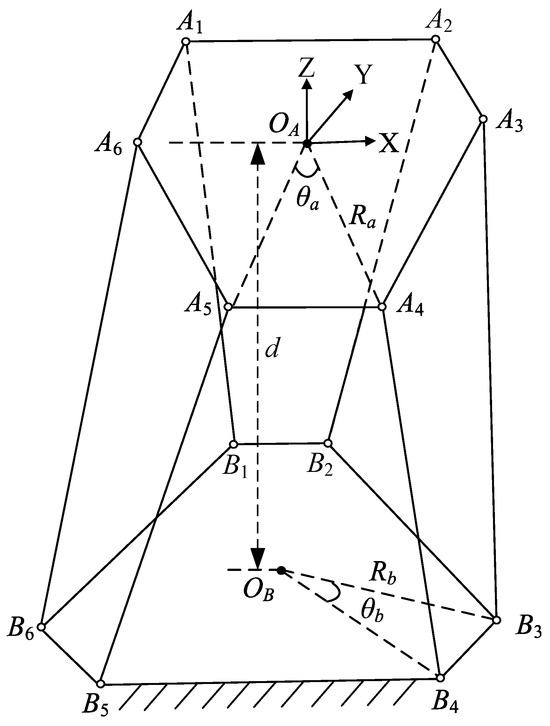
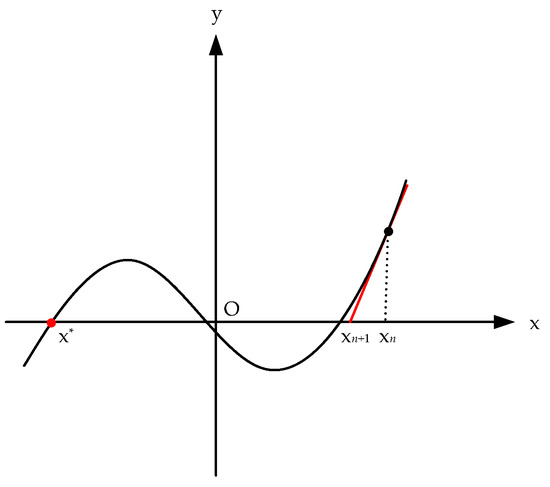
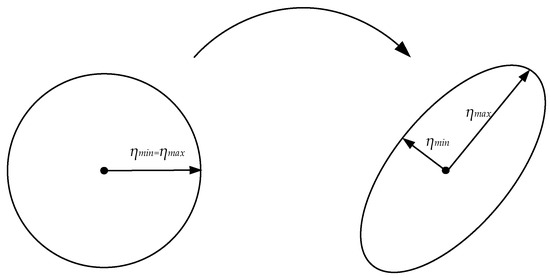
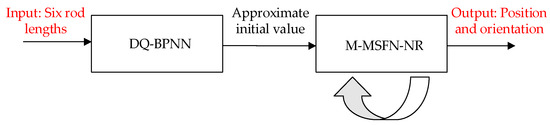
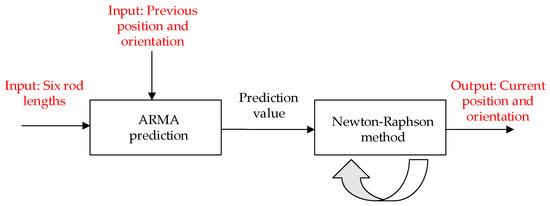
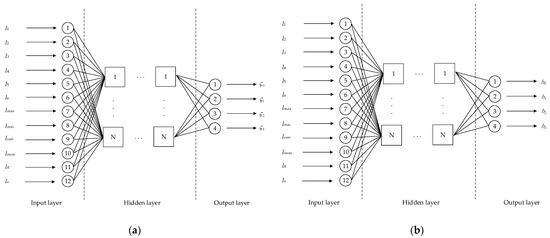
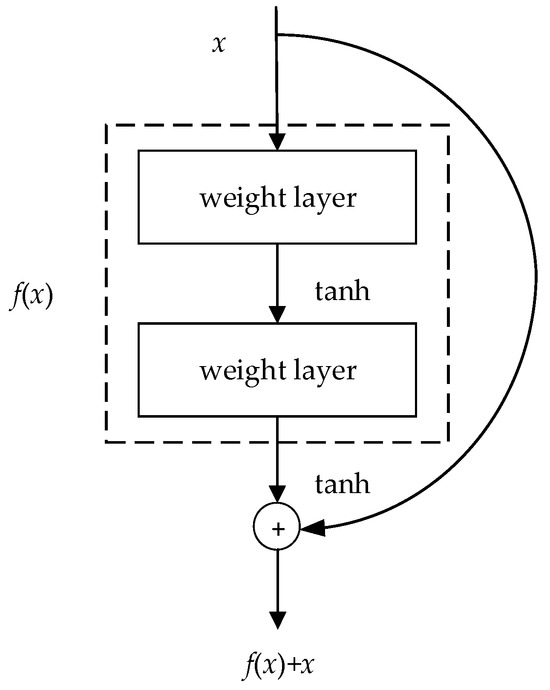
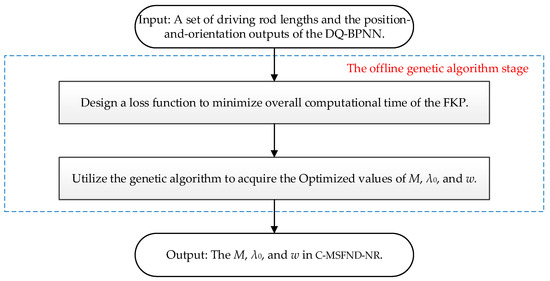
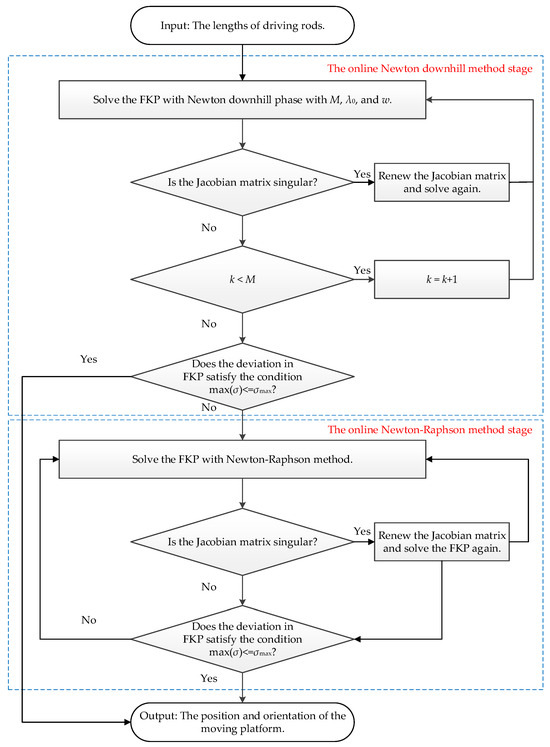
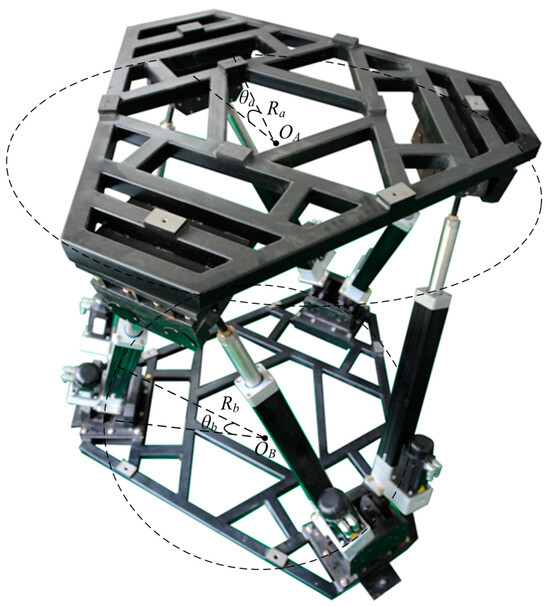
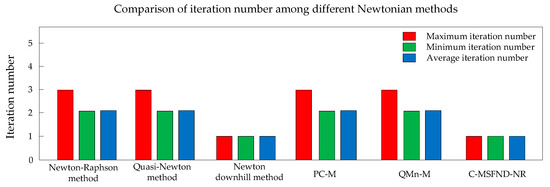
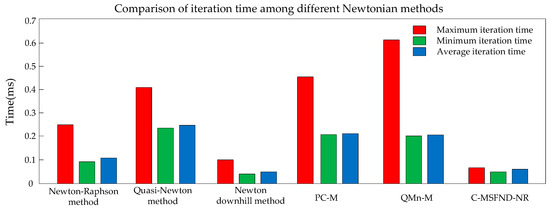
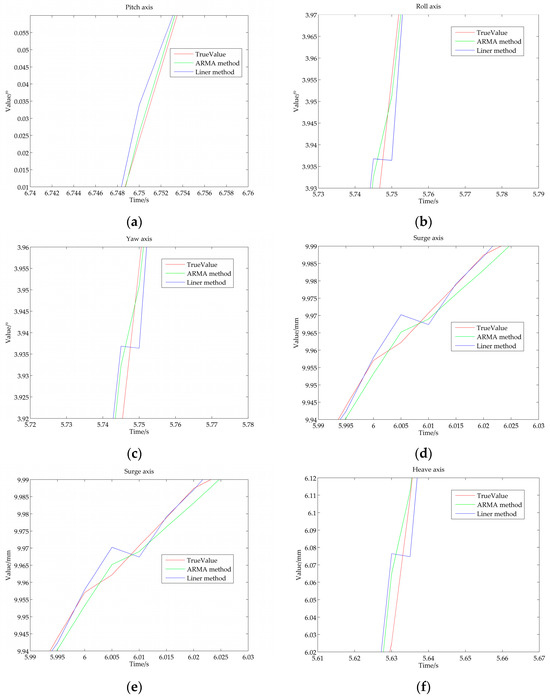
The forward kinematics of the Stewart platform is crucial for precise control and reliable operation in six-degree-of-freedom motion. However, there are some shortcomings in practical applications, such as calculation precision, computational efficiency, the capacity to resolve singular Jacobian matrix and real-time predictive performance. To overcome those deficiencies, this work proposes a hybrid strategy for forward kinematics in the Stewart platform based on dual quaternion neural network and ARMA time series prediction. This method initially employs a dual-quaternion-based back-propagation neural network (DQ-BPNN). The DQ-BPNN is partitioned into real and dual parts, composed of parameters such as driving-rod lengths, maximum and minimum lengths, to extract more features. In DQ-BPNN, a residual network (ResNet) is employed, endowing DQ-BPNN with the capacity to capture deeper-level system characteristics and enabling DQ-BPNN to achieve a better fitting effect. Furthermore, the combined modified multi-step-size factor Newton downhill method and the Newton–Raphson method (C-MSFND-NR) are employed. This combination not only enhances computational efficiency and ensures global convergence, but also endows the method with the capability to resolve a singular matrix. Finally, a traversal method is adopted to determine the order of the autoregressive moving average (ARMA) model according to the Bayesian information criterion (BIC). This approach efficiently balances computational efficiency and fitting accuracy during real-time motion. The simulations and experiments demonstrate that, compared with BPNN, the R2 value in DQ-BPNN increases by 0.1%. Meanwhile, the MAE, MAPE, RMSE, and MSE values in DQ-BPNN decrease by 8.89%, 21.85%, 6.90%, and 3.3%, respectively. Compared with five Newtonian methods, the average computing time of C-MSFND-NR decreases by 59.82%, 83.81%, 15.09%, 79.82%, and 78.77%. Compared with the linear method, the prediction accuracy of the ARMA method increases by 14.63%, 14.63%, 14.63%, 14.46%, 16.67%, and 13.41%, respectively.
Full article
(This article belongs to the Section Control Systems)
►▼
Show Figures

Figure 1
Journal Menu
► ▼ Journal Menu-
- Actuators Home
- Aims & Scope
- Editorial Board
- Reviewer Board
- Topical Advisory Panel
- Instructions for Authors
- Special Issues
- Topics
- Sections
- Article Processing Charge
- Indexing & Archiving
- Editor’s Choice Articles
- Most Cited & Viewed
- Journal Statistics
- Journal History
- Journal Awards
- Conferences
- Editorial Office
Journal Browser
► ▼ Journal BrowserHighly Accessed Articles
Latest Books
E-Mail Alert
News
Topics
Topic in
Actuators, Applied Sciences, Entropy
Thermodynamics and Heat Transfers in Vacuum Tube Trains (Hyperloop)
Topic Editors: Suyong Choi, Minki Cho, Jungyoul LimDeadline: 30 July 2025
Topic in
Actuators, Algorithms, BDCC, Future Internet, JMMP, Machines, Robotics, Systems
Smart Product Design and Manufacturing on Industrial Internet
Topic Editors: Pingyu Jiang, Jihong Liu, Ying Liu, Jihong YanDeadline: 31 December 2025
Topic in
Actuators, Automation, Electronics, Machines, Robotics, Eng, Technologies
New Trends in Robotics: Automation and Autonomous Systems
Topic Editors: Maki Habib, Fusaomi NagataDeadline: 31 January 2026
Conferences
Special Issues
Special Issue in
Actuators
Energy-Efficient Actuation with Focus on Human-Scale and Fluid-Driven Applications
Guest Editors: Damiano Padovani, Mingyi LiuDeadline: 10 April 2025
Special Issue in
Actuators
Piezoelectric Ultrasonic Actuators and Motors
Guest Editors: Junkao Liu, Kai LiDeadline: 15 April 2025
Special Issue in
Actuators
Dynamics and Control of Underactuated Systems
Guest Editors: Iacopo Tamellin, Jason BettegaDeadline: 15 April 2025
Special Issue in
Actuators
Design and Application of Actuators with Multi-DOF Movement-2nd Edition
Guest Editors: Chien-Sheng Liu, Yu-Jen Wang, Chien-Yu ChenDeadline: 20 April 2025