
Journal Description
Adolescents
Adolescents
is an international, peer-reviewed, open access journal on adolescent development and health sciences published quarterly online by MDPI.
- Open Access— free for readers, with article processing charges (APC) paid by authors or their institutions.
- High Visibility: indexed within ESCI (Web of Science), Scopus and other databases.
- Journal Rank: CiteScore - Q2 (Health Professions (miscellaneous))
- Rapid Publication: manuscripts are peer-reviewed and a first decision is provided to authors approximately 40.5 days after submission; acceptance to publication is undertaken in 5.4 days (median values for papers published in this journal in the second half of 2024).
- Recognition of Reviewers: APC discount vouchers, optional signed peer review, and reviewer names published annually in the journal.
Latest Articles
Adolescent Development in Unprecedented Times: A Comparative Study of Theory of Mind Before and After COVID-19
Adolescents 2025, 5(2), 11; https://doi.org/10.3390/adolescents5020011 - 3 Apr 2025
Abstract
The coronavirus disease of 2019 (COVID-19) pandemic represented a significant global event that disrupted the typical social lives of adolescents. Studies show that the pandemic negatively impacted adolescent well-being. Very little is known about the social–cognitive implications of wide-scale social distancing, school closures,
[...] Read more.
The coronavirus disease of 2019 (COVID-19) pandemic represented a significant global event that disrupted the typical social lives of adolescents. Studies show that the pandemic negatively impacted adolescent well-being. Very little is known about the social–cognitive implications of wide-scale social distancing, school closures, and the transition to digital modes of communication for adolescents. This study aims to compare affective Theory of Mind (ToM), self-esteem, and self-perceptions before and after the COVID-19 pandemic. Drawing on existing data, this study compared two distinct but comparable samples of adolescents. Data from the pre-COVID-19 sample were collected in the 2016/2017 school year (N = 145, 60.7% female and 39.3% male, mean age 13.38 years. Data from the post-COVID-19 sample were collected over the 2021/2022 school year (N = 107 participants, 51% female, 48% male, and 1% genderqueer, mean age of 13 years). Independent-sample t-tests and two-tailed correlational analysis were used to compare associations and changes in affective ToM, self-perceptions, and self-esteem between the pre-COVID-19 and post-COVID-19 samples. The main findings of this study includes declines in affective ToM post-COVID-19, specifically related to the perception of negative affect. Further, perceived self-worth and behavioural conduct declined after the COVID-19 pandemic. Implications for social–emotional learning and future research are discussed.
Full article
(This article belongs to the Section Adolescent Health and Mental Health)
Open AccessReview
Facilitators and Barriers to Antiretroviral Therapy Adherence Among Adolescents and Young Adults in Sub-Saharan Africa: A Scoping Review
by
Enos Moyo, Perseverance Moyo, Hadrian Mangwana, Grant Murewanhema and Tafadzwa Dzinamarira
Adolescents 2025, 5(2), 10; https://doi.org/10.3390/adolescents5020010 - 31 Mar 2025
Abstract
Background: Globally, approximately 65% of adolescents undergoing antiretroviral therapy (ART) adhered to their treatment, whereas only 55% achieved viral suppression in 2023. The low rate of viral suppression is concerning, as elevated viral loads are associated with a heightened risk of opportunistic infections,
[...] Read more.
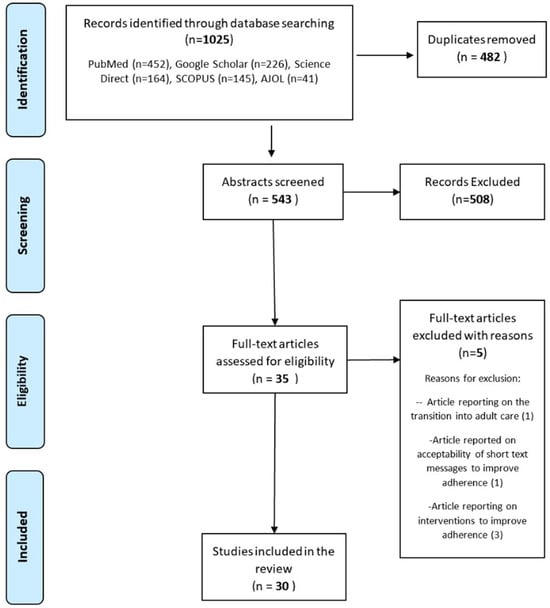
Background: Globally, approximately 65% of adolescents undergoing antiretroviral therapy (ART) adhered to their treatment, whereas only 55% achieved viral suppression in 2023. The low rate of viral suppression is concerning, as elevated viral loads are associated with a heightened risk of opportunistic infections, progression to advanced HIV disease, increased mortality, and greater HIV transmission rates. We conducted this scoping review to identify the facilitators and barriers to ART adherence among adolescents and young adults (AYAs) in sub-Saharan Africa (SSA). Methods: We conducted this scoping review following the Preferred Reporting Items for Systematic Reviews and Meta-Analysis extension for Scoping Reviews (PRISMA-ScR) checklist. We searched for peer-reviewed articles published in English from 2014 to 2024 across the SCOPUS, ScienceDirect, PubMed, Africa Journals Online, and Google Scholar databases. Two reviewers independently selected the articles and extracted the data. We used NVivo to develop codes and categories of facilitators and barriers. Results: We used 30 articles reporting on studies conducted in 13 countries in this review. The total number of participants in the studies was 12,250. Sixteen articles reported on qualitative studies, nine on quantitative studies, and five on mixed-methods studies. This scoping review identified various personal (14 articles), interpersonal and social (15 articles), healthcare system-related (9 articles), medication-related (7 articles), and economic (2 articles) factors that facilitate ART adherence among AYAs. Additionally, the scoping review also identified various personal (28 articles), interpersonal and social (13 articles), healthcare system-related (14 articles), medication-related (20 articles), school- or work-related (6 articles), and economic (14 articles) factors that hinder ART adherence among AYAs. Conclusions: Enhancing ART adherence in AYAs requires multiple strategies, including the reduction of internalized stigma, implementation of community awareness campaigns, harm reduction approaches for AYAs who misuse substances, comprehensive education on HIV, and the provision of support from school staff and leadership, alongside the adoption of differentiated service delivery (DSD), which encompasses home-based ART delivery, refills at private pharmacies, community ART distribution centers, and patient-led community ART refill groups, as well as multi-month dispensing practices.
Full article
(This article belongs to the Section Adolescent Health and Mental Health)
►▼
Show Figures

Figure 1
Open AccessArticle
Family Functionality and Dating Violence Among High School Students in Southern Peru
by
Silvia Quispe-Prieto, Alberto Paucar-Cáceres, Evelyn Vizcacho-Jimenez, Katarzyna Werner-Masters and Manuel Caipa-Ramos
Adolescents 2025, 5(1), 9; https://doi.org/10.3390/adolescents5010009 - 17 Mar 2025
Abstract
Adolescence is a crucial transition stage for young people. While many physical, psychological, and social developmental changes are taking place, this may also be the time of a teenager’s first love relationship. At this stage of early romance, adolescents sometimes experience violent abusive
[...] Read more.
Adolescence is a crucial transition stage for young people. While many physical, psychological, and social developmental changes are taking place, this may also be the time of a teenager’s first love relationship. At this stage of early romance, adolescents sometimes experience violent abusive relationships, and the choices around this reality could be linked to family upbringing and history. The objective of the study was to determine the relationship between such violent encounters in early teenage love relationships and family functionality using the Intrafamily Relationships Evaluation Test (FF-SIL). This study explored the experiences of secondary students at a school in southern Peru in 2022 during the COVID-19 pandemic. A quantitative method was used, entailing a descriptive, cross-sectional, correlational approach. The questionnaire was administered to 153 student respondents. The results show that 45.1% of students come from moderately functional families, followed by 29.4% from dysfunctional families. Likewise, 24% of adolescents report having experienced violence in their relationships, which is relatively equally distributed across all levels of family functionality. Although no significant relationship was found between family functionality and violence (p > 0.05), the present study highlights the existence of bidirectionality in violence between adolescent partners, with a slightly higher incidence in violence perpetrated by women. In terms of violence, the violence received (22%) exceeds the violence exerted (13%) during dating. In both categories, victims of physical violence prevail, and no significant gender differences are found. These results provide a piece of baseline information for preventing adolescent dating violence in education institutions, also a reference for health and other social policymakers.
Full article
(This article belongs to the Special Issue Understanding and Addressing Adolescent Aggression and Interpersonal Violence)
Open AccessArticle
Close but Not Too Close? A Qualitative Study of How U.S. Emerging Adults Describe Their Cousin Relationships
by
Heather Hessel and Rachel J. Christiansen
Adolescents 2025, 5(1), 8; https://doi.org/10.3390/adolescents5010008 - 6 Mar 2025
Abstract
Research has provided evidence of the protective characteristics of extended family for U.S. emerging adults, but no research has specifically explored cousin relationships. The current study fills this gap by analyzing qualitative data collected from 192 U.S. 18–29-year-old adults (M age =
[...] Read more.
Research has provided evidence of the protective characteristics of extended family for U.S. emerging adults, but no research has specifically explored cousin relationships. The current study fills this gap by analyzing qualitative data collected from 192 U.S. 18–29-year-old adults (M age = 25.6 years). As this topic is relatively unexplored, examining qualitative data provides scope and vocabulary for further exploration. Participants completed an online survey asking them to describe interactions with extended family, identifying 561 cousins (M age = 28.2 years). A thematic analysis based on the process defined by Braun and Clark generated four primary themes: (1) emerging adults feel varying degrees of closeness and distance with their cousins, (2) relational maintenance with cousins is both planned and incidental, (3) family membership provides resources, and (4) cousins share the same generational position. These results describe important characteristics of the cousin relationship, including moments of unexpected closeness and shared experience of family. The findings also highlight the relevance of sharing a similar life stage within the same family system. Practitioners can utilize findings to help clients identify extended family members that can be tapped for bonding and support.
Full article
Open AccessArticle
Impact of COVID-19 on Afterschool Programming Outcomes: Lasting Implications for Underserved Early Adolescents
by
Patrick Leung and Lindamarie Olson
Adolescents 2025, 5(1), 7; https://doi.org/10.3390/adolescents5010007 - 6 Mar 2025
Abstract
Background: Afterschool programs (ASPs) funded under the 21st Century Community Learning Center (CCLC) Act were designed to provide a safe environment for students to engage in extracurricular programming. COVID-19 disrupted the school environment leading to numerous negative outcomes for students and parents, as
[...] Read more.
Background: Afterschool programs (ASPs) funded under the 21st Century Community Learning Center (CCLC) Act were designed to provide a safe environment for students to engage in extracurricular programming. COVID-19 disrupted the school environment leading to numerous negative outcomes for students and parents, as well as teachers and school administration. The effects of COVID-19 continue to be felt as educational disparities persist, creating opportunities for afterschool programming to help lessen the gaps. Methods: Based on the lasting impact of COVID-19 and the lack of literature on ASPs, the purpose of this study is to compare the effectiveness of a 21st CCLC ASP from spring 2019 to spring 2020 to account for the initial effects of the global COVID-19 pandemic. Our aims were to (1) examine the differences in student ratings of various ASP outcomes the semester before and semester during which COVID-19 began, and (2) determine if student grade level impacts ratings of various ASP outcomes. Findings: Results showed that family involvement significantly increased from before to during COVID-19 and that early adolescents had significantly worse outcomes related to family, friends, grades, and overall opinions of the ASP during the pandemic than those in younger grades. Conclusions and Implications: Recommendations for ways to increase engagement in ASPs for both families and youth transitioning to higher grade levels are discussed.
Full article
(This article belongs to the Special Issue Youth in Transition)
Open AccessArticle
Correlational Associations Between Ambient and Household Particulate Matter Exposure and Body Mass Index Across Childhood and Adolescence in Thailand
by
Nichapa Parasin and Teerachai Amnuaylojaroen
Adolescents 2025, 5(1), 6; https://doi.org/10.3390/adolescents5010006 - 13 Feb 2025
Abstract
►▼
Show Figures
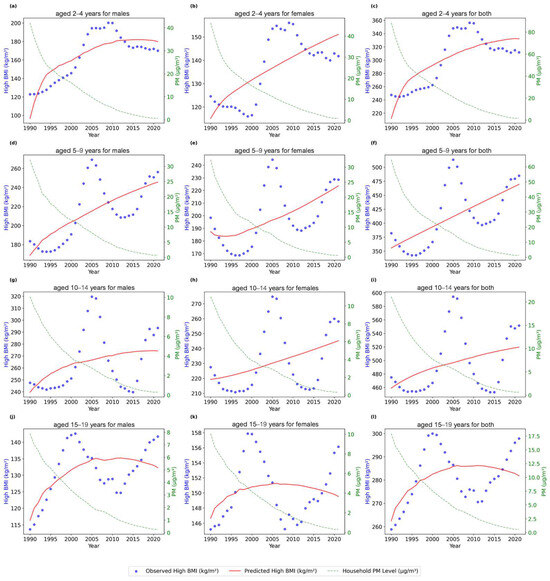
While previous studies have established inverse relationships between (particulate matter) PM exposure and the body mass index (BMI), this study is the first to demonstrate that the strength of this relationship varies significantly according to the PM source type and age group, particularly
[...] Read more.
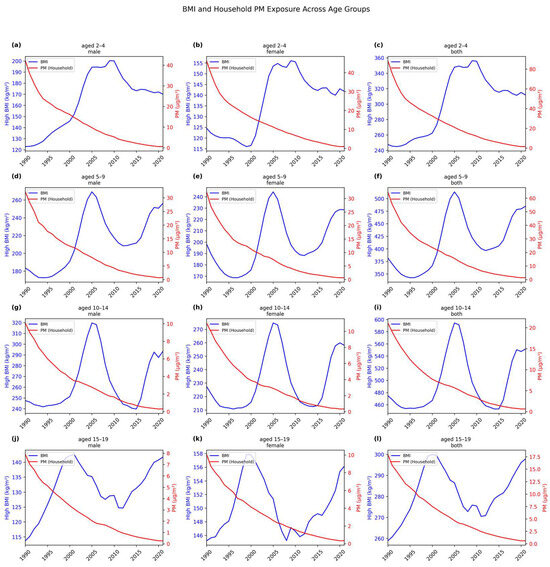
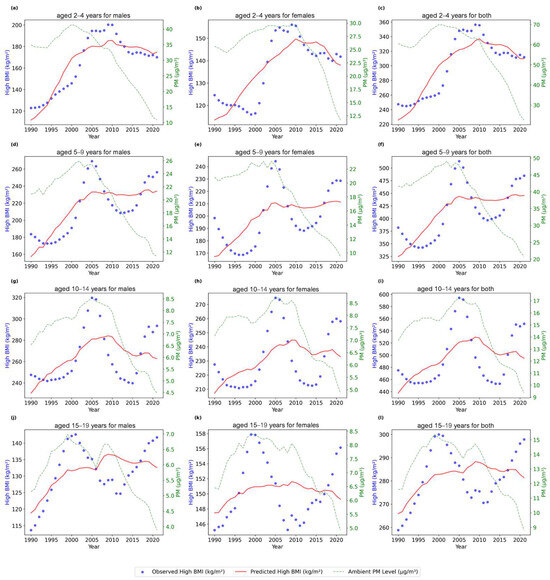
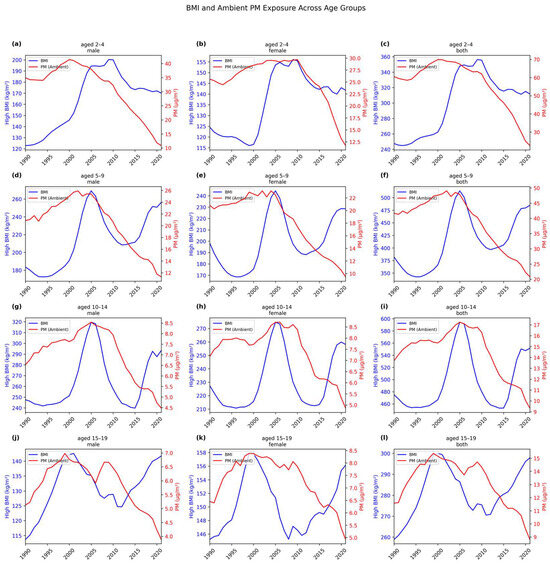
While previous studies have established inverse relationships between (particulate matter) PM exposure and the body mass index (BMI), this study is the first to demonstrate that the strength of this relationship varies significantly according to the PM source type and age group, particularly across developmental stages. Through a comprehensive 31-year analysis in Thailand that uniquely captured the transition from traditional to modern energy sources, this research investigated the relationship between PM exposure and a high BMI among children and adolescents across different demographic groups, using a correlational analysis of time point data from the Global Burden Disease (GBD) study (1990–2021). The analysis examined the association between a high BMI and two categories of PM exposure—ambient (outdoor) and household (indoor)—through cross-correlation, Spearman correlation, and mixed-effects models. The results reveal a significant inverse relationship between household PM exposure and a high BMI, particularly pronounced in younger age groups (2–9 years), with household PM showing consistently stronger associations compared to ambient PM. Among children aged 2–4 years, household PM exposure exhibited a strong negative correlation with a high BMI without a time lag, suggesting persistent effects of the household air quality on physical development. Conversely, ambient PM exposure showed relatively weaker associations, with only slight positive correlations observed in certain subgroups. Further analysis indicated that decreases in household PM exposure correlated with longitudinal increases in a high BMI, with this relationship diminishing during adolescence. These findings provide crucial insights for targeted public health interventions and offer a model for understanding PM-BMI relationships in other developing nations experiencing similar transitions.
Full article

Figure 1
Open AccessReview
A Narrative Review: Serotonin Reuptake Inhibitors and the Risk of Suicidal Ideation in Adolescents
by
Dylan S. Gage, Veronica E. Priefer and Ronny Priefer
Adolescents 2025, 5(1), 5; https://doi.org/10.3390/adolescents5010005 - 5 Feb 2025
Abstract
Abstract: Serotonin reuptake inhibitors (SSRIs) are currently the first-line treatment for adolescents suffering from major depressive disorder, even though a black box warning concerns suicidal ideation was put forth in 2004. Numerous trials have been conducted evaluating this risk in adult patients, with
[...] Read more.
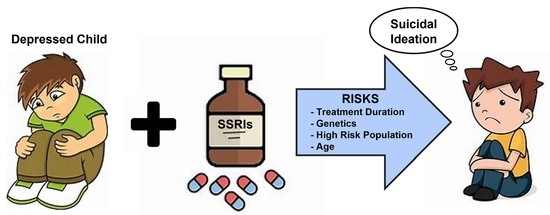
Abstract: Serotonin reuptake inhibitors (SSRIs) are currently the first-line treatment for adolescents suffering from major depressive disorder, even though a black box warning concerns suicidal ideation was put forth in 2004. Numerous trials have been conducted evaluating this risk in adult patients, with less being done surrounding pediatric patients. Trials that have focused on this specific risk in adolescents have shown either a strong connection, conflicting results, or non-significance. Trials comparing other non-SSRI antidepressants have also demonstrated some risk of suicidal ideation, suggesting the risk may not be specific to this class of drugs. Other data have also suggested that the risk is linked to treatment duration, genetics, and/or simply that the adolescent patients with major depressive disorder are an at-risk population. Herein, a review is presented of the trials conducted surrounding SSRIs, their use in adolescents, and their risk in terms of developing suicidal ideation.
Full article
(This article belongs to the Section Adolescent Health and Mental Health)
►▼
Show Figures

Graphical abstract
Open AccessArticle
The Associations Between Culture-Related Stressors and Prosocial Behaviors in U.S. Latino/a College Students: The Mediating Role of Cultural Identity
by
Marixza Torres, Gustavo Carlo and Alexandra N. Davis
Adolescents 2025, 5(1), 4; https://doi.org/10.3390/adolescents5010004 - 28 Jan 2025
Abstract
►▼
Show Figures
U.S. Latino/a college students face distinct stressors, including acculturative stress and enculturative stress, impacting their capacity to engage in prosocial behaviors (voluntary actions benefiting others). Cultural stress can deplete resources essential to engaging in altruistic acts (selflessly motivated helping), yet it can also
[...] Read more.
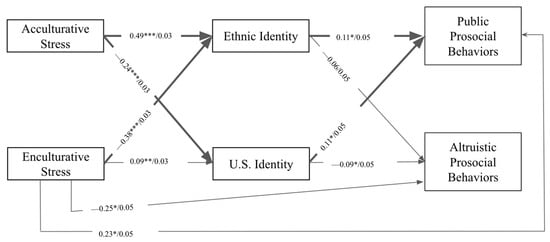
U.S. Latino/a college students face distinct stressors, including acculturative stress and enculturative stress, impacting their capacity to engage in prosocial behaviors (voluntary actions benefiting others). Cultural stress can deplete resources essential to engaging in altruistic acts (selflessly motivated helping), yet it can also stimulate selfishly motivated prosocial behaviors. The present study examines how cultural adjustment stressors and cultural identity relate to prosocial behaviors among U.S. Latino/a college students. A sample of 1450 U.S. Latino/a college students (M age = 19.7 years; SD = 1.61; 75.4% women) completed an online survey assessing their levels of enculturative and acculturative stress, ethnic and U.S. identity, and altruistic and public prosocial behaviors. A path analysis revealed that higher enculturative stress is associated with lower ethnic identity, which, in turn, predicts increased public prosocial behaviors. Conversely, acculturative stress is linked with higher ethnic identity, leading to elevated public prosocial behaviors. The discussion underscores the importance of mitigating culture-related stress that can stem from home and U.S. society to enhance the well-being of U.S. Latino/as.
Full article

Figure 1
Open AccessArticle
Grooming Risk Factors in Adolescents with Abuse Histories: Insights from Chilean Reparative Programs
by
Pamela Melo Laclote, Jonathan Martínez-Líbano, Cristian Céspedes, Sergio Fuentealba-Urra, Nicolás Santander Ramírez, Roberto Iturra Lara and María-Mercedes Yeomans-Cabrera
Adolescents 2025, 5(1), 3; https://doi.org/10.3390/adolescents5010003 - 28 Jan 2025
Abstract
The increasing use of digital platforms by adolescents has brought to light critical vulnerabilities related to online grooming. This study explores the risk factors associated with grooming among adolescents aged 12 to 17 years enrolled in a Reparative Program for Abuse in Chile.
[...] Read more.
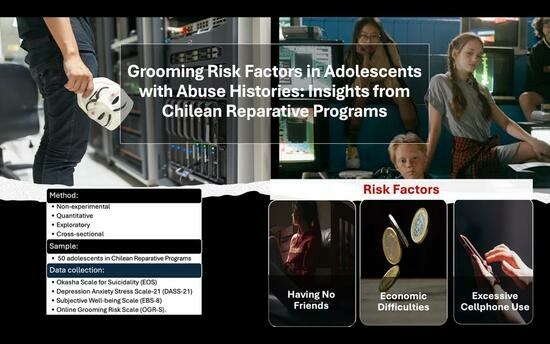
The increasing use of digital platforms by adolescents has brought to light critical vulnerabilities related to online grooming. This study explores the risk factors associated with grooming among adolescents aged 12 to 17 years enrolled in a Reparative Program for Abuse in Chile. Using a non-experimental, quantitative, exploratory cross-sectional design, a sample of 50 adolescents was evaluated. Data collection employed validated instruments, including the Okasha Scale for Suicidality (EOS), the Depression Anxiety Stress Scale-21 (DASS-21), the Subjective Well-being Scale (EBS-8), and the Online Grooming Risk Scale (OGR-S). Findings revealed significant associations between grooming and variables such as excessive cellphone use, number of virtual social networks, lack of social connections, economic hardships, and depressive symptoms. Regression analysis highlighted that adolescents with unrestricted internet access, poor social interaction skills in face-to-face contexts, and exposure to environmental risk factors exhibit a heightened likelihood of experiencing grooming. These results underscore the necessity for targeted preventive interventions and policy enhancements to safeguard adolescents in vulnerable circumstances.
Full article
(This article belongs to the Special Issue Risky Behaviors in Social Media and Metaverse Use during Adolescence)
►▼
Show Figures

Graphical abstract
Open AccessArticle
Self-Efficacy in Life Skills and Psychological Correlates in Sicilian Adolescents: A Brief Report
by
Maria Luisa Indiana and Elisabetta Sagone
Adolescents 2025, 5(1), 2; https://doi.org/10.3390/adolescents5010002 - 8 Jan 2025
Abstract
The aim of this paper is to discuss the findings derived from the associations between self-efficacy in life skills and its major psychological correlates (psychological well-being, resilience, and coping strategies) in various convenience samples of Sicilian adolescents. We include a summary of the
[...] Read more.
The aim of this paper is to discuss the findings derived from the associations between self-efficacy in life skills and its major psychological correlates (psychological well-being, resilience, and coping strategies) in various convenience samples of Sicilian adolescents. We include a summary of the main results and statistical outcomes obtained from previous studies performed in the Sicilian context, focusing on several psychological topics associated with self-efficacy in life skills. Comparing the outcomes from different studies revealed positive correlations between self-efficacy in life skills and higher levels of psychological well-being, resilience, and functional coping strategies to manage critical situations. Future research will focus on the development of life skills programs to improve the quality of life of adolescents and promote their functional and optimal development.
Full article
Open AccessCommentary
Navigating the Complexities of HIV Prevention for Adolescents and Young Persons: A Science-to-Program and Systems Approach
by
Tafadzwa Dzinamarira, Enos Moyo and Grant Murewanhema
Adolescents 2025, 5(1), 1; https://doi.org/10.3390/adolescents5010001 - 2 Jan 2025
Abstract
This opinion paper dives into the crucial but challenging space of HIV prevention for adolescents and young persons (AYPs). While their vulnerabilities may be heightened, so too is their potential for resilience, innovation, and positive change. To safeguard their health and empower them
[...] Read more.
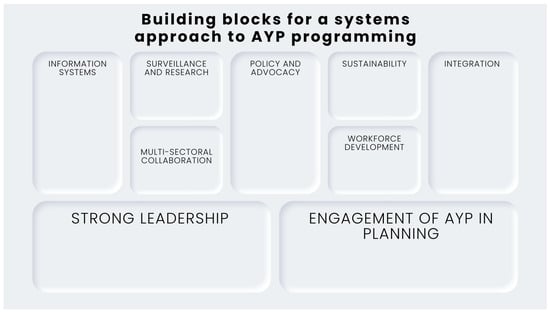
This opinion paper dives into the crucial but challenging space of HIV prevention for adolescents and young persons (AYPs). While their vulnerabilities may be heightened, so too is their potential for resilience, innovation, and positive change. To safeguard their health and empower them to make informed choices, a comprehensive science-to-program and systems approach to HIV prevention is paramount. Recognizing their unique vulnerabilities and immense potential, these authors advocate for a multifaceted approach that bridges the gap between scientific evidence and program implementation within a robust healthcare system. This opinion unpacks how leadership, governance, health policies, human resources, health information systems, and HIV surveillance can be strengthened to create a supportive ecosystem where AYPs have the knowledge, resources, and services they need to thrive. This collective effort, involving policymakers, healthcare providers, educators, and AYPs themselves, is critical to a future where no young person is left behind in the fight against HIV.
Full article
(This article belongs to the Section Adolescent Health and Mental Health)
►▼
Show Figures

Figure 1
Open AccessArticle
The Relation Between Bullying and Cyberbullying, Emotional Intelligence, and Empathy in Portuguese Adolescents
by
Ana Paula Monteiro, Filipa Marques, Inês Carvalho Relva, Margarida Simões, Ana Isabel Sani and Elisete Correia
Adolescents 2024, 4(4), 620-634; https://doi.org/10.3390/adolescents4040043 - 20 Dec 2024
Abstract
Bullying and cyberbullying share in their definition the pattern of aggressive and intentional conduct, characterized by a perceived or observed imbalance and repeated over time. Empathy and emotional intelligence are fundamental individual skills that can enable adolescents to develop less aggressive and more
[...] Read more.
Bullying and cyberbullying share in their definition the pattern of aggressive and intentional conduct, characterized by a perceived or observed imbalance and repeated over time. Empathy and emotional intelligence are fundamental individual skills that can enable adolescents to develop less aggressive and more empathetic behaviors. The aim of this study is to explore the frequency of bullying and cyberbullying (victimization and/or aggression), the association of bullying, cyberbullying, empathy, and emotional intelligence, and to explore whether sex, age, educational level, and online recreational time are related to bullying and cyberbullying behaviors. A sample of 599 adolescents, aged between 13 and 21 years old, from basic and secondary schools located in the north of Portugal, participated in the study. The instruments used in the study were the Sociodemographic Questionnaire; the Bullying and Cyberbullying Behavior Questionnaire; the Basic Empathy Scale; and the Self-Perception of Emotional Intelligence Questionnaire. The main results indicated that victims demonstrate greater empathy and emotional intelligence. The results also showed that male adolescents take on more of the role of aggressors in bullying and cyberbullying, while female adolescents take on more of the role of victims. The study underscores the importance of developing and implementing prevention and intervention programs for bullying and cyberbullying, with a focus on promoting empathy and emotional intelligence among adolescents.
Full article
(This article belongs to the Special Issue Understanding and Addressing Adolescent Aggression and Interpersonal Violence)
Open AccessArticle
Knowledge, Perception and Sociocultural Beliefs on Menstruation: Evidence from Adolescent High School Boys in the Volta Region, Ghana
by
Sitsofe Gbogbo, Wisdom Kudzo Axame, Israel Wuresah, Emmanuel Gbogbo, Priscilla Klutse, Christopher Makam, Alhassan Kwaku Owusu, Ishmael Boateng, Paramount Eli Nelson, Sarah Odi Mantey, Nuworza Kugbey, Victor Christian Korley Doku, Julie Hennegan, Frank E. Baiden and Fred N. Binka
Adolescents 2024, 4(4), 605-619; https://doi.org/10.3390/adolescents4040042 - 19 Dec 2024
Abstract
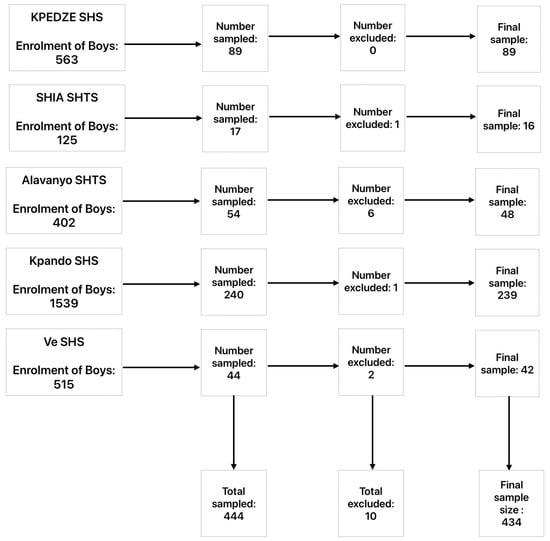
This study assessed knowledge, perceptions and cultural beliefs surrounding menstruation among adolescent high school boys in the Volta region of Ghana. A cross-sectional study was conducted among 434 adolescent boys from five senior high schools. Logistic regression was used to test factors associated
[...] Read more.
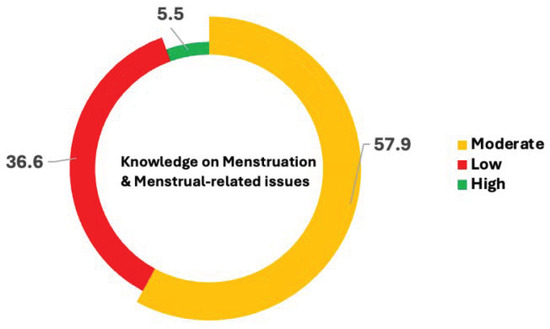
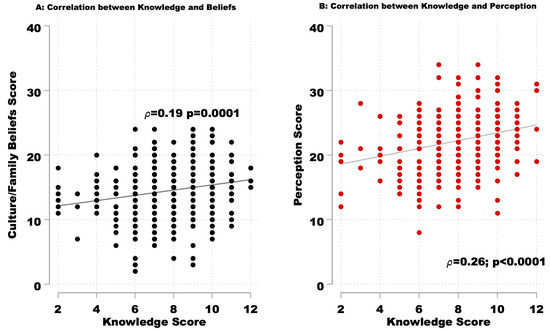
This study assessed knowledge, perceptions and cultural beliefs surrounding menstruation among adolescent high school boys in the Volta region of Ghana. A cross-sectional study was conducted among 434 adolescent boys from five senior high schools. Logistic regression was used to test factors associated with adequate knowledge and Spearman’s correlation was used to examine the relationships between knowledge, perceptions and cultural beliefs. Most (63.4%) participants demonstrated adequate knowledge. Being in Form 2 (AOR: 2.09, 95% CI: 1.30–3.38) or Form 3 (AOR: 3.13, 95% CI: 1.08–9.04) was associated with higher odds of having adequate knowledge, while being aged 18–19 years (AOR: 0.62, 95% CI: 0.01–0.96) was associated with lower odds of having adequate knowledge. While 73.5% of participants rejected menstrual discourse as taboo, 64.9% acknowledged culturally prescribed norms for menstruating women. Positive but small correlations were observed between knowledge scores and both family/cultural belief scores (ρ = 0.19, p = 0.0001) and perception scores (ρ = 0.26, p < 0.0001). The study shows the need for comprehensive menstrual health education for adolescent boys, addressing both factual knowledge and cultural misconceptions. By improving understanding and challenging negative perceptions, we can foster a more supportive environment for menstrual health and hygiene.
Full article
(This article belongs to the Section Adolescent Health and Mental Health)
►▼
Show Figures

Figure 1
Open AccessReview
Cultivating Growth: A Review of Flourishing Students in Higher Education
by
Faizah Faizah, Dewi Retno Suminar and Nono Hery Yoenanto
Adolescents 2024, 4(4), 587-604; https://doi.org/10.3390/adolescents4040041 - 19 Dec 2024
Abstract
►▼
Show Figures
The flourishing of university students is influenced by various factors that significantly impact their well-being and academic performance, with suboptimal levels being a serious concern. Global issues of high dropout rates and low levels of flourishing among university students have prompted this study
[...] Read more.
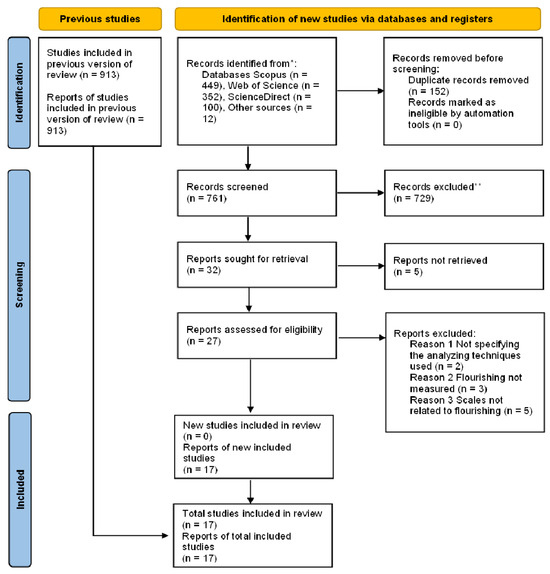
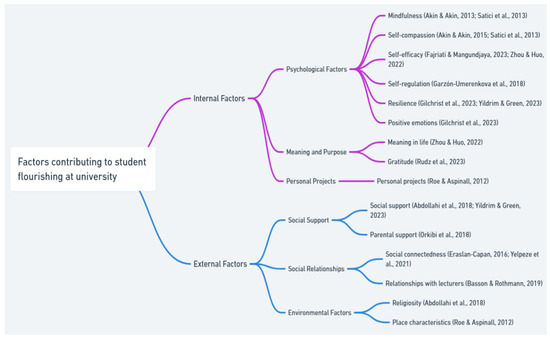
The flourishing of university students is influenced by various factors that significantly impact their well-being and academic performance, with suboptimal levels being a serious concern. Global issues of high dropout rates and low levels of flourishing among university students have prompted this study to identify factors contributing to student flourishing and describe the characteristics of students who achieve it. The review followed a rigorous protocol, including a comprehensive search across multiple databases, screening based on pre-established criteria, quality assessment using the MMAT tool, data extraction using NVivo 12 version 12.6.0.959 (64-bit), and matrix synthesis to identify patterns and gaps in the literature. Results reveal that psychological factors, meaning and purpose, personal projects, social support, social relationships, and environmental factors influence student flourishing. Flourishing students exhibit emotional and psychological well-being (37.5%), positive social functioning (31.25%), achievement and competence (18.75%), and positive psychological functioning (12.5%). These findings, consistent with previous research and flourishing theory, suggest the need for a holistic approach to promoting student flourishing through targeted interventions and recognition of flourishing characteristics. This comprehensive mapping of factors and characteristics of student flourishing can guide theory development and practical implementation in universities. Future research should consider longitudinal studies, replication in different contexts, qualitative research, and exploration of additional factors.
Full article

Figure 1
Open AccessArticle
Stability and Change in Intolerance of Uncertainty and Its Association with Interpretation Bias in Social Situations: A Longitudinal Study of Italian Adolescents
by
Marco Lauriola, Anna Malerba, Mara Marini, Chiara Parisse, Laura Prislei, Gioia Bottesi and Stefano Livi
Adolescents 2024, 4(4), 564-586; https://doi.org/10.3390/adolescents4040040 - 19 Dec 2024
Abstract
Background: Intolerance of Uncertainty (IU) is a transdiagnostic factor measured using the Intolerance of Uncertainty Scale-Revised (IUS-R). This study evaluated the stability and change in adolescents’ IU over a three-month period using a modified version of the scale. Methods: A two-wave study was
[...] Read more.
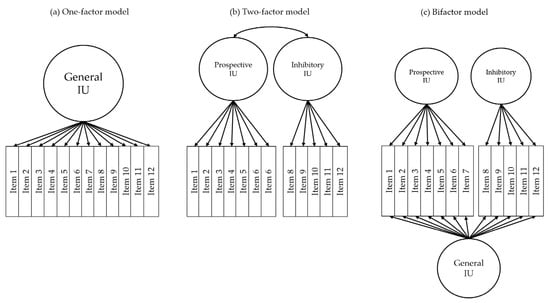
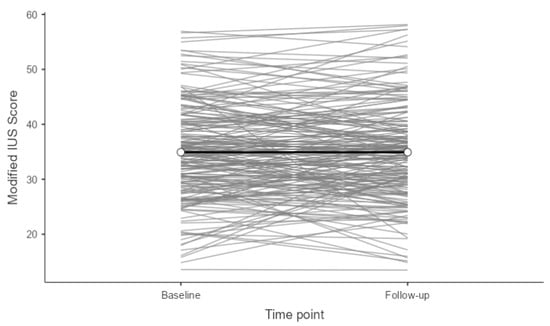
Background: Intolerance of Uncertainty (IU) is a transdiagnostic factor measured using the Intolerance of Uncertainty Scale-Revised (IUS-R). This study evaluated the stability and change in adolescents’ IU over a three-month period using a modified version of the scale. Methods: A two-wave study was conducted, with 290 adolescents responding to an online survey at baseline and 199 at follow-up. The original IUS-R was modified to probe the rating of the current perceived state of IU, rather than typical experience. The link between IU variability and the development of interpretation bias in ambiguous social situations at follow-up was explored. Structural Equation Modeling and Linear Mixed Model analyses were performed to assess the longitudinal measurement invariance and responsiveness of the Modified IUS-R scale. Results: The scale demonstrated good psychometric properties and full measurement invariance. Individual participants showed significant variability in baseline IU levels but not in the degree of change. A reliable change in scores was observed in 8% of adolescents. The Modified IUS-R predicted interpretation bias in social situations at follow-up. Conclusions: Significant inter-individual-level variation in IU suggests this tool may be useful for detecting changes in IU and predicting significant health outcomes. Future studies should further address the assessment of changing IU with longer timeframes.
Full article
(This article belongs to the Section Emerging and Contemporary Issue in Adolescence)
►▼
Show Figures

Figure 1
Open AccessEditorial
Genetic, Neurobiological, and Social Determinants of Adolescent Behavior: Risk Pathways and Protective Mechanisms
by
Paola Carbone
Adolescents 2024, 4(4), 560-563; https://doi.org/10.3390/adolescents4040039 - 7 Dec 2024
Abstract
Adolescence is a critical period, marked by heightened risk-taking and experimentation, which are significantly influenced by the interactions between genetic predisposition and environmental contexts [...]
Full article
(This article belongs to the Special Issue Understanding and Addressing Adolescent Aggression and Interpersonal Violence)
Open AccessArticle
Psychological and Educational Challenges of Immigrant Adolescents in Italy: Exploring Mental Health, Life Satisfaction, Student–Teacher Relationship, and Academic Disparities
by
Valeria Cavioni, Elisabetta Conte and Veronica Ornaghi
Adolescents 2024, 4(4), 545-559; https://doi.org/10.3390/adolescents4040038 - 3 Dec 2024
Abstract
Adolescence is a critical stage marked by identity formation and social challenges, especially for adolescents with migratory backgrounds who must reconcile their ethnic identities with the dominant culture. This study explores the mental health, life satisfaction, student–teacher relationship, and academic achievement of Italian-born,
[...] Read more.
Adolescence is a critical stage marked by identity formation and social challenges, especially for adolescents with migratory backgrounds who must reconcile their ethnic identities with the dominant culture. This study explores the mental health, life satisfaction, student–teacher relationship, and academic achievement of Italian-born, second-generation, and first-generation immigrants. The sample of 680 adolescents (M = 382; F = 280; Prefer not to say = 18; Mean age = 16.77 years) includes native-born Italians (n = 244), second-generation immigrants (n = 210), and first-generation immigrants (n = 226). Data were collected using self-report measures for mental health, life satisfaction, student–teacher relationship, and school achievement. A Multivariate Analysis of Variance identified significant group differences, followed by post-hoc tests to further explore differences between the groups. Second-generation immigrants reported significantly lower emotional well-being compared to their Italian-born peers. Both first- and second-generation immigrants exhibited lower life satisfaction, particularly in peer relationships. In terms of student–teacher relationship, second-generation immigrants perceived higher levels of school danger compared to Italian-born adolescents, possibly driven by discrimination. Academic outcomes revealed significant disparities, with Italian-born students outperforming second-generation immigrants, highlighting the impact of acculturative and bicultural stress. The findings highlight the unique challenges second-generation immigrants face in Italy in balancing cultural integration with preserving their heritage.
Full article
(This article belongs to the Section Adolescent Health and Mental Health)
Open AccessArticle
Does Having a Guardian with Cancer Contribute to Heightened Anxiety in Adolescents?
by
Michaela Forouzan, Amm Quamruzzaman and Martin L. Sánchez-Jankowski
Adolescents 2024, 4(4), 525-544; https://doi.org/10.3390/adolescents4040037 - 2 Dec 2024
Abstract
When a guardian is diagnosed with cancer, the emotional and psychological toll they endure can have a profound impact on their children’s mental health. Understanding the factors that contribute to heightened anxiety in these children is crucial for identifying mental health disorders early.
[...] Read more.
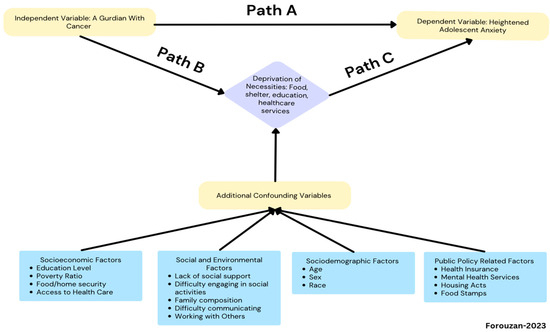
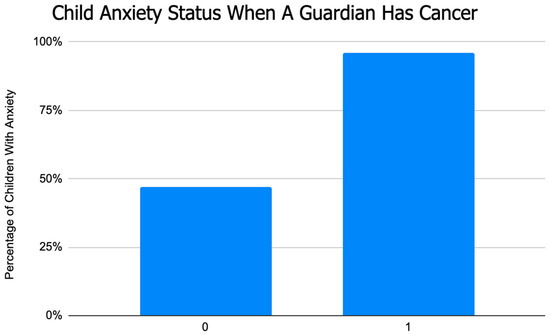
When a guardian is diagnosed with cancer, the emotional and psychological toll they endure can have a profound impact on their children’s mental health. Understanding the factors that contribute to heightened anxiety in these children is crucial for identifying mental health disorders early. This cross-sectional study explored the relationship between having a guardian with cancer and elevated anxiety levels in adolescents, accounting for confounding variables such as sex, age, and socioeconomic status. Data were obtained from the 2022 National Health Interview Survey (NHIS) using the Sample Adult Interview (27,651 participants) and Sample Child Interview (7464 participants) datasets. The independent variable (guardian’s cancer diagnosis) was derived from the Sample Adult Interview, while the dependent variable (childhood anxiety) and confounders were derived from the Sample Child Interview. Using Stata 16.0, the datasets were merged based on household index variables, yielding a final sample of 4563 participants. Logistic regression analyses assessed the correlation between a guardian’s cancer diagnosis and anxiety levels in children. The results show that children with a guardian battling cancer are significantly more likely to develop anxiety (through the use of odds ratio), with the effect size varying based on factors such as sex, income, and environment. Girls, children from lower-income families, and those with a guardian experiencing depression were at particularly high risk. These findings highlight the strong link between familial health challenges and adolescent anxiety, emphasizing the need for early intervention and mental health support in families affected by cancer.
Full article
(This article belongs to the Section Adolescent Health and Mental Health)
►▼
Show Figures

Figure 1
Open AccessArticle
University Students’ Self-Image and Body Weight Gain During COVID-19: A Descriptive Study
by
Ana Beatriz Nogueira do Vale and Laisa Liane Paineiras-Domingos
Adolescents 2024, 4(4), 512-524; https://doi.org/10.3390/adolescents4040036 - 2 Dec 2024
Abstract
►▼
Show Figures
This study identified college students’ weight gain and body image during COVID-19. A descriptive cross-sectional study was carried out, with data collection occurring from January to May 2023, using an electronic form distributed via social networks or email. Students (+18 years) participated in
[...] Read more.
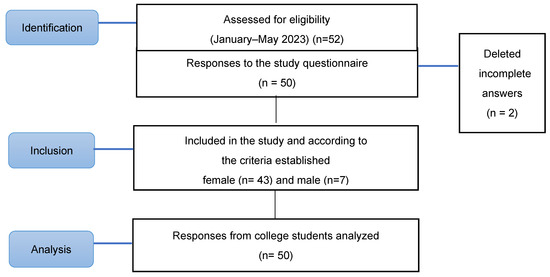
This study identified college students’ weight gain and body image during COVID-19. A descriptive cross-sectional study was carried out, with data collection occurring from January to May 2023, using an electronic form distributed via social networks or email. Students (+18 years) participated in the study and answered a semi-structured questionnaire, containing questions related to sociodemographic aspects, clinical aspects, and the silhouette scale. A comparison of several events and clinical conditions was made between the period before and during COVID-19. In total, 52 responses were given (86.3% female; 41.3% Black people). In total, 60% were diagnosed with obesity, and 20% were diagnosed with Diabetes Mellitus. Pain related to muscular and joint structures (34.3%) and anxiety (60%) were reported to have been concerns before COVID-19. During COVID-19, this scenario was maintained, in addition to symptoms related to fatigue/tiredness (52.3%) and body weight gain (61.4%). The existence of an active social life (54.3%) and the regular practice of physical activity (65.2%) were reported as occurring only before COVID-19.
Full article

Figure 1
Open AccessArticle
Prevalence Rates and Predictors for Smoking Cigarettes Among Adolescents Attending School in Bissau, Guinea-Bissau
by
Geir Gunnlaugsson, Aladje Baldé, Zeca Jandi, Hamadou Boiro and Jónína Einarsdóttir
Adolescents 2024, 4(4), 493-511; https://doi.org/10.3390/adolescents4040035 - 29 Oct 2024
Abstract
►▼
Show Figures
Substance use is a growing problem among young people in sub-Saharan Africa who increasingly adopt the habit of smoking cigarettes. The aim was to analyse prevalence rates and identify predictors for cigarette smoking among school-attending adolescents in Bissau, Guinea-Bissau. In June 2017, a
[...] Read more.
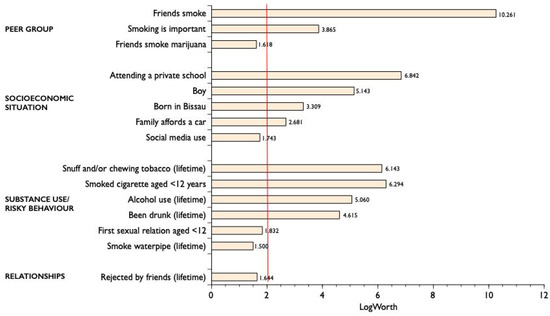
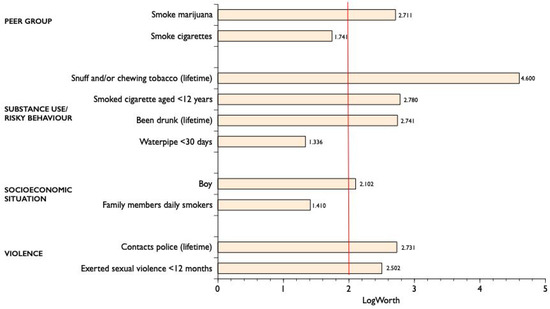
Substance use is a growing problem among young people in sub-Saharan Africa who increasingly adopt the habit of smoking cigarettes. The aim was to analyse prevalence rates and identify predictors for cigarette smoking among school-attending adolescents in Bissau, Guinea-Bissau. In June 2017, a survey questionnaire was implemented in 16 schools in a class-based, random sample of 2039 adolescents aged 14–19 (52% girls). The chi-square (p < 0.05) and odds ratios (OR) were calculated with 95% confidence intervals (CI). Potential explanatory variables for the dependent variables were introduced into a multinomial logistic regression model, and p-values were transformed to LogWorth values. The prevalence rate for lifetime smoking experience was 14.8%, 4.0% for occasional smoking (<30 days), and 2.4% for daily smoking. The most significant predictors for cigarette smoking included having friends who smoke, being a boy, attending a private school, smoking initiation at a young age, other substance use, and violent behaviour. It is imperative to initiate preventive actions against smoking and other use of tobacco in Guinea-Bissau. Considering the significant impact of the peer group, policymakers need to engage young people in developing primary prevention strategies to curb the use of tobacco and other substances.
Full article

Figure 1
Highly Accessed Articles
Latest Books
E-Mail Alert
News
Topics
Topic in
Adolescents, Education Sciences, Encyclopedia, Social Sciences, Societies
Organized Out-of-School STEM Education
Topic Editors: Heidrun Stoeger, Martin Storksdieck, Albert ZieglerDeadline: 1 July 2025
Topic in
Adolescents, Children, Dietetics, Foods, Nutrients, Pediatric Reports
Personalized and Sustainable Nutrition for Children and Adolescents: An Important Step for the 2030 Agenda
Topic Editors: Amelia Martí, Valentina De CosmiDeadline: 30 October 2025
Conferences
Special Issues
Special Issue in
Adolescents
Understanding and Addressing Adolescent Aggression and Interpersonal Violence
Guest Editor: Paola CarboneDeadline: 31 May 2025
Special Issue in
Adolescents
Youth in Transition
Guest Editors: Monit Cheung, Lindamarie Olson, Xiafei WangDeadline: 1 September 2025
Special Issue in
Adolescents
Dentistry for Adolescents
Guest Editor: Ziad D. BaghdadiDeadline: 13 November 2025
Special Issue in
Adolescents
The Nexus of Adolescent and Planetary Wellbeing: Exploring Adolescent Practices for Living Well and Sustainably
Guest Editor: Kate TilleczekDeadline: 31 December 2025
Topical Collections
Topical Collection in
Adolescents
Featured Research in Adolescent Health
Collection Editor: Laura L. Hayman