





-
Naringin vs. Citrus x paradisi L. Peel Extract: An In Vivo Journey into Oxidative Stress Modulation -
The Heme Oxygenase/Biliverdin Reductase System and Its Genetic Variants in Physiology and Diseases -
Roles of Oxidative Stress and Autophagy in Alcohol-Mediated Brain Damage -
Effect of n-3 Polyunsaturated Fatty Acids Enriched Chicken Meat Consumption in Relation to Oxidative Stress Marker Levels in Young Healthy Individuals: A Randomized Double-Blind Study -
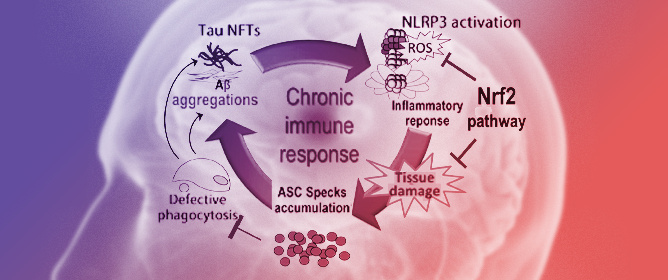
Inflammasomes in Alzheimer’s Progression: Nrf2 as a Preventive Target
Journal Description
Antioxidants
Antioxidants
is an international, peer-reviewed, open access journal, published monthly online by MDPI. The International Coenzyme Q10 Association (ICQ10A), Israel Society for Oxygen and Free Radical Research (ISOFRR) and European Academy for Molecular Hydrogen Research (EAMHR) are affiliated with Antioxidants and their members receive discounts on the article processing charge.
- Open Access— free for readers, with article processing charges (APC) paid by authors or their institutions.
- High Visibility: indexed within Scopus, SCIE (Web of Science), PubMed, PMC, FSTA, PubAg, CAPlus / SciFinder, and other databases.
- Journal Rank: JCR - Q1 (Chemistry, Medicinal) / CiteScore - Q1 (Food Science)
- Rapid Publication: manuscripts are peer-reviewed and a first decision is provided to authors approximately 16.9 days after submission; acceptance to publication is undertaken in 2.6 days (median values for papers published in this journal in the second half of 2024).
- Recognition of Reviewers: reviewers who provide timely, thorough peer-review reports receive vouchers entitling them to a discount on the APC of their next publication in any MDPI journal, in appreciation of the work done.
- Testimonials: See what our editors and authors say about Antioxidants.
- Companion journal: Oxygen.
Impact Factor:
6.0 (2023);
5-Year Impact Factor:
6.7 (2023)
Latest Articles
Dichloromethane Extract from Amburana cearensis (Allemão) A.C. Sm. Seeds and Its Coumarin Reduce ROS Production and Protect PC12 Cells Against Glutamate Excitotoxicity and Oxygen-Glucose Deprivation
Antioxidants 2025, 14(4), 440; https://doi.org/10.3390/antiox14040440 (registering DOI) - 5 Apr 2025
Abstract
Amburana cearensis is a plant native to Brazil used in folk medicine for the treatment of several pathological conditions including stroke. Previous research indicates that a dichloromethane extract of A. cearensis seeds (EDAC), rich in coumarins, protects neural cells against oxygen and glucose
[...] Read more.
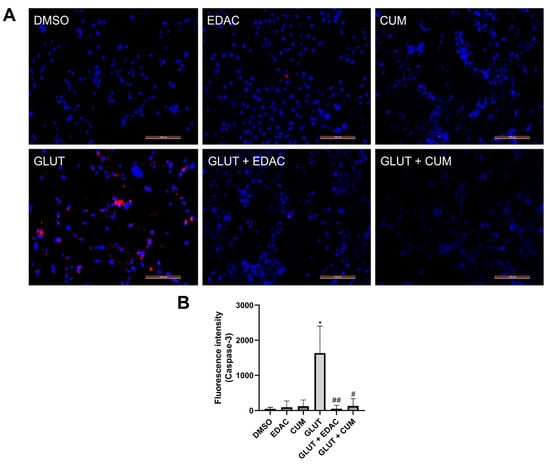
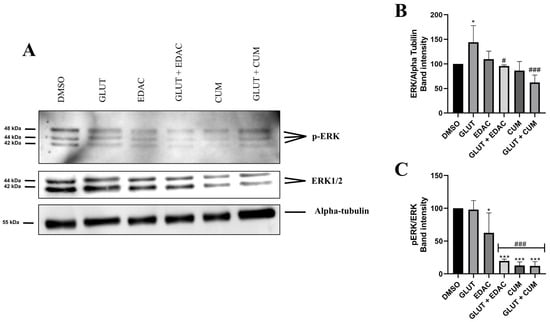
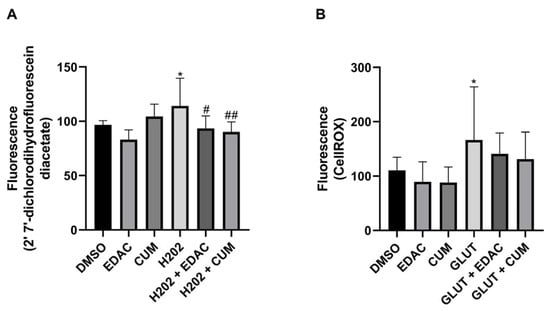
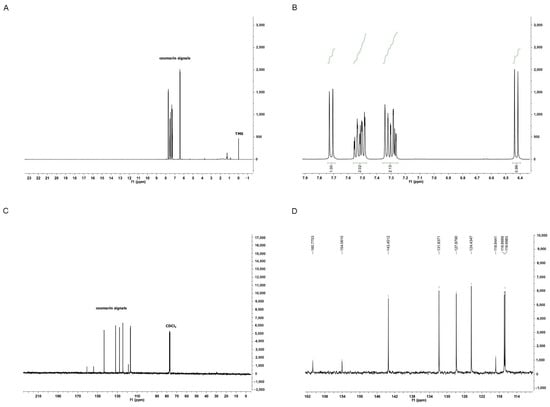
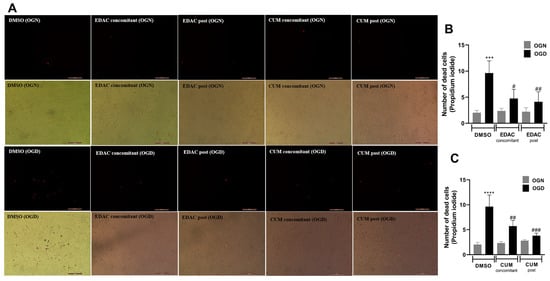
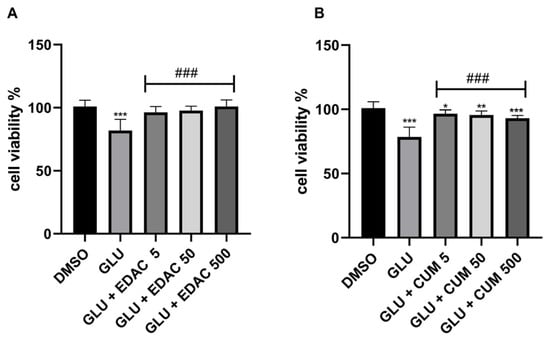
Amburana cearensis is a plant native to Brazil used in folk medicine for the treatment of several pathological conditions including stroke. Previous research indicates that a dichloromethane extract of A. cearensis seeds (EDAC), rich in coumarins, protects neural cells against oxygen and glucose deprivation (OGD) and glutamate-induced stress. However, further studies are needed to elucidate the role of coumarin, in the protective effect of EDAC. Glutamatergic excitotoxicity is an important cause of neuronal loss involved in the pathogenesis of Alzheimer’s disease, Huntington’s disease, Parkinson’s disease, and ischemic stroke. Therefore, this study aimed to investigate the protective effects of coumarin isolated from EDAC against glutamate excitotoxicity in regulating MAPK pathway proteins and reactive oxygen species (ROS) production on PC12 cells. Furthermore, we aimed to investigate the protective effects of coumarin against cell death induced by OGD. We characterized the isolated compound from EDAC as coumarin by 1H and 13C-NMR. Thus, PC12 cells were exposed to OGD or glutamate (20 mM) and/or treated with EDAC or coumarin (500 μg/mL) for 24 h. Subsequently, cell viability was assessed by propidium iodide staining or by MTT test. Furthermore, the expression of MAPK pathway proteins was investigated by Western blot analysis and the expression of cleaved caspase-3 by immunofluorescence. Furthermore, reactive oxygen species (ROS) production was assessed by 2′,7′-dichlorofluorescein diacetate and CellROX. We observed that EDAC and coumarin were able to protect PC12 cells against OGD conditions. Moreover, EDAC totally inhibited the glutamate toxicity in PC12 cells. Meanwhile, coumarin mitigated the glutamate toxicity. Both were able to downregulate the expression of ERK1/2 and phosphorylated ERK and inhibit caspase-3 activation. EDAC and coumarin also prevented the increase of ROS induced by treatment with H2O2 or glutamate. Our results evidenced that coumarin from A. cearensis is antioxidative and is an important cytoprotective compound in EDAC against glutamate excitotoxicity or OGD injury.
Full article
(This article belongs to the Special Issue Novel Antioxidant Mechanisms for Health and Diseases)
►
Show Figures
Open AccessArticle
Transcriptome Analysis Reveals the Molecular Mechanism of Potentilla anserina L. Polysaccharides in Mitigating Zearalenone-Induced Oxidative Stress in Porcine Sertoli Cells
by
Haixia Shi, Zunqiang Yan, Hong Du and Shuangbao Gun
Antioxidants 2025, 14(4), 439; https://doi.org/10.3390/antiox14040439 (registering DOI) - 5 Apr 2025
Abstract
►▼
Show Figures
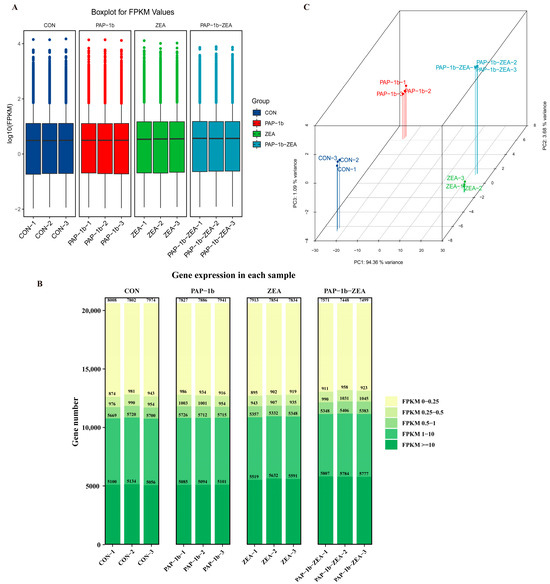
Zearalenone (ZEA) is a widespread mycotoxin that contaminates cereals and other animal feeds. Sertoli cells (SCs) are the main target of attack by many environmental toxins. Our previous study found that Potentilla anserina L. polysaccharides (PAP-1b) exhibited protective effects against ZEA-induced oxidative damage
[...] Read more.
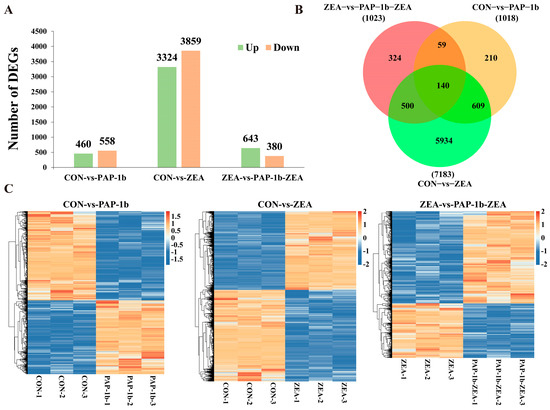
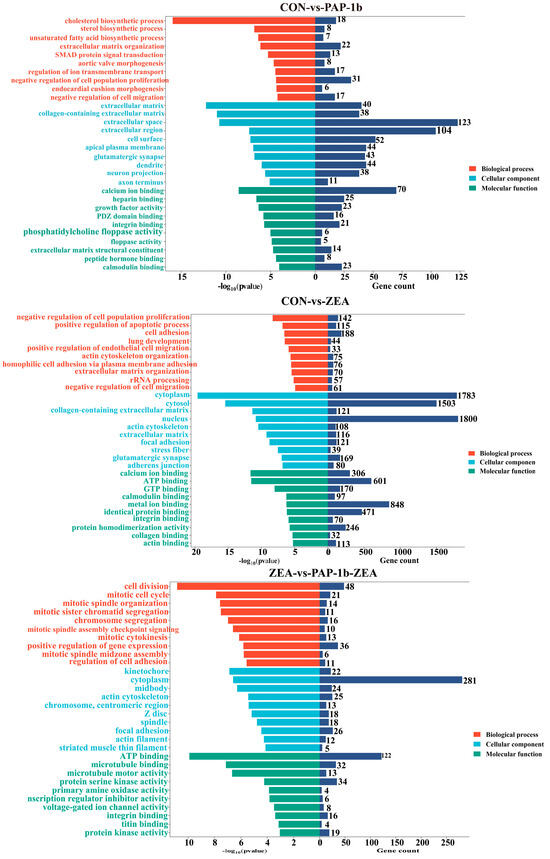
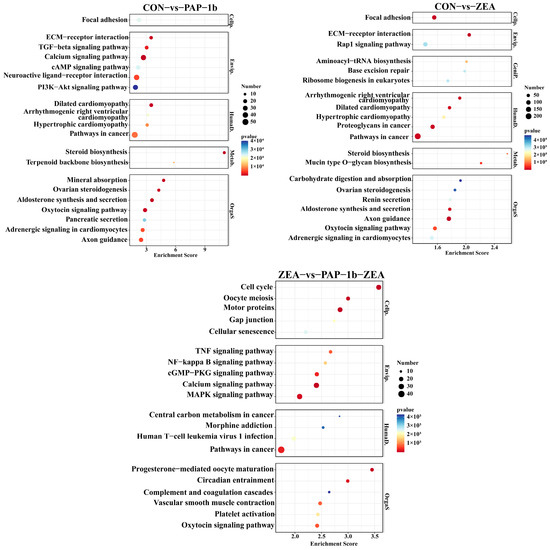
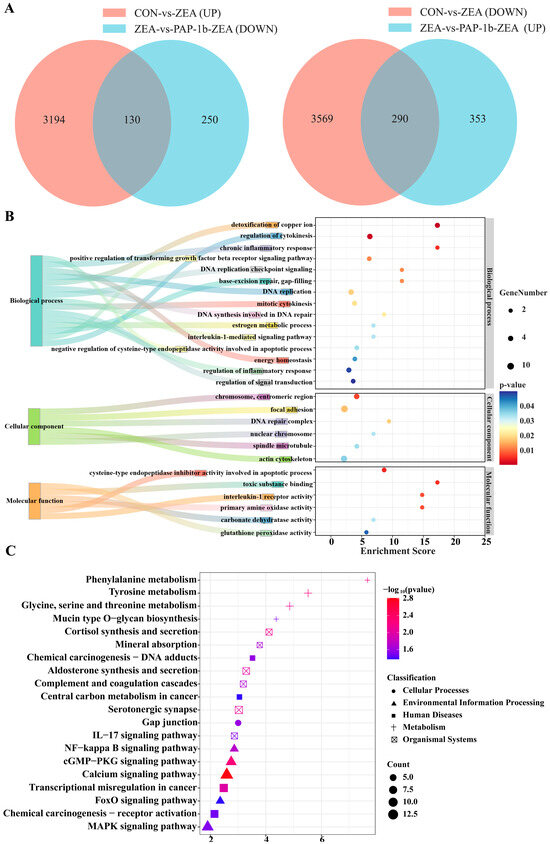
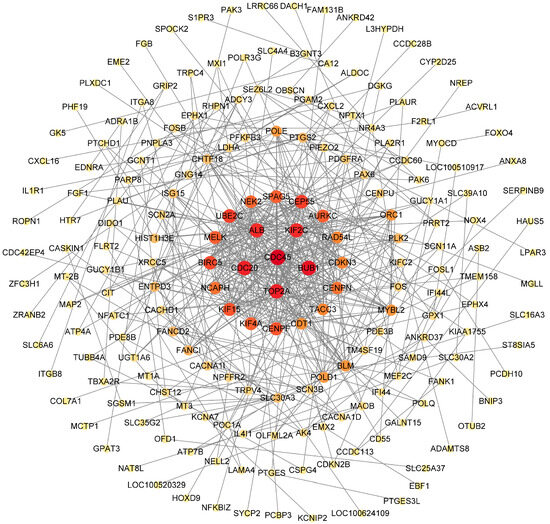
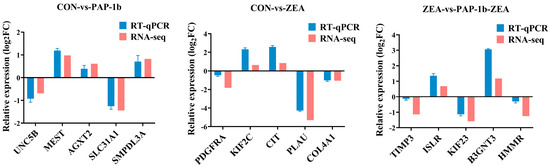
Zearalenone (ZEA) is a widespread mycotoxin that contaminates cereals and other animal feeds. Sertoli cells (SCs) are the main target of attack by many environmental toxins. Our previous study found that Potentilla anserina L. polysaccharides (PAP-1b) exhibited protective effects against ZEA-induced oxidative damage in testicular SCs. However, the regulatory mechanisms remain incompletely characterized. In this study, SCs were treated with a complete medium (CON group) or medium containing 150 μg/mL PAP-1b (PAP-1b group). After 4 h, 100 μM ZEA was added to the ZEA group and PAP-1b-ZEA group, respectively. Samples were collected after the cells continued to be incubated for 48 h and subsequently subjected to transcriptome sequencing. The results showed that 1018, 7183, and 1023 differentially expressed genes (DEGs) were screened in the CON-vs.-PAP-1b, CON-vs.-ZEA, and ZEA-vs.-PAP-1b-ZEA groups, respectively. Among them, glutathione peroxidase 1 (GPX1) emerges as a key gene within this antioxidant defense mechanism. In addition, these DEGs were significantly enriched in Gene Ontology (GO) terms related to oxidative stress as well as in MAPK and PI3K-AKT signaling pathways, suggesting that PAP-1b effectively mitigated ZEA-induced oxidative damage in SCs by regulating these signaling pathways. These results provide an essential basis for the further elucidation of the role of PAP-1b in mitigating ZEA-induced oxidative damage in SCs.
Full article

Figure 1
Open AccessReview
Mechanistic Insights and Analytical Advances in Food Antioxidants: A Comprehensive Review of Molecular Pathways, Detection Technologies, and Nutritional Applications
by
Mingyu Duan, Zhiting Zhu, Hao Pi, Jibing Chen, Jie Cai and Yiping Wu
Antioxidants 2025, 14(4), 438; https://doi.org/10.3390/antiox14040438 (registering DOI) - 4 Apr 2025
Abstract
With rising living standards, the demand for health and nutrition has increased, sparking interest in food antioxidants. Known for neutralizing free radicals, antioxidants protect cells from oxidative damage, potentially aiding in disease prevention and anti-aging. In the food industry, they also enhance preservation
[...] Read more.
With rising living standards, the demand for health and nutrition has increased, sparking interest in food antioxidants. Known for neutralizing free radicals, antioxidants protect cells from oxidative damage, potentially aiding in disease prevention and anti-aging. In the food industry, they also enhance preservation and quality. Thus, studying food antioxidant mechanisms, detection methods, and applications holds theoretical and practical value. This review mainly discusses the mechanisms, detection methods, and applications of food antioxidants in nutrition. Firstly, the main research status and development trends of food antioxidants are described. Then, the action mechanisms of food antioxidants are introduced. Food antioxidants can effectively remove free radicals and prevent free radicals from causing damage to human cells, thus delaying aging and preventing disease. Secondly, the methods of detecting food antioxidants are discussed, including liquid chromatography, liquid chromatography–tandem mass spectrometry, gas chromatography, and gas chromatography–mass spectrometry. These methods can be used to analyze antioxidant components in various samples of foods, drugs, plants, etc. Finally, the research progress of plant antioxidants is discussed, including the applications of a variety of highly effective antioxidant components extracted from different plants. This review provides the theoretical basis and application reference for the research of food antioxidants.
Full article
(This article belongs to the Special Issue Antioxidants and Food Supplements)
Open AccessArticle
Immunomodulatory Effects of Symplectoteuthis oualaniensis Protamine and Its PEG Derivative on Macrophages: Involvement of PI3K/Akt Signaling, Redox Regulation, and Cell Cycle Modulation
by
Na Li, Yida Pang, Jiren Xu, Jeevithan Elango and Wenhui Wu
Antioxidants 2025, 14(4), 437; https://doi.org/10.3390/antiox14040437 (registering DOI) - 4 Apr 2025
Abstract
Protamine is a promising marine-derived bioactive compound that is highly arginine-rich and has demonstrated unique advantages in medical and biological research. This study, for the first time, investigates the molecular mechanisms underlying the immunomodulatory effects of Salmon Protamine Sulfate (SPS), Symplectoteuthis oualaniensis Protamine
[...] Read more.
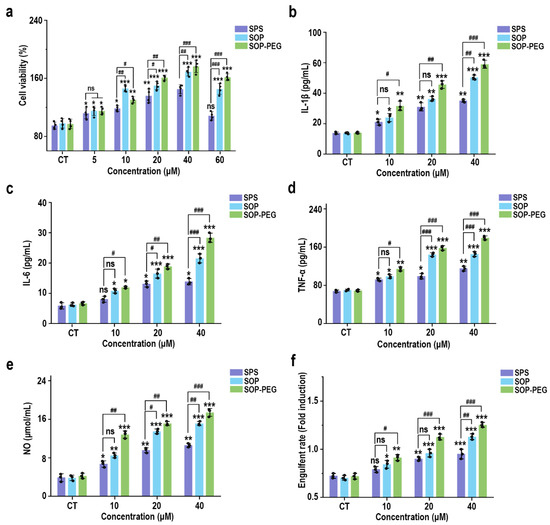
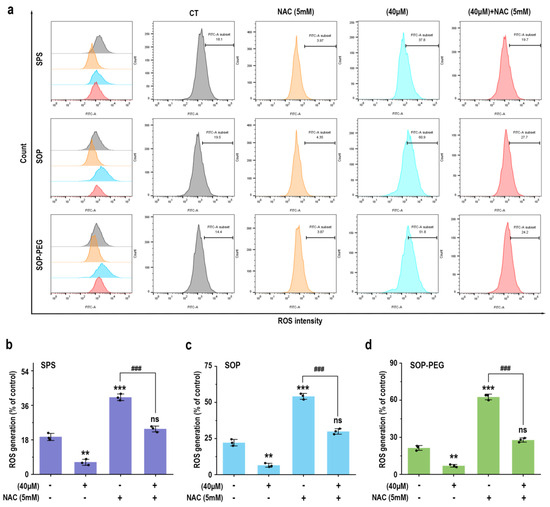
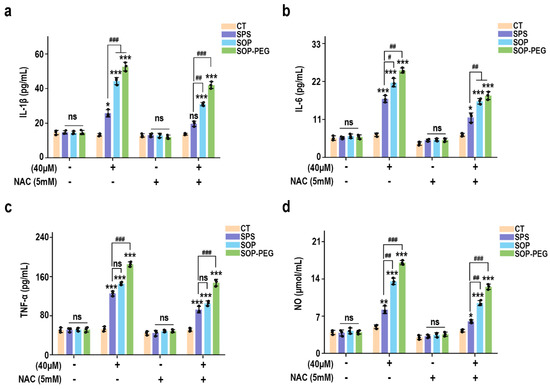
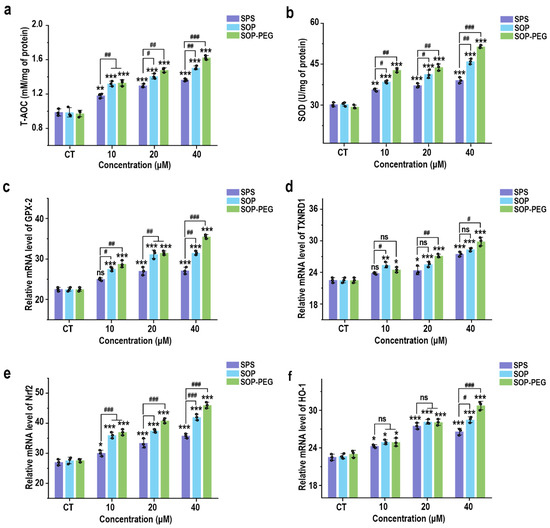
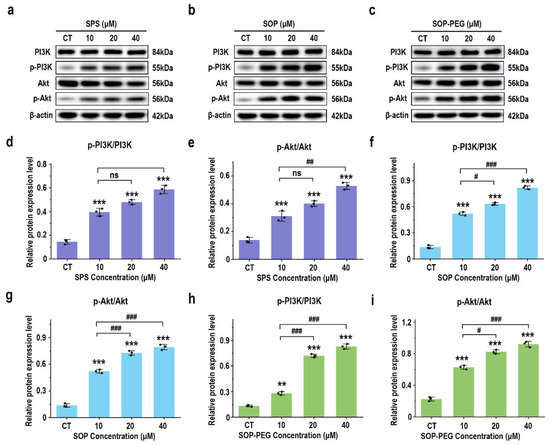
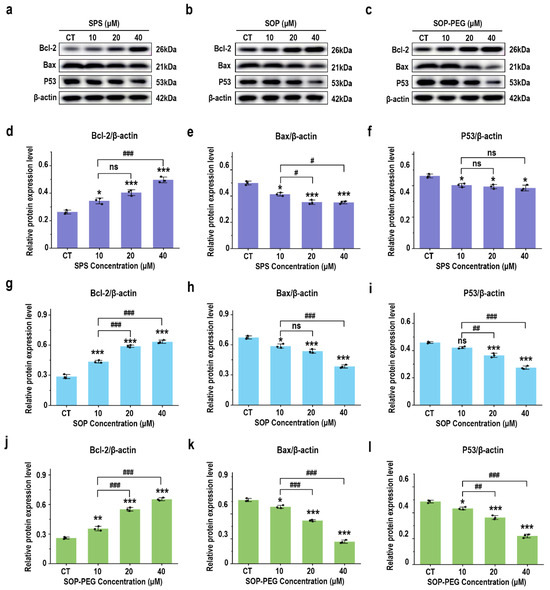
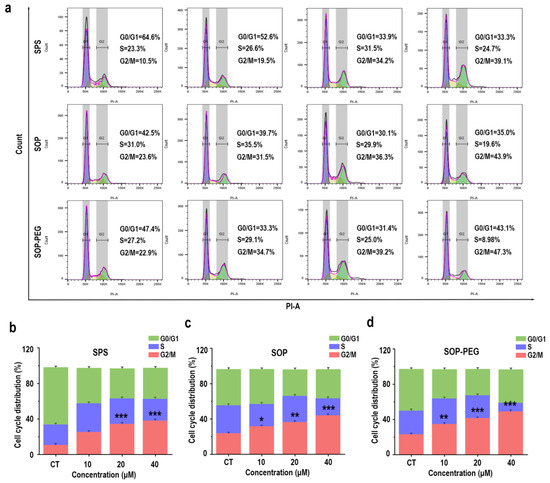
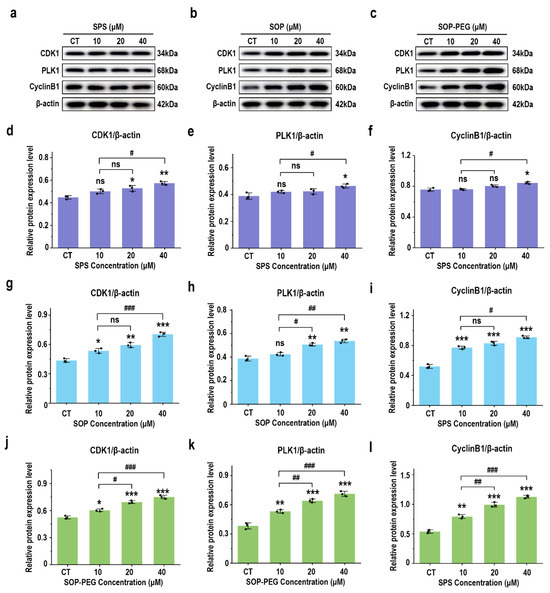
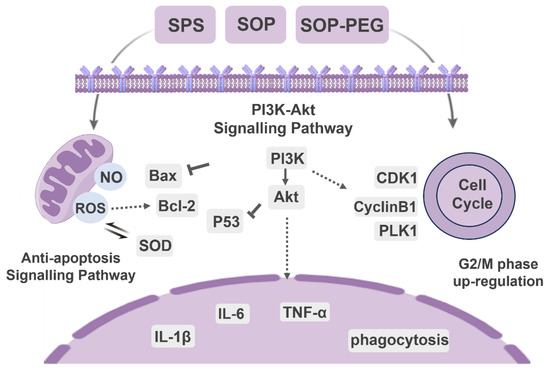
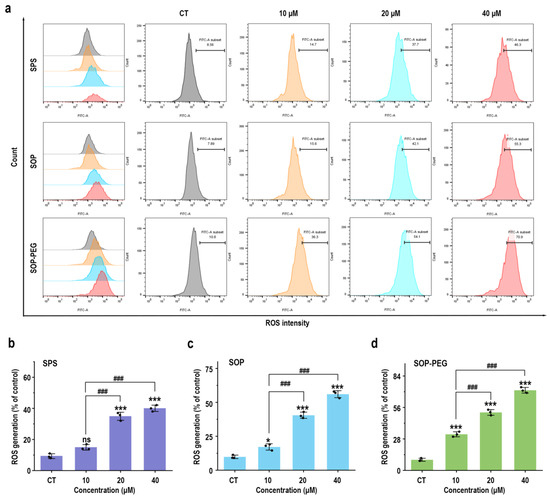
Protamine is a promising marine-derived bioactive compound that is highly arginine-rich and has demonstrated unique advantages in medical and biological research. This study, for the first time, investigates the molecular mechanisms underlying the immunomodulatory effects of Salmon Protamine Sulfate (SPS), Symplectoteuthis oualaniensis Protamine (SOP), and its polyethylene glycol (PEG) derivative (SOP-PEG) on RAW264.7 macrophages. The results demonstrate that both SOP and SOP-PEG significantly enhance the proliferation of RAW264.7 cells by promoting the secretion of pro-inflammatory cytokines and nitric oxide (NO), increasing ROS production, and improving antioxidant capacity, in comparison to SPS. Elevated ROS levels play a crucial role in enhancing macrophage immune activity, while the enhanced antioxidant defense mechanisms help maintain redox homeostasis and protect against oxidative stress-induced cellular damage. A Western blot analysis reveals that SOP and SOP-PEG notably regulate the expression of key proteins associated with the PI3K/Akt signaling pathway and anti-apoptotic mechanisms. Furthermore, a flow cytometry analysis indicates a significant increase in the G2/M-phase cell population in the treatment groups, which is corroborated by Western blot data showing alterations in critical regulatory proteins. Notably, SOP-PEG exhibits the strongest effects in regulating macrophage immune activity, which can be attributed to the enhanced stability and prolonged bioactivity resulting from the PEGylation of SOP. This comprehensive study reveals how SOP and SOP-PEG enhance macrophage immune function through multiple mechanisms, including PI3K/Akt activation, redox regulation, and cell cycle modulation. It provides valuable insights and a theoretical foundation for their potential applications in immunotherapy and immune regulation.
Full article
(This article belongs to the Section ROS, RNS and RSS)
►▼
Show Figures

Figure 1
Open AccessReview
Production and Role of Free Radicals and Reactive Oxygen Species After Facial Nerve Injury
by
Jeongmin Lee, Joon Hyung Yeo, Sung Soo Kim, Jae Min Lee and Seung Geun Yeo
Antioxidants 2025, 14(4), 436; https://doi.org/10.3390/antiox14040436 - 4 Apr 2025
Abstract
Facial nerve injury (FNI) induces complex molecular and cellular responses, with reactive oxygen species (ROS) and free radicals (FRs) playing pivotal roles in nerve degeneration and regeneration. However, to date, no systematic review has specifically investigated the involvement of ROS and FRs in
[...] Read more.
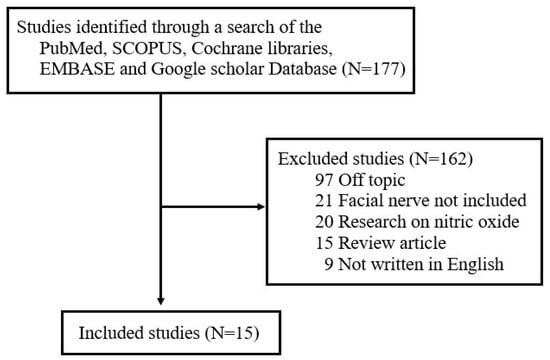
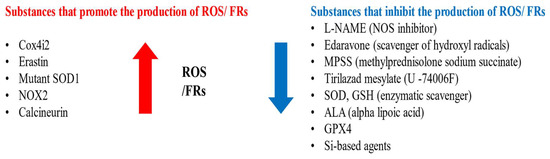
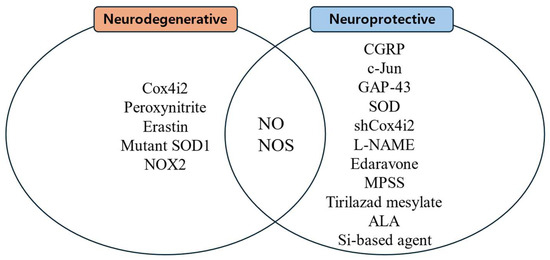
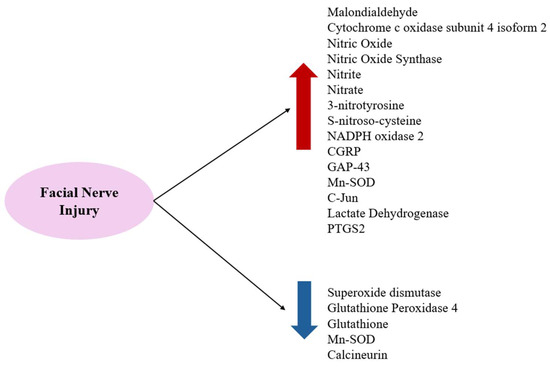
Facial nerve injury (FNI) induces complex molecular and cellular responses, with reactive oxygen species (ROS) and free radicals (FRs) playing pivotal roles in nerve degeneration and regeneration. However, to date, no systematic review has specifically investigated the involvement of ROS and FRs in FNI. To address this unmet need, we reviewed the literature on the subject, comprehensively searching SCOPUS, PubMed, Cochrane Library, EMBASE, and Google Scholar to identify studies that assessed the roles of FRs and ROS in FNI and summarize their findings. A total of 15 studies that satisfied search criteria were identified. Key findings showed that excessive ROS and FR lead to mitochondrial dysfunction, lipid peroxidation, and ferroptosis, exacerbating nerve degeneration after facial nerve injury. These effects are modulated by antioxidants, including alpha-lipoic acid, edaravone, N(ω)-nitro-L-arginine methyl ester (L-NAME), glutathione peroxidase 4, glutathione, methylprednisolone sodium succinate, Si-based agents, superoxide dismutase, and tirilazad mesylate. The insights gained from this review suggest that levels of FRs and ROS are strongly associated with the pathophysiology of facial nerve injury and underscore the therapeutic potential of targeting ROS and FR pathways in facial nerve injuries.
Full article
(This article belongs to the Section ROS, RNS and RSS)
►▼
Show Figures

Figure 1
Open AccessArticle
Tetraselmis chuii Supplementation Increases Skeletal Muscle Nuclear Factor Erythroid 2-Related Factor 2 and Antioxidant Enzyme Gene Expression, and Peak Oxygen Uptake in Healthy Adults: A Randomised Crossover Trial
by
Stuart P. Cocksedge, Carlos Infante, Sonia Torres, Carmen Lama, Lalia Mantecón, Manuel Manchado, Jarred P. Acton, Nehal S. Alsharif, Tom Clifford, Alex J. Wadley, Richard A. Ferguson, Nicolette C. Bishop, Neil R. W. Martin and Stephen J. Bailey
Antioxidants 2025, 14(4), 435; https://doi.org/10.3390/antiox14040435 (registering DOI) - 3 Apr 2025
Abstract
Superoxide dismutase-rich Tetraselmis chuii (T. chuii) is derived from marine microalgae and has been reported to increase gene expression of nuclear factor erythroid 2-related factor 2 (NRF2) and related antioxidant enzymes in myoblast tissue culture models. Human research has indicated that
[...] Read more.
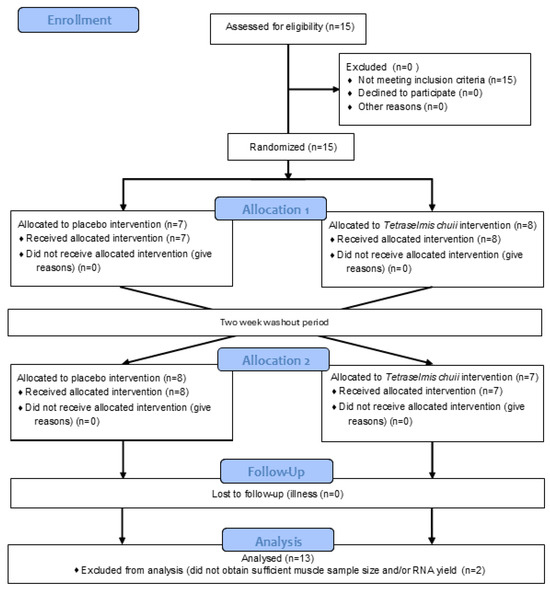
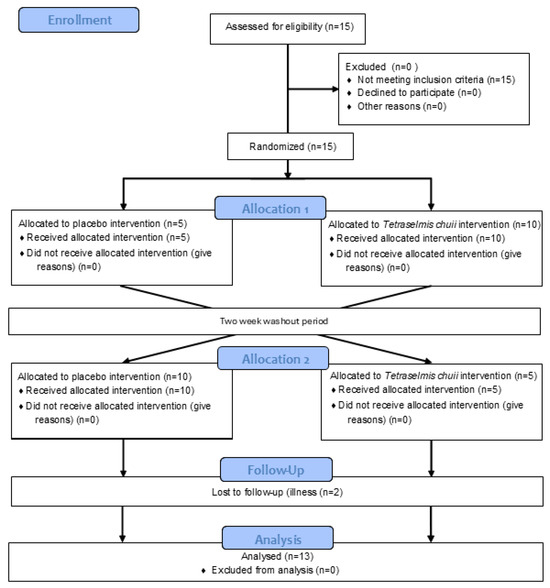
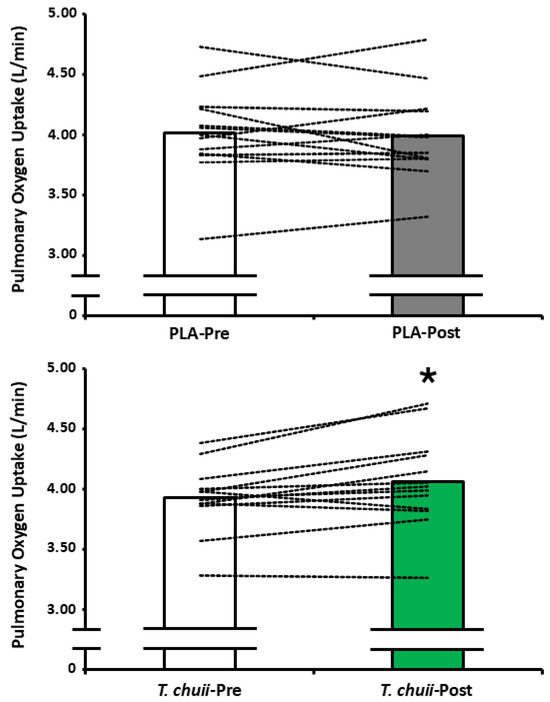
Superoxide dismutase-rich Tetraselmis chuii (T. chuii) is derived from marine microalgae and has been reported to increase gene expression of nuclear factor erythroid 2-related factor 2 (NRF2) and related antioxidant enzymes in myoblast tissue culture models. Human research has indicated that T. chuii supplementation can improve recovery from exercise-induced muscle damage, but its effects on endurance exercise performance and the molecular bases that may underlie any ergogenic effects are unclear. Healthy participants underwent 14 days of supplementation with 25 mg·day−1T. chuii and placebo in a randomized, double-blind, crossover experimental design. Prior to and following each supplementation period, participants completed a high-intensity cycling test to assess time to exhaustion and peak oxygen uptake ( ). A resting skeletal muscle biopsy was collected after both supplementation periods to assess gene expression changes. Compared to pre-supplementation values, was increased following T. chuii (p = 0.013) but not placebo (p = 0.66). Fold-change in glutathione peroxidase 7 [(GPX7) 1.26 ± 1.37], glutathione-disulfide reductase [(GSR) 1.22 ± 1.41], glutathione S-transferase Mu 3 [(GSTM3) 1.34 ± 1.49], peroxiredoxin 6 [(PRDX6) 1.36 ± 1.57], extracellular signal-regulated kinase 3 [(ERK3) 1.92 ± 2.42], NRF2 (1.62 ± 2.16), p38 alpha [(p38a) 1.33 ± 1.58] and sirtuin 1 [(SIRT1) 1.73 ± 2.25] gene expression were higher after T. chuii compared to placebo supplementation (p < 0.05). Short-term T. chuii supplementation increased and skeletal muscle gene expression of key enzymatic antioxidants (GPX7, GSR, GSTM3, and PRDX6), signalling kinases (ERK3 and p38a), post-translational regulators (SIRT1), and transcription factors (NRF2) that may protect against cellular stress insults.
Full article
(This article belongs to the Section Antioxidant Enzyme Systems)
►▼
Show Figures

Figure 1

Open AccessReview
HDL-Cholesterol and Triglycerides Dynamics: Essential Players in Metabolic Syndrome
by
Sebastià Alcover, Lisaidy Ramos-Regalado, Gabriela Girón, Natàlia Muñoz-García and Gemma Vilahur
Antioxidants 2025, 14(4), 434; https://doi.org/10.3390/antiox14040434 - 3 Apr 2025
Abstract
Metabolic syndrome (MetS) is a complex cluster of interrelated metabolic disorders that significantly elevate the risk of cardiovascular disease, making it a pressing public health concern worldwide. Among the key features of MetS, dyslipidemia—characterized by altered levels of high-density lipoprotein cholesterol (HDL-C) and
[...] Read more.
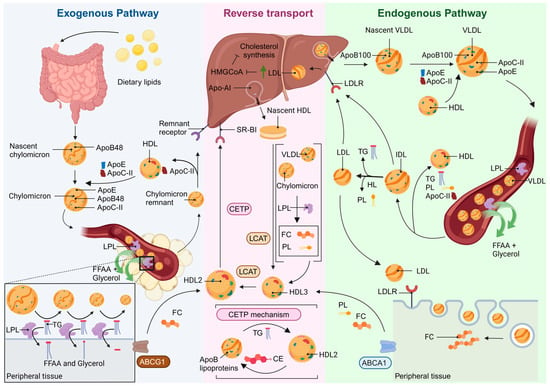
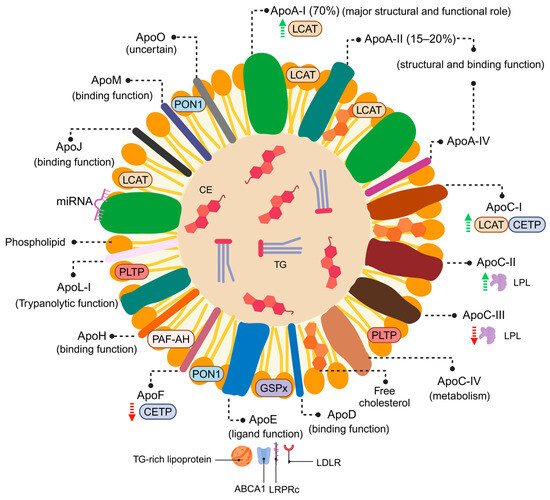
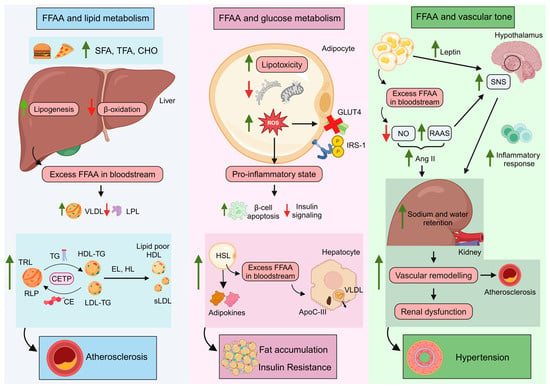
Metabolic syndrome (MetS) is a complex cluster of interrelated metabolic disorders that significantly elevate the risk of cardiovascular disease, making it a pressing public health concern worldwide. Among the key features of MetS, dyslipidemia—characterized by altered levels of high-density lipoprotein cholesterol (HDL-C) and triglycerides (TG)—plays a crucial role in the disorder’s progression. This review aims to elucidate the intricate interplay between HDL-C and TG within the context of lipid metabolism and cardiovascular health, while also addressing the detrimental impact of various cardiovascular risk factors and associated comorbidities. The dynamics of HDL-C and TG are explored, highlighting their reciprocal relationship and respective contributions to the pathophysiology of MetS. Elevated levels of TGs are consistently associated with reduced concentrations of HDL-C, resulting in a lipid profile that promotes the development of vascular disease. Specifically, as TG levels rise, the protective cardiovascular effects of HDL-C are diminished, leading to the increased accumulation of pro-atherogenic TG-rich lipoproteins and low-density lipoprotein particles within the vascular wall, contributing to the progression of atheromas, which can ultimately result in significant ischemic cardiovascular events. Ultimately, this paper underscores the significance of HDL and TG as essential targets for therapeutic intervention, emphasizing their potential in effectively managing MetS and reducing cardiovascular risk.
Full article
(This article belongs to the Special Issue Antioxidant Role of High-Density Lipoprotein)
►▼
Show Figures

Figure 1
Open AccessArticle
Probiotic Lactobacillus johnsonii Reduces Intestinal Inflammation and Rebalances Splenic Treg/Th17 Responses in Dextran Sulfate Sodium-Induced Colitis
by
Hao-Yu Liu, Shicheng Li, Kennedy Jerry Ogamune, Peng Yuan, Xinyu Shi, Wael Ennab, Abdelkareem A. Ahmed, In Ho Kim, Ping Hu and Demin Cai
Antioxidants 2025, 14(4), 433; https://doi.org/10.3390/antiox14040433 - 3 Apr 2025
Abstract
Inflammatory bowel disease (IBD), a chronic inflammatory disorder of the gastrointestinal tract, is frequently complicated by extraintestinal manifestations such as functional hyposplenism. Increasing evidence highlights its pathogenesis as a multifactorial interplay of gut dysbiosis, intestinal barrier dysfunction, and dysregulated immune responses. While probiotics,
[...] Read more.
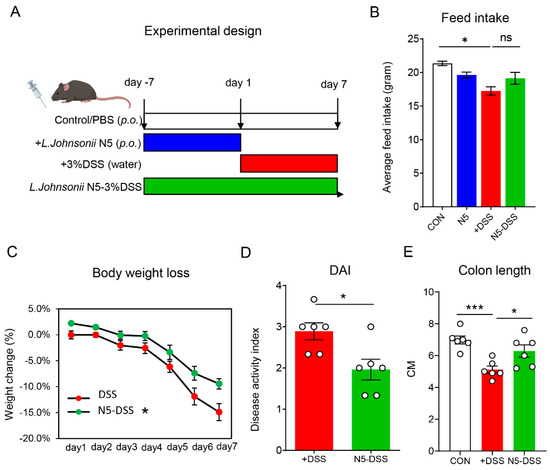
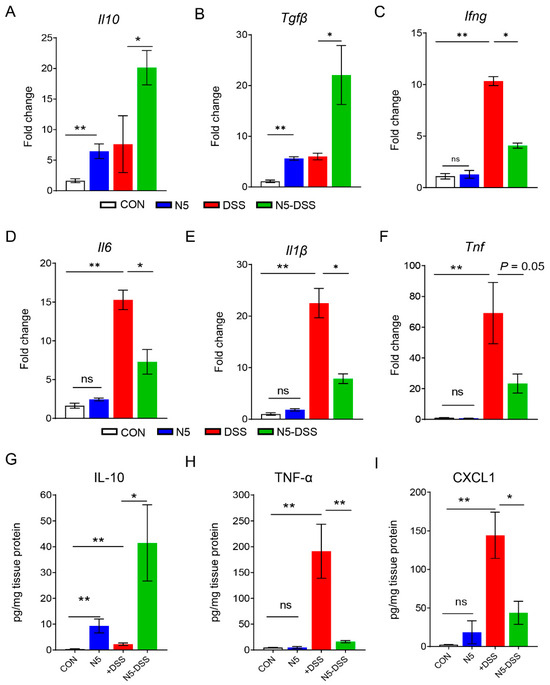
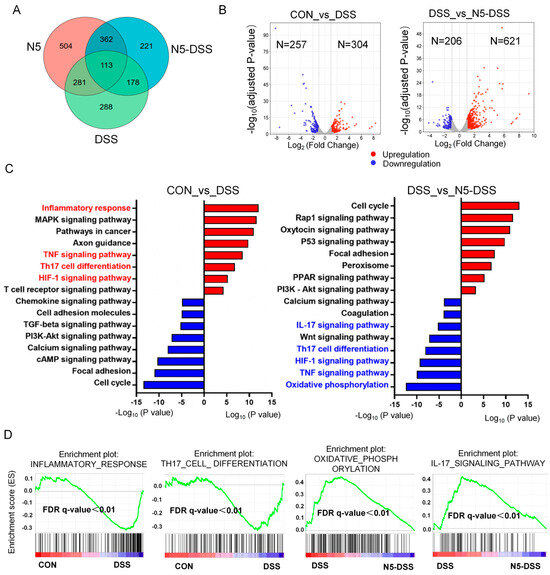
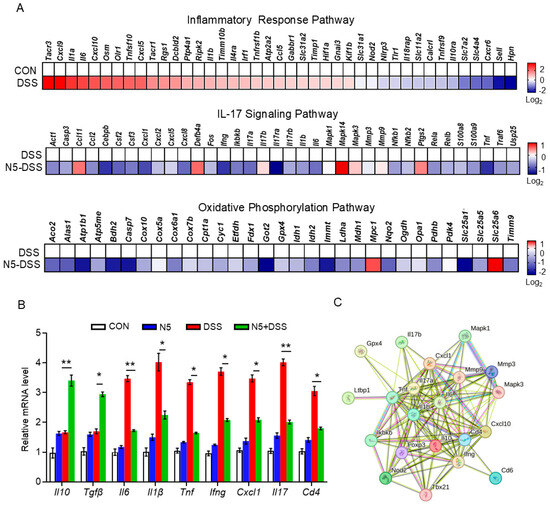
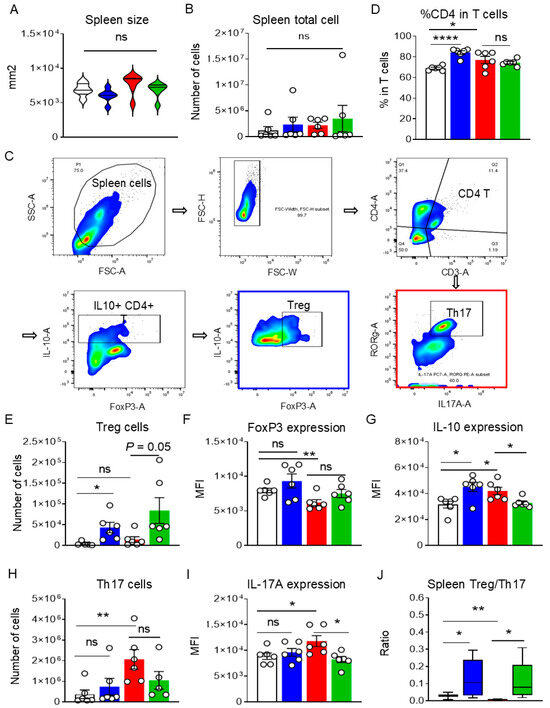
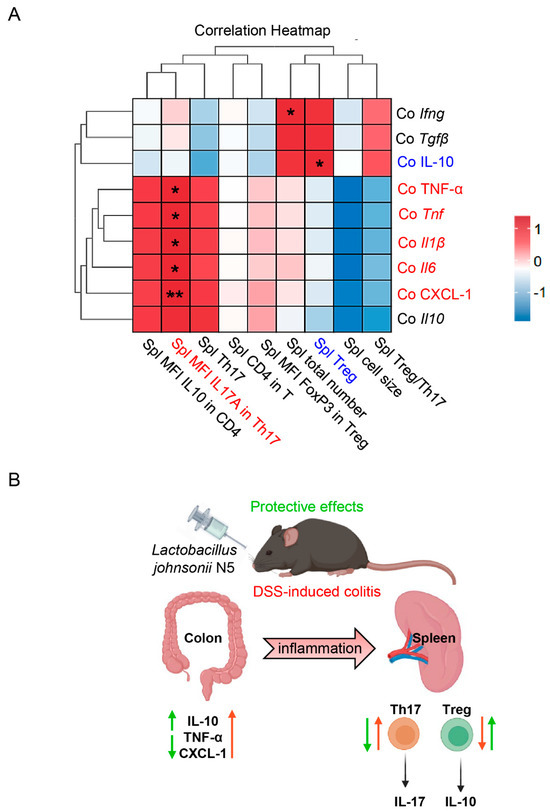
Inflammatory bowel disease (IBD), a chronic inflammatory disorder of the gastrointestinal tract, is frequently complicated by extraintestinal manifestations such as functional hyposplenism. Increasing evidence highlights its pathogenesis as a multifactorial interplay of gut dysbiosis, intestinal barrier dysfunction, and dysregulated immune responses. While probiotics, particularly Lactobacillus spp., have emerged as potential therapeutics for IBD, restoring intestinal homeostasis, their systemic immunomodulatory effects remain underexplored. Here, we investigated the protective role of Lactobacillus johnsonii N5 in DSS-induced colitis, focusing on inflammation inhibition and splenic T cell regulation. Pretreatment with L. johnsonii N5 significantly attenuated colitis severity, as evidenced by preserved body weight, reduced disease activity index, and prevention of colon shortening. N5 suppressed colonic pro-inflammatory factors such as TNF-α, Il-1b, Il-6, and CXCL1, while elevating anti-inflammatory IL-10 at both mRNA and protein levels. Transcriptomic analysis of the spleen revealed that N5 mediated the downregulation of inflammatory pathways, including the IL-17 and TNF signaling pathways, as well as the HIF-1 signaling pathway, and modulated the metabolic pathway of oxidative phosphorylation. Flow cytometry analysis demonstrated that N5 rebalanced splenic Treg/Th17 responses by expanding the Treg population and reducing the production of IL-17A in Th17 cells. Notably, Th17-associated IL-17A positively correlated with intestinal pro-inflammatory mediators, emphasizing the role of Th17 cells in driving colitis. In contrast, splenic Treg abundance positively correlated with colonic IL-10 levels, suggesting a link between systemic immune regulation and intestinal anti-inflammatory responses. Our study underscores the therapeutic potential of targeting gut–immune crosstalk through probiotics, thereby offering valuable insights for developing live bacterial-based interventions for IBD and other inflammatory disorders.
Full article
(This article belongs to the Special Issue Interplay of Microbiome and Oxidative Stress)
►▼
Show Figures

Figure 1

Open AccessArticle
Anti-Inflammatory Effect of Dendrobium officinale Extract on High-Fat Diet-Induced Obesity in Rats: Involvement of Gut Microbiota, Liver Transcriptomics, and NF-κB/IκB Pathway
by
Runze Zhou, Yixue Wang, Shiyun Chen, Fanjia Cheng, Yuhang Yi, Chenghao Lv and Si Qin
Antioxidants 2025, 14(4), 432; https://doi.org/10.3390/antiox14040432 - 3 Apr 2025
Abstract
The growing prevalence of obesity is being increasingly acknowledged as a major public health issue. This mainly stems from the excessive intake of dietary fats. Dendrobium officinale (DO), recognized as an herb with dual roles of food and medicine, is renowned for its
[...] Read more.
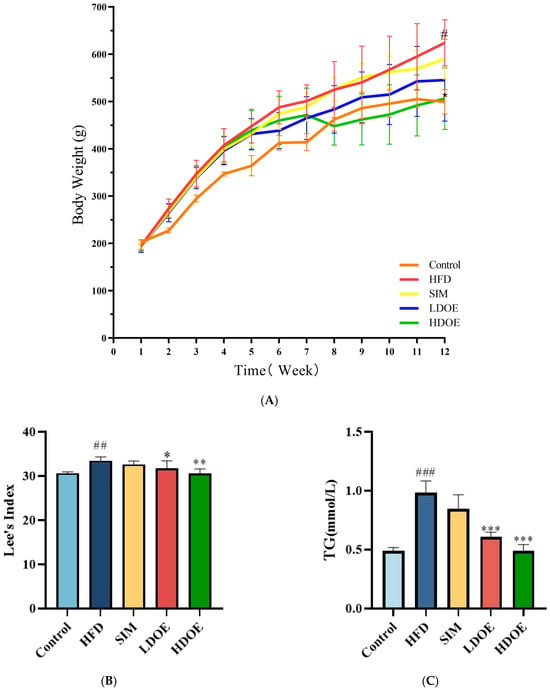
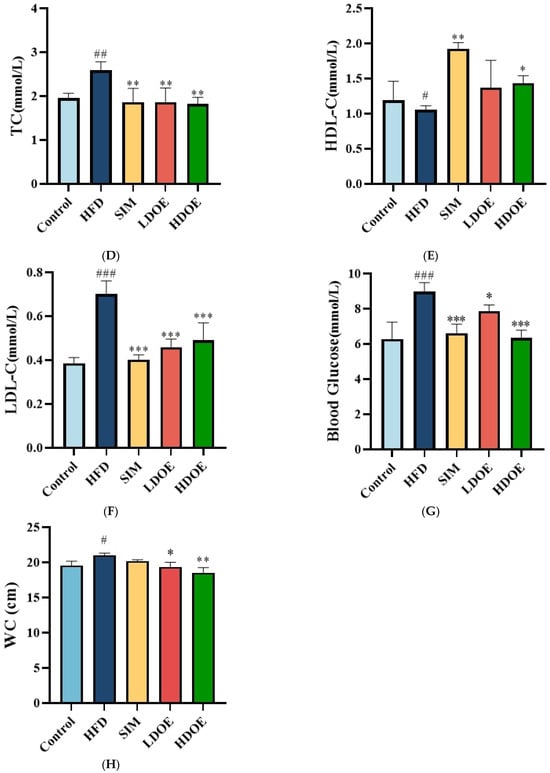
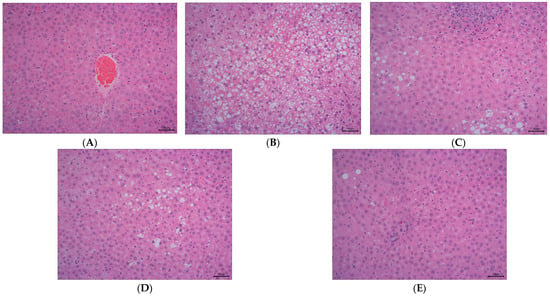
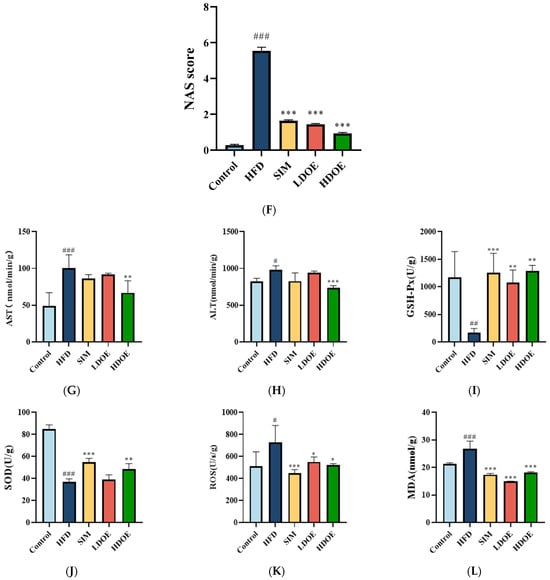
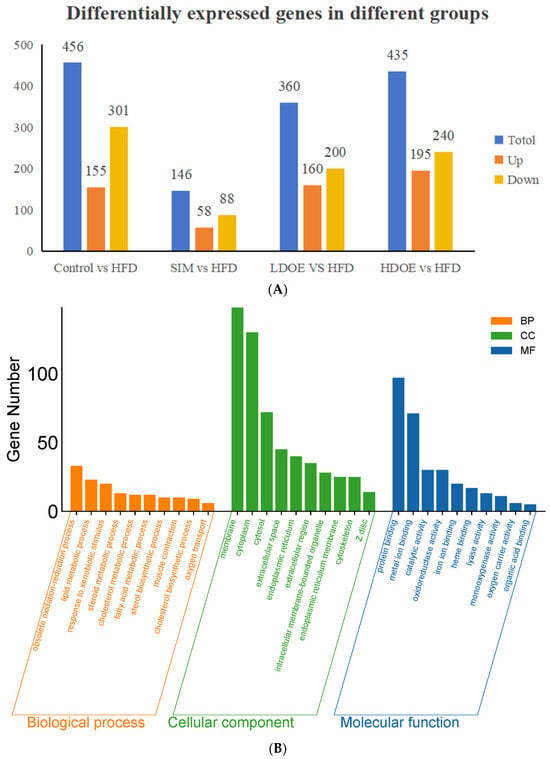
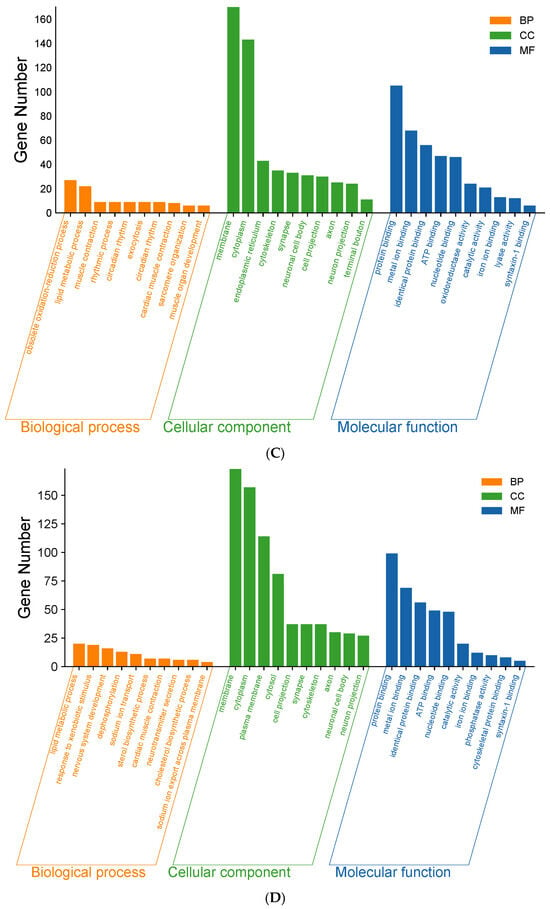
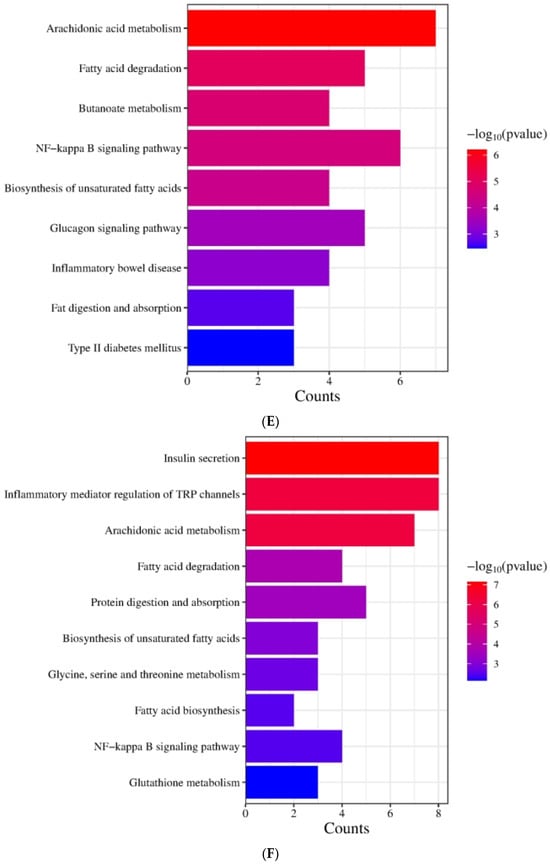
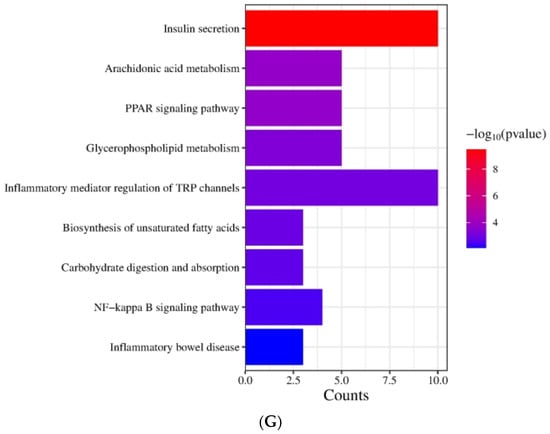
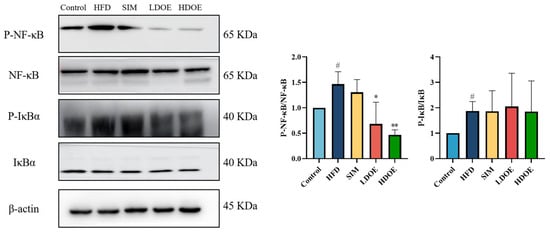
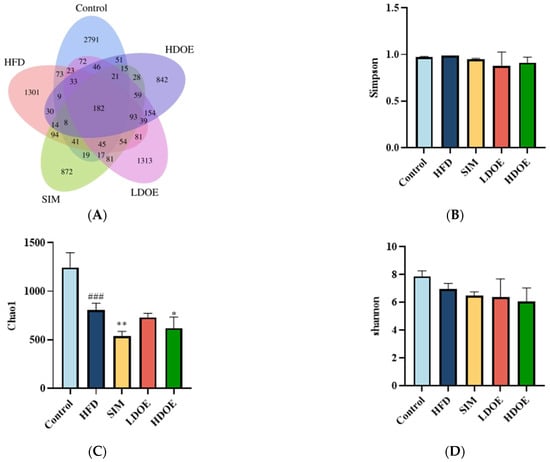
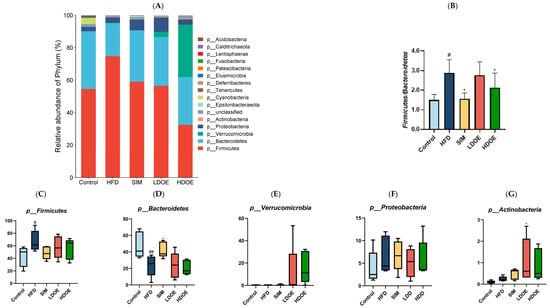
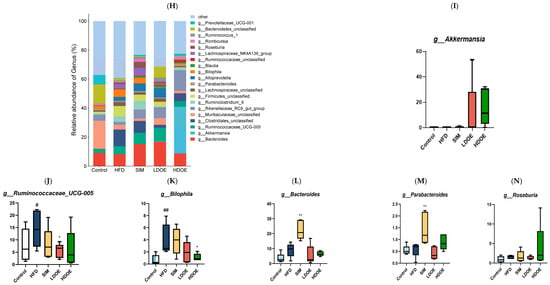
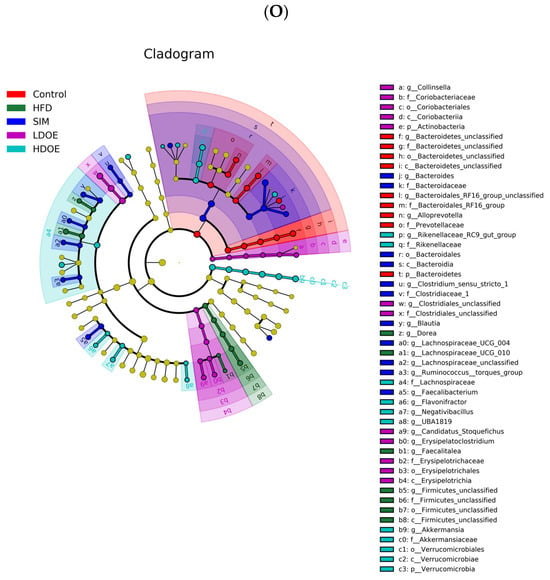
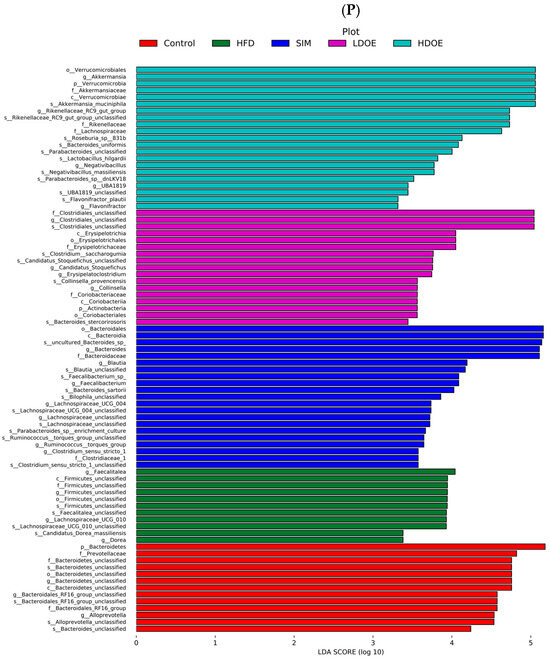
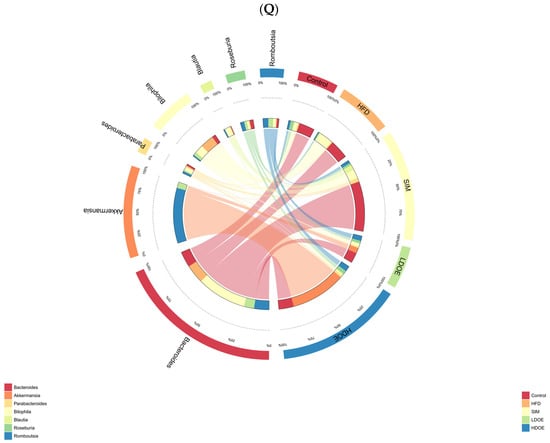
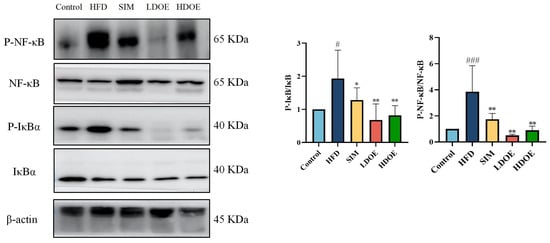
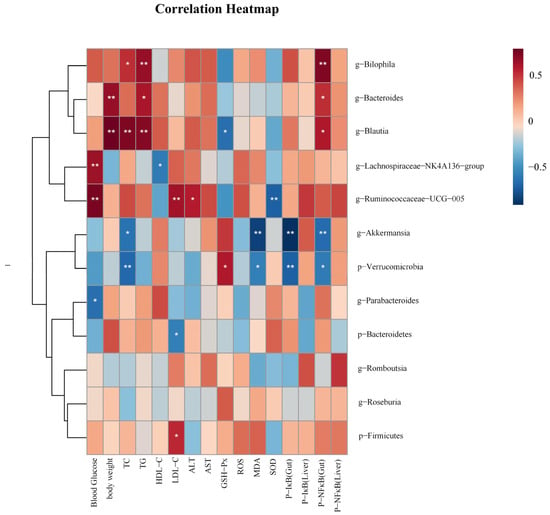
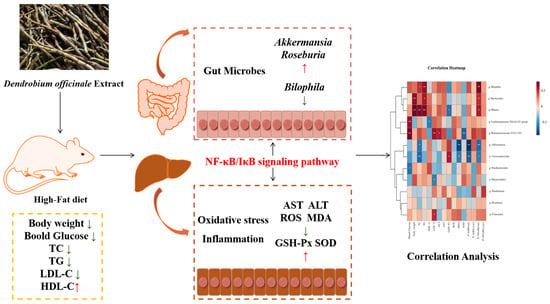
The growing prevalence of obesity is being increasingly acknowledged as a major public health issue. This mainly stems from the excessive intake of dietary fats. Dendrobium officinale (DO), recognized as an herb with dual roles of food and medicine, is renowned for its diverse health-promoting effects. Nevertheless, the specifics of its antiobesity and anti-inflammatory properties and the underlying mechanisms are still obscure. The present study shows that treatment with Dendrobium officinale extract (DOE) alleviates obesity, liver steatosis, inflammation, and oxidative stress in rats that are obese due to a high-fat diet (HFD). Firstly, with respect to HFD obese rats, higher doses of DOE significantly reduced TG, TC, LDL-C, blood glucose, and liver AST and ALT, along with lipid droplets. Meanwhile, DOE supplementation significantly reduced oxidative stress induced by ROS and MDA and increased the levels of GSH-Px and SOD in liver tissues. Furthermore, integrated analysis of transcriptomic and microbiomic data revealed that DOE modulated inflammatory responses through the NF-κB/IκB pathway. This regulatory mechanism was evidenced by corresponding changes in the protein expression levels of both NF-κB and IκB. Additionally, DOE was found to modulate gut microbiota composition in obese rats, specifically reducing the relative abundance of Bilophila while increasing beneficial bacterial populations, particularly the genera Akkermansia and Roseburia. These findings suggest that DOE may help retain the homeostasis of the gut microbiota and improve metabolic health by regulating inflammation in the liver and intestine, thereby providing protection against obesity and related metabolic syndromes. Our study demonstrates that DOE, as a natural botanical extract, can effectively facilitate the prevention or treatment of metabolic syndrome through precision dietary interventions.
Full article
(This article belongs to the Special Issue The Interaction Between Gut Microbiota and Host Oxidative Stress)
►▼
Show Figures

Figure 1

Open AccessArticle
In Vitro Effects of Lipopolysaccharide on Rabbit Sperm: Toll-like Receptor 4 Expression, Motility, and Oxidative Status
by
Alda Quattrone, Nour Elhouda Fehri, Stella Agradi, Laura Menchetti, Olimpia Barbato, Marta Castrica, Majlind Sulçe, Cesare Castellini, Gerald Muça, Simona Mattioli, Daniele Vigo, Giovanni Migni, Lorenzo Nompleggio, Rafik Belabbas, Fabio Gualazzi, Giovanni Ricci, Rezart Postoli, Francesca Di Federico, Elena Moretti, Pellumb Zalla, Giulia Collodel, Gabriele Brecchia and Giulio Curoneadd
Show full author list
remove
Hide full author list
Antioxidants 2025, 14(4), 431; https://doi.org/10.3390/antiox14040431 - 2 Apr 2025
Abstract
Lipopolysaccharide (LPS)-induced inflammation impairs sperm function; however, its impact on ejaculated rabbit sperm remains unexplored. This dose-response study aims to determine the LPS concentration that negatively affects sperm motility in vitro, while also providing the first identification of TLR4 localization on rabbit spermatozoa.
[...] Read more.
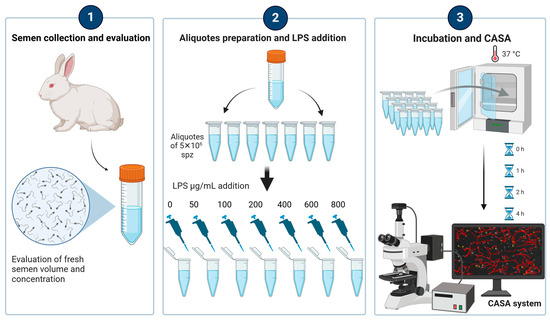
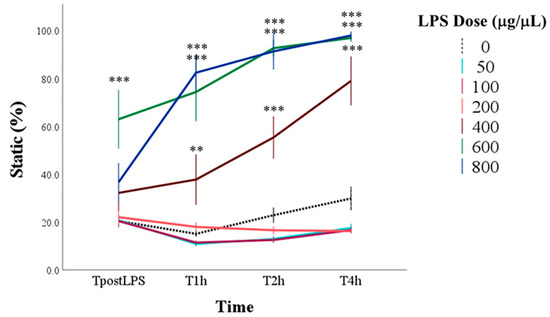
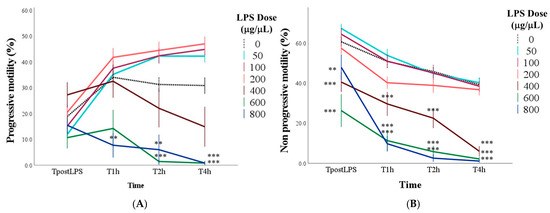
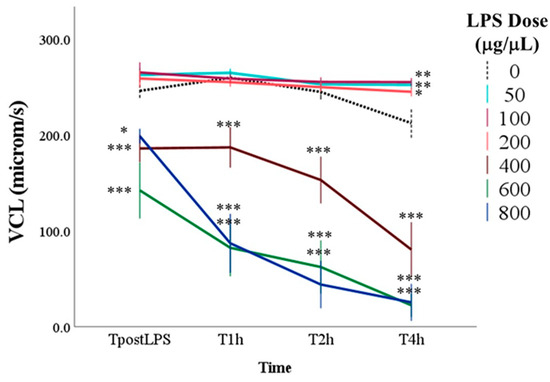
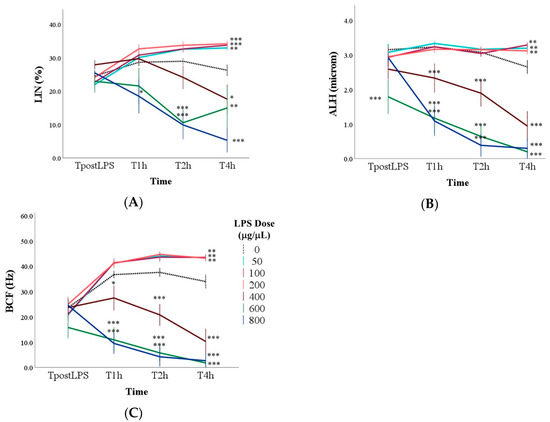
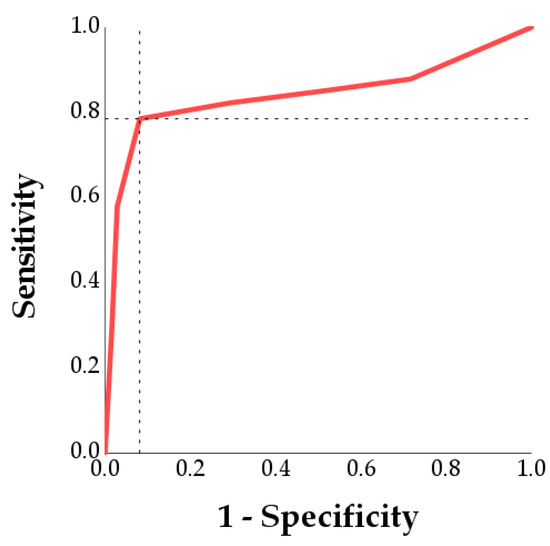
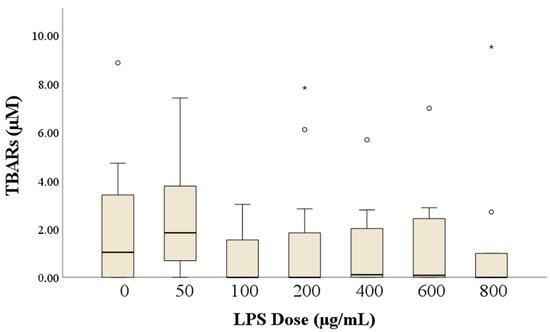
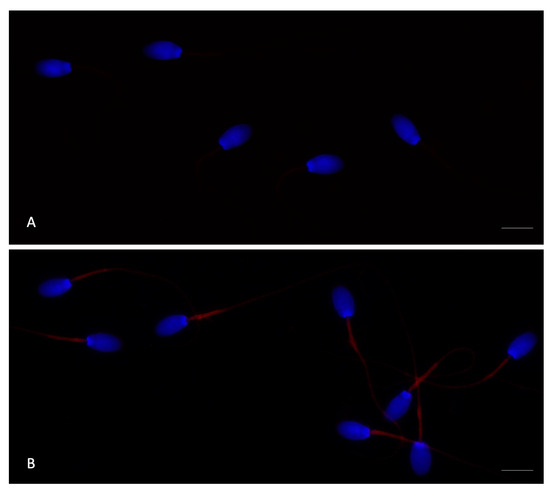
Lipopolysaccharide (LPS)-induced inflammation impairs sperm function; however, its impact on ejaculated rabbit sperm remains unexplored. This dose-response study aims to determine the LPS concentration that negatively affects sperm motility in vitro, while also providing the first identification of TLR4 localization on rabbit spermatozoa. Additionally, it evaluates malondialdehyde (MDA) levels in seminal plasma as an indicator of oxidative stress. Sperm motility was analyzed using computer-assisted sperm analysis (CASA) after incubation with increasing LPS concentrations (0, 50, 100, 200, 400, 600, and 800 µg/mL) at multiple time points (0, 1, 2, and 4 h). LPS doses ≥ 400 µg/mL significantly reduced progressive and non-progressive motility, as well as curvilinear velocity (all p < 0.001), while increasing the proportion of static spermatozoa (p < 0.05). Receiver operating characteristic (ROC) analysis identified 300 µg/mL as the threshold dose for motility decline. Immunofluorescence revealed TLR4 localization in the midpiece of sperm tails, with weak labeling in control samples and a marked increase after 4 h of incubation with 400 μg/mL LPS. MDA levels were assessed using the thiobarbituric acid reactive substances (TBARS) assay with a colorimetric kit, showing no significant effect of LPS treatment. No correlation was found between MDA and other semen parameters. ccThese findings identify TLR4 on rabbit sperm for the first time and establish a threshold LPS dose for future in vitro studies.
Full article
(This article belongs to the Special Issue Redox Regulation in Animal Reproduction)
►▼
Show Figures

Figure 1
Open AccessReview
How Does HDL Participate in Atherogenesis? Antioxidant Activity Versus Role in Reverse Cholesterol Transport
by
Paul N. Durrington, Bilal Bashir and Handrean Soran
Antioxidants 2025, 14(4), 430; https://doi.org/10.3390/antiox14040430 - 2 Apr 2025
Abstract
Low-density lipoprotein (LDL) chemically modified by reactive oxygen species (ROS), for example, leaking from red blood cells in the vascular compartment, more readily crosses the vascular endothelium than does nonoxidatively modified LDL to enter tissue fluid. Oxidatively modified LDL (oxLDL) may also be
[...] Read more.
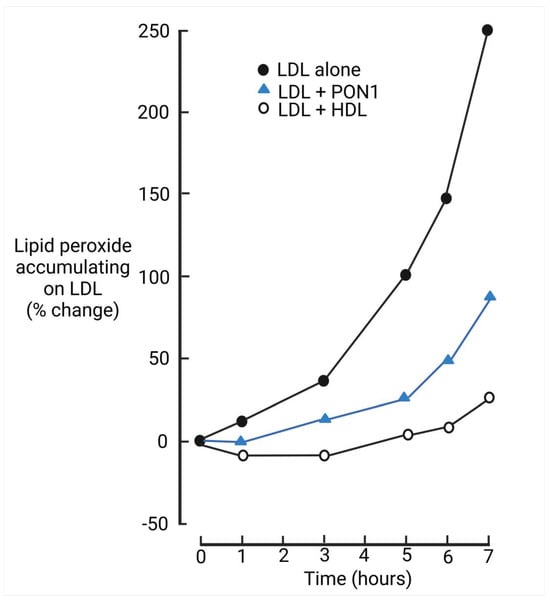
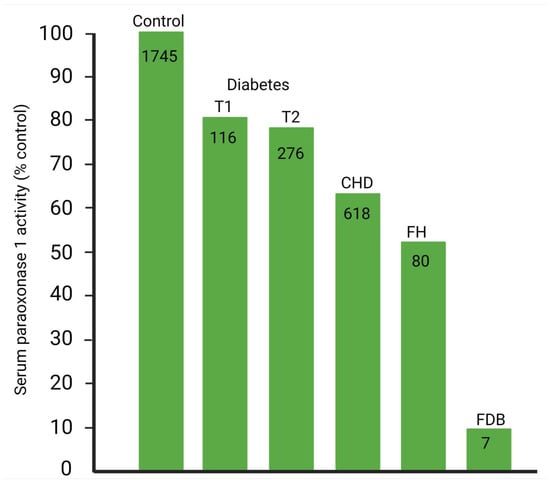
Low-density lipoprotein (LDL) chemically modified by reactive oxygen species (ROS), for example, leaking from red blood cells in the vascular compartment, more readily crosses the vascular endothelium than does nonoxidatively modified LDL to enter tissue fluid. Oxidatively modified LDL (oxLDL) may also be created in the tissue fluid by ROS leaking from cells by design, for example, by inflammatory white cells, or simply leaking from other cells as a consequence of oxygen metabolism. As well as oxLDL, glycatively modified LDL (glycLDL) is formed in the circulation. High-density lipoprotein (HDL) appears capable of decreasing the burden of lipid peroxides formed on LDL exposed to ROS or to glucose and its metabolites. The mechanism for this that has received the most attention is the antioxidant activity of HDL, which is due in large part to the presence of paraoxonase 1 (PON1). PON1 is intimately associated with its apolipoprotein A1 component and with HDL’s lipid domains into which lipid peroxides from LDL or cell membranes can be transferred. It is frequently overlooked that for PON1 to hydrolyze lipid substrates, it is essential that it remain by virtue of its hydrophobic amino acid sequences within a lipid micellar environment, for example, during its isolation from serum or genetically modified cells in tissue culture. Otherwise, it may retain its capacity to hydrolyze water-soluble substrates, such as phenyl acetate, whilst failing to hydrolyze more lipid-soluble molecules. OxLDL and probably glycLDL, once they have crossed the arterial endothelium by receptor-mediated transcytosis, are rapidly taken up by monocytes in a process that also involves scavenger receptors, leading to subendothelial foam cell formation. These are the precursors of atheroma, inducing more monocytes to cross the endothelium into the lesion and the proliferation and migration of myocytes present in the arterial wall into the developing lesion, where they transform into foam cells and fibroblasts. The atheroma progresses to have a central extracellular lake of cholesteryl ester following necrosis and apoptosis of foam cells with an overlying fibrous cap whilst continuing to grow concentrically around the arterial wall by a process involving oxLDL and glycLDL. Within the arterial wall, additional oxLDL is generated by ROS secreted by inflammatory cells and leakage from cells generally when couplet oxygen is reduced. PON1 is important for the mechanism by which HDL opposes atherogenesis, which may provide a better avenue of inquiry in the identification of vulnerable individuals and the provision of new therapies than have emerged from the emphasis placed on its role in RCT.
Full article
(This article belongs to the Special Issue Antioxidant Role of High-Density Lipoprotein)
►▼
Show Figures

Figure 1
Open AccessArticle
Detection of Cereibacter azotoformans-YS02 as a Novel Source of Coenzyme Q10 and Its Metabolic Analysis
by
Meijie Song, Qianqian Xu, Rifat Nowshin Raka, Chunhua Yin, Xiaolu Liu and Hai Yan
Antioxidants 2025, 14(4), 429; https://doi.org/10.3390/antiox14040429 - 1 Apr 2025
Abstract
►▼
Show Figures
Coenzyme Q10 (CoQ10), a high-value-added nutraceutical antioxidant, exhibits an excellent ability to prevent cardiovascular disease. Here, a novel Cereibacter azotoformans strain, designated YS02, was isolated for its ability to produce CoQ10 and genetically characterized by whole genome sequencing (WGS). The CoQ10 biosynthesis and
[...] Read more.
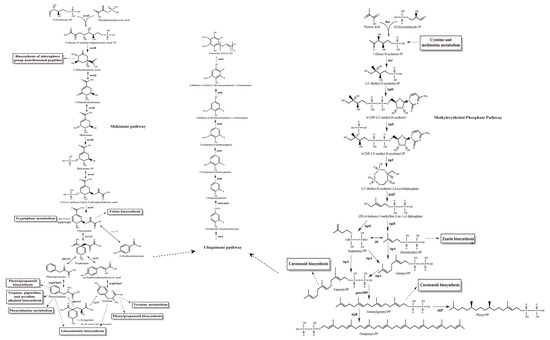
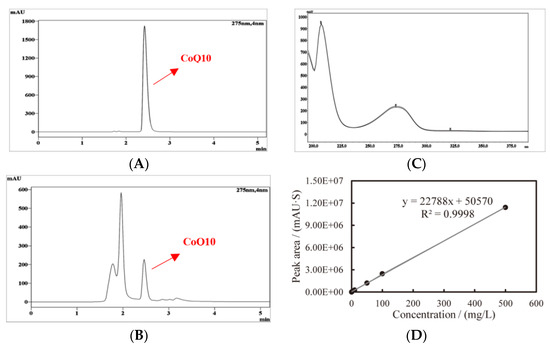
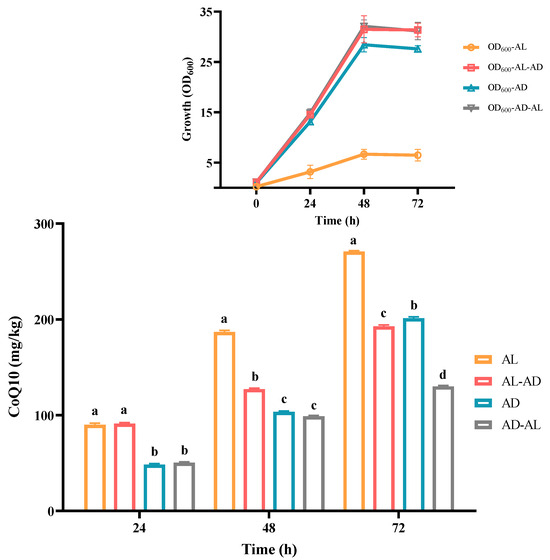
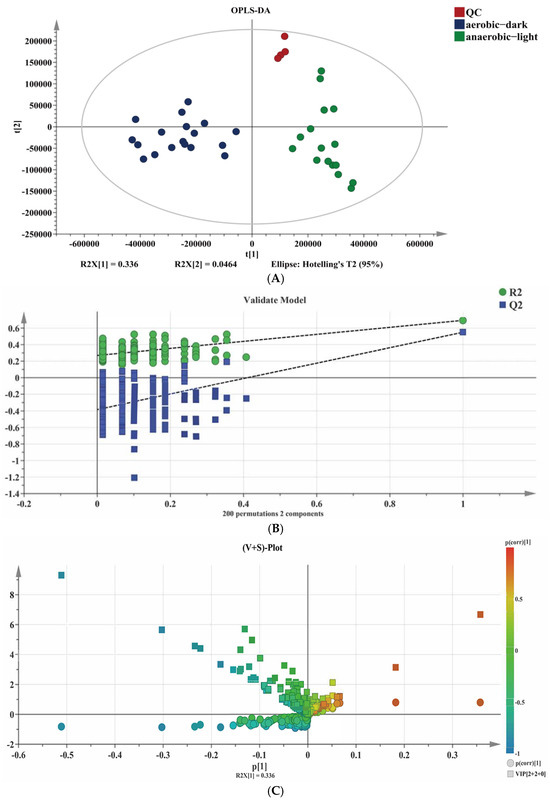
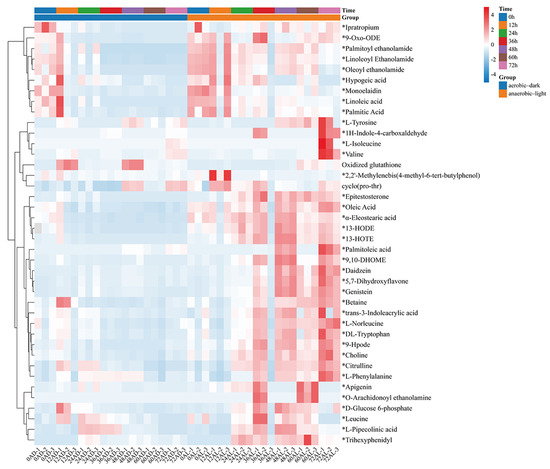
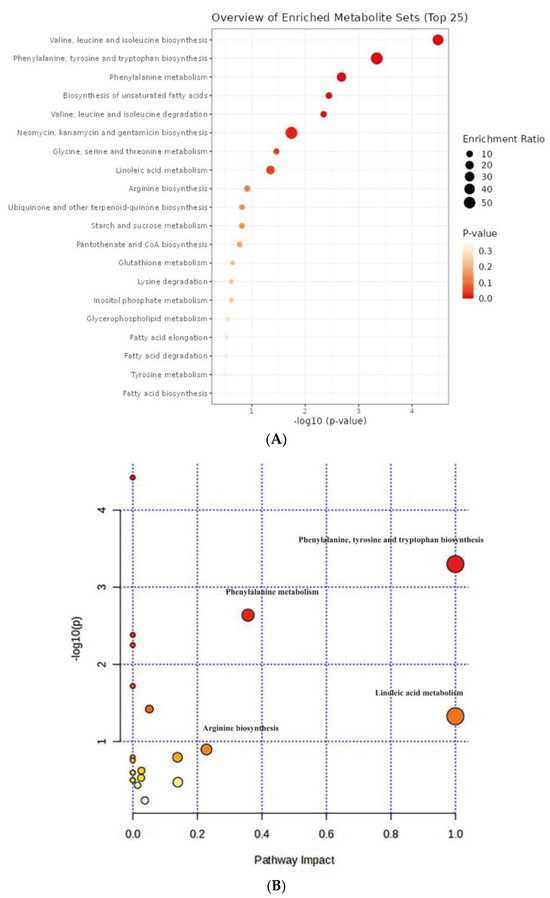
Coenzyme Q10 (CoQ10), a high-value-added nutraceutical antioxidant, exhibits an excellent ability to prevent cardiovascular disease. Here, a novel Cereibacter azotoformans strain, designated YS02, was isolated for its ability to produce CoQ10 and genetically characterized by whole genome sequencing (WGS). The CoQ10 biosynthesis and metabolism differences of YS02 under various culture conditions were also systematically investigated. Phylogenetic analysis based on 16 S rRNA genes, along with taxonomic verification using average nucleotide identity (ANI) analysis, confirmed its classification as C. azotoformans. Enzymatic genes dxs, dxr, idi, ubiA, and ubiG were annotated in YS02, which are critical genetic hallmarks for CoQ10 biosynthesis. Under aerobic–dark cultivation, YS02 grows well, and CoQ10 production can reach 201 mg/kg. A total of 542 small-molecule metabolites were identified from YS02 in aerobic–dark and anaerobic–light cultivation via ultra-high performance liquid chromatography–coupled quadrupole orbitrap high-resolution mass spectrometry (UPLC-Q-Exactive Orbitrap MS). Additionally, 40 differential metabolites were screened through multivariate statistical analysis. Metabolic pathway analysis revealed that the biosynthesis of phenylalanine, tyrosine, and tryptophan might be latent factors influencing CoQ10 production discrepancies within YS02 under both cultural modes. These findings represent new insights into the metabolic mechanism of YS02 and underscore its potential as an alternative strain source for industrial CoQ10 production, enriching the existing resources.
Full article

Figure 1
Open AccessArticle
Lactobacillus plantarum-Derived Inorganic Polyphosphate Regulates Immune Function via Inhibiting M1 Polarization and Resisting Oxidative Stress in Macrophages
by
Shuzhen Li, Aijuan Zheng, Zhimin Chen, Xiaoying Wang, Jiang Chen, Zhiheng Zou and Guohua Liu
Antioxidants 2025, 14(4), 428; https://doi.org/10.3390/antiox14040428 - 1 Apr 2025
Abstract
►▼
Show Figures
Inorganic polyphosphate (PolyP) is a high-molecular-weight polymer that plays multiple roles in regulating immune responses. However, the specific anti-inflammatory mechanisms of bacteria-derived PolyP are unclear. In the present study, PolyP was extracted from Lactobacillus plantarum (L. plantarum), and the chain length
[...] Read more.
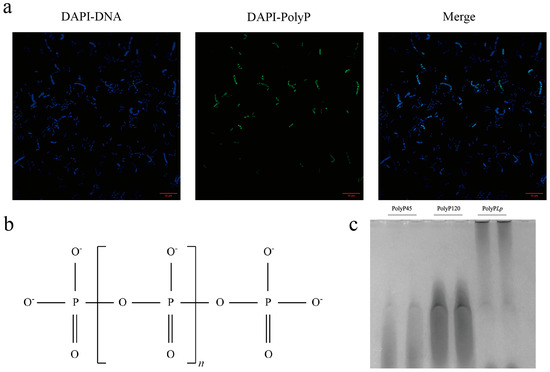
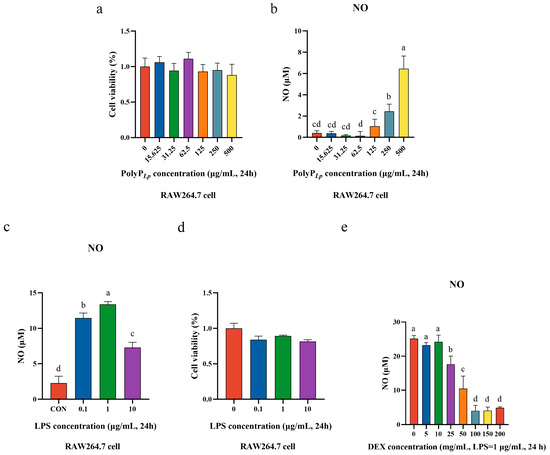
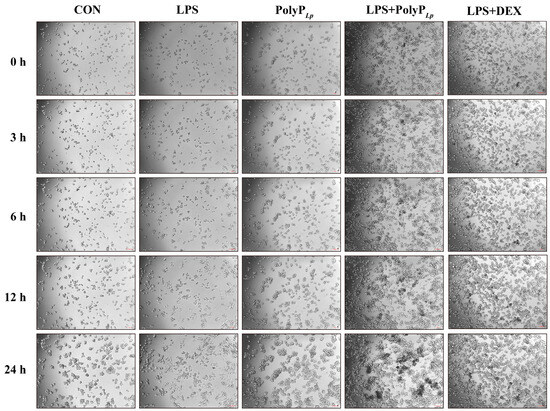
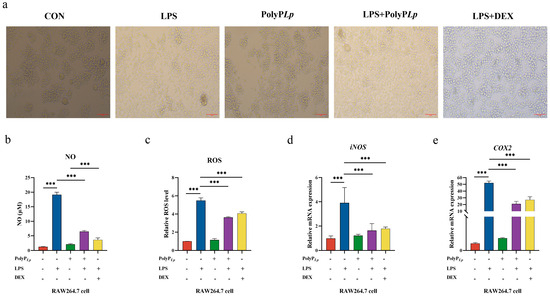
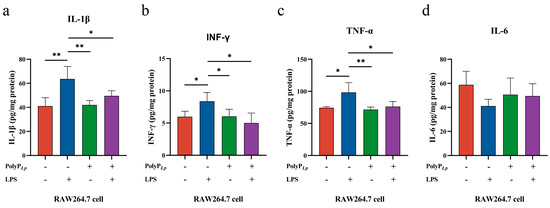
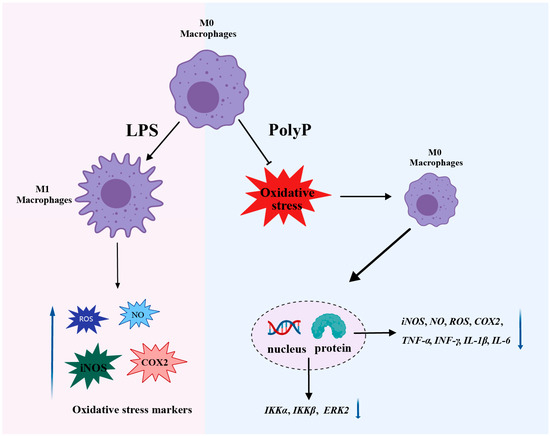
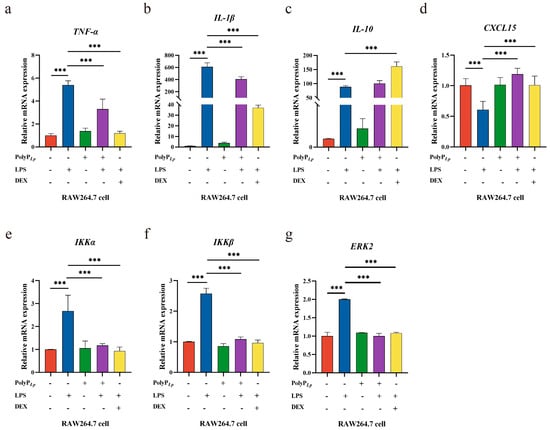
Inorganic polyphosphate (PolyP) is a high-molecular-weight polymer that plays multiple roles in regulating immune responses. However, the specific anti-inflammatory mechanisms of bacteria-derived PolyP are unclear. In the present study, PolyP was extracted from Lactobacillus plantarum (L. plantarum), and the chain length was estimated to be approximately 250 Pi residues. The immune regulatory functions of PolyP were investigated using a lipopolysaccharide (LPS)-induced RAW264.7 cell oxidative stress model, and dexamethasone was used as a positive control. The result revealed that both dexamethasone and PolyP were protective against oxidative stress by inhibiting macrophage M1 polarization and the production of several markers, such as nitric oxide (NO), reactive oxygen species (ROS), inducible nitric oxide synthase (iNOS), and cyclooxygenase (COX)-2. In addition, PolyP suppressed inflammation progression by regulating the production of several cytokines, such as interleukin (IL)-1β, interferon (INF)-γ, tumor necrosis factor (TNF)-α, and IL-6, and inhibited the expressions of inhibitory κB kinase (IKK) α, IKKβ, and extracellular regulated protein kinases 2 (ERK2). Conclusively, PolyP derived from L. plantarum has the ability to protect cells from oxidative stress damage by inhibiting M1 polarization in macrophages. These findings provide insights into the function of PolyP and offer support for the potential application of PolyP in immune-related diseases.
Full article

Figure 1
Open AccessArticle
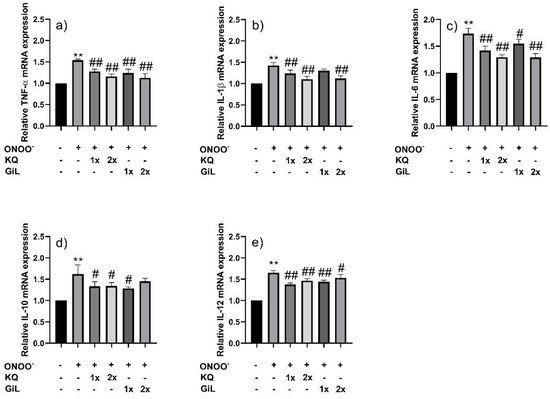
Antioxidant and Anti-Inflammatory Benefits of Gymnema inodorum Leaf Extract in Human Umbilical Vein Endothelial Cells Under Peroxynitrite Stress
by
Onanong Nuchuchua, Suthasinee Seephan, Wanwisa Srinuanchai, Piya Temviriyanukul and Varisa Pongrakhananon
Antioxidants 2025, 14(4), 427; https://doi.org/10.3390/antiox14040427 - 1 Apr 2025
Abstract
►▼
Show Figures
Endothelial dysfunction driven by oxidative and nitrosative stress is a critical factor in the pathogenesis of diabetes-related vascular complications. This study investigated the antioxidant and anti-inflammatory effects of Gymnema inodorum leaf (GiL) extract and its flavonoid constituents, kaempferol and quercetin, on human umbilical
[...] Read more.
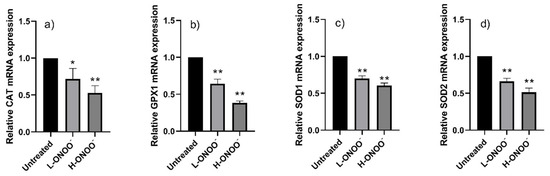
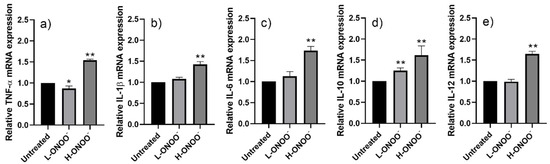
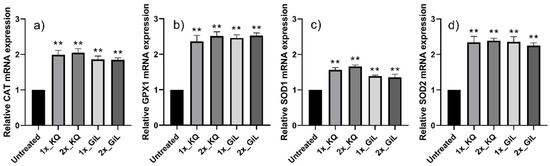
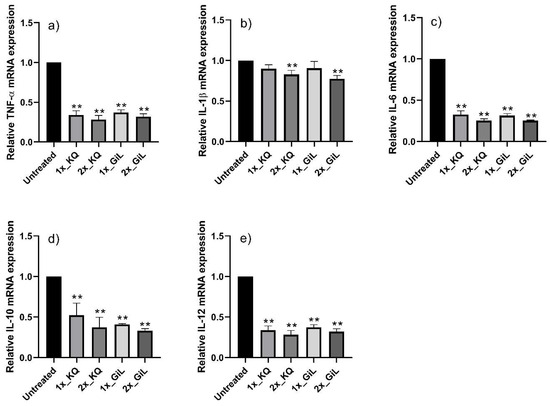
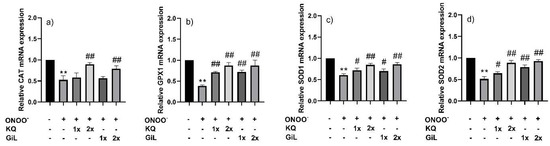
Endothelial dysfunction driven by oxidative and nitrosative stress is a critical factor in the pathogenesis of diabetes-related vascular complications. This study investigated the antioxidant and anti-inflammatory effects of Gymnema inodorum leaf (GiL) extract and its flavonoid constituents, kaempferol and quercetin, on human umbilical vein endothelial cells (HUVECs) exposed to peroxynitrite-induced stress. Peroxynitrite exposure significantly reduced the mRNA levels of antioxidant enzymes (e.g., catalase, glutathione peroxidase 1, superoxide dismutase 1, and superoxide dismutase 2) while increasing the expression of pro-inflammatory cytokines (e.g., tumor necrosis factor-alpha, interleukin-1 beta, interleukin-6, interleukin-10, and interleukin-12), ultimately leading to oxidative stress and cellular damage. Treatment with GiL extract reversed these effects by enhancing the defenses of antioxidants through the upregulation of enzymatic mRNA expression and suppressing inflammation via the downregulation of cytokine gene expression. The flavonoid constituents of the extract were identified as the active compounds responsible for these protective effects, with kaempferol and quercetin exhibiting significant free radical scavenging activity and the modulation of inflammatory signaling pathways. High doses of GiL extract showed greater efficacy in restoring cellular homeostasis and preventing oxidative damage. These findings underscore the potential of Gymnema inodorum as a source of bioactive compounds for preventing and managing endothelial dysfunction and other oxidative stress-related complications in diabetes.
Full article

Figure 1
Open AccessReview
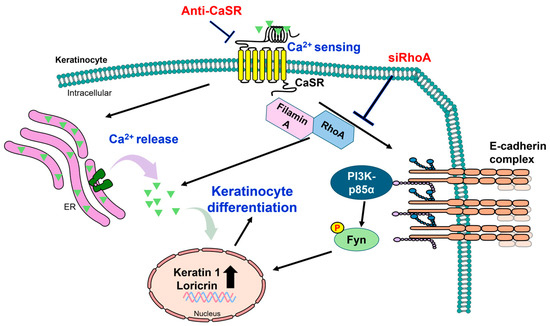
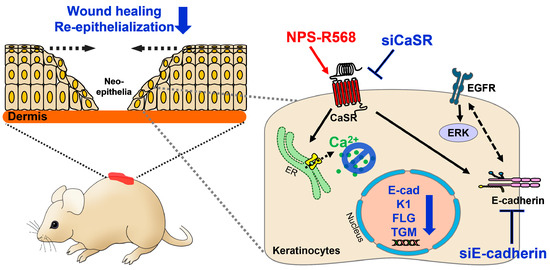
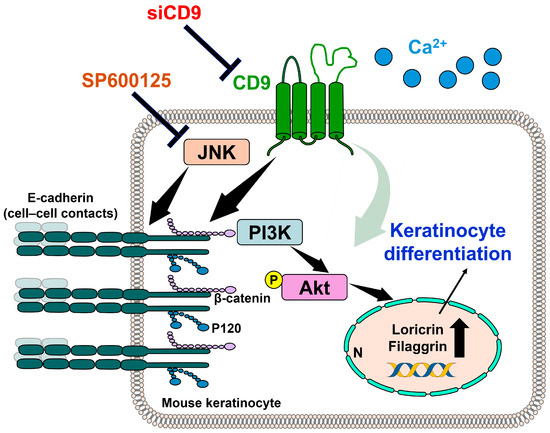
Various Cellular Components and Its Signaling Cascades Through the Involvement of Signaling Messengers in Keratinocyte Differentiation
by
Hyeong Jae Kim, Dongki Yang and Jeong Hee Hong
Antioxidants 2025, 14(4), 426; https://doi.org/10.3390/antiox14040426 - 1 Apr 2025
Abstract
Skin is a highly differentiated tissue, in which various signaling molecules play critical roles in the differentiation and proliferation of keratinocytes. Among these, the second messenger calcium and its gradient across skin layers are pivotal in regulating keratinocyte differentiation. Additionally, a diverse array
[...] Read more.
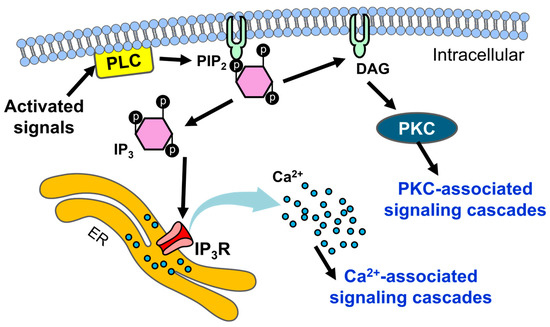
Skin is a highly differentiated tissue, in which various signaling molecules play critical roles in the differentiation and proliferation of keratinocytes. Among these, the second messenger calcium and its gradient across skin layers are pivotal in regulating keratinocyte differentiation. Additionally, a diverse array of cellular signaling molecules has been identified as essential for promoting keratinocyte differentiation, thereby maintaining skin integrity and barrier function. The barrier function of the skin provides essential protection against exogenous stimuli and pathogens while maintaining structural stability. The homeostatic processes of skin differentiation are modulated by these second messengers and various signaling molecules. Thus, this review highlights the components associated with keratinocyte differentiation and their biological and pathophysiological roles, as well as redox-sensitive differentiation factors in the modulation of skin homeostasis. This review aims to enhance our understanding of skin physiology and provide insights that may facilitate the development of novel therapeutic strategies for skin diseases.
Full article
(This article belongs to the Special Issue Antioxidants for Skin Health)
►▼
Show Figures

Figure 1
Open AccessReview
Oxidation-Induced Mixed Disulfide and Cataract Formation: A Review
by
Marjorie F. Lou and Robert C. Augusteyn
Antioxidants 2025, 14(4), 425; https://doi.org/10.3390/antiox14040425 - 1 Apr 2025
Abstract
The major function of eye lens is to transmit light onto retina and form an image. This relies on the crystallin proteins, which are tightly packed to achieve a high refractive index and transparency. The proteins are protected and maintained in a reduced
[...] Read more.
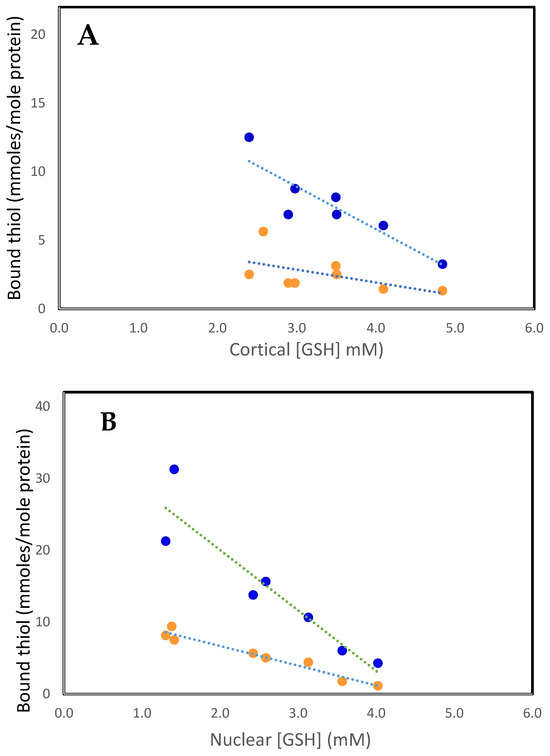
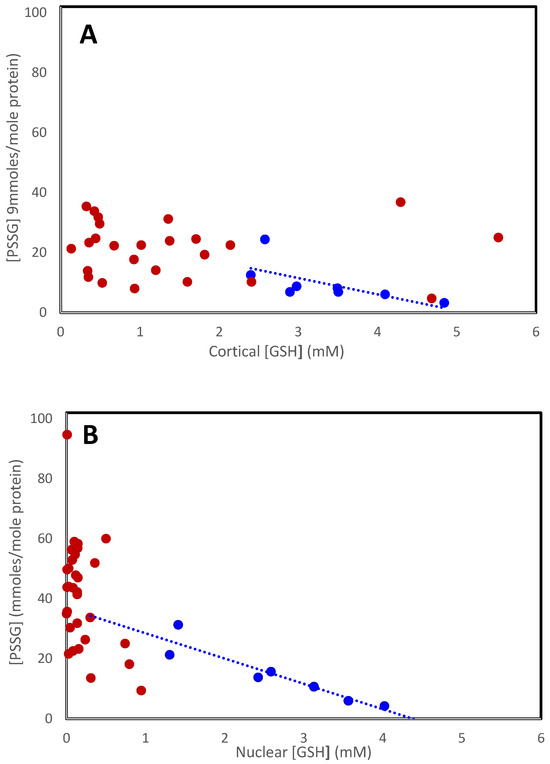
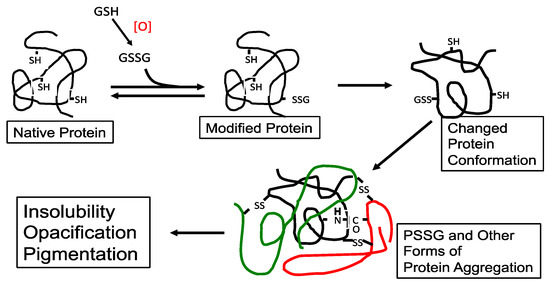
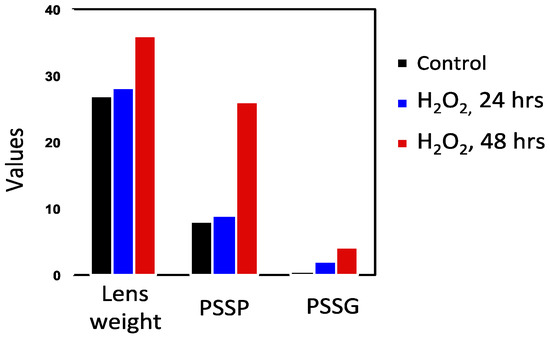
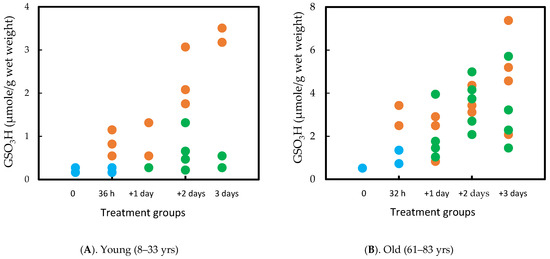
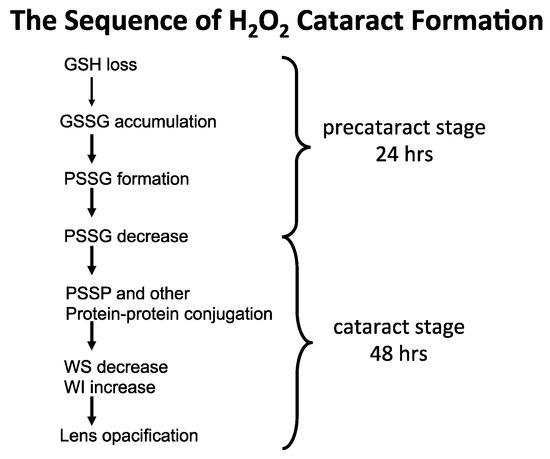
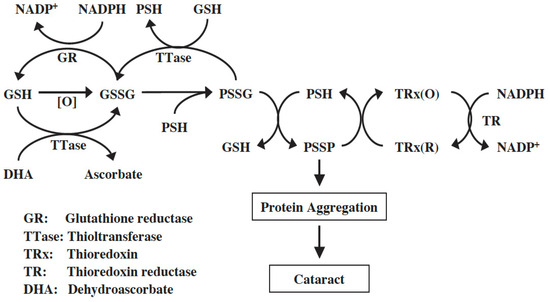
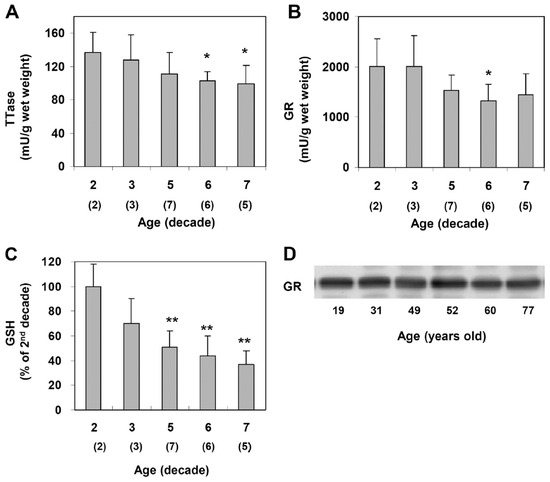
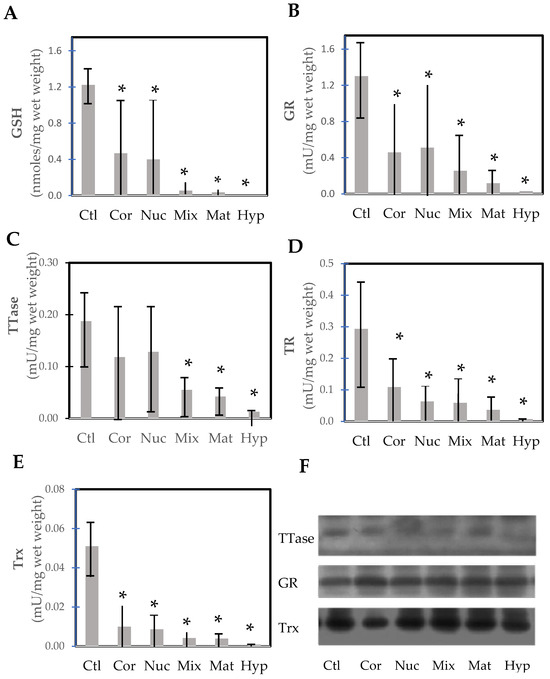
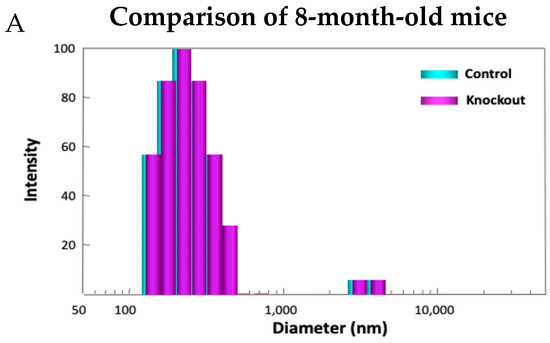
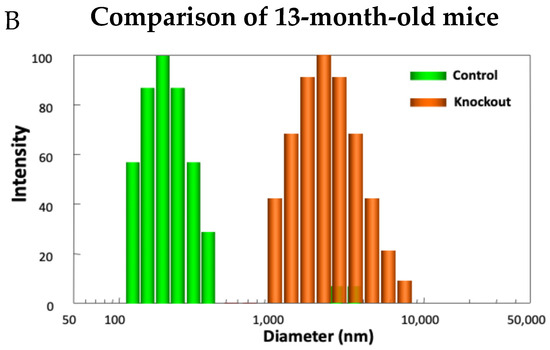
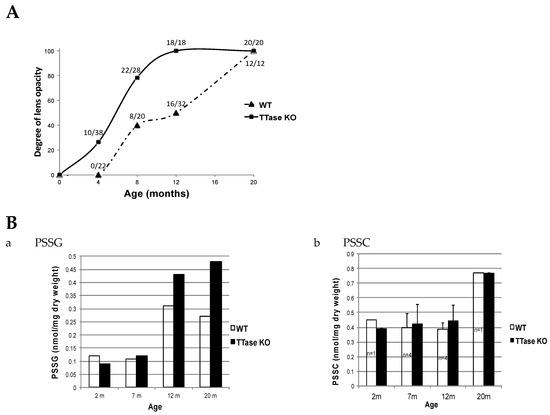
The major function of eye lens is to transmit light onto retina and form an image. This relies on the crystallin proteins, which are tightly packed to achieve a high refractive index and transparency. The proteins are protected and maintained in a reduced state with intrinsic antioxidants, such as glutathione (GSH), and redox-regulating enzyme systems, such as thioltransferase to maintain the SH/-S-S-balance. When the protective systems are impaired or reduced due to aging, oxidative stress can lead to SH/S-S imbalance, protein modification, protein–protein aggregation and loss of transparency (cataract). Oxidative stress is considered the major culprit in senile cataract formation since cataractous lenses are typically low in GSH content and have elevated levels of GS-protein mixed disulfide (PSSG). This review will examine PSSG accumulation with age and cataracts and explore the possible role of oxidants such as H2O2. It will also discuss the hypothesis that PSSG formation is not simply a consequence of cataract formation but can trigger the cascade of events leading to loss of lens transparency. The hypothesis is supported by the findings that cataract formation is more rapid with increasing age due to weaker TTase activity and, in animal model systems, when the TTase gene is deleted.
Full article
(This article belongs to the Special Issue Oxidative Stress in Cataracts: Mechanisms and Therapies)
►▼
Show Figures

Figure 1
Open AccessArticle
Acute Exposure to Aerosolized Nanoplastics Modulates Redox-Linked Immune Responses in Human Airway Epithelium
by
Joshua D. Breidenbach, Benjamin W. French, Upasana Shrestha, Zaneh K. Adya, R. Mark Wooten, Andrew M. Fribley, Deepak Malhotra, Steven T. Haller and David J. Kennedy
Antioxidants 2025, 14(4), 424; https://doi.org/10.3390/antiox14040424 - 31 Mar 2025
Abstract
►▼
Show Figures
Micro- and nanoplastics (MPs and NPs) are pervasive environmental pollutants detected in aquatic ecosystems, with emerging evidence suggesting their presence in airborne particles generated by water body motion. Inhalation exposure to airborne MPs and NPs remains understudied despite documented links between occupational exposure
[...] Read more.
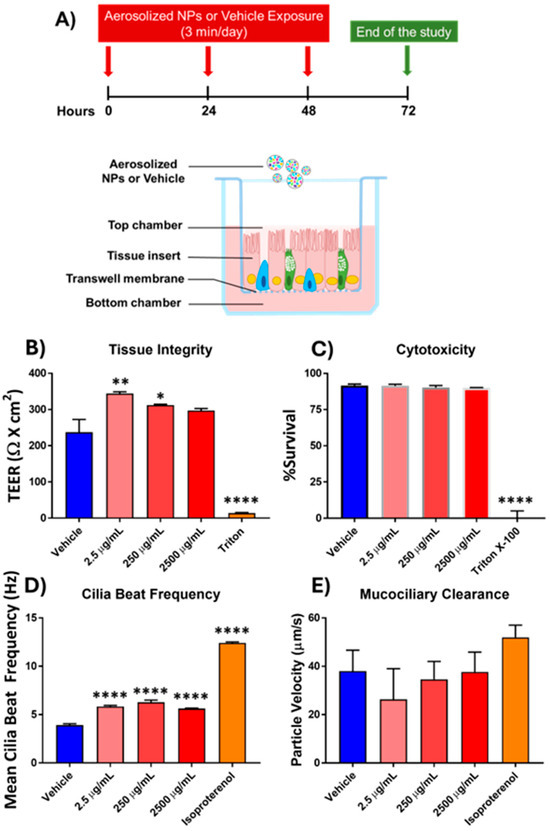
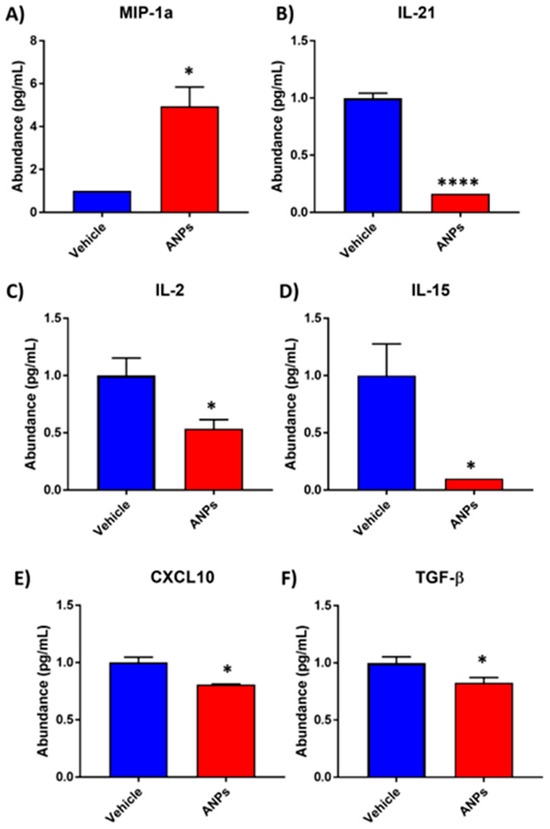
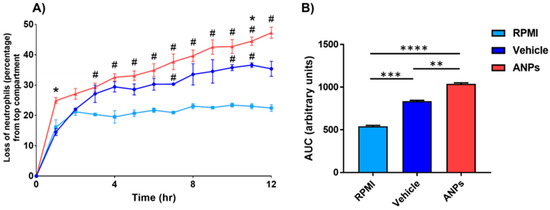
Micro- and nanoplastics (MPs and NPs) are pervasive environmental pollutants detected in aquatic ecosystems, with emerging evidence suggesting their presence in airborne particles generated by water body motion. Inhalation exposure to airborne MPs and NPs remains understudied despite documented links between occupational exposure to these particles and adverse respiratory outcomes, including airway inflammation, oxidative stress, and chronic respiratory diseases. This study explored the effects of acute NP exposure on a fully differentiated 3D human airway epithelial model derived from 14 healthy donors. Airway epithelium was exposed to aerosolized 50 nm polystyrene NPs at concentrations ranging from 2.5 to 2500 µg/mL for three minutes per day over three days. Functional assays revealed no significant alterations in tissue integrity, cell survival, mucociliary clearance, or cilia beat frequency, suggesting intact epithelial function post-exposure. However, cytokine and chemokine profiling identified a significant five-fold increase in CCL3 (MIP-1α), a neutrophilic chemoattractant, in NP-exposed samples compared to controls. This was corroborated by increased neutrophil chemotaxis in response to conditioned media from NP-exposed tissues, indicating a pro-inflammatory neutrophilic response. Conversely, levels of interleukins (IL-21, IL-2, IL-15), CXCL10, and TGF-β were significantly reduced, suggesting immunomodulatory effects that may impair adaptive immune responses and tissue repair mechanisms. These findings demonstrate that short-term exposure to NP-containing aerosols induces a distinct pro-inflammatory response in airway epithelium, characterized by enhanced neutrophil recruitment and reduced secretion of key immune modulators. These findings underscore the potential for aerosolized NPs to induce oxidative and inflammatory stress, raising concerns about their long-term impact on respiratory health and redox regulation.
Full article

Figure 1
Open AccessArticle
Green Extraction of Phenolic Compounds from Artichoke By-Products: Pilot-Scale Comparison of Ultrasound, Microwave, and Combined Methods with Pectinase Pre-Treatment
by
Lidia Gil-Martínez, José Manuel de la Torre-Ramírez, Sofía Martínez-López, Luis Miguel Ayuso-García, Giovanna Dellapina, Giovanna Poli, Vito Verardo and Ana María Gómez-Caravaca
Antioxidants 2025, 14(4), 423; https://doi.org/10.3390/antiox14040423 - 31 Mar 2025
Abstract
The revalorization of artichoke (Cynara scolymus L.) by-products is a promising strategy to obtain bioactive compounds with antioxidant properties, supporting a circular economy approach. This study compares the efficiency of an enzymatic pretreatment followed by microwave-assisted extraction (EMAE), ultrasound-assisted extraction (EUAE), and
[...] Read more.
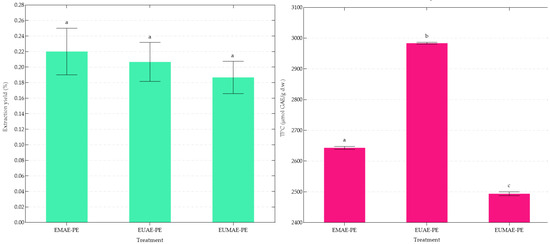
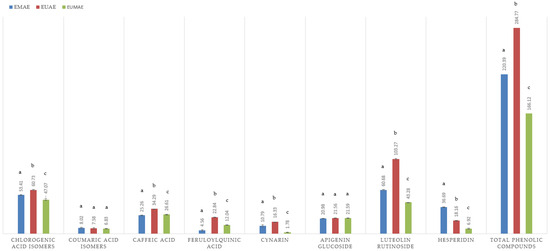
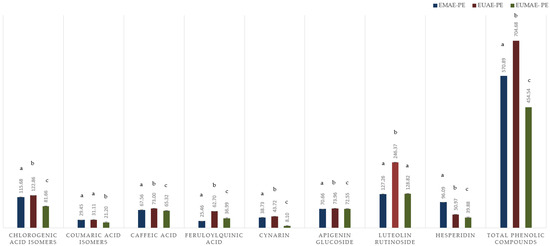
The revalorization of artichoke (Cynara scolymus L.) by-products is a promising strategy to obtain bioactive compounds with antioxidant properties, supporting a circular economy approach. This study compares the efficiency of an enzymatic pretreatment followed by microwave-assisted extraction (EMAE), ultrasound-assisted extraction (EUAE), and ultrasound-microwave-assisted extraction (EUMAE) at a pilot scale for recovering antioxidant compounds. Extracts were purified using Diaion® HP20 resin to obtain phenolic-rich fractions with enhanced antioxidant activity. The results showed that EUAE was the most effective technique, achieving a total phenolic content (TPC) of 210.76 ± 1.40 µmol GAE/g d.w. with an extraction yield of 21.38%. HPLC-MS analysis identified 14 major phenolic compounds, including chlorogenic acid isomers (60.73 mg/g d.e.), caffeic acid (34.29 mg/g d.e.), and luteolin rutinoside (103.27 mg/g d.e.), among others, which contribute to the extracts’ high bioactivity. The antioxidant potential of the extracts was assessed using Folin–Ciocalteu (F-C), ABTS, DPPH, and FRAP assays. EUAE extracts exhibited the highest antioxidant activity values, with F-C: 985.33 ± 4.46 µmol GAE/g d.e., ABTS: 80.46 ± 2.39 µmol TE/g d.e., DPPH: 87.03 ± 1.11 µmol TE/g d.e., and FRAP: 184.99 ± 2.52 µmol TE/g d.e. The purification process using Diaion® HP20 resin further enhanced TPC and antioxidant activity, with the enzyme–ultrasound-assisted extraction—purified extract (EUAE-PE) reaching a phenolic purity of 50.71% and an F-C value of 2981.35 ± 12.16 µmol GAE/g d.e.
Full article
(This article belongs to the Section Natural and Synthetic Antioxidants)
►▼
Show Figures

Figure 1

Open AccessArticle
Targeted Cancer Therapy with Gold–Iron Oxide Nanourchins: Inducing Oxidative Stress, Paraptosis, and Sensitizing Tumor Cells to Cisplatin
by
Jessica Ruzzolini, Cecilia Anceschi, Martin Albino, Elena Balica, Beatrice Muzzi, Claudio Sangregorio, Elena Frediani, Noemi Formica, Francesca Margheri, Anastasia Chillà, Gabriella Fibbi and Anna Laurenzana
Antioxidants 2025, 14(4), 422; https://doi.org/10.3390/antiox14040422 - 31 Mar 2025
Abstract
Nanotechnology has revolutionized cancer therapy by enabling targeted drug delivery and overcoming limitations associated with conventional chemotherapy. In this study, we explored the anticancer potential of gold–iron oxide (Au-Fe3O4@PEG) nanourchins (NUs), a class of nanoparticles with unique shape, surface
[...] Read more.
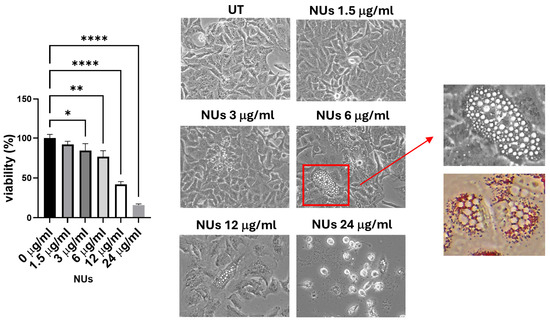
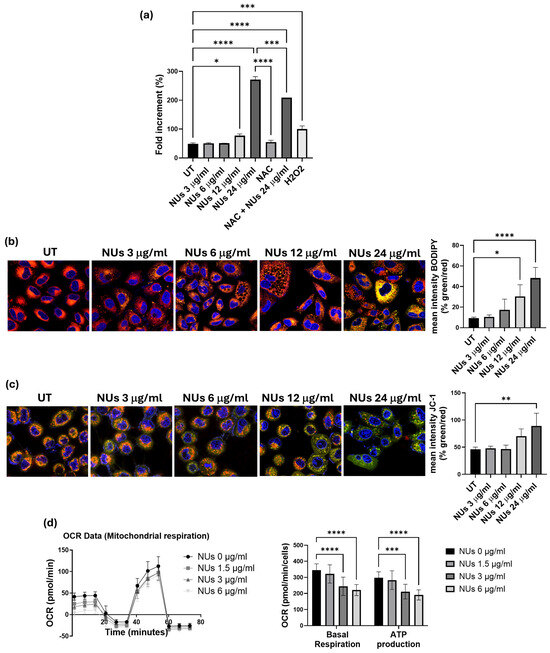
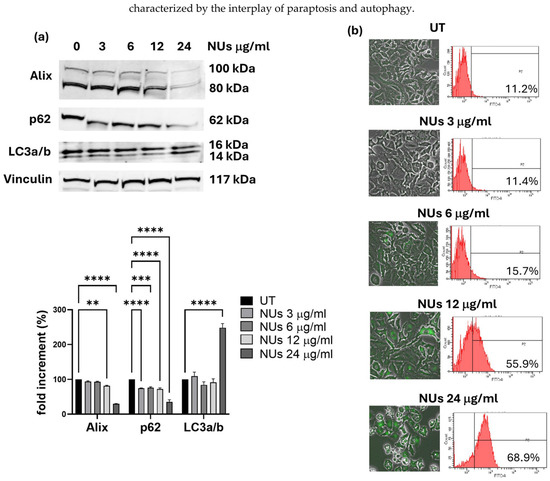
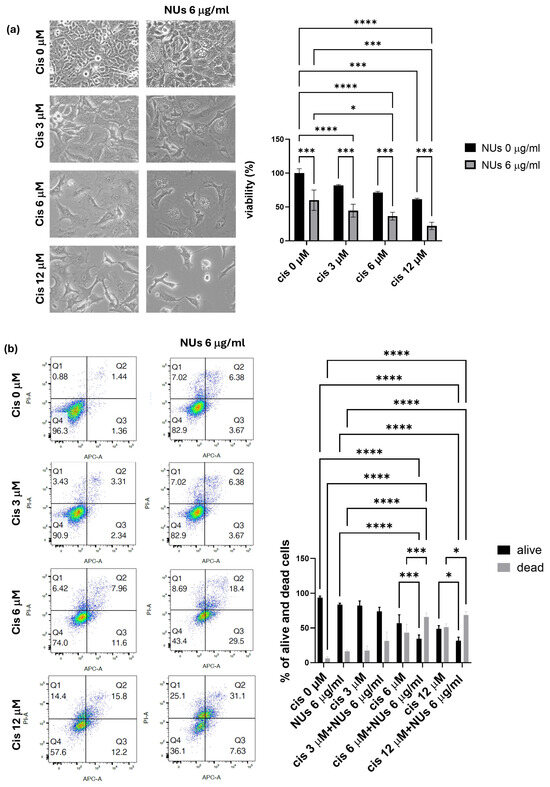
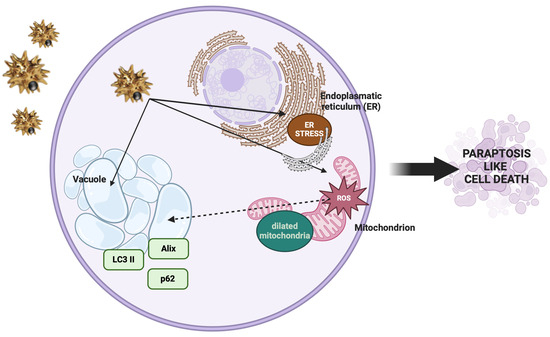
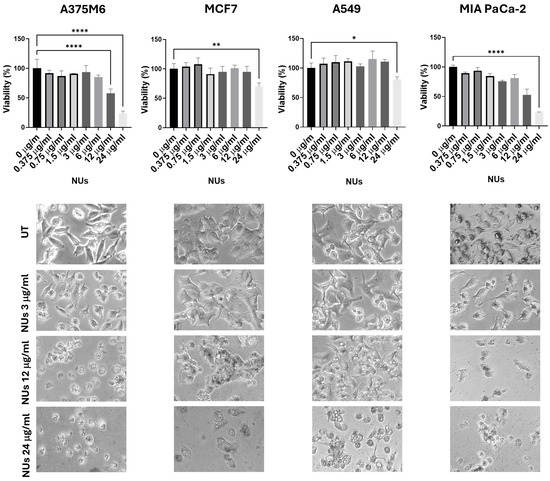
Nanotechnology has revolutionized cancer therapy by enabling targeted drug delivery and overcoming limitations associated with conventional chemotherapy. In this study, we explored the anticancer potential of gold–iron oxide (Au-Fe3O4@PEG) nanourchins (NUs), a class of nanoparticles with unique shape, surface features, and plasmonic properties. We tested NUs on several cancer cell lines, including A375 (melanoma), MCF7 (breast), A549 (lung), and MIA PaCa-2 (pancreatic), and observed significant dose-dependent cytotoxicity, with A549 cells exhibiting the highest resistance. Our findings also demonstrate that NUs induce oxidative stress, disrupt mitochondrial function, and activate autophagic and paraptotic cell death pathways in A549 lung cancer cells. Additionally, we explored the potential of NUs to enhance the efficacy of platinum-based chemotherapy, specifically cisplatin, in A549. The results provide valuable insights into the therapeutic potential of NUs in the context of cancer treatment, particularly for overcoming drug resistance and enhancing the effectiveness of conventional chemotherapy.
Full article
(This article belongs to the Special Issue Oxidative Stress and Inflammation as Targets for Novel Preventive and Therapeutic Approaches in Non-Communicable Diseases: 4th Edition)
►▼
Show Figures

Figure 1
Open AccessReview
Environmental Health Is Overlooked in Longevity Research
by
Robin Mesnage
Antioxidants 2025, 14(4), 421; https://doi.org/10.3390/antiox14040421 - 31 Mar 2025
Abstract
Aging is a multifactorial process influenced by genetic predisposition and lifestyle choices. Environmental exposures are too often overlooked. Environmental pollutants—ranging from airborne particulate matter and heavy metals to endocrine disruptors and microplastics—accelerate biological aging. Oxidative stress is a major molecular initiating event, driving
[...] Read more.
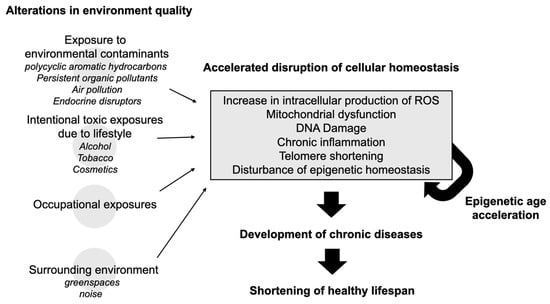
Aging is a multifactorial process influenced by genetic predisposition and lifestyle choices. Environmental exposures are too often overlooked. Environmental pollutants—ranging from airborne particulate matter and heavy metals to endocrine disruptors and microplastics—accelerate biological aging. Oxidative stress is a major molecular initiating event, driving inflammation and toxicity across biological levels. We detail the mechanisms by which pollutants enhance reactive oxygen species (ROS) production. This oxidative stress inflicts damage on DNA, proteins, and lipids, accelerating telomere shortening, dysregulating autophagy, and ultimately driving epigenetic age acceleration. For instance, exposure to polycyclic aromatic hydrocarbons, benzene, and pesticides has been associated with increased DNA methylation age. Early-life exposures and lifestyle factors such as tobacco and alcohol consumption further contribute to accelerated biological aging. The cumulative loss of healthy life years caused by these factors can conceivably reach between 5 and 10 years per person. Addressing pollutant-induced accelerated aging through regulatory measures, lifestyle changes, and therapeutic interventions is essential to mitigate their detrimental impacts, ultimately extending healthspan and improving quality of life in aging populations.
Full article
(This article belongs to the Section Health Outcomes of Antioxidants and Oxidative Stress)
►▼
Show Figures

Figure 1
Journal Menu
► ▼ Journal Menu-
- Antioxidants Home
- Aims & Scope
- Editorial Board
- Reviewer Board
- Topical Advisory Panel
- Instructions for Authors
- Special Issues
- Topics
- Sections & Collections
- Article Processing Charge
- Indexing & Archiving
- Editor’s Choice Articles
- Most Cited & Viewed
- Journal Statistics
- Journal History
- Journal Awards
- Society Collaborations
- Conferences
- Editorial Office
Journal Browser
► ▼ Journal BrowserHighly Accessed Articles
Latest Books
E-Mail Alert
News
Topics
Topic in
Animals, Antioxidants, Veterinary Sciences, Agriculture
Feeding Livestock for Health Improvement
Topic Editors: Hui Yan, Xiao XuDeadline: 30 May 2025
Topic in
Antioxidants, Biomolecules, JCDD, Metabolites, Neurology International, Pharmaceutics
Tissue-Specific, Disease-Signatured Macrophages in Control of Redox and Antioxidation in Metabolic Diseases
Topic Editors: Xiangwei Xiao, Yingmei Feng, Zhiyong LeiDeadline: 5 July 2025
Topic in
Antibiotics, Antioxidants, JoF, Microbiology Research, Microorganisms
Redox in Microorganisms, 2nd Edition
Topic Editors: Michal Letek, Volker BehrendsDeadline: 31 July 2025
Topic in
Antioxidants, Horticulturae, Plants
Recent Progress in Plant Nutrition Research and Plant Physiology
Topic Editors: Renato De Mello Prado, Cid Naudi Silva CamposDeadline: 30 September 2025
Conferences
Special Issues
Special Issue in
Antioxidants
Crosstalk between Autophagy and Oxidative Stress
Guest Editors: Marina Garcia-Macia, Álvaro F. FernándezDeadline: 10 April 2025
Special Issue in
Antioxidants
Novel Antioxidants for Animal Nutrition—2nd Edition
Guest Editors: Matteo Dell'Anno, Luciana RossiDeadline: 10 April 2025
Special Issue in
Antioxidants
Antioxidant Capacity of Berries and Their Preventive Effect on Oxidative Stress
Guest Editor: Hyun-Tai LeeDeadline: 10 April 2025
Special Issue in
Antioxidants
Anti-cancer Potential of Plant-Based Antioxidants
Guest Editors: Javier Espino, María Garrido, Jonathan Delgado-AdamezDeadline: 11 April 2025
Topical Collections
Topical Collection in
Antioxidants
Advances in Antioxidant Ingredients from Natural Products
Collection Editors: Carla Susana Correia Pereira, Lillian Barros