
-
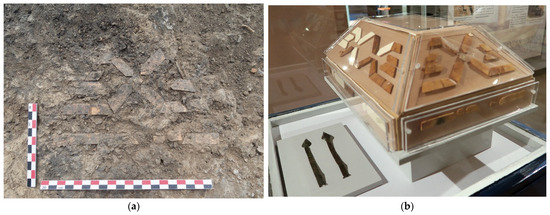
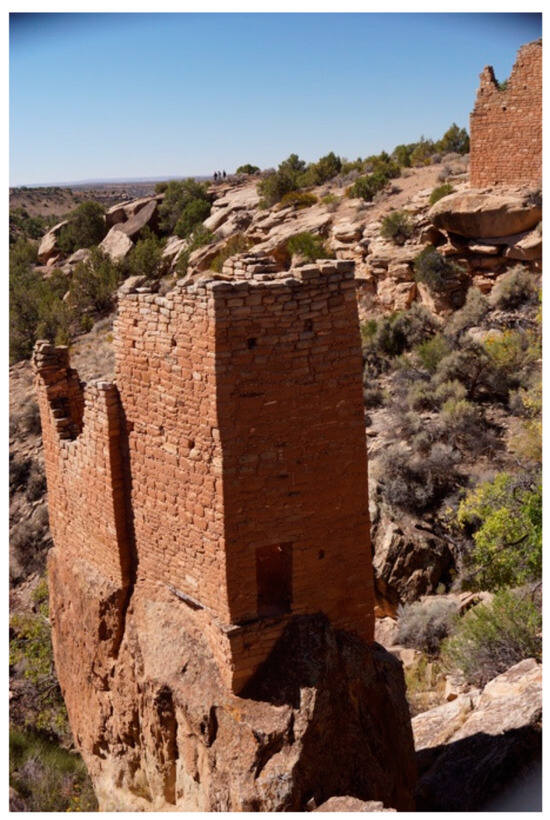
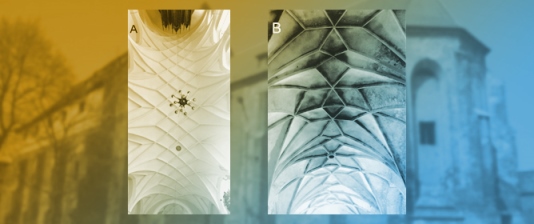
Between Modesty and Modernity: Transformations of the Franciscan Church in Zagan (13th–16th Century) -
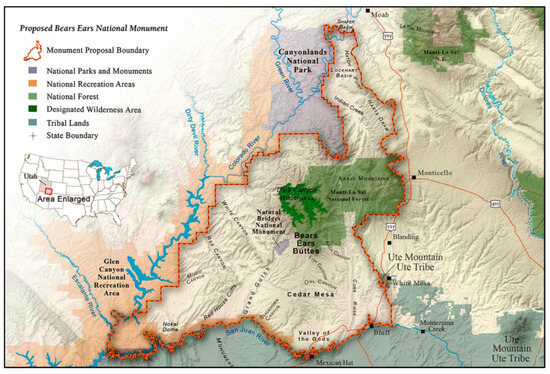
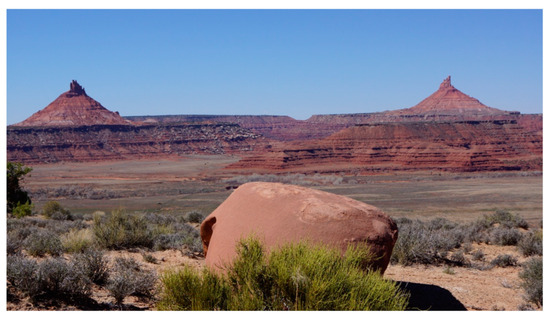
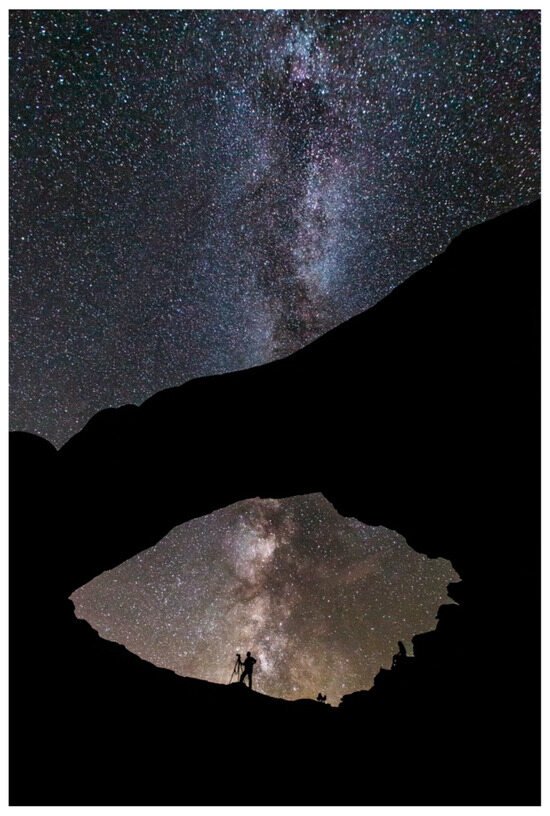
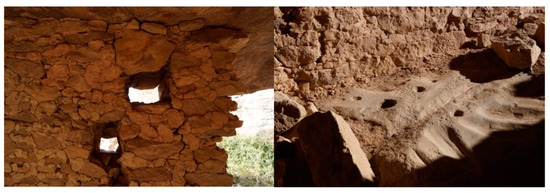
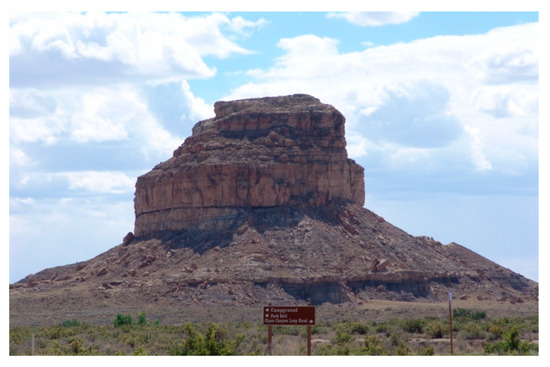
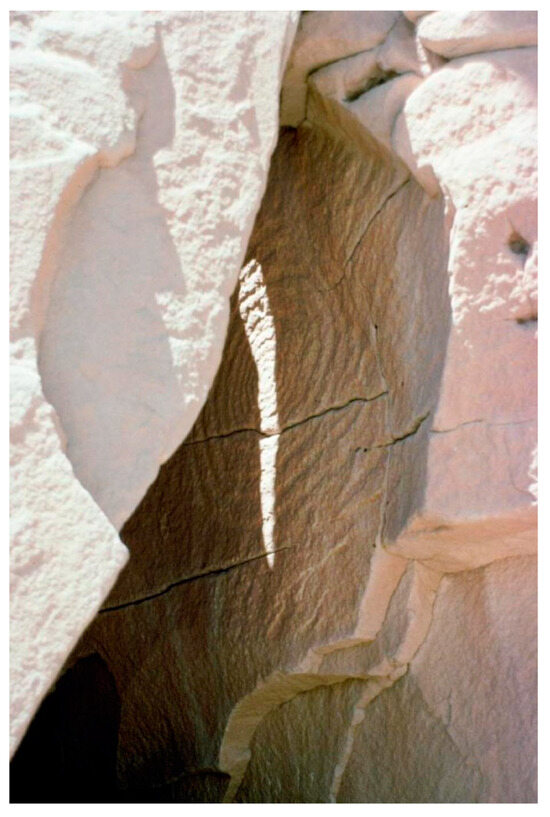
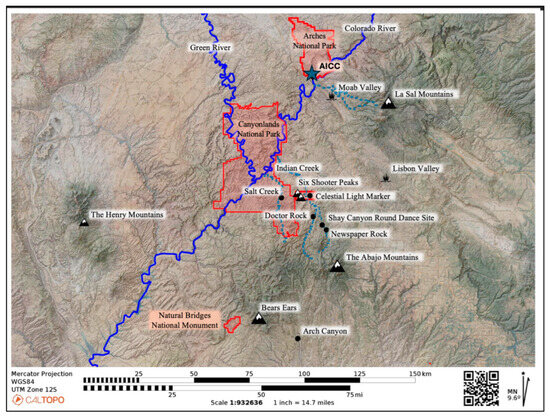
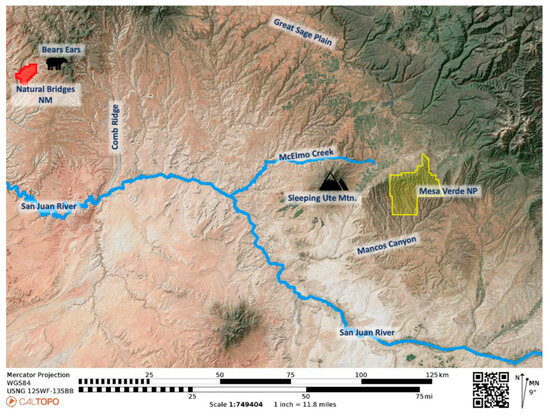
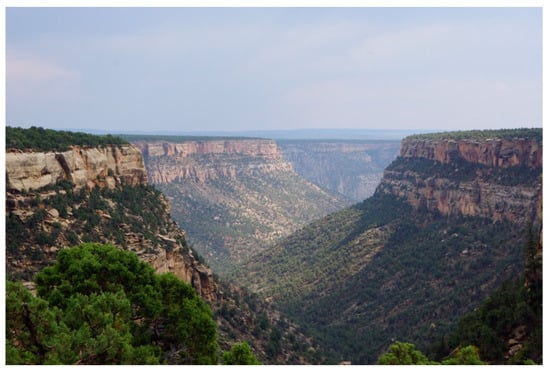
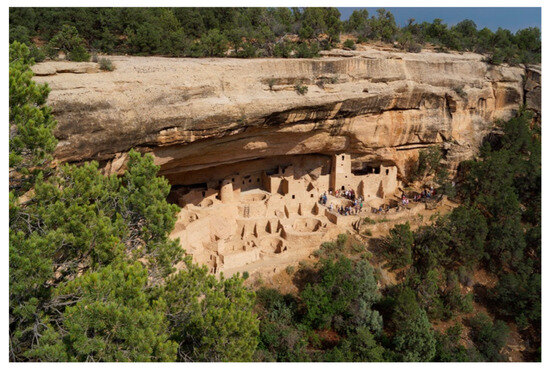
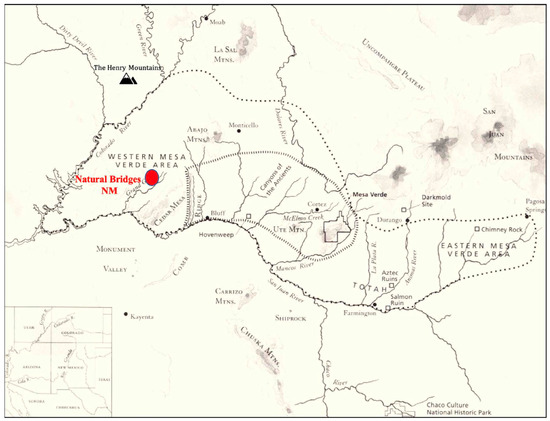
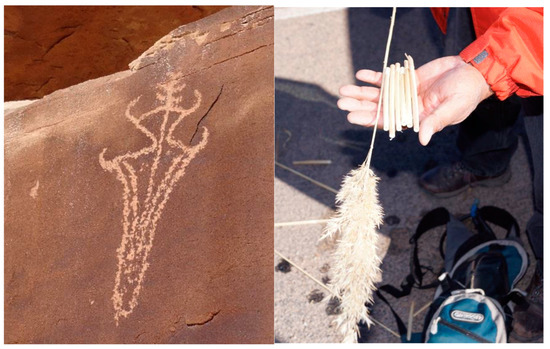
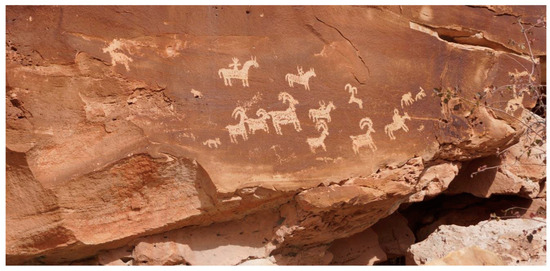
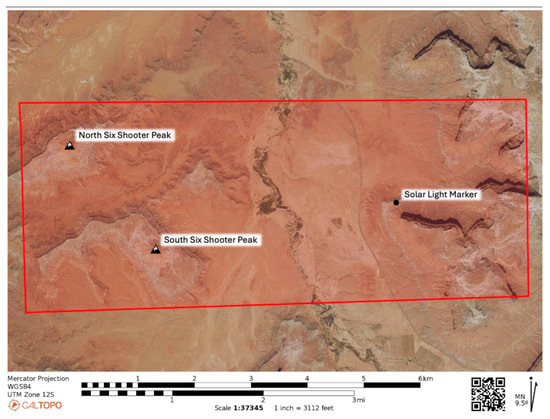
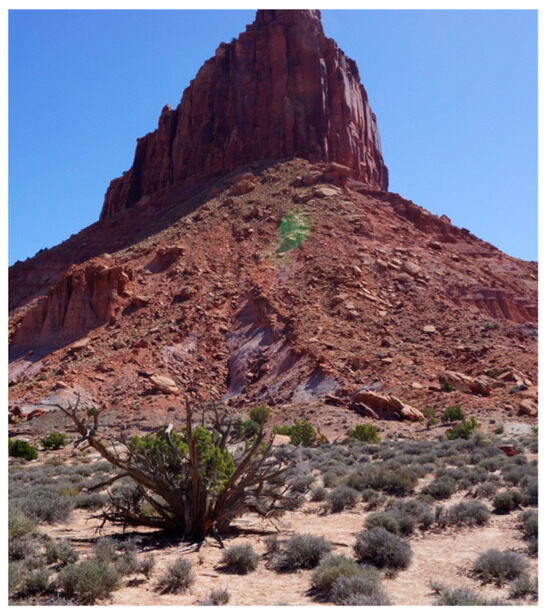
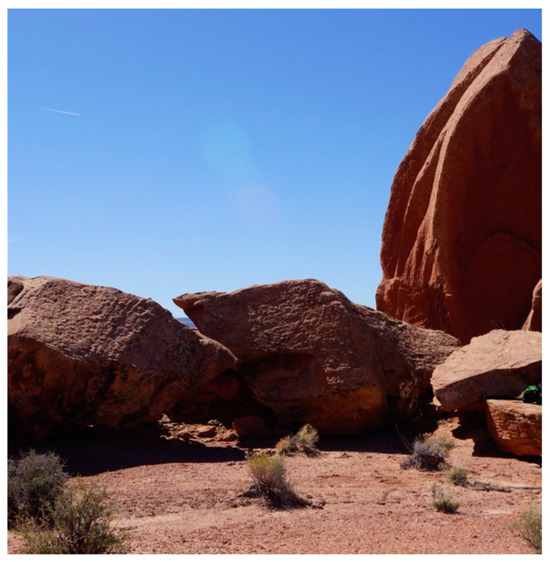
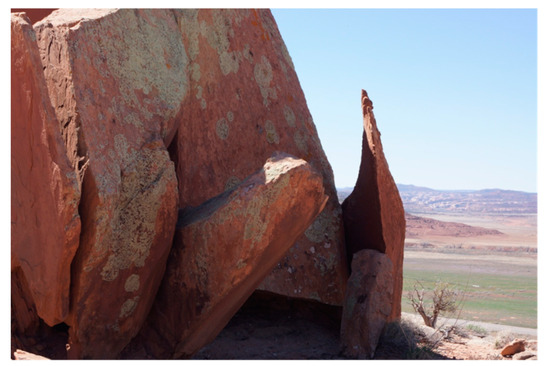
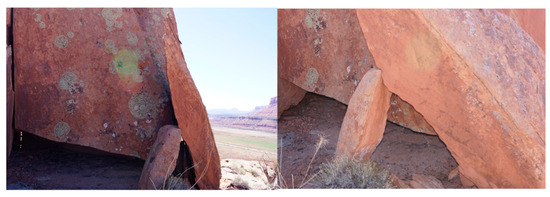
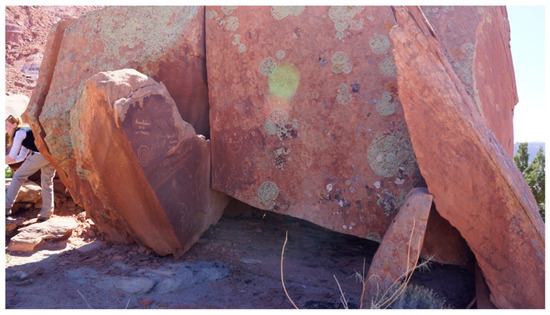
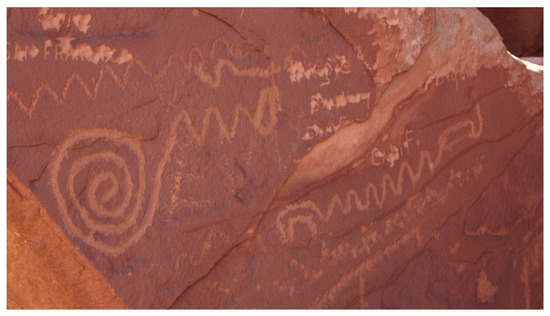
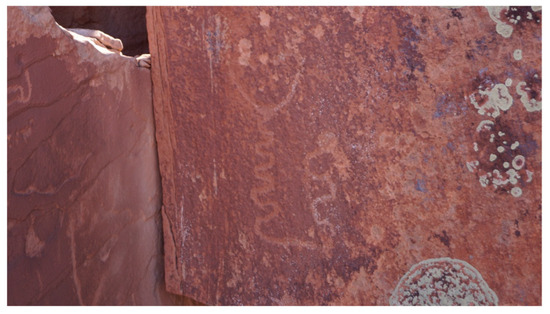
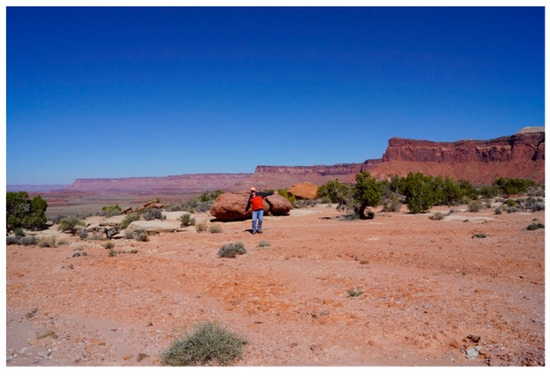
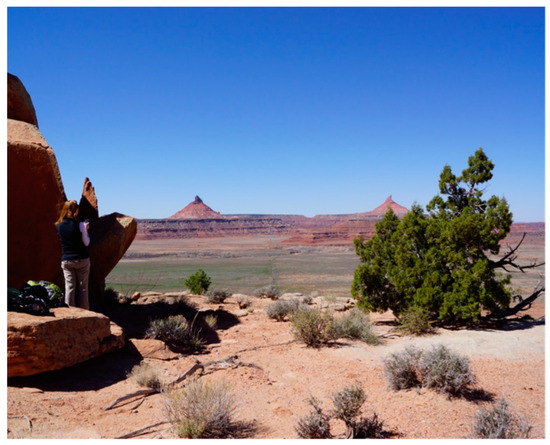
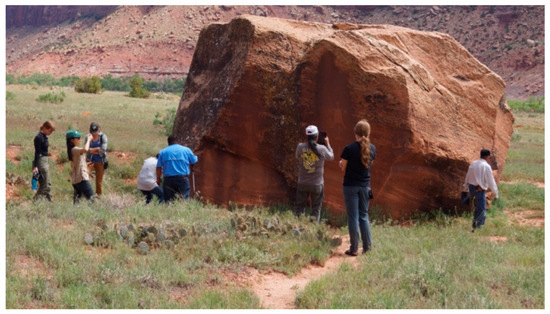
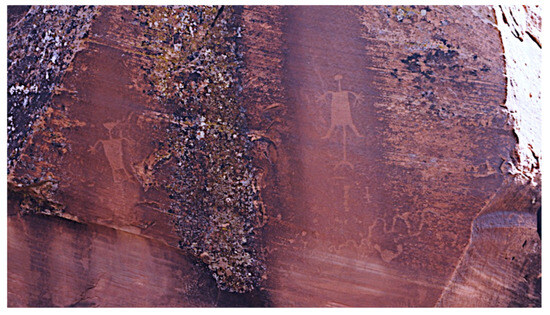
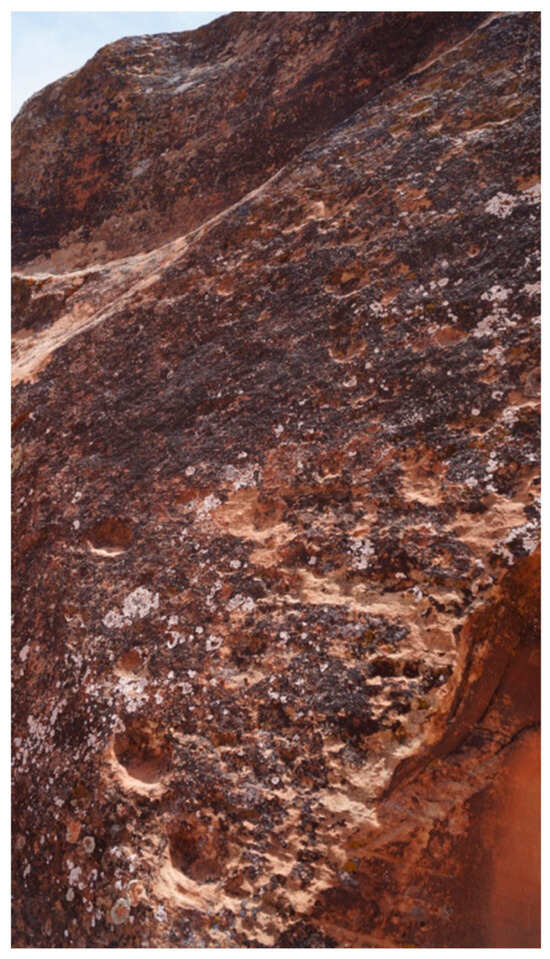
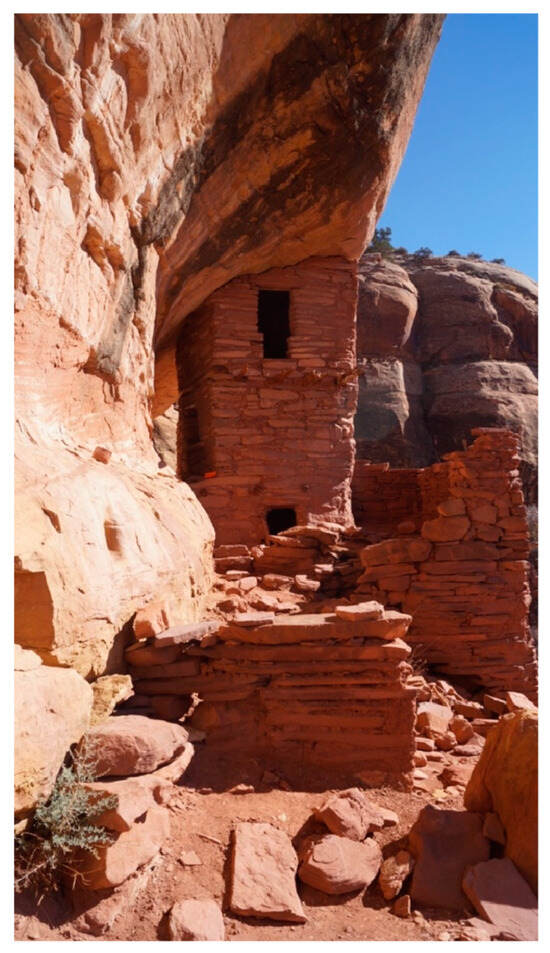
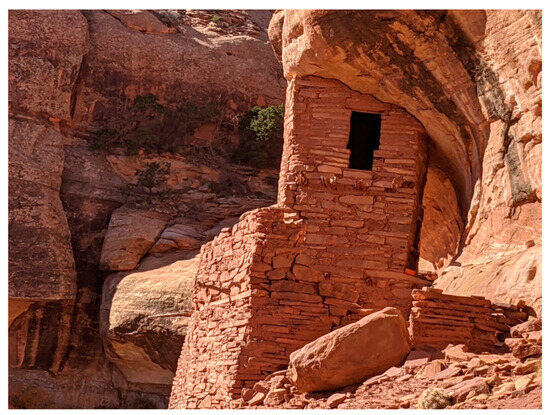
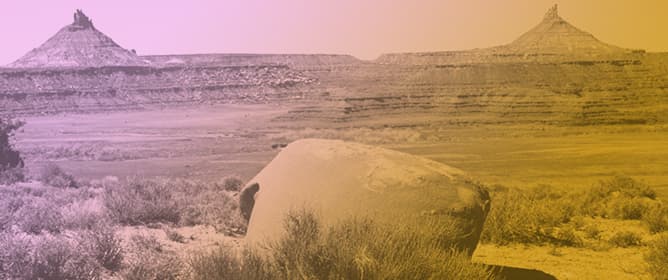
Celestial Light Marker: An Engineered Calendar in a Topographically Spectacular Geoscape -
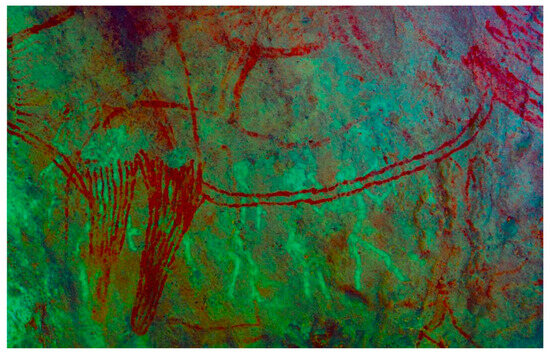
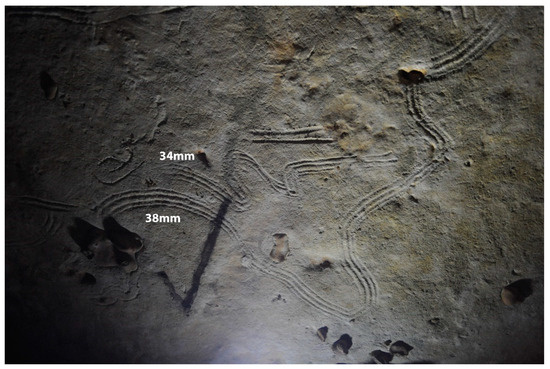
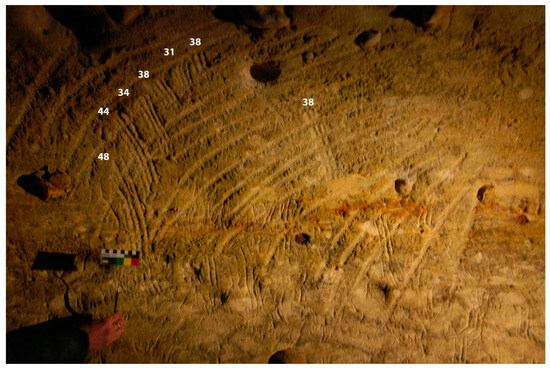
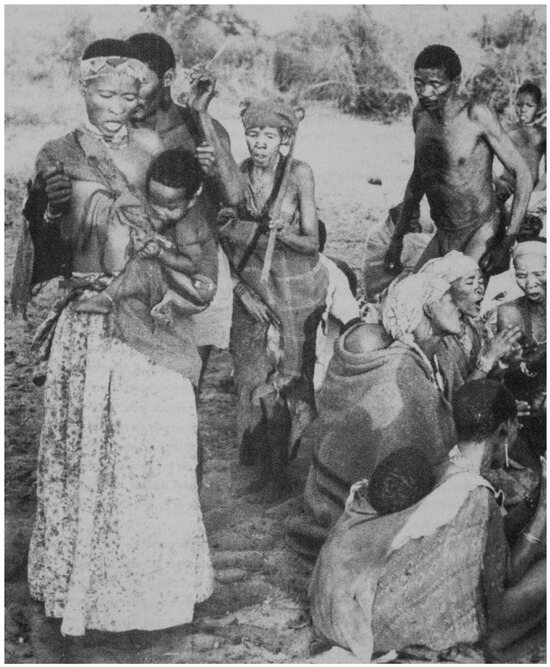
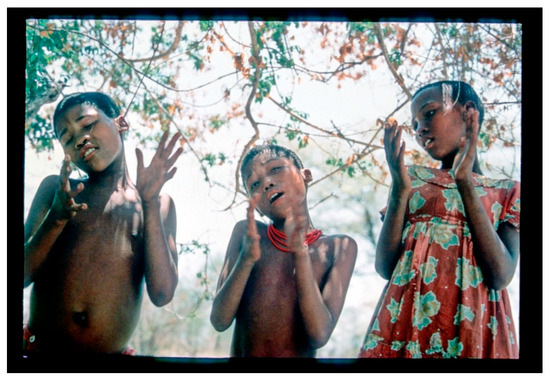
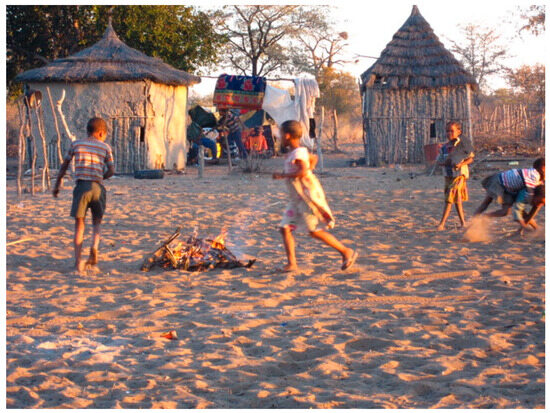
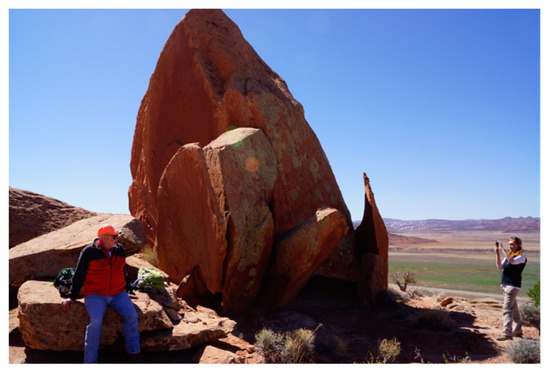
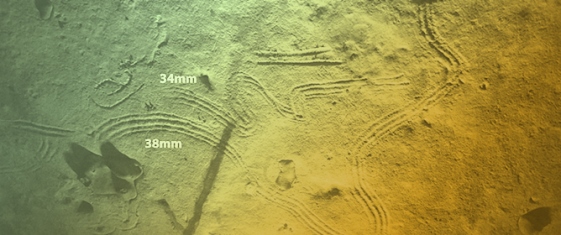
Child in Time: Children as Liminal Agents in Upper Paleolithic Decorated Caves -
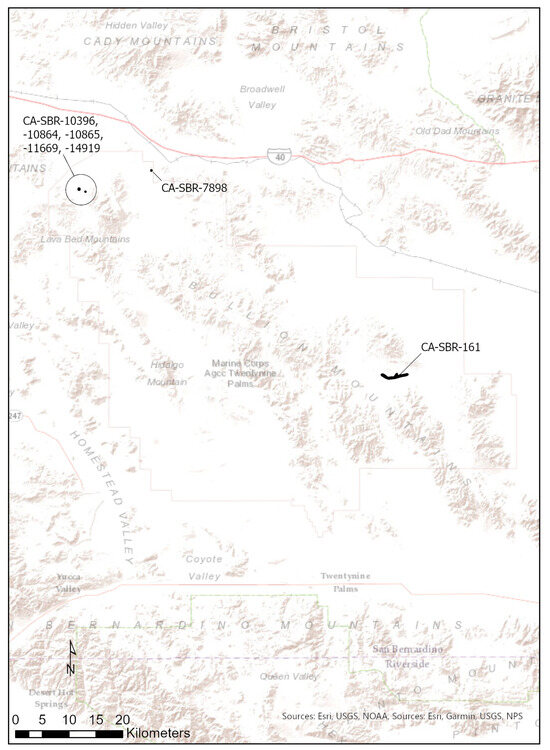
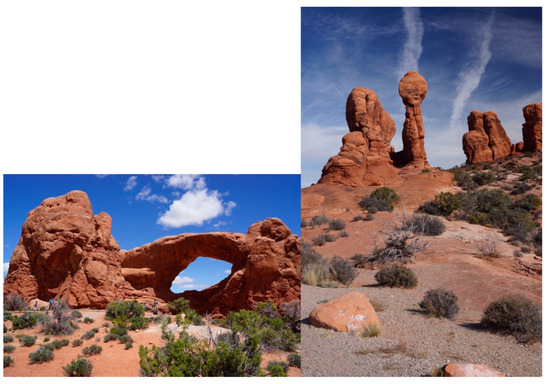
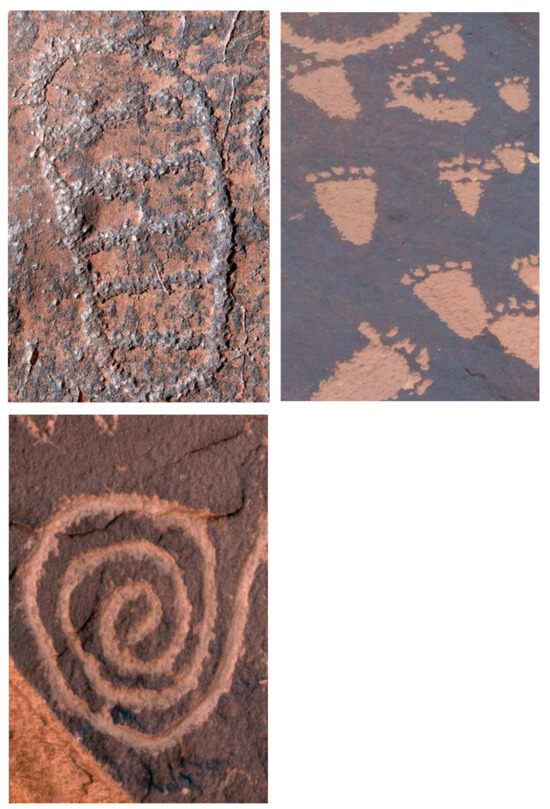
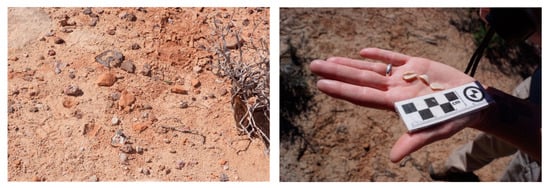
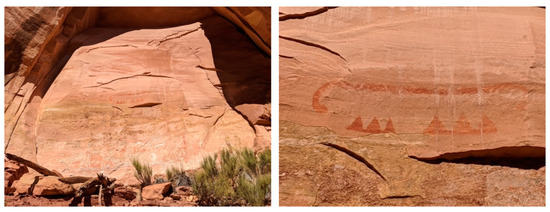
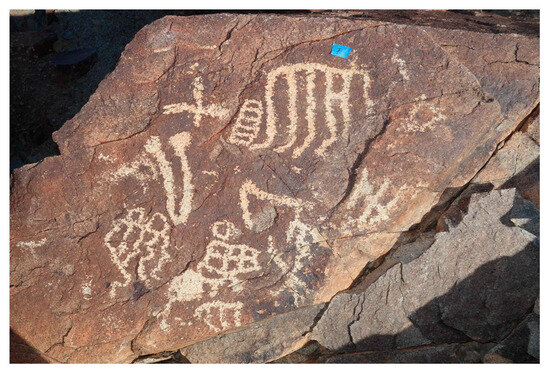
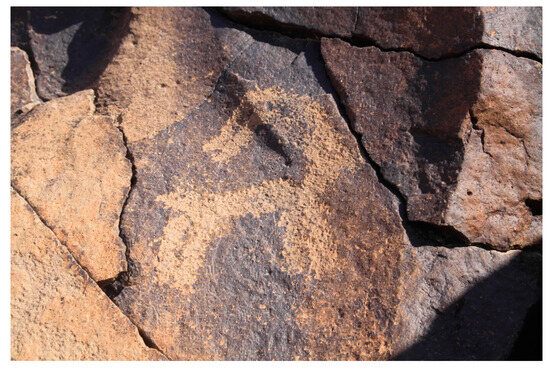
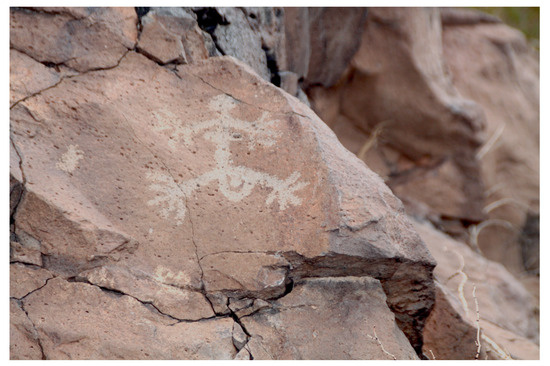
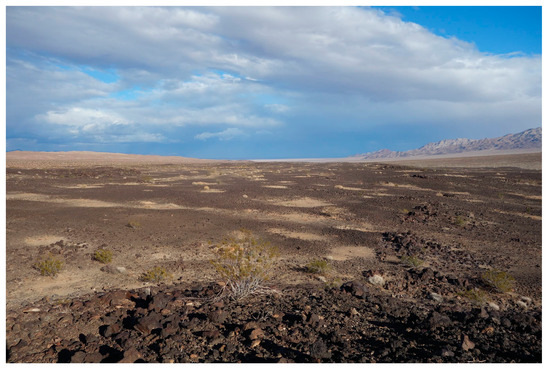
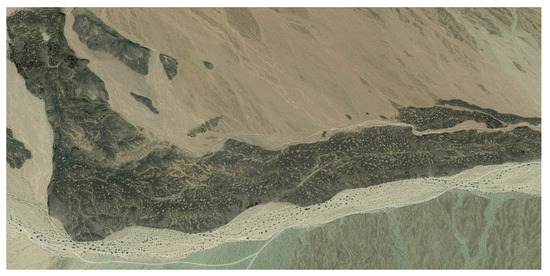
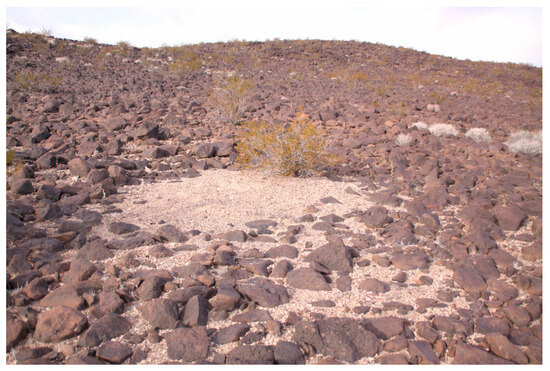
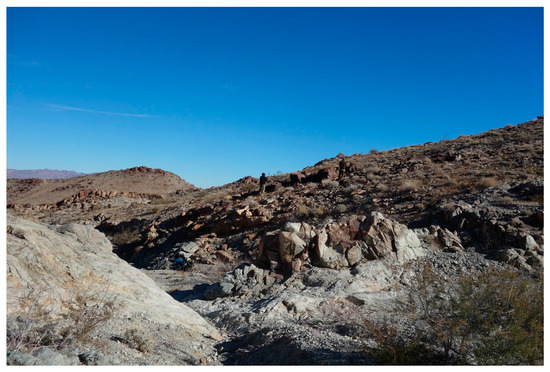
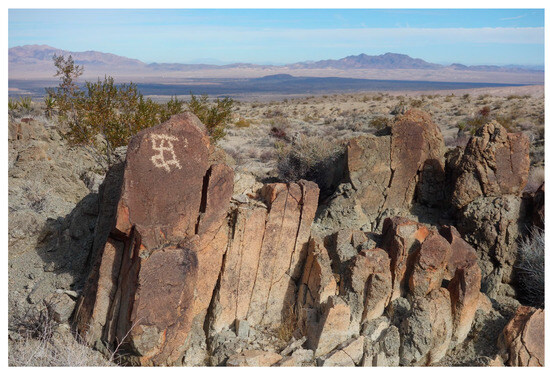
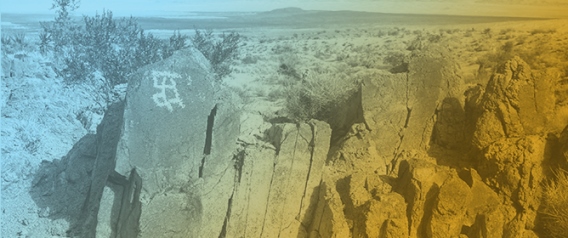
Beyond Correlation to Causation in Hunter–Gatherer Ritual Landscapes: Testing an Ontological Model of Site Locations in the Mojave Desert, California -
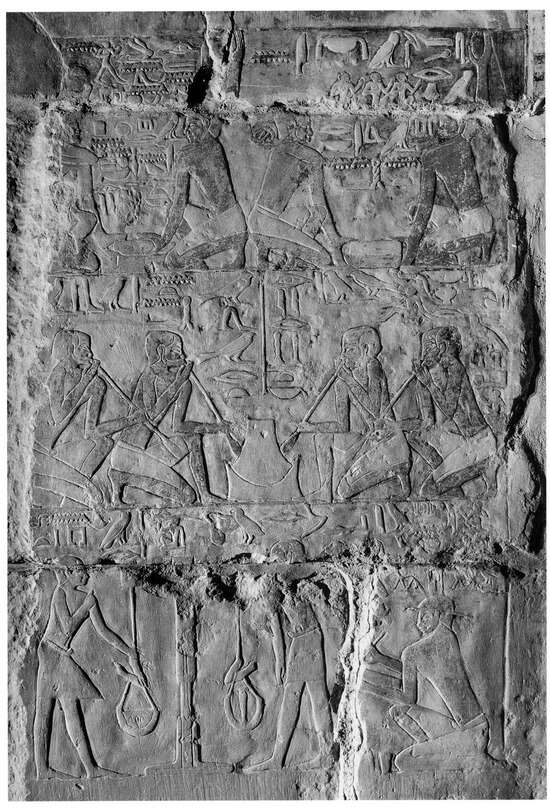
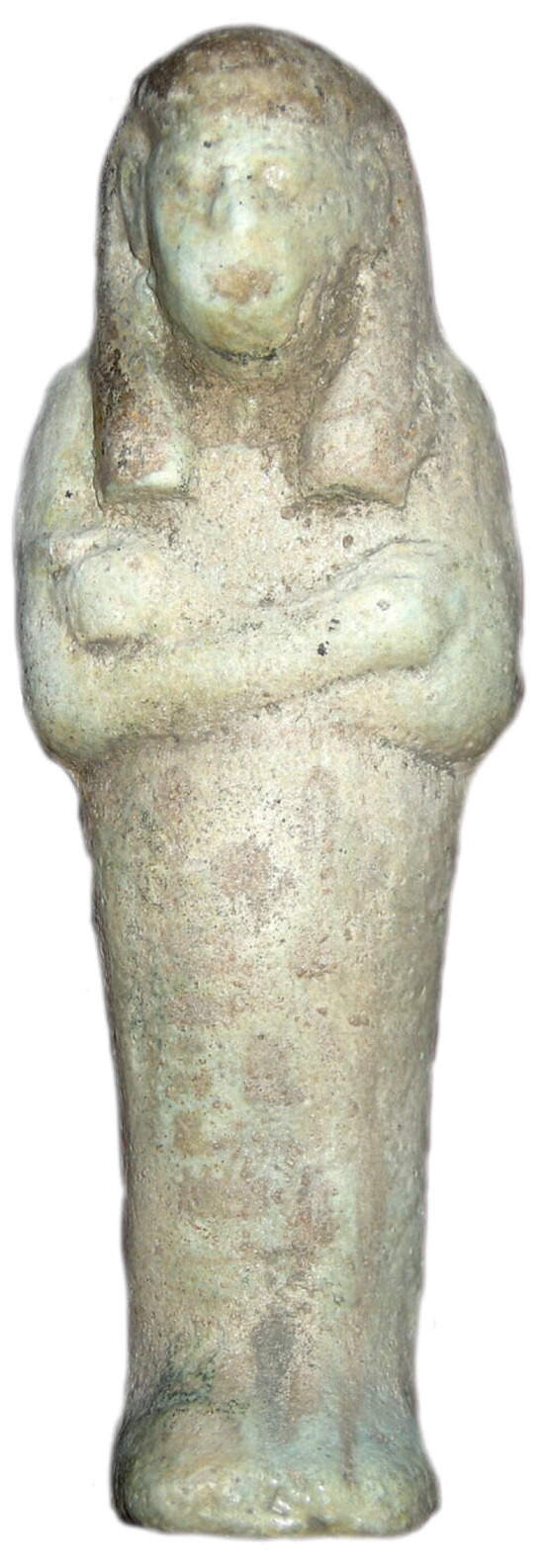
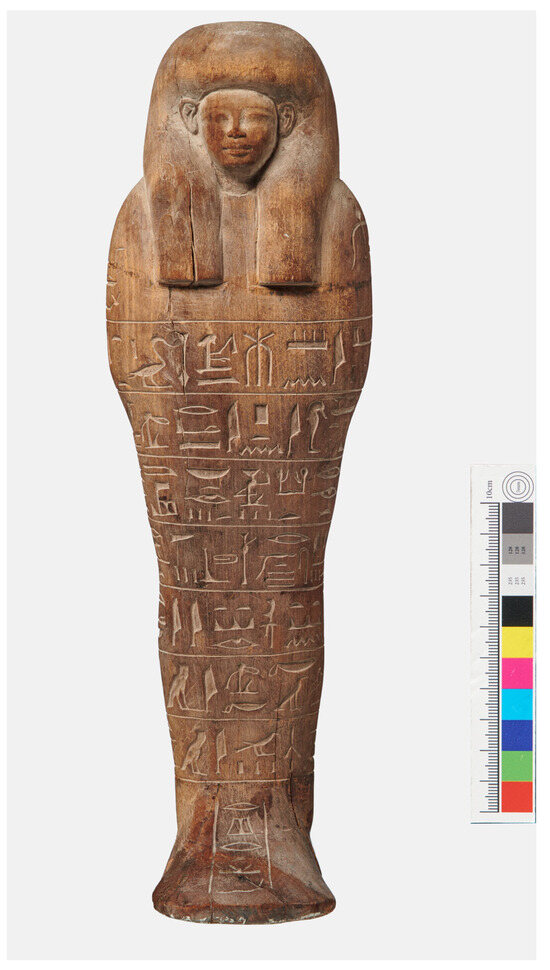
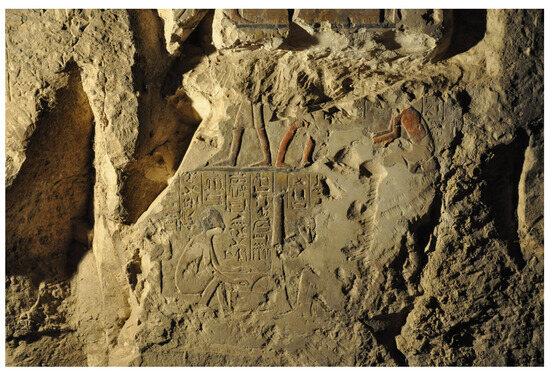
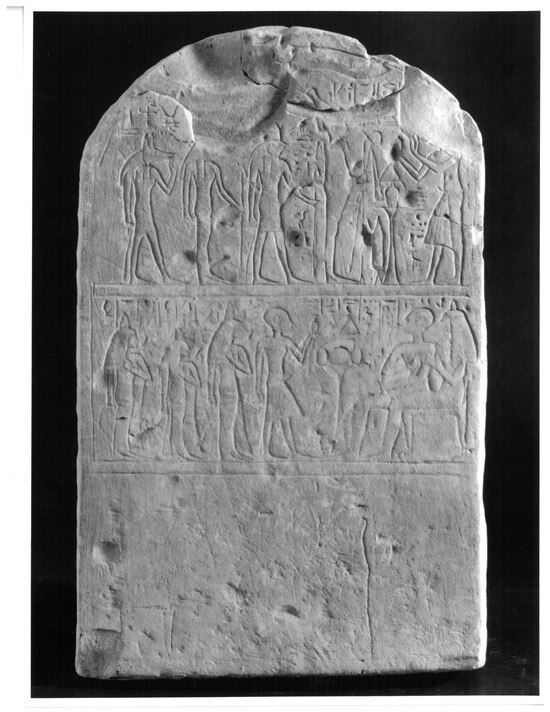
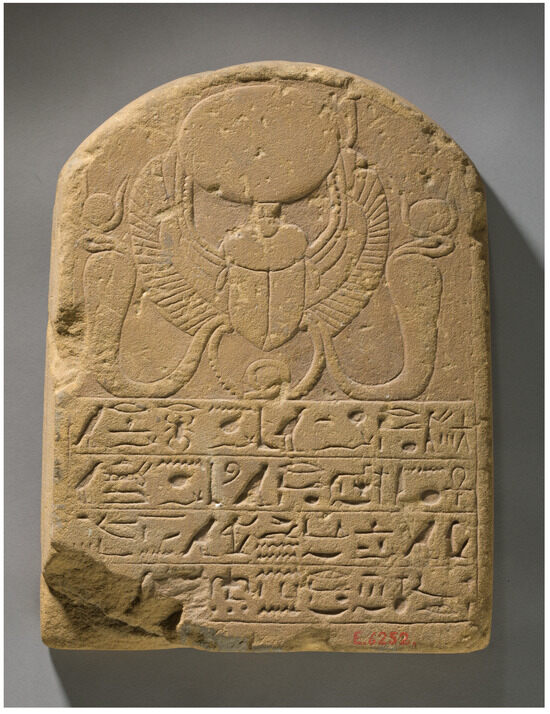
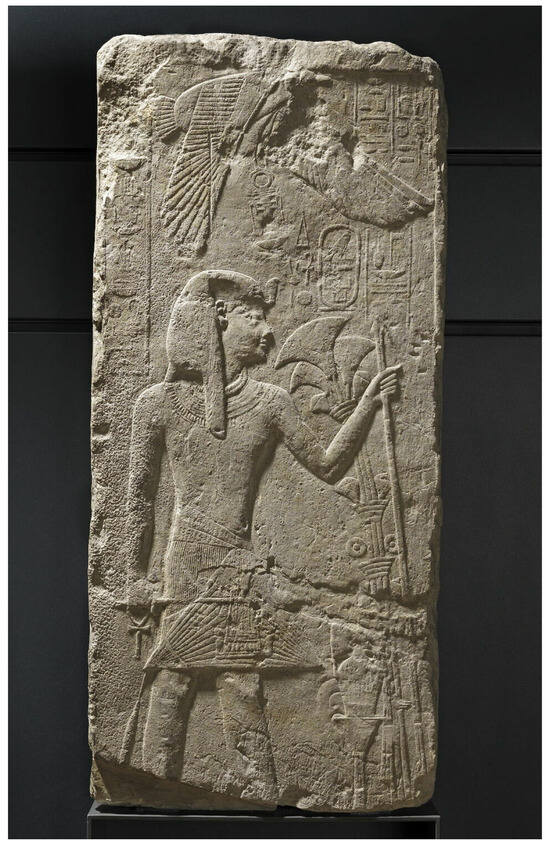
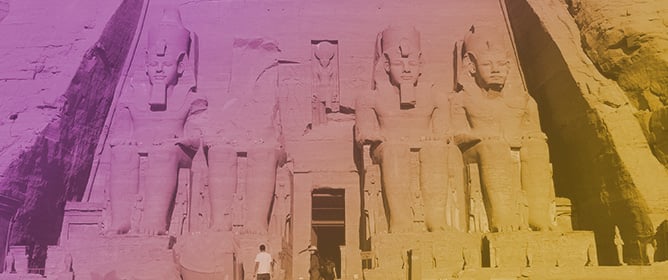
Emotions and the Manifestation of Ancient Egyptian Royal Power
Journal Description
Arts
Arts
is an international, peer-reviewed, open access journal promoting significant research on all aspects of the visual and performing arts, published bimonthly online by MDPI.
- Open Access— free for readers, with article processing charges (APC) paid by authors or their institutions.
- High Visibility: indexed within ESCI (Web of Science), and other databases.
- Rapid Publication: manuscripts are peer-reviewed and a first decision is provided to authors approximately 41.9 days after submission; acceptance to publication is undertaken in 8.4 days (median values for papers published in this journal in the second half of 2024).
- Recognition of Reviewers: reviewers who provide timely, thorough peer-review reports receive vouchers entitling them to a discount on the APC of their next publication in any MDPI journal, in appreciation of the work done.
Impact Factor:
0.3 (2023)
Latest Articles
A Theory of Pablo Picasso’s Palette of Words: Indexed Information and Context in His Art and Poetry Spanning the Occupation
Arts 2025, 14(2), 39; https://doi.org/10.3390/arts14020039 - 31 Mar 2025
Abstract
►
Show Figures
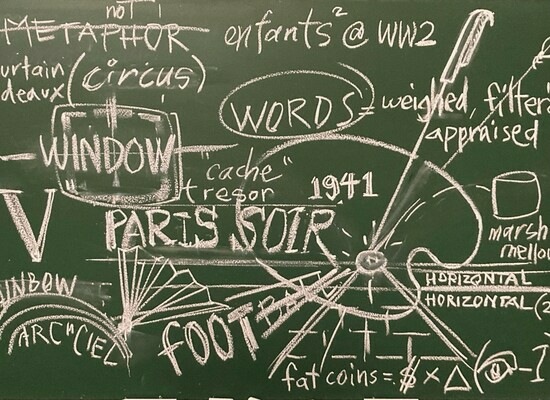
It has always been understood that Pablo Picasso imbued his arts with a rich symbolism. Those representations could be understood readily, at times only with some effort, or utterly inaccessible at others. A part of that symbolism is yet to be understood, with
[...] Read more.
It has always been understood that Pablo Picasso imbued his arts with a rich symbolism. Those representations could be understood readily, at times only with some effort, or utterly inaccessible at others. A part of that symbolism is yet to be understood, with numerous points of information and cross-reference “hiding” in plain sight. He was fond of newsprint as a substrate and medium for painting, not only during wartime, but especially so in the deprivations of World War II. The relationship between some paintings typical during the period and the newsprint on which they were done was intense, such that the substrate inhabits the medium, sharing equal part with the composition. Around the same time or after, Picasso was crafting poems of an often cryptic nature. An in-depth look at two poems reveals a multitude of references to paintings on newsprint and to the contents of that newsprint. With new understandings of those symbols, evidence emerges that Picasso’s “palette of words” was more than just metaphor, but also descriptive of a theory and a method which the artist put into practice in at least two instances of WWII-era newsprint paintings and famously cryptic poems, detailed here.
Full article
Open AccessArticle
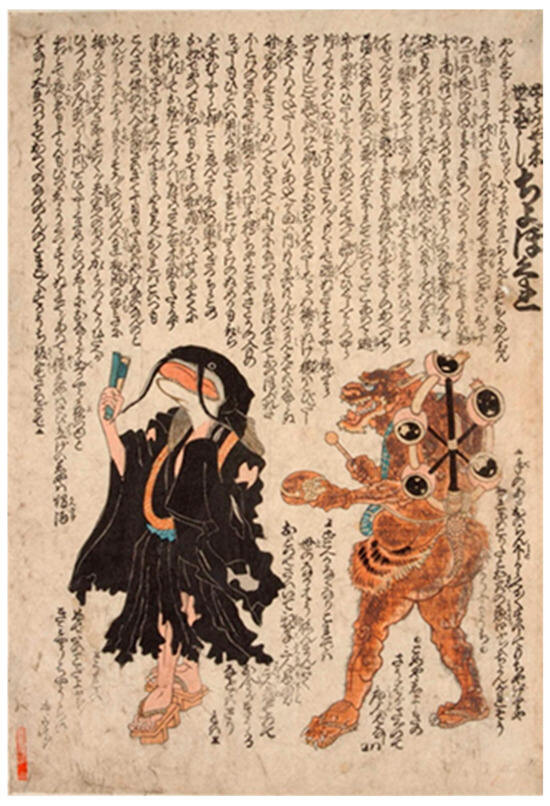
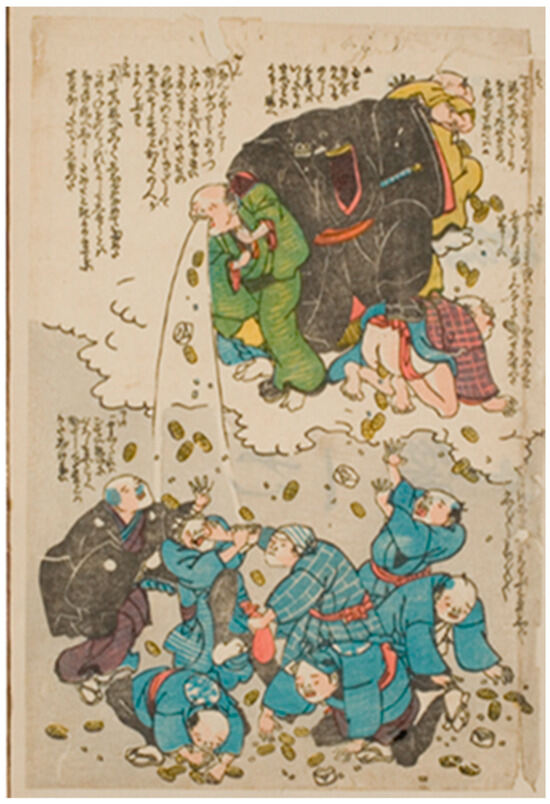
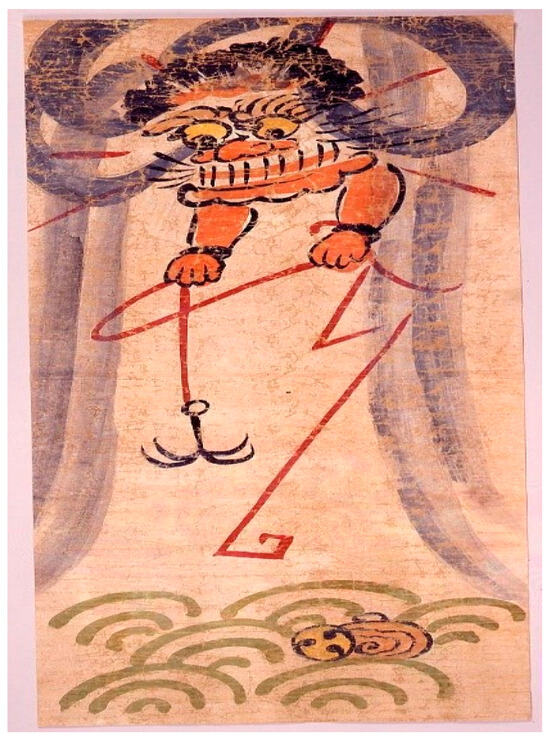
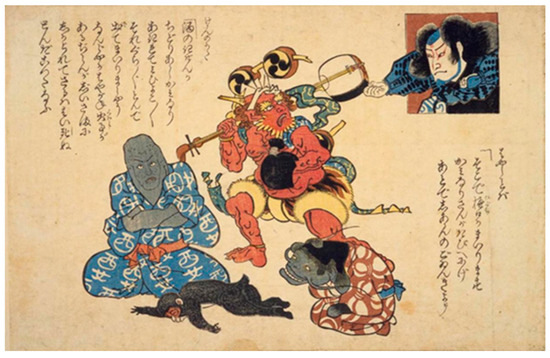
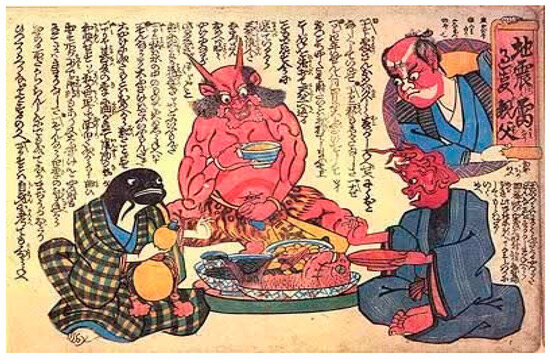
Shouting Catfish and Subjugated Thunder God: A Popular Deity’s Criticism of the Governmental Authority in the Wake of the Ansei Edo Earthquake in Catfish Prints
by
Kumiko McDowell
Arts 2025, 14(2), 38; https://doi.org/10.3390/arts14020038 - 29 Mar 2025
Abstract
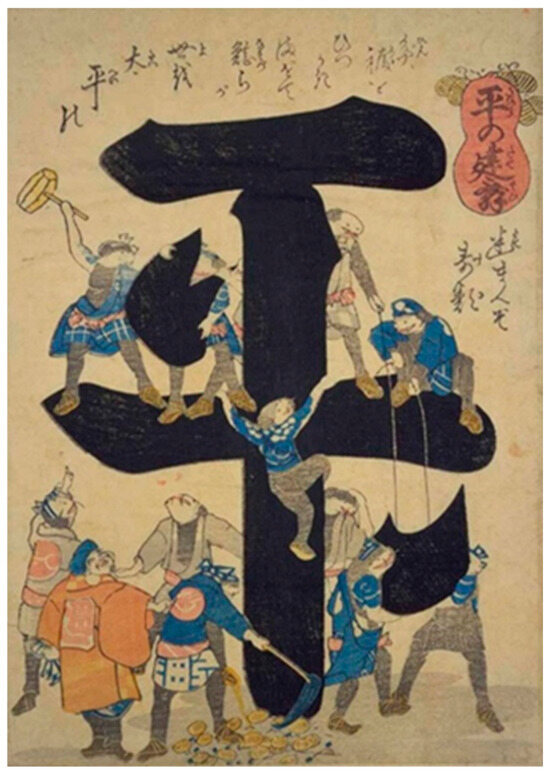
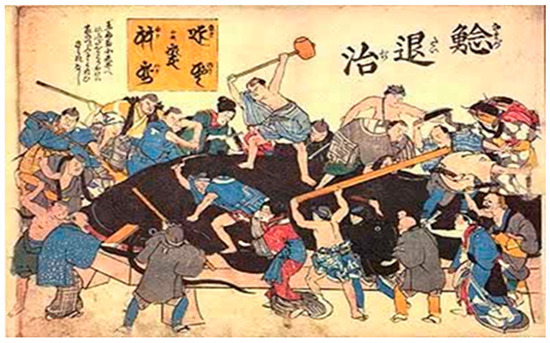
Soon after the devastating Ansei Edo earthquake in 1855, popular prints known as catfish prints (namazu-e) circulated widely. These prints were rooted in the folk belief that a giant catfish beneath the earth caused earthquakes. Various types of catfish prints were
[...] Read more.
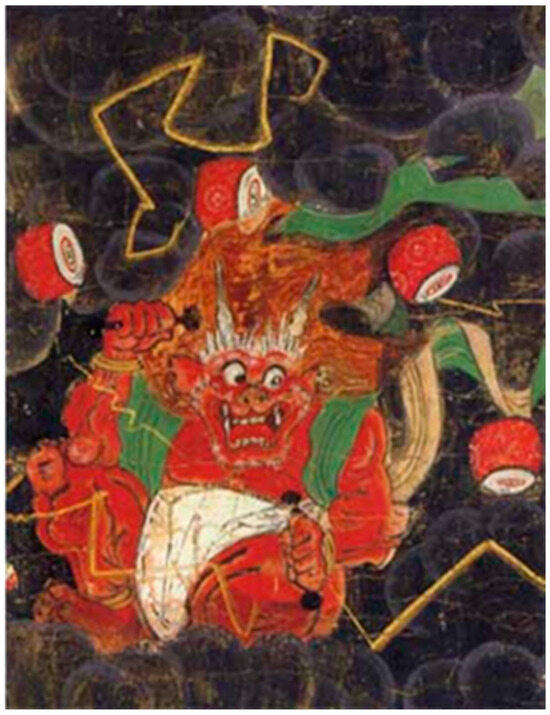
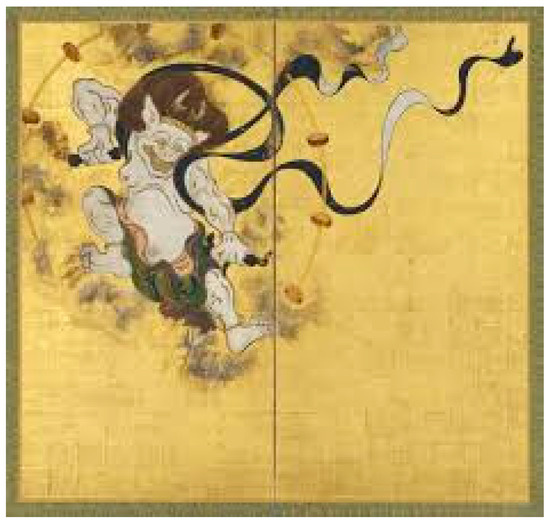
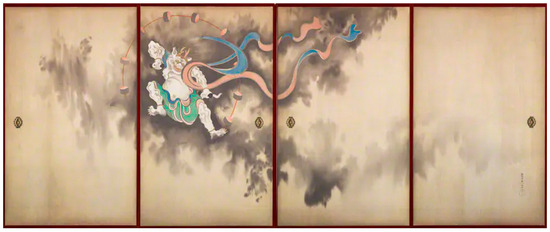
Soon after the devastating Ansei Edo earthquake in 1855, popular prints known as catfish prints (namazu-e) circulated widely. These prints were rooted in the folk belief that a giant catfish beneath the earth caused earthquakes. Various types of catfish prints were published: some depicted a punished earthquake catfish and served as protective charms against future quakes, while others functioned as sharp social commentary. In the latter type, the catfish was portrayed as a popular deity capable of bringing favorable societal change for people in the lower social class, symbolizing hope for commoners through reduced economic disparities after the disaster. The print “Prodigal Buddha” positioned the catfish as an antihero, criticizing the Tokugawa government’s inefficacy and the failure of religious institutions to provide spiritual salvation. By juxtaposing the catfish—now a newly popular deity—with a thunder god, formerly a fearsome deity but now submissively obeying the catfish, the print effectively visualizes the shift in status between the two. This article examines the criticism directed at political and religious authorities in the aftermath of the disaster, analyzing the layered symbolism of the thunder gods in the print.
Full article
(This article belongs to the Special Issue Japanese Buddhist Art of the 19th–21st Centuries)
►▼
Show Figures

Figure 1
Open AccessArticle
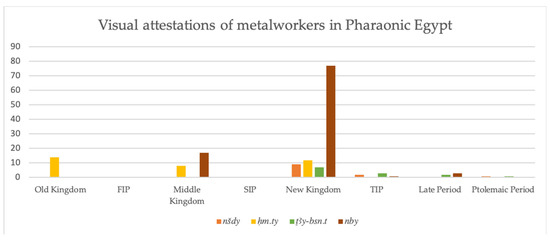
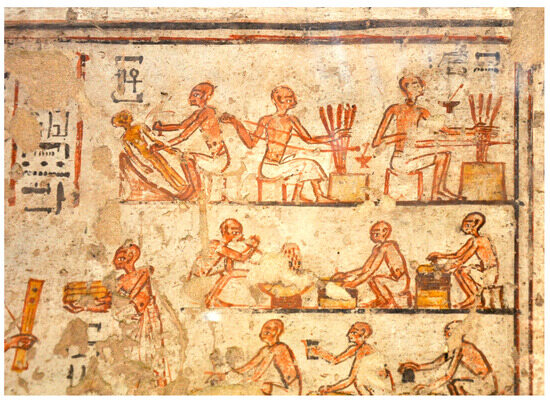
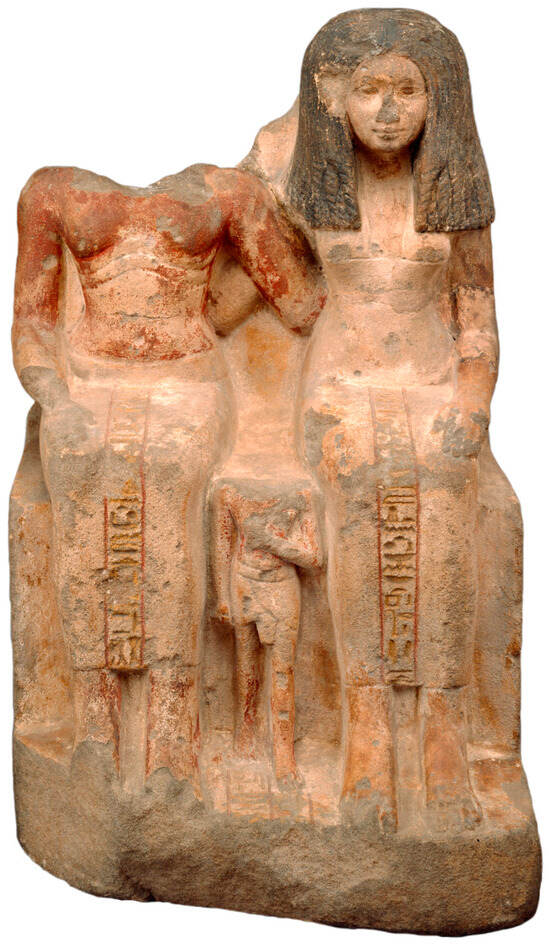
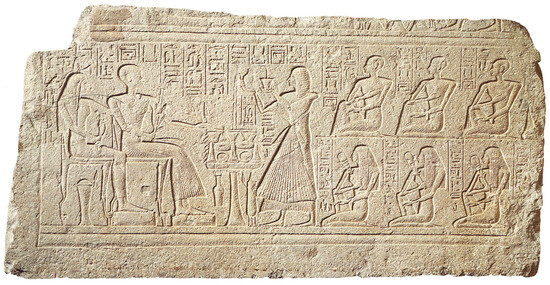
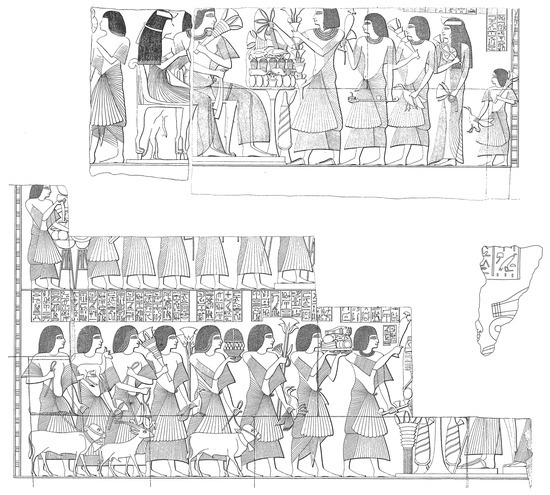
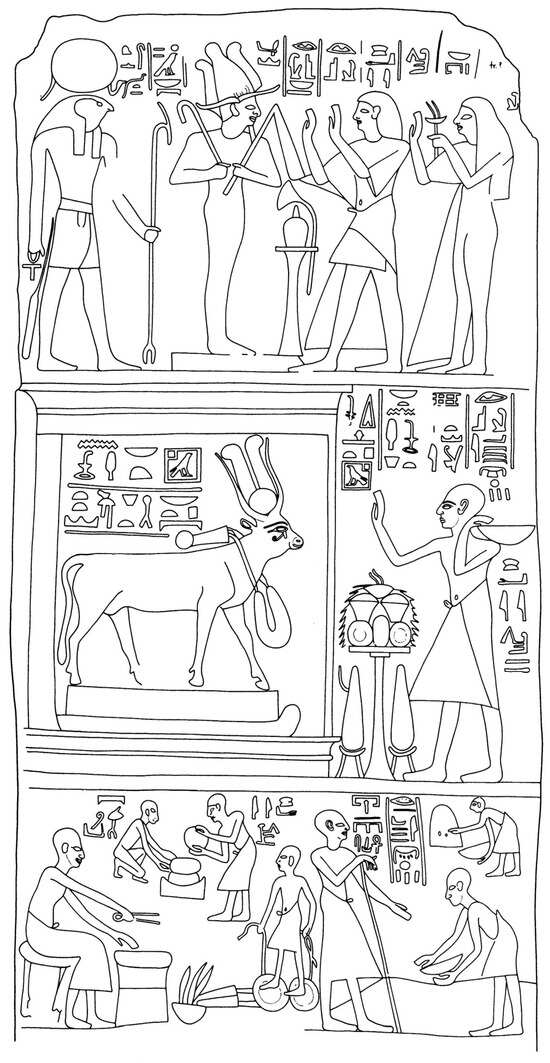
Towards a ‘Social Art History’: Ancient Egyptian Metalworkers in Context(s) and the Creation of Value
by
Alisée Devillers
Arts 2025, 14(2), 37; https://doi.org/10.3390/arts14020037 - 27 Mar 2025
Abstract
In this paper, I argue for a ‘social art history’ that embraces all protagonists of ancient Egyptian artistic production and integrates them into the global process of creating prestige through art. The raison d’être of artists is to translate their skills into material
[...] Read more.
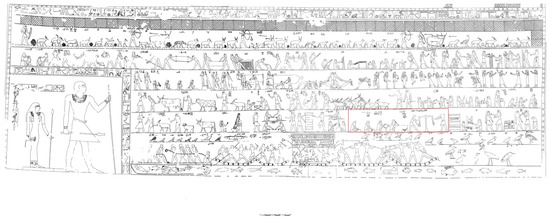
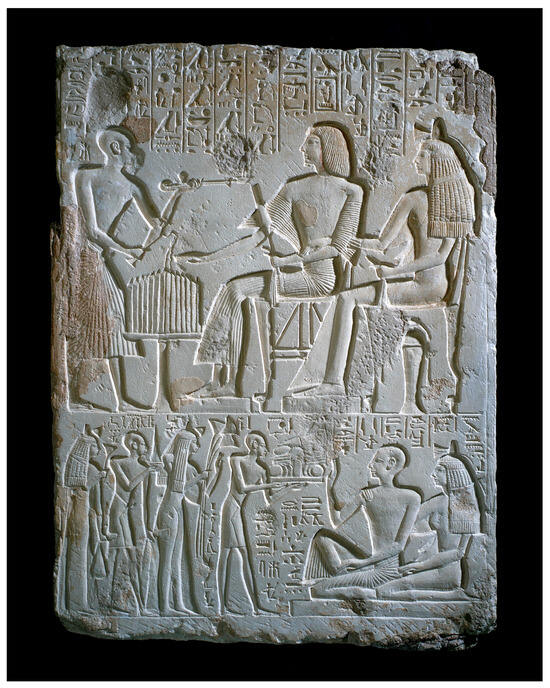
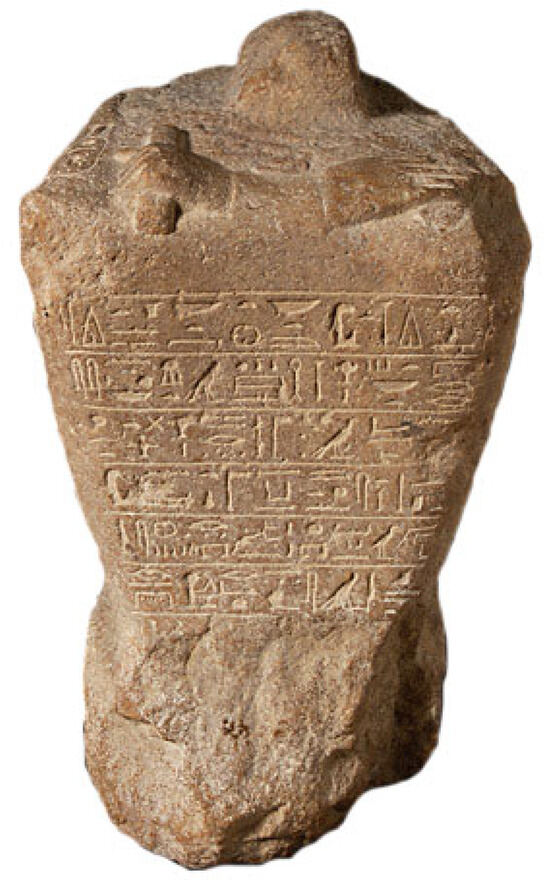
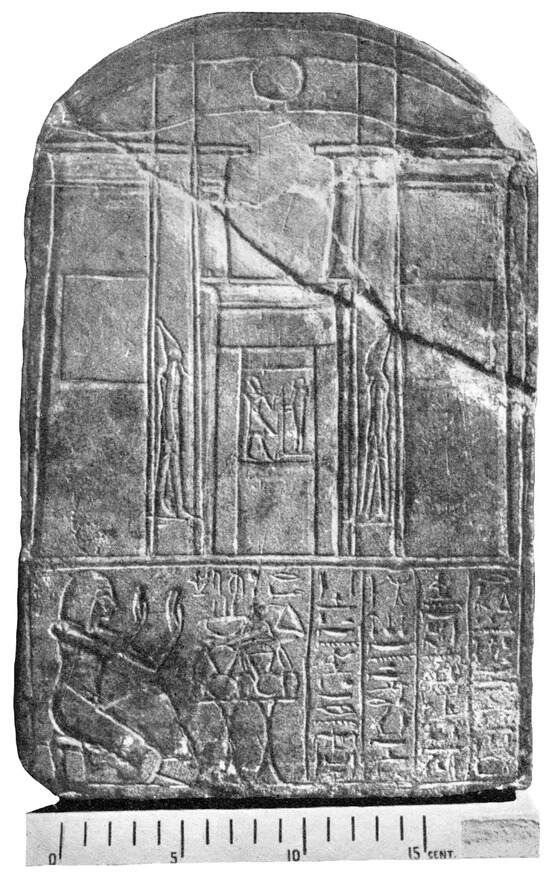
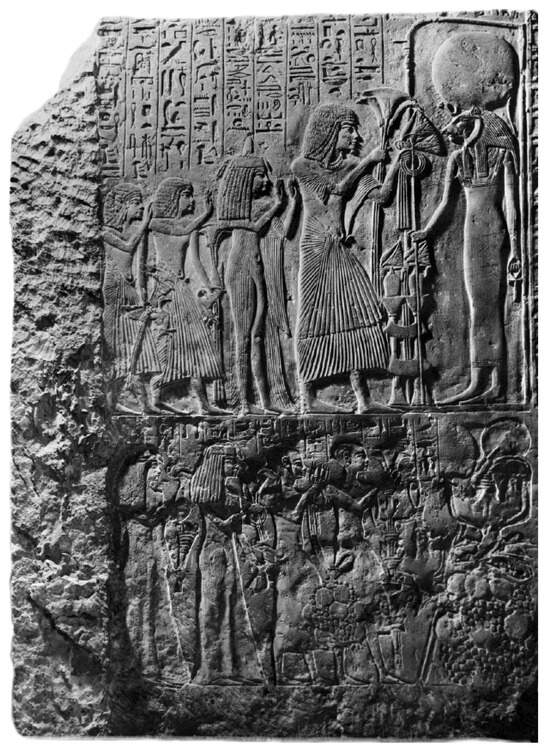
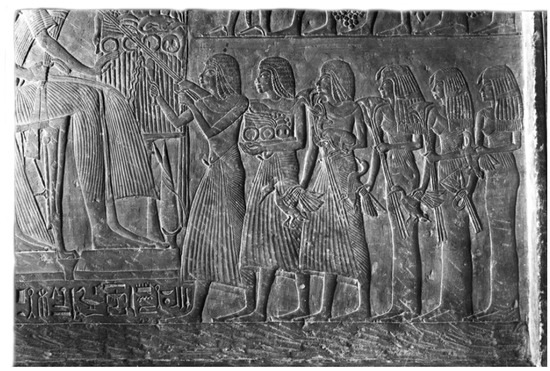
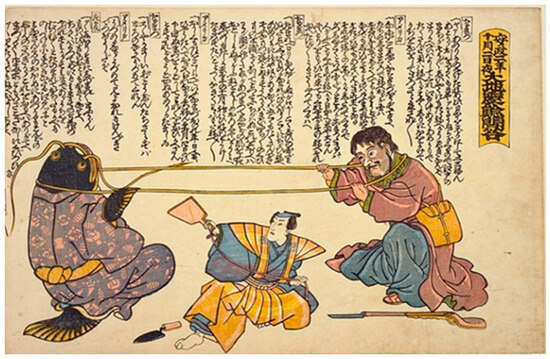
In this paper, I argue for a ‘social art history’ that embraces all protagonists of ancient Egyptian artistic production and integrates them into the global process of creating prestige through art. The raison d’être of artists is to translate their skills into material and immaterial media using culturally embedded codes and ideological trends of their time. In the process, artists—or at least top artists who accessed restricted knowledge—created value and prestige as a means of competition between rival elites (and the sub-elite emulating them). This paper aims to address the question of defining social value embedded in material artifacts, especially when owned by intermediary social categories such as the New Kingdom metalworkers. It will touch upon what was seen as valuable and prestigious from the Egyptians’ perspective by looking at the iconography of New Kingdom metalworkers. The paper will examine 18th–20th dynasty goldsmiths’ self-depictions as they were in charge of creating artifacts in gold, a metal connected with solar symbolism and intertwined with the divine, kingship, and membership in the high elite. Ultimately, the paper aims to tackle the question of self-presentation for people who were not part of the elite per se, i.e., the sub-elite illustrated here by the metalworkers. In so doing, it uses, in a preliminary attempt, some concepts inherited from the Chicago School of Sociology.
Full article
(This article belongs to the Special Issue Ancient Egyptian Art Studies: Art in Motion, a Social Tool of Power and Resistance)
►▼
Show Figures

Figure 1
Open AccessArticle
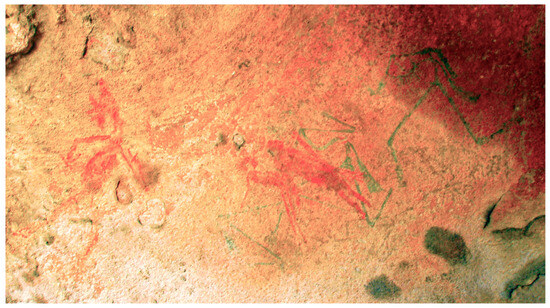
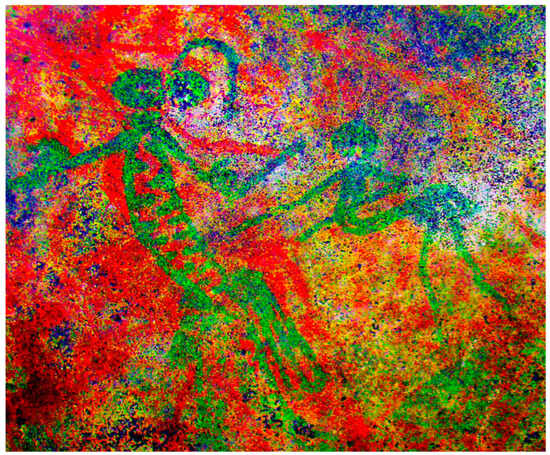
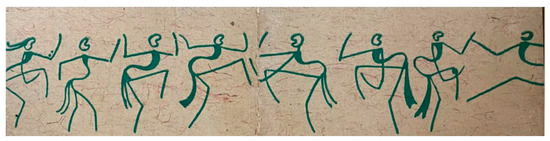
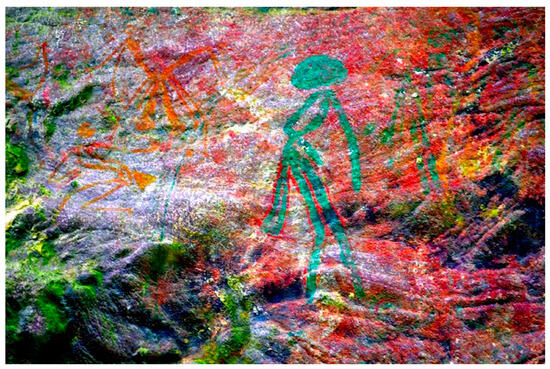
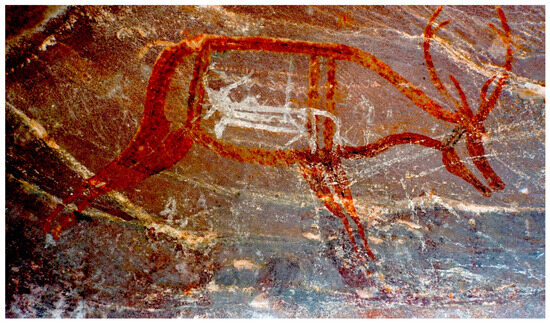
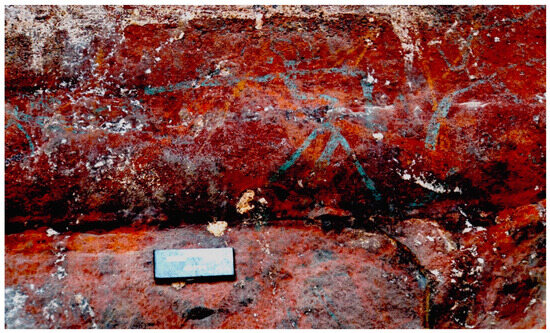
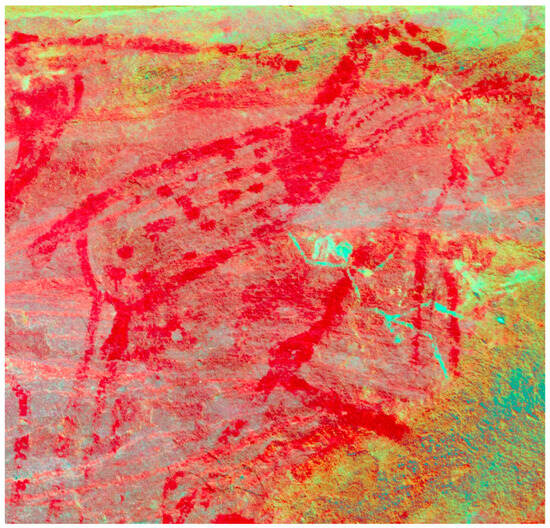
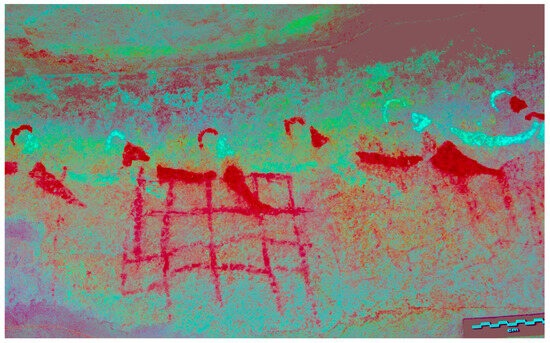
Green Images in Indian Rock Art
by
Meenakshi Dubey Pathak
Arts 2025, 14(2), 36; https://doi.org/10.3390/arts14020036 - 26 Mar 2025
Abstract
In India, particularly in central India, a large number of early images were created using green pigments. Within the green images or images in the earliest style, one can see that some extremely naturalistic animal figures were made with green and dark red,
[...] Read more.
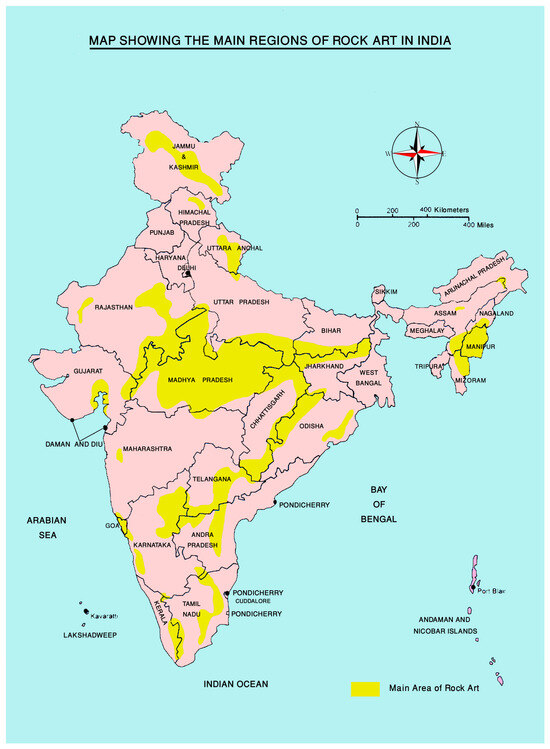
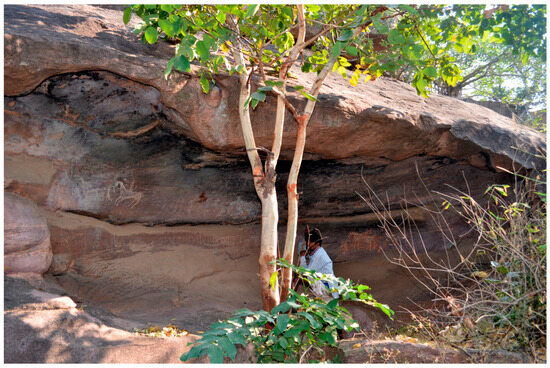
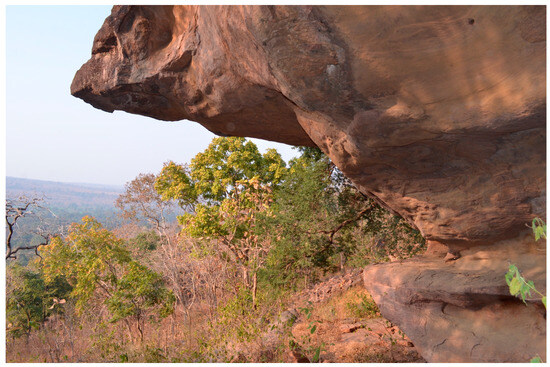
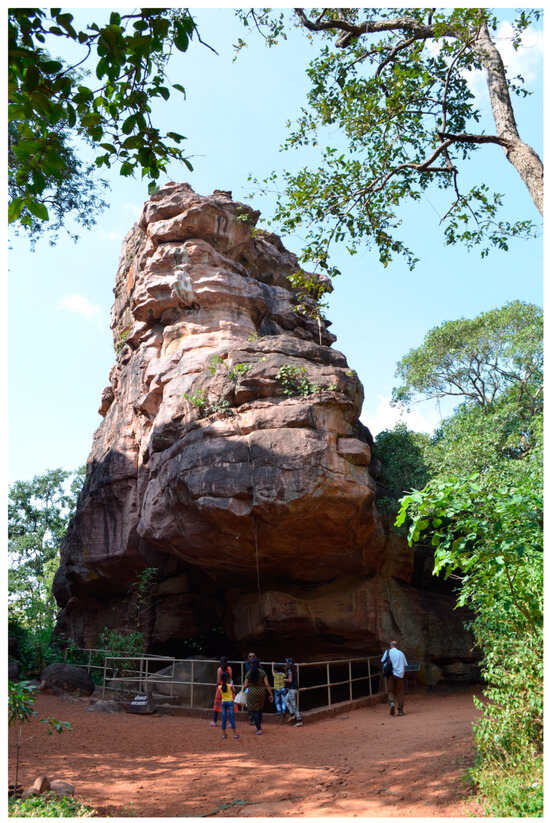
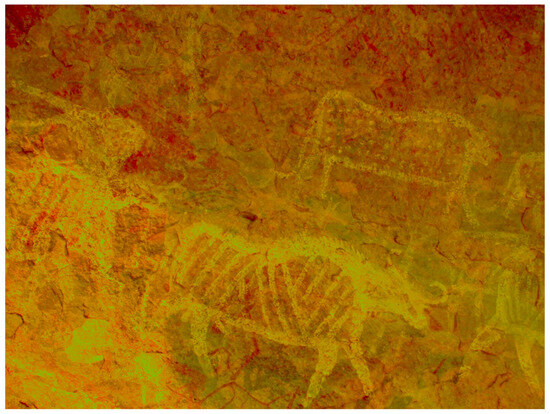
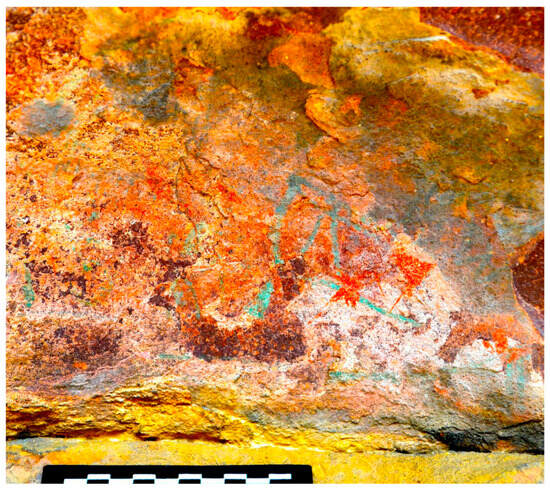
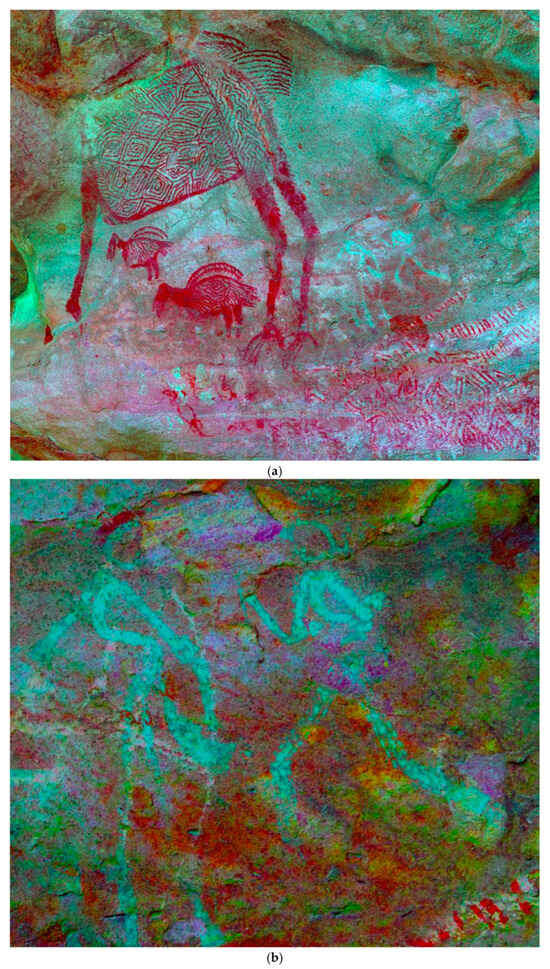
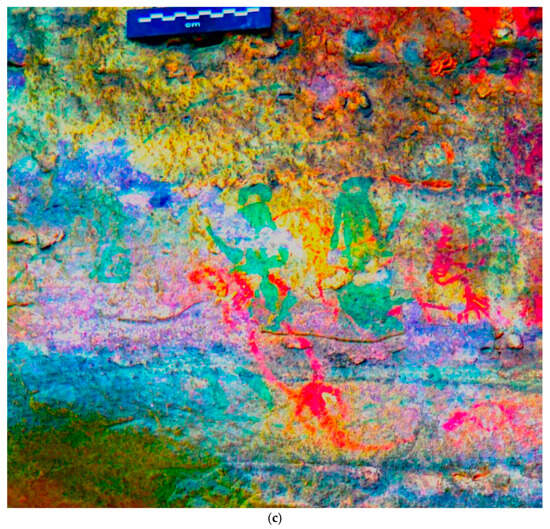
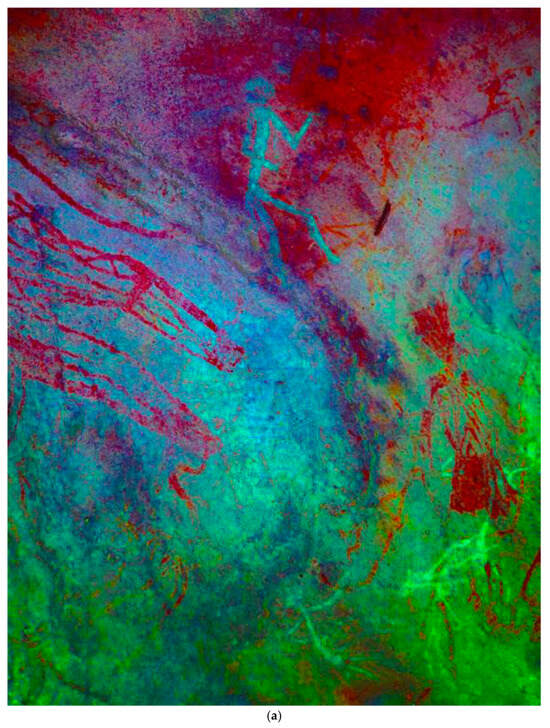
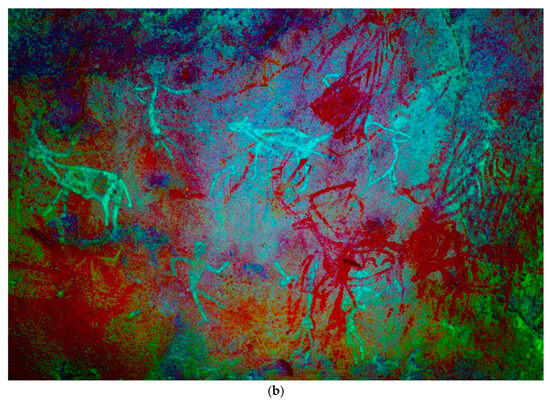
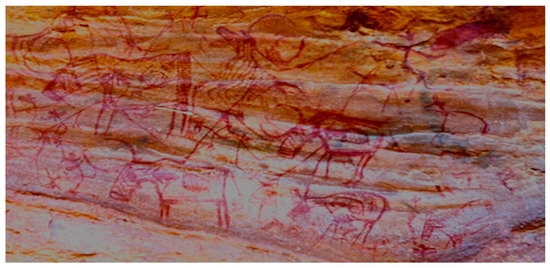
In India, particularly in central India, a large number of early images were created using green pigments. Within the green images or images in the earliest style, one can see that some extremely naturalistic animal figures were made with green and dark red, and rarely in a polychrome (green, red and yellow) style. Only a few images have survived. The human figures, represented in a typical S shape in a smaller size or with an S-twist body in single outline, are highly artistic and very dynamic figures. The figures are mostly represented as dancers. Wakankar found green pigment in the Upper Paleolithic levels in Bhimbetka, and hence these images were put in the Upper Paleolithic period. These green images mainly exist in rock art sites in the surroundings of Bhimbetka in the Raisen, Sehore and Vidisha districts.
Full article
(This article belongs to the Special Issue Advances in Rock Art Studies)
►▼
Show Figures

Figure 1
Open AccessArticle
The Concept of Demonstrating Non-Existent Architecture Using Light Projection
by
Maciej Piekarski, Ewa Kulpińska, Krzysztof Baran and Henryk Wachta
Arts 2025, 14(2), 35; https://doi.org/10.3390/arts14020035 - 25 Mar 2025
Abstract
This article covers the subject of illusory exposure of non-existent architectural objects in their original location. The authors believe that this specific conservation method is a way to disseminate knowledge about the past architectural landscape and thus to increase the identity of cities
[...] Read more.
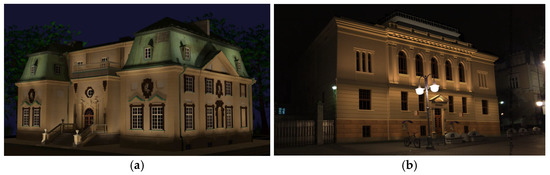
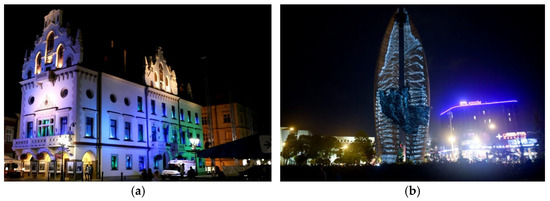
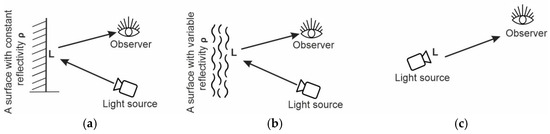
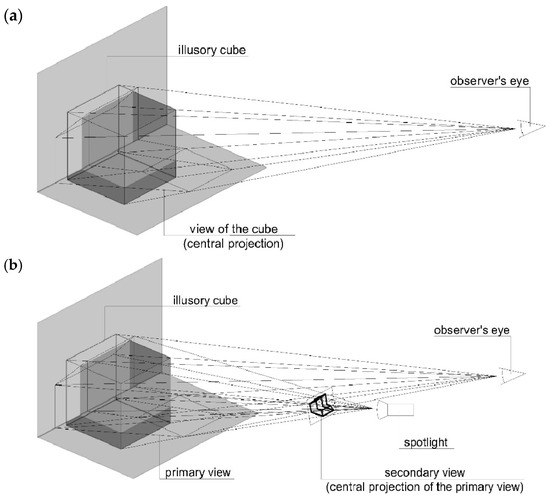
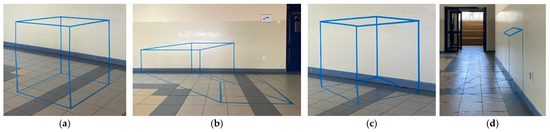
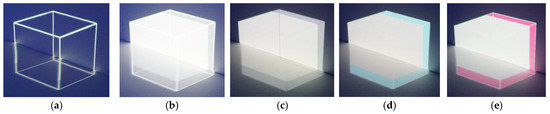
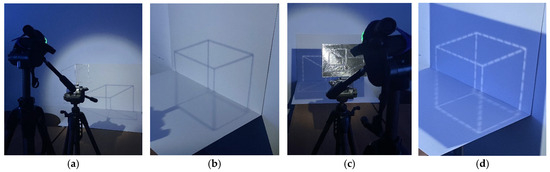
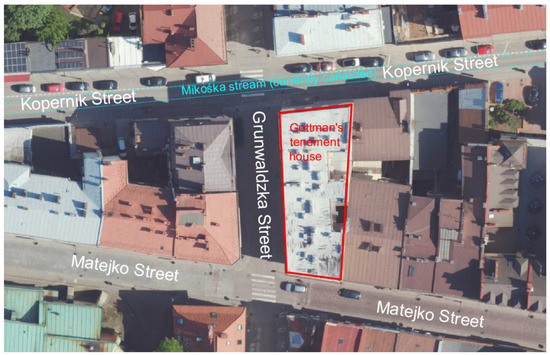
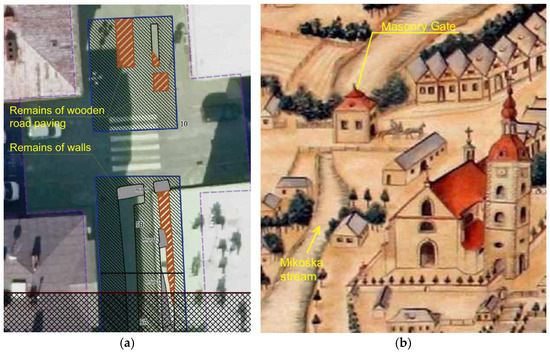
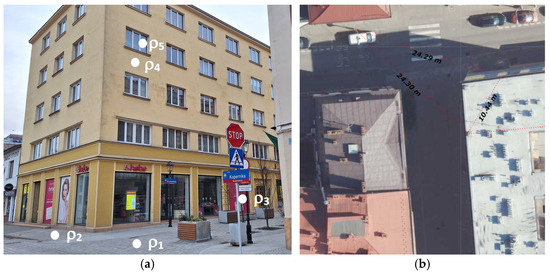
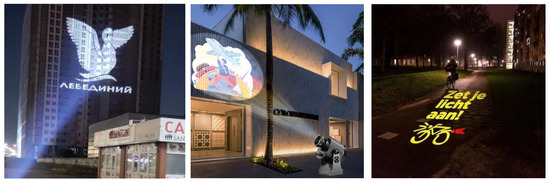
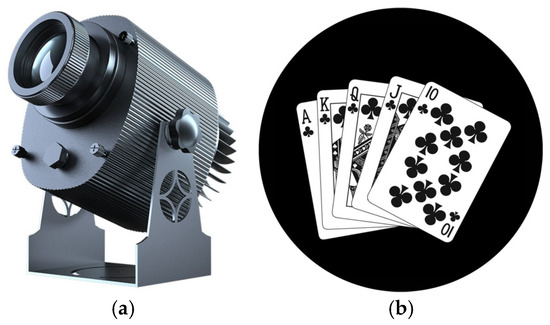
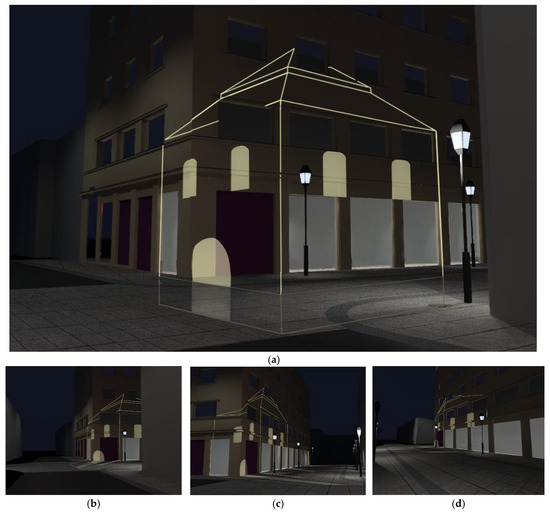
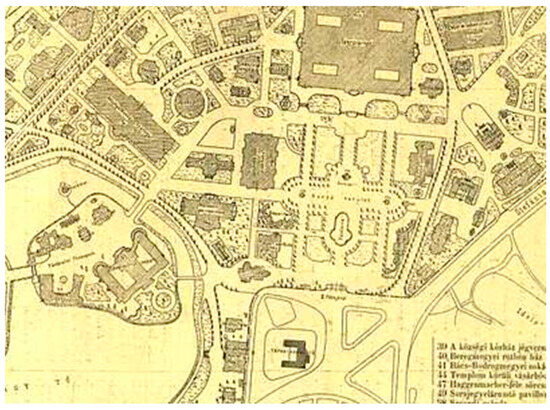
This article covers the subject of illusory exposure of non-existent architectural objects in their original location. The authors believe that this specific conservation method is a way to disseminate knowledge about the past architectural landscape and thus to increase the identity of cities and their inhabitants. The concept refers to augmented reality, but the authors use only analog optical means to visualize the virtual component. The visualization consists of projecting the object onto the walls of buildings and the ground. In order to preserve their intact condition, light projection is used. The image creates the illusion of three-dimensionality if it is perceived from the center of the projection. After a preliminary analysis of the available means of light expression, this article presents the results of this research. In the first stage, a simple geometric model was visualized using various techniques in order to evaluate them and select the optimal one. In the second stage, a virtual visualization of a specific architectural object was created. Its form and location were established based on the analysis of historical iconographic material and reports from archaeological works. The influence of local conditions on the practical possibilities of light projection was taken into account.
Full article
(This article belongs to the Special Issue Aesthetics in Contemporary Cities)
►▼
Show Figures

Figure 1
Open AccessEditorial
Introduction: Visuality and Academia’s Identity Problem
by
Derek Conrad Murray
Arts 2025, 14(2), 34; https://doi.org/10.3390/arts14020034 - 24 Mar 2025
Abstract
The complexities of identity have always been a point of contention and divisiveness in visually based research, its discourses, and pedagogy, which is consistent with academia across the board [...]
Full article
(This article belongs to the Special Issue New Articulations of Identity in Contemporary Aesthetics)
Open AccessArticle
The “Disappearing” of Croatian Art in Hungarian Art Exhibitions at the Turn of the 20th Century
by
Samuel David Albert
Arts 2025, 14(2), 33; https://doi.org/10.3390/arts14020033 - 21 Mar 2025
Abstract
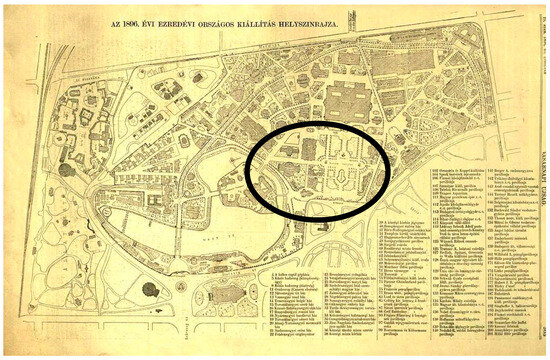
This article examines the place of Croatian art within Hungarian art exhibitions around the turn of the century. Over close to a decade, from the 1896 Millennial Exhibition until the 1904 St. Louis World’s Fair, the way Croatian art was displayed within Hungarian
[...] Read more.
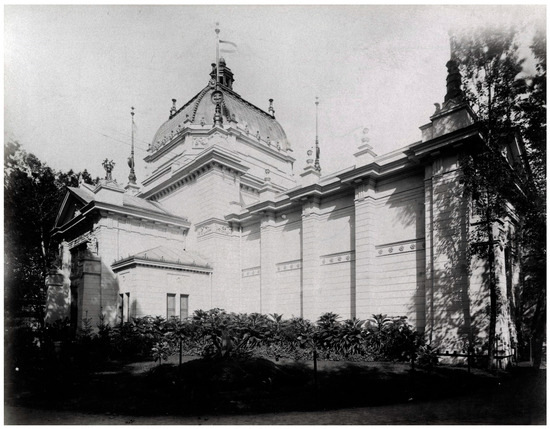
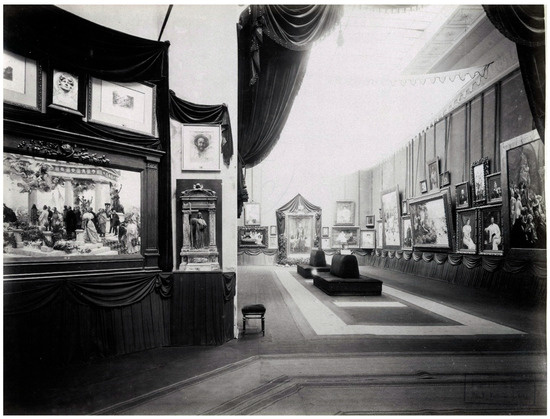
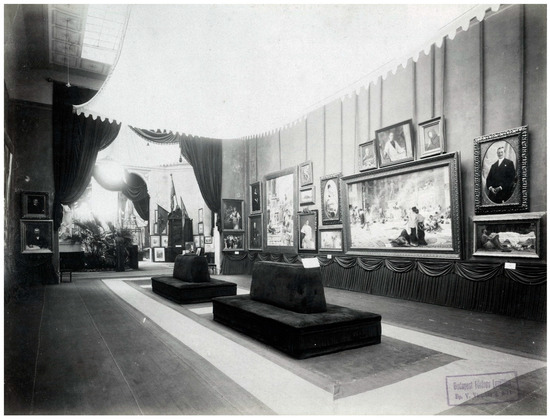
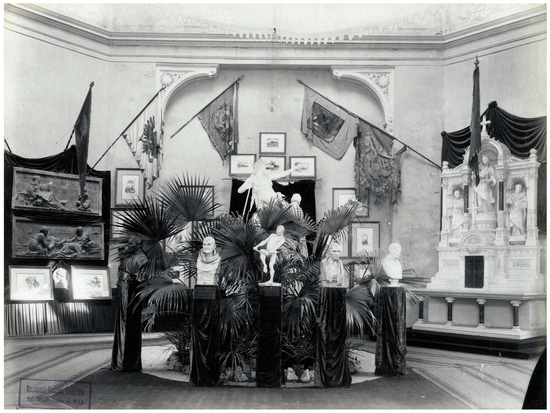
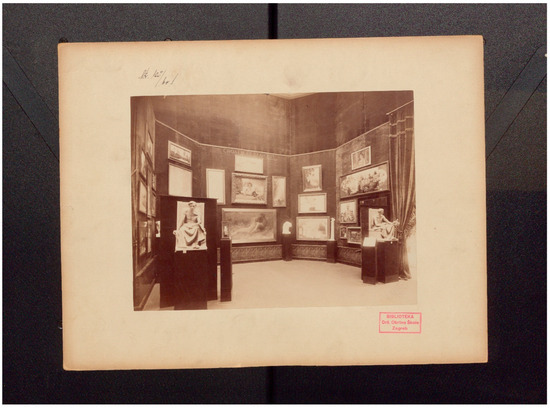
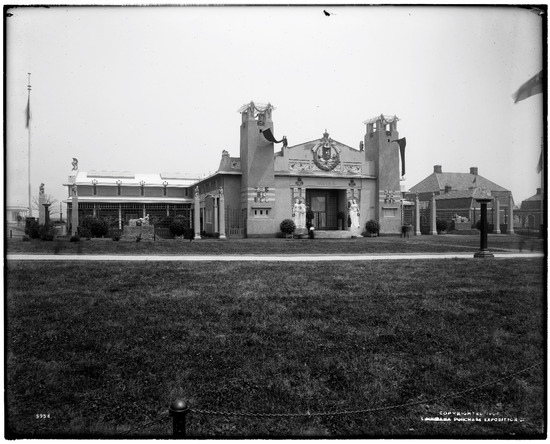
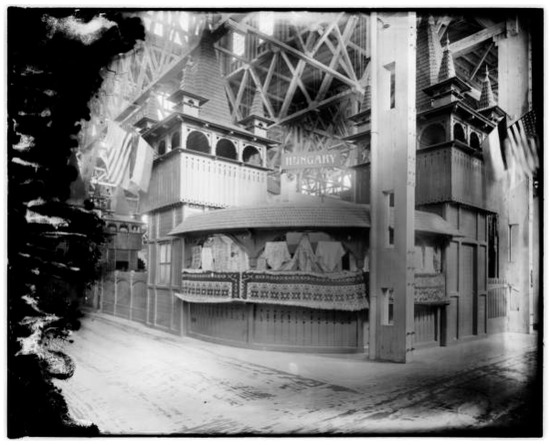
This article examines the place of Croatian art within Hungarian art exhibitions around the turn of the century. Over close to a decade, from the 1896 Millennial Exhibition until the 1904 St. Louis World’s Fair, the way Croatian art was displayed within Hungarian exhibitions had changed. While it might seem that the ultimate absence of Croatian art in later Hungarian displays is an example of Hungarian chauvinism, the opposite is the case: Croatian art still continued to be displayed, but not as a subsidiary of Hungarian art.
Full article
(This article belongs to the Section Visual Arts)
►▼
Show Figures

Figure 1
Open AccessArticle
Framing the Calendar of the Sacramentary of Messina (BNE, Ms. 52): Patronage and Byzantine Topics in Late 12th-Century Sicilian Art
by
Carles Sánchez Márquez
Arts 2025, 14(2), 32; https://doi.org/10.3390/arts14020032 - 20 Mar 2025
Abstract
For the Norman kings of Sicily and the ecclesiastical authorities who ruled their dioceses, Byzantine art served as both a symbol of luxury and a model of prestige. Similarly to the mosaics of Palermo, Monreale, and Cefalú, as well as textiles and goldsmithing,
[...] Read more.
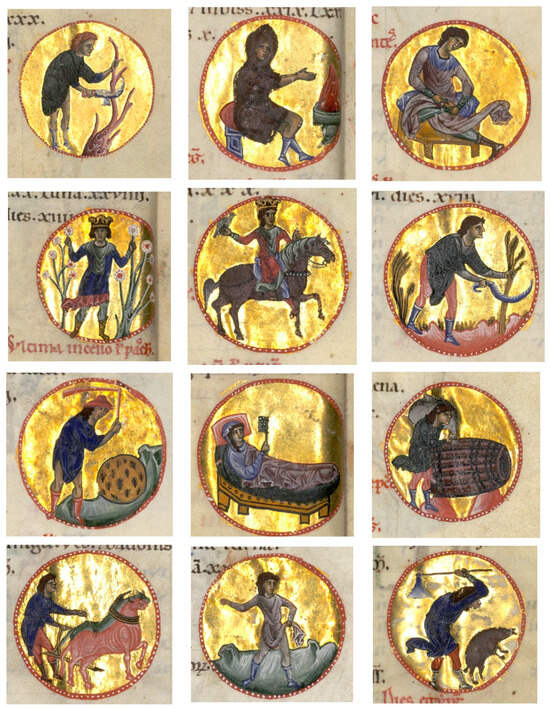
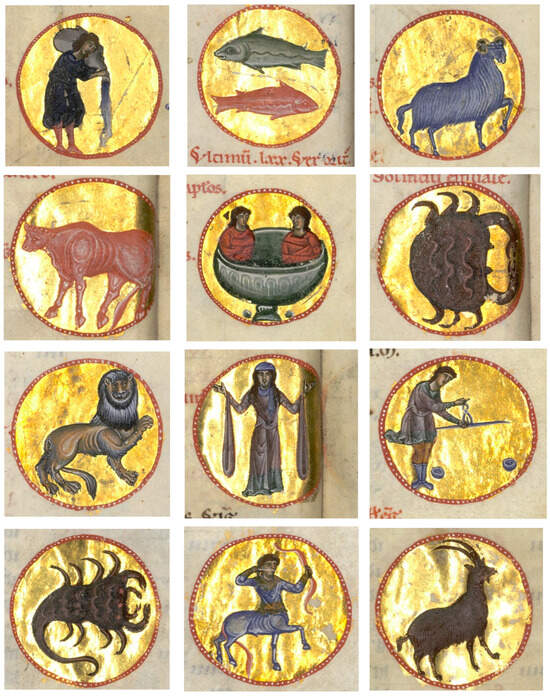
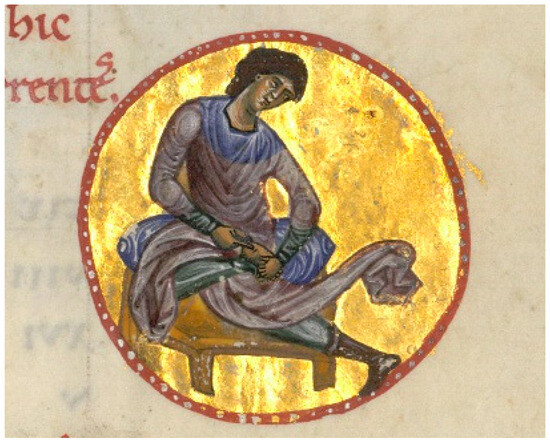
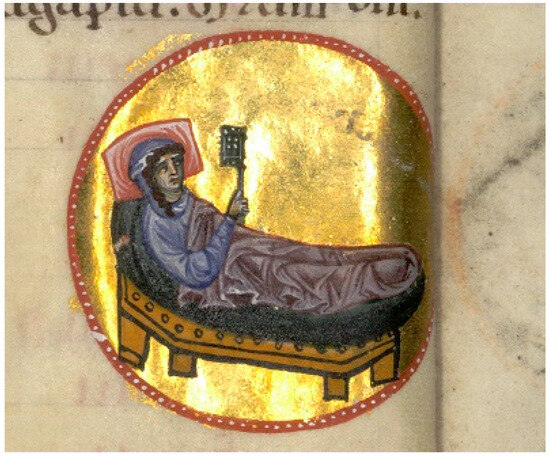
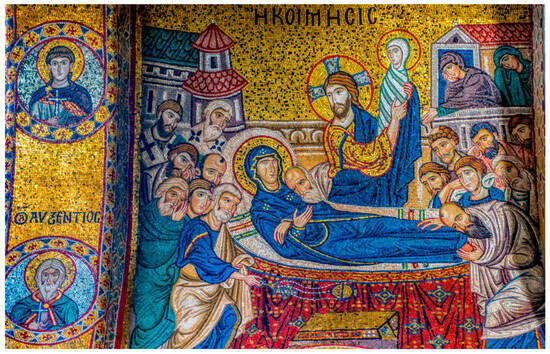
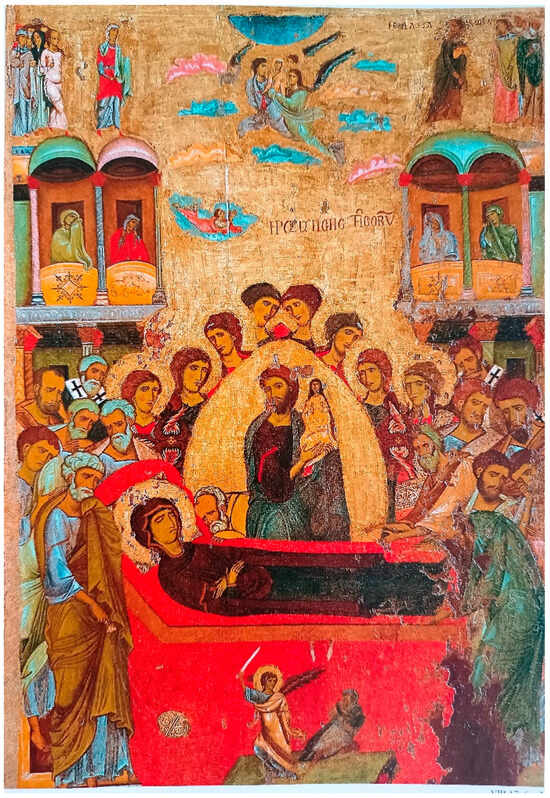
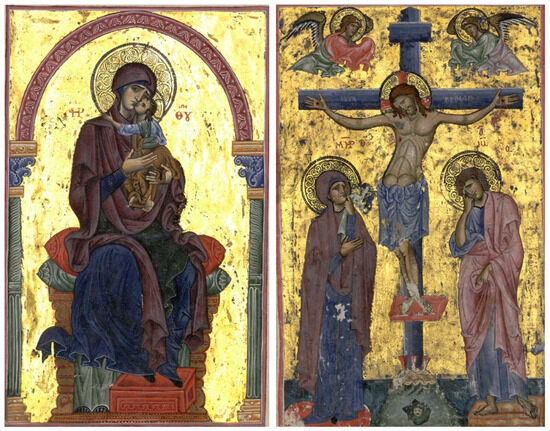
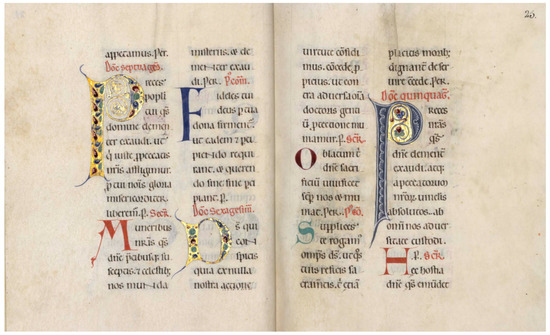
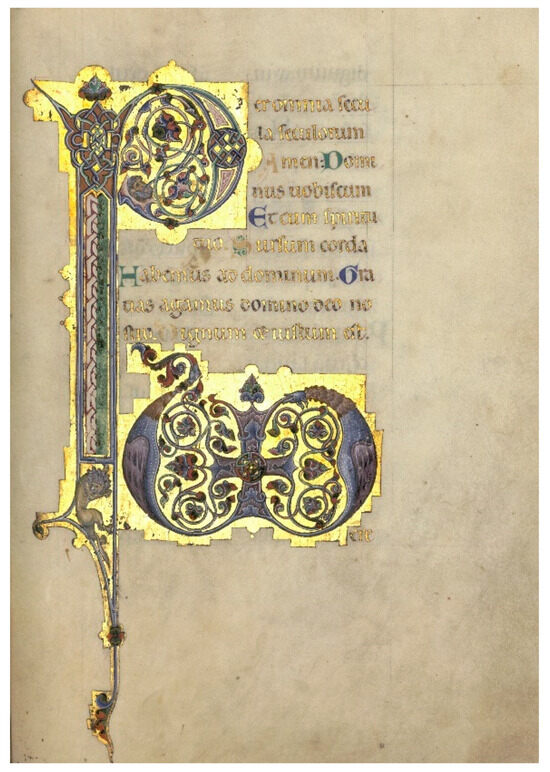
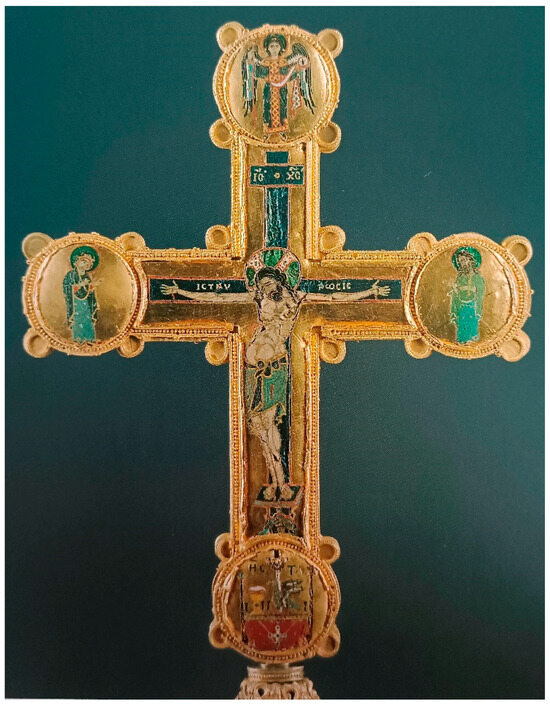
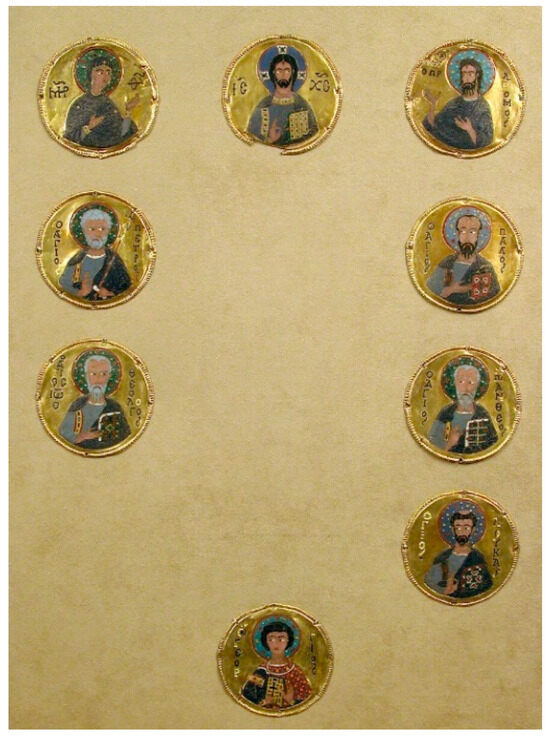
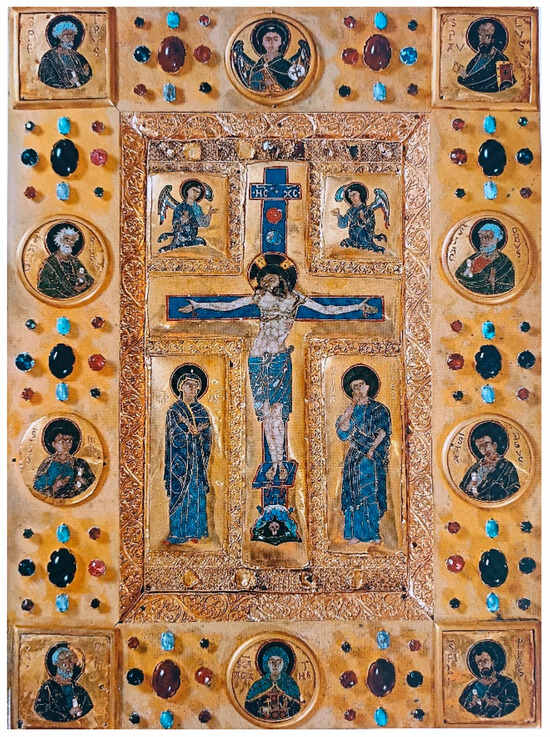
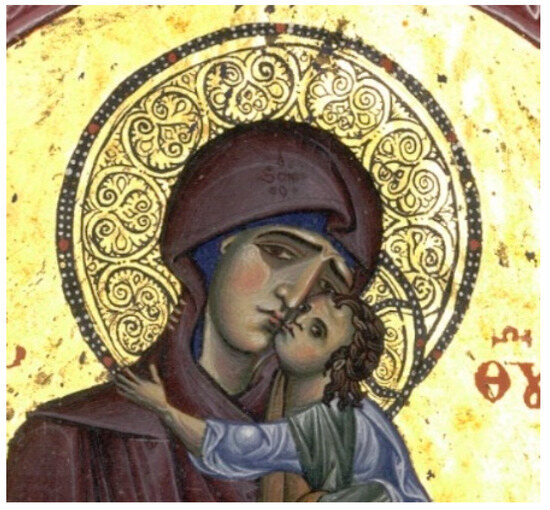
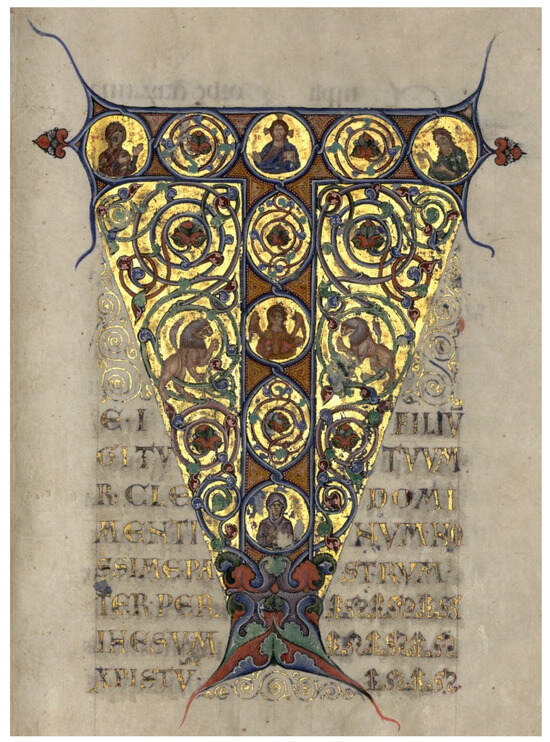
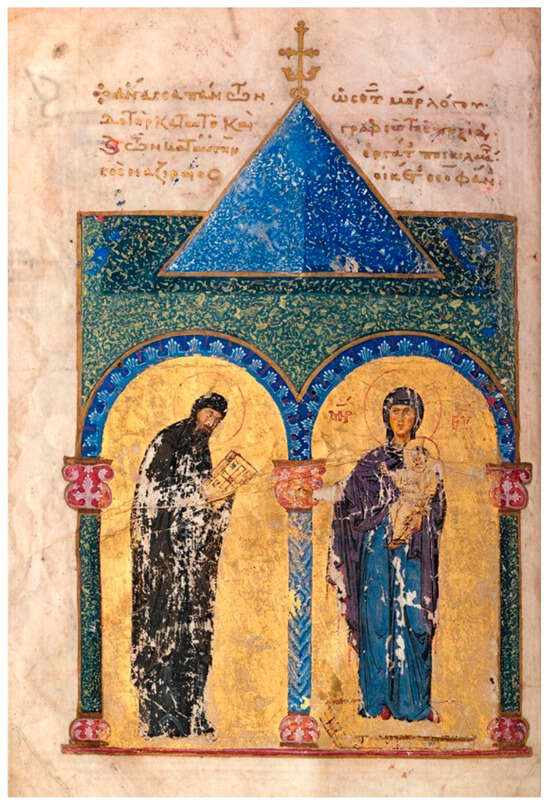
For the Norman kings of Sicily and the ecclesiastical authorities who ruled their dioceses, Byzantine art served as both a symbol of luxury and a model of prestige. Similarly to the mosaics of Palermo, Monreale, and Cefalú, as well as textiles and goldsmithing, the manuscripts preserved in the National Library of Madrid stand as prime examples of the fascination that the dignitaries of the Kingdom of Sicily had for Byzantine esthetics. Among these manuscripts, the Sacramentary of Messina (Madrid, BNE Ms. 52) is perhaps the most striking. This Latin sacramentary, comprising 303 folios, features illuminated initials, a calendar with depictions of classical topics, such as the Spinario and a compelling depiction of August inspired by the Byzantine Koimesis, the months and zodiac, and two full-page illustrations depicting the Virgin Glykophilousa, the Crucifixion, and the Deesis. This study has a dual focus. First, it aims to analyze the iconographic peculiarities of the monthly images in this Latin calendar. Second, it seeks to provide new insights into the manuscript’s patronage and its place of origin. In this context, one of the most striking and significant aspects of the sacramentary’s iconography is the prominent role of the Virgin, a theme that will also be examined in this study. Archbishop Richard Palmer emerges as the leading candidate to have been the driving force in the patronage of the manuscript to the Royal scriptoria of Palermo.
Full article
(This article belongs to the Special Issue Byzantium and the Mediterranean (11th–13th C.): Multiculturalism, Gender and Profane Topics in Illuminated Manuscripts)
►▼
Show Figures

Figure 1
Open AccessArticle
The Return of Decorative Trends in Modern Architecture: The Example of Poznań, Poland
by
Piotr Drozdowicz
Arts 2025, 14(2), 31; https://doi.org/10.3390/arts14020031 - 12 Mar 2025
Abstract
►▼
Show Figures
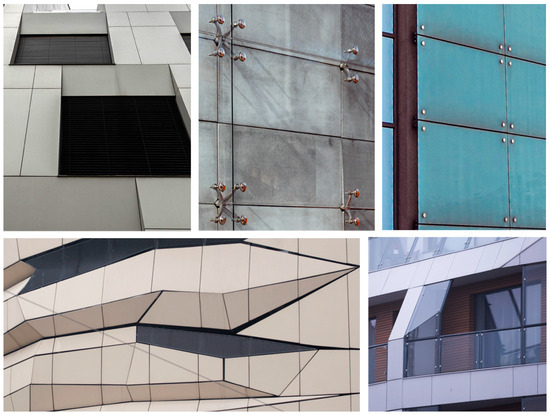
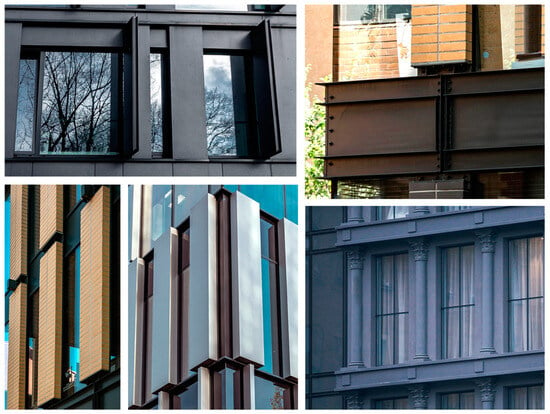
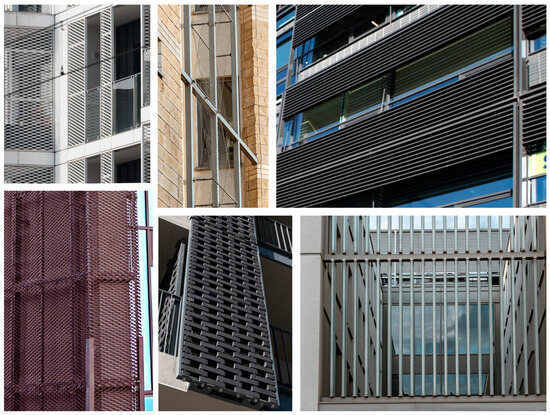
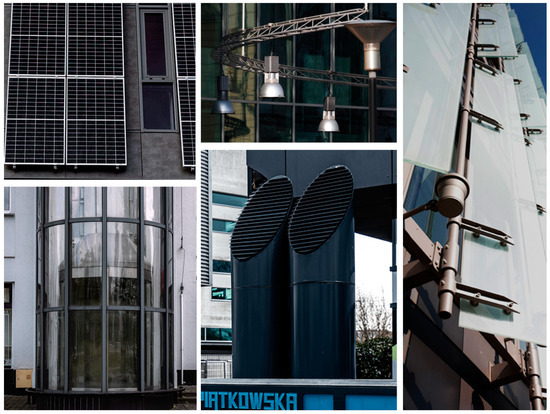
Aesthetic tendencies in architecture are disposed between two poles: rich ornamentation and formal restraint. The principle of an empty wall and the rejection of decoration are perceived as features of contemporary architecture. However, does the thesis attributed to Adolf Loos that ornament is
[...] Read more.
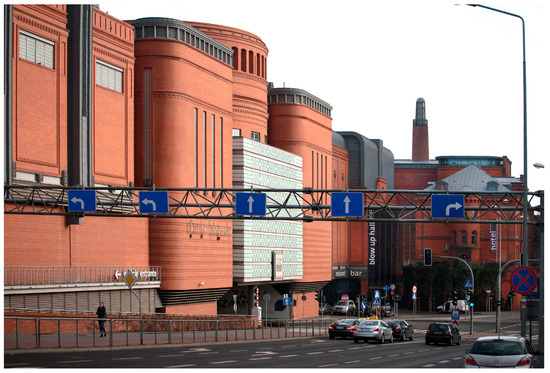
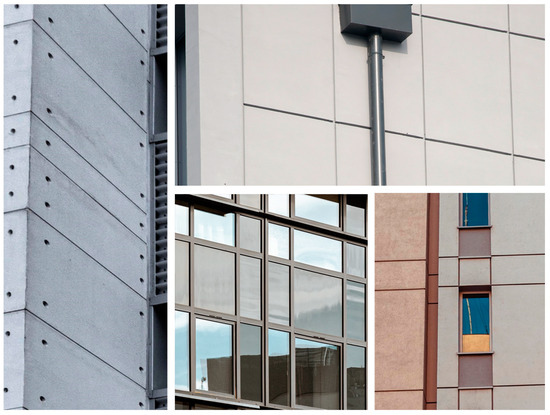
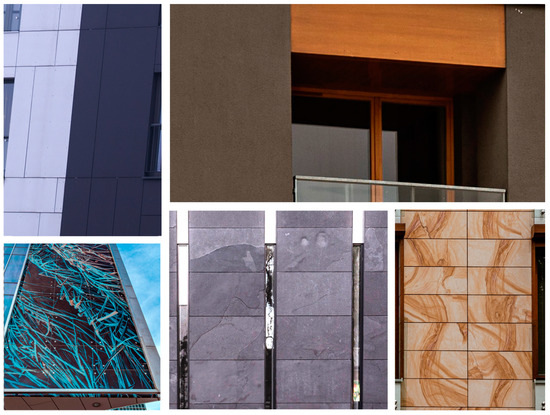
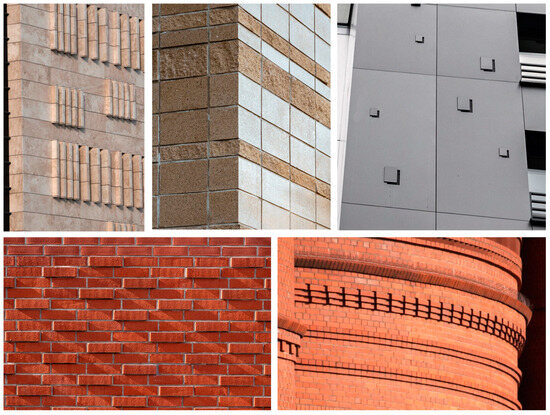
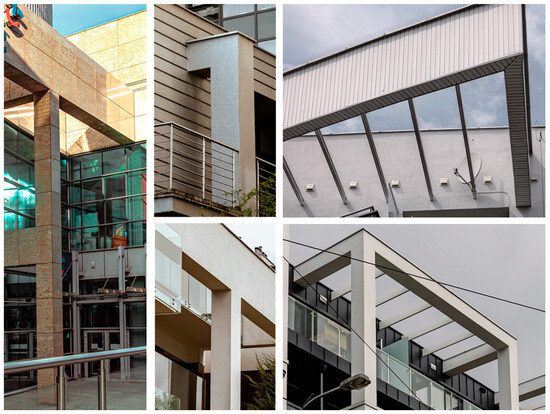
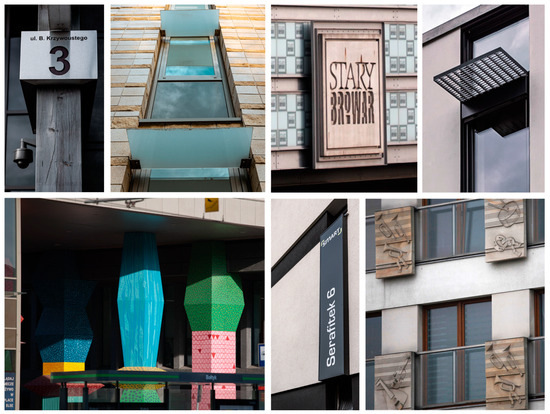
Aesthetic tendencies in architecture are disposed between two poles: rich ornamentation and formal restraint. The principle of an empty wall and the rejection of decoration are perceived as features of contemporary architecture. However, does the thesis attributed to Adolf Loos that ornament is a crime still apply? This study covered 50 buildings completed between 2000 and 2022 in Poznań (Poland) and 810 photographs were obtained. In order to analyze the research material from an aesthetic point of view, the author refers to the past concept of decorum, which distinguishes it from the concept of ornament. The result of the research presented in this article is a typology of contemporary decorative elements, which includes eleven types of decorations. The study of construction in Poznań reveals the widespread presence of new ornaments, which demonstrates a universal human need for decoration. Increased decorativeness, which characterizes the declining periods of architectural styles, indicates that the modern style of architecture has also fallen into a “Rococo phase” in terms of aesthetics. This raises a question about the direction that the development of architectural decorations should take. A clear need to return to the idea of decorum is observed, encouraging further research as well as the elevation of the design value of modern ornaments through professional design research.
Full article

Figure 1
Open AccessArticle
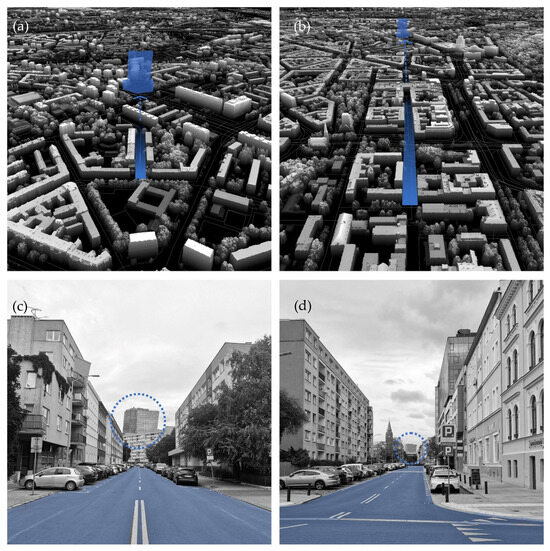
The Role of Tall Buildings in Sustainable Urban Composition—The Case of Hanza Tower in Szczecin (Poland)
by
Zbigniew Władysław Paszkowski, Klara Czyńska and Natalia Emilia Paszkowska-Kaczmarek
Arts 2025, 14(2), 30; https://doi.org/10.3390/arts14020030 - 11 Mar 2025
Abstract
Tall buildings are a unique category of architectural objects, as they are characterized by a strong self-presentation effect and have a significant visual impact on the urban composition and the surrounding cityscape. This contextual impact has a one-way character—it is directed from the
[...] Read more.
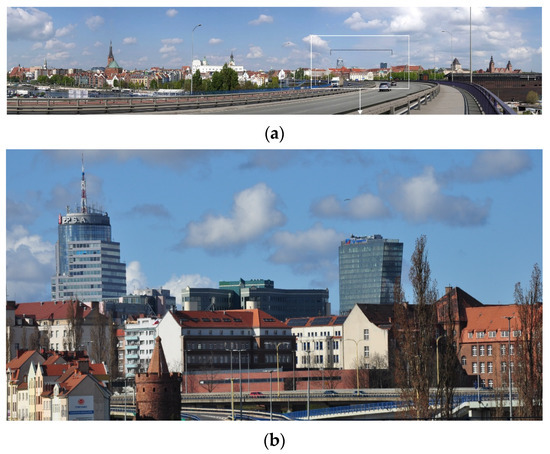
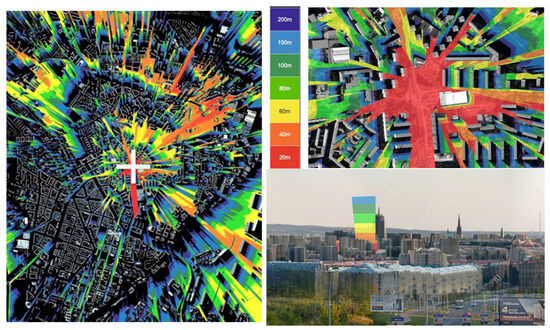
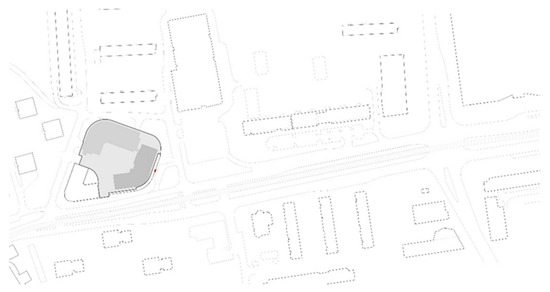
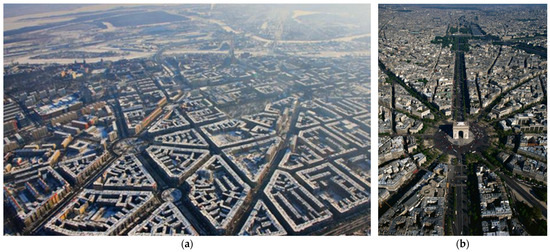
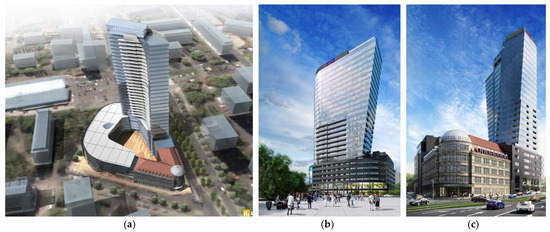
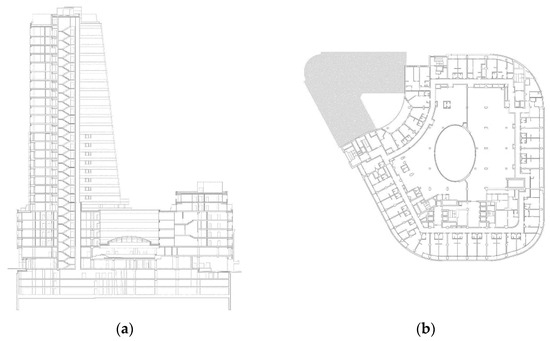
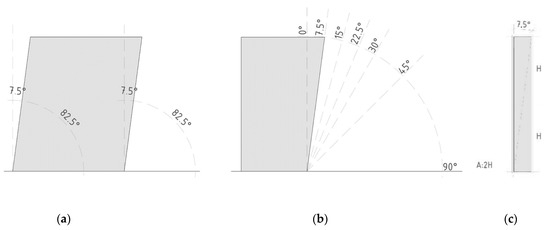
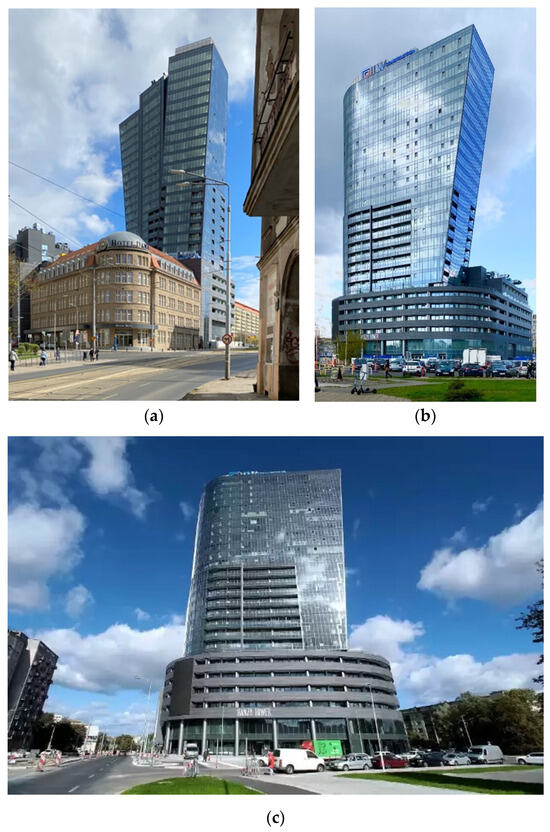
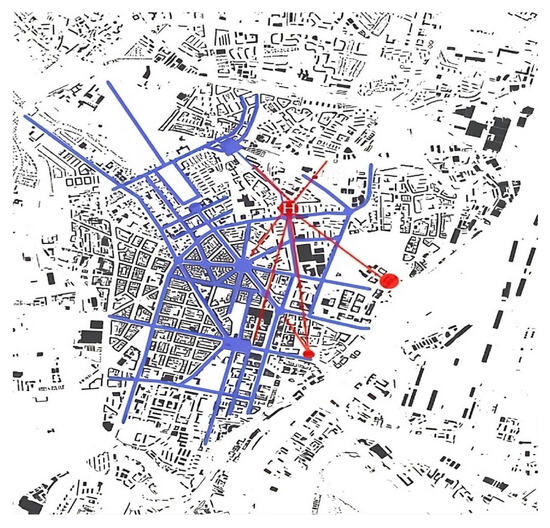
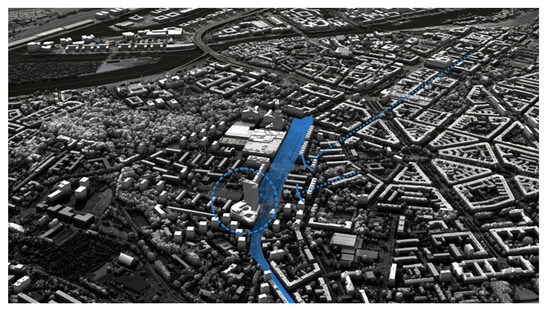
Tall buildings are a unique category of architectural objects, as they are characterized by a strong self-presentation effect and have a significant visual impact on the urban composition and the surrounding cityscape. This contextual impact has a one-way character—it is directed from the tall building to its surroundings, the neighborhood, the entire urban area, and the landscape. The context of the surroundings generally has no effect on tall buildings. Tall buildings are usually solitary structures, focused on their own composition. Conversely, the impact of a tall building is multifaceted: it is symbolic, iconic, and compositional, in the sense that it is a ‘strong’ form that draws attention to itself. This study analyzes and evaluates the case of the Hanza Tower, a tall building in Szczecin, and its impact on the city of Szczecin in terms of urban, architectural, and historical contexts, as well as its location in relation to its surroundings. In this case, the authors have considered the spatial and cityscape impact of skyscrapers when viewed from a distance, as well as the role a skyscraper plays in terms of its symbolic, contextual, and compositional significance within the city. Attention is drawn to the sustainable correlation of the placement of the tall building with the spatial composition of the city layout to make its overall structure legible.
Full article
(This article belongs to the Special Issue Aesthetics in Contemporary Cities)
►▼
Show Figures

Figure 1
Open AccessArticle
When the Buddha Came to Nagoya: Immersive Reading in Kōriki Enkōan’s Illustrated Accounts of Traveling Temple Exhibitions
by
Daniel Borengasser
Arts 2025, 14(2), 29; https://doi.org/10.3390/arts14020029 - 6 Mar 2025
Abstract
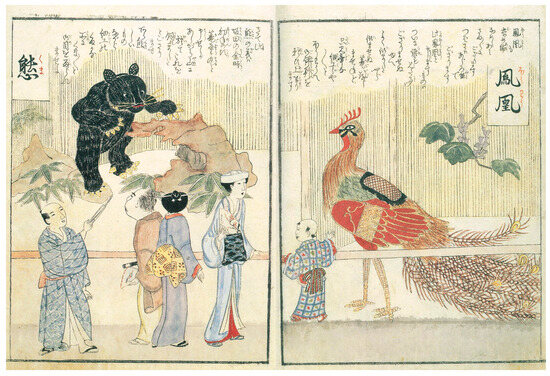
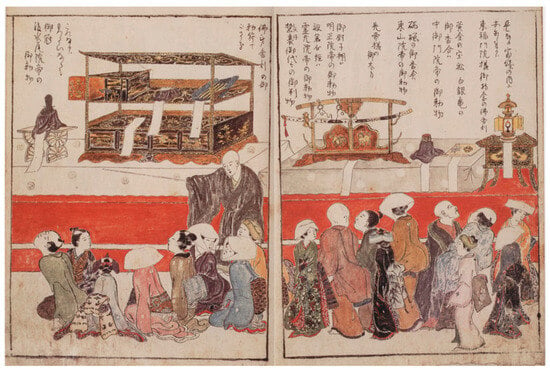
The illustrated books of Kōriki Enkōan (1756–1831), a samurai and amateur illustrator from Owari domain, offer a unique window into the culture of spectacle and display that flourished in late Edo-period Japan. Included in his corpus are several manuscripts that document kaichō,
[...] Read more.
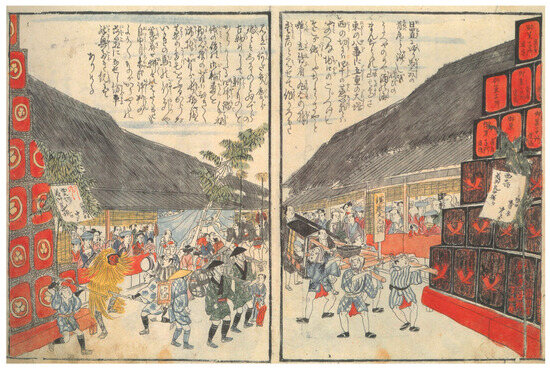
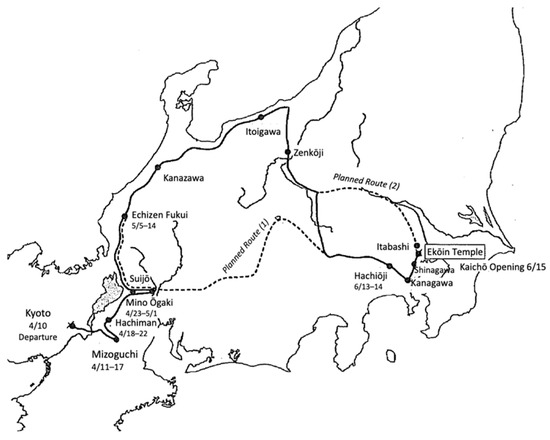
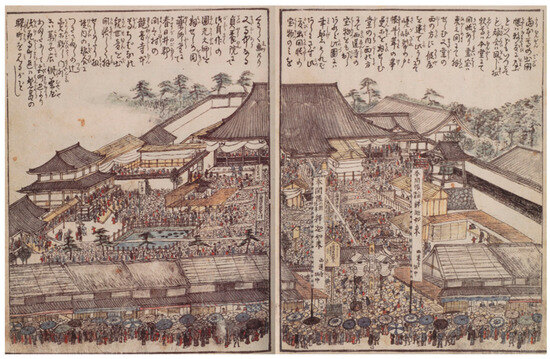
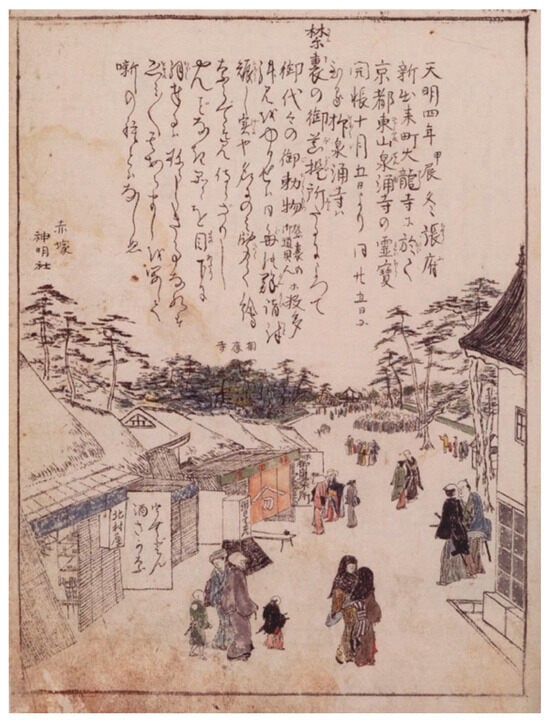
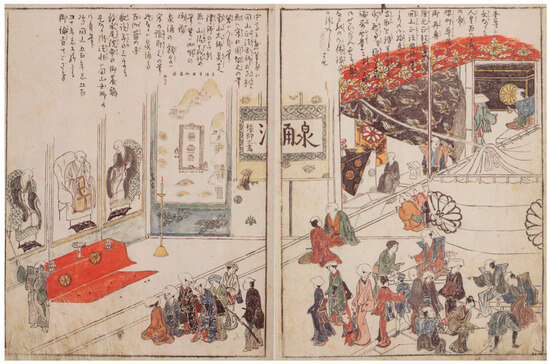
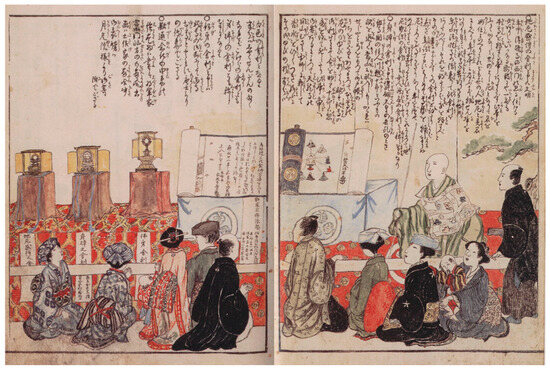
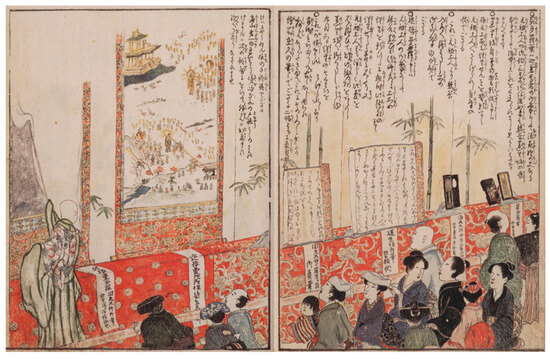
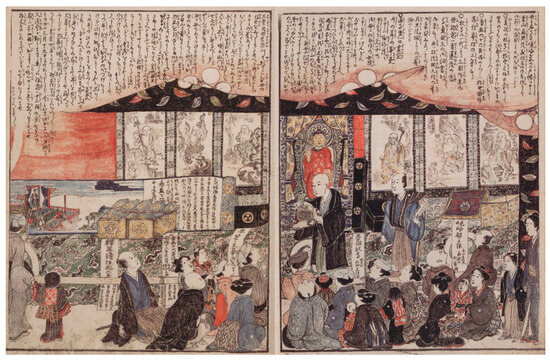
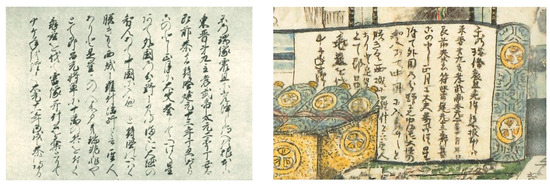
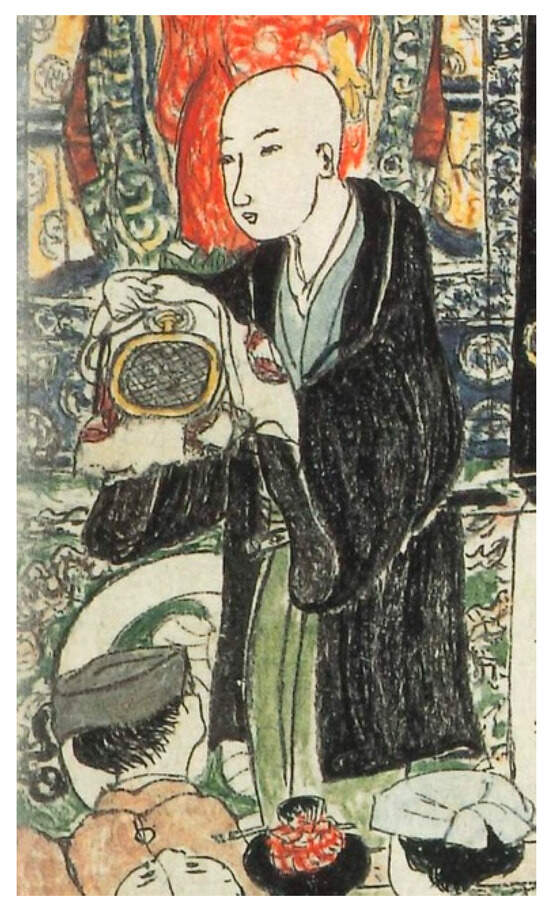
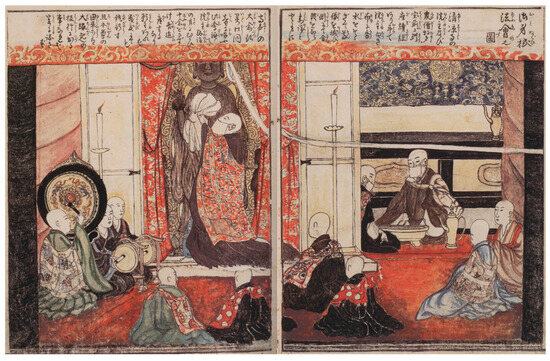
The illustrated books of Kōriki Enkōan (1756–1831), a samurai and amateur illustrator from Owari domain, offer a unique window into the culture of spectacle and display that flourished in late Edo-period Japan. Included in his corpus are several manuscripts that document kaichō, public exhibitions of sacred icons and temple treasures hosted by Buddhist temples and other venues. While most studies of kaichō emphasize their popularity in the capital of Edo, this article focuses on Enkōan’s illustrated manuscript of an exhibition of the famous Seiryōji Shaka that was held in Nagoya in 1819. Situating the event and its visual documentation within the statue’s legendary history as a traveling icon, the study explores how Enkōan’s careful manipulation of text and image created an immersive reading experience that allowed its readers a kind of virtual access to the exhibition. Considering the author’s position within the contemporary social hierarchy, it also addresses the role that samurai values may have played in shaping the representation of kaichō and illuminates its intersections with urban spectacle and emerging exhibition practices in early modern Japan.
Full article
(This article belongs to the Special Issue Japanese Buddhist Art of the 19th–21st Centuries)
►▼
Show Figures

Figure 1
Open AccessEditorial
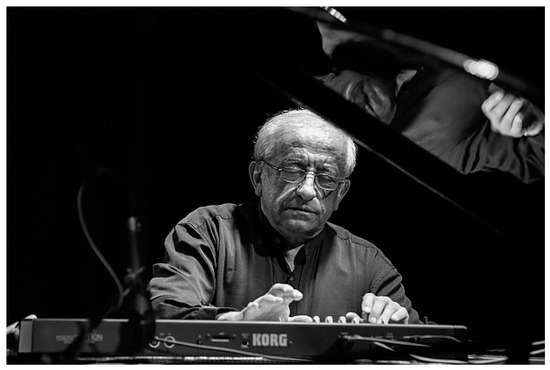
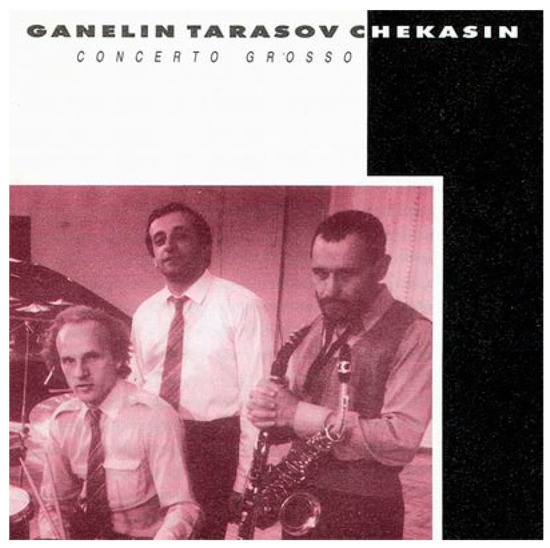
The Avant-Garde Innovation and Free Improvisation in Soviet Music: Three Contextualized Interviews
by
Dennis Ioffe
Arts 2025, 14(2), 28; https://doi.org/10.3390/arts14020028 - 4 Mar 2025
Abstract
This Special Issue of ARTS allocates considerable scholarly and analytical attention to the intricate exploration of performative traditions of experimentation within the Russian and Soviet milieus [...]
Full article
(This article belongs to the Special Issue Music vis-à-vis Other Arts in Eastern and Central Europe: Performance, Literature, Theatre, Art/Architecture and Visuality)
►▼
Show Figures

Figure 1
Open AccessArticle
Child in Time: Children as Liminal Agents in Upper Paleolithic Decorated Caves
by
Ella Assaf, Yafit Kedar and Ran Barkai
Arts 2025, 14(2), 27; https://doi.org/10.3390/arts14020027 - 4 Mar 2025
Abstract
Among the multiple zoomorphic and geometric images that dominate Upper Paleolithic decorated cave walls in Europe, some intriguing human hand stencils and finger flutings stand out. Dozens of these marks are attributed to toddlers and children aged 2–12. Accompanied by older group members,
[...] Read more.
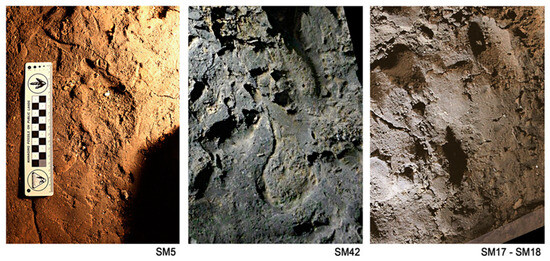
Among the multiple zoomorphic and geometric images that dominate Upper Paleolithic decorated cave walls in Europe, some intriguing human hand stencils and finger flutings stand out. Dozens of these marks are attributed to toddlers and children aged 2–12. Accompanied by older group members, they entered these deep, oxygen-depleted and sensory-deprived spaces, climbing and crawling in dark, wet, difficult-to-navigate environments where one might easily get lost or separated from the group. So, why would anyone bring young children into such dangerous locations? Relevant archaeological and anthropological studies form the basis of our hypothesis that the journeys of Upper Paleolithic hunter-gatherers to the depths of deep caves along with their young children should be seen in the framework of active connection with the cosmos as practiced by many indigenous societies worldwide. Indigenous societies often view children as liminal agents with unique physical, cognitive, and mental qualities that allow them to return to the supernatural realm more easily than adults. This makes them especially adept mediators between the world of the living and that of the spirits. In this paper, we examine children’s contribution to the creation of Paleolithic cave art as active agents. Their presence in caves (liminal spaces in themselves) and their participation in the creation of rock art might thus reflect their unique role in early human cosmology and ontology.
Full article
(This article belongs to the Special Issue Advances in Rock Art Studies)
►▼
Show Figures

Figure 1
Open AccessArticle
Outside the Palaces: About Material Culture in the Almoravid Era
by
Sophie Gilotte and Yasmina Cáceres Gutiérrez
Arts 2025, 14(2), 26; https://doi.org/10.3390/arts14020026 - 3 Mar 2025
Abstract
The material legacy of the Almoravid dynasty is evident in a limited number of public and military works promoted by the authorities, reflecting their policies on territorial expansion and urban planning. Other aspects, such as its integration into the Mediterranean economy, its ideological
[...] Read more.
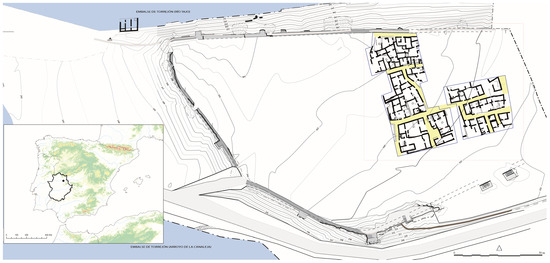
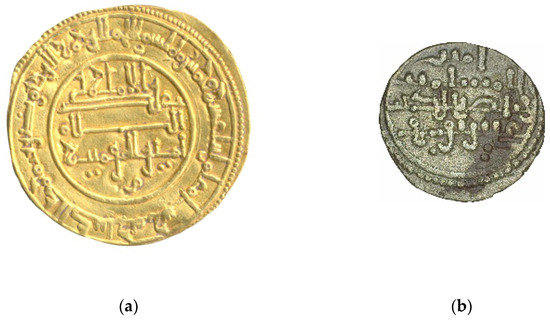
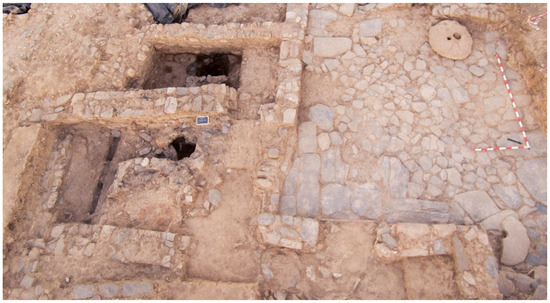
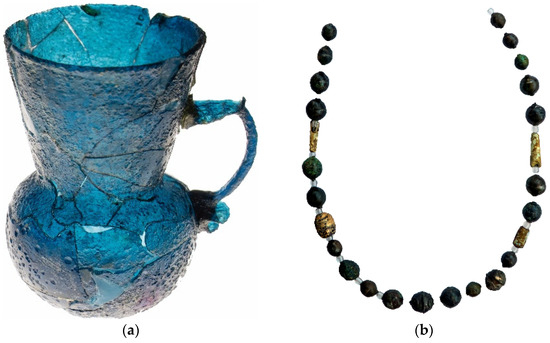
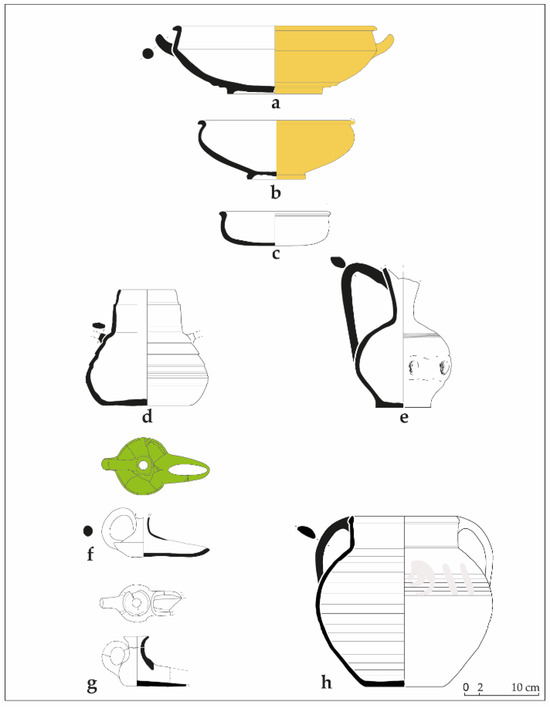
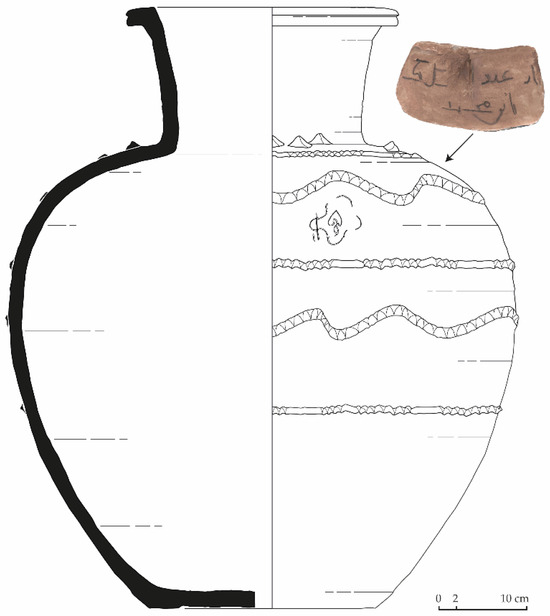
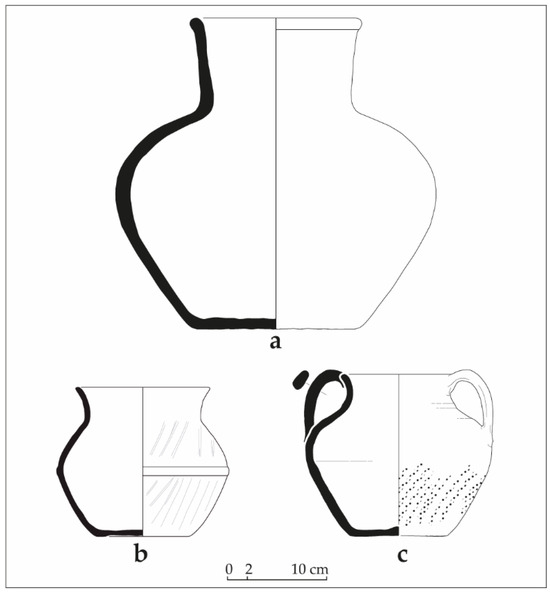
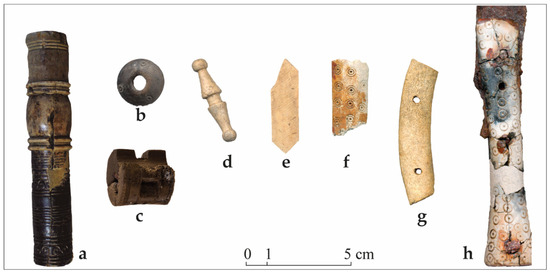
The material legacy of the Almoravid dynasty is evident in a limited number of public and military works promoted by the authorities, reflecting their policies on territorial expansion and urban planning. Other aspects, such as its integration into the Mediterranean economy, its ideological spread, and the vitality of its productive sectors, are well represented through coinage, inscriptions, and sumptuary arts. However, understanding everyday material culture beyond aristocratic circles remains elusive. This paper explores the influence of the Almoravid period on al-Andalus’s material culture, identifying antecedents and impacts on later periods. We analyze artifacts from the Albalat site (Romangordo, Cáceres, Spain), contextualized in the first half of the 12th century, comparing them with contemporary and earlier examples across the Almoravid empire. Emphasis is placed on ceramics, highlighting their diverse nature with inherited traits from the Taifa period, and innovations that persisted into Almohad culture, considering the role of production centers in disseminating these models. The transition from Almoravid to Almohad is also examined through everyday items like a casket adorned with bone inlays, representing a link in Andalusian ivory handicraft evolution. This analysis aims to deepen understanding of Almoravid heritage in the Iberian Peninsula.
Full article
(This article belongs to the Special Issue Islamic Art and Architecture in Europe)
►▼
Show Figures

Figure 1
Open AccessArticle
Celestial Light Marker: An Engineered Calendar in a Topographically Spectacular Geoscape
by
Richard Stoffle, Kathleen Van Vlack and Heather Lim
Arts 2025, 14(2), 25; https://doi.org/10.3390/arts14020025 - 3 Mar 2025
Abstract
Humans have been monitoring light from the solar system to tell the time and plan activities since Time Immemorial. This is an analysis regarding why Native Americans living in the upper Colorado River Basin chose to monitor light from the western sky using
[...] Read more.
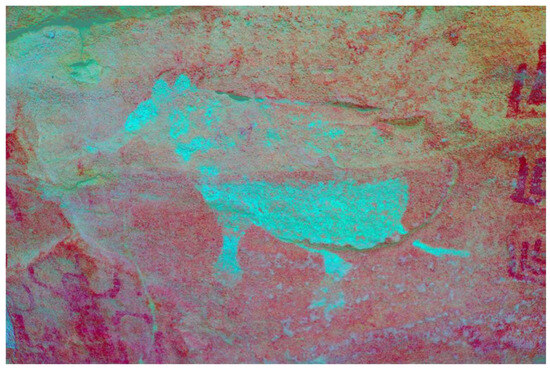
Humans have been monitoring light from the solar system to tell the time and plan activities since Time Immemorial. This is an analysis regarding why Native Americans living in the upper Colorado River Basin chose to monitor light from the western sky using a light marker that is approximately 4.02 miles long and 2.07 miles wide, or approximately 12.7 square miles. The light catching is accomplished in a massive geoscape by carefully calibrated and engineered stone markers. The scale of this light marker and its functional topographic components makes it one of the biggest and most elaborate in North America. As such, it is a World-Balancing geosite. This analysis is based on 522 ethnographic interviews, with 316 that were conducted during the Canyonlands National Park (Canyonlands NP) ethnographic study and 206 that were conducted during two BLM ethnographic studies. The findings are situated among tribally approved ethnographic findings from more than a dozen other studies conducted by the authors.
Full article
(This article belongs to the Special Issue Advances in Rock Art Studies)
►▼
Show Figures

Figure 1
Open AccessArticle
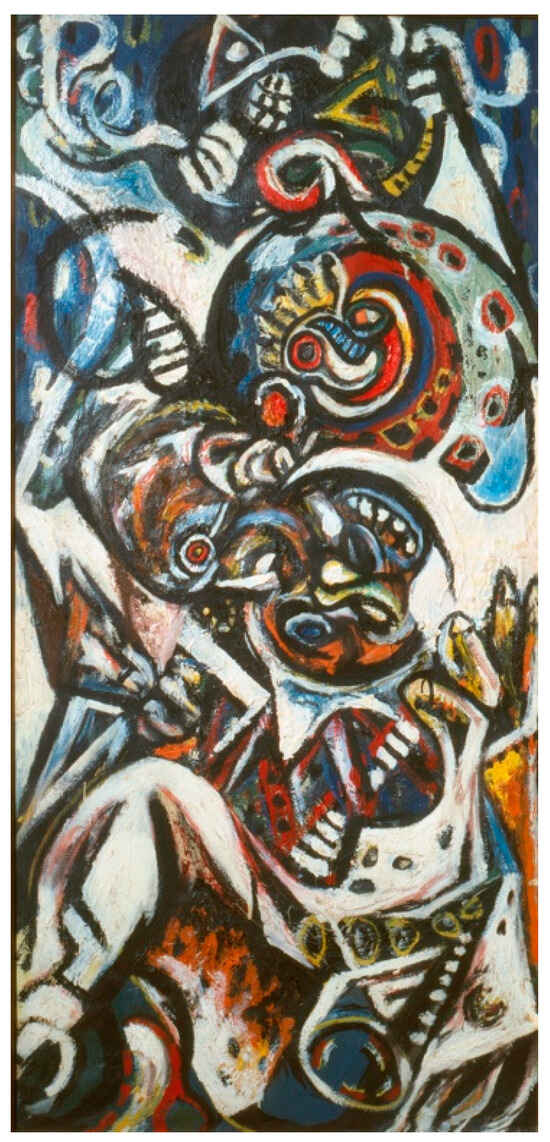
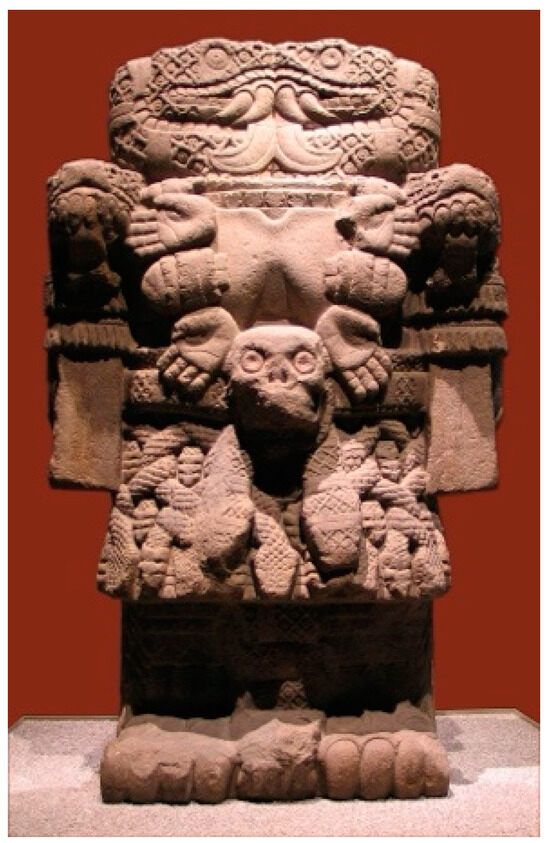
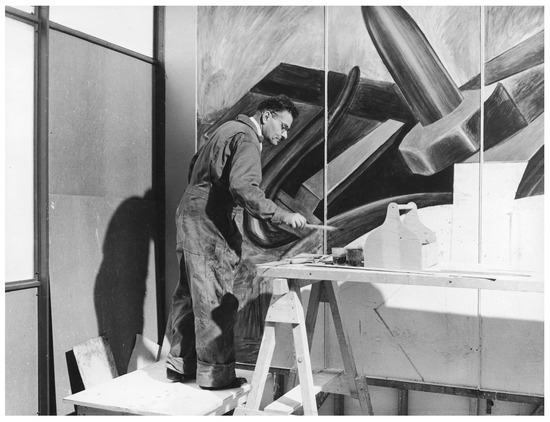
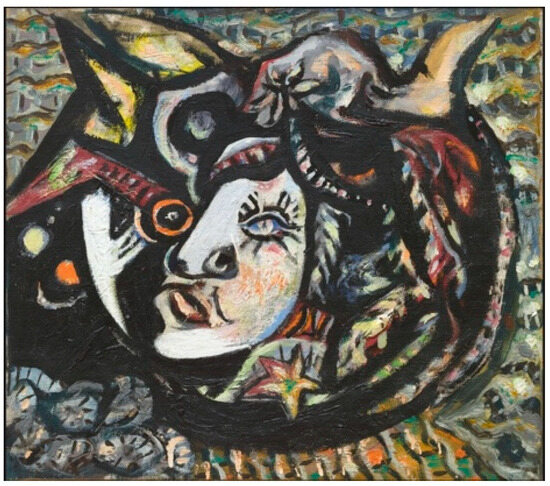
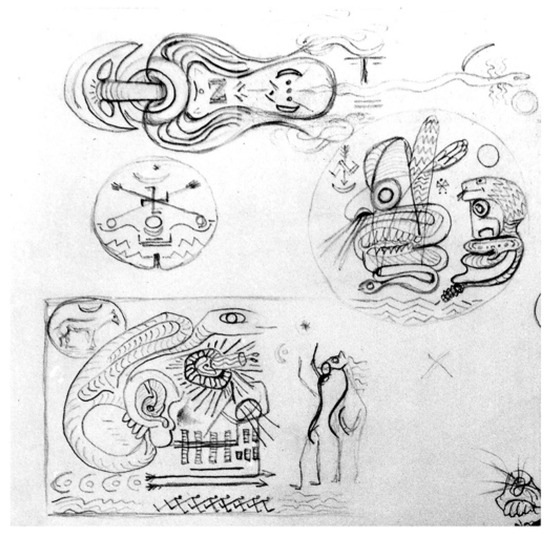
Mexico, Myth, Politics, Pollock: The Birth of an American Art
by
Elizabeth L. Langhorne
Arts 2025, 14(2), 24; https://doi.org/10.3390/arts14020024 - 3 Mar 2025
Abstract
Challenging the still widespread modernist and Eurocentric understanding of Pollock’s art as a formal advance based in Picasso’s cubism, this study explores the pervasive impact of Mexican art, political culture, and myth on the creation of Pollock’s Birth c. 1941. The recent discovery
[...] Read more.
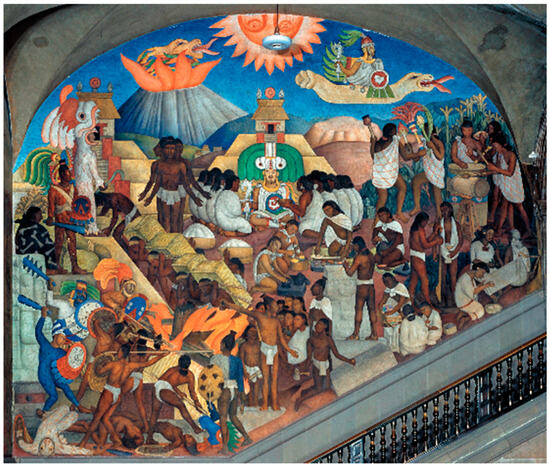
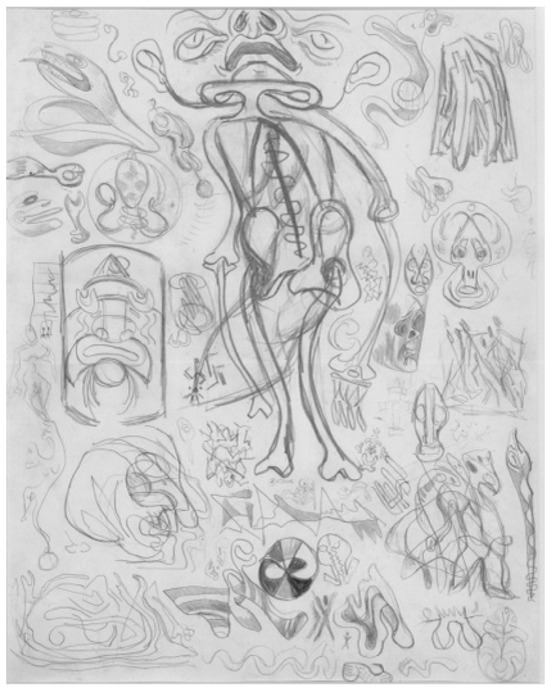
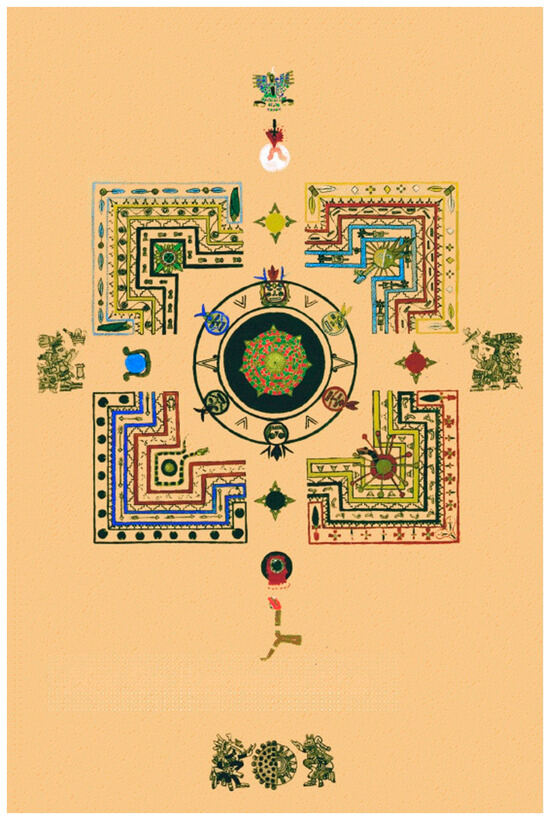
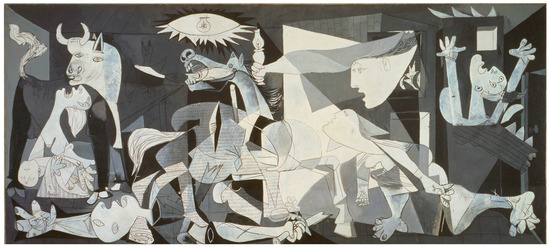
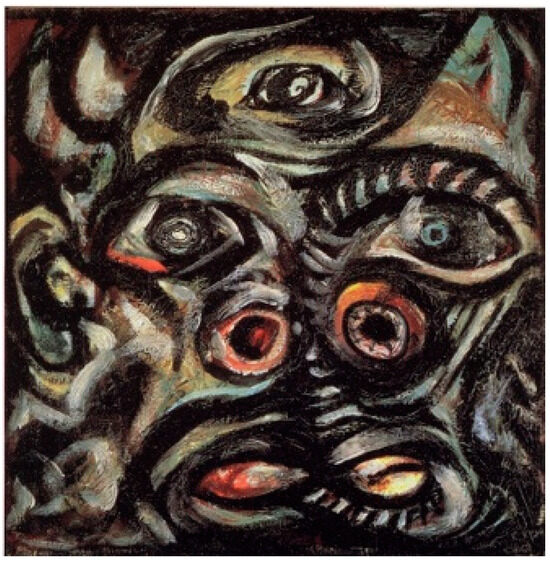
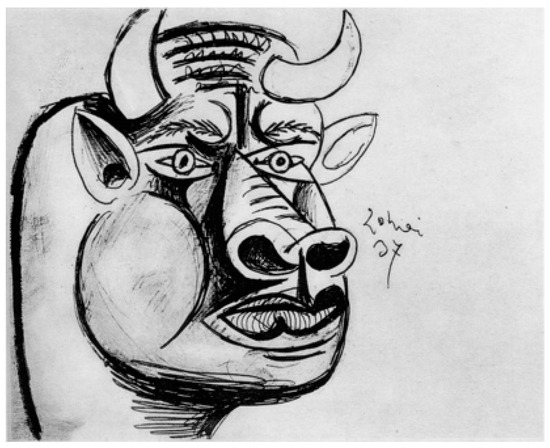
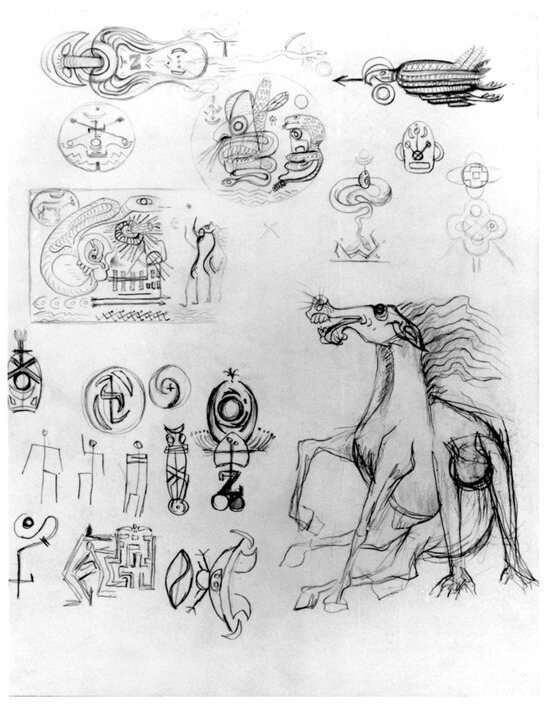
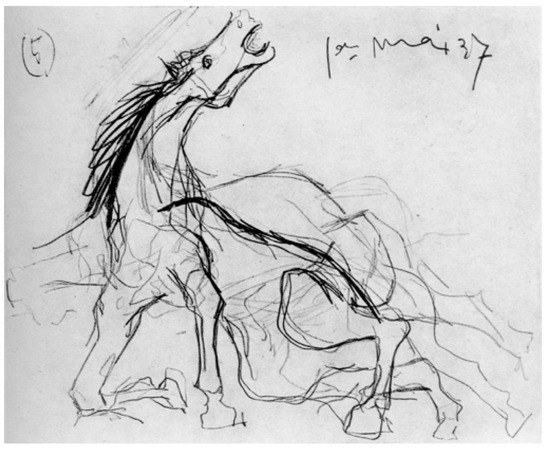
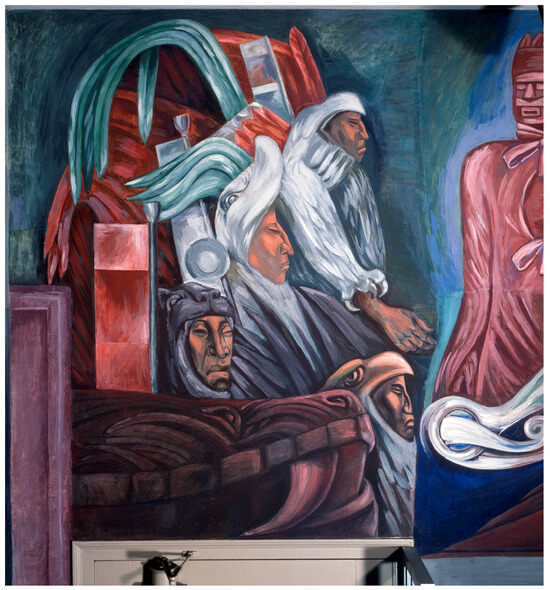
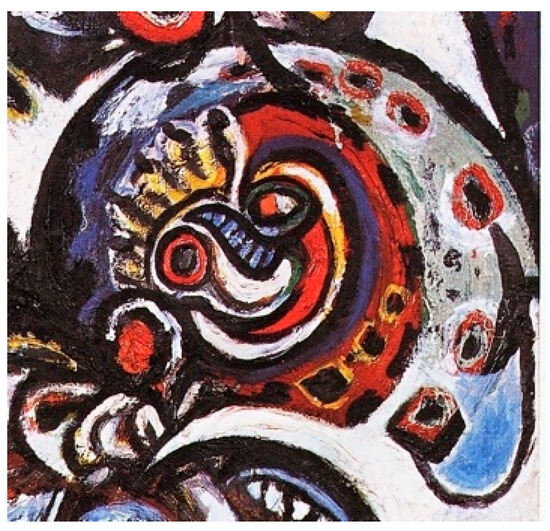
Challenging the still widespread modernist and Eurocentric understanding of Pollock’s art as a formal advance based in Picasso’s cubism, this study explores the pervasive impact of Mexican art, political culture, and myth on the creation of Pollock’s Birth c. 1941. The recent discovery of Pollock’s early exposure to Diego Rivera’s use of the Mesoamerican myth of Quetzalcoatl invites a reconsideration of the sources of his art. The myth of Quetzalcoatl challenged Pollock, who responded not just to Rivera but also to Siqueiros’ understanding of the political significance of art and to Orozco’s call for Quetzalcoatl’s return in a modern migration of the spirit at Dartmouth College. Made aware of the positive potential of this mythic symbolism by his Jungian psychotherapy, we see Pollock using it to counter the destructive force of fascism depicted in Picasso’s Guernica 1937. In the process he discovers his own artistic identity in Birth as a mythmaker in a time of war, capable of generating new Pan-American symbols and forms to challenge the hegemony of Picasso.
Full article
(This article belongs to the Section Visual Arts)
►▼
Show Figures

Figure 1
Open AccessPerspective
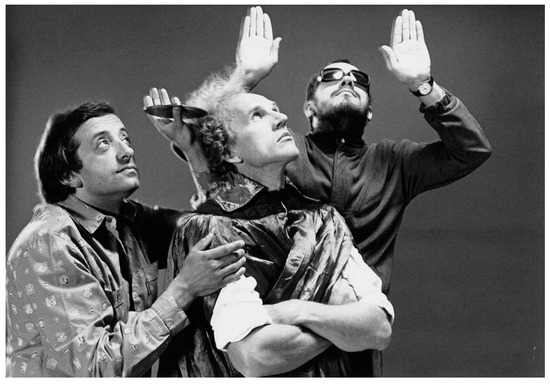
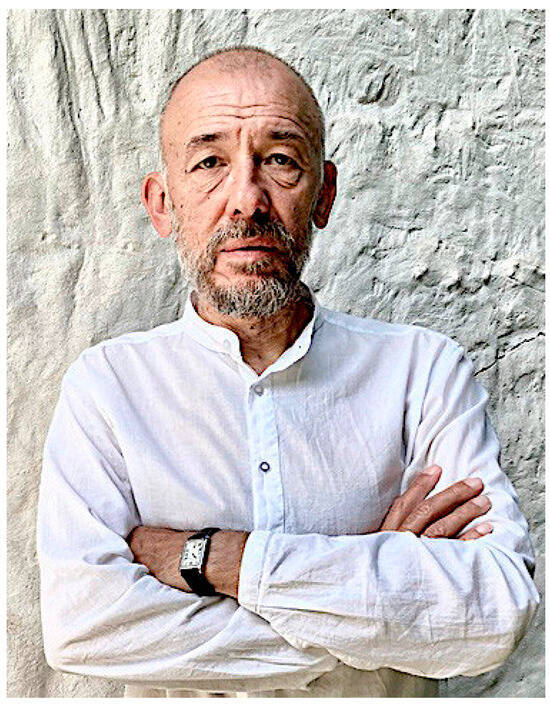
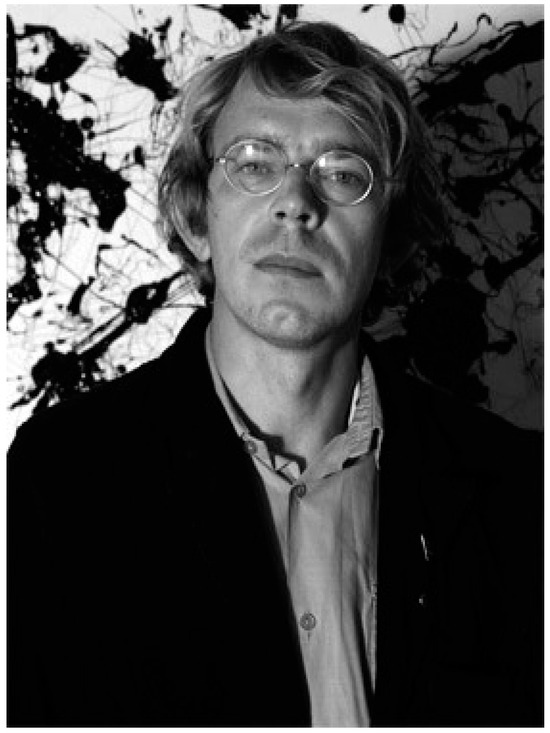
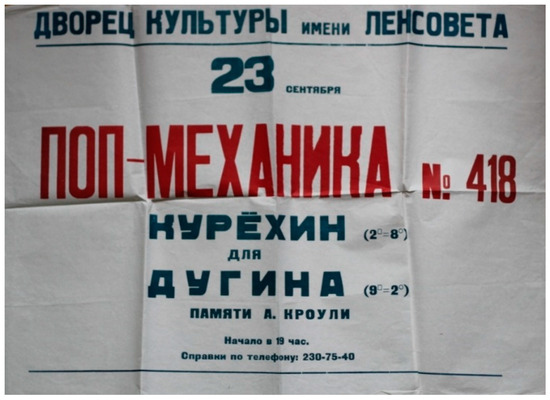
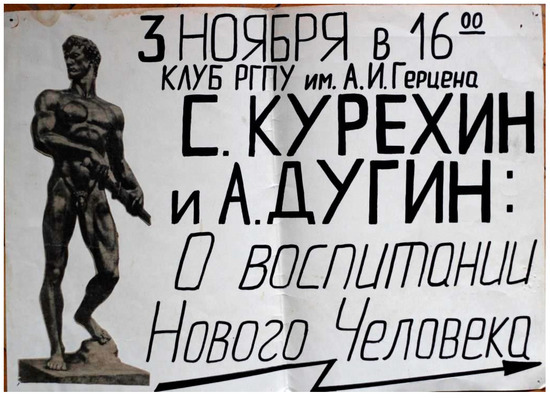
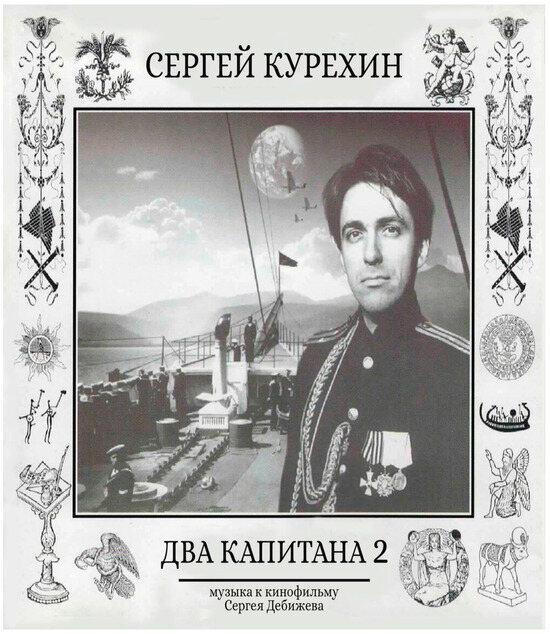
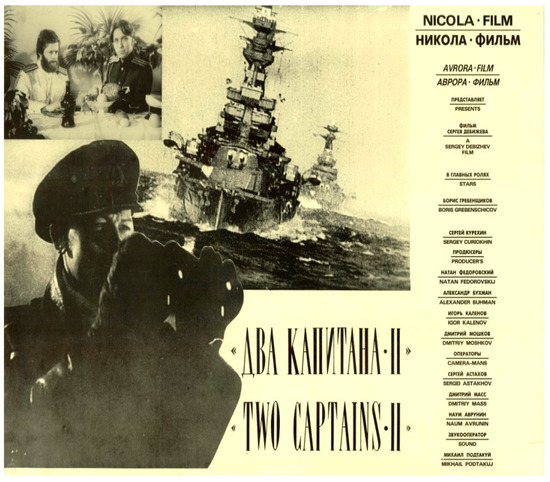
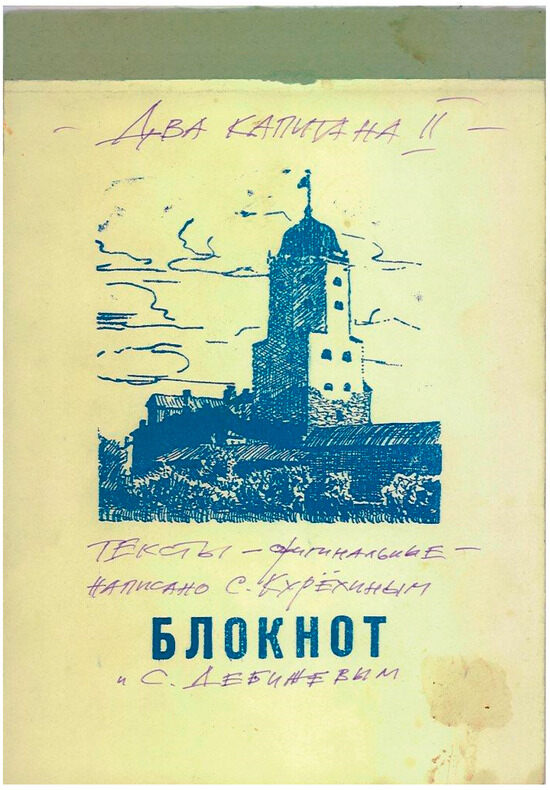
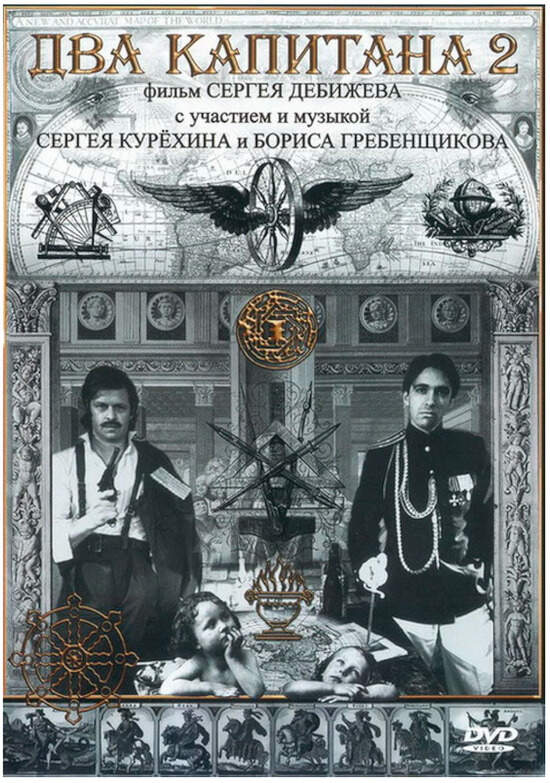
Exploring the Creative Art of Sergei Kuriokhin—Avant-Garde Musician, Cultural Theorist, and Cineast: Four Sergei(s) and Two Memoir Interviews
by
Sergei Chubraev
Arts 2025, 14(2), 23; https://doi.org/10.3390/arts14020023 - 1 Mar 2025
Abstract
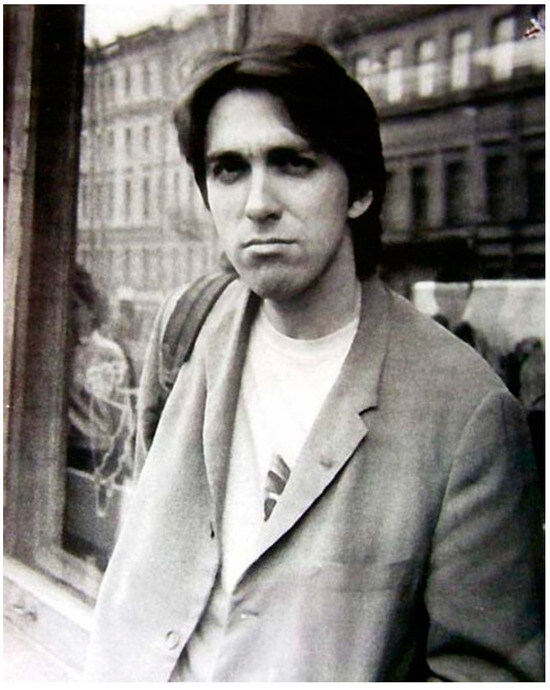
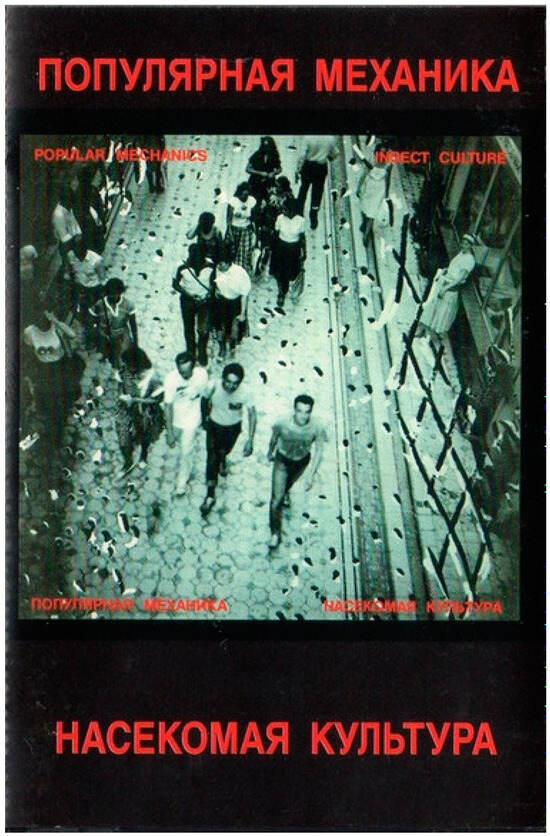
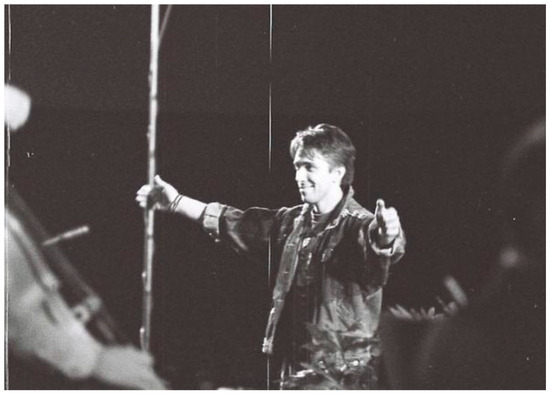
This text explores the life and legacy of Sergei Kuriokhin, a multifaceted artist who profoundly impacted Soviet and post-Soviet culture. Known for his radical experimentation in music, theater, and film, Kuriokhin defied conventional genres through his groundbreaking project, ‘Pop Mechanics’, which blended jazz,
[...] Read more.
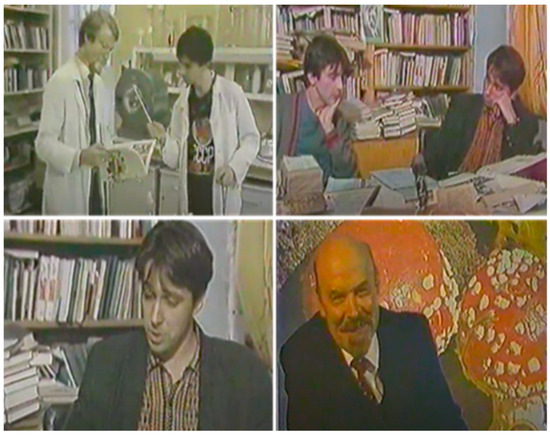
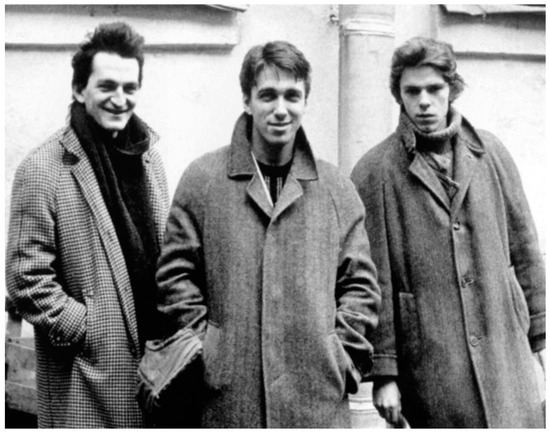
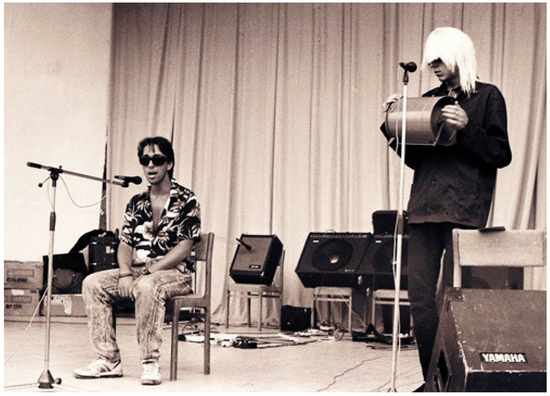
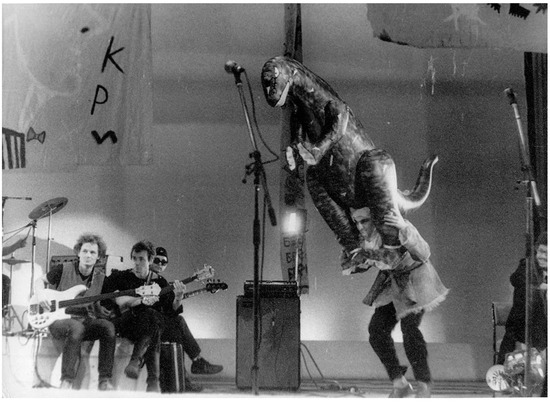
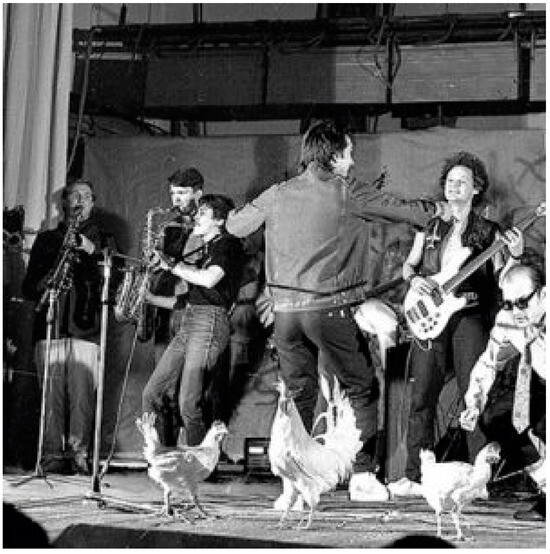
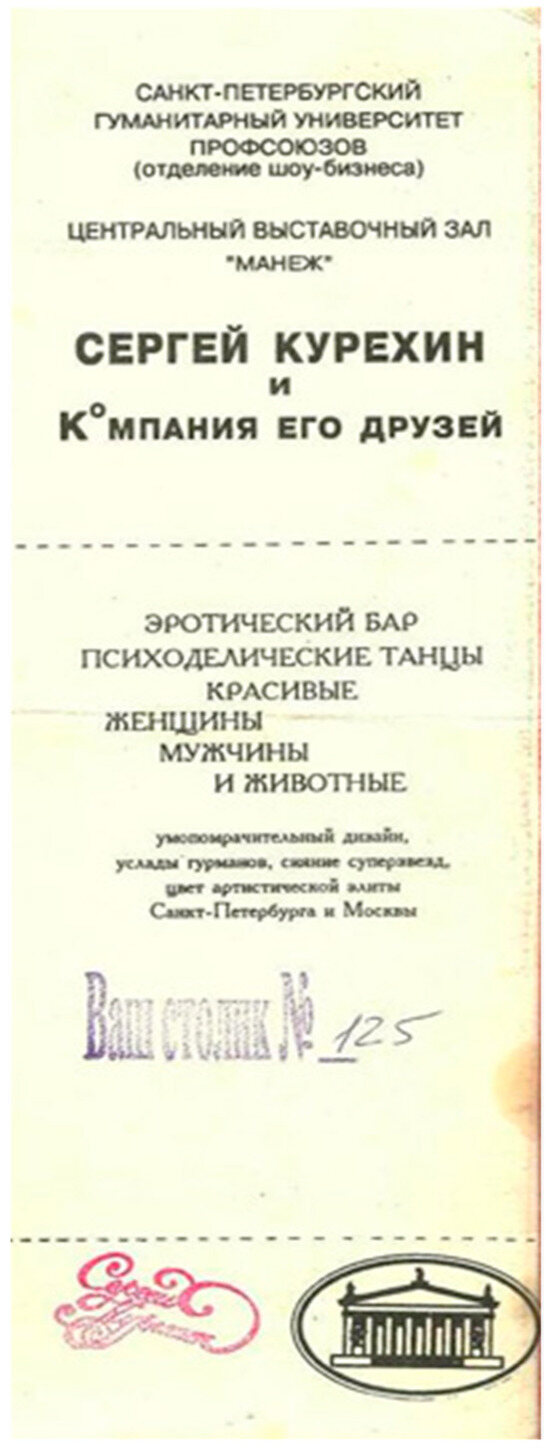
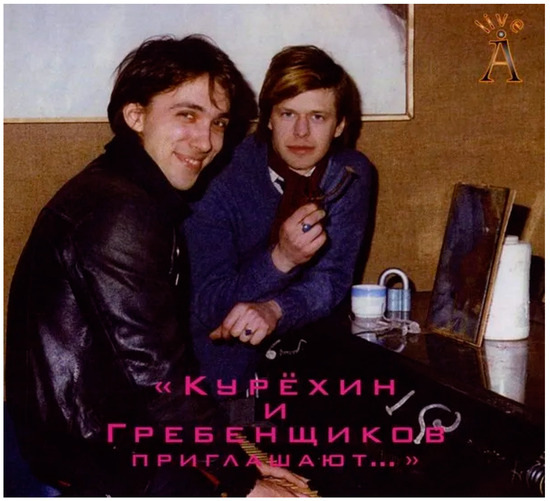
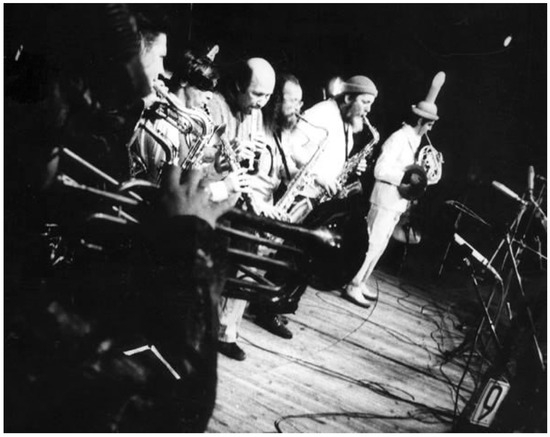
This text explores the life and legacy of Sergei Kuriokhin, a multifaceted artist who profoundly impacted Soviet and post-Soviet culture. Known for his radical experimentation in music, theater, and film, Kuriokhin defied conventional genres through his groundbreaking project, ‘Pop Mechanics’, which blended jazz, classical music, rock, circus acts, and more. His provocative performances often included surreal elements and bizarre satire, challenging cultural norms and the boundaries of Soviet censorship. Kuriokhin’s influence extended into politics, where his satirical “Lenin was a Mushroom” program questioned historical and ideological narratives, stirring public debate. His charisma, intellectual depth, and penchant for the absurd made him a central figure in Leningrad’s avant-garde scene. Kuriokhin collaborated with prominent artists and philosophers, leaving an indelible mark on Russian art and political discourse. This work, presented through the reflections of his close associates, offers insights into his lasting impact on Russian culture, blending history with personal mythologies.
Full article
(This article belongs to the Special Issue Music vis-à-vis Other Arts in Eastern and Central Europe: Performance, Literature, Theatre, Art/Architecture and Visuality)
►▼
Show Figures

Figure 1
Open AccessArticle
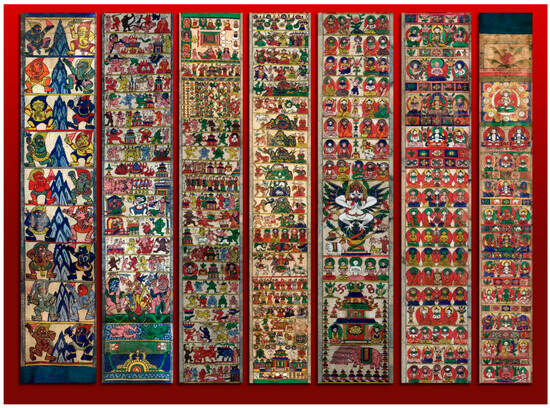
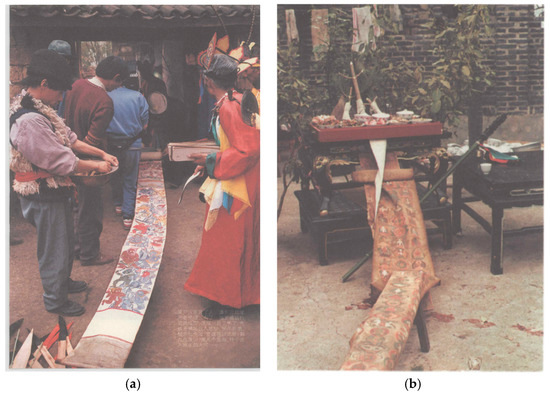
The Road to Divine Land: Iconography, Deity, and Aesthetic Style
by
Mengxi Tian and Shaohua Ding
Arts 2025, 14(2), 22; https://doi.org/10.3390/arts14020022 - 1 Mar 2025
Abstract
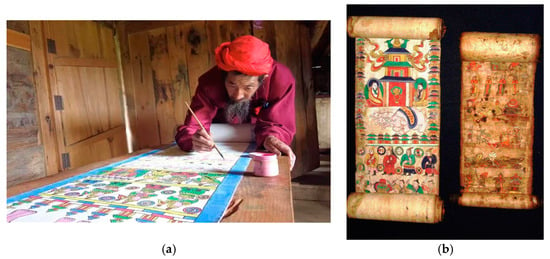
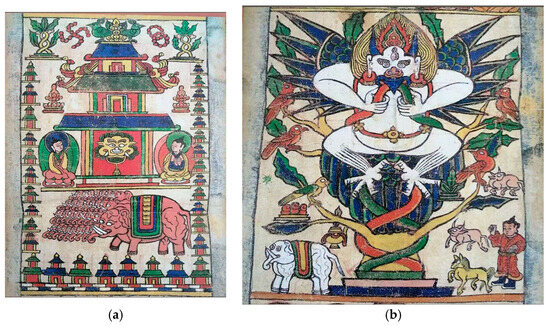
Dongba painting is an ancient art form created by the ancestors of the Naxi people. As a masterpiece of Dongba scroll painting, The Road to Heaven, exemplifies the simplicity and beauty of the primitive Dongba religion and stands as a unique treasure
[...] Read more.
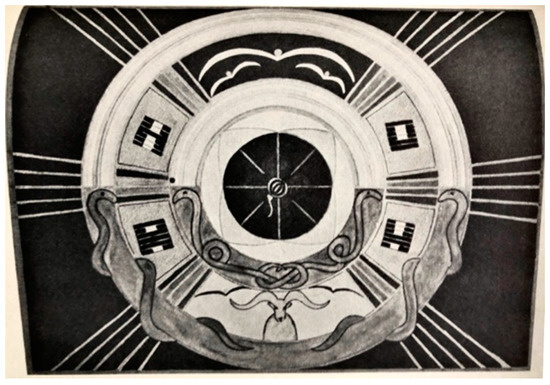
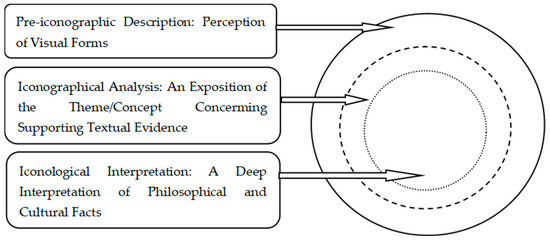
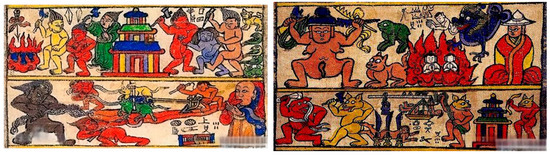
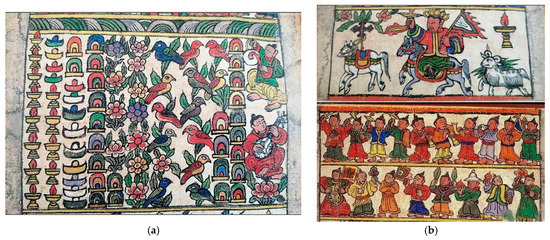
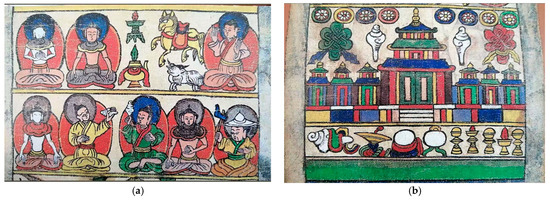
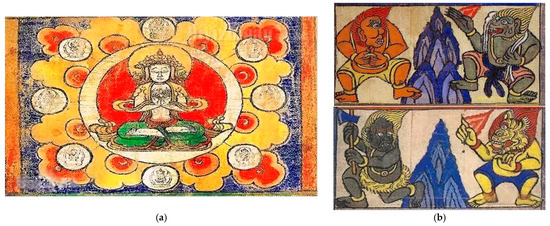
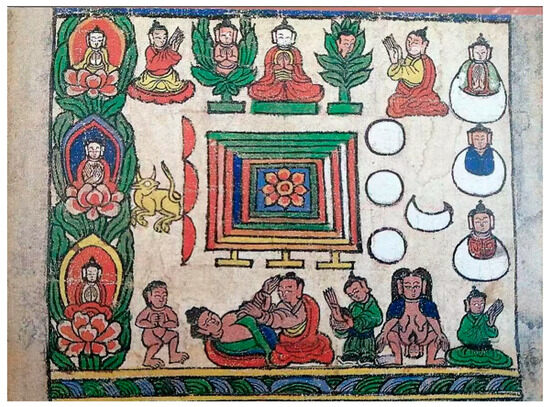
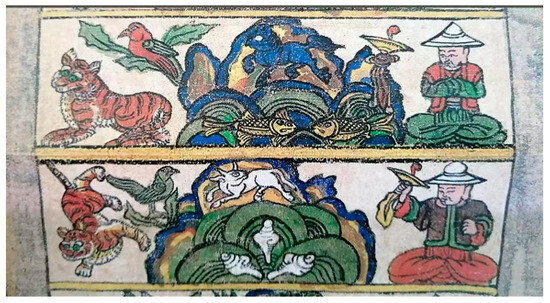
Dongba painting is an ancient art form created by the ancestors of the Naxi people. As a masterpiece of Dongba scroll painting, The Road to Heaven, exemplifies the simplicity and beauty of the primitive Dongba religion and stands as a unique treasure within Naxi painting, possessing significant value for both art and religious research. The Road to Heaven serves as an essential religious ritual artifact in the Dongba religion of the Naxi people. Utilizing the format of a long scroll painting, it depicts the Naxi people’s reflections on the origins of life; the relationships between humans, nature, and society; and the exploration of life’s ultimate destiny, thereby presenting a distinctive worldview. This article constructs a theoretical analysis framework based on an iconographic study of The Road to Heaven, exploring the unique artistic representation, aesthetic spirit, worldview, and religious origins of the Naxi people to gain a deeper understanding of the construction of their spiritual homeland. At the level of pre-iconographic description, this article primarily analyzes the subject matter and contents of The Road to Heaven, the materials employed in the painting, and its artistic features. The iconographic analysis examines the thematic elements of The Road to Heaven; the virtual world structure of the Dongba religion’s imagined realms of gods, humans, and spirits; and its simple, natural, vivid, and imaginative aesthetic style. At the level of iconological interpretation, in this article, the characteristics of the religious beliefs shown in The Road to Heaven and the main factors influencing its aesthetic spirit are analyzed. We reveal that although the Dongba religion intersects and integrates with Tibetan Buddhism, Mahayana Buddhism, Daoism, and other ideologies and cultures, ancestor worship remains a dominant force guiding Naxi behavior. The unique natural environment, historical migrations, and multicultural exchanges of the Naxi people are the primary factors shaping their aesthetic spirit. By systematically analyzing The Road to Heaven from the perspective of iconology, this study provides evidence of its profound connections with Naxi social history, offering a more comprehensive view of the Naxi people’s aesthetic spirit and cultural connotations while presenting new approaches for researching The Road to Heaven.
Full article
(This article belongs to the Section Visual Arts)
►▼
Show Figures

Figure 1
Open AccessEditorial
Framing the Virtual: New Technologies and Immersive Exhibitions
by
Emily Lawhead and Kate Mondloch
Arts 2025, 14(2), 21; https://doi.org/10.3390/arts14020021 - 27 Feb 2025
Abstract
In 2017, the Hirshhorn Museum and Sculpture Garden organized a major retrospective of Kusama Yayoi’s Infinity Mirror Rooms that enjoyed a six-venue tour of North America [...]
Full article
(This article belongs to the Special Issue Framing the Virtual: New Technologies and Immersive Exhibitions)
Open AccessArticle
Beyond Correlation to Causation in Hunter–Gatherer Ritual Landscapes: Testing an Ontological Model of Site Locations in the Mojave Desert, California
by
David S. Whitley, JD Lancaster and Andrea Catacora
Arts 2025, 14(1), 20; https://doi.org/10.3390/arts14010020 - 18 Feb 2025
Abstract
Why are rock art sites found in certain places and not others? Can locational or environmental variables inform an understanding of the function and meaning of the art? How can we move beyond observed patterning in spatial associations to a credible explanation of
[...] Read more.
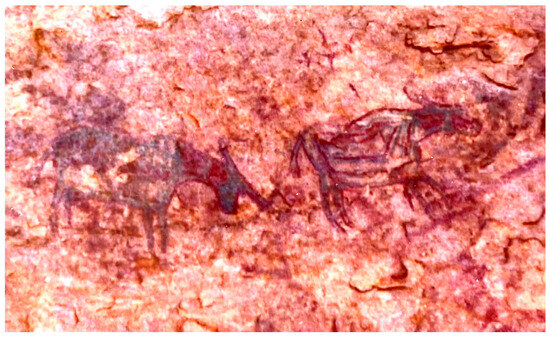
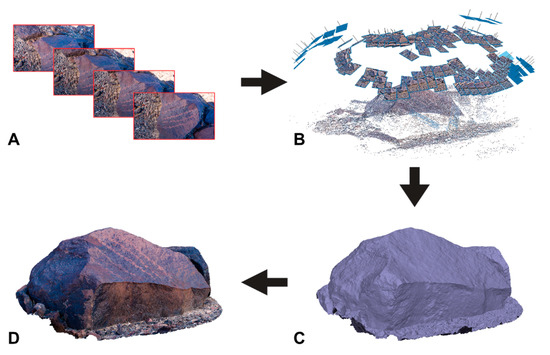
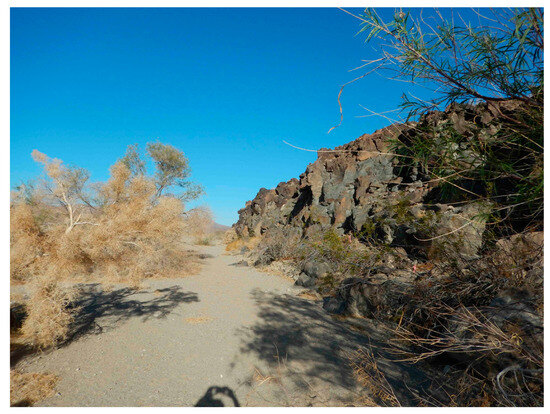
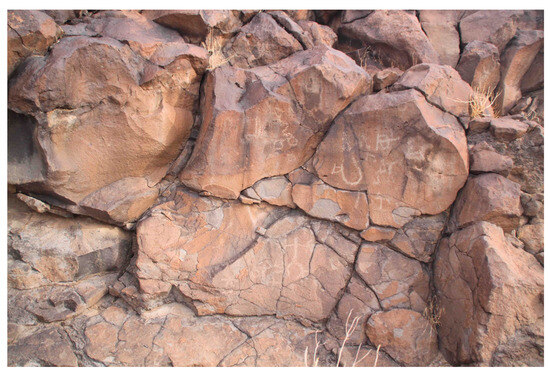
Why are rock art sites found in certain places and not others? Can locational or environmental variables inform an understanding of the function and meaning of the art? How can we move beyond observed patterning in spatial associations to a credible explanation of such meanings and ensure that we are not confusing correlation with causation? And what variables were most relevant in influencing site locational choices? These and related problems, whether recognized or not, are the subtext of the last three decades of rock art site distributional and landscape studies. They are now especially important to resolve given the need for accurate predictive modeling due to the rapid transformation of certain regions from undeveloped rural areas into rural industrial landscapes. Partly with this problem in mind, Whitley developed a descriptive model that provides an explanation for the location of Native Californian rock art in the Mojave Desert. It identifies the variables most relevant to site locations based on ethnographic Indigenous ontological beliefs about the landscape. These concern the geographical distribution of supernatural power and its association with certain landforms, natural phenomena and cultural features. His analysis further demonstrated that this model can account for two unusually large concentrations of sites and motifs: the Coso Range petroglyphs and the Carrizo Plain pictographs. But unanswered was the question of whether the model is applicable more widely, especially to smaller sites and localities made by different cultural groups. We documented and analyzed three petroglyph localities with seven small petroglyph sites in the southern Mojave Desert, California, to test this model. These sites are attributed to the Takic-speaking Cahuilla and Serrano tribes. Our study revealed a good fit between the expected natural and cultural variables associated with rock art site locations, with the number of such variables present at any given locale potentially correlated with the size of the individual sites. In addition to the research value of these results, this suggests that the model may be useful in the predictive modeling of rock art site locations for heritage management purposes.
Full article
(This article belongs to the Special Issue Advances in Rock Art Studies)
►▼
Show Figures

Figure 1
Highly Accessed Articles
Latest Books
E-Mail Alert
News
Topics
Conferences
Special Issues
Special Issue in
Arts
Contemporary Visual Culture in Conflict Zones and Contested Territories
Guest Editor: Ronit MilanoDeadline: 30 April 2025
Special Issue in
Arts
Renaissance Rhapsody: Miscellany and Multimodality in Early Modern Europe
Guest Editor: Catharine IngersollDeadline: 30 April 2025
Special Issue in
Arts
Active Women in the Art Market: 1950–2020. Mapping Gallerists, Collectors, Maecenas, Auctioneers, Curators in Emerging Markets
Guest Editors: Adelaide Duarte, Marta Pérez-IbáñezDeadline: 30 April 2025
Special Issue in
Arts
Early Modern Global Materials, Materiality, and Material Culture
Guest Editor: Michelle Moseley-ChristianDeadline: 15 May 2025