

Journal Description
Applied System Innovation
is an international, peer-reviewed, open access journal on integrated engineering and technology. The journal is owned by the International Institute of Knowledge Innovation and Invention (IIKII) and is published bimonthly online by MDPI.
- Open Access— free for readers, with article processing charges (APC) paid by authors or their institutions.
- High Visibility: indexed within Scopus, ESCI (Web of Science), Inspec, Ei Compendex and other databases.
- Journal Rank: JCR - Q2 (Computer Science, Information Systems) / CiteScore - Q1 (Applied Mathematics)
- Rapid Publication: manuscripts are peer-reviewed and a first decision is provided to authors approximately 31.4 days after submission; acceptance to publication is undertaken in 4.6 days (median values for papers published in this journal in the second half of 2024).
- Recognition of Reviewers: reviewers who provide timely, thorough peer-review reports receive vouchers entitling them to a discount on the APC of their next publication in any MDPI journal, in appreciation of the work done.
Impact Factor:
3.8 (2023);
5-Year Impact Factor:
3.2 (2023)
Latest Articles
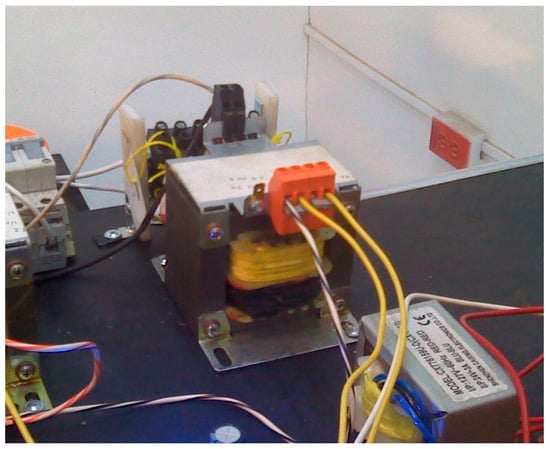
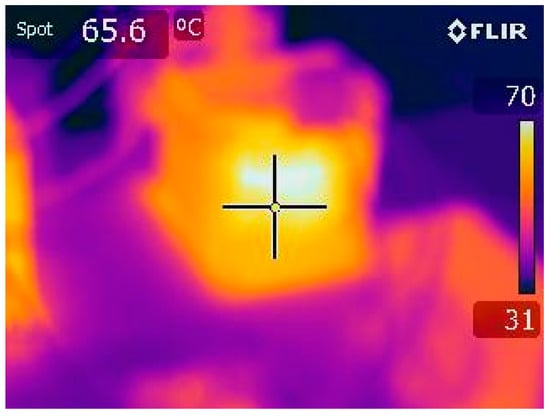
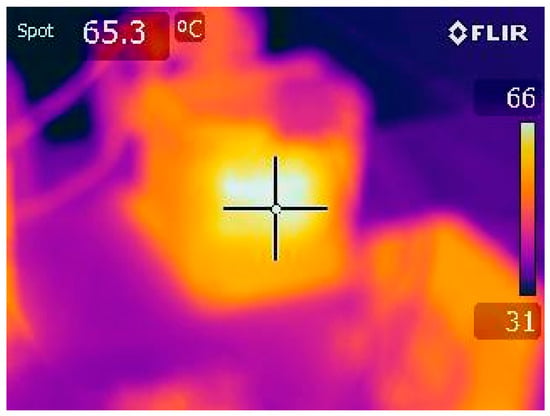
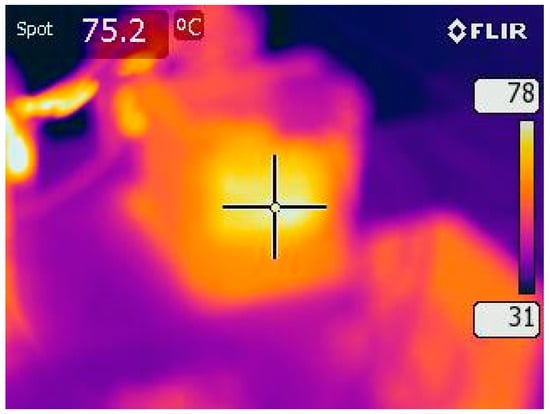
Distinction Between Interturn Short-Circuit Faults and Unbalanced Load in Transformers
Appl. Syst. Innov. 2025, 8(2), 50; https://doi.org/10.3390/asi8020050 - 4 Apr 2025
Abstract
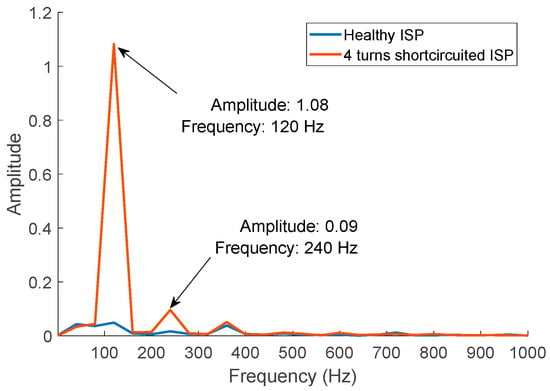
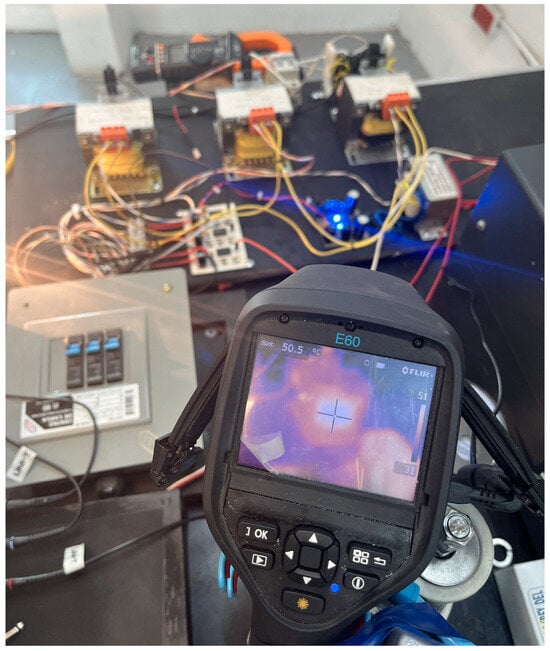
Transformers are essential in electrical networks, and their failure can lead to the shutdown of a section or the entire grid. This study proposes a combination of techniques for early fault detection, distinguishing between small load imbalances and incipient interturn short circuits. An
[...] Read more.
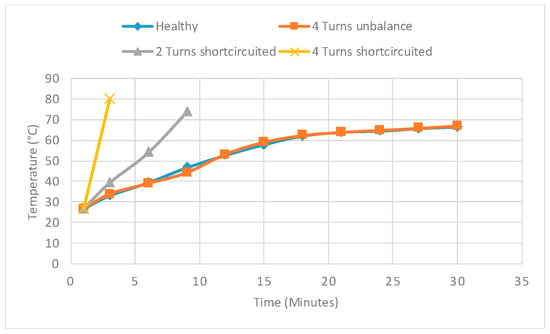
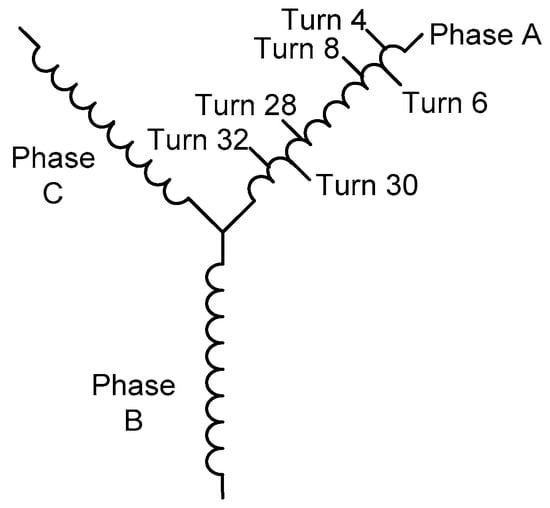
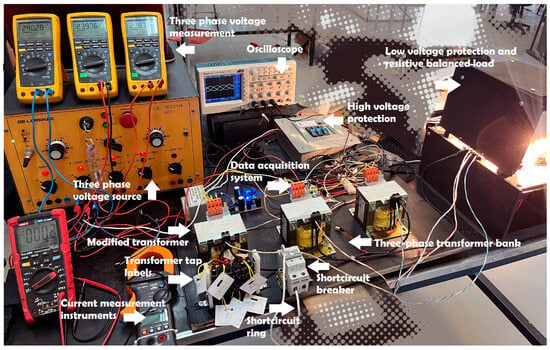
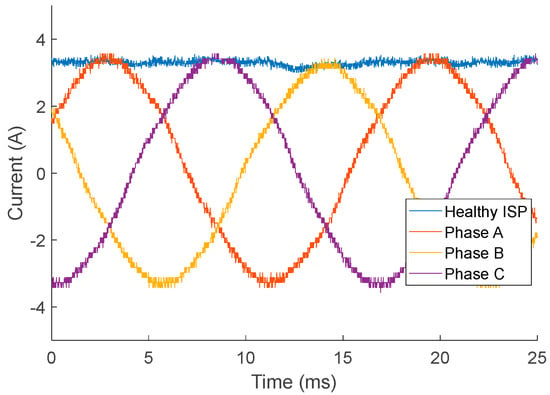
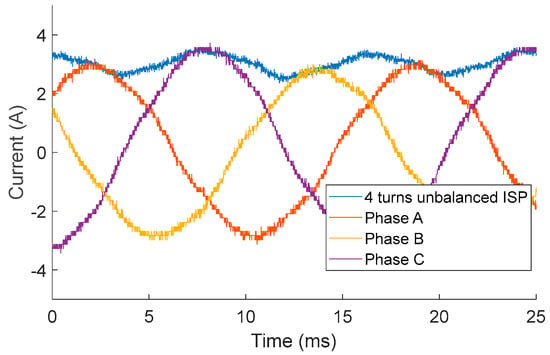
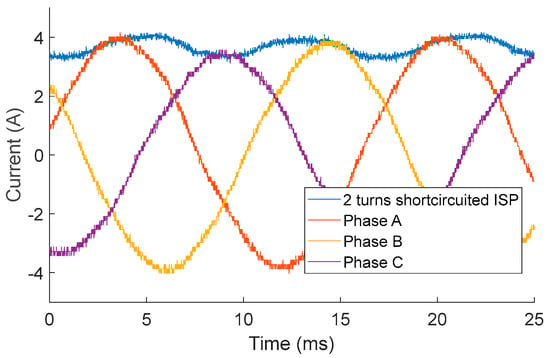
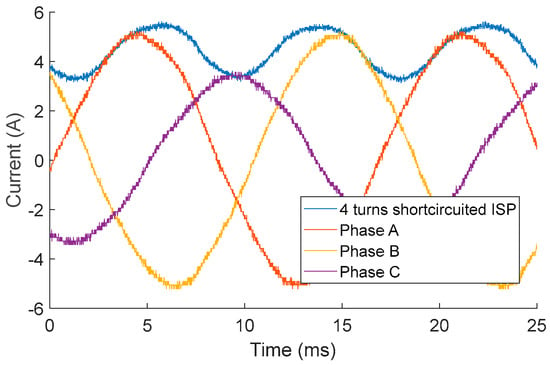
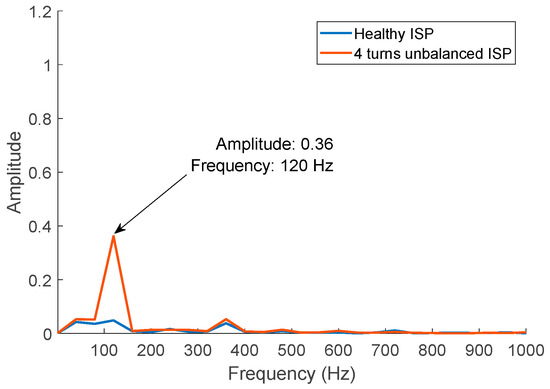
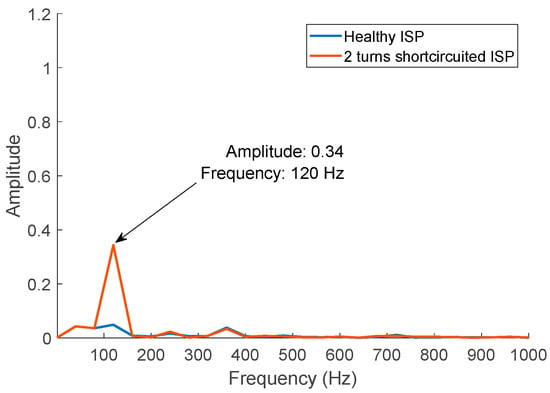
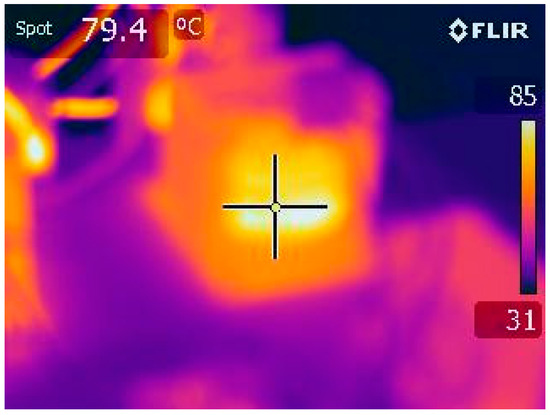
Transformers are essential in electrical networks, and their failure can lead to the shutdown of a section or the entire grid. This study proposes a combination of techniques for early fault detection, distinguishing between small load imbalances and incipient interturn short circuits. An experimental setup was developed using a three-phase transformer bank with three single-phase dry-type transformers. One transformer was modified to create controlled short circuits of two and four turns and to simulate a load imbalance by reducing the winding by four turns. The main contribution of this research is the development of a combined diagnostic approach using instantaneous space phasor (ISP) spectral analysis and infrared thermal imaging to differentiate between load imbalances and incipient interturn short circuits in transformers. This method enhances early fault detection by identifying distinctive electrical and thermal signatures associated with each condition. The results could improve transformer monitoring, reducing the risk of failure and enhancing grid reliability.
Full article
(This article belongs to the Section Control and Systems Engineering)
►
Show Figures
Open AccessArticle
Experimental and Computational Study of the Aerodynamic Characteristics of a Darrieus Rotor with Asymmetrical Blades to Increase Turbine Efficiency Under Low Wind Velocity Conditions
by
Muhtar Isataev, Rustem Manatbayev, Zhanibek Seydulla, Nurdaulet Kalassov, Ainagul Yershina and Zhandos Baizhuma
Appl. Syst. Innov. 2025, 8(2), 49; https://doi.org/10.3390/asi8020049 - 3 Apr 2025
Abstract
In this study, we conducted experimental and numerical investigations of a Darrieus rotor with asymmetrical blades, which has two structural configurations—with and without horizontal parallel plates. Experimental tests were conducted in a wind tunnel at various air flow velocities (ranging from 3 m/s
[...] Read more.
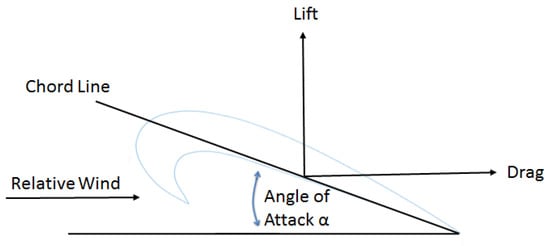
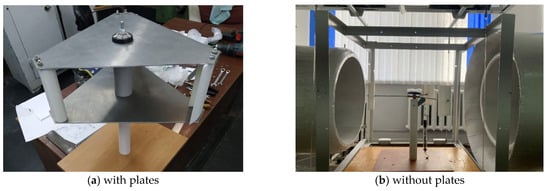
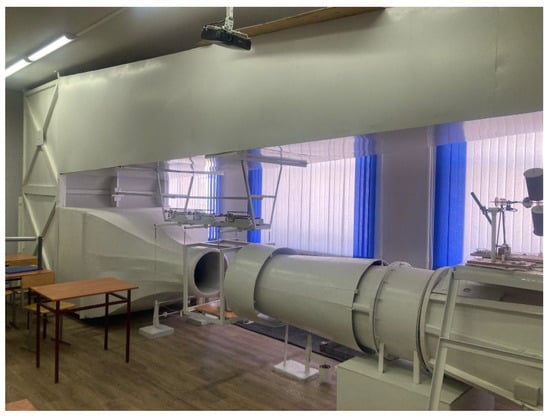
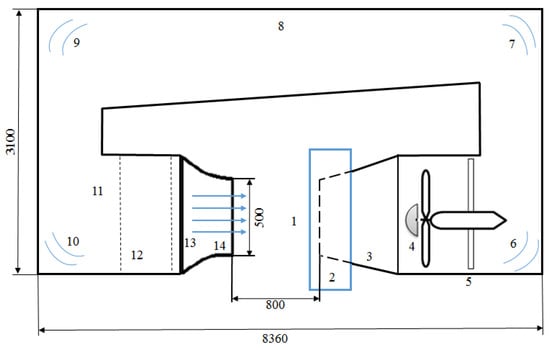
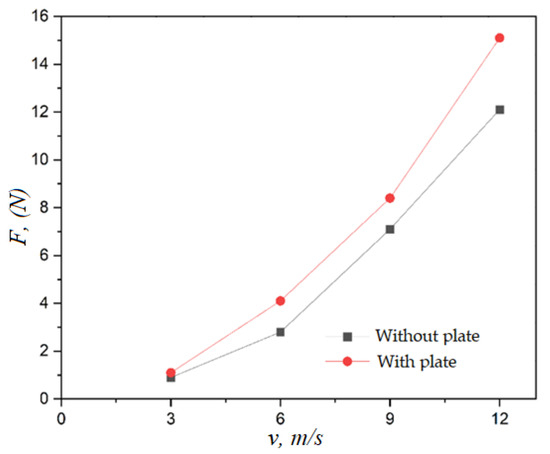
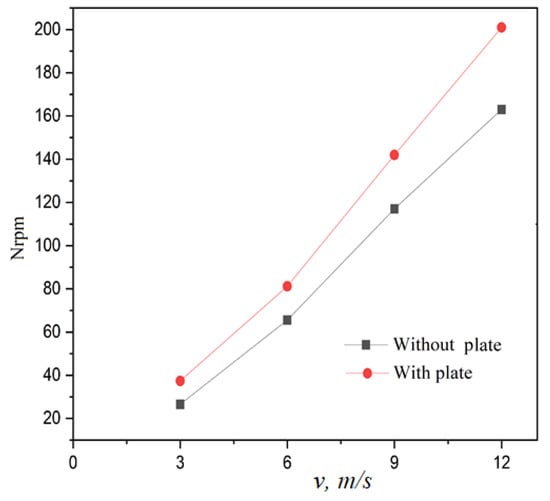
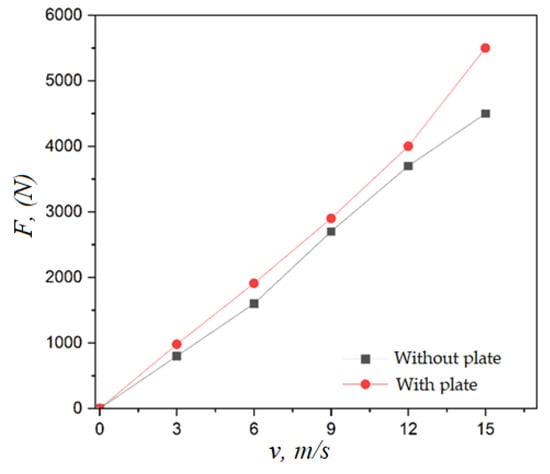
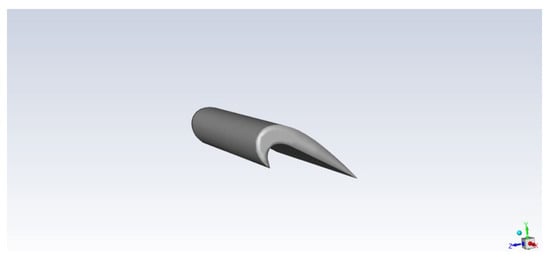
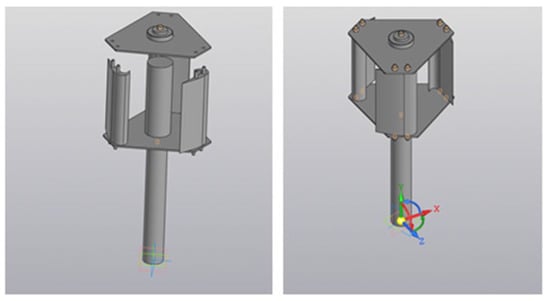
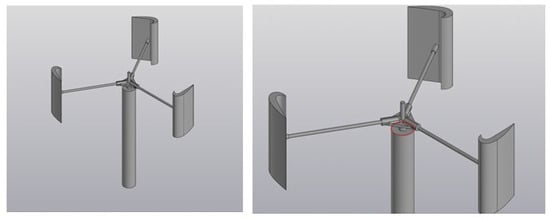
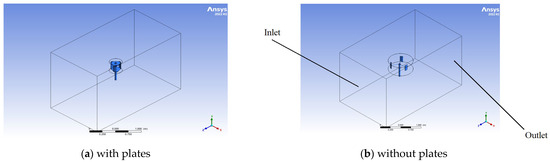
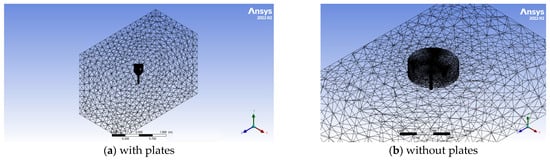
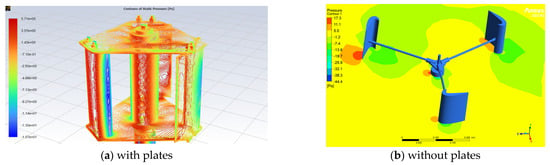
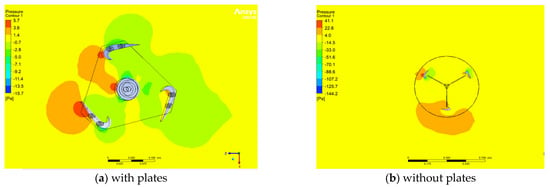
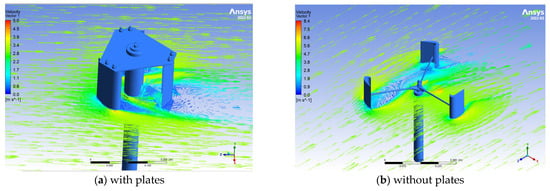
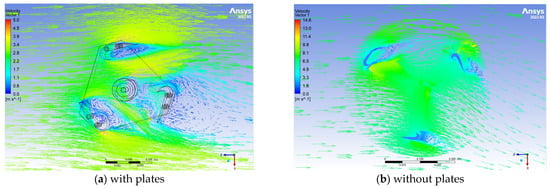
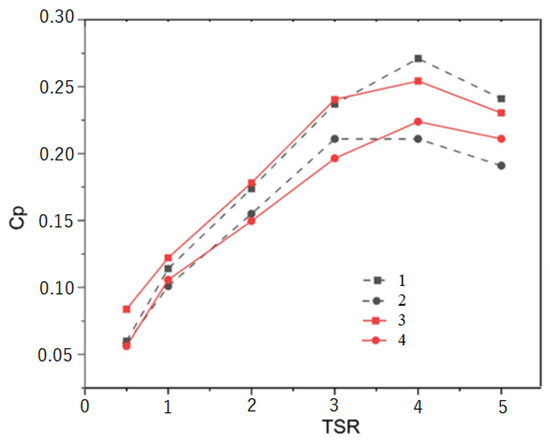
In this study, we conducted experimental and numerical investigations of a Darrieus rotor with asymmetrical blades, which has two structural configurations—with and without horizontal parallel plates. Experimental tests were conducted in a wind tunnel at various air flow velocities (ranging from 3 m/s to 15 m/s), measuring rotor rotation frequency, torque, and thrust force. The computational simulation used the ANSYS 2022 R2 Fluent software package, where CFD simulations of air flow around both rotor configurations were performed. The calculations employed the Realizable k-ε turbulence model, while an unstructured mesh with local refinement in the blade–flow interaction zones was used for grid generation. The study results showed that the rotor with horizontal parallel plates exhibits higher aerodynamic efficiency at low wind velocities compared to the no-plates rotor. The experimental findings indicated that at wind speeds of 3–6 m/s, the rotor with plates demonstrates 18–22% higher torque, which facilitates the self-start process and stabilizes turbine operation. The numerical simulations confirmed that horizontal plates contribute to stabilizing the air flow by reducing the intensity of vortex structures behind the blades, thereby decreasing aerodynamic drag and minimizing energy losses. It was also found that the presence of plates creates a directed flow effect, increasing the lift force on the blades and improving the power coefficient (Cp). In the case of the rotor without plates, the CFD simulations identified significant low-pressure zones and high turbulence regions behind the blades, leading to increased aerodynamic losses and reduced efficiency. Thus, the experimental and numerical modeling results confirm that the Darrieus rotor with horizontal parallel plates is a more efficient solution for operation under low and variable wind conditions. The optimized design with plates ensures more stable flow, reduces energy losses, and increases the turbine’s power coefficient. These findings may be useful for designing small-scale wind energy systems intended for areas with low wind speeds.
Full article
(This article belongs to the Special Issue Wind Energy and Wind Turbine System)
►▼
Show Figures

Figure 1
Open AccessArticle
Predictive and Explainable Machine Learning Models for Endocrine, Nutritional, and Metabolic Mortality in Italy Using Geolocalized Pollution Data
by
Donato Romano, Michele Magarelli, Pierfrancesco Novielli, Domenico Diacono, Pierpaolo Di Bitonto, Nicola Amoroso, Alfonso Monaco, Roberto Bellotti and Sabina Tangaro
Appl. Syst. Innov. 2025, 8(2), 48; https://doi.org/10.3390/asi8020048 - 1 Apr 2025
Abstract
This study investigated the predictive performance of three regression models—Gradient Boosting (GB), Random Forest (RF), and XGBoost—in forecasting mortality due to endocrine, nutritional, and metabolic diseases across Italian provinces. Utilizing a dataset encompassing air pollution metrics and socio-economic indices, the models were trained
[...] Read more.
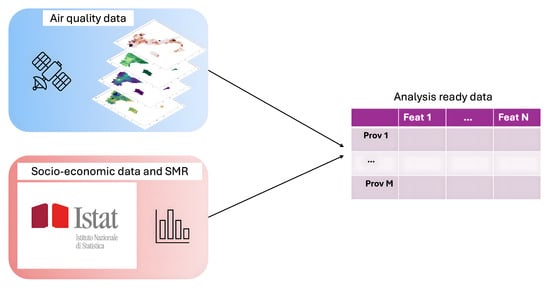
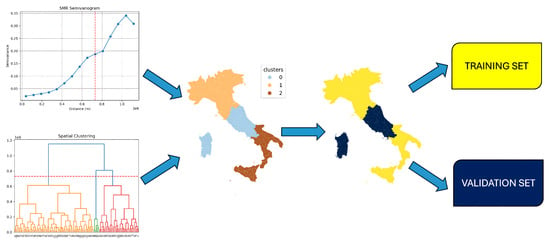
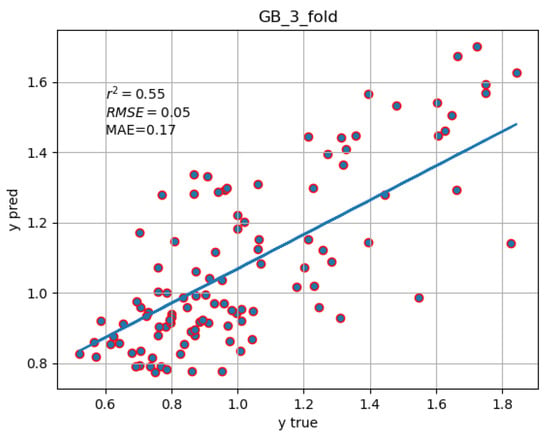
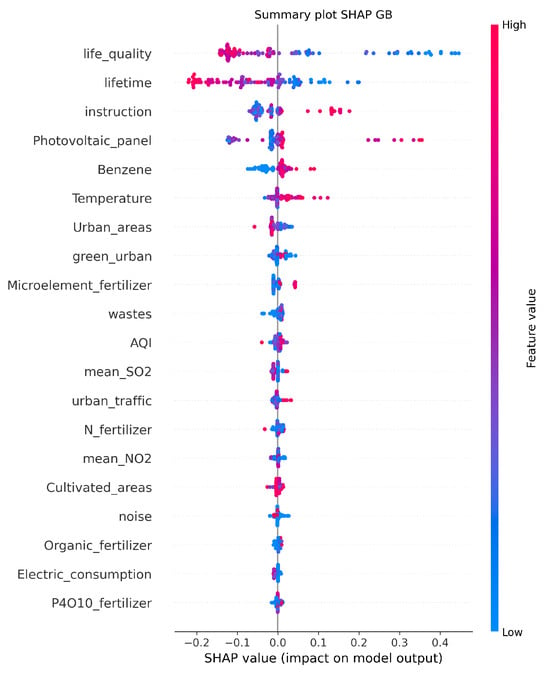
This study investigated the predictive performance of three regression models—Gradient Boosting (GB), Random Forest (RF), and XGBoost—in forecasting mortality due to endocrine, nutritional, and metabolic diseases across Italian provinces. Utilizing a dataset encompassing air pollution metrics and socio-economic indices, the models were trained and tested to evaluate their accuracy and robustness. Performance was assessed using metrics such as coefficient of determination ( ), mean absolute error (MAE), and root mean squared error (RMSE), revealing that GB outperformed both RF and XGB, offering superior predictive accuracy and model stability ( = 0.55, MAE = 0.17, and RMSE = 0.05). To further interpret the results, SHAP (SHapley Additive exPlanations) analysis was applied to the best-performing model to identify the most influential features driving mortality predictions. The analysis highlighted the critical roles of specific pollutants, including benzene and socio-economic factors such as life quality and instruction, in influencing mortality rates. These findings underscore the interplay between environmental and socio-economic determinants in health outcomes and provide actionable insights for policymakers aiming to reduce health disparities and mitigate risk factors. By combining advanced machine learning techniques with explainability tools, this research demonstrates the potential for data-driven approaches to inform public health strategies and promote targeted interventions in the context of complex environmental and social determinants of health.
Full article
(This article belongs to the Special Issue Recent Developments in Data Science and Knowledge Discovery)
►▼
Show Figures

Figure 1
Open AccessArticle
Numerical Solution of the Direct and Inverse Problems in the Gas Lift Process of Oil Production Using the Conjugate Equations Method
by
Nurlan M. Temirbekov, Amankeldy K. Turarov and Syrym E. Kasenov
Appl. Syst. Innov. 2025, 8(2), 47; https://doi.org/10.3390/asi8020047 - 31 Mar 2025
Abstract
►▼
Show Figures
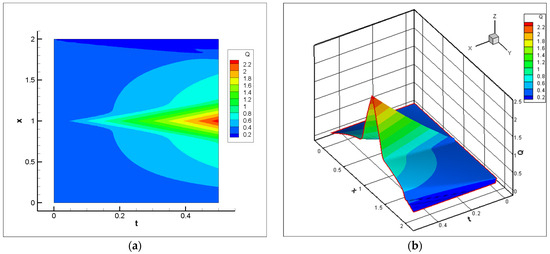
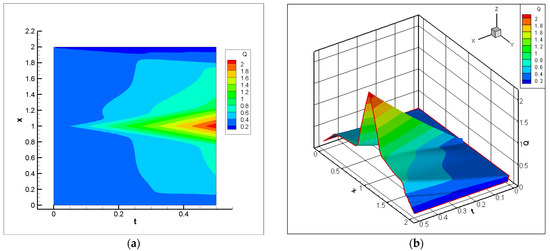
This article considers the numerical solution of the direct and inverse problems of the gas lift process in oil production, described by a system of hyperbolic equations. The inverse problem is reduced to an optimal control problem, where the control is the initial
[...] Read more.
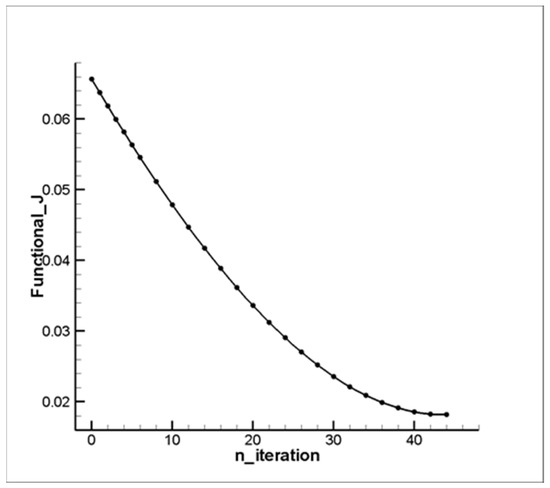
This article considers the numerical solution of the direct and inverse problems of the gas lift process in oil production, described by a system of hyperbolic equations. The inverse problem is reduced to an optimal control problem, where the control is the initial velocity of the gas. To minimize the quadratic objective functional, the gradient method is used, in which the gradient is determined using the conjugate equation method. The latter involves constructing a conjugate problem based on the Lagrange identity and the duality principle. Solving the conjugate problem allows us to obtain an analytical expression for the gradient of the functional and effectively implements the Landweber iterative method. A numerical experiment was carried out that confirmed the effectiveness of the proposed method in optimizing the parameters of the gas lift process.
Full article

Figure 1
Open AccessReview
Pixel Circuit Designs for Active Matrix Displays
by
Dan-Mei Wei, Hua Zheng, Chun-Hua Tan, Shenghao Zhang, Hua-Dan Li, Lv Zhou, Yuanrui Chen, Chenchen Wei, Miao Xu, Lei Wang, Wei-Jing Wu, Honglong Ning and Baohua Jia
Appl. Syst. Innov. 2025, 8(2), 46; https://doi.org/10.3390/asi8020046 - 31 Mar 2025
Abstract
Pixel circuits are key components of flat panel displays, including liquid crystal displays (LCDs), organic light-emitting diode displays (OLEDs), and micro light-emitting diode displays (micro-LEDs). Depending on the active layer material of the thin film transistor (TFT), pixel circuits are categorised into amorphous
[...] Read more.
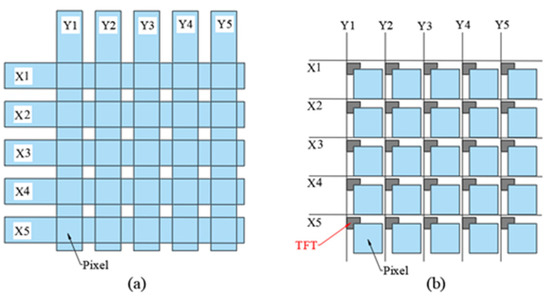
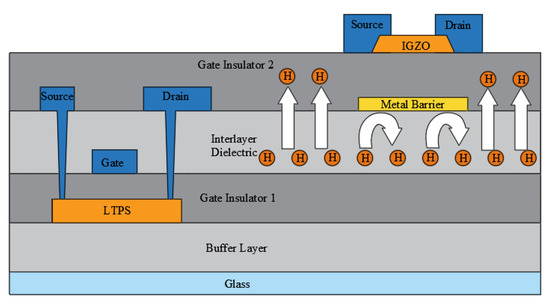
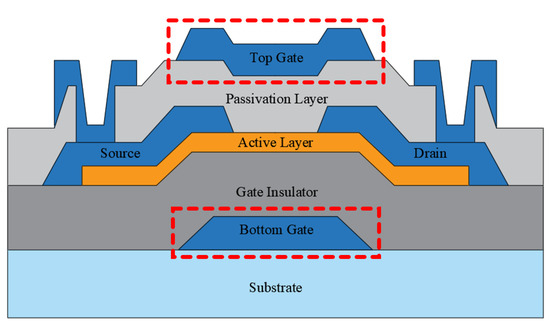
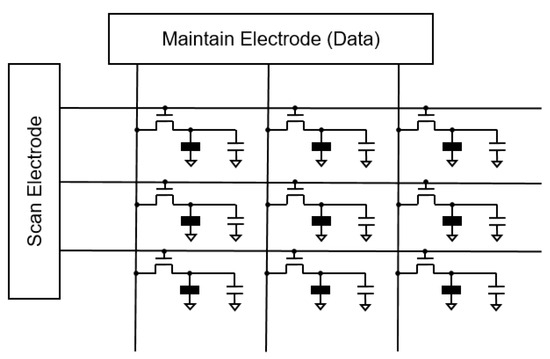
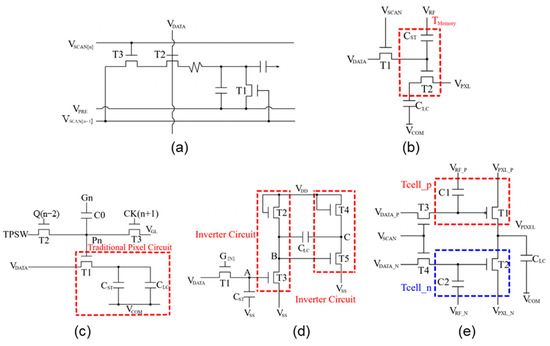
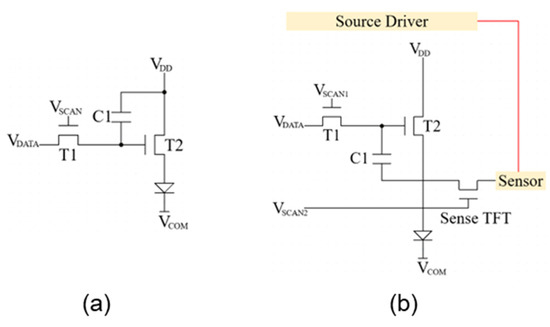
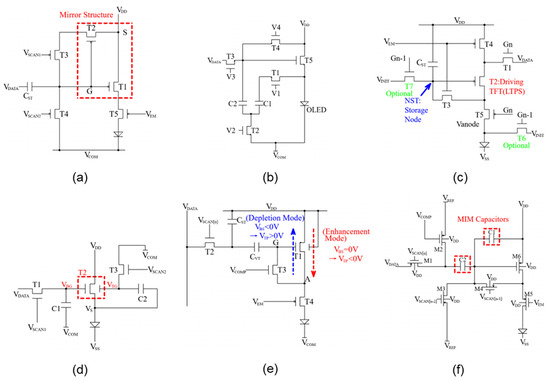
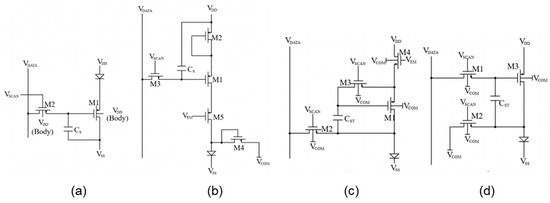
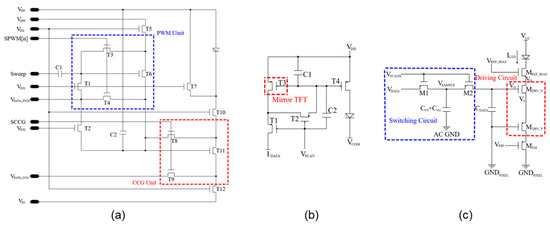
Pixel circuits are key components of flat panel displays, including liquid crystal displays (LCDs), organic light-emitting diode displays (OLEDs), and micro light-emitting diode displays (micro-LEDs). Depending on the active layer material of the thin film transistor (TFT), pixel circuits are categorised into amorphous silicon (a-Si) technology, low-temperature polycrystalline silicon (LTPS) technology, metal oxide (MO) technology, and low-temperature polycrystalline silicon and oxide (LTPO) technology. In this review, we outline the fundamental display principles and four major TFT technologies, covering conventional single-gated TFTs to novel two-gated TFTs. We focus on novel pixel circuits for three glass-based display technologies with additional mention of pixel circuits for silicon-based OLED and silicon-based micro-LED.
Full article
(This article belongs to the Section Control and Systems Engineering)
►▼
Show Figures

Figure 1
Open AccessArticle
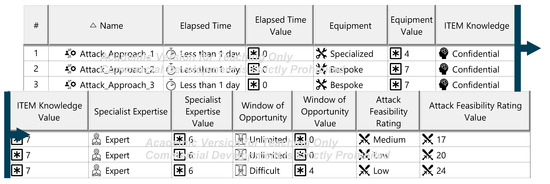
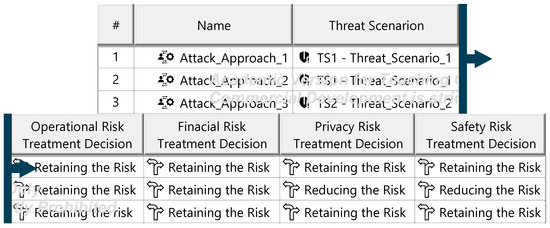
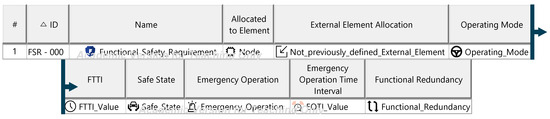
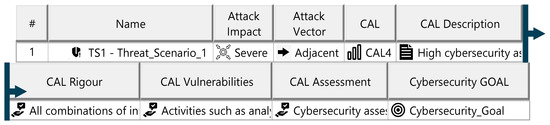
Designing a Method for Identifying Functional Safety and Cybersecurity Requirements Utilizing Model-Based Systems Engineering
by
Bastian Nolte, Armin Stein and Thomas Vietor
Appl. Syst. Innov. 2025, 8(2), 45; https://doi.org/10.3390/asi8020045 - 31 Mar 2025
Abstract
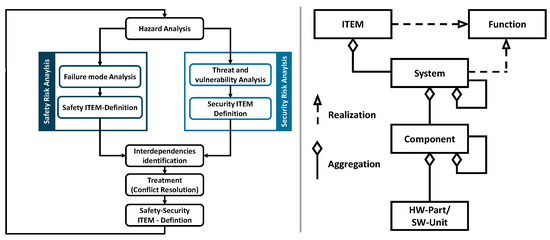
The increasing number and complexity of cyber–physical systems in vehicles necessitate a rigorous approach to identifying functional safety and cybersecurity hazards during the concept phase of product development. This study establishes a systematic method for identifying safety and security requirements for E/E components
[...] Read more.
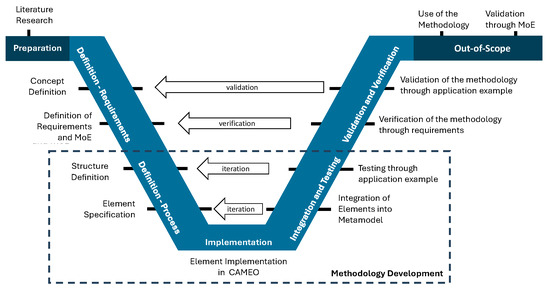
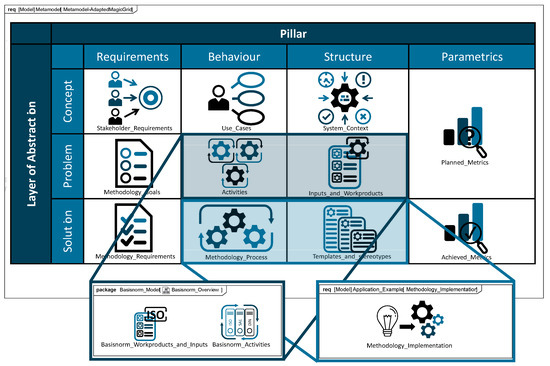
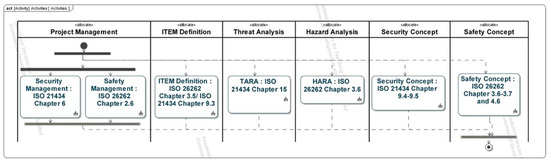
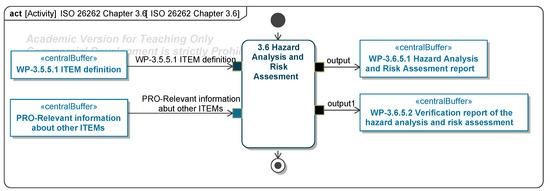
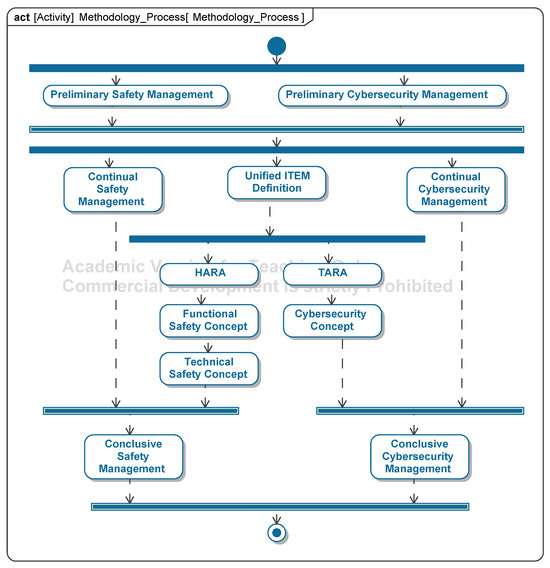
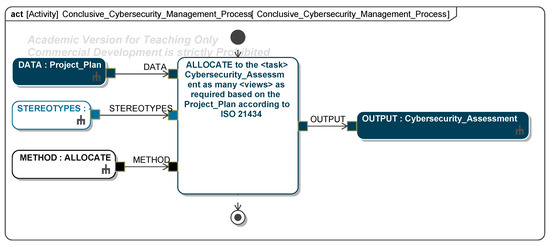
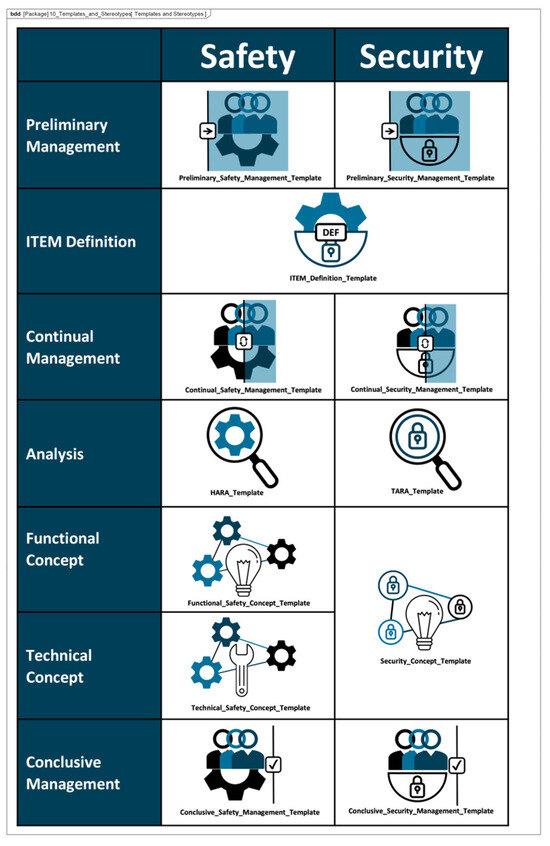
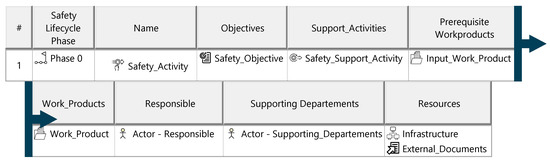
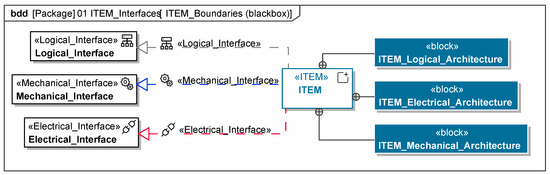
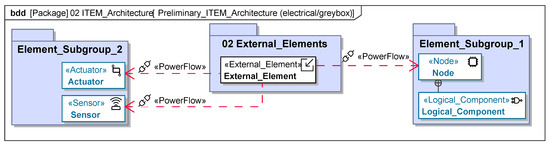
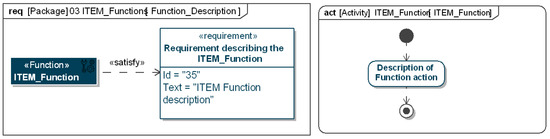
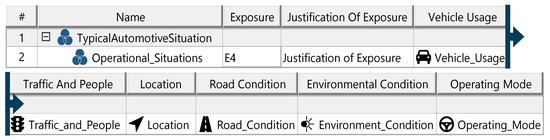
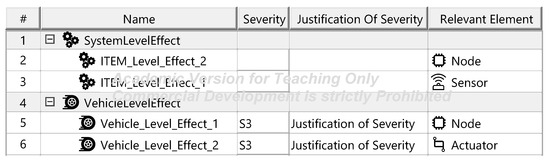
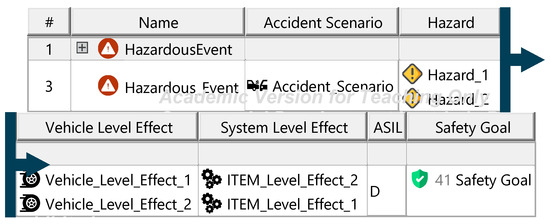
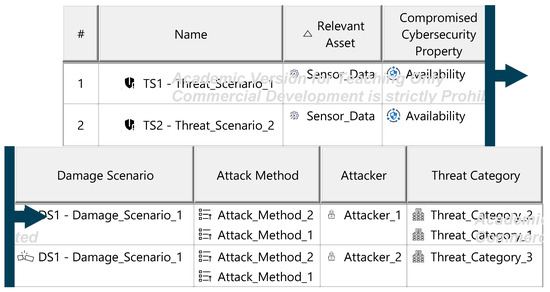
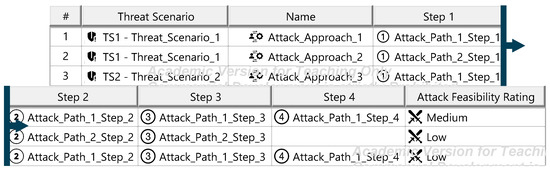
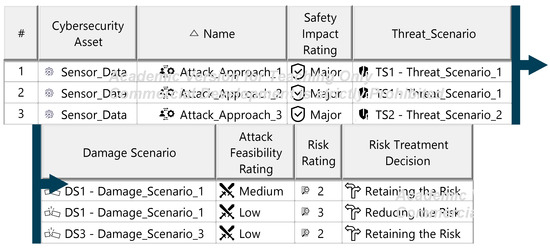
The increasing number and complexity of cyber–physical systems in vehicles necessitate a rigorous approach to identifying functional safety and cybersecurity hazards during the concept phase of product development. This study establishes a systematic method for identifying safety and security requirements for E/E components in the automotive sector, utilizing the SysML language within the CAMEO environment. The method’s activities and work products are grounded in the ISO 26262:2018 and ISO/SAE 21434:2021 standards. Comprehensive requirements were defined for the method’s application environment and activities, including generic methods detailing the creation of work products. The method’s metamodel was developed using the MagicGrid framework and validated through an application example. Synergies between the two foundational standards were identified and integrated into the method. The solution generation was systematically described by detailing activities for result generation and the production of standard-compliant work products. To facilitate practical implementation, a method template in SysML was created, incorporating predefined stereotypes, relationships, and tables to streamline the application and enhance consistency.
Full article
(This article belongs to the Section Control and Systems Engineering)
►▼
Show Figures

Figure 1

Open AccessArticle
Identification, Control, and Characterization of Peristaltic Pumps in Hemodialysis Machines
by
Cristian H. Sánchez-Saquín, Jorge A. Soto-Cajiga, Juan M. Barrera-Fernández, Alejandro Gómez-Hernández and Noé A. Rodríguez-Olivares
Appl. Syst. Innov. 2025, 8(2), 44; https://doi.org/10.3390/asi8020044 - 31 Mar 2025
Abstract
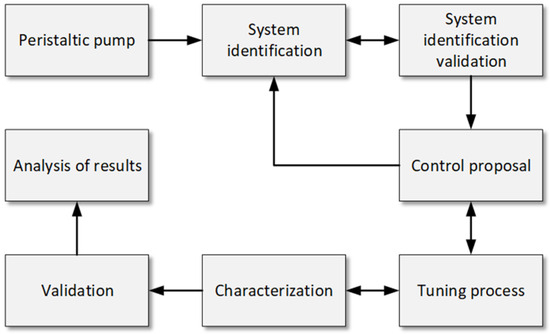
Peristaltic pumps represent a fundamental component of hemodialysis machines. They facilitate the transfer of fluids, particularly in the collection and treatment of blood. This study aims to improve pump precision and reliability by reducing steady-state error and optimizing flow consistency, measured in milliliters
[...] Read more.
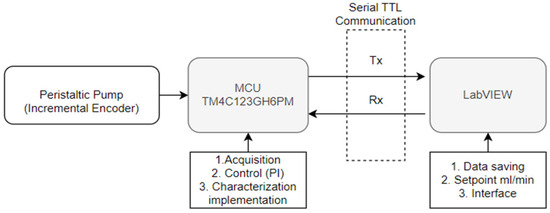
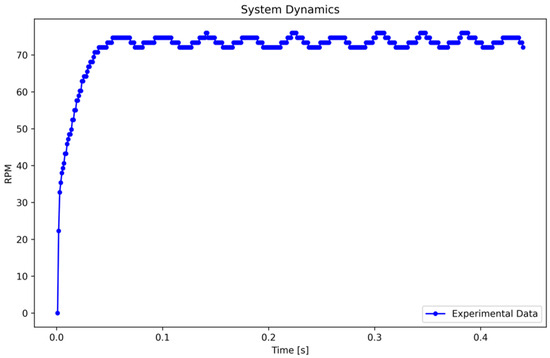
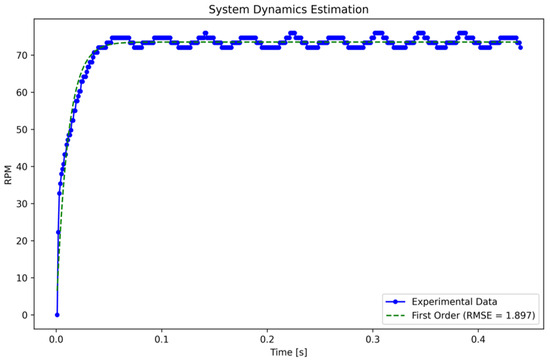
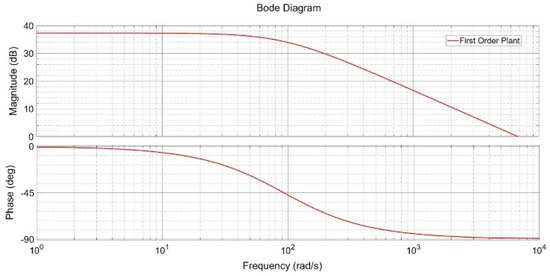
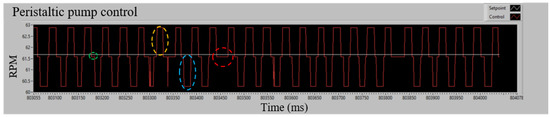
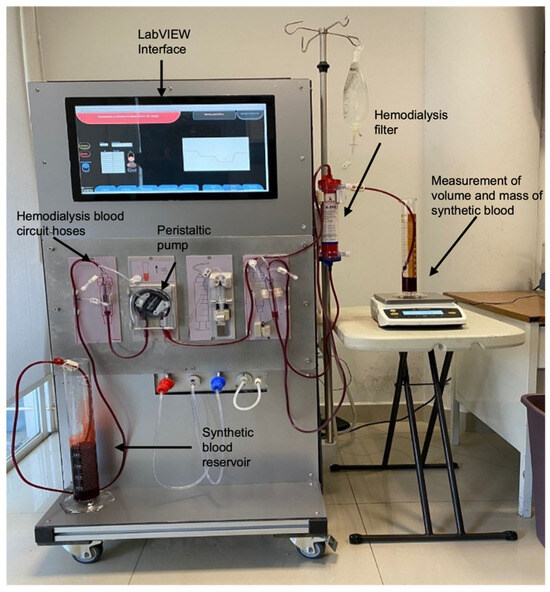
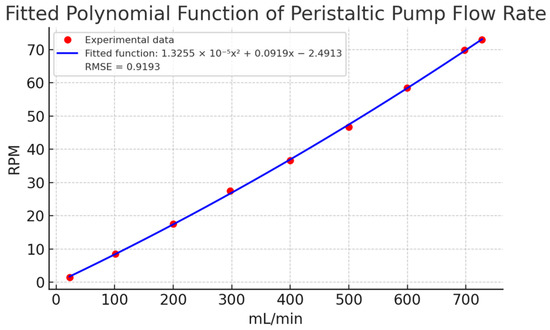
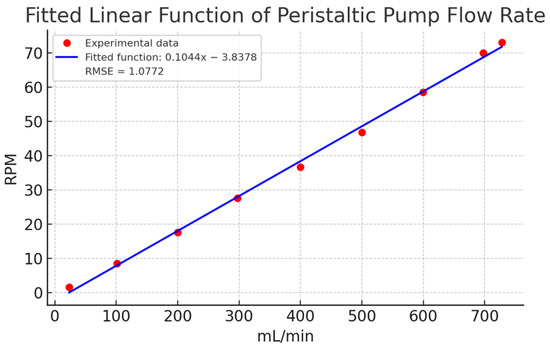
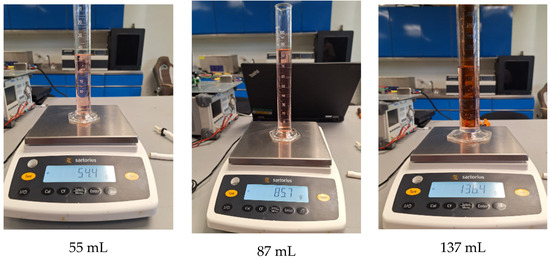
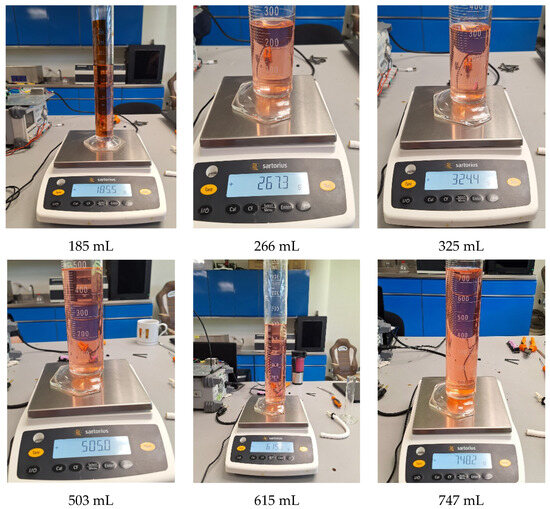
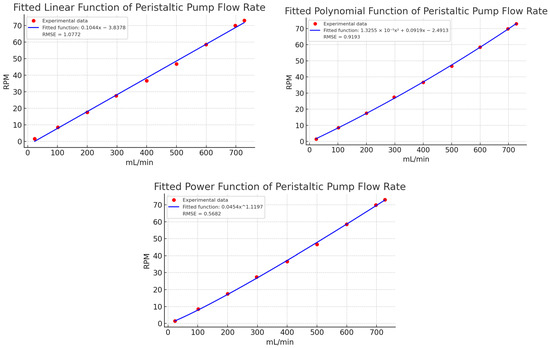
Peristaltic pumps represent a fundamental component of hemodialysis machines. They facilitate the transfer of fluids, particularly in the collection and treatment of blood. This study aims to improve pump precision and reliability by reducing steady-state error and optimizing flow consistency, measured in milliliters per minute. A detailed characterization established the relationship between revolutions per minute (RPM) and flow rate (mL/min), with redundant mass and volume measurements supporting accuracy. To model the system’s behavior, two non-linear functions and one linear function were compared, with the polynomial model proving the most accurate and revealing the pump’s inherently non-linear flow behavior. A proportional–integral (PI) controller was then applied, and optimized through step input and non-linear least squares fitting. A key aspect of this study is a comparative validation against a commercial hemodialysis machine, configured identically with the same blood circuit diameter, tubing brand, and filter, in order to ensure equivalency in conditions. Results showed a maximum flow rate error of 0.5296%, highlighting the integration of control and characterization methods that enhance system precision, dependability, and reproducibility—critical factors for ensuring the safety and effectiveness of hemodialysis treatments.
Full article
(This article belongs to the Topic Applied System on Biomedical Engineering, Healthcare and Sustainability 2024)
►▼
Show Figures

Figure 1
Open AccessArticle
SIFT-Based Depth Estimation for Accurate 3D Reconstruction in Cultural Heritage Preservation
by
Porawat Visutsak, Xiabi Liu, Chalothon Choothong and Fuangfar Pensiri
Appl. Syst. Innov. 2025, 8(2), 43; https://doi.org/10.3390/asi8020043 - 24 Mar 2025
Abstract
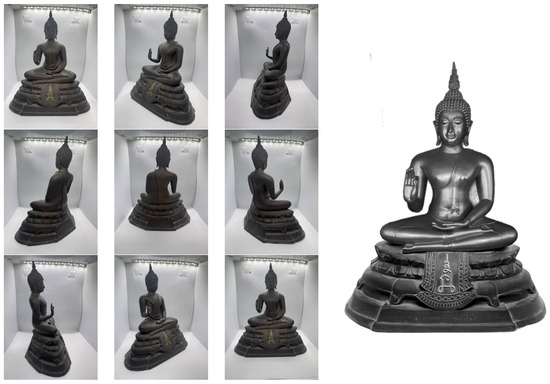
This paper describes a proposed method for preserving tangible cultural heritage by reconstructing a 3D model of cultural heritage using 2D captured images. The input data represent a set of multiple 2D images captured using different views around the object. An image registration
[...] Read more.
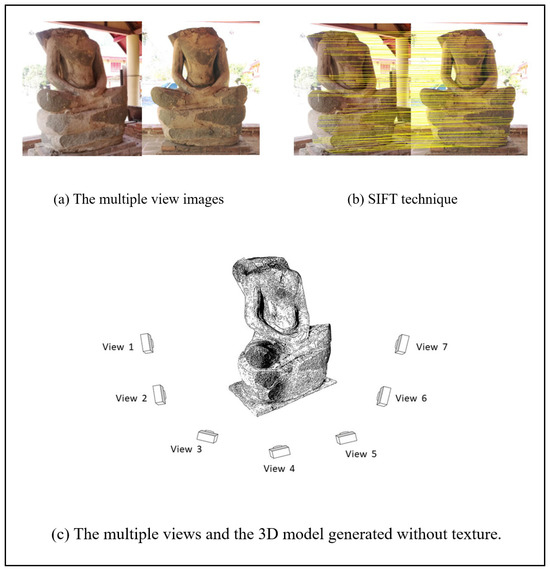
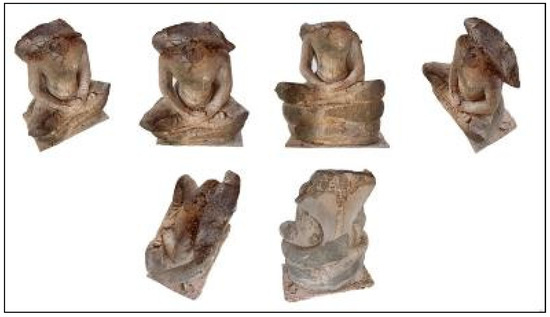
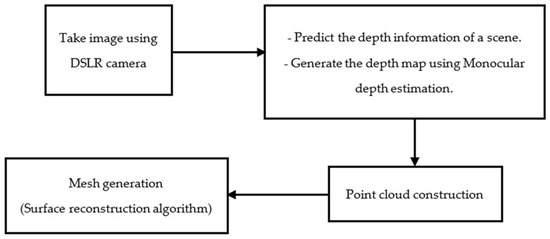
This paper describes a proposed method for preserving tangible cultural heritage by reconstructing a 3D model of cultural heritage using 2D captured images. The input data represent a set of multiple 2D images captured using different views around the object. An image registration technique is applied to configure the overlapping images with the depth of images computed to construct the 3D model. The automatic 3D reconstruction system consists of three steps: (1) Image registration for managing the overlapping of 2D input images; (2) Depth computation for managing image orientation and calibration; and (3) 3D reconstruction using point cloud and stereo-dense matching. We collected and recorded 2D images of tangible cultural heritage objects, such as high-relief and round-relief sculptures, using a low-cost digital camera. The performance analysis of the proposed method, in conjunction with the generation of 3D models of tangible cultural heritage, demonstrates significantly improved accuracy in depth information. This process effectively creates point cloud locations, particularly in high-contrast backgrounds.
Full article
(This article belongs to the Special Issue Advancements in Deep Learning and Its Applications)
►▼
Show Figures

Figure 1

Open AccessArticle
The Development of a Robust Rigid–Flexible Interface and Continuum Model for an Elephant’s Trunk Using Hybrid Coordinate Formulations
by
Ahmed Ghoneimy, Mohamed O. Helmy, Ayman Nada and Ahmed El-Assal
Appl. Syst. Innov. 2025, 8(2), 42; https://doi.org/10.3390/asi8020042 - 24 Mar 2025
Abstract
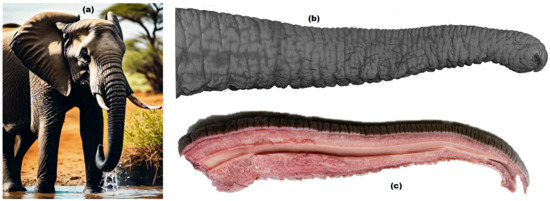
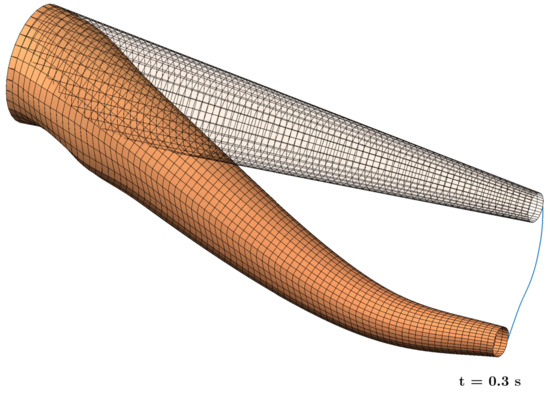
The goal of this study was to construct a mathematical and computational model that accurately represents the complex, flexible movements and mechanics of an elephant’s trunk. Rather than serving as a biological study, the elephant trunk model was used as an application to
[...] Read more.
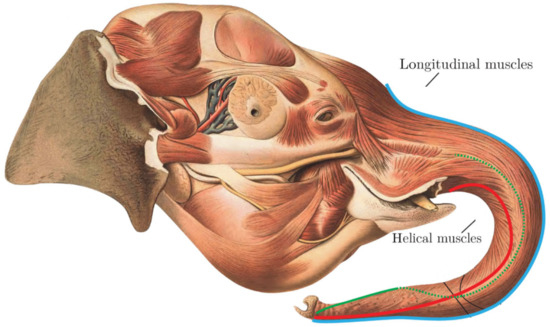
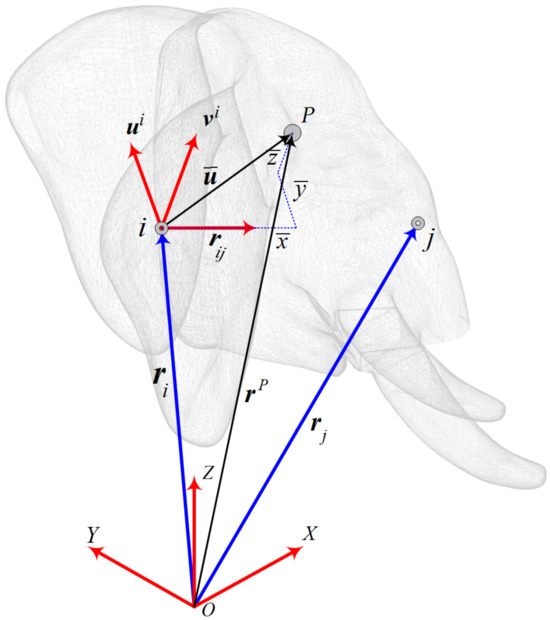
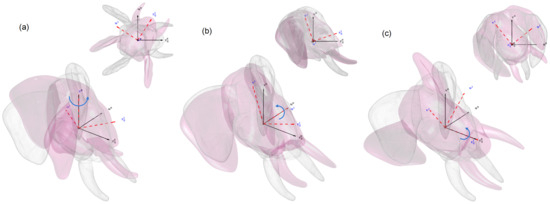
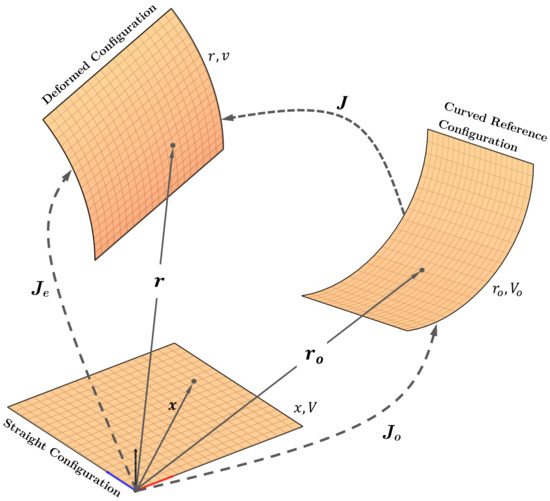
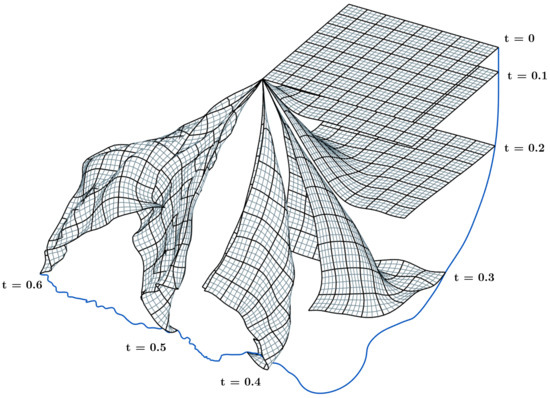
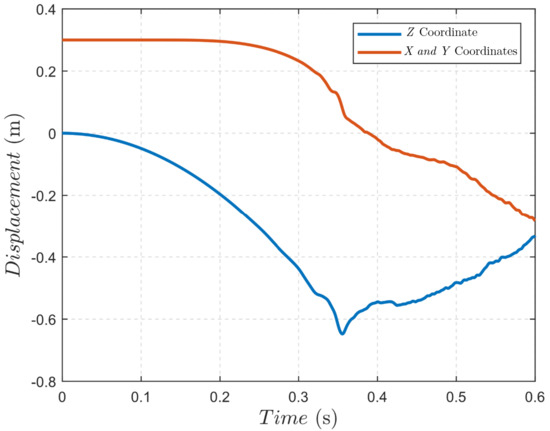
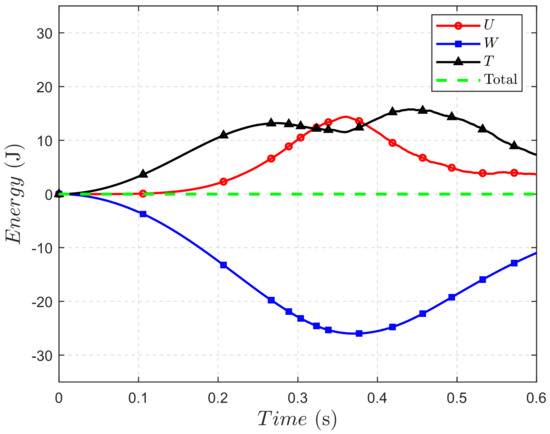
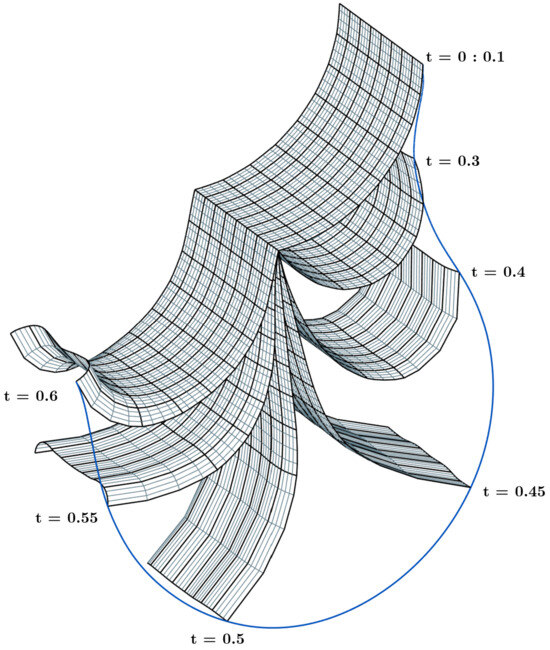
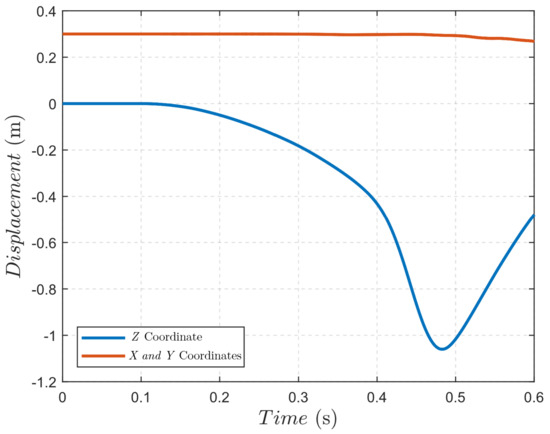
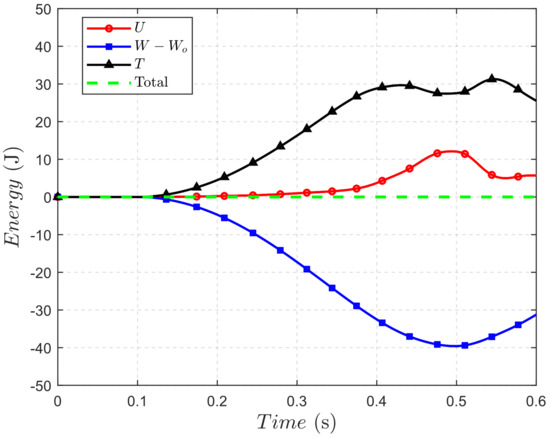
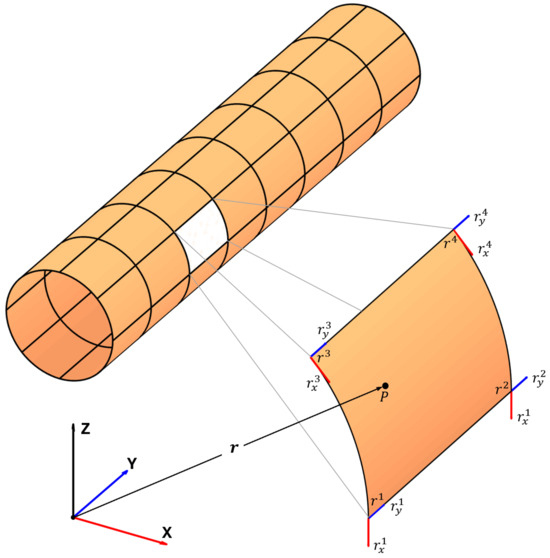
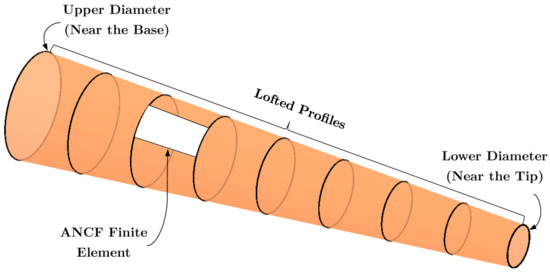
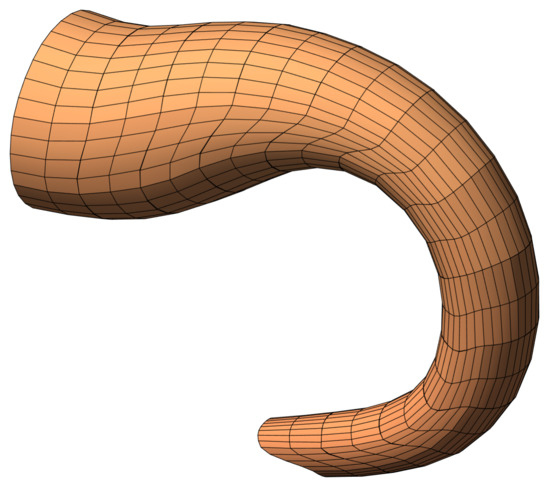
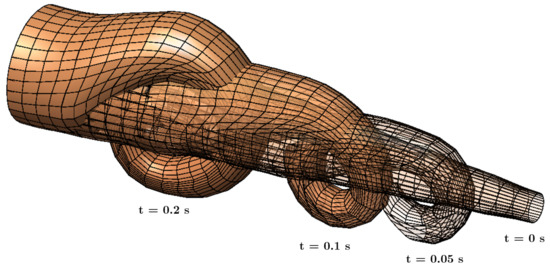
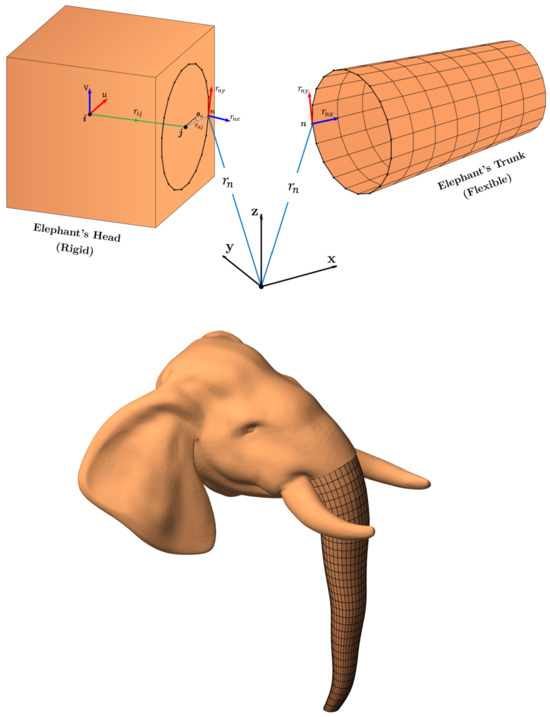
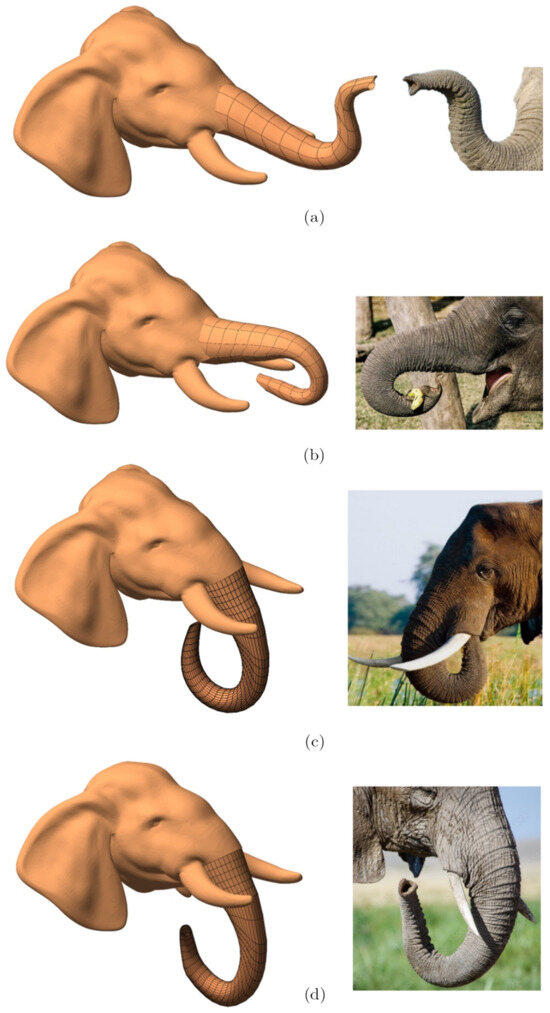
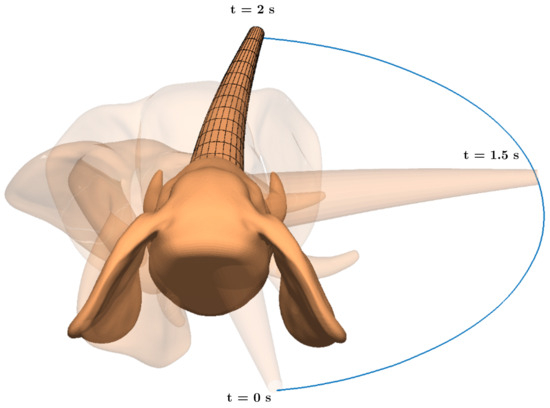
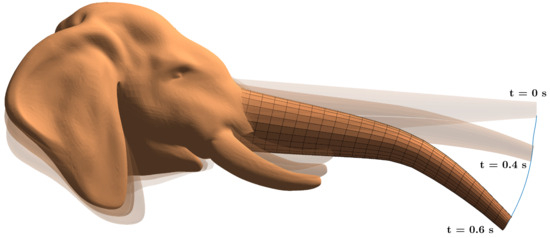
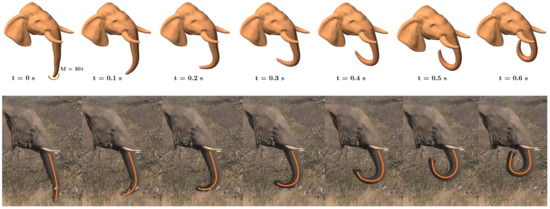
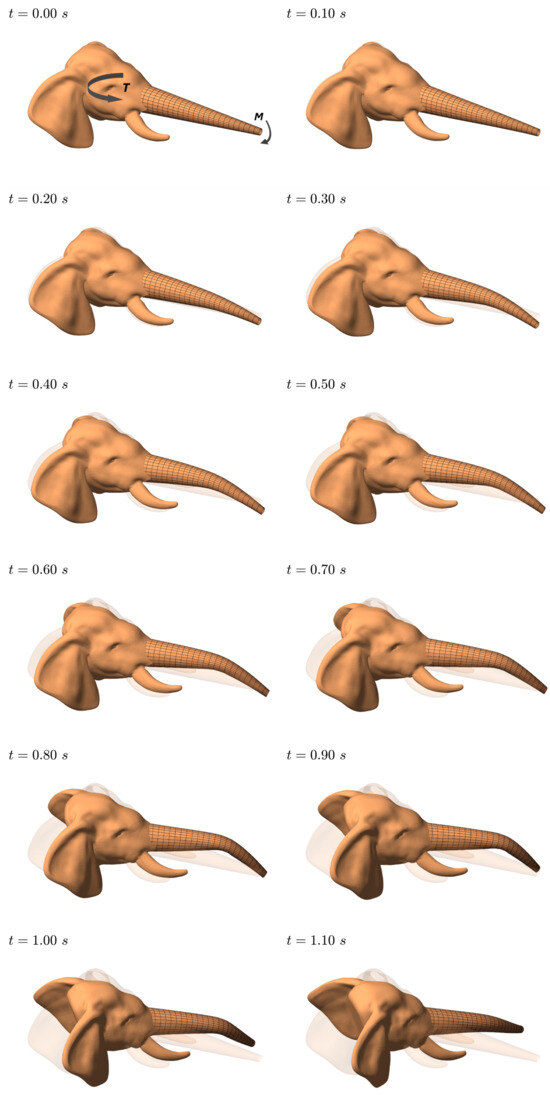
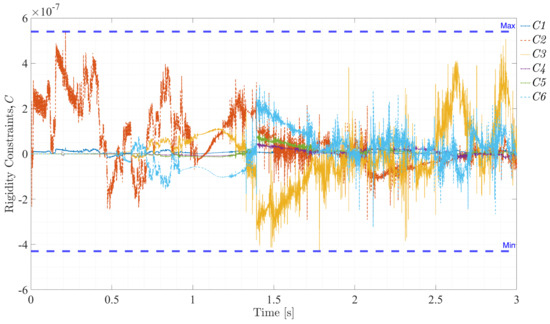
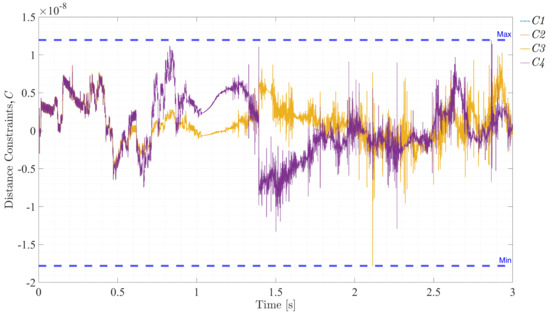
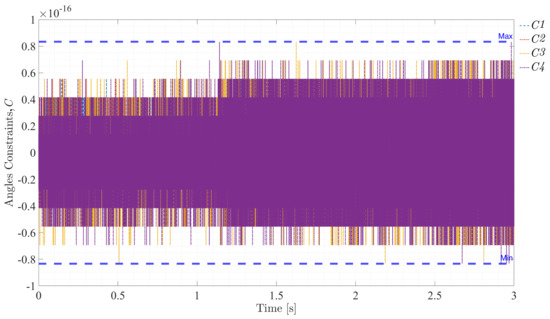
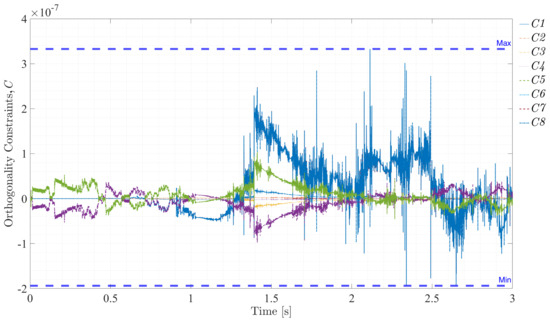
The goal of this study was to construct a mathematical and computational model that accurately represents the complex, flexible movements and mechanics of an elephant’s trunk. Rather than serving as a biological study, the elephant trunk model was used as an application to demonstrate the effectiveness of a proposed rigid–flexible coupling framework. This model has broader applications beyond understanding the mechanics of an elephant trunk, including its potential use in designing flexible robotic systems and prosthetics, as well as contributions to the fields of biomechanics and animal locomotion. An elephant’s trunk, a highly flexible and muscular organ without bones, is best modeled using continuum mechanics to capture the dynamic behavior of its motion. Given the rigid body nature of an elephant’s head movement and the highly flexible nature of the trunk, a robust geometric framework for the rigid–flexible interface is crucial to accurately capture the complex interactions, force transmission, and dynamic behavior arising from their distinct motion characteristics and differing coordinate representations. Under the umbrella of flexible multibody dynamics, this study introduced a hybrid coordinate system, integrating the Natural Coordinates Formulation (NCF) and the Absolute Nodal Coordinates Formulation (ANCF), to establish the geometric constraints governing the interaction between the rigid body (the head) and the highly flexible body (the trunk). Moreover, the model illustrates how forces and moments are transmitted between these components in both direct and inverse scenarios. Various finite elements were evaluated to identify suitable elements for modeling the elephant’s trunk. The model’s accuracy was validated through simulations of bending, twisting, compression, and other characteristic trunk movements. The solution method is presented alongside the simulation analysis for various motion scenarios, providing a comprehensive framework for understanding and replicating the trunk’s complex dynamics.
Full article
(This article belongs to the Section Control and Systems Engineering)
►▼
Show Figures

Figure 1
Open AccessArticle
Data Management Maturity Model—Process Dimensions and Capabilities to Leverage Data-Driven Organizations Towards Industry 5.0
by
Lara Pörtner, Andreas Riel, Benedikt Schmidt, Marcel Leclaire and Robert Möske
Appl. Syst. Innov. 2025, 8(2), 41; https://doi.org/10.3390/asi8020041 - 21 Mar 2025
Abstract
Data-driven organizations aim to control business decisions based on data. However, despite significant investments in digitalization, studies show that many organizations continue to face challenges in fully realizing the benefits of data. Existing maturity models for digital transformation, data management, and data-driven organizations
[...] Read more.
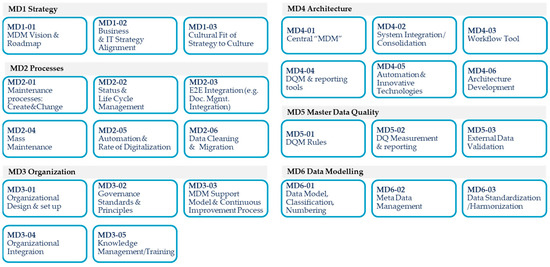
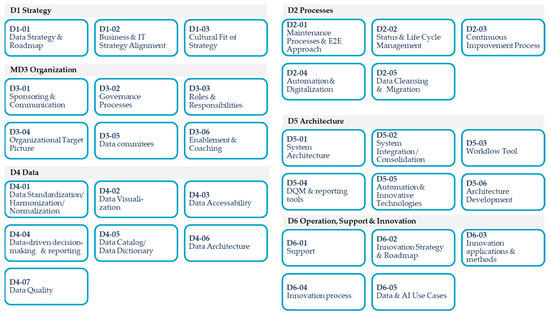
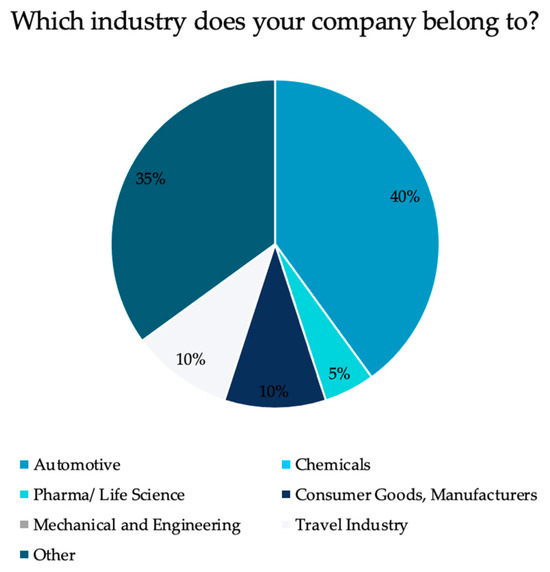
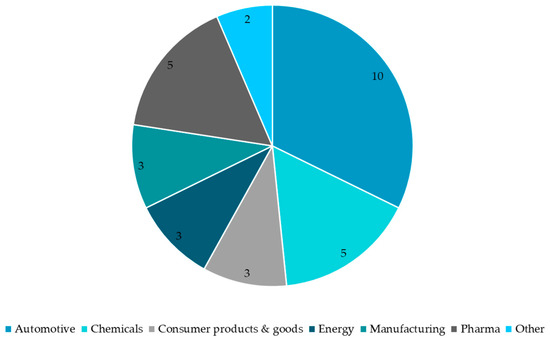
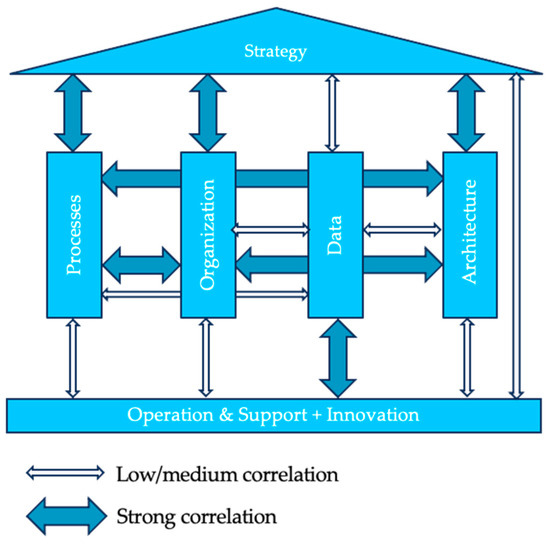
Data-driven organizations aim to control business decisions based on data. However, despite significant investments in digitalization, studies show that many organizations continue to face challenges in fully realizing the benefits of data. Existing maturity models for digital transformation, data management, and data-driven organizations lack a comprehensive, industry-agnostic, and practically validated approach to addressing industry challenges. This work introduces a refined data management maturity model developed using De Bruin’s maturity model assessment methodology. The model aims to incorporate all key elements of a data-driven organization, emphasizing the interdependencies required to evaluate maturity levels and provide targeted recommendations for addressing data-related challenges during the transition to a data-driven organization. An initial validation with 31 industry experts confirmed the model’s feasibility and practical applicability. As the next step, we plan to validate the model further by deploying the full questionnaire and deriving the maturity of each process dimension, along with its weighting, through assessments with industry partners from various sectors, including automotive, aviation, consumer goods/manufacturing, pharma, and media. Preliminary findings also underscored the importance of a deeper focus on the organization dimension, particularly in the context of Industry 5.0. Future research will refine the model through iterative development phases to address this critical area.
Full article
(This article belongs to the Special Issue New Challenges of Innovation, Sustainability, Resilience in X.0 Era)
►▼
Show Figures

Figure 1

Open AccessArticle
A Real-Time Human–Machine–Logistics Collaborative Scheduling Method Considering Workers’ Learning and Forgetting Effects
by
Wenchao Yang, Sen Li, Guofu Luo, Hao Li and Xiaoyu Wen
Appl. Syst. Innov. 2025, 8(2), 40; https://doi.org/10.3390/asi8020040 - 18 Mar 2025
Abstract
In the era of Industry 5.0, human-centric manufacturing necessitates deep integration between workers and intelligent workshop scheduling systems. However, the inherent variability in worker efficiency due to learning and forgetting effects poses challenges to human–machine–logistics collaboration, thereby complicating multi-resource scheduling in smart workshops.
[...] Read more.
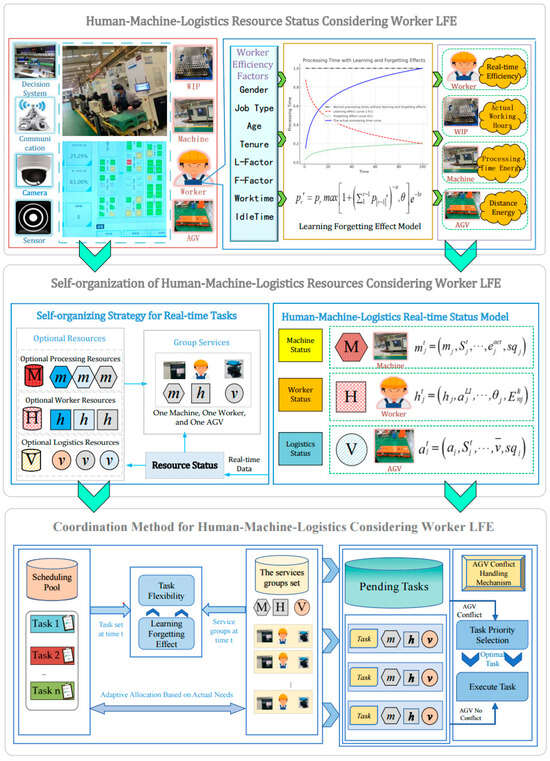
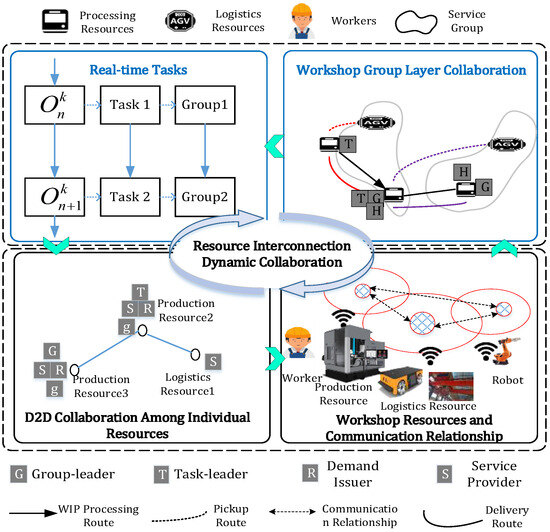
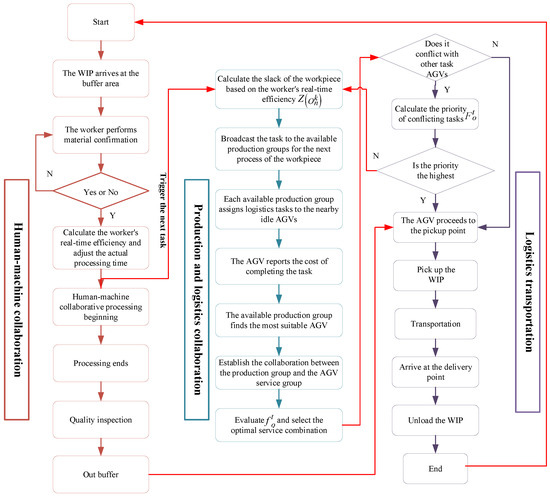
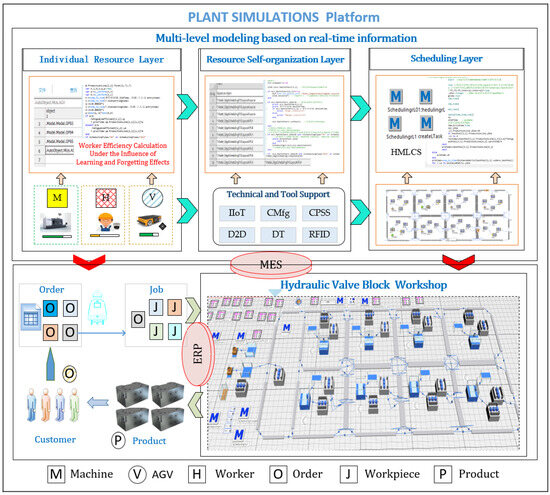
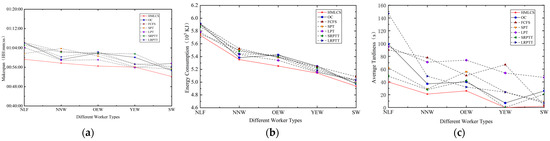
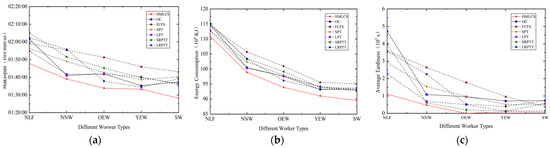
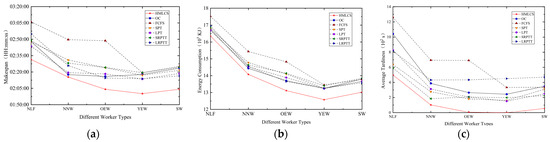
In the era of Industry 5.0, human-centric manufacturing necessitates deep integration between workers and intelligent workshop scheduling systems. However, the inherent variability in worker efficiency due to learning and forgetting effects poses challenges to human–machine–logistics collaboration, thereby complicating multi-resource scheduling in smart workshops. To address these challenges, this study proposes a real-time task-driven human–machine–logistics collaborative framework designed to enhance multi-resource coordination in smart workshops. First, the framework incorporates a learning-forgetting model to dynamically assess worker efficiency, enabling real-time adjustments to human–machine–logistics resource states. Second, a task-driven self-organizing approach is introduced, allowing human, machine, and logistics resources to form adaptive groups based on task requirements. Third, a task slack-based matching method is developed to facilitate real-time, adaptive allocation of tasks to resource groups. Finally, the proposed method is validated through an engineering case study, demonstrating its effectiveness across different order scales. Experimental results indicate that, on average, completion time is reduced by no less than 10%, energy consumption decreases by at least 8%, and delay time is reduced by over 70%. These findings confirm the effectiveness and adaptability of the proposed method in highly dynamic, multi-resource production environments.
Full article
(This article belongs to the Special Issue New Challenges of Innovation, Sustainability, Resilience in X.0 Era)
►▼
Show Figures

Figure 1

Open AccessArticle
Multimodal AI and Large Language Models for Orthopantomography Radiology Report Generation and Q&A
by
Chirath Dasanayaka, Kanishka Dandeniya, Maheshi B. Dissanayake, Chandira Gunasena and Ruwan Jayasinghe
Appl. Syst. Innov. 2025, 8(2), 39; https://doi.org/10.3390/asi8020039 - 17 Mar 2025
Abstract
Access to high-quality dental healthcare remains a challenge in many countries due to limited resources, lack of trained professionals, and time-consuming report generation tasks. An intelligent clinical decision support system (ICDSS), which can make informed decisions based on past data, is an innovative
[...] Read more.
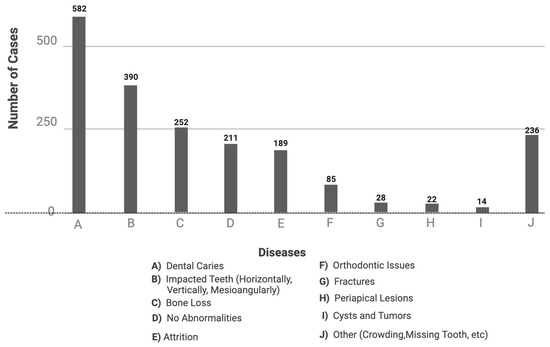
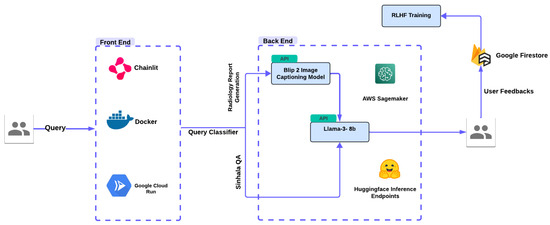
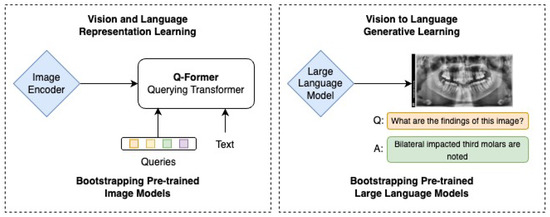
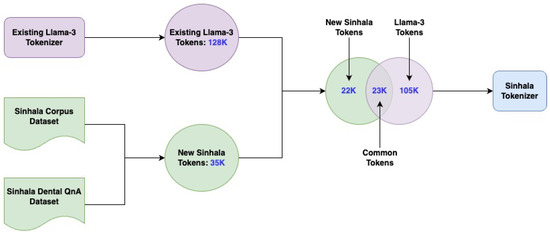
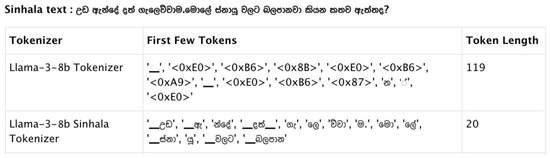
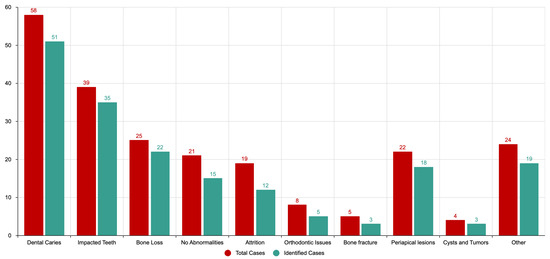
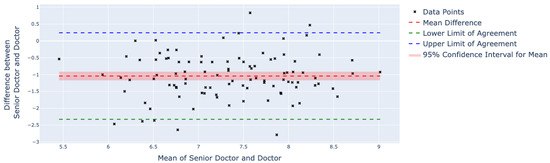
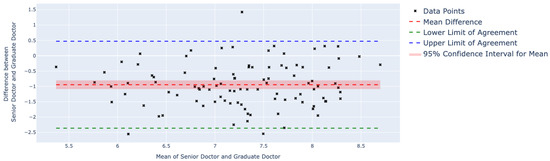
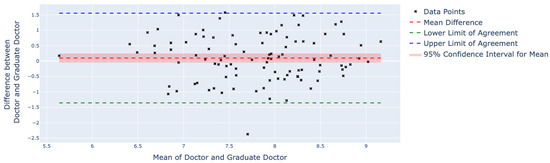
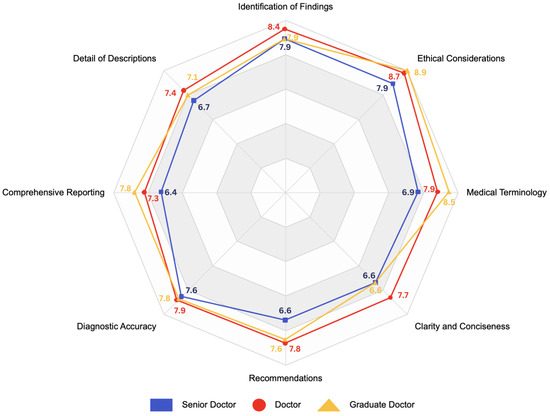
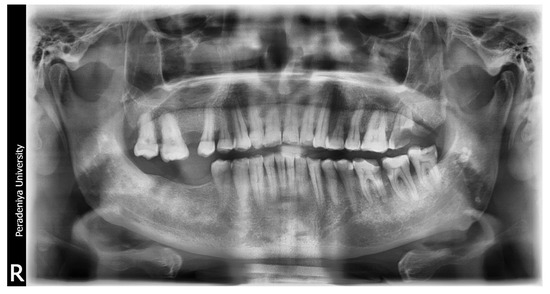
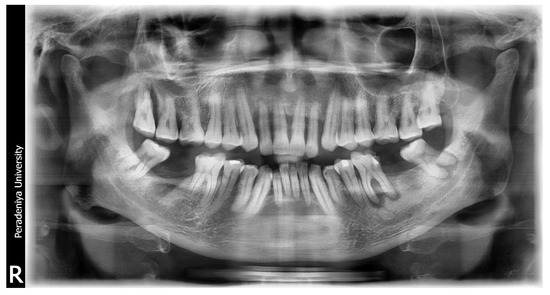
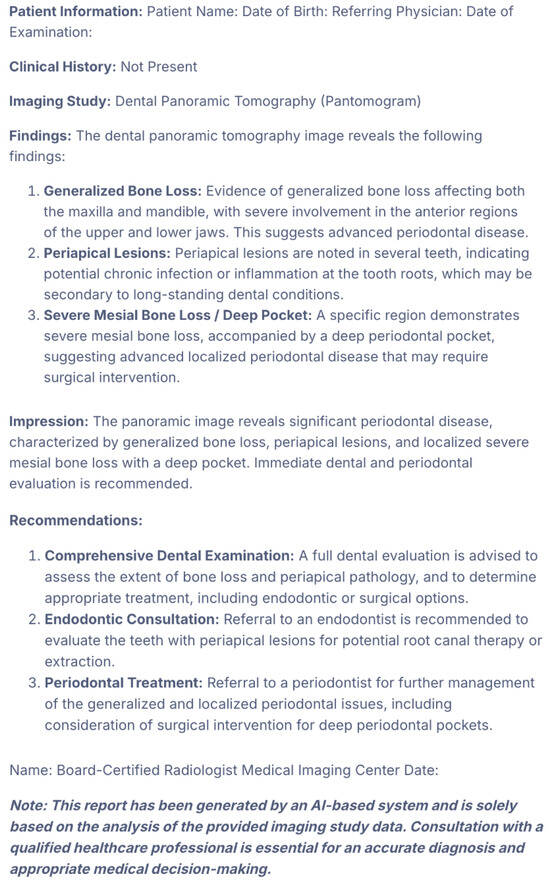
Access to high-quality dental healthcare remains a challenge in many countries due to limited resources, lack of trained professionals, and time-consuming report generation tasks. An intelligent clinical decision support system (ICDSS), which can make informed decisions based on past data, is an innovative solution to address these shortcomings while improving continuous patient support in dental healthcare. This study proposes a viable solution with the aid of multimodal artificial intelligence (AI) and large language models (LLMs), focusing on their application for generating orthopantomography radiology reports and answering questions in the dental domain. This work also discusses efficient adaptation methods of LLMs for specific language and application domains. The proposed system primarily consists of a Blip-2-based caption generator tuned on DPT images followed by a Llama 3 8B based LLM for radiology report generation. The performance of the entire system is evaluated in two ways. The diagnostic performance of the system achieved an overall accuracy of 81.3%, with specific detection rates of 87.9% for dental caries, 89.7% for impacted teeth, 88% for bone loss, and 81.8% for periapical lesions. Subjective evaluation of AI-generated radiology reports by certified dental professionals demonstrates an overall accuracy score of 7.5 out of 10. In addition, the proposed solution includes a question-answering platform in the native Sinhala language, alongside the English language, designed to function as a chatbot for dental-related queries. We hope that this platform will eventually bridge the gap between dental services and patients, created due to a lack of human resources. Overall, our proposed solution creates new opportunities for LLMs in healthcare by introducing a robust end-to-end system for the automated generation of dental radiology reports and enhancing patient interaction and awareness.
Full article
(This article belongs to the Special Issue Advancing Healthcare Through Intelligent Clinical Decision Support Systems: Techniques, Applications, and Future Directions)
►▼
Show Figures

Figure 1
Open AccessArticle
Enhancing Education in Agriculture via XR-Based Digital Twins: A Novel Approach for the Next Generation
by
Orestis Spyrou, Mar Ariza-Sentís and Sergio Vélez
Appl. Syst. Innov. 2025, 8(2), 38; https://doi.org/10.3390/asi8020038 - 17 Mar 2025
Abstract
Integrating Artificial Intelligence (AI) and Extended Reality (XR) technologies into agriculture presents a transformative opportunity to modernize education and sustainable food production. Traditional agriculture training remains resource-intensive, time-consuming, and geographically restrictive, limiting scalability. This study explores an AI-driven Digital Twin (DT) system embedded
[...] Read more.
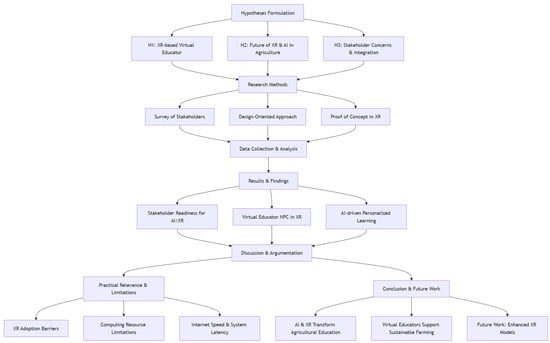
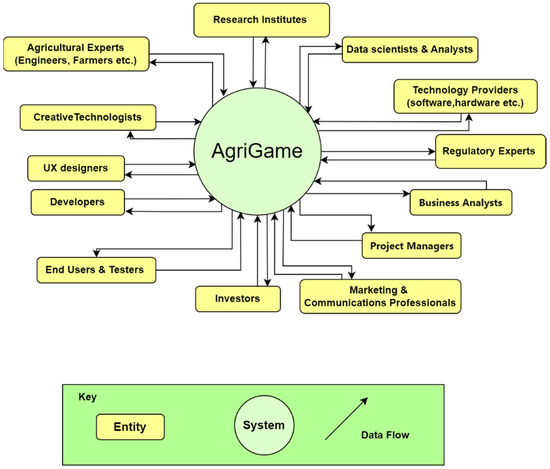
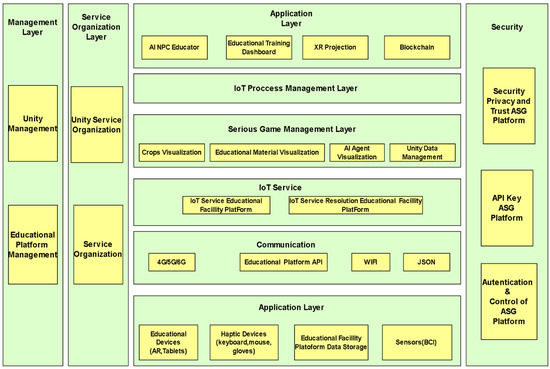
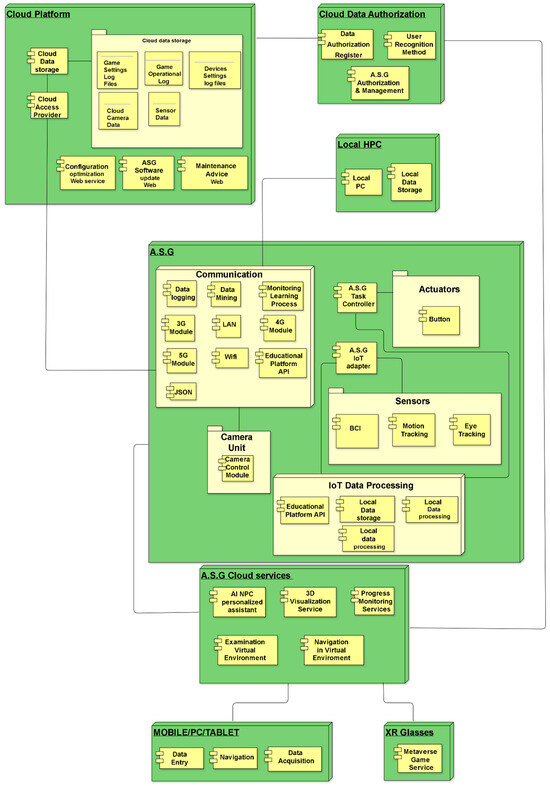
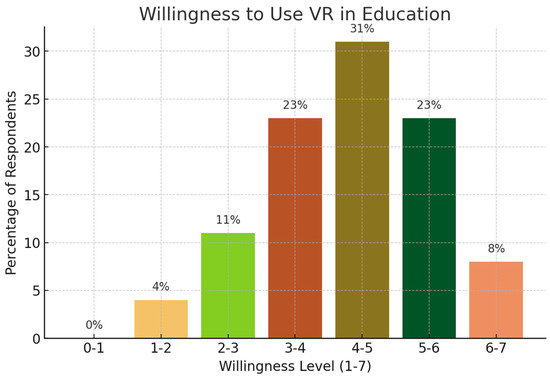
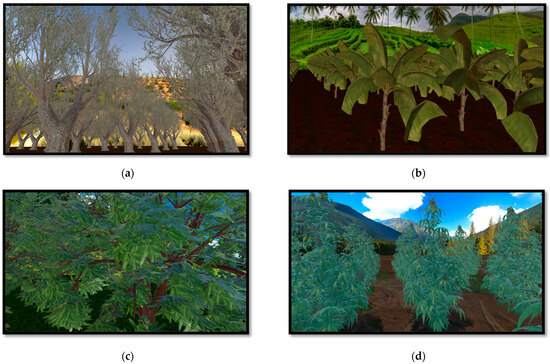
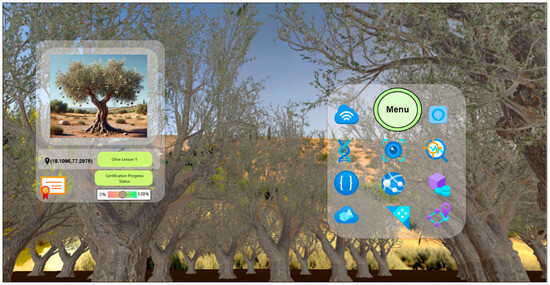
Integrating Artificial Intelligence (AI) and Extended Reality (XR) technologies into agriculture presents a transformative opportunity to modernize education and sustainable food production. Traditional agriculture training remains resource-intensive, time-consuming, and geographically restrictive, limiting scalability. This study explores an AI-driven Digital Twin (DT) system embedded within a gamified XR environment designed to enhance decision-making, resource management, and practical training in viticulture as well as woody crop management. A survey among stakeholders in the viticultural sector revealed that participants are increasingly open to adopting Virtual Reality (VR) combined with AI-enhanced technologies, signaling a readiness for digital learning transformation in the field. The survey revealed a 4.48/7 willingness to adopt XR-based training, a 4.85/7 interest in digital solutions for precision agriculture, and a moderate climate change concern of 4.16/7, indicating a strong readiness for digital learning transformation. Our findings confirm that combining AI-powered virtual educators with DT simulations provides interactive, real-time feedback, allowing users to experiment with vineyard management strategies in a risk-free setting. Unlike previous studies focusing on crop monitoring or AI-based decision support, this study examines the potential of combining Digital Twins (DTs) with AI-driven personal assistants to improve decision-making, resource management, and overall productivity in agriculture. Proof-of-concept implementations in Unity and Oculus Quest 3 demonstrate how AI-driven NPC educators can personalize training, simulate climate adaptation strategies, and enhance stakeholder engagement. The research employs a design-oriented approach, integrating feedback from industry experts and end-users to refine the educational and practical applications of DTs in agriculture. Furthermore, this study highlights proof-of-concept implementations using the Unity cross game engine platform, showcasing virtual environments where students can interact with AI-powered educators in simulated vineyard settings. Digital innovations support students and farmers in enhancing crop yields and play an important role in educating the next generation of digital farmers.
Full article
(This article belongs to the Special Issue Advanced Technologies and Methodologies in Education 4.0)
►▼
Show Figures

Figure 1
Open AccessArticle
Mood-Based Music Discovery: A System for Generating Personalized Thai Music Playlists Using Emotion Analysis
by
Porawat Visutsak, Jirayut Loungna, Siraphat Sopromrat, Chanwit Jantip, Parunyu Soponkittikunchai and Xiabi Liu
Appl. Syst. Innov. 2025, 8(2), 37; https://doi.org/10.3390/asi8020037 - 14 Mar 2025
Abstract
This study enhances the music-listening experience and promotes Thai artists. It provides users easy access to Thai songs that match their current moods and situations, making their music journey more enjoyable. The system analyzes users’ emotions through text input, such as typing their
[...] Read more.
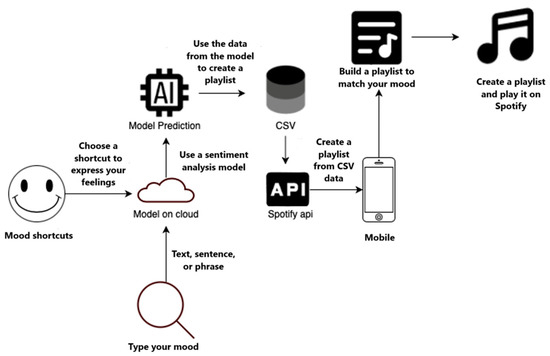
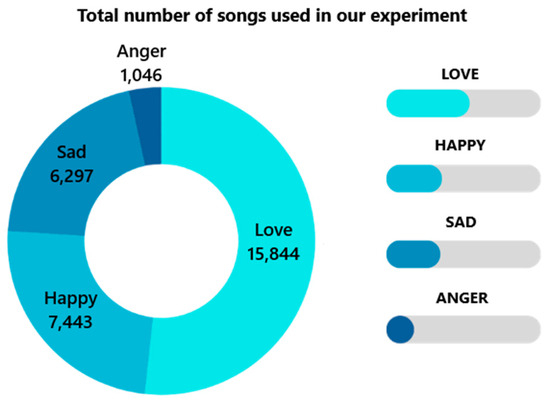
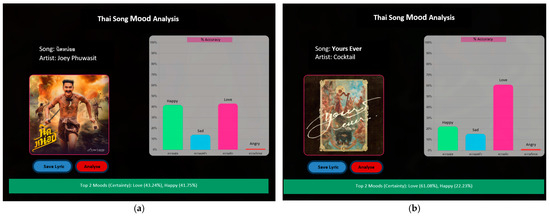
This study enhances the music-listening experience and promotes Thai artists. It provides users easy access to Thai songs that match their current moods and situations, making their music journey more enjoyable. The system analyzes users’ emotions through text input, such as typing their current feelings, and processes this information using machine learning to create a playlist that resonates with their feelings. This study focuses on building a tool that caters to the preferences of Thai music listeners and encourages the consumption of a wider variety of Thai songs beyond popular trends. This study develops a tool that successfully creates personalized playlists by analyzing the listener’s emotions. Phrase and keyword recognition detect the listener’s emotions, generating playlists tailored to their feelings, thus improving their music-listening satisfaction. The classifiers employed in this study achieved the following accuracies: random forest (0.94), XGBoost (0.89), decision tree (0.85), logistic regression (0.79), and support vector machine (SVM) (0.78).
Full article
(This article belongs to the Special Issue Advancements in Deep Learning and Its Applications)
►▼
Show Figures

Figure 1
Open AccessArticle
Enhanced Grey Wolf Optimization for Efficient Transmission Power Optimization in Wireless Sensor Network
by
Mohamad Nurkamal Fauzan, Rendy Munadi, Sony Sumaryo and Hilal Hudan Nuha
Appl. Syst. Innov. 2025, 8(2), 36; https://doi.org/10.3390/asi8020036 - 14 Mar 2025
Abstract
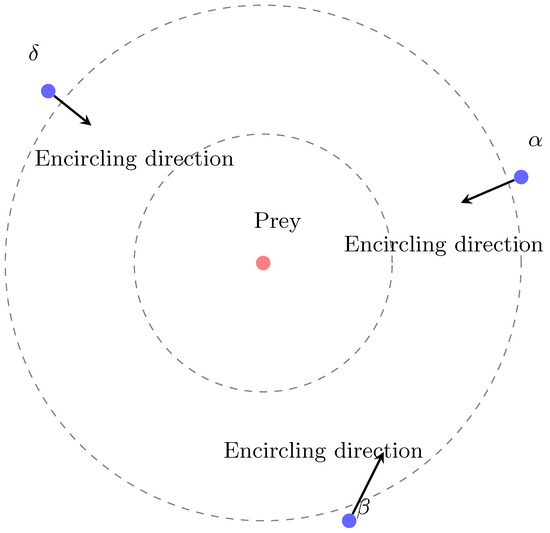
The Internet of Things (IoT) and Wireless Sensor Networks (WSNs) heavily rely on the lifetime of sensor nodes, which is inversely proportional to transmission power. Nodes with greater separation demand higher transmission power, while those closer together require less power. In practice, node
[...] Read more.
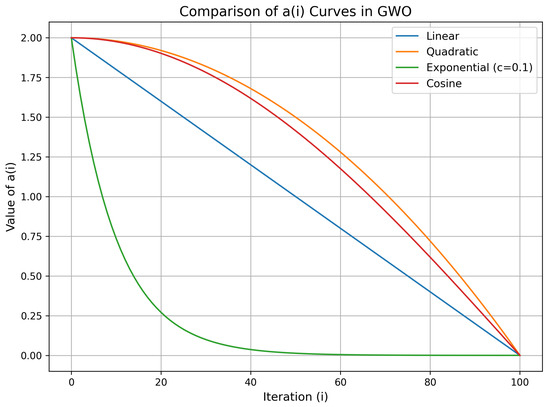
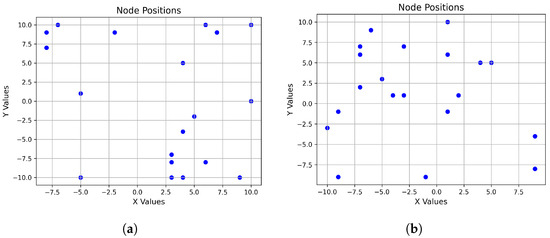
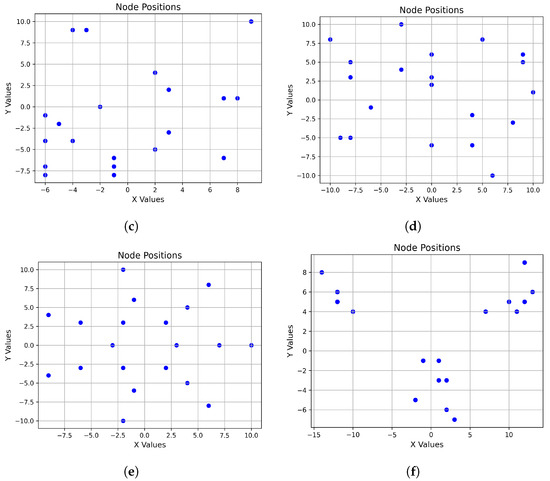
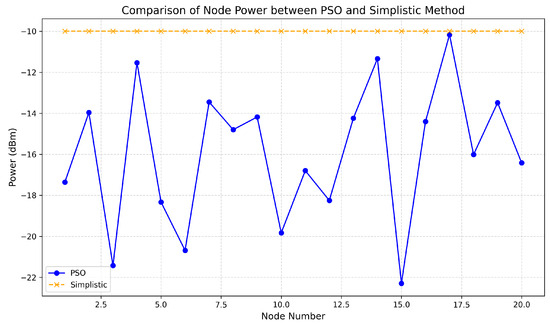
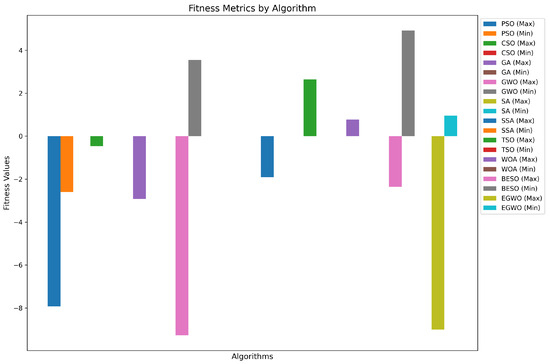
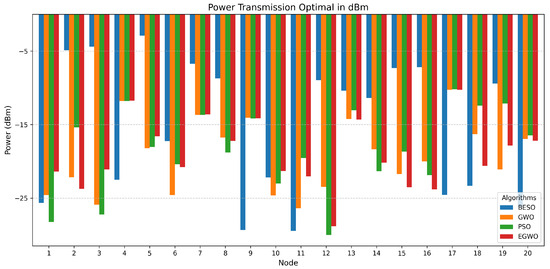
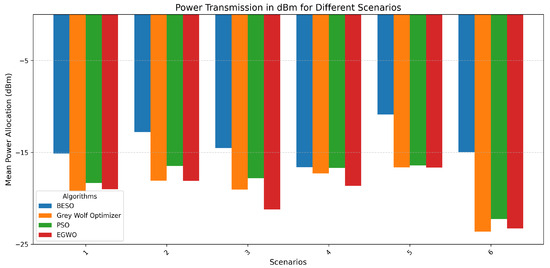
The Internet of Things (IoT) and Wireless Sensor Networks (WSNs) heavily rely on the lifetime of sensor nodes, which is inversely proportional to transmission power. Nodes with greater separation demand higher transmission power, while those closer together require less power. In practice, node placement varies significantly due to diverse terrain and contours, making power transmission configuration a critical and challenging issue in WSNs. This paper introduces an Enhanced Grey Wolf Optimization (EGWO) algorithm designed to optimize power transmission in WSN environments. Traditional Grey Wolf Optimization (GWO) employs a parameter that decreases linearly with iterations to regulate exploitation. In contrast, the proposed EGWO adopts a concave decline in the exploitation rate, allowing for more precise optimization in areas under exploration. The enhancement utilizes a cosine function that gradually decreases from 1 to 0, providing a smoother and more controlled transition. The experimental results demonstrate that EGWO outperforms other optimization algorithms. The proposed method achieves the lowest fitness value of −4.21, compared to 1.22 for standard GWO, −2.81 for PSO, and 2.86 for BESO, indicating its superiority in optimizing power transmission in WSNs.
Full article
(This article belongs to the Special Issue Smart Sensors and Devices: Recent Advances and Applications Volume II)
►▼
Show Figures

Figure 1
Open AccessArticle
Exploring Pre-Trained Models for Skin Cancer Classification
by
Abdelkader Alrabai, Amira Echtioui and Fathi Kallel
Appl. Syst. Innov. 2025, 8(2), 35; https://doi.org/10.3390/asi8020035 - 13 Mar 2025
Abstract
►▼
Show Figures
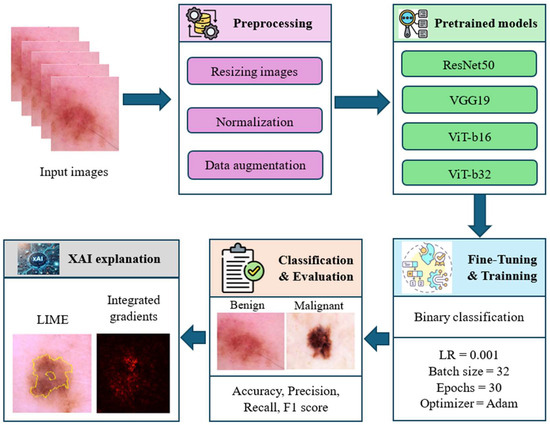
Accurate skin cancer classification is essential for early diagnosis and effective treatment planning, enabling timely interventions and improved patient outcomes. In this paper, the performance of four pre-trained models—two convolutional neural networks (ResNet50 and VGG19) and two vision transformers (ViT-b16 and ViT-b32)—is evaluated
[...] Read more.
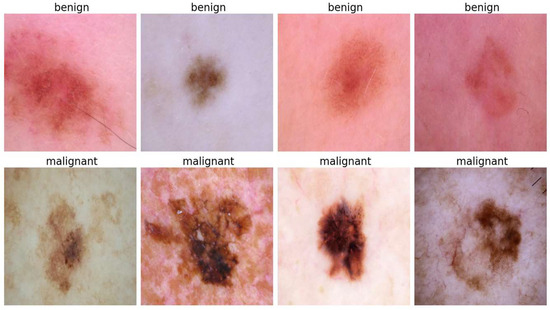
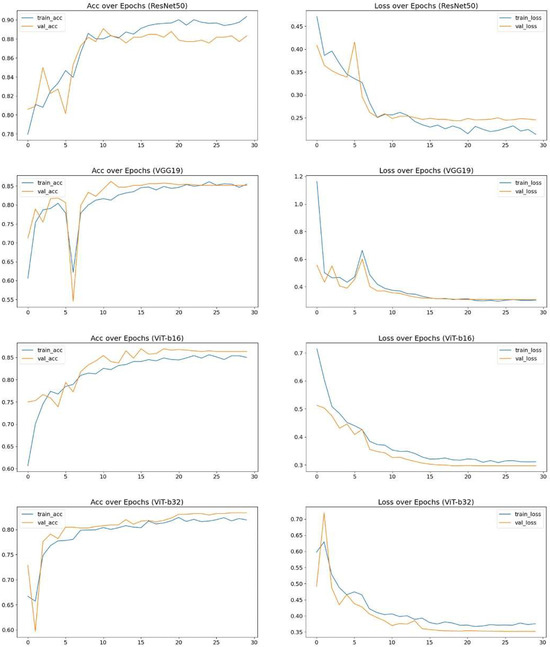
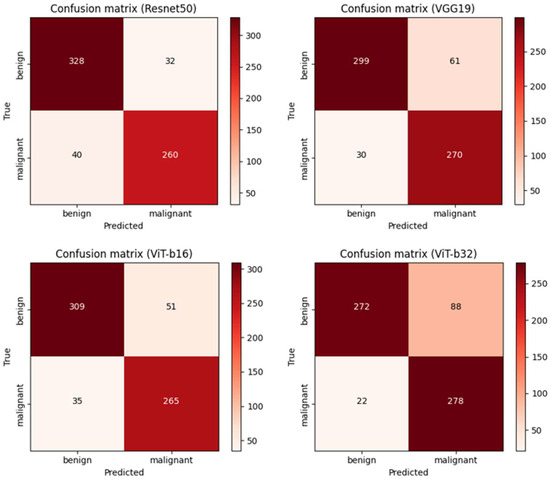
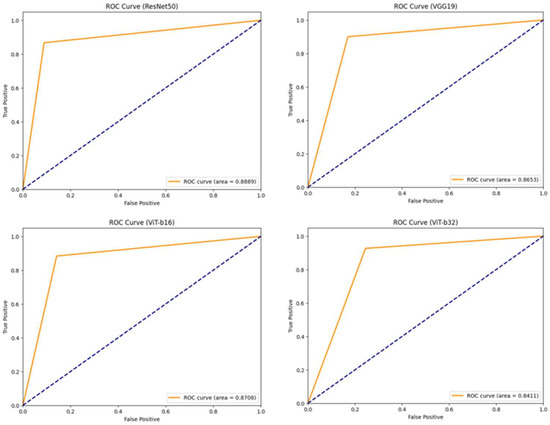
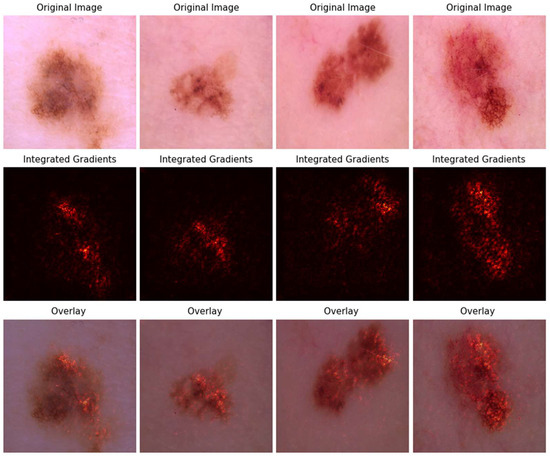
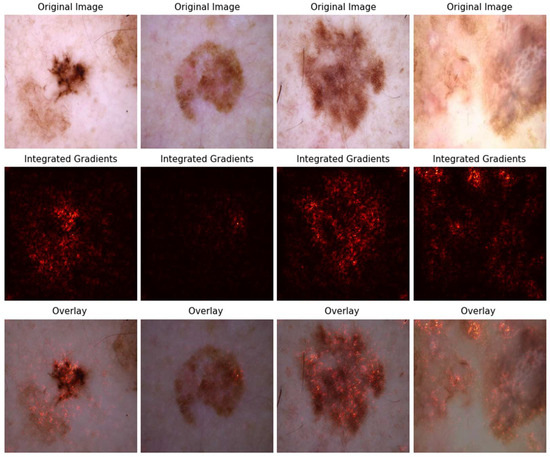
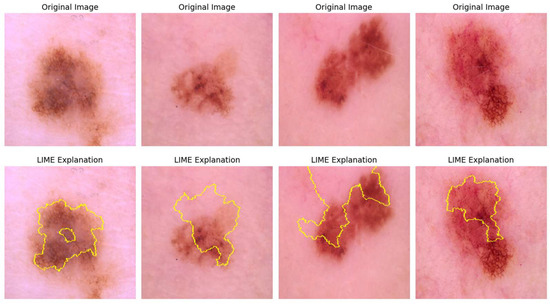
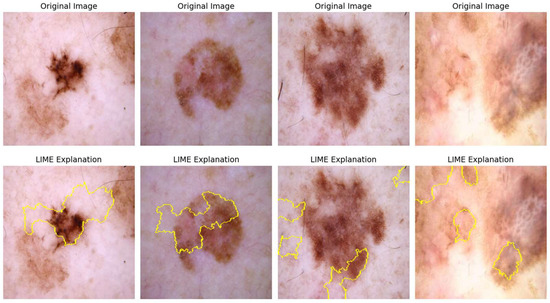
Accurate skin cancer classification is essential for early diagnosis and effective treatment planning, enabling timely interventions and improved patient outcomes. In this paper, the performance of four pre-trained models—two convolutional neural networks (ResNet50 and VGG19) and two vision transformers (ViT-b16 and ViT-b32)—is evaluated in distinguishing malignant from benign skin cancers using a publicly available dermoscopic dataset. Among these models, ResNet50 achieved the highest performance across all the evaluation metrics, with accuracy, precision, and recall of 89.09% and an F1 score of 89.08%, demonstrating its ability to effectively capture complex patterns in skin lesion images. While the other models produced competitive results, ResNet50 exhibited superior robustness and consistency. To enhance model interpretability, two eXplainable Artificial Intelligence (XAI) techniques, Local Interpretable Model-Agnostic Explanations (LIME) and integrated gradients, were employed to provide insights into the decision-making process, fostering trust in automated diagnostic systems. These findings underscore the potential of deep learning for automated skin cancer classification and highlight the importance of model transparency for clinical adoption. As AI technology continues to evolve, its integration into clinical workflows could improve diagnostic accuracy, reduce the workload of healthcare professionals, and enhance patient outcomes.
Full article

Figure 1
Open AccessArticle
Throughput of Buffer with Dependent Service Times
by
Andrzej Chydzinski
Appl. Syst. Innov. 2025, 8(2), 34; https://doi.org/10.3390/asi8020034 - 7 Mar 2025
Abstract
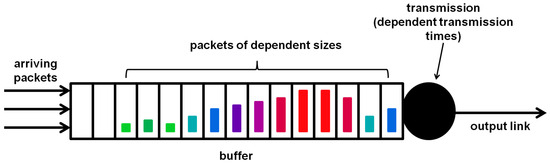
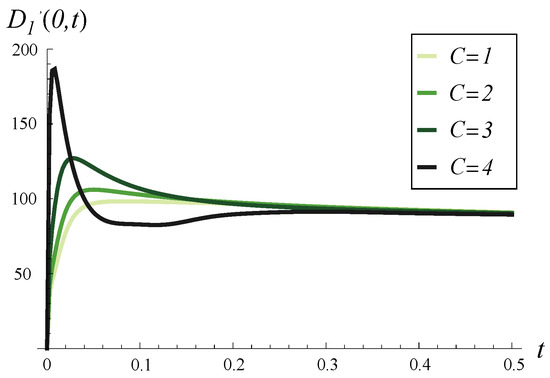
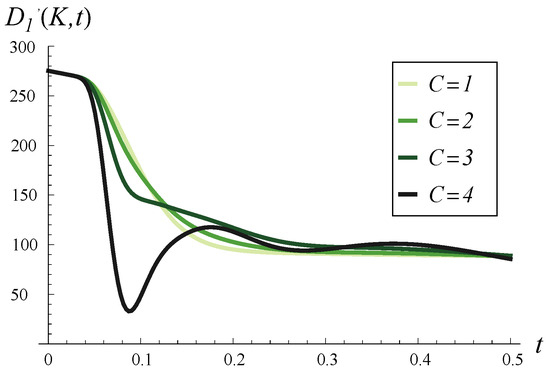
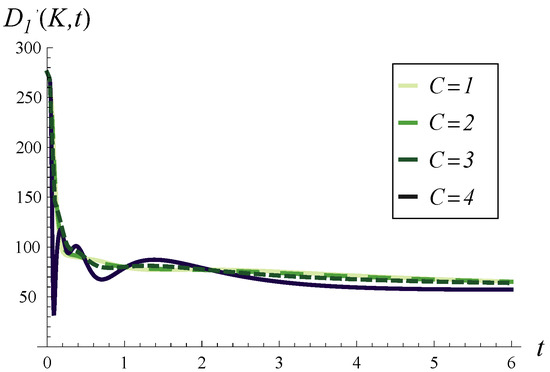
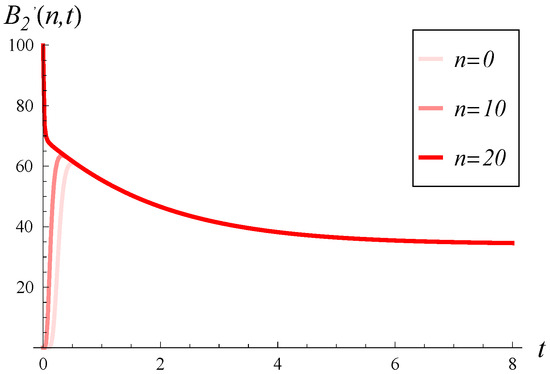
We study the throughput and losses of a buffer with stochastically dependent service times. Such dependence occurs not only in packet buffers within TCP/IP networks but also in many other queuing systems. We conduct a comprehensive, time-dependent analysis, which includes deriving formulae for
[...] Read more.
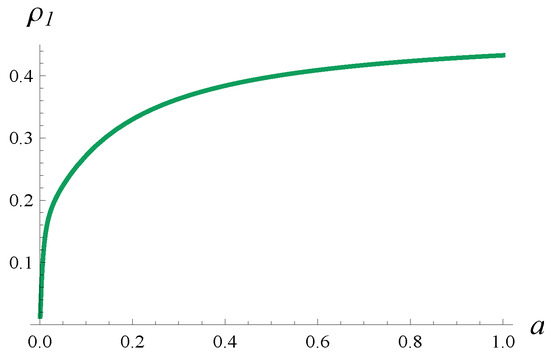
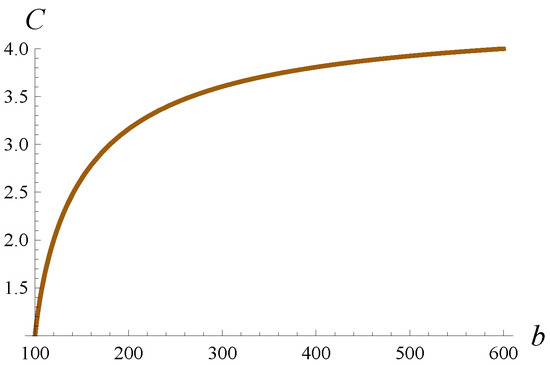
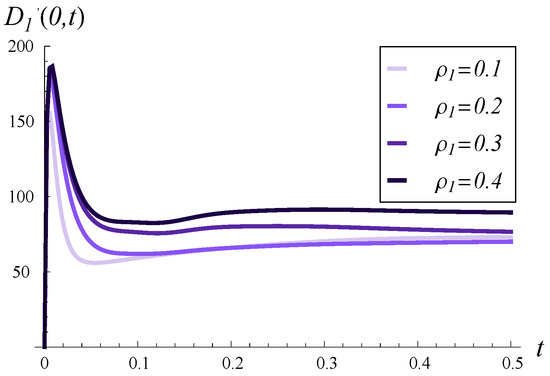
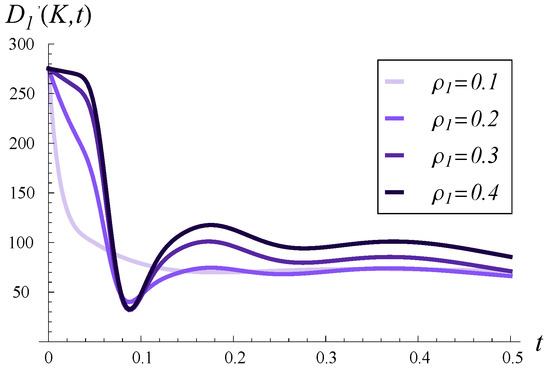
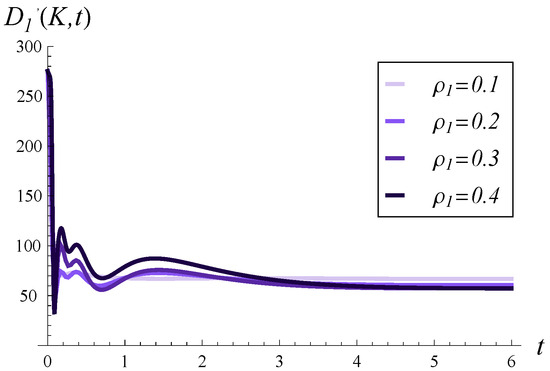
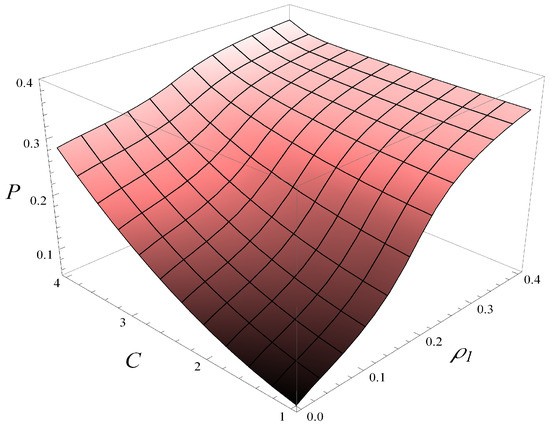
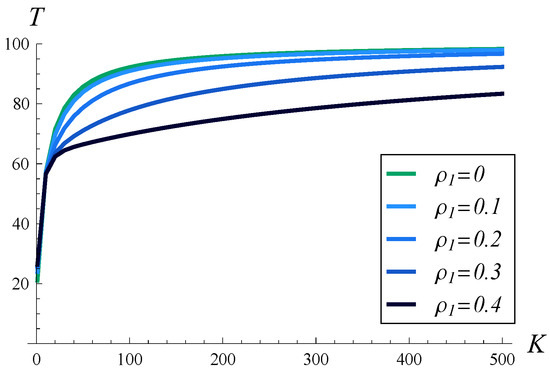
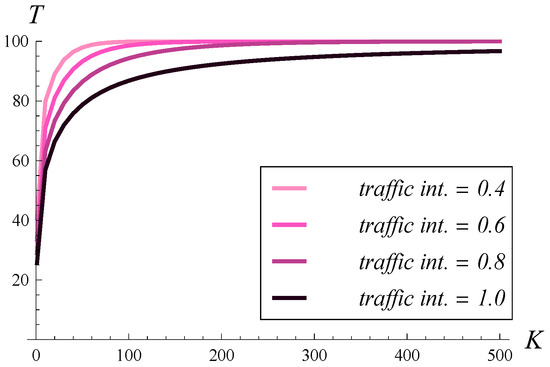
We study the throughput and losses of a buffer with stochastically dependent service times. Such dependence occurs not only in packet buffers within TCP/IP networks but also in many other queuing systems. We conduct a comprehensive, time-dependent analysis, which includes deriving formulae for the count of packets processed and lost over an arbitrary period, the temporary intensity of output traffic, the temporary intensity of packet losses, buffer throughput, and loss probability. The model considered enables mimicking any packet interarrival time distribution, service time distribution, and correlation between service times. The analytical findings are accompanied by numerical computations that demonstrate the influence of various factors on buffer throughput and losses. These results are also verified through simulations.
Full article
(This article belongs to the Section Applied Mathematics)
►▼
Show Figures

Figure 1
Open AccessArticle
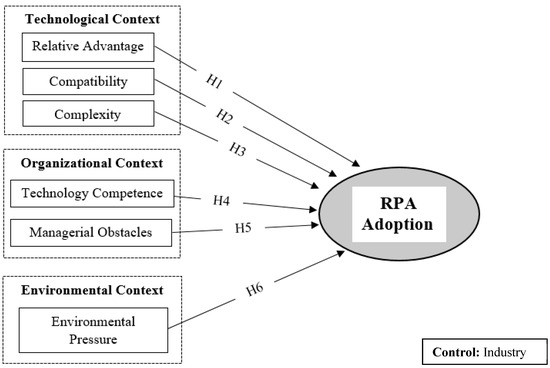
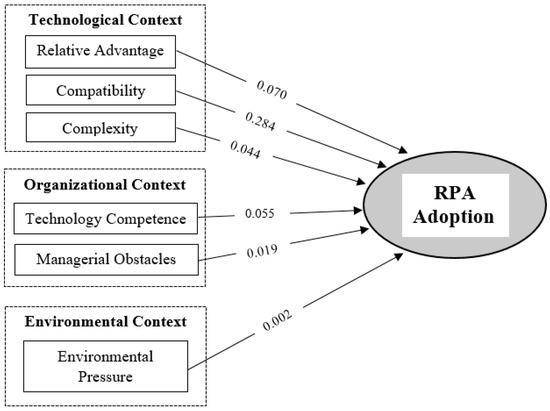
An Organizational Perspective on Robotic Process Automation Adoption and Usage Factors
by
Daniel Durão and António Palma dos Reis
Appl. Syst. Innov. 2025, 8(2), 33; https://doi.org/10.3390/asi8020033 - 4 Mar 2025
Abstract
►▼
Show Figures
The adoption of Information Technologies in organizations is a crucial decision for growth, productivity, competitiveness, and even survival in an increasingly competitive market. It highlights the growing importance of automation solutions such as Robotic Process Automation to achieve or maintain competitiveness. Although there
[...] Read more.
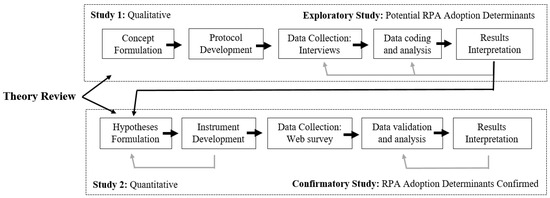
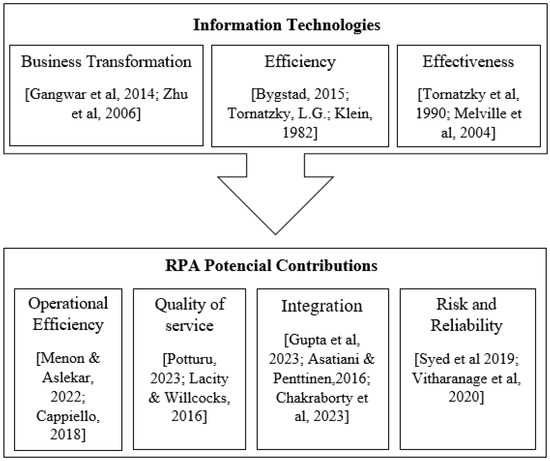
The adoption of Information Technologies in organizations is a crucial decision for growth, productivity, competitiveness, and even survival in an increasingly competitive market. It highlights the growing importance of automation solutions such as Robotic Process Automation to achieve or maintain competitiveness. Although there is research on Robotic Process Automation, most of it focuses on technology, and what it can provide, rather than on the effective contribution to the better performance of organizations, which depends on adoption and use. This work studies the propensity to the adoption and usage of Robotic Process Automation. As a basis for the conceptual model of this research, the Diffusion of Innovation and Technology Organization Environment theoretical models were used in order to evaluate the propensity for adoption and use of Robotic Process Automation from an organizational perspective. This research uses mixed methods. Initially, in the exploratory phase, interviews were carried out to complement the information collected in the literature with a view to developing a model for assessing the propensity to use Robotic Process Automation, and, subsequently, hypotheses were made based on the existing literature and combined with the exploratory phase results; in addition, data from surveys collected from 141 organizations were utilized to evaluate the suggested model, as well as the underlying hypotheses. The findings suggest that it is in the technological context that the antecedents prove to be significant in the propensity for the adoption and use of Robotic Process Automation, namely Compatibility and Relative Advantage. The implications of these findings are discussed from a practical and research perspective.
Full article

Figure 1
Open AccessArticle
Optimizing Air Conditioning Unit Power Consumption in an Educational Building: A Rough Set Theory and Fuzzy Logic-Based Approach
by
Stanley Glenn E. Brucal, Aaron Don M. Africa and Luigi Carlo M. de Jesus
Appl. Syst. Innov. 2025, 8(2), 32; https://doi.org/10.3390/asi8020032 - 3 Mar 2025
Abstract
►▼
Show Figures
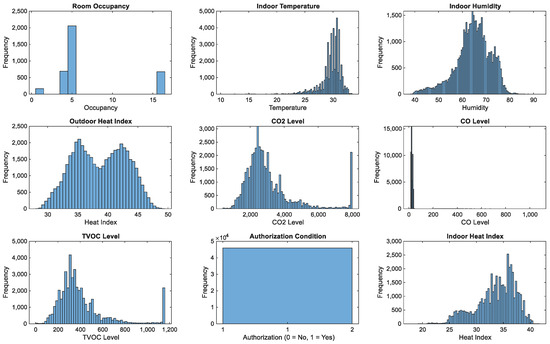
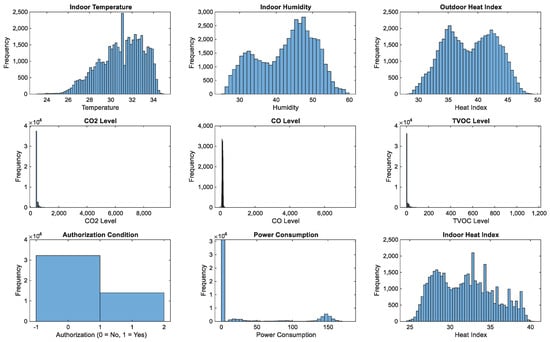
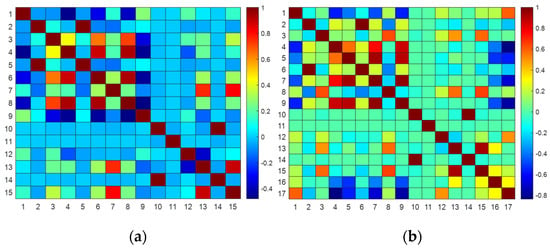
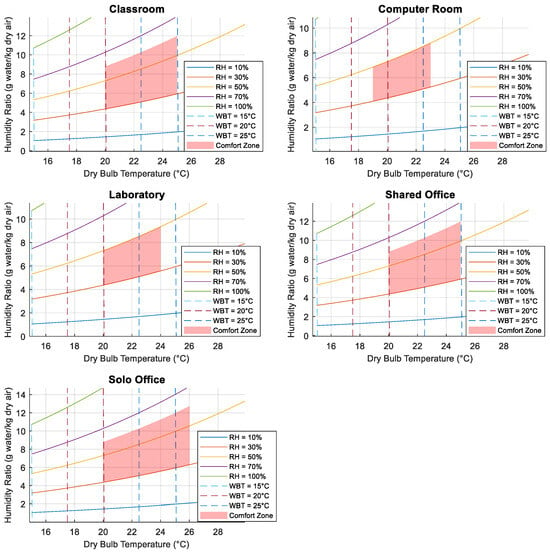
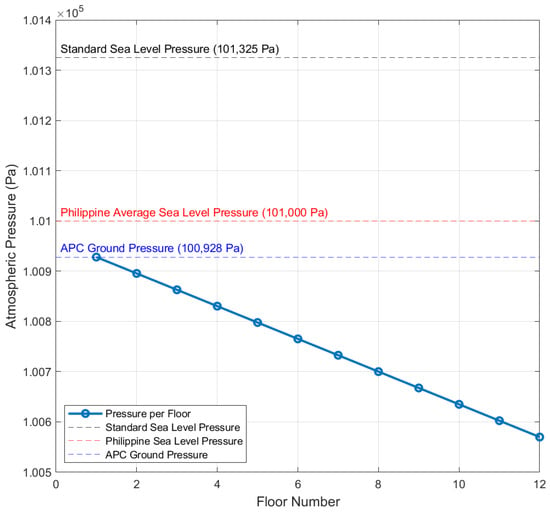
Split air conditioning units are crucial for ensuring the thermal comfort of buildings. Conventional scheduling or pre-timed system activities result in high consumption and wasted energy. This study proposes an intelligent control system for automatic setpoint adjustment in an educational building based on
[...] Read more.
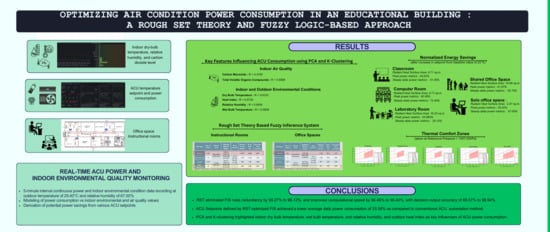
Split air conditioning units are crucial for ensuring the thermal comfort of buildings. Conventional scheduling or pre-timed system activities result in high consumption and wasted energy. This study proposes an intelligent control system for automatic setpoint adjustment in an educational building based on real-time indoor and outdoor environmental and room occupancy data. Principal component analysis was used to identify energy consumption components in ramp-up and steady-state power usage scenarios. K-means clustering was then used to categorize environmental scenarios and occupancy patterns to identify operational states, predict power consumption and environmental variables, and generate fuzzy inference system rules. The application of rough set theory eliminated rule redundancy by at least 99.27% and enhanced computational speed by 96.40%. After testing using real historical data from an uncontrolled environment and occupant thermal comfort satisfaction surveys reflecting a range of ACU setpoints, the enhanced inference system achieved daily average power savings of 25.56% and a steady-state power period at 63.24% of the ACU operating time, as compared to conventional and variable setpoint operations. The proposed technique provides a basis for dynamic and data-driven decision-making, enabling sustainable energy management in smart building applications.
Full article

Graphical abstract
Open AccessArticle
Enhanced Hybrid Algorithms for Inverse Problem Solutions in Computed Tomography
by
Rafał Brociek, Mariusz Pleszczyński, Jakub Miarka and Mateusz Goik
Appl. Syst. Innov. 2025, 8(2), 31; https://doi.org/10.3390/asi8020031 - 28 Feb 2025
Abstract
►▼
Show Figures
This article presents a method for solving the inverse problem of computed tomography using an incomplete dataset. The problem focuses on reconstructing spatial objects based on the data collected from transmitters and receivers (referred to as projection vectors). The novelty of the proposed
[...] Read more.
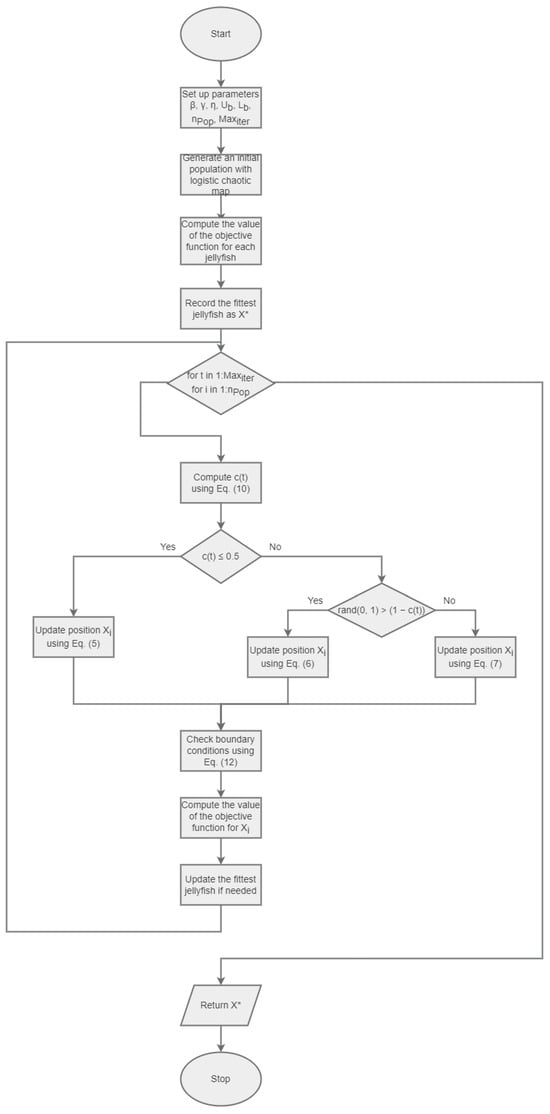
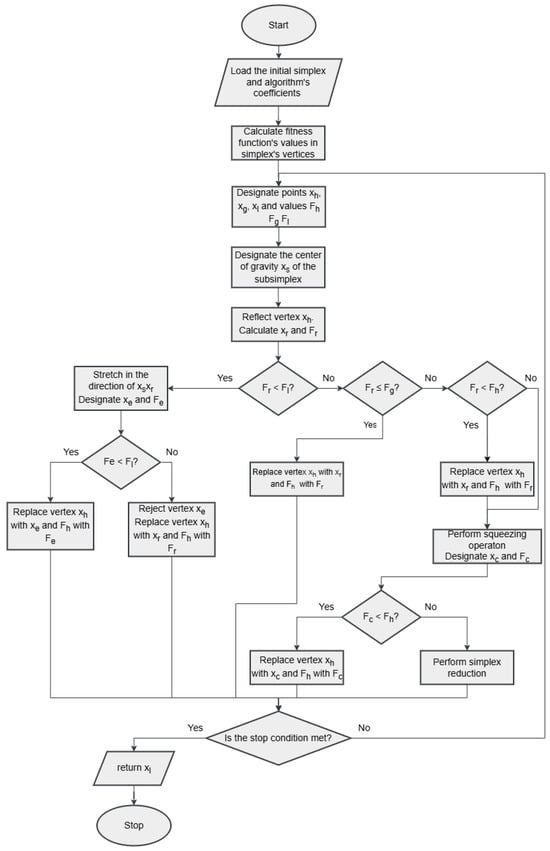
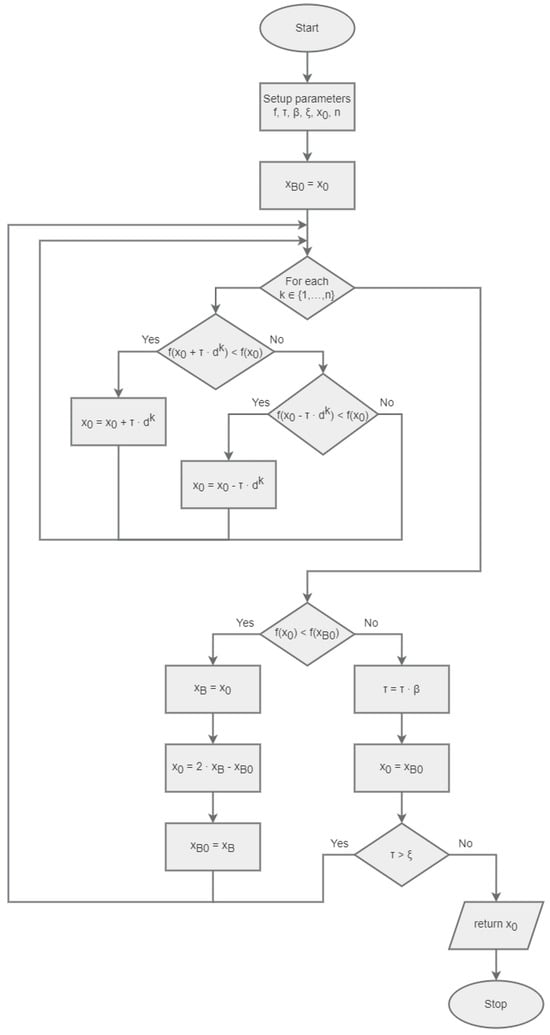
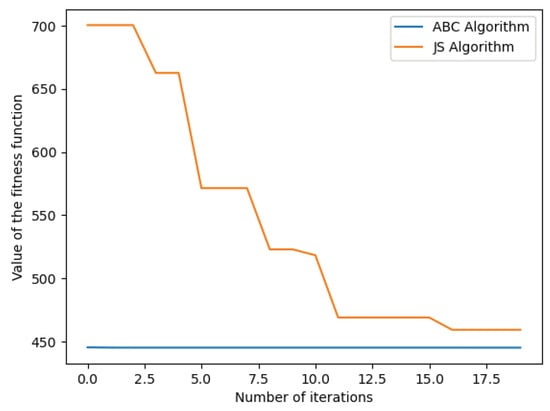
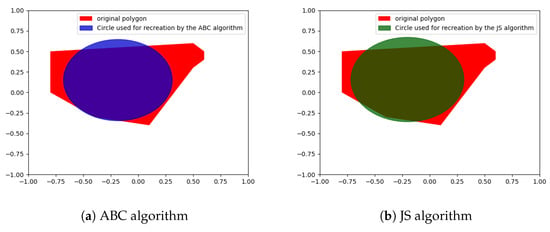
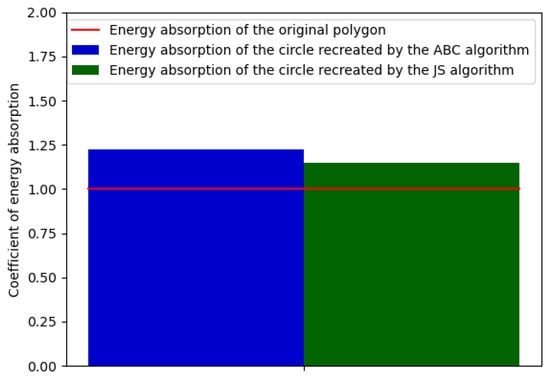
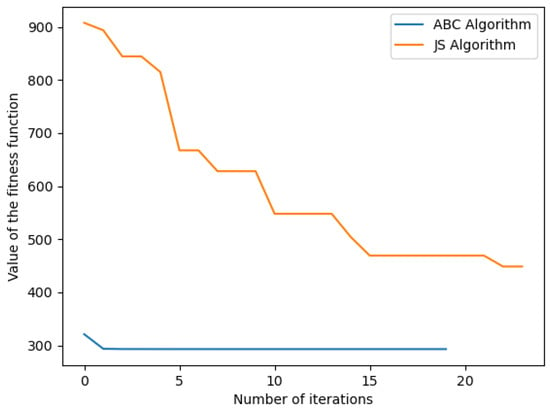
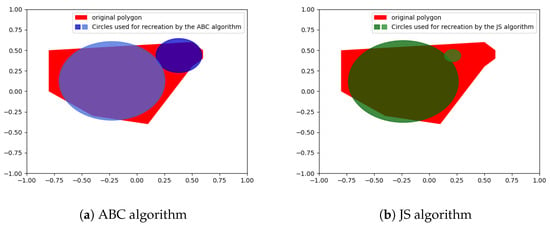
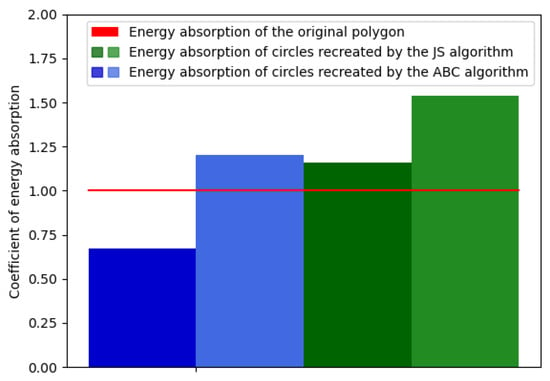
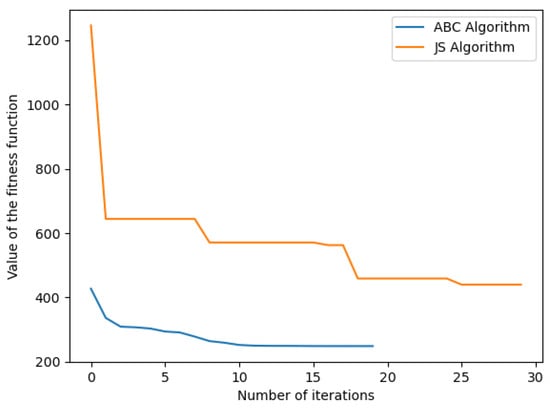
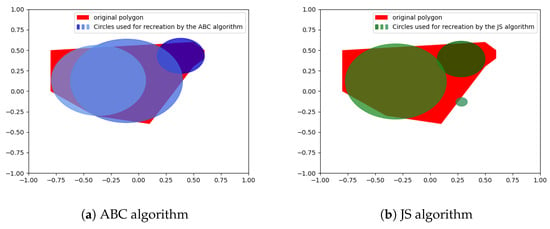
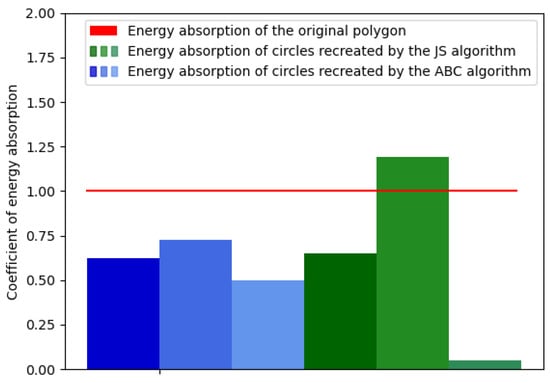
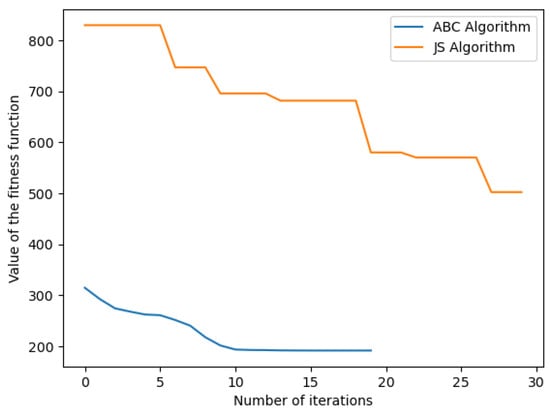
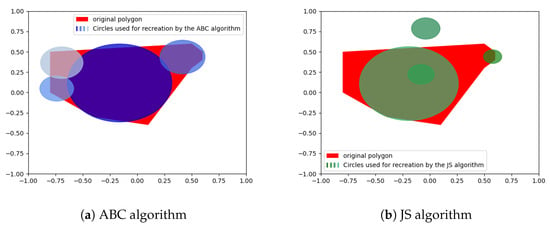
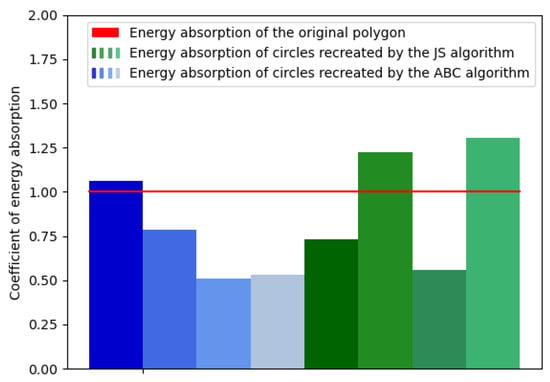
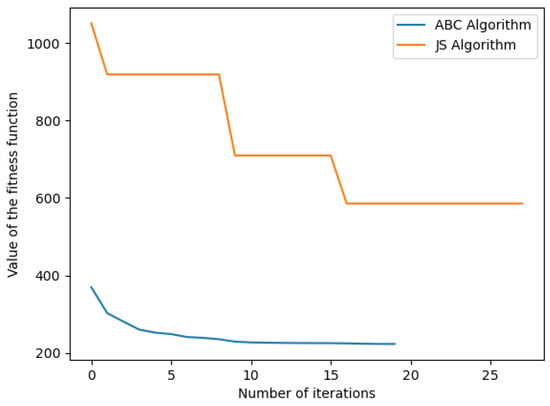
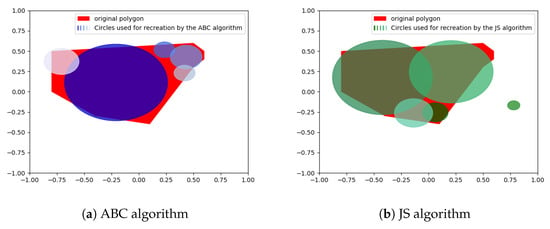
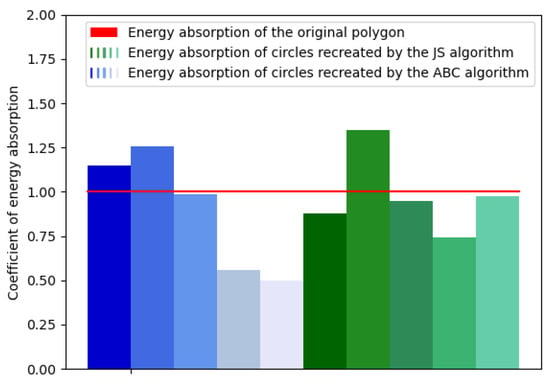
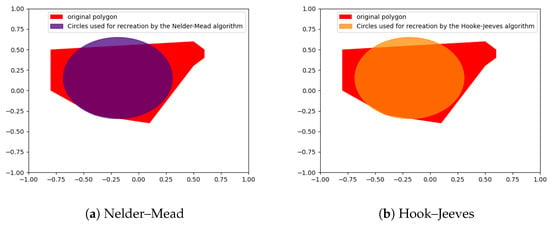
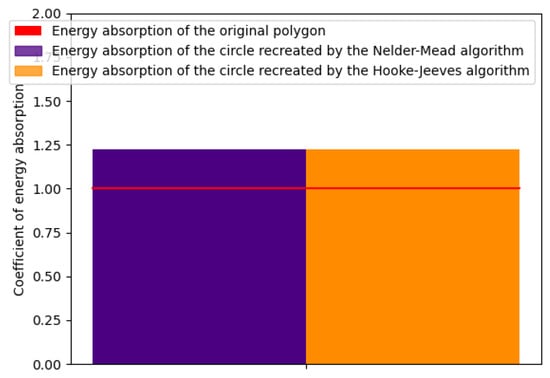
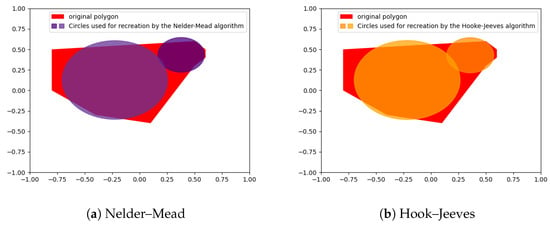
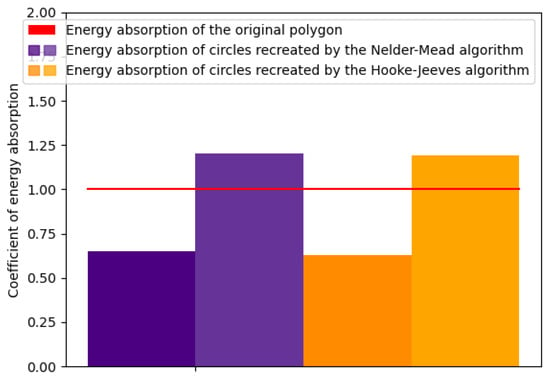
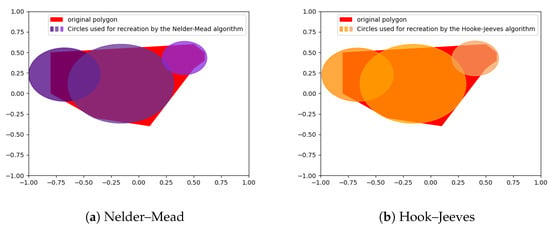
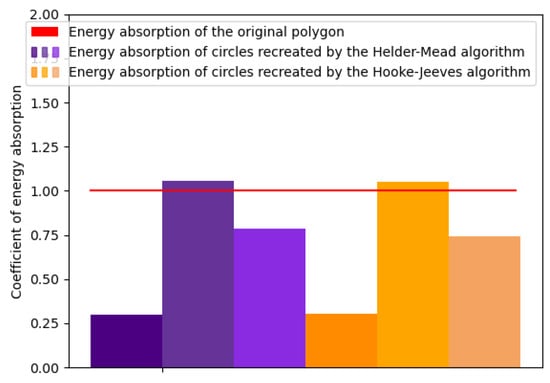
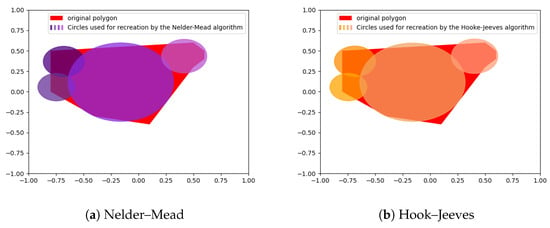
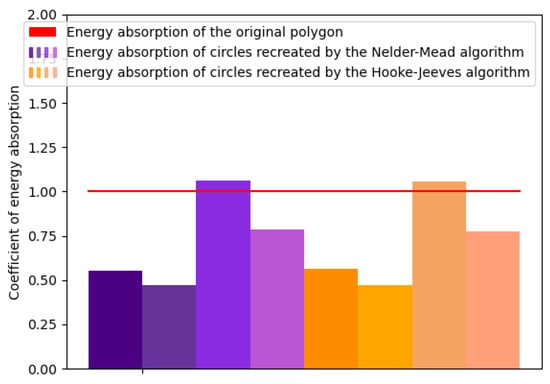
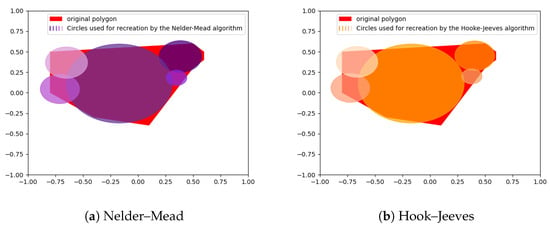
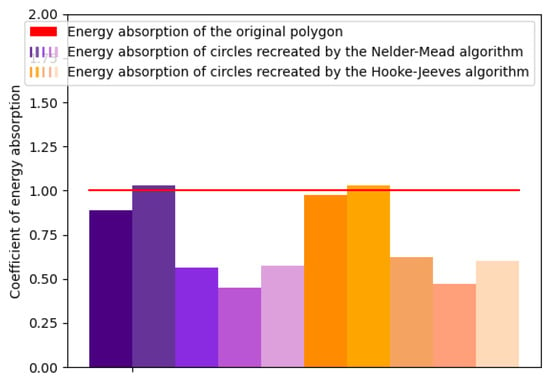
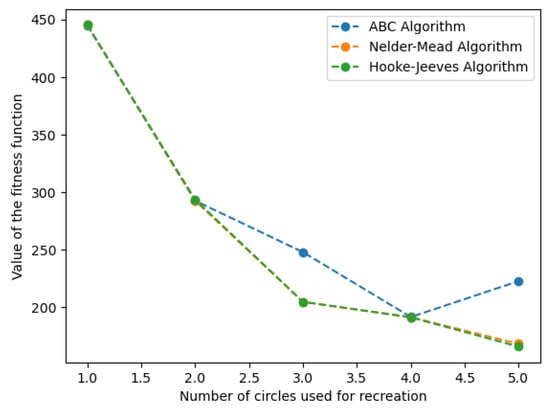
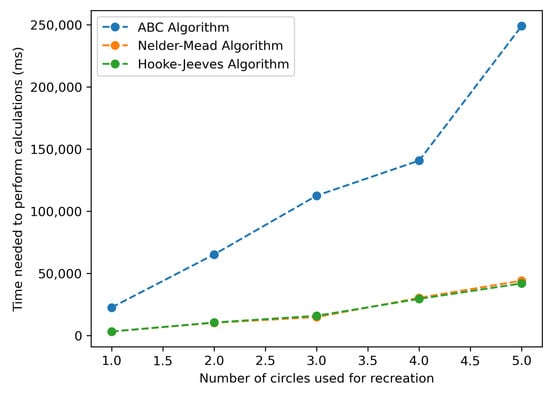
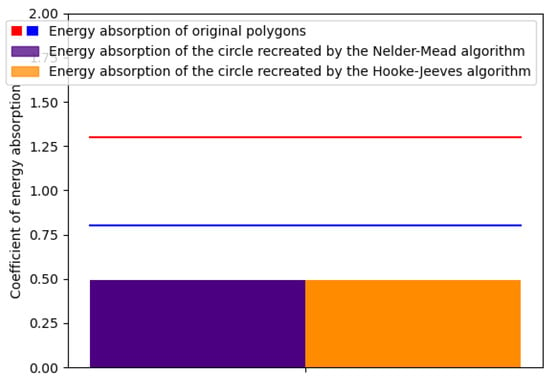
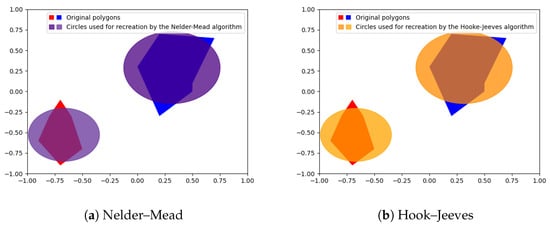
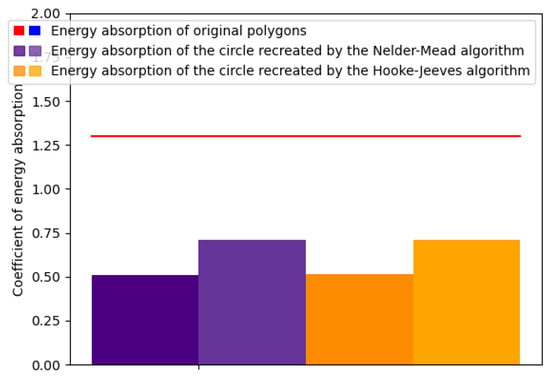
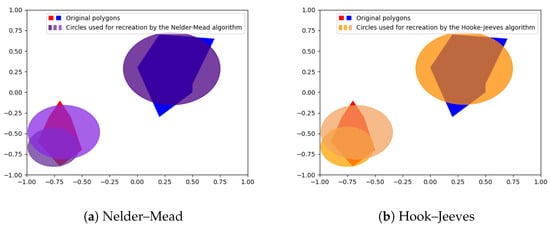
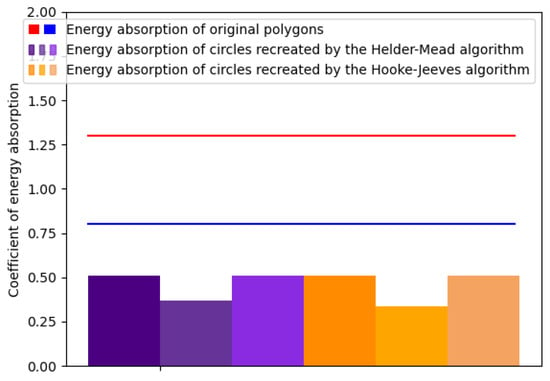
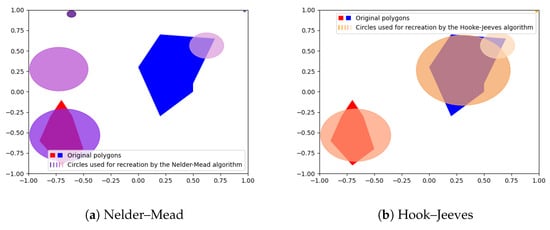
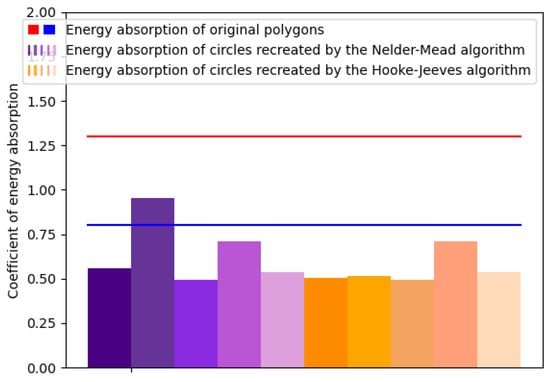
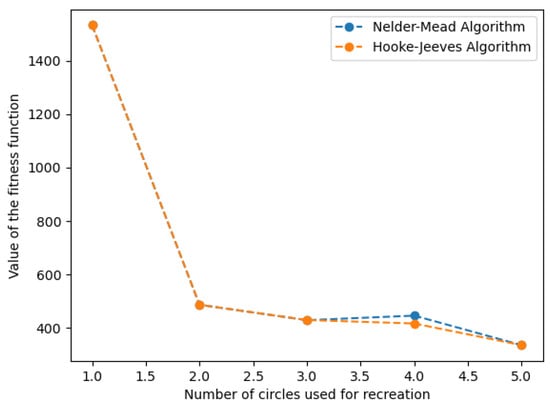
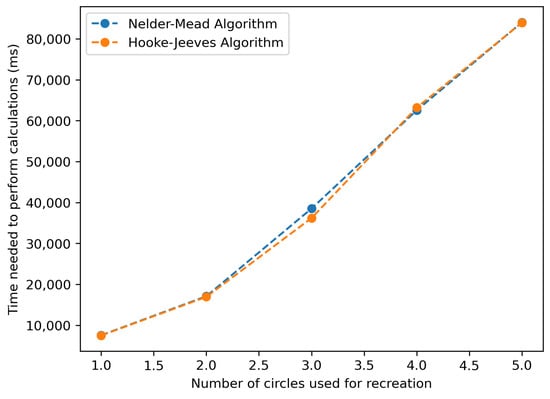
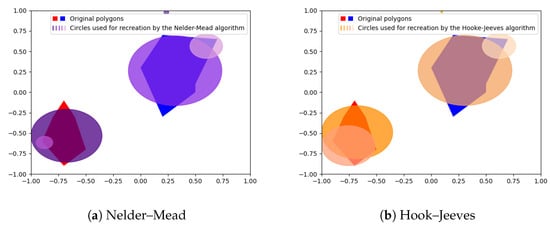
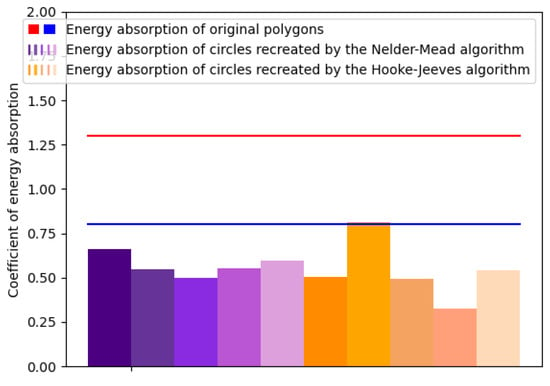
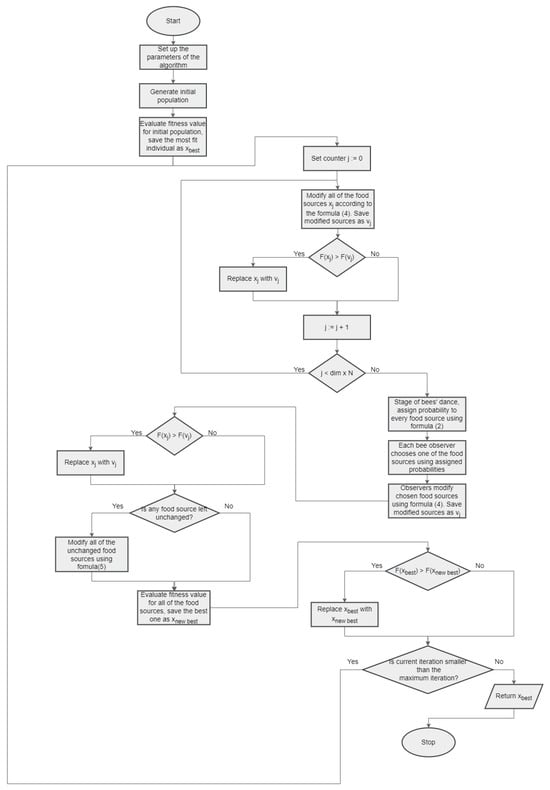
This article presents a method for solving the inverse problem of computed tomography using an incomplete dataset. The problem focuses on reconstructing spatial objects based on the data collected from transmitters and receivers (referred to as projection vectors). The novelty of the proposed approach lies in combining two types of algorithms, namely heuristic and deterministic. Specifically, Artificial Bee Colony (ABC) and Jellyfish Search (JS) algorithms were utilized and compared as heuristic methods, while the deterministic methods were based on the Hooke–Jeeves (HJ) and Nelder–Mead (NM) approaches. By merging these techniques, a hybrid algorithm was developed, integrating the strengths of both heuristic and deterministic algorithms. The proposed hybrid algorithm proved to be approximately five to six times faster than an approach relying solely on metaheuristics while also providing more accurate results. In the worst-case test, the fitness function value for the hybrid algorithm was approximately 22% lower than that of the purely metaheuristic-based approach. Experimental tests further demonstrated that the hybrid algorithm, whether based on Hooke–Jeeves or Nelder–Mead, was stable and well suited for solving the considered problem. The article includes experimental results that confirm the effectiveness, accuracy, and efficiency of the proposed method.
Full article

Figure 1
Journal Menu
► ▼ Journal Menu-
- ASI Home
- Aims & Scope
- Editorial Board
- Topical Advisory Panel
- Instructions for Authors
- Special Issues
- Topics
- Sections & Collections
- Article Processing Charge
- Indexing & Archiving
- Editor’s Choice Articles
- Most Cited & Viewed
- Journal Statistics
- Journal History
- Journal Awards
- Society Collaborations
- Conferences
- Editorial Office
Journal Browser
► ▼ Journal BrowserHighly Accessed Articles
Latest Books
E-Mail Alert
News
Topics
Topic in
Applied Sciences, ASI, Blockchains, Computers, MAKE, Software
Recent Advances in AI-Enhanced Software Engineering and Web Services
Topic Editors: Hai Wang, Zhe HouDeadline: 31 May 2025
Topic in
Applied Sciences, ASI, Bioengineering, Electronics, Healthcare
Applied System on Biomedical Engineering, Healthcare and Sustainability 2024
Topic Editors: Teen-Hang Meen, Chun-Yen Chang, Charles Tijus, Po-Lei Lee, Kuei-Shu HsuDeadline: 30 June 2025
Topic in
AI, Applied Sciences, Computers, Electronics, IoT, ASI, Sensors
Federated Edge Intelligence for Next Generation AI Systems
Topic Editors: Chunjiong Zhang, Weiwei Jiang, Tao XieDeadline: 31 January 2026
Topic in
Social Sciences, Societies, ASI
Social Sciences and Intelligence Management, 2nd Volume
Topic Editors: Liza Lee, Teen-Hang Meen, Kuei-Kuei Lai, Linda Pavitola, Charles Tijus, Kate ChenDeadline: 31 March 2026
Conferences
Special Issues
Special Issue in
ASI
Large Language Models: Theories, Methodologies and Real-World Applications in Healthcare
Guest Editor: Flavio BertiniDeadline: 30 April 2025
Special Issue in
ASI
Smart Sensors and Devices: Recent Advances and Applications Volume II
Guest Editor: Subhas MukhopadhyayDeadline: 30 May 2025
Special Issue in
ASI
Wind Energy and Wind Turbine System
Guest Editors: Kok-Hoe Wong, Ahmad Fazlizan, Muhammad Salman SiddiquiDeadline: 30 May 2025
Special Issue in
ASI
Advancements for the Factories of the Future
Guest Editors: Tânia M. Lima, Pedro Dinis GasparDeadline: 31 May 2025