





-
Dose-Dependent PFESA-BP2 Exposure Increases Risk of Liver Cancer -
RhoA/ROCK/GSK3β Signaling: A Keystone in Understanding Alzheimer’s Disease -
From Molecular to Clinical Implications of Sleep-Related Breathing Disorders on the Treatment and Recovery of Acute Stroke: A Scoping Review -
The Cross-Talk Between the Peripheral and Brain Cholesterol Metabolisms -
Advances in Understanding Lipopolysaccharide-Mediated Hepatitis: Mechanisms and Pathological Features
Journal Description
Current Issues in Molecular Biology
is an international, scientific, peer-reviewed, open access journal on molecular biology, published monthly online by MDPI (from Volume 43 Issue 1-2021).
- Open Access— free for readers, with article processing charges (APC) paid by authors or their institutions.
- High Visibility: indexed within Scopus, SCIE (Web of Science), PMC, PubMed, Embase, CAPlus / SciFinder, FSTA, AGRIS, and other databases.
- Rapid Publication: manuscripts are peer-reviewed and a first decision is provided to authors approximately 15.8 days after submission; acceptance to publication is undertaken in 2.6 days (median values for papers published in this journal in the second half of 2024).
- Recognition of Reviewers: APC discount vouchers, optional signed peer review, and reviewer names are published annually in the journal.
Impact Factor:
2.8 (2023);
5-Year Impact Factor:
2.9 (2023)
Latest Articles
Research Progress on the Preparation and Application of Decellularized Tendons
Curr. Issues Mol. Biol. 2025, 47(4), 251; https://doi.org/10.3390/cimb47040251 (registering DOI) - 6 Apr 2025
Abstract
Tendons connect animal skeletons to skeletal muscles, playing a crucial role in weight-bearing and maintaining motor functions. After decellularization, tendon extracellular matrix (tECM) retains the physicochemical characteristics similar to those of native tendons. This has made tECM a promising biomaterial in the fields
[...] Read more.
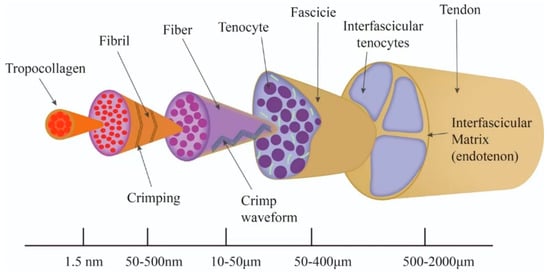
Tendons connect animal skeletons to skeletal muscles, playing a crucial role in weight-bearing and maintaining motor functions. After decellularization, tendon extracellular matrix (tECM) retains the physicochemical characteristics similar to those of native tendons. This has made tECM a promising biomaterial in the fields of tissue engineering and regenerative medicine in recent years. This paper summarizes the origin, structure, and ECM components of animal tendons, reviews decellularization methods, and discusses recent advancements in the research and applications of decellularized tendons. Furthermore, it explores future development trends of xenogeneic decellularized tendon materials, aiming to provide a reference for fundamental research and the development of biomaterials related to decellularized tendons.
Full article
(This article belongs to the Special Issue The Contribution and Application of Molecular Biology in the Applied Biosciences—Focusing on Medicine, Biomaterials and Tissue Engineering Fields, 2nd Edition)
►
Show Figures
Open AccessReview
Ginseng-Based Nanotherapeutics in Cancer Treatment: State-of-the-Art Progress, Tackling Gaps, and Translational Achievements
by
Pragya Tiwari and Kyeung-Il Park
Curr. Issues Mol. Biol. 2025, 47(4), 250; https://doi.org/10.3390/cimb47040250 - 3 Apr 2025
Abstract
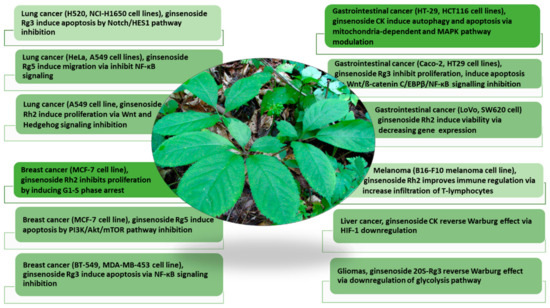
Among medicinal plants, the Panax genus (family: Araliaceae) includes plant species widely recognized for their multi-faceted pharmacological attributes. The triterpenoids, designated as ginsenosides, are increasingly recognized as drug-like molecules in cancer therapies due to their therapeutic role in restricting tumor invasion, proliferation,
[...] Read more.
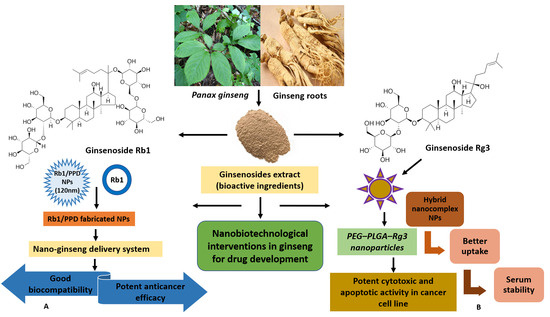
Among medicinal plants, the Panax genus (family: Araliaceae) includes plant species widely recognized for their multi-faceted pharmacological attributes. The triterpenoids, designated as ginsenosides, are increasingly recognized as drug-like molecules in cancer therapies due to their therapeutic role in restricting tumor invasion, proliferation, metastasis, apoptosis, and drug resistance reversal in tumor cells. In the nanobiotechnological era, nano-delivery systems provide feasible solutions to address bottlenecks associated with traditional drug delivery methods (low bioavailability, instability in the gastrointestinal tract, high dosage requirements, side effects, poor absorption, and incomplete drug utilization in the body). The dedicated efforts for precise and effective treatment have directed the development of ginsenoside-based nano-delivery systems to achieve potent anticancer efficacies and address the limitations in ginseng pharmacokinetics, facilitating drug development trials. Studies into ginseng pharmacokinetics showed a remarkable prolonged clearance and free drug levels of ~15% (ginsenoside RB1 nanoparticles) in mice (compared to only ~5% for ginsenosides) and better antitumor efficacies, demonstrating key success in ginseng biotechnology for drug development. Delving into the nanobiotechnological interventions in ginseng-derived therapeutics, this study summarizes current advances and achievements, particularly in cancer treatment, tackles existing gaps, focuses on feasible solutions, and examines prospects of translational success.
Full article
(This article belongs to the Special Issue Natural Product Drug Activity and Biomedicine Application)
►▼
Show Figures

Figure 1
Open AccessArticle
Dual-Faced Role of GDF6 in Cancer: Mechanistic Insights into Its Context-Dependent Regulation of Metastasis and Immune Evasion Across Human Malignancies
by
Qi Zhu, Jianshu Wei and Weidong Han
Curr. Issues Mol. Biol. 2025, 47(4), 249; https://doi.org/10.3390/cimb47040249 - 2 Apr 2025
Abstract
Growth differentiation factor 6 (GDF6), a member of the TGF-β superfamily, plays multifaceted roles in tumorigenesis, yet its molecular mechanisms and cancer-type-specific regulatory networks remain poorly defined. This study investigates GDF6’s context-dependent functions through pan-cancer multi-omics integration and functional validation. Transcriptomic data from
[...] Read more.
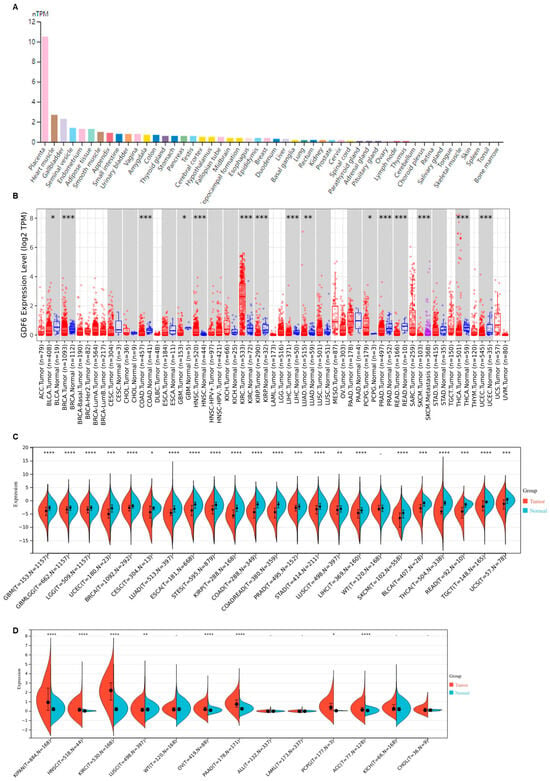
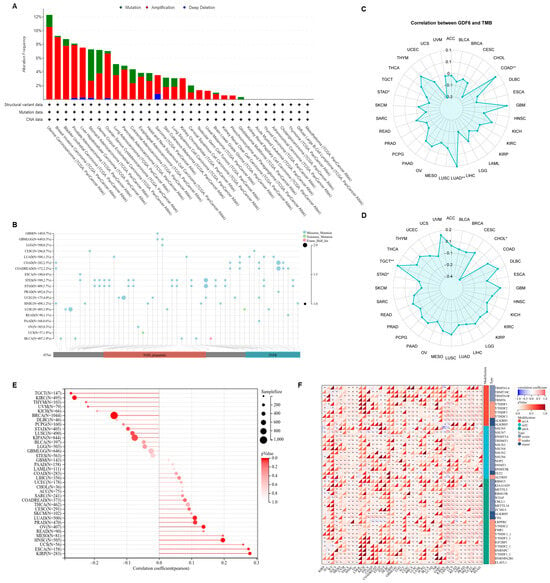
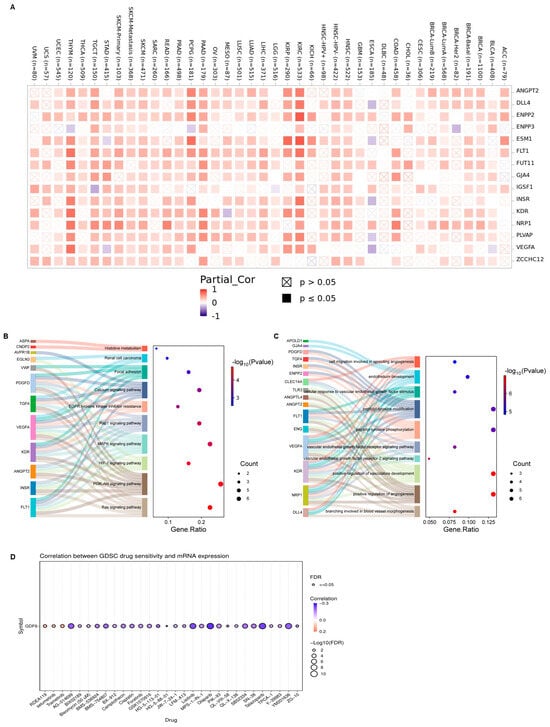
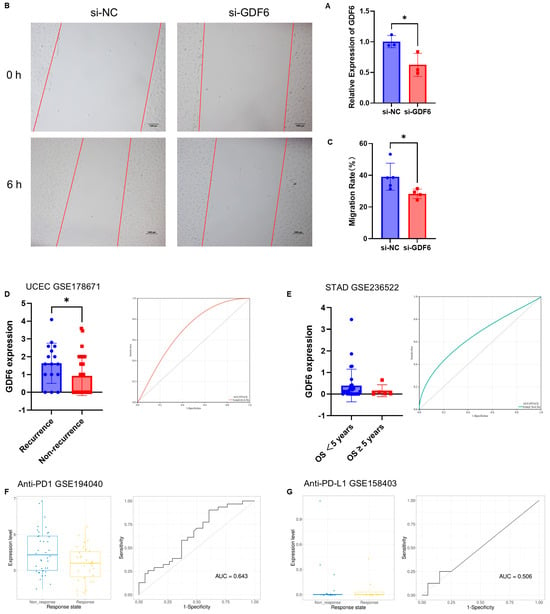
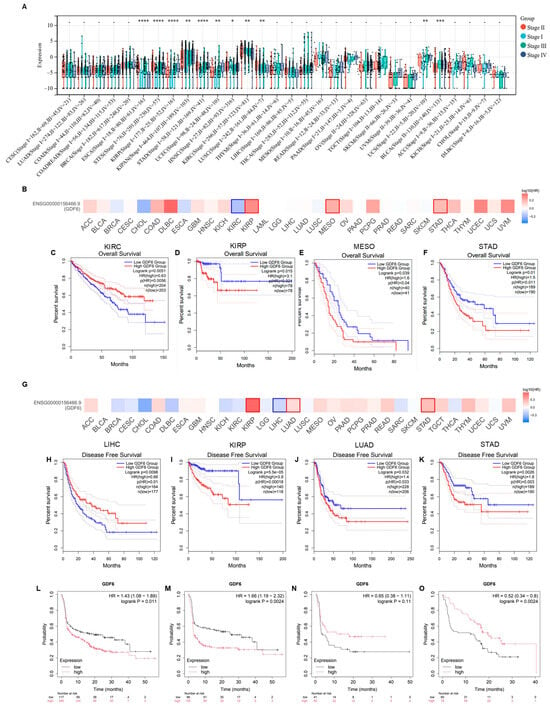
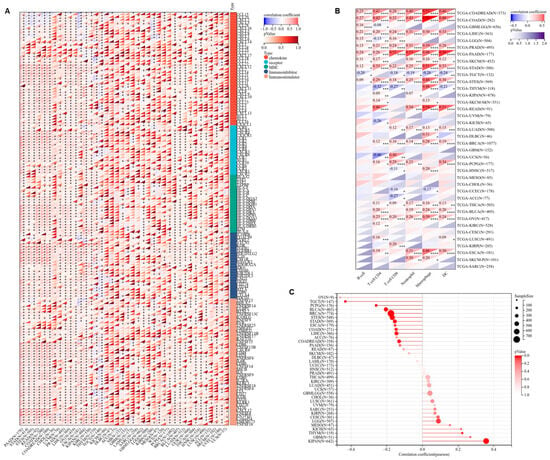
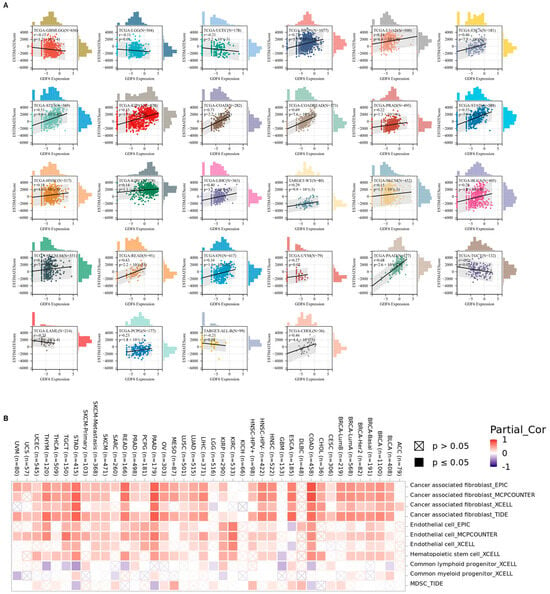
Growth differentiation factor 6 (GDF6), a member of the TGF-β superfamily, plays multifaceted roles in tumorigenesis, yet its molecular mechanisms and cancer-type-specific regulatory networks remain poorly defined. This study investigates GDF6’s context-dependent functions through pan-cancer multi-omics integration and functional validation. Transcriptomic data from TCGA (33 cancers, n = 10,535) and GTEx were analyzed to assess GDF6 dysregulation. Co-expression networks, pathway enrichment (KEGG/GO), and epigenetic interactions (m6A, m5C, m1A) were explored. Functional assays included siRNA knockdown, wound healing, and validation in immunotherapy cohorts. GDF6 exhibited bidirectional expression patterns, with downregulation in 23 cancers (e.g., GBM, BRCA) and upregulation in 7 malignancies (e.g., KIRC, PAAD). Mechanistically, GDF6 activated the PI3K-Akt/VEGF pathways, thereby promoting angiogenesis and metastasis. It modulated epigenetic regulation through interactions with m6A readers and erasers. Additionally, GDF6 reshaped the immune microenvironment by recruiting myeloid-derived suppressor cells (MDSCs) and cancer-associated fibroblasts. Notably, GDF6’s dual role extended to immunotherapy: it suppressed anti-PD1 efficacy but enhanced anti-PD-L1 sensitivity, linked to differential MHC-II and hypoxia-response regulation. This study deciphers GDF6’s context-dependent molecular networks, revealing its dual roles in metastasis and immune evasion. These findings highlight GDF6 as a central node in TGF-β-mediated oncogenic signaling and a potential therapeutic target for precision intervention.
Full article
(This article belongs to the Section Molecular Medicine)
►▼
Show Figures

Figure 1
Open AccessArticle
Effects of Caffeine on THP-1 Myelogenous Cell Inflammatory Gene Expression
by
Zeyar T. Htun, Thomas M. Raffay, Richard J. Martin, Peter M. MacFarlane and Tracey L. Bonfield
Curr. Issues Mol. Biol. 2025, 47(4), 248; https://doi.org/10.3390/cimb47040248 - 2 Apr 2025
Abstract
Caffeine is administered to preterm infants in neonatal intensive care units for prevention and treatment of apnea of prematurity. Although caffeine’s primary effect is to impact the respiratory drive of preterm infants, caffeine also has anti-inflammatory properties. This study investigated the role of
[...] Read more.
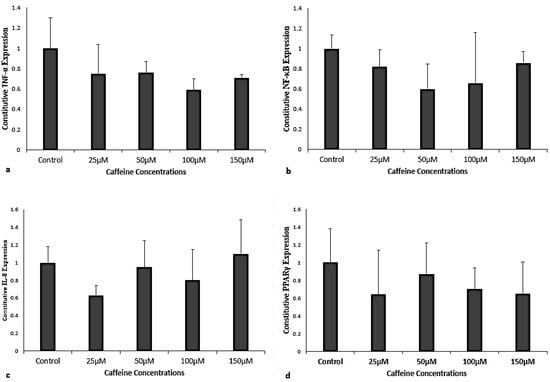
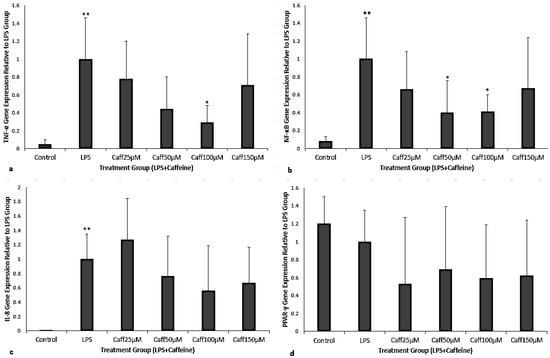
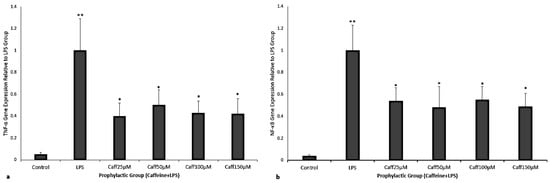
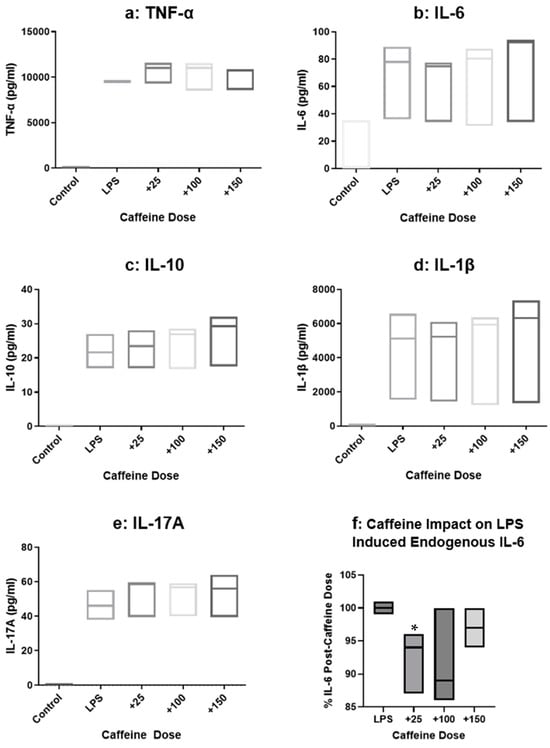
Caffeine is administered to preterm infants in neonatal intensive care units for prevention and treatment of apnea of prematurity. Although caffeine’s primary effect is to impact the respiratory drive of preterm infants, caffeine also has anti-inflammatory properties. This study investigated the role of caffeine on the inflammatory gene expression in THP-1 pre-monocytes exposed to lipopolysaccharide (LPS) in vitro, mimicking a clinical pro-inflammatory scenario. The effects of different physiologic dosages of caffeine administration post-LPS (treatment with caffeine) and pre-LPS (prophylaxis with caffeine) on pro-inflammatory gene expressions (TNF-α, NF-κB, IL-8, PPARγ) of the THP-1 cells were investigated. The post-LPS group showed a dose-dependent decrease in TNF-α at a caffeine concentration of 100 μM and NF-κB gene expression at 50 and 100 μM, with the implication that this is an optimal anti-inflammatory caffeine concentration range. Clinically, this would correspond to a serum caffeine level between 10 and 20 μg/mL, respectively. For the pre-LPS group, TNF-α and NF-κB gene expression decreased at all studied caffeine concentrations. These findings point to caffeine’s potential therapeutic capacity in regulating monocyte inflammatory responses to gram-negative infections in addition to regulating neuron response in the brainstem for preterm infants.
Full article
(This article belongs to the Special Issue Molecular Mechanisms and Innovative Therapeutic Approaches in Inflammatory Diseases, Pioneering Precision Medicine Solutions)
►▼
Show Figures

Figure 1
Open AccessReview
Orthobiologics Revisited: A Concise Perspective on Regenerative Orthopedics
by
Fábio Ramos Costa, Luyddy Pires, Rubens Andrade Martins, Márcia Santos, Gabriel Silva Santos, João Vitor Lana, Bruno Ramos Costa, Napoliane Santos, Alex Pontes de Macedo, André Kruel and José Fábio Lana
Curr. Issues Mol. Biol. 2025, 47(4), 247; https://doi.org/10.3390/cimb47040247 - 2 Apr 2025
Abstract
At the forefront of regenerative medicine, orthobiologics represent a spectrum of biological substances that offer promising alternatives for tissue repair and regeneration. Traditional surgical treatments often involve significant risks, extended recovery periods, and may not fully restore tissue functionality, creating a strong demand
[...] Read more.
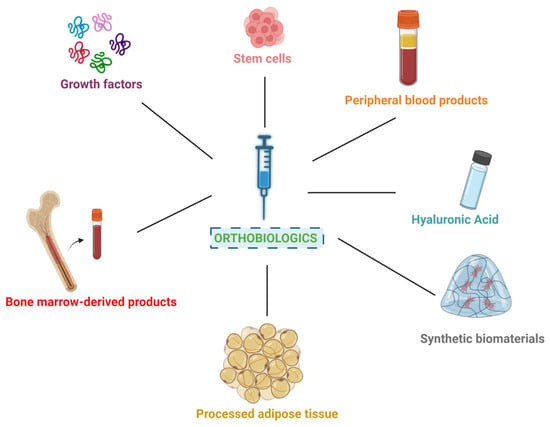
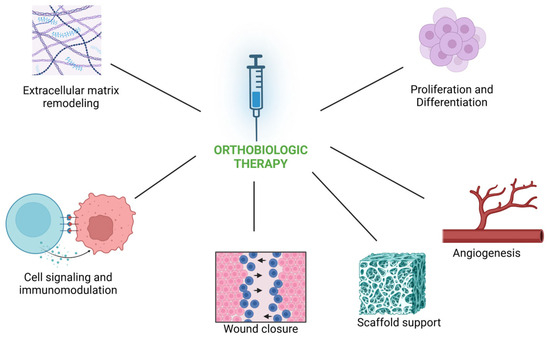
At the forefront of regenerative medicine, orthobiologics represent a spectrum of biological substances that offer promising alternatives for tissue repair and regeneration. Traditional surgical treatments often involve significant risks, extended recovery periods, and may not fully restore tissue functionality, creating a strong demand for less invasive options. This paper presents a concise overview of orthobiologics, reexamining their role within the broader landscape of regenerative medicine. Beginning with a brief introduction to orthobiologics, the paper navigates through various types of biological materials and their associated mechanisms of action and clinical applications. By highlighting platelet derivatives, bone marrow-derived products, and processed adipose tissue, among others, it underscores the pivotal role of orthobiologics in prompting biological responses like cellular proliferation, differentiation, and angiogenesis, thereby fostering tissue healing. Furthermore, this paper explores the diverse applications of orthobiologics in orthopedic conditions, outlining their utility in the treatment of bone and soft-tissue injuries. Addressing clinical considerations, it discusses safety profiles, efficacy, patient selection criteria, and emerging challenges. With the limitations of traditional medicine becoming more apparent, orthobiologics offer an innovative and less invasive approach to patient care. Looking forward, this paper approaches future directions in orthobiologics research, emphasizing the need for continued innovation and exploration. Through a concise perspective, this paper aims to provide clinicians, researchers, and stakeholders with a comprehensive understanding of orthobiologics and their evolving role in regenerative medicine.
Full article
(This article belongs to the Special Issue The Contribution and Application of Molecular Biology in the Applied Biosciences—Focusing on Medicine, Biomaterials and Tissue Engineering Fields, 2nd Edition)
►▼
Show Figures

Figure 1

Open AccessReview
The MAPK Response to Virus Infection Is Modified by Probenecid
by
Les P. Jones, David E. Martin and Ralph A. Tripp
Curr. Issues Mol. Biol. 2025, 47(4), 246; https://doi.org/10.3390/cimb47040246 - 2 Apr 2025
Abstract
Respiratory viruses such as respiratory syncytial virus (RSV) annually cause respiratory illness, which may result in substantial disease and mortality in susceptible individuals. Viruses exploit host cell machinery for replication, which engages the mitogen-activated protein kinases (MAPK) pathway. The MAPK signaling pathways are
[...] Read more.
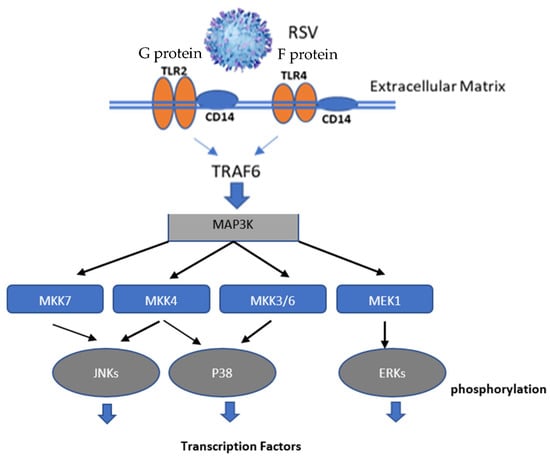
Respiratory viruses such as respiratory syncytial virus (RSV) annually cause respiratory illness, which may result in substantial disease and mortality in susceptible individuals. Viruses exploit host cell machinery for replication, which engages the mitogen-activated protein kinases (MAPK) pathway. The MAPK signaling pathways are triggered by pattern recognition receptors that recognize the pathogen, infection, or external stimuli, leading to the induction and regulation of immunity and inflammation. Probenecid, used to improve renal function by inhibiting the tubular reabsorption of uric acid, has been shown to have therapeutic efficacy in reducing inflammation and blocking viral replication by inhibiting components of the MAPK pathway that preclude virus replication. This review summarizes key molecular cascades in the host response to virus recognition, infection, and replication and how this can be altered by probenecid treatment.
Full article
(This article belongs to the Special Issue Molecular Biology of Viral Replication and Associated Disease Outcomes)
►▼
Show Figures

Figure 1
Open AccessArticle
B Cell Dynamics and Transitional B Cells in Long COVID
by
Zoia R. Korobova, Natalia A. Arsentieva, Natalia E. Liubimova, Oleg K. Batsunov, Anastasia A. Butenko, Albina E. Kokoeva, Natalia G. Kucherenko, Victor A. Kashchenko, Ekaterina V. Boeva, Anna O. Norka, Anastasia A. Knizhnikova, Vadim V. Rassokhin, Nikolay A. Belyakov and Areg A. Totolian
Curr. Issues Mol. Biol. 2025, 47(4), 245; https://doi.org/10.3390/cimb47040245 - 1 Apr 2025
Abstract
Background: Long COVID is characterized by persistent symptoms following acute SARS-CoV-2 infection. This study aims to evaluate immune system markers, including antigen-specific antibodies, B cell subsets, and Th2-related cytokines, in individuals with long COVID and to investigate their potential impact on the development
[...] Read more.
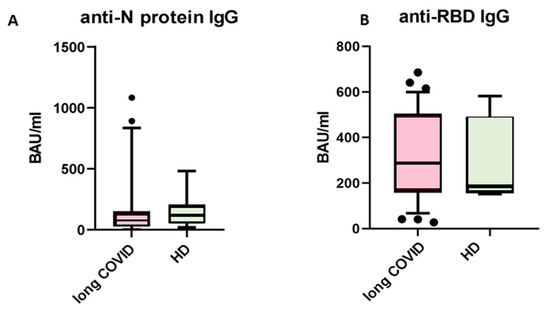
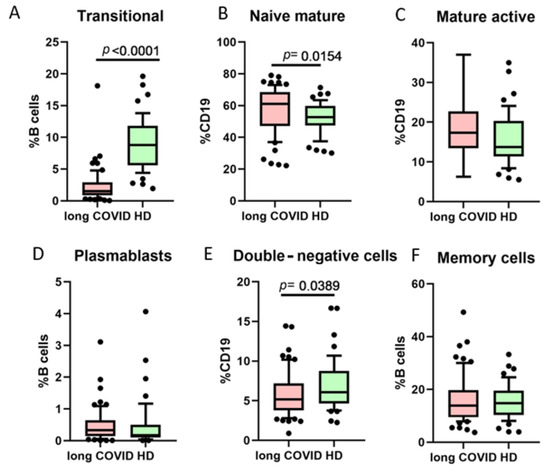
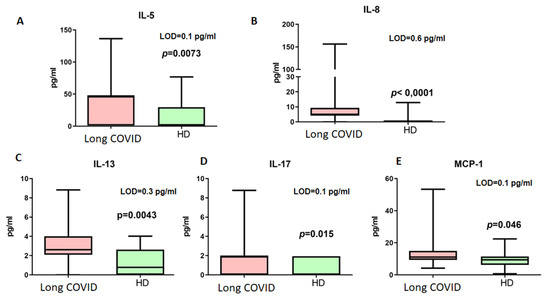
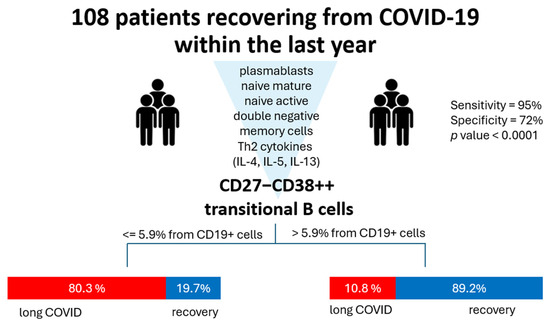
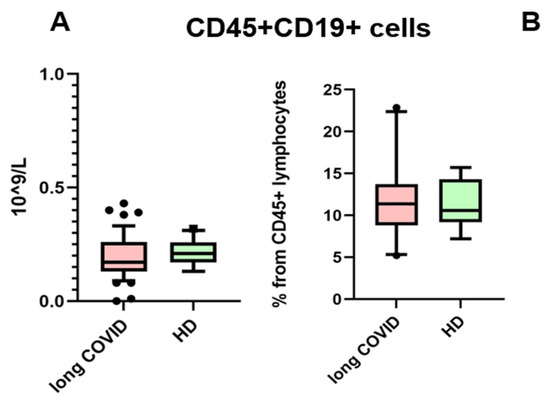
Background: Long COVID is characterized by persistent symptoms following acute SARS-CoV-2 infection. This study aims to evaluate immune system markers, including antigen-specific antibodies, B cell subsets, and Th2-related cytokines, in individuals with long COVID and to investigate their potential impact on the development of this condition. Methods: We analyzed blood plasma from 63 individuals diagnosed with long COVID based on clinical presentation and 47 healthy individuals with COVID-19 history but no clinical symptoms. Antigen-specific IgG antibodies were measured using commercial ELISA kits. Lymphocyte subpopulations were assessed via flow cytometry and a gating strategy based on CD27 and CD38. Th2 cytokines (IL-4, IL-5, IL-13) were quantified using the xMAP multiplex assay. Results: We noted no significant differences in IgG levels between groups. Notably, individuals with long COVID demonstrated a higher percentage of naive mature B cells (CD27−CD38+), while transitional (CD27−CD38+++) and double-negative (DN, CD27−CD38-) cells were significantly reduced. Elevated levels of IL-5 and IL-13 were observed in long COVID patients. Classification analysis revealed that the percentage of transitional B cells (CD27−CD38+++) was a strong predictor of long COVID. Conclusions: Our findings highlight alterations in B cell dynamics among individuals with long COVID, which may contribute to autoimmune processes.
Full article
(This article belongs to the Special Issue Human and Animal Infectious Diseases: Prevention, Diagnosis and Treatment, 2nd Edition)
►▼
Show Figures

Figure 1

Open AccessArticle
Genetic and Epigenetic Aberrations of SOX7 in Newly Diagnosed and Relapsed Multiple Myeloma as Well as Related Neoplasms
by
Can Küçük, Burcu Akman, Xiaozhou Hu, Tevfik Hatipoğlu, Ahmet Şeyhanlı, Arda Ceylan, Bircan Yılmaz, Osman Can Öztürk, Taner Kemal Erdağ and Güner Hayri Özsan
Curr. Issues Mol. Biol. 2025, 47(4), 244; https://doi.org/10.3390/cimb47040244 - 1 Apr 2025
Abstract
Multiple myeloma (MM) is one of the most frequent hematological malignancies. Most MM cases relapse, which is associated with poor prognosis. MM-related tumor suppressor genes are not totally known yet. SOX7 is one of the tumor suppressor candidates located in 8p23.1, a recurrently
[...] Read more.
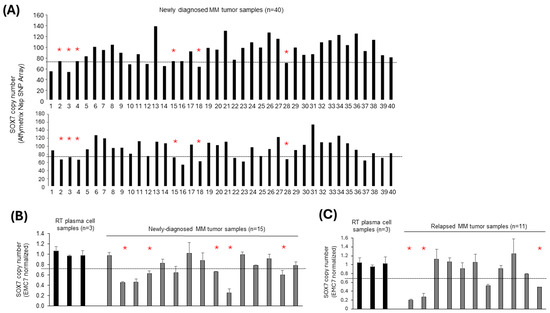
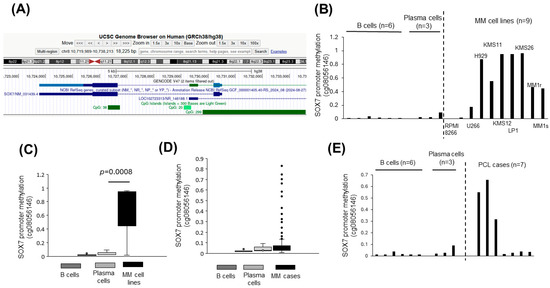
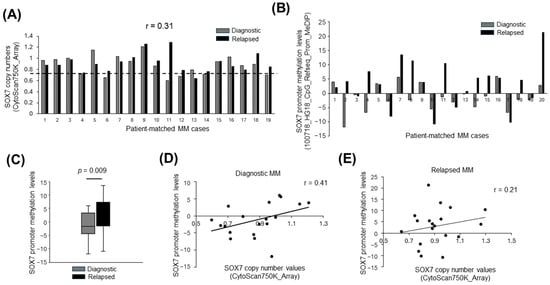
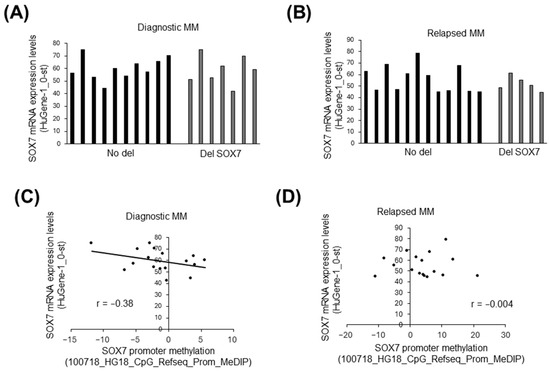
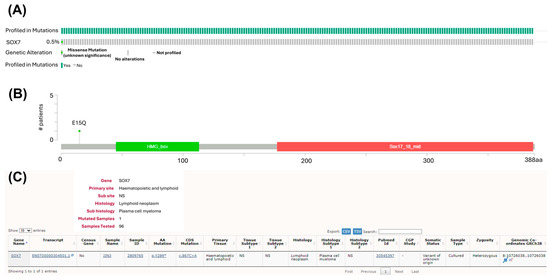
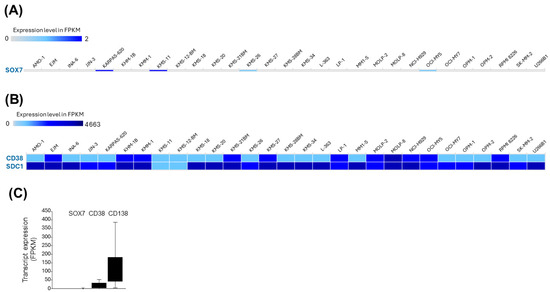
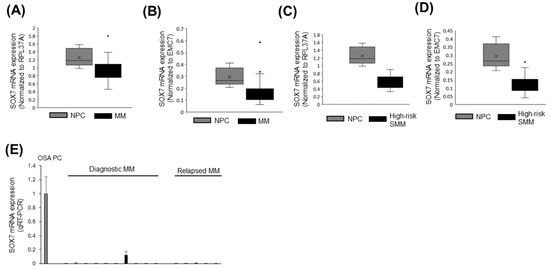
Multiple myeloma (MM) is one of the most frequent hematological malignancies. Most MM cases relapse, which is associated with poor prognosis. MM-related tumor suppressor genes are not totally known yet. SOX7 is one of the tumor suppressor candidates located in 8p23.1, a recurrently deleted region in MM. Here, we evaluated the genetic and epigenetic aberrancies of SOX7 in diagnostic or relapsed MM as well as smoldering MM (SMM) and plasma cell leukemia (PCL). Publicly available datasets were reanalyzed to evaluate SOX7 copy number, promoter methylation, transcript levels in MM or related neoplasms and to evaluate mutation rates in MM cases. qPCR and qRT-PCR with an in-house MM cohort were performed to cross-validate SOX7 copy number and transcript level estimates. SOX7 deletions were frequent in newly diagnosed and relapsed MM cases. SOX7 promoter hypermethylation was observed in MM cell lines, MM cases, and PCL cases. Importantly, SOX7 was transcriptionally silent in MM cell lines and underexpressed in MM and high-risk SMM cases. Integrative analyses of patient-matched diagnostic and relapsed MM tumor tissues revealed moderate positive correlations between SOX7 copy numbers. SOX7 deletion and promoter methylation levels had a tendency to be mutually exclusive. SOX7 promoter methylation levels were significantly higher in relapsed cases compared to the diagnostic ones. SOX7 mutations were rare in MM cases. SOX7 underexpression may be due to genetic and/or epigenetic alterations in newly diagnosed and relapsed MM. These genetic and epigenetic aberrations can serve as diagnostic or prognostic biomarkers for MM and allied neoplasms. Future research will reveal whether SOX7 inactivation has a role in development of these plasma cell neoplasms.
Full article
(This article belongs to the Special Issue Molecular Insights and Therapeutic Advances in Hematological Disorders)
►▼
Show Figures

Figure 1

Open AccessArticle
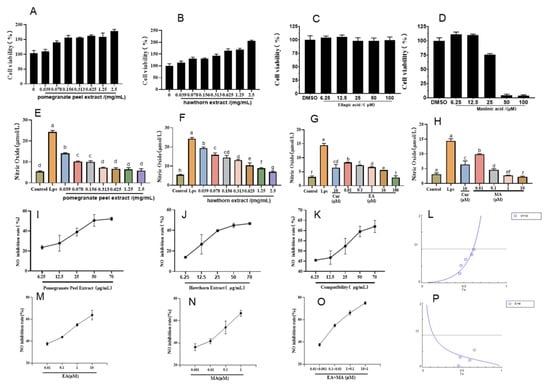
Synergistic Anti-Inflammatory Effects of Pomegranate Peel–Hawthorn Combinations in Ulcerative Colitis: Network Pharmacology Prediction and Experimental Validation
by
Shouqing Zhang, Quanyuan Qiu, Mengzhen Yuan, Jiajia Yu, Weiwei Gao, Xi Wang, Zhen Liu, Peng Yu, Cen Xiang and Yuou Teng
Curr. Issues Mol. Biol. 2025, 47(4), 243; https://doi.org/10.3390/cimb47040243 - 1 Apr 2025
Abstract
Ulcerative colitis (UC) is a chronic inflammatory bowel disease characterized by complex pathogenesis involving dysregulated immunity and gut microbiota imbalance, demanding innovative therapeutic strategies. This study investigates the synergistic therapeutic potential of pomegranate peel–hawthorn combinations and their active constituents (ellagic acid and maslinic
[...] Read more.
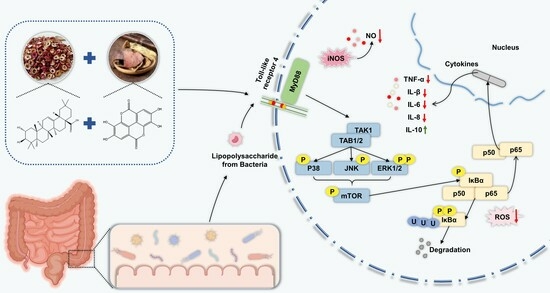
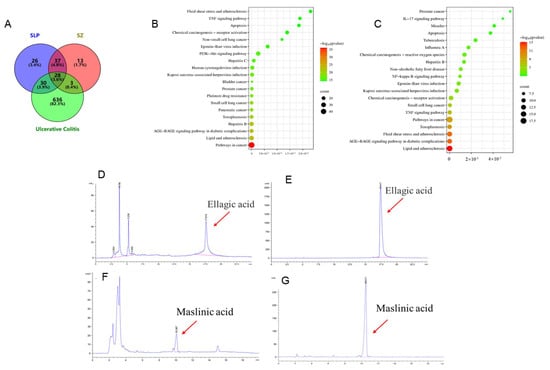
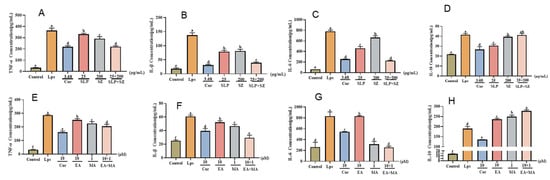
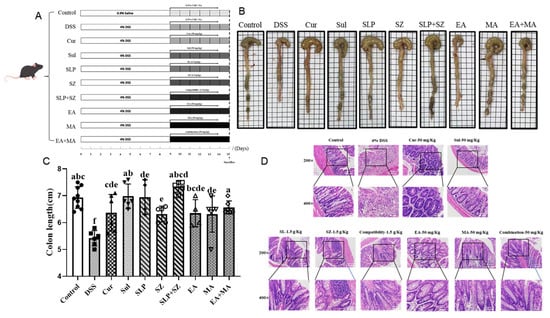
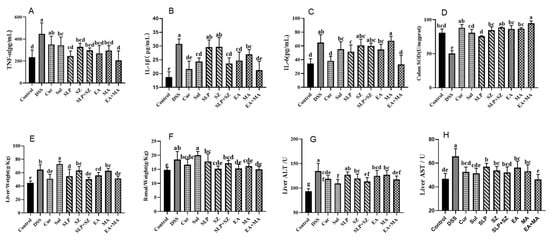
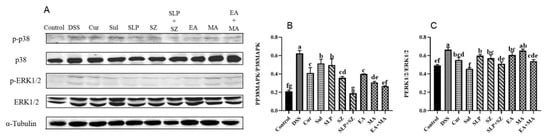
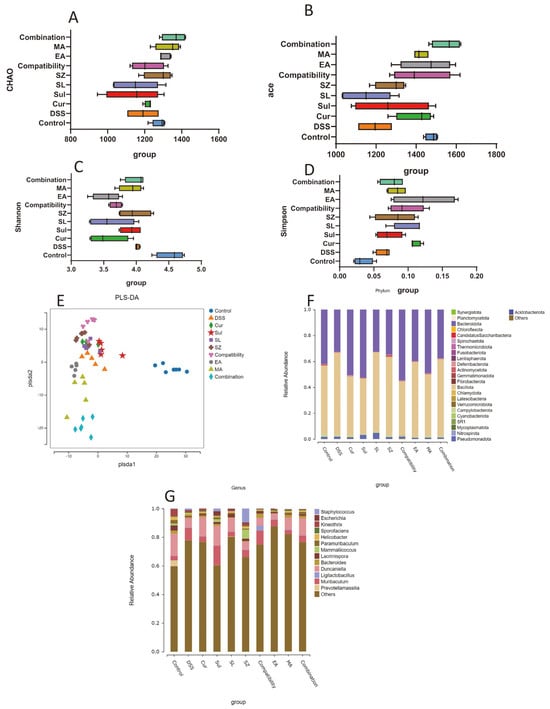
Ulcerative colitis (UC) is a chronic inflammatory bowel disease characterized by complex pathogenesis involving dysregulated immunity and gut microbiota imbalance, demanding innovative therapeutic strategies. This study investigates the synergistic therapeutic potential of pomegranate peel–hawthorn combinations and their active constituents (ellagic acid and maslinic acid) through an integrative approach combining network pharmacology, in vitro/in vivo experiments, and gut microbiota analysis. Network pharmacology identified 61 shared therapeutic targets (p < 0.05 for pathway enrichment) and revealed complementary mechanisms: pomegranate peel primarily modulated AGE-RAGE/PI3K-Akt pathways, while hawthorn targeted IL-17/NF-κB signaling. Experimental validation demonstrated potent synergistic anti-inflammatory effects (combination index < 1), with optimal combinations reducing nitric oxide production by 52.35% (herbal extracts, p < 0.05) and 74.4% (active monomers, p < 0.05). In DSS-induced UC mice, combinatorial therapies significantly suppressed pro-inflammatory cytokines (TNF-α: 204.78 vs. 446.52 pg/mL in UC group, p < 0.05; IL-6: 33.19 vs. 64.86 pg/mL, p < 0.05), restored colonic SOD activity (72.31 vs. 50.10 U/mg·prot in UC group, p < 0.01), and alleviated histopathological damage, outperforming monotherapeutics. Gut microbiota analysis revealed the recovery of α-diversity indices and normalized Bacteroidota/Bacillota ratios. Mechanistically, the combinations suppressed MAPK/NF-κB signaling cascades, reducing p-p38/p38 (p < 0.01 vs. UC group) and p-ERK1/2/ERK1/2 (p < 0.01 vs. UC group) phosphorylation. These findings establish that pomegranate peel–hawthorn formulations exert multi-modal therapeutic effects through the synergistic inhibition of pathways, mitigation of oxidative stress, and restoration of the microbiota, offering a scientifically validated approach for UC management rooted in traditional medicine principles.
Full article
(This article belongs to the Special Issue Molecular Mechanisms and Innovative Therapeutic Approaches in Inflammatory Diseases, Pioneering Precision Medicine Solutions)
►▼
Show Figures

Graphical abstract
Open AccessArticle
Key Sweet Potato Viruses in Fujian Province and Their Distribution, Harmfulness, and Implications in China
by
Weikun Zou, Shi-Peng Chen, Zhijian Yang and Xuanyang Chen
Curr. Issues Mol. Biol. 2025, 47(4), 242; https://doi.org/10.3390/cimb47040242 - 1 Apr 2025
Abstract
China, the largest global producer of sweet potatoes, faces significant threats from viral diseases, particularly in Fujian Province, where sweet potatoes are the second most important food crop after rice. This study identified 11 viruses, including sweet potato feathery mottle virus (SPFMV) and
[...] Read more.
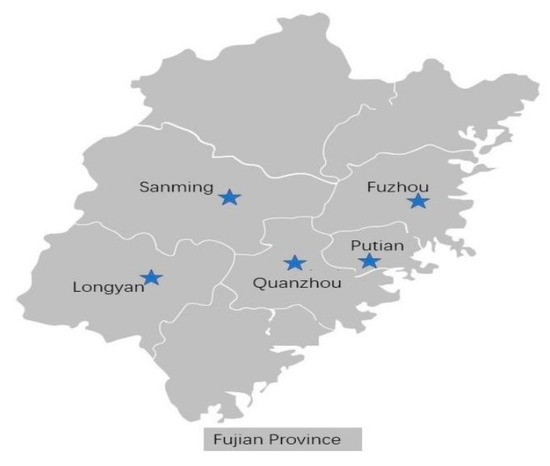
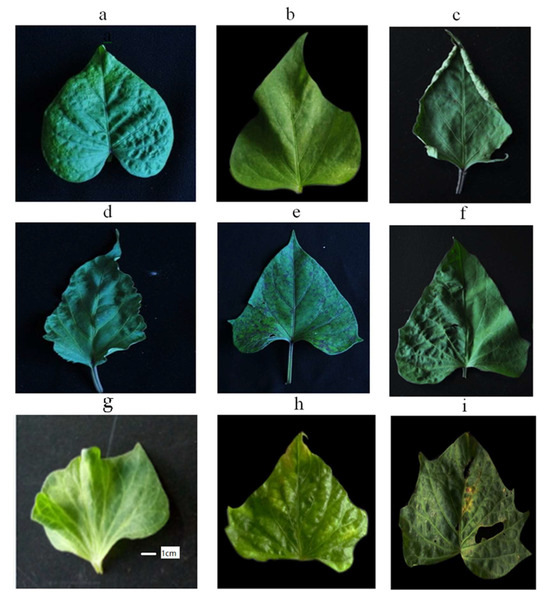
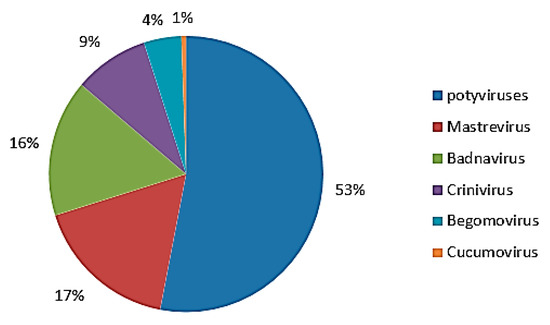
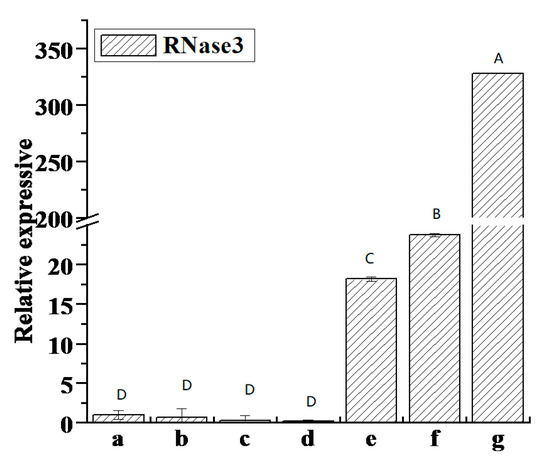
China, the largest global producer of sweet potatoes, faces significant threats from viral diseases, particularly in Fujian Province, where sweet potatoes are the second most important food crop after rice. This study identified 11 viruses, including sweet potato feathery mottle virus (SPFMV) and sweet potato chlorotic stunt virus (SPCSV), infecting sweet potatoes in Fujian. Sequence comparisons revealed diverse strains from various sources. Virus prevalence varied across regions, with Quanzhou, Fuzhou, and Putian severely affected, detecting 10, 9, and 7 viruses, respectively, compared to only 3 in Sanming and Longyan. In particular, sweet potato virus disease (SPVD) caused the most severe damage during the seeding stages, resulting in dwarfing and leaf deformation, while the damage was lighter during the growth period, manifesting as the yellowing and brittleness of the leaves, ultimately reducing the yield. Compound infestations predominated, with between 0 and 6 viruses infecting different sweet potato varieties. Single-virus infections were observed for sweet potato virus 2 (SPV2), sweet potato symptomless virus 1 (SPSMV-1), and sweet potato pakakuy virus (SPPV), while others, particularly SPCSV, were frequently co-infected with SPFMV, leading to SPVD development. Further analysis showed that the RNase3 expression of SPCSV was correlated with the SPVD severity in sweet potato. These findings provide insights into the epidemiology of sweet potato viruses and serve as a reference for developing targeted disease management strategies.
Full article
(This article belongs to the Section Molecular Plant Sciences)
►▼
Show Figures

Figure 1
Open AccessArticle
Exploring Migraine Pathogenesis: Transcriptomic Insights and Pathway Analysis in Nitroglycerin-Induced Rat Model
by
Qiao-Wen Chen, Run-Tian Meng and Chih-Yuan Ko
Curr. Issues Mol. Biol. 2025, 47(4), 241; https://doi.org/10.3390/cimb47040241 - 30 Mar 2025
Abstract
Migraine is a chronic neurovascular disease with unclear pathophysiological mechanisms. In this study, its pathogenic mechanisms were investigated through bioinformatics analysis of migraine-related pathways and key genes. Female Sprague Dawley rats were divided into control and migraine model groups. The control group received
[...] Read more.
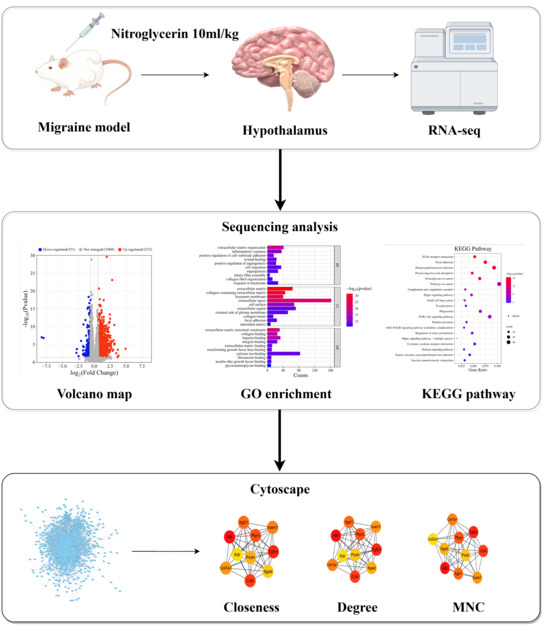
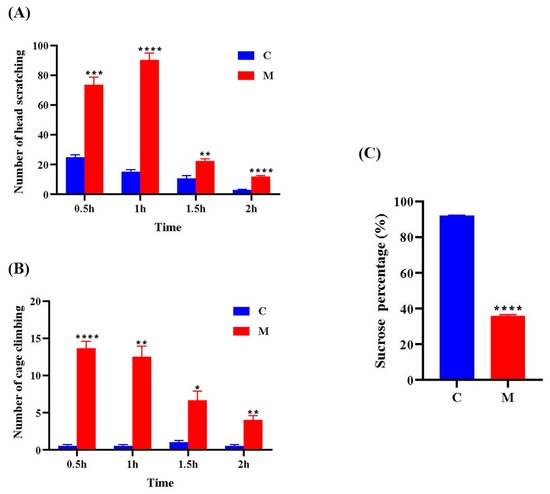
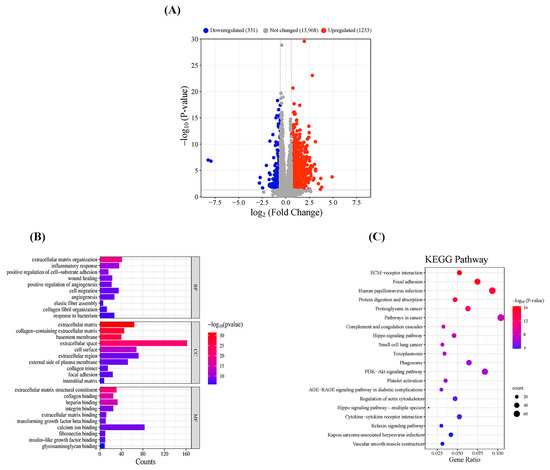
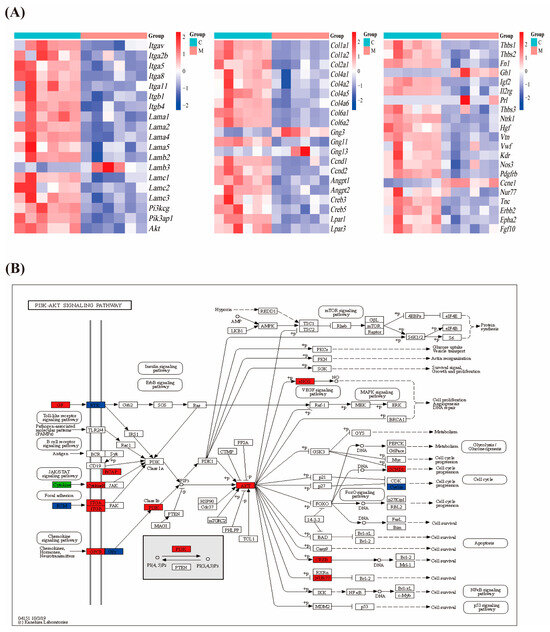
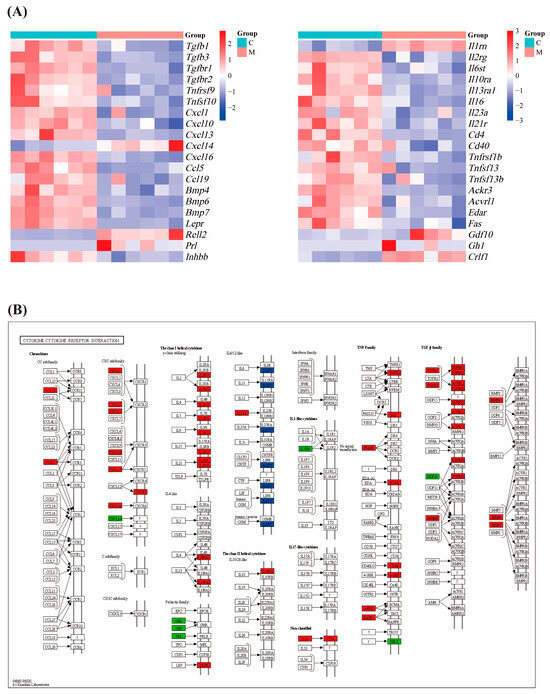
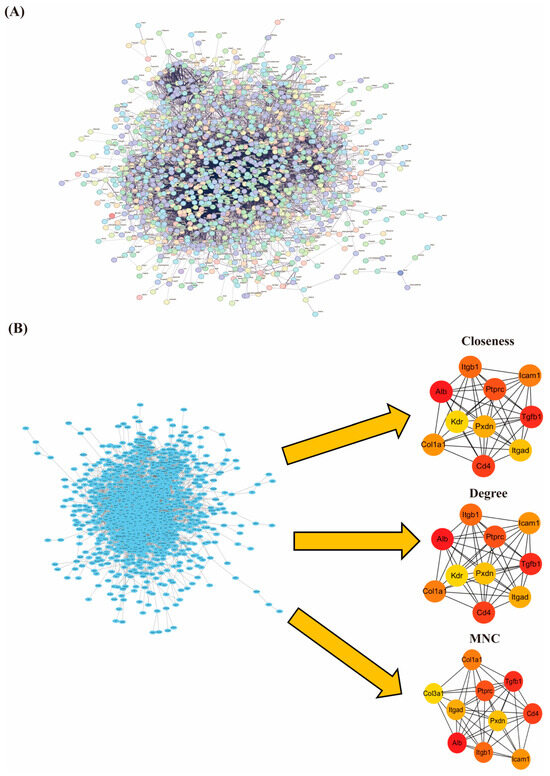
Migraine is a chronic neurovascular disease with unclear pathophysiological mechanisms. In this study, its pathogenic mechanisms were investigated through bioinformatics analysis of migraine-related pathways and key genes. Female Sprague Dawley rats were divided into control and migraine model groups. The control group received saline, while the migraine model group received nitroglycerin (NTG) to induce migraines over four weeks. Migraine-like behaviors were assessed within two hours following the final NTG injection. Genes of hypothalamus were identified using DESeq2. Gene ontology enrichment and KEGG pathway analyses were conducted, followed by the identification of hub genes based on protein interaction networks by using algorithms such as Closeness, Degree, and Maximum Neighborhood Component. Rats with NTG-induced migraine showed increased head scratching and cage climbing and a reduced sucrose preference. Transcriptome analysis revealed 1564 differentially expressed genes, with 1233 upregulated and 331 downregulated. Pathways linked to inflammation, PI3K–Akt signaling, and cytokine–cytokine receptor interactions were found to have enriched expression of several genes. Further protein interaction network analysis identified nine hub genes: Alb, Tgfb1, Cd4, Ptprc, Itgb1, Icam1, Col1a1, Pxdn, and Itgad. These findings suggest that migraine involves PI3K–Akt signaling and cytokine–cytokine receptor interactions, providing insights into molecular mechanisms and potential therapeutic targets. However, the study was limited by a small sample size and reliance on a single experimental model, which may constrain the clinical applicability of the findings.
Full article
(This article belongs to the Section Molecular Medicine)
►▼
Show Figures

Graphical abstract
Open AccessArticle
Circulating Tumor Cells in Head and Neck Squamous-Cell Carcinoma Exhibit Distinct Properties Based on Targeted Epithelial-Related Markers
by
Kazuaki Chikamatsu, Hideyuki Takahashi, Hiroe Tada, Miho Uchida, Shota Ida, Yuichi Tomidokoro and Masaomi Motegi
Curr. Issues Mol. Biol. 2025, 47(4), 240; https://doi.org/10.3390/cimb47040240 - 29 Mar 2025
Abstract
The detection of circulating tumor cells (CTCs) using immunoaffinity-based methods often relies on epithelial-related markers, which may bias the selection of CTCs and limit the biological information obtained, depending on the targeted antigens. Herein, we compared the molecular profiles and clinical significance of
[...] Read more.
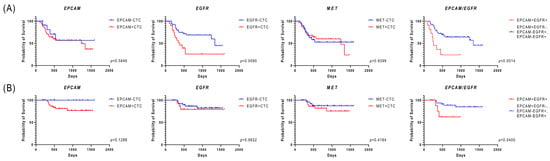
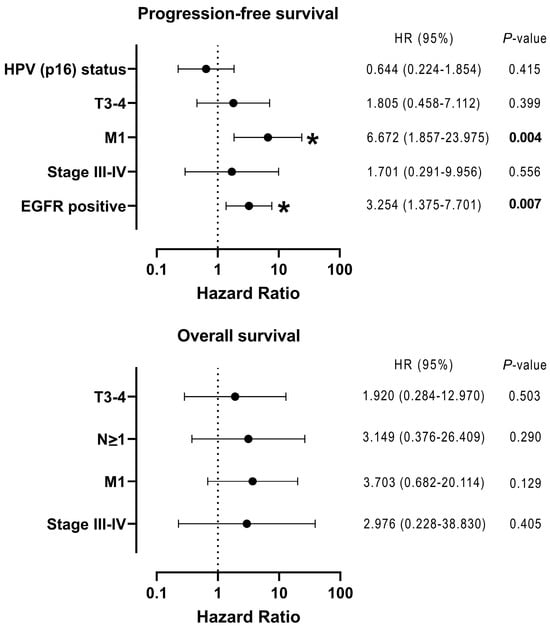
The detection of circulating tumor cells (CTCs) using immunoaffinity-based methods often relies on epithelial-related markers, which may bias the selection of CTCs and limit the biological information obtained, depending on the targeted antigens. Herein, we compared the molecular profiles and clinical significance of CTCs based on the expression of epithelial-related markers (EPCAM, EGFR, and MET) in patients with head and neck squamous-cell carcinoma (HNSCC). CTCs were detected using density gradient separation and CD45-negative selection, followed by quantitative PCR for epithelial-related marker expression. Expression profiles of epithelial–mesenchymal transition (EMT)-related (VIM, CDH1, CDH2, SNAI1, ZEB1, ZEB2, and TWIST1) and immune-regulatory (CD274 and PDCD1LG2) genes were compared. Moreover, the association between marker expression and clinical factors was analyzed. Among the 60 patients with CTCs, 48 (80.0%), 20 (33.3%), and 31 (51.7%) were positive for EPCAM, EGFR, and MET, respectively. A significant correlation was observed between CTCs expressing EPCAM and EGFR. CTCs expressing distinct markers showed differing EMT-related and immune-regulatory gene expression. EPCAM+ CTCs were associated with advanced-stage disease, while EGFR+ CTCs were correlated with locoregional relapse and shorter progression-free survival (p = 0.007; hazard ratio = 3.254). Patients with EPCAM/EGFR double-positive CTCs had the poorest prognosis. These findings emphasize the importance of marker selection in liquid biopsy technologies and highlight the need for improved detection methods and the further investigation of CTC biology.
Full article
(This article belongs to the Special Issue Molecular Insights into Cancer Biomarkers: Identification and Practical Applications)
►▼
Show Figures

Figure 1

Open AccessReview
The Role of Injectable Platelet-Rich Fibrin in Orthopedics: Where Do We Stand?
by
Fábio Ramos Costa, Sergio Augusto Lopes de Souza, Rubens Andrade Martins, Bruno Ramos Costa, Luyddy Pires, Alex Pontes de Macedo, Napoliane Santos, Stephany Cares Huber, Gabriel Silva Santos, André Kruel, Márcia Santos and José Fábio Lana
Curr. Issues Mol. Biol. 2025, 47(4), 239; https://doi.org/10.3390/cimb47040239 - 29 Mar 2025
Abstract
Injectable Platelet-Rich Fibrin (i-PRF) has emerged as a promising tool in regenerative medicine, particularly in orthopedics, due to its unique biological properties and ease of preparation. i-PRF is an autologous platelet concentrate derived through a simple, anticoagulant-free centrifugation process, resulting in a liquid
[...] Read more.
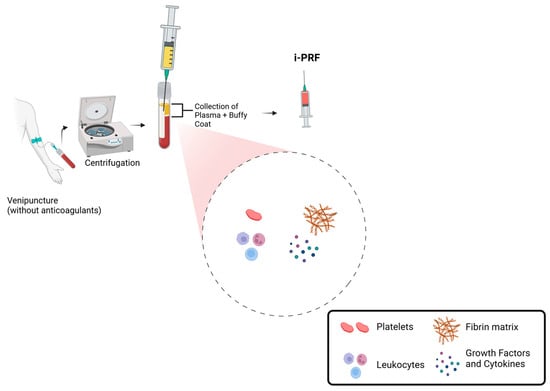
Injectable Platelet-Rich Fibrin (i-PRF) has emerged as a promising tool in regenerative medicine, particularly in orthopedics, due to its unique biological properties and ease of preparation. i-PRF is an autologous platelet concentrate derived through a simple, anticoagulant-free centrifugation process, resulting in a liquid matrix enriched with fibrin, leukocytes, and growth factors. These components promote tissue regeneration, angiogenesis, and anti-inflammatory responses, making i-PRF suitable for bone and cartilage repair as well as drug delivery systems. This review discusses the history, biological mechanisms, and clinical applications of i-PRF in orthopedics, highlighting its potential advantages over traditional platelet-rich plasma (PRP). Furthermore, we address the challenges and limitations of i-PRF, including drug stability, release control, and bioactive interactions, underscoring the need for further research to optimize its therapeutic efficacy.
Full article
(This article belongs to the Special Issue The Contribution and Application of Molecular Biology in the Applied Biosciences—Focusing on Medicine, Biomaterials and Tissue Engineering Fields, 2nd Edition)
►▼
Show Figures

Figure 1

Open AccessArticle
Ultrasensitive CRISPR/Cas12a-Based System for Detection of BlaOXA-1 Gene in Antibiotic-Resistant Microorganisms
by
Marina Tyumentseva, Aleksandr Tyumentsev, Anna Prelovskaya, Andrey Akinin, Yulia Mikhailova, Andrey Shelenkov, Anna Panevina and Vasiliy Akimkin
Curr. Issues Mol. Biol. 2025, 47(4), 238; https://doi.org/10.3390/cimb47040238 - 29 Mar 2025
Abstract
The blaOXA-1 gene encodes an oxacillin-hydrolyzing beta-lactamase of extended-spectrum beta-lactamase (ESBL)-producing microorganisms. The blaOXA-1 gene is found in the resistomes of some Enterobacteriaceae, Morganellaceae, Pasteurellaceae, Moraxellaceae, Aeromonadaceae, Pseudomonadaceae, Yersiniaceae, and Vibrionaceae. Most ESBL
[...] Read more.
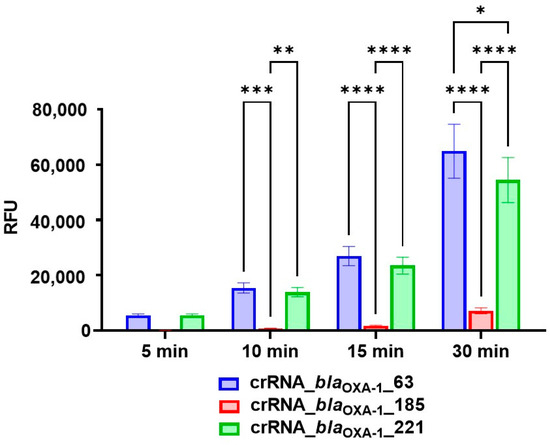
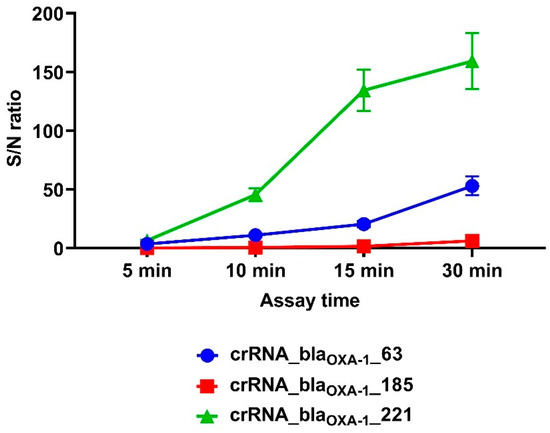
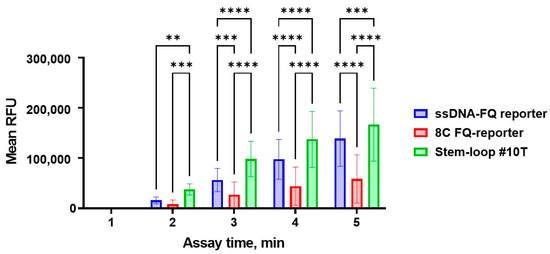
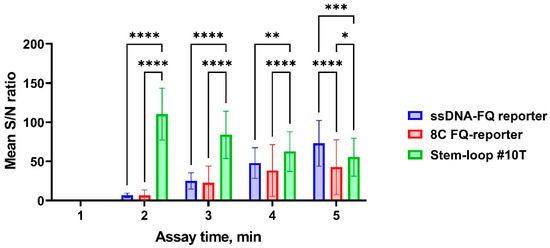
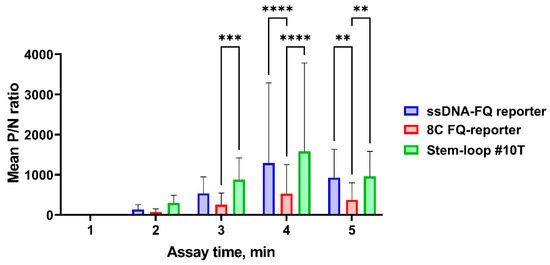
The blaOXA-1 gene encodes an oxacillin-hydrolyzing beta-lactamase of extended-spectrum beta-lactamase (ESBL)-producing microorganisms. The blaOXA-1 gene is found in the resistomes of some Enterobacteriaceae, Morganellaceae, Pasteurellaceae, Moraxellaceae, Aeromonadaceae, Pseudomonadaceae, Yersiniaceae, and Vibrionaceae. Most ESBL detection methods, including those to detect OXA-1-producing microorganisms, are time-consuming, and require specialized equipment and qualified personnel. Here, we report a new CRISPR(Clustered Regularly Interspaced Short Palindromic Repeats)/Cas12a-based detection assay coupled with polymerase chain reaction (PCR) to sensitively detect OXA-1-bearing microorganisms. The PCR-coupled CRISPR/Cas12a-based fluorescence assay includes (i) a pre-amplification step and (ii) a nucleic acid detection step. The pre-amplification step is based on a commonly used PCR, and the detection step is based on the CRISPR/Cas12a property to nonspecifically hydrolyze single-stranded DNA fluorescent reporter molecules. The pre-amplification step takes 65 min, and the detection step is shortened and takes only 5 min. The developed assay can easily detect single (1.25) copies of the blaOXA-1 gene in a reaction and is efficient not only in the detection of a blaOXA-1 model matrix but also in the detection of blaOXA-1-positive microorganisms. We hope that our assay has the potential to improve the monitoring of OXA-1-producing microorganisms and therefore contribute to mitigating the deadly global threat of antibiotic-resistant microorganisms.
Full article
(This article belongs to the Special Issue Human and Animal Infectious Diseases: Prevention, Diagnosis and Treatment, 2nd Edition)
►▼
Show Figures

Figure 1
Open AccessReview
Exploring Potential Therapeutic Applications of Tazarotene: Gene Regulation Mechanisms and Effects on Melanoma Cell Growth
by
Chun-Hua Wang, Lu-Kai Wang and Fu-Ming Tsai
Curr. Issues Mol. Biol. 2025, 47(4), 237; https://doi.org/10.3390/cimb47040237 - 28 Mar 2025
Abstract
Tazarotene, a retinoid derivative, is widely used in treating skin conditions such as psoriasis and acne. Recent studies have demonstrated its potential as a promising therapeutic agent for treating melanoma in situ. Its primary mechanism of action involves the selective activation of retinoic
[...] Read more.
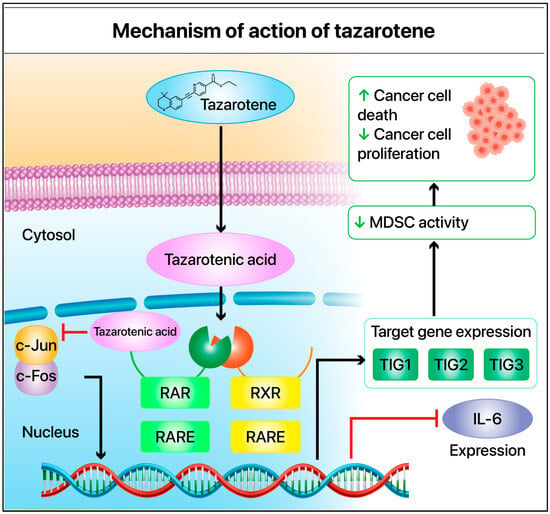
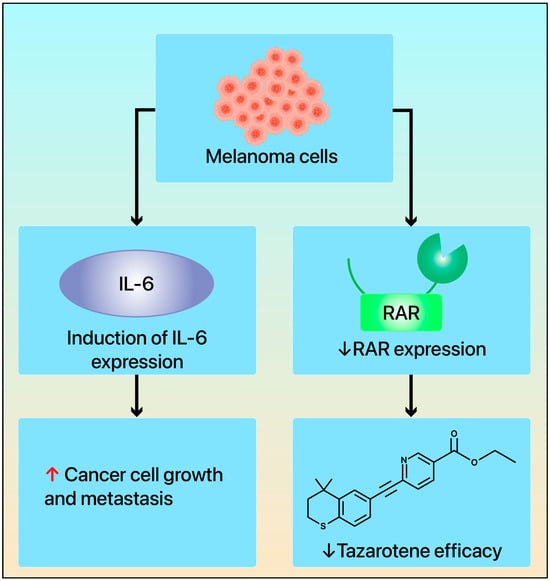
Tazarotene, a retinoid derivative, is widely used in treating skin conditions such as psoriasis and acne. Recent studies have demonstrated its potential as a promising therapeutic agent for treating melanoma in situ. Its primary mechanism of action involves the selective activation of retinoic acid receptors (RAR-β and RAR-γ), which play important roles in regulating cell growth, differentiation, and apoptosis. By activating these receptors, tazarotene influences the expression of several downstream inducible genes, such as tazarotene-induced gene-1 (TIG1), TIG2, and TIG3. These genes play crucial roles in regulating melanoma cell proliferation, invasiveness, and immune responses in the tumor microenvironment. This review aims to provide a comprehensive overview of the current status of retinoid derivatives—particularly tazarotene—in melanoma treatment and the latest research regarding their molecular mechanisms. We will explore how tazarotene suppresses melanoma growth through gene regulation mechanisms and discuss its potential role in immune responses within the tumor microenvironment. Additionally, we assess the advantages and challenges of using tazarotene as a topical treatment and explore its future clinical applications. These studies contribute to a wider understanding of tazarotene’s antitumor mechanisms, providing a solid theoretical foundation for its potential as a therapeutic option for melanoma in situ.
Full article
(This article belongs to the Section Bioorganic Chemistry and Medicinal Chemistry)
►▼
Show Figures

Figure 1
Open AccessArticle
An Analysis of the mRNA Expression of Peripheral-Blood Stem and Progenitor Cell Markers in Pancreatic Neoplastic Disorders
by
Krzysztof Dąbkowski, Maciej Tarnowski, Krzysztof Safranow, Maria Dąbkowska, Alicja Kosiorowska, Kamila Pukacka and Teresa Starzyńska
Curr. Issues Mol. Biol. 2025, 47(4), 236; https://doi.org/10.3390/cimb47040236 - 28 Mar 2025
Abstract
Background: Our aim was to assess the expression profiles of the messenger RNA (mRNA) expression profiles of stem-cell genes (POU5F1, NANOG) and pancreatic progenitor genes (CK19, HES1, INS, PDX1) in peripheral-blood mononuclear cells (PBMCs) in
[...] Read more.
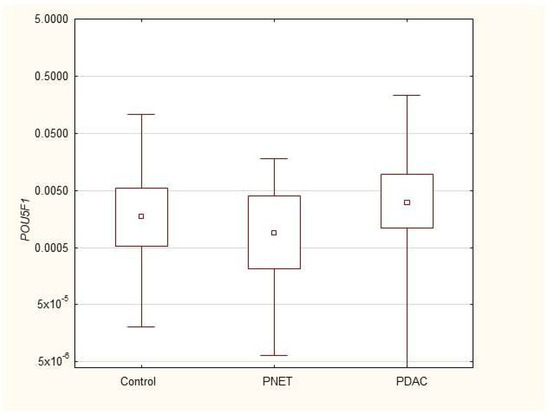
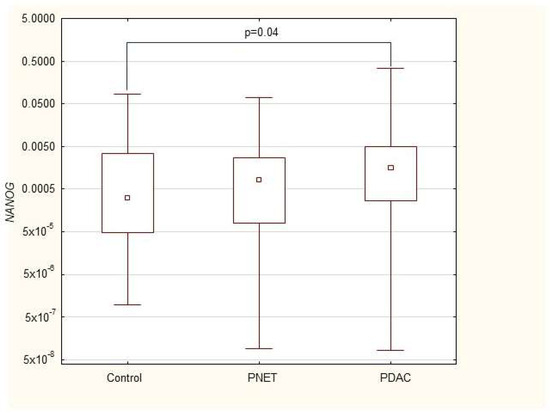
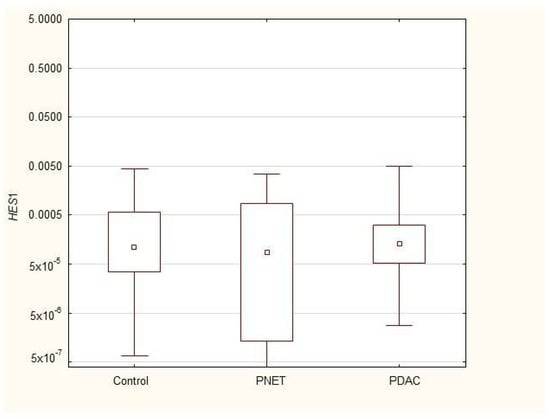
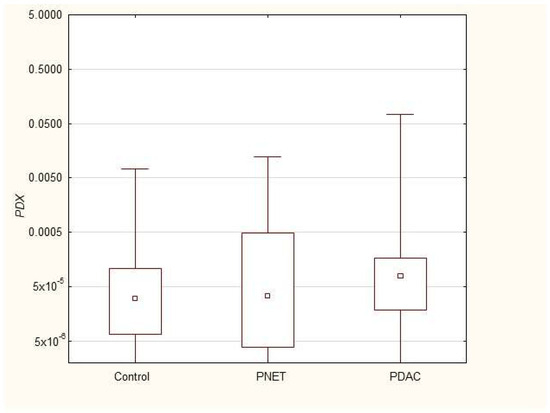
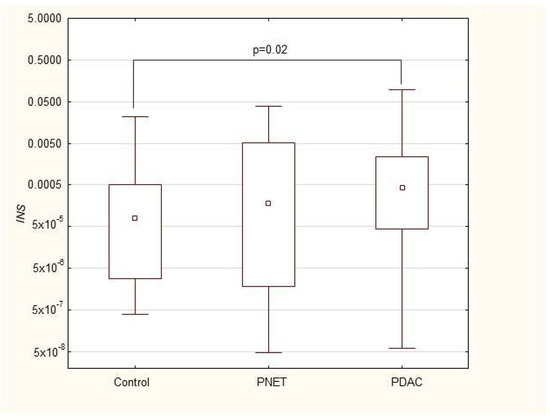
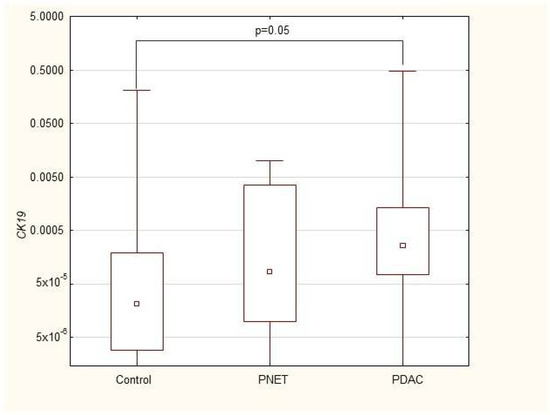
Background: Our aim was to assess the expression profiles of the messenger RNA (mRNA) expression profiles of stem-cell genes (POU5F1, NANOG) and pancreatic progenitor genes (CK19, HES1, INS, PDX1) in peripheral-blood mononuclear cells (PBMCs) in selected neoplastic pancreatic diseases, such as cancer and neuroendocrine tumors, to identify neoplastic disease markers in the pancreas. Methods: In this study, 49 patients diagnosed with pancreatic neoplastic diseases (37 with cancer and 12 with neuroendocrine tumors) and 34 control patients, all of whom were hospitalized at a tertiary center, were enrolled. Venous blood samples were collected from the participants, and RNA was extracted from PBMCs. The mRNA expression levels of six stem-cell and pancreatic progenitor markers— POU5F1 (POU class 5 homeobox 1), NANOG, CK19 (keratin 19), HES1 (HES family bHLH transcription factor 1), INS (insulin), and PDX1 (pancreatic and duodenal homeobox 1)—were quantified via real-time quantitative PCR. The data were statistically analyzed to explore associations between gene-expression levels and various clinical, biochemical, and morphological parameters (including full blood count, Ca 19-9, weight, height, and BMI) via the Kruskal–Wallis test, Mann–Whitney U test, and Spearman rank correlation coefficient. Results: The results revealed that the expression of the gene associated with early stem cells, NANOG (median= 0.002, p = 0.03), as well as the genes encoding insulin INS (median = 0.004, p = 0.02) and CK19 (median 0.0003, p = 0.005), was significantly elevated in patients with pancreatic cancer. However, the gene-expression levels in patients with neuroendocrine tumors did not exhibit statistically significant differences compared to those observed in the control group. Additionally, no significant differences in gene expression were observed among patients at different stages of pancreatic cancer. Furthermore, CK19 overexpression was found to be positively correlated with inflammatory markers, specifically C-reactive protein (CRP) and WBC, in patients with pancreatic cancer. Conclusions: An elevated mRNA expression of specific stem and pancreatic progenitor genes (NANOG, INS, CK19) in PBMCs may serve as a potential markers for pancreatic cancer, reflecting the disease’s interplay with systemic inflammation.
Full article
(This article belongs to the Special Issue The Significance of Transcription Factors, miRNAs, and lncRNAs in Anticancer Drug Development)
►▼
Show Figures

Figure 1
Open AccessReview
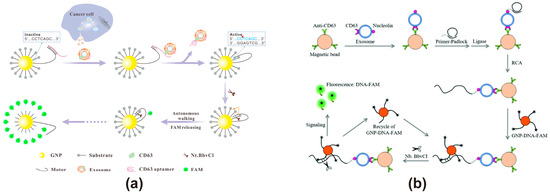
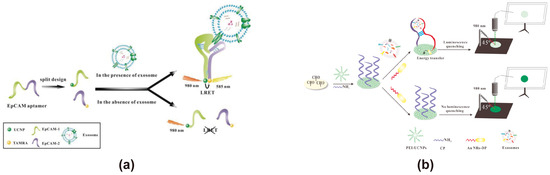
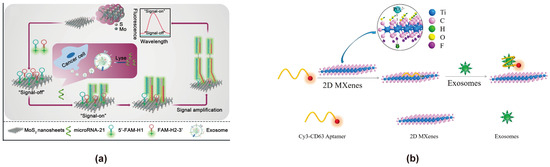
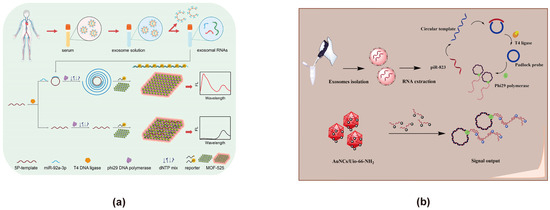
Recent Advances in Fluorescence Resonance Energy Transfer (FRET) Biosensors for Exosomes
by
Feng Huang, Zhenyu Xie, Qianjiao Zhang, Shah Zada, Ruhan Lin, Yanmei Deng, Qifeng Liu, Huizhi Chen, Hui Zhou, Huilai Miao and Yubin Zhou
Curr. Issues Mol. Biol. 2025, 47(4), 235; https://doi.org/10.3390/cimb47040235 - 28 Mar 2025
Abstract
Cancer is a significant global health challenge, where early diagnosis is crucial for enhancing patient survival and mitigating the treatment burden on patients. Exosomes are extracellular vesicles released through the fusion of multivesicular bodies with cell membranes, carrying disease-associated information from donor cells.
[...] Read more.
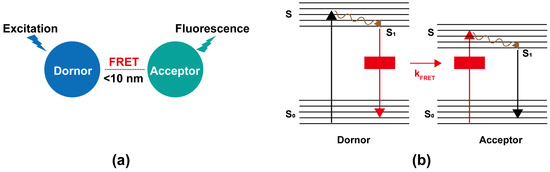
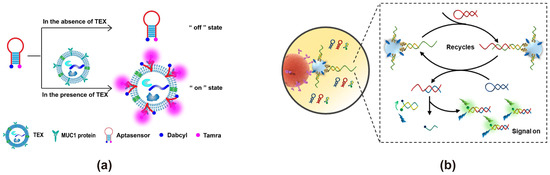
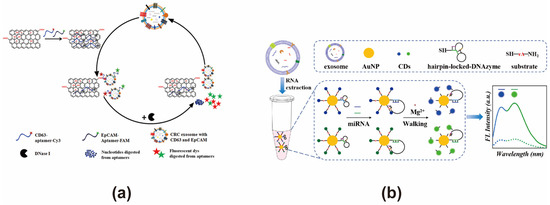
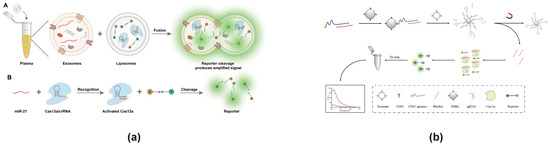
Cancer is a significant global health challenge, where early diagnosis is crucial for enhancing patient survival and mitigating the treatment burden on patients. Exosomes are extracellular vesicles released through the fusion of multivesicular bodies with cell membranes, carrying disease-associated information from donor cells. This makes exosomes a key biomarker in liquid biopsy analysis, particularly for early cancer detection. Developing cost-effective, straightforward, and sensitive exosome biosensing technologies is of significant practical importance. To date, a large number of fluorescence-based exosome biosensors have relied on the Fluorescence Resonance Energy Transfer (FRET) principle. This review introduces the basic background of the field and the principle of FRET-based exosome sensors, followed by a systematic summary of their progress categorized by different transduction elements or mechanisms. Finally, this work discusses the current challenges in the field and proposes potential solutions and future prospects, aiming to encourage and inspire the development of new approaches for advanced FRET exosome biosensors.
Full article
(This article belongs to the Special Issue Exosomes in Tissue Regeneration and Disease Therapy)
►▼
Show Figures

Figure 1
Open AccessArticle
Conformational Flexibility of a Lipocalin Allergen (Mus m 1): Implications for Molecular Allergy Diagnostics
by
Federica Agosta, Thelma A. Pertinhez, Pietro Cozzini, Alberto Spisni and Elena Ferrari
Curr. Issues Mol. Biol. 2025, 47(4), 234; https://doi.org/10.3390/cimb47040234 - 27 Mar 2025
Abstract
Mus m 1 lipocalin is the cause of mouse allergy in sensitized individuals. The production of a soluble, stable, and immunogenic isoform of Mus m 1 is essential for developing new diagnostic tools and immunotherapeutic protocols for treating allergic symptoms. To that end,
[...] Read more.
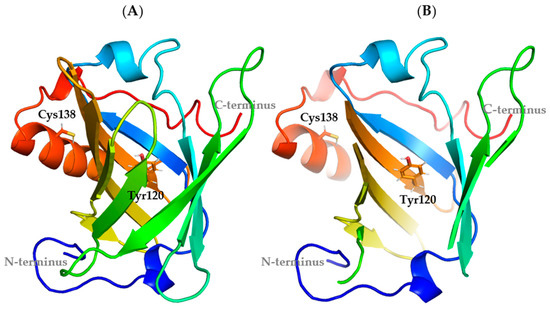
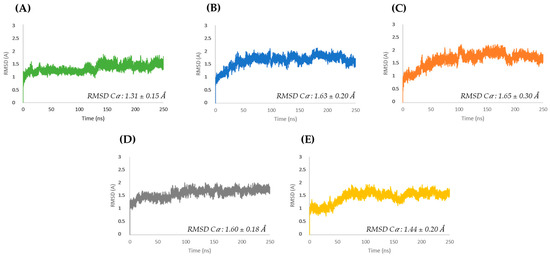
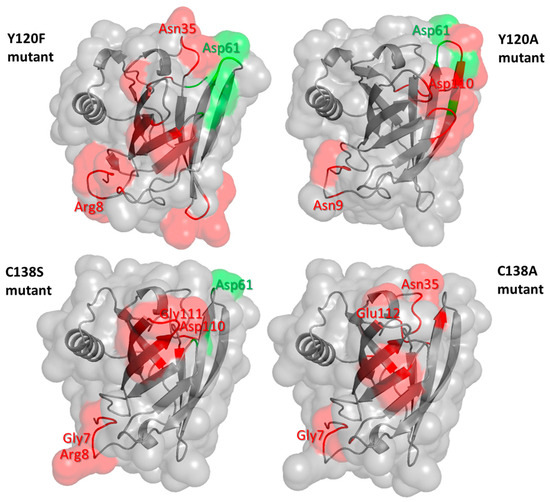
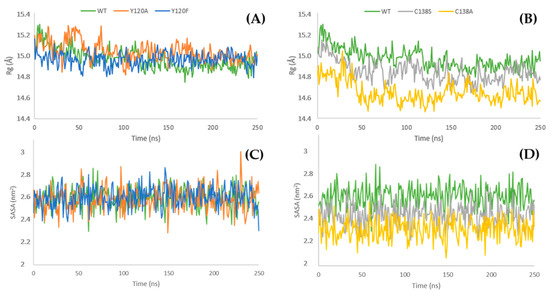
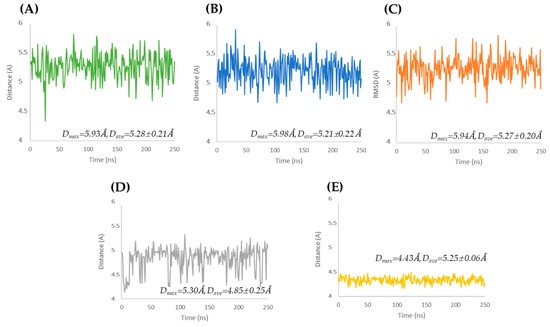
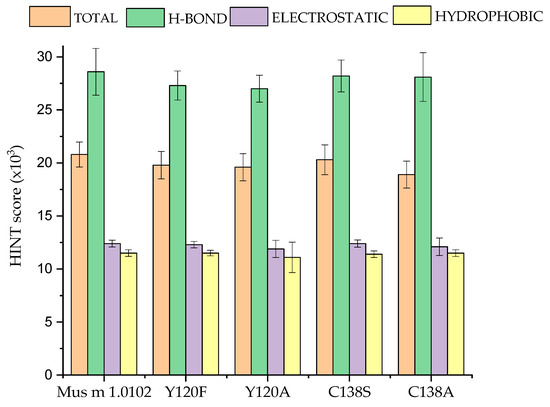
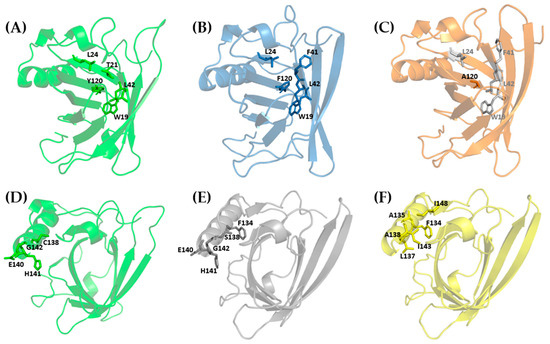
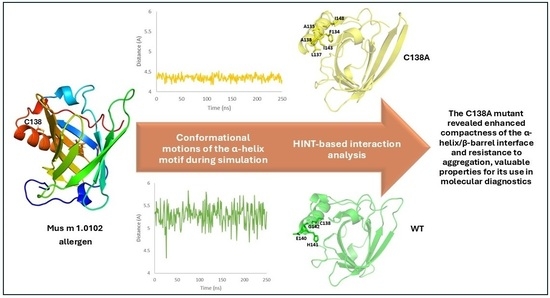
Mus m 1 lipocalin is the cause of mouse allergy in sensitized individuals. The production of a soluble, stable, and immunogenic isoform of Mus m 1 is essential for developing new diagnostic tools and immunotherapeutic protocols for treating allergic symptoms. To that end, using molecular dynamics (MD), we explored the impact of substitutions at positions 120 and 138 on the structure and dynamics of the allergic isoform Mus m 1.0102. HINT-based analysis of the MD trajectories, obtained for the mutants Y120F, Y120A, C138S, and C138A, allowed the assessment of the mutations’ impact on the network of intramolecular interactions, providing insights into the mechanisms underlying protein stability, dynamics, and allergenic reactivity. The C138A mutant revealed a reduction in the solvent-accessible surface area in the region of the mutated residue, of the radius of gyration, and of the α-helix displacement from the β-barrel, features that correlate with an increase in folding stability and a satisfactory allergenic potential. We consider C138A a good candidate to be exploited for diagnostic and vaccine purposes.
Full article
(This article belongs to the Special Issue Molecular Mechanisms and Regulation in Allergy and Immune Diseases, Immunodeficiencies, 2nd Edition)
►▼
Show Figures

Graphical abstract
Open AccessReview
Insulin-like Growth Factor 1 Impact on Alzheimer’s Disease: Role in Inflammation, Stress, and Cognition
by
Jonathan Zegarra-Valdivia, Harold Arana-Nombera, Leandro Perez-Fernandez, Milagros del Rocío Casimiro, Viviana Gallegos-Manayay, María del Rosario Oliva-Piscoya, Reyna Alamo-Medina, Eduardo Abanto-Saldaña, María Celinda Cruz-Ordinola, Carmen Paredes-Manrique and Brenda Chino-Vilca
Curr. Issues Mol. Biol. 2025, 47(4), 233; https://doi.org/10.3390/cimb47040233 - 27 Mar 2025
Abstract
Alzheimer’s disease (AD) is a leading cause of dementia, characterized by multifactorial interactions involving genetic, inflammatory, and metabolic dysregulation. Insulin-like growth factor 1 (IGF-I) plays a critical role in maintaining brain homeostasis through neurogenesis, synaptogenesis, and neuroprotection. However, disruptions in IGF-I signaling have
[...] Read more.
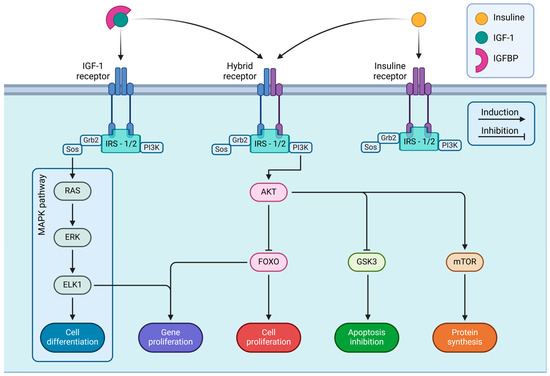
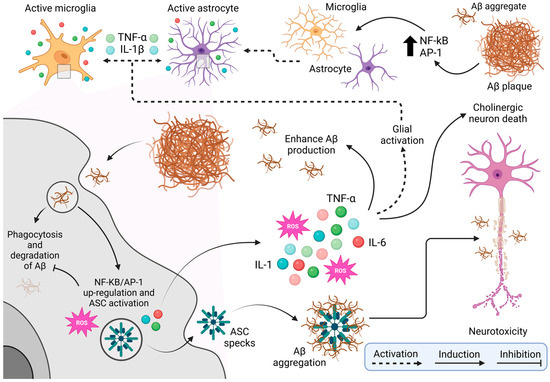
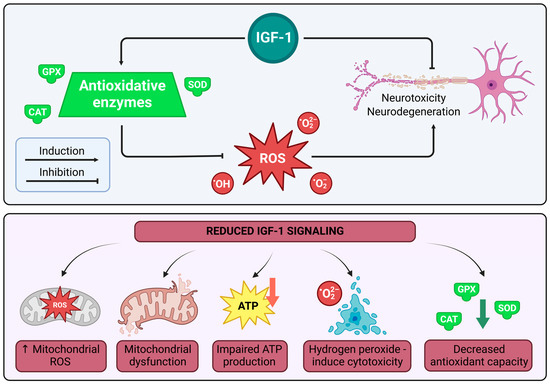
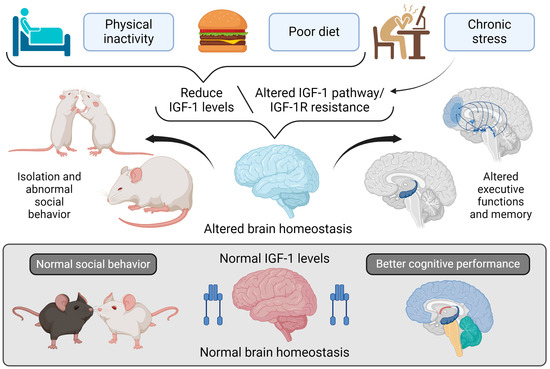
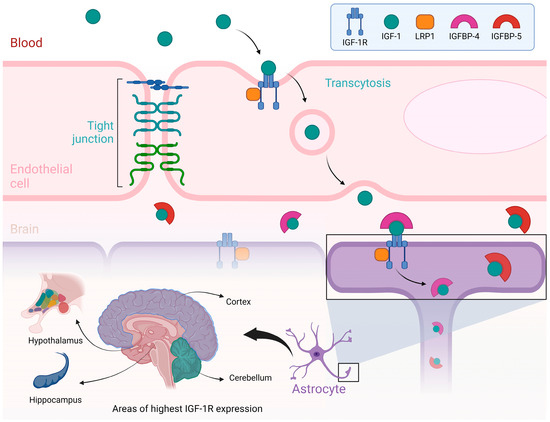
Alzheimer’s disease (AD) is a leading cause of dementia, characterized by multifactorial interactions involving genetic, inflammatory, and metabolic dysregulation. Insulin-like growth factor 1 (IGF-I) plays a critical role in maintaining brain homeostasis through neurogenesis, synaptogenesis, and neuroprotection. However, disruptions in IGF-I signaling have been implicated in hallmark AD processes such as beta-amyloid accumulation, glucose metabolism disturbances, oxidative stress, chronic inflammation, and neuronal death. This review aims to comprehensively analyze the mechanisms by which IGF-I influences AD pathology, emphasizing its potential as both an early detection biomarker and a therapeutic target. By synthesizing clinical and preclinical study findings, we explore how chronic stress, systemic inflammation, and lifestyle factors disrupt IGF-I pathways, accelerating cognitive and social impairments. Special attention is given to high-level cognitive processes, including executive functions and social cognition, which are particularly vulnerable to these disruptions. Highlighting the interplay between IGF-I, neuroinflammation, and stress, this work underscores the need for affordable and accessible diagnostic tools and therapeutic strategies. This review contributes to a deeper understanding of IGF-I’s multifaceted role in AD, offering new insights for addressing the growing global burden of dementia.
Full article
(This article belongs to the Special Issue Molecular Mechanism and Regulation in Neuroinflammation, 2nd Edition)
►▼
Show Figures

Figure 1
Open AccessReview
Cerebral Small Vessel Disease: Therapeutic Approaches Targeting Neuroinflammation, Oxidative Stress, and Endothelial Dysfunction
by
Habibe Yılmaz and Ulvi Bayraktutan
Curr. Issues Mol. Biol. 2025, 47(4), 232; https://doi.org/10.3390/cimb47040232 - 27 Mar 2025
Abstract
Cerebral small vessel disease (cSVD) is a common cause of stroke and dementia. Ageing, hypertension, hyperglycaemia, and smoking make up the biggest risk factors for cSVD. They individually or collectively increase the levels of reactive oxygen species, pro-inflammatory cytokines and matrix metalloproteinases, decrease
[...] Read more.
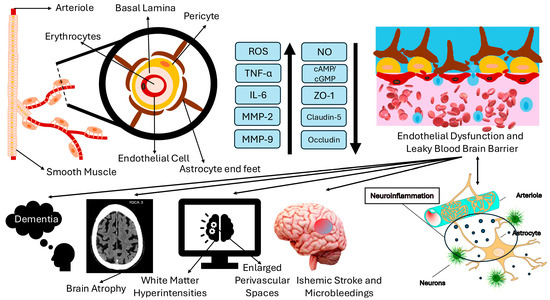
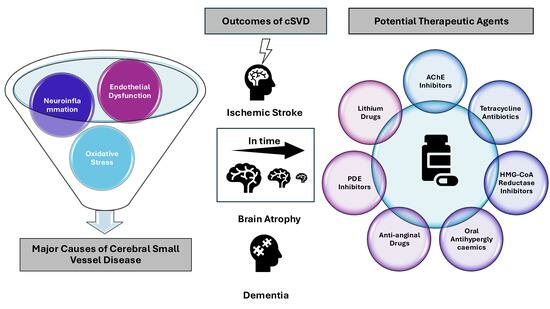
Cerebral small vessel disease (cSVD) is a common cause of stroke and dementia. Ageing, hypertension, hyperglycaemia, and smoking make up the biggest risk factors for cSVD. They individually or collectively increase the levels of reactive oxygen species, pro-inflammatory cytokines and matrix metalloproteinases, decrease the bioavailability of nitric oxide, and, in the process, compromise the structural integrity and function of the vascular endothelium, blood–brain barrier, and brain parenchyma. These then appear as white matter hyperintensities, enlarged perivascular spaces, cerebral microbleeds, and atrophy in cerebral imaging. As there is currently no curative therapy for cSVD, prevention or delay of cSVD remains of particular importance to preserve quality of life for as long as possible. Bearing that in mind, this review explores whether drugs used for other neurovascular conditions may prevent neuroinflammation and oxidative damage and effectively maintain endothelial function and blood–brain barrier integrity. It also examines whether potential benefits may be extended to cSVD. The list of drugs includes anti-anginal drugs, acetylcholine esterase inhibitors, β-hydroxy β-methylglutaryl-CoA reductase inhibitors, lithium drugs, phosphodiesterase inhibitors, oral antihyperglycaemic drugs, and tetracycline antibiotics. This review discusses the mechanisms of action of these agents and critically evaluates preclinical, translational, and clinical research pertaining to cSVD.
Full article
(This article belongs to the Special Issue Cerebrovascular Diseases: From Pathogenesis to Treatment)
►▼
Show Figures

Graphical abstract
Journal Menu
► ▼ Journal MenuJournal Browser
► ▼ Journal Browser-
arrow_forward_ios
Forthcoming issue
arrow_forward_ios Current issue - Volumes not published by MDPI
- Vol. 42 (2021)
- Vol. 41 (2021)
- Vol. 40 (2021)
- Vol. 39 (2020)
- Vol. 38 (2020)
- Vol. 37 (2020)
- Vol. 36 (2020)
- Vol. 35 (2020)
- Vol. 34 (2019)
- Vol. 33 (2019)
- Vol. 32 (2019)
- Vol. 31 (2019)
- Vol. 30 (2019)
- Vol. 29 (2018)
- Vol. 28 (2018)
- Vol. 27 (2018)
- Vol. 26 (2018)
- Vol. 25 (2018)
- Vol. 24 (2017)
- Vol. 23 (2017)
- Vol. 22 (2017)
- Vol. 21 (2017)
- Vol. 20 (2016)
- Vol. 19 (2016)
- Vol. 18 (2016)
- Vol. 17 (2015)
- Vol. 16 (2014)
- Vol. 15 (2013)
- Vol. 14 (2012)
- Vol. 13 (2011)
- Vol. 12 (2010)
- Vol. 11 (2009)
- Vol. 10 (2008)
- Vol. 9 (2007)
- Vol. 8 (2006)
- Vol. 7 (2005)
- Vol. 6 (2004)
- Vol. 5 (2003)
- Vol. 4 (2002)
- Vol. 3 (2001)
- Vol. 2 (2000)
- Vol. 1 (1999)
Highly Accessed Articles
Latest Books
E-Mail Alert
News
Topics
Topic in
Biomedicines, Brain Sciences, CIMB, Diagnostics, IJMS, IJTM
Autism: Molecular Bases, Diagnosis and Therapies, 2nd Volume
Topic Editors: Lello Zolla, Kunio YuiDeadline: 31 May 2025
Topic in
Biomolecules, CIMB, Sci. Pharm., Cancers, Current Oncology, Cells
The Role of Extracellular Vesicles as Modulators of the Tumor Microenvironment
Topic Editors: Nils Ludwig, Miroslaw J SzczepanskiDeadline: 30 June 2025
Topic in
Brain Sciences, CIMB, Epigenomes, Genes, IJMS, DNA
Genetics and Epigenetics of Substance Use Disorders
Topic Editors: Aleksandra Suchanecka, Anna Maria Grzywacz, Kszysztof ChmielowiecDeadline: 15 November 2025
Topic in
Animals, CIMB, Genes, IJMS, DNA
Advances in Molecular Genetics and Breeding of Cattle, Sheep, and Goats
Topic Editors: Xiukai Cao, Hui Li, Huitong ZhouDeadline: 30 November 2025
Conferences
Special Issues
Special Issue in
CIMB
Tumorigenesis and Tumor Microenvironment
Guest Editor: Yaser GamallatDeadline: 10 April 2025
Special Issue in
CIMB
Bioactive Molecules: Structure-Activity Relationship
Guest Editor: Claudiu N. LunguDeadline: 10 April 2025
Special Issue in
CIMB
Protein Domains: Structure and Molecular Function
Guest Editor: Guangfeng ZhouDeadline: 20 April 2025
Special Issue in
CIMB
DNA Damage and Repair in Health and Diseases
Guest Editor: Tomasz PopławskiDeadline: 30 April 2025
Topical Collections
Topical Collection in
CIMB
Application of Natural and Pseudo Natural Products in Drug Discovery and Development
Collection Editor: Hidayat Hussain
Topical Collection in
CIMB
Feature Papers in Current Issues in Molecular BiologyCollection Editor: Madhav Bhatia
Topical Collection in
CIMB
Molecular Mechanisms in Human Diseases
Collection Editor: Roberto Campagna
Topical Collection in
CIMB
Feature Papers Collection in Molecular Microbiology
Collection Editor: Bruce Seal