

Journal Description
Clocks & Sleep
Clocks & Sleep
is a peer-reviewed, open access journal that investigates a wide range of sleep related topics and is published quarterly online by MDPI. The Australasian Chronobiology Society, Society for Light Treatment and Biological Rhythms, and Swiss Society of Sleep Research, Sleep Medicine and Chronobiology are affiliated with Clocks & Sleep and the society members receive a discount on the article processing charges.
- Open Access— free for readers, with article processing charges (APC) paid by authors or their institutions.
- High visibility: indexed within Scopus, ESCI (Web of Science), PubMed, PMC, FSTA, and other databases.
- Journal Rank: CiteScore - Q2 (Neuroscience (miscellaneous))
- Rapid Publication: manuscripts are peer-reviewed and a first decision is provided to authors approximately 23.9 days after submission; acceptance to publication is undertaken in 4.8 days (median values for papers published in this journal in the second half of 2024).
- Recognition of Reviewers: reviewers who provide timely, thorough peer-review reports receive vouchers entitling them to a discount on the APC of their next publication in any MDPI journal, in appreciation of the work done.
- Journal Clusters-Neurosciences: Brain Sciences, Neurology International, NeuroSci, Clinical and Translational Neuroscience, Neuroglia, Psychiatry International, Clocks & Sleep and Journal of Dementia and Alzheimer's Disease.
Impact Factor:
2.1 (2023);
5-Year Impact Factor:
2.4 (2023)
Latest Articles
Circadian Regulation for Optimizing Sport and Exercise Performance
Clocks & Sleep 2025, 7(2), 18; https://doi.org/10.3390/clockssleep7020018 (registering DOI) - 7 Apr 2025
Abstract
This narrative review explores the intricate relationship between circadian regulation and exercise performance, emphasizing the importance of aligning training strategies with the body’s natural physiological fluctuations. The three key mechanisms investigated are temperature, hormonal fluctuations, and diurnal chronotype—an individuals’ exhibition of enhanced physical
[...] Read more.
This narrative review explores the intricate relationship between circadian regulation and exercise performance, emphasizing the importance of aligning training strategies with the body’s natural physiological fluctuations. The three key mechanisms investigated are temperature, hormonal fluctuations, and diurnal chronotype—an individuals’ exhibition of enhanced physical or cognitive performance at specific times of day. Core body temperature variations impact exercise performance, suggesting strategic workout timing and intensity adjustments. Hormonal patterns (i.e., insulin, cortisol, testosterone) influence energy metabolism and muscle growth, informing tailored training plans. Diurnal chronotypes significantly affect performance, advocating for personalized training sessions based on individual preferences and entrained awakening. Integrating circadian mechanisms into training offers strategic advantages, guiding practitioners to design effective, personalized regimens, though we acknowledge relevant challenges and the need for further research.
Full article
(This article belongs to the Section Human Basic Research & Neuroimaging)
Open AccessArticle
Uncorrelated Age-Related Changes in Visuo-Spatial Working Memory Binding and Thermoregulation
by
Marine Dourte, Gregory Hammad, Christina Schmidt and Philippe Peigneux
Clocks & Sleep 2025, 7(2), 17; https://doi.org/10.3390/clockssleep7020017 - 22 Mar 2025
Abstract
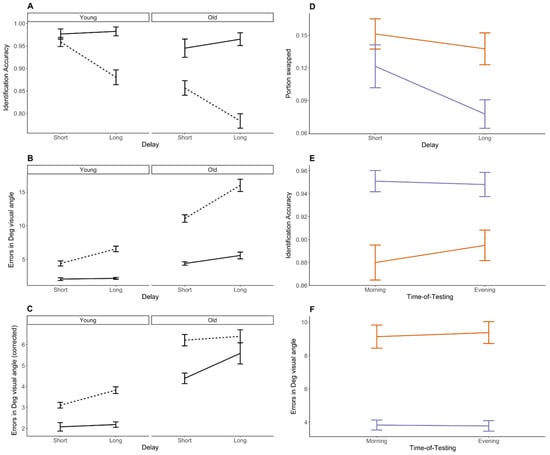
Ageing is associated with alterations in circadian rhythms and thermoregulation, contributing to a fragmentation of the sleep–wake cycle and possibly age-related changes in cognitive performance. In this study, we investigated the relationship between visuo-spatial working memory (vsWM) performance and thermoregulation in young (18–34
[...] Read more.
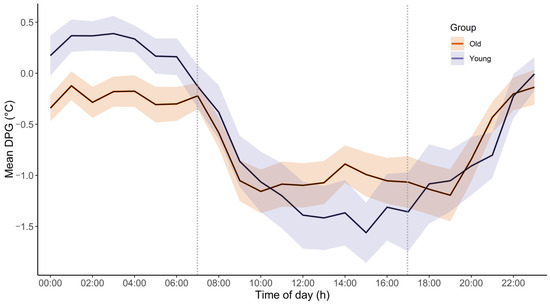
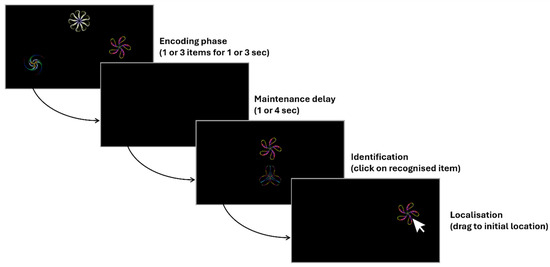
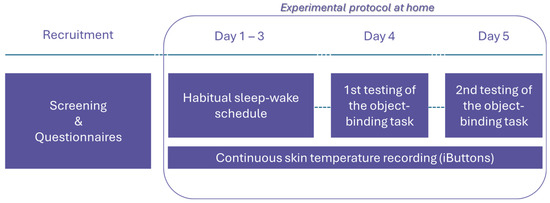
Ageing is associated with alterations in circadian rhythms and thermoregulation, contributing to a fragmentation of the sleep–wake cycle and possibly age-related changes in cognitive performance. In this study, we investigated the relationship between visuo-spatial working memory (vsWM) performance and thermoregulation in young (18–34 years) and old (64–84 years) healthy human adults. Variations in the distal–proximal skin temperature gradient (DPG) were continuously monitored over the 24 h cycle in a field setting. vsWM was assessed during morning (09:00) and evening sessions (17:00) using an object–location binding task. As expected, a reduced circadian DPG amplitude was observed in old as compared to young participants. Likewise, old participants produced more errors than the young ones in object identification and location, suggesting reduced vsWM ability. Notwithstanding this, no significant association was found between circadian DPG modulation and vsWM performance, nor between testing time-of-day and cognitive performance. Further research is needed to explore environmental factors and the timing of peak circadian rhythms to better understand the interplay between circadian biology and cognitive ageing.
Full article
(This article belongs to the Section Human Basic Research & Neuroimaging)
►▼
Show Figures

Figure 1
Open AccessBrief Report
Sleep Timing Across the Lifespan of Australian Adults
by
Gabrielle Rigney, Matthew Browne, Charli Sargent and Michele Lastella
Clocks & Sleep 2025, 7(1), 16; https://doi.org/10.3390/clockssleep7010016 - 20 Mar 2025
Abstract
The aim of this study was to examine sleep timing across the lifespan of Australian adults. A cross-sectional design was used to collect information on subjective sleep timing from 1225 participants (52.3% female) during a telephone interview. The participants were aged from 18
[...] Read more.
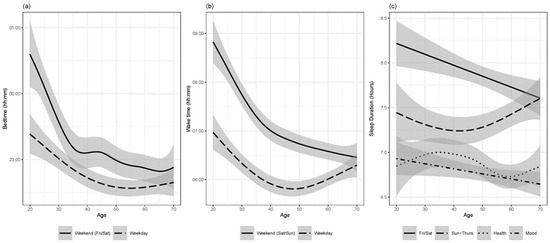
The aim of this study was to examine sleep timing across the lifespan of Australian adults. A cross-sectional design was used to collect information on subjective sleep timing from 1225 participants (52.3% female) during a telephone interview. The participants were aged from 18 to over 80 and were grouped according to their age using 10-year increments (e.g., 18–29 y, 30–39 y, etc.). There was a diverse distribution across the lifespans, with the largest proportion of participants being from the 60–69 age group (22.8%). Participants were predominantly from New South Wales, Queensland, and Victoria. Younger adults reported going to bed later (p < 0.001) and waking up later than other age groups (p < 0.001). Wake times were earliest during middle adulthood (p < 0.001). There was no significant age effect on the minimum sleep required for good health (p = 0.159) and only a marginal decrease with age in the amount of sleep required to maintain a good mood (p = 0.041). In conclusion, these findings highlight significant variations in sleep timing across younger, middle-aged, and older Australian adults. The current findings could inform future Australian sleep health campaigns, in which the goal is to provide targeted strategies for age groups across their lifespans.
Full article
(This article belongs to the Section Society)
►▼
Show Figures

Figure 1
Open AccessArticle
Mapping the Neural Basis of Wake Onset Regularity and Its Effects on Sleep Quality and Positive Affect
by
David Negelspach, Kathryn E. R. Kennedy, Alisa Huskey, Jungwon Cha, Anna Alkozei and William D. S. Killgore
Clocks & Sleep 2025, 7(1), 15; https://doi.org/10.3390/clockssleep7010015 - 13 Mar 2025
Abstract
The regularity of sleep–wake cycles is a defining characteristic of normative sleep patterns that are typically associated with proper circadian rhythmicity. The previous literature indicates that consistent patterns of sleep and wake are associated with improved sleep quality and cognitive functioning. Conversely, sleep
[...] Read more.
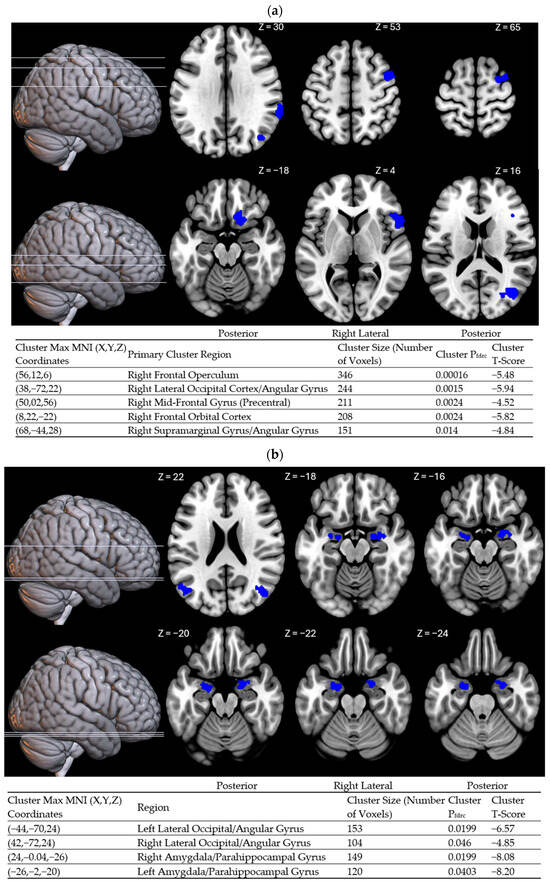
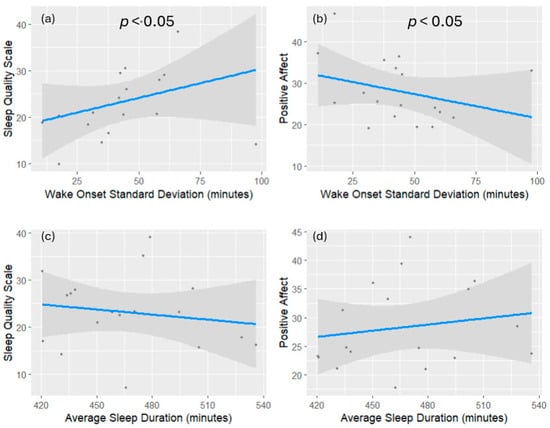
The regularity of sleep–wake cycles is a defining characteristic of normative sleep patterns that are typically associated with proper circadian rhythmicity. The previous literature indicates that consistent patterns of sleep and wake are associated with improved sleep quality and cognitive functioning. Conversely, sleep irregularity has been associated with reduced well-being and inefficiency in resting-state neural networks. This study investigated the relationship between specific sleep regularity measures and outcomes, including emotional affect, sleep quality, and resting-state functional connectivity. We found that variability in wake onset predicted poorer sleep quality and reduced positive affect. Furthermore, sleep regularity measures were associated with altered functional connectivity between the posterior cingulate cortex and regions involved in emotional processing. We propose that alterations in default mode network (DMN) connectivity linked to sleep irregularity reflect disruptions in emotional processing and sleep quality.
Full article
(This article belongs to the Section Human Basic Research & Neuroimaging)
►▼
Show Figures

Figure 1
Open AccessArticle
Identifying Risk and Protective Factors for Shift Work Sleep Disorder: Insights from UK Biobank Night Shift Workers
by
Jürgen Degenfellner, Susanne Strohmaier, Magdalena Zebrowska, Ingvild Saksvik-Lehouillier and Eva Schernhammer
Clocks & Sleep 2025, 7(1), 14; https://doi.org/10.3390/clockssleep7010014 - 12 Mar 2025
Abstract
Shift Work Sleep Disorder (SWSD) is a significant and highly prevalent condition affecting up to 48% of individuals with irregular work schedules. The diagnostic criteria for SWSD include persistent insomnia or sleepiness in relation to shift work, not attributable to other disorders or
[...] Read more.
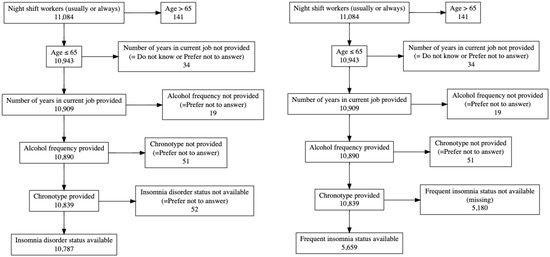
Shift Work Sleep Disorder (SWSD) is a significant and highly prevalent condition affecting up to 48% of individuals with irregular work schedules. The diagnostic criteria for SWSD include persistent insomnia or sleepiness in relation to shift work, not attributable to other disorders or external factors. To explore risk factors of SWSD, we conducted a cross-sectional analysis among 10,787 night shift workers in the UK Biobank. To determine correlates of SWSD using multivariable-adjusted logistic regression models, a preselection of potential risk factors was made on the basis of previous literature. Self-identifying as ‘Asian or Asian British’ or ‘Black or Black British’ (compared to being ‘White’), male sex, and high scores on sociability, warmth and diligence were associated with lower odds for SWSD. We did not find significant associations of chronotype, frequency of alcohol intake, smoking, and time employed in current job with SWSD. These findings underscore the need for targeted interventions and workplace policies to mitigate the adverse effects of SWSD. Future research should aim to explore the mechanisms behind these associations and develop strategies to enhance shift work tolerance among night shift workers.
Full article
(This article belongs to the Section Disorders)
►▼
Show Figures

Figure 1
Open AccessArticle
Not All Workers Experience Equal Sleep Changes: Insights from the “WorkInCovid” Project
by
Sergio Garbarino, Antonella Bodini, Saverio Sabina, Carlo Giacomo Leo, Pierpaolo Mincarone, Antonella Rissotto, Stanislao Fusco, Roberto Guarino, Maria Rosaria Tumolo, Giovanni Luigi Tripepi, Egeria Scoditti and Nicola Magnavita
Clocks & Sleep 2025, 7(1), 13; https://doi.org/10.3390/clockssleep7010013 - 10 Mar 2025
Abstract
The COVID-19 outbreak has changed work organization in favor of a working from home (WH) modality. We examined the association of WH during the pandemic with sleep health in workers of a public research organization. An online cross-sectional survey in 2022 at the
[...] Read more.
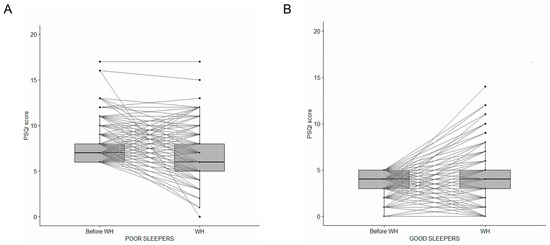
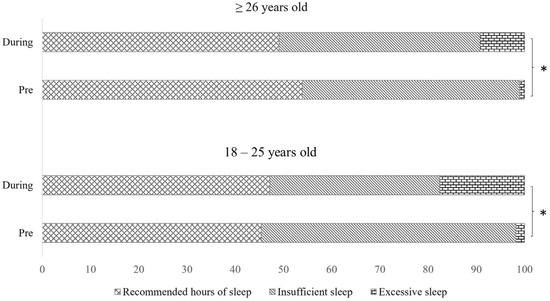
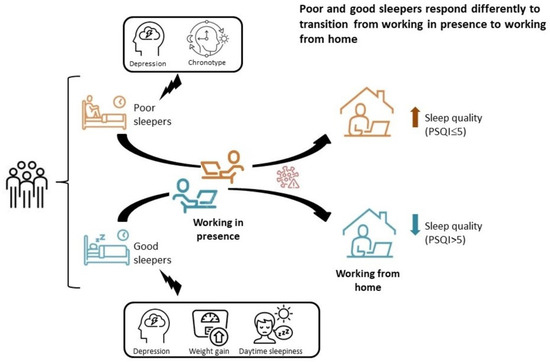
The COVID-19 outbreak has changed work organization in favor of a working from home (WH) modality. We examined the association of WH during the pandemic with sleep health in workers of a public research organization. An online cross-sectional survey in 2022 at the National Research Council of Italy collected information on sociodemographics, work characteristics, and sleep pattern during WH compared with before WH. In the whole sample (n = 748), total sleep quality did not significantly change. Excessive daytime sleepiness (EDS) decreased during WH. Total sleep quality increased during WH in poor sleepers, while it decreased in good sleepers. The morning chronotype was protective against sleep worsening in poor sleepers. Risk factors were depression in poor and good sleepers, and increased daytime sleepiness and body weight gain in good sleepers. These findings emphasize the importance of baseline sleep pattern in shaping the impact of WH on sleep.
Full article
(This article belongs to the Section Impact of Light & other Zeitgebers)
►▼
Show Figures

Graphical abstract
Open AccessArticle
Cognitive Complaints in Patients with Suspected Obstructive Sleep Apnea Are Associated with Sleepiness, Fatigue, and Anxiety, Not with Final Diagnosis or Objective Cognitive Impairment
by
Tim J. A. Vaessen, Ruth E. Mark, Sebastiaan Overeem and Margriet M. Sitskoorn
Clocks & Sleep 2025, 7(1), 12; https://doi.org/10.3390/clockssleep7010012 - 10 Mar 2025
Abstract
This study examined the nature, severity, and predictors of cognitive complaints in patients referred for suspected obstructive sleep apnea (OSA). The sample included 127 patients classified as no OSA (AHI, apnea/hypopnea index < 5, N = 32), mild OSA (AHI 5–15, N =
[...] Read more.
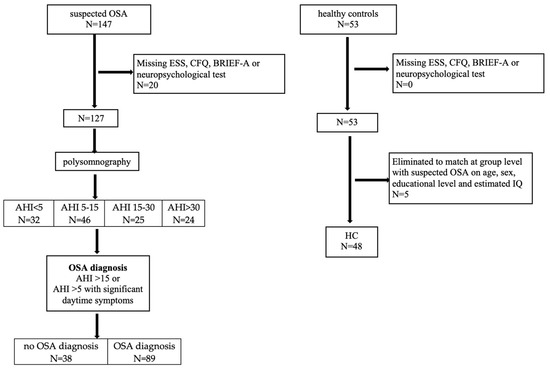
This study examined the nature, severity, and predictors of cognitive complaints in patients referred for suspected obstructive sleep apnea (OSA). The sample included 127 patients classified as no OSA (AHI, apnea/hypopnea index < 5, N = 32), mild OSA (AHI 5–15, N = 46), moderate OSA (AHI 15–30, N = 25), or severe OSA (AHI > 30, N = 24), and 53 healthy controls (HCs), matched for age, sex, education, and IQ. Cognitive complaints were assessed using the Cognitive Failure Questionnaire (CFQ) and the Behavioral Rating Inventory of Executive Functioning Adult Version (BRIEF-A). Regression analyses examined predictors of cognitive complaints including AHI, sleepiness, anxiety, depression, fatigue, and neuropsychological performance. Compared to HCs, those with mild OSA reported more forgetfulness, distractibility, and working memory issues, while those with severe OSA reported more difficulties with initiative, both with large effect sizes. Cognitive complaints were linked to sleepiness, anxiety, and fatigue (ß’s 0.29–0.37), but not AHI or cognitive performance. Cognitive complaints were not specific to subjects with OSA but were also common among individuals with sleep complaints suspected for OSA. In conclusion, cognitive complaints were associated with anxiety, fatigue, and sleepiness rather than objective cognitive performance or impairment.
Full article
(This article belongs to the Section Disorders)
►▼
Show Figures

Figure 1
Open AccessReview
Critical Review of the Methodological Shortcoming of Ambulatory Blood Pressure Monitoring and Cognitive Function Studies
by
Shahab Haghayegh, Ramon C. Hermida, Michael H. Smolensky, Mili Jimenez Gallardo, Claudia Duran-Aniotz, Andrea Slachevsky, Maria Isabel Behrens, David Aguillon, Hernando Santamaria-Garcia, Adolfo M. García, Diana Matallana, Agustín Ibáñez and Kun Hu
Clocks & Sleep 2025, 7(1), 11; https://doi.org/10.3390/clockssleep7010011 - 6 Mar 2025
Abstract
Growing evidence suggests that abnormal diurnal blood pressure rhythms may be associated with many adverse health outcomes, including increased risk of cognitive impairment and dementia. This study evaluates methodological aspects of research on bidirectional associations between ambulatory blood pressure monitoring (ABPM) patterns and
[...] Read more.
Growing evidence suggests that abnormal diurnal blood pressure rhythms may be associated with many adverse health outcomes, including increased risk of cognitive impairment and dementia. This study evaluates methodological aspects of research on bidirectional associations between ambulatory blood pressure monitoring (ABPM) patterns and cognitive function. By examining the 28 recent studies included in a recent systematic review on the association between ABPM patterns with cognitive function and risk of dementia, our review revealed several significant limitations in study design, sample characteristics, ABPM protocol, cognitive assessment, and data analysis. The major concerns include a lack of diversity in study populations with underrepresentation of Blacks and Latinos, a predominant focus on Alzheimer’s disease or all-cause dementia without distinguishing other dementia subtypes, different and not standardized measures of cognition or dementia, prevalent use of 24 h monitoring without considering the adaption effect, inconsistent definitions of dipping status, and ignorance of individual differences in timings of daily activities such as bed and awakening times. In addition, confounding variables such as class, dose, and timing of antihypertensive medication are inadequately controlled or considered. Further, longitudinal studies were scarce examining the bidirectional relationship between ABPM patterns and cognitive decline over time. Collectively, these deficiencies undermine the reliability and generalizability of current findings. Addressing these methodological challenges is crucial for a more comprehensive understanding of diurnal blood pressure rhythms in diverse populations and for developing an evidence-based guideline for ambulatory monitoring and control of blood pressure across the sleep-wake cycle to prevent cognitive decline and dementia.
Full article
(This article belongs to the Section Human Basic Research & Neuroimaging)
Open AccessArticle
Night Work and Social Jet Lag: Pathways to Arterial Stiffness?
by
Waléria D. P. Gusmão, Aline Silva-Costa, Victor M. Silva and Claudia R. C. Moreno
Clocks & Sleep 2025, 7(1), 10; https://doi.org/10.3390/clockssleep7010010 - 3 Mar 2025
Abstract
Cardiovascular diseases are the leading cause of morbidity and mortality worldwide. These conditions, characterized by multifactorial etiology, are associated with arterial stiffness, and adequate sleep serves as a preventive factor. Professionals engaged in night work are at an increased risk of premature vascular
[...] Read more.
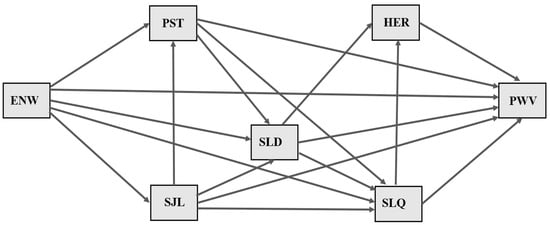
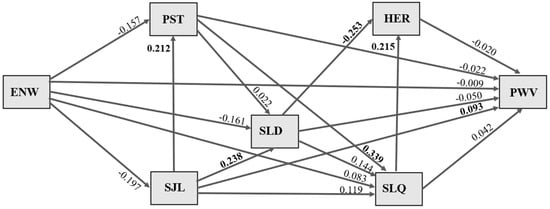
Cardiovascular diseases are the leading cause of morbidity and mortality worldwide. These conditions, characterized by multifactorial etiology, are associated with arterial stiffness, and adequate sleep serves as a preventive factor. Professionals engaged in night work are at an increased risk of premature vascular aging due to potential disruption of the sleep–wake cycle and sleep restriction. The aim of this study was to assess the relationship between duration of exposure to night work and arterial stiffness in nursing professionals. A total of 63 nursing professionals working rotating shifts participated in the study. Arterial stiffness was measured using oscillometric pulse wave velocity, and sleep–wake patterns were monitored using actigraphy. Path analysis revealed no direct association between duration of night work exposure and arterial stiffness in the professionals studied. However, an increase of 1 standard deviation (SD) in social jet lag duration was significantly associated with a 0.212 SD increase in perceived stress (p = 0.047). Furthermore, an increase of 1 SD in social jet lag duration was significantly associated with a 0.093 SD increase in the highest pulse wave velocity (p = 0.034). Thus, an association was found between increased social jet lag and elevated pulse wave velocity, an independent predictor of higher cardiovascular risk.
Full article
(This article belongs to the Special Issue Shift-Work and the Individual II)
►▼
Show Figures

Figure 1
Open AccessArticle
Isolated Rem Sleep Behavior Disorder: A Model to Assess the Overnight Habituation of Emotional Reactivity
by
Caterina Leitner, Viviana Greco, Francesca Casoni, Penelope A. Lewis, Luigi Ferini-Strambi and Andrea Galbiati
Clocks & Sleep 2025, 7(1), 9; https://doi.org/10.3390/clockssleep7010009 - 28 Feb 2025
Abstract
(1) Background: Phasic events in rapid eye movement (REM) sleep are a core feature of isolated REM behavior disorder (iRBD), which is often associated with emotion dysregulation. This study explores the relationship between sleep and the overnight habituation of emotional reactivity in healthy
[...] Read more.
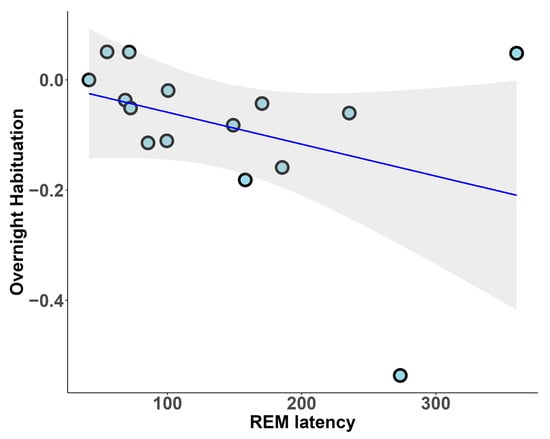
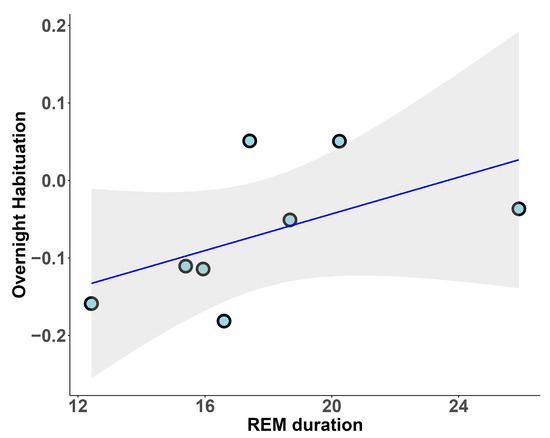
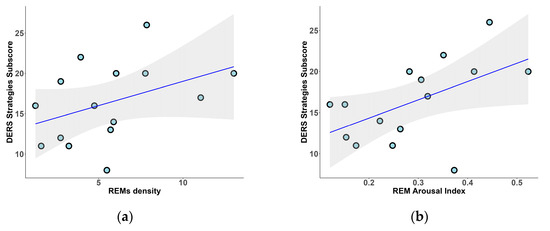
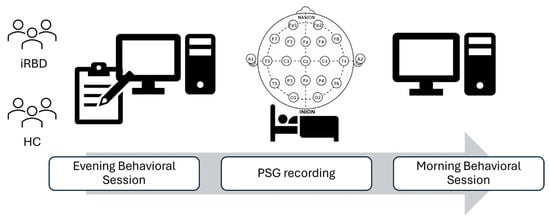
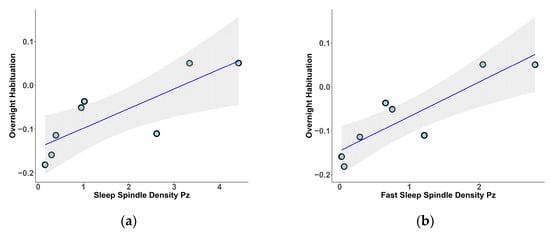
(1) Background: Phasic events in rapid eye movement (REM) sleep are a core feature of isolated REM behavior disorder (iRBD), which is often associated with emotion dysregulation. This study explores the relationship between sleep and the overnight habituation of emotional reactivity in healthy controls (HCs) and iRBD patients, focusing on the role of REM phasic events and a specific non-REM waveform, namely sleep spindles. (2) Methods: Participants underwent polysomnography and completed arousal rating tasks and mood scales before and after sleep. In total, eight HCs (4 M, mean age 60.62 ± 6.8) and eight iRBD patients (7 M, mean age 68.25 ± 5.12) were included in the analyses. (3) Results: In HCs, longer REM sleep duration correlated positively with overnight habituation. In the whole sample, overnight habituation negatively correlated with REM sleep latency and wake-after-sleep onset, and positively with N2 sleep. Higher overnight habituation was associated with fewer REM arousals and awakenings in the whole sample, and with greater N2 sleep spindle density in HCs. (4) Conclusions: Our preliminary results suggest that REM sleep and spindles in N2 play critical roles in emotional processing. The study confirms the relationship between emotion dysregulation and REM phasic events, enhancing our understanding of how sleep impacts emotional reactivity and also in the prodromal phase of neurodegenerative disease.
Full article
(This article belongs to the Section Human Basic Research & Neuroimaging)
►▼
Show Figures

Figure 1
Open AccessArticle
Healthcare Burden and Productivity Loss Due to Narcolepsy in Sweden
by
Anna Giertz, Johan Mesterton, Tanja Jakobsson, Stephen Crawford, Somraj Ghosh and Anne-Marie Landtblom
Clocks & Sleep 2025, 7(1), 8; https://doi.org/10.3390/clockssleep7010008 - 19 Feb 2025
Abstract
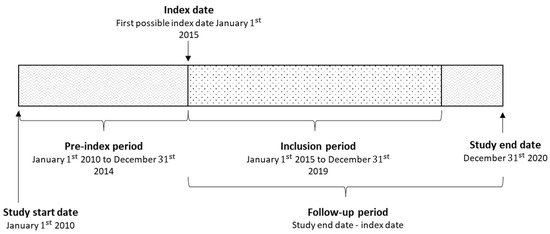
Background: Narcolepsy impacts both patients and society, yet there is limited data on its socioeconomic consequences. Methods: This retrospective longitudinal cohort study used pseudonymized patient-level data from Swedish registers and included narcolepsy patients from January 2015–December 2019 and age–sex matched controls. All patients
[...] Read more.
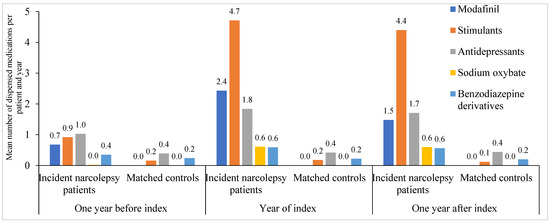
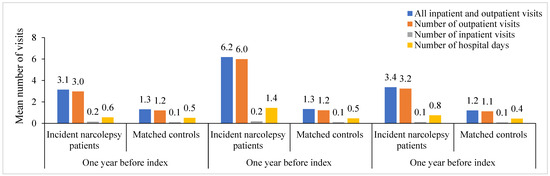
Background: Narcolepsy impacts both patients and society, yet there is limited data on its socioeconomic consequences. Methods: This retrospective longitudinal cohort study used pseudonymized patient-level data from Swedish registers and included narcolepsy patients from January 2015–December 2019 and age–sex matched controls. All patients received an index date corresponding to their first narcolepsy diagnosis. Results: This study included 466 incident narcolepsy patients and 2330 matched controls. During the years studied, healthcare resource utilization was 2–5 times higher for incident narcolepsy patients compared to matched controls (p < 0.0001). Modafinil, stimulants, and antidepressants were prescribed more often to incident narcolepsy patients (p < 0.0001). Work productivity was significantly impacted, as incident narcolepsy patients took 7.0–10.5 more sick leave days than their matched controls (p < 0.0001) and had an average of 14.8 net days of disability leave (associated with indirect costs of EUR 1630) versus only 5.8 days among matched controls (EUR 638) during the year of the index (p = 0.027). After controlling for age, sex, and the Charlson comorbidity index, the odds of disability leave were 3.3 times higher in incident narcolepsy patients. Conclusions: This study provides evidence of the magnitude of the substantial societal economic burden due to narcolepsy in Sweden, evidenced by higher healthcare resource utilization and indirect costs.
Full article
(This article belongs to the Special Issue Updates in Narcolepsy and Related Disorders)
►▼
Show Figures

Figure 1
Open AccessArticle
Circadian Rhythms, Regular Exercise, and Cognitive Performance in Morning-Trained Dancers
by
Mariana Marchesano, Alejandra Carboni, Bettina Tassino and Ana Silva
Clocks & Sleep 2025, 7(1), 7; https://doi.org/10.3390/clockssleep7010007 - 18 Feb 2025
Abstract
Time-of-day and individual circadian variability influence cognitive performance, with later chronotypes being most compromised earlier in the day. On the other hand, moderate-intensity exercise has been shown to enhance cognitive function. We sought to evaluate the interplay among circadian rhythms, exercise, and cognitive
[...] Read more.
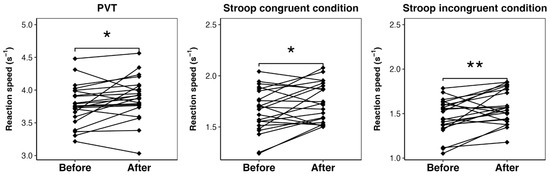
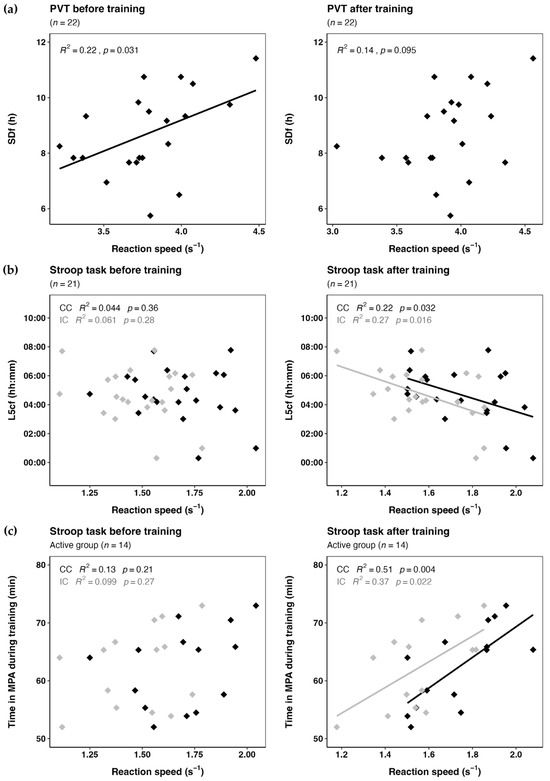
Time-of-day and individual circadian variability influence cognitive performance, with later chronotypes being most compromised earlier in the day. On the other hand, moderate-intensity exercise has been shown to enhance cognitive function. We sought to evaluate the interplay among circadian rhythms, exercise, and cognitive performance in 22 students from the Uruguayan National Dance School, a population previously characterized as late chronotypes, attending a demanding morning schedule. We assessed sleep habits and physical activity patterns using self-report questionnaires and actigraphy. Before and after morning training, participants completed a psychomotor vigilance task (PVT) and a visual Stroop task (congruent and incongruent). The reaction speeds were lower early in the morning than at noon for all these tasks. We also found (1) a positive correlation between weekend sleep duration and PVT performance before training but not after; (2) a negative correlation between individual circadian phase and Stroop performance for both congruent and incongruent conditions after training but not before; and (3) a better Stroop performance after training for both congruent and incongruent conditions in dancers who engaged longer moderate-intensity exercise during training. Our findings suggest that regular morning training might help mitigate cognitive impairments experienced by dancers with later chronotypes in challenging morning scenarios.
Full article
(This article belongs to the Section Human Basic Research & Neuroimaging)
►▼
Show Figures

Figure 1
Open AccessArticle
Sleep Alterations in the Population of the Metropolitan Area of Mexico and Their Association with Lifestyle Changes During COVID-19 Confinement
by
María del Rosario Ayala-Moreno, Paola Andrea Martínez-Serrano, Montserrat Alheli Melgarejo-Gutiérrez, Alma Rosa Hernández-Mondragón, Azucena Martínez-Basila, Araceli Martínez-Coronado, María José Losana-Valencia, Esther Vargas-Medina, Eloisa Colín-Ramírez and Adriana Benítez-Rico
Clocks & Sleep 2025, 7(1), 6; https://doi.org/10.3390/clockssleep7010006 - 17 Feb 2025
Abstract
Home confinement due to Coronavirus Disease 2019 (COVID-19) led to lifestyle changes that increased sleep disturbances, particularly in areas with higher infection and mortality rates. This study is a retrospective study based on data collected through an online survey conducted during the COVID-19
[...] Read more.
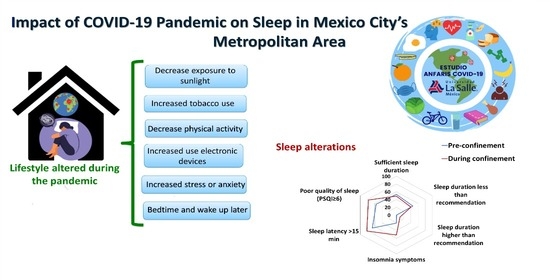
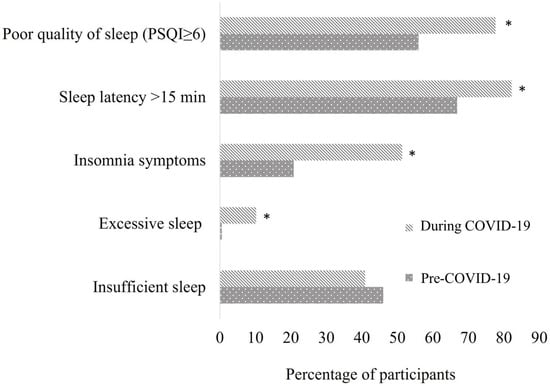
Home confinement due to Coronavirus Disease 2019 (COVID-19) led to lifestyle changes that increased sleep disturbances, particularly in areas with higher infection and mortality rates. This study is a retrospective study based on data collected through an online survey conducted during the COVID-19 confinement. It aims to analyze changes in sleep quantity and quality and their association with lifestyle changes in the metropolitan area of Mexico City. A total of 899 adults from this area completed an online questionnaire between June 2020 and February 2021. This study assessed sleep quantity, sleep quality, insomnia symptoms, and lifestyle changes during the confinement period. Results showed that sleep quantity increased (7.10 ± 1.37 vs. 7.43 ± 1.42 h, p < 0.0001), with more participants, especially young adults and women, reporting later bed and wake-up times. The Pittsburgh Sleep Quality Index increased by 1.4 units, with poor sleep quality associated with lifestyle during confinement. Insomnia symptoms, sleep latency, and poor sleep quality also increased, particularly in women. Males and those without chronic comorbidities were less likely to experience poor sleep quality, while tobacco use and later bedtimes increased this risk. This study concludes that, while sleep quantity increased, sleep quality declined, particularly among young adults, women, and those with unhealthy lifestyles. These findings could guide sleep health initiatives tailored to specific lifestyle changes in different population groups.
Full article
(This article belongs to the Section Society)
►▼
Show Figures

Graphical abstract
Open AccessArticle
Association Between Alcohol Use Patterns and Insomnia Symptoms or Poor Sleep Quality Among Adult Women: An Internet Cross-Sectional Survey in Japan
by
Suguru Nakajima, Yuichiro Otsuka, Yoshitaka Kaneita, Osamu Itani, Yuki Kuwabara, Aya Kinjo, Ruriko Minobe, Hitoshi Maesato, Susumu Higuchi, Hideyuki Kanda, Hisashi Yoshimoto, Maki Jike, Hideaki Kasuga, Teruna Ito and Yoneatsu Osaki
Clocks & Sleep 2025, 7(1), 5; https://doi.org/10.3390/clockssleep7010005 - 13 Feb 2025
Abstract
It is unclear whether patterns of alcohol consumption are associated with sleep disturbance. We aimed to investigate the relationship between comprehensive alcohol-related factors and insomnia symptoms, as well as sleep quality, among adult women in Japan. Responses to an online cross-sectional survey were
[...] Read more.
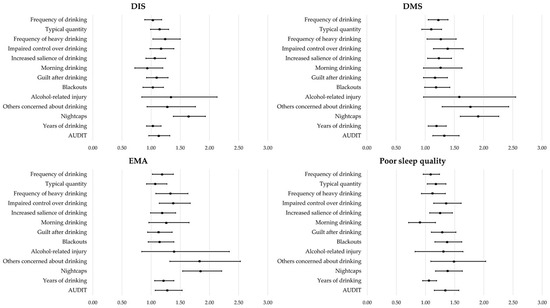
It is unclear whether patterns of alcohol consumption are associated with sleep disturbance. We aimed to investigate the relationship between comprehensive alcohol-related factors and insomnia symptoms, as well as sleep quality, among adult women in Japan. Responses to an online cross-sectional survey were gathered from 12,000 women. The survey items included demographic characteristics, alcohol consumption (Alcohol Use Disorders Identification Test, nightcaps, years of drinking), sleep-related factors (sleep duration, insomnia symptoms, sleep quality), lifestyle-related factors, and mental health. Binary logistic regression was used to investigate the relationship between alcohol consumption and both insomnia symptoms and sleep quality. A total of 10,233 women were included in the final analysis. The results revealed that several alcohol-related behaviors, including the consumption of nightcaps and years of drinking, were significantly associated with insomnia symptoms and poor sleep quality. Specifically, nightcaps were significantly associated with all types of insomnia symptoms and poor sleep quality, with a higher odds ratio than other alcohol-related items. Our findings suggest that specific alcohol-related behaviors, particularly the consumption of nightcaps, are associated with insomnia symptoms and poor sleep quality among women. Intervention programs for alcohol consumption should be provided to prevent sleep problems among women.
Full article
(This article belongs to the Section Human Basic Research & Neuroimaging)
►▼
Show Figures

Figure 1
Open AccessArticle
Feasibility of an At-Home Experimental Circadian Misalignment Induction for Adolescents
by
Dean W. Beebe, Andrea L. Fidler, Laura McLaughlin, Sabrina Grove and Stephanie J. Crowley
Clocks & Sleep 2025, 7(1), 4; https://doi.org/10.3390/clockssleep7010004 - 28 Jan 2025
Abstract
Despite extensive research on the effects of sleep restriction on adolescent health, the field lacks experimental methods to study the health effects of mistimed sleep, which is also common among adolescents. This paper describes a novel 3-week experimental protocol that was designed to
[...] Read more.
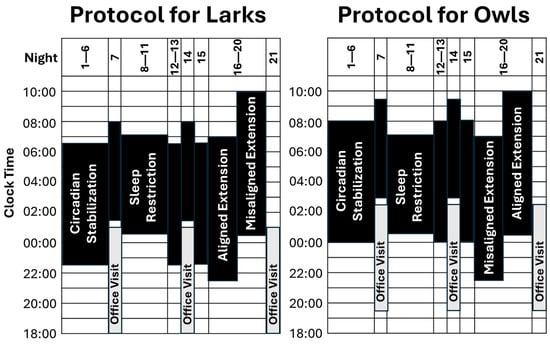
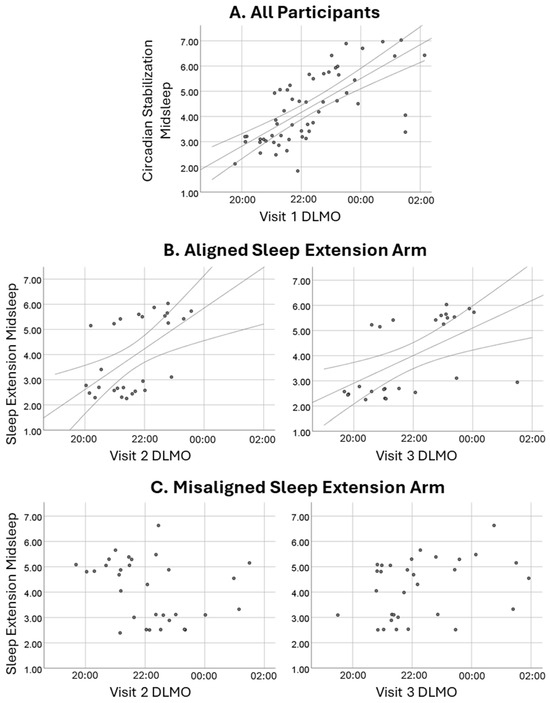
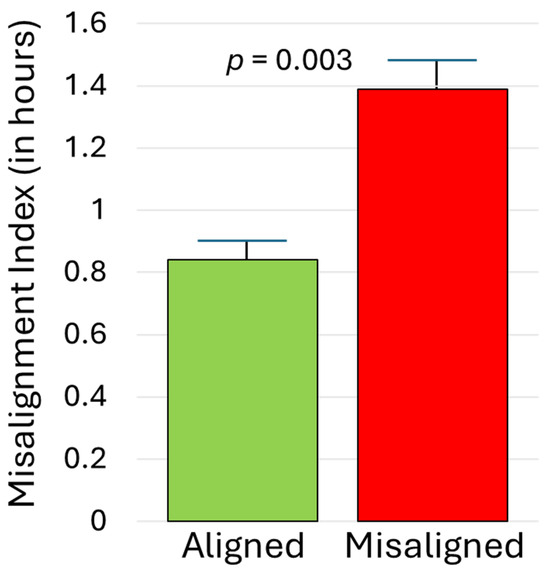
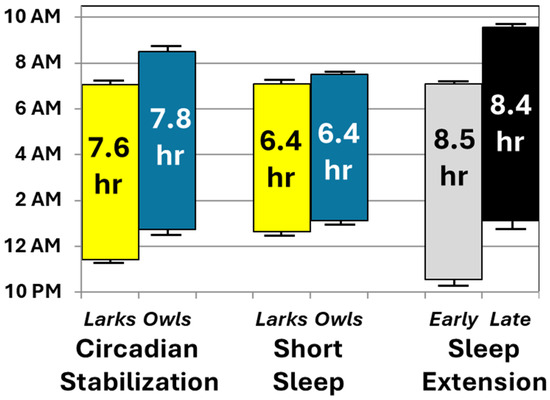
Despite extensive research on the effects of sleep restriction on adolescent health, the field lacks experimental methods to study the health effects of mistimed sleep, which is also common among adolescents. This paper describes a novel 3-week experimental protocol that was designed to compare sleep restriction, like what many adolescents experience on school nights, against sleep that meets the recommended duration but is timed to be relatively aligned or misaligned with their circadian phase. Healthy 14–18-year-olds, classified as early (“Lark”) and late (“Owl”) chronotypes, entered a six-night chronotype-aligned stabilization condition, followed by five nights of sleep restriction, a return to the stabilization schedule, and five nights of healthy sleep duration (HS). During HS, participants were randomly assigned to early-to-bed versus late-to-rise arms, intended to align with or misalign with their circadian phase. Actigraphy monitored sleep, and weekly dim-light melatonin onset (DLMO) assessed circadian phase. Analyses confirmed that the protocol met five key validation metrics related to differential attrition, sleep timing, circadian phase, and experimental induction of HS that is timed to be relatively aligned vs. misaligned with circadian phase. This protocol appears useful for future research into how misaligned sleep patterns, which occur regularly for many adolescents, may impact health.
Full article
(This article belongs to the Special Issue The Circadian Rhythm Research in Infants and Young Children)
►▼
Show Figures

Figure 1
Open AccessProtocol
Wearable Neurotechnology for the Treatment of Insomnia: The Study Protocol of a Prospective, Placebo-Controlled, Double-Blind, Crossover Clinical Trial of a Transcranial Electrical Stimulation Device
by
Keenan Caswell, Grace Roe, Emamoke Odafe, Subodh Arora, Caddie Motoni and John Kent Werner, Jr.
Clocks & Sleep 2025, 7(1), 3; https://doi.org/10.3390/clockssleep7010003 - 26 Jan 2025
Abstract
Sleep disruption and deprivation are epidemic problems in the United States, even among those without a clinically diagnosed sleep disorder. Military service members demonstrate an increased risk of insomnia, which doubles after deployment. This study will investigate the ability of a translational device,
[...] Read more.
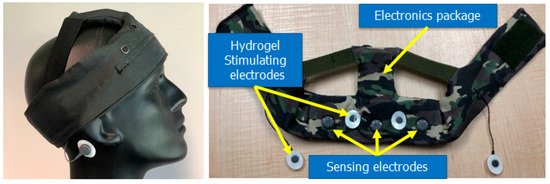
Sleep disruption and deprivation are epidemic problems in the United States, even among those without a clinically diagnosed sleep disorder. Military service members demonstrate an increased risk of insomnia, which doubles after deployment. This study will investigate the ability of a translational device, Teledyne PeakSleep™ (Teledyne Scientific & Imaging, Durham, NC, USA), to reduce sleep onset latency and the time spent awake after sleep onset, with improvement in the subjective benefits of sleep for patients with insomnia by enhancing the brain rhythms within the frontal lobe implicated in slow wave generation. During this crossover trial, patients will use the wearable neurotechnology prototype headband, which delivers < 14 min of frontal short duration repetitive–transcranial electrical stimulation over a 30 min period immediately before trying to fall asleep. Using active stimulation versus a sham paradigm, we will compare actigraphy data, physiological data, and subjective sleep measures against a pre-treatment baseline in the same patient over the course of the 8-week study. If successful, PeakSleep™ could address the final common pathway in insomnia, namely the onset and maintenance of slow-wave sleep (SWS), and accordingly has the potential to enhance sleep onset in a wide range of individuals, most importantly warfighters in whom efficient sleep onset may be critical for operational success.
Full article
(This article belongs to the Section Disorders)
►▼
Show Figures

Figure 1
Open AccessArticle
Impact of Varying Sleep Pressure on Daytime Sleep Propensity in Healthy Young and Older Adults
by
Stella de Haan, Marine Dourte, Michele Deantoni, Mathilde Reyt, Marion Baillet, Christian Berthomier, Vincenzo Muto, Gregory Hammad, Christian Cajochen, Carolin F. Reichert, Micheline Maire, Christina Schmidt and Svetlana Postnova
Clocks & Sleep 2025, 7(1), 2; https://doi.org/10.3390/clockssleep7010002 - 2 Jan 2025
Abstract
Fixed sleep schedules with an 8 h time in bed (TIB) are used to ensure participants are well-rested before laboratory studies. However, such schedules may lead to cumulative excess wakefulness in young individuals. Effects on older individuals are unknown. We combine modelling and
[...] Read more.
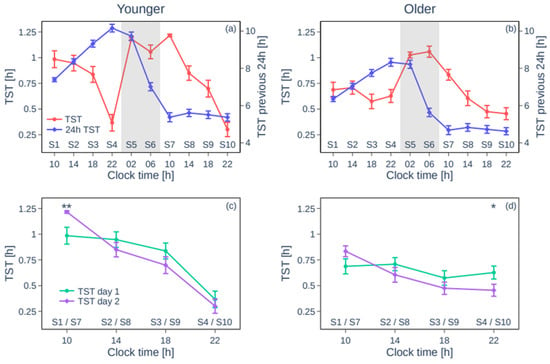
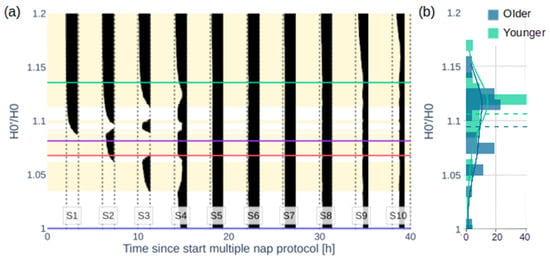
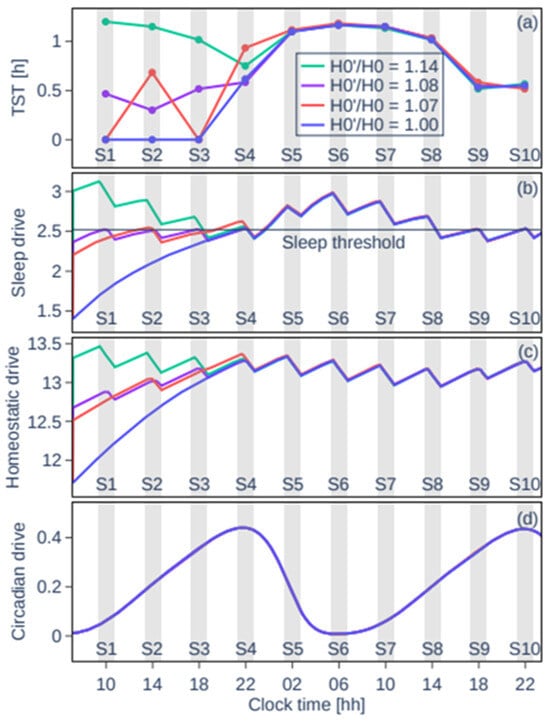
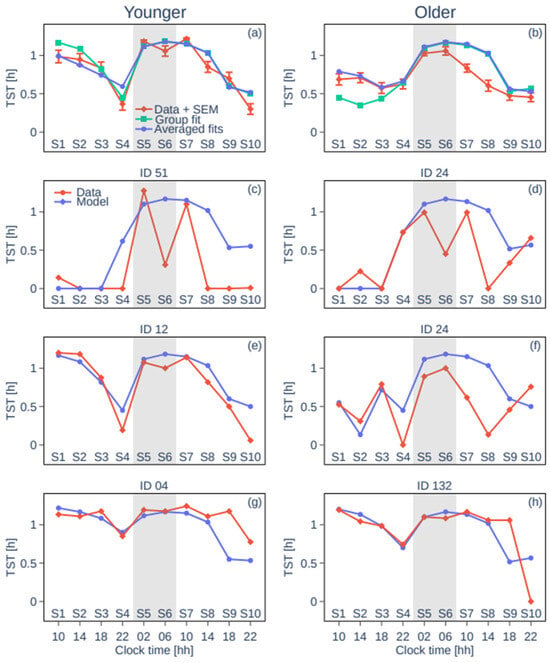
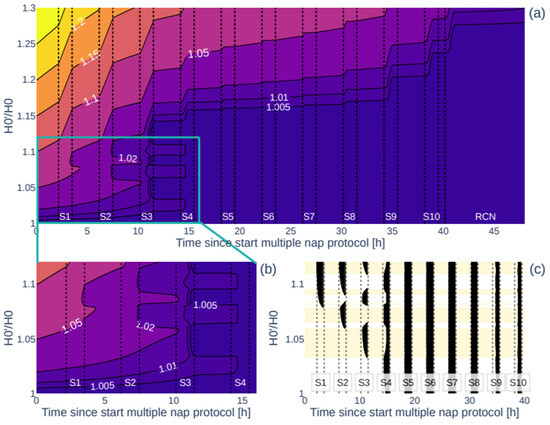
Fixed sleep schedules with an 8 h time in bed (TIB) are used to ensure participants are well-rested before laboratory studies. However, such schedules may lead to cumulative excess wakefulness in young individuals. Effects on older individuals are unknown. We combine modelling and experimental data to quantify the effects of sleep debt on sleep propensity in healthy younger and older participants. A model of arousal dynamics was fitted to sleep data from 22 young (20–31 y.o.) and 26 older (61–82 y.o.) individuals (25 male) undertaking 10 short sleep–wake cycles during a 40 h napping protocol, following >1 week of fixed 8 h TIB schedules. Homeostatic sleep drive at the study start was varied systematically to identify best fits between observed and predicted sleep profiles for individuals and group averages. Daytime sleep duration was the same on the two days of the protocol within the groups but different between the groups (young: 3.14 ± 0.98 h vs. 3.06 ± 0.75 h, older: 2.60 ± 0.98 h vs. 2.37 ± 0.64 h). The model predicted an initial homeostatic drive of 11.2 ± 3.5% (young) and 10.1 ± 3.5% (older) above well-rested. Individual variability in first-day, but not second-day, sleep patterns was explained by the differences in the initial homeostatic drive for both age groups. Our study suggests that both younger and older participants arrive at the laboratory with cumulative sleep debt, despite 8 h TiB schedules, which dissipates after the first four sleep opportunities on the protocol. This has implications for protocol design and the interpretation of laboratory studies.
Full article
(This article belongs to the Section Human Basic Research & Neuroimaging)
►▼
Show Figures

Figure 1
Open AccessArticle
Changes in the Spatial Structure of Synchronization Connections in EEG During Nocturnal Sleep Apnea
by
Maxim Zhuravlev, Anton Kiselev, Anna Orlova, Evgeniy Egorov, Oxana Drapkina, Margarita Simonyan, Evgenia Drozhdeva, Thomas Penzel and Anastasiya Runnova
Clocks & Sleep 2025, 7(1), 1; https://doi.org/10.3390/clockssleep7010001 - 31 Dec 2024
Abstract
This study involved 72 volunteers divided into two groups according to the apnea–hypopnea index (AHI): episodes per hour ( ) (main group, , including 28 men, median AHI 44.15, median age 47),
[...] Read more.
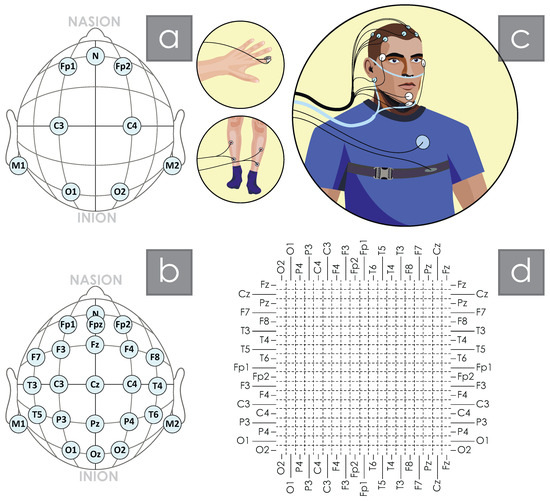
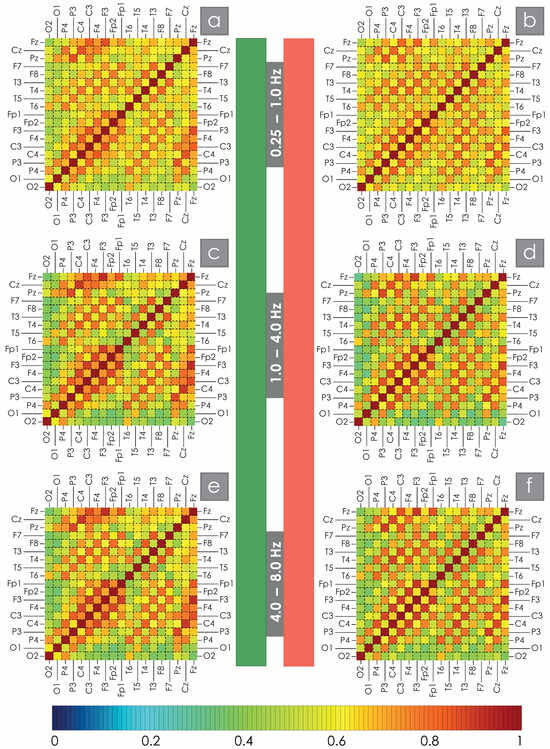
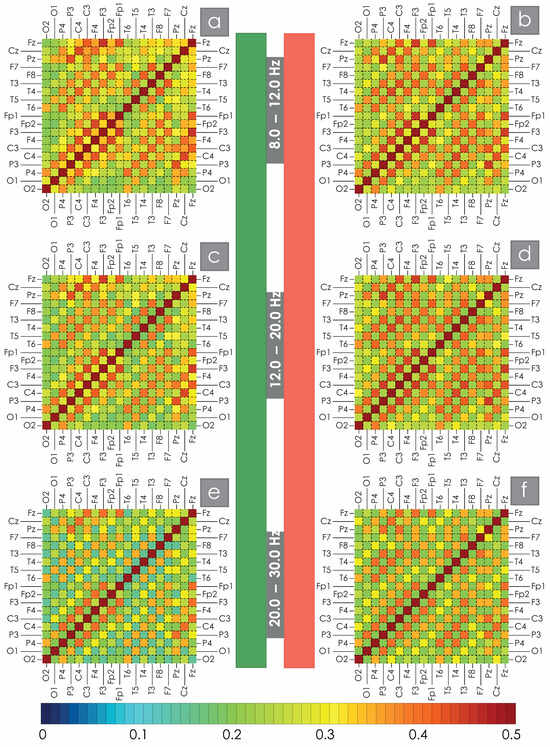
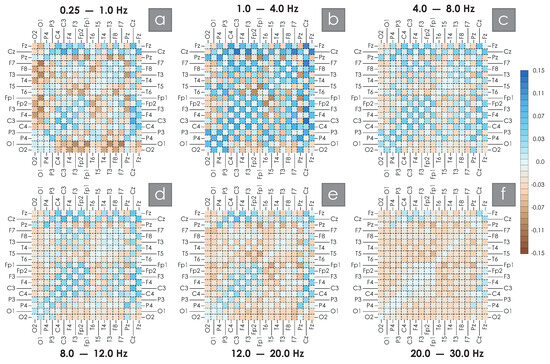
This study involved 72 volunteers divided into two groups according to the apnea–hypopnea index (AHI): episodes per hour ( ) (main group, , including 28 men, median AHI 44.15, median age 47), (control group, , including 12 men, median AHI 2, median age 28). Each participant underwent polysomnography with a recording of 19 EEG channels. Based on wavelet bicoherence (WB), the magnitude of connectivity between all pairs of EEG channels in six bands was estimated: , , , , , Hz. In all six bands considered, we noted a significant decrease in symmetrical interhemispheric connections in OSA patients. Also, in the main group for slow oscillatory activity and , we observe a decrease in connection values in the EEG channels associated with the central interhemispheric sulcus. In addition, patients with show an increase in intrahemispheric connectivity, in particular, forming a left hemisphere high-degree synchronization node (connections PzT3, PzF3, PzFp1) in the band. When considering high-frequency EEG oscillations, connectivity in OSA patients again shows a significant increase within the cerebral hemispheres. The revealed differences in functional connectivity in patients with different levels of AHI are quite stable, remaining when averaging the full nocturnal EEG recording, including both the entire sleep duration and night awakenings. The increase in the number of hypoxia episodes correlates with the violation of the symmetry of interhemispheric functional connections. Maximum absolute values of correlation between the apnea–hypopnea index, AHI, and the WB synchronization strength are observed for the band in symmetrical EEG channels C3C4 ( ) and P3P4 ( ). The conducted studies demonstrate the possibility of developing diagnostic systems for obstructive sleep apnea syndrome without using signals from the cardiovascular system and respiratory activity.
Full article
(This article belongs to the Section Human Basic Research & Neuroimaging)
►▼
Show Figures

Figure 1
Open AccessArticle
Impact of CPAP Therapy on Cognition and Fatigue in Patients with Moderate to Severe Sleep Apnea: A Longitudinal Observational Study
by
Oumaïma Benkirane, Olivier Mairesse and Philippe Peigneux
Clocks & Sleep 2024, 6(4), 789-816; https://doi.org/10.3390/clockssleep6040051 - 23 Dec 2024
Abstract
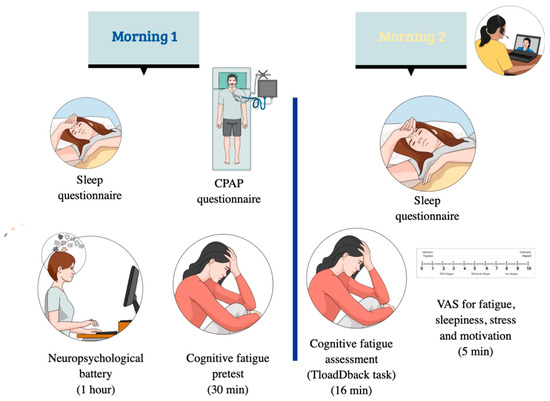
Continued solicitation of cognitive resources eventually leads to cognitive fatigue (CF), i.e., a decrease in cognitive efficiency that develops during sustained cognitive demands in conditions of constrained processing time, independently of sleepiness. The expression of CF and its impact on cognition are partly
[...] Read more.
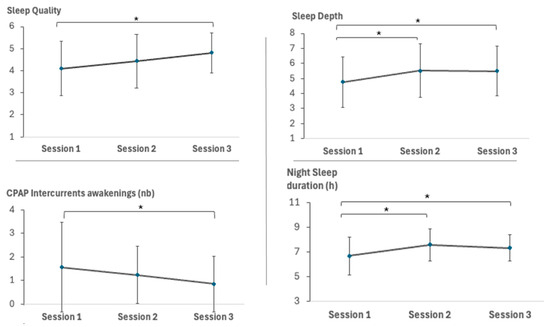
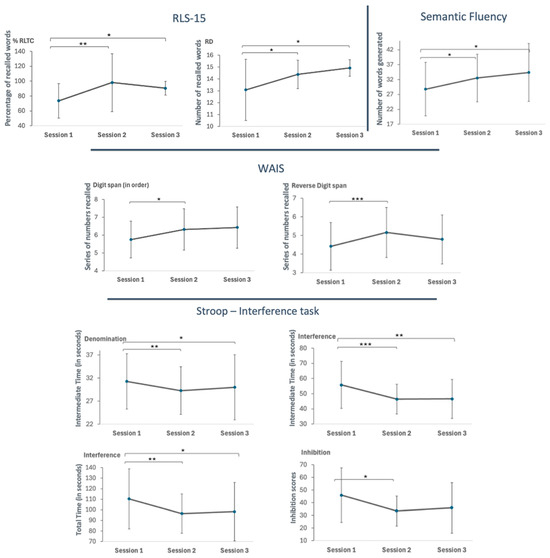
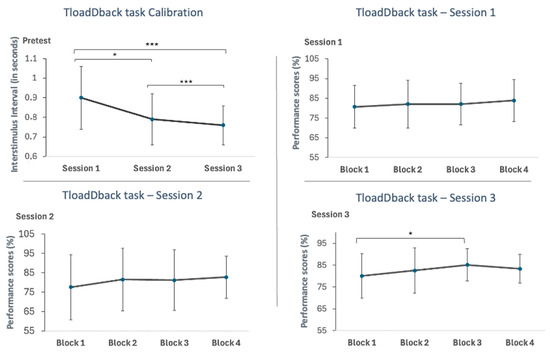
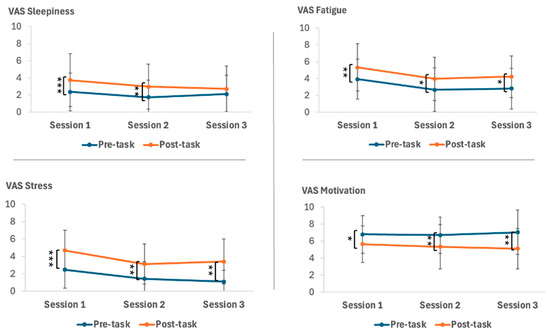
Continued solicitation of cognitive resources eventually leads to cognitive fatigue (CF), i.e., a decrease in cognitive efficiency that develops during sustained cognitive demands in conditions of constrained processing time, independently of sleepiness. The expression of CF and its impact on cognition are partly contingent upon prior sleep quality and its restorative effects. Sleep in obstructive sleep apnea (OSA) may be largely restored through the use of continuous positive airway pressure (CPAP) treatment, contributing to a gradual improvement in sleep quality. In this longitudinal observational study, we investigated immediate and longer-term behavioral effects of CPAP treatment on cognitive functioning, evaluating outcomes after the initiation of treatment, and at three and six months, in compliant CPAP-treated OSA patients. Results indicate that CPAP therapy significantly enhances subjective sleep quality and cognitive functions, including episodic memory, inhibition, sustained attention, working memory, and executive control. Noticeable performance improvements were observed in CF-inducing tasks, particularly after six months of CPAP use. Participants also reported substantial gains in quality of life, reduced daytime sleepiness, and improved mood. These results confirm that CPAP therapy not only alleviates immediate physiological disturbances associated with OSA, but also supports cognitive recovery and enhanced overall daily functioning.
Full article
(This article belongs to the Section Disorders)
►▼
Show Figures

Figure 1
Open AccessArticle
Multi-Night Home Assessment of Total Sleep Time Misperception in Obstructive Sleep Apnea with and Without Insomnia Symptoms
by
Jasmin Kuhn, Laura R. B. Schiphorst, Bernice M. Wulterkens, Jerryll Asin, Nanny Duis, Sebastiaan Overeem, Merel M. van Gilst and Pedro Fonseca
Clocks & Sleep 2024, 6(4), 777-788; https://doi.org/10.3390/clockssleep6040050 - 5 Dec 2024
Abstract
Total sleep time (TST) misperception has been reported in obstructive sleep apnea (OSA). However, previous findings on predictors were inconsistent and predominantly relied on single-night polysomnography, which may alter patients’ sleep perception. We leveraged advances in wearable sleep staging to investigate predictors of
[...] Read more.
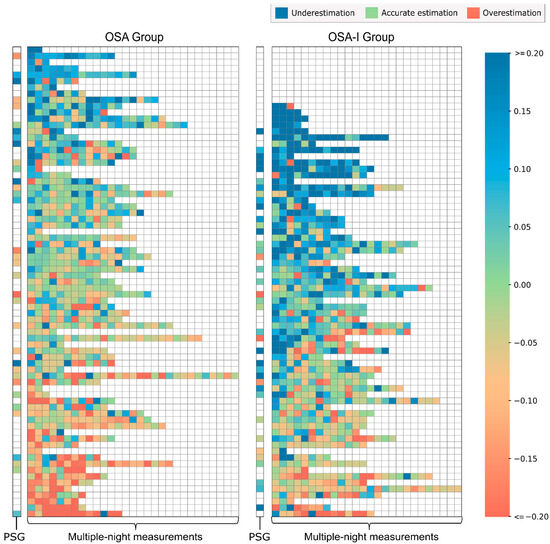
Total sleep time (TST) misperception has been reported in obstructive sleep apnea (OSA). However, previous findings on predictors were inconsistent and predominantly relied on single-night polysomnography, which may alter patients’ sleep perception. We leveraged advances in wearable sleep staging to investigate predictors of TST misperception in OSA over multiple nights in the home environment. The study included 141 patients with OSA, 75 without insomnia symptoms (OSA group), and 66 with insomnia symptoms (OSA-I group). Objective TST was measured using a previously validated wrist-worn photoplethysmography and accelerometry device. Self-reported TST was assessed using a digital sleep diary. TST misperception was quantified with the misperception index (MI), calculated as (objective − self-reported TST)/objective TST. MI values differed significantly between the OSA (median = −0.02, IQR = [−0.06, 0.02]) and the OSA-I group (0.05, [−0.02, 0.13], p < 0.001). Multilevel modeling revealed that the presence of insomnia symptoms (β = 0.070, p < 0.001) and lower daily reported sleep quality (β = −0.229, p < 0.001) were predictive of higher MI (TST underestimation), while a higher apnea–hypopnea index (AHI) was predictive of lower MI (TST overestimation; β = −0.001, p = 0.006). Thus, insomnia symptoms and AHI are associated with TST misperception in OSA patients, but in opposite directions. This association extends over multiple nights in the home environment.
Full article
(This article belongs to the Section Disorders)
►▼
Show Figures

Figure 1
Highly Accessed Articles
Latest Books
E-Mail Alert
News
Topics
Topic in
Brain Sciences, Clocks & Sleep, Neurology International, NeuroSci
Translational Advances in Neurodegenerative Dementias, Second Edition
Topic Editors: Francesco Di Lorenzo, Annibale AntonioniDeadline: 30 September 2026
Conferences
Special Issues
Special Issue in
Clocks & Sleep
Updates in Narcolepsy and Related Disorders
Guest Editors: Hrayr P. Attarian, Eun Yeon Joo, Bharati PrasadDeadline: 30 June 2025
Special Issue in
Clocks & Sleep
The Circadian Rhythm Research in Infants and Young Children
Guest Editor: Teruhisa MiikeDeadline: 31 August 2025
Special Issue in
Clocks & Sleep
New Advances in Shift Work
Guest Editor: Eva SchernhammerDeadline: 30 September 2025
Special Issue in
Clocks & Sleep
Emerging Trends in Obstructive Sleep Apnea
Guest Editor: Ali Albert el-SolhDeadline: 31 October 2025
Topical Collections
Topical Collection in
Clocks & Sleep
Featured Papers from Australasian Chronobiology Society
Collection Editors: Sean Cain, Elise McGlashan