

Journal Description
Computers
Computers
is an international, scientific, peer-reviewed, open access journal of computer science, including computer and network architecture and computer–human interaction as its main foci, published monthly online by MDPI.
- Open Access— free for readers, with article processing charges (APC) paid by authors or their institutions.
- High Visibility: indexed within Scopus, ESCI (Web of Science), dblp, Inspec, and other databases.
- Journal Rank: JCR - Q2 (Computer Science, Interdisciplinary Applications) / CiteScore - Q2 (Computer Networks and Communications)
- Rapid Publication: manuscripts are peer-reviewed and a first decision is provided to authors approximately 15.5 days after submission; acceptance to publication is undertaken in 3.8 days (median values for papers published in this journal in the second half of 2024).
- Recognition of Reviewers: reviewers who provide timely, thorough peer-review reports receive vouchers entitling them to a discount on the APC of their next publication in any MDPI journal, in appreciation of the work done.
Impact Factor:
2.6 (2023);
5-Year Impact Factor:
2.4 (2023)
Latest Articles
LAVID: A Lightweight and Autonomous Smart Camera System for Urban Violence Detection and Geolocation
Computers 2025, 14(4), 140; https://doi.org/10.3390/computers14040140 (registering DOI) - 7 Apr 2025
Abstract
With the rise of digital video technologies and the proliferation of processing methods and storage systems, video-surveillance systems have received increasing attention over the last decade. However, the spread of cameras installed in public and private spaces makes it more difficult for human
[...] Read more.
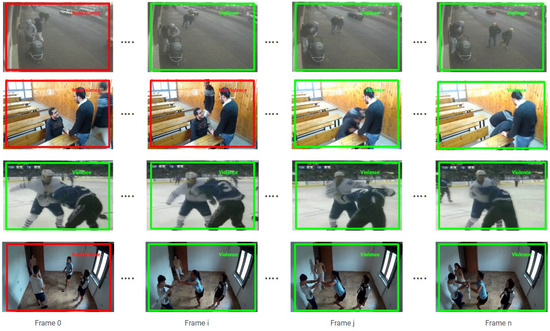
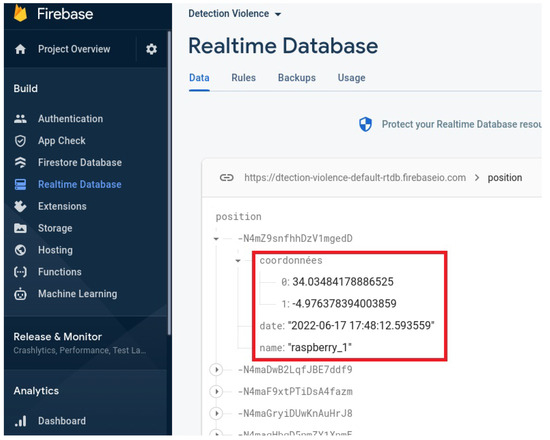
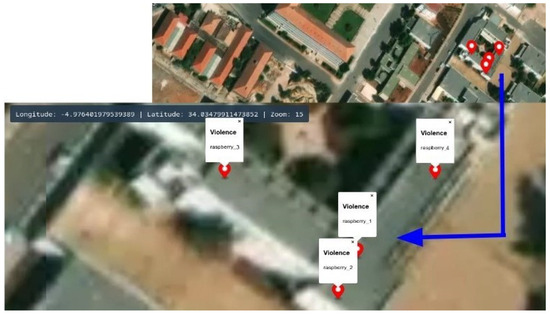
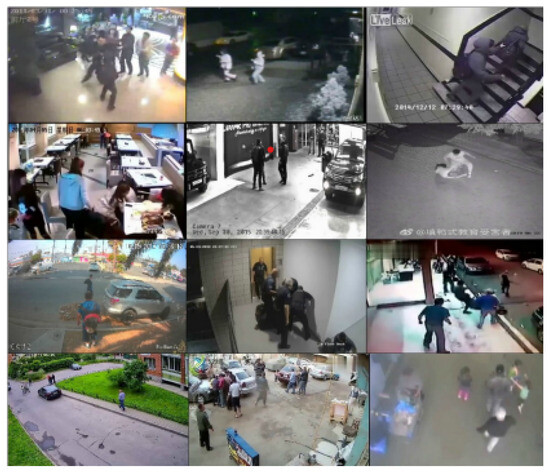
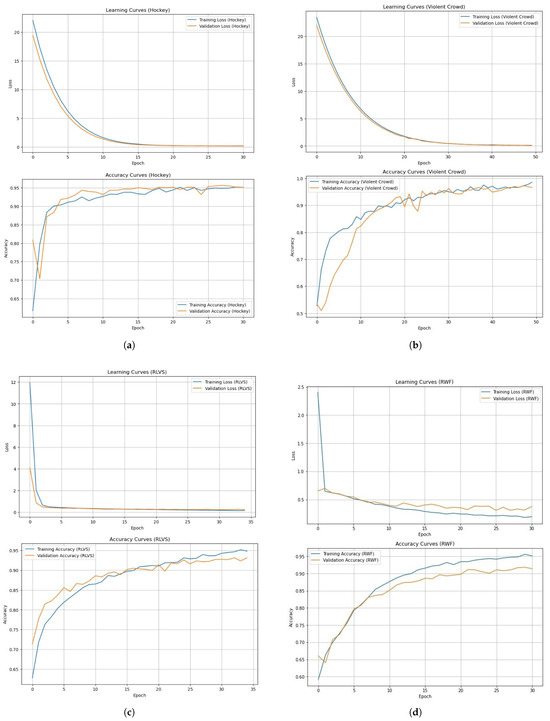
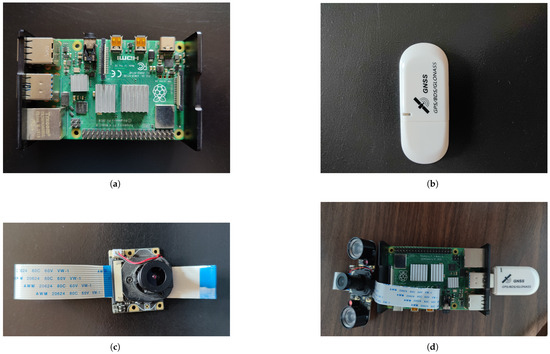
With the rise of digital video technologies and the proliferation of processing methods and storage systems, video-surveillance systems have received increasing attention over the last decade. However, the spread of cameras installed in public and private spaces makes it more difficult for human operators to perform real-time analysis of the large amounts of data produced by surveillance systems. Due to the advancement of artificial intelligence methods, many automatic video analysis tasks like violence detection have been studied from a research perspective, and are even beginning to be commercialized in industrial solutions. Nevertheless, most of these solutions adopt centralized architectures with costly servers utilized to process streaming videos sent from different cameras. Centralized architectures do not present the ideal solution due to the high cost, processing time issues, and network bandwidth overhead. In this paper, we propose a lightweight autonomous system for the detection and geolocation of violent acts. Our proposed system, named LAVID, is based on a depthwise separable convolution model (DSCNN) combined with a bidirectional long-short-term memory network (BiLSTM) and implemented on a lightweight smart camera. We provide in this study a lightweight video-surveillance system consisting of low-cost autonomous smart cameras that are capable of detecting and identifying harmful behavior and geolocate violent acts that occur over a covered area in real-time. Our proposed system, implemented using Raspberry Pi boards, represents a cost-effective solution with interoperability features making it an ideal IoT solution to be integrated with other smart city infrastructure. Furthermore, our approach, implemented using optimized deep learning models and evaluated on several public datasets, has shown good results in term of accuracy compared to state of the art methods while optimizing reducing power and computational requirements.
Full article
(This article belongs to the Section Internet of Things (IoT) and Industrial IoT)
►
Show Figures
Open AccessArticle
Microhooks: A Novel Framework to Streamline the Development of Microservices
by
Omar Iraqi, Mohamed El Kadiri El Hassani and Anass Zouine
Computers 2025, 14(4), 139; https://doi.org/10.3390/computers14040139 (registering DOI) - 7 Apr 2025
Abstract
►▼
Show Figures
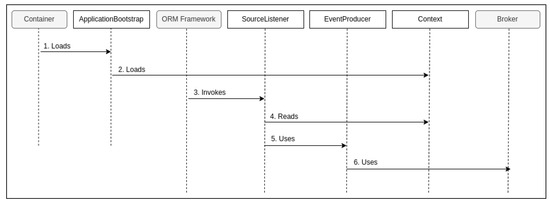
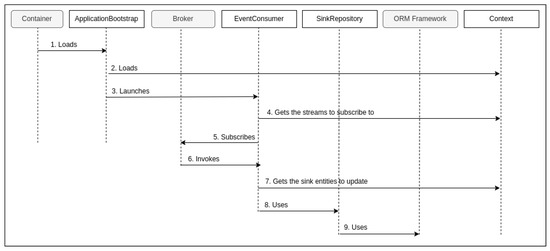
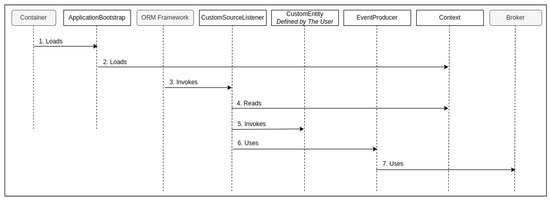
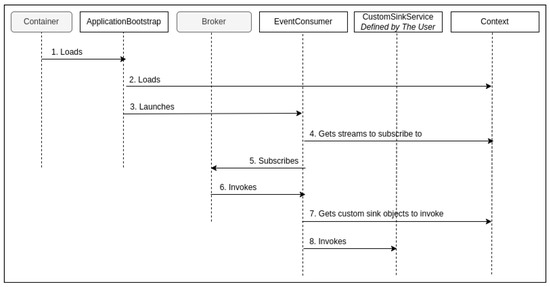
The microservices architectural style has gained widespread adoption in recent years thanks to its ability to deliver high scalability and maintainability. However, the development process for microservices-based applications can be complex and challenging. Indeed, it often requires developers to manage a large number
[...] Read more.
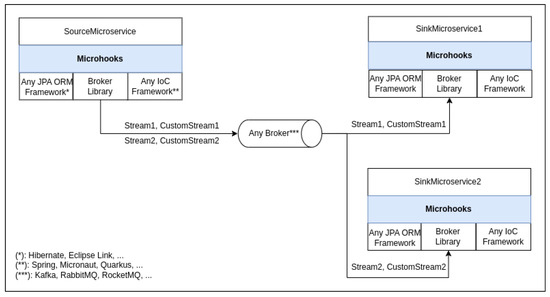
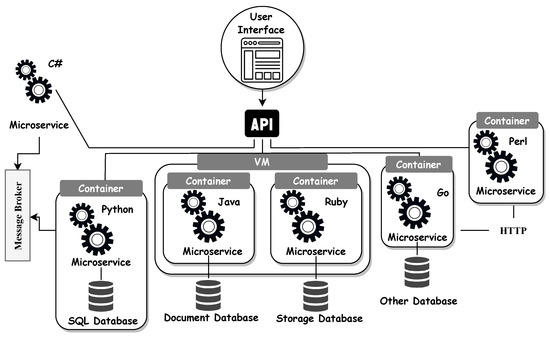
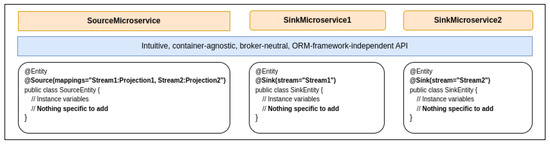
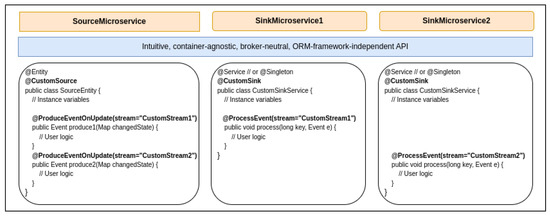
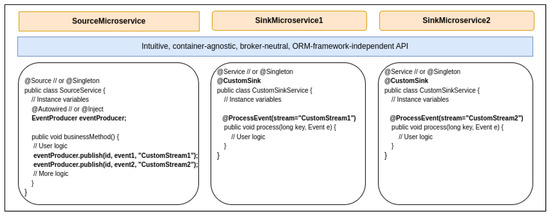
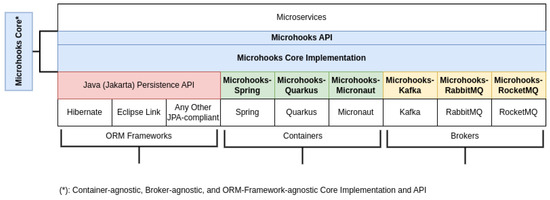
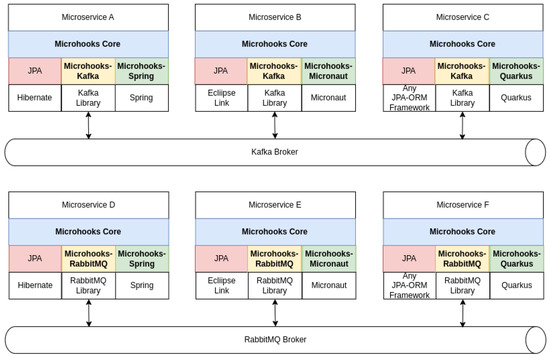
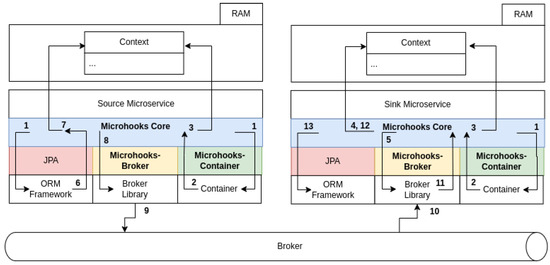
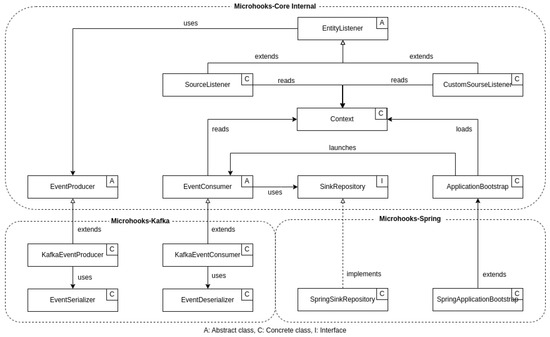
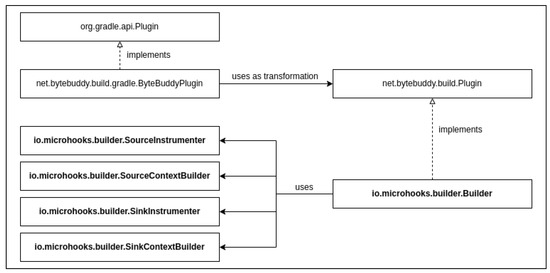
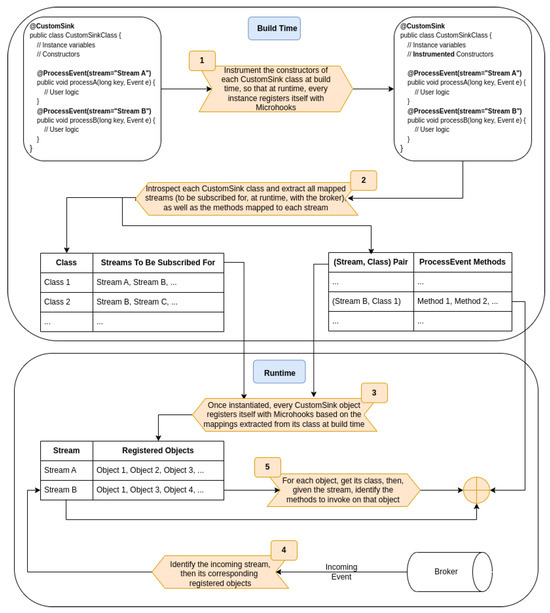
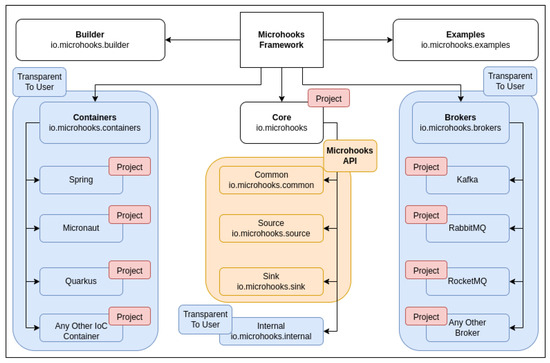
The microservices architectural style has gained widespread adoption in recent years thanks to its ability to deliver high scalability and maintainability. However, the development process for microservices-based applications can be complex and challenging. Indeed, it often requires developers to manage a large number of distributed components with the burden of handling low-level, recurring needs, such as inter-service communication, brokering, event management, and data replication. In this article, we present Microhooks: a novel framework designed to streamline the development of microservices by allowing developers to focus on their business logic while declaratively expressing the so-called low-level needs. Based on the inversion of control and the materialized view patterns, among others, our framework automatically generates and injects the corresponding artifacts, leveraging 100% build time code introspection and instrumentation, as well as context building, for optimized runtime performance. We provide the first implementation for the Java world, supporting the most popular containers and brokers, and adhering to the standard Java/Jakarta Persistence API. From the user perspective, Microhooks exposes an intuitive, container-agnostic, broker-neutral, and ORM framework-independent API. Microhooks evaluation against state-of-the-art practices has demonstrated its effectiveness in drastically reducing code size and complexity, without incurring any considerable cost on performance. Based on such promising results, we believe that Microhooks has the potential to become an essential component of the microservices development ecosystem.
Full article

Figure 1
Open AccessArticle
Optimal Selection of Sampling Rates and Mother Wavelet for an Algorithm to Classify Power Quality Disturbances
by
Jonatan A. Medina-Molina, Enrique Reyes-Archundia, José A. Gutiérrez-Gnecchi, Javier A. Rodríguez-Herrejón, Marco V. Chávez-Báez, Juan C. Olivares-Rojas and Néstor F. Guerrero-Rodríguez
Computers 2025, 14(4), 138; https://doi.org/10.3390/computers14040138 (registering DOI) - 6 Apr 2025
Abstract
The introduction of renewable energy sources, distributed energy systems, and power electronics equipment has led to the emergence of the Smart Grid. However, these developments have also caused the worsening of power quality. Selecting the correct sampling frequency and feature extraction techniques are
[...] Read more.
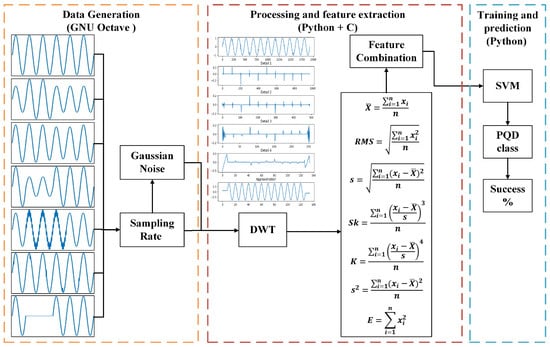
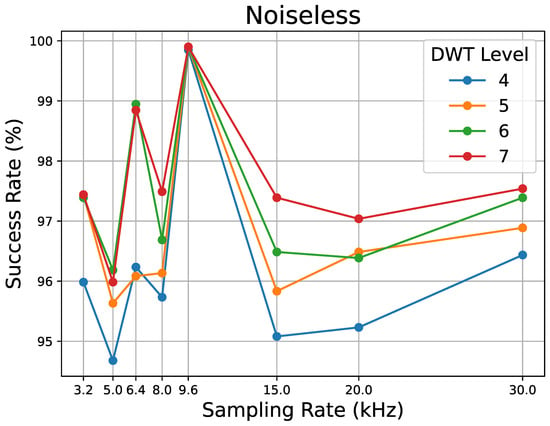
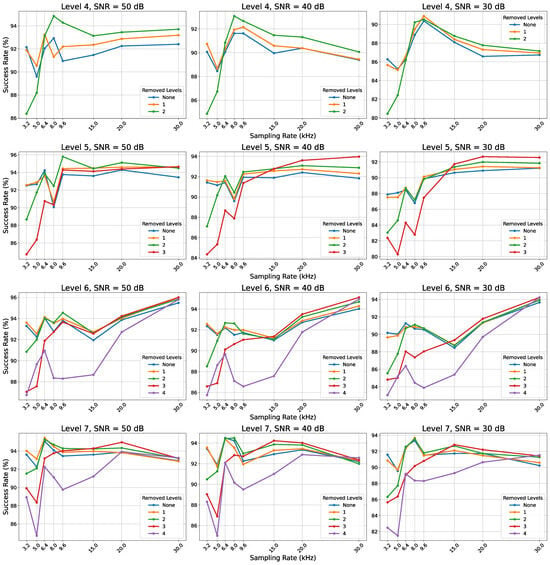
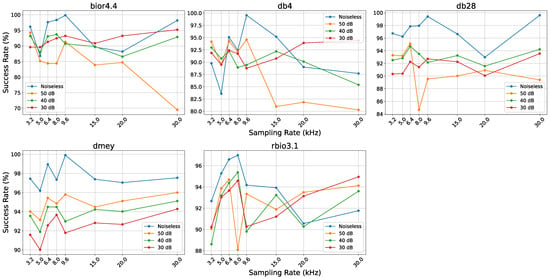
The introduction of renewable energy sources, distributed energy systems, and power electronics equipment has led to the emergence of the Smart Grid. However, these developments have also caused the worsening of power quality. Selecting the correct sampling frequency and feature extraction techniques are essential for appropriately analyzing power quality disturbances. This work compares the performance of an algorithm based on a Support Vector Machine and Discrete Wavelet Transform for the classification of power quality disturbances using eight sampling rates and five different mother wavelets. The algorithm was tested in noisy and noiseless scenarios to show the methodology. The results indicate that a success rate of 99.9% is obtained for the noiseless signals using a sampling rate of 9.6 kHz and 95.2% for signals with a signal-to-noise ratio of 30 dB with a sampling rate of 30 kHz.
Full article
(This article belongs to the Special Issue Artificial Intelligence-Driven Innovations in Resilient Energy Systems)
►▼
Show Figures

Figure 1
Open AccessArticle
Quantum Testing of Recommender Algorithms on GPU-Based Quantum Simulators
by
Chenxi Liu, W. Bernard Lee and Anthony G. Constantinides
Computers 2025, 14(4), 137; https://doi.org/10.3390/computers14040137 (registering DOI) - 6 Apr 2025
Abstract
►▼
Show Figures
This study explores the application of quantum computing in asset management, focusing on the use of the Quantum Approximate Optimization Algorithm (QAOA) to solve specific classes of financial asset recommendation problems. While quantum computing holds promise for combinatorial optimization tasks, its application to
[...] Read more.
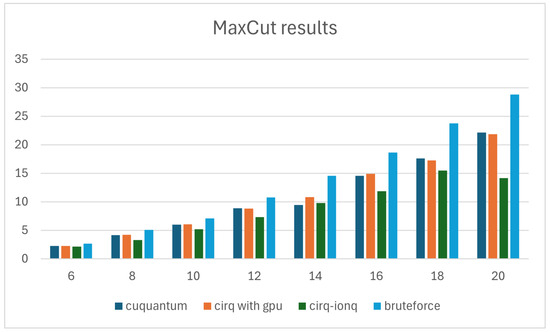
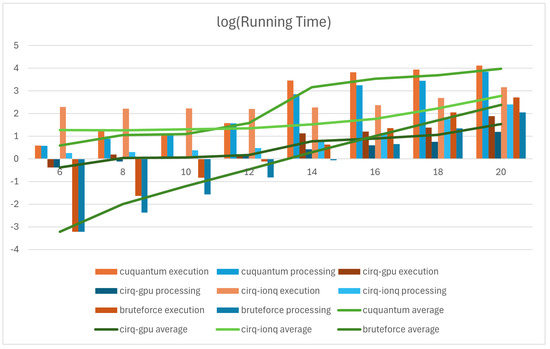
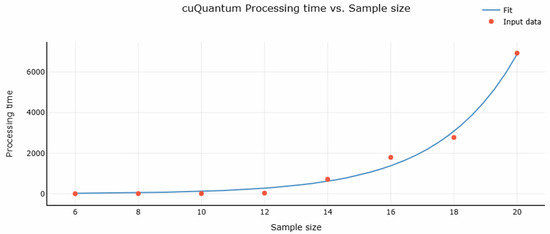
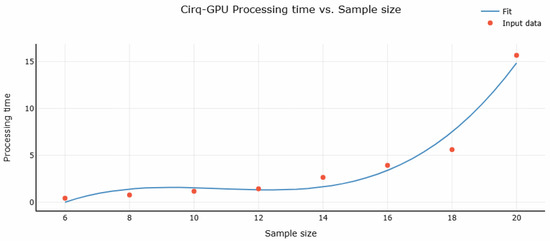
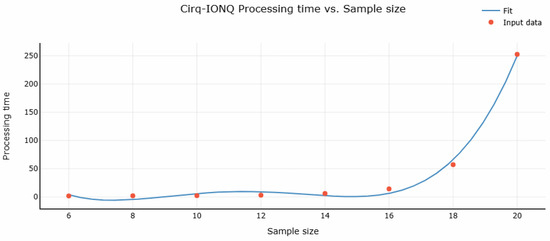
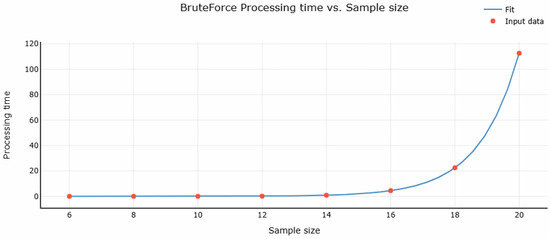
This study explores the application of quantum computing in asset management, focusing on the use of the Quantum Approximate Optimization Algorithm (QAOA) to solve specific classes of financial asset recommendation problems. While quantum computing holds promise for combinatorial optimization tasks, its application to portfolio management faces significant challenges in scalability for practical implementations. In this work, we model the problem using a graph representation where nodes represent investors, and edges reflect significant similarities in asset choices. We test the proposed method using quantum simulators, including cuQuantum, Cirq-GPU, and Cirq with IonQ, and compare the performance of quantum optimization against classical brute-force methods. Our results suggest that quantum algorithms may offer computational advantages for certain use cases, though classical heuristics also provide competitive performance for smaller datasets. This study contributes to the ongoing investigation into the potential of quantum computing for real-time financial decision-making, providing insights into both its applicability and limitations in asset management for larger and more complex investor datasets.
Full article

Figure 1
Open AccessArticle
Digital Twins and the Stendhal Syndrome
by
Franco Niccolucci and Achille Felicetti
Computers 2025, 14(4), 136; https://doi.org/10.3390/computers14040136 (registering DOI) - 6 Apr 2025
Abstract
►▼
Show Figures
The “Stendhal Syndrome” mentioned in the title refers to the first (early 19th century) documented perception of the role of intangible aspects in characterising cultural heritage. This paper addresses the semantic organisation of data concerning the digital documentation of cultural heritage, considering its
[...] Read more.
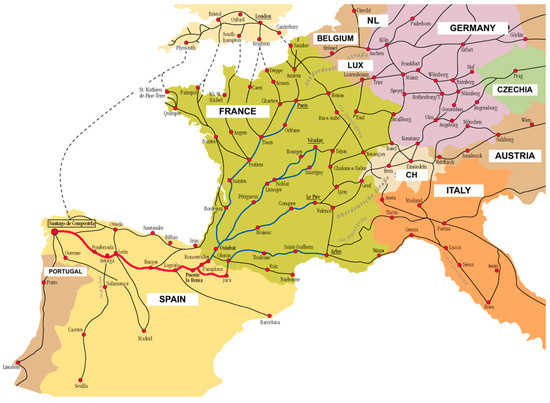
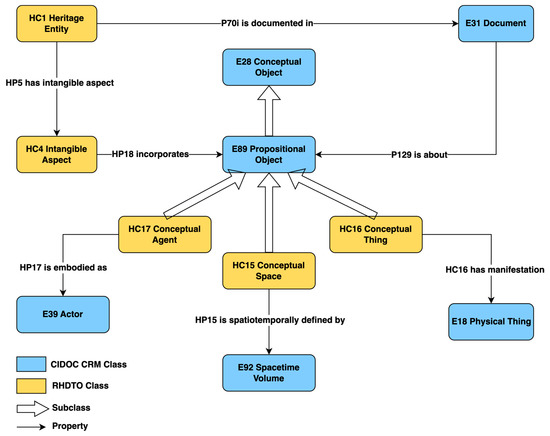
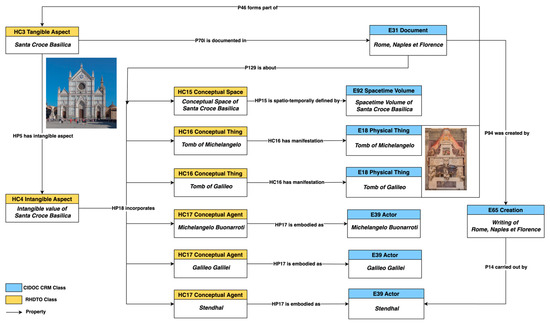
The “Stendhal Syndrome” mentioned in the title refers to the first (early 19th century) documented perception of the role of intangible aspects in characterising cultural heritage. This paper addresses the semantic organisation of data concerning the digital documentation of cultural heritage, considering its intangible dimension in the framework of Digital Twins. The intangible component was one of the aspects motivating the need of setting up the Heritage Digital Twin (HDT) ontology and its extensions, published in a series of papers since early 2023. In this paper, we analyse how places, persons, and things may give value to a heritage asset, being linked to and supporting its intrinsic cultural significance. This development stems from the consideration of heritage studies and research carried out by scholars and organisations such as UNESCO and ICOMOS, which underline the paramount role of the intangible component in defining heritage assets. The paper then expands the previous semantic structure of the Heritage Digital Twin ontology as concerns the intangible aspects of a heritage asset, extending the HDT concepts by defining new classes and properties related to its intangible component. These are discussed in various cases concerning places, monuments, objects, and persons, and fully developed in examples.
Full article

Figure 1
Open AccessArticle
Enhancing Cryptographic Solutions for Resource-Constrained RFID Assistive Devices: Implementing a Resource-Efficient Field Montgomery Multiplier
by
Atef Ibrahim and Fayez Gebali
Computers 2025, 14(4), 135; https://doi.org/10.3390/computers14040135 (registering DOI) - 6 Apr 2025
Abstract
Radio Frequency Identification (RFID) assistive systems, which integrate RFID devices with IoT technologies, are vital for enhancing the independence, mobility, and safety of individuals with disabilities. These systems enable applications such as RFID navigation for blind users and RFID-enabled canes that provide real-time
[...] Read more.
Radio Frequency Identification (RFID) assistive systems, which integrate RFID devices with IoT technologies, are vital for enhancing the independence, mobility, and safety of individuals with disabilities. These systems enable applications such as RFID navigation for blind users and RFID-enabled canes that provide real-time location data. Central to these systems are resource-constrained RFID devices that rely on RFID tags to collect and transmit data, but their limited computational capabilities make them vulnerable to cyberattacks, jeopardizing user safety and privacy. Implementing the Elliptic Curve Cryptography (ECC) algorithm is essential to mitigate these risks; however, its high computational complexity exceeds the capabilities of these devices. The fundamental operation of ECC is finite field multiplication, which is crucial for securing data. Optimizing this operation allows ECC computations to be executed without overloading the devices’ limited resources. Traditional multiplication designs are often unsuitable for such devices due to their excessive area and energy requirements. Therefore, this work tackles these challenges by proposing an efficient and compact field multiplier design optimized for the Montgomery multiplication algorithm, a widely used method in cryptographic applications. The proposed design significantly reduces both space and energy consumption while maintaining computational performance, making it well-suited for resource-constrained environments. ASIC synthesis results demonstrate substantial improvements in key metrics, including area, power consumption, Power-Delay Product (PDP), and Area-Delay Product (ADP), highlighting the multiplier’s efficiency and practicality. This innovation enables the implementation of ECC on RFID assistive devices, enhancing their security and reliability, thereby allowing individuals with disabilities to engage with assistive technologies more safely and confidently.
Full article
(This article belongs to the Special Issue Wearable Computing and Activity Recognition)
Open AccessArticle
Real-Time Overhead Power Line Component Detection on Edge Computing Platforms
by
Nico Surantha
Computers 2025, 14(4), 134; https://doi.org/10.3390/computers14040134 (registering DOI) - 5 Apr 2025
Abstract
Regular inspection of overhead power line (OPL) systems is required to detect damage early and ensure the efficient and uninterrupted transmission of high-voltage electric power. In the past, these checks were conducted utilizing line crawling, inspection robots, and a helicopter. Yet, these traditional
[...] Read more.
Regular inspection of overhead power line (OPL) systems is required to detect damage early and ensure the efficient and uninterrupted transmission of high-voltage electric power. In the past, these checks were conducted utilizing line crawling, inspection robots, and a helicopter. Yet, these traditional solutions are slow, costly, and hazardous. Advancements in drones, edge computing platforms, deep learning, and high-resolution cameras may enable real-time OPL inspections using drones. Some research has been conducted on OPL inspection with autonomous drones. However, it is essential to explore how to achieve real-time OPL component detection effectively and efficiently. In this paper, we report our research on OPL component detection on edge computing devices. The original OPL dataset is generated in this study. In this paper, we evaluate the detection performance with several sizes of training datasets. We also implement simple data augmentation to extend the size of datasets. The performance of the YOLOv7 model is also evaluated on several edge computing platforms, such as Raspberry Pi 4B, Jetson Nano, and Jetson Orin Nano. The model quantization method is used to improve the real-time performance of the detection model. The simulation results show that the proposed YOLOv7 model can achieve mean average precision (mAP) over 90%. While the hardware evaluation shows the real-time detection performance can be achieved in several circumstances.
Full article
(This article belongs to the Special Issue Distributed Computing Paradigms for the Internet of Things: Exploring Cloud, Edge, and Fog Solutions)
Open AccessReview
The Ontology-Based Mapping of Microservice Identification Approaches: A Systematic Study of Migration Strategies from Monolithic to Microservice Architectures
by
Idris Oumoussa and Rajaa Saidi
Computers 2025, 14(4), 133; https://doi.org/10.3390/computers14040133 (registering DOI) - 5 Apr 2025
Abstract
The Microservice Architecture Style (MSA) has emerged as a significant computing paradigm in software engineering, with companies increasingly restructuring their monolithic systems to enhance digital performance and competitiveness. However, the migration process, particularly the microservice identification phase, presents complex challenges that require careful
[...] Read more.
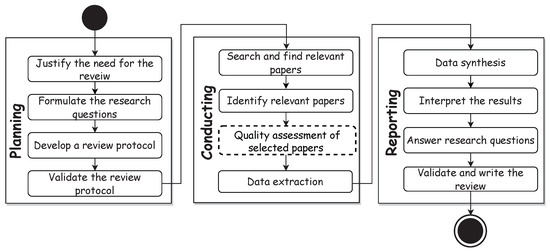
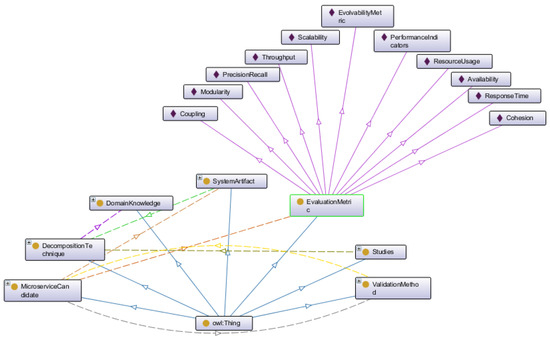
The Microservice Architecture Style (MSA) has emerged as a significant computing paradigm in software engineering, with companies increasingly restructuring their monolithic systems to enhance digital performance and competitiveness. However, the migration process, particularly the microservice identification phase, presents complex challenges that require careful consideration. This study aimed to provide developers and researchers with a practical roadmap for microservice identification during legacy system migration while highlighting crucial migration steps and research requirements. Through a systematic mapping study following Kitchenham and Petersen’s guidelines, we analyzed various microservice identification approaches and developed a middleweight ontology that can be queried for key inputs, data modeling, identification algorithms, and performance evaluation metrics. Our research makes several significant contributions: a comprehensive analysis of existing identification methodologies, a multi-dimensional framework for categorizing and evaluating approaches, an examination of current research trajectories and literature gaps, an ontological framework specifically designed for microservice identification, and an outline of pressing challenges and future research directions. The study concluded that microservice identification remains a significant barrier in system migration efforts, highlighting the need for more research focused on developing effective identification techniques that consider various aspects, including roles and dependencies within a microservice architecture. This comprehensive analysis provides valuable insights for professionals and researchers working on microservice migration projects.
Full article
(This article belongs to the Special Issue Best Practices, Challenges and Opportunities in Software Engineering)
►▼
Show Figures

Figure 1

Open AccessArticle
Scalability and Efficiency Analysis of Hyperledger Fabric and Private Ethereum in Smart Contract Execution
by
Maaz Muhammad Khan, Fahd Sikandar Khan, Muhammad Nadeem, Taimur Hayat Khan, Shahab Haider and Dani Daas
Computers 2025, 14(4), 132; https://doi.org/10.3390/computers14040132 - 3 Apr 2025
Abstract
Blockchain technology has emerged as a transformative solution for secure, immutable, and decentralized data management across diverse domains, including economics, healthcare, and supply chain management. Given its soaring adoption, it is crucial to assess the suitability of various blockchain platforms for specific applications.
[...] Read more.
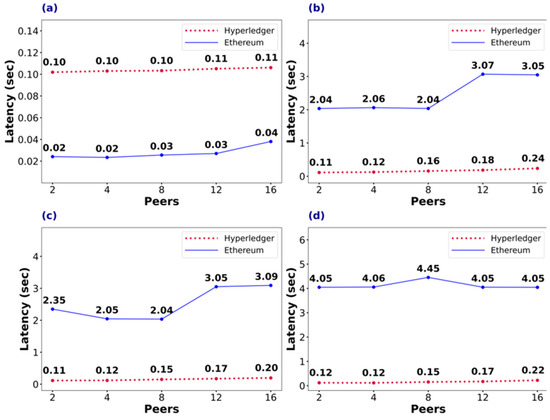
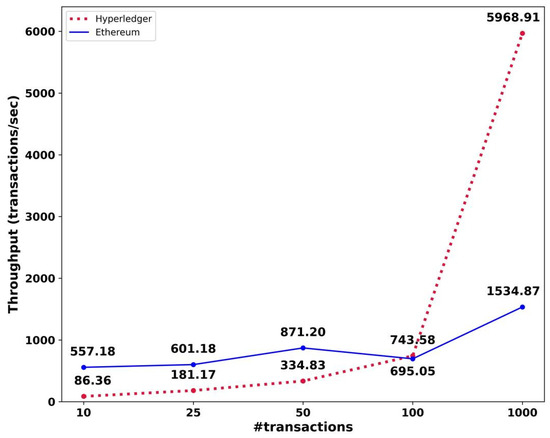
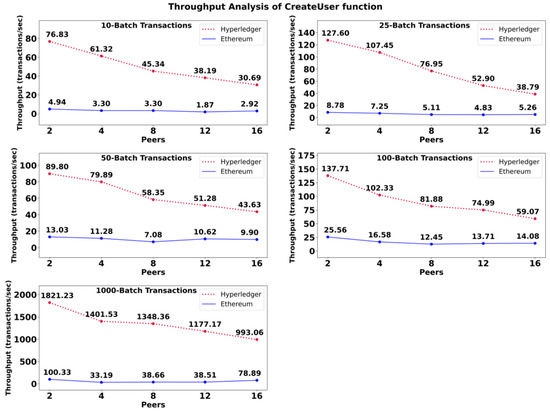
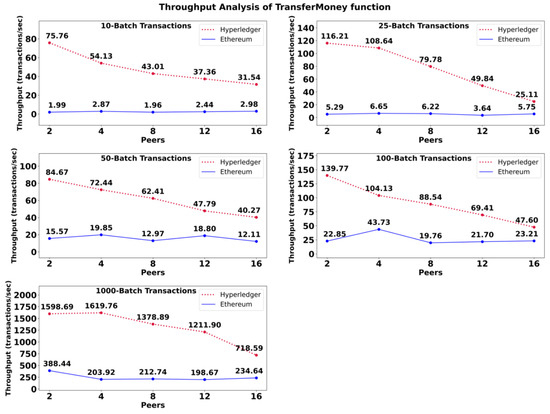
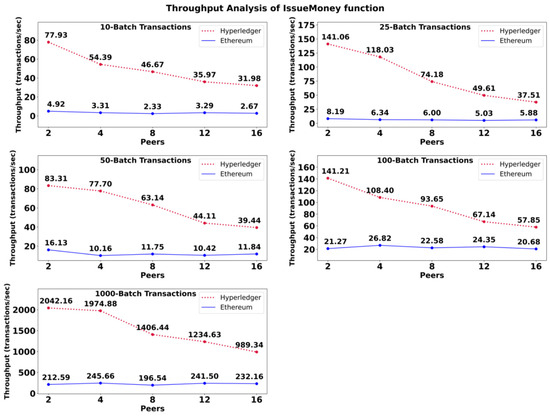
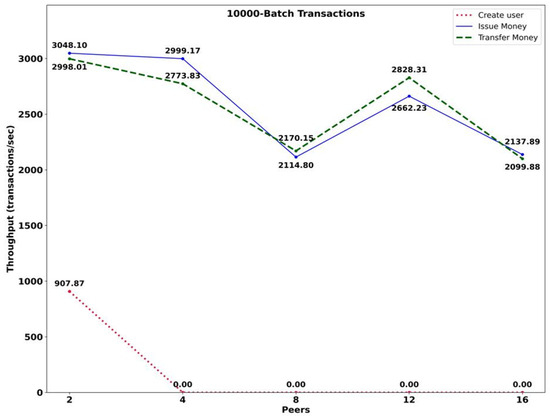
Blockchain technology has emerged as a transformative solution for secure, immutable, and decentralized data management across diverse domains, including economics, healthcare, and supply chain management. Given its soaring adoption, it is crucial to assess the suitability of various blockchain platforms for specific applications. This study evaluates the performance of Hyperledger Fabric (HF) and private Ethereum (Geth) to analyze their scalability (node count), throughput (transactions per second (TPS)), and latency (measured in milliseconds). A benchmarking tool was developed in-house to assess the execution of key smart contract functions—QueryUser, CreateUser, TransferMoney, and IssueMoney—under varying transaction loads (10–1000 transactions) and network sizes (2–16 node count). The results indicate that HF performs significantly better than private Ethereum in terms of invoke functions, achieving up to 5× throughput and up to 26× lower latency. However, private Ethereum excels in query operations because of its account-based ledger model. While Hyperledger Fabric scales efficiently within moderate transaction volumes, it experiences concurrency limitations beyond 1000 transactions, whereas private Ethereum processes up to 10,000 transactions, albeit with performance fluctuations due to gas fees. The findings offer valuable insights into the strengths and tradeoffs of both platforms, informing optimal blockchain selection for enterprise applications that require high transaction efficiency.
Full article
(This article belongs to the Special Issue Next Generation Blockchain, Information Security and Soft Computing for Future IoT Networks)
►▼
Show Figures

Figure 1
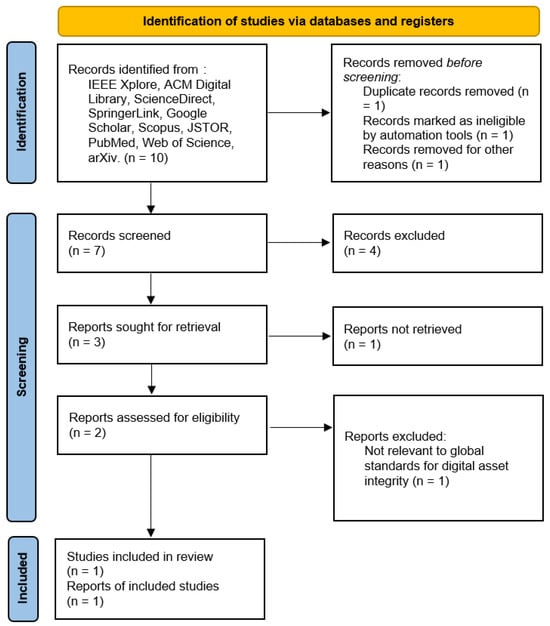
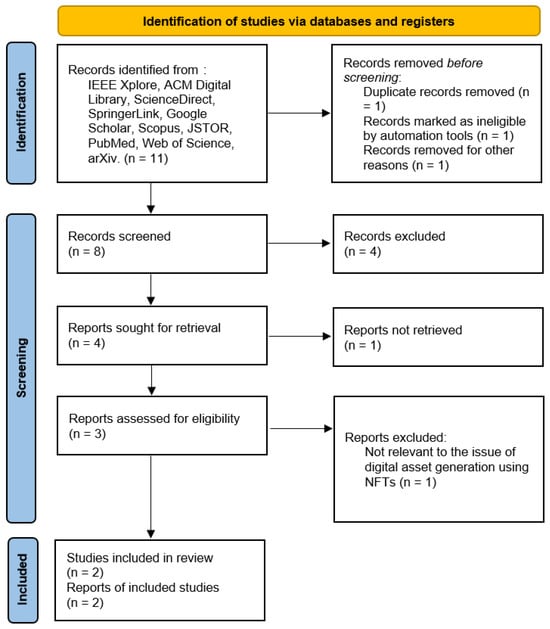
Open AccessReview
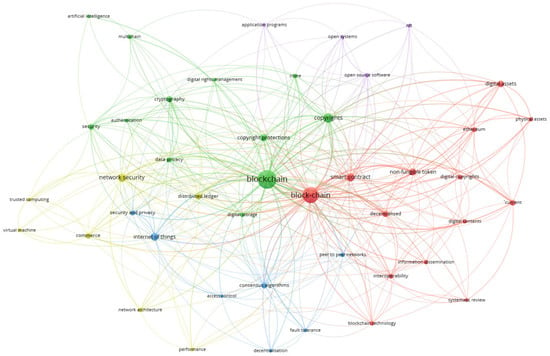
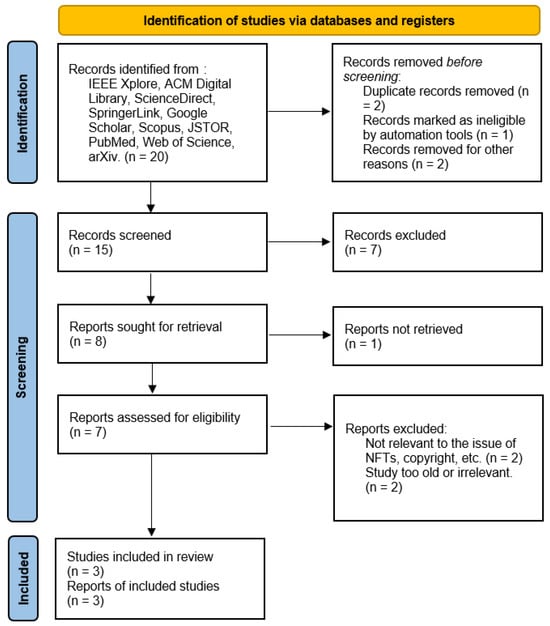
Employing Blockchain, NFTs, and Digital Certificates for Unparalleled Authenticity and Data Protection in Source Code: A Systematic Review
by
Leonardo Juan Ramirez Lopez and Genesis Gabriela Morillo Ledezma
Computers 2025, 14(4), 131; https://doi.org/10.3390/computers14040131 - 2 Apr 2025
Abstract
In higher education, especially in programming-intensive fields like computer science, safeguarding students’ source code is crucial to prevent theft that could impact learning and future careers. Traditional storage solutions like Google Drive are vulnerable to hacking and alterations, highlighting the need for stronger
[...] Read more.
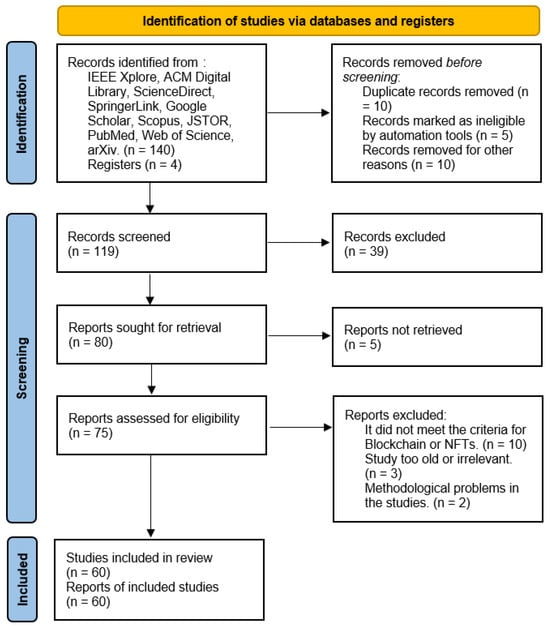
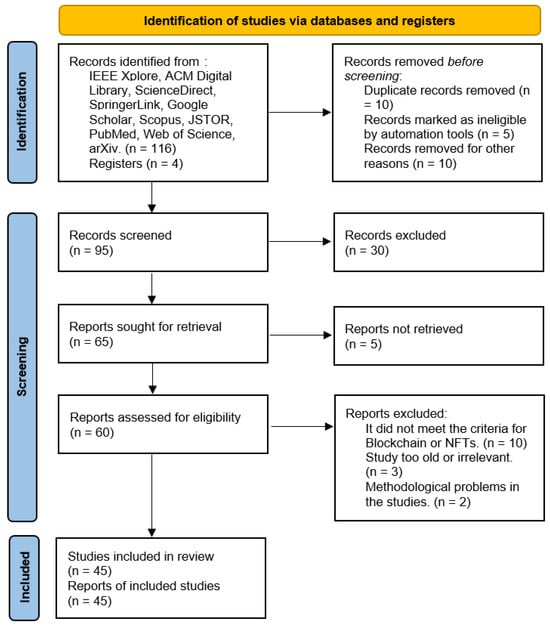
In higher education, especially in programming-intensive fields like computer science, safeguarding students’ source code is crucial to prevent theft that could impact learning and future careers. Traditional storage solutions like Google Drive are vulnerable to hacking and alterations, highlighting the need for stronger protection. This work explores digital technologies that enhance source code security, with a focus on Blockchain and NFTs. Due to Blockchain’s decentralized and immutable nature, NFTs can be used to control code ownership, improving security, traceability, and preventing unauthorized access. This approach effectively addresses existing gaps in protecting academic intellectual property. However, as Bennett et al. highlight, while these technologies have significant potential, challenges remain in large-scale implementation and user acceptance. Despite these hurdles, integrating Blockchain and NFTs presents a promising opportunity to enhance academic integrity. Successful adoption in educational settings may require a more inclusive and innovative strategy.
Full article
(This article belongs to the Section Blockchain Infrastructures and Enabled Applications)
►▼
Show Figures

Figure 1

Open AccessArticle
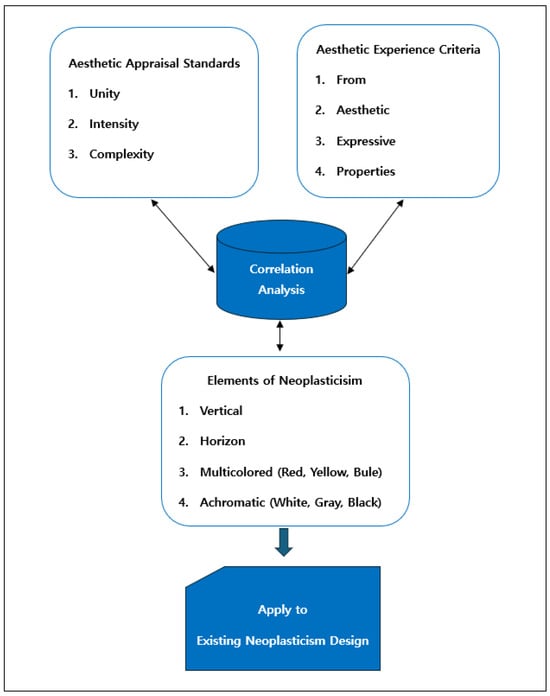
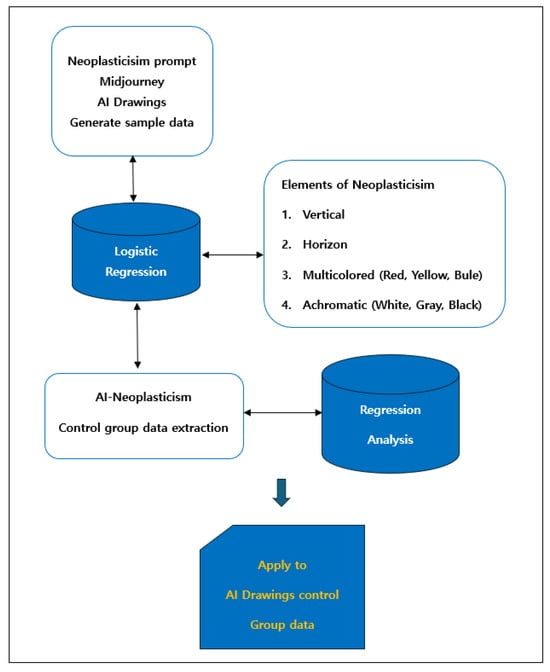
Artificial Intelligence in Neoplasticism: Aesthetic Evaluation and Creative Potential
by
Su Jin Mun and Won Ho Choi
Computers 2025, 14(4), 130; https://doi.org/10.3390/computers14040130 - 2 Apr 2025
Abstract
This research investigates the aesthetic evaluation of AI-generated neoplasticist artworks, exploring how well artificial intelligence systems, specifically Midjourney, replicate the core principles of neoplasticism, such as geometric forms, balance, and color harmony. The background of this study stems from ongoing debates about the
[...] Read more.
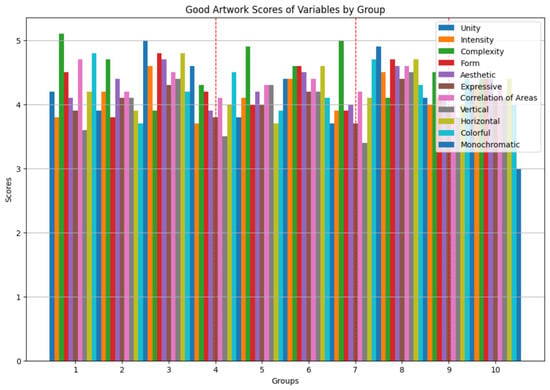
This research investigates the aesthetic evaluation of AI-generated neoplasticist artworks, exploring how well artificial intelligence systems, specifically Midjourney, replicate the core principles of neoplasticism, such as geometric forms, balance, and color harmony. The background of this study stems from ongoing debates about the legitimacy of AI-generated art and how these systems engage with established artistic movements. The purpose of the research is to assess whether AI can produce artworks that meet aesthetic standards comparable to human-created works. The research utilized Monroe C. Beardsley’s aesthetic emotion criteria and Noël Carroll’s aesthetic experience criteria as a framework for evaluating the artworks. A logistic regression analysis was conducted to identify key compositional elements in AI-generated neoplasticist works. The findings revealed that AI systems excelled in areas such as unity, color diversity, and overall artistic appeal but showed limitations in handling monochromatic elements. The implications of this research suggest that while AI can produce high-quality art, further refinement is needed for more subtle aspects of design. This study contributes to understanding the potential of AI as a tool in the creative process, offering insights for both artists and AI developers.
Full article
(This article belongs to the Special Issue AI in Its Ecosystem)
►▼
Show Figures

Figure 1
Open AccessArticle
Strengthening Cybersecurity Resilience: An Investigation of Customers’ Adoption of Emerging Security Tools in Mobile Banking Apps
by
Irfan Riasat, Mahmood Shah and M. Sinan Gonul
Computers 2025, 14(4), 129; https://doi.org/10.3390/computers14040129 - 1 Apr 2025
Abstract
►▼
Show Figures
The rise in internet-based services has raised risks of data exposure. The manipulation and exploitation of sensitive data significantly impact individuals’ resilience—the ability to protect and prepare against cyber incidents. Emerging technologies seek to enhance cybersecurity resilience by developing various security tools. This
[...] Read more.
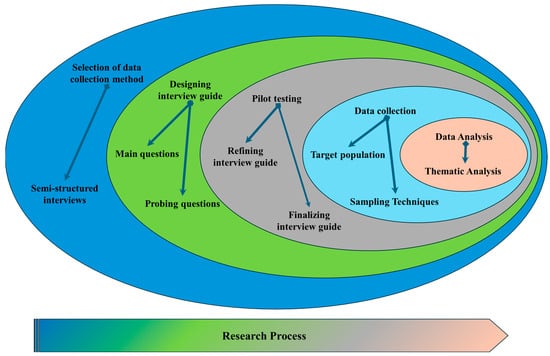
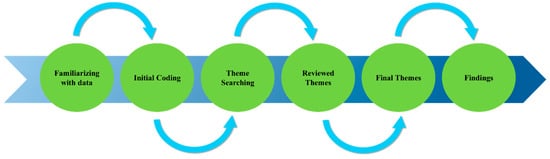
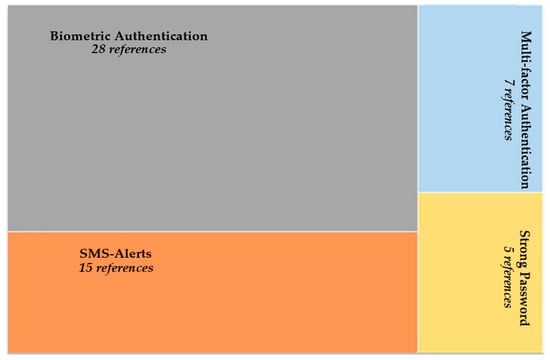
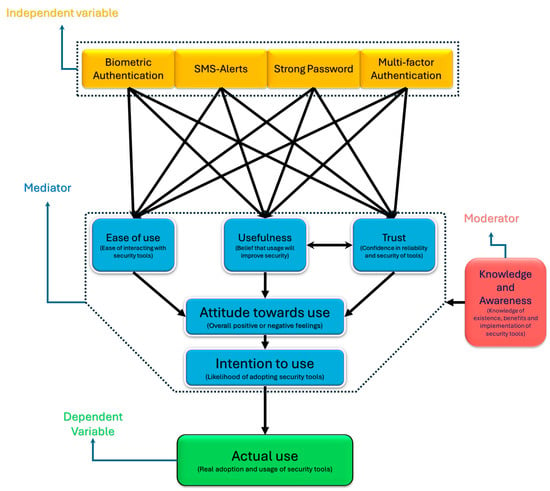
The rise in internet-based services has raised risks of data exposure. The manipulation and exploitation of sensitive data significantly impact individuals’ resilience—the ability to protect and prepare against cyber incidents. Emerging technologies seek to enhance cybersecurity resilience by developing various security tools. This study aims to explore the adoption of security tools using a qualitative research approach. Twenty-two semi-structured interviews were conducted with users of mobile banking apps from Pakistan. Data were analyzed using thematic analysis, which revealed that biometric authentication and SMS alerts are commonly used. Limited use of multifactor authentication has been observed, mainly due to a lack of awareness or implementation knowledge. Passwords are still regarded as a trusted and secure mechanism. The findings indicate that the adoption of security tools is based on perceptions of usefulness, perceived trust, and perceived ease of use, while knowledge and awareness play a moderating role. This study also proposes a framework by extending TAM to include multiple security tools and introducing knowledge and awareness as a moderator influencing users’ perceptions. The findings inform practical implications for financial institutions, application developers, and policymakers to ensure standardized policy to include security tools in online financial platforms, thereby enhancing overall cybersecurity resilience.
Full article

Figure 1
Open AccessArticle
SMS3D: 3D Synthetic Mushroom Scenes Dataset for 3D Object Detection and Pose Estimation
by
Abdollah Zakeri, Bikram Koirala, Jiming Kang, Venkatesh Balan, Weihang Zhu, Driss Benhaddou and Fatima A. Merchant
Computers 2025, 14(4), 128; https://doi.org/10.3390/computers14040128 - 1 Apr 2025
Abstract
The mushroom farming industry struggles to automate harvesting due to limited large-scale annotated datasets and the complex growth patterns of mushrooms, which complicate detection, segmentation, and pose estimation. To address this, we introduce a synthetic dataset with 40,000 unique scenes of white Agaricus
[...] Read more.
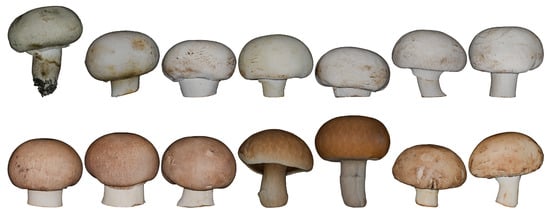
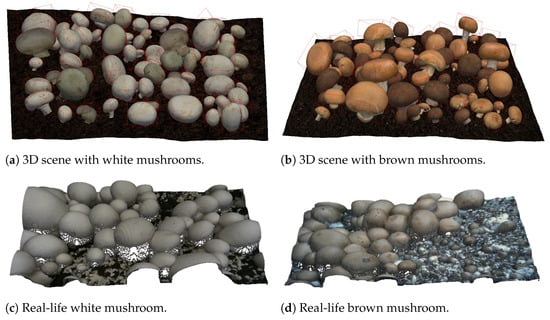
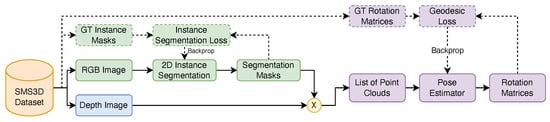
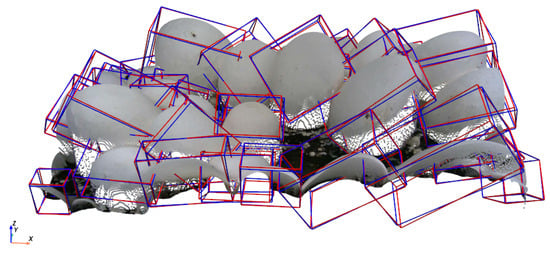
The mushroom farming industry struggles to automate harvesting due to limited large-scale annotated datasets and the complex growth patterns of mushrooms, which complicate detection, segmentation, and pose estimation. To address this, we introduce a synthetic dataset with 40,000 unique scenes of white Agaricus bisporus and brown baby bella mushrooms, capturing realistic variations in quantity, position, orientation, and growth stages. Our two-stage pose estimation pipeline combines 2D object detection and instance segmentation with a 3D point cloud-based pose estimation network using a Point Transformer. By employing a continuous 6D rotation representation and a geodesic loss, our method ensures precise rotation predictions. Experiments show that processing point clouds with 1024 points and the 6D Gram–Schmidt rotation representation yields optimal results, achieving an average rotational error of on synthetic data, surpassing current state-of-the-art methods in mushroom pose estimation. The model, further, generalizes well to real-world data, attaining a mean angle difference of on a subset of the M18K dataset with ground-truth annotations. This approach aims to drive automation in harvesting, growth monitoring, and quality assessment in the mushroom industry.
Full article
(This article belongs to the Special Issue Advanced Image Processing and Computer Vision—2nd Edition)
►▼
Show Figures

Figure 1
Open AccessArticle
Lossless Compression of Malaria-Infected Erythrocyte Images Using Vision Transformer and Deep Autoencoders
by
Md Firoz Mahmud, Zerin Nusrat and W. David Pan
Computers 2025, 14(4), 127; https://doi.org/10.3390/computers14040127 - 1 Apr 2025
Abstract
Lossless compression of medical images allows for rapid image data exchange and faithful recovery of the compressed data for medical image assessment. There are many useful telemedicine applications, for example in diagnosing conditions such as malaria in resource-limited regions. This paper presents a
[...] Read more.
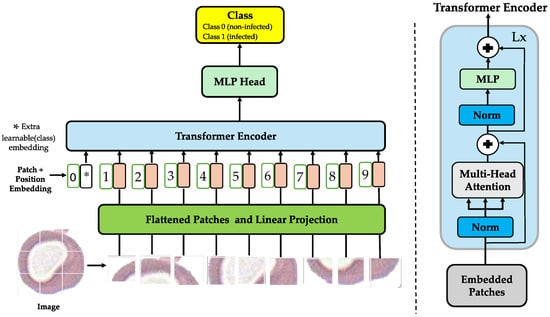
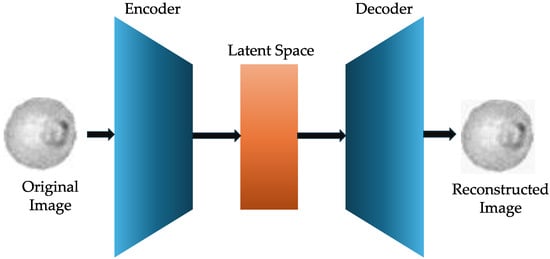
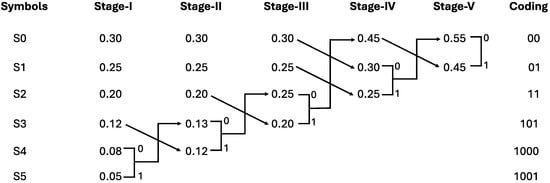
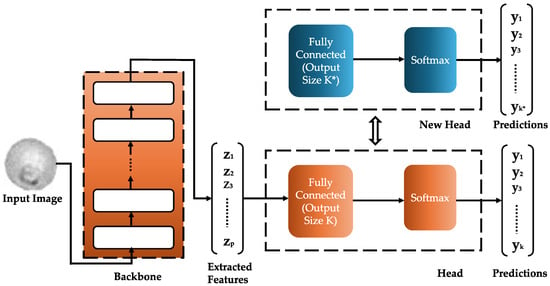
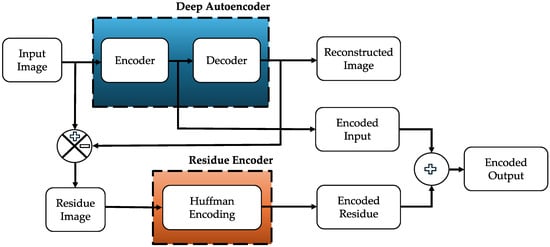
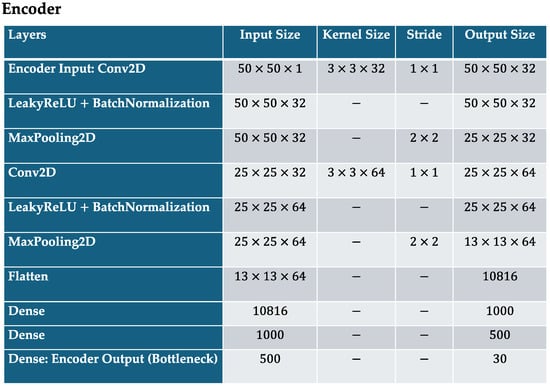
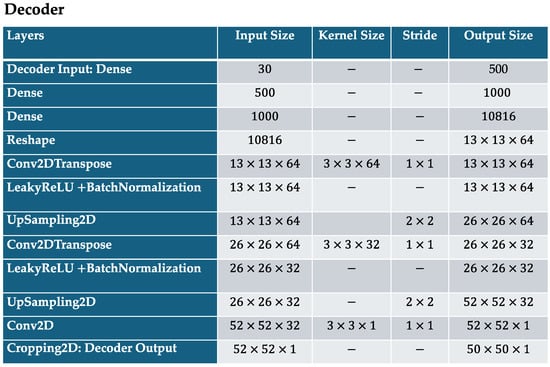
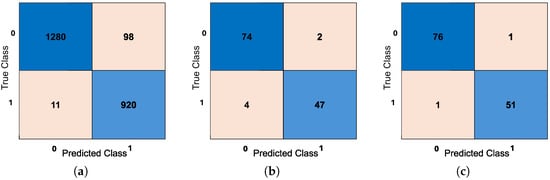
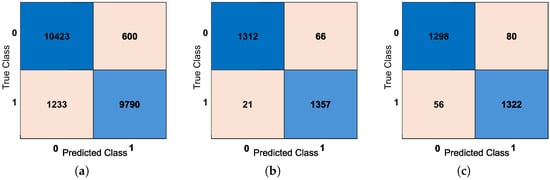
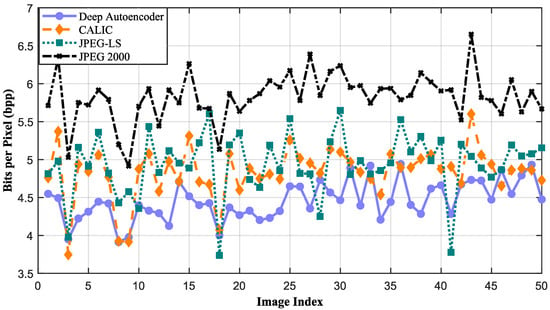
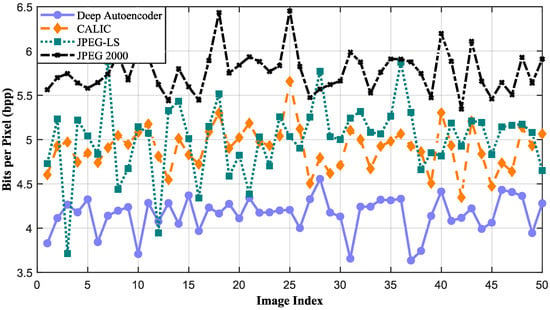
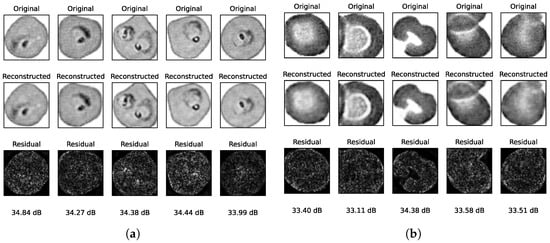
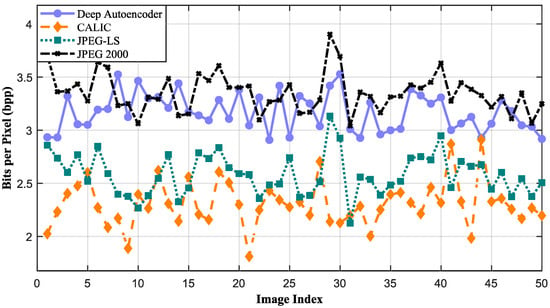
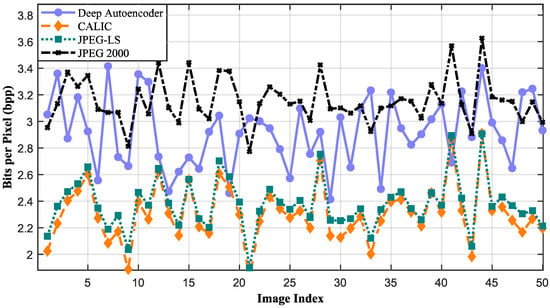
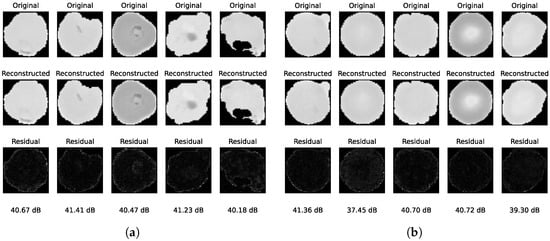
Lossless compression of medical images allows for rapid image data exchange and faithful recovery of the compressed data for medical image assessment. There are many useful telemedicine applications, for example in diagnosing conditions such as malaria in resource-limited regions. This paper presents a novel machine learning-based approach where lossless compression of malaria-infected erythrocyte images is assisted by cutting-edge classifiers. To this end, we first use a Vision Transformer to classify images into two categories: those cells that are infected with malaria and those that are not. We then employ distinct deep autoencoders for each category, which not only reduces the dimensions of the image data but also preserves crucial diagnostic information. To ensure no loss in reconstructed image quality, we further compress the residuals produced by these autoencoders using the Huffman code. Simulation results show that the proposed method achieves lower overall bit rates and thus higher compression ratios than traditional compression schemes such as JPEG 2000, JPEG-LS, and CALIC. This strategy holds significant potential for effective telemedicine applications and can improve diagnostic capabilities in regions impacted by malaria.
Full article
(This article belongs to the Special Issue Applications of Machine Learning and Artificial Intelligence for Healthcare)
►▼
Show Figures

Figure 1

Open AccessArticle
Analyzing Digital Political Campaigning Through Machine Learning: An Exploratory Study for the Italian Campaign for European Union Parliament Election in 2024
by
Paolo Sernani, Angela Cossiri, Giovanni Di Cosimo and Emanuele Frontoni
Computers 2025, 14(4), 126; https://doi.org/10.3390/computers14040126 - 30 Mar 2025
Abstract
The rapid digitalization of political campaigns has reshaped electioneering strategies, enabling political entities to leverage social media for targeted outreach. This study investigates the impact of digital political campaigning during the 2024 EU elections using machine learning techniques to analyze social media dynamics.
[...] Read more.
The rapid digitalization of political campaigns has reshaped electioneering strategies, enabling political entities to leverage social media for targeted outreach. This study investigates the impact of digital political campaigning during the 2024 EU elections using machine learning techniques to analyze social media dynamics. We introduce a novel dataset—Political Popularity Campaign—which comprises social media posts, engagement metrics, and multimedia content from the electoral period. By applying predictive modeling, we estimate key indicators such as post popularity and assess their influence on campaign outcomes. Our findings highlight the significance of micro-targeting practices, the role of algorithmic biases, and the risks associated with disinformation in shaping public opinion. Moreover, this research contributes to the broader discussion on regulating digital campaigning by providing analytical models that can aid policymakers and public authorities in monitoring election compliance and transparency. The study underscores the necessity for robust frameworks to balance the advantages of digital political engagement with the challenges of ensuring fair democratic processes.
Full article
(This article belongs to the Special Issue Machine Learning and Statistical Learning with Applications 2025)
►▼
Show Figures

Figure 1

Open AccessArticle
Introducing a New Genetic Operator Based on Differential Evolution for the Effective Training of Neural Networks
by
Ioannis G. Tsoulos, Vasileios Charilogis and Dimitrios Tsalikakis
Computers 2025, 14(4), 125; https://doi.org/10.3390/computers14040125 - 28 Mar 2025
Abstract
Artificial neural networks are widely established models used to solve a variety of real-world problems in the fields of physics, chemistry, etc. These machine learning models contain a series of parameters that must be appropriately tuned by various optimization techniques in order to
[...] Read more.
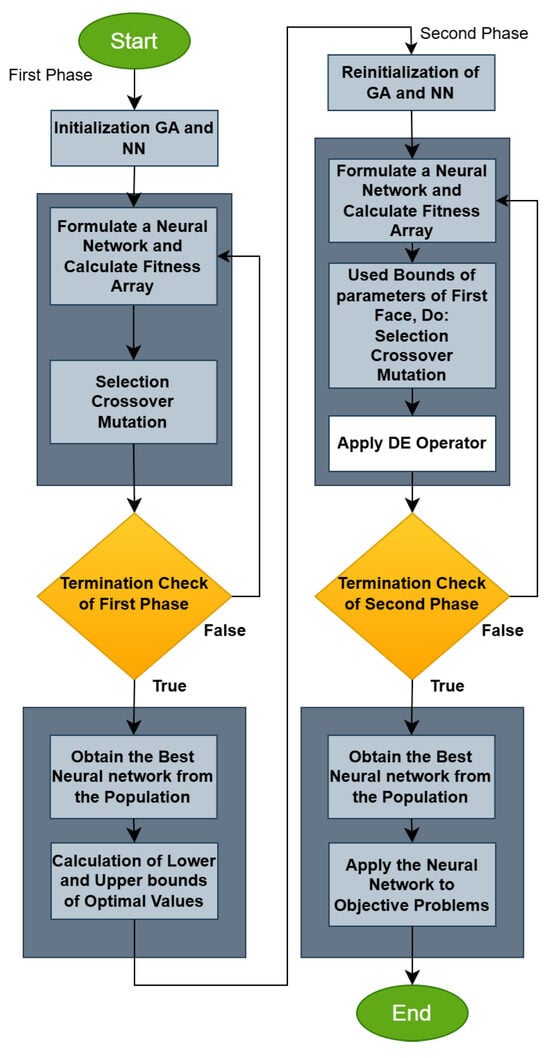
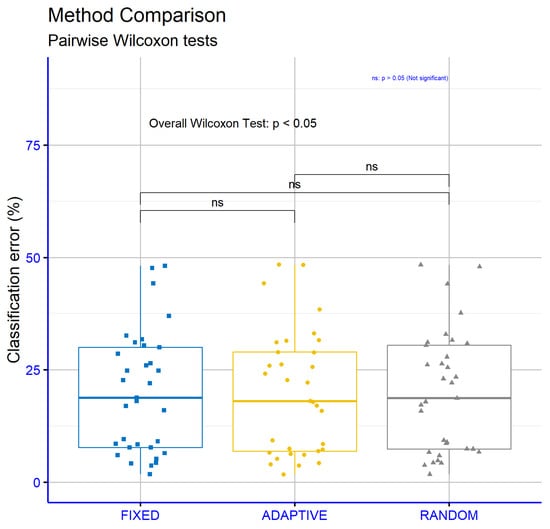
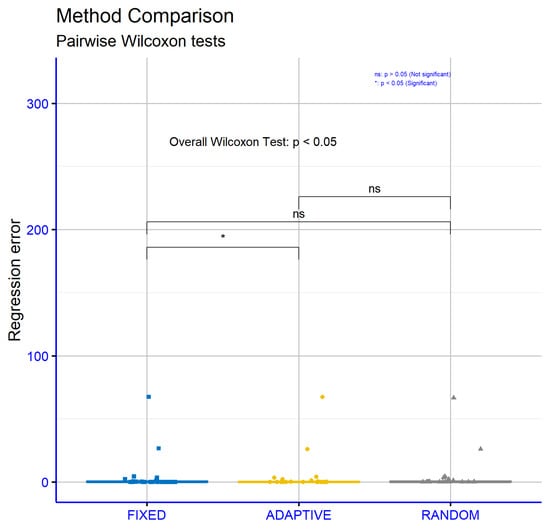
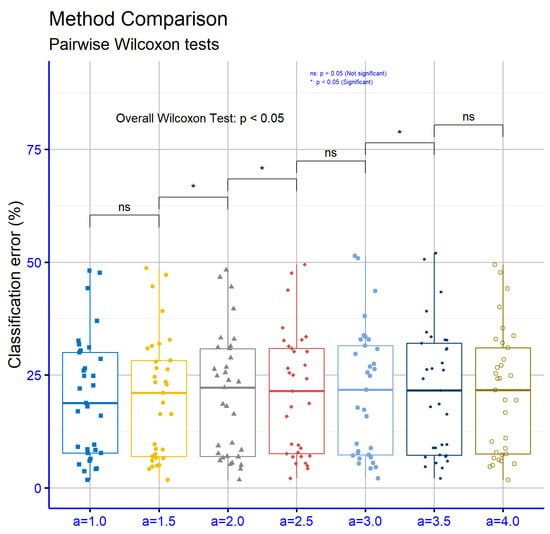
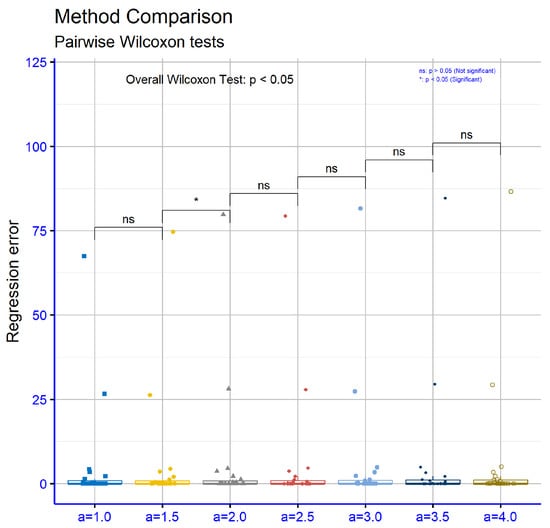
Artificial neural networks are widely established models used to solve a variety of real-world problems in the fields of physics, chemistry, etc. These machine learning models contain a series of parameters that must be appropriately tuned by various optimization techniques in order to effectively address the problems that they face. Genetic algorithms have been used in many cases in the recent literature to train artificial neural networks, and various modifications have been made to enhance this procedure. In this article, the incorporation of a novel genetic operator into genetic algorithms is proposed to effectively train artificial neural networks. The new operator is based on the differential evolution technique, and it is periodically applied to randomly selected chromosomes from the genetic population. Furthermore, to determine a promising range of values for the parameters of the artificial neural network, an additional genetic algorithm is executed before the execution of the basic algorithm. The modified genetic algorithm is used to train neural networks on classification and regression datasets, and the results are reported and compared with those of other methods used to train neural networks.
Full article
(This article belongs to the Special Issue Emerging Trends in Machine Learning and Artificial Intelligence)
►▼
Show Figures

Figure 1

Open AccessReview
Advances in Federated Learning: Applications and Challenges in Smart Building Environments and Beyond
by
Mohamed Rafik Aymene Berkani, Ammar Chouchane, Yassine Himeur, Abdelmalik Ouamane, Sami Miniaoui, Shadi Atalla, Wathiq Mansoor and Hussain Al-Ahmad
Computers 2025, 14(4), 124; https://doi.org/10.3390/computers14040124 - 27 Mar 2025
Abstract
►▼
Show Figures
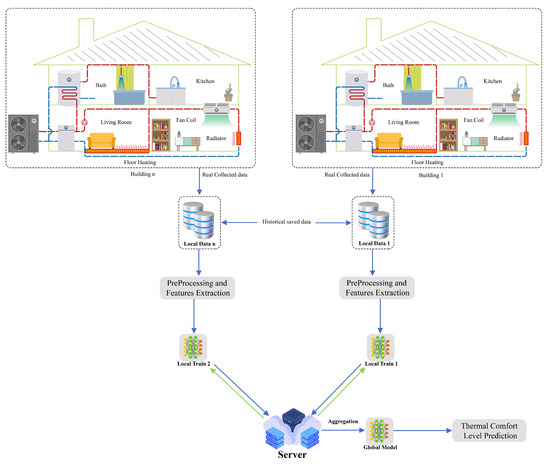
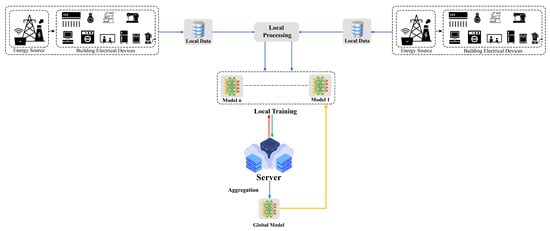
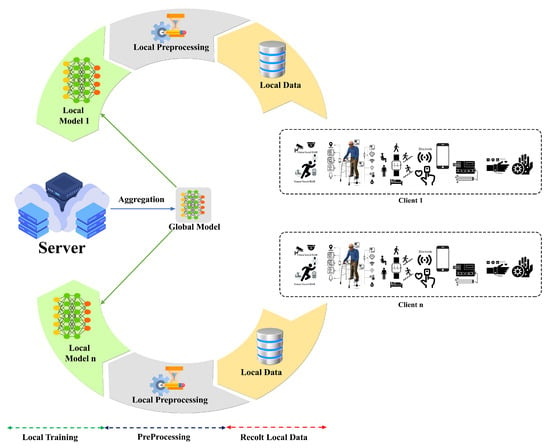
Federated Learning (FL) is a transformative decentralized approach in machine learning and deep learning, offering enhanced privacy, scalability, and data security. This review paper explores the foundational concepts, and architectural variations of FL, prominent aggregation algorithms like FedAvg, FedProx, and FedMA, and diverse
[...] Read more.
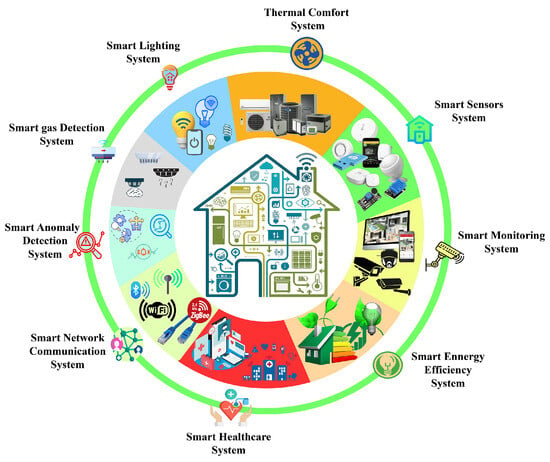
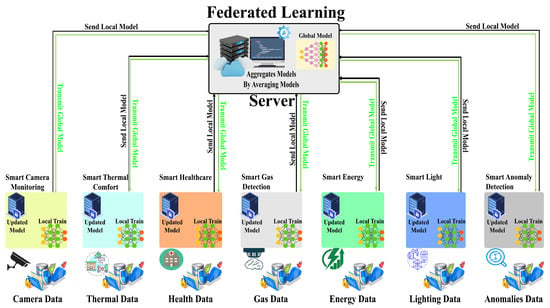
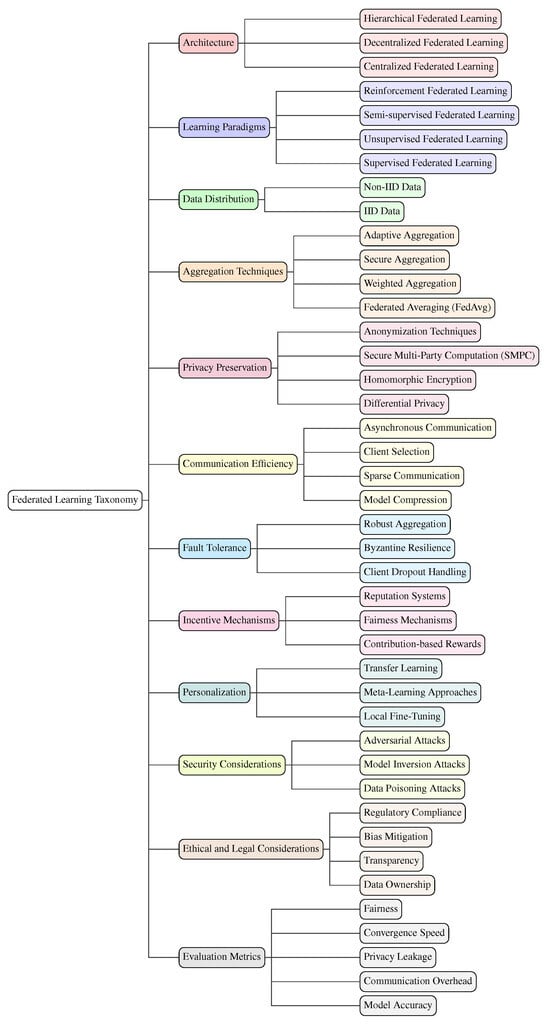
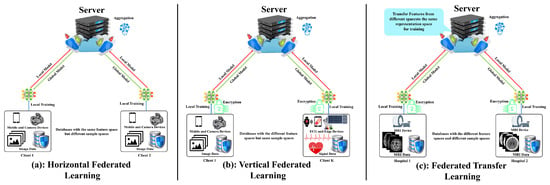
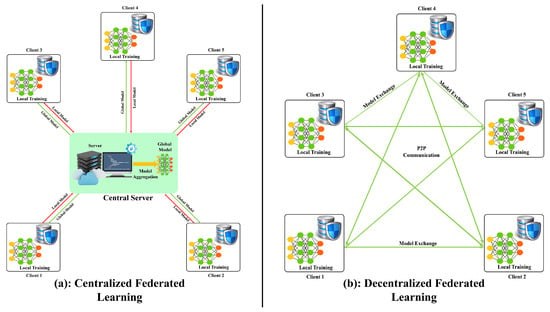
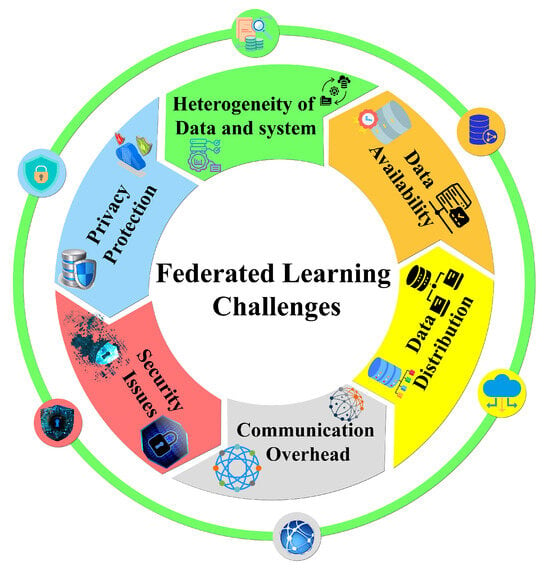
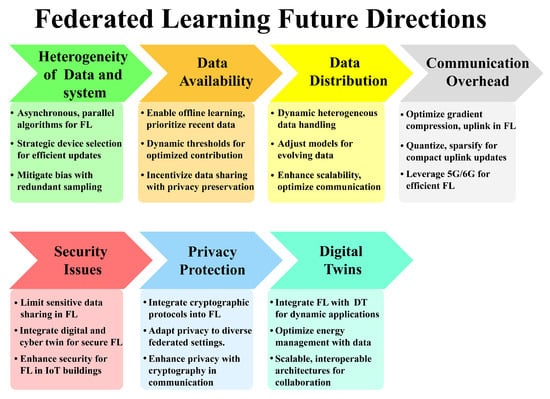
Federated Learning (FL) is a transformative decentralized approach in machine learning and deep learning, offering enhanced privacy, scalability, and data security. This review paper explores the foundational concepts, and architectural variations of FL, prominent aggregation algorithms like FedAvg, FedProx, and FedMA, and diverse innovative applications in thermal comfort optimization, energy prediction, healthcare, and anomaly detection within smart buildings. By enabling collaborative model training without centralizing sensitive data, FL ensures privacy and robust performance across heterogeneous environments. We further discuss the integration of FL with advanced technologies, including digital twins and 5G/6G networks, and demonstrate its potential to revolutionize real-time monitoring, and optimize resources. Despite these advances, FL still faces challenges, such as communication overhead, security issues, and non-IID data handling. Future research directions highlight the development of adaptive learning methods, robust privacy measures, and hybrid architectures to fully leverage FL’s potential in driving innovative, secure, and efficient intelligence for the next generation of smart buildings.
Full article

Figure 1
Open AccessArticle
Cross-Dataset Data Augmentation Using UMAP for Deep Learning-Based Wind Speed Prediction
by
Eder Arley Leon-Gomez, Andrés Marino Álvarez-Meza and German Castellanos-Dominguez
Computers 2025, 14(4), 123; https://doi.org/10.3390/computers14040123 - 27 Mar 2025
Abstract
Wind energy has emerged as a cornerstone in global efforts to transition to renewable energy, driven by its low environmental impact and significant generation potential. However, the inherent intermittency of wind, influenced by complex and dynamic atmospheric patterns, poses significant challenges for accurate
[...] Read more.
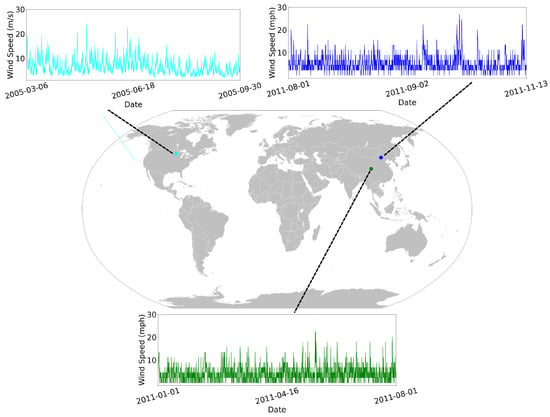
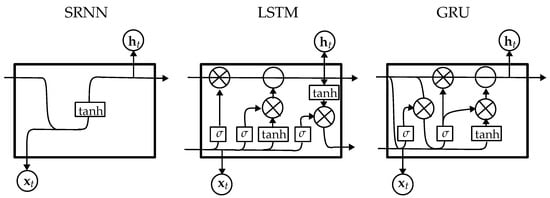
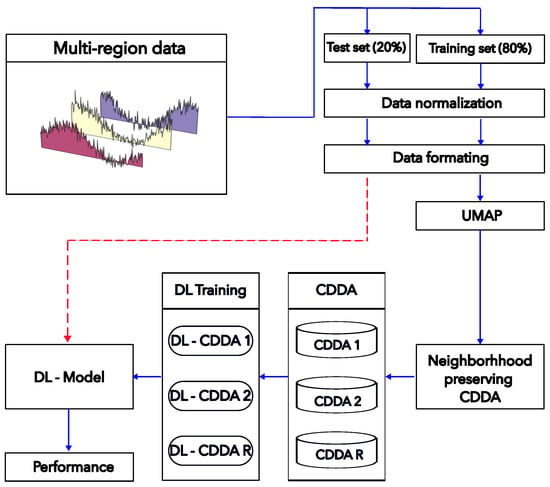
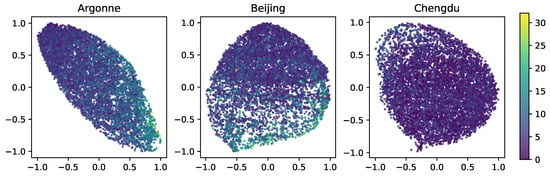
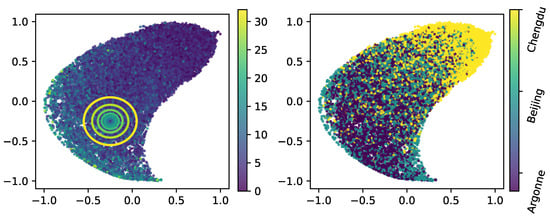
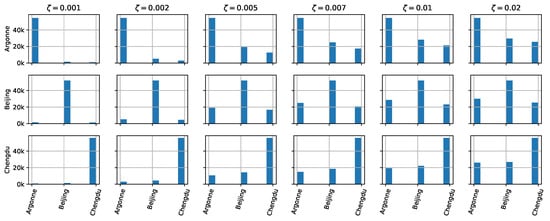
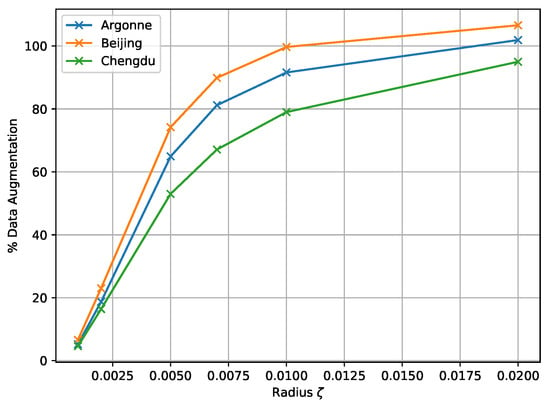
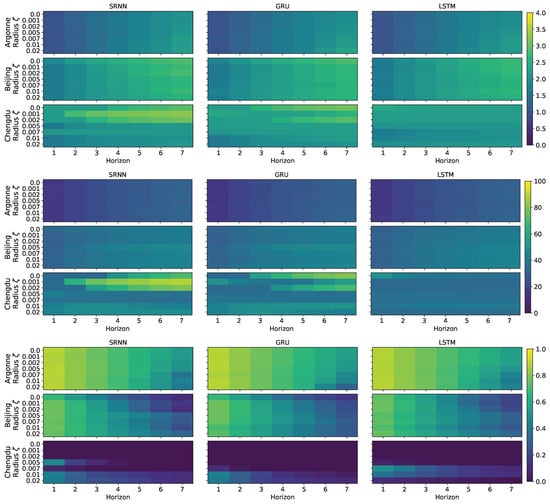
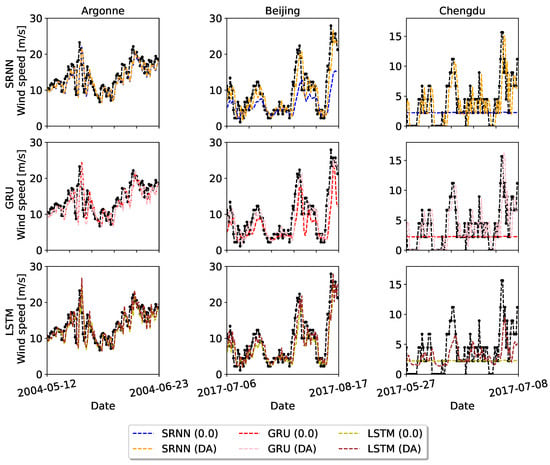
Wind energy has emerged as a cornerstone in global efforts to transition to renewable energy, driven by its low environmental impact and significant generation potential. However, the inherent intermittency of wind, influenced by complex and dynamic atmospheric patterns, poses significant challenges for accurate wind speed prediction. Existing approaches, including statistical methods, machine learning, and deep learning, often struggle with limitations such as non-linearity, non-stationarity, computational demands, and the requirement for extensive, high-quality datasets. In response to these challenges, we propose a novel neighborhood preserving cross-dataset data augmentation framework for high-horizon wind speed prediction. The proposed method addresses data variability and dynamic behaviors through three key components: (i) the uniform manifold approximation and projection (UMAP) is employed as a non-linear dimensionality reduction technique to encode local relationships in wind speed time-series data while preserving neighborhood structures, (ii) a localized cross-dataset data augmentation (DA) approach is introduced using UMAP-reduced spaces to enhance data diversity and mitigate variability across datasets, and (iii) recurrent neural networks (RNNs) are trained on the augmented datasets to model temporal dependencies and non-linear patterns effectively. Our framework was evaluated using datasets from diverse geographical locations, including the Argonne Weather Observatory (USA), Chengdu Airport (China), and Beijing Capital International Airport (China). Comparative tests using regression-based measures on RNN, GRU, and LSTM architectures showed that the proposed method was better at improving the accuracy and generalizability of predictions, leading to an average reduction in prediction error. Consequently, our study highlights the potential of integrating advanced dimensionality reduction, data augmentation, and deep learning techniques to address critical challenges in renewable energy forecasting.
Full article
(This article belongs to the Special Issue Machine Learning and Statistical Learning with Applications 2025)
►▼
Show Figures

Figure 1
Open AccessArticle
Learning Analytics to Guide Serious Game Development: A Case Study Using Articoding
by
Antonio Calvo-Morata, Cristina Alonso-Fernández, Julio Santilario-Berthilier, Iván Martínez-Ortiz and Baltasar Fernández-Manjón
Computers 2025, 14(4), 122; https://doi.org/10.3390/computers14040122 - 27 Mar 2025
Abstract
Serious games are powerful interactive environments that provide more authentic experiences for learning or training different skills. However, developing effective serious games is complex, and a more systematic approach is needed to create better evidence-based games. Learning analytics—based on the analysis of collected
[...] Read more.
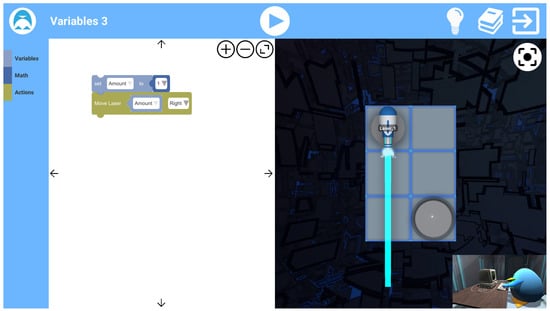
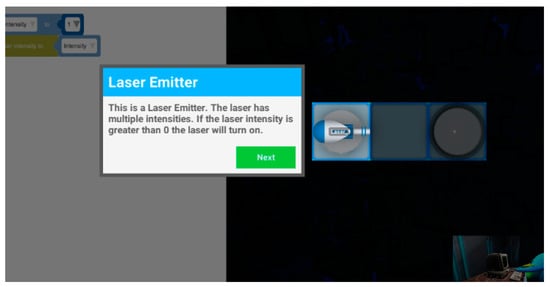
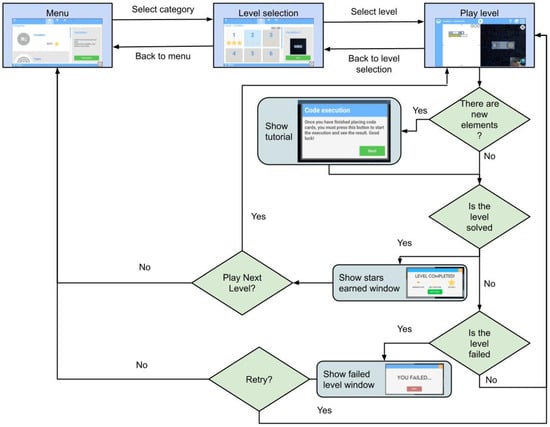
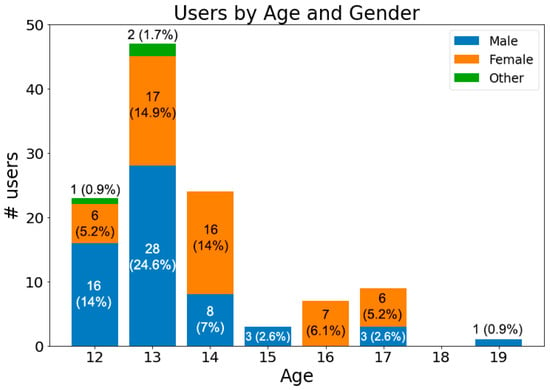
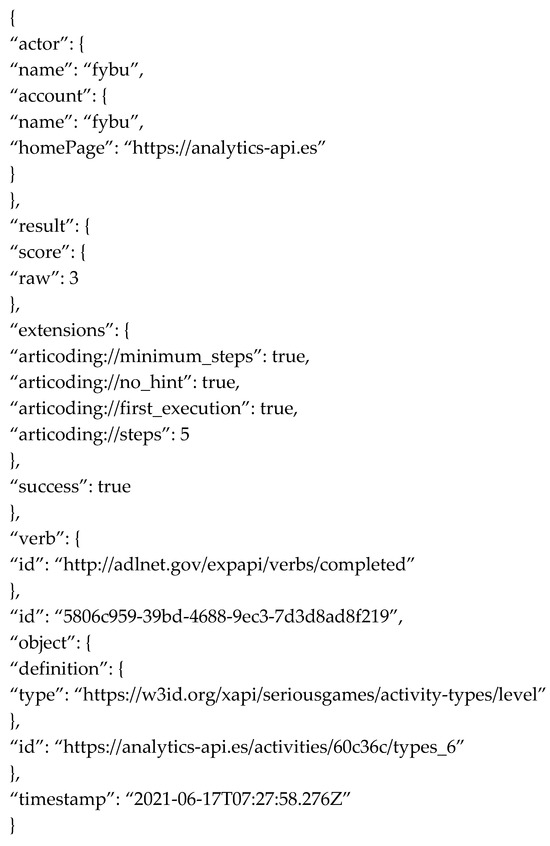
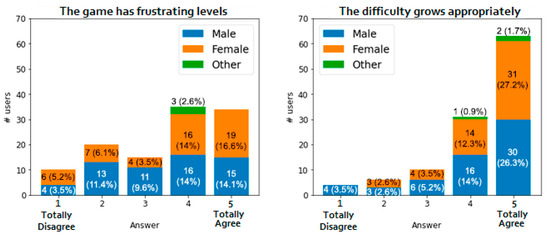
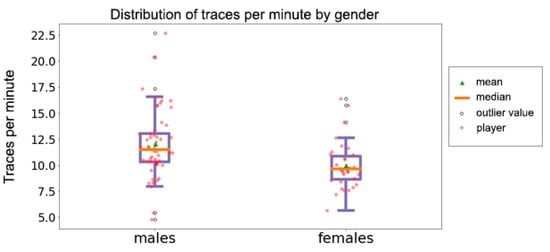
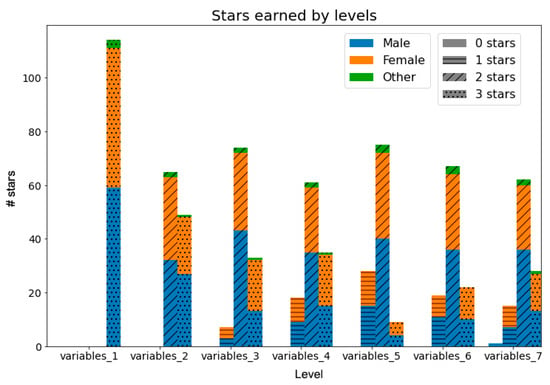
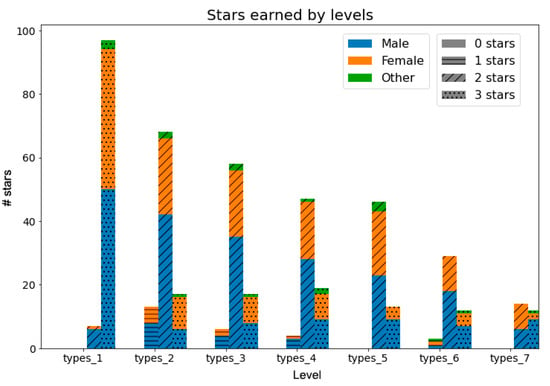
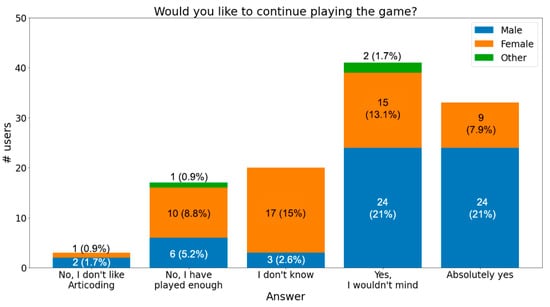
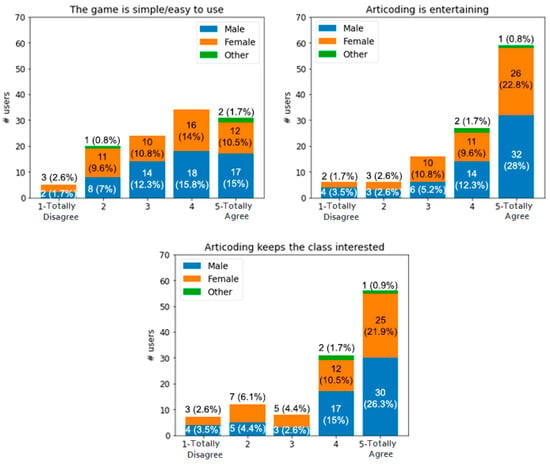
Serious games are powerful interactive environments that provide more authentic experiences for learning or training different skills. However, developing effective serious games is complex, and a more systematic approach is needed to create better evidence-based games. Learning analytics—based on the analysis of collected in-game user interactions—can support game development and the players’ learning process, providing assessment information to teachers, students, and other stakeholders. However, empirical studies applying and demonstrating the use of learning analytics in the context of serious games in real environments remain scarce. In this paper, we study the application of learning analytics throughout the whole lifecycle of a serious game, in order to assess the game’s design and players’ learning using a serious game that introduces basic programming concepts through a visual programming language. The game was played by N = 134 high school students in two 50-min sessions. During the game sessions, all player interactions were collected, including the time spent solving levels, their programming solutions, and the number of replays. We analyzed these interaction traces to gain insights that can facilitate teachers’ use of serious games in their lessons and assessments, as well as guide developers in making possible improvements to the game. Among these insights, knowing which tasks students struggle with is critical for both teachers and game developers, and can also reveal game design issues. Among the results obtained through analysis of the interaction data, we found differences between boys and girls when playing. Girls play in a more reflexive way and, in terms of acceptance of the game, a higher percentage of girls had neutral opinions. We also found the most repeated errors, the level each player reached, and how long it took them to reach those levels. These data will help to make further improvements to the game’s design, resulting in a more effective educational tool in the future. The process and results of this study can guide other researchers when applying learning analytics to evaluate and improve the educational design of serious games, as well as supporting teachers—both during and after the game activity—in applying an evidence-based assessment of the players based on the collected learning analytics.
Full article
(This article belongs to the Special Issue Smart Learning Environments)
►▼
Show Figures

Figure 1
Open AccessArticle
Scalable Data Transformation Models for Physics-Informed Neural Networks (PINNs) in Digital Twin-Enabled Prognostics and Health Management (PHM) Applications
by
Atuahene Kwasi Barimah, Ogwo Precious Onu, Octavian Niculita, Andrew Cowell and Don McGlinchey
Computers 2025, 14(4), 121; https://doi.org/10.3390/computers14040121 - 26 Mar 2025
Abstract
Digital twin (DT) technology has become a key enabler for prognostics and health management (PHM) in complex industrial systems, yet scaling predictive models for multi-component degradation (MCD) scenarios remains challenging, particularly when transferring insights from predictive models of smaller systems developed with limited
[...] Read more.
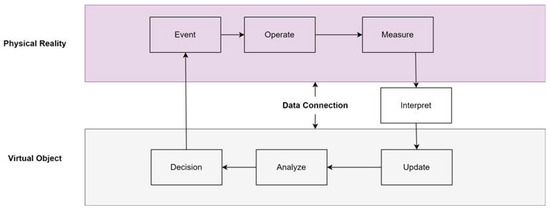
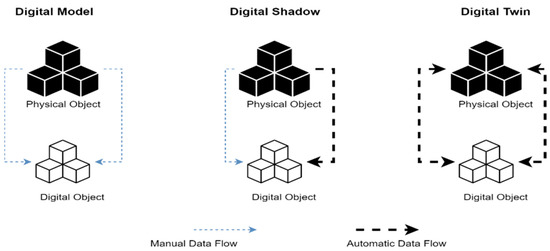
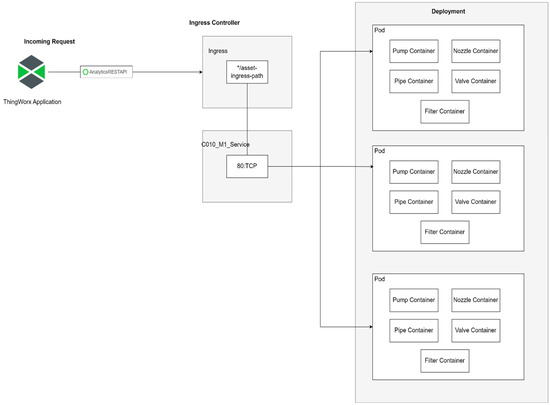
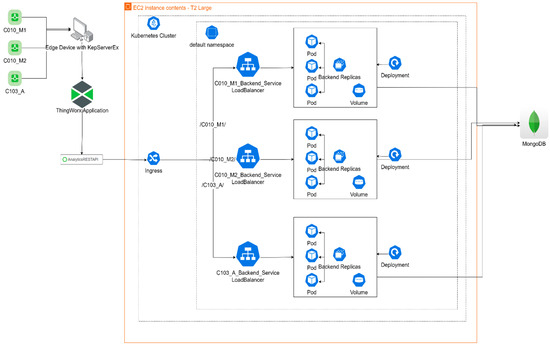
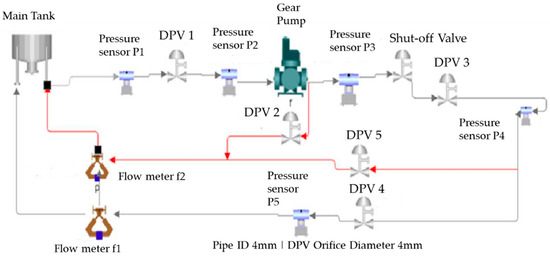
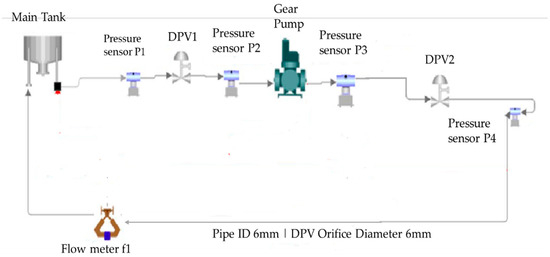
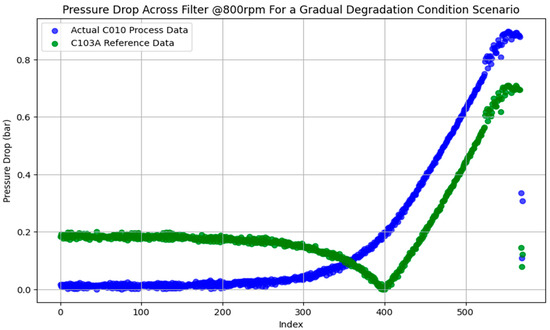
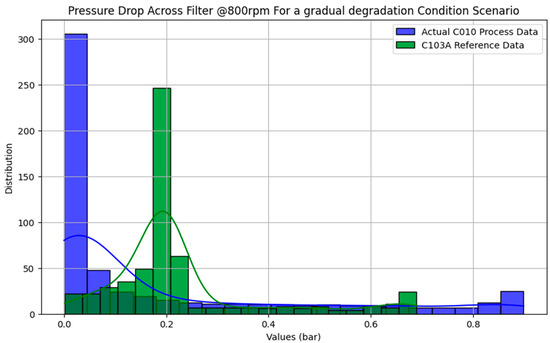
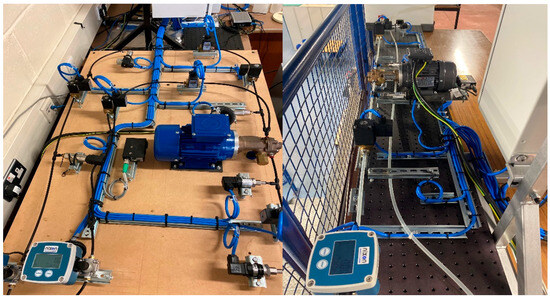
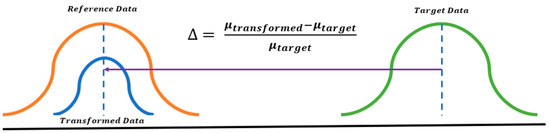
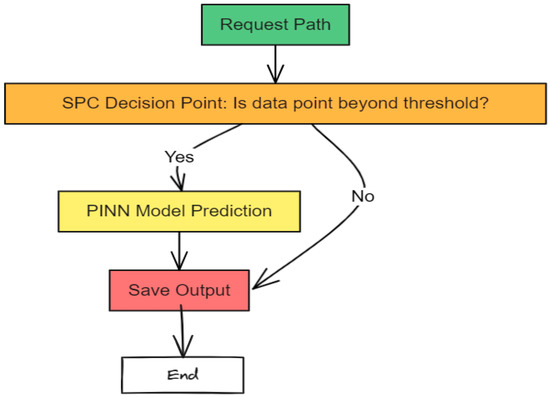
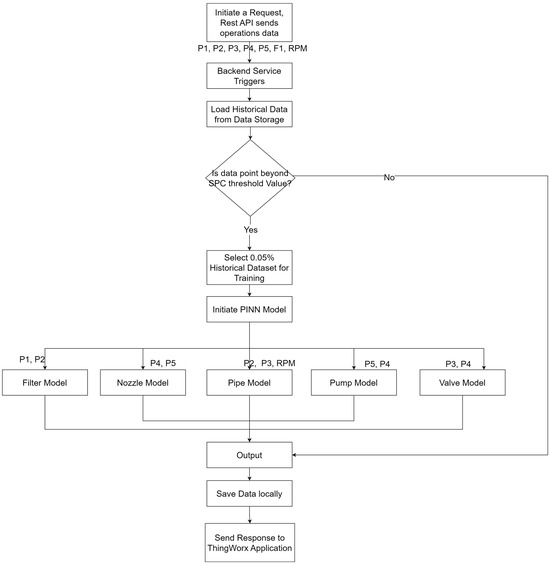
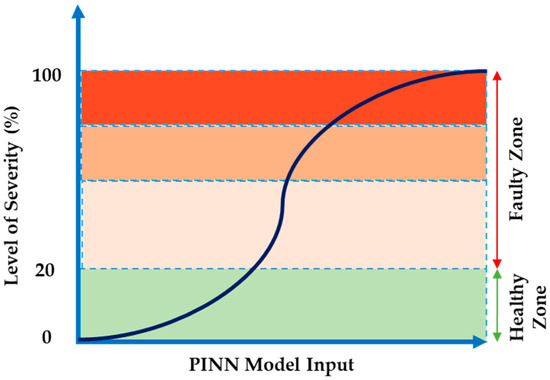
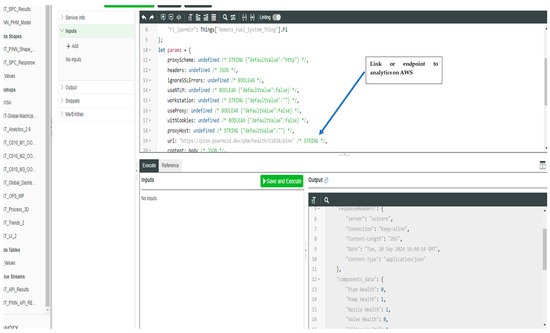
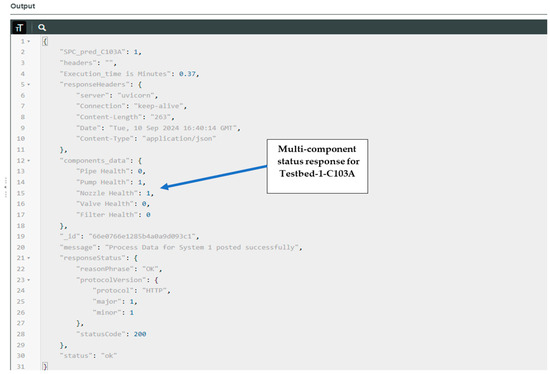
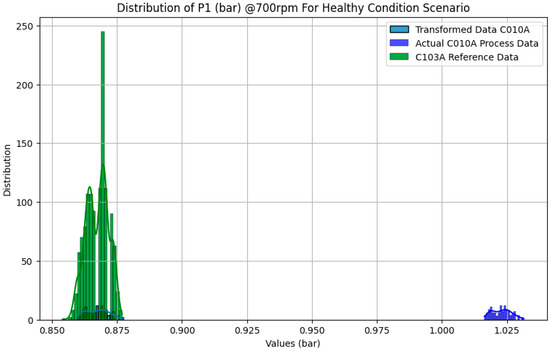
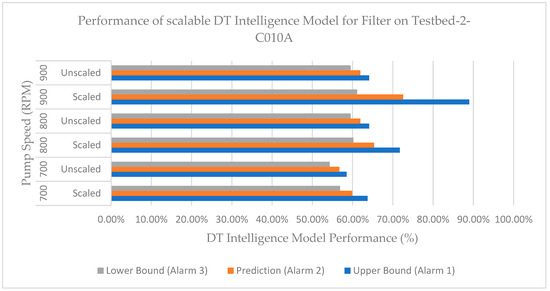
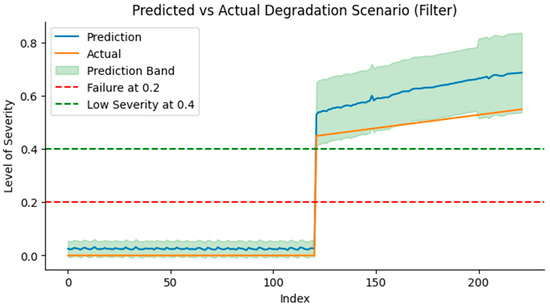
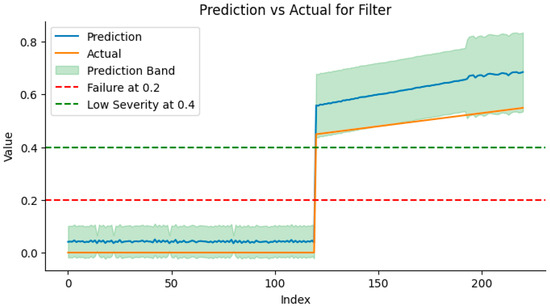
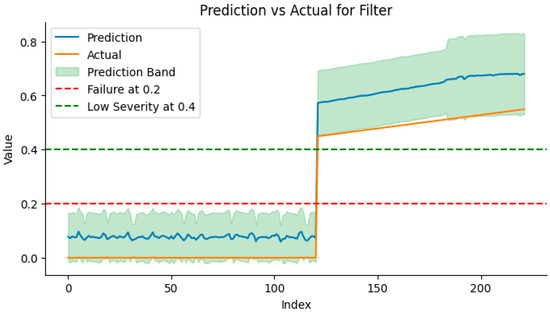
Digital twin (DT) technology has become a key enabler for prognostics and health management (PHM) in complex industrial systems, yet scaling predictive models for multi-component degradation (MCD) scenarios remains challenging, particularly when transferring insights from predictive models of smaller systems developed with limited data to larger systems. To address this, a physics-informed neural network (PINN) framework that integrates a standardized scaling methodology, enabling scalable DT analytics for MCD prognostics, was developed in this paper. Our approach employs a systematic DevOps workflow that features containerized PINN DT analytics deployed on a Kubernetes cluster for dynamic resource optimization, a real-time DT platform (PTC ThingWorx™), and a custom API for bidirectional data exchange that connects the cluster to the DT platform. A key contribution of this paper is the scalable DT model, which facilitates transfer learning of degradation patterns across heterogeneous hydraulic systems. Three (3) hydraulic system configurations were modeled, analyzing multi-component filter degradation under pump speeds of 700–900 RPM. Trained on limited data from a reference system, the scaled PINN model achieved 88.98% accuracy for initial degradation detection at 900 RPM—outperforming an unscaled baseline of 64.13%—with consistent improvements across various speeds and thresholds. This work advances PHM analytics by reducing costs and development time, providing a scalable framework for cross-system DT deployment.
Full article
(This article belongs to the Special Issue Generative Artificial Intelligence and Machine Learning in Industrial Processes and Manufacturing)
►▼
Show Figures

Figure 1
Highly Accessed Articles
Latest Books
E-Mail Alert
News
Topics
Topic in
AI, Buildings, Computers, Drones, Entropy, Symmetry
Applications of Machine Learning in Large-Scale Optimization and High-Dimensional Learning
Topic Editors: Jeng-Shyang Pan, Junzo Watada, Vaclav Snasel, Pei HuDeadline: 30 April 2025
Topic in
Applied Sciences, ASI, Blockchains, Computers, MAKE, Software
Recent Advances in AI-Enhanced Software Engineering and Web Services
Topic Editors: Hai Wang, Zhe HouDeadline: 31 May 2025
Topic in
Applied Sciences, Computers, Electronics, Sensors, Virtual Worlds, IJGI
Simulations and Applications of Augmented and Virtual Reality, 2nd Edition
Topic Editors: Radu Comes, Dorin-Mircea Popovici, Calin Gheorghe Dan Neamtu, Jing-Jing FangDeadline: 20 June 2025
Topic in
Applied Sciences, Automation, Computers, Electronics, Sensors, JCP, Mathematics
Intelligent Optimization, Decision-Making and Privacy Preservation in Cyber–Physical Systems
Topic Editors: Lijuan Zha, Jinliang Liu, Jian LiuDeadline: 31 August 2025
Conferences
Special Issues
Special Issue in
Computers
Computational Science and Its Applications 2024 (ICCSA 2024)
Guest Editor: Osvaldo GervasiDeadline: 15 April 2025
Special Issue in
Computers
Edge and Fog Computing for Internet of Things Systems (2nd Edition)
Guest Editors: Luís Nogueira, Jorge CoelhoDeadline: 20 April 2025
Special Issue in
Computers
Smart Learning Environments
Guest Editor: Ananda MaitiDeadline: 30 April 2025
Special Issue in
Computers
Future Trends in Computer Programming Education
Guest Editor: Stelios XinogalosDeadline: 31 May 2025