

-
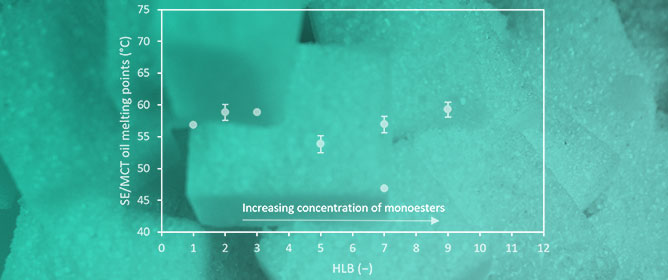
An Interfacial Study of Sucrose Ester-Stabilized Water-Free Foams -
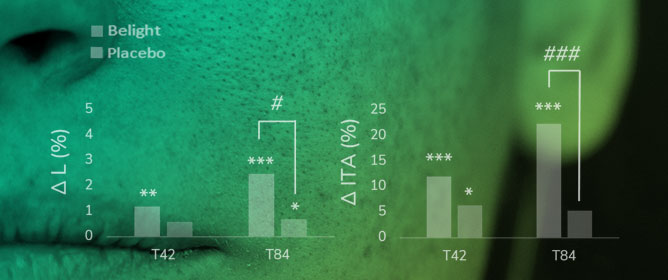
Clinical Efficacy of Belight3TM on Dark Spot Pigmentation in Caucasian Subjects -
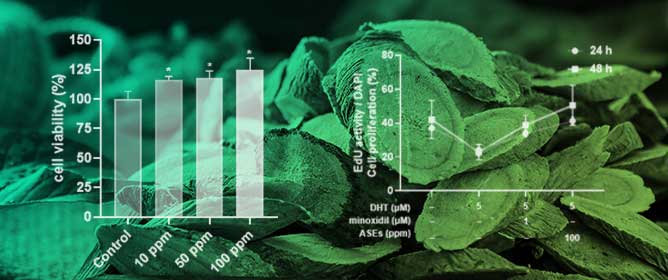
Hair Growth-Promoting Effects of Astragalus sinicus Extracts in Human Follicle Dermal Papilla Cells -
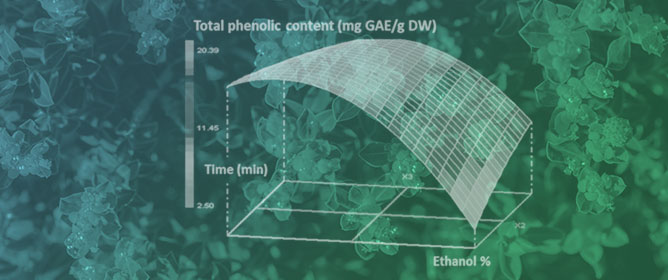
Fenugreek as a Potential Active Ingredient for the Development of Innovative Cosmetic Formulation -
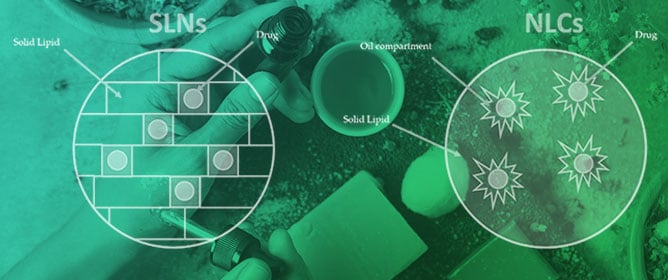
Lipid Nanoparticles and Skin: Discoveries and Advances
Journal Description
Cosmetics
Cosmetics
is an international, scientific, peer-reviewed, open access journal on the science and technology of cosmetics published bimonthly online by MDPI.
- Open Access— free for readers, with article processing charges (APC) paid by authors or their institutions.
- High Visibility: indexed within Scopus, ESCI (Web of Science), CAPlus / SciFinder, and other databases.
- Journal Rank: JCR - Q2 (Dermatology) / CiteScore - Q1 (Surgery)
- Rapid Publication: manuscripts are peer-reviewed and a first decision is provided to authors approximately 22.3 days after submission; acceptance to publication is undertaken in 4.5 days (median values for papers published in this journal in the second half of 2024).
- Recognition of Reviewers: reviewers who provide timely, thorough peer-review reports receive vouchers entitling them to a discount on the APC of their next publication in any MDPI journal, in appreciation of the work done.
Impact Factor:
3.4 (2023)
Latest Articles
Research Progress on the Exacerbation of Lipid Metabolism by Malassezia and Its Impact on the Skin Barrier Function
Cosmetics 2025, 12(2), 67; https://doi.org/10.3390/cosmetics12020067 - 3 Apr 2025
Abstract
The study of the fungal communities of the skin constitutes a pivotal component of skin microbiome research. Within these communities, the genus Malassezia stands out as a major constituent, representing 50% to 80% of the total fungal colonization on the skin of healthy
[...] Read more.
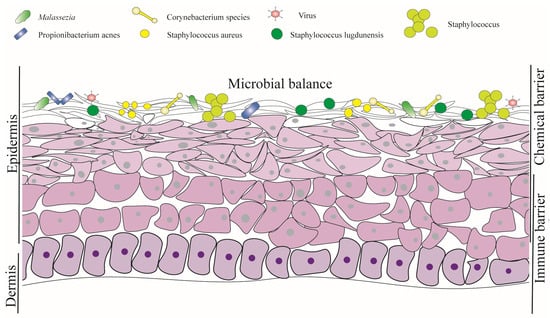
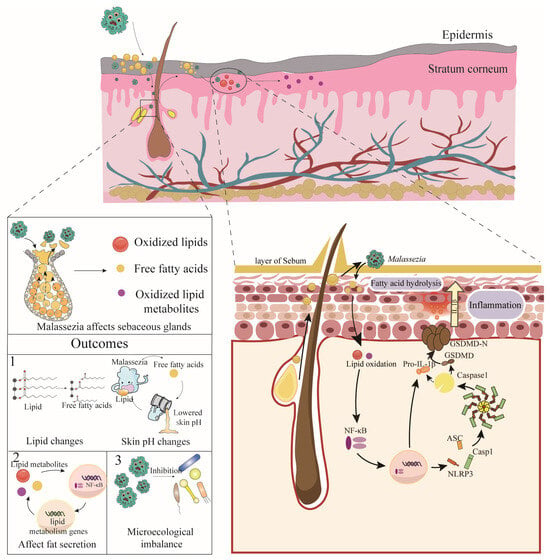
The study of the fungal communities of the skin constitutes a pivotal component of skin microbiome research. Within these communities, the genus Malassezia stands out as a major constituent, representing 50% to 80% of the total fungal colonization on the skin of healthy individuals. The excessive growth or metabolic irregularities of this genus are intimately connected with the onset of various skin disorders that are intrinsically linked to its lipid-dependent nature. Cutaneous lipid metabolism is indispensable for maintaining the skin barrier function and skin health. Malassezia possesses the ability to encode multiple lipase genes, and the secretion of these lipases plays a pivotal role in the survival strategies of the fungi. This review explores recent advances in the ecological niche of Malassezia in skin microecological homeostasis, its mechanism of disrupting skin lipids through catabolic metabolites, and the relationship between this disruption of the skin lipid barrier and skin diseases. This review offers a reference for future research on the mechanisms by which Malassezia affects lipid metabolism and provides a theoretical foundation for the development of innovative therapeutic approaches for dermatological conditions.
Full article
(This article belongs to the Section Cosmetic Dermatology)
►
Show Figures
Open AccessArticle
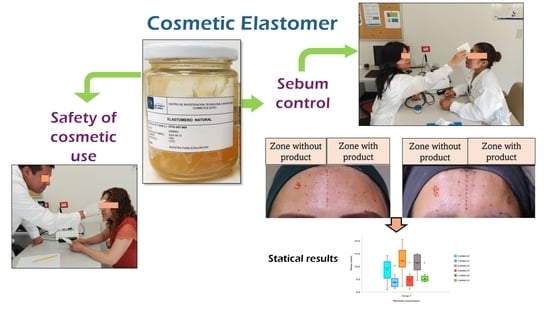
Evaluation of Sebum Control and Safety for Daily Use of a Cosmetic Elastomer Formulated with Vegetable Oils from Peruvian Biodiversity
by
Patricia Lozada, Lourdes Victoria-Tinoco, Ana María Muñoz and Jorge Rojas
Cosmetics 2025, 12(2), 66; https://doi.org/10.3390/cosmetics12020066 - 2 Apr 2025
Abstract
This study aimed to evaluate the daily use safety and instrumental efficacy for sebum control of a cosmetic elastomer-type formulation containing the vegetable seed oils of Plukenetia huayllabambana, Physalis peruviana L., and Bertholletia excelsa. Assessments were conducted using a skin irritation
[...] Read more.
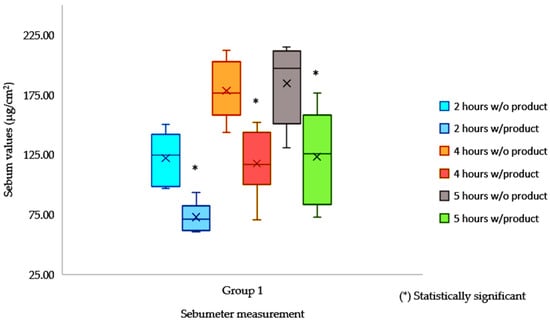
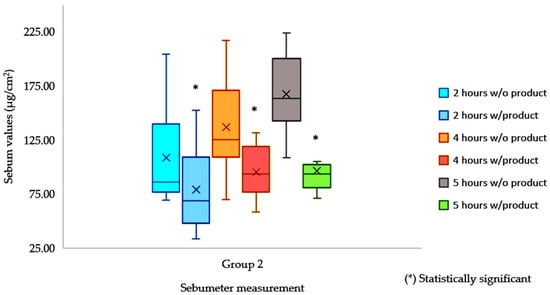
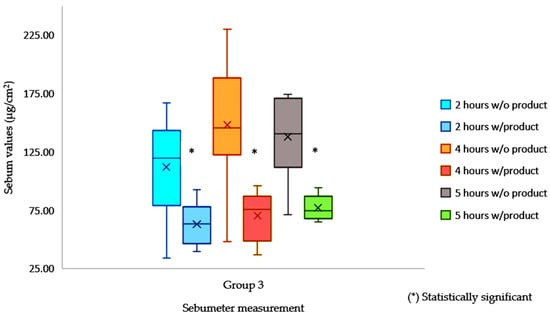
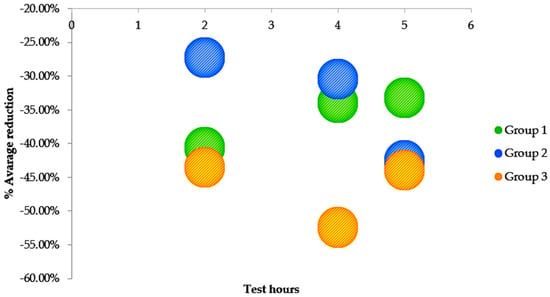
This study aimed to evaluate the daily use safety and instrumental efficacy for sebum control of a cosmetic elastomer-type formulation containing the vegetable seed oils of Plukenetia huayllabambana, Physalis peruviana L., and Bertholletia excelsa. Assessments were conducted using a skin irritation index and the Sebumeter® SM 815 from Courage + Khazaka Electronics GmbH, Cologne, Germany. Sebum control efficacy was determined in three groups of volunteers seated in a room at a temperature of 26 ± 1 °C. The forehead area was divided into two sections: one received the cosmetic elastomer while the other area received no product. The elastomer significantly reduced sebum levels in all three groups at 2, 4, and 5 h (p < 0.05) compared to the untreated area, and the third group exhibited higher sebum reductions, with 43.48%, 52.43%, and 43.95%, respectively. In conclusion, the dermatologically tested and safe cosmetic product contains a balanced combination of active ingredients that effectively control sebum levels, resulting in visibly oil-free skin.
Full article
(This article belongs to the Section Cosmetic Formulations)
►▼
Show Figures

Graphical abstract
Open AccessArticle
Design and Characterisation of Personal Hygiene Gels Containing a Gypsophila Trichotoma Extract and Xanthium Strumarium Essential Oil
by
Aleksandar Shkondrov, Denitsa Momekova, Maya Margaritova Zaharieva, Hristo Najdenski, Ekaterina Kozuharova and Ilina Krasteva
Cosmetics 2025, 12(2), 65; https://doi.org/10.3390/cosmetics12020065 - 31 Mar 2025
Abstract
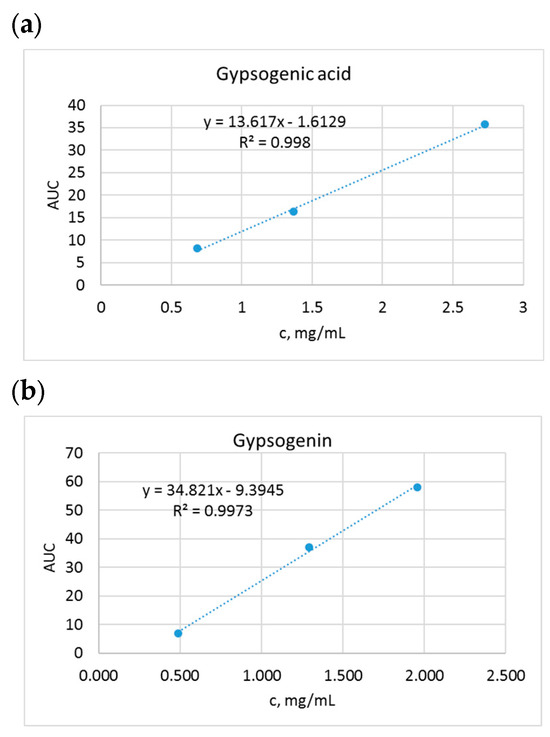
The aim was to develop a series of handwashing gels containing a standardised extract of the aerial part of Gypsophila trichotoma as well as an essential oil from Xanthium strumarium fruits. The saponins present in the extract are a suitable alternative to synthetic
[...] Read more.
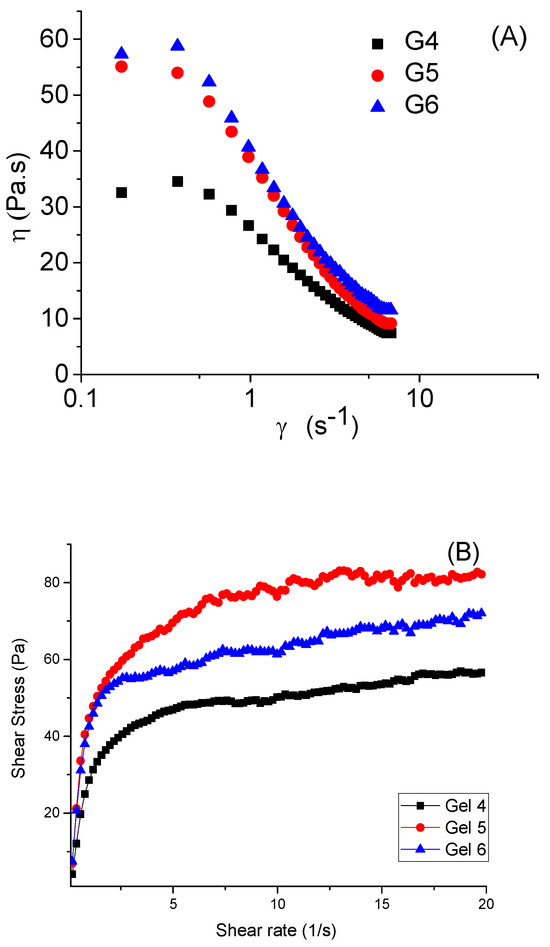
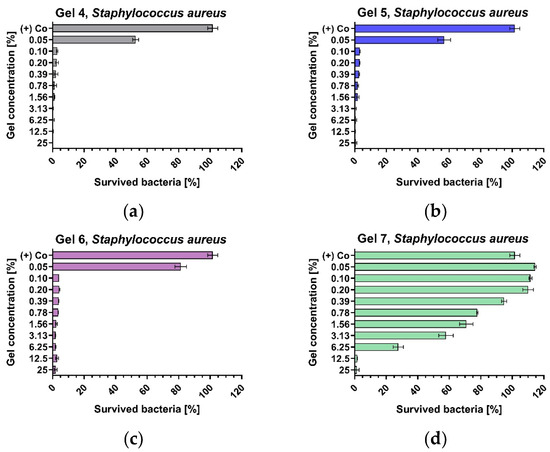
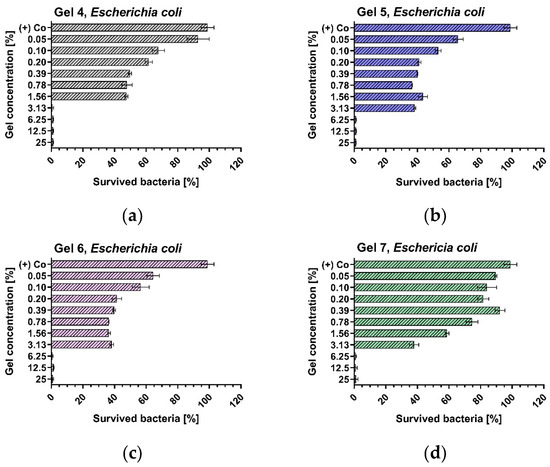
The aim was to develop a series of handwashing gels containing a standardised extract of the aerial part of Gypsophila trichotoma as well as an essential oil from Xanthium strumarium fruits. The saponins present in the extract are a suitable alternative to synthetic sulphate surfactants and have better skin tolerance, and with the addition of essential oil, a higher antibacterial activity of the gels thus developed is achieved. The elaborated gels were characterised by good spreadability and a pH close to the physiological for healthy skin (pH 5.5), which is a prerequisite for improved skin tolerability. The dynamic rheological studies showed that the extract fraction increase was not associated with gel viscosity change, and it was only a function of the gelling agent concentration. The gels’ foam-forming ability increased with the increasing extract concentrations. The comparative evaluation of the antibacterial activity of elaborated gels vs. plain gel based on coco glucoside against a panel of selected pathogens demonstrated that the newly developed formulations have superior antibacterial effects. Based on the good technological characteristics and the results of antimicrobial testing of the washing gels thus developed, it can be concluded that they are promising candidates as personal hygiene products.
Full article
(This article belongs to the Special Issue Fine Chemicals from Natural Sources with Potential Application in the Cosmetic/Pharmaceutical Industry—Volume 2)
►▼
Show Figures

Figure 1

Open AccessArticle
Effects of Culture Medium-Based and Topical Anti-Pollution Treatments on PM-Induced Skin Damage Using a Human Ex Vivo Model
by
Kanyakorn Namchantra, Ratjika Wongwanakul and Wannita Klinngam
Cosmetics 2025, 12(2), 64; https://doi.org/10.3390/cosmetics12020064 - 31 Mar 2025
Abstract
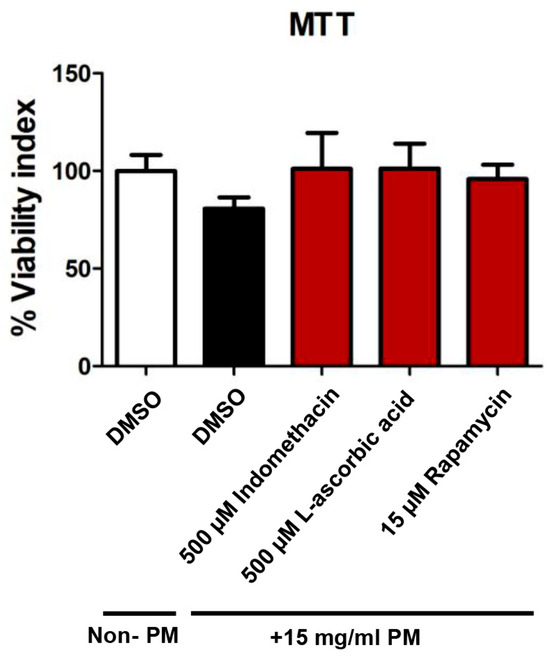
Particulate matter (PM) is a significant pollutant that induces oxidative stress, inflammation, and structural skin damage, contributing to premature aging and reduced skin integrity. In this study, PM was applied topically to human ex vivo skin tissues to simulate real-world exposure, while test
[...] Read more.
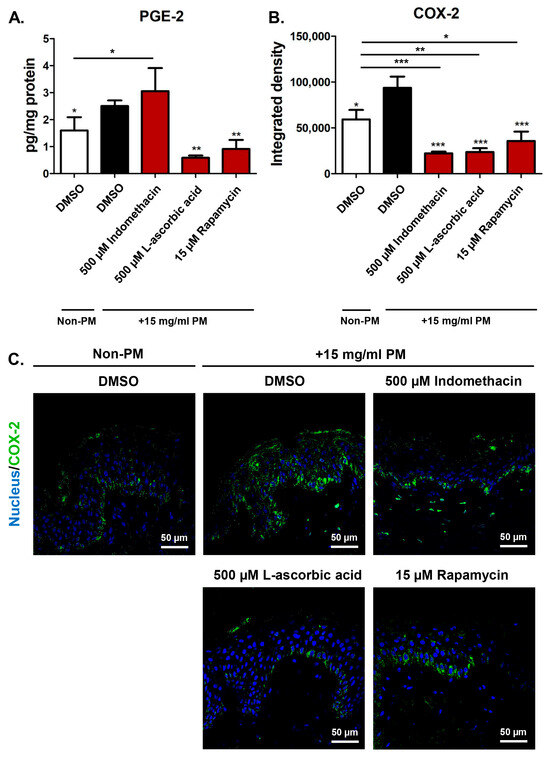
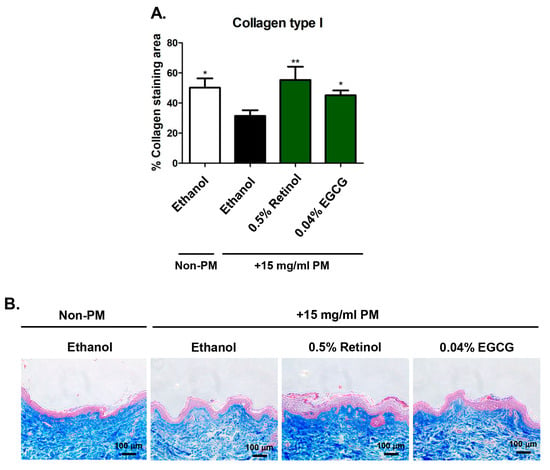
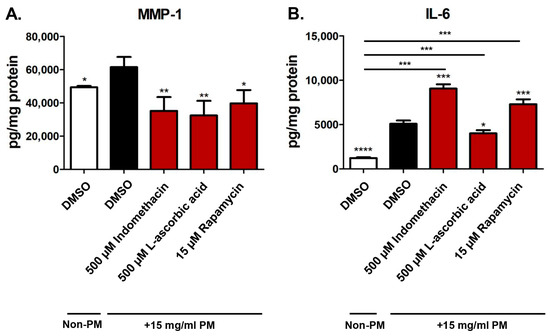
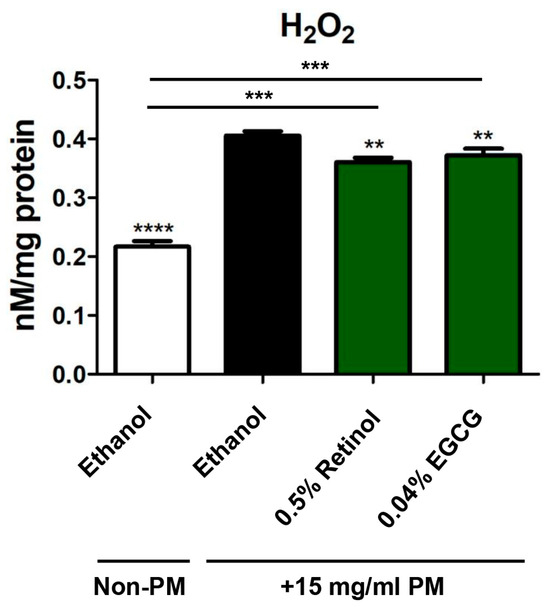
Particulate matter (PM) is a significant pollutant that induces oxidative stress, inflammation, and structural skin damage, contributing to premature aging and reduced skin integrity. In this study, PM was applied topically to human ex vivo skin tissues to simulate real-world exposure, while test compounds were delivered using the culture medium to mimic systemic absorption or applied topically for direct surface treatment. Culture medium-based treatments included indomethacin, L-ascorbic acid, and rapamycin, whereas topical treatment involved retinol and epigallocatechin gallate (EGCG). PM exposure increased hydrogen peroxide (H2O2), interleukin 6 (IL-6), matrix metalloproteinase 1 (MMP-1), cyclooxygenase-2 (COX-2), and prostaglandin E2 (PGE-2), while decreasing collagen type I and hyaluronic acid (HYA). Culture medium-based treatments improved collagen and reduced MMP-1 and COX-2 expression, with L-ascorbic acid and rapamycin lowering PGE-2, and indomethacin and rapamycin restoring HYA. L-ascorbic acid uniquely reduced IL-6. Topical treatments, including retinol and EGCG, effectively reduced H2O2 and MMP-1 and restored collagen type I. While both agents exhibited antioxidant activity, retinol further reduced IL-6, emphasizing its anti-inflammatory role. These results highlight the complementary protective effects of systemic-like and topical treatments in mitigating PM-induced skin damage. Future research should optimize protocols and validate efficacy under real-world conditions to enhance skin protection in polluted environments.
Full article
(This article belongs to the Section Cosmetic Dermatology)
►▼
Show Figures

Figure 1
Open AccessReview
Exhaustive Analytical Profiling of Phytocompounds in Botanical Active Ingredients: Fighting the Global Prevalence of Adulterated Botanical Ingredients for Cosmetics
by
Jean-Marie Botto, Loïc Loffredo, Gopinathan K. Menon, Pierre Champy and Francis Hadji-Minaglou
Cosmetics 2025, 12(2), 63; https://doi.org/10.3390/cosmetics12020063 - 31 Mar 2025
Abstract
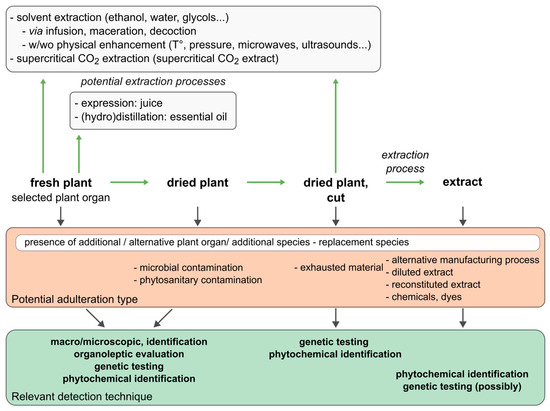
Traditional herbal medicine, ethnopharmacology, and evidence-based phytotherapy inspire the development of botanical active ingredients for cosmetics. Ensuring their authenticity and quality is essential in guaranteeing the safety and efficacy of cosmetic formulations. However, the industry faces challenges related to adulteration and inconsistent verification
[...] Read more.
Traditional herbal medicine, ethnopharmacology, and evidence-based phytotherapy inspire the development of botanical active ingredients for cosmetics. Ensuring their authenticity and quality is essential in guaranteeing the safety and efficacy of cosmetic formulations. However, the industry faces challenges related to adulteration and inconsistent verification practices. Adulteration can occur at both the crude raw material stage and during processing, involving misidentification, contamination, or the addition of unauthorized substances. This review emphasizes the need for robust authentication methods, including botanical identification, genetic testing, and phytochemical/metabolomic profiling. Analytical tools such as UV/VIS spectroscopy, HPTLC, GC-MS, HPLC/UHPLC, and isotope analysis provide complementary data for detecting and addressing adulteration. Adulteration jeopardizes product safety, efficacy, regulatory compliance, and consumer trust, while dilutions or substitutions erode the intended health benefits. A standardized, comprehensive approach across the supply chain—from raw material sourcing to extract manufacturing—is critical for maintaining the integrity of botanical ingredients. Cosmetovigilance and nutrivigilance are crucial aspects of ensuring product safety and compliance. This review presents a novel perspective by highlighting that, while the pharmaceutical and nutraceutical industries have long recognized the risks of botanical adulteration, awareness in the cosmetics industry remains limited. It further integrates recent advancements in metabolomic profiling, global regulatory challenges, and the economic implications of botanical adulteration in cosmetics. Future developments in AI-driven authentication technologies may represent a promising solution for addressing evolving challenges in product safety and traceability.
Full article
(This article belongs to the Section Cosmetic Formulations)
►▼
Show Figures

Figure 1

Open AccessArticle
Unveiling the Biological Properties of Rosa rubiginosa L. Leaf Extract as a Bio-Functional Ingredient Based on 2D Cell-Based Models and In Vitro Assessments
by
Sophia Letsiou, Aliki Tsakni, Dionysis Antonopoulos, Alexandros Tsoupras and Dimitra Houhoula
Cosmetics 2025, 12(2), 62; https://doi.org/10.3390/cosmetics12020062 - 31 Mar 2025
Abstract
Natural ingredients have long been utilized to enhance human health. While Rosa rubiginosa L. has been relatively understudied, it is known for its antioxidant and anti-inflammatory properties. This study explores its diverse bioactivity on human primary keratinocytes and fibroblasts, highlighting its potential as
[...] Read more.
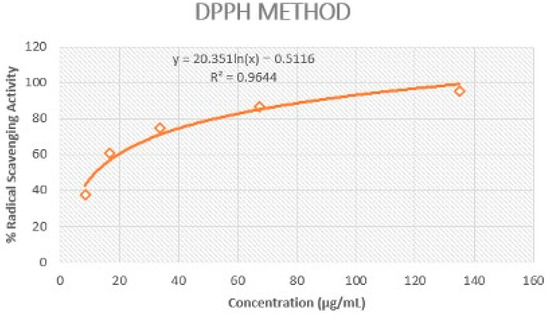
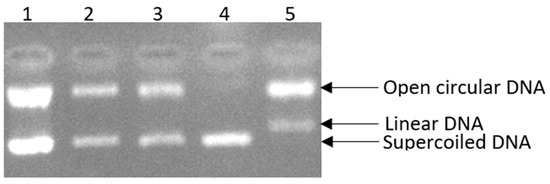
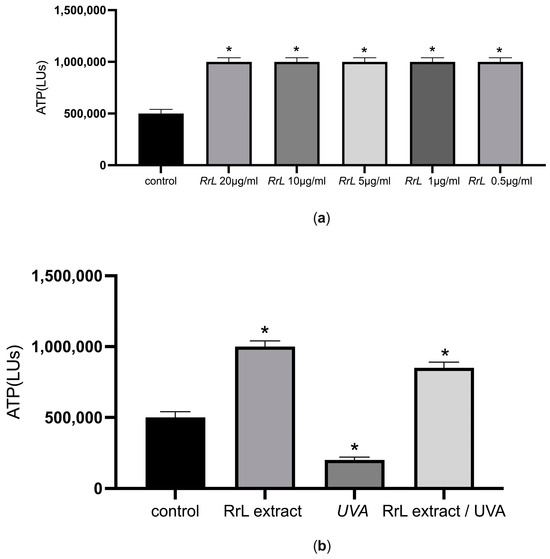
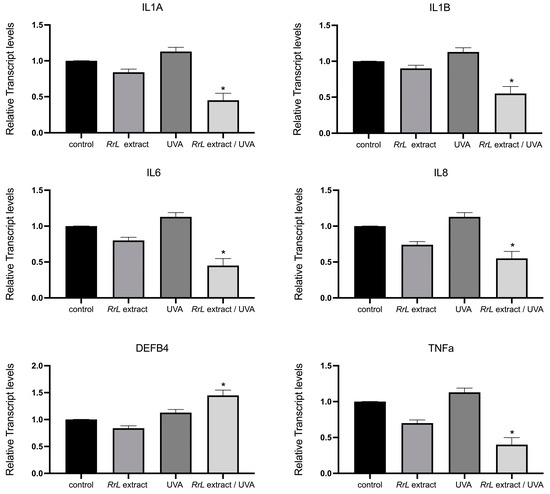
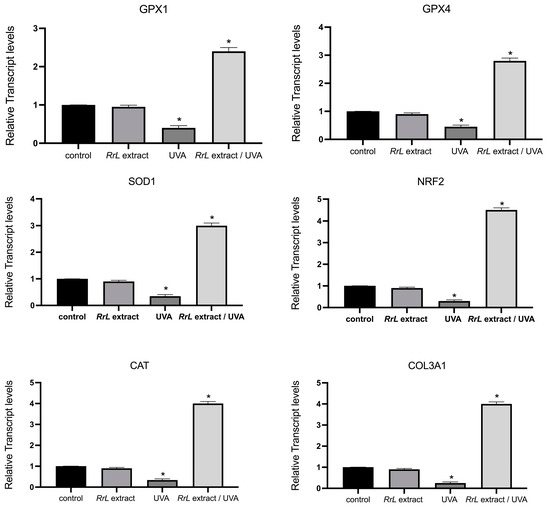
Natural ingredients have long been utilized to enhance human health. While Rosa rubiginosa L. has been relatively understudied, it is known for its antioxidant and anti-inflammatory properties. This study explores its diverse bioactivity on human primary keratinocytes and fibroblasts, highlighting its potential as a bio-functional agent in cosmeceuticals or nutraceuticals. The Rosa rubiginosa L. leaf extract demonstrated strong scavenging activity and high phenolic content protection while also preventing DNA breakage. At the molecular level, ATP determination revealed that the Rosa rubiginosa L. leaf confers cell viability even under oxidative stress. Gene expression analysis uncovered its protective effects on human primary keratinocytes and fibroblasts due to its strong antioxidant and anti-inflammatory response under oxidative stress induced by UVA irradiation. These findings suggest that Rosa rubiginosa L. leaf extract provides significant in vitro biological properties in cell-based models, offering new insights into its potential benefits and underscoring its bio-functional role.
Full article
(This article belongs to the Special Issue Feature Papers in Cosmetics in 2025)
►▼
Show Figures

Figure 1
Open AccessArticle
Skin Cell Phototoxicity and Photoprotection Study of Agro-Derived Lignin and Nanocellulose
by
Juliana Varella Cruz, Adriana Solange Maddaleno, Julia Salles Gava, Washington Luiz Esteves Magalhães, Danielle Palma de Oliveira, Daniela Morais Leme, Montserrat Mitjans and Maria Pilar Vinardell
Cosmetics 2025, 12(2), 61; https://doi.org/10.3390/cosmetics12020061 - 28 Mar 2025
Abstract
Lignin, a significant industrial byproduct from paper manufacturing processes, exhibits ultraviolet (UV) radiation absorption properties. Cellulose nanofibers (CNFs) demonstrate universal ligand characteristics and represent an innovative approach for converting industrial waste into value-added products. Given their potential applications in cosmetic formulations, their efficacy
[...] Read more.
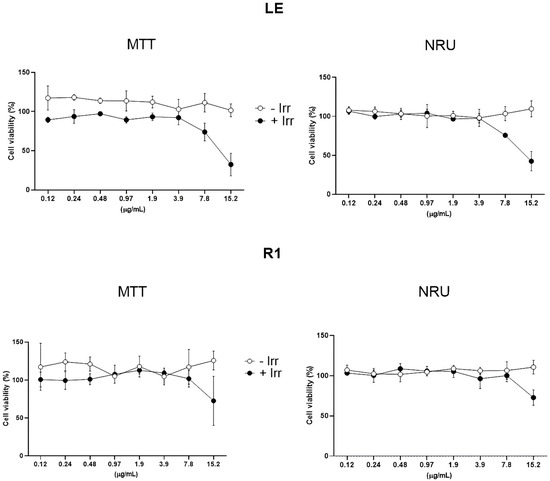
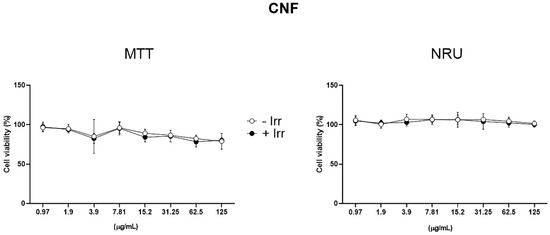
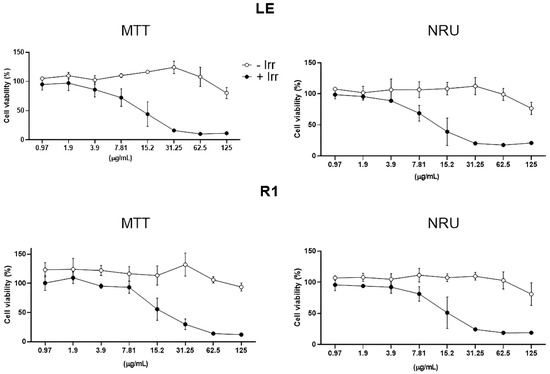
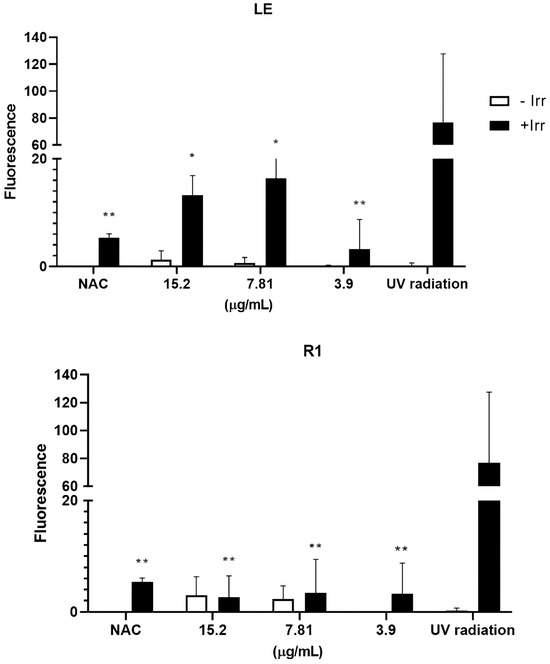
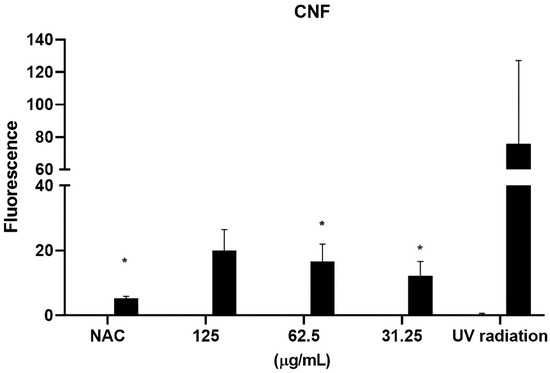
Lignin, a significant industrial byproduct from paper manufacturing processes, exhibits ultraviolet (UV) radiation absorption properties. Cellulose nanofibers (CNFs) demonstrate universal ligand characteristics and represent an innovative approach for converting industrial waste into value-added products. Given their potential applications in cosmetic formulations, their efficacy and safety parameters, such as their photoprotection mechanisms and phototoxicity, need to be investigated. Therefore, two kraft lignin fractions, LE and R1, along with a kraft-bleached pulp CNF, were evaluated for their phototoxicity and photoprotection mechanisms, both using the HaCaT cell line (immortalized human keratinocytes) as the in vitro model. Phototoxicity assessment involved exposing cells to UVA radiation (4 J/cm2), with the subsequent comparison of cell viability between irradiated and non-irradiated samples. ROS quantification was performed using a 2′,7′-dichlorofluorescein diacetate (DCF-DA) probe, with fluorescence intensity measurements, and was then used to evaluate the photoprotection effect. The results demonstrated that both LE and R1 exhibited concentration-dependent increases in phototoxicity, whereas CNF showed no phototoxic effects under the conditions tested. For photoprotection, LE, R1, and CNF reduced UV-induced ROS production, a result which could be associated with antioxidant properties in the case of the lignin fractions. These findings suggest that both lignin fractions and CNF hold promise for use in renewable and sustainable cosmetic formulations.
Full article
(This article belongs to the Special Issue Feature Papers in Cosmetics in 2025)
►▼
Show Figures

Figure 1
Open AccessEditorial
Cosmetics: Three New Journal Sections Established
by
Enzo Berardesca
Cosmetics 2025, 12(2), 60; https://doi.org/10.3390/cosmetics12020060 - 28 Mar 2025
Abstract
The journal Cosmetics is a platform dedicated to the science and technology of cosmetics [...]
Full article
Open AccessArticle
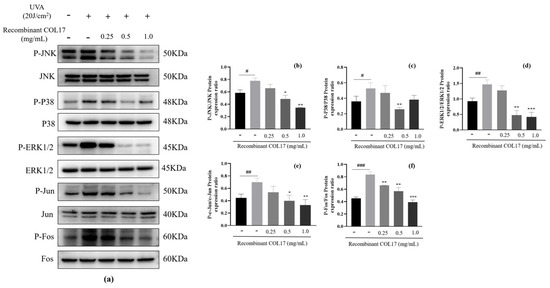
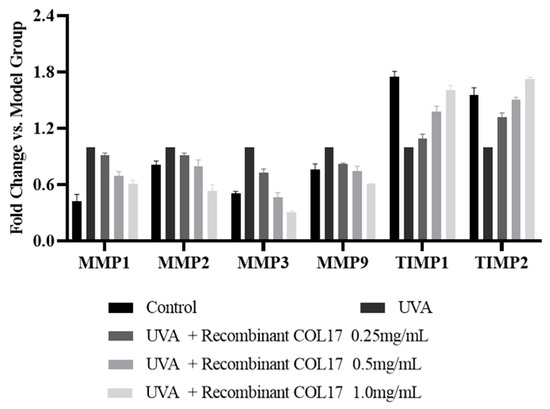
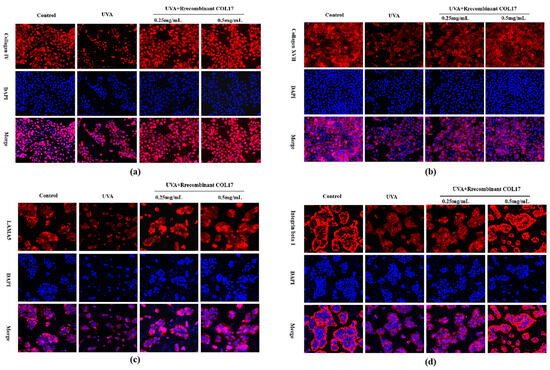
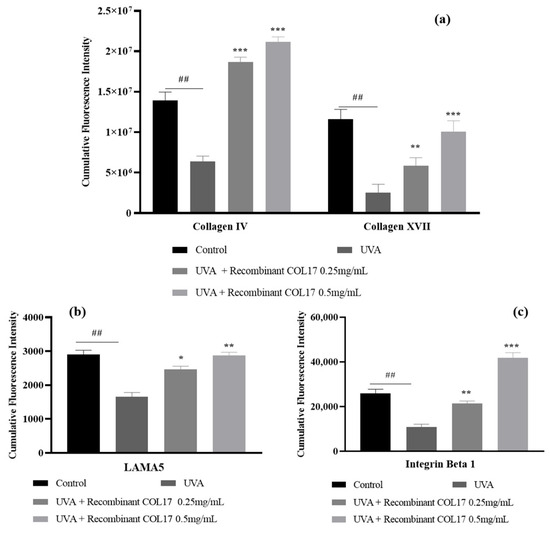
Recombinant Type XVII Collagen Inhibits EGFR/MAPK/AP-1 and Activates TGF-β/Smad Signaling to Enhance Collagen Secretion and Reduce Photoaging
by
Ying He, Shiyu Yin, Ru Xu, Yan Zhao, Yuhang Du, Zhiguang Duan and Daidi Fan
Cosmetics 2025, 12(2), 59; https://doi.org/10.3390/cosmetics12020059 - 27 Mar 2025
Abstract
Studies have consistently shown that long-wave ultraviolet A (UVA) radiation triggers skin photoaging, which is evident as reduced elasticity, a loss of firmness, and signs of aging. There is an urgent need to investigate photoaging mechanisms to devise protective strategies against UVA. The
[...] Read more.
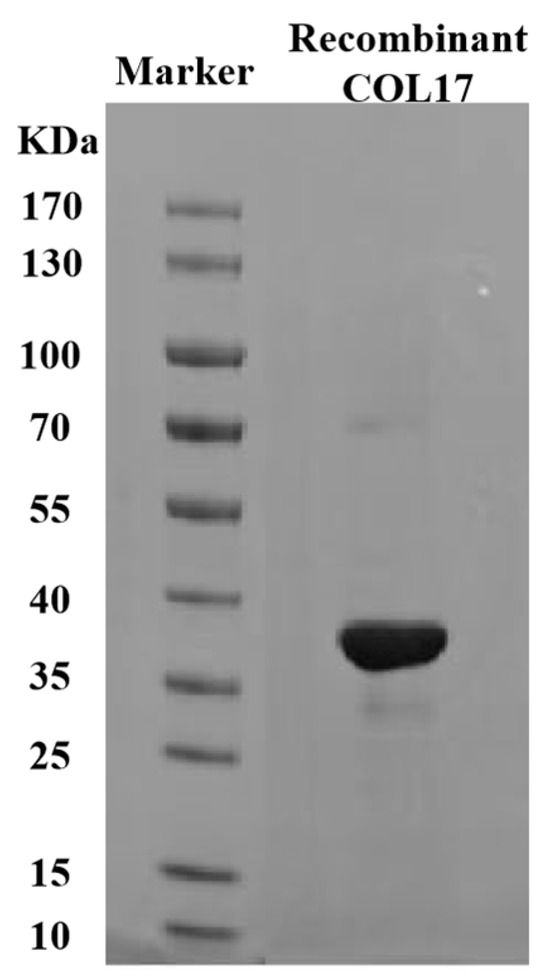
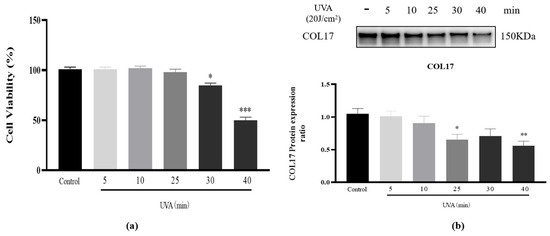
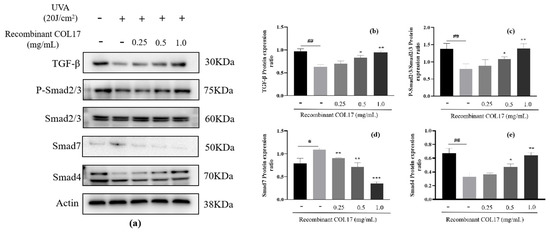
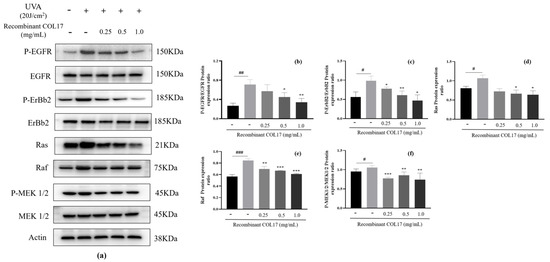
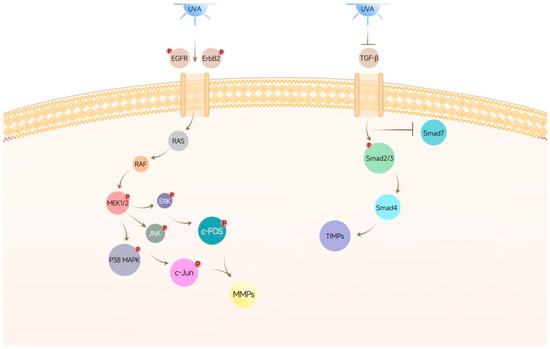
Studies have consistently shown that long-wave ultraviolet A (UVA) radiation triggers skin photoaging, which is evident as reduced elasticity, a loss of firmness, and signs of aging. There is an urgent need to investigate photoaging mechanisms to devise protective strategies against UVA. The present study aimed to explore the effects of recombinant type XVII collagen on UVA-induced skin aging and uncover its molecular mechanisms, thereby laying a solid theoretical foundation for precise treatments and prevention. We therefore modeled photoaging damage in HaCaT cells and evaluated collagen-related protein and gene expression levels via western blot analysis and real-time quantitative polymerase chain reaction analysis. Immunofluorescent staining was also used to assess collagen secretion and basement membrane protein expression. Recombinant type XVII collagen significantly boosted type IV and type XVII collagen, laminin alpha 5, and integrin β1 production, thus counteracting UVA-induced collagen decline. The polymerase chain reaction analysis revealed matrix metalloproteinase (MMP) downregulation and tissue inhibitor of metalloproteinase (TIMP) upregulation. Modulating the transforming growth factor (TGF)-β/Smad and epidermal growth factor receptor (EGFR)/mitogen-activated protein kinase (MAPK)/activator protein-1 (AP-1) pathways suppressed photoaging. Together, our findings suggest that recombinant type XVII collagen ameliorates UVA-induced damage by reversing MMP and TIMP gene expression, thereby preventing collagen degradation and enhancing basement membrane secretion. These results offer a theoretical basis for potent anti-photoaging products, thus paving the way for innovative solutions against UVA-induced skin aging.
Full article
(This article belongs to the Section Cosmetic Dermatology)
►▼
Show Figures

Figure 1
Open AccessArticle
A Novel, Multifunctional, Natural-Based Emollient: An Exhaustive Characterization of Sharofeel DS
by
Francesco Puzzo, Melania Di Liberto, Gabriele Valente, Roberta Maria Donadelli, Giangiacomo Beretta and Fabrizio Gelmini
Cosmetics 2025, 12(2), 58; https://doi.org/10.3390/cosmetics12020058 - 27 Mar 2025
Abstract
Emollients are multifunctional, water-insoluble ingredients used in cosmetic products. This study aims to define the chemical and physical characteristics and test the activities of a new ester-based emollient, Sharofeel DS (DS), in comparison with other commonly used emollients (fatty alcohols, esters, and silicone
[...] Read more.
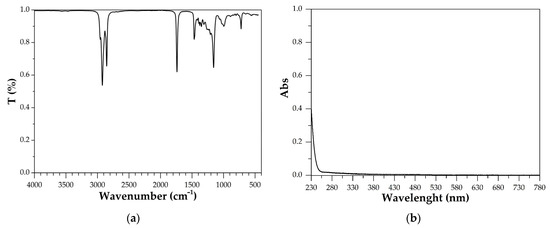
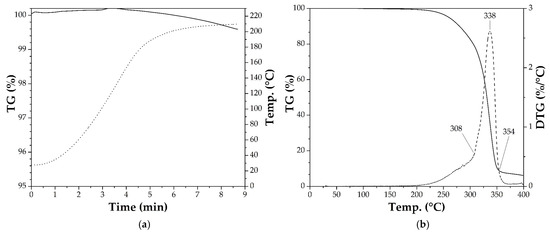
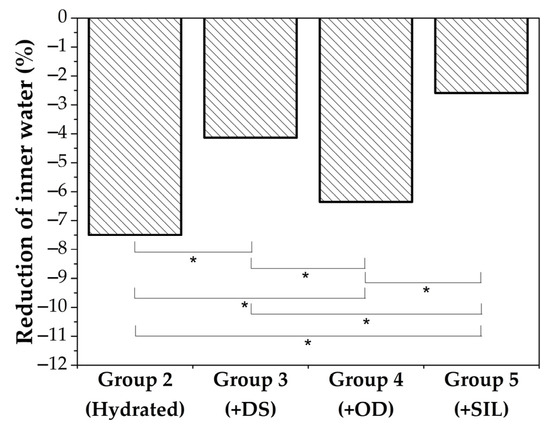
Emollients are multifunctional, water-insoluble ingredients used in cosmetic products. This study aims to define the chemical and physical characteristics and test the activities of a new ester-based emollient, Sharofeel DS (DS), in comparison with other commonly used emollients (fatty alcohols, esters, and silicone emollients). The new entity was synthesized from naturally derived reactants and designed to be utilized in different cosmetic applications, such as skin care, hair care, and makeup. Methods: The emollient was characterized on the basis of its physical properties (Ultraviolet/Infrared (UV/IR) analysis, density, dynamic viscosity, refractive index, surface tension, and contact angle), calorimetric properties by thermogravimetric analysis (TGA) and differential scanning calorimetry analysis (DSC), viscoelastic properties as is and in emulsion, and toxicity tests. According to the results obtained, DS demonstrated density (0.881 g/mL) and viscosity (86 cPs) values comparable to fatty alcohol emollients, with a refractive index (1.457) comparable to fatty alcohol and ester-based emollients and a surface tension (22.53 mN/m ± 0.11 mN/m) similar to the ester-based ones. It proved stable below 308 °C and capable of reducing the loss of internal water from hair strands (−7.5% w/w). Lastly, the toxicity tests proved that DS is safe for topical skincare, haircare, and makeup applications.
Full article
(This article belongs to the Section Cosmetic Formulations)
►▼
Show Figures

Figure 1
Open AccessArticle
Exploring Skin Longevity Pathways: Rosa hybrid Extract-Mediated AMP-Activated Protein Kinase Activation, Antioxidant, and Autophagic Mechanisms in Human Keratinocytes
by
Olivier Gouin, Andrea Cavagnino, Gayané Azadiguian, Sibylle Jäger, Gilles Comte, Mohammed Bendahmane, Lionel Breton, Martin A. Baraibar and Annie F. Black
Cosmetics 2025, 12(2), 57; https://doi.org/10.3390/cosmetics12020057 - 25 Mar 2025
Abstract
The skin is continuously exposed to environmental changes, rendering it vulnerable to damage from external stressors that contribute to premature skin aging. This study aims to explore skin longevity pathways stimulated by a rose extract (RE) derived from petals. Human keratinocytes treated with
[...] Read more.
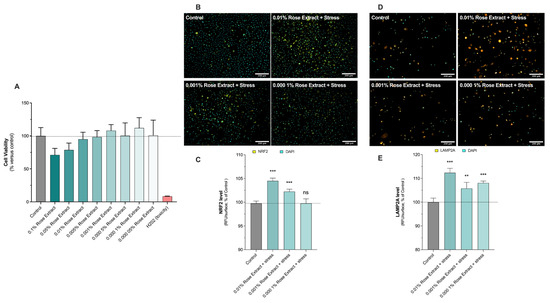
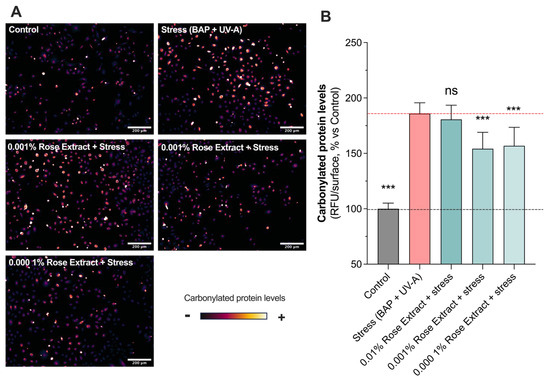
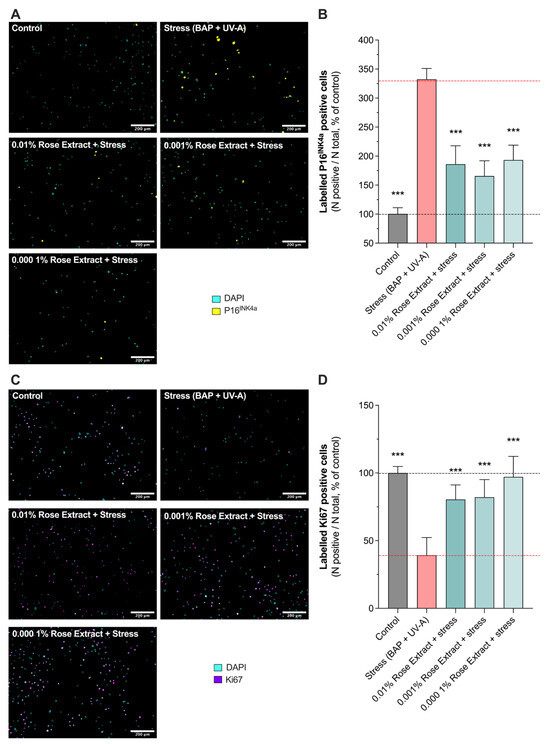
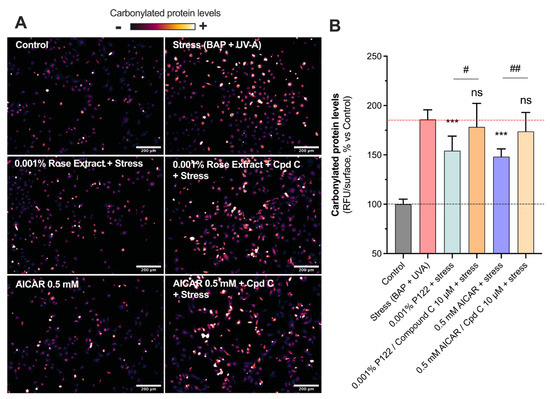
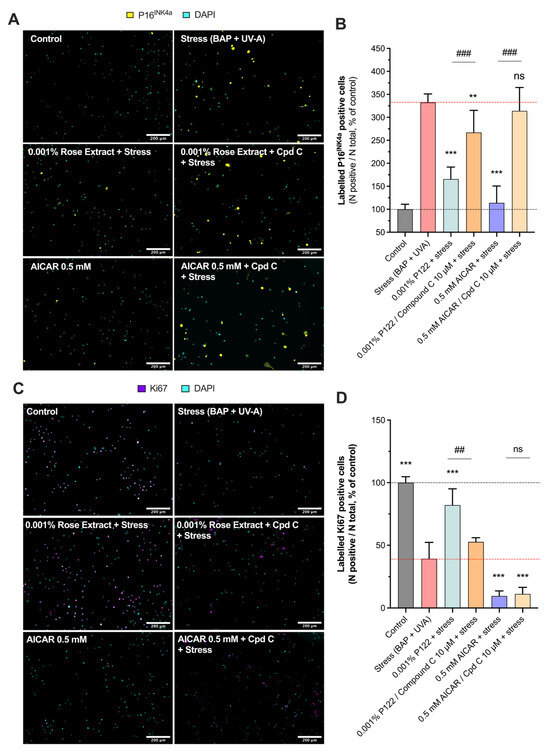
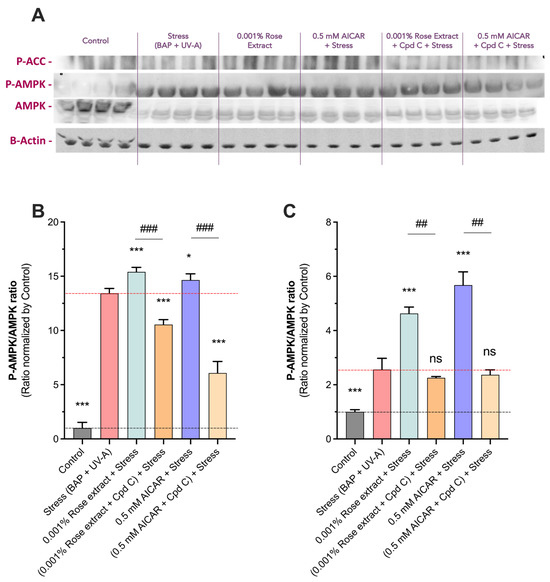
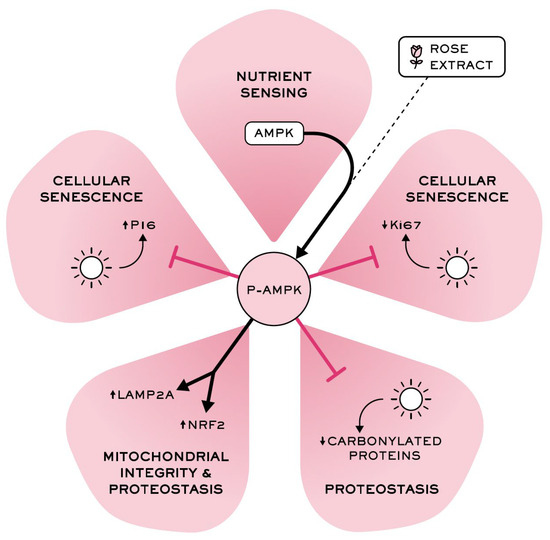
The skin is continuously exposed to environmental changes, rendering it vulnerable to damage from external stressors that contribute to premature skin aging. This study aims to explore skin longevity pathways stimulated by a rose extract (RE) derived from petals. Human keratinocytes treated with RE exhibited a significant increase in NRF2 (NF-E2-related factor 2; ≈2–4% of induction) and LAMP2A (Lysosome-Associated Membrane Protein 2A; ≈6–12% of induction) levels. The presence of RE significantly mitigated the increase in carbonylation levels (≈34–37% of protection) and the number of labeled P16INK4A cells (≈60–72% of protection), associated with proliferation arrest, both induced by exposure to BAP (Benzo[a]pyrene) coupled with UV-A (Ultraviolet A) irradiation. The beneficial effects mediated by RE were inhibited by Compound C, a specific AMPK inhibitor (AMP-activated protein kinase). The involvement of the AMPK pathway in mediating the beneficial effects of RE has been confirmed by assessing its activation through the evaluation of its phosphorylation state which was significantly elevated in the presence of RE compared to the stress condition. In conclusion, the activation of the AMPK pathway enhances antioxidant defenses and promotes autophagy. This dual action, mediated by RE, helps protect skin cells from oxidative damage and senescence while maintaining proteostasis, skin integrity, and cellular proliferation under pollution-induced stress (BAP + UV-A). These findings highlight the potential in mitigating age-related skin changes through the modulation of longevity pathways.
Full article
(This article belongs to the Special Issue Skin Anti-Aging Strategies)
►▼
Show Figures

Figure 1

Open AccessArticle
Assessment of Sustainability Indicators for Cosmetic Product Packaging in the DACH Region
by
Michelle Klein, Anna Oleynikova, Charlotte Neumair, Manfred Tacker and Silvia Apprich
Cosmetics 2025, 12(2), 56; https://doi.org/10.3390/cosmetics12020056 - 24 Mar 2025
Abstract
The rapid expansion of the cosmetic products market, growing consumer eco-consciousness, and stricter packaging regulations, such as the PPWR, present significant challenges for the cosmetic industry. To assess the sustainability of cosmetic packaging, a benchmarking study was conducted across various product categories available
[...] Read more.
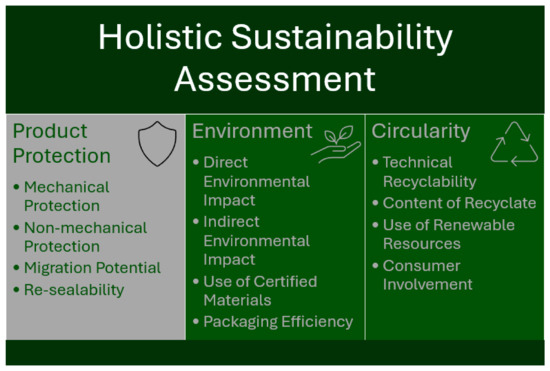
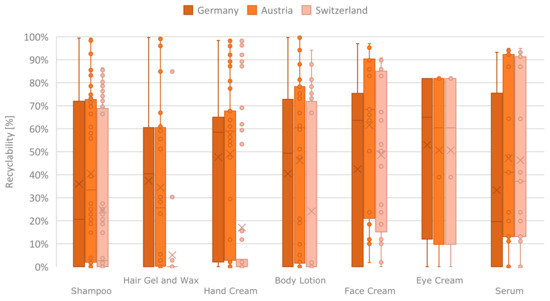
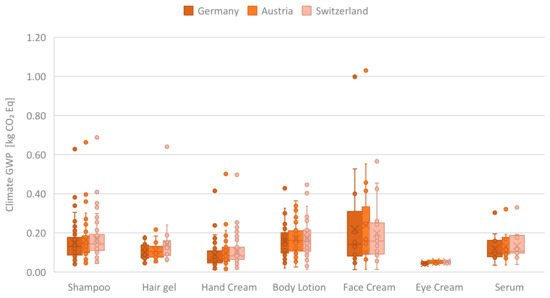
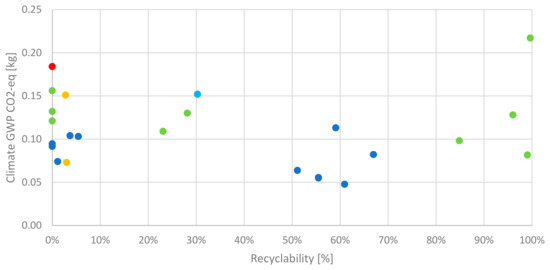
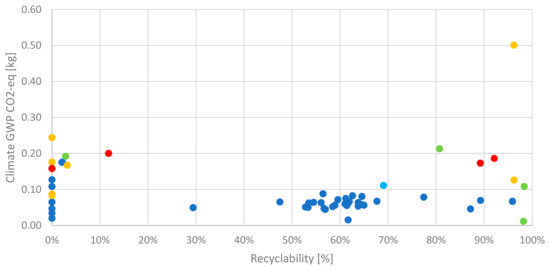
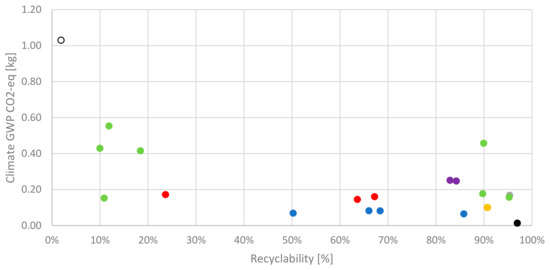
The rapid expansion of the cosmetic products market, growing consumer eco-consciousness, and stricter packaging regulations, such as the PPWR, present significant challenges for the cosmetic industry. To assess the sustainability of cosmetic packaging, a benchmarking study was conducted across various product categories available in the DACH region (Germany, Austria, and Switzerland) using a set of selected indicators. The findings highlight an urgent need for action to ensure compliance with future PPWR requirements. While glass and aluminum packaging demonstrated high recyclability, plastic tubes often failed to meet the 70% recyclability target due to incompatible material combinations. Key barriers to recyclability included material incompatibility, metallization, and excessive colorization. Additionally, the use of recycled content in plastic and paper-based packaging was generally low, with only a few samples containing secondary materials. Other critical issues included packaging efficiency, the widespread use of secondary packaging, and use of uncertified renewable materials. Addressing these challenges will require industry-wide efforts to enhance material compatibility, increase recycled content, and optimize packaging design for greater sustainability.
Full article
(This article belongs to the Special Issue Advanced Cosmetic Sciences: Sustainability in Materials and Processes)
►▼
Show Figures

Figure 1
Open AccessArticle
NAMICA Encapsulation Technology in an Animal Model: MICROscale vs. NANOscale Hyaluronic Acid Particles in Skin Remodeling (Part 2)
by
Pavel Burko, George Sulamanidze and Dmitriy Nikishin
Cosmetics 2025, 12(2), 55; https://doi.org/10.3390/cosmetics12020055 - 21 Mar 2025
Abstract
Hyaluronic acid (HA), an integral non-sulfated glycosaminoglycan, plays a pivotal role in numerous biological functions within the extracellular matrix, crucially influencing tissue hydration and cellular activities. These findings position it as a key substance in both aesthetic interventions and regenerative medicine. This study
[...] Read more.
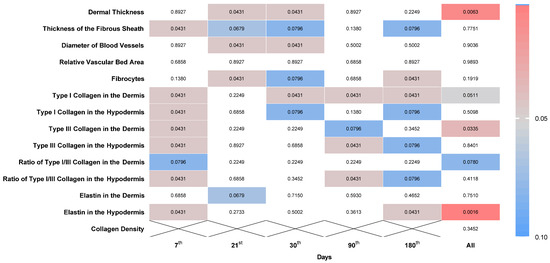
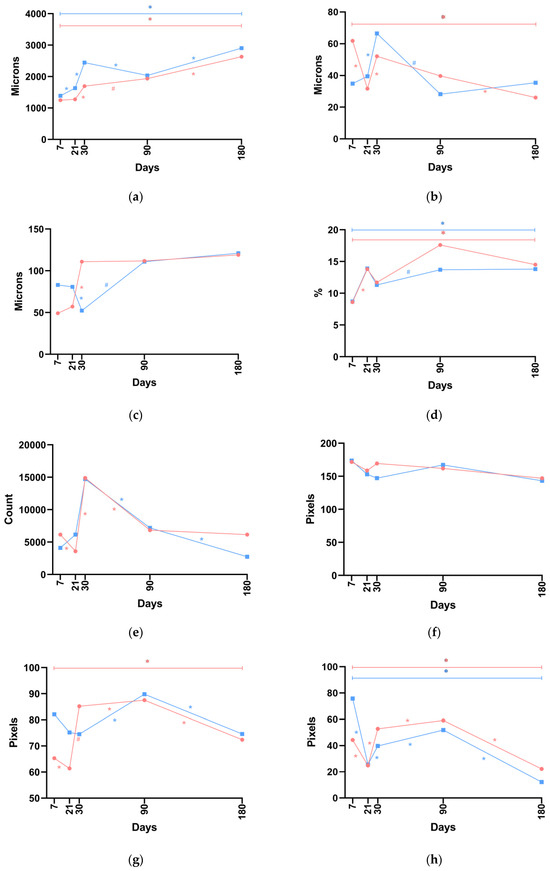
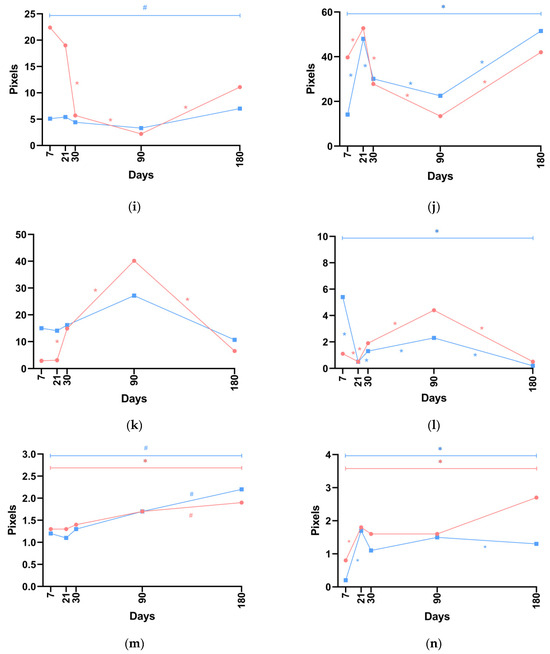
Hyaluronic acid (HA), an integral non-sulfated glycosaminoglycan, plays a pivotal role in numerous biological functions within the extracellular matrix, crucially influencing tissue hydration and cellular activities. These findings position it as a key substance in both aesthetic interventions and regenerative medicine. This study evaluated the skin remodeling efficacy of poly(L-lactide-co-ε-caprolactone) (P(LA/CL)) threads embedded with HA particles at both the microscale (P(LA/CL)-HA-micro) and nanoscale (P(LA/CL)-HA-nano) utilizing NAMICA encapsulation technology. This investigation was conducted over a six-month period in an animal model. These threads were engineered to administer HA gradually, thereby potentially augmenting the therapeutic impacts on the skin, enhancing the bioavailability of HA, and prolonging the benefits. Methodologically, the research conformed to the ARRIVE guidelines, incorporating specific inclusion and exclusion criteria for the animal model. The threads were surgically implanted, and a series of histological indicators were evaluated at scheduled intervals to determine their influence on the structural properties of the skin. The findings indicated that both P(LA/CL)-HA-micro and P(LA/CL)-HA-nano threads demonstrated potential in skin remodeling. Notably, the P(LA/CL)-HA-nano threads may have provided some advantages in enhancing certain structural aspects of the skin. The integration of micro- and nano-HA formulations through NAMICA technology might address individual limitations and synergistically promote biorevitalization in skin remodeling. Nevertheless, the intricate interactions between the biomaterials and hosted tissue underscored in this analysis suggest that additional investigations, especially using human models, are essential to fully discern the clinical implications and refine therapeutic approaches for skin remodeling via these new technologies.
Full article
(This article belongs to the Special Issue 10th Anniversary of Cosmetics—Recent Advances and Perspectives)
►▼
Show Figures

Figure 1
Open AccessArticle
Clinical Efficacy of Adiponectin-Stimulating Peptide on UV-Induced Skin Damage
by
Yongwoo Kim, Seokjeong Yoon, Sungwoo Kim, Yeonjae Kim, Sekyoo Jeong and Hyun-jung Kim
Cosmetics 2025, 12(2), 54; https://doi.org/10.3390/cosmetics12020054 - 18 Mar 2025
Abstract
Several studies have suggested that adiponectin is an anti-aging molecule based on its potential involvement of adipose tissue in skin aging. In this study, we investigated the anti-photoaging efficacy of an adiponectin expression-stimulating peptide derivative, pentasodium tetracarboxymethyl hexanoyl dipeptide-12 (PTHD-12), in in vitro
[...] Read more.
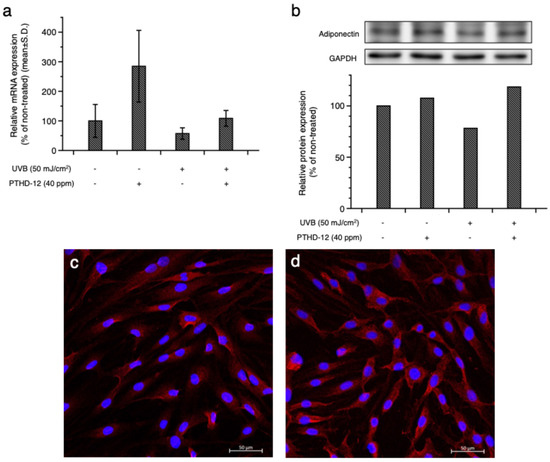
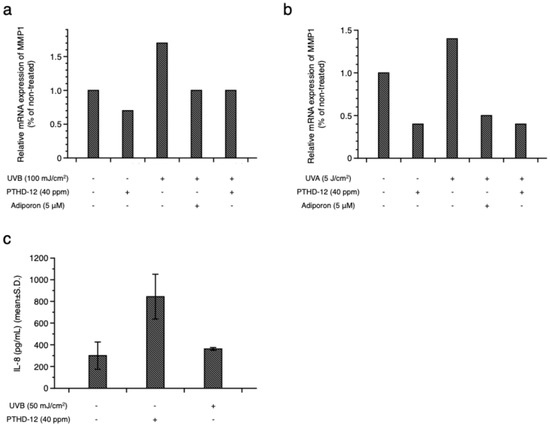
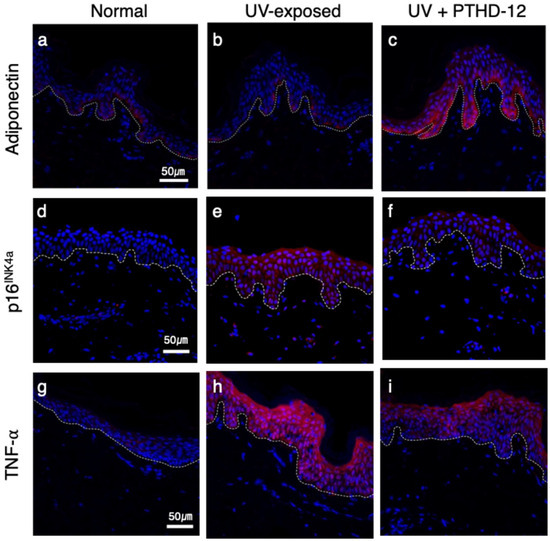
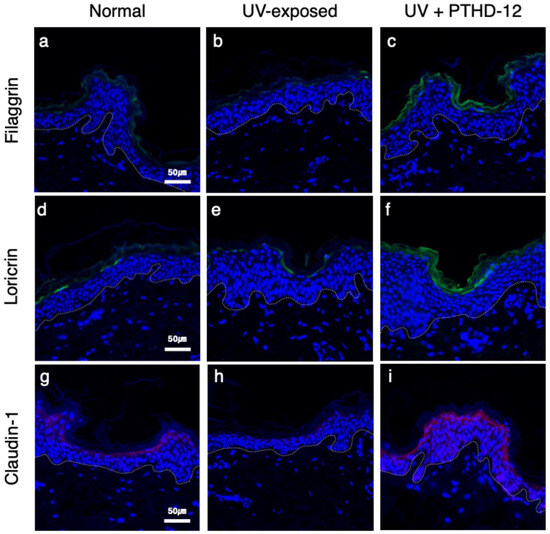
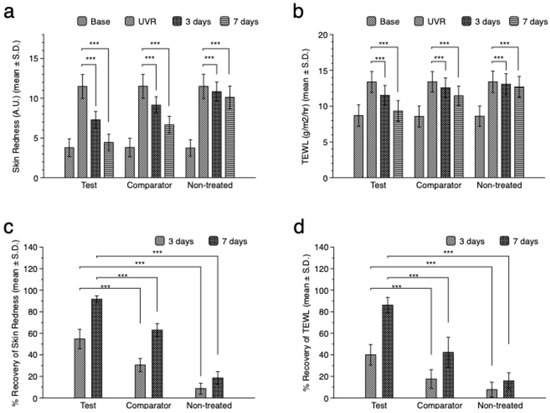
Several studies have suggested that adiponectin is an anti-aging molecule based on its potential involvement of adipose tissue in skin aging. In this study, we investigated the anti-photoaging efficacy of an adiponectin expression-stimulating peptide derivative, pentasodium tetracarboxymethyl hexanoyl dipeptide-12 (PTHD-12), in in vitro and ex vivo human skin explant models. A double-blind, randomized, comparator placebo-controlled study was performed to confirm clinical efficacy. After irradiation with 50 mJ/cm2 of UVB, a UV-induced decrease in adiponectin expression and an increase in inflammatory cytokines in cultured human dermal fibroblasts were prevented by the PTHD-12 treatment test peptide. Mitigation of cellular senescence and senescence-associated secretory phenotype (SASP) expressions induced by UVB (50 mJ/cm2) exposure were also mitigated by the post-treatment of PTHD-12, which was also observed in an ex vivo human skin explant model. The restoration of filaggrin, loricrin, and claudin-1 protein expression in a cultured human skin explant was observed. A clinical study further confirmed that the restoration of UVB-induced skin damage, represented by increased skin redness and trans-epidermal water loss, was accelerated by the use of test peptide PTHD-12-containing products. These results suggest that targeting adiponectin may be a plausible strategy for the development of anti-aging ingredients.
Full article
(This article belongs to the Special Issue Feature Papers in Cosmetics in 2025)
►▼
Show Figures

Figure 1
Open AccessArticle
Public Perception and Usage Trends of Essential Oils: Findings from a Nationwide Survey
by
Stanislava Ivanova, Radiana Staynova, Nina Koleva, Kalin Ivanov and Daniela Grekova-Kafalova
Cosmetics 2025, 12(2), 53; https://doi.org/10.3390/cosmetics12020053 - 17 Mar 2025
Abstract
In recent years, an increasing demand for natural products for personal care, cosmetics, supplementation, and the treatment of different conditions has been reported worldwide. At the same time, the global essential oil (EO) market was valued at more than 23 billion per year
[...] Read more.
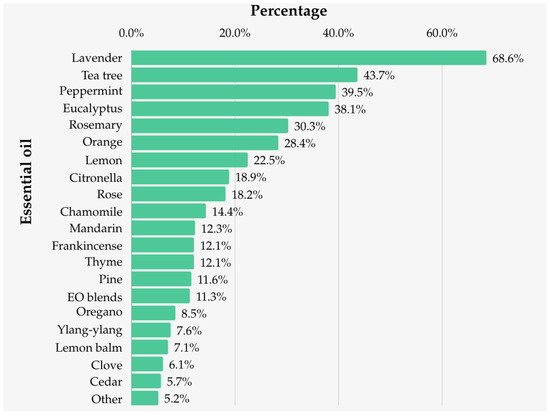
In recent years, an increasing demand for natural products for personal care, cosmetics, supplementation, and the treatment of different conditions has been reported worldwide. At the same time, the global essential oil (EO) market was valued at more than 23 billion per year in the last two years and is expected to grow significantly in the next five years. The purpose of this study was to explore the use of EOs in daily life, including frequency, preferences, and health-related outcomes among Bulgarian adults. The respondents and their responses remained anonymous as the survey was conducted online in January 2025. The study was associated with some important findings: usage of essential oils among Bulgarian adults is widespread (68.7% of the respondents use essential oils); secondly, we found that EO usage had a statistically greater association with younger age, higher education, and female sex. Most of the consumers of EOs did not report any side effects after use. However, 4.0% reported contact dermatitis and allergic reactions after the application of EOs. Most respondents (86.3% of the EO users) believe that repellents based on EOs provide good protection. It was established that Bulgarian adults use EOs for various applications: skin care, general wellness, aromatherapy, and as repellents. Most of the consumers of EOs would recommend EOs to other people.
Full article
(This article belongs to the Special Issue Fine Chemicals from Natural Sources with Potential Application in the Cosmetic/Pharmaceutical Industry—Volume 2)
►▼
Show Figures

Figure 1
Open AccessArticle
Oral Intake and Topical Application of Hyaluronic Acid Ameliorates Skin Aging Signs: Efficacy Results of a Placebo-Controlled In&Out Trial
by
Vincenzo Nobile, Gloria Roveda, Eleonora Spartà and Francesco Tursi
Cosmetics 2025, 12(2), 52; https://doi.org/10.3390/cosmetics12020052 - 17 Mar 2025
Abstract
Hyaluronic acid (HA) content in the skin progressively decreases with age; thus, its supplementation—either topical, oral, and by subcutaneous injection—represents a first-line intervention to ameliorate skin aging signs. The present multicenter randomized placebo-controlled trial (RCT) evaluated the skin antiaging efficacy of an In&Out
[...] Read more.
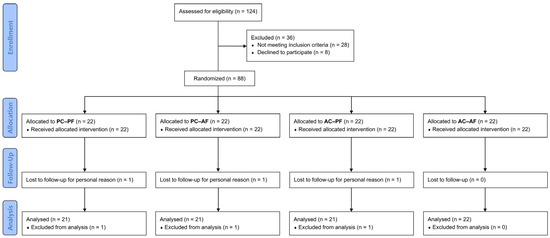
Hyaluronic acid (HA) content in the skin progressively decreases with age; thus, its supplementation—either topical, oral, and by subcutaneous injection—represents a first-line intervention to ameliorate skin aging signs. The present multicenter randomized placebo-controlled trial (RCT) evaluated the skin antiaging efficacy of an In&Out treatment, i.e., a concomitant topical, through a cosmetic cream, and the oral administration of specifically designed HAs, full-spectrum HAs (FS-HAs), in a multiethnic population using instrumental measurements and clinical assessments. The efficacy of FS-HAs was also evaluated in groups receiving FS-HA in a single administration route and in the presence of the placebo in the counterpart route. The above treatment scheme was applied for 56 days to 88 adult subjects, equally divided into four groups. Treatments containing at least one FS-HA molecule showed progressive and significant intragroup ameliorations of all the instrumental skin parameters evaluated. The In&Out treatment resulted in a greater improvement with respect to the two other active groups and in significant intergroup differences with respect to its placebo counterpart. FS-HA treatments resulted, as well, in the significant improvements of clinical parameters that correlated with the subjects’ appreciation recorded by a self-assessment, hence confirming that the In&Out administration of FS-HA represents an interesting approach to counteract skin aging signs.
Full article
(This article belongs to the Section Cosmetic Dermatology)
►▼
Show Figures

Figure 1
Open AccessReview
Mechanistic Insights into Pigmented Rice Bran in Mitigating UV-Induced Oxidative Stress, Inflammation, and Pigmentation
by
Tao Zhang, Hua-Li Zuo, Yue Liu, Hsi-Yuan Huang, Shang-Fu Li, Jing Li, Li-Ping Li, Yi-Gang Chen, Ting-Syuan Lin, Sheng-Han Huang, Yang-Chi-Dung Lin and Hsien-Da Huang
Cosmetics 2025, 12(2), 51; https://doi.org/10.3390/cosmetics12020051 - 14 Mar 2025
Abstract
As an agri-food by-product, the rice bran of pigmented rice, encompassing varieties such as red, black, and purple rice, has garnered increasing attention due to its richness in terms of bioactive compounds. Being mainly composed of the pericarp, aleuron, seed coat, and germ,
[...] Read more.
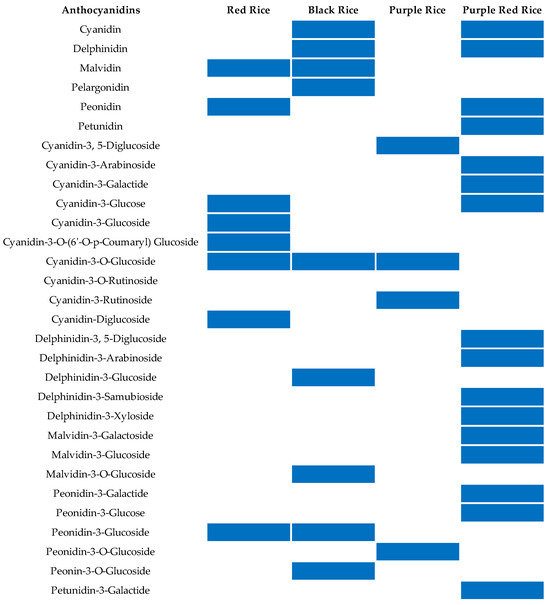
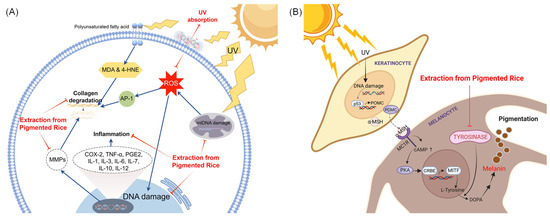
As an agri-food by-product, the rice bran of pigmented rice, encompassing varieties such as red, black, and purple rice, has garnered increasing attention due to its richness in terms of bioactive compounds. Being mainly composed of the pericarp, aleuron, seed coat, and germ, the brown outer layer of the rice kernel offers potential health benefits and has applications in skincare. Human skin serves as the primary barrier against external threats, including pathogens, pollutants, and ultraviolet (UV) radiation. Notably, UV radiation accelerates the aging process and contributes to various skin issues. Recent trends suggest a heightened interest in incorporating pigmented rice into skincare regimens, motivated by its potential to mitigate oxidative stress, inflammation, and pigmentation, which are pivotal factors in skin aging and photodamage. With increasing consumer demand for natural and sustainable ingredients, pigmented rice has emerged as a promising candidate within the skincare and personal care sectors, effectively bridging the gap between nutrition and dermatological health. This review examines the applications of pigmented rice in skincare, with a particular focus on its bioactive components and potential mechanisms of action that contribute to skin health. The unique chemical composition of pigmented rice, which includes compounds such as anthocyanins, flavonoids, phenolic acids, and vitamin E, underlies its antioxidant, anti-inflammatory, and skin-protective properties. Despite the increasing recognition of its benefits, a comprehensive understanding of the underlying mechanisms remains limited, underscoring the necessity for further research to exploit the potential of pigmented rice in skincare applications fully.
Full article
(This article belongs to the Special Issue Useful from Useless: Development of Cosmetics from Agri-Food By-Products)
►▼
Show Figures

Figure 1
Open AccessArticle
Production and Characterization of Semi-Solid Formulations for the Delivery of the Cosmetic Peptide Palmitoyl-GHK
by
Valentyn Dzyhovskyi, Federico Santamaria, Erika Marzola, Leda Montesi, Irene Donelli, Stefano Manfredini, Remo Guerrini and Elisabetta Esposito
Cosmetics 2025, 12(2), 50; https://doi.org/10.3390/cosmetics12020050 - 13 Mar 2025
Abstract
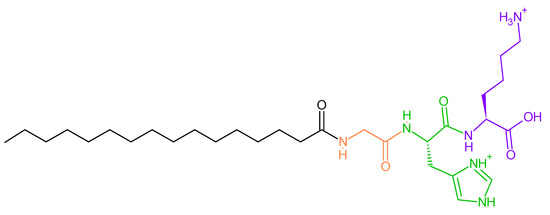
In this study, vesicular lipid systems and semi-solid formulations for the skin application of Palmitoyl-GHK were formulated and characterized. Palmitoyl-GHK is a cosmetic peptide with anti-aging action, capable of treating the signs of skin aging by mainly stimulating collagen synthesis in the dermis.
[...] Read more.
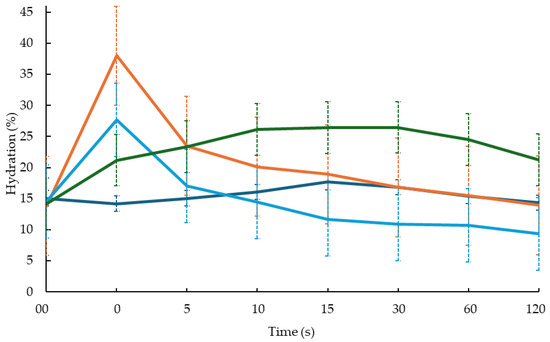
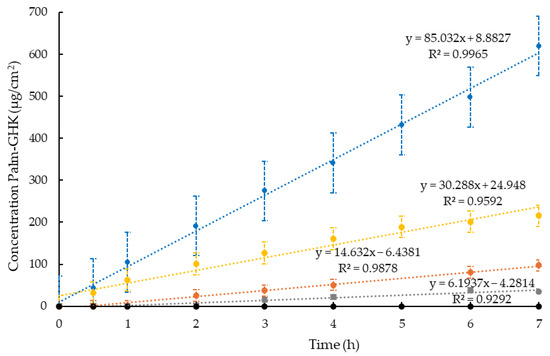
In this study, vesicular lipid systems and semi-solid formulations for the skin application of Palmitoyl-GHK were formulated and characterized. Palmitoyl-GHK is a cosmetic peptide with anti-aging action, capable of treating the signs of skin aging by mainly stimulating collagen synthesis in the dermis. The so-called “ethosomes” were evaluated as nanovesicular systems constituted of phosphatidylcholine, organized in vesicles, ethanol, and water. In addition, semi-solid systems were produced and characterized, namely an organogel based on phosphatidylcholine, isopropyl palmitate, and water, a gel based on Poloxamer 407, and the poloxamer organogel, created by combining organogel and Poloxamer gel. To make the ethosomal dispersions suitable for skin application, xanthan gum was added as a gelling agent. Studies were therefore carried out on semi-solid formulations to determine (i) the spreadability, a key factor that influences various aspects of a topical/transdermal formulation, (ii) the occlusive factor, important to guarantee good effectiveness of a dermocosmetic product, and finally, (iii) the hydrating power, to study the effect of a formulation applied to the skin. A formulation study enabled the selection of the most suitable formulations for the incorporation of the active ingredient of interest. Palmitoyl-GHK was found to be soluble both in ethosomes and in the poloxamer organogel. In vitro studies were therefore conducted to evaluate the release kinetics of Palmitoyl-GHK from the formulations, via Franz cells. The qualitative–quantitative analysis, through analytical HPLC, highlighted that the active ingredient is released more slowly from semi-solid formulations compared to vesicular systems; in particular, the presence of poloxamer allows a controlled release of the peptide. Further studies will be necessary to verify the anti-aging efficacy of formulations containing the peptide.
Full article
(This article belongs to the Special Issue Feature Papers in Cosmetics in 2025)
►▼
Show Figures

Figure 1
Open AccessCorrection
Correction: Su, E.; Herman, S. Beyond Sulfate-Free Personal Cleansing Technology. Cosmetics 2025, 12, 14
by
Evelyn Su and Stephen Herman
Cosmetics 2025, 12(2), 49; https://doi.org/10.3390/cosmetics12020049 - 13 Mar 2025
Abstract
Error in Figure/Table [...]
Full article
(This article belongs to the Special Issue Chinese American Cosmetic Professional Association (CACPA)—a Collaborative and Inclusive Platform for Research and Education of Cosmetic and Personal Care Products)
►▼
Show Figures

Figure 1
Open AccessArticle
Unraveling the Molecular Mechanisms of Synthetic Acetyl Hexapeptide in E-Cadherin Activation for Tissue Rejuvenation
by
Nikoleta Topouzidou, Androulla N. Miliotou, Danai Nodaraki, Eleftheria Galatou, Christos Petrou and Yiannis Sarigiannis
Cosmetics 2025, 12(2), 48; https://doi.org/10.3390/cosmetics12020048 - 12 Mar 2025
Abstract
Objective: Dermo-cosmetics have significantly advanced, focusing on innovative and effective products such as cosmeceuticals—cosmetics infused with bioactive ingredients for skin benefits. Synthetic peptides are prominent among these bioactive molecules, noted for their enhanced effects in cellular processes related to skin physiology. Specifically, the
[...] Read more.
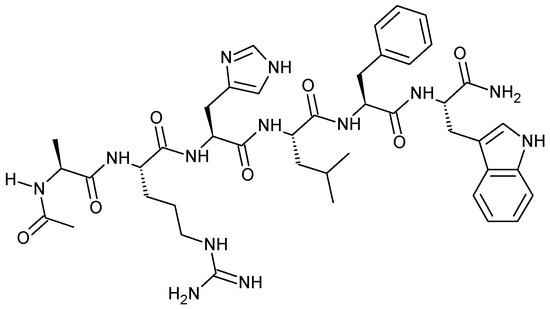
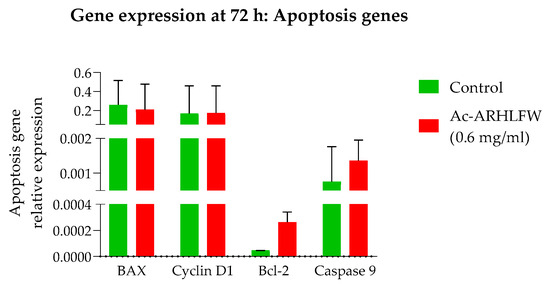
Objective: Dermo-cosmetics have significantly advanced, focusing on innovative and effective products such as cosmeceuticals—cosmetics infused with bioactive ingredients for skin benefits. Synthetic peptides are prominent among these bioactive molecules, noted for their enhanced effects in cellular processes related to skin physiology. Specifically, the glycoprotein E-cadherin plays a crucial role in cellular adhesion and has shown promise in wound healing studies, although its broader cellular functions remain underexplored. Despite their widespread use, many cosmetic peptides lack genetic validation of their effects. This study focuses on the synthetic, amphiphilic acetyl hexapeptide-1, aimed to possess wound healing and anti-aging properties, with a novel exploration of its molecular mechanisms, specifically its effect on the expression of the CDH-1 gene, which encodes E-cadherin—a key protein in cellular adhesion and wound healing. Methods: In this investigation, the acetyl hexapeptide-1 was synthesized in house, followed by cell culture assessment and molecular evaluation. Human hepatocytes HepG2 were exposed to the synthetic hexapeptide to assess cytotoxic effects and examine its impact on gene expression, specifically targeting the wound healing-associated gene CDH-1, as well as apoptosis-related genes BAX, Bcl-2, Caspase-9, and Cyclin D1. Results: No cytotoxic effects were observed in cell cultures. Gene expression analysis revealed a significant increase in E-cadherin expression, along with the NO modulation of apoptosis-related genes (BAX, Bcl-2, Caspase-9) and the cell cycle-related gene Cyclin D1. These findings suggest peptide’s role in enhancing cellular adhesion, without any cytotoxic effects. Conclusions: The findings of this study provide promising insights into the potential molecular properties of synthetic acetyl hexapeptide-1, implying its applicability in cosmeceuticals. These cosmetic peptides hold enormous potential and diverse applications not only within skincare. To fully understand their benefits and expand their scope, additional investigations are warranted to comprehensively explore their molecular mechanisms across a spectrum of applications.
Full article
(This article belongs to the Section Cosmetic Dermatology)
►▼
Show Figures

Figure 1
Highly Accessed Articles
Latest Books
E-Mail Alert
News
Topics
Topic in
Clinics and Practice, Cosmetics, JCM, Medicina, Dermato, LabMed, Psychology International
Advances in Psychodermatology
Topic Editors: Jacek C Szepietowski, Andrzej JaworekDeadline: 30 November 2025
Conferences
Special Issues
Special Issue in
Cosmetics
Nanotechnology Advances in Cosmetics
Guest Editor: Sreejarani Kesavan PillaiDeadline: 30 April 2025
Special Issue in
Cosmetics
Useful from Useless: Development of Cosmetics from Agri-Food By-Products
Guest Editors: Maria Manconi, Maria Letizia Manca, Piera Di MartinoDeadline: 31 May 2025
Special Issue in
Cosmetics
Laser Therapy and Phototherapy in Cosmetic Dermatology
Guest Editors: Steven Paul Nisticò, Ester Del DucaDeadline: 31 May 2025
Special Issue in
Cosmetics
New Perspectives in Cosmetics and Dermatology: Mechanisms and Therapies
Guest Editor: Montserrat Fernández-GuarinoDeadline: 30 June 2025
Topical Collections
Topical Collection in
Cosmetics
Editorial Board Members' Collection Series: "Sustainability in Materials and Processes in Cosmetic Science"
Collection Editors: Pierfrancesco Morganti, Alina Sionkowska
Topical Collection in
Cosmetics
Editorial Board Members' Collection Series: "Novel Delivery Systems for Dermocosmetic Applications"
Collection Editors: Elisabetta Esposito, Debora Santonocito