
Journal Description
Crops
Crops
is an international, peer-reviewed, open access journal on the science and technology of crops published bimonthly online by MDPI.
- Open Access— free for readers, with article processing charges (APC) paid by authors or their institutions.
- High Visibility: indexed within ESCI (Web of Science), Scopus, and other databases.
- Rapid Publication: manuscripts are peer-reviewed and a first decision is provided to authors approximately 22.1 days after submission; acceptance to publication is undertaken in 5.9 days (median values for papers published in this journal in the second half of 2024).
- Recognition of Reviewers: APC discount vouchers, optional signed peer review, and reviewer names published annually in the journal.
- Crops is a companion journal of Agriculture and Agronomy.
Latest Articles
Genotypic Variability in Root Morphological Traits in Canola (Brassica napus L.) at the Seedling Stage
Crops 2025, 5(2), 18; https://doi.org/10.3390/crops5020018 (registering DOI) - 6 Apr 2025
Abstract
►
Show Figures
Canola (Brassica napus L.) is a vital oilseed crop, but its sustainable production is increasingly challenged by climate change. Characterizing genotypic variation in root morphological traits in canola provides a basis for breeding new varieties with root traits that enhance soil nutrient
[...] Read more.
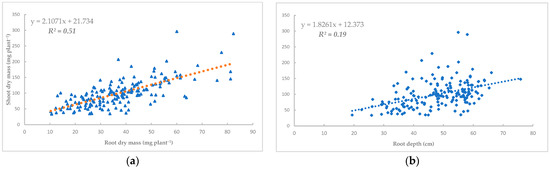
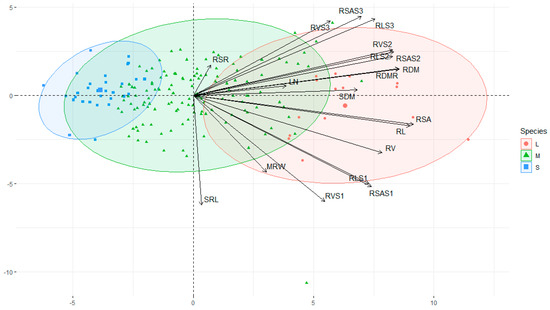
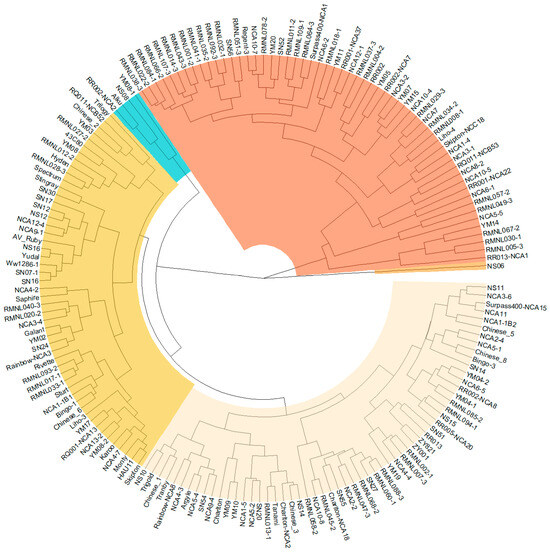
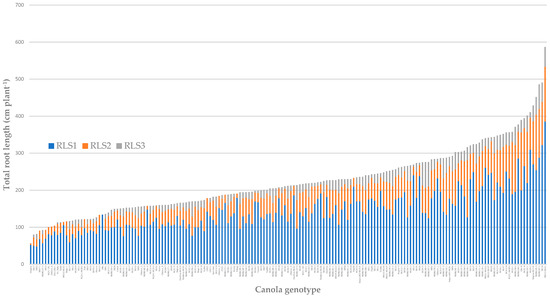
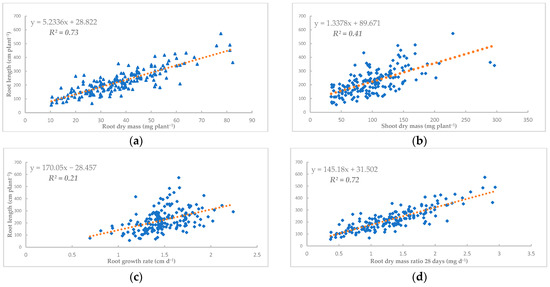
Canola (Brassica napus L.) is a vital oilseed crop, but its sustainable production is increasingly challenged by climate change. Characterizing genotypic variation in root morphological traits in canola provides a basis for breeding new varieties with root traits that enhance soil nutrient uptake, water use efficiency, and adaptation to stress. This study evaluated genotypic variation in 25 root morphological traits and 2 shoot traits across 173 canola genotypes using a semi-hydroponic phenotyping platform under controlled conditions. Large genotypic variation was observed in the majority of root traits. Nineteen traits with a coefficient of variation greater than 0.3 were selected for further analysis. Principal component analysis identified five components with eigenvalues > 1, collectively accounting for 87.9% of the total variability. Hierarchical cluster analysis classified the 173 genotypes into five distinct clusters. The broad genotypic variations in root morphological traits among genotypes offer significant potential for future research aimed at identifying molecular markers and genes associated with key morphological traits. This study provides a strong foundation for the genetic improvement of canola to enhance resource-use efficiency and tolerance to environmental stresses, such as drought and heat stress.
Full article
Open AccessReview
Integrating Organic Fertilizers in Coconut Farming: Best Practices and Application Techniques
by
Anjana J. Atapattu, Tharindu D. Nuwarapaksha, Shashi S. Udumann and Nuwandhya S. Dissanayaka
Crops 2025, 5(2), 17; https://doi.org/10.3390/crops5020017 - 3 Apr 2025
Abstract
►▼
Show Figures
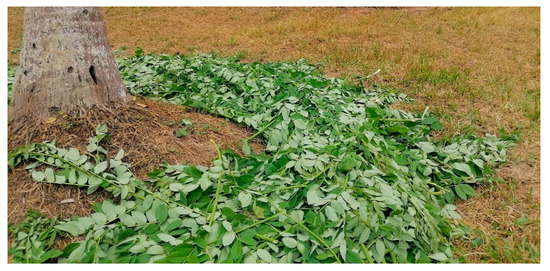
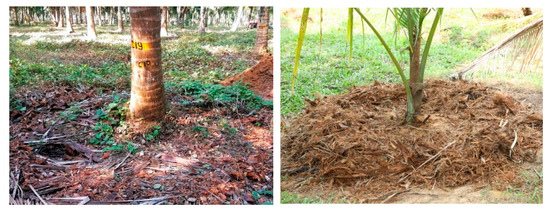
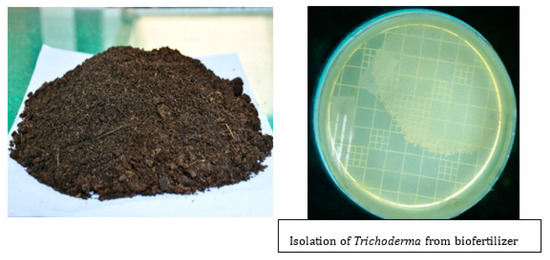
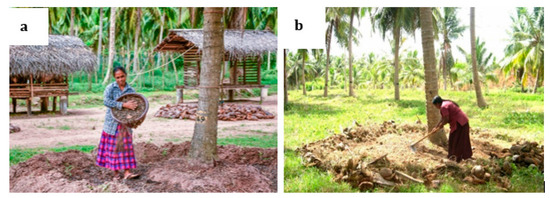
Organic fertilizers are a revolutionary concept in coconut farming as they provide a package for sustainable coconut production. This review examines the multiple advantages of organic fertilization methods and types of organic fertilizers, which include compost, vermicompost, livestock manure, green manure, crop residues,
[...] Read more.
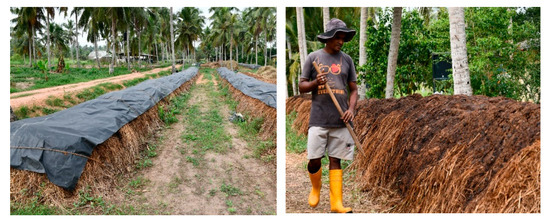
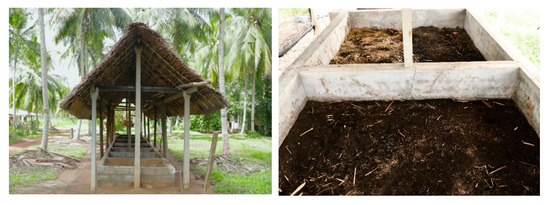
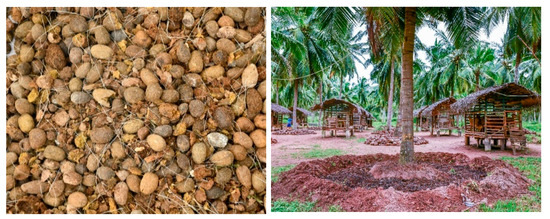
Organic fertilizers are a revolutionary concept in coconut farming as they provide a package for sustainable coconut production. This review examines the multiple advantages of organic fertilization methods and types of organic fertilizers, which include compost, vermicompost, livestock manure, green manure, crop residues, and biofertilizers. The review focuses on the best practices, application methods, time of application, frequency and rate of application of nutrients for coconut palm at various developmental stages. The study provides a detailed and systematic review of the environmental, economic and social impacts of organic fertilization. Benefits include enhanced soil health, biodiversity promotion, carbon sequestration, cost effectiveness, quality improvement of the yield, food security and possibilities of creating rural income. Issues including resource accessibility difficulties, nutrient deficiencies, and intensive labor requirements are explored in detail, as well as future trends that focus on advanced technologies, new research areas, and policy approaches. Thus, the study reviews organic fertilization as a coherent concept that can be applied to coconut production and other goals of environmental protection, food security, and sustainable development of agriculture.
Full article

Figure 1
Open AccessArticle
The Essential Oil Composition in Commercial Samples of Verbena officinalis L. Herb from Different Origins
by
Ain Raal, Getter Dolgošev, Tetiana Ilina, Alla Kovalyova, Martin Lepiku, Andriy Grytsyk and Oleh Koshovyi
Crops 2025, 5(2), 16; https://doi.org/10.3390/crops5020016 - 2 Apr 2025
Abstract
►▼
Show Figures
The key objective of this study was to determine the yield and chemical composition of eight commercial samples and one collected sample of common vervain (Verbena officinalis L.) herb essential oil (EO) originating from seven different countries, and subsequently, to assess its
[...] Read more.
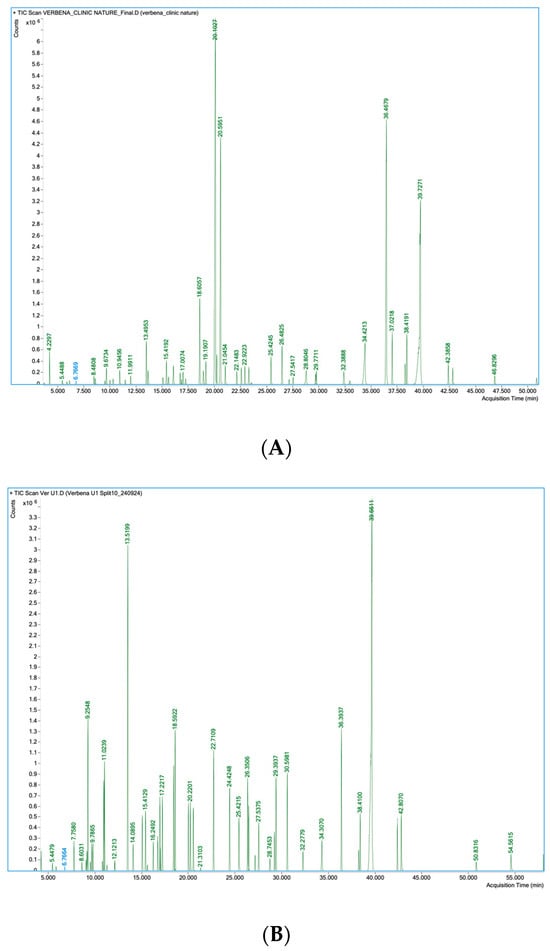
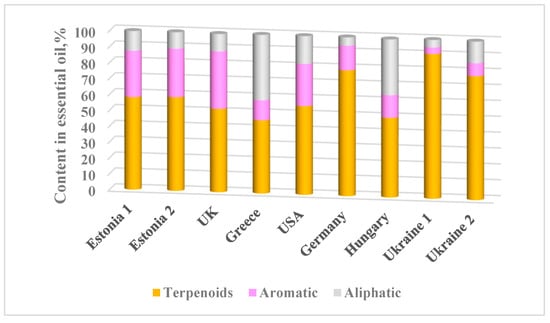
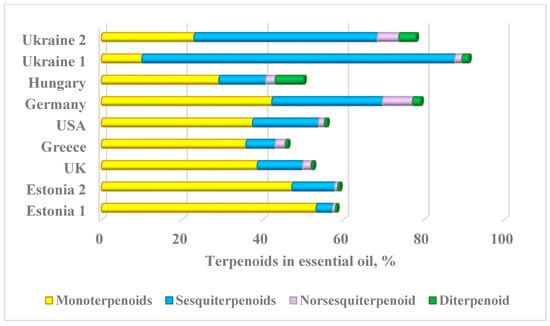
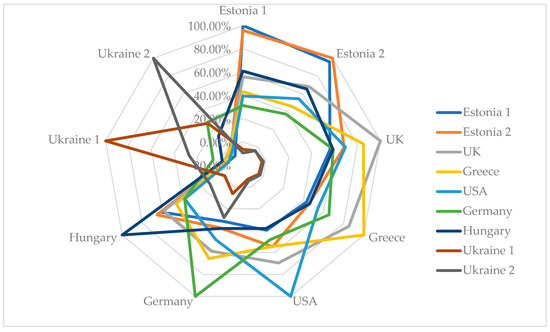
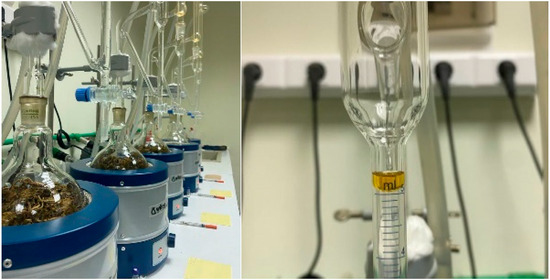
The key objective of this study was to determine the yield and chemical composition of eight commercial samples and one collected sample of common vervain (Verbena officinalis L.) herb essential oil (EO) originating from seven different countries, and subsequently, to assess its potential for treating anxiety and depression. According to GC-MS analysis, 90 compounds were identified, 49 of which were discovered for the first time in V. officinalis EO. The plants with the highest oil content are from Greece (4.7 mL/kg) and South Carolina, USA (5.2 mL/kg). The chemical markers for the studied chemotypes of EO of V. officinalis are the terpenoids o-cymene, p-cymene, L-carvone, thymol, carvacrol, α-curcumin, hexahydrofarnesyl acetone, phytol, (E)-β-ionone, and phenylpropene anethole. The chemotype from the UK demonstrated the greatest affinity to the continuum under study; it has the highest levels of similarity—85.2% with the chemotype from Greece, 69.4% with the chemotype from the USA, 68.2% with the chemotype from Estonia (2), 58.7% with the chemotype from Germany, and 58.6% with the chemotype from Hungary. The chemotypes identified have the potential for use in the treatment of anxiety and depression.
Full article

Figure 1
Open AccessArticle
Physio-Biochemical Responses and Cadmium Partitioning Associated with Stress Tolerance in Hulless Barley Genotypes
by
Said Bouhraoua, Mohamed Ferioun, Abdelali Boussakouran, Douae Belahcen, Taoufiq Benali, Naoufal El Hachlafi, Mohamed Akhazzane, Abdelmajid Khabbach, Khalil Hammani and Said Louahlia
Crops 2025, 5(2), 15; https://doi.org/10.3390/crops5020015 - 1 Apr 2025
Abstract
►▼
Show Figures
Among heavy metals, cadmium (Cd) is shown to have adverse consequences for plants. Due to its harmful nature and ability to move through the soil–plant system, it is a very worrying element for soil experts and plant physiologists. In this work, we designed
[...] Read more.
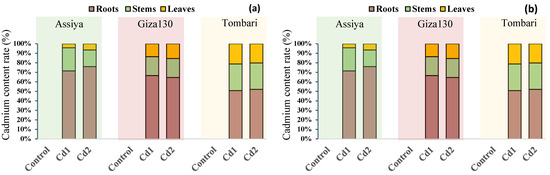
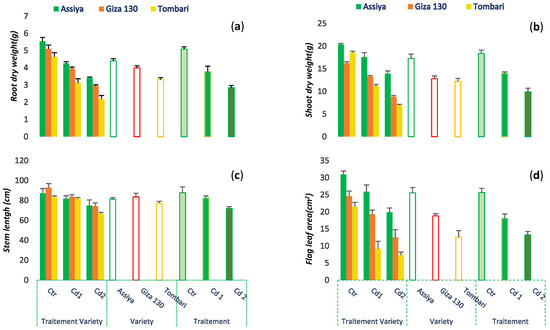
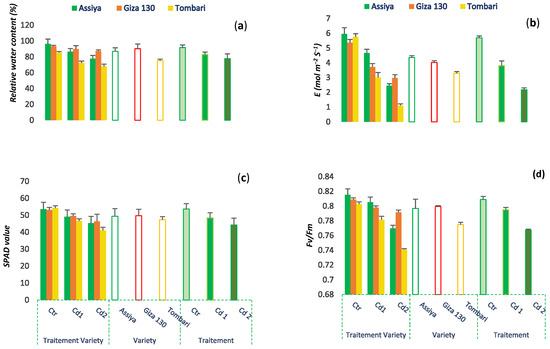
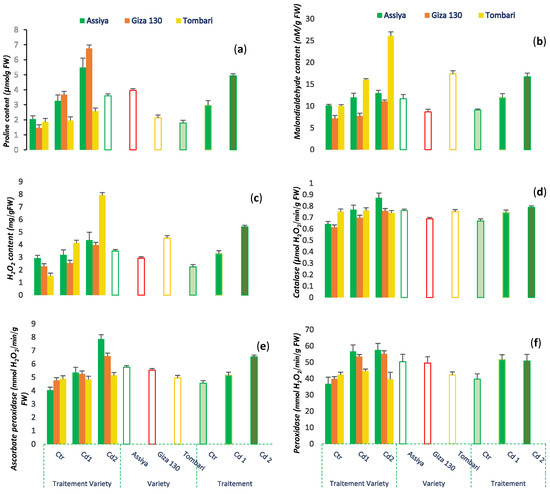
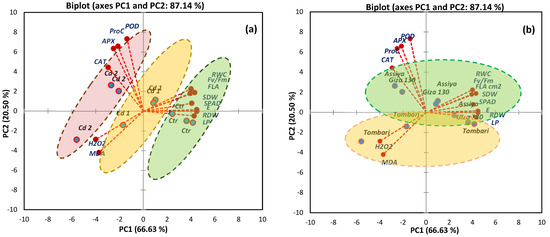
Among heavy metals, cadmium (Cd) is shown to have adverse consequences for plants. Due to its harmful nature and ability to move through the soil–plant system, it is a very worrying element for soil experts and plant physiologists. In this work, we designed a pot experiment to study the influence of three soil concentrations of cadmium (0, 15, and 30 mg/kg) to explore its physiological impacts, and its portioning in the whole plant of three hulless barley varieties. Our findings demonstrated marked Cd accumulation in roots, leaves, and stems under severe Cd stress (30 mg/kg). Cd stress was also shown to reduce photosynthetic activity, chlorophyll fluorescence (Fv/Fm), and transpiration rates (E). The application of Cd in the soil increased the activities of catalase (CAT), ascorbate peroxidase (APX), and guaiacol peroxidase (POD) enzymes, as well as the levels of oxidative stress markers such as malondialdehyde (MDA), hydrogen peroxide (H2O2), and proline. These results reflect the negative effects of cadmium on morpho-physiological traits in barley genotypes. However, the principal component analysis indicated a significant correlation between oxidative stress indicators and enzymatic activities, along with different levels of Cd tolerance between Tombari, Assiya, and Giza 130 genotypes. When exposed to Cd, these varieties shifted a significant amount of energy from growth to produce antioxidant compounds and osmolytes. Despite this, these defenses did not effectively shield the plant from the detrimental effects of oxidative stress induced by Cd accumulation at vegetative stages. Consequently, we highly recommend testing these varieties under Cd-contaminated soil to investigate the rate of cadmium accumulation in the seeds, the harvested part used in human nutrition.
Full article

Figure 1
Open AccessArticle
The Impact of Biostimulants on the Yield and Quality Attributes of Essential Oil from Different Basil Varieties
by
Kyriakos D. Giannoulis, Dimitrios Bartzialis, Kyriaki Asimaki, Argiro-Zoi Breza, Paraskevi-Konstantina Malamou, Elias Zournatzis, Eleni Wogiatzi-Kamvoukou and Nicholaos G. Danalatos
Crops 2025, 5(2), 14; https://doi.org/10.3390/crops5020014 - 26 Mar 2025
Abstract
►▼
Show Figures
Ocimum basilicum is an herbaceous plant, rich in essential oils. This research represents a groundbreaking exploration of the cultivation of Ocimum basilicum in Greece, a Mediterranean nation. It emphasizes the impact of biostimulants on various basil varieties, assessing both quantitative aspects and qualitative features.
[...] Read more.
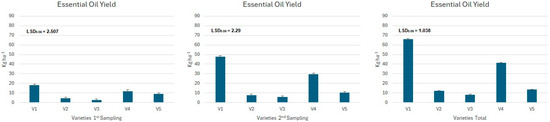
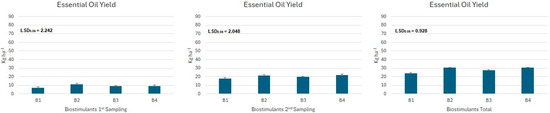
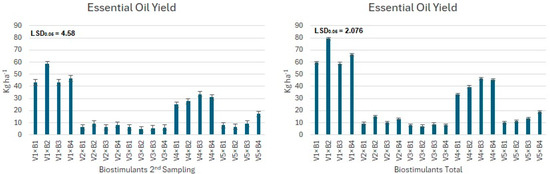
Ocimum basilicum is an herbaceous plant, rich in essential oils. This research represents a groundbreaking exploration of the cultivation of Ocimum basilicum in Greece, a Mediterranean nation. It emphasizes the impact of biostimulants on various basil varieties, assessing both quantitative aspects and qualitative features. This study was conducted through a field trial at the University of Thessaly’s experimental farm located in the Velestino region. This study examined different testing varieties (V1: Lemon, V2: Siam Queen, V3: Salat, V4: Bascuro, and V5: Genovese), under different biostimulant applications (B1: control, B2: seaweed extracts, amino acids, vitamins, trace elements, polyphenols, antioxidants and mannitol; B3: plant amino acids, glutamic and aspartic acid, vitamins and other nutrients, B4: B1 and B2 combination in a 1:1 ratio). The findings highlight the significant differences in both fresh and dry yields across various basil cultivars, with Lemon basil demonstrating the most substantial yields. Specifically, the Lemon variety attained the highest dry yield, surpassing the lowest-performing cultivar by more than two times. Additionally, this research evaluated the production of essential oil per hectare, emphasizing the relationship between essential oil content and the crop’s dry yield. The results revealed considerable variability among the examined varieties, with the Lemon variety yielding nearly 65 kg ha−1, the highest among them. Biostimulant treatments (B2) led to the greatest total yields of essential oils, while the control treatments yielded the least. The chemical composition of essential oils derived from O. basilicum shows significant variability, often associated with the plants’ nutritional conditions. The application of biostimulants has led to considerable alterations in the volatile profile of sweet basil, supporting this study’s conclusions.
Full article

Figure 1
Open AccessArticle
Effects of Biochar on Growth, Response to Water Stress, and Post-Stress Recovery in Underutilized Vegetable Hibiscus sabdariffa from Malawi
by
Dickson Mgangathweni Mazibuko, Sarvesh Maskey, Kiseki Kurashina, Hiromu Okazawa, Hiroyuki Oshima, Taku Kato and Hidehiko Kikuno
Crops 2025, 5(2), 13; https://doi.org/10.3390/crops5020013 - 21 Mar 2025
Abstract
►▼
Show Figures
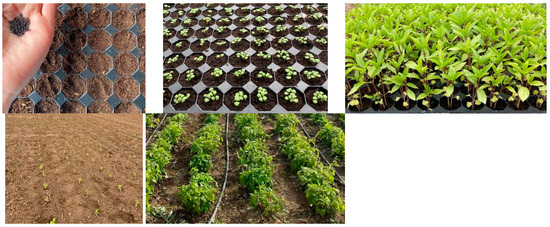
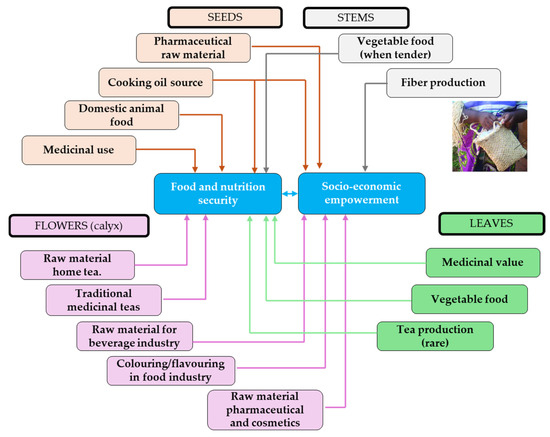
Globally, Hibiscus sabdariffa L. (Malvaceae), commonly known as roselle or hibiscus, is a multipurpose vegetable crop. In Malawi, where it is referred to as ‘Chidede’ (Chichewa), it is recognized as an underutilized traditional plant with significant potential. Traditional vegetable production in Malawi is
[...] Read more.
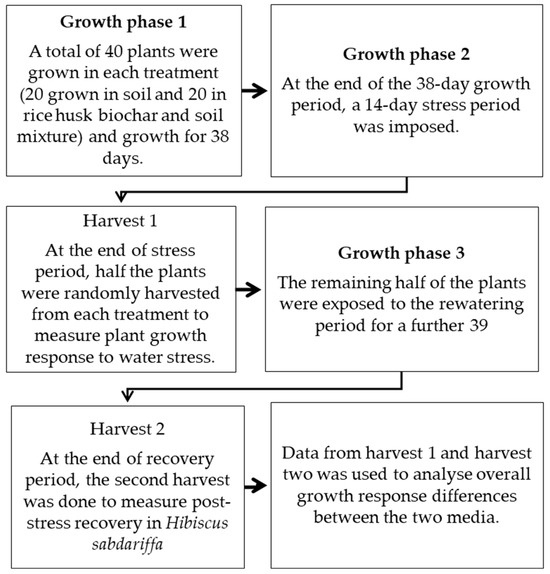
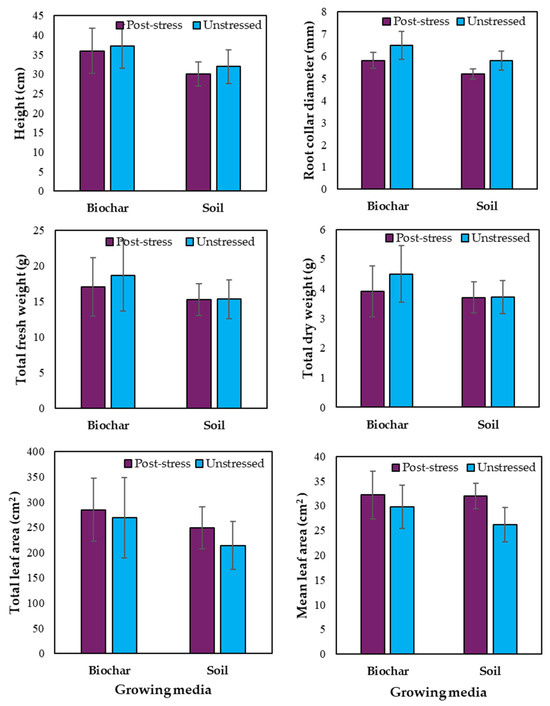
Globally, Hibiscus sabdariffa L. (Malvaceae), commonly known as roselle or hibiscus, is a multipurpose vegetable crop. In Malawi, where it is referred to as ‘Chidede’ (Chichewa), it is recognized as an underutilized traditional plant with significant potential. Traditional vegetable production in Malawi is being promoted to enhance nutritional food security and climate change mitigation. Recently, biochar has become increasingly used to improve agricultural productivity through climate-smart technologies. To date, the influence of rice husk biochar (RHB) on H. sabdariffa remains underexplored. This study aims to evaluate the effects of RHB on the vegetative growth, response to water stress, and post-stress recovery of H. sabdariffa using a greenhouse pot experiment. Our findings indicate that biochar-amended soil enhanced plant height, stem thickness, and total leaf area by 16.5%, 12.0%, and 12.9%, respectively. Water stress significantly reduced all assessed growth parameters (p < 0.05) except total leaf area and average leaf area per plant. Under water stress conditions, biochar-treated plants were significantly taller (p < 0.05) and had a higher specific leaf area (p < 0.05), demonstrating a positive effect. A post-stress recovery analysis revealed that H. sabdariffa fully recovered in height and biomass, while partial recovery was observed for root collar diameter and compensatory recovery for total leaf area and average leaf area. Biochar-treated plants exhibited superior post-stress recovery compared to those grown in unamended soil. Overall, plants grown with biochar were taller and had a larger root collar diameter, higher stem and leaf fresh biomass, and greater total leaf area. These findings underscore biochar’s potential as a sustainable soil amendment for enhancing growth and resilience in underutilized crops. Further studies should explore field experiments to access environmental heterogeneity and examine the diverse factors influencing biochar efficiency.
Full article

Figure 1
Open AccessArticle
Previous Cropping Sequence Affects Plant-Parasitic Nematodes and Yield of Peanut and Cotton More than Continuous Use of Fluopyram
by
Ethan Foote, David Jordan, Adrienne Gorny, Jeffrey Dunne, LeAnn Lux, Barbara Shew and Weimin Ye
Crops 2025, 5(2), 12; https://doi.org/10.3390/crops5020012 - 20 Mar 2025
Abstract
Cropping sequence can have a major impact on diseases, pests, nutrient cycling, crop yield, and overall financial return at the farm level for crops that are grown on an annual basis. In some cases, implementing an effective rotation sequence can allow growers to
[...] Read more.
Cropping sequence can have a major impact on diseases, pests, nutrient cycling, crop yield, and overall financial return at the farm level for crops that are grown on an annual basis. In some cases, implementing an effective rotation sequence can allow growers to avoid using nematicides to suppress plant-parasitic nematodes. Two cropping system trials were established with ten rotations each in 1997 and have been maintained through 2022. From 2013 through 2019, rotation sequences were both favorable and unfavorable for peanut (Arachis hypogaea L.) plant health. Peanut (2020), cotton (Gossypium hirsutum L.) (2021), peanut (2022), and corn (Zea mays L.) (2023) were planted in all plots to determine the residual effects of the previous cropping sequence. In 2020, 2021, and 2022, fluopyram at 0.25 kg ai/ha was applied in the seed furrow at planting in the same area of each plot to determine if the response of nematode populations and crop yield to this nematicide differed based on previous crop sequence. Differences in nematode populations in soil and yield of peanut (2020 and 2022) and cotton (2021) were observed when comparing crop rotation sequences regardless of fluopyram treatment. Increasing the number of years peanut was in the rotation or including soybean [Glycine max (L.) Merr.] rather than corn or cotton often resulted in higher populations of nematodes and a lower peanut yield. While fluopyram occasionally reduced nematode populations in soil and root injury from nematode feeding, the yield of peanut did not differ when comparing non-treated and fluopyram-treated peanut. When pooled over crop rotation sequence, peanut yield at Lewiston–Woodville was 5970 kg/ha vs. 6140 kg/ha for these respective treatments. At this location in 2021 and at Rocky Mount in 2019 and 2020, peanut yield for this comparison was 4710 vs. 4550, 5790 kg/ha vs. 6010 kg/ha, and 6060 kg/ha vs. 6120 kg/ha, respectively. These data indicate that previous crop sequences can influence crop yield more than the continuous use of fluopyram. Therefore, fluopyram is not recommended for application in the seed furrow at planting to suppress nematodes in cotton or peanut in North Carolina.
Full article
Open AccessReview
Bamboo: Global Occurrence and Its Significance as Food and Related Products
by
Utsaphong Uprarawanna, Jiraphat Kaewsritong and Khongsak Srikaeo
Crops 2025, 5(2), 11; https://doi.org/10.3390/crops5020011 - 17 Mar 2025
Abstract
►▼
Show Figures
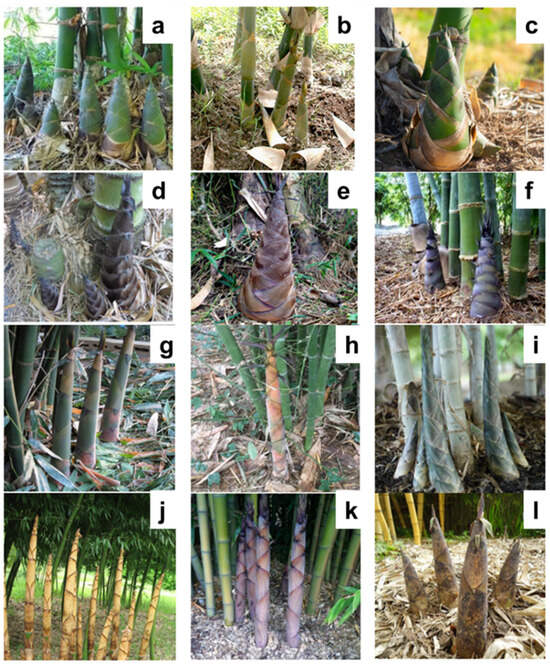
Bamboo has recently garnered international recognition for its nutritional and medicinal properties, which contribute significantly to the culinary, pharmaceutical, and cosmeceutical sectors. Every component of the bamboo plant—rhizome, culm, bark shavings, shoots, leaves, roots, and seeds—possesses useful applications. Bamboo shoots, as a type
[...] Read more.
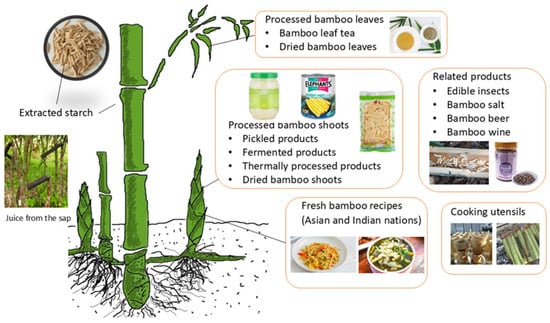
Bamboo has recently garnered international recognition for its nutritional and medicinal properties, which contribute significantly to the culinary, pharmaceutical, and cosmeceutical sectors. Every component of the bamboo plant—rhizome, culm, bark shavings, shoots, leaves, roots, and seeds—possesses useful applications. Bamboo shoots, as a type of food, have been consumed for a long time due to their nutritional and edible qualities, as well as their economic value. Other parts of bamboo, such as leaves and culms, can also be used in food applications. Commercial markets in various countries offer a variety of bamboo-based products, including those that are dried, fermented, pickled, and thermally processed. This article provides an overview of the use of all edible bamboo parts as foods and related products as well as their nutritional benefits. A wide range of traditional food products derived from bamboo, including industrial products and some novel products, was investigated. It is possible that the promotion of bamboo as a staple food could offer substantial promise in addressing the worldwide concerns regarding hunger, food insecurity, and environmental degradation.
Full article

Figure 1
Open AccessArticle
Effect of ALS and 4-HPPD Inhibitor Herbicides on Maize Lines
by
José I. Saavedra-Avila, J. Jesús García Zavala, Amalio Santacruz Varela, Fernando Castillo González and José Crossa
Crops 2025, 5(2), 10; https://doi.org/10.3390/crops5020010 - 14 Mar 2025
Abstract
►▼
Show Figures
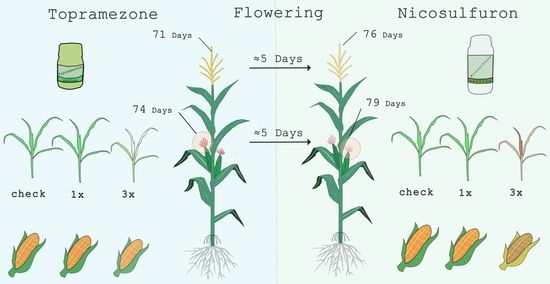
Nicosulfuron and topramezone are herbicides with different mechanisms of action, and are recommended for weed control in maize (Zea mays L.). The objective of this study was to evaluate and compare the effect of both herbicides, at increasing doses of 0, 1×
[...] Read more.
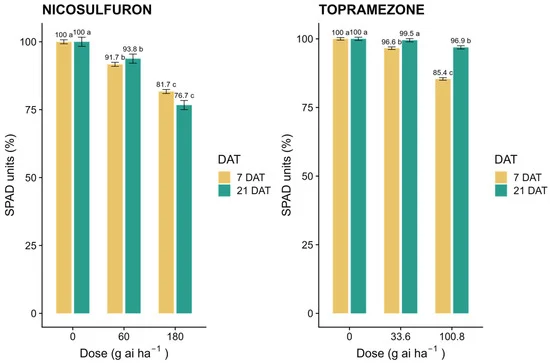
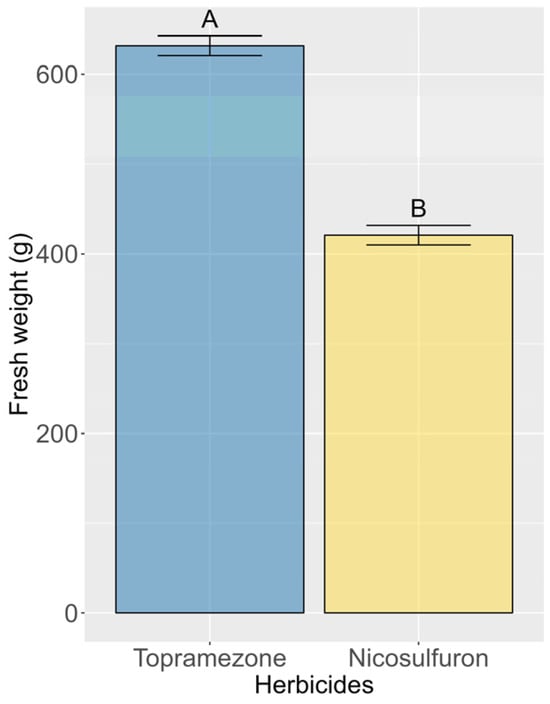
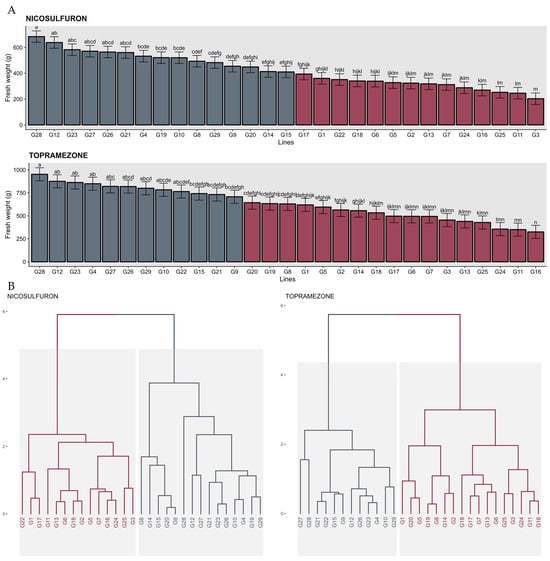
Nicosulfuron and topramezone are herbicides with different mechanisms of action, and are recommended for weed control in maize (Zea mays L.). The objective of this study was to evaluate and compare the effect of both herbicides, at increasing doses of 0, 1× and 3×, equivalent to 0, 60, and 180 g ai ha−1 for nicosulfuron, and 0, 33.6, and 100.8 g ai ha−1 for topramezone, on physiological and agronomic characteristics in 29 maize lines, including S2, S3 and S4, using an alpha-lattice incomplete block design. The cluster analysis divided our genotypes into two groups for both herbicides, based on their higher or lower fresh weight. The results showed a reduction in the SPAD index for both herbicides at 7 days after application, and nicosulfuron caused a reduction in the green matter weight of 33.4%. Similarly, nicosulfuron caused a delay and a reduction in its doses, after an initial increase, for all the agronomic variables, female flowering (FF), male flowering (MF), plant height (PH), ear height (EH), and grain weight (GW), in doses of 60 and 180 g ai ha−1, while topramezone only affected PH (1×–3×) and EH (3×). When comparing the applications of both herbicides on the maize genotypes, a difference in female and male flowering of 5.09 and 4.86 days, respectively was observed. A differential response and greater damage to nicosulfuron were observed in maize genotypes, with respect to topramezone applications.
Full article

Graphical abstract
Open AccessArticle
Indigenous Knowledge on Edible Wild Yams (Kumbu) in the Mount Cameroon Region: Towards Domestication for Enhanced Food Security
by
Frederick Tilili Moleye, Mercy Dione Abwe Ngone, Solange Dzekewong Ndzeshala Takwi, Jean-Pierre Mvodo and Christopher Ngosong
Crops 2025, 5(2), 9; https://doi.org/10.3390/crops5020009 - 7 Mar 2025
Abstract
►▼
Show Figures
Growing food insecurity can in part be attributed to a lack of diversity in arable crops, with most African countries now focused on the production of a few “green revolution crops”. Indigenous knowledge of traditional food types could hold the key to the
[...] Read more.
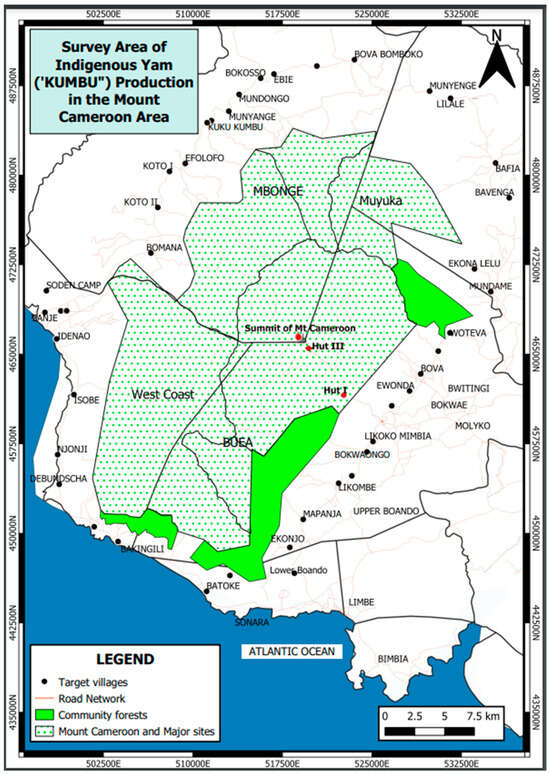
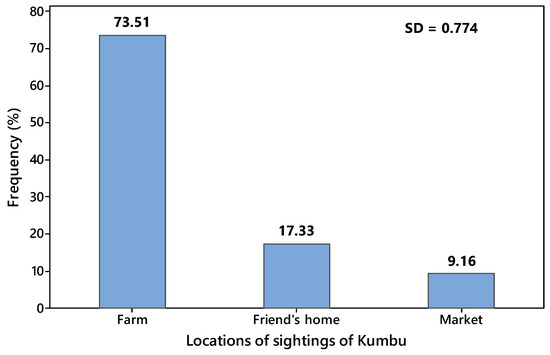
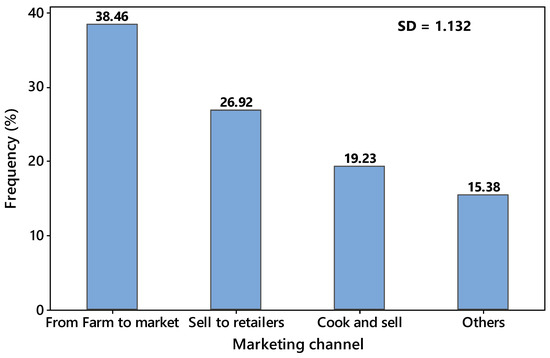
Growing food insecurity can in part be attributed to a lack of diversity in arable crops, with most African countries now focused on the production of a few “green revolution crops”. Indigenous knowledge of traditional food types could hold the key to the genetic diversification of crop production systems. Wild yams are indigenous crops that have been relegated to the background. This study aimed to assess the state of knowledge in, and cultivation of, wild yams collectively called “Kumbu” by the Bakweris of the Mount Cameroon Region. Following reconnaissance surveys, semi-structured questionnaires were administered to 583 interviewees across 41 villages in this region. Data were analysed in the SPSS version 21 statistical package with significance at α = 0.05 where necessary. Results showed that the study population was fairly balanced in terms of gender (SD = 0.534), with males representing 56.8% of the sample. A majority of the interviewees (53.3%) were married, and most had received at least primary education (85.2%). Most (61.6%) of the interviewees do not cultivate Kumbu due to a lack of available seeds (69.3%) and a preference for other yams (30.7%). Of those who cultivate Kumbu (38.4% of the interviewees), a majority (89.6%) have less than five stands of Kumbu. The different names (10) and types (13) of Kumbu could represent linguistic polymorphism, requiring further studies for proper identification. A majority (68.1%) of the interviewees had no idea of the differences between Kumbu types. Agronomic practices, pests, and disease management reported for Kumbu are similar to those of other mainstream yam types. We conclude that the state of knowledge on Kumbu in the Mt Cameroon Region is limited and on the decline. Bringing Kumbu production to the mainstream requires research on molecular taxonomy, propagation techniques, and agronomic practices for better yields.
Full article

Figure 1
Open AccessReview
Advanced High-Throughput Phenotyping Techniques for Managing Abiotic Stress in Agricultural Crops—A Comprehensive Review
by
Srushtideep Angidi, Kartik Madankar, Muhammad Massub Tehseen and Anshika Bhatla
Crops 2025, 5(2), 8; https://doi.org/10.3390/crops5020008 - 28 Feb 2025
Abstract
►▼
Show Figures
Abiotic stresses, such as drought, salinity, and heat, exacerbated by climate change, pose significant challenges to global agriculture. These stresses negatively impact crop physiology, leading to yield losses and complicating efforts to breed resilient varieties. While advancements in molecular biology and genomics have
[...] Read more.
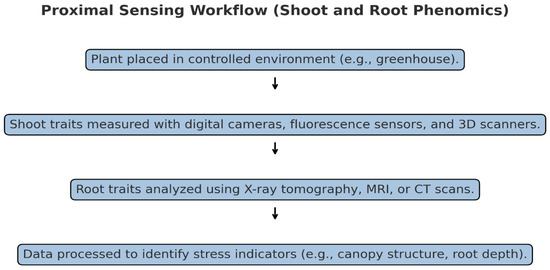
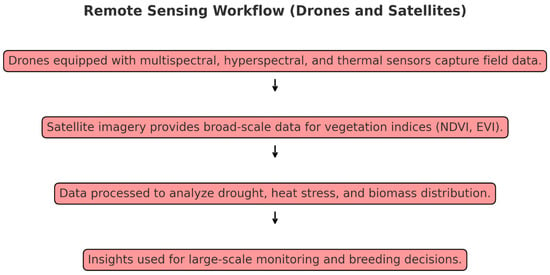
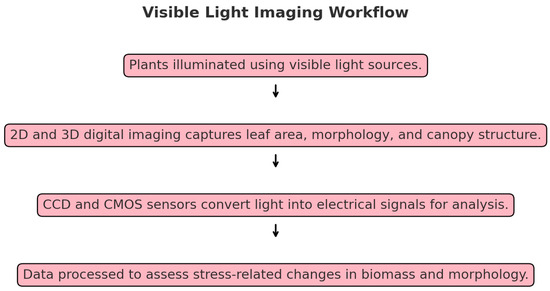
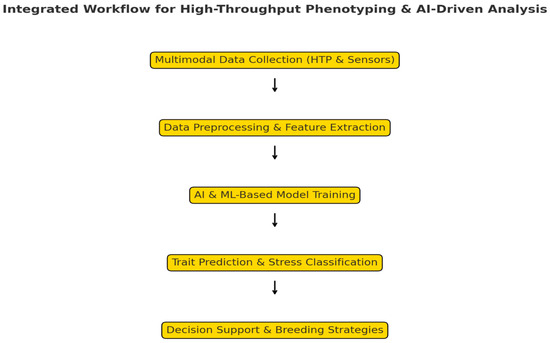
Abiotic stresses, such as drought, salinity, and heat, exacerbated by climate change, pose significant challenges to global agriculture. These stresses negatively impact crop physiology, leading to yield losses and complicating efforts to breed resilient varieties. While advancements in molecular biology and genomics have identified stress-resistance genes, their effective utilization in breeding programs depends on precise phenotypic evaluation under diverse stress conditions. High-throughput phenotyping (HTP) technologies have emerged as indispensable tools, enabling non-destructive, rapid assessment of critical traits like root architecture, chlorophyll content, and canopy temperature in controlled and field environments. Unlike existing reviews, this manuscript critically addresses technological barriers such as cost scalability, field adaptability, and the integration of artificial intelligence for real-time data analysis. Additionally, it provides a fresh perspective on multi-omics integration in phenomics to bridge the genotype–phenotype gap, ensuring a more holistic approach to precision agriculture. This review bridges gaps in crop improvement by identifying practical solutions to enhance the adoption of HTP in breeding programs. It ensures food security amidst the escalating impacts of climate change.
Full article

Figure 1

Open AccessArticle
Pesticidal Potential and Selectivity of Soybean Extract on Pests and Non-Target Insects of Cocoa
by
Silas Wintuma Avicor, Yahaya Bukari, Michael Kojo Ainooson, Godfred Kweku Awudzi and Wisdom Edem Anyomi
Crops 2025, 5(1), 7; https://doi.org/10.3390/crops5010007 - 19 Feb 2025
Abstract
►▼
Show Figures
With the search for alternative pest management strategies due to the concerns associated with synthetic pesticides, botanicals have been of increasing interest. However, the potential of plants such as soybean (Glycine max) as biopesticides is less known. Hence, this study assessed
[...] Read more.
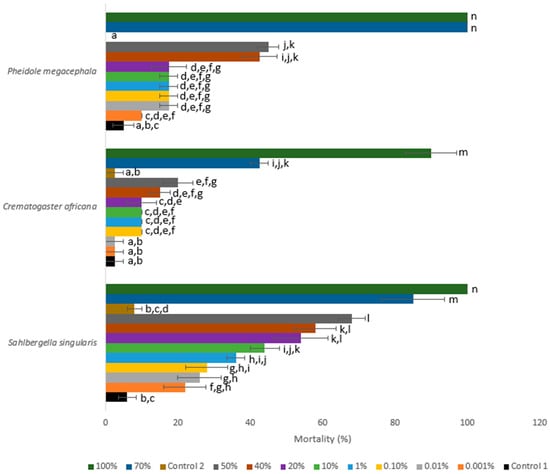
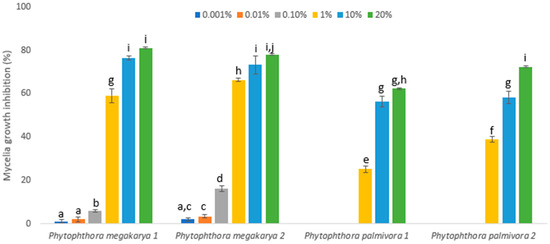
With the search for alternative pest management strategies due to the concerns associated with synthetic pesticides, botanicals have been of increasing interest. However, the potential of plants such as soybean (Glycine max) as biopesticides is less known. Hence, this study assessed the activity of soybean extract (SBE) on insects and Phytophthora pod rot pathogens of cocoa using the filter paper contact toxicity and amended-agar plate techniques, respectively. Concentrations of 0.001–100% w/v SBE induced a mortality of 17.02–100% on the cocoa mirid Sahlbergella singularis and 2.5–90% and 5.26–100% on the ants Crematogaster africana and Pheidole megacephala, respectively. Also, 0.001–20% w/v SBE inhibited mycelial growth by 0–72% (Phytophthora palmivora isolates) and 1.17–81.03% (Phytophthora megakarya isolates). The minimum inhibitory concentration for P. palmivora and P. megakarya isolates was 1% and 0.001% w/v SBE, respectively. The median lethal concentration was 3.50% (S. singularis) and 193.73% w/v (C. africana), while the median inhibitory concentrations were 4.70 and 7.87% (P. palmivora isolates) and 1.13 and 1.48% (P. megakarya isolates). The activity of SBE on the pests was differential but non-toxic to the ant C. africana. The findings indicate the potential of SBE as a biopesticide against S. singularis and Phytophthora pod rot pathogens of cocoa.
Full article

Figure 1
Open AccessArticle
Induction of UV-B Stress Tolerance by Momilactones and Gibberellic Acid in Rice
by
Ramin Rayee, La Hoang Anh and Tran Dang Xuan
Crops 2025, 5(1), 6; https://doi.org/10.3390/crops5010006 - 10 Feb 2025
Abstract
This study aims to investigate the effects of momilactone-rich bran fractions (MRBF) and gibberellic acid (GA3) on the physiological responses, biochemical composition, and antioxidant activity in rice (Oryza sativa L.) under UV-B stress. Rice seedlings were treated with MRBF (3 mg mL
[...] Read more.
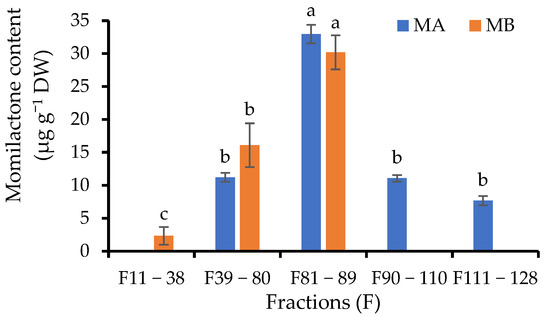
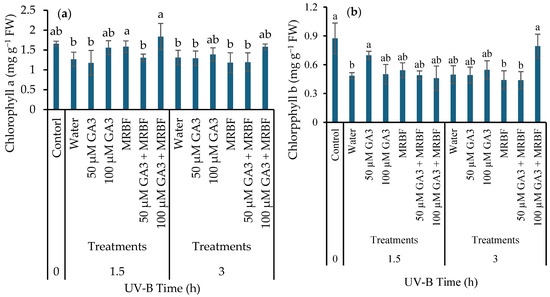
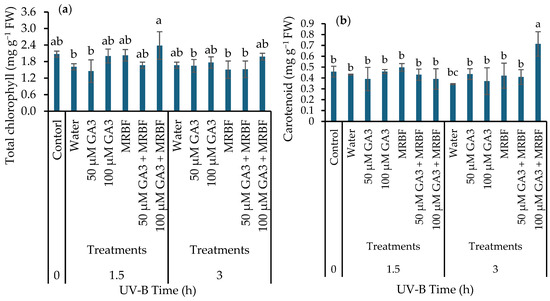
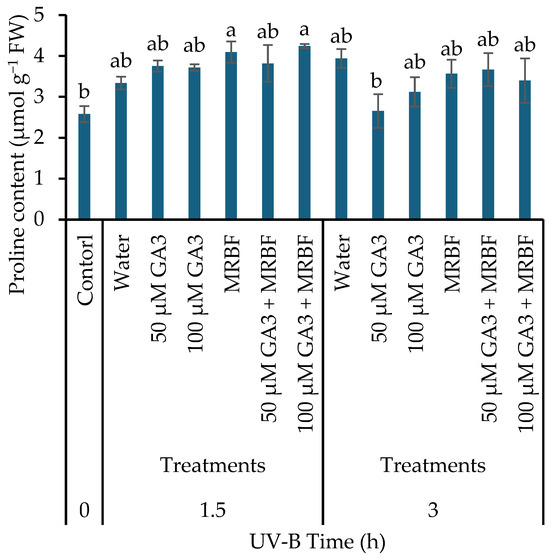
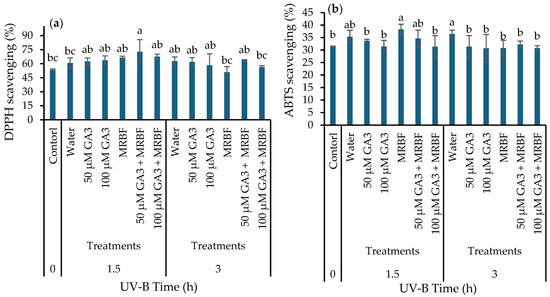
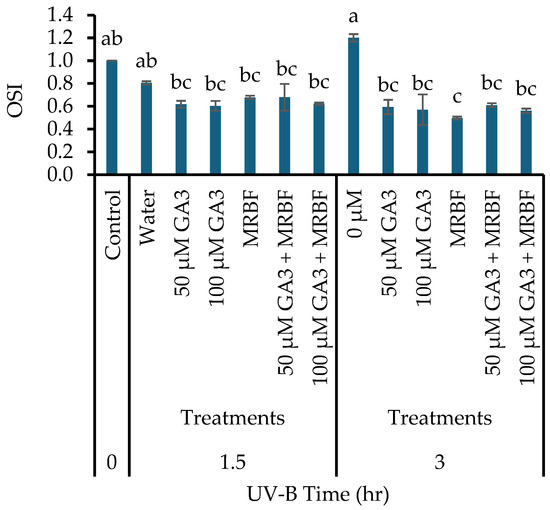
This study aims to investigate the effects of momilactone-rich bran fractions (MRBF) and gibberellic acid (GA3) on the physiological responses, biochemical composition, and antioxidant activity in rice (Oryza sativa L.) under UV-B stress. Rice seedlings were treated with MRBF (3 mg mL−1), or GA3 (50 and 100 µM) by foliar spraying, then exposed to UV-B-induced stress for 0, 1.5, and 3 h. Phenolic acids and endogenous momilactones A (MB) and B (MB) were analyzed using high-performance liquid chromatography (HPLC) and ultra-performance liquid chromatography–electrospray ionization–mass spectrometry (UPLC-ESI-MS). The results demonstrated that UV-B stress reduced chlorophyll and carotenoid, which were significantly elevated by GA3 and GA3 + MRBF treatments. MRBF alone increased proline concentrations by 18.33%, while GA3 significantly enhanced total flavonoid content (TFC), and GA3 + MRBF raised total phenolic content (TPC). Among identified phenolic acids, sinapic, ferulic, and salicylic acids were notably elevated under MRBF and 3 h UV-B stress, while cinnamic and gallic acids were markedly reduced. The highest endogenous MA content was found in MRBF-treated plants under 1.5 h UV-B stress, with significant MA and MB concentrations also in plants treated with 50 µM GA3 + MRBF after extended UV-B exposure. This combination also enhanced antioxidant activities and reduced rice seedlings’ oxidative stress index (OSI) by 30.55%. Correlation analysis showed a significant relationship of MA with TPC and proline. Together, these results support the potential role of momilactones in regulating UV-B stress tolerance in rice; however, the molecular mechanisms underlying this regulation require further investigation.
Full article
(This article belongs to the Topic Plant Physiological and Ecological Responses to Environmental Stress)
►▼
Show Figures

Figure 1
Open AccessArticle
Towards Streamlining the Choice of Crossing Combinations in Plant Breeding by Integrating Model-Based Recommendations and Plant Breeder’s Preferences
by
Sebastian Michel, Franziska Löschenberger, Christian Ametz, Herbert Bistrich and Hermann Bürstmayr
Crops 2025, 5(1), 5; https://doi.org/10.3390/crops5010005 - 3 Feb 2025
Abstract
►▼
Show Figures
Selecting crossing combinations crucial for successfully developing new improved crop varieties and genomic data from DNA markers have become invaluable for guiding plant breeders in evaluating and choosing promising crosses between potential parents. However, navigating the vast array of thousands of possible parental
[...] Read more.
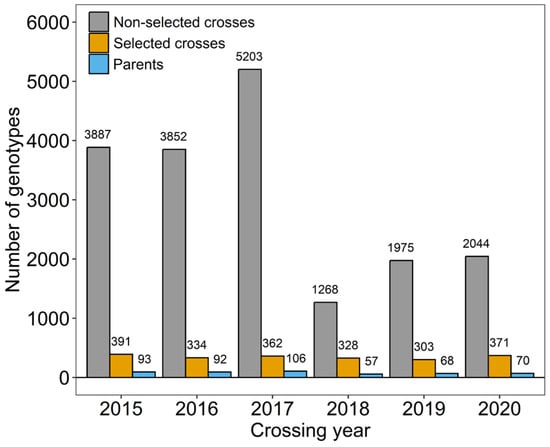
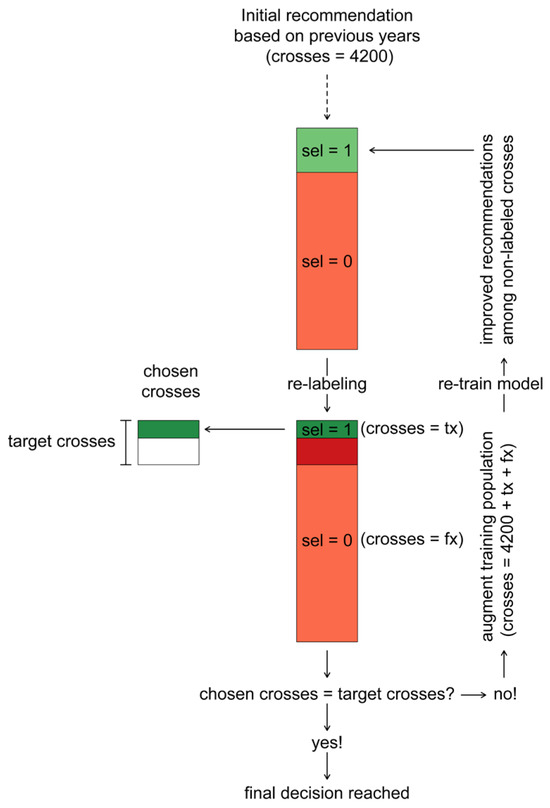
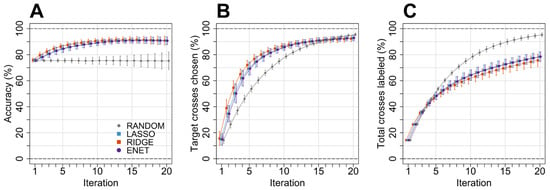
Selecting crossing combinations crucial for successfully developing new improved crop varieties and genomic data from DNA markers have become invaluable for guiding plant breeders in evaluating and choosing promising crosses between potential parents. However, navigating the vast array of thousands of possible parental combinations, even with extensive genomic information, can be challenging, even for experienced breeders with deep knowledge of their crop’s gene pool. This case study aimed to evaluate the effectiveness of a recommender system to support plant breeders in this complex decision-making process. It took a retrospective approach, analyzing selection decisions made by an experienced breeder across several thousand potential crossing combinations over six years. The results indicated that a recommender system could significantly reduce the time and effort needed to identify promising crosses aligned with the breeder’s preferences. However, active feedback from the breeder to the recommender system appeared to be essential for achieving a satisfactory prediction. Integrating model-based recommendations and plant breeder’s preferences in a recommender system featuring such a reciprocal fine-tuning scheme, where the breeder actively provides feedback to the machine in the style of hybrid human–artificial intelligence, represents one step towards streamlining the choice of crossing combinations in plant breeding programs.
Full article

Figure 1

Open AccessArticle
Assessing Comparative Yield and Yield Contributing Traits of Hybrid Rice Varieties Transplanted as Over-Aged Seedlings in the South-Central Coastal Ecosystem of Bangladesh
by
Md. Ibrahim Khalil, Md. Subbir Ahamed, Uzzal Somaddar, Hridoy Chandra Dey, Sameera Mamun, Uttam Kumer Sarker, Md. Romij Uddin, Mohammad Golam Mostofa and Gopal Saha
Crops 2025, 5(1), 4; https://doi.org/10.3390/crops5010004 - 17 Jan 2025
Abstract
►▼
Show Figures
The transplanting of over-aged seedlings is an important adaptive strategy for rice cultivation during the monsoon season in the coastal areas of Bangladesh. This study aimed to identify promising hybrid rice varieties that can be transplanted as over-aged seedlings in the south-central tidal
[...] Read more.
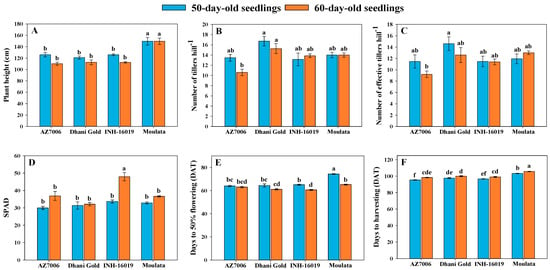
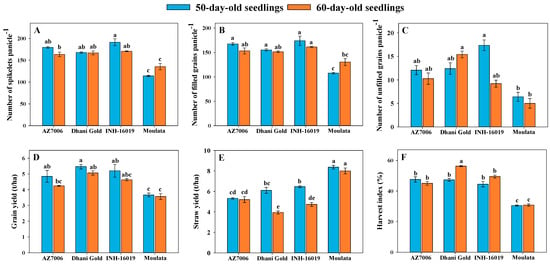
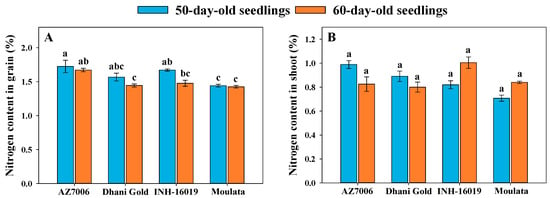
The transplanting of over-aged seedlings is an important adaptive strategy for rice cultivation during the monsoon season in the coastal areas of Bangladesh. This study aimed to identify promising hybrid rice varieties that can be transplanted as over-aged seedlings in the south-central tidal coastal ecosystem of Bangladesh. Three elite hybrid varieties, namely, AZ7006, Dhani Gold, and INH-16019, along with a popular local cultivar, Moulata (as the control), were used in this field study, and seedlings at two different ages (e.g., 50- and 60-day-old) were transplanted. The results showed that Dhani Gold had the highest grain yield (5.47 t/ha) with the maximum number of tillers (17) and effective tillers (15) per hill for the 50-day-old seedlings as compared with the 60-day-old seedlings. In addition, the hybrid variety INH-16019 also yielded 5.20 t/ha grain with the highest number of spikelets/panicle (191), filled grains/panicle (174), and unfilled grains/panicle (17) for 50-day-old seedlings. However, the local cultivar, Moulata, had the highest plant height (149 cm), required the maximum time for 50% flowering (75 days after transplanting, DAT) and harvesting (104 DAT), and also produced the lowest number of spikelets/panicle (114) and filled grains/panicle (108), leading to the lowest grain yield (3.57 t/ha) considering both ages of the seedlings. Our data further revealed the significant influence of seedling age (50- and 60-day-old seedlings) on the straw yield. Interestingly, this study revealed that the hybrid variety Dhani Gold showed a remarkable decrease in straw yield (by 36%) but obtained the highest (56.3%) harvest index when transplanted as very over-aged (e.g., 60-day-old) seedlings. Moreover, we recorded a higher grain nitrogen content in the hybrid varieties than in the local cultivar, Moulata. Among the hybrids, AZ7006 showed the highest nitrogen content (1.72%), which was statistically similar to INH-16019 (1.67%) and Dhani Gold (1.57%) for 50-day-old seedlings. Importantly, the grain yield of Dhani Gold was 50% higher than Moulata for 50-day-old seedlings, and the benefit–cost ratio of Dhani Gold was also the highest (1.34) for the same seedling age. Hence, the over-aged Dhani Gold hybrid rice seedlings would be a good choice for increasing Aman rice productivity during the monsoon season in the south-central coastal ecosystem of Bangladesh.
Full article

Figure 1
Open AccessArticle
Estimating Switchgrass Biomass Yield and Lignocellulose Composition from UAV-Based Indices
by
Daniel Wasonga, Chunhwa Jang, Jung Woo Lee, Kayla Vittore, Muhammad Umer Arshad, Nictor Namoi, Colleen Zumpf and DoKyoung Lee
Crops 2025, 5(1), 3; https://doi.org/10.3390/crops5010003 - 16 Jan 2025
Abstract
►▼
Show Figures
Innovative methods for estimating commercial-scale switchgrass yields and feedstock quality are essential to optimize harvest logistics and biorefinery efficiency for sustainable aviation fuel production. This study utilized vegetation indices (VIs) derived from multispectral images to predict biomass yield and lignocellulose concentrations of advanced
[...] Read more.
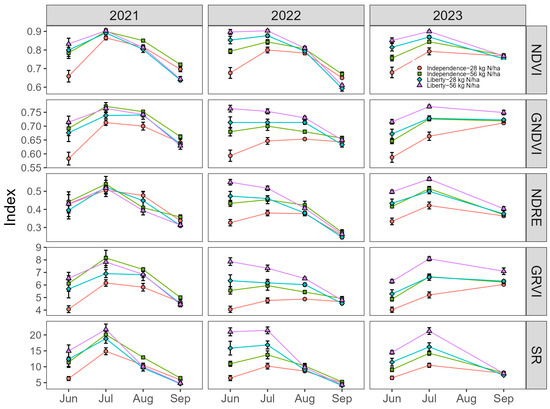
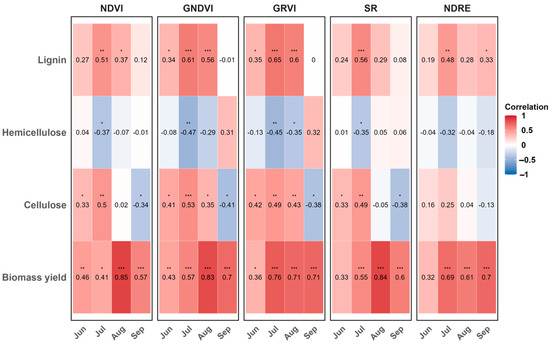
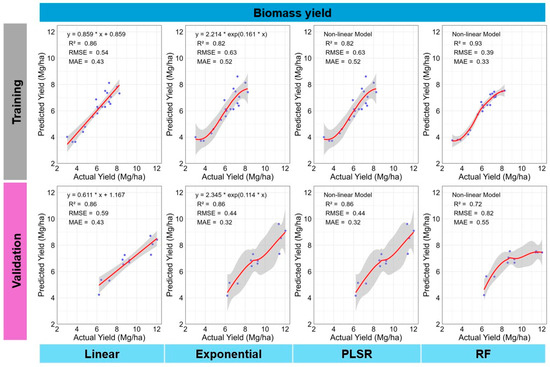
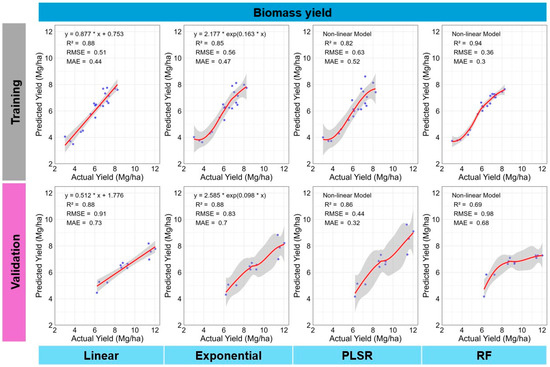
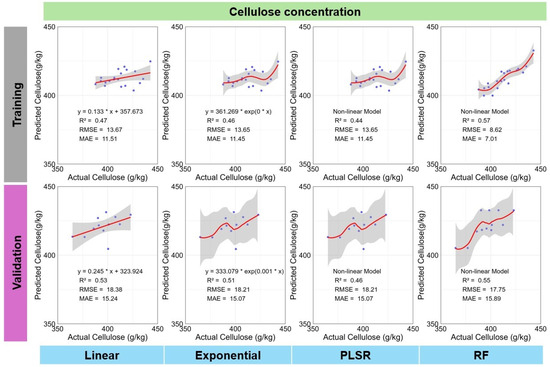
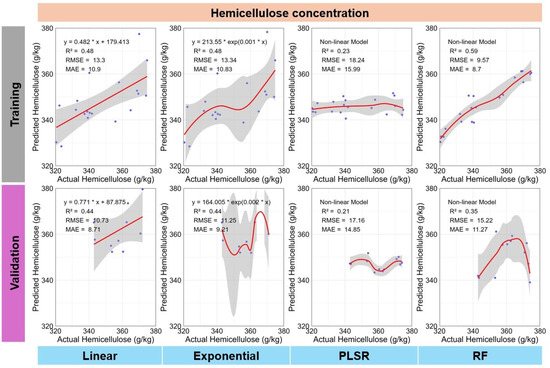
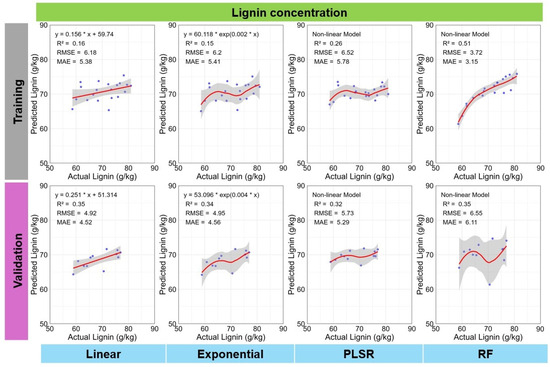
Innovative methods for estimating commercial-scale switchgrass yields and feedstock quality are essential to optimize harvest logistics and biorefinery efficiency for sustainable aviation fuel production. This study utilized vegetation indices (VIs) derived from multispectral images to predict biomass yield and lignocellulose concentrations of advanced bioenergy-type switchgrass cultivars (“Liberty” and “Independence”) under two N rates (28 and 56 kg N ha−1). Field-scale plots were arranged in a randomized complete block design (RCBD) and replicated three times at Urbana, IL. Multispectral images captured during the 2021–2023 growing seasons were used to extract VIs. The results show that linear and exponential models outperformed partial least square and random forest models, with mid-August imagery providing the best predictions for biomass, cellulose, and hemicellulose. The green normalized difference vegetation index (GNDVI) was the best univariate predictor for biomass yield (R2 = 0.86), while a multivariate combination of the GNDVI and normalized difference red-edge index (NDRE) enhanced prediction accuracy (R2 = 0.88). Cellulose was best predicted using the NDRE (R2 = 0.53), whereas hemicellulose prediction was most effective with a multivariate model combining the GNDVI, NDRE, NDVI, and green ratio vegetation index (GRVI) (R2 = 0.44). These findings demonstrate the potential of UAV-based VIs for the in-season estimation of biomass yield and cellulose concentration.
Full article

Figure 1
Open AccessArticle
Impact of Mutations in Soybean Oleate and Linoleate Desaturase Genes on Seed Germinability of Heat-Stressed Plants
by
Johnson O. Toyinbo, Gautam Saripalli, Hrishikesh P. Ingole, Zachary T. Jones, Salman Naveed, Enoch Noh, Sruthi Narayanan and Sachin Rustgi
Crops 2025, 5(1), 2; https://doi.org/10.3390/crops5010002 - 9 Jan 2025
Abstract
►▼
Show Figures
Soybean is the primary oilseed crop in the United States, with significant industrial value. Understanding the molecular mechanisms of heat stress tolerance in soybean plants is critical for developing stress-resistant cultivars. Current knowledge about the role of fatty acid desaturases (FADs) in modulating
[...] Read more.
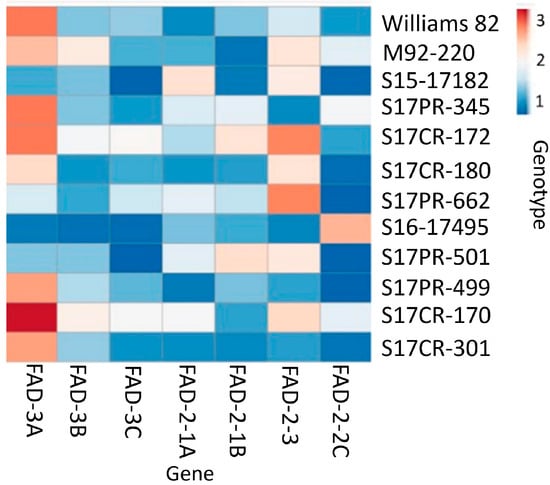
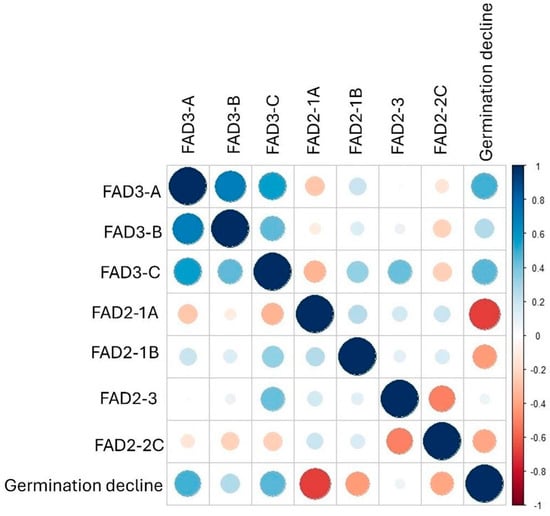
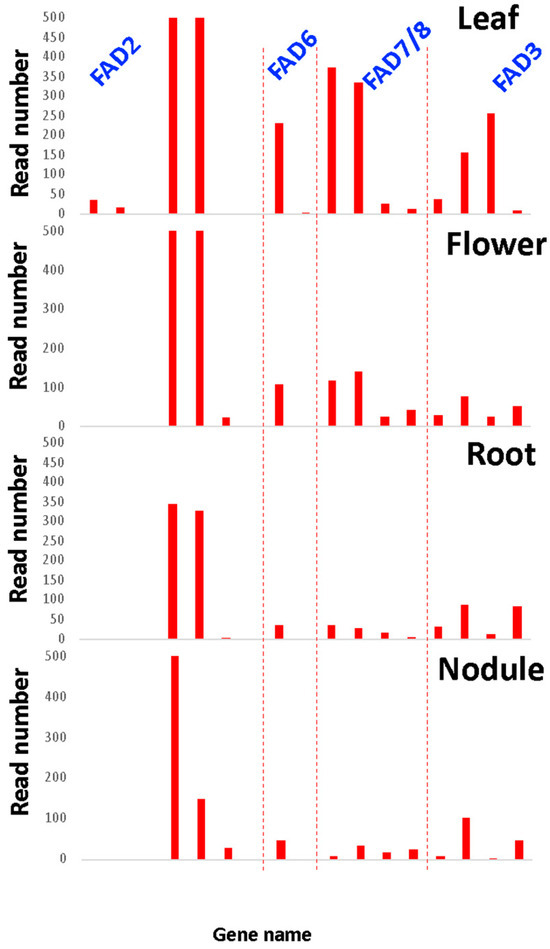
Soybean is the primary oilseed crop in the United States, with significant industrial value. Understanding the molecular mechanisms of heat stress tolerance in soybean plants is critical for developing stress-resistant cultivars. Current knowledge about the role of fatty acid desaturases (FADs) in modulating membrane fluidity under abiotic stress prompted this investigation into the impact of mutations in the FAD genes on seed germination from heat-stressed plants. In soybean plants, exposure to heat stress during anthesis is known to significantly reduce seed germination. In silico expression analysis indicated high expression levels of the soybean FAD2 and FAD3 genes in the leaves. Therefore, a detailed expression analysis of these genes was conducted using qRT-PCR from leaf tissue. Generally, downregulation of these genes was observed in the mutants; however, two genes, FAD3A and FAD2-3, showed a more than 2-fold increase in expression in six out of ten mutants under heat stress. This upregulation was particularly pronounced (7-fold) in the mutant S17CR-170. Correlation analysis revealed a positive correlation (up to 0.48) between the expression level of FAD3A, FAD3B, FAD3C, and FAD2-3 and the decline in germination from heat-stressed plants. This suggests these FAD genes may act as negative regulators of germination under heat stress conditions.
Full article

Figure 1

Open AccessArticle
Productivity of Modern Raspberry Varieties and Prospects for Their Selection
by
Olga Ladyzhenskaya, Tatiana Aniskina, Maxim Simakhin, Vitaliy Donskih, Vladimir Pashutin, Ivan Tazin and Viktoriya Kryuchkova
Crops 2025, 5(1), 1; https://doi.org/10.3390/crops5010001 - 2 Jan 2025
Abstract
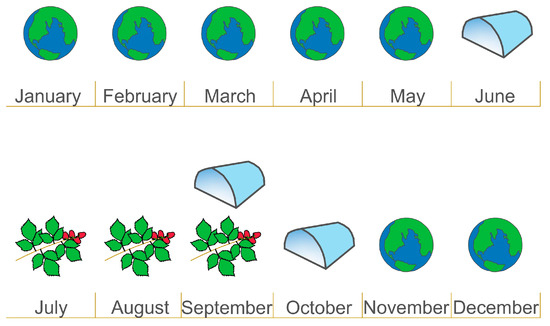
Industrial raspberry plantations do not provide the domestic Russian market with products in full. Open-ground raspberries are only available in July, August, and September. These time intervals can be extended by using tunnel shelters and remontant varieties. The aim of this study was
[...] Read more.
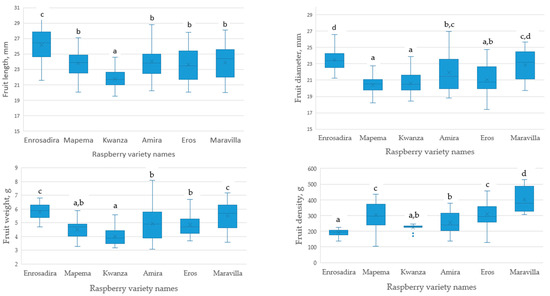
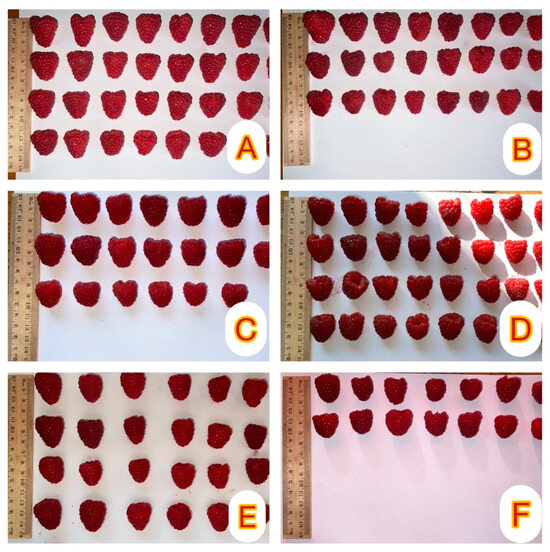
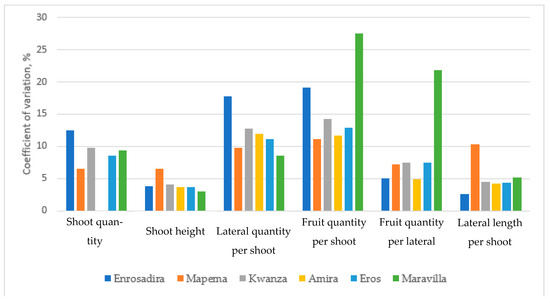
Industrial raspberry plantations do not provide the domestic Russian market with products in full. Open-ground raspberries are only available in July, August, and September. These time intervals can be extended by using tunnel shelters and remontant varieties. The aim of this study was to evaluate foreign remontant raspberry varieties for industrial cultivation in the Central Russia region and their potential use in breeding programs to improve domestic varieties. The data was collected from four-year-old plants over three years. The studied varieties—including ‘Amira’, ‘Enrosadira’, ‘Maravilla’, ‘Mapema’, ‘Kwanza’, and ‘Eros’—were grown in film greenhouses. The vegetative and generative parts of the plant were assessed, as well as the characteristics of the fruits. The plants were grown in film tunnels (10 m × 100 m × 4.7 m). Thirty fruits were randomly selected for the study, in which quantitative and qualitative parameters were evaluated. The parameters of the vegetative and generative organs were also measured. According to the study results, based on raspberry fruit quality indicators, four raspberry variety groups were distinguished. The content of soluble solids was highest in the Maravilla variety, amounting to 14.14 ± 0.71 Brix. Based on a set of characteristics, it was established that if agronomic activities including irrigation and basic fertilizer application are observed, the varieties ‘Maravilla’, ‘Enrosadira’, and ‘Mapema’ are promising for use in the central zone of Russia.
Full article
(This article belongs to the Topic Sustainable Food Production and High-Quality Food Supply)
►▼
Show Figures

Figure 1
Open AccessArticle
Developing a Cryopreservation Protocol for Embryonic Axes of Six South American Peanut Genotypes (Arachis hypogaea L.) Using Desiccation–Vitrification
by
Marcelo Tacán, Raquel Andrango, César Tapia, Marten Sørensen, Rainer Vollmer and César Pérez
Crops 2024, 4(4), 701-716; https://doi.org/10.3390/crops4040048 - 23 Dec 2024
Abstract
►▼
Show Figures
The present study investigates the cryopreservation of embryonic axes from the peanut genotype ECU-12466, demonstrating a successful protocol involving a 1 h desiccation on silica gel followed by a 1 h cryoprotection with Plant Vitrificatin Solution 2 (PVS2). The average dimensions of the
[...] Read more.
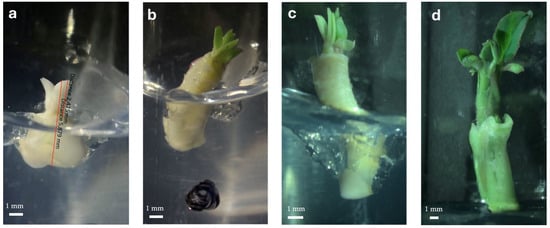
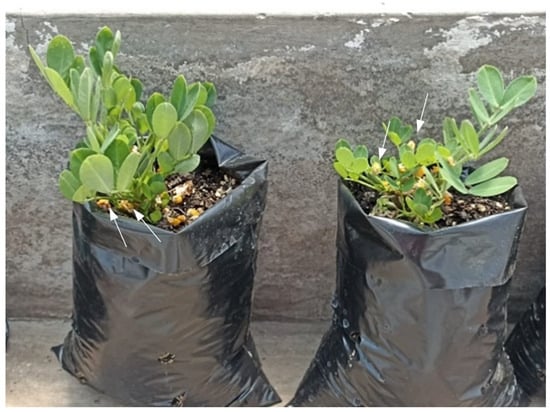
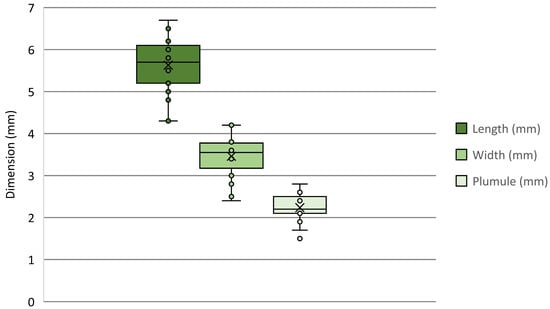
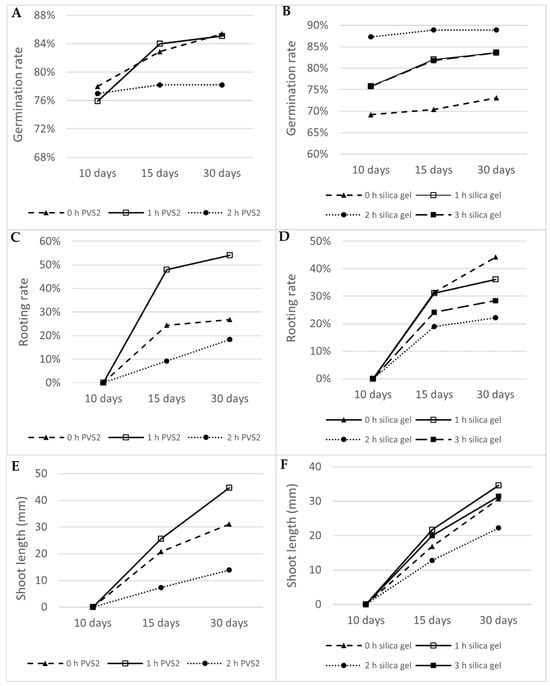
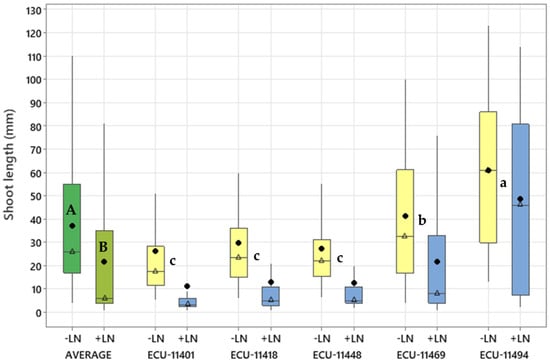
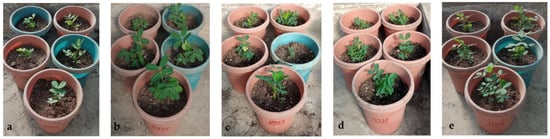
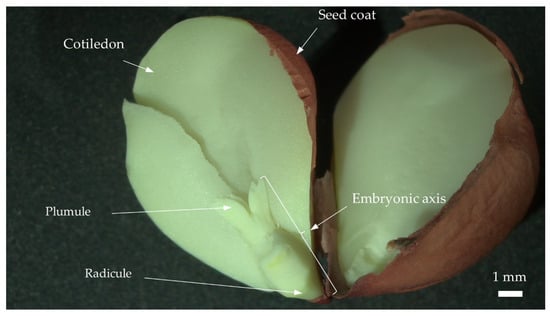
The present study investigates the cryopreservation of embryonic axes from the peanut genotype ECU-12466, demonstrating a successful protocol involving a 1 h desiccation on silica gel followed by a 1 h cryoprotection with Plant Vitrificatin Solution 2 (PVS2). The average dimensions of the excised embryonic axes were 5.6 mm in length and 3.5 mm in width, with plumule lengths averaging 2.2 mm. Notably, germination rates for cryopreserved axes ranged from 71.4% to 85.7%, showing resilience to varying desiccation and PVS2 treatment times, particularly at 1 h. Shoot length was significantly enhanced by a 1 h PVS2 exposure, while longer durations resulted in phytotoxic effects. Rooting rates were higher for samples treated with shorter desiccation periods, with 54% rooting achieved at 1 h of PVS2 exposure, contrasting sharply with just 16% at 2 h. The moisture content of the embryonic axes remained stable between 9.3% and 9.5%, indicating no detrimental impact from the applied treatments. To evaluate the protocol’s broader applicability, five additional peanut genotypes (ECU-11401, ECU-11418, ECU-11448, ECU-11469, and ECU-11494) were tested. While cryopreserved samples demonstrated high germination rates of up to 95.4% after 15 days, the rooting success was significantly lower (25.2%) compared to the control group’s 90.9%. Following transplantation, the growth performance varied among genotypes, with a success rate of 93% for ECU-11494. Overall, this study elucidates the critical parameters for optimizing cryopreservation protocols in peanut embryonic axes, contributing to more effective long-term conservation strategies.
Full article

Figure 1

Open AccessArticle
Mapping Quantitative Trait Loci (QTLs) for Reproductive Stage Salinity Tolerance in Rice
by
Yamini Deepthi Sugasi, Akanksha Srivastava, Jyothi Badri, Manish Pandey, Brajendra Parmar, Arun Kumar Singh, Polavarapu Bilhan Kavi Kishor and Ram Tilatoo
Crops 2024, 4(4), 684-700; https://doi.org/10.3390/crops4040047 - 11 Dec 2024
Abstract
►▼
Show Figures
Salinity is one of the major abiotic stresses that abate the yield of several crop species including rice. Several studies were conducted to identify quantitative trait loci (QTLs) for traits associated with salinity tolerance, mostly at the seedling stage of crop growth. However,
[...] Read more.
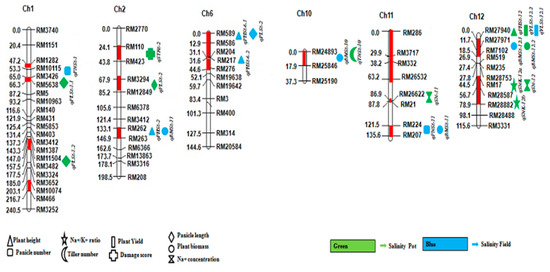
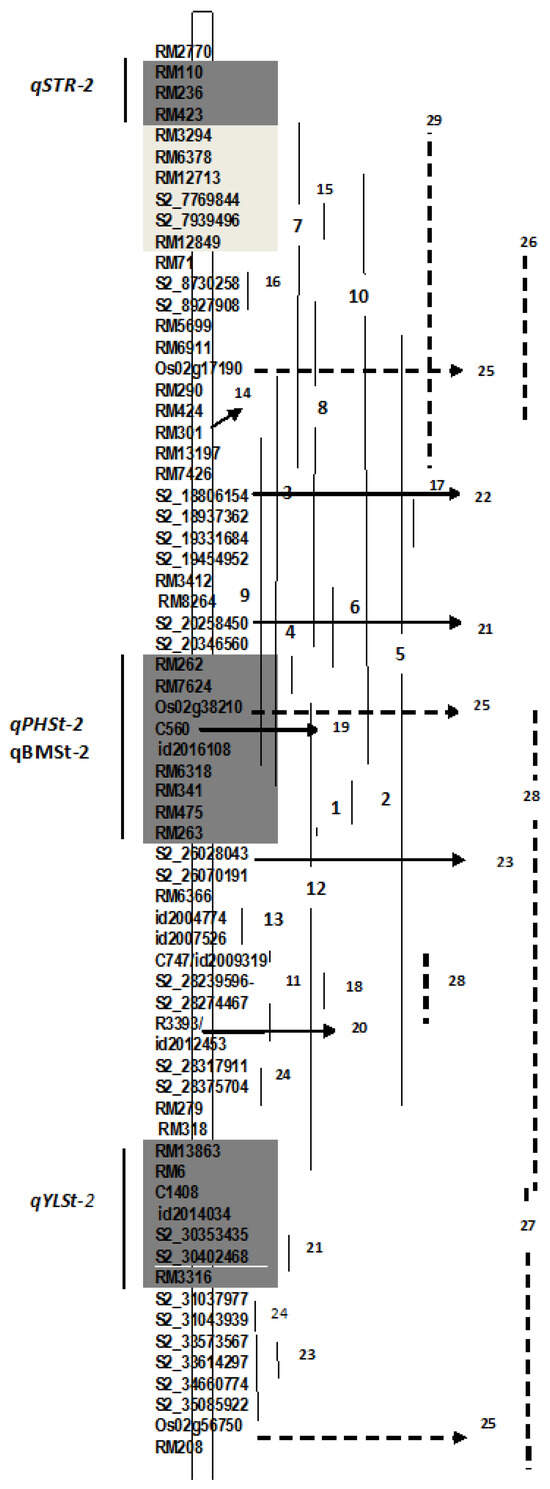
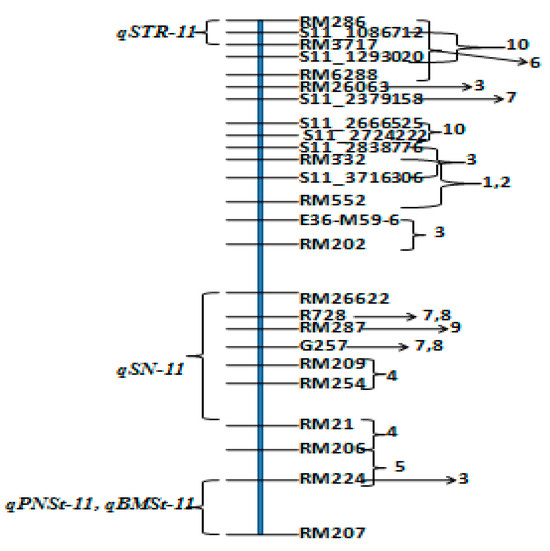
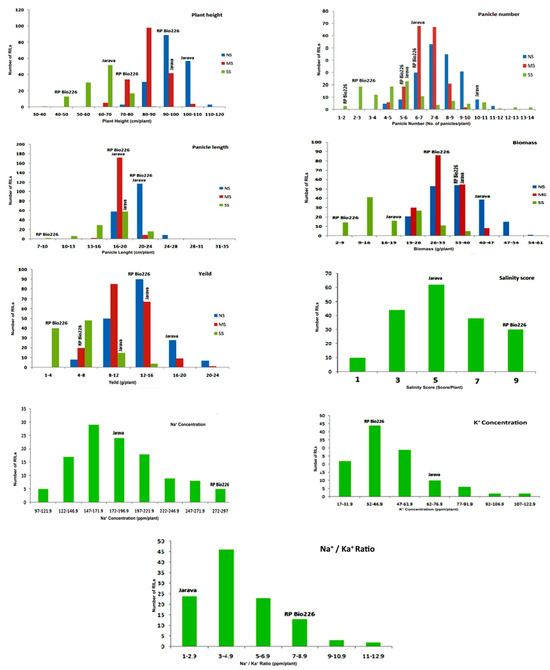
Salinity is one of the major abiotic stresses that abate the yield of several crop species including rice. Several studies were conducted to identify quantitative trait loci (QTLs) for traits associated with salinity tolerance, mostly at the seedling stage of crop growth. However, the reproductive stage of development is highly sensitive to salt stress, and hence, better QTLs must be developed. QTLs have been identified in the present study for salt tolerance of the reproductive stage in rice using recombinant inbred lines (RILs). Thirty-day-old rice seedlings of 184 RILs derived from a cross between a salt sensitive RP Bio226 (indica), and a salt-tolerant Jarava (indica), were used to identify QTLs linked to salinity tolerance in moderate (field) and severe (pot) stress conditions. One hundred polymorphic simple sequence repeat (SSR) markers were used to construct a genetic linkage map that covered a 1349.4 cm genome with an average distance of 13.5 cm between loci. Eighteen new QTLs [logarithm of odds (LOD) 2.5 and above] were identified on chromosomes 1, 2, 6, 10, 11, and 12 using composite interval mapping with the phenotypic variation explained by QTL (PVE) as high as >42% with an LOD value of 5.2. qYLSt-12 with an LOD of 2.8 and a phenotypic variance (PV) of 6.4%, flanked by RM27940-RM27971, was identified for yield in moderate stress conditions. The qSTR-2 detected for salinity tolerance on chromosome 2 with 8.9% of the PV is the most significant finding of the present research. No QTL for salinity component traits has been reported in the region of RM110-RM423. The other salinity trait QTLs identified are qSN-11, qSN-12 for Na+ concentration with a total PVE% of 13.9 and qSNK-12.1, qSNK-12.2 for the Na+/K+ ratio showing a total of 26.7% of the PV. The QTLs for yield component traits viz. plant height, panicle number, panicle length, and biomass were also identified in the present study. Previous studies reported QTLs for salinity tolerance in rice on chromosome 1 but none of the QTLs in our study were on qSaltol or nearby position; therefore, Jarava conferred salinity tolerance in RILs due to novel QTLs. Fine mapping of these novel QTLs is suggested and could be helpful to enhance the level of tolerance through marker-assisted selection for the pyramiding of different QTLs in one background.
Full article

Figure 1
Highly Accessed Articles
Latest Books
E-Mail Alert
News
Topics
Topic in
Agriculture, Crops, Horticulturae, Remote Sensing, Sensors, Agronomy
Intelligent Agriculture: Perception Technologies and Agricultural Equipment for Crop Production Processes
Topic Editors: Chenglin Wang, Lufeng Luo, Juntao Xiong, Xiangjun ZouDeadline: 30 April 2025
Topic in
Agronomy, Agriculture, Crops, Seeds
Advances in Industrial Crops Physioecology and Sustainable Cultivation
Topic Editors: Wei Hu, Zhiguo Zhou, Wenqing ZhaoDeadline: 30 June 2025
Topic in
Agriculture, Agronomy, Crops, Horticulturae, Plants
Sustainable Crop Production from Problematic Soils to Ensure Food Security
Topic Editors: Zhongbing Chen, Safdar Bashir, Saqib BashirDeadline: 12 July 2025
Topic in
Agriculture, Agronomy, Crops, Land, Plants, Sustainability
Irrigation and Fertilization Management for Sustainable Agricultural Production
Topic Editors: Shihong Yang, Zewei Jiang, Ivan Francisco Garcia TejeroDeadline: 15 October 2025
Conferences
Special Issues
Special Issue in
Crops
Molecular Mechanisms and Integrated Control of Pathogen Crops
Guest Editors: Violetta Katarzyna Macioszek, Andrzej K. KononowiczDeadline: 21 June 2025