




-
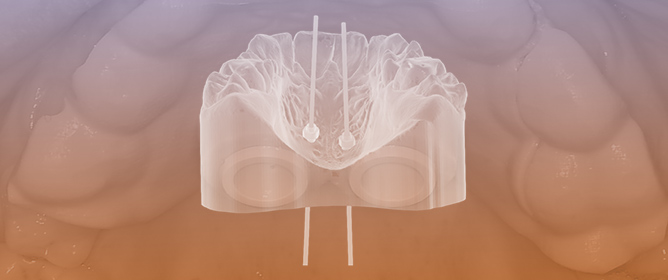
Three-Dimensional Surgical Guides in Orthodontics: The Present and the Future -
In Vitro Evaluation of the Effectiveness and pH Variation of Dental Bleaching Gels and Their Effect on Enamel Surface Roughness -
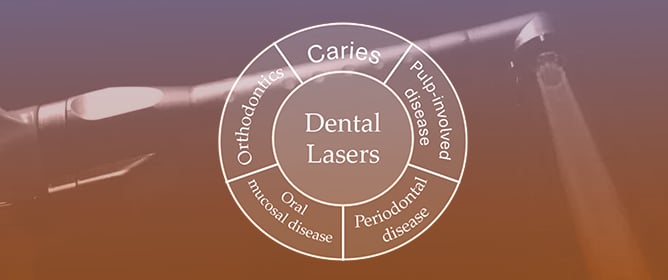
Advanced Lasers and Their Applications in Dentistry -
Nutritional Profiles and Factors Associated with the Intake of Certain Food Types in Patients Undergoing Maxillofacial Prosthetic Rehabilitation: A Cross-Sectional Study -
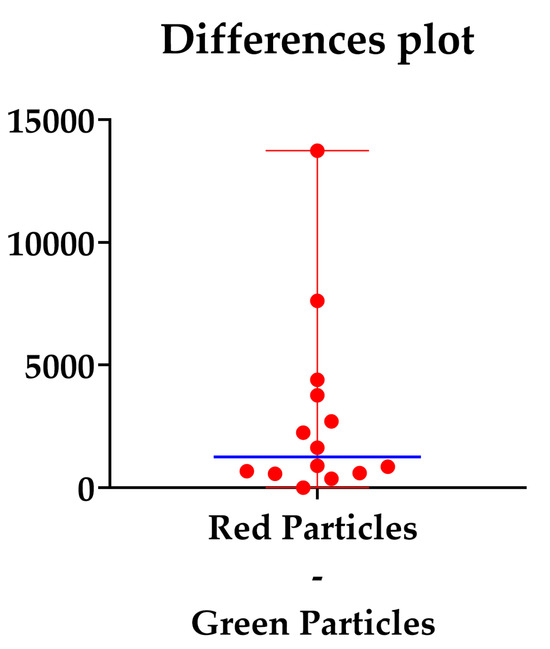
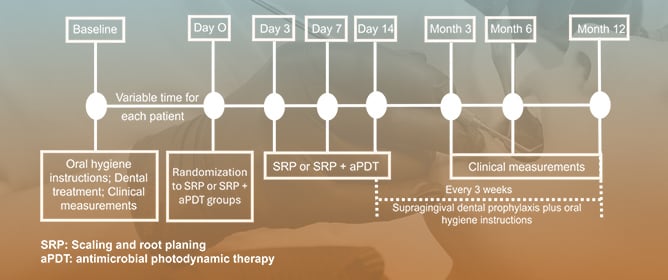
Adjuvant aPDT Improves Periodontal Outcomes in Patients with Down Syndrome
Journal Description
Dentistry Journal
Dentistry Journal
is an international, peer-reviewed, open access journal on dentistry published monthly online by MDPI.
- Open Access— free for readers, with article processing charges (APC) paid by authors or their institutions.
- High Visibility: indexed within Scopus, ESCI (Web of Science), PubMed, PMC, and other databases.
- Journal Rank: JCR - Q2 (Dentistry, Oral Surgery and Medicine) / CiteScore - Q2 (General Dentistry)
- Rapid Publication: manuscripts are peer-reviewed and a first decision is provided to authors approximately 26.2 days after submission; acceptance to publication is undertaken in 3.6 days (median values for papers published in this journal in the second half of 2024).
- Recognition of Reviewers: reviewers who provide timely, thorough peer-review reports receive vouchers entitling them to a discount on the APC of their next publication in any MDPI journal, in appreciation of the work done.
Impact Factor:
2.5 (2023)
Latest Articles
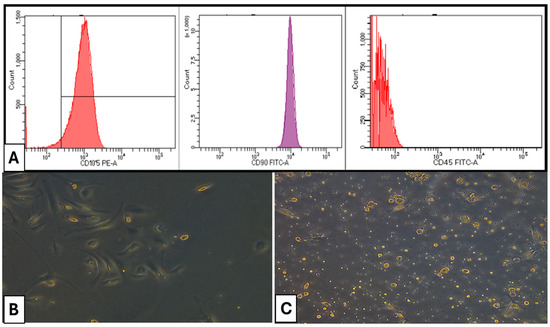
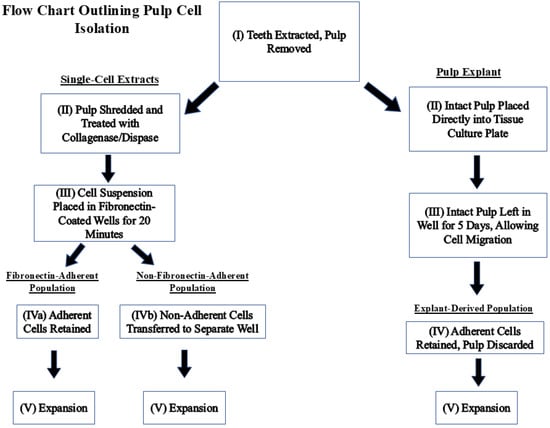
Characterization of Fibronectin-Adherent, Non-Fibronectin-Adherent, and Explant-Derived Human Dental Pulp Stem Cell Populations
Dent. J. 2025, 13(4), 159; https://doi.org/10.3390/dj13040159 - 2 Apr 2025
Abstract
Background/Objectives: Dental pulp stem cells (DPSCs) are of significant interest due to their mesenchymal lineage and relative availability from extracted teeth. This study aims to examine the relationship between fibronectin-adherent, non-fibronectin-adherent, and explant-derived DPSC populations in terms of the population doubling rate in
[...] Read more.
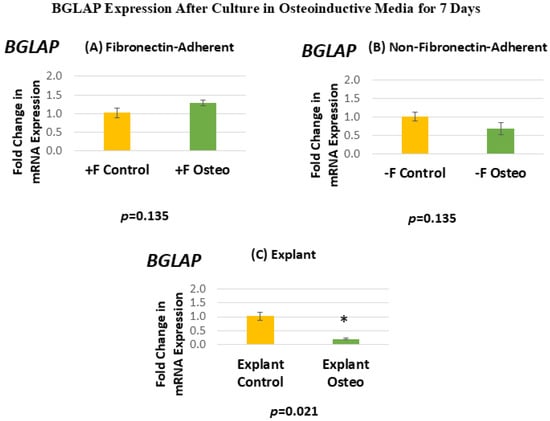
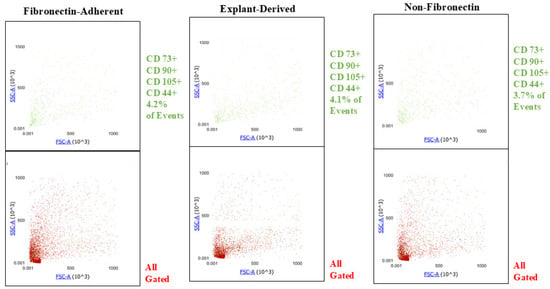
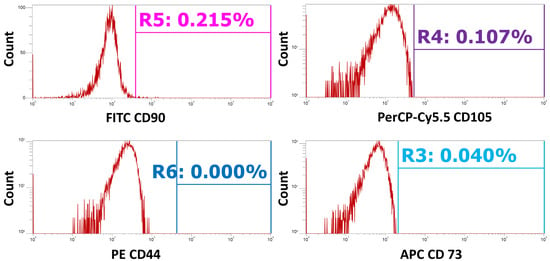
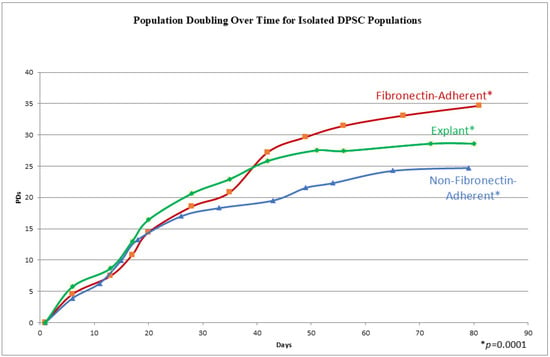
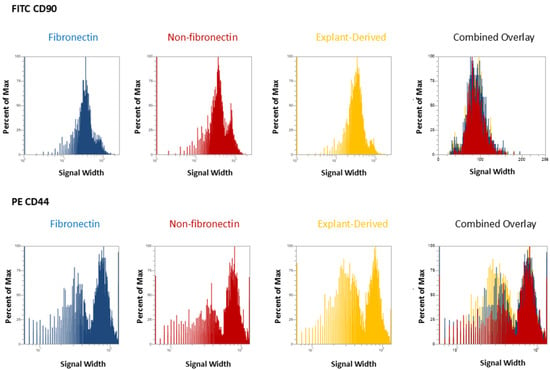
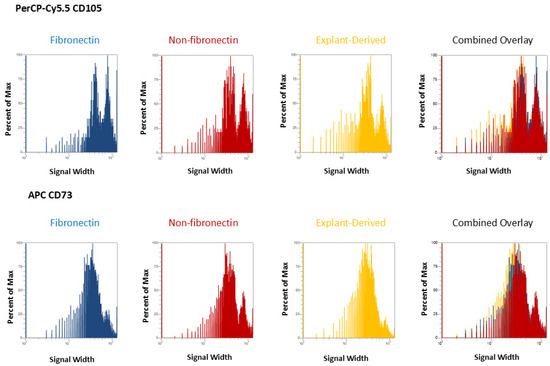
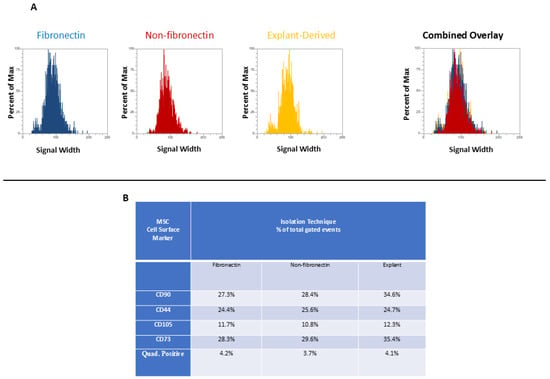
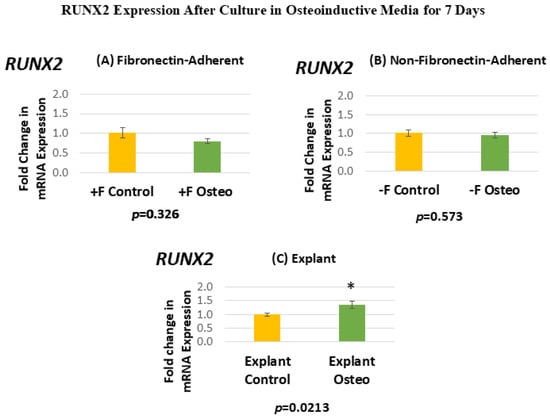
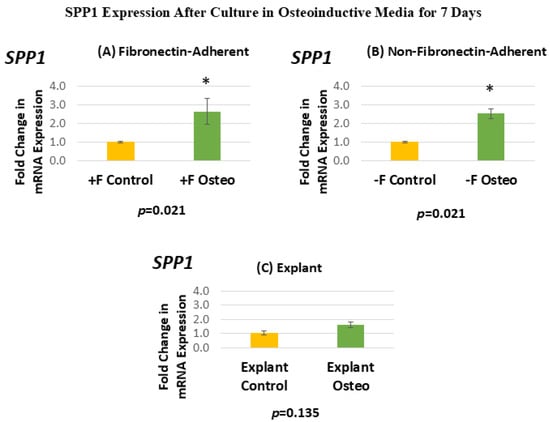
Background/Objectives: Dental pulp stem cells (DPSCs) are of significant interest due to their mesenchymal lineage and relative availability from extracted teeth. This study aims to examine the relationship between fibronectin-adherent, non-fibronectin-adherent, and explant-derived DPSC populations in terms of the population doubling rate in culture and the expression of mesenchymal cell surface markers and their capacity for osteodifferentiation. Methods: Human pulp tissue was removed from healthy extracted human teeth, enzymatically digested prior to seeding onto fibronectin-coated plates, and left to adhere for 20 min, yielding a fibronectin-adherent population. The remaining non-adherent cells were transferred and designated ‘non-fibronectin-adherent.’ Intact pulp was placed on uncoated plastic for 5 days, with the migrated cells designated ‘explant-derived’. DPSCs from these populations were examined in terms of population doubling rates, the expression of CD90, CD44, CD105, and CD73, and the expression of RUNX2, SPP1, and BGLAP after 7 days in osteoinductive media. Results: The fibronectin-adherent cells had the greatest population doubling over time. All populations demonstrated comparable percentages of cells positive for mesenchymal markers, though individual marker expression varied slightly. The explant-derived cells showed increased expression of RUNX2 after 7 days in osteoinductive media, while the treated single-cell-suspension-derived populations showed increased expression of SPP1 mRNA. Conclusions: Fibronectin enrichment resulted in a population with the greatest rate of population doubling over extended culture compared to the other two populations. The proportion of cells positive for all four mesenchymal surface markers was the same between populations. The fibronectin-adherent and non-adherent cultures may have responded more rapidly to osteoinductive media than the explant-derived cells.
Full article
(This article belongs to the Special Issue Dentistry in the 21st Century: Challenges and Opportunities)
►
Show Figures
Open AccessArticle
The Prevalence of Oral Anomalies Among Healthy Newborns at a Gynecological Obstetric Hospital in Quito, Ecuador: An Observational, Cross-Sectional Study
by
Eleonor Vélez-León, Emilia Guerrero, Mauricio Orlando Carrillo, Marina Cabrera, Gustavo Tello and Patricia Pinos
Dent. J. 2025, 13(4), 158; https://doi.org/10.3390/dj13040158 - 2 Apr 2025
Abstract
Objectives: Early observations often fail to detect anomalies that may impact the health and quality of life of newborns. This study aimed to determine the prevalence of oral anomalies in newborns and explore their possible associations with sociodemographic factors. Methods: A cross-sectional study
[...] Read more.
Objectives: Early observations often fail to detect anomalies that may impact the health and quality of life of newborns. This study aimed to determine the prevalence of oral anomalies in newborns and explore their possible associations with sociodemographic factors. Methods: A cross-sectional study was conducted in Quito, Ecuador, analyzing a sample of 241 newborns. The presence of oral anomalies was recorded, and their association with sex, birth weight, maternal age, and gestational factors was evaluated. Results: The prevalence of oral anomalies was 72.3%, with Epstein’s pearls being the most common (50%). Other findings included Bohn’s nodules and dental lamina cysts, while no cases of natal teeth or congenital epulis were observed. Ankyloglossia was identified in 1.36% of newborns. No significant correlations were found between the presence of oral anomalies and sex, birth weight, maternal age, or gestational factors. Conclusions: The high prevalence (72.3%) of oral anomalies in the studied newborns underscores the importance of early detection and management. Epstein’s pearls were the most frequent anomaly, followed by Bohn’s nodules, dental lamina cysts, and ankyloglossia, while no cases of natal teeth or congenital epulis were identified. No statistically significant associations were found with sex, birth weight, maternal age, or pregnancy complications. These findings emphasize the need for early pediatric dental assessment and an interdisciplinary approach to ensure proper neonatal oral health. Further research is recommended to explore potential causes and interventions to optimize oral health from birth.
Full article
(This article belongs to the Special Issue Preventive Dentistry and Dental Public Health)
Open AccessReview
Bioceramics in Endodontics: Limitations and Future Innovations—A Review
by
Peramune Arachchilage Amila Saman Prasad Kumara, Paul Roy Cooper, Peter Cathro, Maree Gould, George Dias and Jithendra Ratnayake
Dent. J. 2025, 13(4), 157; https://doi.org/10.3390/dj13040157 - 1 Apr 2025
Abstract
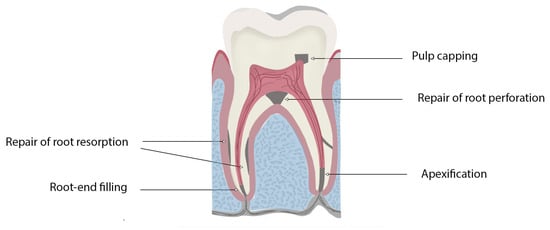
Bioceramic materials for endodontic treatments have gradually transformed over the years into materials with enhanced biocompatibility and chemical and mechanical properties compared to earlier generations. In endodontics procedures, these materials are used as restorative material in applications such as root-end fillings, pulp capping,
[...] Read more.
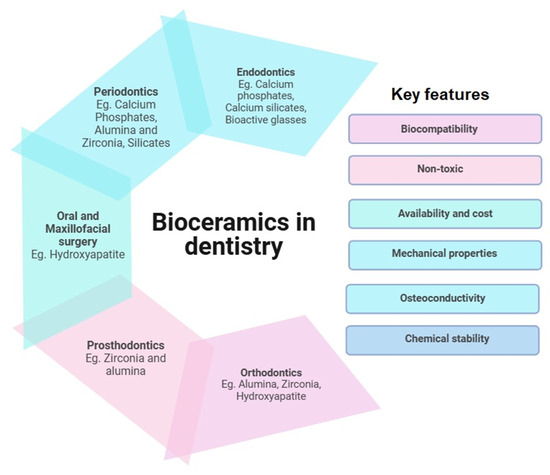
Bioceramic materials for endodontic treatments have gradually transformed over the years into materials with enhanced biocompatibility and chemical and mechanical properties compared to earlier generations. In endodontics procedures, these materials are used as restorative material in applications such as root-end fillings, pulp capping, perforations repair, and apexification repair procedures. However, they have far from ideal mechanical and handling properties, biocompatibility issues, aesthetic concerns due to tooth discolouration, limited antibacterial activity, and affordability, which are amongst several key limitations. Notably, bioceramic materials are popular due to their biocompatibility, sealing ability, and durability, consequently surpassing traditional materials such as gutta-percha and zinc oxide–eugenol sealers. A lack of recent advancements in the field, combined with nanomaterials, has improved the formulations of these materials to overcome these limitations. The existing literature emphasises the benefits of bioceramics while underreporting their poor mechanical properties, handling difficulties, cost, and various other drawbacks. The key gaps identified in the literature are the insufficient coverage of emerging materials, narrow scope, limited insights into future developments, and underreporting of failures and complications of the existing materials. Consequently, this review aims to highlight the key limitations of various endodontic materials, primarily focusing on calcium silicate, calcium phosphate, and bioactive glass-based materials, which are the most abundantly used materials in dentistry. Based on the literature, bioceramic materials in endodontics have significantly improved over recent years, with different combinations of materials and technology compared to earlier generations while preserving many of their original properties, with some having affordable costs. This review also identified key innovations that could shape the future of endodontic materials, highlighting the ongoing evolution and advancements in endodontic treatments.
Full article
(This article belongs to the Special Issue Endodontics and Restorative Sciences: 2nd Edition)
►▼
Show Figures

Figure 1
Open AccessArticle
Resin Composite Surface Pre-Reacted Glass-Ionomer (S-PRG) Filler for Non-Carious Cervical Lesions: A Double-Blinded, Randomized, Split-Mouth Clinical Trial
by
Adam Lowenstein, Carlos Fernando Mourão, Mabi L. Singh, Sarah E. Pagni, Ronald D. Perry and Gerard Kugel
Dent. J. 2025, 13(4), 156; https://doi.org/10.3390/dj13040156 - 1 Apr 2025
Abstract
Background/Objectives: This double-blinded study aimed to evaluate the clinical performance of a giomer restorative material in comparison to a nanotechnology-based restorative system for the restoration of non-carious cervical lesions over a period of 48 months. Methods: A 48-month randomized, controlled, split-mouth
[...] Read more.
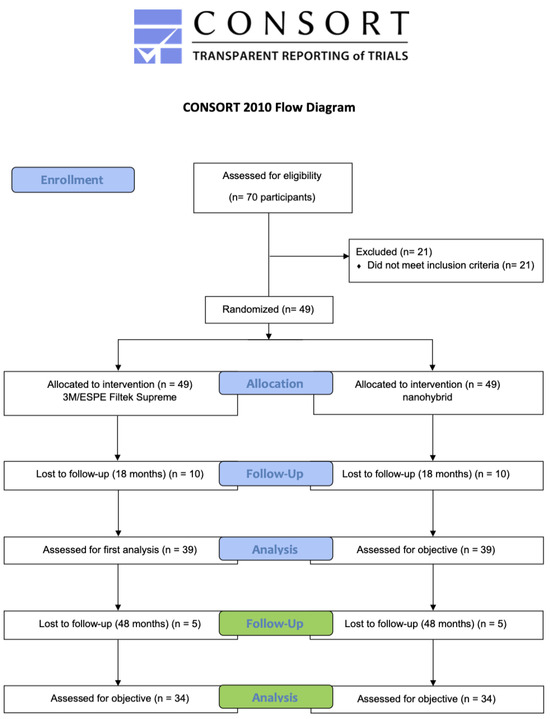
Background/Objectives: This double-blinded study aimed to evaluate the clinical performance of a giomer restorative material in comparison to a nanotechnology-based restorative system for the restoration of non-carious cervical lesions over a period of 48 months. Methods: A 48-month randomized, controlled, split-mouth trial was conducted with 49 subjects at its baseline, which was reduced to 34 subjects at follow-up, yielding a statistical power of 69.55%. Cervical lesions were restored using either BEAUTIFIL II LS (BL) or 3M/ESPE Filtek Supreme Universal Restorative (FS). Clinical assessments were performed by blinded examiners, excluding the one who placed the restorations. Evaluations were based on the Hickel criteria, covering esthetic, functional, and biological properties, with comparisons made using the Wilcoxon signed-rank test. Results: Hickel scores were analyzed with the Mann–Whitney U test to compare BL and FS groups within subjects. Changes in median Hickel scores, sensitivity, and the gingival index were assessed via Friedman’s test, followed by Wilcoxon signed-rank tests with a Bonferroni correction for post-hoc comparisons. The p-values under 0.05 were considered significant, except with the Bonferroni correction. Statistical analysis showed no significant differences between materials across most Hickel parameters (p > 0.05), though BL exhibited a trend of better surface staining (76.5% excellent with BL vs. 76.5% excellent with FS) and adjacent mucosa, while FS showed slight advantages in surface luster and color match. Conclusions: The clinical evaluation of restorations for non-carious cervical lesions using giomer and nanotechnology-based restorative systems revealed no statistically significant differences according to the Hickel criteria, indicating a similar clinical performance for both restorative materials.
Full article
(This article belongs to the Special Issue Advances in Esthetic Dentistry)
►▼
Show Figures

Figure 1

Open AccessArticle
Interfacial Effects Between Dental Impression and Die Materials and Their Role in the Internal Fit of Indirect Resin-Based Composite Restorations
by
Murillo Weissheimer, João Carlos S. N. Foly, Fabíola G. Carvalho and Eliseu A. Münchow
Dent. J. 2025, 13(4), 155; https://doi.org/10.3390/dj13040155 - 31 Mar 2025
Abstract
Background/Objectives: This study tested a method for evaluating the internal fit of indirect resin-based composite (RBC) restorations, as well as the influence of different combinations of impression and die materials on the reproducibility of the topography of teeth prepared for indirect RBC restoration.
[...] Read more.
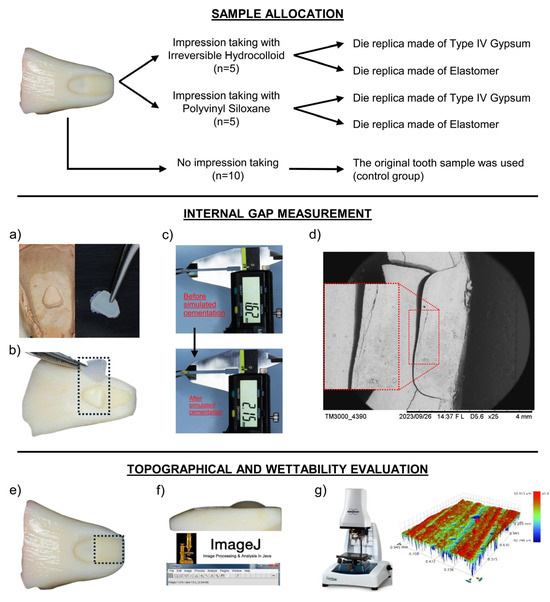
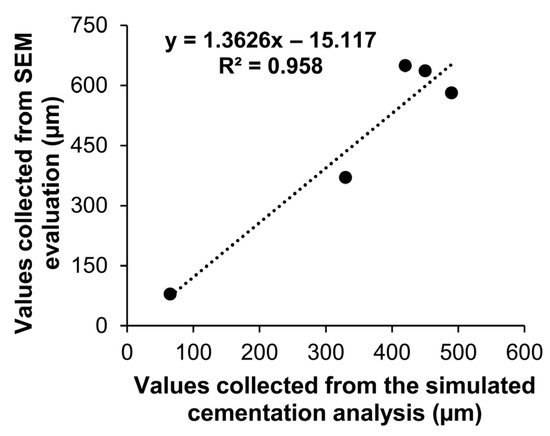
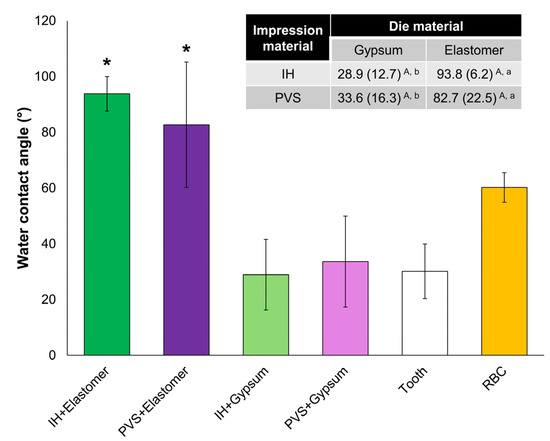
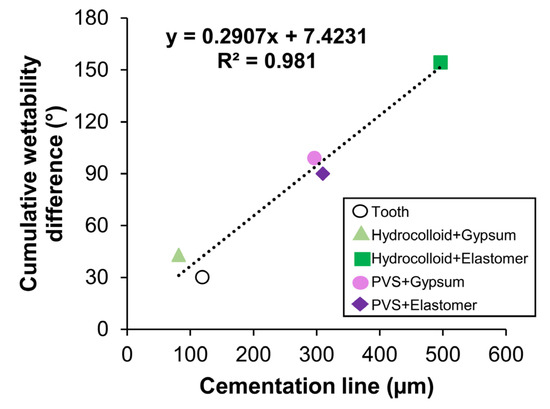
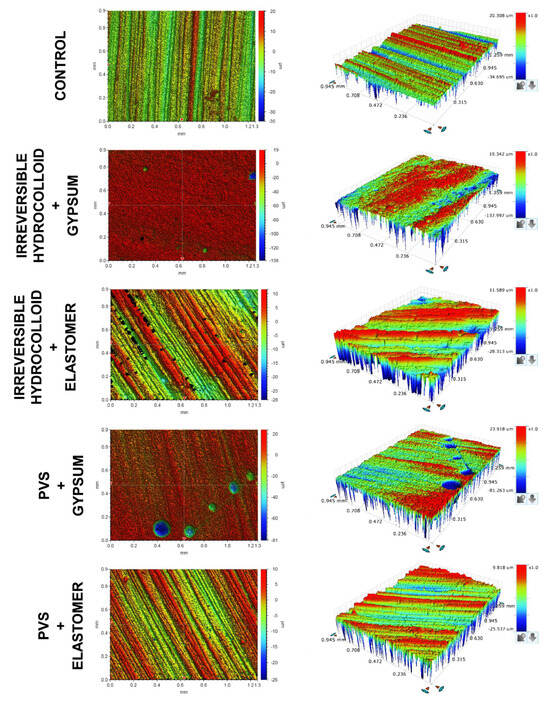
Background/Objectives: This study tested a method for evaluating the internal fit of indirect resin-based composite (RBC) restorations, as well as the influence of different combinations of impression and die materials on the reproducibility of the topography of teeth prepared for indirect RBC restoration. Methods: Bovine incisors received flattened and cavitated areas at the cervical and middle thirds of the buccal surface, respectively. The samples were randomly assigned to two groups according to the material used for impression taking (n = 5): irreversible hydrocolloid and polyvinyl siloxane (PVS). Die replicas were obtained with Type IV gypsum or elastomeric material. RBC restorations were fabricated through an indirect technique (test) and a direct-indirect technique as the control. The internal fit of restorations was assessed by measuring the cementation line thickness with a digital caliper (simulated cementation protocol with ultra-light PVS) and validated using scanning electron microscopy (SEM). Surface topography (Sa, Sq, and Sz) was analyzed via optical profilometry, and wettability was assessed through the water contact angle method. The data were analyzed using t-test, ANOVA, and Pearson correlation tests (α = 5%). Results: The simulated cementation resulted in internal gap values positively correlated to the values from SEM (R2 = 0.958; p = 0.0102). The internal gap of restorations was not significantly correlated with the discrepancies between the topography of the die and tooth substrate (p ≥ 0.067). The combination of irreversible hydrocolloid and gypsum resulted in restorations with the lowest cementation line thickness, although in terms of roughness, this combination was the only one that resulted in significant differences from the control (p ≤ 0.028). The internal mean gap values of restorations were significantly correlated to the cumulative wettability difference of materials used during impression taking, fabrication of die replica, and restoration build-up (R2 = 0.981; p = 0.003). Conclusions: The reproducibility of topographical characteristics of the tooth in the die replica did not affect the internal adaptation of indirect RBC restorations, whereas surface wettability of materials presented a more relevant effect on the overall gap formation. The simulated cementation technique tested in the study shows potential as a simpler, cost-effective, and non-destructive method for evaluating the adaptation of indirect RBC restorations.
Full article
(This article belongs to the Special Issue Dental Materials Design and Innovative Treatment Approach)
►▼
Show Figures

Figure 1
Open AccessArticle
Histological Analysis of Biological Width and Collagen Fibers Orientation Around Screw-Less, Morse Taper, Hemispherical Base Abutments 8 and 16 Weeks After Implant Uncovering: An Observational Clinical Trial
by
Fabrizio Zaccheo, Giulia Petroni, Marco Tallarico, Cherana Gioga, Raffaella Carletti, Cira Rosaria Tiziana Di Gioia, Vincenzo Petrozza, Silvio Mario Meloni, Dario Melodia, Milena Pisano and Andrea Cicconetti
Dent. J. 2025, 13(4), 154; https://doi.org/10.3390/dj13040154 - 31 Mar 2025
Abstract
Objectives: This study aimed to histologically evaluate, in humans, the orientation of collagen fibers around screw-less, Morse taper, hemispherical base abutments. Methods: This study was designed as an observational, case–control, clinical trial to evaluate the histological orientation of collagen fibers around implants. Biopsies
[...] Read more.
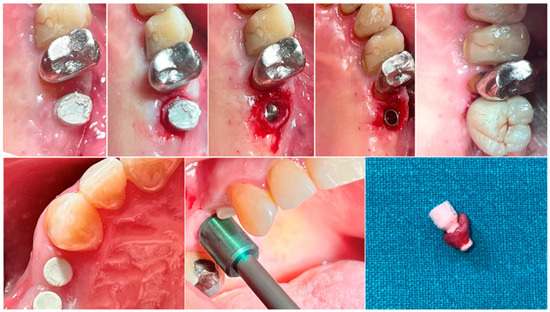
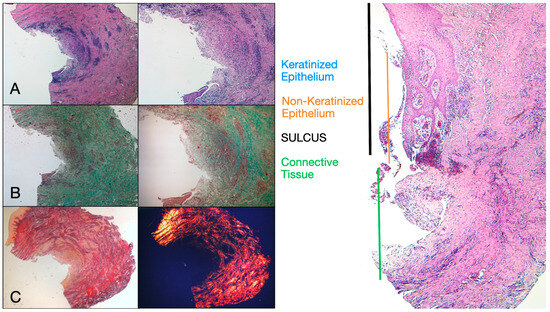
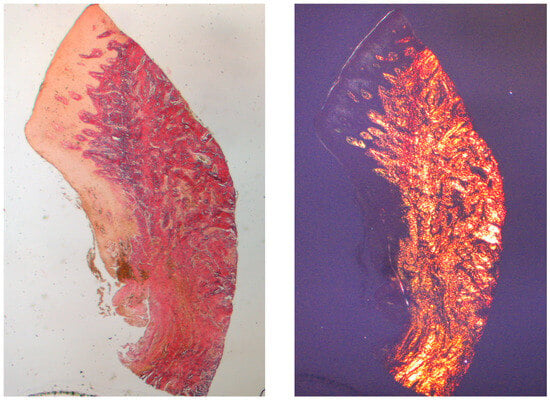
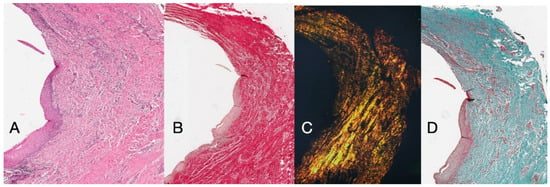
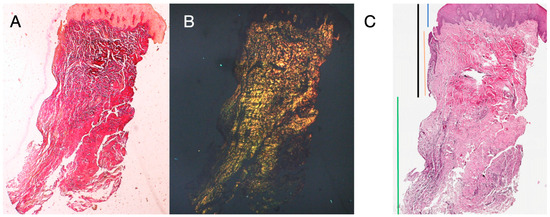
Objectives: This study aimed to histologically evaluate, in humans, the orientation of collagen fibers around screw-less, Morse taper, hemispherical base abutments. Methods: This study was designed as an observational, case–control, clinical trial to evaluate the histological orientation of collagen fibers around implants. Biopsies of the peri-implant tissue were performed 8 (group A, control) or 16 (group B, test) weeks of implant uncovering, and histologically analyzed under optical microscope using Hematoxylin and Eosin, Masson, and Picro Sirius histochemical staining and a scanning electron microscope. Results: Eight patients were enrolled in this study and 16 biopsies were performed. All the biopsies were correctly analyzed. The histological examination of cross-sectional portions of the tissue taken 8 weeks after implant uncovering showed the almost complete absence of epithelial lining, while the connective tissue bundles in the superficial portion showed a lower circular pattern. The histochemical cross-section examination of the tissue taken 16 weeks after implant uncovering showed the partial presence of non-keratinizing epithelial lining at the implant site and the collagen bundles showed a greater organization, with a circumferential course around the abutment. At 8 weeks, the final histological analysis showed an average height of 1.01 mm for the keratinized epithelium, 0.83 mm for the non-keratinized epithelium, and 1.39 mm for the connective tissue. While, at 16 weeks, the values were 1.20 mm, 0.48 mm, and 1.11 mm, respectively. No statistically significant differences were found between the groups (p > 0.05). Conclusions: Histologically, there were not any differences in the height and profile of the gingiva between 8 and 16 weeks of healing after prosthesis delivery. Greater organization of the collagen fibers with a circumferential course around the abutment was found in the test group (16 weeks) compared with the control group (8 weeks).
Full article
(This article belongs to the Special Issue Oral Implantology and Bone Regeneration)
►▼
Show Figures

Figure 1

Open AccessArticle
Bone-Regenerating Capacity of Chitosan Membrane and Chitosan Foam Scaffolds in Critical Size Defects: In Vitro and In Vivo Study
by
Iman A. Fathy, Dina M. Ali, Youssef Elmansy, Nour E. A. Abd El-Sattar and Sherif Elsayed
Dent. J. 2025, 13(4), 153; https://doi.org/10.3390/dj13040153 - 31 Mar 2025
Abstract
Objectives: The objective of this study is to compare the bone-regenerating capacity between chitosan foam and chitosan membrane scaffolds. Methods: A medium-weight chitosan acidic mixture was used to prepare two scaffolds of freeze-dried chitosan foam (CF). One of the two CF
[...] Read more.
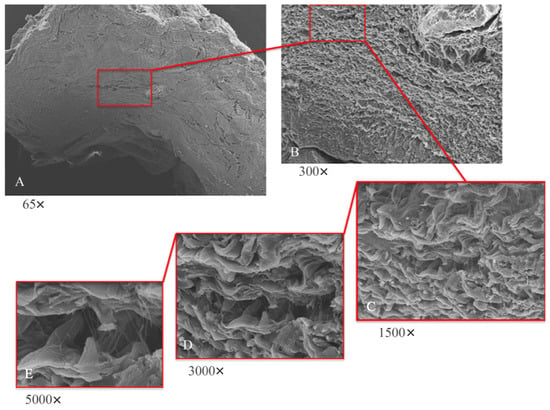
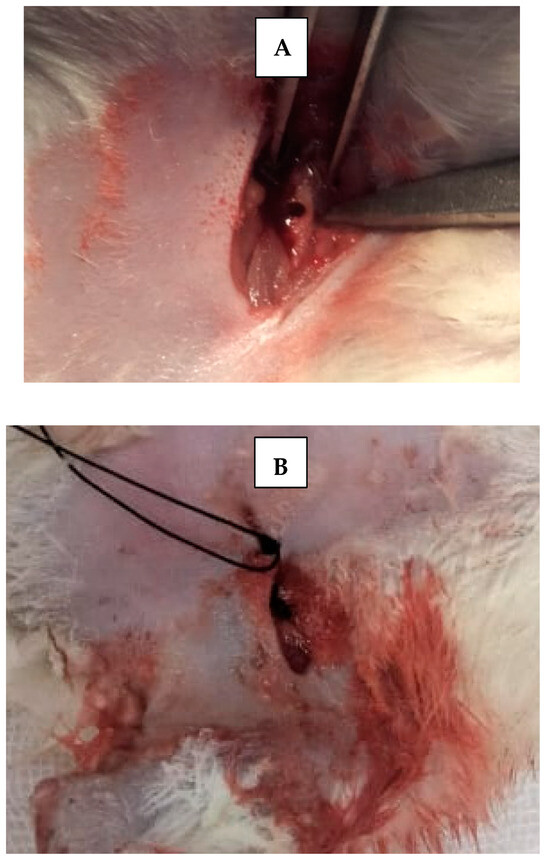
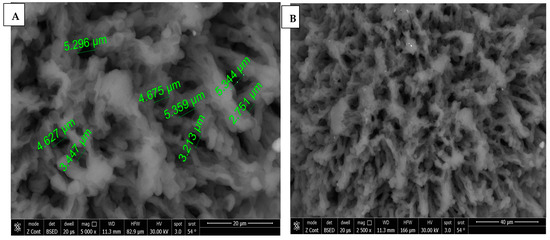
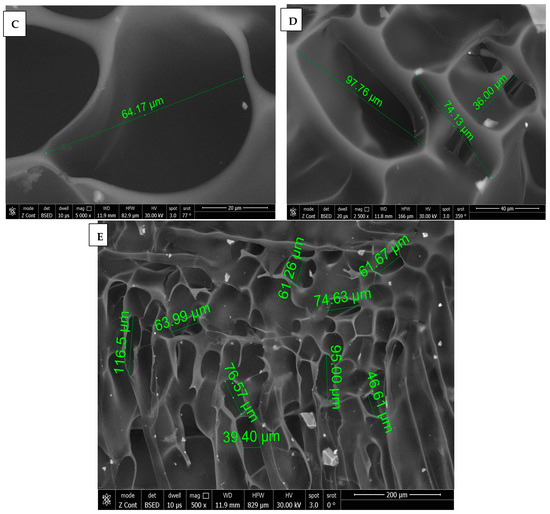
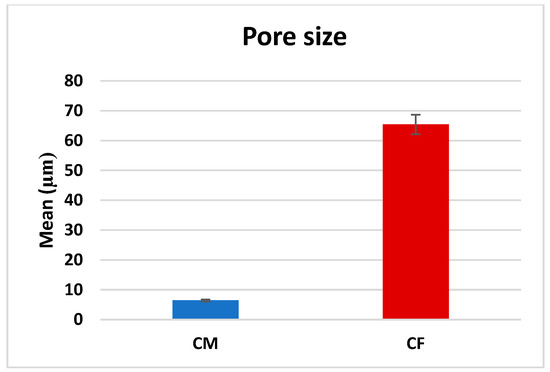
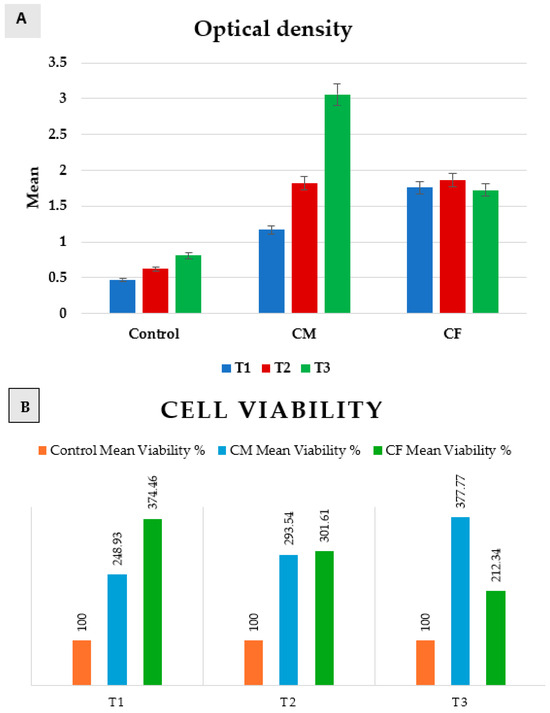
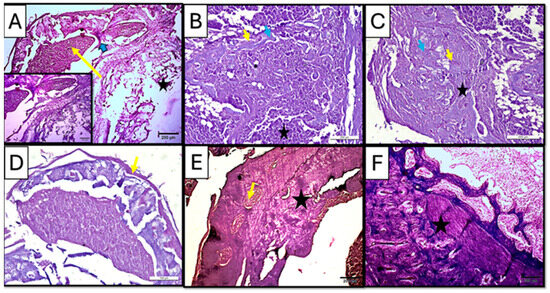
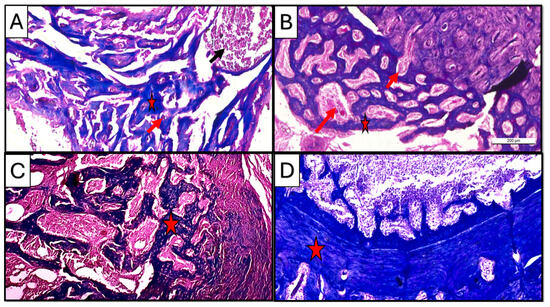
Objectives: The objective of this study is to compare the bone-regenerating capacity between chitosan foam and chitosan membrane scaffolds. Methods: A medium-weight chitosan acidic mixture was used to prepare two scaffolds of freeze-dried chitosan foam (CF). One of the two CF scaffolds was physically crosslinked by NaHCO3 to obtain chitosan membrane (CM). A morphological assessment of the specimens’ porosity was carried out by scanning electron microscopy (SEM). An MTT assay of the CM and CF specimens using rats’ bone marrow mesenchymal stem cells (MSCs) was carried out. Then, 38 albino rats were subjected to surgical implantation in a critical-size defect of the femur bone. The rats were divided into three groups according to the type of implanted scaffold (Control (no scaffold) n = 10, CM (chitosan membrane) n = 14, CF (chitosan foam) n = 14). Each group was equally subdivided into two subgroups according to the time of euthanasia (21 d, 35 d). The femur bones were dissected for a histological analysis (hematoxylin and eosin, and Masson trichrome). The results of the histological analysis were graded according to a scoring system. A statistical analysis of the pore size and histological grading was carried out. Results: CF had a higher mean pore size (65.42 µm) compared to CM (6.44 µm); CM showed a significantly higher proliferation of MSCs at 72 h. Both the CM and CF groups showed a significantly higher bone regeneration and lower inflammation than the control group. The CF group showed a significantly higher bone regeneration score than the CM group, especially at 35 d with more dense compact lamellar bone structure. Conclusions: The higher mean pore size of CF allowed for a higher bone regenerating capacity than the crosslinked CM.
Full article
(This article belongs to the Section Dental Materials)
►▼
Show Figures

Figure 1
Open AccessProtocol
Incorporation of Greater Palatal Artery Pathway Projection into a Static Surgical Guide
by
Alexandru E. Petre, Andrei Macris, Cezar Ionita, Gabriel Cojocariu and Sergiu Drafta
Dent. J. 2025, 13(4), 152; https://doi.org/10.3390/dj13040152 - 30 Mar 2025
Abstract
►▼
Show Figures
Background/Objectives: The purpose of this study was to develop a digital workflow to incorporate the mucosal projection of the pathways of the greater palatal artery into a static surgical guide used for free gingival graft harvesting and connective-tissue grafting techniques. Methods: A cone-beam
[...] Read more.
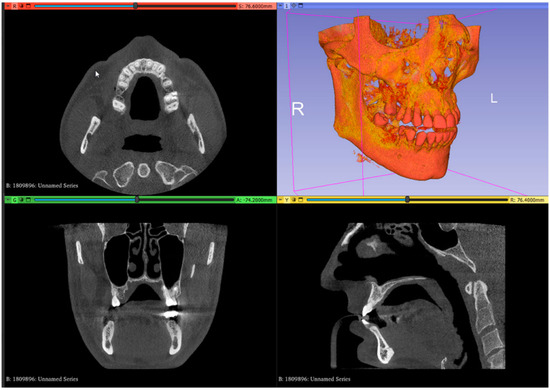
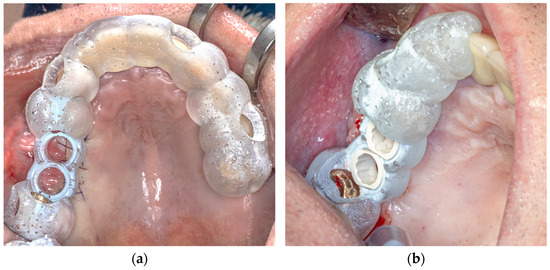
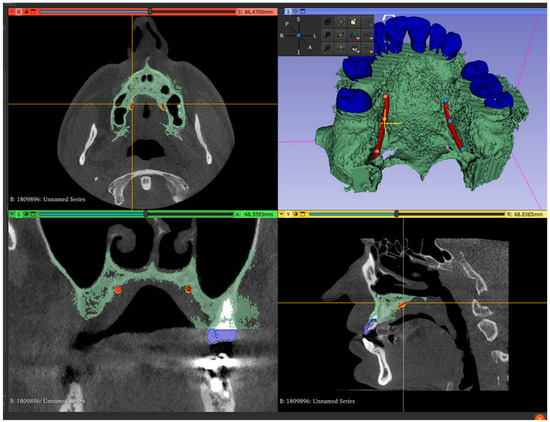
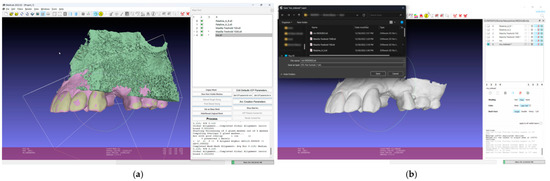
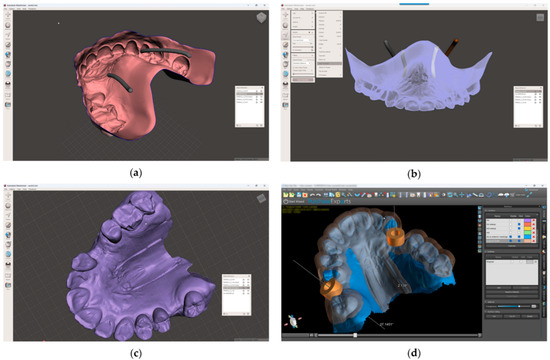
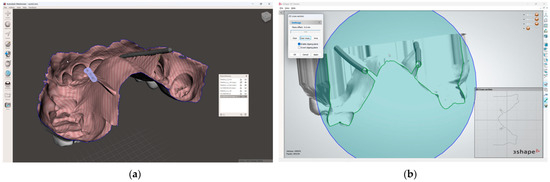
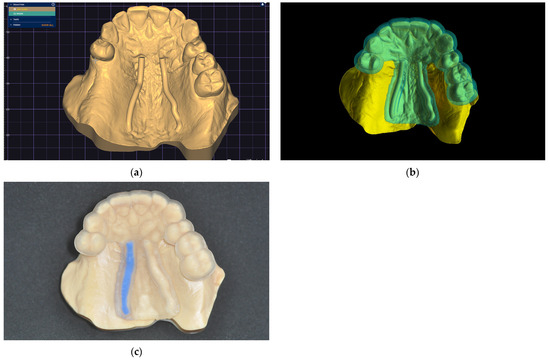
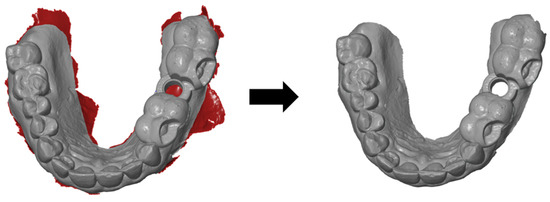
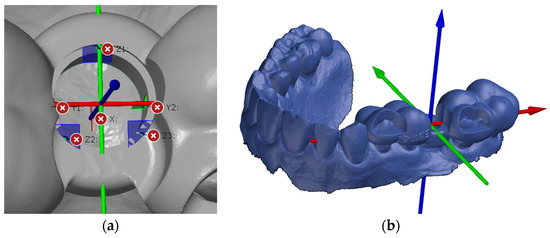
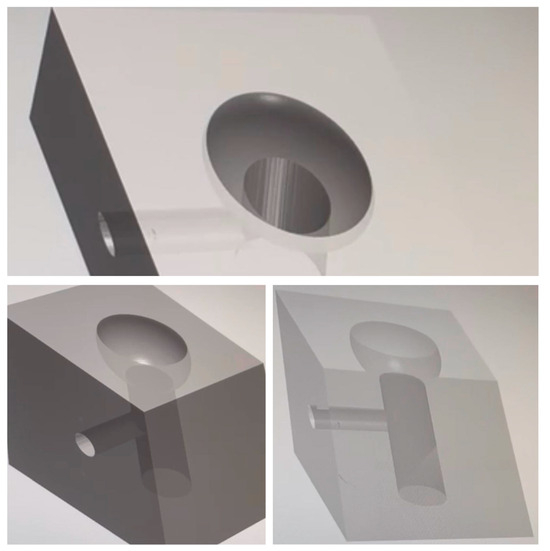
Background/Objectives: The purpose of this study was to develop a digital workflow to incorporate the mucosal projection of the pathways of the greater palatal artery into a static surgical guide used for free gingival graft harvesting and connective-tissue grafting techniques. Methods: A cone-beam computed tomography file was uploaded and segmented using specific tools from digital design software. The artery pathways were identified and marked on cone-beam computed tomography. A standard tessellation file format was obtained and uploaded into three-dimensional mesh-processing software; this was merged into an intraoral scan file. New files were obtained and uploaded into three-dimensional modeling software. The final model with projections of the artery pathways was generated using specific tools. The digital model was uploaded into guided surgery planning software to design a digital surgical guide that could later be printed with the artery pathways marked on its surface. Results: The static surgical guide to the palatal mucosa could be used during a surgical approach for marking the safe-zone area against the artery pathways. Conclusions: The proposed technique is a viable method for visualization and marking the artery pathway projection on a static surgical guide when performing free gingival graft harvesting and connective-tissue grafting techniques.
Full article

Figure 1
Open AccessArticle
Evaluation of the Ideal Horizontal X-Ray Beam Angulation to Accurately Identify Two Separate Canals in Maxillary First Premolars—A Retrospective Clinical Study Using Cone-Beam Computed Tomography in an Austrian Subpopulation
by
Benedikt Schneider, Luisa Klinkhamels, Wilhelm Frank, Constantin von See and Jörg Philipp Tchorz
Dent. J. 2025, 13(4), 151; https://doi.org/10.3390/dj13040151 - 30 Mar 2025
Abstract
►▼
Show Figures
Background/Objectives: Intraoral (IO) radiographs are critical for endodontic diagnostics, yet conventional orthoradial imaging often results in superimposition, limiting the visibility of individual root canals. Maxillary first premolars pose challenges due to their anatomical characteristics and positioning within the dental arch. This study aimed
[...] Read more.
Background/Objectives: Intraoral (IO) radiographs are critical for endodontic diagnostics, yet conventional orthoradial imaging often results in superimposition, limiting the visibility of individual root canals. Maxillary first premolars pose challenges due to their anatomical characteristics and positioning within the dental arch. This study aimed to retrospectively analyze cone-beam computed tomography (CBCT) data to determine the horizontal X-ray beam angulations for maxillary first premolars at which root canals overlap and neighboring tooth superimposition occur, providing clinically relevant guidance for optimizing IO radiographic techniques. Methods: CBCT scans from 85 patients were analyzed using ImageJ software to measure the angles at which maxillary first premolar root canals overlap or become obscured by adjacent teeth. The mean angles for canal overlap and neighboring tooth superimposition were determined. Statistical analysis was performed using SPSS Version 29.0, and the level of significance was set to 5%. Results: The mean angle for root canal overlap was 93.56° (±10.08). The angles at which neighboring teeth began to superimpose were 124.38° (±9.91) for the distal contour of the canine and 63.46° (±9.38) for the mesial root contour of the second premolar. No significant differences were observed between apical and coronal measurements for root canal overlap but tapering of the roots led to significant differences in neighboring tooth superimposition (p < 0.05). Conclusions: A mesial beam shift within a calculated safe corridor (98.5–129.5°) optimizes canal separation without superimposition from adjacent teeth. For ideal visualization, a mesial angulation close to 40° is recommended. These findings support improved IO radiographic techniques while minimizing the risk of retakes in adherence to the ALARA principle.
Full article

Figure 1
Open AccessArticle
Accuracy of Three-Dimensional Computer-Aided Implant Surgical Guides: A Prospective In Vivo Study of the Impact of Template Design
by
Noel Vartan, Lotta Gath, Manuel Olmos, Konstantin Plewe, Christoph Vogl, Marco Rainer Kesting, Manfred Wichmann, Ragai Edward Matta and Mayte Buchbender
Dent. J. 2025, 13(4), 150; https://doi.org/10.3390/dj13040150 - 29 Mar 2025
Abstract
Background: Digital planning and the use of a static surgical guide for implant placement provide predictability and safety for patients and practitioners. The aim of this study was to investigate differences in the accuracy and fit of long and short guides. Methods
[...] Read more.
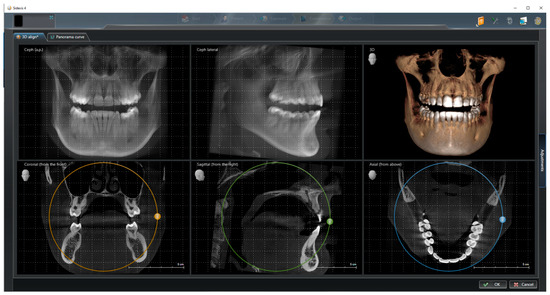
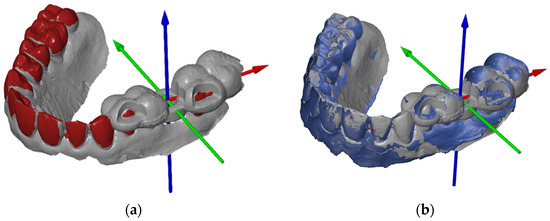
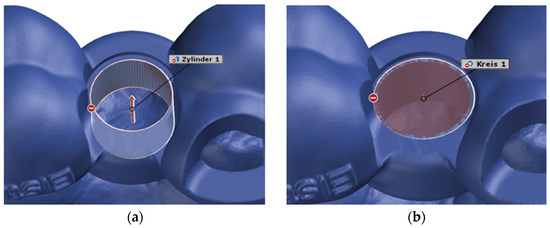
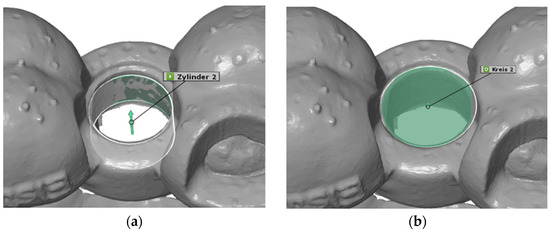
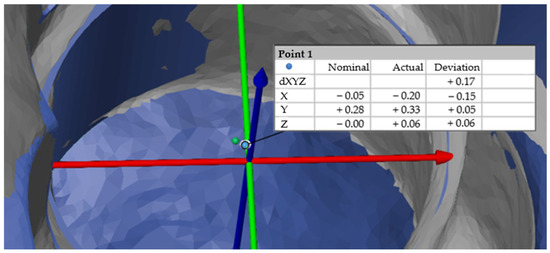
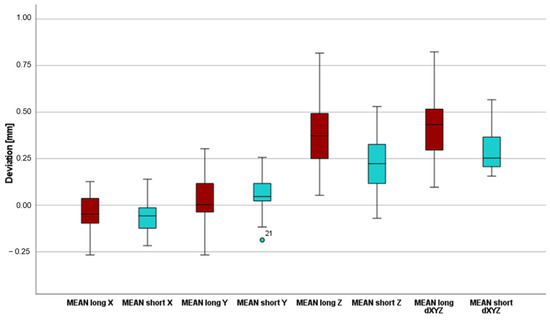
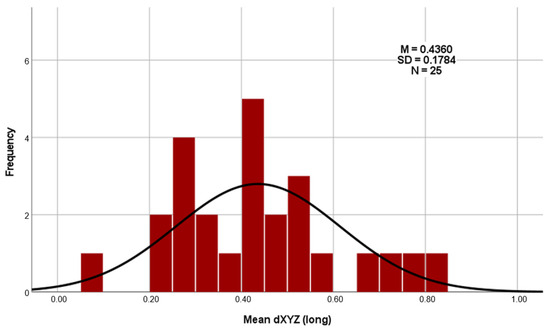
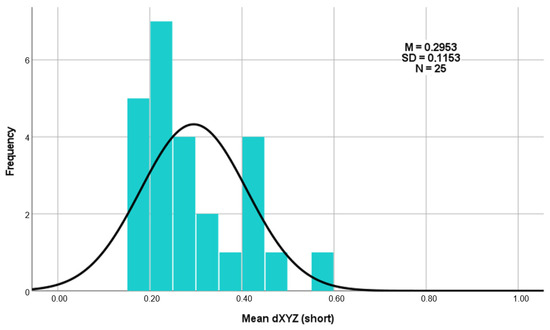
Background: Digital planning and the use of a static surgical guide for implant placement provide predictability and safety for patients and practitioners. The aim of this study was to investigate differences in the accuracy and fit of long and short guides. Methods: In patients with at least one missing tooth, long (supported by the entire dental arch) and short templates (supported by two teeth, mesial and distal) were compared via intraoral scans and the superimposition of the STL files of the initial planning and the actual position in the patient’s mouth along the X-, Y- and Z-axes. Furthermore, this study evaluated the conditions (e.g., mouth opening, the implant position) under which fully guided implantation can be realized. Results: The largest deviation was observed in the Z-axis, although this deviation was not as high for the short templates (0.2275 mm) as it was for the long templates (0.4007 mm). With respect to the 3D deviation (dXYZ), the average deviation from the mean value was 0.2953 mm for the short guides and 0.4360 mm for the long guides (p = 0.002). The effect size (Cohen’s d) was 0.709, which was between the medium (0.50) and large effect sizes (0.80). The shorter templates showed a smaller deviation from the actual plan by 80%. With a mouth opening ≥50 mm, fully guided surgery can be performed in the molar region. In the premolar region, the lower limit was 32 mm. Conclusions: The 3D accuracy was significantly higher for the shorter template, which could therefore be favored.
Full article
(This article belongs to the Special Issue Digital Implantology in Dentistry)
►▼
Show Figures

Figure 1
Open AccessArticle
Clinical and Microbiological Evaluation of 0.2% Tea Tree Oil Mouthwash in Prevention of Dental Biofilm-Induced Gingivitis
by
Adarsha Mahapatra, Saurav Panda, Margherita Tumedei, Sital Panda, Abhaya Chandra Das, Manoj Kumar and Massimo Del Fabbro
Dent. J. 2025, 13(4), 149; https://doi.org/10.3390/dj13040149 - 28 Mar 2025
Abstract
Background: Dental biofilm-induced gingivitis is a prevalent condition caused by dental plaque accumulation. Chlorhexidine mouthwash is a gold standard for plaque control but is associated with adverse effects such as tooth staining and altered taste. This study aimed to evaluate the clinical and
[...] Read more.
Background: Dental biofilm-induced gingivitis is a prevalent condition caused by dental plaque accumulation. Chlorhexidine mouthwash is a gold standard for plaque control but is associated with adverse effects such as tooth staining and altered taste. This study aimed to evaluate the clinical and antimicrobial effectiveness of 0.2% tea tree oil mouthwash as a natural alternative to 0.2% chlorhexidine mouthwash. Methods: A comparative study was conducted on 60 participants aged 18–60 years, divided into two groups: Group T (tea tree oil) and Group C (chlorhexidine), each comprising 30 participants. Clinical outcomes assessed included Plaque Index (PI), Gingival Index (GI), Bleeding on Probing (BOP), and microbiological Colony Forming Units (CFUs). Parameters were recorded at baseline, 7 days, and 28 days. Results: Group T exhibited significantly lower PI and BOP scores at 7 and 28 days compared to Group C (p < 0.05). Both groups showed comparable reductions in CFU counts, indicating similar antimicrobial efficacy. Importantly, tea tree oil had fewer adverse effects, with no reports of tooth staining or altered taste, unlike chlorhexidine. Conclusion: Tea tree oil mouthwash demonstrated equivalent or superior clinical outcomes compared to chlorhexidine, with fewer side effects. It is a viable and well-tolerated alternative for managing plaque-induced gingivitis, supporting further research into its long-term use and efficacy.
Full article
(This article belongs to the Special Issue Oral Microbiology and Related Research)
Open AccessArticle
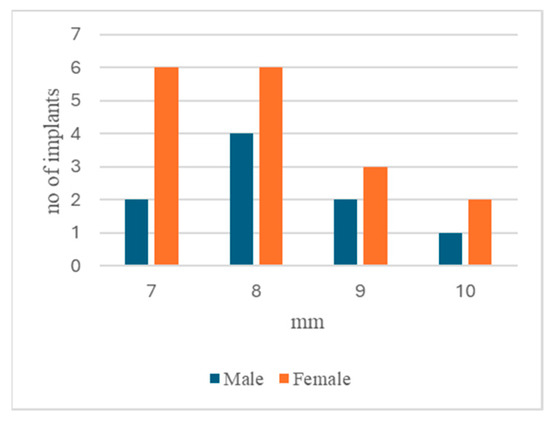
Exploring Peri-Implantitis Risk-Factors: A Cross-Sectional Study
by
Simina Angela Lăcrimioara Iușan, Ondine Patricia Lucaciu, Nausica Bianca Petrescu, Ioana Codruța Mirică, Dan-Alexandru Toc, Silviu Albu and Carmen Costache
Dent. J. 2025, 13(4), 148; https://doi.org/10.3390/dj13040148 - 28 Mar 2025
Abstract
Background/Objectives: With the increasing use of dental implants in edentulous patients and the high prevalence of peri-implantitis, understanding its microbial and risk factors is crucial. This study investigated Romanian patients from two private dental clinics in Cluj-Napoca, Romania, diagnosed with peri-implantitis, focusing
[...] Read more.
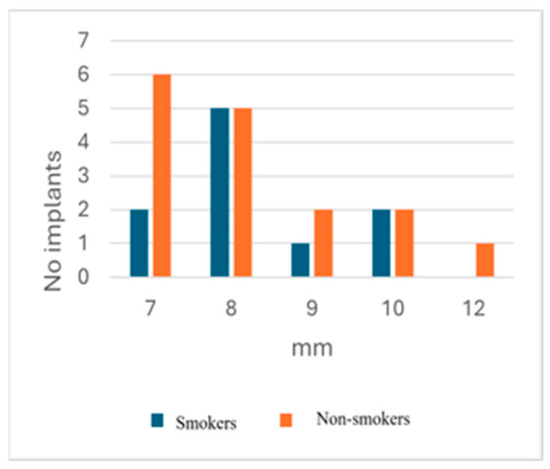
Background/Objectives: With the increasing use of dental implants in edentulous patients and the high prevalence of peri-implantitis, understanding its microbial and risk factors is crucial. This study investigated Romanian patients from two private dental clinics in Cluj-Napoca, Romania, diagnosed with peri-implantitis, focusing on identifying the predominant bacterial species at affected sites compared with healthy implant sites. Additionally, we examined the impact of factors such as smoking, gender, age, and prosthetic restoration type on disease prevalence. Methods: This cross-sectional study, conducted between January 2023 and December 2024, included randomly selected patients who met the predefined inclusion and exclusion criteria. We enrolled 22 patients and 50 implants in the study. Data collected from medical records, clinical evaluations, and microbiological assessments were subsequently entered into a computerized database. Clinical data were analyzed using Social Science Statistics software(Jeremy Staangroom 2018). Bacterial samples were assessed, incubated, and subsequently identified using the Vitek 2 Compact System (BioMérieux, Marcy—l’ Étoile, France). Results: Peri-implantitis incidence was found to be independent of gender, more prevalent in the mandible, and equally affected smokers and non-smokers. The disease involves a complex polymicrobial infection, with pathogenic bacteria triggering the condition and opportunistic bacteria sustaining it. Conclusions: Peri-implantitis is a complex polymicrobial infection that arises from the interaction of strict pathogenic bacteria and opportunistic bacteria. Peri-implantitis results from intricate interactions of local, systemic, and microbial factors. Identifying its causes is essential for developing effective treatments, with future research emphasizing the role of opportunistic bacteria in disease progression.
Full article
(This article belongs to the Special Issue Risk Factors in Implantology)
►▼
Show Figures

Figure 1
Open AccessArticle
Prevalence and Morphology of C-Shaped Canals in Mandibular Second Molars: A Cross-Sectional Cone Beam Computed Tomography Study in an Ecuadorian Population
by
Josué Fernández Laplace, Jenny Guerrero Ferreccio, Giulia Malvicini, Catalina Mendez de la Espriella and Alejandro R. Pérez
Dent. J. 2025, 13(4), 147; https://doi.org/10.3390/dj13040147 - 28 Mar 2025
Abstract
Background/Objectives: C-shaped canals represent a challenge in endodontic procedures. The present study aimed to investigate the prevalence and characteristics of C-shaped canals in mandibular second molars in Guayaquil, Ecuador. Methods: CBCT records from two radiology centers were examined (2020–2022). A total
[...] Read more.
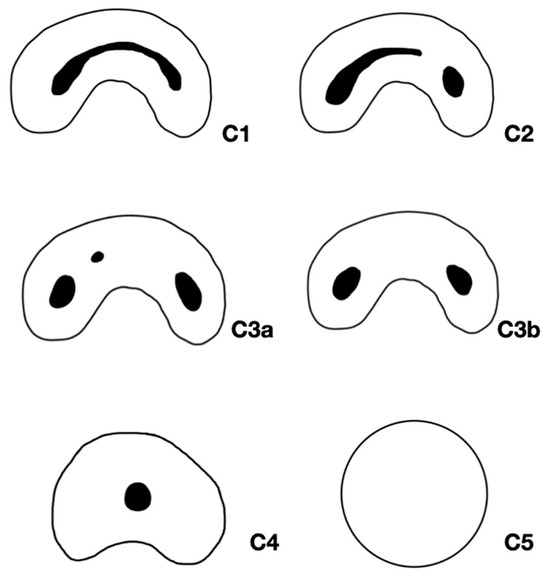
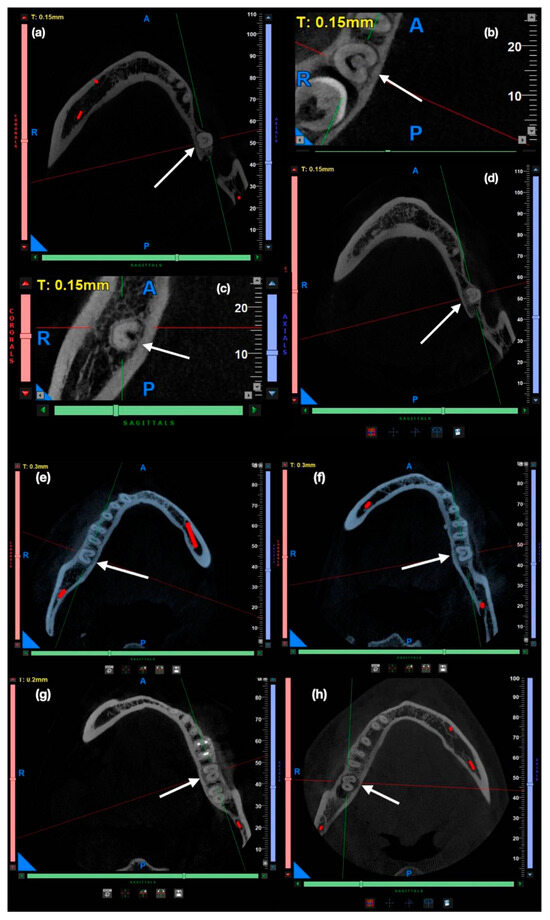
Background/Objectives: C-shaped canals represent a challenge in endodontic procedures. The present study aimed to investigate the prevalence and characteristics of C-shaped canals in mandibular second molars in Guayaquil, Ecuador. Methods: CBCT records from two radiology centers were examined (2020–2022). A total of 400 CBCT scans (800 mandibular second molars) were analyzed using Fan’s classification. Data on the presence or absence of C-shaped canals, gender, and bilateral occurrence were collected. Statistical analysis included the test for differences in proportions and the chi-squared test to assess the significance of correlations between variables. Results: C-shaped canals were found in 28% of mandibular second molars, affecting 33.75% of the patient sample. The prevalence was significantly higher in females (42.9%) compared to males (20.4%). Bilateral occurrences were observed in 63% of affected patients. Morphologic variability was pronounced, with Fan C1 and C4 dominating in the coronal and apical thirds, respectively, while a shift toward Fan C2 and C3 was observed in the middle third. Only 19.2% of the teeth maintained a consistent morphology. Conclusions: C-shaped canals were found in 28% of mandibular second molars and occurred predominantly in females. Notably, most cases were bilateral, highlighting the importance of effectively adapting endodontic techniques to treat this unique anatomical variation. Further research into genetic and environmental influences could deepen our understanding and help develop refined diagnostic and therapeutic strategies.
Full article
(This article belongs to the Special Issue Dentistry in the 21st Century: Challenges and Opportunities)
►▼
Show Figures

Figure 1

Open AccessFeature PaperArticle
Treating Periodontitis Strictly Non-Surgically—A Retrospective Long-Term Analysis of Tooth Loss During Supportive Periodontal Care
by
Marco Michael Herz, Sandra Braun, Nina Hoffmann, Stefan Lachmann, Valentin Bartha and Hari Petsos
Dent. J. 2025, 13(4), 146; https://doi.org/10.3390/dj13040146 - 27 Mar 2025
Abstract
►▼
Show Figures
Background/Objectives: Retrospective analysis of long-term periodontal tooth loss (PTL) during supportive periodontal care (SPC) in patients with Stage III/IV periodontitis who received strictly non-surgical periodontal treatment. Methods: Fully documented medical documentation of SPC > 5 years was analyzed at T0 (baseline), T1 (after
[...] Read more.
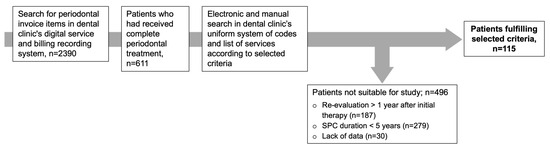
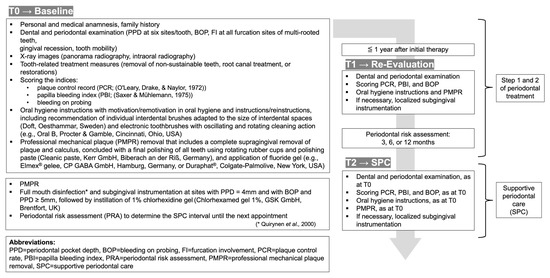
Background/Objectives: Retrospective analysis of long-term periodontal tooth loss (PTL) during supportive periodontal care (SPC) in patients with Stage III/IV periodontitis who received strictly non-surgical periodontal treatment. Methods: Fully documented medical documentation of SPC > 5 years was analyzed at T0 (baseline), T1 (after Steps 1/2), and during SPC (T2). PTL, periodontal pocket depth (PD), bleeding on probing (BOP), tooth mobility (TM), furcation involvement (FI), and frequency of SPC were recorded. Each parameter was tested for significance in a bivariate analysis, before a multilevel logistic regression analysis was performed to identify possible factors with an impact on PTL during SPC. Results: A total of 51 women/64 men (T1 mean age 55.4 ± 10.3 yrs) were surveilled after 9.0 ± 2.4 yrs; 2647 teeth were included. On average, patients attended 10.6 ± 3.8 SPC sessions between T1 and T2; 77 patients (67%) attended at least 1/year. At T1, 68 teeth were lost; 6.1% of the remaining teeth showed FI, and 13.8% showed TM. During SPC, the PTL range was 118 (1.03 ± 1.21/patient). TM, FI, mean PD, and Stage IV periodontitis proved to be statistically significantly associated with increased PTL. Conclusions: PTL was low in this cohort. Nevertheless, at T1, it may be beneficial to focus on stopping TM by splinting the mobile teeth and reducing the PD or treating FI appropriately, understanding that these precise applications of surgical procedures could positively affect long-term tooth retention.
Full article

Figure 1
Open AccessCase Report
Tissue Preservation Using Socket-Shield Technique in Lower Molar Site: A Proof of Principle Report
by
Regimantas Simuntis, Paulius Tušas, Aušra Ražanauskienė, Vygandas Rutkūnas and Marijus Leketas
Dent. J. 2025, 13(4), 145; https://doi.org/10.3390/dj13040145 - 27 Mar 2025
Abstract
Background/Objectives: The socket-shield technique (SST) was developed to preserve the facial/buccal portion of a tooth root to prevent post-extraction ridge resorption. It has gained attention for use in anterior implant sites, but its application in posterior sites remains unexplored. The aim of this
[...] Read more.
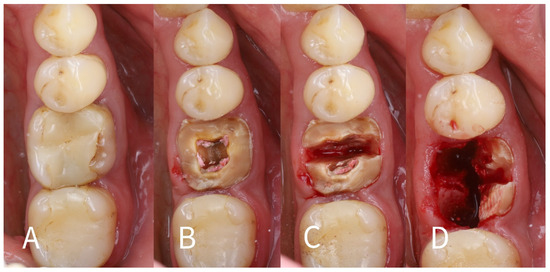
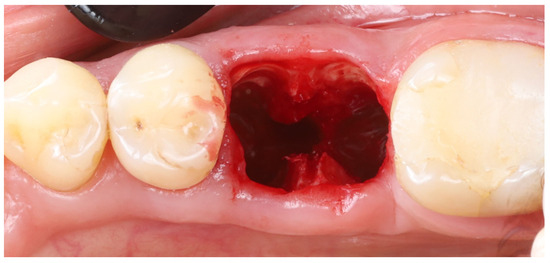
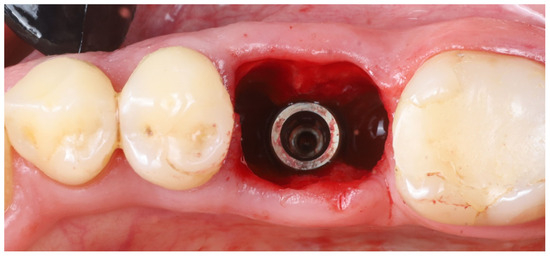
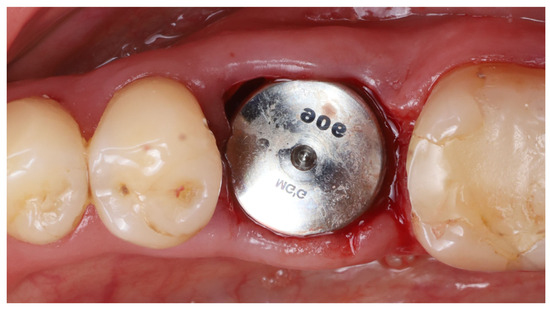
Background/Objectives: The socket-shield technique (SST) was developed to preserve the facial/buccal portion of a tooth root to prevent post-extraction ridge resorption. It has gained attention for use in anterior implant sites, but its application in posterior sites remains unexplored. The aim of this case report was to report a proof-of-principle case using SST in a lower molar site and evaluate its effectiveness in preserving tissues. Methods: A 34-year-old non-smoking patient with a non-restorable mandibular first molar (tooth #36) underwent immediate implant placement with the SST. The tooth’s crown was removed, and the buccal segments of the roots were retained as “shields” while the implant was placed in the center of the socket. Preoperative and postoperative cone-beam CT (CBCT) scans and clinical exams were used to assess outcomes up to 12 months. Results: The SST procedure was completed uneventfully. CBCT after 4 months and 12 months showed minimal horizontal bone loss: ~0.2 mm at 4 months; ~0.1 mm additional loss by 12 months. The peri-implant soft tissue profile remained stable, and the implant achieved osseointegration with high primary and secondary stability. Conclusions: In this clinical case, the socket-shield technique effectively preserved alveolar bone and soft tissue contours in a molar extraction site, avoiding the ridge collapse often seen post-extraction. This suggests SST may be a viable tissue preservation approach in posterior sites; however, long-term follow-up and further studies are needed to confirm sustained outcomes and validate the technique’s predictability.
Full article
(This article belongs to the Special Issue Oral Implantology and Rehabilitation)
►▼
Show Figures

Figure 1
Open AccessArticle
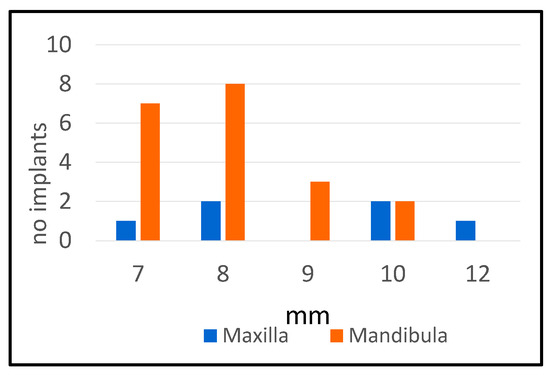
Retrospective Study of Functional and Esthetic Outcomes Using Narrow-Diameter Implants for Single Upper Central Incisor Replacements
by
Eduardo Anitua, Aitana Tarazona and Mohammad Hamdan Alkhraisat
Dent. J. 2025, 13(4), 144; https://doi.org/10.3390/dj13040144 - 26 Mar 2025
Abstract
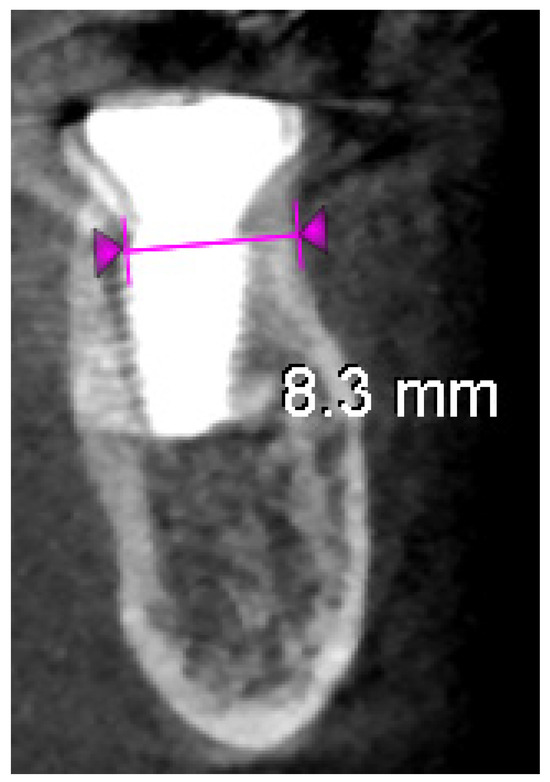
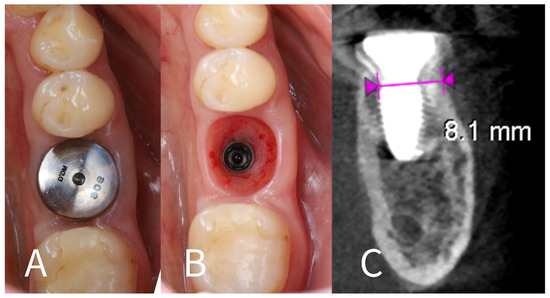
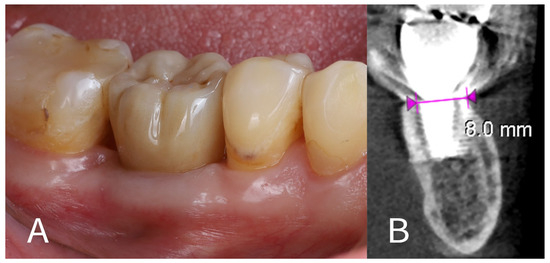
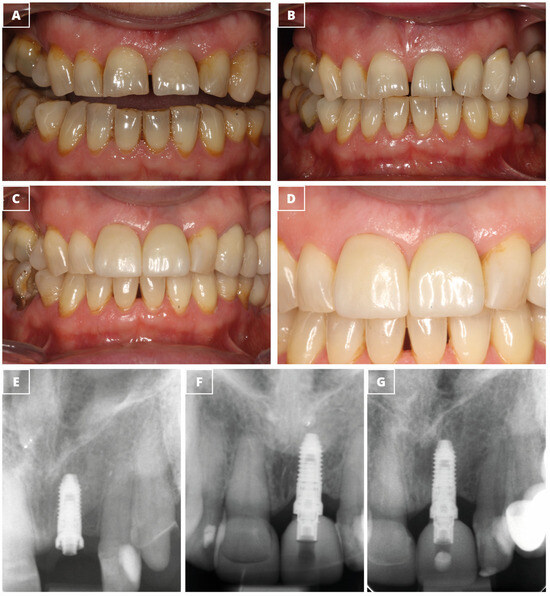
Objectives: The upper central incisors play a central role in esthetics, symmetry, and function. The purpose of this study is to evaluate the use of narrow-diameter implants (NDIs) for replacing single missing upper central incisors, addressing the gap in research regarding specific tooth
[...] Read more.
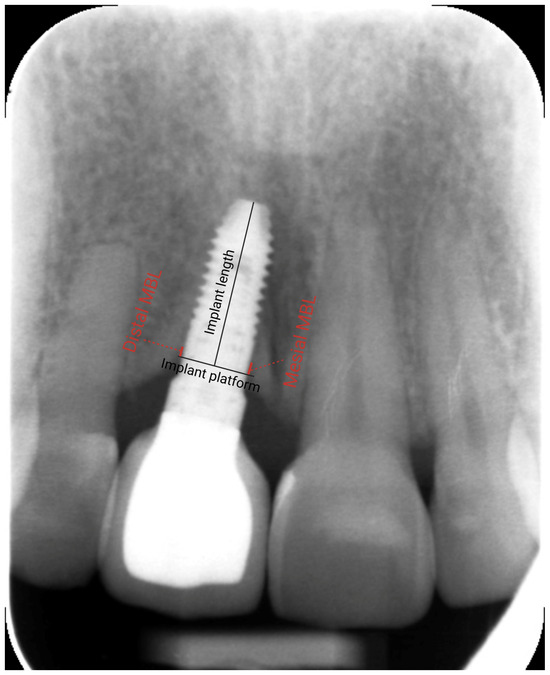
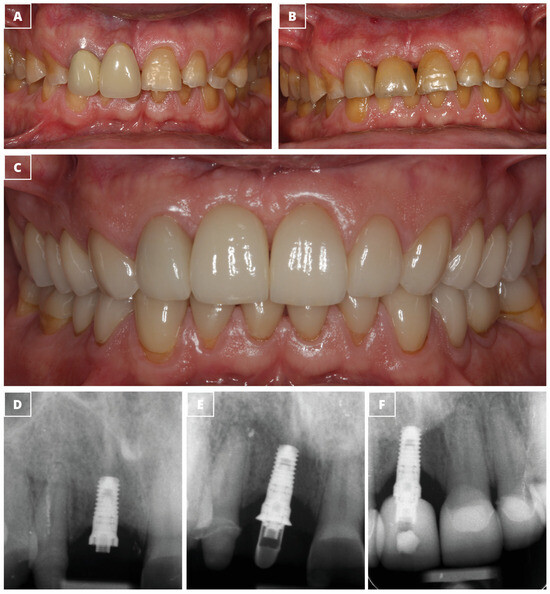
Objectives: The upper central incisors play a central role in esthetics, symmetry, and function. The purpose of this study is to evaluate the use of narrow-diameter implants (NDIs) for replacing single missing upper central incisors, addressing the gap in research regarding specific tooth types and their esthetic outcomes. Methods: This retrospective study included adult patients with a single missing upper central incisor replaced by NDIs. Exclusion criteria included patients who lost adjacent teeth during follow-up and patients with non-loaded implants. The primary outcome was peri-implant bone stability, while secondary outcomes included implant survival, technical complications, patient satisfaction, and esthetic evaluation using the Pink Esthetic Score (PES) and the White Esthetic Score (WES). Descriptive statistical analysis was performed. Results: A total of 64 NDIs were placed in 64 patients (mean age 55 ± 15 years; 40 females, 24 males). Implant diameters were 3.3 and 3.5 mm, with lengths ranging from 6.5 to 11.0 mm. The mean follow-up period was 42 ± 19 months. Marginal bone loss was −0.7 ± 0.9 mm mesially and −0.5 ± 0.7 mm distally. No implant failures were recorded. Esthetic outcomes were satisfactory, with a mean PES of 7.0 ± 2.6 and a mean WES of 7.9 ± 2.0. Conclusions: NDIs demonstrated high survival rates, marginal bone stability, and acceptable esthetic outcomes in the replacement of single upper central incisors.
Full article
(This article belongs to the Special Issue Esthetic Dentistry: Current Perspectives and Future Prospects)
►▼
Show Figures

Figure 1
Open AccessArticle
The Whitening Efficacy of a Hydroxyapatite Toothpaste and a Blue Covarine Toothpaste: A Comparative In Vitro Study
by
Joachim Enax, Pascal Fandrich, Erik Schulze zur Wiesche and Bennett T. Amaechi
Dent. J. 2025, 13(4), 143; https://doi.org/10.3390/dj13040143 - 26 Mar 2025
Abstract
Background: There is high demand for white and healthy teeth. Therefore, various whitening toothpastes are commercially available. Hydroxyapatite and blue covarine are two ingredients used in whitening toothpaste formulations. Objectives: This in vitro study analyzed the stain-removing efficacy of two commercial
[...] Read more.
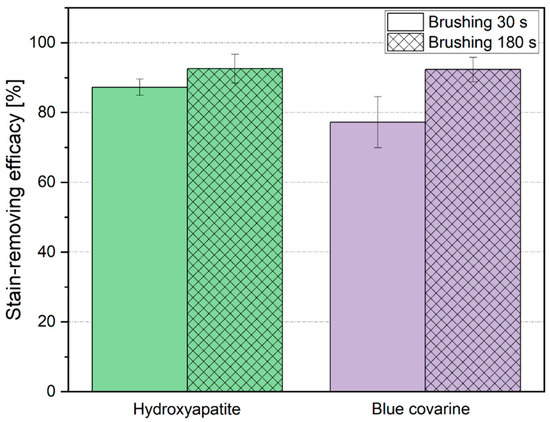
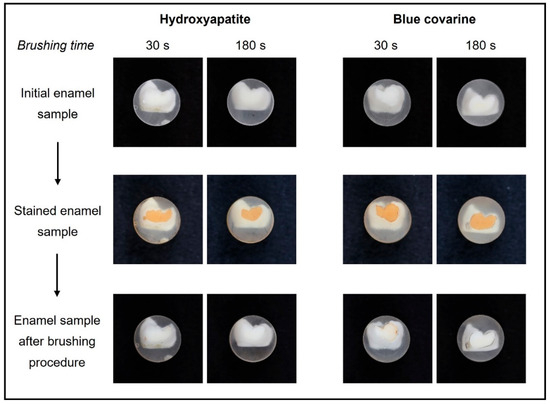
Background: There is high demand for white and healthy teeth. Therefore, various whitening toothpastes are commercially available. Hydroxyapatite and blue covarine are two ingredients used in whitening toothpaste formulations. Objectives: This in vitro study analyzed the stain-removing efficacy of two commercial whitening toothpastes: one containing hydroxyapatite and the other containing blue covarine. Methods: The stain-removing efficacy of both toothpastes was analyzed for different brushing times (30 and 180 s) using a staining model on human enamel. Photographic documentation and colorimetric measurements were performed after staining and after each brushing series. Colorimetric measurements were used to determine the stain removal efficacy in percentage. Statistical analysis was performed using one-way analysis of variance (ANOVA) with a post hoc Tukey test and Levene’s test to assess the homogeneity of variances. The significance level α was set at 0.05. Results: The hydroxyapatite toothpaste demonstrated a significantly higher stain-removing efficacy compared to the blue covarine toothpaste after 30 s of brushing. The stain-removing efficacy was comparable between the two toothpastes after 180 s of brushing. Conclusions: Both hydroxyapatite and blue covarine toothpastes effectively cleaned stained enamel, with hydroxyapatite toothpaste showing a significantly higher stain-removing efficacy after 30 s of brushing.
Full article
(This article belongs to the Special Issue Esthetic Dentistry: Current Perspectives and Future Prospects)
►▼
Show Figures

Figure 1
Open AccessArticle
Microtomographic, Histomorphological, and Histomorphometric Analysis of Bone Healing in the Midpalatal Suture After Treatment with Isotretinoin
by
Maria Júlia Bento Martins Parreira, Daniela Vieira Buchaim, Ana Carolina Cestari Bighetti, Marcos Antonio Girotto, Miguel Ângelo de Marchi, Dayane Maria Braz Nogueira, Augusto Alberto Foggiato, Juliana Zorzi Coléte, Acácio Fuziy and Rogerio Leone Buchaim
Dent. J. 2025, 13(4), 142; https://doi.org/10.3390/dj13040142 - 25 Mar 2025
Abstract
Background/Objectives: Rapid palatal expansion is commonly used to correct maxillary deficiencies. However, medications like Isotretinoin may influence bone remodeling during treatment. Isotretinoin, a drug used to treat acne, was the focus of this study, which aimed to evaluate its effect on bone repair
[...] Read more.
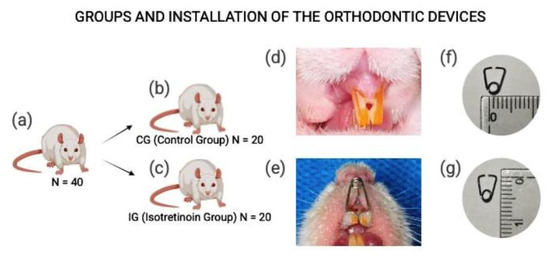
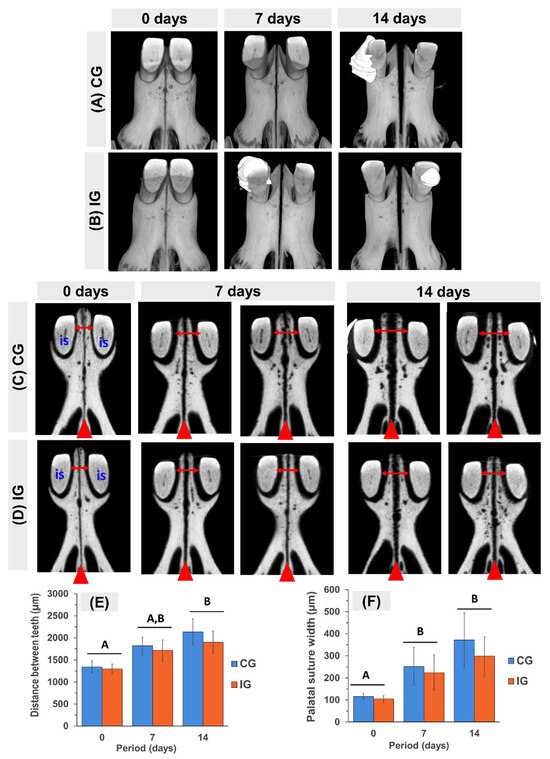
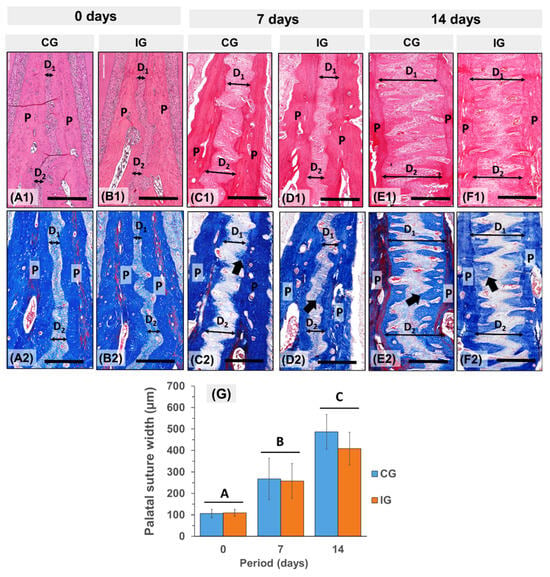
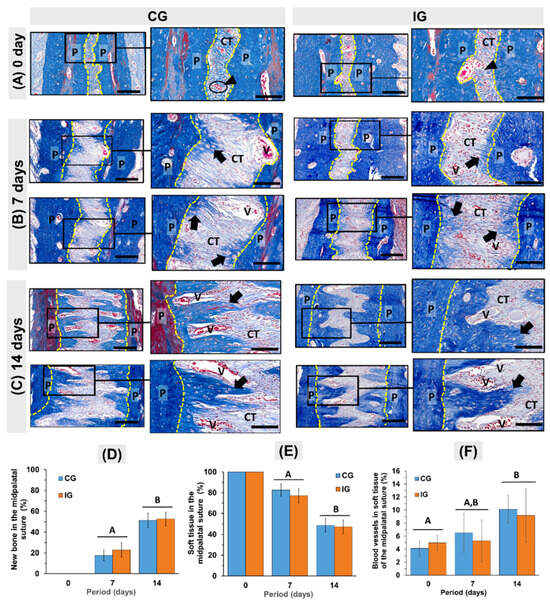
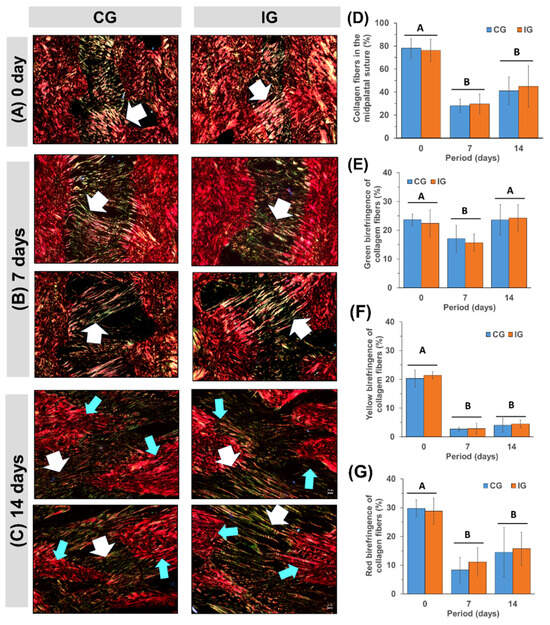
Background/Objectives: Rapid palatal expansion is commonly used to correct maxillary deficiencies. However, medications like Isotretinoin may influence bone remodeling during treatment. Isotretinoin, a drug used to treat acne, was the focus of this study, which aimed to evaluate its effect on bone repair after rapid palatal suture expansion in rats. Methods: The sample consisted of 40 Wistar rats, divided into two groups: the control group (CG), subjected only to orthodontic movement, and the experimental isotretinoin group (IG), where movement occurred after drug administration. Periods of 0, 7, and 14 days after the installation of the orthodontic device were analyzed, with a force of 30 g applied in all groups using a steel spring. After euthanasia, the maxillae were removed and analyzed via Micro-CT, histologically, and histomorphometrically. Results: The results showed that the expander was effective in promoting the expansion of the palatal suture. After 14 days, the total expansion was 381% (CG) and 299% (IG); the percentage of vessels in the connective tissue increased by 145% in CG and 84% in IG; and bone formation in both groups occupied 52% of the expanded palatal suture. No significant differences were observed between the groups regarding collagen fiber formation. Conclusions: It was concluded that the daily administration of Isotretinoin at the standard dose for the treatment of severe acne does not cause significant alterations in the bone repair process following the opening of the median palatine suture in rats.
Full article
(This article belongs to the Special Issue Current Research Topics in Orthodontics)
►▼
Show Figures

Figure 1
Open AccessArticle
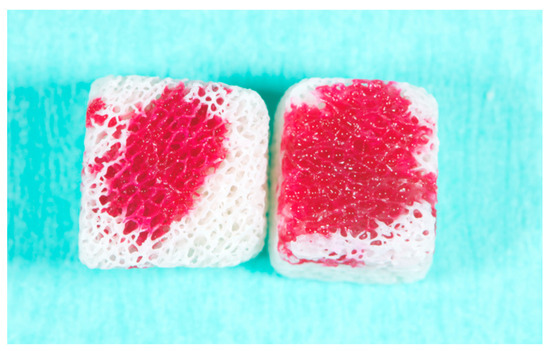
The Use of Vacuum Plasma Surface Treatment to Improve the Hydrophilicity and Wettability of Bone Graft Substitutes and Resorbable Membranes: An In Vitro Study
by
Marco Tallarico, Silvio Mario Meloni, Michele Troia, Carlotta Cacciò, Aurea Immacolata Lumbau, Ieva Gendviliene, Francesco Mattia Ceruso and Milena Pisano
Dent. J. 2025, 13(4), 141; https://doi.org/10.3390/dj13040141 - 25 Mar 2025
Abstract
Background/Objectives: We wished to evaluate in vitro whether vacuum plasma surface treatment of bone graft substitutes and resorbable membranes could improve the hydrophilicity and wettability of the tested materials. Methods: A total of 28 sterilized samples were considered for this research and divided
[...] Read more.
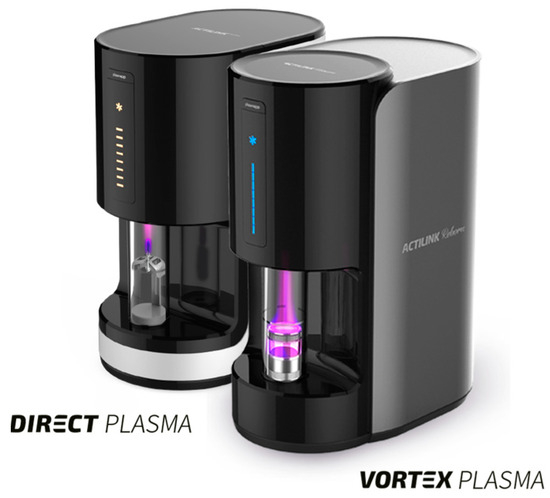
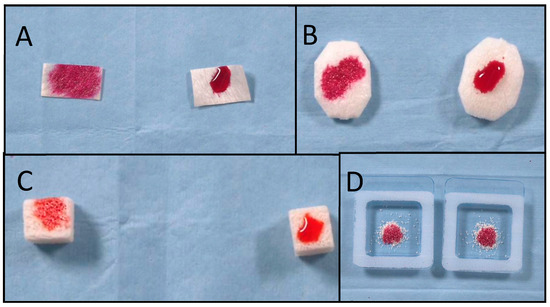
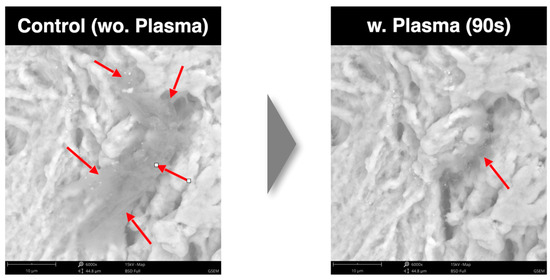
Background/Objectives: We wished to evaluate in vitro whether vacuum plasma surface treatment of bone graft substitutes and resorbable membranes could improve the hydrophilicity and wettability of the tested materials. Methods: A total of 28 sterilized samples were considered for this research and divided into three groups. Six samples were used for the SEM-EDS analysis. The other 22 samples were randomly assigned into the test (plasma-treated, n = 11) and control (no treatment, n = 11) groups. Vacuum plasma surface treatment was performed in the test group before the SEM-EDS analysis using the ACTILINK reborn with a material holder (Plasmapp Co., Ltd., Daejeon, Republic of Korea). Plasmatreat (Plasmatreat, Steinhagen, Germany) inks were used to evaluate the differences in the hydrophilicity between the test and control groups. The outcome measures were the absorption time, wettability grade, and grade of decontamination after different time cycles. Results: After the vacuum plasma surface treatment, the absorption time of the inks statistically decreased in all of the subgroups (p < 0.05), while the wettability grade increased. The SEM-EDS analyses showed an increased reduction rate of carbon impurities after up to three vacuum plasma surface treatment cycles. Furthermore, the SEM-EDS analysis did not reveal any areas of damage caused by the multiple treatments. Conclusions: Within the limitations of this in vitro study, the vacuum plasma surface treatment increased the hydrophilicity and wettability of the tested biomaterials. Particle bone graft and bone blocks should be treated using longer time programs. Further well-conducted randomized clinical trials with sample size calculations are needed to confirm these preliminary results.
Full article
(This article belongs to the Special Issue Oral Implantology and Bone Regeneration)
►▼
Show Figures

Figure 1
Open AccessCommunication
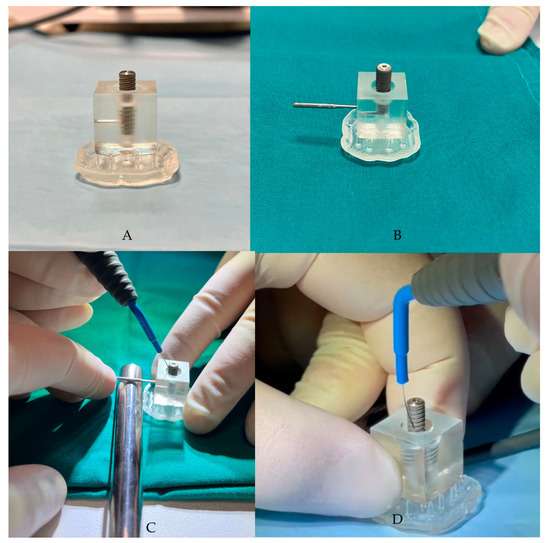
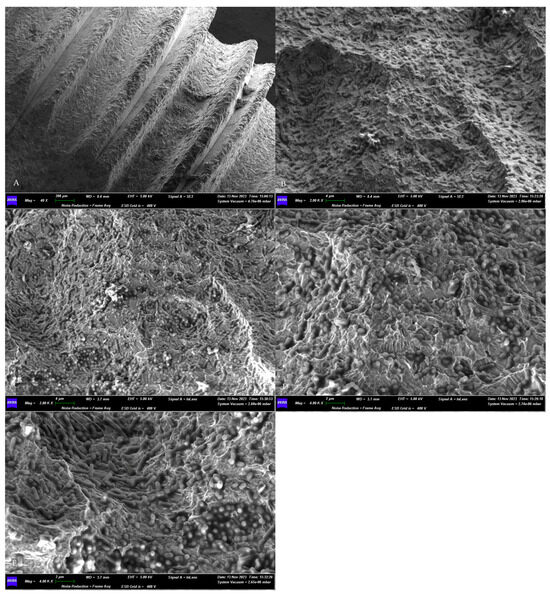
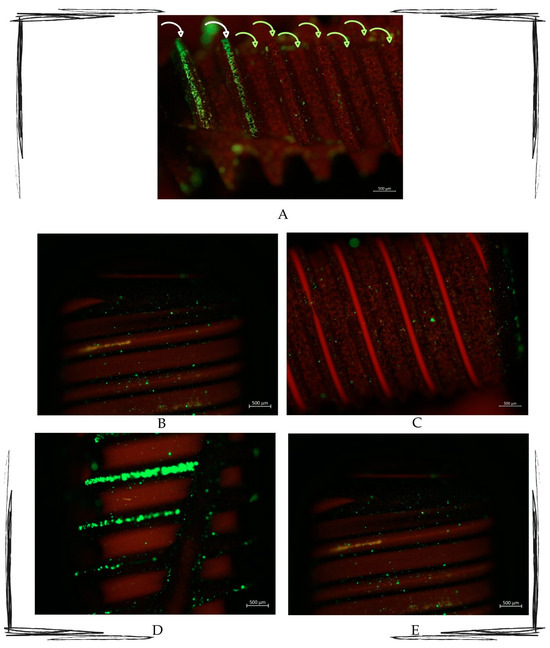
A Morphological Evaluation of the Antibiofilm Activity on an Implant Surface Using a New Electric Device: An In Vitro Study
by
Gianluca Botticelli, Giovanni Falisi, Sofia Rastelli, Enzo Iacomino, Angelo Bruni, Davide Gerardi, Giuseppe Di Fabio, Marco Severino and Sara Bernardi
Dent. J. 2025, 13(4), 140; https://doi.org/10.3390/dj13040140 - 25 Mar 2025
Abstract
►▼
Show Figures
Background: Peri-implantitis, the most prevalent cause of implant failure, is a multifaceted issue that is influenced by various factors that promote biofilm formation around the implant. Although various innovative methods for microbiological decontamination of dental implants exist, a universally accepted standard protocol has
[...] Read more.
Background: Peri-implantitis, the most prevalent cause of implant failure, is a multifaceted issue that is influenced by various factors that promote biofilm formation around the implant. Although various innovative methods for microbiological decontamination of dental implants exist, a universally accepted standard protocol has not yet been established. However, the potential of a device that generates an electric current (Ximplant®) in reducing the survival of microorganisms within the biofilm is a promising development. Methods: In this in vitro study, five dental implants, contaminated using a microbial culture from a sample of saliva of a patient suffering from peri-implantitis, were decontaminated using the Ximplant® peri-implantitis protocol. The experimental conditions included a simulated peri-implant site and a subsequent fluorescent assessment of the Live/Dead microbial population. Results: The qualitative and quantitative image analyses showed a predominant dead light signal on the treated sample, demonstrating the potential efficacy of applying the electrostatic field to the contaminated implant surface in reducing the viability of the microorganisms within the biofilm around dental implants. Conclusions: These findings could inspire a new era in peri-implantitis treatment.
Full article

Figure 1
Journal Menu
► ▼ Journal Menu-
- Dentistry Journal Home
- Aims & Scope
- Editorial Board
- Reviewer Board
- Topical Advisory Panel
- Instructions for Authors
- Special Issues
- Topics
- Sections & Collections
- Article Processing Charge
- Indexing & Archiving
- Editor’s Choice Articles
- Most Cited & Viewed
- Journal Statistics
- Journal History
- Journal Awards
- Conferences
- Editorial Office
Journal Browser
► ▼ Journal BrowserHighly Accessed Articles
Latest Books
E-Mail Alert
News
Topics
Topic in
Biology, JCM, Diagnostics, Dentistry Journal
Assessment of Craniofacial Morphology: Traditional Methods and Innovative Approaches
Topic Editors: Nikolaos Gkantidis, Carlalberta VernaDeadline: 20 June 2025
Topic in
Dentistry Journal, JCM, Materials, Biomedicines, Life
Medical and Dental Care, Photobiomodulation and Photomedicine
Topic Editors: Samir Nammour, Chukuka Samuel Enwemeka, Aldo Brugnera JuniorDeadline: 31 December 2025
Topic in
Applied Sciences, Children, Dentistry Journal, JCM
Preventive Dentistry and Public Health
Topic Editors: Denis Bourgeois, Elena BardelliniDeadline: 30 April 2026
Topic in
Applied Sciences, Dentistry Journal, JCM, Materials, Medicina
Advances in Dental Materials
Topic Editors: Vincenzo D'Antò, Daniele Botticelli, Piero Antonio ZeccaDeadline: 31 May 2026
Conferences
Special Issues
Special Issue in
Dentistry Journal
Preventive Dentistry and Dental Public Health
Guest Editors: Giuseppe Pizzo, Guglielmo Campus, Livia OttolenghiDeadline: 10 April 2025
Special Issue in
Dentistry Journal
Current Research Topics in Orthodontics
Guest Editor: Moshe DavidovitchDeadline: 25 April 2025
Special Issue in
Dentistry Journal
Digital Dentures: 2nd Edition
Guest Editors: Samir Čimić, Tomislav Badel, Robert ĆelićDeadline: 25 April 2025
Special Issue in
Dentistry Journal
Dental Oncology
Guest Editor: Adepitan OwoshoDeadline: 25 April 2025
Topical Collections
Topical Collection in
Dentistry Journal
Light and Laser Dentistry
Collection Editors: Samir Nammour, Aldo Brugnera Junior
Topical Collection in
Dentistry Journal
Novel Ceramic Materials in Dentistry
Collection Editors: Roberto Sorrentino, Gianrico Spagnuolo
Topical Collection in
Dentistry Journal
Feature Papers in Dental Education
Collection Editors: Jelena Dumancic, Božana Lončar Brzak
Topical Collection in
Dentistry Journal
Dental Traumatology and Sport Dentistry
Collection Editor: Enrico Spinas