




-
Efficacy and Safety of FCM in HFrEF & Iron Deficiency -
Appendicular Skeletal Muscle Index Is Positively Related to Mediterranean Diet Adherence in University Students -
Robotic Surgery from a Gynaecological Oncology Perspective: A Global Gynaecological Oncology Surgical Outcomes Collaborative Led Study (GO SOAR3)
Journal Description
Diseases
Diseases
is an international, peer-reviewed, open access, multidisciplinary journal which focuses on the latest and outstanding research on diseases and conditions published monthly online by MDPI. The first issue is released in 2013.
- Open Access— free for readers, with article processing charges (APC) paid by authors or their institutions.
- High Visibility: indexed within Scopus, ESCI (Web of Science), PubMed, PMC, CAPlus / SciFinder, and other databases.
- Journal Rank: JCR - Q2 (Medicine, Research and Experimental)
- Rapid Publication: manuscripts are peer-reviewed and a first decision is provided to authors approximately 21.4 days after submission; acceptance to publication is undertaken in 2.7 days (median values for papers published in this journal in the second half of 2024).
- Recognition of Reviewers: reviewers who provide timely, thorough peer-review reports receive vouchers entitling them to a discount on the APC of their next publication in any MDPI journal, in appreciation of the work done.
- Sections: published in 8 topical sections.
Impact Factor:
2.9 (2023)
Latest Articles
Is Oral Function Associated with the Development of Sarcopenic Obesity and Sarcopenia in Older Adults? A Prospective Cohort Study
Diseases 2025, 13(4), 109; https://doi.org/10.3390/diseases13040109 (registering DOI) - 5 Apr 2025
Abstract
►
Show Figures
Background: Sarcopenic obesity, defined as the concurrent loss of muscle mass and adipose tissue accumulation, is associated with reduced physical function and poor health status in older adults. Although oral function can impact the overall health of older adults, its role in the
[...] Read more.
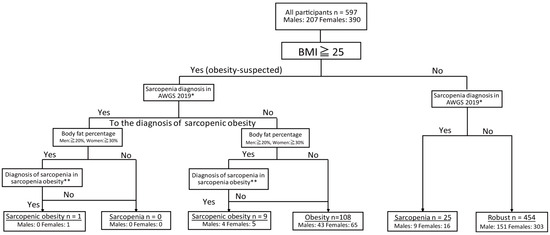
Background: Sarcopenic obesity, defined as the concurrent loss of muscle mass and adipose tissue accumulation, is associated with reduced physical function and poor health status in older adults. Although oral function can impact the overall health of older adults, its role in the development of sarcopenic obesity remains unclear. Herein, we aimed to examine the association between oral function and the incidence of sarcopenic obesity. Methods: This longitudinal cohort study included 597 independent older adults (aged ≥65 years) from Tamba-Sasayama, a rural region of Japan, who participated in academic studies between June 2016 and December 2023. Participants underwent surveys at least twice, with a minimum two-year interval. The participants were divided into four groups (robust, obese, sarcopenic, and sarcopenic obese) according to their health condition. Sarcopenic obesity was diagnosed based on the guidelines of the Japanese Working Group on Sarcopenic Obesity. The oral function was evaluated by assessing the number of remaining teeth, tongue pressure, occlusal force, masticatory performance, and oral diadochokinesis. Cox proportional hazards regression analysis evaluated the association between oral function and the incidence of sarcopenic obesity after adjusting for relevant confounders. Results: The sarcopenic obesity group was older, had lower skeletal muscle mass, and inferior physical function. This cohort also had the highest prevalence of hypertension and significantly fewer remaining teeth. The proportion of individuals with sarcopenic obesity was 1.7% of the total population, with 2.8% in the obesity group at baseline, and 8.0% of those were diagnosed with sarcopenia progressing to sarcopenic obesity. The Cox regression model revealed that reduced tongue pressure was significantly associated with an increased risk of sarcopenic obesity, with a hazard ratio of 0.906 (95% confidence interval: 0.829–0.990; p = 0.028), independent of other variables related to sarcopenia and obesity. Conclusions: Our findings suggest that oral function is associated with the incidence of sarcopenic obesity but not with that of sarcopenia or obesity alone.
Full article
Open AccessCorrection
Correction: Theodorakis, N.; Nikolaou, M. The Human Energy Balance: Uncovering the Hidden Variables of Obesity. Diseases 2025, 13, 55
by
Nikolaos Theodorakis and Maria Nikolaou
Diseases 2025, 13(4), 108; https://doi.org/10.3390/diseases13040108 - 3 Apr 2025
Abstract
There was an error in the original publication [...]
Full article
(This article belongs to the Special Issue Metabolic Disorders: Insights into Pathogenesis and Novel Therapeutic Strategies)
Open AccessArticle
Relationships of Isolated Nocturnal Hypertension with Glomerular Filtration Rate and Albuminuria
by
Caterina Carollo, Giulio Geraci, Alessandra Sorce, Raffaella Morreale Bubella, Emanuele Cirafici, Maria Elena Ciuppa, Salvatore Evola and Giuseppe Mulè
Diseases 2025, 13(4), 107; https://doi.org/10.3390/diseases13040107 - 2 Apr 2025
Abstract
Background/Objectives: Isolated nocturnal hypertension (INH) represents a unique phenotype that can only be identified through ambulatory blood pressure monitoring (ABPM). An increasing body of evidence suggests a significant association between INH and heightened cardiovascular morbidity, mortality, and, more recently, kidney disease progression. Considering
[...] Read more.
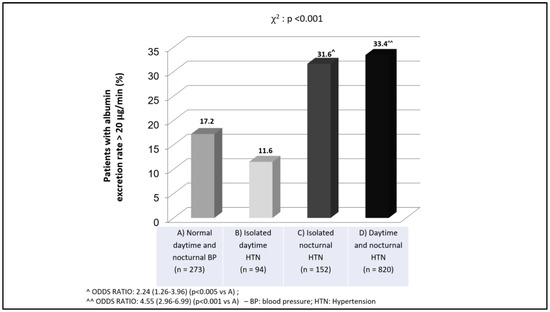
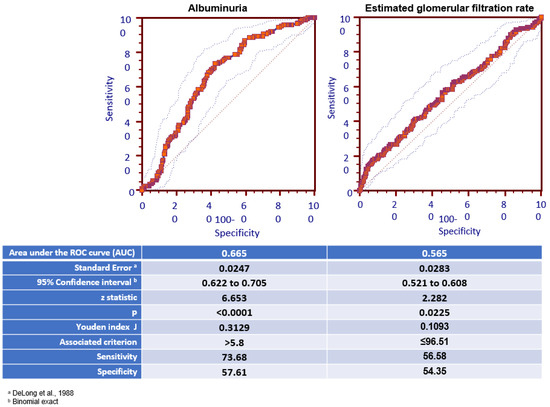
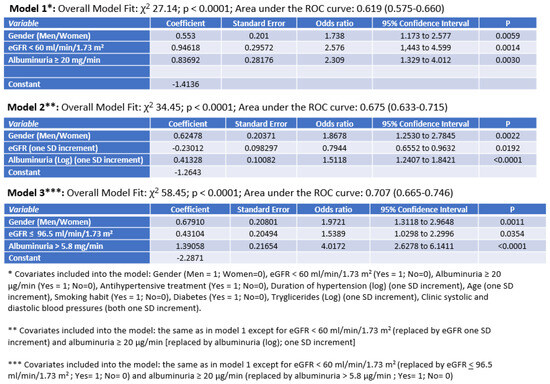
Background/Objectives: Isolated nocturnal hypertension (INH) represents a unique phenotype that can only be identified through ambulatory blood pressure monitoring (ABPM). An increasing body of evidence suggests a significant association between INH and heightened cardiovascular morbidity, mortality, and, more recently, kidney disease progression. Considering these findings, this study aims to retrospectively assess the prevalence of INH and its relationship with glomerular filtration rate (GFR) and albumin excretion rate (AER) in a large cohort of hypertensive patients. Methods: A total of 1340 subjects selected from the patients of our European Hypertension Excellence Centre of the University of Palermo were enrolled. Biochemical tests, urinalysis, 24 h ambulatory blood pressure monitoring, and collection of anamnestic and anthropometric data were performed on each patient. Results: In our cohort, the prevalence of INH was 11%. Logistic regression analyses revealed that male sex, AER, and eGFR were significantly associated with the INH phenotype. AER ≥ 5.8 µg/min predicted the presence of INH with 73.7% sensitivity and 58.4% specificity. An eGFR < 60 mL/min/1.73 m2 was also correlated with INH, although its predictive value was less prominent. Multivariable regression models confirmed that AER and eGFR, along with male sex, were independent predictors of INH. In patients with normal blood pressure, AER and metabolic syndrome were also associated with INH. CKD (AER < 30 mg/day and eGFR < 60 mL/min/1.73 m2) was significantly linked to INH. Conclusions: Our research confirms the direct relationship between AER and INH and the inverse relationship between GFR and INH, thus underlining the leading role of renal function in the onset of INH, as widely observed in the literature. The confirmed association between renal markers and INH in the subgroup of subjects with a clinically normal blood pressure could help us to identify the subjects who should undergo ABPM.
Full article
(This article belongs to the Special Issue Cardiovascular Risk Stratification in Hypertension)
►▼
Show Figures

Figure 1
Open AccessArticle
Surgery Versus Chemoradiation Therapy for Oropharyngeal Squamous Cell Carcinoma: A Multidimensional Cross-Sectional Study
by
Giuseppe Riva, Dario Gamba, Simone Moglio, Giuseppe Carlo Iorio, Chiara Cavallin, Umberto Ricardi, Mario Airoldi, Andrea Canale, Andrea Albera and Giancarlo Pecorari
Diseases 2025, 13(4), 106; https://doi.org/10.3390/diseases13040106 - 2 Apr 2025
Abstract
►▼
Show Figures
Background/Objectives: The management of oropharyngeal squamous cell carcinoma (OPSCC) often involves multidisciplinary decision-making to optimize patient outcomes. Surgery and chemoradiation therapy (CRT) represent the two main treatment modalities. The aim of this cross-sectional study was to provide a comprehensive analysis of quality of
[...] Read more.
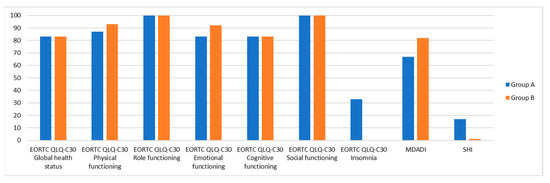
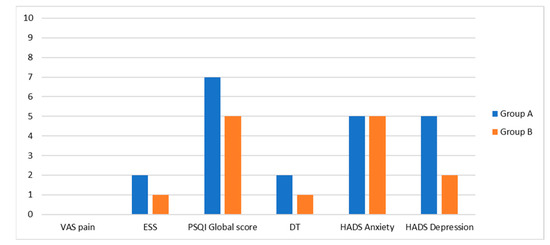
Background/Objectives: The management of oropharyngeal squamous cell carcinoma (OPSCC) often involves multidisciplinary decision-making to optimize patient outcomes. Surgery and chemoradiation therapy (CRT) represent the two main treatment modalities. The aim of this cross-sectional study was to provide a comprehensive analysis of quality of life, speech, swallowing, sleep, psychological distress, and nutritional status in OPSCC patients treated with either surgery or CRT. Methods: Thirty subjects were divided into two groups based on treatment modality (>12-month follow-up): (A) surgery ± adjuvant treatment (15 patients); (B) exclusive CRT (15 patients). A multidimensional evaluation was performed by means of validated questionnaires. The following parameters were analyzed: quality of life, speech, swallowing, sleep quality, risk of sleep apnea, sleepiness, psychological distress, pain, and nutritional status. Results: No statistically significant difference was found between the two study groups for every parameter. The EORTC QLQ-C30 globally showed a good quality of life in both groups. Poor sleep quality was observed in 9 (60%) subjects in group A and in 6 (40%) patients in group B, respectively. Low, intermediate and high risk of malnutrition was observed in 73.3%, 20.0% and 6.7% of cases in group A, and in 93.3%, 6.7% and 0.0% in group B, respectively. Conclusions: Surgery and exclusive chemoradiotherapy appear to yield similar long-term outcomes across all evaluated dimensions, including quality of life, speech, swallowing, sleep, psychological distress, and nutritional status.
Full article

Figure 1
Open AccessArticle
Prevalence of Depressive Disorders in Operatively Treated Pelvic Trauma Patients
by
Piotr Walus, Jakub Ohla, Rafał Wójcicki, Tomasz Pielak, Jakub Bulski, Michał Wesołowski, Gazi Huri and Jan Zabrzyński
Diseases 2025, 13(4), 105; https://doi.org/10.3390/diseases13040105 - 31 Mar 2025
Abstract
►▼
Show Figures
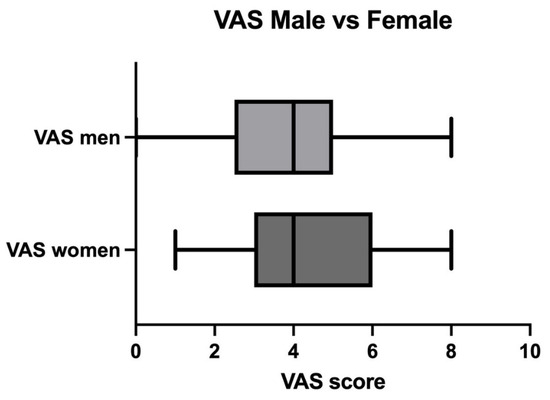
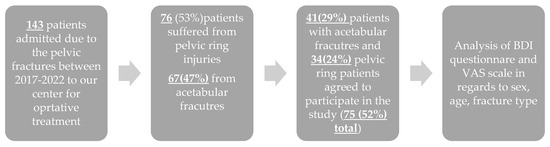
Aim: The aim of this study is to assess the prevalence of depressive disorders in patients with pelvic fractures treated surgically at our center in the years 2017–2022. Materials and Methods: The study included 75 patients, 57 men and 18 women, operated on
[...] Read more.
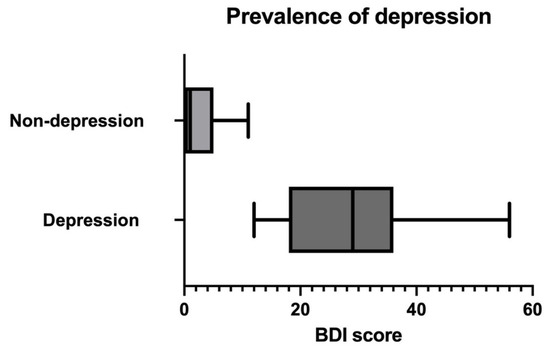
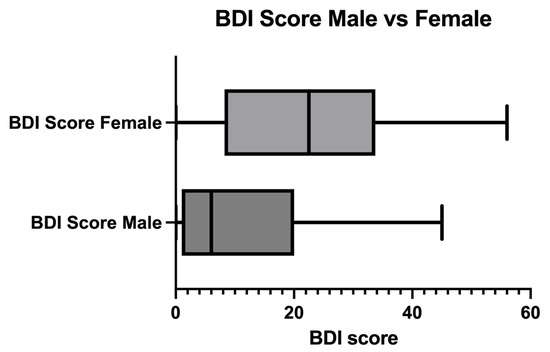
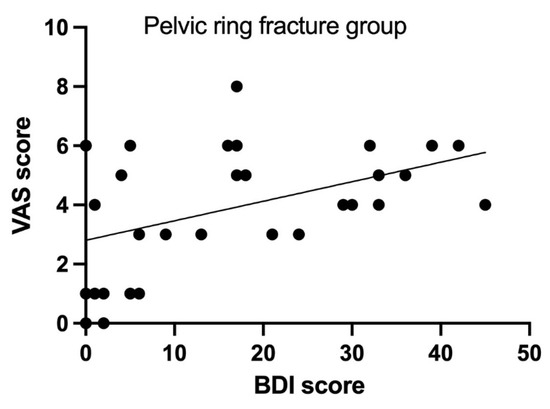
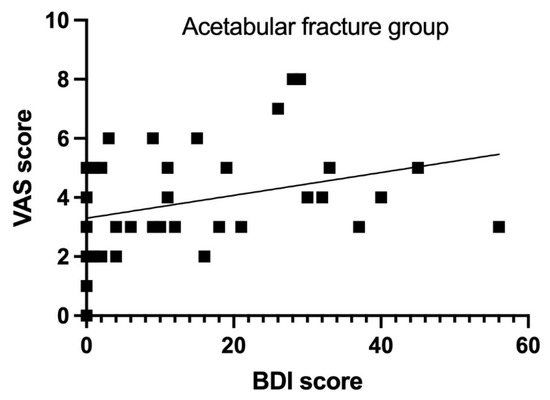
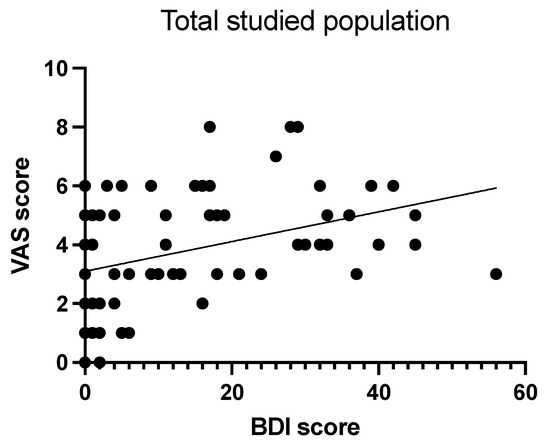
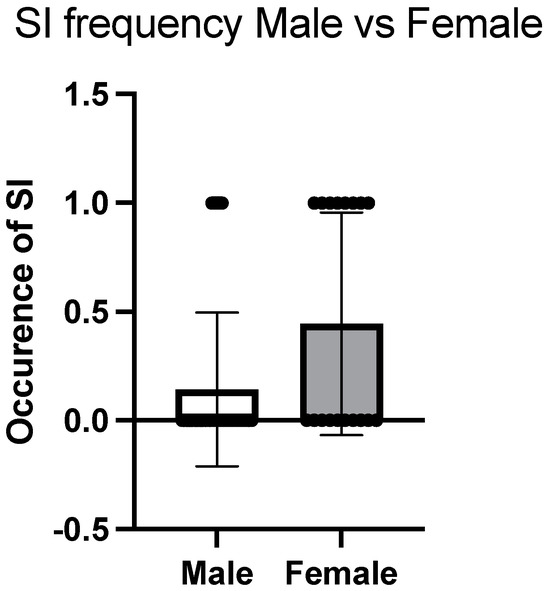
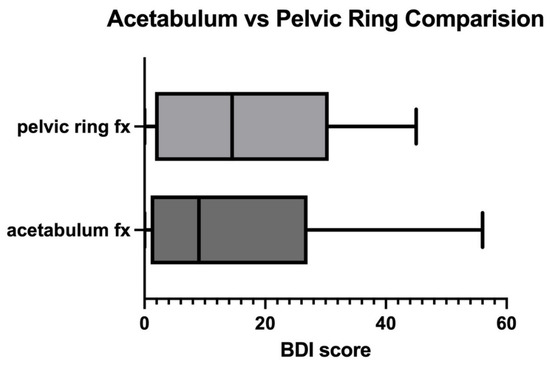
Aim: The aim of this study is to assess the prevalence of depressive disorders in patients with pelvic fractures treated surgically at our center in the years 2017–2022. Materials and Methods: The study included 75 patients, 57 men and 18 women, operated on in our center in the years 2017–2022 due to acetabular fracture and pelvic ring injury. Factors such as age, gender, chronic pain measured with the VAS scale, and the incidence of suicidal thoughts were also analyzed. The participants completed the Beck Depression Inventory (BDI). Results: Thirty-five out of the seventy-five patients showed symptoms of depression (BDI score > 11), which is 47%, with an average score of 29 (p < 0.0001). Women obtained an average BDI score of 23, which corresponds to moderate depression on Beck’s scale (p < 0.008). The correlation between BDI score and chronic pain in pelvic trauma patients has been found to be positive (p < 0.0003; r = 0.4094). Furthermore, women in our studied population reported suicidal thoughts more often than men (44% vs. 14%; p < 0.01). No statistically significant correlation was found between the occurrence of depression and the length of hospital stay and the patient’s age (p < 0.5 and p < 0.06, respectively). Conclusions: The prevalence of depression in the pelvic trauma patients of the studied population has been determined to be 47%.
Full article

Figure 1
Open AccessArticle
Quality Management Outweighs Pandemic: Retrospective Analysis Shows Improved Quality of Care for Staphylococcus aureus Bacteremia Despite SARS-CoV-2
by
Lena Jakoby, Ernst Molitor, Nico T. Mutters, Ruth Weppler, Dominic Rauschning and Manuel Döhla
Diseases 2025, 13(4), 104; https://doi.org/10.3390/diseases13040104 - 30 Mar 2025
Abstract
Background: Staphylococcus aureus bacteremia (SAB) is of great clinical relevance, as it is the most common type of bacteremia. Several studies show that the quality of care and thus the outcome can be positively influenced by the involvement of infectious disease specialists and
[...] Read more.
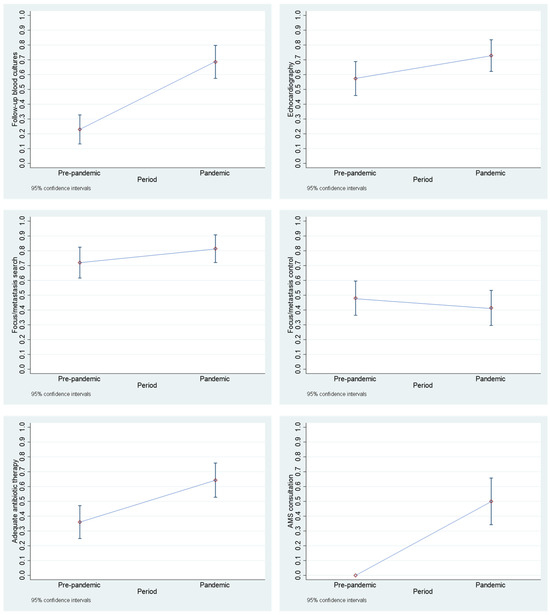
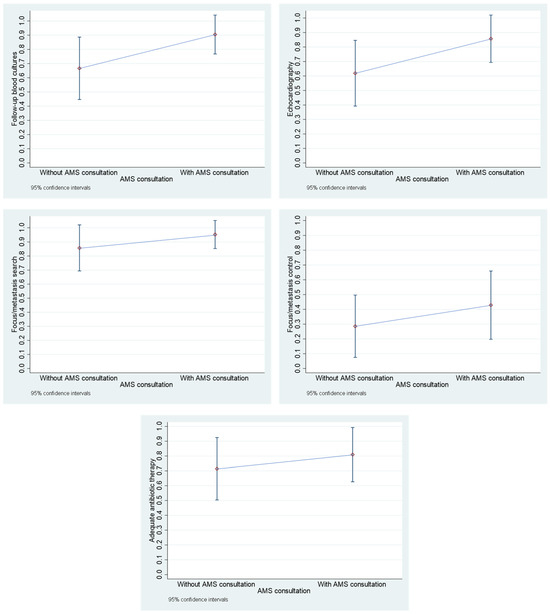
Background: Staphylococcus aureus bacteremia (SAB) is of great clinical relevance, as it is the most common type of bacteremia. Several studies show that the quality of care and thus the outcome can be positively influenced by the involvement of infectious disease specialists and structured programs like Antimicrobial Stewardship (AMS). In 2020, the SARS-CoV-2 pandemic occurred, which dominated the healthcare system and global events during this time. At the same time, a standard operational procedure (SOP) for SAB quality management (SABQM) was introduced in a German maximum-care hospital with 500 beds. Additionally, voluntary AMS team consultations were introduced in June 2021. This work addresses whether the introduction of SABQM has led to an improvement in the quality of care for SAB, despite the possible negative influences of the pandemic. Methods: Retrospective statistical analyses were conducted on all 145 cases coded as SAB at this hospital during the “pre-pandemic” period (2017 to 2019, 75 cases) and the pandemic period (2020 to 2022, 70 cases). Population parameters and quality management parameters were extracted from the clinical patient documentation. In a first analysis, the SARS-CoV-2 status served as a discriminatory parameter to determine its influence on the quality of care within the “pandemic period”. In a second analysis, the period served as a discriminatory parameter to determine its influence on the quality of care. In a third analysis, the use of AMS team consultation served as a discriminatory parameter to determine its influence on the quality of care in a subgroup of 42 cases from June 2021 to 2022. Results: The SARS-CoV-2 status had no influence on the population parameters or the quality management parameters. Between both analyzed periods, there was an improvement in the quality management parameters, with statistically significant higher rates of follow-up blood cultures, transthoracic echocardiography and adequate antibiotic therapy. AMS team consultation led to a relevant, but not statistically significant improvement in the quality management indicators. Conclusions: An SOP for SABQM leads to an improvement in the quality of care, even under the possible negative influences of a pandemic. AMS team consultations further strengthen this positive influence, even if this is not statistically significant due to the small number of cases in the subgroup analyzed.
Full article
(This article belongs to the Special Issue Infectious Disease Epidemiology 2024)
►▼
Show Figures

Figure 1
Open AccessReview
Phytochemicals as Chemo-Preventive and Therapeutic Agents Against Bladder Cancer: A Comprehensive Review
by
Orestis Porfyris, Paraskevi Detopoulou, Theodora Adamantidi, Alexandros Tsoupras, Dimitris Papageorgiou, Anastasios Ioannidis and Andrea Paola Rojas Gil
Diseases 2025, 13(4), 103; https://doi.org/10.3390/diseases13040103 - 30 Mar 2025
Abstract
►▼
Show Figures
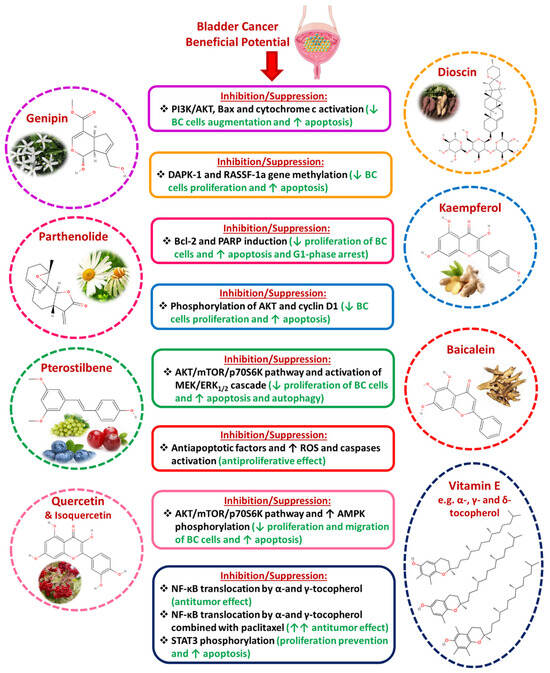
Bladder cancer has a high incidence worldwide and is characterized by a high recurrence rate, metastatic potential, and a significant socioeconomic burden. Conventional treatment modalities usually exhibit serious adverse complications, which also negatively affect patients’ quality of life. In the context of exploring
[...] Read more.
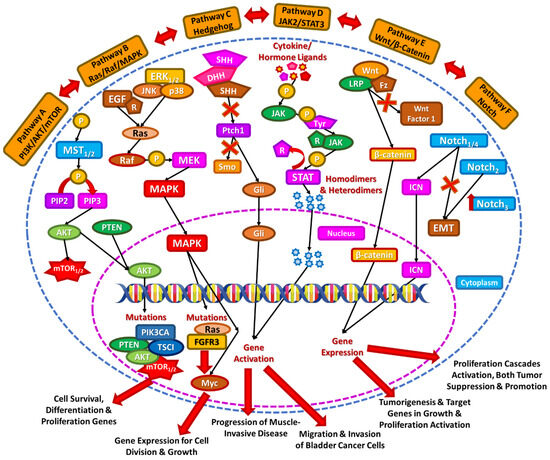
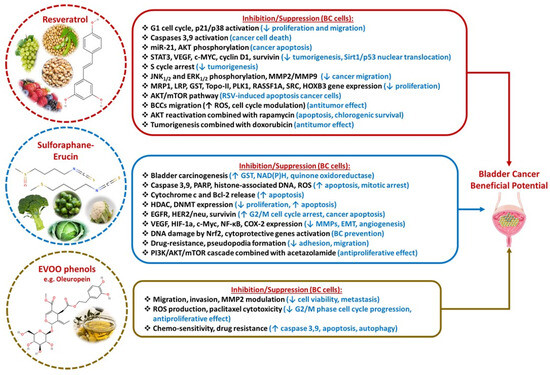
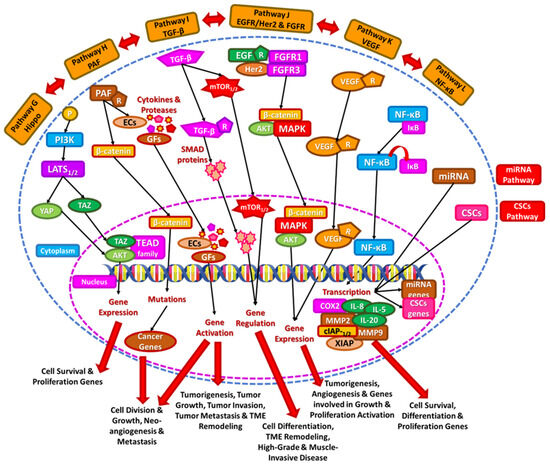
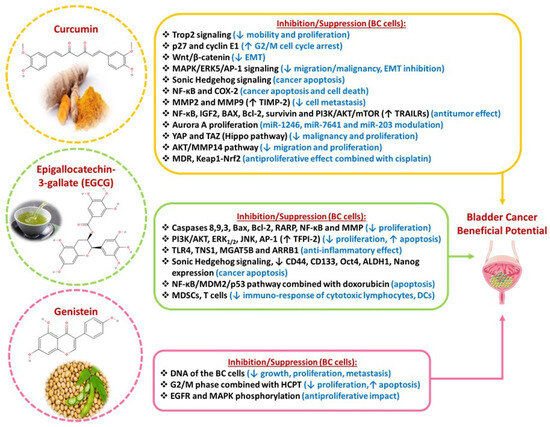
Bladder cancer has a high incidence worldwide and is characterized by a high recurrence rate, metastatic potential, and a significant socioeconomic burden. Conventional treatment modalities usually exhibit serious adverse complications, which also negatively affect patients’ quality of life. In the context of exploring new treatment approaches with fewer side effects, the utilization of natural compounds as alternative and/or complementary therapeutic options seems appealing. In the present study, the potential use and effects of various bioactive phytochemicals, including curcumin, resveratrol, epigallocatechin, genistein, and several others, in bladder cancer treatment are thoroughly reviewed. A special focus is given to their potential to beneficially modulate important molecular signaling pathways and mechanisms affecting cell survival, proliferation, migration, and apoptosis, which play a crucial role in the pathogenesis of bladder cancer, such as the PI3K/AKT/mTOR, Ras/Raf/MEK/MAPK, Wnt/β-Catenin, Notch, Hedgehog, Hippo, JAK2/STAT3, and PAF/PAF-receptor pathways. Nevertheless, most studies have been conducted in cell cultures and animal models. Due to differences in genetics and metabolism, more clinical trials are needed to ensure the bio-efficacy of these phytochemicals in humans.
Full article

Figure 1
Open AccessArticle
Study of Adult and Pediatric Spanish Patients with Cryptogenic Splenomegaly and Splenectomy
by
Marta Morado Arias, Jesús Villarrubia Espinosa, Isidro Vitoria Miñana, Enrique Calderón Sandubete, Víctor Quintero and Miguel Ángel Torralba-Cabeza
Diseases 2025, 13(4), 102; https://doi.org/10.3390/diseases13040102 - 30 Mar 2025
Abstract
Introduction: The differential diagnosis of splenomegaly is a complex process that encompasses a wide variety of diseases. Moreover, it is not always standardized and lacks a definitive consensus on which tests should be performed and in what order. Gaucher disease (GD) and acid
[...] Read more.
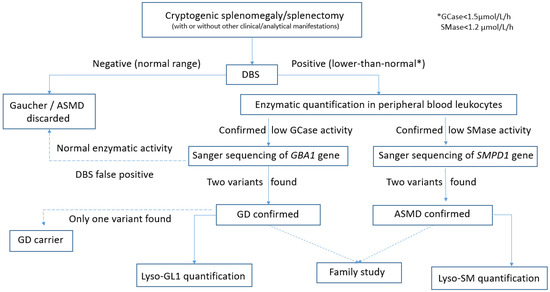
Introduction: The differential diagnosis of splenomegaly is a complex process that encompasses a wide variety of diseases. Moreover, it is not always standardized and lacks a definitive consensus on which tests should be performed and in what order. Gaucher disease (GD) and acid sphingomyelinase deficiency (ASMD) are lysosomal diseases (LD) that present with splenomegaly, the diagnosis of which requires a high index of suspicion and specific biochemical and genetic techniques. The aim of the project for the education and diagnosis of Gaucher disease and acid sphingomyelinase deficiency (PREDIGA) was to conduct educational training alongside an observational, multicenter, ambispective, cross-sectional, single-cohort study among patients having an enlarged spleen or undergone splenectomy to further assess these subjects to exclude two lysosomal diseases, namely GD and ASMD. Methods: Using dried blood spot (DBS) testing, we identified patients with abnormally low values of the enzymes glucocerebrosidase and acid sphingomyelinase, who then underwent sequencing of the GBA1 and SPMD1 genes, respectively. The study involved 34 hospitals and 52 medical specialists. Results: We identified 220 patients (208 adults and 12 children under 18 years) with cryptogenic splenomegaly or who had undergone splenectomy (12 patients) without having reached a diagnosis. The median age was 11 years (interquartile range [IQR] 3–16) in the pediatric population and 51 years (IQR 38–65) in the adult population. Lower-than-normal enzyme values were detected in 19 DBSs, confirming eight positive cases, which corresponded to six patients with GD and two with ASMD. The rest of the DBSs with low enzyme activity were not genetically confirmed (58%). We determined that lysosomal diseases accounted for 3.6% of cryptogenic splenomegaly/splenectomy cases in our setting: 2.7% were GD and 0.9% ASMD, in a ratio of 1 ASMD patient to every 3 GD patients. Lyso-GL1 values in patients with GD were elevated in all but one individual, corresponding to a child diagnosed at 4 months old. The variants detected in the GBA1 gene were consistent with the most frequent variants found in Spain. Discussion/Conclusion: The development and implementation of this protocol for the education and diagnosis of cryptogenic splenomegaly/splenectomy, even in asymptomatic patients, constitutes a comprehensive, simple, rapid, and effective screening method for the diagnosis of GD and ASMD.
Full article
(This article belongs to the Section Rare Syndrome)
►▼
Show Figures

Figure 1
Open AccessArticle
A Pilot Study on the Analysis of Circulating miRNA Upregulation in Laryngeal Cancer
by
Crina Oana Pintea, Marius Pricop, Edward Seclaman, Nicolae Constantin Balica, Kristine Guran, Delia Ioana Horhat and Cristian Ion Mot
Diseases 2025, 13(4), 101; https://doi.org/10.3390/diseases13040101 - 30 Mar 2025
Abstract
►▼
Show Figures
Background and Objectives: Laryngeal cancer poses a significant clinical challenge, with late-stage diagnosis contributing to high morbidity and mortality. Circulating microRNAs (miRNAs) represent promising, minimally invasive biomarkers for earlier detection and improved therapeutic monitoring. This pilot study focused exclusively on miRNAs found to
[...] Read more.
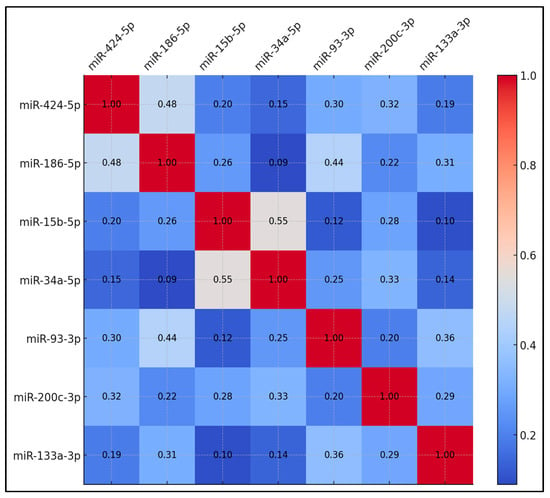
Background and Objectives: Laryngeal cancer poses a significant clinical challenge, with late-stage diagnosis contributing to high morbidity and mortality. Circulating microRNAs (miRNAs) represent promising, minimally invasive biomarkers for earlier detection and improved therapeutic monitoring. This pilot study focused exclusively on miRNAs found to be upregulated in laryngeal carcinoma patients, aiming to elucidate their diagnostic and prognostic relevance. Methods: A total of 50 participants meeting standardized inclusion criteria were recruited from the ENT Clinic in Timișoara. Of these, 30 patients provided paired blood samples before and after treatment (surgical or non-surgical). Samples were pooled into three preoperative groups (P1, P2, P3) and three corresponding postoperative groups (C1, C2, C3). miRNAs were extracted from plasma and exosomes, and relative expression was measured by qPCR (Qiagen platform). Statistical analyses included Mann–Whitney U tests, receiver operating characteristic (ROC) curves, and logistic regression. Results: Seven miRNAs consistently exhibited significant upregulation preoperatively. Notably, hsa-miR-424-5p displayed a mean fold change of 4.59 (p = 0.0091) relative to postoperative samples, while hsa-miR-186-5p increased by 2.19-fold (p = 0.0030). hsa-miR-15b-5p also showed a substantial preoperative upregulation of 1.77-fold (p = 0.0057). In ROC analyses, hsa-miR-424-5p yielded an area under the curve (AUC) of 0.82 (95% CI 0.70–0.94), with 78% sensitivity and 80% specificity in distinguishing preoperative from postoperative status. Logistic regression indicated that elevated levels of hsa-miR-424-5p (OR = 1.56, 95% CI 1.10–2.20) and hsa-miR-186-5p (OR = 1.32, 95% CI 1.02–1.68) significantly predicted the preoperative disease state. Conclusions: These data underscore the potential of upregulated circulating miRNAs to serve as biomarkers for active laryngeal cancer and to monitor treatment response. Although preliminary, the findings encourage further research with larger cohorts and additional endpoints. With thorough validation, upregulated miRNAs could be integrated into clinical workflows, enhancing diagnostic precision, risk stratification, and postoperative surveillance in laryngeal cancer.
Full article

Figure 1
Open AccessArticle
Impacts of Forest Bathing (Shinrin-Yoku) in Female Participants with Depression/Depressive Tendencies
by
Qing Li, Norimasa Takayama, Masao Katsumata, Hiroshi Takayama, Yukako Kimura, Shigeyoshi Kumeda, Takashi Miura, Tetsuya Ichimiya, Ruei Tan, Haruka Shimomura, Amane Tateno, Tsunemi Kitagawa, Yoichiro Aoyagi and Michiko Imai
Diseases 2025, 13(4), 100; https://doi.org/10.3390/diseases13040100 - 28 Mar 2025
Abstract
►▼
Show Figures
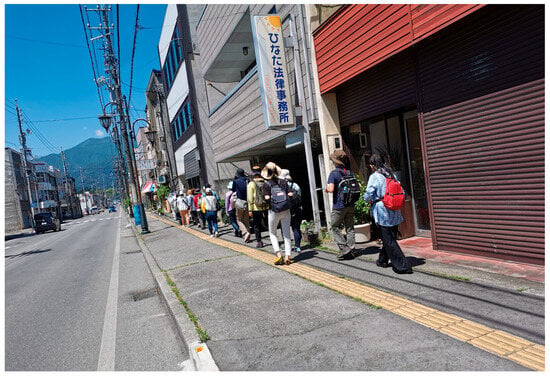
Background: It has been reported that forest bathing significantly reduced negative emotions and increased the positive feelings in both healthy males and females, as well as increasing blood serotonin in healthy males, indicating the potential for a beneficial effect on depressive status. However,
[...] Read more.
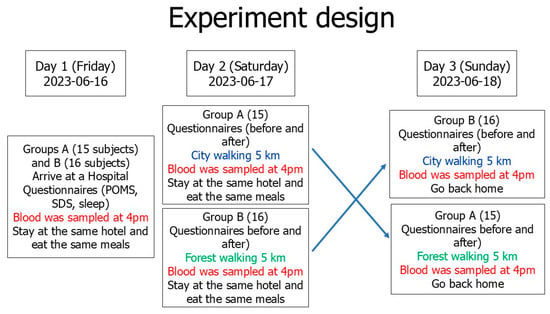
Background: It has been reported that forest bathing significantly reduced negative emotions and increased the positive feelings in both healthy males and females, as well as increasing blood serotonin in healthy males, indicating the potential for a beneficial effect on depressive status. However, an improvement effect of forest bathing on participants with depression has not been reported so far. Therefore, in order to fill this gap, this study examined the effect of forest bathing on depression in female participants with depression/depressive tendencies. Methods: Thirty-one females aged 40.1 ± 2.4 years with depression/depressive tendencies were recruited after obtaining informed consent. The study employed a randomized crossover design to compare forest bathing with city walking. They participated in day trips to a Japanese cypress forest park and to a city area of Nagano Prefecture as a control in June 2023. On both trips, they walked 2.5 km (for 90 min) in the morning and afternoon, respectively, for a total of 5.0 km per day. Blood samples were taken at 4 pm for the measurements before forest bathing on the first day and after the walking in forest and unban sites on the second and third days, at the same hospital. Concentrations of oxytocin, IGF-1, serotonin and lactic acid in blood were measured. SDS scores were calculated and the POMS test and questionnaires for subjective fatigue symptoms and sleep quality were administered before and after each trip. Temperature, humidity and illuminance were also measured in the forest and urban environments. The Nippon Medical School Central Ethics Committee approved this study. Results: Forest bathing significantly decreased SDS scores compared to city walk and the baseline, and the effect lasted for one week after forest bathing. Forest bathing also significantly increased the concentrations of blood serotonin in participants who were not taking antidepressants, significantly increased the levels of oxytocin and IGF-1 in blood, significantly increased the scores for positive feelings, and reduced the scores for negative emotions compared with city walking in the POMS test. In addition, forest bathing reduced subjective fatigue symptoms and improved sleep quality. Conclusions: These findings provided scientific evidence to contribute to understanding forest bathing as a potential intervention for preventing depression, and future research on males should further explore these effects.
Full article

Figure 1
Open AccessArticle
Yield of Multimodal Imaging in Iris Amelanotic Lesions: A Masked Case-Control Study
by
Rachel Shemesh, Iris Moroz, Meira Neudorfer and Vicktoria Vishnevskia-Dai
Diseases 2025, 13(4), 99; https://doi.org/10.3390/diseases13040099 - 28 Mar 2025
Abstract
►▼
Show Figures
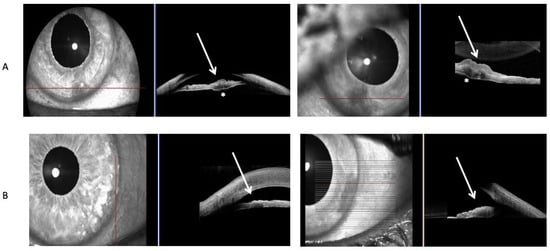
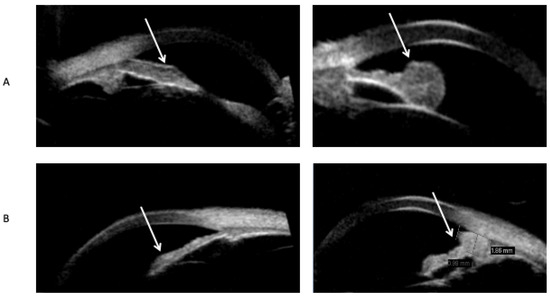
Objectives: To examine the yield of multimodal imaging of iris amelanotic lesions and evaluate the clinical relevance of these imaging techniques. Methods: In this masked case-control study, imaging, including slit lamp photos, ultrasound biomicroscopy (UBM), and anterior segment optical coherence tomography (AS-OCT) scans
[...] Read more.
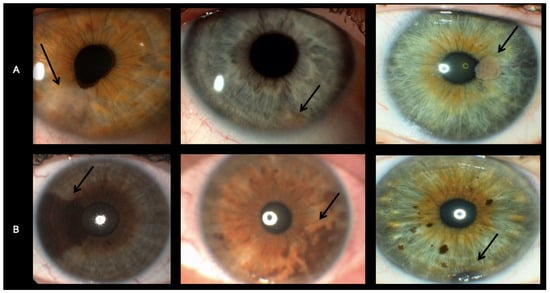
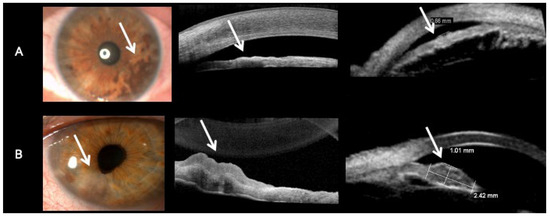
Objectives: To examine the yield of multimodal imaging of iris amelanotic lesions and evaluate the clinical relevance of these imaging techniques. Methods: In this masked case-control study, imaging, including slit lamp photos, ultrasound biomicroscopy (UBM), and anterior segment optical coherence tomography (AS-OCT) scans of patients diagnosed with iris amelanotic lesions were examined. Seven patients diagnosed with an iris amelanotic lesion were matched by gender and age to seven melanotic iris nevi of similar size and location. Two ocular imaging experts assessed the images in a masked manner and identified which lesion was melanotic and which was amelanotic based on their characteristics. Results: From 2010 to 2021, seven patients were diagnosed with amelanotic iris lesions. All were female; the mean (±SD) age at presentation was 46.3 years (±18). These patients were matched with seven female patients with pigmented iris lesions, with a mean (±SD) age of 49.8 years (±20). Hypopigmented lesions were hyporreflective and had minimal shadowing of the iris behind them, and the basement membrane of the iris could be seen on AS-OCT. Hypopigmented lesions could be delineated from the iris stroma on AS-OCT. In contrast, hyperpigmented lesions were hyperreflective, with significant shadowing blocking the basement membrane and iris stroma. Conclusions: AS-OCT is non-touch and provides substantial information about diagnosing amelanotic nevi. It is more widely available and, in many countries, it is performed by technicians, thus freeing the physician’s time and increasing productivity.
Full article

Figure 1
Open AccessReview
An Analysis of Primary Hyperparathyroidism in Individuals Diagnosed with Multiple Endocrine Neoplasia Type 2
by
Ana-Maria Gheorghe, Claudiu Nistor, Alexandru-Florin Florescu and Mara Carsote
Diseases 2025, 13(4), 98; https://doi.org/10.3390/diseases13040098 - 27 Mar 2025
Abstract
►▼
Show Figures
Background: Primary hyperparathyroidism (PHPT) represents a multi-faced disease with a wide spectrum of manifestations. Familial forms of PHPT (affecting up to 10% of the cases) involve a particular category that encompasses a large range of hereditary syndromes, including parathyroid hyper-function, frequently in the
[...] Read more.
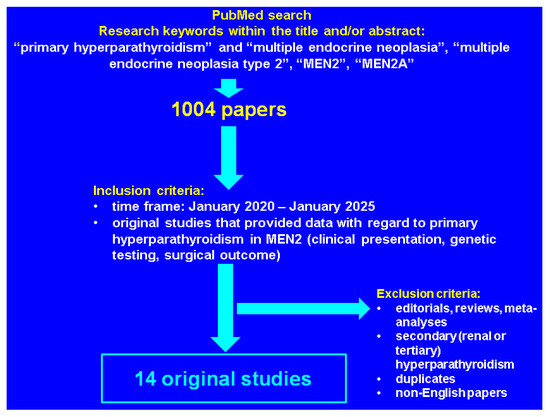
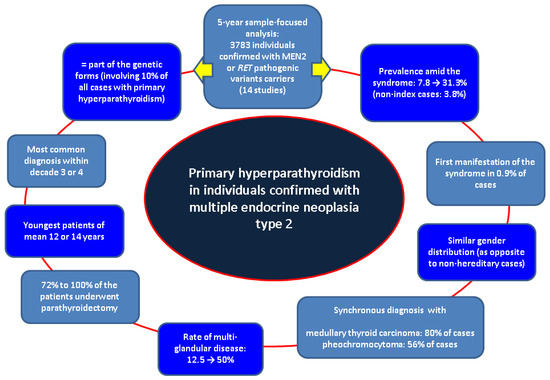
Background: Primary hyperparathyroidism (PHPT) represents a multi-faced disease with a wide spectrum of manifestations. Familial forms of PHPT (affecting up to 10% of the cases) involve a particular category that encompasses a large range of hereditary syndromes, including parathyroid hyper-function, frequently in the setting of a multi-glandular disease. Objective: The aim was to analyze the most recent findings regarding PHPT in multiple endocrine neoplasia type 2 (MEN2) to a better understanding of the timing with respect to the associated ailments, MEN2-related PHPT (MEN2-PHPT) clinical and genetic particularities, optimum diagnostic, and overall management, particularly, surgical outcomes. Methods: This was a PubMed-based compressive review with regard to the latest data published in English from January 2020 until January 2025, using the following keywords: “primary hyperparathyroidism” and “multiple endocrine neoplasia”, “multiple endocrine neoplasia type 2”, “MEN2”, or “MEN2A”. We included original full-length studies of any study design that provided clinically relevant data in MEN2-PHPT and excluded reviews, meta-analysis, and case reports/series. Results: A total of 3783 individuals confirmed with MEN2 or RET pathogenic variants carriers were analyzed across 14 studies that provided data on PHPT. The prevalence of MEN2-PHPT subjects varied between 7.84% and 31.3%, with particularly low rates in non-index patients (3.8%). PHPT was the first syndrome manifestation in 0.9% of MEN2 patients. In terms of gender distribution, females represented 42.85% or 54.9% (similar rates between women and men, and only a single cohort showed a female rate up to 80%). Most subjects were diagnosed with PHPT and underwent surgery in the third or fourth decade of life. The highest median age at MEN2 diagnosis was 42 years. The youngest patients were RET pathogenic variants carriers who underwent (genetic) screening with median ages of 12 or 14 years. RET pathogenic variants analysis (n = 10/14 studies) showed that 16.67% of patients with p.Cys634Arg and 37.5% of those with p.Cys611Tyr had symptomatic PHPT, while those with p.Cys618Phe and p.Leu790Phe were asymptomatic. Timing analysis with respect to the medullary thyroid carcinoma diagnosis showed synchronous PHPT diagnosis in 80% and metachronous in 10% of MEN2 patients; with respect to MEN2-pheochromocytoma, synchronous diagnosis of PHPT was found in 56%, while pheochromocytoma was identified before PHPT in 22% of the cases and after PHPT in 22%. Studies (n = 10/14, N = 156 subjects with MEN2-PHPT) on parathyroidectomy identified that 72.7% to 100% of the individuals underwent surgery, typically performed in adulthood, at ages spanning from a mean of 34.7 to 48.5 years. The post-surgery outcomes varied (e.g., the rate for persistent PHPT was of 0%, 8% to 16.7%; recurrent PHPT of 12.5% to 23%; permanent hypoparathyroidism of 33% to 46%; permanent unilateral vocal cord palsy of 0% up to16.7%). Data regarding the number of involved glands (n = 7, N = 77): the prevalence of multi-glandular disease was pinpointed between 12.5% and 50%. Conclusions: MEN2-PHPT involved unexpected high rates of single-gland involvement (from 33.3% to 87.5%), probably due to an early detection across genetic screening. Traditional female higher prevalence in PHPT was not confirmed in most MEN2 cohorts. As expected, a younger age at PHPT diagnosis and surgery than seen in non-MEN2 patients was identified, being tidily connected with the syndromic constellation of tumors/malignancies. Overall, approximately, one out of ten patients were further confirmed with MEN2 starting with PHPT as the first clinically manifested element.
Full article

Figure 1
Open AccessArticle
Impact of Cardiovascular–Kidney–Metabolic Syndrome Staging on Myocardial Infarction Outcomes: A Retrospective Analysis of 2.7 Million Patients
by
Ronny Shabtai, Marlon Villaga Gatuz, Adam Folman, Maguli S. Barel, Rami Abu-Fanne, Dmitry Abramov, Mamas A. Mamas, Ariel Roguin and Ofer Kobo
Diseases 2025, 13(4), 97; https://doi.org/10.3390/diseases13040097 - 27 Mar 2025
Abstract
►▼
Show Figures
Background: Cardiovascular–kidney–metabolic (CKM) syndrome, recently defined by the American Heart Association, encompasses the interplay between obesity, diabetes, chronic kidney disease, and cardiovascular disease. This study aimed to investigate the impact of CKM syndrome severity on outcomes in patients with acute myocardial infarction
[...] Read more.
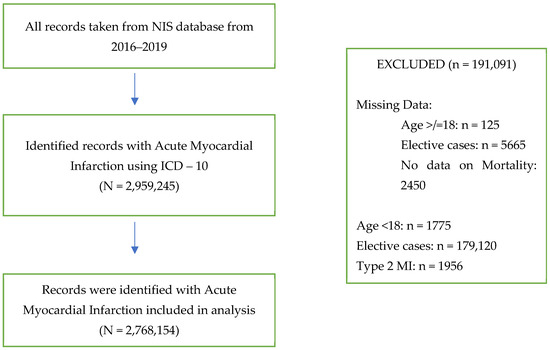
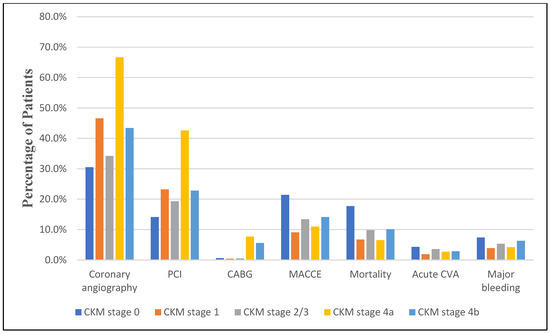
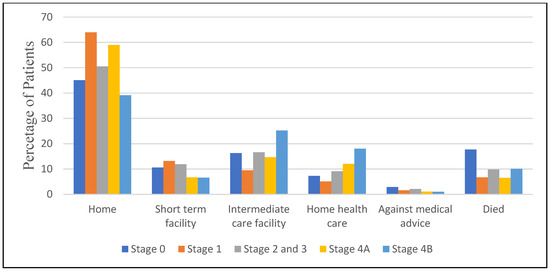
Background: Cardiovascular–kidney–metabolic (CKM) syndrome, recently defined by the American Heart Association, encompasses the interplay between obesity, diabetes, chronic kidney disease, and cardiovascular disease. This study aimed to investigate the impact of CKM syndrome severity on outcomes in patients with acute myocardial infarction (AMI). Methods: A retrospective analysis was conducted using the National Inpatient Sample database from 2016 to 2019. Adult patients hospitalized with AMI were stratified into CKM Stages 0–4 based on ICD-10 codes. Multivariable logistic regression models were used to examine associations between CKM stages and in-hospital procedures and outcomes. Results: The study analyzed 2,768,154 AMI cases. Advanced CKM stages were associated with older age and a higher proportion of males. Patients with severe CKM were more likely to undergo invasive procedures. Coronary angiography showed the strongest association in CKM Stage 4A (aOR: 6.86, 95% CI: 6.73–6.99, p-value < 0.001) and Stage 4B (aOR: 3.87, 95% CI: 3.80–3.95, p-value < 0.001). Similarly, the likelihood of PCI was highest in Stage 4A (aOR: 5.93, 95% CI: 5.79–6.08, p-value < 0.001) and Stage 4B (aOR: 4.14, 95% CI: 4.04–4.24, p-value < 0.001). Notably, patients with CKM Stage 0 demonstrated higher odds of adverse outcomes compared to other stages. Conclusions: This study reveals a complex relationship between CKM syndrome severity and AMI outcomes. Patients with advanced CKM stages were more likely to undergo invasive procedures, and those without CKM risk factors unexpectedly showed worse outcomes. Among Stages 1–4B, no consistently graded association emerged between the CKM stage and adverse outcomes. These findings warrant further investigation into underlying mechanisms and long-term prognosis.
Full article

Figure 1
Open AccessArticle
Effectiveness of Intraoperative Facial Nerve Monitoring in Submandibular Gland Surgery: A Retrospective Study of a Single Institution
by
Maria Giulia Cristofaro, Francesco Ferragina, Giuseppe Tarallo, Angelo Ruggero Sottile, Maria Grazia Ioppolo, Antonella Arrotta, Teresa Chiara De Bartolo and Ida Barca
Diseases 2025, 13(4), 96; https://doi.org/10.3390/diseases13040096 - 26 Mar 2025
Abstract
►▼
Show Figures
Background: Intraoperative facial nerve monitoring (IFNM) is becoming increasingly prevalent as an established intraoperative aid in parotid gland surgery. To date, however, there are few scientific studies on the postoperative outcomes of submandibular gland surgery, particularly on the postoperative injury of the marginalis
[...] Read more.
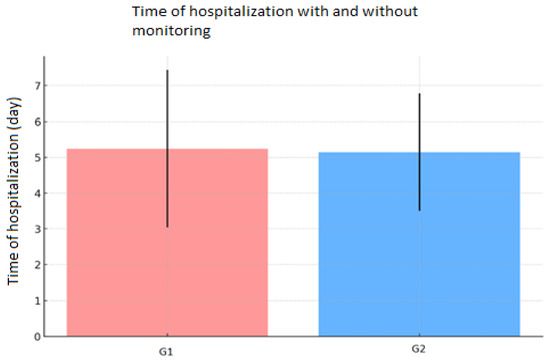
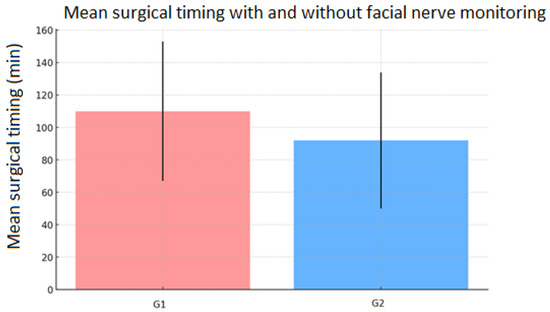
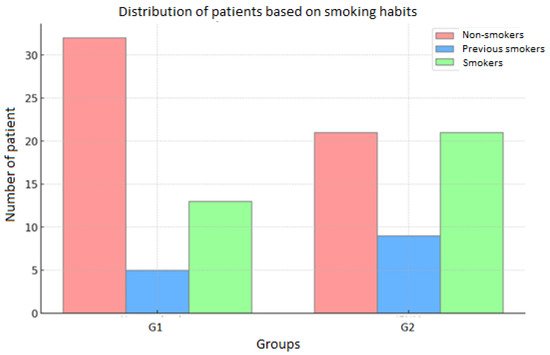
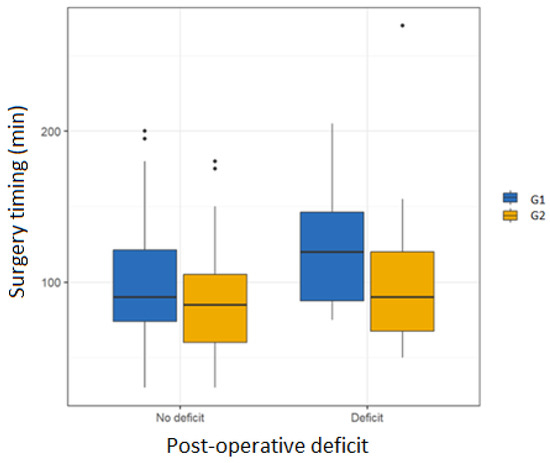
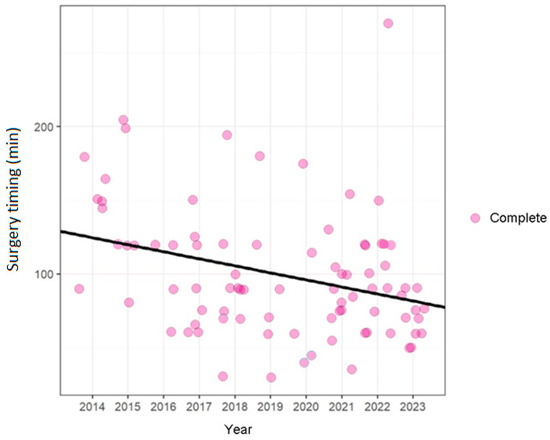
Background: Intraoperative facial nerve monitoring (IFNM) is becoming increasingly prevalent as an established intraoperative aid in parotid gland surgery. To date, however, there are few scientific studies on the postoperative outcomes of submandibular gland surgery, particularly on the postoperative injury of the marginalis mandibulae branch (MMB) of the facial nerve (FN). This branch represents the most frequent and feared complication of this surgery, with an incidence of 1–7% of cases. Objective: This retrospective study aims to evaluate the incidence of postoperative MMB paralysis in patients undergoing submandibular sialoadenectomy for benign conditions from 2014 to 2023, focusing on the role of IFNM. Materials and Methods: The patients were divided into two groups: the subjects of Group 1 (G1) had undergone submandibular sialoadenectomy after identification and clamped facial vessels, without the aid of IFNM (from 1 January 2014 to 31 December 2018). Conversely, subjects in Group 2 (G2) underwent IFNM procedures (from 1 January 2019 to 31 December 2023). The classification of any FN malfunctions was conducted following the House–Brackmann grading system. A descriptive analysis was performed, and univariate and multivariate logistic regressions were used to examine the impact of IFNM on surgical timing and the association between G2 deficit (vs. G1) corrected for age, sex, and smoking status. Results: The study population comprised a total of 101 patients with a mean age of 55 ± 16 years. The sample population comprised 50 subjects assigned to Group 1 (49.5%, 24 females and 26 males) and 51 subjects assigned to Group 2 (50.5%, 21 males and 30 females). Postoperative paralysis of the MMB occurred in 23 subjects (22.77%), including 12 of G1 (4 had a grade II and 8 grade III dysfunction) and 11 of G2 (8 had a grade II and 3 grade III dysfunction). A six-month evaluation revealed that only five patients in G1, previously diagnosed with grade II dysfunction, exhibited a residual deficit. The mean surgical time for the entire patient cohort was 99 ± 44 min: 110 ± 43 min for Group 1 and 92 ± 42 min for Group 2 (Beta = −19; 95% CI −37 at −0.16; p-value = 0.048). Furthermore, a longer operative time was observed in smokers than in non-smokers (p-value = 0.008), suggesting that smoking affects the length of surgery (Beta = 0.32; 95% CI −0.08 to −0.55). Discussion and Conclusions: MMB paralysis is one of the most prevalent complications that may arise in submandibular gland surgery. IFNM provides surgeons with a valuable tool for identifying MMB in submandibular sialoadenectomy. The efficacy of IFNM as an aid is contingent upon the expertise of the operating surgeon.
Full article

Figure 1
Open AccessArticle
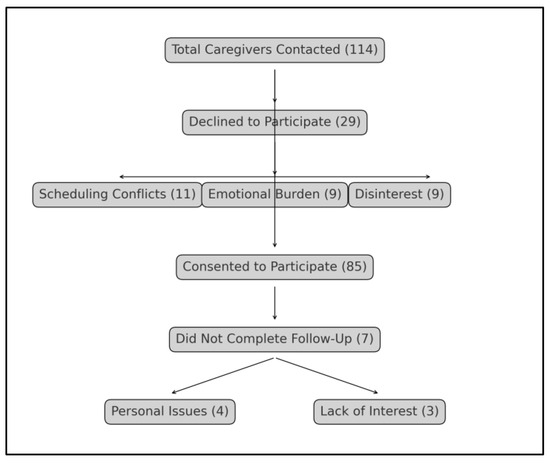
Quality of Life and Stress-Related Psychological Distress Among Families Caring for Children with Cardiac Malformations Under Conservative Treatment: A Cross-Sectional Study Using the 36-Item Short Form Health Survey, the Perceived Stress Scale, and the Parental Burnout Assessment Scale
by
Andrada Ioana Dumitru, Mirabela Dima and Marioara Boia
Diseases 2025, 13(4), 95; https://doi.org/10.3390/diseases13040095 - 25 Mar 2025
Abstract
►▼
Show Figures
Families caring for children with congenital cardiac malformations under conservative management frequently experience psychological distress, which can compromise their overall quality of life (QoL). Despite growing recognition of the psychosocial burdens these families face, few studies have quantitatively assessed their QoL and stress-related
[...] Read more.
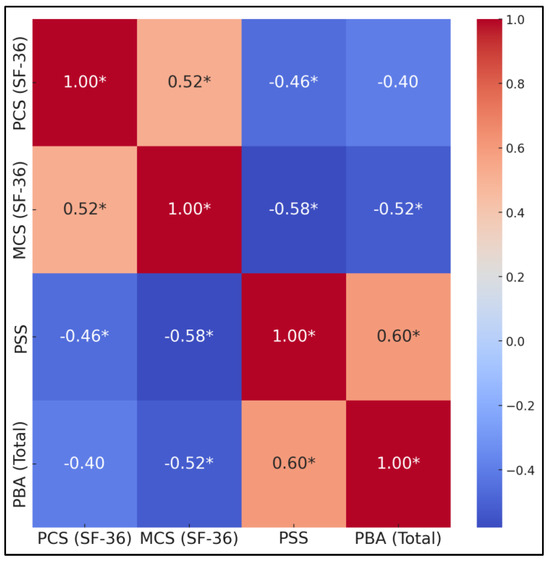
Families caring for children with congenital cardiac malformations under conservative management frequently experience psychological distress, which can compromise their overall quality of life (QoL). Despite growing recognition of the psychosocial burdens these families face, few studies have quantitatively assessed their QoL and stress-related outcomes. We aimed to evaluate the QoL, perceived stress, and parental burnout in caregivers of pediatric patients with cardiac malformations under conservative treatment. Methods: We conducted an observational, cross-sectional study of 78 caregivers (median age of 36 years) whose children (median age was 6.0 months) received conservative management for congenital cardiac malformations. Data were collected at two time points (diagnosis of congenital disease approximately at the time of birth, and six months after diagnosis) using the 36-Item Short Form Health Survey (SF-36), the Perceived Stress Scale (PSS), and the Parental Burnout Assessment (PBA). Statistical analyses included paired t-tests, chi-square tests, and Pearson correlation analyses; p-values < 0.05 were considered statistically significant. Results: Mean SF-36 Physical Component Summary scores significantly increased from 59.7 ± 11.7 at baseline to 63.5 ± 12.1 at six months (p = 0.026). PSS scores decreased from 22.9 ± 6.2 to 20.4 ± 5.9 (p = 0.012), indicating reduced perceived stress. Parental Burnout Assessment total scores also declined from 44.9 ± 8.5 to 40.1 ± 8.0 (p = 0.003). Correlation analyses revealed moderate negative correlations between SF-36 domains and both PSS (r range: −0.40 to −0.58) and PBA (r range: −0.34 to −0.52). Conclusions: Our findings highlight the multifaceted challenges faced by caregivers of children with cardiac malformations under conservative treatment. Improvements in QoL, accompanied by decreased perceived stress and parental burnout over six months, underscore the potential value of both clinical monitoring and targeted psychosocial support. Future research should explore larger, multicenter cohorts and longer follow-up durations to clarify long-term trends. Implementing interventions aimed at alleviating stress and burnout in these families may be pivotal for sustaining well-being and enhancing patient outcome.
Full article

Figure 1
Open AccessArticle
Low-Carbohydrate (Ketogenic) Diet in Children with Obesity: Part 1—Diet Impact on Anthropometric Indicators and Indicators of Metabolic Syndrome and Insulin Resistance
by
Ivanka N. Paskaleva, Nartsis N. Kaleva, Teodora D. Dimcheva, Petya P. Markova and Ivan S. Ivanov
Diseases 2025, 13(4), 94; https://doi.org/10.3390/diseases13040094 - 25 Mar 2025
Abstract
►▼
Show Figures
Background: The ketogenic diet has been successfully used in the last 100 years in the treatment of epilepsy and other neurological disorders. In recent decades, it gained wider application in the treatment of obesity, metabolic syndrome, and type 2 diabetes. However, there have
[...] Read more.
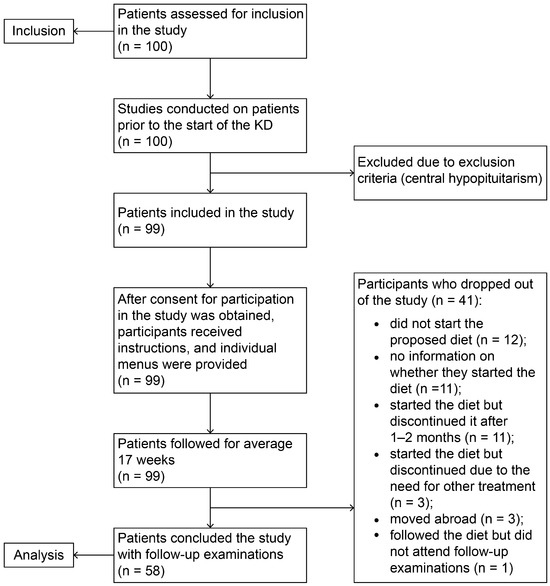
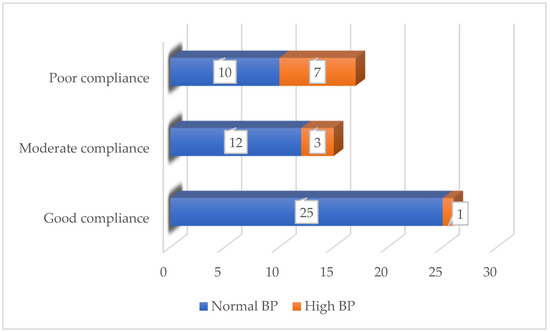
Background: The ketogenic diet has been successfully used in the last 100 years in the treatment of epilepsy and other neurological disorders. In recent decades, it gained wider application in the treatment of obesity, metabolic syndrome, and type 2 diabetes. However, there have been only a few studies on its use in children with obesity and associated metabolic disorders. Objectives: To determine the clinical and metabolic effects of a well-formulated low-carbohydrate (ketogenic) diet in children with obesity. Methods: One hundred children with obesity and metabolic disorders underwent initial anthropometric, laboratory, and ultrasound examinations. They were placed on a well-formulated ketogenic diet and monitored for 4 months. The 58 patients who completed the study underwent follow-up examinations to assess the effects of the diet on anthropometric, clinical, and laboratory markers of metabolic syndrome and insulin resistance, cardiovascular risk factors, and certain hormone levels. Compliance with the diet, common difficulties in adhering to it, side effects, and positive changes in the patients’ health were analyzed. Results: At the end of the study, the average weight loss for the entire group was 6.45 kg, with a reduction in BMI of 3.12 kg/m2. Significant improvements were also observed in insulin resistance indicators, including fasting insulin levels, HOMA-IR index, QUICKI (p < 0.0001), and adiponectin (p = 0.04). The cases of hepatosteatosis decreased twofold, the number of patients with arterial hypertension was significantly reduced, as well as the number of children receiving antihypertensive therapy. Additionally, the number of patients meeting the criteria for metabolic syndrome decreased threefold. Conclusions: A well-formulated short-term ketogenic diet is effective in treating obesity, metabolic syndrome, and related comorbidities, and can be part of a comprehensive approach for these patients.
Full article

Figure 1
Open AccessReview
A Comprehensive Review of Candidemia and Invasive Candidiasis in Adults: Focus on the Emerging Multidrug-Resistant Fungus Candida auris
by
Deobrat Chandra Mallick, Nayanjyoti Kaushik, Lokesh Goyal, Lipika Mallick and Prabhat Singh
Diseases 2025, 13(4), 93; https://doi.org/10.3390/diseases13040093 - 24 Mar 2025
Abstract
►▼
Show Figures
Candidemia and invasive candidiasis represent critical healthcare-associated fungal infections that pose substantial challenges to medical systems worldwide. These conditions arise when fungi from the Candida genus infiltrate the bloodstream or deeper tissues, leading to a range of clinical manifestations. Among the various species,
[...] Read more.
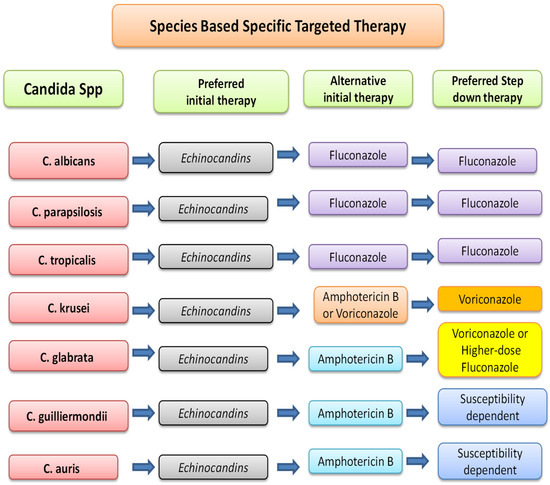
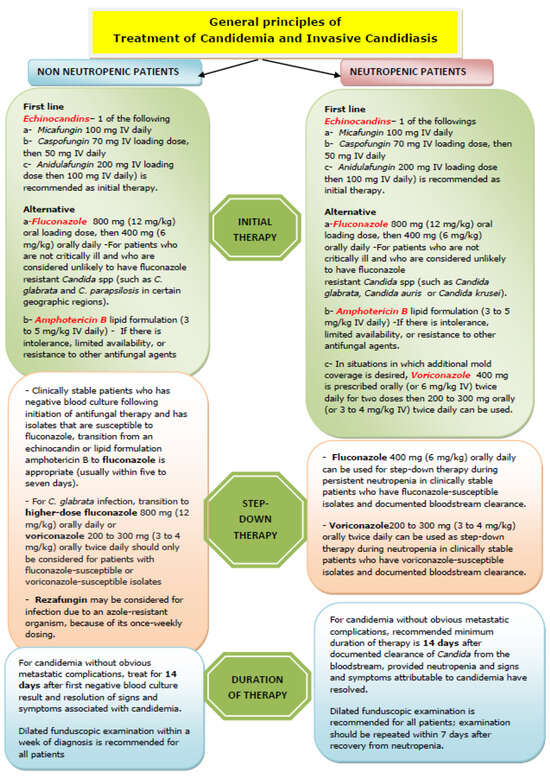
Candidemia and invasive candidiasis represent critical healthcare-associated fungal infections that pose substantial challenges to medical systems worldwide. These conditions arise when fungi from the Candida genus infiltrate the bloodstream or deeper tissues, leading to a range of clinical manifestations. Among the various species, Candida albicans continues to hold its position as the most frequently encountered causative agent, largely due to its prevalence and adaptability within human hosts. However, it is far from the only significant player; other Candida species, such as Candida glabrata, Candida parapsilosis, and the particularly concerning Candida auris, contribute significantly to the disease burden and exhibit varying dominance depending on geographic regions. The clinical presentation of these infections can differ widely, spanning from subtle, almost imperceptible symptoms in some patients to severe, life-threatening fulminant sepsis in others, often accompanied by alarmingly high mortality rates that underscore the urgency of effective management strategies. Several well-established risk factors predispose individuals to developing invasive candidiasis and candidemia. Breaches in the body’s natural barriers—such as the skin (cutaneous) or the gastrointestinal (GI) tract—provide entry points for these opportunistic pathogens. Additionally, deficiencies in the host’s immune responses, whether due to medical treatments, underlying diseases, or genetic predispositions, heighten vulnerability to infection. Among the diverse Candida species, Candida auris has emerged as an especially troubling entity in recent years. This multidrug-resistant species is notorious for its resistance to standard antifungal therapies, which complicates treatment efforts and contributes to elevated morbidity and mortality rates. Its rapid global spread has positioned it as a formidable public health threat, prompting heightened surveillance and research into its behavior and control.
Full article

Figure 1
Open AccessArticle
Neoadjuvant Chemohormonal Therapy Versus Pelvic Lymphadenectomy on Biochemical Recurrence in Patients with High- or Very-High-Risk Prostate Cancer Undergoing Robot-Assisted Radical Prostatectomy
by
Makoto Kawase, Satoshi Washino, Takato Nishino, Takeshi Yamasaki, Hajime Fukushima, Kosuke Iwatani, Tomoaki Miyagawa, Masaki Shimbo, Kojiro Ohba, Jun Miki, Keita Nakane and Takuya Koie
Diseases 2025, 13(4), 92; https://doi.org/10.3390/diseases13040092 - 23 Mar 2025
Abstract
Background/Objectives: The effectiveness of robot-assisted radical prostatectomy (RARP) with extended pelvic lymph node dissection (ePLND) in improving oncological outcomes for patients with high- or very-high-risk prostate cancer (HR/VHR-PCa) remains a subject of debate. This study aimed to compare the efficacy of neoadjuvant chemohormonal
[...] Read more.
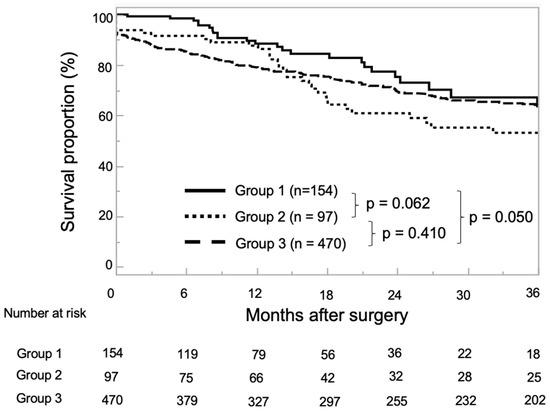
Background/Objectives: The effectiveness of robot-assisted radical prostatectomy (RARP) with extended pelvic lymph node dissection (ePLND) in improving oncological outcomes for patients with high- or very-high-risk prostate cancer (HR/VHR-PCa) remains a subject of debate. This study aimed to compare the efficacy of neoadjuvant chemohormonal therapy (NCHT) and ePLND in reducing biochemical recurrence (BCR) in patients with HR/VHR-PCa undergoing RARP. Methods: This retrospective, multicenter cohort study included 1182 patients with HR/VHR-PCa who underwent RARP at six Japanese institutions. Patients were stratified into three groups: those who received NCHT followed by RARP without ePLND (Group 1), those who received neoadjuvant hormonal therapy (NHT) followed by RARP with ePLND (Group 2), and those who underwent RARP with ePLND (Group 3). The primary endpoint was the rate of BCR, while the secondary endpoint was biochemical recurrence-free survival (BRFS) following RARP. Results: Of the 1182 patients, 154 patients were included in Group 1, 97 patients were included in Group 2, and 470 patients were included in Group 3. By the end of the follow-up period, 243 patients (33.8%) had experienced BCR, 27 (3.7%) had progressed to castration-resistant prostate cancer, and 5 (0.7%) had died from PCa. Over a median follow-up period of 41.4 months, BCR occurred in 16.5% of patients in Group 1, 36.1% of patients in Group 2, and 38.9% in Group 3 (p < 0.001). The 3-year BRFS rate was 63.6% in Group 1, 53.1% in Group 2, and 63.9% in Group 3. Conclusions: The findings of this study indicate that NCHT in patients with HR/VHR-PCa undergoing RARP without ePLND may reduce the risk of postoperative BCR compared to those undergoing RARP with ePLND.
Full article
(This article belongs to the Section Oncology)
►▼
Show Figures

Figure 1
Open AccessArticle
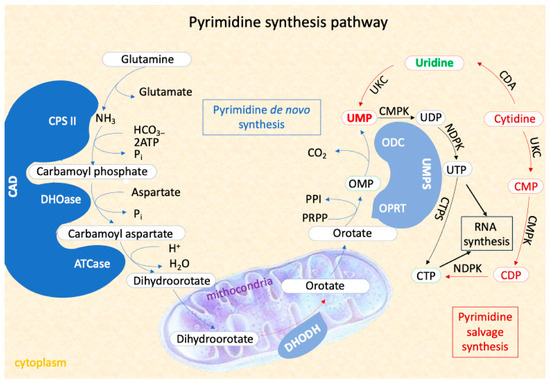
Epileptic Encephalopathy Related to CAD Deleterious Variants—A Case Series
by
Adelina Glangher, Magdalena Budișteanu, Diana Bârcă, Dana Șurlică, Florentina Ionela Lincă, Doina Ioana, Laurentiu-Camil Bohîlțea, Ina-Ofelia Focșa and Catrinel Iliescu
Diseases 2025, 13(4), 91; https://doi.org/10.3390/diseases13040091 - 22 Mar 2025
Abstract
►▼
Show Figures
Background: Epilepsy, particularly early-onset and drug-resistant forms, presents a significant challenge in pediatric neurology. Inborn errors of metabolism are increasingly recognized as important contributors to these types of epilepsy. Timely diagnosis and treatment are crucial in preventing irreversible metabolic damage and improving clinical
[...] Read more.
Background: Epilepsy, particularly early-onset and drug-resistant forms, presents a significant challenge in pediatric neurology. Inborn errors of metabolism are increasingly recognized as important contributors to these types of epilepsy. Timely diagnosis and treatment are crucial in preventing irreversible metabolic damage and improving clinical outcomes in CAD deficiency. This condition is a progressive and severe metabolic disorder caused by biallelic deleterious variants in CAD gene, and is characterized by long seizures, psychomotor regression, and dyserythropoietic anemia. Methods: In this paper, we present four new cases of EIEE-50, emphasizing the importance of early, specific therapeutic interventions. Results: Oral uridine 100 mg/kg/day was administrated with improvement of motor and cognitive function as well as immediate seizures control. Conclusions: Our findings underscore the potential for improved outcomes of EIEE-50 trought timely diagnosis and targeted treatment strategies, reinforcing the role of uridine supplementation as a promising therapeutic approach.
Full article

Figure 1
Open AccessArticle
Leukocyte Dysregulation and Biochemical Alterations in End-Stage Kidney Disease Patients Under Hemodialysis
by
Gabriela Goyoneche Linares, Daysi Zulema Diaz-Obregón, Ana Granda Alacote, Michael Bryant Castro Núñez, María Gracia Castañeda Torrico, Alexis Germán Murillo Carrasco, Cesar Liendo Liendo, Katherine Susan Rufasto Goche, Víctor Arrunátegui Correa and Joel de León Delgado
Diseases 2025, 13(4), 90; https://doi.org/10.3390/diseases13040090 - 21 Mar 2025
Abstract
►▼
Show Figures
Background: Patients with chronic kidney disease (CKD) exhibit changes in leukocyte dynamics, leading to altered hematological and biochemical parameters and deteriorating kidney function. In this study, we aim to investigate the correlation between leukocyte subpopulations and hematological and biochemical parameters in patients with
[...] Read more.
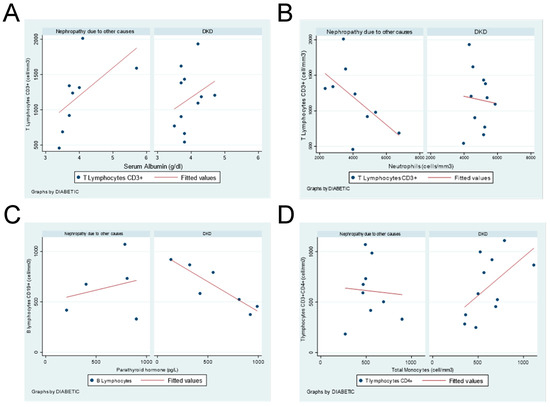
Background: Patients with chronic kidney disease (CKD) exhibit changes in leukocyte dynamics, leading to altered hematological and biochemical parameters and deteriorating kidney function. In this study, we aim to investigate the correlation between leukocyte subpopulations and hematological and biochemical parameters in patients with end-stage CKD undergoing hemodialysis. Methods: This descriptive, analytical, cross-sectional study included 20 end-stage CKD patients on hemodialysis. Leukocyte subpopulations, including classical monocytes (CD14++/CD16−), intermediate monocytes (CD14++/CD16+), non-classical monocytes (CD14+/CD16++), CD4 T lymphocytes (CD3+/CD4+), CD8 T lymphocytes (CD3+/CD8+), B lymphocytes (CD3−/CD19+), NK cells (CD56+/CD16+), and iNKT cells (CD3+/CD56+), were analyzed using flow cytometry. Results: Patients with end-stage CKD on hemodialysis have decreased classical monocytes and increased non-classical monocytes frequency. A positive correlation was observed between non-classical monocytes and total lymphocytes (Rho-Spearman: R = 0.495, p = 0.027) as well as B lymphocytes (R = 0.567, p < 0.05). We discerned the immunological characteristics of diabetic kidney disease (DKD) and CKD due to other causes in this balanced cohort: B lymphocytes negatively correlate with alkaline phosphatase (R = −0.764, p < 0.05), parathyroid hormone (R = −0.929, p < 0.05), and ferritin (R = −0.893, p < 0.05). Additionally, in DKD, non-classical monocytes positively correlate with eosinophils (R = +0.691; p = 0.019) and classic monocytes with neutrophils (R = +0.627, p = 0.039). Meanwhile, a correlation between either total T lymphocytes or helper T lymphocytes and serum albumin was detected on patients with nephropathy due to other causes. Conclusions: CKD alters classical and non-classical monocyte frequency, whilst T and B lymphocyte frequency positively correlates to the proinflammatory non-classical monocytes. In DKD patients, the uremic environment increases classic monocytes, CD16+ inflammatory monocytes, neutrophils, eosinophils, and B lymphocytes. The described leukocyte dynamic correlates with alkaline phosphatase, parathyroid hormone, iron, and serum albumin serological concentration.
Full article

Figure 1

Highly Accessed Articles
Latest Books
E-Mail Alert
News
Topics
Topic in
Cancers, Current Oncology, Diagnostics, Diseases, Onco
Artificial Intelligence in Cancer Pathology and Prognosis
Topic Editors: Hamid Khayyam, Ali Hekmatnia, Rahele Kafieh, Ali JamaliDeadline: 1 May 2025
Topic in
Biomolecules, Cancers, Diseases, Neurology International, Biomedicines
Brain Cancer Stem Cells and Their Microenvironment
Topic Editors: Maria Patrizia Stoppelli, Luca Colucci-D'Amato, Francesca BianchiniDeadline: 31 December 2025
Topic in
Biomedicines, Diseases, JCM, JPM, Uro, Reports
Clinical, Translational, and Basic Research and Novel Therapy on Functional Bladder Diseases and Lower Urinary Tract Dysfunctions
Topic Editors: Hann-Chorng Kuo, Yao-Chi Chuang, Chun-Hou LiaoDeadline: 31 December 2026
Topic in
Cancers, Current Oncology, Diseases, IJMS, Cells
Cellular and Molecular Mechanisms of Obesity-Associated Cancer Development and Treatments
Topic Editors: Ming Yang, Chunye ZhangDeadline: 31 August 2027
Conferences
Special Issues
Special Issue in
Diseases
Treatment Strategies and Immune Responses in Rheumatic Diseases
Guest Editor: Rita Aguiar MouraDeadline: 30 April 2025
Special Issue in
Diseases
Feature Papers in the 'Respiratory Diseases' Section in 2024–2025
Guest Editors: Gaetano Caramori, Andrea BiancoDeadline: 1 May 2025
Special Issue in
Diseases
Targeted Therapies for Acute Leukemias
Guest Editor: Eleftheria HatzimichaelDeadline: 31 May 2025
Special Issue in
Diseases
Feature Papers in Section 'Cardiology' in 2024–2025
Guest Editor: Carl LavieDeadline: 1 June 2025
Topical Collections
Topical Collection in
Diseases
Effects of Food Antioxidants on Cardiovascular Diseases and Human Cancers
Collection Editors: Esra Capanoglu, Maurizio Battino
Topical Collection in
Diseases
Lysosomal Storage Diseases
Collection Editors: José A. Sánchez-Alcázar, Luis Jiménez Jiménez