Journal Description
European Burn Journal
(formerly European Journal of Burn Care) is an international, peer-reviewed, open access journal on burn care and burn prevention. The journal is owned by the European Burns Association (EBA) and is published quarterly online by MDPI.
- Open Access— free for readers, with article processing charges (APC) paid by authors or their institutions.
- High Visibility: indexed within ESCI (Web of Science), PMC, PubMed, Scopus and other databases.
- Rapid Publication: manuscripts are peer-reviewed and a first decision is provided to authors approximately 24.8 days after submission; acceptance to publication is undertaken in 4.8 days (median values for papers published in this journal in the second half of 2024).
- Recognition of Reviewers: APC discount vouchers, optional signed peer review, and reviewer names published annually in the journal.
- Companion journal: Healthcare.
Impact Factor:
1.1 (2023);
5-Year Impact Factor:
1.0 (2023)
Latest Articles
Comment from the Enhancing Burn Rehabilitation Special Edition Editors on “Fractional CO2 Laser for Pediatric Hypertrophic Scars: Lessons Learned from a Prematurely Terminated Split-Scar Trial”
Eur. Burn J. 2025, 6(1), 16; https://doi.org/10.3390/ebj6010016 - 13 Mar 2025
Abstract
The Editors thank the investigators for displaying tenacity, evidenced by the significant revisions that were necessary to complete this project [...]
Full article
(This article belongs to the Special Issue Enhancing Burn Rehabilitation: Contemporary Improvements across the Spectrum of Influence)
Open AccessArticle
Improving Nutrition and Nutrition Education in the Burn Unit of a Developing Country: A Qualitative Study
by
Jonathan Bayuo, Joyce Pwavra, Jephtah Davids, Anita Eseenam Agbeko, Paa Ekow Hoyte-Williams, Frank Bediako Agyei and Pius Agbenorku
Eur. Burn J. 2025, 6(1), 15; https://doi.org/10.3390/ebj6010015 - 10 Mar 2025
Abstract
Burn injuries can trigger a series of metabolic and catabolic responses that exert significant impacts on an individual’s nutritional status, necessitating continuous nutritional support and education to aid recovery. However, burn units in developing countries often face resource limitations that can negatively affect
[...] Read more.
Burn injuries can trigger a series of metabolic and catabolic responses that exert significant impacts on an individual’s nutritional status, necessitating continuous nutritional support and education to aid recovery. However, burn units in developing countries often face resource limitations that can negatively affect these needs. This study aimed to explore the challenges related to post-burn nutrition and nutrition education in our burn unit and identify ways to improve the situation. An interpretive description approach was used, and convenience sampling recruited fifty-three participants, including 18 adult burn survivors and their primary caregivers (each as a single dyad), 10 informal caregivers of paediatric burn survivors, and 25 burn care staff. The data were analysed through thematic analysis, revealing three main themes and seven subthemes. The findings highlight an unstructured approach to nutrition and education, along with financial constraints affecting adherence. To address these issues, strategies such as using educational materials like videos and booklets/leaflets in the local language are suggested to develop relevant interventions. In conclusion, while there are concerns about nutrition and education, there are also opportunities to improve the situation.
Full article
(This article belongs to the Special Issue Global Perspectives on Burn Prevention, Management, Collaboration, and Disparities)
Open AccessReview
Recreational Use of Nitrous Oxide as a Source of Frostbite Injuries to the Skin: A Review of the Literature and a Case Report
by
Sebastian Holm, Reza Tabrisi and Johann Zdolsek
Eur. Burn J. 2025, 6(1), 14; https://doi.org/10.3390/ebj6010014 - 7 Mar 2025
Abstract
Nitrous oxide has a wide range of medical applications, such as being used as an analgesic in general anesthesia, dental procedures, childbirth and sedation. Lately, it has also been employed as an inhalant recreational drug to induce brief euphoria. Recent studies indicate a
[...] Read more.
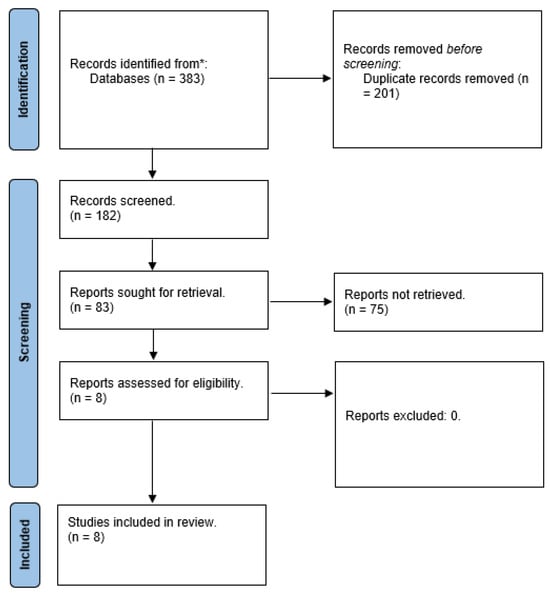
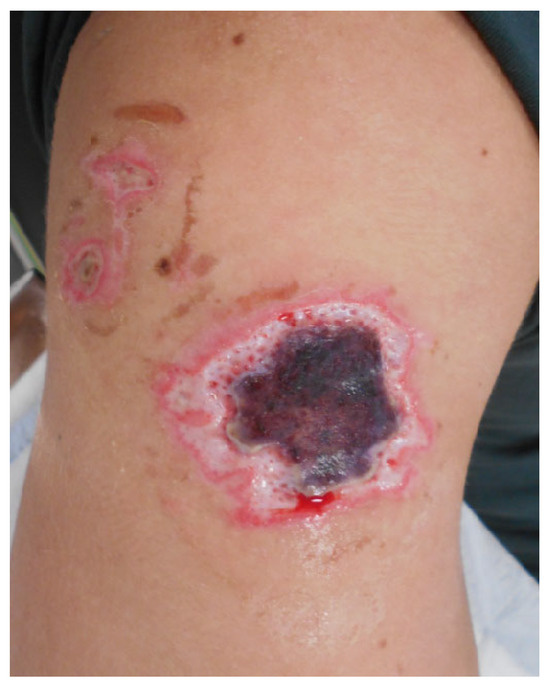
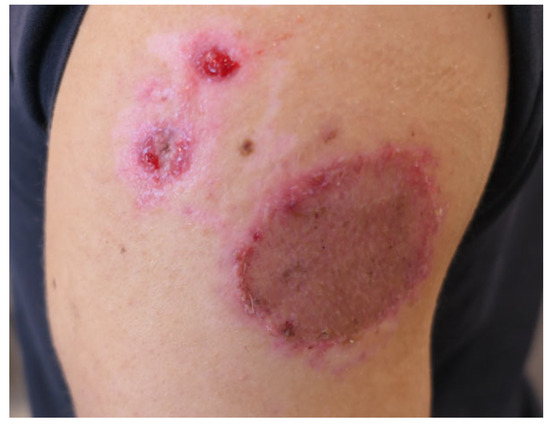
Nitrous oxide has a wide range of medical applications, such as being used as an analgesic in general anesthesia, dental procedures, childbirth and sedation. Lately, it has also been employed as an inhalant recreational drug to induce brief euphoria. Recent studies indicate a worldwide rise in the incidence of skin frostbites associated with nitrous oxide use. A scoping review was conducted to synthesize and summarize the existing literature published in English regarding frostbite injuries associated with the recreational use of nitrous oxide. The literature search was carried out in July 2024 using databases such as Embase, Web of Science and PubMed®. From an initial pool of 83 publications, 8 studies were ultimately selected for full-text review as they met our inclusion criteria for analysis. Additionally, we provide a representative clinical case involving a 21-year-old male who experienced frostbite following skin exposure to nitrous oxide. Most publications on nitrous oxide induced frostbites are from recent years, primarily between 2022 and 2024, with the first case documented in 1996. These injuries are mostly observed in young adults, with a female dominance, and are typically localized to the inner thighs. According to the existing literature, the predominant treatment approach is conservative management, with excision and split-thickness skin grafting (STSG) in the second place. This study represents the first literature review summarizing frostbite injuries to the skin from nitrous oxide misuse. There is a need for enhanced preventive measures to raise public awareness and reduce the incidence of frostbite injuries associated with the recreational use of nitrous oxide.
Full article
(This article belongs to the Special Issue Global Perspectives on Burn Prevention, Management, Collaboration, and Disparities)
►▼
Show Figures

Figure 1
Open AccessReview
Novel Techniques in Fractional Skin Replacement
by
Courtney Kelly, Rodney K. Chan and Anders H. Carlsson
Eur. Burn J. 2025, 6(1), 13; https://doi.org/10.3390/ebj6010013 - 6 Mar 2025
Abstract
The gold standards for coverage of wounds that cannot be primarily closed are full thickness skin grafts (FTSGs) and split thickness skins graft (STSGs). FTSGs harvest sites generally require primary closure, which limits availability, especially when treating larger wounds. STSGs have many shortcomings,
[...] Read more.
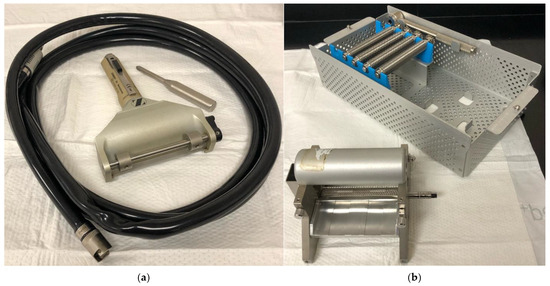
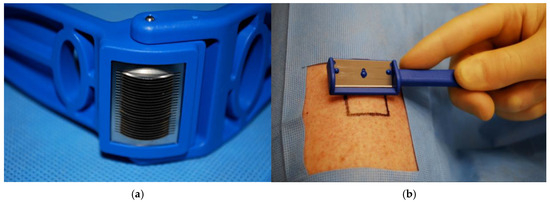
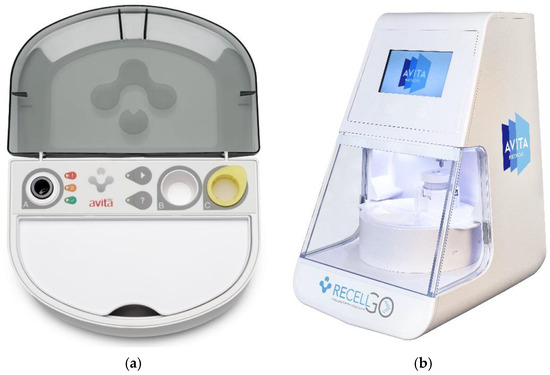
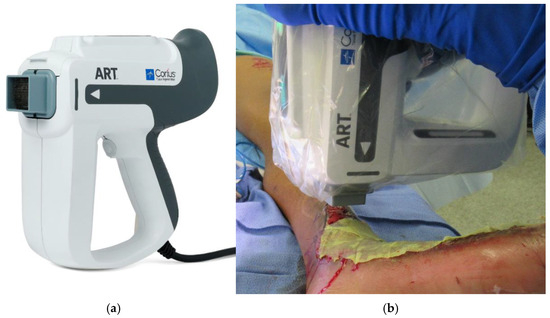
The gold standards for coverage of wounds that cannot be primarily closed are full thickness skin grafts (FTSGs) and split thickness skins graft (STSGs). FTSGs harvest sites generally require primary closure, which limits availability, especially when treating larger wounds. STSGs have many shortcomings, including donor site morbidity. Fractional autologous skin replacement can be utilized in conjunction with or in lieu of STSGs to both improve graft outcomes of large wounds and to decrease donor site morbidity. Skin can be mechanically or chemically fractionated. Fractionated skin can be advantageous, as adnexal structures provide additional functionality without donor site morbidity. In this review, we will discuss current and emerging techniques in fractional skin replacement.
Full article
(This article belongs to the Special Issue Innovative Applications and Challenges of Emerging Materials and Technologies in Burn Treatment)
►▼
Show Figures

Figure 1
Open AccessArticle
Preliminary Study on the Development of a Real-Time Pressure-Monitoring Facial Mask for Burn Rehabilitation
by
Hyunjun Shin, Gyung-Jin Jeon, Seok-Jin Hwang, Hyeonseok Cho, Young-Min Cho, Hyoung-Soon Youn, Jisu Seo, Sehoon Park, Yoon-Soo Cho and Gyu-Seok Kim
Eur. Burn J. 2025, 6(1), 12; https://doi.org/10.3390/ebj6010012 - 3 Mar 2025
Abstract
The most common aftereffect of severe burns in patients is hypertrophic scarring. Hypertrophic scars typically form following severe burns; it refers to excessive collagen production in the dermal layer during the healing process, resulting in an abnormal raised scar. Currently, practical treatments for
[...] Read more.
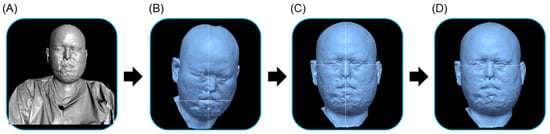
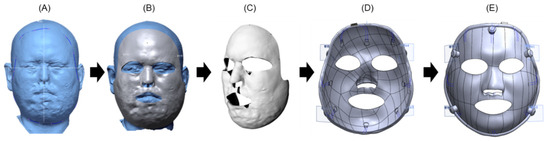
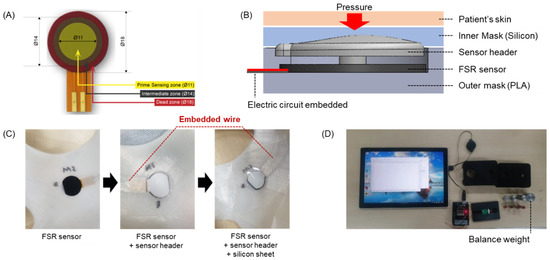
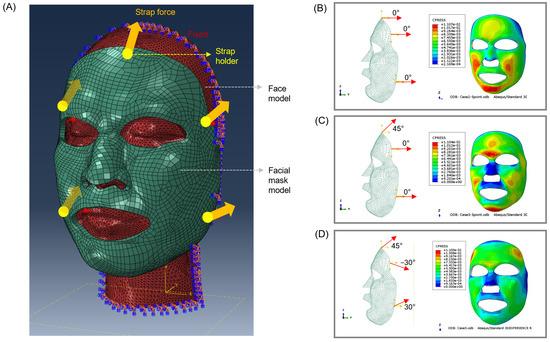
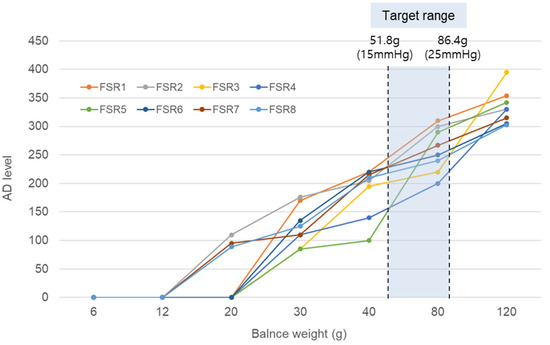
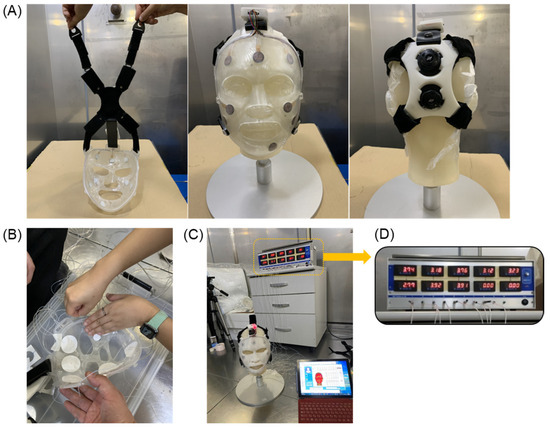
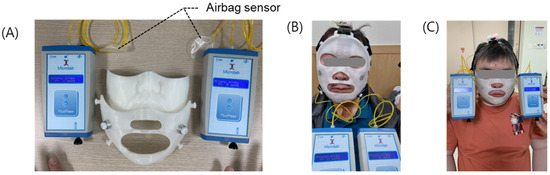
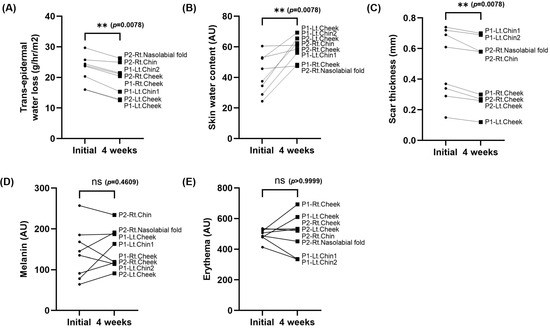
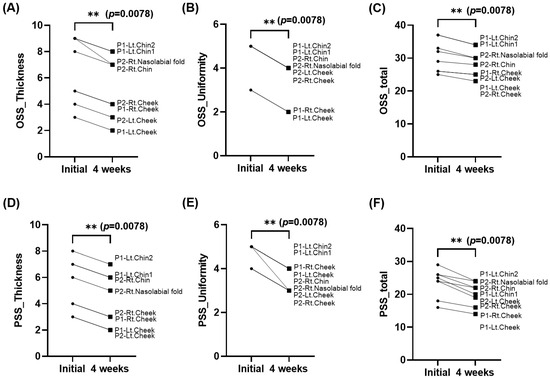
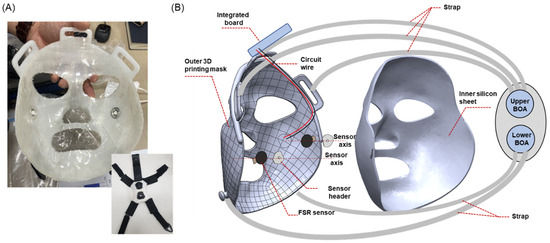
The most common aftereffect of severe burns in patients is hypertrophic scarring. Hypertrophic scars typically form following severe burns; it refers to excessive collagen production in the dermal layer during the healing process, resulting in an abnormal raised scar. Currently, practical treatments for suppressing hypertrophic scars include laser therapy, pressure therapy, and the application of silicone sheets for moisture retention. The most extensively used treatment involves compression therapy using specially designed garments for the affected areas. However, this method has limitations when applied to curved surfaces like the face. To address this issue, three-dimensional (3D) scanning and 3D printing techniques have been actively developed for face masks and have shown promising clinical results. Unfortunately, current facial masks under development lack a sensor system to measure pressure, making it difficult to ensure consistent and appropriate pressures during clinical trials. In this study, we have developed a burn pressure mask capable of real-time pressure monitoring. The facial mask developed in this study utilizes an FSR-type sensor to measure the pressure applied to the skin. We have also embedded electrical wires within the mask to enhance its comfort and wearability. For this study, two patients wore the facial mask with real-time pressure measurement capabilities for 4 weeks in 12 h per day on average. We evaluated whether the mask maintained the appropriate pressure range (15–25 mmHg) throughout the clinical trial and whether it effectively inhibited scar formation. Through the analysis of recorded pressure signal data, we confirmed that the patients consistently maintained the appropriate pressure while wearing the mask during the clinical trial. Additionally, we observed significant differences in skin moisture levels, transepidermal water loss, and scar thickness before and after the experiment. These findings suggest that the facial mask, featuring real-time monitoring capabilities, effectively prevents the formation of hypertrophic scars.
Full article
(This article belongs to the Special Issue Innovative Applications and Challenges of Emerging Materials and Technologies in Burn Treatment)
►▼
Show Figures

Figure 1
Open AccessArticle
Mind the Gap! Core-Peripheral Temperature Gradient and Its Relationship to Mortality in Major Burns
by
Niamh Keohane, Jennifer Driver, Randeep Mullhi, Elizabeth Chipp, Barbara Torlinska and Tomasz Torlinski
Eur. Burn J. 2025, 6(1), 11; https://doi.org/10.3390/ebj6010011 - 2 Mar 2025
Abstract
The association between hypothermia and poor outcomes in severe burn injury is well established. However, the significance of the core-peripheral temperature gradient has not previously been investigated. Institutional guidance at our burns centre advocates avoiding hypothermia and targeting a body temperature between 37.5
[...] Read more.
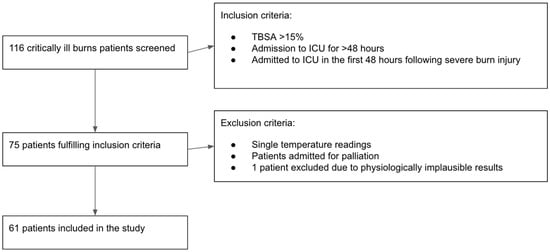
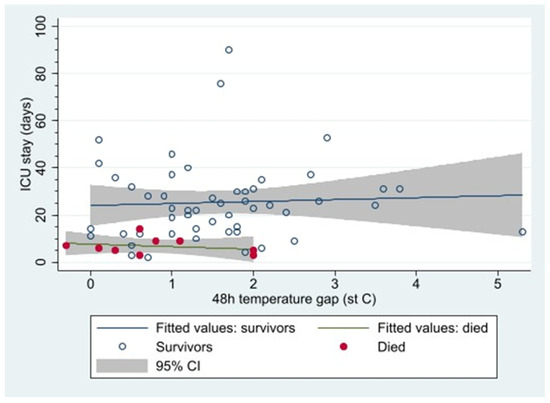
The association between hypothermia and poor outcomes in severe burn injury is well established. However, the significance of the core-peripheral temperature gradient has not previously been investigated. Institutional guidance at our burns centre advocates avoiding hypothermia and targeting a body temperature between 37.5 and 39.5 °C. The core-peripheral temperature gap should be ≤2 °C, based on expert opinion. Data from 61 patients admitted to the Intensive Care Unit (ICU) with severe burns between 2016 and 2022 were analysed. A higher core temperature at 48 h, avoidance of hypothermia and a core-peripheral temperature gap > 2 °C were associated with reduced odds of mortality. The mean core body temperature and core-peripheral temperature gap increased over the first 48 h (r = 0.5, p < 0.001). All non-survivors had a core-peripheral gap < 2 °C at 48 h. Survivors had a higher mean 48 h gap (1.6 [95%CI:1.3–1.9]) than non-survivors (0.8 [95%CI:0.2–1.4; p = 0.04]). Our findings support previous studies suggesting that avoiding hypothermia and achieving a higher target temperature are associated with reduced mortality. However, it challenges the previous expert consensus that a lower core-peripheral gap indicates better outcomes. Further research with a larger cohort of patients is required to identify whether a higher core-peripheral temperature gap predicts outcomes in critically ill patients with severe burns.
Full article
(This article belongs to the Special Issue Controversial Issues in Intensive Care-Related Burn Injuries)
►▼
Show Figures

Figure 1
Open AccessArticle
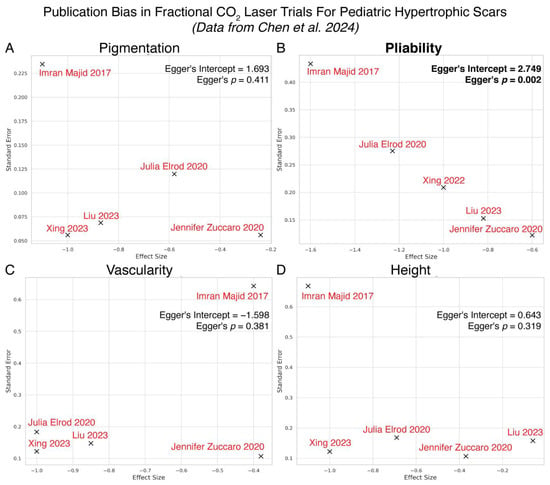
Fractional CO2 Laser for Pediatric Hypertrophic Scars: Lessons Learned from a Prematurely Terminated Split-Scar Trial
by
Sarthak Sinha, Altay Baykan, Karen Hulin, Doug Baron, Vincent Gabriel and Frankie O. G. Fraulin
Eur. Burn J. 2025, 6(1), 10; https://doi.org/10.3390/ebj6010010 - 20 Feb 2025
Cited by 1
Abstract
Background: Assessing hypertrophic scar (HTS) interventions is challenging because scars continue to undergo dynamic changes. A split-scar design can distinguish treatment effects from natural HTS evolution. Despite promising reports of ablative fractional CO2 lasers (AFCO2Ls) for HTS, split-scar evidence, particularly
[...] Read more.
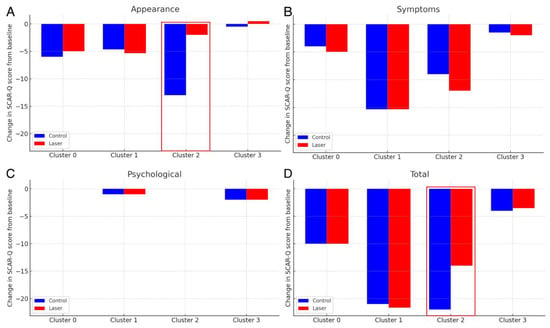
Background: Assessing hypertrophic scar (HTS) interventions is challenging because scars continue to undergo dynamic changes. A split-scar design can distinguish treatment effects from natural HTS evolution. Despite promising reports of ablative fractional CO2 lasers (AFCO2Ls) for HTS, split-scar evidence, particularly in pediatric scars, remains limited. Objective: To explore the feasibility of a split-scar design in assessing AFCO2L’s impact on pediatric HTS and to identify potential trends in treatment outcomes. Methods: Initially designed as a prospective single-center split-scar randomized controlled trial, our study transitioned to a feasibility trial due to recruitment challenges. Pediatric patients aged 1–17 years with HTS suitable for split-scar evaluation received three AFCO2L treatments at 6–8-week intervals, with outcomes assessed using the Vancouver Scar Scale (VSS), SCAR-Q, and Cutometer. Results: Recruitment was limited by COVID-19 restrictions, concerns about general anesthesia for split-scar treatment, and low interest in divided-scar interventions, resulting in only 6 participants with 9 scars enrolled, far below the target sample size of 44. This small heterogeneous sample precluded meaningful clinical outcome analysis. Conclusions: Our feasibility trial highlights challenges in conducting rigorous pediatric HTS studies and the need for careful interpretation of evidence due to potential publication bias. Future trials should focus on tailored recruitment and comprehensive reporting to improve feasibility and reliability.
Full article
(This article belongs to the Special Issue Enhancing Burn Rehabilitation: Contemporary Improvements across the Spectrum of Influence)
►▼
Show Figures

Figure 1
Open AccessArticle
Bouncing Back: The Psychosocial Benefits of a Community-Based Exercise Program for Children with Non-Severe Burns
by
Dinithi Atapattu, Victoria M. Shoesmith, Eva Kierath, Mark W. Fear, Fiona M. Wood and Lisa J. Martin
Eur. Burn J. 2025, 6(1), 9; https://doi.org/10.3390/ebj6010009 - 17 Feb 2025
Abstract
Burns significantly impact children’s physical and psychosocial recovery, even in cases of non-severe injuries, leading to long-term health and mental health risks. This study explores the psychosocial benefits of a community-based exercise program for children recovering from burn injuries, addressing concerns such as
[...] Read more.
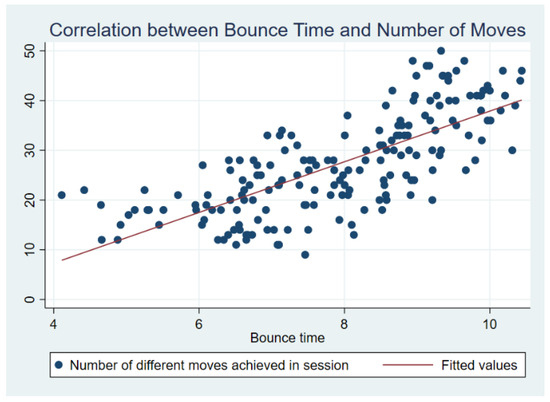
Burns significantly impact children’s physical and psychosocial recovery, even in cases of non-severe injuries, leading to long-term health and mental health risks. This study explores the psychosocial benefits of a community-based exercise program for children recovering from burn injuries, addressing concerns such as anxiety, reduced physical activity, and social challenges. A pre-test–post-test design assessed the effects of an 8-week community-based trampoline exercise intervention on psychosocial outcomes in children and their caregivers. No significant or clinically meaningful physical improvements were observed across measures such as MET score, grip strength, BMI percentile, or heart-rate recovery despite a significant improvement in trampolining performance (p < 0.0001). Psychosocial outcomes showed improved child emotional function (PedsQL, p = 0.024) as reported by parents, though children’s self-reported emotional function and Child PTSD Symptom Scale (CPSS) scores remained unchanged. Parent-reported strengths and difficulty scores for the child remained stable over time but were higher than population norms for hyperactivity and emotional difficulty. Parental post-traumatic stress symptoms decreased significantly over time (p = 0.050), with reductions in avoidance (p = 0.009), hypervigilance (p = 0.007), and intrusion scores (p = 0.026). Children significantly improved their trampolining performance, while parents reported enhanced emotional function for their child. However, children’s self-reports did not reflect these emotional improvements.
Full article
(This article belongs to the Special Issue Enhancing Burn Rehabilitation: Contemporary Improvements across the Spectrum of Influence)
►▼
Show Figures

Figure 1
Open AccessArticle
Self-Inflicted Burns: A Comparative Study in a Spanish Sample
by
Sara Guila Fidel-Kinori, Vicente García-Sánchez, Maria Sonsoles Cepeda-Diez, Carmina Castellano-Tejedor, Josep Antoni Ramos-Quiroga and Joan Pere Barret-Nerín
Eur. Burn J. 2025, 6(1), 8; https://doi.org/10.3390/ebj6010008 - 17 Feb 2025
Abstract
Background: In 1994, the first Spanish study on patients with self-inflicted burns (SIB) was published, showing a prototypical profile of a patient with SIB: adult male, unmarried and, in 75% of the cases, with a psychiatric background. In addition, SIB accounted for 1.98%
[...] Read more.
Background: In 1994, the first Spanish study on patients with self-inflicted burns (SIB) was published, showing a prototypical profile of a patient with SIB: adult male, unmarried and, in 75% of the cases, with a psychiatric background. In addition, SIB accounted for 1.98% of the total admissions in a Burns Unit between 1983 and 1991, a lower percentage than other European studies. The present study aims to replicate this work, updating this profile and comparing it with the current profile. Methods: We compared the clinical and socio-demographic characteristics of 67 patients admitted during 1983–1991 (Study I) with those of 36 patients admitted during 2010–2015 (Study II). Results: It was observed that the percentage of patients with SIB admitted to the Burns Unit was lower in Study II than in Study I (1.45% vs. 1.98%). Significant age differences were identified (t(101) = −2.074, p = 0.041, 95% CI [−11.739, −0.261]). Similarly, there were statistically significant differences in several clinical characteristics, such as psychiatric history (X2 = 11.591, p = 0.001), the occurrence of previous autolytic attempts (X2 = 7.714, p = 0.007), the place where the incident occurred (X2 = 11.647, p = 0.020), the etiology of the burn (X2 = 13.142, p = 0.004), and triggers (X2 = 6.420, p = 0.036). Conclusions: Several differences have arisen between the two studies, mainly related to the specific characteristics of SIB (e.g., etiology, triggering cause, and place of the incident), possibly attributable to the social changes that have occurred in the last 20 years. These results will add to our knowledge and will stress various precipitating factors that may lead to SIB, with the final goal of designing preventive strategies.
Full article

Open AccessArticle
Burn Wound Dynamics Measured with Hyperspectral Imaging
by
Thomas Wild, Jörg Marotz, Ahmed Aljowder and Frank Siemers
Eur. Burn J. 2025, 6(1), 7; https://doi.org/10.3390/ebj6010007 - 13 Feb 2025
Abstract
Introduction: Hyperspectral Imaging (HSI) combined with an augmented model-based data processing enables the measurement of the depth-resolved perfusion of burn wounds. With these methods, the fundamental problem of the wound dynamics (wound conversion or progression) in the first 4 days should be parametrically
[...] Read more.
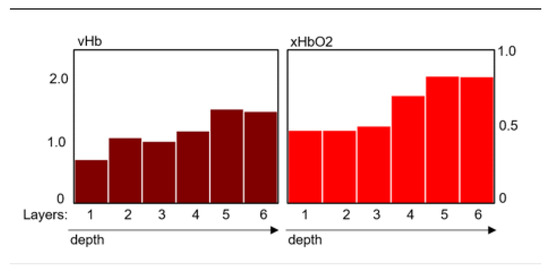
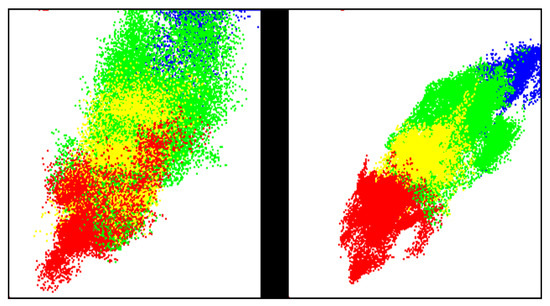
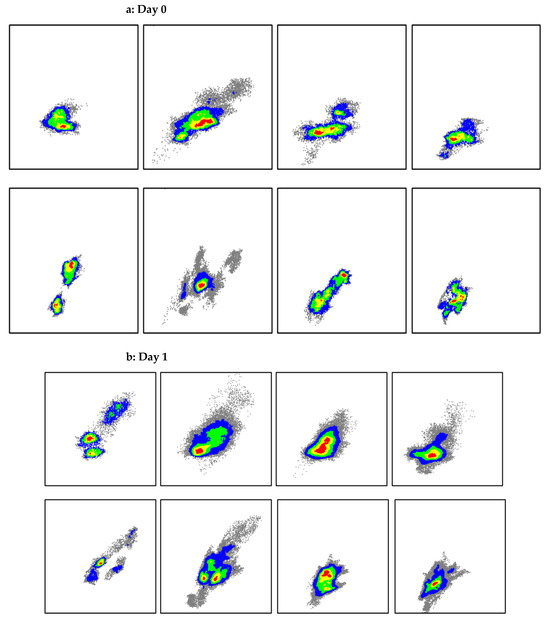
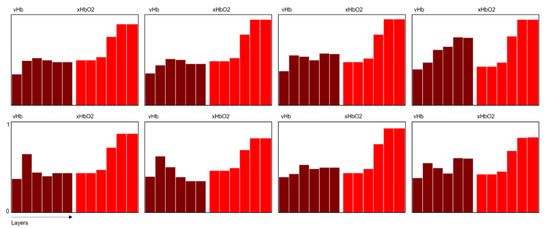
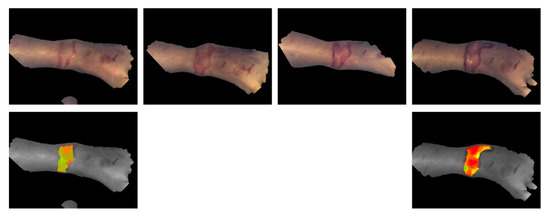
Introduction: Hyperspectral Imaging (HSI) combined with an augmented model-based data processing enables the measurement of the depth-resolved perfusion of burn wounds. With these methods, the fundamental problem of the wound dynamics (wound conversion or progression) in the first 4 days should be parametrically analyzed and evaluated. Material and Methods: From a cohort of 59 patients with burn injuries requiring medical intervention, 281 homogenous wound segments were selected and subjected to clinical classification based on the duration of healing. The classification was retrospectively assigned to each segment during the period from day 0 to day 2 post-burn. The perfusion parameters were presented in two parameter spaces describing the upper and deeper perfusion. Results: The investigation of value distributions within the parameter spaces pertaining to four distinct categories of damage from superficial dermal to full-thickness burns during the initial four days reveals the inherent variability and distinct patterns associated with wound progression, depending on the severity of damage. The analysis highlights the challenges associated with estimating the burn degrees during this early stage and elucidates the significance of deeper tissue perfusion in the classification process, which cannot be discerned through visual inspections. Conclusions: The feasibility of early classification on day 0 or 1 was assessed, and the findings indicate a restricted level of reliability, particularly on day 0, primarily due to the substantial variability observed in wound characteristics and inherent dynamics.
Full article
(This article belongs to the Special Issue Innovative Applications and Challenges of Emerging Materials and Technologies in Burn Treatment)
►▼
Show Figures

Figure 1
Open AccessReview
Early Detection, Diagnosis, Prevention, and Treatment of Infection to Avoid Sepsis and Septic Shock in Severely Burned Patients: A Narrative Review
by
Patrick M. Honoré, Sydney Blackman, Emily Perriens, Jean-Charles de Schoutheete and Serge Jennes
Eur. Burn J. 2025, 6(1), 6; https://doi.org/10.3390/ebj6010006 - 6 Feb 2025
Abstract
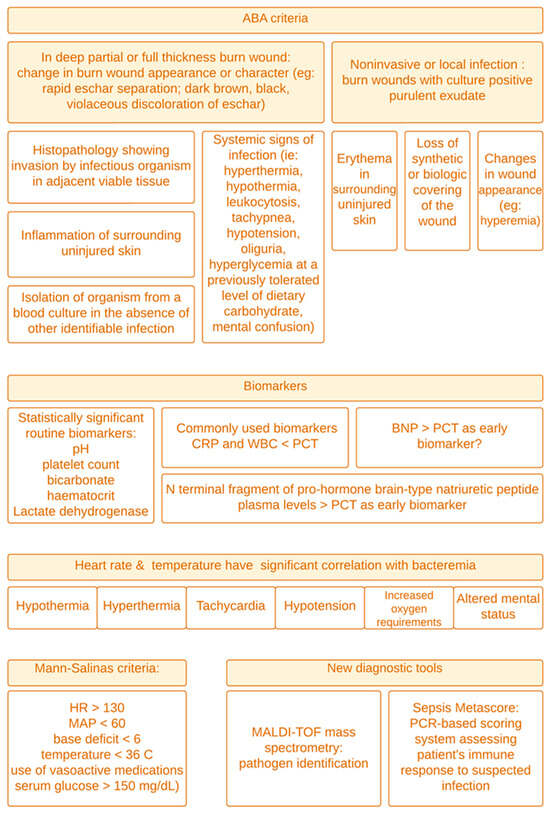
The early detection, diagnosis, anticipation, and therapy of infections to prevent sepsis and septic shock remain significant challenges in cases of grave burns. This narrative review explores various tools for early infection detection, including emerging biomarkers, the American Burn Association’s clinical criteria, and
[...] Read more.
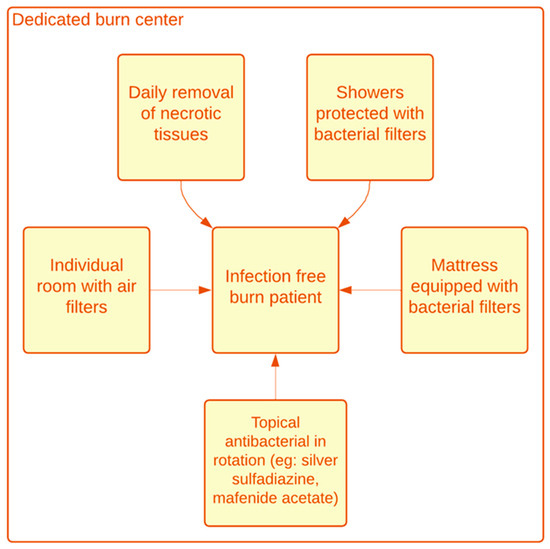
The early detection, diagnosis, anticipation, and therapy of infections to prevent sepsis and septic shock remain significant challenges in cases of grave burns. This narrative review explores various tools for early infection detection, including emerging biomarkers, the American Burn Association’s clinical criteria, and traditional blood parameters. A comparative study of the American Burn Association, Mann-Salinas, and Sepsis-3 criteria highlights the superior early detection capabilities of the Sepsis-3 criteria. However, the authors recommend that sepsis should be prospectively evaluated, identified, and classified by the intensive care group, rather than by relying solely on retrospective items, though the latter may still be necessary in certain cases. Advances in biomarker identification, including polymerase chain reaction (PCR) and gene expression (mRNA) profiling, offer diagnostic advantages over current methods, enabling early detection within 4 to 6 h of intensive care unit admission. Mass spectrometry also shows promise for the rapid determination of bacteria, yeast, and fungi based on bacteria protein profiles. Source control remains crucial, and the use of antibacterial topical agents has significantly improved the survival rates of severely burned patients. However, antibiotic selection must be made judiciously to avoid resistance. Despite these advancements, significant progress is still needed to improve the rapid identification, actual presence, prevention, and therapy of infections to reduce the incidence of sepsis and septic shock in this patient subgroup.
Full article
(This article belongs to the Special Issue Controversial Issues in Intensive Care-Related Burn Injuries)
►▼
Show Figures

Figure 1
Open AccessArticle
Parent-Reported Burn-Specific Health-Related Quality of Life in Children 5–7 Years After Burns: A Multicenter Cross-Sectional Study
by
Marina C. Heijblom, J. Nicolaas Dijkshoorn, Marianne K. Nieuwenhuis, Anouk Pijpe, Cornelis H. van der Vlies, Margriet E. van Baar and Inge Spronk
Eur. Burn J. 2025, 6(1), 5; https://doi.org/10.3390/ebj6010005 - 30 Jan 2025
Abstract
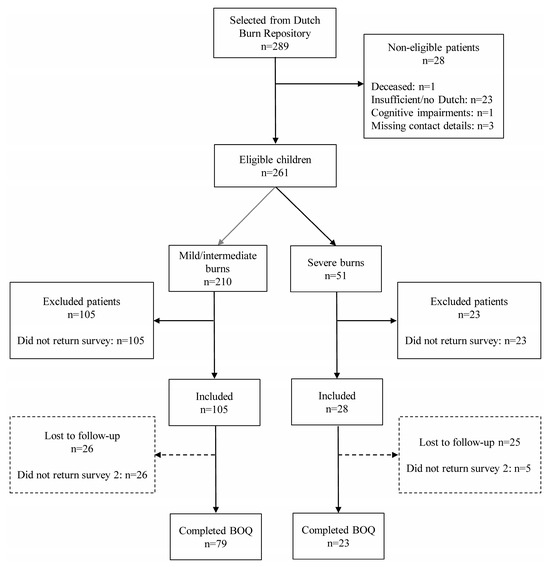
Surviving a burn can dramatically alter a child’s life, yet few studies examined long-term health-related quality of life (HRQL). This study assessed HRQL 5–7 years post-burn in children with mild/intermediate and severe burns and identified associated factors. Parents of children (5− < 18
[...] Read more.
Surviving a burn can dramatically alter a child’s life, yet few studies examined long-term health-related quality of life (HRQL). This study assessed HRQL 5–7 years post-burn in children with mild/intermediate and severe burns and identified associated factors. Parents of children (5− < 18 years) who were hospitalized or had burn surgery between 08/2011 and 09/2012 completed the Burn Outcomes Questionnaire (BOQ). Outcomes were compared between two subgroups: children with mild/intermediate burns (<10% total body surface area (TBSA) burned) versus severe burns ((1) aged <10 years old at the time of injury with >10% (TBSA) burned; (2) aged ≥10 years with >20% TBSA burned; or (3) >5% full-thickness burns). A total of 102 children were included (mean age at survey: 8.4 (3.0) years; mean former TBSA: 7.1%). At a mean of 5.7 years post-burn, many parents rated their child’s health as excellent (46.1%) or very good (35.3%), with few reporting issues with ‘pain’ (2.3%), ‘physical function and sports’ (1.6%), and ‘upper extremity function’ (0.9%). Parents of children with severe burns indicated significantly more problems with ‘appearance’ (89.2% versus 71.5%; p = 0.014) and ‘parental concern’ (94.1% versus 84.8%; p = 0.021). Upper limb burns, facial burns, burn size, length of hospital stay, full-thickness burns, and the number of surgeries predicted poorer outcomes. In general, these findings indicate positive long-term HRQL, though especially children with full-thickness burns and/or surgical interventions face a higher risk of reduced HRQL. The results can be used to inform children and their families about the long-term implications. Furthermore, healthcare professionals can use these insights to identify children at higher risk of poorer long-term HRQL.
Full article
(This article belongs to the Special Issue Long-Term Outcomes after Burn Injuries: Strategies to Optimize Recovery)
►▼
Show Figures

Figure 1
Open AccessArticle
Session Rating of Perceived Exertion Is a Valid Method to Monitor Intensity of Exercise in Adults with Acute Burn Injuries
by
Joanne S. Page, Dale W. Edgar, Tiffany L. Grisbrook, Angela Jacques, Paul M. Gittings, Fiona M. Wood and Carly J. Brade
Eur. Burn J. 2025, 6(1), 4; https://doi.org/10.3390/ebj6010004 - 30 Jan 2025
Abstract
Measuring exercise intensity for safety and to inform prescription in acute burn survivors, is challenging. This study aimed to assess the validity of adult patient end-of-workout rating of session perceived exertion (sRPE); and calculated training load (TL) (sRPE × session duration) as measures
[...] Read more.
Measuring exercise intensity for safety and to inform prescription in acute burn survivors, is challenging. This study aimed to assess the validity of adult patient end-of-workout rating of session perceived exertion (sRPE); and calculated training load (TL) (sRPE × session duration) as measures of exercise intensity. Secondly, the study aimed to compare clinician and patient perception of exercise effort during physiotherapist-led sessions. Repeated RPE data were collected every 5-min during two resistance exercise sessions completed by 25 burns patients. Physiological (heart rate [HR], blood lactate [BLa]) and perceptual measures (sRPE, ratings of pain, fatigue, delayed onset muscle soreness, sleep quality and stress) were also captured. Adjusted, multivariable linear regression models were used to determine the associations between sRPE and TL and significant predictor variables. Paired t-tests were performed to compare clinician and participant sRPE. Results: Average RPE calculated from 5-min repeats, after adjustment for age and %TBSA, was significantly associated with sRPE, F(1, 45) = 100.82, (p < 0.001, adjusted R2 = 0.64) and TL, F(1, 45) = 33.66, (p < 0.001, adjusted R2 = 0.39). No significant differences between patient and clinician sRPE were apparent (p = 0.948). Thus, one-off reporting of sRPE and calculated TL may be appropriate markers to monitor exercise intensity and aid prescription in individuals with burn injuries, regardless of patient and burn characteristics or time since burn. There was also no difference between patient and clinician’s perceptions of exercise effort.
Full article
Open AccessSystematic Review
Healing Rates and Dressing Frequency of Silver Foam Dressings in Paediatric Burns: A Systemic Review and Meta-Analysis
by
Nathanael Q. E. Yap, Dilip K. Vankayalapati, Sum-Yu C. Lee, Hafsa O. Sulaiman, Alma Sato, M Zaid Shami, Valeria Antoniou, James W. F. Burns, Hayato Nakanishi, Christian A. Than and Graeme Southwick
Eur. Burn J. 2025, 6(1), 3; https://doi.org/10.3390/ebj6010003 - 27 Jan 2025
Abstract
►▼
Show Figures
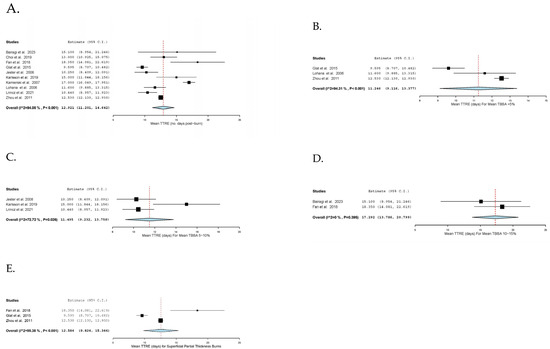
Silver foam dressings have been extensively used in the management of burn injuries; however, its application in children requires elucidation. A literature search was conducted from database inception to October 2023. Eligible studies reported paediatrics patients under 21 years of age receiving silver
[...] Read more.
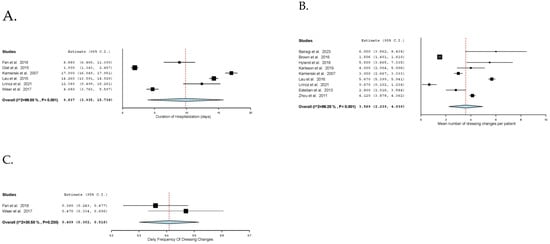
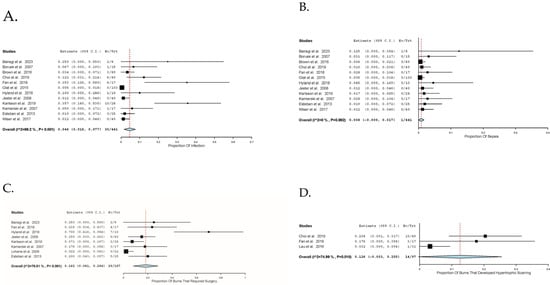
Silver foam dressings have been extensively used in the management of burn injuries; however, its application in children requires elucidation. A literature search was conducted from database inception to October 2023. Eligible studies reported paediatrics patients under 21 years of age receiving silver dressings for burns or scalds. This review was registered prospectively with PROSPERO (CRD42023470239). 18 studies met the inclusion criteria with a total of 701 patients. The pooled mean time to re-epithelisation (TTRE) was 12.9 days (95% CI: 11.2, 14.6, I2 = 94%). The pooled mean duration of hospitalisation was 9.8 days (95% CI: 3.9, 15.7; I2 = 100%). Mean number of total dressing changes per patient was 3.6 (95% CI: 2.2, 4.9; I2 = 99%). There were a total of 98 complications, including 30 (30.6%) infections, 29 (29.6%) surgical requirements, 14 (14.3%) hypertrophic scarring, 17 (17.3%) escalations of care, 5 (5.1%) burn depth progression, and 3 (3.1%) others. Silver foam dressings appear as a safe and effective approach in terms of healing rate and dressing change frequency for selected paediatric patients with burn injuries. Despite the promising results, further comparative studies are required to evaluate the selection criteria and long-term effect of silver foam dressing.
Full article
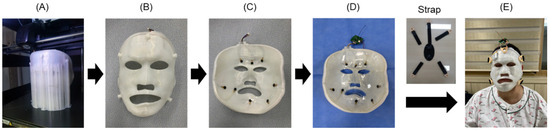
Figure 1
Open AccessPerspective
Promising Strategies for the Management of Burn-Wound-Associated Pruritus
by
Mayer Tenenhaus and Hans-Oliver Rennekampff
Eur. Burn J. 2025, 6(1), 2; https://doi.org/10.3390/ebj6010002 - 24 Jan 2025
Abstract
Patients who have been injured by burns often suffer from persistent and debilitating post burn pruritus. Despite a myriad of therapeutic interventions and medications, this complex condition remains particularly difficult to ameliorate. Recently, a new generation of antipruritic medications has demonstrated clinical success
[...] Read more.
Patients who have been injured by burns often suffer from persistent and debilitating post burn pruritus. Despite a myriad of therapeutic interventions and medications, this complex condition remains particularly difficult to ameliorate. Recently, a new generation of antipruritic medications has demonstrated clinical success in managing pruritus in a number of dermatologic, nephritic and hepatic disease states, targeting unique aspects of the pruritic pathways. While specific trials demonstrating efficacy and safety are currently lacking, the purported mechanisms of action and similarities to the targeted inflammatory markers, pruritogens and neural pathways of these new medications, in concert with clinical evidence, hold promise for burn patients.
Full article
Open AccessReview
Efficacy of Dialkylcarbamoylchloride (DACC)-Impregnated Dressings in Surgical Wound Management: A Review
by
Madhan Jeyaraman, Naveen Jeyaraman, Swaminathan Ramasubramanian, Arulkumar Nallakumarasamy, Shrideavi Murugan, Tarun Jayakumar and Sathish Muthu
Eur. Burn J. 2025, 6(1), 1; https://doi.org/10.3390/ebj6010001 - 21 Jan 2025
Abstract
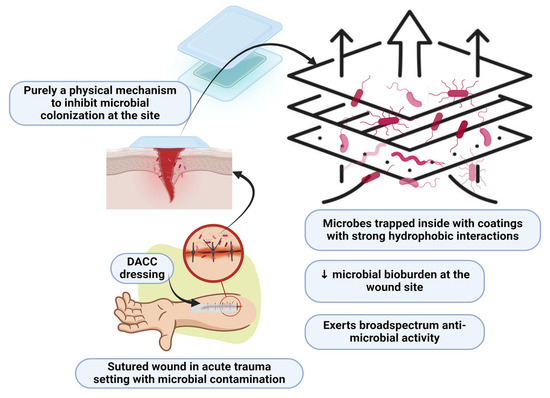
Surgical site infections (SSIs) are a significant challenge in postoperative care, leading to increased morbidity, extended hospital stays, and elevated healthcare costs. Traditional antimicrobial dressings, such as those containing silver or iodine, have limitations, including cytotoxicity and the potential for antimicrobial resistance. Dialkylcarbamoyl
[...] Read more.
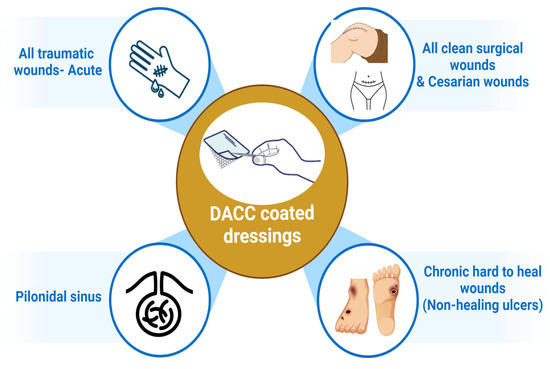
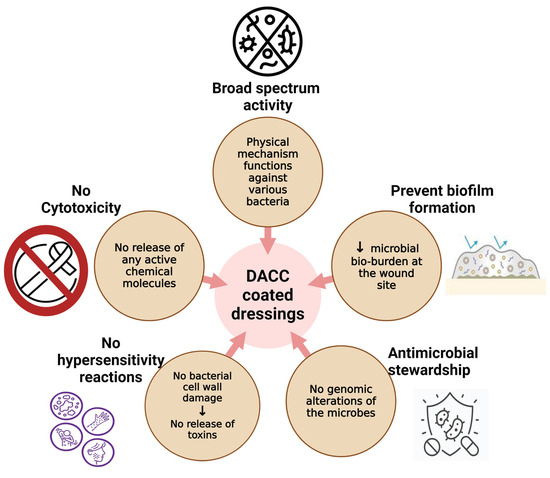
Surgical site infections (SSIs) are a significant challenge in postoperative care, leading to increased morbidity, extended hospital stays, and elevated healthcare costs. Traditional antimicrobial dressings, such as those containing silver or iodine, have limitations, including cytotoxicity and the potential for antimicrobial resistance. Dialkylcarbamoyl chloride (DACC)-impregnated dressings offer a novel approach, employing a physical mechanism to bind and remove bacteria without the use of chemical agents, thereby reducing the risk of resistance. This review summarizes current evidence on the efficacy of DACC dressings in preventing SSIs and promoting wound healing. Findings from multiple studies indicate that DACC dressings reduce bacterial burden and SSI rates across various surgical procedures, including cesarean sections and vascular surgeries. Additionally, DACC dressings demonstrate potential in managing hard-to-heal wounds, such as diabetic foot ulcers, by reducing bacterial load and biofilm formation. Furthermore, they present advantages in antimicrobial stewardship and cost-effectiveness by minimizing the need for antibiotics and decreasing overall healthcare expenses. However, the current literature is limited by small sample sizes, methodological weaknesses, heterogeneity in study designs, and a lack of long-term data. Future research should focus on high-quality randomized controlled trials across diverse surgical populations, comprehensive cost-effectiveness analyses, and long-term outcomes to establish the full clinical impact of DACC dressings. With further validation, DACC-impregnated dressings could become a critical tool in sustainable postoperative wound care.
Full article
(This article belongs to the Special Issue Innovative Applications and Challenges of Emerging Materials and Technologies in Burn Treatment)
►▼
Show Figures

Figure 1
Open AccessArticle
Lost Work Due to Burn-Related Disability in a US Working Population
by
Jacob M. Dougherty, Hannan A. Maqsood, Christopher J. Rittle, Eva S. Blake, Zhaohui Fan, Bryant W. Oliphant, Mark R. Hemmila and Naveen F. Sangji
Eur. Burn J. 2024, 5(4), 464-473; https://doi.org/10.3390/ebj5040041 - 19 Dec 2024
Abstract
Background: Burn injuries can require hospitalization, operations, and long-term reconstruction. Burn-injured patients can experience short- or long-term disability. We investigated lost workdays (LWDs), short-term disability (STD), and long-term disability (LTD) in the 12-month period following a burn injury. Methods: An observational cohort study
[...] Read more.
Background: Burn injuries can require hospitalization, operations, and long-term reconstruction. Burn-injured patients can experience short- or long-term disability. We investigated lost workdays (LWDs), short-term disability (STD), and long-term disability (LTD) in the 12-month period following a burn injury. Methods: An observational cohort study was conducted using a commercial claims database, IBM® MarketScan®. Patients aged ≤65 years with an ICD-10 burn diagnosis from 2018 to 2019 were included. The International Classification of Diseases, 10th Revision (ICD-10), procedure and Current Procedural Terminology (CPT) codes were used to identify patients undergoing burn-related operations. Patients were mapped to data tables for LWDs, STD, and LTD for the 12 months pre- and post-injury. Paired t-tests were employed to compare the pre- and post-injury outcomes. Results: We identified 1745 patients with burn diagnoses. Of those, 263, 1449, and 1448 patients had data available for LWDs, STD, and LTD, respectively. STD and LTD were reported by 8.1% and 0.0% of patients in the 12-month period pre-injury, respectively, and 20.3% and 1.0% of patients in the 12-month period post-injury, respectively. Average days of STD increased from 3.70 to 9.34 days following injury. Conclusions: Burn injuries are associated with increased STD and LTD utilization. Quantifying the impact of burn injuries on patients’ work will help us understand the economic implications of burns, which is a key area in burn research.
Full article
Open AccessArticle
Development of Biofidelic Skin Simulants Based on Fresh Cadaveric Skin Tests
by
Gurpreet Singh, Pramod Yadav and Arnab Chanda
Eur. Burn J. 2024, 5(4), 454-463; https://doi.org/10.3390/ebj5040040 - 16 Dec 2024
Abstract
►▼
Show Figures
The development of artificial skin that accurately mimics the mechanical properties of human skin is crucial for a wide range of applications, including surgical training for burn injuries, biomechanical testing, and research in sports injuries and ballistics. While traditional materials like gelatin, polydimethylsiloxane
[...] Read more.
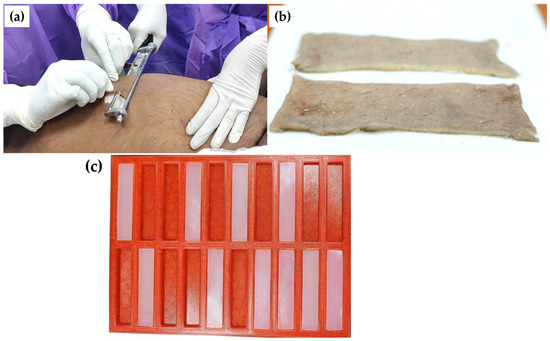
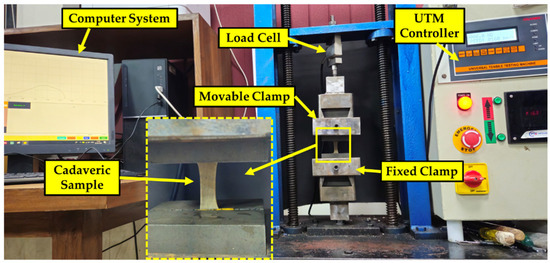
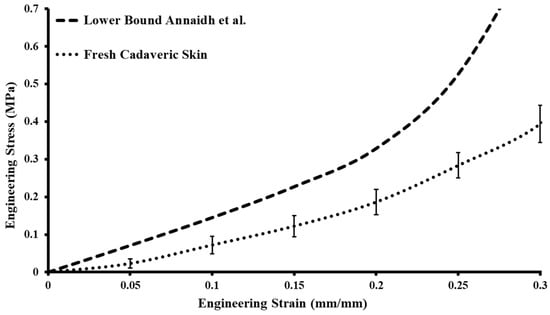
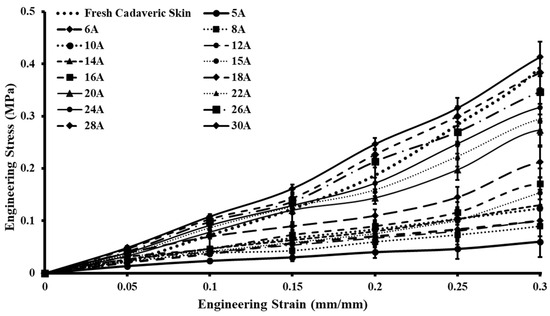
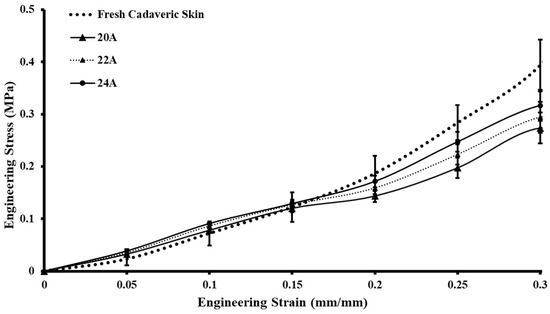
The development of artificial skin that accurately mimics the mechanical properties of human skin is crucial for a wide range of applications, including surgical training for burn injuries, biomechanical testing, and research in sports injuries and ballistics. While traditional materials like gelatin, polydimethylsiloxane (PDMS), and animal skins (such as porcine and bovine skins) have been used for these purposes, they have inherent limitations in replicating the intricate properties of human skin. In this work, we conducted uniaxial tensile tests on freshly obtained cadaveric skin to analyze its mechanical properties under various loading conditions. The stress–strain data obtained from these tests were then replicated using advanced skin simulants. These skin simulants were specifically formulated using a cost-effective and moldable multi-part silicone-based polymer. This material was chosen for its ability to accurately replicate the mechanical behavior of human skin while also addressing ethical considerations and biosafety concerns. In addition, the non-linear mechanical behavior of the developed skin simulants was characterized using three different hyperelastic curve-fit models (i.e., Neo-Hookean, Mooney–Rivlin, and Yeoh models). Moreover, these innovative simulants offer an ethical and practical alternative to cadaveric skin for use in laboratory and clinical settings.
Full article
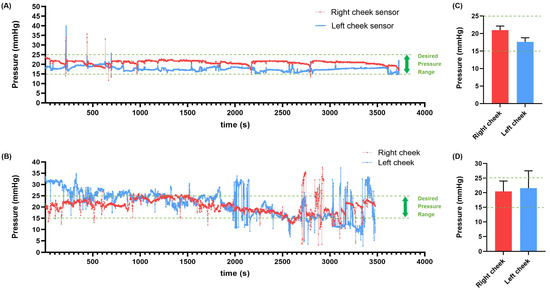
Figure 1
Open AccessReview
Bromelain in Burn Care: Advancements in Enzymatic Debridement and Patient Outcomes
by
Eliza-Maria Bordeanu-Diaconescu, Sabina Grama, Andreea Grosu-Bularda, Adrian Frunza, Mihaela-Cristina Andrei, Tiberiu-Paul Neagu and Ioan Lascar
Eur. Burn J. 2024, 5(4), 438-453; https://doi.org/10.3390/ebj5040039 - 12 Dec 2024
Cited by 1
Abstract
The management of severe burns is a complex process that requires a multidimensional approach to ensure optimal healing of burn wounds, minimize complications, and improve the prognosis of patients. Surgical debridement is considered the gold standard for removing necrotic tissue; however, this approach
[...] Read more.
The management of severe burns is a complex process that requires a multidimensional approach to ensure optimal healing of burn wounds, minimize complications, and improve the prognosis of patients. Surgical debridement is considered the gold standard for removing necrotic tissue; however, this approach involves risks such as bleeding, the potential removal of viable tissue during excision, and technical challenges in complex anatomical areas. Recent advancements highlight the role of enzymatic debridement using NexoBrid®, which offers a less invasive alternative to surgical excision while having the ability to selectively debride necrotic tissue and preserve viable tissue. NexoBrid® has shown efficacy in reducing debridement time, minimizing the need for additional surgeries, and improving overall wound healing outcomes. This review discusses the clinical indications, advantages, and considerations for choosing between surgical and enzymatic debridement. Emerging studies suggest the potential for enzymatic debridement to be safe and effective even for larger burn areas, making it a promising option in modern burn care. However, ongoing evaluation and integration into clinical protocols will be essential to fully realize its benefits in specialized burn treatment and to establish protocols.
Full article
(This article belongs to the Special Issue Innovative Applications and Challenges of Emerging Materials and Technologies in Burn Treatment)
►▼
Show Figures

Figure 1
Open AccessArticle
26 Years of Skin Banking in Finland
by
Kaarle Antila, Jyrki Vuola and Andrew Lindford
Eur. Burn J. 2024, 5(4), 429-437; https://doi.org/10.3390/ebj5040038 - 9 Dec 2024
Abstract
►▼
Show Figures
Autologous skin grafts are the gold standard for definitive wound coverage in burn care, but allograft skin grafts are essential for providing temporary coverage in cases of extensive burns. The Helsinki Skin Bank, established in 1995 at the Helsinki Burn Centre, is Finland’s
[...] Read more.
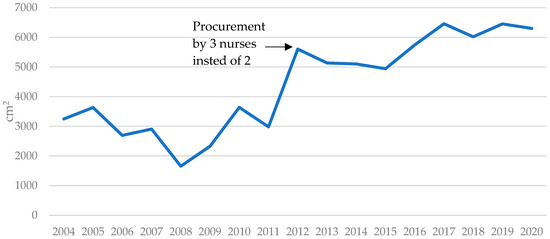
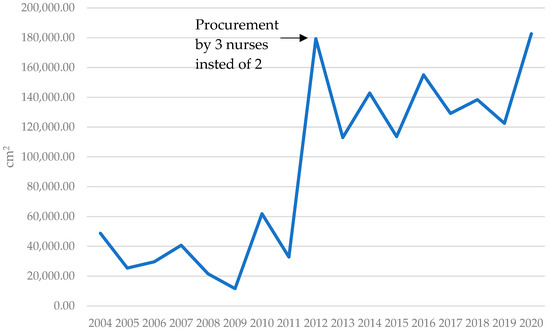
Autologous skin grafts are the gold standard for definitive wound coverage in burn care, but allograft skin grafts are essential for providing temporary coverage in cases of extensive burns. The Helsinki Skin Bank, established in 1995 at the Helsinki Burn Centre, is Finland’s only licensed skin bank, serving a population of 5.5 million. It procures human skin allografts from multi-organ donors in the Greater Helsinki area and preserves them using glycerol, a method pioneered by the Euro Skin Bank. Between 2009 and 2020, the Helsinki Skin Bank procured skin from 263 donors and provided allografts to 248 patients, primarily burn victims. Over time, procurement methods have improved significantly, resulting in an increase in the amount of skin harvested per donor. Despite rising costs due to more stringent European Union regulations and the need for round-the-clock operations, the bank has remained cost-effective. The glycerol preservation method ensures microbiological safety and effective storage, with minimal contamination issues. The future may see advances in skin substitutes and stem cell treatments, but for now, allogenic skin remains crucial in burn care due to its availability, ease of use, and cost-efficiency. Running a small, professional skin bank for a single burn center has proven successful and sustainable.
Full article

Figure 1
Highly Accessed Articles
Latest Books
E-Mail Alert
News
Topics
Conferences
Special Issues
Special Issue in
EBJ
Controversial Issues in Intensive Care-Related Burn Injuries
Guest Editor: Athina LavrentievaDeadline: 30 April 2025
Special Issue in
EBJ
Global Perspectives on Burn Prevention, Management, Collaboration, and Disparities
Guest Editor: Laura PompermaierDeadline: 31 May 2025
Special Issue in
EBJ
Innovative Applications and Challenges of Emerging Materials and Technologies in Burn Treatment
Guest Editor: Fredrik HussDeadline: 31 August 2025