

Journal Description
Economies
Economies
is an international, peer-reviewed, open access journal on development economics and macroeconomics, published monthly online by MDPI.
- Open Access— free for readers, with article processing charges (APC) paid by authors or their institutions.
- High Visibility: indexed within Scopus, ESCI (Web of Science), EconLit, EconBiz, RePEc, and other databases.
- Journal Rank: JCR - Q2 (Economics) / CiteScore - Q1 (Economics, Econometrics and Finance (miscellaneous))
- Rapid Publication: manuscripts are peer-reviewed and a first decision is provided to authors approximately 21.9 days after submission; acceptance to publication is undertaken in 5.7 days (median values for papers published in this journal in the second half of 2024).
- Recognition of Reviewers: reviewers who provide timely, thorough peer-review reports receive vouchers entitling them to a discount on the APC of their next publication in any MDPI journal, in appreciation of the work done.
Impact Factor:
2.1 (2023);
5-Year Impact Factor:
2.2 (2023)
Latest Articles
Access to Livelihood Assets and Vulnerability to Lower Levels of Well-Being in Kakuma Refugee Camp, Kenya
Economies 2025, 13(4), 103; https://doi.org/10.3390/economies13040103 - 4 Apr 2025
Abstract
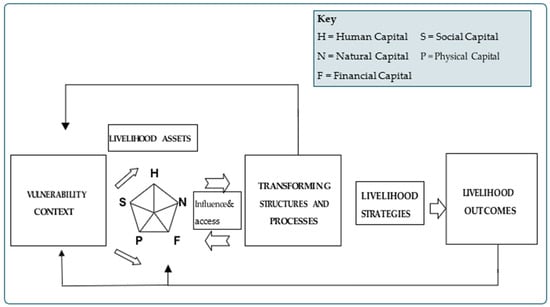
This paper investigates the role that access to livelihood assets plays in reducing vulnerability to lower levels of well-being, especially for camp-based refugees. We develop the multidimensional vulnerability index using the 2019 Kakuma socioeconomic survey to provide a comprehensive and holistic approach to
[...] Read more.
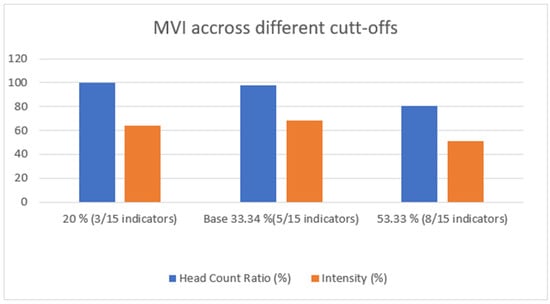
This paper investigates the role that access to livelihood assets plays in reducing vulnerability to lower levels of well-being, especially for camp-based refugees. We develop the multidimensional vulnerability index using the 2019 Kakuma socioeconomic survey to provide a comprehensive and holistic approach to measuring vulnerability. The fractional regression results suggest that the household head’s age and education level determine the vulnerability of refugees to lower levels of well-being. In addition, access to finance and employment substantially reduces refugees’ vulnerability. Although remittances from abroad are a prevalent source of finance among refugees, we find that remittances from abroad only lessen the prevalence of vulnerability by 1.1%. Therefore, we recommend camp refugees adopt more self-reliant ways of accessing sustainable finance. The multidimensional vulnerability index reveals a high level of food insecurity in camps caused by the influx of refugees over the years. We recommend the inclusion of refugees in farming and training on climate change to provide sustainable solutions around food security to them and the host community.
Full article
(This article belongs to the Special Issue Human Capital Development in Africa)
►
Show Figures
Open AccessArticle
Empirical Investigation of the Sources of Inflation in Sri Lanka: Assessing the Roles of Global and Domestic Drivers
by
E. M. Ekanayake and P. M. A. L. Dissanayake
Economies 2025, 13(4), 102; https://doi.org/10.3390/economies13040102 - 2 Apr 2025
Abstract
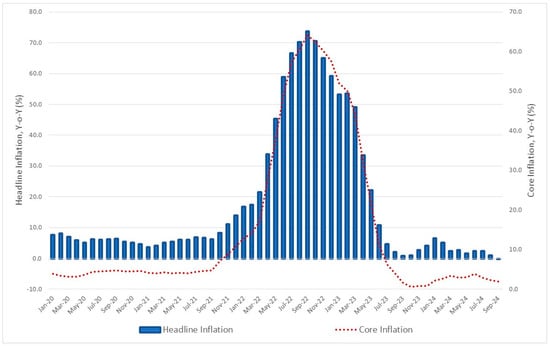
The annual inflation rate in Sri Lanka accelerated to record levels in recent years, especially after the COVID-19 pandemic. Though the inflation rate had declined to pre-pandemic levels by mid-2024, it is of great importance to identify the factors that caused hyperinflation during
[...] Read more.
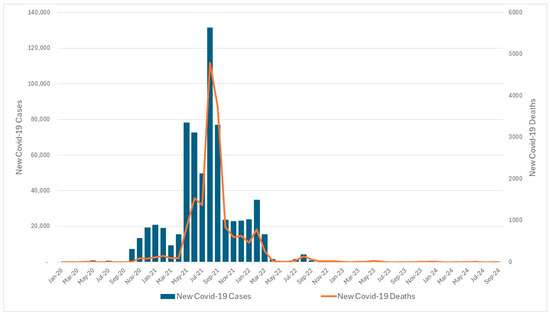
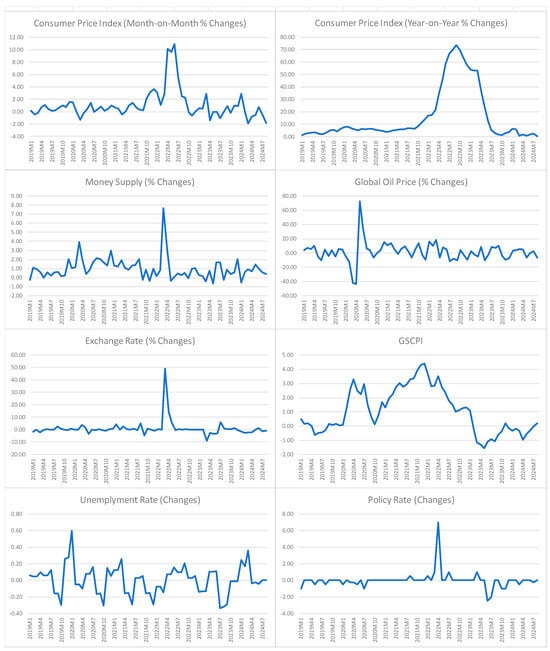
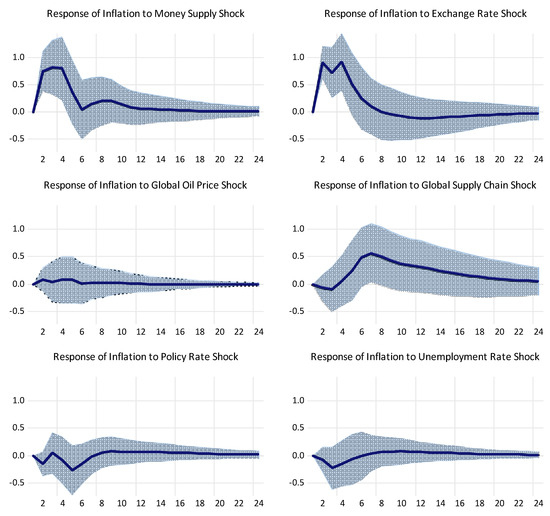
The annual inflation rate in Sri Lanka accelerated to record levels in recent years, especially after the COVID-19 pandemic. Though the inflation rate had declined to pre-pandemic levels by mid-2024, it is of great importance to identify the factors that caused hyperinflation during the COVID-19 pandemic. The objective of this study is to investigate the drivers of inflation in Sri Lanka using a structural vector autoregressive model and a multiple regression model. The study assesses both the global drivers and the domestic drivers of inflation. The study uses monthly data on the inflation rate, global oil price, exchange rate, policy rate, the global supply chain pressure index, and unemployment rate, covering the period from January 2020 to August 2024, focusing on the period of rapid increase in the inflation rate in Sri Lanka. The empirical results of the study provide evidence to conclude that the inflation rate in Sri Lanka during the 2020–2024 period was mainly driven by the growth rates in money supply, exchange rates, and global supply chain disruptions. The results also show that the volatility of the Sri Lanka inflation rate is mostly explained by the money supply and exchange rate movements in the long run.
Full article
(This article belongs to the Section Macroeconomics, Monetary Economics, and Financial Markets)
►▼
Show Figures

Figure 1
Open AccessArticle
The Effectiveness of Life Insurance Sales Force Training: Welcome “Me and AI”
by
Andrzej Janowski
Economies 2025, 13(4), 101; https://doi.org/10.3390/economies13040101 - 2 Apr 2025
Abstract
After 35 years of a free market in Poland, three life insurance companies have gained a dominant position in the market and developed certain procedural equilibrium in the area of training, allowing their status quo to be maintained. Yet, they do not take
[...] Read more.
After 35 years of a free market in Poland, three life insurance companies have gained a dominant position in the market and developed certain procedural equilibrium in the area of training, allowing their status quo to be maintained. Yet, they do not take into account the opinions of agents and the possibility of using the latest IT developments, including artificial intelligence, which supports increasingly broad areas of activity in organisations with great success. As independent sales force training poses a challenge to any national or multinational company in a constantly changing global economy, the primary focus of this research was to analyse the opinions of the top 438 agents from dominant life insurance companies. A need was emphasised to reconfigure the existing training programmes with the potential for AI involvement to achieve a more effective educational trajectory. The research findings confirmed the necessity to reconstruct training programmes in relation to an agent’s age, education level, and seniority and offered grounds for discussing innovative AI concepts that can be relevant for future academic research in management sciences and improving organisational effectiveness, particularly in life insurance companies or other first-contact personnel-dependent institutions.
Full article
(This article belongs to the Section Labour and Education)
Open AccessArticle
The Role of Formal and Informal Financing in Refugee Self-Employment: The Case of Urban Kenya
by
Linet Nyanchama Arisa
Economies 2025, 13(4), 100; https://doi.org/10.3390/economies13040100 - 2 Apr 2025
Abstract
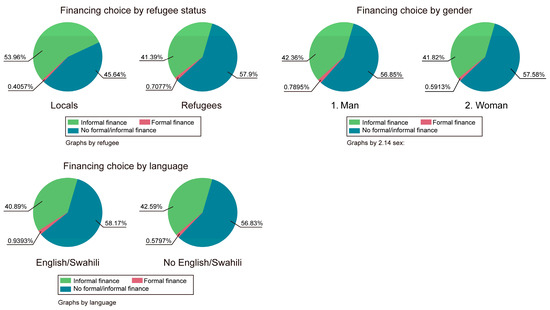
Considering refugees’ employment challenges in their host countries, they often need to create jobs by starting ventures and embracing self-employment. However, this requires financing. This study seeks to assess the roles of formal and informal financing in self-employment while also looking at the
[...] Read more.
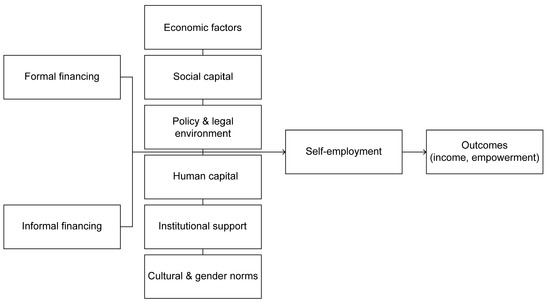
Considering refugees’ employment challenges in their host countries, they often need to create jobs by starting ventures and embracing self-employment. However, this requires financing. This study seeks to assess the roles of formal and informal financing in self-employment while also looking at the drivers of financing decisions and self-employment among refugees in an urban setting. Using the extension of the Blinder–Oaxaca decomposition pioneered by Fairlie, this study found informal financing to be significantly associated with an individual’s decision to be self-employed, while formal financing is not. Male refugees who access informal financing have a higher probability of embracing self-employment than refugee women and Kenyan nationals; this calls for actions that encourage forming community-based organizations that promote affirmative action and steer the use of informal finance.
Full article
(This article belongs to the Special Issue Human Capital Development in Africa)
►▼
Show Figures

Figure 1

Open AccessArticle
The Growth of Maritime Communications and Technology Related to the Trends in the Shipping Industry: A Financial Perspective
by
Eleftherios Charamis, Dimitrios Charamis, Grigorios L. Kyriakopoulos and Stamatios Ntanos
Economies 2025, 13(4), 99; https://doi.org/10.3390/economies13040099 - 1 Apr 2025
Abstract
►▼
Show Figures
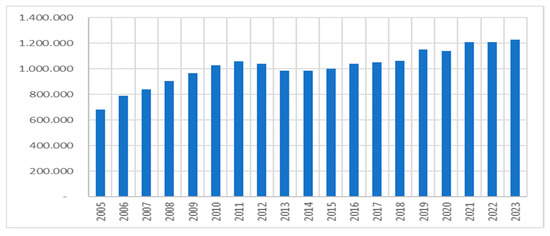
This explanatory empirical study aims to investigate the relationship and contribution of the prevailing trends and factors within the shipping industry related to the maritime communications and technology market. It is widely acknowledged that the maritime industry is currently experiencing a rapid transformation,
[...] Read more.
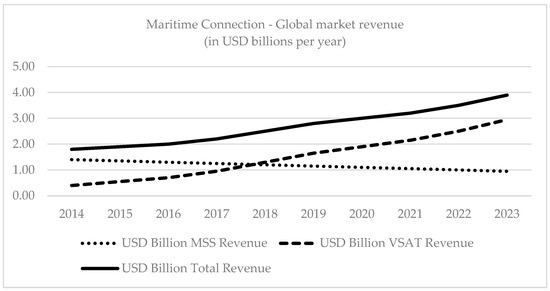
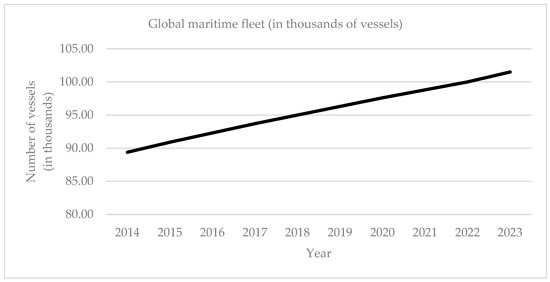
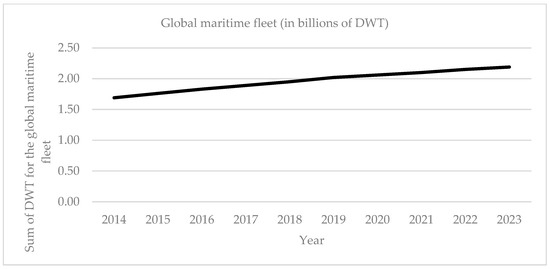
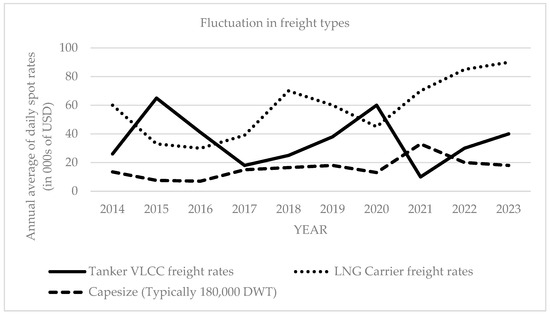
This explanatory empirical study aims to investigate the relationship and contribution of the prevailing trends and factors within the shipping industry related to the maritime communications and technology market. It is widely acknowledged that the maritime industry is currently experiencing a rapid transformation, primarily propelled by new safety and environmental regulations but also driven by the growing emphasis on operational efficiency. The ongoing technological advancements in the maritime communications and technology market have significantly transformed the industry, offering opportunities for innovation and efficiency gains. This paper examines key trends and factors in the shipping industry that are crucial for further boosting the maritime communications market’s expansion, thus growing both technologically and financially. From the results of our study, we conclude that the increase in the volume of international maritime trade and the volume of the global fleet are indicators that should be considered as incentives by the maritime communication and technology firms in order to provide additional solutions, thus gaining a competitive advantage and subsequently gaining market size against their competitors. On the other hand, the fluctuation of freight rates is not to be considered an indicator of shipping firms’ intention to purchase the new products and services of maritime technology; a reduction in freight rates and, subsequently, in available income is not a preventing factor for adopting and exploiting the benefits of new technological solutions.
Full article

Figure 1
Open AccessArticle
Money Demand in Indonesia and Its Forecasting to 2033
by
Arif Imam Suroso, Saiful Bahri, Noer Azam Achsani, Suhendi and Linda Karlina Sari
Economies 2025, 13(4), 98; https://doi.org/10.3390/economies13040098 - 1 Apr 2025
Abstract
►▼
Show Figures
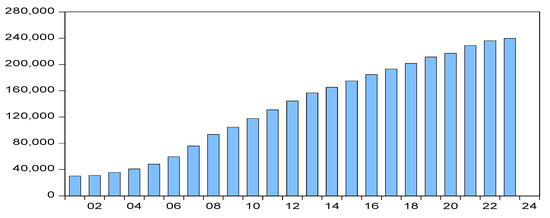
This study aims to identify the primary factors influencing the demand for money in Indonesia and to provide forecasts through 2033. The research employs two methodologies: time series econometrics and machine learning, utilizing data spanning from the first quarter of 2010 (2010Q1) to
[...] Read more.
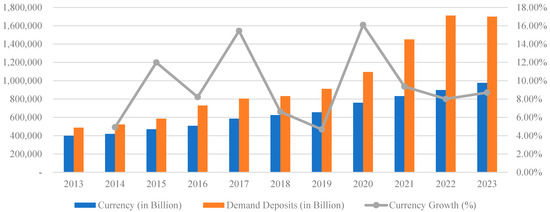
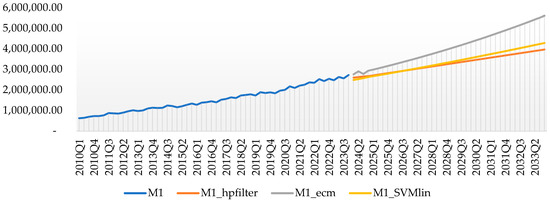
This study aims to identify the primary factors influencing the demand for money in Indonesia and to provide forecasts through 2033. The research employs two methodologies: time series econometrics and machine learning, utilizing data spanning from the first quarter of 2010 (2010Q1) to the fourth quarter of 2023 (2023Q4). The results of the study indicate that, in the long term, the demand for money in Indonesia is influenced by two main determinants: Gross Domestic Product (GDP) and Financial Institution Depth (FID). In the short term, the significant determinants include interest rates, inflation rates, GDP lag, FID lag, and electricity access. The forecast results suggest that the demand for money in Indonesia is projected to experience positive growth, reaching IDR 16,855,845 billion by 2033. This finding underscores the continued importance of physical currency in the Indonesian economy. Based on these results, this study serves as a guideline for policymakers in managing the demand for money by considering the variables that can either increase or decrease this demand. The positive forecast for the demand for money also highlights its significant role in supporting a stable Indonesian economy in the future.
Full article

Figure 1
Open AccessArticle
The Asymmetric Relationship Between Tourism and Economic Growth: A Panel Quantile ARDL Analysis
by
Huthaifa Alqaralleh, Ahmad Alsarayreh and Ahmad Alsaraireh
Economies 2025, 13(4), 97; https://doi.org/10.3390/economies13040097 - 1 Apr 2025
Abstract
This study analyses the intricate connection between tourism and economic growth, emphasising significant gaps in existing literature. The study utilises a comprehensive framework encompassing tourism-led economic growth (TLEG) and economy-driven tourism growth (EDTG), highlighting the bidirectional dynamics at play. This study utilises a
[...] Read more.
This study analyses the intricate connection between tourism and economic growth, emphasising significant gaps in existing literature. The study utilises a comprehensive framework encompassing tourism-led economic growth (TLEG) and economy-driven tourism growth (EDTG), highlighting the bidirectional dynamics at play. This study utilises a panel quantile ARDL regression model to analyse regional disparities and varying levels of economic and tourism development. Results demonstrate that European nations with robust tourism sectors exhibit more significant recoveries, whereas Asia–Pacific countries face heightened pressure to leverage tourism for economic stabilisation. This study demonstrates the heightened sensitivity of GDP to tourism in economic downturns, emphasising the sector’s critical role in sustaining growth during difficult periods. Long-term implications favour a strategic focus on structural factors over cyclical ones, promoting innovation, infrastructure development, and investment in human capital. This study recommends economic policies that utilise tourism’s strengths, enhance resilience, and promote diversification to achieve sustainable prosperity during economic challenges.
Full article
(This article belongs to the Special Issue Studies on Factors Affecting Economic Growth)
Open AccessArticle
Religion and the Money Laundering Risk
by
Hamza Mahmood and Badar Nadeem Ashraf
Economies 2025, 13(4), 96; https://doi.org/10.3390/economies13040096 - 31 Mar 2025
Abstract
In this paper, we investigate the impact of religion on the money laundering risk, focusing specifically on Protestantism compared to other religions. Protestantism is often associated with greater individual self-discipline and stronger institutional economic governance. Analysing data from 27 EU member states, we
[...] Read more.
In this paper, we investigate the impact of religion on the money laundering risk, focusing specifically on Protestantism compared to other religions. Protestantism is often associated with greater individual self-discipline and stronger institutional economic governance. Analysing data from 27 EU member states, we find that Protestant countries exhibit a lower risk of money laundering. Additionally, our findings indicate that Protestantism exerts a distinct influence that is separate from the overall religiosity levels of countries. Our results remain robust across various estimation models and when incorporating additional governance and cultural control variables. This study enhances our understanding of the significant role that religion plays in shaping individual behaviour toward financial fraud, particularly money laundering.
Full article
(This article belongs to the Section Macroeconomics, Monetary Economics, and Financial Markets)
Open AccessArticle
Parental Informal Occupation Does Not Significantly Deter Children’s School Performance: A Case Study of Peri-Urban Kathmandu, Nepal
by
Resham Thapa-Parajuli, Sujan Bhattarai, Bibek Pokharel and Maya Timsina
Economies 2025, 13(4), 95; https://doi.org/10.3390/economies13040095 - 31 Mar 2025
Abstract
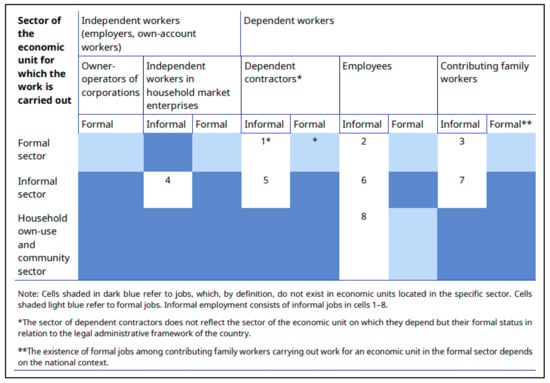
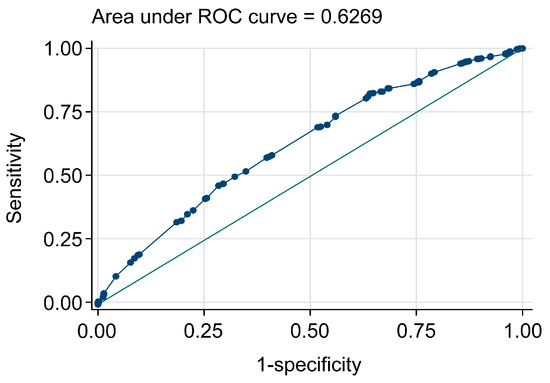
►▼
Show Figures
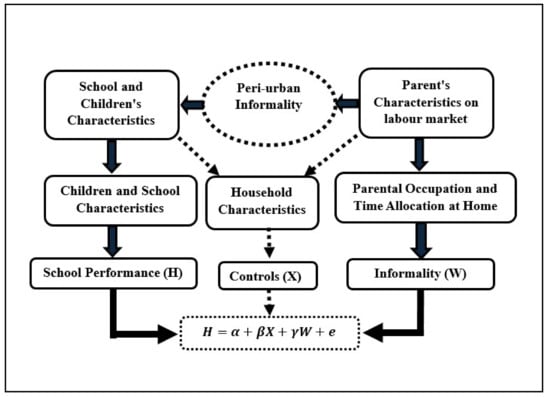
This paper investigated how parents’ informal work relates to their children’s academic performance. We interviewed the heads of households with 83 school-aged children in peri-urban Kathmandu to obtain information on parental occupation and child schooling. We also interviewed key informants and conducted focus
[...] Read more.
This paper investigated how parents’ informal work relates to their children’s academic performance. We interviewed the heads of households with 83 school-aged children in peri-urban Kathmandu to obtain information on parental occupation and child schooling. We also interviewed key informants and conducted focus group discussions to investigate the relationship between working parents’ job profiles and their impression of their child’s school achievement. Parent characteristics, such as work status (formal or informal), educational attainment, family size, and number of children, were recorded. The primary variable of interest was the children’s academic performance, measured as improved or otherwise compared to the previous year. Our analysis confirmed that parents in informal jobs spent more time with their school-going children than their counterparts in formal employment. We found that the parents in informal jobs were relatively more educated in the sample area. The existing literature concurs that parental support significantly influences children’s educational outcomes. Parents in informal jobs, while spending more time with their children, expressed pessimism regarding their children’s school performance and future opportunities. We also found that household wealth, past performance, school type, and the level of supporter education in the family played significant roles in shaping parental perceptions of the child’s school performance. At the same time, we found the nature of the parent’s job did not significantly determine the child’s school performance, ceteris paribus.
Full article

Figure 1
Open AccessArticle
A Comparative Analysis of the Calibrated DSGE Model and SSA Method Results on the Latvian Economy
by
Sergejs Hilkevics and Valentina Semakina
Economies 2025, 13(4), 94; https://doi.org/10.3390/economies13040094 - 29 Mar 2025
Abstract
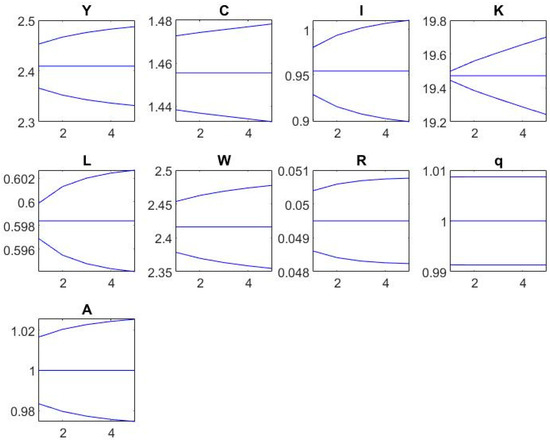
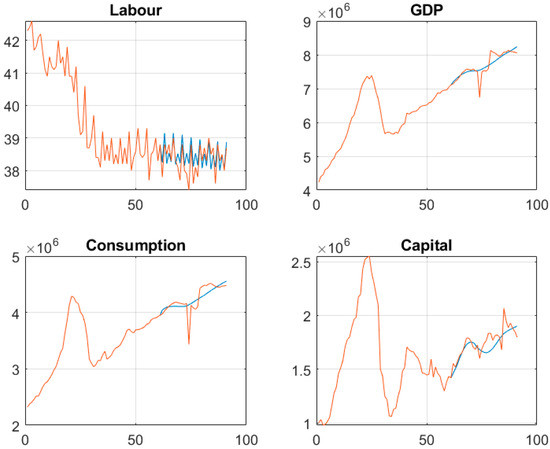
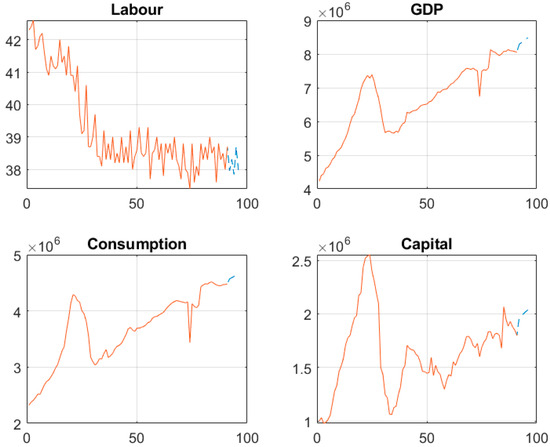
This article examines the theoretical foundations of economic forecasting based on DSGE models. DSGE models are the main direction of contemporary macroeconomics theory—the inclusion of the stochastic processes and expectations of economic agents in the analysis of economic processes made them one of
[...] Read more.
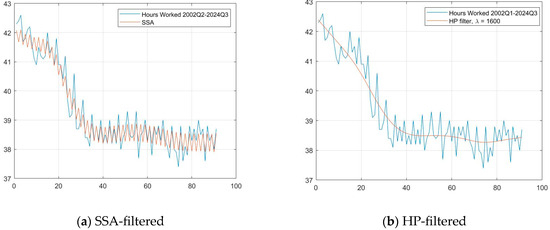
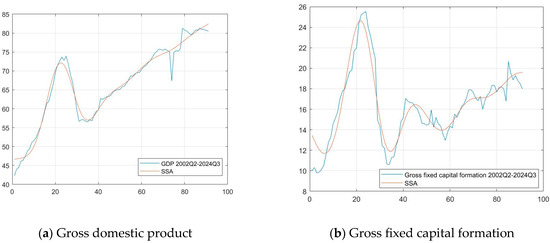
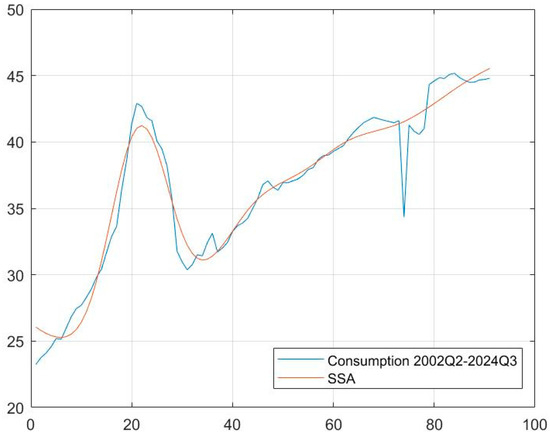
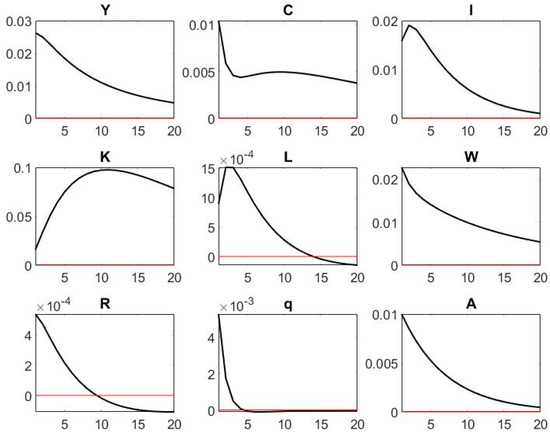
This article examines the theoretical foundations of economic forecasting based on DSGE models. DSGE models are the main direction of contemporary macroeconomics theory—the inclusion of the stochastic processes and expectations of economic agents in the analysis of economic processes made them one of the best economic forecasting tools. The methodological basis of this paper is two approaches of economic forecasting theory: technical analysis and fundamental analysis. In this article, we have performed the calibration of the DSGE model with investment adjustment costs for the Latvian economy and compared these results with the statistical data filtered with the SSA method. Key results have shown the ability of both approaches to capture the dynamics of the main Latvian macroeconomic indicators.
Full article
(This article belongs to the Special Issue Studies on Modeling and Forecasting Macroeconomic Indicators in the European Union)
►▼
Show Figures

Figure 1
Open AccessArticle
Quantile Analysis of the Effect of Non-Mandatory Cash Crop Production on Poverty Among Smallholder Farmers
by
Placide Uwimana, Gideon A. Obare and Oscar Ayuya Ingasia
Economies 2025, 13(4), 93; https://doi.org/10.3390/economies13040093 - 29 Mar 2025
Abstract
Tea and coffee as traditional cash crops have been produced in Rwanda for more than six and ten decades respectively. However, new cash crops are being produced and exported, although their role in increased income and poverty reduction over traditional ones is not
[...] Read more.
Tea and coffee as traditional cash crops have been produced in Rwanda for more than six and ten decades respectively. However, new cash crops are being produced and exported, although their role in increased income and poverty reduction over traditional ones is not well understood; hence the analysis of drivers of both traditional and non-mandatory cash crop production among smallholder farmers is imperative. The study applied an experimental research design, and two strata composed of non-mandatory cash crops and traditional crop growers were used to obtain a simple random sample of 400 smallholder farmers. The study analysed the effect of cash crop production on multidimensional poverty among farmers in the Rulindo District using a quantile treatment effect. Although the poorest category of adopters places a high opportunity cost in allocating more time to off-farm activities, the poorest households that are female-headed are likely to increase multidimensional poverty once they adopt non-mandatory cash crops. Similarly, farm size does not help the poorest households to reduce poverty. Poorest households could be considered while introducing new non-mandatory cash crops because they do not help them reduce non-pecuniary poverty. Tea, coffee and food crops should be helpful among the poorest smallholder farmers.
Full article
(This article belongs to the Collection Agricultural and Natural Resource Economics)
Open AccessArticle
From Classroom to Workplace: The Combined Effects of Cognitive and Non-Cognitive Skills on Youth Labor Market Outcomes in Kenya
by
Carol Bisieri Onsomu, John Njenga Macharia and Stephie Muthoni Mwangi
Economies 2025, 13(4), 92; https://doi.org/10.3390/economies13040092 - 28 Mar 2025
Abstract
The evolving labor environment underscores the critical role of cognitive and non-cognitive (soft) skills in fostering workforce adaptability and enhancing labor market outcomes. This study investigates the combined influence of these skills on the probability of employment, focusing on the Kenyan labor market,
[...] Read more.
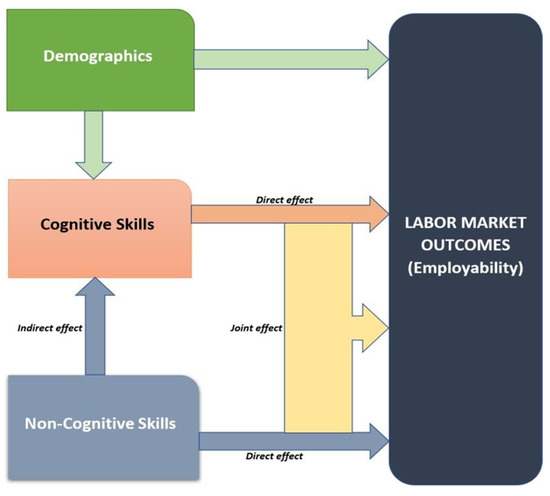
The evolving labor environment underscores the critical role of cognitive and non-cognitive (soft) skills in fostering workforce adaptability and enhancing labor market outcomes. This study investigates the combined influence of these skills on the probability of employment, focusing on the Kenyan labor market, where high youth unemployment and job market mismatches persist despite government interventions and education sector reforms. Traditionally, emphasis has been placed on cognitive skills, with limited integration of non-cognitive skills into educational curricula, exacerbating the disconnect between youth competencies and market demands. Using binary logistic regression, this study evaluates factors influencing youth employment, highlighting the complementarity of cognitive and non-cognitive skills. Findings reveal that individuals possessing a blend of these skills have higher employment prospects, with notable improvements for young women possessing agreeableness and digital literacy. Additionally, factors such as marital status and higher education levels positively influence employability. These results underscore the equal importance of personality traits and cognitive abilities in labor market success. Policymakers are urged to prioritize curriculum reforms that integrate non-cognitive skill development and encourage employers to include assessments of these skills in hiring practices to address persistent labor market mismatches.
Full article
(This article belongs to the Special Issue Human Capital Development in Africa)
►▼
Show Figures

Figure 1

Open AccessReview
Globalization: An Overview of Its Main Characteristics and Types, and an Exploration of Its Impacts on Individuals, Firms, and Nations
by
Naeimah Alkharafi and Mariam Alsabah
Economies 2025, 13(4), 91; https://doi.org/10.3390/economies13040091 - 27 Mar 2025
Abstract
This paper presents a review of globalization by examining its main characteristics, types, and the advantages and disadvantages associated with each type with regard to people, firms, and nations. It synthesizes the literature and provides a structured analysis of the multifaceted impacts of
[...] Read more.
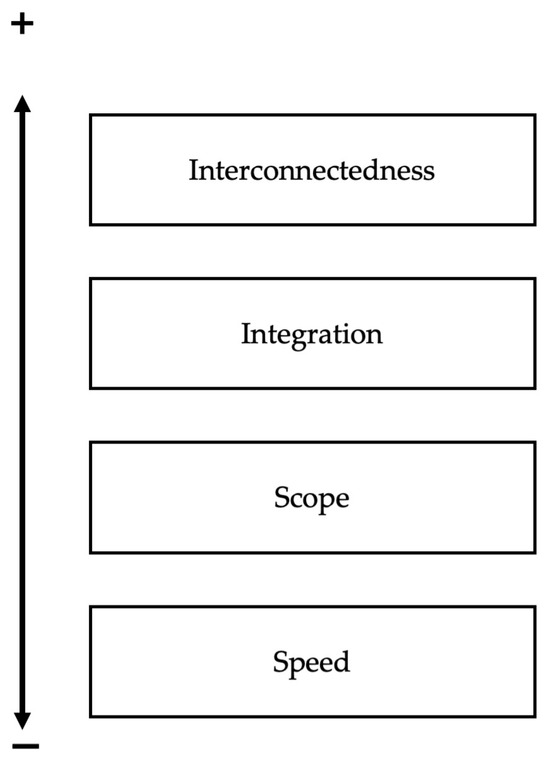
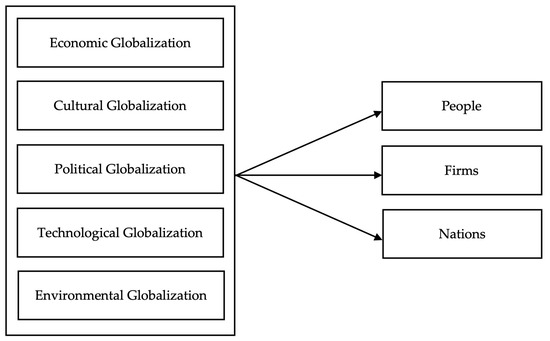
This paper presents a review of globalization by examining its main characteristics, types, and the advantages and disadvantages associated with each type with regard to people, firms, and nations. It synthesizes the literature and provides a structured analysis of the multifaceted impacts of globalization. The review combines the theoretical constructs of globalization characteristics and types, with empirical observations of the contributions and challenges of each type of globalization—based on multiple levels of an analysis—including micro, meso, and macro. Each type of globalization is analyzed to identify how it contributes to economic growth, cultural exchange, political cooperation, technological advancement, and environmental collaboration, while also presenting significant challenges, such as inequality, cultural homogenization, political dependency, digital divide, and ecological degradation. Understanding the multidimensional nature of globalization allows policymakers, business leaders, and individuals to navigate its complexities more effectively, while recognizing both the opportunities and risks. Although much of the literature examined globalization through a single lens, this paper offers an integrative and comparative perspective across the various dimensions. By categorizing the impacts into various levels according to type, it contributes to a more comprehensive and nuanced understanding of globalization.
Full article
(This article belongs to the Section International, Regional, and Transportation Economics)
►▼
Show Figures

Figure 1

Open AccessArticle
Evaluation of Operational Efficiency in China’s Pharmaceutical Industry and Analysis of Environmental Impacts
by
Jiaqiang Sun, Anita Binti Rosli, Adrian Daud and Xia Yan
Economies 2025, 13(4), 90; https://doi.org/10.3390/economies13040090 - 27 Mar 2025
Abstract
►▼
Show Figures
The pharmaceutical industry is a cornerstone of national economies and plays a critical role in public health. However, China’s pharmaceutical industry faces significant challenges, including regional disparities in development. The existing research on operational efficiency evaluation primarily focuses on financial or innovation metrics,
[...] Read more.
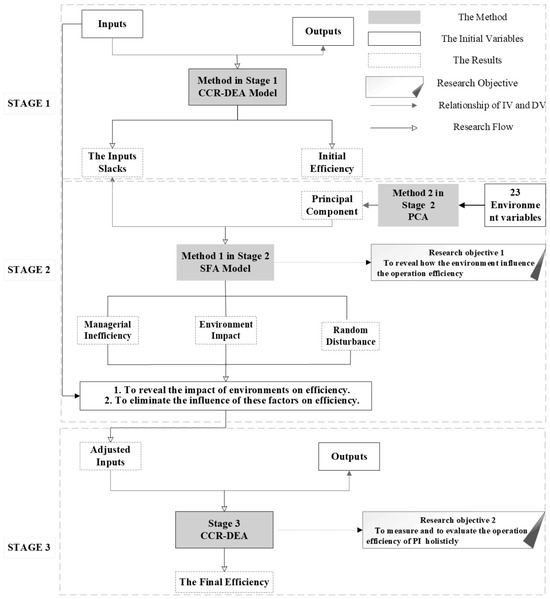
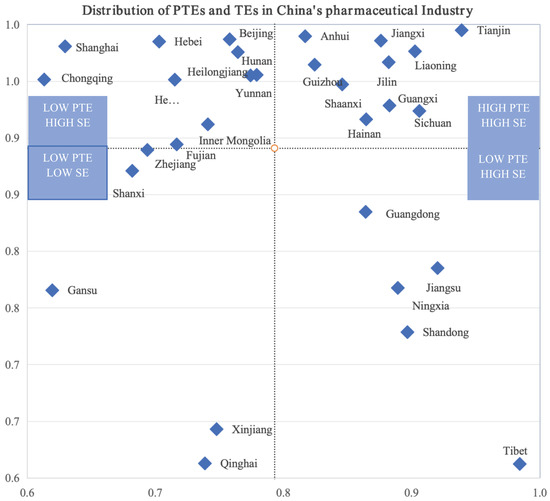
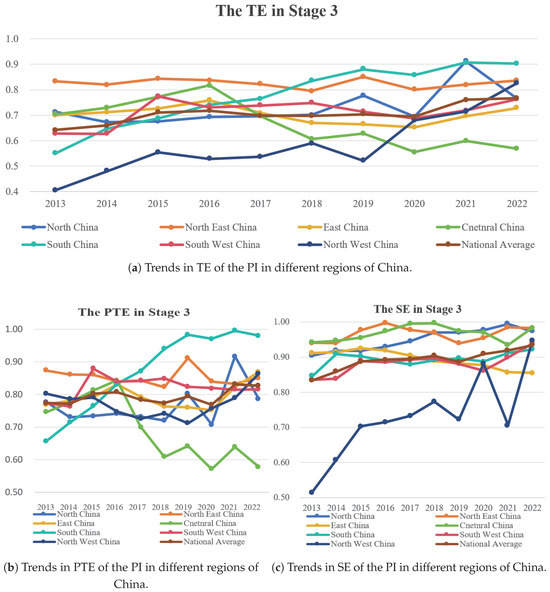
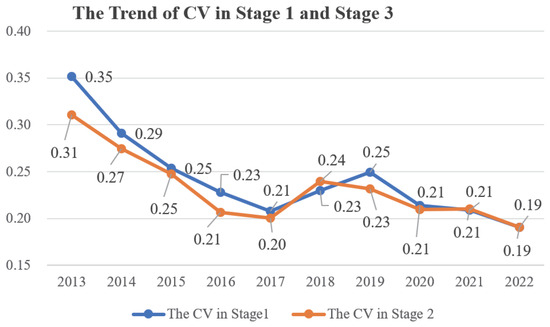
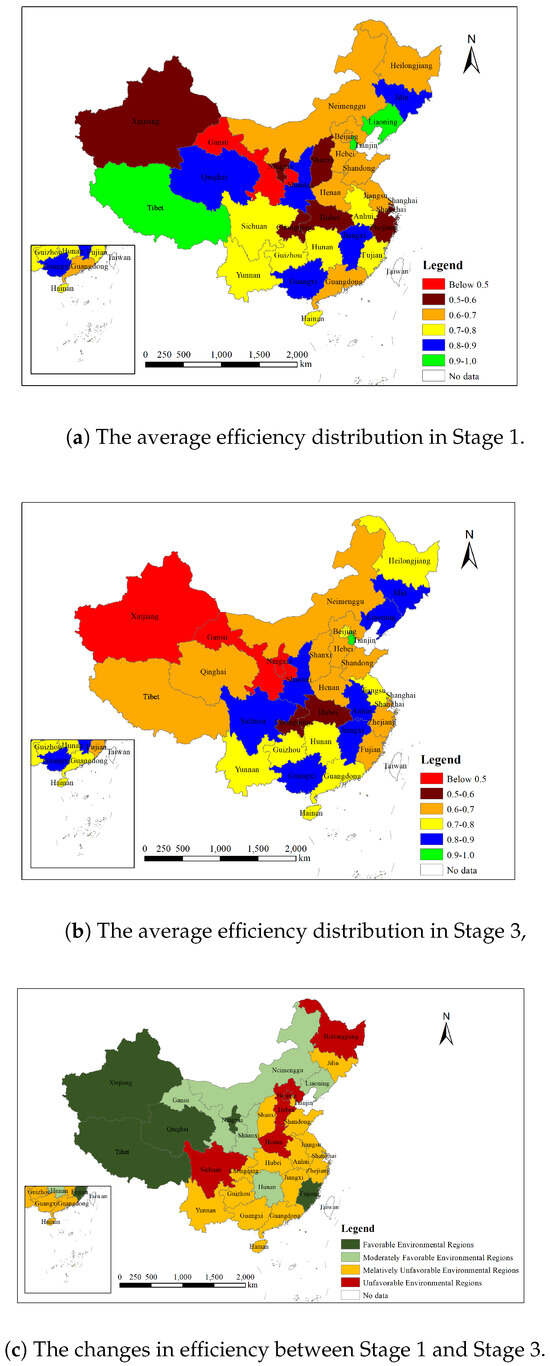
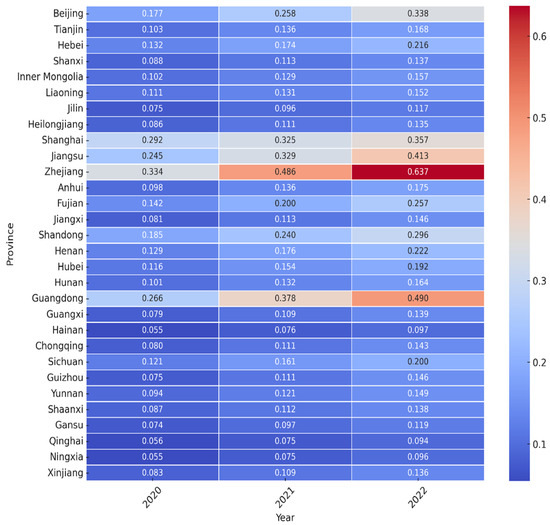
The pharmaceutical industry is a cornerstone of national economies and plays a critical role in public health. However, China’s pharmaceutical industry faces significant challenges, including regional disparities in development. The existing research on operational efficiency evaluation primarily focuses on financial or innovation metrics, lacking a comprehensive approach. Moreover, studies on the environmental impact on operational efficiency often rely on a limited set of indicators, failing to offer a holistic understanding of how environmental factors influence efficiency. This study aims to address these gaps by comprehensively evaluating operational efficiency and analyzing the impact of broader environmental factors on efficiency. To achieve these objectives, the study employs a Three-Stage Data Envelopment Analysis method combined with Principal Component Analysis to evaluate the operational efficiency of the pharmaceutical industry across 31 provinces in China, considering both financial and innovation dimensions.The findings reveal that overall efficiency has improved annually, with regional disparities gradually narrowing. Specifically, innovation capability and innovation environment have a positive impact on operational efficiency, while living standards and openness exhibit a negative correlation. Additionally, the current environmental conditions in the northwestern region are found to be conducive to the development of the pharmaceutical industry. This study is the first to integrate three-stage data envelopment analysis with principal component analysis, constructing a comprehensive framework for analyzing the relationship between environmental factors and operational efficiency. The results provide empirical evidence for policymakers aiming to enhance the efficiency of the pharmaceutical industry.
Full article

Figure 1
Open AccessArticle
The Triple Threat to Our Environment: Economic, Non-Economic, and Demographic Factors Driving Ecological Footprint in Nuclear-Power Countries
by
Hamza Akram, Tuba Rasheed and Md Billal Hossain
Economies 2025, 13(4), 89; https://doi.org/10.3390/economies13040089 - 27 Mar 2025
Abstract
►▼
Show Figures
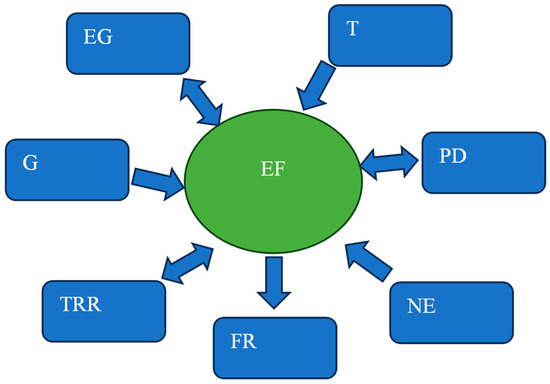
This study examines how economic growth, travel, global connection, and changes in population impact the environmental footprint in seven countries, including Russia, the US, China, France, the UK, Pakistan, and India, from 1995 to 2023. The results show a significant link between Granger’s
[...] Read more.
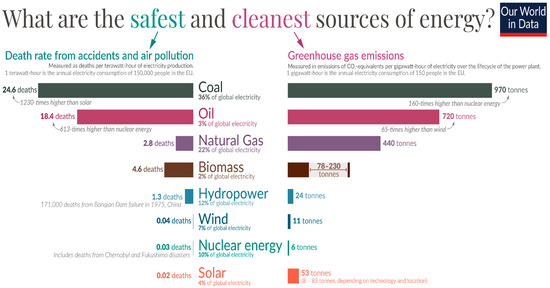
This study examines how economic growth, travel, global connection, and changes in population impact the environmental footprint in seven countries, including Russia, the US, China, France, the UK, Pakistan, and India, from 1995 to 2023. The results show a significant link between Granger’s environmental impact and some economic, non-economic, and population factors in these countries. According to the study, environmental impacts result primarily from economic expansion and tourism revenue generation. The essential activities in economic development frequently result in significant ecological deficits through natural resource depletion, land alterations, and environmental releases. Business enlargement and tourism income commonly bring about deforestation while causing both pollution and habitat damage, thus showing why sustainable practices must exist to protect nature during economic development. We also have to consider factors other than economics, such as total income from natural resources and using nuclear power early. Additionally, how many people live in a particular area and the number of children born contribute to these footprints. Also, this study shows how economic, non-economic and demographic issues can indicate what harm the environment might face later. This is especially important in countries that use nuclear energy extensively. The report suggests different ways to solve this problem. These include advocating for sustainable tourism practices, directing research efforts towards nuclear energy, supporting renewable energy initiatives, promoting family planning and education, and raising public awareness. The aim is to reduce the environmental harm caused by nuclear energy and promote a more sustainable future.
Full article

Figure 1
Open AccessArticle
Volatility Modeling of the Impact of Geopolitical Risk on Commodity Markets
by
Letife Özdemir, Necmiye Serap Vurur, Ercan Ozen, Beata Świecka and Simon Grima
Economies 2025, 13(4), 88; https://doi.org/10.3390/economies13040088 - 26 Mar 2025
Abstract
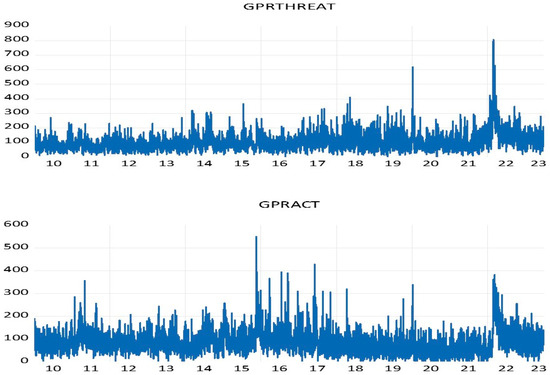
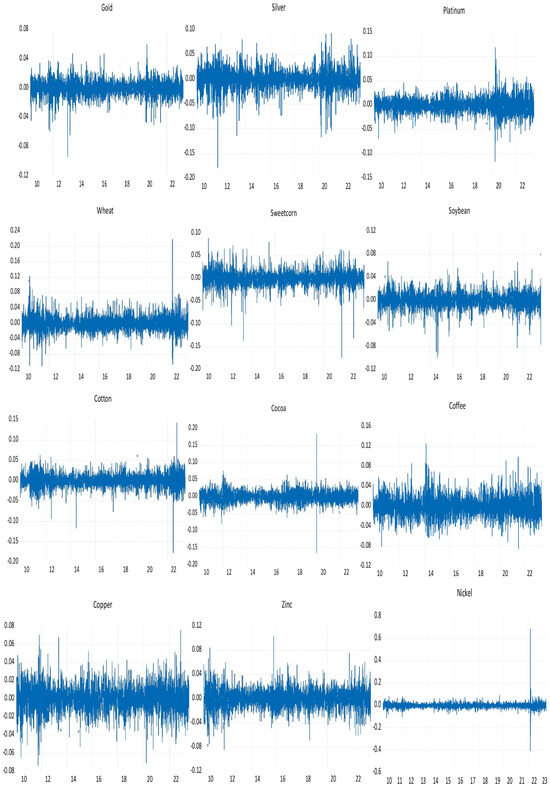
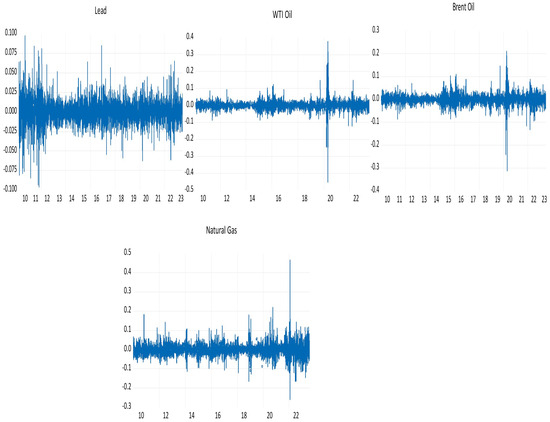
This study analyses the impact of the Geopolitical Risk Index (GPR) on the volatility of commodity futures returns from 4 January 2010 to 30 June 2023, using Exponential Generalized Autoregressive Conditional Heteroskedasticity (EGARCH) models. It expands the research scope to include precious metals,
[...] Read more.
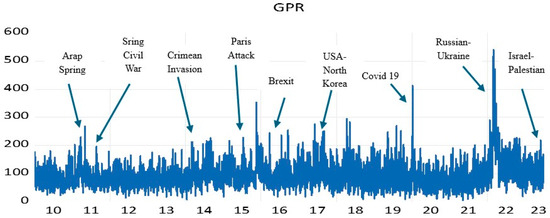
This study analyses the impact of the Geopolitical Risk Index (GPR) on the volatility of commodity futures returns from 4 January 2010 to 30 June 2023, using Exponential Generalized Autoregressive Conditional Heteroskedasticity (EGARCH) models. It expands the research scope to include precious metals, agricultural products, energy, and industrial metals. The study differentiates between the impacts of geopolitical threat events and actions using GPRACT and GPRTHREAT indicators. Findings reveal that negative geopolitical shocks increase commodity returns’ volatility more than positive shocks. Specifically, gold, silver, and natural gas are negatively affected, while wheat, corn, soybeans, cotton, zinc, nickel, lead, WTI oil, and Brent oil experience positive effects. Platinum, cocoa, coffee, and copper show no significant impact. These insights highlight the importance of geopolitical risks on commodity market volatility and returns, aiding in risk management and portfolio diversification. Policymakers, financial market stakeholders, and investors can leverage these findings to better understand the GPR’s relationship with commodity markets and develop effective strategies.
Full article
(This article belongs to the Special Issue Financial Market Volatility under Uncertainty)
►▼
Show Figures

Figure 1
Open AccessArticle
House Prices and the Effectiveness of Monetary Policy in an Estimated DSGE Model of Morocco
by
Roubyou Said and Ouakil Hicham
Economies 2025, 13(4), 87; https://doi.org/10.3390/economies13040087 - 26 Mar 2025
Abstract
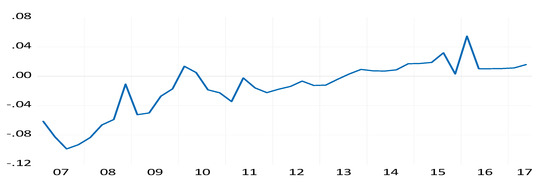
In this study, we aimed to assess the effectiveness of monetary policy in influencing housing prices in Morocco. Bayesian estimation over the period 2007Q2–2017Q2 of a dynamic stochastic general equilibrium model allowed us to reveal a significant impact of the increase in policy
[...] Read more.
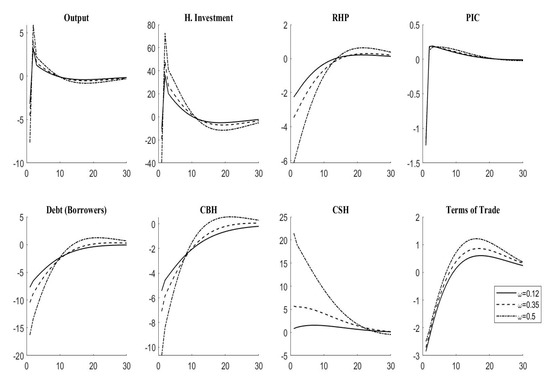
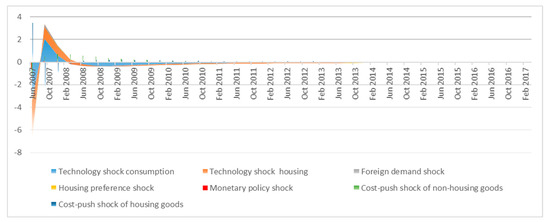
In this study, we aimed to assess the effectiveness of monetary policy in influencing housing prices in Morocco. Bayesian estimation over the period 2007Q2–2017Q2 of a dynamic stochastic general equilibrium model allowed us to reveal a significant impact of the increase in policy interest rates on the prices of residential goods. Indeed, the implementation of a restrictive monetary policy in Morocco will drive the prices of this type of asset downward. Despite this empirical finding, the historical decomposition of shocks impacting the inflation of residential property prices shows that interest rates explain only a small portion of the variations in housing prices in this country. Our results also indicate that an increase in the share of borrowers extends the time required for economic and financial variables to return to their equilibrium state. This is a sign of the potential dangers of fueling housing bubbles through credit booms.
Full article
(This article belongs to the Special Issue The Impact of Macroeconomic and Financial Factors on Real Estate Markets)
►▼
Show Figures

Figure 1
Open AccessArticle
Peanut Value Chain Development: The Case of Lower Lake Victoria Basin of Kenya
by
George Okoth Odunga, John K. Bidzakin, Philip Okaka, Sheila Okoth, Beneah Mutsotso and Anil R. Graves
Economies 2025, 13(4), 86; https://doi.org/10.3390/economies13040086 - 25 Mar 2025
Abstract
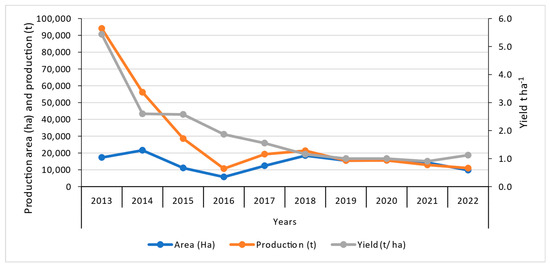
Peanut is Kenya’s second most important legume after beans, primarily grown in the Nyanza and Western regions. This study maps the peanut value chain in Kenya, aiming to identify key actors, quantify costs and value addition, and outline constraints and opportunities, with a
[...] Read more.
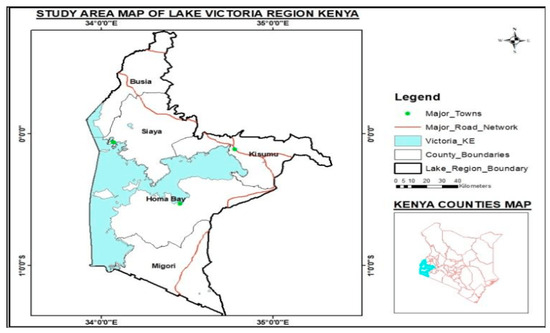
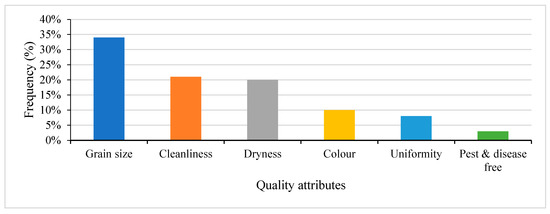
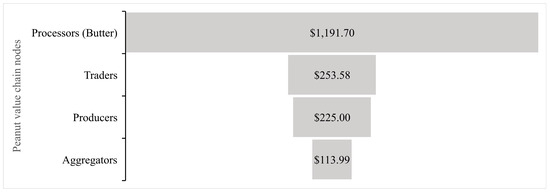
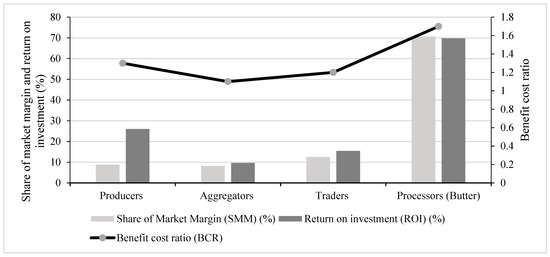
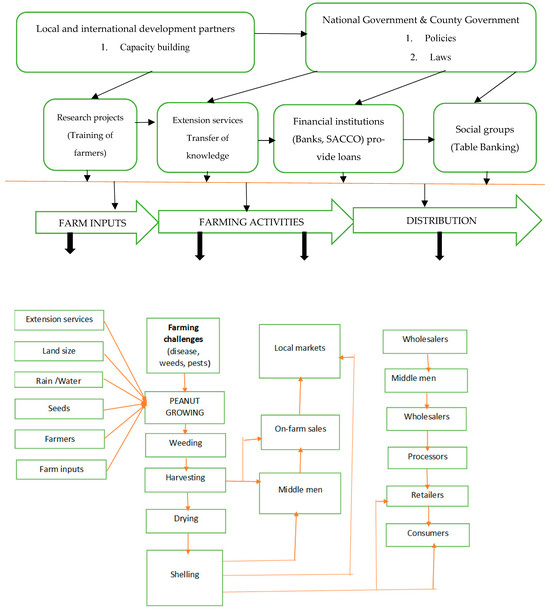
Peanut is Kenya’s second most important legume after beans, primarily grown in the Nyanza and Western regions. This study maps the peanut value chain in Kenya, aiming to identify key actors, quantify costs and value addition, and outline constraints and opportunities, with a view to upgrading the chain. A cross-sectional survey was conducted among value chain actors in Karachuonyo and Nyakach sub-counties, complemented by secondary data sources. Descriptive statistics were used to analyze socio-economic characteristics, production volumes, pricing, demand trends, and policy-related factors. The findings indicate a predominance of female farmers (68%) in peanut production, though few use improved technologies; only 26% were aware of improved seed varieties, and just 1.5% reported using them. Fertilizer usage was absent, attributed to high costs, soil conditions, and limited knowledge. The wholesale and processing segments are male-dominated, largely due to capital intensity and travel requirements, while female traders dominate the retail sector. Strengths Weaknesses Opportunity and Threats (SWOT) analysis highlighted the significant potential of favorable production ecologies, processing options, and robust demand in local and international markets. Key constraints identified include limited seed availability, high fertilizer costs, pest issues, and declining soil fertility. Policy implications include increasing access to affordable inputs, promoting gender-inclusive programs, investing in agricultural research and infrastructure, supporting sustainable farming practices, and fostering public-private partnerships to expand processing and market access.
Full article
(This article belongs to the Collection Agricultural and Natural Resource Economics)
►▼
Show Figures

Figure 1
Open AccessArticle
Does Digital Village Construction Promote Agricultural Green Total Factor Productivity? An Empirical Study Based on China’s Provincial Panel Data
by
Lingling Xu, Danai Tanamee and Suppanunta Romprasert
Economies 2025, 13(4), 85; https://doi.org/10.3390/economies13040085 - 21 Mar 2025
Abstract
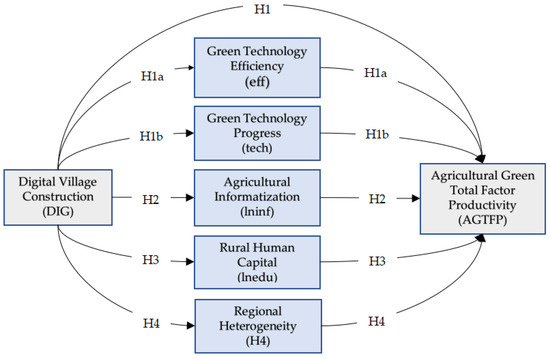
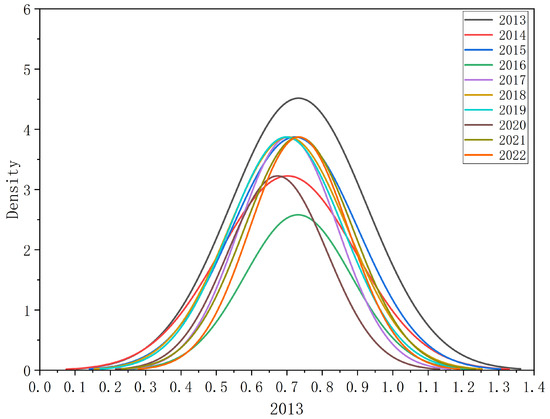
Based on endogenous growth theory and technological innovation theory, this paper uses panel data from 30 provinces in China from 2011 to 2022 to investigate the impact of digital village construction on agricultural green total factor productivity (AGTFP). AGTFP was measured by the
[...] Read more.
Based on endogenous growth theory and technological innovation theory, this paper uses panel data from 30 provinces in China from 2011 to 2022 to investigate the impact of digital village construction on agricultural green total factor productivity (AGTFP). AGTFP was measured by the EBM-GML method, and mediated effects and heterogeneity analysis were used to reveal its conduction pathway. The findings are as follows: (1) AGTFP showed an overall upward trend during the sample period, and most provinces peaked in 2018. Among them, the AGTFP index value of the eastern coastal provinces (such as Tianjin and Beijing) is between 1.059 and 1.129, maintaining the leading position. The western region fluctuates greatly; e.g., the AGTFP value of Qinghai Province fluctuates between 0.915 and 1.047. (2) Digital village construction significantly improves AGTFP by promoting green technology progress (coefficient 0.105, significant at the 5% level) but has no significant impact on technical efficiency. (3) Agricultural informatization (coefficient 0.040, significant at the 5% level) and rural human capital (coefficient 0.115, significant at the 5% level) are important intermediary channels for digital village construction to affect AGTFP. (4) Regional heterogeneity analysis showed that the effect of digital village construction in the eastern region (coefficient 0.151, significant at the 5% level) and the southern provinces (coefficient 0.170, significant at the 1% level) was more significant. The digital village construction in the main producing areas (coefficient 0.113, significant at the 1% level) also significantly promoted AGTFP. Based on the research results, it is suggested that the promotion and application of digital technology be strengthened, the land transfer system improved, an agricultural information platform built, rural human capital improved, and regional differentiated development strategies implemented.
Full article
(This article belongs to the Special Issue The Impact of Green Fiscal Policies on Green Investment, Innovation and Green Productivity)
►▼
Show Figures

Figure 1
Open AccessArticle
The Role of Food Processing in Sustaining Food Security Indicators in the Kingdom of Saudi Arabia
by
Fahad Abdelaziz Almohaimeed and Khaled Ahmed Abouelnour
Economies 2025, 13(3), 84; https://doi.org/10.3390/economies13030084 - 20 Mar 2025
Abstract
►▼
Show Figures
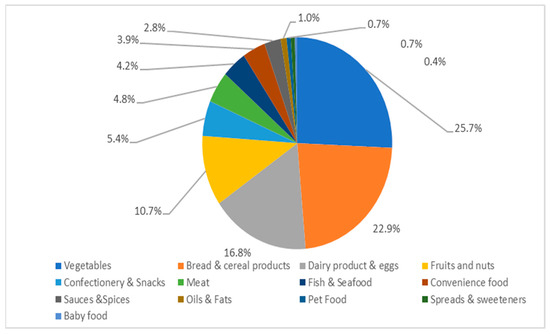
This research aims to explain the role of food processing in improving the sustainability of food security under the framework of ‘Goal 2’ associated with the Sustainable Development Goals (SDGs). The research methodology relied on descriptive and quantitative analysis methods, where the VAR
[...] Read more.
This research aims to explain the role of food processing in improving the sustainability of food security under the framework of ‘Goal 2’ associated with the Sustainable Development Goals (SDGs). The research methodology relied on descriptive and quantitative analysis methods, where the VAR model was used. The key findings reveal that food manufacturing reduces malnutrition rates and increases the level of exports and capital investment, contributing to enhancing the level of sustainability of food security in the Kingdom of Saudi Arabia (KSA). Increasing food production reduces the prevalence of severe food insecurity. Malnutrition in the KSA is not due to a shortage in production of food quantities; rather, it is due to the consumption pattern of the population, and unhealthy food habits and traditions. The food production index does not cause a difference between exports and imports, as there is no dependence of imports and exports on food production. Likewise, the food production index does not cause a change in the value of capital investment in food and beverage factories. The increase in food production and, investment in food processing, and the decrease in the difference between food imports and exports by 10% for one lag period led to a decrease in the proportion of malnourished people in the total population by about 0.25%, 1.7%, and 1.33%, respectively. Moreover, these variables led to a decline in the prevalence of severe food insecurity by 0.3%, 0.66%, and 0.4%, respectively, and led to an increase in the food production index by 1.62. The study recommends that more emphasis should be given to increasing food processing and encourages local and foreign investment in this area to maintain sustainable food security indicators in the KSA.
Full article

Figure 1
Highly Accessed Articles
Latest Books
E-Mail Alert
News
Topics
Topic in
Economies, Energies, Social Sciences, Sustainability
Energy Transition: Balancing Economic, Political, and Social Realities
Topic Editors: Kentaka Aruga, Raymond Li, Honorata Nyga-ŁukaszewskaDeadline: 31 May 2025
Topic in
Agriculture, Economies, Sustainability, Agronomy
Novel Studies in Agricultural Economics and Sustainable Farm Management
Topic Editor: Thomas BournarisDeadline: 30 June 2025
Topic in
Businesses, Economies, Humanities, Land, Sustainability, Tourism and Hospitality, Urban Science
Human–Environmental Relations: Ecotourism and Sustainability
Topic Editors: Tamara Gajić, Minja Bolesnikov, Aleksandar ErcegDeadline: 15 July 2025
Topic in
Economies, Energies, Mathematics, Sustainability
Energy Economics and Sustainable Development
Topic Editors: Cuihong Yang, Xiuting Li, Zhuoying Zhang, Xuerong LiDeadline: 31 August 2025
Conferences
Special Issues
Special Issue in
Economies
Impact of Transportation Industry on the Economic Globalization and International Trade
Guest Editor: Bijan VasighDeadline: 29 April 2025
Special Issue in
Economies
European Economic Governance and Integration at a Crossroads
Guest Editor: Fabio MasiniDeadline: 30 April 2025
Special Issue in
Economies
Emerging Economies and Sustainable Growth (2nd Edition)
Guest Editor: George HalkosDeadline: 30 April 2025
Special Issue in
Economies
Complex Networks on Macroeconomics and Finance: Models, Methods, Applications
Guest Editors: Theophilos Papadimitriou, Periklis GogasDeadline: 30 April 2025
Topical Collections
Topical Collection in
Economies
Agricultural and Natural Resource Economics
Collection Editor: Sanzidur Rahman
Topical Collection in
Economies
International Financial Markets and Monetary Policy
Collection Editor: Robert Czudaj