

Journal Description
Environments
Environments
is an international, peer-reviewed, open access journal on environmental sciences published monthly online by MDPI.
- Open Access— free for readers, with article processing charges (APC) paid by authors or their institutions.
- High Visibility: indexed within Scopus, ESCI (Web of Science), PubAg, AGRIS, GeoRef, and other databases.
- Journal Rank: JCR - Q2 (Environmental Sciences) / CiteScore - Q1 (Ecology, Evolution, Behavior and Systematics)
- Rapid Publication: manuscripts are peer-reviewed and a first decision is provided to authors approximately 22.8 days after submission; acceptance to publication is undertaken in 3.5 days (median values for papers published in this journal in the second half of 2024).
- Recognition of Reviewers: reviewers who provide timely, thorough peer-review reports receive vouchers entitling them to a discount on the APC of their next publication in any MDPI journal, in appreciation of the work done.
- Testimonials: See what our editors and authors say about the Environments.
Impact Factor:
3.5 (2023);
5-Year Impact Factor:
3.5 (2023)
Latest Articles
An Easy-to-Implement Decision Support Tool for thePrioritization of Management Actions: The Case Study of Procambarus clarkii in Sicily (Italy)
Environments 2025, 12(4), 111; https://doi.org/10.3390/environments12040111 (registering DOI) - 6 Apr 2025
Abstract
The frequent introduction and rapid spread of invasive alien species (IAS) along with the limited resources available for their management highlight the need to adopt simple and effective methods for prioritizing management efforts. Here, we propose a technically simple model for prioritizing management
[...] Read more.
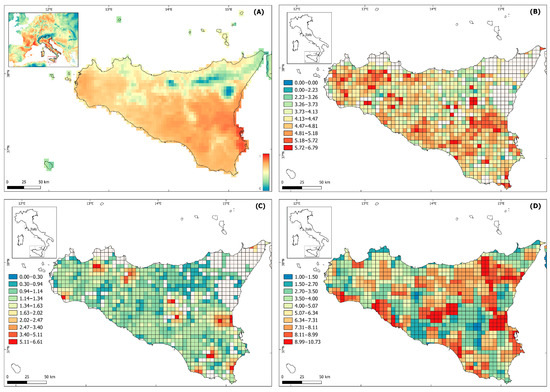
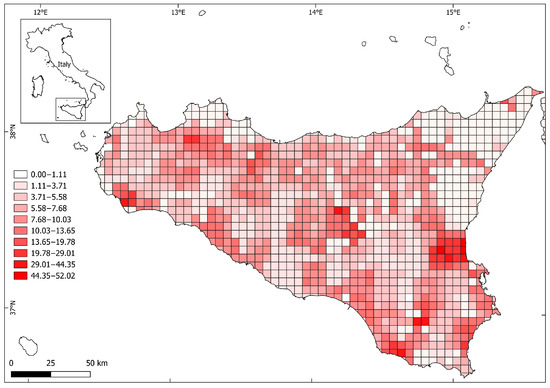
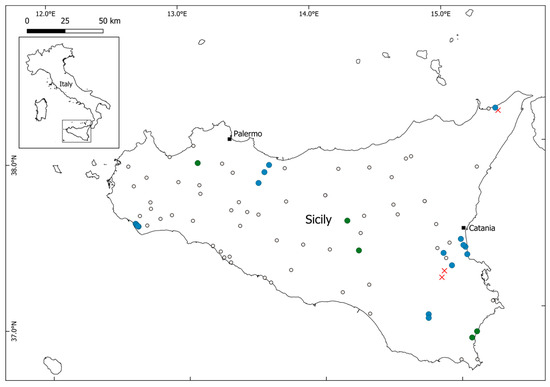
The frequent introduction and rapid spread of invasive alien species (IAS) along with the limited resources available for their management highlight the need to adopt simple and effective methods for prioritizing management efforts. Here, we propose a technically simple model for prioritizing management actions, using Sicily (southern Italy) as a case study. Despite its invasion being relatively recent and the species not yet widespread, the highly invasive red swamp crayfish Procambarus clarkii proved to be able to colonize different habitat types on this Mediterranean island. We adopted a multicriteria analysis method based on geographic information systems (GIS) to identify both the vulnerability of different areas to its invasion, the likelihood of their invasion, and the impact that the occurrence of the red swamp crayfish might have on habitats or species of conservation relevance. The data used in our analysis are routinely available to local administrations and can be easily processed to map the most vulnerable areas for biodiversity protection. The simplicity of the model makes it particularly suitable for local administrative bodies to plan and implement effective invasive species management interventions, optimizing time and costs and allowing the development of concrete nature conservation actions.
Full article
(This article belongs to the Special Issue Biomonitoring and Risk Assessment of Marine Ecosystems)
►
Show Figures
Open AccessArticle
Assessment of Beaded, Powdered and Coated Desiccants for Atmospheric Water Harvesting in Arid Environments
by
Mona Rafat, Gokul Chandrasekaran, Shubham Shrivastava, Alireza Farsad, Jirapat Ananpattarachai, Abigail Qiu, Shahnawaz Sinha, Paul Westerhoff and Patrick Phelan
Environments 2025, 12(4), 110; https://doi.org/10.3390/environments12040110 (registering DOI) - 5 Apr 2025
Abstract
►▼
Show Figures
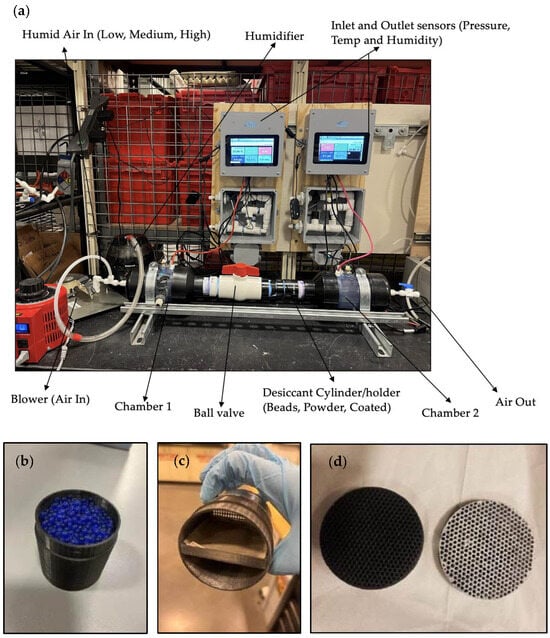
Atmospheric water harvesting (AWH) is a promising alternative to address immediate water needs. Desiccant-based AWH could compete effectively with other commercially available AWH technologies. One of the primary challenges facing desiccant-based AWH is the energy required to desorb the captured water vapor from
[...] Read more.
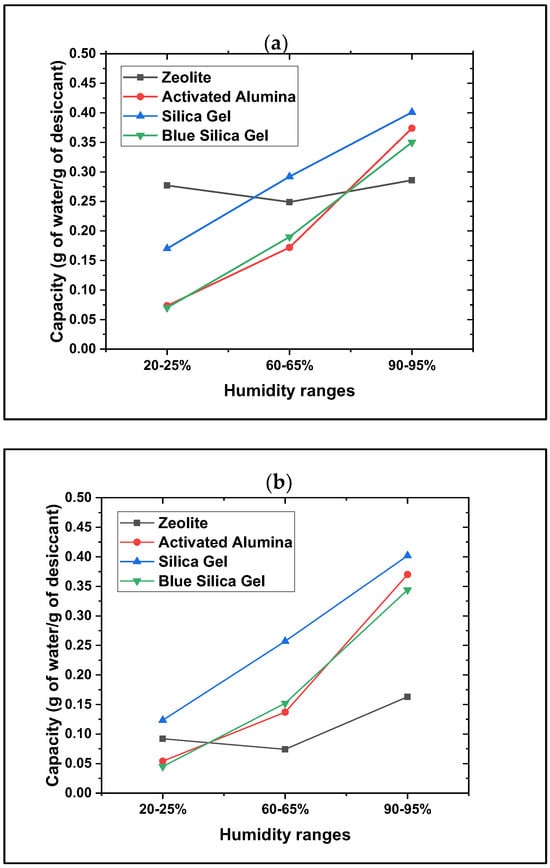
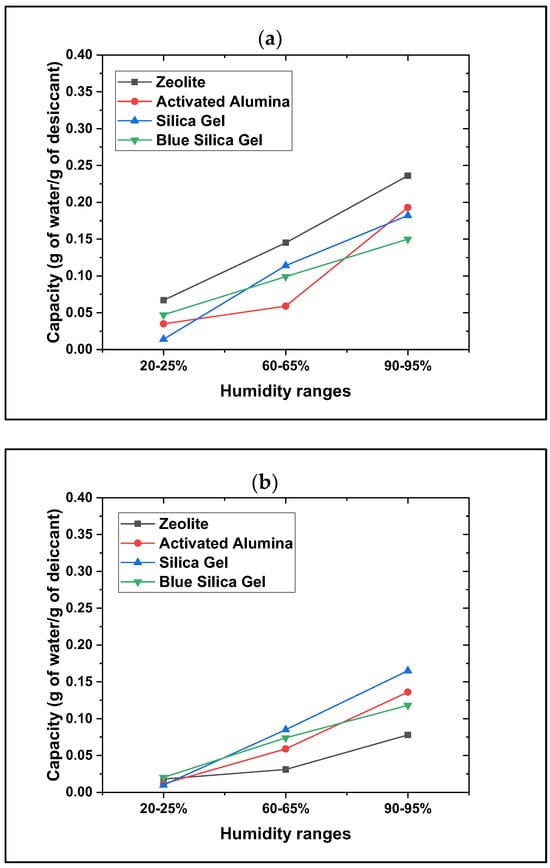
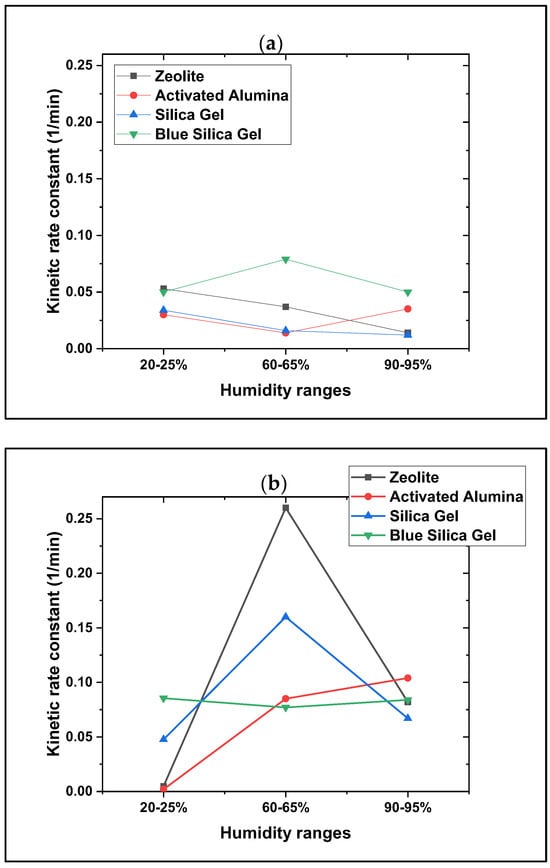
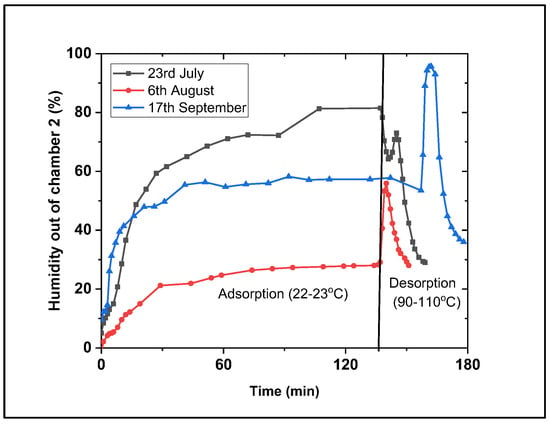
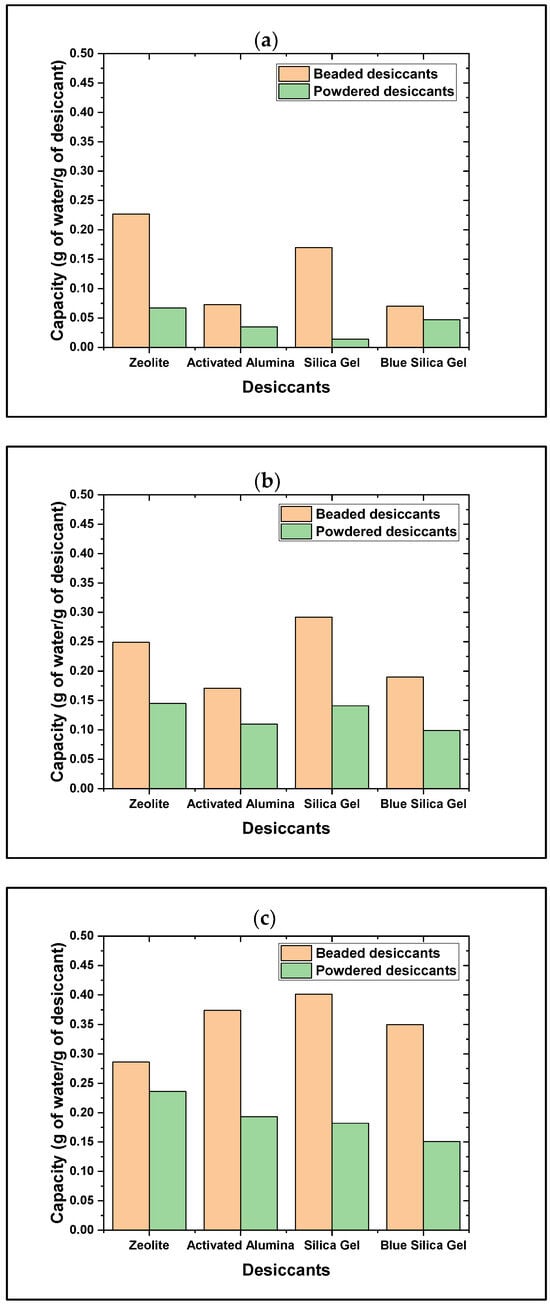
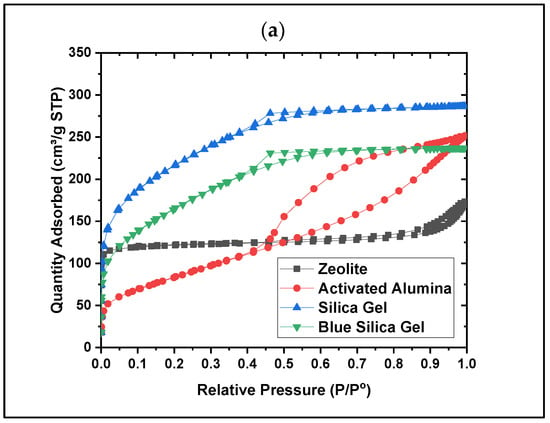
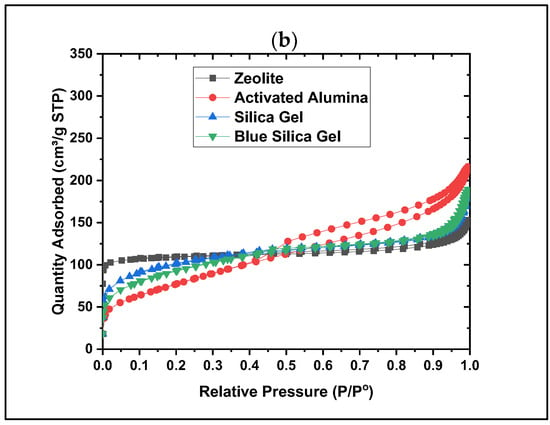
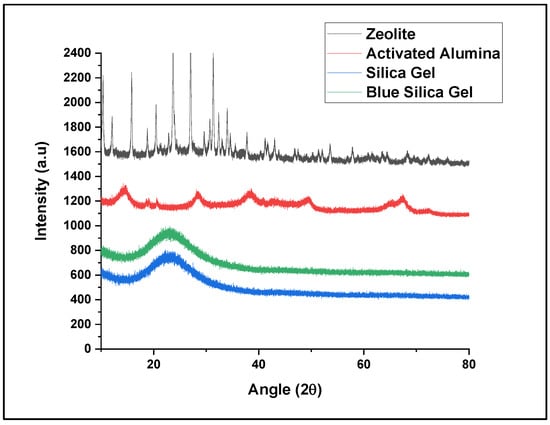
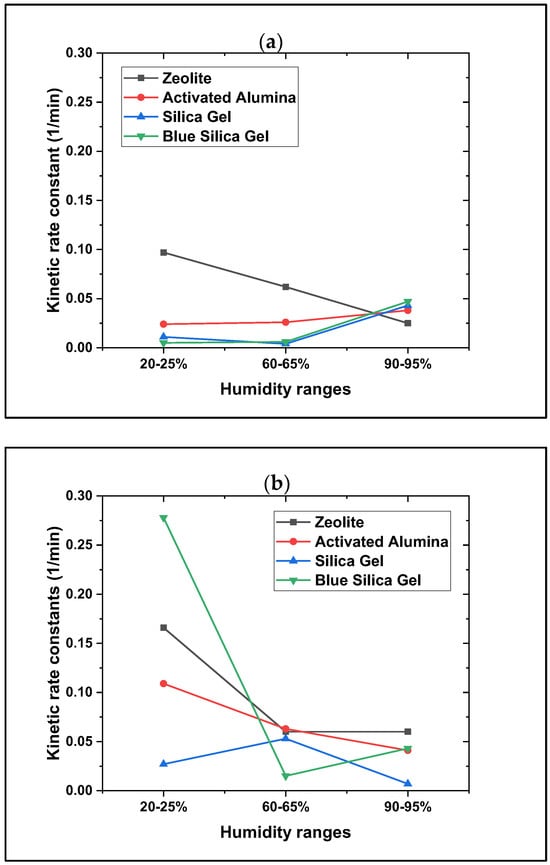
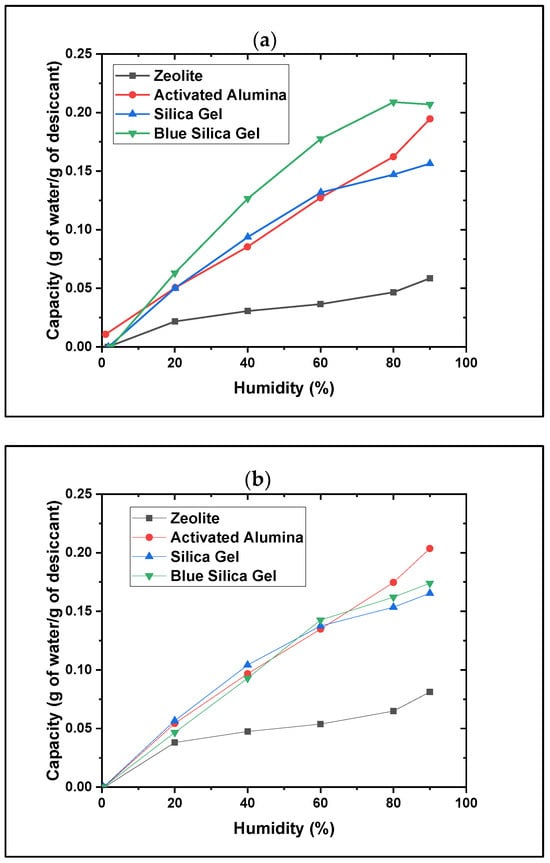
Atmospheric water harvesting (AWH) is a promising alternative to address immediate water needs. Desiccant-based AWH could compete effectively with other commercially available AWH technologies. One of the primary challenges facing desiccant-based AWH is the energy required to desorb the captured water vapor from the desiccant. This work presents a multi-faceted approach targeted explicitly at low-humidity and arid regions, aiming to overcome the limitations of the refrigerant-based AWH system. It includes assessing common desiccants (zeolite, activated alumina, and silica gel) and their forms (beads, powdered, or coated on a substrate). A bench-scale test rig was designed to evaluate different types and forms of desiccants for adsorption and desorption cycles and overall adsorption capacity (g/g), kinetic profiles, and rates. Experimental results indicate that beaded desiccants possess the highest adsorption capacity compared to powdered or coated forms. Furthermore, coated desiccants double the water uptake (1.12 vs. 0.56 g water/g desiccant) and improve adsorption/desorption cycling by 52% compared to beaded forms under the same conditions. Additionally, Brunauer–Emmett–Teller (BET), X-ray diffraction (XRD), and dynamic vapor sorption (DVS) analysis show the pore geometry, morphology, and sorption capacity. The goal is to integrate these performance improvements and propose a more effective, energy-efficient desiccant-based AWH system.
Full article

Figure 1
Open AccessReview
Mechanisms of Generation and Ecological Impacts of Nano- and Microplastics from Artificial Turf Systems in Sports Facilities
by
Akihito Harusato and Masashi Kato
Environments 2025, 12(4), 109; https://doi.org/10.3390/environments12040109 - 2 Apr 2025
Abstract
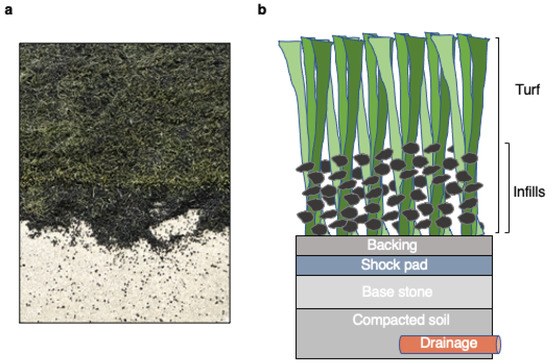
The worldwide adoption of artificial turf in sports facilities and urban landscapes, alongside the systematic transition from natural grass and soil-based grounds, has raised growing concerns about its contribution to the significant source of nano- and microplastics in ecosystems. This review examines current
[...] Read more.
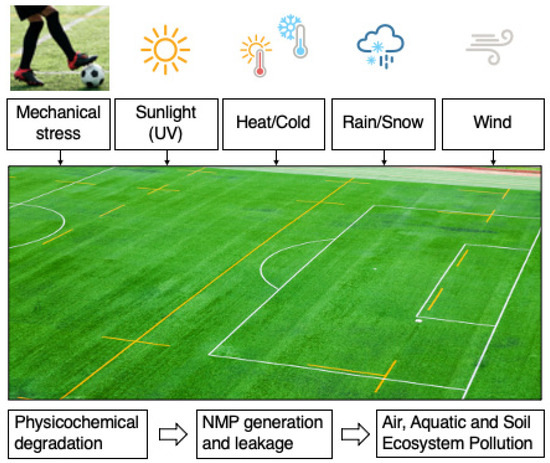
The worldwide adoption of artificial turf in sports facilities and urban landscapes, alongside the systematic transition from natural grass and soil-based grounds, has raised growing concerns about its contribution to the significant source of nano- and microplastics in ecosystems. This review examines current knowledge on the mechanisms of nano- and microplastic generation from artificial turf systems and their environmental impacts. Combined mechanical stress, ultra-violet radiation, and weathering processes contribute to the breakdown of synthetic grass fibers and infill materials, generating particles ranging from nanometer to millimeter scales. These nano- and microplastics are detected in drainage systems and surrounding soils near sports facilities. Laboratory studies demonstrate that artificial turf-derived nano- and microplastics can adversely affect soil microbial communities, aquatic organisms, and potentially human health, through various exposure pathways. While current mitigation approaches include hybrid turf, particle retention systems, and improved maintenance protocols, emerging research focuses on developing novel, environmentally friendly materials as alternatives to conventional synthetic turf components. However, field data on emission rates and environmental fate remain limited, and standardized methods for particle characterization and quantification are lacking. This review identifies critical knowledge gaps, underscoring the need for comprehensive research on long-term ecological impacts and highlights the future goal of mitigating nano- and microplastic emissions from artificial turf systems into the ecosystem.
Full article
(This article belongs to the Special Issue Monitoring and Assessment of Inorganic and Organic Microcontaminants in Soil, Sediment, Water Systems)
►▼
Show Figures

Figure 1
Open AccessArticle
Characterization of Per- and/or Polyfluoroalkyl Substances (PFASs) in Reclaimed Water in Three Arizona Communities
by
Kalealani M. Gurfield, Madeline G. Molzahn, Jack Welchert, Vasiliki Karanikola and Jani C. Ingram
Environments 2025, 12(4), 108; https://doi.org/10.3390/environments12040108 - 2 Apr 2025
Abstract
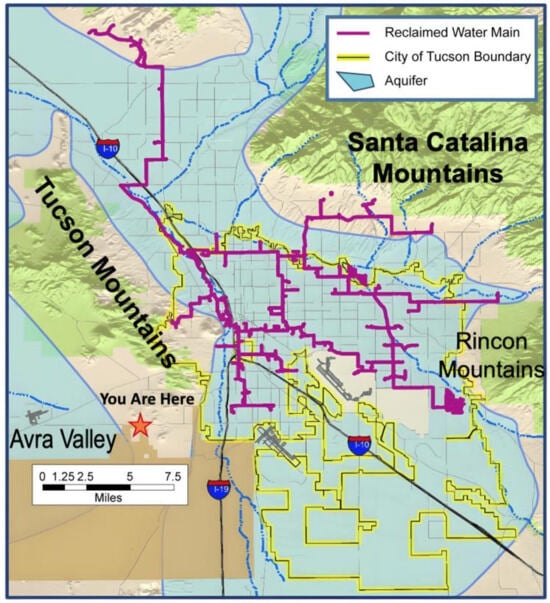
Per- and polyfluoroalkyl substances (PFASs) are a class of manufactured organic chemicals that are widely employed for their heat-, oil-, and water-resistant properties. Studies have shown that the bioaccumulation of PFASs in living organisms and their related health effects are sufficient for classifying
[...] Read more.
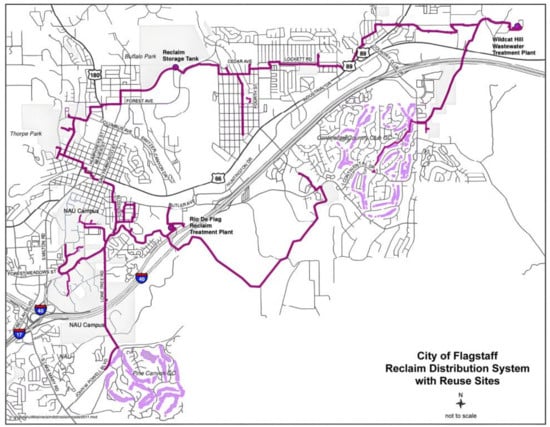
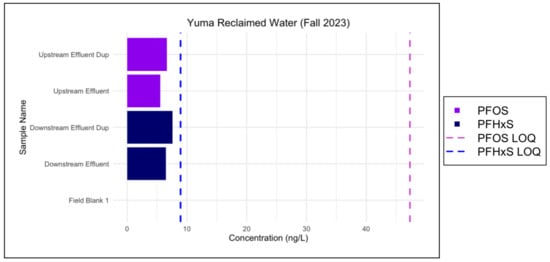
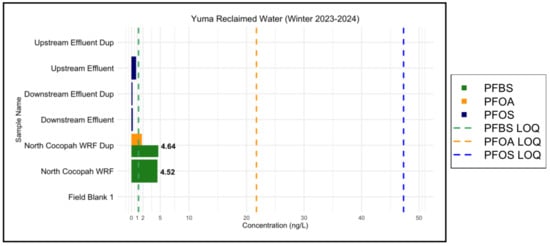
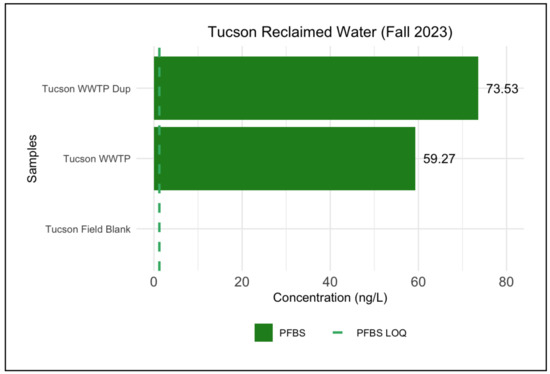
Per- and polyfluoroalkyl substances (PFASs) are a class of manufactured organic chemicals that are widely employed for their heat-, oil-, and water-resistant properties. Studies have shown that the bioaccumulation of PFASs in living organisms and their related health effects are sufficient for classifying them as a group of toxicants worthy of great concern and further study. While PFASs travel through the air and soil, their contamination of water pathways proves to be the most common route for exposure. We analyzed PFASs from three different wastewater treatment plants (WWTPs) throughout Arizona to show that, despite treatment efforts, they persist as contaminants in water sources. Using U.S. Environmental Protection Agency method 1633, seasonally obtained field samples were prepared for analysis through liquid chromatography–tandem mass spectrometry. A total of 24 samples were taken at different stages of the treatment process to assess the proficiency of the removal processes during remediation. Duplicate samples were each taken from Tucson’s WWTP and Flagstaff’s WWTP before and after chlorination, and from three sites in Yuma County, upstream effluent, downstream effluent, and WWTP, before chlorination. From the samples obtained in Yuma, perfluorooctanesulfonic acid, perfluorooctanoic acid, and perfluorohexanesulfonic acid were detected but at levels below their limits of quantification. PFBS was detected at the Yuma and Tucson WWTP at levels up to 4.52 ng/L and 73.53 ng/L, respectively. The samples obtained from Flagstaff’s WWTP were below the instrument level of detection and, therefore, characterized as non-detects.
Full article
(This article belongs to the Special Issue Occurrence, Fate, and Environmental Risk Assessment of Organic Pollutants in Water)
►▼
Show Figures

Figure 1
Open AccessArticle
Use of Fly Ash Layer as a Barrier to Prevent Contamination of Rainwater by Contact with Hg-Contaminated Debris
by
Rafael Rodríguez, Marc Bascompta, Efrén García-Ordiales and Julia Ayala
Environments 2025, 12(4), 107; https://doi.org/10.3390/environments12040107 - 1 Apr 2025
Abstract
►▼
Show Figures
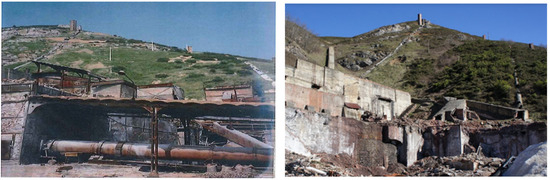
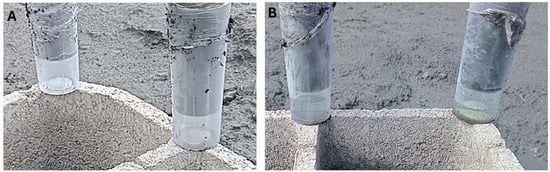
Highly contaminated waste from an old mercury mine facility was covered with fly ash from a coal-burning power plant that was analyzing the rainwater infiltration in a full-scale test in which the influencing variables were monitored for a year. A sufficiently low hydraulic
[...] Read more.
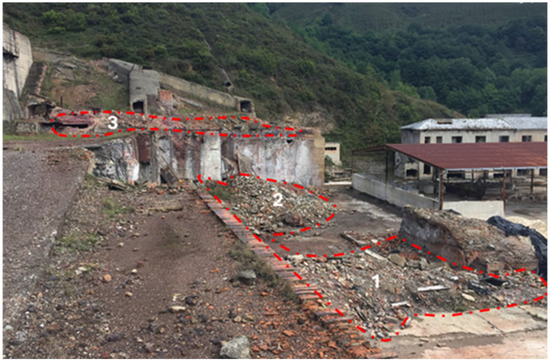
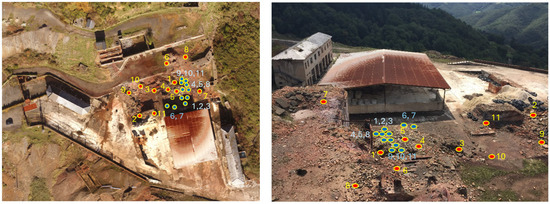
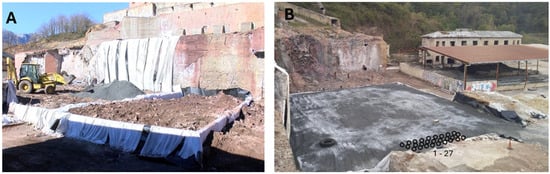
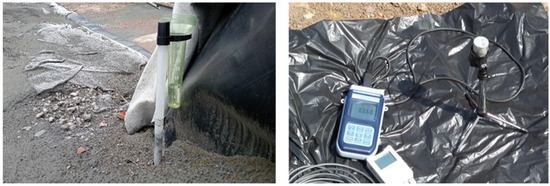
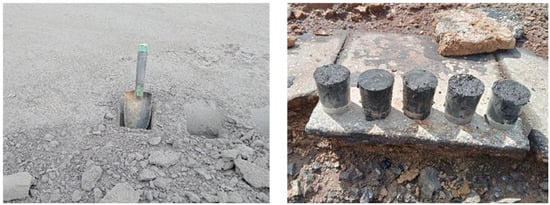
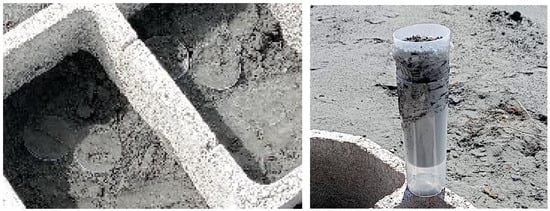
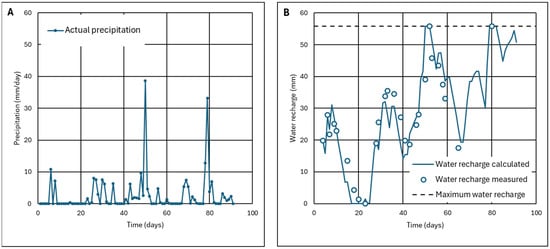
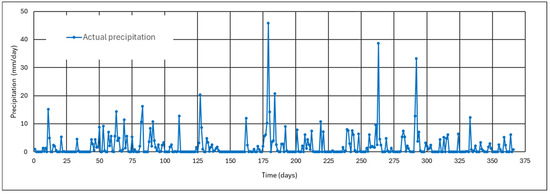
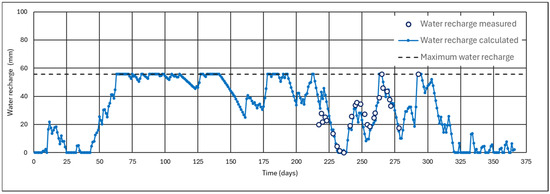
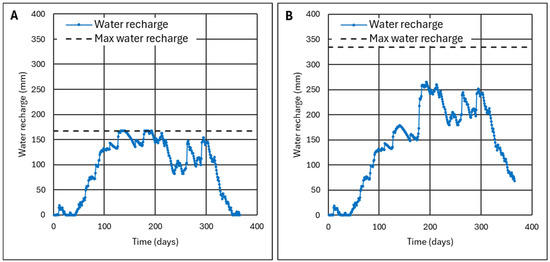
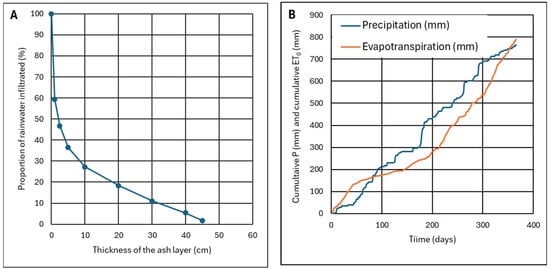
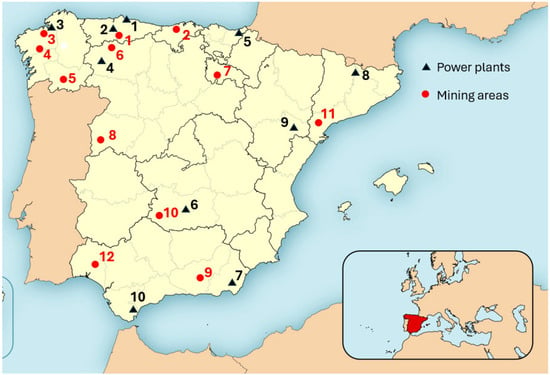
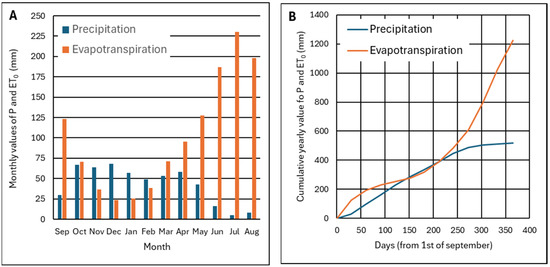
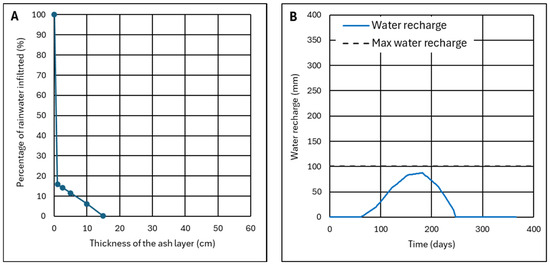
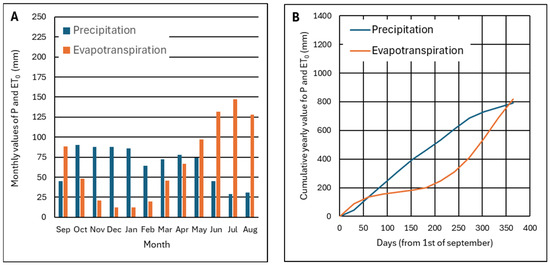
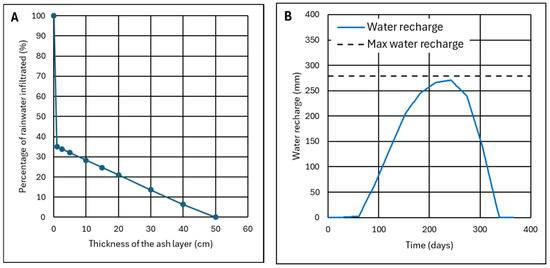
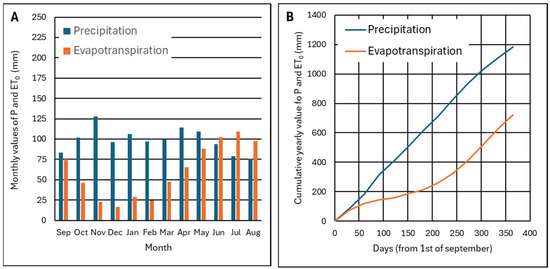
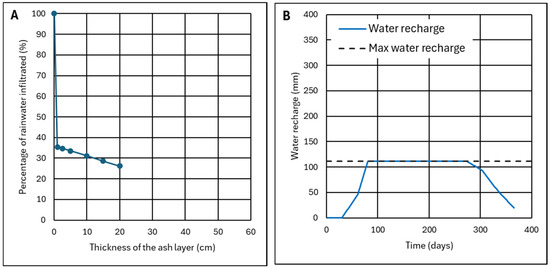
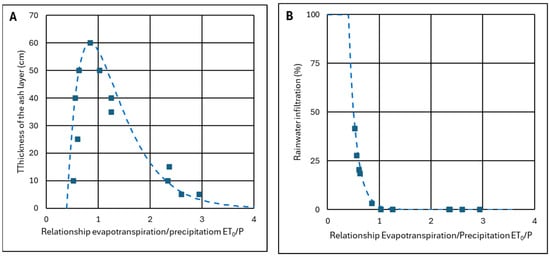
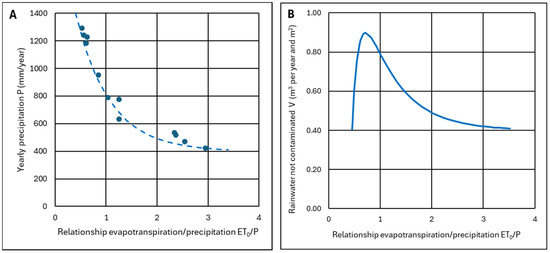
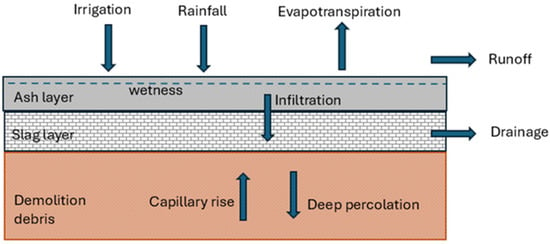
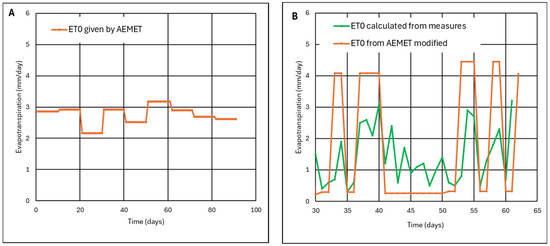
Highly contaminated waste from an old mercury mine facility was covered with fly ash from a coal-burning power plant that was analyzing the rainwater infiltration in a full-scale test in which the influencing variables were monitored for a year. A sufficiently low hydraulic conductivity and sufficiently high porosity of the ash, and the relationship between evapotranspiration and precipitation were the most important factors controlling rainwater infiltration through the fly ash layer to produce contaminated leachate. A fly ash layer with a thickness between 10 and 50 cm, depending on climatic conditions, works as a barrier to partially or totally prevent, depending on the scenario considered, rainwater contamination. Overall, the solution proposed in this study results in economic savings in all the cases considered, because treatments for eliminating PTEs from waste are usually expensive. On the other hand, the effect is permanent over time, as it is based on a physical barrier effect, while the contamination reduction is independent of the initial concentration and the contamination reduction is for any PTE (Hg, Pb, Zn, etc.).
Full article

Figure 1
Open AccessArticle
A Case Study of Renewable Natural Gas Techno-Economics and Emissions at a Wastewater Treatment Plant
by
Cody D. Jenkins, Jiashen Tian and Ryan J. Milcarek
Environments 2025, 12(4), 106; https://doi.org/10.3390/environments12040106 - 31 Mar 2025
Abstract
►▼
Show Figures
Renewable natural gas derived from biogas presents a viable pathway for decarbonizing natural gas systems. Wastewater treatment plants equipped with anaerobic digesters often flare or utilize biogas for heat and electricity generation, missing the potential of renewable natural gas. This study investigates the
[...] Read more.
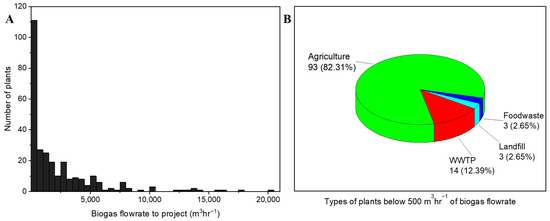
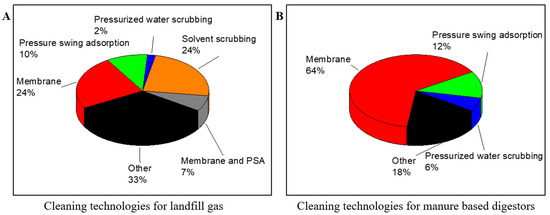
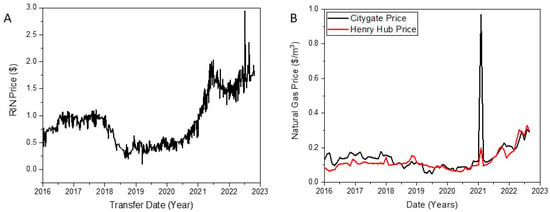
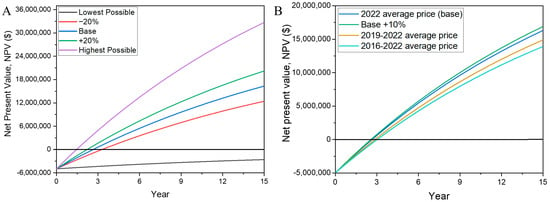
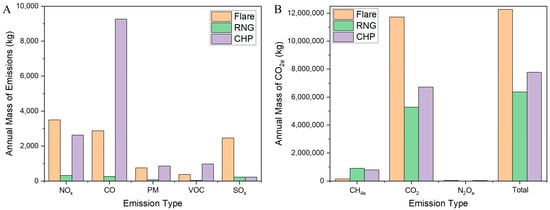
Renewable natural gas derived from biogas presents a viable pathway for decarbonizing natural gas systems. Wastewater treatment plants equipped with anaerobic digesters often flare or utilize biogas for heat and electricity generation, missing the potential of renewable natural gas. This study investigates the techno-economic feasibility and emission impact of a renewable natural gas system at a small wastewater treatment plant in the Southwestern United States. Due to a lack of existing data on biogas composition and contaminants from plants originating within the United States, samples were tested seasonally for a year, and gas components are reported in this analysis. Using hourly biogas production data, the analysis incorporates costs and renewable fuel credits at 2022 market prices and the cost to remove the biogas contaminants. The results show a 15-year net present value of USD 16.3 million, with a payback period of three years, surpassing the economic performance of combined heat and power systems previously assessed for the same facility. Additionally, renewable natural gas systems achieve a 22% reduction in site emissions compared to combined heat and power systems. These findings highlight renewable natural gas as a profitable and environmentally superior alternative for biogas utilization in small-scale wastewater treatment plants, contingent on access to renewable fuel credits.
Full article

Figure 1
Open AccessArticle
Propolis: Biological Activity and Its Role as a Natural Indicator of Pollution in Mining Areas
by
Mirel Glevitzky, Mihai Teopent Corcheş, Maria Popa, Ioana Glevitzky and Mihaela Laura Vică
Environments 2025, 12(4), 105; https://doi.org/10.3390/environments12040105 - 30 Mar 2025
Abstract
Pollution in mining areas represents a major environmental issue, significantly impacting ecosystems and human health. This study highlights propolis as an efficient natural bioindicator for detecting and assessing the degree of contamination in these areas. The objective of this study is to determine
[...] Read more.
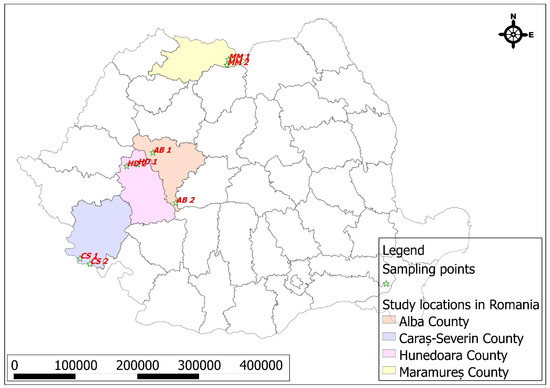
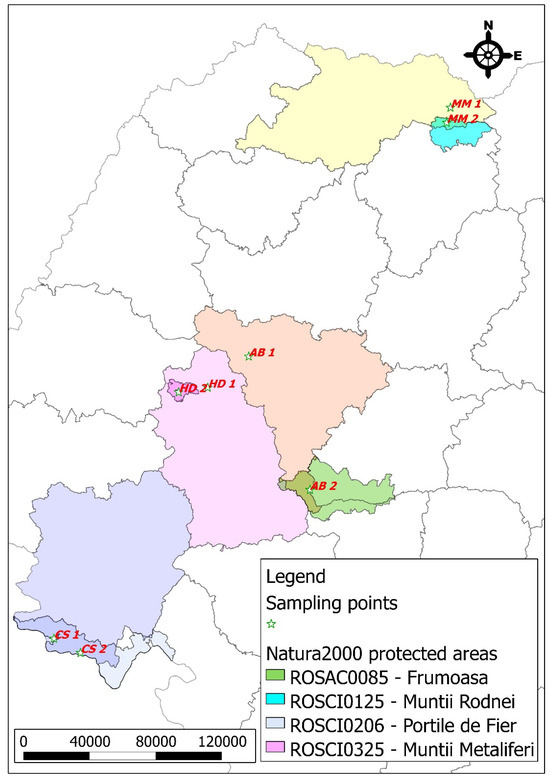
Pollution in mining areas represents a major environmental issue, significantly impacting ecosystems and human health. This study highlights propolis as an efficient natural bioindicator for detecting and assessing the degree of contamination in these areas. The objective of this study is to determine the levels of metals (Pb, Cd, As, Cr, Fe, Mn, Cu, and Zn) in propolis from mining exploitation areas in Romania, specifically in the counties of Alba, Hunedoara, Maramureș, and Caraș-Severin. Although mining operations are closed, the anthropogenic impact varies due to differences in the surface areas of the zones affected, the areas occupied by waste heaps, local hydrological conditions, and partial ecological rehabilitation efforts. To highlight the impact of contamination, a reference area considered unaffected by anthropogenic activities was used as a benchmark for each county. The values obtained in the investigated area were compared with those from this control zone to determine the differences and the specific impact of pollution. Maximum values were recorded in Roșia Montană for Pb (9.27 mg·kg−1), Cd (0.17 mg·kg−1), and As (0.87 mg·kg−1); in Băile Borșa for Fe (150.23 mg·kg−1) and Zn (2.9 mg·kg−1); in Certeju de Sus for Cu (6 mg·kg−1) and Cr (7.01 mg·kg−1); and in Moldova Nouă for Mn (25.43 mg·kg−1). The maximum content values of phenols (189.49 mg·kg−1 in Alba County) and flavonoids (88.06 mg·kg−1 in Caraș-Severin) were recorded, as well as the minimum IC50 antioxidant activity (0.33 µg·mL−1). Propolis from these areas showed antimicrobial activity against five bacterial strains (Staphylococcus aureus, Escherichia coli, Pseudomonas aeruginosa, Enterococcus faecalis, and Streptococcus mutans) and five fungal strains (Candida albicans, Aspergillus niger, Aspergillus flavus, Cryptococcus neoformans, and Penicillium chrysogenum), although such antimicrobial and antifungal activities were more intense in unpolluted areas. The present study reveals that propolis is a natural indicator of heavy metal pollution in mining areas. These data support the usefulness of propolis due to its high capacity to accumulate and reflect environmental contaminants.
Full article
(This article belongs to the Special Issue Trace Metals in the Environment: Advances in Detection Techniques, Pollution Assessment and Management)
►▼
Show Figures

Figure 1
Open AccessReview
Analyzing Urban Microclimate (UMC) Parameters and Comprehensive Review of UHI and Air Quality Interconnections
by
Lirane Kertesse Mandjoupa, Kibria K. Roman, Hossain Azam and Max Denis
Environments 2025, 12(4), 104; https://doi.org/10.3390/environments12040104 - 29 Mar 2025
Abstract
►▼
Show Figures
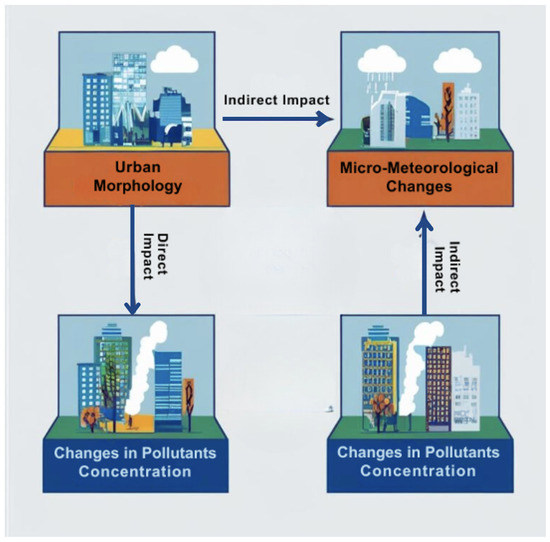
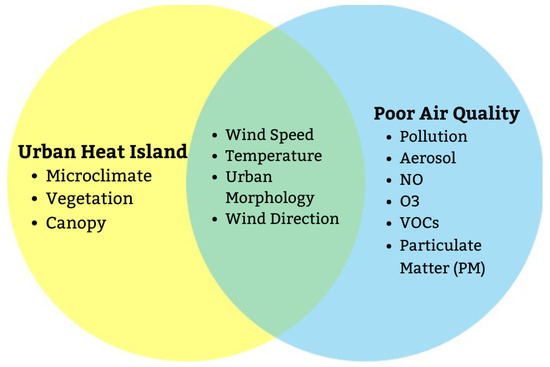
This review analyzes the relationship between Urban Heat Island (UHI) microclimate parameters and poor air quality in urban environments, focusing on how temperature variations, wind dynamics, and urban morphology influence pollutant concentrations. Experimental studies and numerical simulations emphasize the necessity of pedestrian-level sensing
[...] Read more.
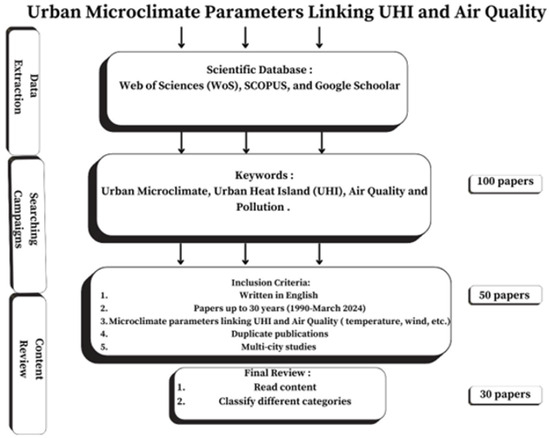
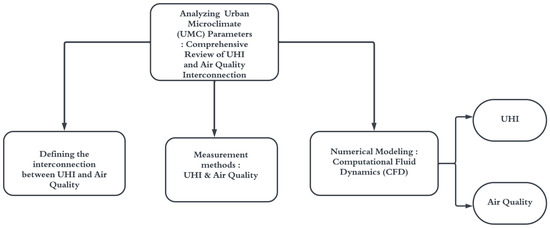
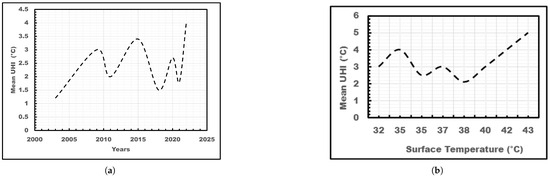
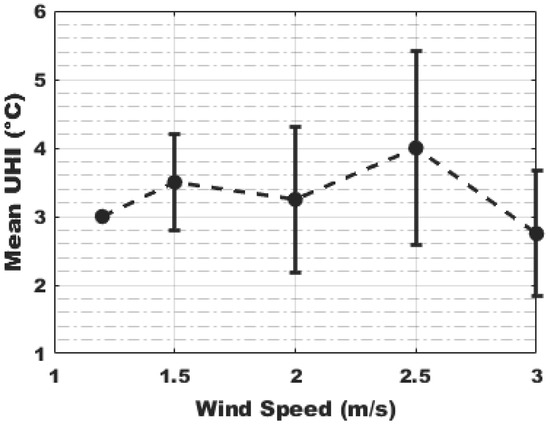
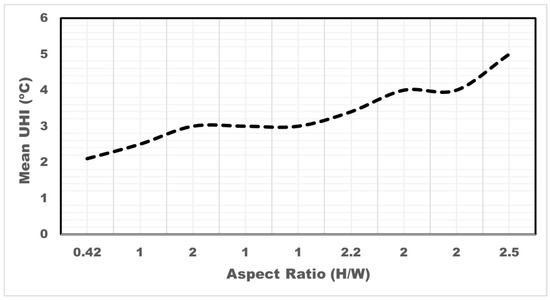
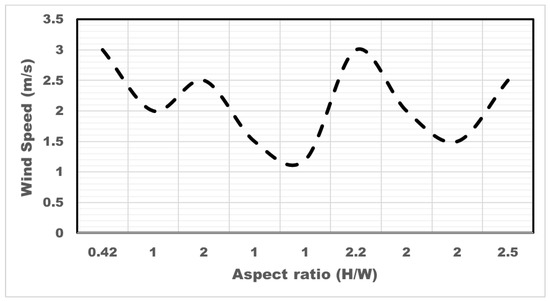
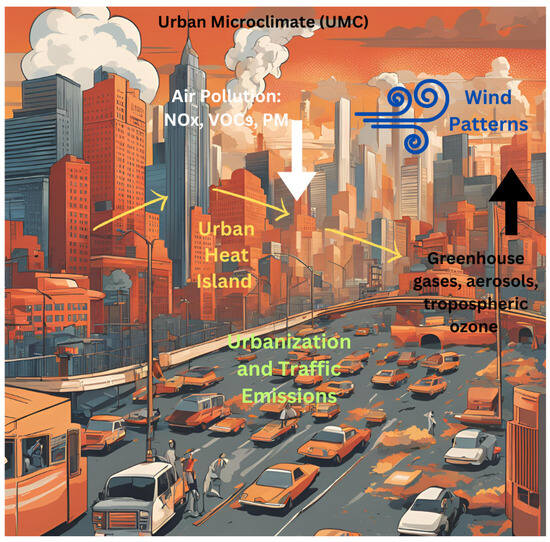
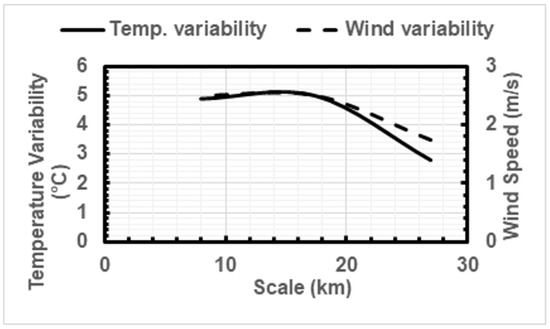
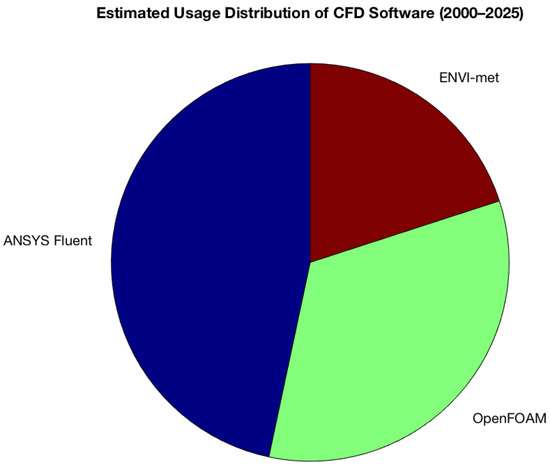
This review analyzes the relationship between Urban Heat Island (UHI) microclimate parameters and poor air quality in urban environments, focusing on how temperature variations, wind dynamics, and urban morphology influence pollutant concentrations. Experimental studies and numerical simulations emphasize the necessity of pedestrian-level sensing combined with computational fluid dynamics (CFD) simulations to accurately capture spatial variations in UHI-related parameters. Ozone concentrations have been observed to increase by up to 4 ppbv, while PM2.5 levels rise by 1–2 µg/m3 in response to UHI effects. Additionally, ANSYS Fluent 2020.R1. simulations demonstrate a 0.93 °C error in temperature predictions and a 1.35 m/s error in wind speed estimations. These findings highlight the critical role of sustainable urban planning strategies in mitigating UHI effects and improving air quality in densely populated areas.
Full article

Figure 1
Open AccessArticle
Associations Between Landfill Proximity and Water Quality Analytes from Private Domestic Wells in Rural Virginia
by
Bianca D. Owens, Joseph Boyle, Dana Adkins, Stephen Adkins, Hillary Boucher, James Burch, Maria D. Thomson and Katherine Y. Tossas
Environments 2025, 12(4), 103; https://doi.org/10.3390/environments12040103 - 28 Mar 2025
Abstract
The Chickahominy T.R.U.T.H. (Trust, Research, Understand, Teach, and Heal) Project investigates water quality concerns, including potential contamination from a nearby landfill, and their corresponding health implications among residents of rural Charles City County, Virginia. This rural, majority-racial-minority county includes citizens of the Chickahominy
[...] Read more.
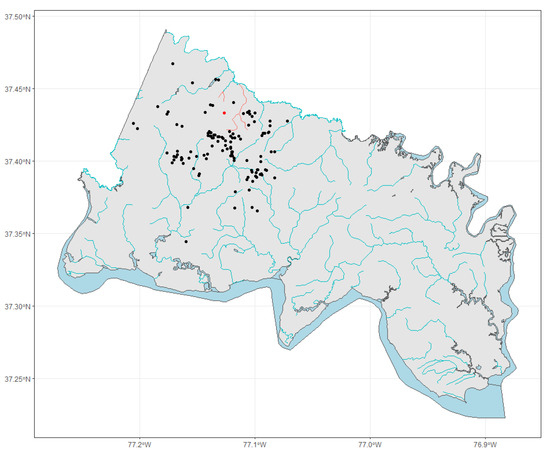
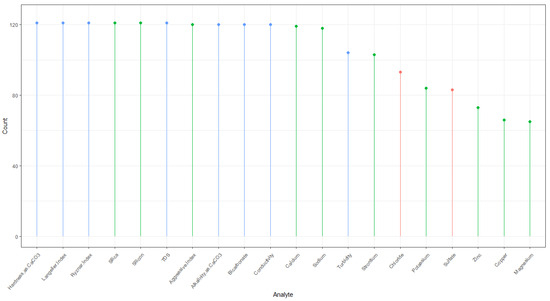
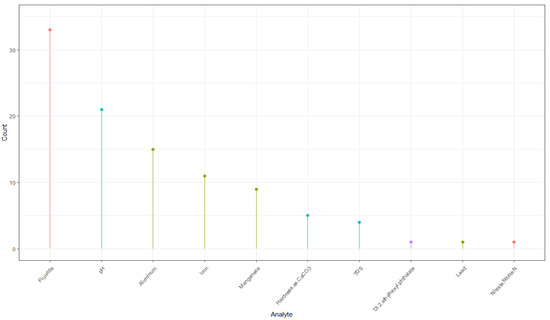
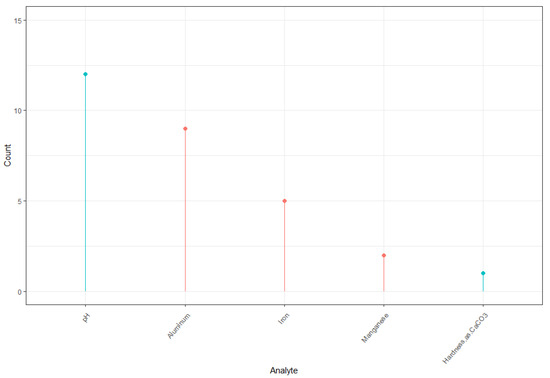
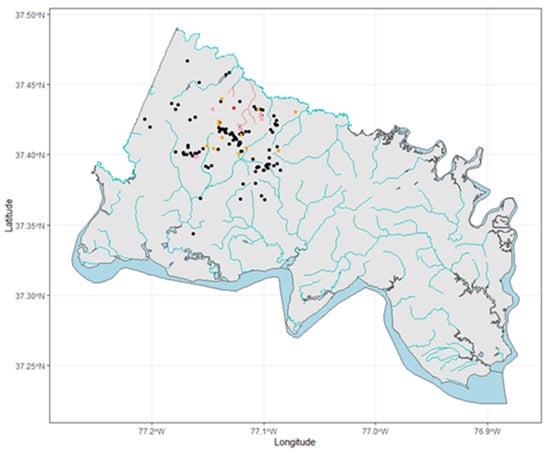
The Chickahominy T.R.U.T.H. (Trust, Research, Understand, Teach, and Heal) Project investigates water quality concerns, including potential contamination from a nearby landfill, and their corresponding health implications among residents of rural Charles City County, Virginia. This rural, majority-racial-minority county includes citizens of the Chickahominy Indian tribe. The T.R.U.T.H. Project utilizes a community-based participatory research approach and environmental justice-focused lens to study water quality and health; the present study represents the first comprehensive analysis of the drinking water quality of homes with domestic groundwater wells. We collected water samples from 121 participants located within a four-mile radius of the landfill, analyzing over 200 potential analytes that may affect water quality. Among the measured analytes, water pH, aluminum, iron, manganese, and hardness as CaCO3 were most frequently identified as having ratings outside of established EPA limits (“Bad”). Logistic regression models demonstrated that proximity to streams near the landfill was associated with significantly greater odds of worse water quality for several analytes. Specifically, residing within a mile of these streams was associated with greater odds of “Fair” or worse turbidity (OR = 4.31, 95% CI 1.31–19.53) and zinc levels (OR = 2.63, 95% CI 1.23–5.86). Additionally, residing within half a mile of a proximate stream was linked with “Poor” or worse hardness ratings (OR = 10.71, 95% CI 1.64–86.96); residing within a mile of the landfill was associated with “Bad” water pH levels (OR = 10.50, 95% CI 1.16–95.68). Though many tested analytes did not have concerning ratings or were not significantly associated with proximity to the landfill or streams, the above findings suggest that anthropogenic factors, particularly landfill proximity, may influence water quality with regard to specific analytes. Therefore, addressing water quality through enhanced monitoring, contaminant remediation, and community education is crucial for restoring trust in drinking water and improving public health outcomes.
Full article
(This article belongs to the Special Issue Environmental Risk Assessment of Aquatic Ecosystem, 2nd Edition)
►▼
Show Figures

Figure 1

Open AccessArticle
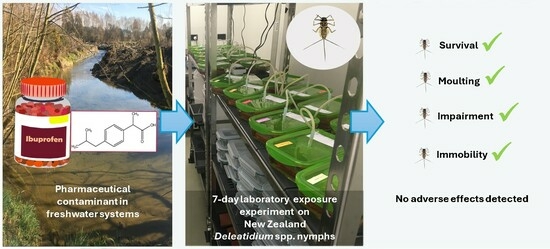
Low Concentrations of Ibuprofen Had No Adverse Effects on Deleatidium spp. Mayfly Nymphs: A 7-Day Experiment
by
Niña Sarah P. Batucan, Louis A. Tremblay, Grant L. Northcott and Christoph D. Matthaei
Environments 2025, 12(4), 102; https://doi.org/10.3390/environments12040102 - 27 Mar 2025
Abstract
Concerns over pharmaceutical contaminants are increasing due to their high biological activity and ubiquity, with wastewater being the main source. Ibuprofen is extensively used worldwide and commonly detected in freshwaters due to its low degradability during wastewater treatment. Daphnia magna is the most-used
[...] Read more.
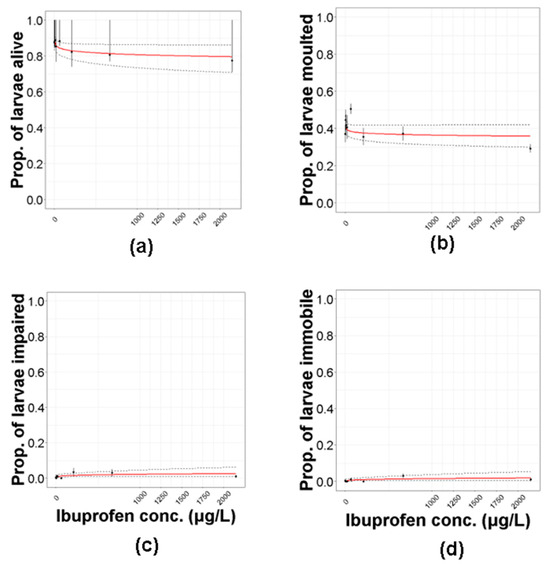
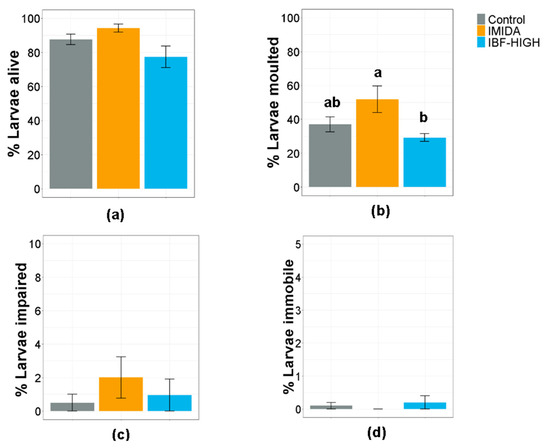
Concerns over pharmaceutical contaminants are increasing due to their high biological activity and ubiquity, with wastewater being the main source. Ibuprofen is extensively used worldwide and commonly detected in freshwaters due to its low degradability during wastewater treatment. Daphnia magna is the most-used model taxon for toxicity testing of ibuprofen, but this crustacean is known to be less sensitive to some contaminants than several freshwater insect groups. Our study assessed the toxicity of ibuprofen (nominal concentration range 2.0–2147.5 µg/L) to a native New Zealand mayfly, Deleatidium spp., in a 7-day static renewal experiment, with the neonicotinoid imidacloprid (1.4 µg/L) as a reference toxicant. Test concentrations of ibuprofen included three field-realistic and four higher concentrations that might occur in severely polluted streams. Mayfly responses indicated some negative trends (decreased survival and moulting propensity, increased impairment and immobility), but all patterns were non-significant. The imidacloprid control also had no significant impacts but tended to increase mayfly impairment. Overall, Deleatidium nymphs were largely unaffected by the entire range of experimental ibuprofen concentrations, suggesting that ibuprofen may be a relatively benign stressor for these organisms, although longer-term exposure experiments are needed to confirm if they demonstrate susceptibility to chronic exposure.
Full article
(This article belongs to the Special Issue Environmental Risk Assessment of Aquatic Environments)
►▼
Show Figures

Graphical abstract
Open AccessArticle
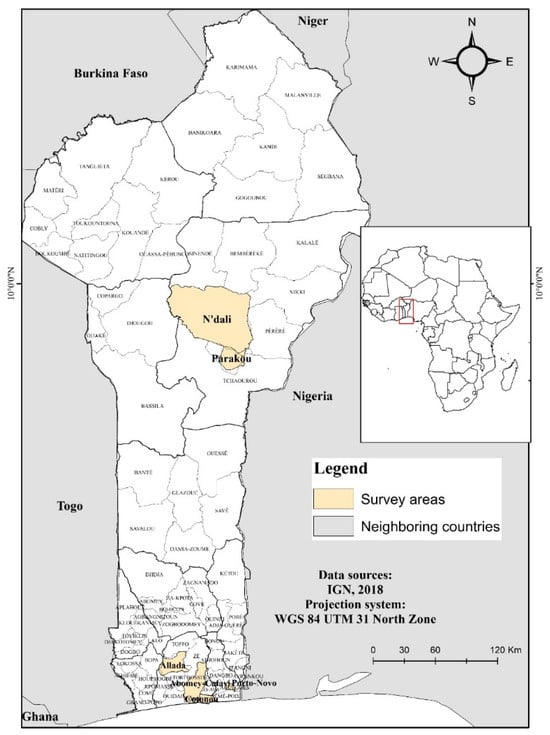
Determinants of the Use of Circular Economy Strategies by Stakeholders in the Wood–Forestry Sector in Benin
by
Yann Emmanuel Miassi, Nancy Gélinas and Kossivi Fabrice Dossa
Environments 2025, 12(4), 101; https://doi.org/10.3390/environments12040101 - 27 Mar 2025
Abstract
►▼
Show Figures
Although the circular economy (CE) has emerged as an innovative approach to address the challenges of protecting natural resources, the use of its strategies remains in its infancy, particularly in West Africa. This study examines the factors influencing the use of CE strategies
[...] Read more.
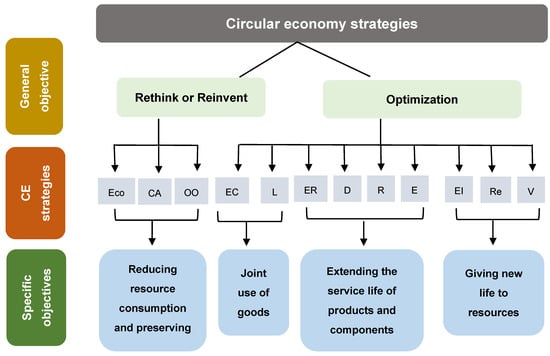
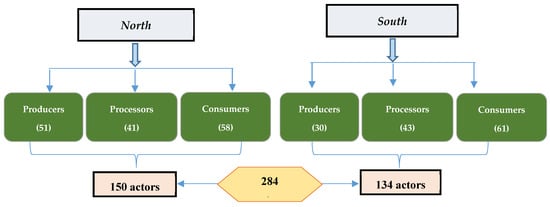
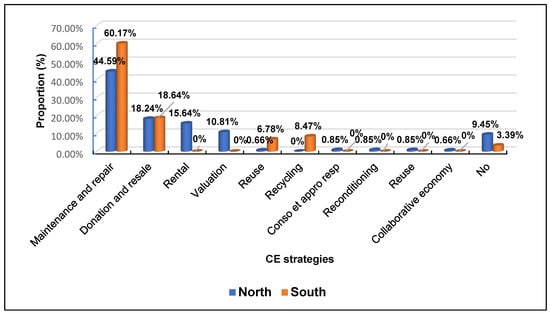
Although the circular economy (CE) has emerged as an innovative approach to address the challenges of protecting natural resources, the use of its strategies remains in its infancy, particularly in West Africa. This study examines the factors influencing the use of CE strategies in the wood and forestry sector in Benin. This study relied on a methodological approach based on surveys, using interview guides to collect information in both the southern and northern zones of the country. This information was collected at the level of the different actors directly involved in this sector, to identify the factors that influence the use of CE strategies using Probit models. The results show that access to information, the number of years of professional experience, the age of the actors and the type of training received are the determining factors in the use of these strategies (the models statistically significant at the 1% level). Other factors, such as knowledge of the costs and benefits of different strategies, are also identified as fundamental. Furthermore, a high financial capacity and an excess or overload of information are identified as the limiting factors for the use of these strategies.
Full article

Figure 1
Open AccessArticle
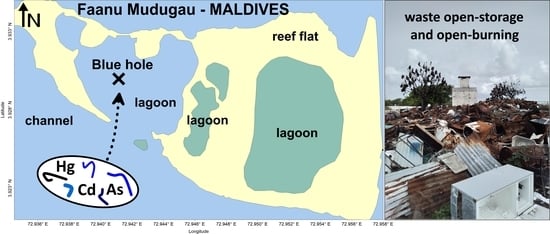
First Attempt to Study Sedimentological Characteristics and Contamination Levels of Bottom Sediments in the Faanu Mudugau Blue Hole (Ari Atoll, Maldives)
by
Laura Cutroneo, Sarah Vercelli, Monica Montefalcone and Marco Capello
Environments 2025, 12(4), 100; https://doi.org/10.3390/environments12040100 - 25 Mar 2025
Abstract
►▼
Show Figures
Environmental contamination is ubiquitous and even in the ocean, signs of contamination of different types (chemical, biological, or plastic) are detected in all kinds of environments. In this study, a sediment core was sampled at the bottom of the Blue Hole of the
[...] Read more.
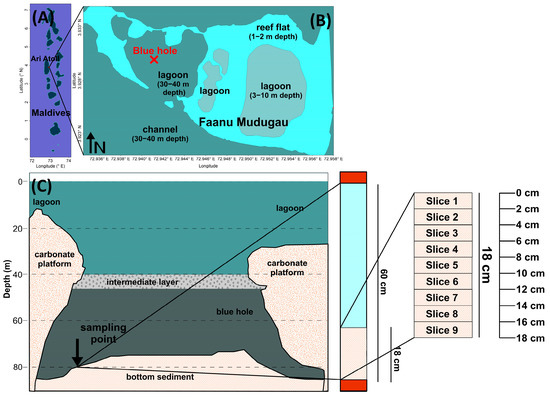
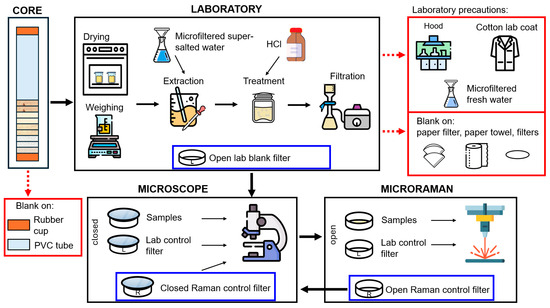
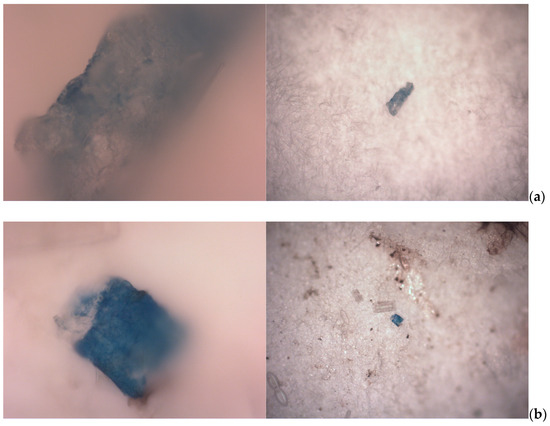
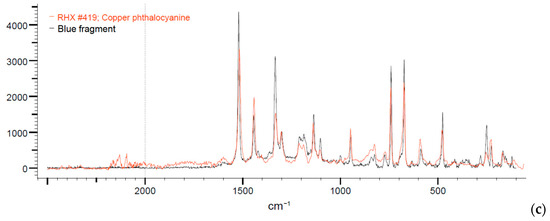
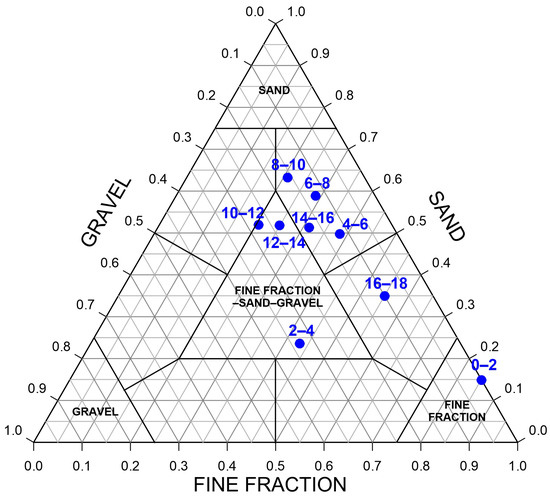
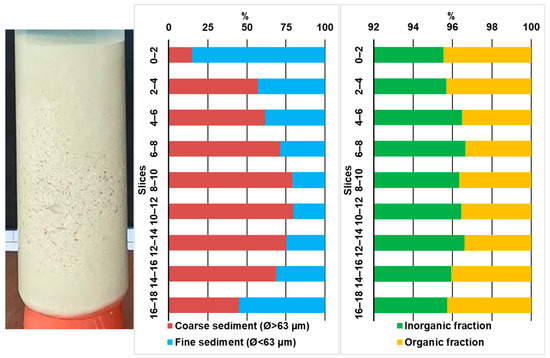
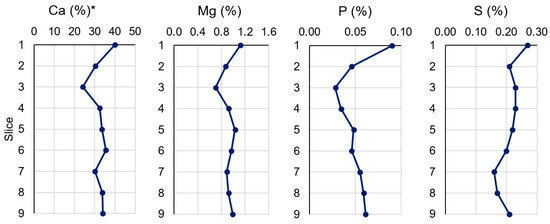
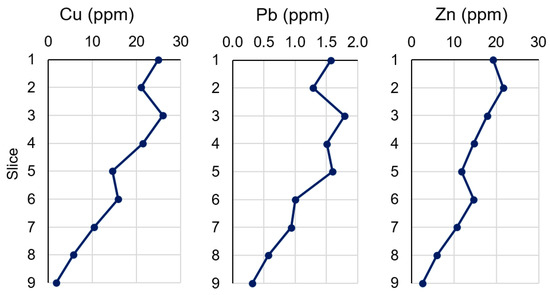
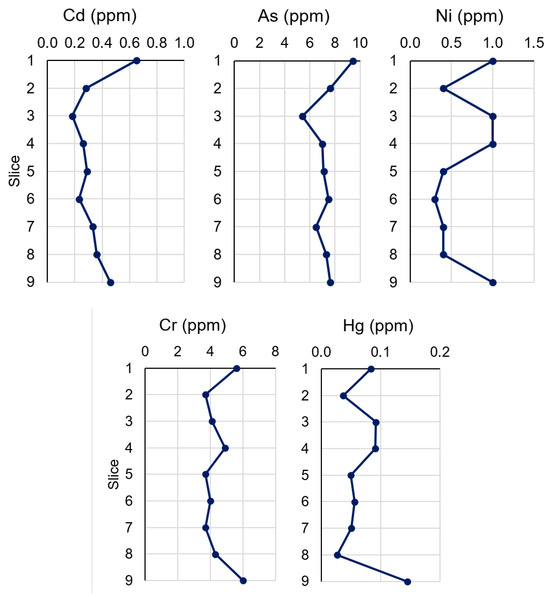
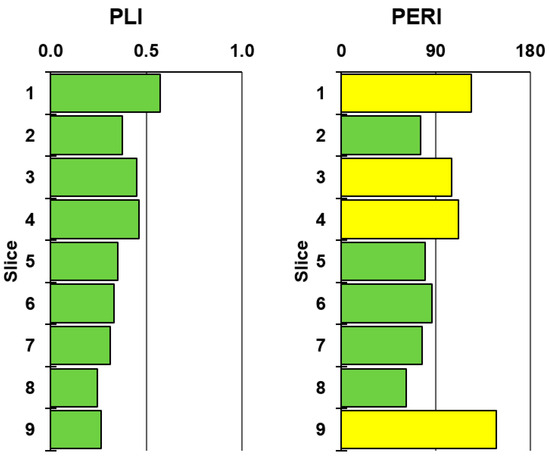
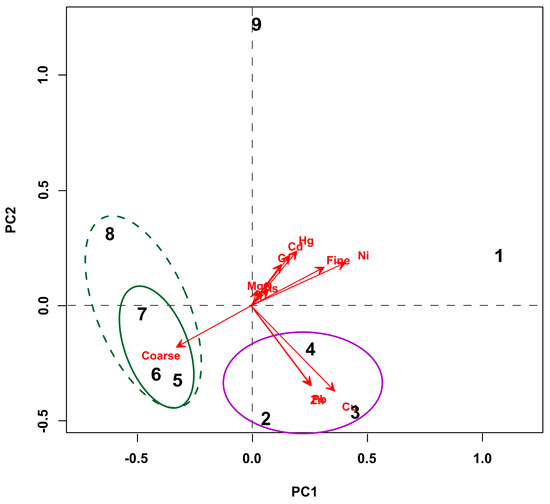
Environmental contamination is ubiquitous and even in the ocean, signs of contamination of different types (chemical, biological, or plastic) are detected in all kinds of environments. In this study, a sediment core was sampled at the bottom of the Blue Hole of the Maldives (Ari Atoll) to make a first characterization of the sediment in terms of its grain size and organic–inorganic matter composition and to assess the sediment contamination levels in terms of trace elements (by ICP-MS analysis) and the eventual presence of microplastics (by optical classification and microRaman analysis of items). High concentrations of Hg (a maximum value of 0.145 ppm at the bottom layer of the core), Cd (a maximum value of 0.65 ppm at the core surface layer), and As (9.4 ppm at the top of the core) were highlighted at different layers of the sediment core. Plastic polymers were not detected in the sediment core, but 51 fibers characterized by the presence of artificial dyes or additives were found in the core (a mean of 5.7 fibers for each slice). The results confirmed the sediment contamination of the Maldivian Blue Hole, supporting the hypothesis of contamination due to ineffective waste management within the archipelago and mass tourism affecting the atolls.
Full article

Graphical abstract
Open AccessArticle
Manganese Removal from the Seo-Gok Reservoir Water Using DNA Aptamers
by
Daehyuk Jang, Sun Young Lee, Woo-Seung Kim, Ki-Jong Rhee, Eun-Ok Kim and Miyong Yun
Environments 2025, 12(4), 99; https://doi.org/10.3390/environments12040099 - 25 Mar 2025
Abstract
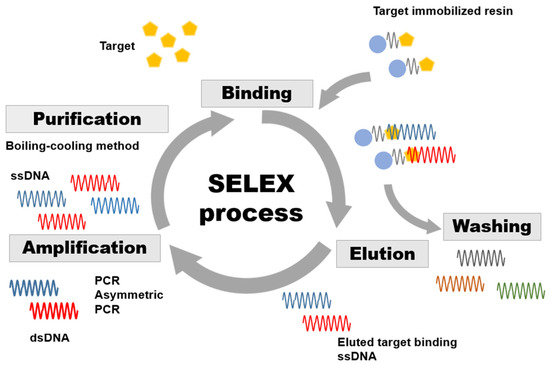
Manganese (Mn) is widely used in many industries but is also biologically harmful when abundant in the environment. While there are several commercially available methods for manganese removal from water, efficient and cost-effective solutions for addressing manganese contamination in diverse environmental matrices remain
[...] Read more.
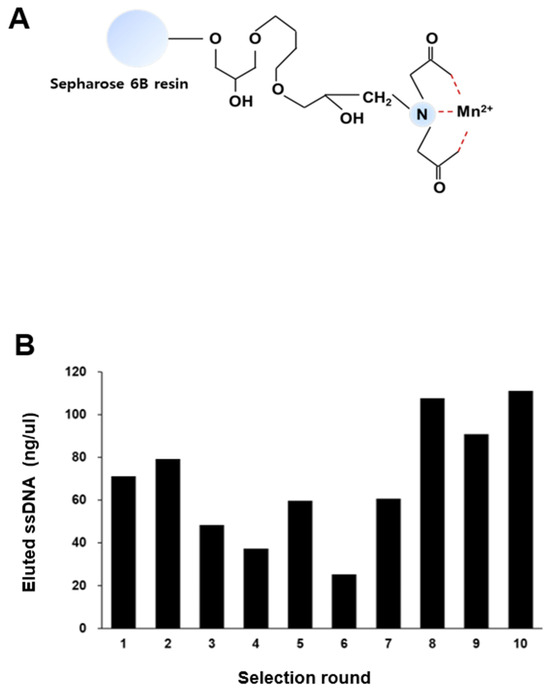
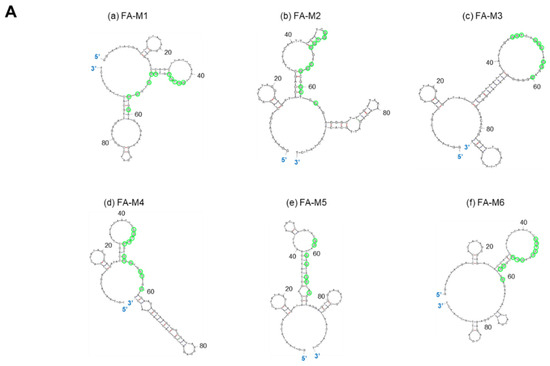
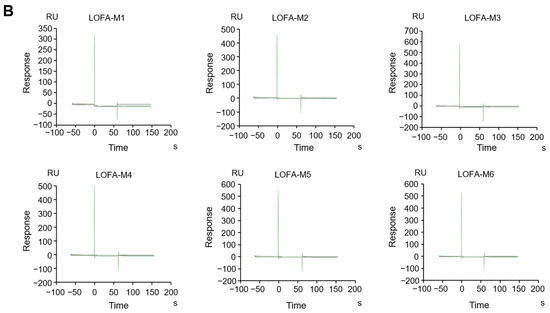
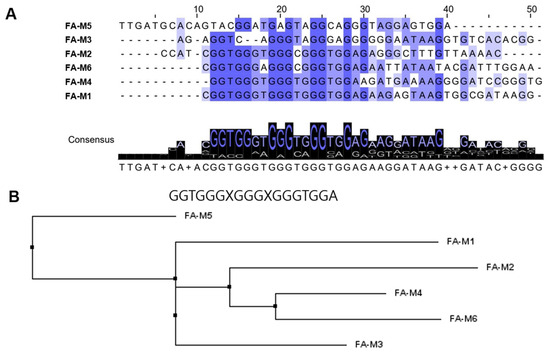
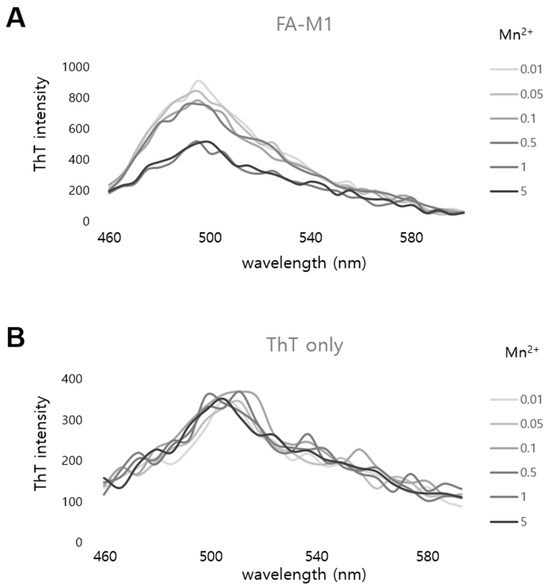
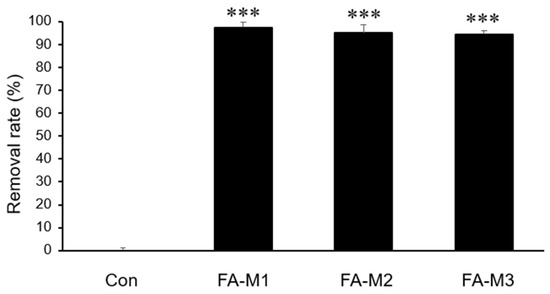
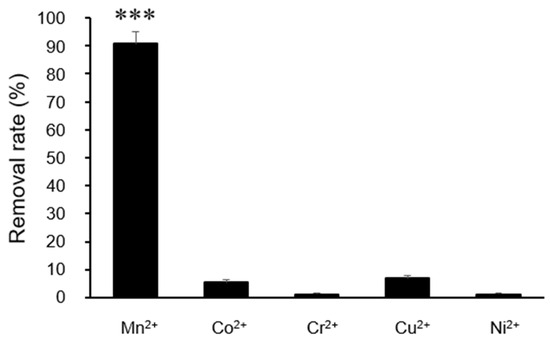
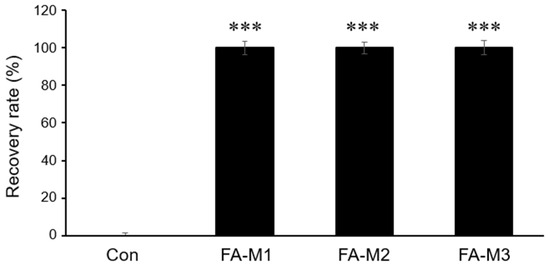
Manganese (Mn) is widely used in many industries but is also biologically harmful when abundant in the environment. While there are several commercially available methods for manganese removal from water, efficient and cost-effective solutions for addressing manganese contamination in diverse environmental matrices remain limited. In this study, we developed a new method for removing Mn from contaminated lakes using an aptamer. The Seo-Gok Reservoir was selected as the study area due to its significant levels of Mn contamination. We first screened aptamers that bind to Mn through systematic evolution of ligands by exponential enrichment (SELEX). Among 6 aptamers (from FA-M1 to FA-M6), the FA-M1 aptamer exhibited the highest binding affinity to Mn with the lowest Kd value of 4.56 × 10⁻⁹ M. Potential Mn-binding sites in aptamers were predicted by analyzing the secondary structures. To confirm the binding of Mn to the proposed region, we evaluated the sequence homology of the screened aptamers. Aptamer specificity was evaluated against diverse metals. We demonstrated that FA-M1 could remove more than 95% of Mn from an aqueous sample; 99.9% of this Mn could then be recovered. FA-M1 removed more than 90% of Mn from a sample of the Mn-contaminated Seo-Gok Reservoir, indicating that aptamers can be utilized to remove Mn ions from the environment.
Full article
(This article belongs to the Special Issue Advanced Technologies in Water Purification)
►▼
Show Figures

Figure 1
Open AccessArticle
Impact of Land Cover and Meteorological Attributes on Soil Fertility, Temperature, and Moisture in the Itacaiúnas River Watershed, Eastern Amazon
by
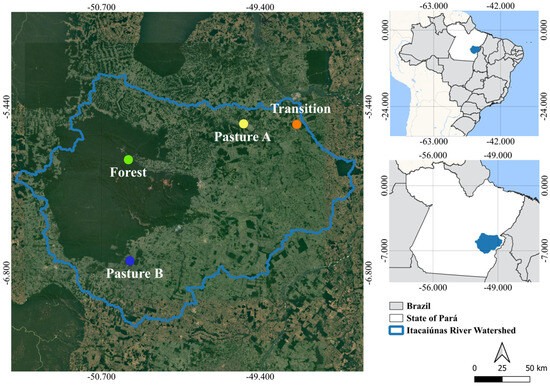
Renato Oliveira da Silva Júnior, Tatiane Barbarelly Serra Souza Morais, Wendel Valter da Silveira Pereira, Gabriel Caixeta Martins, Paula Godinho Ribeiro, Adayana Maria Queiroz de Melo, Marcio Sousa da Silva and Sílvio Junio Ramos
Environments 2025, 12(4), 98; https://doi.org/10.3390/environments12040098 - 24 Mar 2025
Abstract
The Amazon has undergone significant changes in the landscape with the expansion of human activities. The objective of this study was to characterize the relationship between soil temperature (ST) and moisture (SM) with meteorological data and soil attributes in pasture, forest, and transition
[...] Read more.
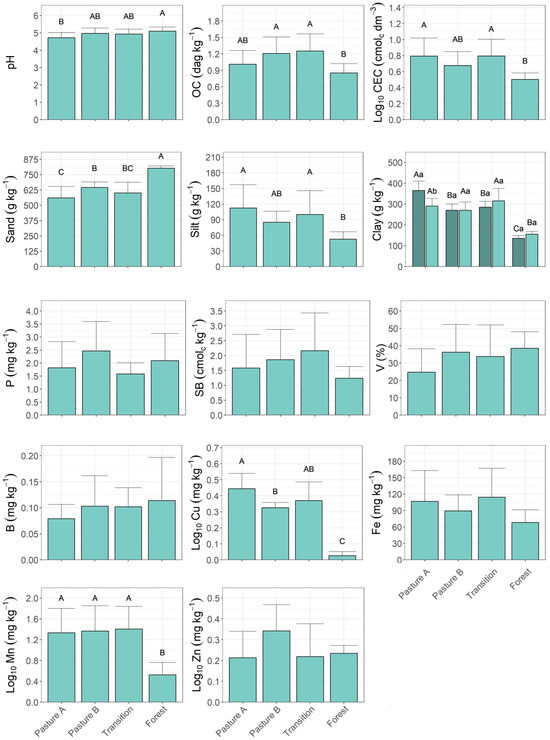
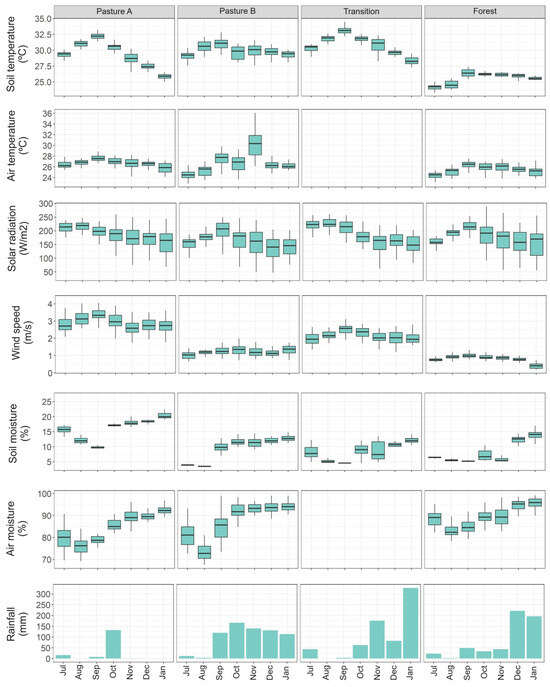
The Amazon has undergone significant changes in the landscape with the expansion of human activities. The objective of this study was to characterize the relationship between soil temperature (ST) and moisture (SM) with meteorological data and soil attributes in pasture, forest, and transition areas in the Itacaiúnas River Watershed (IRW), Eastern Amazon. Soil samples were analyzed to determine chemical and granulometric attributes. SM and ST were measured up to 40 cm deep using sensors, and the meteorological variables were quantified by hydrometeorological stations. The chemical characteristics and granulometry indicated greater limitations in the Forest soil, with lower levels of organic carbon and higher contents of sand. In Pasture A, Pasture B, and Transition areas, with some exceptions, there was a progressive increase in ST from July to September. In general, SM was positively correlated with rainfall and negatively correlated with ST, air temperature, wind speed, and solar radiation. Linear models for ST (10–20 cm depth) in Pasture B and Forest areas indicate positive relationships with air temperature and wind speed and negative relationships with solar radiation. The findings of this study can be useful in decision-making regarding the management of ecosystems in the IRW.
Full article
(This article belongs to the Special Issue New Insights in Soil Quality and Management, 2nd Edition)
►▼
Show Figures

Figure 1

Open AccessArticle
Evaluation of Cadmium Removal in an Aqueous Solution by Biosorption in a Batch System with Banana, Peanut, and Orange Husks
by
Dayana Odette Arizpe-Díaz, Sergio Arturo Gama-Lara, Gabriela Roa-Morales, Alfredo Rafael Vilchis-Néstor, Alejandro Parada-Flores and Patricia Balderas-Hernández
Environments 2025, 12(4), 97; https://doi.org/10.3390/environments12040097 - 21 Mar 2025
Abstract
►▼
Show Figures
At present, the amount of heavy metals in some aquifers exceeds the limits established by standards, especially in developing countries. Cadmium is present in high concentrations in aquifers; contact with cadmium can lead to some adverse health effects. Adsorption is one of the
[...] Read more.
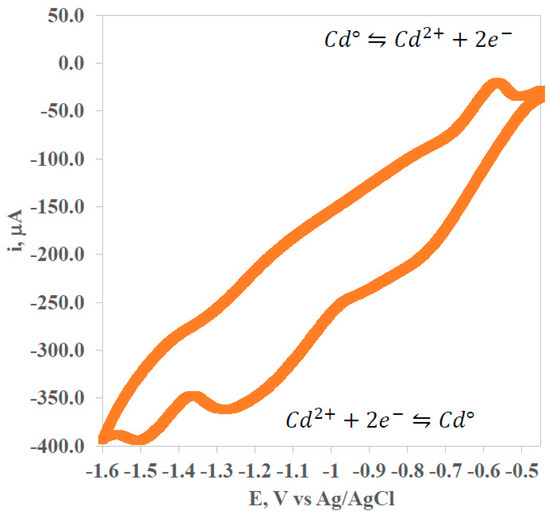
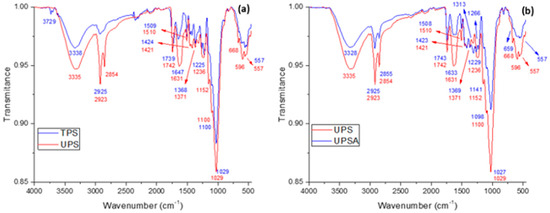
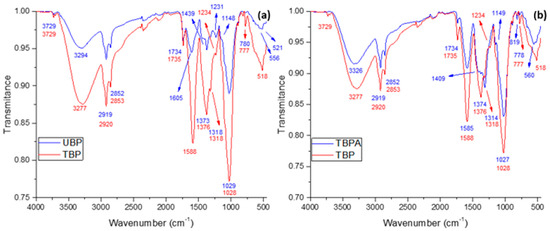
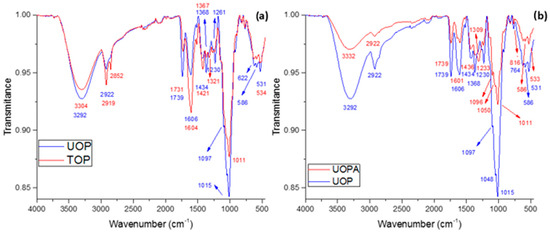
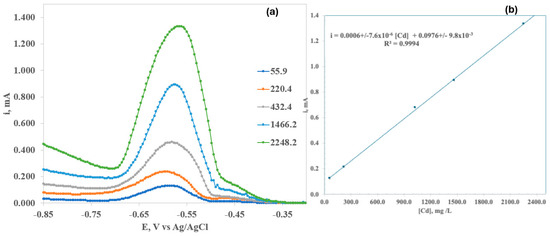
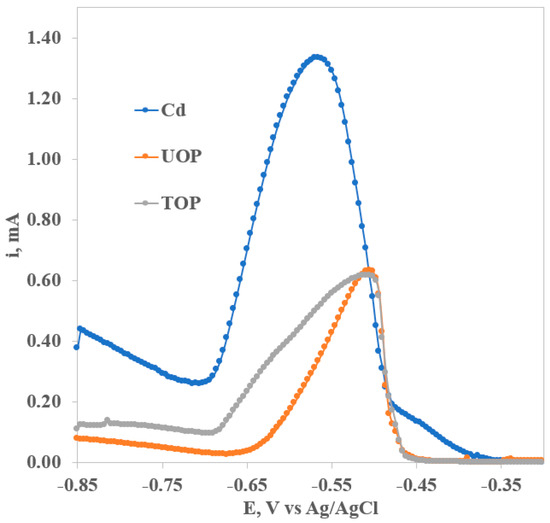
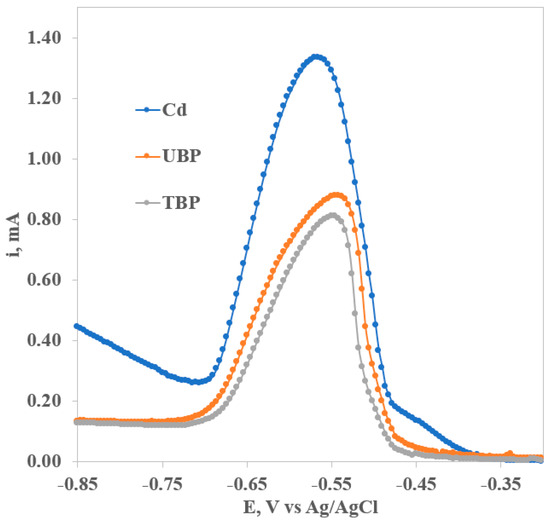
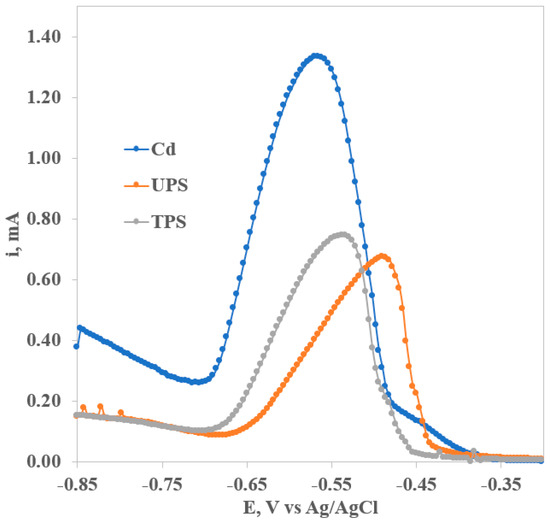
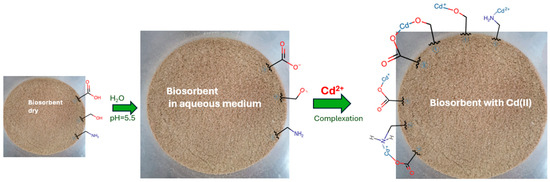
At present, the amount of heavy metals in some aquifers exceeds the limits established by standards, especially in developing countries. Cadmium is present in high concentrations in aquifers; contact with cadmium can lead to some adverse health effects. Adsorption is one of the most efficient and low-cost methods currently used to separate heavy metals from water systems. In order to obtain a sustainable heavy metal adsorption system, abundant, low-cost, biodegradable, and easy-to-treat organic waste compounds were sought. Three biosorbents were chosen: orange, peanut, and banana peel, which, due to their functional groups, can attract the positive ions of metals and form a bond that allows them to be absorbed and separated from the aqueous solution. The presence of functional groups such as -OH, -CO, -COO−, and -N-H were found to be the main responsible for biosorption (FTIR). Square wave voltammetry was used to analyze the amount of cadmium in an aqueous solution. It was found that the systems with the best adsorption capacities were untreated peanut peel (284.2 mg/g), untreated orange peel (275.5 mg/g), and treated banana peel (229.21 mg/g). Treatment of the peels for cadmium uptake is not recommended.
Full article

Figure 1
Open AccessArticle
Linking Antibiotic Residues and Antibiotic Resistance Genes to Water Quality Parameters in Urban Reservoirs: A Seasonal Perspective
by
Sihan Li, Raphinos Tackmore Murava, Qiyue Zhang, Tong Zhou, Armstrong Ighodalo Omoregie, Adharsh Rajasekar and Tariq Ouahbi
Environments 2025, 12(3), 96; https://doi.org/10.3390/environments12030096 - 18 Mar 2025
Cited by 1
Abstract
The interaction between antibiotics and antibiotic resistance genes (ARGs) in freshwater ecosystems has become a critical environmental concern. This study investigates seasonal variations of sulfonamide and tetracycline antibiotics and their relationship with ARGs in three urban reservoirs in Nanjing, China: Pingshan Forest Park,
[...] Read more.
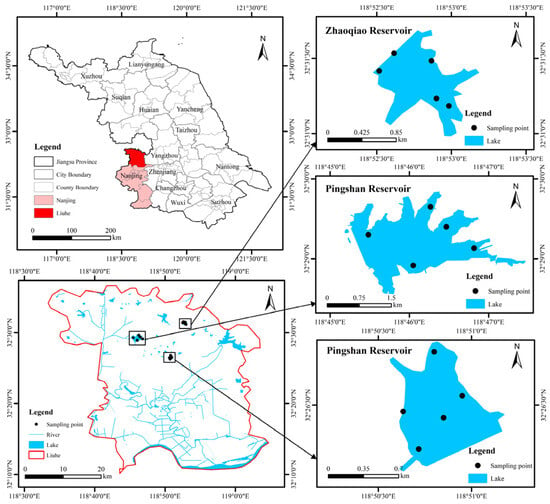
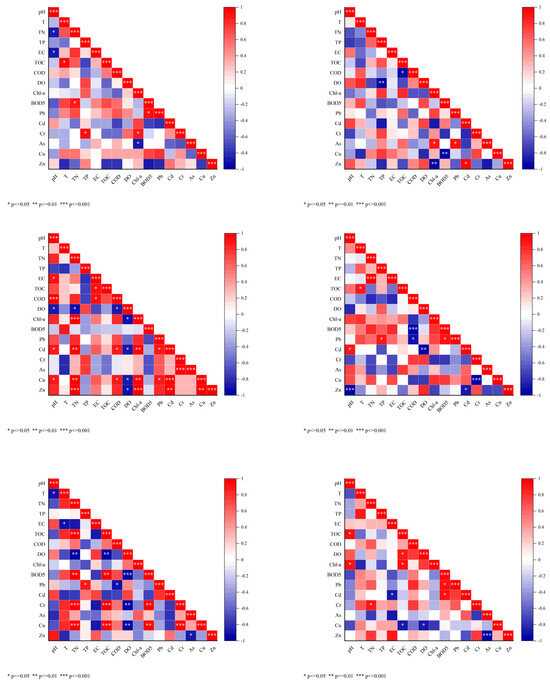
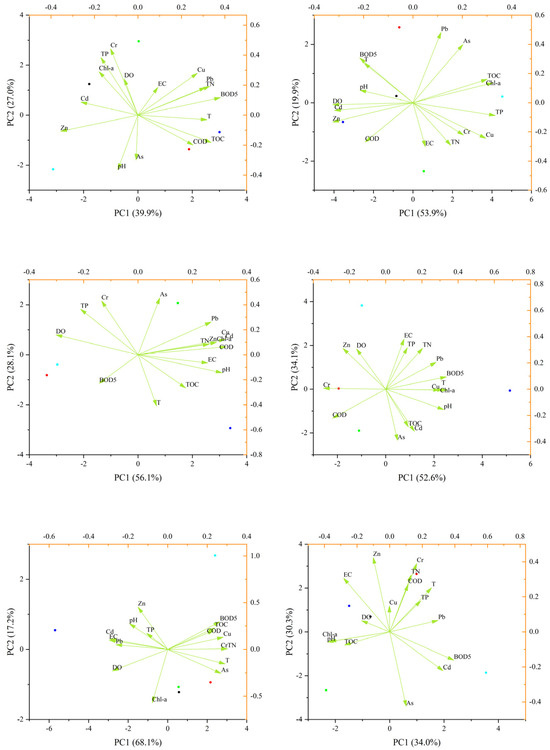
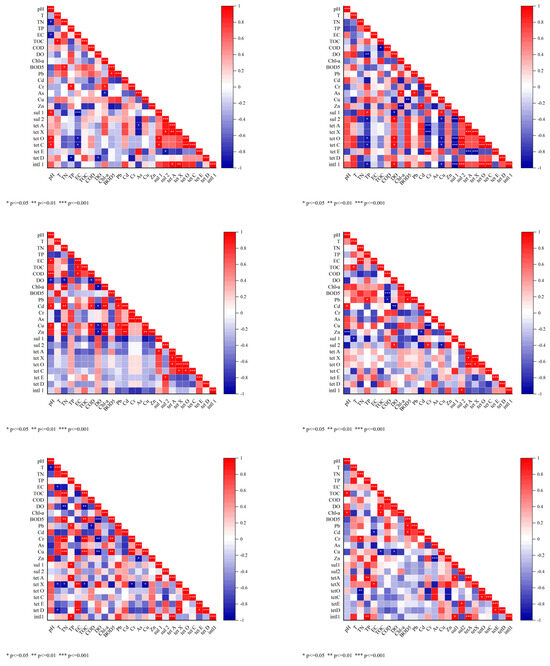
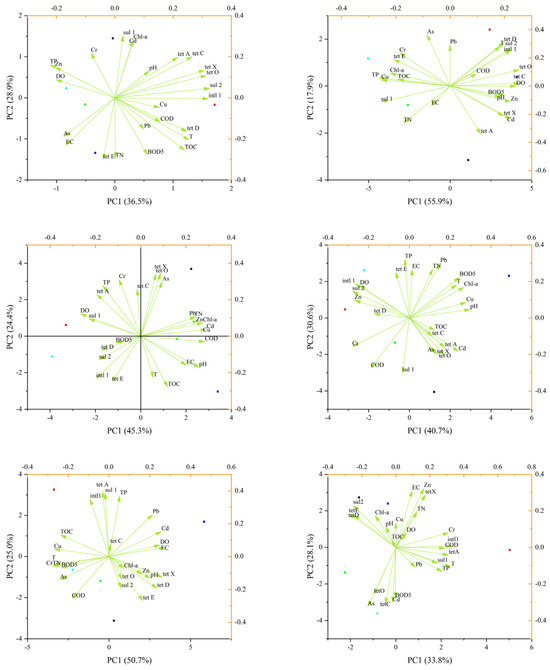
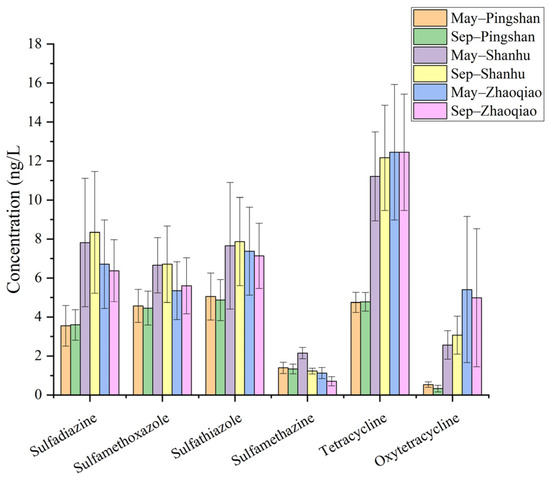
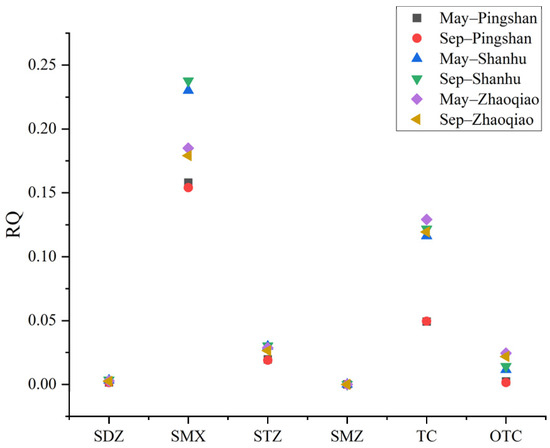
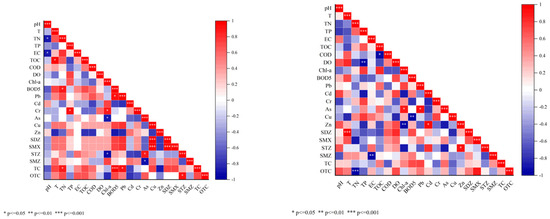
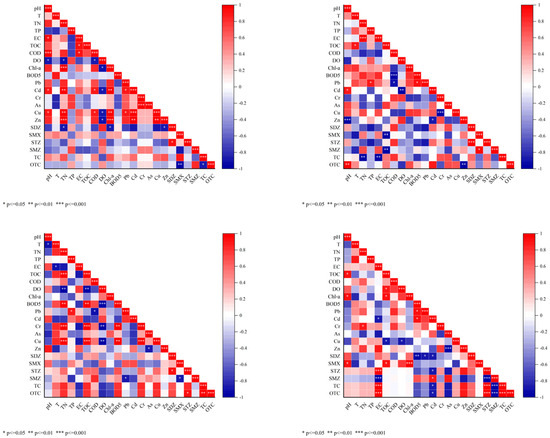
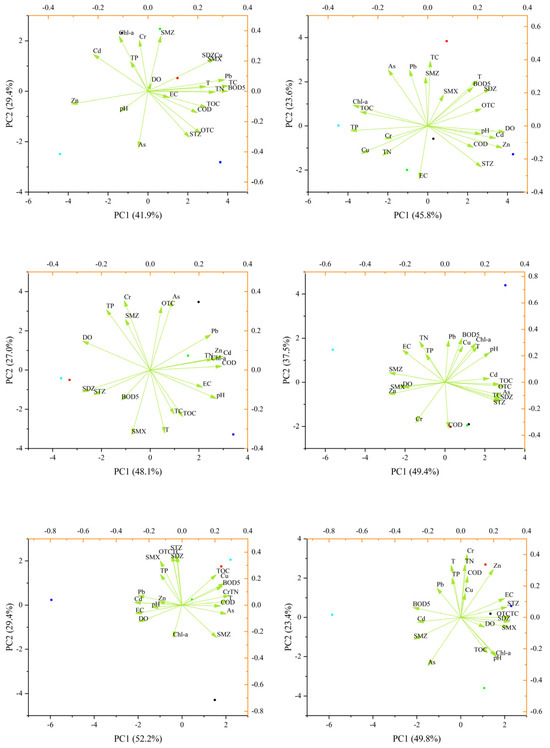
The interaction between antibiotics and antibiotic resistance genes (ARGs) in freshwater ecosystems has become a critical environmental concern. This study investigates seasonal variations of sulfonamide and tetracycline antibiotics and their relationship with ARGs in three urban reservoirs in Nanjing, China: Pingshan Forest Park, Shanhu Lake Wetland Park, and Zhaoqiao Reservoir. Sampling was conducted in May and September 2023 to assess water quality, antibiotic concentrations, and ARG abundance. A total of 30 water samples were analyzed in regard to their physicochemical parameters, heavy metals, and antibiotics. A quantitative PCR assay was used to measure the ARG abundance relative to the 16S rRNA gene. Sulfonamide concentrations ranged from 30 to 120 ng/L, while the concentrations of tetracyclines were 50–160 ng/L. Notably, sulfamethazine decreased significantly in two reservoirs (Shanhu and Zhaoqiao, p < 0.05), while other antibiotics showed minimal variation, indicating persistent contamination from agricultural runoff and wastewater discharge. ARG abundance was lower in May than in September, with sulfonamide resistance genes being lower cumulatively than tetracycline resistance genes. Strong correlations (r > 0.7) were observed between ARGs and parameters like dissolved oxygen and pH. High antibiotic levels were observed in areas without nearby hospitals or pharmaceutical companies, implicating agriculture as a major pollution source. By analyzing sulfonamide and tetracycline antibiotics and their resistance genes across three eutrophic reservoirs in Nanjing, China, we highlight critical environmental drivers of ARG proliferation and propose targeted mitigation strategies.
Full article
(This article belongs to the Special Issue Environmental Pollution Risk Assessment)
►▼
Show Figures

Figure 1
Open AccessArticle
Sandwich Composite Panels with Thermal and Acoustic Insulation Properties for Sustainable Buildings
by
Maria D. Rivera, Nelson J. Escobar, Alvaro Arrieta, Aura S. Merlano and Oriana Palma Calabokis
Environments 2025, 12(3), 95; https://doi.org/10.3390/environments12030095 - 18 Mar 2025
Abstract
►▼
Show Figures
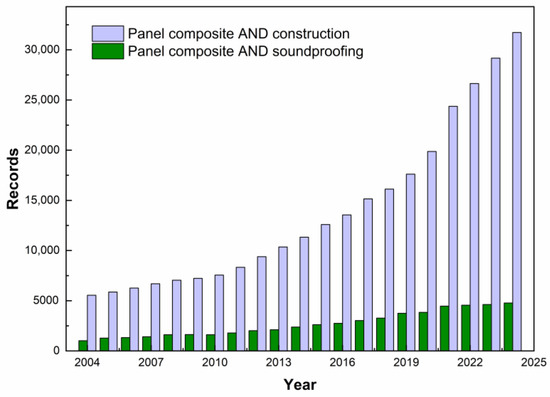
Urbanization and population growth have heightened the need for sustainable, efficient building materials that combine acoustic and thermal insulation with environmental and economic sustainability. Sandwich composite panels have gained attention as versatile solutions, offering lightweight structures, high strength, and adaptability in construction applications.
[...] Read more.
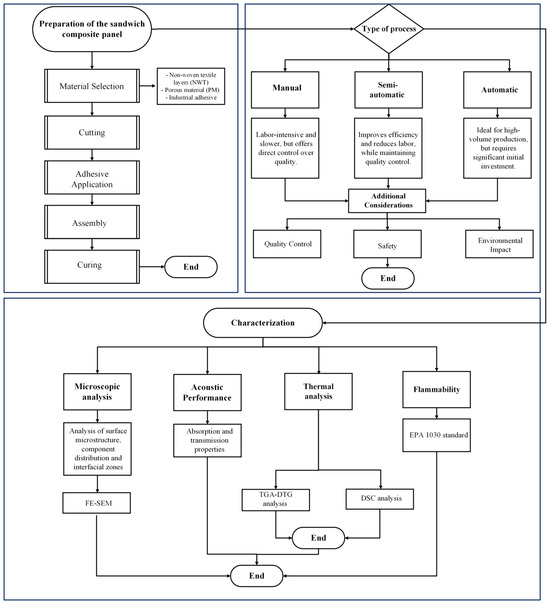
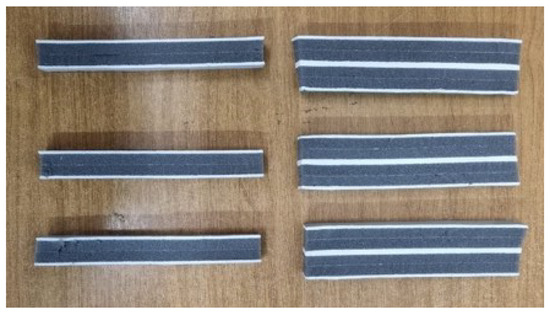
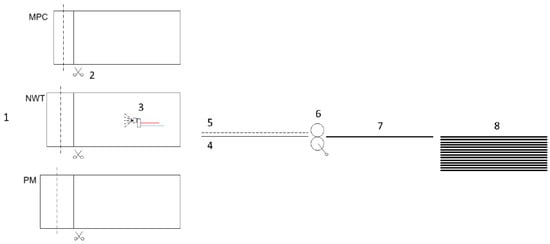
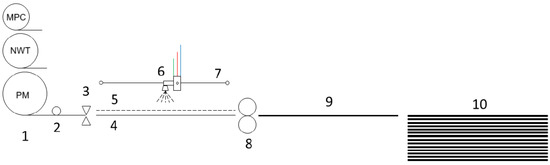
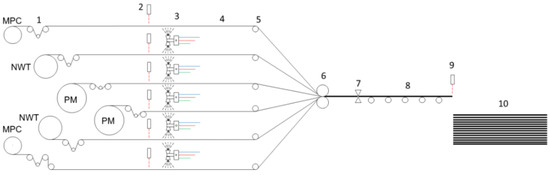
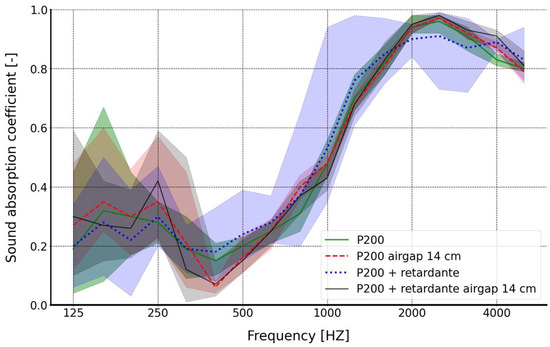
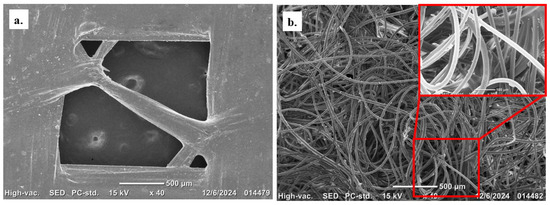
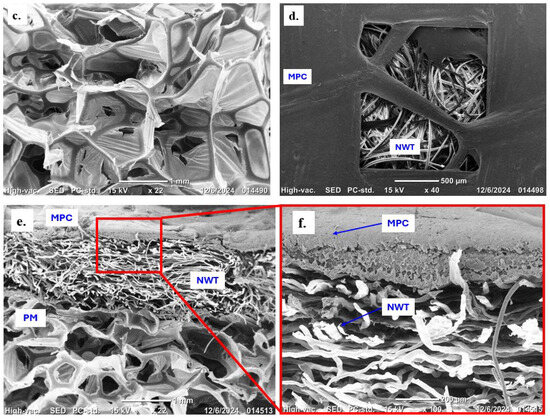
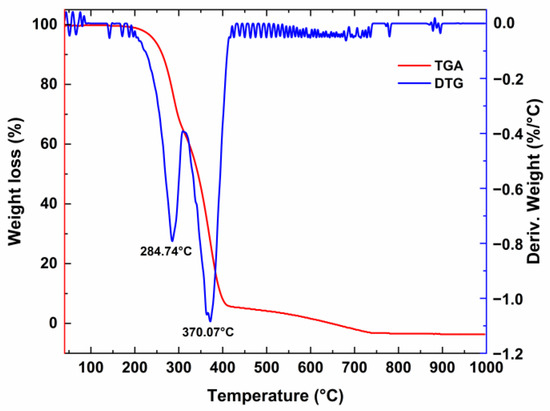
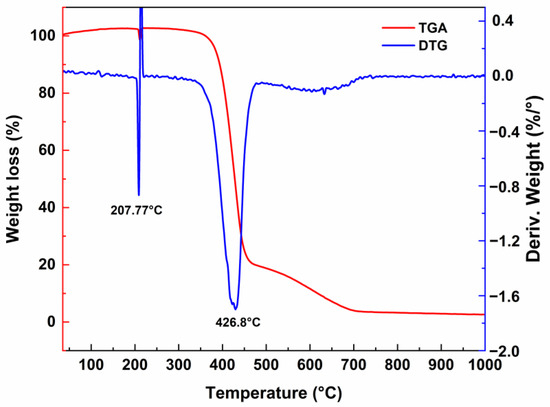
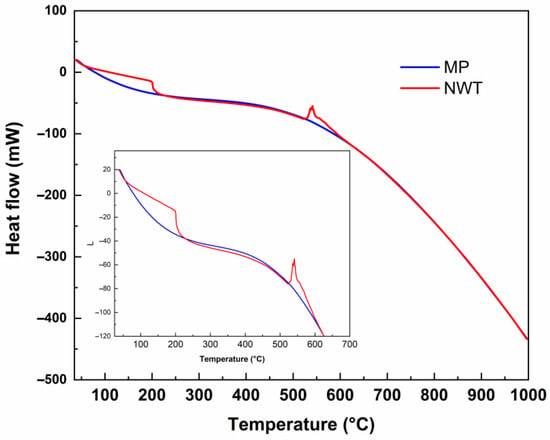
Urbanization and population growth have heightened the need for sustainable, efficient building materials that combine acoustic and thermal insulation with environmental and economic sustainability. Sandwich composite panels have gained attention as versatile solutions, offering lightweight structures, high strength, and adaptability in construction applications. This study evaluates manual, semi-automatic, and automatic production methods, selecting the automatic process for its efficiency, precision, and suitability for large-scale production. Extensive characterization techniques, including field emission scanning electron microscopy (FE-SEM), thermogravimetric analysis (TGA), Differential Thermogravimetry (DTG), Differential Scanning Calorimetry (DSC), and flammability tests, were employed to evaluate the morphological, thermal, acoustic, and fire-resistant properties of the panels. The P200 sample, produced automatically, demonstrated high acoustic absorption in the mid–high frequencies (2000–4000 Hz), strong interlayer adhesion, and low thermal conductivity (2.75 W/mK), making it effective for insulation applications. The flammability tests confirmed compliance with EPA 1030 standards, with a low flame propagation rate (1.55 mm/s). The TGA-DTG and DSC analyses revealed the thermal stability of the panel’s components, with distinct degradation stages being observed for the polyurethane core and non-woven textile layers. The FE-SEM analysis revealed a compact and homogeneous structure with strong adhesion between the core and textile layers. These results highlight the potential of sandwich composites as eco-friendly, high-performance materials for modern construction.
Full article

Figure 1
Open AccessArticle
Web-Based Baseflow Estimation in SWAT Considering Spatiotemporal Recession Characteristics Using Machine Learning
by
Jimin Lee, Jeongho Han, Bernard Engel and Kyoung Jae Lim
Environments 2025, 12(3), 94; https://doi.org/10.3390/environments12030094 - 17 Mar 2025
Abstract
The increasing frequency and severity of hydrological extremes due to climate change necessitate accurate baseflow estimation and effective watershed management for sustainable water resource use. The Soil and Water Assessment Tool (SWAT) is widely utilized for hydrological modeling but shows limitations in baseflow
[...] Read more.
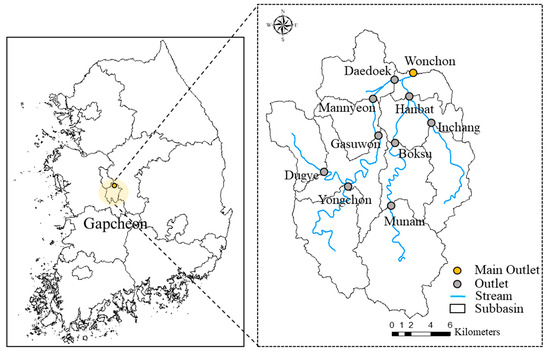
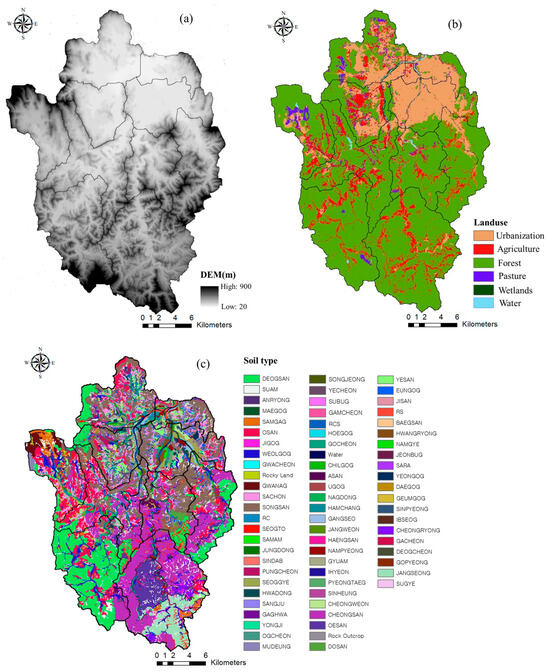
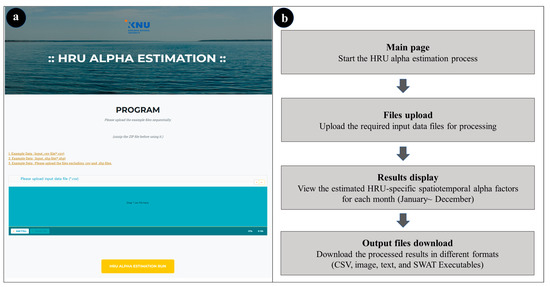
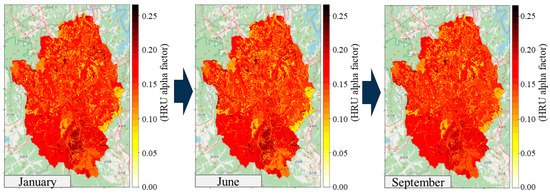
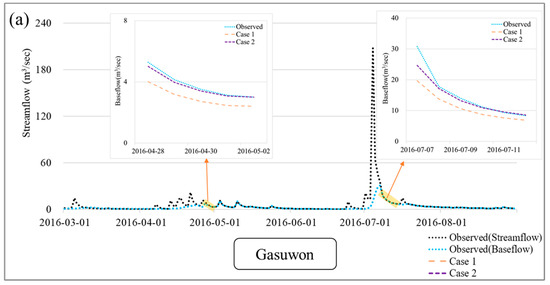
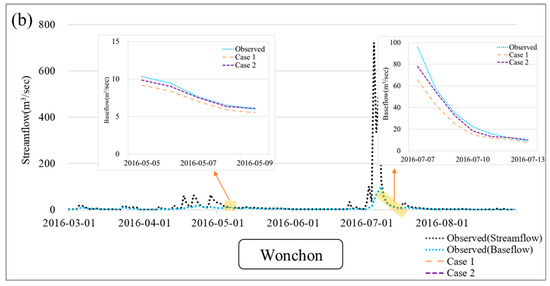
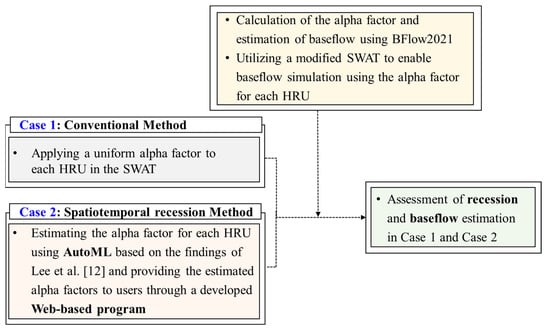
The increasing frequency and severity of hydrological extremes due to climate change necessitate accurate baseflow estimation and effective watershed management for sustainable water resource use. The Soil and Water Assessment Tool (SWAT) is widely utilized for hydrological modeling but shows limitations in baseflow simulation due to its uniform application of the alpha factor across Hydrologic Response Units (HRUs), neglecting spatial and temporal variability. To address these challenges, this study integrated SWAT with the Tree-Based Pipeline Optimization Tool (TPOT), an automated machine learning (AutoML) framework, to predict HRU-specific alpha factors. Furthermore, a user-friendly web-based program was developed to improve the accessibility and practical application of these optimized alpha factors, supporting more accurate baseflow predictions, even in ungauged watersheds. The proposed HRU-specific alpha factor approach in the study area significantly enhanced the recession and baseflow predictions compared to the traditional uniform alpha factor method. This improvement was supported by key performance metrics, including the Nash–Sutcliffe Efficiency (NSE), the coefficient of determination (R2), the percent bias (PBIAS), and the mean absolute percentage error (MAPE). This integrated framework effectively improves the accuracy and practicality of hydrological modeling, offering scalable and innovative solutions for sustainable watershed management in the face of increasing water stress.
Full article
(This article belongs to the Special Issue Hydrological Modeling and Sustainable Water Resources Management)
►▼
Show Figures

Figure 1
Open AccessArticle
Comparative Screening Life Cycle Assessments of Okara Valorisation Scenarios
by
Karina Rohrer, Fabian Whitfield, Aunchalee Aussanasuwannakul, Andriati Ningrum, Christoph Hugi and Lena Breitenmoser
Environments 2025, 12(3), 93; https://doi.org/10.3390/environments12030093 - 15 Mar 2025
Abstract
The rising global production of tofu and soymilk has led to an increase in okara byproduct generation, creating a need for sustainable valorisation strategies to reduce environmental burdens. This study aims to understand the environmental impacts of seven okara valorisation scenarios compared to
[...] Read more.
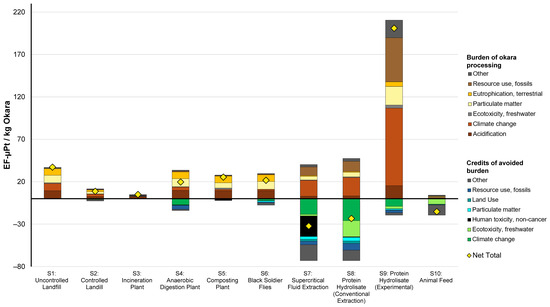
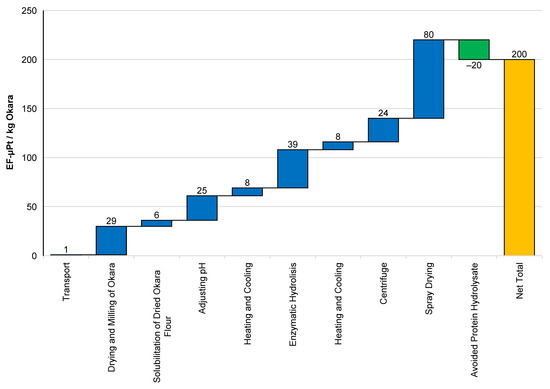
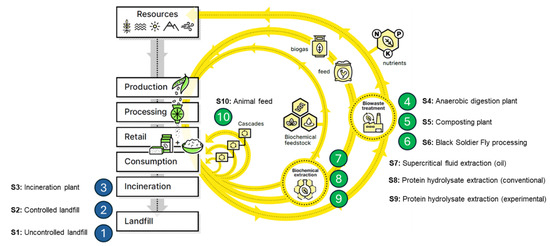
The rising global production of tofu and soymilk has led to an increase in okara byproduct generation, creating a need for sustainable valorisation strategies to reduce environmental burdens. This study aims to understand the environmental impacts of seven okara valorisation scenarios compared to conventional disposal methods, such as landfilling and incineration, by conducting screening Life Cycle Assessments (LCAs). The results show that uncontrolled landfilling causes the highest environmental burden (37.2 EF-µPt/kgokara), driven by methane and ammonia emissions that contribute to climate change, acidification, eutrophication, and particulate matter formation. Controlled landfilling (10.2 EF-µPt/kgokara) and incineration (2.5 EF-µPt/kgokara) lower these impacts but offer no circularity benefits. Biological treatments, such as anaerobic digestion (19.6 EF-µPt/kgokara), composting (25.4 EF-µPt/kgokara), and black soldier fly treatment (21.6 EF-µPt/kgokara), provide climate benefits through energy recovery and feed production but introduce ammonia and organic dust emissions. In contrast, supercritical fluid extraction (−32.3 EF-µPt/kgokara) and conventional protein hydrolysate production (−23.4 EF-µPt/kgokara) deliver the greatest environmental savings by displacing soy protein and food-grade oil production. Animal feed use (−5.5 EF-µPt/kgokara) emerges as a low-impact circular option, reducing climate change, land use, and eutrophication. The results show that regional weighting of emissions (e.g., ammonia, leachate) and uncertainties in substitution effects significantly influence outcomes. This study highlights the value of screening LCAs in identifying key environmental trade-offs in valorisation strategies and supports context-specific decision-making for circular processes.
Full article
(This article belongs to the Special Issue Waste Management and Life Cycle Assessment)
►▼
Show Figures

Figure 1

Open AccessArticle
Fishponds Are Hotspots of Algal Biodiversity—Organic Carp Farming Reveals Unexpected High Taxa Richness
by
Michael Schagerl, Chun-Chieh Yen, Christian Bauer, Luka Gaspar and Johann Waringer
Environments 2025, 12(3), 92; https://doi.org/10.3390/environments12030092 - 15 Mar 2025
Abstract
►▼
Show Figures
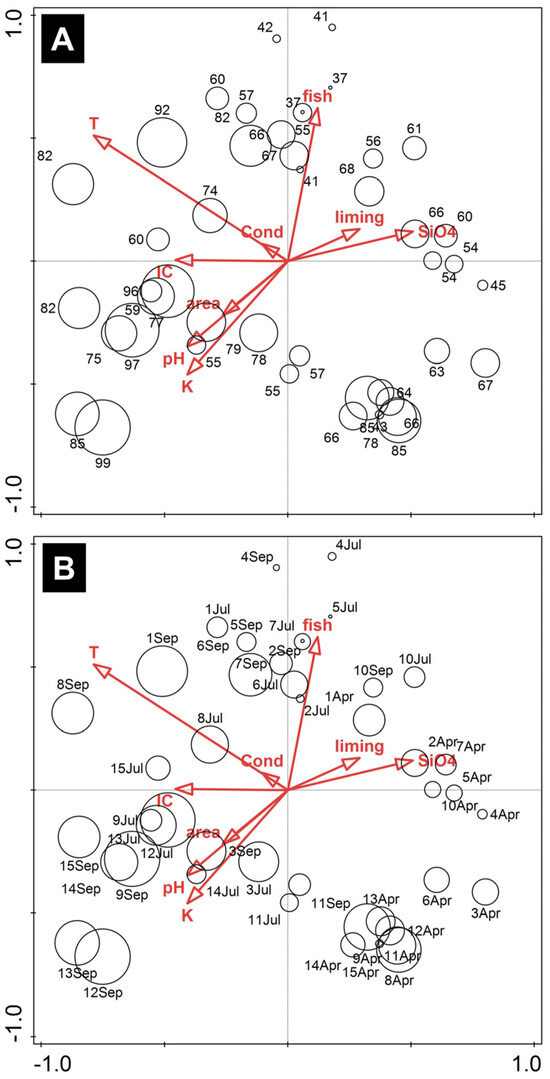
Fishponds are regarded as hypertrophic systems accompanied by low biodiversity. We focused on the phytoplankton diversity of 15 fishponds located in Austria. Of the 15 fishponds, 12 waterbodies are aquaculture ponds stocked with common carp, which converted to organic farming some years ago
[...] Read more.
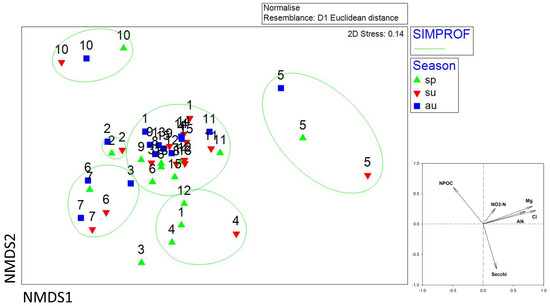
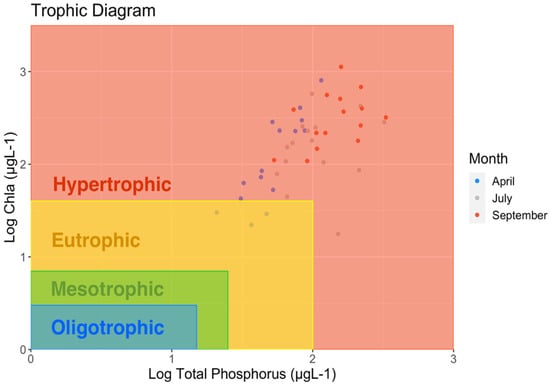
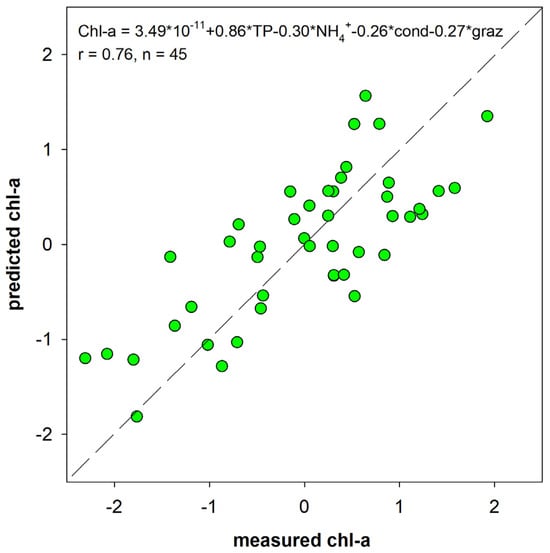
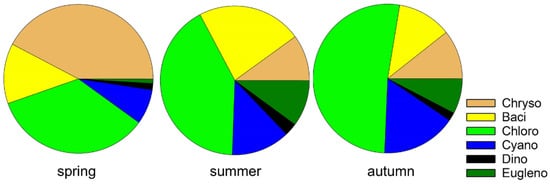
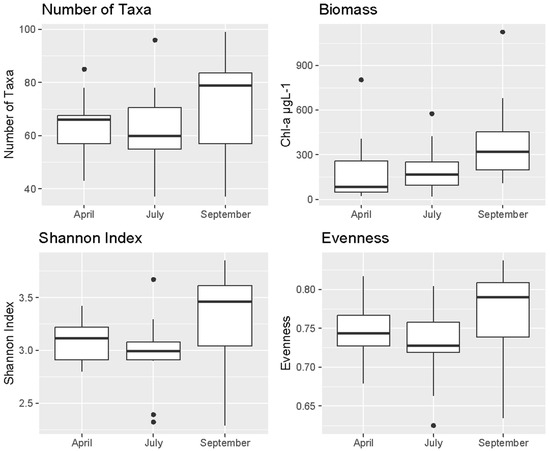
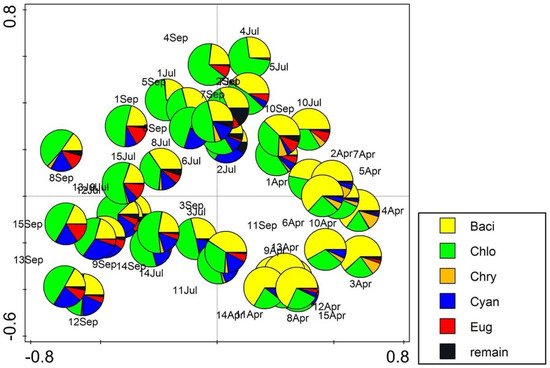
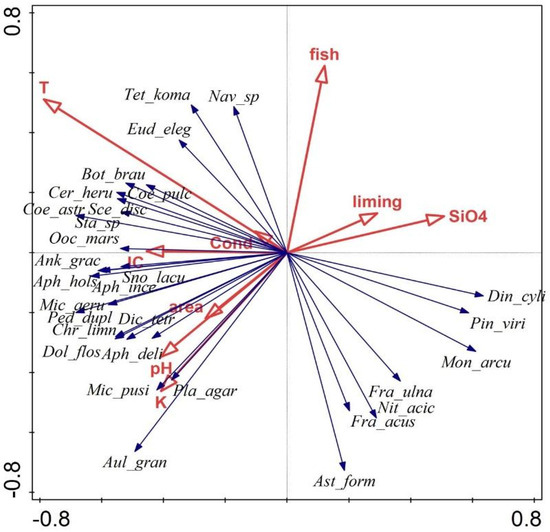
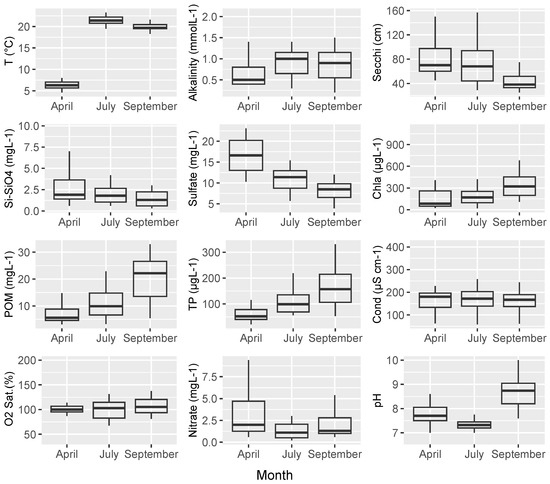
Fishponds are regarded as hypertrophic systems accompanied by low biodiversity. We focused on the phytoplankton diversity of 15 fishponds located in Austria. Of the 15 fishponds, 12 waterbodies are aquaculture ponds stocked with common carp, which converted to organic farming some years ago with grain as supplementary feed, and 3 ponds are used for recreational fishing. The trophic state index increased from 59 to 71 in spring to 80 to 93 in autumn and classified the ponds as mid-eutrophic to hypertrophic. The taxa number was surprisingly high (taxa richness up to 100 taxa per pond). The phytoplankton resource use efficiency was in the upper range of eutrophicated waters and did not show seasonal differences (median Chlorophyll-a/total phosphorus = 1.94, Chlorophyll-a/total nitrogen = 0.12). Linking environmental data with the algal community resulted in a distinct temporal community pattern with a significant seasonal shift from the cooler season dominated by Ochrophyta taxa to green algae as the most abundant group in summer and autumn. Our findings challenge general assumptions regarding low phytoplankton diversity with long-lasting Cyanobacteria blooms and conform to the algal dynamics described in the plankton ecology group (PEG) model for temperate shallow lakes. These man-made systems are an ecological asset, highly connected to terrestrial habitats in their vicinity and significantly contributing to the ecological health and long-term sustainability of the region.
Full article

Figure 1
Journal Menu
► ▼ Journal Menu-
- Environments Home
- Aims & Scope
- Editorial Board
- Topical Advisory Panel
- Instructions for Authors
- Special Issues
- Topics
- Topical Collections
- Article Processing Charge
- Indexing & Archiving
- Editor’s Choice Articles
- Most Cited & Viewed
- Journal Statistics
- Journal History
- Journal Awards
- Conferences
- Editorial Office
Journal Browser
► ▼ Journal BrowserHighly Accessed Articles
Latest Books
E-Mail Alert
News
Topics
Topic in
Environments, Forests, IJMS, Molecules, IJERPH
Molecules We Breathe: Volatile Phytocompounds for Forest Medicine
Topic Editors: Giovanni N. Roviello, Francesco MeneguzzoDeadline: 11 June 2025
Topic in
Environments, Hydrology, Sustainability, Water
Critical Issues in Groundwater Pollution Monitoring and Risk Warning
Topic Editors: Wenjing Zhang, Wenxia Wei, Huan Huan, Zhi Dou, Yuanzheng ZhaiDeadline: 30 June 2025
Topic in
Agrochemicals, Environments, Water, Toxics, Soil Systems, Microplastics, Microorganisms, Sustainability
The Challenges and Future Trends in Anthropogenic and Natural Pollution Control Engineering
Topic Editors: Chenyang Zhang, Fujing Pan, Xiaoyu Gao, Weiqi Fu, Anxu Sheng, Zhiqiang Kong, Lei He, Sining Zhong, Jie ChenDeadline: 1 August 2025
Topic in
Agriculture, Atmosphere, Sustainability, Land, Environments, Agronomy, Energies
Greenhouse Gas Emission Reductions and Carbon Sequestration in Agriculture
Topic Editors: Dimitrios Aidonis, Dionysis Bochtis, Charisios AchillasDeadline: 31 August 2025
Conferences
Special Issues
Special Issue in
Environments
Salmonid Fishery Management and Its Interactions with Freshwater Ecosystem Functions, Structures, and Services
Guest Editors: Gianluca Polgar, Pietro VoltaDeadline: 25 April 2025
Special Issue in
Environments
Research Progress in Groundwater Contamination and Treatment
Guest Editors: Panagiotis Papazotos, Eleni Vasileiou, Eleni Gianni, Simeone ChianeseDeadline: 25 April 2025
Special Issue in
Environments
Editorial Board Members' Collection Series: Air Quality Assessment and Management, 2nd Edition
Guest Editors: William A. Anderson, Ching-Yuan ChangDeadline: 25 April 2025
Special Issue in
Environments
Life Cycle and Risk Assessment for Water and Wastewater Infrastructure
Guest Editor: Xiaobo Xue RomeikoDeadline: 25 April 2025
Topical Collections
Topical Collection in
Environments
Trends and Innovations in Environmental Impact Assessment
Collection Editor: Manuel Duarte Pinheiro