

Journal Description
Fermentation
Fermentation
is an international, peer-reviewed, open access journal on fermentation process and technology published monthly online by MDPI.
- Open Access— free for readers, with article processing charges (APC) paid by authors or their institutions.
- High Visibility: indexed within Scopus, SCIE (Web of Science), PubAg, FSTA, Inspec, CAPlus / SciFinder, and other databases.
- Journal Rank: JCR - Q2 (Biotechnology and Applied Microbiology) / CiteScore - Q2 (Plant Science)
- Rapid Publication: manuscripts are peer-reviewed and a first decision is provided to authors approximately 15.4 days after submission; acceptance to publication is undertaken in 2.6 days (median values for papers published in this journal in the second half of 2024).
- Recognition of Reviewers: reviewers who provide timely, thorough peer-review reports receive vouchers entitling them to a discount on the APC of their next publication in any MDPI journal, in appreciation of the work done.
Impact Factor:
3.3 (2023);
5-Year Impact Factor:
3.7 (2023)
Latest Articles
Evaluation of Sensory Properties and Short-Chain Fatty Acid Production in Fermented Soymilk on Addition of Fructooligosaccharides and Raffinose Family of Oligosaccharides
Fermentation 2025, 11(4), 194; https://doi.org/10.3390/fermentation11040194 (registering DOI) - 5 Apr 2025
Abstract
High potential is attributed to the concomitant use of probiotics and prebiotics in a single food product, called “synbiotics”, where the prebiotic component distinctly favours the growth and activity of probiotic microbes. This study implemented a detailed comparison between the prebiotic effect of
[...] Read more.
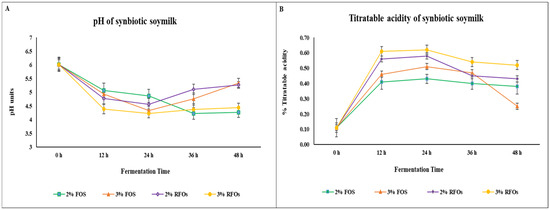
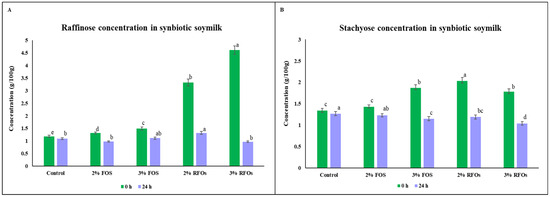
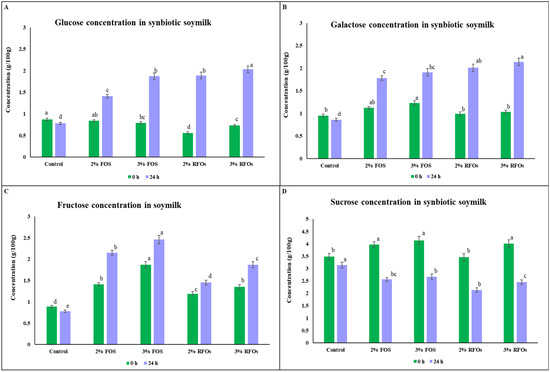
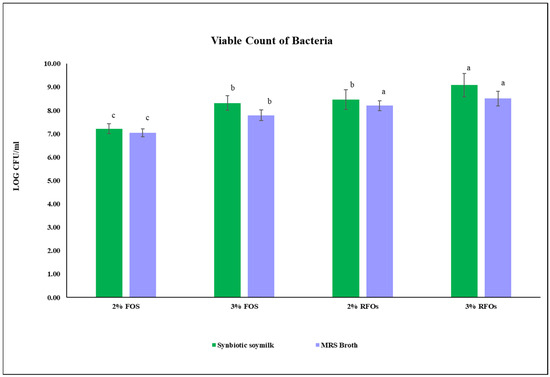
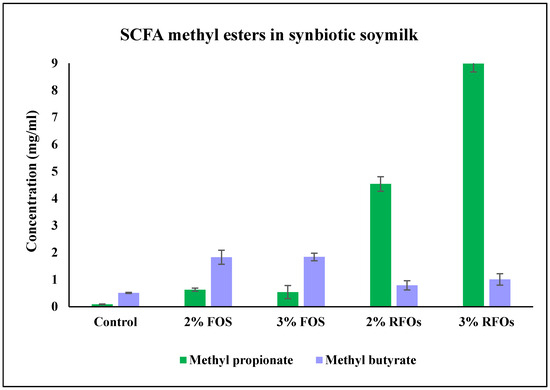
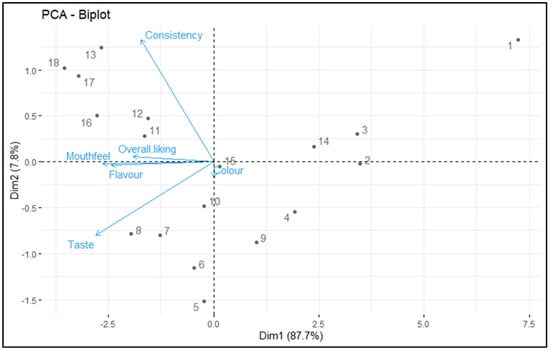
High potential is attributed to the concomitant use of probiotics and prebiotics in a single food product, called “synbiotics”, where the prebiotic component distinctly favours the growth and activity of probiotic microbes. This study implemented a detailed comparison between the prebiotic effect of Fructooligosaccharides (FOSs) and Raffinose family oligosaccharides (RFOs) on the viable count of bacteria, hydrolysis into monosaccharides, the biosynthesis of short-chain fatty acids and sensory attributes of soymilk fermented with 1% (v/v) co-cultures of Lacticaseibacillus rhamnosus JCM1136 and Weissella confusa 30082b. The highest viable count of 1.21 × 10⁹ CFU/mL was observed in soymilk with 3% RFOs added as a prebiotic source compared with MRS broth with 3% RFOs (3.21 × 10⁸) and 3% FOS (6.2 × 10⁷ CFU/mL) when replaced against glucose in MRS broth. Raffinose and stachyose were extensively metabolised (4.75 and 1.28-fold decrease, respectively) in 3% RFOs supplemented with soymilk, and there was an increase in glucose, galactose, fructose (2.36, 1.55, 2.76-fold, respectively) in soymilk supplemented with 3% FOS. Synbiotic soymilk with 3% RFOs showed a 99-fold increase in methyl propionate, while the one supplemented with 3% FOS showed an increase in methyl butyrate. The highest acceptability based on the sensory attributes was for soymilk fermented with 2% RFOs + 2% FOS + 2% table sugar + 1% vanillin (7.87 ± 0.52) with high mouth feel, product consistency, taste, and flavour. This study shows that the simultaneous administration of soy with probiotic bacteria and prebiotic oligosaccharides like FOSs and RFOs enhance the synergistic interaction between them, which upgraded the nutritional and sensory quality of synbiotic soymilk.
Full article
(This article belongs to the Special Issue Analysis of Quality and Sensory Characteristics of Fermented Products (2nd Edition))
►
Show Figures
Open AccessReview
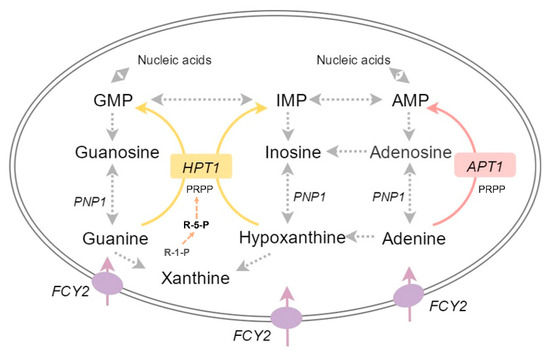
Strategies for Reducing Purine Accumulation in Beer: From Metabolic Mechanisms to Brewing Technology Innovations
by
Jun Liu and Jian Lu
Fermentation 2025, 11(4), 193; https://doi.org/10.3390/fermentation11040193 (registering DOI) - 5 Apr 2025
Abstract
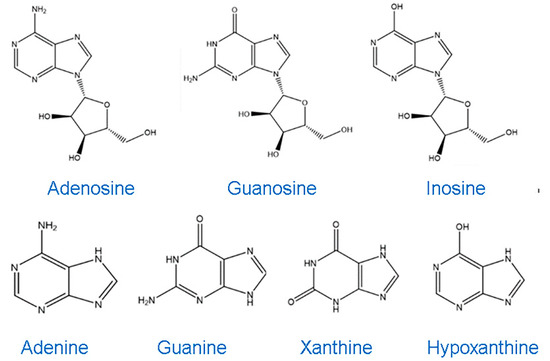
The rising prevalence of hyperuricemia and gout, driven by dietary purine intake, has intensified demand for healthier alcoholic beverages. Beer, a major contributor to exogenous purines, poses significant health risks despite its cultural and economic importance. This review systematically analyzes purine sources in
[...] Read more.
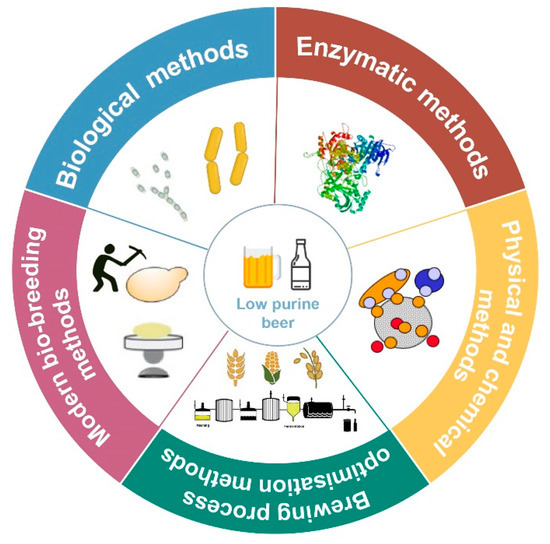
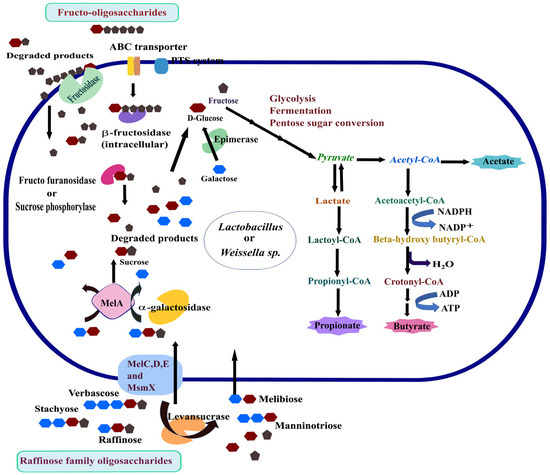
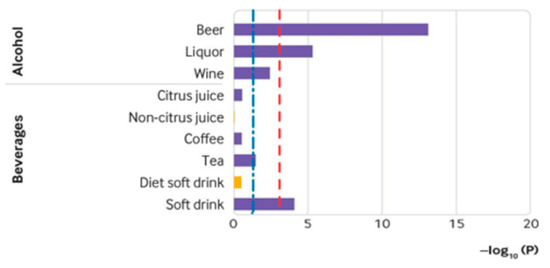
The rising prevalence of hyperuricemia and gout, driven by dietary purine intake, has intensified demand for healthier alcoholic beverages. Beer, a major contributor to exogenous purines, poses significant health risks despite its cultural and economic importance. This review systematically analyzes purine sources in beer, metabolic pathways leading to uric acid production, and cutting-edge strategies for purine reduction. We evaluate physical adsorption, enzymatic degradation, microbial fermentation, and yeast metabolic engineering, highlighting their efficacy and limitations in industrial applications. Challenges such as flavor preservation, regulatory compliance, and scalability are critically discussed. By integrating multidisciplinary approaches ranging from synthetic biology to process optimization, this work provides a roadmap for developing commercially viable low-purine beers, bridging the gap between public health priorities and brewing industry innovation.
Full article
(This article belongs to the Section Microbial Metabolism, Physiology & Genetics)
►▼
Show Figures

Figure 1
Open AccessArticle
Optimizing Silage Efficiency: The Role of Ryegrass Varieties, Harvest Time, and Additives in Enhancing Perennial Ryegrass (Lolium perenne) Fermentation
by
Tianyi Guo, Tong Niu, Katrin Kuka and Nils Tippkötter
Fermentation 2025, 11(4), 192; https://doi.org/10.3390/fermentation11040192 - 4 Apr 2025
Abstract
►▼
Show Figures
The increasing demand for bio-based chemicals and sustainable materials has placed biomass-derived lactic acid in the spotlight as a key building block for biodegradable polylactic acid (PLA). Perennial ryegrass (Lolium perenne) is a promising feedstock due to its high dry matter
[...] Read more.
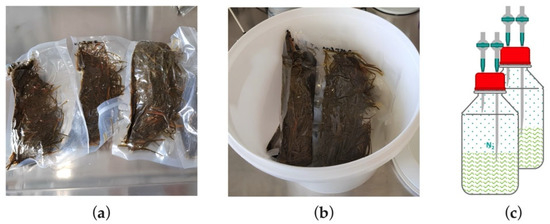
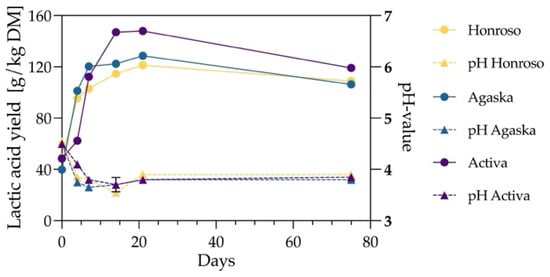
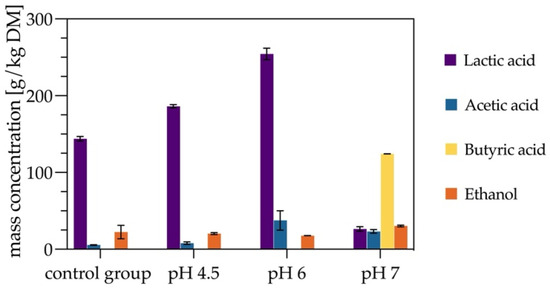
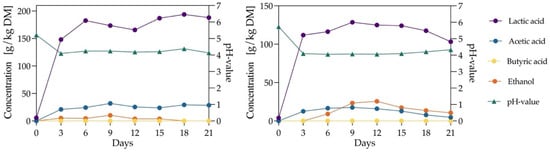
The increasing demand for bio-based chemicals and sustainable materials has placed biomass-derived lactic acid in the spotlight as a key building block for biodegradable polylactic acid (PLA). Perennial ryegrass (Lolium perenne) is a promising feedstock due to its high dry matter (DM) yield, adaptability, and widespread agricultural use. This study investigates an integrated lactic acid–silage cascade process, focusing on how pH regulation, harvest timing, and biomass characteristics influence lactic acid production while maintaining agronomic efficiency. The results highlighted the crucial role of pH management and silage duration in optimizing lactic acid production. A silage period of 21 days was found to be optimal, as peak lactic acid yields were consistently observed at this stage. Maintaining a pH range of 4.5 to 6 proved essential for stabilizing fermentation, with citrate buffering at pH 6 leading to the highest lactic acid yields and minimizing undesirable by-products. Harvest timing also significantly affected lactic acid yield per hectare. While later harvesting increased total DM yield, it led to a decline in lactic acid concentration per kg DM. Tetraploid ryegrass (Explosion) maintained stable lactic acid yields due to higher biomass accumulation, whereas diploid varieties (Honroso) experienced a net reduction. From an agronomic perspective, optimizing harvest timing and variety selection is key to balancing biomass yield and fermentation efficiency. While tetraploid varieties offer greater flexibility, diploid varieties require precise harvest timing to avoid losses. These findings contribute to sustainable forage management, improving lactic acid production, silage efficiency, and agricultural resource use.
Full article

Figure 1
Open AccessArticle
Assessment of Alternative Media Viability for Cell Growth Phase in the Lab-Scale Xanthan Pruni Production—Part I
by
Isabel Santos Pedone, Fabíola Insaurriaga Aquino, Eduardo dos Santos Macedo Costa, Karine Laste Macagnan, Jéssica da Rosa Porto, Anderson Schwingel Ribeiro, Mariane Igansi Alves, Claire Tondo Vendruscolo and Angelita da Silveira Moreira
Fermentation 2025, 11(4), 191; https://doi.org/10.3390/fermentation11040191 - 3 Apr 2025
Abstract
Xanthan is a highly relevant commercial microbial biopolymer. Its production occurs in two steps: the bacterium is cultivated in a nitrogen-rich medium for cell multiplication, and the obtained biomass is used as an inoculum for the polymer production phase. Different media compositions for
[...] Read more.
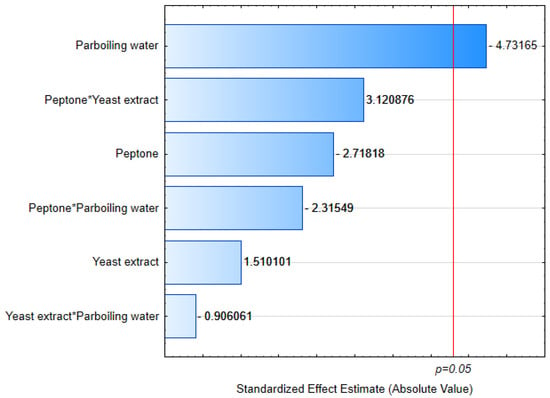
Xanthan is a highly relevant commercial microbial biopolymer. Its production occurs in two steps: the bacterium is cultivated in a nitrogen-rich medium for cell multiplication, and the obtained biomass is used as an inoculum for the polymer production phase. Different media compositions for cell growth were investigated, seeking to reduce or replace the peptone used in the standard medium. Peptone (P), yeast extract (YE), and rice parboiling water (RPW) concentration combinations were tested in cultivating Xanthomonas arboricola pv. pruni 101. A CRD 23 design, performed in a shaker, was used to assess the effects of independent variables on xanthan pruni microbial growth, N consumption, yield, viscosity, pseudoplasticity, and xanthan mineral content. After 24 h an increase in N was observed, without any significant impact on cell growth. Xanthan yield increased as a result of the alternative treatments, with P and YE influencing positively. However, T1, with the lowest levels of P, YE, and RPW increased viscosity and pseudoplasticity of xanthan pruni. RPW increased phosphorus, silicon, calcium, and magnesium, and P and YE increased potassium. These results indicate that partial replacement of P by RPW and YE is an economically viable and sustainable approach for the xanthan pruni production.
Full article
(This article belongs to the Special Issue Fermentation Processes: Modeling, Optimization and Control: 2nd Edition)
►▼
Show Figures

Figure 1
Open AccessArticle
Comparative Analysis of Physicochemical and Biological Activities of Meads from Five Mekong Region Honeys Pre- and Post-Fermentation
by
Sahutchai Inwongwan, Thanaporn Kitcharoen, Pitchayapak Wongsasuk, William Le Masurier, Chanon Saksunwiriya, Phuwasit Takioawong, Hataichanok Pandith, Sitthisak Intarasit, Nuttapol Noirungsee and Terd Disayathanoowat
Fermentation 2025, 11(4), 190; https://doi.org/10.3390/fermentation11040190 - 3 Apr 2025
Abstract
This study examines the physicochemical and biological changes in meads produced from five honey types sourced from the Mekong region: Tree Marigold (Tithonia diversifolia, Myanmar), Coffee (Coffea canephora, Vietnam), Kapok (Ceiba pentandra, Cambodia), Rubber (Hevea brasiliensis
[...] Read more.
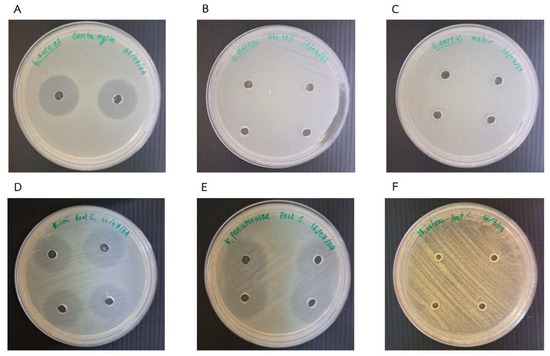
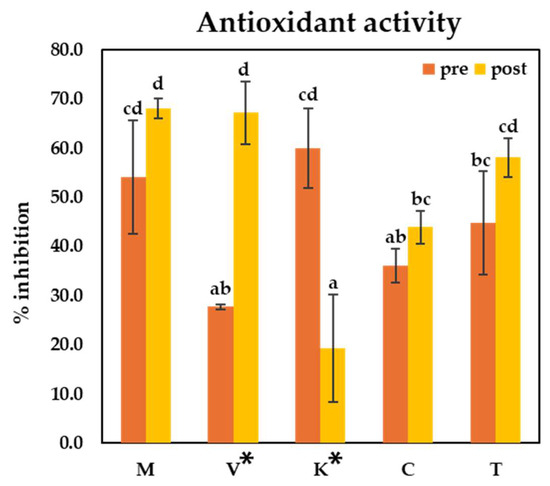
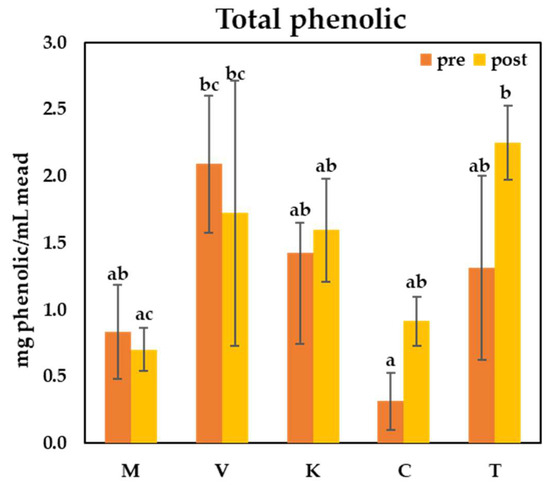
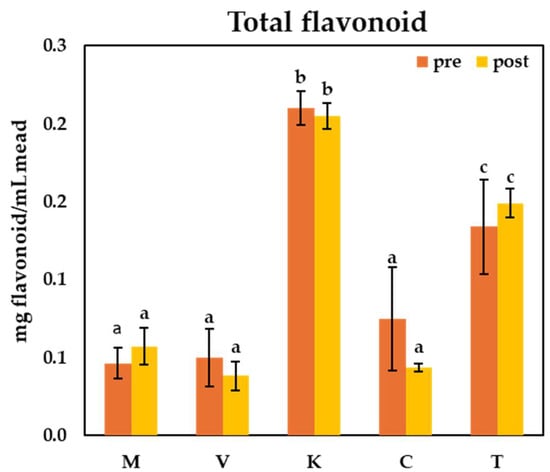
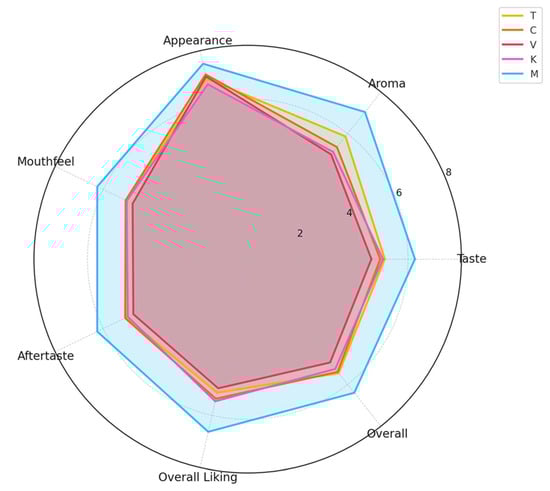
This study examines the physicochemical and biological changes in meads produced from five honey types sourced from the Mekong region: Tree Marigold (Tithonia diversifolia, Myanmar), Coffee (Coffea canephora, Vietnam), Kapok (Ceiba pentandra, Cambodia), Rubber (Hevea brasiliensis, China), and Mixed Floral (Thailand). Honey musts were fermented with Saccharomyces cerevisiae at 25 °C for two weeks. After fermentation, meads exhibited lighter coloration, a stable pH (3.5–4.5), and varying bioactivities. All meads showed antimicrobial activity against Escherichia coli, while activity against Staphylococcus aureus and Klebsiella pneumoniae varied by honey source and depended on fermentation. Antioxidant activity ranged from 19.25 to 68.11% inhibition, and peaked in Tree Marigold honey after fermentation. Total phenolic and flavonoid contents fluctuated, with Mixed Floral mead showing the highest post-fermentation phenolic levels. The results of a sensory analysis ranked Tree Marigold mead the highest across taste, mouthfeel, aftertaste, and overall preference. These findings underscore the influence of honey origin and fermentation on the physicochemical, antimicrobial, and sensory properties of mead.
Full article
(This article belongs to the Special Issue Safety and Quality in Fermented Beverages)
►▼
Show Figures

Figure 1
Open AccessArticle
A Novel Food Wastewater Treatment Approach: Developing a Sustainable Fungicide for Agricultural Use
by
Zikhona Tshemese, Laura Buzón-Durán, María Cruz García-González, Nirmala Deenadayalu and Beatriz Molinuevo-Salces
Fermentation 2025, 11(4), 189; https://doi.org/10.3390/fermentation11040189 - 3 Apr 2025
Abstract
Three wastewater sources, namely slaughterhouse wastewater, cheese whey, and wine lees, were used for volatile fatty acid (VFA) production with the aim of reducing polluted wastewater discharge to the water bodies and creating a useful product. Cheese whey and wine lees were proved
[...] Read more.
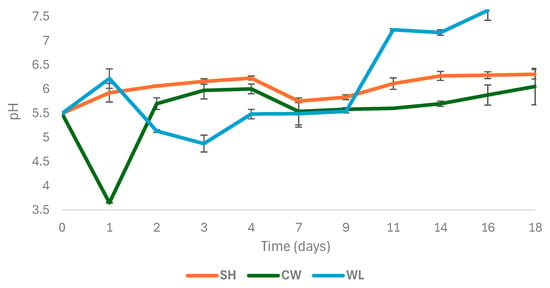
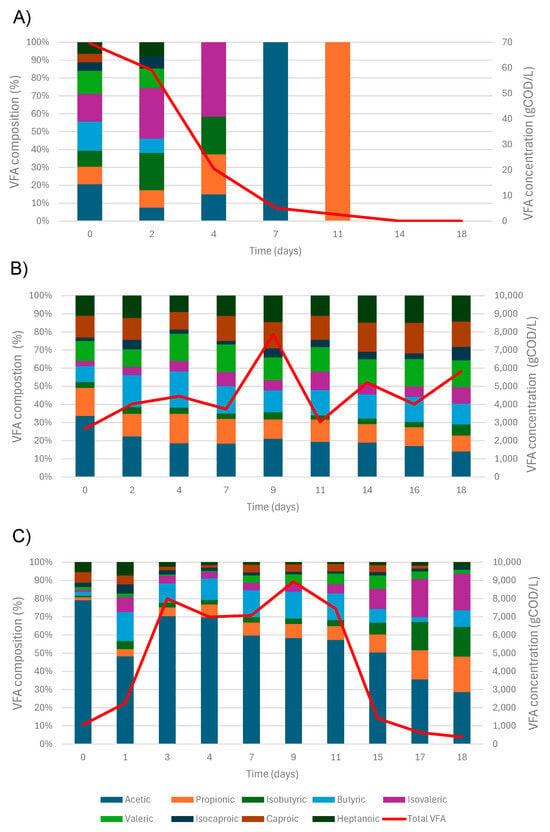
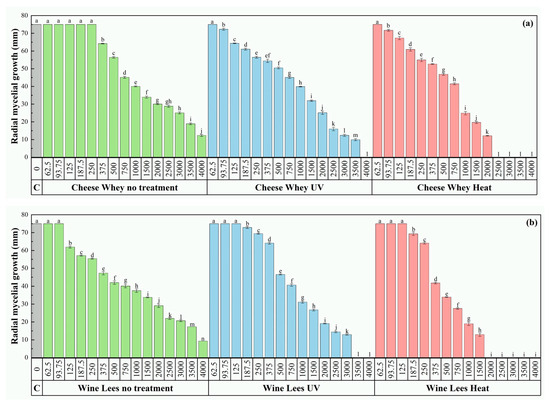
Three wastewater sources, namely slaughterhouse wastewater, cheese whey, and wine lees, were used for volatile fatty acid (VFA) production with the aim of reducing polluted wastewater discharge to the water bodies and creating a useful product. Cheese whey and wine lees were proved to be good substrates to produce VFAs, obtaining maximum bioconversion percentages in g COD-VFA/g TCOD initial of 90% and 72% for cheese whey and wine lees, respectively. The composition of the VFAs produced from each wastewater stream varied, with acetic, propionic, isobutyric, and isovaleric acids being the most dominant. These VFAs were used as an environmentally friendly fungicide against Fusarium culmorum, resulting in a reduction of the radial mycelial growth of Fusarium culmorum for all the effluents tested. A thermal pretreatment of the VFAs resulted in an improved antifungal efficiency if compared to the untreated VFAs or a UV pretreatment.
Full article
(This article belongs to the Special Issue Treatment of Municipal Wastewater by Anaerobic Biotechnology)
►▼
Show Figures

Figure 1

Open AccessArticle
Impact of Heat Treatment on Hard Cider Enriched with Cryo-Concentrated Apple Must: Microbiological Profile, Functional Properties, and Storage Stability
by
Matheus de Melo Carraro, Isabela Maria Macedo Simon Sola, Raul Dias Moreira dos Santos, Ivo Mottin Demiate, Aline Alberti and Alessandro Nogueira
Fermentation 2025, 11(4), 188; https://doi.org/10.3390/fermentation11040188 - 2 Apr 2025
Abstract
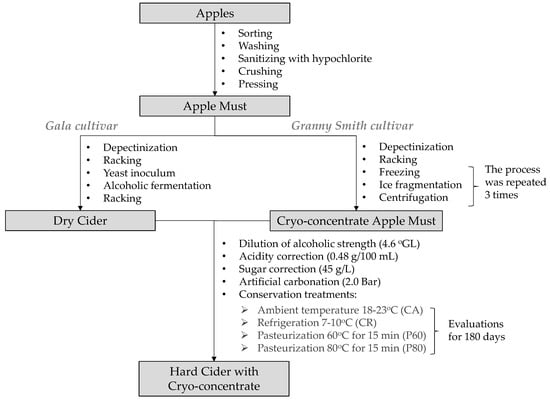
This study evaluated the impact of heat treatment on the microbiological, chemical, and functional properties of hard cider enriched with cryo-concentrate over 180 days of storage. The experimental protocol for the hard cider was assessed under three conditions: room temperature (18–23 °C, CA),
[...] Read more.
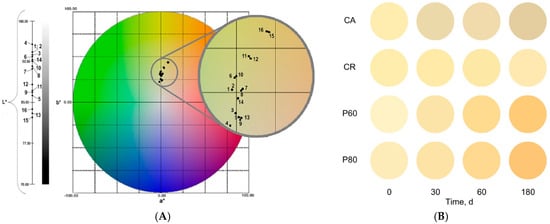
This study evaluated the impact of heat treatment on the microbiological, chemical, and functional properties of hard cider enriched with cryo-concentrate over 180 days of storage. The experimental protocol for the hard cider was assessed under three conditions: room temperature (18–23 °C, CA), refrigeration (7–8 °C, CR), and pasteurization at 60 °C for 15 min (P60) and 80 °C for 15 min (P80). The heat treatment employed was mild to preserve the hard cider’s quality. Microbiological results confirmed proper processing conditions. Pasteurization reduced the initial populations of molds and yeasts by 92.9% (P80) and 83.3% (P60), while lactic acid bacteria decreased by over 99.0%. Microbial counts in P60 and P80 continued to decline during storage. Sugar content was the main indicator of instability in P60, particularly at 60 days. Both P60 and P80 ciders exhibited similar reductions in antioxidant activity, with DPPH showing a reduction of 43–45% and ABTS exhibiting a decrease of 50–51%. Additionally, a twofold increase in color intensity (darkening) was observed during storage in heat-treated samples. These findings demonstrate that pasteurization at 80 °C for 15 min effectively extends the shelf life of hard cider with cryo-concentrate to six months at room temperature, offering a practical solution for commercial production.
Full article
(This article belongs to the Special Issue Lactic Acid Bacteria Metabolism)
►▼
Show Figures

Figure 1
Open AccessArticle
Exploiting 1,3-Propanediol Production by a Clostridium beijerinckii Strain: The Role of Glycerol and Ammonium Sulfate Concentrations
by
Pedro Felipe Dassie Leonel de Castro, Rafael de Moraes Altafini, Jonatã Bortolucci, Jaques Florêncio, Maria Lucia Arruda Moura Campos and Valeria Reginatto
Fermentation 2025, 11(4), 187; https://doi.org/10.3390/fermentation11040187 - 2 Apr 2025
Abstract
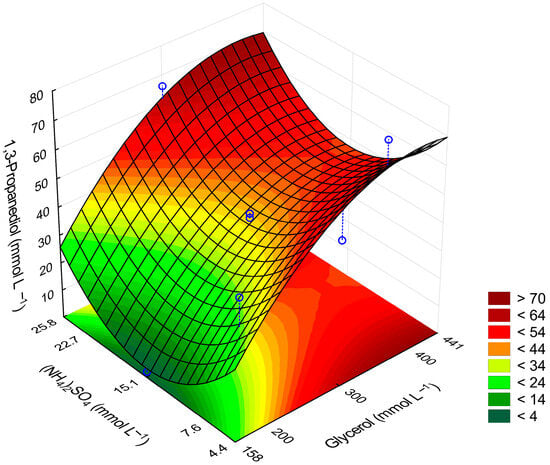
In this study, we optimized the initial concentrations of glycerol and (NH4)2SO4 to enhance 1,3-propanediol (1,3-PDO) production by Clostridium beijerinckii strain Br21. A central composite rotational design (CCRD) was employed, varying glycerol concentrations between 158 and 441 mmol
[...] Read more.
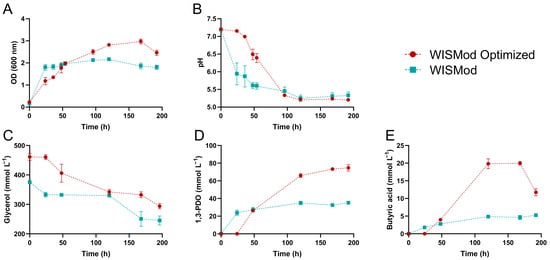
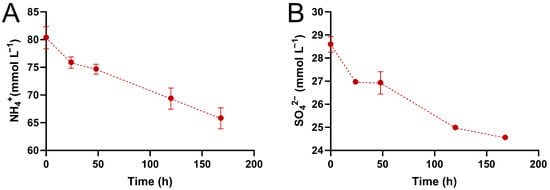
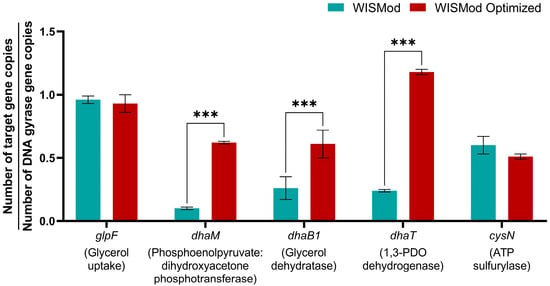
In this study, we optimized the initial concentrations of glycerol and (NH4)2SO4 to enhance 1,3-propanediol (1,3-PDO) production by Clostridium beijerinckii strain Br21. A central composite rotational design (CCRD) was employed, varying glycerol concentrations between 158 and 441 mmol L−1, and (NH4)2SO4 concentrations between 4.4 and 25.8 mmol L−1. The CCRD identified optimal conditions at 441.42 mmol L−1 for glycerol and 25.8 mmol L−1 for (NH4)2SO4. The optimized medium resulted in a 112% increase in 1,3-PDO production compared to the original medium. Analysis of NH4+ and SO42− ions under optimal conditions revealed a higher consumption of NH4+ than SO42−. Furthermore, a quantitative gene expression analysis revealed that while the expression of genes responsible for glycerol uptake and ATP sulfurylase remained unchanged, the expression of the dhaM gene, which encodes the oxidative phosphoenolpyruvate:dihydroxyacetone phosphotransferase, increased approximately 6-fold. In the reductive pathway, the expression of the dhaB1 gene, encoding glycerol dehydratase, and the dhaT gene, encoding 1,3-propanediol dehydrogenase, increased 2.5- and 5-fold, respectively. The upregulation of these genes supports the hypothesis that the optimal concentrations of glycerol and (NH4)2SO4 enhance the 1,3-PDO production by C. beijerinckii Br21.
Full article
(This article belongs to the Special Issue Biorefining for Biofuel Production)
►▼
Show Figures

Figure 1
Open AccessArticle
Development of a High-Cell-Density Production Process for a Biotherapeutic Yeast, Saccharomyces cerevisiae var. boulardii, for Use as a Human Probiotic
by
Ghaneshree Moonsamy, Sarisha Singh, Yrielle Roets-Dlamini, Koketso Kenneth Baikgaki and Santosh Omrajah Ramchuran
Fermentation 2025, 11(4), 186; https://doi.org/10.3390/fermentation11040186 - 1 Apr 2025
Abstract
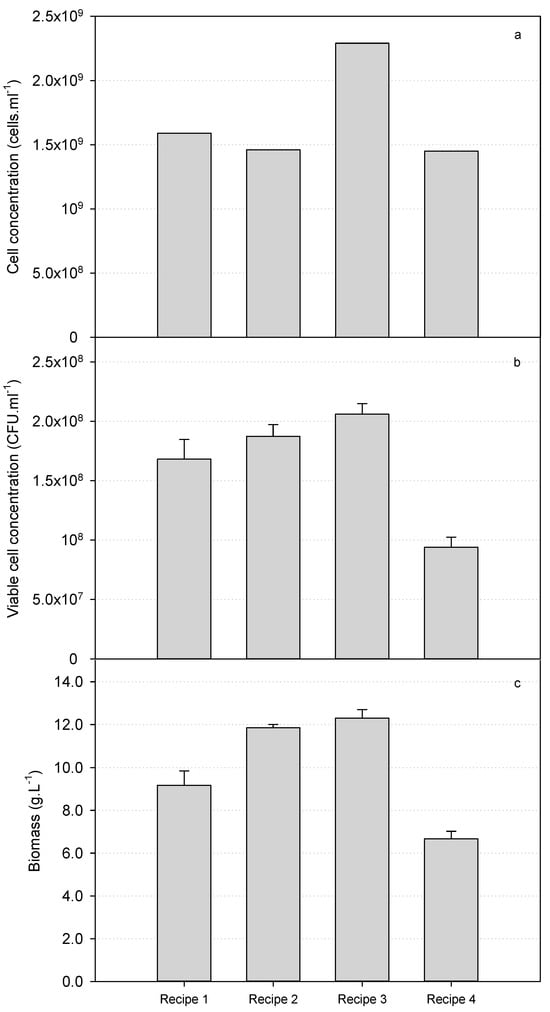
Saccharomyces cerevisiae var. boulardii is a probiotic yeast widely recognized for its ability to enhance gut health and modulate a host’s microbiome. However, there are limited data on its large-scale cultivation in stirred tank bioreactors and subsequent downstream processing into a functional probiotic
[...] Read more.
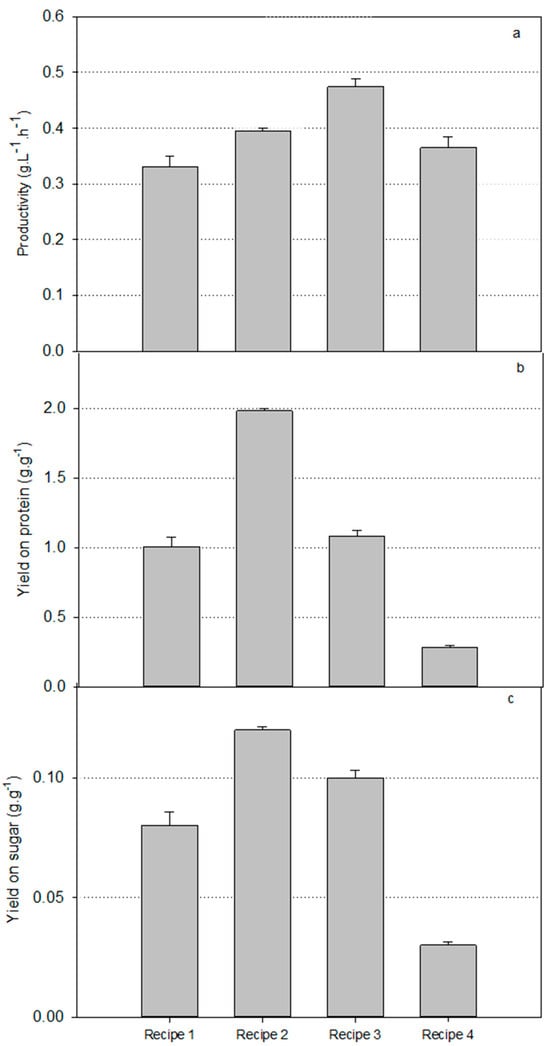
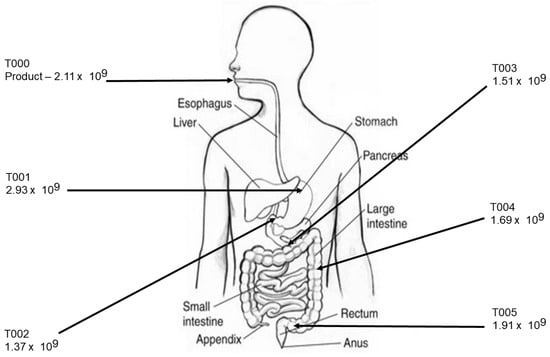
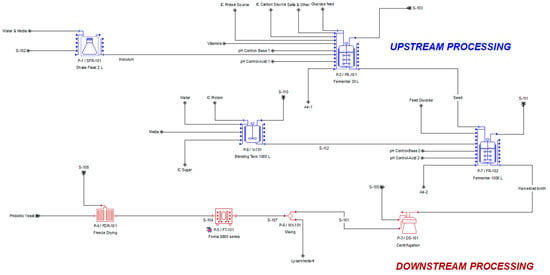
Saccharomyces cerevisiae var. boulardii is a probiotic yeast widely recognized for its ability to enhance gut health and modulate a host’s microbiome. However, there are limited data on its large-scale cultivation in stirred tank bioreactors and subsequent downstream processing into a functional probiotic product. Different recipe formulations were evaluated and the recipe with the highest biomass yield and lowest process time was selected. Once the optimised batch was validated in the replicate batches, the statistical analysis indicated a high level of reproducibility, with low variability across key performance indicators such as biomass concentration (unit), CFU production (CFU.mL−1), and substrate utilization efficiency (g.g−1). The mean growth age in the bioreactor was 25.33 ± 1.16 h, with a CV of 4.56%, indicating minimal deviation between batches. Similarly, the final viable concentration exhibited a mean of 1.46 × 10⁸ CFU.mL−1 with a CV of 11.68%, remaining within an acceptable range for biological processes, while the final biomass concentration had the lowest variability (CV of 3.94%) and a 95% CI of 12.134–13.266 g.L−1, highlighting the accuracy and consistency of the process. Productivity indicators, including cell productivity (growth time—biomass) and YPP (biomass), maintained low CV values (3.933% and 3.389%, respectively), reinforcing process efficiency and stability. The overlapping 95% confidence intervals across batches further confirmed that no statistically significant deviations existed, ensuring minimal batch-to-batch variability, and validating the scalability and robustness of the fermentation process. These findings provide strong evidence for the feasibility of large-scale probiotic yeast production that meets industrial production standards. The final freeze-dried product retained an 81% viability post-exposure to simulated gastrointestinal conditions, meeting WHO probiotic viability standards. These findings establish a scalable, optimized process for probiotic yeast production, with potential applications in biopharmaceutical manufacturing and functional food development, as confirmed by the techno-economic evaluations performed using SuperPro Designer®.
Full article
(This article belongs to the Section Probiotic Strains and Fermentation)
►▼
Show Figures

Figure 1

Open AccessArticle
Bioprocessing of Jackfruit Seeds (Artocarpus heterophyllus Lam.) for Protein Enrichment in Semi-Solid State: Potential for Animal Feed Production
by
Ana Paula Moisés de Sousa, Ana Regina Nascimento Campos, Josivanda Palmeira Gomes, Renato Alexandre Costa de Santana, Alexandre Jose de Melo Queiroz, Rossana Maria Feitosa de Figueirêdo, Mailson Gonçalves Gregório, Newton Carlos Santos, Wilton Pereira da Silva, Michael Marcos de Aquino Gomes, Morgana Aragão Araújo, Francislaine Suelia dos Santos, Bruno Adelino de Melo, Henrique Valentim Moura and Yaroslávia Ferreira Paiva
Fermentation 2025, 11(4), 185; https://doi.org/10.3390/fermentation11040185 - 1 Apr 2025
Abstract
Jackfruit residues represent 70% of the total by-products generated from the processing of the fruit. The seeds, which are composed of proteins, fibers, and starch, are widely used in human nutrition; however, its potential in animal nutrition should be further investigated. Thus, the
[...] Read more.
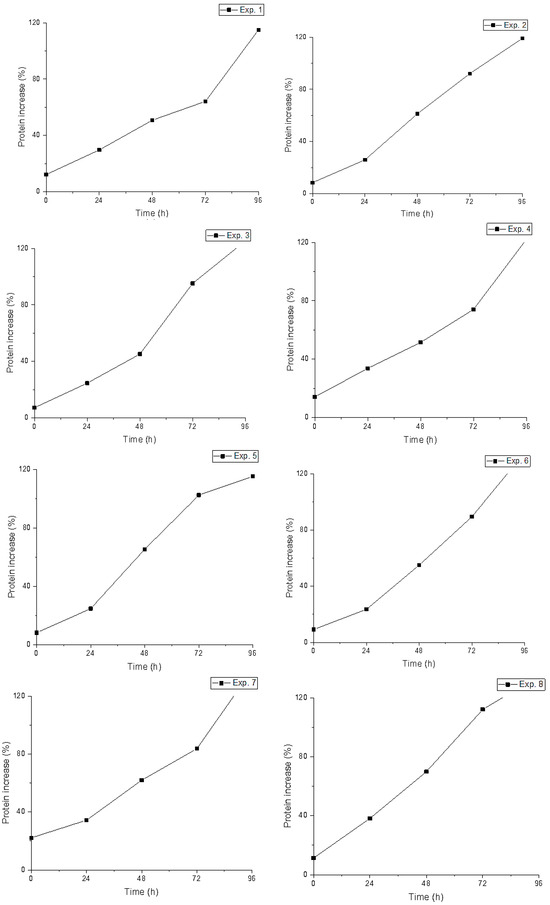
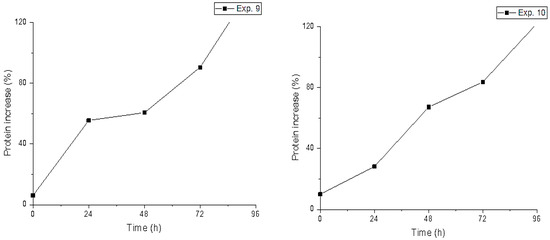
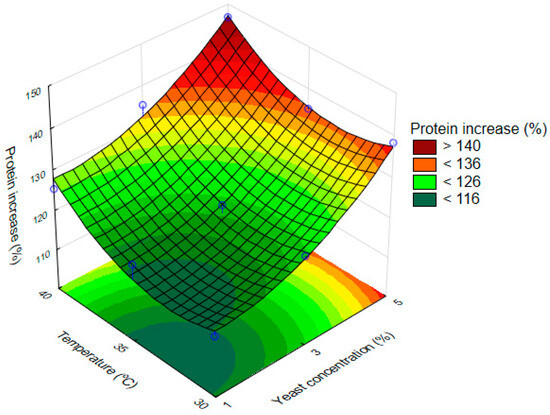
Jackfruit residues represent 70% of the total by-products generated from the processing of the fruit. The seeds, which are composed of proteins, fibers, and starch, are widely used in human nutrition; however, its potential in animal nutrition should be further investigated. Thus, the objective was to study the protein enrichment of jackfruit seeds by semi-solid fermentation using Saccharomyces cerevisiae and applying an experimental design to verify the effects of yeast concentration (1, 3, and 5%) and process temperature (30, 35, and 40 °C) on the protein increase. Physical and chemical analysis of the substrate was performed at intervals of 0, 24, 48, 72, and 96 h. A decrease in water content and water activity was observed during the fermentation time. The total soluble solid content also declined due to the consumption of carbohydrates by yeast. After 96 h of the process, the crude protein content of the fermented substrate increased approximately 2.5 times, corresponding to a protein increase of 357%, with the use of 5% of yeast at 40 °C. Through semi-solid fermentation, the protein content and the concentration of mineral nutrients in the jackfruit seeds increased, making it an alternative product for animal feed with high added value.
Full article
(This article belongs to the Special Issue Food Wastes: Feedstock for Value-Added Products: 5th Edition)
►▼
Show Figures

Figure 1
Open AccessArticle
Mathematical Modeling for Fermentation Systems: A Case Study in Probiotic Beer Production
by
Pablo Javier Ruarte, Maria Jose Leiva Alaniz, Silvia Cristina Vergara, Maria Carla Groff, María Nadia Pantano, María Victoria Mestre, Gustavo Juan Eduardo Scaglia and Yolanda Paola Maturano
Fermentation 2025, 11(4), 184; https://doi.org/10.3390/fermentation11040184 - 1 Apr 2025
Abstract
The use of autochthonous yeast strains from viticultural environments represents a novel approach in the brewing industry. Probiotic-fermented beers have generated growing interest as they combine traditional brewing with the increasing demand for health-oriented functional beverages. The application of mathematical modeling to fermentation
[...] Read more.
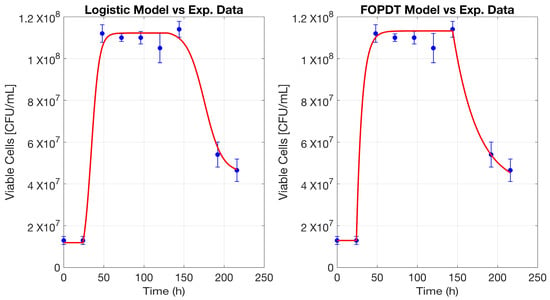
The use of autochthonous yeast strains from viticultural environments represents a novel approach in the brewing industry. Probiotic-fermented beers have generated growing interest as they combine traditional brewing with the increasing demand for health-oriented functional beverages. The application of mathematical modeling to fermentation kinetics becomes a crucial tool to adequately describe and subsequently improve the performance of functional beer fermentation. The Saccharomyces cerevisiae PB101 autochthonous yeast from San Juan (Argentina) was previously selected for its probiotic potential and its exceptional technological traits in beer wort production. It was subsequently used to ferment a Kölsch-style brewer’s wort in order to evaluate both its probiotic potential and its resistance to the human digestive system. The results showed a survival percentage of 73.49 ± 0.54 and 80.17 ± 3.73 in fermentations conducted in 2024 and 2025, respectively. These fermentation assays were used to explore kinetic microbial growth, ethanol production, and critical fermentation parameters. Traditional modeling approaches often fail to adequately capture the intricacies of probiotic fermentations, particularly lag phases associated with microbial adaptation and metabolite biosynthesis. To address these limitations, this study develops an innovative and simple modeling system for modeling probiotic beer fermentation by incorporating two state variables: total and dead cells. The dynamics of these two variables were modeled using either a First Order Plus Dead Time model or a logistic growth model. Furthermore, the modified Luedeking–Piret model was used to study the delay time that exists between the production of viable cells and ethanol. The proposed models demonstrate enhanced predictive accuracy and dependability, providing a solid foundation for optimizing fermentation processes and advancing the development of functional beverages with exceptional probiotic properties.
Full article
(This article belongs to the Special Issue 10th Anniversary of Fermentation: Feature Papers in Section "Probiotic Strains and Fermentation")
►▼
Show Figures

Figure 1

Open AccessArticle
Exopolysaccharide (EPS) Production by Endophytic and Basidiomycete Fungi
by
Wai Prathumpai, Umpawa Pinruan, Sujinda Sommai, Somjit Komwijit and Kwanruthai Malairuang
Fermentation 2025, 11(4), 183; https://doi.org/10.3390/fermentation11040183 - 1 Apr 2025
Abstract
The screening of exopolysaccharides (EPS) produced by 52 isolates of endophytic and basidiomycete fungi was studied on two different media, PDB and PYGM. There were five isolates that could produce dried exopolysaccharide of more than 4 g/L (S. commune LF01962, LF01001, LF01581,
[...] Read more.
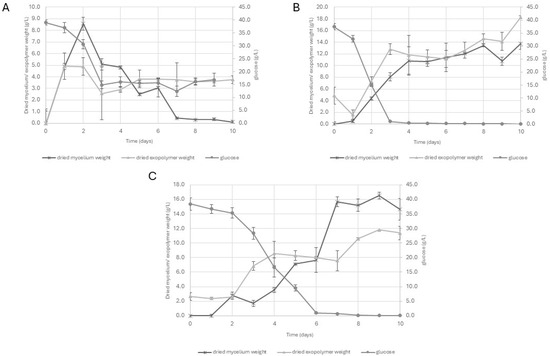
The screening of exopolysaccharides (EPS) produced by 52 isolates of endophytic and basidiomycete fungi was studied on two different media, PDB and PYGM. There were five isolates that could produce dried exopolysaccharide of more than 4 g/L (S. commune LF01962, LF01001, LF01581, Pycnoporus sp. MMCR00271.1, Pestalotiopsis sp. PP0005). The molecular weights of these exopolymers were found to be in the range of 2.5–500 kDa. These five exopolysaccharides, produced by five different fungal isolates, showed non-cytotoxic activity against NCTC clone 929 and HDFn cell lines. The selected fungal isolate of S. commune LF01962 was used for further optimization of different medium compositions affecting exopolysaccharide production using statistical methods. Among four conditions tested in the first step (xylose + peptone, glucose + (NH4)2HPO4, fructose + peptone, and mannose + yeast extract), mannose + yeast extract resulted in the highest exopolysaccharide production of 5.10 ± 2.00 g/L. In the second step using Plackett–Burman design, the optimal medium for S. commune exopolysaccharide production was found to consist of 40 g/L glucose, 5 g/L mannose, 20 g/L (NH4)2HPO4, 5 g/L yeast extract, 3 g/L monosodium glutamate, 0.5 g/L KH2PO4, 0.5 g/L K2HPO4, 0.2 g/L MgSO4, 1 mL/L trace elements, and 3 mL/L vitamin solution, which resulted in 8.16 g/L exopolysaccharide production. Exopolysaccharide production in a 5 L bioreactor using small pellets as seed inoculum was found to produce 18.28 g/L exopolysaccharide.
Full article
(This article belongs to the Special Issue Fermentation Processes: Modeling, Optimization and Control: 2nd Edition)
►▼
Show Figures

Figure 1

Open AccessArticle
Purification and Functional Characterization of a New Endoglucanase from Pleurotus djamor PLO13 Produced by Solid-State Fermentation of Agro-Industrial Waste
by
Monizy da Costa Silva, Ricardo Bezerra Costa, Marta Maria Oliveira dos Santos Gomes, Josiel Santos do Nascimento, Andreza Heloiza da Silva Gonçalves, Jéssica Alves Nunes, Marta Angelo dos Santos, Francis Soares Gomes, José Maria Rodrigues da Luz, Luciano Aparecido Meireles Grillo and Hugo Juarez Vieira Pereira
Fermentation 2025, 11(4), 182; https://doi.org/10.3390/fermentation11040182 - 1 Apr 2025
Abstract
The increasing generation of agro-industrial waste and its improper disposal have raised significant environmental concerns, highlighting the urgent need for sustainable alternatives which would repurpose these materials. In this context, enzymes such as endoglucanase play a critical role in degrading lignin–cellulose biomass by
[...] Read more.
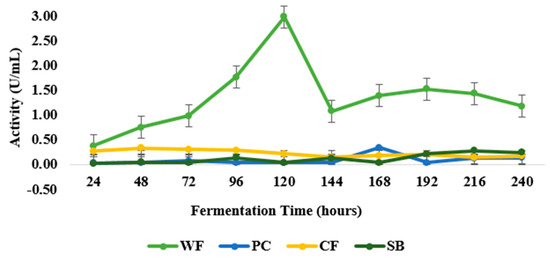
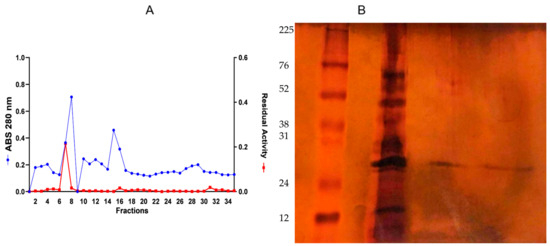
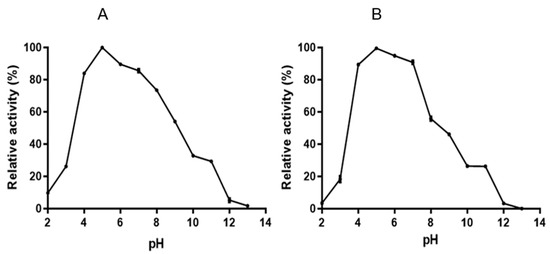
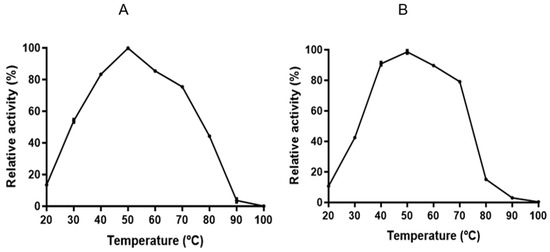
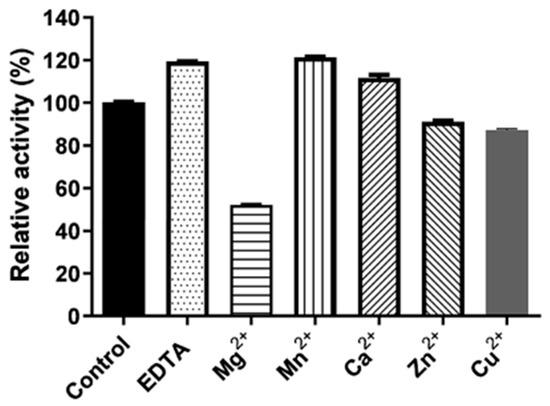
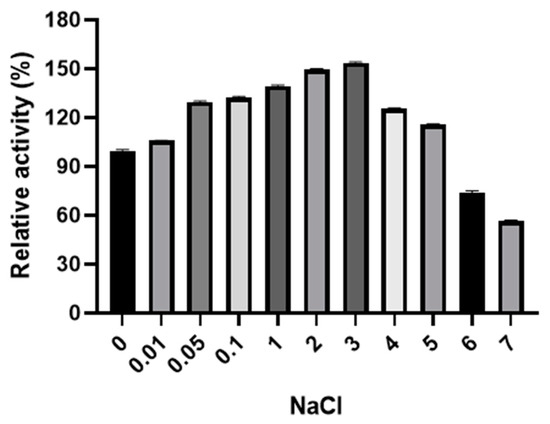
The increasing generation of agro-industrial waste and its improper disposal have raised significant environmental concerns, highlighting the urgent need for sustainable alternatives which would repurpose these materials. In this context, enzymes such as endoglucanase play a critical role in degrading lignin–cellulose biomass by catalyzing the breakdown of β-1,4-glycosidic bonds in cellulose, thereby converting it into fermentable sugars with diverse industrial applications. This study aimed to investigate the production, purification, and characterization of an endoglucanase produced by the fungus Pleurotus djamor PLO13, using coconut fiber, sugarcane bagasse, wheat bran, and pineapple crown as substrates. Endoglucanase activity was measured by the Miller method (1959), using 2% (w/v) carboxymethyl cellulose (CMC) as substrate. Solid-state fermentation (SSF) was found to be highly efficient for enzyme synthesis, with wheat bran emerging as the most effective substrate, yielding an enzyme production of 7.19 U after 120 h of cultivation. The endoglucanase was purified through ethanol precipitation and ion-exchange chromatography using DEAE-Sepharose, achieving a recovery rate of 110%, possibly due to removal of inhibitors present in the crude extract. The purified enzyme exhibited stability across a broad pH range and thermostability, with optimal activity at pH 5.0 and 50 °C. Furthermore, the enzyme was activated by EDTA, Mn2+, and Ca2+, while being inhibited by Mg2+. Notably, the enzyme demonstrated halotolerance, with activity increasing by 60% upon the addition of 3 M NaCl. Kinetic analysis revealed that the purified enzyme showed affinity to the CMC substrate at the analyzed parameters (pH 5.0 and 50 °C), with Km and Vmax values of 0.0997 mg/mL and 112.2 µg/min/mL, respectively. These findings suggest that the endoglucanase from P. djamor PLO13 has promising potential for biotechnological applications, underscoring the feasibility of the use of lignocellulosic waste as sustainable substrates in industrial processes.
Full article
(This article belongs to the Special Issue Application and Research of Solid State Fermentation)
►▼
Show Figures

Figure 1

Open AccessArticle
Proteomic and Mechanistic Insights into the Efficiency of Atmospheric and Room-Temperature Plasma Mutagenesis-Driven Bioconversion of Corn Stover by Trichoderma longibrachiatum
by
Fengyun Ren, Fan Wu, Le Gao, Yucheng Jie and Xin Wu
Fermentation 2025, 11(4), 181; https://doi.org/10.3390/fermentation11040181 - 1 Apr 2025
Abstract
The valorization of agricultural residues, particularly corn stover, represents a sustainable approach for resource utilization and protein production in which high-performing microbial strains are essential. This study systematically evaluated fungal lignocellulolytic capabilities during corn stover solid-state fermentation and employed atmospheric and room-temperature plasma
[...] Read more.
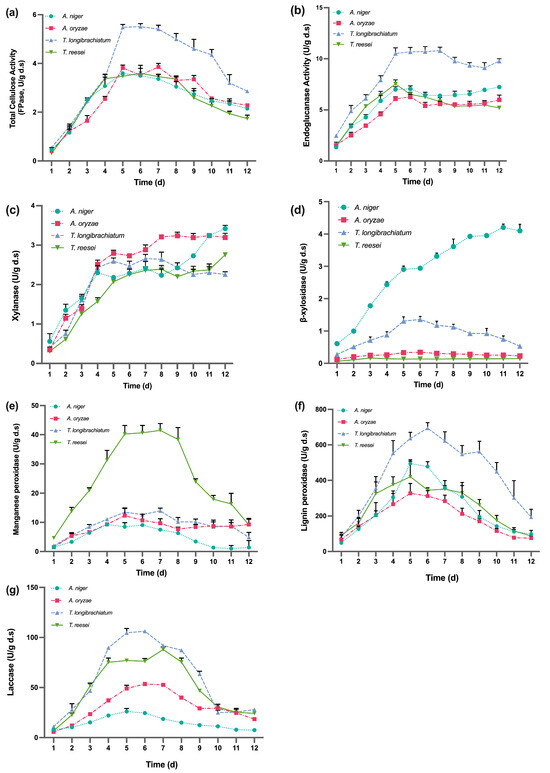
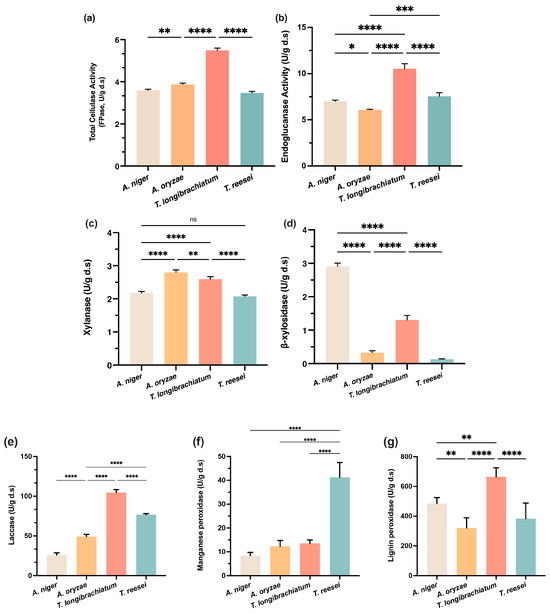
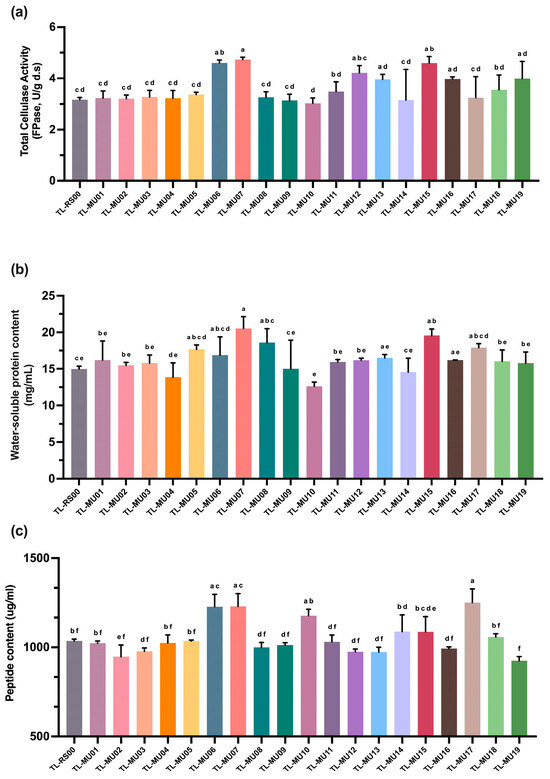
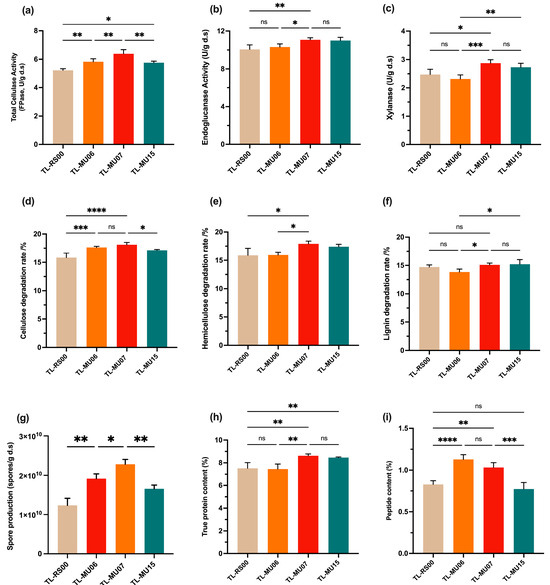
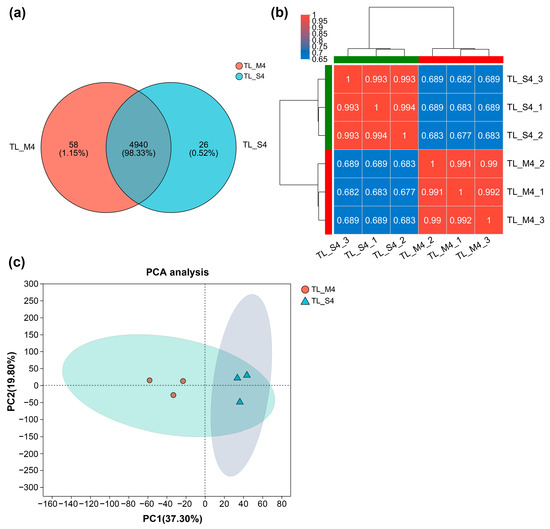
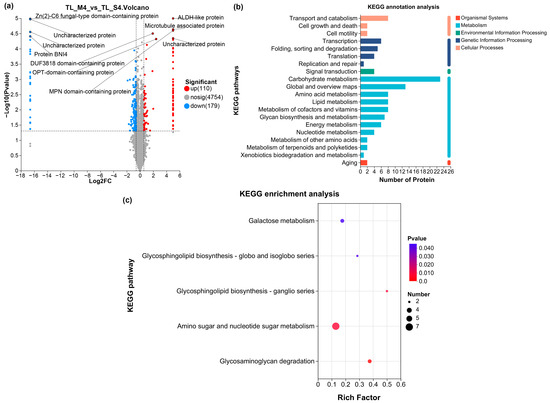
The valorization of agricultural residues, particularly corn stover, represents a sustainable approach for resource utilization and protein production in which high-performing microbial strains are essential. This study systematically evaluated fungal lignocellulolytic capabilities during corn stover solid-state fermentation and employed atmospheric and room-temperature plasma (ARTP) mutagenesis to enhance the degradative capacity of Trichoderma longibrachiatum. Comparative screening revealed that T. longibrachiatum exhibited superior comprehensive degradation of the major lignocellulosic components compared to other tested strains. ARTP mutagenesis yielded mutant strain TL-MU07, which displayed significantly enhanced enzymatic capabilities with improvements in FPase (22.1%), CMCase (10.1%), and xylanase (16.1%) activities, resulting in increased cellulose degradation (14.6%) and protein accumulation (14.7%). Proteomic analysis revealed 289 significantly differentially expressed proteins, with pathway enrichment demonstrating enhancement of glycosaminoglycan degradation, amino sugar metabolism, and membrane remodeling. Key mechanistic adaptations included downregulation of Zn(2)-C6 transcriptional repressors, upregulation of detoxification enzymes (ALDH-like proteins), and enhanced secretory pathway components. The ARTP-derived mutant strain TL-MU07 represents a valuable microbial resource for agricultural waste bioconversion, offering enhanced lignocellulolytic capabilities for industrial applications while elucidating specific proteomic changes associated with improved biomass degradation efficiency for sustainable protein production in the circular bioeconomy.
Full article
(This article belongs to the Special Issue Lignocellulosic Biomass Valorization)
►▼
Show Figures

Figure 1
Open AccessArticle
Transcriptional and Physiological Responses of Saccharomyces cerevisiae CZ to Octanoic Acid Stress
by
Zhi-Hai Yu, Ming-Zhi Shi, Wen-Xuan Dong, Xiao-Zhu Liu, Wei-Yuan Tang and Ming-Zheng Huang
Fermentation 2025, 11(4), 180; https://doi.org/10.3390/fermentation11040180 - 1 Apr 2025
Abstract
This study elucidates the adaptive mechanisms of Saccharomyces cerevisiae CZ under octanoic acid stress, revealing concentration-dependent growth inhibition (76% lethality at 800 mg/L) and notable tolerance at 600 mg/L. Initial exposure (≤6 h) showed no growth impairment, but prolonged treatment induced dose-dependent lethality,
[...] Read more.
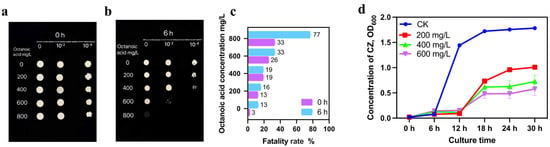
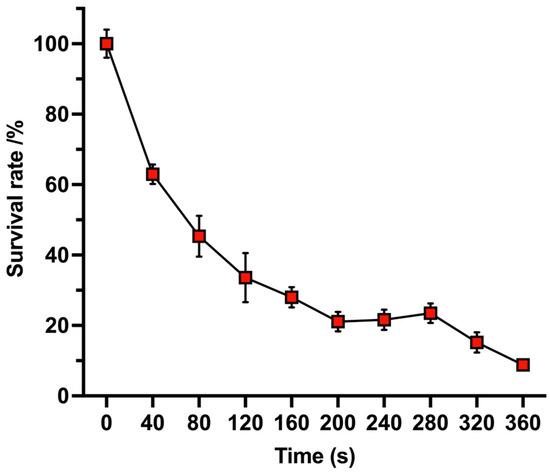
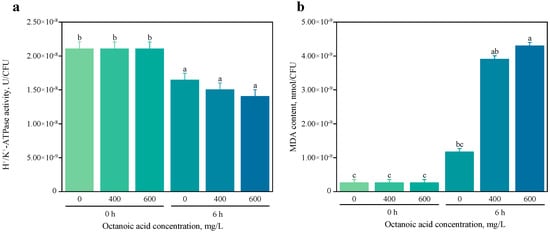
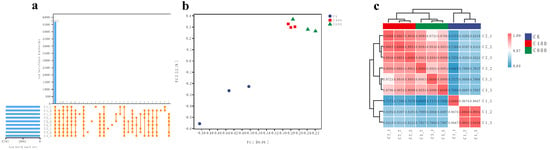
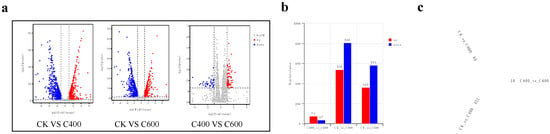
This study elucidates the adaptive mechanisms of Saccharomyces cerevisiae CZ under octanoic acid stress, revealing concentration-dependent growth inhibition (76% lethality at 800 mg/L) and notable tolerance at 600 mg/L. Initial exposure (≤6 h) showed no growth impairment, but prolonged treatment induced dose-dependent lethality, accompanied by reduced H+/K+-ATPase activity and elevated malondialdehyde (MDA) levels, indicative of oxidative damage. Transcriptomic profiling of 5665 genes highlighted the predominant downregulation of ribosomal functions (translation, ribosome biogenesis) and amino acid metabolism pathways (e.g., ARO10, ARO9). Strain-specific regulatory dynamics were observed: (1) TPO1-mediated efflux was active at 400 mg/L but absent at 600 mg/L, suggesting compensatory mechanisms under high stress; (2) HTX1-related genes exhibited bidirectional regulation (downregulated at 400 mg/L vs. upregulated at 600 mg/L), reflecting metabolic flexibility; (3) ACC1 downregulation (600 mg/L) and unaltered SFK1 expression contrasted with lipid-remodeling strategies in engineered strains; and (4) PMA2 suppression diverged from literature-reported PMA1 activation, underscoring strain-specific energy reallocation. Suppression of ergosterol biosynthesis and ribosomal genes revealed a trade-off between stress adaptation and biosynthetic processes. These findings reconcile prior contradictions by attributing discrepancies to genetic backgrounds (CZ vs. laboratory/engineered strains) and methodological variations. Unlike strains relying on phospholipid asymmetry or oleic acid overproduction, CZ’s unique tolerance stems from integrated membrane homeostasis (via lipid balance) and metabolic conservation. This work emphasizes the critical role of strain-specific regulatory networks in octanoic acid resistance and provides insights for optimizing yeast robustness through targeted engineering of membrane stability and metabolic adaptability. Future studies should employ multi-omics integration to unravel the dynamic gene regulatory logic underlying these adaptive traits.
Full article
(This article belongs to the Special Issue Current Research in Yeast Fermentation: Physiology, Biotechnology, and Bioprocesses)
►▼
Show Figures

Figure 1
Open AccessArticle
Comparative Genomics of Bifidobacterium animalis subsp. lactis Reveals Strain-Level Hyperdiversity, Carbohydrate Metabolism Adaptations, and CRISPR-Mediated Phage Immunity
by
Ozge Can, Ismail Gumustop, Ibrahim Genel, Hulya Unver, Enes Dertli, Ibrahim Cagri Kurt and Fatih Ortakci
Fermentation 2025, 11(4), 179; https://doi.org/10.3390/fermentation11040179 - 31 Mar 2025
Abstract
Several strains of Bifidobacterium animalis subsp. lactis are blockbusters of commercial dietary supplement cocktails, widely recognized for their probiotic properties and found in various ecological niches. The present study aimed to perform an in-depth comparative genomic analysis on 71 B. animalis subsp. lactis
[...] Read more.
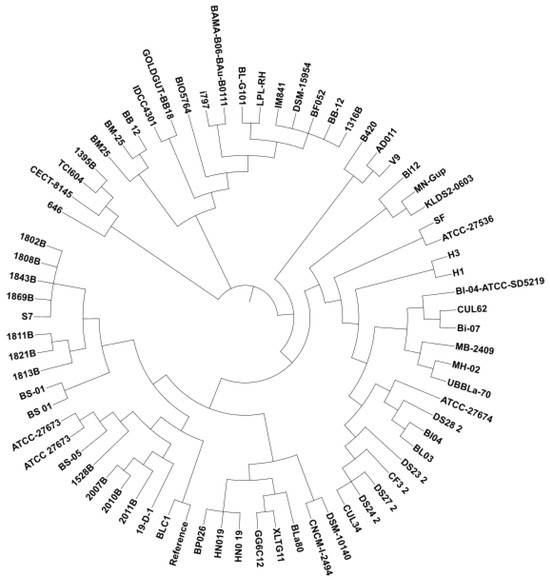
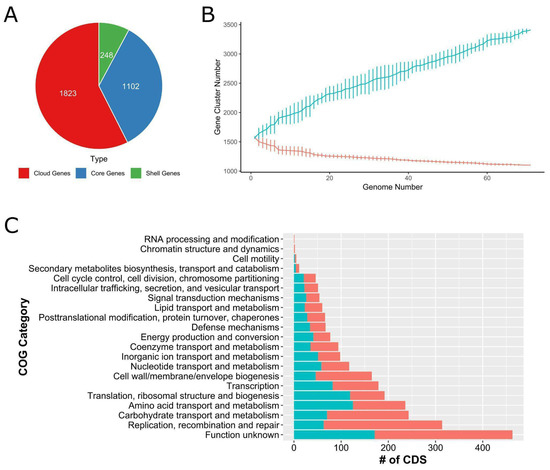
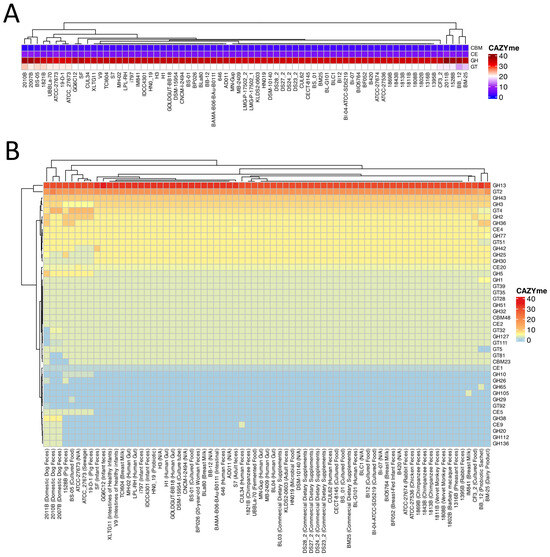
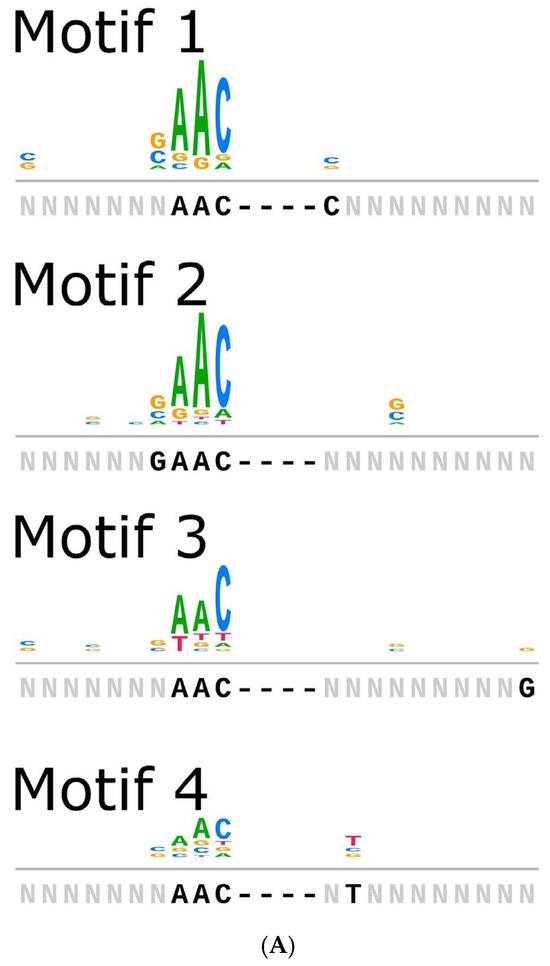
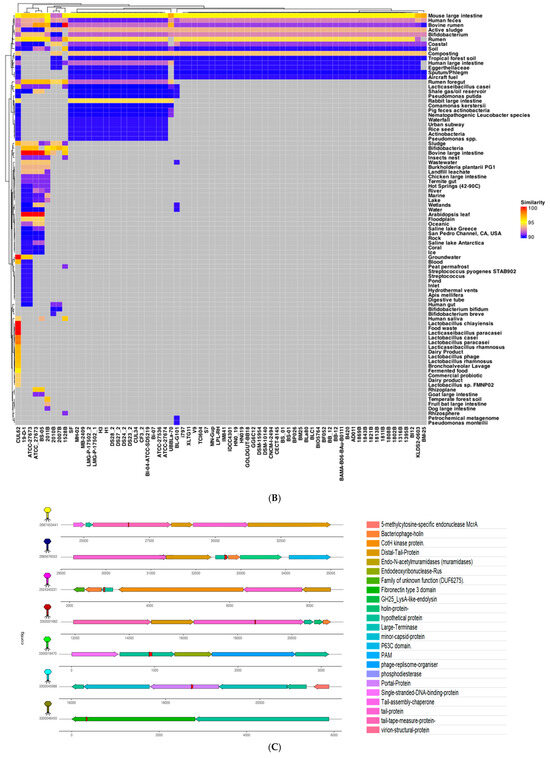
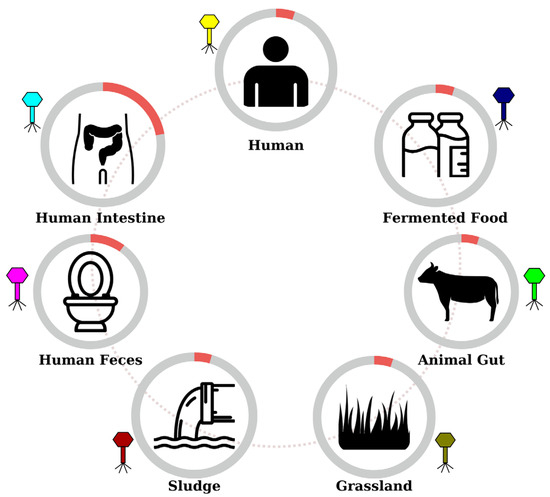
Several strains of Bifidobacterium animalis subsp. lactis are blockbusters of commercial dietary supplement cocktails, widely recognized for their probiotic properties and found in various ecological niches. The present study aimed to perform an in-depth comparative genomic analysis on 71 B. animalis subsp. lactis strains isolated from diverse sources, including human and animal feces, breast milk, fermented foods, and commercial dietary supplements, to better elucidate the strain level diversity and biotechnological potential of this species. The average genome size was found to be 1.93 ± 0.05 Mb, with a GC content of 60.45% ± 0.2, an average of 1562 ± 41.3 coding sequences (CDS), and 53.4 ± 1.6 tRNA genes. A comparative genomic analysis revealed significant genetic diversity among the strains, with a core genome analysis showing that 34.7% of the total genes were conserved, while the pan-genome remained open, indicating ongoing gene acquisition. Functional annotation through EggNOG-Mapper and CAZYme clustering highlighted diverse metabolic capabilities, particularly in carbohydrate metabolism. Nearly all (70 of 71) Bifidobacterium animalis subsp. lactis strains were found to harbor CRISPR-Cas adaptive immune systems (predominantly of the Type I-E subtype), underscoring the ubiquity of this phage defense mechanism in the species. A comparative analysis of spacer sequences revealed distinct strain-specific CRISPR profiles, with certain strains sharing identical spacers that correlate with common phylogenetic clades or similar isolation sources—an indication of exposure to the same phage populations and shared selective pressures. These findings highlight a dynamic co-evolution between B. lactis and its bacteriophages across diverse ecological niches and point to the potential of leveraging its native CRISPR-Cas systems for future biotechnological applications. Our findings enhance our understanding of the genetic and functional diversity of B. animalis subsp. lactis, providing valuable insights for its use in probiotics and functional foods.
Full article
(This article belongs to the Special Issue Lactic Acid Bacteria Metabolism)
►▼
Show Figures

Figure 1
Open AccessArticle
Involvement of the Methyltransferase CcLaeA in Regulating Laccase Production in Curvularia clavata J1
by
Changyu Pi, Jinyang Li, Fangting Jiang, Jintong Zhang, Tongtong Bao, Shengguo Zhao and Guoshun Chen
Fermentation 2025, 11(4), 178; https://doi.org/10.3390/fermentation11040178 - 31 Mar 2025
Abstract
Laccases are synthesized by a diverse range of fungi. Nevertheless, despite the industrial significance of laccases, the regulatory mechanism governing laccase production has been relatively understudied. This research aims to explore the regulatory function of the methyltransferase CcLaeA in laccase biosynthesis using the
[...] Read more.
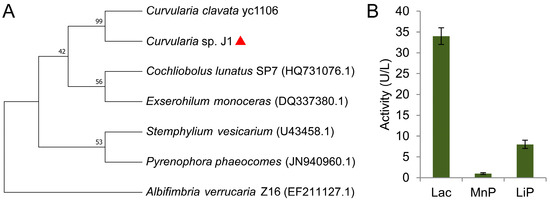
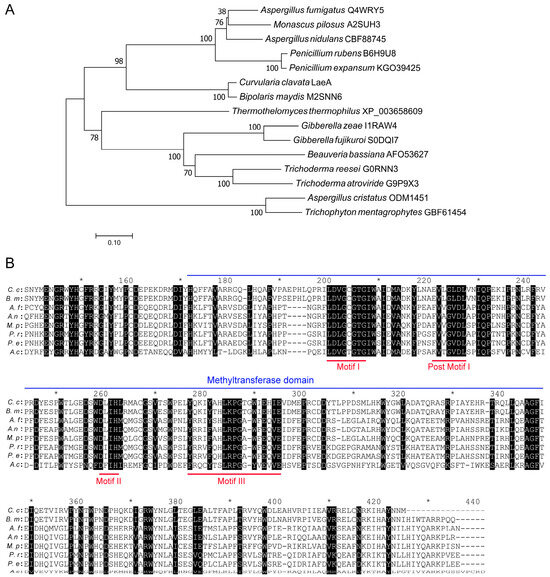
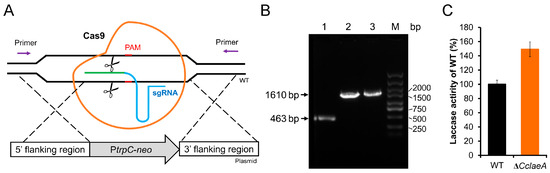
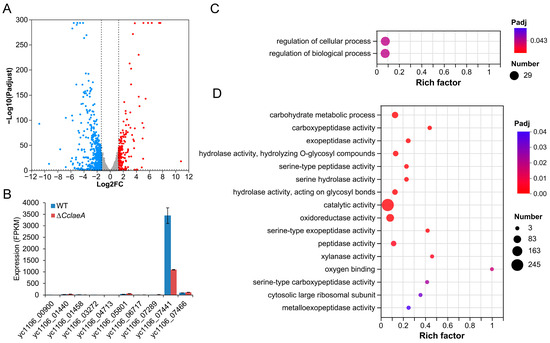
Laccases are synthesized by a diverse range of fungi. Nevertheless, despite the industrial significance of laccases, the regulatory mechanism governing laccase production has been relatively understudied. This research aims to explore the regulatory function of the methyltransferase CcLaeA in laccase biosynthesis using the newly isolated fungal strain Curvularia clavata J1. Through CRISPR-Cas9-mediated gene disruption, the deletion of CclaeA led to a 1.5-fold increase in extracellular laccase activity in the ΔCclaeA mutant when compared to the wild-type strain. This finding indicates that CcLaeA functions as a transcriptional repressor of laccase biosynthesis. Transcriptomic analysis demonstrated that CcLaeA does not directly regulate the expression of laccase genes. Instead, it modulates genes associated with hydrolases and peptidases. This modulation potentially reduces the enzymatic degradation of laccase at the protein level. This study significantly enhances our understanding of fungal laccase regulation. By establishing a connection between the deletion of CclaeA and the improvement of enzyme stability and activity, this research offers practical insights for engineering fungal strains to optimize laccase yields for bioremediation and biofuel applications. Furthermore, the integration of targeted gene knockout with multi-omics validation sets up a methodological framework for investigating regulatory networks in non-model fungi. This framework is expected to accelerate the development of sustainable biocatalysts, thereby contributing to the advancement of biotechnology in various industrial sectors.
Full article
(This article belongs to the Special Issue 10th Anniversary of Fermentation: Feature Papers in Section “Microbial Metabolism, Physiology & Genetics”)
►▼
Show Figures

Figure 1
Open AccessArticle
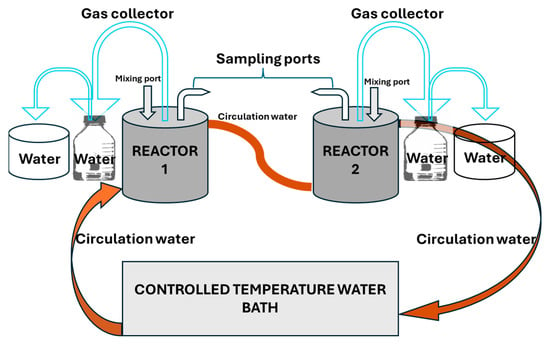
Biohydrogen and Biobutanol Production from Spent Coffee and Tea Waste Using Clostridium beijerinckii
by
Stephen Abiola Akinola, Beenish Saba, Ann Christy, Katrina Cornish and Thaddeus Chukwuemeka Ezeji
Fermentation 2025, 11(4), 177; https://doi.org/10.3390/fermentation11040177 - 28 Mar 2025
Abstract
The growing advocacy for greener climates, coupled with increasing global energy demand driven by urbanization and population growth, highlights the need for sustainable solutions. Repurposing food wastes as substrates offers a promising approach to enhancing cleaner energy generation and promoting a circular economy.
[...] Read more.
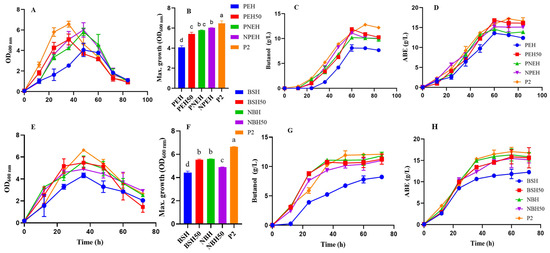
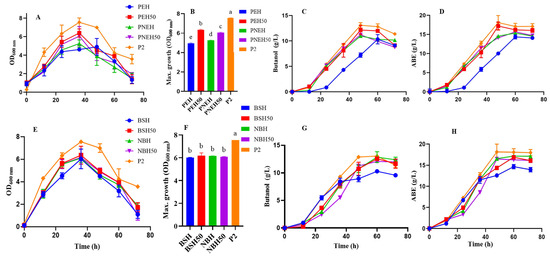
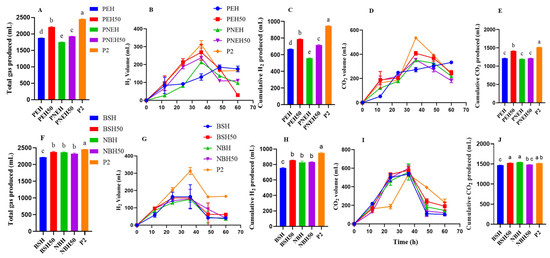
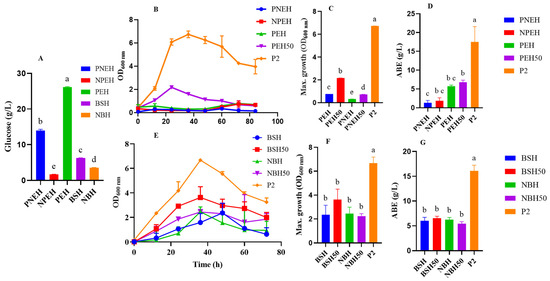
The growing advocacy for greener climates, coupled with increasing global energy demand driven by urbanization and population growth, highlights the need for sustainable solutions. Repurposing food wastes as substrates offers a promising approach to enhancing cleaner energy generation and promoting a circular economy. This study investigated the potential of spent coffee grounds (SC) and biosolids cake (BS) from tea wastes as substrates for producing valuable fuels and chemicals through acetone–ethanol–butanol (ABE) fermentation. Clostridium beijerinckii NCIMB 8052 was used to ferment 100% and 50% hydrolysates derived from Parr-treated enzyme-hydrolyzed (PEH, PEH50), Parr-treated non-hydrolyzed (PNEH, PNEH50), and non-Parr-treated hydrolyzed (NPEH) SC wastes, as well as enzyme-hydrolyzed (BSH, BSH50) and non-hydrolyzed BS wastes (NBH, NBH50). Fermentation of unmodified hydrolysates by C. beijerinckii was poor. Following CaCO3 modification of SC and BS hydrolysates, ABE titer, yield, and productivity increased, with the highest values obtained with PEH50 and NBH. Specifically, CaCO3 modification of SC hydrolysates led to increased butanol titer, yield, and productivity in PEH50, while the NBH exhibited higher butanol yield and productivity than the non-CaCO3-modified hydrolysates. Additionally, H2 gas production with PEH50 and NBH was 1.41- and 1.13-fold higher, respectively, than in other hydrolysates. These findings suggest that SC and BS hydrolysates can be valorized to butanol and hydrogen gas and, thereby, can contribute to global food wastes management, energy sustainability, and cost-effective biofuel production.
Full article
(This article belongs to the Special Issue Progress in Microbial Treatment of Wastewater, Solid Wastes and Waste Gases, 2nd Edition)
►▼
Show Figures

Figure 1
Open AccessArticle
Utilization of Cheese Whey for Energy Generation in Microbial Fuel Cells: Performance Evaluation and Metagenomic Analysis
by
Rojas-Flores Segundo, Cabanillas-Chirinos Luis, Nélida Milly Otiniano, Magaly De La Cruz-Noriega and Moises Gallozzo-Cardenas
Fermentation 2025, 11(4), 176; https://doi.org/10.3390/fermentation11040176 - 26 Mar 2025
Abstract
The dairy industry generates large volumes of whey as a byproduct of cheese production, with a high organic load. Its untreated discharge contaminates water bodies, reduces dissolved oxygen, and damages aquatic ecosystems. In Peru, especially in the rural areas of the Andes, thousands
[...] Read more.
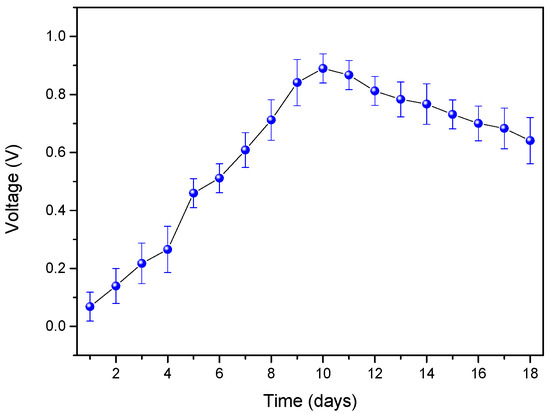
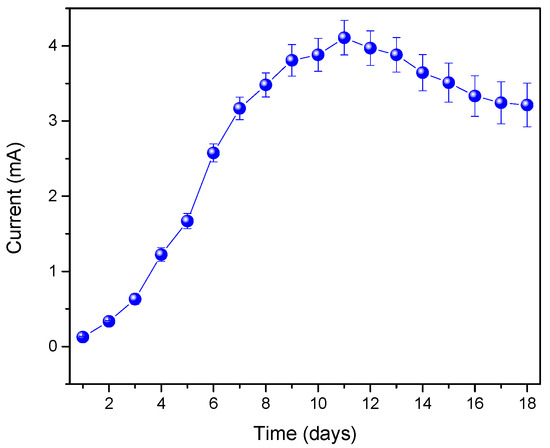
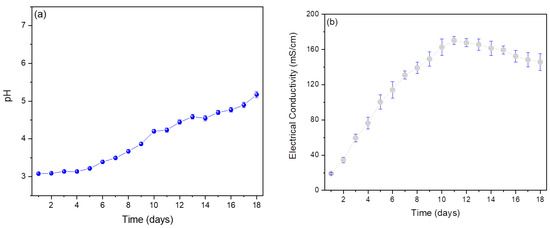
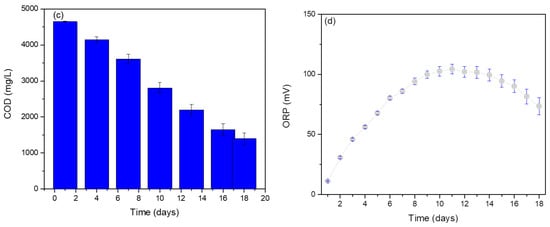
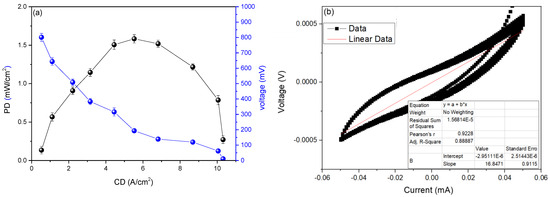
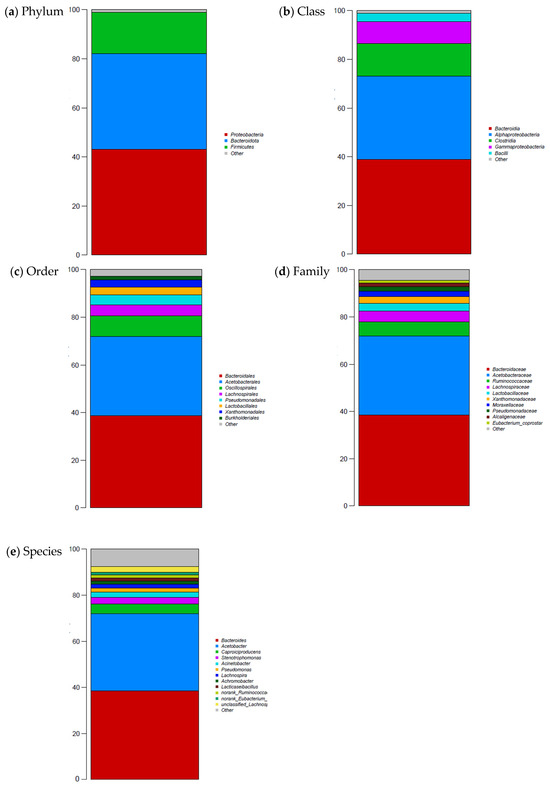
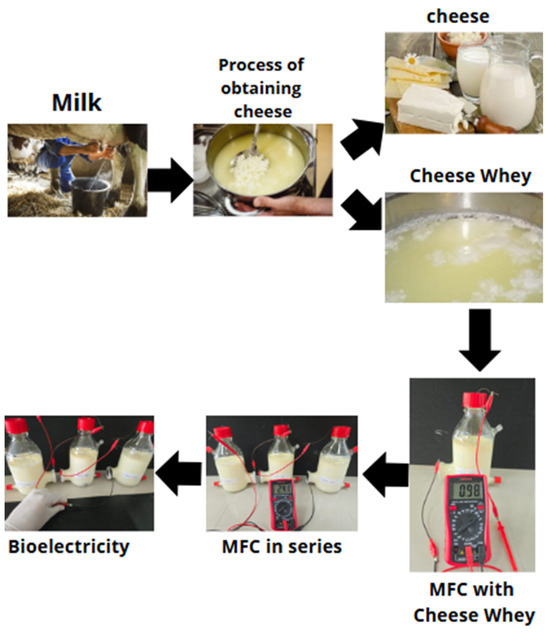
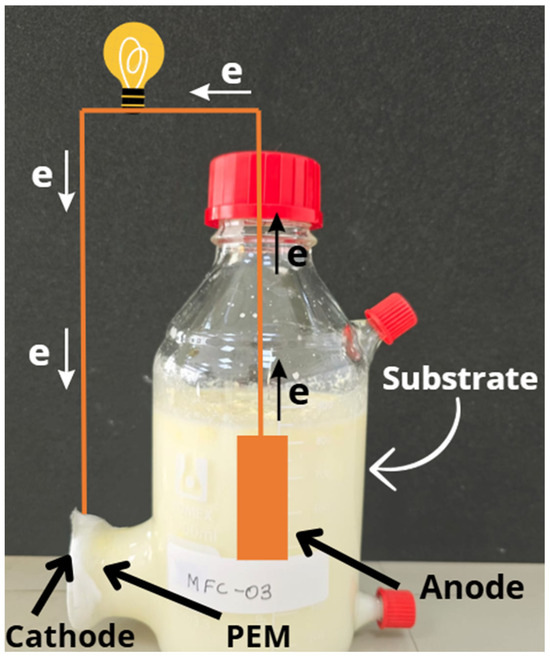
The dairy industry generates large volumes of whey as a byproduct of cheese production, with a high organic load. Its untreated discharge contaminates water bodies, reduces dissolved oxygen, and damages aquatic ecosystems. In Peru, especially in the rural areas of the Andes, thousands of tons of industrial dairy waste are produced annually, representing an environmental and economic challenge. The lack of sustainable technologies for its management drives the need for innovative solutions, such as microbial fuel cells (MFCs), which combine waste treatment with renewable energy generation. This research uses MFC technology with whey as a substrate to observe its potential to generate electrical energy and treat contaminants. Three liters of whey from a dairy company in Trujillo, Peru, were used and stored at 10 °C. Each MFC contained 800 mL of whey and employed activated carbon as the anode and zinc as the cathode. A maximum voltage of 0.867 ± 0.059 V was reached, with a maximum current of 4.114 ± 0.239 mA recorded on the 11th day. The maximum power density was 1.585 ± 0.061 mW/cm2, with a current density of 4.448 A/cm2, and the internal resistance of the MFCs was 16.847 ± 0.911 Ω. The initial pH of the whey was approximately 3.0, increasing to 4.135 ± 0.264 on the 11th day, and the electrical conductivity increased from 19.101 ± 1.025 mS/cm on the first day to 170.062 ± 9.511 mS/cm on the 11th day. The oxidation-reduction potential (ORP) increased to 104.287 ± 4.058 mV at the peak of electricity generation (day 11). Additionally, a 70% reduction in chemical oxygen demand (COD) was achieved, dropping from 4650.52 ± 10.54 mg/L to 1400.64 ± 23.25 mg/L on the last day. Metagenomic analysis identified two dominant bacterial phyla: Bacteroidota at 48.47% and Proteobacteria at 29.83%. The most abundant families were Bacteroidaceae (38.58%) and Acetobacteraceae (33.39%). The study validates the potential of MFCs to transform whey into an energy resource, aligning with sustainability and circular economy goals, especially in regions with high dairy production, like Peru.
Full article
(This article belongs to the Special Issue 10th Anniversary of Fermentation: Feature Papers in Section "Industrial Fermentation")
►▼
Show Figures

Figure 1
Open AccessArticle
Diversity and Dissemination of Brettanomyces bruxellensis During Winemaking and Barrel Aging
by
María Elena Sturm, Selva Valeria Chimeno, Magalí Lucía González, María Cecilia Lerena, María Cecilia Rojo, Lucía Maribel Becerra, Laura Analía Mercado and Mariana Combina
Fermentation 2025, 11(4), 175; https://doi.org/10.3390/fermentation11040175 - 26 Mar 2025
Abstract
Brettanomyces bruxellensis is recognized as the main spoilage yeast in red wines, producing volatile phenols that negatively impact wine quality. However, few studies have investigated strain diversity within wineries. Understanding the diversity and distribution of B. bruxellensis strains in different wines can provide
[...] Read more.
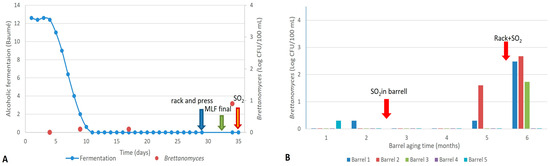
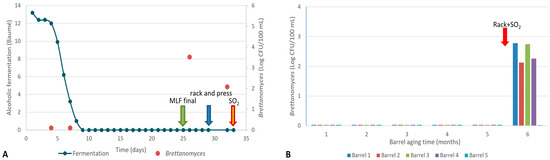
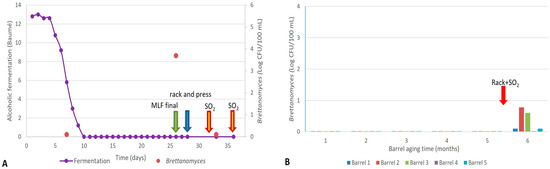
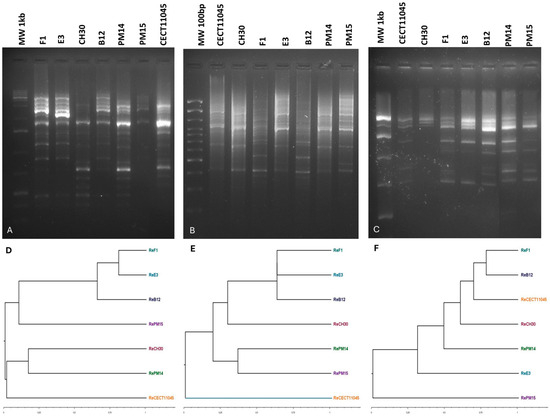
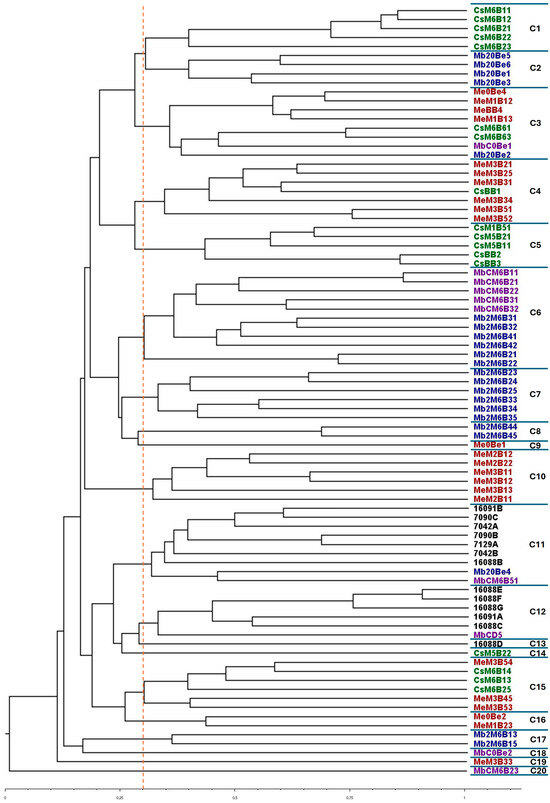
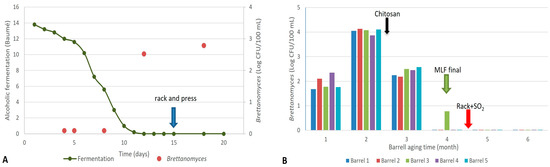
Brettanomyces bruxellensis is recognized as the main spoilage yeast in red wines, producing volatile phenols that negatively impact wine quality. However, few studies have investigated strain diversity within wineries. Understanding the diversity and distribution of B. bruxellensis strains in different wines can provide insights into the origin and timing of contamination. This study aimed to evaluate the presence and diversity of B. bruxellensis biotypes during the production of four red wines in the same winery and to identify critical contamination stages. The analysis covered the entire process, from grape to six months of aging. B. bruxellensis yeasts were isolated and identified, and representative strains were typified by RAPD analysis. The results suggest that B. bruxellensis contamination did not originate from a single source. The grapes harbored low levels of B. bruxellensis, yet all wines were positive before barrel filling. This study demonstrates that winery equipment can serve as a vector for Brettanomyces introduction. Two critical contamination stages were identified: the shared use of equipment during fermentation, facilitating strain dissemination across wines, and the reuse of barrels, introducing new strains during aging. Additionally, some winery practices further promote B. bruxellensis spread and proliferation.
Full article
(This article belongs to the Special Issue Biotechnology in Winemaking)
►▼
Show Figures

Figure 1
Journal Menu
► ▼ Journal Menu-
- Fermentation Home
- Aims & Scope
- Editorial Board
- Topical Advisory Panel
- Instructions for Authors
- Special Issues
- Topics
- Sections & Collections
- Article Processing Charge
- Indexing & Archiving
- Editor’s Choice Articles
- Most Cited & Viewed
- Journal Statistics
- Journal History
- Journal Awards
- Conferences
- Editorial Office
- 10th Anniversary
Journal Browser
► ▼ Journal BrowserHighly Accessed Articles
Latest Books
E-Mail Alert
News
Topics
Topic in
Agriculture, Animals, Fermentation, Microplastics, Veterinary Sciences
Livestock and Microplastics
Topic Editors: Sonia Tassone, Beniamino T. Cenci-GogaDeadline: 20 May 2025
Topic in
Beverages, Fermentation, Foods, Molecules, Separations, Chemosensors
Advances in Analysis of Flavors and Fragrances: Chemistry, Properties and Applications in Food Quality Improvement
Topic Editors: Ana Leahu, Marìa Soledad Prats Moya, Cristina GhineaDeadline: 31 May 2025
Topic in
Applied Sciences, Bioengineering, Fermentation, Processes, Water
Bioreactors: Control, Optimization and Applications - 2nd Volume
Topic Editors: Francesca Raganati, Alessandra ProcenteseDeadline: 30 June 2025
Topic in
Biomass, Microorganisms, Sustainability, Water, Fermentation, Energies, Materials
Recovery and Use of Bioactive Materials and Biomass
Topic Editors: Xiang Li, Tianfeng Wang, Xianbao XuDeadline: 25 November 2025
Conferences
Special Issues
Special Issue in
Fermentation
Fermentation Processes: Modeling, Optimization and Control: 2nd Edition
Guest Editor: Ricardo Aguilar-LópezDeadline: 10 April 2025
Special Issue in
Fermentation
Algae Biotechnology for Biofuel Production and Bioremediation
Guest Editor: Toshiyuki TakahashiDeadline: 20 April 2025
Special Issue in
Fermentation
Turning Organic Solid Waste into Soil Nutrients Using Biological Technology
Guest Editors: Juan Miguel Romero-García, Yuanwang LiuDeadline: 20 April 2025
Special Issue in
Fermentation
Fermented Dairy Products: From Artisanal Production to Functional Products and Beyond
Guest Editors: Spiros Paramithiotis, John SamelisDeadline: 20 April 2025
Topical Collections
Topical Collection in
Fermentation
Bioconversion of Lignocellulosic Materials to Value-Added Products
Collection Editors: Alexander Rapoport, Pietro Buzzini