Journal Description
FinTech
FinTech
is an international, peer-reviewed, open access journal on a variety of themes connected with financial technology, such as cryptocurrencies, risk management, robo-advising, crowdfunding, blockchain, new payment solutions, machine learning and AI for financial services, digital currencies, etc., published quarterly online by MDPI.
- Open Access— free for readers, with article processing charges (APC) paid by authors or their institutions.
- High Visibility: indexed within Scopus, RePEc, and other databases.
- Rapid Publication: manuscripts are peer-reviewed and a first decision is provided to authors approximately 20.4 days after submission; acceptance to publication is undertaken in 3.7 days (median values for papers published in this journal in the second half of 2024).
- Recognition of Reviewers: APC discount vouchers, optional signed peer review, and reviewer names published annually in the journal.
Latest Articles
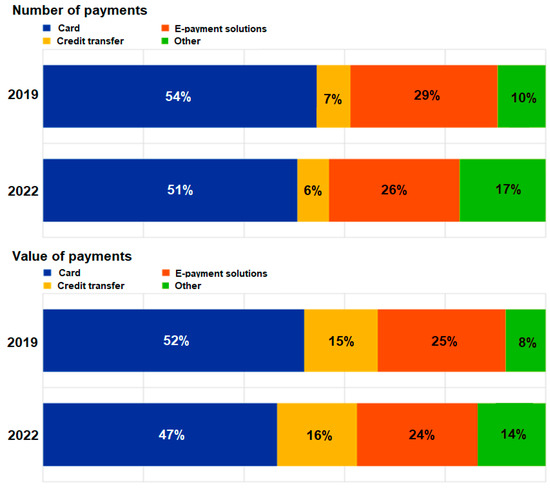
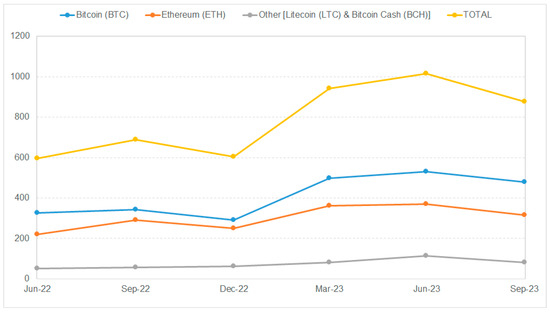
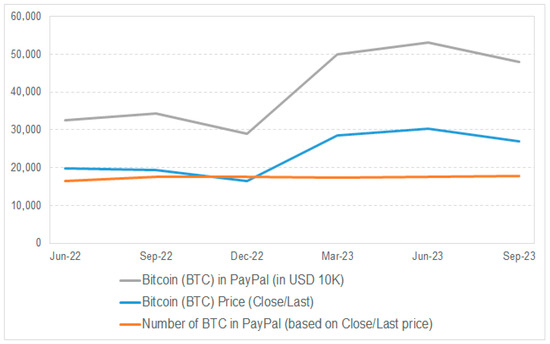
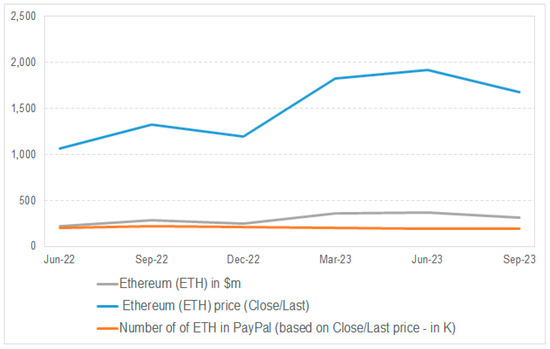
Exploring the Use of Crypto-Assets for Payments
FinTech 2025, 4(2), 15; https://doi.org/10.3390/fintech4020015 - 3 Apr 2025
Abstract
This paper explores the current use of crypto-assets for payments, focusing mostly on unbacked crypto-assets, while selectively referring to stablecoins. Although some specific characteristics of crypto-assets, such as their price volatility and unclear legal settlement, render them unsuitable for payments, the rapid technological
[...] Read more.
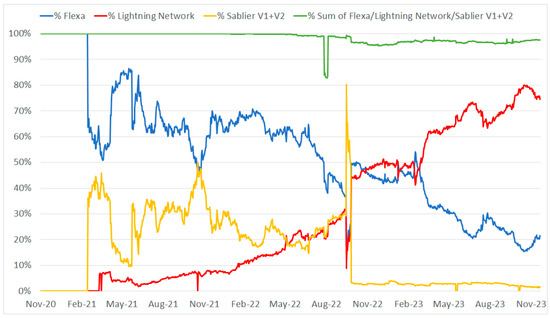
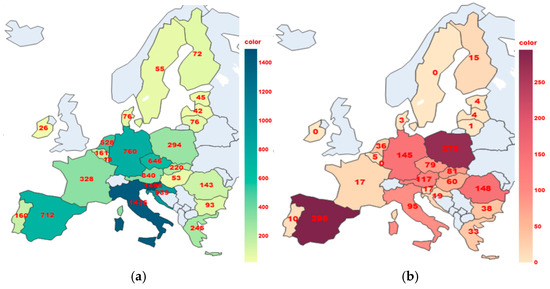
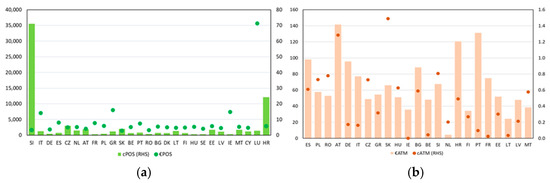
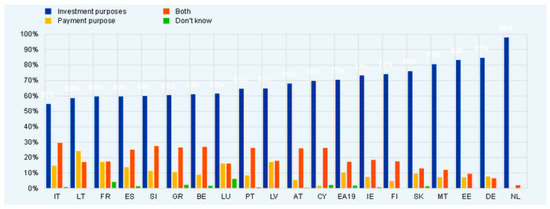
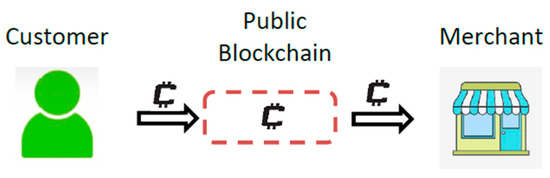
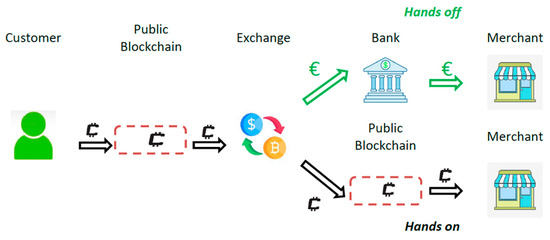
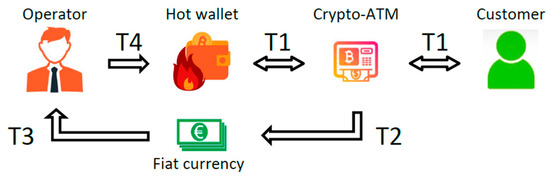
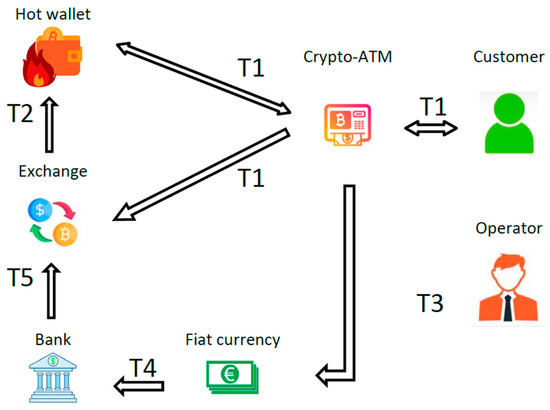
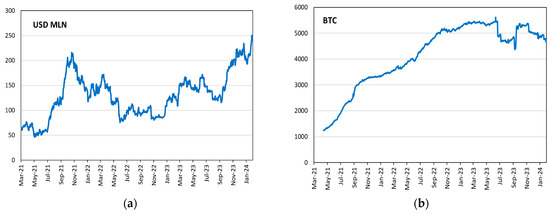
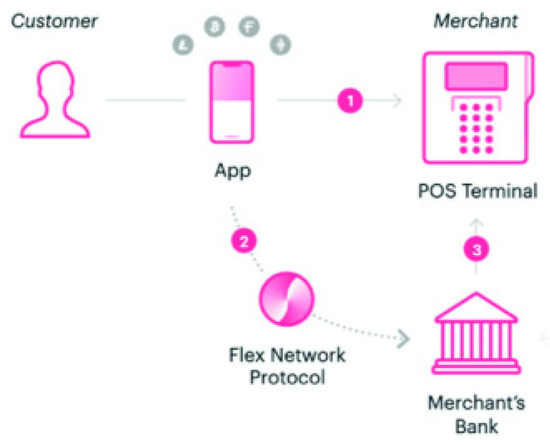
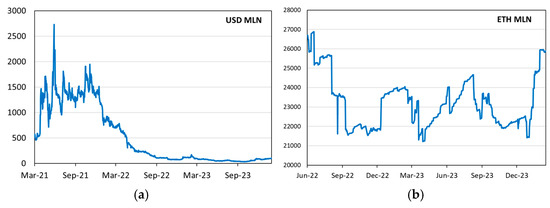
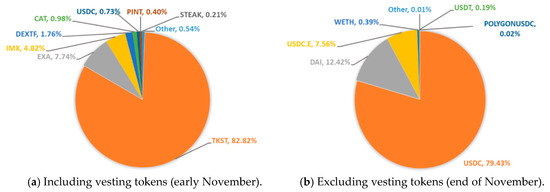
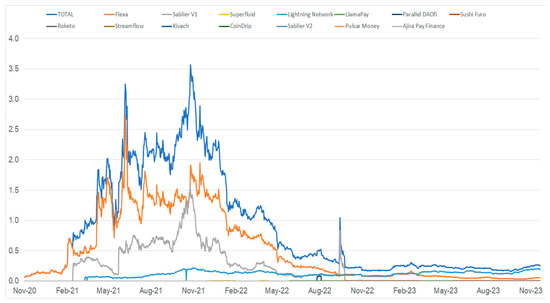
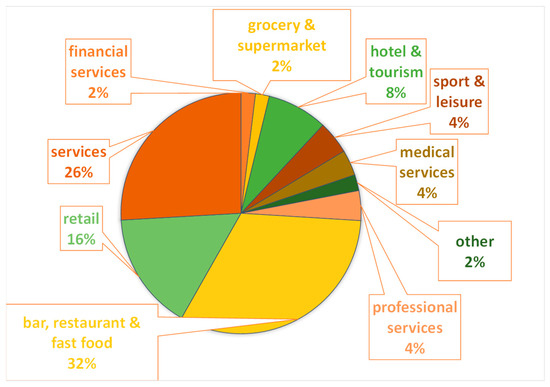
This paper explores the current use of crypto-assets for payments, focusing mostly on unbacked crypto-assets, while selectively referring to stablecoins. Although some specific characteristics of crypto-assets, such as their price volatility and unclear legal settlement, render them unsuitable for payments, the rapid technological and regulatory developments in the area of crypto-assets-based payments justify monitoring developments in this area. We therefore try to answer the research questions of which/why/how/where/by whom crypto-assets are used for (retail) payments. We analyse and describe a variety of ways in which crypto-assets are used for making payments, focusing on the period from 2019 to 2023 in Europe and worldwide, based on the publicly available statistical data and literature. We identify and exemplify the main use cases, payment methods, DeFi protocols, and payment gateways, and analyse payments with crypto-assets based on location and market participants. In addition, we describe and analyse the integration of crypto-assets into existing commercial payment services. Our work contributes to understanding the shifting domain of crypto-assets-based payments and provides insights into the monitoring of relevant developments via various dimensions that need to keep being explored, with the objective of contributing to the maintenance of the integrity and stability of the financial ecosystem.
Full article
(This article belongs to the Special Issue Trends and New Developments in FinTech)
►
Show Figures
Open AccessArticle
Automated Ledger or Fintech Analytics Platform?
by
Andrew Kumiega
FinTech 2025, 4(2), 14; https://doi.org/10.3390/fintech4020014 - 2 Apr 2025
Abstract
►▼
Show Figures
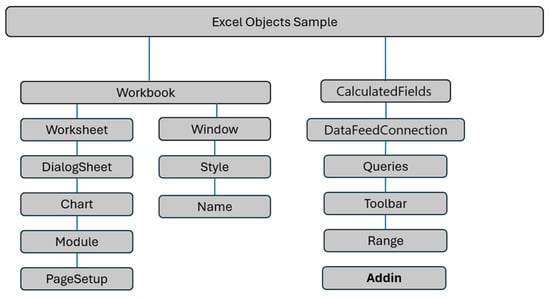
Initially designed as an automated ledger tool, Excel swiftly evolved into a data analytics platform for financial analysts to execute intricate financial analyses. Excel is so commonplace in the financial industry that many do not even consider it a fintech tool. The transformation
[...] Read more.
Initially designed as an automated ledger tool, Excel swiftly evolved into a data analytics platform for financial analysts to execute intricate financial analyses. Excel is so commonplace in the financial industry that many do not even consider it a fintech tool. The transformation of Excel from a simple ledger tool to a low-code machine learning (mL) platform is not a traditional focus for fintech. The transformation of Excel into an mL platform will let financial analysts and quantitative analyses quickly evolve financial models in Excel to use advanced mL techniques. The low-code interface lets analysts quickly build predictive models. This paper explores how Excel has evolved into a low-code machine platform for financial applications along with the risks associated with Excel’s new functionality.
Full article

Figure 1
Open AccessArticle
Banking Transformation Through FinTech and the Integration of Artificial Intelligence in Payments
by
Otilia Manta, Valentina Vasile and Elena Rusu
FinTech 2025, 4(2), 13; https://doi.org/10.3390/fintech4020013 - 1 Apr 2025
Abstract
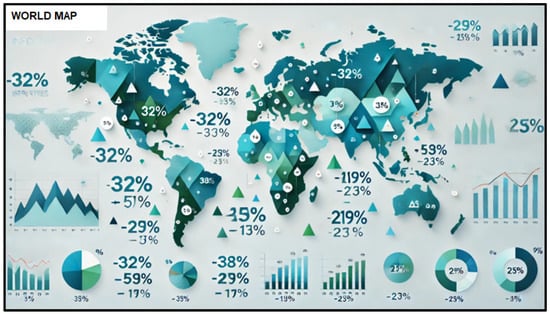
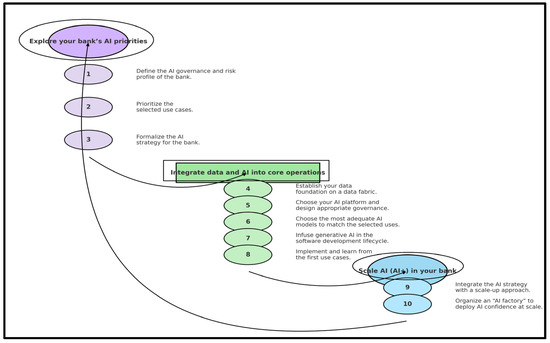
In the context of rapid advancements in financial technologies and the evolving demand of the digital economy, this study explores the transformative impact of FinTech and artificial intelligence (AI) on the banking sector, with a particular focus on payment systems. By examining innovative
[...] Read more.
In the context of rapid advancements in financial technologies and the evolving demand of the digital economy, this study explores the transformative impact of FinTech and artificial intelligence (AI) on the banking sector, with a particular focus on payment systems. By examining innovative financial instruments and AI-driven solutions, this research investigates how these technologies enhance efficiency, security, and customer experience in banking operations. This study evaluates the integration of AI in payment systems, including its role in predictive analytics, fraud detection, and personalization, while aligning with global trends in digital transformation and sustainability. Adopting an interdisciplinary approach, this analysis highlights scalable and resilient strategies that address emerging challenges in the financial ecosystem. The findings provide a comprehensive framework for leveraging AI and FinTech to drive the evolution of banking services, supporting the transition toward a more innovative, digitalized, and sustainable financial future.
Full article
(This article belongs to the Special Issue Fintech Innovations: Transforming the Financial Landscape)
►▼
Show Figures

Figure 1
Open AccessArticle
Unlocking Entrepreneurship in the FinTech Era: The Role of Tax Compliance in Business Performance
by
Konstantinos S. Skandalis and Dimitra Skandali
FinTech 2025, 4(2), 12; https://doi.org/10.3390/fintech4020012 - 31 Mar 2025
Abstract
►▼
Show Figures
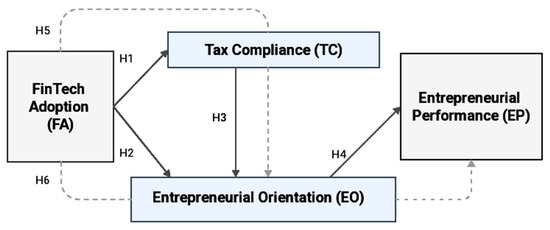
This study examines the effect of FinTech on entrepreneurial performance and the essentiality of tax compliance and entrepreneurial orientation. Drawing on information from small and medium enterprises (SMEs) in Greece and utilizing Structural Equation Modeling techniques, our study shows that FinTech plays a
[...] Read more.
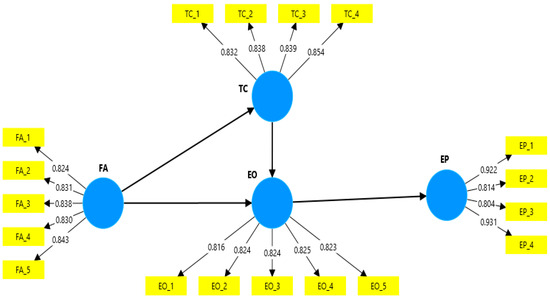
This study examines the effect of FinTech on entrepreneurial performance and the essentiality of tax compliance and entrepreneurial orientation. Drawing on information from small and medium enterprises (SMEs) in Greece and utilizing Structural Equation Modeling techniques, our study shows that FinTech plays a key role in improving tax adherence and entrepreneurial mindsets, which subsequently enhances entrepreneurial success. FinTech promotes greater transparency, easier reporting, and less compliance burdens. Companies that make use of FinTech tools see enhancements in meeting tax regulation requirements efficiently and effectively without being weighed down by compliance issues that take up resources meant for innovation and strategic development instead. Moreover, this research highlights the impact of incorporating financial technology solutions for improved management and cultivating an innovative and forward-thinking environment. It highlights the importance of implementing strategies to boost FinTech adoption and foster entrepreneurial achievements, effectively sliding tax compliance into focus. Our research identifies the revolutionary impact of FinTech tools and sheds light on how technological progress can fuel entrepreneurship and improve business outcomes overall.
Full article

Figure 1
Open AccessArticle
Business Implications and Theoretical Integration of the Markets in Crypto-Assets (MiCA) Regulation
by
Gayane Mkrtchyan and Horst Treiblmaier
FinTech 2025, 4(2), 11; https://doi.org/10.3390/fintech4020011 - 25 Mar 2025
Abstract
►▼
Show Figures
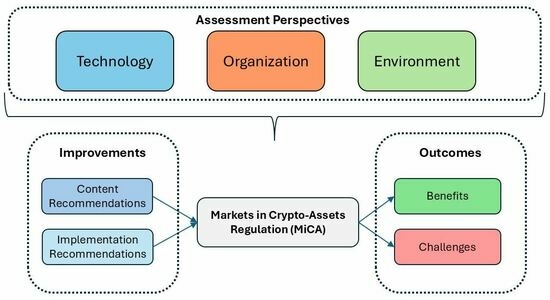
The Markets in Crypto-Assets Regulation (MiCA) is a comprehensive European Union regulatory framework aimed at harmonizing the crypto-asset market. The existing literature has mainly examined MiCA from a legal perspective, while empirical assessments of industry perspectives remain scarce. In this study, we examine
[...] Read more.
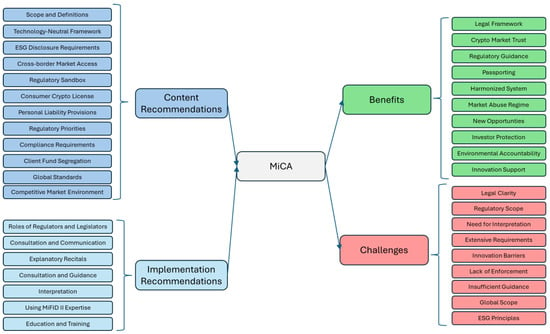
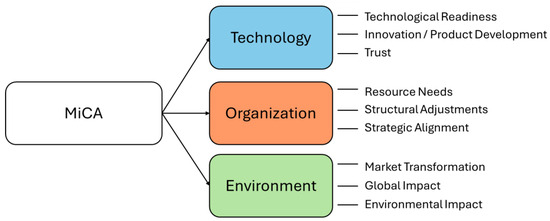
The Markets in Crypto-Assets Regulation (MiCA) is a comprehensive European Union regulatory framework aimed at harmonizing the crypto-asset market. The existing literature has mainly examined MiCA from a legal perspective, while empirical assessments of industry perspectives remain scarce. In this study, we examine MiCA’s impact on the crypto market and its implications for both theory and practice by analyzing and integrating insights from 12 expert interviews. The findings reveal perceived benefits arising from the unified market, enhanced investor protection, and compliance clarity, alongside challenges related to the high regulatory burden, legal ambiguities, and limited innovation support. On this basis, we provide recommendations for improving the regulatory framework and its implementation. Furthermore, we integrate our findings within the technology–organization–environment (TOE) framework to provide a theory-based starting point for rigorous academic research. These findings contribute to regulatory discourse and offer practical guidance for the relevant stakeholders, including businesses, regulators, policymakers, and academics.
Full article

Graphical abstract
Open AccessCommunication
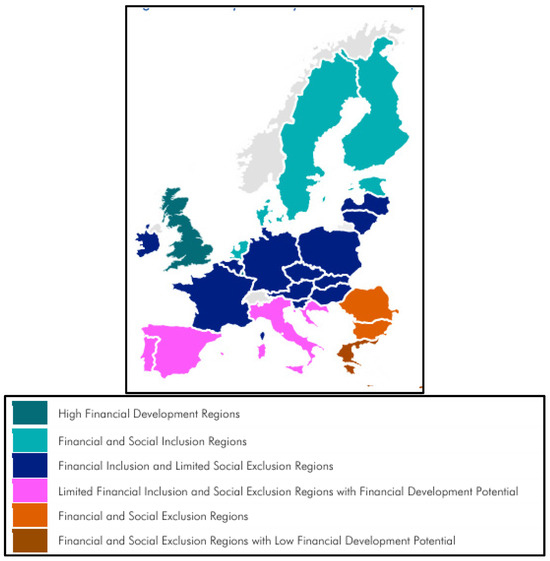
FinTech and AI as Opportunities for a Sustainable Economy
by
Valentina Vasile and Otilia Manta
FinTech 2025, 4(2), 10; https://doi.org/10.3390/fintech4020010 - 25 Mar 2025
Abstract
The need for a sustainable economy has grown as technological advancements increasingly influence economic and social structures. This study investigates the role of FinTech and artificial intelligence (AI) in fostering sustainable development by facilitating green initiatives and promoting social responsibility. The research hypothesis
[...] Read more.
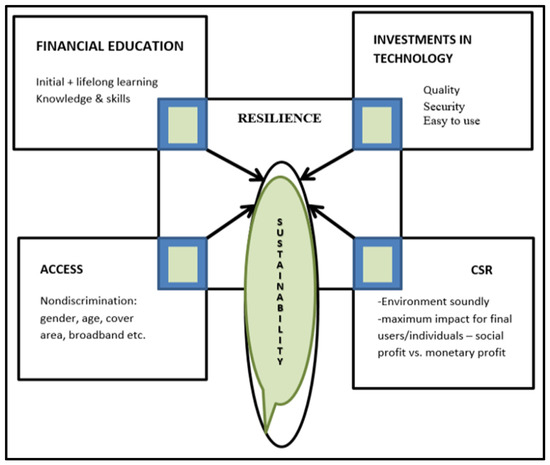
The need for a sustainable economy has grown as technological advancements increasingly influence economic and social structures. This study investigates the role of FinTech and artificial intelligence (AI) in fostering sustainable development by facilitating green initiatives and promoting social responsibility. The research hypothesis posits that FinTech enables better access to financing for economic and social development projects, while AI enhances decision-making processes critical to the implementation of these initiatives. Through a qualitative approach, this study analyzes the interactions between FinTech, AI, and the Sustainable Development Goals (SDGs), exploring whether their relationship is bilateral or unidirectional. Using a quantitative approach, this study employs Principal Component Analysis (PCA) and Analysis of Variance (ANOVA) to examine the key factors influencing bank account ownership across different demographic groups and time periods. PCA is utilized to reduce data dimensionality while preserving the most significant variance, enabling the identification of underlying patterns in financial inclusion determinants. Meanwhile, ANOVA is applied to assess statistical differences in bank account ownership across demographic categories and the pre-pandemic, during-pandemic, and post-pandemic periods, highlighting the impact of digital financial services on financial inclusion trends in Europe. The findings suggest that both technologies play a significant role in supporting sustainability, with FinTech providing the necessary financial tools and AI optimizing decision-making. Furthermore, this study identifies barriers, such as regulatory challenges and technological gaps, that hinder the full integration of these technologies into sustainable development practices. It also highlights facilitators, such as policy support and technological innovation, that accelerate their adoption. The conclusions emphasize the transformative potential of FinTech and AI in achieving robust economic growth, reducing inequalities, and fostering a new cultural approach to resource management and societal responsibility.
Full article
(This article belongs to the Special Issue Financial Technology and Strategic AI Integration in FinTech: Transforming Banking, Payments, and Building a Sustainable Economy—Challenges and Opportunities)
►▼
Show Figures

Figure 1
Open AccessArticle
Financial Overconfidence and High-Cost Borrowing: The Moderating Effect of Mobile Payments
by
Isha Chawla and Manouchehr Mokhtari
FinTech 2025, 4(1), 9; https://doi.org/10.3390/fintech4010009 - 12 Feb 2025
Abstract
►▼
Show Figures
Inadequate financial literacy and overconfidence in financial knowledge, coupled with the use of mobile payments (MPs), may contribute to harmful financial behaviors. While the relationship between financial knowledge confidence and financial behaviors is well documented, there is limited understanding of how financial confidence
[...] Read more.
Inadequate financial literacy and overconfidence in financial knowledge, coupled with the use of mobile payments (MPs), may contribute to harmful financial behaviors. While the relationship between financial knowledge confidence and financial behaviors is well documented, there is limited understanding of how financial confidence affects the use of alternative financial services (AFSs), such as payday loans, and how MPs moderate this relationship. This study examines the moderating effect of MPs on the association between financial knowledge confidence and the demand for AFS, utilizing data from U.S. adults surveyed in the 2018 National Financial Capability Study. The results show that individuals who use MPs are significantly more likely to engage with AFSs compared to non-users, with MPs increasing the likelihood of AFS usage by 92% (odds ratio: 1.92). Furthermore, overconfident individuals who use MPs are 94% more likely to rely on AFSs (odds ratio: 1.94). These findings highlight the need for targeted financial education and policymaking to mitigate the risks associated with financial overconfidence and MP usage.
Full article

Figure 1
Open AccessArticle
Racial Disparities in Conforming Mortgage Lending: A Comparative Study of Fintech and Traditional Lenders Under Regulatory Oversight
by
Zilong Liu and Hongyan Liang
FinTech 2025, 4(1), 8; https://doi.org/10.3390/fintech4010008 - 8 Feb 2025
Abstract
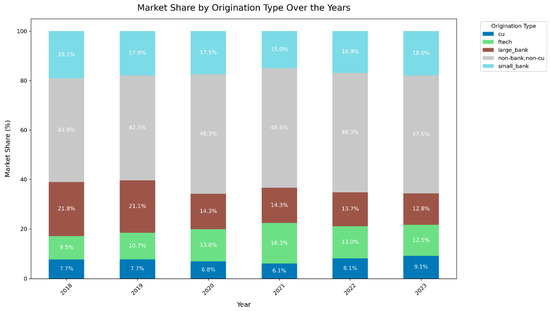
This study examines racial and ethnic disparities in mortgage-lending outcomes across different lender types—large banks, fintech lenders, non-bank lenders, small banks, and credit unions—using Home Mortgage Disclosure Act (HMDA) data from 2018 to 2023. By analyzing approval rates, rate spreads, and origination charges,
[...] Read more.
This study examines racial and ethnic disparities in mortgage-lending outcomes across different lender types—large banks, fintech lenders, non-bank lenders, small banks, and credit unions—using Home Mortgage Disclosure Act (HMDA) data from 2018 to 2023. By analyzing approval rates, rate spreads, and origination charges, we evaluate how borrower outcomes vary by race and ethnicity, controlling for loan characteristics, borrower attributes, and regional factors. Our findings reveal that Black and Hispanic borrowers consistently face less favorable terms than White borrowers, with disparities differing by lender type. Large banks, operating under stringent regulatory oversight, demonstrate relatively equitable pricing but impose higher loan denial rates on minorities. Credit unions, despite offering the lowest rate spreads overall, penalize minority borrowers more severely in pricing than other lender types. Fintech lenders, while charging higher-rate spreads and fees, show smaller credit access disparities for minority borrowers. Non-bank and small banks display mixed results, with inconsistencies in their treatment of minorities across pricing and credit access. These results highlight that neither technological innovations nor alternative lending models alone suffice to eliminate systemic inequities. Achieving equitable mortgage lending requires enhanced regulatory oversight, greater transparency in algorithmic decision-making, and stricter enforcement of fair lending practices.
Full article
(This article belongs to the Special Issue Trends and New Developments in FinTech)
►▼
Show Figures

Figure 1

Open AccessArticle
Blockchain for Quality: Advancing Security, Efficiency, and Transparency in Financial Systems
by
Tomaž Kukman and Sergej Gričar
FinTech 2025, 4(1), 7; https://doi.org/10.3390/fintech4010007 - 5 Feb 2025
Abstract
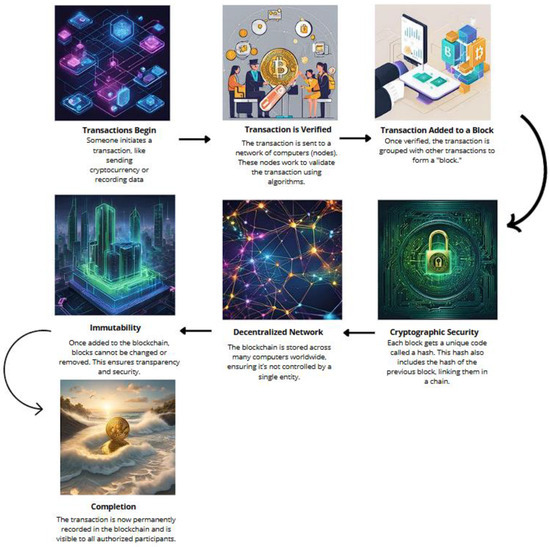
This article delves into the transformative impact of blockchain technology on enhancing transaction quality and efficiency. Since the emergence of blockchain alongside Bitcoin in 2008, its decentralised and transparent nature has significantly improved transaction speed, security, and cost efficiency. These advancements have solidified
[...] Read more.
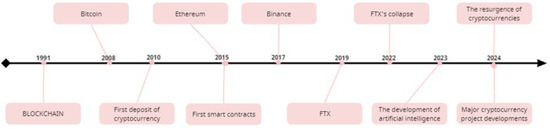
This article delves into the transformative impact of blockchain technology on enhancing transaction quality and efficiency. Since the emergence of blockchain alongside Bitcoin in 2008, its decentralised and transparent nature has significantly improved transaction speed, security, and cost efficiency. These advancements have solidified blockchain as a foundational innovation in financial services. The paper examines critical milestones in blockchain, including Bitcoin, Ethereum, and Binance Coin (BNB), and their role in reshaping global finance by automating processes and reducing reliance on intermediaries. Additionally, the study evaluates blockchain’s impact on quality management, particularly emphasising how its immutable ledger system enhances the reliability and transparency of financial transactions. Despite challenges such as scalability, energy consumption, and regulatory hurdles, the potential for blockchain to redefine transaction quality in financial services is evident. This research contributes to the growing body of literature by integrating blockchain technology and traditional quality management systems, providing a comprehensive perspective on how the two domains influence one another. The findings underscore blockchain’s ability to drive innovation in financial services while addressing security, efficiency, and operational quality concerns.
Full article
(This article belongs to the Special Issue Financial Technology and Strategic AI Integration in FinTech: Transforming Banking, Payments, and Building a Sustainable Economy—Challenges and Opportunities)
►▼
Show Figures

Figure 1
Open AccessArticle
Crowdfunding and Energy Efficiency Contracting: Exploring New Pathways for Private Investment in Building Renovations
by
Renan Magalhães, Federico Narracci and Jens Lowitzsch
FinTech 2025, 4(1), 6; https://doi.org/10.3390/fintech4010006 - 4 Feb 2025
Abstract
Energy Efficiency Contracting (EEC) enables structural improvements in buildings by financing upgrades through the savings generated, eliminating the need for upfront investment by property owners. Although the model supports the energy transition and the reduction in GHG emissions, its adoption in the private
[...] Read more.
Energy Efficiency Contracting (EEC) enables structural improvements in buildings by financing upgrades through the savings generated, eliminating the need for upfront investment by property owners. Although the model supports the energy transition and the reduction in GHG emissions, its adoption in the private sector faces relevant barriers such as the lack of information from the Energy Service Companies (ESCOs), distrust from clients in benefits with no upfront costs, and legal and behavioral barriers. To overcome these challenges, the FinSESCo platform, funded by Era-Net 2020 joint call, aims to channel private investments into building renovations and renewable energy installations via a crowdfunding portal. The platform allows individuals and organizations to finance small-scale renewable energy installations and energy efficiency measures for homeowners, tenants, and apartment owners. The new platform is likely to change the way EE investments are made and reach out to new audiences. A survey of 2585 German households sought to understand the drivers of EE investments, factors affecting the decisions, and their relationships with several demographic variables. Using a stepwise backward regression model, the study found significant differences between traditional investors in EE and those who would use the FinSESCo platform. Low- and medium-income households were more likely to take up the platform, and previous renewable energy ownership, experience with EEC models, and knowledge of crowdfunding further raised willingness to participate. The results point to the potential of the FinSESCo platform to expand EEC to new audiences, underlining its role of democratization and diversification of investments in building energy efficiency.
Full article
(This article belongs to the Special Issue Financial Technology and Strategic AI Integration in FinTech: Transforming Banking, Payments, and Building a Sustainable Economy—Challenges and Opportunities)
►▼
Show Figures

Figure A1
Open AccessArticle
Examining the Drivers and Economic and Social Impacts of Cryptocurrency Adoption
by
Yongsheng Guo, Ezaddin Yousef and Mirza Muhammad Naseer
FinTech 2025, 4(1), 5; https://doi.org/10.3390/fintech4010005 - 25 Jan 2025
Cited by 1
Abstract
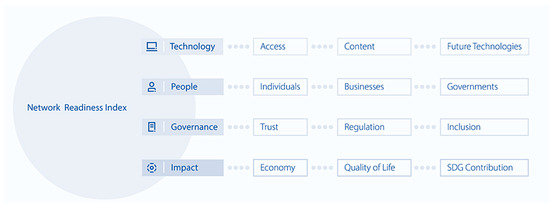
This study investigates the key drivers and the economic and social impacts of cryptocurrency adoption. Based on panel data across 37 countries from 2020 to 2023, this research examines the interplay between cryptocurrency adoption and technology development, monetary policies, and economic and social
[...] Read more.
This study investigates the key drivers and the economic and social impacts of cryptocurrency adoption. Based on panel data across 37 countries from 2020 to 2023, this research examines the interplay between cryptocurrency adoption and technology development, monetary policies, and economic and social development. Employing a mixed-methods approach, the research incorporates panel data analysis across multiple countries to explore correlations and causal relationships between these variables. The study found that technology development, measured by the Network Readiness Index (NRI) enables cryptocurrency adoption. Economic conditions measured by higher national inflation rates and monetary policy indicators, including lower interest and exchange rates are the key drivers for cryptocurrency adoption. The empirical findings reveal that cryptocurrency adoption has negative relationships with economic development measured by the GDP growth rate, unemployment rate, and social development represented by the governance quality corruption index. It implies that cryptocurrency is used as a virtual anchor (digital gold) for national inflation. Findings reveal how network readiness, economic conditions, and monetary policies contribute to fostering cryptocurrency adoption, while resulting in impacts on economic growth, labour markets, and governance. The research contributes to the literature by integrating technological, economic, and governance perspectives to elucidate the role of cryptocurrency in reshaping the global economic and social systems.
Full article
(This article belongs to the Special Issue Trends and New Developments in FinTech)
►▼
Show Figures

Figure 1

Open AccessReview
Exploring Financial Literacy in Higher Education with the Help of FinTech: A Bibliometric Analysis of Linkages to Access, Behavior, and Well-Being Through Digital Innovation
by
Ionut Marius Croitoru, Paula-Paraschiva Dragan (SPIRIDON), Nicoleta Daniela Ignat and Romanita Jumanca
FinTech 2025, 4(1), 4; https://doi.org/10.3390/fintech4010004 - 18 Jan 2025
Abstract
This study explores the dynamic interaction between financial literacy and higher education, focusing on the critical role of financial education in improving individual financial well-being. Using bibliometric analysis and the VOSviewer software, this research examines thematic clusters in financial literacy, categorized into access,
[...] Read more.
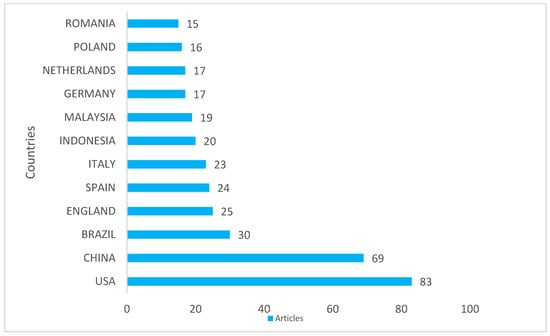
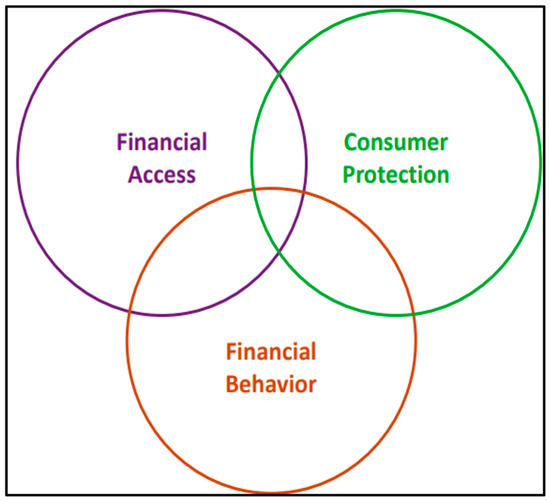
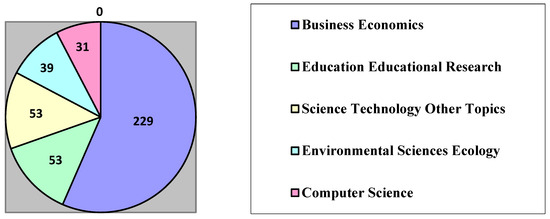
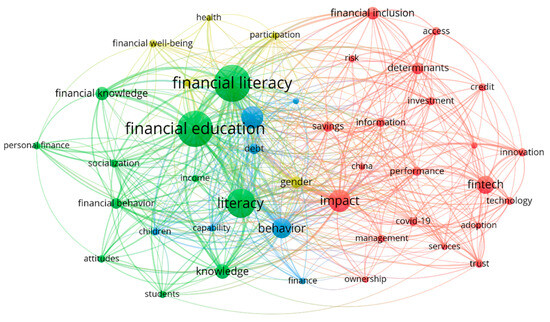
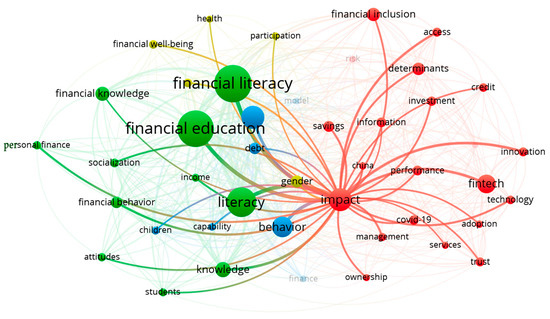
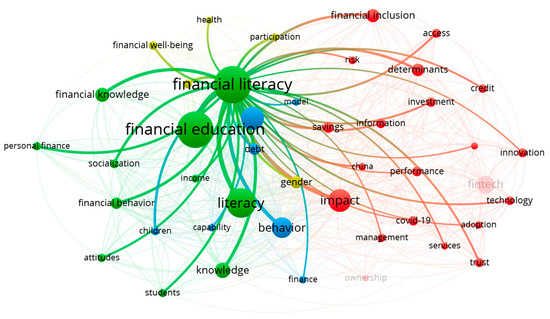
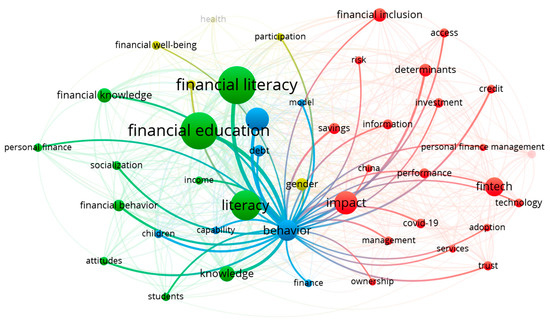
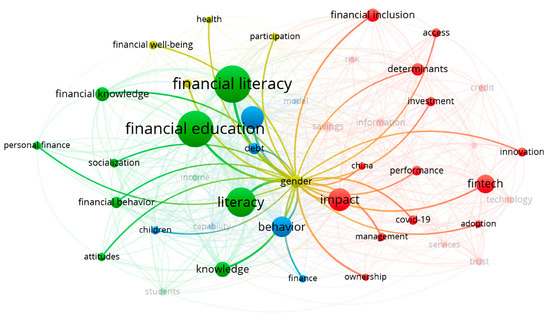
This study explores the dynamic interaction between financial literacy and higher education, focusing on the critical role of financial education in improving individual financial well-being. Using bibliometric analysis and the VOSviewer software, this research examines thematic clusters in financial literacy, categorized into access, behavior, health, and education. By analyzing 469 articles from the Web of Science database (2020–2024), this study identifies trends and key linkages between financial literacy and societal well-being, highlighting the role of digital innovation. While FinTech is discussed as a facilitator of financial inclusion and education, the primary focus lies in understanding how financial literacy drives behavioral change, capacity building, and economic resilience. This paper provides information for policymakers and educators to design inclusive, behaviorally focused educational programs that address specific demographic needs, ultimately contributing to societal and economic resilience.
Full article
(This article belongs to the Special Issue Trends and New Developments in FinTech)
►▼
Show Figures

Figure 1
Open AccessCommunication
Empowering Global Supply Chains Through Blockchain-Based Platforms: New Evidence from the Coffee Industry
by
Tommaso Agnola, Luca Ambrosini, Edoardo Beretta and Giuliano Gremlich
FinTech 2025, 4(1), 3; https://doi.org/10.3390/fintech4010003 - 10 Jan 2025
Abstract
Global supply chains, especially in commodity trading, are plagued by fragmentation, lack of transparency, and trust deficits among participants. These issues lead to inefficiencies, increased costs, and an over-reliance on intermediaries. The present Communication describes a blockchain-based platform that leverages Self-Sovereign Identity (SSI)
[...] Read more.
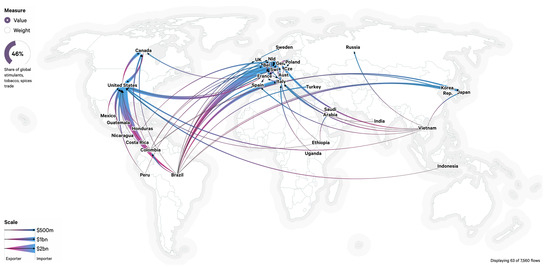
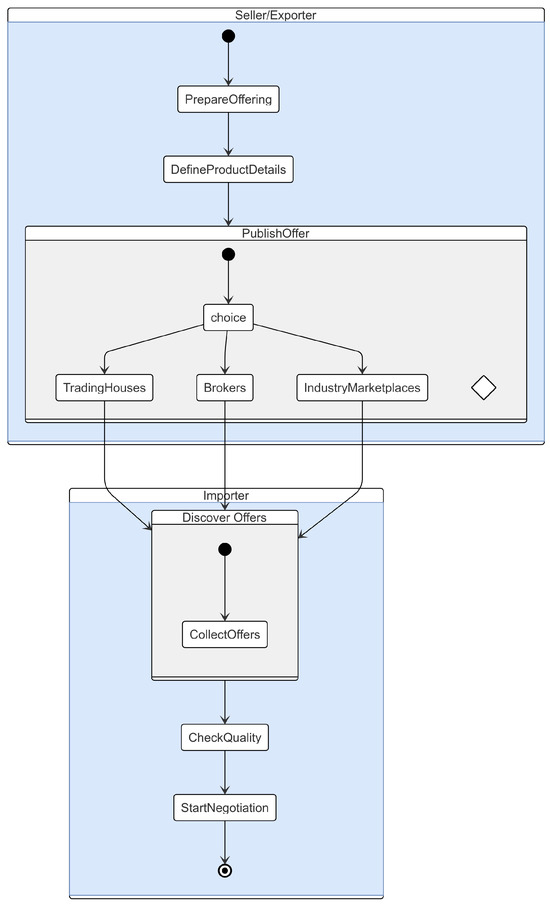
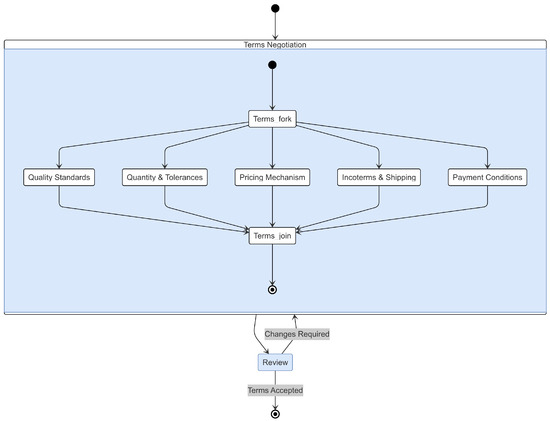
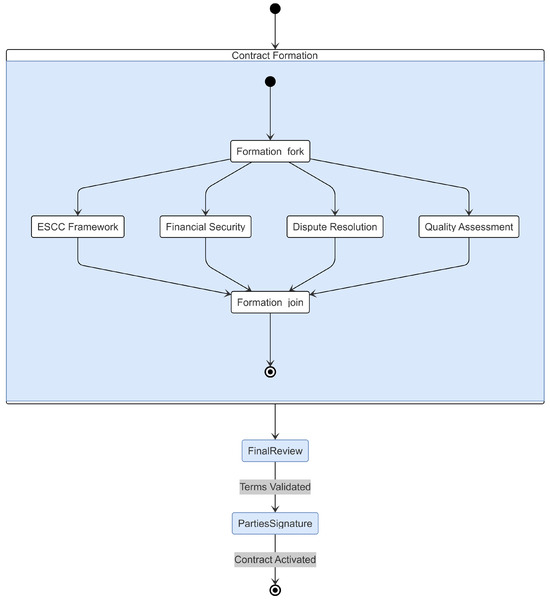
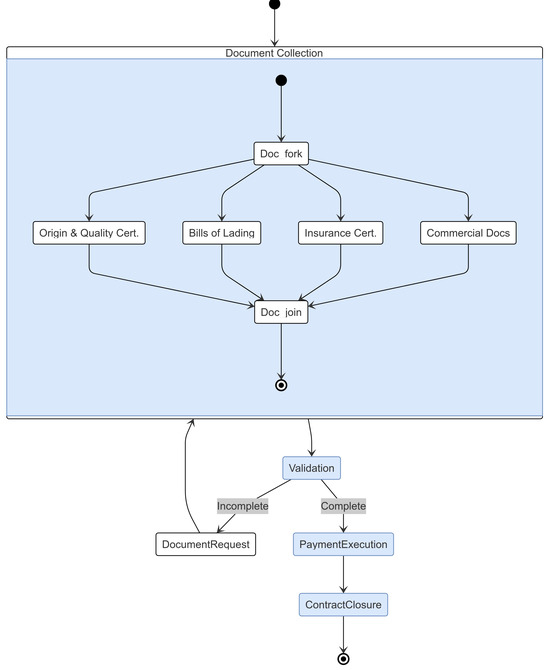
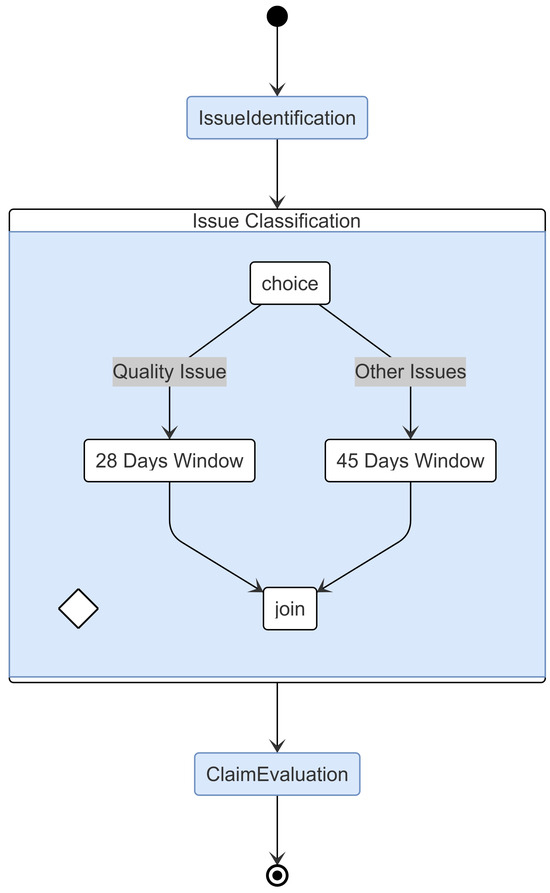
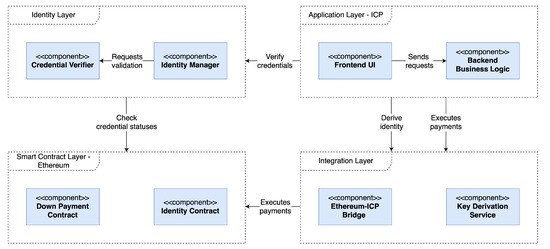
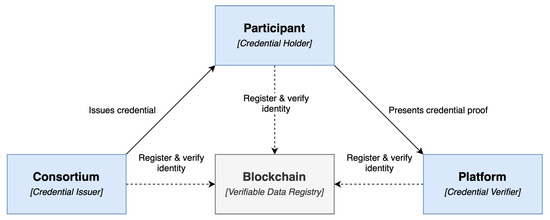
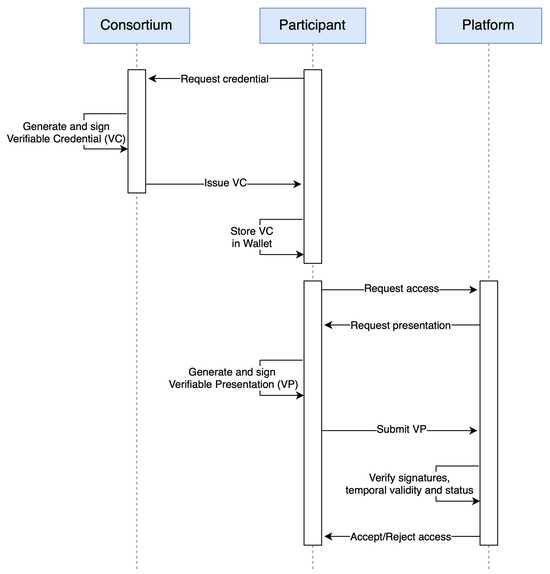
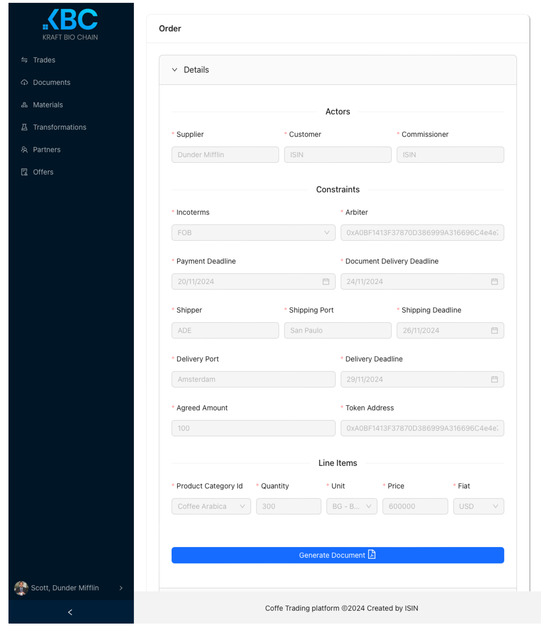
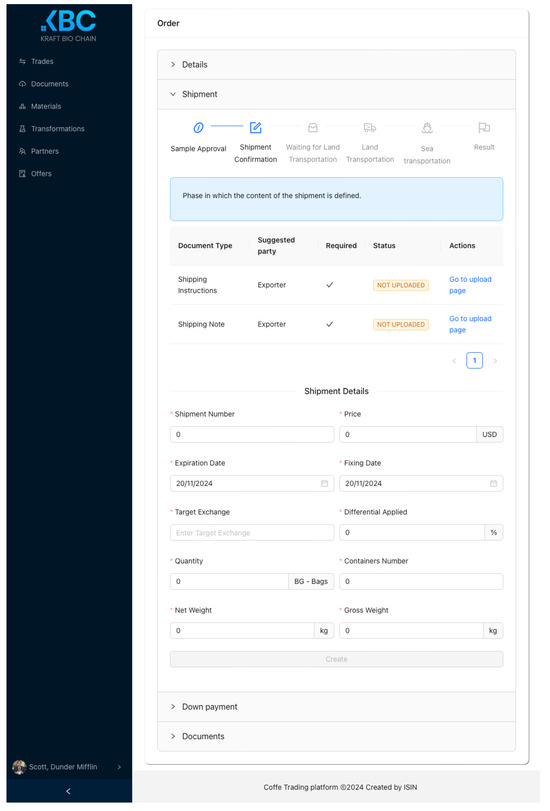
Global supply chains, especially in commodity trading, are plagued by fragmentation, lack of transparency, and trust deficits among participants. These issues lead to inefficiencies, increased costs, and an over-reliance on intermediaries. The present Communication describes a blockchain-based platform that leverages Self-Sovereign Identity (SSI) and Verifiable Credentials (VCs) to address these challenges in supply chain management. Developed in collaboration with coffee industry stakeholders, our approach proposes a platform with an integrated marketplace for seller discovery, enables precise order definition with detailed terms and conditions, and actively guides both buyers and sellers throughout the shipping process, managing financial guarantees and ensuring a secure transaction flow. The platform is compatible with both traditional banking infrastructure and modern crypto-based systems, enabling seamless financial transactions. In cases where disputes arise, we empower users to easily collect all communications and documents to present to legal authorities, expediting the resolution process. The platform is implemented using the Internet Computer Protocol (ICP) for secure, on-chain storage and application hosting, and is integrated with the Ethereum blockchain to leverage its extensive decentralized finance (DeFi) ecosystem, significant liquidity, and robust stablecoin infrastructure, thereby facilitating secure financial transactions. Moreover, we introduce an SSI-based authentication and authorization framework that spans across the entire platform, including both the Ethereum Virtual Machine (EVM) and Internet Computer Protocol (ICP), enabling unified role-based access control through verifiable credentials. A value-added of the present Communication, the framework is demonstrated by means of a detailed case study in the coffee industry, highlighting the technical challenges addressed during implementation. While quantitative efficiency metrics will be established through upcoming real-world testing with industry partners, the platform’s design aims to streamline operations by reducing intermediary dependencies and automating key processes. Finally, the Communication provides insights into its adaptability to other industries facing comparable supply chain challenges, presenting an approach focused on enhancing trust and reducing reliance on intermediaries.
Full article
(This article belongs to the Special Issue Financial Technology and Strategic AI Integration in FinTech: Transforming Banking, Payments, and Building a Sustainable Economy—Challenges and Opportunities)
►▼
Show Figures

Figure 1

Open AccessArticle
The Contribution of Robo-Advisors as a Key Factor in Commercial Banks’ Performance After the Global Financial Crisis
by
Félix Zogning and Pascal Turcotte
FinTech 2025, 4(1), 2; https://doi.org/10.3390/fintech4010002 - 27 Dec 2024
Abstract
In several countries, digital financial advisory services, particularly those supported by robo-advisors, are becoming increasingly popular in retail banking. These tools assist users with financial decisions such as risk assessment, portfolio selection, and rebalancing—all at a reduced cost. Recent studies suggest that, over
[...] Read more.
In several countries, digital financial advisory services, particularly those supported by robo-advisors, are becoming increasingly popular in retail banking. These tools assist users with financial decisions such as risk assessment, portfolio selection, and rebalancing—all at a reduced cost. Recent studies suggest that, over time, robo-advisors could complement human financial advisors. Building on this research, which evaluates robo-advisors’ effectiveness in asset allocation, this study aims to assess the impact of this strategic shift on retail banks’ profitability. It compares the Canadian and French banking sectors, where robo-advisors were introduced in the 2010s. Results indicate that implementing robo-advisors enhances profitability in non-interest activities, with this effect being more pronounced in France than in Canada.
Full article
(This article belongs to the Special Issue Trends and New Developments in FinTech)
Open AccessArticle
Development and Experimental Evaluation of an Investment Policy Framework for Enhancing Green Finance in Qatar
by
Ameni Boumaiza
FinTech 2025, 4(1), 1; https://doi.org/10.3390/fintech4010001 - 27 Dec 2024
Abstract
►▼
Show Figures
The shift toward a sustainable future demands substantial investments in green technologies and infrastructure, with green finance emerging as a pivotal driver for mobilizing such investments. This paper introduces a novel framework for green investment models and platforms tailored specifically to Qatar’s unique
[...] Read more.
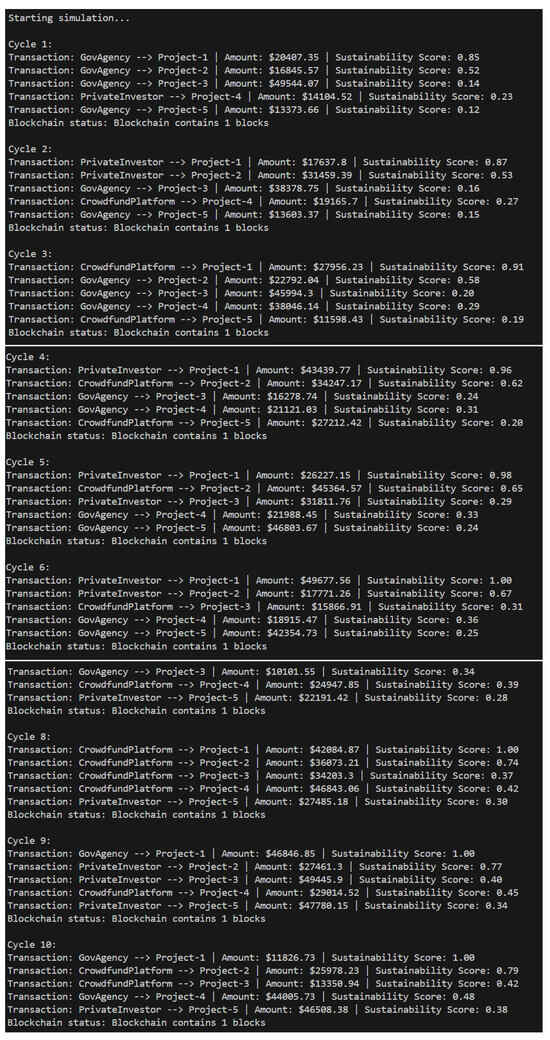
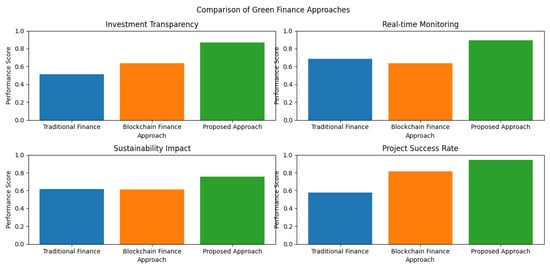
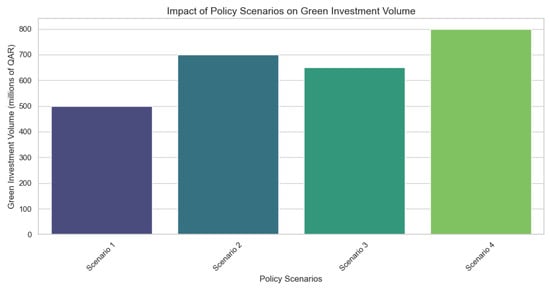
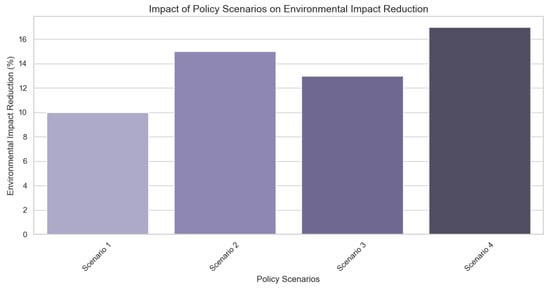
The shift toward a sustainable future demands substantial investments in green technologies and infrastructure, with green finance emerging as a pivotal driver for mobilizing such investments. This paper introduces a novel framework for green investment models and platforms tailored specifically to Qatar’s unique economic landscape. Through an extensive literature review, we identify essential policy levers and principles that can enhance the effectiveness of green finance initiatives. An experimental assessment utilizing a simulation model evaluates the potential impact of various policy scenarios on key metrics such as green investment volume, job creation, and environmental impact reduction. This study advocates for a comprehensive investment policy framework that includes alignment with Qatar’s national development objectives, targeted incentives for diverse economic sectors, collaborative stakeholder engagement, and robust monitoring and evaluation mechanisms. Our findings demonstrate that implementing these design principles can dramatically accelerate green finance in Qatar, aligning initiatives with the country’s National Vision 2030 and broader sustainability goals. This paper emphasizes the critical role of fiscal incentives tailored to specific sectors, the importance of collaboration among financial institutions and governmental bodies, and the necessity of continuous performance evaluations to inform adaptive policy adjustments. Ultimately, we propose a dynamic platform that not only facilitates green investments but also fosters innovation and mitigates the risks associated with sustainable projects in Qatar.
Full article

Figure 1
Open AccessArticle
Collapse of Silicon Valley Bank and USDC Depegging: A Machine Learning Experiment
by
Papa Ousseynou Diop, Julien Chevallier and Bilel Sanhaji
FinTech 2024, 3(4), 569-590; https://doi.org/10.3390/fintech3040030 - 13 Dec 2024
Abstract
►▼
Show Figures
The collapse of Silicon Valley Bank (SVB) on 11 March 2023, and the subsequent depegging of the USDC stablecoin highlighted vulnerabilities in the interconnected financial ecosystem. While prior research has explored the systemic risks of stablecoins and their reliance on traditional banking, there
[...] Read more.
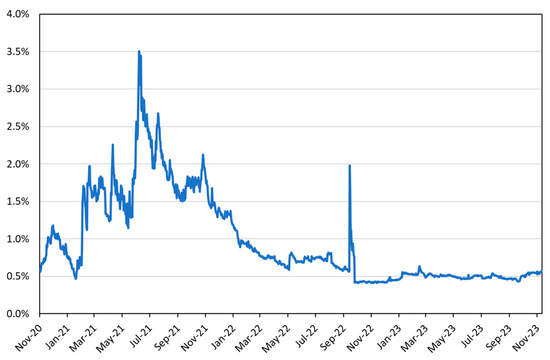
The collapse of Silicon Valley Bank (SVB) on 11 March 2023, and the subsequent depegging of the USDC stablecoin highlighted vulnerabilities in the interconnected financial ecosystem. While prior research has explored the systemic risks of stablecoins and their reliance on traditional banking, there has been limited focus on how banking sector shocks affect digital asset markets. This study addresses this gap by analyzing the impact of SVB’s collapse on the stability of major stablecoins—USDC, DAI, FRAX, and USDD—and their relationships with Bitcoin and Tether. Using daily data from October 2022 to November 2023, we found that the SVB incident triggered a series of depegging events, with varying effects across stablecoins. Our results indicate that USDC, often viewed as one of the safer stablecoins, was particularly vulnerable due to its reliance on SVB reserves. Other stablecoins experienced different impacts based on their collateral structures. These findings challenge the notion of stablecoins as inherently safe assets and underscore the need for improved risk management and regulatory oversight. Additionally, this study illustrates how machine learning models, including gradient boosting and random forests, can enhance our understanding of financial contagion and market stability.
Full article

Figure 1
Open AccessArticle
Comparative Analysis of Deep Learning Models for Stock Price Prediction in the Indian Market
by
Moumita Barua, Teerath Kumar, Kislay Raj and Arunabha M. Roy
FinTech 2024, 3(4), 551-568; https://doi.org/10.3390/fintech3040029 - 28 Nov 2024
Abstract
►▼
Show Figures
This research presents a comparative analysis of various deep learning models—including Recurrent Neural Networks (RNN), Long Short-Term Memory (LSTM), Convolutional Neural Networks (CNN), Gated Recurrent Units (GRU), and Attention LSTM—in predicting stock prices of major companies in the Indian stock market, specifically HDFC,
[...] Read more.
This research presents a comparative analysis of various deep learning models—including Recurrent Neural Networks (RNN), Long Short-Term Memory (LSTM), Convolutional Neural Networks (CNN), Gated Recurrent Units (GRU), and Attention LSTM—in predicting stock prices of major companies in the Indian stock market, specifically HDFC, TCS, ICICI, Reliance, and Nifty. The study evaluates model performance using key regression metrics such as Mean Absolute Error (MAE), Mean Squared Error (MSE), and R-Squared (R²). The results indicate that CNN and GRU models generally outperform the others, depending on the specific stock, and demonstrate superior capabilities in forecasting stock price movements. This investigation provides insights into the strengths and limitations of each model while highlighting potential avenues for improvement through feature engineering and hyperparameter optimization.
Full article

Figure 1
Open AccessArticle
Using Precious Metals to Reduce the Downside Risk of FinTech Stocks
by
Perry Sadorsky
FinTech 2024, 3(4), 537-550; https://doi.org/10.3390/fintech3040028 - 25 Oct 2024
Abstract
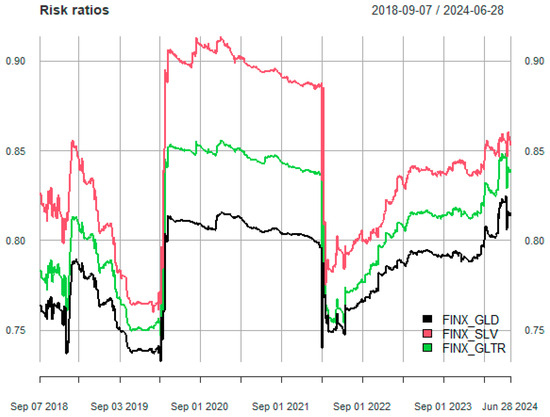
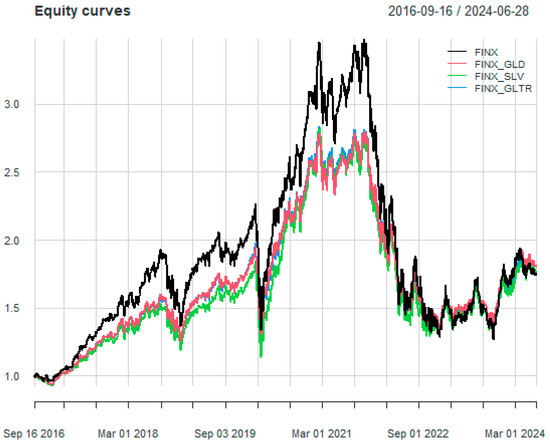
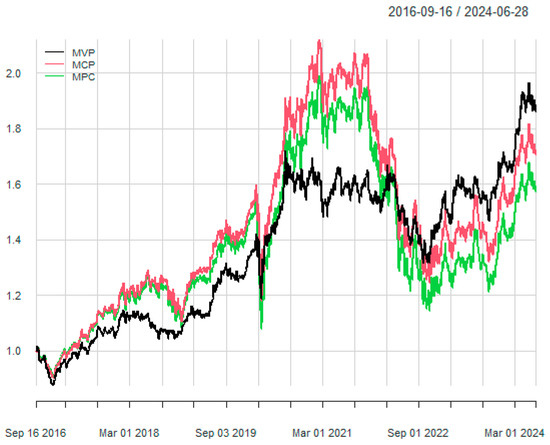
FinTech stocks are an important new asset class that reflects the rapidly growing FinTech sector. This paper studies the practical implications of using gold, silver, and basket-of-precious-metals (gold, silver, platinum, palladium) ETFs to diversify risk in FinTech stocks. Downside risk reduction is estimated
[...] Read more.
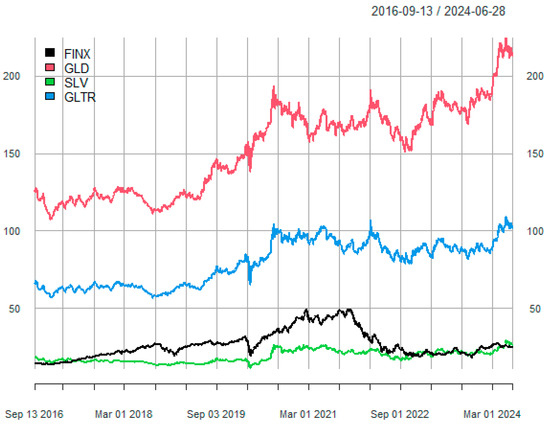
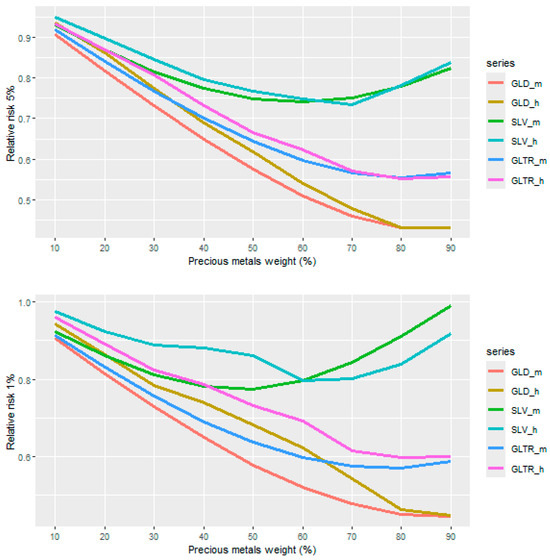
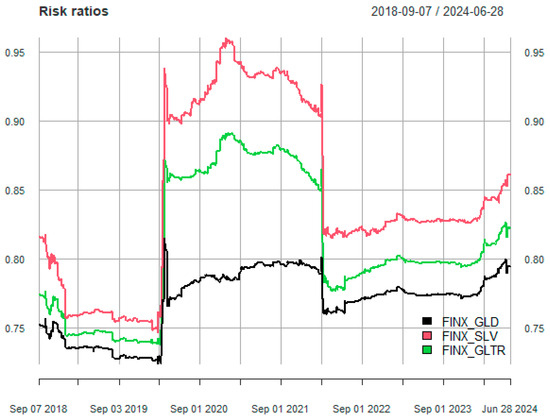
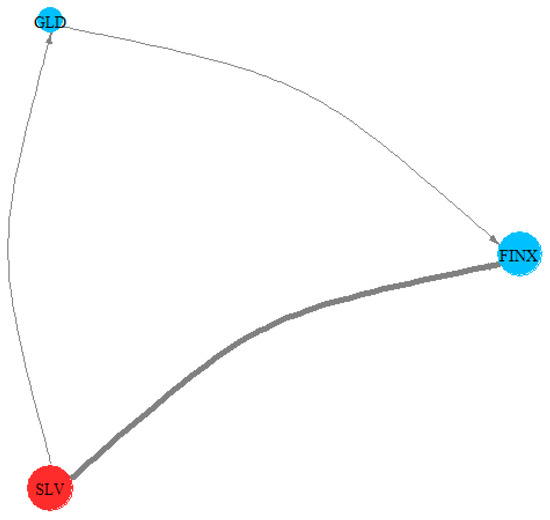
FinTech stocks are an important new asset class that reflects the rapidly growing FinTech sector. This paper studies the practical implications of using gold, silver, and basket-of-precious-metals (gold, silver, platinum, palladium) ETFs to diversify risk in FinTech stocks. Downside risk reduction is estimated using relative risk ratios based on CVaR. The analysis shows that gold provides the most downside risk protection. For a 5% CVaR, a 30% portfolio weight for gold reduces the downside risk by about 25%. The minimum variance and minimum correlation three-asset (FinTech, gold, and silver) portfolios (with portfolio weights estimated using a TVP-VAR model) have the highest risk-adjusted returns (Sharpe ratio, Omega ratio) followed by the fixed-weight FinTech and gold portfolio. These results show the benefits of diversifying an investment in FinTech stocks with precious metals. These results are robust to weekly or monthly portfolio rebalancing and reasonable transaction costs.
Full article
(This article belongs to the Special Issue Trends and New Developments in FinTech)
►▼
Show Figures

Figure 1
Open AccessArticle
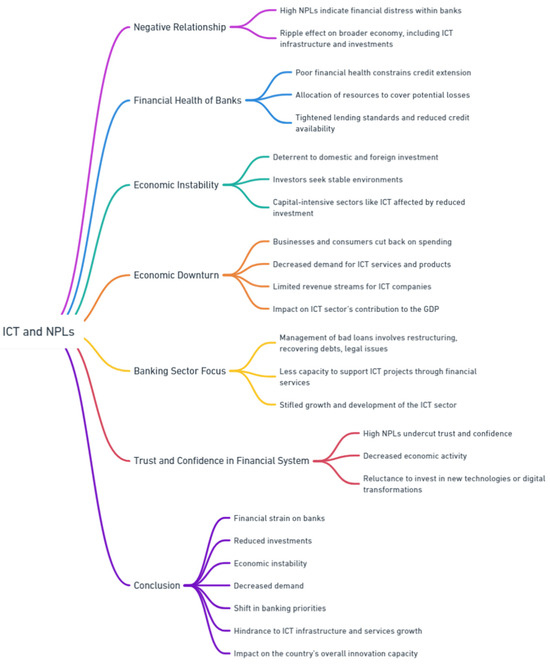
Financial Stability and Innovation: The Role of Non-Performing Loans
by
Massimo Arnone, Alberto Costantiello, Angelo Leogrande, Syed Kafait Hussain Naqvi and Cosimo Magazzino
FinTech 2024, 3(4), 496-536; https://doi.org/10.3390/fintech3040027 - 14 Oct 2024
Abstract
►▼
Show Figures
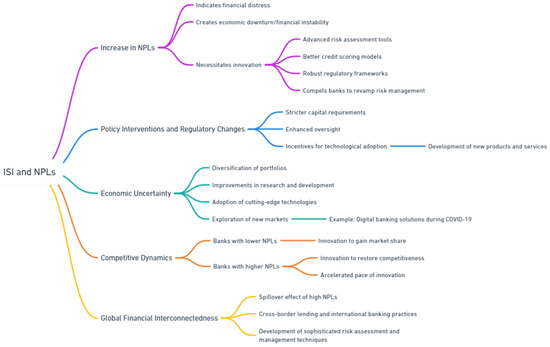
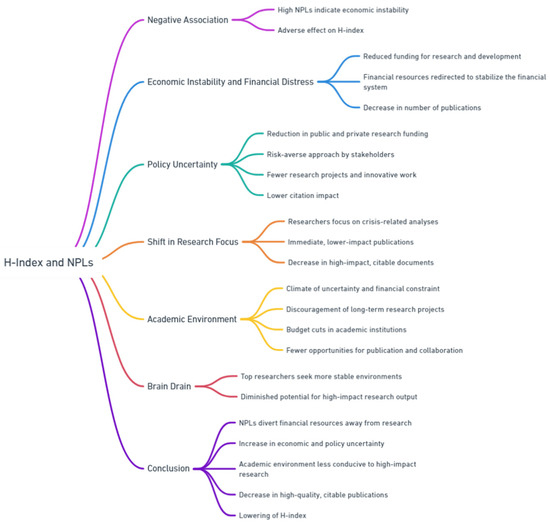
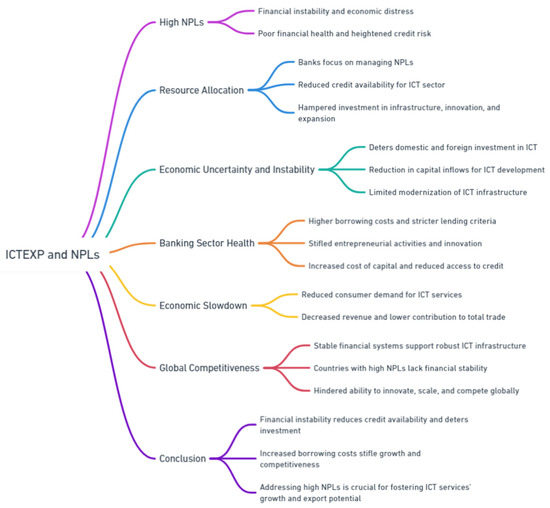
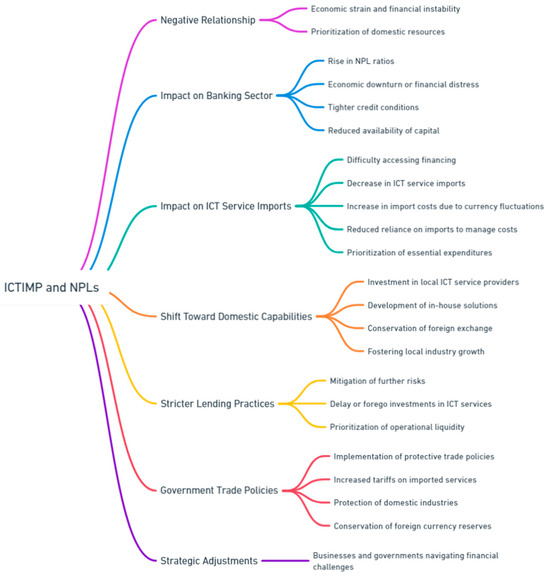
This study analyses the relationship between non-performing loans (NPLs) and innovation systems at a global level. The data were obtained from the World Bank and the Global Innovation Index over the period 2013–2022 for 149 countries. The k-means algorithm was used to verify
[...] Read more.
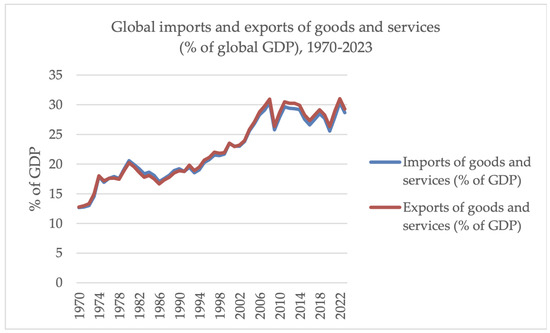
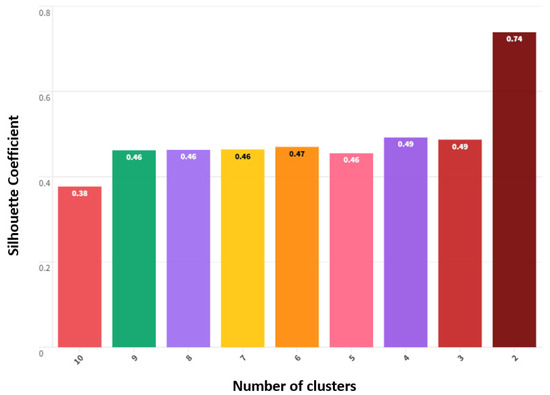
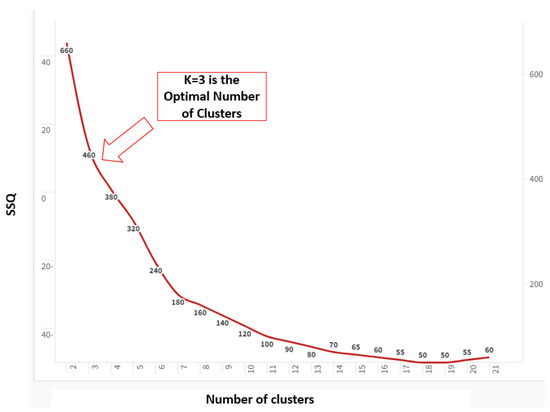
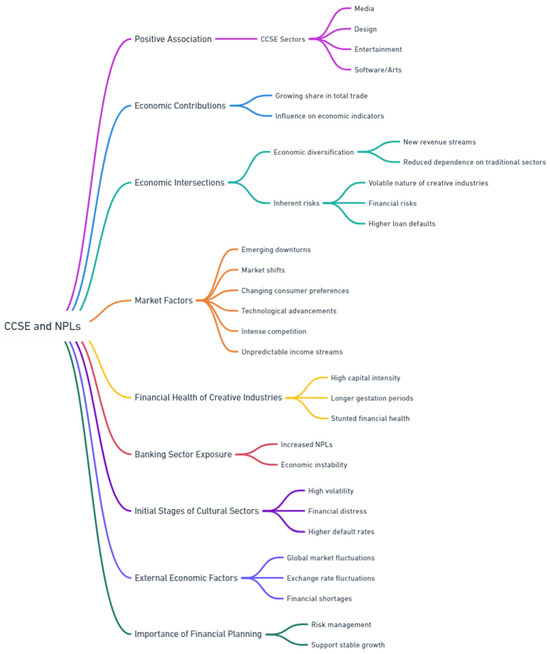
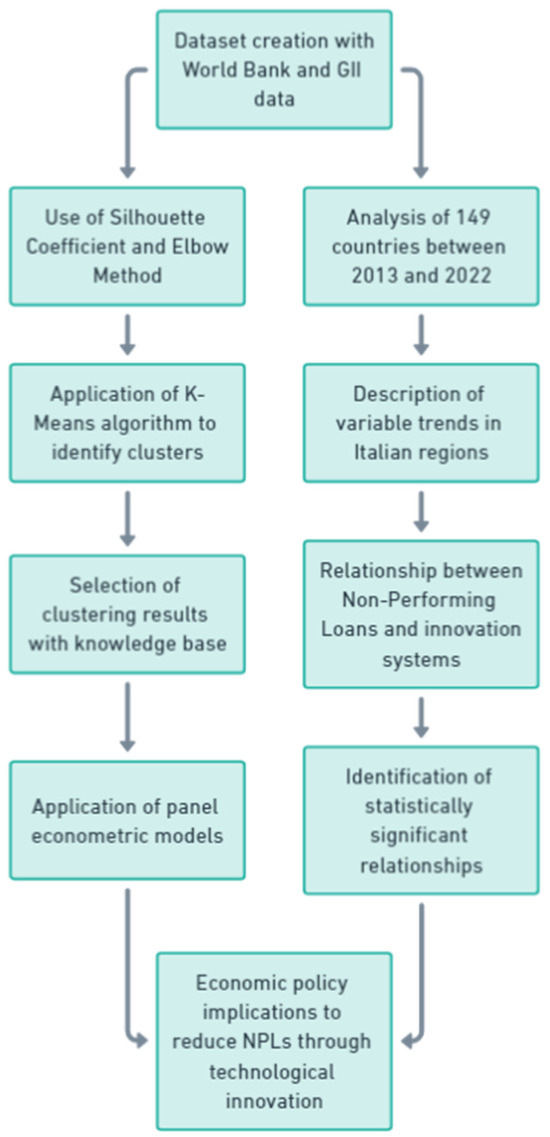
This study analyses the relationship between non-performing loans (NPLs) and innovation systems at a global level. The data were obtained from the World Bank and the Global Innovation Index over the period 2013–2022 for 149 countries. The k-means algorithm was used to verify the presence of clusters in the data. Since k-means is an unsupervised machine-learning algorithm, we compared the Silhouette coefficient with the Elbow method to find an optimization. The results show that the optimal number of clusters is three, as suggested using the Elbow Method. Furthermore, a panel data analysis was conducted. Results show that the level of NPLs is positively associated with cultural and creative services exports as a percentage of total trade and innovation input sub-index and negatively associated with the Hirsch Index, ICT services exports as a percentage of total trade, ICT services imports as a percentage of total trade, and information and communication technologies.
Full article

Figure 1
Open AccessArticle
Artificial Intelligence-Driven FinTech Valuation: A Scalable Multilayer Network Approach
by
Roberto Moro Visconti
FinTech 2024, 3(3), 479-495; https://doi.org/10.3390/fintech3030026 - 23 Sep 2024
Abstract
►▼
Show Figures
The integration of Artificial Intelligence (AI) in the FinTech industry has significantly reshaped operational workflows, product innovation, and risk management, all of which are pivotal to company valuation. This study investigates the impact of AI-enhanced multilayer networks on FinTech valuation, introducing a novel,
[...] Read more.
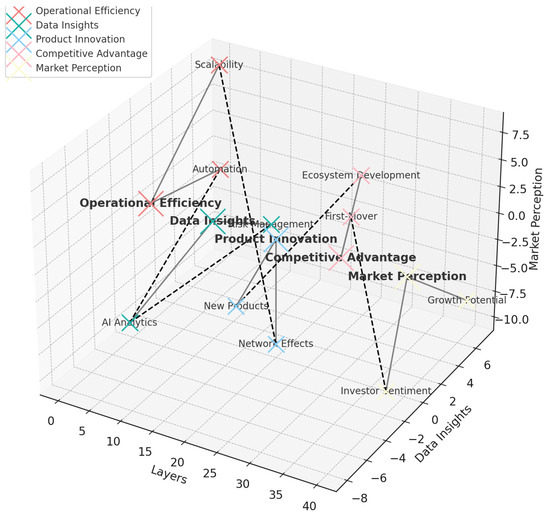
The integration of Artificial Intelligence (AI) in the FinTech industry has significantly reshaped operational workflows, product innovation, and risk management, all of which are pivotal to company valuation. This study investigates the impact of AI-enhanced multilayer networks on FinTech valuation, introducing a novel, scalable multilayer network model with AI-driven Copula Nodes that serve as connectors across operational layers. By incorporating AI, the research unveils a dynamic and interconnected approach to FinTech valuation, revealing new pathways for value co-creation through real-time adjustments and predictive capabilities. The research reveals that while operational efficiency is a major driver of market value, a balanced integration of AI across risk management, product innovation, and market perception is essential for maximizing value. Additionally, the findings highlight the importance of managing AI-driven risks such as algorithmic bias and regulatory challenges. This comprehensive framework offers critical insights for FinTechs, investors, and regulators seeking to understand the complex role of AI in enhancing valuation within the evolving financial services landscape.
Full article

Figure 1
Highly Accessed Articles
Latest Books
E-Mail Alert
News
Topics
Topic in
Clean Technol., Economies, FinTech, JRFM, Sustainability
Green Technology Innovation and Economic Growth
Topic Editors: David (Xuefeng) Shao, Miaomiao Tao, Selena ShengDeadline: 31 December 2025
Topic in
Administrative Sciences, Behavioral Sciences, Businesses, FinTech
New Perspective of Consumer Behavior and Marketing: Immersive Technologies and Sensory Design
Topic Editors: Shan Li, Sikandar Ali Qalati, Hong WangDeadline: 31 December 2026
Conferences
Special Issues
Special Issue in
FinTech
Financial Technology and Strategic AI Integration in FinTech: Transforming Banking, Payments, and Building a Sustainable Economy—Challenges and Opportunities
Guest Editors: Otilia Manta, Valentina Vasile, Shigeyuki HamoriDeadline: 20 May 2025
Special Issue in
FinTech
Fintech Innovations: Transforming the Financial Landscape
Guest Editors: Mitra Arami, Patricia BaudierDeadline: 20 May 2025
Special Issue in
FinTech
Trends and New Developments in FinTech
Guest Editors: Nikiforos T. Laopodis, Eleftheria KostikaDeadline: 30 June 2025