Journal Description
Grasses
Grasses
is an international, peer-reviewed, open access journal on all fundamental and applied fields of grass, published quarterly online by MDPI.
- Open Access— free for readers, with article processing charges (APC) paid by authors or their institutions.
- Rapid Publication: manuscripts are peer-reviewed and a first decision is provided to authors approximately 26.3 days after submission; acceptance to publication is undertaken in 4.9 days (median values for papers published in this journal in the second half of 2024).
- Recognition of Reviewers: APC discount vouchers, optional signed peer review, and reviewer names published annually in the journal.
- Grasses is a companion journal of Agriculture and Agronomy.
Latest Articles
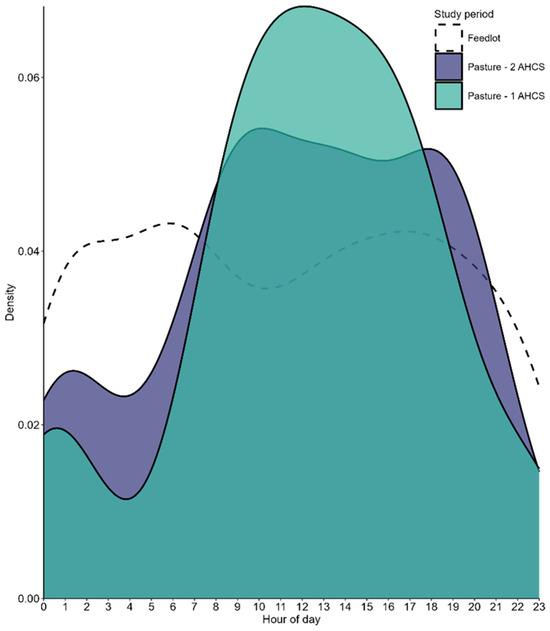
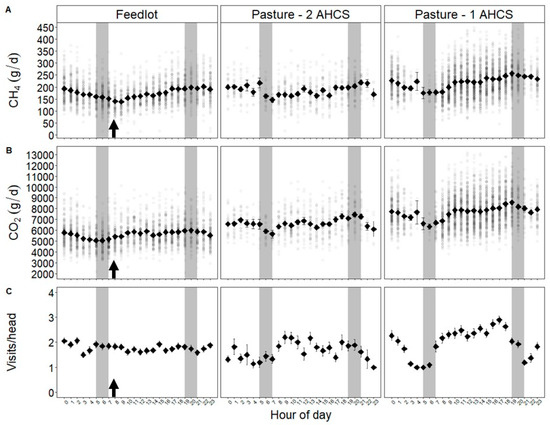
Accounting for Diurnal Variation in Enteric Methane Emissions from Growing Steers Under Grazing Conditions
Grasses 2025, 4(1), 12; https://doi.org/10.3390/grasses4010012 - 14 Mar 2025
Abstract
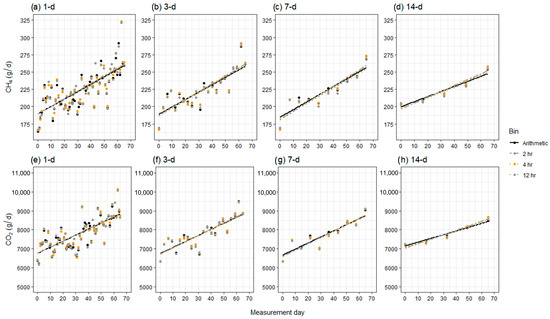
Automated head chamber systems (AHCS) are increasingly deployed to measure enteric emissions in vivo. However, guidance for AHCS-derived emissions data analyses pertains to confined settings, such as feedlots, with less instruction for grazing systems. Accordingly, our first objective in this experiment was to
[...] Read more.
Automated head chamber systems (AHCS) are increasingly deployed to measure enteric emissions in vivo. However, guidance for AHCS-derived emissions data analyses pertains to confined settings, such as feedlots, with less instruction for grazing systems. Accordingly, our first objective in this experiment was to determine the utility of two data preprocessing approaches for grazing-based analyses. Using Pearson’s correlation, we compared “simple arithmetic” and “time-bin” averaging to arrive at a single estimate of daily gas flux. For our second objective, we evaluated test period length averaging at 1, 3, 7, and 14 d intervals to determine daily pasture-based emissions estimates under two experimental conditions: herd access to a single AHCS unit vs. two AHCS units. Unlike findings from the confinement-based literature, where slight improvements have been observed, time-bin averaging, compared to simple arithmetic averaging, did not improve gas flux estimation from grazing for CH4 (p ≥ 0.46) or CO2 (p ≥ 0.60). Irrespective of experimental condition, i.e., herd access to a single AHCS unit vs. two AHCS units, assessment of variability of diurnal emissions patterns revealed CH4 flux on pasture had at least half as much variability for the same individuals acclimated in confinement. Using a 7-day test period length interval, aggregating gas flux data at 7 d at a time was adequate for capturing diurnal emissions variation in grazing steers, as no improvement was observed in the percentage of individuals with five of six time bins measured for a 14-day test period length interval. This analysis should provide insights into future research to standardize AHCS data preprocessing across experiments and research groups.
Full article
(This article belongs to the Special Issue Advances in Grazing Management)
►
Show Figures
Open AccessArticle
Production of Panicum maximum cv. Mombaça Under Fertilization Management and Ozonation of Irrigation Water
by
Wesley Lopes Cançado, Eugénio da Piedade Edmundo Sitoe, Job Teixeira de Oliveira, Lêda Rita D’Antonino Faroni, Ernandes Rodrigues de Alencar, Marcus Vinicius de Assis Silva and Fernando França da Cunha
Grasses 2025, 4(1), 11; https://doi.org/10.3390/grasses4010011 - 12 Mar 2025
Abstract
►▼
Show Figures
Ozonation of irrigation water is a promising technology that improves the efficiency of irrigation systems. However, it is necessary to investigate the potential adverse effects of the continuous application of this technology on pastures, particularly on Mombaça grass (Panicum maximum cv. Mombaça),
[...] Read more.
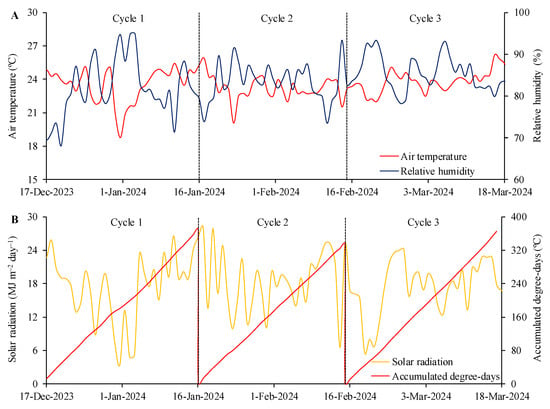
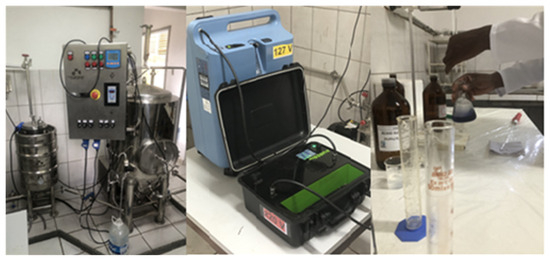
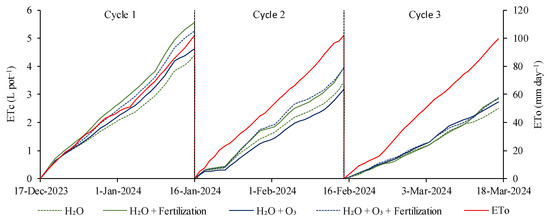
Ozonation of irrigation water is a promising technology that improves the efficiency of irrigation systems. However, it is necessary to investigate the potential adverse effects of the continuous application of this technology on pastures, particularly on Mombaça grass (Panicum maximum cv. Mombaça), to ensure that its benefits are not outweighed by negative impacts. This study aimed to evaluate the impact of ozonated irrigation water on the production of Mombaça grass under different fertilization management practices. The experiment was conducted in a controlled environment using 4.5 L pots, following a completely randomized design with five replications. The experimental setup employed a factorial arrangement, involving two irrigation water sources (with and without ozonation) and two fertilization managements (with and without N and K2O), resulting in 20 experimental units. A 60-day uniformity cycle and three 30-day cycles were performed, assessing water consumption as well as the morphogenic and agronomic characteristics of Mombaça grass. Fertilization with N and K2O increased water consumption and improved the agronomic characteristics of Mombaça grass, promoting greater development and growth in line with its morphogenic traits. Regardless of fertilization, ozonation of irrigation water did not cause harm to growth and biomass yield. Therefore, the technique of ozonating irrigation water can be used in the cultivation of Mombaça grass.
Full article

Figure 1
Open AccessArticle
The Impact of Plant Diversity on Carbon Storage Along the Gradient of Altitude in Alpine Grasslands of the Qinghai–Tibetan Plateau
by
Tong Guo
Grasses 2025, 4(1), 10; https://doi.org/10.3390/grasses4010010 - 10 Mar 2025
Abstract
►▼
Show Figures
Plant diversity plays an important role in shaping the carbon cycling of grassland ecosystems. However, differences in the diversity effect on aboveground and belowground carbon storage remains unclear at specific spatiotemporal scales. A transplant experiment was carried out along the gradient of altitude
[...] Read more.
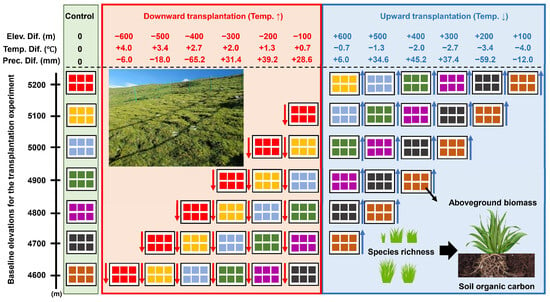
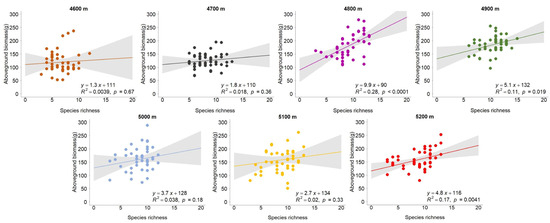
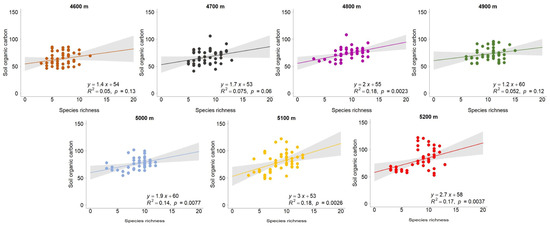
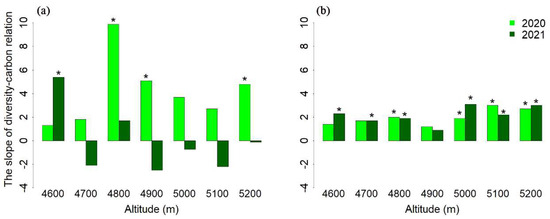
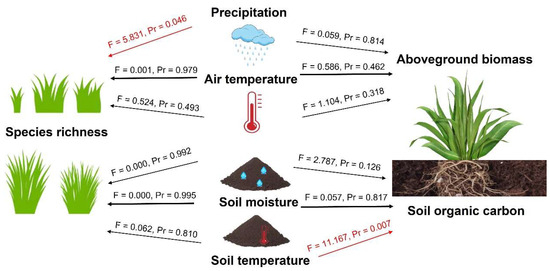
Plant diversity plays an important role in shaping the carbon cycling of grassland ecosystems. However, differences in the diversity effect on aboveground and belowground carbon storage remains unclear at specific spatiotemporal scales. A transplant experiment was carried out along the gradient of altitude (4600–5200 m) in alpine grasslands of the Qinghai–Tibetan Plateau in the year 2017. Vegetation characteristics like species richness, vegetation cover and height were measured in the years 2020 and 2021. The plant diversity was described by species richness. Then, I calculated the vegetation biomass to quantify the aboveground carbon storage. The belowground carbon storage was represented by soil organic carbon. The results showed that the effect of species richness on belowground carbon storage was significantly positive (p < 0.05) at most altitudes for both years. However, the diversity effect on aboveground carbon storage was weak and inconsistent. The relationship between species richness and belowground carbon storage remained relatively stable over a period of two years. In contrast, the relationship altered greatly in terms of aboveground carbon storage in terms of inter-annual changes. Precipitation of growing seasons significantly impacted the species richness rather than aboveground carbon storage. Soil temperature was significantly associated with belowground carbon storage. These findings provide a new insight which will help us to assess the relationship between plant diversity and ecosystem functioning. They also allow us to understand how vegetation responds to climate change in high-altitudes areas.
Full article

Figure 1
Open AccessArticle
Effect of Supplementation on the Productive and Reproductive Performance of Nellore Heifers Grazing Mombasa Grass Pasture in Different Seasons
by
Anderson Lopes Pereira, José Neuman Miranda Neiva, Fabrícia Rocha Chaves Miotto, Juliana Silva de Oliveira, Alberto Jefferson da Silva Macêdo, Josilene Lima Serra, Daniel Henrique de Souza Tavares, Paulo da Cunha Tôrres Junior, Evandro de Sousa da Silva and Edson Mauro Santos
Grasses 2025, 4(1), 9; https://doi.org/10.3390/grasses4010009 - 4 Mar 2025
Abstract
►▼
Show Figures
The objective was to evaluate the effect of supplementation during three seasons (autumn, winter, and spring) on the productive and reproductive performance of Nellore heifers grazing on Mombaça grass. A total of 28 Nellore heifers were subjected to two supplementation strategies: 15 CP
[...] Read more.
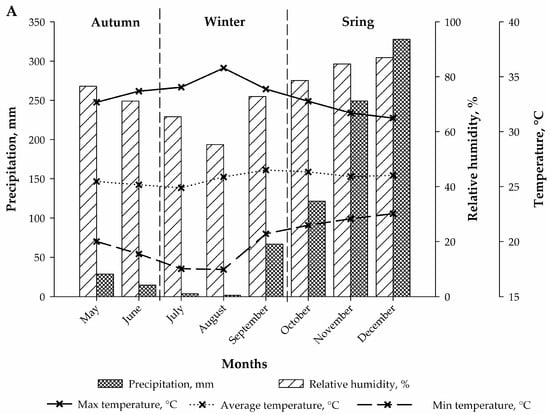
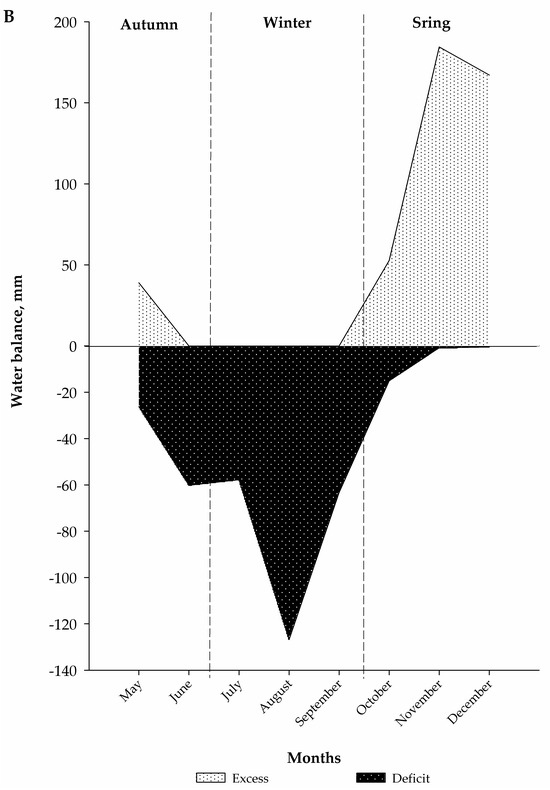
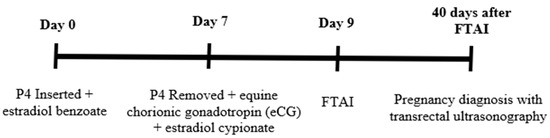
The objective was to evaluate the effect of supplementation during three seasons (autumn, winter, and spring) on the productive and reproductive performance of Nellore heifers grazing on Mombaça grass. A total of 28 Nellore heifers were subjected to two supplementation strategies: 15 CP [15% crude protein (CP)] and 18 CP (18% CP). The experimental design was completely randomized in a factorial arrangement (two supplementation strategies and three seasons). A strategy × season interaction effect was observed for height (p = 0.008), with the 15 CP strategy in spring showing a higher average (56 cm) compared to 18 CP (26 cm). Regarding pasture chemical composition, the season significantly influenced quality (p < 0.05), with winter presenting inferior quality. A strategy × season interaction effect was also observed (p < 0.05), with lower averages recorded during winter for the 18 CP strategy in final body weight (FBW) (271.74 kg), total weight gain (TWG) (31.48 kg), and stocking rate (SR) (3.99 animal units per hectare, AU/ha). In reproductive efficiency, the 15 CP strategy achieved a pregnancy rate of 85% compared to 54% for the 18 CP strategy. The 15 CP strategy provided better performance for the heifers, increasing FBW, TWG, SR, and pregnancy rate, with significant results in spring due to improved forage quantity and quality associated with supplementation.
Full article

Figure 1
Open AccessFeature PaperArticle
Foraging Behavior, Botanical Composition, and Quality of Beef Cattle Diets on Burned Versus Unburned Foothill Rangelands
by
Janessa Kluth, Noah G. Davis, Samuel A. Wyffels, Clayton B. Marlow, Lance T. Vermeire, Taylre E. Sitz, Thomas G. Hamilton and Timothy DelCurto
Grasses 2025, 4(1), 8; https://doi.org/10.3390/grasses4010008 - 17 Feb 2025
Abstract
Current management paradigms suggest deferring grazing rangeland for two years post-fire to avoid additional stress on native grass species, but there is little research supporting these recommendations. This study was conducted within and adjacent to the burn area of a wildfire to evaluate
[...] Read more.
Current management paradigms suggest deferring grazing rangeland for two years post-fire to avoid additional stress on native grass species, but there is little research supporting these recommendations. This study was conducted within and adjacent to the burn area of a wildfire to evaluate the differences in diet quality, botanical composition, and foraging behavior of beef cattle on burned and unburned rangeland in the spring and fall of the year following a fire. Diet composition and masticate samples were collected during 20 min bite-count periods using six ruminally cannulated cows in burned and unburned sites in June and September. Diets differed between burned and unburned sites across seasons, but the differences were most apparent in June. Cattle grazed more selectively on burned sites in June, consuming a higher quality diet dominated by forbs. In September, cattle shifted to grass-dominated diets with fewer differences between burned and unburned sites. This indicates that the nutritional flush on post-fire rangelands may be minimized by the end of the first growing season post-fire. Additionally, in the first spring post-fire, cattle may shift grazing pressure away from vulnerable perennial native grass species to the early-seral forbs, commonly associated with the post-fire environment.
Full article
(This article belongs to the Special Issue Advances in Grazing Management)
►▼
Show Figures

Figure 1
Open AccessFeature PaperArticle
Determining a Suitable Local Green Biorefinery Model for Adoption by Irish Livestock Farmers Using a Mixed-Method Co-Design Employing Economic and Geographical Information Systems Analysis
by
Alice Hand, Emily Marsh, Carmen Giron Dominguez, Abhay Menon, Theresa Rubhara, Helena McMahon, Breda O’Dwyer, Paul Holloway and James Gaffey
Grasses 2025, 4(1), 7; https://doi.org/10.3390/grasses4010007 - 7 Feb 2025
Abstract
►▼
Show Figures
To support the ambitious bioeconomy vision outlined in Ireland’s Bioeconomy Action Plan, there is an urgent need to bring together the necessary stakeholders required to implement this vision. Farmers and other primary producers who oversee the production of sustainable biomass constitute one of
[...] Read more.
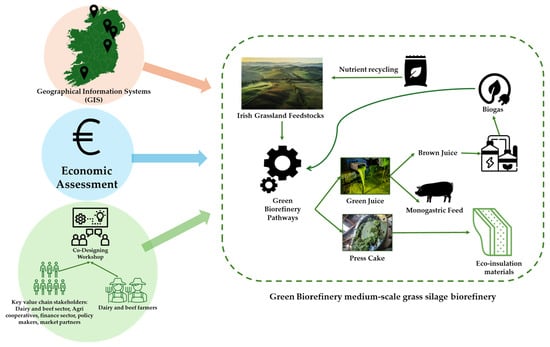
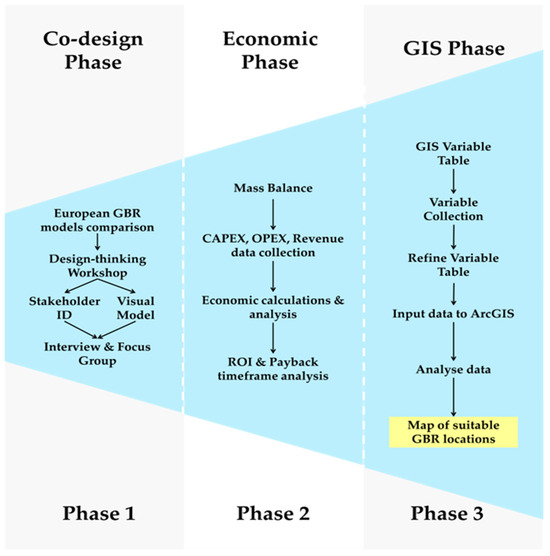
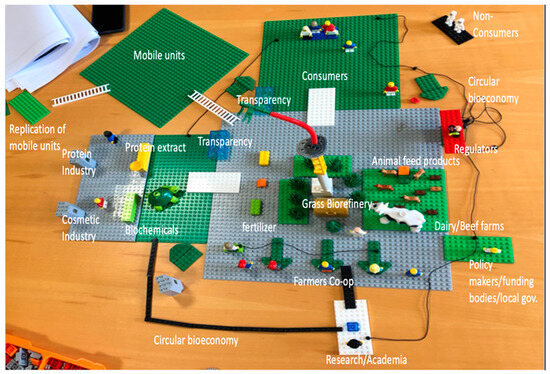
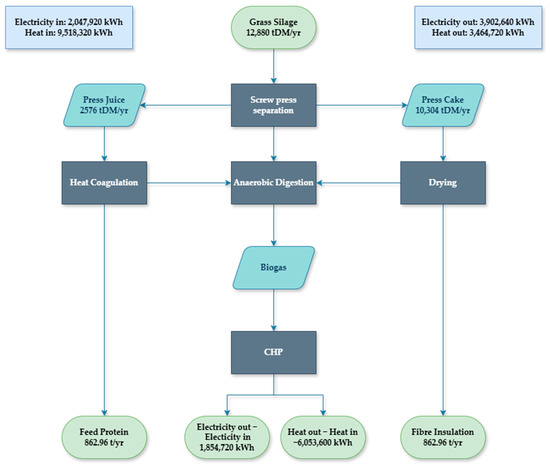
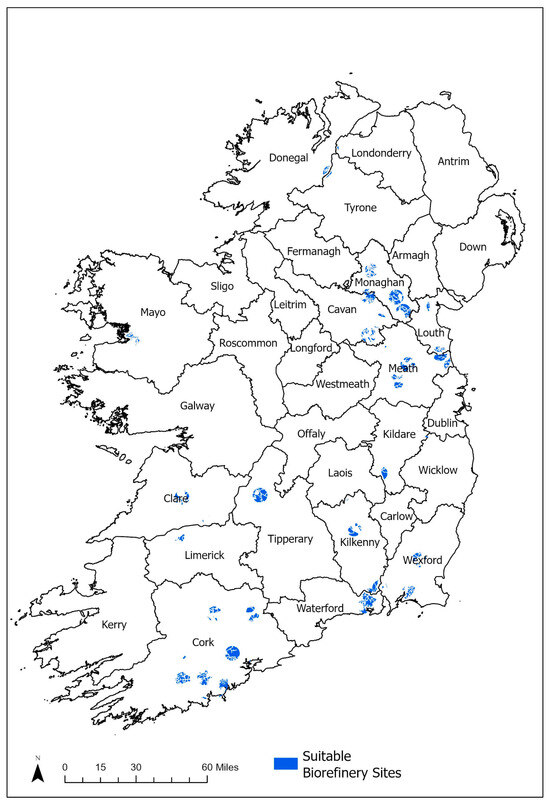
To support the ambitious bioeconomy vision outlined in Ireland’s Bioeconomy Action Plan, there is an urgent need to bring together the necessary stakeholders required to implement this vision. Farmers and other primary producers who oversee the production of sustainable biomass constitute one of the most important categories of stakeholders in the bio-based value chain. To ensure scalable, long-lasting bioeconomy collaboration, it is essential that farmers are involved in developing this bioeconomy vision. The current study provides a mixed-methods approach to co-design a green biorefinery vision with Irish farmers and other key value-chain actors. The selected value chain targeting a medium-scale grass silage biorefinery focused on the production of eco-insulation materials, with protein and biogas co-products for local markets. This was then assessed economically using an economic model, which provided a payback period of five years. To identify suitable sites for deployment of the green biorefinery in rural areas, geographical information systems (GIS) analysis was undertaken, considering various environmental, socio-economic and infrastructural variables, which identified 26 potential sites for deployment of the green biorefinery model in Ireland. This study found that early engagement with and inclusion of the farmers in a co-designed process of innovation and alternative revenue streams for them is essential. While a preferred cooperative-based business model for a grass silage biorefinery was identified in consultation with the multiple stakeholders, further research on its long-term commercial sustainability is proposed as future research.
Full article

Graphical abstract
Open AccessArticle
Irrigation Water Treated with Oxygen Nanobubbles Decreases Irrigation Volume While Maintaining Turfgrass Quality in Central Chile
by
Jesús Daniela Calvo, Tomás Vicente Del Campo and Alejandra Antonieta Acuña
Grasses 2025, 4(1), 6; https://doi.org/10.3390/grasses4010006 - 6 Feb 2025
Abstract
►▼
Show Figures
The efficient use of water resources is a growing priority in multiple sectors, including the turfgrass industry. Nanobubbles (NB) represent an innovative technology that, by enriching solutions with various gases, offers significant benefits in several industrial areas. In crop irrigation, they have been
[...] Read more.
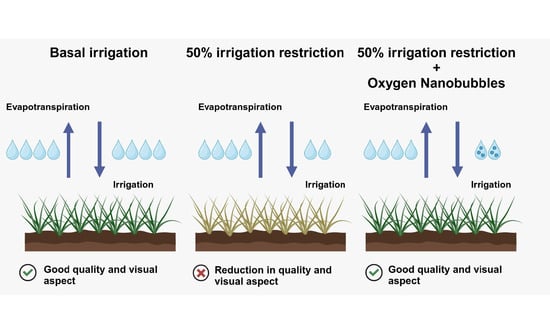
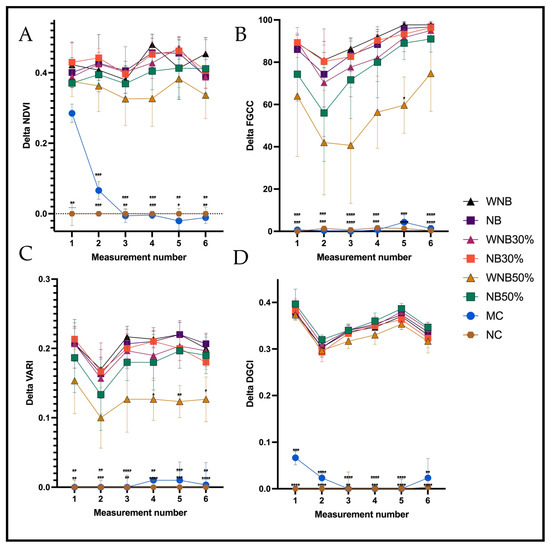
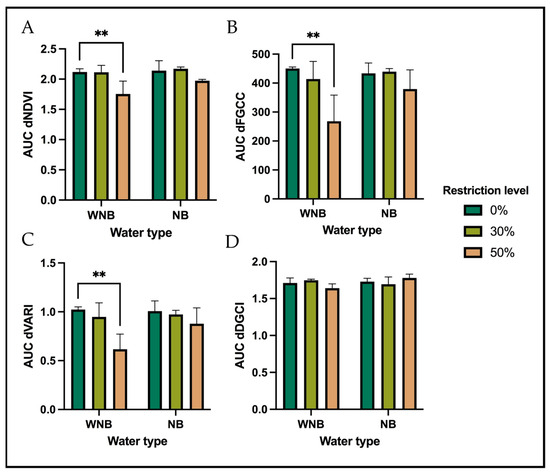
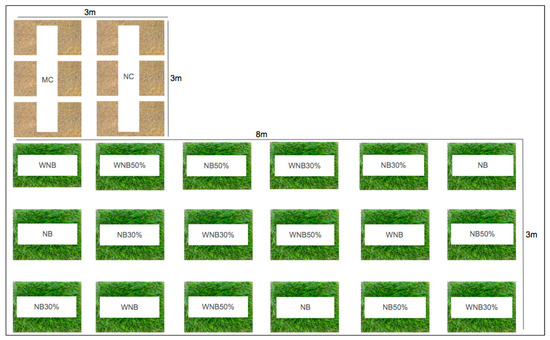
The efficient use of water resources is a growing priority in multiple sectors, including the turfgrass industry. Nanobubbles (NB) represent an innovative technology that, by enriching solutions with various gases, offers significant benefits in several industrial areas. In crop irrigation, they have been shown to increase dissolved oxygen in the root zone and thereby boost yields. The objective of this study was to evaluate the impact of the use of oxygen NB in irrigation water on turfgrass quality, considering different levels of water restriction (0%, 30%, and 50% of daily crop evapotranspiration), compared to conventional irrigation. During the summer of 2024, trials were conducted using turf quality indices based on multispectral reflectance and RGB digital image analysis. The results showed that the use of NB allowed for a reduction in irrigation by 50% without compromising turf quality, reaching values similar to treatments without water restriction. In contrast, treatment with the same restriction but without NB (WNB50%) showed a deterioration in quality. This study shows NB as an innovative tool to optimize water use, with great potential for applications in landscape green areas, promote water use efficiency, and reduce the costs associated with irrigation.
Full article

Graphical abstract
Open AccessArticle
Influence of Temperature and Precipitation on the Forage Quality of Bluebunch Wheatgrass and Idaho Fescue During the Dormant Season
by
Noah G. Davis, Sam A. Wyffels and Timothy DelCurto
Grasses 2025, 4(1), 5; https://doi.org/10.3390/grasses4010005 - 3 Feb 2025
Abstract
Dormant forage is generally understood to be low-quality, but how and why it changes over the dormant season have not been well studied. Therefore, this study evaluated the changes in the forage quality of bluebunch wheatgrass (Pseudoroegneria spicata) and Idaho fescue
[...] Read more.
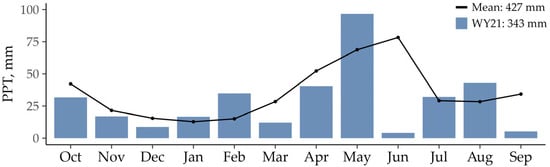
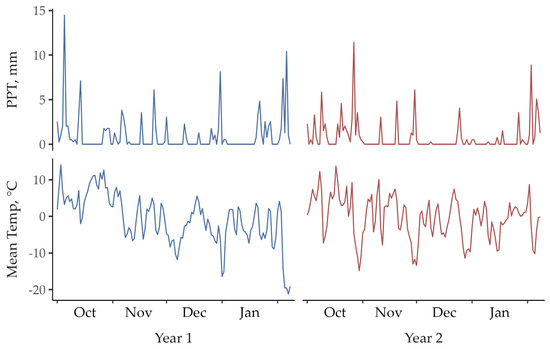
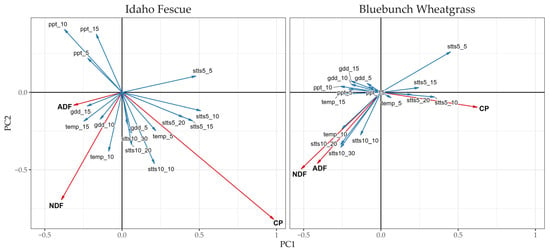
Dormant forage is generally understood to be low-quality, but how and why it changes over the dormant season have not been well studied. Therefore, this study evaluated the changes in the forage quality of bluebunch wheatgrass (Pseudoroegneria spicata) and Idaho fescue (Festuca idahoensis) over the course of the dormant season and in response to concurrent environmental conditions. We collected forage samples every 14 days for two consecutive winters in southwestern Montana, USA. Samples were analyzed for crude protein (CP), acid detergent fiber (ADF), and neutral detergent fiber (NDF). A suite of environmental metrics was derived from PRISM weather data. Data were analyzed with a linear mixed model and the STATICO ordination method. Crude protein and ADF varied throughout the winter across both years, with CP ranging from 1.9–4.0% and ADF from 37–42%. The differences between species were more pronounced and more consistent in CP. The differences between years were more pronounced in ADF and NDF. Relative temperature explained the most variation in forage quality. Crude protein is positively correlated with short-term warmer temperatures, whereas NDF is positively correlated with longer-term warmer temperatures. This demonstrates that forage quality can change over the dormant season and is influenced by winter weather events.
Full article
(This article belongs to the Special Issue Feature Papers in Grasses)
►▼
Show Figures

Figure 1
Open AccessArticle
Root Penetration Is Associated with Root Diameter and Root Growth Rate in Tropical Forage Grasses
by
Chanthy Huot, Joshua N. M. Philp, Yi Zhou and Matthew D. Denton
Grasses 2025, 4(1), 4; https://doi.org/10.3390/grasses4010004 - 16 Jan 2025
Abstract
►▼
Show Figures
Soil compaction impedes root exploration by plants, which limits access to nutrients and water, ultimately compromising survival. The capability of roots to penetrate hard soils is therefore advantageous. While root penetration has been studied in various annual crops, the relationships between root growth
[...] Read more.
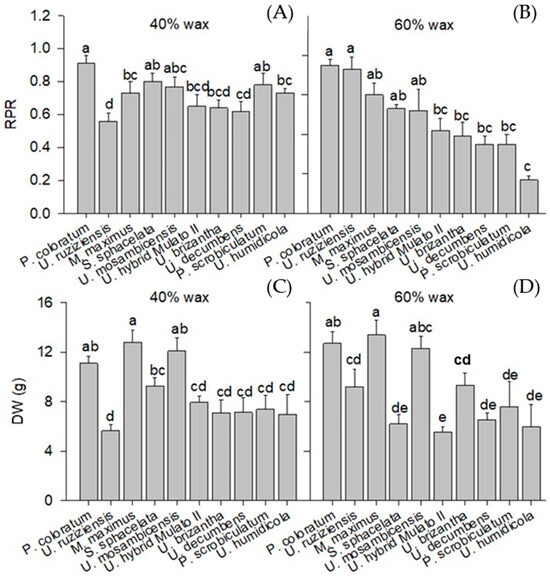
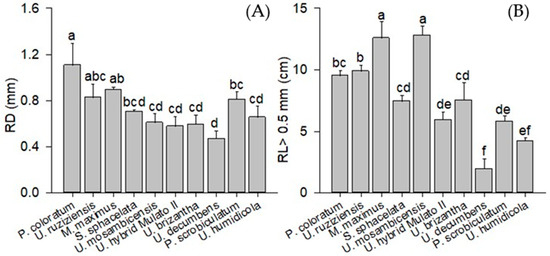
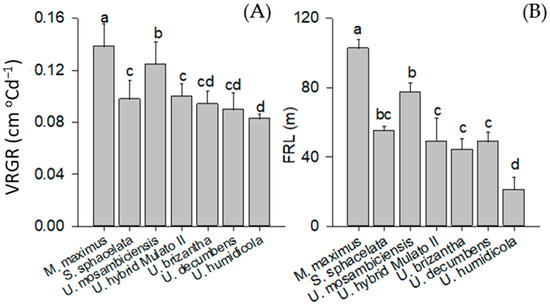
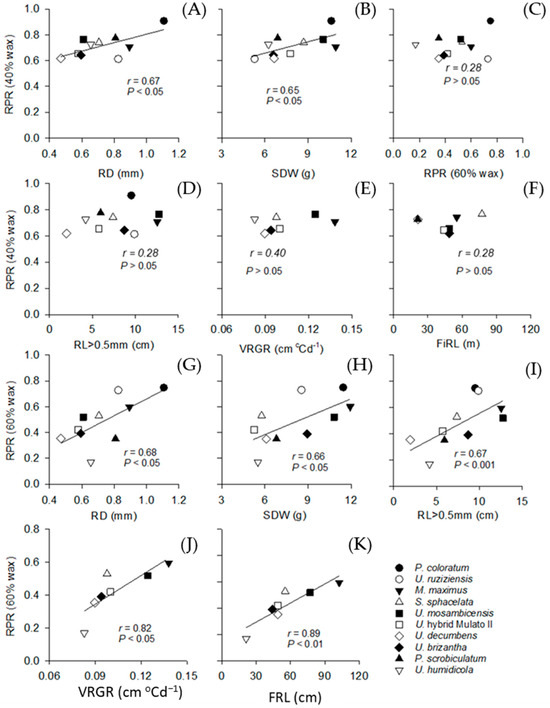
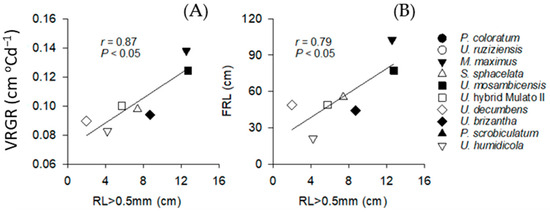
Soil compaction impedes root exploration by plants, which limits access to nutrients and water, ultimately compromising survival. The capability of roots to penetrate hard soils is therefore advantageous. While root penetration has been studied in various annual crops, the relationships between root growth and root penetration are poorly understood in tropical perennial grasses. This study aimed to compare root penetration capability in 10 tropical perennial forage grasses and identify relationships between root penetration, root diameter and vertical root growth. Root penetration of each species, namely Urochloa (syn. Brachiaria) brizantha cv. Mekong Briz, U. decumbens cv. Basilisk, U. humidicola cv. Tully, U. hybrid cv. Mulato II, U. mosambicensis cv. Nixon, U. ruziziensis cv Kennedy, Panicum coloratum cv. Makarikariense, Megathyrsus maximus (syn. Panicum maximum) cv. Tanzânia, Paspalum scrobiculatum (syn. Paspalum coloratum) cv. BA96 10 and Setaria sphacelata cv Solendar, was evaluated using wax layers of varying resistances, created from a mixture of 40% (1.39 MPa) and 60% (2.12 MPa) paraffin wax, combined with petroleum jelly. Reference root sizes were determined for the grass species by measuring root diameter and root lengths of seedlings grown in growth pouches. Vertical root growth rate for each species was measured in grasses grown in 120 cm deep rhizotrons. Species with greater root penetration at both resistances had significantly higher shoot growth rates (r = 0.65 at 40% wax and 0.66 at 60% wax) and greater root diameters (r = 0.67 at 40% wax and 0.68 at 60% wax). Root penetration was significantly higher in species with greater vertical root growth rate only in the 60% wax treatment (r = 0.82). Root penetration at higher resistance was correlated with the root diameter and rapid vertical root growth of the species. This may indicate a contribution of these traits to root penetration ability. The combination of greater root diameter and root vertical growth rate, as observed in M. maximus, may assist in the identification of perennial forage grasses suitable for agroecosystems challenged by soil compaction and rapidly drying soil surface.
Full article

Figure 1
Open AccessCommunication
Urban Landscapes: Turfgrass Benefits
by
Alex J. Lindsey, Marco Schiavon, J. Bryan Unruh and Kevin Kenworthy
Grasses 2025, 4(1), 3; https://doi.org/10.3390/grasses4010003 - 7 Jan 2025
Abstract
Recently, turfgrass has received scrutiny from the public in many parts of the United States due to the misconception that it has limited benefits and has negative impacts on the environment. These negative impacts are often associated with water and chemical usage during
[...] Read more.
Recently, turfgrass has received scrutiny from the public in many parts of the United States due to the misconception that it has limited benefits and has negative impacts on the environment. These negative impacts are often associated with water and chemical usage during turfgrass maintenance. Even with these ill-advised concerns, turfgrass remains an important component of urban landscapes. Contrary to public opinion, turfgrass has numerous environmental, ecological, economical, social, and societal benefits. This review paper summarizes and highlights the benefits of turfgrass systems.
Full article
(This article belongs to the Special Issue Advances in Sustainable Turfgrass Management)
Open AccessReview
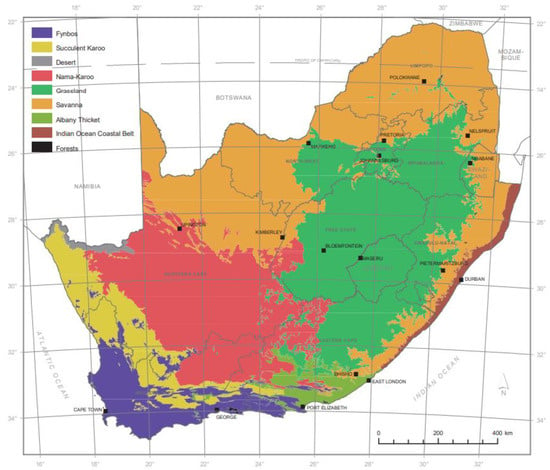
Consequences of Invasive Prosopis (Mesquite) on Vegetation, Soil Health, Biodiversity, and Compliance of Management Practices in South African Rangelands: A Review
by
Siviwe Odwa Malongweni, Kaya Mrubata, Johan van Tol, Mohamed A. M. Abd Elbasit and Douglas M. Harebottle
Grasses 2025, 4(1), 2; https://doi.org/10.3390/grasses4010002 - 3 Jan 2025
Abstract
►▼
Show Figures
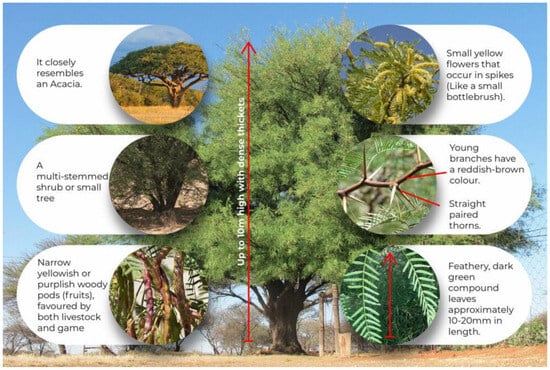
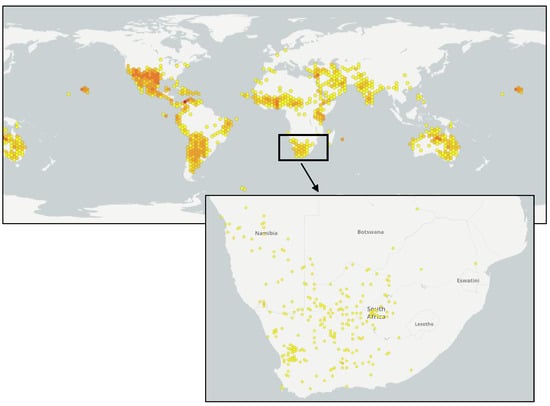
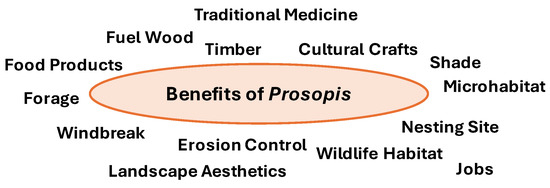
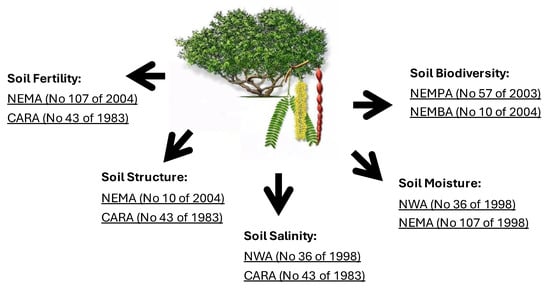
Prosopis glandulosa (Mesquite), an invasive alien tree species, poses major threats to soil health, native vegetation, and biodiversity in South African rangelands. The negative impacts of Prosopis on socio-economic, environmental, and ecological resources outweigh the benefits. Most South African researchers are afraid that
[...] Read more.
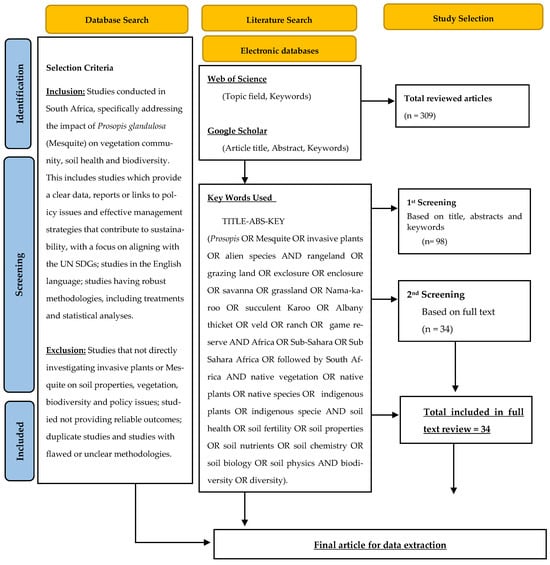
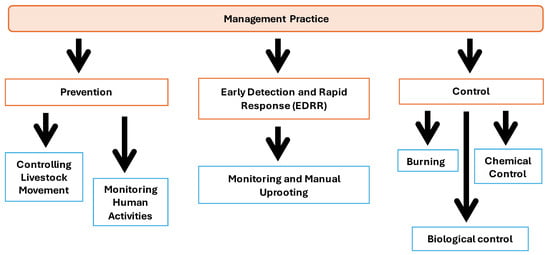
Prosopis glandulosa (Mesquite), an invasive alien tree species, poses major threats to soil health, native vegetation, and biodiversity in South African rangelands. The negative impacts of Prosopis on socio-economic, environmental, and ecological resources outweigh the benefits. Most South African researchers are afraid that if left uncontrolled or poorly managed, it can cause severe land degradation, reduced agricultural productivity, indigenous-species shift, and ultimately the loss of biodiversity. Consequently, this will undermine key sustainable development goals related to food security and environmental conservation. In this review we conducted a systematic review, identifying 309 peer-reviewed articles from Google Scholar and Web of Science, screening and analyzing 98 of these, and ultimately reviewing 34 publications in detail. Three key research gaps were identified: (1) insufficient research focused on Prosopis invasion in South Africa; (2) limited integration and collaboration between the agricultural sector, environmental conservation sector, and governmental bodies; and (3) challenges in policy implementation within invaded areas. The study seeks to address these gaps by highlighting the impact of this alien invasive Prosopis species on land, biodiversity, and overall ecosystem stability. It also investigates policy issues surrounding invasive species and their control. Effective management of Prosopis within the country will not only control the spread but also support the broader objectives of environmental conservation, agricultural sustainability, and socio-economic development.
Full article

Figure 1
Open AccessArticle
Nutritional and Structural Components of Forage Sorghum Subjected to Nitrogen Fertilization and Molybdenum
by
Glícia Rafaela Freitas da Fonsêca, Jamiles Carvalho Gonçalves de Souza Henrique, Ednaete Bezerra de Alcântara, Náthaly Vitória Santos Almeida, Alexandre Campelo de Oliveira, Maria Luana da Silva Medeiros, Arthur Lucas Júlio Silva and Evaristo Jorge Oliveira de Souza
Grasses 2025, 4(1), 1; https://doi.org/10.3390/grasses4010001 - 2 Jan 2025
Abstract
►▼
Show Figures
Semi-arid regions present edaphoclimatic limitations for forage production, primarily affecting plant growth and development. Crops adapted to such conditions, like forage sorghum, and nutritional supplementation with nitrogen and molybdenum, can increase forage production. The objective of this study was to evaluate the interaction
[...] Read more.
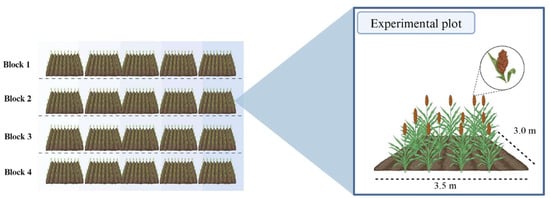
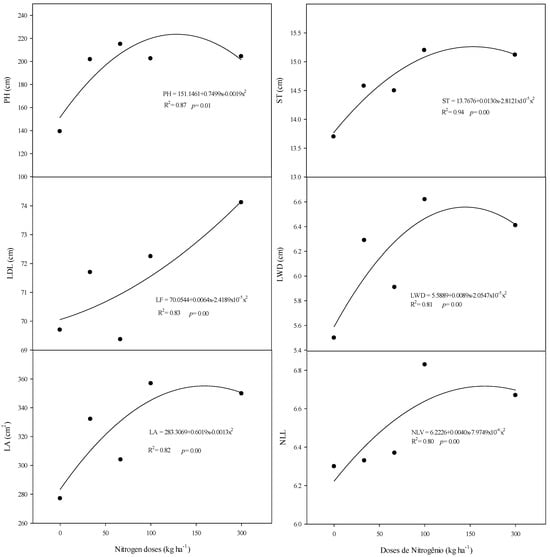
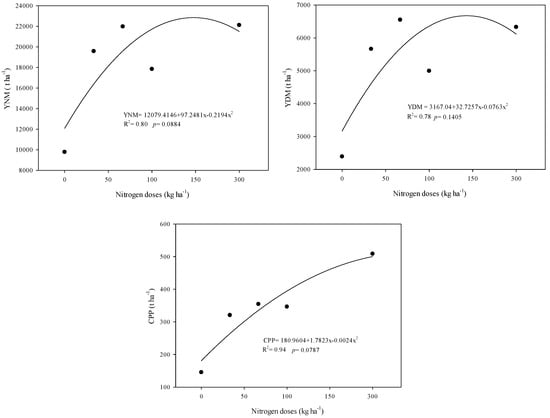
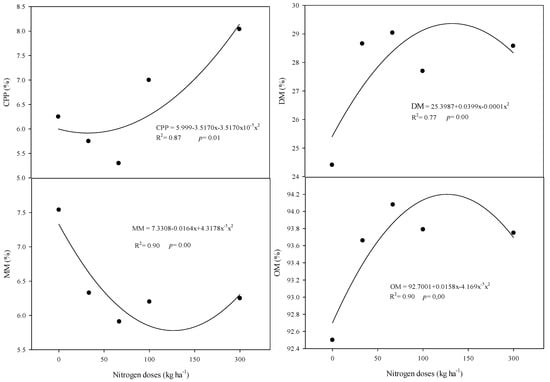
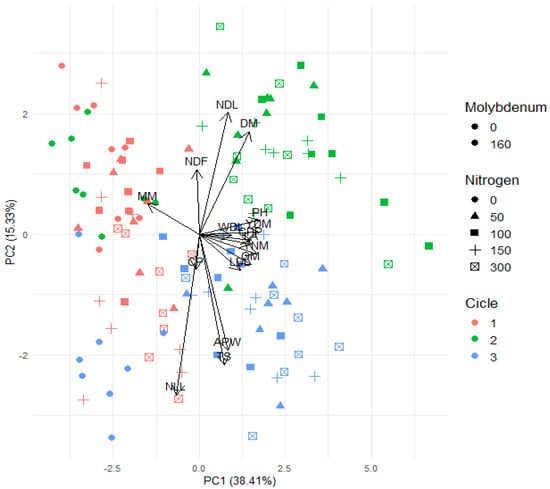
Semi-arid regions present edaphoclimatic limitations for forage production, primarily affecting plant growth and development. Crops adapted to such conditions, like forage sorghum, and nutritional supplementation with nitrogen and molybdenum, can increase forage production. The objective of this study was to evaluate the interaction between nitrogen and molybdenum on the bromatological and structural components of forage sorghum (SF-15) cultivated in a semi-arid environment, with the hypothesis that nitrogen fertilization combined with molybdenum would enhance nitrogen use efficiency in sorghum. The methodology involved a 5 × 2 factorial experiment in a randomized block design (RBD) with increasing doses of nitrogen (urea) (0, 50, 100, 150, 300 kg ha−¹) and two doses of molybdenum (sodium molybdate): 0 and 160 g ha−1, conducted over three cultivation cycles. At the end of each cycle, morphological variables were evaluated, and yield of natural mass (YNM), yield of dry mass (YDM), crude protein production (CPP), and bromatological components were determined. Morphometric characteristics were influenced by the interaction between cycle x nitrogen doses (N) and molybdenum doses (Mo). For productive characteristics, there was an interaction between cycle and nitrogen doses, with the first regrowth cycle and the dosage of 100 kg ha−1 N showing the highest mean. Bromatological components were influenced by the N and Mo interaction. The study confirmed the synergistic effect between nitrogen and molybdenum. It is recommended to use 100 kg ha−1 nitrogen fertilization for an average production of 10 t ha−1 for SF-15 sorghum.
Full article

Figure 1
Open AccessFeature PaperArticle
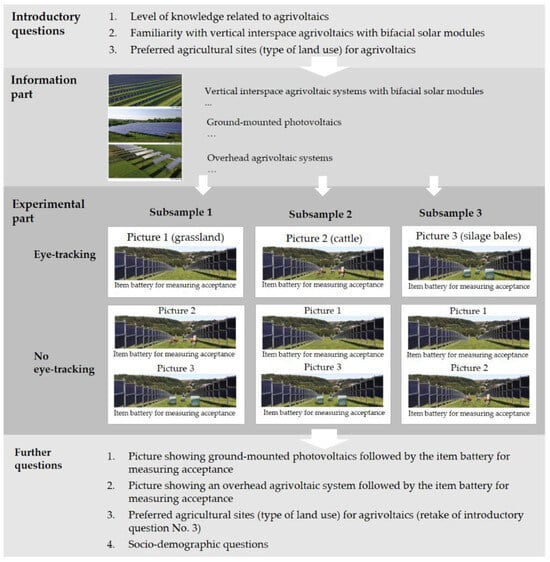
Eye-Tracking Experiment on Perception and Acceptance of Agrivoltaics: Pilot Study on the Impact of Grassland Use Visualisations
by
Iris Schröter, Niels Püttschneider and Marcus Mergenthaler
Grasses 2024, 3(4), 369-392; https://doi.org/10.3390/grasses3040027 - 20 Dec 2024
Abstract
►▼
Show Figures
Agrivoltaics (AV) are expanding worldwide, but knowledge about the perception and acceptance of this approach is far from complete. The aim of the present study was to investigate the visual perception and acceptance of AV systems, focussing on the central research question of
[...] Read more.
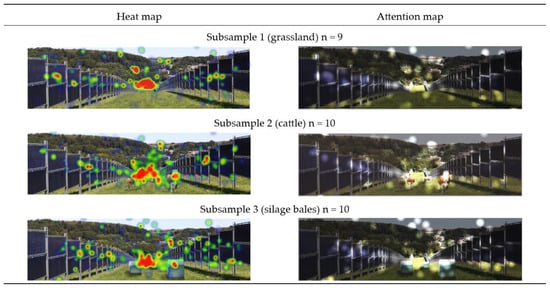
Agrivoltaics (AV) are expanding worldwide, but knowledge about the perception and acceptance of this approach is far from complete. The aim of the present study was to investigate the visual perception and acceptance of AV systems, focussing on the central research question of whether the type of grassland use influences the visual perception and acceptance of vertical interspace AV. For this purpose, three photo-based pictures of a vertical interspace AV plant were used in a laboratory experiment with 29 participants: the original photo showing the AV plant with grassland only; an edited photo with cattle added and an edited photo with silage bales added. The eye-tracking results showed that additional picture elements (i.e., cattle and silage bales) at least partially attracted visual attention, but did not distract from the technical elements of the depicted AV systems. The analysis of the acceptance ratings indicated relatively stable attitudes towards AV, which could not be easily modulated by depicting different types of grassland use within AV systems. Short-term and limited changes in attitudes towards AV appeared to result from the provision of information and mental engagement with the topic. We recommend carrying out further research based on larger, representative samples and more realistic stimuli of AV systems that would provide a better understanding of visual perception and acceptance than photos alone, such as on-site visits or VR visualisations, to enhance the external validity of the results. We also suggest conducting longitudinal studies to explore possible long-term effects on the public acceptance of AV systems.
Full article

Figure 1
Open AccessReview
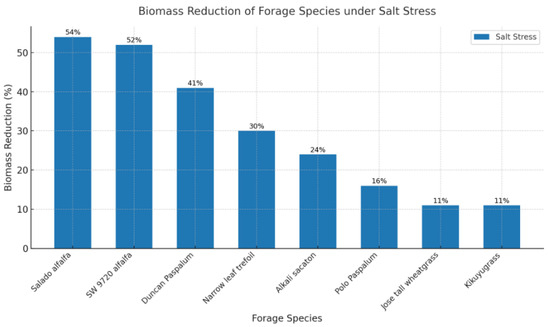
Impact of Salt and Alkali Stress on Forage Biomass Yield, Nutritive Value, and Animal Growth Performance: A Comprehensive Review
by
Hunegnaw Abebe and Yan Tu
Grasses 2024, 3(4), 355-368; https://doi.org/10.3390/grasses3040026 - 11 Dec 2024
Cited by 1
Abstract
►▼
Show Figures
This review investigates the impact of saline and alkaline soils on forage biomass yield, nutritive value, and their subsequent effects on animal growth performance, which are critical for sustainable livestock production. Soil salinity and alkalinity, driven by environmental factors and human activities, significantly
[...] Read more.
This review investigates the impact of saline and alkaline soils on forage biomass yield, nutritive value, and their subsequent effects on animal growth performance, which are critical for sustainable livestock production. Soil salinity and alkalinity, driven by environmental factors and human activities, significantly affect forage yield and quality, with notable consequences for ruminant nutrition. While some forage species exhibit enhanced crude protein (CP) content and improved leaf-to-stem ratios under salt stress, others suffer from reduced growth and biomass yield. Saline-affected forages are often characterized by lower acid detergent fiber (ADF) and neutral detergent fiber (NDF) levels, enhancing their digestibility and making them a potentially valuable feed resource. However, high salinity levels pose significant challenges to consistent forage production in arid and semi-arid regions. Cultivating salt-tolerant forage species has emerged as a promising solution, offering a sustainable approach to addressing the dual challenges of soil salinity and livestock feed shortages. This review emphasizes the need for further research on salinity tolerance mechanisms and the development of resilient forage varieties. By integrating salt-tolerant forages and adopting effective management practices, livestock producers can ensure a reliable and high-quality feed supply while enhancing the growth performance of ruminant animals in salt-affected areas.
Full article

Figure 1
Open AccessArticle
Forage Seed Systems to Close the Ruminant Feed Deficit in Eastern Africa
by
Stefan Burkart and Solomon Mwendia
Grasses 2024, 3(4), 333-354; https://doi.org/10.3390/grasses3040025 - 4 Dec 2024
Abstract
►▼
Show Figures
This study examines key challenges and opportunities for improving ruminant productivity in East Africa, with a focus on enhancing access to forage seeds critical for livestock systems in Ethiopia, Tanzania, Kenya, Uganda, Rwanda, and Burundi. Despite high potential for increased livestock production, the
[...] Read more.
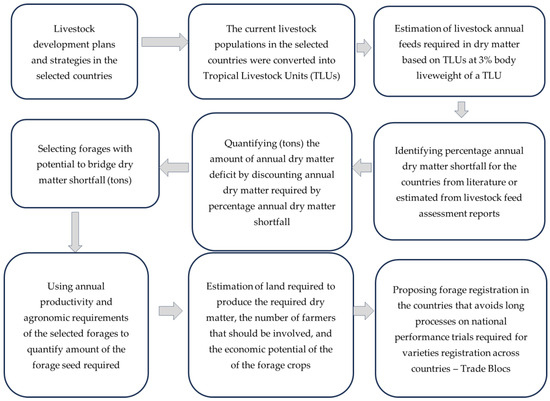
This study examines key challenges and opportunities for improving ruminant productivity in East Africa, with a focus on enhancing access to forage seeds critical for livestock systems in Ethiopia, Tanzania, Kenya, Uganda, Rwanda, and Burundi. Despite high potential for increased livestock production, the region faces a significant feed deficit—nearly 40% of annual feed demand remains unmet—due to the limited availability and affordability of forage seeds. The research identifies a critical gap in quality seed access, with many farmers relying on outdated materials. We propose the promotion of recently improved forage varieties and local seed production as a solution to reduce dependence on costly imports and enhance adoption. Our analysis suggests that bridging the forage deficit would require the cultivation of 2 million hectares and the involvement of 1.5 million farmers, highlighting the scale of intervention needed. Additionally, the regional forage seed market presents an economic opportunity, potentially valued at USD 877 million over the next decade, underlining the importance of government policies, the development of seed systems, and market incentives. The study concludes with recommendations for fostering seed production, improving seed distribution, and addressing socio-economic barriers to ensure widespread adoption and enhance livestock productivity in the region.
Full article

Figure 1
Open AccessArticle
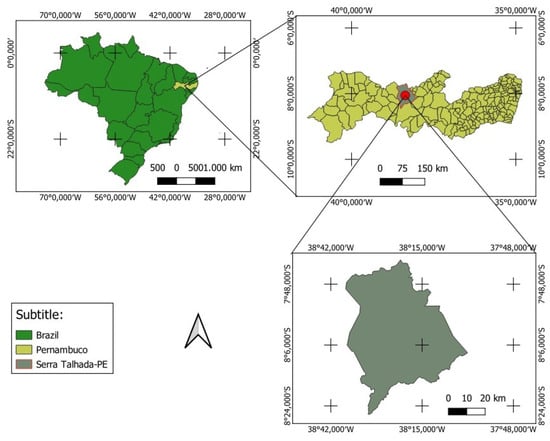
Configuration of Low-Cost Miniature Heat Pulse Probes to Monitor Heat Velocity for Sap Flow Assessments in Wheat (Triticum durum L.)
by
Oscar Parra-Camara, Luis A. Méndez-Barroso, R. Suzuky Pinto, Jaime Garatuza-Payán and Enrico A. Yépez
Grasses 2024, 3(4), 320-332; https://doi.org/10.3390/grasses3040024 - 14 Nov 2024
Abstract
►▼
Show Figures
Heat velocity (Vh) is a key metric to estimate sap flow which is linked to transpiration rate and is commonly measured using thermocouples implanted in plant stems or tree trunks. However, measuring transpiration rates in the Gramineae family, characterized by thin
[...] Read more.
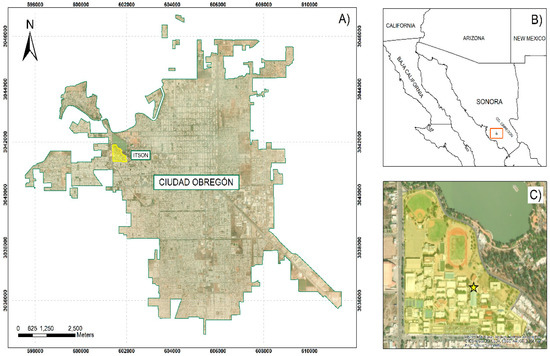
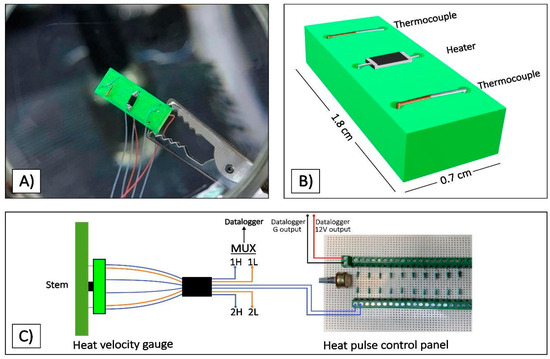
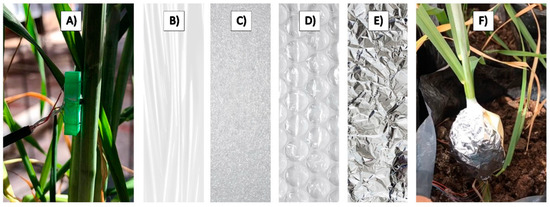
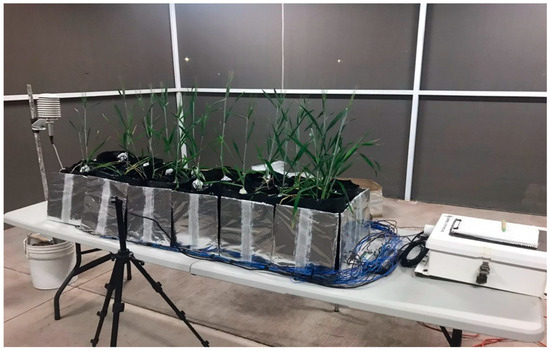
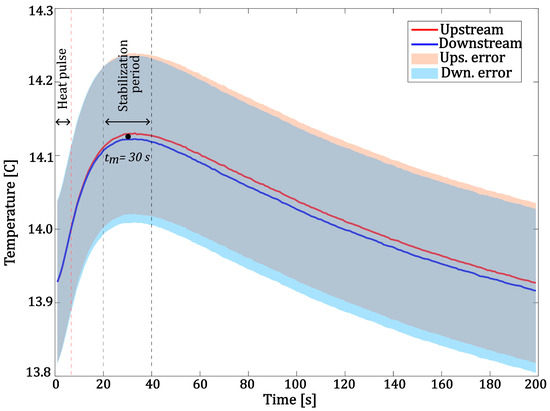
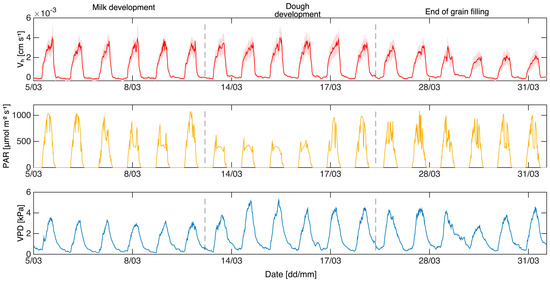
Heat velocity (Vh) is a key metric to estimate sap flow which is linked to transpiration rate and is commonly measured using thermocouples implanted in plant stems or tree trunks. However, measuring transpiration rates in the Gramineae family, characterized by thin and hollow stems, is challenging. Commercially available sensors based on the measurement of heat velocity can be unaffordable, especially in developing countries. In this work, a real-time heat pulse flux monitoring system based on the heat ratio approach was configured to estimate heat velocity in wheat (Triticum durum L.). The heat velocity sensors were designed to achieve optimal performance for a stem diameter smaller than 5 mm. Sensor parameterization included the determination of casing thermal properties, stabilization time, and time to achieve maximum heat velocity which occurred 30 s after applying a heat pulse. Heat velocity sensors were able to track plant water transport dynamics during phenological stages with high crop water demand (milk development, dough development, and end of grain filling) reporting maximum Vh values in the order of 0.004 cm s−1 which scale to sap flow rates in the order of 3.0 g h−1 comparing to reports from other methods to assess sap flow in wheat.
Full article

Figure 1
Open AccessArticle
Effect of Different Irrigation Programs on Structural Characteristics, Productivity and Water Use Efficiency of Opuntia and Nopalea Forage Cactus Clones
by
Jandis Ferreira Nunes de Araujo, João Pedro Alves de Souza Santos, Luciana Sandra Bastos de Souza, Carlos André Alves de Souza, Cléber Pereira Alves, Alexandre Maniçoba da Rosa Ferraz Jardim, Danielle da Silva Eugênio, Leonardo Francelino de Souza, José Edson Florentino de Morais, Wilma Roberta dos Santos, Glayciane Costa Gois, Fleming Sena Campos, Marcos Vinícius da Silva, Abelardo Antônio de Assunção Montenegro and Thieres George Freire da Silva
Grasses 2024, 3(4), 307-319; https://doi.org/10.3390/grasses3040023 - 11 Nov 2024
Abstract
►▼
Show Figures
The objective of this study was to evaluate the structural characteristics, yield and water use efficiency of forage cactus under daytime and nighttime irrigation in a Brazilian semiarid region. The experiment followed a completely randomized design in a 3 × 2 factorial scheme,
[...] Read more.
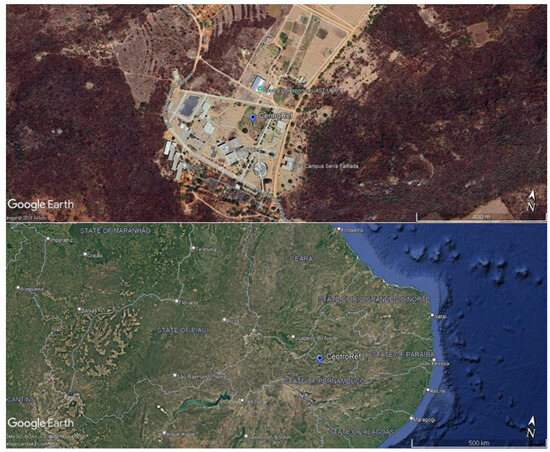
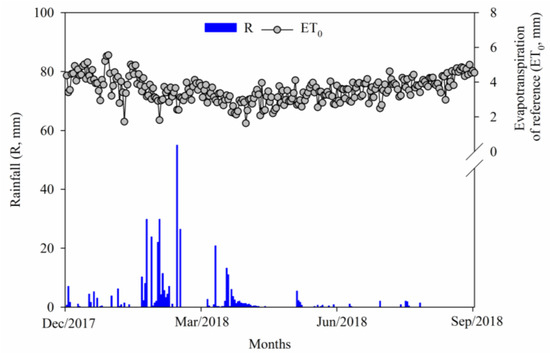
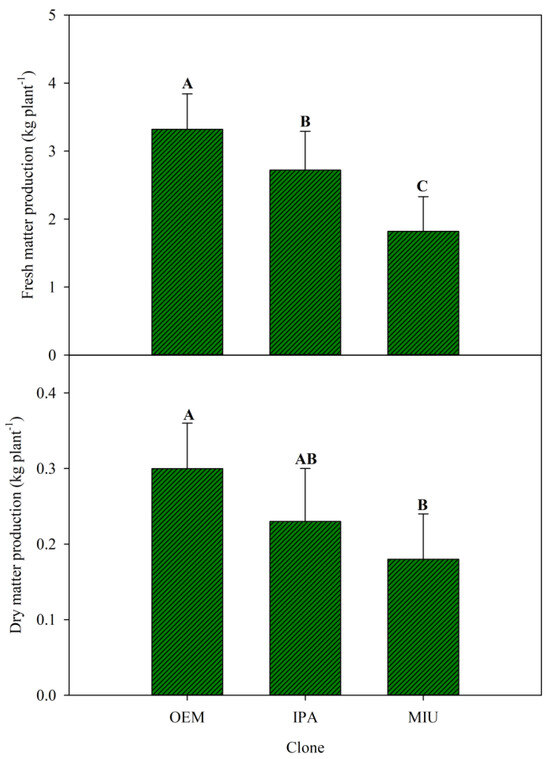
The objective of this study was to evaluate the structural characteristics, yield and water use efficiency of forage cactus under daytime and nighttime irrigation in a Brazilian semiarid region. The experiment followed a completely randomized design in a 3 × 2 factorial scheme, with ten replications: three clones of forage cactus (“IPA Sertânia”—IPA, “Miúda”—MIU, “Orelha de Elefante Mexicana”—OEM) and two irrigation schedules (daytime and nighttime). Irrigation was applied once a week using a graduated cylinder. The structural characteristics (i.e., plant height and width, total number of cladode—TNC; cladode number per emergence order—CN1, CN2 and CN3; cladode area—CA; cladode area index—CAI), productive characteristics (fresh mass production per plant—FM and dry mass—DM) and water use efficiency (WUEFM and WUEDM) were obtained from the plant harvests. Our results showed that the irrigation schedules did not lead to significant differences in most of the response variables (p > 0.05), except for the TNC (13.2 und), CN2 (7.4 und) and CAI (1.58 m2 m−2) of MIU. It was observed that OEM presented the highest yield, WUEFM and WUEDM (p < 0.05). Adopting the OEM clone, regardless of the irrigation schedule, is the strategy that achieves the best production.
Full article

Figure 1
Open AccessArticle
Biological Nitrification Inhibition by Australian Tussock Grass and Its Impact on the Rhizosphere Ammonia-Oxidizing Microbiome
by
Yi Zhou, Ruey Toh, Nasir Iqbal, Maarten Ryder, Jishun Li and Matthew D. Denton
Grasses 2024, 3(4), 297-306; https://doi.org/10.3390/grasses3040022 - 7 Nov 2024
Abstract
►▼
Show Figures
Certain plant species have developed the ability to express biological nitrification inhibition (BNI), suppressing the activity of nitrifying microbes and thereby reducing the conversion of ammonium to nitrate. This study assessed the BNI capacity and the rhizosphere ammonia-oxidizing microbiome of two grass species:
[...] Read more.
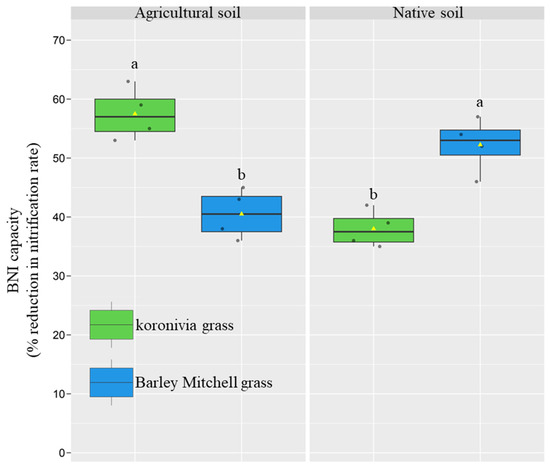
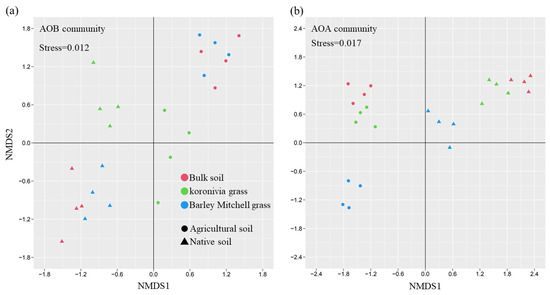
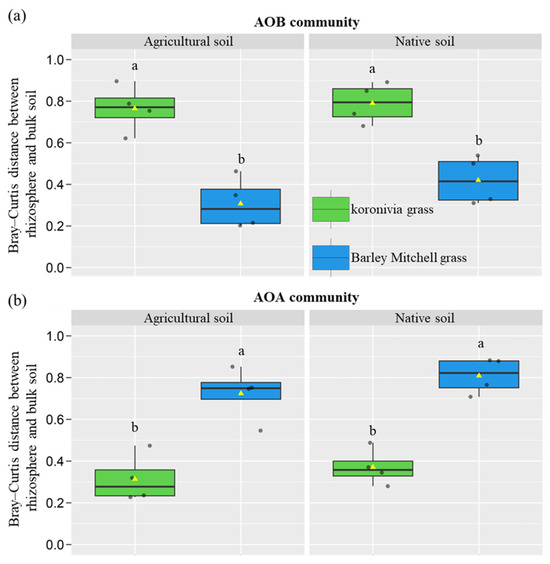
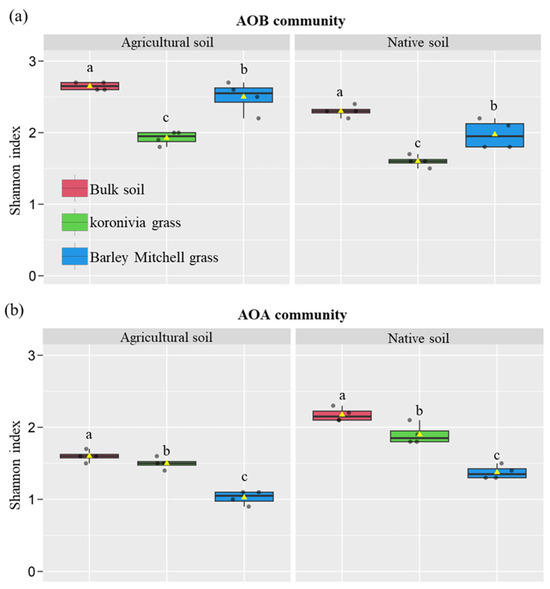
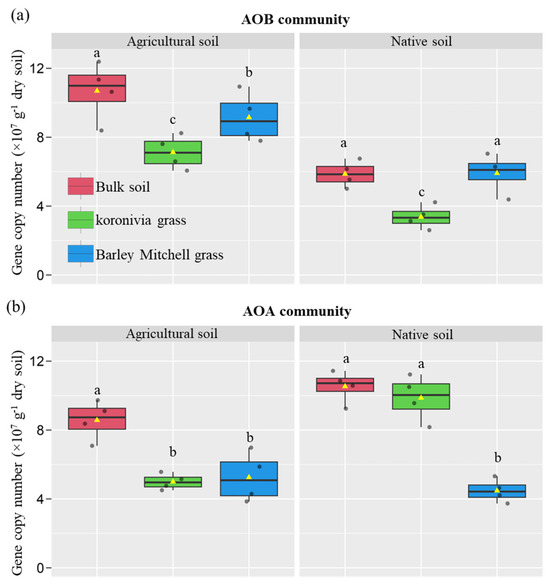
Certain plant species have developed the ability to express biological nitrification inhibition (BNI), suppressing the activity of nitrifying microbes and thereby reducing the conversion of ammonium to nitrate. This study assessed the BNI capacity and the rhizosphere ammonia-oxidizing microbiome of two grass species: the endemic Australian Barley Mitchell grass (Astrebla pectinata) and the introduced koronivia grass (Urochloa humidicola), using soils from both agricultural land and native vegetation. In agricultural soil, koronivia grass exhibited significantly higher BNI capacity compared with Barley Mitchell grass. However, in native soil, this trend was reversed, with Barley Mitchell grass demonstrating a significantly greater BNI capacity than koronivia grass (52% vs. 38%). Koronivia grass significantly altered the composition of the ammonia-oxidizing bacteria community in its rhizosphere, leading to a decrease in the Shannon index and bacteria number. Conversely, Barley Mitchell grass reduced the Shannon index (1.2 vs. 1.7) and population size (3.28 × 10⁷ vs. 7.43 × 10⁷ gene copy number g−1 dry soil) of the ammonia-oxidizing archaea community in its rhizosphere to a greater extent. These findings suggest that Australian Barley Mitchell grass may have evolved mechanisms to suppress soil archaeal nitrifiers, thereby enhancing its BNI capacity and adapting to Australia’s nutrient-poor soils.
Full article

Figure 1
Open AccessArticle
Potassium Fertilization Alters the Morphogenetic, Structural, and Productive Characteristics of Panicum maximum Cultivars
by
Emmanuel Lievio de Lima Véras, Gelson dos Santos Difante, Alexandre Romeiro de Araújo, Denise Baptaglin Montagner, Gabriela Oliveira de Aquino Monteiro, Carolina Marques Costa Araújo, Antonio Leandro Chaves Gurgel, Manuel Cláudio Motta Macedo, Jéssica Gomes Rodrigues and Juliana Caroline Santos Santana
Grasses 2024, 3(4), 287-296; https://doi.org/10.3390/grasses3040021 - 1 Nov 2024
Abstract
►▼
Show Figures
The objective was to evaluate the effects of potassium fertilization on the morphogenetic, structural, and productive characteristics of Panicum maximum (cvs. Tanzania, Quênia, Mombaça, Zuri, Massai, and Tamani). The design was in randomized blocks with four doses of potassium (K) 0, 205, 410,
[...] Read more.
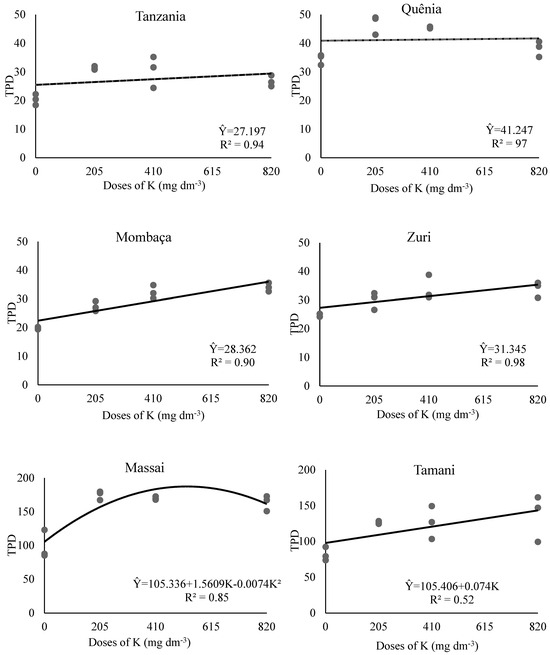
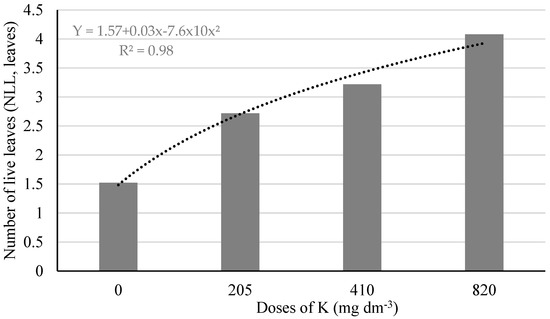
The objective was to evaluate the effects of potassium fertilization on the morphogenetic, structural, and productive characteristics of Panicum maximum (cvs. Tanzania, Quênia, Mombaça, Zuri, Massai, and Tamani). The design was in randomized blocks with four doses of potassium (K) 0, 205, 410, and 820 mg dm−3, divided into 5 applications. The analyzed variables were leaf appearance rate (LAR), leaf elongation rate (LER), stem elongation rate (SER), leaf senescence rate (LSR), leaf life span (LLS), phyllochron (PC), number of live leaves (NLL), final leaf length (FLL), tiller population density (TPD), and forage mass (FM). LAR increased by 0.00216 leaves tiller on day-1 (p = 0.0354) and LER increased by 0.00980 cm tiller on day-1 for each milligram of K (p = 0.0402). There was an increase in FLL of 0.16, 0.08, and 0.07 days for the cultivars Mombaça, Massai, and Tamani, respectively, for each milligram of K applied (p = 0.0034). The TPD of the cultivar Tamani increased linearly by 0.074 tillers/pot for each milligram of K (p = 0.0226), and the cultivar Massai showed a quadratic behavior. The TPD of the other cultivars was not influenced by the increase in the K doses. For forage mass (FM), the cultivars Mombaça and Quênia increased by 0.16 and 0.39 g DM/pot for each milligram of K added to the soil. The cultivars Tanzânia, Zuri, Massai, and Tamani showed maximum point at doses of 261.35, 279.45, 300.57, and 275.86 mg dm−3 K, respectively. Potassium fertilization linearly increased leaf appearance and elongation, with maximum productivity reached at a K dose of 430 mg dm−3, except for the cultivars Mombaça and Quênia, which responded up to a K dose of 820 mg dm−3.
Full article

Figure 1
Open AccessArticle
Evaluation of Associative Effects on Degradability, Fermentation Parameters, and In Vitro Methane Production as a Result of Variation in the Ruminants Diets Constituents
by
Danielle Ferreira Baffa, Tadeu S. Oliveira, Alberto Magno Fernandes, Michele Gabriel Camilo, Ismael N. Silva, Elon Souza Aniceto, José Ribeiro Meirelles Júnior and Elvanio José Lopes Mozelli Filho
Grasses 2024, 3(4), 274-286; https://doi.org/10.3390/grasses3040020 - 23 Oct 2024
Abstract
►▼
Show Figures
This study aimed to investigate the effect of different forage sources and forage-to-concentrate ratios on digestibility, energy concentration, fermentation parameters, and in vitro estimate of methane. The experiment was carried out in a completely randomized design using a 3 × 6 factorial arrangement
[...] Read more.
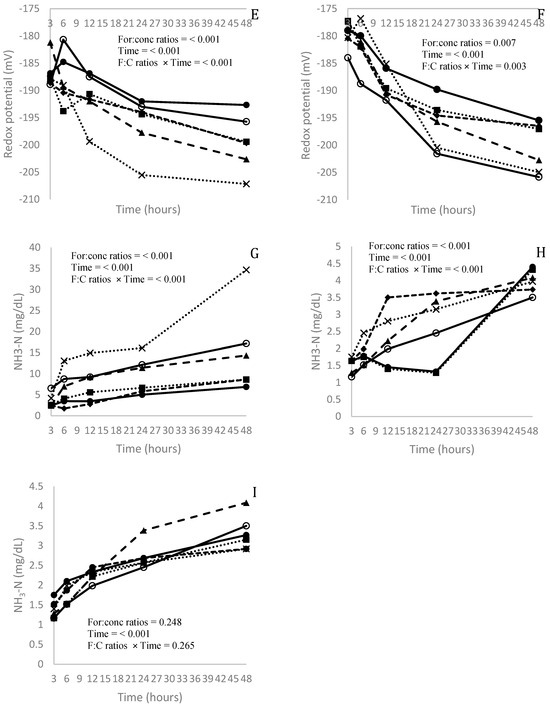
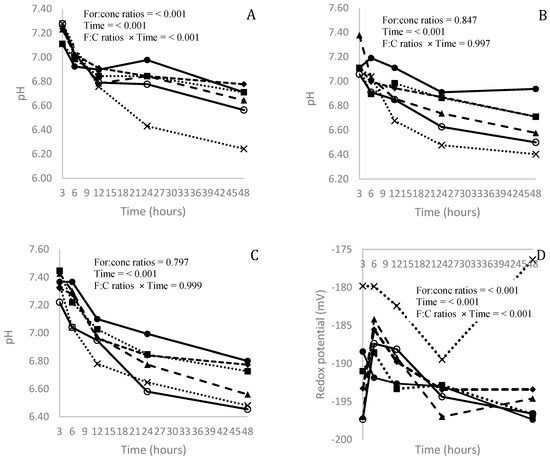
This study aimed to investigate the effect of different forage sources and forage-to-concentrate ratios on digestibility, energy concentration, fermentation parameters, and in vitro estimate of methane. The experiment was carried out in a completely randomized design using a 3 × 6 factorial arrangement with three forages varying the chemical composition (pineapple crop waste silage [PS], corn silage [CS], and Tifton hay [TH]) associated with concentrate feed (C) in six combinations, using triplicates for each ratio. We evaluated in vitro digestibility, metabolizable and net energy, pH, redox potential, volatile fatty acids (VFA), and methane production. The in vitro neutral detergent fiber digestibility (IVNDFD) decreased (p = 0.0011) with the inclusion of concentrate. It was also affected by the forage source, but this fact was only observed in CS up to the 50:50 ratio. In TH, this fact occurred from the 80:20 ratio, and this behavior was not observed in the PS. Data on methane production, VFA, and fermentation parameters varied according to forage source and concentrate inclusion. In conclusion, the inclusion of concentrate reduces methane production, increasing the system’s energy contribution. Overall, the different forage sources and the inclusion of concentrate change digestion and fermentation parameters.
Full article

Figure 1
Highly Accessed Articles
Latest Books
E-Mail Alert
News
Topics
Topic in
Agriculture, Agronomy, Grasses, Microorganisms, Plants, Biology
Evaluating the Functional Value of Agroecosystems under Different Management Scenarios
Topic Editors: Yuan Li, Yangzhou Xiang, Jihui Tian, Fuhong MiaoDeadline: 20 October 2025
Topic in
Agronomy, Diversity, Ecologies, Grasses, Sustainability
Effective Strategies for Rangeland Conservation and Sustainable Management
Topic Editors: Apostolos P. Kyriazopoulos, Tong Li, Huakun Zhou, Jing Zhang, Lan LiDeadline: 30 November 2025
Topic in
Agriculture, Agronomy, Gastronomy, Grasses, Sustainability, Diversity, Horticulturae, Hydrobiology
Mediterranean Biodiversity—2nd Edition
Topic Editors: Luigi De Bellis, Massimiliano Renna, Pietro Buzzini, Ignasi TorreDeadline: 15 December 2025
Topic in
Agriculture, Agronomy, Crops, Horticulturae, Sustainability, Grasses, Plants, Soil Systems
Soil Fertility and Plant Nutrition for Sustainable Agriculture—2nd Edition
Topic Editors: Othmane Merah, Purushothaman Chirakkuzhyil Abhilash, Hailin Zhang, Dionisios GasparatosDeadline: 31 December 2025
Conferences
Special Issues
Special Issue in
Grasses
Advances in Grazing Management
Guest Editors: Colin Tobin, Edward J. RaynorDeadline: 31 May 2025
Special Issue in
Grasses
Innovations in Turfgrass Management for Enhanced Sustainability and Conservation
Guest Editors: Stefano Macolino, Jason Kruse, Cristina PornaroDeadline: 31 July 2025
Special Issue in
Grasses
The Role of Forage in Sustainable Agriculture
Guest Editors: Liliane Severino Da Silva, Steve LarsonDeadline: 30 September 2025
Special Issue in
Grasses
Advances in Sustainable Turfgrass Management
Guest Editors: Marco Fontanelli, Mino SportelliDeadline: 31 December 2025