

Journal Description
Hematology Reports
Hematology Reports
- formerly Hematology Reviews - is an international, peer-reviewed, open access journal on all aspects of prevention, diagnosis and management of disorders of the blood, published bimonthly online by MDPI (from Volume 14, Issue 1 - 2022). It is the official journal of the Society of Hematologic Oncology Italy (SOHO Italy) and its members receive discounts on the article processing charges.
- Open Access— free for readers, with article processing charges (APC) paid by authors or their institutions.
- High Visibility: indexed within Scopus, ESCI (Web of Science), PMC, PubMed, Embase, and other databases.
- Rapid Publication: manuscripts are peer-reviewed and a first decision is provided to authors approximately 39.1 days after submission; acceptance to publication is undertaken in 3.7 days (median values for papers published in this journal in the second half of 2024).
- Recognition of Reviewers: APC discount vouchers, optional signed peer review, and reviewer names published annually in the journal.
Impact Factor:
1.1 (2023);
5-Year Impact Factor:
1.1 (2023)
Latest Articles
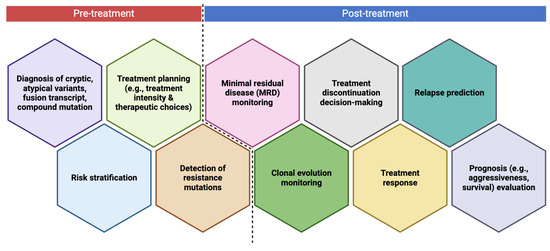
Genetic Profiling of Acute and Chronic Leukemia via Next-Generation Sequencing: Current Insights and Future Perspectives
Hematol. Rep. 2025, 17(2), 18; https://doi.org/10.3390/hematolrep17020018 - 28 Mar 2025
Abstract
►
Show Figures
Leukemia is a heterogeneous group of hematologic malignancies characterized by distinct genetic and molecular abnormalities. Advancements in genomic technologies have significantly transformed the diagnosis, prognosis, and treatment strategies for leukemia. Among these, next-generation sequencing (NGS) has emerged as a powerful tool, enabling high-resolution
[...] Read more.
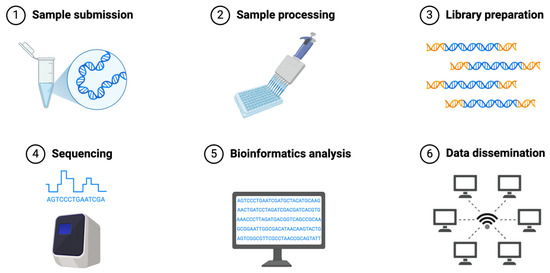
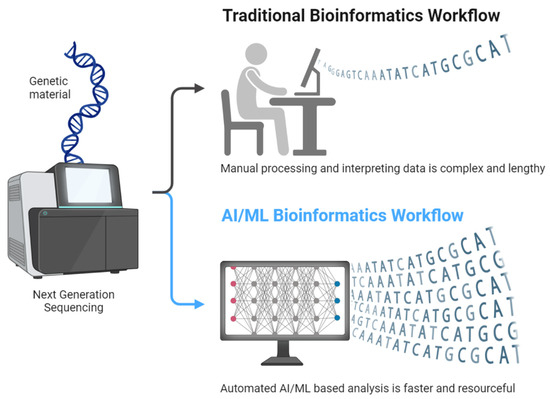
Leukemia is a heterogeneous group of hematologic malignancies characterized by distinct genetic and molecular abnormalities. Advancements in genomic technologies have significantly transformed the diagnosis, prognosis, and treatment strategies for leukemia. Among these, next-generation sequencing (NGS) has emerged as a powerful tool, enabling high-resolution genomic profiling that surpasses conventional diagnostic approaches. By providing comprehensive insights into genetic mutations, clonal evolution, and resistance mechanisms, NGS has revolutionized precision medicine in leukemia management. Despite its transformative potential, the clinical integration of NGS presents challenges, including data interpretation complexities, standardization issues, and cost considerations. However, continuous advancements in sequencing platforms and bioinformatics pipelines are enhancing the reliability and accessibility of NGS in routine clinical practice. The expanding role of NGS in leukemia is paving the way for improved risk stratification, targeted therapies, and real-time disease monitoring, ultimately leading to better patient outcomes. This review highlights the impact of NGS on leukemia research and clinical applications, discussing its advantages over traditional diagnostic techniques, key sequencing approaches, and emerging challenges. As precision oncology continues to evolve, NGS is expected to play an increasingly central role in the diagnosis and management of leukemia, driving innovations in personalized medicine and therapeutic interventions.
Full article
Open AccessArticle
Primary Palatine Tonsil Non-Hodgkin Lymphoma in Western Romania: A Comparison of Lower-Stage and Advanced-Stage Disease
by
Raluca Morar, Norberth-Istvan Varga, Delia Ioana Horhat, Ion Cristian Mot, Nicolae Constantin Balica, Alina-Andree Tischer, Monica Susan, Razvan Susan, Diana Luisa Lighezan and Rodica Anamaria Negrean
Hematol. Rep. 2025, 17(2), 17; https://doi.org/10.3390/hematolrep17020017 - 28 Mar 2025
Abstract
Background: Limited data exist on primary palatine tonsil Non-Hodgkin lymphoma (NHL) from regions with constrained healthcare access. This study investigated this malignancy in Western and South-Western Romania, comparing lower-stage (Ann-Arbor I-III) and advanced-stage (IV) disease. Methods: A retrospective cohort study (2010–2019)
[...] Read more.
Background: Limited data exist on primary palatine tonsil Non-Hodgkin lymphoma (NHL) from regions with constrained healthcare access. This study investigated this malignancy in Western and South-Western Romania, comparing lower-stage (Ann-Arbor I-III) and advanced-stage (IV) disease. Methods: A retrospective cohort study (2010–2019) at a tertiary referral hospital included 59 patients with primary palatine tonsil NHL. Data on demographics, clinical presentation, comorbidities (including viral hepatitis B/C), histology, International Prognostic Index (IPI) score, treatment, and outcomes were collected. Statistical comparisons between lower-stage (n = 26) and advanced-stage (n = 33) groups were performed. Results: A high proportion presented with advanced-stage disease (55.9%). The advanced-stage group had significantly more B symptoms (90.9% vs. 69.2%, p = 0.038) and elevated LDH levels (93.9% vs. 57.7%, p = 0.013). Viral hepatitis B and/or C infection was more frequent in advanced-stage disease (30.3% vs. 15.4%, p = 0.44). Combined chemoradiotherapy was more commonly used in lower-stage disease (38.46% vs. 12.12%, p = 0.019). There was no statistically significant difference in relapse rates between the groups. Conclusions: This study highlights the substantial burden of advanced-stage primary palatine tonsil NHL in Western Romania, suggesting a need for improved early detection. The association between viral hepatitis and advanced-stage, although not statistically significant, warrants further investigation. These findings may inform tailored management approaches in resource-constrained settings.
Full article
Open AccessArticle
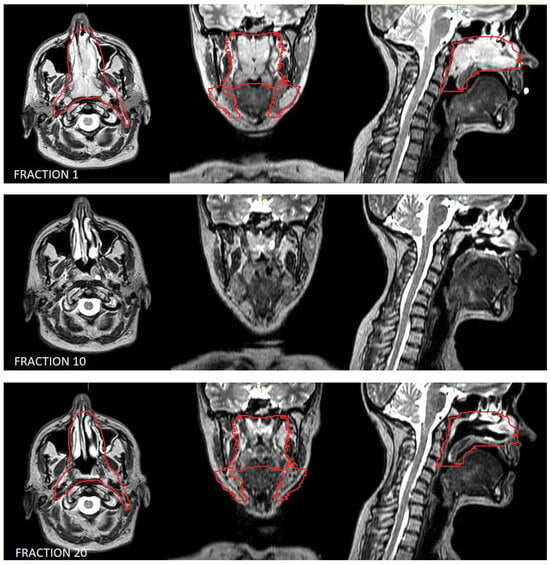
Treatment of Non-Hodgkin Lymphoma Involving Head and Neck Sites with a 1.5 T MR-Linac: Preliminary Results from a Prospective Observational Study
by
Andrea Emanuele Guerini, Stefania Nici, Stefano Riga, Ludovica Pegurri, Paolo Borghetti, Eneida Mataj, Jacopo Balduzzi, Mirsada Katica, Gianluca Cossali, Giorgio Facheris, Luca Triggiani, Albert Sakiri, Luigi Spiazzi, Stefano Maria Magrini and Michela Buglione
Hematol. Rep. 2025, 17(2), 16; https://doi.org/10.3390/hematolrep17020016 - 27 Mar 2025
Abstract
Purpose: Lymphomas are generally radiosensitive; therefore, disease volume tends to shrink during radiotherapy courses. As MRI-linac provides excellent soft tissue definition and allows daily re-contouring of gross tumor volume and clinical target volume, its adoption could be beneficial for the treatment of
[...] Read more.
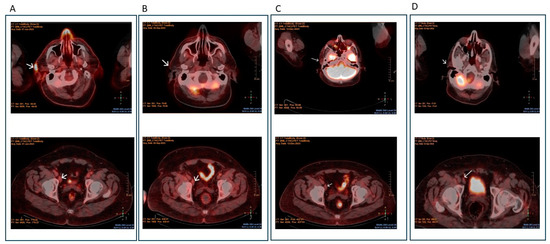
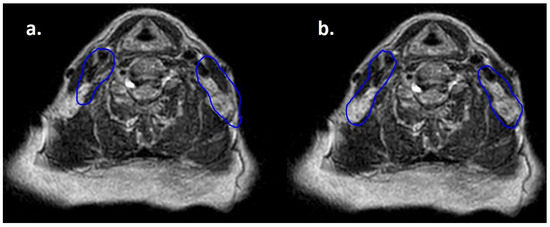
Purpose: Lymphomas are generally radiosensitive; therefore, disease volume tends to shrink during radiotherapy courses. As MRI-linac provides excellent soft tissue definition and allows daily re-contouring of gross tumor volume and clinical target volume, its adoption could be beneficial for the treatment of lymphomas. Nonetheless, at this time there is a lack of literature regarding the use of MR-linac in this context. Methods: A prospective observational study was conducted on patients affected by non-Hodgkin lymphoma (NHL) involving head and neck (H&N) sites and treated with Elekta Unity® MR-Linac. The clinical and dosimetric data of the first eight patients were collected and integrated with relevant data from medical records. Results: Seven patients had B-cell lymphoma (three DLBCL, two MALT, one follicular, and one mantle-cell) and one T-cell/NK lymphoma. The intent of RT was radical for four patients, salvage treatment for three, and CAR-T bridging for one. Two patients presented orbital localizations and six cervical lymphonodal sites. Median GTV was 5.74 cc, median CTV 127.01 cc, and median PTV 210.37 cc. The prescribed dose was 24–50 Gy in 2 Gy fractions for seven patients and 24 Gy in 3 Gy fractions for one patient. All the patients experienced acute toxicity, the maximum grade was G1 for five patients and G2 for three at the end of RT. One month after radiotherapy seven patients still experienced G1 toxicity, but no toxicity grade ≥ 2 was reported. First radiological assessment was performed for all the patients after a median of 101.5 days, reporting complete response in all the cases. After a median follow up of 330 days, no patient experienced local disease progression, while one patient developed distant progression. Conclusions: radiotherapy for NHL with H&N localization using a 1.5 T MR-linac was feasible, with no >G2 toxicity and optimal response rate and disease control.
Full article
(This article belongs to the Special Issue Modern Radiotherapy for the Treatment of Lymphoma and Myeloma: Integration with Systemic Treatment and Advanced Imaging Techniques)
►▼
Show Figures

Figure 1
Open AccessCommunication
Avascular Necrosis of the Femoral Head in Patients with Antiphospholipid Syndrome: A Case Series
by
Paschalis Evangelidis, Eleni Gavriilaki, Nikolaos Kotsiou, Zacharo Ntova, Panagiotis Kalmoukos, Theodosia Papadopoulou, Sofia Chissan and Sofia Vakalopoulou
Hematol. Rep. 2025, 17(2), 15; https://doi.org/10.3390/hematolrep17020015 - 21 Mar 2025
Abstract
Background/Objectives: Antiphospholipid syndrome (APS) is a systemic autoimmune disease characterized by thrombosis or obstetric complications and the laboratory detection of antiphospholipid antibodies. Although vascular thrombosis is the main manifestation of the disease, other rarer complications have also been described. Avascular necrosis (AN)
[...] Read more.
Background/Objectives: Antiphospholipid syndrome (APS) is a systemic autoimmune disease characterized by thrombosis or obstetric complications and the laboratory detection of antiphospholipid antibodies. Although vascular thrombosis is the main manifestation of the disease, other rarer complications have also been described. Avascular necrosis (AN) is considered a rare manifestation of APS. The aim of our case series is to study patients with APS and AN. Methods: A retrospective study was performed on 80 patients diagnosed with APS. Results: AN was observed in 3 patients out of 80 diagnosed with APS. AN of the femoral head was observed in all cases. Case (1): A 54-year-old woman presented due to multiple ischemic infarctions in the brain, as detected in magnetic resonance imaging of the brain, Raynaud’s phenomenon, and AN of the femoral head. In laboratory testing, a prolongation of activated partial thromboplastin time was recorded. A heterozygous mutation was also found in the gene MTHFR C677T, and the patients was positive for lupus anticoagulant (LA). The patient was given clopidogrel and acenocoumarol. Case (2): A 52-year-old man was diagnosed with APS, based on the clinical presentation (stroke) and positivity for LA and anti-β2GPI (anti-β2 glycoprotein I antibody). In his medical history, episodes of vertigo and an episode of AN of the femoral head 2 years ago were described. Case (3): A woman aged 43 years presented due to AN of the femoral head. Due to suspected APS, immunological testing was performed, and positivity for LA and IgM anticardiolipin antibodies was detected. She was treated with acenocoumarol. Conclusions: AN is a rare clinical manifestation of APS, which may precede the diagnosis of APS for many years.
Full article
Open AccessCase Report
Pure White Cell Aplasia, an Exceedingly Rare Complication of a Thymoma, and Immune Reconstitution Following Bone Marrow Recovery
by
Giby V. George, J. C. Uy, John L. Mariano, Marisa Jacob-Leonce and Chauncey R. Syposs
Hematol. Rep. 2025, 17(2), 14; https://doi.org/10.3390/hematolrep17020014 - 21 Mar 2025
Abstract
►▼
Show Figures
Background: Thymoma-associated pure white cell aplasia (PWCA), characterized by agranulocytosis with absent myeloid precursors in the bone marrow in the setting of preserved erythropoiesis and megakaryopoiesis, is exceedingly rare, with only a few cases reported in the literature. We present a case of
[...] Read more.
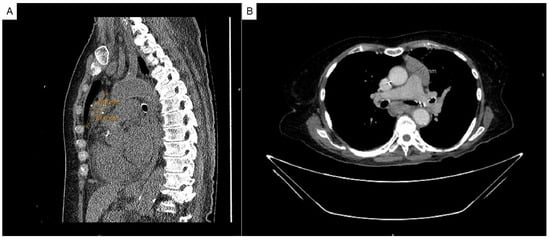
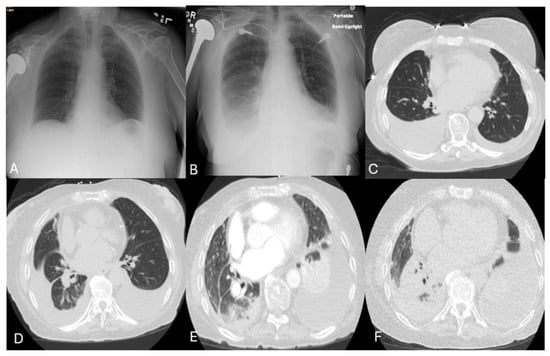
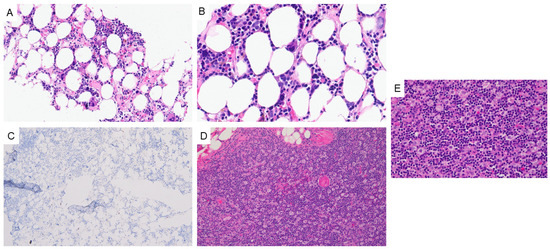
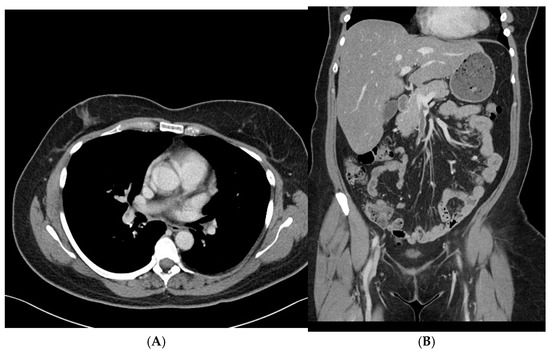
Background: Thymoma-associated pure white cell aplasia (PWCA), characterized by agranulocytosis with absent myeloid precursors in the bone marrow in the setting of preserved erythropoiesis and megakaryopoiesis, is exceedingly rare, with only a few cases reported in the literature. We present a case of type-B2-thymoma-associated PWCA and immune reconstitution following marrow recovery. Case Presentation: A 75-year-old woman was incidentally found to have a concomitant mediastinal mass and peripheral leukopenia with absent granulocytes and monocytes. Bone marrow assessment was notable for a hypocellular marrow (<10%) with absent granulopoiesis and monopoiesis. Chest CT demonstrated a large lobulated anterior mediastinal mass, for which the patient underwent a video-assisted thoracoscopic thymectomy. Pathological evaluation of the mediastinal mass specimen revealed a type B2 thymoma. A tentative diagnosis of thymoma-associated PWCA was made, and the patient was started on cyclosporine/granulocyte-colony stimulating factor (G-CSF)/filgrastim therapy. Despite promising marrow recovery, she developed several comorbidities and had a leukemoid reaction, provoking concern for immune reconstitution following prolonged neutropenia and subsequent treatment. She passed away on post-operative day 15, and the results of a post-mortem bone marrow examination were consistent with granulocytic hyperplasia. Conclusions: This case of thymoma-associated PWCA heightens awareness regarding this entity, providing a note of caution regarding the possibility of immune reconstitution following treatment and marrow recovery.
Full article

Figure 1
Open AccessCase Report
Hairy Cell Leukemia: A Differential Diagnosis of Hepatitis B-Associated Aplastic Anemia and Syphilis
by
I. Kindekov, E. Beleva, M. Kadish, I. Ionchev and N. Semerdzhieva
Hematol. Rep. 2025, 17(2), 13; https://doi.org/10.3390/hematolrep17020013 - 15 Mar 2025
Abstract
►▼
Show Figures
Aplastic anemia occurs with an incidence of 2–5: 1 million people worldwide. However, the frequency of newly diagnosed cases of bone marrow aplasia is greater, and some of these patients present to emergency departments initially. Description of Case: We present the case of
[...] Read more.
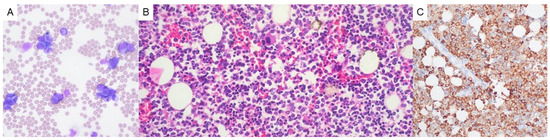
Aplastic anemia occurs with an incidence of 2–5: 1 million people worldwide. However, the frequency of newly diagnosed cases of bone marrow aplasia is greater, and some of these patients present to emergency departments initially. Description of Case: We present the case of a middle-aged man with pancytopenia. In this case, aplastic anemia associated with hepatitis B and syphilis was only the initial diagnosis. An indolent hematologic malignancy—hairy cell leukemia—was diagnosed as the real cause of the bone marrow failure in a clinic of hematology. Conclusions: This clinical case allows us to make a conclusion, albeit not definitively, about the contribution of hepatitis B and syphilis to the clinical manifestation of hairy cell leukemia. A detailed and consistent diagnostic plan is also required in patients presenting with pancytopenia. Failure to diagnose a hepatitis B infection in a patient with malignant hematologic disease would lead to fatal therapeutic errors.
Full article

Figure 1
Open AccessCase Report
Acute Intracerebral Hemorrhage Associated with Extensive Venous Thrombosis Due to Spontaneous Heparin-Induced Thrombocytopenia After Total Knee Replacement: A Case Report
by
Mehdi Kashani, Meghan Brown and Juan Pablo Domecq Graces
Hematol. Rep. 2025, 17(2), 12; https://doi.org/10.3390/hematolrep17020012 - 13 Mar 2025
Abstract
►▼
Show Figures
Introduction: Heparin-induced thrombocytopenia (HIT) is an autoimmune life-threatening prothrombotic syndrome associated with low platelet count after heparin exposure. Spontaneous heparin-induced thrombocytopenia (S-HIT) is an even less frequent variant of HIT, with only a handful of reports available in the literature, where unexplained thrombocytopenia
[...] Read more.
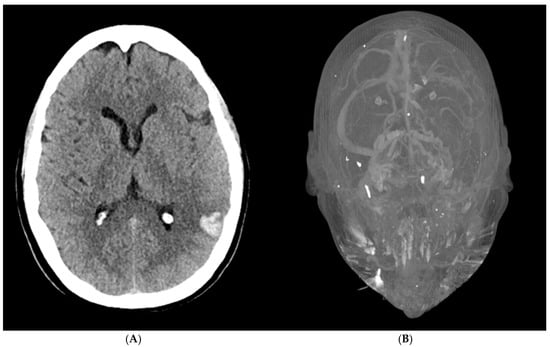
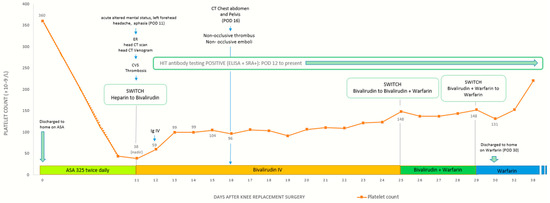
Introduction: Heparin-induced thrombocytopenia (HIT) is an autoimmune life-threatening prothrombotic syndrome associated with low platelet count after heparin exposure. Spontaneous heparin-induced thrombocytopenia (S-HIT) is an even less frequent variant of HIT, with only a handful of reports available in the literature, where unexplained thrombocytopenia and/or thrombosis without recent heparin exposure occurs in the setting of positive anti-PF4 antibodies. Case Presentation: We report a case of S-HIT associated with pulmonary artery embolism, left internal jugular vein, and cerebral vein sinus thrombosis complicated with ipsilateral acute intracerebral hemorrhage. Discussion: It is important to highlight that in patients with otherwise unexplained thrombocytopenia and prior exposure to an inflammatory process, S-HIT should be on the differential. Conclusions: Recognition and avoidance of heparin exposure is the most important aspect of S-HIT, as the management is otherwise similar to HIT.
Full article

Figure 1
Open AccessCase Report
Feasibility of Intensive Chemotherapy in Hereditary Spherocytosis
by
Carrai Valentina, Giubbilei Cristina, Ciceri Manuel, D’Angelo Simona, Nassi Luca, Sordi Benedetta, Vannucchi Alessandro Maria and Puccini Benedetta
Hematol. Rep. 2025, 17(2), 11; https://doi.org/10.3390/hematolrep17020011 - 24 Feb 2025
Abstract
►▼
Show Figures
Background: This study presents a young man with hereditary spherocytosis (HS) who underwent intensive chemotherapy for newly diagnosed diffuse large B-cell lymphoma (DLBCL) and achieved complete remission. This case challenges the idea of HS as a barrier to standard DLBCL treatment. Discussion: By
[...] Read more.
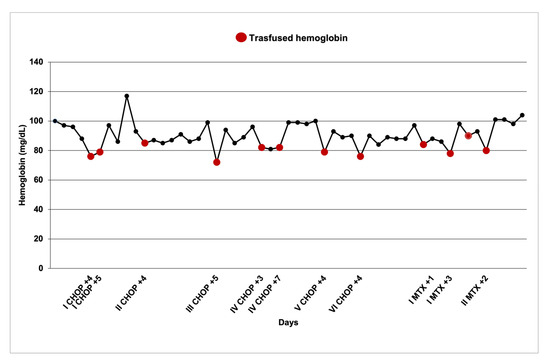
Background: This study presents a young man with hereditary spherocytosis (HS) who underwent intensive chemotherapy for newly diagnosed diffuse large B-cell lymphoma (DLBCL) and achieved complete remission. This case challenges the idea of HS as a barrier to standard DLBCL treatment. Discussion: By meticulously monitoring blood counts and providing timely transfusions, the team successfully mitigated potential complications associated with chemotherapy-induced stress on red blood cells. Conclusions: This experience underscores the importance of a multidisciplinary approach and tailored treatment plans for patients with co-existing conditions, suggesting that HS should not automatically disqualify them from potentially curative therapies for aggressive lymphomas.
Full article

Figure 1
Open AccessCase Report
Factor X Concentrate Treatment Schedule and Dosing in Acquired FX Deficiency
by
Andrew Ross, Rebecca J. Shaw, Louise Garth and Cathy Farrelly
Hematol. Rep. 2025, 17(2), 10; https://doi.org/10.3390/hematolrep17020010 - 21 Feb 2025
Abstract
►▼
Show Figures
Background: Acquired factor X (FX) deficiency is a rare condition that can cause life threatening bleeding. Here we outline a successful management strategy for gastrointestinal bleeding (GI) using human FX concentrate. Case description: A 61-year-old male presented with upper GI bleeding and a
[...] Read more.
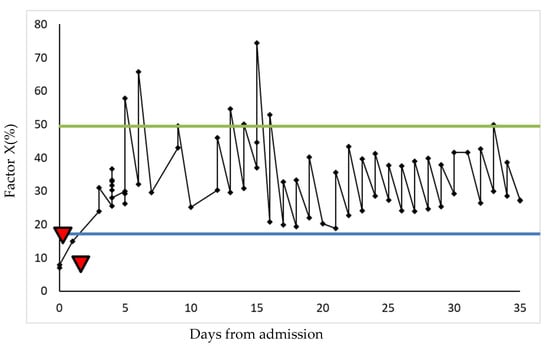
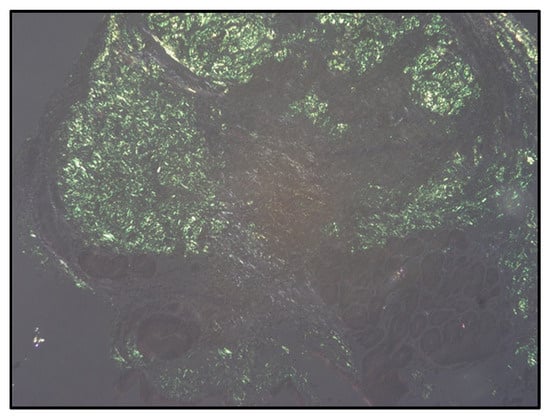
Background: Acquired factor X (FX) deficiency is a rare condition that can cause life threatening bleeding. Here we outline a successful management strategy for gastrointestinal bleeding (GI) using human FX concentrate. Case description: A 61-year-old male presented with upper GI bleeding and a prolonged prothrombin time. Investigations demonstrated an acquired FX deficiency (determined to be secondary to AL amyloidosis). Results: Treatment with FX concentrate to maintain trough FX levels >20% resulted in successful cessation of bleeding symptoms, and levels >50% facilitated urgent invasive procedures. Conclusions: This case report adds valuable insight into the management of this rare condition, and how best to utilize FX concentrates in acquired FX deficiency.
Full article

Figure 1
Open AccessArticle
Awareness and Attitude of the General Population Towards Inherited Hemoglobinopathies in the Premarital Screening Program in the Northern Region of Saudi Arabia
by
Mariah N. Hafiz, Nida Suhail, Zakariya M. S. Mohammed, Husham O. Elzein, Hibah A. Almasmoum, Awad E. Abass, Mohammed M. Jawad and Saoussen Trabelsi
Hematol. Rep. 2025, 17(1), 9; https://doi.org/10.3390/hematolrep17010009 - 5 Feb 2025
Abstract
►▼
Show Figures
Background: Premarital screening (PMS) is a nationwide program that helps high-risk individuals make decisions to avoid genetic and sexually transmitted diseases from spreading to their spouse or future offspring. This study examined the knowledge and attitudes towards inherited hemoglobinopathies in PMS among the
[...] Read more.
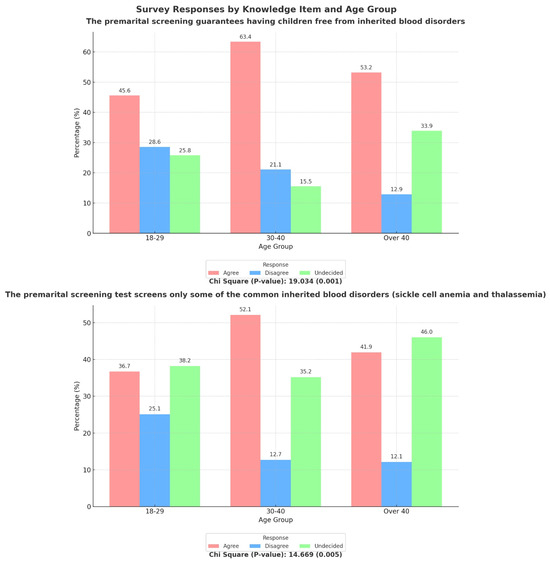
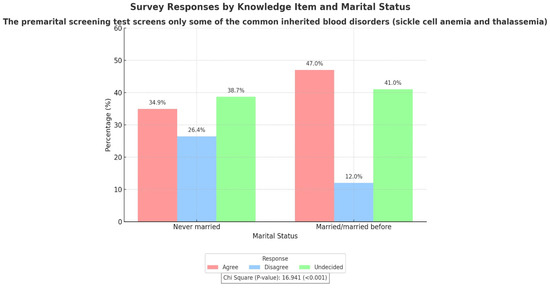
Background: Premarital screening (PMS) is a nationwide program that helps high-risk individuals make decisions to avoid genetic and sexually transmitted diseases from spreading to their spouse or future offspring. This study examined the knowledge and attitudes towards inherited hemoglobinopathies in PMS among the people of Northern Border Region in Saudi Arabia and their relationship to various sociodemographic factors. Methods: A cross-sectional study was undertaken in the Northern region of Saudi Arabia from January to March 2024. Data were gathered via questionnaire from 478 Saudi participants aged 18 years and older. The chi-square test was employed to determine the association between categorical variables. Results: All participants in the study were familiar with the PMS program. A significant portion of participants, 79.3%, acknowledged that consanguinity can increase the risk of hereditary blood disorders, while 69.9% believed that if both parents are carriers of the same genetic blood disease, their child may inherit it. Higher education, female gender, and age group (30–40) were found to be the main predictors of knowledge regarding PMS. Most of the participants (98.5%) had a positive attitude regarding the necessity of PMS as a prerequisite for marriage completion. About 82.8% indicated they would not continue with the marriage if the PMS results were incompatible. Conclusions: The study indicates a growing awareness and positive attitude towards premarital screening among the general population, with an increasing number of individuals opting for it. The findings suggest that PMS programs contribute to informed decision making, as evidenced by the rise in participants choosing to forgo marriage due to partner incompatibility. The study recommends the enhancement of health education campaigns by considering demographic factors such as age, education, and marital status. Additionally, it advocates for expanding the scope of PMS to include a wider range of health and genetic disorders to improve its overall efficacy.
Full article

Figure 1
Open AccessReview
Solid Tumors, Liquid Challenges: The Impact of Coagulation Disorders
by
Nidha Shapoo, Noella Boma, Shobhana Chaudhari and Vladimir Gotlieb
Hematol. Rep. 2025, 17(1), 8; https://doi.org/10.3390/hematolrep17010008 - 5 Feb 2025
Abstract
►▼
Show Figures
Coagulation disorders are increasingly recognized as significant complications in patients with solid tumors, affecting morbidity and mortality outcomes. Solid tumors can provoke a hypercoagulable state through the release of pro-coagulant factors, endothelial activation, and inflammation, leading to a heightened risk of coagulation disorders.
[...] Read more.
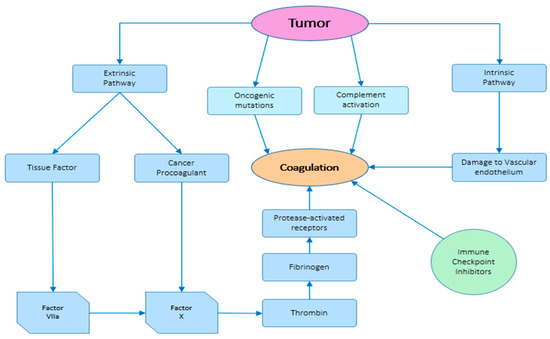
Coagulation disorders are increasingly recognized as significant complications in patients with solid tumors, affecting morbidity and mortality outcomes. Solid tumors can provoke a hypercoagulable state through the release of pro-coagulant factors, endothelial activation, and inflammation, leading to a heightened risk of coagulation disorders. These coagulation disorders may manifest as venous thromboembolism, arterial thromboembolism, thrombotic microangiopathy, or disseminated intravascular coagulation. These disorders can complicate surgical interventions and impact treatments, including chemotherapy and immunotherapy efficacy, leading to poor outcomes. Understanding the implications of coagulation disorders in solid tumors is essential for optimizing patient management, including identifying high-risk patients, implementing prophylactic measures, elucidating biomarkers for clinical outcomes, and exploring novel therapeutic agents. This review aims to provide insights into the current knowledge surrounding coagulation disorders in solid tumors and their clinical implications.
Full article

Figure 1
Open AccessCase Report
Bosutinib-Induced Pleural Effusion—Class Effect and Cross-Intolerance to All Tyrosine Kinase Inhibitors
by
Nikhil Vojjala, Hizqueel A. Sami, Nikhil Kumar Kotla, Supriya Peshin, Kanika Goyal, Soumya Kondaveety, Rishab Rajendra Prabhu and Geetha Krishnamoorthy
Hematol. Rep. 2025, 17(1), 7; https://doi.org/10.3390/hematolrep17010007 - 31 Jan 2025
Abstract
►▼
Show Figures
Introduction: Tyrosine kinase inhibitors (TKIs) serve as the backbone in the management of chronic myelogenous leukemia and Philadelphia-positive Acute lymphoblastic Leukemia (Ph+ve ALL). With the growing use of TKIs, there has been an increase in adverse events related to these agents. Hereby, we
[...] Read more.
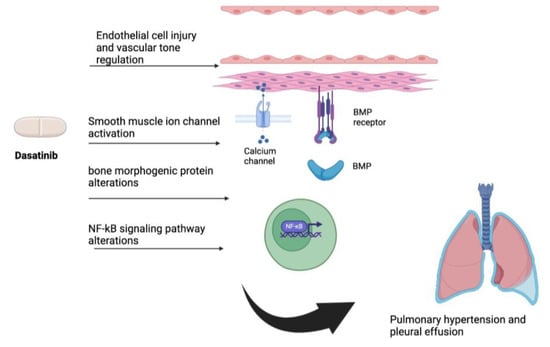
Introduction: Tyrosine kinase inhibitors (TKIs) serve as the backbone in the management of chronic myelogenous leukemia and Philadelphia-positive Acute lymphoblastic Leukemia (Ph+ve ALL). With the growing use of TKIs, there has been an increase in adverse events related to these agents. Hereby, we present elderly women with Ph+ve ALL who developed recurrent pleural effusion, which was managed by switching the TKI and highlighting pleural effusion due to a third-generation TKI Bosutinib, adding to the minimal available literature. Case Description: Our patient is a 79-year-old female with Ph+ve ALL diagnosed in 2015 and started on treatment. She is also on TKI maintenance initially with Imatinib later shifted to second-generation TKIs. She started developing worsening dyspnea related to pulmonary toxicity related to TKI in the form of pleural effusion. Pleural effusion was initially managed with diuretics, later requiring thoracocentesis. Because of persistent pleural effusion, she was changed to multiple TKIs and finally started on Bosutinib. She even developed progressive pleural effusion while on Bosutinib which is managed by thoracocentesis. Conclusions: Through this case report, we would like to highlight refractory recurrent pleural effusion caused by bosutinib adding to the minimal available literature. In addition, we highlight the various treatment options in patients having cross-intolerance to various TKIs, especially pulmonary toxicity, and ponatinib might be a suitable option in such cases.
Full article

Figure 1
Open AccessArticle
Risk Factors for Impaired Glucose Metabolism in Transfusion-Dependent Patients with β-Thalassemia: A Single-Center Retrospective Observational Study
by
Theodora Maria Venou, Filippos Kyriakidis, Fani Barmpageorgopoulou, Stamatia Theodoridou, Athanasios Vyzantiadis, Philippos Klonizakis, Eleni Gavriilaki and Efthymia Vlachaki
Hematol. Rep. 2025, 17(1), 6; https://doi.org/10.3390/hematolrep17010006 - 30 Jan 2025
Abstract
►▼
Show Figures
Background/Objectives: B-thalassemia is a genetic disorder that leads to reduced or absent β-globin chains, often resulting in endocrine abnormalities due to iron overload, chronic anemia, and hypoxia. This study investigates the prevalence and risk factors for glucose metabolism disturbances in transfusion-dependent β-thalassemia (TDT)
[...] Read more.
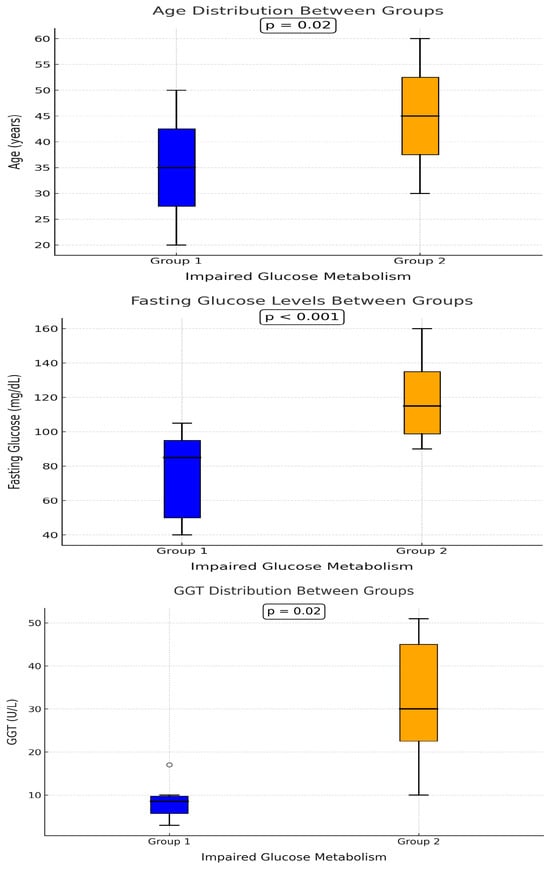
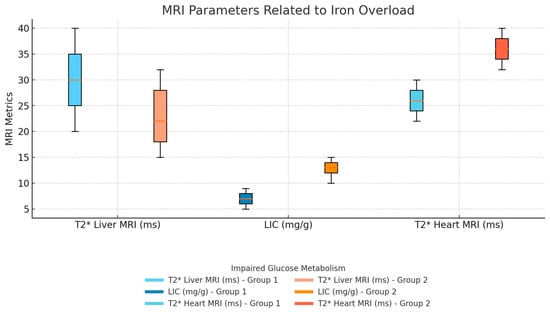
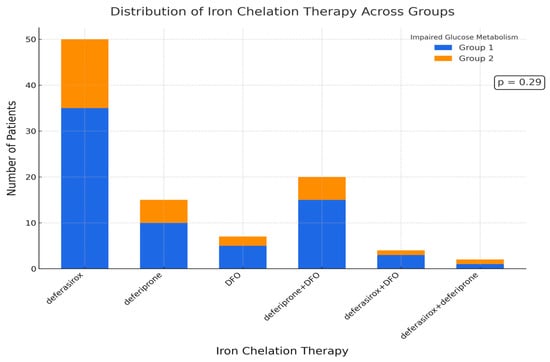
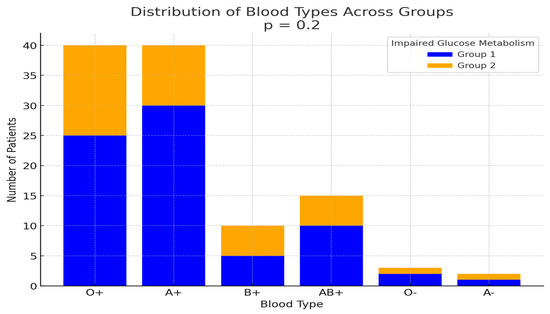
Background/Objectives: B-thalassemia is a genetic disorder that leads to reduced or absent β-globin chains, often resulting in endocrine abnormalities due to iron overload, chronic anemia, and hypoxia. This study investigates the prevalence and risk factors for glucose metabolism disturbances in transfusion-dependent β-thalassemia (TDT) patients, focusing on pancreatic iron overload and its association with other iron biomarkers. Methods: We studied two groups of TDT patients (2018–2022) at Hippokration General Hospital: Group 1 (no glucose metabolism impairment, n = 46) and Group 2 (with impaired glucose tolerance or diabetes mellitus, n = 18). Patients were assessed for factors contributing to glucose disturbances, and laboratory data were analyzed. Type 2 diabetes was diagnosed per American Diabetes Association criteria, and impaired glucose tolerance was defined by OGTT results. A multivariate logistic regression identified potential independent risk factors. In a subset of patients on iron chelation therapy, we examined the relationship between pancreatic, liver, and heart iron overload (T2* MRI) and glucose/ferritin levels. Results: Age and elevated serum GGT levels were significantly associated with impaired glucose metabolism (p = 0.02). Beta-blocker use was correlated with glucose disturbances (p = 0.02), but multivariate analysis revealed no significant independent risk factors. A significant relationship was found between pancreatic and heart iron overload (r = 0.45, p = 0.04). Conclusions: Elevated GGT levels suggest that oxidative stress and liver dysfunction play a key role in glucose metabolism disturbances. Pancreatic MRI T2* may help predict heart iron overload. Further research is needed to identify reliable biomarkers for glucose regulation in TDT.
Full article

Figure 1
Open AccessArticle
The Role of Ferritin and Folate in Determining Stem Cell Collection for Autologous Stem Cell Transplant in Multiple Myeloma
by
Charles J. Weeks, Mohammad Mian, Michael Stokes, Matthew Gold, Anvay Shah, Rohan Vuppala, Katherine J. Kim, Abigayle B. Simon, Jorge Cortes, Anand Jillela and Vamsi Kota
Hematol. Rep. 2025, 17(1), 5; https://doi.org/10.3390/hematolrep17010005 - 24 Jan 2025
Abstract
►▼
Show Figures
Background: An autologous stem cell transplant (ASCT) is the standard of care for eligible patients with multiple myeloma (MM). However, the success of ASCT largely hinges on efficient mobilization; thus, a thorough analysis of factors that may affect mobilization is essential. Methods: The
[...] Read more.
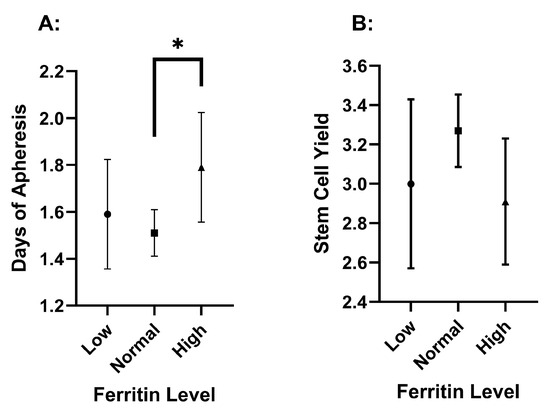
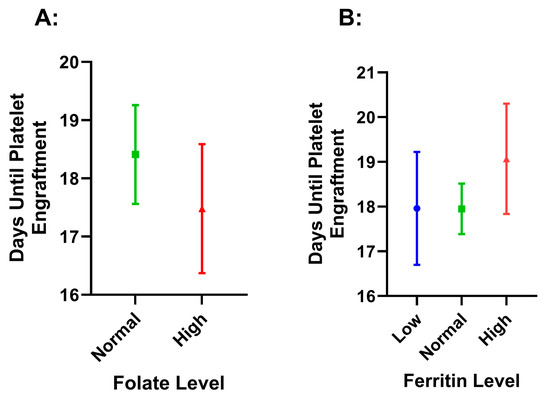
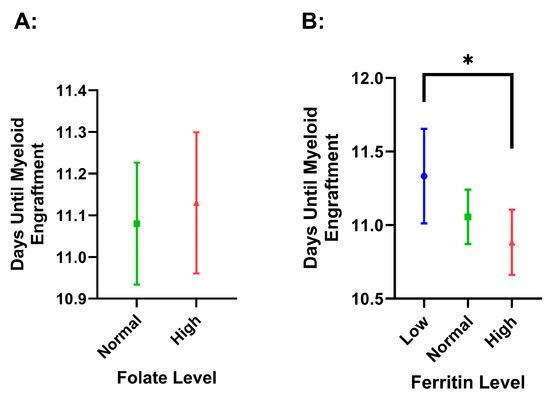
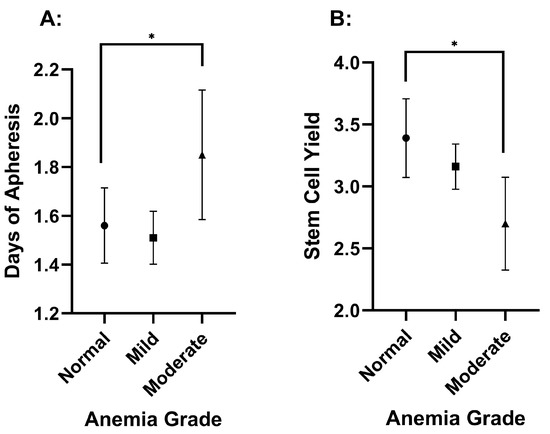
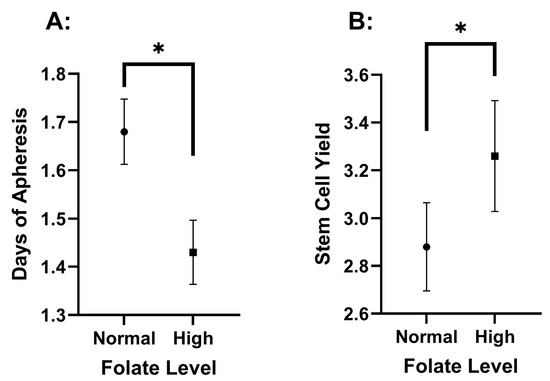
Background: An autologous stem cell transplant (ASCT) is the standard of care for eligible patients with multiple myeloma (MM). However, the success of ASCT largely hinges on efficient mobilization; thus, a thorough analysis of factors that may affect mobilization is essential. Methods: The study consists of a single-center, retrospective chart review of 292 adult patients undergoing their first or second autologous transplantation for MM from 2016 to 2023. Patient demographics, serum lab values at the pre-collection evaluation visit, total stem cell capture (TC) in CD34/kg × 106 stem cell capture on the first day of apheresis (FC) in CD34/kg × 106, and the total number of days of apheresis (DOA) were retrieved from the electronic medical record (EMR). Results: Individuals with high folate levels experienced less DOA (1.43 ± 0.61) compared to those with normal folate levels (1.68 ± 0.82, p = 0.013). The high-folate group had a greater FC (3.26 ± 1.07) compared to the normal-folate group (2.88 ± 1.13, p = 0.013). High ferritin levels were associated with more DOA (1.79 ± 0.89) compared to the normal-ferritin group (1.51 ± 0.67, p = 0.034). Moderate anemia was significantly associated with decreased FC (p = 0.023) and increased DOA (p = 0.030). Abnormal hemoglobin (Hgb), ferritin, and folate statuses did not exhibit significant differences in survival analysis. Conclusions: The findings reveal that folate, ferritin, and Hgb levels are significantly associated with apheresis outcomes, offering guidance for optimizing stem cell mobilization in patients with MM.
Full article

Figure 1

Open AccessArticle
The Prevalence of Peripheral Erythrophagocytosis in Pediatric Immune-Mediated Hemolytic Anemia
by
Anselm Chi-wai Lee
Hematol. Rep. 2025, 17(1), 4; https://doi.org/10.3390/hematolrep17010004 - 20 Jan 2025
Abstract
►▼
Show Figures
Background: Peripheral erythrophagocytosis appears to be a unique sign of acquired immune-mediated hemolytic anemia. It is said to be rare but its prevalence among patients with autoimmune hemolytic anemia has not been studied. Methods: In this retrospective study from July 2014 to June
[...] Read more.
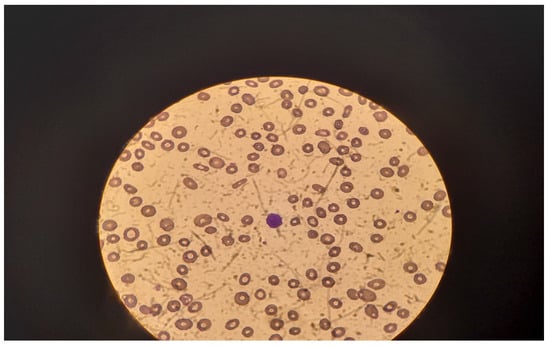
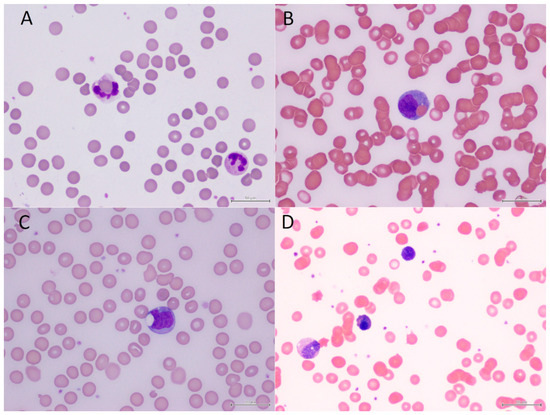
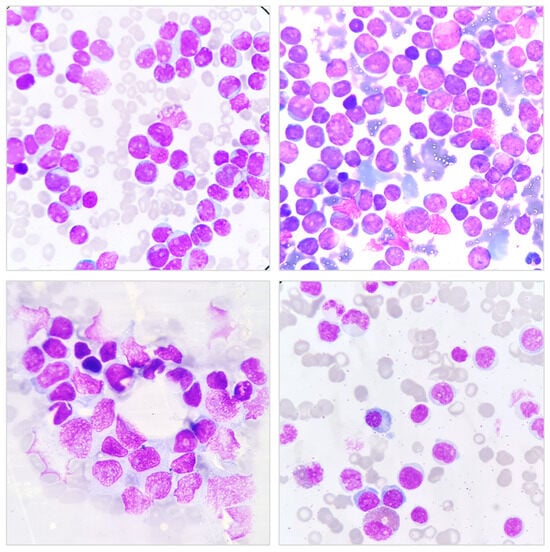
Background: Peripheral erythrophagocytosis appears to be a unique sign of acquired immune-mediated hemolytic anemia. It is said to be rare but its prevalence among patients with autoimmune hemolytic anemia has not been studied. Methods: In this retrospective study from July 2014 to June 2024, the clinical and laboratory features, treatment and outcomes of children diagnosed with autoimmune hemolytic anemia were described. The prevalence of peripheral erythrophagocytosis was compared to a group of children with hereditary spherocytosis at the time of first diagnosis seen in the same period. Results: Twelve consecutive children with autoimmune hemolytic anemia were included. There were four female patients. The mean age was 6.7 (range 0.8 to 16.6) years. The mean hemoglobin was 6.0 (range 2.5 to 8.1) g/dL. Seven patients were positive by a direct antiglobulin test, three were positive with cold agglutinins and two were positive on both tests. In seven cases, an acute infection appeared to be the precipitating factor. Mycoplasma pneumoniae infection was documented in three and suspected in another two cases. Peripheral erythrophagocytosis was present in five cases (42%) but was not found at diagnosis in any of the 16 cases of hereditary spherocytosis (p = 0.0081). Six children had pre-existing diseases, including two with hereditary hemolytic anemia. Conclusions: Peripheral erythrophagocytosis is a relatively common and characteristic finding in pediatric autoimmune hemolytic anemia and should be actively looked for in the evaluation of acute hemolysis, including in children with pre-existing hereditary hemolytic disorders.
Full article

Figure 1
Open AccessCase Report
AntiCD30-Conjugated Antibody Plus Standard BEAM as Conditioning Regimen for Autologous Hematopoietic Stem Cell Transplantation in Systemic Anaplastic Large Cell Lymphoma
by
Panayotis Kaloyannidis, Basmah Al-Charfli, Biju George, Charbel Khalil, Nour Al-Moghrabi, Samar Mustafa, Dima Ibrahim, Mohammed Alfar, Firuz Ibrahim, Bassam Odeh, Mohammed Daryahya and Philip Shabo
Hematol. Rep. 2025, 17(1), 3; https://doi.org/10.3390/hematolrep17010003 - 20 Jan 2025
Abstract
►▼
Show Figures
Background/objectives: The outcome of refractory/relapsed systemic Anaplastic Large Cell Lymphoma (R/R-sALCL), especially for anaplastic lymphoma kinase-1 (ALK-1)-negative disease, remains dismal even after autologous hematopoietic stem cell transplantation (AHSCT). The intensification of both salvage and conditioning regimens, without increasing the toxicity, could improve the
[...] Read more.
Background/objectives: The outcome of refractory/relapsed systemic Anaplastic Large Cell Lymphoma (R/R-sALCL), especially for anaplastic lymphoma kinase-1 (ALK-1)-negative disease, remains dismal even after autologous hematopoietic stem cell transplantation (AHSCT). The intensification of both salvage and conditioning regimens, without increasing the toxicity, could improve the outcome of AHSCT in R/R-sALCL. Methods: Based on the successful experience of the incorporation of antiD20 monoclonal antibodies in the treatment of B-Cell Lymphomas, we designed a salvage and conditioning regimen incorporating the antiCD30-conjugated antibody (Brentuximab Vedotin, BV) to standard chemotherapy regimens, and we describe herein the clinical course of a patient with AKL-ve, R/R-sALCL, who received salvage regimen BV + DHAP, followed by AHSCT with preparative regimen consisted of BV plus standard BEAM. Results: The novel regimen was well tolerated, and no severe adverse effects were noticed. The engraftment was prompt and successful. The patient remained in complete metabolic remission for almost 12 months post-transplant. Conclusions: The proposed treatment approach, which combines antiCD30-conjugated antibody with standard salvage and conditioning regimens, demonstrated a completely acceptable toxicity with promising efficacy.
Full article

Figure 1
Open AccessReview
Sickle Cell Anemia and Inflammation: A Review of Stones and Landmarks Paving the Road in the Last 25 Years
by
Jessica Dorneles, Amanda de Menezes Mayer and José Artur Bogo Chies
Hematol. Rep. 2025, 17(1), 2; https://doi.org/10.3390/hematolrep17010002 - 10 Jan 2025
Abstract
►▼
Show Figures
A quarter of a century ago, sickle cell disease (SCD) was mainly viewed as a typical genetic disease inherited as a classical Mendelian trait. Therefore, the main focus concerning SCD was on diagnosis, meaning, genotyping, and identification of homozygous and heterozygous individuals carrying
[...] Read more.
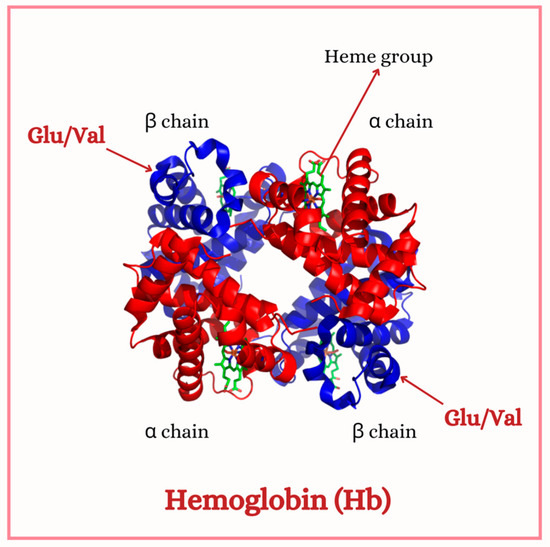
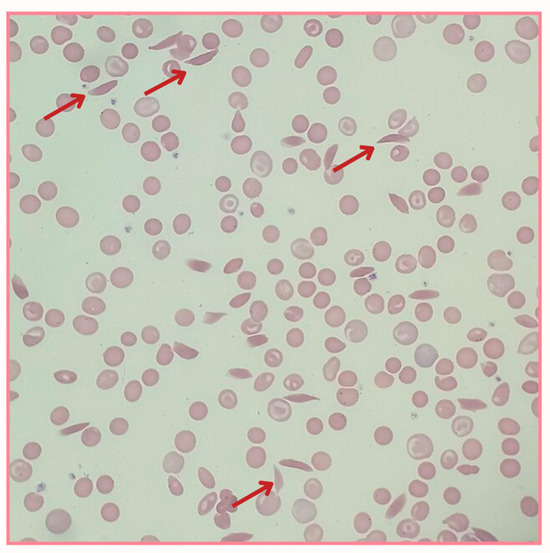
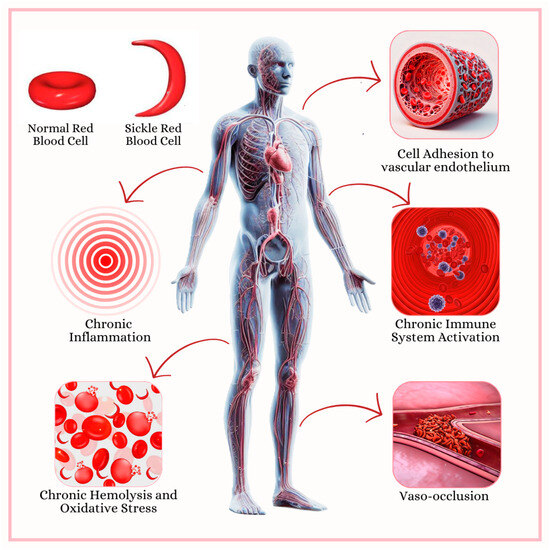
A quarter of a century ago, sickle cell disease (SCD) was mainly viewed as a typical genetic disease inherited as a classical Mendelian trait. Therefore, the main focus concerning SCD was on diagnosis, meaning, genotyping, and identification of homozygous and heterozygous individuals carrying the relevant HbS mutant allele. Nowadays, it is well established that sickle cell disease is indeed the result of homozygosis for the HbS variant, although this single feature is not capable of explaining the highly diverse clinical presentation of SCD. In fact, an important feature of SCD is the chronic inflammation that accompanies the sickling of erythrocytes. In this manuscript, we will revisit the early evidence of inflammation in SCD and review what was uncovered during the last 25 years. Here, we describe Sickle cell anemia as a major participant in the history of science. In fact, SCD was the first genetic disease where the causal mutation was identified and is also the first disease for which treatment through genome editing was approved, making this disease a landmark in the road of molecular biology.
Full article

Figure 1
Open AccessCase Report
The Many Faces of Philadelphia: A Mature T-Cell Lymphoma with Variant Philadelphia-Translocation and Duplication of the Philadelphia Chromosome
by
Livia Vida, Bálint Horváth, Miklós Egyed, Béla Kajtár and Hussain Alizadeh
Hematol. Rep. 2025, 17(1), 1; https://doi.org/10.3390/hematolrep17010001 - 6 Jan 2025
Abstract
►▼
Show Figures
Background: T-cell prolymphocytic leukemia (T-PLL) is a rare mature T-cell lymphoma that is usually associated with poor prognosis and short overall survival. Methods: We present a case of a 61-year-old woman presenting with T-PLL and the leukemic cells harboring BCR::ABL1 (BCR—breakpoint
[...] Read more.
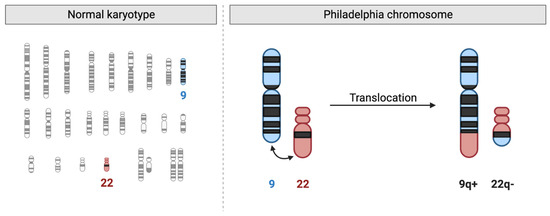
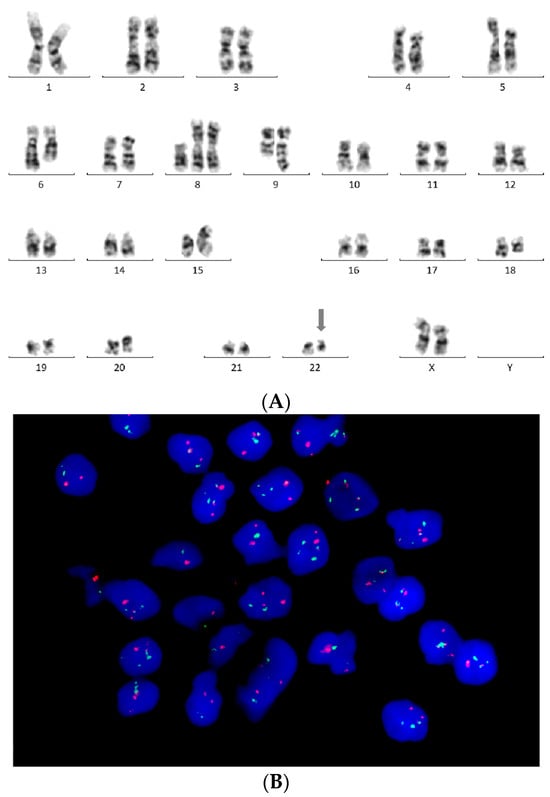
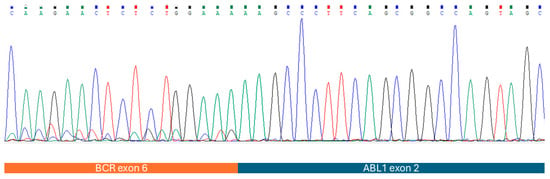
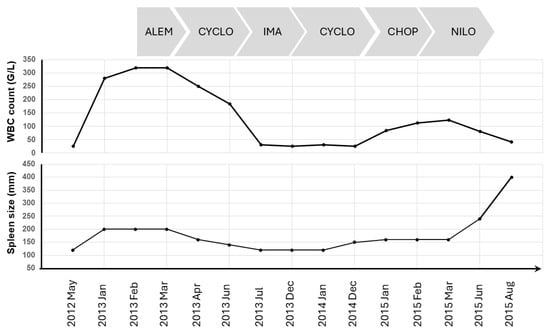
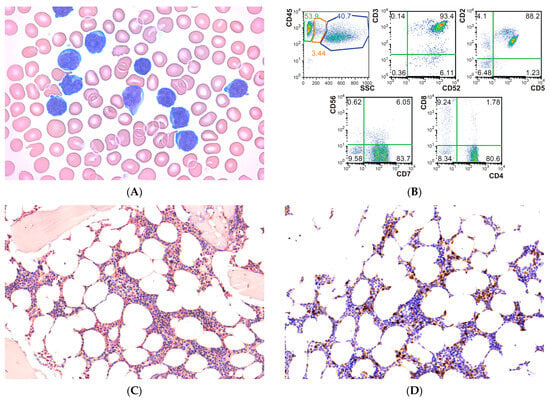
Background: T-cell prolymphocytic leukemia (T-PLL) is a rare mature T-cell lymphoma that is usually associated with poor prognosis and short overall survival. Methods: We present a case of a 61-year-old woman presenting with T-PLL and the leukemic cells harboring BCR::ABL1 (BCR—breakpoint cluster region; ABL1—ABL protooncogene 1) fusion transcripts as the result of a variant of t(9;22)(q34;q11) called Philadelphia translocation: t(9;22;18)(q34;q11;q21). Sequencing revealed a rare BCR transcript with an exon 6 breakpoint corresponding to e6a2 transcripts, which has thus far been reported in only 26 cases of leukemias. Results: After 9 months of follow-up, the disease progressed and required treatment. Following alemtuzumab and chemotherapy, a short course of imatinib therapy stabilized the disease for six months, which was followed by progression and the demise of the patient. Conclusions: To the best of our knowledge, this is the first report of a mature T-cell lymphoma with a variant Philadelphia-translocation and a very rare type of BCR::ABL1 transcript. This case highlights the importance of comprehensive genetic testing of malignancies, as abnormal molecular pathways may be uncovered that may be specifically targeted by drugs.
Full article

Figure 1
Open AccessOpinion
Alloantibody Identification: The Importance of Temperature, Strength Reaction and Enzymes—A Practical Approach
by
Palma Manduzio
Hematol. Rep. 2024, 16(4), 815-824; https://doi.org/10.3390/hematolrep16040077 - 17 Dec 2024
Abstract
►▼
Show Figures
Red blood cell (RBC) alloimmunization and antibodies formation against non-self antigens on red cells may occur after blood transfusion, pregnancies or other exposures. The RBC alloimmunization rate varies from 2% to 6% according to recent studies. The antibody screen is performed to identify
[...] Read more.
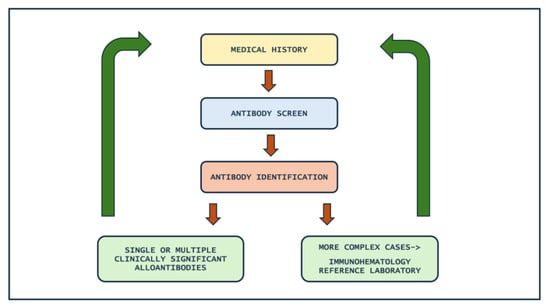
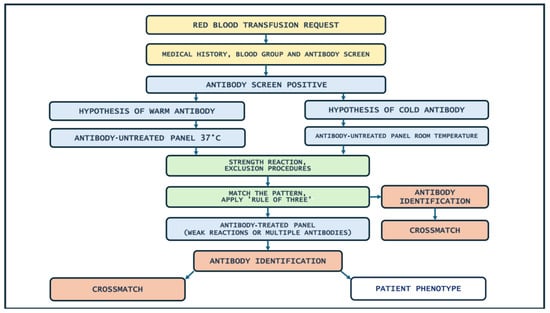
Red blood cell (RBC) alloimmunization and antibodies formation against non-self antigens on red cells may occur after blood transfusion, pregnancies or other exposures. The RBC alloimmunization rate varies from 2% to 6% according to recent studies. The antibody screen is performed to identify or confirm the presence of antibodies in patient’s serum or plasma, as a preoperative or pretransfusion test. The antibody identification process and major crossmatch are critical steps of risk management in transfusion medicine. The aim of this article is to describe a flow chart of the antibody identification. I report three educational examples of case studies associated with the negative direct antiglobulin test and clinically significant single and multiple alloantibodies using the gel method, Anti-M, Anti-c and Anti-E, Anti-Jka and Anti-s. Furthermore, I provide a critical analysis of the current literature on the topic. The flow chart of the antibody identification may simplify the process and possibly reduce errors in routine workflow.
Full article

Figure 1

Open AccessArticle
Incidence, Risk Factors, and Outcomes of Thrombocytopenia in Older Medical Inpatients: A Prospective Cohort Study
by
Ioanna Papakitsou, Andria Papazachariou, Theodosios D Filippatos and Petros Ioannou
Hematol. Rep. 2024, 16(4), 804-814; https://doi.org/10.3390/hematolrep16040076 - 13 Dec 2024
Abstract
Background: Thrombocytopenia, defined as a platelet count of less than 150 × 109/L, is a frequent condition among hospitalized patients and presents unique challenges in diagnosis and management. Despite its commonality, data on incidence and related risk factors in medical inpatients
[...] Read more.
Background: Thrombocytopenia, defined as a platelet count of less than 150 × 109/L, is a frequent condition among hospitalized patients and presents unique challenges in diagnosis and management. Despite its commonality, data on incidence and related risk factors in medical inpatients remain limited, especially in older people. Methods: A 2-year prospective cohort study with a 3-year follow-up was conducted on inpatients aged ≥65 years admitted to a medical ward. Clinical data were collected, including demographics, comorbidities, laboratory results, and outcomes. Multivariate logistic regression analysis assessed risk factors associated with non-resolution of thrombocytopenia and mortality. Results: The study included 961 older inpatients with a mean age of 82 years. Thrombocytopenia occurred in 22.6% of the study population. The most common causes were infections (57.4%) and drug-induced thrombocytopenia (25.3%). The non-resolution of thrombocytopenia was noted in 59% of patients. In-hospital and 3-year mortality was significantly higher in this subgroup compared to the rest (24.5% vs. 12.7%, p = 0.015) and (72.4% vs. 59.8%, p = 0.04, respectively). In multivariate analysis, nadir platelet count and hematologic disease were independent factors associated with the non-resolution of thrombocytopenia. Furthermore, in individuals with thrombocytopenia, the administration of norepinephrine (p < 0.001) and a higher clinical frailty score (p < 0.001) were observed as independent mortality predictors. Conclusions: Thrombocytopenia in older medical inpatients is associated with poor prognosis, particularly in those with non-resolution thrombocytopenia. Early identification and targeted management may improve outcomes.
Full article
Highly Accessed Articles
Latest Books
E-Mail Alert
News
Topics
Topic in
Biomedicines, Biomolecules, Cancers, Cells, Hematology Reports, IJMS
Advances in Molecular Pathogenesis and Targeted Therapies for Multiple Myeloma
Topic Editors: Chung Hoow Kok, Cindy H. S. Lee, Claudio CerchioneDeadline: 20 July 2025
Conferences
Special Issues
Special Issue in
Hematology Reports
Modern Radiotherapy for the Treatment of Lymphoma and Myeloma: Integration with Systemic Treatment and Advanced Imaging Techniques
Guest Editors: Andrea Guerini, Michela Buglione Di Monale E BastiaDeadline: 20 July 2025
Special Issue in
Hematology Reports
Innovations in Hematologic Oncology: SOHO Italy Perspectives
Guest Editors: Claudio Cerchione, Giovanni Martinelli, Naval Daver, Elias JabbourDeadline: 30 September 2025
Special Issue in
Hematology Reports
Anaemia in Focus: Challenges and Solutions in Haematology
Guest Editor: Efthymia VlachakiDeadline: 31 October 2025