

Journal Description
Heritage
Heritage
is an international, peer-reviewed, open access journal of cultural and natural heritage science published monthly by MDPI.
- Open Access— free for readers, with article processing charges (APC) paid by authors or their institutions.
- High Visibility: indexed within Scopus, ESCI (Web of Science), and other databases.
- Journal Rank: JCR - Q2 (Multidisciplinary Sciences) / CiteScore - Q1 (Conservation)
- Rapid Publication: manuscripts are peer-reviewed and a first decision is provided to authors approximately 19.8 days after submission; acceptance to publication is undertaken in 3.5 days (median values for papers published in this journal in the second half of 2024).
- Recognition of Reviewers: reviewers who provide timely, thorough peer-review reports receive vouchers entitling them to a discount on the APC of their next publication in any MDPI journal, in appreciation of the work done.
Impact Factor:
2.0 (2023);
5-Year Impact Factor:
1.9 (2023)
Latest Articles
Uses of Gas Sorption and Mercury Porosimetry Methods in Studies of Heritage Materials
Heritage 2025, 8(4), 132; https://doi.org/10.3390/heritage8040132 (registering DOI) - 5 Apr 2025
Abstract
►
Show Figures
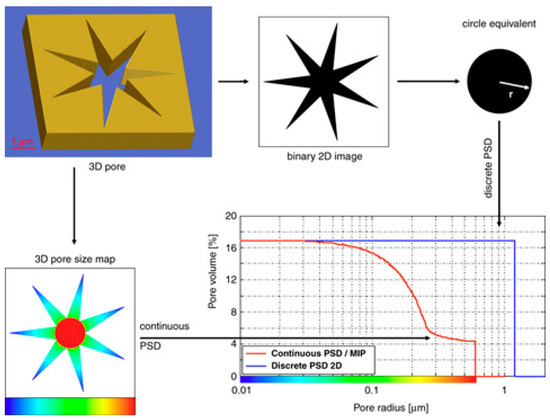
This review explains why pore structure characterisation, particularly utilising gas sorption and mercury porosimetry, is important for the study of many different types of heritage materials, such as for determining their raw materials, methods of fabrication, and ancient uses. It then describes the
[...] Read more.
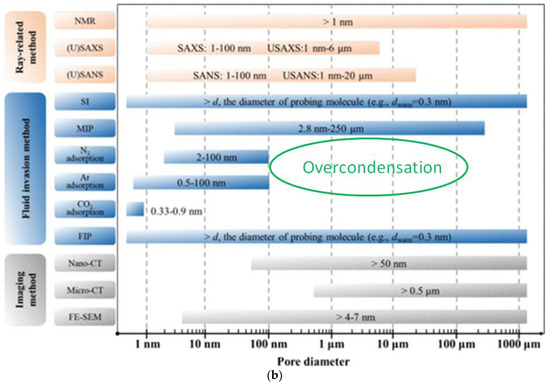
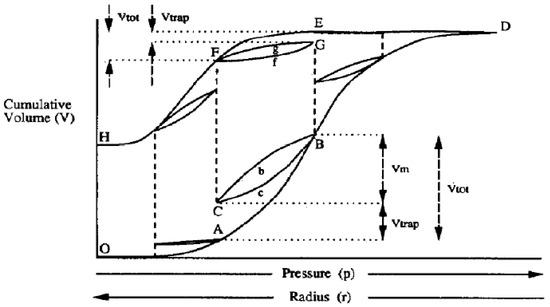
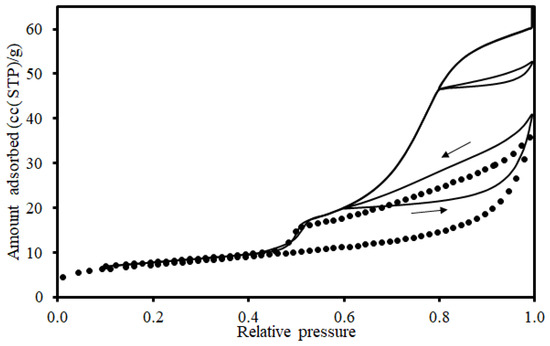
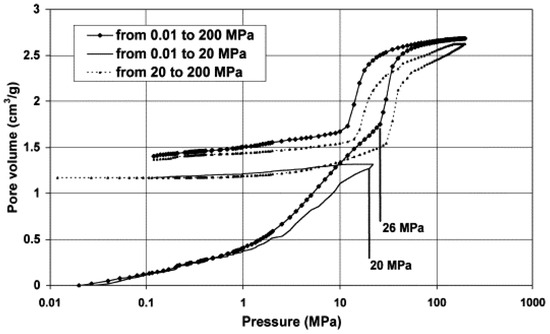
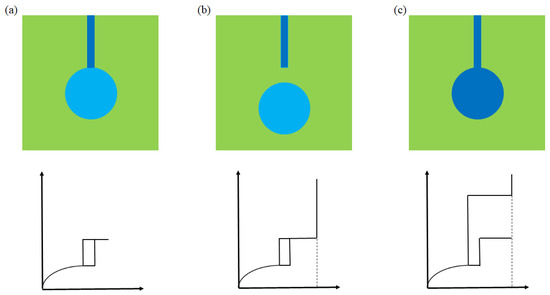
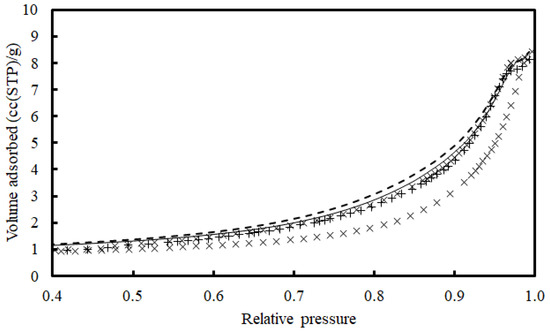
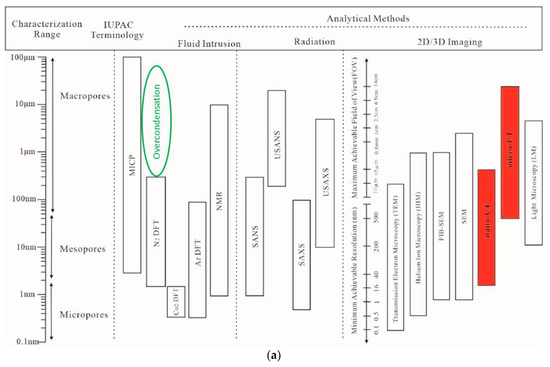
This review explains why pore structure characterisation, particularly utilising gas sorption and mercury porosimetry, is important for the study of many different types of heritage materials, such as for determining their raw materials, methods of fabrication, and ancient uses. It then describes the basic experimental methods, including details of particular relevance to heritage materials. Several relatively novel methods, such as gas over-condensation, scanning curves and loops, and hybrid experiments, not often used with heritage materials, are also described and their potential applications discussed. In particular, gas over-condensation can probe pores of sizes from the molecular scale to hundreds of microns in one experiment, and thus can be used to provide “fingerprints” characteristic of the internal void space of different types of ceramics or glasses to aid in identification without damaging the finds. This work also surveys the various applications of gas sorption and mercury porosimetry to ancient ceramics, glasses, and building materials, with particular discussion of uses in testing the mode of action and effectiveness of various conservation methods.
Full article
Open AccessArticle
Situating Place and Wellbeing Within Heritage Interactions for Older Adults
by
Jessica Bowden, Ryan Woolrych and Craig J. Kennedy
Heritage 2025, 8(4), 131; https://doi.org/10.3390/heritage8040131 - 4 Apr 2025
Abstract
As the global population ages, more older adults are engaging with the historic environment than ever before. However, the needs of this population may not always be met by local and national heritage sites and organizations. Here, eight professionals working in the UK
[...] Read more.
As the global population ages, more older adults are engaging with the historic environment than ever before. However, the needs of this population may not always be met by local and national heritage sites and organizations. Here, eight professionals working in the UK heritage, health and well-being and aging sectors were interviewed to gather their views on how older adults interact with the historic environment. Three key themes emerged from these interviews: barriers to accessing the historic environment; positive well-being implications of engaging with the historic environment; and the need to develop a wider knowledge base. Barriers to accessing the historic environment include physiological barriers, such as mobility issues, psychological barriers, and financial barriers. Positive well-being derived from engaging with the historic environment are explored in two key themes: communal well-being, and personal well-being. Attention is drawn to activities developed by heritage organizations to engage with older adults, and how these can be better coordinated and implemented to maximize the benefits the historic environment can offer, and minimize the barriers.
Full article
(This article belongs to the Section Cultural Heritage)
Open AccessArticle
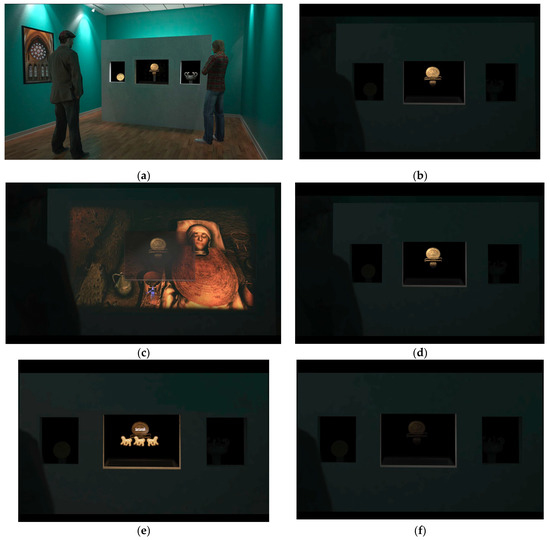
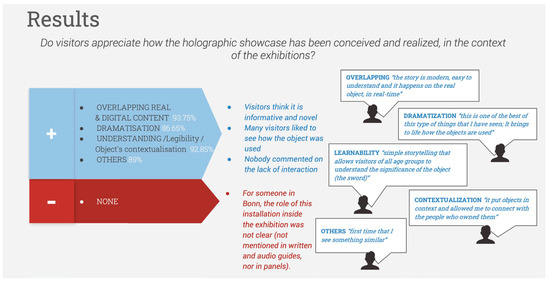
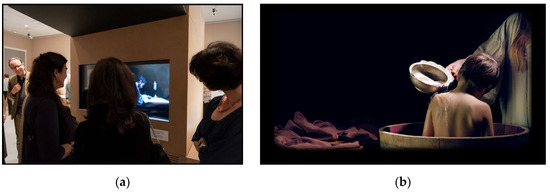
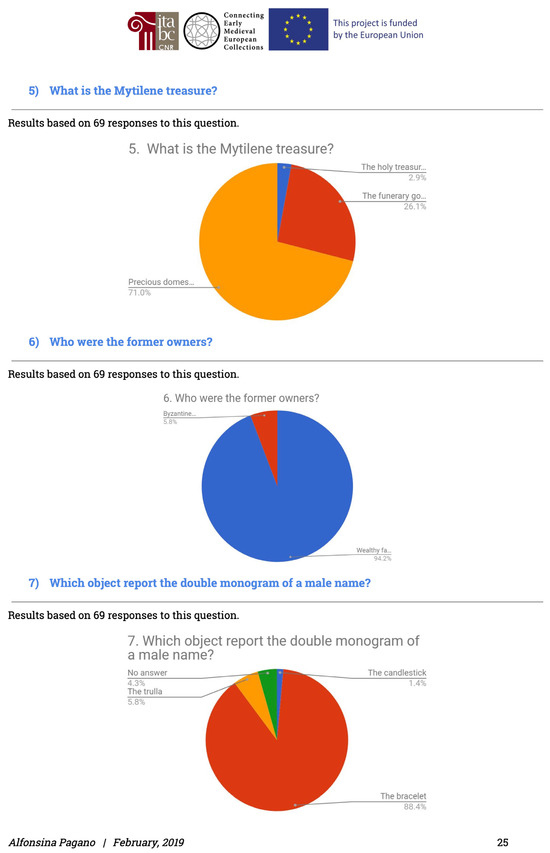
Multisensory Museums, Hybrid Realities, Narration, and Technological Innovation: A Discussion Around New Perspectives in Experience Design and Sense of Authenticity
by
Eva Pietroni
Heritage 2025, 8(4), 130; https://doi.org/10.3390/heritage8040130 - 3 Apr 2025
Abstract
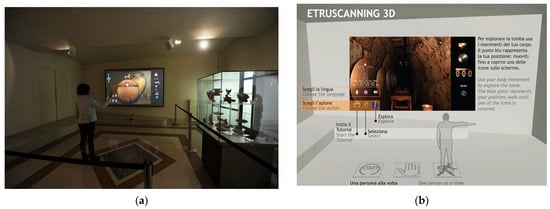
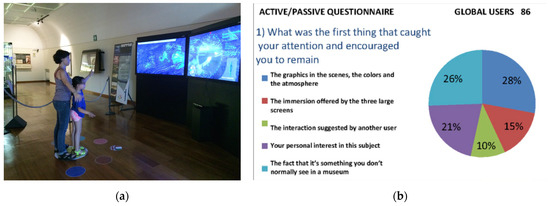
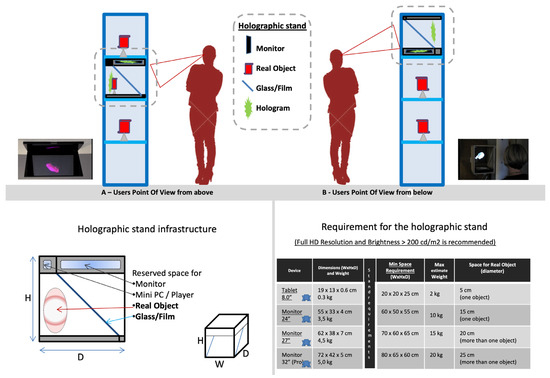
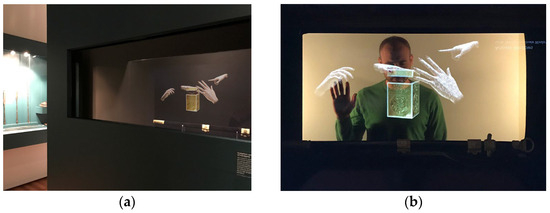
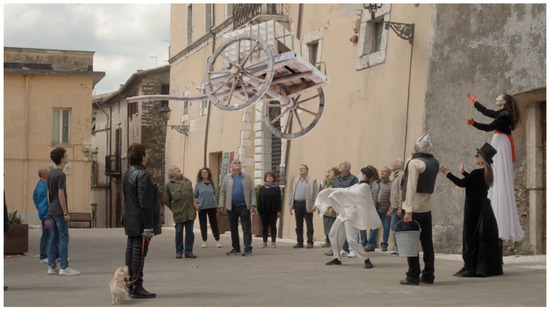
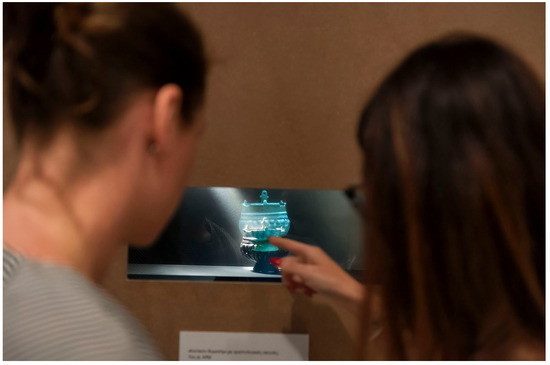
This paper examines multisensory museums, envisioned as extended or hybrid realities where the physical and digital coexist to offer cognitively and emotionally engaging experiences to the public, while enhancing the sense of authenticity. Multisensory communication can improve accessibility, as it conveys the content
[...] Read more.
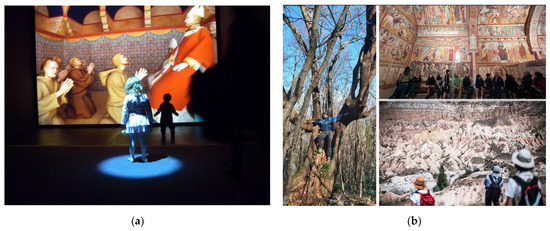
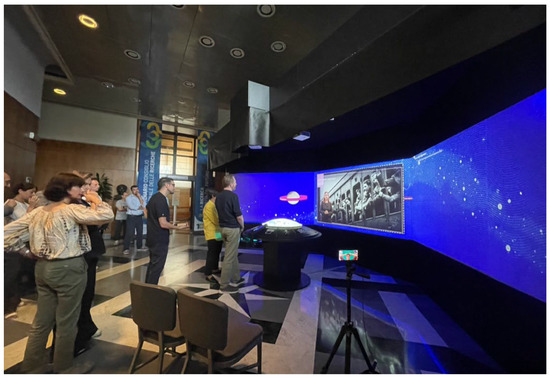
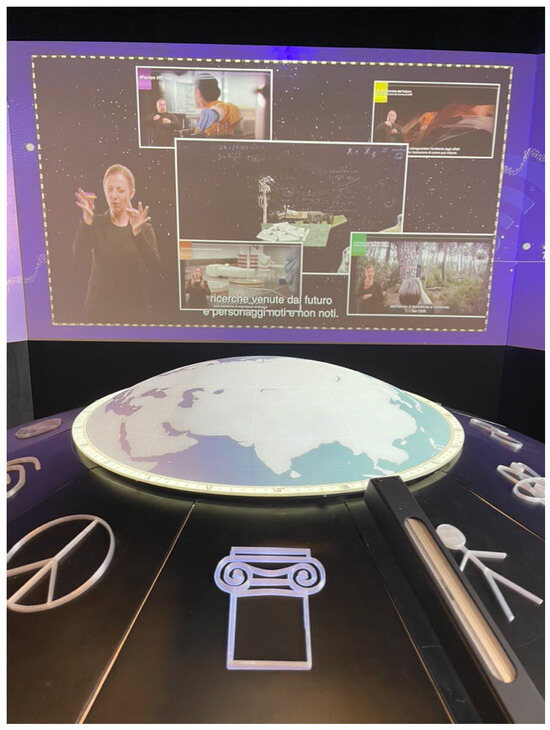
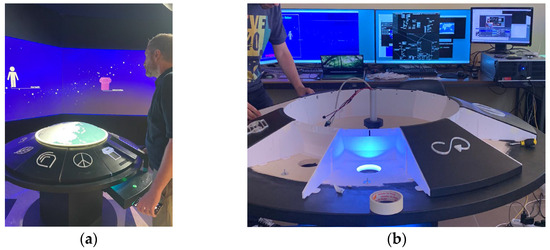
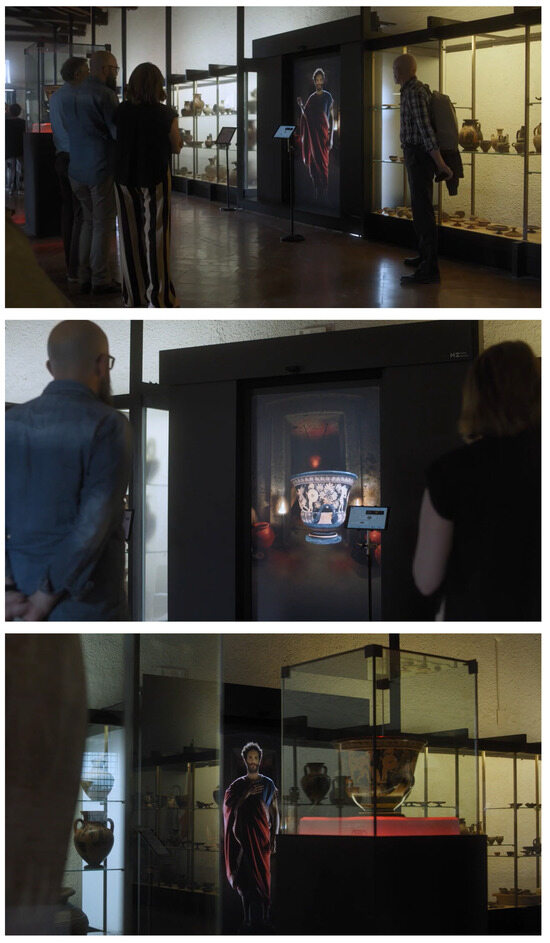
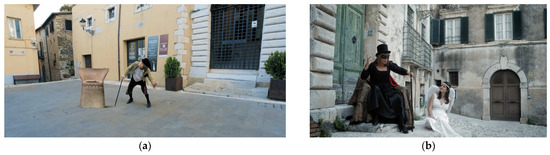
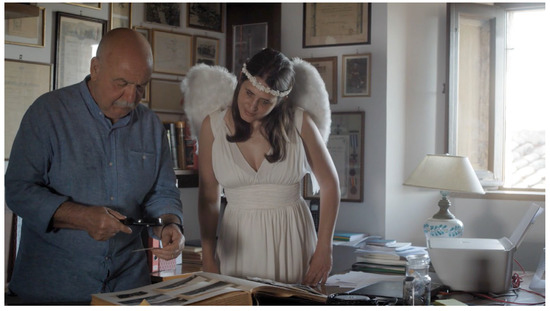
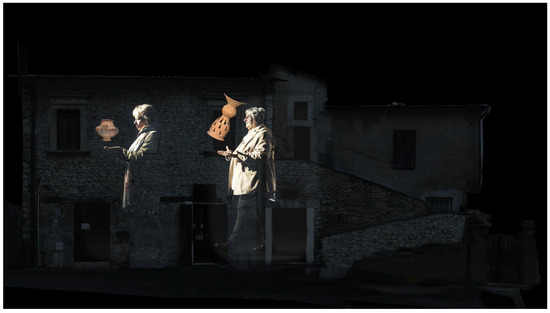
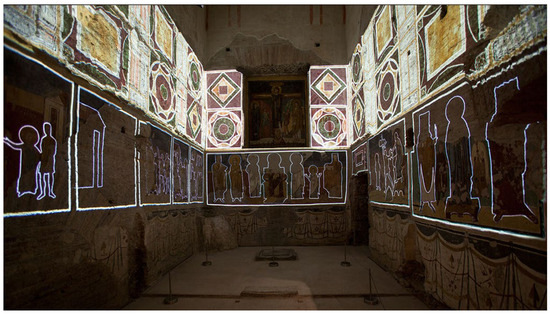
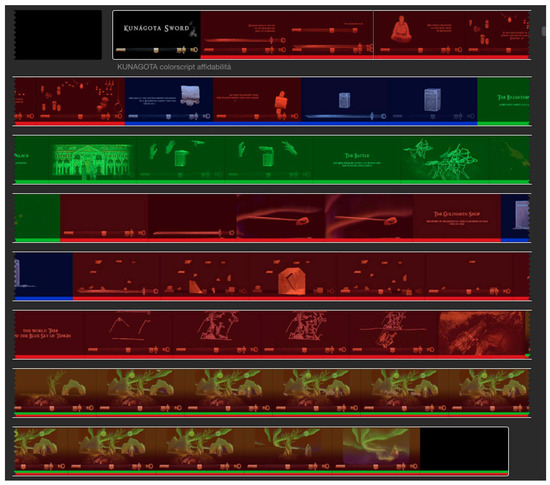
This paper examines multisensory museums, envisioned as extended or hybrid realities where the physical and digital coexist to offer cognitively and emotionally engaging experiences to the public, while enhancing the sense of authenticity. Multisensory communication can improve accessibility, as it conveys the content through multiple perceptual channels, and it can solicit more inclusive, participatory, and creative audience engagement through the stimulation of emotions. A methodological approach to digitisation, communication strategies, interaction, creative storytelling, immersive technologies, and accessibility issues are discussed in depth, in relation to emerging museological practices. Machine learning and generative AI are opening new scenarios in management practices and decision-making, in data analyses and in natural language processing, and in the creation of personalised content addressed to the audience. A short overview about how these algorithms evolve and work is presented, considering the challenges, threats, expectations, and ethical implications they pose. Another key topic is the sense of authenticity. How is it changing in today’s users? How do virtual and mixed realities, storytelling, and user experience design in museums influence it? This paper explores these issues, presenting some case studies which have cultural, social, philosophical, and ethical implications, at a time when museums are redesigning their role in a society undergoing profound transformation.
Full article
(This article belongs to the Special Issue Multisensory Museums: Richer Experiences, Inclusivity and Accessibility to Cultural Heritage)
►▼
Show Figures

Figure 1
Open AccessArticle
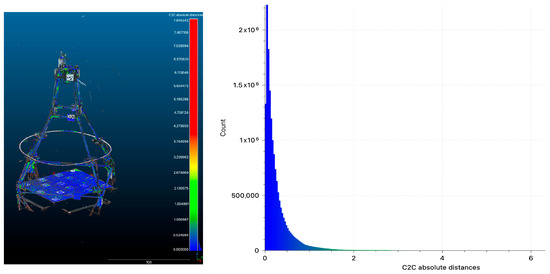
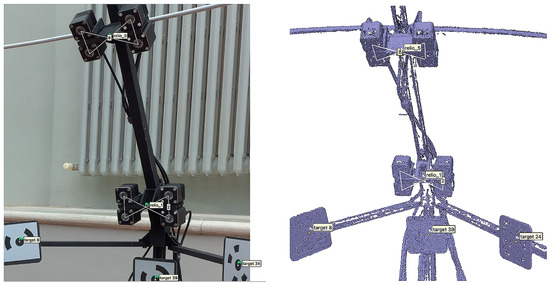
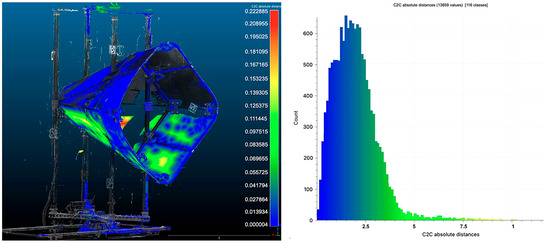
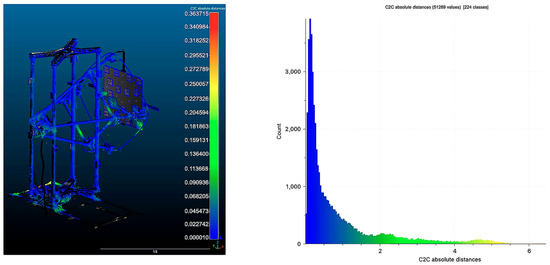
Photometric Stereo Techniques for the 3D Reconstruction of Paintings and Drawings Through the Measurement of Custom-Built Repro Stands
by
Marco Gaiani, Elisa Angeletti and Simone Garagnani
Heritage 2025, 8(4), 129; https://doi.org/10.3390/heritage8040129 - 3 Apr 2025
Abstract
►▼
Show Figures
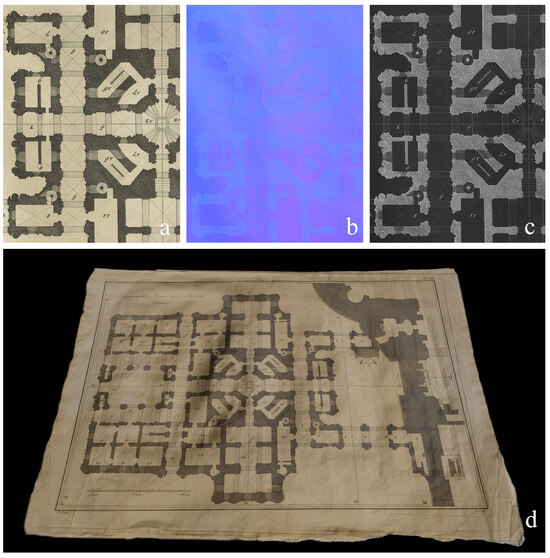
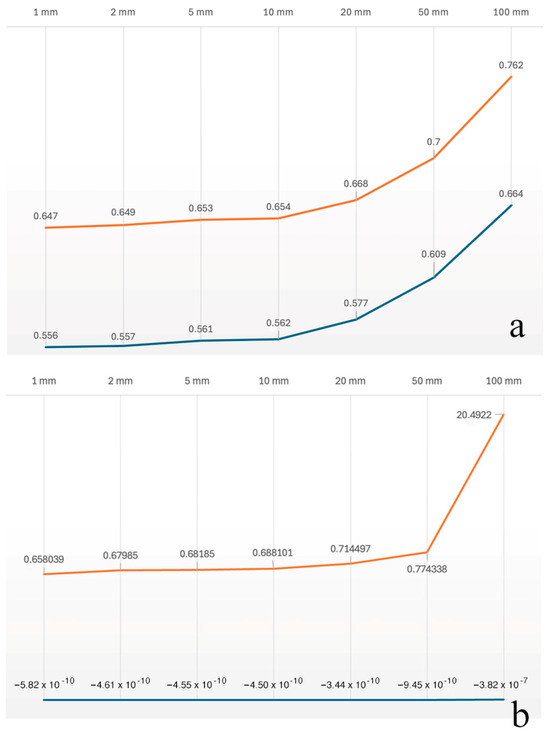
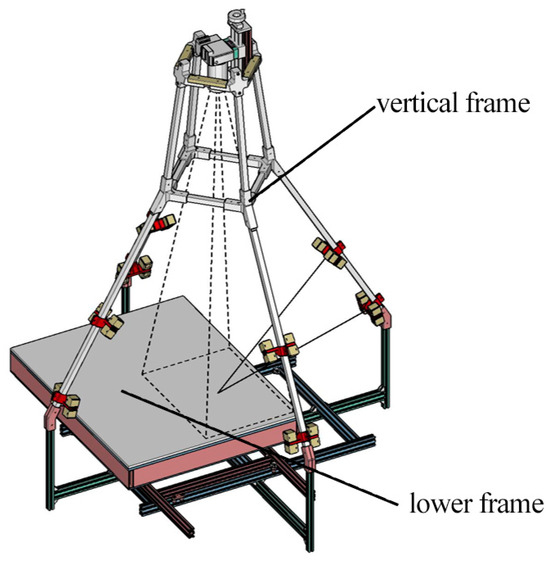
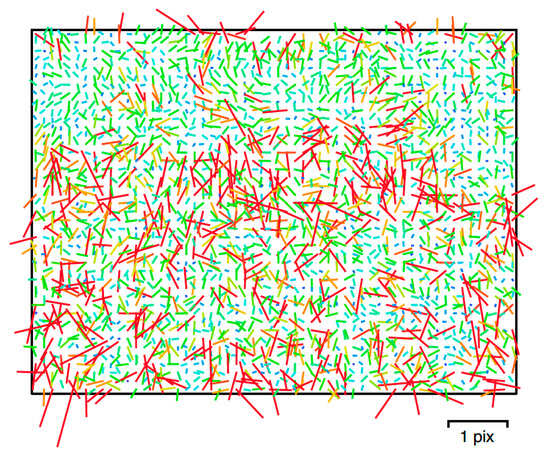
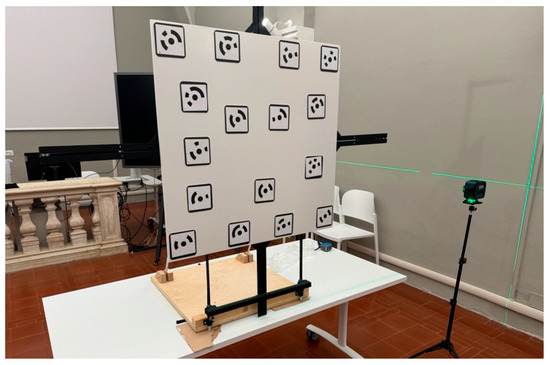
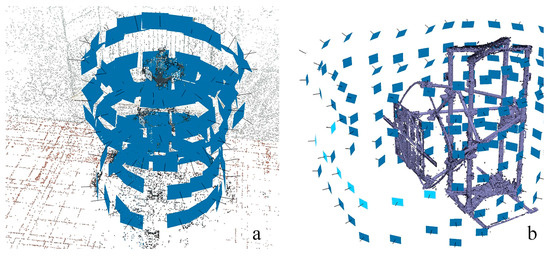
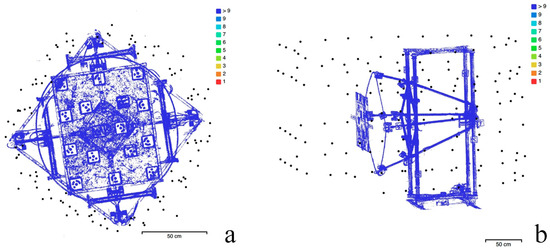
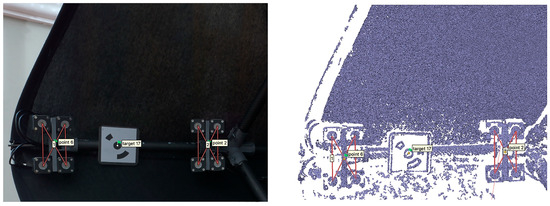
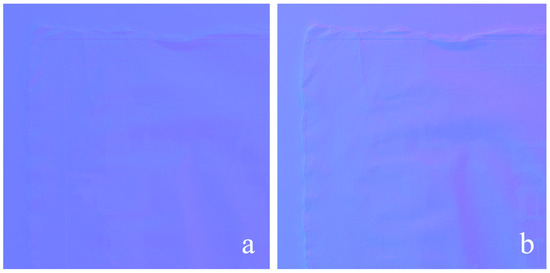
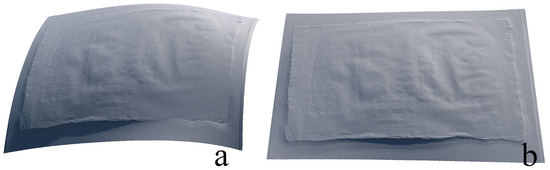
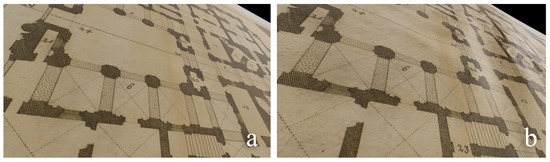
In the digital 3D reconstruction of the shapes and surface reflectance of ancient paintings and drawings using Photometric Stereo (PS) techniques, normal integration is a key step. However, difficulties in locating light sources, non-Lambertian surfaces, and shadows make the results of this step
[...] Read more.
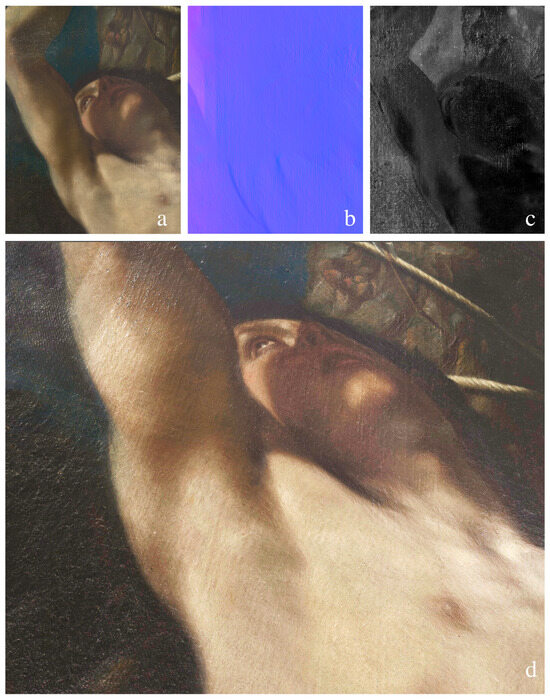
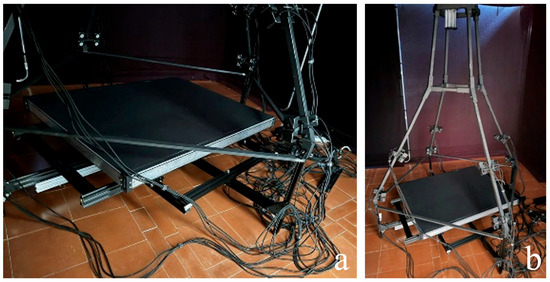
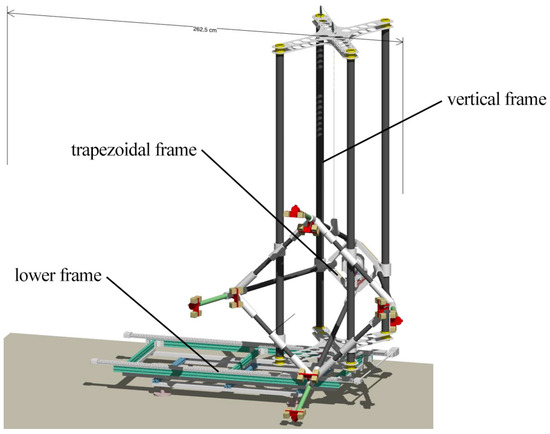
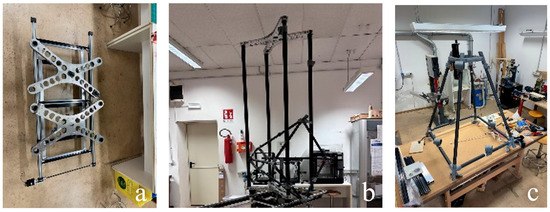
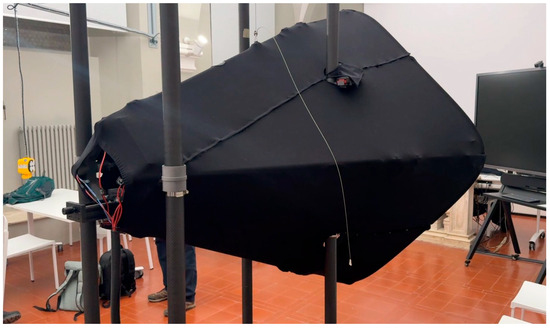
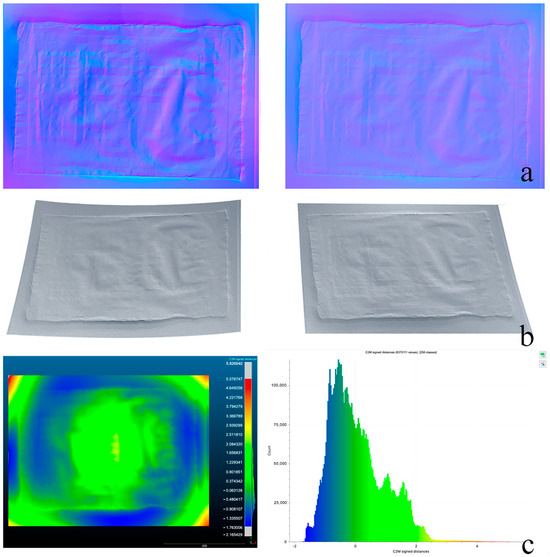
In the digital 3D reconstruction of the shapes and surface reflectance of ancient paintings and drawings using Photometric Stereo (PS) techniques, normal integration is a key step. However, difficulties in locating light sources, non-Lambertian surfaces, and shadows make the results of this step inaccurate for such artworks. This paper presents a solution for PS to overcome this problem based on some enhancement of the normal integration process and the accurate measurement of Points of Interest (PoIs). The mutual positions of the LED lights, the camera sensor, and the acquisition plane in two custom-designed stands, are measured in laboratory as a system calibration of the 3D acquisition workflow. After an introduction to the requirements and critical issues arising from the practical application of PS techniques to artworks, and a description of the newly developed PS solution, the measurement process is explained in detail. Finally, results are presented showing how the normal maps and 3D meshes generated using the measured PoIs’ positions, and further minimized using image processing techniques, which significantly limits outliers and improves the visual fidelity of digitized artworks.
Full article

Figure 1
Open AccessArticle
The Use and Deterioration of Intumescent Fire-Retardant Paint on Louise Nevelson’s Erol Beker Chapel of the Good Shepherd
by
Lora V. Angelova, Aaron Shugar, Christopher A. Maines, Satoko Tanimoto, Martha Singer, Jean Dommermuth, Hannah Duggan, Teresa T. Duncan, Adam C. Finnefrock and Jennifer L. Mass
Heritage 2025, 8(4), 128; https://doi.org/10.3390/heritage8040128 - 3 Apr 2025
Abstract
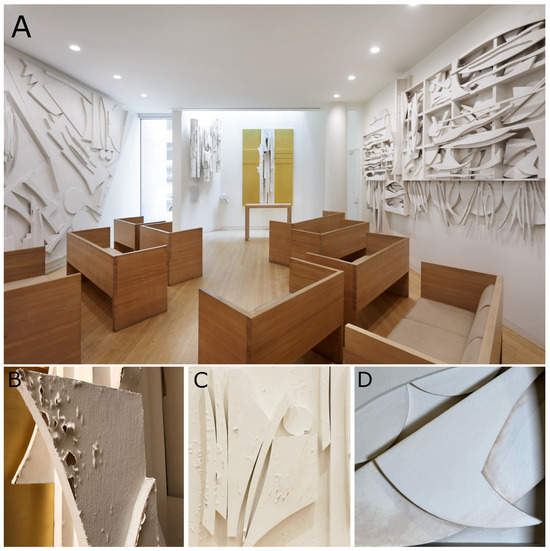
Louise Nevelson’s Erol Beker Chapel of the Good Shepherd (1977) is a sculptural environment consisting of wooden sculptures painted a monochromatic white color. The paints show signs of degradation including cracking, chipping, peeling, and the formation of blisters and powdery efflorescence. A significant
[...] Read more.
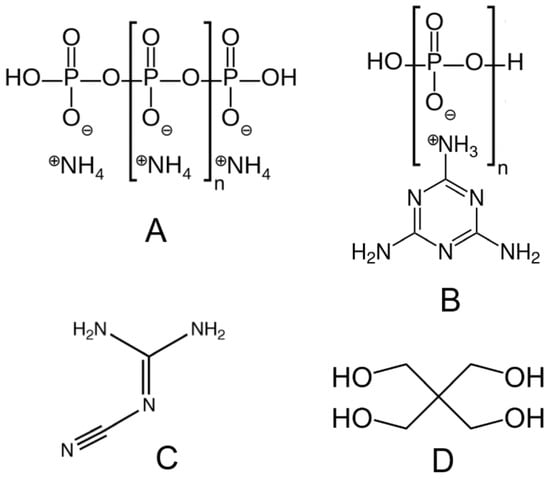
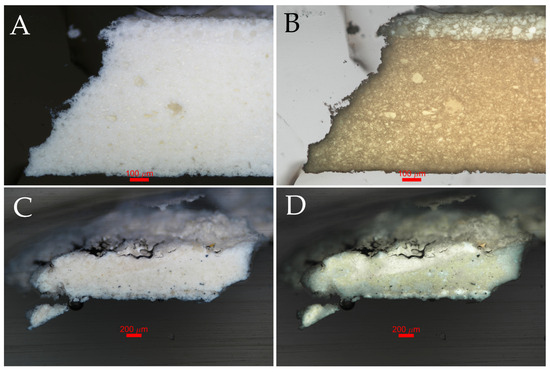
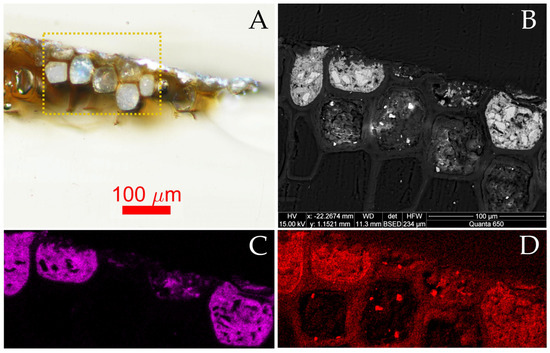
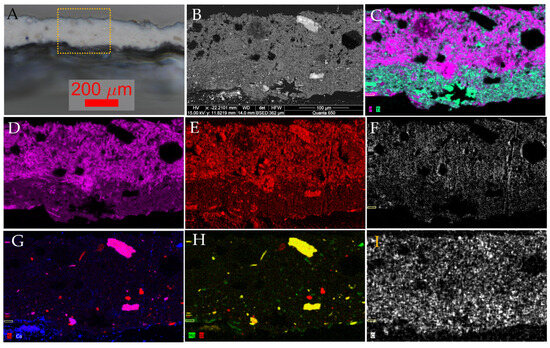
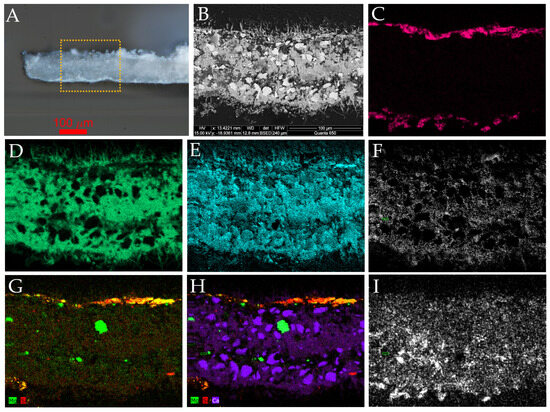
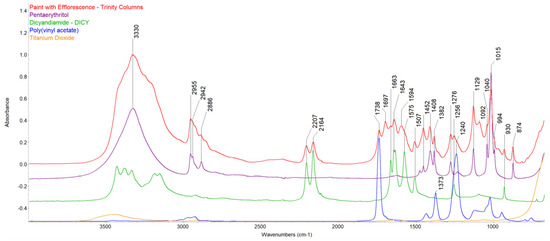
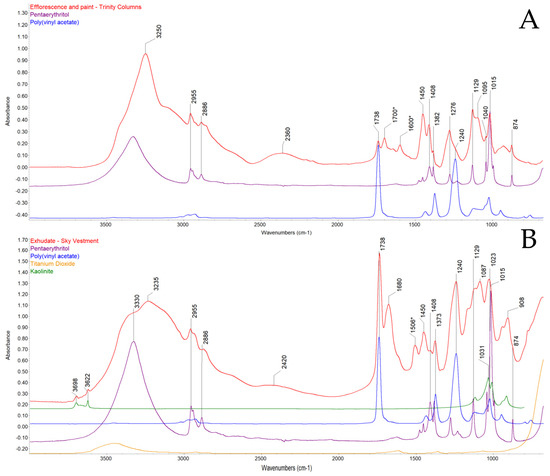
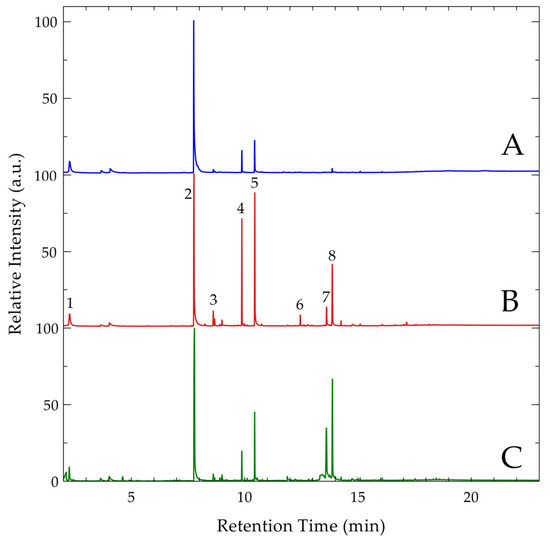
Louise Nevelson’s Erol Beker Chapel of the Good Shepherd (1977) is a sculptural environment consisting of wooden sculptures painted a monochromatic white color. The paints show signs of degradation including cracking, chipping, peeling, and the formation of blisters and powdery efflorescence. A significant amount of pentaerythritol (PER) detected during a former analysis was concluded to originate from an alkyd paint. We show that the PER originates from the PVAc paint on the sculptures, which we have determined to be an intumescent, fire-retardant (IFR) coating. IFR paints and coatings are functional materials designed specifically to delay the combustion of their substrate. At least one other sculpture by Louise Nevelson is known to have been painted with an IFR coating. Our analyses by Fourier transform infrared spectroscopy (FTIR), scanning electron microscopy with energy dispersive X-ray spectroscopy (SEM-EDX), pyrolysis–gas chromatography/mass spectrometry (Py-GCMS), and cross-section microscopy show the presence and distribution of common IFR additives including PER, dicyandiamide, melamine, inositol, ethylenediamine, and phosphates. These are present throughout the PVAc paint and are enriched in the powdery efflorescence. In addition, the degradation behavior of the paint is typical for IFR coating systems that have been exposed to uncontrolled environmental conditions and especially high humidity events.
Full article
(This article belongs to the Special Issue Molecular Spectroscopy in Art and Archaeology)
►▼
Show Figures

Figure 1
Open AccessArticle
Governance Strategies for the Management of Museums and Heritage Institutions
by
Héctor Moreno Mendoza and Agustín Santana Talavera
Heritage 2025, 8(4), 127; https://doi.org/10.3390/heritage8040127 - 1 Apr 2025
Abstract
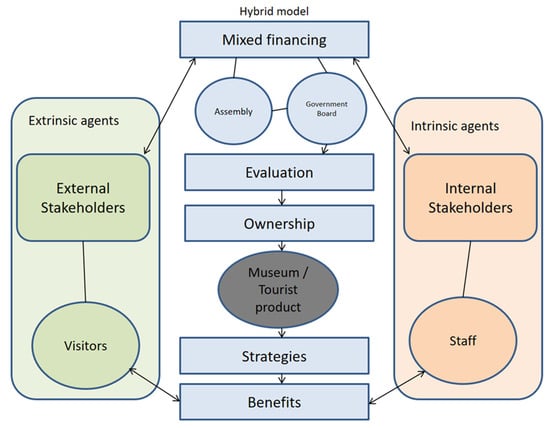
The management of museums and cultural heritage institutions requires a collaborative approach that involves diverse actors in decision-making. This study analyses four models of cultural management (dependent, autonomous, non-profit, and private) through case studies on the island of Gran Canaria, highlighting their advantages
[...] Read more.
The management of museums and cultural heritage institutions requires a collaborative approach that involves diverse actors in decision-making. This study analyses four models of cultural management (dependent, autonomous, non-profit, and private) through case studies on the island of Gran Canaria, highlighting their advantages and limitations. As a result, a hybrid model of governance is proposed that integrates elements of the public, private, and social sectors, promoting the active participation of all stakeholders. However, the implementation of this model faces challenges such as resistance to change on the part of some institutions, the difficulty of coordinating divergent interests between public and private actors, and the need to establish regulatory frameworks that facilitate collaboration without compromising heritage conservation. Despite these obstacles, this approach seeks to improve the sustainability, efficiency, and adaptability of heritage institutions to contemporary tourism and conservation challenges.
Full article
(This article belongs to the Topic (World) Heritage Sites and Values in Danger: Climate-Change Related Challenges and Transformation)
►▼
Show Figures

Figure 1
Open AccessArticle
Combining Digital Heritage and Design Thinking: A Methodological Bridge Between Research and Practice for Inner Areas Regeneration
by
Ramona Quattrini, Maddalena Ferretti and Benedetta Di Leo
Heritage 2025, 8(4), 126; https://doi.org/10.3390/heritage8040126 - 1 Apr 2025
Abstract
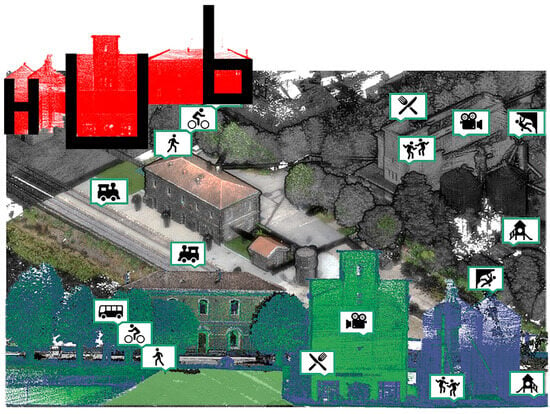
This article explores the methodological framework and examines the learning and scientific outcomes of a workshop activity centred on the innovative integration of digital heritage approaches with design thinking methodologies. The workshop was developed in the Italian central Apennines and it investigated the
[...] Read more.
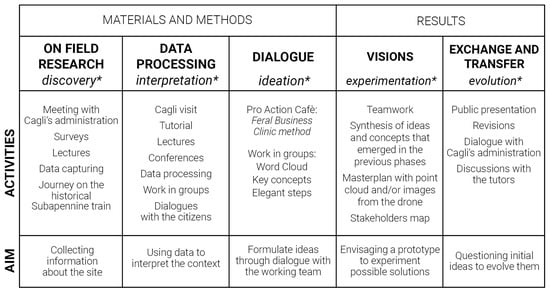
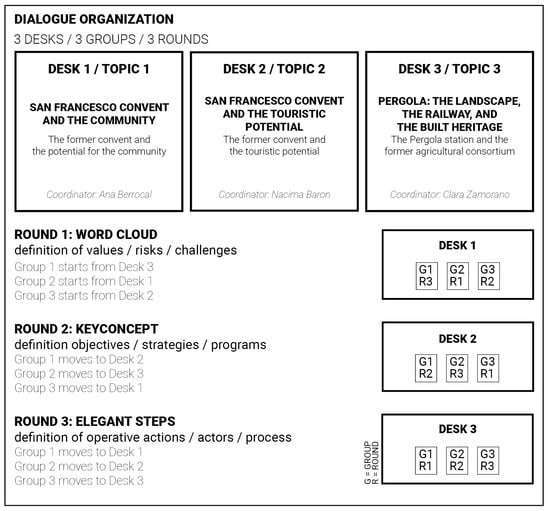
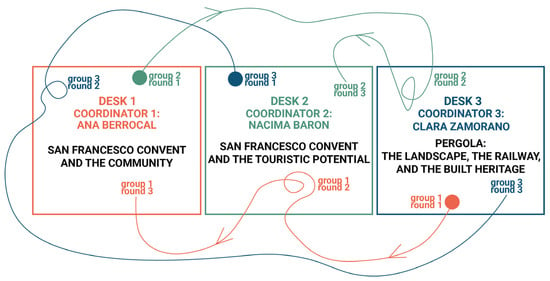
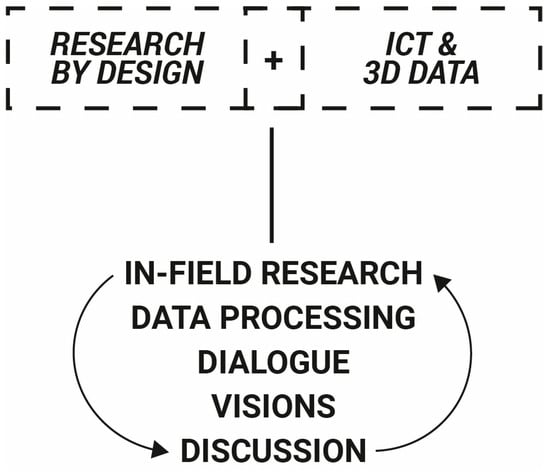
This article explores the methodological framework and examines the learning and scientific outcomes of a workshop activity centred on the innovative integration of digital heritage approaches with design thinking methodologies. The workshop was developed in the Italian central Apennines and it investigated the design implications of working on heritage contexts in marginal areas using innovative digital tools, as well as the impact of this approach on the community. The activities engaged international students and professors, employed a multidisciplinary, transdisciplinary, and trans-scalar approach encompassing field research, data processing, dialogue, and collaborative visioning. The findings are both methodological and thematic. Methodologically, the workshop introduced a novel approach to architectural education by integrating digitalization in the design process and by fostering an urban vision that bridges research with local needs. Thematically, the outputs explore new uses for “potential spaces”, sustainable mobility, heritage-led strategies, and tourism, emphasizing community involvement. The workshop’s originality lies in its cognitive, narrative, and design processes, where digital data are part of the creative process. Despite the workshop’s compressed timeline, it successfully fostered creative thinking and practical solutions, demonstrating the value of intense, interdisciplinary collaborative visioning for heritage regeneration. The workshop’s broader implications include potential spin-offs into future community engagement and knowledge-transfer activities, highlighting its social and practical relevance.
Full article
(This article belongs to the Section Architectural Heritage)
►▼
Show Figures

Figure 1
Open AccessArticle
The Evolving Landscape of Inquiry: Climate’s Growing Importance in Reconstructing Ancient China
by
Yitzchak Jaffe, Andrew Womack and Anke Hein
Heritage 2025, 8(4), 125; https://doi.org/10.3390/heritage8040125 - 31 Mar 2025
Abstract
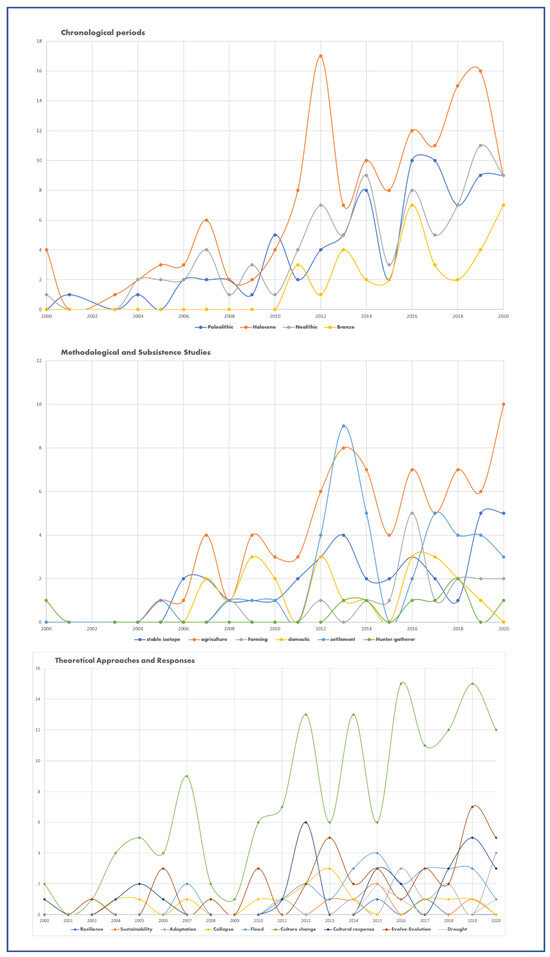
This paper examines the growth of climate change discussions in narratives concerning the development and evolution of human societies in Ancient China over the past two decades. This shift reflects climate’s ascension from a marginal factor to a central player in reconstructions of
[...] Read more.
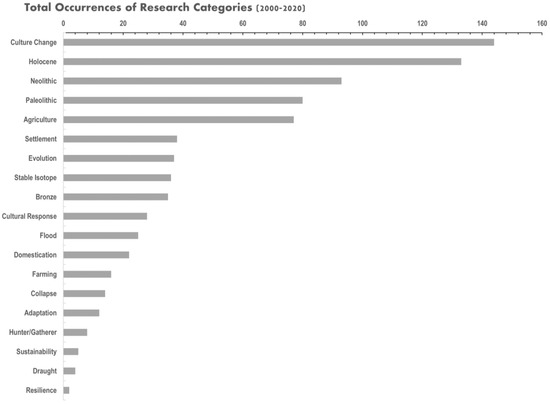
This paper examines the growth of climate change discussions in narratives concerning the development and evolution of human societies in Ancient China over the past two decades. This shift reflects climate’s ascension from a marginal factor to a central player in reconstructions of past human actions and societies. We provide an overview of the expanding research on ancient human–climate interactions in China’s prehistory and early history, emphasizing the increasing importance attached to climate as a major player in the rise and, significantly, the collapse of these societies. Through a meta-analysis of publication trends in the last two decades, we identify the chronological periods and topics where climate has come to be interpreted as having a notable impact.
Full article
(This article belongs to the Special Issue The Archaeology of Climate Change)
►▼
Show Figures

Figure 1
Open AccessArticle
Microclimate of the Natural History Museum, Vienna
by
Peter Brimblecombe, Alexander Bibl, Christian Fischer, Helmut Pristacz and Pascal Querner
Heritage 2025, 8(4), 124; https://doi.org/10.3390/heritage8040124 - 31 Mar 2025
Abstract
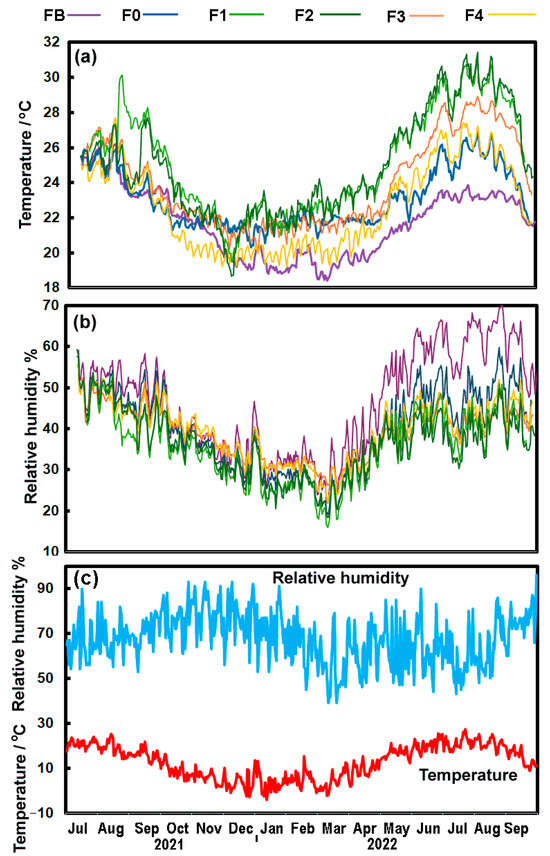
Climate change increases the importance of maintaining environmental conditions suitable for preventive conservation within museums. The microclimates at the Natural History Museum of Vienna, a large national collection housed within a classical building, were studied using >200 data loggers placed from mid 2021
[...] Read more.
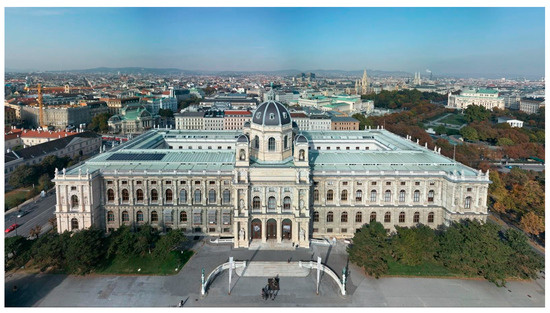
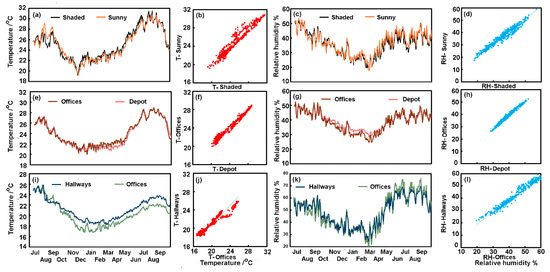
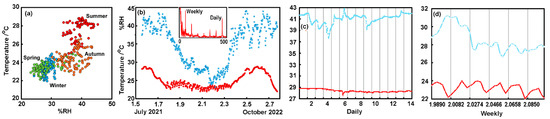
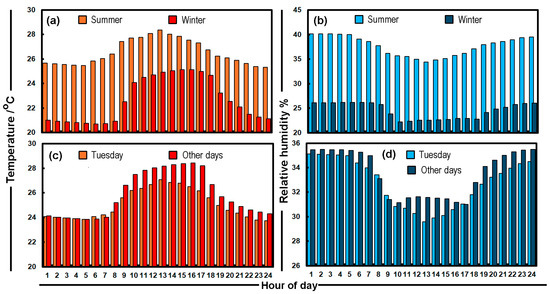
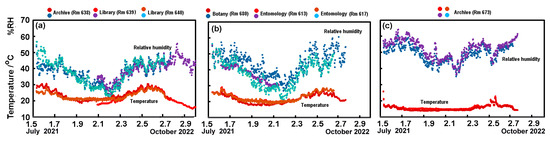
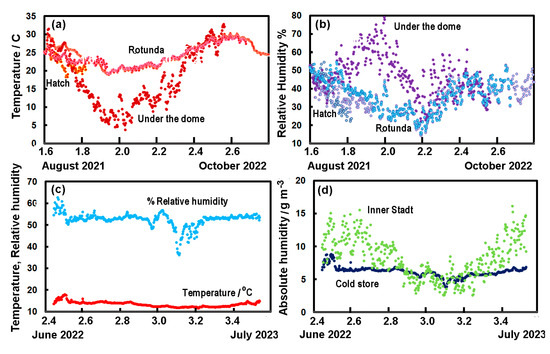
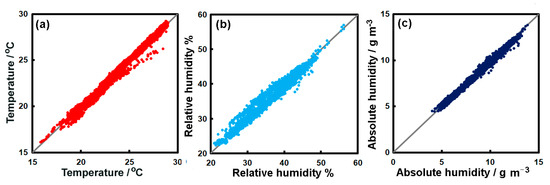
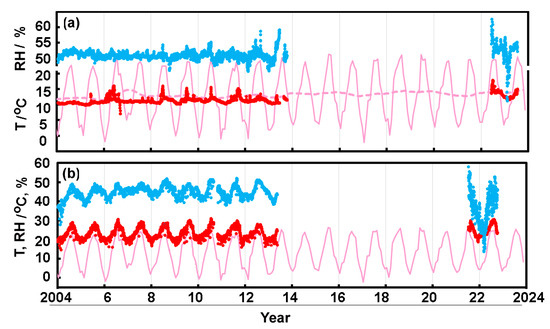
Climate change increases the importance of maintaining environmental conditions suitable for preventive conservation within museums. The microclimates at the Natural History Museum of Vienna, a large national collection housed within a classical building, were studied using >200 data loggers placed from mid 2021 to provide thermo-hygrometric measurements at 15 min intervals. Daily mean temperatures showed exhibition halls typically had the warmest rooms. This was due to the heating in winter and open windows on summer days. The halls can become even hotter than the outside temperature. In winter, most areas of the museum were very dry, as heating lowered the relative humidity, typically to 25–35% for the coldest season. Opening hours imposed daily and weekly cycles on the internal climate. There was little difference between sunny and shaded parts of the building or adjacent offices, corridors and depots. Similarly, the microclimate at the floor resembled that of the room air some ~2 m above. Mechanically controlled microclimates in cold storage areas maintained 10 °C and relative humidity ~50%, but this had become increasingly difficult in hot summers. While there was little apparent damage to the collection, at times, the museum had an extreme indoor climate: very hot in the summer and dry in the winter.
Full article
(This article belongs to the Special Issue Microclimate in Heritage)
►▼
Show Figures

Figure 1
Open AccessArticle
From Thermal City to Well-Being Landscape: A Proposal for the UNESCO Heritage Site of Pineta Park in Montecatini Terme
by
Maria Stella Lux and Julia Nerantzia Tzortzi
Heritage 2025, 8(4), 123; https://doi.org/10.3390/heritage8040123 - 31 Mar 2025
Abstract
►▼
Show Figures
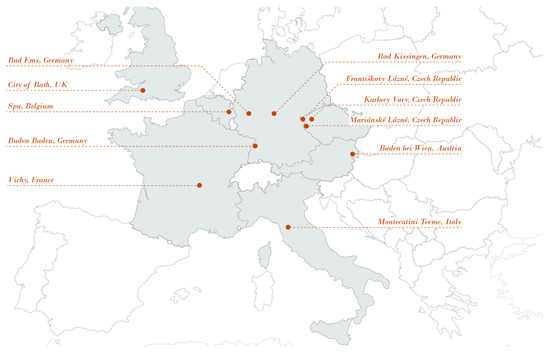
Thermal cities represent a valuable example of cultural heritage as an expression of territorial relationships, reflecting the interplay between the physical characteristics of the landscape and human creativity. Their cultural value was recognized with the inscription of 11 spa towns in the UNESCO
[...] Read more.
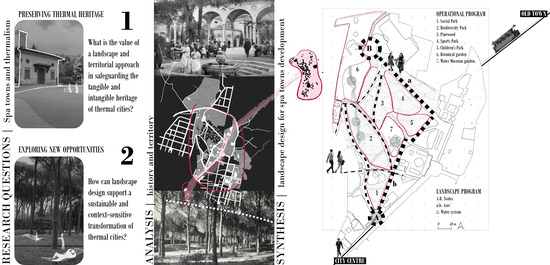
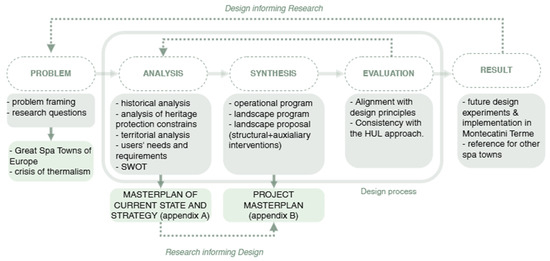
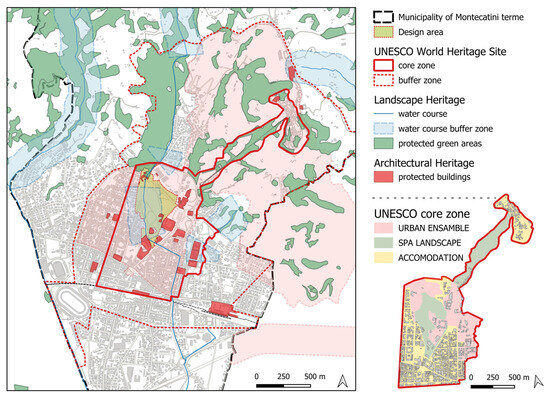
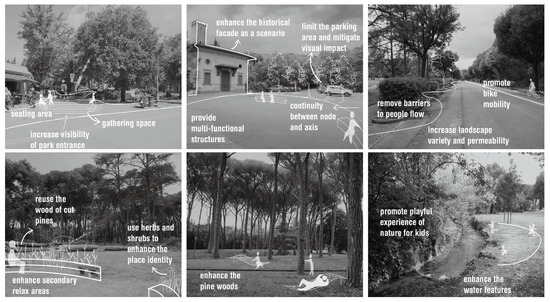
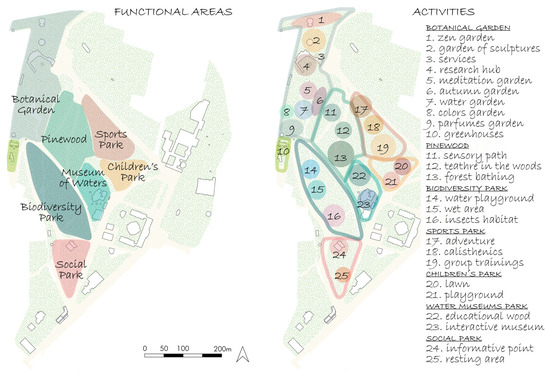
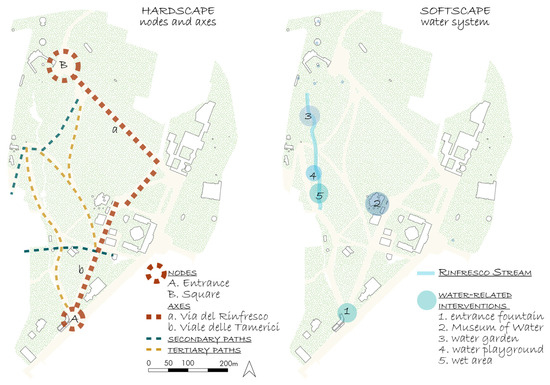
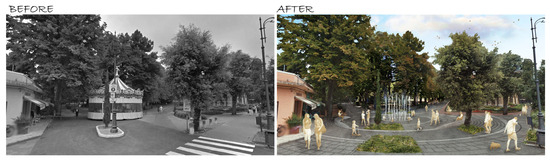
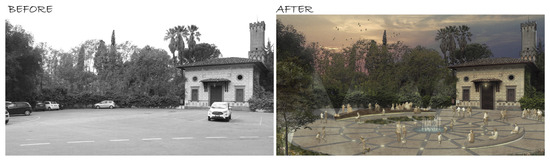
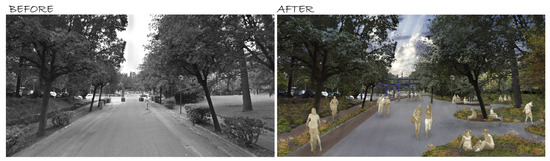
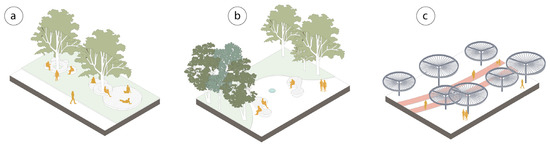
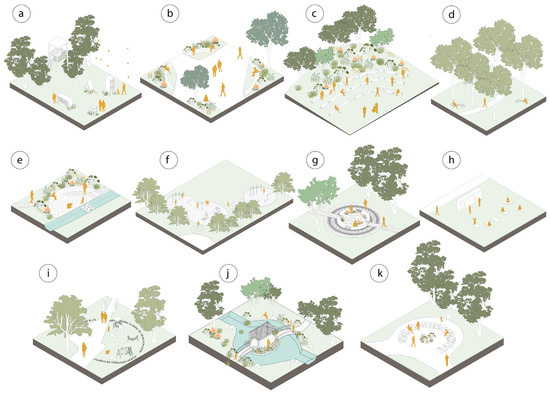
Thermal cities represent a valuable example of cultural heritage as an expression of territorial relationships, reflecting the interplay between the physical characteristics of the landscape and human creativity. Their cultural value was recognized with the inscription of 11 spa towns in the UNESCO World Heritage List in 2021. However, since the late 20th century, shifting economic and social conditions have led to a widespread crisis in thermal tourism, resulting in abandonment and degradation. So far, this issue has been primarily addressed through tourism and economic models, largely neglecting the landscape perspective. This article, instead, argues that a landscape-based approach is essential for understanding the complexity of the problem and for providing sustainable solutions. The paper seeks to answer two research questions: (i) the first concerns the role of landscape design within the conservation framework of thermal heritage; (ii) the second addresses the creation of new values and opportunities, investigating how landscape design can support a sustainable and context-sensitive transformation of thermal cities. The study adopts the Research-through-Design (RTD) methodology and takes advantage of the landscape design proposal developed for Montecatini Terme, in Italy, as an opportunity to explore the broader issue of rethinking traditional spa towns in crisis. As a result of this design and research experience, it is argued that landscape design plays a crucial role in establishing an integrated system capable of supporting the sustainable development of spa towns and recommendations for decision-makers are provided.
Full article

Graphical abstract
Open AccessArticle
Mycenaean Vitreous Artifacts: Overcoming Taxonomy Hurdles via Macro-XRF Analysis
by
Artemios Oikonomou, Maria Kaparou, Anastasios Asvestas, Kalliopi Tsampa, Ourania Kordali, Konstantinos Nikolentzos, Katia Manteli, Aikaterini Voutsa, Georgianna Moraitou, Dimitrios F. Anagnostopoulos and Andreas G. Karydas
Heritage 2025, 8(4), 122; https://doi.org/10.3390/heritage8040122 - 31 Mar 2025
Abstract
Mycenaean glass artifacts, such as beads and relief plaques, are highly susceptible to degradation, which can significantly modify their visual attributes and pose classification challenges. Corrosion on glass and faience artifacts has often led to misinterpretation, since the visual manifestations of degradation can
[...] Read more.
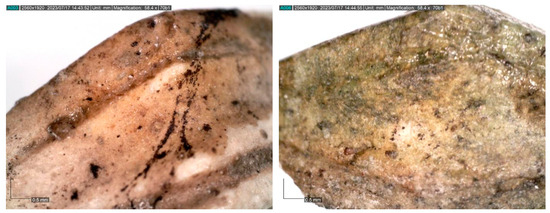
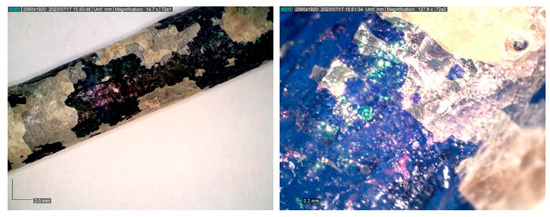
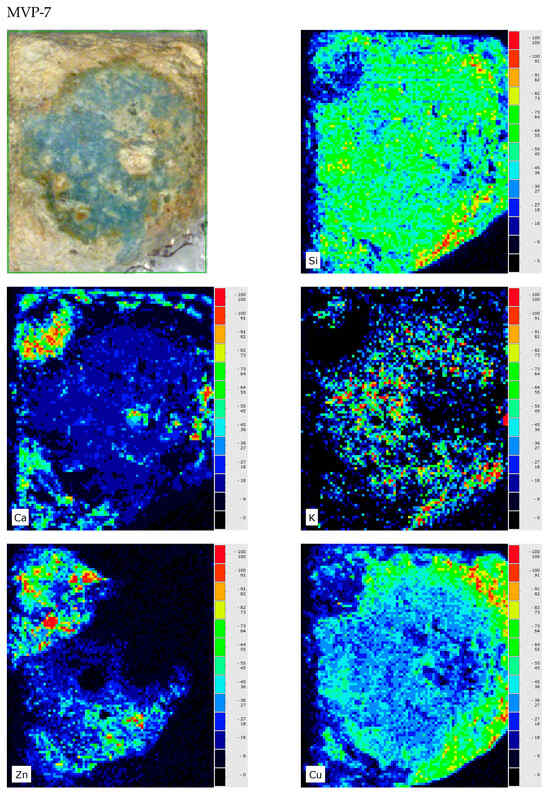
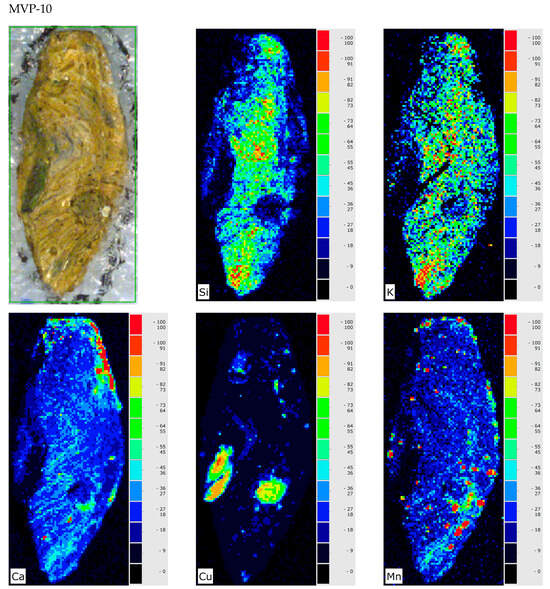
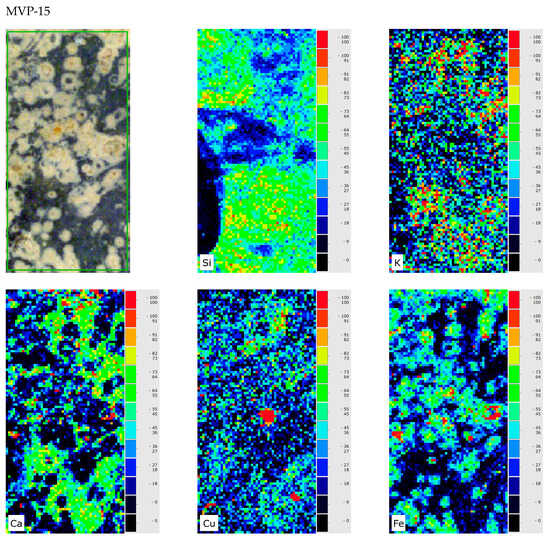
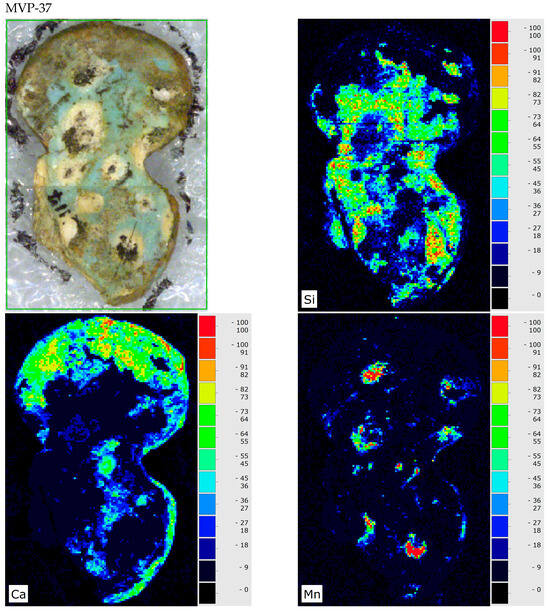
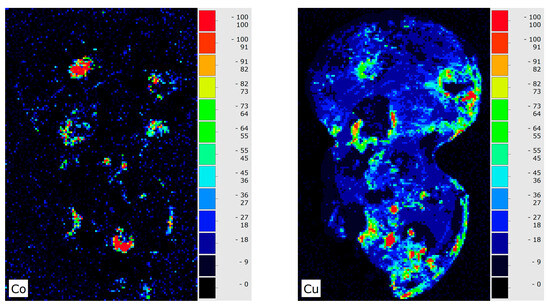
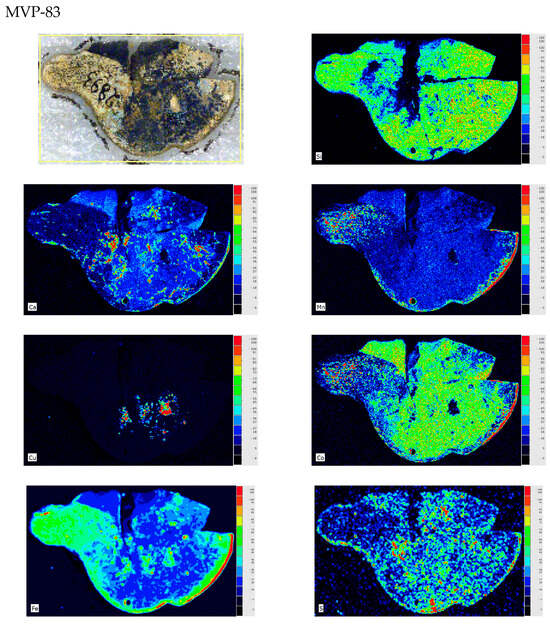
Mycenaean glass artifacts, such as beads and relief plaques, are highly susceptible to degradation, which can significantly modify their visual attributes and pose classification challenges. Corrosion on glass and faience artifacts has often led to misinterpretation, since the visual manifestations of degradation can be similar for both materials, impacting research conclusions. This paper presents a segment of a broader study conducted within the Myc-MVP project, utilizing advanced scientific methods to analyze the compositional changes in corroded vitreous artifacts. Through Macro-X-ray Fluorescence (MA-XRF) and LED microscopy, we aim to understand the correlation between compositional alterations and visual degradation manifestations. The use of MA- XRF was particularly crucial for non-destructively mapping the elemental distribution over large surfaces, allowing for a more comprehensive analysis of corrosion patterns. The results presented in this study are from a subset of artifacts examined using MA- XRF, highlighting critical insights into the spatial compositional shifts that contribute to visible deterioration. This paper discusses the first real-life contribution of Macro X-ray Fluorescence (MA-XRF) imaging to mapping the spatial compositional changes that occur when Mycenaean vitreous materials undergo degradation, yielding visible deterioration. MA-XRF scanning offers a fully non-invasive and non-destructive method for recording compositional data across the entire surface of an object. The results can be visualized as distribution images, which are more accessible and interpretable for a broader audience compared to the spectra generated by traditional spectrometric techniques. These findings aspire to inform strategies for the accurate classification, effective management, appropriate conservation treatment, and long-term preservation of vitreous artifacts.
Full article
(This article belongs to the Section Archaeological Heritage)
►▼
Show Figures

Figure 1
Open AccessArticle
Regional Diversity of Buddhist Heritage Tourism in South Asia and Southeast Asia
by
Kiran Shinde
Heritage 2025, 8(4), 121; https://doi.org/10.3390/heritage8040121 - 30 Mar 2025
Abstract
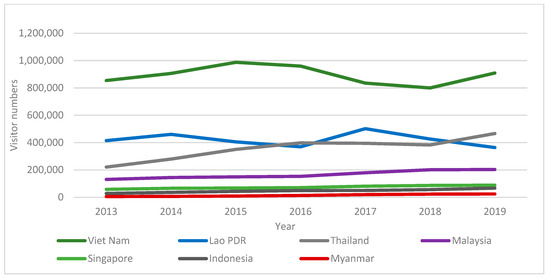
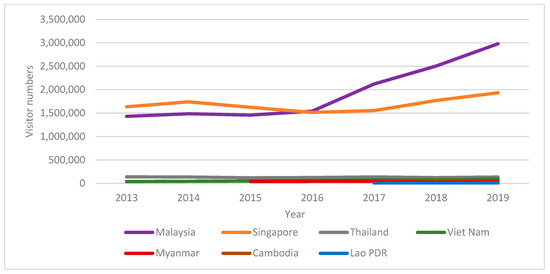
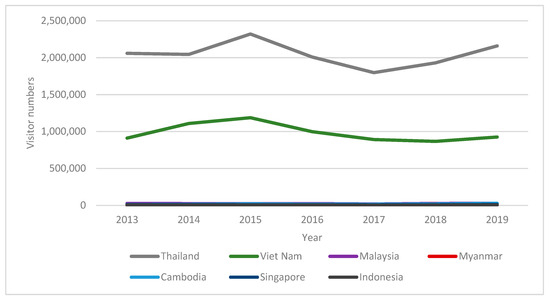
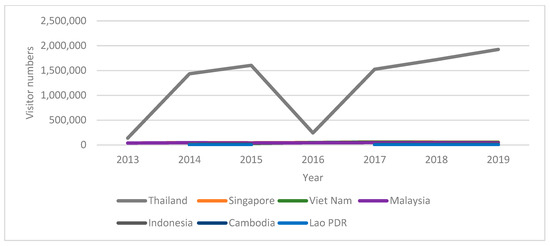
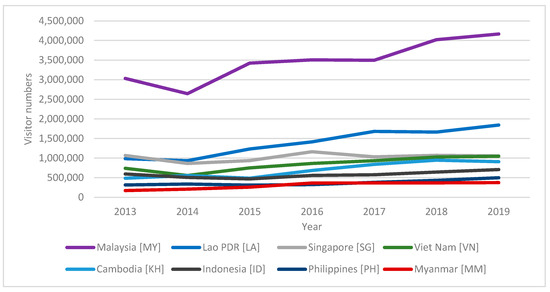
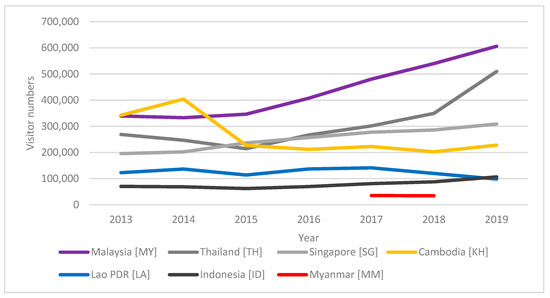
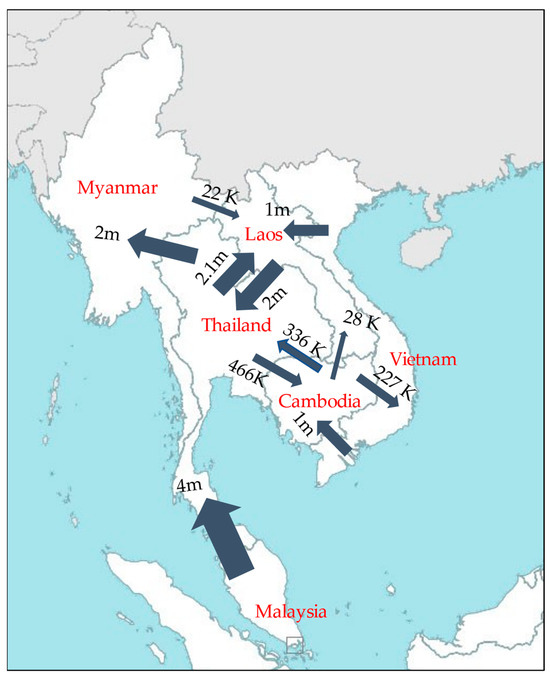
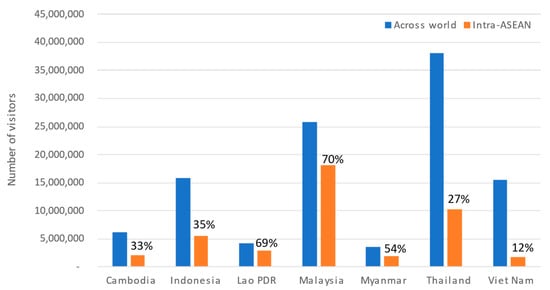
This paper examines the regional diversity in Buddhist heritage and its use for tourism in Asia, more specifically, South Asia and Southeast Asia. Based on an analysis of secondary sources and data from national tourism organisations, it illustrates inter-regional and intra-regional aspects of
[...] Read more.
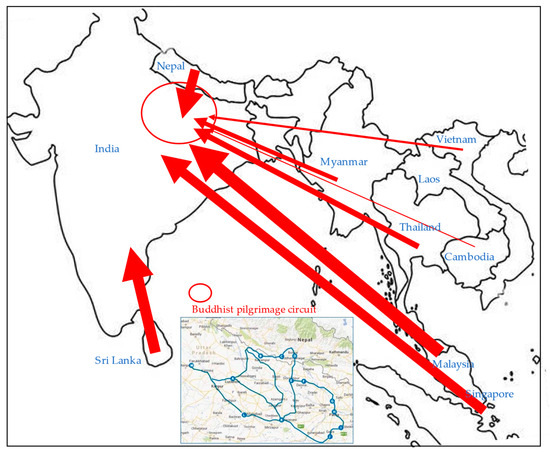
This paper examines the regional diversity in Buddhist heritage and its use for tourism in Asia, more specifically, South Asia and Southeast Asia. Based on an analysis of secondary sources and data from national tourism organisations, it illustrates inter-regional and intra-regional aspects of tourism related to Buddhist heritage. It is found that in spite of their archaeological nature, Buddhist sites in South Asia are converging points for Buddhist tourism, as these are directly related to the Buddha, and many international Buddhist monasteries enliven them with transnational Buddhist practice. Whereas in Southeast Asia, Buddhism is more of a cultural landscape that pervades from the village-level practice of Buddhism to monumental places dedicated to Buddha, which collectively form a major resource for cultural tourism. This paper argues that regional connections and religious and cultural similarities of Buddhist heritage in countries of Southeast Asia contribute to the cultural distinctiveness in the Asian paradigm that can foster sustainable development of tourism in the region.
Full article
(This article belongs to the Section Cultural Heritage)
►▼
Show Figures

Figure 1
Open AccessReview
A Review of Terminologies and Methodologies for Evaluating Conservation Interventions
by
Aurora Cairoli, Margherita Zucchelli and Elisabetta Zendri
Heritage 2025, 8(4), 120; https://doi.org/10.3390/heritage8040120 - 29 Mar 2025
Abstract
The main purpose of the review is to analyze the terminology and methodologies for conservation treatment in cultural heritage conservation, in particular, to define key terminology (such as quality, compatibility, efficacy, and durability); to identify methodologies for assessing conservation interventions; to examine case
[...] Read more.
The main purpose of the review is to analyze the terminology and methodologies for conservation treatment in cultural heritage conservation, in particular, to define key terminology (such as quality, compatibility, efficacy, and durability); to identify methodologies for assessing conservation interventions; to examine case studies where these assessment techniques have been applied. A summary of the various definitions of terms such as quality, compatibility, efficacy and durability found in the literature is provided. This is followed by a presentation of some theoretical approaches found in the literature on how to evaluate different aspects of conservation interventions. Some more practical examples are then considered, with a focus on mural paintings. Finally, the importance of monitoring interventions over time in the context of preventive conservation is highlighted. The present review emphasizes that key concepts such as compatibility, efficacy, and durability are inherently flexible and context-dependent, often overlapping and evolving according to cultural heritage typology, intervention methods, and environmental conditions.
Full article
Open AccessArticle
Metallographic Analyses of 19th-Century Steel Semi-Finished Products from Slovenia
by
Gašper Oitzl, Aleš Nagode, Žiga Cvek and Peter Fajfar
Heritage 2025, 8(4), 119; https://doi.org/10.3390/heritage8040119 - 27 Mar 2025
Abstract
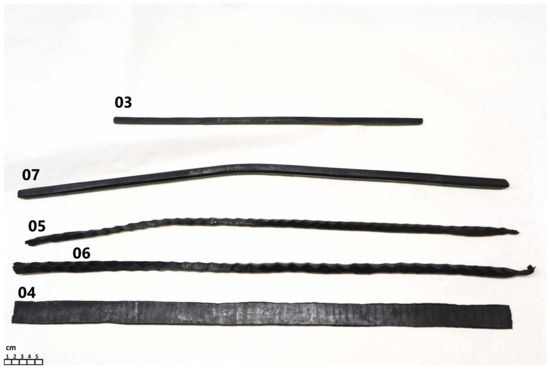
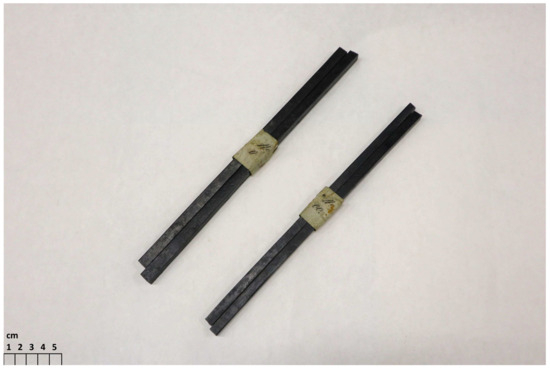
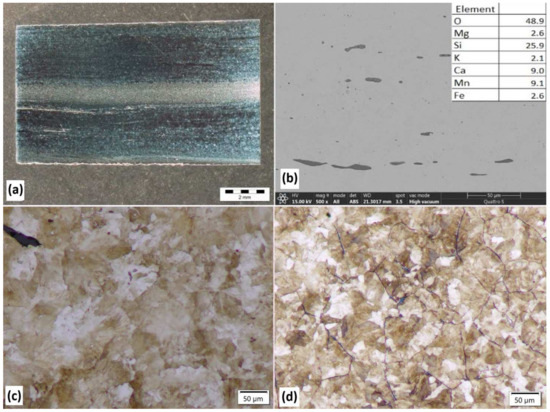
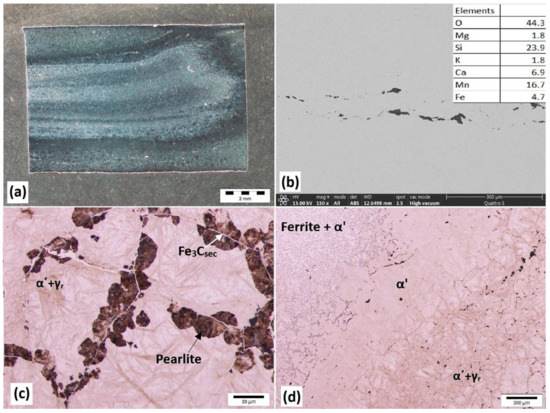
This pioneering study examines metallographic characteristics of 19th-century steel semi-finished products, kept by the National Museum of Slovenia. These artefacts, manufactured in pre-industrial ironworks in present-day Slovenia, reflect the craftsmanship and technological practices of their time. Metallographic analyses revealed significant microstructural variations within
[...] Read more.
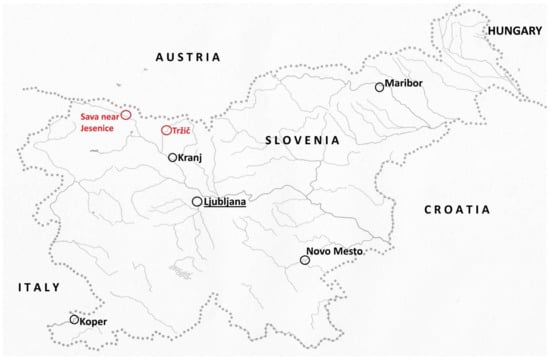
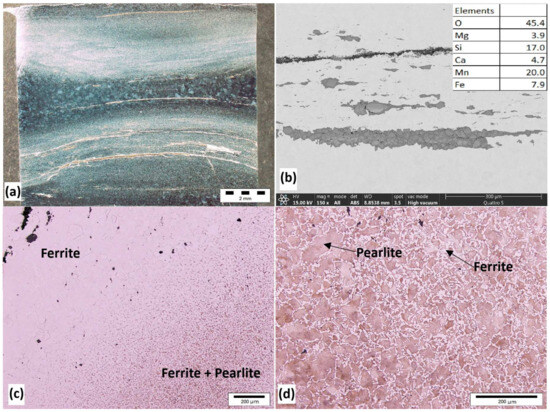
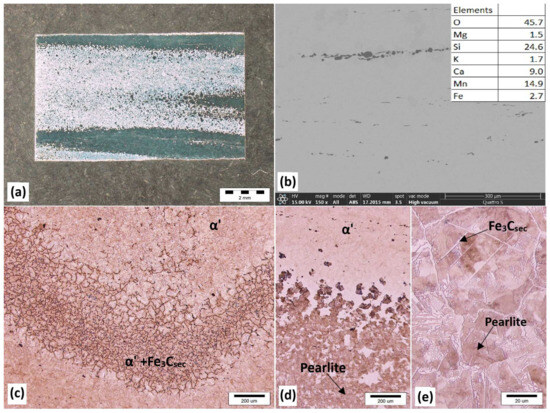
This pioneering study examines metallographic characteristics of 19th-century steel semi-finished products, kept by the National Museum of Slovenia. These artefacts, manufactured in pre-industrial ironworks in present-day Slovenia, reflect the craftsmanship and technological practices of their time. Metallographic analyses revealed significant microstructural variations within individual samples, attributed to differences in carbon content, cooling rates, and forging techniques. All samples contain non-metallic inclusions composed of Si, Mn, and other oxide-forming elements. The results indicate that the semi-finished products were often manufactured by combining steels with varying carbon contents and were sometimes hardened. Additionally, this study highlights correlations between the metallurgical properties of the analysed materials and their historical classification as “iron” or “steel”.
Full article
(This article belongs to the Special Issue Metals in Heritage Science—2nd Edition)
►▼
Show Figures

Figure 1
Open AccessArticle
Multimodal Imaging for Wooden Panel Painting Analysis: Consegna della regola Francescana by Colantonio, a Case Study
by
Chiara Saltarelli, Antimo Di Meo, Massimo Rippa, Vito Pagliarulo, Teresa Cacace and Melania Paturzo
Heritage 2025, 8(4), 118; https://doi.org/10.3390/heritage8040118 - 26 Mar 2025
Abstract
The development of advanced diagnostics tools for investigating artworks and monitoring their health state in a non-destructive way is a key point for their preservation and restoration. Non-invasive diagnostic approaches enable the identification of damage often hidden to restorers’ naked eyes, thereby facilitating
[...] Read more.
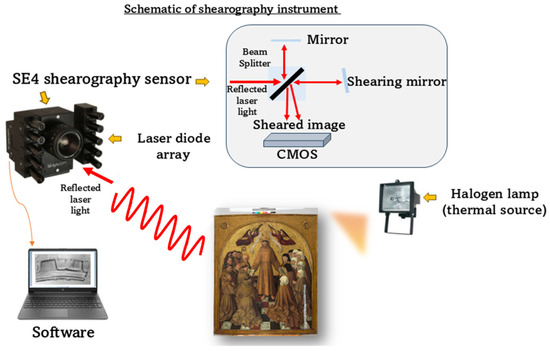
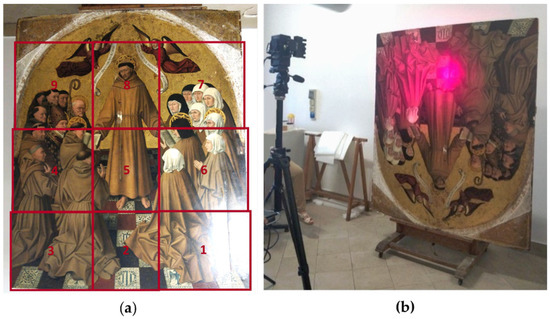
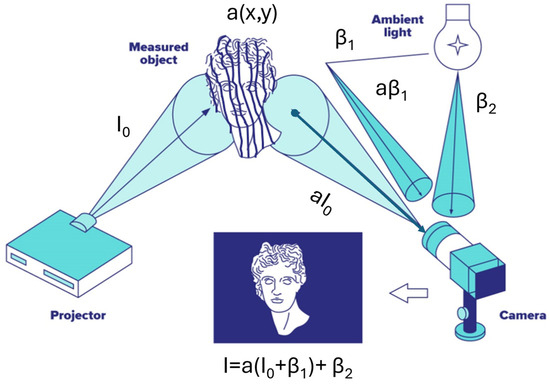
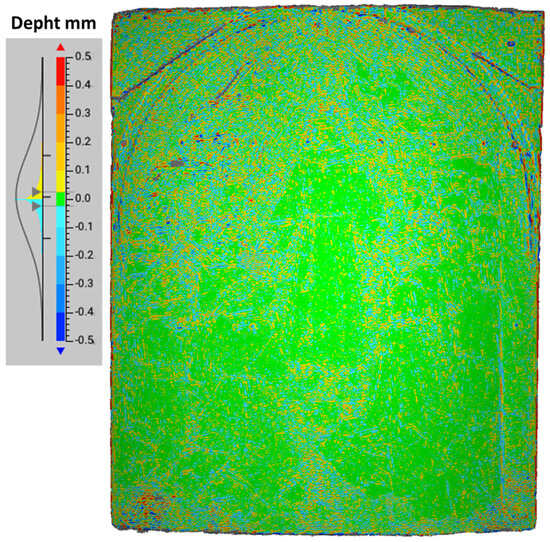
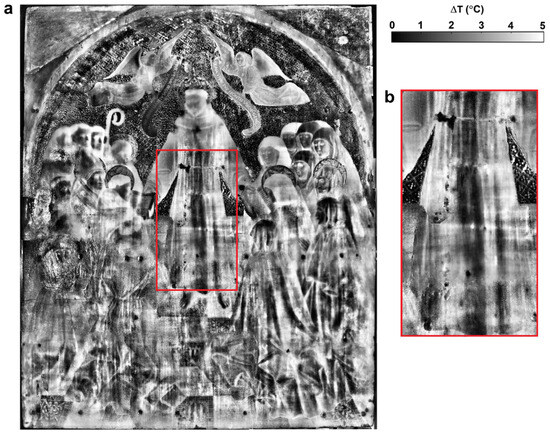
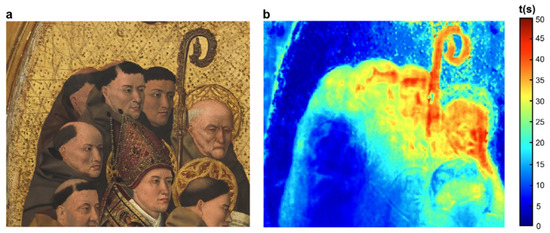
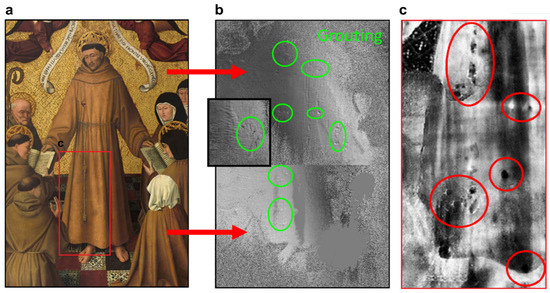
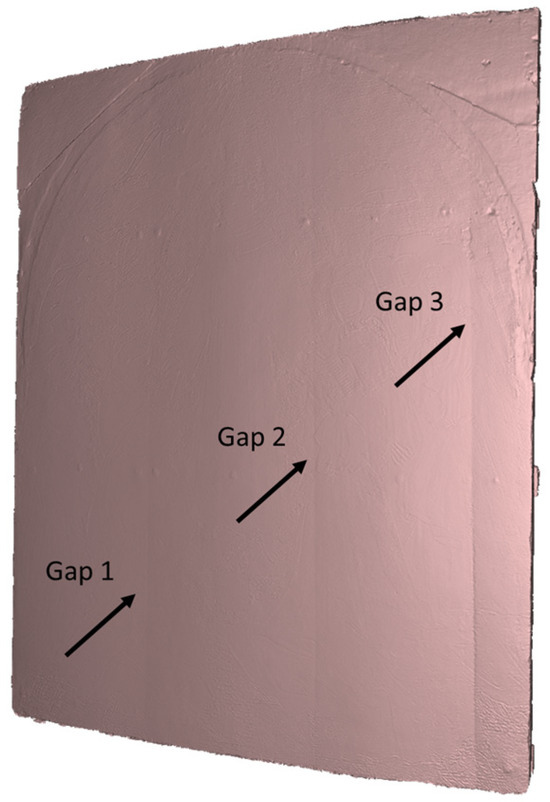
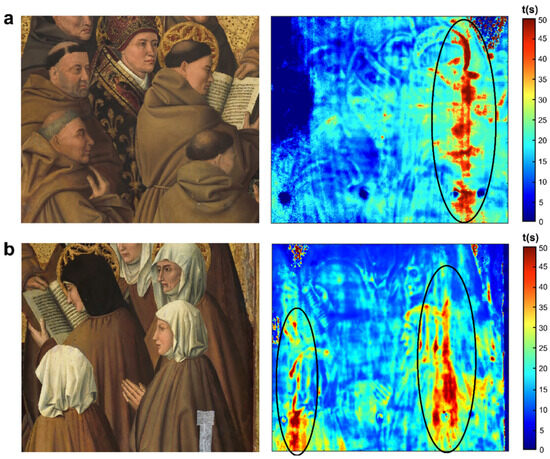
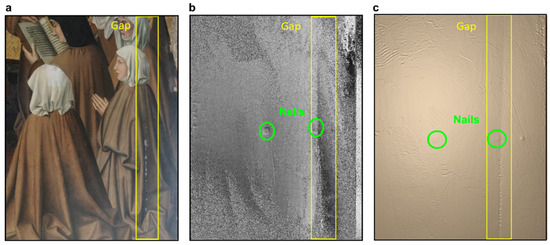
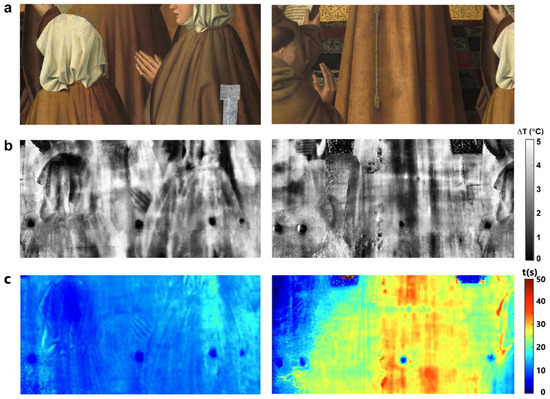
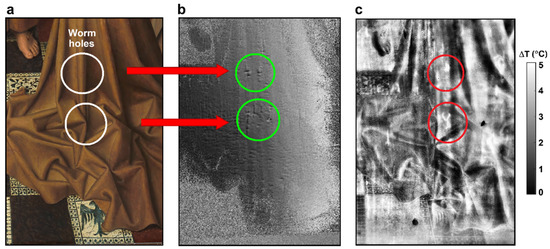
The development of advanced diagnostics tools for investigating artworks and monitoring their health state in a non-destructive way is a key point for their preservation and restoration. Non-invasive diagnostic approaches enable the identification of damage often hidden to restorers’ naked eyes, thereby facilitating the planning of appropriate restoration interventions. Here, the combined use of three full-field imaging techniques: shearography, thermography, and structured-light 3D scanning, has been employed as complementary tools for the diagnostics of a panel painting. As a case study, the artwork Consegna della regola Francescana, created by the Neapolitan painter Colantonio around 1445, was analyzed. The integrated application of the mentioned optical imaging techniques allows a comprehensive evaluation of the state of conservation of the work, revealing inserts, nails, and detachments. This synergistic approach also enhanced the interpretation of the results from each individual technique, offering a more complete understanding that would be unattainable with any single method alone.
Full article
(This article belongs to the Special Issue Advances in Non-invasive Multi-analytical Approaches for the Study of Painted Artworks)
►▼
Show Figures

Figure 1
Open AccessReview
From Data to Impact: Assessing the Value of Cultural Heritage in the Digital Age
by
Aleksandra Uzelac and Barbara Lovrinić Higgins
Heritage 2025, 8(4), 117; https://doi.org/10.3390/heritage8040117 - 26 Mar 2025
Abstract
This paper explores the complex landscape associated with the evaluation of the impact of digital cultural heritage initiatives within the European Union. While the present body of research has so far addressed various facets of digital culture and heritage, including digital humanities, a
[...] Read more.
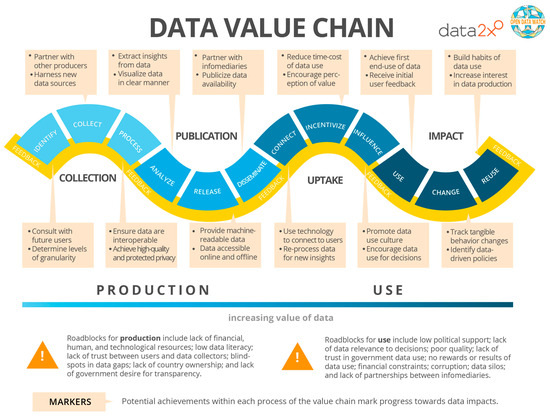
This paper explores the complex landscape associated with the evaluation of the impact of digital cultural heritage initiatives within the European Union. While the present body of research has so far addressed various facets of digital culture and heritage, including digital humanities, a comprehensive understanding of the impact of digital heritage (i.e., LAM) projects on broader cultural, social, and economic contexts remains a critical gap. This is particularly important given the increasing emphasis on demonstrating value of and securing support for these initiatives. The EU recognizes this strategic importance, promoting digital transformation within the cultural heritage sector and setting ambitious digitization goals. However, the shift from digitization to digital transformation, alongside the more traditional concerns of access and preservation, requires a focus on sustainability, encompassing social and environmental impact, long-term preservation, and economic viability. By employing critical desk research, this paper examines the EU policies concerning digital cultural heritage and the challenges of measuring impact, discussing key concepts like sustainability and digital maturity. It provides an overview of prominent impact assessment frameworks, analysing their strengths and limitations and considering their appropriateness for today policy context. We conclude by arguing the importance of developing and applying holistic IA frameworks that consider the diverse values and long-term sustainability of digital cultural heritage initiatives, facilitating a shift from simply collecting data to demonstrating meaningful change.
Full article
(This article belongs to the Special Issue Heritage as a Design Resource for Virtual Reality)
►▼
Show Figures

Figure 1
Open AccessArticle
Objectivising Heritage Assessment with Values: Criteria-Based Grid and Constructivist Approach
by
Morgane Bos, Damien Claeys, Dorothée Stiernon and David Vandenbroucke
Heritage 2025, 8(4), 116; https://doi.org/10.3390/heritage8040116 - 25 Mar 2025
Abstract
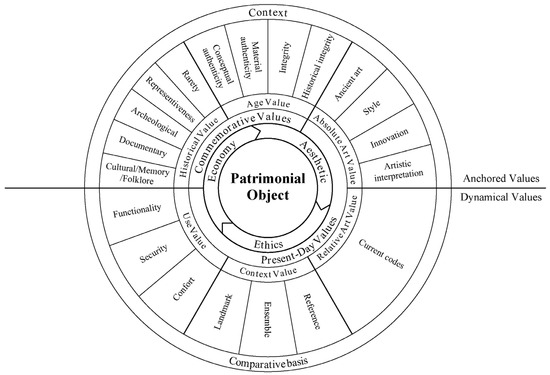
The concept of value seems to have capital importance both in the scientific literature and in various heritage actors’ professional discourse. The actions undertaken to develop the built environment inherited from previous generations seem to depend on the value we assign it. In
[...] Read more.
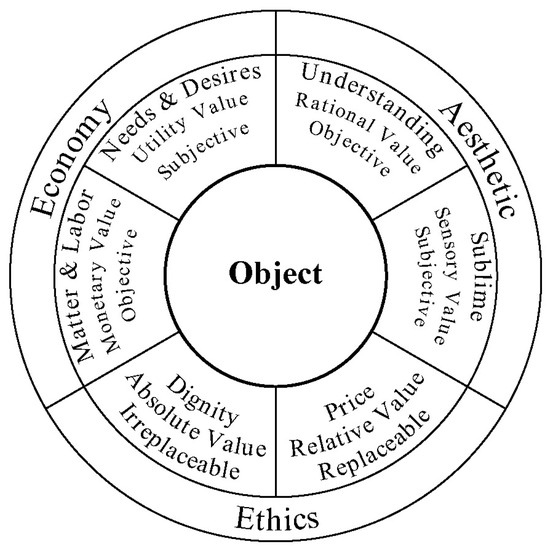
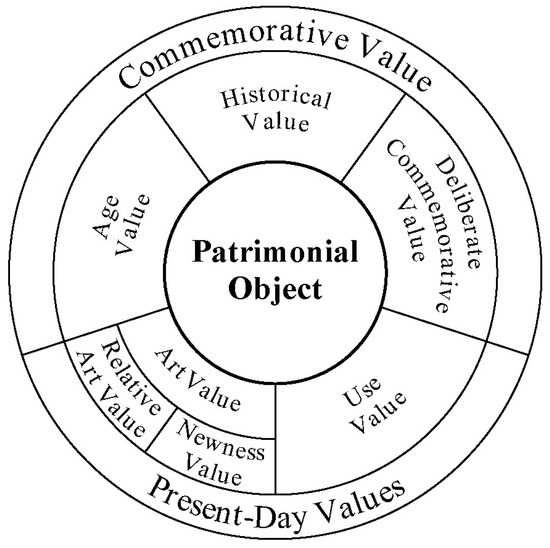
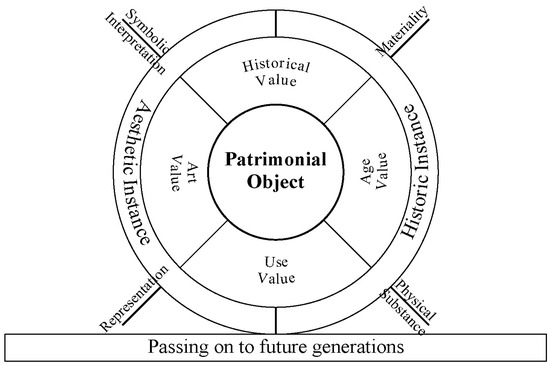
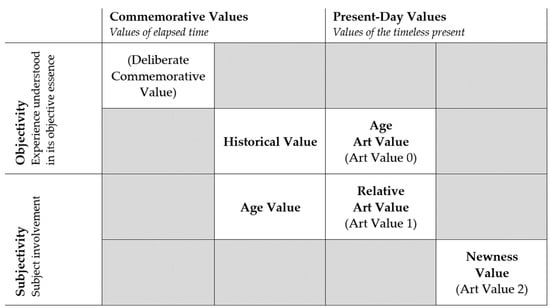
The concept of value seems to have capital importance both in the scientific literature and in various heritage actors’ professional discourse. The actions undertaken to develop the built environment inherited from previous generations seem to depend on the value we assign it. In this essay, the concepts of value, assessor, and heritage assessment are discussed. Two historical contexts are compared: the classical axiology of the 19th century based on the Enlightenment search for rationality and the typologies of contemporary values struggling with complexity. This historical reassessment shows a complexification and multiplication of evaluation grids, as well as the need to question the subjectivity inherent in heritage actors’ decisions. In order to not sink into excessive relativism definitively discrediting any attempt to make the process of heritage assessments more objective, a dynamic point of view is proposed, linking the constructivist approach with the use of a criteria-based value grid.
Full article
(This article belongs to the Section Architectural Heritage)
►▼
Show Figures

Figure 1
Open AccessArticle
Mapping an Information Model for Historic Built Heritage into the IndoorGML Standard: The Case of the Pitti Palace
by
Adele Meucci, Valentina Bonora, Lidia Fiorini, Alessandro Conti, Manuela Corongiu, Stefano Romanelli and Grazia Tucci
Heritage 2025, 8(4), 115; https://doi.org/10.3390/heritage8040115 - 24 Mar 2025
Abstract
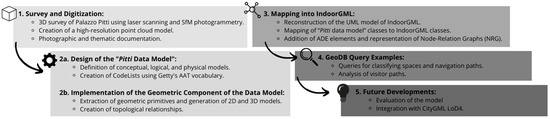
The paper explores the significance of digitalization and spatial modeling for the preservation and management of cultural heritage, addressing challenges posed by architectural complexity and extensive data volumes and developing a tailored data model to organize and integrate geometric, material, and historical information.
[...] Read more.
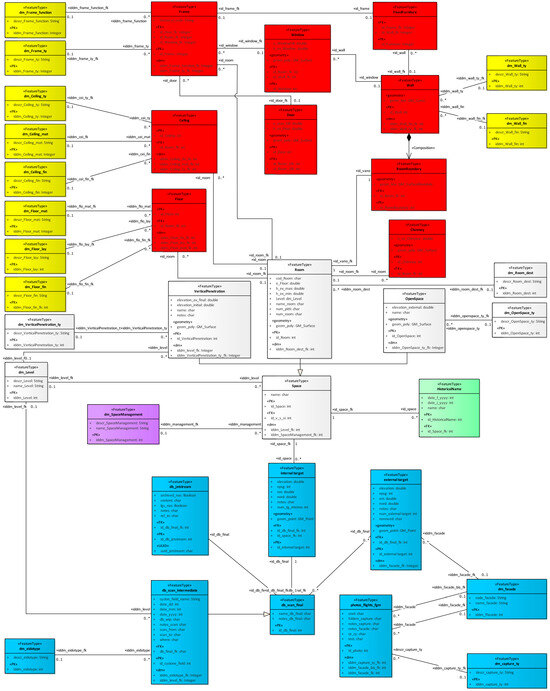
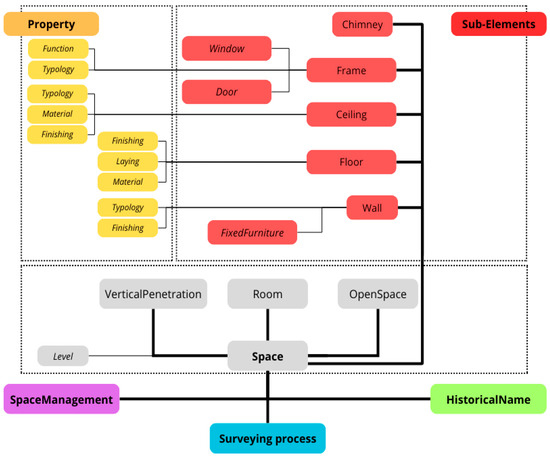
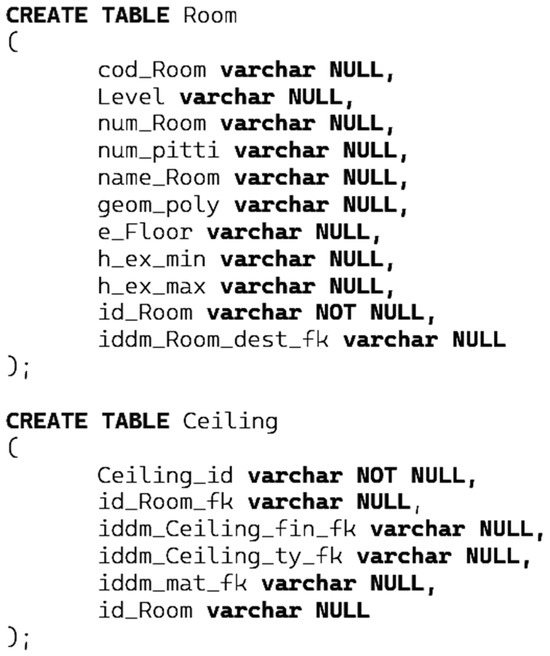
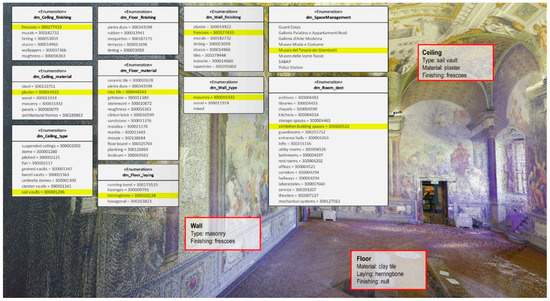
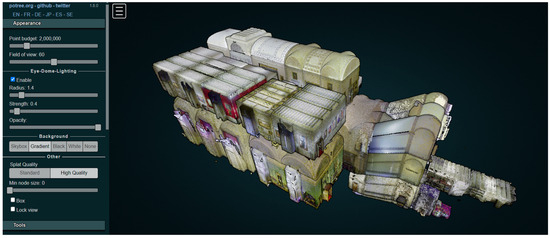
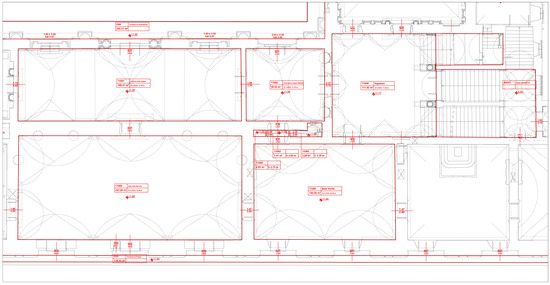
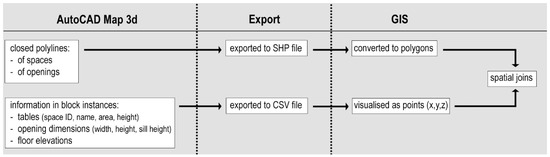
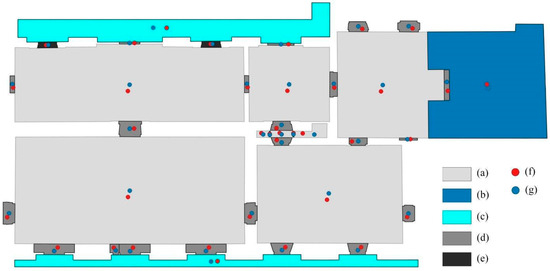
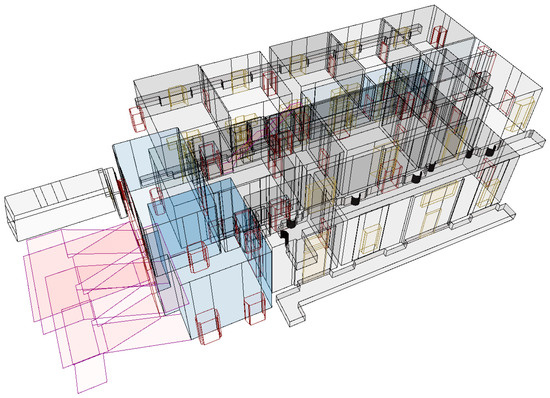
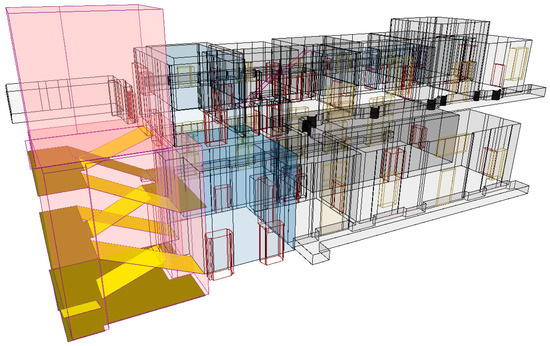
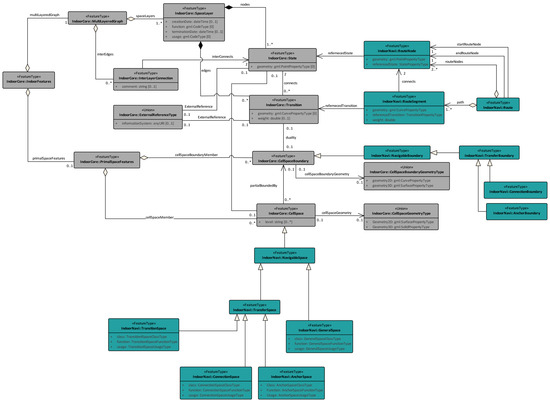
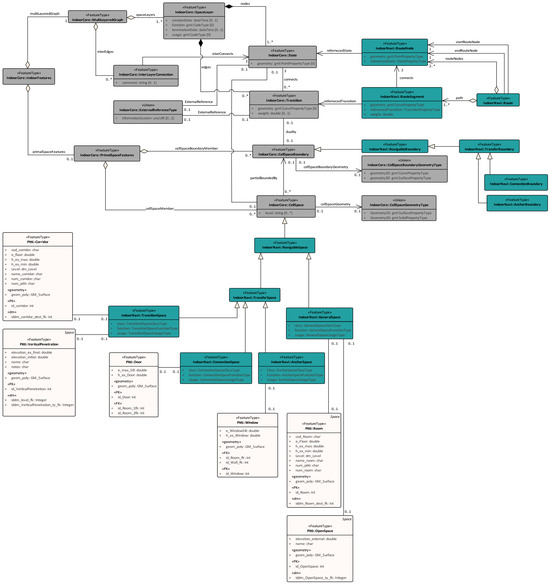
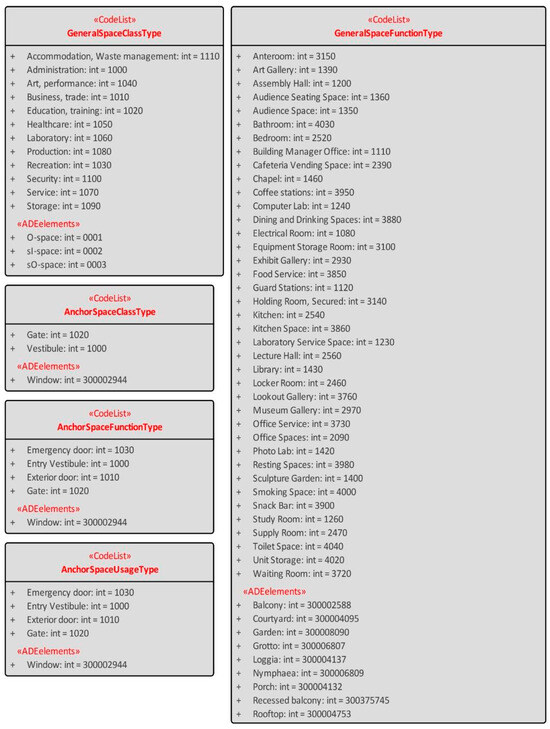
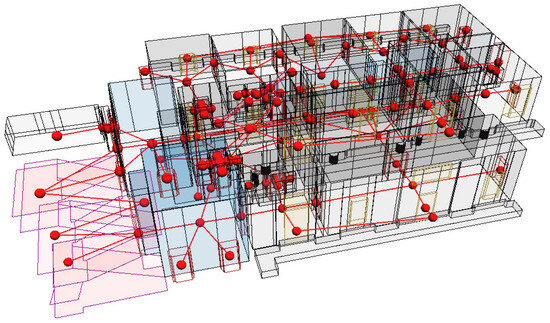
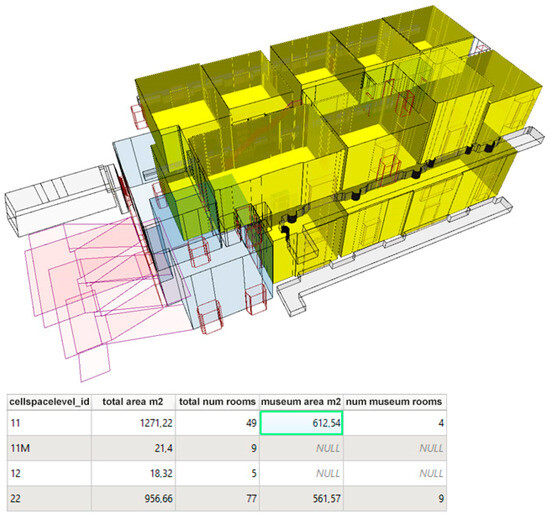
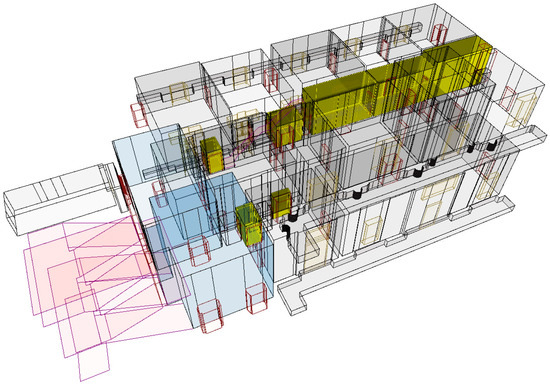
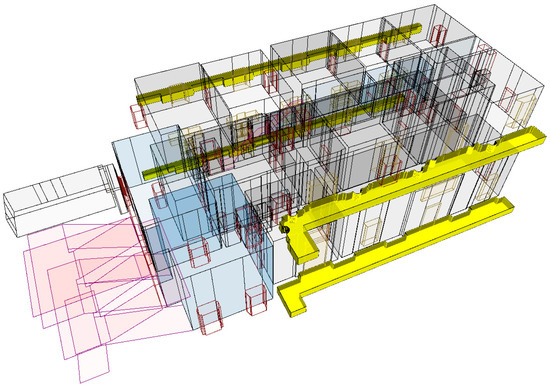
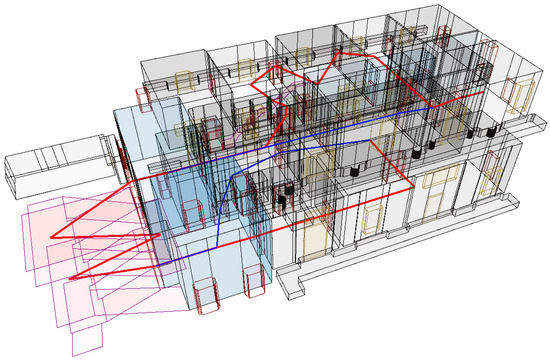
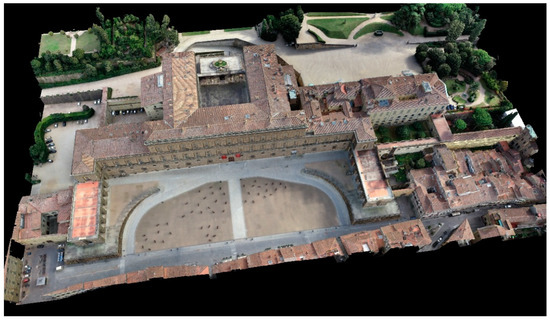
The paper explores the significance of digitalization and spatial modeling for the preservation and management of cultural heritage, addressing challenges posed by architectural complexity and extensive data volumes and developing a tailored data model to organize and integrate geometric, material, and historical information. The case study of Pitti Palace in Florence, Italy, is proposed, considering that its architectural complexity and cultural significance require innovative approaches to documentation and management. The “Pitti Data Model” is proposed as a tailored information system to organize and manage the data. It classifies spaces by adopting a hierarchical approach that supports detailed spatial analysis and reflects the historical and functional diversity of the site. The model links geometric data with thematic data such as material types, state of conservation, and historical names of spaces, providing a multi-dimensional understanding of the building. Based on Getty’s Art & Architecture Thesaurus (AAT), a controlled vocabulary was employed to ensure semantic consistency and interoperability. This semantic enrichment facilitates the integration of geometric data with broader heritage information systems. The paper presents, therefore, the integration in existing standards like INSPIRE, CityGML, and IndoorGML, thus providing a data model supporting efficient querying and visualization in a GeoDB that integrates spatial and non-spatial data, supporting collaborative and sustainable heritage management by enabling advanced analyses such as visitor flow optimization and conservation planning. This aligns with the concept of Heritage Digital Twins (HDT), which are interactive, evolving representations of cultural assets. HDTs support collaborative and sustainable heritage management by enabling stakeholders to access, analyze, and update information in real time.
Full article
(This article belongs to the Special Issue Building Information Modelling (BIM), Digital Twins and 3D Web Exploration for the Management, Enjoyment and Conservation of Cultural Heritage)
►▼
Show Figures

Figure 1
Open AccessArticle
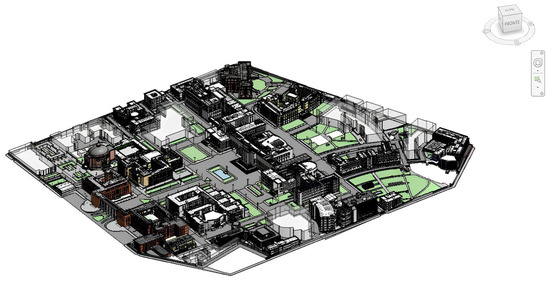
Integrating Building Information Modeling for Enhanced Efficiency and Sustainability in Public Construction: The Sapienza University Protocol
by
Martina Attenni, Carlo Bianchini, Adriana Caldarone, Marika Griffo, Leonardo Paris, Luca James Senatore and Maria Laura Rossi
Heritage 2025, 8(4), 114; https://doi.org/10.3390/heritage8040114 - 24 Mar 2025
Abstract
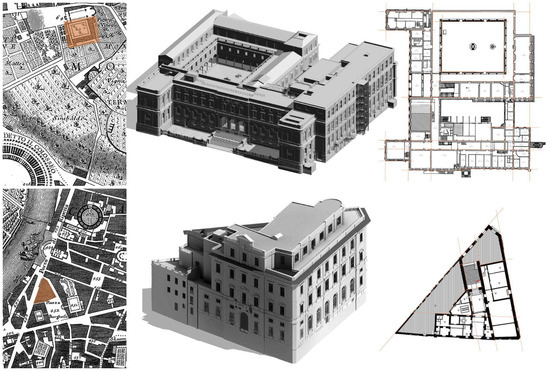
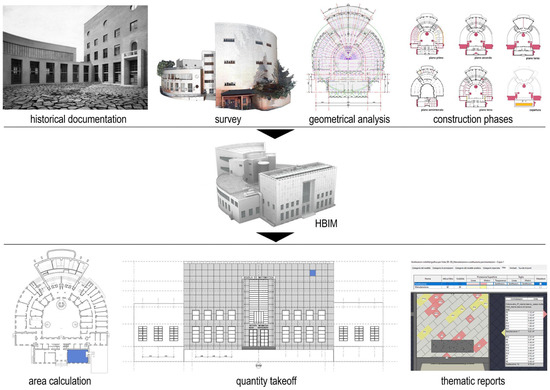
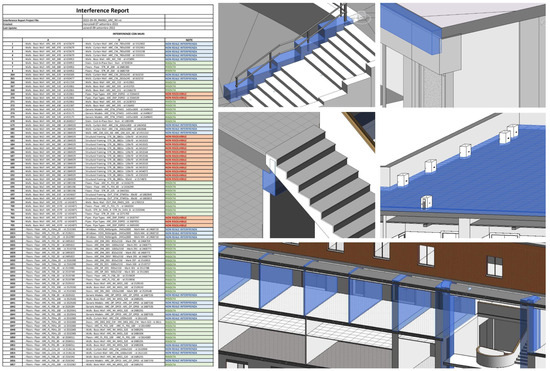
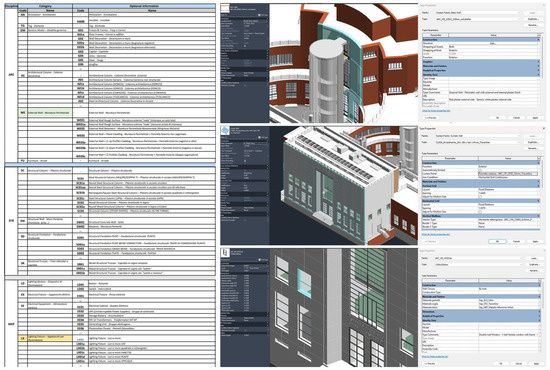
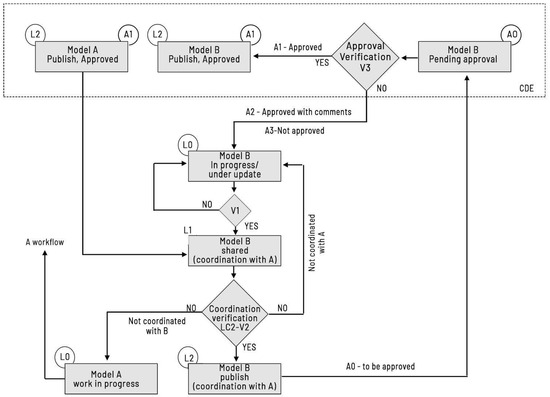
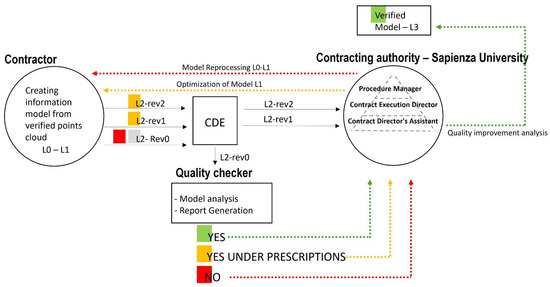
BIM represents a significant step towards digitalization and innovation in the public construction sector in Italy, and as of 1 January 2025, its adoption became mandatory for all public work. Recognizing the importance of this shift, the Sapienza University of Rome developed a
[...] Read more.
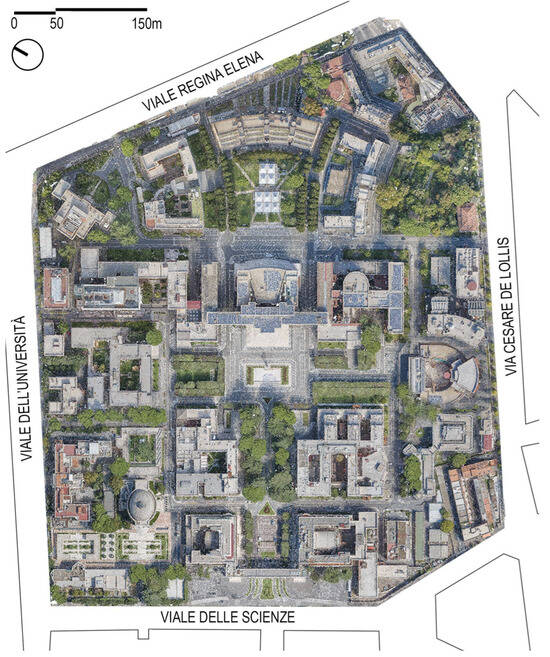
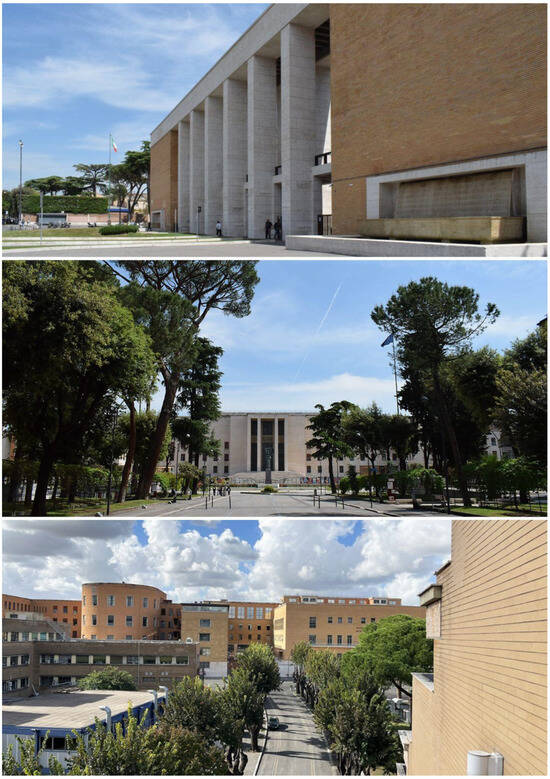
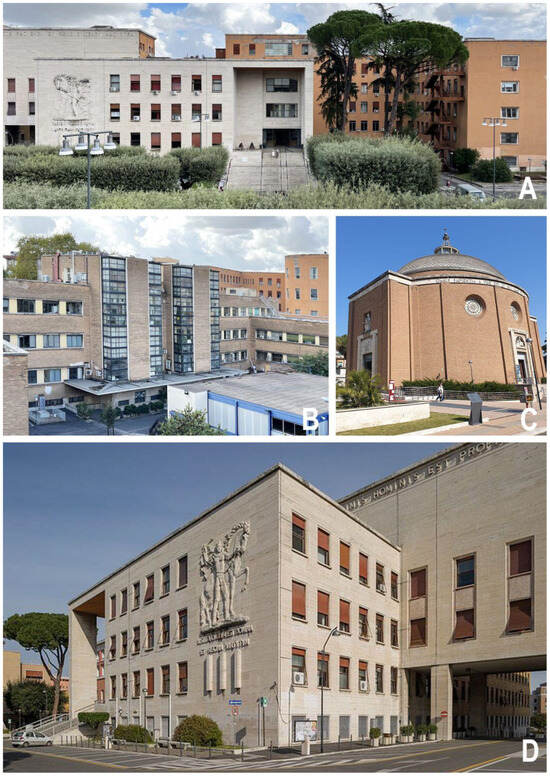
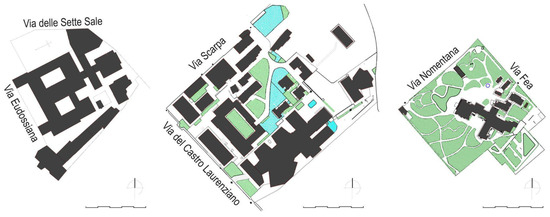
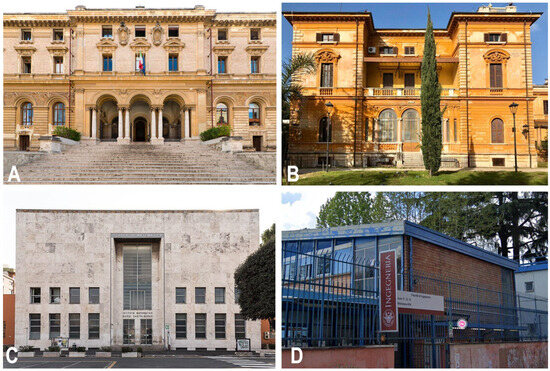
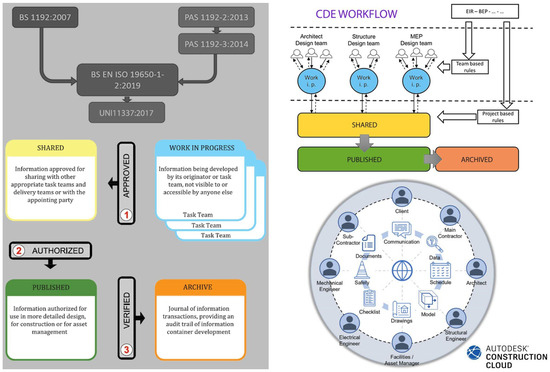
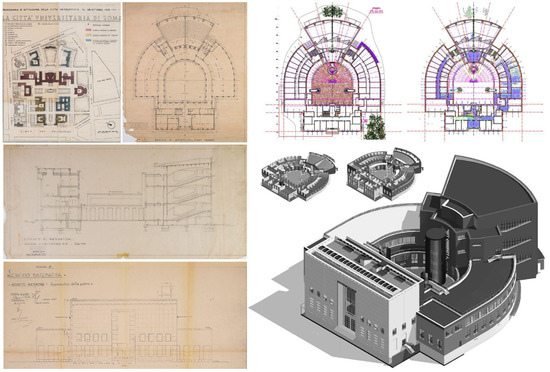
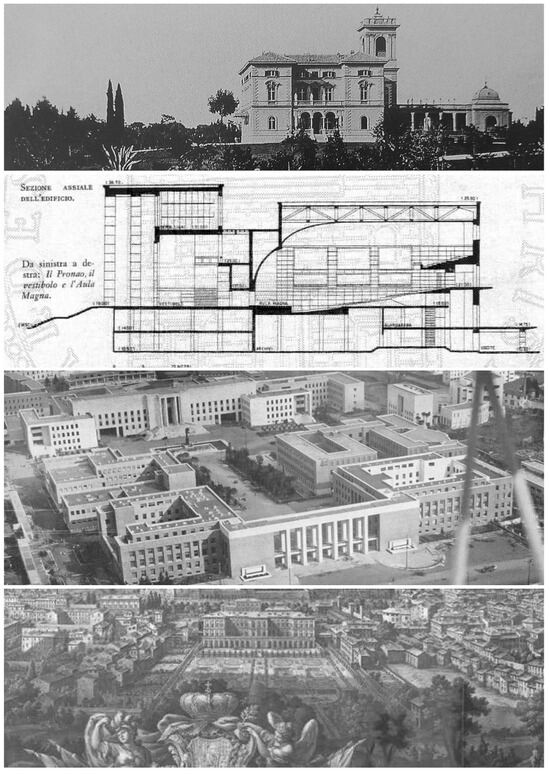
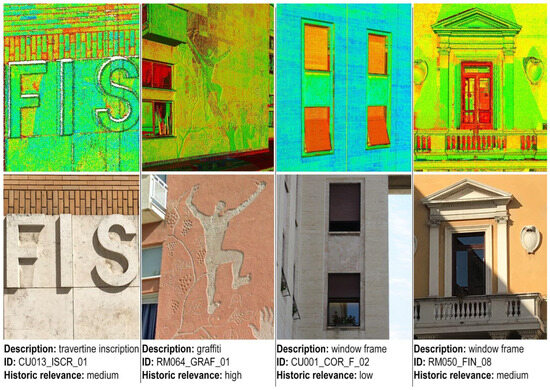
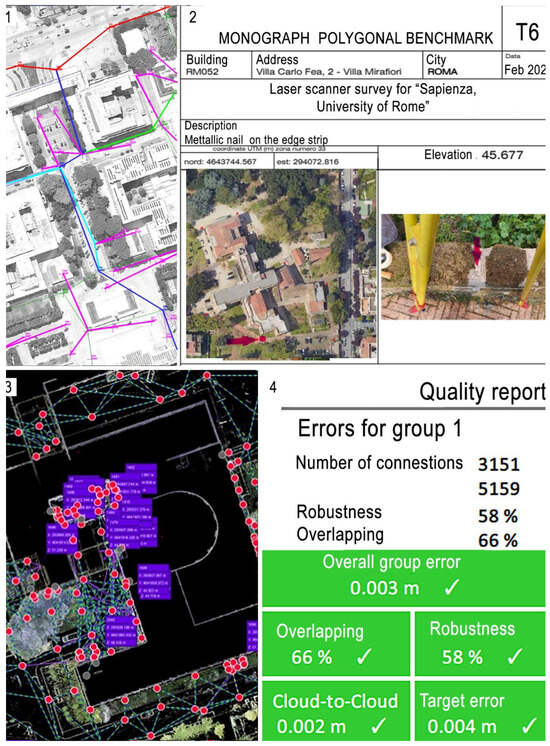
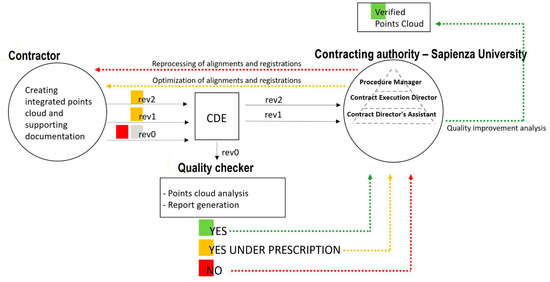
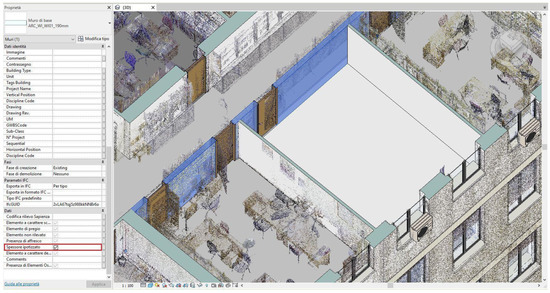
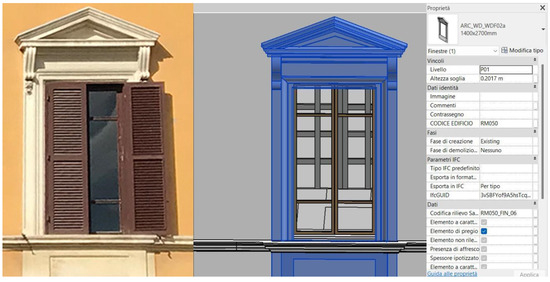
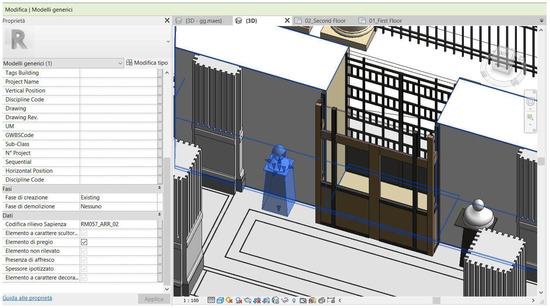
BIM represents a significant step towards digitalization and innovation in the public construction sector in Italy, and as of 1 January 2025, its adoption became mandatory for all public work. Recognizing the importance of this shift, the Sapienza University of Rome developed a set of standards and guidelines between 2018 and 2024. These guidelines have now been officially adopted by the Buildings Maintenance Area of Sapienza for the application of BIM in service and work contracts. They are consolidated into a document known as the Sapienza Protocol, which serves as a reference for the creation of information-rich models of university heritage buildings, encompassing both existing structures and those to be constructed from scratch. The Sapienza Protocol outlines a modeling process that integrates surveying, geometric modeling, and an informational framework, combining theoretical principles with methodological approaches tested in the HBIM research domain. This approach ensures that both the technical and historical characteristics of buildings are appropriately represented. The purpose of this manuscript is to describe the evolution of the Sapienza Protocol, from its initial version to its current form. It highlights operational procedures and technical solutions, showcasing how the protocol has adapted to address the complex needs of managing and preserving architectural heritage in a digital context.
Full article
(This article belongs to the Special Issue HBIM and Information Systems for Cultural Heritage Memory and Preservation)
►▼
Show Figures

Figure 1
Open AccessArticle
Spatial Characteristics of Land Subsidence in Architectural Heritage Sites of Beijing’s Royal Gardens Based on Remote Sensing
by
Jingshu Cui, Shan Cui, Junhua Zhang and Fuhao Sun
Heritage 2025, 8(4), 113; https://doi.org/10.3390/heritage8040113 - 22 Mar 2025
Abstract
►▼
Show Figures
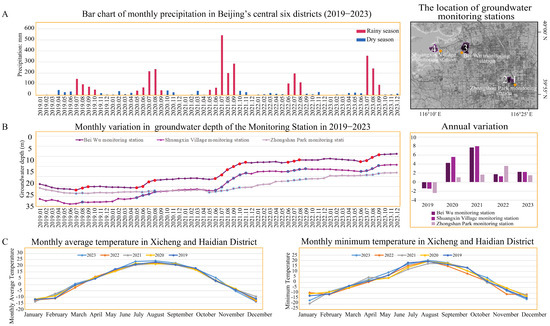
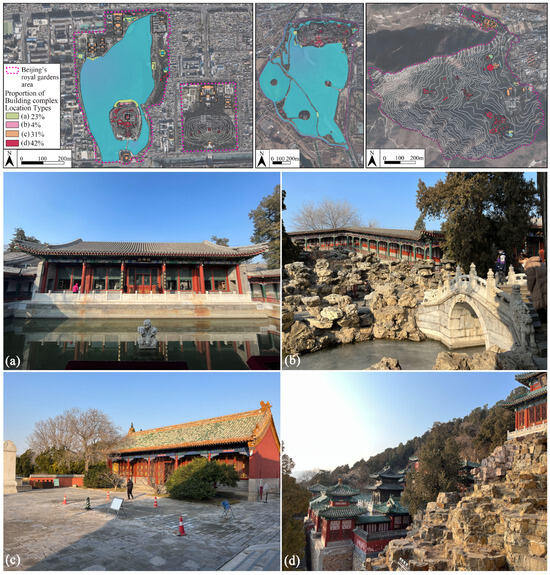
Beijing’s royal gardens represent the highest artistry in the artificial modification and utilization of natural hill and lake landforms. They also encompass the most concentrated ancient Chinese royal architectural heritage complexes. Their sustainable development has drawn significant attention, particularly in detecting and identifying
[...] Read more.
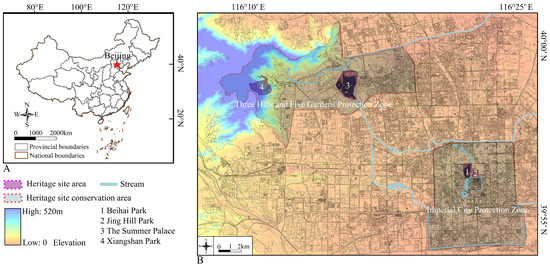
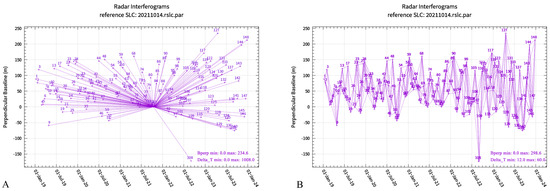
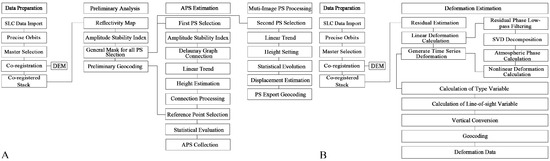
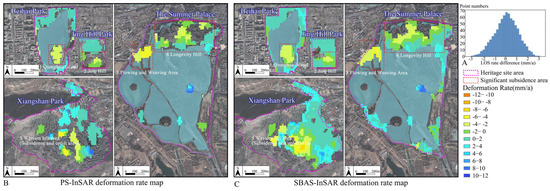
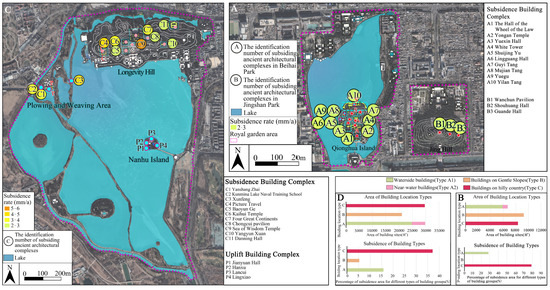
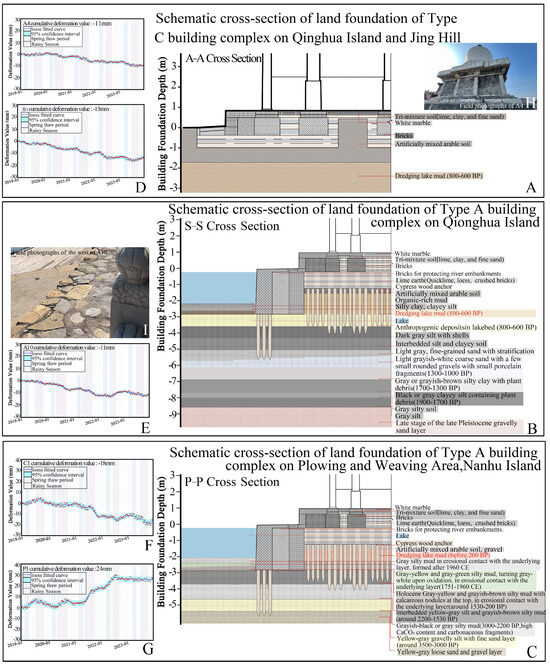
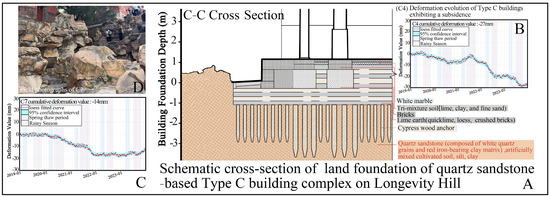
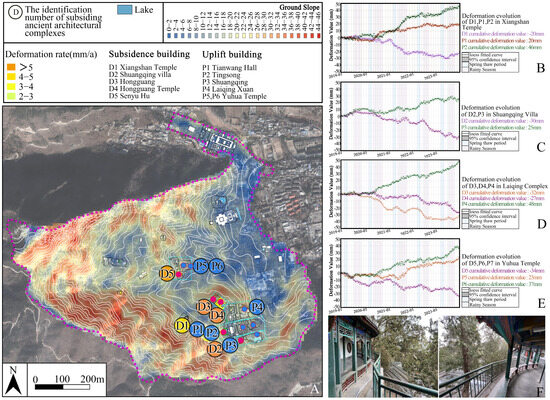
Beijing’s royal gardens represent the highest artistry in the artificial modification and utilization of natural hill and lake landforms. They also encompass the most concentrated ancient Chinese royal architectural heritage complexes. Their sustainable development has drawn significant attention, particularly in detecting and identifying areas of land subsidence and analyzing its influencing factors, which are crucial for preserving Beijing’s royal architectural heritage. This study employed time-series interferometric synthetic aperture radar (InSAR) technology to collect 148 SAR datasets from 2019 to 2023. It compares the persistent scatterer (PS)–InSAR and small baseline subset (SBAS)–InSAR techniques for cross-validation analyses to systematically assess the spatial characteristics of land subsidence of the most valuable architectural heritage complexes in the four most representative Beijing’s royal gardens. The study identified several areas with concentrated subsidence. Further analysis of the types of ancient building locations reveals that buildings situated in hilly areas (Type C), waterside buildings (Type A1), and near-water buildings (Type A2) are more significantly affected by land subsidence. Through an analysis of the causes of subsidence, it was found that, affected by the “excavating lakes and piling hills” landscape modification method and the utilization of natural hilled terrain approach, the subsidence observed in most Type C architectural heritage complexes within the study area may be associated with the Holocene sediments in the underlying soils beneath the shallow foundations of architectural heritage, localized bedrock instability caused by exposure and weathering, and slope instability. Type A building complexes’ subsidence and localized uplift may be associated with Holocene sediments beneath their foundations. The cross-comparison between SBAS-InSAR and PS-InSAR provides a reference framework for exploring land deformation research in architectural heritage sites where detection methods are constrained.
Full article

Figure 1
Highly Accessed Articles
Latest Books
E-Mail Alert
News
Topics
Topic in
Applied Sciences, Buildings, Heritage, Materials, Remote Sensing, Sustainability
Preserving Cultural Heritage by Integrating Modern Materials and Technologies: From the Nano to Building Scale
Topic Editors: Rui Marques, Claudia Mondelli, Maria Giovanna MasciottaDeadline: 30 April 2025
Topic in
Climate, Heritage, Tourism and Hospitality, Sustainability, Conservation
(World) Heritage Sites and Values in Danger: Climate-Change Related Challenges and Transformation
Topic Editors: Matthias Ripp, Christer Gustafsson, Rohit JigyasuDeadline: 30 May 2025
Topic in
Applied Sciences, Buildings, Heritage, Materials, Sustainability
Sustainability in Buildings: New Trends in the Management of Construction and Demolition Waste, 2nd Volume
Topic Editors: Carlos Morón Fernández, Daniel Ferrández VegaDeadline: 30 September 2025
Topic in
Applied Sciences, Drones, Geomatics, Heritage, IJGI, Remote Sensing, Sensors
3D Documentation of Natural and Cultural Heritage
Topic Editors: Lorenzo Teppati Losè, Elisabetta Colucci, Arnadi Dhestaratri MurtiyosoDeadline: 1 December 2025
Conferences
Special Issues
Special Issue in
Heritage
Risk Analysis and Preservation Strategies of Architectural Heritage
Guest Editor: Maria Laura SantarelliDeadline: 18 April 2025
Special Issue in
Heritage
Navigating Indigenous Connections to Underwater Heritage in the Contemporary Era
Guest Editors: Ingrid Ward, Isabel CartajenaDeadline: 30 April 2025
Special Issue in
Heritage
Virtual Anthropology. Digital Approaches for Paleoanthropology and Paleopathology
Guest Editors: Rosalie David, Jenefer MetcalfeDeadline: 30 April 2025
Special Issue in
Heritage
Historic Landscapes, Seascapes and Maritime Heritage
Guest Editors: Wes Forsythe, Kieran WestleyDeadline: 30 April 2025
Topical Collections
Topical Collection in
Heritage
Feature Papers
Collection Editors: Francesco Soldovieri, Nicola Masini