Journal Description
Histories
Histories
is an international, peer-reviewed, open access journal on inquiry of change and continuity of human societies (on various scales and with different approaches, including environmental, social and technological studies), published quarterly online by MDPI.
- Open Access— free for readers, with article processing charges (APC) paid by authors or their institutions.
- High Visibility: indexed within ESCI (Web of Science), EBSCO, and other databases.
- Rapid Publication: manuscripts are peer-reviewed and a first decision is provided to authors approximately 30.2 days after submission; acceptance to publication is undertaken in 6.3 days (median values for papers published in this journal in the second half of 2024).
- Recognition of Reviewers: APC discount vouchers, optional signed peer review, and reviewer names published annually in the journal.
Latest Articles
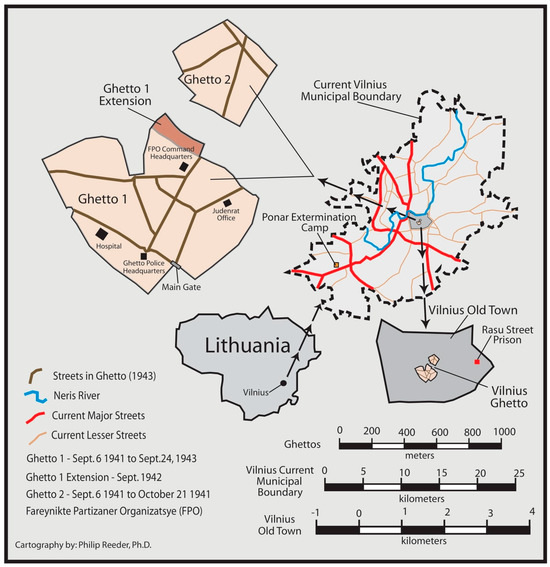
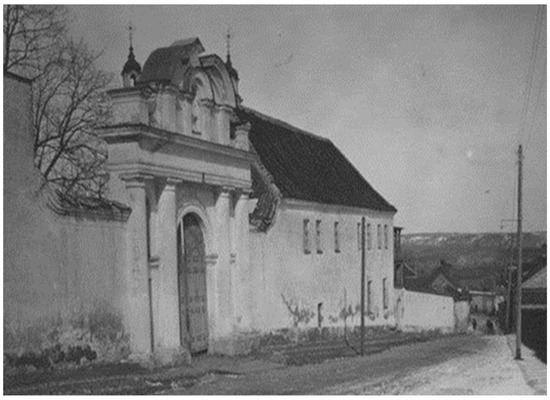
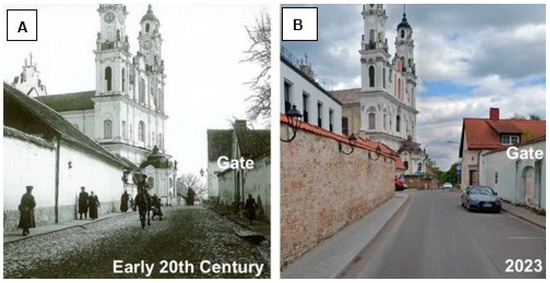
Interconnected Histories: Searching for Jacob Gens’ Grave and Instead Finding a Forgotten Early 18th Century Cemetery
Histories 2025, 5(2), 17; https://doi.org/10.3390/histories5020017 - 4 Apr 2025
Abstract
Jacob Gens, the head of the Vilnius Ghetto Police Force, and eventually the entire Ghetto during the Holocaust, was murdered on 14 September 1943 by the head of the Vilnius Gestapo. Historical documents and Holocaust survivor testimonies indicate that he was killed at
[...] Read more.
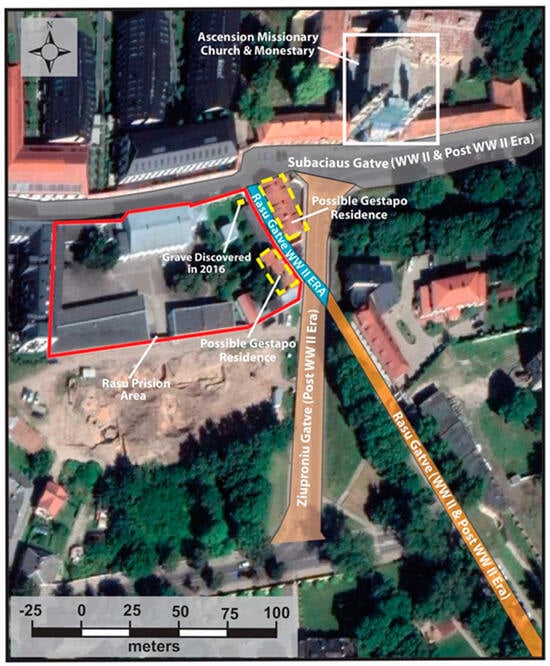
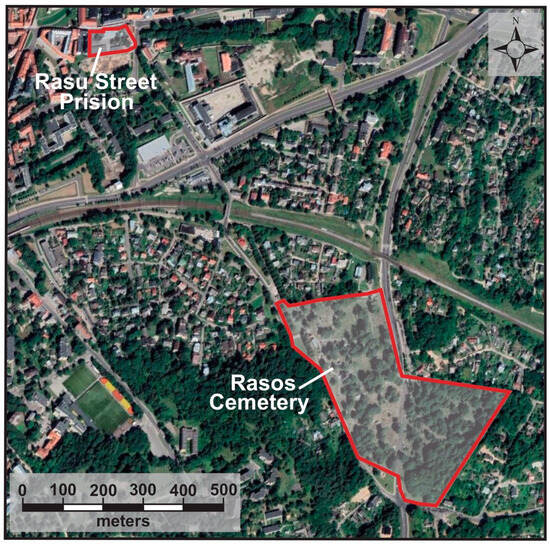
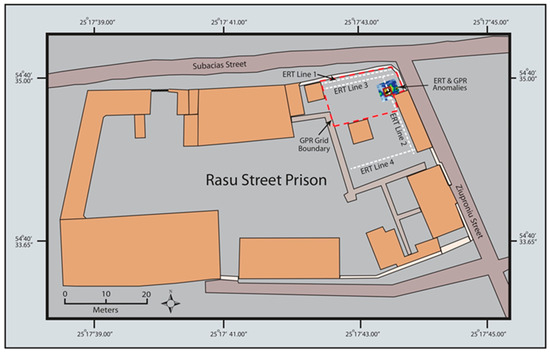
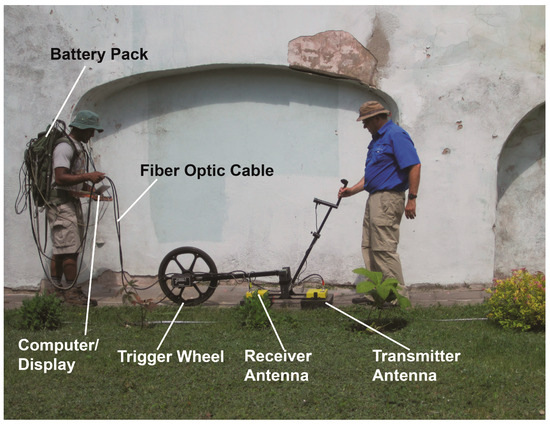
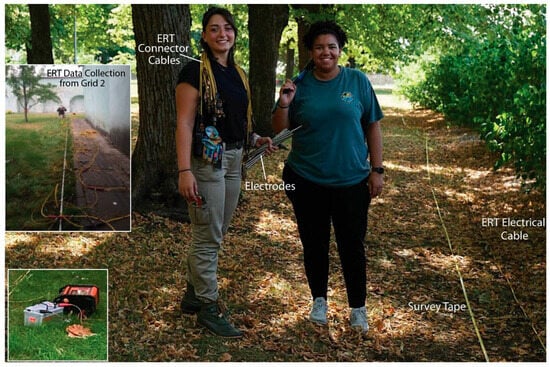
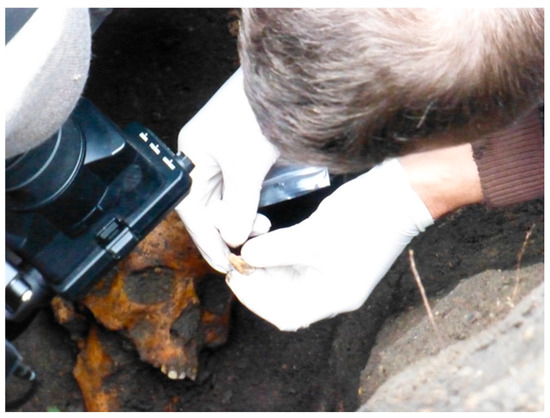
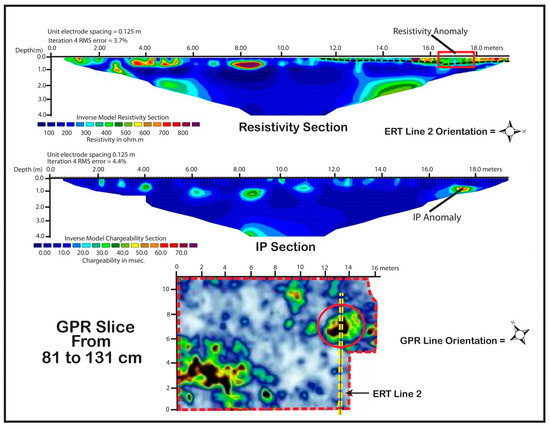
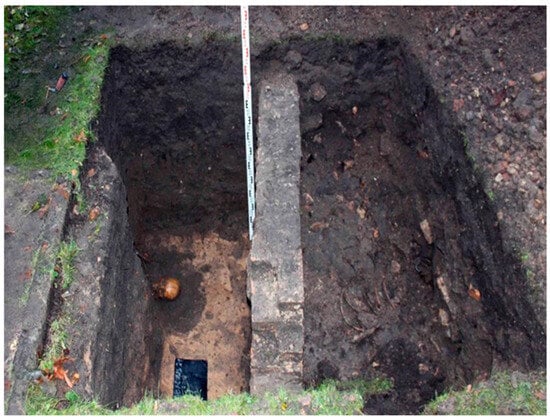
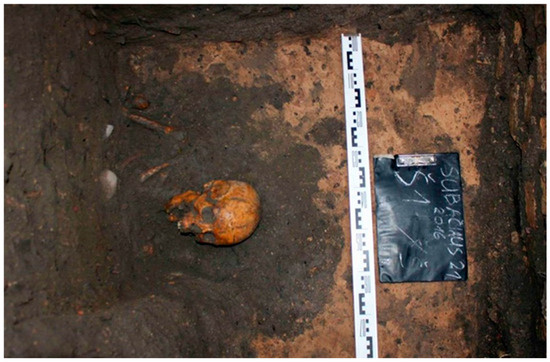
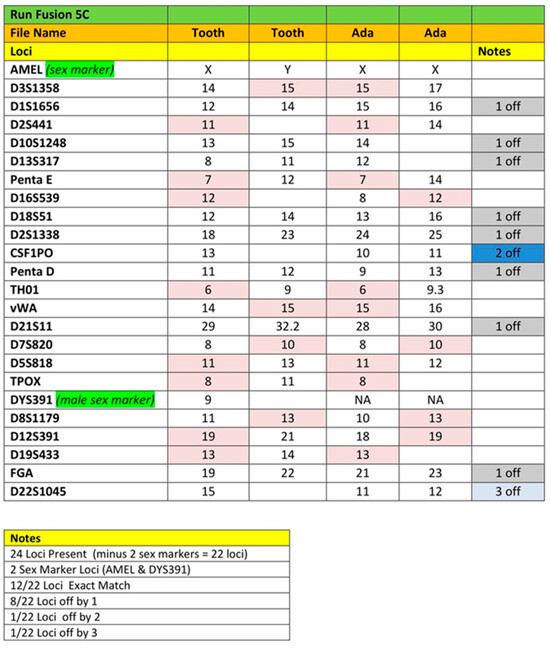
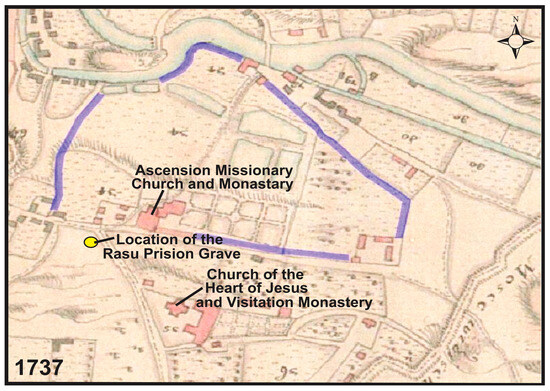
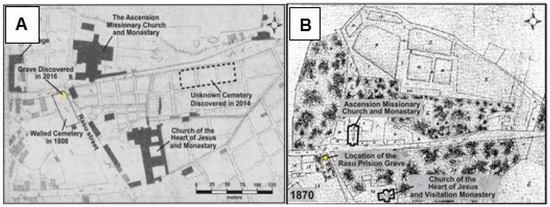
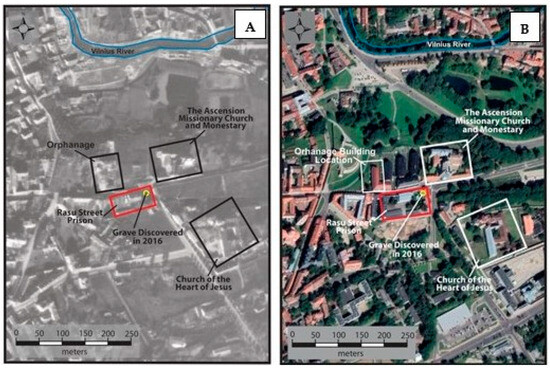
Jacob Gens, the head of the Vilnius Ghetto Police Force, and eventually the entire Ghetto during the Holocaust, was murdered on 14 September 1943 by the head of the Vilnius Gestapo. Historical documents and Holocaust survivor testimonies indicate that he was killed at a site that became known as the Rasu Street Prison, and not the Gestapo Headquarters, as it is widely believed. In 2016, research was completed at the Rasu Street Prison site using ground penetrating radar (GPR) and electrical resistivity tomography (ERT) to locate subsurface reflection patterns that possibly indicate the location of where Jacob Gens is buried. Intersecting GPR and ERT reflection patterns were discovered and a plan was put in place to excavate that location. The excavation revealed the presence of human remains at 1.45 m below the surface. A skull and upper torso were exposed, and two teeth were collected for DNA and radiocarbon analysis. The DNA from the tooth was compared to Jacob Gens’ daughter’s DNA, and this comparison yielded a negative result, so the human remains were not those of Jacob Gens. The radiocarbon analysis provided a date between 1685 and 1735. In 1705, a plot of land was donated to the Visitation Monastery, which used this plot, and which coincides with the location of the Rasu Street Prison, as a cemetery for the poor. In 1709 and 1710, a plague epidemic was prevalent in Vilnius, as was turmoil and famine associated with the Great Northern War (1700 to 1721). Based on these discoveries, rather than finding the remains of Jacob Gens, it is likely that we found human remains that are part of a forgotten 18th century cemetery associated with the Visitation Monastery.
Full article
(This article belongs to the Section Cultural History)
►
Show Figures
Open AccessArticle
Could There Be Method Behind Kepler’s Cosmic Music?
by
Paul Redding
Histories 2025, 5(2), 16; https://doi.org/10.3390/histories5020016 - 27 Mar 2025
Abstract
While Kepler is regarded as a major figure in standard historical accounts of the scientific revolution of early modern Europe, he is typically seen as having one foot in the new scientific culture and one in the old. In some of his work,
[...] Read more.
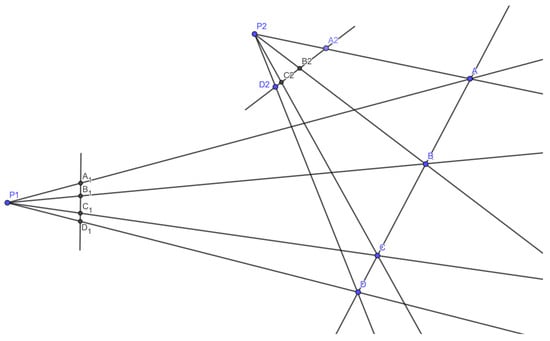
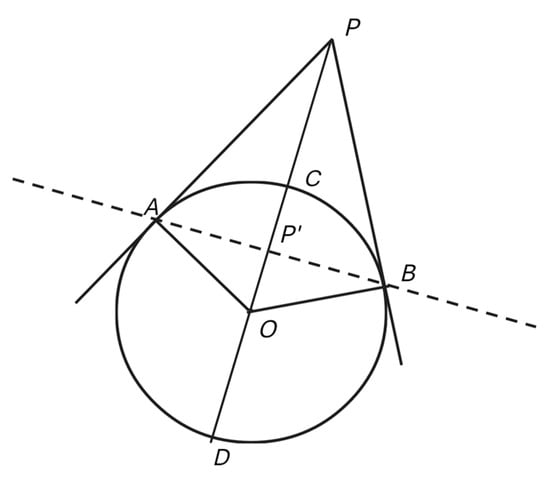
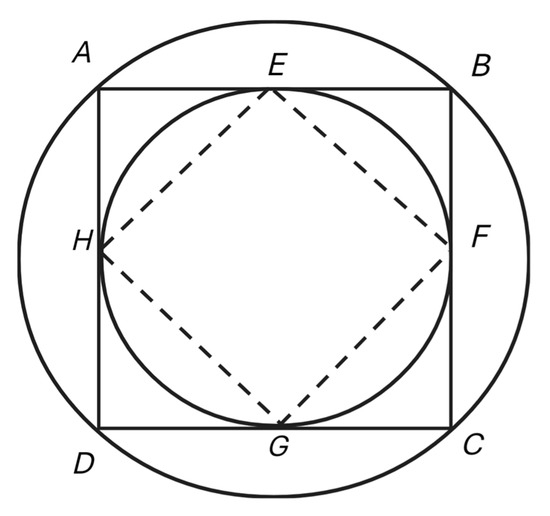
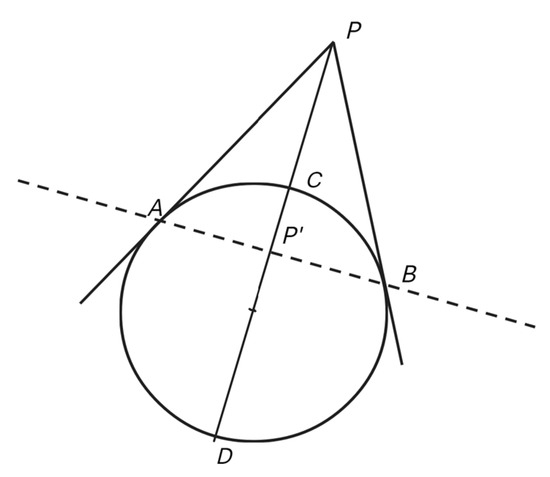
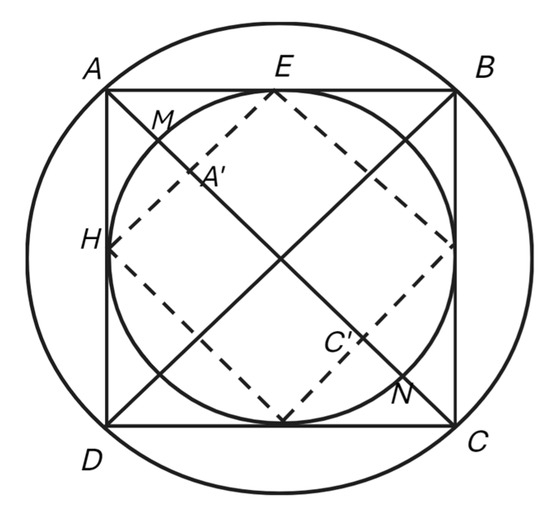
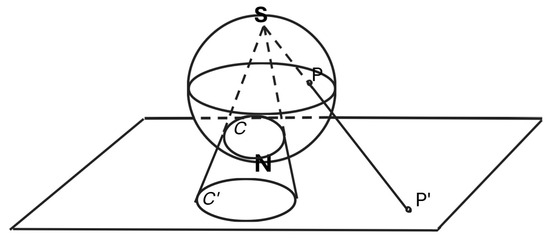
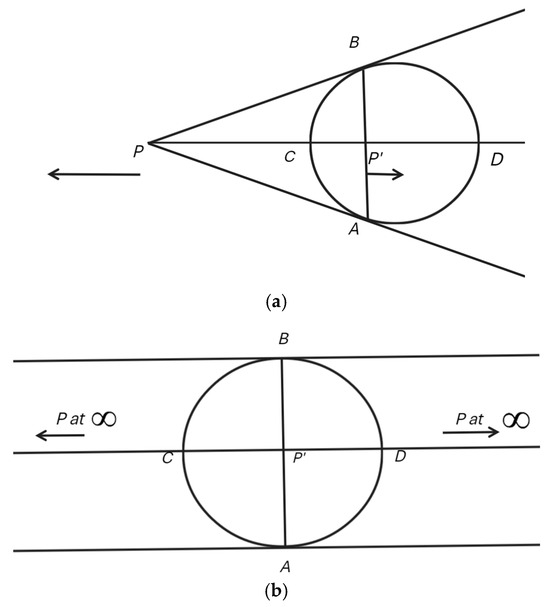
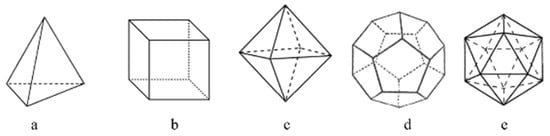
While Kepler is regarded as a major figure in standard historical accounts of the scientific revolution of early modern Europe, he is typically seen as having one foot in the new scientific culture and one in the old. In some of his work, Kepler appears, along with Galileo, to be on a trajectory towards Newton’s celestial mechanics. In addition to his advocacy of Copernicus’s heliocentrism, he appealed to physical causes in his explanations of the movements of celestial bodies. But other work appears to express a neo-Platonic “metaphysics” or “mysticism”, as most obvious in his embrace of the ancient tradition of the “music of the spheres”. Here I problematize this distinction. The musical features of Kepler’s purported neo-Platonic “metaphysics”, I argue, was also tied to Platonic and neo-Platonic features of the methodology of a tradition of mathematical astronomy that would remain largely untouched by his shift to heliocentrism and that would be essential to his actual scientific practice. Importantly, certain features of the geometric practices he inherited—ones later formalized as “projective geometry”—would also carry those “harmonic” structures expressed in the thesis of the music of the spheres.
Full article
(This article belongs to the Section History of Knowledge)
►▼
Show Figures

Figure 1
Open AccessArticle
The History of Addiction Clinics and Treatment in Italy: An Overview and Future Directions
by
Filippo Besana, Stefano Pasquariello, Valentina Costa and Attilio Negri
Histories 2025, 5(1), 15; https://doi.org/10.3390/histories5010015 - 20 Mar 2025
Abstract
The history of addiction treatment in Italy reflects a complex evolution shaped by cultural, social, and legislative changes from the mid-20th century to the present. This paper explores the transition from more moralistic and punitive to public health-oriented approaches, the development of therapeutic
[...] Read more.
The history of addiction treatment in Italy reflects a complex evolution shaped by cultural, social, and legislative changes from the mid-20th century to the present. This paper explores the transition from more moralistic and punitive to public health-oriented approaches, the development of therapeutic communities, and the establishment of specialized outpatient clinics. It highlights the impact of pivotal legislation, the rise of harm reduction strategies, and the integration of behavioral addictions into the healthcare framework. Challenges such as stigma, emerging addiction patterns, and the need for integrated care models are some of the future directions of the addiction treatment alongside Italy’s progressive steps in offering personalized and multidisciplinary care.
Full article
(This article belongs to the Section Cultural History)
Open AccessArticle
The Influence of Power on Post-Buyout Land Management Practices
by
Sumaira Niazi, Elyse Zavar, Alex Greer and Sherri Brokopp Binder
Histories 2025, 5(1), 14; https://doi.org/10.3390/histories5010014 - 20 Mar 2025
Abstract
U.S. government agencies execute home relocation programs, known as buyouts, in flood-prone areas to reduce hazard exposure. By converting the buyout properties into open space, these governmental agencies assume ownership and management responsibilities. As with all landscapes, the post-buyout landscape reflects power dynamics
[...] Read more.
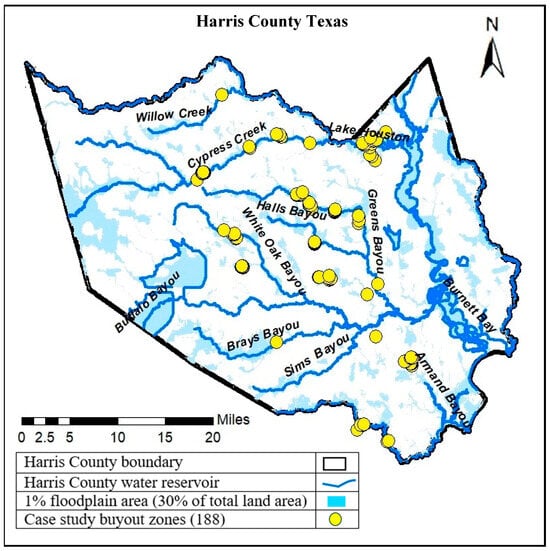
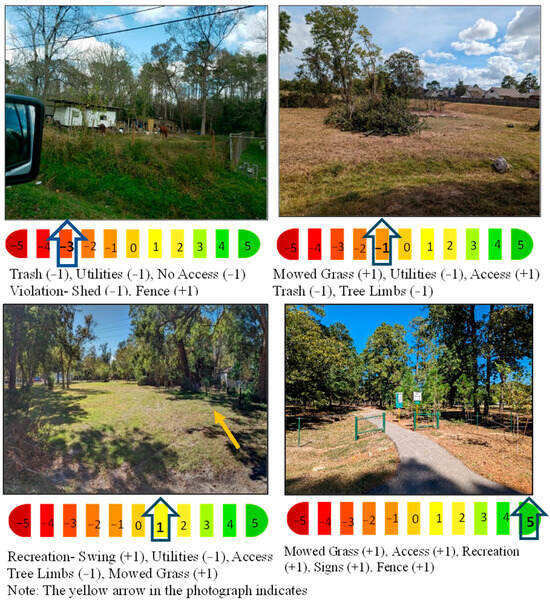
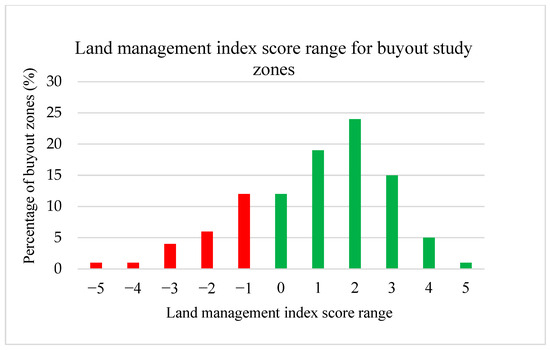
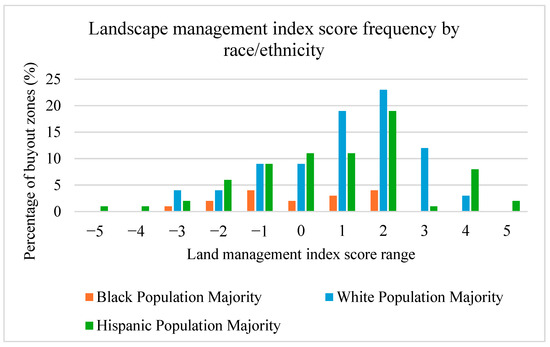
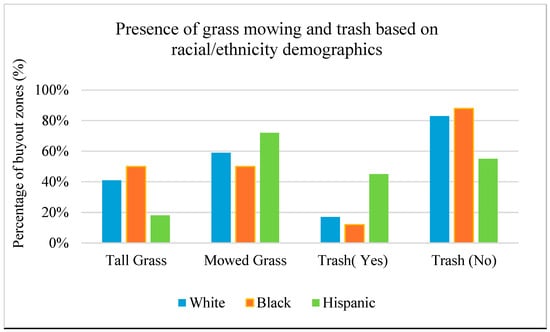
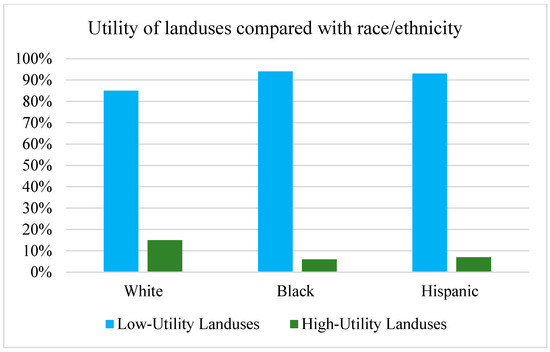
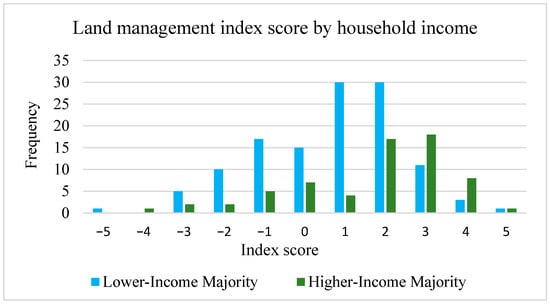
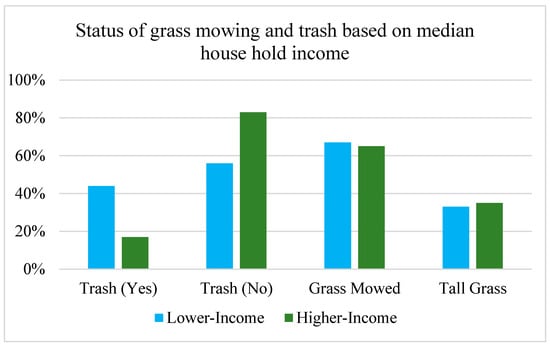
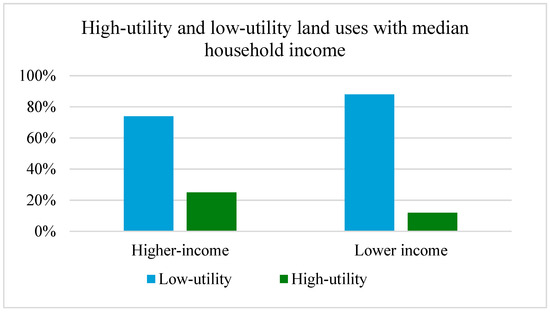
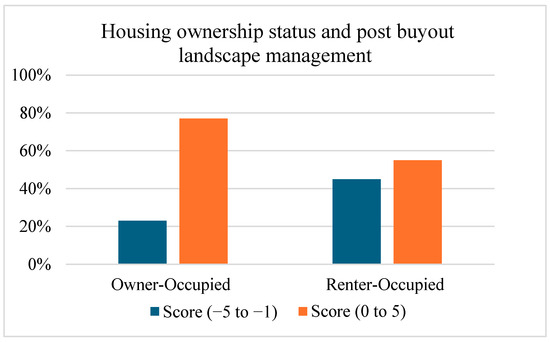
U.S. government agencies execute home relocation programs, known as buyouts, in flood-prone areas to reduce hazard exposure. By converting the buyout properties into open space, these governmental agencies assume ownership and management responsibilities. As with all landscapes, the post-buyout landscape reflects power dynamics and institutional forces that shape how the land is managed, perceived, and used. For acquired properties, historic housing polices, disaster risk reduction strategies, and the social construction of the land have all accumulated over time on the post-buyout landscape and influence contemporary land management practices. To understand the influence of power and social capital on post-buyout land management, this study analyzes land management practices and compares them with the socioeconomic characteristics of buyout neighborhoods in Harris County, Texas, USA, a county with a fifty-year buyout history. Results indicate that homeownership status, race, and ethnicity were related to post-buyout land management to varying degrees, thus reflecting differing degrees of social capital in buyout neighborhoods and therefore power to shape the management of post-buyout open space.
Full article
(This article belongs to the Section Environmental History)
►▼
Show Figures

Figure 1
Open AccessArticle
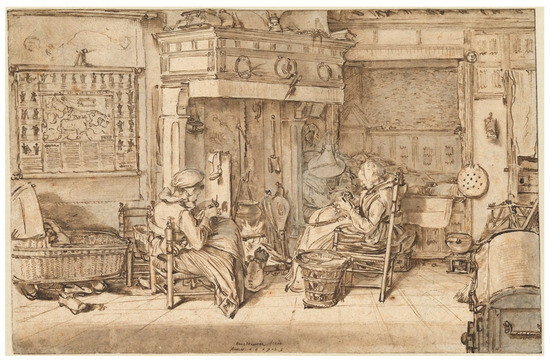
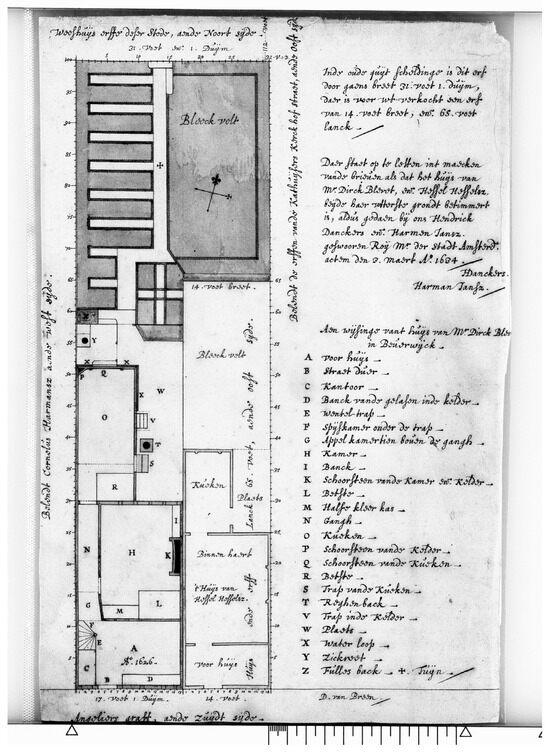
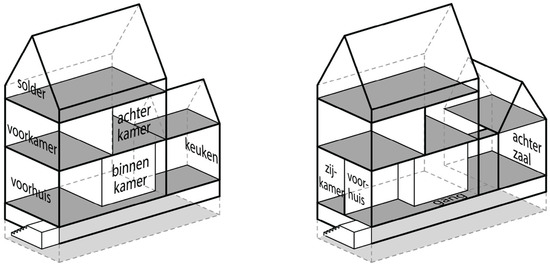
Spatial Reading of Inventories: A New Approach to Reconstructing Seventeenth-Century Amsterdam Interiors
by
Weixuan Li
Histories 2025, 5(1), 13; https://doi.org/10.3390/histories5010013 - 11 Mar 2025
Abstract
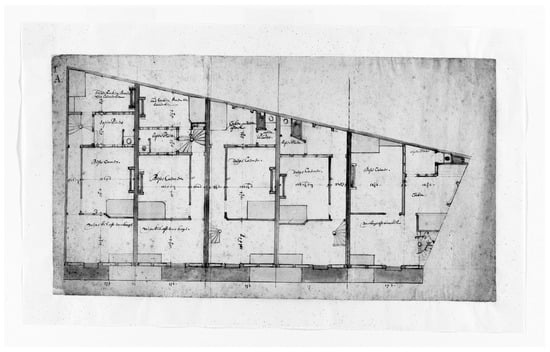
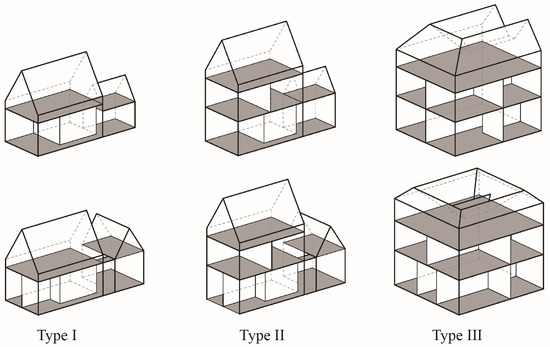
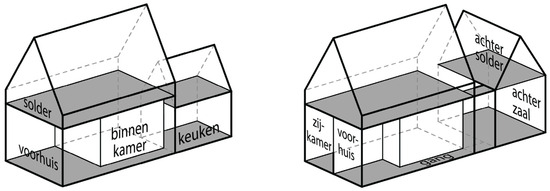
This article introduces a novel methodological framework—the “spatial reading of inventories”—to reconstruct domestic interiors in seventeenth-century Amsterdam. By integrating probate inventories with architectural floor plans, this study establishes three house typologies with schematic 3D drawings that resolve ambiguities in room labels and spatial
[...] Read more.
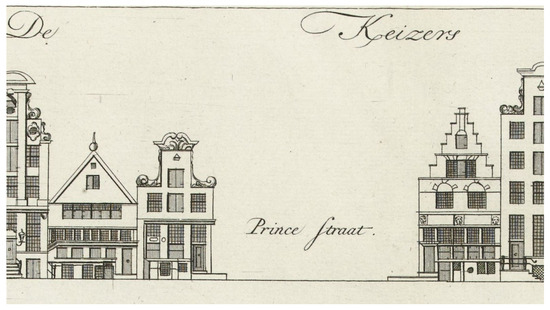
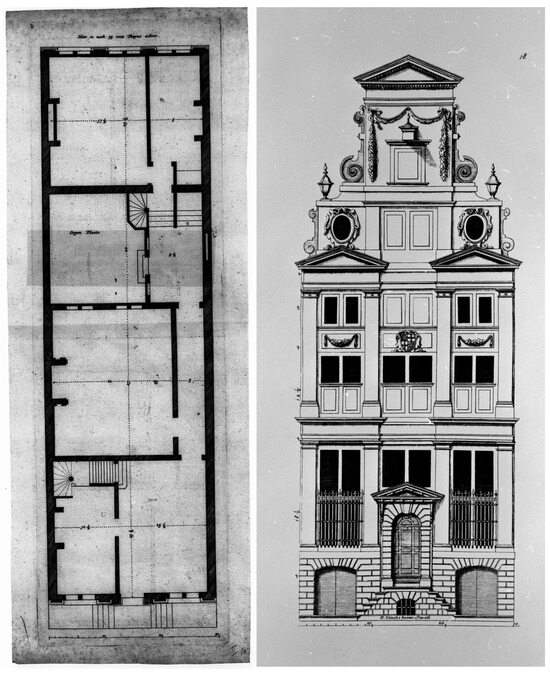
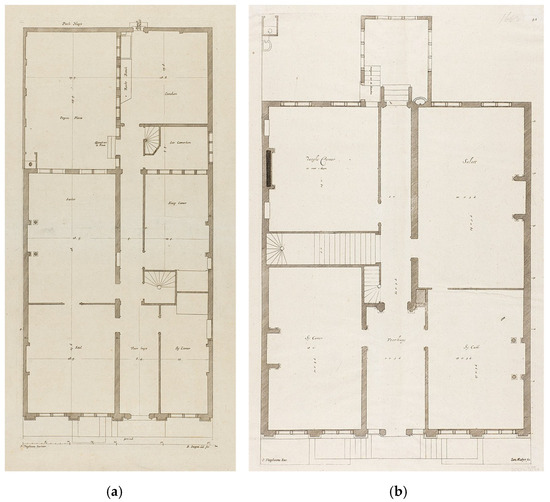
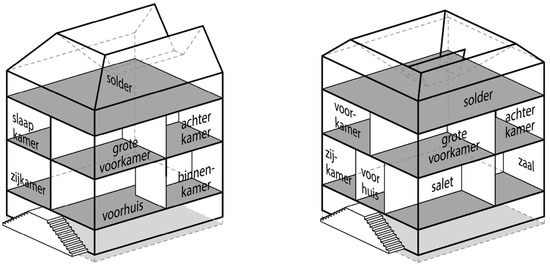
This article introduces a novel methodological framework—the “spatial reading of inventories”—to reconstruct domestic interiors in seventeenth-century Amsterdam. By integrating probate inventories with architectural floor plans, this study establishes three house typologies with schematic 3D drawings that resolve ambiguities in room labels and spatial organization, bridging the gap between architectural history and material culture studies. Focusing on methodological innovation, this article both reveals how house size and structure created distinct spatial context and breathes new life into the well-researched probate inventories by using its untapped spatial information. While using seventeenth-century Amsterdam as a case study, this approach offers a model for studying historical domestic spaces across contexts and provides a foundation for future analyses of object placement, sensory experience, and cultural practices at home.
Full article
(This article belongs to the Section Digital and Computational History)
►▼
Show Figures

Figure 1
Open AccessArticle
‘Dangling the Land as a Carrot’: The Bantustans and the Territorial Extension Under the Apartheid Regime in South Africa
by
Chitja Twala and Ayanda Sphelele Ndlovu
Histories 2025, 5(1), 12; https://doi.org/10.3390/histories5010012 - 5 Mar 2025
Abstract
The Bantustans in South Africa during the Apartheid era engaged in the extension of their territories, as this entailed increased revenue from the Apartheid regime. The latter aimed to concentrate African populations within these Bantustans, which effectively divided them into ‘ethnic’ groups. The
[...] Read more.
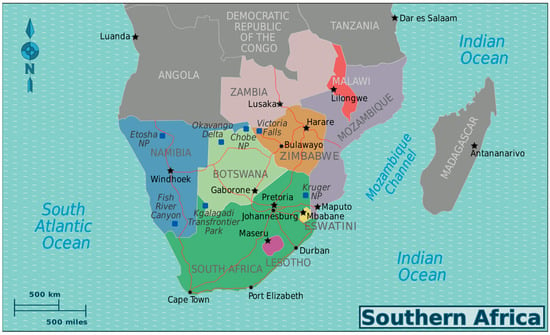
The Bantustans in South Africa during the Apartheid era engaged in the extension of their territories, as this entailed increased revenue from the Apartheid regime. The latter aimed to concentrate African populations within these Bantustans, which effectively divided them into ‘ethnic’ groups. The Bantustan project, orchestrated by the regime, sought to implement a ‘divide-and-rule’ strategy. The regime was acutely aware that if the African population were to unite, they could pose significant political and security threats; consequently, it was imperative to maintain divisions through the establishment of ‘ethnically’ segregated Bantustans. This study interrogates how the regime enticed Bantustan leaders with territorial extensions to enforce the pseudo-independence and freedom of Africans within these ethnic enclaves, which received financial backing from the regime. As demonstrated in this study, liberation movements accused Bantustan leaders of collaborating with the regime, thereby branding them as ‘stooges’ of the latter. The Bantustan leaders were neither mere dupes nor entirely independent actors; rather, they were constrained to operate within the politically violent confines of the Apartheid system. Their apprehension towards acting against the regime was driven by self-interest. However, by demanding and accepting territorial extensions, they intensified their subordination to the regime. Utilising primary sources alongside secondary interpretations regarding the Bantustans, this study examines the advantages and disadvantages of territorial extensions. It becomes evident that such collaboration undermined the unity of the African populace in their struggle against Apartheid. This study critiques the management of territorial extensions by both the regime and the Bantustan leaders, focusing specifically on the relationships fostered by these extensions, particularly in relation to the TBVC states.
Full article
Open AccessArticle
Pareto on Cunning and Deceit
by
Christopher Adair-Toteff
Histories 2025, 5(1), 11; https://doi.org/10.3390/histories5010011 - 4 Mar 2025
Abstract
In Plato’s Republic, Socrates praises reason and vilifies force. This preference for reason continued its role in philosophy and only a few political thinkers considered the use of force. Plato also dismissed persuasion as the Sophists’ art of making the weaker argument
[...] Read more.
In Plato’s Republic, Socrates praises reason and vilifies force. This preference for reason continued its role in philosophy and only a few political thinkers considered the use of force. Plato also dismissed persuasion as the Sophists’ art of making the weaker argument appear stronger and the stronger argument appear weaker. It was Machiavelli who focused on force and persuasion, but he was criticized for his advice to the Prince. Vilfredo Pareto did not offer counsel but rather provided one of the first realistic accounts of social behavior. For Pareto, that meant exploring the range of means which humans use to achieve what they want. For Pareto, that meant less attention on reason and more on persuasion and cunning. Thomas Hobbes wrote that force and fraud are two means, but Pareto insisted that humans use force, persuasion, and cunning. It is to Pareto’s credit as a social behaviorist that he provided one of the first scholarly analyses of cunning and deceit.
Full article
(This article belongs to the Section History of Knowledge)
Open AccessArticle
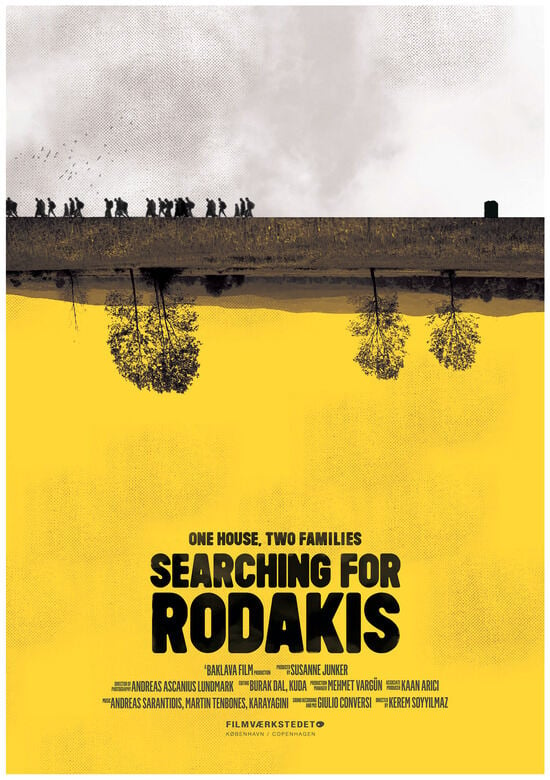
Modern Comprehension of the Treaty of Lausanne (1923): Historical Documentary, Searching for Rodakis by Kerem Soyyilmaz
by
Theodora Semertzian, Ifigeneia Vamvakidou, Theodore Koutroukis and Eleni Ivasina
Histories 2025, 5(1), 10; https://doi.org/10.3390/histories5010010 - 3 Mar 2025
Abstract
This study analyzes the award-winning documentary film Searching for Rodakis, directed by Kerem Soyyilmaz, produced in 2023. The aim of this study is the historic comprehension and analysis of this filmic narrative in the field of social–semiotic literacy and its utilization in
[...] Read more.
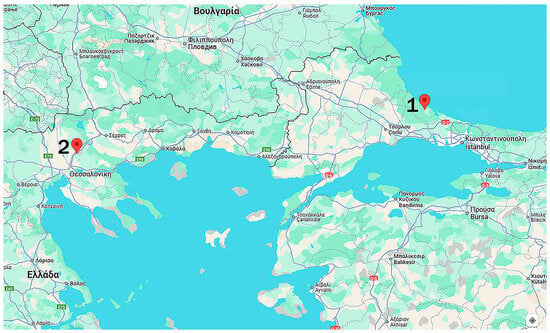
This study analyzes the award-winning documentary film Searching for Rodakis, directed by Kerem Soyyilmaz, produced in 2023. The aim of this study is the historic comprehension and analysis of this filmic narrative in the field of social–semiotic literacy and its utilization in historical studies for approaching issues of conflict in modern history, otherness, collective experience and trauma, and collective memory. The research material is the documentary Searching for Rodakis (produced by Denmark, Turkey 2023; screenplay/director, Kerem Soyyilmaz; duration, 57’), which received the following awards: Adana Golden Boll FF 2023 Turkey | Best Documentary, Thessaloniki International Doc. Festival 2023 Greece, Greek Film Festival Los Angeles 2023 USA, and Istanbul Documentary Days 2023 Turkey. As regards the historic context, the year of production, 2023, coincides with the 100th anniversary of the signing of the Treaty of Lausanne, where Turkey’s current borders were set and the “population exchange” legally sealed, i.e., the violent expulsion of 400,000 Muslims, citizens of Greece, many of whom spoke only Greek, and 200,000 Orthodox citizens of Turkey, who in the majority spoke Turkish. At the same time, the Treaty of Lausanne ratified and finalized the expulsion of approximately one million Orthodox who were forced to leave the Ottoman Empire, as well as 120,000 Muslims who had fled Greece since the beginning of the Balkan Wars (1912–1913). About two million people were deported and lost their citizenship and property, in the context of “national homogeneity” (which connotes an ethnic cleansing), with the official states ignoring the criticisms of lawyers and academics who spoke of violations of constitutional rights. Mohammedan Greeks, estimated at around 190,000 as early as 1914, based on ecclesiastical statistics in the Pontus region, did not receive attention from the provisions of the Treaty of Lausanne, even though linguistically and culturally (origin, customs, culture and traditions) they did not differ in any way from the Orthodox Greeks. In Turkey, there was general indifference to the thousands of desperate people who arrived, with the exception of a few academics and the Lausanne Exchange Foundation. The filmic scenario is as follows: as a Greek tombstone of unknown origin is discovered underneath the floorboards in an old village house in Turkey, an almost forgotten story from the country’s creation unravels—the forced population exchange between Greece and Turkey in 1923. The engraved Greek letters tell of a woman, Chrysoula Rodaki, who died in 1887. Thus the search for her descendants begins. It leads director Kerem Soyyilmaz to local archives, where his own family’s role in history is laid bare; to abandoned ghost towns, and through the memories of older villagers—all while Soyyilmaz meets massive support for his quest from Greeks on the other side of the border. The stone becomes a portal to the past—and for a while, the trauma becomes redeemed when the previous owners of the village house return. Searching for Rodakis is a movie that reconnects people, culture, and the stories that were discarded in order to build a strong, nationalist state—told through the director’s personal experiences. The research questions, as they arise from the cinematographic material itself, are as follows: How is the historical memory of traumatic events of the previous century, such as the exchange of populations according the Treaty of Lausanne, recorded in the cinematographic narrative? What are the historical sources? To what extent did the origin, ethnicity, and geographical location of the narrators as participants influence the preservation of historical memory and the historical research? What are the criteria of the approach of the creator, and what are the criteria of the participants? Methodologically, we apply historic and socio-semiotic analyses in the field of public and digital history. The results: The types of historical sources found in filmic public discourse include the oral narration of testimonies, of experiences and of memories, as well as the director’s historical research in state archives, the material cultural objects, and the director’s digital research. Thus, historic thematic categories occur, such as the specific persons and actions in Turkey/Greece, actions on-site and in online research, and the types of historical sources, such as oral testimonies, research in archives, and objects of material culture. Sub-themes such as childhood, localities and kinship also emerge. These cinematic recordings of biographical oral narratives as historical and sociological material help us understand the political ideologies of the specific period, between the years 1919 and 1923. The multimodal film material is analyzed to provide testimonies of oral and digital history; it is utilized to approach the historical reality of “otherness”, seeking dialogue in cross-border history in order to identify differences, but above all the historic and cultural similarities against sterile stereotypes. The historic era and the historic geography of the Greek and Turkish national histories concern us for research and teaching purposes a hundred years after the Treaty of Lausanne which set the official borders of the countries.
Full article

(This article belongs to the Section Cultural History)
►▼
Show Figures

Figure 1
Open AccessArticle
From Newton’s Laws to Walras’ Equilibrium: A Historical Perspective on Determinism in Economics and Social Sciences
by
Luigi Capoani
Histories 2025, 5(1), 9; https://doi.org/10.3390/histories5010009 - 28 Feb 2025
Abstract
Focusing on a specific interaction between physics and economics, this study delves into the realm of econophysics and investigates the birth, evolution, and practical applications of this interdisciplinary field. This study explores the influence of Newton’s laws, the concept of gravity, and, more
[...] Read more.
Focusing on a specific interaction between physics and economics, this study delves into the realm of econophysics and investigates the birth, evolution, and practical applications of this interdisciplinary field. This study explores the influence of Newton’s laws, the concept of gravity, and, more generally, mechanical physics on the development of economic thought. It examines the application of Newtonian principles in interpreting economic dynamics, with a particular focus on the contributions of neoclassical economists and Isard’s gravitational model, offering insights into the intricate dynamics of economic equilibrium in complex systems. Finally, these concepts are situated within the broader debate between determinism and indeterminism in the social sciences.
Full article
(This article belongs to the Section History of Knowledge)
►▼
Show Figures

Figure 1
Open AccessArticle
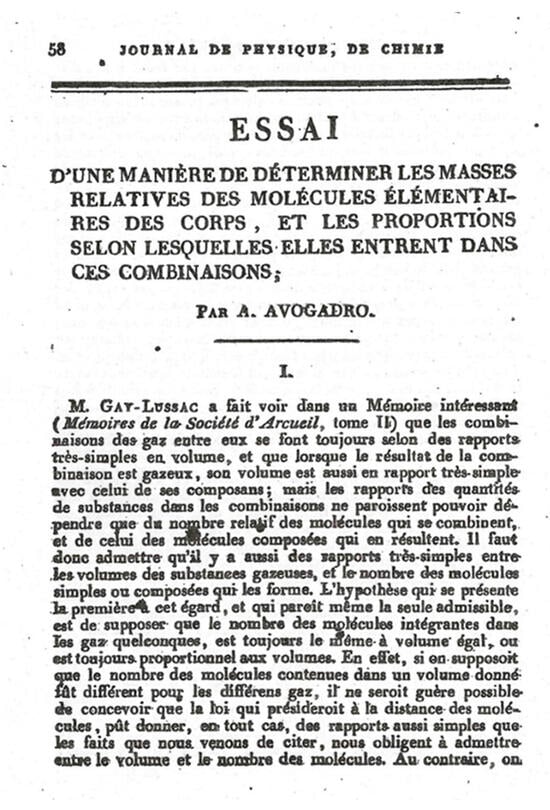
On the Birth of Modern Chemistry: I—The Atomic–Molecular Theory from Dalton to Avogadro
by
Pier Remigio Salvi
Histories 2025, 5(1), 8; https://doi.org/10.3390/histories5010008 - 28 Feb 2025
Abstract
The purpose of this paper is to review the basic steps in the development of the atomic–molecular theory with the support of the original documentation. The most important contributions are examined, from the first intimation of the theory by Dalton to the Avogadro
[...] Read more.
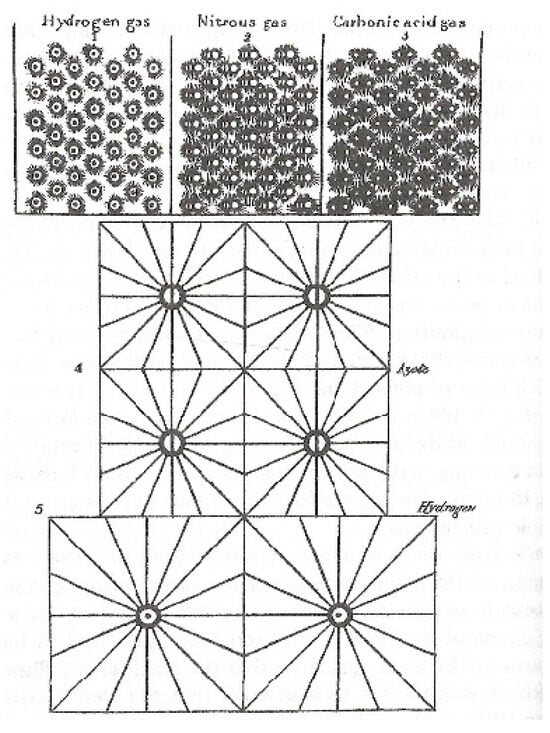
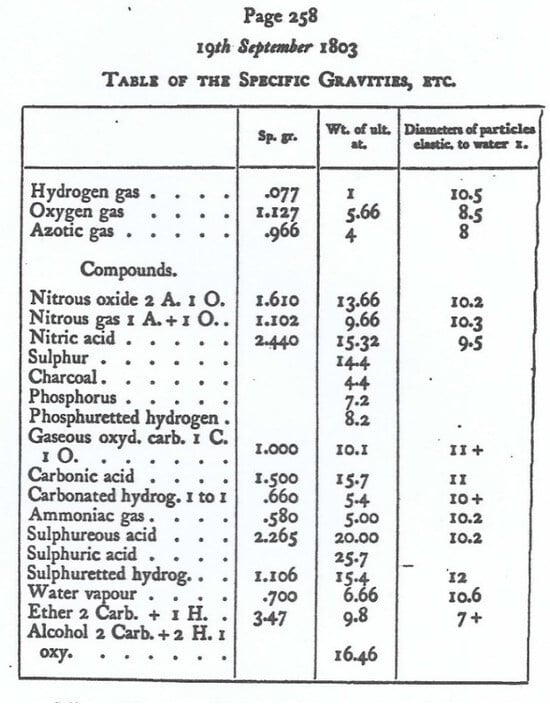
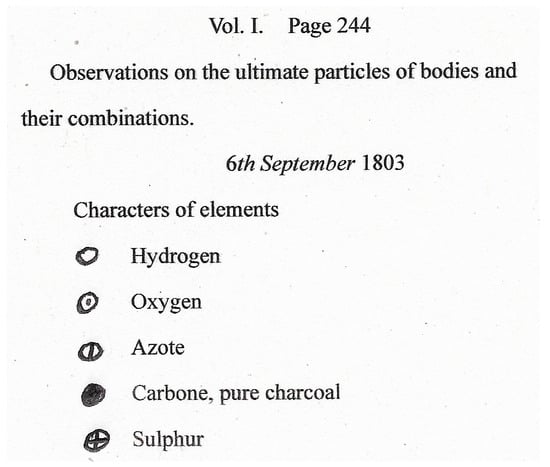
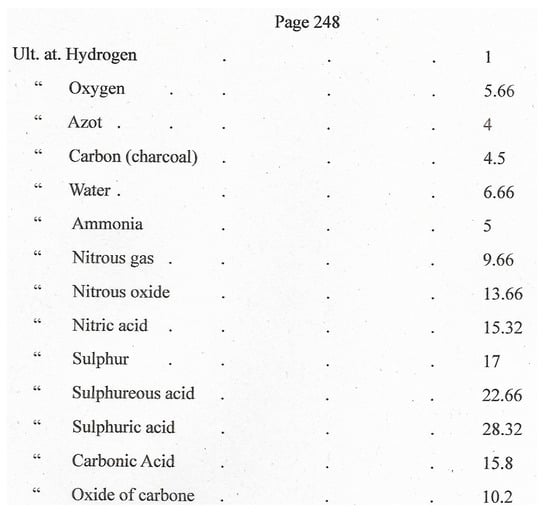
The purpose of this paper is to review the basic steps in the development of the atomic–molecular theory with the support of the original documentation. The most important contributions are examined, from the first intimation of the theory by Dalton to the Avogadro hypothesis, intended to reconcile empirical relations observed by Gay-Lussac in gaseous reactions with the atomistic ideas. The genesis and the structure of Dalton’s theory are described, and attention is focused on the rules of the greatest simplicity by means of which the relative weights and sizes of elementary and compounds atoms were determined. The first striking achievements are outlined. A peculiar trait of the Daltonian principles is represented by the rejection of a simple relation between specific gravities of elastic fluids and weights of the ultimate particles. On the contrary, the fixed (and small) ratios of reacting volumes in gaseous reactions, a result discovered by Gay-Lussac, suggest that particles combine according to simple numbers. The equal volume/equal number of particles hypothesis was a substitute better than Dalton’s rules for the determination of the atomic weights and led to the prediction of elementary polyatomic molecules.
Full article
(This article belongs to the Section History of Knowledge)
►▼
Show Figures

Figure 1
Open AccessArticle
The Rage of the Dog Star: Spatio-Temporal Risk of Malaria in the Eastern Mediterranean During the Crusader Period (c. 1000–c. 1250)
by
John Mark Nicovich
Histories 2025, 5(1), 7; https://doi.org/10.3390/histories5010007 - 5 Feb 2025
Abstract
►▼
Show Figures
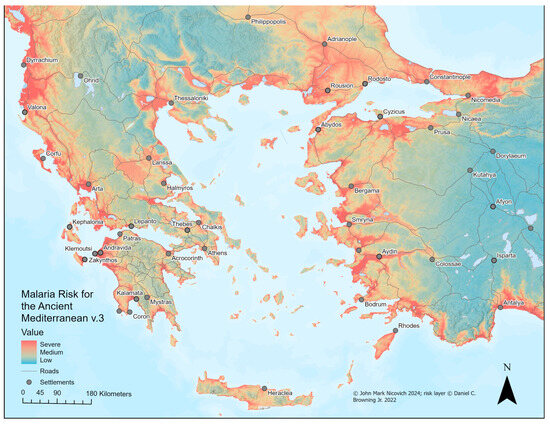
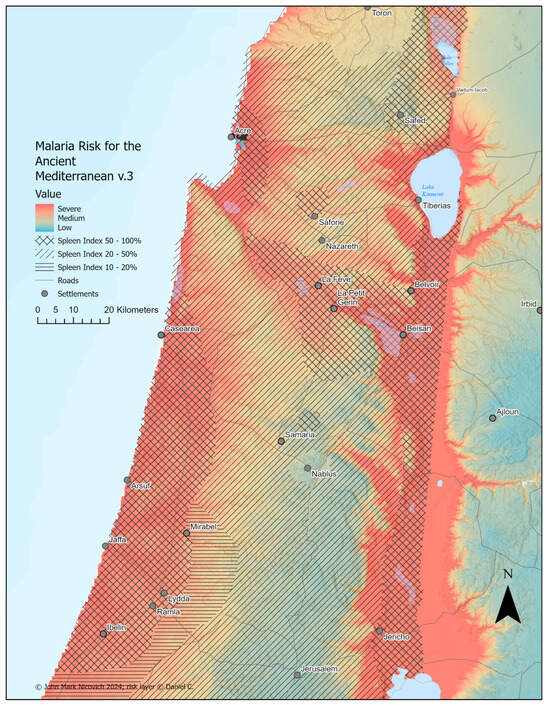
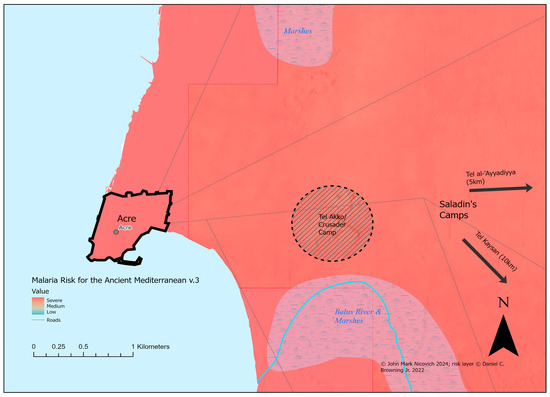
Multiple forms of endemic malaria existed in the Mediterranean Basin from the 3rd millennium BCE until eradication regimes were imposed in the 20th century, with major societal health impacts across the history of the region. Little attention has been paid to the role
[...] Read more.
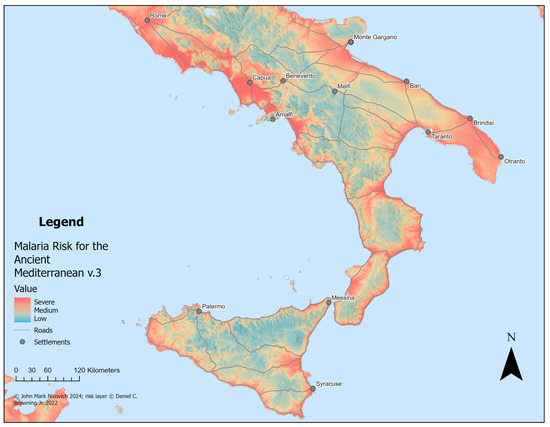
Multiple forms of endemic malaria existed in the Mediterranean Basin from the 3rd millennium BCE until eradication regimes were imposed in the 20th century, with major societal health impacts across the history of the region. Little attention has been paid to the role endemic malaria played during the high medieval period, especially during the Crusades, when large Christian armies transited the Mediterranean to conquer the Levant, forging new states, trade lanes and pilgrimage routes in the process. This study utilizes a recent GIS-enabled malaria risk model validated for the pre-modern Mediterranean to re-evaluate contemporary accounts of illness and epidemics in the Crusader Levant. While medieval sources often provide ambiguous descriptions of disease, careful consideration of these accounts in light of the demonstrable spatial and temporal risk of malaria infection provides substantial evidence of these kinds of epidemics. The resulting evidence suggests that several malaria species, either on their own or in concert with other pathogens, afflicted numerous Crusade campaigns in low-lying landscapes during the warmest periods of the summer and fall in the Levant. In turn, these malaria epidemics had a major impact on the history of the Crusades and the Crusader States.
Full article
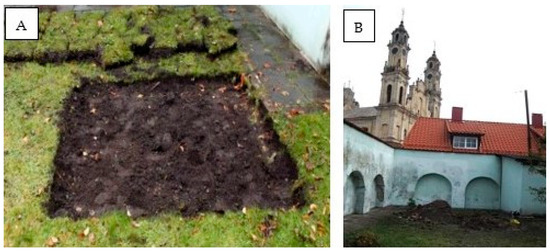
Figure 1
Open AccessArticle
Demographic and Genetic Impact of the 1742–1743 Plague Epidemic in Córdoba, Argentina: A Bioanthropological Perspective
by
Jorge Hugo Villafañe
Histories 2025, 5(1), 6; https://doi.org/10.3390/histories5010006 - 1 Feb 2025
Cited by 1
Abstract
Background: This study investigates the demographic, genetic, and socioeconomic impact of the 1742–1743 plague epidemic on Córdoba, a key region within the Viceroyalty of Peru. The research focuses on the epidemic’s influence along the Royal Road (Camino Real), the main route connecting Buenos
[...] Read more.
Background: This study investigates the demographic, genetic, and socioeconomic impact of the 1742–1743 plague epidemic on Córdoba, a key region within the Viceroyalty of Peru. The research focuses on the epidemic’s influence along the Royal Road (Camino Real), the main route connecting Buenos Aires and Lima, addressing a historically overlooked period with a multidimensional approach. Methods: Historical records of deaths, baptisms, and marriages from the Córdoba Archbishopric Archive were analyzed using techniques from historical demography and bioanthropology. Variables such as endogamy, exogamy, average marital distance (AMD), and consanguinity coefficients were evaluated. Results: The findings reveal a significant increase in endogamy (75–82%) and a peak exogamy index of 375 during the 1740–1744 cohort. The AMD rose to 705 km during the epidemic, indicating a shift toward marriages involving individuals from more distant regions. The total consanguinity coefficient (Ft) reached 0.00056, with the non-random component (Fn) driving this increase, suggesting heightened genetic isolation. Conclusions: The 1742–1743 plague epidemic intensified genetic isolation and consanguinity, potentially increasing homozygosity and the prevalence of recessive conditions. These changes highlight the epidemic’s long-term impact on Córdoba’s genetic diversity and demographic patterns within the colonial context.
Full article
Open AccessArticle
“Les Malcontents” and the Monarchomach Treatises: The Aristocratic Justification of Revolt and the Ideology of Popular Sovereignty in 1570s France
by
Andrei Constantin Sălăvăstru
Histories 2025, 5(1), 5; https://doi.org/10.3390/histories5010005 - 1 Feb 2025
Abstract
Intended to destroy the aristocratic leadership of the Huguenots, the massacre of St. Bartholomew galvanized instead the opposition to a monarchy seen now not only as tyrannical, but also treacherous. The Huguenots started exploring various ways to check and even depose a hostile
[...] Read more.
Intended to destroy the aristocratic leadership of the Huguenots, the massacre of St. Bartholomew galvanized instead the opposition to a monarchy seen now not only as tyrannical, but also treacherous. The Huguenots started exploring various ways to check and even depose a hostile monarch, in the so-called monarchomach treatises. But the massacre also led to the formation of a faction of moderate Catholic aristocrats, “les malcontents”, who cooperated with the Huguenots against a monarchy that, in their opinion, had committed a major breach of trust. Both the Huguenots and the malcontents proposed their own constitutional theories, aimed at limiting the power of the monarchy: the former argued in favor of a form of popular sovereignty, which would have turned the king into something akin to a first magistrate of his kingdom, while the latter put forward ideas that preserved the king as the undisputable head of the political pyramid, but argued in favor of the right to revolt, in the name of the same king, for the sake of the “public good”. The aim of this paper is to examine both the differences and the common ground between these two political models, as they are reflected in the propaganda issued by the Huguenots and the leaders of the malcontents during the 1570s.
Full article
(This article belongs to the Section Political, Institutional, and Economy History)
Open AccessArticle
Daewoo, Thomson, and Privatization in Late-Twentieth-Century France
by
Jill Harsin
Histories 2025, 5(1), 4; https://doi.org/10.3390/histories5010004 - 14 Jan 2025
Abstract
The region of Lorraine in France witnessed the collapse of the steel industries in the late twentieth century, causing massive job losses and social devastation. Daewoo Electronics, a division of one of the great Korean conglomerates of the 1980s and 1990s, came to
[...] Read more.
The region of Lorraine in France witnessed the collapse of the steel industries in the late twentieth century, causing massive job losses and social devastation. Daewoo Electronics, a division of one of the great Korean conglomerates of the 1980s and 1990s, came to Lorraine in eastern France in 1987. It was lured there by generous French government subsidies and the chance to enter the European market. It opened three factories in consumer electronics and components, and also nearly acquired Thomson Multimédia, a state-owned consumer electronics factory, from the French government “for a single symbolic franc”. The resulting uproar, from political opponents and Thomson and Daewoo employees, ended the deal and soured its relationship with France. Daewoo employed just over a thousand people before it closed in 2003, a result of the collapse of the entire Daewoo Group. This article places this sequence of events, widely covered in the media, in the context of French anxiety about globalization, the loss of industrial substance, and France’s place in a changing world. It examines the process of privatization, and the ways in which it went so badly wrong in the Thomson case. This episode occurred at a critical juncture in the transformation of industrial capitalism into a service and digital economy.
Full article
(This article belongs to the Section Political, Institutional, and Economy History)
Open AccessArticle
An Implexic Genealogical Analysis of the Absurd
by
Brian Lightbody
Histories 2025, 5(1), 3; https://doi.org/10.3390/histories5010003 - 7 Jan 2025
Abstract
According to some, humanity’s search to answer the question “What is the meaning of life?” fuels the creative fires that forge all of civilization’s great religious, spiritual, and philosophical texts. But how seriously should we take the question? In the following paper, I
[...] Read more.
According to some, humanity’s search to answer the question “What is the meaning of life?” fuels the creative fires that forge all of civilization’s great religious, spiritual, and philosophical texts. But how seriously should we take the question? In the following paper, I provide an implexic genealogical analysis of the cognitive structures that make the very articulation of the question possible. After outlining my procedure, my paper begins by explaining the main components of a genealogical inquiry. Next, I examine Camus’s and Nagel’s respective analyses of philosophical absurdity, paying particular attention to their different evaluations of avatars of the absurd, such as the myth of Sisyphus. Finally, I demonstrate how we may complete Nagel’s solution to the absurd (which counsels that whenever the seeming meaninglessness of life is raised in consciousness, we address it with an ironic smile) by providing an evolutionary pathway of how the cognitive scaffolding required to ask the question about life’s meaning arose. I argue that by reframing philosophical absurdity, we see the phenomenon in a different light. In this very reframing, we may become free from the malaise often connected to avatars for the absurd.
Full article
(This article belongs to the Section Cultural History)
Open AccessArticle
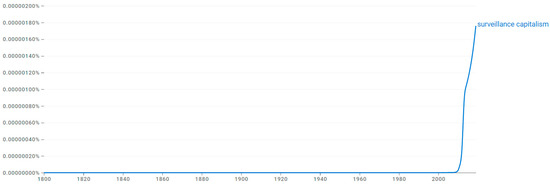
Surveillance Capitalism: Origins, History, Consequences
by
Kenneth Lipartito
Histories 2025, 5(1), 2; https://doi.org/10.3390/histories5010002 - 7 Jan 2025
Abstract
This article investigates the early history and recent development of what is now termed surveillance capitalism. It argues that an underappreciated aspect of the surveillance of people and intensive data collection is a regularization of behavior that attempts to erase uncertainty. This process
[...] Read more.
This article investigates the early history and recent development of what is now termed surveillance capitalism. It argues that an underappreciated aspect of the surveillance of people and intensive data collection is a regularization of behavior that attempts to erase uncertainty. This process has been ongoing for more than a century, but its expansion through increasingly sophisticated digital technology and the widespread adoption of data gathering as a business strategy has the potential to stifle and inhibit the innovative entrepreneurship that is crucial to the capitalist system. How this will play out remains unclear, but history argues that we should look for ways to mitigate the potentially negative consequences of complex technological systems such as these.
Full article
(This article belongs to the Section Political, Institutional, and Economy History)

►▼
Show Figures

Figure 1
Open AccessCommentary
The Role of Frontier Territories in Geopolitics
by
Brett Bowden
Histories 2025, 5(1), 1; https://doi.org/10.3390/histories5010001 - 3 Jan 2025
Abstract
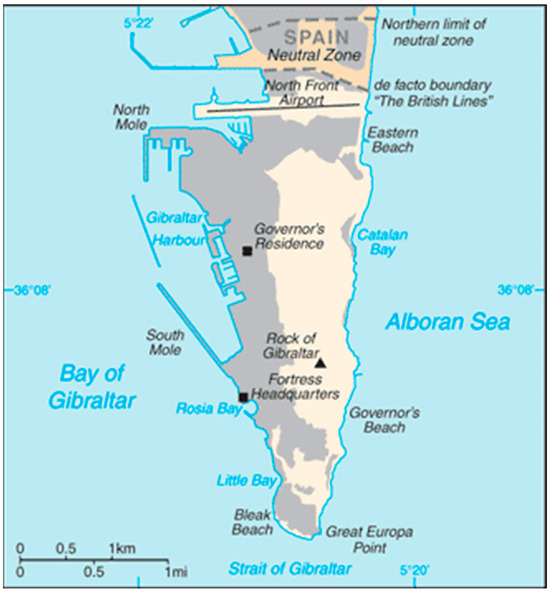
More than two-thirds of all the world’s states are involved in at least one territorial dispute. Overall, there are approximately 175 disputes involving competing claims to more than 100 distinct territories. If maritime boundaries are included, the number of disputes multiplies more than
[...] Read more.
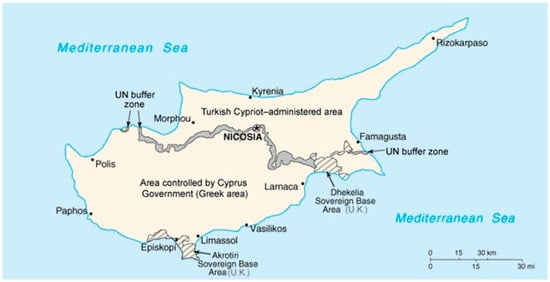
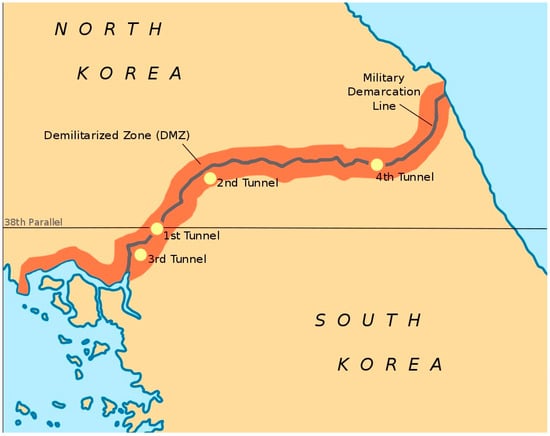
More than two-thirds of all the world’s states are involved in at least one territorial dispute. Overall, there are approximately 175 disputes involving competing claims to more than 100 distinct territories. If maritime boundaries are included, the number of disputes multiplies more than two-fold. Since at least the thirteenth century, frontier buffer zones with length and breadth have been an important mechanism in managing territorial disputes along contested borders. These historical examples have much to teach us about containing contemporary territorial disputes.
Full article
(This article belongs to the Section Political, Institutional, and Economy History)
►▼
Show Figures

Figure 1
Open AccessArticle
The New Iberian Macho in Democratic Spain: Modern Men in the Men’s Magazines?
by
Ana Velasco Molpeceres, Cristina Gómez Cuesta and María Prieto Muñiz
Histories 2024, 4(4), 598-616; https://doi.org/10.3390/histories4040031 - 19 Dec 2024
Abstract
The evolution of men’s fashion and lifestyle magazines in Spain since the 1970s reflects shifts in male identity, influenced by the country’s transition from dictatorship to democracy and the liberalizing period of el Destape. This study examines how these magazines capture the adaptations
[...] Read more.
The evolution of men’s fashion and lifestyle magazines in Spain since the 1970s reflects shifts in male identity, influenced by the country’s transition from dictatorship to democracy and the liberalizing period of el Destape. This study examines how these magazines capture the adaptations of the “modern man”, emphasizing his pursuit of freedom and alignment with global trends. By analyzing the content of men’s magazines and contrasting them with women’s publications, this study identifies gendered consumption patterns and the role of magazines as both historical records and consumer products. Comparisons reveal how men and women were positioned as both subjects and objects. Results show that men’s magazines initially centered on lifestyle and erotic themes, with successful titles like MAN outlasting less defined publications. Over time, male-targeted magazines broadened their content, increasingly presenting men as consumers of lifestyle topics. This shift parallels the growth of new male-focused magazines since the 2000s, which now leverage social media-driven trends to attract audiences. The study concludes that these magazines have not only shaped male identity but have also reflected capitalist consumer strategies, adapting to digital contexts. Modern male lifestyle magazines, while diversifying themes, remain influenced by traditional gender dynamics that underscore male dominance in cultural narratives.
Full article
(This article belongs to the Section Gendered History)
Open AccessArticle
Botanical Roots and Word Origins: A Systematic Reconstruction of Alor Plant Name Etymologies

by
Brenda Man Qing Ong and Francesco Perono Cacciafoco
Histories 2024, 4(4), 575-597; https://doi.org/10.3390/histories4040030 - 17 Dec 2024
Abstract
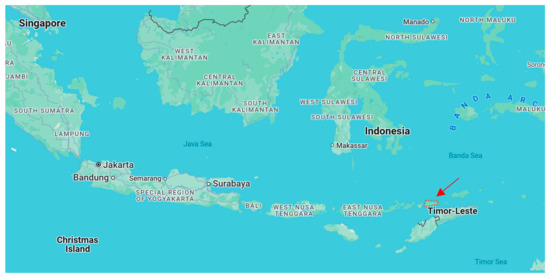
This research provides a systematic reconstruction of nine botanical names from the Papuan languages spoken on Alor Island. Although genealogical links among the Papuan Timor–Alor–Pantar languages have been previously investigated, linguistic micro-studies of the hypothesized ‘shared’ ancestor languages within languages of the individual
[...] Read more.
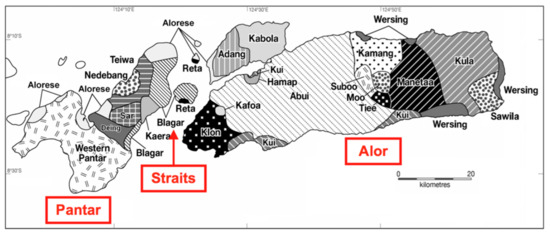
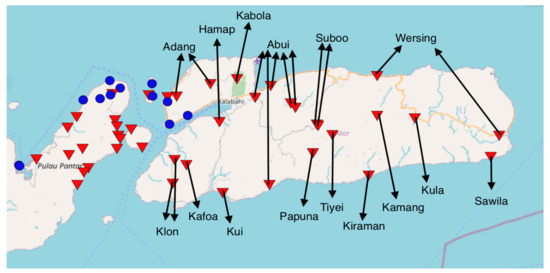
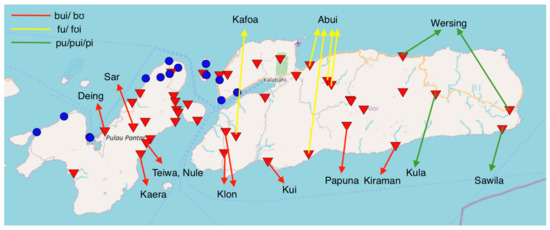
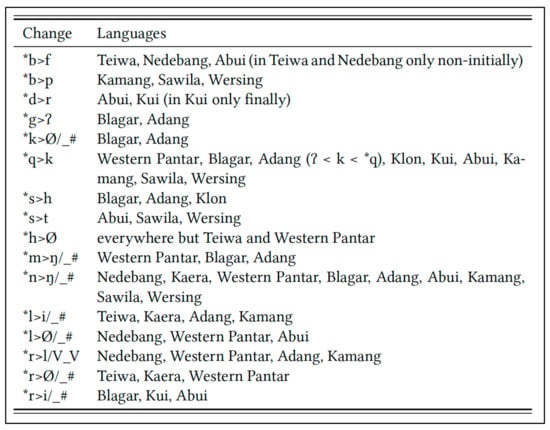
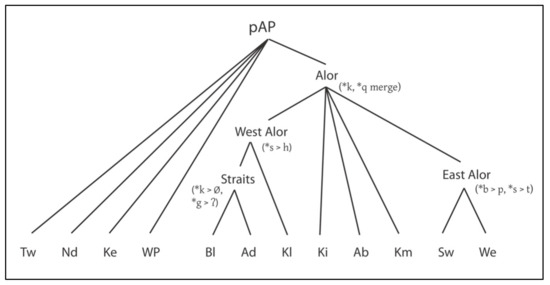
This research provides a systematic reconstruction of nine botanical names from the Papuan languages spoken on Alor Island. Although genealogical links among the Papuan Timor–Alor–Pantar languages have been previously investigated, linguistic micro-studies of the hypothesized ‘shared’ ancestor languages within languages of the individual islands remain sparse. This study has three main aims: Firstly, to provide etymological reconstructions of Alor–Pantar Papuan words on a micro-level, focusing on Alor Island and specifically on plant names, which represent a cornerstone of Alor culture and history. Adopting the Comparative Method comparing cognates of 15 local languages, this research postulates historical phonetic shifts and language alignment phenomena and proposes proto-forms of the words in proto-Alor. Secondly, to shed light on possible prehistoric language contact and settlement patterns. A key finding suggests that the initial consonantal shifts *b > b > f > p in the languages is a probable loanword feature originating from the Austronesians. The geographical spread could indicate the influence of external trade and/or settlement patterns within the Papuan populations. Lastly, to provide a backbone for future etymological research on Papuan languages in Alor (and beyond) by mapping out aspects of language origins and phonetic influences and establish features of the shared proto-language(s).
Full article
(This article belongs to the Section Cultural History)
►▼
Show Figures

Figure 1
Open AccessArticle
The Sacred Federation of Tibet and the Mongol Empire
by
Lingkai Kong
Histories 2024, 4(4), 557-574; https://doi.org/10.3390/histories4040029 - 14 Dec 2024
Abstract
This article re-examines the history of the Mongol Empire’s rule over Tibet, analyzing the complex institutional and religious relationships between the Mongol Empire and Tibet from an innovative perspective. We find that, unlike its military conquests in other parts of the world, the
[...] Read more.
This article re-examines the history of the Mongol Empire’s rule over Tibet, analyzing the complex institutional and religious relationships between the Mongol Empire and Tibet from an innovative perspective. We find that, unlike its military conquests in other parts of the world, the Mongol Empire actually formed a kind of federation with Tibet based on Buddhism. The Mongol Empire embraced Tibetan Buddhism as its state religion and venerated the head of the Sakya school as a spiritual guide. Concurrently, the establishment of the Bureau of Buddhist and Tibetan Affairs in the Mongol capital served as a nominal governing body over Tibet, while in reality, it ensured a significant degree of autonomy for the region. Furthermore, the leaders of the Mongol Empire felt endowed with the legitimacy to conquer the world after being blessed by Tibetan Buddhism as Mahakala, the dark incarnation of Avalokiteshvara. In addition, the article also provides a detailed account of the prosperity of Buddhism within the Mongol Empire, in terms of its economic, artistic, and philosophical aspects. The discovery of this evidence is of great significance, since it not only supports reinterpretation of the historical evolution of the Mongol Empire and Tibet, but also allows us to observe the status of Tibetan Buddhism in the Mongol Empire from a new perspective, and to explore the unexpected institutional innovations of the federation reflected in the Mongol-Tibetan relationship.
Full article
(This article belongs to the Section Political, Institutional, and Economy History)
Highly Accessed Articles
Latest Books
E-Mail Alert
News
Topics
Conferences
Special Issues
Special Issue in
Histories
Novel Insights into Naval Warfare and Diplomacy in Medieval Europe
Guest Editor: Jesús Ángel Solórzano TelecheaDeadline: 30 June 2025
Special Issue in
Histories
Novel Insights into Sports History
Guest Editor: Dave DayDeadline: 30 June 2025
Special Issue in
Histories
History of International Relations
Guest Editor: André LiebichDeadline: 31 August 2025
Special Issue in
Histories
Memory and Women’s Studies: Between Trauma and Positivity
Guest Editors: Irene Mizrahi, Claire SorinDeadline: 31 October 2025