

Journal Description
Informatics
Informatics
is an international, peer-reviewed, open access journal on information and communication technologies, human–computer interaction, and social informatics, and is published quarterly online by MDPI.
- Open Access— free for readers, with article processing charges (APC) paid by authors or their institutions.
- High Visibility: indexed within Scopus, ESCI (Web of Science), dblp, and other databases.
- Journal Rank: JCR - Q2 (Computer Science, Interdisciplinary Applications) / CiteScore - Q1 (Communication)
- Rapid Publication: manuscripts are peer-reviewed and a first decision is provided to authors approximately 38.1 days after submission; acceptance to publication is undertaken in 6.1 days (median values for papers published in this journal in the second half of 2024).
- Recognition of Reviewers: reviewers who provide timely, thorough peer-review reports receive vouchers entitling them to a discount on the APC of their next publication in any MDPI journal, in appreciation of the work done.
Impact Factor:
3.4 (2023);
5-Year Impact Factor:
3.1 (2023)
Latest Articles
Markov-CVAELabeller: A Deep Learning Approach for the Labelling of Fault Data
Informatics 2025, 12(2), 35; https://doi.org/10.3390/informatics12020035 - 25 Mar 2025
Abstract
►
Show Figures
The lack of fault data is still a major concern in the area of smart maintenance, as these data are required to perform an adequate diagnostics and prognostics of the system. In some instances, fault data are adequately collected, even though the fault
[...] Read more.
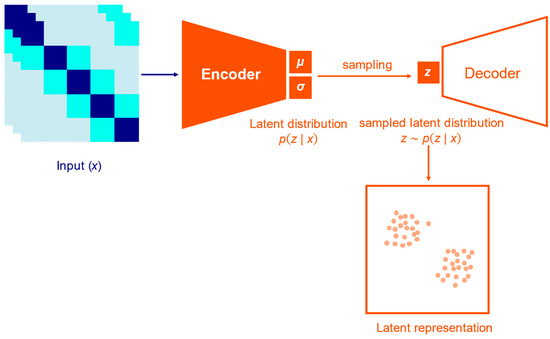
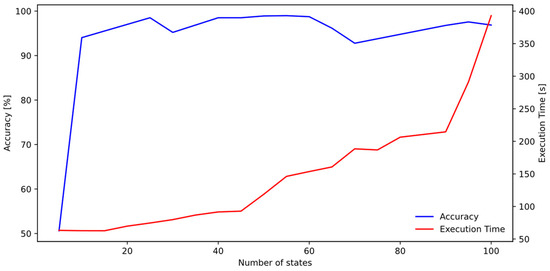
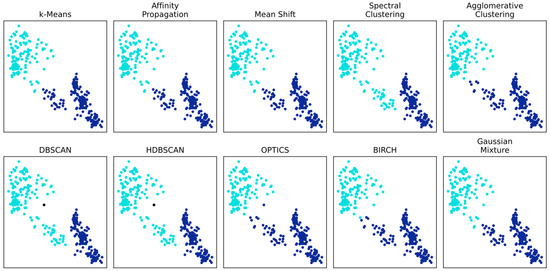
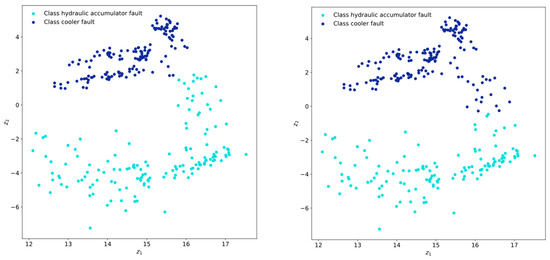
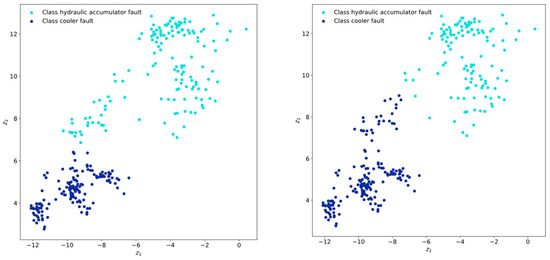
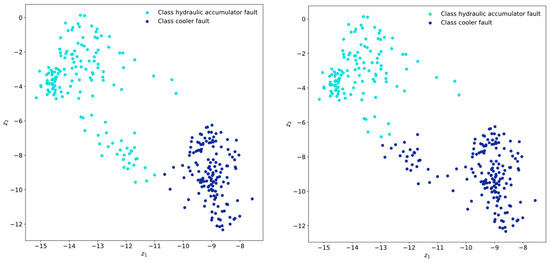
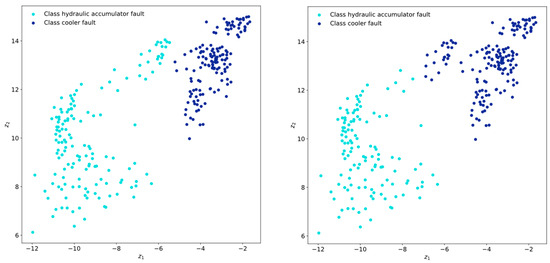
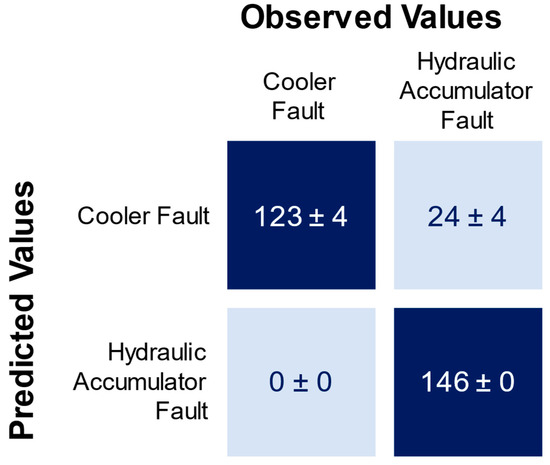
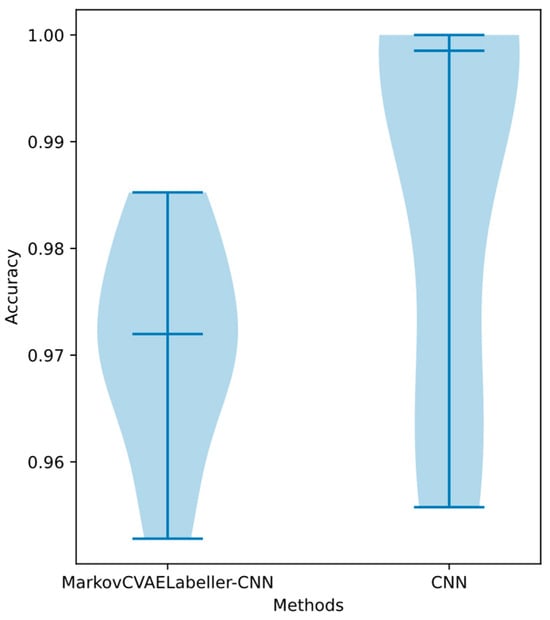
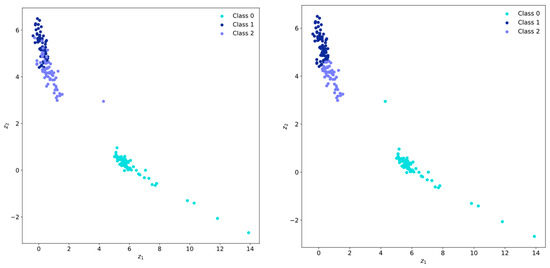
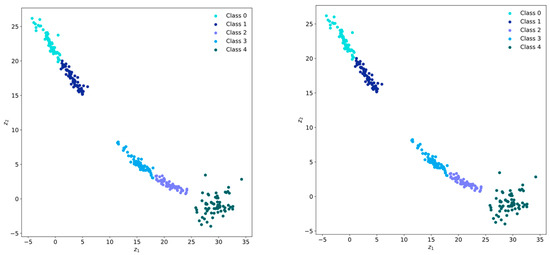
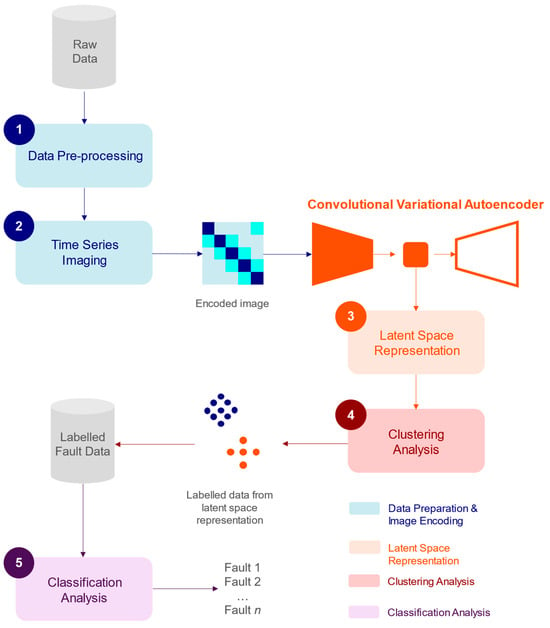
The lack of fault data is still a major concern in the area of smart maintenance, as these data are required to perform an adequate diagnostics and prognostics of the system. In some instances, fault data are adequately collected, even though the fault labels are missing. Accordingly, the development of methodologies that generate these missing fault labels is required. In this study, Markov-CVAELabeller is introduced in an attempt to address the lack of fault label challenge. Markov-CVAELabeller comprises three main phases: (1) image encoding through the application of the first-order Markov chain, (2) latent space representation through the consideration of a convolutional variational autoencoder (CVAE), and (3) clustering analysis through the implementation of k-means. Additionally, to evaluate the accuracy of the method, a convolutional neural network (CNN) is considered as part of the fault classification task. A case study is also presented to highlight the performance of the method. Specifically, a hydraulic test rig is considered to assess its condition as part of the fault diagnosis framework. Results indicate the promising applications that this type of methods can facilitate, as the average accuracy presented in this study was 97%.
Full article
Open AccessArticle
Offline System for 2D Indoor Navigation Utilizing Advanced Data Structures
by
Jorge Luis Veloz, Leo Sebastián Intriago, Jean Carlos Palma, Andrea Katherine Alcívar-Cedeño, Álvaro Antón-Sacho, Pablo Fernández-Arias, Edwan Anderson Ariza and Diego Vergara
Informatics 2025, 12(2), 34; https://doi.org/10.3390/informatics12020034 - 21 Mar 2025
Abstract
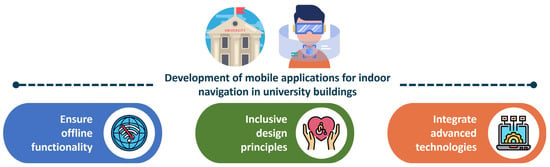
This study introduces a robust offline system for 2D indoor navigation, developed to address common challenges such as complex layouts and connectivity constraints in diverse environments. The system leverages advanced spatial modeling techniques to optimize pathfinding and resource efficiency. Utilizing a structured development
[...] Read more.
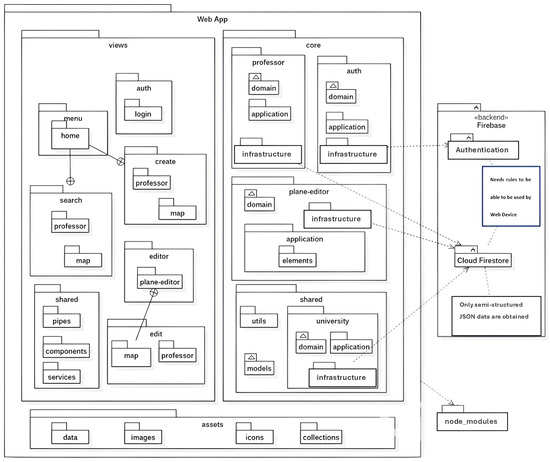
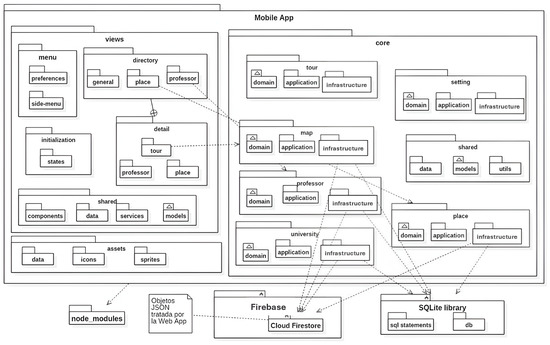
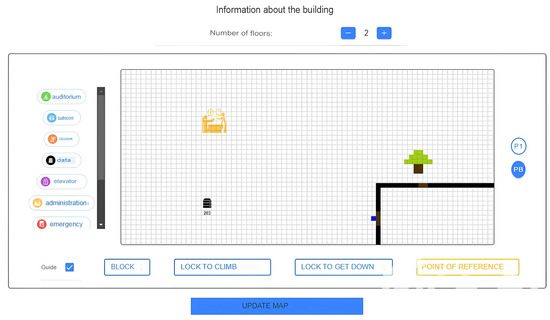
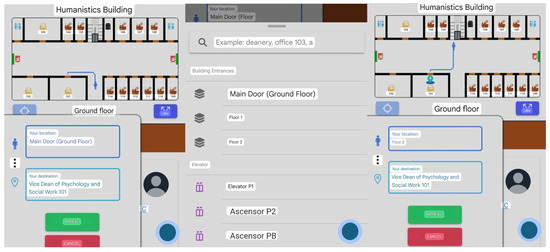
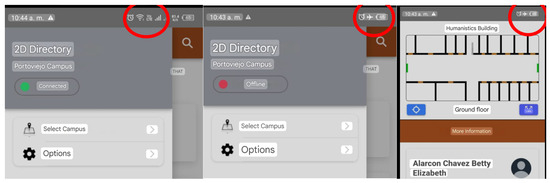
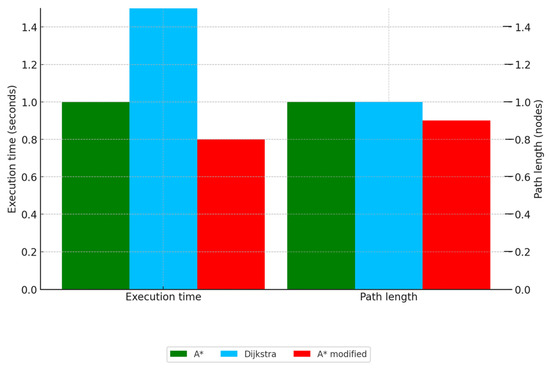
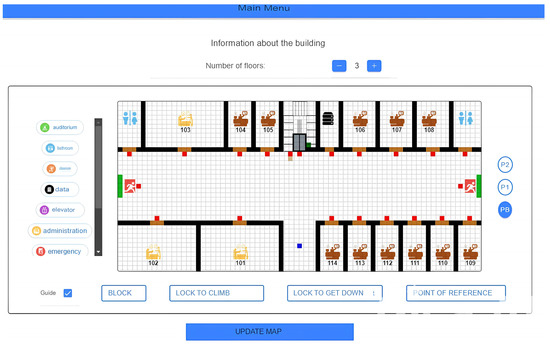
This study introduces a robust offline system for 2D indoor navigation, developed to address common challenges such as complex layouts and connectivity constraints in diverse environments. The system leverages advanced spatial modeling techniques to optimize pathfinding and resource efficiency. Utilizing a structured development process, the proposed solution integrates lightweight data structures and modular components to minimize computational load and enhance scalability. Experimental validation involved a comparative approach: traditional navigation methods were assessed against the proposed system, focusing on usability, search efficiency, and user satisfaction. The results demonstrate that the offline system significantly improves navigation performance and user experience, particularly in environments with limited connectivity. By providing intuitive navigation tools and seamless offline operation, the system enhances accessibility for users in educational and other complex settings. Future work aims to extend this approach to incorporate additional features, such as dynamic adaptability and expanded application in sectors like healthcare and public services.
Full article
(This article belongs to the Section Human-Computer Interaction)
►▼
Show Figures

Figure 1
Open AccessArticle
Development of a Comprehensive Evaluation Scale for LLM-Powered Counseling Chatbots (CES-LCC) Using the eDelphi Method
by
Marco Bolpagni and Silvia Gabrielli
Informatics 2025, 12(1), 33; https://doi.org/10.3390/informatics12010033 - 20 Mar 2025
Abstract
Background/Objectives: With advancements in Large Language Models (LLMs), counseling chatbots are becoming essential tools for delivering scalable and accessible mental health support. Traditional evaluation scales, however, fail to adequately capture the sophisticated capabilities of these systems, such as personalized interactions, empathetic responses,
[...] Read more.
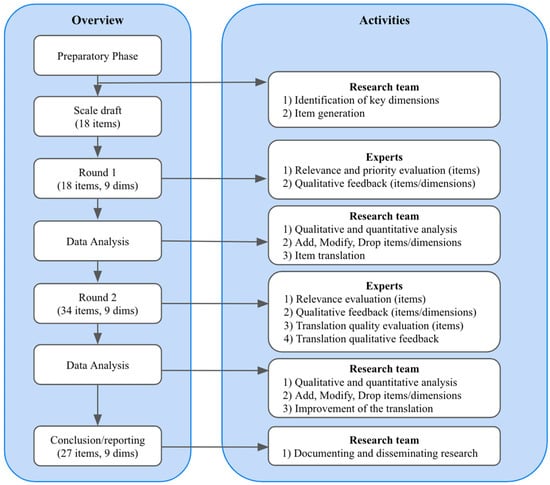
Background/Objectives: With advancements in Large Language Models (LLMs), counseling chatbots are becoming essential tools for delivering scalable and accessible mental health support. Traditional evaluation scales, however, fail to adequately capture the sophisticated capabilities of these systems, such as personalized interactions, empathetic responses, and memory retention. This study aims to design a robust and comprehensive evaluation scale, the Comprehensive Evaluation Scale for LLM-Powered Counseling Chatbots (CES-LCC), using the eDelphi method to address this gap. Methods: A panel of 16 experts in psychology, artificial intelligence, human-computer interaction, and digital therapeutics participated in two iterative eDelphi rounds. The process focused on refining dimensions and items based on qualitative and quantitative feedback. Initial validation, conducted after assembling the final version of the scale, involved 49 participants using the CES-LCC to evaluate an LLM-powered chatbot delivering Self-Help Plus (SH+), an Acceptance and Commitment Therapy-based intervention for stress management. Results: The final version of the CES-LCC features 27 items grouped into nine dimensions: Understanding Requests, Providing Helpful Information, Clarity and Relevance of Responses, Language Quality, Trust, Emotional Support, Guidance and Direction, Memory, and Overall Satisfaction. Initial real-world validation revealed high internal consistency (Cronbach’s alpha = 0.94), although minor adjustments are required for specific dimensions, such as Clarity and Relevance of Responses. Conclusions: The CES-LCC fills a critical gap in the evaluation of LLM-powered counseling chatbots, offering a standardized tool for assessing their multifaceted capabilities. While preliminary results are promising, further research is needed to validate the scale across diverse populations and settings.
Full article
(This article belongs to the Section Human-Computer Interaction)
►▼
Show Figures

Figure 1
Open AccessArticle
SSL-SurvFormer: A Self-Supervised Learning and Continuously Monotonic Transformer Network for Missing Values in Survival Analysis
by
Quang-Hung Le, Brijesh Patel, Donald Adjeroh, Gianfranco Doretto and Ngan Le
Informatics 2025, 12(1), 32; https://doi.org/10.3390/informatics12010032 - 19 Mar 2025
Abstract
►▼
Show Figures
Survival analysis is a crucial statistical technique used to estimate the anticipated duration until a specific event occurs. However, current methods often involve discretizing the time scale and struggle with managing absent features within the data. This becomes especially pertinent since events can
[...] Read more.
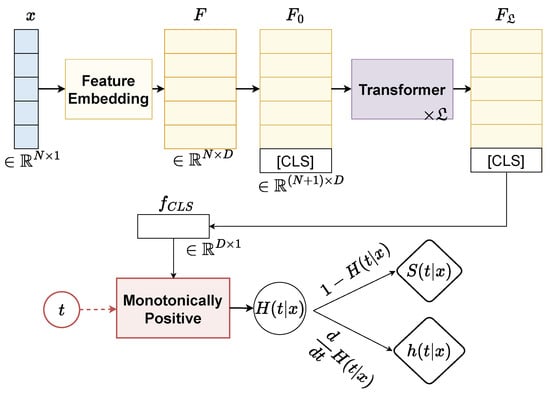
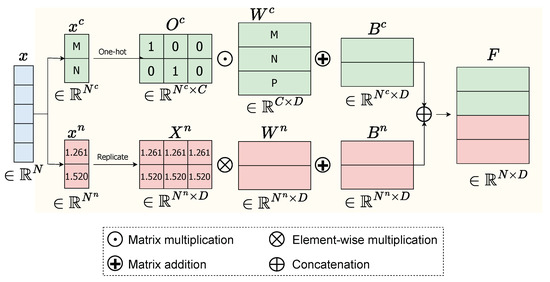
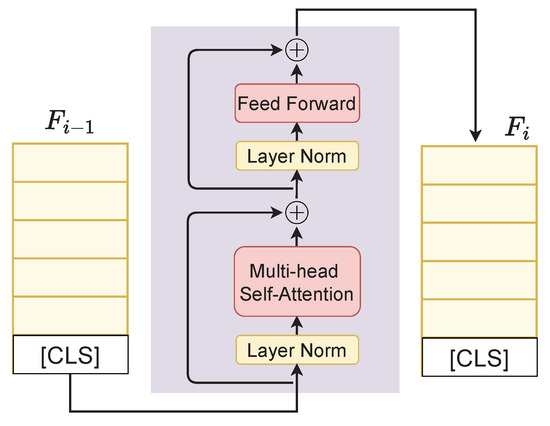
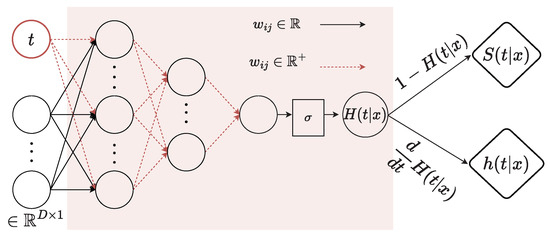
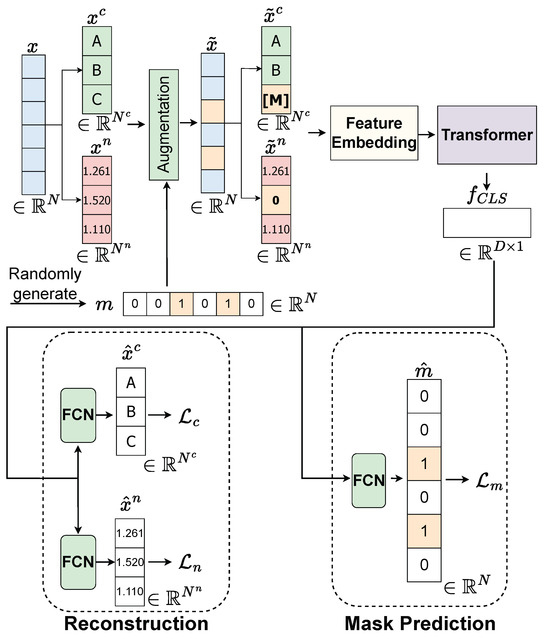
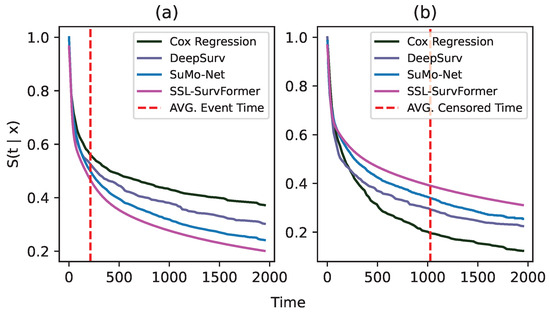
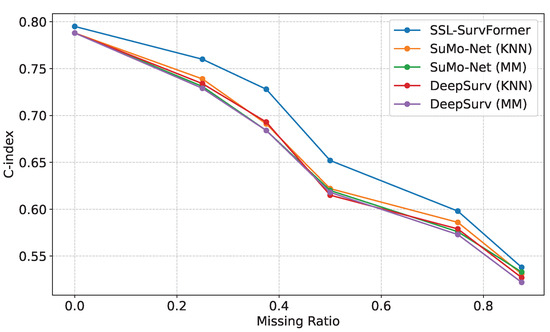
Survival analysis is a crucial statistical technique used to estimate the anticipated duration until a specific event occurs. However, current methods often involve discretizing the time scale and struggle with managing absent features within the data. This becomes especially pertinent since events can transpire at any given point, rendering event analysis a continuous concern. Additionally, the presence of missing attributes within tabular data is widespread. By leveraging recent developments of Transformer and Self-Supervised Learning (SSL), we introduce SSL-SurvFormer. This entails a continuously monotonic Transformer network, empowered by SSL pre-training, that is designed to address the challenges presented by continuous events and absent features in survival prediction. Our proposed continuously monotonic Transformer model facilitates accurate estimation of survival probabilities, thereby bypassing the need for temporal discretization. Additionally, our SSL pre-training strategy incorporates data transformation to adeptly manage missing information. The SSL pre-training encompasses two tasks: mask prediction, which identifies positions of absent features, and reconstruction, which endeavors to recover absent elements based on observed ones. Our empirical evaluations conducted across a variety of datasets, including FLCHAIN, METABRIC, and SUPPORT, consistently highlight the superior performance of SSL-SurvFormer in comparison to existing methods. Additionally, SSL-SurvFormer demonstrates effectiveness in handling missing values, a critical aspect often encountered in real-world datasets.
Full article

Figure 1
Open AccessArticle
Determinants of ThaiMOOC Engagement: A Longitudinal Perspective on Adoption to Continuance
by
Kanitsorn Suriyapaiboonwattana and Kate Hone
Informatics 2025, 12(1), 31; https://doi.org/10.3390/informatics12010031 - 19 Mar 2025
Abstract
Massive Open Online Courses (MOOCs) have become increasingly prevalent in higher education, with the COVID-19 pandemic further accelerating their integration, particularly in developing countries. While MOOCs offered a vital solution for educational continuity during the pandemic, factors influencing students’ sustained engagement with them
[...] Read more.
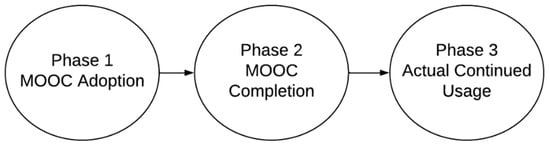
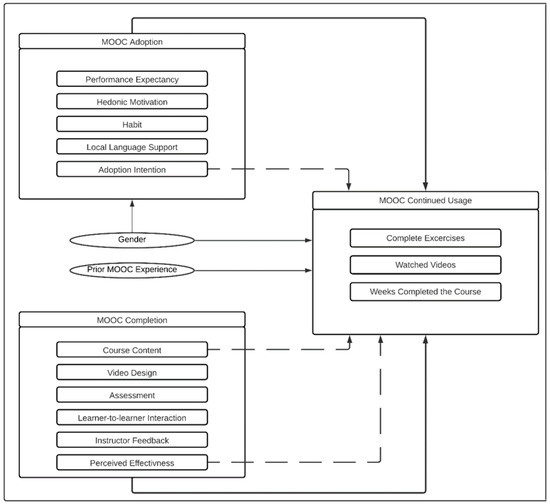
Massive Open Online Courses (MOOCs) have become increasingly prevalent in higher education, with the COVID-19 pandemic further accelerating their integration, particularly in developing countries. While MOOCs offered a vital solution for educational continuity during the pandemic, factors influencing students’ sustained engagement with them remain understudied. This longitudinal study examines the factors influencing learners’ sustained engagement with ThaiMOOC, incorporating demographic characteristics, usage log data, and key predictors of adoption and completion. Our research collected primary data from 841 university students who enrolled in ThaiMOOC as a mandatory curriculum component, using online surveys with open-ended questions and post-course usage log analysis. Logistic regression analysis indicates that adoption intention, course content, and perceived effectiveness significantly predict students’ Actual Continued Usage (ACU). Moreover, gender, prior MOOC experience, and specific usage behaviors emerge as influential factors. Content analysis highlights the importance of local language support and the desire for safety during the COVID-19 pandemic. Key elements driving ACU include video design, course content, assessment, and learner-to-learner interaction.
Full article
(This article belongs to the Section Human-Computer Interaction)
►▼
Show Figures

Figure 1
Open AccessArticle
Human-Centred Design Meets AI-Driven Algorithms: Comparative Analysis of Political Campaign Branding in the Harris–Trump Presidential Campaigns
by
Hedda Martina Šola, Fayyaz Hussain Qureshi and Sarwar Khawaja
Informatics 2025, 12(1), 30; https://doi.org/10.3390/informatics12010030 - 18 Mar 2025
Abstract
►▼
Show Figures
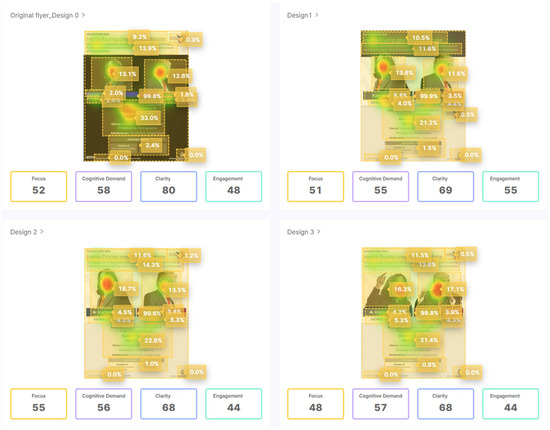
This study compared the efficacy of AI neuroscience tools versus traditional design methods in enhancing viewer engagement with political campaign materials from the Harris–Trump presidential campaigns. Utilising a mixed-methods approach, we integrated quantitative analysis employing AI’s eye-tracking consumer behaviour metrics (Predict, trained on
[...] Read more.
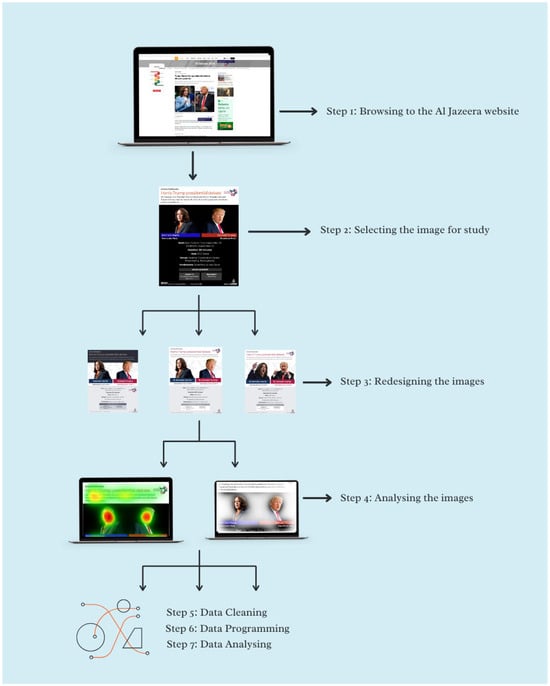
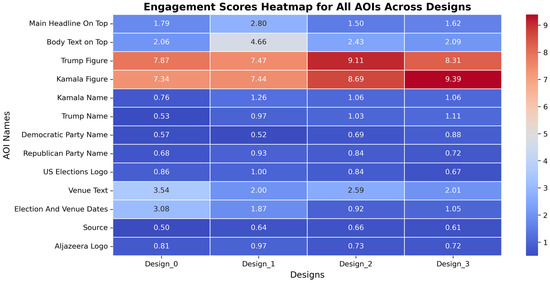
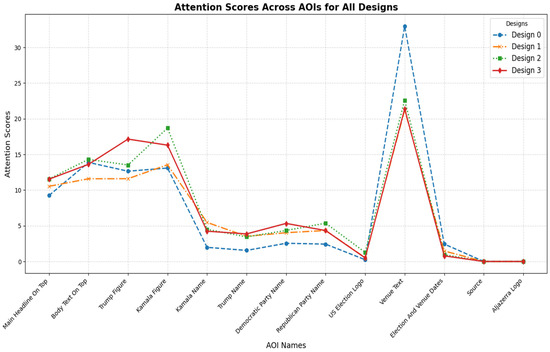
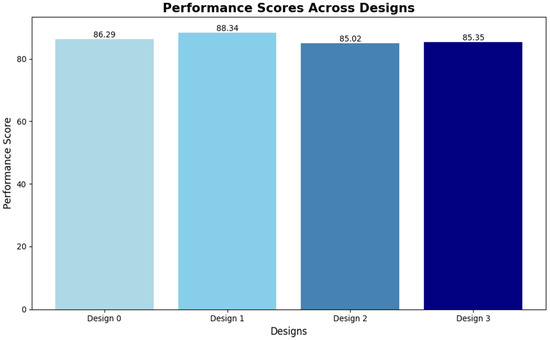
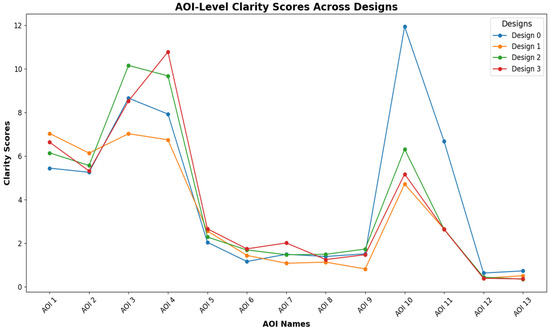
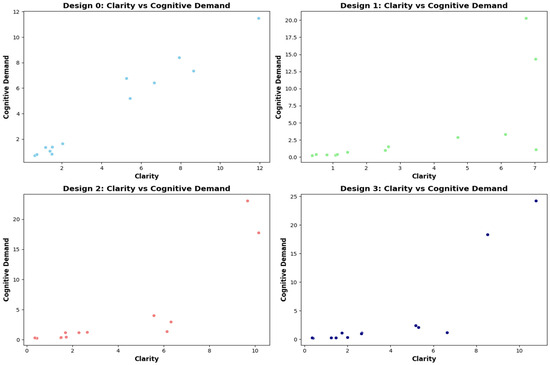
This study compared the efficacy of AI neuroscience tools versus traditional design methods in enhancing viewer engagement with political campaign materials from the Harris–Trump presidential campaigns. Utilising a mixed-methods approach, we integrated quantitative analysis employing AI’s eye-tracking consumer behaviour metrics (Predict, trained on 180,000 screenings) with an AI-LLM neuroscience-based marketing assistant (CoPilot), with 67,429 areas of interest (AOIs). The original flyer, from an Al Jazeera article, served as the baseline. Professional graphic designers created three redesigned versions, and one was done using recommendations from CoPilot. Metrics including total attention, engagement, start attention, end attention, and percentage seen were evaluated across 13–14 areas of interest (AOIs) for each design. Results indicated that human-enhanced Design 1 with AI eye-tracking achieved superior overall performance across multiple metrics. While the AI-enhanced Design 3 demonstrated strengths in optimising specific AOIs, it did not consistently outperform human-touched designs, particularly in text-heavy areas. The study underscores the complex interplay between neuroscience AI algorithms and human-centred design in political campaign branding, offering valuable insights for future research in neuromarketing and design communication strategies. Python, Pandas, Matplotlib, Seaborn, Spearman correlation, and the Kruskal–Wallis H-test were employed for data analysis and visualisation.
Full article

Figure 1
Open AccessArticle
Can AI Technologies Support Clinical Supervision? Assessing the Potential of ChatGPT
by
Valeria Cioffi, Ottavio Ragozzino, Lucia Luciana Mosca, Enrico Moretto, Enrica Tortora, Annamaria Acocella, Claudia Montanari, Antonio Ferrara, Stefano Crispino, Elena Gigante, Alexander Lommatzsch, Mariano Pizzimenti, Efisio Temporin, Valentina Barlacchi, Claudio Billi, Giovanni Salonia and Raffaele Sperandeo
Informatics 2025, 12(1), 29; https://doi.org/10.3390/informatics12010029 - 17 Mar 2025
Abstract
►▼
Show Figures
Clinical supervision is essential for trainees, preventing burnout and ensuring the effectiveness of their interventions. AI technologies offer increasing possibilities for developing clinical practices, with supervision being particularly suited for automation. The aim of this study is to evaluate the feasibility of using
[...] Read more.
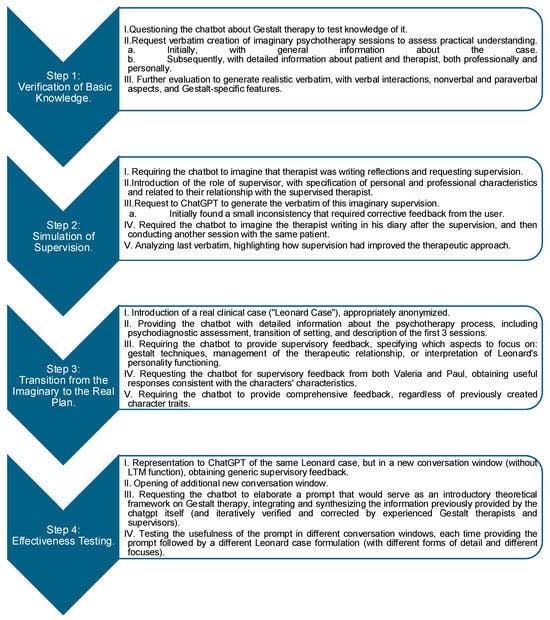
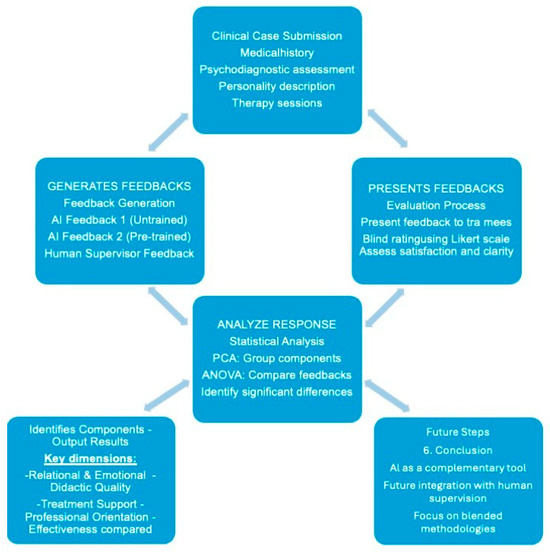
Clinical supervision is essential for trainees, preventing burnout and ensuring the effectiveness of their interventions. AI technologies offer increasing possibilities for developing clinical practices, with supervision being particularly suited for automation. The aim of this study is to evaluate the feasibility of using ChatGPT-4 as a supervisory tool in psychotherapy training. To achieve this, a clinical case was presented to three distinct groups (untrained AI, pre-trained AI, and qualified human supervisor), and their feedback was evaluated by Gestalt psychotherapy trainees using a Likert scale rating of satisfaction. Statistical analysis, using the statistical package SPSS version 25 and applying principal component analysis (PCA) and one-way analysis of variance (ANOVA), demonstrated significant differences in favor of pre-trained AI feedback. PCA highlighted four components of the questionnaire: relational and emotional (C1), didactic and technical quality (C2), treatment support and development (C3), and professional orientation and adaptability (C4). The ratings of satisfaction obtained from the three kinds of supervisory feedback were compared using ANOVA. The feedback generated by the pre-trained AI (f2) was rated significantly higher than the other two (untrained AI feedback (f1) and human feedback (f3)) in C4; in C1, the superiority of f2 over f1 but not over f3 appears significant. These results suggest that AI, when appropriately calibrated, may be an appreciable tool for complementing the effectiveness of clinical supervision, offering an innovative blended supervision methodology, in particular in the area of career guidance.
Full article

Figure 1
Open AccessArticle
A Pilot Study Using Natural Language Processing to Explore Textual Electronic Mental Healthcare Data
by
Gayathri Delanerolle, Yassine Bouchareb, Suchith Shetty, Heitor Cavalini and Peter Phiri
Informatics 2025, 12(1), 28; https://doi.org/10.3390/informatics12010028 - 13 Mar 2025
Abstract
►▼
Show Figures
Mental health illness is the single biggest cause of inability within the UK, contributing up to 22.8% of the whole burden compared to 15.9% for cancer and 16.2% for cardiovascular disease. The more extensive financial costs of mental ailments in Britain have been
[...] Read more.
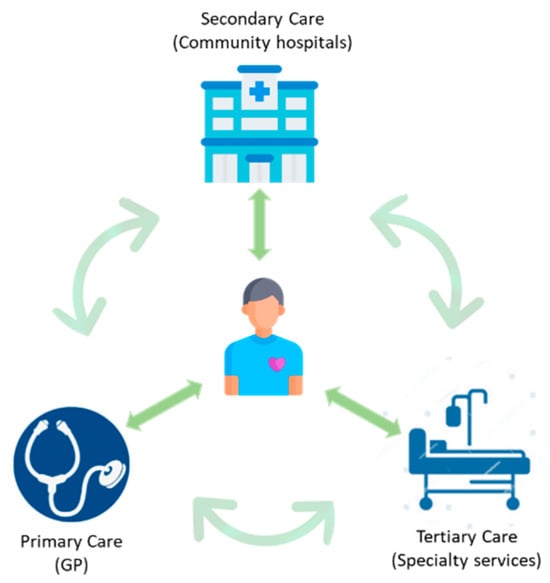
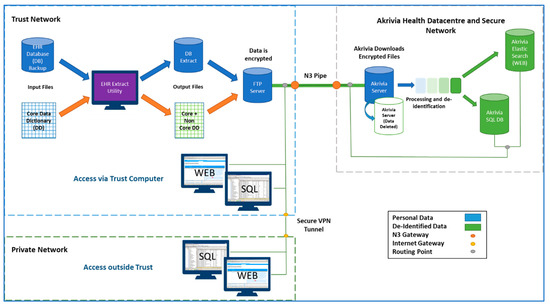
Mental health illness is the single biggest cause of inability within the UK, contributing up to 22.8% of the whole burden compared to 15.9% for cancer and 16.2% for cardiovascular disease. The more extensive financial costs of mental ailments in Britain have been evaluated at British Pound Sterling (GBP) 105.2 billion each year. This burden could be decreased with productive forms and utilization of computerized innovations. Electronical health records (EHRs), for instance, could offer an extraordinary opportunity for research and provide improved and optimized care. Consequently, this technological advance would unburden the mental health system and help provide optimized and efficient care to the patients. Using natural language processing methods to explore unstructured EHR text data from mental health services in the National Health Service (NHS) UK brings opportunities and technical challenges in the use of such data and possible solutions. This descriptive study compared technical methods and approaches to leverage large-scale text data in EHRs of mental health service providers in the NHS. We conclude that the method used is suitable for mental health services. However, broader studies including other hospital sites are still needed to validate the method.
Full article

Figure 1

Open AccessArticle
Gamification in Virtual Reality Museums: Effects on Hedonic and Eudaimonic Experiences in Cultural Heritage Learning
by
Sumalee Sangamuang, Natchaya Wongwan, Kannikar Intawong, Songpon Khanchai and Kitti Puritat
Informatics 2025, 12(1), 27; https://doi.org/10.3390/informatics12010027 - 3 Mar 2025
Abstract
Virtual museums powered by virtual reality (VR) technology serve as innovative platforms for cultural preservation and education, combining accessibility with immersive user experiences. While gamification has been widely explored in educational and entertainment contexts, its impact on user experiences in virtual cultural heritage
[...] Read more.
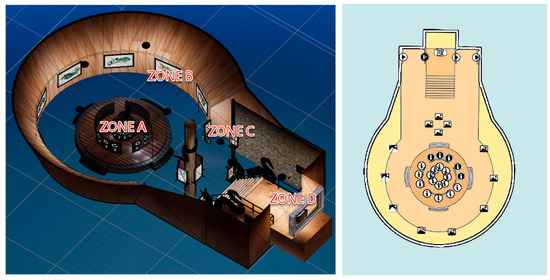
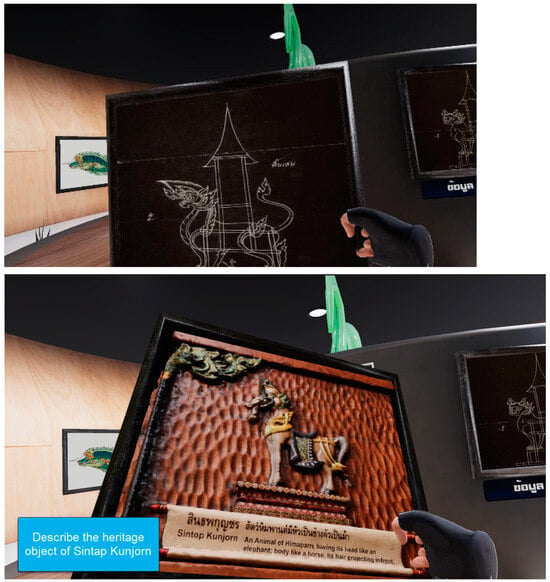
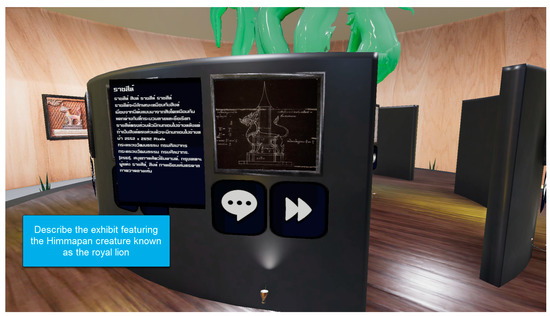
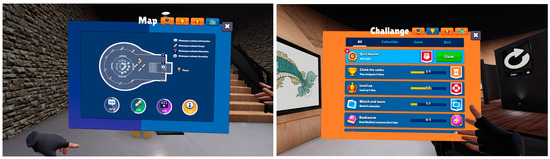
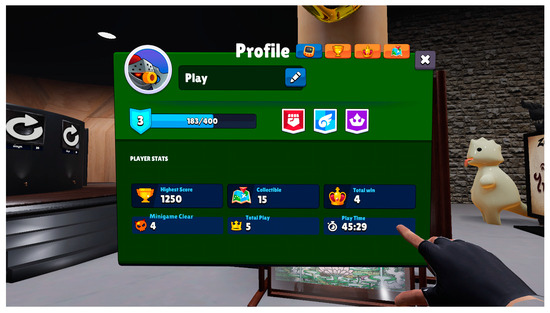
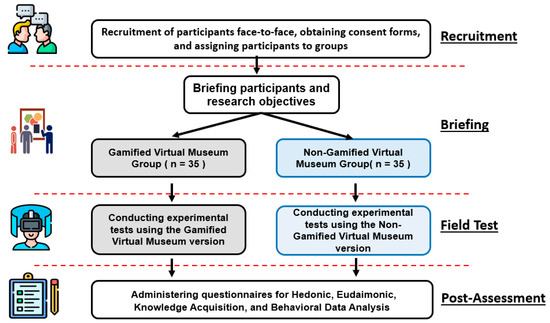
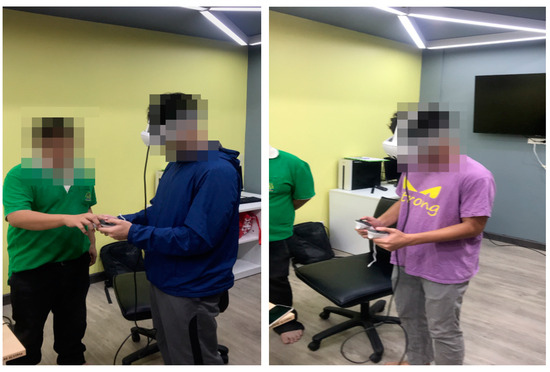
Virtual museums powered by virtual reality (VR) technology serve as innovative platforms for cultural preservation and education, combining accessibility with immersive user experiences. While gamification has been widely explored in educational and entertainment contexts, its impact on user experiences in virtual cultural heritage museums remains underexplored. Prior research has focused primarily on engagement and enjoyment in gamified virtual environments but has not sufficiently distinguished between hedonic (pleasure-driven) and eudaimonic (meaning-driven) experiences or their impact on learning outcomes. This study aims to address this gap by comparing gamified and non-gamified virtual museum designs to evaluate their effects on hedonic and eudaimonic experiences, knowledge acquisition, and behavioral engagement. Using a quasi-experimental approach with 70 participants, the findings indicate that gamification significantly enhances hedonic experiences, including enjoyment, engagement, and satisfaction, while fostering prolonged interaction and deeper exploration. However, eudaimonic outcomes such as personal growth and reflection did not exhibit statistically significant differences. These results underscore the potential of gamified VR environments to balance entertainment and educational value, offering insights into user-centered design strategies for virtual museum systems that bridge technology, culture, and engagement.
Full article
(This article belongs to the Section Human-Computer Interaction)
►▼
Show Figures

Figure 1
Open AccessArticle
Evaluating the Role of Visual Fidelity in Digital Vtubers on Mandarin Chinese Character Learning
by
Xiaoxiao Cao, Wei Tong, Kenta Ono and Makoto Watanabe
Informatics 2025, 12(1), 26; https://doi.org/10.3390/informatics12010026 - 25 Feb 2025
Abstract
►▼
Show Figures
Despite the growing presence of digital Virtual YouTubers (Vtubers) in educational settings, there is limited empirical evidence on their effectiveness in language acquisition. In this investigation, we delved into the realm of digital education to assess how the visual fidelity of digital Vtuber
[...] Read more.
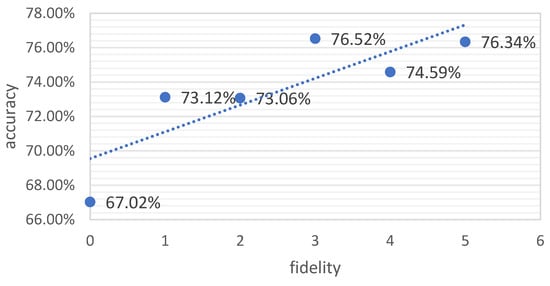
Despite the growing presence of digital Virtual YouTubers (Vtubers) in educational settings, there is limited empirical evidence on their effectiveness in language acquisition. In this investigation, we delved into the realm of digital education to assess how the visual fidelity of digital Vtuber avatars affects the acquisition of Mandarin Chinese characters by beginners. Through incorporating a diverse array of digital Vtubers, ranging from simple two-dimensional figures to complex three-dimensional models, we explored the relationship between digital Vtuber design and learner engagement and efficacy. This study employed a randomized tutorial distribution, immediate post-tutorial quizzing, and a realism scoring rubric, with statistical analysis conducted through Pearson correlation. The analysis, involving 608 participants, illuminated a clear positive correlation: digital Vtubers with higher levels of realism significantly enhanced learning outcomes, underscoring the importance of visual fidelity in educational content. This research substantiates the educational utility of digital Vtubers and underscores their potential in creating more immersive and effective digital learning environments. The findings advocate for leveraging sophisticated digital Vtubers to foster deeper learner engagement, improve educational achievement, and promote sustainable educational practices, offering insights for the future development of digital learning strategies.
Full article

Figure 1
Open AccessArticle
Machine Learning Approaches for Fault Detection in Internal Combustion Engines: A Review and Experimental Investigation
by
A. Srinivaas, N. R. Sakthivel and Binoy B. Nair
Informatics 2025, 12(1), 25; https://doi.org/10.3390/informatics12010025 - 21 Feb 2025
Abstract
Fault diagnostics in internal combustion engines (ICEs) is vital for optimal operation and avoiding costly breakdowns. This paper reviews methodologies for ICE fault detection, including model-based and data-driven approaches. The former uses physical models of engine components to diagnose defects, while the latter
[...] Read more.
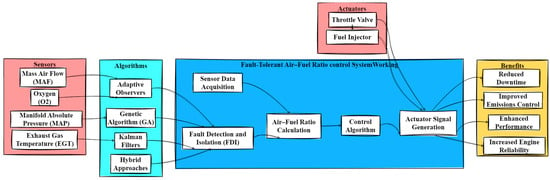
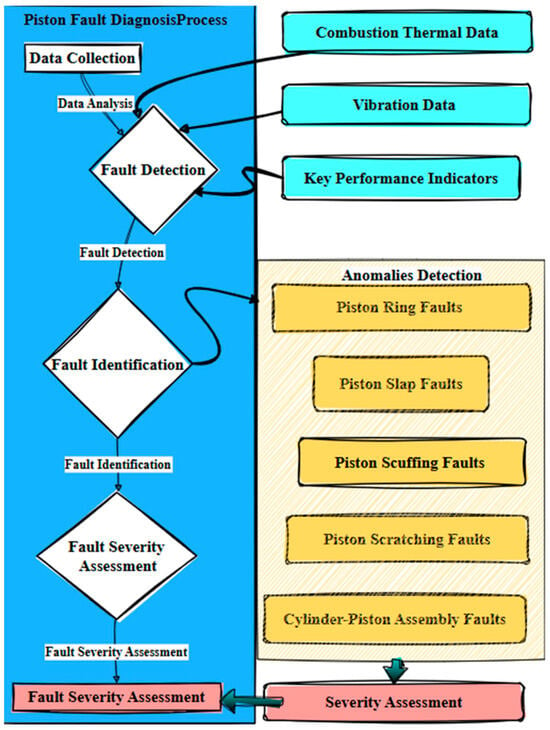
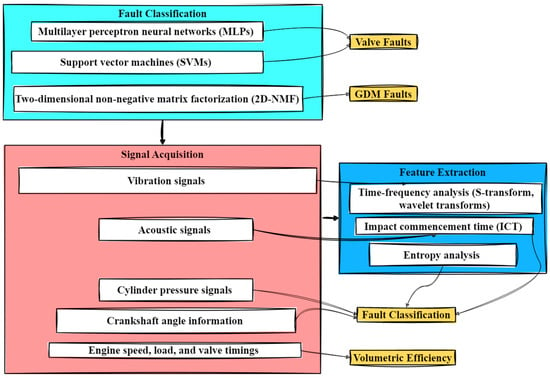
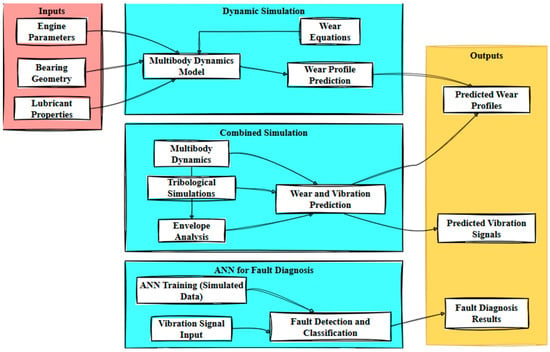
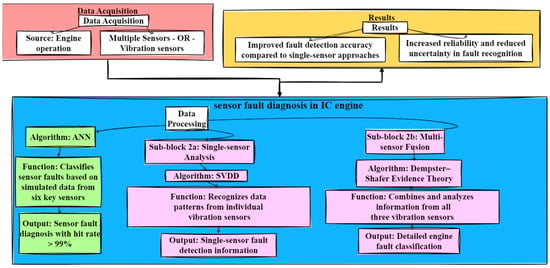
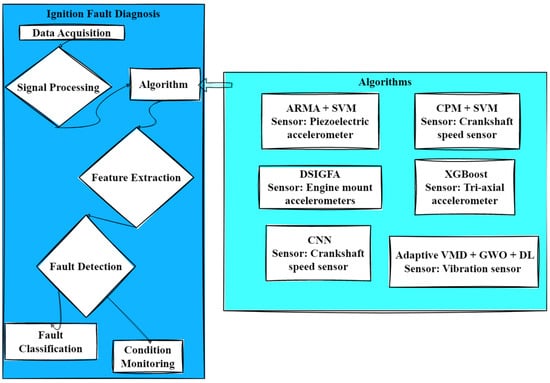
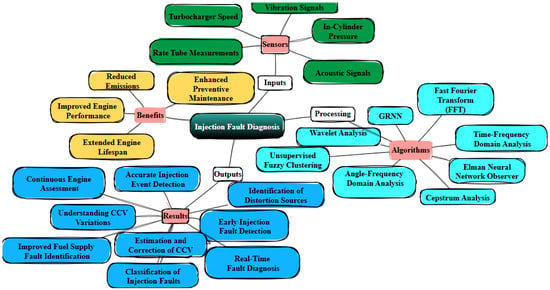
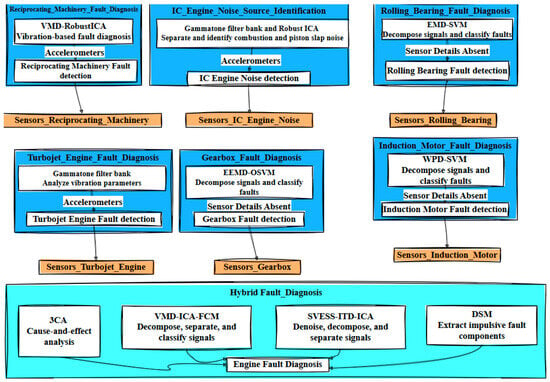
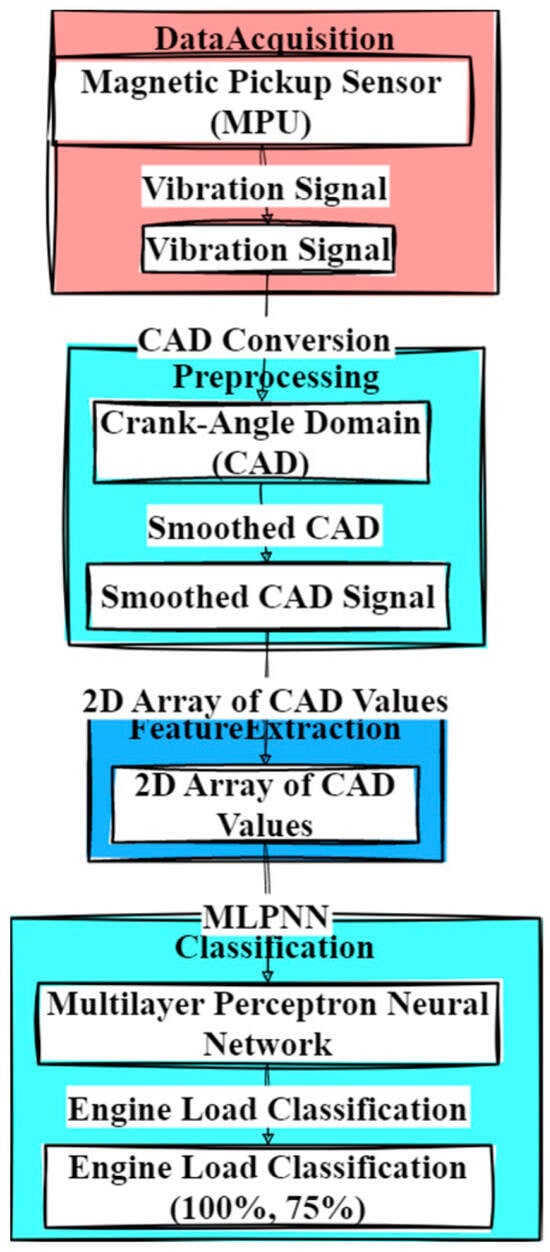
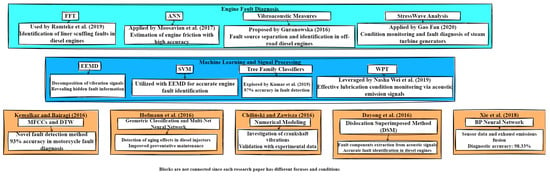
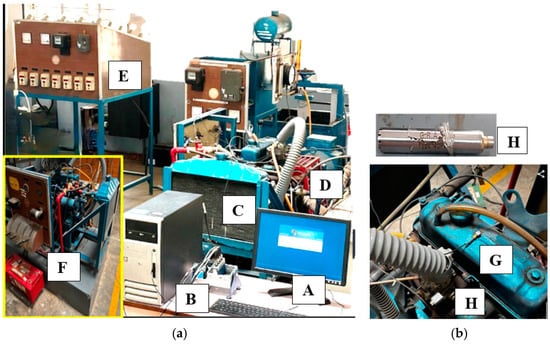
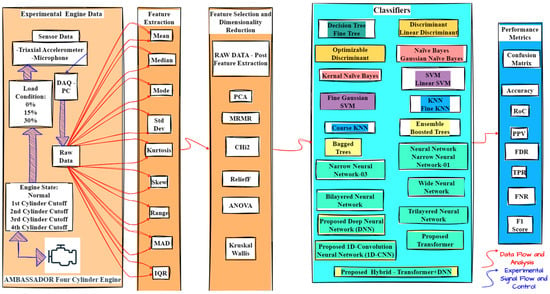
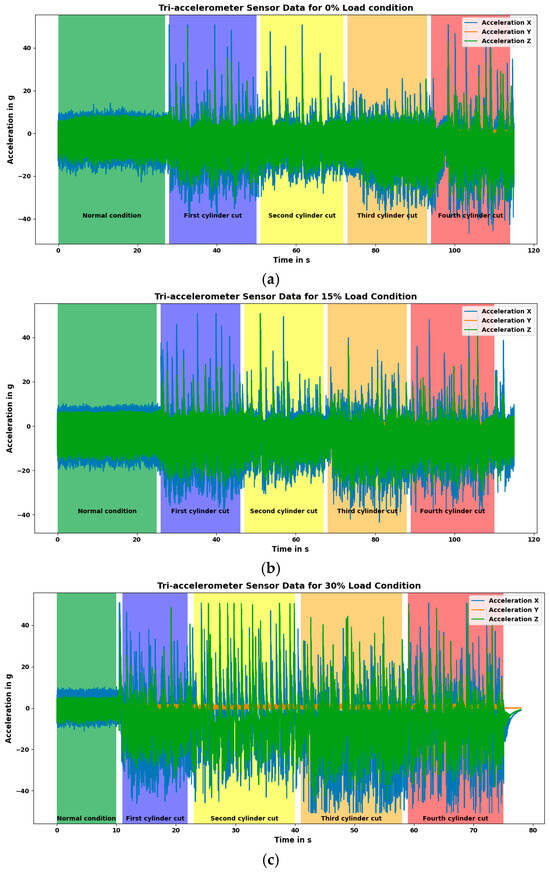
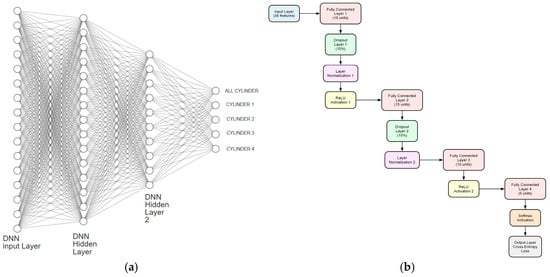
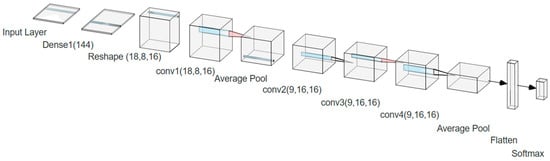
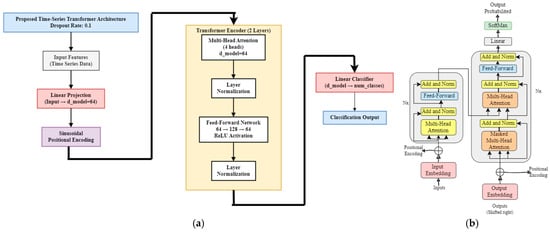
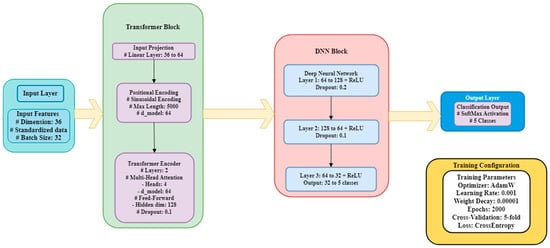
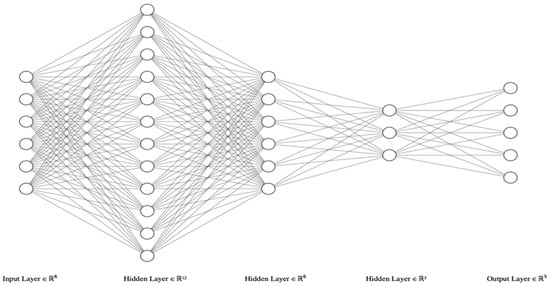
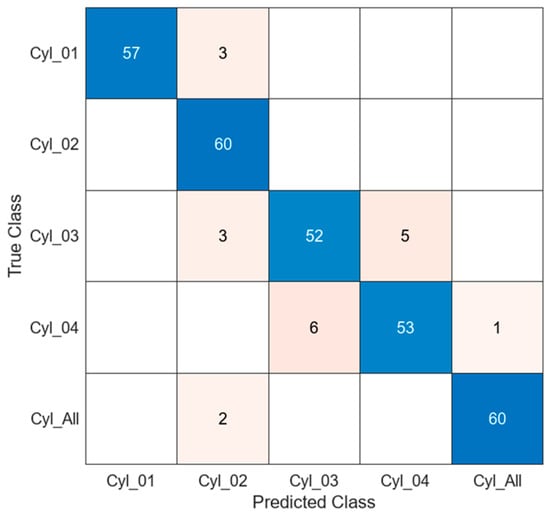
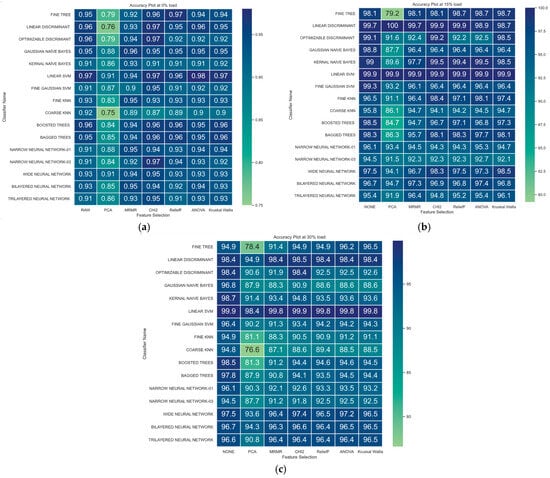
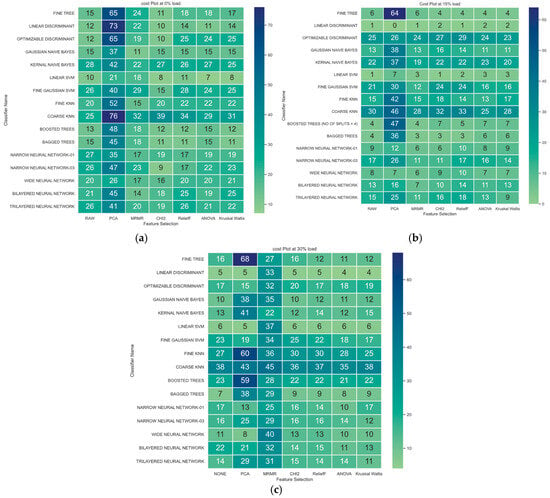
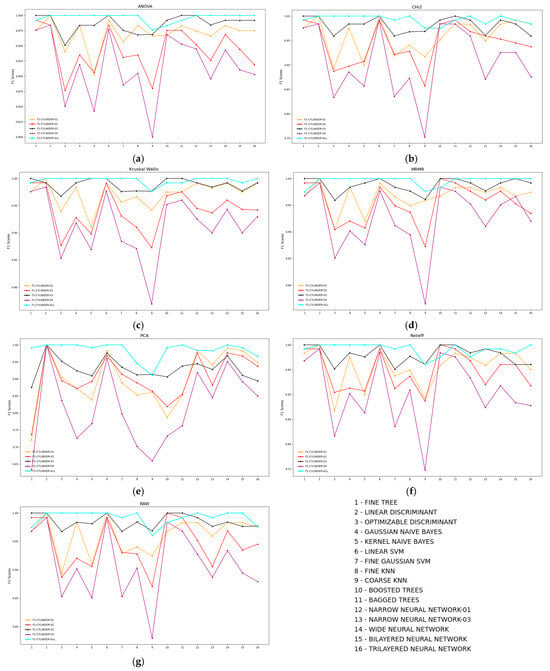
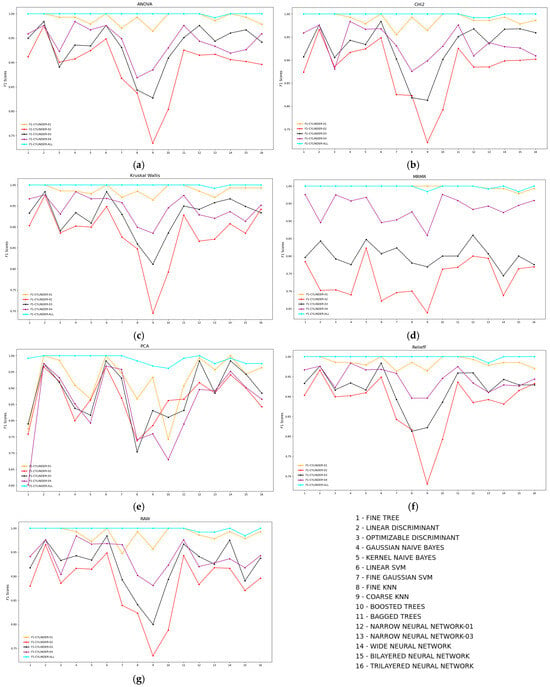
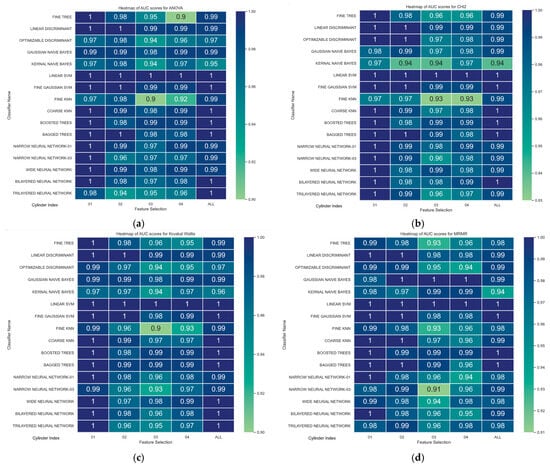
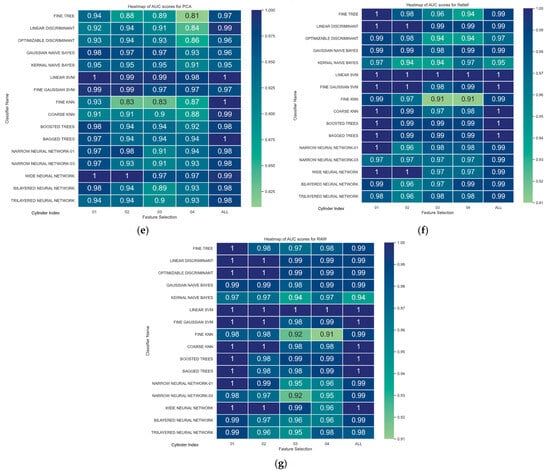
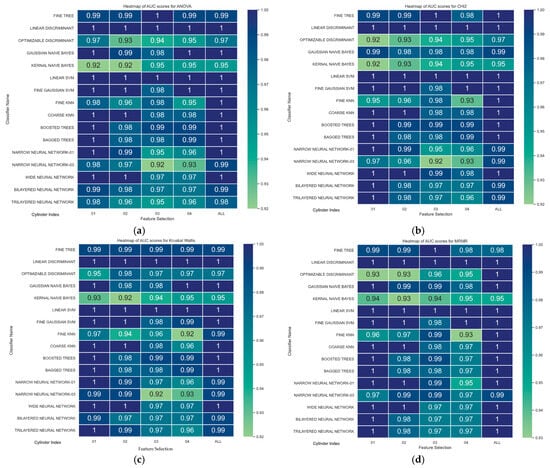
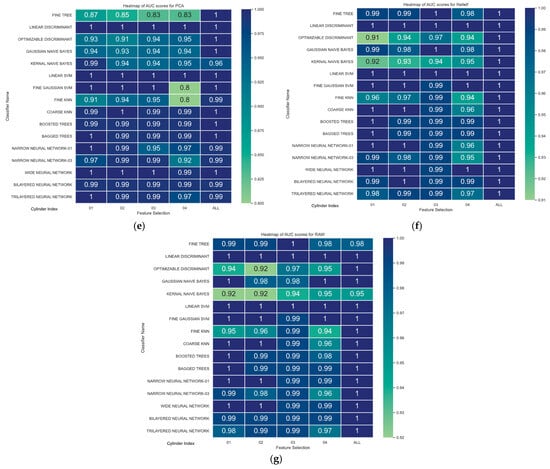
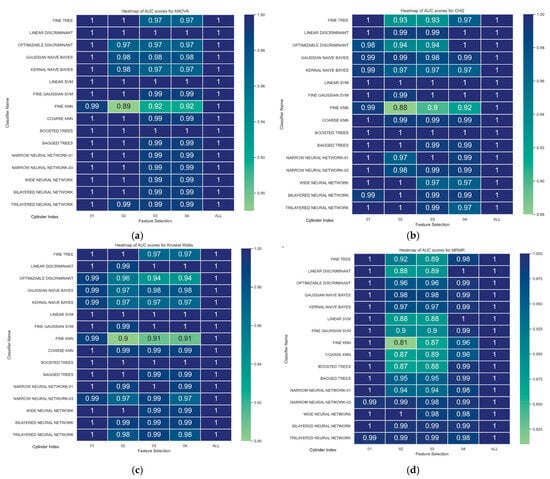
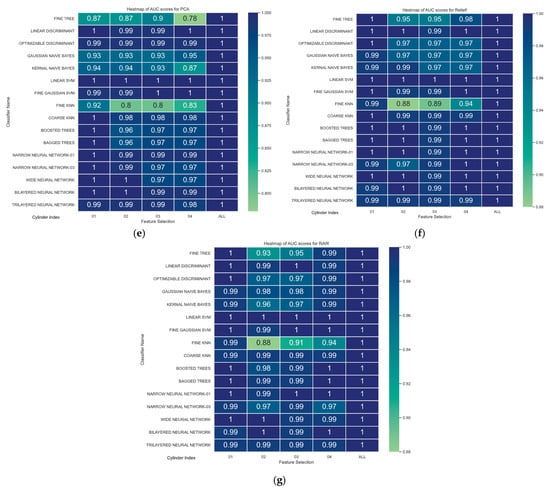
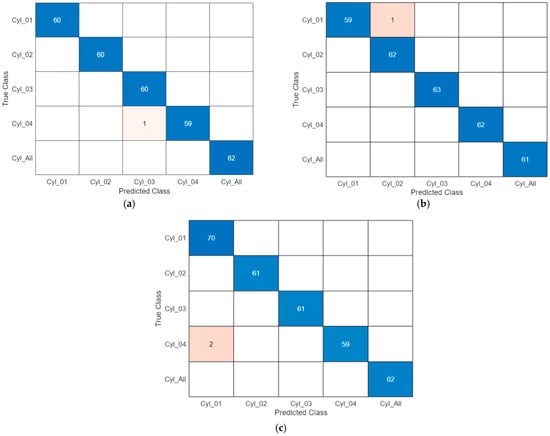
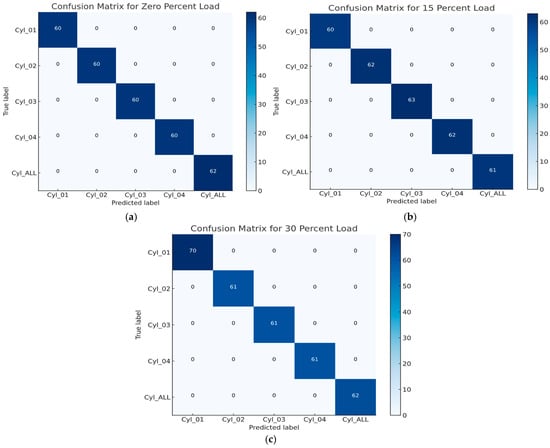
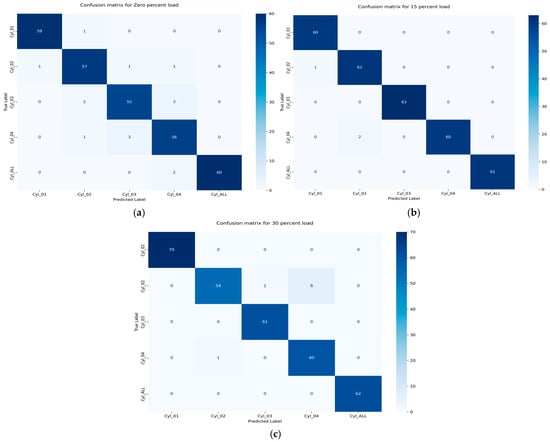
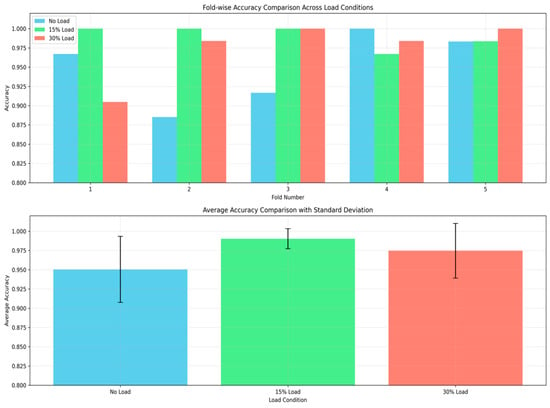
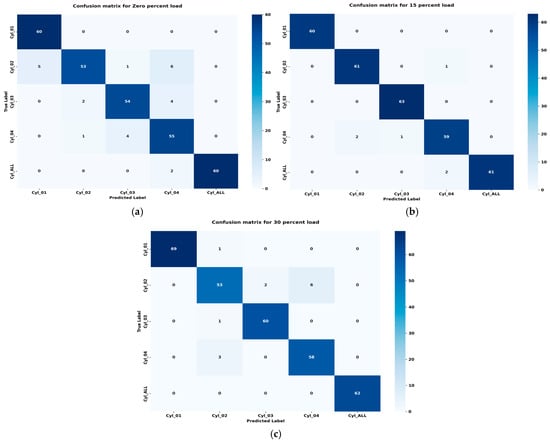
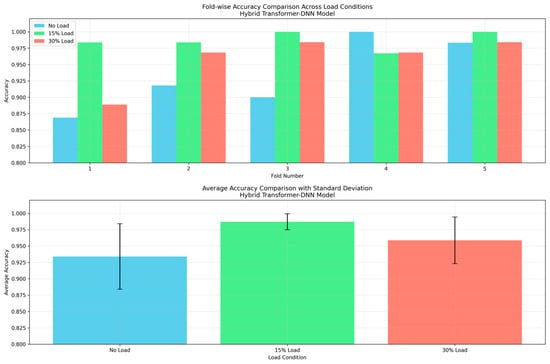
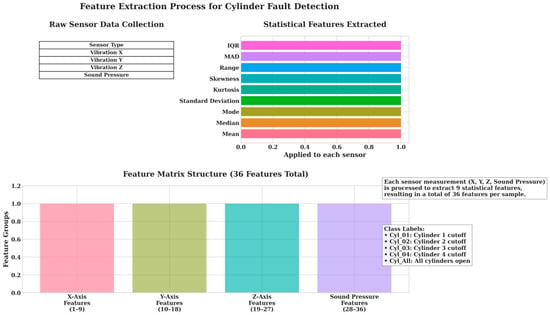
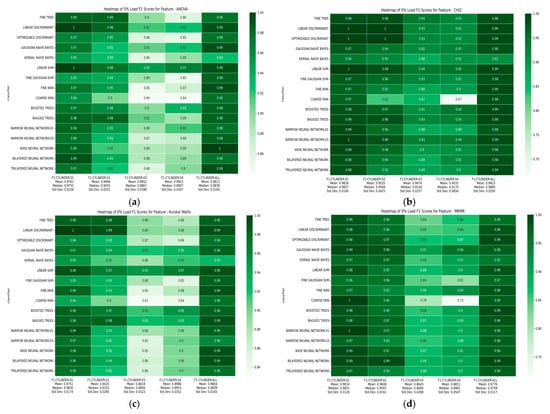
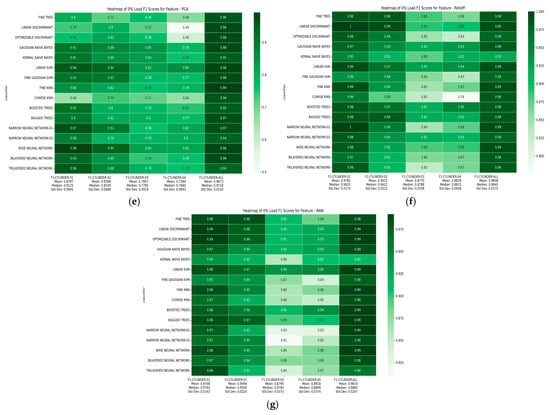
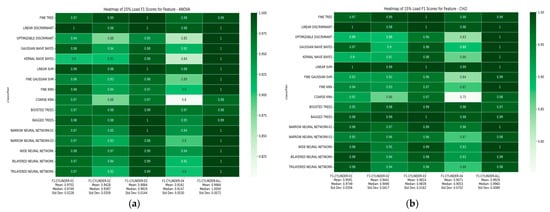
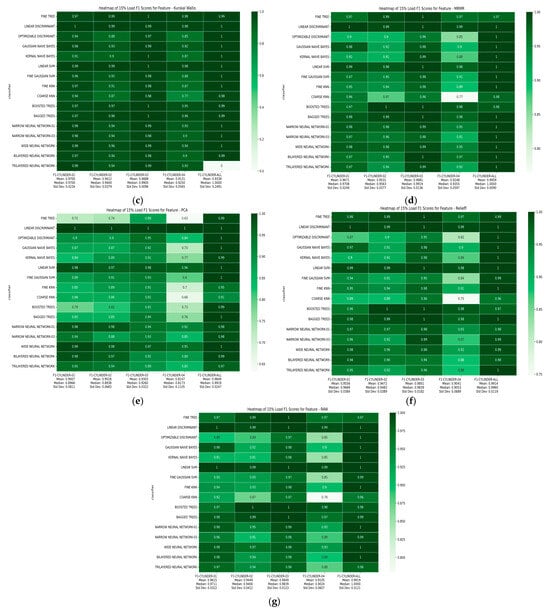
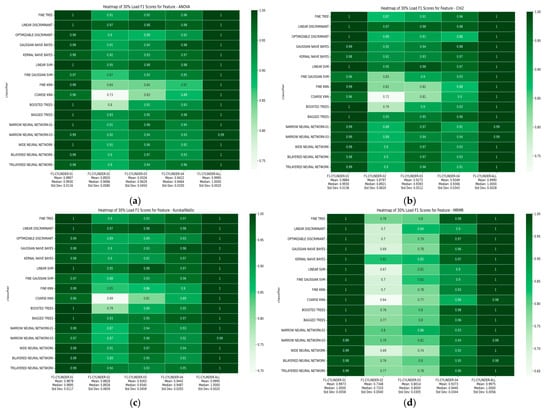
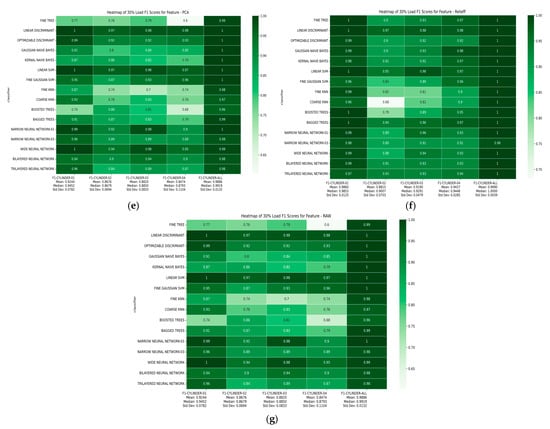
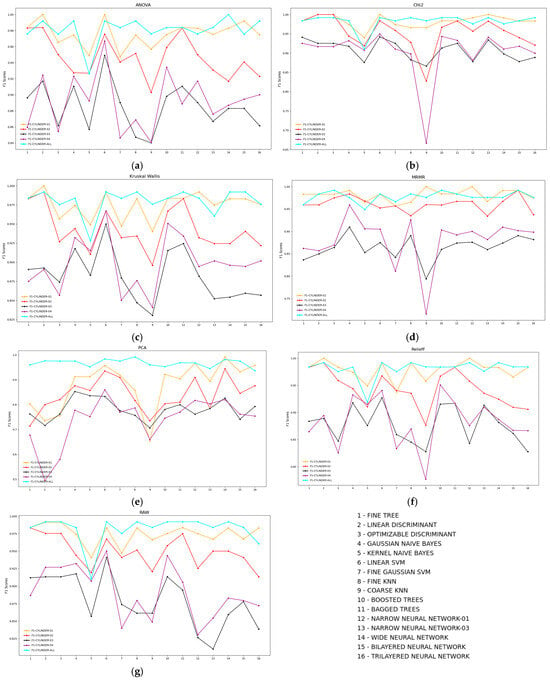
Fault diagnostics in internal combustion engines (ICEs) is vital for optimal operation and avoiding costly breakdowns. This paper reviews methodologies for ICE fault detection, including model-based and data-driven approaches. The former uses physical models of engine components to diagnose defects, while the latter employs statistical analysis of sensor data to identify patterns indicating faults. Various methods for ICE fault identification, such as vibration analysis, thermography, acoustic analysis, and optical approaches, are reviewed. This paper also explores the latest approaches for detecting ICE faults. It highlights the challenges in the diagnostic process and ways to enhance result accuracy and reliability. This paper concludes with a review of the progress in fault identification in ICE components and prospects, highlighted by an experimental investigation using 16 machine learning algorithms with seven feature selection techniques under three load conditions to detect faults in a four-cylinder ICE. Additionally, this study incorporates advanced deep learning techniques, including a deep neural network (DNN), a one-dimensional convolutional neural network (1D-CNN), Transformer and a hybrid Transformer and DNN model which demonstrate superior performance in fault detection compared to traditional machine learning methods.
Full article
(This article belongs to the Section Machine Learning)
►▼
Show Figures

Figure 1
Open AccessArticle
Digital Media Victimization Among Older Adults in Upper-Southern Thailand
by
Pimpisa Pituk, Nirachon Chutipattana, Pussadee Laor, Thitipong Sukdee, Jiraprapa Kittikun, Witchayaporn Jitwiratnukool, Rohmatul Fajriyah and Wanvisa Saisanan Na Ayudhaya
Informatics 2025, 12(1), 24; https://doi.org/10.3390/informatics12010024 - 21 Feb 2025
Abstract
Online fraud threatens the well-being of older adults, with disparities in digital literacy and socioeconomic conditions amplifying their vulnerability. This study examined digital literacy and fraud victimization behavior among older adults in urban and rural settings, identifying key factors influencing victimization and its
[...] Read more.
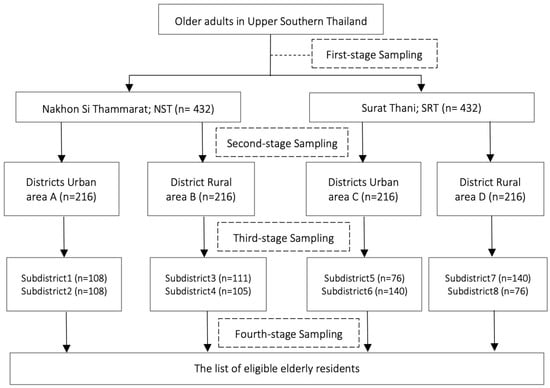
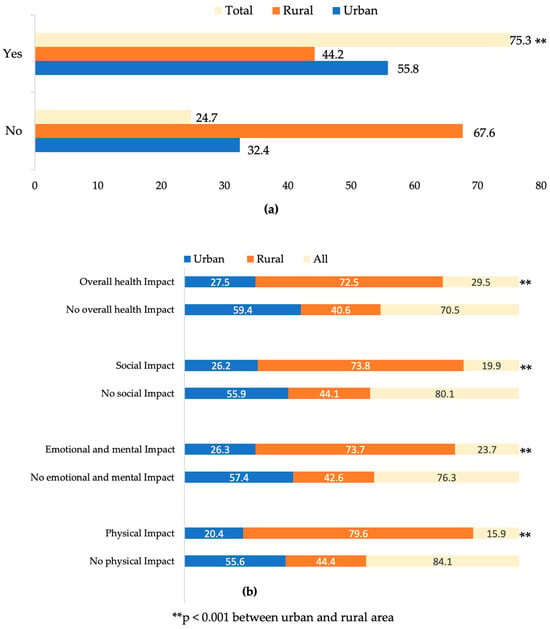
Online fraud threatens the well-being of older adults, with disparities in digital literacy and socioeconomic conditions amplifying their vulnerability. This study examined digital literacy and fraud victimization behavior among older adults in urban and rural settings, identifying key factors influencing victimization and its consequences. This cross-sectional analytical study, using multi-stage sampling, included 864 participants from Southern Thailand. The findings revealed that 46.3% of participants had adequate digital literacy, while 75.3% experienced fraud victimization, with higher rates of health impacts in rural areas. Higher age (Adjusted Odds Ratios; AOR: 1.83, p = 0.004), income (AOR: 2.28, p = 0.003), and rural residence (AOR: 3.03, p < 0.001) were significantly associated with an increased likelihood of fraudulent victimization. Conversely, being non-Buddhist (AOR: 0.47, p = 0.001) and having an adequate digital literacy (AOR: 0.50, p < 0.001) were protective factors. Fraud victimization significantly affected older adults’ health, with 29.5% reporting the following adverse outcomes: physical (AOR: 5.55), emotional (AOR: 7.80), social (AOR: 4.97), and overall heightened health risks (AOR: 7.71, p < 0.001). This research highlights the importance of improving digital literacy, fostering community awareness, and implementing tailored fraud-prevention strategies to protect older adults. This study provides a foundation for evidence-based policies aimed at mitigating digital risks and enhancing older adults’ well-being in the digital era.
Full article
(This article belongs to the Topic Theories and Applications of Human-Computer Interaction)
►▼
Show Figures

Figure 1
Open AccessArticle
Digital Competences of Digital Natives: Measuring Skills in the Modern Technology Environment
by
Danijela Pongrac, Marta Alić and Brigitta Cafuta
Informatics 2025, 12(1), 23; https://doi.org/10.3390/informatics12010023 - 21 Feb 2025
Abstract
The fourth industrial revolution has ushered in a new era in which technology is seamlessly integrated into daily life. The digital transformation has created new media formats that require the development of robust digital skills to navigate this landscape. By utilising the Youth
[...] Read more.
The fourth industrial revolution has ushered in a new era in which technology is seamlessly integrated into daily life. The digital transformation has created new media formats that require the development of robust digital skills to navigate this landscape. By utilising the Youth Digital Skills Indicator (yDSI) and integrating it with the Digital Competence Framework for Citizens (DigComp 2.2), this research examines media habits and digital competences among Croatian youth aged 10–24, corresponding to Generations Alpha and Z. A sample of 231 participants across three competence domains—information literacy, security and communication—revealed statistically significant generational differences in the first two areas of digital skills. Furthermore, gender-based analyses, conducted using the Mann–Whitney U-test and Spearman correlations for Likert scale responses, showed no significant differences. These findings deepen our understanding of digital natives, how media habits evolve and influence their digital skills, highlighting the need for more tailored strategies to enhance their competences and bridge generational gaps.
Full article
Open AccessArticle
Predictive Machine Learning Approaches for Supply and Manufacturing Processes Planning in Mass-Customization Products
by
Shereen Alfayoumi, Amal Elgammal and Neamat El-Tazi
Informatics 2025, 12(1), 22; https://doi.org/10.3390/informatics12010022 - 19 Feb 2025
Abstract
Planning in mass-customization supply and manufacturing processes is a complex process that requires continuous planning and optimization to minimize time and cost across a wide variety of choices in large production volumes. While soft computing techniques are widely used for optimizing mass-customization products,
[...] Read more.
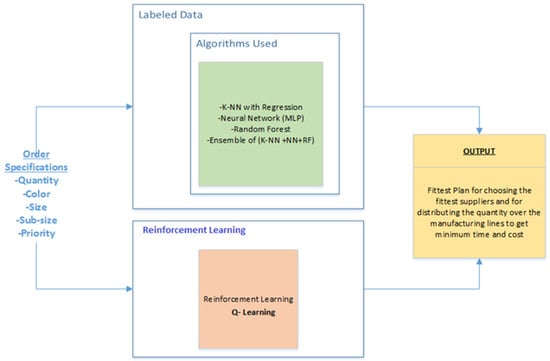
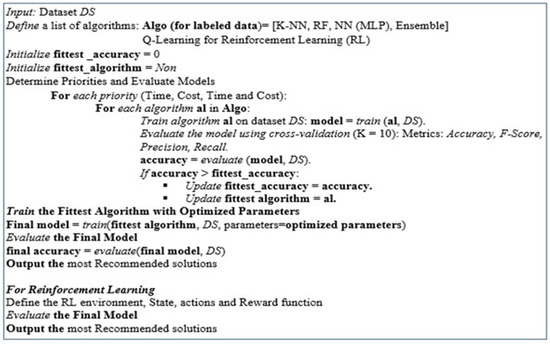
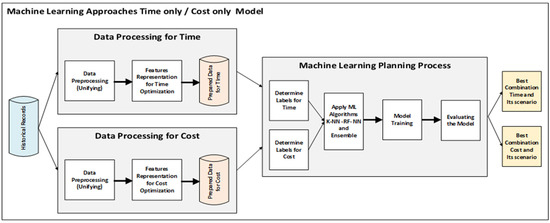
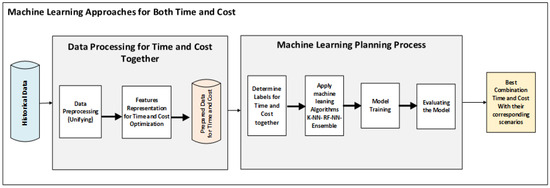
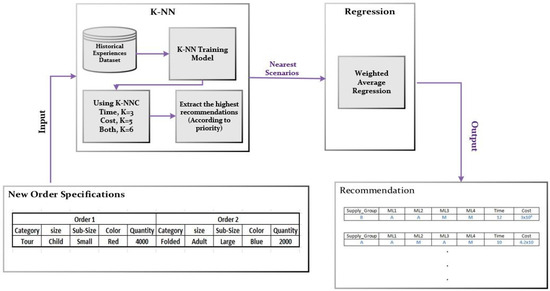
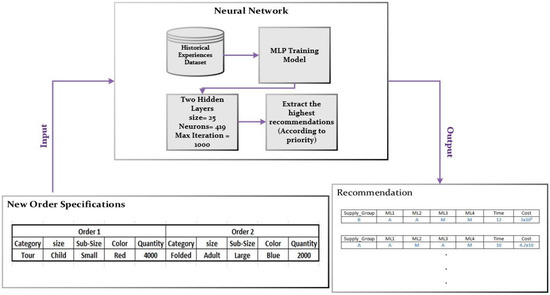
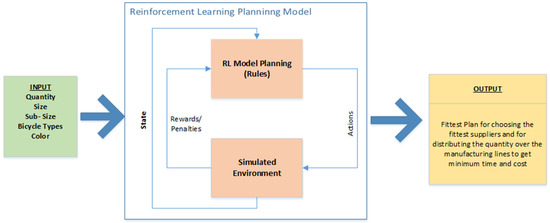
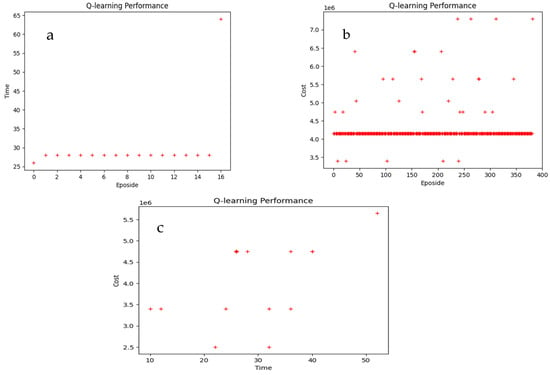
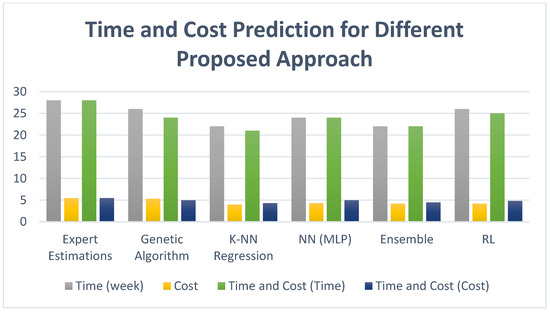
Planning in mass-customization supply and manufacturing processes is a complex process that requires continuous planning and optimization to minimize time and cost across a wide variety of choices in large production volumes. While soft computing techniques are widely used for optimizing mass-customization products, they face scalability issues when handling large datasets and rely heavily on manually defined rules, which are prone to errors. In contrast, machine learning techniques offer an opportunity to overcome these challenges by automating rule generation and improving scalability. However, their full potential has yet to be explored. This article proposes a machine learning-based approach to address this challenge, aiming to optimize both the supply and manufacturing planning phases as a practical solution for industry planning or optimization problems. The proposed approach examines supervised machine learning and deep learning techniques for manufacturing time and cost planning in various scenarios of a large-scale real-life pilot study in the bicycle manufacturing domain. This experimentation included K-Nearest Neighbors with regression and Random Forest from the machine learning family, as well as Neural Networks and Ensembles as deep learning approaches. Additionally, Reinforcement Learning was used in scenarios where real-world data or historical experiences were unavailable. The training performance of the pilot study was evaluated using cross-validation along with two statistical analysis methods: the t-test and the Wilcoxon test. These performance evaluation efforts revealed that machine learning techniques outperform deep learning methods and the reinforcement learning approach, with K-NN combined with regression yielding the best results. The proposed approach was validated by industry experts in bicycle manufacturing. It demonstrated up to a 37% reduction in both time and cost for orders compared to traditional expert estimates.
Full article
(This article belongs to the Section Industrial Informatics)
►▼
Show Figures

Figure 1
Open AccessArticle
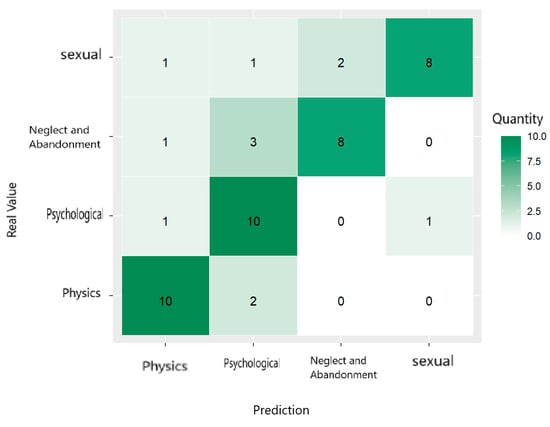
Detection of Victimization Patterns and Risk of Gender Violence Through Machine Learning Algorithms
by
Edna Rocio Bernal-Monroy, Erika Dajanna Castañeda-Monroy, Rafael Ricardo Rentería-Ramos, Sixto Enrique Campaña-Bastidas, Jessica Barrera, Tania Maribel Palacios-Yampuezan, Olga Lucía González Gustin, Carlos Fernando Tobar-Torres and Zeneida Rocio Ceballos-Villada
Informatics 2025, 12(1), 21; https://doi.org/10.3390/informatics12010021 - 17 Feb 2025
Abstract
This paper explores the application of machine learning techniques and statistical analysis to identify the patterns of victimization and the risk of gender-based violence in San Andrés de Tumaco, Nariño, Colombia. Models were developed to classify women according to their vulnerability and risk
[...] Read more.
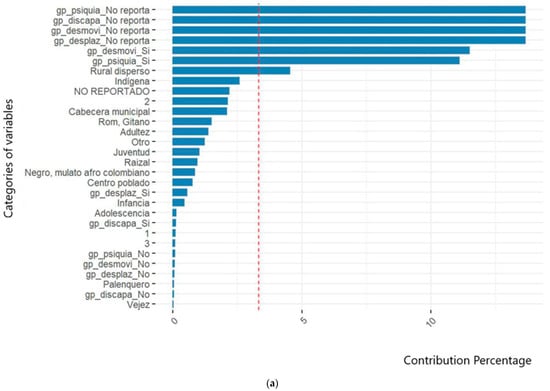
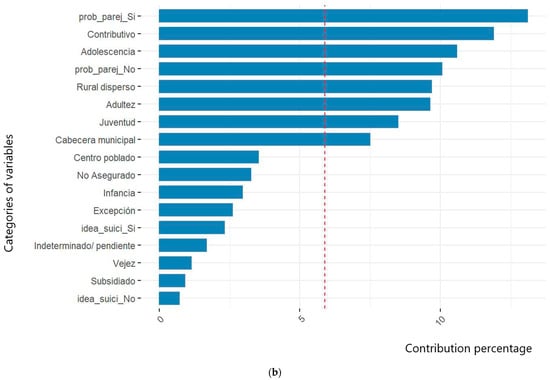
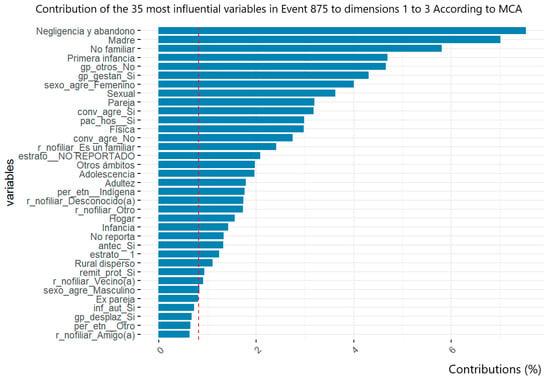
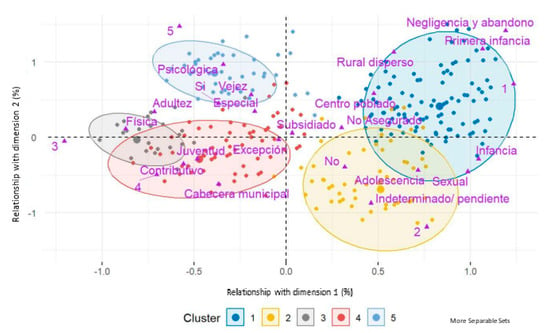
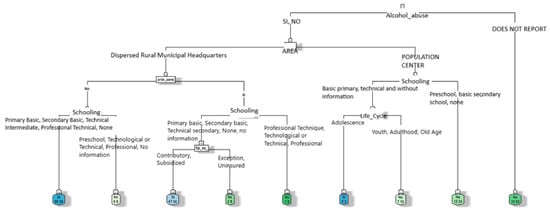
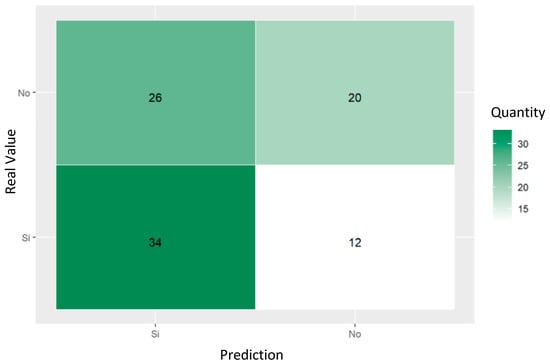
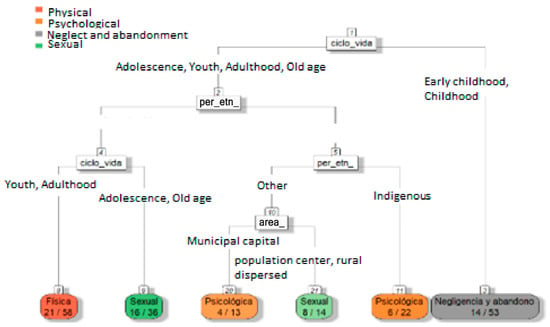
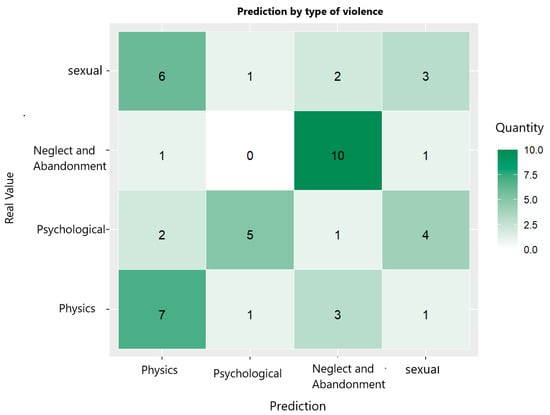
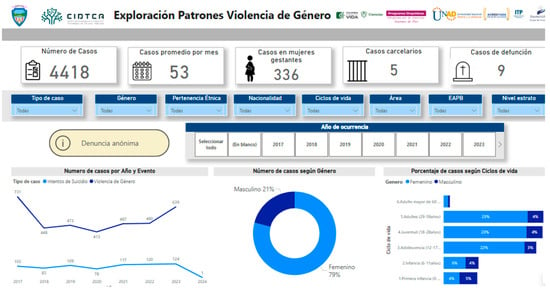
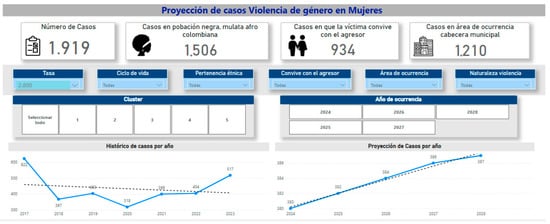
This paper explores the application of machine learning techniques and statistical analysis to identify the patterns of victimization and the risk of gender-based violence in San Andrés de Tumaco, Nariño, Colombia. Models were developed to classify women according to their vulnerability and risk of suffering various forms of violence, which were integrated into a decision-making tool for local authorities. The algorithms employed include K-means for clustering, artificial neural networks, random forests, decision trees, and multiclass classification algorithms combined with fuzzy classification techniques to handle the incomplete data. Implemented in Python and R, the models were statistically validated to ensure their reliability. Analysis based on health data revealed the key victimization patterns and risks associated with gender-based violence in the region. This study presents a data science model that uses a social determinant approach to assess the characteristics and patterns of violence against women in the Pacific region of Nariño. This research was conducted within the framework of the Orquídeas Program of the Colombian Ministry of Science, Technology, and Innovation.
Full article
(This article belongs to the Section Social Informatics and Digital Humanities)
►▼
Show Figures

Figure 1
Open AccessArticle
DynGraph-BERT: Combining BERT and GNN Using Dynamic Graphs for Inductive Semi-Supervised Text Classification
by
Eliton Luiz Scardin Perin, Mariana Caravanti de Souza, Jonathan de Andrade Silva and Edson Takashi Matsubara
Informatics 2025, 12(1), 20; https://doi.org/10.3390/informatics12010020 - 17 Feb 2025
Abstract
The combination of Bidirecional Encoder Representations from Transformers (BERT) and Graph Neural Networks (GNNs) has been extensively explored in the text classification literature, usually employing BERT as a feature extractor combined with heterogeneous static graphs. BERT transfers information via token embeddings, which are
[...] Read more.
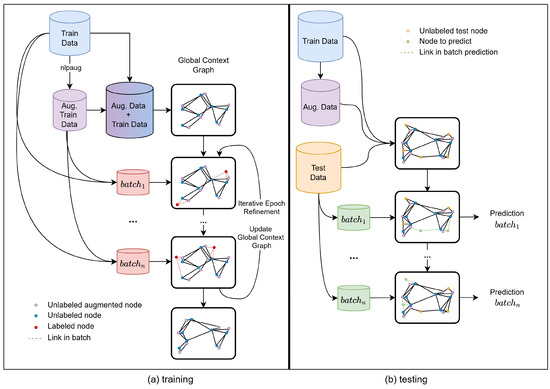
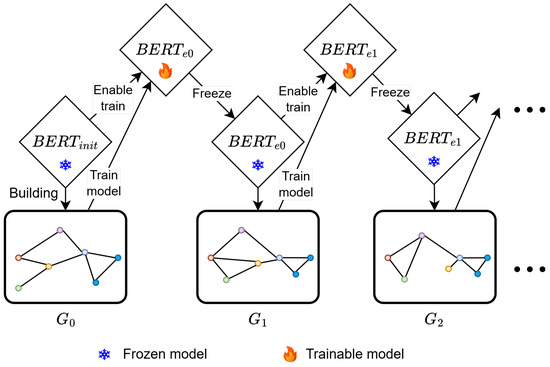
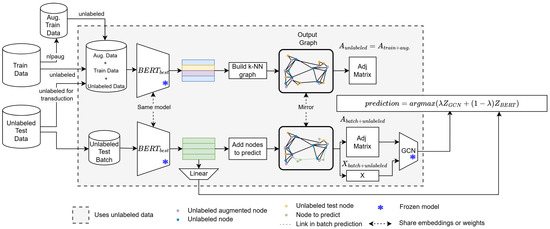
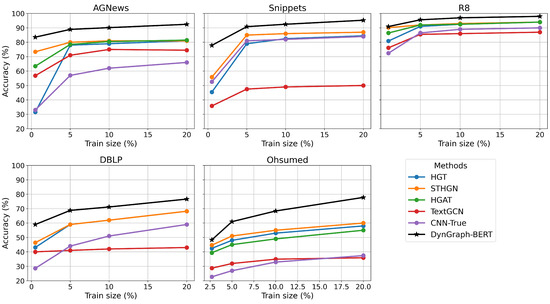
The combination of Bidirecional Encoder Representations from Transformers (BERT) and Graph Neural Networks (GNNs) has been extensively explored in the text classification literature, usually employing BERT as a feature extractor combined with heterogeneous static graphs. BERT transfers information via token embeddings, which are propagated through GNNs. Text-specific information defines a static heterogeneous graph. Static graphs represent specific relationships and do not have the flexibility to add new knowledge to the graph. To address this issue, we build a tied connection between BERT and GNN exclusively using token embeddings to define the graph and propagate the embeddings, which can force the BERT to redefine the GNN graph topology to improve accuracy. Thus, in this study, we re-examine the design spaces and test the limits of what this pure homogeneous graph using BERT embeddings can achieve. Homogeneous graphs offer structural simplicity and greater generalization capabilities, particularly when integrated with robust representations like those provided by BERT. To improve accuracy, the proposed approach also incorporates text augmentation and label propagation at test time. Experimental results show that the proposed method outperforms state-of-the-art methods across all datasets analyzed, with consistent accuracy improvements as more labeled examples are included.
Full article
(This article belongs to the Section Machine Learning)
►▼
Show Figures

Figure 1
Open AccessArticle
Anemia Classification System Using Machine Learning
by
Jorge Gómez Gómez, Camilo Parra Urueta, Daniel Salas Álvarez, Velssy Hernández Riaño and Gustavo Ramirez-Gonzalez
Informatics 2025, 12(1), 19; https://doi.org/10.3390/informatics12010019 - 11 Feb 2025
Abstract
►▼
Show Figures
In this study, a system was developed to predict anemia using blood count data and supervised learning algorithms. Anemia, a common condition characterized by low levels of red blood cells or hemoglobin, affects oxygenation and often causes symptoms, such as fatigue and shortness
[...] Read more.
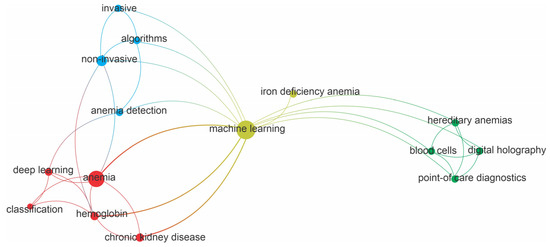
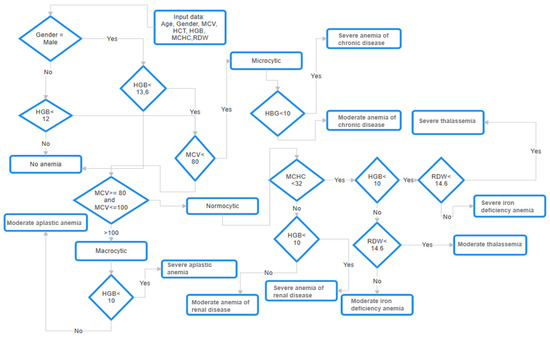
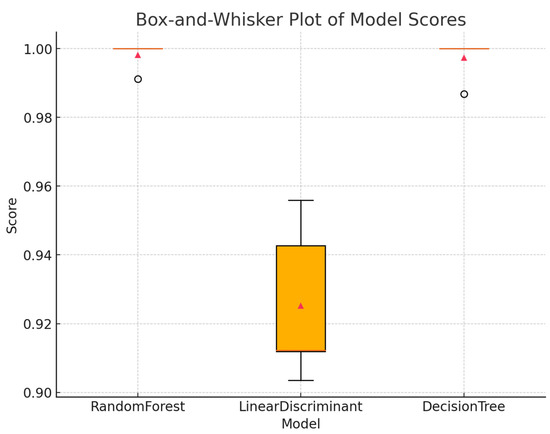
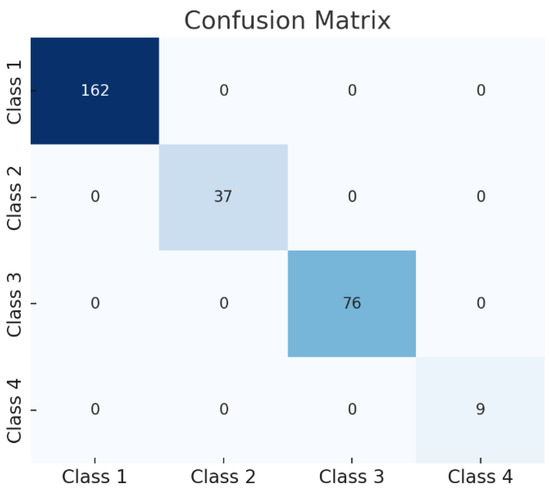
In this study, a system was developed to predict anemia using blood count data and supervised learning algorithms. Anemia, a common condition characterized by low levels of red blood cells or hemoglobin, affects oxygenation and often causes symptoms, such as fatigue and shortness of breath. The diagnosis of anemia often requires laboratory tests, which can be challenging in low-resource areas where anemia is common. We built a supervised learning approach and trained three models (Linear Discriminant Analysis, Decision Trees, and Random Forest) using an anemia dataset from a previous study by Sabatini in 2022. The Random Forest model achieved an accuracy of 99.82%, highlighting its capability to subclassify anemia types (microcytic, normocytic, and macrocytic) with high precision, which is a novel advancement compared to prior studies limited to binary classification (presence/absence of anemia) of the same dataset.
Full article

Figure 1

Open AccessArticle
AI-Powered Lung Cancer Detection: Assessing VGG16 and CNN Architectures for CT Scan Image Classification
by
Rapeepat Klangbunrueang, Pongsathon Pookduang, Wirapong Chansanam and Tassanee Lunrasri
Informatics 2025, 12(1), 18; https://doi.org/10.3390/informatics12010018 - 11 Feb 2025
Abstract
Lung cancer is a leading cause of mortality worldwide, and early detection is crucial in improving treatment outcomes and reducing death rates. However, diagnosing medical images, such as Computed Tomography scans (CT scans), is complex and requires a high level of expertise. This
[...] Read more.
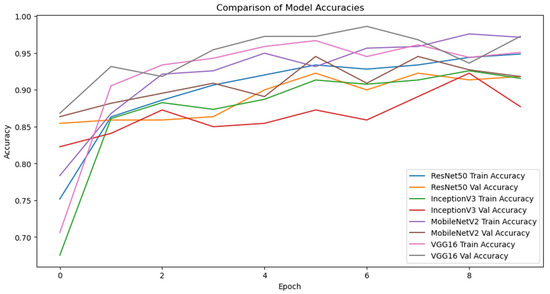
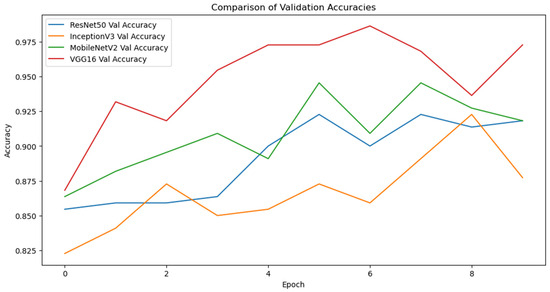
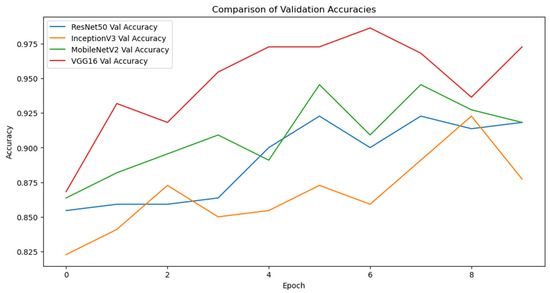
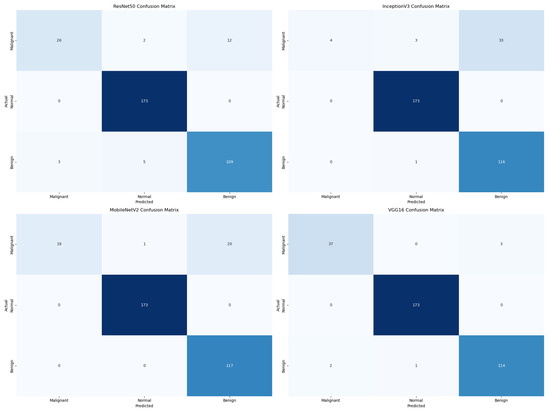
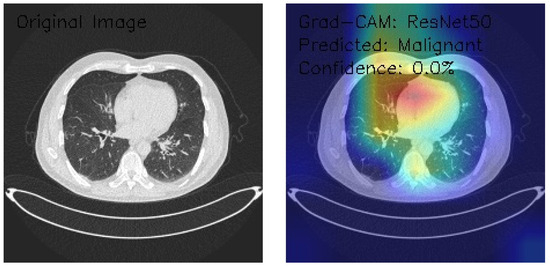
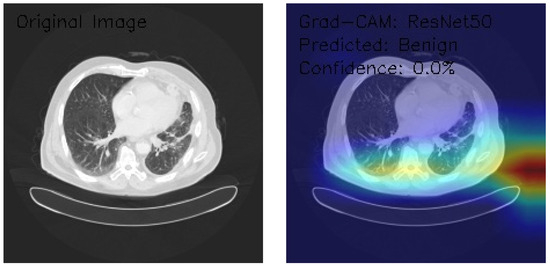
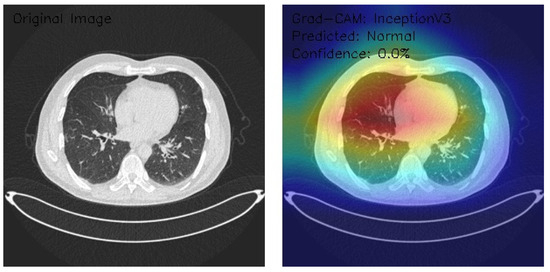
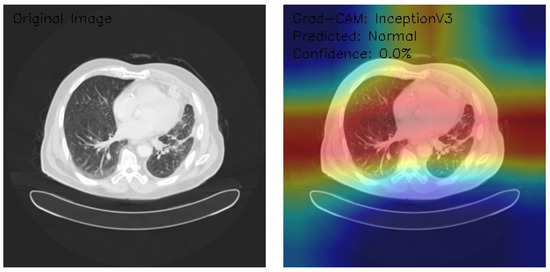
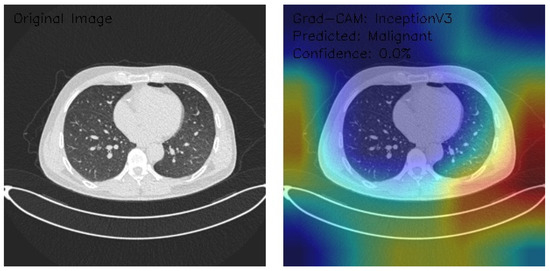
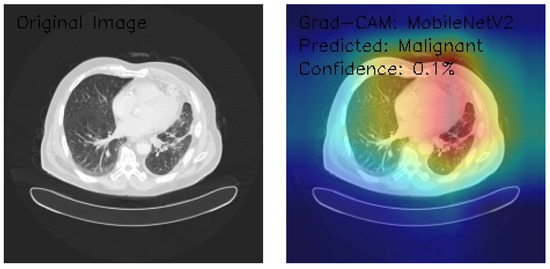
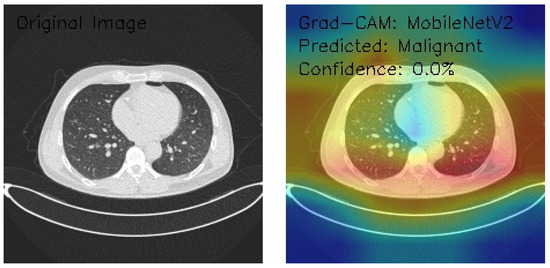
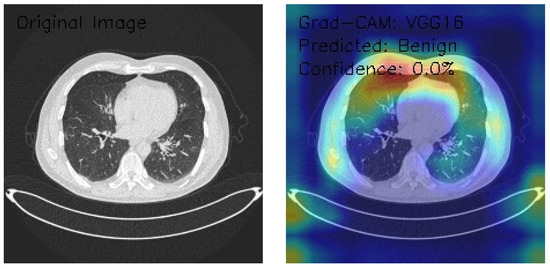
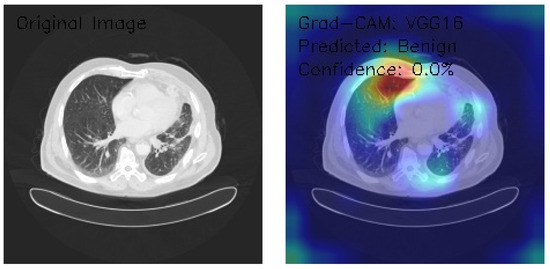
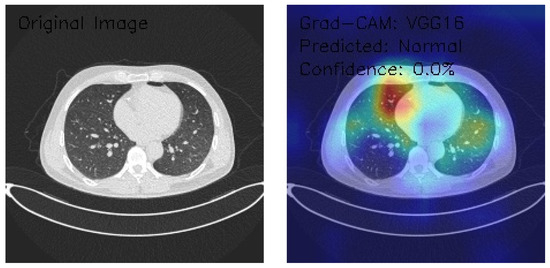
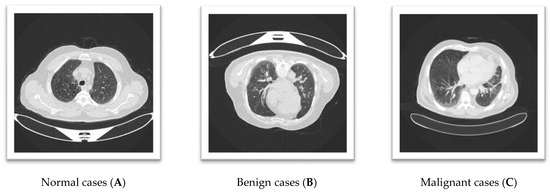
Lung cancer is a leading cause of mortality worldwide, and early detection is crucial in improving treatment outcomes and reducing death rates. However, diagnosing medical images, such as Computed Tomography scans (CT scans), is complex and requires a high level of expertise. This study focuses on developing and evaluating the performance of Convolutional Neural Network (CNN) models, specifically the Visual Geometry Group 16 (VGG16) architecture, to classify lung cancer CT scan images into three categories: Normal, Benign, and Malignant. The dataset used consists of 1097 CT images from 110 patients, categorized according to these severity levels. The research methodology began with data collection and preparation, followed by training and testing the VGG16 model and comparing its performance with other CNN architectures, including Residual Network with 50 layers (ResNet50), Inception Version 3 (InceptionV3), and Mobile Neural Network Version 2 (MobileNetV2). The experimental results indicate that VGG16 achieved the highest classification performance, with a Test Accuracy of 98.18%, surpassing the other models. This accuracy highlights VGG16’s strong potential as a supportive diagnostic tool in medical imaging. However, a limitation of this study is the dataset size, which may reduce model accuracy when applied to new data. Future studies should consider increasing the dataset size, using Data Augmentation techniques, fine-tuning model parameters, and employing advanced models such as 3D CNN or Vision Transformers. Additionally, incorporating Gradient-weighted Class Activation Mapping (Grad-CAM) to interpret model decisions would enhance transparency and reliability. This study confirms the potential of CNNs, particularly VGG16, for classifying lung cancer CT images and provides a foundation for further development in medical applications.
Full article
(This article belongs to the Section Medical and Clinical Informatics)
►▼
Show Figures

Figure 1
Open AccessArticle
Hybrid Machine Learning for IoT-Enabled Smart Buildings
by
Robert-Alexandru Craciun, Simona Iuliana Caramihai, Ștefan Mocanu, Radu Nicolae Pietraru and Mihnea Alexandru Moisescu
Informatics 2025, 12(1), 17; https://doi.org/10.3390/informatics12010017 - 11 Feb 2025
Abstract
This paper presents an intrusion detection system (IDS) leveraging a hybrid machine learning approach aimed at enhancing the security of IoT devices at the edge, specifically for those utilizing the TCP/IP protocol. Recognizing the critical security challenges posed by the rapid expansion of
[...] Read more.
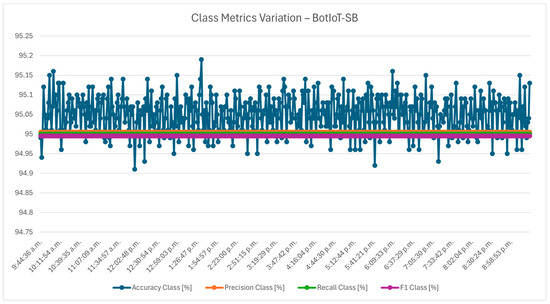
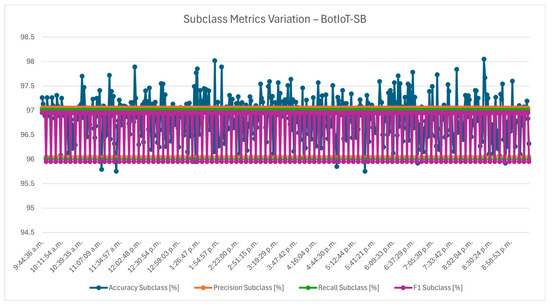
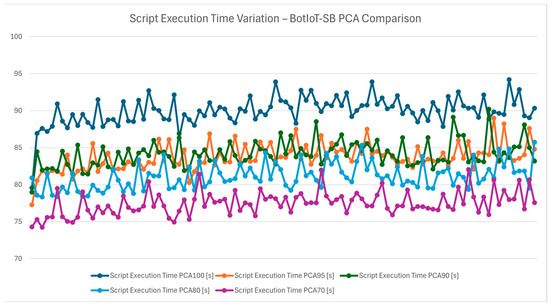
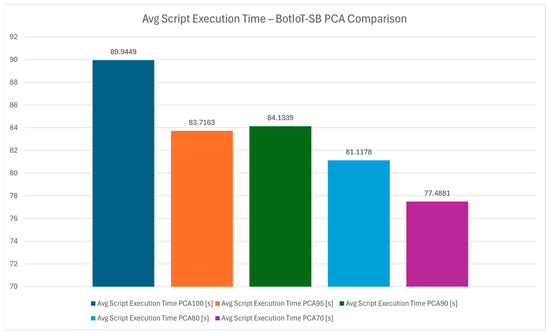
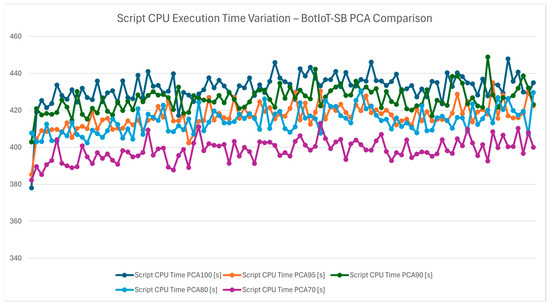
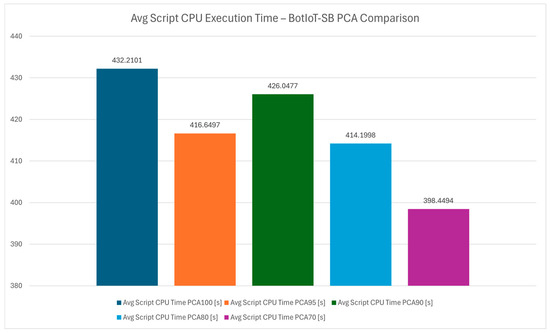
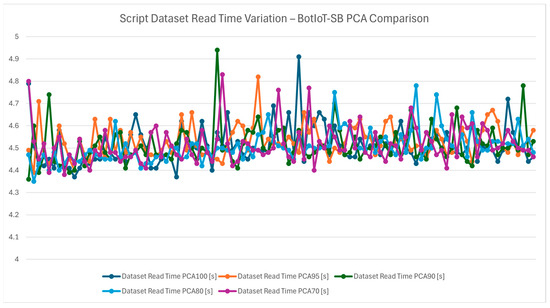
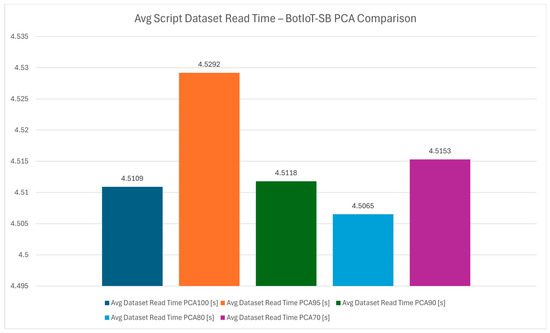
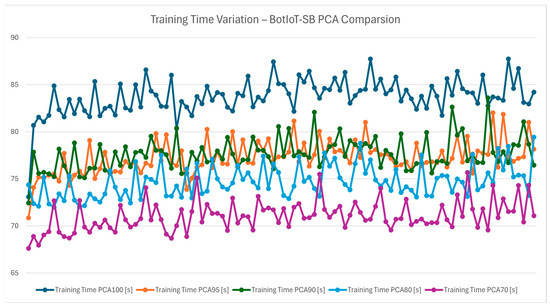
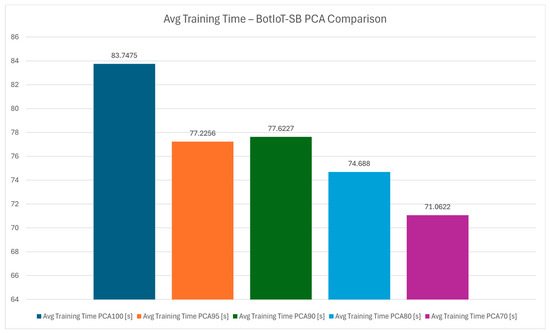
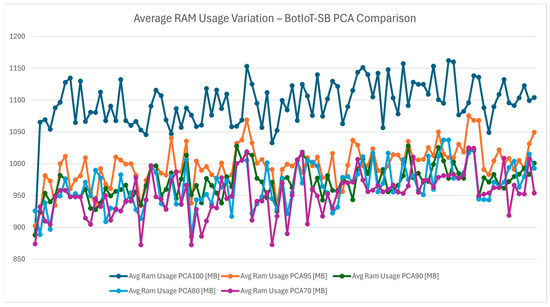
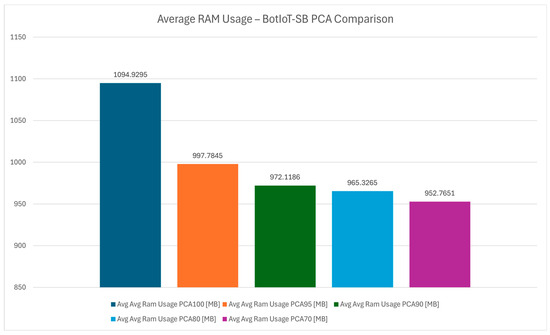
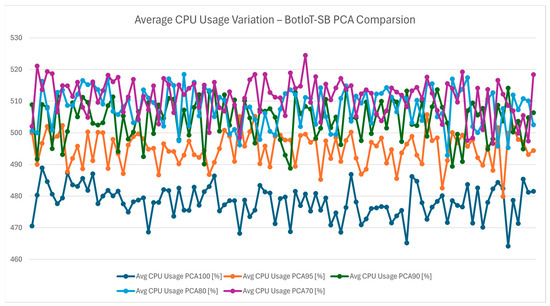
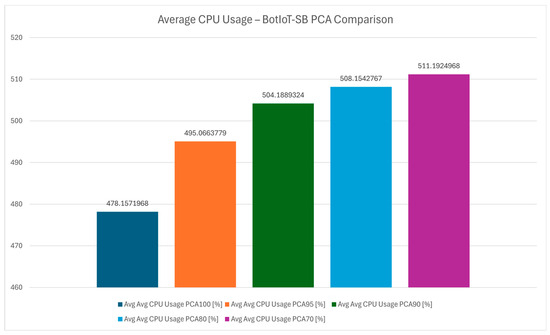
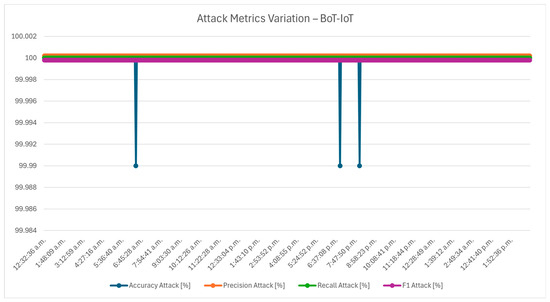
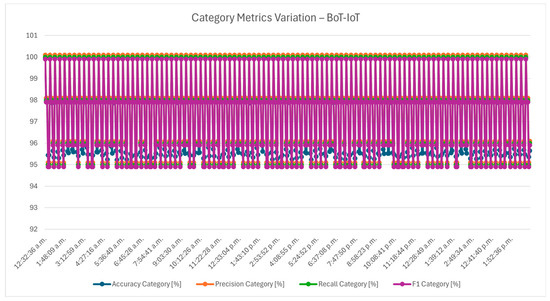
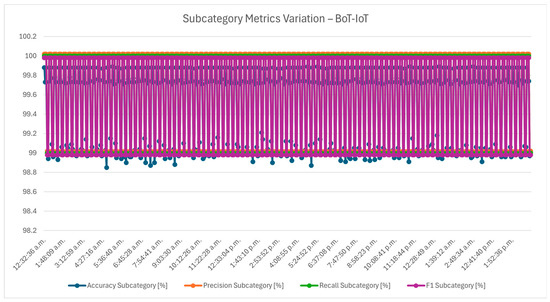
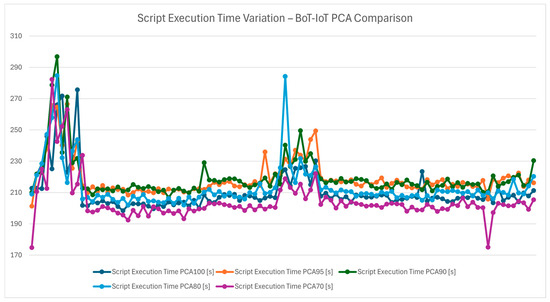
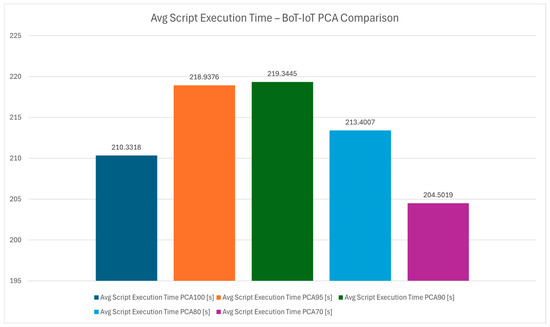
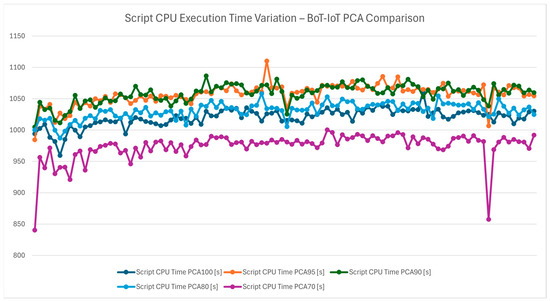
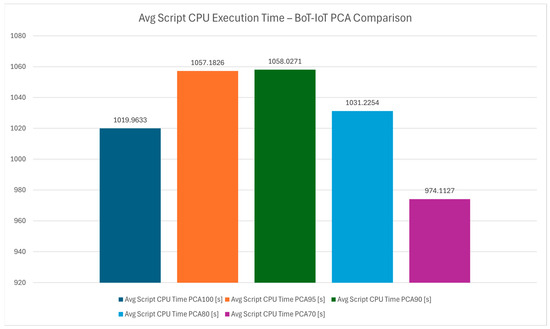
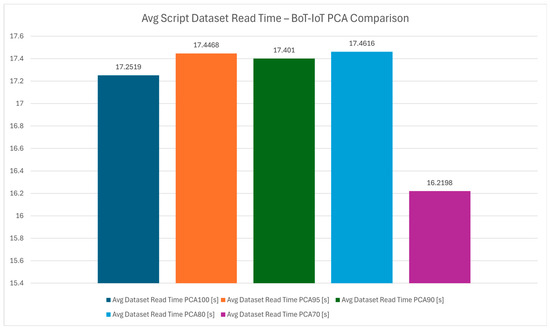
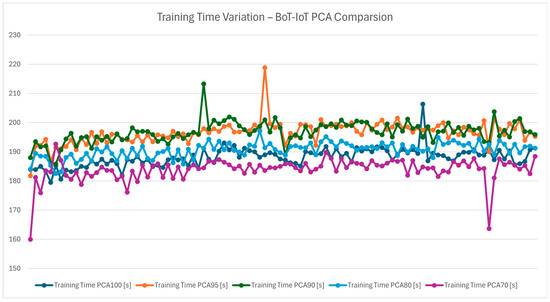
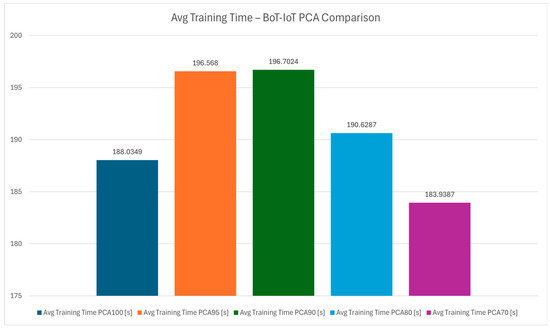
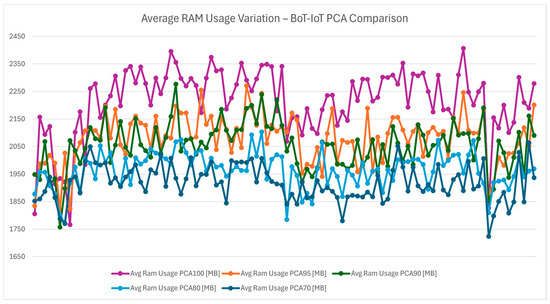
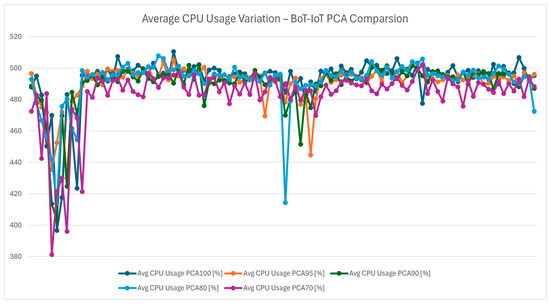
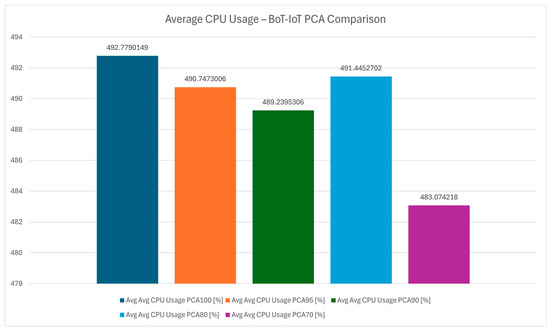
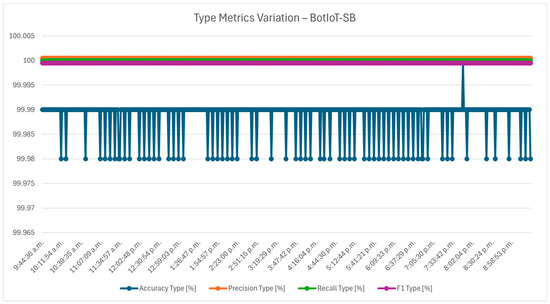
This paper presents an intrusion detection system (IDS) leveraging a hybrid machine learning approach aimed at enhancing the security of IoT devices at the edge, specifically for those utilizing the TCP/IP protocol. Recognizing the critical security challenges posed by the rapid expansion of IoT networks, this work evaluates the proposed IDS model with a primary focus on optimizing training time without sacrificing detection accuracy. The paper begins with a comprehensive review of existing hybrid machine learning models for IDS, highlighting both their strengths and limitations. It then provides an overview of the technologies and methodologies implemented in this work, including the utilization of “Botnet IoT Traffic Dataset For Smart Buildings”, a newly released public dataset tailored for IoT threat detection. The hybrid IDS model is explained in detail, followed by a discussion of experimental results that assess the model’s performance in real-world conditions. Furthermore, the proposed IDS is evaluated for its effectiveness in enhancing IoT security within smart building environments, demonstrating how it can address unique challenges such as resource constraints and real-time threat detection at the edge. This work aims to contribute to the development of efficient, reliable, and scalable IDS solutions to protect IoT ecosystems from emerging security threats.
Full article
(This article belongs to the Section Machine Learning)
►▼
Show Figures

Figure 1
Open AccessArticle
Automatic Translation Between Kreol Morisien and English Using the Marian Machine Translation Framework
by
Zaheenah Beebee Jameela Boodeea, Sameerchand Pudaruth, Nitish Chooramun and Aneerav Sukhoo
Informatics 2025, 12(1), 16; https://doi.org/10.3390/informatics12010016 - 10 Feb 2025
Abstract
►▼
Show Figures
Kreol Morisien is a vibrant and expressive language that reflects the multicultural heritage of Mauritius. There are different versions of Kreol languages. While Kreol Morisien is spoken in Mauritius, Kreol Rodrige is spoken only in Rodrigues, and they are distinct languages. Being spoken
[...] Read more.
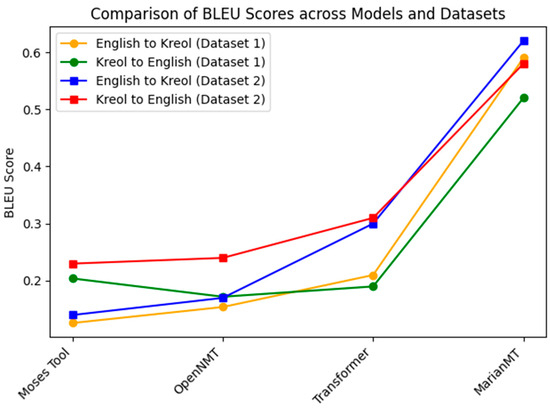
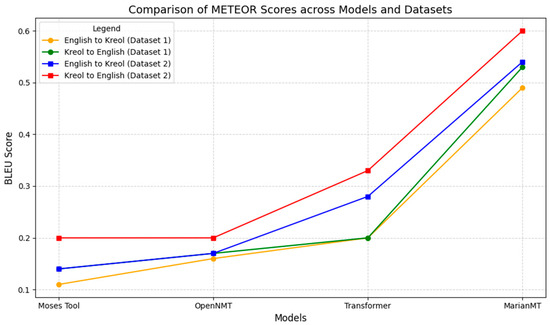
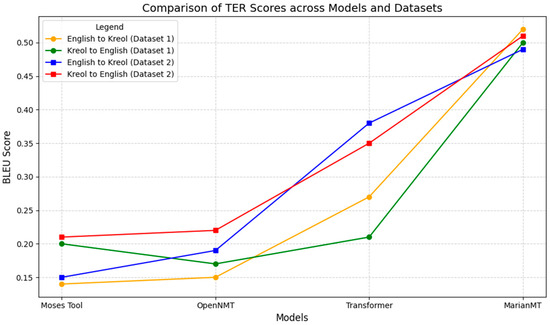
Kreol Morisien is a vibrant and expressive language that reflects the multicultural heritage of Mauritius. There are different versions of Kreol languages. While Kreol Morisien is spoken in Mauritius, Kreol Rodrige is spoken only in Rodrigues, and they are distinct languages. Being spoken by only about 1.5 million speakers in the world, Kreol Morisien falls in the category of under-resourced languages. Initially, Kreol Morisien lacked a formalised writing system, with many people using different spellings for the same words. The first step towards standardisation of writing Kreol Morisien was after the publication of the Kreol Morisien orthography in 2011 and Kreol Morisien grammar in 2012 by the Kreol Morisien Academy. Kreol Morisien obtained a national position in the year 2012 when it was introduced in educational organisations. This was a major breakthrough for Kreol Morisien to be recognised as a national language on the same level as English, French, and other oriental languages. By providing a means for Kreol Morisien speakers to connect with others, a translation system will help to preserve and strengthen the identity of the language and its speakers in an increasingly globalized world. The aim of this paper is to develop a translation system for Kreol Morisien and English. Thus, a dataset consisting of 50,000 parallel Kreol Morisien and English sentences was created, where 48,000 sentence pairs were used to train the models, while 1000 sentences were used for evaluation and another 1000 sentences were used for testing. Several machine translation systems such as statistical machine translation, open-source neural machine translation, a Transformer model with attention mechanism, and Marian machine translation are trained and evaluated. Our best model, using MarianMT, achieved a BLEU score of 0.62 for the translation of English to Kreol Morisien and a BLEU score of 0.58 for the translation of Kreol Morisien into English. To our knowledge, these are the highest BLEU scores that are available in the literature for this language pair. A high-quality translation tool for Kreol Morisien will facilitate its integration into digital platforms. This will make previously inaccessible knowledge more accessible, as the information can now be translated into the mother tongue of most Mauritians with reasonable accuracy.
Full article

Figure 1
Journal Menu
► ▼ Journal Menu-
- Informatics Home
- Aims & Scope
- Editorial Board
- Reviewer Board
- Topical Advisory Panel
- Instructions for Authors
- Special Issues
- Topics
- Sections & Collections
- Article Processing Charge
- Indexing & Archiving
- Editor’s Choice Articles
- Most Cited & Viewed
- Journal Statistics
- Journal History
- Journal Awards
- Editorial Office
Journal Browser
► ▼ Journal BrowserHighly Accessed Articles
Latest Books
E-Mail Alert
News
Topics
Topic in
Brain Sciences, Healthcare, Informatics, IJERPH, JCM, Reports
Applications of Virtual Reality Technology in Rehabilitation
Topic Editors: Jorge Oliveira, Pedro GamitoDeadline: 30 June 2025
Topic in
World, Informatics, Information
The Applications of Artificial Intelligence in Tourism
Topic Editors: Angelica Lo Duca, Jose BerengueresDeadline: 31 August 2025
Topic in
Applied Sciences, Electronics, Informatics, Information, Software
Software Engineering and Applications
Topic Editors: Sanjay Misra, Robertas Damaševičius, Bharti SuriDeadline: 31 October 2025
Topic in
Electronics, Healthcare, Informatics, MAKE, Sensors, Systems, IJGI
Theories and Applications of Human-Computer Interaction
Topic Editors: Da Tao, Tingru Zhang, Hailiang WangDeadline: 31 December 2025
Conferences
Special Issues
Special Issue in
Informatics
AI for the People: An Ubuntu Approach to Transforming Health, Education, and Economic Landscapes
Guest Editors: Lufuno Makhado, Takalani Samuel Mashau, Nombulelo SepengDeadline: 31 May 2025
Special Issue in
Informatics
Practical Applications of Sentiment Analysis
Guest Editors: Patricia Anthony, Jing ZhouDeadline: 30 September 2025
Special Issue in
Informatics
Generative AI in Higher Education: Applications, Implications, and Future Directions
Guest Editors: Amir Ghapanchi, Reza Ghanbarzadeh, Purarjomandlangrudi AfroozDeadline: 31 October 2025