

Journal Description
Inventions
Inventions
is an international, scientific, peer-reviewed, open access journal published bimonthly online by MDPI.
- Open Access— free for readers, with article processing charges (APC) paid by authors or their institutions.
- High Visibility: indexed within Scopus, ESCI (Web of Science), Inspec, Ei Compendex and other databases.
- Journal Rank: JCR - Q2 (Engineering, Multidisciplinary) / CiteScore - Q1 (General Engineering)
- Rapid Publication: manuscripts are peer-reviewed and a first decision is provided to authors approximately 18.5 days after submission; acceptance to publication is undertaken in 3.8 days (median values for papers published in this journal in the second half of 2024).
- Recognition of Reviewers: reviewers who provide timely, thorough peer-review reports receive vouchers entitling them to a discount on the APC of their next publication in any MDPI journal, in appreciation of the work done.
Impact Factor:
2.1 (2023);
5-Year Impact Factor:
2.7 (2023)
Latest Articles
Power Quality Impact and Its Assessment: A Review and a Survey of Lithuanian Industrial Companies
Inventions 2025, 10(2), 30; https://doi.org/10.3390/inventions10020030 (registering DOI) - 5 Apr 2025
Abstract
Poor PQ is a partial case of power system impact on society and the environment. Although the significance of good PQ is generally understood, the topic has not yet been sufficiently explored in the scientific literature. Firstly, this paper discusses the role of
[...] Read more.
Poor PQ is a partial case of power system impact on society and the environment. Although the significance of good PQ is generally understood, the topic has not yet been sufficiently explored in the scientific literature. Firstly, this paper discusses the role of PQ in sustainable development by distinguishing economic, environmental, and social parts, including the existing PQ impact assessment methods. PQ problems must be studied through such prisms as financial losses of industrial companies, damage to end-use equipment, natural phenomena, interaction with animals, and social issues related to law, people’s well-being, health and safety. Secondly, this paper presents the results of the survey of Lithuanian industrial companies, which focuses on the assessment of industrial equipment immunity to both voltage sags and supply interruptions, as well as a unique methodology based on expert assessment, IEEE Std 1564-2014 and EN 50160:2010 voltage sag tables, matrix theory, a statistical hypothesis test, and convolution-based sample comparison that was developed for this purpose. The survey was carried out during the PQ monitoring campaign in the Lithuanian DSO grid, and is one of the few PQ surveys presented in the scientific literature. After counting the votes and introducing the rating system (with and without weights), the samples are compared both qualitatively and quantitatively in order to determine whether the PQ impact on various end-use equipment is similar or not.
Full article
(This article belongs to the Special Issue Innovative Strategy of Protection and Control for the Grid)
Open AccessArticle
Optimal Operation of a Tablet Pressing Machine Using Deep-Neural-Network-Embedded Mixed-Integer Linear Programming
by
Jialong Li, Lan Wu, Yuang Qin and Haojun Zhi
Inventions 2025, 10(2), 29; https://doi.org/10.3390/inventions10020029 - 24 Mar 2025
Abstract
This paper presents a deep neural network (DNN)-embedded mixed-integer linear programming (MILP) model for fault prediction and production optimization in tablet pressing machines. The DNN predicts the probability of failures during the tablet pressing process by analyzing key operational parameters such as pressure,
[...] Read more.
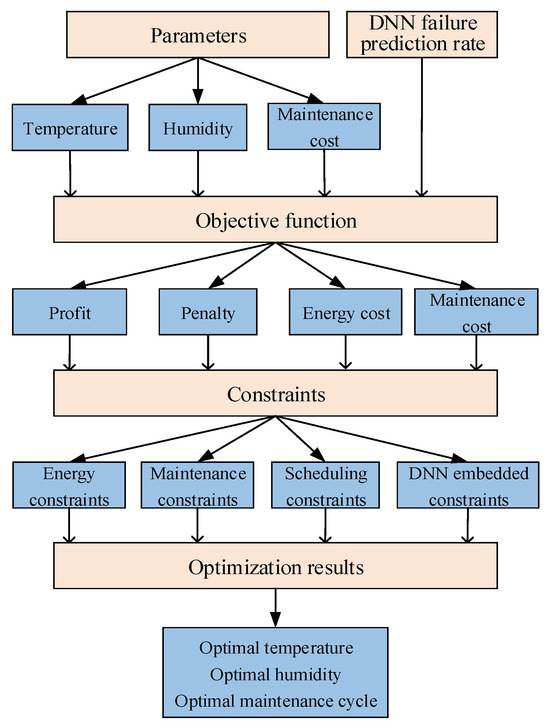
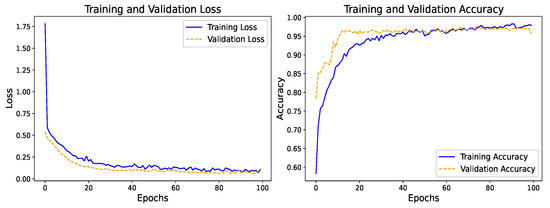
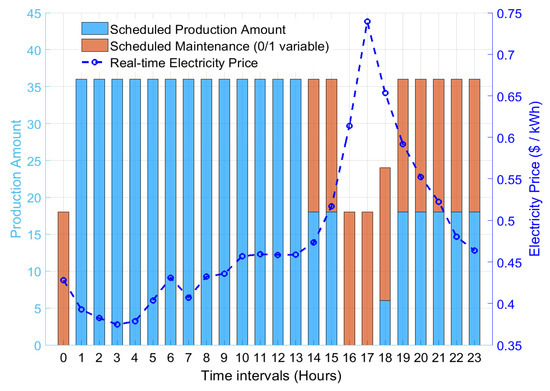
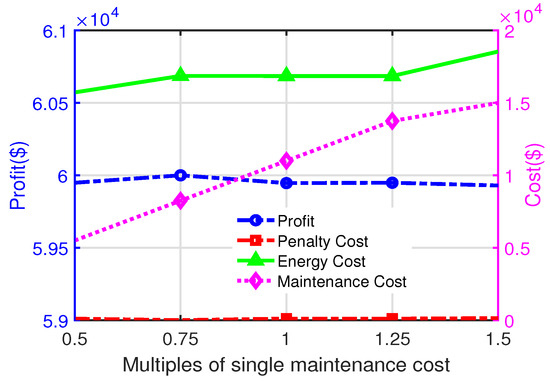
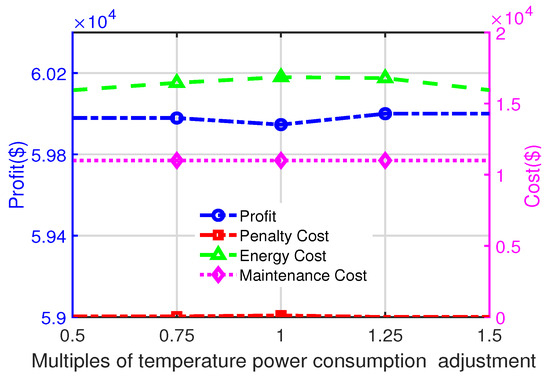
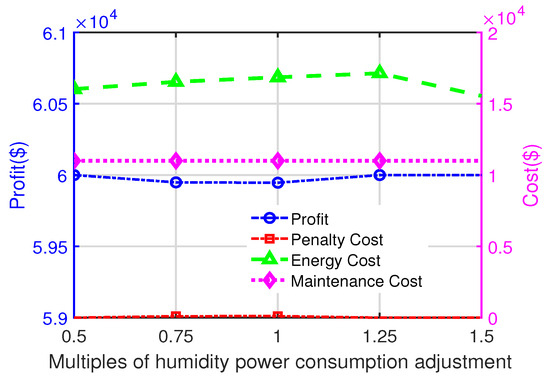
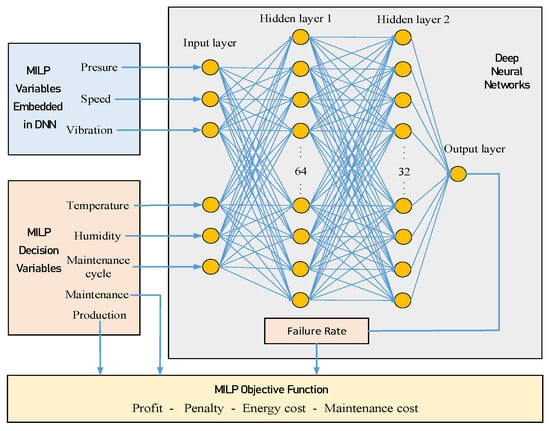
This paper presents a deep neural network (DNN)-embedded mixed-integer linear programming (MILP) model for fault prediction and production optimization in tablet pressing machines. The DNN predicts the probability of failures during the tablet pressing process by analyzing key operational parameters such as pressure, temperature, humidity, speed, vibration, and number of maintenance cycles. The MILP model optimizes the temperature and humidity settings, production schedules, and maintenance planning to maximize total profit while minimizing penalties for fault pressing, energy consumption, and maintenance costs. To integrate DNN into the MILP framework, Big-M constraints are applied to linearize the Rectified Linear Unit (ReLU) activation functions, ensuring solvability and global optimality of the optimization problem. A case study using the Kaggle dataset demonstrates the model’s ability to dynamically adjust production and maintenance schedules, enhancing profitability and resource utilization under fluctuating electricity prices. Sensitivity analyses further highlight the model’s robustness to variations in maintenance and energy costs, striking an effective balance between cost efficiency and production quality, which makes it a promising solution for intelligent scheduling and optimization in complex manufacturing environments.
Full article
(This article belongs to the Section Inventions and Innovation in Design, Modeling and Computing Methods)
►▼
Show Figures

Figure 1
Open AccessArticle
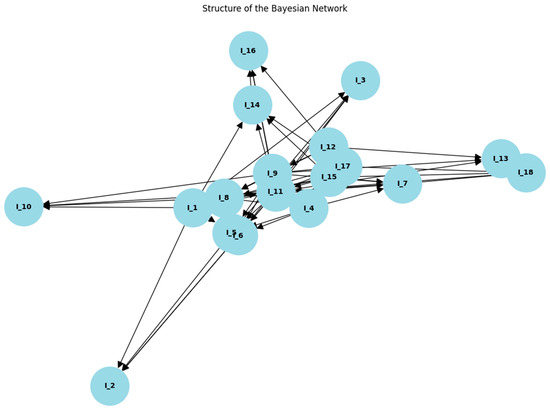
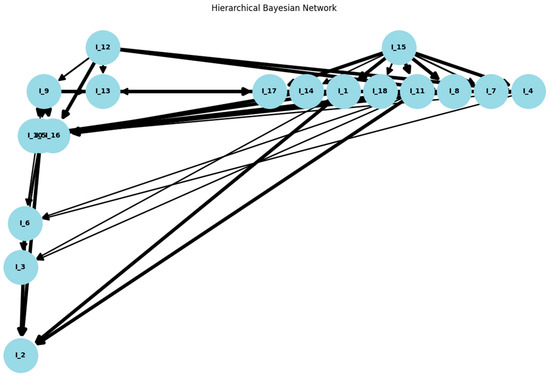
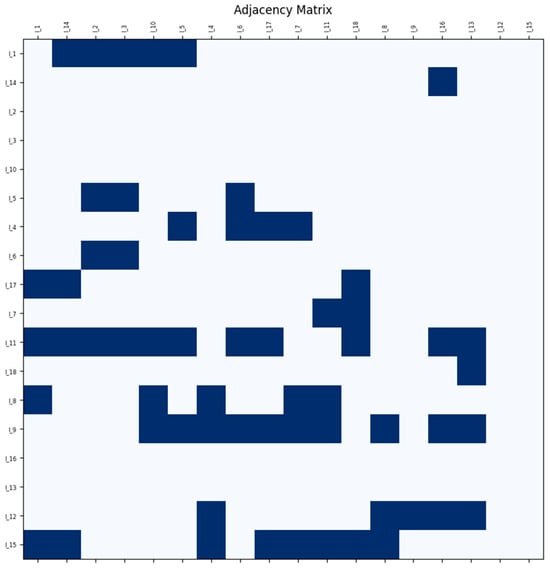
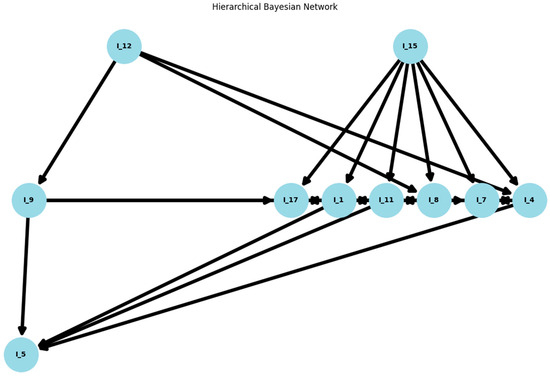
Bayesian Networks Applied to the Maritime Emissions Trading System: A Tool for Decision-Making in European Ports
by
Javier Vaca-Cabrero, Nicoletta González-Cancelas, Alberto Camarero-Orive and Jorge Quijada-Alarcón
Inventions 2025, 10(2), 28; https://doi.org/10.3390/inventions10020028 - 19 Mar 2025
Abstract
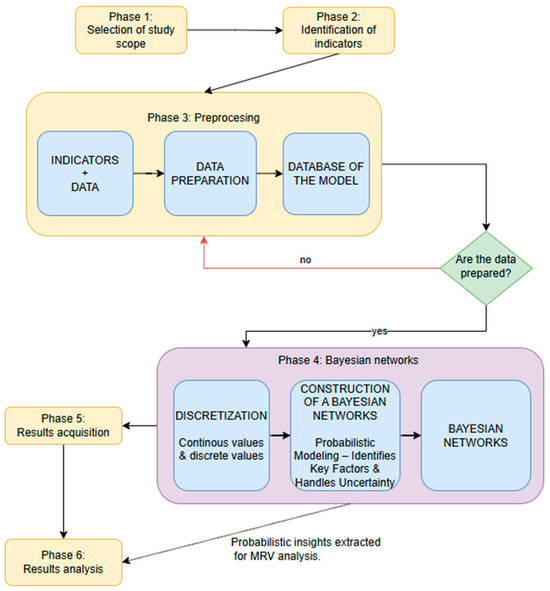
This study examines the impact of monitoring, reporting, and verification (MRV) system indicators on the costs associated with the emissions trading system (ETS) of the maritime sector in the European Union. Since maritime transport has recently been incorporated into the ETS, it becomes
[...] Read more.
This study examines the impact of monitoring, reporting, and verification (MRV) system indicators on the costs associated with the emissions trading system (ETS) of the maritime sector in the European Union. Since maritime transport has recently been incorporated into the ETS, it becomes essential to understand how different operational and environmental factors affect the economic burden of shipping companies and port competitiveness. To this end, a model based on Bayesian networks is used to analyse the interdependencies between key variables, facilitating the identification of the most influential factors in the determination of the costs of the ETS. The results show that fuel efficiency and CO2 emissions in port are decisive in the configuration of costs. In particular, it was identified that emissions during the stay in port have a greater weight than expected, which suggests that strategies such as the use of electrical connections in port (cold ironing) may be key to mitigating costs. Likewise, navigation patterns and traffic regionalisation show a strong correlation with ETS exposure, which could lead to adjustments in maritime routes. This probabilistic model offers a valuable tool for strategic decision-making in the maritime sector, benefiting shipping companies, port operators, and policymakers. However, future research could integrate new technologies and regulatory scenarios to improve the accuracy of the analysis and anticipate changes in the ETS cost structure.
Full article
(This article belongs to the Special Issue Innovations and Inventions in Ocean Energy Engineering)
►▼
Show Figures

Figure 1
Open AccessArticle
XGBoost-Based Heuristic Path Planning Algorithm for Large Scale Air–Rail Intermodal Networks
by
Shengyuan Weng, Xinghua Shan, Guangdong Bai, Jinfei Wu and Nan Zhao
Inventions 2025, 10(2), 27; https://doi.org/10.3390/inventions10020027 - 7 Mar 2025
Abstract
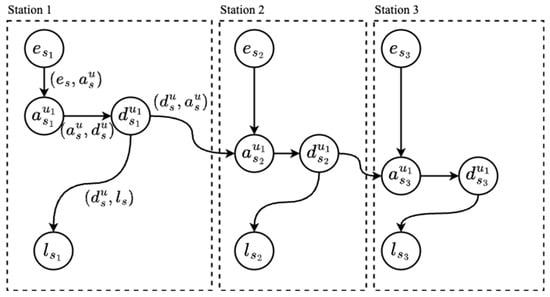
It is particularly important to develop efficient air–rail intermodal path planning methods for making full use of the advantages of air–rail intermodal networks and providing passengers with richer and more reasonable travel options. A Time-Expanded Graph (TEG) is used to model the timetable
[...] Read more.
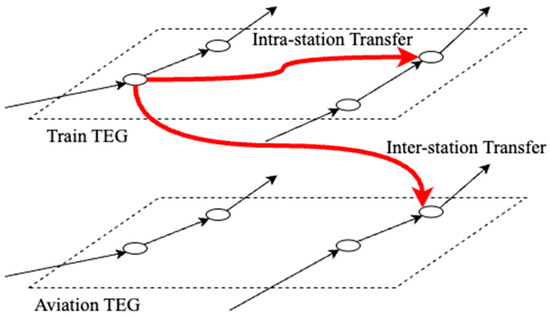
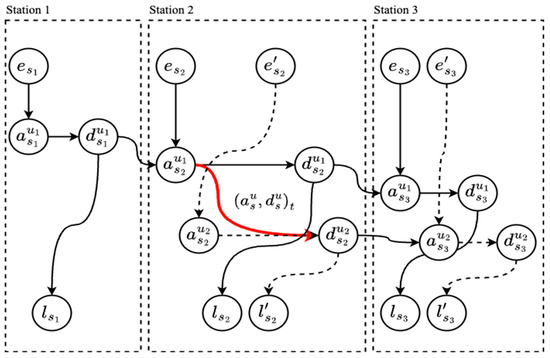
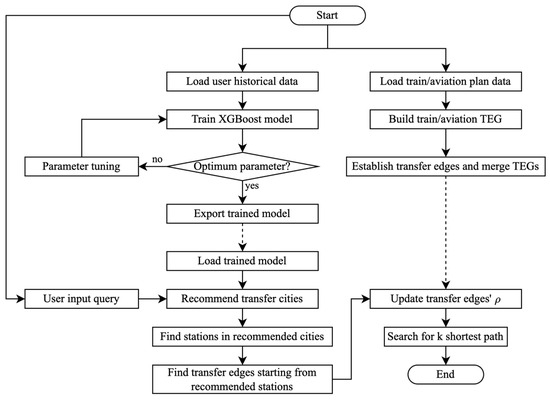
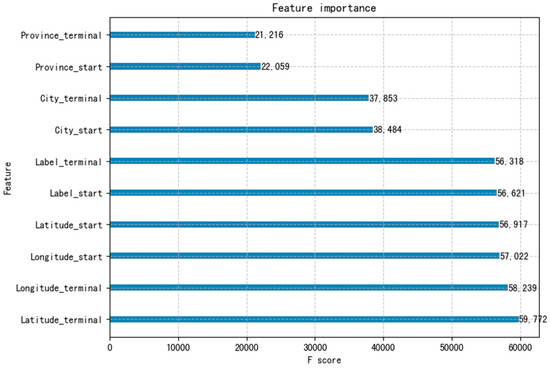
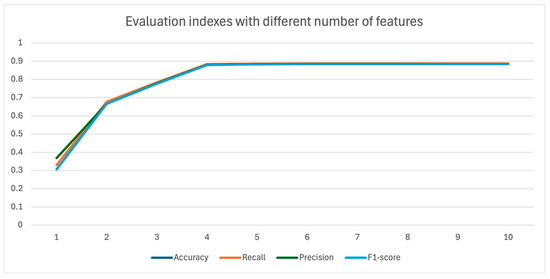
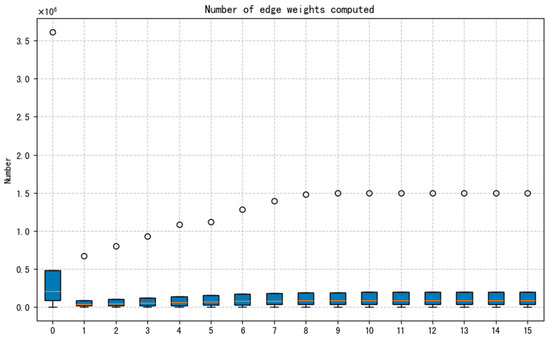
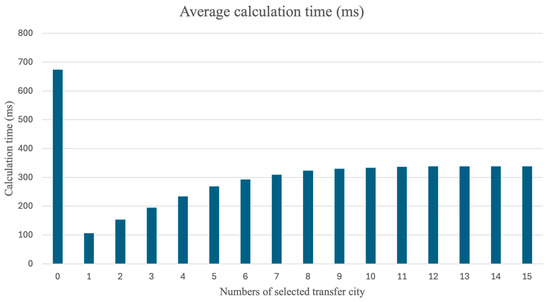
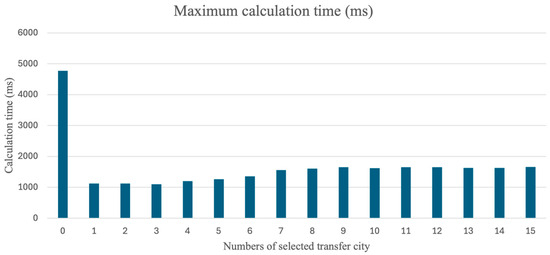
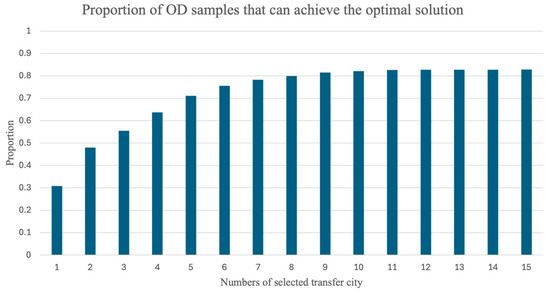
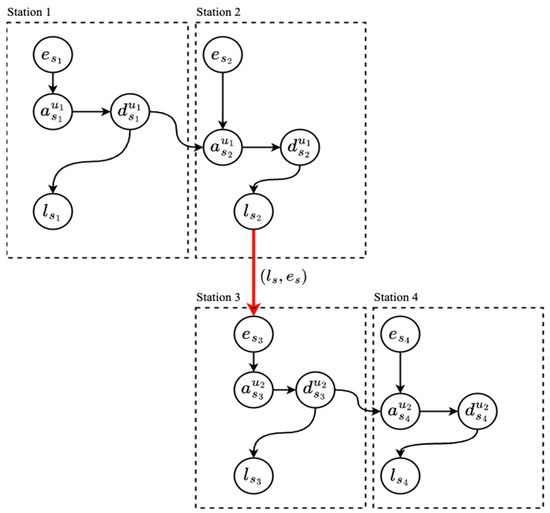
It is particularly important to develop efficient air–rail intermodal path planning methods for making full use of the advantages of air–rail intermodal networks and providing passengers with richer and more reasonable travel options. A Time-Expanded Graph (TEG) is used to model the timetable information of public transportation providing a theoretical basis for public transportation path planning. However, if the TEG includes a large amount of data such as train stations, airports, train and air schedules, the network scale will become very large, making path planning extremely time-consuming. This study proposes an XGBoost-based heuristic path planning algorithm (XGB-HPPA) for large scale air–rail intermodal networks, which use the XGBoost model to predict transfer stations before path planning, and quickly eliminate unreasonable transfer edges by adding a heuristic factor, reducing the network scale, thus accelerating the computation speed. Comparative results indicate that XGB-HPPA can markedly enhance computational speed within large-scale networks, while obtaining as many valid solutions as possible and approximating the optimal solution.
Full article
(This article belongs to the Section Inventions and Innovation in Design, Modeling and Computing Methods)
►▼
Show Figures

Figure 1
Open AccessArticle
CrySPAI: A New Crystal Structure Prediction Software Based on Artificial Intelligence
by
Zongguo Wang, Ziyi Chen, Yang Yuan and Yangang Wang
Inventions 2025, 10(2), 26; https://doi.org/10.3390/inventions10020026 - 6 Mar 2025
Abstract
Crystal structure predictions based on the combination of first-principles calculations and machine learning have achieved significant success in materials science. However, most of these approaches are limited to predicting specific systems, which hinders their application to unknown or unexplored domains. In this paper,
[...] Read more.
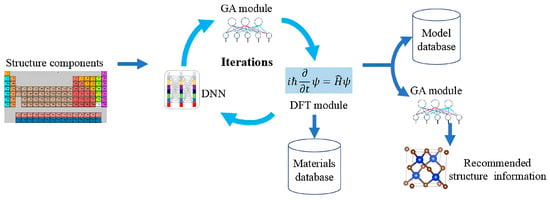
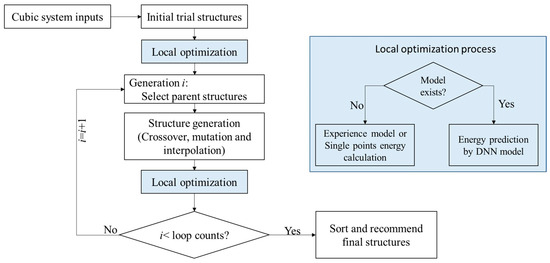
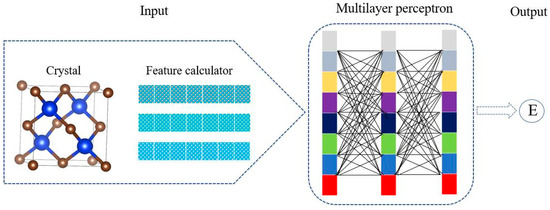
Crystal structure predictions based on the combination of first-principles calculations and machine learning have achieved significant success in materials science. However, most of these approaches are limited to predicting specific systems, which hinders their application to unknown or unexplored domains. In this paper, we present a crystal structure prediction software based on artificial intelligence, named as CrySPAI, to predict energetically stable crystal structures of inorganic materials given their chemical compositions. The software consists of three key modules, an evolutionary optimization algorithm (EOA) that searches for all possible crystal structure configurations, density functional theory (DFT) that provides the accurate energy values for these structures, and a deep neural network (DNN) that learns the relationship between crystal structures and their corresponding energies. To optimize the process across these modules, a distributed framework is implemented to parallelize tasks, and an automated workflow has been integrated into CrySPAI for seamless execution. This paper reports the development and implementation of the AI-based CrySPAI Crystal Prediction Software tool and its unique features.
Full article
(This article belongs to the Section Inventions and Innovation in Design, Modeling and Computing Methods)
►▼
Show Figures

Figure 1
Open AccessArticle
Research on Partial Discharge Spectrum Recognition Technology Used in Power Cables Based on Convolutional Neural Networks
by
Zhenqing Zhang, Hao Wu, Weiyin Ren, Jian Yan, Zhefu Sun and Man Ding
Inventions 2025, 10(2), 25; https://doi.org/10.3390/inventions10020025 - 5 Mar 2025
Abstract
Partial discharge is an important symptom of cable aging, and timely detection of potential defects is of great significance to ensure the stability and safety of the power supply. However, due to the diversity of inspection equipment and information blockage, the staff often
[...] Read more.
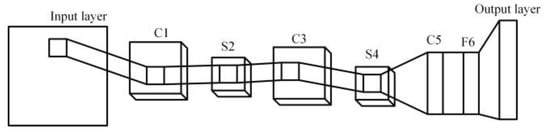
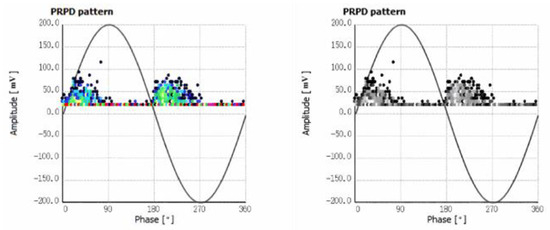
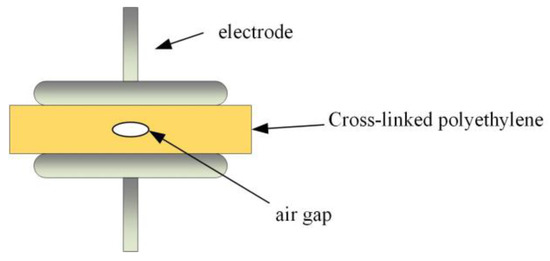
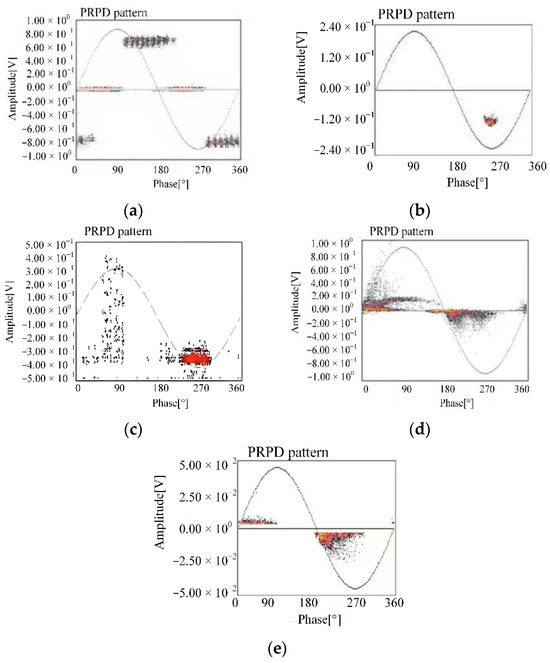
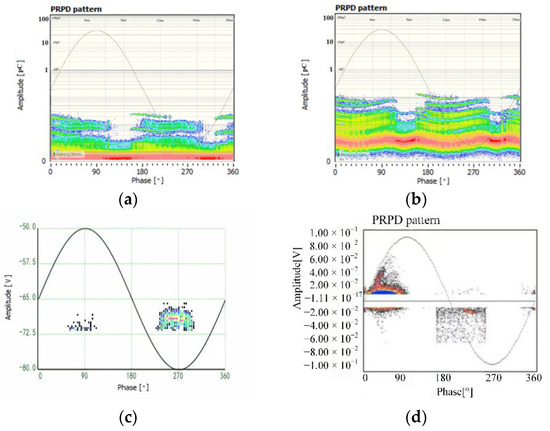
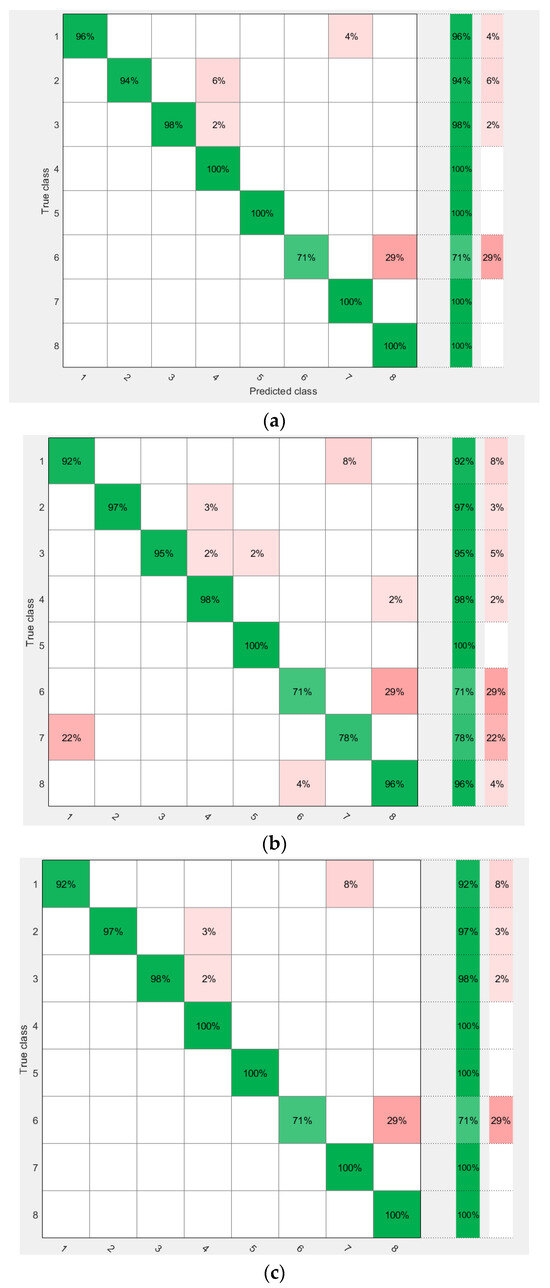
Partial discharge is an important symptom of cable aging, and timely detection of potential defects is of great significance to ensure the stability and safety of the power supply. However, due to the diversity of inspection equipment and information blockage, the staff often show blindness to the partial discharge spectrum and the defects corresponding to the spectrum. In view of this phenomenon, a partial discharge spectrum recognition method based on a convolutional neural network was developed. Firstly, a database of typical partial discharge spectrum was established, including partial amplifiers in the laboratory and at the work site, and then the convolutional neural network was used to train the defect spectral library. This paper proposes a processing technology for the on-site partial discharge spectrum; the unified grayscale image is obtained by grayscale processing, linearized stretching and size unification, and then the shape and color feature parameters are extracted according to the grayscale image, which solves the image distortion and statistical spectrum movement caused by the on-site environment or photographic angle on the user side. The partial discharge type can be obtained by comparing the processed spectrum with the database through the intelligent terminal, which greatly improves the accuracy and efficiency of on-site operations.
Full article
(This article belongs to the Section Inventions and Innovation in Electrical Engineering/Energy/Communications)
►▼
Show Figures

Figure 1
Open AccessArticle
Design of a Semi-Continuous Microwave System for Pretreatment of Microwave-Assisted Pyrolysis Using a Theoretical Method
by
Paula Andrea Ramírez Cabrera, Alejandra Sophia Lozano Pérez and Carlos Alberto Guerrero Fajardo
Inventions 2025, 10(2), 24; https://doi.org/10.3390/inventions10020024 - 4 Mar 2025
Abstract
This article provides an overview of various microwave-assisted techniques, such as microwave-assisted extraction (MAE), microwave-assisted organic synthesis (MAOS), microwave-assisted pyrolysis (MAP), microwave-assisted hydrothermal treatment (MAHT), microwave-assisted acid hydrolysis (MAAH), microwave-assisted organosolv (MAO), microwave-assisted alkaline hydrolysis (MAA), microwave-assisted enzymatic hydrolysis (MAEH), and microwave-assisted fermentation
[...] Read more.
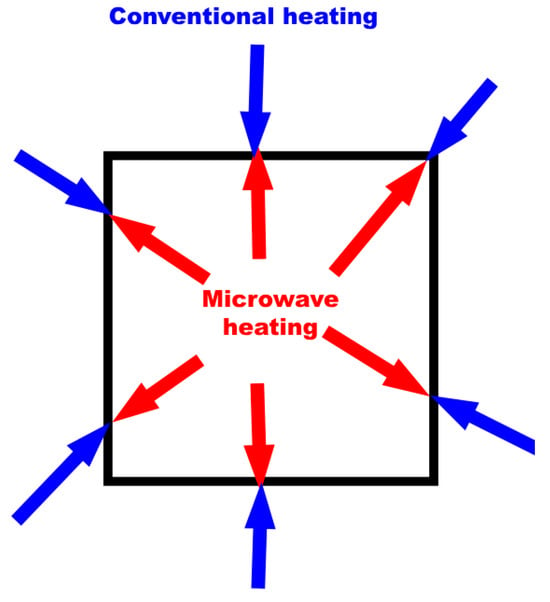
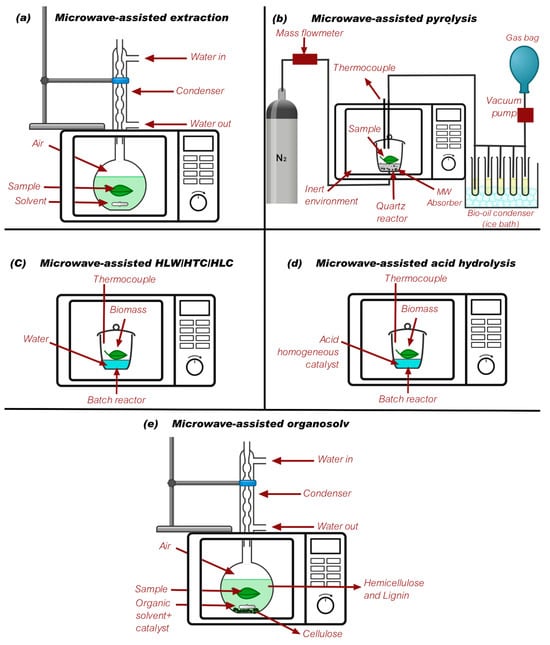
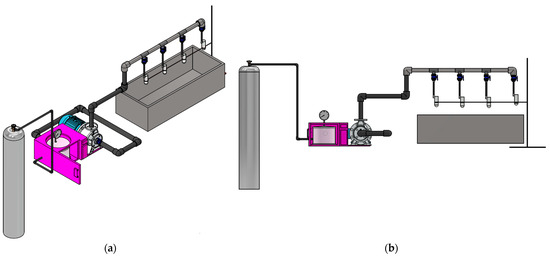
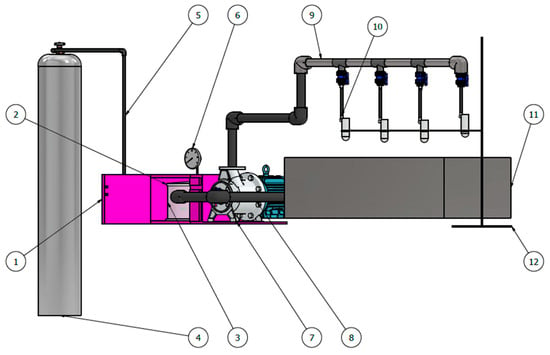
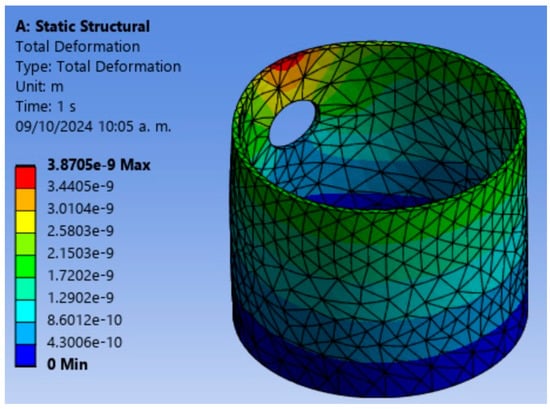
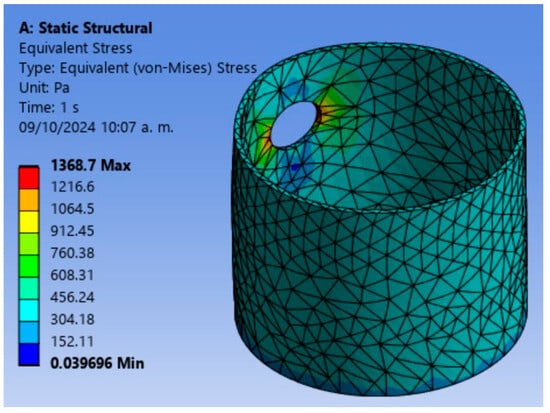
This article provides an overview of various microwave-assisted techniques, such as microwave-assisted extraction (MAE), microwave-assisted organic synthesis (MAOS), microwave-assisted pyrolysis (MAP), microwave-assisted hydrothermal treatment (MAHT), microwave-assisted acid hydrolysis (MAAH), microwave-assisted organosolv (MAO), microwave-assisted alkaline hydrolysis (MAA), microwave-assisted enzymatic hydrolysis (MAEH), and microwave-assisted fermentation (MAF). Microwave-assisted biomass pretreatment has emerged as a promising method to improve the efficiency of biomass conversion processes, in particular microwave-assisted pyrolysis (MAP). The focus is on microwave-assisted pyrolysis, detailing its key components, including microwave sources, applicators, feedstock characteristics, absorbers, collection systems, and reactor designs. Based on different studies reported in the literature and a mathematical model, a mechanical design of a microwave oven adapted for pyrolysis is proposed together with a computer-aided design and a finite element analysis. The semi-continuous system is designed for a 40 L capacity and a power of 800 W. The material with which the vessel was designed is suitable for the proposed process. The challenges, opportunities, and future directions of microwave-assisted technologies for the sustainable use of biomass resources are presented.
Full article
(This article belongs to the Section Inventions and Innovation in Design, Modeling and Computing Methods)
►▼
Show Figures

Figure 1
Open AccessArticle
Internet of Things Smart Beehive Network: Homogeneous Data, Modeling, and Forecasting the Honey Robbing Phenomenon
by
Igor Kurdin and Aleksandra Kurdina
Inventions 2025, 10(2), 23; https://doi.org/10.3390/inventions10020023 - 3 Mar 2025
Abstract
The role of experimental data and the use of IoT-based monitoring systems are gaining broader significance in research on bees across several aspects: bees as global pollinators, as biosensors, and as examples of swarm intelligence. This increases the demands on monitoring systems to
[...] Read more.
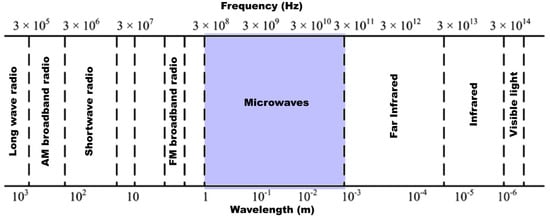
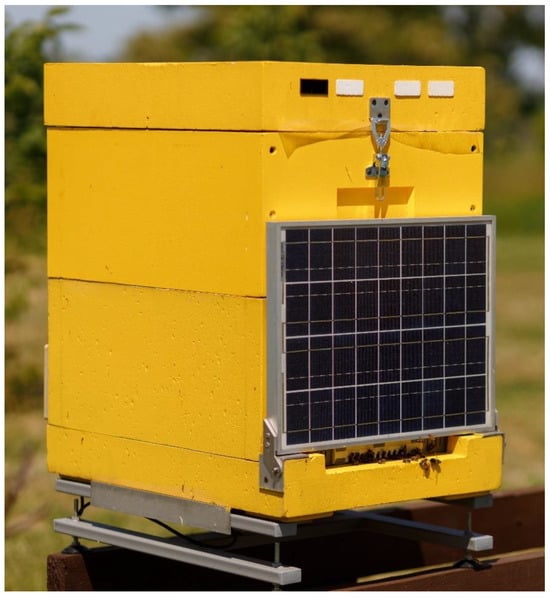
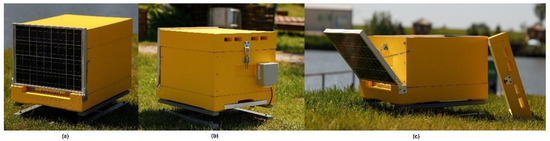
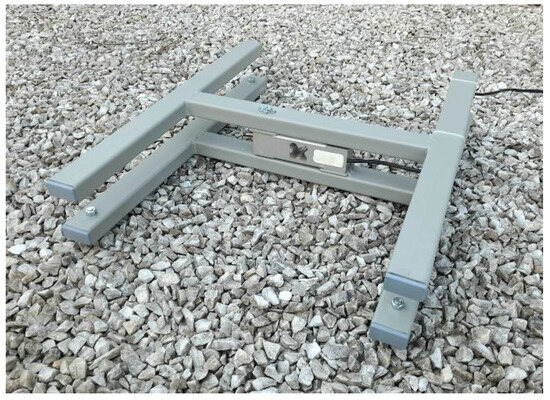
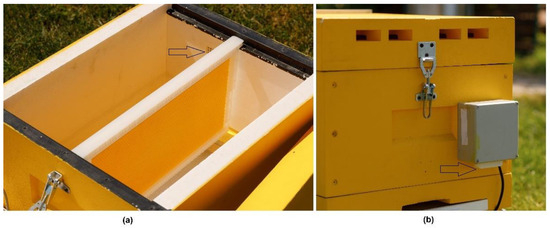
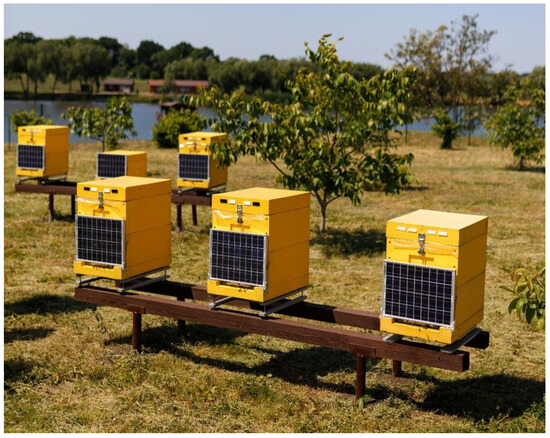
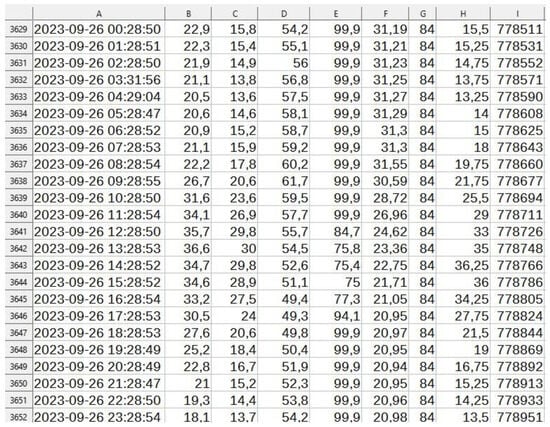
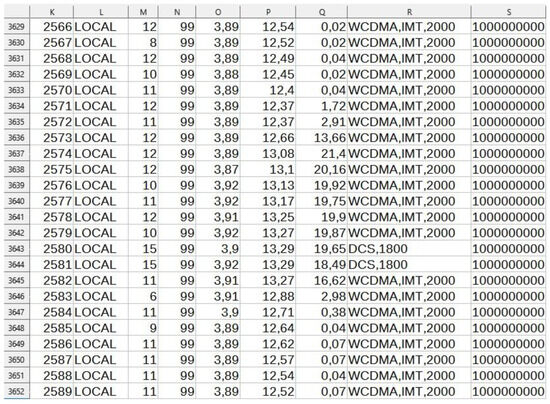
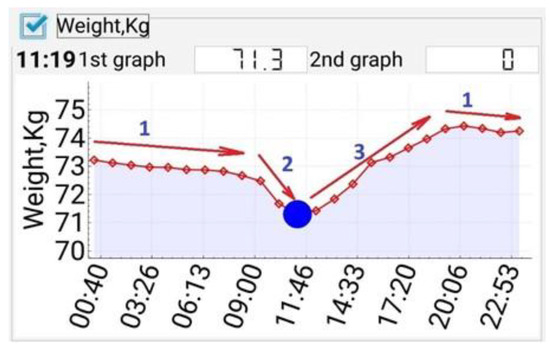
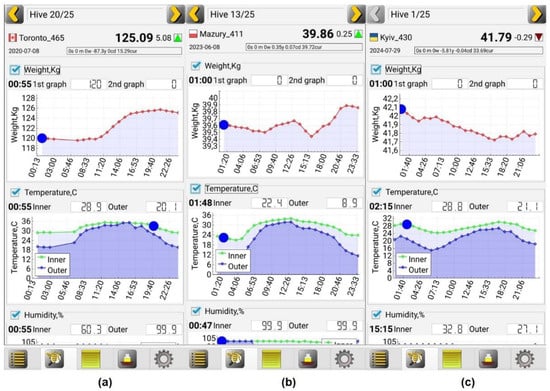
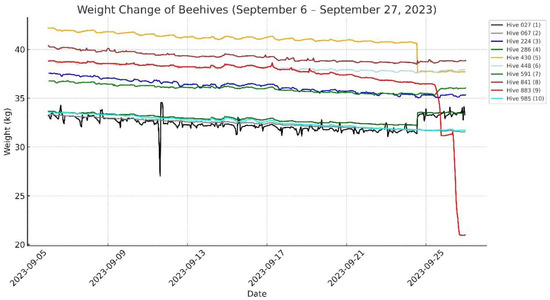
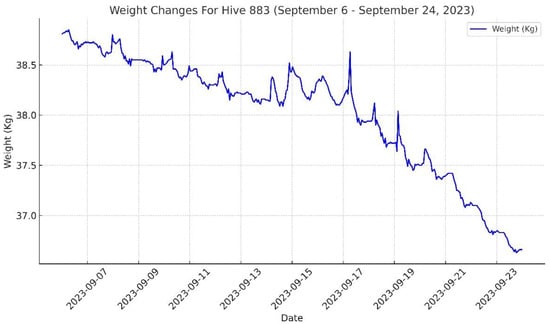
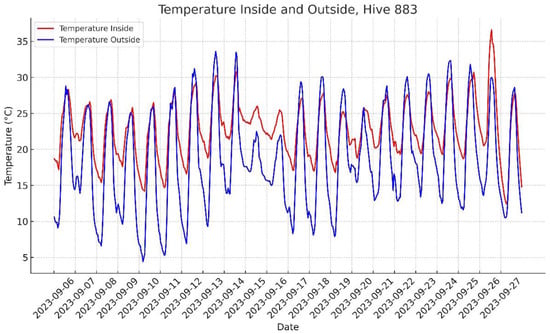
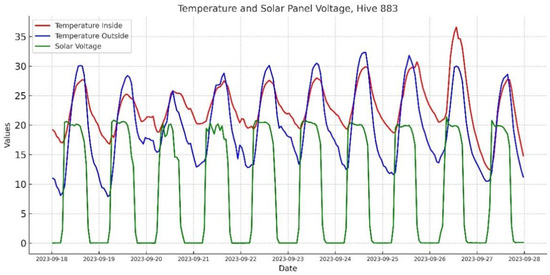
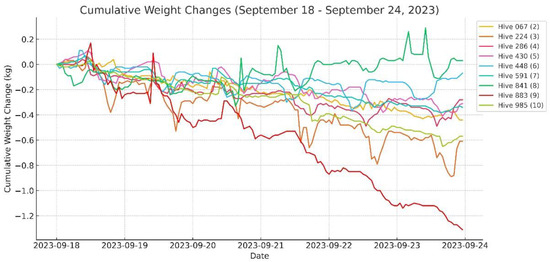
The role of experimental data and the use of IoT-based monitoring systems are gaining broader significance in research on bees across several aspects: bees as global pollinators, as biosensors, and as examples of swarm intelligence. This increases the demands on monitoring systems to obtain homogeneous, continuous, and standardized experimental data, which can be used for machine learning, enabling models to be trained on new online data. However, the continuous operation of monitoring systems introduces new risks, particularly the cumulative impact of electromagnetic radiation on bees and their behavior. This highlights the need to balance IoT energy consumption, functionality, and continuous monitoring. We present a novel IoT-based bee monitoring system architecture that has been operating continuously for several years, using solar energy only. The negative impact of IoT electromagnetic fields is minimized, while ensuring homogeneous and continuous data collection. We obtained experimental data on the adverse phenomenon of honey robbing, which involves elements of swarm intelligence. We demonstrate how this phenomenon can be predicted and illustrate the interactions between bee colonies and the influence of solar radiation. The use of criteria for detecting honey robbing will help to reduce the spread of diseases and positively contribute to the sustainable development of precision beekeeping.
Full article
(This article belongs to the Special Issue Inventions and Innovation in Smart Sensing Technologies for Agriculture)
►▼
Show Figures

Figure 1
Open AccessArticle
Development of OptiCon: A Mathematical Model with a Graphical User Interface for Designing Sustainable Portland Cement Concrete Mixes with Budget Constraint
by
Angie Pineda, Rita Peñabaena-Niebles, Gilberto Martínez-Arguelles and Rodrigo Polo-Mendoza
Inventions 2025, 10(2), 22; https://doi.org/10.3390/inventions10020022 - 1 Mar 2025
Abstract
The production of Portland Cement Concrete (PCC) generates significant environmental impacts that increase climate change and decrease people’s quality of life. Recent studies highlight the potential to reduce these environmental burdens by partially replacing Portland cement with Supplementary Cementitious Materials (SCMs) and coarse
[...] Read more.
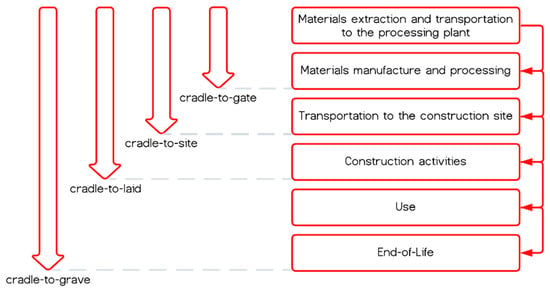
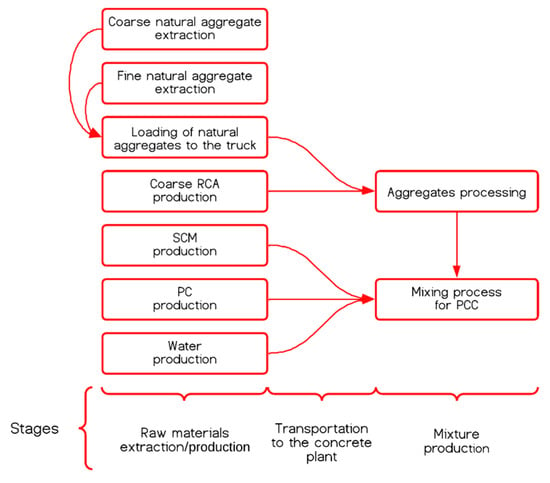
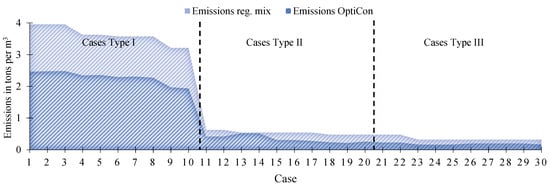
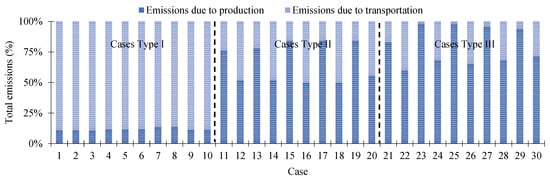
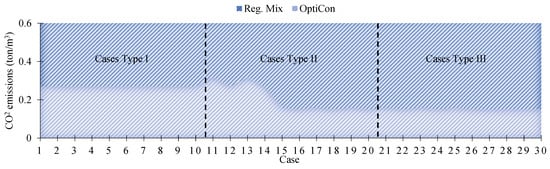
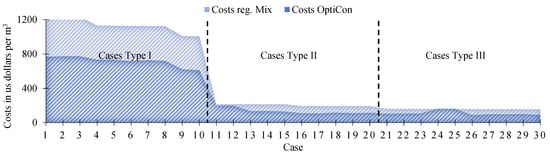
The production of Portland Cement Concrete (PCC) generates significant environmental impacts that increase climate change and decrease people’s quality of life. Recent studies highlight the potential to reduce these environmental burdens by partially replacing Portland cement with Supplementary Cementitious Materials (SCMs) and coarse aggregates with Recycled Concrete Aggregate (RCA). However, designing PCCs with simultaneous contents of SCMs and RCA is not easily manageable because current design procedures fail to adjust all of the variables involved. In order to overcome these limitations, this research introduces a novel mathematical model designed to develop operationally efficient PCC mixes that are both environmentally sustainable and cost-effective. The proposed model, denominated OptiCon, employs the Life-Cycle Assessment and Life-Cycle Costs Analysis methodologies to evaluate the incorporation of three different SCMs (i.e., fly ash, silica fume, and steel slag) and RCA into PCC mixes. OptiCon is also integrated within a graphical user interface in order to make its implementation straightforward for potential users. Thus, OptiCon is operationalized through an algorithm, offering a replicable approach that can be adapted to various contexts, providing both a theoretical framework and a practical tool for state agencies, engineers, suppliers, and other stakeholders to adopt more environmentally friendly practices in concrete production. Furthermore, a case study from northern Colombia analyzed thirty mix design scenarios with varying supplier conditions (foreign, local, or mixed), calculating costs and CO2 emissions for a fixed concrete volume of 1 m3. The findings demonstrated that utilizing OptiCon can achieve substantial reductions in both CO2 emissions and production costs, underscoring the model’s efficiency and practical impact.
Full article
(This article belongs to the Section Inventions and Innovation in Design, Modeling and Computing Methods)
►▼
Show Figures

Figure 1
Open AccessArticle
Automatic Phase Correction of NMR Spectra Using Brute-Force GPU Method
by
Mario Gazziro, Marcio Luís Munhoz Amorim, Marco Roberto Cavallari, João Paulo Carmo, Alberto Tannus, Oswaldo Hideo Ando Junior and Loren Schwiebert
Inventions 2025, 10(2), 21; https://doi.org/10.3390/inventions10020021 - 1 Mar 2025
Abstract
Although there are still no fully guaranteed solutions to the problem of phase adjustment of NMR spectroscopy signals, it has not received much consideration recently, especially in the presence of noisy signals. To address this gap, we present a novel methodology, based on
[...] Read more.
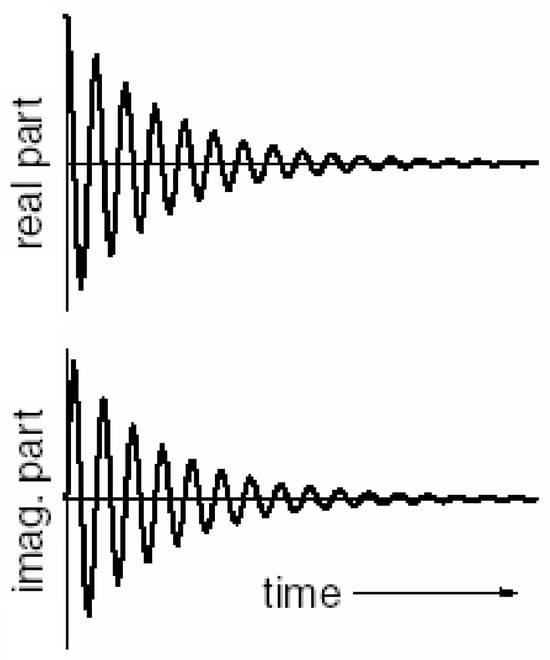
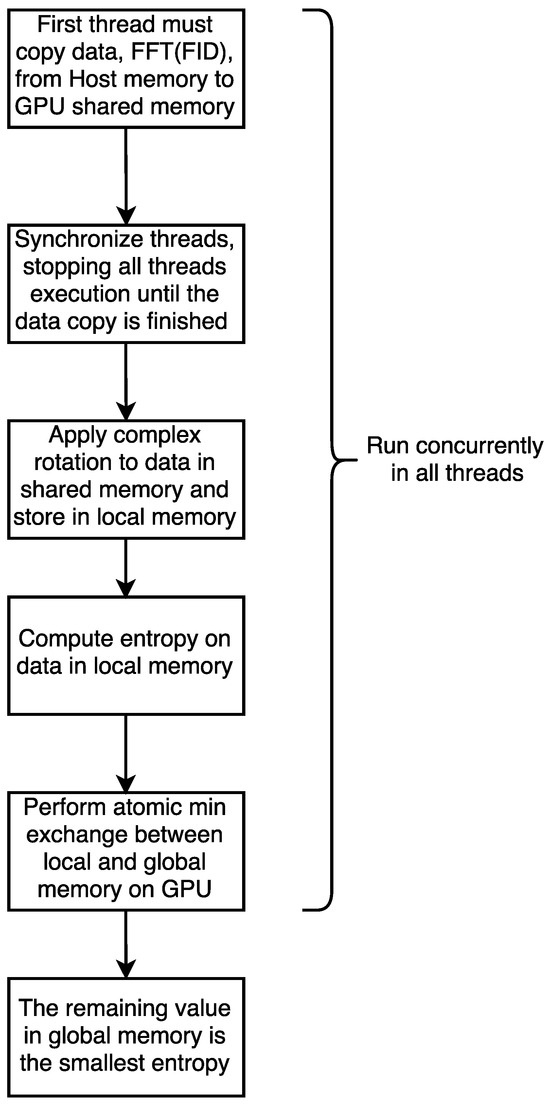
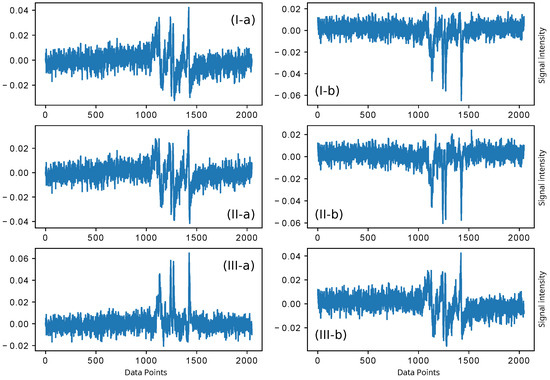
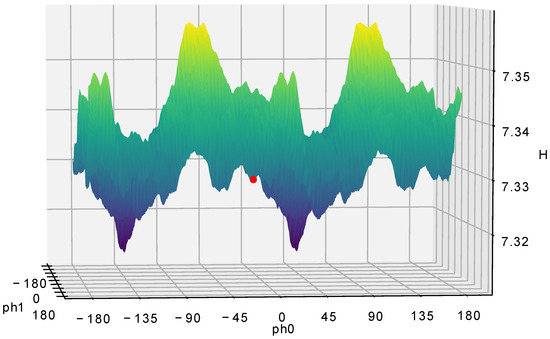
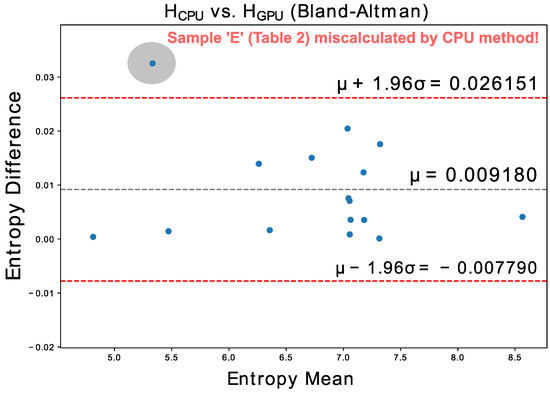
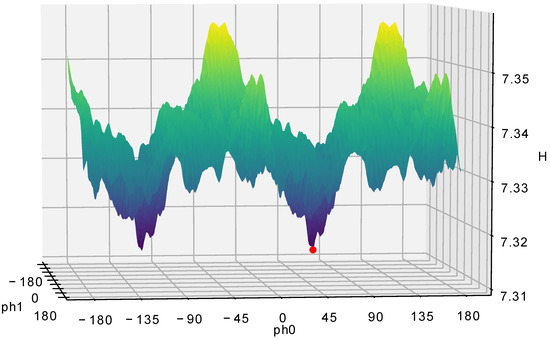
Although there are still no fully guaranteed solutions to the problem of phase adjustment of NMR spectroscopy signals, it has not received much consideration recently, especially in the presence of noisy signals. To address this gap, we present a novel methodology, based on GPU processing, that is able to find the optimal parameter set for phase adjustment through an exhaustive search of all possible combinations of the phase space parameters. In our experiments, we were able to reduce the execution time of extensive GPU brute-force analysis to the same amount of time needed for the traditional CPU analysis, with the big advantage of searching all possible combinations on the GPU against just a few regions guessed by the CPU. In our case study, we also demonstrate the robustness of the proposed method with respect to the problem of local minima. Finally, we perform a Bland-Altman analysis to validate the entropies calculated using CPU and GPU processing for a set of 16 experiments from brain and body metabolites using 1H and 31P probes. The results demonstrate that our algorithm always find the globally optimal solution while previous CPU-based heuristics were stalled in a poor solution in 6.25% of a 16 sample universe.
Full article
(This article belongs to the Section Inventions and Innovation in Design, Modeling and Computing Methods)
►▼
Show Figures

Figure 1
Open AccessArticle
Development and Usability Evaluation of Inventive and Repurposable Children’s Furniture
by
Zhi Yuan Phuah, Poh Kiat Ng, Chai Hua Tay, Boon Kian Lim, Kia Wai Liew and Peng Lean Chong
Inventions 2025, 10(1), 20; https://doi.org/10.3390/inventions10010020 - 17 Feb 2025
Abstract
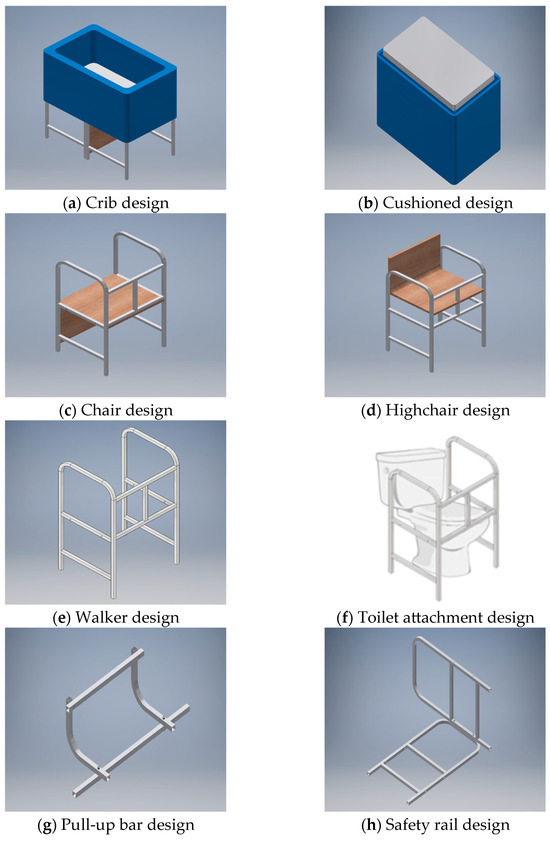
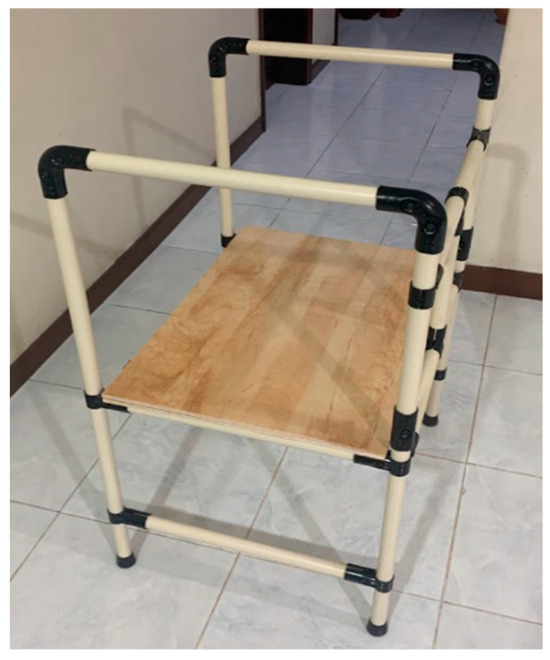
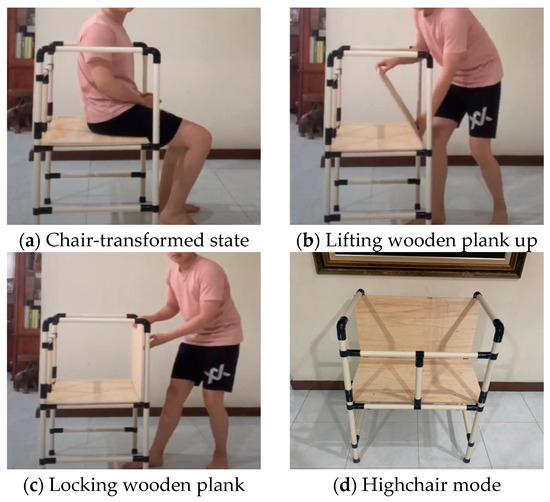
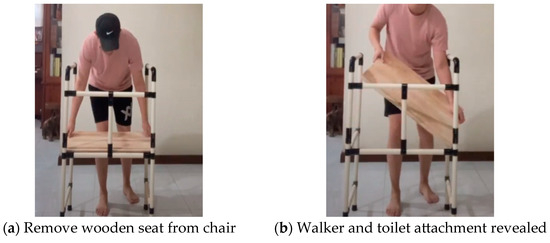
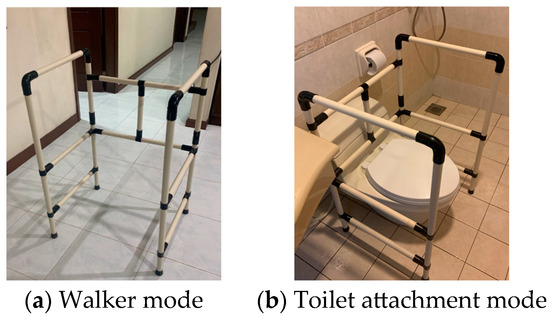
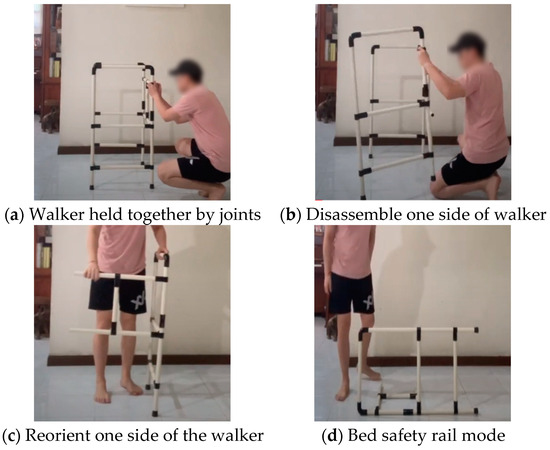
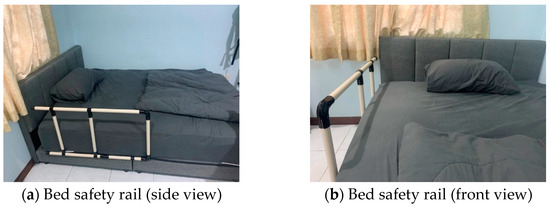
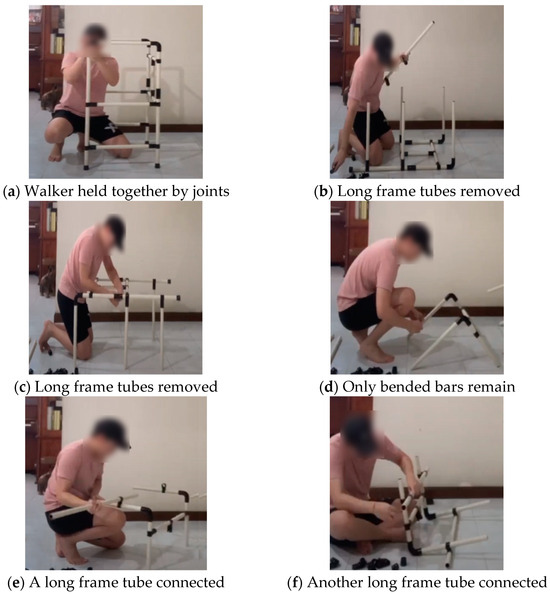
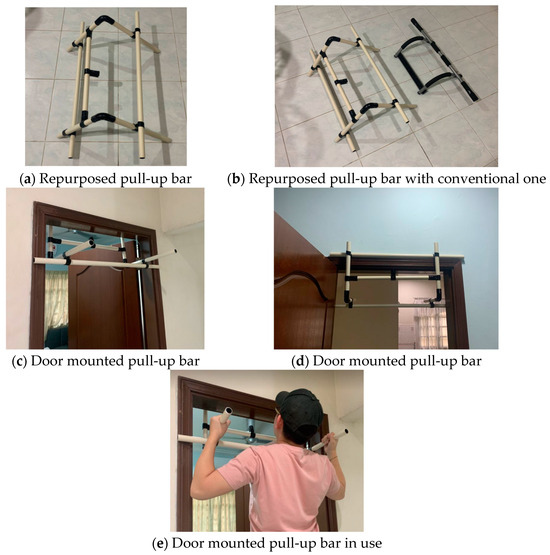
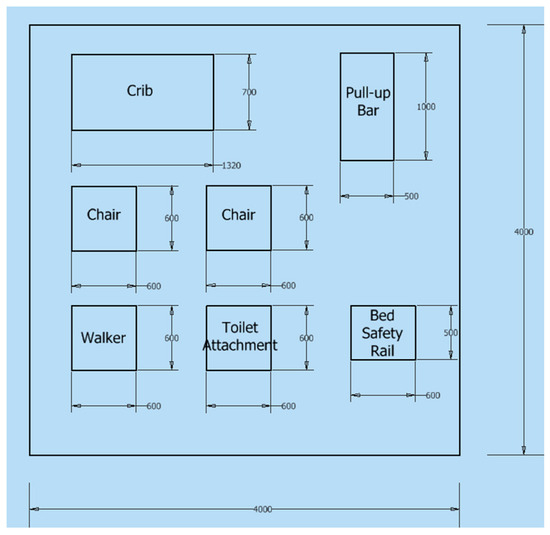
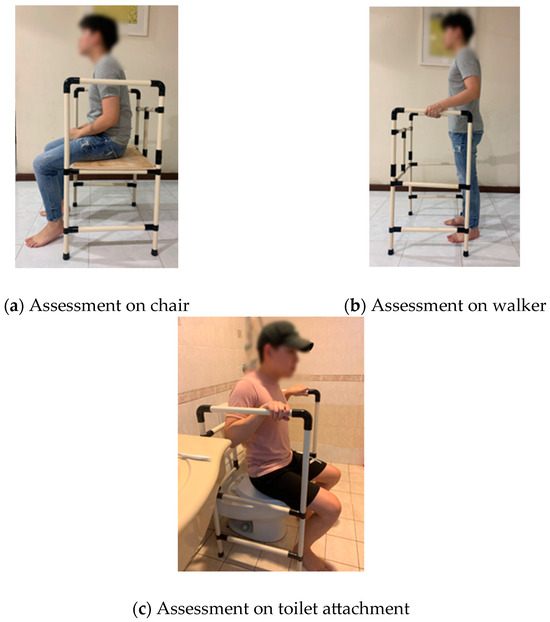
This study developed inventive and repurposable children’s furniture to improve functionality and extend product lifespan. Unlike typical cribs which serve a single purpose, the proposed design supports multiple functions: crib, cushioned chair, highchair, walker, toilet attachment, pull-up bar, and bed safety rail. Specific
[...] Read more.
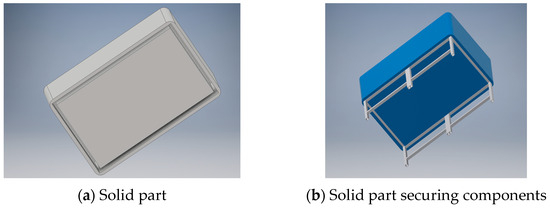
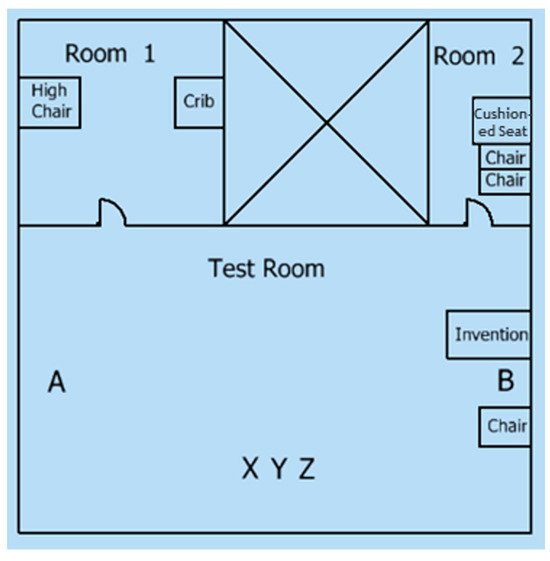
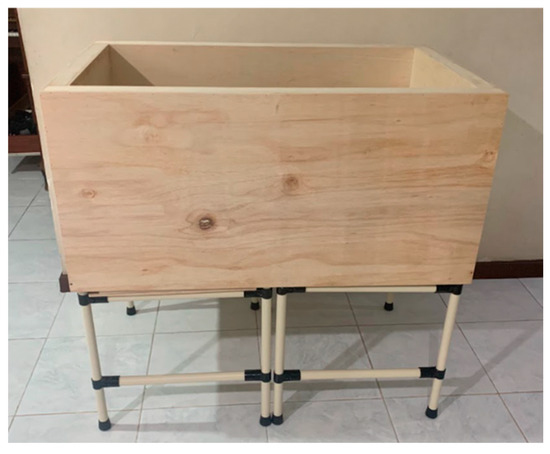
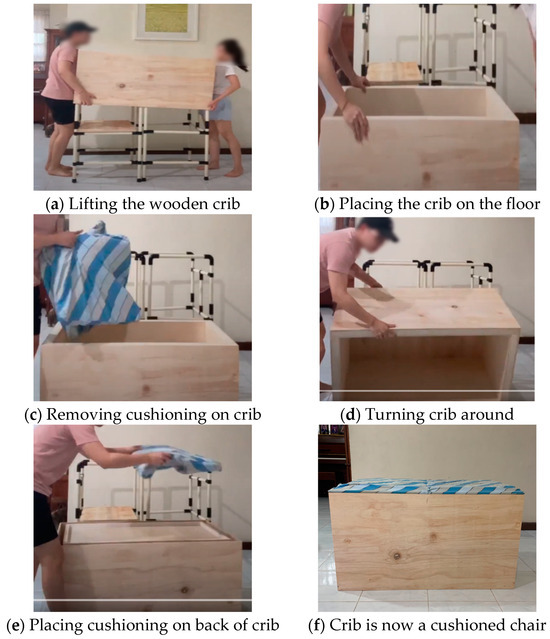
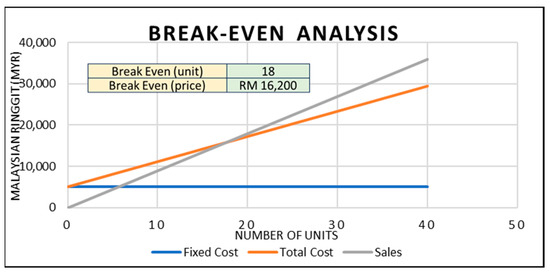
This study developed inventive and repurposable children’s furniture to improve functionality and extend product lifespan. Unlike typical cribs which serve a single purpose, the proposed design supports multiple functions: crib, cushioned chair, highchair, walker, toilet attachment, pull-up bar, and bed safety rail. Specific dimensions were established, and the correct material selections were made for the selected concept. This was finalised using Autodesk Inventor 2019 that was used for stress analysis, and material optimisation. Usability tests were conducted to compare the proposed invention with single-function products. These tests were discussed in terms of task completion time, space-saving ability, survey feedback, and a REBA of musculoskeletal risk. It was found that the proposed design could be repurposed in a shorter time and save more space. A majority of the survey participants agreed that it performed well in terms of repurposability, design, space-saving ability, usability, comfort, sustainability, and safety. Additionally, the proposed design is cheaper compared to single-function products. Thus, creating inventive and repurposable children’s furniture can contribute to reducing waste and extending the lifespan of children’s furniture through innovative, cost-effective design solutions.
Full article
(This article belongs to the Section Inventions and Innovation in Advanced Manufacturing)
►▼
Show Figures

Figure 1
Open AccessReview
Power-Hardware-in-the-Loop Simulation for Applied Science, a Review to Highlight Its Merits and Challenges
by
Ciro Núñez-Gutiérrez
Inventions 2025, 10(1), 19; https://doi.org/10.3390/inventions10010019 - 12 Feb 2025
Abstract
The last thirty years have brought an evolution of electrical power systems. The integration of renewable energy and energy storage, dynamic loads, or distributed resources based on power electronics, including communications systems and protocols, is usual. Fortunately, technological advances have also brought tools
[...] Read more.
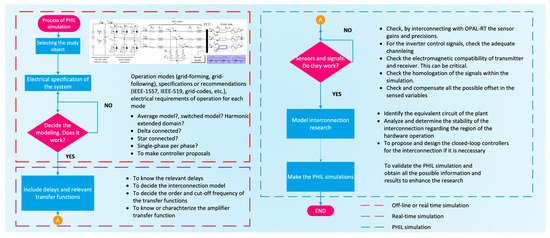
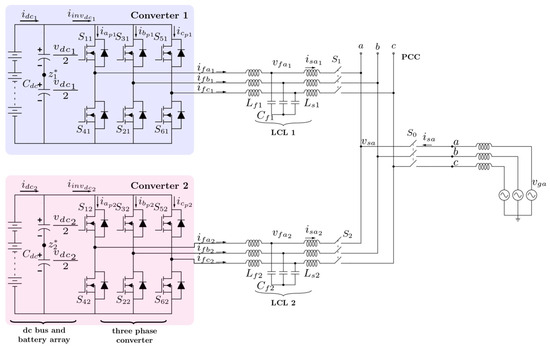
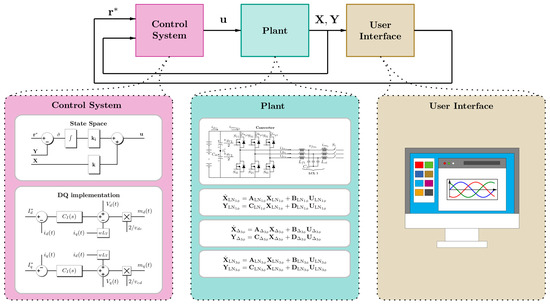
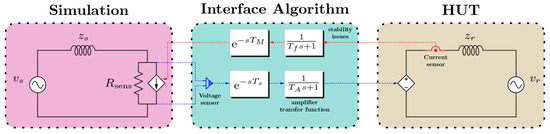
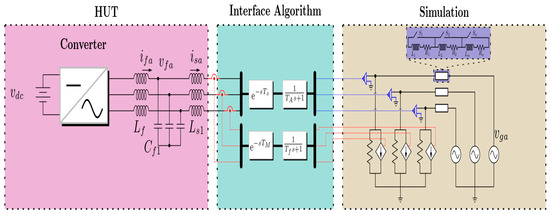
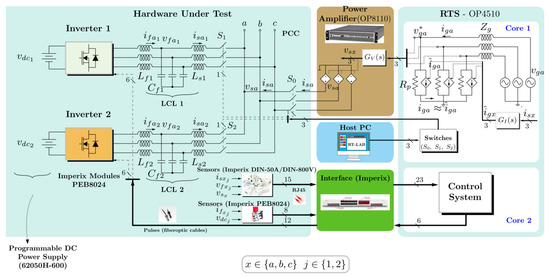
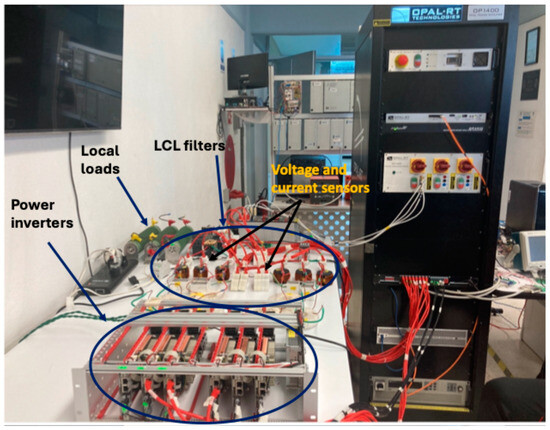
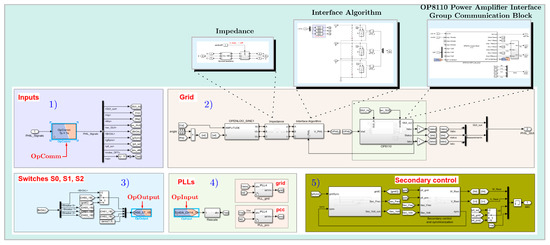
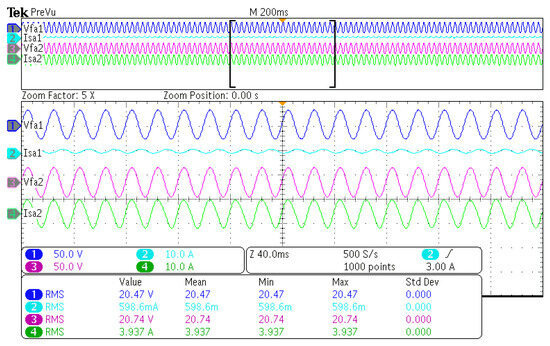
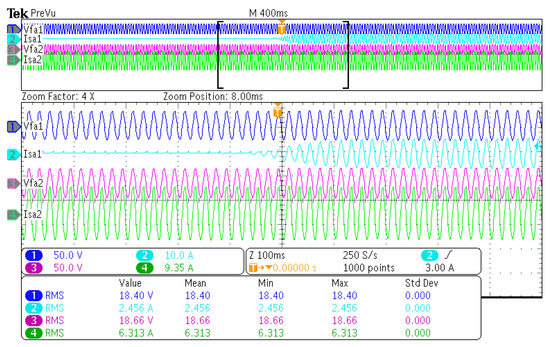
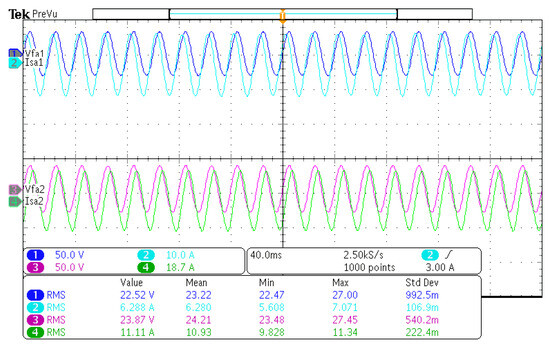
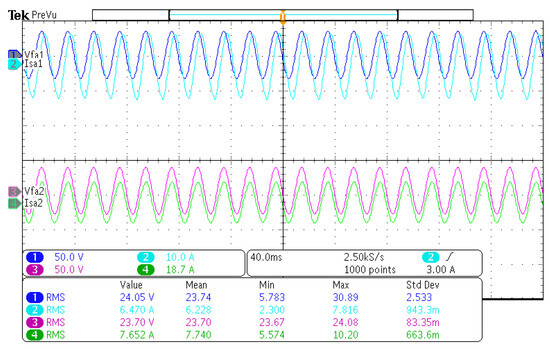
The last thirty years have brought an evolution of electrical power systems. The integration of renewable energy and energy storage, dynamic loads, or distributed resources based on power electronics, including communications systems and protocols, is usual. Fortunately, technological advances have also brought tools to face the complex field of electrical component integration to the power system, such as the real-time power-hardware-in-the-loop (PHIL) simulation. This paper argues why PHIL simulation is a mighty tool for addressing intelligent design, modeling, and computing methods to address complex power systems. Nevertheless, any promising technology can be misunderstood, reducing its positive effect. This article uses two inverters connected to a microgrid to develop the steps from conceptualizing an idea to a PHIL simulation, highlighting the merits, drawbacks, and lessons learned. Two perspectives are developed. First, the multiple, even complex, details required for furnishing a PHIL simulation are described. Second, reflections on how PHIL simulations enhance the scientific impact of the research compared to offline simulations or scale prototypes are made, enabling the transition from academic to applied research to attend to the challenges of modern power systems. The successful results of the microgrid PHIL simulation are shown to prove the merits of this approach.
Full article
(This article belongs to the Section Inventions and Innovation in Electrical Engineering/Energy/Communications)
►▼
Show Figures

Figure 1
Open AccessArticle
An Efficient Contamination-Reducing Closet for Reusing Protective Clothing
by
Xing Qiu, Jeffery C. C. Lo, Yuanjie Cheng, Hua Xu, Qianwen Xu and Shi-Wei Ricky Lee
Inventions 2025, 10(1), 18; https://doi.org/10.3390/inventions10010018 - 10 Feb 2025
Abstract
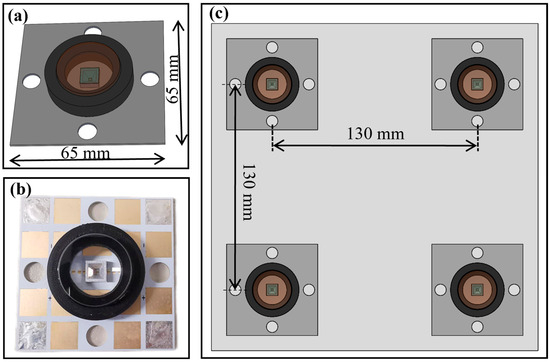
A professional closet with highly efficient disinfection for reusing protective clothing is required to reduce supply and demand and protect the environment. A self-developed ultraviolet-C (UVC) light-emitting diode (LED) package that can emit uniform radiance in a certain distance was developed; and a
[...] Read more.
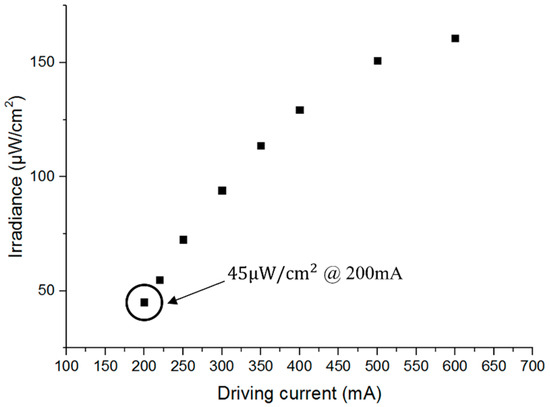
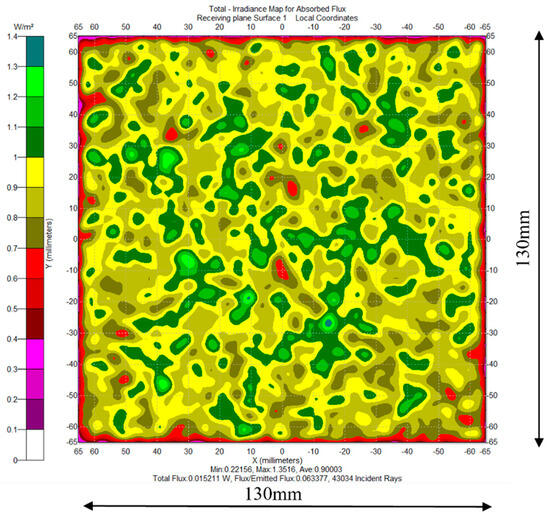
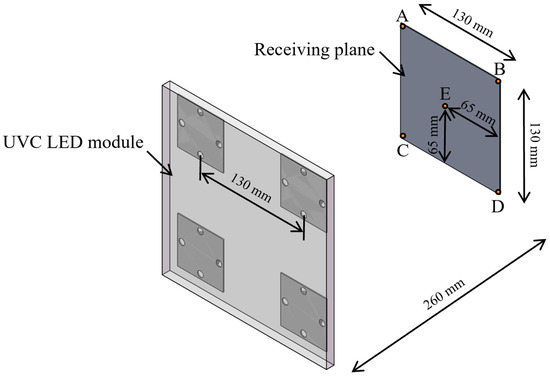
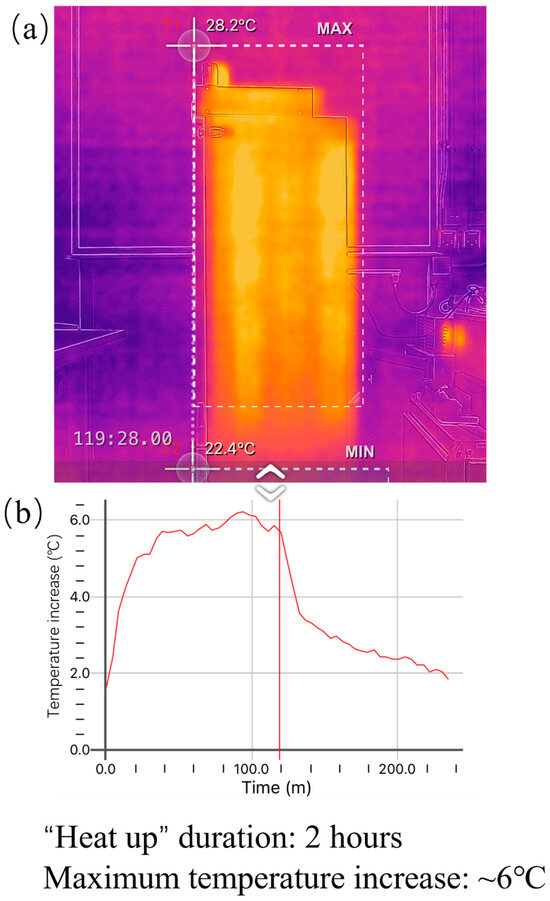
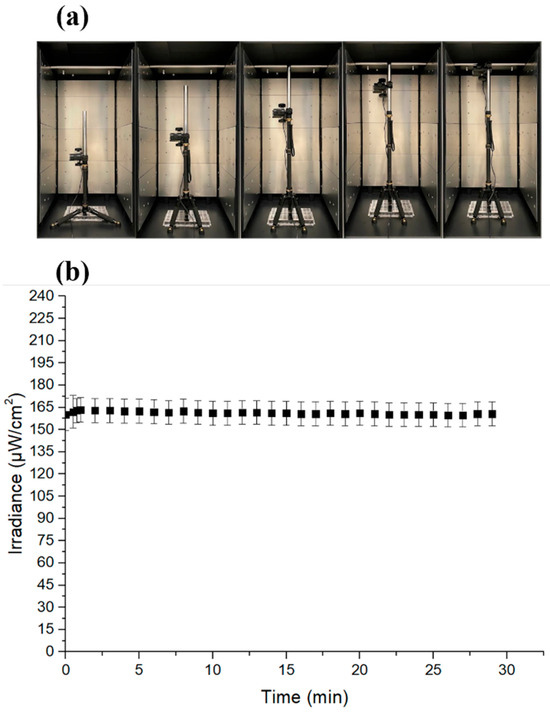
A professional closet with highly efficient disinfection for reusing protective clothing is required to reduce supply and demand and protect the environment. A self-developed ultraviolet-C (UVC) light-emitting diode (LED) package that can emit uniform radiance in a certain distance was developed; and a series of disinfection modules with UVC LED packages were installed in a closet for disinfection. A disinfection module can achieve an over 99.9% disinfection rate of H1N1; E. coli; S. aureus; Pseudomonas aeruginosa; and an over 99% disinfection rate of EV71 within a minute. A 1-min disinfection closet was developed to reuse protective clothing. The closet was well-designed; as well as a series of burn-in tests were performed after the assembly of the closet. The optical and thermal properties of the closet were stable within one minute of a working period during the burn-in test. After disinfection; bacterial filtration efficiency (BFE) and viral filtration efficiency (VFE) were examined on the disposable protective clothing. The disposable protective clothing did not show any degradation after being exposed to UVC for sixty minutes; which means the defensive capability of medical protective clothing can be reused sixty times in light of the self-developed disinfection closet. The disinfection closet provides an efficient method for reusing protective clothing.
Full article
(This article belongs to the Section Inventions and Innovation in Advanced Manufacturing)
►▼
Show Figures

Figure 1
Open AccessArticle
Analysis of Contact Noise Due to Elastic Recovery of Surface Asperities for Spherical Contact
by
Bora Lee, Kyungseob Kim and Taewan Kim
Inventions 2025, 10(1), 17; https://doi.org/10.3390/inventions10010017 - 8 Feb 2025
Abstract
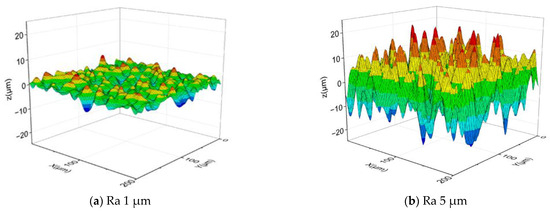
Contact noise, often arising from frictional vibrations in mechanical systems, significantly impacts performance and user experience. This study investigates the generation of contact noise due to the elastic recovery of surface asperities during spherical contact with rough surfaces. A numerical algorithm was developed
[...] Read more.
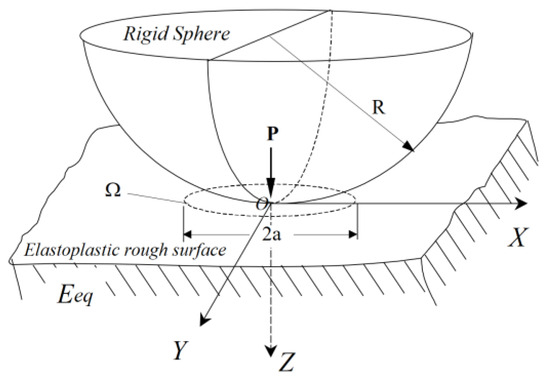
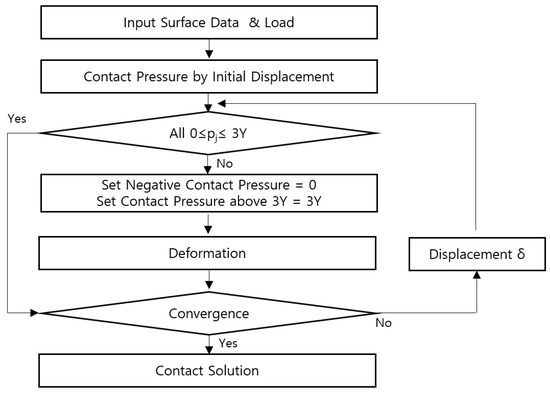
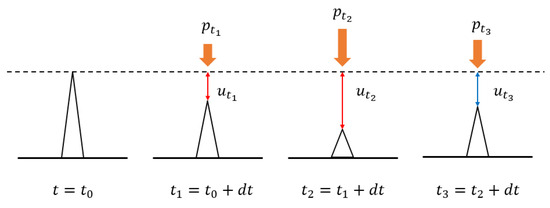
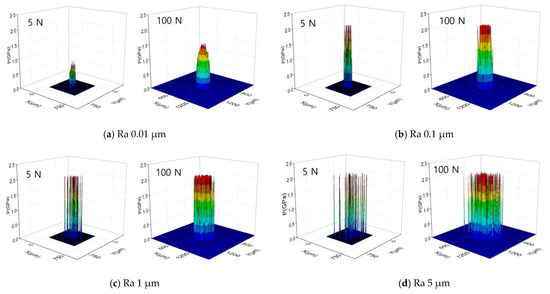
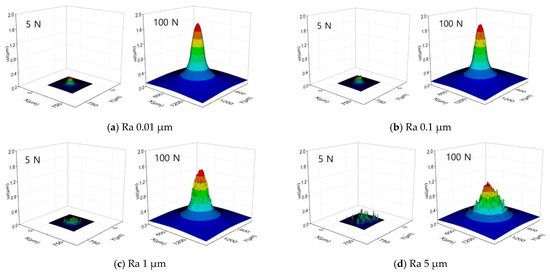
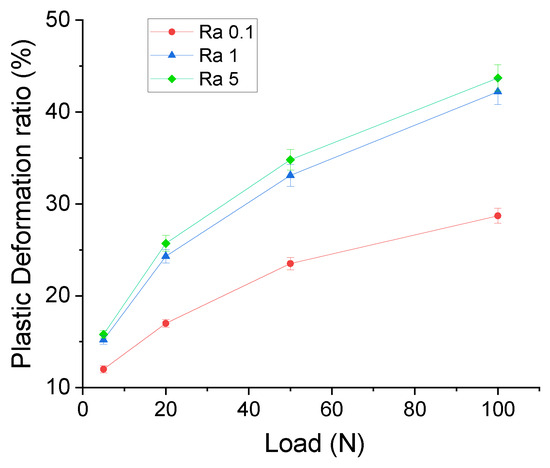
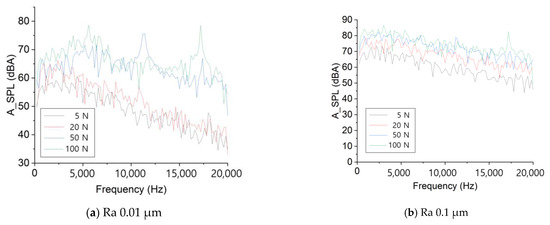
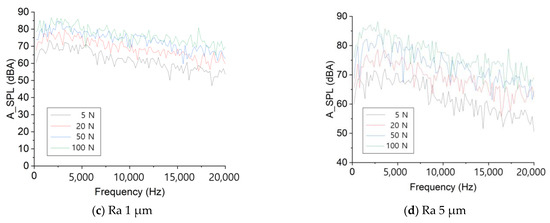
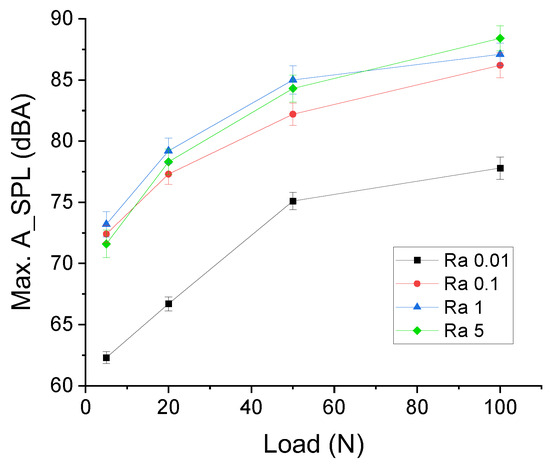
Contact noise, often arising from frictional vibrations in mechanical systems, significantly impacts performance and user experience. This study investigates the generation of contact noise due to the elastic recovery of surface asperities during spherical contact with rough surfaces. A numerical algorithm was developed to model the noise produced by the elastic–plastic deformation of asperities, incorporating surface roughness and normal load effects. Gaussian-distributed rough surfaces with varying Ra values (0.01–5 μm) were generated to analyze the interaction between a rigid sphere and the rough surface. Contact pressure, asperity deformation, and the resulting acoustic emissions were calculated. The results indicate that, as surface roughness and applied load increase, noise levels within the audible frequency range also rise, exceeding 70 dB under certain conditions. The transition from elastic to plastic deformation significantly influences the noise characteristics. Surfaces with Ra ≥ 0.1 μm showed a 10–15 dB increase in noise compared to smoother surfaces. These findings offer insights into optimizing surface parameters for noise reduction in rolling contact applications, providing a foundation for designing low-noise mechanical systems. Future experimental validations are expected to enhance the practical applications of this analytical framework.
Full article
(This article belongs to the Section Inventions and Innovation in Design, Modeling and Computing Methods)
►▼
Show Figures

Figure 1
Open AccessArticle
A Stackelberg Game Model for the Energy–Carbon Co-Optimization of Multiple Virtual Power Plants
by
Dayong Xu and Mengjie Li
Inventions 2025, 10(1), 16; https://doi.org/10.3390/inventions10010016 - 8 Feb 2025
Abstract
As energy and carbon markets evolve, it has emerged as a prevalent trend for multiple virtual power plants (VPPs) to engage in market trading through coordinated operation. Given that these VPPs belong to diverse stakeholders, a competitive dynamic is shaping up. To strike
[...] Read more.
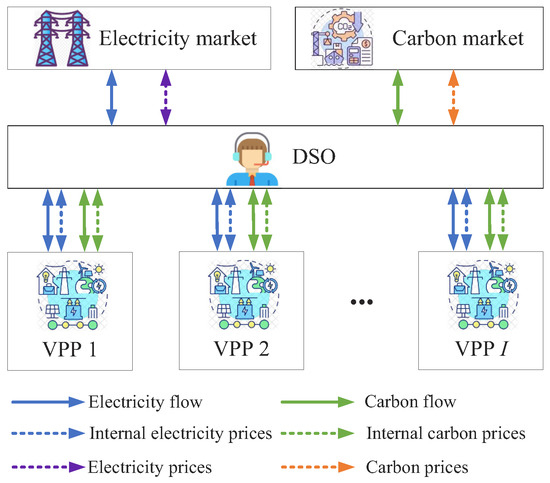
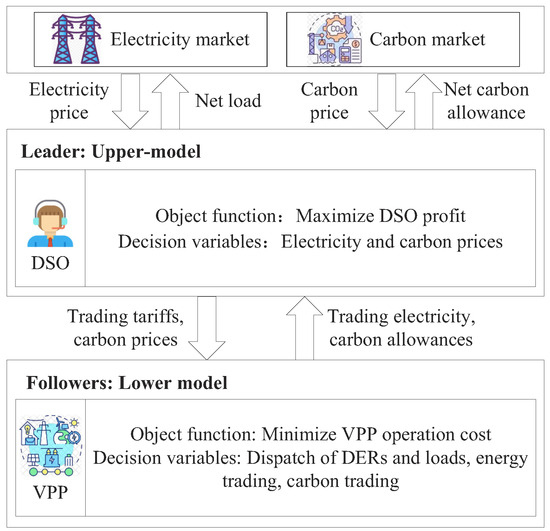
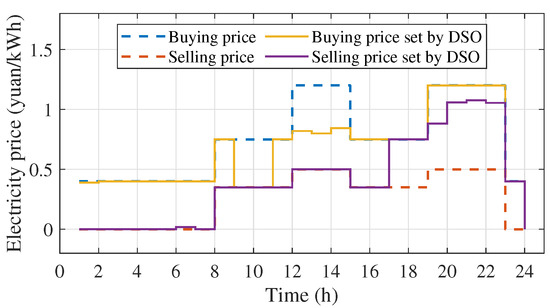
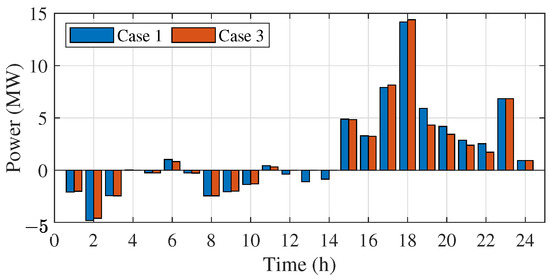
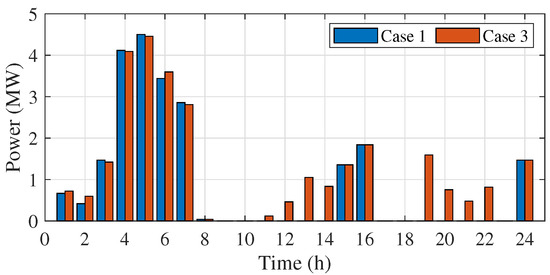
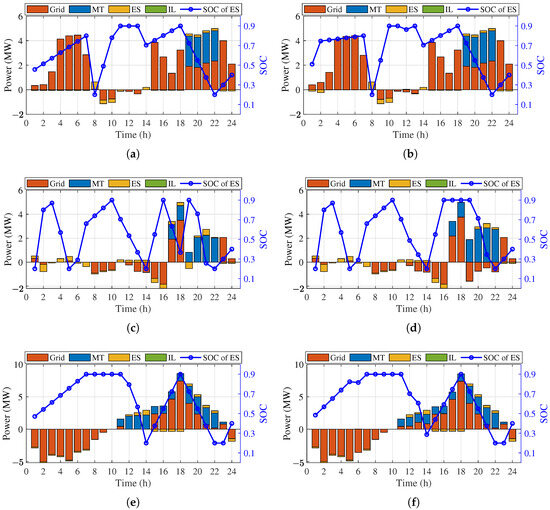
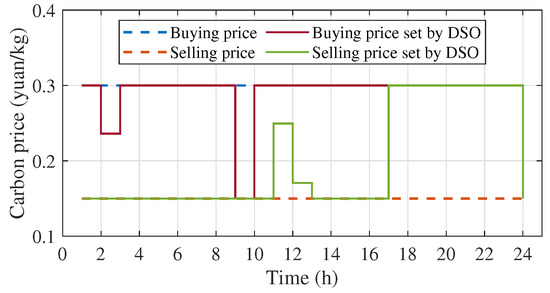
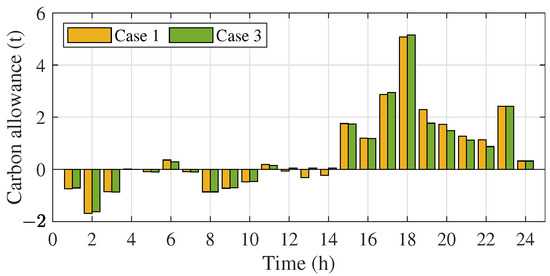
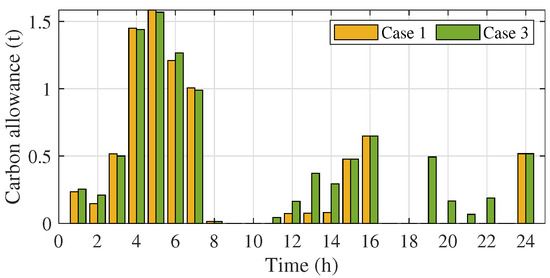
As energy and carbon markets evolve, it has emerged as a prevalent trend for multiple virtual power plants (VPPs) to engage in market trading through coordinated operation. Given that these VPPs belong to diverse stakeholders, a competitive dynamic is shaping up. To strike a balance between the interests of the distribution system operator (DSO) and VPPs, this paper introduces a bi-level energy–carbon coordination model based on the Stackelberg game framework, which consists of an upper-level optimal pricing model for the DSO and a lower-level optimal energy scheduling model for each VPP. Subsequently, the Karush-Kuhn-Tucker (KKT) conditions and the duality theorem of linear programming are applied to transform the bi-level Stackelberg game model into a mixed-integer linear program, allowing for the computation of the model’s global optimal solution using commercial solvers. Finally, a case study is conducted to demonstrate the effectiveness of the proposed model. The simulation results show that the proposed game model effectively optimizes energy and carbon pricing, encourages the active participation of VPPs in electricity and carbon allowance sharing, increases the profitability of DSOs, and reduces the operational costs of VPPs.
Full article
(This article belongs to the Section Inventions and Innovation in Electrical Engineering/Energy/Communications)
►▼
Show Figures

Figure 1
Open AccessArticle
Explainable Advanced Modelling of CO2-Dissolved Brine Density: Applications for Geological CO2 Storage in Aquifers
by
Amin Shokrollahi, Afshin Tatar, Sepideh Atrbarmohammadi and Abbas Zeinijahromi
Inventions 2025, 10(1), 15; https://doi.org/10.3390/inventions10010015 - 8 Feb 2025
Abstract
The growing impacts of global warming demand urgent climate-change mitigation strategies, with carbon storage in saline aquifers emerging as a promising solution. These aquifers, for their high porosity and permeability, offer significant potential for CO2 sequestration. Among the trapping mechanisms, solubility trapping—where
[...] Read more.
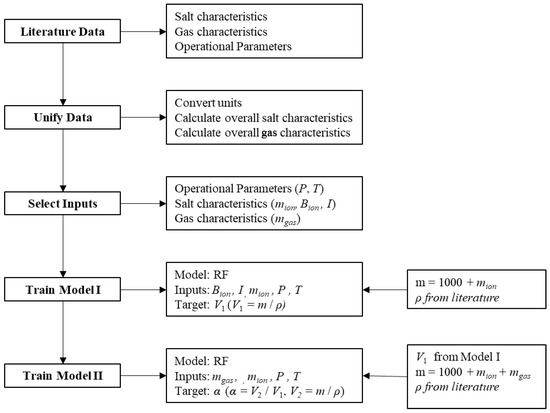
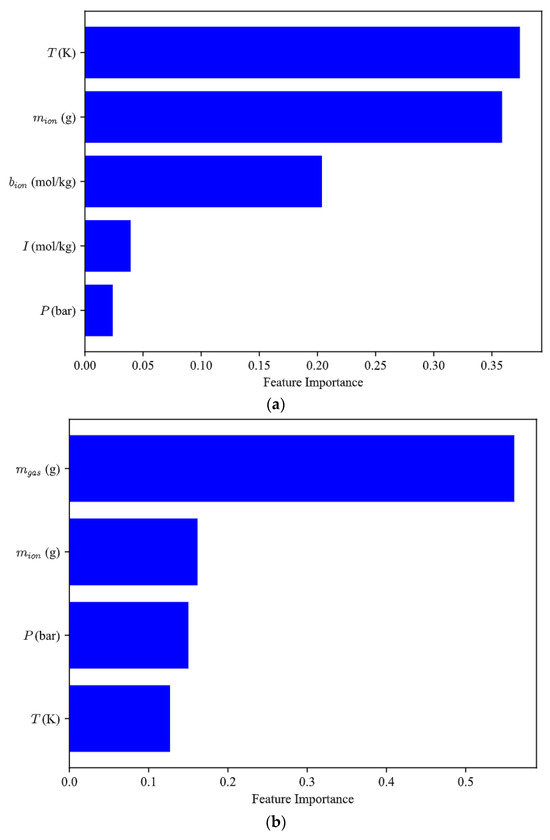
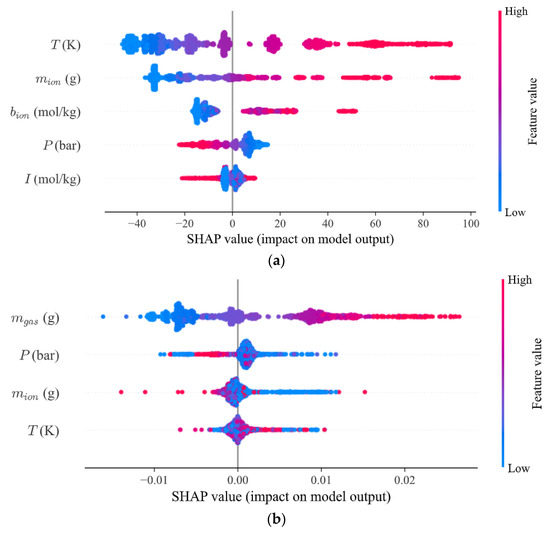
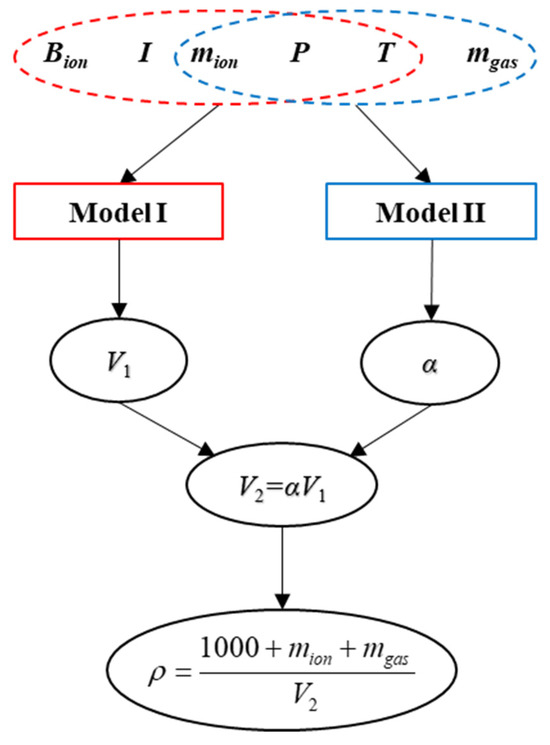
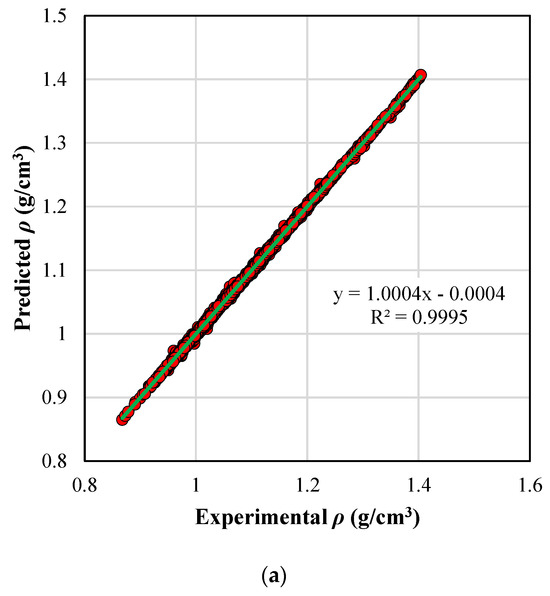
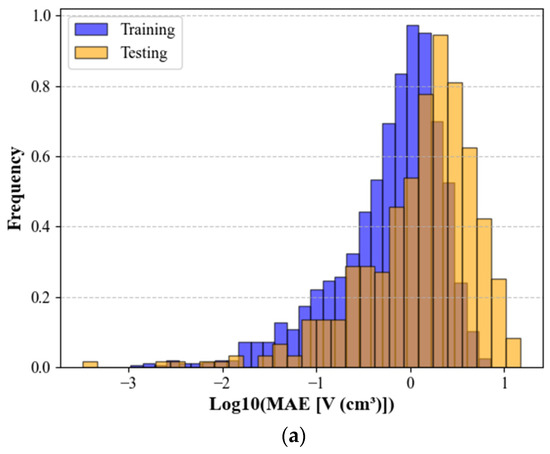
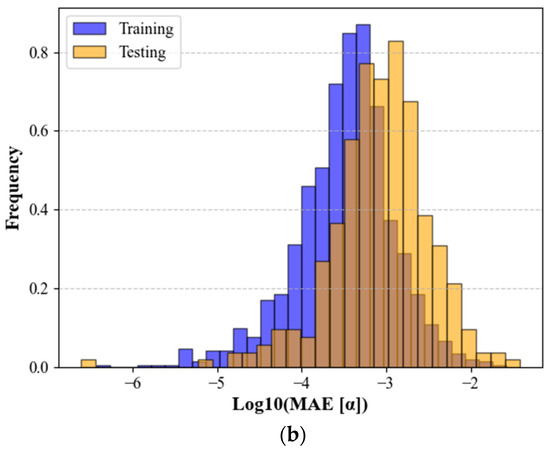
The growing impacts of global warming demand urgent climate-change mitigation strategies, with carbon storage in saline aquifers emerging as a promising solution. These aquifers, for their high porosity and permeability, offer significant potential for CO2 sequestration. Among the trapping mechanisms, solubility trapping—where CO2 dissolves into brine—stands out for its long-term effectiveness. However, CO2 dissolution alters brine density, initiating density-driven convection that enhances CO2 migration. Accurate modelling of these density changes is essential for optimising CO2 storage strategies and improving long-term sequestration outcomes. This study presents a two-step explainable artificial intelligence (XAI) framework for predicting the density of CO2-dissolved brine in geological formations. A dataset comprising 3393 samples from 14 different studies was utilised, capturing a wide range of brine compositions and salinities. Given the complexity of brine–CO2 interactions, a two-step modelling approach was adopted. First, a random forest (RF) model predicted the brine volume (as the proxy for the density) without dissolved CO2, and then, a second RF model predicted the impact of CO2 dissolution on the brine’s volume. Feature importance analysis and SHapley Additive exPlanations (SHAP) values provided interpretability, revealing the dominant role of temperature and ion mass in the absence of CO2 and the significant influence of dissolved CO2 in more complex systems. The model showed excellent predictive performance, with R2 values of 0.997 and 0.926 for brine-only and CO2-dissolved solutions, respectively. Future studies are recommended to expand the dataset, explore more complex systems, and investigate alternative modelling techniques to further enhance the predictive capabilities.
Full article
(This article belongs to the Section Inventions and Innovation in Design, Modeling and Computing Methods)
►▼
Show Figures

Figure 1
Open AccessArticle
A Self-Adaptive Traffic Signal System Integrating Real-Time Vehicle Detection and License Plate Recognition for Enhanced Traffic Management
by
Manar Ashkanani, Alanoud AlAjmi, Aeshah Alhayyan, Zahraa Esmael, Mariam AlBedaiwi and Muhammad Nadeem
Inventions 2025, 10(1), 14; https://doi.org/10.3390/inventions10010014 - 5 Feb 2025
Abstract
Traffic management systems play a crucial role in smart cities, especially because increasing urban populations lead to higher traffic volumes on roads. This results in increased congestion at intersections, causing delays and traffic violations. This paper proposes an adaptive traffic control and optimization
[...] Read more.
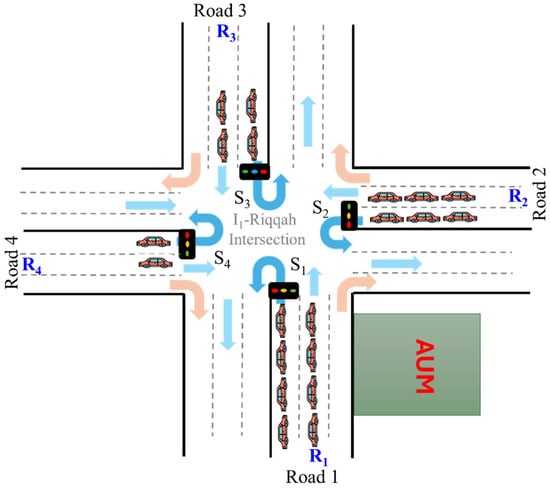
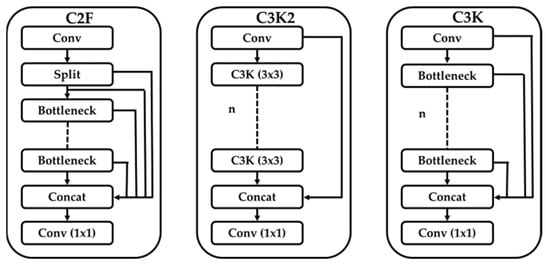
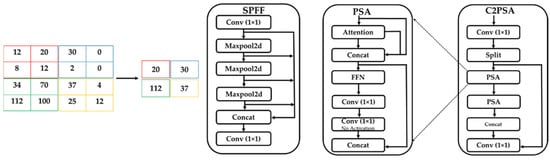
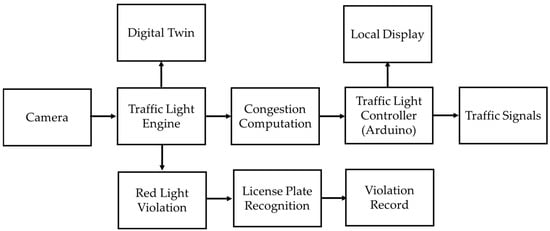
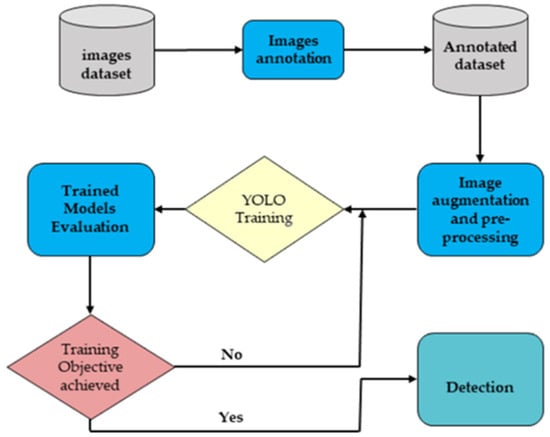
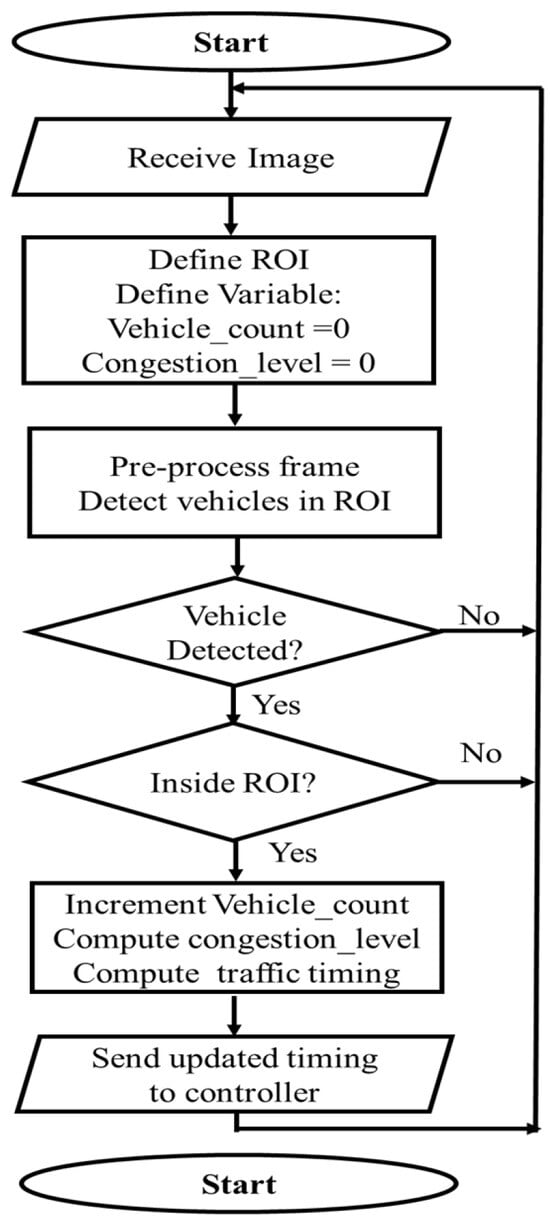
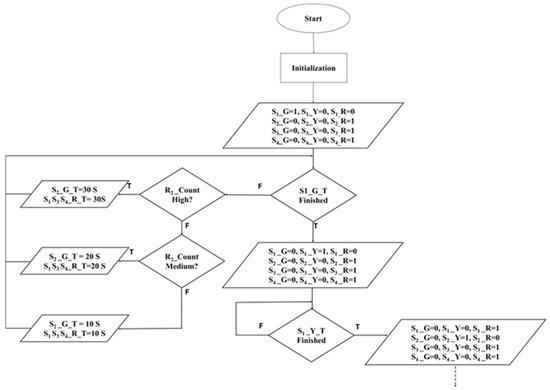
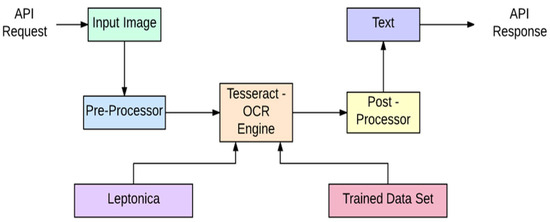
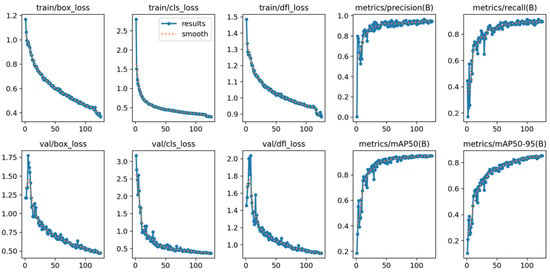
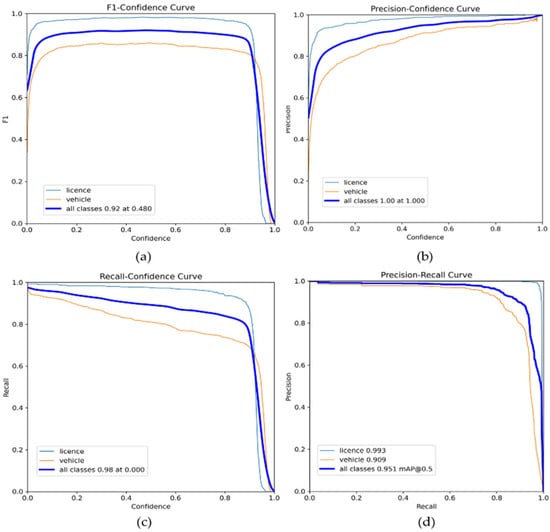
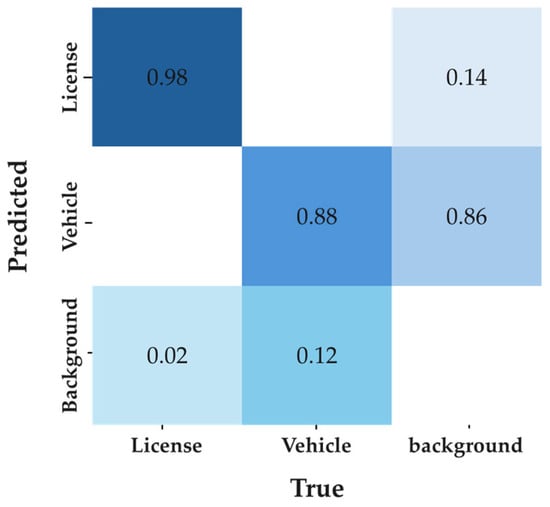
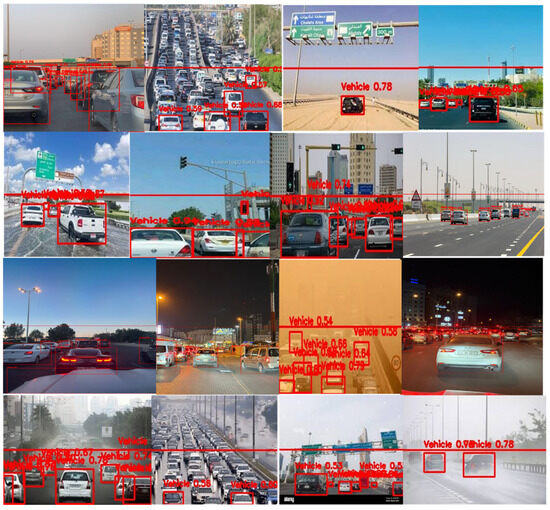
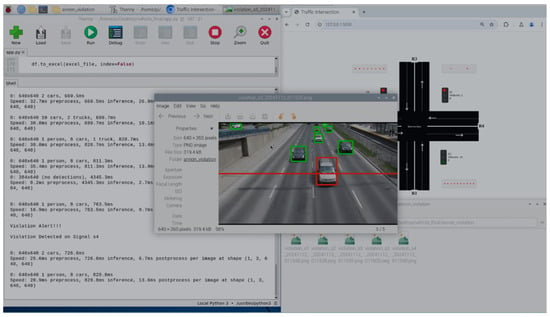
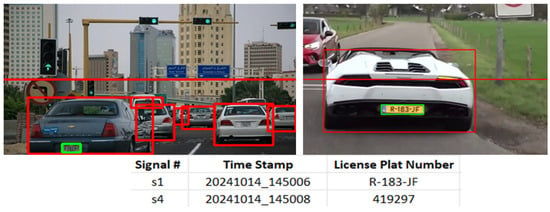
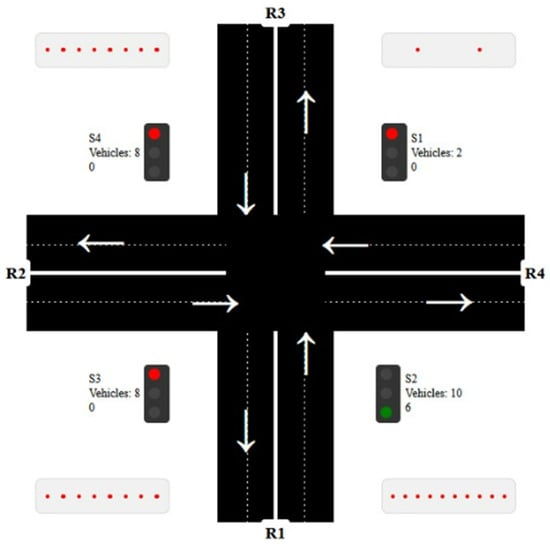
Traffic management systems play a crucial role in smart cities, especially because increasing urban populations lead to higher traffic volumes on roads. This results in increased congestion at intersections, causing delays and traffic violations. This paper proposes an adaptive traffic control and optimization system that dynamically adjusts signal timings in response to real-time traffic situations and volumes by applying machine learning algorithms to images captured through video surveillance cameras. This system is also able to capture the details of vehicles violating signals, which would be helpful for enforcing traffic rules. Benefiting from advancements in computer vision techniques, we deployed a novel real-time object detection model called YOLOv11 in order to detect vehicles and adjust the duration of green signals. Our system used Tesseract OCR for extracting license plate information, thus ensuring robust traffic monitoring and enforcement. A web-based real-time digital twin complemented the system by visualizing traffic volume and signal timings for the monitoring and optimization of traffic flow. Experimental results demonstrated that YOLOv11 achieved a better overall accuracy, namely 95.1%, and efficiency compared to previous models. The proposed solution reduces congestion and improves traffic flow across intersections while offering a scalable and cost-effective approach for smart traffic and lowering greenhouse gas emissions at the same time.
Full article
(This article belongs to the Special Issue Advanced Technologies and Artificial Intelligence for Sustainable and Intelligent Transportation Systems)
►▼
Show Figures

Figure 1
Open AccessArticle
Siting and Sizing Method of GFM Converters Based on Genetic Algorithm
by
Wentao Sun, Yi Ge, Guojing Liu, Hui Cai, Quanquan Wang, Xingning Han and Wanchun Qi
Inventions 2025, 10(1), 13; https://doi.org/10.3390/inventions10010013 - 3 Feb 2025
Abstract
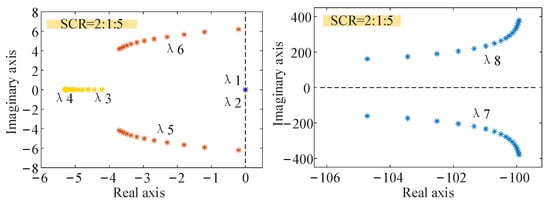
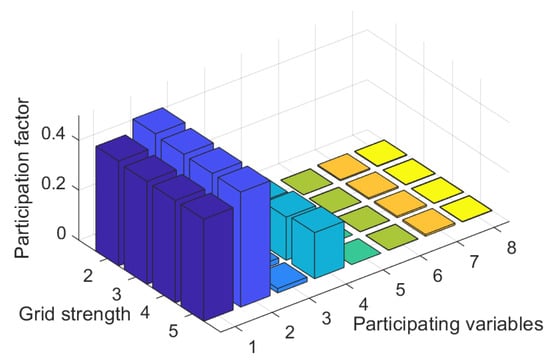
The rising integration of renewable energy sources has resulted in a diminished capacity for voltage support within the system, which is characterized by low inertia and a reduced short circuit ratio (SCR). In order to improve grid strength and enhance the capacity for
[...] Read more.
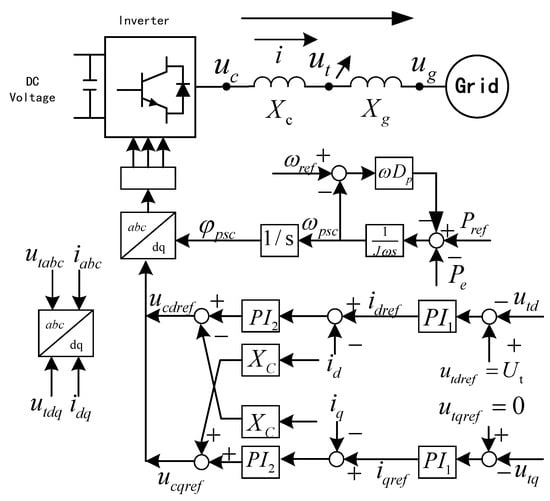
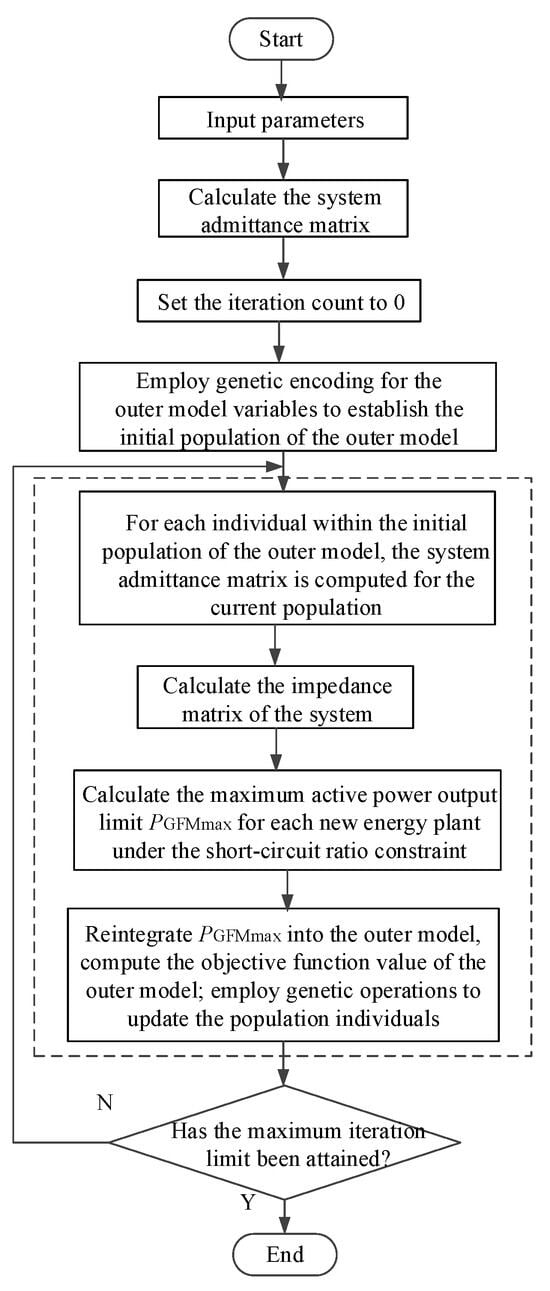
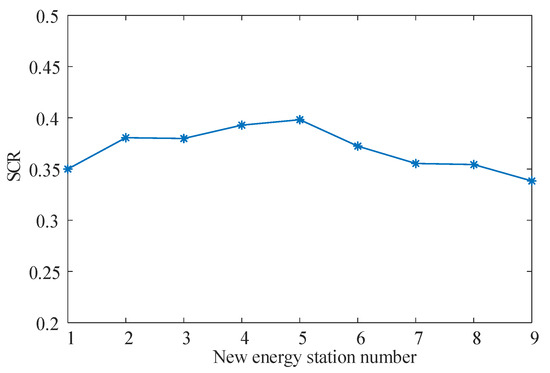
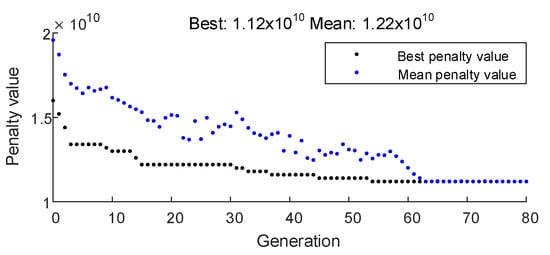
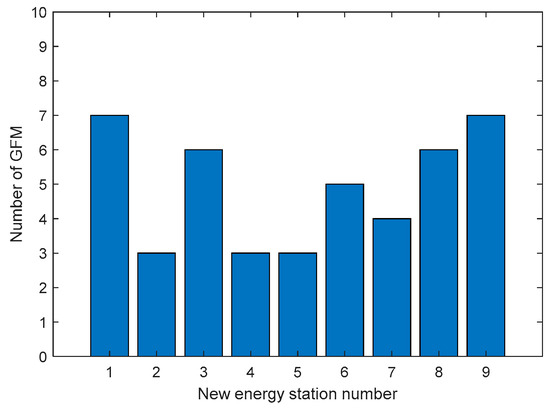
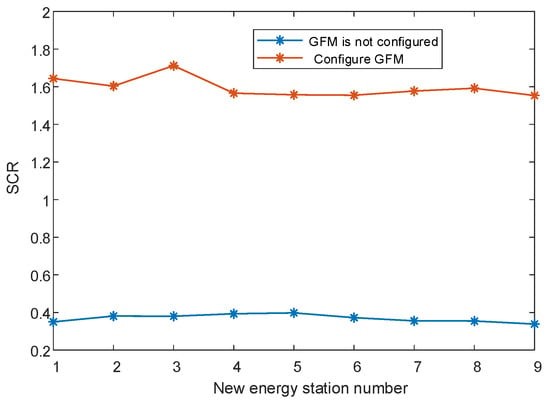
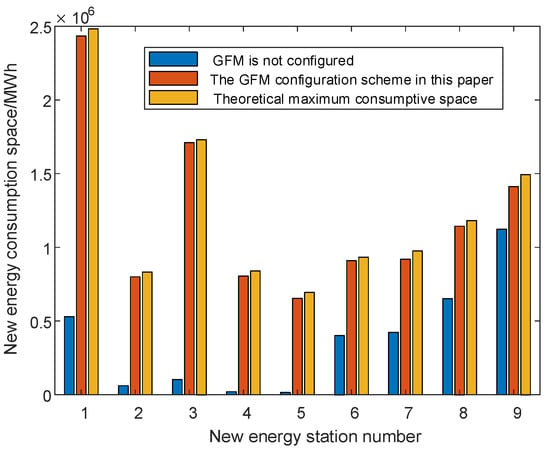
The rising integration of renewable energy sources has resulted in a diminished capacity for voltage support within the system, which is characterized by low inertia and a reduced short circuit ratio (SCR). In order to improve grid strength and enhance the capacity for renewable energy integration, an initial analysis was conducted on the grid support capabilities of grid-forming (GFM) stations, followed by an investigation into how grid strength influences the dominant operational modes of GFM converters. Subsequently, leveraging the definition of the multi-infeed short circuit ratio, a calculation method for the SCR, applicable to new energy base stations featuring GFM substations, is developed. Additionally, a strategic approach to optimal location selection and sizing of these substations aimed at enhancing the SCR within new energy grids is proposed, with the model being solved through genetic algorithms. Finally, the effectiveness of the proposed method is verified based on the IEEE39-node system and a real new energy station. The results show that the system strength is greatly improved after the optimized configuration of the GFM equipment, and the maximum tolerable space of 90% new energy stations reaches 95% of the theoretical maximum tolerable space of each new energy station.
Full article
(This article belongs to the Section Inventions and Innovation in Design, Modeling and Computing Methods)
►▼
Show Figures

Figure 1
Open AccessArticle
Compatibility Analysis Between RedCap Non-Public Networks and 5G NR in TDD FR1 and FR2 Bands
by
Valery Tikhvinskiy, Alexander Pastukh, Svetlana Dymkova and Oleg Varlamov
Inventions 2025, 10(1), 12; https://doi.org/10.3390/inventions10010012 - 1 Feb 2025
Abstract
RedCap technology is set to become a critical component in the growth of the Internet of Things (IoT), enabling sensors and wearable devices for medical, industrial, and commercial applications. However, because RedCap primarily operates in non-public networks and does not synchronize its time-division
[...] Read more.
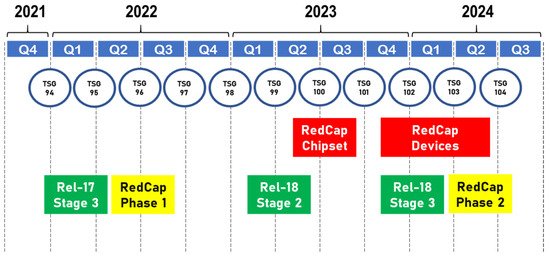
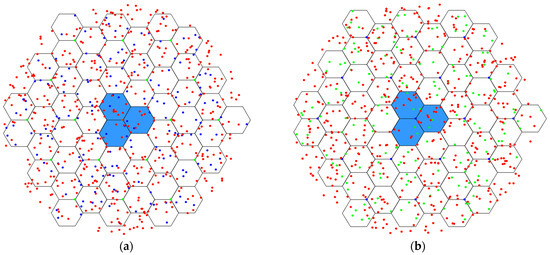
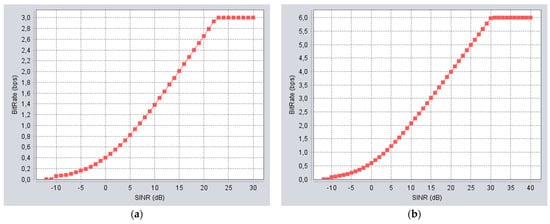
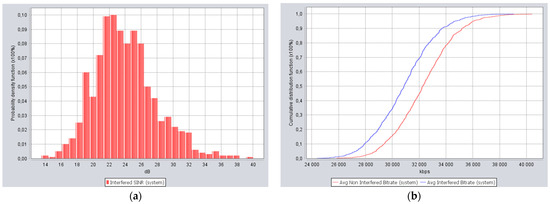
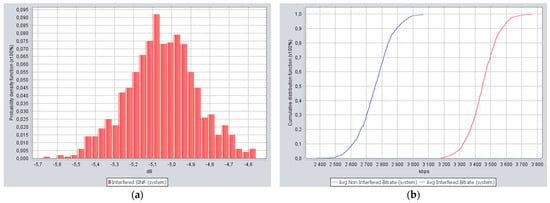
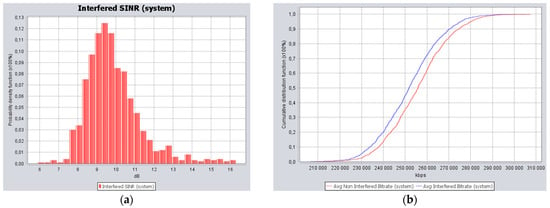
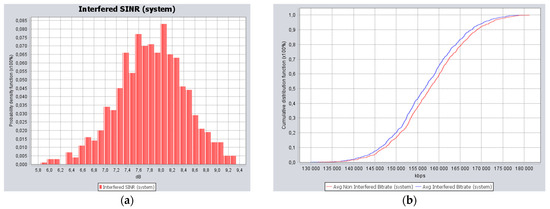
RedCap technology is set to become a critical component in the growth of the Internet of Things (IoT), enabling sensors and wearable devices for medical, industrial, and commercial applications. However, because RedCap primarily operates in non-public networks and does not synchronize its time-division duplexing (TDD) mode with 5G NR networks, interference risks arise. This is particularly concerning as traditional 5G NR networks prioritize downlink communication, whereas RedCap is designed for uplink. This study investigates the potential interference between RedCap non-public networks and 5G NR in TDD FR1 and FR2 frequency bands using Monte Carlo simulation techniques. The results illustrate how RedCap deployments may impact 5G NR performance in urban and suburban environments. Key insights are provided to inform strategies for minimizing interference and ensuring coexistence between these technologies.
Full article
(This article belongs to the Section Inventions and Innovation in Electrical Engineering/Energy/Communications)
►▼
Show Figures

Figure 1
Open AccessArticle
Robust Control of Irrigation Systems Using Predictive Methods and Disturbance Rejection
by
Jose Carreño-Zagarra, Diana Poveda-Rodriguez and Marco Flórez
Inventions 2025, 10(1), 11; https://doi.org/10.3390/inventions10010011 - 31 Jan 2025
Abstract
Ensuring that the world’s population meets its food needs, despite water restrictions, can be significantly improved by increasing irrigation efficiency and productivity. Achieving this goal necessitates technological advancements in control systems. Therefore, the implementation of effective control systems across the entire irrigation water
[...] Read more.
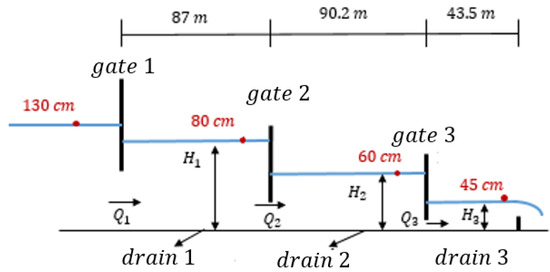
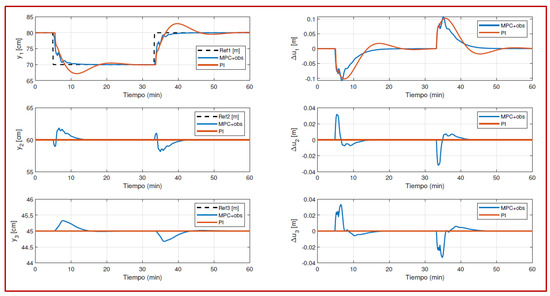
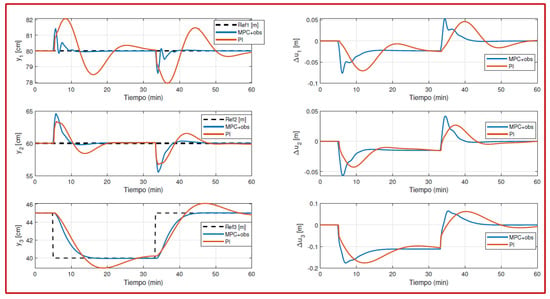
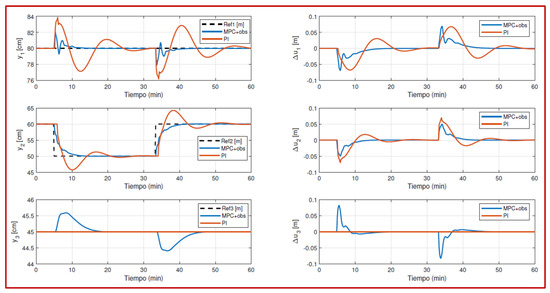
Ensuring that the world’s population meets its food needs, despite water restrictions, can be significantly improved by increasing irrigation efficiency and productivity. Achieving this goal necessitates technological advancements in control systems. Therefore, the implementation of effective control systems across the entire irrigation water distribution chain is crucial and requires technological modernization. This paper presents a control scheme that combines the benefits of model predictive control (MPC) and active disturbance rejection by using generalized proportional integral (GPI) observers. The proposed control scheme was applied to a three-canal irrigation system. The simulation results confirm that the proposed controller is robust to disturbances and ensures accurate tracking for all reference levels. The controller’s performance is highlighted by the improvement in response time and considerable reduction in overshoot compared with the optimized proportional integral (PI) controllers. Additionally, the use of GPI observers allows for the precise estimation of nonlinear disturbances and phase variables, enhancing the robustness of the system. The efficiency of the observer is due to its ability to adequately estimate global additive disturbances, including unknown parameters and external disturbances in the input–output dynamics.
Full article
(This article belongs to the Section Inventions and Innovation in Design, Modeling and Computing Methods)
►▼
Show Figures

Figure 1
Highly Accessed Articles
Latest Books
E-Mail Alert
News
Topics
Topic in
Applied Sciences, Inventions, JMSE, Oceans, Remote Sensing, Sensors
Ship Dynamics, Stability and Safety
Topic Editors: Zaojian Zou, Weilin LuoDeadline: 20 May 2025
Topic in
Applied Sciences, Energies, Fluids, Materials, Processes, Modelling, Inventions
Applied Heat Transfer
Topic Editors: Lioua Kolsi, Walid Hassen, Patrice EstelléDeadline: 30 June 2025
Topic in
Aerospace, Drones, Inventions, Materials, Sensors, Polymers, Applied Sciences, Energies
Innovation and Inventions in Aerospace and UAV Applications
Topic Editors: Andrzej Łukaszewicz, Mohamed Thariq Hameed Sultan, Quang Ha, Wojciech Giernacki, Leszek Ambroziak, Wojciech Tarasiuk, Andriy HolovatyyDeadline: 31 August 2025
Topic in
Applied Sciences, Electronics, Materials, Applied Nano, Technologies, Inventions, Chips
Advances in Microelectronics and Semiconductor Engineering
Topic Editors: Gerard Ghibaudo, Francis BalestraDeadline: 30 September 2025
Conferences
Special Issues
Special Issue in
Inventions
New Sights in Fluid Mechanics and Transport Phenomena
Guest Editor: Shyy Woei ChangDeadline: 30 April 2025
Special Issue in
Inventions
Innovative Research and Applications of Biofuels and Bioplastics
Guest Editors: Umberto Lucia, Giulia Grisolia, Debora FinoDeadline: 30 April 2025
Special Issue in
Inventions
Revolutionizing Mobility: Unleashing the Power of Software-Defined Networking for Electric Vehicle Communication
Guest Editor: Stefano RinaldiDeadline: 31 May 2025
Special Issue in
Inventions
Innovations and Inventions in Two-Phase Flow and Heat Transfer
Guest Editor: Shyy Woei ChangDeadline: 31 May 2025