

Journal Description
IoT
IoT
is an international, peer-reviewed, open access journal on Internet of Things (IoT) published quarterly online by MDPI.
- Open Access— free for readers, with article processing charges (APC) paid by authors or their institutions
- High Visibility: indexed within ESCI (Web of Science), Scopus, EBSCO, and other databases.
- Rapid Publication: manuscripts are peer-reviewed and a first decision is provided to authors approximately 27.8 days after submission; acceptance to publication is undertaken in 4.8 days (median values for papers published in this journal in the second half of 2024).
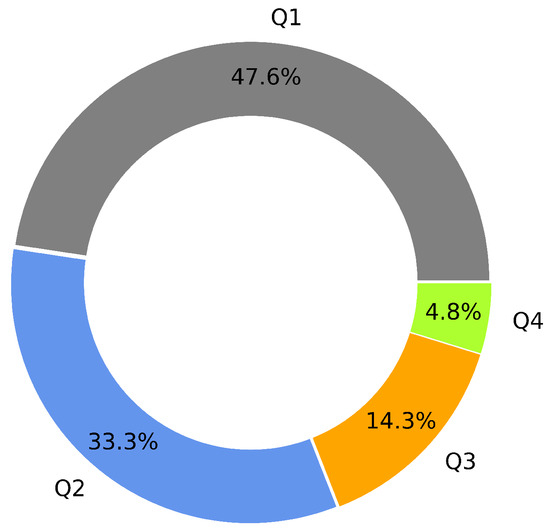
- Journal Rank: CiteScore - Q1 (Computer Science (miscellaneous))
- Recognition of Reviewers: APC discount vouchers, optional signed peer review, and reviewer names published annually in the journal.
Latest Articles
Text Mining and Unsupervised Deep Learning for Intrusion Detection in Smart-Grid Communication Networks
IoT 2025, 6(2), 22; https://doi.org/10.3390/iot6020022 - 26 Mar 2025
Abstract
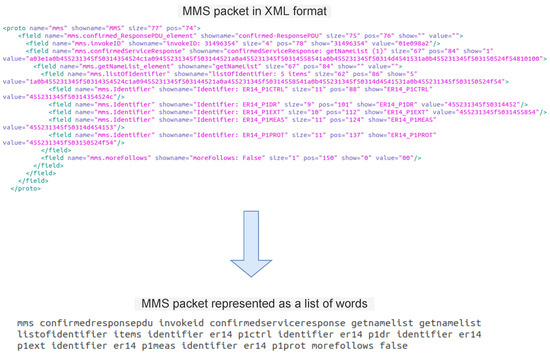
The Manufacturing Message Specification (MMS) protocol is frequently used to automate processes in IEC 61850-based substations and smart-grid systems. However, it may be susceptible to a variety of cyber-attacks. A frequently used protection strategy is to deploy intrusion detection systems to monitor network
[...] Read more.
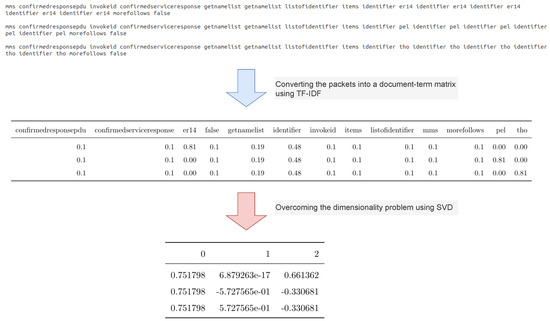
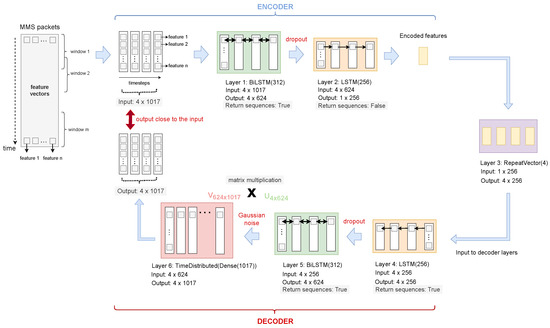
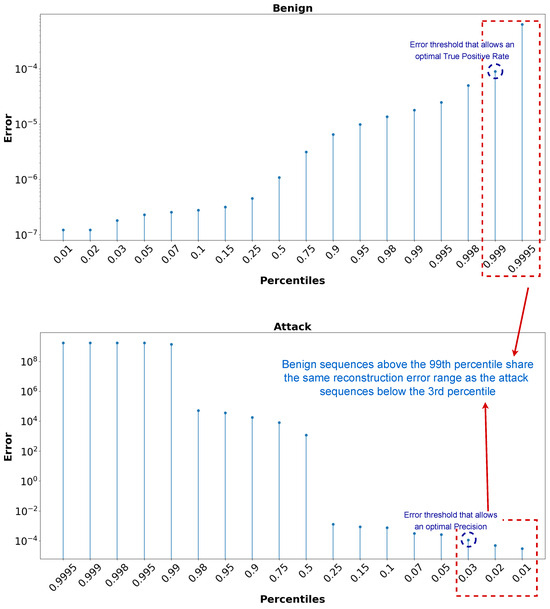
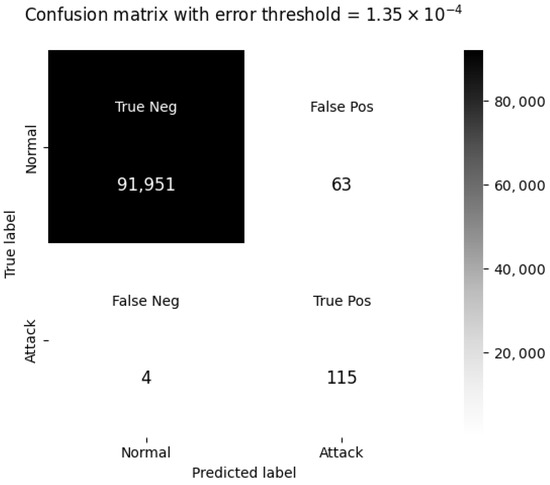
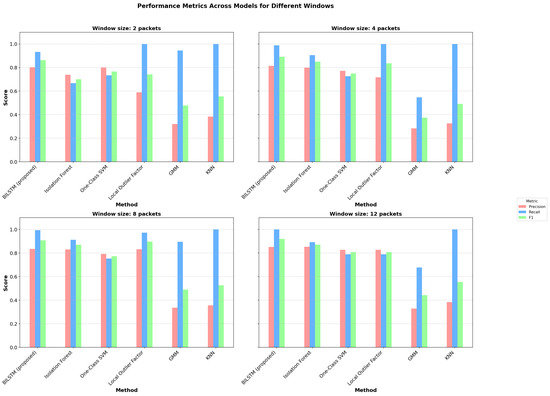
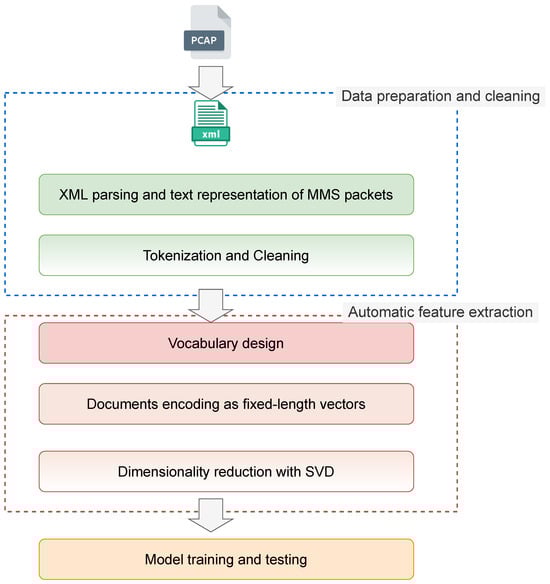
The Manufacturing Message Specification (MMS) protocol is frequently used to automate processes in IEC 61850-based substations and smart-grid systems. However, it may be susceptible to a variety of cyber-attacks. A frequently used protection strategy is to deploy intrusion detection systems to monitor network traffic for anomalies. Conventional approaches to detecting anomalies require a large number of labeled samples and are therefore incompatible with high-dimensional time series data. This work proposes an anomaly detection method for high-dimensional sequences based on a bidirectional LSTM autoencoder. Additionally, a text-mining strategy based on a TF-IDF vectorizer and truncated SVD is presented for data preparation and feature extraction. The proposed data representation approach outperformed word embeddings (Doc2Vec) by better preserving critical domain-specific keywords in MMS traffic while reducing the complexity of model training. Unlike embeddings, which attempt to capture semantic relationships that may not exist in structured network protocols, TF-IDF focuses on token frequency and importance, making it more suitable for anomaly detection in MMS communications. To address the limitations of existing approaches that rely on labeled samples, the proposed model learns the properties and patterns of a large number of normal samples in an unsupervised manner. The results demonstrate that the proposed approach can learn potential features from high-dimensional time series data while maintaining a high True Positive Rate.
Full article
(This article belongs to the Topic Machine Learning in Internet of Things II)
►
Show Figures
Open AccessReview
Driving Supply Chain Transformation with IoT and AI Integration: A Dual Approach Using Bibliometric Analysis and Topic Modeling
by
Jerifa Zaman, Atefeh Shoomal, Mohammad Jahanbakht and Dervis Ozay
IoT 2025, 6(2), 21; https://doi.org/10.3390/iot6020021 - 25 Mar 2025
Abstract
►▼
Show Figures
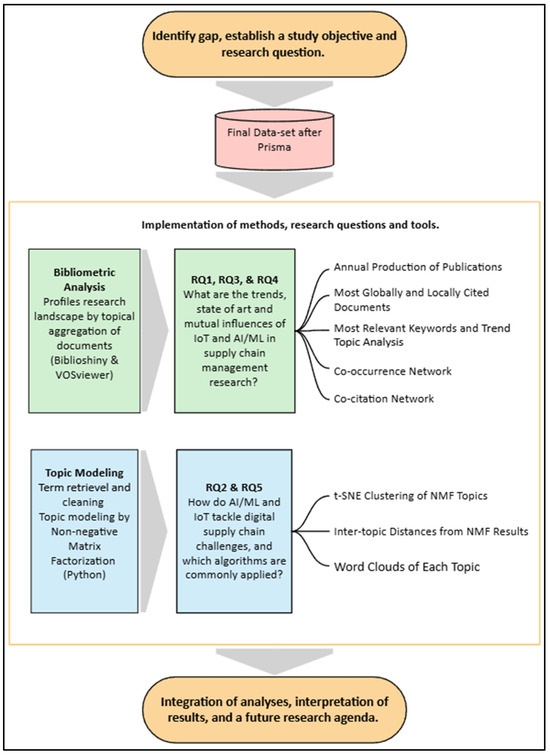
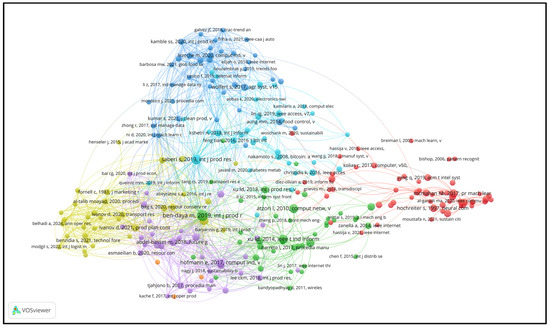
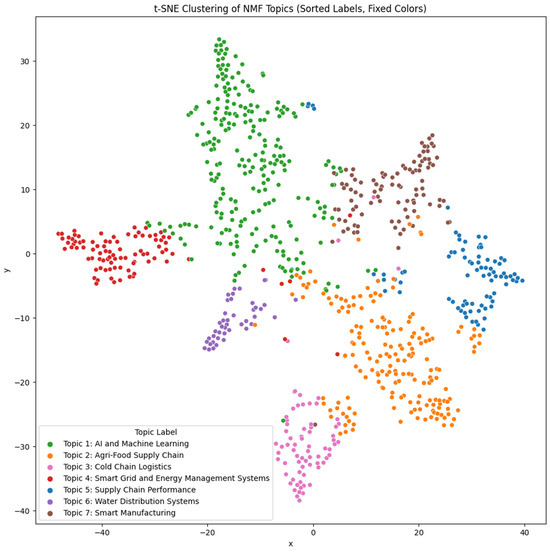
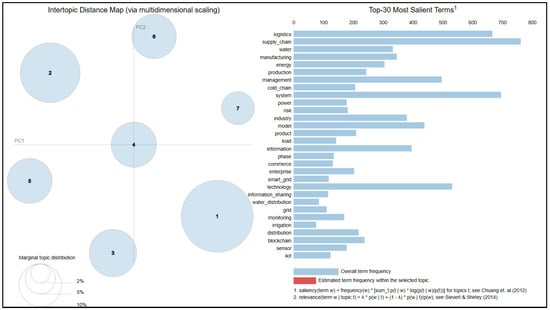
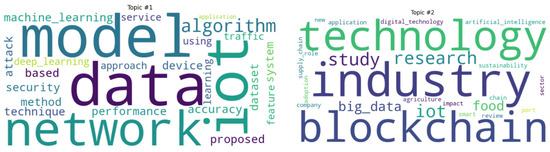
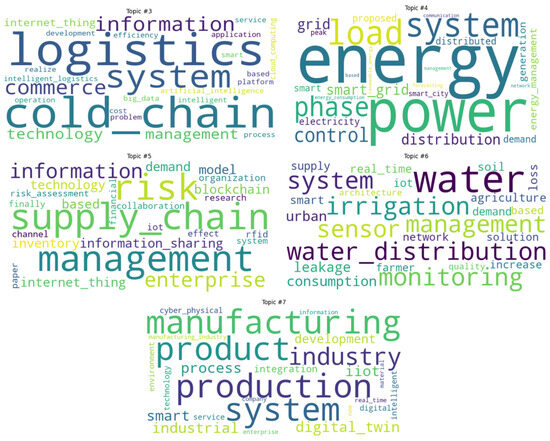
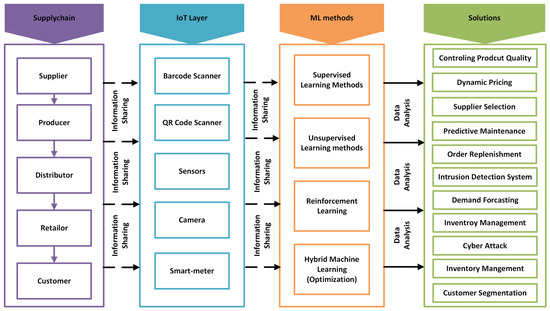
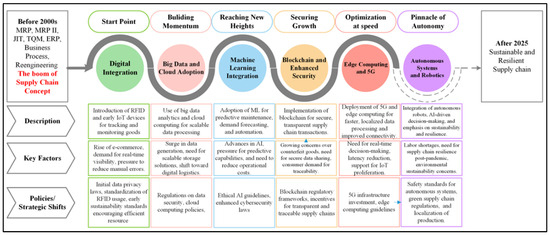
The objective of this study is to conduct an analysis of the scientific literature on the application of the Internet of Things (IoT) and artificial intelligence (AI) in enhancing supply chain operations. This research applies a dual approach combining bibliometric analysis and topic
[...] Read more.
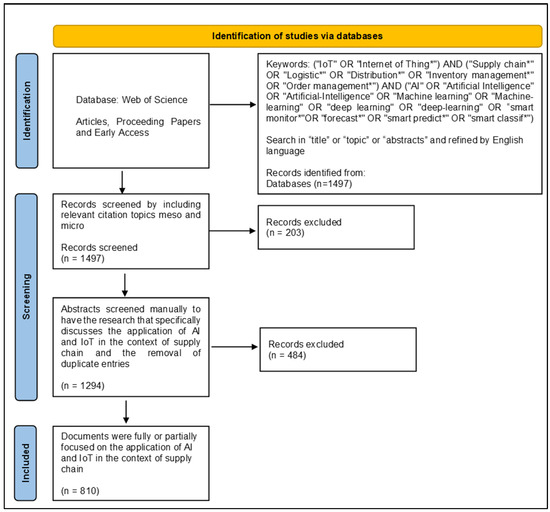
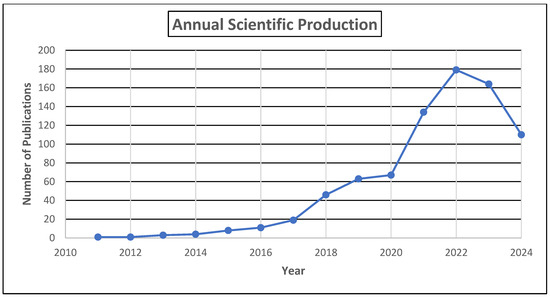
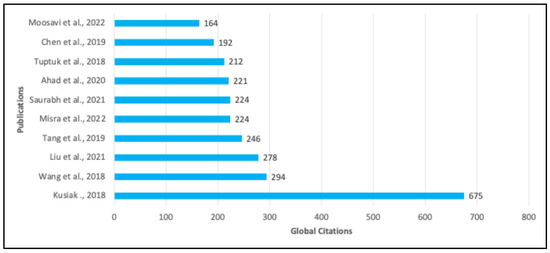
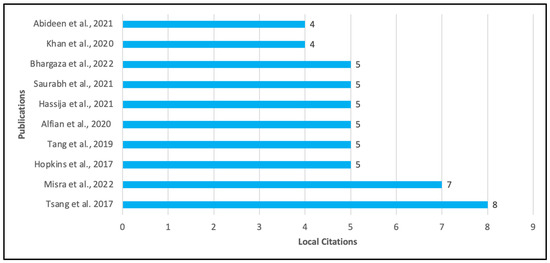
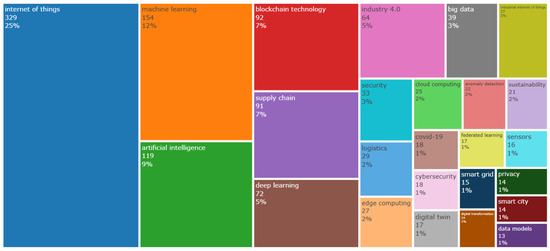
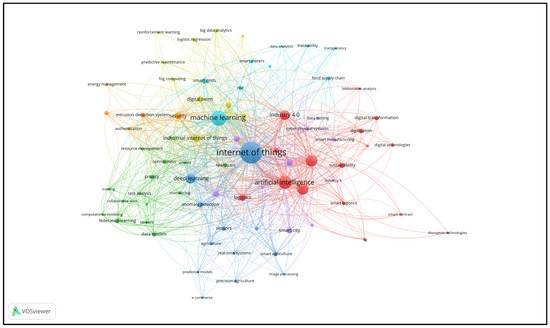
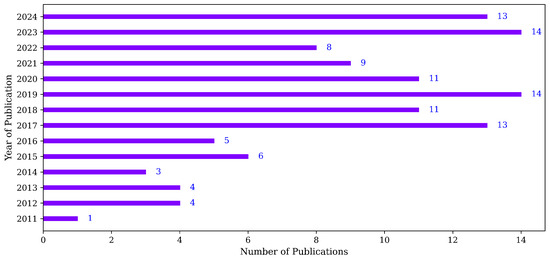
The objective of this study is to conduct an analysis of the scientific literature on the application of the Internet of Things (IoT) and artificial intelligence (AI) in enhancing supply chain operations. This research applies a dual approach combining bibliometric analysis and topic modeling to explore both quantitative citation trends and qualitative thematic insights. By examining 810 qualified articles, published between 2011 and 2024, this research aims to identify the main topics, key authors, influential sources, and the most-cited articles within the literature. The study addresses critical research questions on the state of IoT and AI integration into supply chains and the role of these technologies in resolving digital supply chain management challenges. The convergence of IoT and AI holds immense potential to redefine supply chain management practices, improving productivity, visibility, and sustainability in interconnected global supply chains. This research not only highlights the continuous evolution of the supply chain field in light of Industry 4.0 technologies—such as machine learning, big data analytics, cloud computing, cyber–physical systems, and 5G networks—but also provides an updated overview of advanced IoT and AI technologies currently applied in supply chain operations, documenting their evolution from rudimentary stages to their current state of advancement.
Full article

Figure 1
Open AccessArticle
IoT-Based Framework for Connected Municipal Public Services in a Strategic Digital City Context
by
Danieli Aparecida From, Denis Alcides Rezende and Donald Francisco Quintana Sequeira
IoT 2025, 6(2), 20; https://doi.org/10.3390/iot6020020 - 25 Mar 2025
Abstract
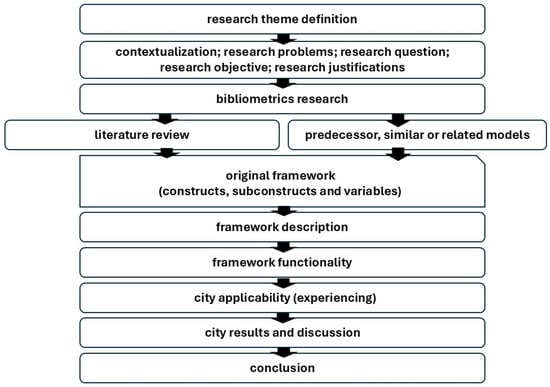
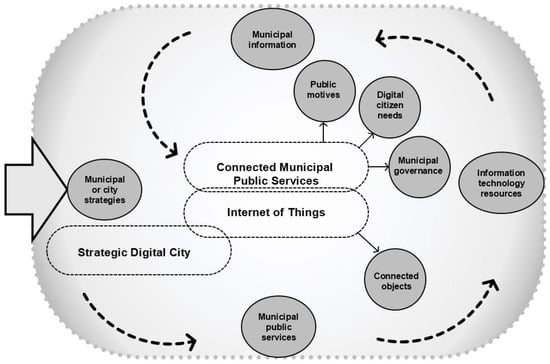
The use of digital technology resources in public services enhances efficiency, responsiveness, and citizens’ quality of life through improved resource management, real-time monitoring, and service performance. The objective is to create and apply an IoT-based framework for connected municipal public services in a
[...] Read more.
The use of digital technology resources in public services enhances efficiency, responsiveness, and citizens’ quality of life through improved resource management, real-time monitoring, and service performance. The objective is to create and apply an IoT-based framework for connected municipal public services in a strategic digital city context. The research employed a modeling process validated in a Brazilian city, identifying seven related frameworks and four themes through a bibliometric review. The original framework comprises three constructs, eight subconstructs, and 12 variables, validated through a case study inquiry. The results revealed that the researched city has yet to enlarge IoT into its municipal public services as part of a digital city project initiative. Key recommendations for IoT implementation include prioritizing the preferences of digital citizens, expanding critical services suited for IoT, and updating municipal strategies to incorporate IT resources to streamline decision-making. The conclusion reiterates that the IoT framework for municipal services is effective when actionable information supports strategic planning and decision-making and highlights the transformative potential of IoT in driving more resilient and sustainable cities aligned with citizens’ needs. This approach allows public managers to enhance citizens’ quality of life while improving the efficiency and responsiveness of urban management processes and services.
Full article
(This article belongs to the Special Issue IoT-Driven Smart Cities)
►▼
Show Figures

Figure 1
Open AccessArticle
An Ultra-Low Power Sticky Note Using E-Paper Display for the Internet of Things
by
Tareq Khan
IoT 2025, 6(1), 19; https://doi.org/10.3390/iot6010019 - 13 Mar 2025
Abstract
►▼
Show Figures
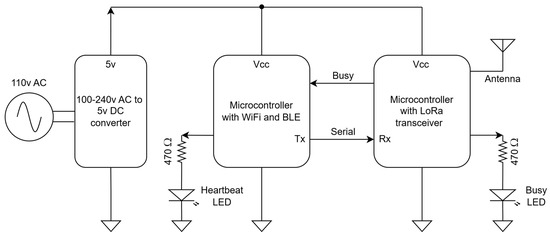
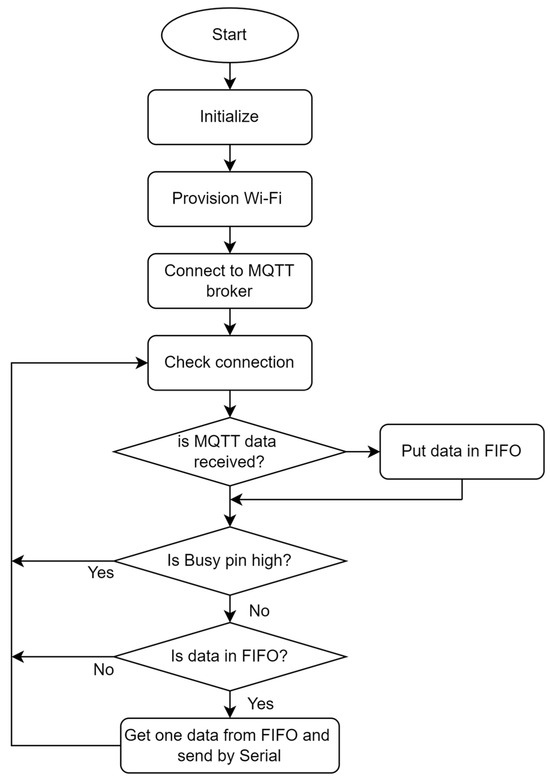
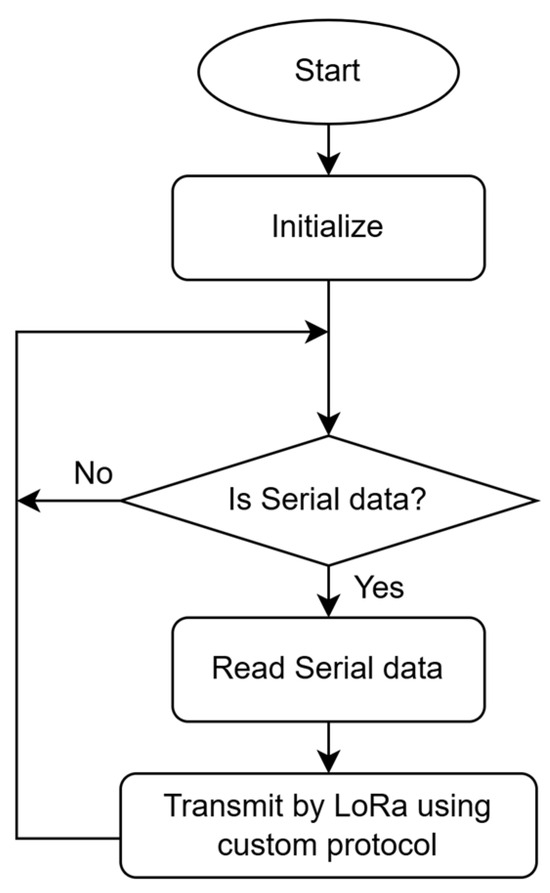
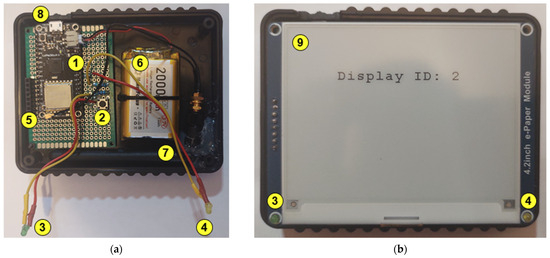
There are over 300 million smart homes worldwide and 60.4 million smart homes in the US, using devices like smart thermostats, smart plugs, smart door locks, etc. Yet in this age of smart and connected devices, we still use paper-based sticky notes on
[...] Read more.
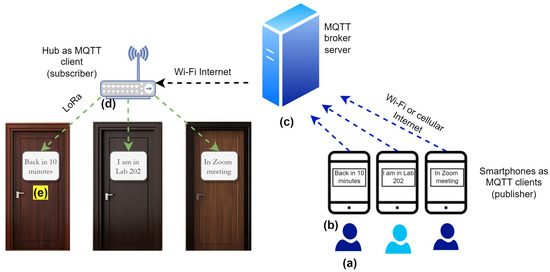
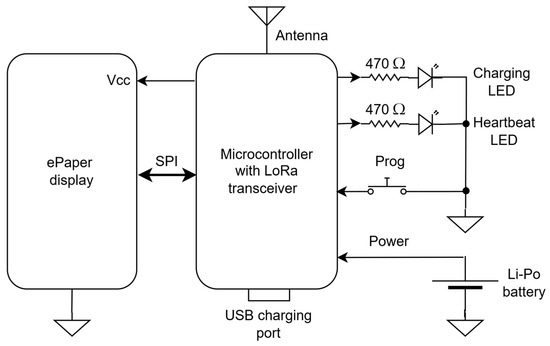
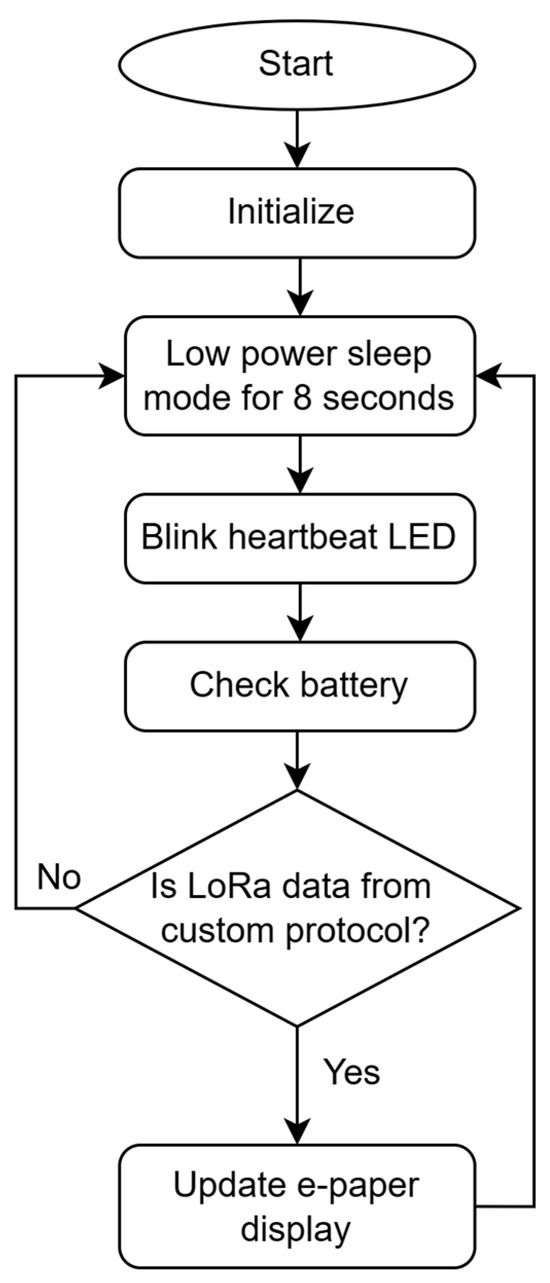
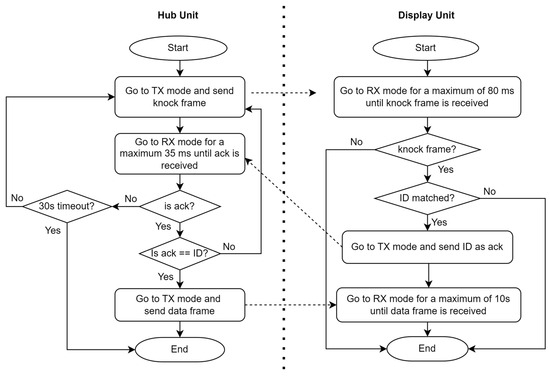
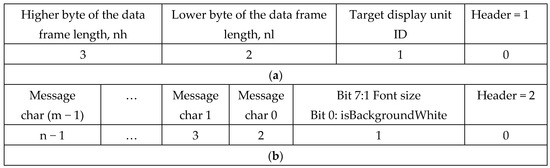
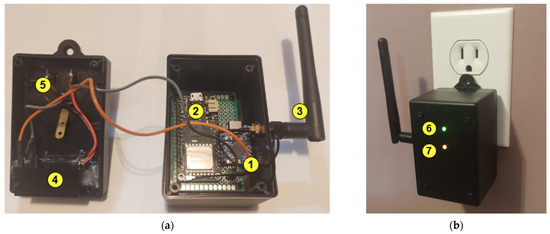
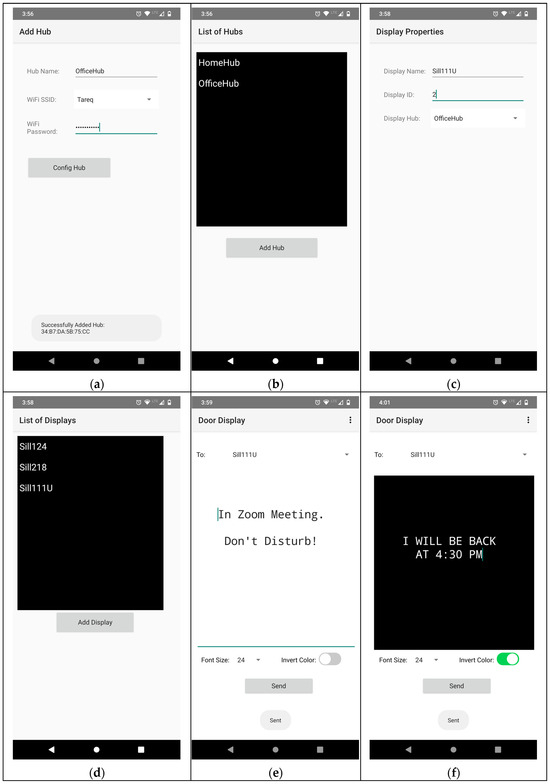
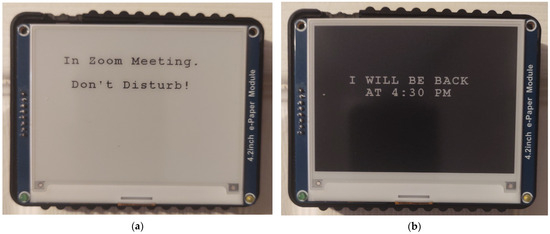
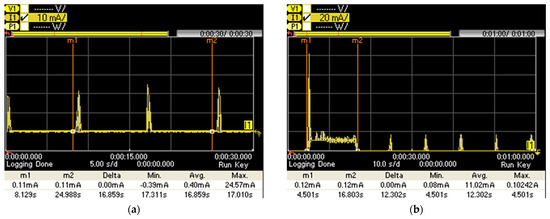
There are over 300 million smart homes worldwide and 60.4 million smart homes in the US, using devices like smart thermostats, smart plugs, smart door locks, etc. Yet in this age of smart and connected devices, we still use paper-based sticky notes on doors to display messages such as “Busy, do not disturb”, “In a Zoom meeting”, etc. In this project, a novel IoT-connected digital sticky note system was developed where the user can wirelessly send messages from a smartphone to a sticky note display. The sticky note displays can be hung on the doors of offices, hotels, homes, etc. The display could be updated with the user’s message sent from anywhere in the world. The key design challenge was to develop the display unit to consume as little power as possible to increase battery life. A prototype of the proposed system was developed comprising ultra-low-power sticky note display units consuming only 404 µA average current and having a battery life of more than six months, with a Wi-Fi-connected hub unit, an MQTT server, and a smartphone app for composing the message.
Full article

Figure 1
Open AccessArticle
Weaponized IoT: A Comprehensive Comparative Forensic Analysis of Hacker Raspberry Pi and PC Kali Linux Machine
by
Mohamed Chahine Ghanem, Eduardo Almeida Palmieri, Wiktor Sowinski-Mydlarz, Sahar Al-Sudani and Dipo Dunsin
IoT 2025, 6(1), 18; https://doi.org/10.3390/iot6010018 - 7 Mar 2025
Abstract
►▼
Show Figures
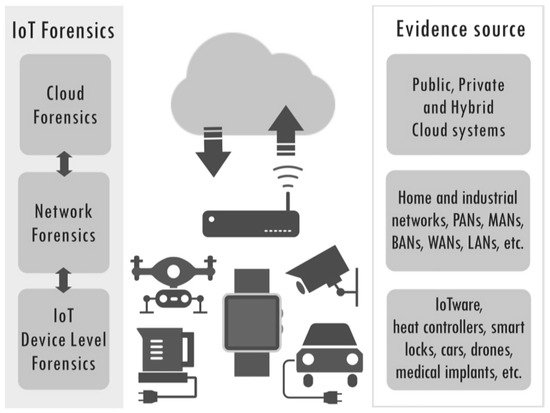
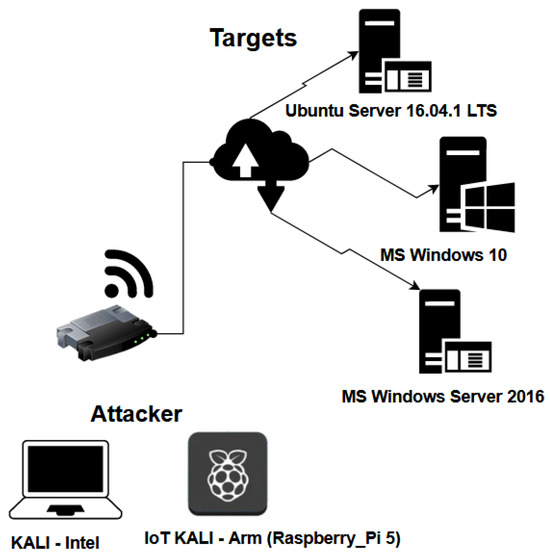
The proliferation of Internet of Things (IoT) devices presents significant challenges for cybersecurity and digital forensics, particularly as these devices have become increasingly weaponised for malicious activities. This research focuses on the forensic analysis capabilities of Raspberry Pi devices configured with Kali Linux,
[...] Read more.
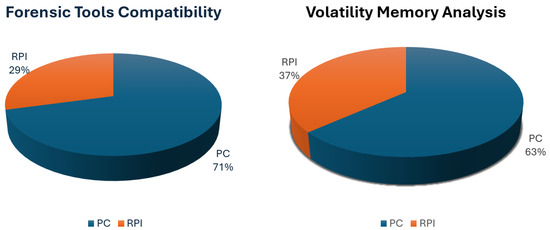
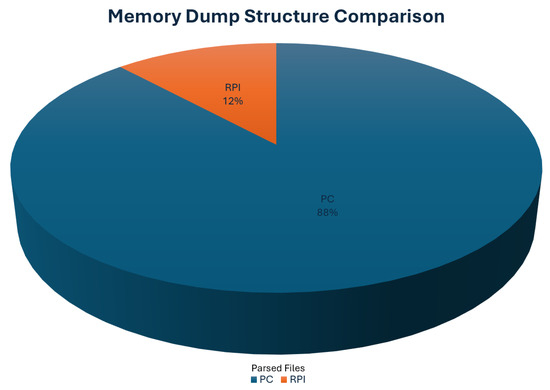
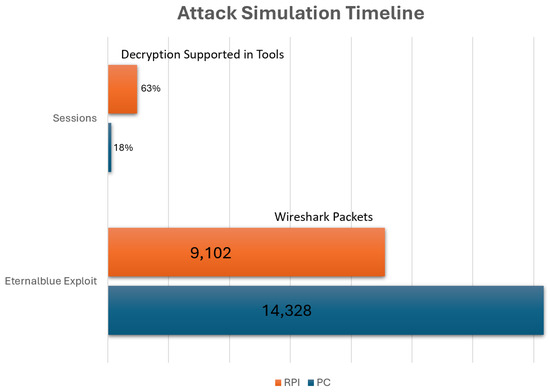
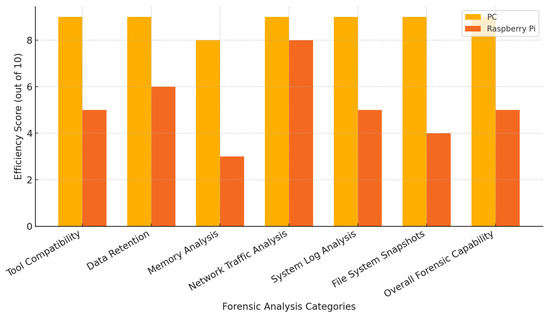
The proliferation of Internet of Things (IoT) devices presents significant challenges for cybersecurity and digital forensics, particularly as these devices have become increasingly weaponised for malicious activities. This research focuses on the forensic analysis capabilities of Raspberry Pi devices configured with Kali Linux, comparing their forensic capabilities to conventional PC-based forensic investigations. The study identifies key gaps in existing IoT forensic methodologies, including limited tool compatibility, constrained data retention, and difficulties in live memory analysis due to architectural differences. The research employs a testbed-based approach to simulate cyberattacks on both platforms, capturing and analysing forensic artefacts such as system logs, memory dumps, and network traffic. The research findings reveal that while traditional PCs offer extensive forensic capabilities due to superior storage, tool support, and system logging, Raspberry Pi devices present significant forensic challenges, primarily due to their ARM architecture and limited forensic readiness. The study emphasises the need for specialised forensic tools tailored to IoT environments and suggests best practices to enhance forensic investigation capabilities in weaponised IoT scenarios. This research contributes to the field by bridging the gap between theoretical frameworks and real-world forensic investigations, offering insights into the evolving landscape of IoT forensics and its implications for digital evidence collection, analysis, and forensic readiness.
Full article

Figure 1
Open AccessArticle
Network Architecture of a Fog–Cloud-Based Smart Farming System
by
Alain Biheng, Chunling Tu, Pius Adewale Owolawi, Deon Du Plessis and Shengzhi Du
IoT 2025, 6(1), 17; https://doi.org/10.3390/iot6010017 - 20 Feb 2025
Abstract
►▼
Show Figures
With the rapid increase in the human population and urbanization worldwide, the demand for food production has played a significant role in driving the integration of technology into agriculture. Various Cloud-based systems, such as livestock tracking systems, have been proposed. In those systems,
[...] Read more.
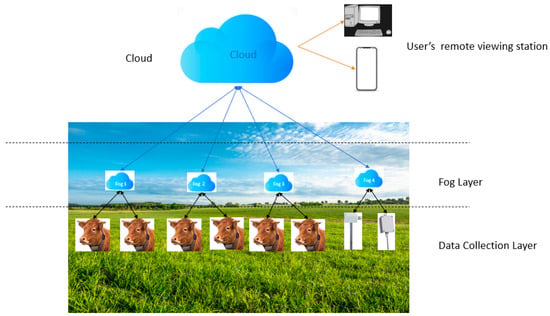
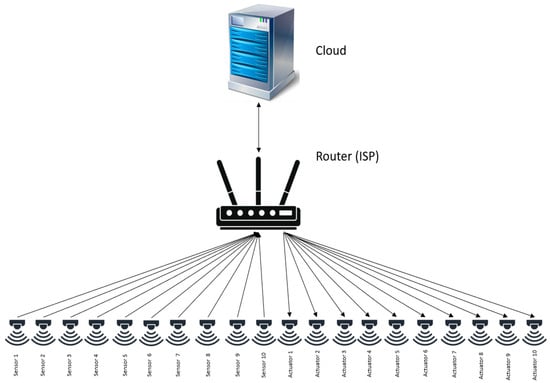
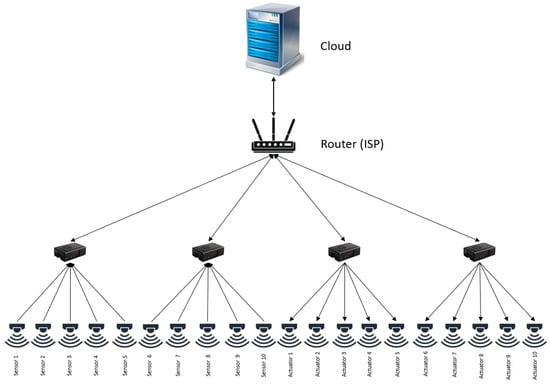
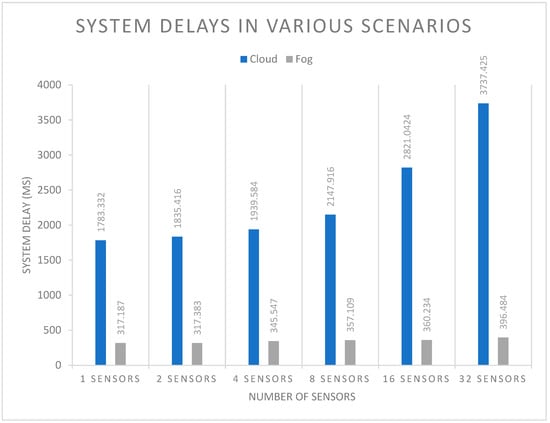
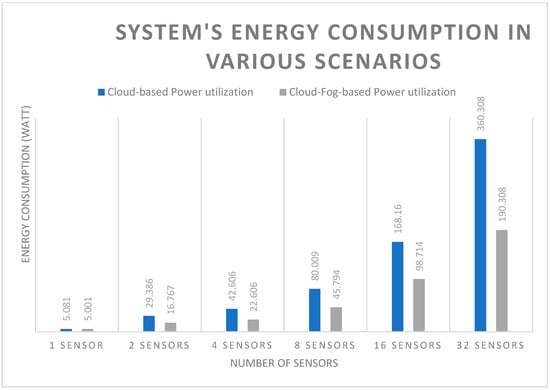
With the rapid increase in the human population and urbanization worldwide, the demand for food production has played a significant role in driving the integration of technology into agriculture. Various Cloud-based systems, such as livestock tracking systems, have been proposed. In those systems, data were collected by the sensors and sent to the Cloud for processing. However, significant issues with those systems were noted, such as high bandwidth utilization and security concerns, such as a high volume of row data traveling from the data collection devices (such as sensors) to the Cloud through the Internet. Additionally, the long distance between the Cloud and the data collection devices makes it unsuitable for latency-sensitive livestock disease monitoring and tracking systems. Therefore, this paper proposes a Fog–Cloud-based approach, where the processing is conducted at the Fog layer, closer to the data collection devices, and only the result is sent to the Cloud for remote viewing. The proposed method aims to reduce power consumption and latency in communication. To validate the proposed method, both the Cloud-based and Fog–Cloud-based scenarios are simulated using iFogSim (a novel simulation tool for IoT and Cloud computing), and the result shows that there is less than twice the power consumption in some scenarios and that the time consumed in the proposed Fog–Cloud-based system, depending on the number of sensors, is five to ten times lower. This study further supports the point that the Fog–Cloud-based is suitable for latency-dependent farming systems such as livestock tracking systems.
Full article

Figure 1
Open AccessArticle
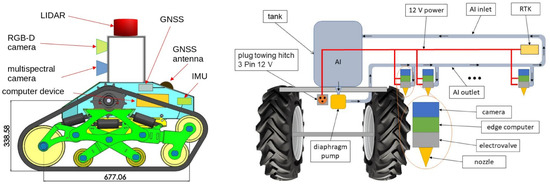
Fog-Enabled IoT Robotic System for Efficient Date Palm Monitoring in Moroccan Oases
by
Baghrous Mohamed and Ezzouhairi Abdellatif
IoT 2025, 6(1), 16; https://doi.org/10.3390/iot6010016 - 14 Feb 2025
Abstract
►▼
Show Figures
Date palms are a vital resource in the oases of Morocco, providing economic and ecological benefits to local communities. However, monitoring these trees at scale presents challenges, particularly in rural areas where traditional IoT-based agricultural systems rely on extensive sensor networks. These systems
[...] Read more.
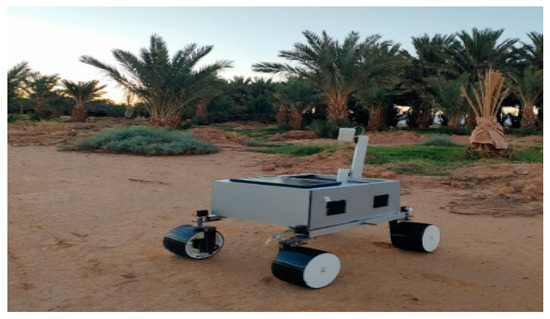
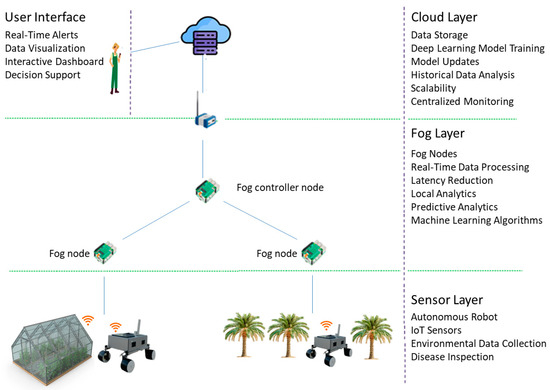
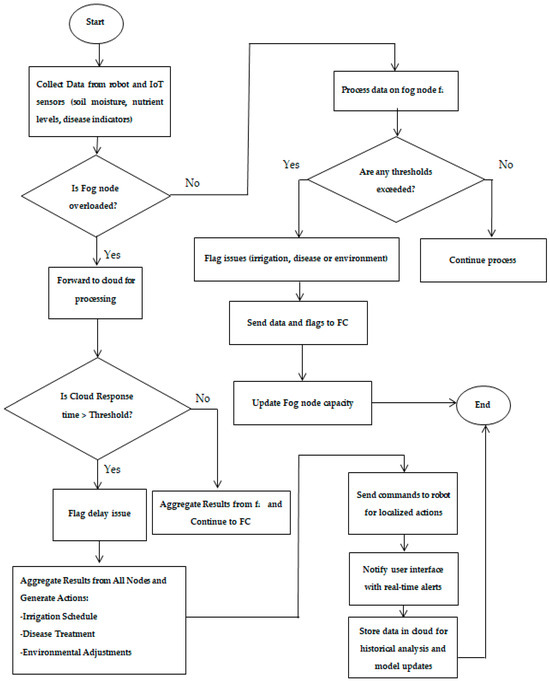
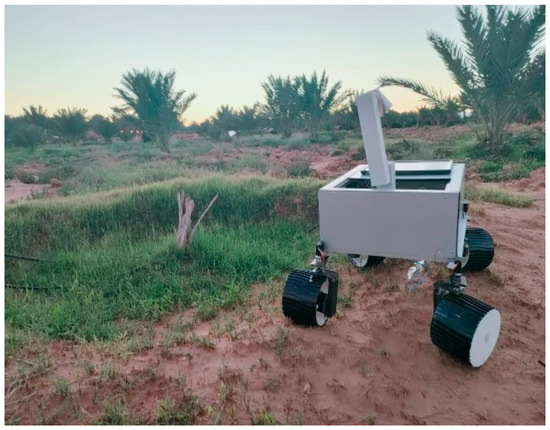
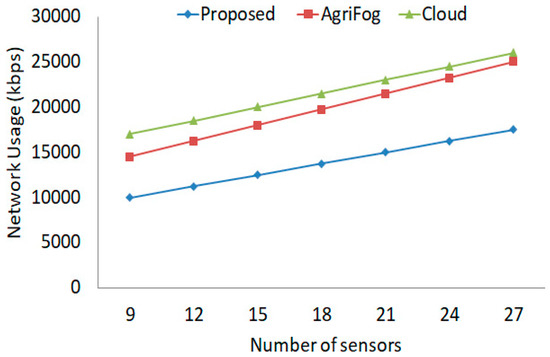
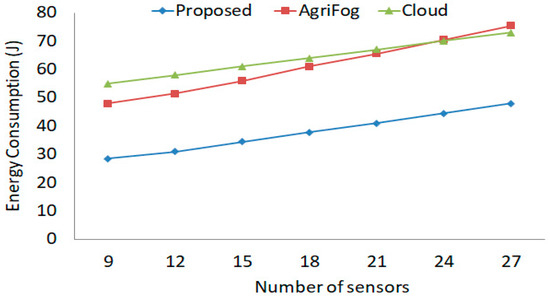
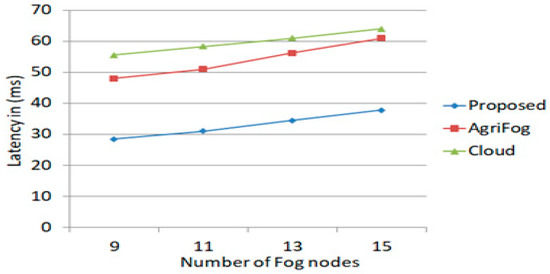
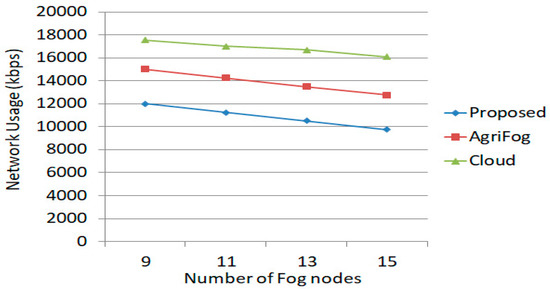
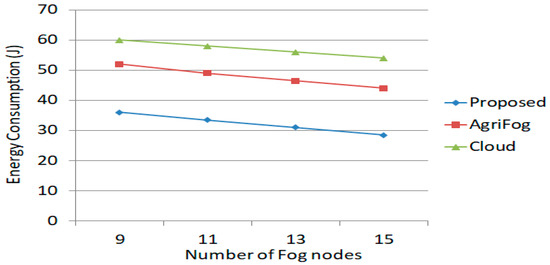
Date palms are a vital resource in the oases of Morocco, providing economic and ecological benefits to local communities. However, monitoring these trees at scale presents challenges, particularly in rural areas where traditional IoT-based agricultural systems rely on extensive sensor networks. These systems face significant limitations, including high deployment costs, network coverage issues, and energy constraints. To address these challenges, we propose an agricultural robot equipped with multiple IoT sensors to monitor date palm health and environmental parameters, reducing the need for widespread fixed sensors. To overcome the latency, bandwidth, and energy inefficiencies associated with cloud-based solutions, the system integrates the fog computing paradigm. Fog computing brings computational resources closer to the data source, enabling real-time processing and decision-making while reducing network congestion. Using iFogSim, we evaluate the proposed system on key metrics, including latency, energy consumption, and network performance. The results demonstrate significant improvements over traditional approaches, highlighting the potential of IoT-based robotic systems combined with fog computing to revolutionize date palm monitoring in remote oases.
Full article

Figure 1
Open AccessArticle
Smart Monitoring System for Temperature and Relative Humidity Adapted to the Specific Needs of the Colombian Pharmaceutical Service
by
Maria Paula Cabezas, Juan David Carvajal, Fulvio Yesid Vivas and Diego Mauricio Lopez
IoT 2025, 6(1), 15; https://doi.org/10.3390/iot6010015 - 13 Feb 2025
Abstract
►▼
Show Figures
Patient safety (PS) is essential in medical care, and preventing medication errors (MEs) is key to guaranteeing it. In Colombia, pharmaceutical services must comply with regulations that require adequate environmental monitoring to ensure medication quality. This study aims to propose an IoT-based smart
[...] Read more.
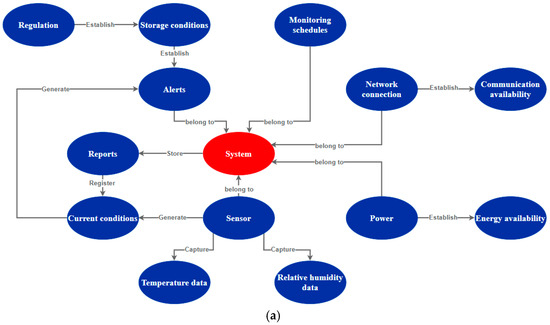
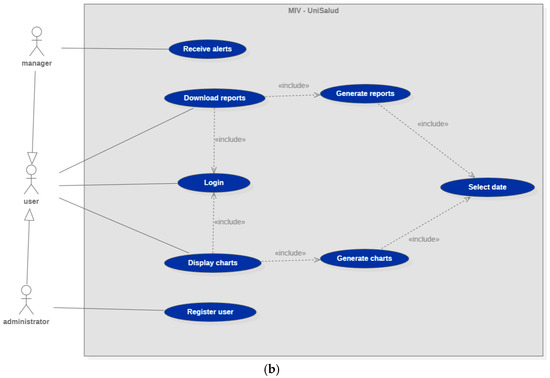
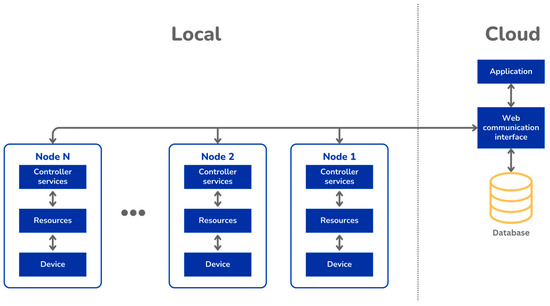
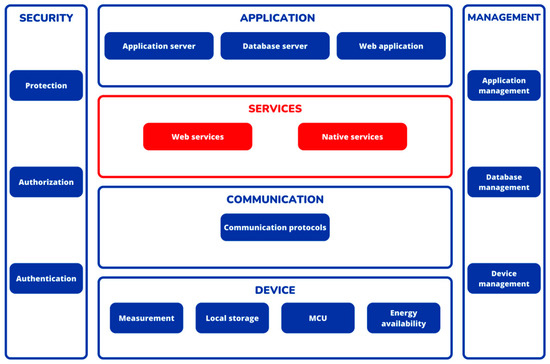
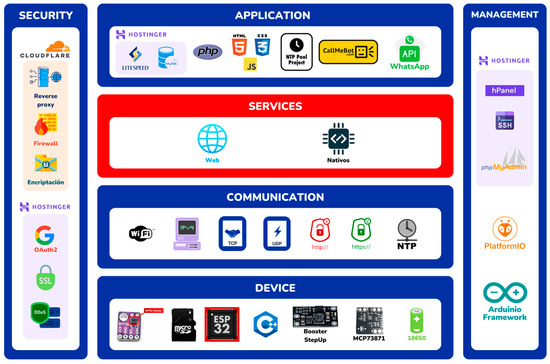
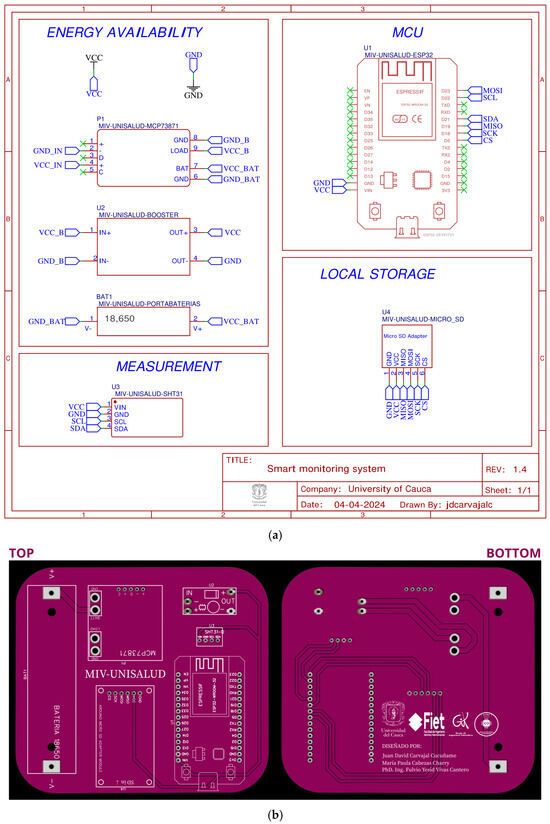
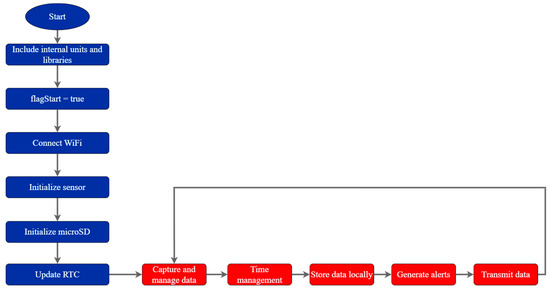
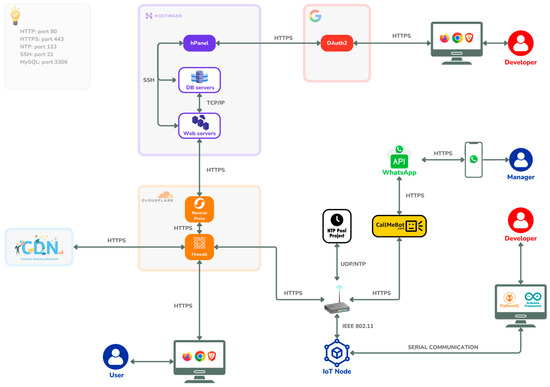
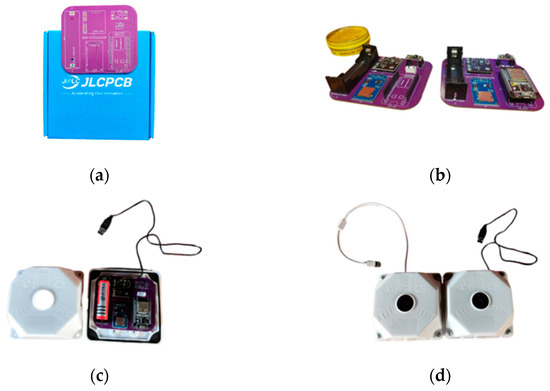
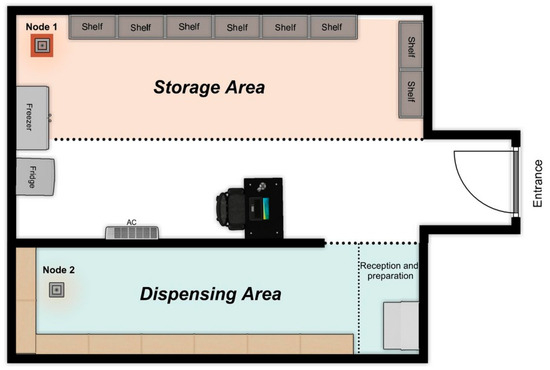
Patient safety (PS) is essential in medical care, and preventing medication errors (MEs) is key to guaranteeing it. In Colombia, pharmaceutical services must comply with regulations that require adequate environmental monitoring to ensure medication quality. This study aims to propose an IoT-based smart system that automatizes temperature and relative humidity monitoring in the Colombian pharmaceutical service (CPS). Using the model for IoT platform design as a methodology, an efficient and flexible architecture that integrates data quality management (DQM) dimensions to improve the accuracy and reliability of the system was designed. In addition, tests based on the agile quadrant methodology demonstrate, as a result, its effectiveness, highlighting its ability to optimize environmental monitoring, prevent MEs, and improve PS. The successful implementation of this IoT-based smart system shows its potential in the pharmaceutical sector, offering an innovative solution that reduces risks and improves the quality of drug storage.
Full article

Figure 1
Open AccessArticle
Evaluating the Performance of LoRa Networks: A Study on Disaster Monitoring Scenarios
by
Isadora Rezende Lopes, Paulo Rodolfo da Silva Leite Coelho, Rafael Pasquini and Rodrigo Sanches Miani
IoT 2025, 6(1), 14; https://doi.org/10.3390/iot6010014 - 12 Feb 2025
Abstract
►▼
Show Figures
The development of technologies using the Internet of Things (IoT) concept evolves daily. These numerous technologies, such as LoRa (Long Range) transceivers, find applications in various domains, including monitoring natural disasters and those caused by human error. Security vulnerabilities arise concurrently with the
[...] Read more.
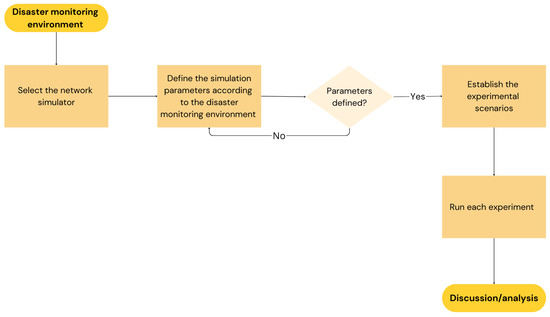
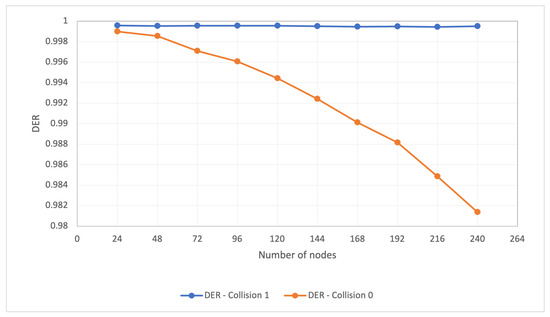
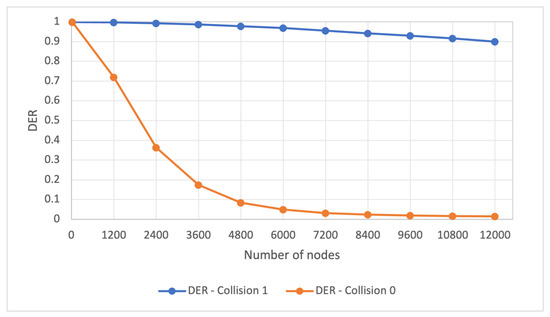
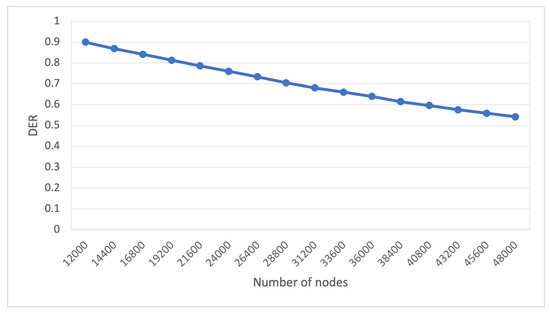
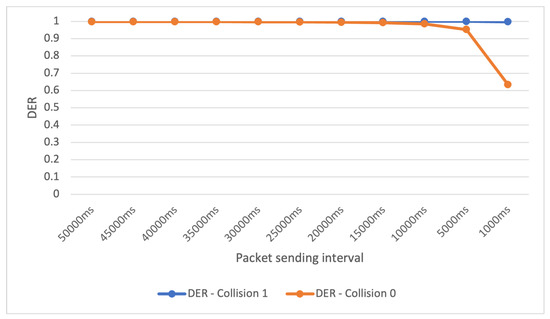
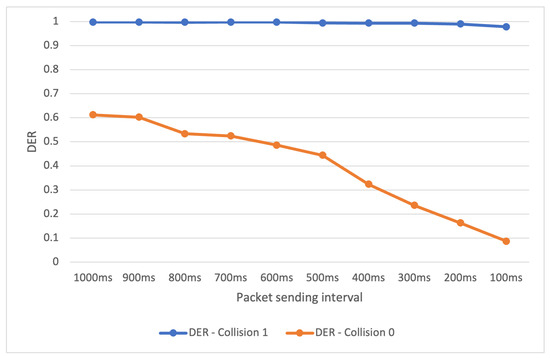
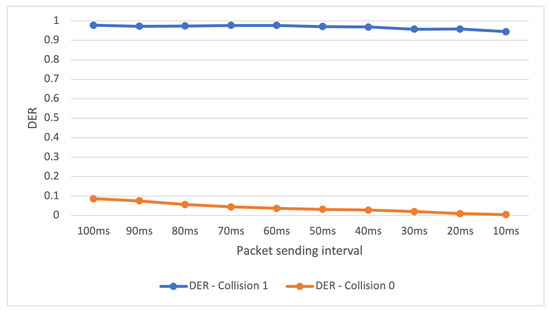
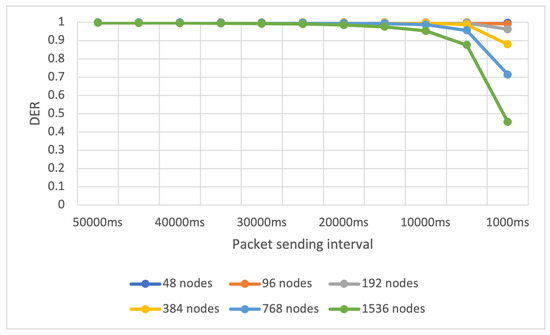
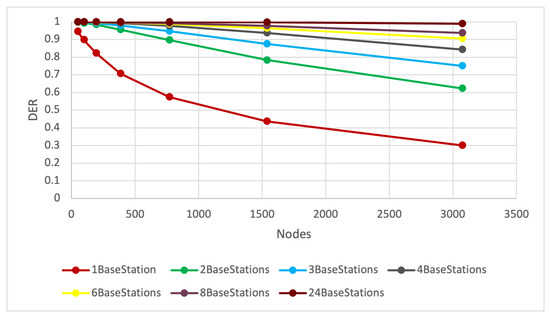
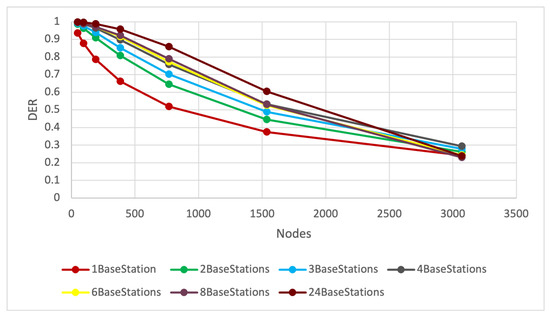
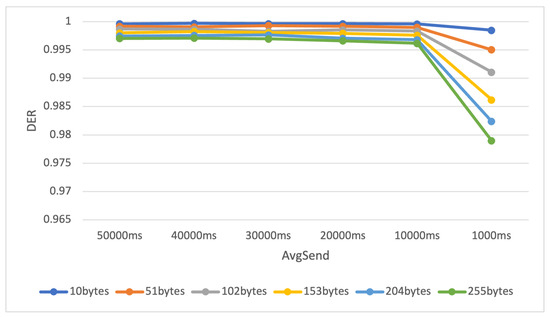
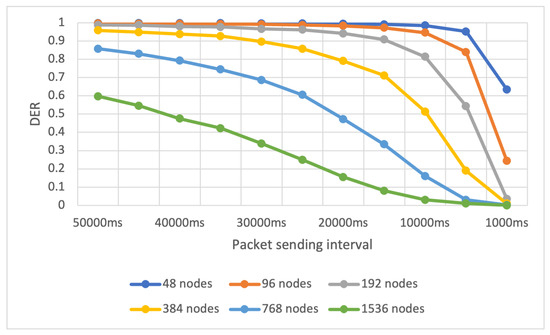
The development of technologies using the Internet of Things (IoT) concept evolves daily. These numerous technologies, such as LoRa (Long Range) transceivers, find applications in various domains, including monitoring natural disasters and those caused by human error. Security vulnerabilities arise concurrently with the advancement of these new technologies. Cyberattacks seeking to disrupt device availability, such as denial-of-service (DoS) attacks, can effectively exploit vulnerabilities in LoRa devices, hindering disaster monitoring efforts. Therefore, our goal is to assess the network parameters that impact the development of a disaster monitoring environment using LoRaWAN. Specifically, we aim to identify the parameters that could result in network availability issues, whether caused by malicious actors or configuration errors. Our results indicate that certain LoRa network parameters (collision checks, packet size, and the number of nodes) can significantly affect network performance, potentially rendering this technology unsuitable for building robust disaster monitoring systems.
Full article

Figure 1
Open AccessReview
Emerging Developments in Real-Time Edge AIoT for Agricultural Image Classification
by
Maurizio Pintus, Felice Colucci and Fabio Maggio
IoT 2025, 6(1), 13; https://doi.org/10.3390/iot6010013 - 10 Feb 2025
Abstract
►▼
Show Figures
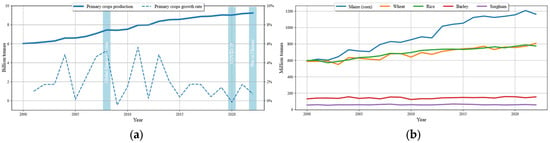
Advances in deep learning (DL) models and next-generation edge devices enable real-time image classification, driving a transition from the traditional, purely cloud-centric IoT approach to edge-based AIoT, with cloud resources reserved for long-term data storage and in-depth analysis. This innovation is transformative for
[...] Read more.
Advances in deep learning (DL) models and next-generation edge devices enable real-time image classification, driving a transition from the traditional, purely cloud-centric IoT approach to edge-based AIoT, with cloud resources reserved for long-term data storage and in-depth analysis. This innovation is transformative for agriculture, enabling autonomous monitoring, localized decision making, early emergency detection, and precise chemical application, thereby reducing costs and minimizing environmental and health impacts. The workflow of an edge-based AIoT system for agricultural monitoring involves two main steps: optimal training and tuning of DL models through extensive experiments on high-performance AI-specialized computers, followed by effective customization for deployment on advanced edge devices. This review highlights key challenges in practical applications, including: (i) the limited availability of agricultural data, particularly due to seasonality, addressed through public datasets and synthetic image generation; (ii) the selection of state-of-the-art computer vision algorithms that balance high accuracy with compatibility for resource-constrained devices; (iii) the deployment of models through algorithm optimization and integration of next-generation hardware accelerators for DL inference; and (iv) recent advancements in AI models for image classification that, while not yet fully deployable, offer promising near-term improvements in performance and functionality.
Full article

Figure 1
Open AccessArticle
Routing Protocols Performance on 6LoWPAN IoT Networks
by
Pei Siang Chia, Noor Hisham Kamis, Siti Fatimah Abdul Razak, Sumendra Yogarayan, Warusia Yassin and Mohd Faizal Abdollah
IoT 2025, 6(1), 12; https://doi.org/10.3390/iot6010012 - 10 Feb 2025
Abstract
►▼
Show Figures
IPv6 over Low-Power Wireless Personal Area Networks (6LoWPAN) are specifically designed for applications that require lower data rates and reduced power consumption in wireless internet connectivity. In the context of 6LoWPAN, Internet of Things (IoT) devices with limited resources can now seamlessly connect
[...] Read more.
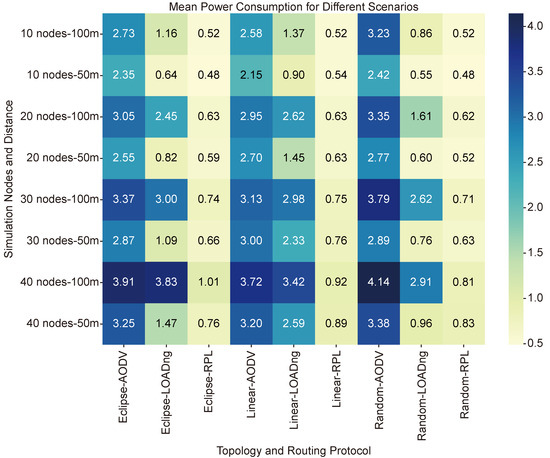
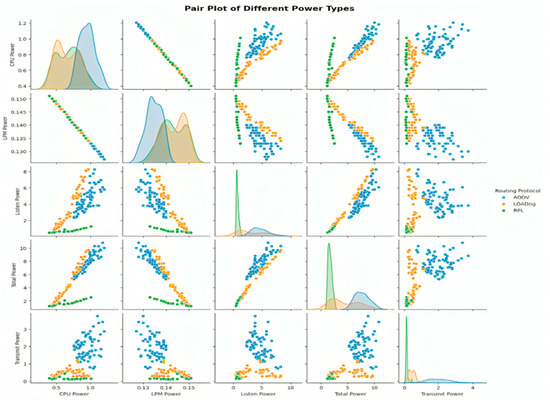
IPv6 over Low-Power Wireless Personal Area Networks (6LoWPAN) are specifically designed for applications that require lower data rates and reduced power consumption in wireless internet connectivity. In the context of 6LoWPAN, Internet of Things (IoT) devices with limited resources can now seamlessly connect to the network using IPv6. This study focuses on examining the performance and power consumption of routing protocols in the context of 6LoWPAN, drawing insights from prior research and utilizing simulation techniques. The simulation involves the application of routing protocols, namely Routing Protocol for Low-power and Lossy (RPL) Networks, Ad hoc On-demand Distance Vector (AODV), Lightweight On-demand Ad hoc Distance-vector Next Generation (LOADng), implemented through the Cooja simulator. The simulation also runs in different network topologies to gain an insight into the performance of the protocols in the specific topology including random, linear, and eclipse topology. The raw data gathered from the tools including Powertrace and Collect-View were then analyzed with Python code to transfer into useful information and visualize the graph. The results demonstrate that the power consumption, specifically CPU power, Listen Power, and Total Consumption Power, will increase with the incremental of motes. The result also shows that RPL is the most power-efficient protocol among the scenarios compared to LOADng and AODV. The result is helpful because it brings insights into the performance, specifically power consumption in the 6LoWPAN network. This result is valuable to further implement these protocols in the testbed as well as provide an idea of the algorithmic enhancements.
Full article

Figure 1
Open AccessArticle
Shower–IoT: An Internet of Things System for Monitoring Electric Showers
by
Helder Holanda Prezotto, Natássya Barlate Floro da Silva, Lucas Dias Hiera Sampaio and Rogério Santos Pozza
IoT 2025, 6(1), 11; https://doi.org/10.3390/iot6010011 - 8 Feb 2025
Abstract
The electric shower is the main form of heating water for bathing in Brazilian homes and one of the significant appliances related to electricity and water consumption. Internet of Things (IoT) projects make it possible to connect objects to the Internet and collect
[...] Read more.
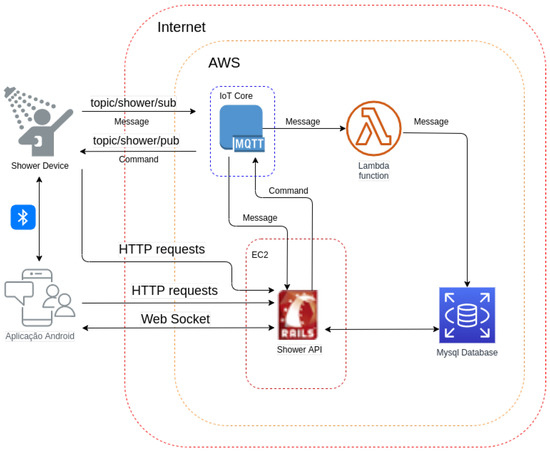
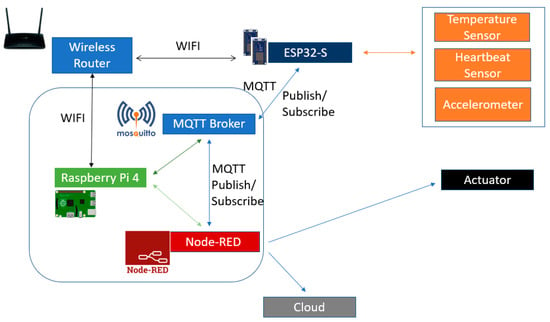
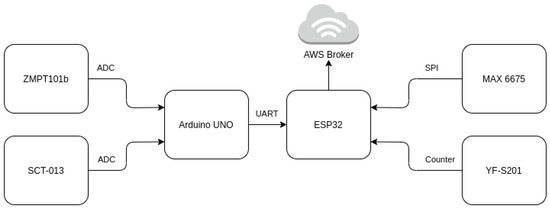
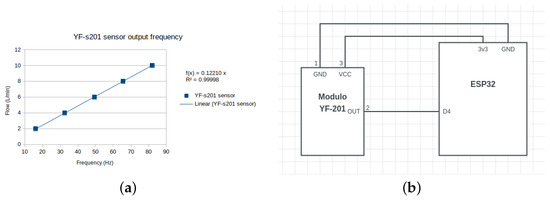
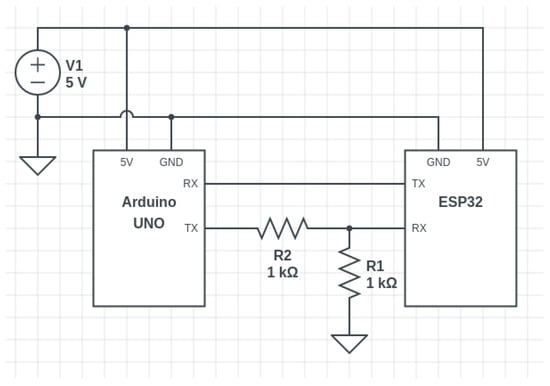
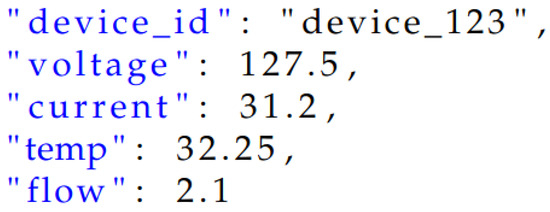
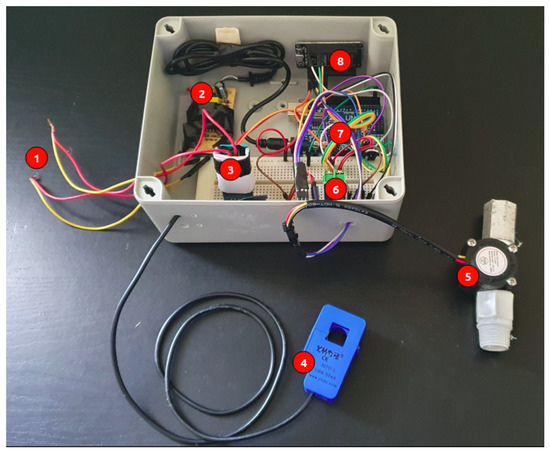
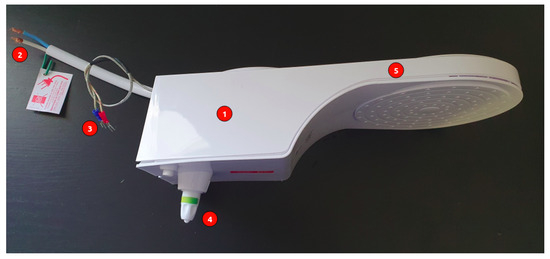
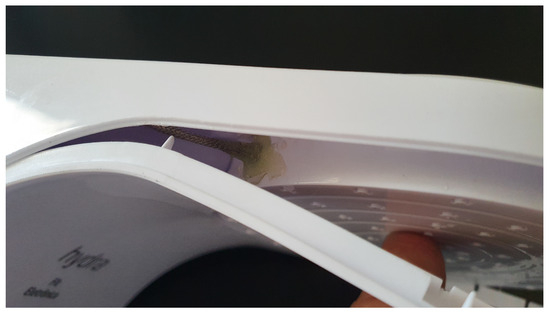
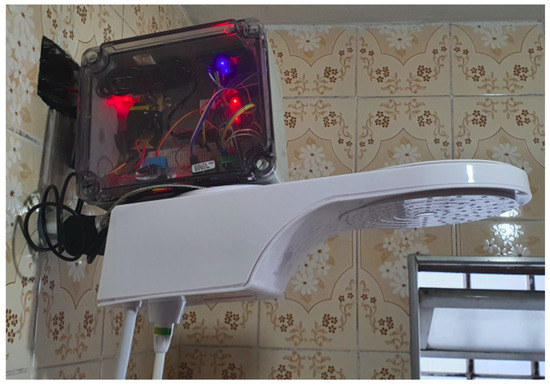
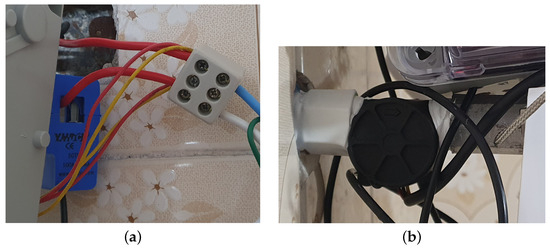
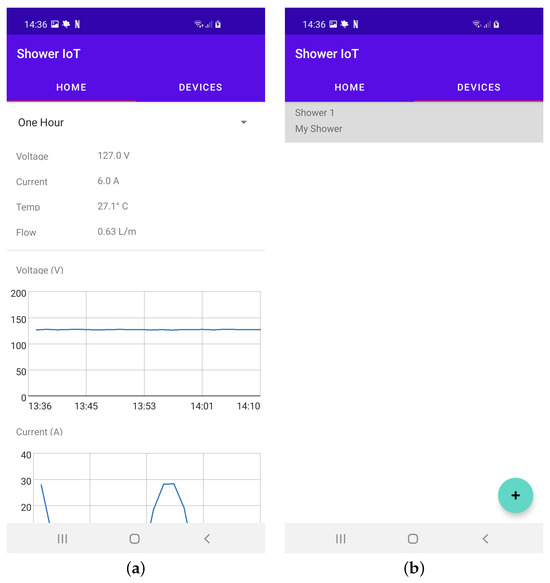
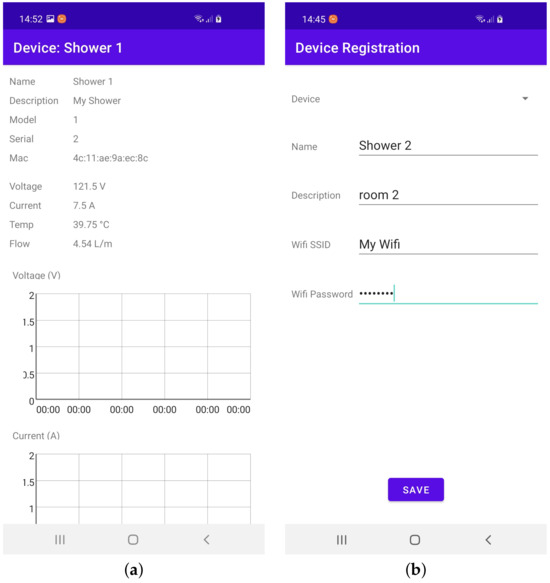
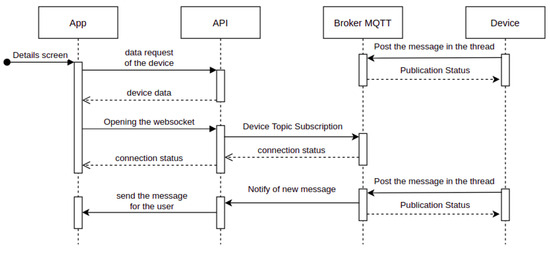
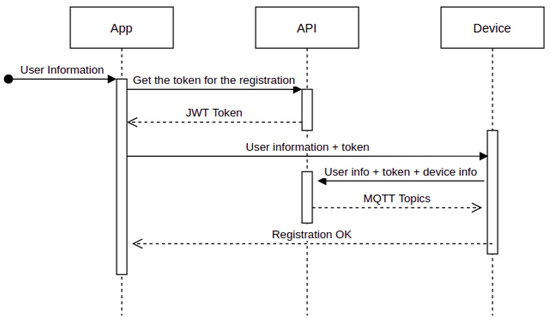
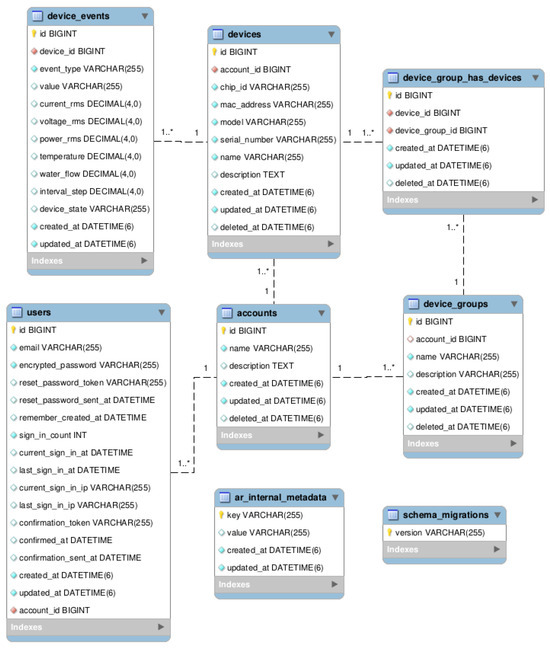
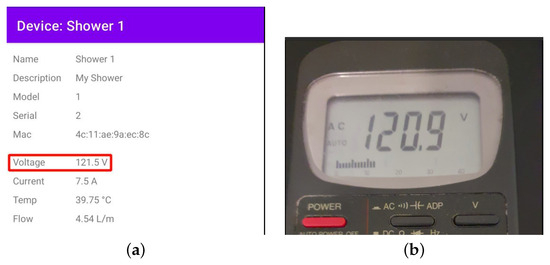
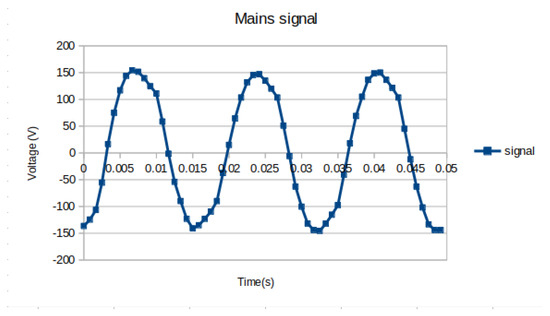
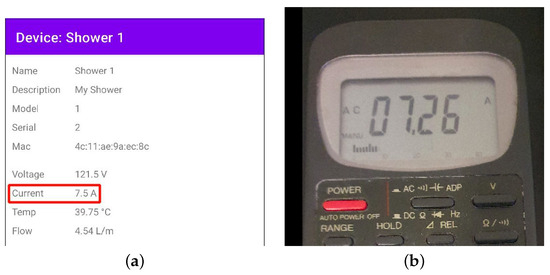
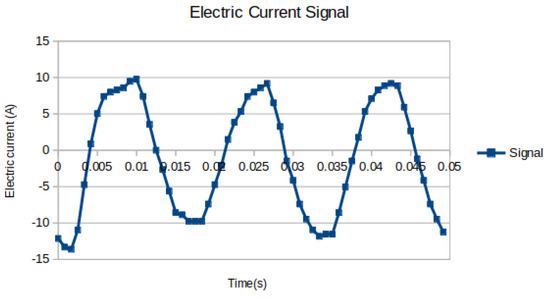
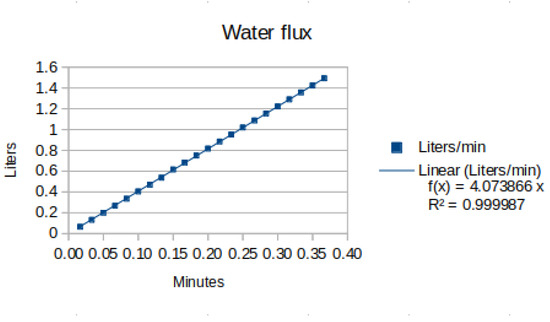
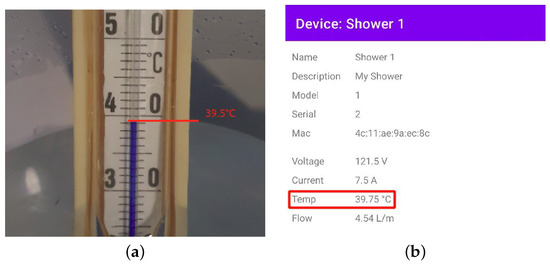
The electric shower is the main form of heating water for bathing in Brazilian homes and one of the significant appliances related to electricity and water consumption. Internet of Things (IoT) projects make it possible to connect objects to the Internet and collect data from machines remotely. In this work, we developed an Internet of Things system for monitoring an electric shower, called Shower–IoT, whose sensor data are water temperature, electric tension, electric current, and water flow. To implement the software infrastructure, we used the services present in cloud computing, such as a broker, processing, and storage, in which the information about the electric shower was made available through an Android application. The results demonstrate that our system can monitor an electric shower integrated with cloud services, allowing the users to visualize its behavior in real time and detect possible failures by comparing sensor data from previous evaluations.
Full article
(This article belongs to the Special Issue Advances in IoT and Machine Learning for Smart Homes)
►▼
Show Figures

Figure 1
Open AccessFeature PaperArticle
Healthcare Monitoring Using an Internet of Things-Based Cardio System
by
Galya Georgieva-Tsaneva, Krasimir Cheshmedzhiev, Yoan-Aleksandar Tsanev, Miroslav Dechev and Ekaterina Popovska
IoT 2025, 6(1), 10; https://doi.org/10.3390/iot6010010 - 6 Feb 2025
Cited by 1
Abstract
►▼
Show Figures
This study describes an IoT-based health monitoring system designed to notify attending physicians when necessary. The developed IoT system incorporates sensors for ECG, PPG, and temperature; a gyroscope/accelerometer; and a microcontroller. A critical analysis of existing components in these areas was conducted to
[...] Read more.
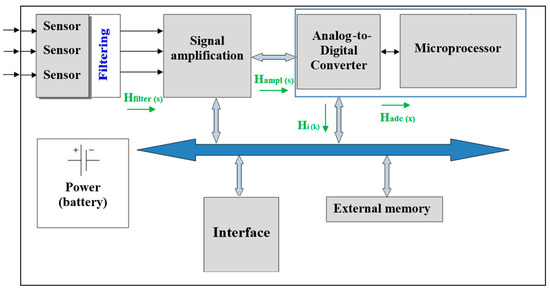
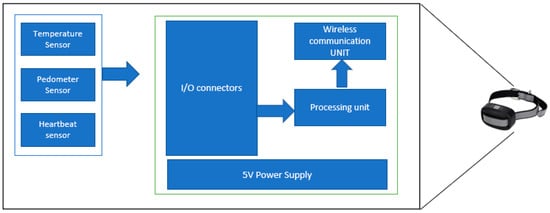
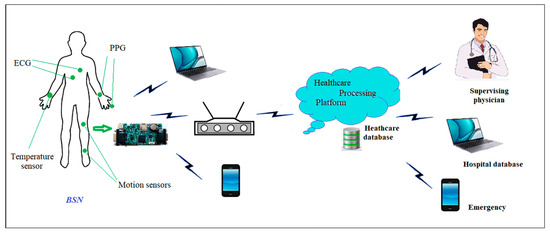
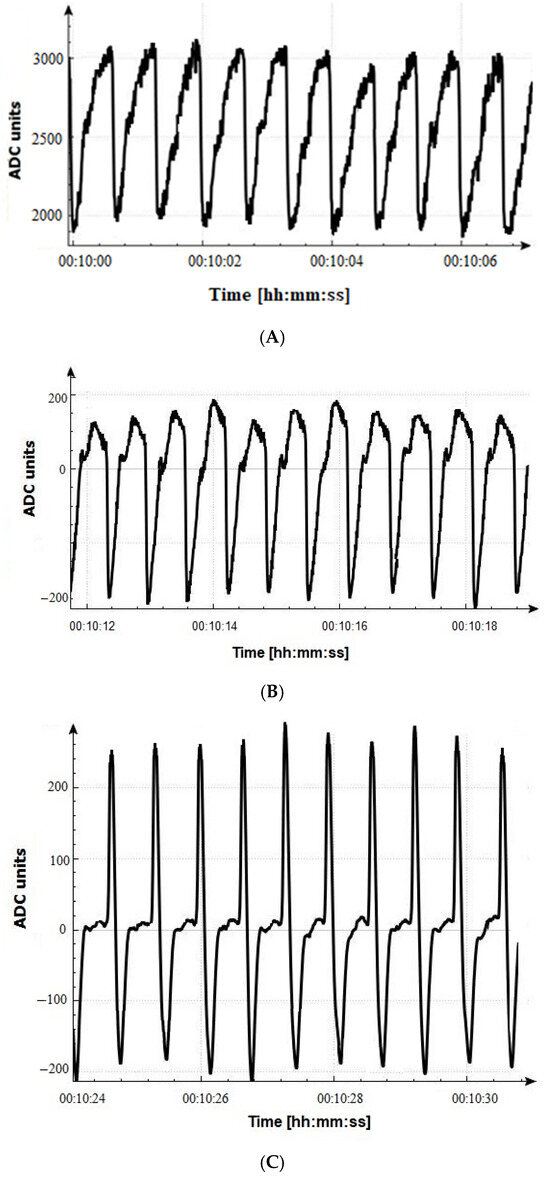
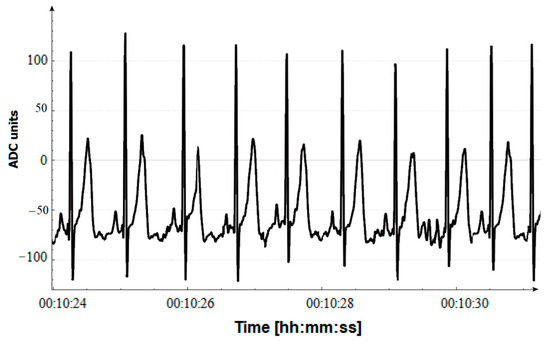
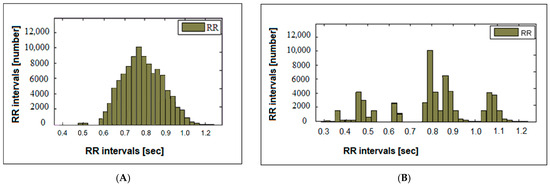
This study describes an IoT-based health monitoring system designed to notify attending physicians when necessary. The developed IoT system incorporates sensors for ECG, PPG, and temperature; a gyroscope/accelerometer; and a microcontroller. A critical analysis of existing components in these areas was conducted to ensure the IoT system’s good performance, reliability, and suitability for continuous cardiac monitoring and data processing. This study addresses the challenge of monitoring cardiac activity in patients with arrhythmias, focusing on the differences in heart rate variability (HRV) parameters between healthy individuals and those with extrasystolic arrhythmia. The purpose of this research is to evaluate the effectiveness of IoT-based systems using PPG and ECG sensors for cardiac data registration and HRV analysis. The system leverages time domain and frequency domain methods for HRV analysis to assess the states of the autonomic nervous system. Significant differences were observed in HRV parameters, such as the SDNN, SDANN, RMSSD, and the LF/HF ratio. The results demonstrated that both the PPG and ECG methods provide comparable HRV measurements, despite PPG’s higher susceptibility to noise. This study concludes that IoT-based monitoring systems with PPG and ECG integration can reliably detect arrhythmias and offer real-time data for cardiac care.
Full article

Figure 1
Open AccessReview
A Comprehensive Survey on the Requirements, Applications, and Future Challenges for Access Control Models in IoT: The State of the Art
by
Mohammad Shamim Ahsan and Al-Sakib Khan Pathan
IoT 2025, 6(1), 9; https://doi.org/10.3390/iot6010009 - 24 Jan 2025
Cited by 1
Abstract
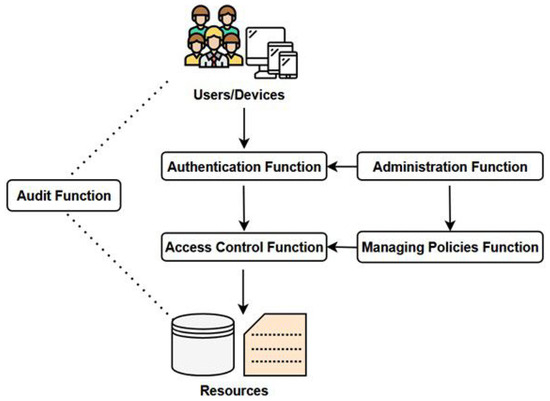
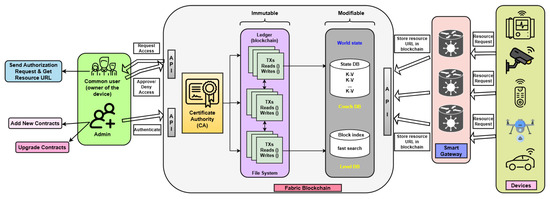
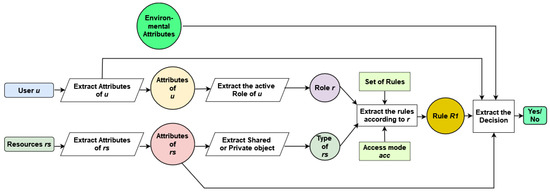
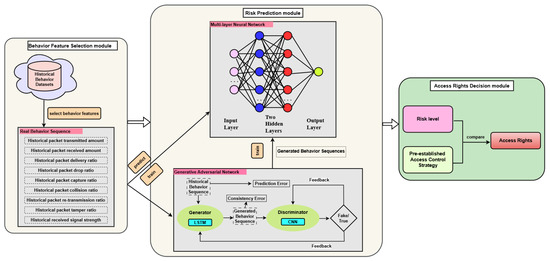
The Internet of Things (IoT) is a technologyof connecting billions of devices with heterogeneous types and capabilities. Even though it is an attractive environment that could change the way we interact with the devices, the real-life and large-scale implementation of it is greatly
[...] Read more.
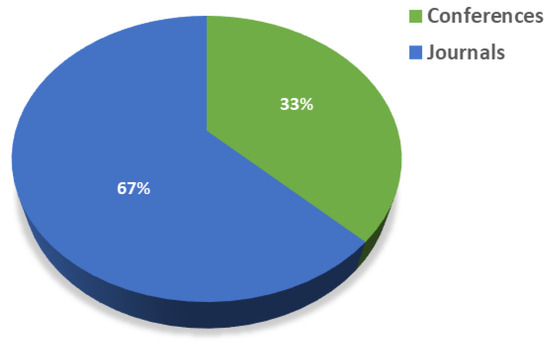
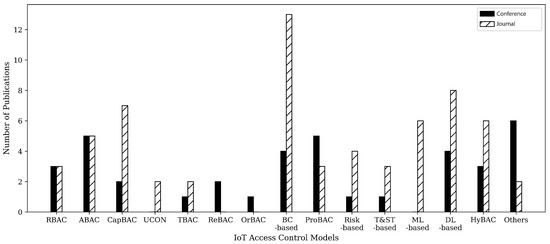
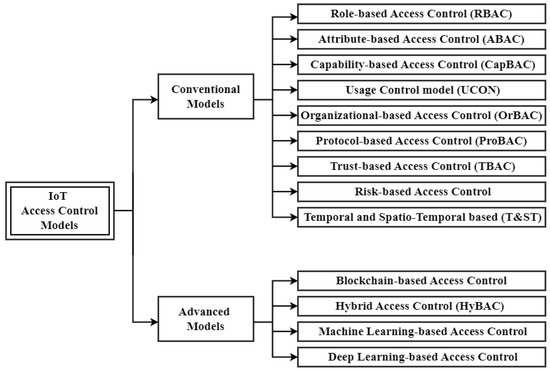
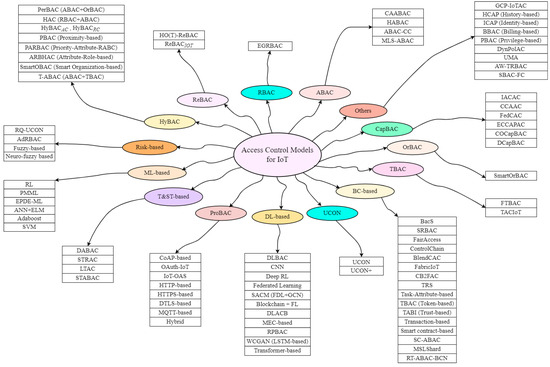
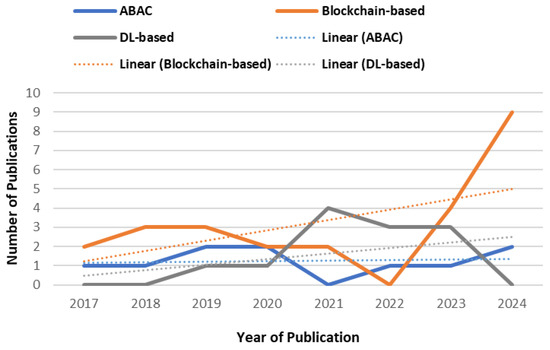
The Internet of Things (IoT) is a technologyof connecting billions of devices with heterogeneous types and capabilities. Even though it is an attractive environment that could change the way we interact with the devices, the real-life and large-scale implementation of it is greatly impeded by the potential security risks that it is susceptible to. While the potential of IoT is significant, the security challenges it faces are equally formidable. IoT security can be addressed from different angles, but one of the key issues is the access control model because among the many challenges, access control is a pivotal concern that determines the overall security of IoT systems. This eventually determines which device is given access to the IoT systems and which is denied access. In this work, we conduct a systematic and thorough survey on the state-of-the-art access control models in IoT. This study includes more than 100 related articles, including 77 best-quartile journal papers. We cover conventional as well as advanced access control models, taking the crucial period of various studies in this particular area. In addition, a number of critical questions are answered and key works are summarized. Furthermore, we identify significant gaps in existing models and propose new considerations and prospects for future developments. Since no existing survey explores both conventional and sophisticated access control models with essential challenges, trends and application domains analysis, and requirements analysis, our study significantly contributes to the literature, especially in the IoT security field.
Full article
(This article belongs to the Special Issue Advances in IoT and Machine Learning for Smart Homes)
►▼
Show Figures

Figure 1
Open AccessArticle
Computer Model of an IoT Decision-Making Network for Detecting the Probability of Crop Diseases
by
Grygorii Diachenko, Ivan Laktionov, Oleksandr Vovna, Oleksii Aleksieiev and Dmytro Moroz
IoT 2025, 6(1), 8; https://doi.org/10.3390/iot6010008 - 21 Jan 2025
Abstract
►▼
Show Figures
This article is devoted to the development and testing of a computer model of an IoT system that combines wireless network technologies for the online monitoring of climatic and soil conditions in agriculture. The system supports decision-making by predicting the probability of crop
[...] Read more.
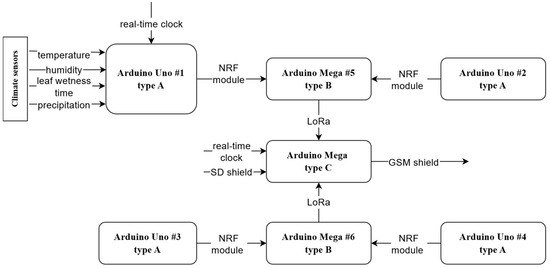
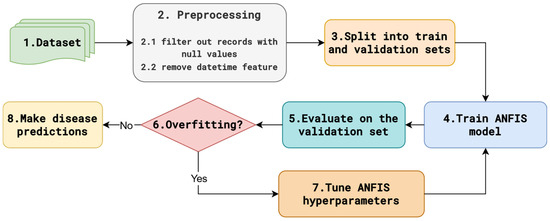
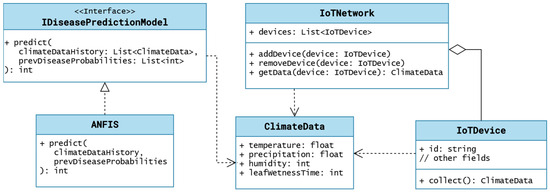
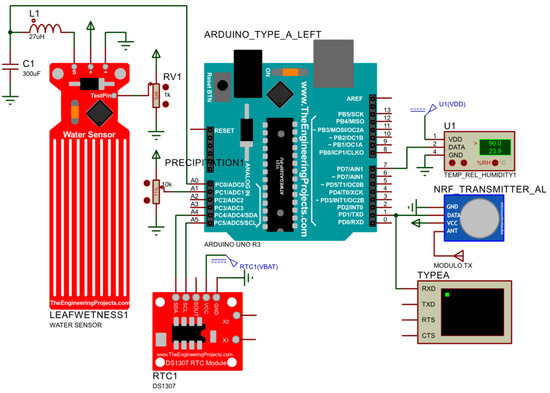
This article is devoted to the development and testing of a computer model of an IoT system that combines wireless network technologies for the online monitoring of climatic and soil conditions in agriculture. The system supports decision-making by predicting the probability of crop diseases. This study focuses on the processes of aggregation, wireless transmission, and processing of soil and climatic measurement data within infocommunication software and hardware solutions. This research makes both scientific and practical contributions. Specifically, it presents a computer model based on wireless sensor networks and edge-computing technologies. This model aggregates and intelligently processes agricultural monitoring data to predict crop diseases. The software component, developed using an adaptive neuro-fuzzy inference system (ANFIS), was integrated into the microcontroller unit of IoT systems for agricultural applications. This approach enabled the substantiation of an optimised algorithmic and structural organisation of the IoT system, enabling its use in designing reliable architectures for agricultural monitoring systems in open fields with decision-making support.
Full article

Figure 1
Open AccessArticle
An LDDoS Attack Detection Method Based on Behavioral Characteristics and Stacking Mechanism
by
Junwei Ye, Zhixuan Wang, Jichen Yang, Chunan Wang and Chunyu Zhang
IoT 2025, 6(1), 7; https://doi.org/10.3390/iot6010007 - 21 Jan 2025
Abstract
►▼
Show Figures
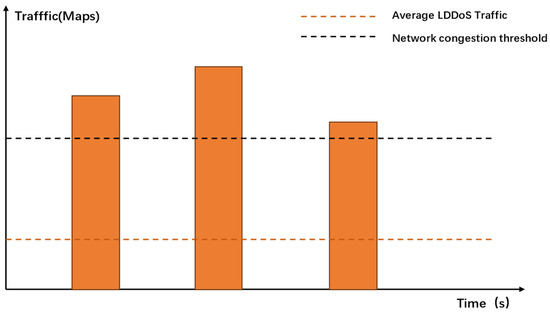
Today, the development of the Internet of Things has grown, and the number of related IoT devices has reached the order of tens of billions. Most IoT devices are vulnerable to attacks, especially DdoS (Distributed Denial of Service attack) attacks. DDoS attacks can
[...] Read more.
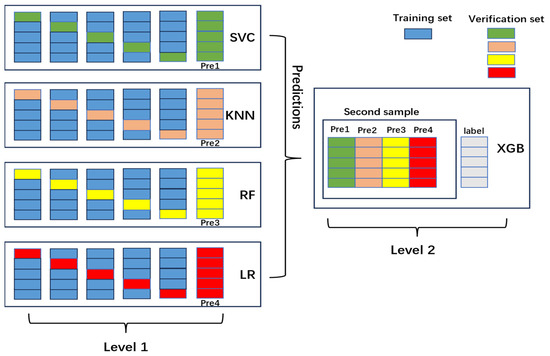
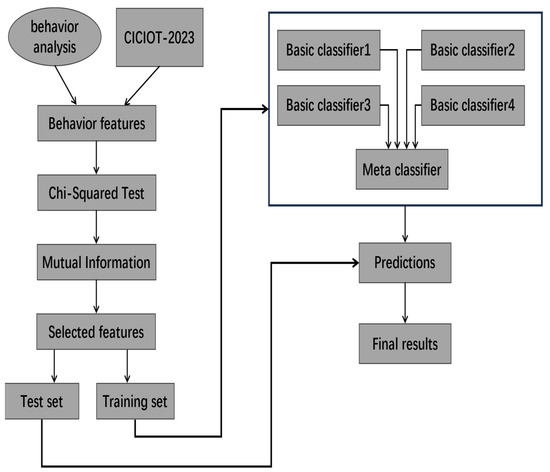
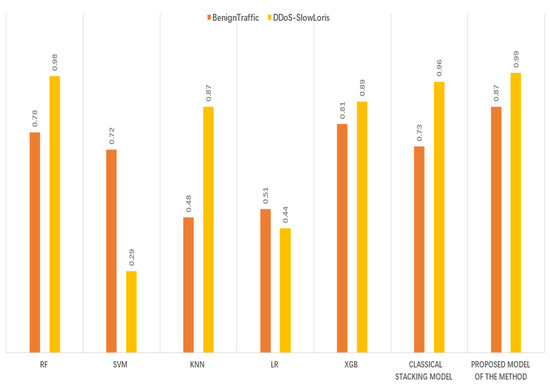
Today, the development of the Internet of Things has grown, and the number of related IoT devices has reached the order of tens of billions. Most IoT devices are vulnerable to attacks, especially DdoS (Distributed Denial of Service attack) attacks. DDoS attacks can easily cause damage to IoT devices, and LDDoS is an attack launched against hardware resources through a small string of very slow traffic. Compared with traditional large-scale DDoS, their attacks require less bandwidth and generate traffic similar to that of normal users, making them difficult to distinguish when identifying them. This article uses the CICIoT2023 dataset combined with behavioral features and stacking mechanisms to extract information from the attack behavior of low-rate attacks as features and uses the stacking mechanism to improve the recognition effect. A method of behavioral characteristics and stacking mechanism is proposed to detect DDoS attacks. This method can accurately detect LDDoS. Experimental results show that the recognition rate of low-rate attacks of this scheme reaches 0.99, and other indicators such as accuracy, recall, and F1 score are all better than other LDDoS detection methods. Thus, the method model proposed in this paper can effectively detect LDDoS attacks. At present, DDoS attacks are relatively mature, and there are many related results, but there is less research on LDDoS detection alone. This paper focuses on the investigation and analysis of LDDoS attacks in DDoS attacks and deduces feasible LDDoS detection methods.
Full article

Figure 1
Open AccessArticle
Efficient State Synchronization in Distributed Electrical Grid Systems Using Conflict-Free Replicated Data Types
by
Arsentii Prymushko, Ivan Puchko, Mykola Yaroshynskyi, Dmytro Sinko, Hryhoriy Kravtsov and Volodymyr Artemchuk
IoT 2025, 6(1), 6; https://doi.org/10.3390/iot6010006 - 11 Jan 2025
Abstract
►▼
Show Figures
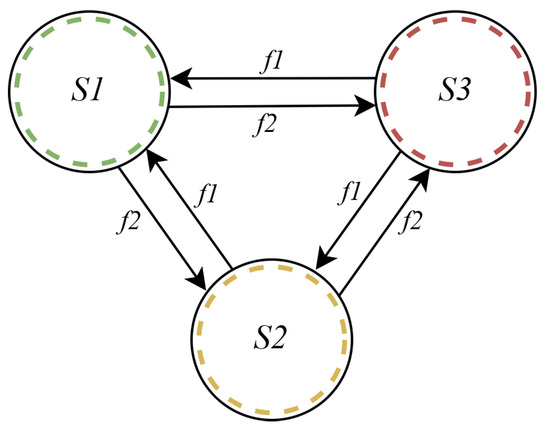
Modern electrical grids are evolving towards distributed architectures, necessitating efficient and reliable state synchronization mechanisms to maintain structural and functional consistency. This paper investigates the application of conflict-free replicated data types (CRDTs) for representing and synchronizing the states of distributed electrical grid systems
[...] Read more.
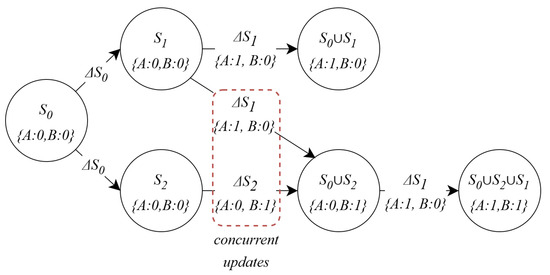
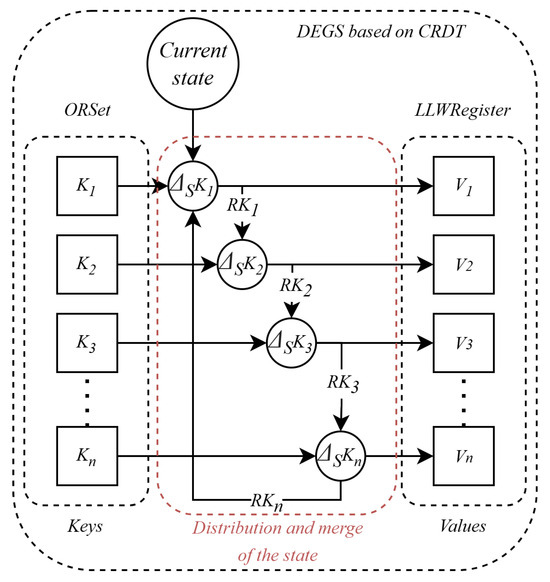
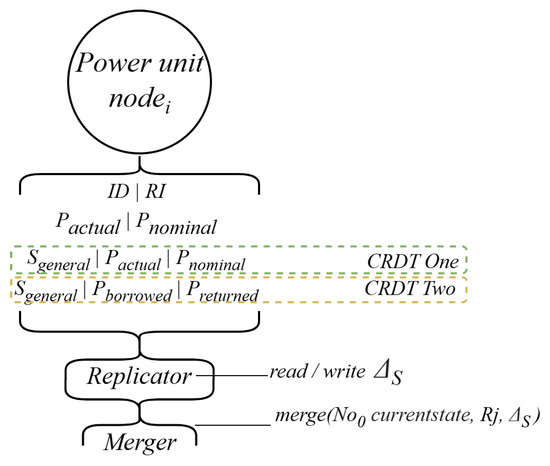
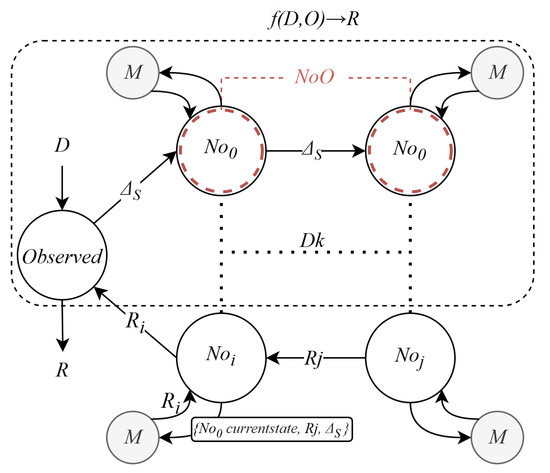
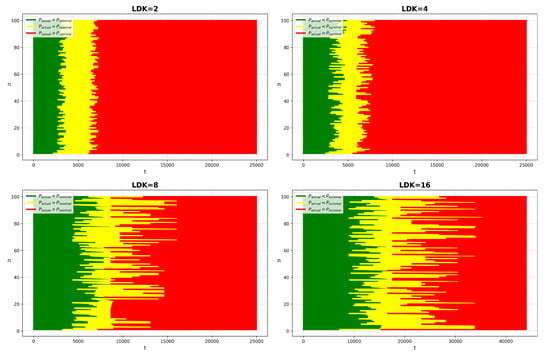
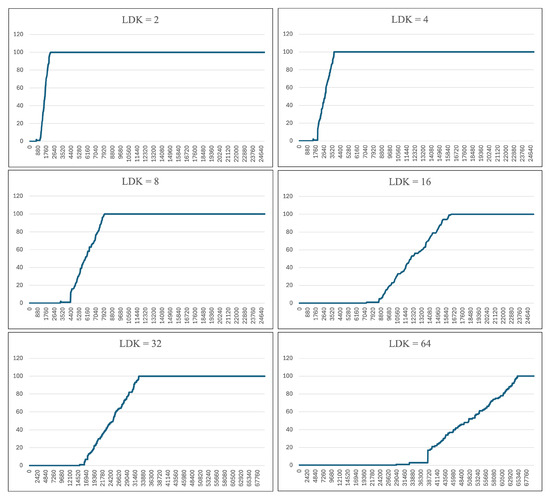
Modern electrical grids are evolving towards distributed architectures, necessitating efficient and reliable state synchronization mechanisms to maintain structural and functional consistency. This paper investigates the application of conflict-free replicated data types (CRDTs) for representing and synchronizing the states of distributed electrical grid systems (DEGSs). We present a general structure for DEGSs based on CRDTs, focusing on the Convergent Replicated Data Type (CvRDT) model with delta state propagation to optimize the communication overhead. The Observed Remove Set (ORSet) and Last-Writer-Wins Register (LWW-Register) are utilized to handle concurrent updates and ensure that only the most recent state changes are retained. An actor-based framework, “Vigilant Hawk”, leveraging the Akka toolkit, was developed to simulate the asynchronous and concurrent nature of DEGSs. Each electrical grid node is modelled as an independent actor with isolated state management, facilitating scalability and fault tolerance. Through a series of experiments involving 100 nodes under varying latency degradation coefficients (LDK), we examined the impact of network conditions on the state synchronization efficiency. The simulation results demonstrate that CRDTs effectively maintain consistency and deterministic behavior in DEGSs, even with increased network latency and node disturbances. An effective LDK range was identified (LDK effective = 2 or 4), where the network remains stable without significant delays in state propagation. The linear relationship between the full state distribution time (FSDT) and LDK indicates that the system can scale horizontally without introducing complex communication overhead. The findings affirm that using CRDTs for state synchronization enhances the resilience and operational efficiency of distributed electrical grids. The deterministic and conflict-free properties of CRDTs eliminate the need for complex concurrency control mechanisms, making them suitable for real-time monitoring and control applications. Future work will focus on addressing identified limitations, such as optimizing message routing based on the network topology and incorporating security measures to protect state information in critical infrastructure systems.
Full article

Figure 1
Open AccessArticle
A Deep Learning-Based Gunshot Detection IoT System with Enhanced Security Features and Testing Using Blank Guns
by
Tareq Khan
IoT 2025, 6(1), 5; https://doi.org/10.3390/iot6010005 - 3 Jan 2025
Abstract
Although the U.S. makes up only 5% of the global population, it accounts for approximately 31% of public mass shootings. Gun violence and mass shootings not only result in loss of life and injury but also inflict lasting psychological trauma, cause property damage,
[...] Read more.
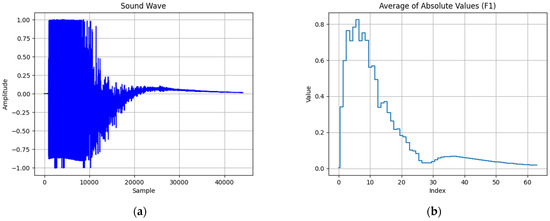
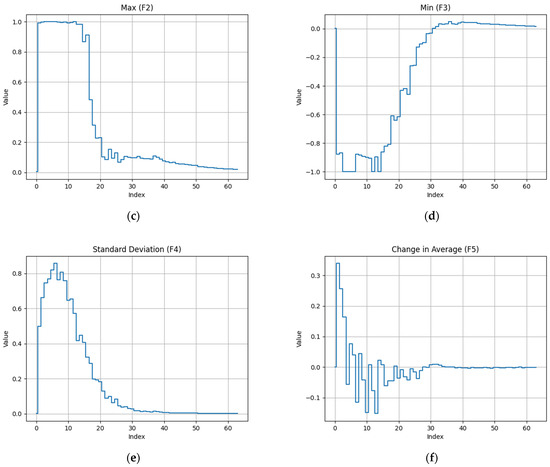
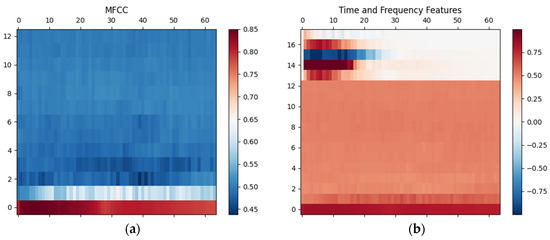
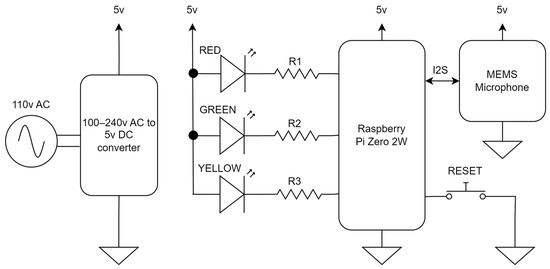
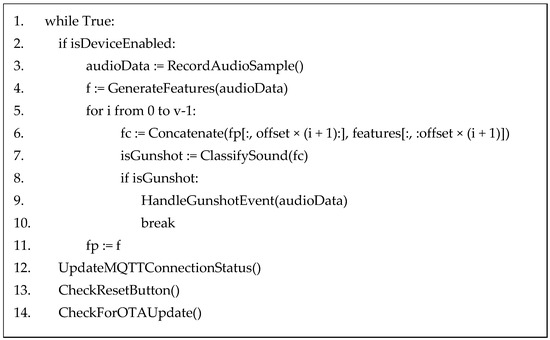
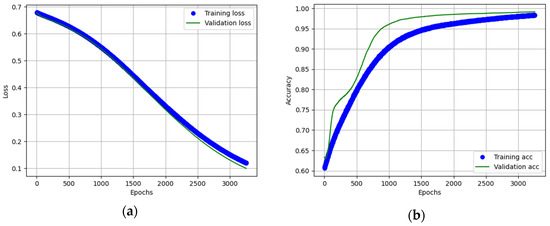
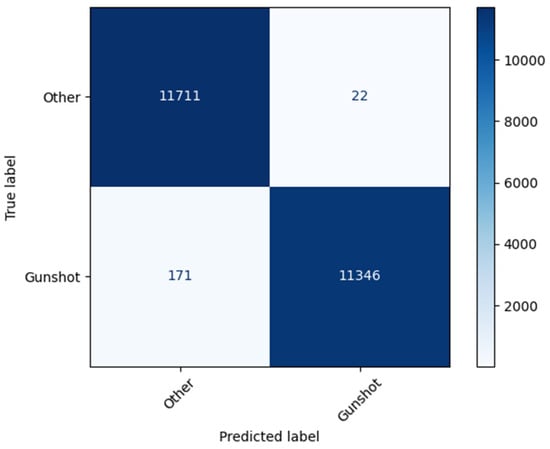
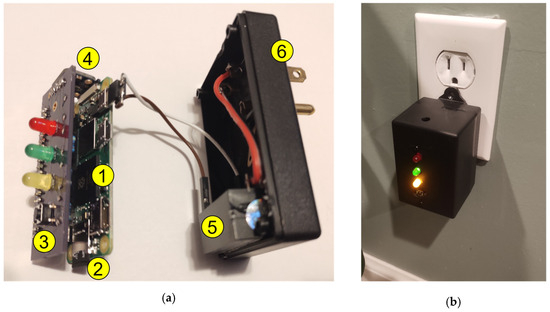
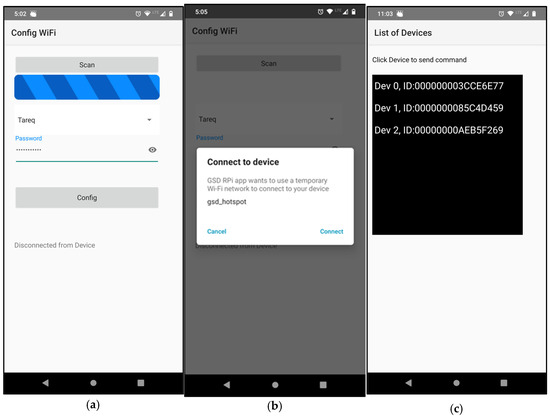
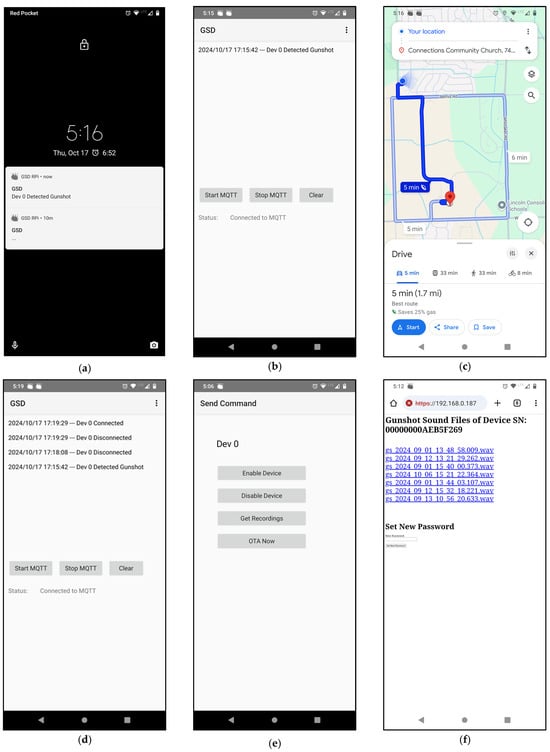
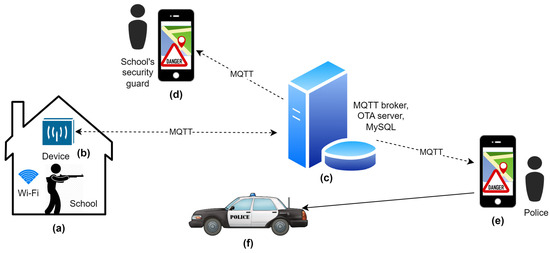
Although the U.S. makes up only 5% of the global population, it accounts for approximately 31% of public mass shootings. Gun violence and mass shootings not only result in loss of life and injury but also inflict lasting psychological trauma, cause property damage, and lead to significant economic losses. We recently developed and published an embedded system prototype for detecting gunshots in an indoor environment. The proposed device can be attached to the walls or ceilings of schools, offices, clubs, places of worship, etc., similar to smoke detectors or night lights, and they can notify the first responders as soon as a gunshot is fired. The proposed system will help to stop the shooter early and the injured people can be taken to the hospital quickly, thus more lives can be saved. In this project, a new custom dataset of blank gunshot sounds is recorded, and a deep learning model using both time and frequency domain features is trained to classify gunshot and non-gunshot sounds with 99% accuracy. The previously developed system suffered from several security and privacy vulnerabilities. In this research, those vulnerabilities are addressed by implementing secure Message Queuing Telemetry Transport (MQTT) communication protocols for IoT systems, better authentication methods, Wi-Fi provisioning without Bluetooth, and over-the-air (OTA) firmware update features. The prototype is implemented in a Raspberry Pi Zero 2W embedded system platform and successfully tested with blank gunshots and possible false alarms.
Full article
(This article belongs to the Special Issue Advances in IoT and Machine Learning for Smart Homes)
►▼
Show Figures

Figure 1

Open AccessArticle
CoAP/DTLS Protocols in IoT Based on Blockchain Light Certificate
by
David Khoury, Samir Haddad, Patrick Sondi, Patrick Balian, Hassan Harb, Kassem Danach, Joseph Merhej and Jinane Sayah
IoT 2025, 6(1), 4; https://doi.org/10.3390/iot6010004 - 2 Jan 2025
Abstract
►▼
Show Figures
The Internet of Things (IoT) is expanding rapidly, but the security of IoT devices remains a noteworthy concern due to resource limitations and existing security conventions. This research investigates and proposes the use of a Light certificate with the Constrained Application Protocol (CoAP)
[...] Read more.
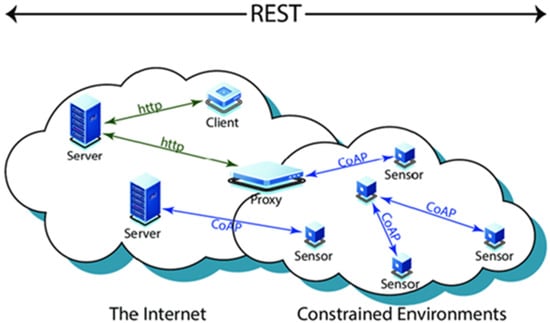
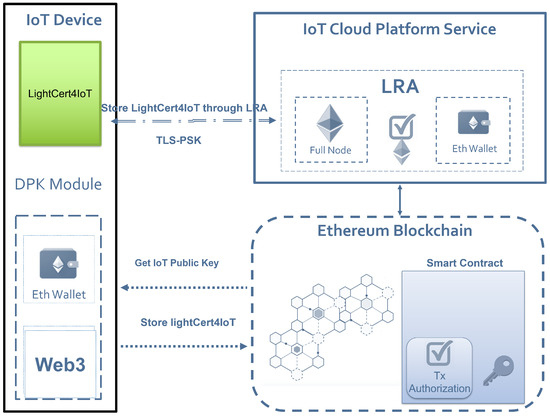
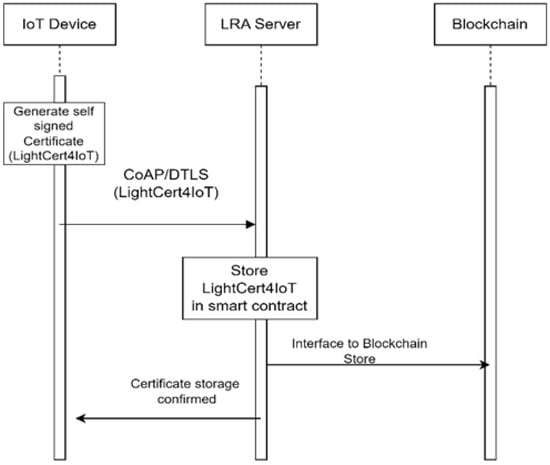
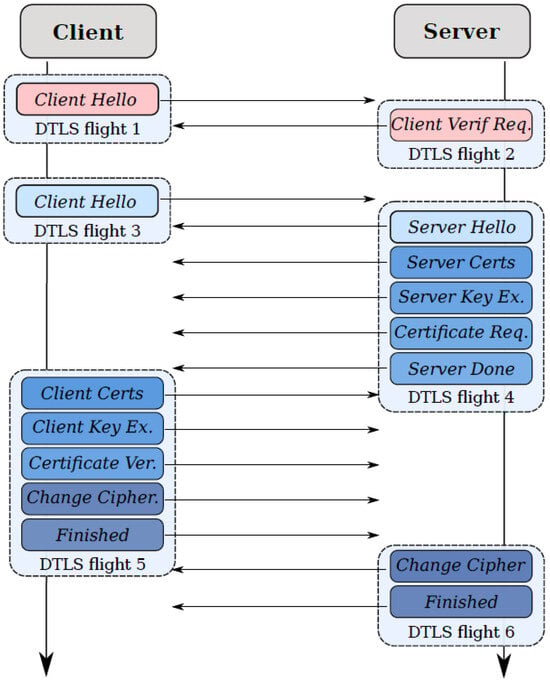
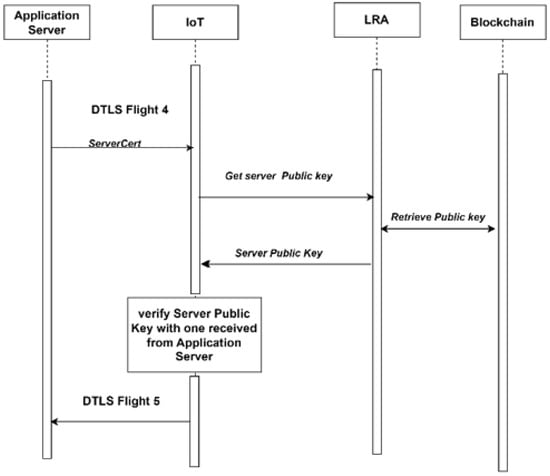
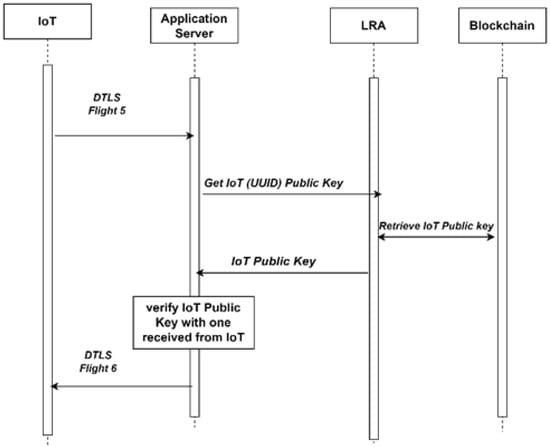
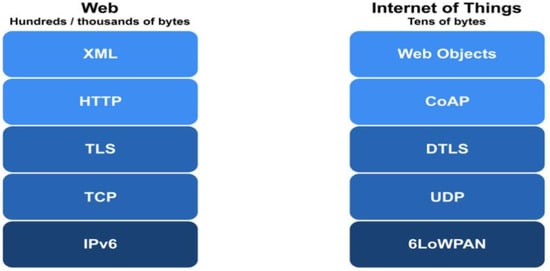
The Internet of Things (IoT) is expanding rapidly, but the security of IoT devices remains a noteworthy concern due to resource limitations and existing security conventions. This research investigates and proposes the use of a Light certificate with the Constrained Application Protocol (CoAP) instead of the X509 certificate based on traditional PKI/CA. We start by analyzing the impediments of current CoAP security over DTLS with the certificate mode based on CA root in the constrained IoT device and suggest the implementation of LightCert4IoT for CoAP over DTLS. The paper also describes a new modified handshake protocol in DTLS applied for IoT devices and Application server certificate authentication verification by relying on a blockchain without the complication of the signed certificate and certificate chain. This approach streamlines the DTLS handshake process and reduces cryptographic overhead, making it particularly suitable for resource-constrained environments. Our proposed solution leverages blockchain to reinforce IoT gadget security through immutable device characters, secure device registration, and data integrity. The LightCert4IoT is smaller in size and requires less power consumption. Continuous research and advancement are pivotal to balancing security and effectiveness. This paper examines security challenges and demonstrates the effectiveness of giving potential solutions, guaranteeing the security of IoT networks by applying LightCert4IoT and using the CoAP over DTLS with a new security mode based on blockchain.
Full article

Figure 1
Open AccessArticle
LoRa Technology Enhanced with a Custom-Designed High-Gain Yagi-Uda Antenna for Data Transmission from Misti Volcano Monitoring to Arequipa City
by
Flor de Milagro Yesit Arana Medina and Jorge Rendulich
IoT 2025, 6(1), 3; https://doi.org/10.3390/iot6010003 - 29 Dec 2024
Cited by 1
Abstract
►▼
Show Figures
This study details the design and implementation of a high-gain Yagi-Uda antenna network for the transmission of real-time monitoring data from the Misti Volcano to the city of Arequipa. As Misti is classified as a high-risk volcano due to its active volcanic nature
[...] Read more.
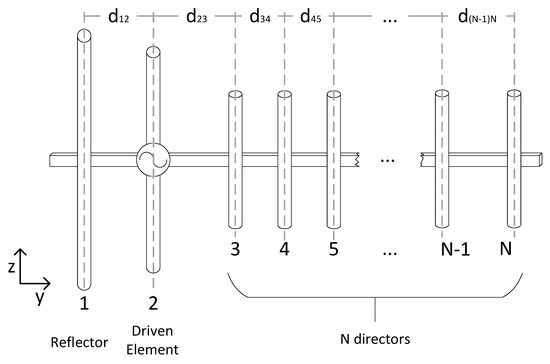
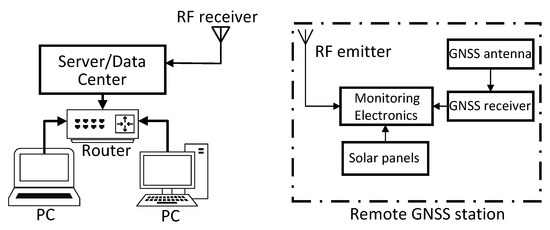
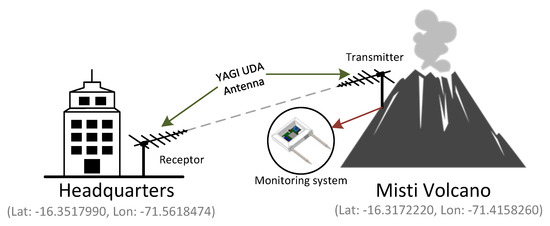
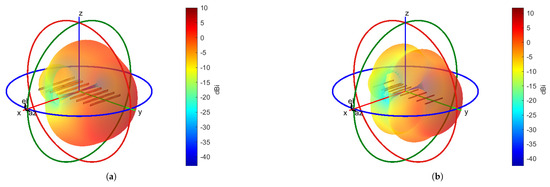
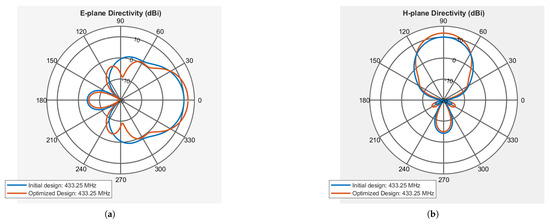
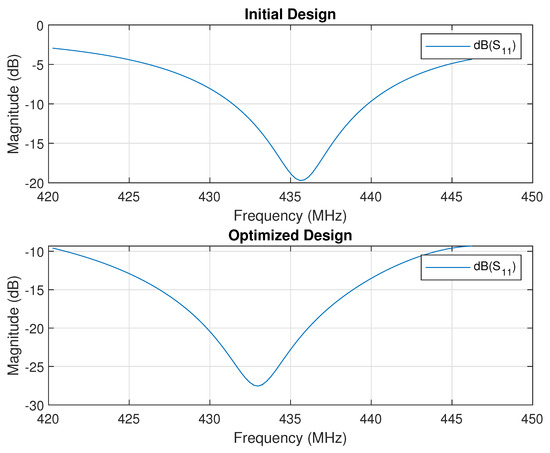
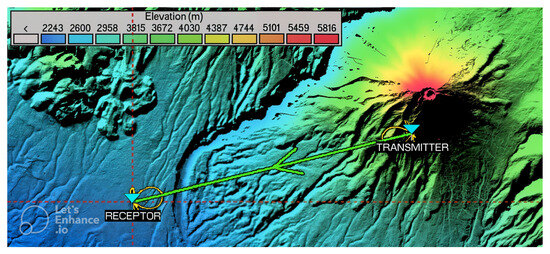
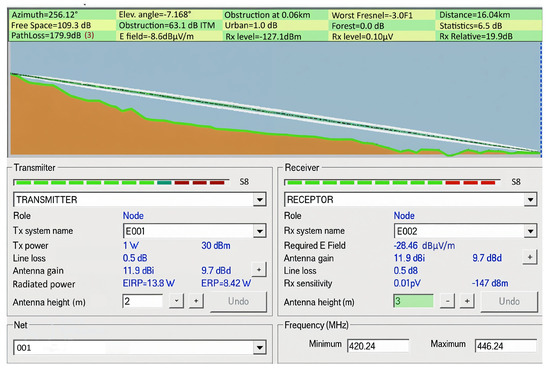
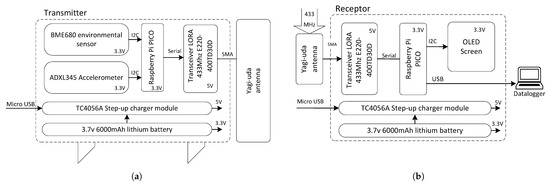
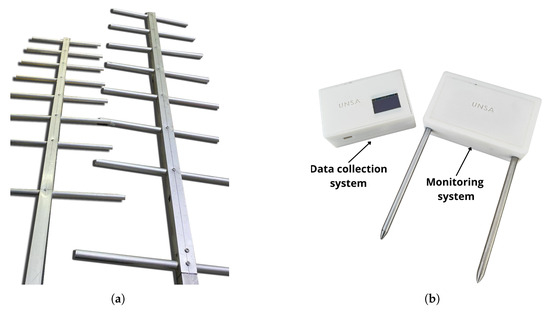
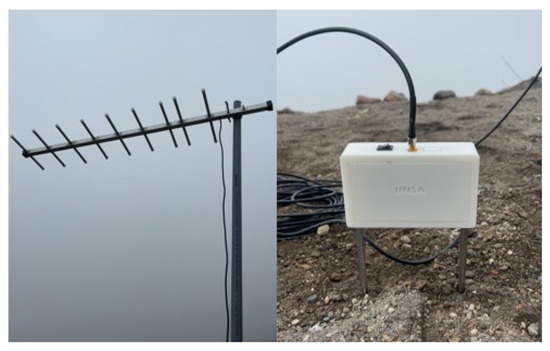
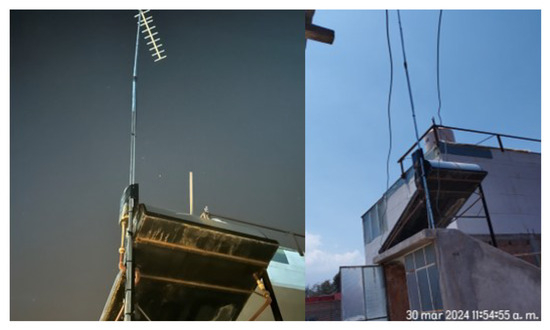
This study details the design and implementation of a high-gain Yagi-Uda antenna network for the transmission of real-time monitoring data from the Misti Volcano to the city of Arequipa. As Misti is classified as a high-risk volcano due to its active volcanic nature and the close proximity of nearly one million inhabitants, the current monitoring infrastructure is insufficient to meet the demands of effective surveillance. In response, this project integrates Internet of Things (IoT) technology, the LoRa (Long Range) network, and an optimized seven-element Yagi-Uda antenna, developed using advanced optimization algorithms to enhance transmission efficiency. The primary objective is to facilitate the reliable collection and transmission of critical sensor data for subsequent analysis by volcanological experts, thereby supporting improved prediction and mitigation of potential volcanic hazards. Field tests have demonstrated that the Yagi-Uda antenna, when coupled with LoRa technology, achieved uninterrupted data transmission over a distance of 16 km. The integration of IoT, LoRa, and the optimized antenna design offers a scalable and resilient solution for the continuous monitoring and risk assessment of Misti, enabling the incorporation of advanced high-precision sensors for enhanced surveillance capabilities.
Full article

Figure 1
Highly Accessed Articles
Latest Books
E-Mail Alert
News
Topics
Topic in
Energies, Sensors, Electronics, Smart Cities, IoT
IoT for Energy Management Systems and Smart Cities, 2nd Edition
Topic Editors: Antonio Cano-Ortega, Francisco Sánchez-SutilDeadline: 30 April 2025
Topic in
AI, Drones, Electronics, IoT, MAKE, Sensors
Machine Learning in Internet of Things II
Topic Editors: Dawid Połap, Robertas DamaševičiusDeadline: 30 June 2025
Topic in
Applied Sciences, Electronics, IoT, Materials, Robotics, Sensors, Machines
Smart Production in Terms of Industry 4.0 and 5.0
Topic Editors: Iwona Paprocka, Cezary Grabowik, Jozef HusarDeadline: 31 August 2025
Topic in
Applied Sciences, Electronics, IoT, JSAN, Network, Sensors, Telecom, Technologies
Wireless Energy Harvesting and Power Transfer for Communications and Networks
Topic Editors: Yichuang Sun, Arooj Mubashara Siddiqui, Xiaojing Chen, Oluyomi SimpsonDeadline: 31 October 2025
Conferences
Special Issues
Special Issue in
IoT
Blockchain-Based Trusted IoT
Guest Editors: Shahriar Kaisar, Abebe Diro, Abdullahi ChowdhuryDeadline: 30 April 2025
Special Issue in
IoT
IoT-Driven Smart Cities
Guest Editors: Hakilo Sabit, Peter Han Joo ChongDeadline: 31 May 2025
Special Issue in
IoT
Internet of Vehicles (IoV)
Guest Editors: Gabor Soos, András Rövid, Tomislav MihaljDeadline: 30 June 2025
Special Issue in
IoT
Advances in IoT and Machine Learning for Smart Homes
Guest Editor: Tareq Hasan KhanDeadline: 31 August 2025