



Journal Description
Journal of Functional Biomaterials
is an international, interdisciplinary, peer-reviewed, open access journal on materials for biomedical use and is published monthly online by MDPI.
- Open Access— free for readers, with article processing charges (APC) paid by authors or their institutions.
- High Visibility: indexed within Scopus, SCIE (Web of Science), PubMed, PMC, Embase, Inspec, CAPlus / SciFinder, AGRIS, and other databases.
- Journal Rank: JCR - Q1 (Engineering, Biomedical) / CiteScore - Q2 (Biomedical Engineering)
- Rapid Publication: manuscripts are peer-reviewed and a first decision is provided to authors approximately 16.6 days after submission; acceptance to publication is undertaken in 2.8 days (median values for papers published in this journal in the second half of 2024).
- Recognition of Reviewers: reviewers who provide timely, thorough peer-review reports receive vouchers entitling them to a discount on the APC of their next publication in any MDPI journal, in appreciation of the work done.
Impact Factor:
5.0 (2023);
5-Year Impact Factor:
5.5 (2023)
Latest Articles
Non-Thermal Atmospheric Plasma Enhances Biological Effects of Fluoride on Oral Biofilms
J. Funct. Biomater. 2025, 16(4), 132; https://doi.org/10.3390/jfb16040132 (registering DOI) - 5 Apr 2025
Abstract
The objective of this study was an assessment of the anti-biofilm properties of fluoride non-thermal atmospheric plasma (FNTAP) generated using argon and hydrocarbon fluoride gas 1,1,1,2-tetrafluoroethane (TFE). These properties were evaluated by measuring the destruction and recovery of in vitro dual-species biofilms of
[...] Read more.
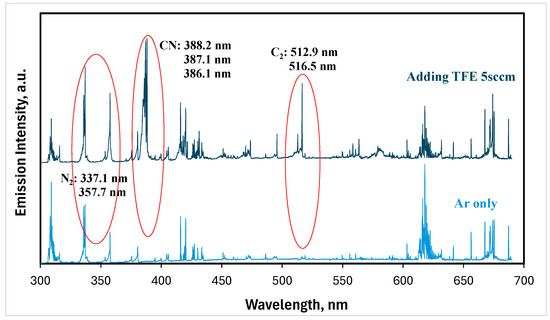
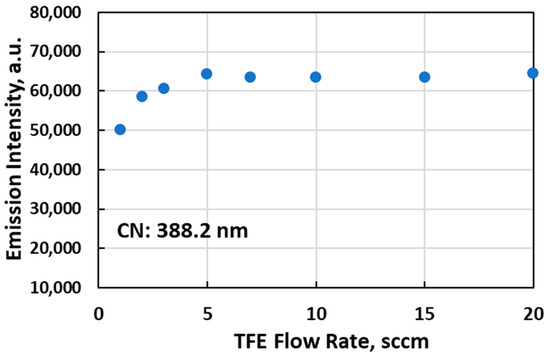
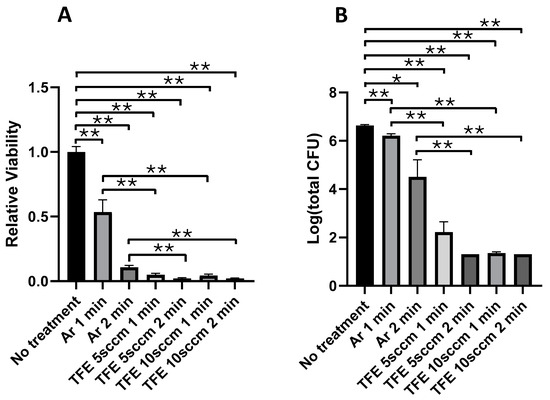
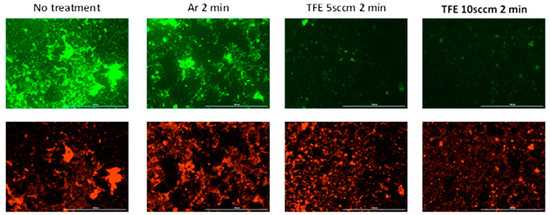
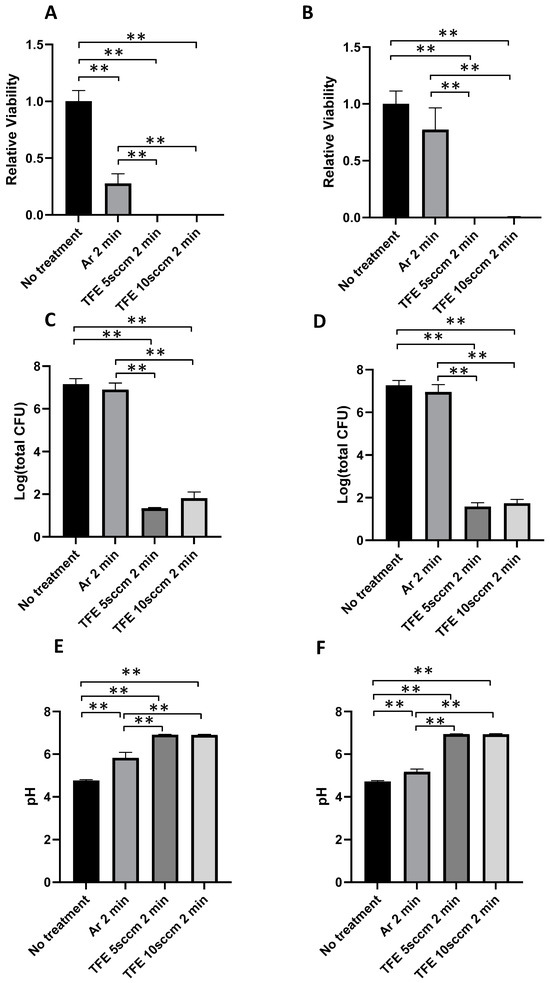
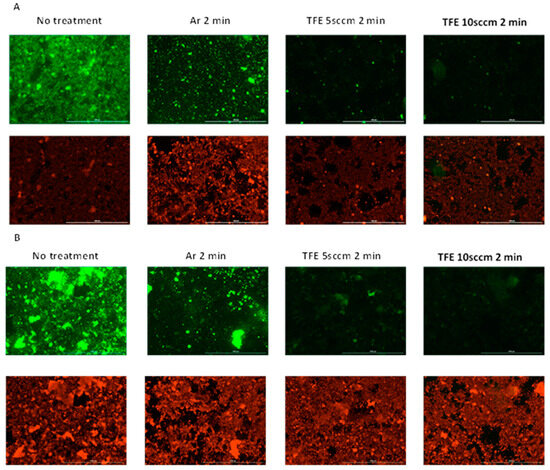
The objective of this study was an assessment of the anti-biofilm properties of fluoride non-thermal atmospheric plasma (FNTAP) generated using argon and hydrocarbon fluoride gas 1,1,1,2-tetrafluoroethane (TFE). These properties were evaluated by measuring the destruction and recovery of in vitro dual-species biofilms of Streptococcus mutans and Streptococcus sanguinis exposed to FNTAP at 5 or 10 standard cubic centimeters per minute (sccm) or argon non-thermal atmospheric plasma (ArNTAP) for 1 or 2 min, using resazurin-based reagent viability assays, colony forming units (CFU), culture media pH and live/dead staining. Both ArNTAP and FNTAP resulted in significant immediate reductions in bacterial load as compared to the control. Although ArNTAP did not significantly reduce biofilm regrowth, FNTAP treatment showed a bacterial load reduction of more than 5 log units of biofilm regrowth. FNTAP treatments significantly reduced the acidification of the culture medium after recovery incubation, indicating reduced living bacteria, with a pH of 6.92 ± 0.02 and 6.90 ± 0.03, respectively, for the 5 sccm and 10 sccm FNTAP treatments, as compared to a pH of 5.83 ± 0.26 for the ArNTAP treatment, and a significantly acidic pH of 4.76 ± 0.04 for the no-treatment groups. Our results suggest that FNTAP has exceptional anti-biofilm effects, and future directions of our research include the assessment of potential applications of FNTAP in clinical settings.
Full article
(This article belongs to the Special Issue Surface Analyses, Physicochemical and Mechanical Properties of Dental Biomaterials (2nd Edition))
►
Show Figures
Open AccessArticle
Physico-Chemical Properties and Push-Out Bond Strength to Root Dentine of Calcium Silicate-Based Sealers
by
Ivana Milanovic, Vesna Miletic, Bojan Dzeletovic, Djordje Antonijevic, Tatjana Savic Stankovic, Danilo Pavlovic, Ana Despotovic and Violeta Petrovic
J. Funct. Biomater. 2025, 16(4), 131; https://doi.org/10.3390/jfb16040131 - 3 Apr 2025
Abstract
The calcium silicate-based sealers currently available on the market have different compositions and formulations, which is why their physical and chemical properties may vary. (1) The aim of the study was to measure the physico-chemical properties of calcium silicate-based sealers and their push-out
[...] Read more.
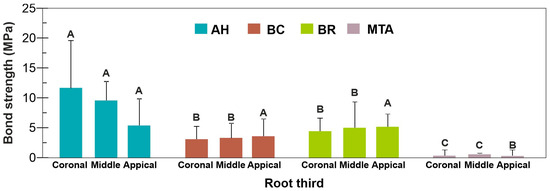
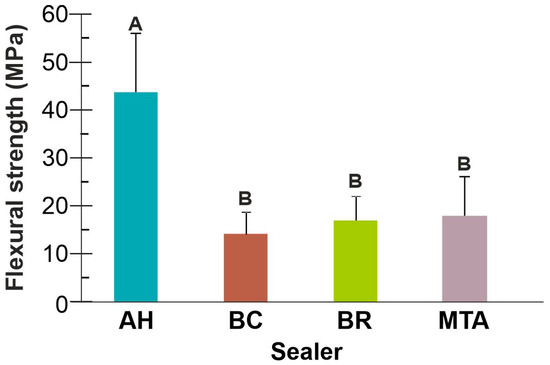
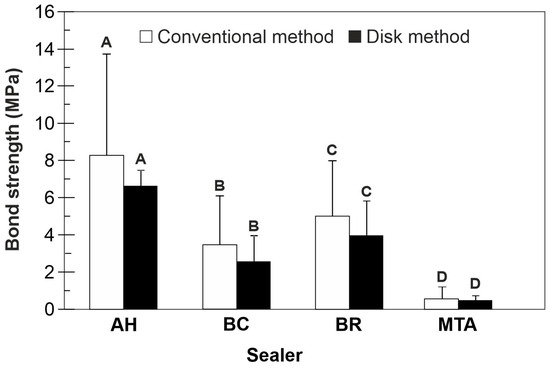
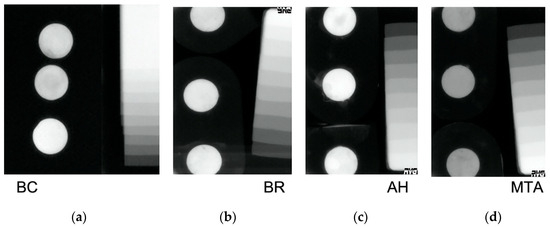
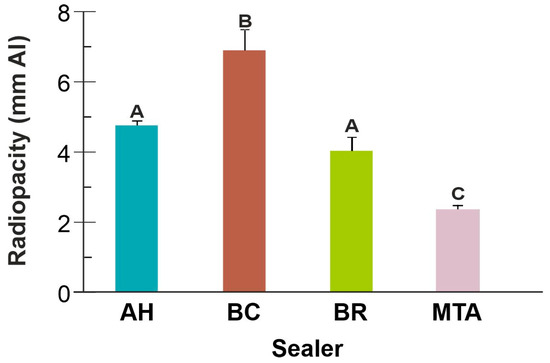
The calcium silicate-based sealers currently available on the market have different compositions and formulations, which is why their physical and chemical properties may vary. (1) The aim of the study was to measure the physico-chemical properties of calcium silicate-based sealers and their push-out bond strength to root dentine, comparing two push-out testing protocols. (2) Standardized specimens of EndoSequence BC, BioRoot RCS, MTA Fillapex, and AH Plus (control) were subjected to pH measurements over 28 days. Radiopacity was measured using a CCD sensor, and flexural strength was assessed using a three-point bending setup. Push-out bond strength was measured in coronal, middle, and apical sections of 40 single-root teeth (conventional method), and cylindrical cavities were prepared for all sealers on the same root dentine disks in 11 third molars (disk method). (3) EndoSequence BC exhibited a higher pH than MTA Fillapex and the highest radiopacity (p < 0.05). The highest flexural and push-out bond strengths were found for AH Plus. The push-out bond strength of EndoSequence BC and BioRoot RCS was higher than MTA Fillapex (p < 0.05). The conventional and disk methods exhibited similar push-out bond strength results, but the data were more homogeneously distributed in the disk method. (4) All calcium silicate-based sealers exhibited a higher pH than AH Plus. MTA Fillapex did not meet the ISO standard. Calcium silicate-based sealers showed weaker performance in terms of physical properties compared to AH Plus.
Full article
(This article belongs to the Special Issue Advances in Biomaterials for Reconstructive Dentistry)
►▼
Show Figures

Figure 1
Open AccessReview
Commercial Biomaterial-Based Products for Tendon Surgical Augmentation: A Scoping Review on Currently Available Medical Devices
by
Marta Pluchino, Leonardo Vivarelli, Gianluca Giavaresi, Dante Dallari and Marco Govoni
J. Funct. Biomater. 2025, 16(4), 130; https://doi.org/10.3390/jfb16040130 - 3 Apr 2025
Abstract
Tendon defect is one of the common clinical diseases related to the growing population mean age and the number of athletes. Due to an increasing demand for tendon repair surgical interventions, several tendon augmentation products, capable of guaranteeing the necessary biological and visco-elasticity
[...] Read more.
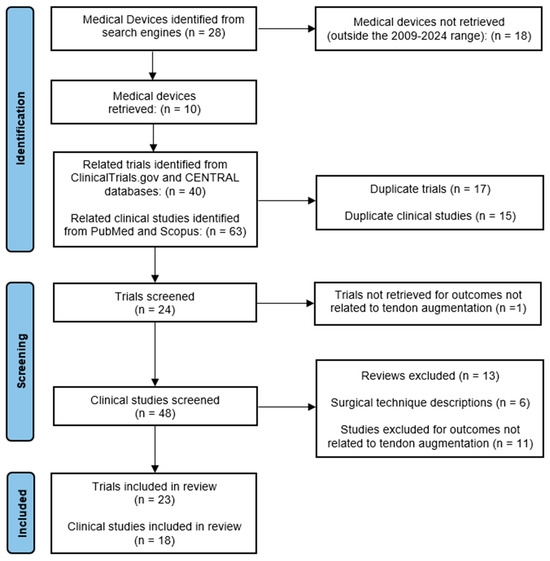
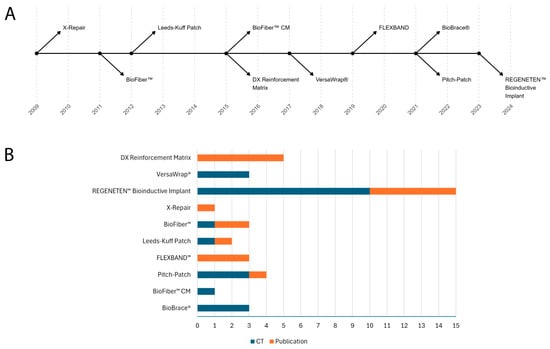
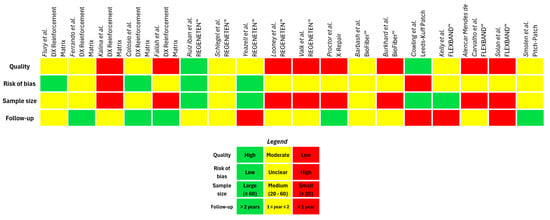
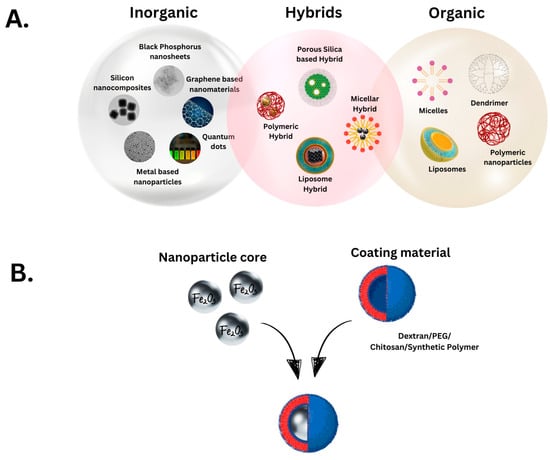
Tendon defect is one of the common clinical diseases related to the growing population mean age and the number of athletes. Due to an increasing demand for tendon repair surgical interventions, several tendon augmentation products, capable of guaranteeing the necessary biological and visco-elasticity properties and mechanical support, have been developed. In this regard, commercially available products may be grouped into three main categories: (i) natural, (ii) synthetic, and (iii) hybrid biomaterial-based products. Firstly, to better define the research area of this work, common search engines were employed to acquire information from reports or website portfolios of important competitors in the global tendon repair market. Secondly, public registries and bibliographic databases were also employed to analyse data from registered clinical trials and published clinical studies performed to evaluate the safety and efficacy of each product. Ten new products have been launched on the market in the last fifteen years: advantages, disadvantages, and future perspectives regarding their use for tendon augmentation treatment are discussed. Although hybrid biomaterial-based products may be considered as more oriented to the new frontiers of tendon augmentation technology, future improvements, especially focused on both mechanical properties and biocompatibility, are needed. However, scientific innovations must navigate convoluted clinical regulatory paths, which, due to high costs for investors, long development timelines, and funding shortages, hinder the translation of many scientific discoveries into routine clinical practice.
Full article
(This article belongs to the Special Issue The 15th Anniversary of JFB—Innovative Biomaterials for Tissue Engineering: Regeneration of Soft and Hard Tissues)
►▼
Show Figures

Figure 1
Open AccessReview
Role of Endophytic Fungi in the Biosynthesis of Metal Nanoparticles and Their Potential as Nanomedicines
by
Hanadi Sawalha, Simon E. Moulton, Andreas Winkel, Meike Stiesch and Bita Zaferanloo
J. Funct. Biomater. 2025, 16(4), 129; https://doi.org/10.3390/jfb16040129 - 3 Apr 2025
Abstract
Metal nanoparticles (MNPs) produced through biosynthesis approaches have shown favourable physical, chemical, and antimicrobial characteristics. The significance of biological agents in the synthesis of MNPs has been acknowledged as a promising alternative to conventional approaches such as physical and chemical methods, which are
[...] Read more.
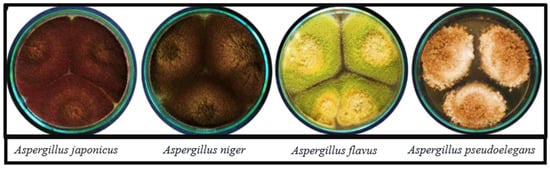
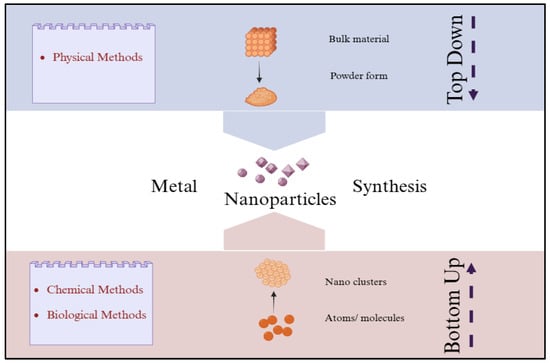
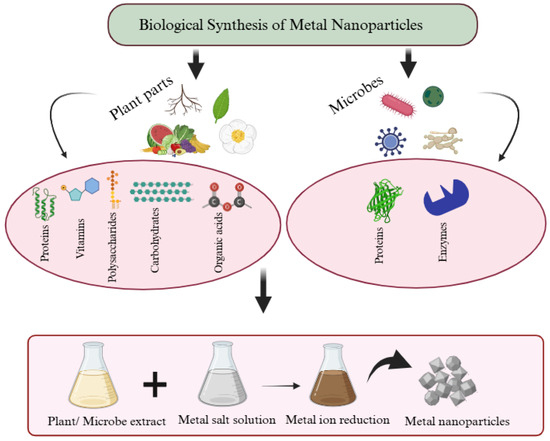
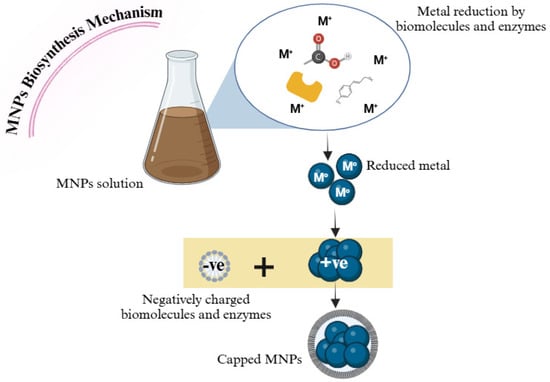
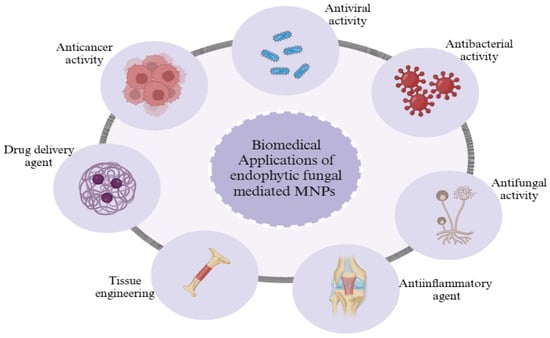
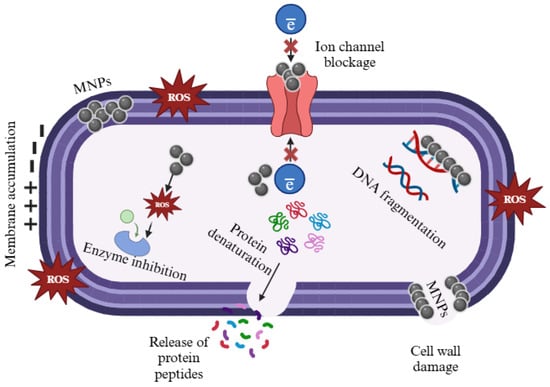
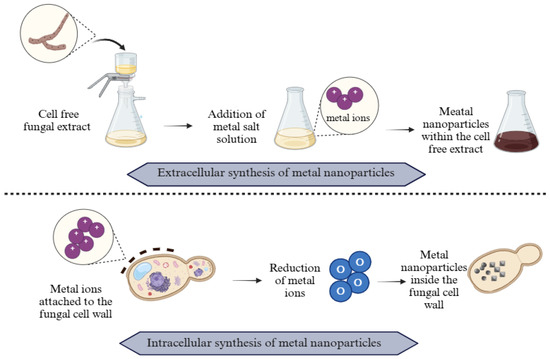
Metal nanoparticles (MNPs) produced through biosynthesis approaches have shown favourable physical, chemical, and antimicrobial characteristics. The significance of biological agents in the synthesis of MNPs has been acknowledged as a promising alternative to conventional approaches such as physical and chemical methods, which are confronted with certain challenges. To meet these challenges, the use of endophytic fungi as nano-factories for the synthesis of MNPs has become increasingly popular worldwide in recent times. This review provides an overview of the synthesis of MNPs using endophytic fungi, the mechanisms involved, and their important biomedical applications. A special focus on different biomedical applications of MNPs mediated endophytic fungi involved their antibacterial, antifungal, antiviral, and anticancer applications and their potential as drug delivery agents. Furthermore, this review highlights the significance of the use of endophytic fungi for the green synthesis of MNPs and discusses the benefits, challenges, and prospects in this field.
Full article
(This article belongs to the Collection Feature Papers in Antibacterial Biomaterials)
►▼
Show Figures

Figure 1
Open AccessArticle
The Evaluation of Restored Proximal Contact Areas with Four Direct Adherent Biomaterials: An In Vitro Study
by
Elena-Cristina Marcov, Mihai Burlibașa, Narcis Marcov, Florentina Căminișteanu, Andreea Angela Ștețiu, Mircea Popescu, Radu-Cătălin Costea, Raluca Mariana Costea, Liliana Burlibașa, Andi Ciprian Drăguș, Maria Antonia Ștețiu and Dana Cristina Bodnar
J. Funct. Biomater. 2025, 16(4), 128; https://doi.org/10.3390/jfb16040128 - 3 Apr 2025
Abstract
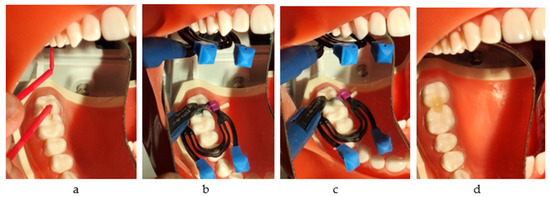
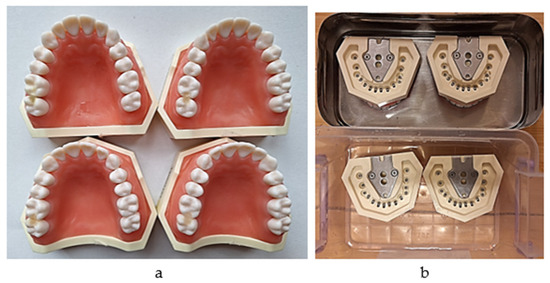
The aim of this study was to compare the interproximal contact tightness of lateral teeth after restoring adjacent proximal walls with four types of direct adherent biomaterials. Distal and mesial boxes were prepared on 160 artificial right first and second upper molars. Each
[...] Read more.
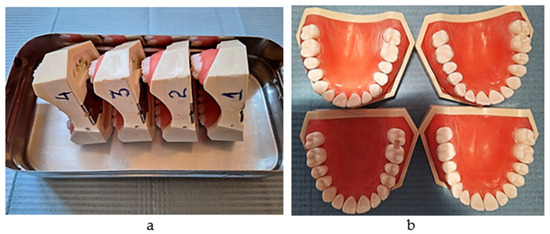
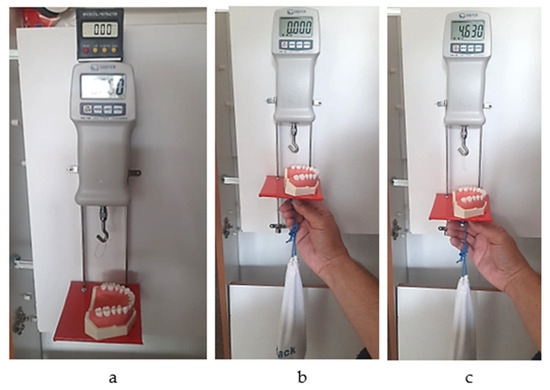
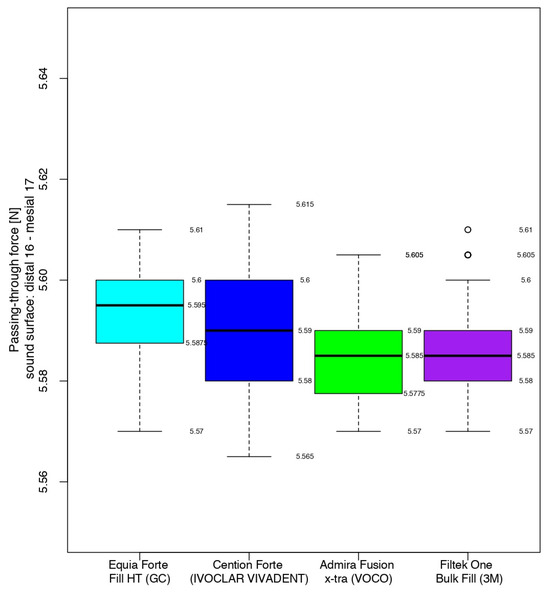
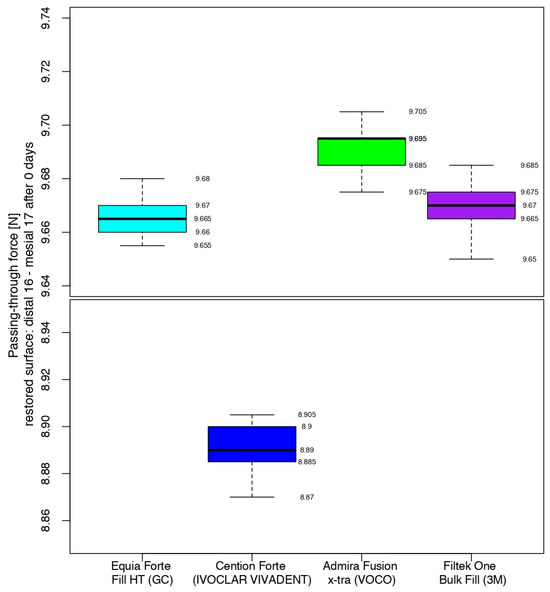
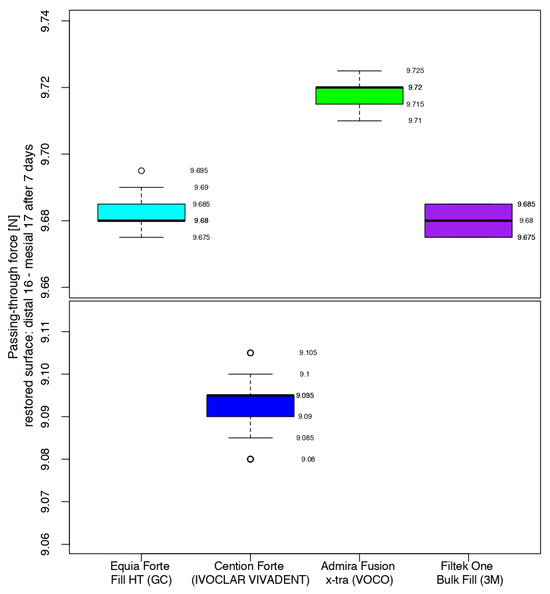
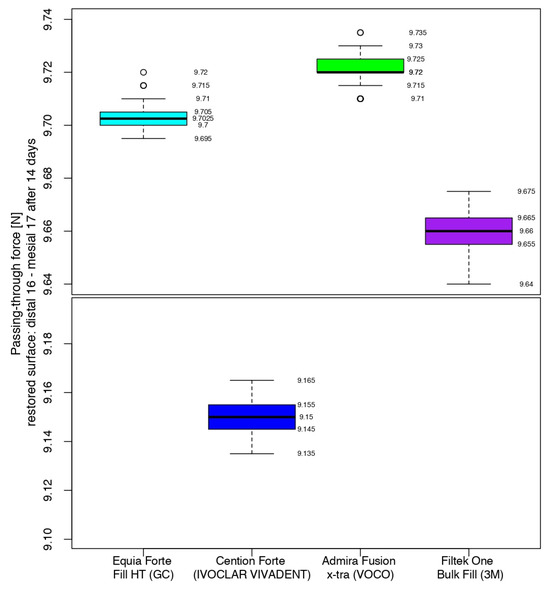
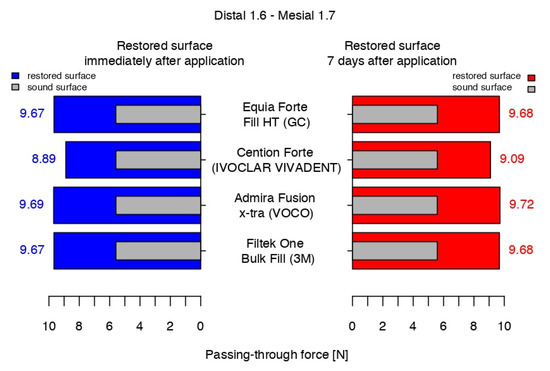
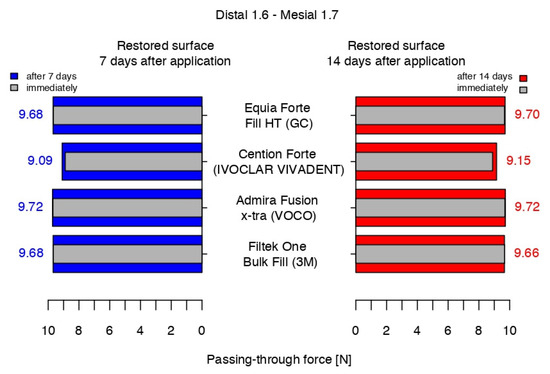
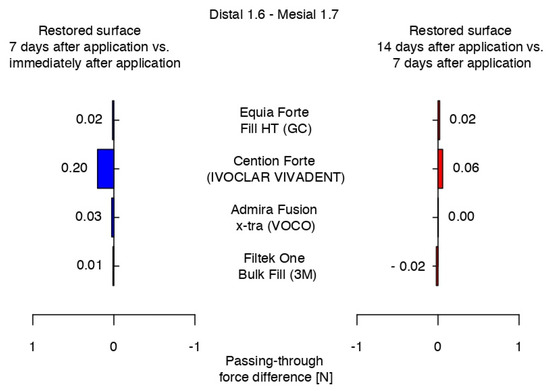
The aim of this study was to compare the interproximal contact tightness of lateral teeth after restoring adjacent proximal walls with four types of direct adherent biomaterials. Distal and mesial boxes were prepared on 160 artificial right first and second upper molars. Each set of 40 pairs of boxes was restored using one bulk biomaterial: Equia Forte Fil HT (GC), Cention® Forte (IVOCLAR VIVADENT), Admira Fusion x-tra (VOCO), or 3MTMFiltekTM One Bulk Fill. The mean difference in the passing-through force varied from sound to restored surfaces immediately after application, as well as at 7 and 14 days after: Equia Forte Fil HT—4.07 ± 0.01, 4.08 ± 0.01, and 4.11 ± 0.01; Cention® Forte—3.30 ± 0.01, 3.50 ± 0.01, and 3.56 ± 0.01; Admira Fusion x-tra—4.10 ± 0.01, 4.13 ± 0.01, and 4.13 ± 0.01; 3MTMFiltekTM One Bulk Fill—4.08 ± 0.01, 4.09 ± 0.01, and 4.07 ± 0.01 (p < 0.05). The passing-through force of the restored contact areas showed significantly higher values when compared to those for the sound surfaces, and among them, all biomaterials presented similar values, except for Cention® Forte. The potential clinical relevance of this study relates to better knowing the most appropriate restorative material for large proximal caries on adjacent surfaces from the outset of the treatment protocol.
Full article
(This article belongs to the Special Issue Biomaterials in Conservative Dentistry and Prosthodontics (2nd Edition))
►▼
Show Figures

Figure 1

Open AccessReview
Application of Hydroxyapatite Composites in Bone Tissue Engineering: A Review
by
Weijie Liu, Nalini Cheong, Zhuling He and Tonghan Zhang
J. Funct. Biomater. 2025, 16(4), 127; https://doi.org/10.3390/jfb16040127 - 2 Apr 2025
Abstract
The treatment of bone defects is complicated by clinical conditions, such as trauma, tumor resection, and infection, which result in defects and impair the bone’s regenerative capacity. Hydroxyapatite (HAp), the primary inorganic component of bone, possesses good biocompatibility and osteoconductivity. However, it has
[...] Read more.
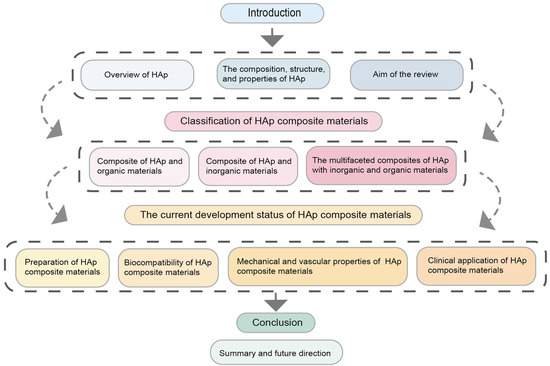
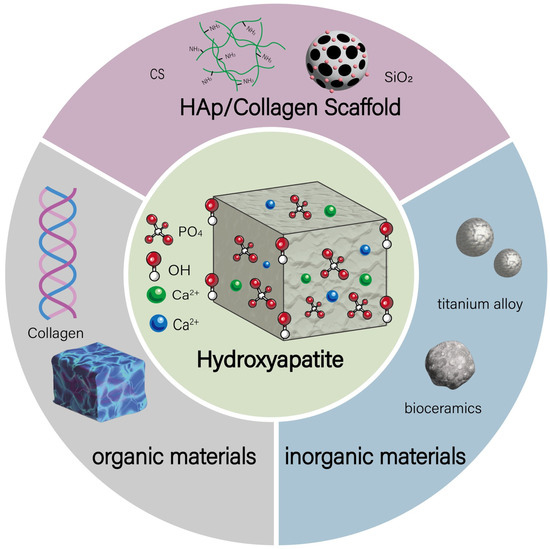
The treatment of bone defects is complicated by clinical conditions, such as trauma, tumor resection, and infection, which result in defects and impair the bone’s regenerative capacity. Hydroxyapatite (HAp), the primary inorganic component of bone, possesses good biocompatibility and osteoconductivity. However, it has poor mechanical properties, a slow degradation rate, and limited functionality, necessitating combination with other materials to broaden its application scope. This paper summarizes the importance and properties of HAp composites and provides a categorized review of current research on HAp composites in bone tissue engineering. These composite scaffolds not only offer excellent mechanical support for cell growth and tissue regeneration but also facilitate new bone formation and vascularization. Additionally, the challenges faced by HAp composites, such as material property optimization and improvement of preparation techniques, are discussed. The paper also summarizes the applications of HAp composites in bone defect repair, dental implants, spinal fusion, and other fields.
Full article
(This article belongs to the Special Issue Hydroxyapatite Composites for Biomedical Application)
►▼
Show Figures

Figure 1
Open AccessArticle
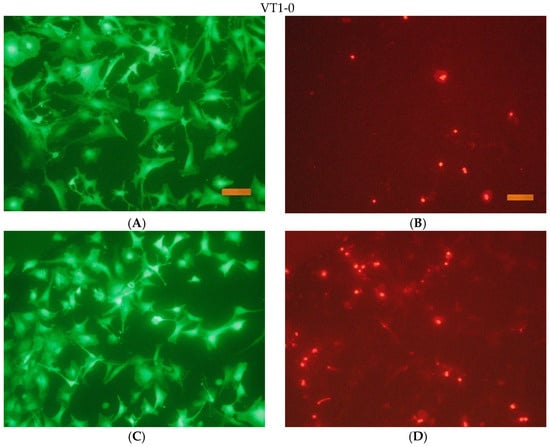
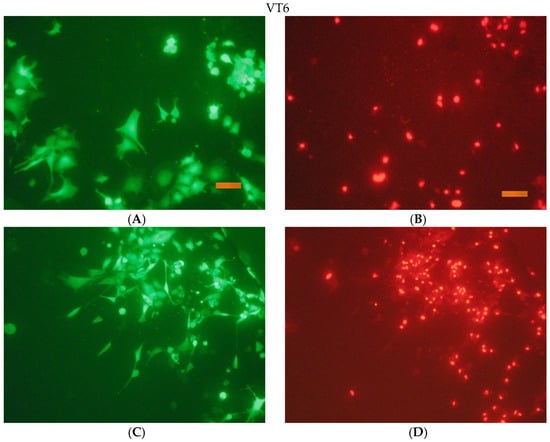
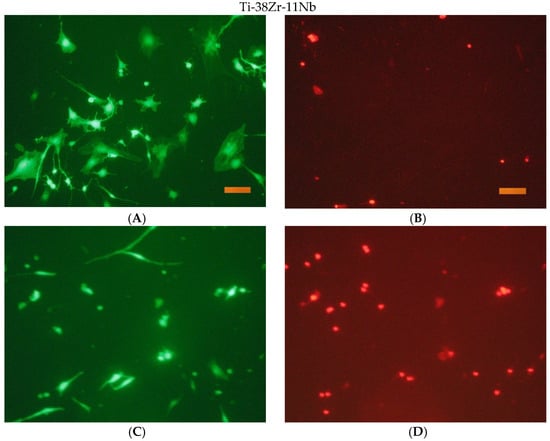
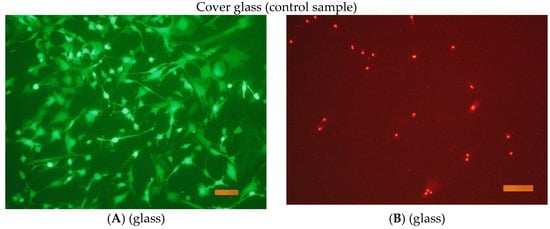
Study of the Structure and Mechanical Properties of Ti-38Zr-11Nb Alloy
by
Konstantin V. Sergienko, Sergei V. Konushkin, Yaroslava A. Morozova, Mikhail A. Kaplan, Artem D. Gorbenko, Boris A. Rumyantsev, Mikhail E. Prutskov, Evgeny E. Baranov, Elena O. Nasakina, Tatiana M. Sevostyanova, Sofia A. Mikhlik, Andrey P. Chizhikov, Lyudmila A. Shatova, Aleksandr V. Simakin, Ilya V. Baimler, Maria A. Sudarchikova, Mikhail L. Kheifetz, Alexey G. Kolmakov and Mikhail A. Sevostyanov
J. Funct. Biomater. 2025, 16(4), 126; https://doi.org/10.3390/jfb16040126 - 2 Apr 2025
Abstract
Hip joint implants are among the most prevalent types of medical implants utilized for the replacement of damaged joints. The utilization of modern implant materials, such as cobalt–chromium alloys, stainless steel, titanium, and other titanium alloys, is accompanied by challenges, including the toxicity
[...] Read more.
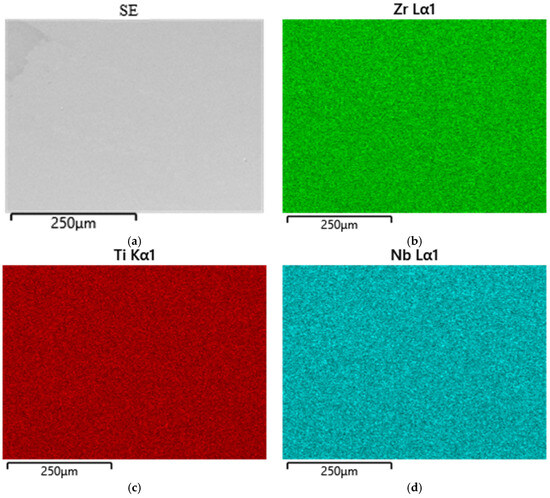
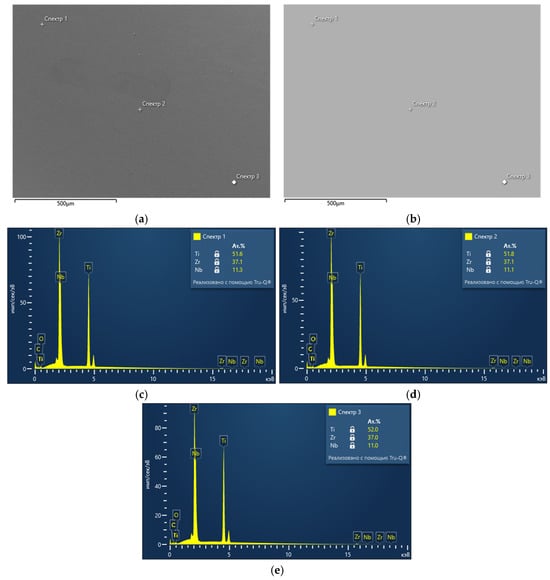
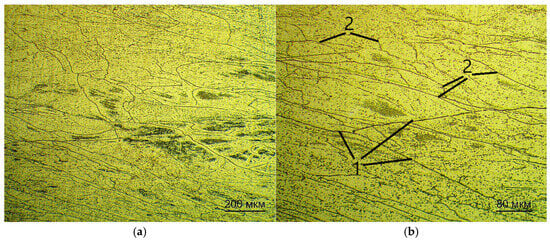
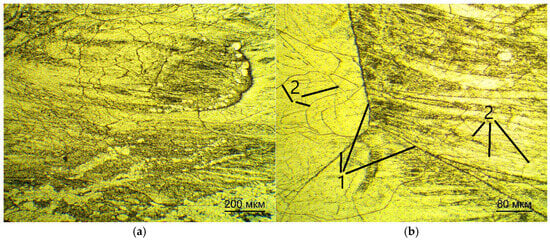
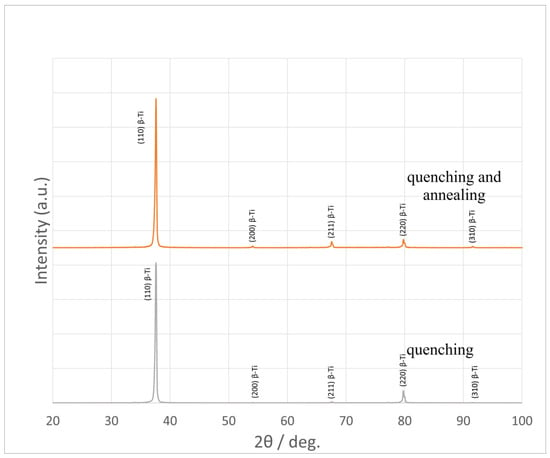
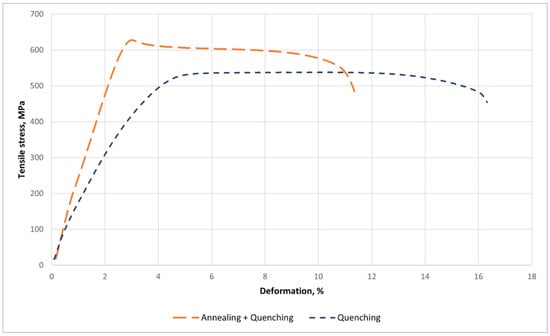
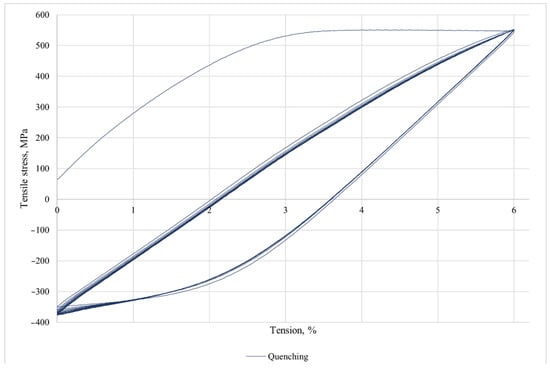
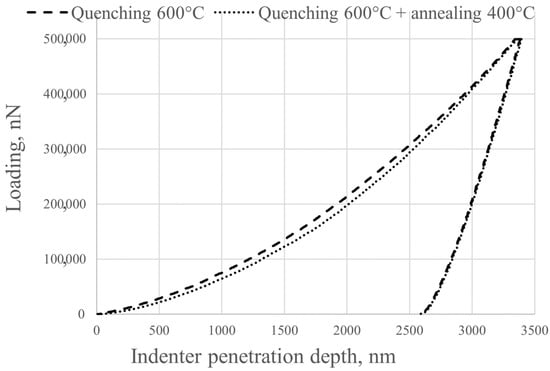
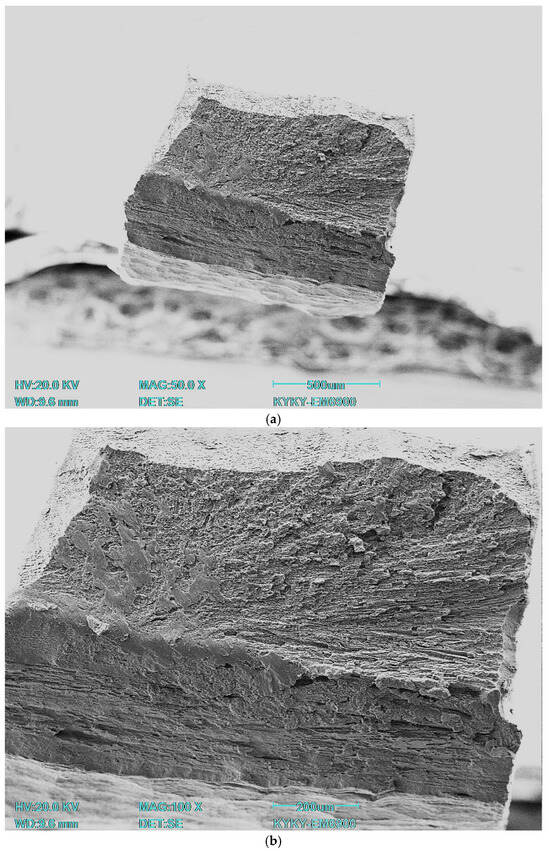
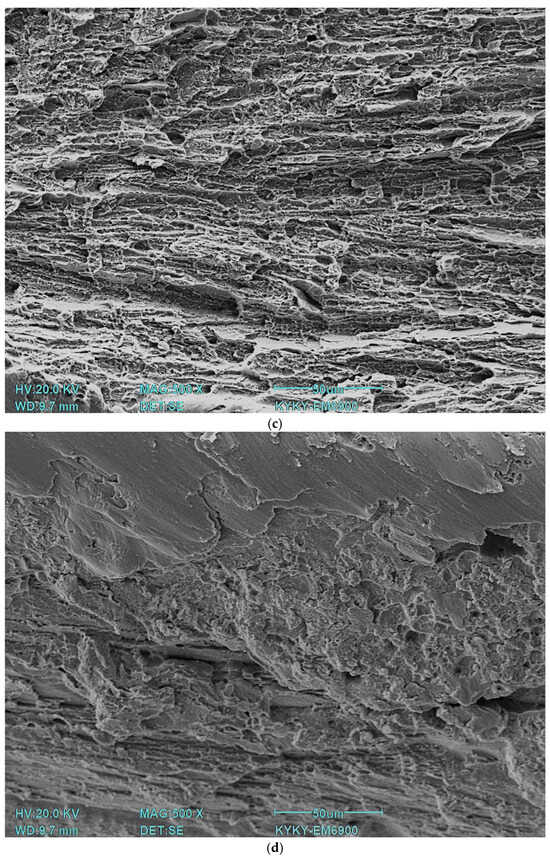
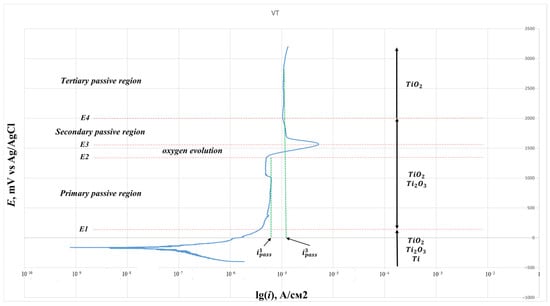
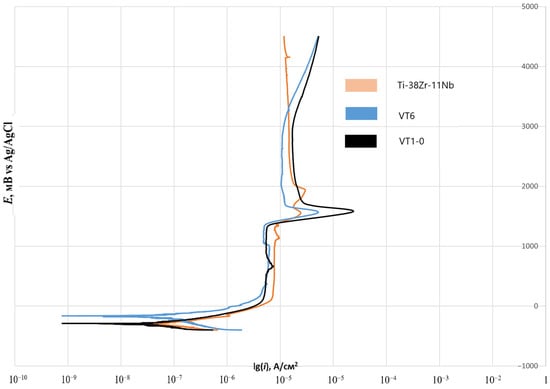
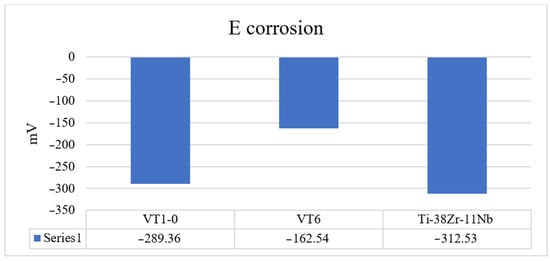
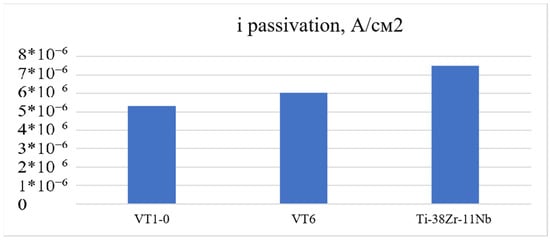
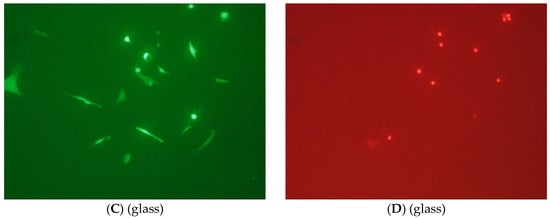
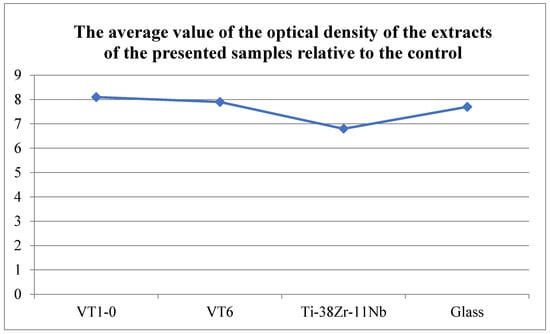
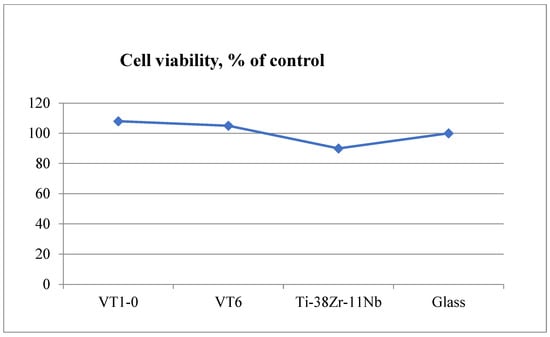
Hip joint implants are among the most prevalent types of medical implants utilized for the replacement of damaged joints. The utilization of modern implant materials, such as cobalt–chromium alloys, stainless steel, titanium, and other titanium alloys, is accompanied by challenges, including the toxicity of certain elements (e.g., aluminum, vanadium, nickel) and excessive Young’s modulus, which adversely impact biomechanical compatibility. A mismatch between the stiffness of the implant material and the bone tissue, known as stress shielding, can lead to adverse outcomes such as bone resorption and implant loosening. Recent studies have shifted the focus to β-titanium alloys due to their exceptional biocompatibility, corrosion resistance, and low Young’s modulus, which is close to the Young’s modulus of bone tissue (10–30 GPa). In this study, the microstructure, mechanical properties, and phase stability of the Ti-38Zr-11Nb alloy were investigated. Energy dispersion spectrometry was employed to confirm the homogeneous distribution of Ti, Zr, and Nb in the alloy. A subsequent microstructural analysis revealed the presence of elongated β-grains subsequent to rolling and quenching. Furthermore, grinding contributed to the process of recrystallization and the formation of subgrains. X-ray diffraction analysis confirmed the presence of a stable β-phase under any heat treatment conditions, which can be explained by the use of Nb as a β-stabilizer and Zr as a neutral element with a weak β-stabilizing effect in the presence of other β-stabilizers. Furthermore, the modulus of elasticity, as determined by tensile testing, exhibited a decline from 85 GPa to 81 GPa after annealing. Mechanical tests demonstrated a substantial enhancement in tensile strength (from 529 MPa to 628 MPa) concurrent with a 32% reduction in elongation to fracture of the samples. These alterations are attributed to microstructural transformations, including the formation of subgrains and the rearrangement of dislocations. This study’s findings suggest that the Ti-38Zr-11Nb alloy has potential as a material of choice due to its lower Young’s modulus compared to traditional materials and its stable β-phase, which enhances the implant’s durability and reduces the risk of brittle phases forming over time. This study demonstrates that the corrosion resistance of titanium grade 2 and Ti-38Zr-11Nb is comparable. The material in question exhibited no evidence of cytotoxic activity in the context of mammalian cells.
Full article
(This article belongs to the Section Bone Biomaterials)
►▼
Show Figures

Figure 1

Open AccessArticle
In Vitro Cytotoxicity Evaluation of Nanosized Hydroxyapatite and Fluorapatite on Cell Lines and Their Relevance to the Alveolar Augmentation Process
by
Wojciech Zakrzewski, Maria Szymonowicz, Anna Nikodem, Agnieszka Rusak, Zbigniew Rybak, Katarzyna Szyszka, Dorota Diakowska, Benita Wiatrak, Rafal J. Wiglusz and Maciej Dobrzyński
J. Funct. Biomater. 2025, 16(4), 125; https://doi.org/10.3390/jfb16040125 - 2 Apr 2025
Abstract
Background/Objectives: Materials with an apatite structure were investigated in vitro in dental bone augmentation procedures. This scientific study aimed to compare nanosized hydroxyapatite (nHAp) and fluorapatite (nFAp) materials in the form of tablets in in vitro studies, including cytotoxicity assessment and fluoride release.
[...] Read more.
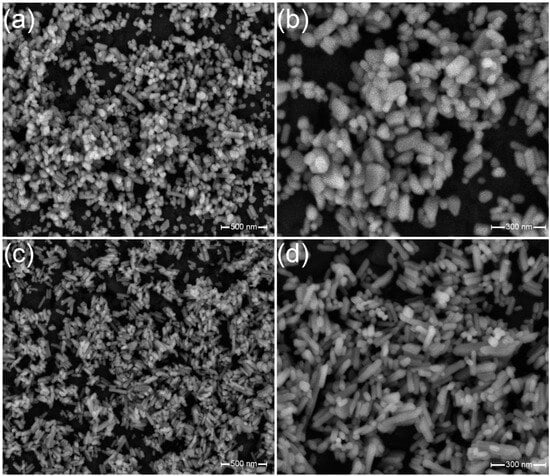
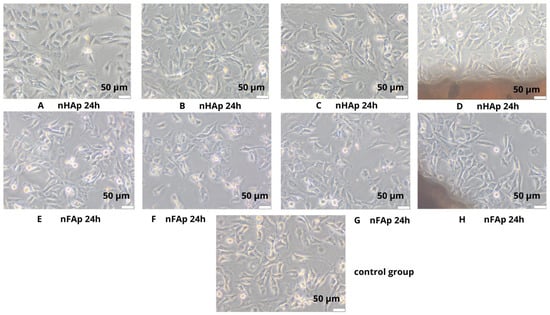
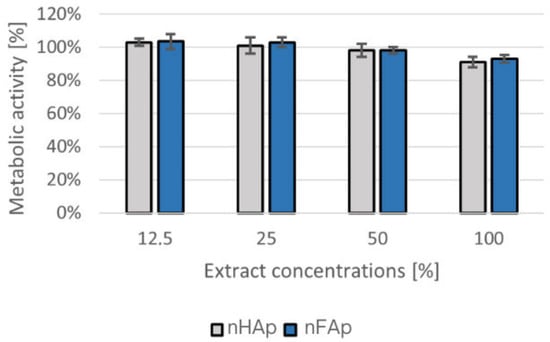
Background/Objectives: Materials with an apatite structure were investigated in vitro in dental bone augmentation procedures. This scientific study aimed to compare nanosized hydroxyapatite (nHAp) and fluorapatite (nFAp) materials in the form of tablets in in vitro studies, including cytotoxicity assessment and fluoride release. Methods: The nHAp and nFAp nanosized materials were obtained using the microwave hydrothermal method. Subsequently, the tablets were prepared from these nanosized powders as further studied materials. Cytotoxicity tests were conducted on Balb/3T3 fibroblast cells and L929 cells. Fluoride ion release was tested at 3, 24, 48, 72, and 168 h periods. Results: Both materials presented viability levels above 70%, indicating a lack of cytotoxic potential. The amount of fluoride (F−) ions released and accumulated from nFAp was greatly higher than from nHAp. The release of F− ions in both samples was the highest in the first 3 h of exposition. The accumulation of F− ions reached the highest values in the deionized water. The most significant differences in the released or cumulated fluoride ions were observed between deionized water and lower 4.5 pH AS (artificial saliva) samples. Conclusions: Both nanosized hydroxyapatite and fluorapatite materials are biocompatible, and their in vitro examination showed promising results for their future in vivo application.
Full article
(This article belongs to the Special Issue Functional Nanoparticles/Nanocomposites for Biomedical Applications)
►▼
Show Figures

Figure 1
Open AccessArticle
A Tea Polyphenol-Infused Sprayable Thermosensitive Liposomal Hydrogel for Enhanced Anti-Inflammatory and Antibacterial Psoriasis Treatment
by
Wei Shen, Qilian Ye, Hongbo Zhang, Shenghong Xie, Shiqi Xie, Cailian Chen, Jinying Liu, Zhengwei Huang, Hai-Bin Luo and Ling Guo
J. Funct. Biomater. 2025, 16(4), 124; https://doi.org/10.3390/jfb16040124 - 1 Apr 2025
Abstract
Psoriasis is a chronic and recurrent inflammatory disease driven not only by intrinsic factors such as immune system dysregulation but also by external factors, including bacterial infections. In contrast to the control of a single pathogenic pathway, combination therapies addressing both the immune
[...] Read more.
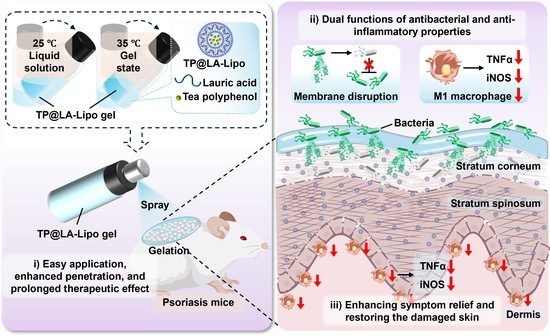
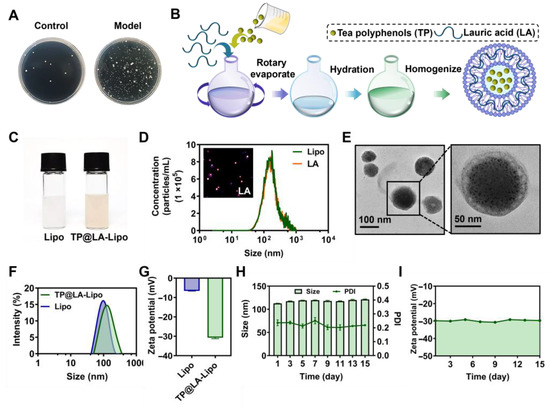
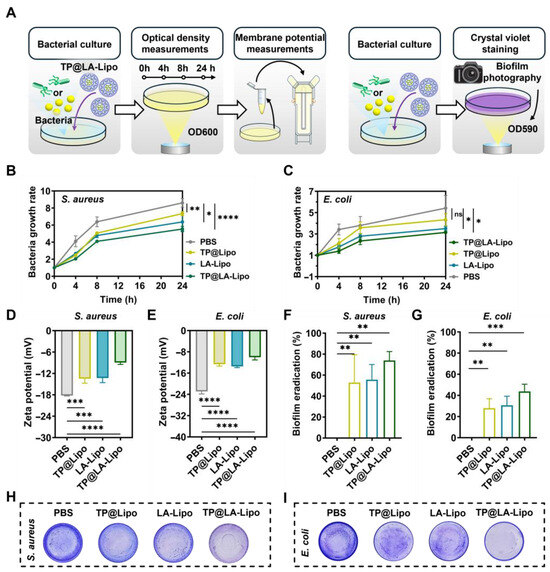
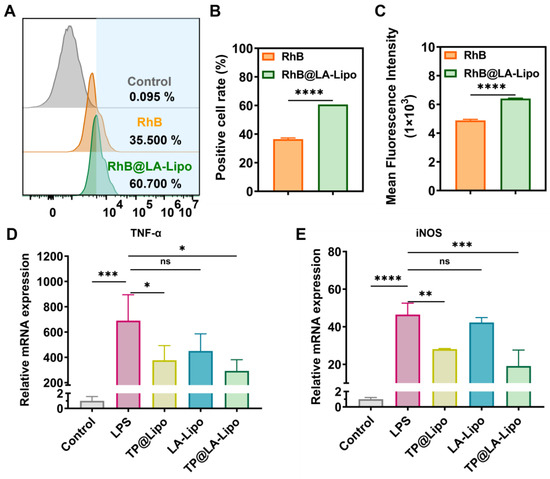
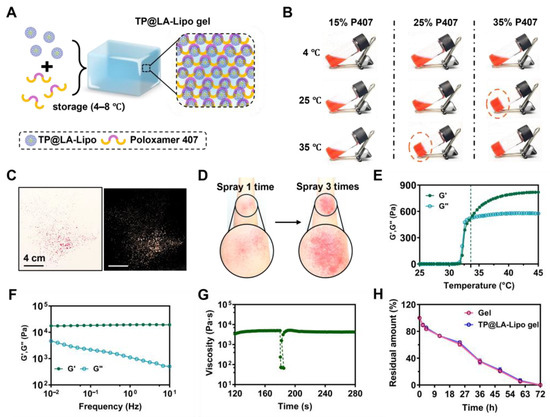
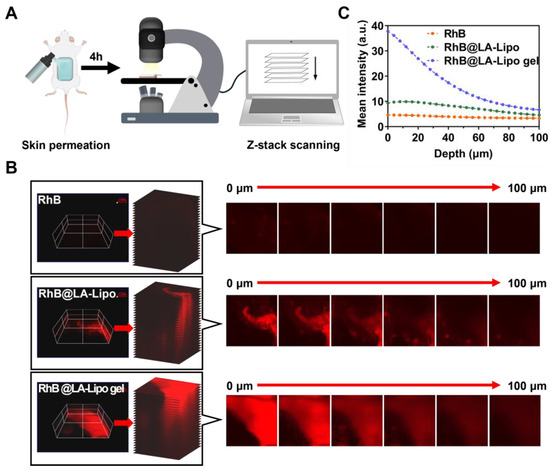
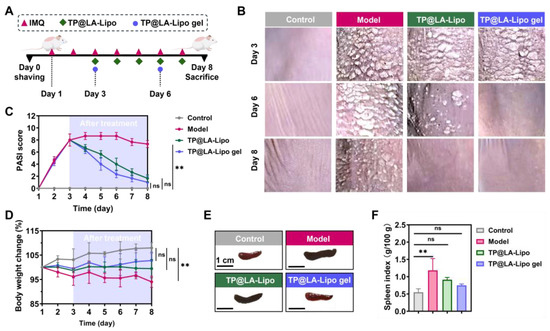
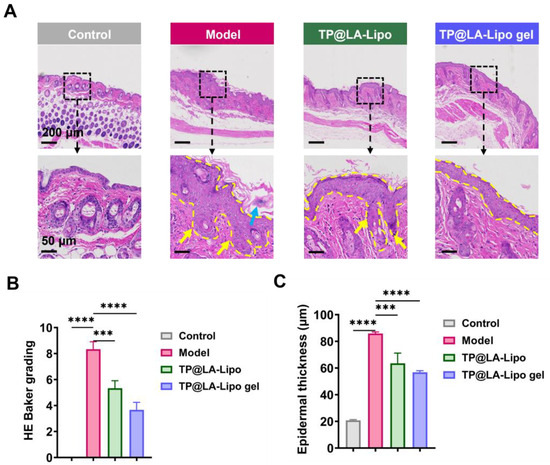
Psoriasis is a chronic and recurrent inflammatory disease driven not only by intrinsic factors such as immune system dysregulation but also by external factors, including bacterial infections. In contrast to the control of a single pathogenic pathway, combination therapies addressing both the immune and infectious components of psoriasis pathogenesis may offer a more effective strategy for controlling its progression. In this study, we developed a sprayable hydrogel incorporating tea polyphenol-loaded lauric acid liposomes (TP@LA-Lipo gel) to investigate its anti-inflammatory and antibacterial role in psoriasis. Our results demonstrated that TP@LA-Lipo modulated macrophage activity, reduced the expression of iNOS and TNF-α, and remodeled the immune microenvironment. Meanwhile, TP@LA-Lipo effectively eliminated Staphylococcus aureus and Escherichia coli through membrane disruption, mitigating the provoked inflammatory response. More importantly, TP@LA-Lipo gel, when sprayed onto the psoriasis lesions, provided sustained drug release over three days, enabling deeper penetration through the thickened stratum corneum to reach the inflamed layers beneath. Furthermore, in an imiquimod-induced psoriasis mouse model, TP@LA-Lipo gel effectively restored the damaged skin, alleviated histopathological changes, and reduced the systemic immune response. In summary, these findings indicate that TP@LA-Lipo gel offers a comprehensive strategy for effective disease management and improving the quality of life for psoriasis patients.
Full article
(This article belongs to the Special Issue Controlled Release Technologies for Localized Drug Delivery)
►▼
Show Figures

Graphical abstract
Open AccessSystematic Review
Orthodontic Ceramic Bracket Removal Using Lasers: A Systematic Review
by
Mateusz Michalak, Sylwia Kiryk, Agnieszka Kotela, Kamila Wiśniewska, Jan Kiryk, Jacek Zbigniew Zborowski, Jacek Matys and Maciej Dobrzyński
J. Funct. Biomater. 2025, 16(4), 123; https://doi.org/10.3390/jfb16040123 - 1 Apr 2025
Abstract
Objective: The aim of this systematic review was to evaluate the effectiveness and safety of various laser systems for debonding ceramic orthodontic brackets compared to conventional mechanical removal methods. The primary outcomes assessed included enamel damage, pulp temperature changes, adhesive remnant index (ARI),
[...] Read more.
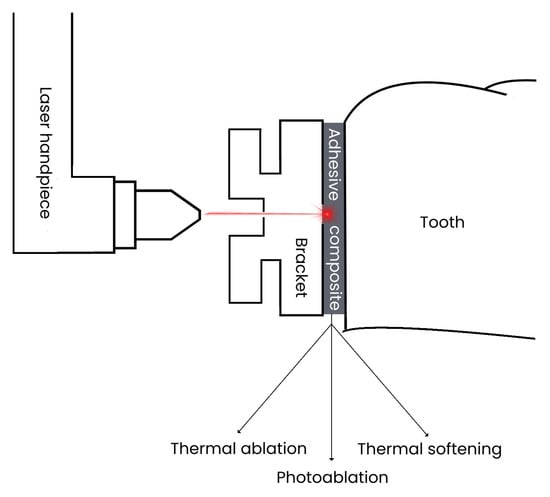
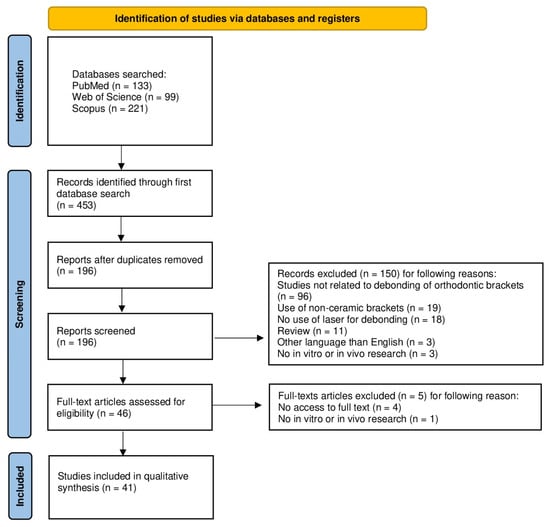
Objective: The aim of this systematic review was to evaluate the effectiveness and safety of various laser systems for debonding ceramic orthodontic brackets compared to conventional mechanical removal methods. The primary outcomes assessed included enamel damage, pulp temperature changes, adhesive remnant index (ARI), and shear bond strength (SBS). Materials and Methods: A systematic search was conducted in November 2024 across the PubMed, Scopus, and Web of Science (WoS) databases following PRISMA guidelines. The initial search yielded 453 records, of which 41 studies met the inclusion criteria for qualitative and quantitative analysis. The risk of bias was assessed using a standardized scoring system, and only studies with accessible full texts were included. Results: The review highlighted significant heterogeneity in laser parameters, measurement protocols, and study methodologies. Among the evaluated lasers, CO2 and Er:YAG were the most frequently studied and demonstrated high efficacy in debonding ceramic brackets while maintaining enamel integrity. Sixteen studies assessing SBS reported a reduction from baseline values of 13–23 MPa to clinically acceptable ranges of 7–12 MPa following laser application. ARI was analyzed in 25 studies, with laser-treated groups exhibiting higher scores (2–3), indicating safer debonding with more adhesive remaining on the tooth surface, thereby reducing enamel damage. Pulpal temperature increases were examined in 23 studies, revealing that most laser types, when used within optimal parameters, did not exceed the 5.5 °C threshold considered safe for pulpal health. However, diode and Tm:YAP lasers showed potential risks of overheating in some studies. Conclusions: Laser-assisted debonding of ceramic orthodontic brackets is an effective and safe technique when applied with appropriate laser parameters. CO2 and Er:YAG lasers were the most effective in reducing SBS while preserving enamel integrity. However, variations in laser settings, study methodologies, and the predominance of in vitro studies limit the ability to establish standardized clinical guidelines. Further randomized controlled trials (RCTs) are necessary to develop evidence-based protocols for safe and efficient laser-assisted bracket removal in orthodontic practice.
Full article
(This article belongs to the Special Issue New Trends in Biomaterials and Implants for Dentistry (2nd Edition))
►▼
Show Figures

Figure 1
Open AccessArticle
Polydopamine-Coated Copper-Doped Mesoporous Silica/Gelatin–Waterborne Polyurethane Composite: A Multifunctional GBR Membrane Bone Defect Repair
by
Mengmeng Jin, Yi Hou and Feiwu Kang
J. Funct. Biomater. 2025, 16(4), 122; https://doi.org/10.3390/jfb16040122 - 1 Apr 2025
Abstract
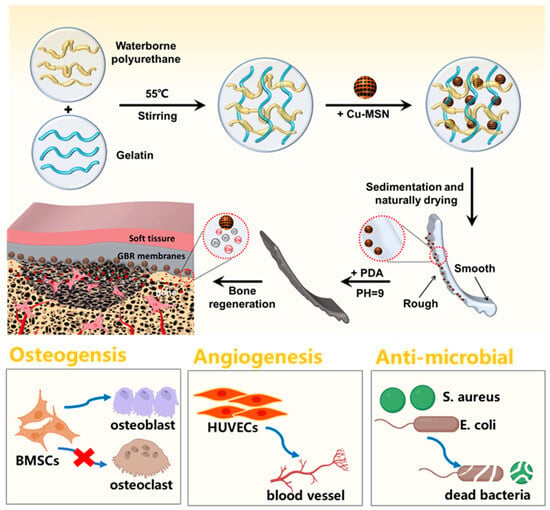
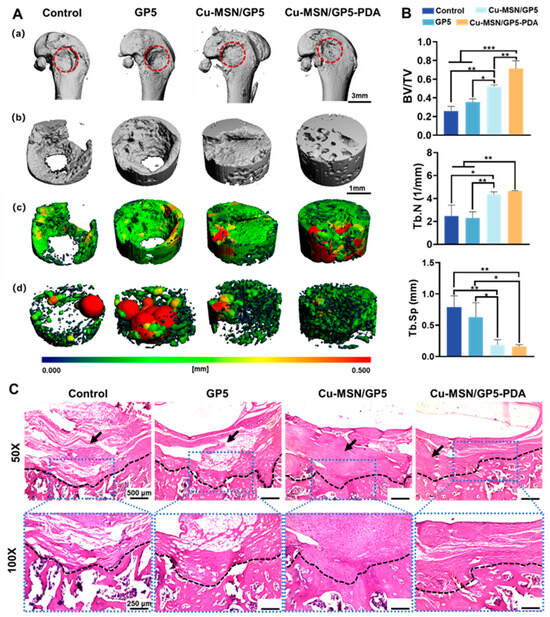
Guided bone regeneration (GBR) membrane has proven to be a fundamental tool in the realm of bone defect repair. In this study, we develop a mussel-inspired composite biomaterial through polydopamine-assisted, combining gelatin–WPU matrix with the ion-release behavior of Cu–MSNs for augmented bone regeneration.
[...] Read more.
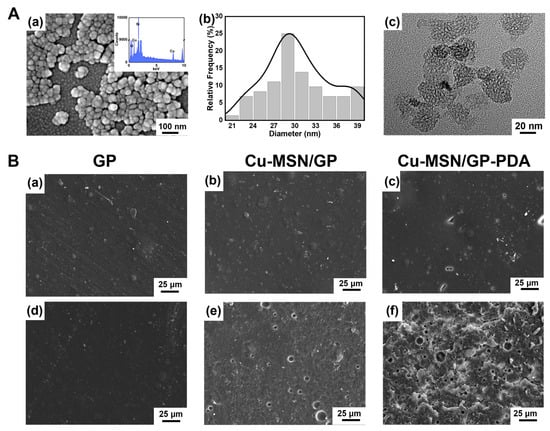
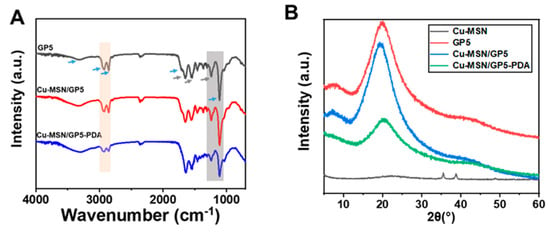
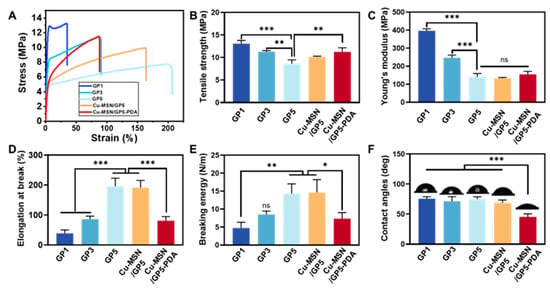
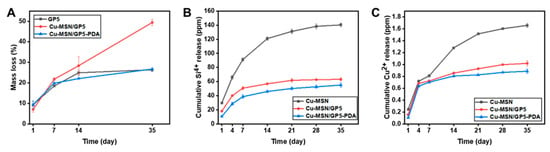
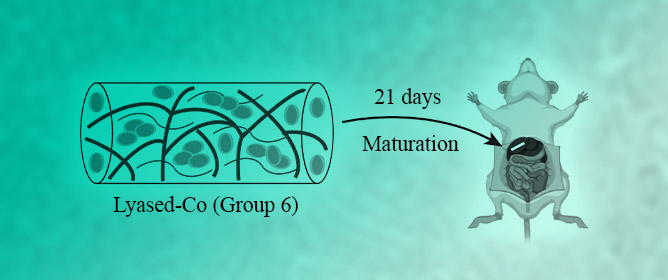
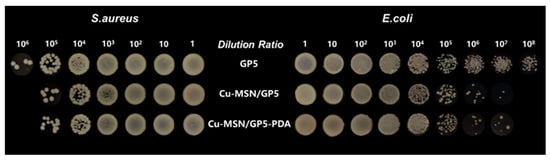
Guided bone regeneration (GBR) membrane has proven to be a fundamental tool in the realm of bone defect repair. In this study, we develop a mussel-inspired composite biomaterial through polydopamine-assisted, combining gelatin–WPU matrix with the ion-release behavior of Cu–MSNs for augmented bone regeneration. The optimized composite membrane exhibits enhanced mechanical stability, demonstrating a tensile strength of 11.23 MPa (representing a 2.3-fold increase compared to Bio-Gide®), coupled with significantly slower degradation kinetics that retained 73.3% structural integrity after 35-day immersion in physiological solution. Copper ions act as angiogenic agents to promote blood vessel growth and as antimicrobial agents to prevent potential infections. The combined effect of these components creates a biomimetic environment that is ideal for cell adhesion, growth, and differentiation. This research significantly contributes to the development of advanced biomaterials that combine regeneration and infection-prevention functions. It provides a versatile and effective solution for treating bone injuries and defects, offering new hope for patients in need.
Full article
(This article belongs to the Section Bone Biomaterials)
►▼
Show Figures

Figure 1

Open AccessArticle
Mass Density Characterization of Hydrogel-Based Systems Inoculated with Bacterial Strains and Dose-Response Performance of Escherichia coli Inoculation
by
Carolina Salinas Domján, Mauro Valente and Marcelo R. Romero
J. Funct. Biomater. 2025, 16(4), 121; https://doi.org/10.3390/jfb16040121 - 1 Apr 2025
Abstract
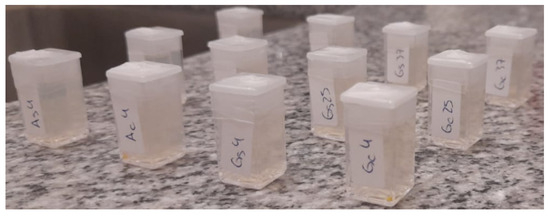
This study aims to determine the density of two hydrogel-based media, medium with agar-agar and medium with agar-agar and glucose, which are suitable for both irradiation and bacterial growth, considering the presence or absence of Staphylococcus aureus and Escherichia coli strains. The viability
[...] Read more.
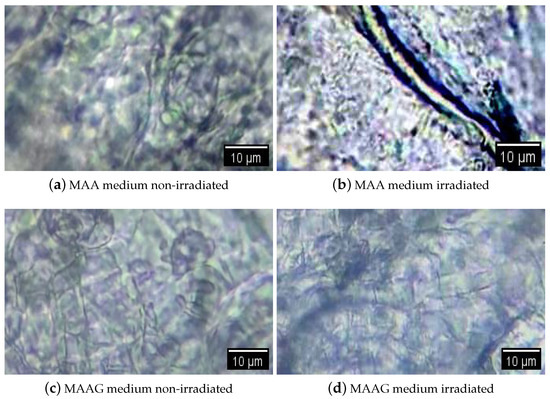
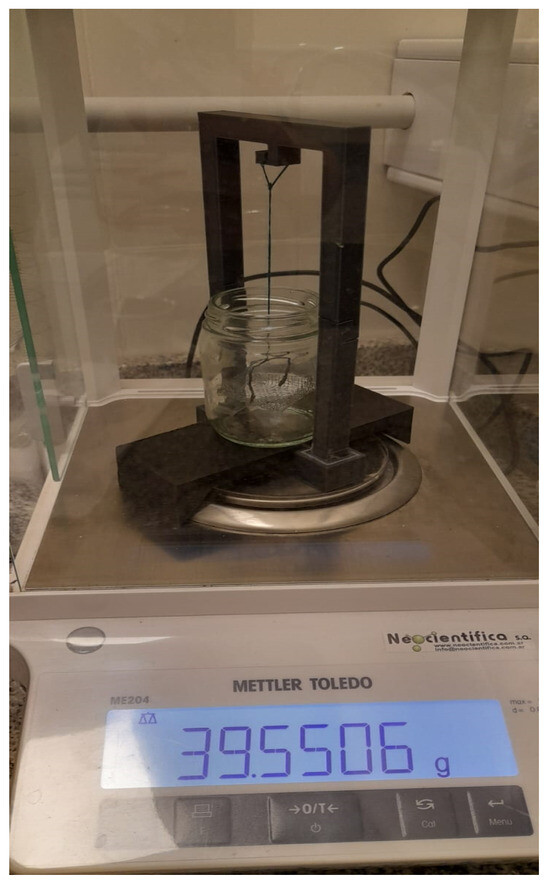
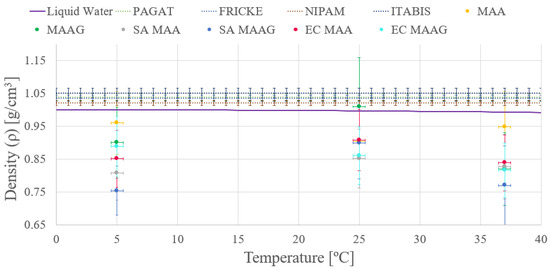
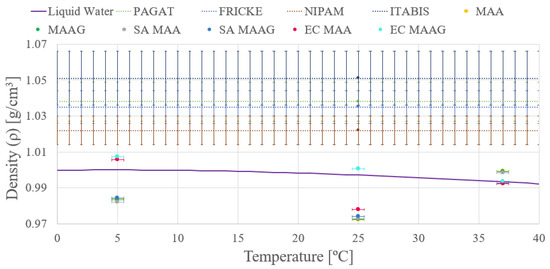
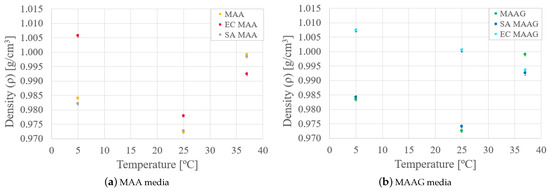
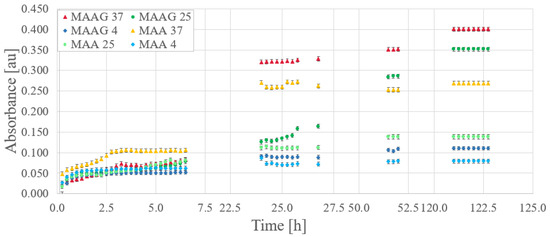
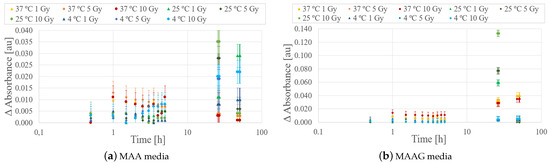
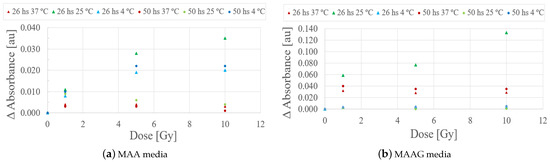
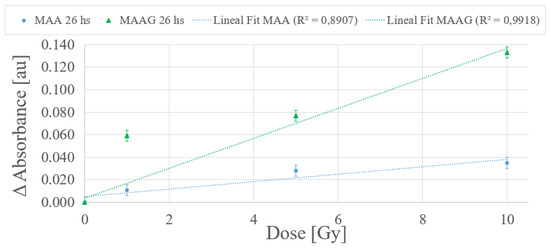
This study aims to determine the density of two hydrogel-based media, medium with agar-agar and medium with agar-agar and glucose, which are suitable for both irradiation and bacterial growth, considering the presence or absence of Staphylococcus aureus and Escherichia coli strains. The viability of Escherichia coli cell-inoculated systems was also evaluated to explore potential applications in radiation dosimetry within the 0–10 Gy range, using spectrophotometric and bacterial culture methods. Mass density measurements were performed at varying temperatures using two approaches: the first one, based on direct measurements of mass and volume, yielded densities comparable to liquid water, with uncertainties ranging from 9 to 16%, while the second approach, employing Archimedes’ principle (mass in air vs. mass in a liquid of known density), produced more accurate results, with uncertainties between 0.04 and 0.08%, thus proving more reliable for density determinations. Furthermore, the feasibility study of Escherichia coli-inoculated systems for ionizing radiation dosimetry demonstrated a linear spectrophotometric response to radiation doses across the investigated range, particularly for samples stored at 25 °C. The studied systems were characterized in terms of the corresponding growth curve and post-irradiation bacterial survival, supporting their potentiality as reliable ionizing radiation dosimeters.
Full article
(This article belongs to the Special Issue Advances in Multifunctional Hydrogels for Biomedical Application)
►▼
Show Figures

Figure 1
Open AccessArticle
Tomographic Assessment of Bone Regeneration in Osteochondral Lesion Treated with Various Biomaterials in a Sheep Model Study
by
Taulant Goga, Bledar Goxha, Alberto Maria Crovace, Mario Cinone, Luca Lacitignola, Marta Guadalupi and Erinda Lika
J. Funct. Biomater. 2025, 16(4), 120; https://doi.org/10.3390/jfb16040120 - 1 Apr 2025
Abstract
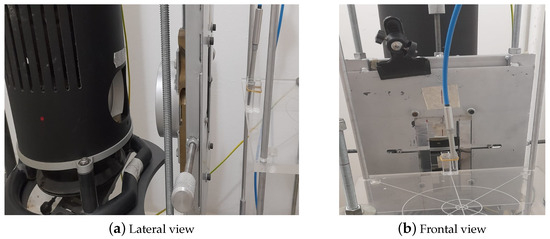
Osteochondral defects, involving both articular cartilage and subchondral bone, pose significant challenges to joint function and health due to the lack of spontaneous healing and the risk of long-term degenerative diseases like osteoarthritis. Biomaterials have emerged as important components in the development of
[...] Read more.
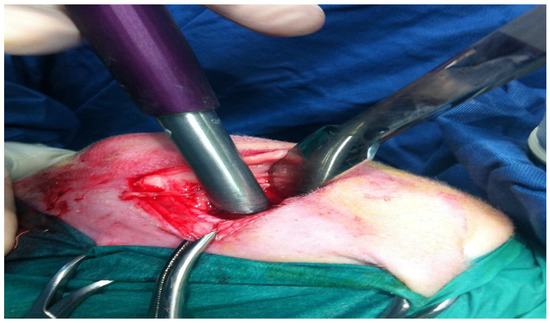
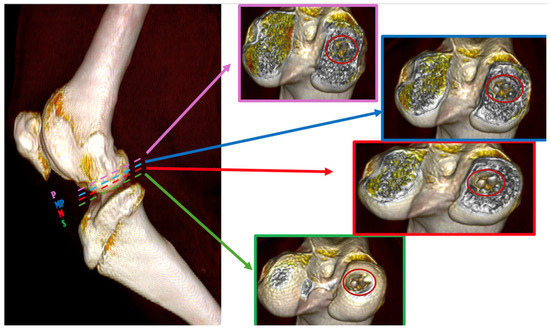
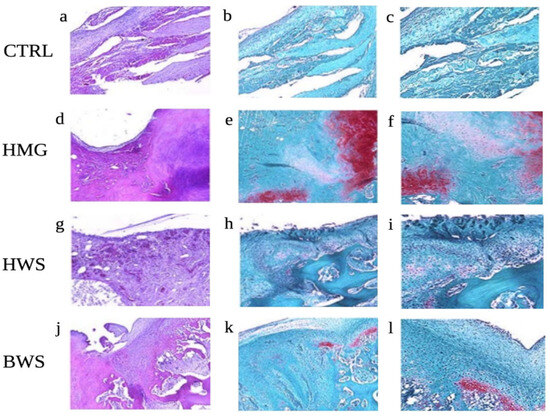
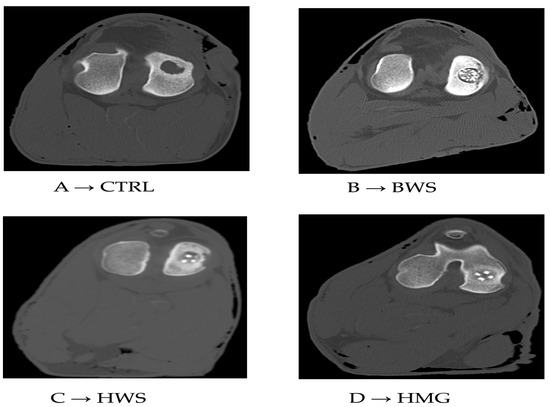
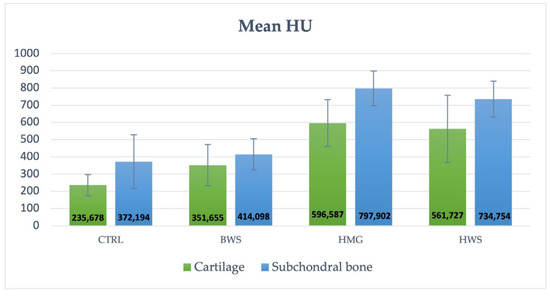
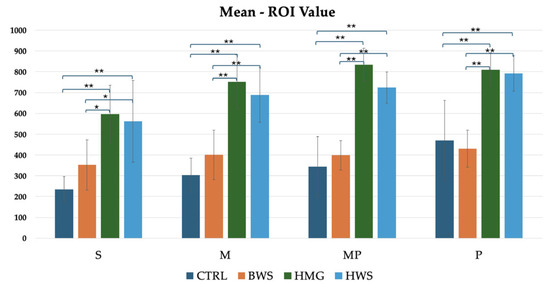
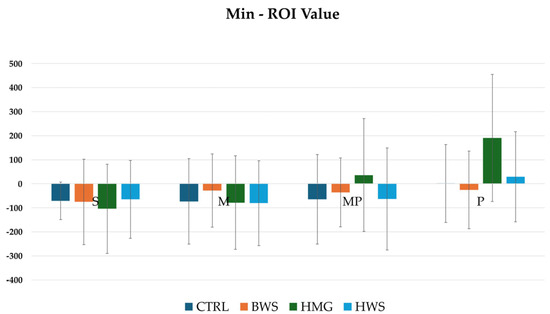
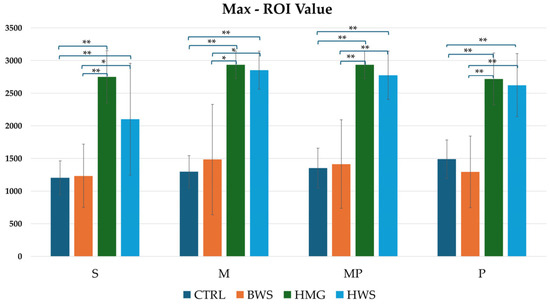
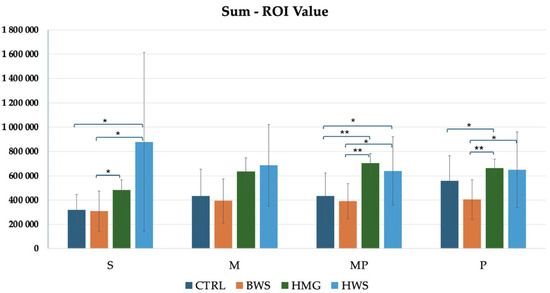
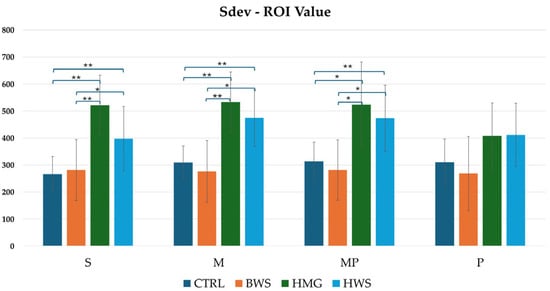
Osteochondral defects, involving both articular cartilage and subchondral bone, pose significant challenges to joint function and health due to the lack of spontaneous healing and the risk of long-term degenerative diseases like osteoarthritis. Biomaterials have emerged as important components in the development of scaffolds, providing structural support that facilitates tissue growth, integration, and regeneration. This study aims to demonstrate the effectiveness of a tomographic assessment method for optimizing the evaluation of osteochondral regeneration, particularly using Hounsfield units, to enable the evaluation of scaffold integration and tissue regeneration. The sheep model was selected as a model study. Two distinct configurations of biomaterials were utilized in this study: Honey (HMG—Mg doped hydroxyapatite; HWS—wollastonite–hydroxyapatite) and Bi-layer (BWS—wollastonite–hydroxyapatite). The HMG scaffold demonstrated superior integration, reparative tissue quality, and regeneration potential compared to the HWS, BWS, and CTRL groups. The findings underscore the significance of CT assessment as a preliminary method for evaluating hard tissue, such as bone, employing Hounsfield units. Statistical evaluations validated the significant differences in performance, particularly favoring the HMG group. The results of this study underscore the importance of tomographic assessment in evaluation of osteochondral regeneration.
Full article
(This article belongs to the Special Issue Advanced Biomaterials for Bone Tissue Engineering)
►▼
Show Figures

Figure 1
Open AccessArticle
Fabrication and Characterization of Highly Porous Gyroid Scaffolds Composed of Deproteinized Bone Mineral
by
Otoniel Durán Hernández, Vail Baumer, Genesis Marrero, Sreya Karumanchi and David Prawel
J. Funct. Biomater. 2025, 16(4), 119; https://doi.org/10.3390/jfb16040119 - 28 Mar 2025
Abstract
Current treatment methods for critical bone defects involve the implantation of large bone grafts, which are limited by tissue availability and failure to heal correctly with high complication rates. Bioengineered scaffolds have emerged, which deploy biodegradable, highly osteoconductive materials in porous structures to
[...] Read more.
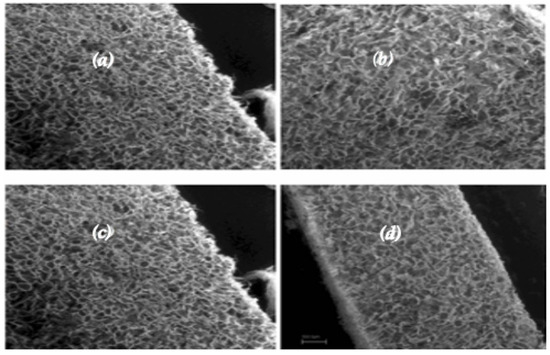
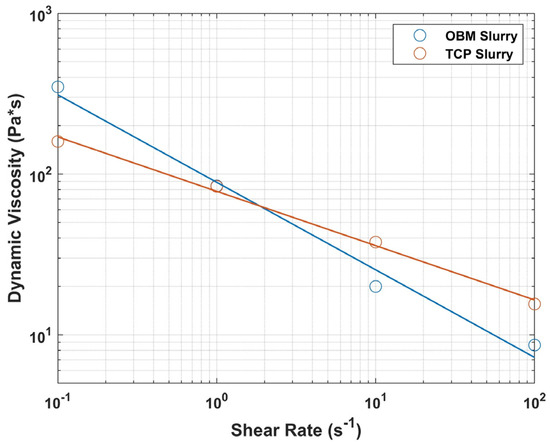
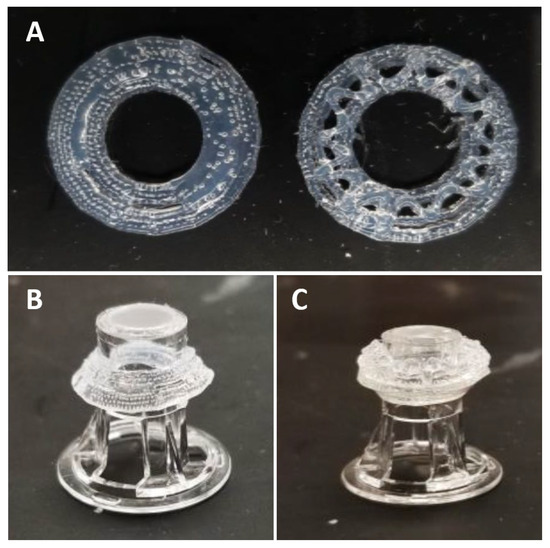
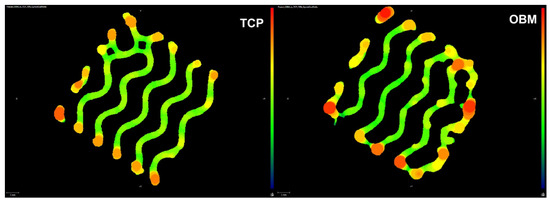
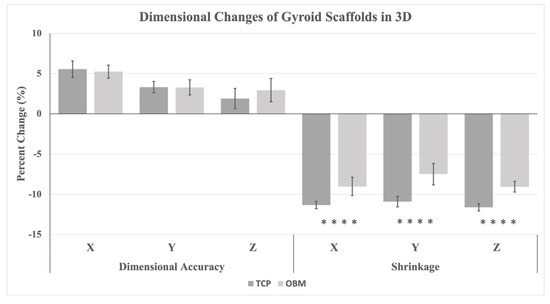
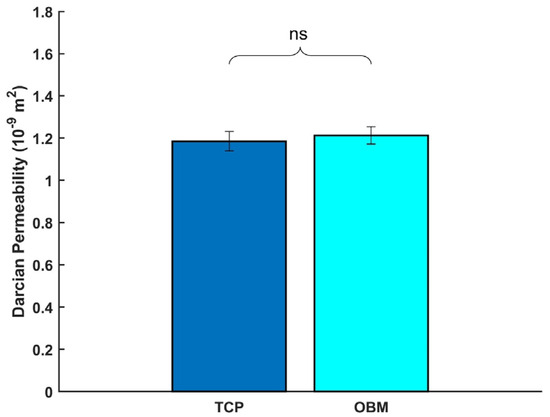
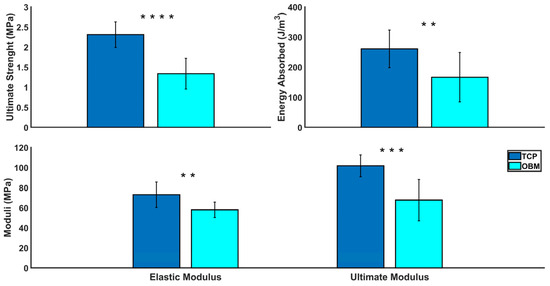
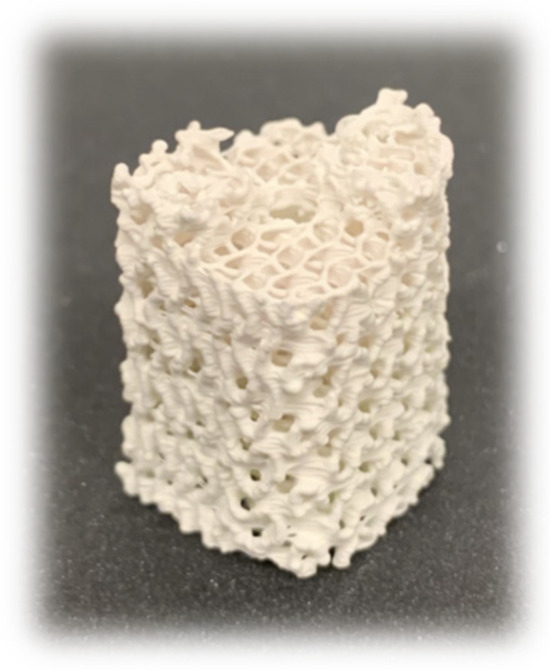
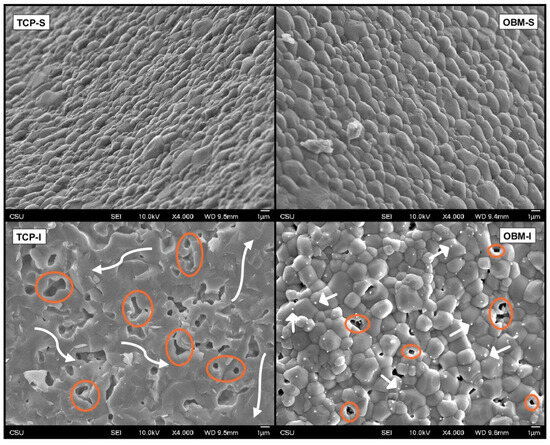
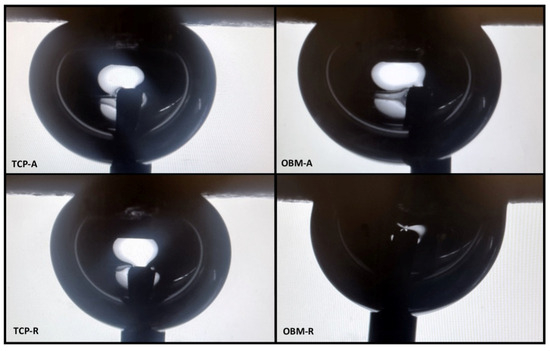
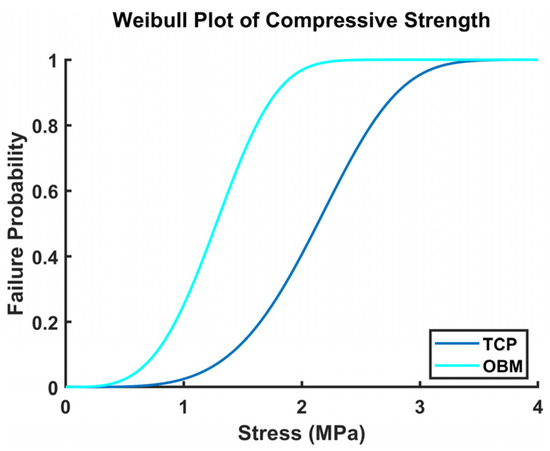
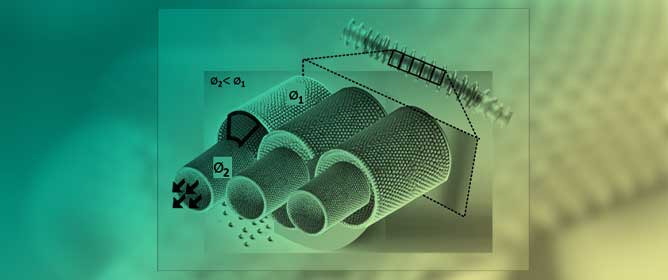
Current treatment methods for critical bone defects involve the implantation of large bone grafts, which are limited by tissue availability and failure to heal correctly with high complication rates. Bioengineered scaffolds have emerged, which deploy biodegradable, highly osteoconductive materials in porous structures to accommodate the high mass transport requirements of large bone defects. Ideal scaffold biomaterials require a balance between strength, composition, and osteoconduction, a balance which has yet to be discovered. Naturally derived materials like deproteinized bovine bone mineral (DBBM) have seen successful clinical use for decades as bone void fillers, but their granular or putty form lacks the interconnected porosity required to treat large defects. Leveraging the clinical success of DBBM, this paper presents the first fabrication of highly porous scaffolds composed of naturally derived, deproteinized bone mineral, for potential use in large bone defects. Ovine bone mineral powder was prepared from fresh ovine bone, fabricated into a photopolymeric slurry and 3D-printed using a photocasting process into 67% porous gyroid scaffolds. Ovine bone mineral composition, surface microstructure, compressive properties, and failure probability were evaluated and compared to gyroid scaffolds composed of tricalcium phosphate. Both scaffold types were similar, with characteristics in the low range of human cancellous bone.
Full article
(This article belongs to the Special Issue Scaffold for Tissue Engineering)
►▼
Show Figures

Figure 1
Open AccessArticle
Fabrication of a 3D Corneal Model Using Collagen Bioink and Human Corneal Stromal Cells
by
Alexander J. Choi, Brenna S. Hefley, Hannah A. Strobel, Sarah M. Moss, James B. Hoying, Sarah E. Nicholas, Shadi Moshayedi, Jayoung Kim and Dimitrios Karamichos
J. Funct. Biomater. 2025, 16(4), 118; https://doi.org/10.3390/jfb16040118 - 28 Mar 2025
Abstract
Corneal transplantation remains a critical treatment option for individuals with corneal disorders, but it faces challenges such as rejection, high associated medical costs, and donor scarcity. A promising alternative for corneal replacement involves fabricating artificial cornea from a patient’s own cells. Our study
[...] Read more.
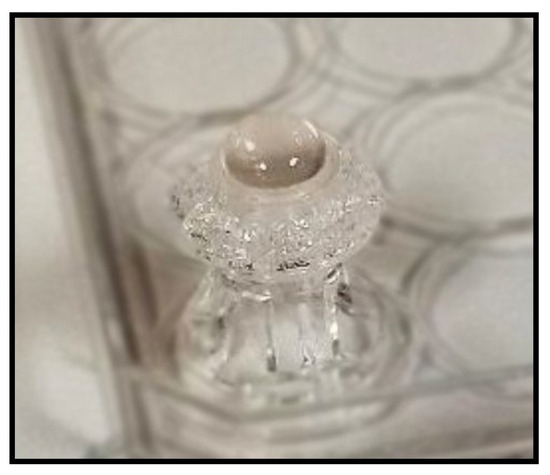
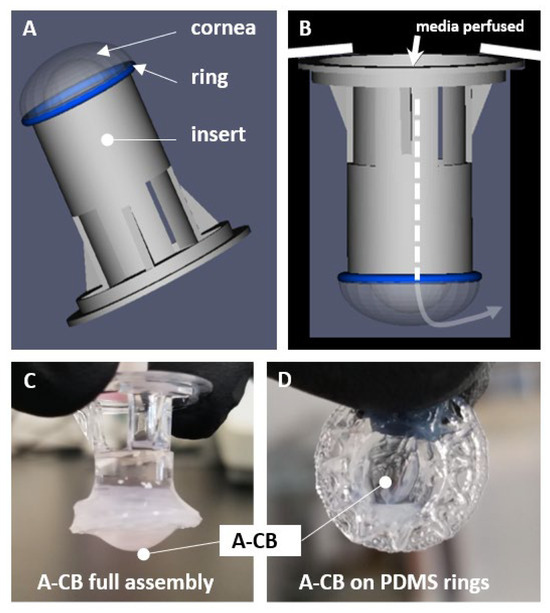
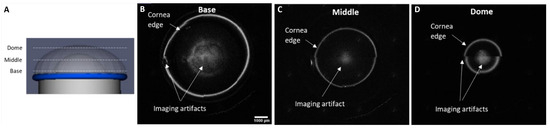
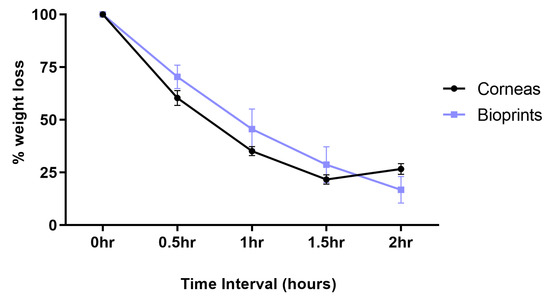
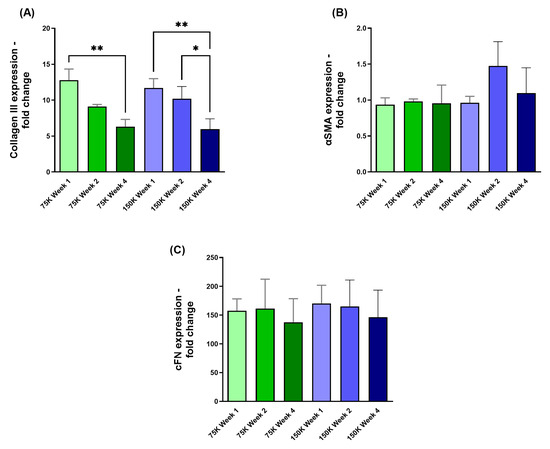
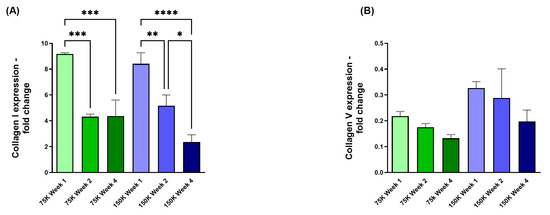
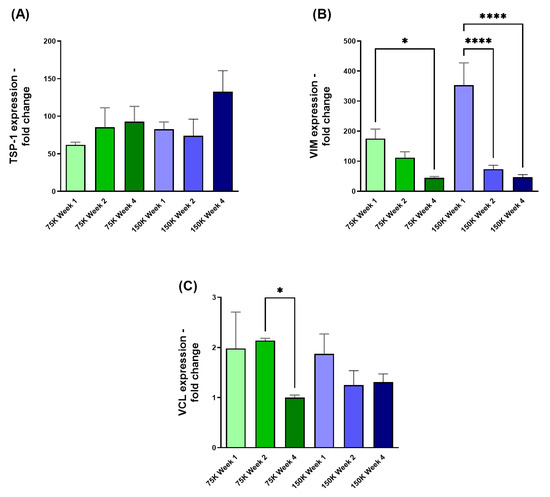
Corneal transplantation remains a critical treatment option for individuals with corneal disorders, but it faces challenges such as rejection, high associated medical costs, and donor scarcity. A promising alternative for corneal replacement involves fabricating artificial cornea from a patient’s own cells. Our study aimed to leverage bioprinting to develop a corneal model using human corneal stromal cells embedded in a collagen-based bioink. We generated both cellular and acellular collagen I (COL I) constructs. Cellular constructs were cultured for up to 4 weeks, and gene expression analysis was performed to assess extracellular matrix (ECM) remodeling and fibrotic markers. Our results demonstrated a significant decrease in the expression of COL I, collagen III (COL III), vimentin (VIM), and vinculin (VCL), indicating a dynamic remodeling process towards a more physiologically relevant corneal ECM. Overall, our study provides a foundational framework for developing customizable, corneal replacements using bioprinting technology. Further research is necessary to optimize the bioink composition and evaluate the functional and biomechanical properties of these bioengineered corneas.
Full article
(This article belongs to the Collection Feature Papers in Biomaterials for Healthcare Applications)
►▼
Show Figures

Figure 1
Open AccessArticle
Promoting Dentin Bridge Formation Through N-Acetyl-L-Cysteine Application in Rat Molar Pulpotomy: An Experimental Study
by
Kota Takagi, Koichi Nakamura, Yoshitaka Yoshimura and Yasutaka Yawaka
J. Funct. Biomater. 2025, 16(4), 117; https://doi.org/10.3390/jfb16040117 - 27 Mar 2025
Abstract
Pulpotomy is performed when tooth decay reaches the dental pulp or when the crown is fractured due to trauma. Mineral trioxide aggregate (MTA) is commonly used in pulpotomy, but its prognosis can be variable. N-acetyl-L-cysteine (NAC), an antioxidant amino acid, has garnered attention
[...] Read more.
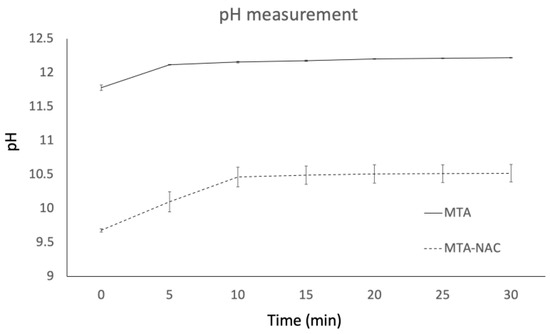
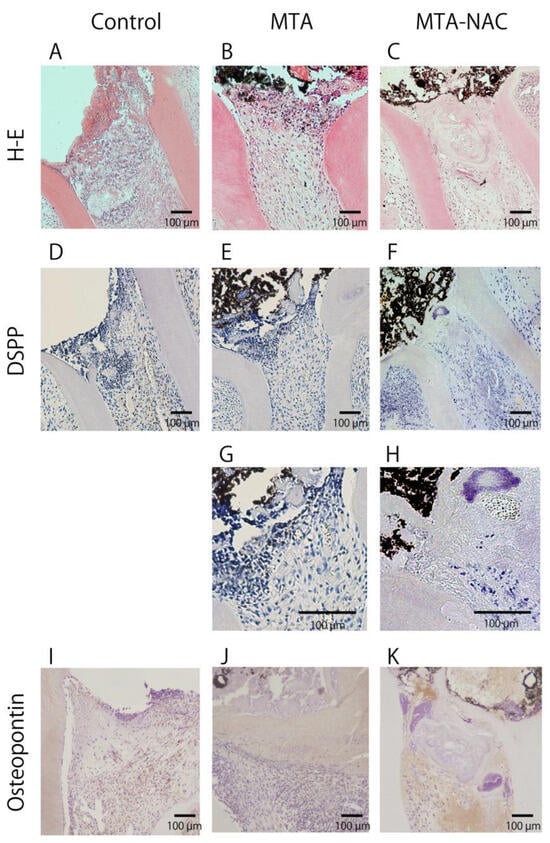
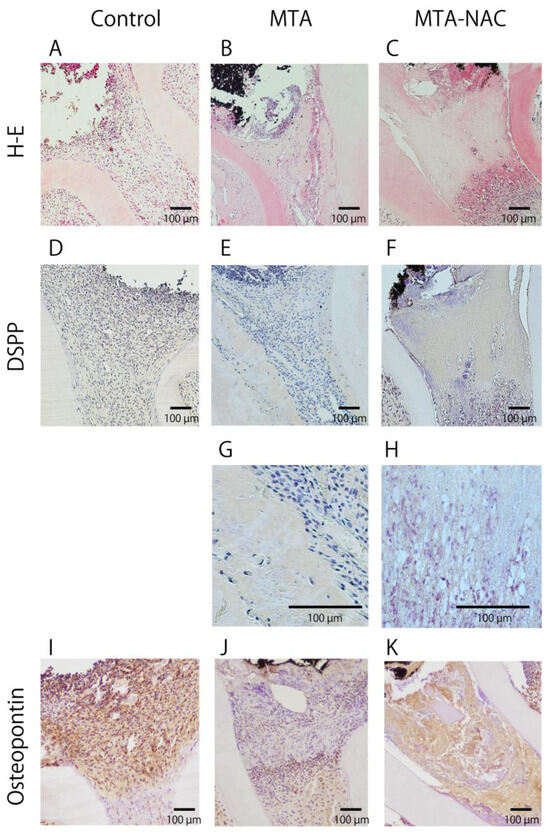
Pulpotomy is performed when tooth decay reaches the dental pulp or when the crown is fractured due to trauma. Mineral trioxide aggregate (MTA) is commonly used in pulpotomy, but its prognosis can be variable. N-acetyl-L-cysteine (NAC), an antioxidant amino acid, has garnered attention due to its potential benefits. This study aimed to investigate the effects of MTA and NAC on pulpotomy outcomes. We used Sprague Dawley rat maxillary molars to perform pulpotomy and employed Superbond C&B, MTA, and MTA mixed with NAC (MTA–NAC) for pulp capping. We obtained tissue sections 3 and 7 days postpulpotomy, conducting histological analysis by examining the morphology of pulp tissue and assessing dentin sialophosphoprotein (DSPP) and osteopontin expression levels. At 3 days postpulpotomy, MTA and MTA–NAC reduced the inflammatory response. At 7 days postpulpotomy, dentin bridge formation was observed following MTA–NAC application, and although MTA resulted in DSPP- and osteopontin-positive areas, these areas were more extensive following MTA–NAC application. Given that adding NAC to MTA enhanced dentin bridge formation, MTA–NAC appears to be a superior option for pulp capping.
Full article
(This article belongs to the Special Issue Biomechanical Studies and Biomaterials in Dentistry)
►▼
Show Figures

Figure 1
Open AccessArticle
Influence of Pontic Length on the Structural Integrity of Zirconia Fixed Partial Dentures (FPDs)
by
Tareq Hajaj, Ioana Elena Lile, Ioana Veja, Florina Titihazan, Mihai Rominu, Meda Lavinia Negruțiu, Cosmin Sinescu, Andreea Codruta Novac, Serban Talpos Niculescu and Cristian Zaharia
J. Funct. Biomater. 2025, 16(4), 116; https://doi.org/10.3390/jfb16040116 - 25 Mar 2025
Abstract
Objective: This study aims to evaluate the influence of pontic length and design on the fracture resistance of zirconia fixed dental prostheses (FDPs). By assessing different span lengths under controlled mechanical loading conditions, the research seeks to provide insights into optimizing the structural
[...] Read more.
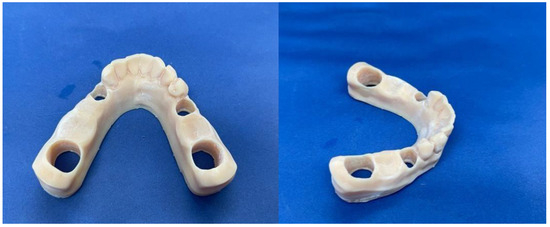
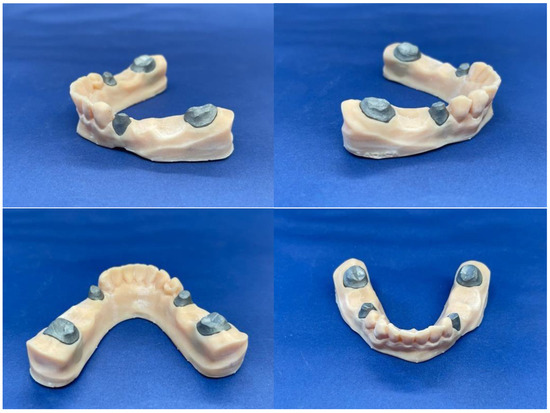
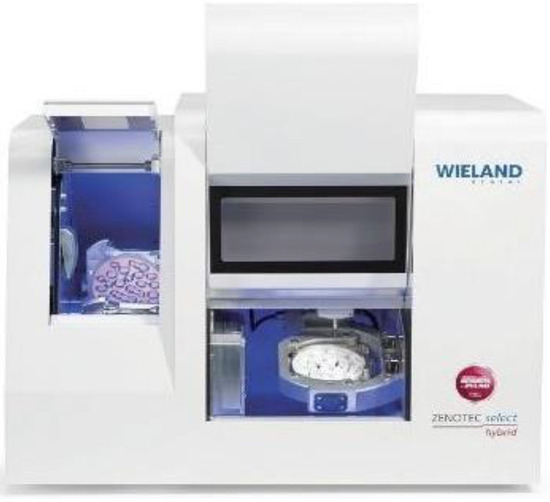
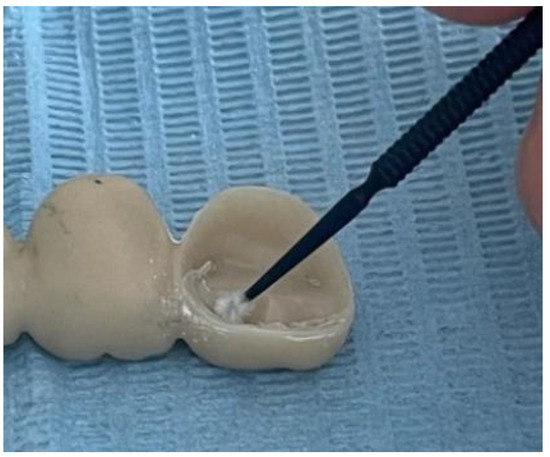
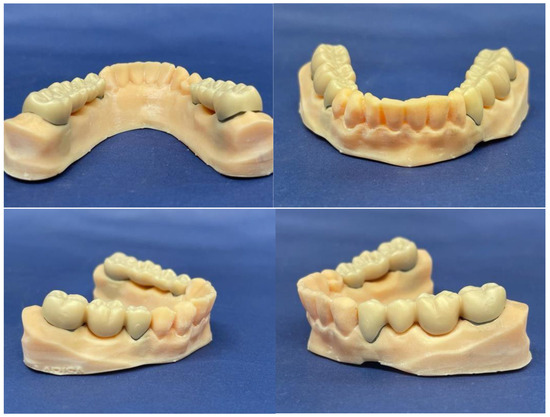
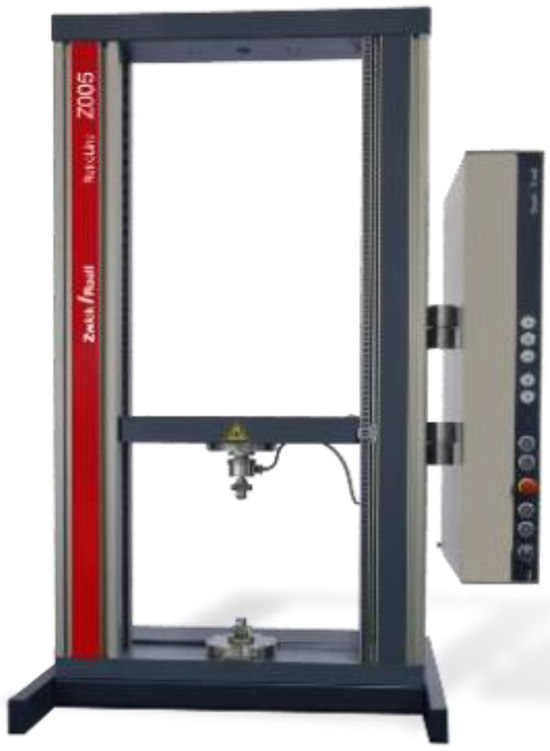
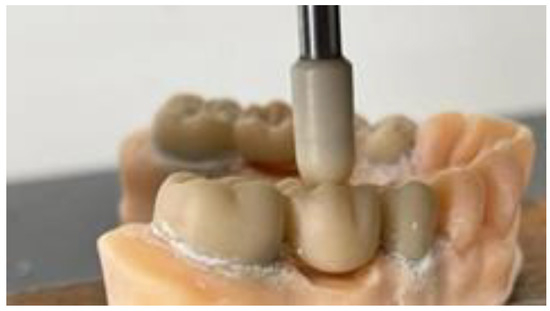
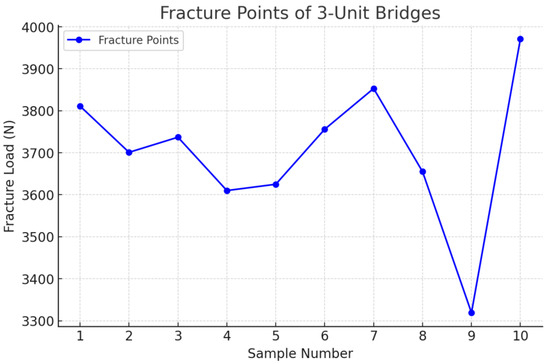
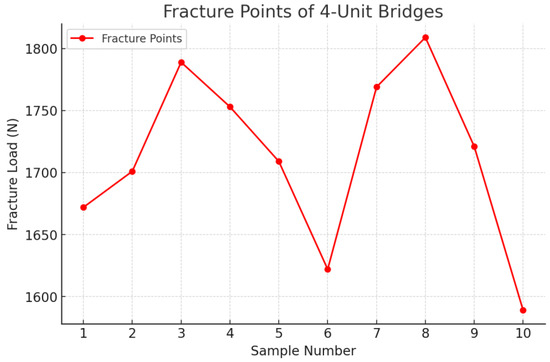
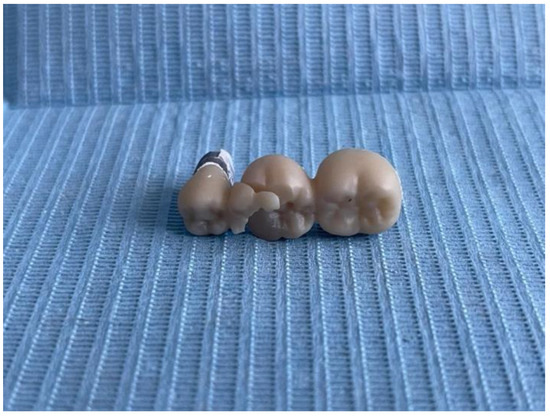
Objective: This study aims to evaluate the influence of pontic length and design on the fracture resistance of zirconia fixed dental prostheses (FDPs). By assessing different span lengths under controlled mechanical loading conditions, the research seeks to provide insights into optimizing the structural integrity of zirconia dental bridges. Materials and Methods: A total of 20 zirconia bridges were fabricated and tested in vitro. Ten bridges were designed to replace a single missing molar (tooth 46), with a pontic span of 11 mm, while the remaining ten were crafted for two missing teeth (35 and 36), featuring a longer pontic span of 17 mm. The zirconia frameworks were milled using the Wieland Zenotec® Select Hybrid system and cemented onto metal abutments with Voco Meron Plus QM resin-reinforced glass ionomer cement. The specimens were subjected to occlusal loading using a ZwickRoell ProLine Z005 testing machine at a crosshead speed of 1 mm/min until fracture occurred. Results: The mechanical testing revealed a significant correlation between pontic length and fracture resistance. The mean fracture resistance for three-unit bridges (single pontic) was 3703 N, whereas four-unit bridges (double pontic) exhibited a significantly lower resistance of 1713 N. These findings indicate that increased span length reduces the fracture resistance of zirconia restorations due to higher stress accumulation and reduced rigidity. Conclusions: This study underscores the importance of pontic length and design in determining the fracture resistance of zirconia restorations. Shorter spans exhibit greater structural stability, reinforcing the need for careful treatment planning when designing multi-unit zirconia bridges. By optimizing bridge parameters, clinicians can improve clinical outcomes and extend the longevity of zirconia prostheses in restorative dentistry.
Full article
(This article belongs to the Special Issue Technologies and Materials for Application in Dental, Oral and Maxillofacial Engineering)
►▼
Show Figures

Figure 1
Open AccessArticle
Intramuscular Reactivity of the Modified Graphene Oxides and Their Bio-Reactivity in Aging Muscle
by
Xiaoting Jian, Jiayin Wang, Jijie Hu, Yangyang Li, Qisen Wang, Han Wang, Jingwen Huang, Yu Ke and Hua Liao
J. Funct. Biomater. 2025, 16(4), 115; https://doi.org/10.3390/jfb16040115 - 25 Mar 2025
Abstract
To enhance the biocompatibility and drug delivery efficiency of graphene oxide (GO), poly(ethylene glycol) (PEG), poly(3-hydroxybutyrate-co-3-hydroxyvalerate) (PHBV), or its triblock copolymer PEG-PHBV-PEG (PPP) were used to chemically modify GO. However, it is still unknown whether non-toxic polymer-modified GO mediates muscle toxicity or triggers
[...] Read more.
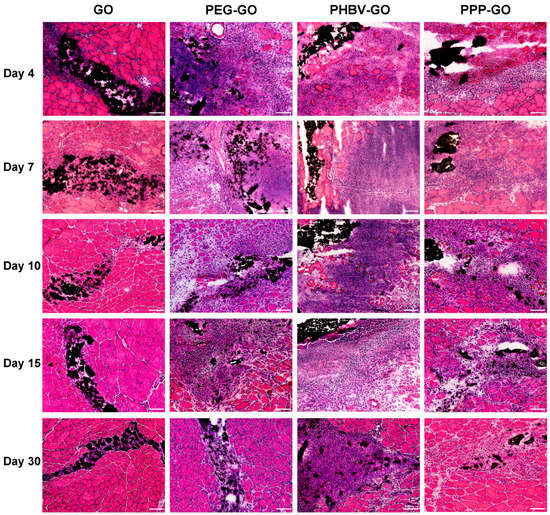
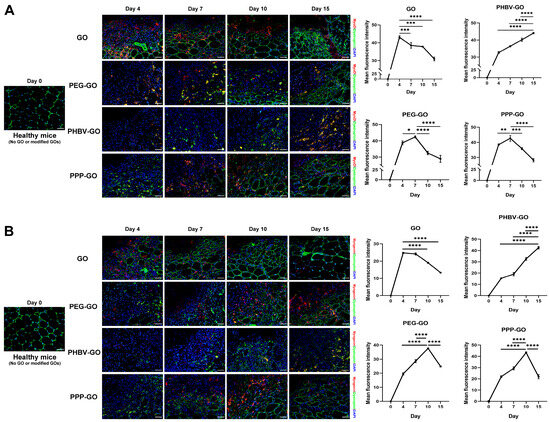
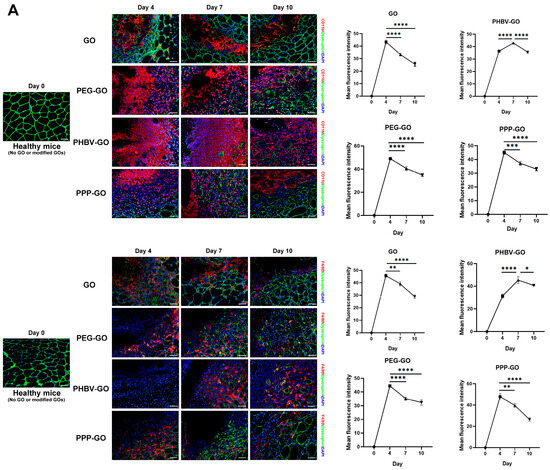
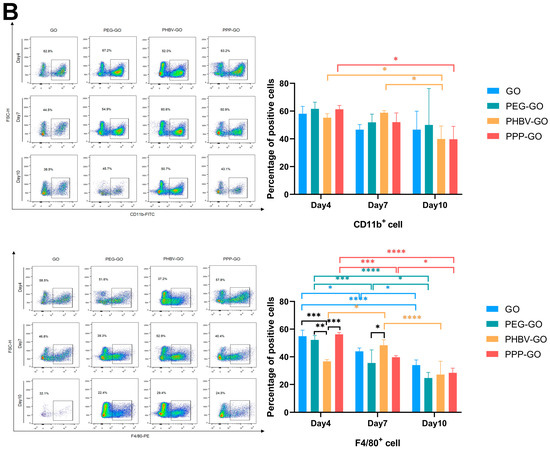
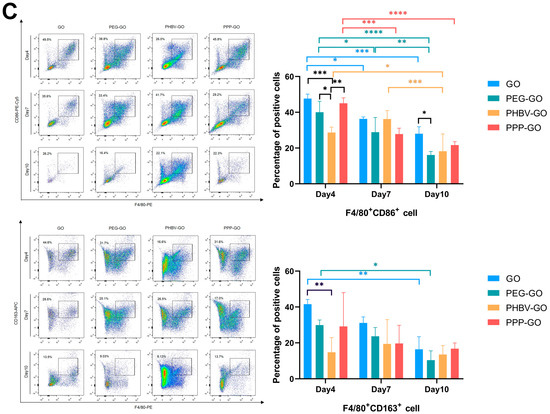
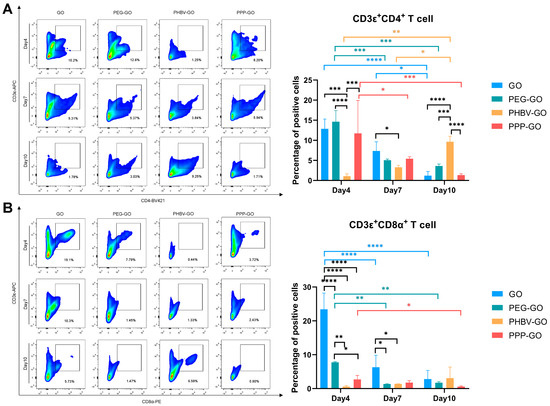
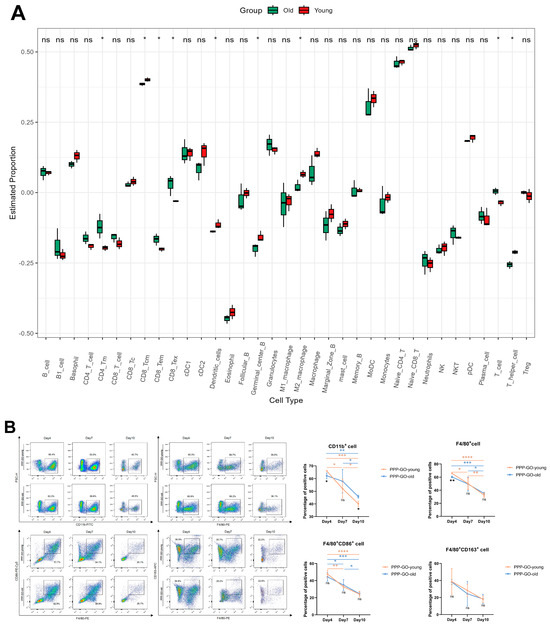
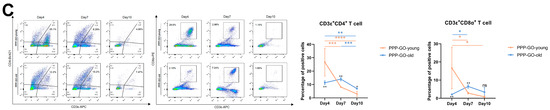
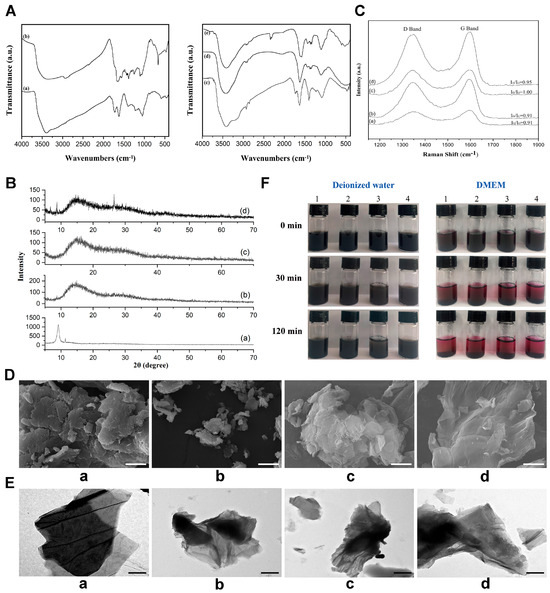
To enhance the biocompatibility and drug delivery efficiency of graphene oxide (GO), poly(ethylene glycol) (PEG), poly(3-hydroxybutyrate-co-3-hydroxyvalerate) (PHBV), or its triblock copolymer PEG-PHBV-PEG (PPP) were used to chemically modify GO. However, it is still unknown whether non-toxic polymer-modified GO mediates muscle toxicity or triggers intramuscular inflammation. This study aims to investigate the biological reactivity and inflammation/immune response induced by PEG, PHBV, or PPP modified GO when injected into the tibialis anterior (TA) muscle of mice prior to drug loading. The results showed that after muscle exposure, the coating of biocompatible polymers on GO is more likely to provoke muscle necrosis. Muscle regeneration was found to occur earlier and more effectively in muscle treated with hydrophilic PEG-GO and PPP-GO compared to muscle treated with hydrophobic PHBV-GO. When observing the transient muscle macrophage invasion of three modified GOs, PHBV-GO caused severe muscle necrosis in the early stage, induced a delayed peak of macrophage aggregation, and caused severe inflammatory progression. All three kinds of modified GO induced T cell aggregation to varying degrees, but PEG-GO induced early mass muscle recruitment of CD4+ T cells and was more sensitive to cytotoxic T cells. Based on the higher biocompatibility of PPP-GO in muscles, PPP-GO was implanted into the muscles of old or adult mice. Compared to adult mice, aged mice are more vulnerable to the stress from PPP-GO, as demonstrated by a delayed inflammatory response and muscle regeneration.
Full article
(This article belongs to the Section Biomaterials for Drug Delivery)
►▼
Show Figures

Figure 1
Open AccessReview
Piezoelectric Nanomaterials for Cancer Therapy: Current Research and Future Perspectives on Glioblastoma
by
Zayne Knight, Amalia Ruiz and Jacobo Elies
J. Funct. Biomater. 2025, 16(4), 114; https://doi.org/10.3390/jfb16040114 - 24 Mar 2025
Abstract
Cancer significantly impacts human quality of life and life expectancy, with an estimated 20 million new cases and 10 million cancer-related deaths worldwide every year. Standard treatments including chemotherapy, radiotherapy, and surgical removal, for aggressive cancers, such as glioblastoma, are often ineffective in
[...] Read more.
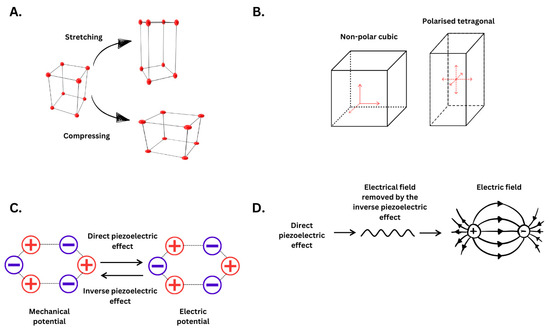
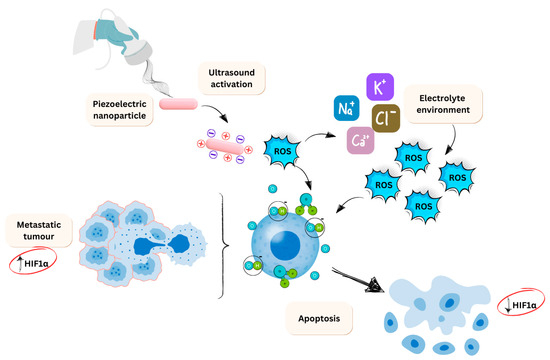
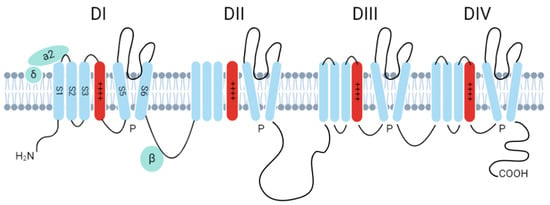
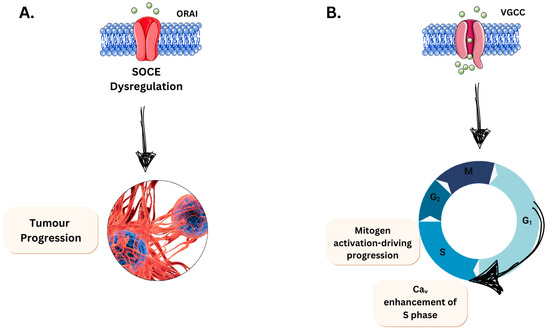
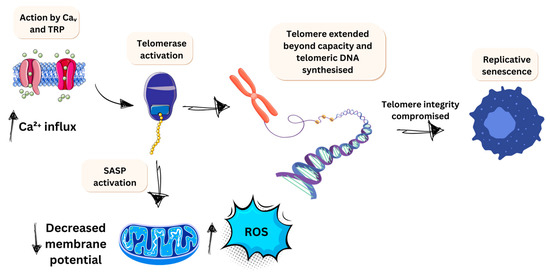
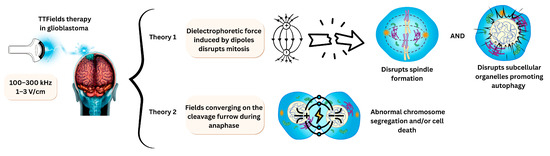
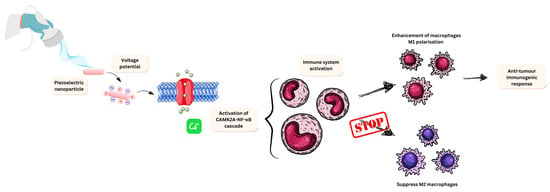
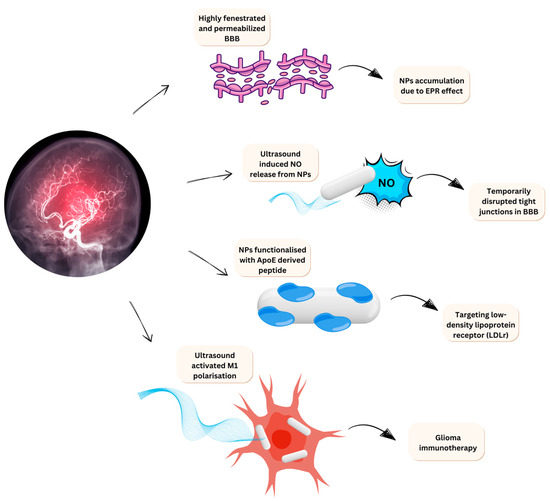
Cancer significantly impacts human quality of life and life expectancy, with an estimated 20 million new cases and 10 million cancer-related deaths worldwide every year. Standard treatments including chemotherapy, radiotherapy, and surgical removal, for aggressive cancers, such as glioblastoma, are often ineffective in late stages. Glioblastoma, for example, is known for its poor prognosis post-diagnosis, with a median survival time of approximately 15 months. Novel therapies using local electric fields have shown anti-tumour effects in glioblastoma by disrupting mitotic spindle assembly and inhibiting cell growth. However, constant application poses risks like patient burns. Wireless stimulation via piezoelectric nanomaterials offers a safer alternative, requiring ultrasound activation to induce therapeutic effects, such as altering voltage-gated ion channel conductance by depolarising membrane potentials. This review highlights the piezoelectric mechanism, drug delivery, ion channel activation, and current technologies in cancer therapy, emphasising the need for further research to address limitations like biocompatibility in whole systems. The goal is to underscore these areas to inspire new avenues of research and overcome barriers to developing piezoelectric nanoparticle-based cancer therapies.
Full article
(This article belongs to the Special Issue Medical Application of Functional Biomaterials (2nd Edition))
►▼
Show Figures

Figure 1
Open AccessArticle
Assessing the Effects of Surface-Stabilized Zero-Valent Iron Nanoparticles on Diverse Bacteria Species Using Complementary Statistical Models
by
Brittany J. Carnathan, Dinny Stevens, Swarna Shikha, Carson Slater, Nathen Byford, Rodney X. Sturdivant, Kuzy Zarzosa, W. Evan Braswell and Christie M. Sayes
J. Funct. Biomater. 2025, 16(3), 113; https://doi.org/10.3390/jfb16030113 - 20 Mar 2025
Abstract
Nanoparticles are proposed as alternatives to traditional antimicrobial agents. By manipulating a nanoparticle’s core and surface coating, antimicrobial effects against various microbial populations can be customized, known as the “designer effect”. However, the antimicrobial properties of nanoparticle core–coating combinations are understudied; little research
[...] Read more.
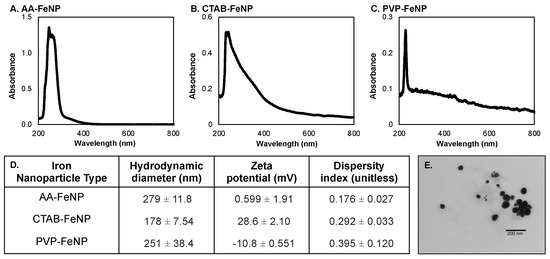
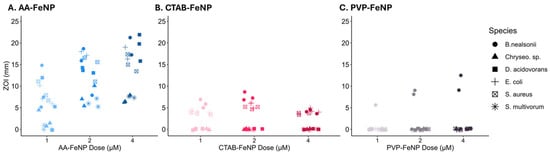
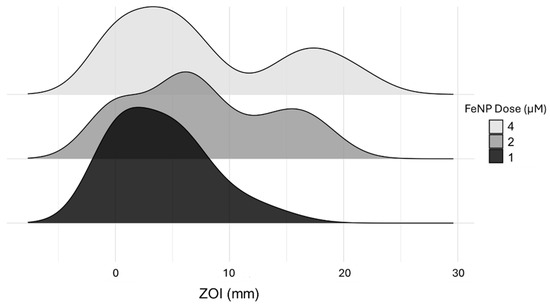
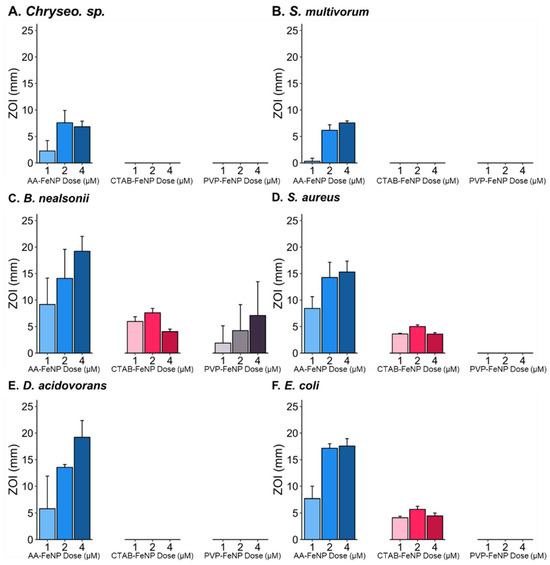
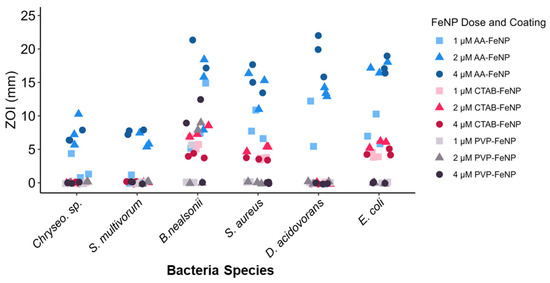
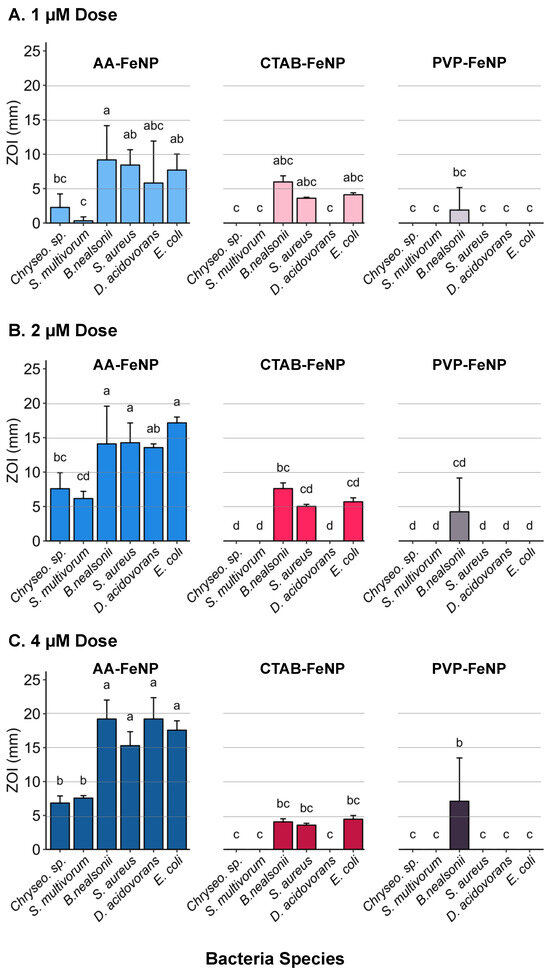
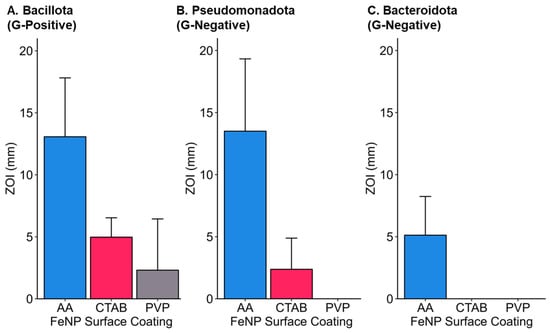
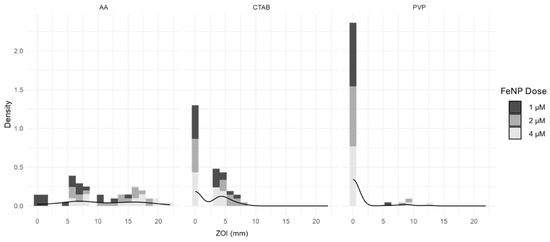
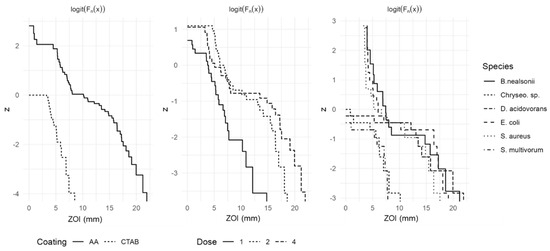
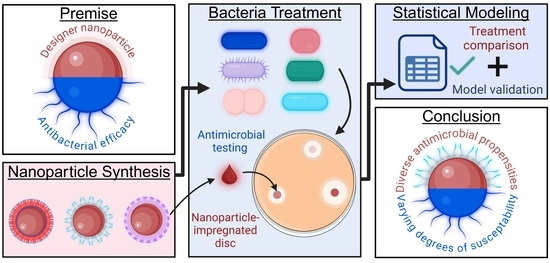
Nanoparticles are proposed as alternatives to traditional antimicrobial agents. By manipulating a nanoparticle’s core and surface coating, antimicrobial effects against various microbial populations can be customized, known as the “designer effect”. However, the antimicrobial properties of nanoparticle core–coating combinations are understudied; little research exists on their effects on diverse bacteria. The antimicrobial effects of surface-stabilized zero-valent iron nanoparticles (FeNPs) are particularly interesting due to their stability in water and ferromagnetic properties. This study explores the impact of FeNPs coated with three surface coatings on six diverse bacterial species. The FeNPs were synthesized and capped with L-ascorbic acid (AA), cetyltrimethylammonium bromide (CTAB), or polyvinylpyrrolidone (PVP) using a bottom-up approach. Zone of inhibition (ZOI) values, assessed through the disc diffusion assay, indicated that AA-FeNPs and CTAB-FeNPs displayed the most potent antibacterial activity. Bacteria inhibition results ranked from most sensitive to least sensitive are the following: Bacillus nealsonii > Escherichia coli > Staphylococcus aureus > Delftia acidovorans > Chryseobacterium sp. > Sphingobacterium multivorum. Comparisons using ordinal regression and generalized linear mixed models revealed significant differences in bacterial responses to the different coatings and nanoparticle concentrations. The statistical model results are in agreement, thus increasing confidence in these conclusions. This study supports the feasibility of the “designer nanoparticle” concept and offers a framework for future research.
Full article
(This article belongs to the Section Antibacterial Biomaterials)
►▼
Show Figures

Graphical abstract
Journal Menu
► ▼ Journal Menu-
- JFB Home
- Aims & Scope
- Editorial Board
- Topical Advisory Panel
- Instructions for Authors
- Special Issues
- Topics
- Sections & Collections
- Article Processing Charge
- Indexing & Archiving
- Editor’s Choice Articles
- Most Cited & Viewed
- Journal Statistics
- Journal History
- Journal Awards
- Conferences
- Editorial Office
Journal Browser
► ▼ Journal BrowserHighly Accessed Articles
Latest Books
E-Mail Alert
News
Topics
Topic in
Applied Sciences, Bioengineering, Coatings, Metals, JFB, Materials
Towards Load-Bearing Biomedical Titanium-Based Alloys: From Essential Requirements to Future Developments
Topic Editors: Liqiang Wang, Yanhua ChenDeadline: 31 December 2025
Topic in
JFB, Materials, Prosthesis, IJMS, Oral, JCM
New Technological and Clinical Advances for Controlling Peri-Implantitis
Topic Editors: Javier Gil, Eugenio Velasco-Ortega, Aritza Brizuela-Velasco, Conrado AparicioDeadline: 31 March 2026
Conferences
Special Issues
Special Issue in
JFB
Feature Review Papers on Functional Biomaterials
Guest Editor: Pankaj VadgamaDeadline: 20 April 2025
Special Issue in
JFB
Ceramic, Zirconia, and Resin-Based Composite for Restorative Dentistry
Guest Editor: Gaetano PaoloneDeadline: 30 April 2025
Special Issue in
JFB
Molecular Mechanisms and Biological Procedures of Biomaterials in Medical Applications
Guest Editor: Yi ZhangDeadline: 30 April 2025
Special Issue in
JFB
Scaffold for Tissue Engineering
Guest Editors: Hang Liu, Linzhi JingDeadline: 30 April 2025
Topical Collections
Topical Collection in
JFB
Biocements for Medical/Dental Purposes
Collection Editor: James Kit-Hon Tsoi
Topical Collection in
JFB
Feature Papers in Biomaterials for Healthcare Applications
Collection Editor: Dimitrios Karamichos
Topical Collection in
JFB
Feature Papers in Biomaterials for Drug Delivery
Collection Editor: Junjie Li