



-
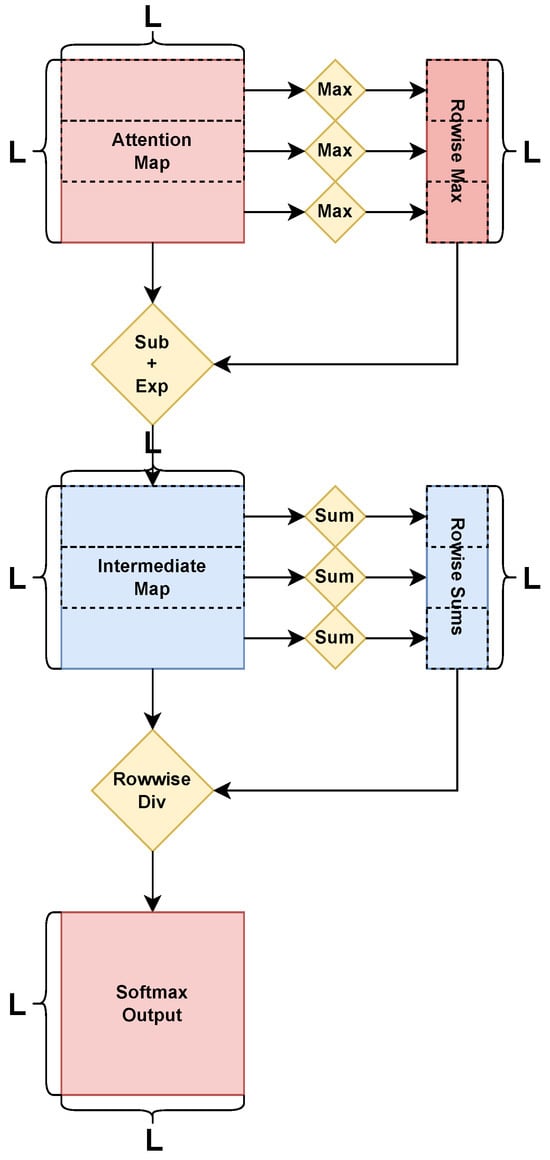
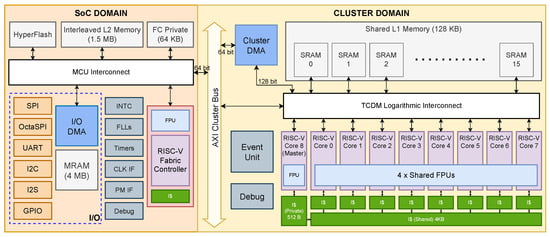
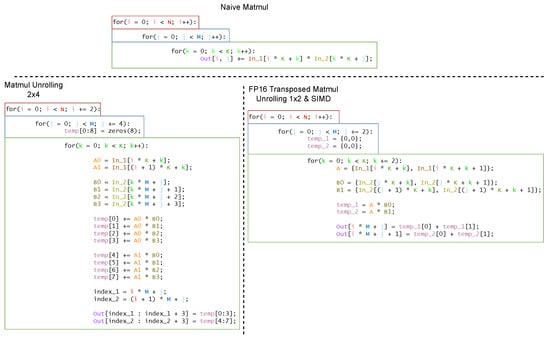
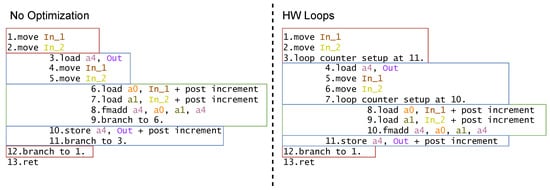
Optimizing BFloat16 Deployment of Tiny Transformers on Ultra-Low Power Extreme Edge SoCs -
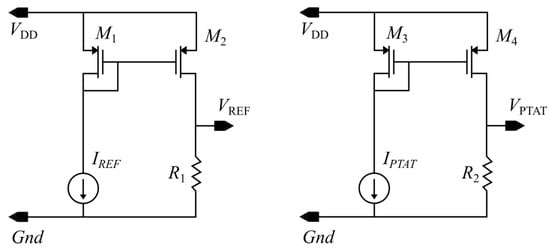
An Ultra-Low-Power 0.8 V, 60 nW Temperature Sensor for Battery-Less Wireless Sensor Networks -
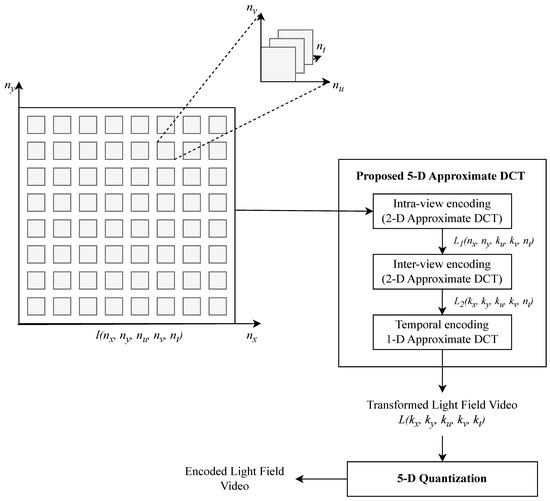
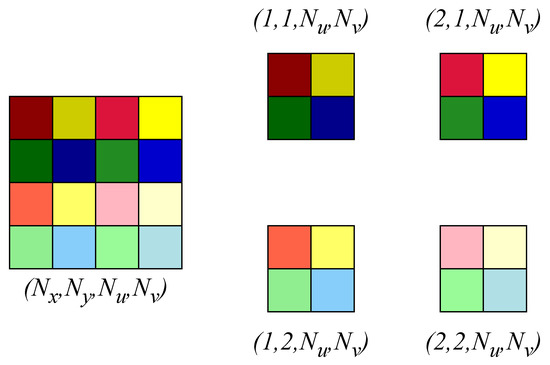
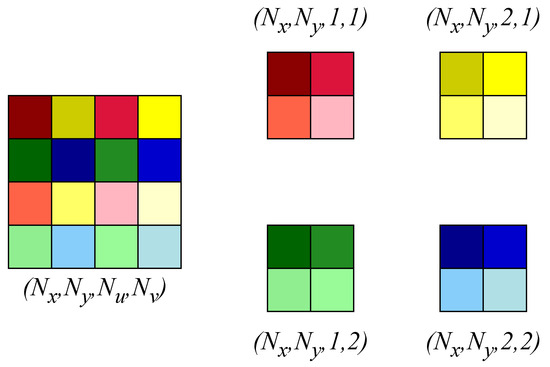
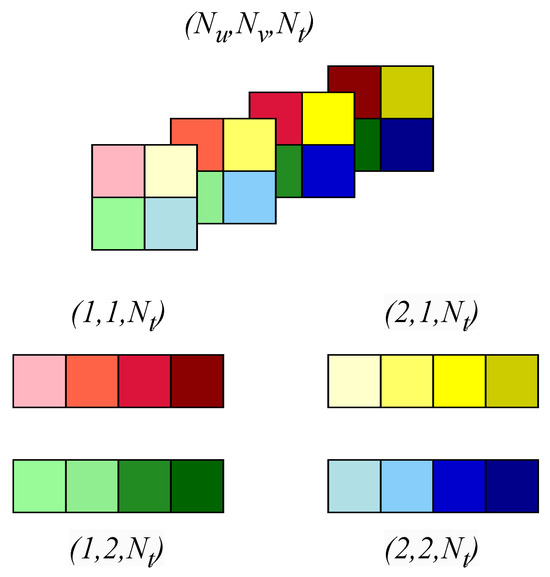
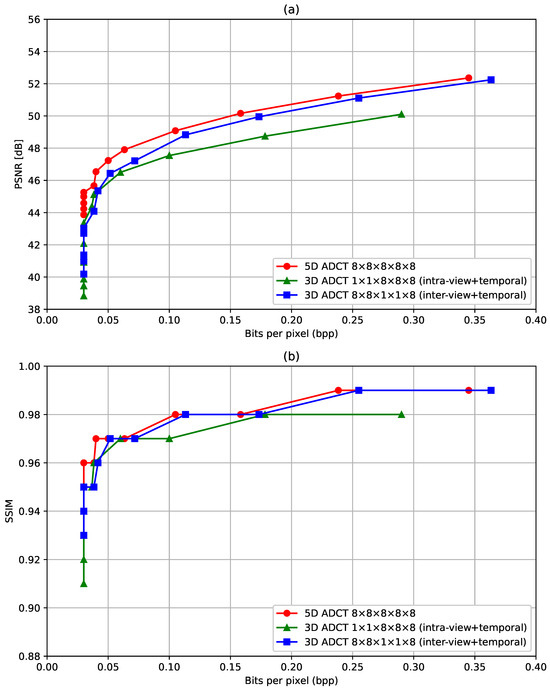
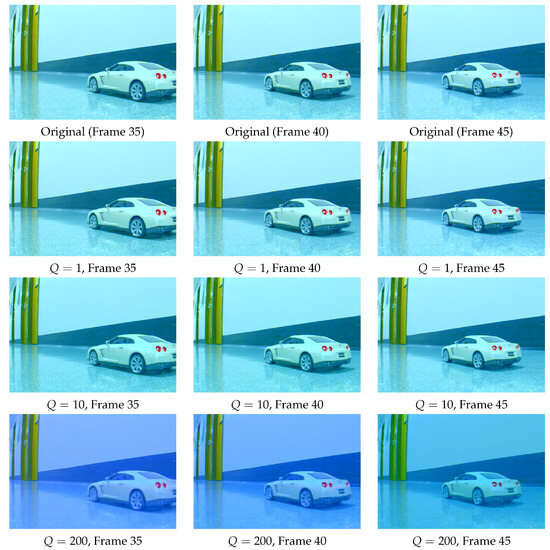
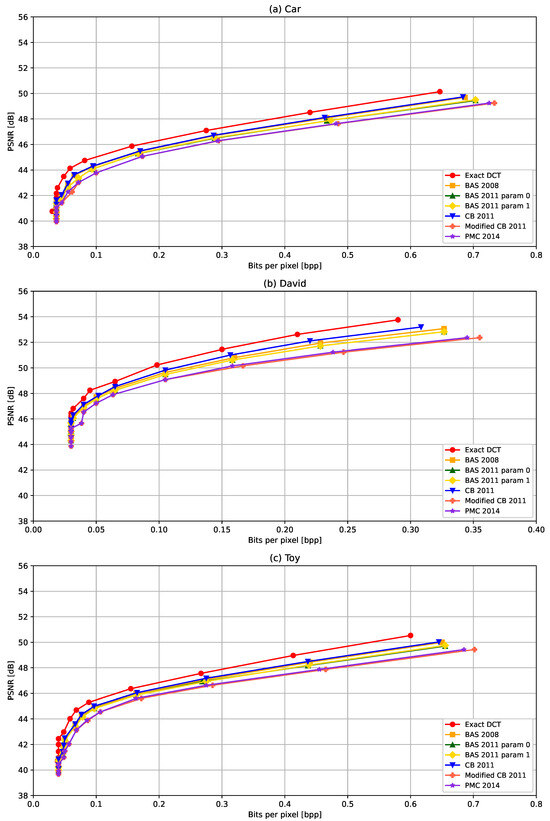
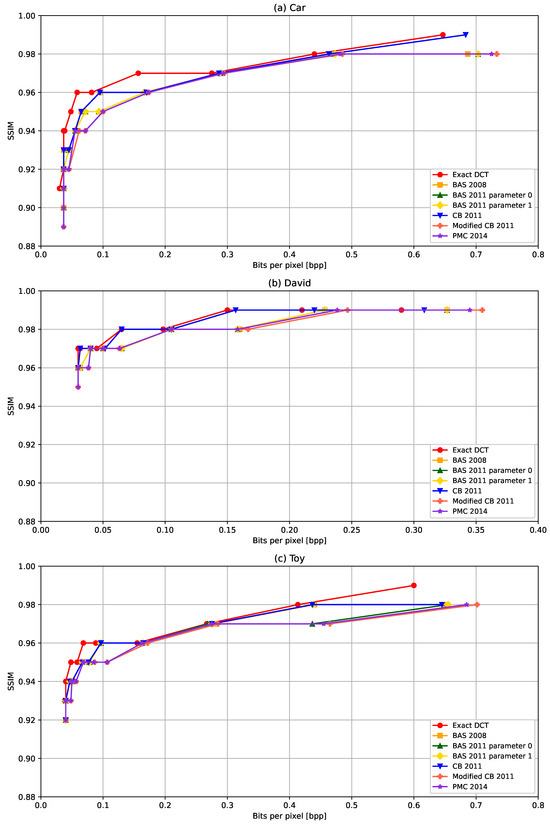
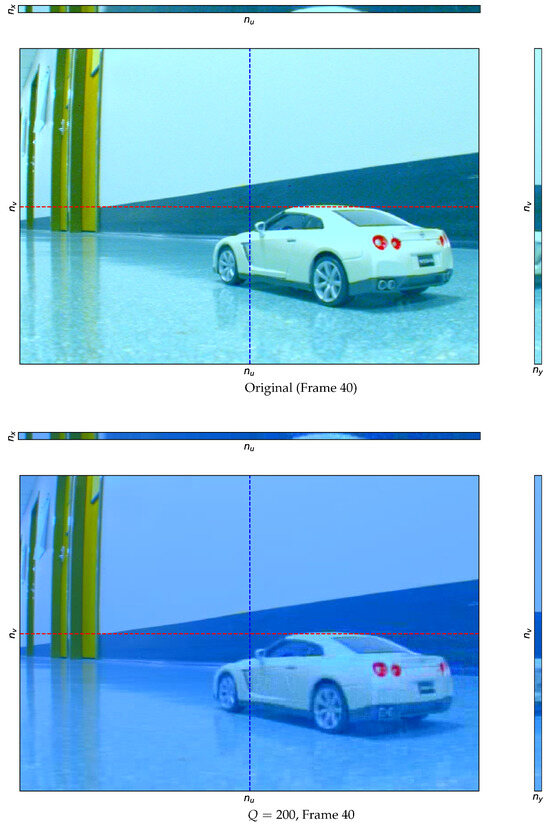
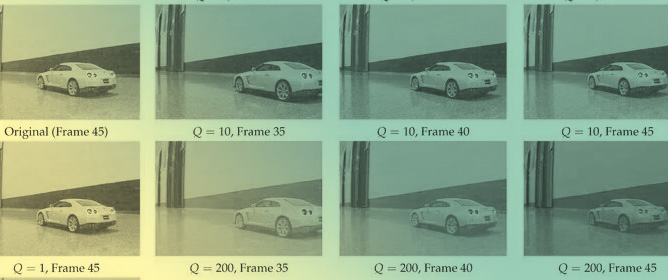
Computationally Efficient Light Field Video Compression Using 5-D Approximate DCT -
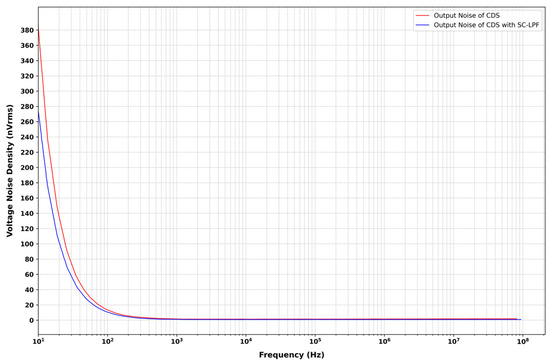
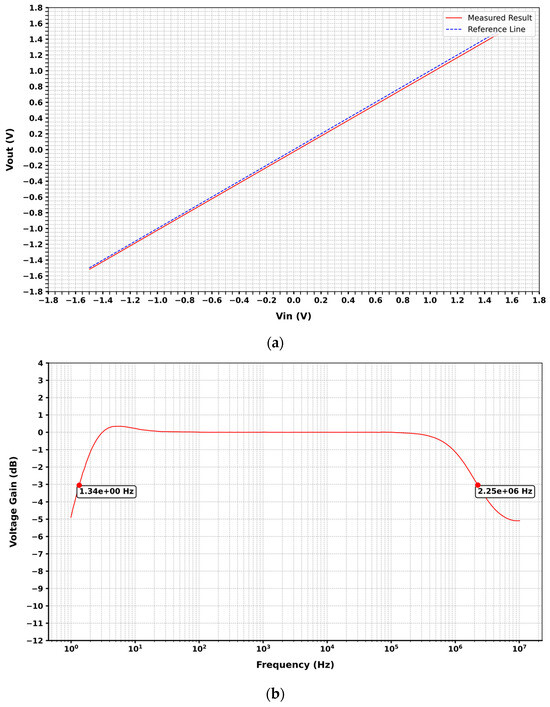
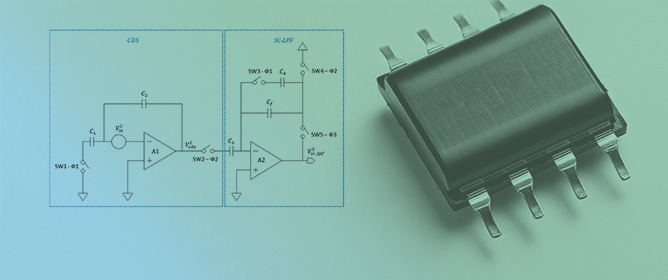
A CMOS Switched Capacitor Filter Based Potentiometric Readout Circuit for pH Sensing System -
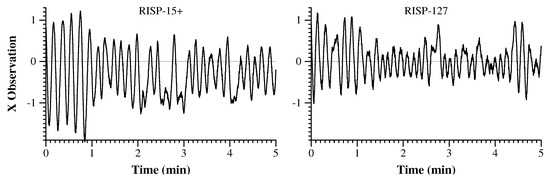
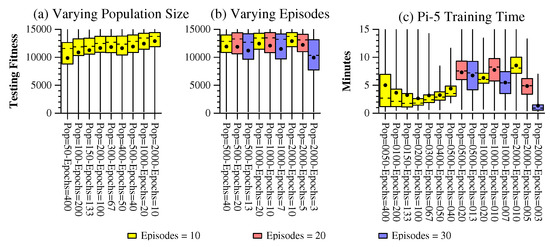
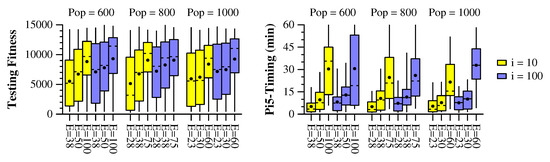
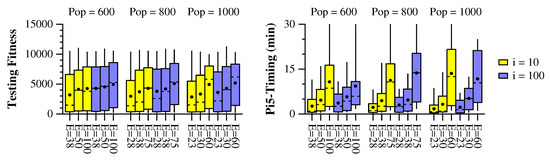
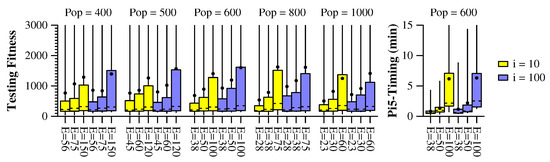
The Cart-Pole Application as a Benchmark for Neuromorphic Computing
Journal Description
Journal of Low Power Electronics and Applications
is an international, peer-reviewed, open access journal on low power electronics published quarterly online by MDPI.
- Open Access— free for readers, with article processing charges (APC) paid by authors or their institutions.
- High Visibility: indexed within Scopus, ESCI (Web of Science), Inspec, and other databases.
- Rapid Publication: manuscripts are peer-reviewed and a first decision is provided to authors approximately 20 days after submission; acceptance to publication is undertaken in 2.7 days (median values for papers published in this journal in the second half of 2024).
- Journal Rank: CiteScore - Q2 (Electrical and Electronic Engineering)
- Recognition of Reviewers: reviewers who provide timely, thorough peer-review reports receive vouchers entitling them to a discount on the APC of their next publication in any MDPI journal, in appreciation of the work done.
Impact Factor:
1.6 (2023)
Latest Articles
Energy Saving in Wireless Sensor Networks via LEACH-Based, Energy-Efficient Routing Protocols
J. Low Power Electron. Appl. 2025, 15(2), 19; https://doi.org/10.3390/jlpea15020019 - 29 Mar 2025
Abstract
►
Show Figures
Wireless sensor networks are at the center of scientific interest thanks to their ever-growing range of applications. The main weakness of wireless sensor networks is the restricted lifetime of their sensor nodes due to limited energy capacity. The extension of the lifespan of
[...] Read more.
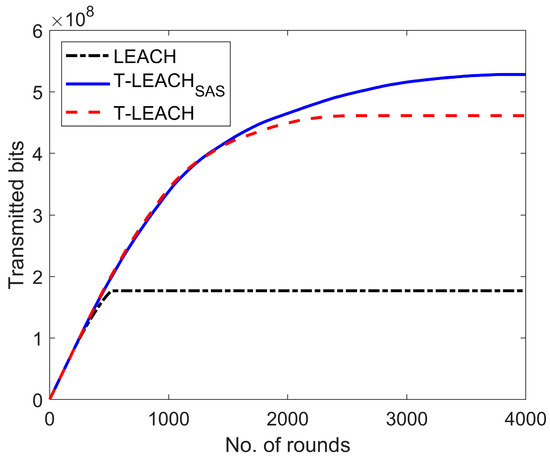
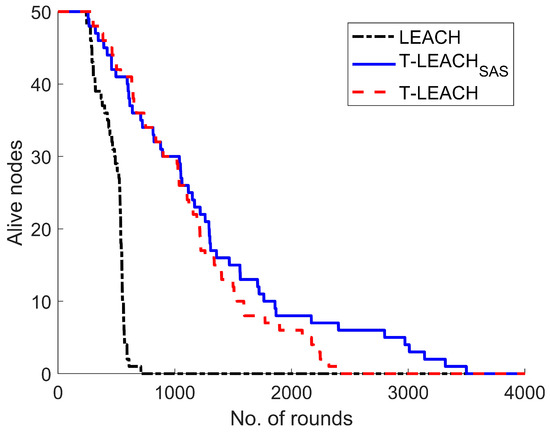
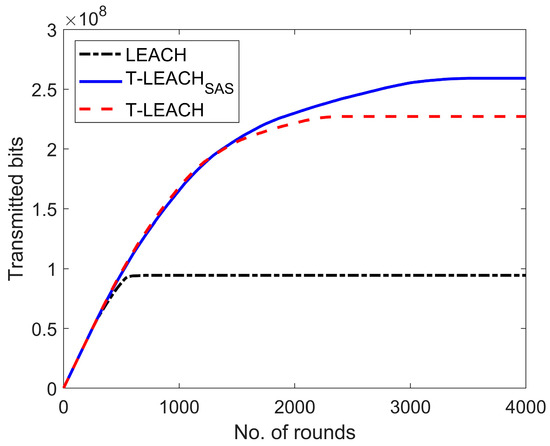
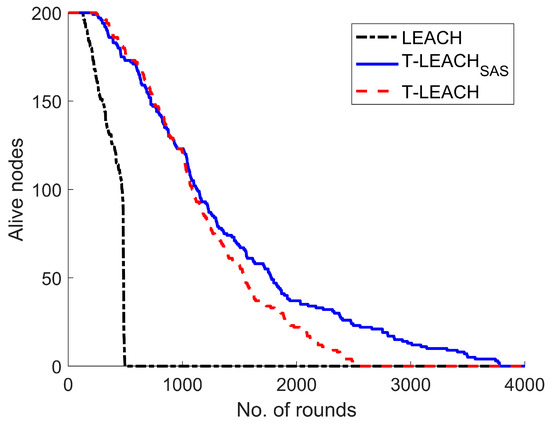
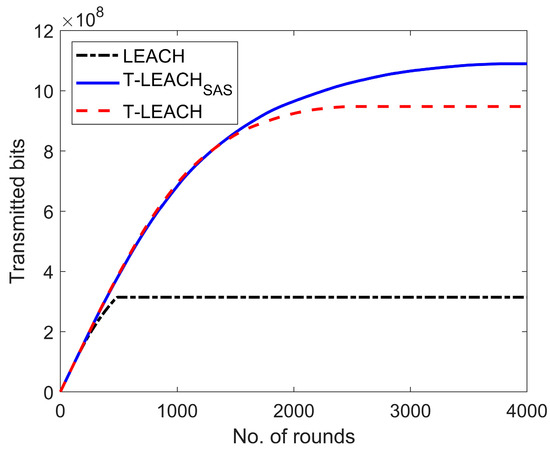
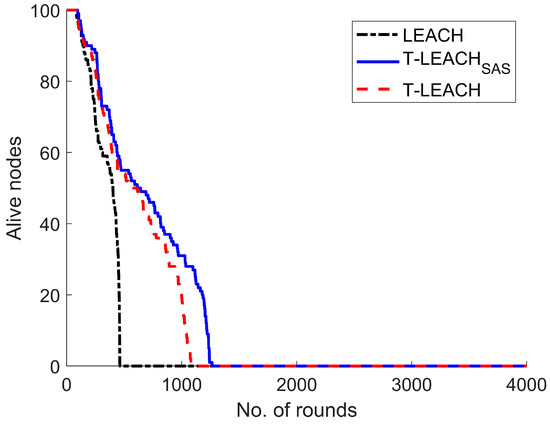
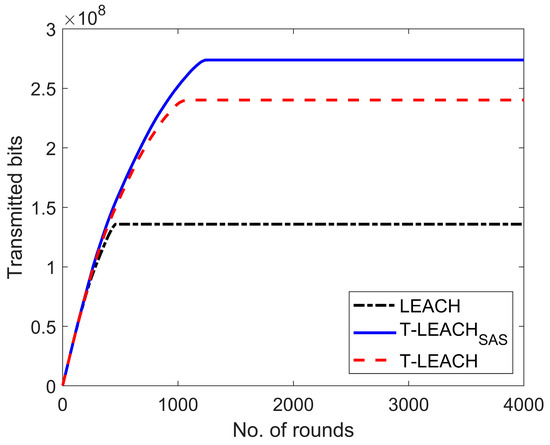
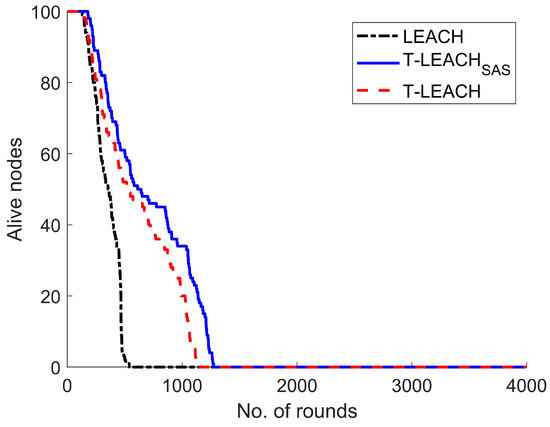
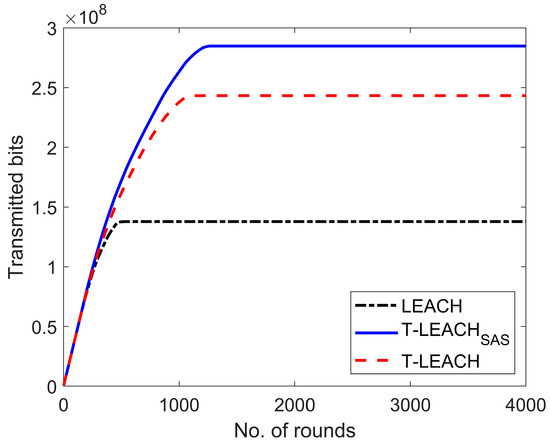
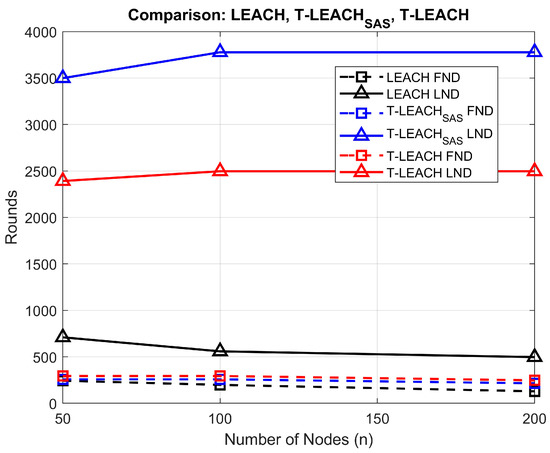
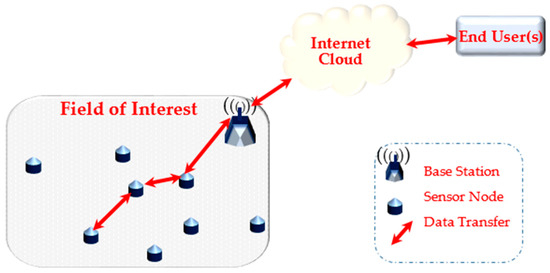
Wireless sensor networks are at the center of scientific interest thanks to their ever-growing range of applications. The main weakness of wireless sensor networks is the restricted lifetime of their sensor nodes due to limited energy capacity. The extension of the lifespan of sensor nodes is pursued in various ways. One of them is the usage of protocols that achieve energy-efficient routing. LEACH is one of the pioneering protocols of this type and has numerous descendants. This research article focuses on energy-efficient routing protocols that are based on LEACH. Specifically, a study of LEACH along with many of its successors is provided. In addition, a novel protocol of this kind, named T-LEACHSAS is introduced. This protocol combines the threshold-based approach for selecting cluster heads that was first introduced in T-LEACH, which is a well-known protocol, along with a mechanism for sleep–awake scheduling. The performance of T-LEACHSAS is compared against that of both LEACH and T-LEACH via simulation tests that confirm that T-LEACHSAS indeed provides a promising choice for energy-efficient routing in WSNs.
Full article
Open AccessArticle
Compact High-Scanning Rate Frequency Scanning Antenna Based on Composite Right/Left-Handed Transmission Line
by
Zongrui He, Kaijun Song, Jia Yao and Yedi Zhou
J. Low Power Electron. Appl. 2025, 15(2), 18; https://doi.org/10.3390/jlpea15020018 - 28 Mar 2025
Abstract
►▼
Show Figures
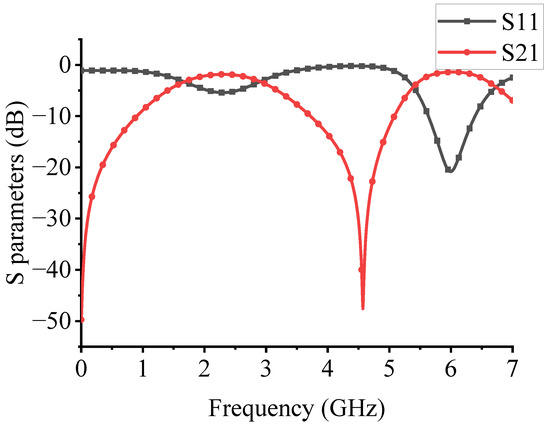
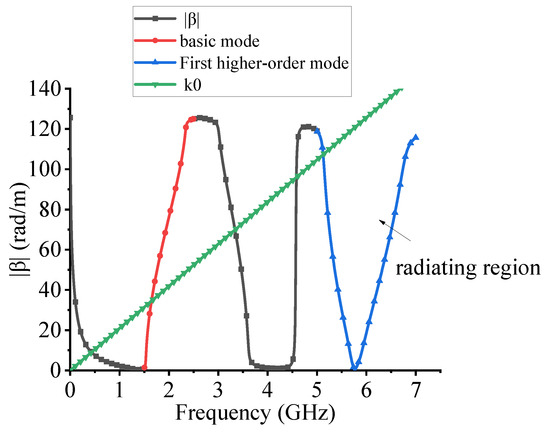
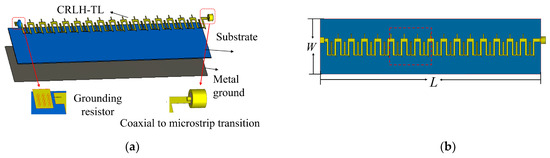
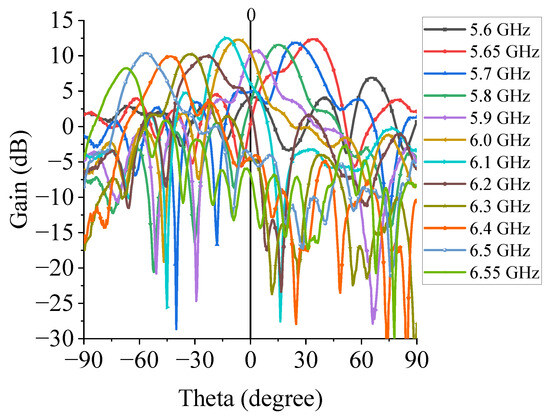
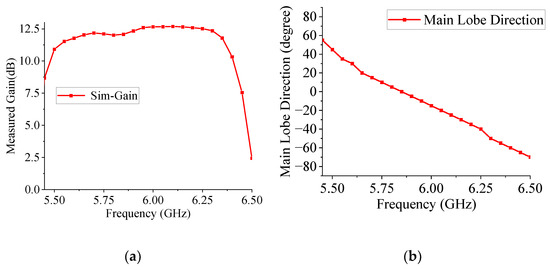
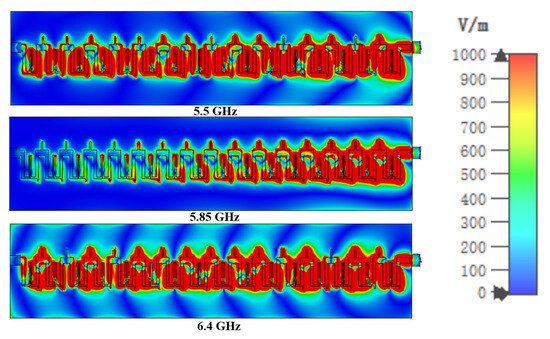
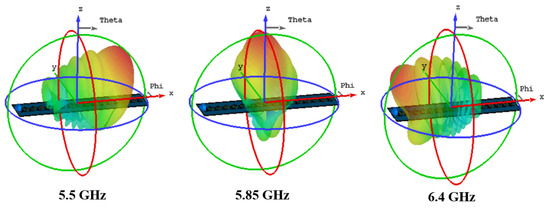
This paper proposes a miniaturized frequency-scanning antenna with high scanning rate. To overcome the OSB (open stopband) of traditional leaky wave antenna, CRLH-TL (Composite Right/Left-Handed-Transmission Line) is adopted. Furthermore, an antenna unit consisting of two symmetrically curved microstrip lines with two short branches
[...] Read more.
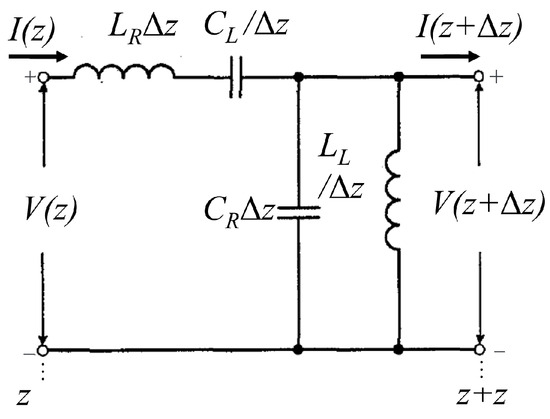
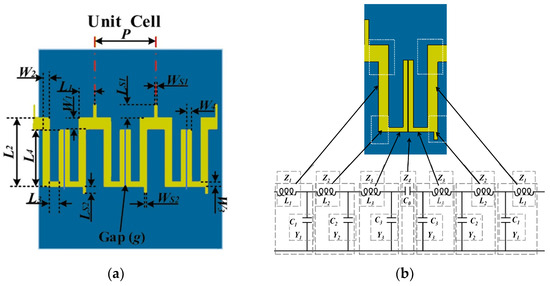
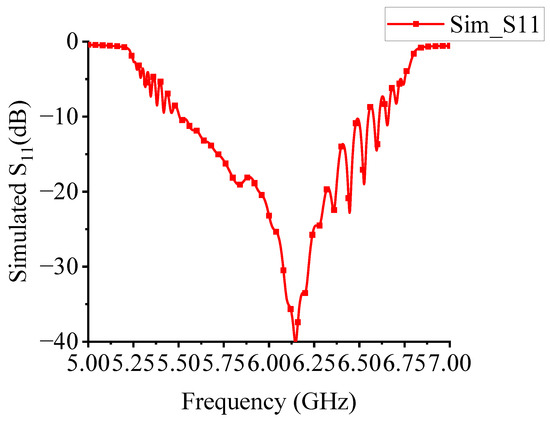
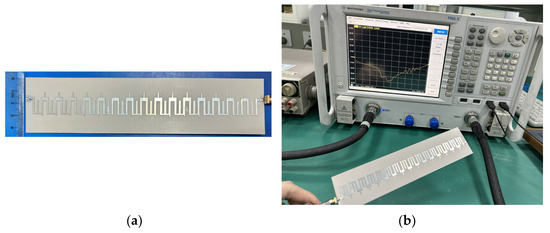
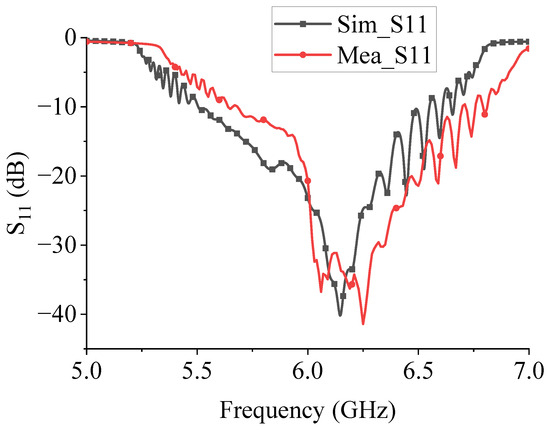
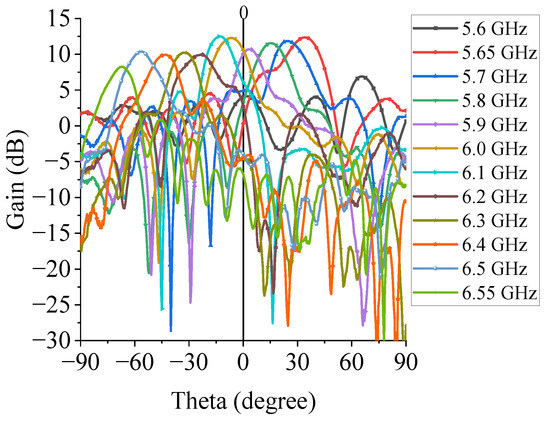
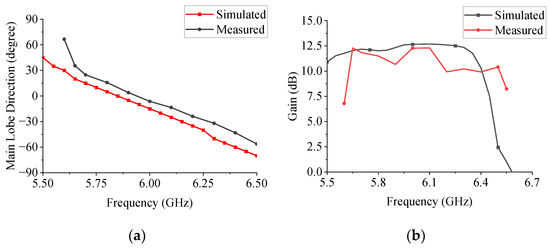
This paper proposes a miniaturized frequency-scanning antenna with high scanning rate. To overcome the OSB (open stopband) of traditional leaky wave antenna, CRLH-TL (Composite Right/Left-Handed-Transmission Line) is adopted. Furthermore, an antenna unit consisting of two symmetrically curved microstrip lines with two short branches is employed, whose second mode exhibits excellent transmission characteristics. The measurements demonstrate that the antenna can achieve scanning from −67.5° to 35.5° in the frequency band range of 5.65–6.5 GHz, with a scanning rate of 7.3. During scanning, the highest gain in the band is 12.3 dBi, the lowest is 10 dBi, and the gain fluctuation is within 2.3 dB, showing good scanning characteristics. Additionally, the length of the proposed antenna is approximately 3.84λ0 for a central frequency of 5.95 GHz.
Full article

Figure 1
Open AccessArticle
Junction Temperature Estimation Model of Power MOSFET Device Based on Photovoltaic Power Enhancer
by
Ning Li, Shubin Zhang and Yanfeng Jiang
J. Low Power Electron. Appl. 2025, 15(2), 17; https://doi.org/10.3390/jlpea15020017 - 24 Mar 2025
Abstract
►▼
Show Figures
In a photovoltaic power enhancer system, when it is operated in current-control mode, significant nonuniform temperature distribution occurs in the converter due to thermal coupling effects, dissipative boundary conditions, and differences in device losses within the in-phase bridge. Accurate on-site estimation of the
[...] Read more.
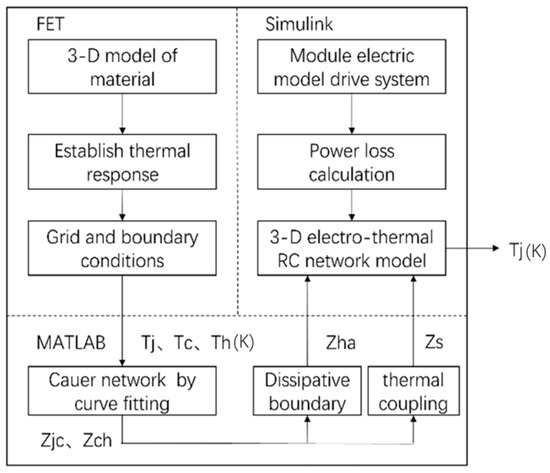
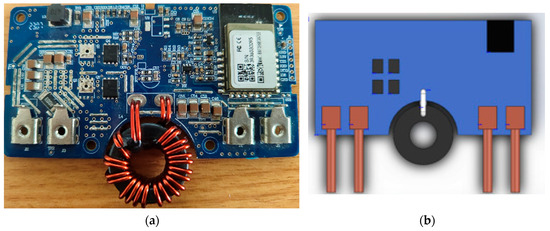
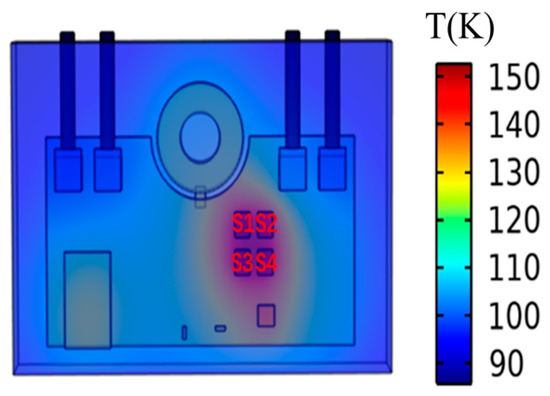
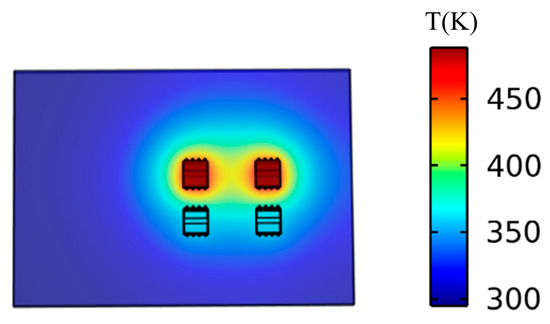
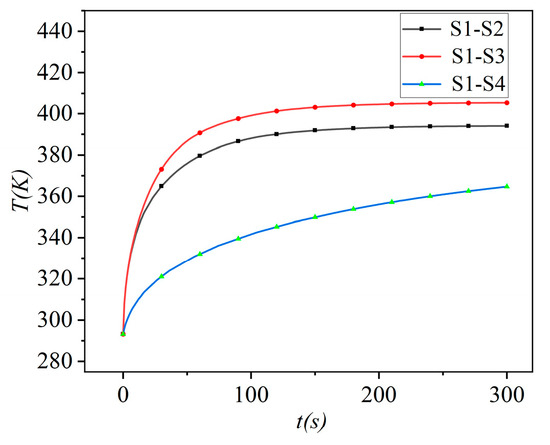
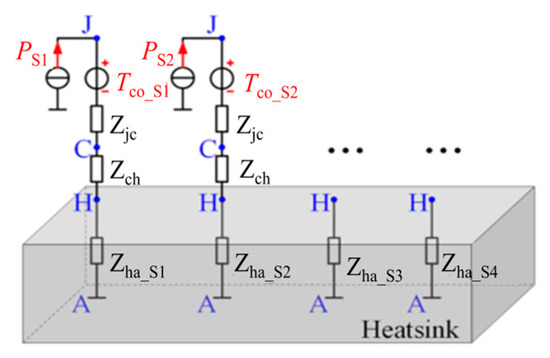
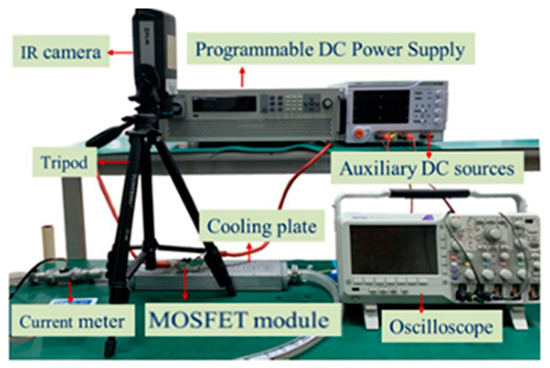
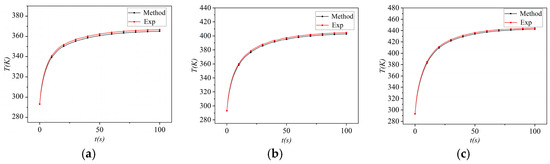
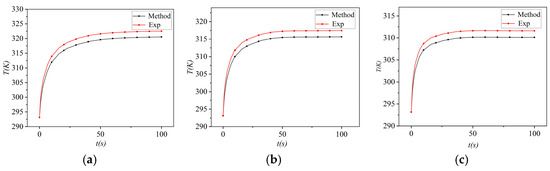
In a photovoltaic power enhancer system, when it is operated in current-control mode, significant nonuniform temperature distribution occurs in the converter due to thermal coupling effects, dissipative boundary conditions, and differences in device losses within the in-phase bridge. Accurate on-site estimation of the power device’s junction temperature is critical in the system design. To address this problem, a novel thermal behavior estimation model based on electro-thermal analysis is proposed in this paper, which can be used for asymmetric power MOSFETs in a photovoltaic power enhancer system. Thermal coupling effects and dissipative boundary conditions are, firstly, analyzed in a three-dimensional finite element model. A coupling impedance matrix is constructed through step power response extraction to describe the significant thermal coupling effects among devices. The complete heat sink is decoupled into several sub-parts representing different dissipative boundary conditions. A compact RC network model for estimating junction temperature is established based on the combination of the coupling impedance and the sub-heat-sink impedance. The proposed model is verified by finite element simulation and experimental measurement.
Full article

Figure 1
Open AccessReview
2D Spintronics for Neuromorphic Computing with Scalability and Energy Efficiency
by
Douglas Z. Plummer, Emily D’Alessandro, Aidan Burrowes, Joshua Fleischer, Alexander M. Heard and Yingying Wu
J. Low Power Electron. Appl. 2025, 15(2), 16; https://doi.org/10.3390/jlpea15020016 - 24 Mar 2025
Abstract
►▼
Show Figures
The demand for computing power has been growing exponentially with the rise of artificial intelligence (AI), machine learning, and the Internet of Things (IoT). This growth requires unconventional computing primitives that prioritize energy efficiency, while also addressing the critical need for scalability. Neuromorphic
[...] Read more.
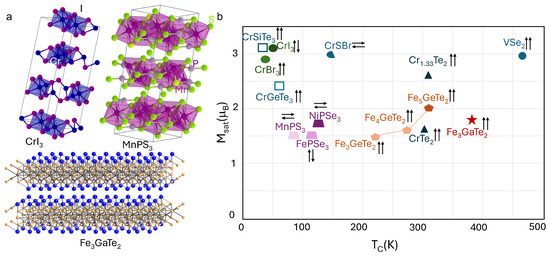
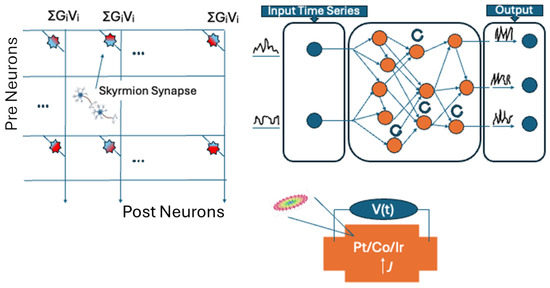
The demand for computing power has been growing exponentially with the rise of artificial intelligence (AI), machine learning, and the Internet of Things (IoT). This growth requires unconventional computing primitives that prioritize energy efficiency, while also addressing the critical need for scalability. Neuromorphic computing, inspired by the biological brain, offers a transformative paradigm for addressing these challenges. This review paper provides an overview of advancements in 2D spintronics and device architectures designed for neuromorphic applications, with a focus on techniques such as spin-orbit torque, magnetic tunnel junctions, and skyrmions. Emerging van der Waals materials like CrI3, Fe3GaTe2, and graphene-based heterostructures have demonstrated unparalleled potential for integrating memory and logic at the atomic scale. This work highlights technologies with ultra-low energy consumption (0.14 fJ/operation), high switching speeds (sub-nanosecond), and scalability to sub-20 nm footprints. It covers key material innovations and the role of spintronic effects in enabling compact, energy-efficient neuromorphic systems, providing a foundation for advancing scalable, next-generation computing architectures.
Full article

Figure 1
Open AccessArticle
Hardware/Software Co-Design Optimization for Training Recurrent Neural Networks at the Edge
by
Yicheng Zhang, Bojian Yin, Manil Dev Gomony, Henk Corporaal, Carsten Trinitis and Federico Corradi
J. Low Power Electron. Appl. 2025, 15(1), 15; https://doi.org/10.3390/jlpea15010015 - 11 Mar 2025
Abstract
►▼
Show Figures
Edge devices execute pre-trained Artificial Intelligence (AI) models optimized on large Graphical Processing Units (GPUs); however, they frequently require fine-tuning when deployed in the real world. This fine-tuning, referred to as edge learning, is essential for personalized tasks such as speech and gesture
[...] Read more.
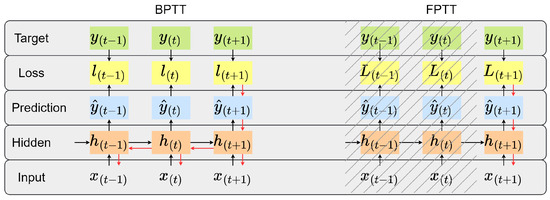
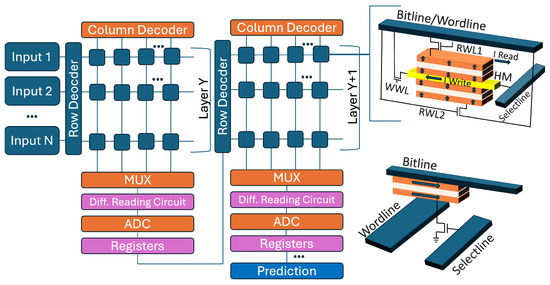
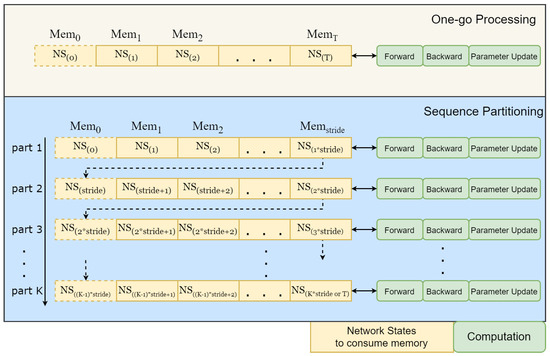
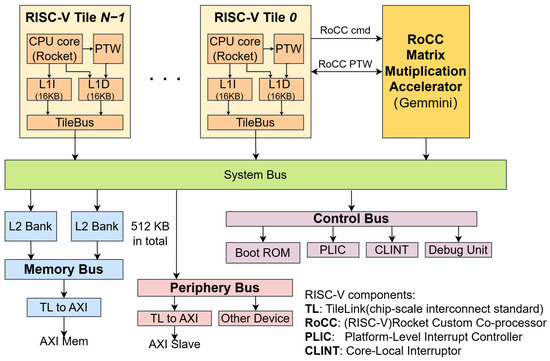
Edge devices execute pre-trained Artificial Intelligence (AI) models optimized on large Graphical Processing Units (GPUs); however, they frequently require fine-tuning when deployed in the real world. This fine-tuning, referred to as edge learning, is essential for personalized tasks such as speech and gesture recognition, which often necessitate the use of recurrent neural networks (RNNs). However, training RNNs on edge devices presents major challenges due to limited memory and computing resources. In this study, we propose a system for RNN training through sequence partitioning using the Forward Propagation Through Time (FPTT) training method, thereby enabling edge learning. Our optimized hardware/software co-design for FPTT represents a novel contribution in this domain. This research demonstrates the viability of FPTT for fine-tuning real-world applications by implementing a complete computational framework for training Long Short-Term Memory (LSTM) networks utilizing FPTT. Moreover, this work incorporates the optimization and exploration of a scalable digital hardware architecture using an open-source hardware-design framework, named Chipyard and its implementation on a Field-Programmable Gate Array (FPGA) for cycle-accurate verification. The empirical results demonstrate that partitioned training on the proposed architecture enables an 8.2-fold reduction in memory usage with only a 0.2× increase in latency for small-batch sequential MNIST (S-MNIST) compared to traditional non-partitioned training.
Full article

Figure 1
Open AccessArticle
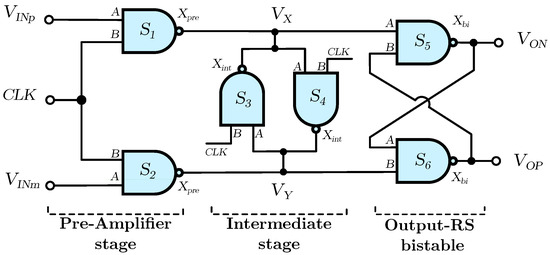
Design of Ultra-Low-Power Rail-to-Rail Input Common Mode Range Standard-Cell-Based Comparators
by
Antonio Manno, Giuseppe Scotti and Gaetano Palumbo
J. Low Power Electron. Appl. 2025, 15(1), 14; https://doi.org/10.3390/jlpea15010014 - 8 Mar 2025
Abstract
►▼
Show Figures
In this paper, a NOR2 standard-cell-based dynamic comparator providing rail-to-rail input common mode range (ICMR) is presented, together with a novel standard-cell oriented design methodology. The proposed topology provides better speed performance and lower power-delay-product than the previously presented standard-cell-based dynamic comparators with
[...] Read more.
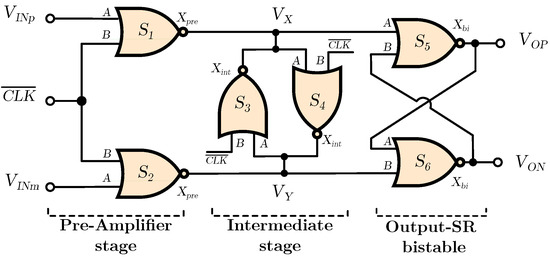
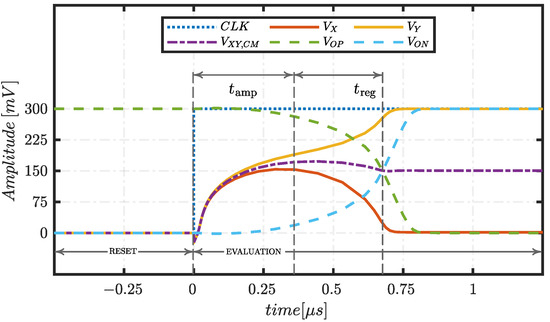
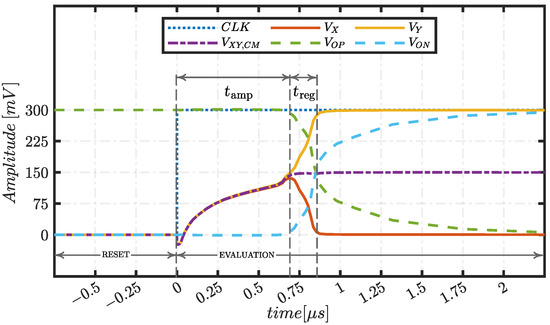
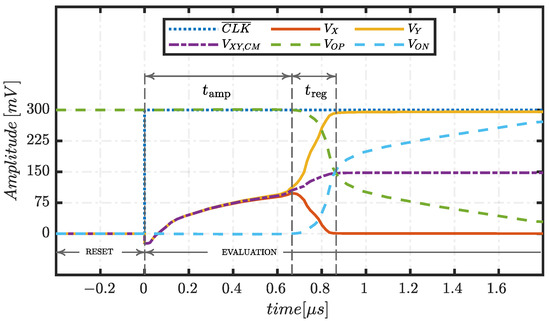
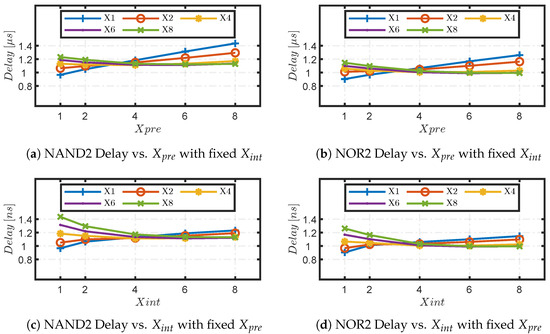
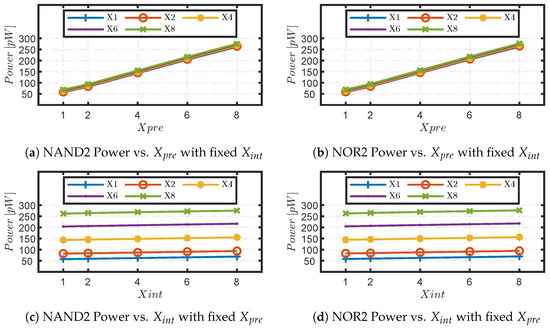
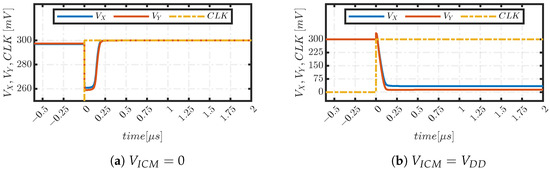
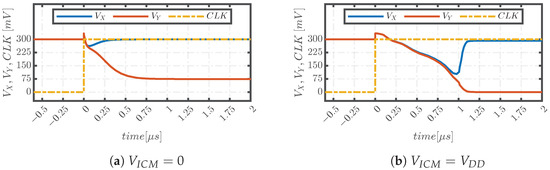
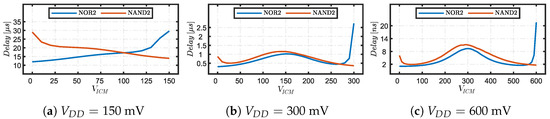
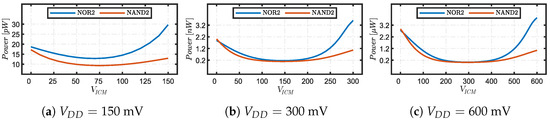
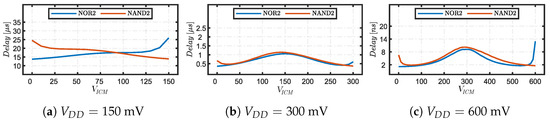
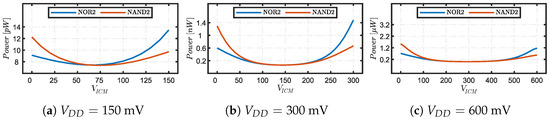
In this paper, a NOR2 standard-cell-based dynamic comparator providing rail-to-rail input common mode range (ICMR) is presented, together with a novel standard-cell oriented design methodology. The proposed topology provides better speed performance and lower power-delay-product than the previously presented standard-cell-based dynamic comparators with rail-to-rail ICMR features. The NOR2 topology, which is also better than the complementary NAND2-based topology previously presented by the authors, is even able to guarantee improvements in the order of 8× –16× higher speed and 7× lower PDP, with respect to the other rail-to-rail ICMR standard-cell-based topologies in the literature. Concerning the standard-cell oriented design methodology, it is focused on the impact of the cell’s strength, which is the only free parameter, on delay, power consumption, ICMR and offset. The circuit performances are demonstrated for supply voltages equal to 600 mV, 300 mV and 150 mV, considering a 45 nm CMOS technology.
Full article

Figure 1
Open AccessArticle
Current-Mode Quadrature Oscillator Simple Designs
by
Julia Nako, Costas Psychalinos and Shahram Minaei
J. Low Power Electron. Appl. 2025, 15(1), 13; https://doi.org/10.3390/jlpea15010013 - 7 Mar 2025
Abstract
Simple designs of current-mode quadrature oscillators are presented in this work. The main achievement, with regards to the literature, is the minimization of the required transistor count accomplished by the utilization of a suitable lossless integration stage. The derived post-layout simulation results confirm
[...] Read more.
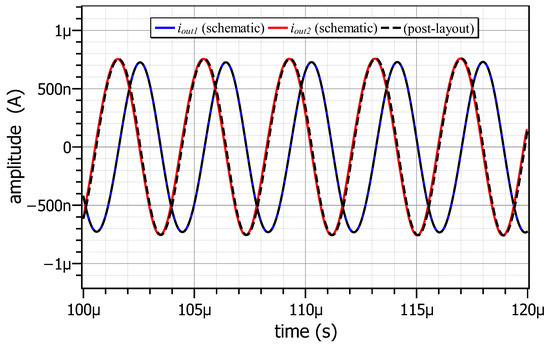
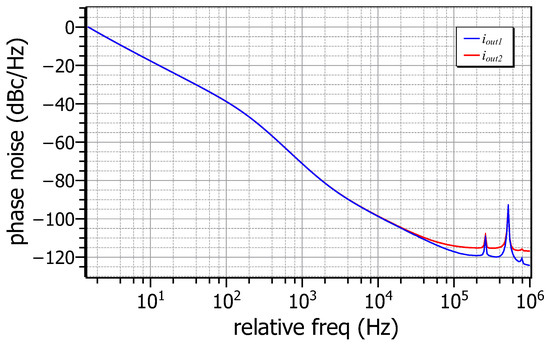
Simple designs of current-mode quadrature oscillators are presented in this work. The main achievement, with regards to the literature, is the minimization of the required transistor count accomplished by the utilization of a suitable lossless integration stage. The derived post-layout simulation results confirm the validity of the presented concept and show that the resulting structure has attractive characteristics in both frequency and time-domain.
Full article
(This article belongs to the Special Issue Ultra-Low-Power ICs for the Internet of Things (3rd Edition))
►▼
Show Figures

Figure 1
Open AccessArticle
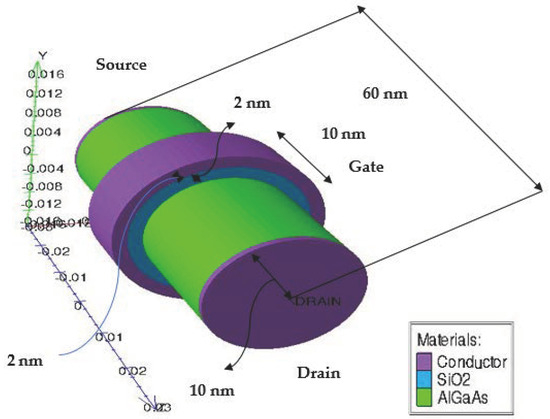
Investigation of Short Channel Effects in Al0.30Ga0.60As Channel-Based Junctionless Cylindrical Gate-All-Around FET for Low Power Applications
by
Pooja Srivastava, Aditi Upadhyaya, Shekhar Yadav, Chandra Mohan Singh Negi and Arvind Kumar Singh
J. Low Power Electron. Appl. 2025, 15(1), 12; https://doi.org/10.3390/jlpea15010012 - 21 Feb 2025
Abstract
►▼
Show Figures
In this work, a cylindrical gate-all-around junctionless field effect transistor (JLFET) was investigated. Junctions and doping concentration gradients are unavailable in JLFET. According to the results, the suggested device has a novel architecture that significantly enhances transistor performance while exhibiting a decreased vulnerability
[...] Read more.
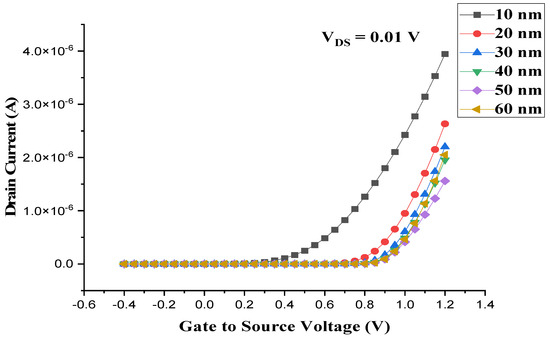
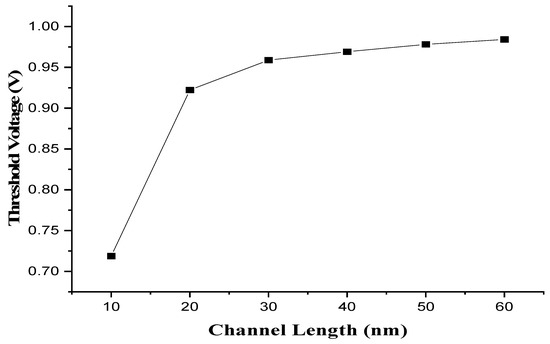
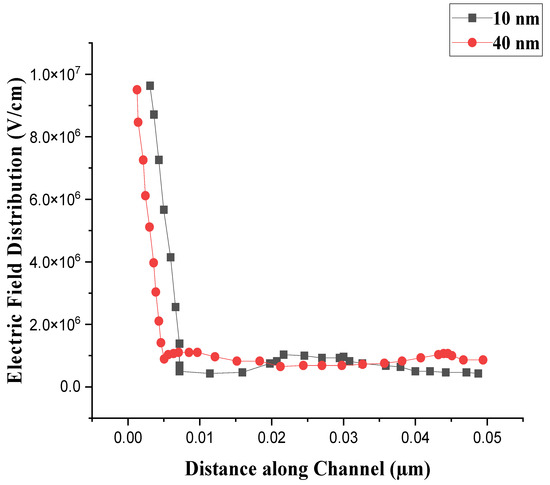
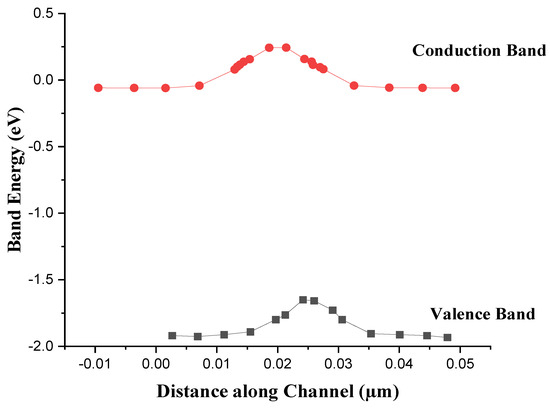
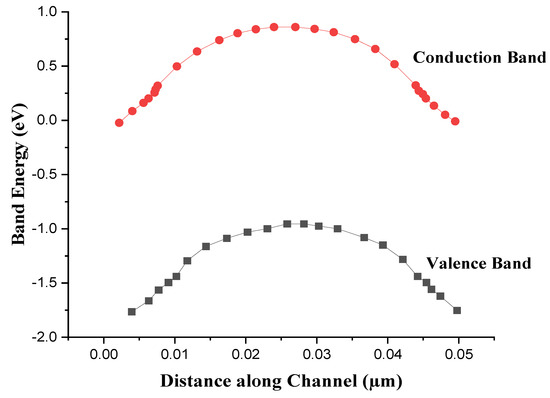
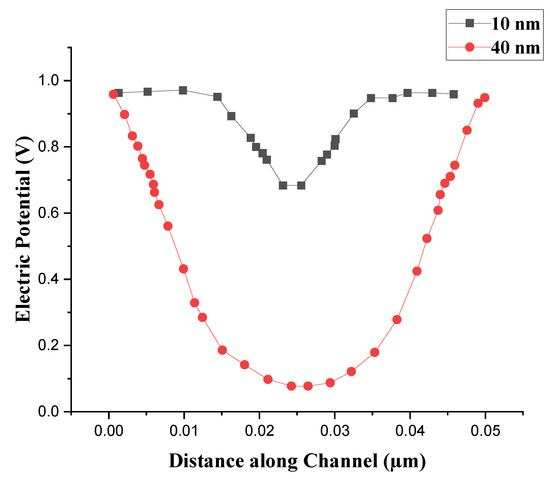
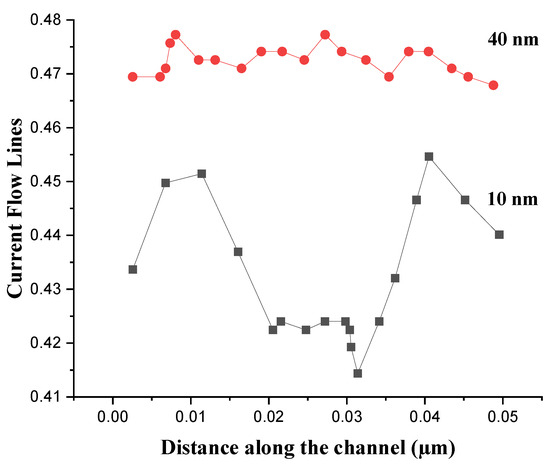
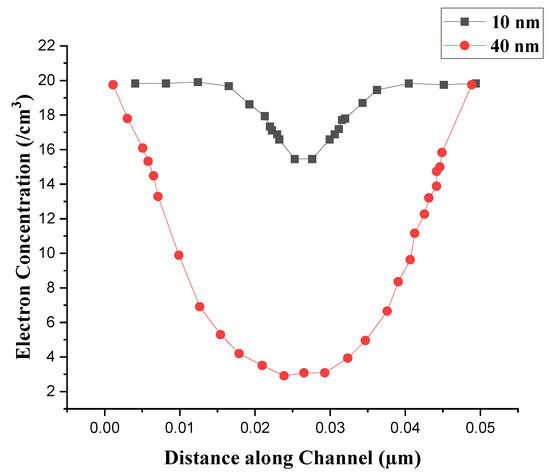
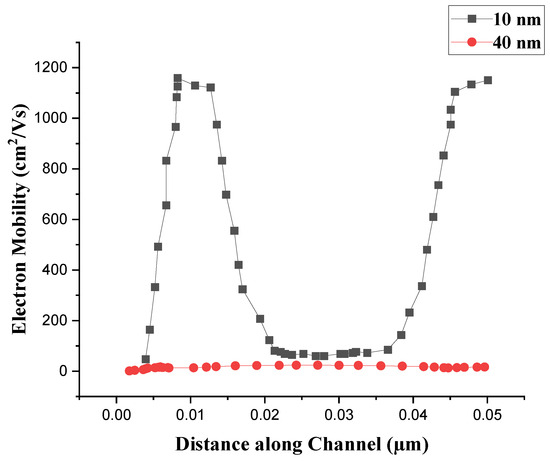
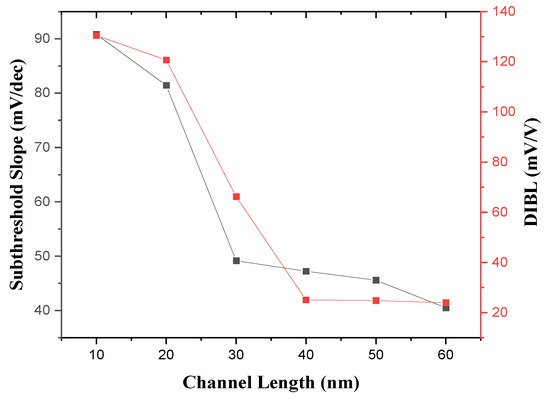
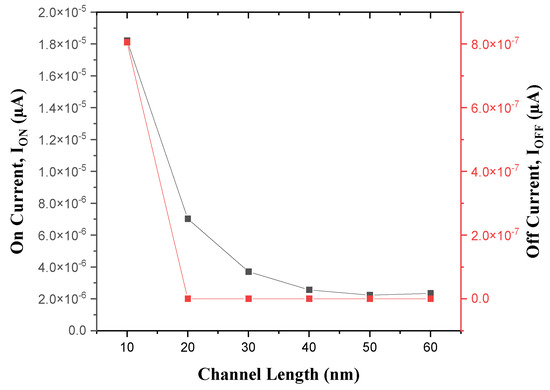
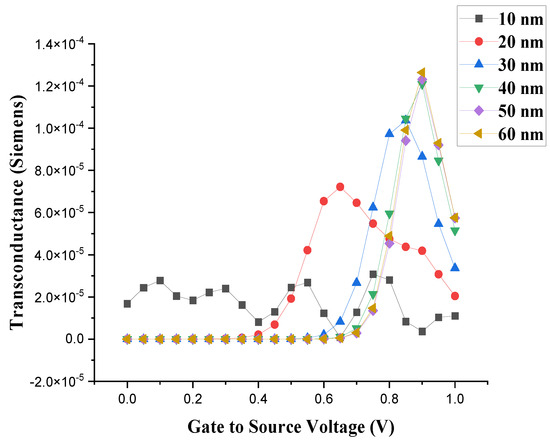
In this work, a cylindrical gate-all-around junctionless field effect transistor (JLFET) was investigated. Junctions and doping concentration gradients are unavailable in JLFET. According to the results, the suggested device has a novel architecture that significantly enhances transistor performance while exhibiting a decreased vulnerability to short-channel effects (SCEs). The Atlas 3D device simulator has been used to analyze the proposed JLFET’s performance, especially for low-power applications for different channel lengths ranging from 10 nm to 60 nm with Al0.30Ga0.60As as III-V materials. The comparative simulated study has been based on various performance parameters, including subthreshold slope (SS), drain-induced barrier lowering (DIBL), transconductance, threshold voltage, and ION to IOFF ratio. The results of the simulations demonstrated that the III-V JLFET exhibited a favorable SS and decreased DIBL compared to other circuit topologies. In the suggested study, gallium arsenide (GaAs) and its compound materials have demonstrated a strong correlation between the SS and DIBL values. The SS is approximately 63 mV/dec, extremely near the ideal 60 mV/dec value. Gallium arsenide (GaAs) and aluminum gallium arsenide (AlGaAs) exhibit DIBL of approximately 30 mV/V and an SS value of around 64 mV/dec.
Full article

Figure 1
Open AccessArticle
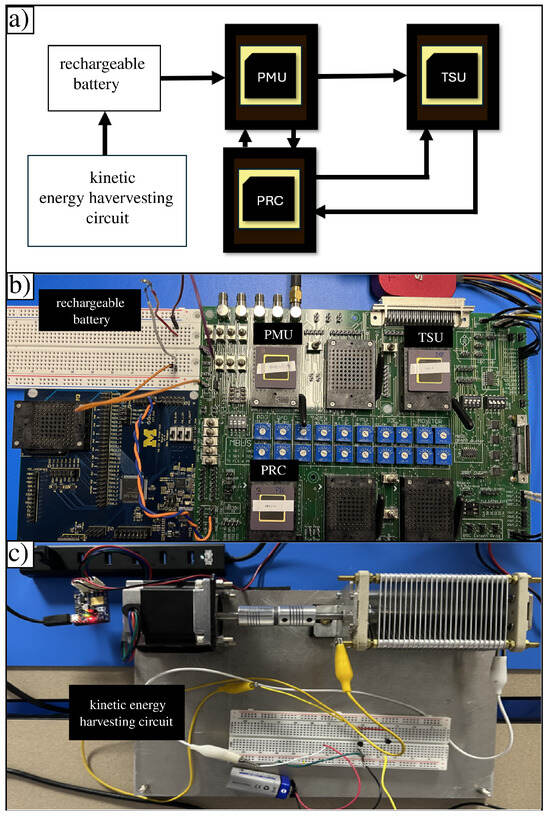
Low-Level Kinetic-Energy-Powered Temperature Sensing System
by
Ashaduzzaman, James M. Mangum, Syed M. Rahman, Tamzeed B. Amin, Md R. Kabir, Hung Do, Gordy Carichner, David Blaauw and Paul M. Thibado
J. Low Power Electron. Appl. 2025, 15(1), 11; https://doi.org/10.3390/jlpea15010011 - 13 Feb 2025
Abstract
►▼
Show Figures
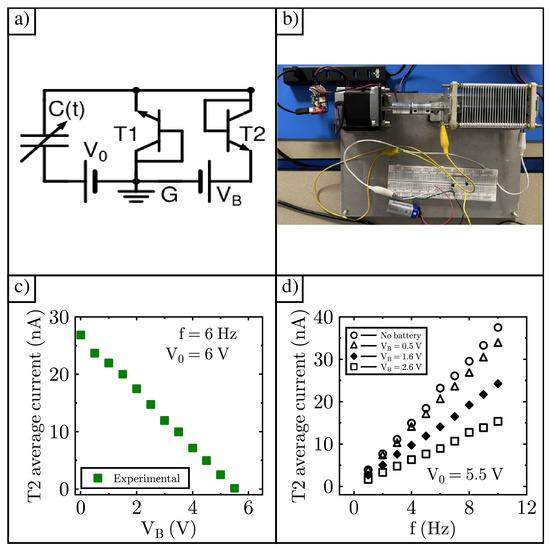
Powering modern nanowatt sensors from omnipresent low-level kinetic energy: This study investigates the power levels produced by a varying-capacitance kinetic energy harvesting system. A model system consisting of a uniformly driven rotating capacitor was built to develop an accurate output power performance model.
[...] Read more.
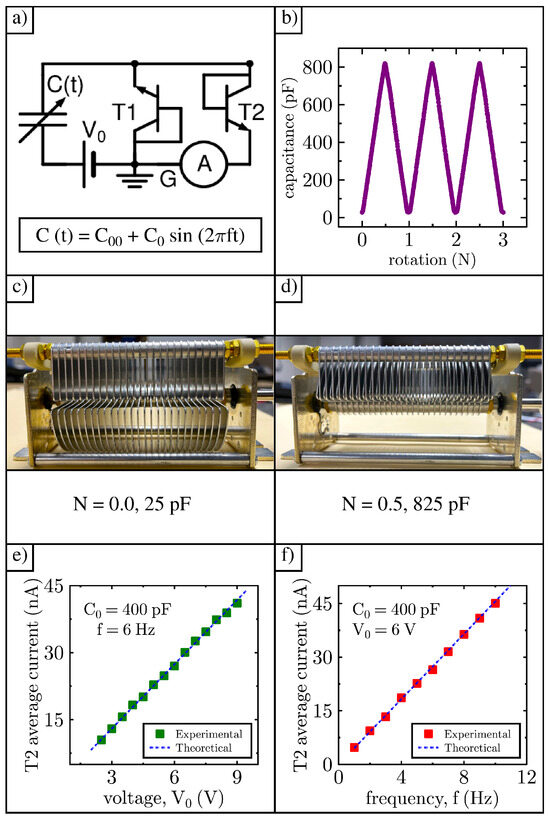
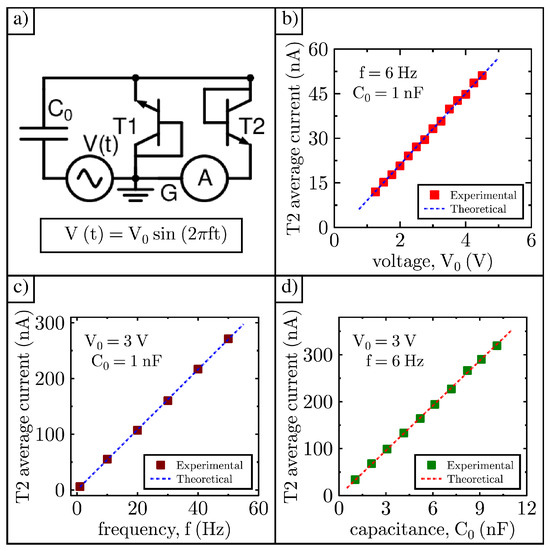
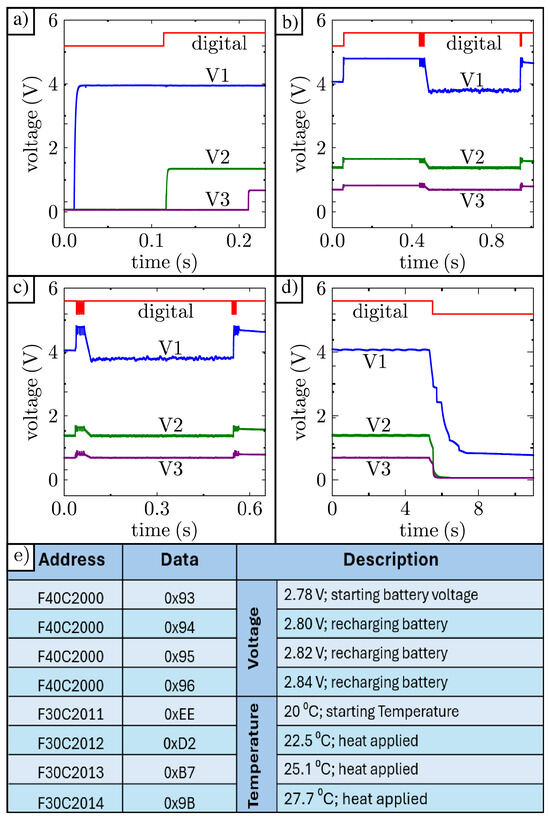
Powering modern nanowatt sensors from omnipresent low-level kinetic energy: This study investigates the power levels produced by a varying-capacitance kinetic energy harvesting system. A model system consisting of a uniformly driven rotating capacitor was built to develop an accurate output power performance model. We found a quantitative linear relationship between the rectified output current and the input applied bias voltage, driving frequency, and capacitance variation. We also demonstrate that our variable capacitor system is equivalent to a fixed capacitor driven with an alternating current power source. Both the fixed-capacitance and varying-capacitance energy harvesting systems recharge a three-volt battery, which in turn powers a custom ultralow-power-consuming temperature sensor system.
Full article

Figure 1
Open AccessArticle
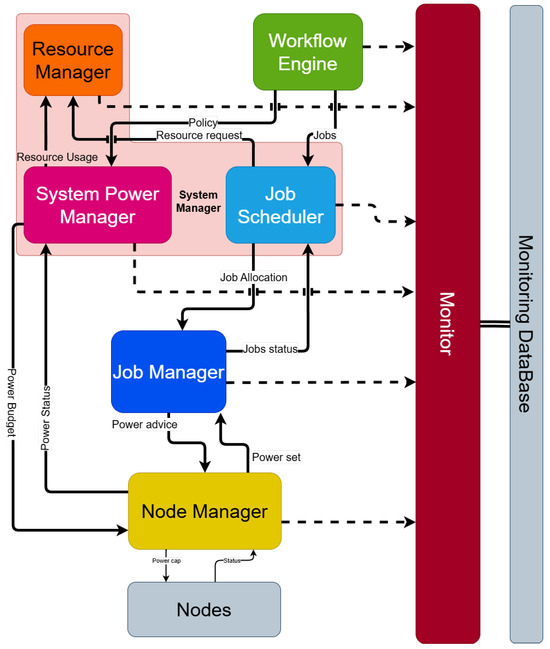
The REGALE Library: A DDS Interoperability Layer for the HPC PowerStack
by
Giacomo Madella, Federico Tesser, Lluis Alonso, Julita Corbalan, Daniele Cesarini and Andrea Bartolini
J. Low Power Electron. Appl. 2025, 15(1), 10; https://doi.org/10.3390/jlpea15010010 - 12 Feb 2025
Abstract
►▼
Show Figures
Large-scale computing clusters have been the basis of scientific progress for several decades and have now become a commodity fuelling the AI revolution. Dark Silicon, energy efficiency, power consumption, and hot spots are no longer looming threats of an Information and Communication Technologies
[...] Read more.
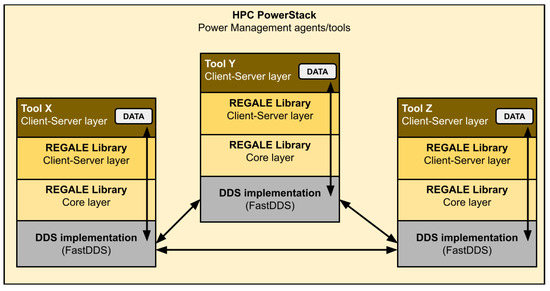
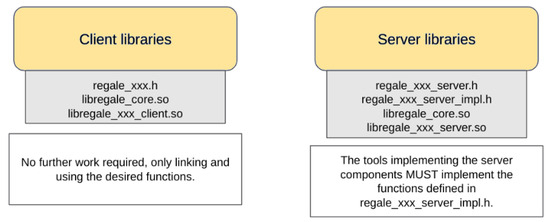
Large-scale computing clusters have been the basis of scientific progress for several decades and have now become a commodity fuelling the AI revolution. Dark Silicon, energy efficiency, power consumption, and hot spots are no longer looming threats of an Information and Communication Technologies (ICT) niche but are today the limiting factor of the capability of the entire human society and a contributor to global carbon emissions. However, from the end user, system administrators, and system integrator perspective, handling and optimising the system for these constraints is not straightforward due to the elevated degree of fragmentation in the software tools and interfaces which handles the power management in high-performance computing (HPC) clusters. In this paper, we present the REGALE Library. It is the result of a collaborative effort in the EU EuroHPC JU REGALE project, which aims to effectively materialize the HPC PowerStack initiative, providing a single layer of communication among different power management tools, libraries, and software. The proposed framework is based on the data distribution service (DDS) and real-time publish–subscribe (RTPS) protocols and FastDDS as their implementation. This enables the various actors in the ecosystem to communicate and exchange messages without any further modification inside their implementation. In this paper, we present the blueprint, functionality tests, and performance and scalability evaluation of the DDS implementation currently used in the REGALE Library in the HPC context.
Full article

Figure 1

Open AccessArticle
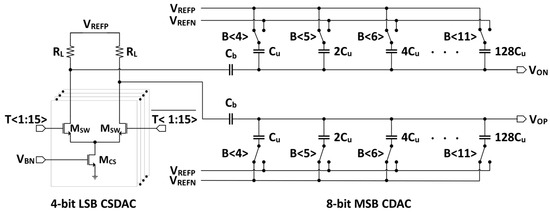
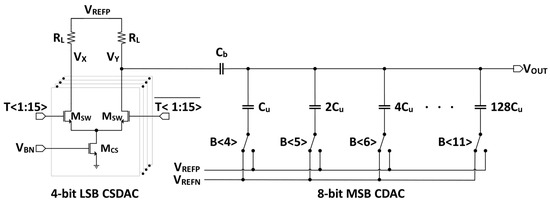
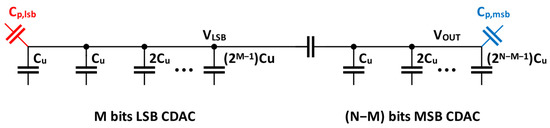
Design and Analysis of a Novel 12-Bit Current-Steering–Capacitive Digital-to-Analog Converter
by
Xian Yang Lim, Boon Chiat Terence Teo, Venkadasamy Navaneethan, Wu Cong Lim and Liter Siek
J. Low Power Electron. Appl. 2025, 15(1), 9; https://doi.org/10.3390/jlpea15010009 - 11 Feb 2025
Abstract
►▼
Show Figures
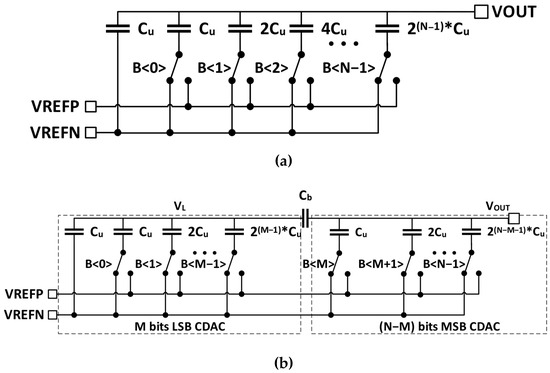
This article introduces a novel digital-to-analog converter (DAC), which addresses a few weaknesses that a traditional capacitive DAC (CDAC) has, such as matching and parasitic capacitance-induced code dependency and a challenging bridge capacitor design. Our novel idea is a hybrid DAC of a
[...] Read more.
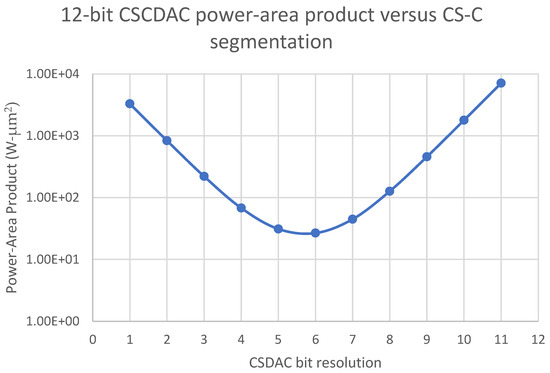
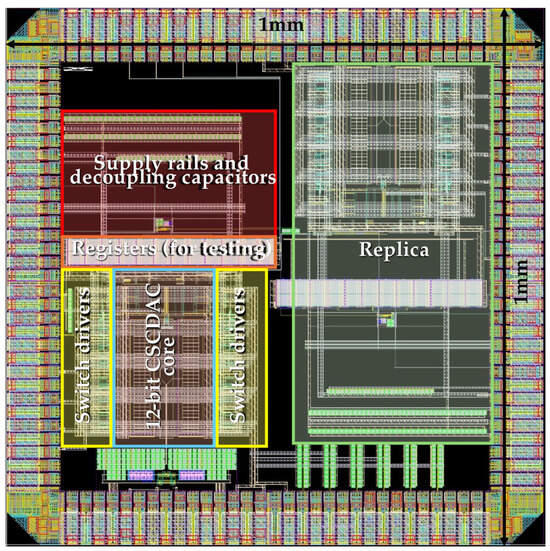
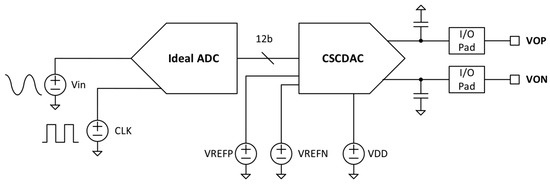
This article introduces a novel digital-to-analog converter (DAC), which addresses a few weaknesses that a traditional capacitive DAC (CDAC) has, such as matching and parasitic capacitance-induced code dependency and a challenging bridge capacitor design. Our novel idea is a hybrid DAC of a CDAC and a current-steering DAC (CSDAC) and is named the CSCDAC. In this paper, a 12-bit CSCDAC is designed, and the post-layout simulation is provided. The Nyquist 12-bit CSCDAC exhibits a spurious free dynamic range (SFDR) of 67.62 dB under an operating frequency of 2 GS/s, with an expected average power of 54 mW. The 12-bit CSCDAC occupies a 0.154 mm2 die area, whereas the core area is 0.044 mm2.
Full article

Figure 1
Open AccessArticle
Optimizing BFloat16 Deployment of Tiny Transformers on Ultra-Low Power Extreme Edge SoCs
by
Alberto Dequino, Luca Bompani, Luca Benini and Francesco Conti
J. Low Power Electron. Appl. 2025, 15(1), 8; https://doi.org/10.3390/jlpea15010008 - 5 Feb 2025
Abstract
►▼
Show Figures
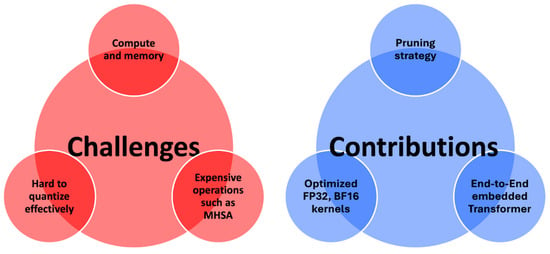
Transformers have emerged as the central backbone architecture for modern generative AI. However, most ML applications targeting low-power, low-cost SoCs (TinyML apps) do not employ Transformers as these models are thought to be challenging to quantize and deploy on small devices. This work
[...] Read more.
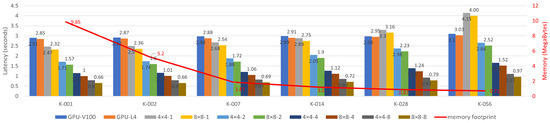
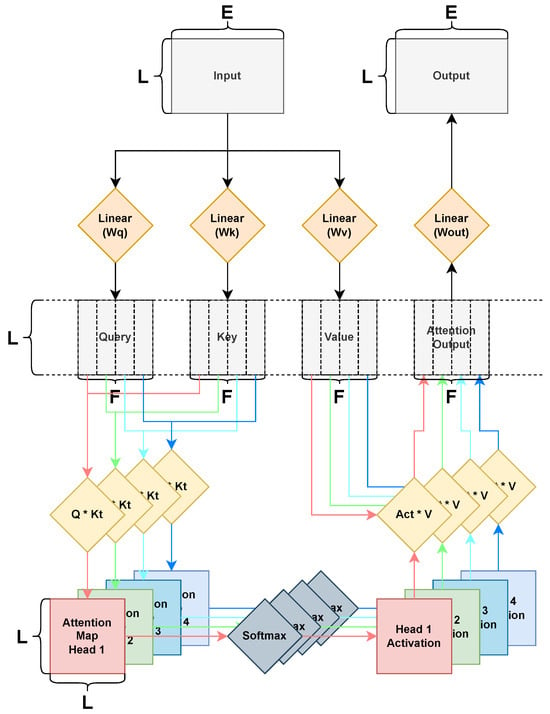
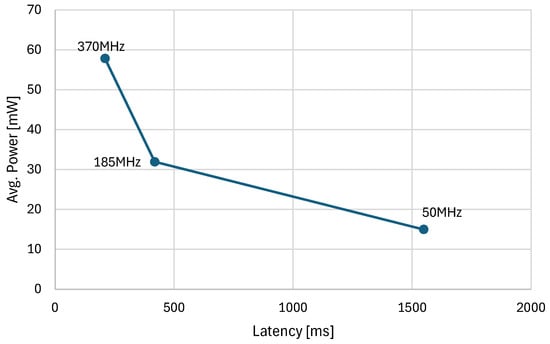
Transformers have emerged as the central backbone architecture for modern generative AI. However, most ML applications targeting low-power, low-cost SoCs (TinyML apps) do not employ Transformers as these models are thought to be challenging to quantize and deploy on small devices. This work proposes a methodology to reduce Transformer dimensions with an extensive pruning search. We exploit the intrinsic redundancy of these models to fit them on resource-constrained devices with a well-controlled accuracy tradeoff. We then propose an optimized library to deploy the reduced models using BFLoat16 with no accuracy loss on Commercial Off-The-Shelf (COTS) RISC-V multi-core micro-controllers, enabling the execution of these models at the extreme edge, without the need for complex and accuracy-critical quantization schemes. Our solution achieves up to speedup with respect to a naïve C port of the Multi-Head Self Attention PyTorch kernel: we reduced MobileBert and TinyViT memory footprint up to ∼94% and ∼57%, respectively, and we deployed a tinyLLAMA SLM on microcontroller, achieving a throughput of 1219 tokens/s with an average power of just 57 mW.
Full article

Figure 1

Open AccessArticle
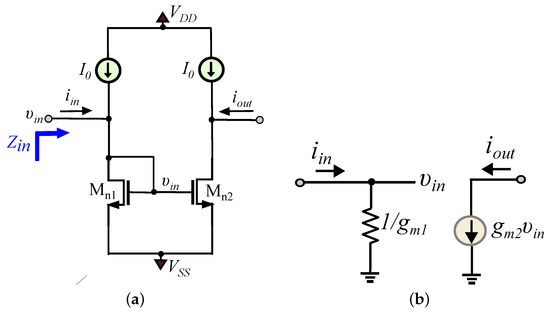
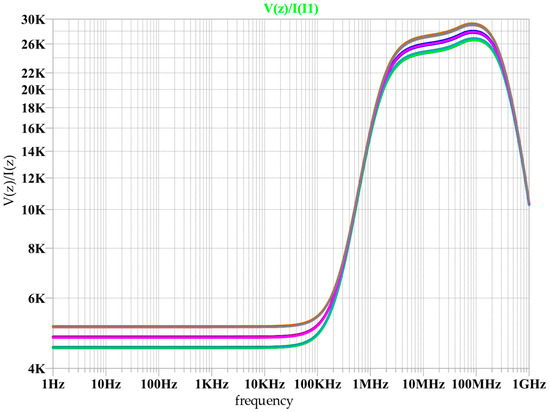
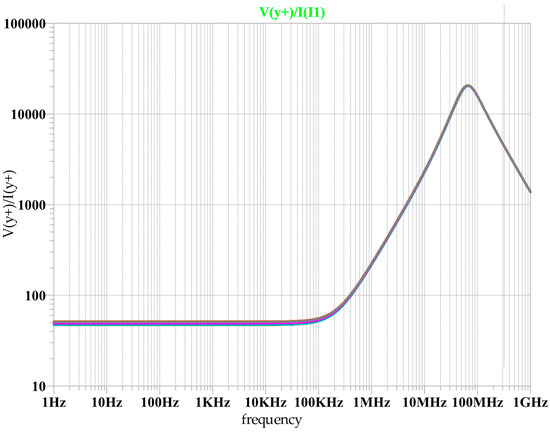
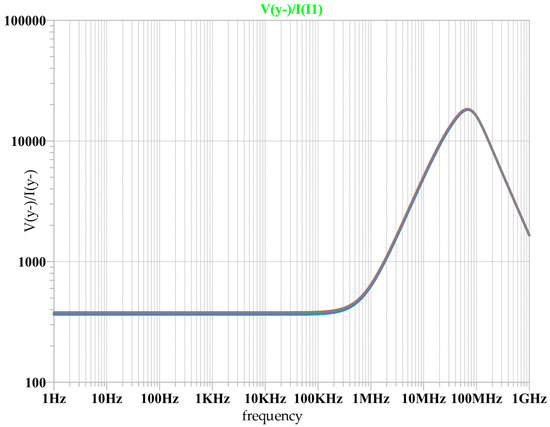
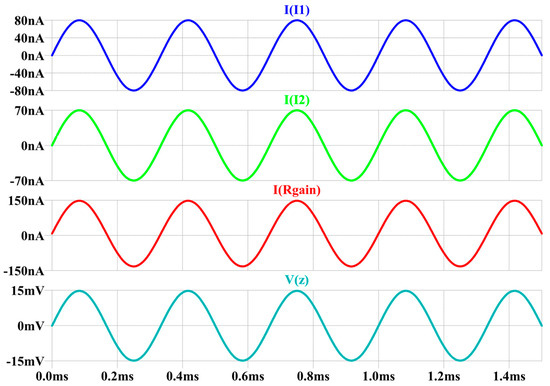
A Novel Low-Power Differential Input Current Summing Second-Generation Voltage Conveyor
by
Riccardo Olivieri, Davide Colaiuda, Gianluca Barile, Vincenzo Stornelli and Giuseppe Ferri
J. Low Power Electron. Appl. 2025, 15(1), 7; https://doi.org/10.3390/jlpea15010007 - 29 Jan 2025
Abstract
►▼
Show Figures
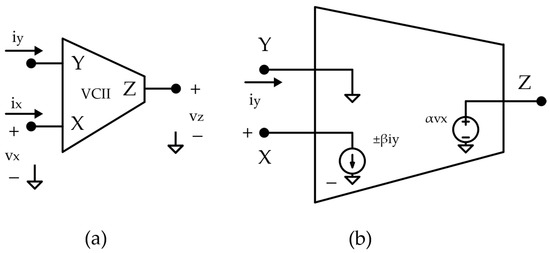
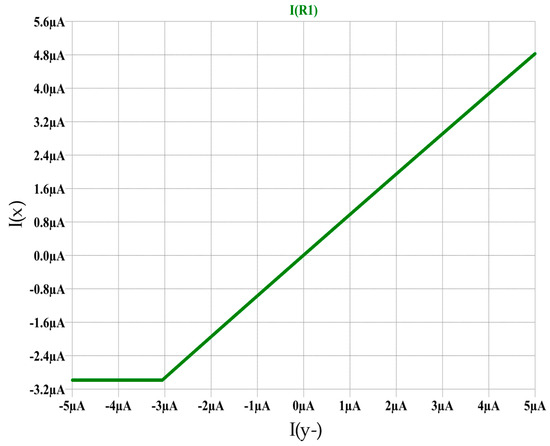
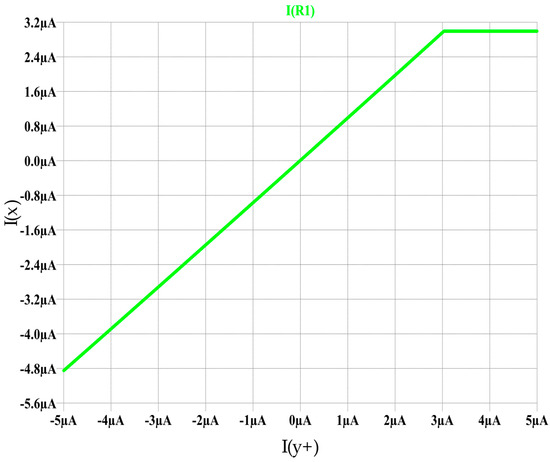
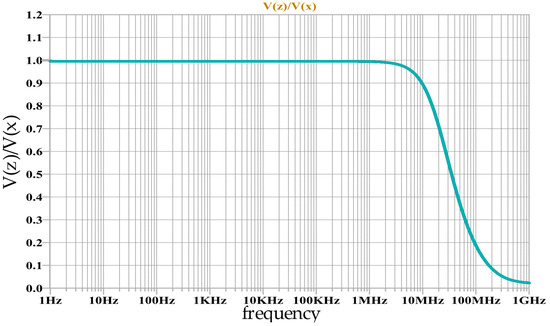
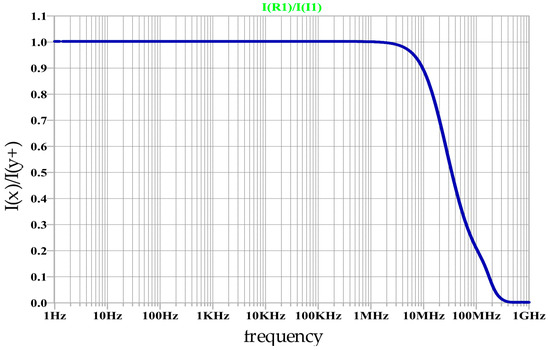
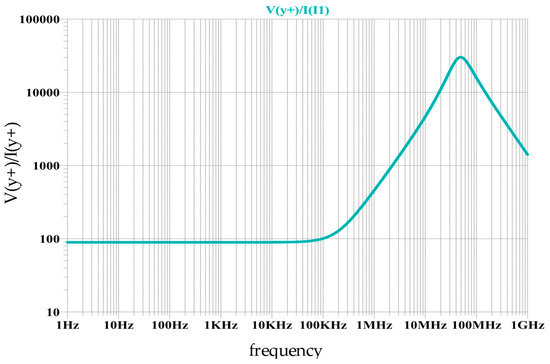
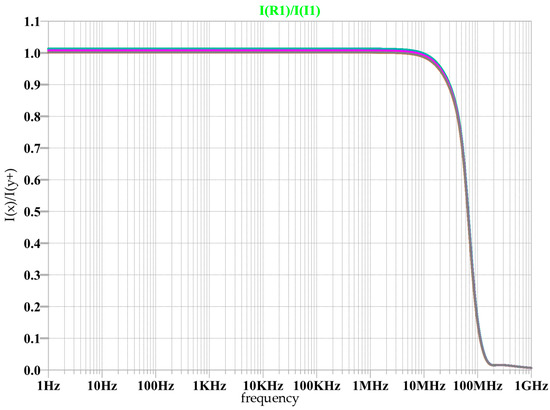
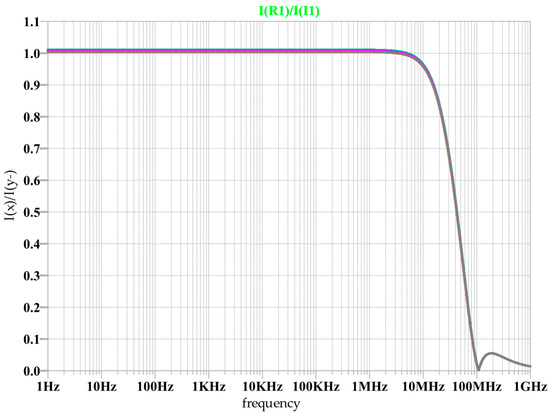
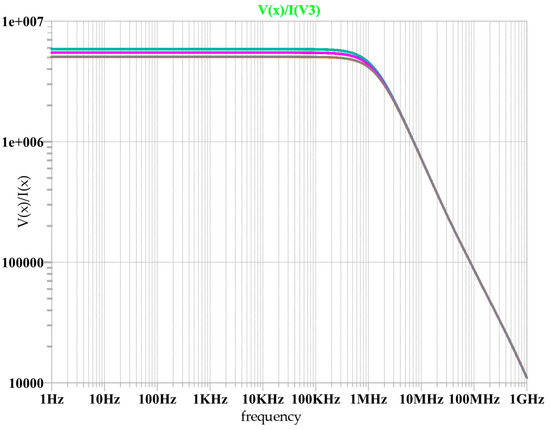
This paper presents a novel transistor-level design of a modified second-generation voltage conveyor (VCII), which incorporates two differential current inputs (Y+ and Y−) and gives a voltage output at terminal X that mirrors the sum of these currents. The circuit operation is based
[...] Read more.
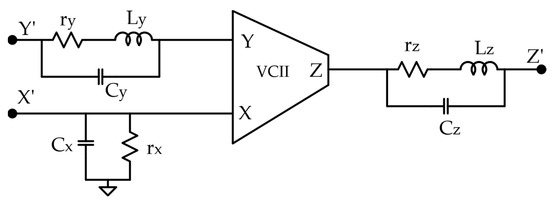
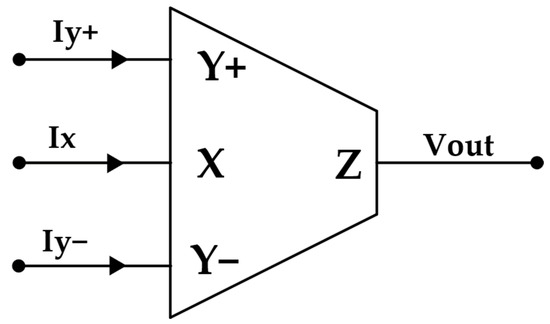
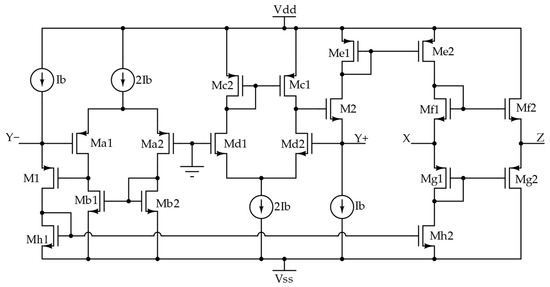
This paper presents a novel transistor-level design of a modified second-generation voltage conveyor (VCII), which incorporates two differential current inputs (Y+ and Y−) and gives a voltage output at terminal X that mirrors the sum of these currents. The circuit operation is based on current mirrors that maintain the X terminal in a stable “quiescent” state when no differential current is applied at Y+ and Y−. When a current flows into one of the two inputs, the sum is mirrored into X, providing a summed current measurement. This design, developed in a standard 0.35 μm CMOS transistors technology, ensures circuit high accuracy and robustness. The low power consumption of 24.6 μW makes it well-suited for portable biomedical applications as in environmental fields.
Full article

Figure 1

Open AccessArticle
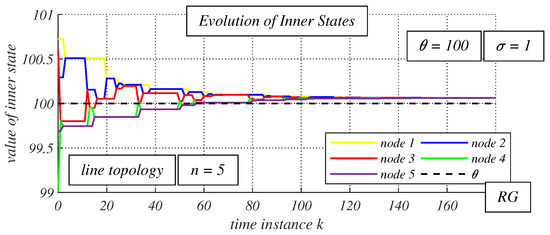
Distributed Consensus Gossip-Based Data Fusion for Suppressing Incorrect Sensor Readings in Wireless Sensor Networks
by
Martin Kenyeres, Jozef Kenyeres and Sepideh Hassankhani Dolatabadi
J. Low Power Electron. Appl. 2025, 15(1), 6; https://doi.org/10.3390/jlpea15010006 - 26 Jan 2025
Cited by 1
Abstract
►▼
Show Figures
Incorrect sensor readings can cause serious problems in Wireless Sensor Networks (WSNs), potentially disrupting the operation of the entire system. As shown in the literature, they can arise from various reasons; therefore, addressing this issue has been a significant challenge for the scientific
[...] Read more.
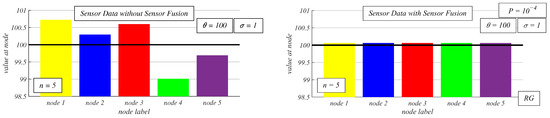
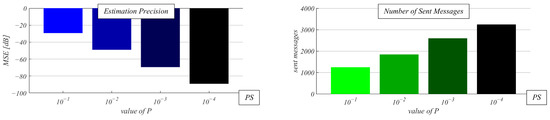
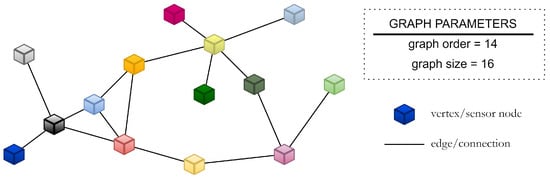
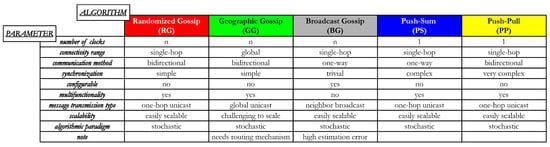
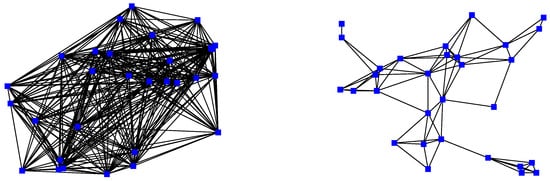
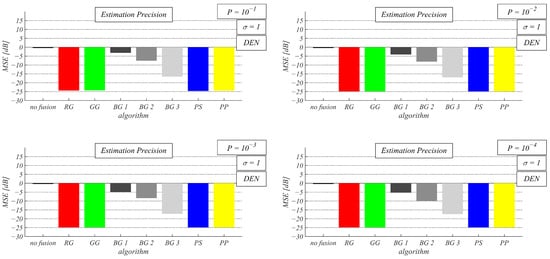
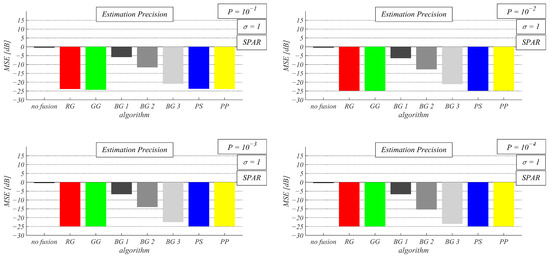
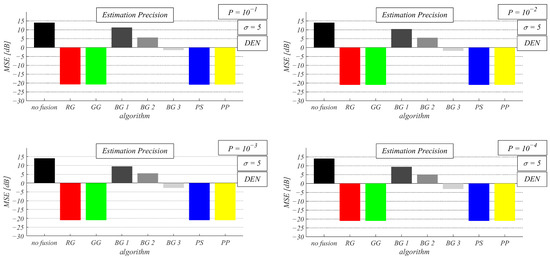
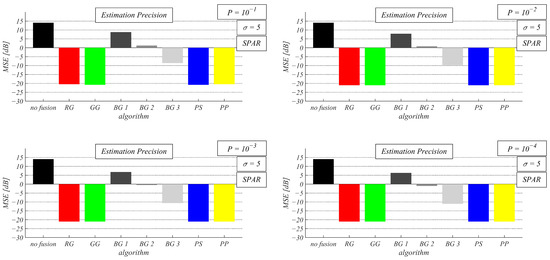
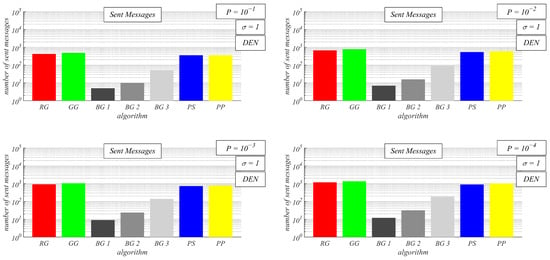
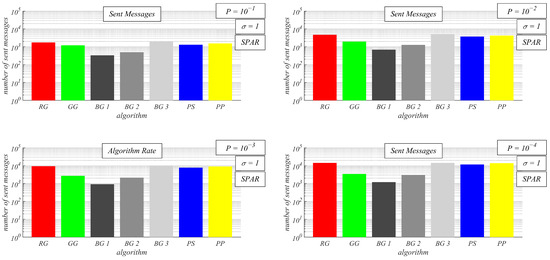
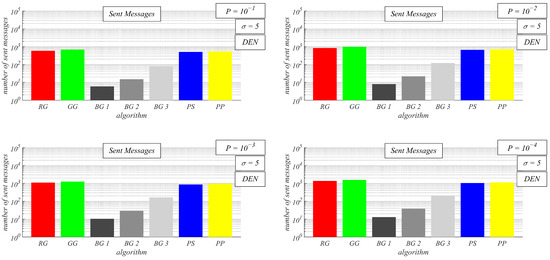
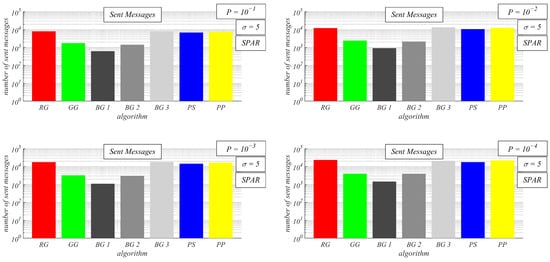
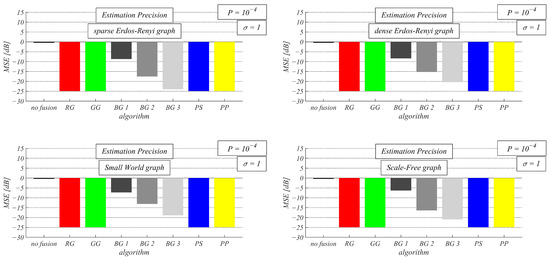
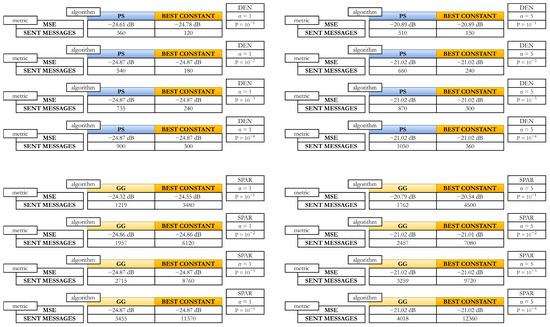
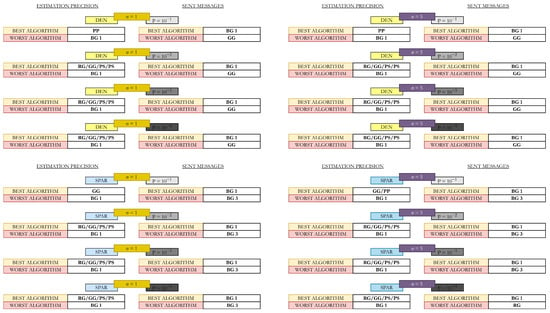
Incorrect sensor readings can cause serious problems in Wireless Sensor Networks (WSNs), potentially disrupting the operation of the entire system. As shown in the literature, they can arise from various reasons; therefore, addressing this issue has been a significant challenge for the scientific community over the past few decades. In this paper, we examine the applicability of seven distributed consensus gossip-based algorithms for sensor fusion (namely, the Randomized Gossip algorithm, the Geographic Gossip algorithm, three initial configurations of the Broadcast Gossip algorithm, the Push-Sum protocol, and the Push-Pull protocol) to compensate for incorrect data in WSNs. More specifically, we consider a scenario where the sensor-measured data (measured by a set of independent sensor nodes) are skewed due to Gaussian noise with a various standard deviation , resulting in discrepancies between the measured values and the true value of observed physical quantities. Subsequently, the aforementioned algorithms are employed to mitigate this skewness in order to improve the accuracy of the measured data. In this paper, WSNs are modeled as random geometric graphs with various connectivity, and the performance of the algorithms is evaluated using two metrics (specifically, the mean square error (MSE) and the number of sent messages required for an algorithm to be completed). Based on the presented results, it is identified that all the examined algorithms can significantly suppress incorrect sensor readings (MSE without sensor fusion = −0.42 dB if = 1, and MSE without sensor fusion = 14.05 dB if = 5), and the best performance is achieved by PS in dense graphs and by GG in sparse graphs (both algorithms achieve the maximum precision MSE = −24.87 dB if = 1 and MSE = −21.02 dB if = 5). Additionally, the performance of the analyzed distributed consensus gossip algorithms is compared to the best deterministic consensus algorithm applied for the same purpose.
Full article

Figure 1
Open AccessArticle
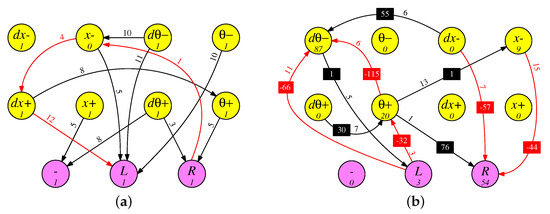
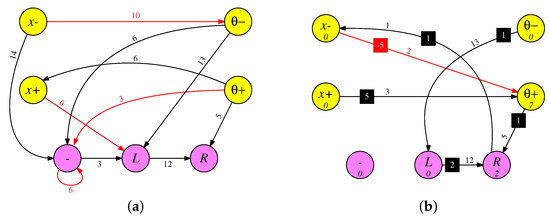
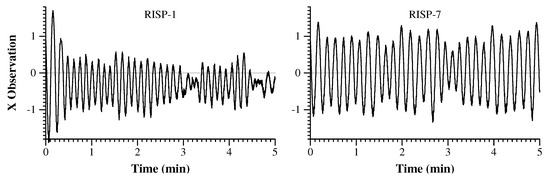
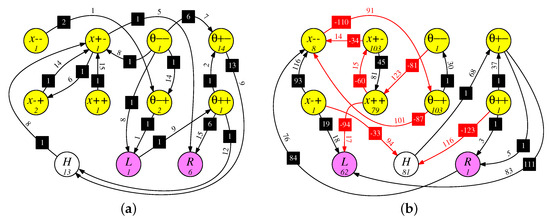
The Cart-Pole Application as a Benchmark for Neuromorphic Computing
by
James S. Plank, Charles P. Rizzo, Chris A. White and Catherine D. Schuman
J. Low Power Electron. Appl. 2025, 15(1), 5; https://doi.org/10.3390/jlpea15010005 - 26 Jan 2025
Abstract
The cart-pole application is a well-known control application that is often used to illustrate reinforcement learning algorithms with conventional neural networks. An implementation of the application from OpenAI Gym is ubiquitous and popular. Spiking neural networks are the basis of brain-based, or neuromorphic
[...] Read more.
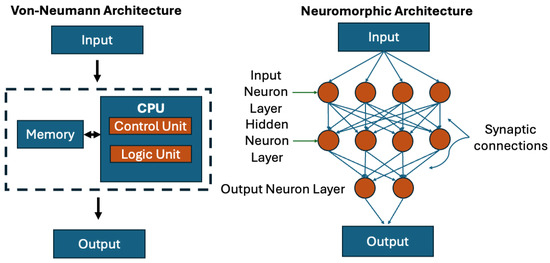
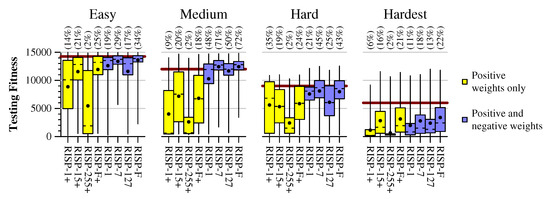
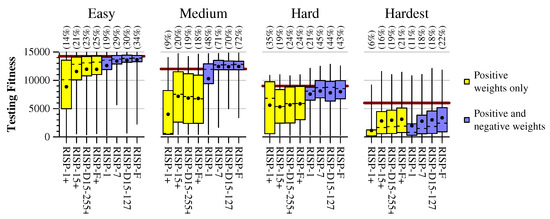
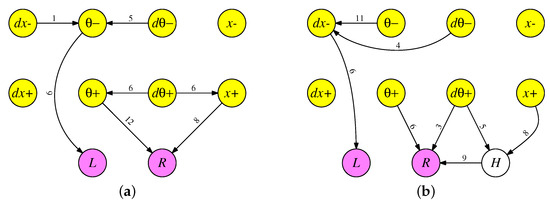
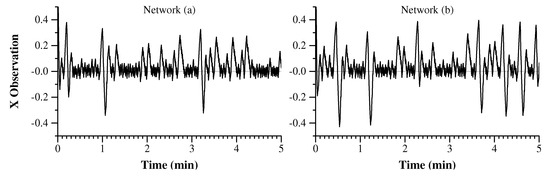
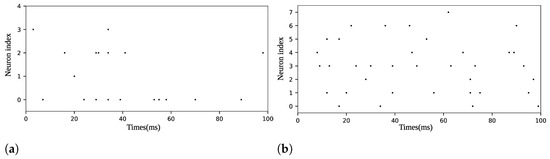
The cart-pole application is a well-known control application that is often used to illustrate reinforcement learning algorithms with conventional neural networks. An implementation of the application from OpenAI Gym is ubiquitous and popular. Spiking neural networks are the basis of brain-based, or neuromorphic computing. They are attractive, especially as agents for control applications, because of their very low size, weight and power requirements. We are motivated to help researchers in neuromorphic computing to be able to compare their work with common benchmarks, and in this paper we explore using the cart-pole application as a benchmark for spiking neural networks. We propose four parameter settings that scale the application in difficulty, in particular beyond the default parameter settings which do not pose a difficult test for AI agents. We propose achievement levels for AI agents that are trained with these settings. Next, we perform an experiment that employs the benchmark and its difficulty levels to evaluate the effectiveness of eight neuroprocessor settings on success with the application. Finally, we perform a detailed examination of eight example networks from this experiment, that achieve our goals on the difficulty levels, and comment on features that enable them to be successful. Our goal is to help researchers in neuromorphic computing to utilize the cart-pole application as an effective benchmark.
Full article
(This article belongs to the Special Issue Advances in Low Power Neuromorphic Computing: Models, Algorithms, and Applications)
►▼
Show Figures

Figure 1
Open AccessArticle
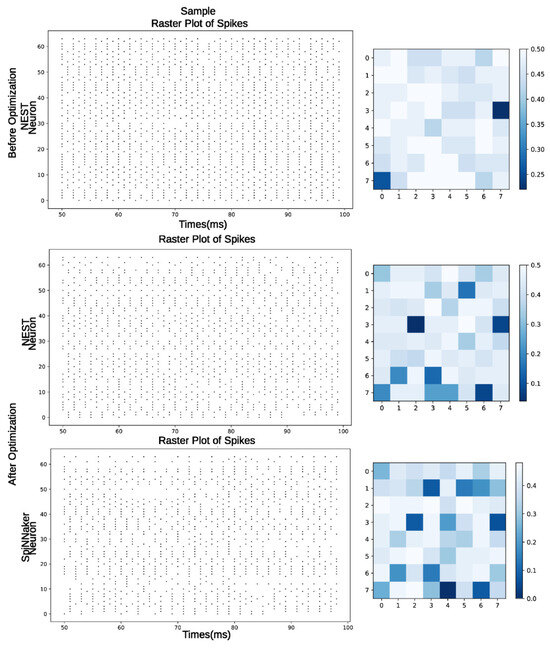
Optimizing Reservoir Separability in Liquid State Machines for Spatio-Temporal Classification in Neuromorphic Hardware
by
Oscar I. Alvarez-Canchila, Andres Espinal, Alberto Patiño-Saucedo and Horacio Rostro-Gonzalez
J. Low Power Electron. Appl. 2025, 15(1), 4; https://doi.org/10.3390/jlpea15010004 - 24 Jan 2025
Abstract
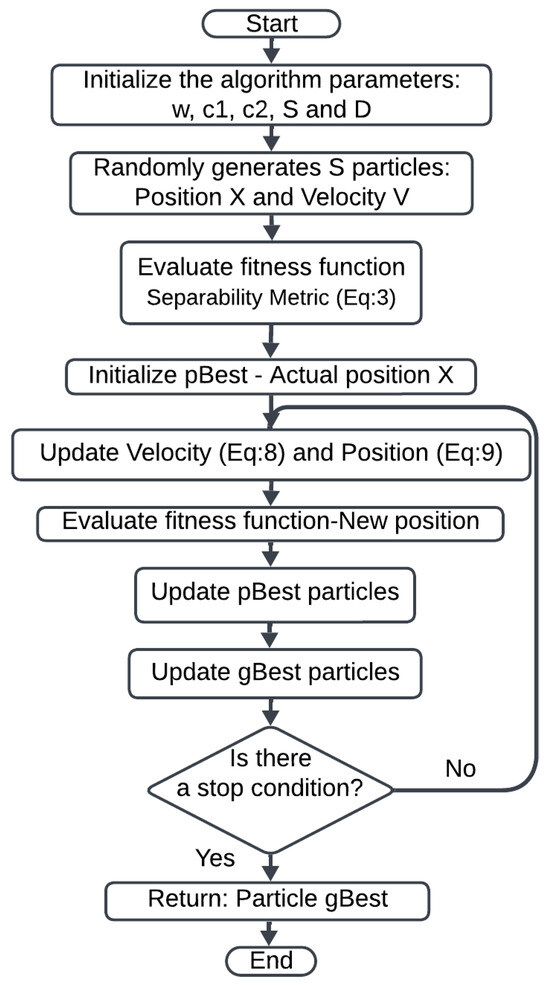
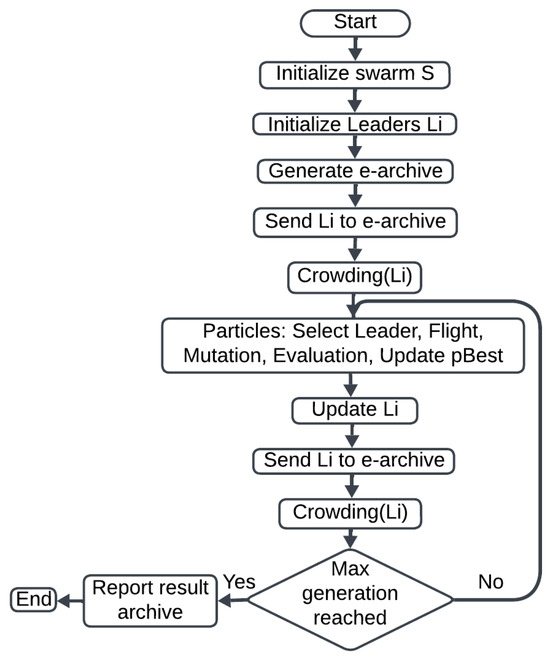
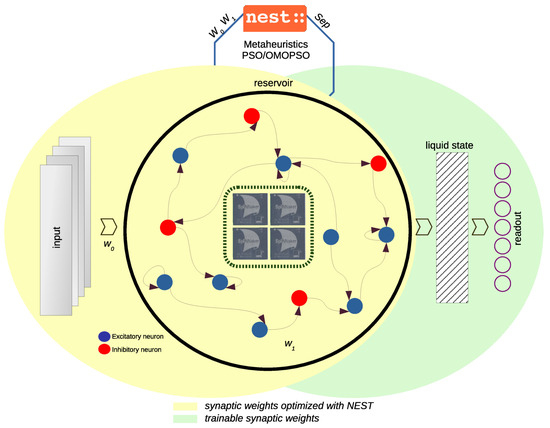
In this paper, we propose an optimization approach using Particle Swarm Optimization (PSO) to enhance reservoir separability in Liquid State Machines (LSMs) for spatio-temporal classification in neuromorphic systems. By leveraging PSO, our method fine-tunes reservoir parameters, neuron dynamics, and connectivity patterns, maximizing separability
[...] Read more.
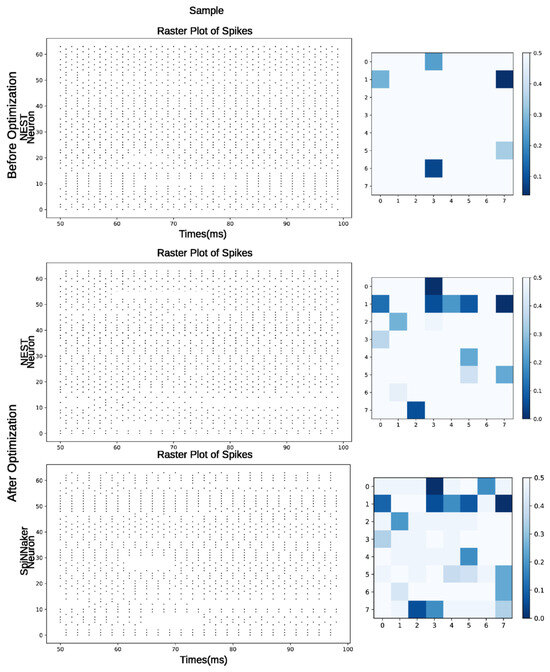
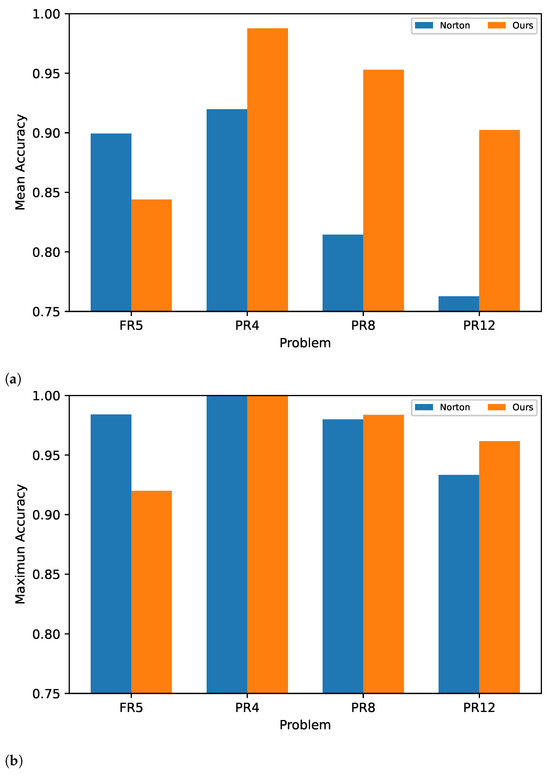
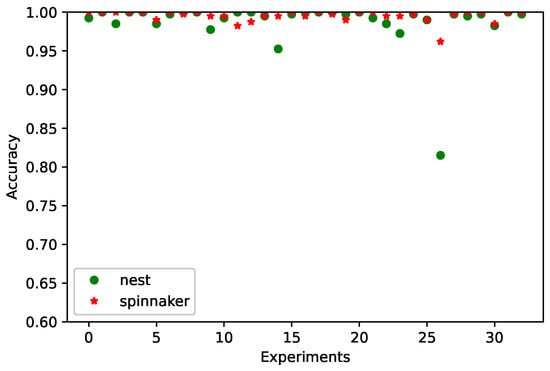
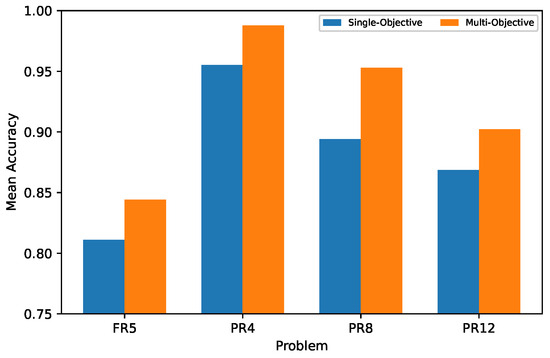
In this paper, we propose an optimization approach using Particle Swarm Optimization (PSO) to enhance reservoir separability in Liquid State Machines (LSMs) for spatio-temporal classification in neuromorphic systems. By leveraging PSO, our method fine-tunes reservoir parameters, neuron dynamics, and connectivity patterns, maximizing separability while aligning with the resource constraints typical of neuromorphic hardware. This approach was validated in both software (NEST) and on neuromorphic hardware (SpiNNaker), demonstrating notable results in terms of accuracy and low energy consumption when using SpiNNaker. Specifically, our approach addresses two problems: Frequency Recognition (FR) with five classes and Pattern Recognition (PR) with four, eight, and twelve classes. For instance, in the Mono-objective approach running in NEST, accuracies ranged from 81.09% to 95.52% across the benchmarks under study. The Multi-objective approach outperformed the Mono-objective approach, delivering accuracies ranging from 90.23% to 98.77%, demonstrating its superior scalability for LSM implementations. On the SpiNNaker platform, the mono-objective approach achieved accuracies ranging from 86.20% to 97.70% across the same benchmarks, with the Multi-objective approach further improving accuracies, ranging from 94.42% to 99.52%. These results show that, in addition to slight accuracy improvements, hardware-based implementations offer superior energy efficiency with a lower execution time. For example, SpiNNaker operates at around 1–5 watts per chip, while traditional systems can require 50–100 watts for similar tasks, highlighting the significant energy savings of neuromorphic hardware. These results underscore the scalability and effectiveness of PSO-optimized LSMs on resource-limited neuromorphic platforms, showcasing both improved classification performance and the advantages of energy-efficient processing.
Full article
(This article belongs to the Special Issue Advances in Low Power Neuromorphic Computing: Models, Algorithms, and Applications)
►▼
Show Figures

Figure 1
Open AccessArticle
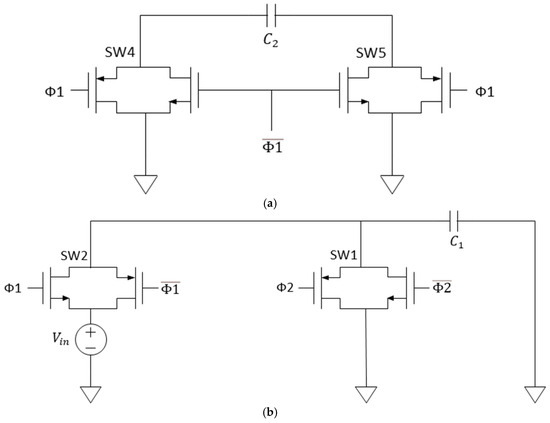
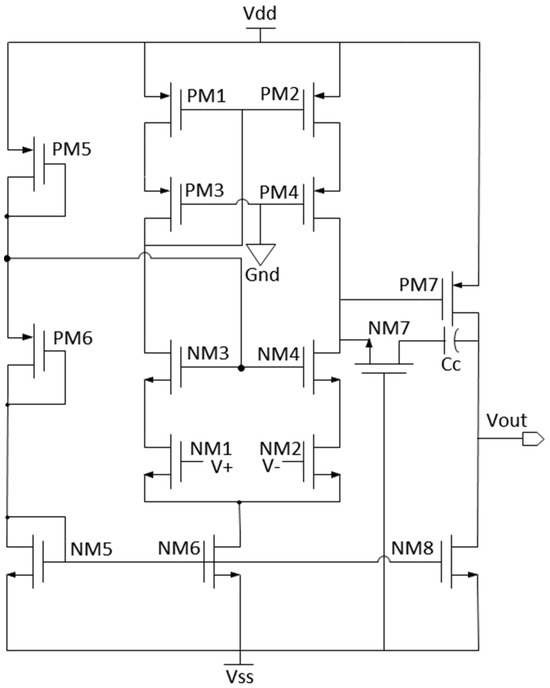
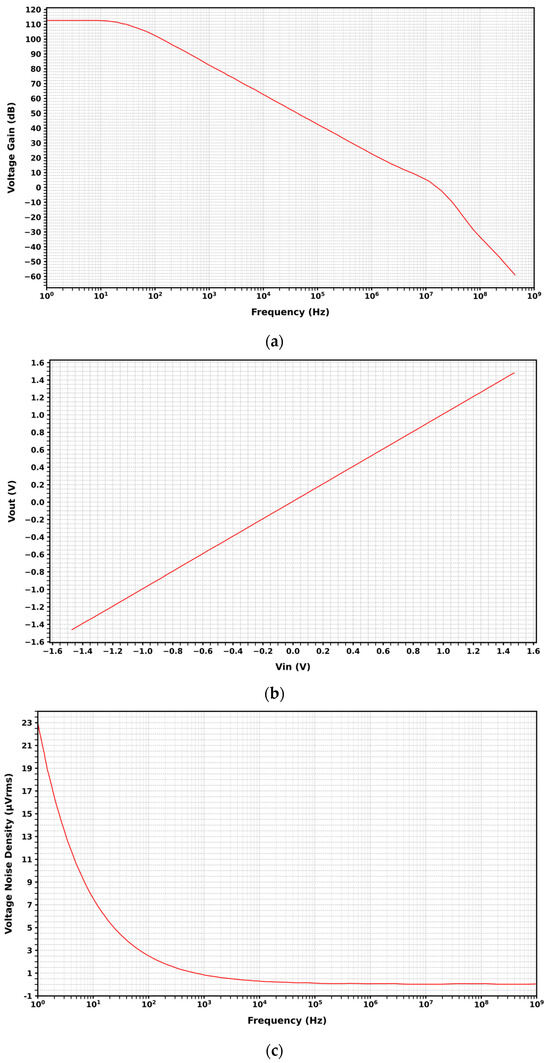
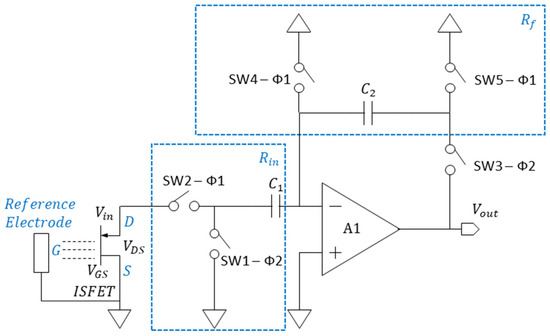
A CMOS Switched Capacitor Filter Based Potentiometric Readout Circuit for pH Sensing System
by
Shanthala Lakshminarayana, Revathy Perumalsamy, Chenyun Pan, Sungyong Jung, Hoon-Ju Chung and Hyusim Park
J. Low Power Electron. Appl. 2025, 15(1), 3; https://doi.org/10.3390/jlpea15010003 - 19 Jan 2025
Abstract
►▼
Show Figures
This work presents a potentiometric readout circuit for a pH-sensing system in an oral healthcare device. For in vivo applications, noise, area, and power consumption of the readout electronics play critical roles. While CMOS amplifiers are commonly used in readout circuits for these
[...] Read more.
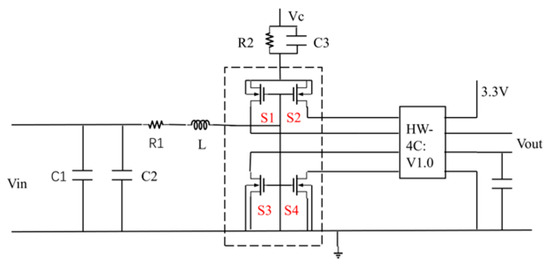
This work presents a potentiometric readout circuit for a pH-sensing system in an oral healthcare device. For in vivo applications, noise, area, and power consumption of the readout electronics play critical roles. While CMOS amplifiers are commonly used in readout circuits for these applications, their applicability is limited due to non-deterministic noises such as flicker and thermal noise. To address these challenges, the Correlated Double Sampler (CDS) topology is widely employed as a sampled-data circuit for potentiometric readout, effectively eliminating DC offset and drift, thereby reducing overall noise. Therefore, this work introduces a novel potentiometric readout circuit realized with CDS and a switched-capacitor-based low-pass filter (SC-LPF) to enhance the noise characteristic of overall circuit. The proposed readout circuit is implemented in an integrated circuit using 0.18 µm CMOS process, which occupies an area of 990 µm × 216 µm. To validate the circuit performances, simulations were conducted with a 5 pF load and a 1 MHz input clock. The readout circuit operates with a supply voltage range ±1.65 V and linearly reproduces the pH sensor output of ±1.5 V. Noise measured with a 1 MHz sampling clock shows 0.683 µ , with a power consumption of 124.1 µW.
Full article

Figure 1

Open AccessArticle
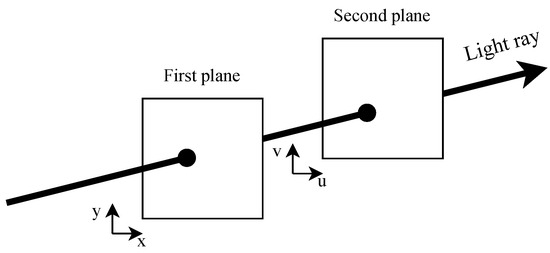
Computationally Efficient Light Field Video Compression Using 5-D Approximate DCT
by
Braveenan Sritharan, Chamira U. S. Edussooriya, Chamith Wijenayake, R. J. Cintra and Arjuna Madanayake
J. Low Power Electron. Appl. 2025, 15(1), 2; https://doi.org/10.3390/jlpea15010002 - 9 Jan 2025
Abstract
►▼
Show Figures
Five-dimensional (5-D) light field videos (LFVs) capture spatial, angular, and temporal variations in light rays emanating from scenes. This leads to a significantly large amount of data compared to conventional three-dimensional videos, which capture only spatial and temporal variations in light rays. In
[...] Read more.
Five-dimensional (5-D) light field videos (LFVs) capture spatial, angular, and temporal variations in light rays emanating from scenes. This leads to a significantly large amount of data compared to conventional three-dimensional videos, which capture only spatial and temporal variations in light rays. In this paper, we propose an LFV compression technique using low-complexity 5-D approximate discrete cosine transform (ADCT). To further reduce the computational complexity, our algorithm exploits the partial separability of LFV representations. It applies two-dimensional (2-D) ADCT for sub-aperture images of LFV frames with intra-view and inter-view configurations. Furthermore, we apply one-dimensional ADCT to the temporal dimension. We evaluate the performance of the proposed LFV compression technique using several 5-D ADCT algorithms, and the exact 5-D discrete cosine transform (DCT). The experimental results obtained with LFVs confirm that the proposed LFV compression technique provides a more than 250 times reduction in the data size with near-lossless fidelity with a peak-signal-to-noise ratio greater than 40 dB and structural similarity index greater than . Furthermore, compared to the exact DCT, our algorithms requires approximately 10 times less computational complexity.
Full article

Figure 1

Open AccessArticle
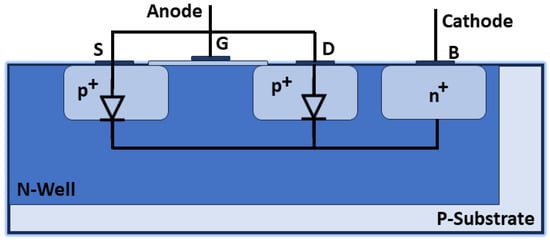
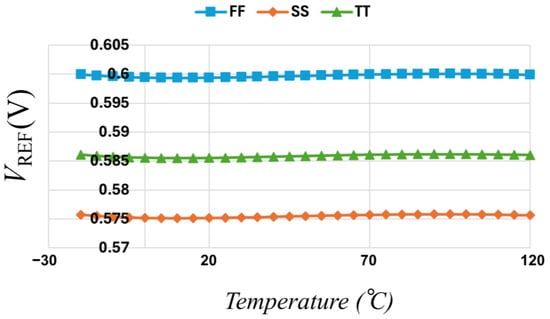
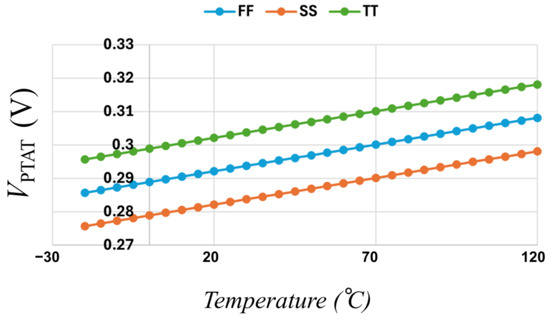
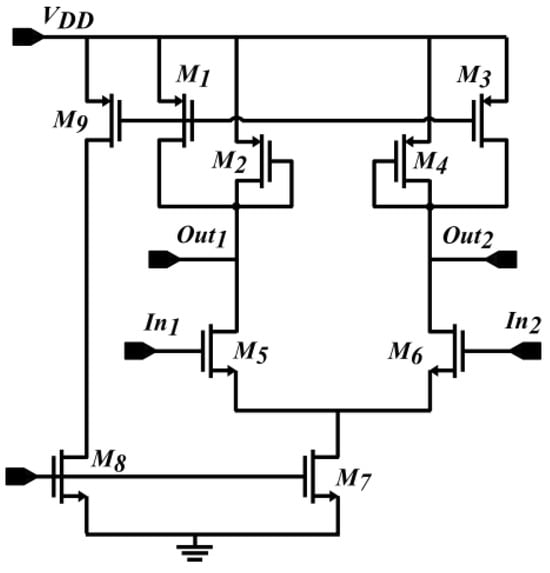
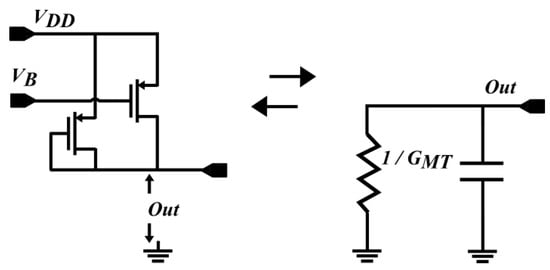
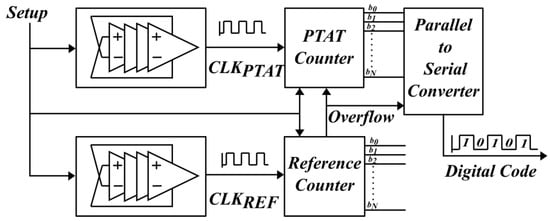
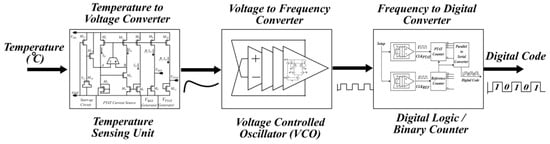
An Ultra-Low-Power 0.8 V, 60 nW Temperature Sensor for Battery-Less Wireless Sensor Networks
by
Naveed and Jeff Dix
J. Low Power Electron. Appl. 2025, 15(1), 1; https://doi.org/10.3390/jlpea15010001 - 9 Jan 2025
Abstract
►▼
Show Figures
This work presents a nano-watt digital output temperature sensor featuring a supply-insensitive, self-biased current source. Second-order temperature dependencies of the MOS diode are canceled to produce a stable reference and a linear temperature-sensitive voltage. The sensor integrates a sensing unit, voltage-controlled differential ring
[...] Read more.
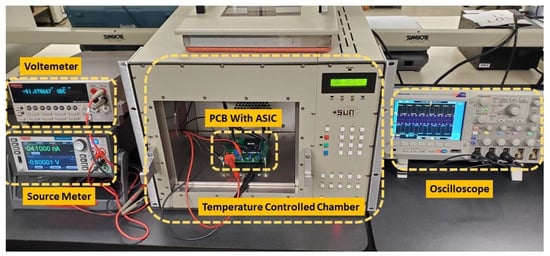
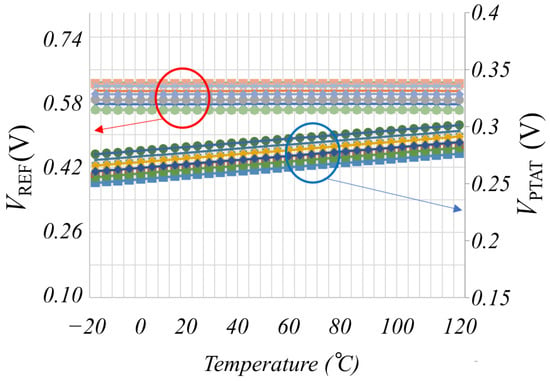
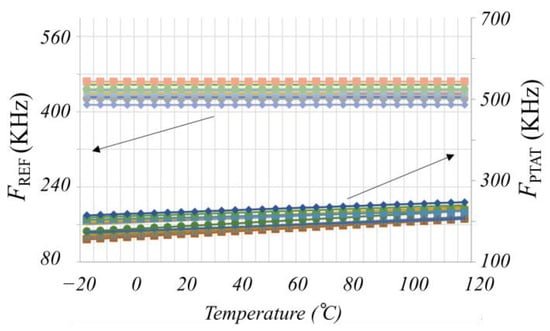
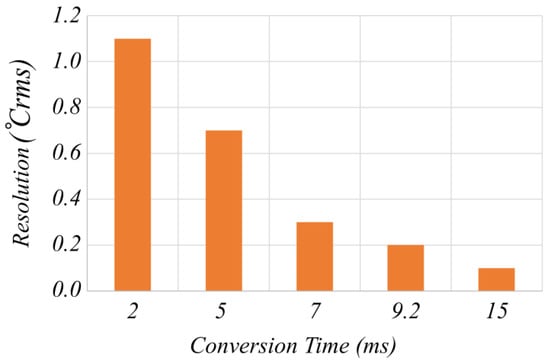
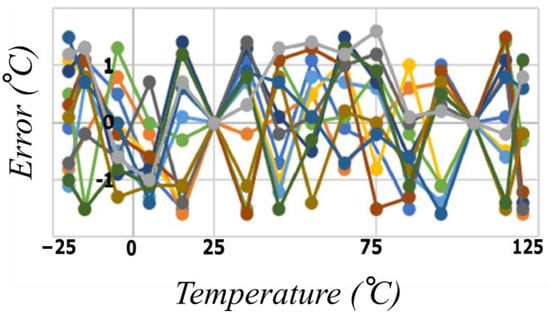
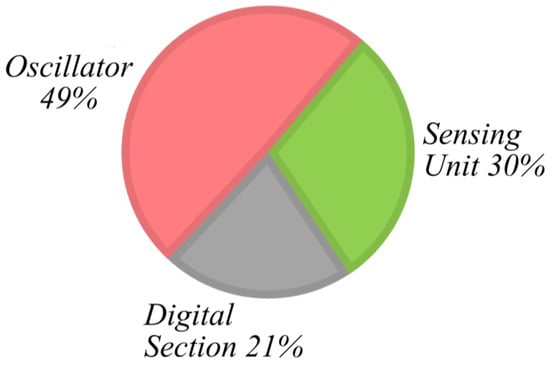
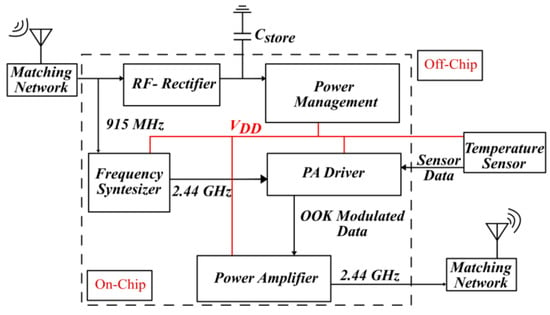
This work presents a nano-watt digital output temperature sensor featuring a supply-insensitive, self-biased current source. Second-order temperature dependencies of the MOS diode are canceled to produce a stable reference and a linear temperature-sensitive voltage. The sensor integrates a sensing unit, voltage-controlled differential ring oscillators, and a low-power frequency-to-digital converter, utilizing a resistor-less design to minimize power and area. The delay element in the ring oscillator reduces stage count, improving noise performance and compactness. Fabricated in 65 nm CMOS, the sensor occupies 0.02 mm2 and consumes 60 nW at 25 °C and 0.8 V. Measurements show an inaccuracy of +1.5/−1.6 °C from −20 °C to 120 °C after two-point calibration, with a resolution of 0.2 °C (rms) and a resolution FoM of 0.022 nJ·K−2. Consuming 0.55 nJ per conversion with a 9.2 ms conversion time, the sensor was tested in a battery-less wireless sensor node, demonstrating its suitability for wireless sensing systems.
Full article

Figure 1
Open AccessArticle
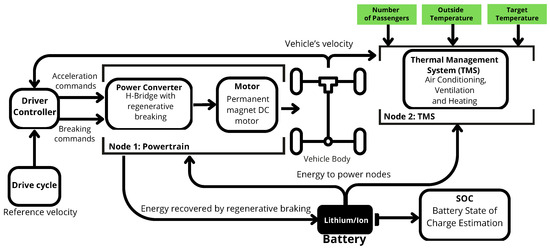
A Comparative Study of Electric Vehicles Battery State of Charge Estimation Based on Machine Learning and Real Driving Data
by
Salma Ariche, Zakaria Boulghasoul, Abdelhafid El Ouardi, Abdelhadi Elbacha, Abdelouahed Tajer and Stéphane Espié
J. Low Power Electron. Appl. 2024, 14(4), 59; https://doi.org/10.3390/jlpea14040059 - 11 Dec 2024
Cited by 1
Abstract
►▼
Show Figures
Electric vehicles (EVs) are rising in the automotive industry, replacing combustion engines and increasing their global market presence. These vehicles offer zero emissions during operation and more straightforward maintenance. However, for such systems that rely heavily on battery capacity, precisely determining the battery’s
[...] Read more.
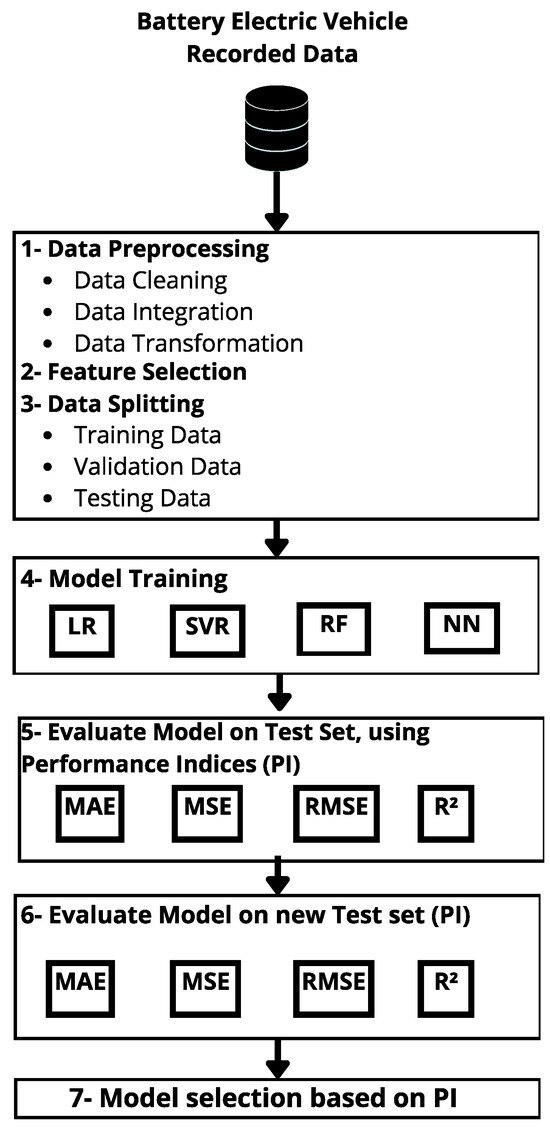
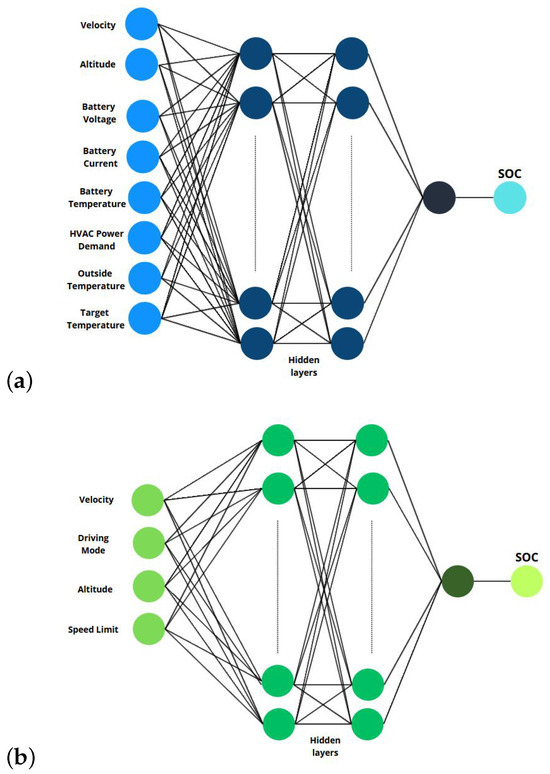
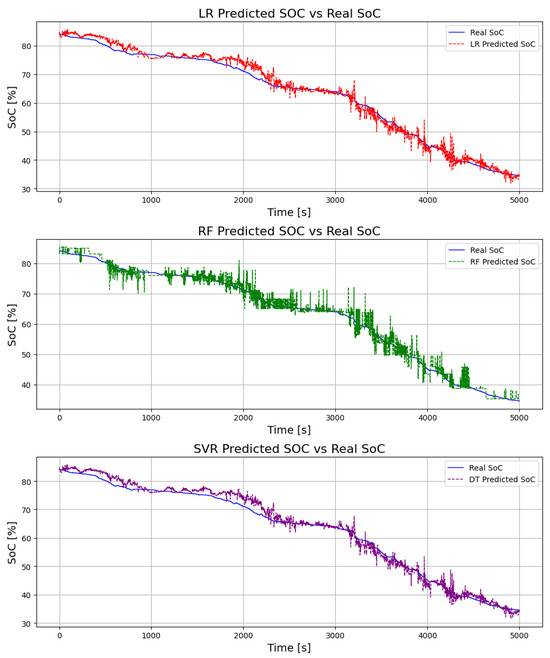
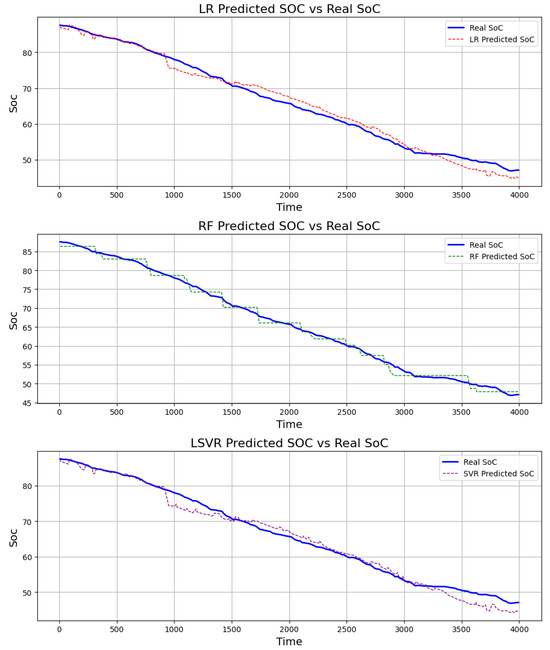
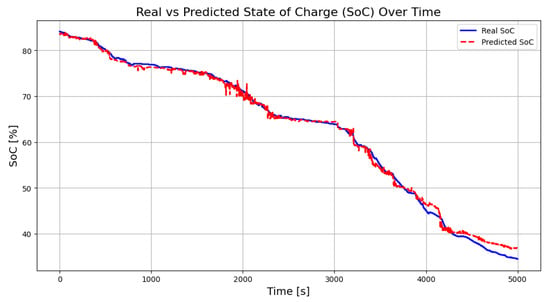
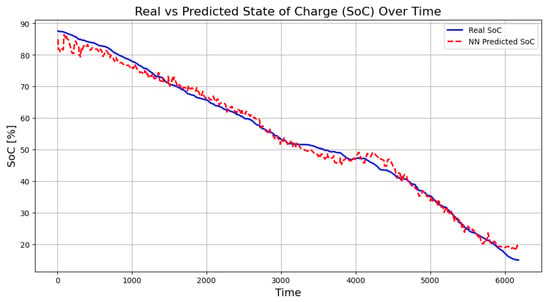
Electric vehicles (EVs) are rising in the automotive industry, replacing combustion engines and increasing their global market presence. These vehicles offer zero emissions during operation and more straightforward maintenance. However, for such systems that rely heavily on battery capacity, precisely determining the battery’s state of charge (SOC) presents a significant challenge due to its essential role in lithium-ion batteries. This research introduces a dual-phase testing approach, considering factors like HVAC use and road topography, and evaluating machine learning models such as linear regression, support vector regression, random forest regression, and neural networks using datasets from real-world driving conditions in European (Germany) and African (Morocco) contexts. The results validate that the proposed neural networks model does not overfit when evaluated using the dual-phase test method compared to previous studies. The neural networks consistently show high predictive precision across different scenarios within the datasets, outperforming other models by achieving the lowest mean squared error (MSE) and the highest R2 values.
Full article

Figure 1
Highly Accessed Articles
Latest Books
E-Mail Alert
News
7 April 2025
Meet Us at the 4th National Conference on Electronic Information Materials and Devices, 18–20 April 2025, Nanjing, China
2 April 2025
MDPI INSIGHTS: The CEO's Letter #21 - Annual Report, Swiss Consortium, IWD, ICARS, Serbia
Topics
Topic in
Electronics, Eng, JLPEA, Micromachines, Nanomaterials
Advanced Integrated Circuit Design and Application
Topic Editors: Shoue Chen, Xiaolong Wang, Ke XieDeadline: 30 April 2026
Conferences
Special Issues
Special Issue in
JLPEA
Analog/Mixed-Signal Integrated Circuit Design
Guest Editor: Xinpeng XingDeadline: 30 April 2025
Special Issue in
JLPEA
Advancements in Low-Power Ubiquitous Sensing, Computing, and Communication Interfaces for IoT: Circuits, Systems, and Applications
Guest Editors: Mohammad Rafiqul Haider, Syed Kamrul IslamDeadline: 30 June 2025
Special Issue in
JLPEA
Neuromorphic Computing for Edge Applications
Guest Editors: Luca Peres, Oliver RhodesDeadline: 30 June 2025
Special Issue in
JLPEA
Advances in Low Power Neuromorphic Computing: Models, Algorithms, and Applications
Guest Editors: Khanh N. Dang, Nguyen Anh Vu DoanDeadline: 31 July 2025