

Journal Description
Journal of Manufacturing and Materials Processing
is an international, peer-reviewed, open access journal on the scientific fundamentals and engineering methodologies of manufacturing and materials processing published monthly online by MDPI.
- Open Access— free for readers, with article processing charges (APC) paid by authors or their institutions.
- High Visibility: indexed within Scopus, ESCI (Web of Science), Inspec, CAPlus / SciFinder, Ei Compendex and other databases.
- Journal Rank: JCR - Q2 (Engineering, Mechanical) / CiteScore - Q2 (Mechanical Engineering)
- Rapid Publication: manuscripts are peer-reviewed and a first decision is provided to authors approximately 16.5 days after submission; acceptance to publication is undertaken in 2.6 days (median values for papers published in this journal in the second half of 2024).
- Recognition of Reviewers: reviewers who provide timely, thorough peer-review reports receive vouchers entitling them to a discount on the APC of their next publication in any MDPI journal, in appreciation of the work done.
Impact Factor:
3.3 (2023);
5-Year Impact Factor:
3.3 (2023)
Latest Articles
Aluminium/Steel Joints with Dissimilar Thicknesses: Enhancement of UTS and Ductility Through Making an S-Shaped Interface and a Mixed-Mode Fracture
J. Manuf. Mater. Process. 2025, 9(4), 120; https://doi.org/10.3390/jmmp9040120 (registering DOI) - 5 Apr 2025
Abstract
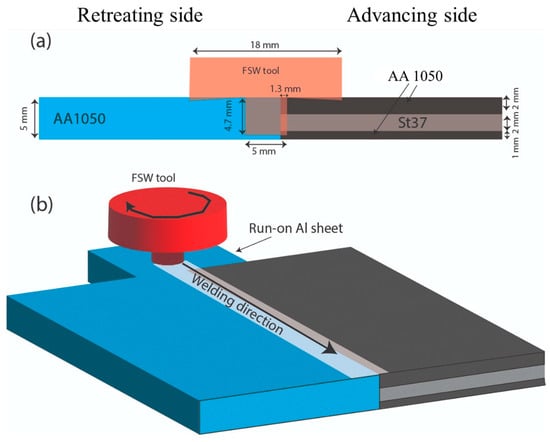
This study presents a simple and innovative design to join a 2 mm thick steel sheet to a 5 mm thick aluminium sheet in a butt configuration. Thickness differences were addressed using support plates, while an aluminium run-on plate was employed to prevent
[...] Read more.
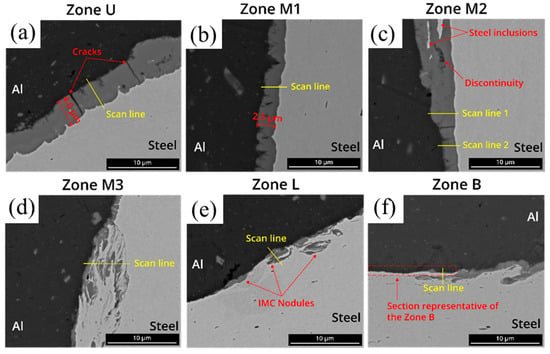
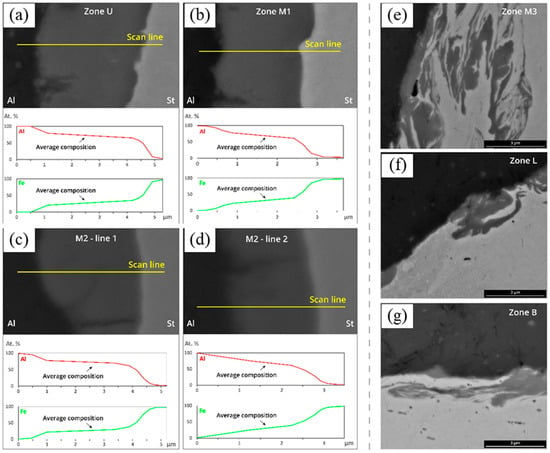
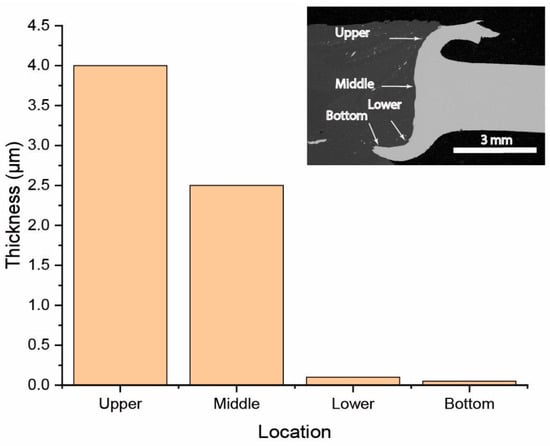
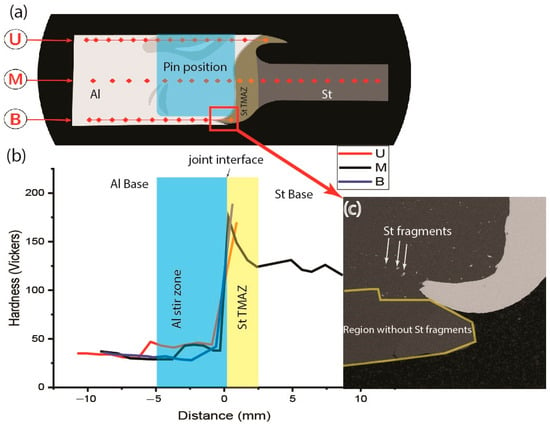
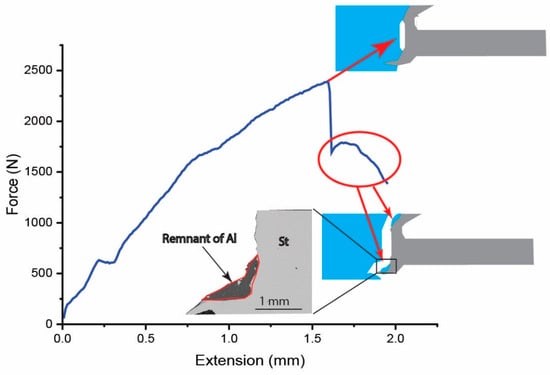
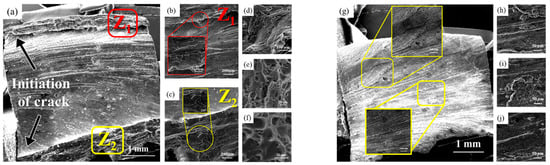
This study presents a simple and innovative design to join a 2 mm thick steel sheet to a 5 mm thick aluminium sheet in a butt configuration. Thickness differences were addressed using support plates, while an aluminium run-on plate was employed to prevent the FSW tool from plunging into the steel. The process produced a unique S-shaped Al/St interface, the formation mechanism of which is analysed in this study. Scanning electron microscopy (SEM) observations revealed a gradient in the thickness of intermetallic compounds (IMCs) along the joint interface, decreasing from the top to the bottom. This S-shaped interface led to a 150% increase in the ultimate tensile strength (UTS) of the joint. The mechanism underlying this enhancement, attributed to the curved geometry of the interface and its alignment with the loading direction, is discussed in detail. These findings highlight the potential of this approach for improving the performance of dissimilar material joints in lightweight structural applications.
Full article
(This article belongs to the Special Issue Advances in Dissimilar Metal Joining and Welding)
►
Show Figures
Open AccessArticle
Characterization of Laser-Ablated Bound Metal Deposition (laBMD)
by
Alexander Watson, Masoud Rais-Rohani, John Belding, Jasper McGill and Brett D. Ellis
J. Manuf. Mater. Process. 2025, 9(4), 119; https://doi.org/10.3390/jmmp9040119 - 4 Apr 2025
Abstract
►▼
Show Figures
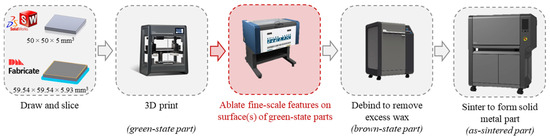
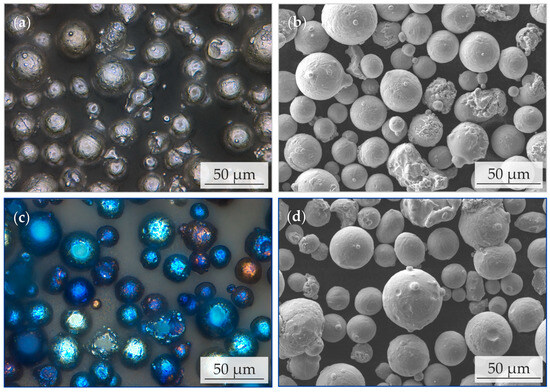
Additive manufacturing of metals is limited by a fundamental tradeoff between deposition rates and manufacturability of fine-scale features. To overcome this problem, a laser-ablated bound metal deposition (laBMD) process is demonstrated in which 3D-printed green-state bound metal deposition (BMD) parts are post-processed via
[...] Read more.
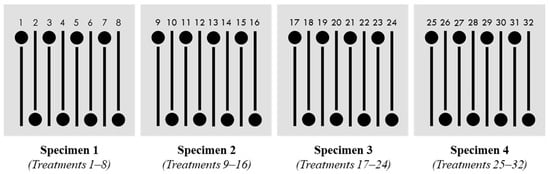
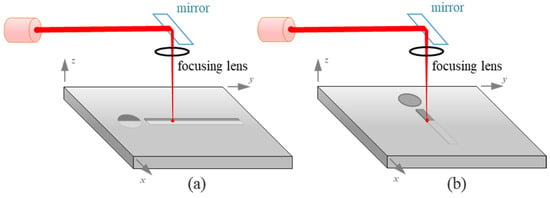
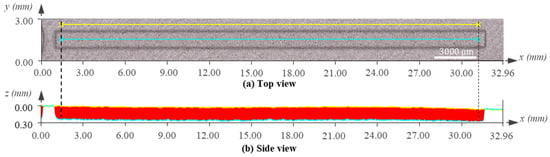
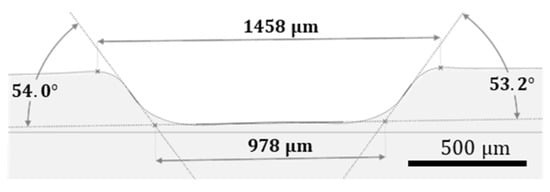
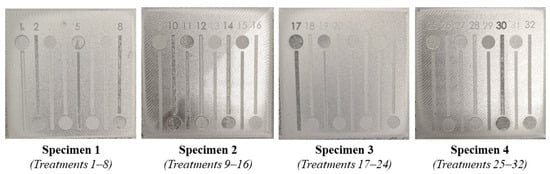
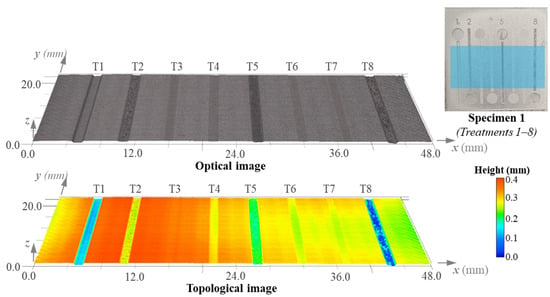
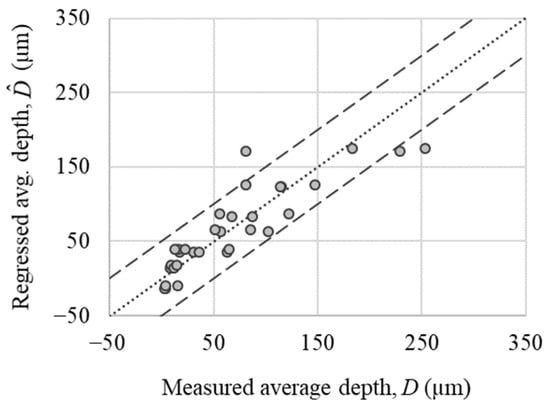
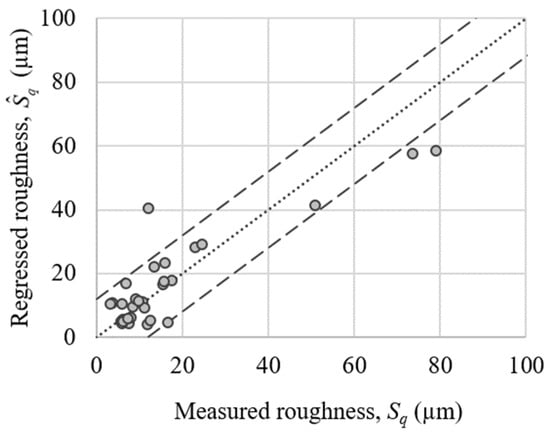
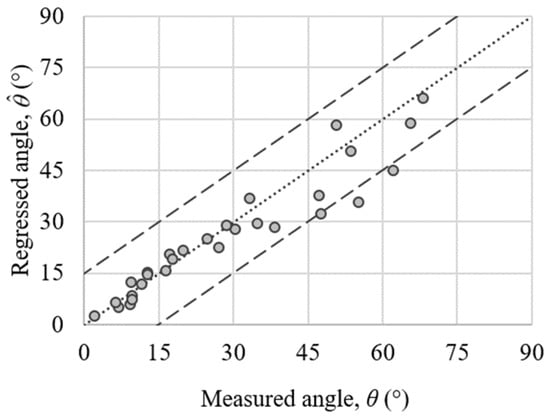
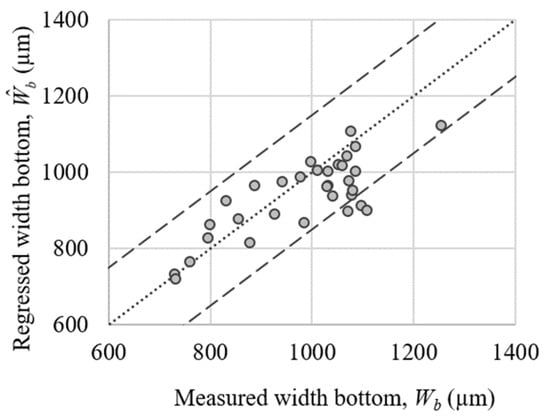
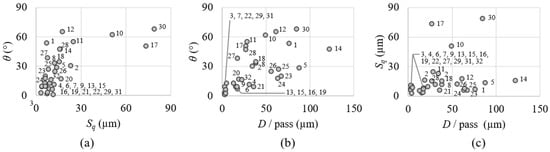
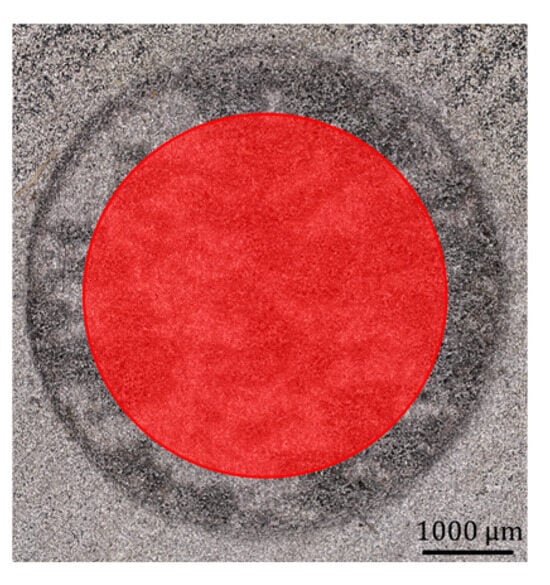
Additive manufacturing of metals is limited by a fundamental tradeoff between deposition rates and manufacturability of fine-scale features. To overcome this problem, a laser-ablated bound metal deposition (laBMD) process is demonstrated in which 3D-printed green-state bound metal deposition (BMD) parts are post-processed via laser ablation prior to conventional BMD debinding and sintering. The laBMD process is experimentally characterized via a full-factorial design of experiments to determine the effect of five factors—number of laser passes (one pass, three passes), laser power (25%, 75%), scanning speed (50%, 100%), direction of laser travel (perpendicular, parallel), and laser resolution (600 dpi, 1200 dpi)—on as-sintered ablated depth, surface roughness, width, and angle between ablated and non-ablated regions. The as-sintered ablation depth/pass ranged from 3 to 122 µm/pass, the ablated surface roughness ranged from 3 to 79 µm, the angle between ablated and non-ablated regions ranged from 1° to 68°, and ablated bottom widths ranged from 729 to 1254 µm. This study provides novel insights into as-manufactured ablated geometries and surface finishes produced via laser ablation of polymer–metallic composites. The ability to inexpensively and accurately manufacture fine-scale features with tailorable geometric tolerances and surface finishes is important to a variety of applications, such as manufacturing molds for microfluidic devices.
Full article

Figure 1
Open AccessArticle
Effect of Ball Milling Speeds on the Phase Formation and Optical Properties of α-ZnMoO4 and ß-ZnMoO4 Nanoparticles
by
Maria Gancheva, Reni Iordanova, Petar Ivanov and Aneliya Yordanova
J. Manuf. Mater. Process. 2025, 9(4), 118; https://doi.org/10.3390/jmmp9040118 - 3 Apr 2025
Abstract
►▼
Show Figures
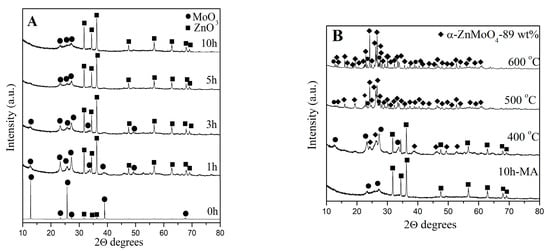
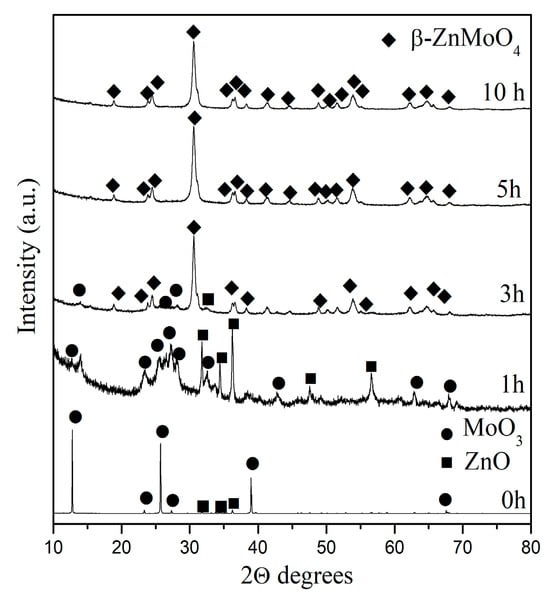
Two modifications of ZnMoO4 were successfully obtained by mechanochemical treatment with two milling speeds applied at 500 and 850 rpm. The phase formation was monitored by XRD analysis. The metastable monoclinic ß-ZnMoO4 was directly synthesized at room temperature using the higher
[...] Read more.
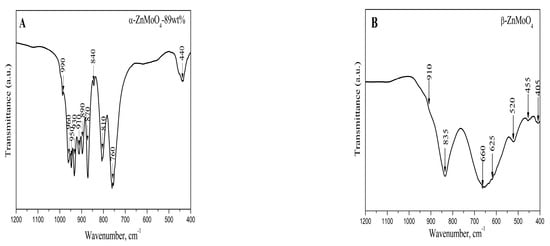
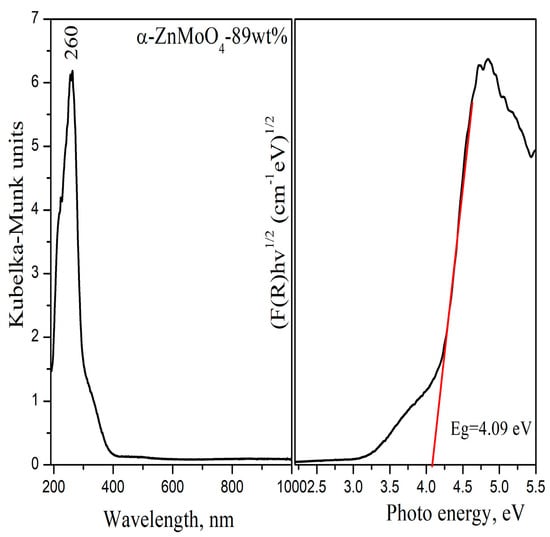
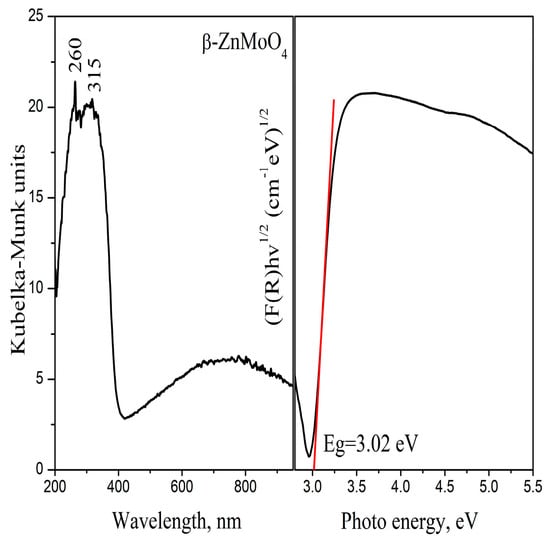
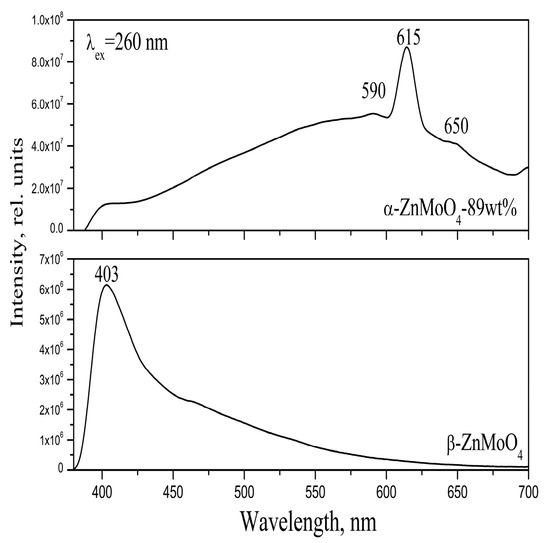
Two modifications of ZnMoO4 were successfully obtained by mechanochemical treatment with two milling speeds applied at 500 and 850 rpm. The phase formation was monitored by XRD analysis. The metastable monoclinic ß-ZnMoO4 was directly synthesized at room temperature using the higher milling speed of 850 rpm. The thermodynamically stable triclinic α-ZnMoO4 was obtained by combining heat treatment t 600 °C and ball milling at the lower milling speed of 500 rpm. The IR spectra contain typical vibration bands and confirm the formation of both ZnMoO4 polymorphs. UV-Vis absorption and photoluminescence (PL) spectroscopy are used to study the optical properties of the as-prepared samples. The calculated optical band gaps for α- and ß-ZnMoO4 are 4.09 and 3.02 eV. The photoluminescence emission spectrum of both samples shows peaks with different maximum intensity at 615 and 403 nm for α and ß phase, respectively. CIE co-ordinates are located in the orange and blue range of the color diagram.
Full article

Figure 1
Open AccessArticle
Effects of Mixing Speed and Mixing Time on Powder Segregation During Powder Mixing for Binder Jetting Additive Manufacturing: An Experimental Study
by
Mostafa Meraj Pasha, Zhijian Pei, Md Shakil Arman, Charles J. Gasdaska and Yi-Tang Kao
J. Manuf. Mater. Process. 2025, 9(4), 117; https://doi.org/10.3390/jmmp9040117 - 3 Apr 2025
Abstract
►▼
Show Figures
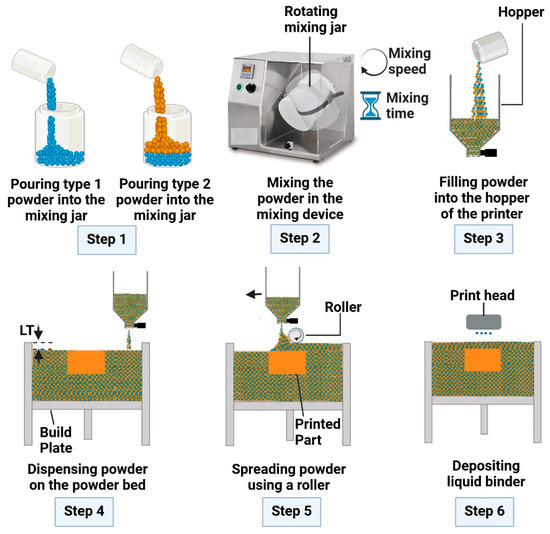
The binder jetting additive manufacturing process offers the ability to create three-dimensional parts layer by layer. However, using any powder that contains particles with different sizes, shapes, or densities can lead to powder segregation during the mixing, dispensing, and spreading steps of the
[...] Read more.
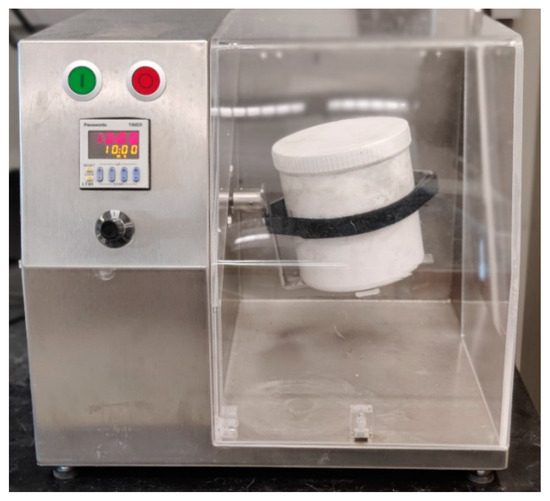
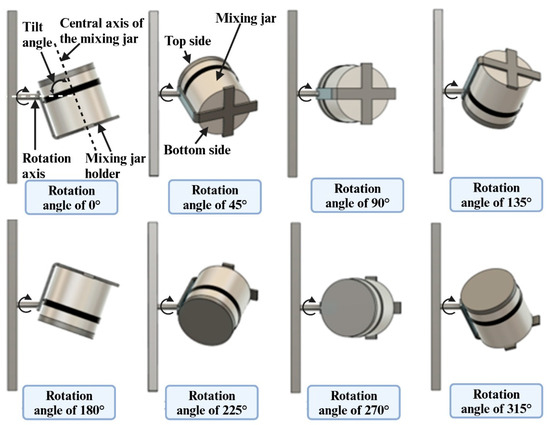
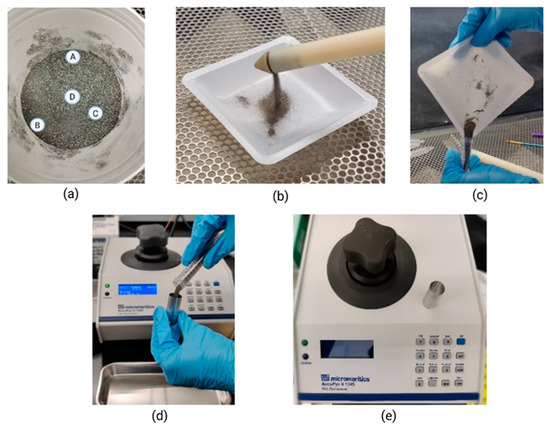
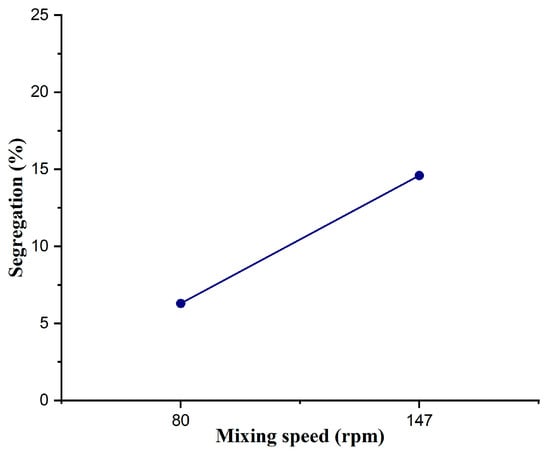
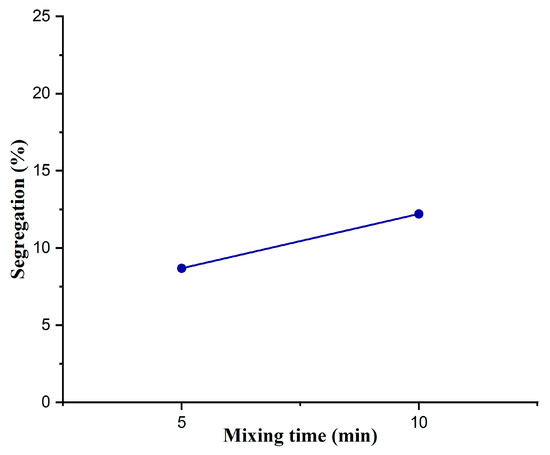
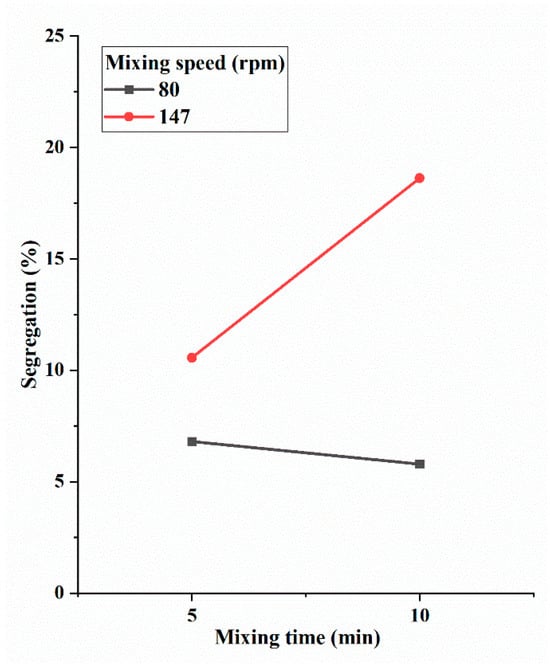
The binder jetting additive manufacturing process offers the ability to create three-dimensional parts layer by layer. However, using any powder that contains particles with different sizes, shapes, or densities can lead to powder segregation during the mixing, dispensing, and spreading steps of the binder jetting additive manufacturing process. Powder segregation can often lead to uneven powder distribution across the powder bed, potentially causing defects in final parts. Therefore, it is important to understand powder segregation in mixing, dispensing, and spreading. Reported studies on powder segregation in mixing were conducted primarily on pharmaceutical or food powder that have different properties compared to metal or ceramic powder used in binder jetting additive manufacturing. There is a need for a deep understanding of how mixing speed and mixing time affect powder segregation in the context of binder jetting additive manufacturing. This paper reports an experimental investigation using a two-variable, two-level full-factorial design to examine the main effects and interaction effect of mixing speed and mixing time on powder segregation in the mixing of Powder A and Powder B for binder jetting additive manufacturing. The results reveal that segregation was more severe at the high level of mixing speed and the high level of mixing time. These findings provide useful insights for selecting mixing variables and controlling segregation, essential for achieving high-quality printed parts in binder jetting additive manufacturing.
Full article

Figure 1
Open AccessArticle
Neural Network Optimization of Mechanical Properties of ABS-like Photopolymer Utilizing Stereolithography (SLA) 3D Printing
by
Abdulkader Ali Abdulkader Kadauw
J. Manuf. Mater. Process. 2025, 9(4), 116; https://doi.org/10.3390/jmmp9040116 - 3 Apr 2025
Abstract
The optimization of mechanical properties in acrylonitrile butadiene styrene-like (ABS-like) photopolymer utilizing neural network techniques presents a promising methodology for enhancing the performance and strength of components fabricated through stereolithography (SLA) 3D printing. This approach uses machine learning algorithms to analyze and predict
[...] Read more.
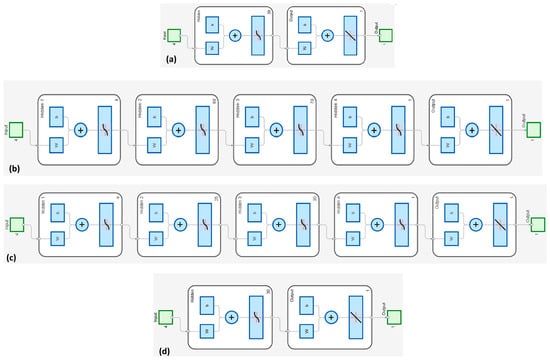
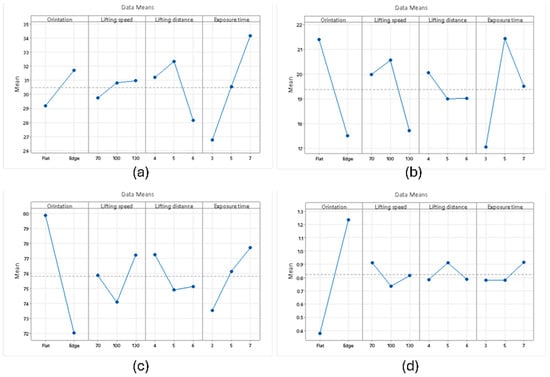
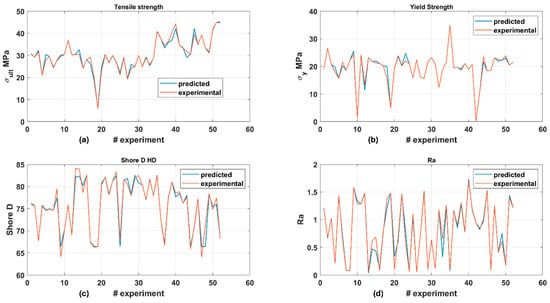
The optimization of mechanical properties in acrylonitrile butadiene styrene-like (ABS-like) photopolymer utilizing neural network techniques presents a promising methodology for enhancing the performance and strength of components fabricated through stereolithography (SLA) 3D printing. This approach uses machine learning algorithms to analyze and predict the relationships between various printing parameters and the resulting mechanical properties, thereby allowing the engineering of better materials specifically designed for targeted applications. Artificial neural networks (ANNs) can model complex, nonlinear relationships between process parameters and material properties better than traditional methods. This research constructed four ANN models to predict critical mechanical properties, such as tensile strength, yield strength, shore D hardness, and surface roughness, based on SLA 3D printer parameters. The parameters used were orientation, lifting speed, lifting distance, and exposure time. The constructed models showed good predictive capabilities, with correlation coefficients of 0.98798 for tensile strength, 0.9879 for yield strength, 0.9823 for Shore D hardness, and 0.98689 for surface roughness. These high correlation values revealed the effectiveness of ANNs in capturing the intricate dependencies within the SLA process. Also, multi-objective optimization was conducted using these models to find the SLA printer’s optimum parameter combination to achieve optimal mechanical properties. The optimization results showed that the best combination is Edge orientation, lifting speed of 90.6962 mm/min, lifting distance of 4.8483 mm, and exposure time of 4.8152 s, resulting in a tensile strength of 40.4479 MPa, yield strength of 32.2998 MPa, Shore D hardness of 66.4146, and Ra roughness of 0.8994. This study highlights the scientific novelty of applying ANN to SLA 3D printing, offering a robust framework for enhancing mechanical strength and dimensional accuracy, thus marking a significant benefit of using ANN tools rather than traditional methods.
Full article
(This article belongs to the Special Issue Recent Advances in Optimization of Additive Manufacturing Processes)
►▼
Show Figures

Figure 1
Open AccessArticle
Scarf Adhesive Bonding of 3D-Printed Polymer Structures
by
Tiago F. R. Ribeiro, Raul D. S. G. Campilho, Ricardo F. R. Pinto and Ricardo J. B. Rocha
J. Manuf. Mater. Process. 2025, 9(4), 115; https://doi.org/10.3390/jmmp9040115 - 2 Apr 2025
Abstract
Additive manufacturing (AM) has swiftly emerged as a substitute for conventional methods such as machining and injection moulding. Its appeal is attributed to accelerated prototyping, improved sustainability, and the capacity to fabricate intricate shapes. Nonetheless, the size constraints of additive manufacturing components require
[...] Read more.
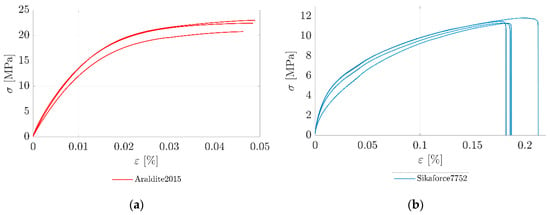
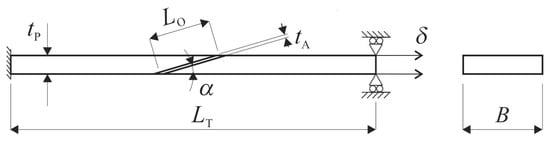
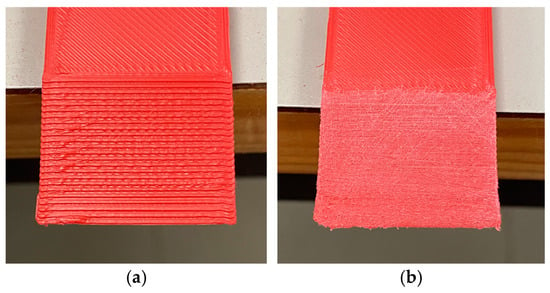
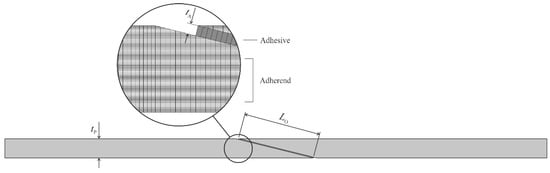
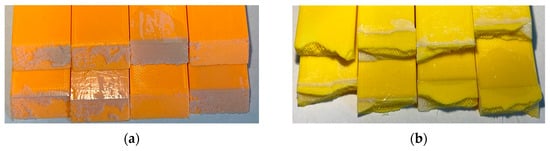
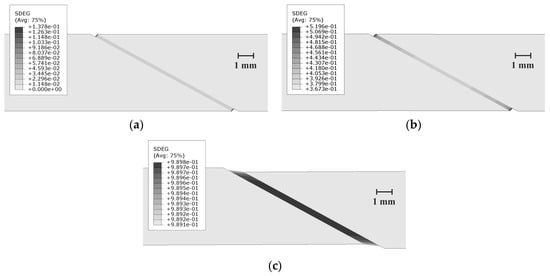
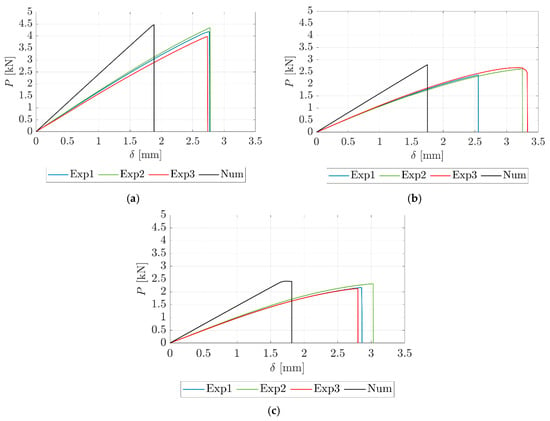
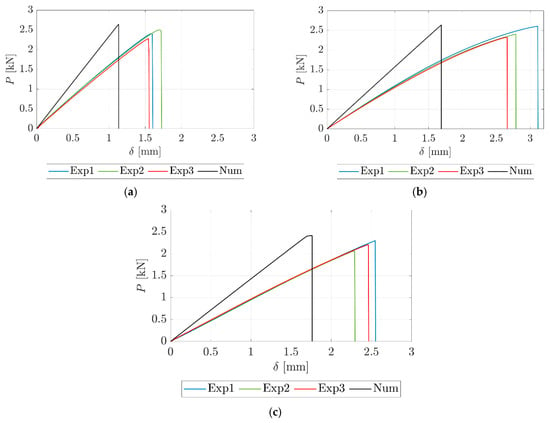
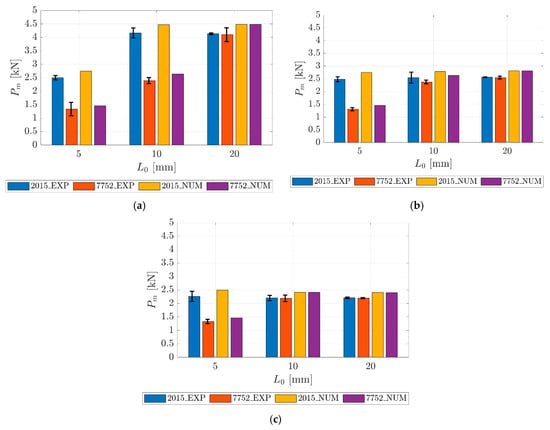
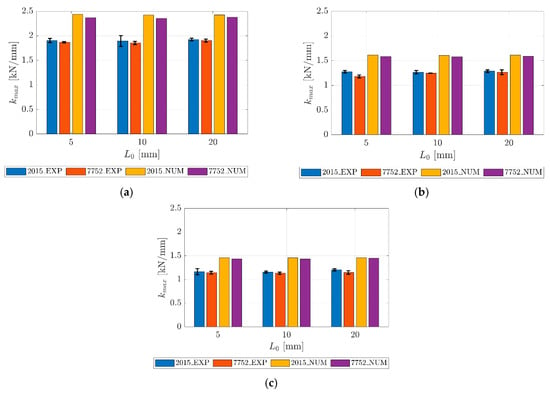
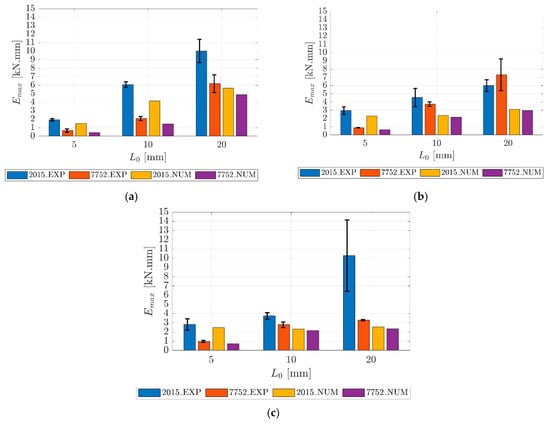
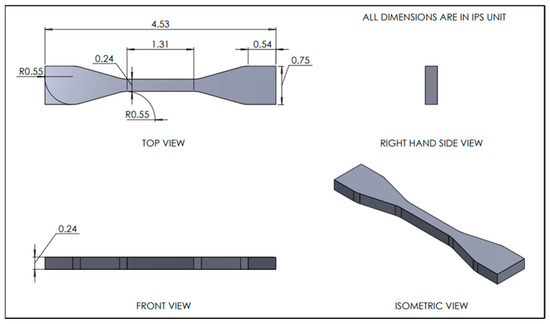
Additive manufacturing (AM) has swiftly emerged as a substitute for conventional methods such as machining and injection moulding. Its appeal is attributed to accelerated prototyping, improved sustainability, and the capacity to fabricate intricate shapes. Nonetheless, the size constraints of additive manufacturing components require the assembly of smaller 3D-printed elements to create larger structures. This study investigates the tensile properties of scarf joints (SJs) created from several polymers, including ABS, PETG, and PLA, adhered with Araldite® 2015 and Sikaforce® 7752 adhesives. The characteristics of the adherends were assessed prior to examining the adhesive efficacy in the SJ configuration. Experimental evaluations quantified failure modes, joint strength, assembly stiffness, and energy at failure, comparing findings with predictions from a cohesive zone model (CZM). The objective was to determine the ideal combination of materials and adhesives for enhanced joint performance. Results indicated that joint performance is greatly affected by the adherend material, adhesive selection, and scarf angle. PLA and Araldite® 2015 typically exhibited optimal strength and stiffness, but Sikaforce® 7752 demonstrated enhanced energy absorption for extended bonding lengths.
Full article
(This article belongs to the Special Issue Innovative and Sustainable Advances in Polymer Composites for Additive Manufacturing: Processing, Microstructure, Machining, and Mechanical Properties)
►▼
Show Figures

Figure 1
Open AccessArticle
Directed Energy Deposition-Laser Beam of Semi-Austenitic Precipitation-Hardening Stainless Steel
by
Alex Lourenço Barbosa, Fábio Edson Mariani, Fernanda Mariano Pereira, Osvaldo Mitsuyuki Cintho, Reginaldo Teixeira Coelho, Piter Gargarella and Kahl Zilnyk
J. Manuf. Mater. Process. 2025, 9(4), 114; https://doi.org/10.3390/jmmp9040114 - 29 Mar 2025
Abstract
►▼
Show Figures
Directed Energy Deposition-Laser Beam (DED-LB) is an ideal Additive Manufacturing (AM) process to obtain very complex geometries, which can be important for several applications in industries such as aerospace and biomedical engineering. The present study aims to determine optimized DED-LB parameters for printing
[...] Read more.
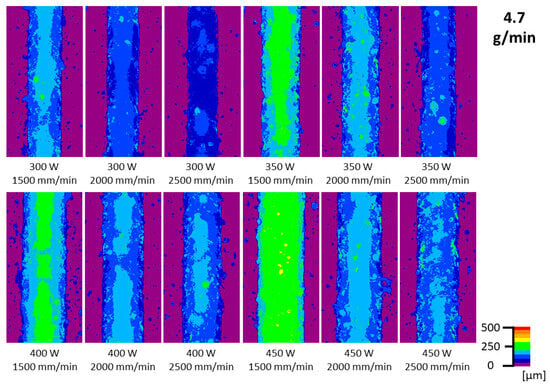
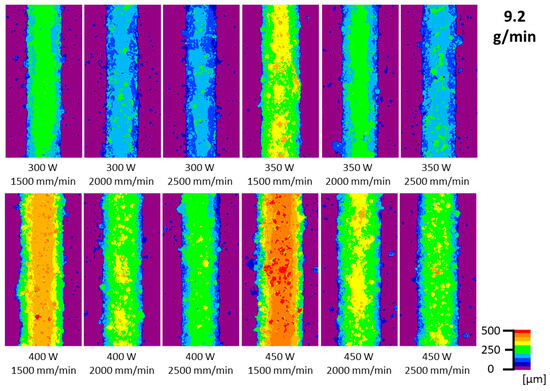
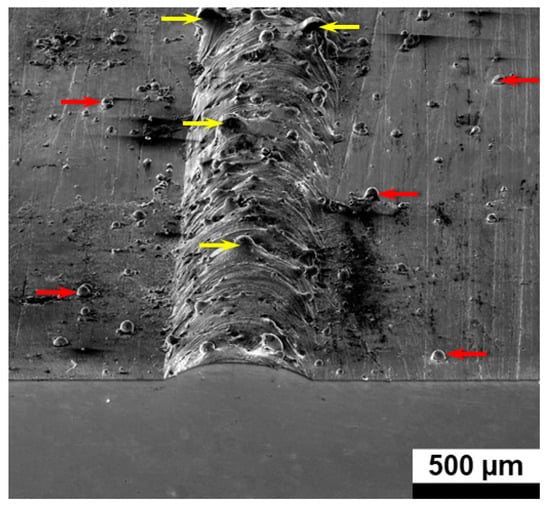
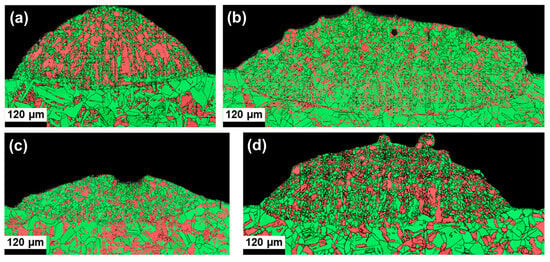
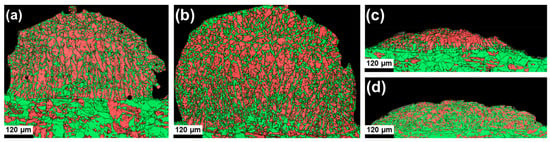
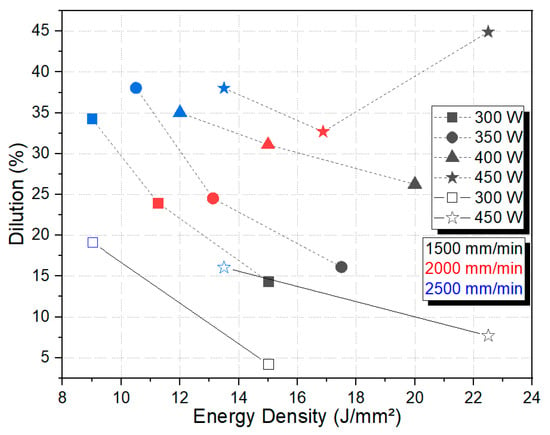
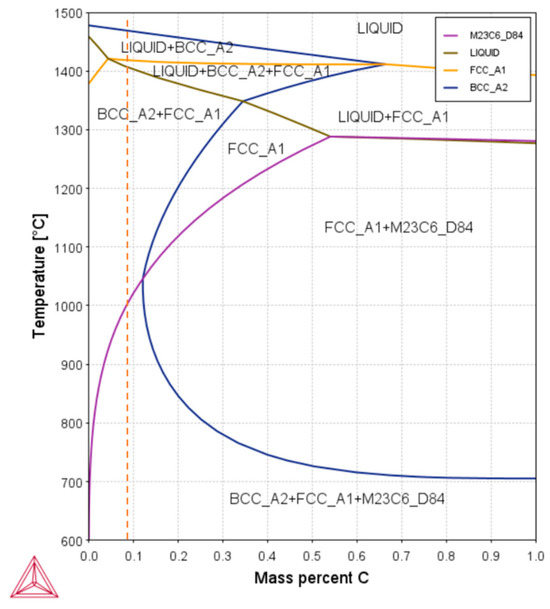
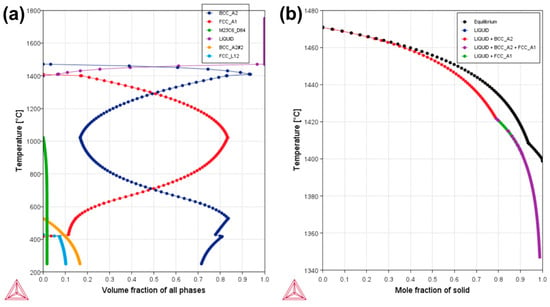
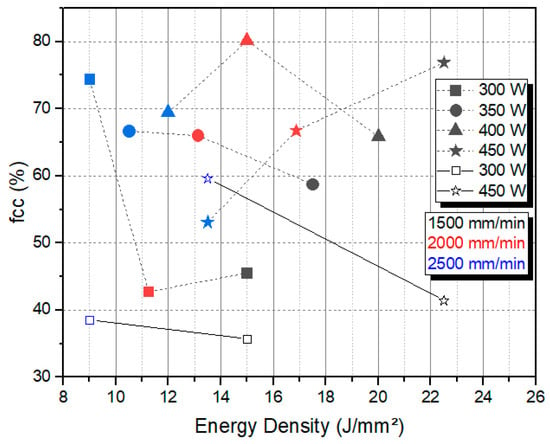
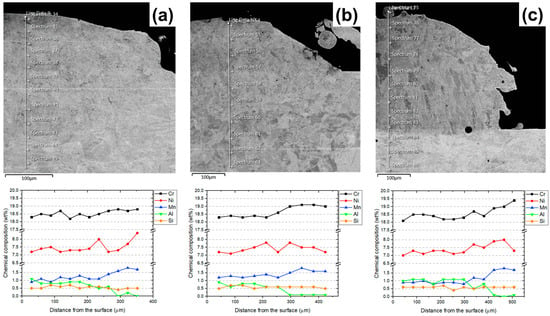
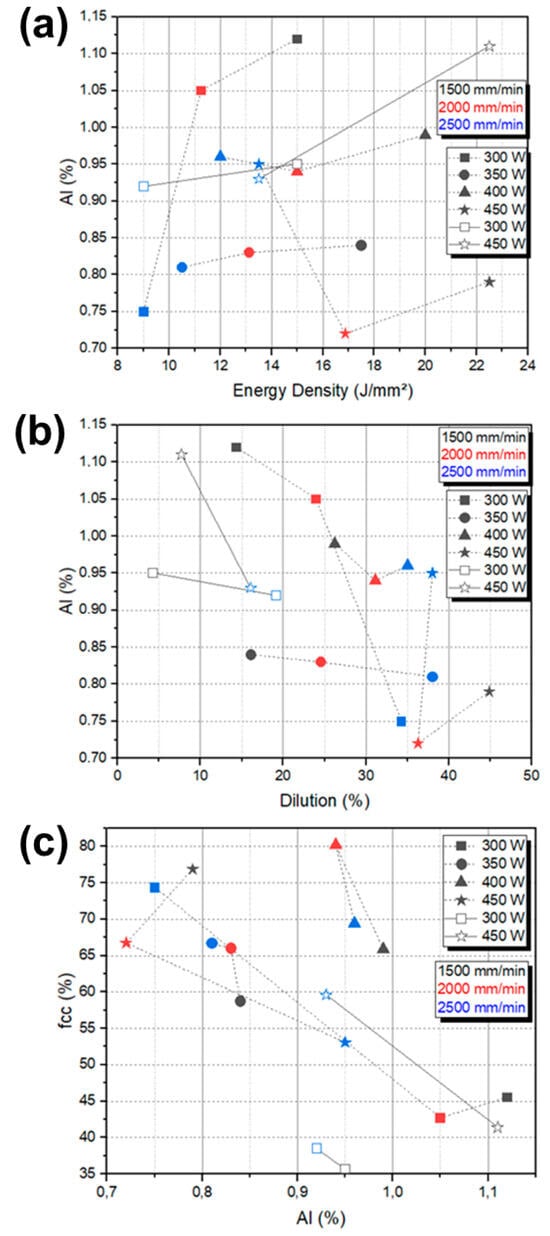
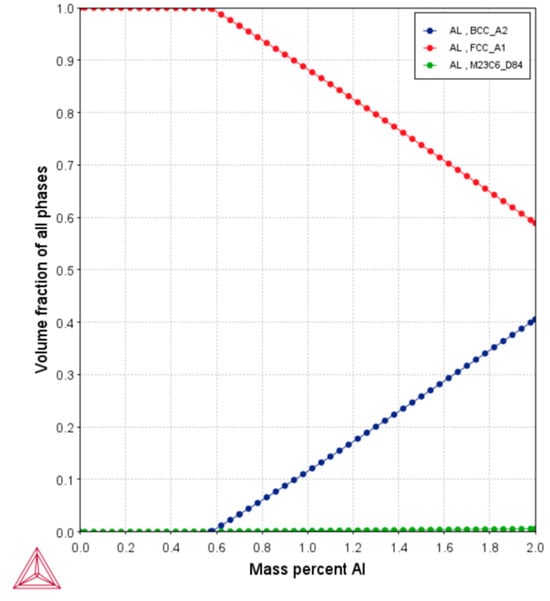
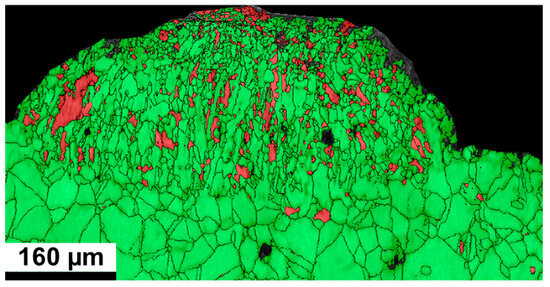
Directed Energy Deposition-Laser Beam (DED-LB) is an ideal Additive Manufacturing (AM) process to obtain very complex geometries, which can be important for several applications in industries such as aerospace and biomedical engineering. The present study aims to determine optimized DED-LB parameters for printing 17-7 PH stainless steel, a semi-austenitic precipitation-hardening alloy renowned for its exceptional combination of high yield strength, toughness, and corrosion resistance. The experimental work used different combinations of laser power, scanning speed, and powder feed rate to investigate the effects on the morphology, surface roughness, and microstructure of the deposited material. The results indicated that a powder feed rate of 4.7 g/min yielded uniform beads, reduced surface roughness, and increased substrate dilution, enhancing the metallurgical bond between the bead and substrate. Conversely, higher feed rates, such as a rate of 9.2 g/min, resulted in increased surface irregularities due to an excessive amount of partially melted powder particles. Microstructural analysis, supported by thermodynamic calculations, confirmed a ferritic–austenitic solidification mode. The austenite and ferrite fractions varied significantly, depending mainly on the substrate dilution due to the decrease in aluminum content. The combination of 400 W laser power and a 2000 mm/min scanning speed resulted in the optimal set of parameters, with an approximately 30% dilution and 80% austenite.
Full article

Figure 1
Open AccessArticle
Mechanical Properties and Accuracy of Additively Manufactured Silicone Soft Tissue Materials
by
Pei Xin Chen, John M. Aarts and Joanne Jung Eun Choi
J. Manuf. Mater. Process. 2025, 9(4), 113; https://doi.org/10.3390/jmmp9040113 - 28 Mar 2025
Abstract
The objective of this study was to measure and compare the mechanical properties of conventional and three additively manufactured soft tissue silicone materials, while evaluating the precision of additively manufactured (AMed) materials through different printing angles. Three additively manufactured soft tissue silicone materials
[...] Read more.
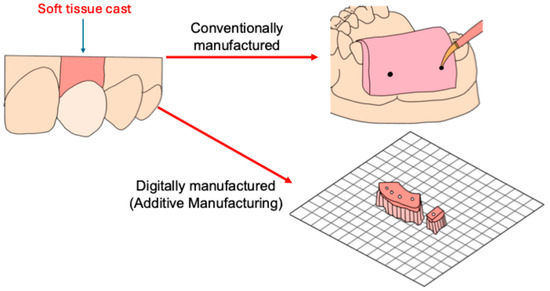
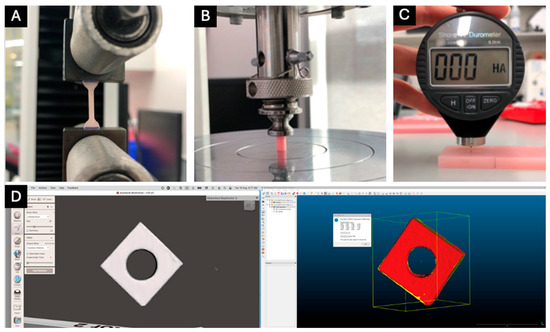
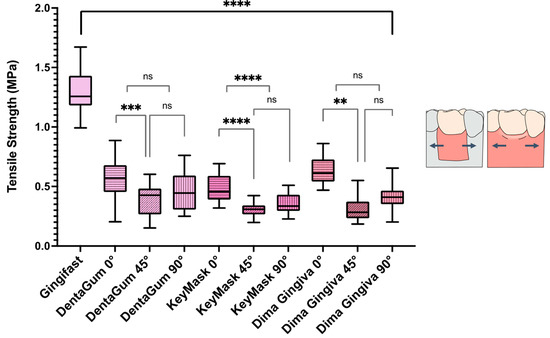
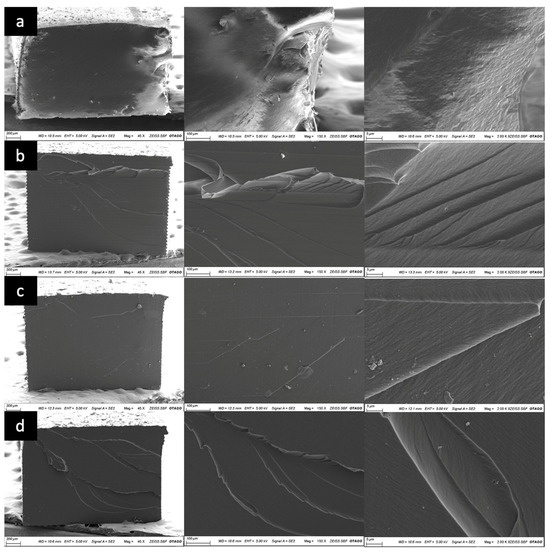
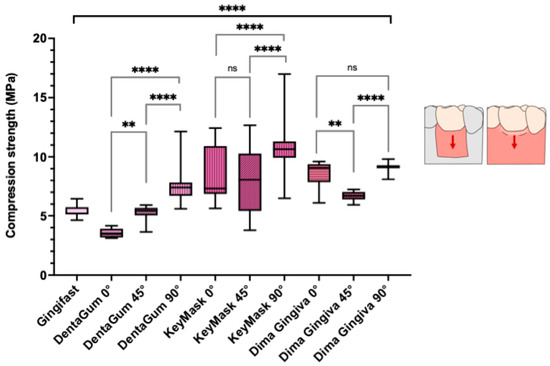
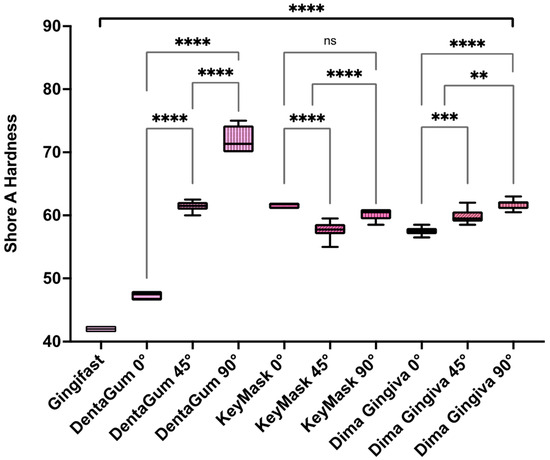
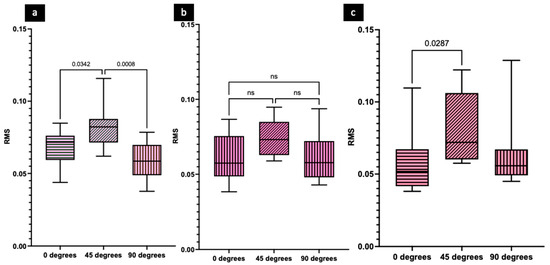
The objective of this study was to measure and compare the mechanical properties of conventional and three additively manufactured soft tissue silicone materials, while evaluating the precision of additively manufactured (AMed) materials through different printing angles. Three additively manufactured soft tissue silicone materials were used, in addition to one conventional self-curing injectable silicone material as a control. AMed materials were divided into three groups with three build angles. Mechanical testing was conducted for tensile and compressive strength by a universal testing machine and Shore A hardness by a durometer. Accuracy analysis of additively manufactured materials (n = 20/group) was performed following superimposition and root mean square (RMS) calculation. Statistical differences between the groups were assessed with a one-way analysis of variance (ANOVA) and Tukey’s post hoc test at a significance level of p < 0.05. Scanning Electron Microscopy (SEM) analysis was performed for fracture surface analyses. The tensile strength of all additively manufactured silicone soft tissue materials was significantly lower (p < 0.0001) than that of the control material. All additively manufactured soft tissue material groups had significantly higher compressive strengths (p < 0.0001) and Shore A hardness values. Accuracy analysis showed no significant difference between the groups when compared at the same printing angle (0°, 45°, and 90°); however, within each material group, printing at 45° had higher RMS values than specimens printed at an angle of 0° and 90°. The conventional soft tissue material (control) had a significantly higher tensile strength than all the AMed soft tissue materials, whereas the opposite trend was found for flexural strength and shore hardness. When selecting an AMed material for soft tissue casts used during implant restoration fabrication, it is recommended to print the soft tissues at either 0° or 90°.
Full article
(This article belongs to the Special Issue Advances in 3D Printing Technologies: Materials, Processes, and Applications)
►▼
Show Figures

Figure 1
Open AccessArticle
Slicing Solutions for Wire Arc Additive Manufacturing
by
Michael Sebok, Canhai Lai, Chris Masuo, Alex Walters, William Carter, Nathan Lambert, Luke Meyer, Jake Officer, Alex Roschli, Joshua Vaughan and Andrzej Nycz
J. Manuf. Mater. Process. 2025, 9(4), 112; https://doi.org/10.3390/jmmp9040112 - 28 Mar 2025
Abstract
Both commercial and research applications of wire arc additive manufacturing (WAAM) have seen considerable growth in the additive manufacturing of metallic components. However, there remains a clear lack of a unified paradigm for toolpath generation when slicing parts for WAAM deposition. Existing toolpath
[...] Read more.
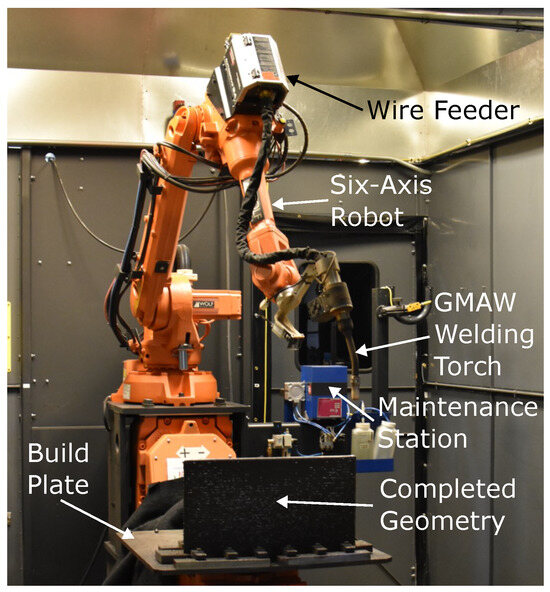
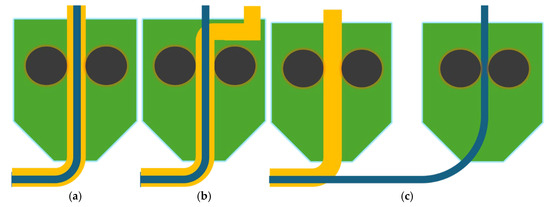
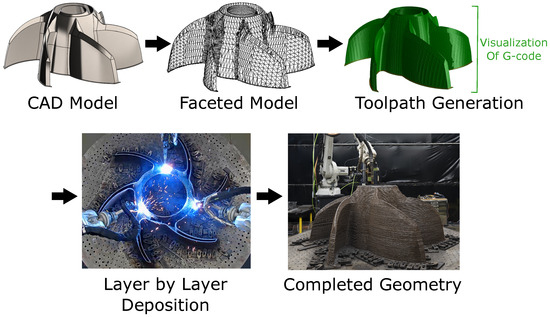
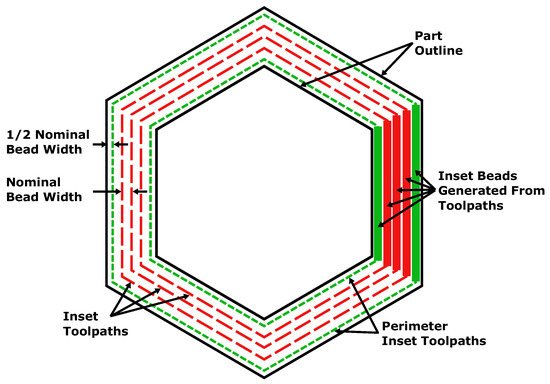
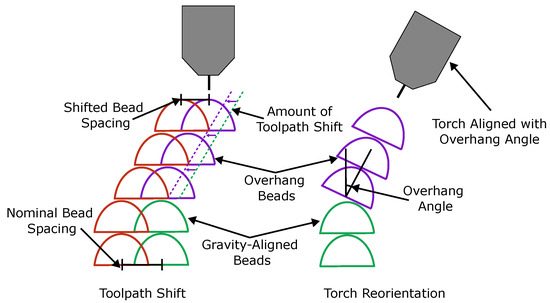
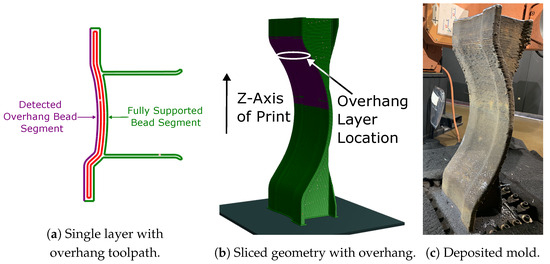
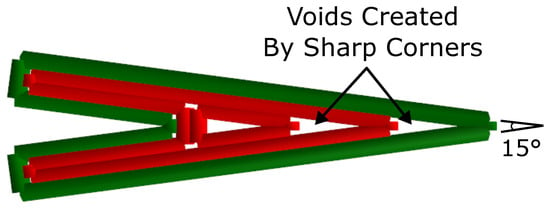
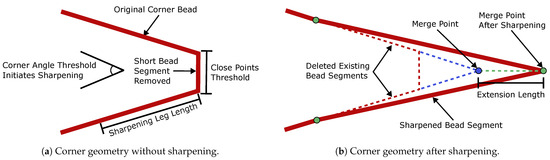
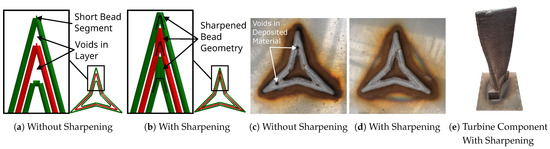
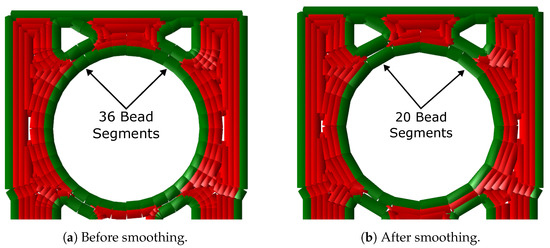
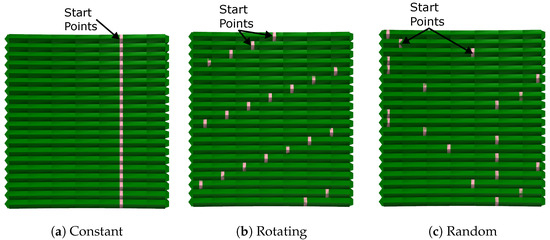
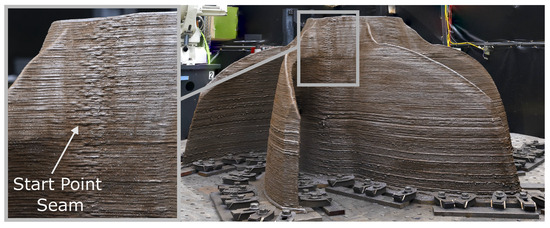
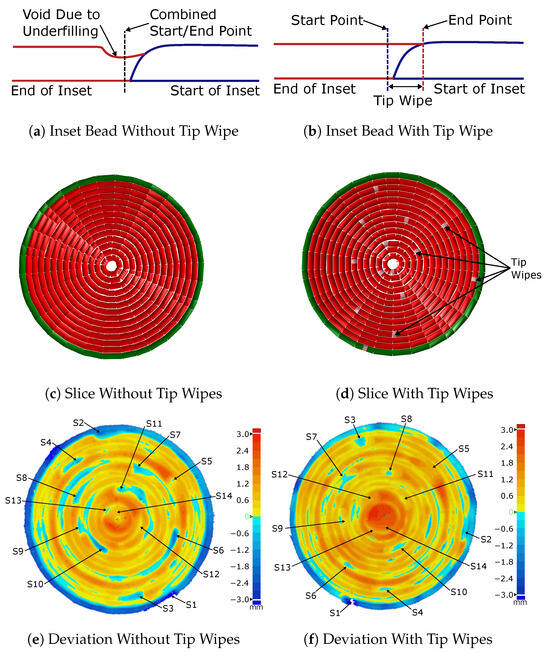
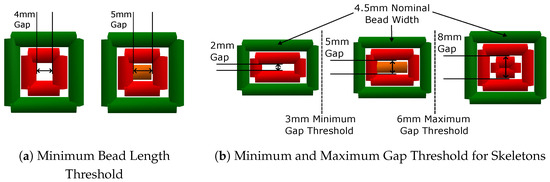
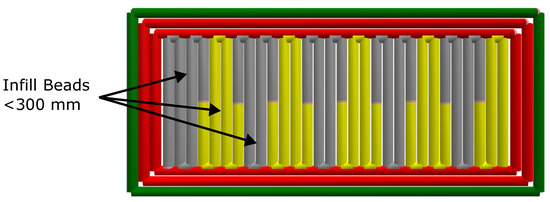
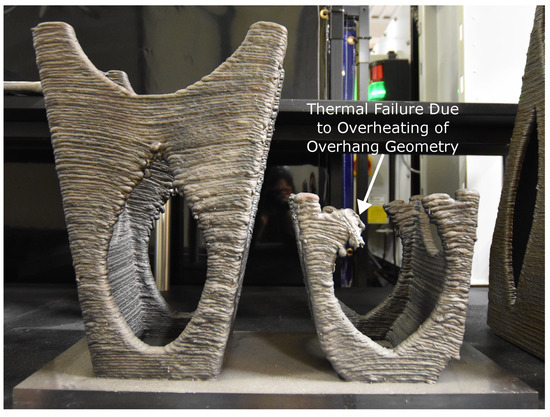
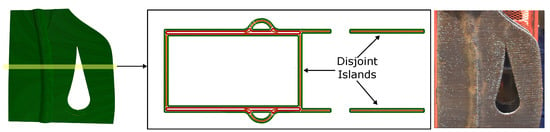
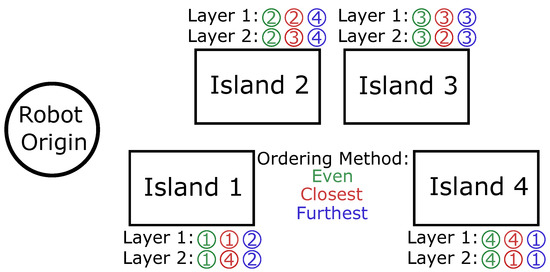
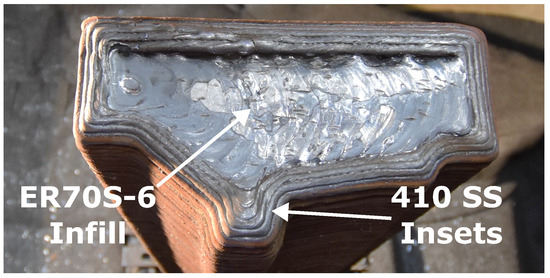
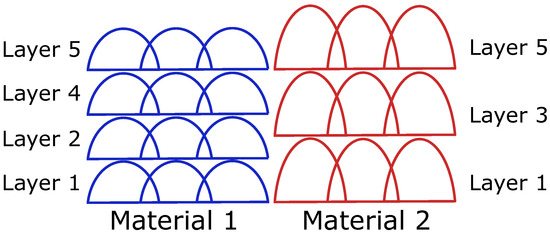
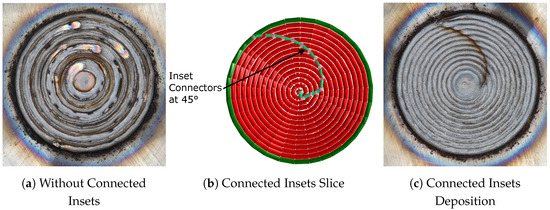
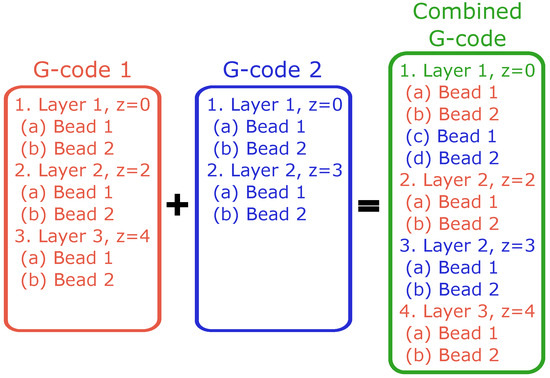
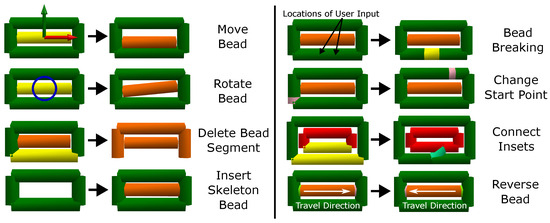
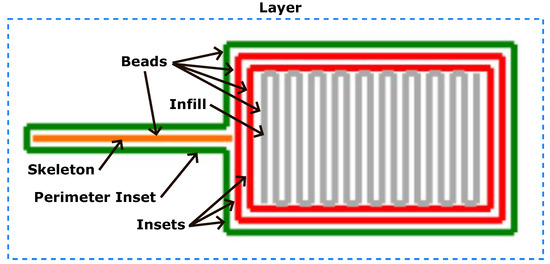
Both commercial and research applications of wire arc additive manufacturing (WAAM) have seen considerable growth in the additive manufacturing of metallic components. However, there remains a clear lack of a unified paradigm for toolpath generation when slicing parts for WAAM deposition. Existing toolpath generation options typically lack the appropriate features to account for all complexities of the WAAM process. This manuscript explores the key slicing challenges specific to toolpaths for WAAM geometry and pairs each consideration with multiple solutions to mitigate most negative effects on completed components. These challenges must be addressed to minimize voids, prevent bead collapse, and ensure deposited components accurately approximate the desired geometry. Slicing considerations are grouped into four general categories: geometric, process, thermal, and productivity. Geometric considerations are addressed with overhang compensation, corner-sharpening, and toolpath-smoothing features. Process considerations are addressed with start point configuration and controls for the bead lengths and end points. Thermal and productivity considerations are addressed with island optimization, multi-material printing, and connected insets. Finally, tools for the post-processing of generated G-code are explored. Overall, these solutions represent a critical set of slicing features used to improve generated toolpaths and the quality of the components deposited with those toolpaths.
Full article
(This article belongs to the Special Issue Advancing Wire Arc Additive Manufacturing (WAAM) for Metallic Component Manufacture: Recent Developments and Challenges)
►▼
Show Figures

Figure 1

Open AccessArticle
Melt Electrowritten Biodegradable Mesh Implants with Auxetic Designs for Pelvic Organ Prolapse Repair
by
Nuno Miguel Ferreira, Evangelia Antoniadi, Ana Telma Silva, António Silva, Marco Parente, António Fernandes and Elisabete Silva
J. Manuf. Mater. Process. 2025, 9(4), 111; https://doi.org/10.3390/jmmp9040111 - 28 Mar 2025
Abstract
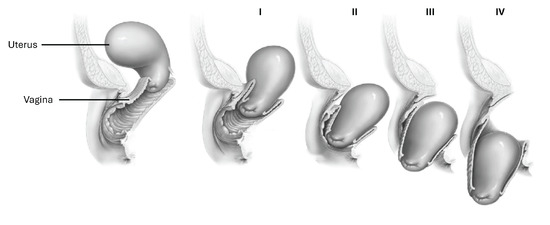
Pelvic organ prolapse (POP) is a common condition among women, characterized by the descent of pelvic organs through the vaginal canal. Although traditional synthetic meshes are widely utilized, they are associated with complications such as erosion, infection, and tissue rejection. This study explores
[...] Read more.
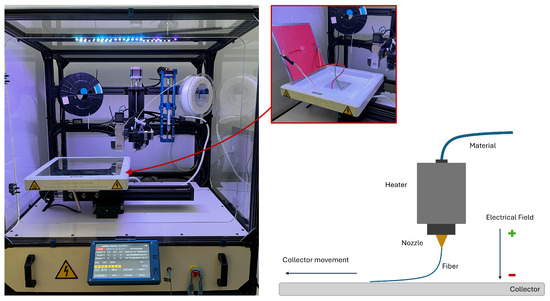
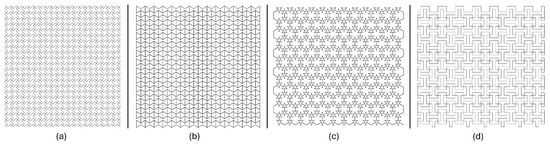
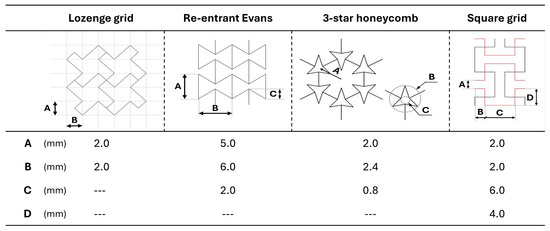
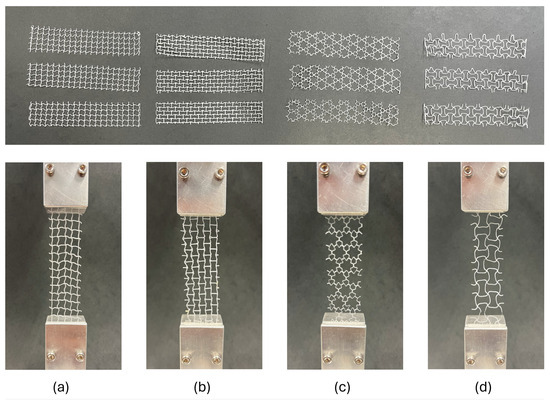
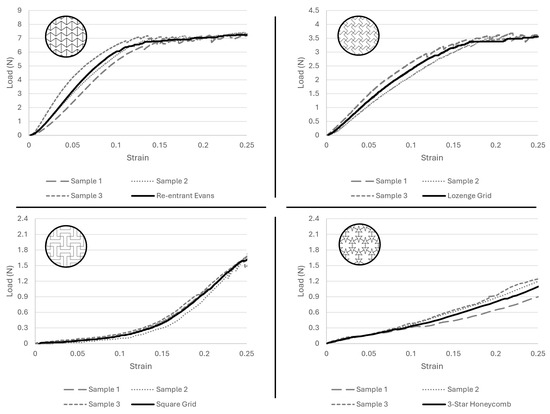
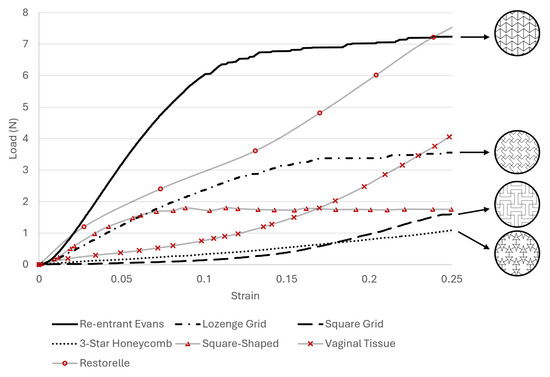
Pelvic organ prolapse (POP) is a common condition among women, characterized by the descent of pelvic organs through the vaginal canal. Although traditional synthetic meshes are widely utilized, they are associated with complications such as erosion, infection, and tissue rejection. This study explores the design and fabrication of biodegradable auxetic implants using polycaprolactone and melt electrowriting technology, with the goal of developing implants that closely replicate the mechanical behavior of vaginal tissue while minimizing implant-related complications. Four distinct auxetic mesh geometries—re-entrant Evans, Lozenge grid, square grid, and three-star honeycomb—were fabricated with a 160 m diameter and mechanically evaluated through uniaxial tensile testing. The results indicate that the square grid and three-star honeycomb geometries exhibit hyperelastic-like behavior, closely mimicking the stress–strain response of vaginal tissue. The re-entrant Evans geometry has been observed to exhibit excessive stiffness for applications related to POP, primarily due to material overlap. This geometry demonstrates stiffness that is approximately five times greater than that of the square grid or the three-star honeycomb configurations, which contributes to an increase in local rigidity. The unique auxetic properties of these structures prevent the bundling effect observed in synthetic meshes, promoting improved load distribution and minimizing the risk of tissue compression. Additionally, increasing the extrusion diameter has been identified as a promising strategy for further refining the biomechanical properties of these meshes. These findings lay a solid foundation for the development of next-generation biodegradable implants.
Full article
(This article belongs to the Special Issue Advances in 3D Printing Technologies: Materials, Processes, and Applications)
►▼
Show Figures

Figure 1
Open AccessArticle
Evolution of Microstructure, Phase Composition, and Mechanical Properties During Thermomechanical Treatment of Co-Cr-Mo Alloy
by
Tatiana Kin, Yury Gamin, Sergei Galkin, Abdullah Mahmoud Alhaj Ali, Anna Khakimova and Alexander Skugorev
J. Manuf. Mater. Process. 2025, 9(4), 110; https://doi.org/10.3390/jmmp9040110 - 27 Mar 2025
Abstract
Co-Cr-Mo alloys are in high demand as materials for medical implants. However, hot processing of these alloys is quite difficult due to the need to maintain narrow temperature range of deformation to achieve the required mechanical properties and structure of the products. The
[...] Read more.
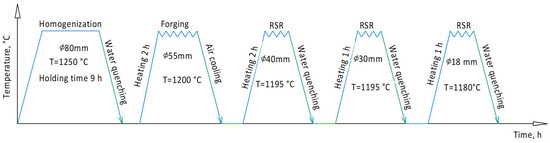
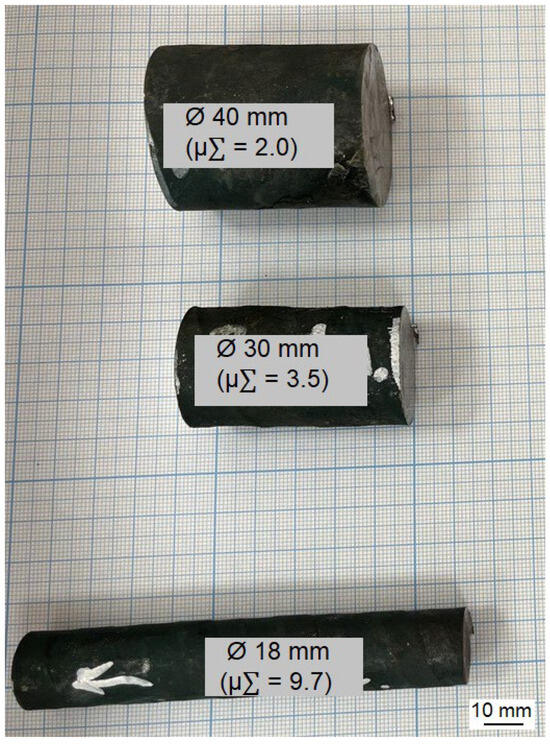
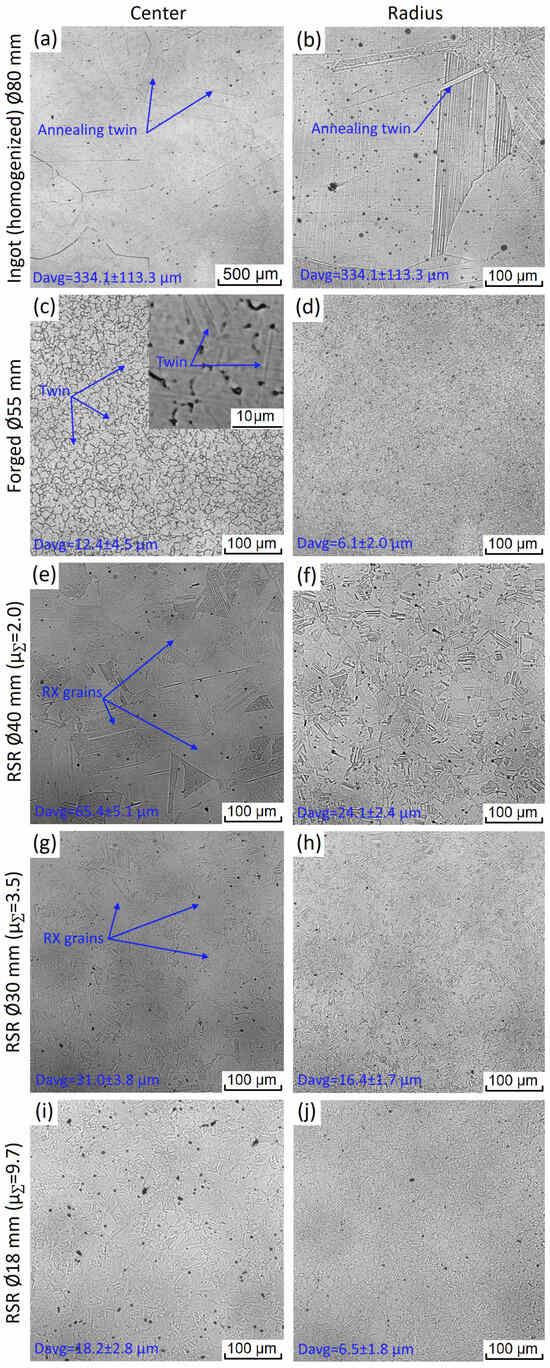
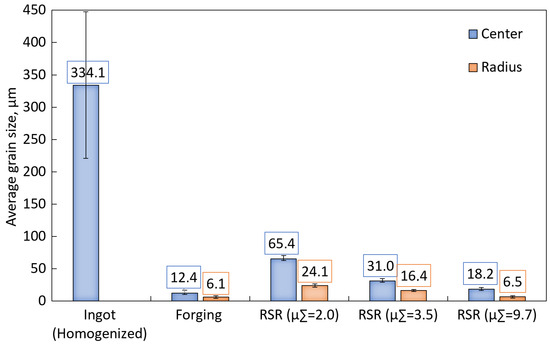
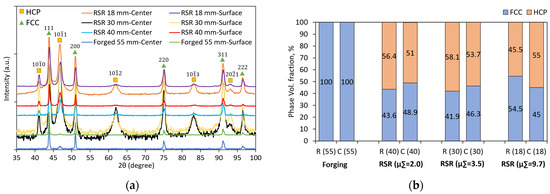
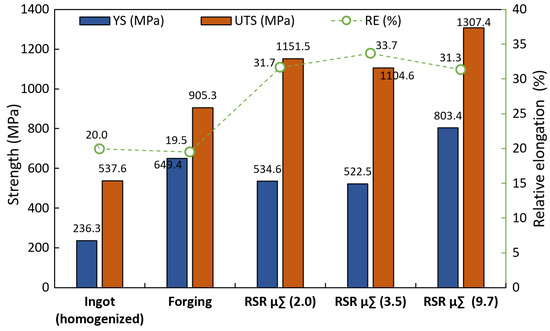
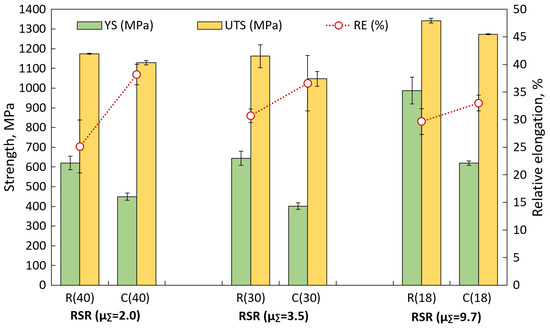
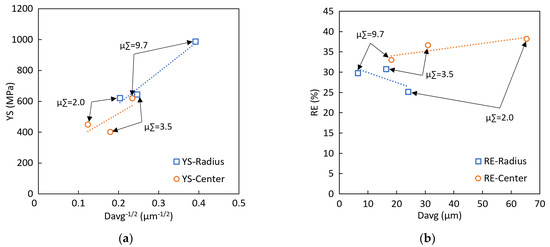
Co-Cr-Mo alloys are in high demand as materials for medical implants. However, hot processing of these alloys is quite difficult due to the need to maintain narrow temperature range of deformation to achieve the required mechanical properties and structure of the products. The features of formation of structure, phase composition and mechanical properties of Co-Cr-Mo alloy at the main stages of thermomechanical treatment were considered in this study. The results demonstrated a significant enhancement in the strength characteristics of the alloy during processing in both forging and radial shear rolling (RSR). At the same time, radial shear rolling processing simultaneously increased the strength and ductility of the alloy. According to the XRD analysis data, the phase composition changes from single-phase structure (FCC-phase) after forging to a mixture of FCC-phase and HCP-phase after RSR during processing. The structure gradient characteristic of RSR decreased as the total elongation ratio increased, maintaining a tendency towards a finer-grained structure near the surface of the bars and a coarser one in the center. This tendency was reflected in the average grain size and the level of mechanical properties. Combined thermomechanical treatment, including the RSR process, made it possible to achieve a unique formation of microstructure and phase composition in the Co-Cr-Mo alloy, ensuring high strength while maintaining ductility.
Full article
(This article belongs to the Special Issue Deformation and Mechanical Behavior of Metals and Alloys)
►▼
Show Figures

Figure 1

Open AccessArticle
Additive Manufacturing of Copper—A Survey on Current Needs and Challenges
by
Moritz Benedikt Schäfle, Michel Fett, Julian Gärtner and Eckhard Kirchner
J. Manuf. Mater. Process. 2025, 9(4), 109; https://doi.org/10.3390/jmmp9040109 - 27 Mar 2025
Abstract
Additive manufacturing (AM) of copper is subject to dynamic development regarding available processes and the quality of produced parts. While challenging, AM processes for copper provide parts with a quality comparable to other metallic material groups like steels. The reasons for the lower
[...] Read more.
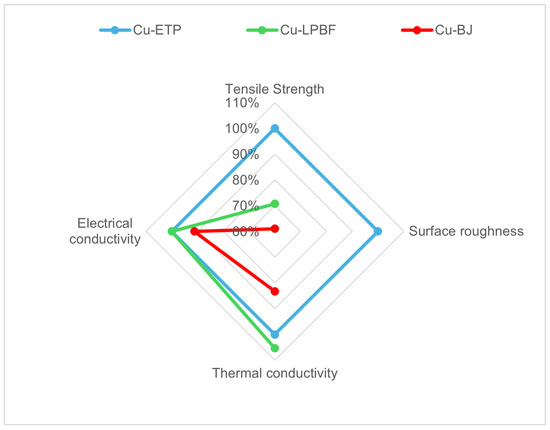
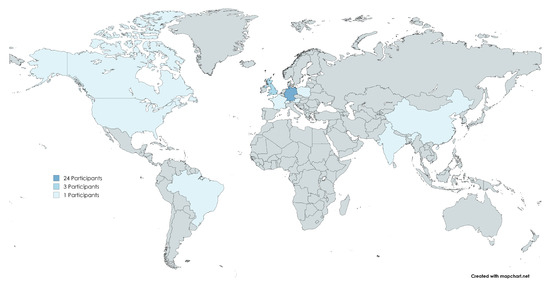
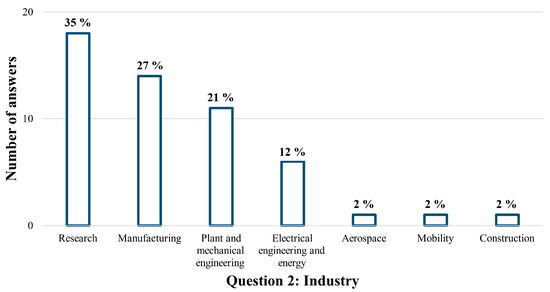
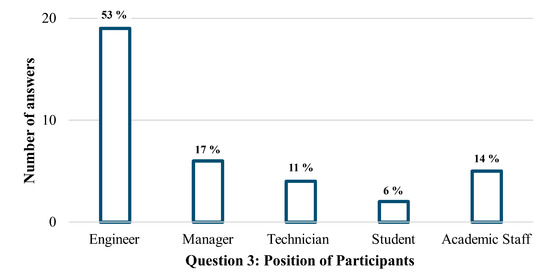
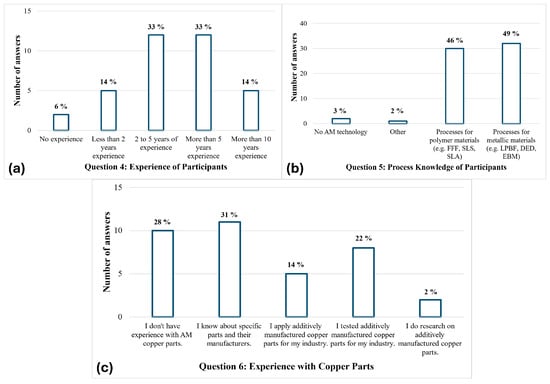
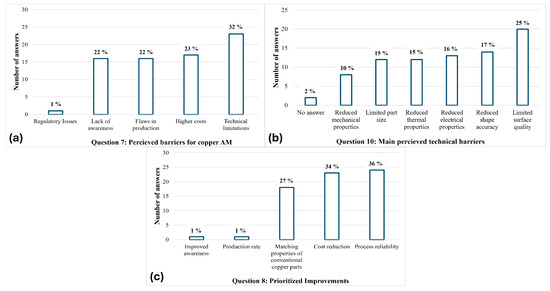
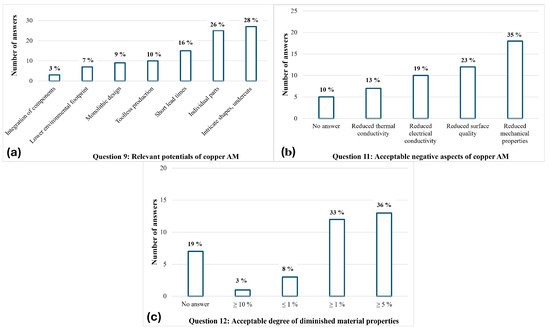
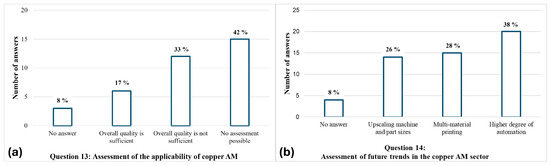
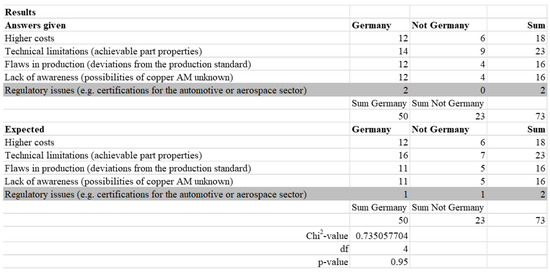
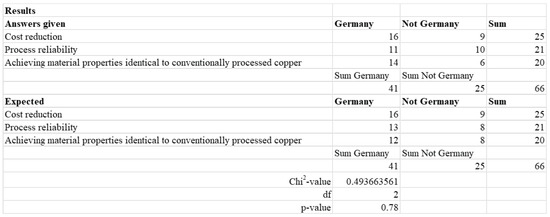
Additive manufacturing (AM) of copper is subject to dynamic development regarding available processes and the quality of produced parts. While challenging, AM processes for copper provide parts with a quality comparable to other metallic material groups like steels. The reasons for the lower prevalence of additive manufacturing of copper components in industrial applications are currently not sufficiently researched, especially in light of the significant progress made in the maturity of this technology. A survey is used to investigate the assessments of protagonists in the field of copper AM. The needs of current and potential users of copper AM are analyzed and outlined. This study reveals that the most relevant technical limitation for users is the reduced surface quality of parts, while overall processes need to become less costly and more reliable to find broader use. Answers given hint to a higher degree of automation, the possibility of multi-material processing, and the upscaling of machine and part sizes as relevant future trends in the copper AM sector.
Full article
(This article belongs to the Special Issue Additive Manufacturing of Copper-Based Alloys)
►▼
Show Figures

Figure 1
Open AccessArticle
Optimizing Process Parameters to Enhance Mechanical Properties of 3D-Printed Fiberglass-Reinforced ONYX Polymer
by
Naumaan Shafique, Zarak Khan, Mushtaq Khan, Muhammad Younas and Mohd Shahneel Saharudin
J. Manuf. Mater. Process. 2025, 9(4), 108; https://doi.org/10.3390/jmmp9040108 - 26 Mar 2025
Abstract
Fused Deposition Modeling (FDM) is widely used for custom manufacturing but has limitations in strength for load-bearing applications. This study explores the optimization of mechanical properties for lightweight, cost-effective components using continuous fiber reinforcement. ONYX polymer, reinforced with continuous fiberglass, was printed using
[...] Read more.
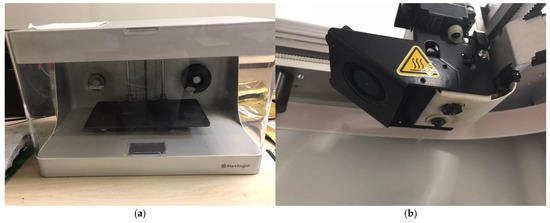
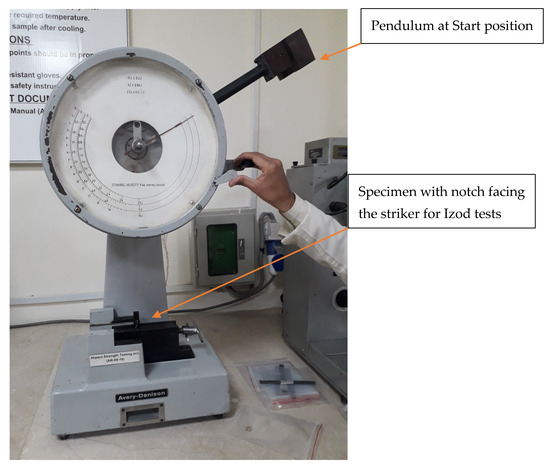
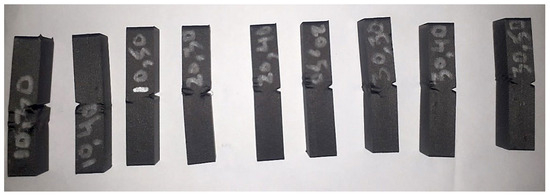
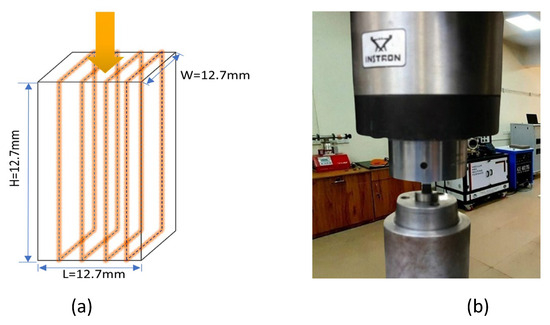
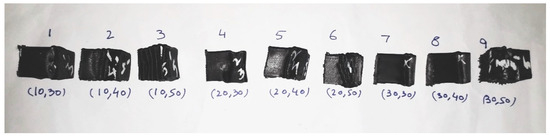
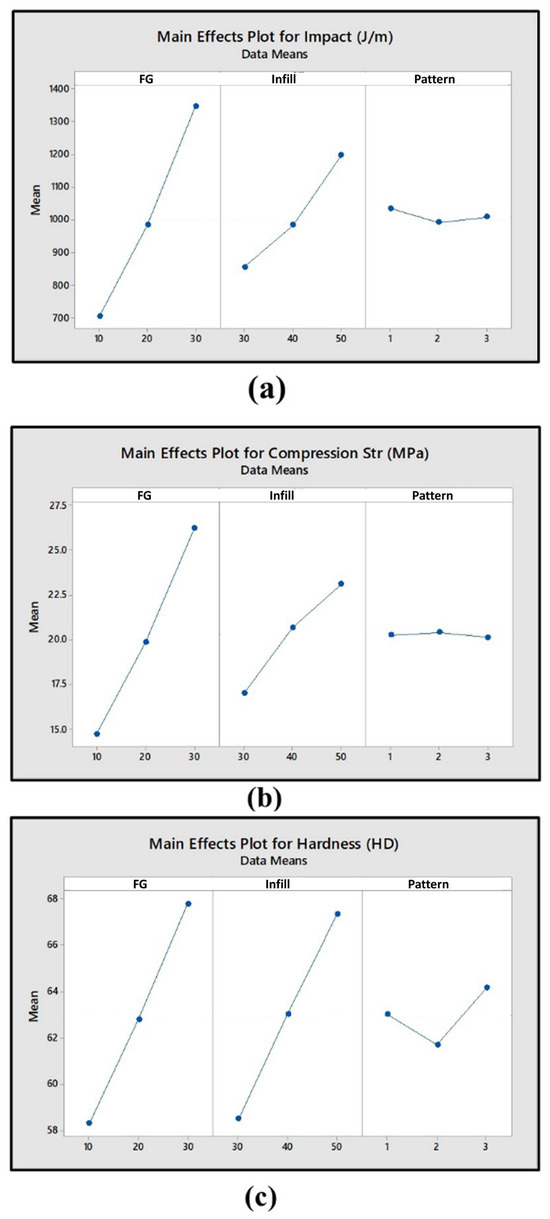
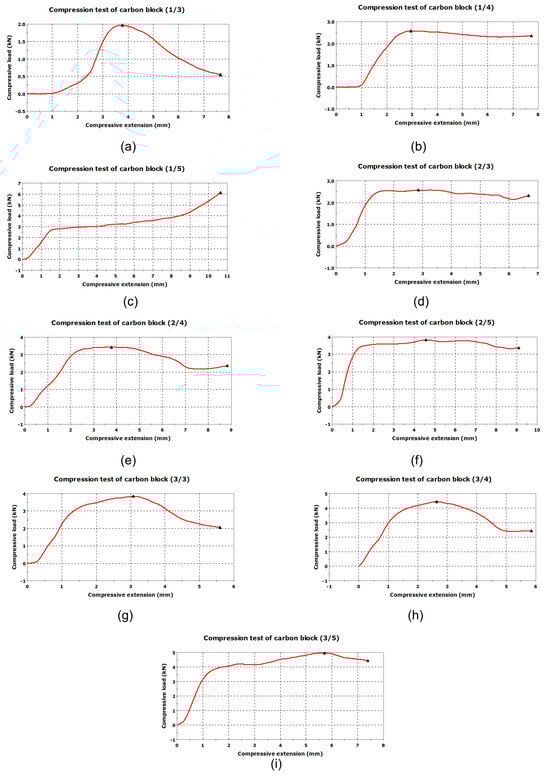
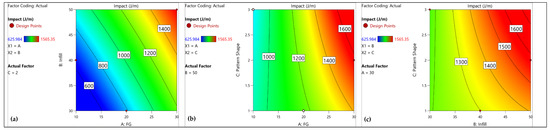
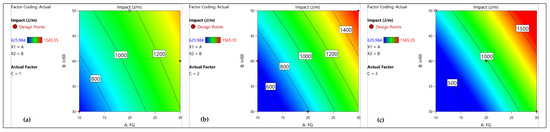
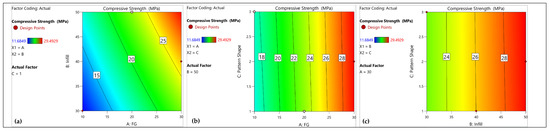
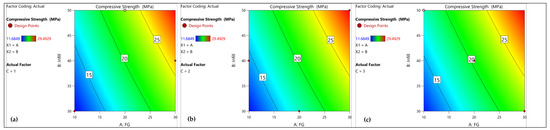
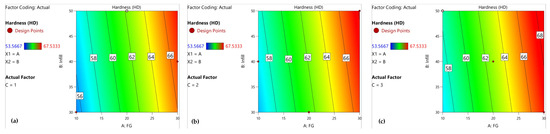
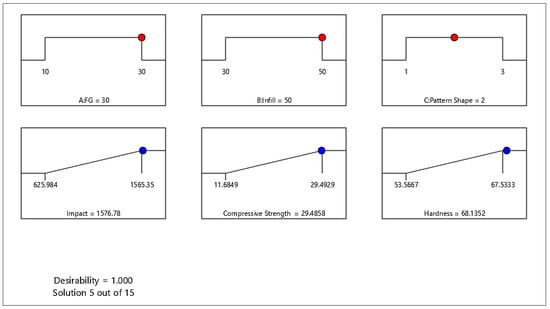
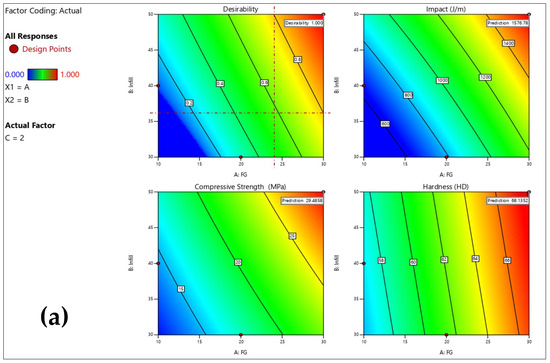
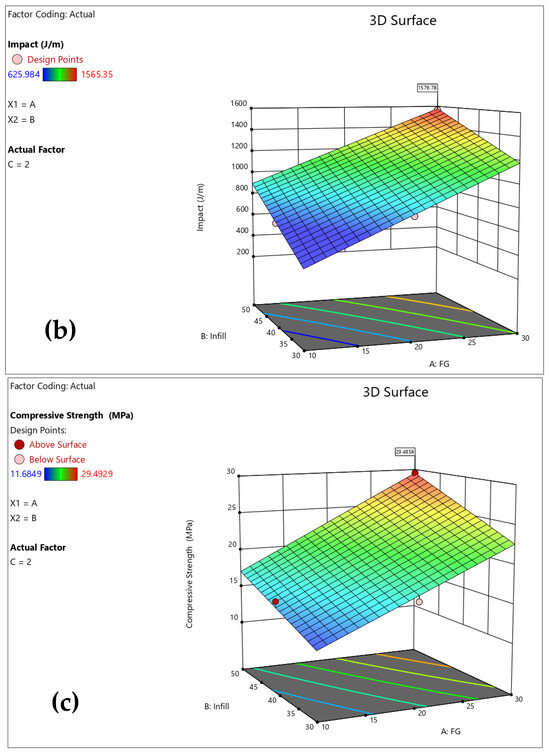
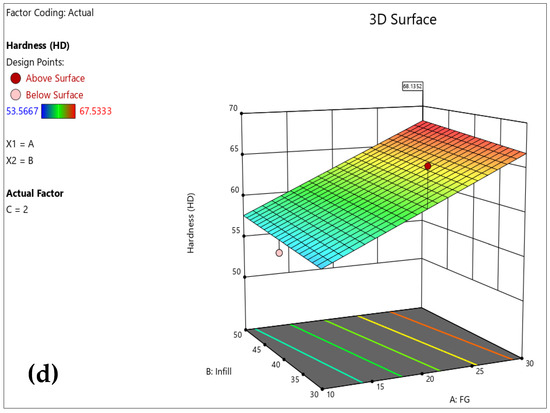
Fused Deposition Modeling (FDM) is widely used for custom manufacturing but has limitations in strength for load-bearing applications. This study explores the optimization of mechanical properties for lightweight, cost-effective components using continuous fiber reinforcement. ONYX polymer, reinforced with continuous fiberglass, was printed using the Markforged® Mark Two dual nozzle 3D printer. A Design of Experimentation (DoE) based on a Taguchi L9 array was used, varying fiberglass content (10%, 20%, 30%), infill densities (30%, 40%, 50%), and pattern types (hexagonal, rectangular, Triangular). The results show that increasing fiberglass content, infill density, and using a rectangular pattern enhanced mechanical properties, with a 30% fiberglass addition achieving a 4.743-fold increase in Izod impact energy. The highest mechanical performance was obtained with 30% fiberglass, 50% infill density, and a rectangular pattern, yielding an impact energy of 1576.778 J/m, compressive strength of 29.486 MPa, and Shore D hardness of 68.135 HD.
Full article
(This article belongs to the Special Issue Innovative and Sustainable Advances in Polymer Composites for Additive Manufacturing: Processing, Microstructure, Machining, and Mechanical Properties)
►▼
Show Figures

Figure 1

Open AccessArticle
Reducing Computational Time in Pixel-Based Path Planning for GMA-DED by Using Multi-Armed Bandit Reinforcement Learning Algorithm
by
Rafael P. Ferreira, Emil Schubert and Américo Scotti
J. Manuf. Mater. Process. 2025, 9(4), 107; https://doi.org/10.3390/jmmp9040107 - 25 Mar 2025
Abstract
►▼
Show Figures
This work presents an artificial intelligence technique to minimise path planning computer processing time for successful GMA-DED 3D printings. An advanced version of the Pixel space-filling-based strategy family is proposed and developed, using, originally for GMA-DED, an artificially intelligent Reinforcement Learning technique to
[...] Read more.
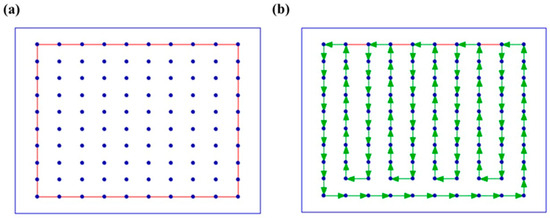
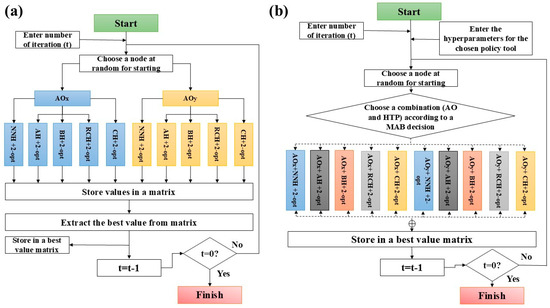
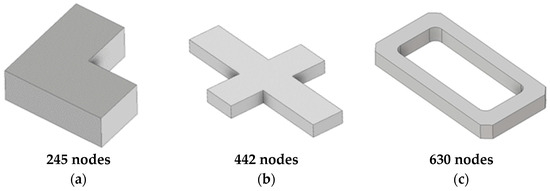
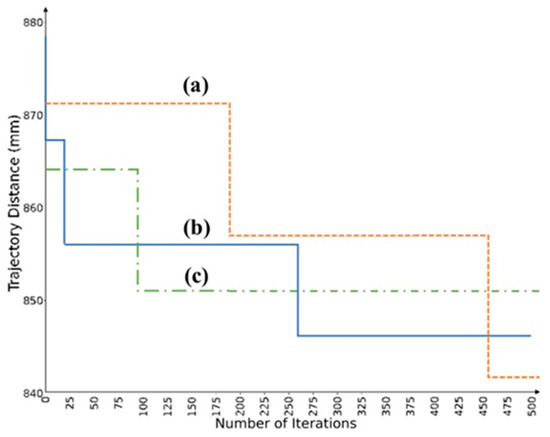
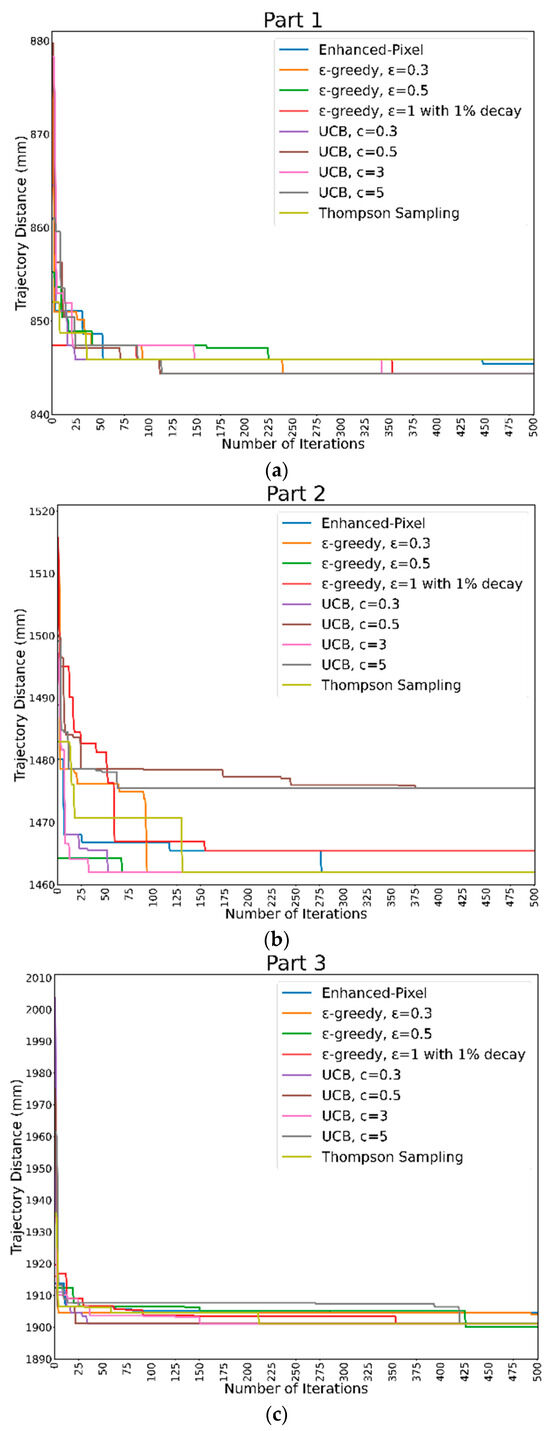
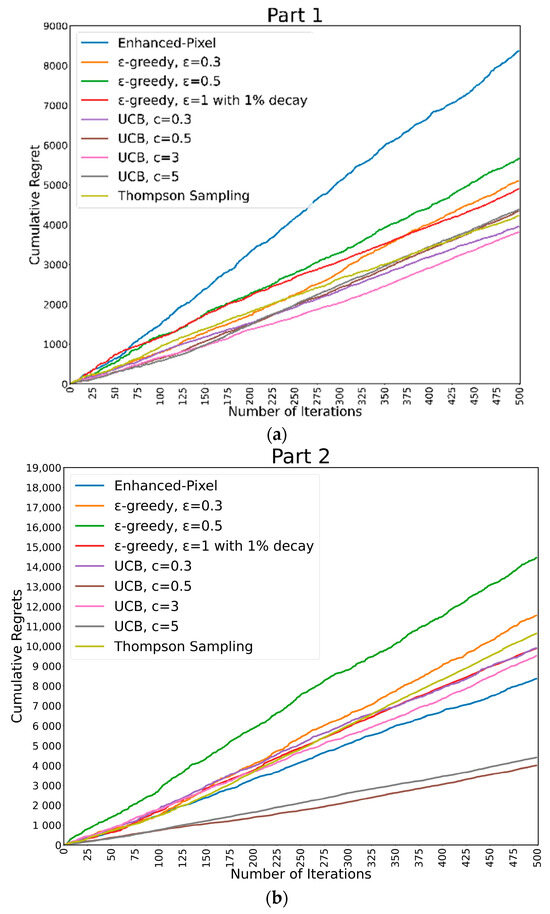
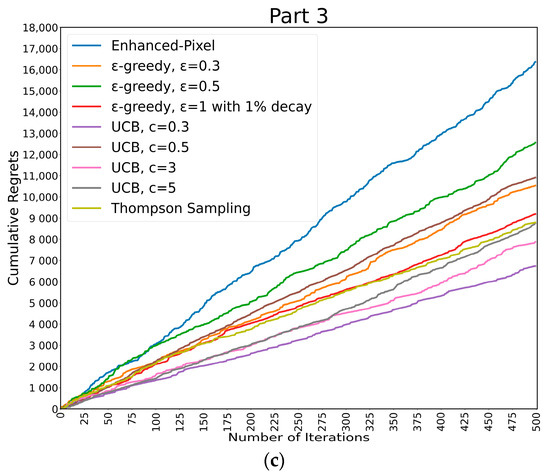
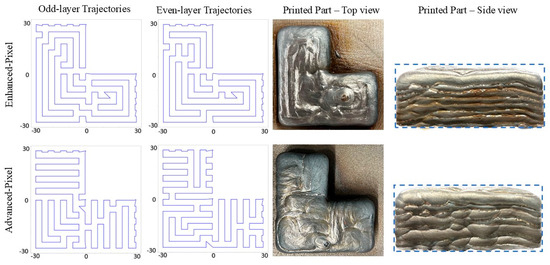
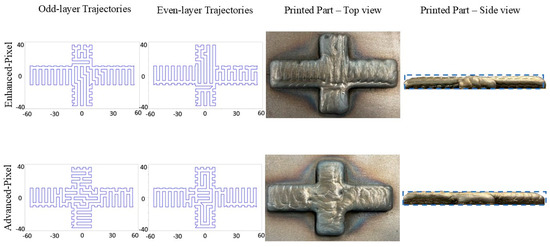
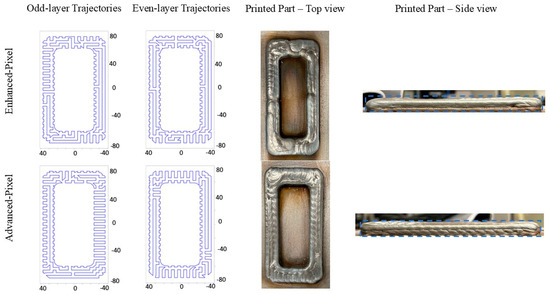
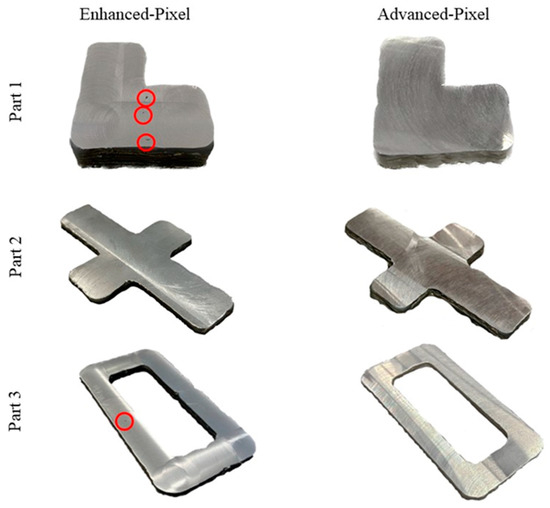
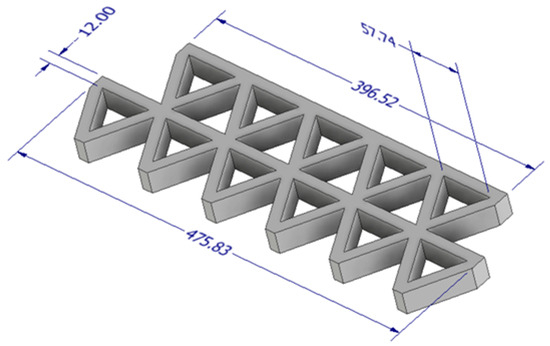
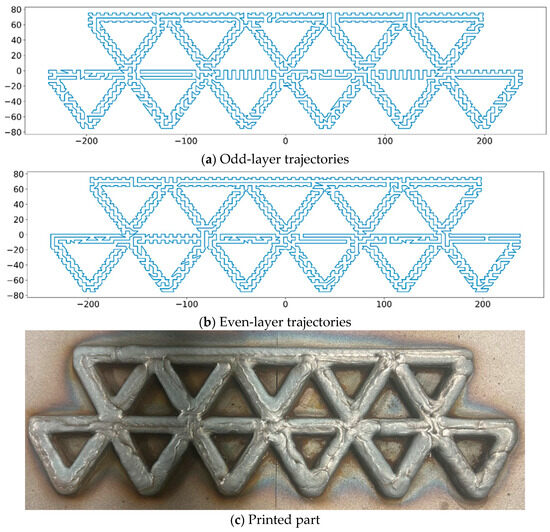
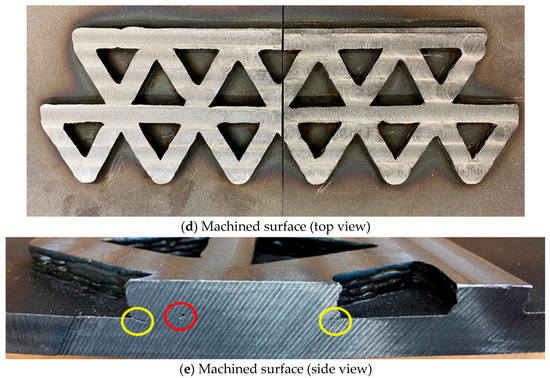
This work presents an artificial intelligence technique to minimise path planning computer processing time for successful GMA-DED 3D printings. An advanced version of the Pixel space-filling-based strategy family is proposed and developed, using, originally for GMA-DED, an artificially intelligent Reinforcement Learning technique to optimise its heuristics. The initial concept was to boost the preceding Enhanced-Pixel version of the Pixel planning strategy by applying the solution of the Multi-Armed Bandit problem in the algorithms. Computational validation was initially performed to evaluate Advanced-Pixel improvements systematically and comparatively with the Enhanced-Pixel strategy. A testbed was set up to compare experimentally the performance of both algorithm versions. The results showed that the reduced processing time reached with the Advanced-Pixel strategy did not affect the performance gains of the Pixel strategy. A larger build was printed as a case study to conclude the study. The results outstand the artificially intelligent role of the Reinforcement Learning technique in printing more efficiently functional structures.
Full article

Figure 1
Open AccessArticle
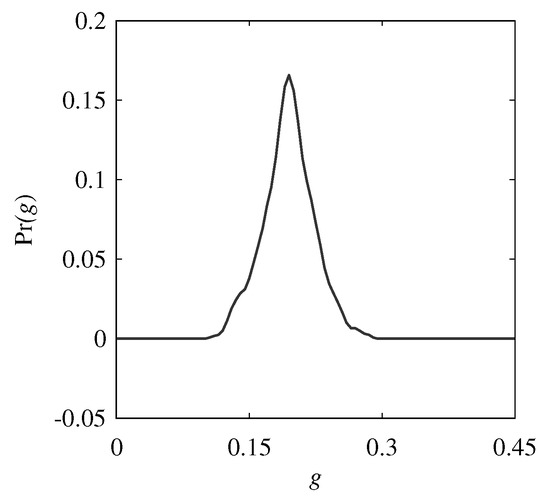
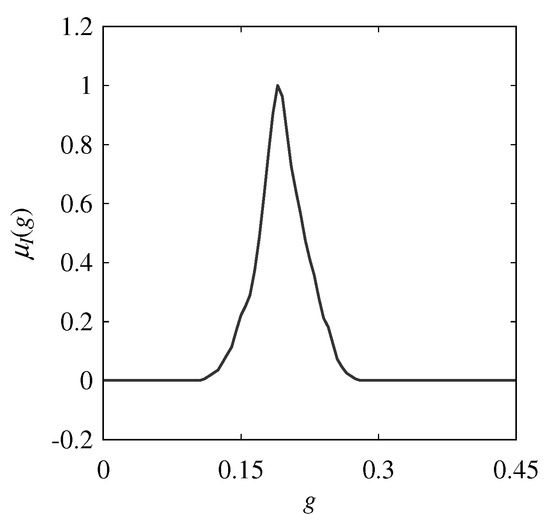
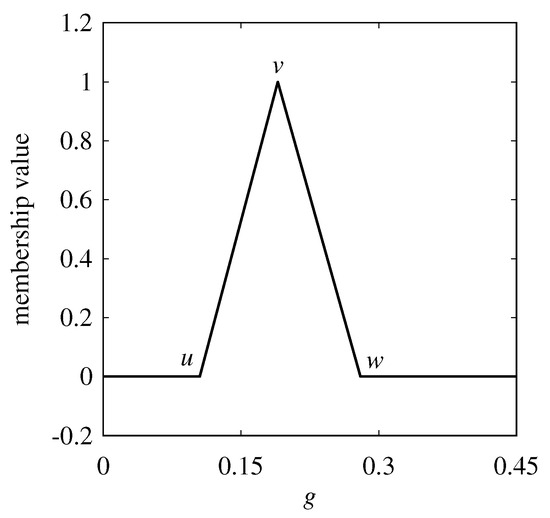
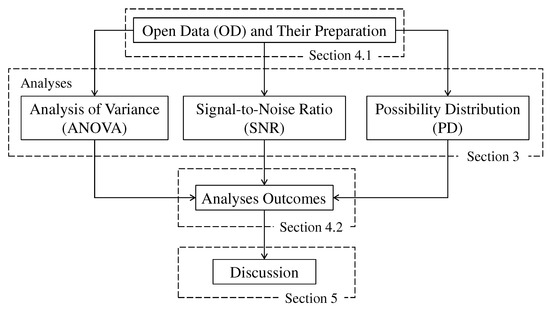
Manufacturing Process Optimization Using Open Data and Different Analysis Methods
by
Md Tahiduzzaman, Angkush Kumar Ghosh and Sharifu Ura
J. Manuf. Mater. Process. 2025, 9(4), 106; https://doi.org/10.3390/jmmp9040106 - 25 Mar 2025
Abstract
►▼
Show Figures
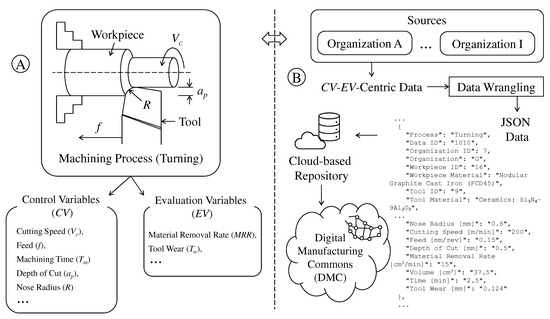
Material removal processes, or machining (encompassing milling, turning, and drilling), constitute an indispensable facet of manufacturing. To attain optimal machining performance—characterized by a high material removal rate, minimal tool wear, and superior surface finish—cutting conditions (such as the depth of the cut, feed
[...] Read more.
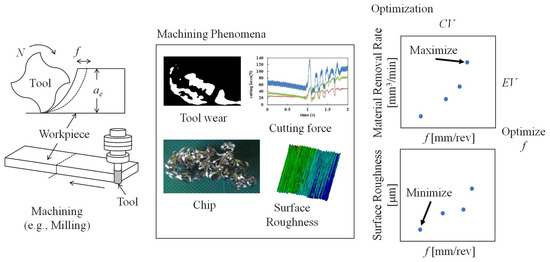
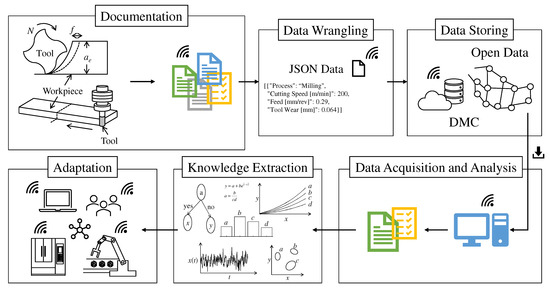
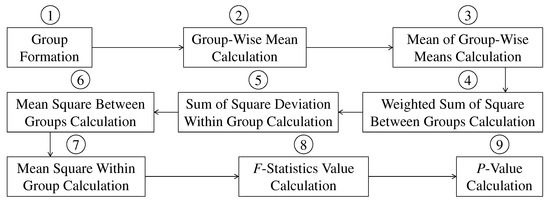
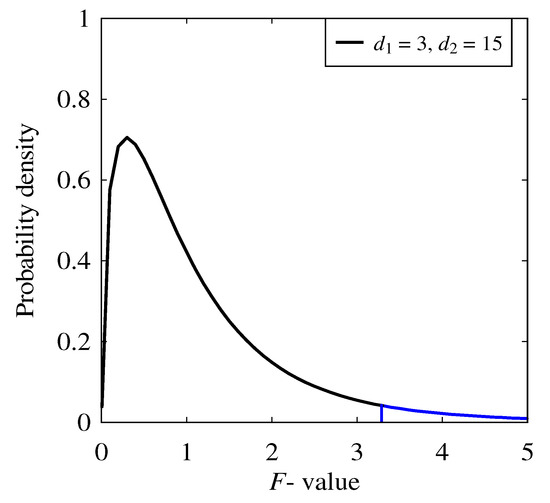
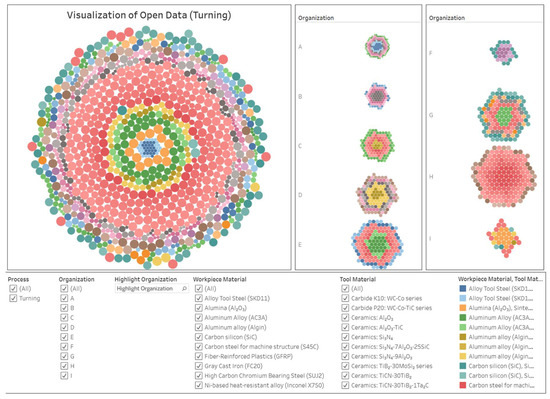
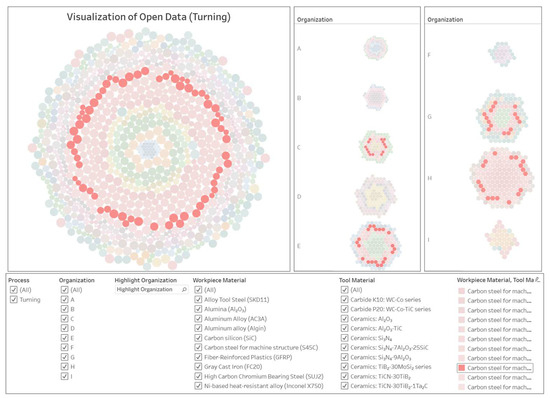
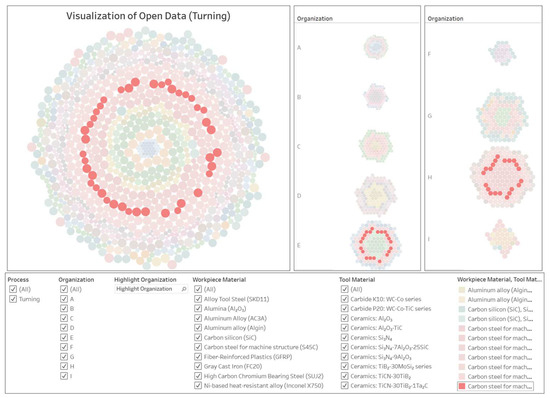
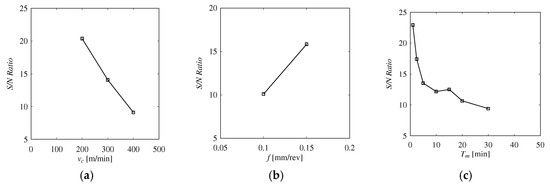
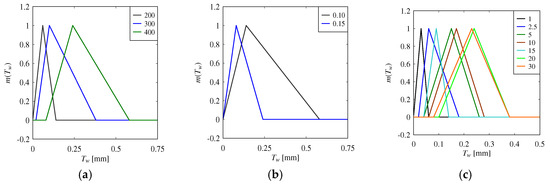
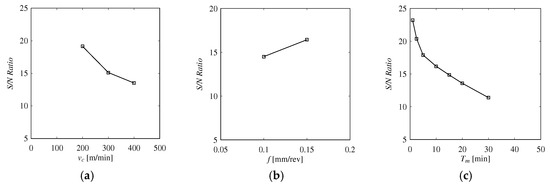
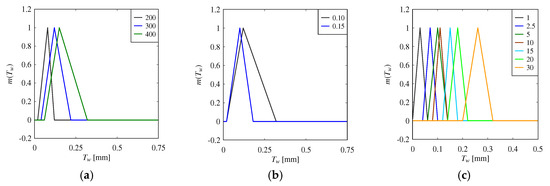
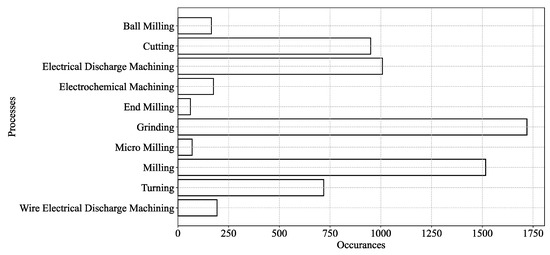
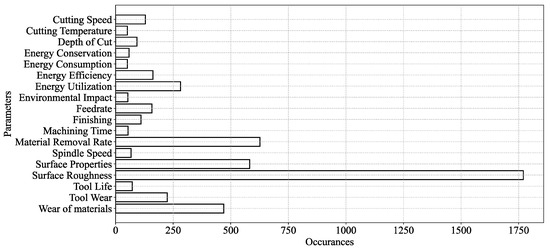
Material removal processes, or machining (encompassing milling, turning, and drilling), constitute an indispensable facet of manufacturing. To attain optimal machining performance—characterized by a high material removal rate, minimal tool wear, and superior surface finish—cutting conditions (such as the depth of the cut, feed rate, and cutting speed) must be meticulously optimized. Traditionally, this optimization has been contingent upon datasets collected from a singular, reliable source. However, in the paradigm of smart manufacturing, this data dependency is transitioning from a single source to a confluence of heterogeneous, open sources. Accordingly, this study elucidates a systematic approach for harnessing open-source machining datasets in a cogent and efficacious manner. Specifically, an open data source pertaining to turning operations, comprising 1013 records related to tool wear, is studied. From this corpus, 289 records corresponding to mild steel (JIS code: S45C) undergo rigorous analysis via Analysis of Variance (ANOVA), Signal-to-Noise Ratio (SNR), and possibility distributions. The empirical findings reveal that possibility distributions exhibit superior efficacy over ANOVA and SNR in extracting salient insights for optimization. Nevertheless, in certain scenarios, an integrative approach leveraging all three methods is requisite to attain optimal results. This study thus proffers a pragmatic computational framework, augmenting the optimization of machining within the purview of smart manufacturing.
Full article

Figure 1
Open AccessReview
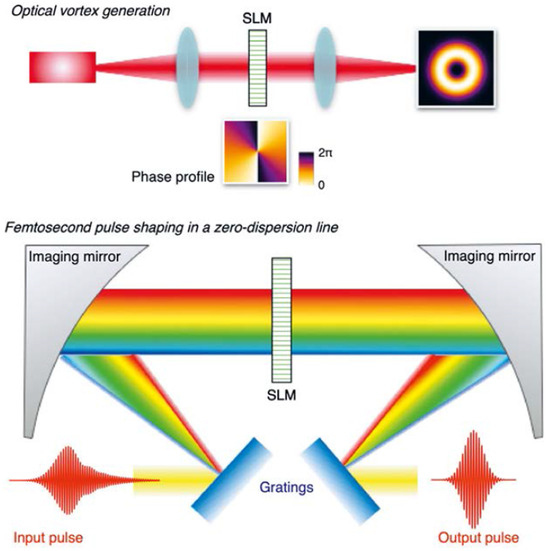
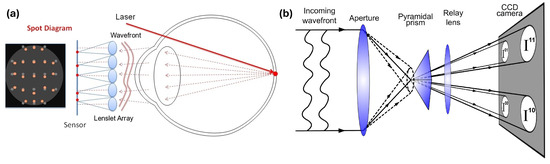
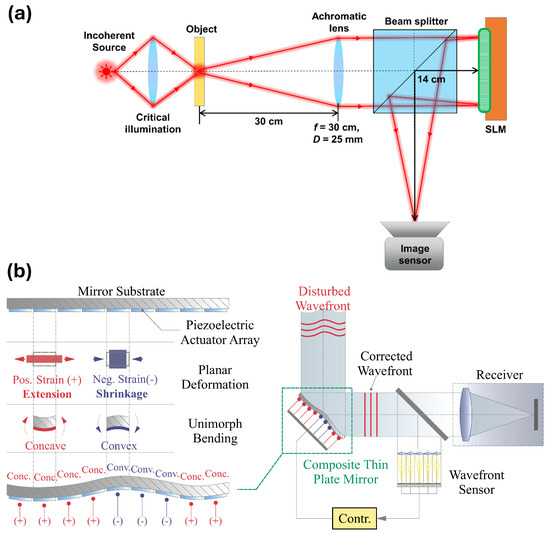
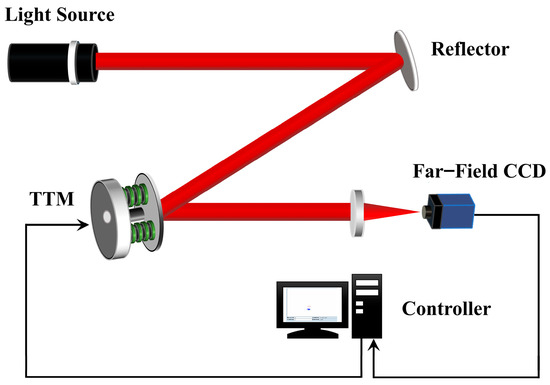
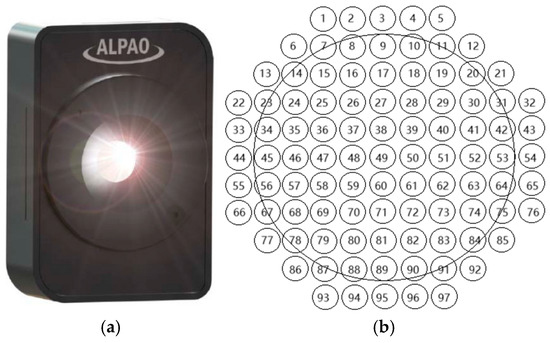
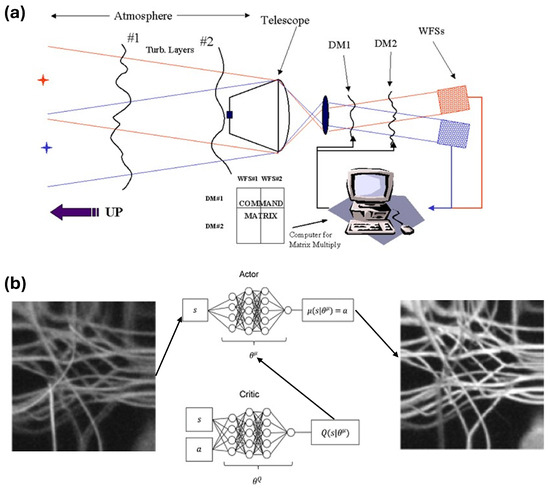
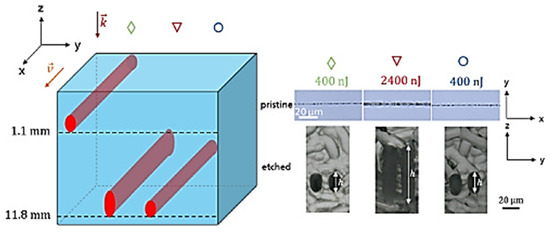
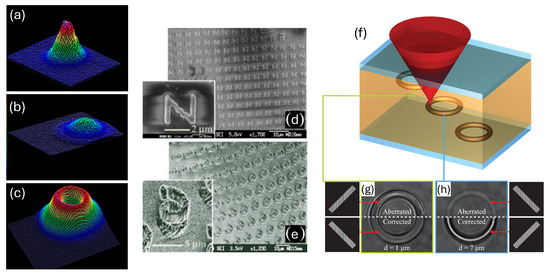
Adaptive Aberration Correction for Laser Processes Improvement
by
Carmelo Corsaro, Priscilla Pelleriti, Vincenza Crupi, Daniele Cosio, Fortunato Neri and Enza Fazio
J. Manuf. Mater. Process. 2025, 9(4), 105; https://doi.org/10.3390/jmmp9040105 - 23 Mar 2025
Abstract
The ultrafast laser processing of three-dimensional structures characterized by highly spatially resolved features is more efficiently realized by implementing adaptive optics. Adaptive optics allow for the correction of optical aberrations, introduced when focusing inside the machined material, by tailoring the focal intensity distribution
[...] Read more.
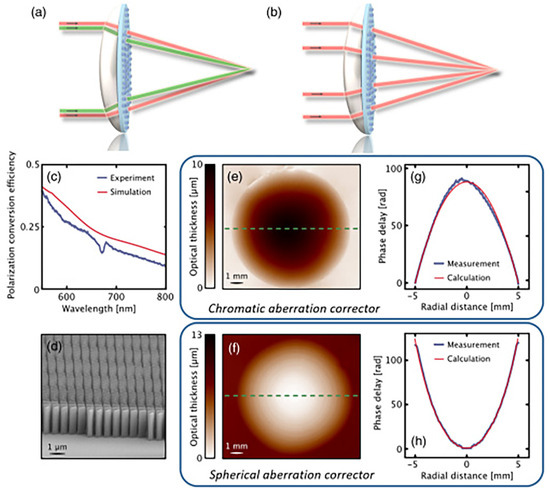
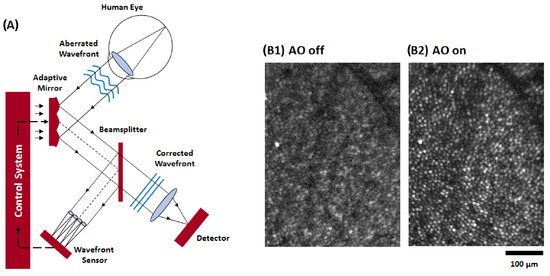
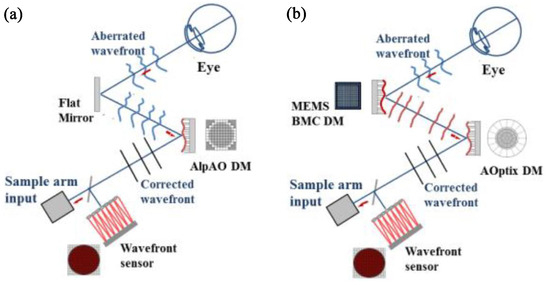
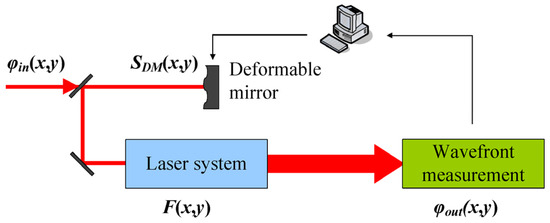
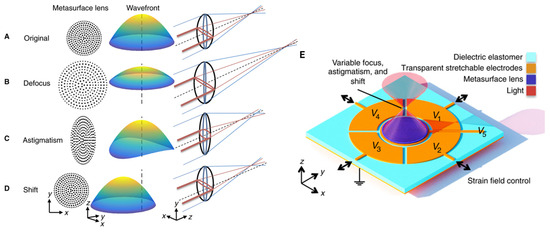
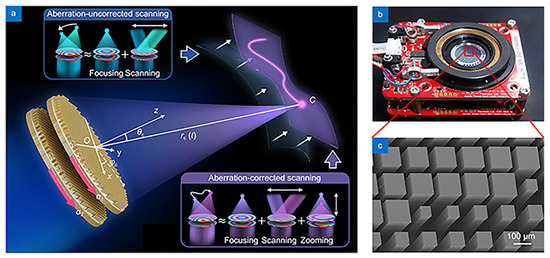
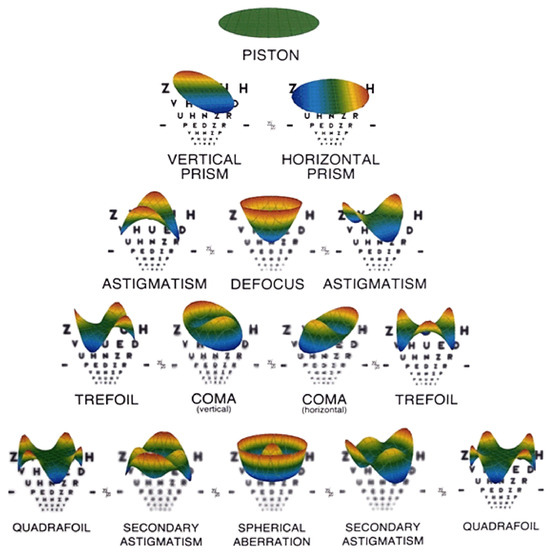
The ultrafast laser processing of three-dimensional structures characterized by highly spatially resolved features is more efficiently realized by implementing adaptive optics. Adaptive optics allow for the correction of optical aberrations, introduced when focusing inside the machined material, by tailoring the focal intensity distribution for the specific texturing task, in a reduced processing time. The aberration corrections by adaptive optics allow for a simplified scan strategy for the selective laser micromachining of transparent materials using depth-independent processing parameters, overcoming the limits related to the previously necessary pulse energy adjustment for different z positions in the material volume. In this paper, recent developments in this field are presented and discussed, mainly focusing on the use of dynamic optical elements—deformable mirrors and liquid crystal spatial light modulators—to obtain a high degree of laser processing control by an in-time correction of optical aberrations on different workpieces and mainly of transparent materials.
Full article
(This article belongs to the Special Issue Advances in Laser-Assisted Manufacturing Techniques)
►▼
Show Figures

Figure 1

Open AccessArticle
Alternative Real-Time Part Quality Monitoring Method by Using Stamping Force in Progressive Stamping Process
by
Juras Skardžius and Justinas Gargasas
J. Manuf. Mater. Process. 2025, 9(4), 104; https://doi.org/10.3390/jmmp9040104 - 22 Mar 2025
Abstract
The manufacture of automotive parts using progressive stamping tools demands high precision and efficiency to meet industry standards. This research explores integrating quality monitoring techniques, focusing on load sensors and tonnage monitoring, to enhance the production process. Progressive tools, which perform multiple operations
[...] Read more.
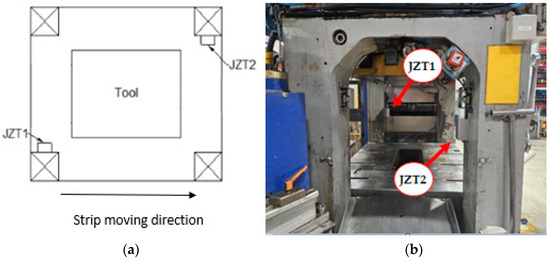
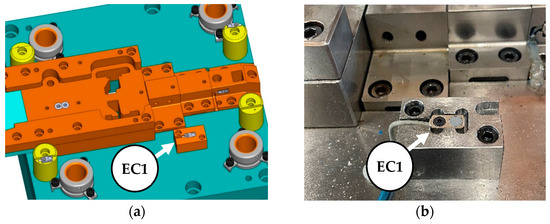
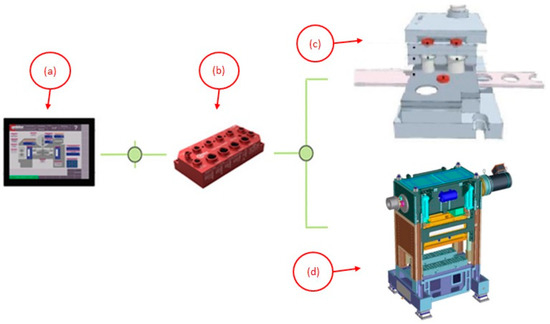
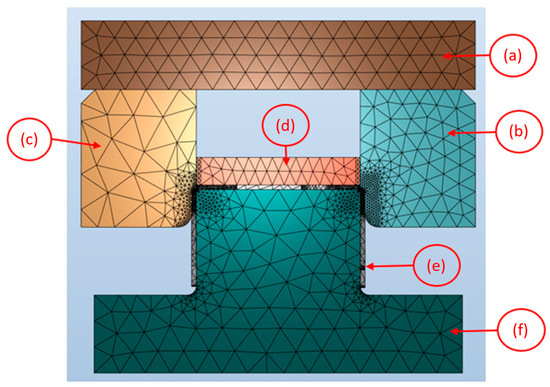
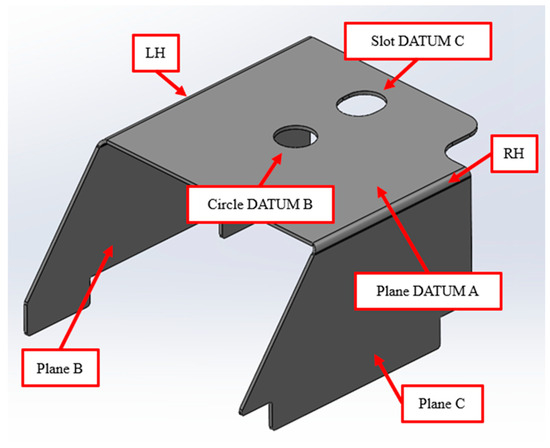
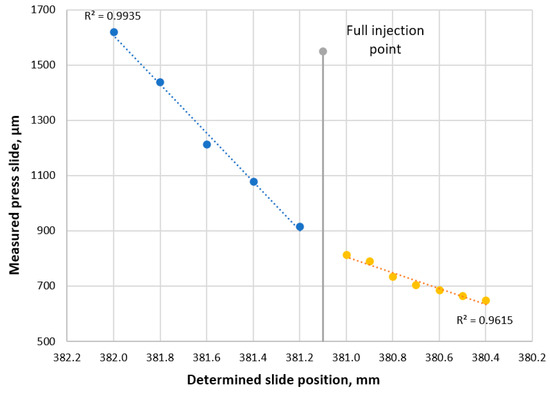
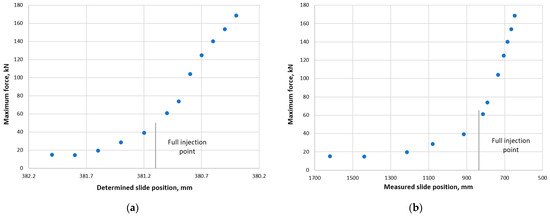
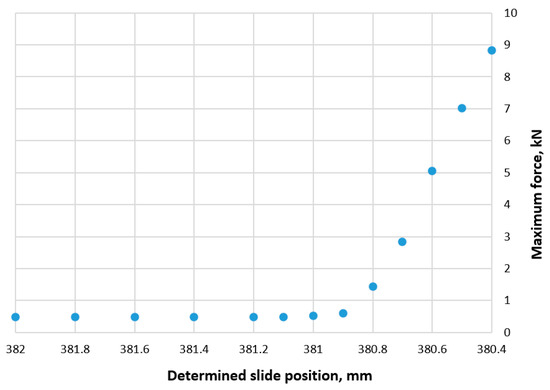
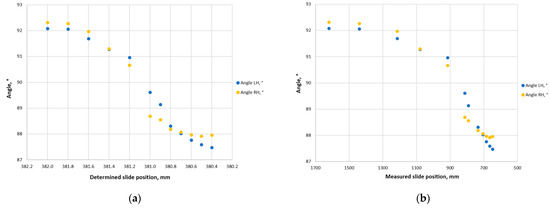
The manufacture of automotive parts using progressive stamping tools demands high precision and efficiency to meet industry standards. This research explores integrating quality monitoring techniques, focusing on load sensors and tonnage monitoring, to enhance the production process. Progressive tools, which perform multiple operations within a single press cycle, are critical for maintaining dimensional accuracy and minimizing defects. This research examines the correlation between real-time load sensor data and the tonnage applied during stamping, aiming to detect anomalies and deviations that may define part quality. By analyzing variations in tool loads and press tonnage, this research identifies patterns that allow the user to connect the applied force with the observed part quality and could help to determine potential issues such as instability of force or part dimensions, tool wear or improper alignment. The results of this research demonstrate that incorporating advanced monitoring systems into progressive stamping processes does not only improve part quality but also extends tool life and reduces downtime. The proposed approach provides a robust framework for ensuring reliability and efficiency in the production of automotive components, aligning with the industry demand for high-quality, cost-effective manufacturing solutions.
Full article
(This article belongs to the Topic Advanced Manufacturing and Surface Technology)
►▼
Show Figures

Figure 1
Open AccessArticle
Exploring the Nonlinear Mechanical Characteristics of 3D-Printed ABS with Varying Infill Densities
by
Md Zisanul Haque Bhuiyan and Khalil Khanafer
J. Manuf. Mater. Process. 2025, 9(3), 103; https://doi.org/10.3390/jmmp9030103 - 20 Mar 2025
Abstract
►▼
Show Figures
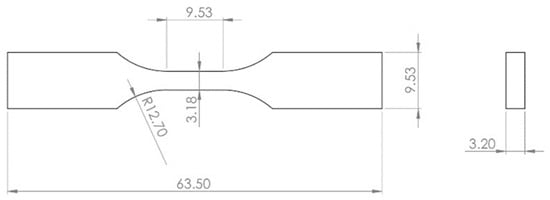
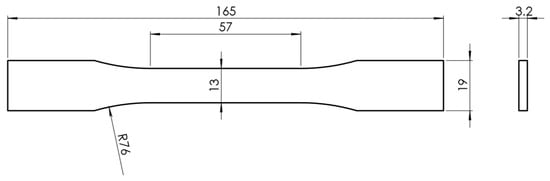
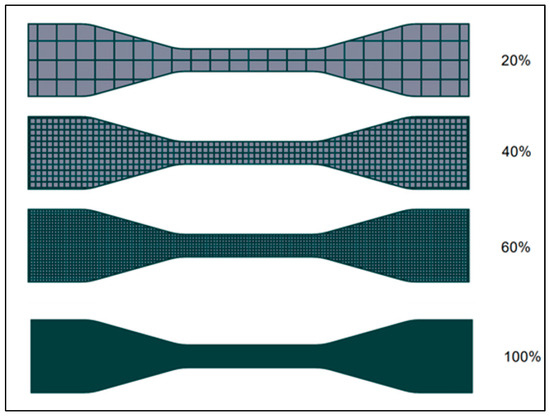
This study investigates the mechanical behavior of ASTM D638-02a standard uniaxial tensile test specimens fabricated from 3D-printed acrylonitrile butadiene styrene (ABS) using fused deposition modeling (FDM) with a grid infill pattern at varying densities of 20%, 40%, 60%, and 100%. The research aims
[...] Read more.
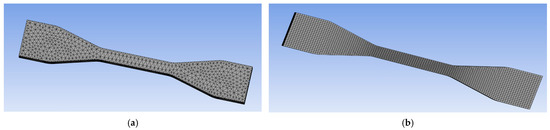
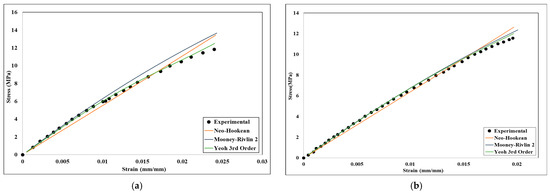
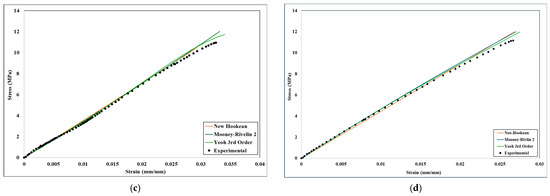
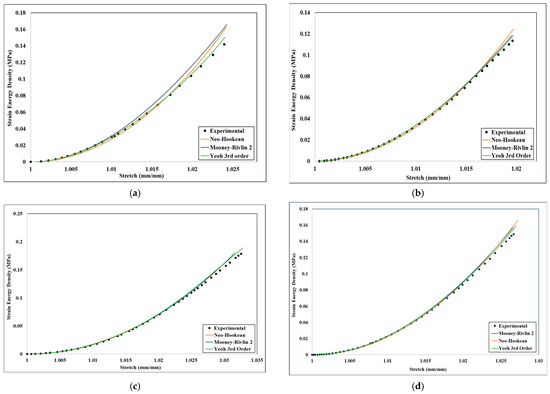
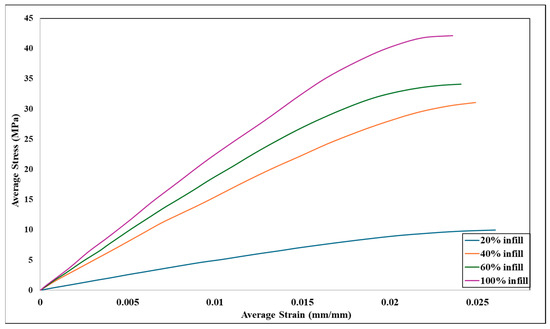
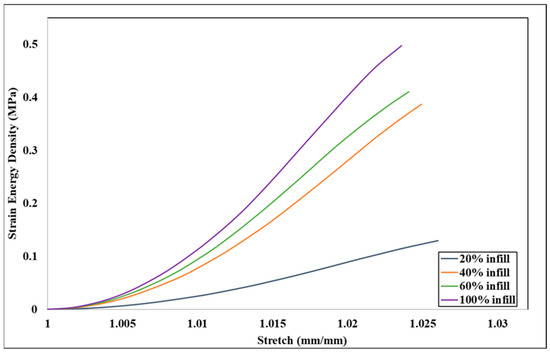
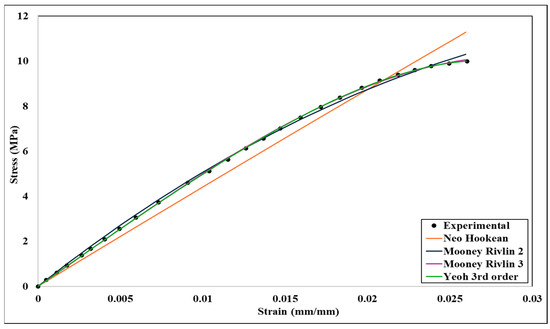
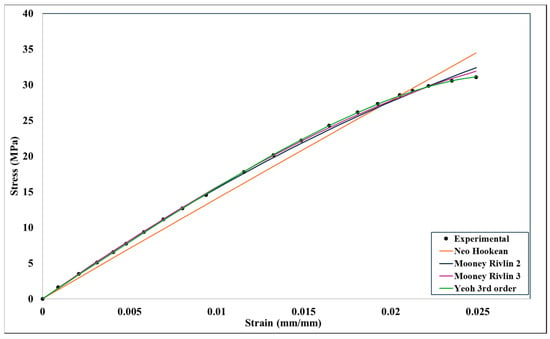
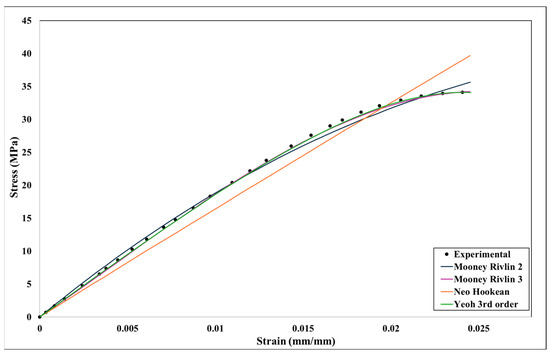
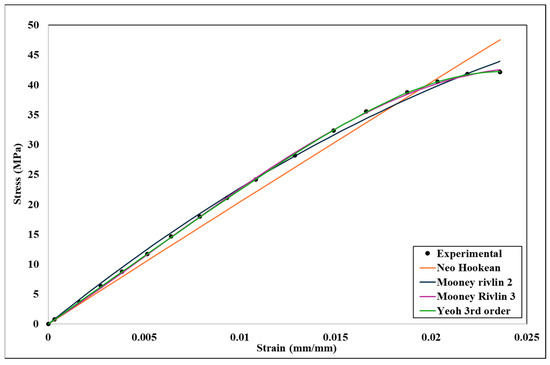
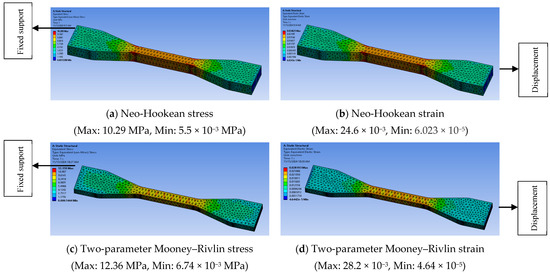
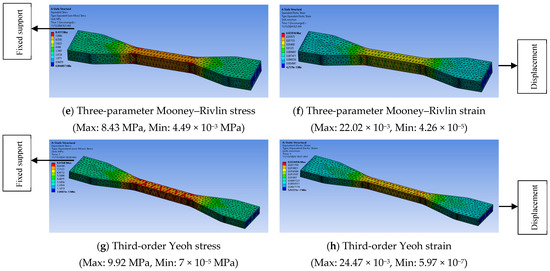
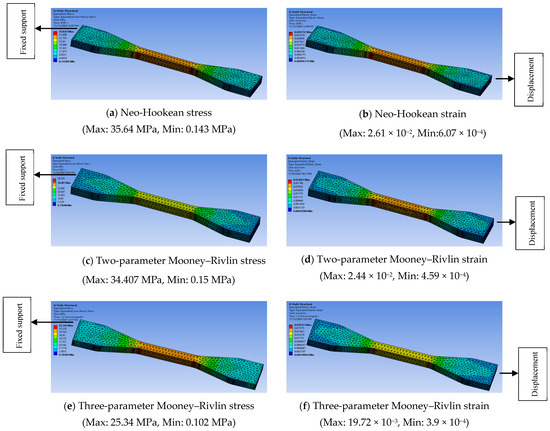
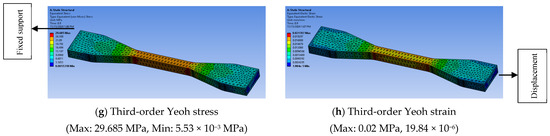
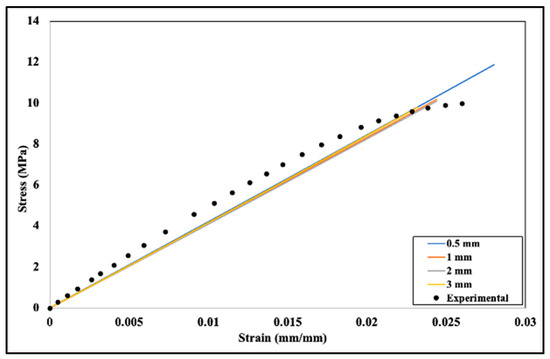
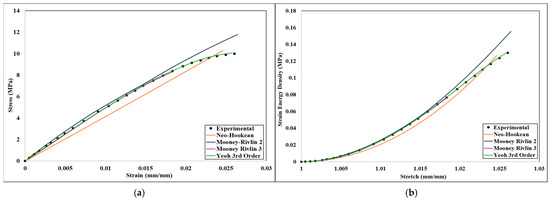
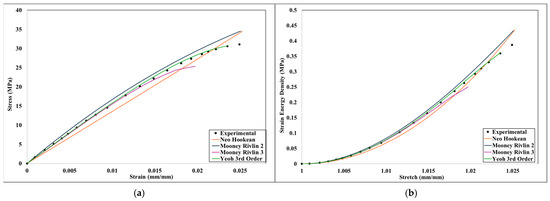
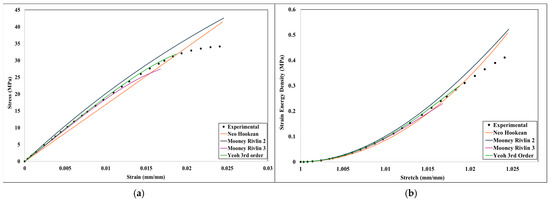
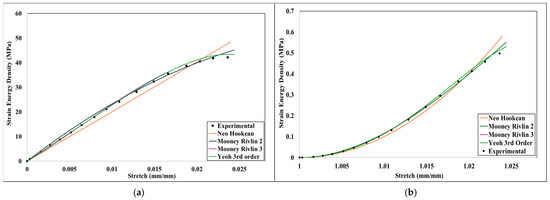
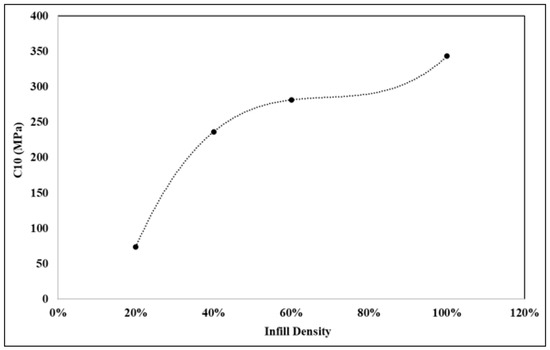
This study investigates the mechanical behavior of ASTM D638-02a standard uniaxial tensile test specimens fabricated from 3D-printed acrylonitrile butadiene styrene (ABS) using fused deposition modeling (FDM) with a grid infill pattern at varying densities of 20%, 40%, 60%, and 100%. The research aims to provide a deeper understanding of how infill density influences the mechanical properties of FDM-printed ABS, an area critical for optimizing structural performance in additive manufacturing applications. Experimental uniaxial tensile tests reveal that as the infill density increases from 20% to 60%, the strain at break decreases from 4.7% to 3.9%; however, at 100% infill, the strain at break rises to 5.8%. Meanwhile, the average Young’s modulus exhibits an exponential increase from 513.78 MPa at 20% infill to 2394.8 MPa at full density, indicating greater stiffness with higher infill. Due to the inherent nonlinear elastic deformation of 3D-printed ABS, this study further explores the material’s behavior through finite element analysis (FEA) using Ansys Mechanical. Four hyperelastic material models—Neo-Hookean, Mooney–Rivlin (two-parameter), Mooney–Rivlin (three-parameter), and Yeoh (third order)—were evaluated using inverse analysis to determine material constants. The results indicate that while all models exhibit good correlation with experimental data, the three-parameter Mooney–Rivlin and Yeoh models achieve the highest accuracy (higher R2 values) across all infill densities. However, the Neo-Hookean model, despite being a single-parameter approach, demonstrates a consistent trend where its parameter value increases with infill density. This study provides novel insights into the nonlinear elastic properties of 3D-printed ABS and establishes a foundation for selecting appropriate hyperelastic models to accurately predict mechanical behavior in FDM-printed structures.
Full article

Figure 1
Open AccessArticle
In Situ Active Contour-Based Segmentation and Dimensional Analysis of Part Features in Additive Manufacturing
by
Tushar Saini and Panos S. Shiakolas
J. Manuf. Mater. Process. 2025, 9(3), 102; https://doi.org/10.3390/jmmp9030102 - 19 Mar 2025
Abstract
The evaluation of the geometric conformity of in-layer features in Additive Manufacturing (AM) remains a challenge due to low contrast between the features and the background, textural variations, imaging artifacts, and lighting conditions. This research presents a novel in situ vision-based framework for
[...] Read more.
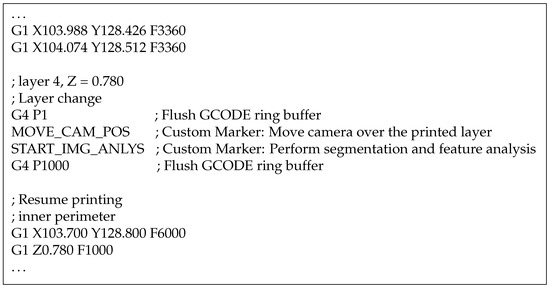
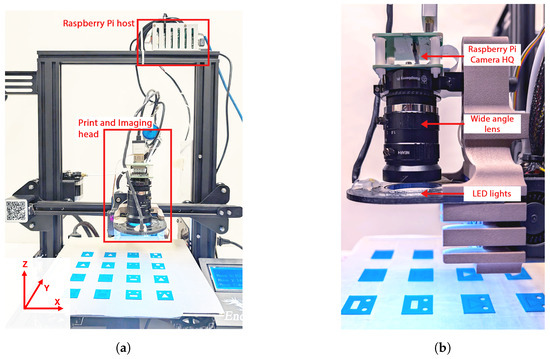
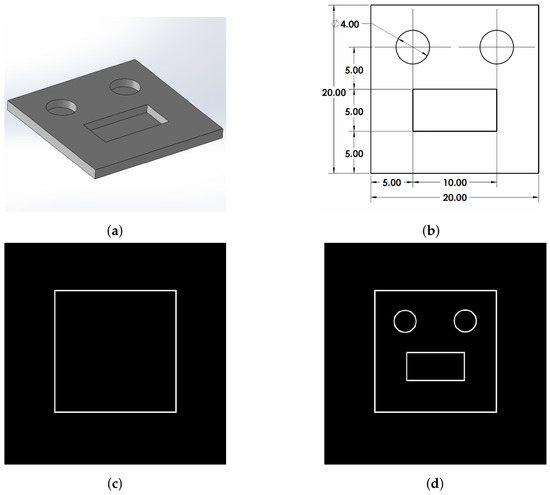
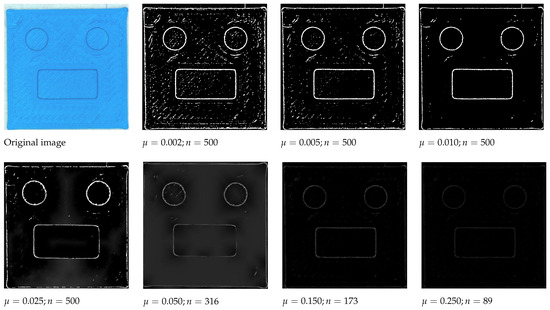
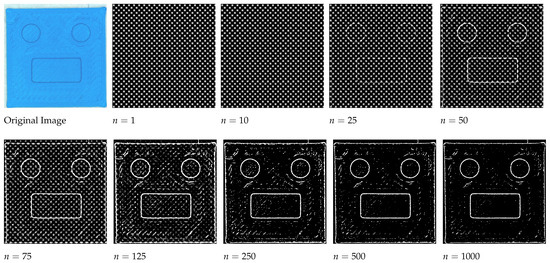
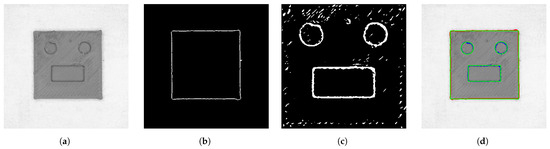
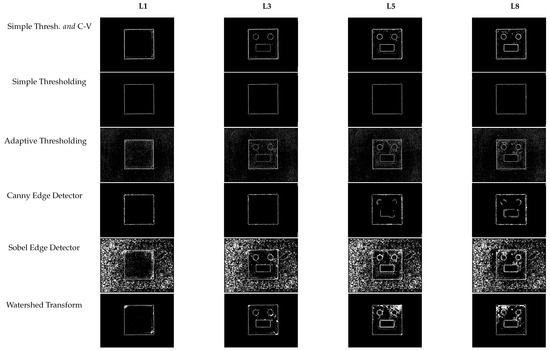
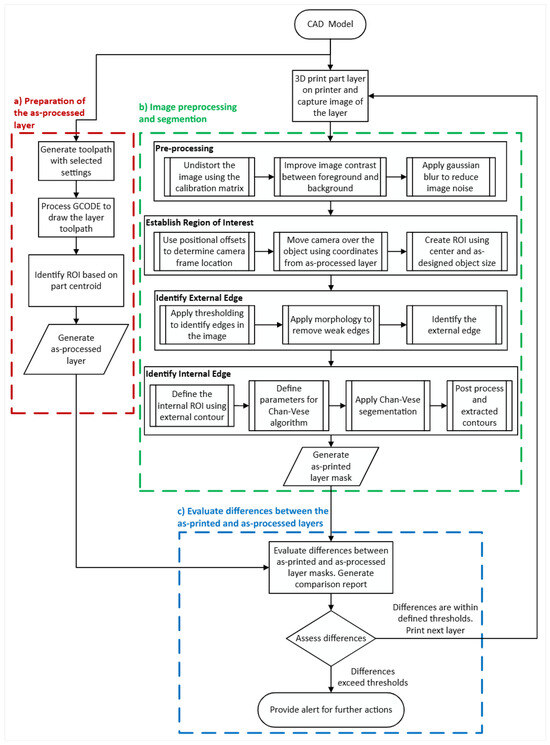
The evaluation of the geometric conformity of in-layer features in Additive Manufacturing (AM) remains a challenge due to low contrast between the features and the background, textural variations, imaging artifacts, and lighting conditions. This research presents a novel in situ vision-based framework for AM to identify in real-time in-layer features and estimate their shape and printed dimensions and then compare them with the as-processed layer features to evaluate geometrical differences. The framework employs a composite approach to segment features by combining simple thresholding for external features with the Chan–Vese (C–V) active contour model to identify low-contrast internal features. The effect of varying C–V parameters on the segmentation output is also evaluated. The framework was evaluated on a 20.000 mm × 20.000 mm multilayer part with internal features (two circles and a rectangle) printed using Fused Deposition Modeling (FDM). The segmentation performance of the composite method was compared with traditional methods with the results showing the composite method scoring higher in most metrics, including a maximum Jaccard index of 78.34%, effectively segmenting high- and low-contrast features. The improved segmentation enabled the identification of feature geometric differences ranging from 1 to 10 pixels (0.025 mm to 0.250 mm) after printing each layer in situ and in real time. This performance verifies the ability of the framework to detect differences at the pixel level on the evaluation platform. The results demonstrate the potential of the framework to segment features under different contrast and texture conditions, ensure geometric conformity and make decisions on any differences in feature geometry and shape.
Full article
(This article belongs to the Special Issue Advances in 3D Printing Technologies: Materials, Processes, and Applications)
►▼
Show Figures

Figure 1
Open AccessArticle
Feasibility Study on Laser Powder Bed Fusion of Ferritic Steel in High Vacuum Atmosphere
by
Steffen Fritz, Sven Sewalski, Stefan Weihe and Martin Werz
J. Manuf. Mater. Process. 2025, 9(3), 101; https://doi.org/10.3390/jmmp9030101 - 18 Mar 2025
Abstract
►▼
Show Figures
The boiling point of metals is dependent on the ambient pressure. Therefore, in laser-based fusion welding and additive manufacturing processes, the resulting process regime, ranging from heat conduction welding to the keyhole mode, is also influenced by the process pressure. While laser welding
[...] Read more.
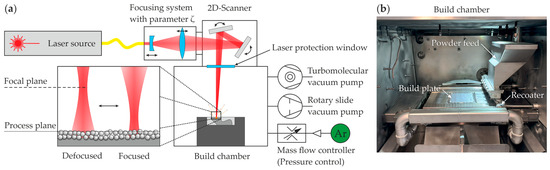
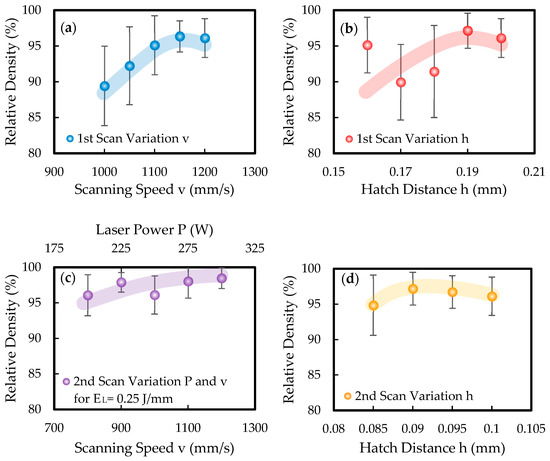
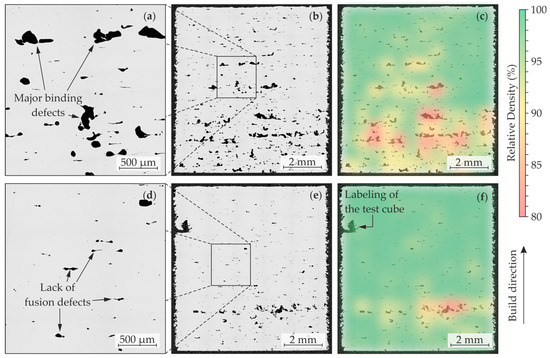
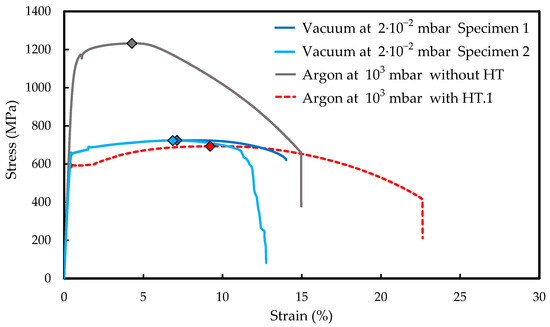
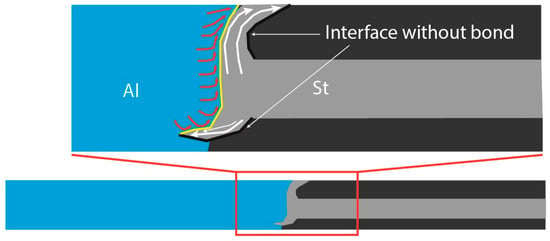
The boiling point of metals is dependent on the ambient pressure. Therefore, in laser-based fusion welding and additive manufacturing processes, the resulting process regime, ranging from heat conduction welding to the keyhole mode, is also influenced by the process pressure. While laser welding deliberately uses reduced process pressures to achieve the keyhole mode with a lower laser power input as well as a more stable keyhole, there are no positive findings on the laser powder bed fusion process (PBF-LB/M) under vacuum conditions so far. Furthermore, the literature suggests that the process window is significantly reduced, particularly in the high vacuum regime. However, this work demonstrates that components made of the ferritic steel 22NiMoCr3-7 can be successfully manufactured at low process pressures of using a double-scanning strategy. The strategy consists of a first scan with a defocused laser beam, where the powder is preheated and partially sintered, followed by a second scan with a slightly defocused laser beam, in which the material within a single layer is completely melted. To test this manufacturing strategy, 16 test cubes were manufactured to determine the achievable relative densities and tensile specimens were produced to assess the mechanical properties. Metallographic analysis of the test cubes revealed that relative densities of up to 98.48 ± 1.43% were achieved in the test series with 16 different process parameters. The tensile strength determined ranged from 722 to 724 MPa. Additionally, a benchmark part with complex geometric features was successfully manufactured in a high vacuum atmosphere without the need for a complex parameterization of individual part zones in the scanning strategy.
Full article

Figure 1
Highly Accessed Articles
Latest Books
E-Mail Alert
News
Topics
Topic in
Applied Sciences, Drones, Energies, JMMP, Technologies
Advances in Design, Manufacturing, and Dynamics of Complex Systems
Topic Editors: Abdessattar Abdelkefi, Riadh Elleuch, Daniil YurchenkoDeadline: 31 May 2025
Topic in
Applied Sciences, JMMP, Materials, Metrology, Sensors, Standards
Measurement Strategies and Standardization in Manufacturing
Topic Editors: Manuel Rodríguez-Martín, João Ribeiro, Roberto García MartínDeadline: 20 October 2025
Topic in
Actuators, Algorithms, BDCC, Future Internet, JMMP, Machines, Robotics, Systems
Smart Product Design and Manufacturing on Industrial Internet
Topic Editors: Pingyu Jiang, Jihong Liu, Ying Liu, Jihong YanDeadline: 31 December 2025
Topic in
Coatings, JMMP, Lubricants, Machines, Materials
Advanced Manufacturing and Surface Technology, 2nd Edition
Topic Editors: Dingding Xiang, Kaiming Wang, Xudong SuiDeadline: 20 March 2026
Conferences
Special Issues
Special Issue in
JMMP
Industry 4.0: Manufacturing and Materials Processing
Guest Editor: Yashar JavadiDeadline: 30 April 2025
Special Issue in
JMMP
Thermographic Analysis for Non-Destructive Testing of Joints
Guest Editors: Manuela De Maddis, Valentino RazzaDeadline: 30 April 2025
Special Issue in
JMMP
Advances in High-Performance Machining Operations
Guest Editors: Guang Chen, Chunlei HeDeadline: 30 April 2025
Special Issue in
JMMP
Robotics in Manufacturing Processes
Guest Editors: George-Christopher Vosniakos, Panorios BenardosDeadline: 30 May 2025