Journal Description
Journal of Mind and Medical Sciences
(JMMS) is an international, peer-reviewed, open access journal that pays special attention to papers related to mental and medical topics, focusing primarily on interdisciplinary and integrative perspectives. The journal is owned by Dr. Ion Motofei, and is published semiannually online by MDPI (since Volume 12, Issue 1, 2025).
- Open Access— free for readers, with article processing charges (APC) paid by authors or their institutions.
- High Visibility: indexed within ESCI (Web of Science) and other databases.
- Journal Rank: JCR - Q2 (Medicine, General and Internal)
- Rapid Publication: first decisions in 18 days; acceptance to publication in 4 days (median values for MDPI journals in the second half of 2024).
- Recognition of Reviewers: APC discount vouchers, optional signed peer review, and reviewer names published annually in the journal.
Impact Factor:
1.6 (2023)
subject
Imprint Information
Open Access
ISSN: 2392-7674
Latest Articles
Complicated Measles in an HIV-Infected Patient—A Case Report and Review of the Literature
J. Mind Med. Sci. 2025, 12(1), 15; https://doi.org/10.3390/jmms12010015 (registering DOI) - 4 Apr 2025
Abstract
►
Show Figures
Measles remains an important cause of morbidity and mortality worldwide. Most HIV-infected adults are immune against measles, so titres of measles antibodies should be determined prior to vaccination. A measles vaccine can be administered to HIV-positive patients who do not have protective antibody
[...] Read more.
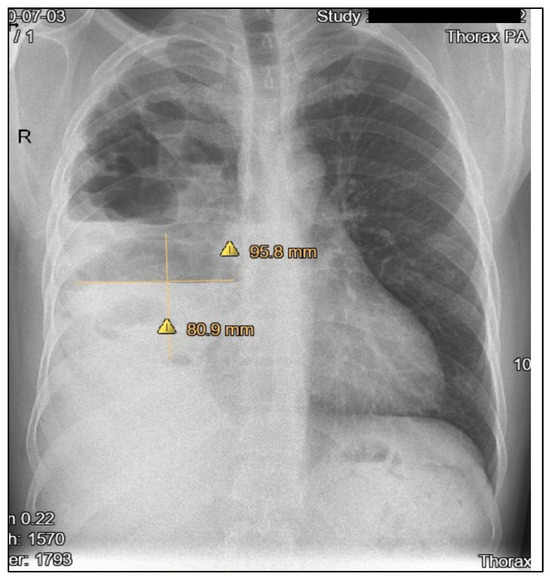
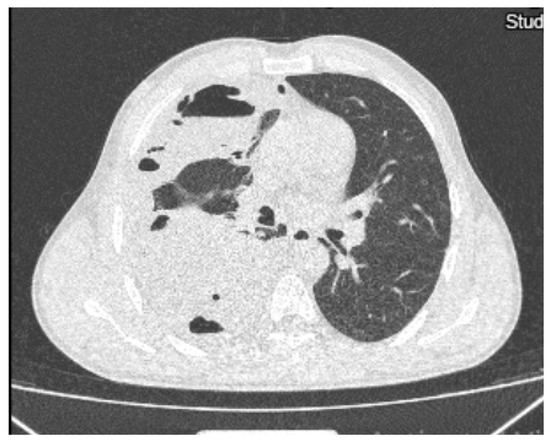
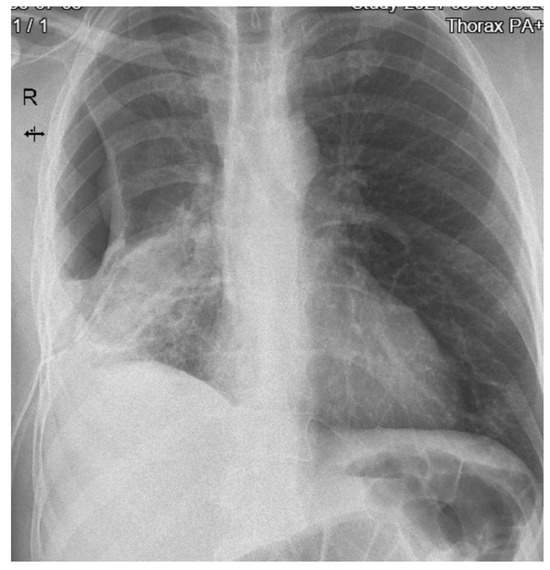
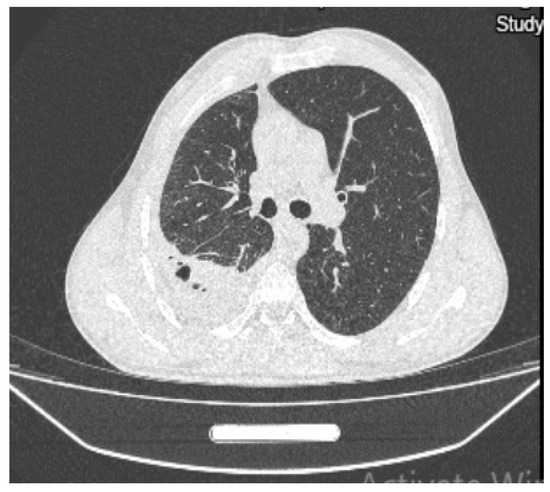
Measles remains an important cause of morbidity and mortality worldwide. Most HIV-infected adults are immune against measles, so titres of measles antibodies should be determined prior to vaccination. A measles vaccine can be administered to HIV-positive patients who do not have protective antibody levels and who have a CD4 lymphocyte count ≥ 200 cells/mm3. We describe the case of an HIV-infected patient, diagnosed with complicated measles at our Infectious Diseases Hospital in April 2024.
Full article
Open AccessSystematic Review
Electrocardiographic Changes in Patients with Type 2 Diabetes Mellitus—A Meta-Analysis
by
Teodora-Gabriela Alexescu, Antonia Nechita, Paula Alexander, Mirela-Georgiana Perné, Mircea-Vasile Milaciu, George Ciulei, Ioana Para, Vasile Negrean, Ana-Florica Chiș, Doina-Adina Todea, Dan Vălean, Simina-Felicia Țărmure and Olga-Hilda Orășan
J. Mind Med. Sci. 2025, 12(1), 14; https://doi.org/10.3390/jmms12010014 - 4 Apr 2025
Abstract
►▼
Show Figures
Background: Diabetes mellitus (DM) is a chronic metabolic disorder significantly associated with cardiovascular complications. Electrocardiographic (ECG) abnormalities are common in patients with type 2 diabetes (T2DM) and can serve as early markers for cardiovascular risk. Objective: This meta-analysis aims to evaluate the impact
[...] Read more.
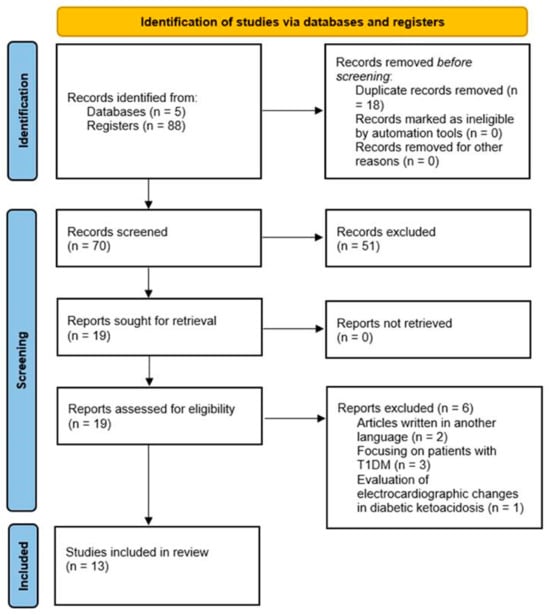
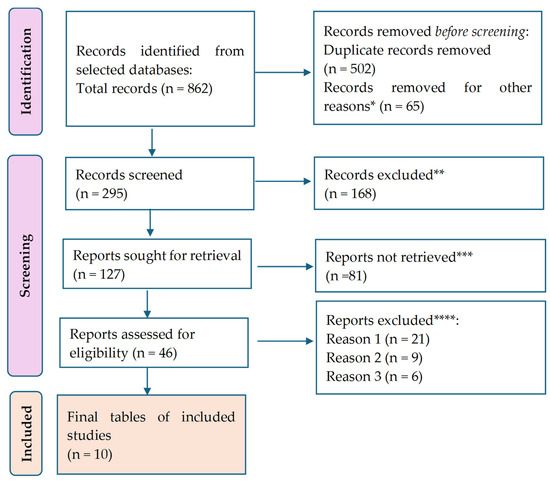
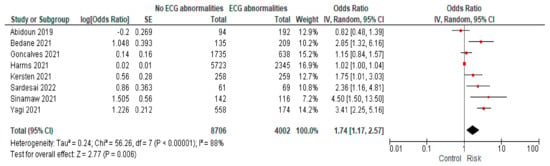
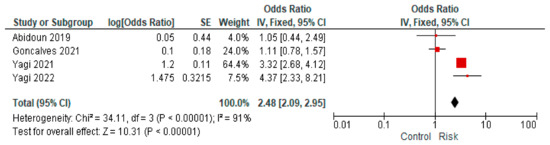
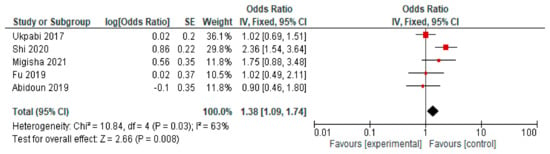
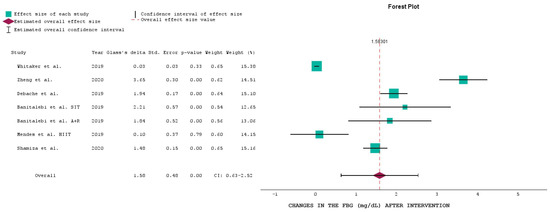
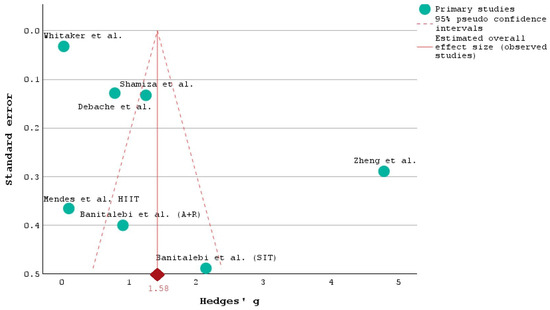
Background: Diabetes mellitus (DM) is a chronic metabolic disorder significantly associated with cardiovascular complications. Electrocardiographic (ECG) abnormalities are common in patients with type 2 diabetes (T2DM) and can serve as early markers for cardiovascular risk. Objective: This meta-analysis aims to evaluate the impact of T2DM on electrocardiographic changes, focusing on major ECG abnormalities, fragmented QRS (fQRS) complexes, and prolonged corrected QT (QTc) intervals. Materials and Methods: A systematic review of observational studies published between 2017 and 2022 was conducted using databases such as PubMed, Web of Science, Cochrane Library, Embase, and ClinicalTrials.gov. The inclusion criteria required studies to focus on patients with T2DM and report ECG changes. A total of 13 studies comprising 25,530 participants met the criteria and were included in the meta-analysis. The statistical analysis was performed using RevMan 5.4 with a random-effects model. Results: T2DM patients were 1.74 times more likely to develop major ECG abnormalities than non-diabetic individuals (crude OR = 1.74, 95% CI = 1.17–2.57, p = 0.006). The prevalence of fQRS complexes was significantly higher among T2DM patients (crude OR = 2.48, 95% CI = 2.09–2.957, p < 0.00001). Additionally, T2DM patients exhibited a higher likelihood of QTc interval prolongation (crude OR = 1.38, 95% CI = 1.09–1.74, p = 0.008). Conclusions: This meta-analysis demonstrates that T2DM patients have a significantly higher risk of ECG abnormalities, including major changes, fQRS complexes, and prolonged QTc intervals. Regular ECG monitoring is essential for early detection and management of cardiovascular risks in T2DM patients.
Full article

Figure 1
Open AccessArticle
Desmoid Tumor Management Challenges: A Case Report and Literature Review on the Watch-and-Wait Approach in Recurrent Thoracic Fibromatosis
by
Mirela-Georgiana Perné, Teodora-Gabriela Alexescu, Călin-Vasile Vlad, Mircea-Vasile Milaciu, Nicoleta-Valentina Leach, Răzvan-Dan Togănel, Gabriel-Emil Petre, Ioan Șimon, Vlad Zolog, Vlad Răzniceanu, Savin Bianca, Lorena Ciumărnean and Olga-Hilda Orășan
J. Mind Med. Sci. 2025, 12(1), 13; https://doi.org/10.3390/jmms12010013 - 31 Mar 2025
Abstract
►▼
Show Figures
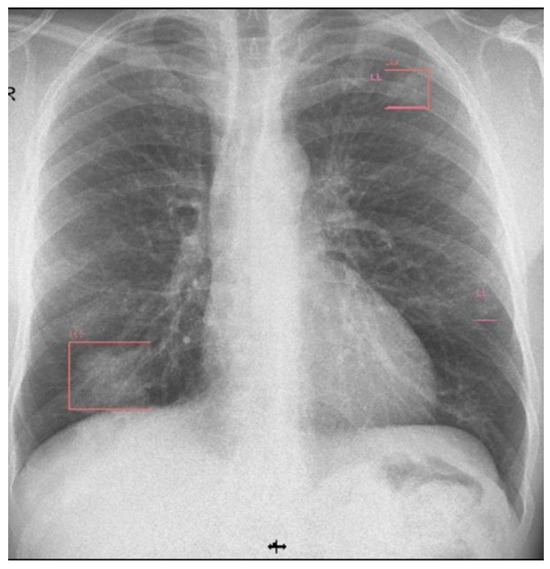
Desmoid tumors are rare mesenchymal neoplasms arising from locally invasive fibroblasts. While they lack metastatic potential, they exhibit high local recurrence rates and can cause significant tissue destruction. We present the case of a 39-year-old female patient who initially presented with epigastric pain,
[...] Read more.
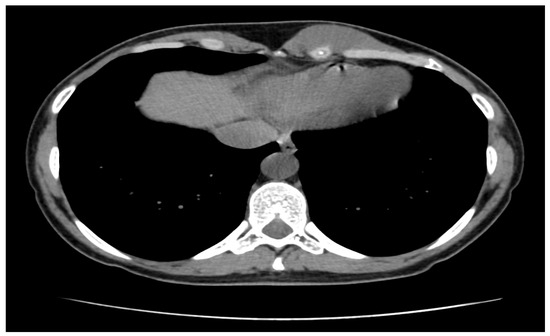
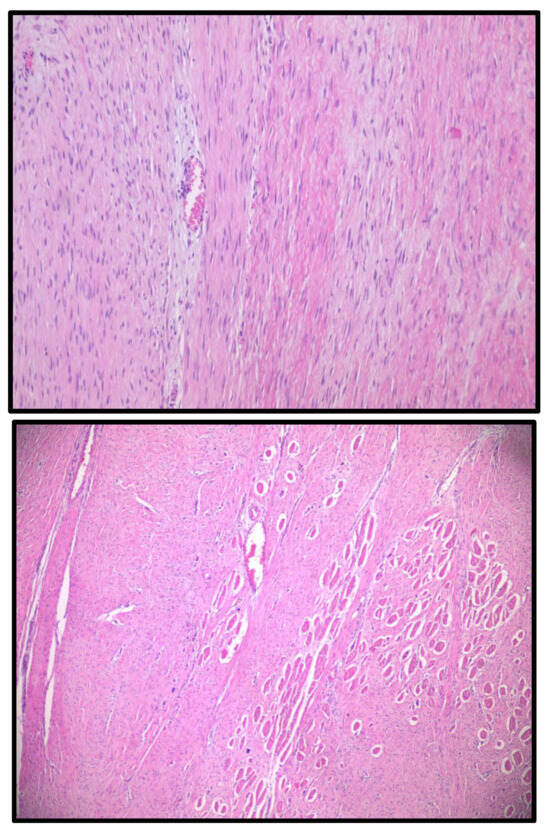
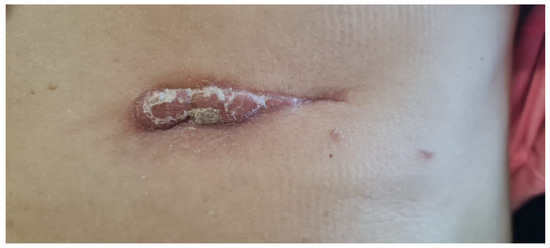
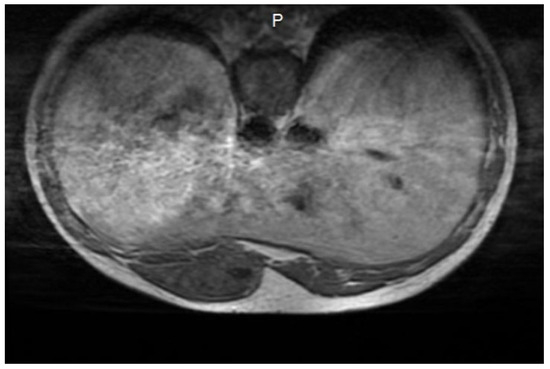
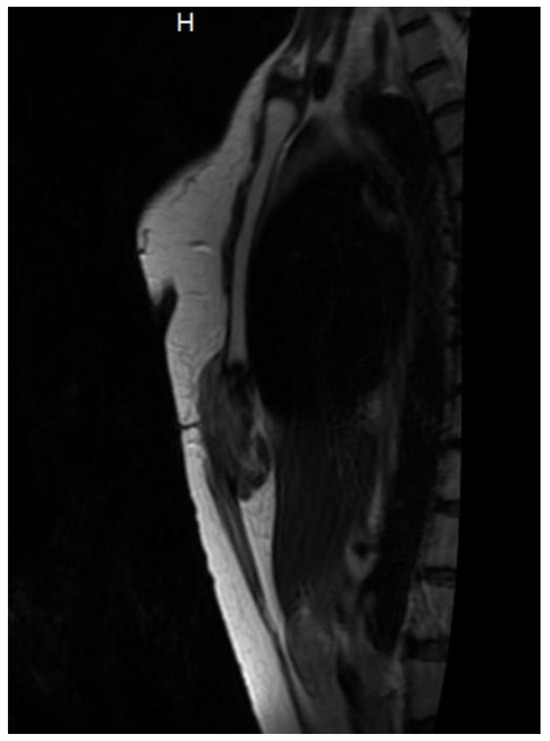
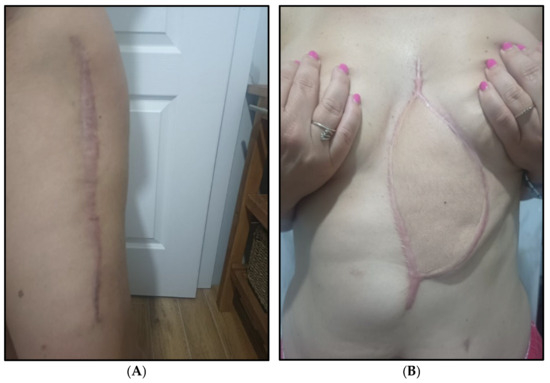
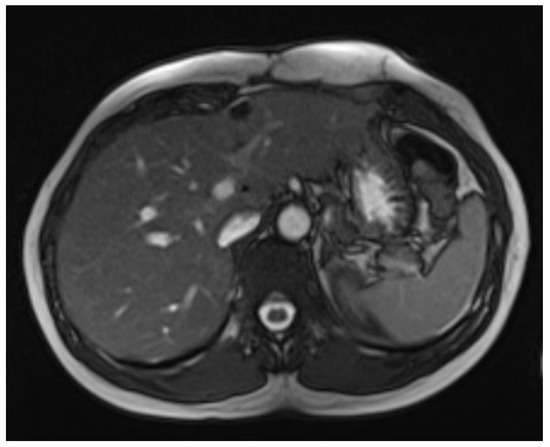
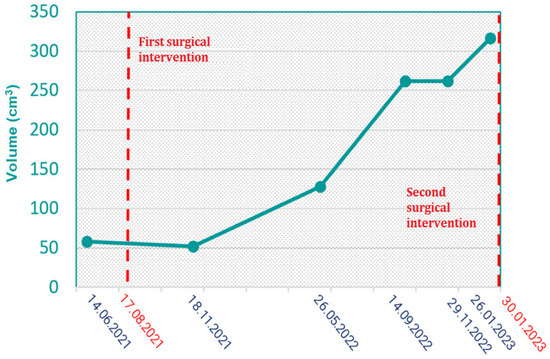
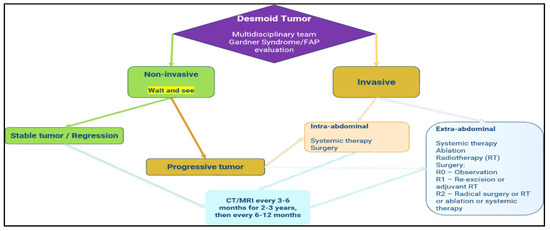
Desmoid tumors are rare mesenchymal neoplasms arising from locally invasive fibroblasts. While they lack metastatic potential, they exhibit high local recurrence rates and can cause significant tissue destruction. We present the case of a 39-year-old female patient who initially presented with epigastric pain, pyrosis, and a palpable, firm, painless mass in the left upper quadrant, extending to the left hemithorax. The patient’s medical history included treated cervical neoplasia. Clinical evaluation, imaging studies, and histopathological analysis suggested aggressive fibromatosis. The patient opted for a surgical excision, which resulted in tumor recurrence one year later, with infiltration of the ribs near the sternum. Despite oncological recommendations favoring conservative management, the patient opted for a second surgical intervention, involving an en-bloc resection of the tumor and the affected sternum and ribs, followed by thoracic wall reconstruction.
Full article

Figure 1
Open AccessArticle
A Retrospective Longitudinal Study on Venous Thromboembolisms: The Impact of Active Monitoring on the Venous Thromboembolism Management Practices of Healthcare Providers to Improve Patient Outcomes
by
Rateb Abd Alrazak Daowd, Ateeq Mohamad Algarni, Majed Abdulhadi Almograbi, Sara Majed Saab, Naif Mansour Alrashed, Maryam Mohammad Harthi, Amira Fatmah Paguyo Quilapio, Ibrahim Numan Alnajjar, Shahzad Ahmad Mumtaz, Raed Fahad Albusayyis, Dalya Ali Aljumaiah, Yazeed Alsalamah and Huda Ibrahim Almulhim
J. Mind Med. Sci. 2025, 12(1), 12; https://doi.org/10.3390/jmms12010012 - 25 Mar 2025
Abstract
►▼
Show Figures
Venous thromboembolism (VTE) is a relatively common condition that is the leading cause of preventable deaths in developed nations. VTE encompasses deep vein thrombosis (DVT) and pulmonary embolism (PE) and affects both hospitalized and non-hospitalized patients. When left untreated, VTE is associated with
[...] Read more.
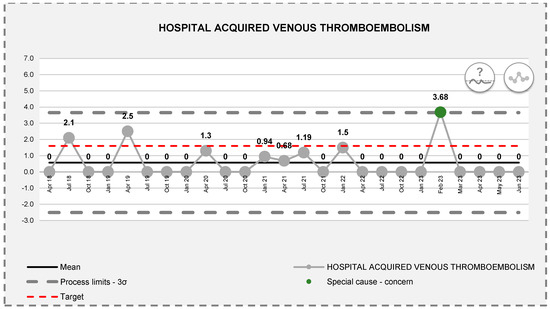
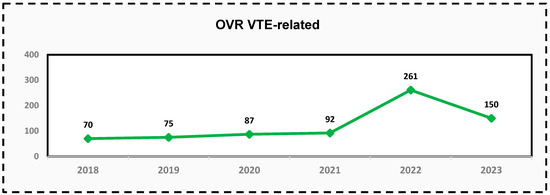
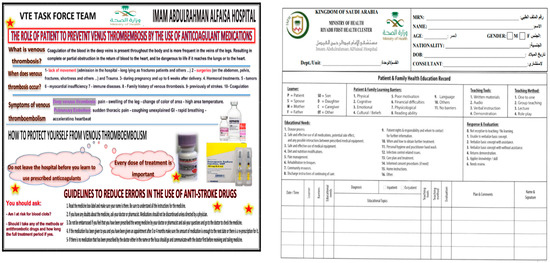
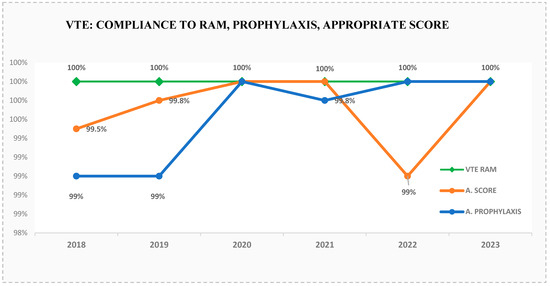
Venous thromboembolism (VTE) is a relatively common condition that is the leading cause of preventable deaths in developed nations. VTE encompasses deep vein thrombosis (DVT) and pulmonary embolism (PE) and affects both hospitalized and non-hospitalized patients. When left untreated, VTE is associated with substantial morbidity and mortality; accurate risk assessment and appropriate prophylaxis programs are therefore vital, as overlooked risk factors of these processes can potentially result in misdiagnosis and inappropriate treatment of the condition, with associated complications. In this study, we aimed to assess the impact of active monitoring on VTE management practices among healthcare providers to improve patient outcomes at Imam Abdulrahman Al Faisal Hospital (IAFH) in Riyadh, Saudi Arabia, from April 2018 to July 2023. In this study, a longitudinal retrospective study design was utilized and data from 33,237 admitted patients were analyzed using a Statistical Process Control (SPC) chart to evaluate the relationship between VTE risk assessment, active monitoring, and patient outcomes. In total, 11 cases of hospital-acquired VTE were identified, with patients aged 18–40 years representing most cases (7 out of 11 cases) and a male predominance of 54.5%. The overall VTE incidence rate during the study period was 0.31%, or one case per 11,000 admissions, including four cases of PE and seven cases of DVT. The results of this study indicate that active monitoring through continuous education and regular patient rounds significantly improves adherence to VTE risk assessment and prophylaxis at IAFH. The researchers attributed the increased identification and timely reporting of VTE cases to vigilance by healthcare providers and not to a decline in the quality of care. A comprehensive multidisciplinary strategy for VTE management and continuous quality improvement can aid in reducing VTE-related morbidity and improve patient outcomes. Lastly, we recommend addressing the risk factors associated with the occurrence of hospital-acquired VTE and performing post-discharge follow-ups of patients.
Full article

Figure 1
Open AccessArticle
Opportunity Costs, Cognitive Biases, and Autism
by
Sergio Da Silva, Maria Fiebig and Raul Matsushita
J. Mind Med. Sci. 2025, 12(1), 11; https://doi.org/10.3390/jmms12010011 - 24 Mar 2025
Abstract
►▼
Show Figures
Do individuals with autism overlook opportunity costs? Considering the mediating role of cognitive biases and utilizing an AI-driven experiment, our provisional answer is yes. Cognitive biases can severely distort the accurate calculation of opportunity costs, which is essential for making optimal decisions by
[...] Read more.
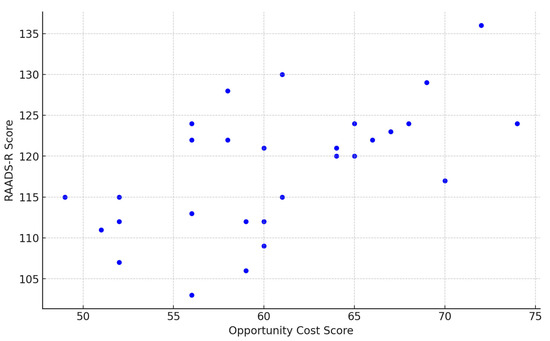
Do individuals with autism overlook opportunity costs? Considering the mediating role of cognitive biases and utilizing an AI-driven experiment, our provisional answer is yes. Cognitive biases can severely distort the accurate calculation of opportunity costs, which is essential for making optimal decisions by clearly understanding the trade-offs involved in pursuing a particular course of action. In turn, biased information processing may contribute to developmental disorders such as autism that are marked by difficulties with social interaction, communication, and restricted or repetitive behaviors. We developed a 20-question scale to assess the neglect of opportunity costs, targeting specific cognitive biases, and compared the results with the RAADS-R autism scale. We find that individuals scoring low on the opportunity cost scale, due to these cognitive biases, are likely to score higher on the RAADS-R, aligning their decision-making biases with traits typical of the autism spectrum.
Full article

Figure 1
Open AccessSystematic Review
From Sedentary to Success: How Physical Activity Transforms Diabetes Management: A Systematic Review
by
Sorina Ispas, Andreea Nelson Twakor, Nicoleta Mihaela Mindrescu, Viorel Ispas, Doina Ecaterina Tofolean, Emanuela Mercore Hutanu, Adina Petcu, Sorin Deacu, Ionut Eduard Iordache, Cristina Ioana Bica, Lucian Cristian Petcu, Florentina Gherghiceanu, Mihaela Simona Popoviciu and Anca Pantea Stoian
J. Mind Med. Sci. 2025, 12(1), 10; https://doi.org/10.3390/jmms12010010 - 17 Mar 2025
Abstract
►▼
Show Figures
The global rise in type 2 diabetes mellitus (T2DM) calls for an urgent focus on lifestyle interventions, particularly physical activity, as a critical factor in its management and prevention. This systematic review evaluates the impact of physical activity and sedentary behavior on glycemic
[...] Read more.
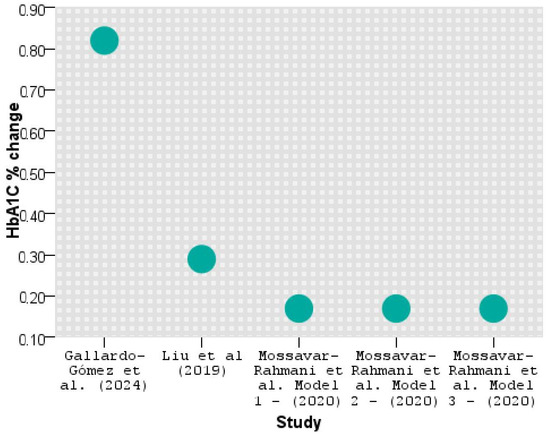
The global rise in type 2 diabetes mellitus (T2DM) calls for an urgent focus on lifestyle interventions, particularly physical activity, as a critical factor in its management and prevention. This systematic review evaluates the impact of physical activity and sedentary behavior on glycemic control in individuals with T2DM. Studies included in this review were selected based on specific criteria: randomized controlled trials involving adults aged 18 and older, published in English between January 2018 and May 2024, with full-text availability and quantifiable outcome results. Exclusion criteria included non-peer-reviewed research, small sample sizes, and studies limited to abstracts, posters, or editorials. The analysis of the selected studies revealed that regular physical activity, including aerobic exercises and resistance training, significantly improves glycemic control as measured by fasting blood glucose (FBG) and glycated hemoglobin (HbA1C) levels. Reductions in sedentary behavior were also associated with better metabolic outcomes, highlighting the importance of integrating physical activity into daily routines for individuals with T2DM. These findings feature the need for continued research to refine and optimize lifestyle interventions to mitigate the global burden of T2DM.
Full article

Figure 1
Open AccessArticle
The Role of Adverse Childhood Experiences and Protective Factors in the Co-Occurrence of Somatization and Post-Traumatic Stress Symptoms
by
Rubing Ma, Sizhe Chen and Jinjing Xiang
J. Mind Med. Sci. 2025, 12(1), 9; https://doi.org/10.3390/jmms12010009 - 14 Mar 2025
Abstract
Objectives: Adverse childhood experiences (ACEs) pose a significant public health concern, negatively impacting children’s physical and mental health. This study examines the association between ACEs and the co-occurrence of somatization and post-traumatic stress symptoms (PTSSs) among Chinese college students. Additionally, it explores the
[...] Read more.
Objectives: Adverse childhood experiences (ACEs) pose a significant public health concern, negatively impacting children’s physical and mental health. This study examines the association between ACEs and the co-occurrence of somatization and post-traumatic stress symptoms (PTSSs) among Chinese college students. Additionally, it explores the roles of both internal (psychological resilience) and external (social support) protective factors in this relationship. Methods: A sample of 701 students were analyzed using the Adverse Childhood Experiences International Questionnaire, the Somatization subscale from the Symptom Checklist-90, the PTSD Checklist from the DSM-5, the Connor–Davidson Resilience Scale, and the Multidimensional Scale of Perceived Social Support. A four-level outcome variable was created based on measures of somatization and PTSSs: no symptoms, somatization-only, post-traumatic stress symptoms-only (PTSSs-only), and co-occurring symptoms. Data analysis was conducted using multiple logistic regression. Results: Among Chinese college students, the prevalence of ACEs was 62.9%, while the prevalence of co-occurring somatization and PTSSs was 13.7%. The results of the multiple logistic regression analysis indicated a positive association between ACEs and the co-occurrence of somatization and PTSSs compared to no symptoms (OR = 2.28, p < 0.001). Furthermore, social support (OR = 0.26, p < 0.001) and psychological resilience (OR = 0.48, p = 0.049) were negatively associated with the co-occurrence. Conclusions: ACEs are risk factors for the co-occurrence of somatization and PTSSs among college students, while social support and psychological resilience serve as effective protective factors against this risk.
Full article
Open AccessArticle
Homocysteine and Stroke: A 30-Year Bibliometric Study Uncovering Research Trends and Future Directions
by
Loo Keat Wei, Saras Menon and Lyn R. Griffiths
J. Mind Med. Sci. 2025, 12(1), 8; https://doi.org/10.3390/jmms12010008 - 14 Mar 2025
Cited by 1
Abstract
►▼
Show Figures
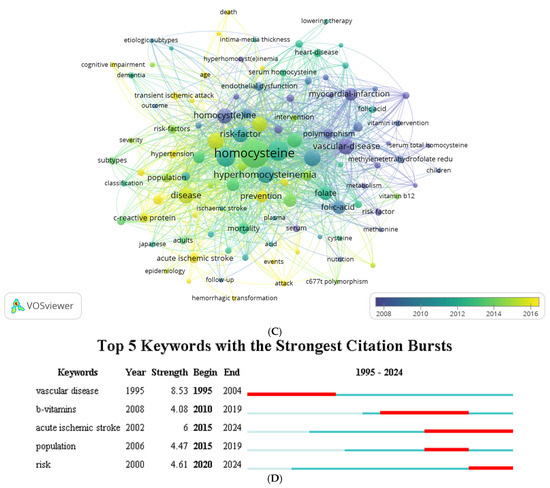
Recent years have seen a rapid expansion in research examining the relationship between homocysteine and stroke. In this study, we conducted a comprehensive bibliometric analysis of 233 articles related to homocysteine and stroke, published over the past 30 years in the Web of
[...] Read more.
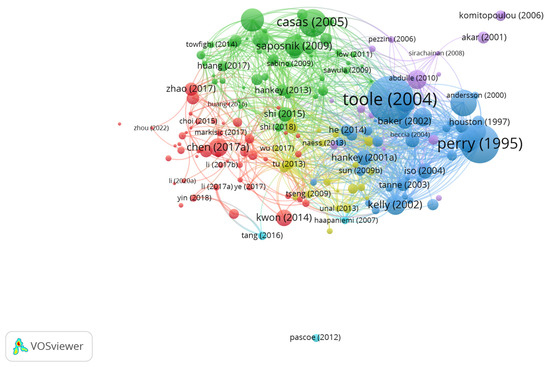
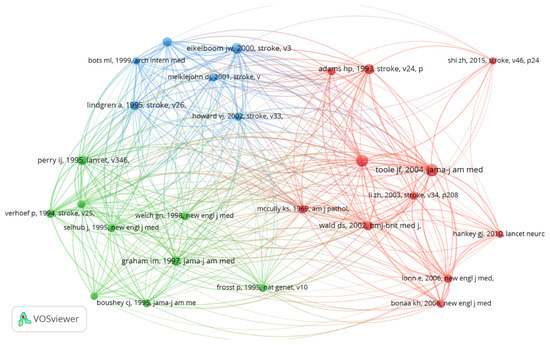
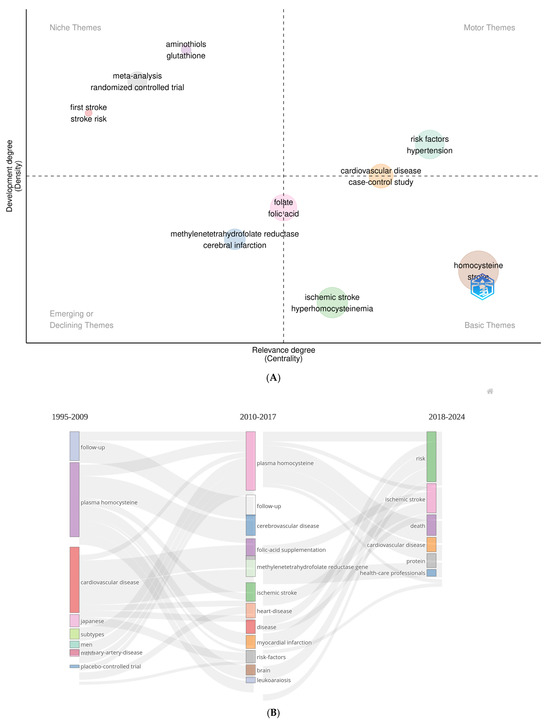
Recent years have seen a rapid expansion in research examining the relationship between homocysteine and stroke. In this study, we conducted a comprehensive bibliometric analysis of 233 articles related to homocysteine and stroke, published over the past 30 years in the Web of Science Core Collection. Our findings reveal a significant global increase in research on homocysteine and stroke, with China emerging as a leader, representing 39.9% of the total publications. Employing advanced methodologies such as co-citation analysis, bibliographic coupling, keyword co-occurrence, and citation burst analysis, we identified key research themes and emerging trends within the field. Notably, the results indicate a shift in focus from viewing homocysteine solely as a biomarker to recognizing its potential role in stroke prevention and management. These insights provide a valuable roadmap for future research directions and clinical strategies aimed at enhancing stroke prevention and improving patient outcomes.
Full article

Figure 1
Open AccessArticle
The Importance of Prenatal Whole-Exome Sequencing Testing in the Romanian Population
by
Ileana-Delia Săbău, Laurentiu-Camil Bohîltea, Viorica Elena Rădoi, Anca Mirela Bardan, Ovidiu Virgil Maioru, Mihaela Țurcan, Viorel Aurel Suciu-Lazar and Iuliana Ceausu
J. Mind Med. Sci. 2025, 12(1), 7; https://doi.org/10.3390/jmms12010007 - 14 Mar 2025
Abstract
One major cause of prenatal mortality and morbidity is congenital abnormalities. Knowing the prevalence and etiology of congenital malformations is essential for analyzing trends and improving neonatal care. Objective: the team aimed to evaluate the utility of whole-exome sequencing (WES) in Romanian prenatal
[...] Read more.
One major cause of prenatal mortality and morbidity is congenital abnormalities. Knowing the prevalence and etiology of congenital malformations is essential for analyzing trends and improving neonatal care. Objective: the team aimed to evaluate the utility of whole-exome sequencing (WES) in Romanian prenatal care, highlighting its diagnostic efficacy in comparison to molecular karyotyping, particularly in cases with negative genetic results prior to WES, unfavorable pregnancy outcomes, and consanguinity. Methods: Initially, we identified pregnancies with abnormal ultrasounds unrelated to known syndromes. Subsequently, we performed SNP (single nucleotide polymorphism)-array testing, yielding negative results. We then applied prenatal WES, utilizing Massive Parallel Sequencing on the NovaSeq 6000 platform (average coverage > 100× read length: 2 × 100 bp) with library preparation using the Twist Human Core Exome kit RefSeq & Mitochondrial panel (Twist Bioscience). The bioinformatic analysis involved direct comparison to the human reference sequence (hg38). Results: We achieved a 50% diagnostic rate. After receiving results, two couples chose pregnancy termination, five had uneventful births, and one pregnancy ended in stillbirth. Additionally, we identified three incidental findings that enhanced patient and at-risk member management. This article details ten prenatal cases tested with WES, highlighting its superior diagnostic performance compared to the SNP array. WES detected the genetic diagnostic in 50% of cases that the SNP array did not. We emphasize the advantages of WES in prenatal diagnostics while acknowledging the need for further investigations to comprehensively evaluate its diagnostic utility in the Romanian population.
Full article
Open AccessReview
Cutting Edge: A Comprehensive Guide to Colorectal Cancer Surgery in Inflammatory Bowel Diseases
by
Ionut Eduard Iordache, Lucian-Flavius Herlo, Razvan Popescu, Daniel Ovidiu Costea, Luana Alexandrescu, Adrian Paul Suceveanu, Sorin Deacu, Gabriela Isabela Baltatescu, Alina Doina Nicoara, Nicoleta Leopa, Andreea Nelson Twakor, Andrei Octavian Iordache and Liliana Steriu
J. Mind Med. Sci. 2025, 12(1), 6; https://doi.org/10.3390/jmms12010006 - 11 Mar 2025
Abstract
►▼
Show Figures
Over the past two decades, surgical techniques in colorectal cancer (CRC) have improved patient outcomes through precision and reduced invasiveness. Open colectomy, laparoscopic surgery, robotic-assisted procedures, and advanced rectal cancer treatments such as total mesorectal excision (TME) and transanal TME are discussed in
[...] Read more.
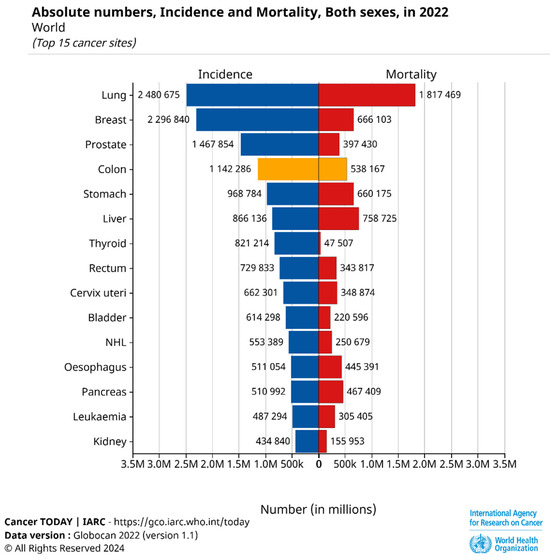
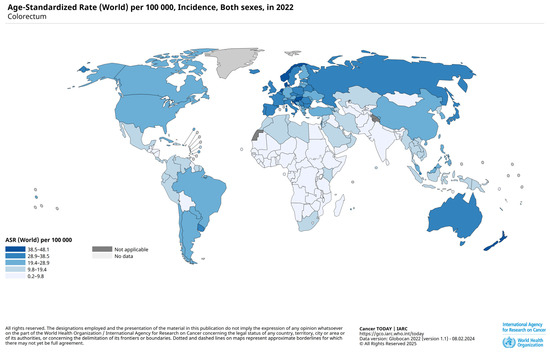
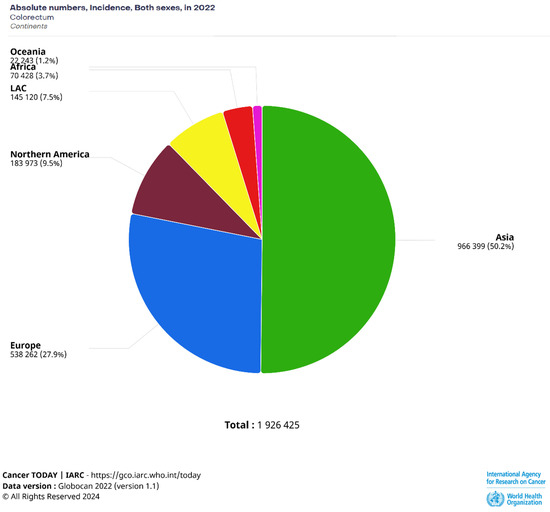
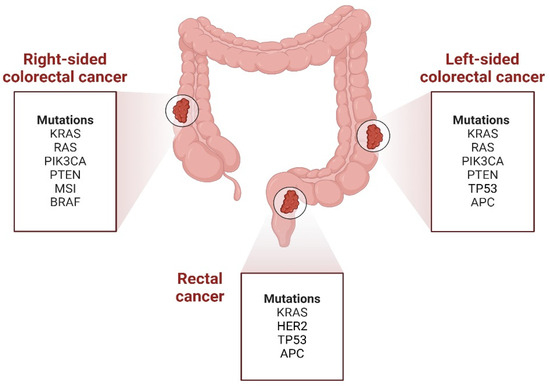
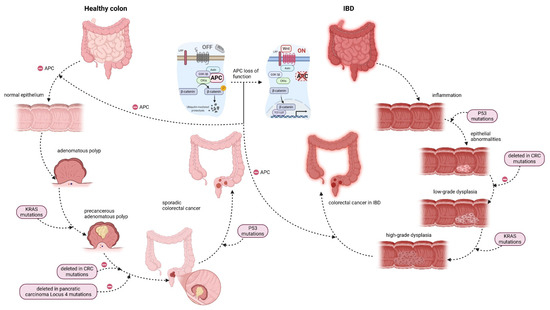
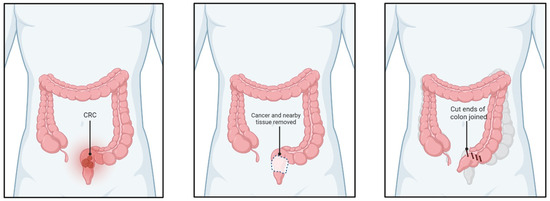
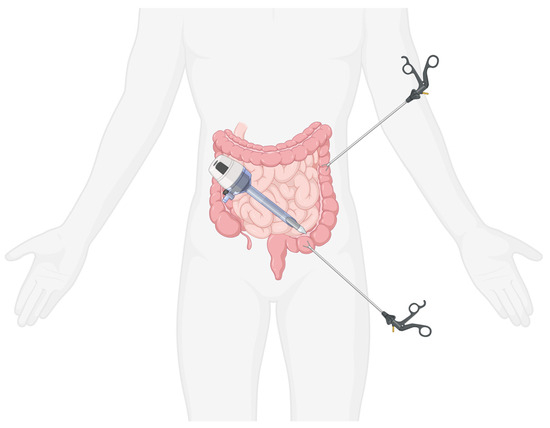
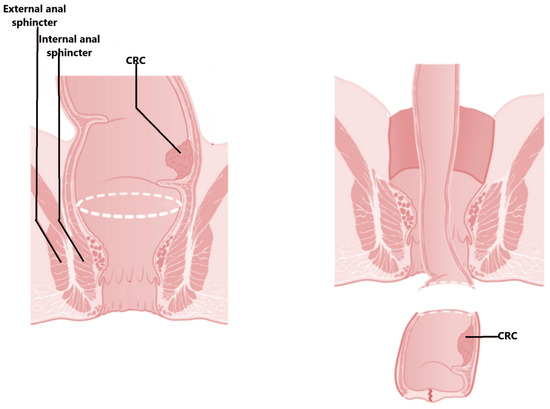
Over the past two decades, surgical techniques in colorectal cancer (CRC) have improved patient outcomes through precision and reduced invasiveness. Open colectomy, laparoscopic surgery, robotic-assisted procedures, and advanced rectal cancer treatments such as total mesorectal excision (TME) and transanal TME are discussed in this article. Traditional open colectomy offers reliable resection but takes longer to recover. Laparoscopic surgery transformed CRC care by improving oncological outcomes, postoperative pain, and recovery. Automated surgery improves laparoscopy’s dexterity, precision, and 3D visualisation, making it ideal for rectal cancer pelvic dissections. TME is the gold standard treatment for rectal cancer, minimising local recurrence, while TaTME improves access for low-lying tumours, preserving the sphincter. In metastatic CRC, palliative procedures help manage blockage, perforation, and bleeding. Clinical examples and landmark trials show each technique’s efficacy in personalised care. Advanced surgical techniques and multidisciplinary approaches have improved CRC survival and quality of life. Advances in CRC treatment require creativity and customised surgery.
Full article

Figure 1
Open AccessReview
Recurrent Urinary Tract Infections in Female Patients—A Clinical Review
by
Flavia Liliana Turcu, Ileana Adela Vacaroiu, Andra Elena Balcangiu-Stroescu, Ana Raluca Mitrea, Daniela Miricescu, Daniela Gabriela Balan and Alina Mihaela Stanigut
J. Mind Med. Sci. 2025, 12(1), 5; https://doi.org/10.3390/jmms12010005 - 5 Mar 2025
Abstract
►▼
Show Figures
Worldwide, urinary tract infections (UTIs) have an increased incidence, especially in women. Recurrent UTIs (rUTIs) appear in less than three months in 80% of the cases, being associated with age, sexual activity, or diabetes mellitus. Antibiotics represent the first line of treatment for
[...] Read more.
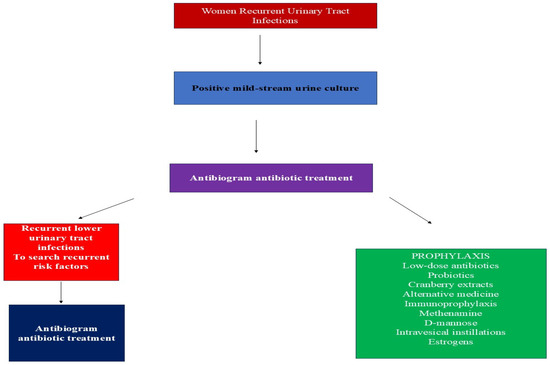
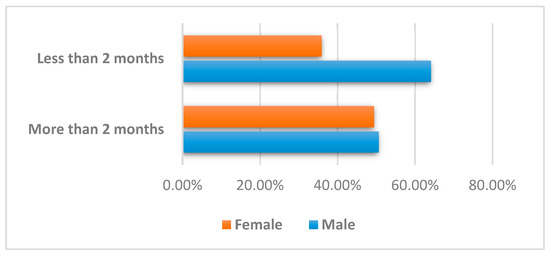
Worldwide, urinary tract infections (UTIs) have an increased incidence, especially in women. Recurrent UTIs (rUTIs) appear in less than three months in 80% of the cases, being associated with age, sexual activity, or diabetes mellitus. Antibiotics represent the first line of treatment for rUTIs after the diagnosis based on a positive mid-stream urine (MSU) culture. Alternative therapies including low-dose antibiotic treatment, immunoprophylaxis, cranberry extracts, probiotics, D-mannose, intravesical instillations, methenamine, and estrogens may reduce the recurrence of UTIs in female patients. Multimodal therapy seems to be the future in preventing and treating rUTIs. The main aim of this narrative review is to present the actual therapeutic challenges and the most efficient prophylaxis options in women diagnosed with rUTIs.
Full article

Figure 1
Open AccessArticle
Early Childhood Nutrition and Development in Atopic Families from Northeastern Bulgaria
by
Albena Toneva, Antoniya Hachmeriyan, Rouzha Pancheva and Miglena Marinova-Achkar
J. Mind Med. Sci. 2025, 12(1), 4; https://doi.org/10.3390/jmms12010004 - 3 Mar 2025
Abstract
►▼
Show Figures
Objectives: Early environmental factors have a significant impact on the development of atopic conditions in children. Breastfeeding has been highlighted for its role in enhancing both immune support and cognitive development. Early allergic conditions and maternal behaviors are linked to cognitive and neurodevelopmental
[...] Read more.
Objectives: Early environmental factors have a significant impact on the development of atopic conditions in children. Breastfeeding has been highlighted for its role in enhancing both immune support and cognitive development. Early allergic conditions and maternal behaviors are linked to cognitive and neurodevelopmental challenges. Our study aims to compare children from atopic families focusing on early nutrition and the neuropsychological development of children, especially in the presence of an allergic predisposition. Materials and methods: The study included 120 children with a family history of allergies (55% boys). Children were divided into group A, children breastfed for at least two months, and group B, children breastfed for less than two months or fed with formula. The study measurements and outcomes included demographic and social data, medical data, the smoking status of the parents, breastfeeding and early feeding practices, and anthropometric measurements. The assessment of the neurological development was carried out with a validated Developmental Profile-3 questionnaire. Diagnosis of allergic conditions was carried out with the SCORAD (SCORing Atopic Dermatitis) questionnaire for assessing atopic dermatitis; the CoMiSS (Cow’s Milk-Related Allergy Symptom Score) questionnaire for potential cow’s milk protein allergy and Prick testing and elimination-provocation protocol were used to confirm allergic status in children with atopic conditions. Data were analyzed using Jamovi 2.2.2 software, with statistical significance set at p ≤ 0.05. Results: The age of the examined children was 13 ÷ 31 months, the age of the mothers was 21 ÷ 42 years, and that of the fathers was 22 ÷ 44 years. Educational levels among mothers were 68.35% (n = 54) with higher education in group A and 61.5% (n = 24) in group B, compared to fathers with rates of higher education of, respectively, 54.3% (n = 44) and 38.5% (n = 15). The average gestational age of the children was 38.8 ± 1.08 weeks, and the relative share of cesarean delivery—50.8% (n = 61)—was slightly higher than vaginal delivery. Anthropometric results (HAZ, WAZ, BMIAZ) did not show a statistically significant influence of the type of feeding (breastfeeding, standard formula, or hydrolyzed formula) on growth during the first two months after birth (p > 0.05). During the study period, a significant number of the children developed allergic conditions, which were more common in children from group A—43.2% (n = 35)—compared to group B—38.5% (n = 15). In the families included in the study, mothers smoked more often (53.3%; n = 64) than fathers (43.3%; n = 52), and 13.3% (n = 16) of the women smoked during pregnancy. Children’s neuropsychological development, assessed with the DP-3 questionnaire, according to the duration of breastfeeding, does not show statistically significant differences for the five functional areas (“Physical development”, “Adaptive behavior”, “Social-emotional” Development”, “Cognitive development “, and “Communication”) or the overall development of children from both groups. The neuropsychological development (DP-3) of the group A children showed correlations with the presence of atopic dermatitis, parents’ age, father’s level of education, mother’s smoking during pregnancy, number of cigarettes smoked by the mother per day, and cesarean delivery. Maternal smoking (number of cigarettes per day) had significant negative correlations with all areas of children’s neuropsychological development, which were most pronounced with physical (rho = −0.352; p = 0.001) and overall development (rho = −0.329; p= 0.003). Cesarean delivery moderately correlated with physical development (rho = 0.292; p = 0.008) and adaptive behavior (rho = −0.294; p = 0.008). In group B, neuropsychological development (DP-3) correlates most clearly with allergic conditions (allergy at two years of age and atopic dermatitis), as well as with maternal smoking during pregnancy, with a strong negative correlation with physical development (rho = −0.510; p = 0.001). Conclusions: Our study reinforces the link between early feeding practices, neuropsychological development, and allergic conditions, emphasizing the lasting effects they have on children’s neurological health. However, limitations such as the relatively small sample size and reliance on parental reporting may affect the generalizability of the findings. Future studies with larger cohorts and objective biomarkers for allergic conditions are needed to further validate these results.
Full article


Figure 1
Open AccessReview
Diagnostic Tools Before Thyroidectomy: A Surgical Perspective
by
Flaviu Mureşan, Ovidiu Vasile Fabian, Emilia Maria Pătruţ, Olga Hilda Orăşan, Ana Valea and Radu Bogdan Popescu
J. Mind Med. Sci. 2025, 12(1), 3; https://doi.org/10.3390/jmms12010003 - 25 Feb 2025
Abstract
►▼
Show Figures
Before performing a thyroidectomy, a range of diagnostic studies is typically conducted to evaluate thyroid function and structure. Ultrasound and elastography are employed to assess the gland’s morphology and to identify nodular goiters that may necessitate fine-needle aspiration cytology (FNAC) or surgical intervention.
[...] Read more.
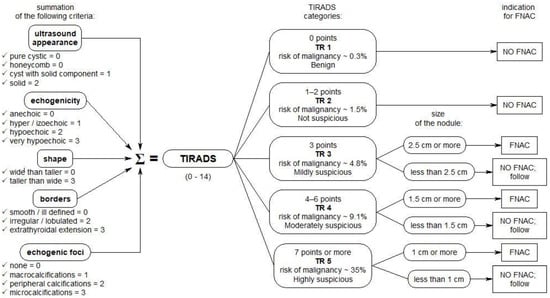
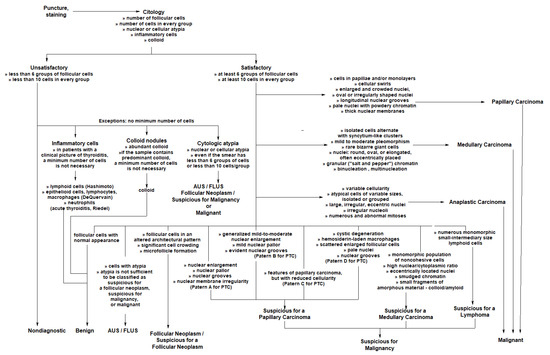
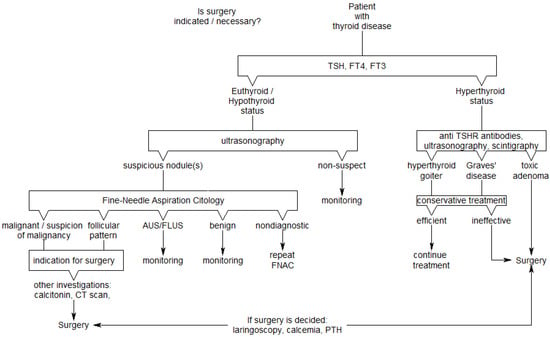
Before performing a thyroidectomy, a range of diagnostic studies is typically conducted to evaluate thyroid function and structure. Ultrasound and elastography are employed to assess the gland’s morphology and to identify nodular goiters that may necessitate fine-needle aspiration cytology (FNAC) or surgical intervention. Cervical adenopathies in patients suspected of thyroid malignancy are also evaluated via ultrasound. FNAC is the most effective diagnostic tool for suspicious thyroid nodules. Computed tomography (CT) is invaluable in assessing the relationship between large goiters and surrounding structures or identifying deep lymph node metastases in thyroid carcinomas. This article discusses the essential preoperative investigations required for thyroidectomy and their impact on surgical decision-making.
Full article

Figure 1
Open AccessEditorial
Journal of Mind and Medical Sciences; A Trend of Top Medical Specialization Without Delineation
by
Ion G. Motofei
J. Mind Med. Sci. 2025, 12(1), 2; https://doi.org/10.3390/jmms12010002 - 3 Jan 2025
Abstract
The Journal of Mind and Medical Sciences was founded in 2014 by Ion G [...]
Full article
Open AccessEditorial
Publisher’s Note: Welcoming the Journal of Mind and Medical Sciences to the MDPI Family
by
Carla Aloè
J. Mind Med. Sci. 2025, 12(1), 1; https://doi.org/10.3390/jmms12010001 - 3 Jan 2025
Abstract
We are happy to welcome the Journal of Mind and Medical Sciences (JMMS) to our portfolio of publications [...]
Full article
Open AccessArticle
Approaches and Indications in Laparoscopic Choledoscopy
by
Iulian Slavu, Raluca Tulin, Ileana Dima, Alexandru Dogaru, Florin Filipoiu, Bogdan Socea, Anca Monica Oprescu-Macovei and Adrian Tulin
J. Mind Med. Sci. 2024, 11(2), 482-487; https://doi.org/10.22543/2392-7674.1563 - 31 Oct 2024
Abstract
Objectives. Up to 20% of patients with biliary lithiasis have bile duct stones, which are asymptomatic in 50% of cases. The aim of the study was to evaluate the role of choledoscopy in extracting stones from the main bile ducts. Materials and
[...] Read more.
Objectives. Up to 20% of patients with biliary lithiasis have bile duct stones, which are asymptomatic in 50% of cases. The aim of the study was to evaluate the role of choledoscopy in extracting stones from the main bile ducts. Materials and Methods. This is a retrospective study (January 2014–December 2024) on 2309 patients who underwent a laparoscopic cholecystectomy. Laparoscopic choledoscopy was performed in 32 cases. Of the 32 patients with complete clearance, none had residual common bile duct stones (CBDS) at 1 year postoperatively. Results. The ideal approach in our study was the transcystic approach, with the shortest hospital stays (mean 3 days) transcholedochal approach; it was only feasible in 7 patients. All patients had transcystic drainage that was removed after 10 days (mean operative time 105 min). The transcholedochal approach was demanding from a technical point of view. Primary ductal closure was performed in 5 patients. Ductal closure with transcystic drain was in 9 patients. A total of 14 patients had a T-tube and a longer operative time (on average 170 min). Conversion to open surgery was performed in 4 cases, due to difficult dissection at the level of the hepatic porta. Conclusions. LCBDE for previously documented or discovered CBDS during LC is a safe and feasible procedure. The technique is technically demanding, and requires advanced laparoscopic skills. Patient selection is very important, but the transcystic approach for LCBDE when possible is optimal.
Full article
Open AccessArticle
Effects of the COVID-19 Pandemic on Clinical Manifestations and Therapeutic Outcomes in Acute Endophthalmitis
by
Ana Maria Dascalu, Sanda Jurja, Carmen Luminita Mocanu, Cristina Alexandrescu, Daniela Stana, Madalina Totir, Ece Ergin, Corneliu Tudor, Catalin Cicerone Grigorescu, Dragos Serban, Laurentiu Simion, Dan Dumitrescu, Andrei Marin, Catalin Teodor Constantinescu and Bogdan Mihai Cristea
J. Mind Med. Sci. 2024, 11(2), 475-481; https://doi.org/10.22543/2392-7674.1554 - 31 Oct 2024
Abstract
Endophthalmitis incidence and clinical characteristics was reported to change during COVID-19 pandemic, due to multiple influencing factors, such as prolonged lockdown periods, persistent immune suppression following SARS-CoV-2 infection, and mask wearing. We conducted a retrospective eight-year study, during January 2016 and December 2023,
[...] Read more.
Endophthalmitis incidence and clinical characteristics was reported to change during COVID-19 pandemic, due to multiple influencing factors, such as prolonged lockdown periods, persistent immune suppression following SARS-CoV-2 infection, and mask wearing. We conducted a retrospective eight-year study, during January 2016 and December 2023, that aims to investigates the differences in terms of etiology, clinical characteristics and outcomes in cases with acute endophthalmitis, admitted before (2016–2019) and during COVID-19 pandemic (2020–2023). The two study subgroups were homogenous in term of age, gender distribution, associated comorbidities, and addressability. During COVID-19 pandemic there were significant delays in presentation (p = 0.02), more cases of endogenous endophthalmitis (p = 0.025), and patients presented a more intense systemic inflammatory reaction (p < 0.01). Moreover, undiagnosed cases of diabetes were more frequent in pandemic group, and were associated with endogenous endophthalmitis (59.3% vs. 16.6%, p < 0.001). The were differences in etiology between the two subgroups, the first cases of hypervirulent Klebsiella pneumoniae endogenous endophthalmitis reported in our center. The outcomes were comparable in terms of hospital stay and rate of evisceration. However, the visual function was worse in the pandemic group, which may be correlated with the specific differences in etiology and delayed presentation. Early diagnosis and prompt initiation of large spectrum antibiotherapy are essential to preserve vision.
Full article
Open AccessArticle
Infertility as a Possible Multifactorial Condition; The Experience of a Single Center
by
Cristina Diana Popescu, Bashar Haj Hamoud, Romina Marina Sima, Anca Bobirca, Oana Denisa Balalau, Mihaela Amza, Romeo Micu, Gabriel Petre Gorecki and Liana Ples
J. Mind Med. Sci. 2024, 11(2), 466-474; https://doi.org/10.22543/2392-7674.1535 - 31 Oct 2024
Abstract
Objectives. Infertility is a topic of great interest around the world because it affects many couples at young ages. It can be caused by genetic background, associated with pathologies and/or external factors. The purpose of our study was to identify the causes
[...] Read more.
Objectives. Infertility is a topic of great interest around the world because it affects many couples at young ages. It can be caused by genetic background, associated with pathologies and/or external factors. The purpose of our study was to identify the causes of infertility of women presented in our clinic with this pathology. Materials and Methods. This retrospective study was performed on women with primary or secondary infertility. The analyzed data were age, weight, hereditary and personal pathological history, medication, menstrual cycle characteristics, standard blood tests, ultrasound, hysterosalpingography and hysteroscopy. Results. The study included 204 women with average age 35 years. The main diagnosis was primary infertility in 68.63% and secondary infertility in 31.37% cases. One of the most common diagnosed findings in ultrasound were uterine fibroids with an incidence of 6.86%, the incidence being higher among women with primary infertility than in women with secondary infertility. Regarding endometrial polyps, 96.15% of cases were observed ultrasonographical and the incidence of endometrial polyps was higher among women with primary infertility than in women with secondary infertility. Conclusions. This study identified that infertility is a multifactorial pathology, which requires multidisciplinary addressability. Gynecological pathology (such as tubal pathologies, uterine malformations, uterine fibroids, endometriosis, endometrial polyps, etc.) was very common among these patients, finding and treating the condition being the main objective of the study.
Full article
Open AccessArticle
Assessment of the Bioaccumulation of Nicotine and Cotinine by the Crustacean Daphnia magna
by
Ana Maria Vlasceanu, Daniela Luiza Baconi, Octavian Tudorel Olaru, Daniela Grădinaru and Viorela Gabriela Nitescu
J. Mind Med. Sci. 2024, 11(2), 459-465; https://doi.org/10.22543/2392-7674.1540 - 31 Oct 2024
Cited by 1
Abstract
Objectives. This study aimed to investigate the toxicity of nicotine and its metabolite cotinine on crustacean D. magna, and evaluate the quantity of compounds accumulated by D. magna. Materials and Methods. The bioassays involved the exposure of D. magna to varying
[...] Read more.
Objectives. This study aimed to investigate the toxicity of nicotine and its metabolite cotinine on crustacean D. magna, and evaluate the quantity of compounds accumulated by D. magna. Materials and Methods. The bioassays involved the exposure of D. magna to varying doses of nicotine and cotinine, for 24 h and 48 h. The amount of bioaccumulated nicotine and cotinine was determined by an HPLC-DAD method. Results. The study has revealed that nicotine is more toxic than cotinine on D. magna, as the medium lethal concentration (LC50) values were higher for nicotine compared to cotinine. After 24 h of exposure, D. magna accumulated comparable amounts of nicotine and cotinine. However, after 48 h of exposure, the crustacean accumulated significantly lower levels of nicotine, which is consistent with the higher toxicity of nicotine compared to cotinine. Conclusions. These findings demonstrated that nicotine triggers various alterations in aquatic organism, hence jeopardizing the equilibrium of the aquatic ecosystem within a little timeframe.
Full article
Open AccessArticle
Evaluation of Short-Term Complications in Laparoscopic Peritoneal Dialysis Catheter Placement—A Single Tertiary Center Experience
by
Cristina Raluca Iorga, Iuliana Andreiana, Simona Hildegrad Stancu, Traian Constantin, Victor Strambu and Cristian Iorga
J. Mind Med. Sci. 2024, 11(2), 452-458; https://doi.org/10.22543/2392-7674.1547 - 31 Oct 2024
Abstract
Background. Peritoneal dialysis is a form of kidney function replacement that is not as widespread as hemodialysis. However, it has recognized advantages, such as preservation of residual renal function, lack of vascular access, and the ability to be performed at home. On
[...] Read more.
Background. Peritoneal dialysis is a form of kidney function replacement that is not as widespread as hemodialysis. However, it has recognized advantages, such as preservation of residual renal function, lack of vascular access, and the ability to be performed at home. On the other hand, it requires the correct insertion of a peritoneal dialysis (PD) catheter and maintaining its patency. Methods. We conducted a retrospective study of 126 patients with end-stage renal disease who underwent laparoscopic Tenckhoff catheter placement for peritoneal dialysis between January 2016 and December 2022. The study analyzed the frequency and type of complications registered within three months, in order to validate laparoscopy as a safe method of catheter insertion (with reduced periprocedural complications), as well as the importance of the multidisciplinary team in the care of patients with peritoneal dialysis. Results. In about 14% of patients, we encountered a total of 23 complications: 61% in the first month, 34.7% in the second month, and 4.3% in the third month. The most frequent complication was infection (peritonitis 35%, catheter exit site infection 30.4%), followed by peri-catheter leak (21.7% of total complications). Catheter migration, hernia, and significant bleeding were rare events (4.3% of total complications each). All complications were managed by medical treatment, except two cases which required replacement of the catheter. Conclusions. Laparoscopic catheter insertion is a safe procedure with low post-procedural complications in patients who are dependent on peritoneal dialysis.
Full article
Highly Accessed Articles
Latest Books
E-Mail Alert
News
Topics