


Journal Description
Journal of Fungi
Journal of Fungi
is an international, peer-reviewed, open access journal of mycology published monthly online by MDPI. The Medical Mycological Society of the Americas (MMSA) and the Spanish Phytopathological Society (SEF) are affiliated with the Journal of Fungi, and their members receive a discount on the article processing charges.
- Open Access— free for readers, with article processing charges (APC) paid by authors or their institutions.
- High Visibility: indexed within Scopus, SCIE (Web of Science), PubMed, PMC, CAPlus / SciFinder, AGRIS, and other databases.
- Journal Rank: JCR - Q1 (Mycology) / CiteScore - Q1 (Ecology, Evolution, Behavior and Systematics)
- Rapid Publication: manuscripts are peer-reviewed and a first decision is provided to authors approximately 17.7 days after submission; acceptance to publication is undertaken in 2.7 days (median values for papers published in this journal in the second half of 2024).
- Recognition of Reviewers: reviewers who provide timely, thorough peer-review reports receive vouchers entitling them to a discount on the APC of their next publication in any MDPI journal, in appreciation of the work done.
Impact Factor:
4.2 (2023);
5-Year Impact Factor:
4.5 (2023)
Latest Articles
Systematic Review of Tinea Nigra: A Clinical Approach
J. Fungi 2025, 11(4), 287; https://doi.org/10.3390/jof11040287 (registering DOI) - 6 Apr 2025
Abstract
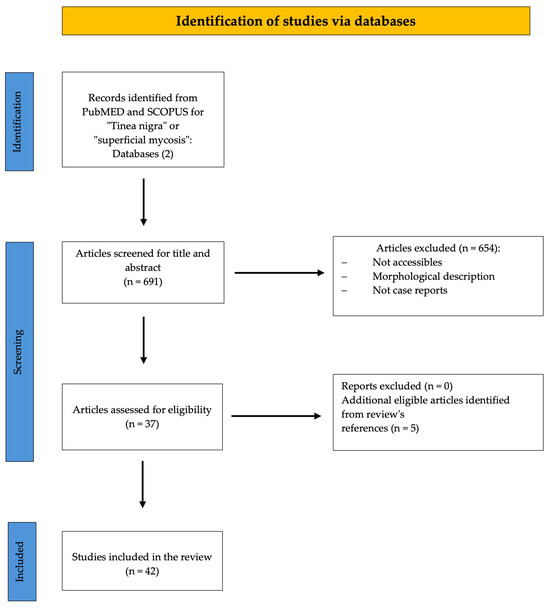
Tinea nigra (TN) is a superficial fungal infection caused by the melanized fungus Hortaea werneckii, characterized by irregular dark patches, typically on the palms. This systematic review aims to evaluate the epidemiology, demographic characteristics, lesion distribution, diagnostic approaches, causative agents, and treatment
[...] Read more.
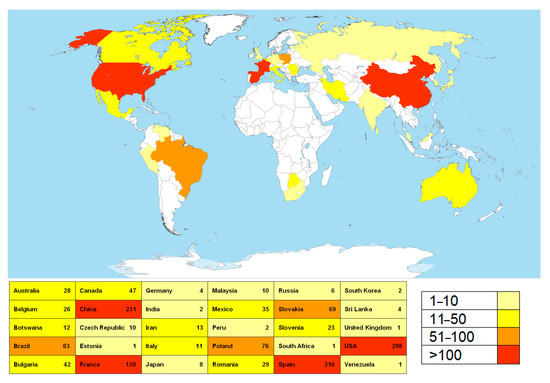
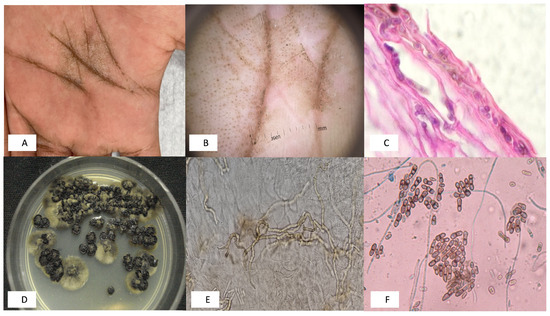
Tinea nigra (TN) is a superficial fungal infection caused by the melanized fungus Hortaea werneckii, characterized by irregular dark patches, typically on the palms. This systematic review aims to evaluate the epidemiology, demographic characteristics, lesion distribution, diagnostic approaches, causative agents, and treatment outcomes of TN. The PubMed and MEDLINE databases were systematically searched using relevant keywords from January 1990 to January 2025, yielding a total of 102 cases across 42 studies. TN is more prevalent in tropical regions, with a higher incidence in the Americas (64 cases), particularly Mexico (23 cases), Brazil (17 cases), and Cuba (8 cases). The infection is more commonly observed in females (58 cases) than males (44 cases), with a mean patient age of 16.7 years (SD ± 13.58). The most frequently affected anatomical site is the palm, with 41 cases on the left palm, 34 on the right, and 5 involving both palms. Other affected sites include the soles and interdigital areas. Diagnosis typically involves direct microscopic examination using potassium hydroxide (KOH) preparation, which was performed in all cases, while cultures were conducted in 96 cases and dermoscopy was used in 14 cases. Hortaea werneckii was the predominant species isolated (74 cases), followed by Exophiala werneckii (14 cases), Pullularia werneckii (4 cases), and Aureobasidium melanogenum (3 cases). Recently, a new etiologic agent, Cyphellophora ludoviensis, was reported, among others. Over 25 treatment modalities were reported, with topical therapies being the most common. Whitfield’s ointment was used in 12 cases, followed by ketoconazole 2% cream (11 cases), and terbinafine 1% cream and isoconazole 1% cream (10 cases each). Spontaneous resolution occurred in two cases. The average treatment duration across all modalities was 4 weeks, with a 100% resolution rate. This systematic review emphasizes the importance of understanding TN’s clinical presentation, diagnostic techniques, and therapeutic strategies to optimize patient care and guide future research on this relatively uncommon fungal infection.
Full article
(This article belongs to the Special Issue Hot Topics in Superficial Fungal Infections, 2nd Edition)
►
Show Figures
Open AccessReview
Unveiling the Subterranean Symphony: A Comprehensive Study of Cave Fungi Revealed Through National Center for Biotechnology Sequences
by
Željko Savković, Slađana Popović and Miloš Stupar
J. Fungi 2025, 11(4), 286; https://doi.org/10.3390/jof11040286 (registering DOI) - 5 Apr 2025
Abstract
Caves can be regarded as extreme environments, and fungi are known as omnipresent and highly adaptable organisms that can easily colonize such environments. The primary objective of this study was to use the statistical analysis of sequences stored in the NCBI database, together
[...] Read more.
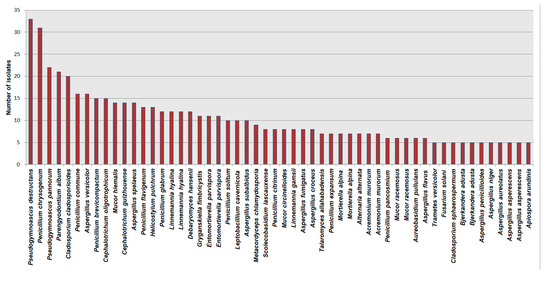
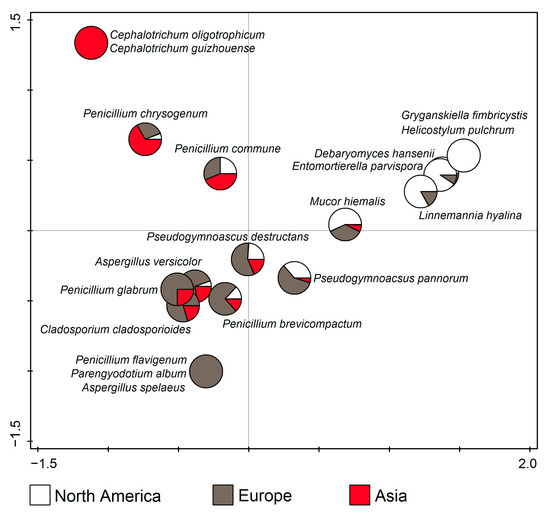
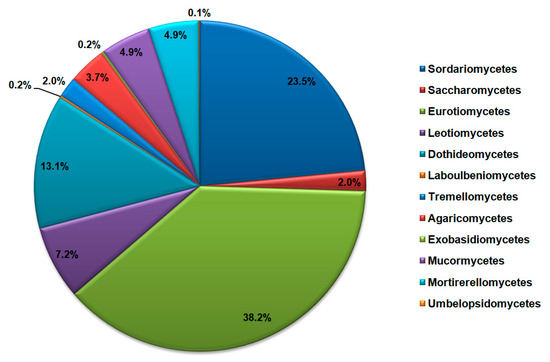
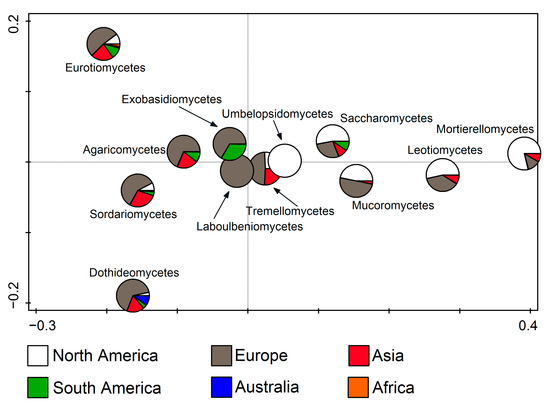
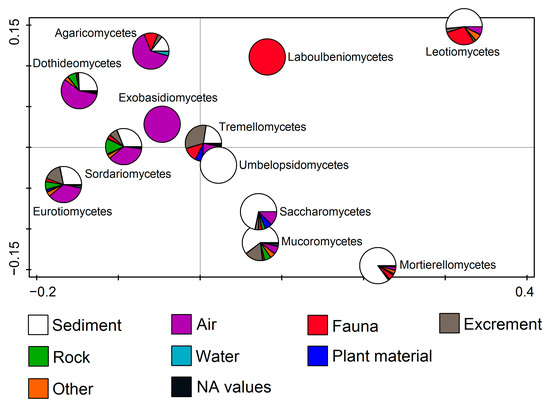
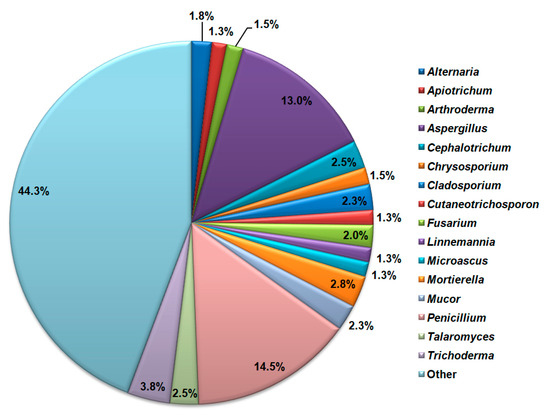
Caves can be regarded as extreme environments, and fungi are known as omnipresent and highly adaptable organisms that can easily colonize such environments. The primary objective of this study was to use the statistical analysis of sequences stored in the NCBI database, together with related metadata, to find and uncover statistically significant distribution patterns of fungi occupying different substrata inside the caves. The obtained list included a total of 1447 sequences corresponding to fungi isolated from various substrata within cave environments around the world, which corresponds to 445 fungal species, members of the 394 genera. Ascomycota was the most dominant phylum and Eurotiomycetes the dominant class of fungal dwellers in these environments. The highest species richness is detected for the genus Penicillium (57), followed by Aspergillus (51). On the other hand, the most frequently documented single species was Pseudogymnoascus destructans, isolated mostly from hibernating bats and guano, followed by Penicillium chrysogenum. Because caves have stable, nutrient-limited, low-competition microhabitats that support unusual or cryptic species, many new fungal taxa have been reported as well (such as Aspergillus, Apiotrichum, and Cephalotrichum species). Finally, cutting-edge molecular technologies and better sampling methods are revealing hitherto undiscovered fungal diversity in caves worldwide.
Full article
(This article belongs to the Special Issue Diversity of Microscopic Fungi)
►▼
Show Figures

Figure 1

Open AccessArticle
Use of a 3D Model with Reconstructed Human Epidermis Infected with Fungi and Covered with a Bovine Nail to Simulate Onychomycosis and to Evaluate the Effects of Antifungal Agents
by
Francesca Giulia Urso, Salvatore Del Prete, Christelle Foucher, Martina Barberis, Francesco Carriero and Amandine Bart
J. Fungi 2025, 11(4), 285; https://doi.org/10.3390/jof11040285 - 4 Apr 2025
Abstract
►▼
Show Figures
An in vitro 3D model using fungus colonized Reconstructed Human Epidermis (RHE) represents an effective preclinical model to simulate the pathological conditions of onychomycosis. We evaluated the suitability of this 3D onychomycosis model and use it to assess the effects of topical products
[...] Read more.
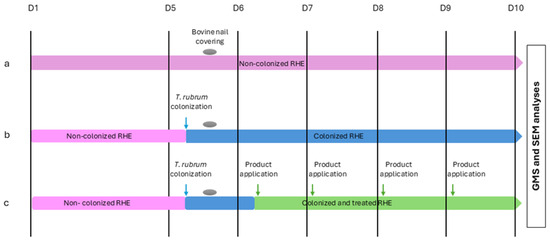
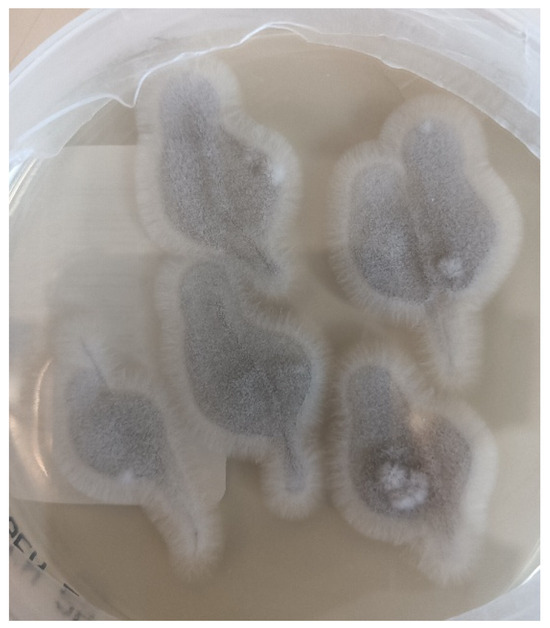
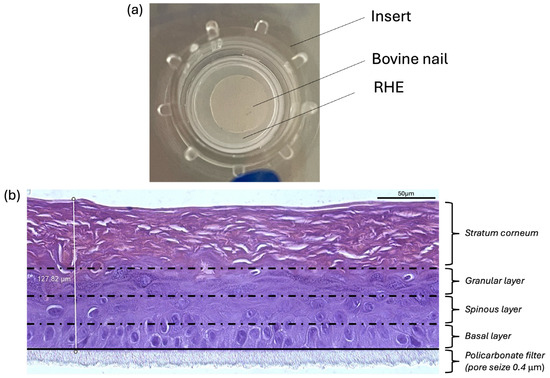
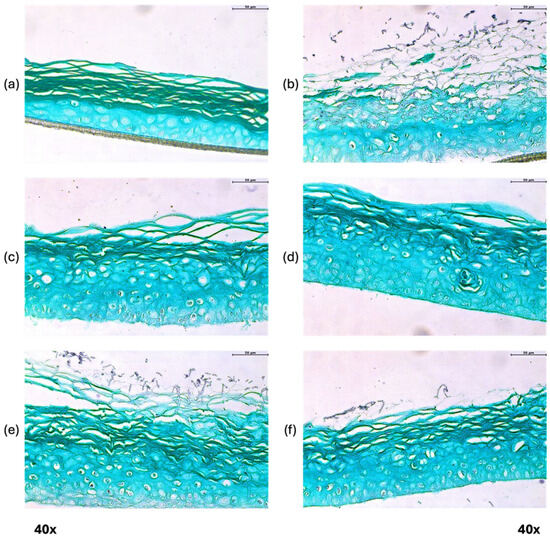
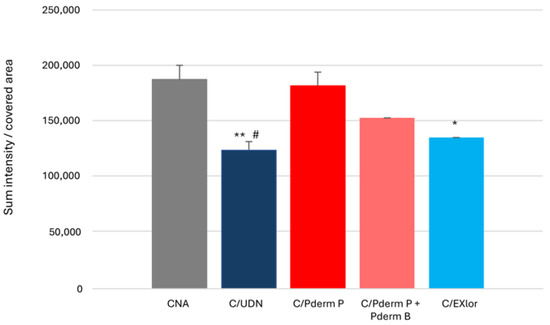
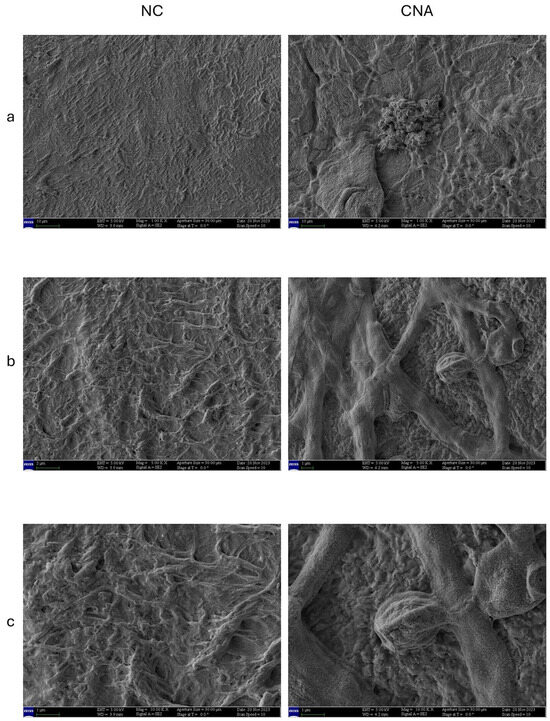
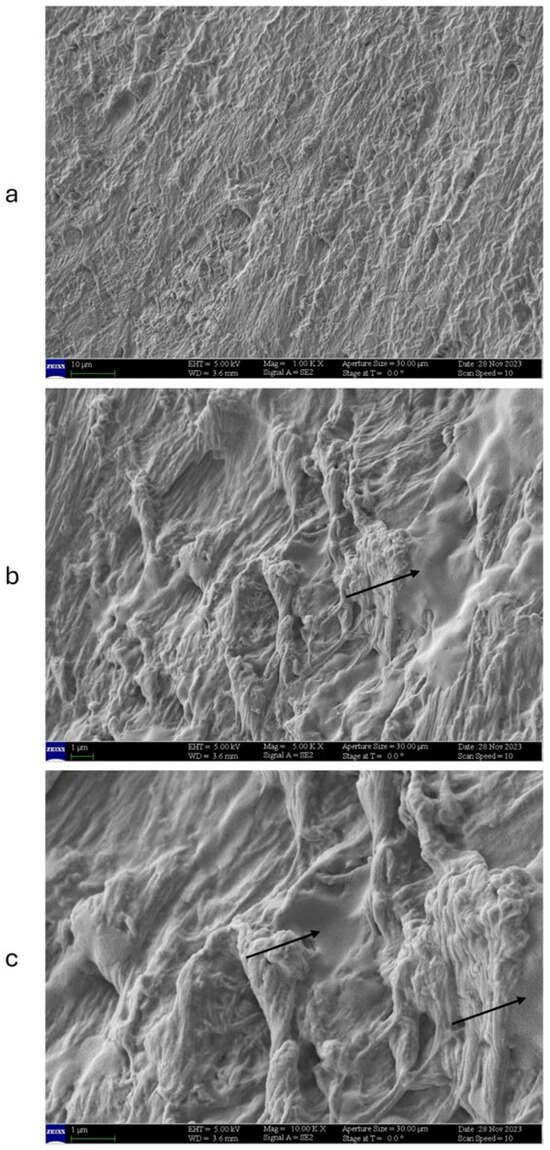
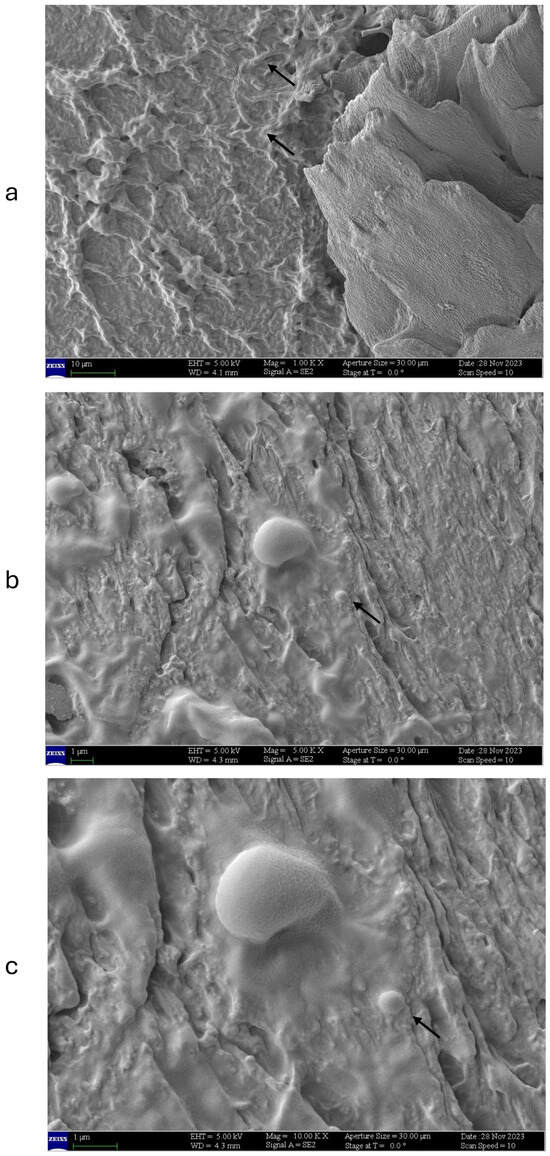
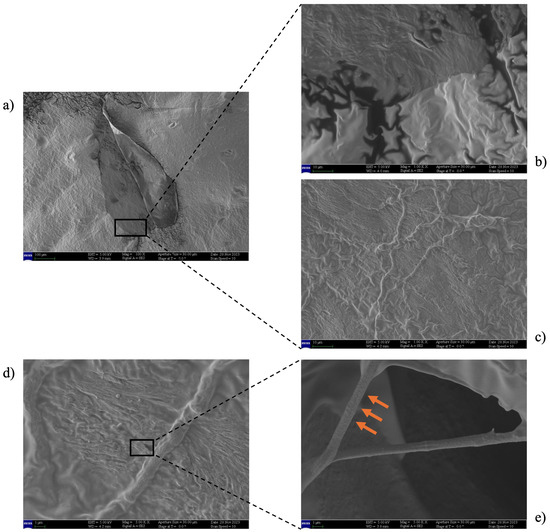
An in vitro 3D model using fungus colonized Reconstructed Human Epidermis (RHE) represents an effective preclinical model to simulate the pathological conditions of onychomycosis. We evaluated the suitability of this 3D onychomycosis model and use it to assess the effects of topical products on fungus growth and nail structure. Five sets of differentiated RHE were colonized with Trichophyton rubrum and covered with bovine nails. Colonized RHE with no product application (CNA) served as the control. Four different products classified as medical devices were applied once daily on the nails: Urgo Damaged Nails (UDN), Excilor (EXlor), Poderm Purifying (PDermP), Poderm Booster (PDermB). After 5 days, T. rubrum presence was visualized by the Grott Methenamine Silver staining method and quantified as the sum signal intensity of processed acquisitions. Fungal hyphae and the nail structure were analyzed by SEM. A semi-quantitative evaluation of fungal presence showed a reduction after UDN (−34%, p < 0.001) and EXlor (−28%, p < 0.020) applications compared to CNA. No significant difference was observed after PDermP applications (−2%). The nail structure appeared preserved after UDN applications and severely damaged after EXlor and PDermP applications. These findings demonstrate significant effects of different products on fungal growth and nail structure, suggesting that this 3D model might be a valuable tool for predicting the effects of antimycotic treatment in humans.
Full article

Figure 1
Open AccessArticle
Induction of Antifungal Tolerance Reveals Genetic and Phenotypic Changes in Candida glabrata
by
Christy Chedraoui, Nour Fattouh, Setrida El Hachem, Maria Younes and Roy A. Khalaf
J. Fungi 2025, 11(4), 284; https://doi.org/10.3390/jof11040284 - 4 Apr 2025
Abstract
Candida glabrata is an opportunistic, pathogenic fungus that is increasingly isolated from hospitalized patients. The incidence of drug tolerance, heteroresistance, and resistance is on the rise due to an overuse of antifungal drugs. The aim of this study was to expose a sensitive
[...] Read more.
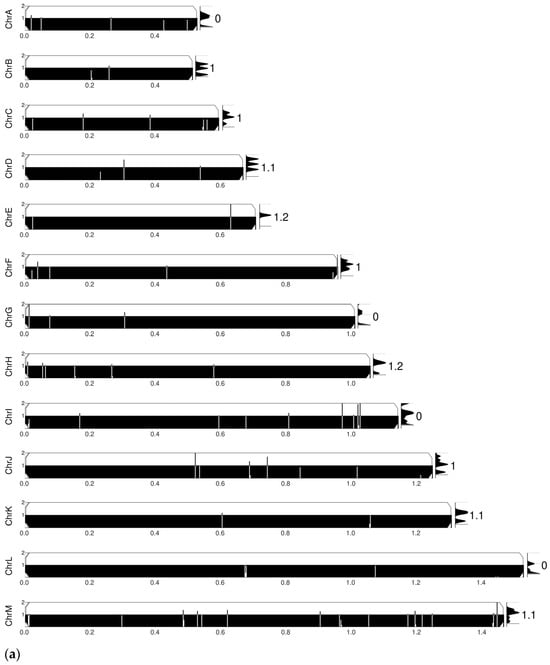
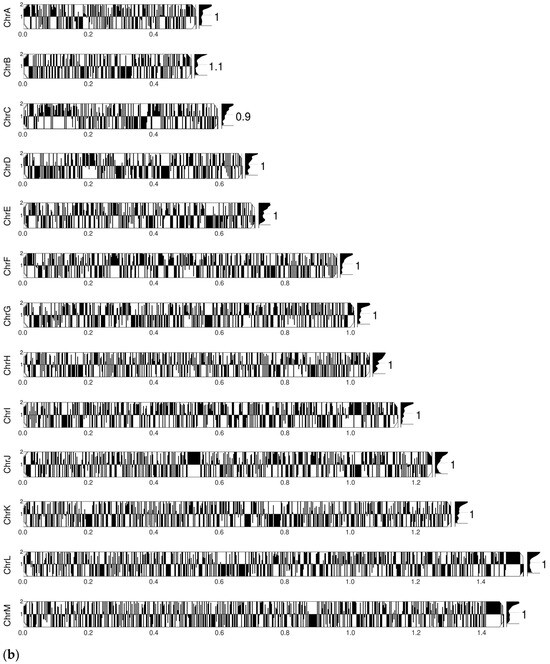
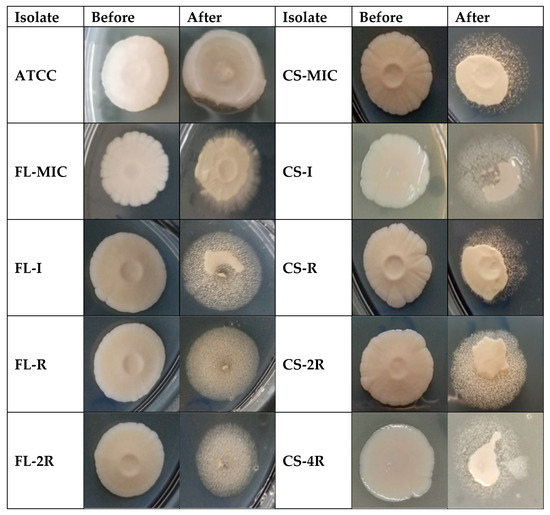
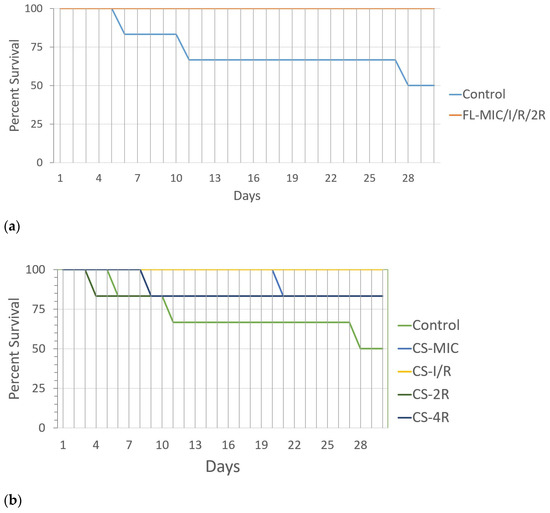
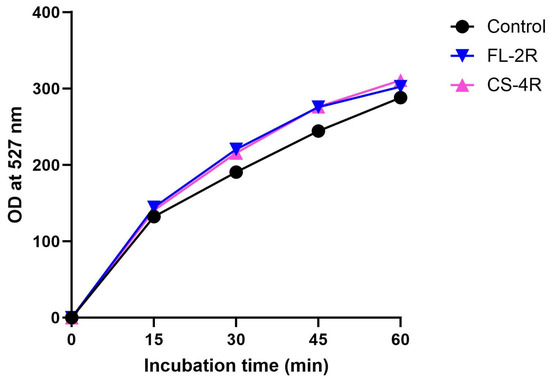
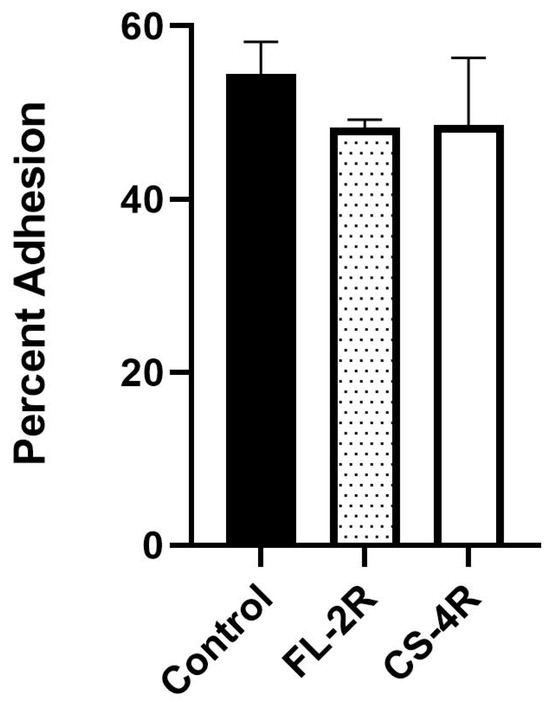
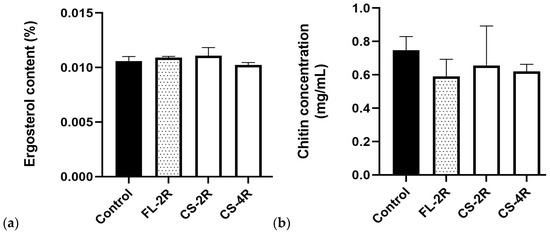
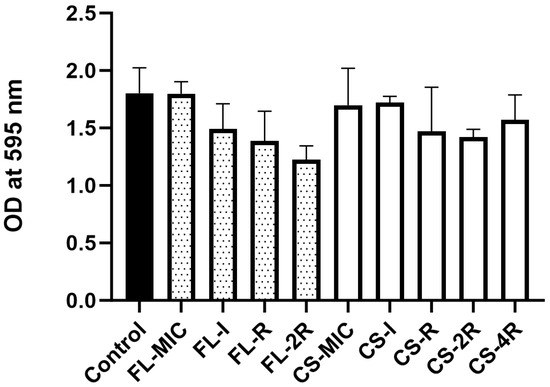
Candida glabrata is an opportunistic, pathogenic fungus that is increasingly isolated from hospitalized patients. The incidence of drug tolerance, heteroresistance, and resistance is on the rise due to an overuse of antifungal drugs. The aim of this study was to expose a sensitive C. glabrata strain to sequentially increasing concentrations of two antifungal drugs, fluconazole, an azole that targets ergosterol biosynthesis, or caspofungin, an echinocandin that targets cell wall glucan synthesis. Analysis of the drug-exposed isolates showed development of antifungal tolerance, chromosomal abnormalities, decreased adhesion, attenuated virulence, and an increase in efflux pump activity. Furthermore, whole genome sequencing of all isolates exposed to different concentrations of fluconazole or caspofungin was performed to determine mutations in key genes that could correlate with the observed phenotypes. Mutations were found in genes implicated in adhesion, such as in the AWP, PWP, and EPA family of genes. Isolates exposed to higher drug concentrations displayed more mutations than those at lower concentrations.
Full article
(This article belongs to the Section Fungal Genomics, Genetics and Molecular Biology)
►▼
Show Figures

Figure 1
Open AccessArticle
Molecular Characterisation of Fusarium Species Causing Common Bean Root Rot in Uganda
by
Samuel Erima, Moses Nyine, Richard Edema, Allan Nkuboye, Nalule Habiba, Agnes Candiru and Pamela Paparu
J. Fungi 2025, 11(4), 283; https://doi.org/10.3390/jof11040283 - 3 Apr 2025
Abstract
Recently, Fusarium root rot (FRR)-like symptoms were observed in Uganda’s agroecology zones, prompting the National Agricultural Organisation (NARO) to conduct a disease survey. The survey reports indicated FRR as the second most prevalent root rot disease of common bean in Uganda after Southern
[...] Read more.
Recently, Fusarium root rot (FRR)-like symptoms were observed in Uganda’s agroecology zones, prompting the National Agricultural Organisation (NARO) to conduct a disease survey. The survey reports indicated FRR as the second most prevalent root rot disease of common bean in Uganda after Southern blight. Ninety nine Fusarium spp. strains were obtained from samples collected during the surveys. The strains were morphologically and pathogenically characterised and confirmed to cause Fusarium root rot as observed in the field. However, molecular characterization of the strains was not conducted. In this study, therefore, 80 of the strains were characterized using partial sequences of translation elongation factor 1-alpha (TEF-1α) gene, beta tubulin (β tubulin) gene and internal transcribed spacers (ITS) region of ribosomal RNA to determine species diversity. High-quality Sanger sequences from the target genes were compared to the sequences from Fusarium species available in the National Centre for Biotechnology Information coding sequences (NCBI-CDS) database to determine the most likely species the strains belonged. The sequences from our strains were deposited into the NCBI gene bank under ID#288420, 2883276, 2873058 for TEF-1α, β tubulin and ITS respectively. The Fusarium species identified included; F. oxysporum, F. solani, F. equiseti F. delphinoides, F. commune, F. subflagellisporum, F. fabacearum, F. falciforme, F. brevicaudatum, F. serpentimum, F. fredkrugeri and F. brachygibbosum. The diversity of these Fusarium species needs to be taken into consideration when developing breeding programs for management of the disease since currently there is no variety of common bean resistant to FRR in Uganda.
Full article
(This article belongs to the Special Issue Ascomycota: Diversity, Taxonomy and Phylogeny, 3rd Edition)
Open AccessArticle
DNA Sequence Changes Resulting from Codon Optimization Affect Gene Expression in Pichia pastoris by Altering Chromatin Accessibility
by
Chaoyu Lu, Linna Guo, Bohao Fang, Jiacheng Shi and Mian Zhou
J. Fungi 2025, 11(4), 282; https://doi.org/10.3390/jof11040282 - 3 Apr 2025
Abstract
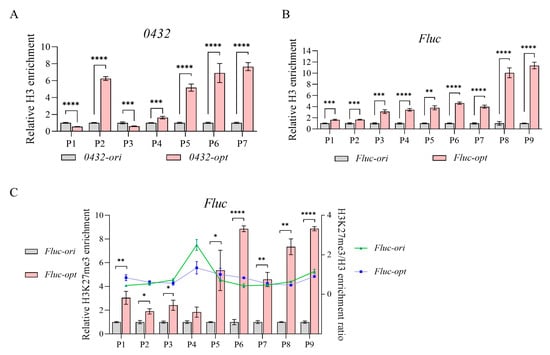
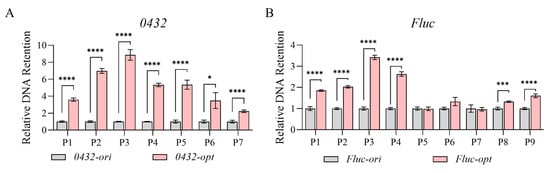
Codon optimization is a widely employed strategy to enhance protein expression. However, it occasionally leads to unexpected transcriptional repression despite preserving amino acid sequences. This study investigates the mechanistic basis of such transcriptional attenuation by analyzing two gene candidates (0432 and Fluc
[...] Read more.
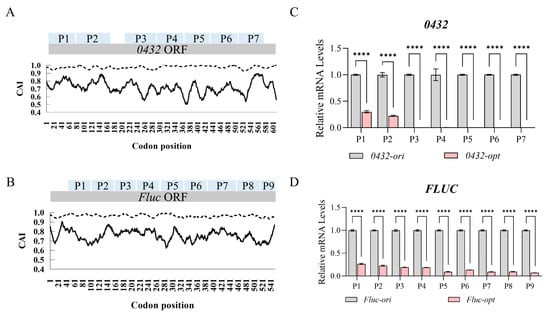
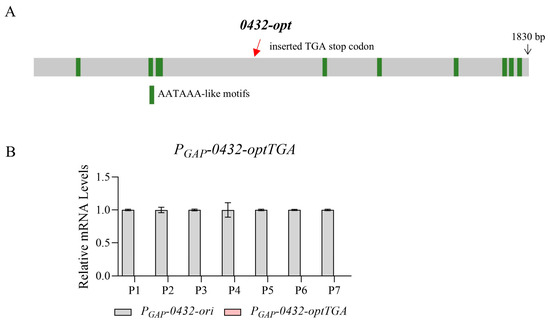
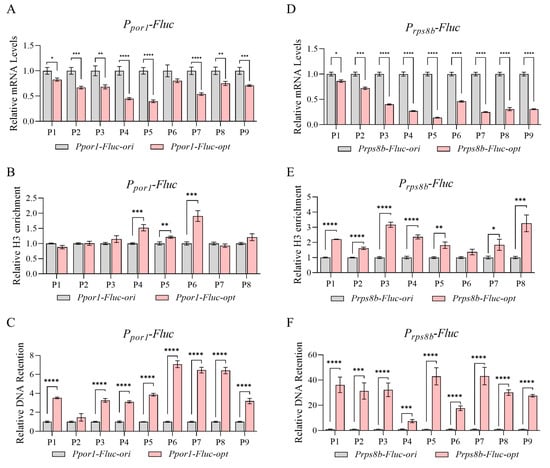
Codon optimization is a widely employed strategy to enhance protein expression. However, it occasionally leads to unexpected transcriptional repression despite preserving amino acid sequences. This study investigates the mechanistic basis of such transcriptional attenuation by analyzing two gene candidates (0432 and Fluc) in the common expression chassis P. pastoris. Both genes experienced severe mRNA reduction following codon optimization. Evidenced by histone H3 chromatin immunoprecipitation (ChIP) and a DNase I hypersensitivity assay, gene sequences with transcriptional repression displayed elevated nucleosome occupancy and reduced chromatin accessibility. The above change was caused by an ORF sequence change independent of the promoter, since transcriptional attenuation and compromised chromatin accessibility were still observed after replacing the strong promoter PGAP with Ppor1 or Prps8b. Our findings challenge the conventional view of codon optimization as solely translation-centric, revealing its capacity to preemptively modulate transcription through chromatin accessibility. This work underscores the necessity of integrating chromatin-level considerations into synthetic gene design to avoid unintended transcriptional silencing and optimize expression outcomes.
Full article
(This article belongs to the Section Fungal Genomics, Genetics and Molecular Biology)
►▼
Show Figures

Figure 1

Open AccessArticle
New Challenges in the Diagnosis and Treatment of Primary Cutaneous Aspergillosis in Extensive Pediatric Burns
by
Doina Iulia Nacea, Dan Mircea Enescu, Raluca Tatar, Olguta Anca Orzan and Laura Sorina Diaconu
J. Fungi 2025, 11(4), 281; https://doi.org/10.3390/jof11040281 - 2 Apr 2025
Abstract
The aim of this study is to share our experience regarding the diagnosis and therapeutic management of primary cutaneous aspergillosis (PCA) in the burn patient, an uncommon infection associated with increased mortality, morbidity, and treatment costs. The uniqueness of this article is the
[...] Read more.
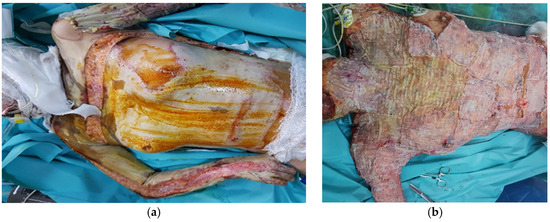
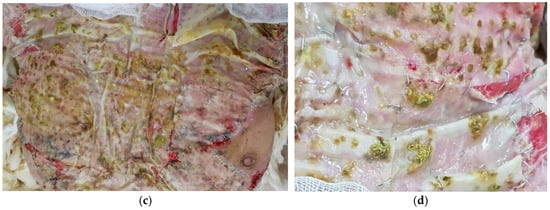
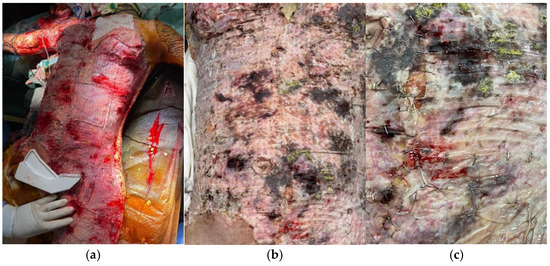
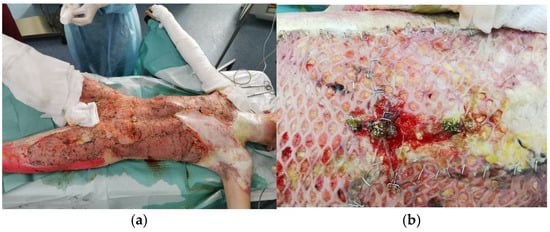
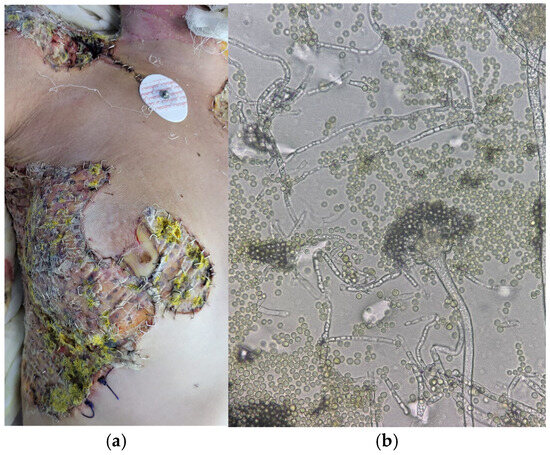
The aim of this study is to share our experience regarding the diagnosis and therapeutic management of primary cutaneous aspergillosis (PCA) in the burn patient, an uncommon infection associated with increased mortality, morbidity, and treatment costs. The uniqueness of this article is the presence of PCA in pediatric patients where the Meek micrografting technique was used. We performed a retrospective study from June 2020 to November 2024. The inclusion criteria were the concomitant presence of burn injuries and confirmed PCA. We identified six patients, aged between 12 and 17 years, admitted with deep burns ranging from 55% to 90% of the total body surface area (TBSA). They required complex ICU treatment and underwent extensive excision–grafting surgeries. The suspicion of infection was raised by changes in the appearance of wounds. Systemic and topical antifungal treatment was established in patients after a PCA diagnosis. Five out of the six cases had a favorable outcome. The use of the Meek micrografting technique in burn treatment represents a new challenge in the treatment of PCA due to the polyamide gauze that covers the micrografts. Early detection and appropriate topical antifungal agents combined with systemic treatment may save the infected grafts and limit the infection spread without necessarily removing the polyamide gauze.
Full article
(This article belongs to the Special Issue Diagnosis and Treatment of Superficial Fungal Infections)
►▼
Show Figures

Figure 1
Open AccessArticle
A Laboratory-Developed Assay for the Simultaneous Detection of Aspergillus fumigatus and Pneumocystis jirovecii Pulmonary Pathogens
by
Margherita Cacaci, Debora Talamonti, Giulia Menchinelli, Damiano Squitieri, Riccardo Torelli, Elena De Carolis, Giulia De Angelis, Maurizio Sanguinetti and Brunella Posteraro
J. Fungi 2025, 11(4), 280; https://doi.org/10.3390/jof11040280 - 2 Apr 2025
Abstract
Invasive fungal diseases are a significant threat in immunocompromised patients, underscoring the need for rapid and accurate diagnostics. This study describes the development and validation of a real-time PCR-based laboratory-developed assay (LDA) on the Panther Fusion system for the simultaneous detection of Aspergillus
[...] Read more.
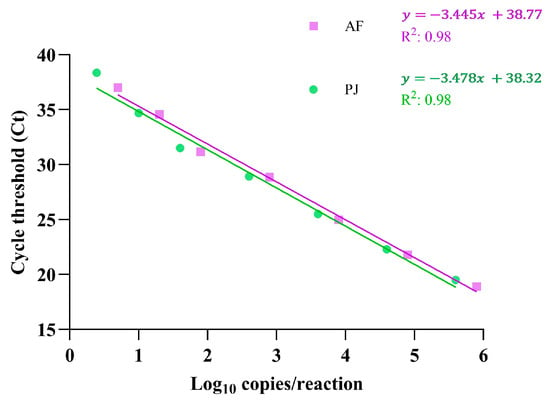
Invasive fungal diseases are a significant threat in immunocompromised patients, underscoring the need for rapid and accurate diagnostics. This study describes the development and validation of a real-time PCR-based laboratory-developed assay (LDA) on the Panther Fusion system for the simultaneous detection of Aspergillus fumigatus (AF) and Pneumocystis jirovecii (PJ) in bronchoalveolar lavage fluid (BALF) samples. The assay was evaluated using 239 clinical BALF samples, including cases confirmed positive for AF or PJ by reference mycological methods. Rigorous optimization ensured compatibility with the automated workflow of the Panther Fusion system, which addresses challenges such as BALF viscosity and fungal DNA recovery. No cross-reactivity with non-target fungal species was observed, and the assay demonstrated high analytical sensitivity and specificity. Only two false-negative results were reported, which could plausibly be reclassified as true negatives when interpreted alongside the serum beta-d-glucan and galactomannan assay results. For PJ detection, the assay showed excellent concordance with the OLM PneumID assay, supporting its reliability in clinical settings. The dual-target approach facilitates the simultaneous detection of both pathogens within a single workflow, improving diagnostic efficiency. The AF/PJ LDA represents a robust and scalable alternative to existing molecular assays, with the potential to enhance routine diagnostics for pulmonary fungal infections.
Full article
(This article belongs to the Special Issue Diagnosis of Human Pathogenic Fungi)
►▼
Show Figures

Figure 1
Open AccessReview
The Gut Mycobiome for Precision Medicine
by
Islam El Jaddaoui, Sofia Sehli, Najib Al Idrissi, Youssef Bakri, Lahcen Belyamani and Hassan Ghazal
J. Fungi 2025, 11(4), 279; https://doi.org/10.3390/jof11040279 - 2 Apr 2025
Abstract
The human gastrointestinal tract harbors a vast array of microorganisms, which play essential roles in maintaining metabolic balance and immune function. While bacteria dominate the gut microbiome, fungi represent a much smaller, often overlooked fraction. Despite their relatively low abundance, fungi may significantly
[...] Read more.
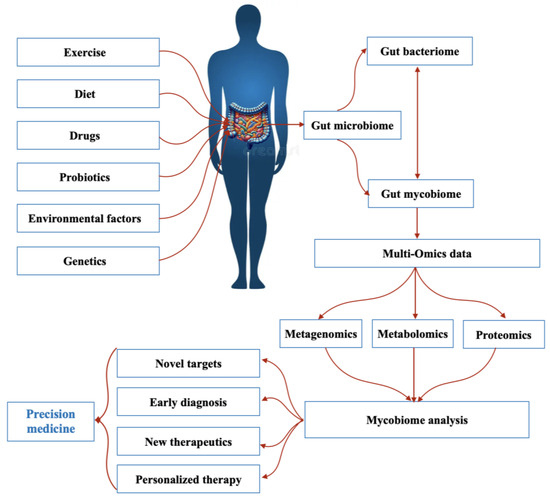
The human gastrointestinal tract harbors a vast array of microorganisms, which play essential roles in maintaining metabolic balance and immune function. While bacteria dominate the gut microbiome, fungi represent a much smaller, often overlooked fraction. Despite their relatively low abundance, fungi may significantly influence both health and disease. Advances in next-generation sequencing, metagenomics, metatranscriptomics, metaproteomics, metabolomics, and computational biology have provided novel opportunities to study the gut mycobiome, shedding light on its composition, functional genes, and metabolite interactions. Emerging evidence links fungal dysbiosis to various diseases, including inflammatory bowel disease, colorectal cancer, metabolic disorders, and neurological conditions. The gut mycobiome also presents a promising avenue for precision medicine, particularly in biomarker discovery, disease diagnostics, and targeted therapeutics. Nonetheless, significant challenges remain in effectively integrating gut mycobiome knowledge into clinical practice. This review examines gut fungal microbiota, highlighting analytical methods, associations with human diseases, and its potential role in precision medicine. It also discusses pathways for clinical translation, particularly in diagnosis and treatment, while addressing key barriers to implementation.
Full article
(This article belongs to the Special Issue Gut Mycobiome, 2nd Edition)
►▼
Show Figures

Figure 1
Open AccessReview
Regulation of Yeast Cytokinesis by Calcium
by
Qian Chen
J. Fungi 2025, 11(4), 278; https://doi.org/10.3390/jof11040278 - 2 Apr 2025
Abstract
The role of calcium, an essential secondary messenger, in cell division remains an outstanding question in cell biology despite several significant findings over the past few decades. Among them is the landmark discovery of intracellular calcium waves during cytokinesis, the last stage of
[...] Read more.
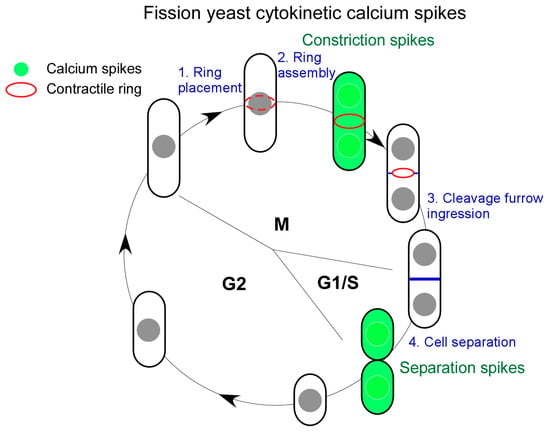
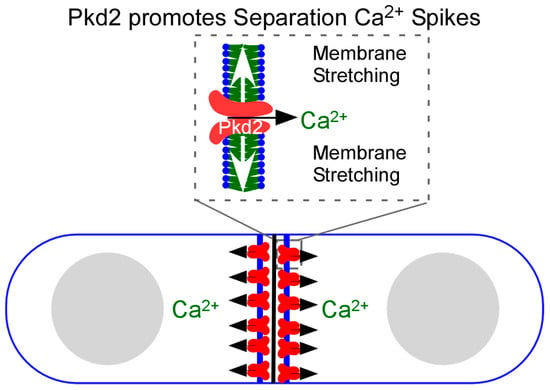
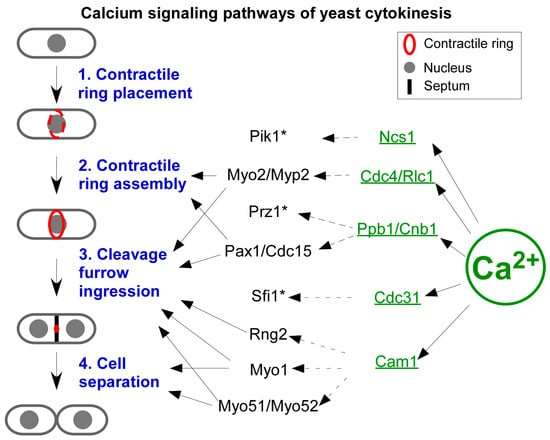
The role of calcium, an essential secondary messenger, in cell division remains an outstanding question in cell biology despite several significant findings over the past few decades. Among them is the landmark discovery of intracellular calcium waves during cytokinesis, the last stage of cell division, in fish cells. Nevertheless, subsequent studies have been largely unable to determine the underlying molecular mechanism of these cytokinetic transients. At the center of this stalemate stands two challenging questions, how these calcium transients rise and what they do during cytokinesis. Yeast, despite its proven prowess as a model organism to study cell cycle, has not drawn much interest in addressing these questions. However, the recent discovery of cytokinetic calcium spikes in the fission yeast Schizosaccharomyces pombe has provided novel insights into how calcium regulates cytokinesis. In this review, I will primarily focus on our current understanding of the molecular mechanism of cytokinetic calcium transients in yeast cells. First, I will briefly recount the discovery of cytokinetic calcium transients in animal cells. This will be followed by an introduction to the intracellular calcium homeostasis. Next, I will discuss yeast cytokinetic calcium spikes, the ion channel Pkd2 that promotes these spikes, and the potential molecular targets of these spikes. I will also compare the calcium regulation of cytokinesis between yeast and animal cells. I will conclude by presenting a few critical questions in our continued quest to understand how calcium regulates cytokinesis.
Full article
(This article belongs to the Section Fungal Cell Biology, Metabolism and Physiology)
►▼
Show Figures

Figure 1

Open AccessArticle
Evidence for the Existence of Mating Subtypes Within the Schizophyllum commune: Mating Behavior and Genetic Divergence
by
Chen Chu, Dongxu Li, Linqing Gu, Sihai Yang and Changhong Liu
J. Fungi 2025, 11(4), 277; https://doi.org/10.3390/jof11040277 - 1 Apr 2025
Abstract
Schizophyllum commune, a Basidiomycota fungus with a tetrapolar mating system, serves as a key model for studying sexual reproduction. In this study, two distinct mating subtypes (I and II) were identified in strain 20R-7-ZF01, isolated from subseafloor sediment, which exhibited eight different
[...] Read more.
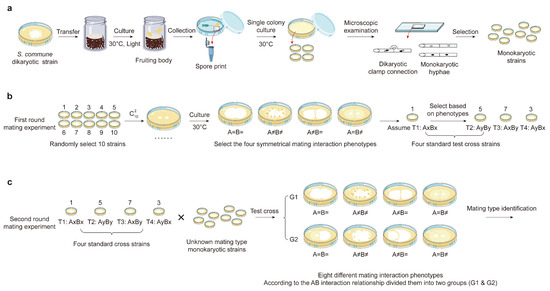
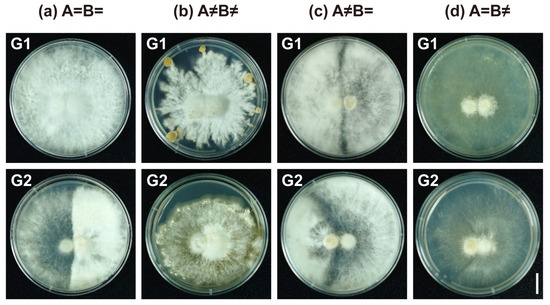
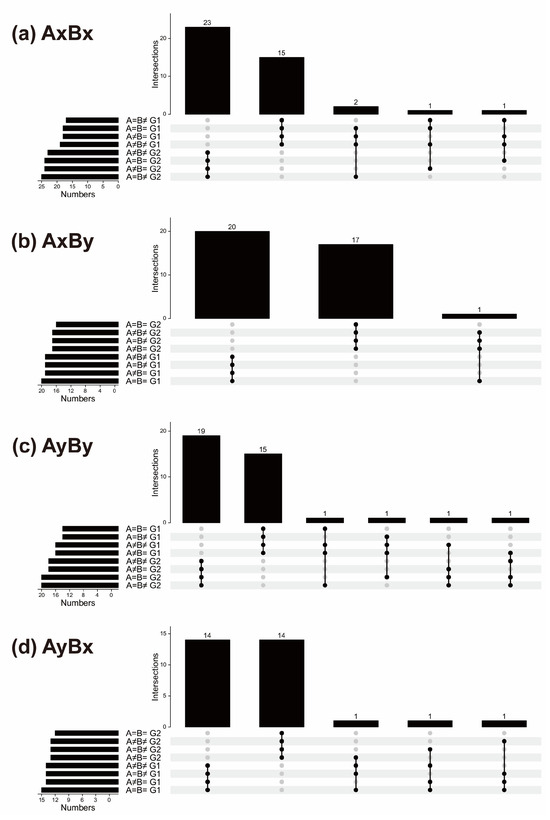
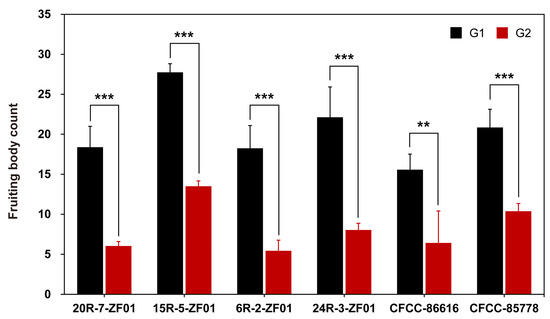
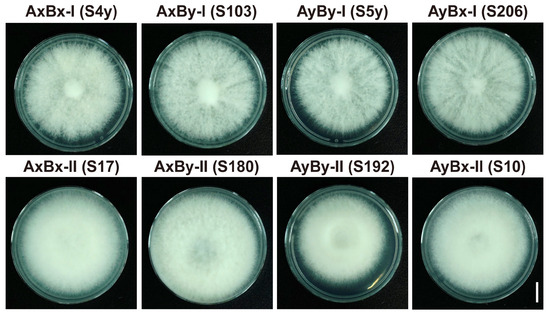
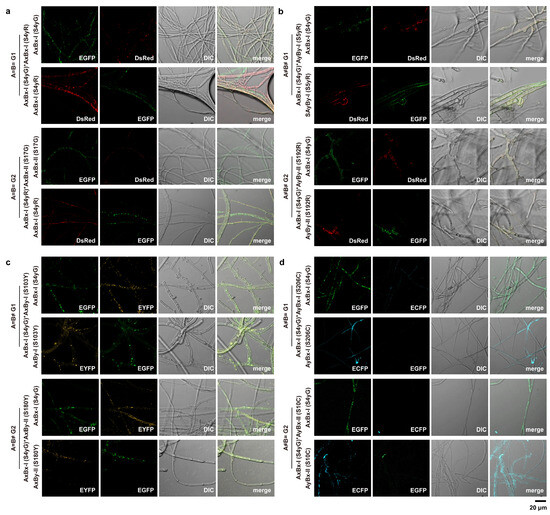
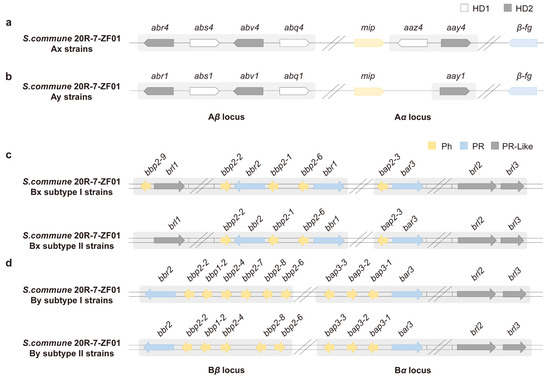
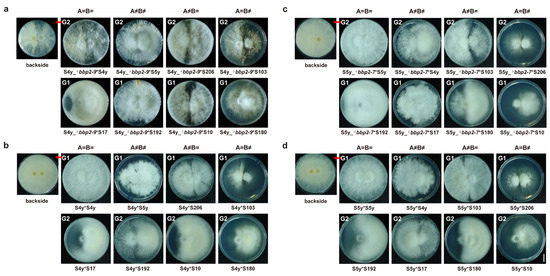
Schizophyllum commune, a Basidiomycota fungus with a tetrapolar mating system, serves as a key model for studying sexual reproduction. In this study, two distinct mating subtypes (I and II) were identified in strain 20R-7-ZF01, isolated from subseafloor sediment, which exhibited eight different mating interaction phenotypes. Intra-subtypes exhibited colony-symmetric tetrapolar interactions (G1), whereas inter-subtype crosses yielded colony-asymmetric phenotypes (G2) and a reduced number of fruiting bodies. Nuclear migration analysis revealed that both subtypes follow the same sexual reproductive process, suggesting functional similarities despite the different reproductive outcomes. Gene silencing of mating-type loci identified the genes bbp2-9 and bbp2-7 within the B locus as key factors in determining mating subtype identity. Additionally, a similar pattern of mating subtype differentiation was observed in five other S. commune strains from both subseafloor and terrestrial environments. These findings highlight the genetic diversity within S. commune, challenge the classical understanding of fungal mating systems, and provide new insights into the genetic evolutionary mechanisms governing fungi with tetrapolar mating systems.
Full article
(This article belongs to the Section Fungal Genomics, Genetics and Molecular Biology)
►▼
Show Figures

Figure 1
Open AccessArticle
Exploring the Biodiversity and Antibacterial Potential of the Culturable Soil Fungi in Nyingchi, Tibet
by
Shan-Shan Huang, Haishan Liu, Xia-Fei Li, Chun-Ying Wang, Xiujun Zhang, Juan-Juan Wang, Fuhang Song, Jie Bao and Hua Zhang
J. Fungi 2025, 11(4), 276; https://doi.org/10.3390/jof11040276 - 1 Apr 2025
Abstract
The Qinghai-Tibet Plateau, known as “the third pole” of the Earth, boasts unique climatic conditions with abundant sunlight, low temperature, and significant annual temperature variations, nurturing a diverse array of soil microorganisms with rich metabolic products. In this study, 132 fungal isolates were
[...] Read more.
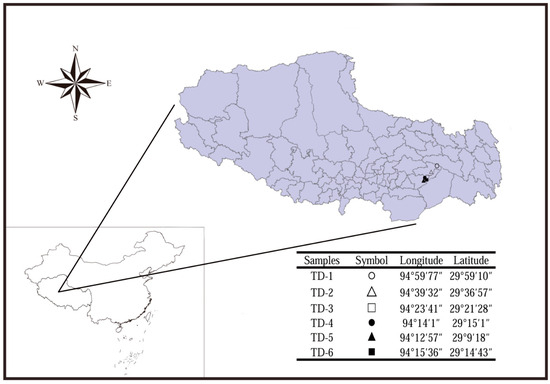
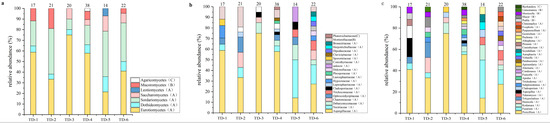
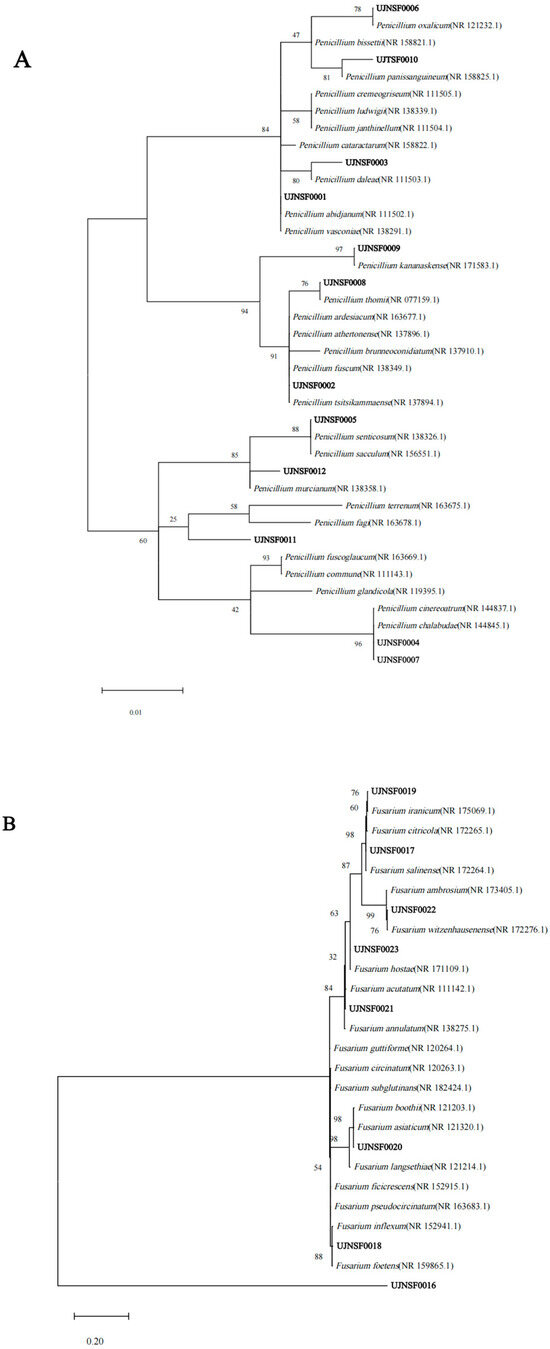
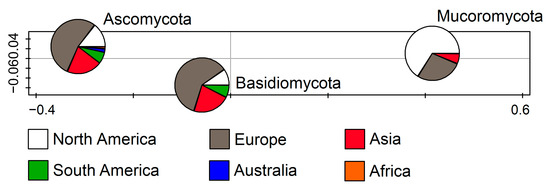
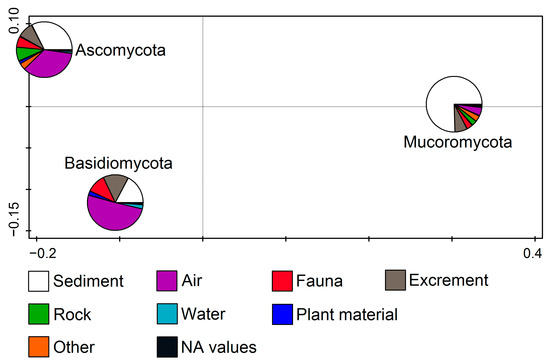
The Qinghai-Tibet Plateau, known as “the third pole” of the Earth, boasts unique climatic conditions with abundant sunlight, low temperature, and significant annual temperature variations, nurturing a diverse array of soil microorganisms with rich metabolic products. In this study, 132 fungal isolates were isolated and identified from the soil samples collected in Nyingchi, Tibet, belonging to 32 genera and 59 species, while Ascomycota, Mucoromycota, and Basidiomycota accounted for 91.7%, 7.5%, and 0.8%, respectively. The evolutionary relationships among 59 representative strains were revealed by constructing a phylogenetic tree, while Penicillium, Fusarium, and Aspergillus were the most widespread fungal genera here, and the antibacterial activity of these strains was evaluated by the agar diffusion assay, leading to 27 active strains. Notably, six of them demonstrated significant activities against two or more tested bacteria. The antibacterial efficacy of the extracts of these six fungi, which were derived from four distinct media, was further evaluated at a concentration of 500 μg/mL. This study provides a valuable supplement to the investigations of cultivable soil fungi in Nyingchi, Tibet, laying a foundation for the development of soil fungi and antibacterial lead compounds in the area.
Full article
(This article belongs to the Special Issue Fungal Diversity in Various Environments, 3rd Edition)
►▼
Show Figures

Figure 1
Open AccessArticle
New Bioactive Sesquiterpeniods from the Plant-Derived Endophytic Fungus Schizophyllum sp. HM230
by
Shi-Yu Li, Lan Yao, Jian-Hua Lv, Zhuang Li, Shuai Xu, Yu Li, Dan Li and Chang-Tian Li
J. Fungi 2025, 11(4), 275; https://doi.org/10.3390/jof11040275 - 1 Apr 2025
Abstract
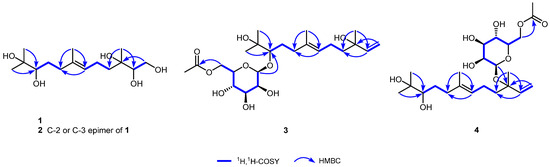
Endophytic fungi provide valuable sources for the discovery of secondary metabolites that can be used as lead compounds in drug discovery. In this study, four new sesquiterpenoids with a farnesane backbone, schizophyllol A–B (1–2) and schizophylloside A–B (3
[...] Read more.
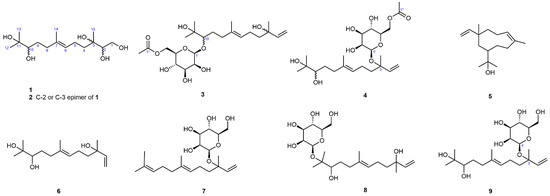
Endophytic fungi provide valuable sources for the discovery of secondary metabolites that can be used as lead compounds in drug discovery. In this study, four new sesquiterpenoids with a farnesane backbone, schizophyllol A–B (1–2) and schizophylloside A–B (3–4), together with five known analogues (5–9), were isolated from the plant-derived fungus Schizophyllum sp. HM230. Their structures were established through extensive spectroscopic analyses including HR-ESI-MS and 1D and 2D NMR. The antioxidant activities of all the isolated compounds (compounds 1–9) were evaluated via hydroxyl radical scavenging, DPPH free radical scavenging, and superoxide anion radical scavenging assays. Compounds 1 and 2 displayed stronger antioxidant capacities than the positive control tert-butylhydroquinone. Furthermore, the antifungal activities of the isolated compounds were evaluated against four phytopathogenic fungi: Sclerotinia ginseng, Rhizoctonia solani, Cylindrocarpon destructans, and Exserohilum turcicum. All the test compounds demonstrated inhibitory effects; notably, compound 4 exhibited the strongest activities against the four selected phytopathogenic fungi, with inhibitory rates ranging from 42.3% to 65.4% at 0.2 mg/mL.
Full article
(This article belongs to the Collection Bioactive Fungal Metabolites)
►▼
Show Figures

Figure 1
Open AccessEditorial
Plant Fungal Diseases and Crop Protection
by
Ofir Degani
J. Fungi 2025, 11(4), 274; https://doi.org/10.3390/jof11040274 - 1 Apr 2025
Abstract
Fungi represent the largest group of plant pathogens, infecting their hosts via leaves, seeds, and roots [...]
Full article
(This article belongs to the Special Issue Plant Fungal Diseases and Crop Protection)
Open AccessArticle
RNA-Seq Insight into the Impact and Mechanisms of Methyl Donor and Glycine Betaine Osmoprotectant on Polyketide Secondary Metabolism in Monascus purpureus M1
by
Zheng Liu, Haijing Zhang, Furong Xue, Lidan Niu, Chenchen Qi, Wei Chen, Jie Zheng and Chengtao Wang
J. Fungi 2025, 11(4), 273; https://doi.org/10.3390/jof11040273 - 1 Apr 2025
Abstract
►▼
Show Figures
Glycine betaine (GB) serves as both a methyl donor and osmoprotectant in microorganisms, facilitating growth and enhancing metabolic product yields. While the polyketide metabolites from Monascus purpureus, such as Monascus pigments (MPs) and monacolin K (MK), have been extensively studied, the effects
[...] Read more.
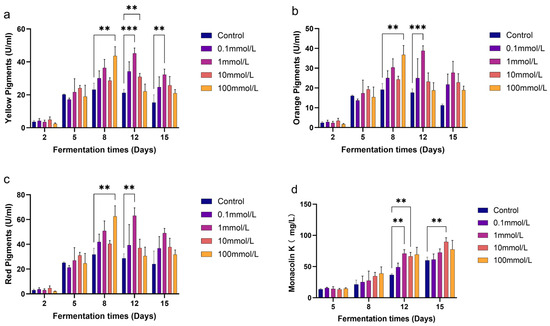
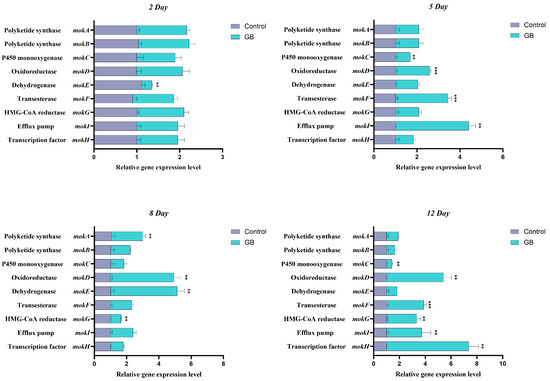
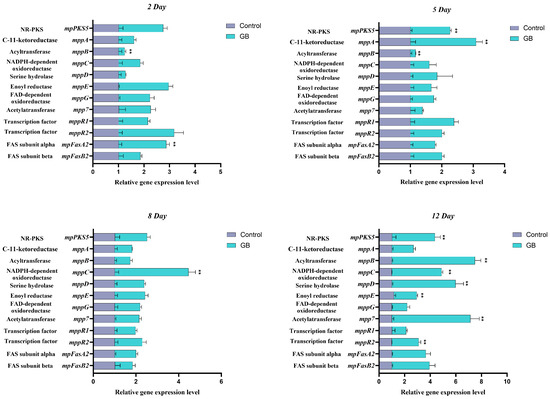
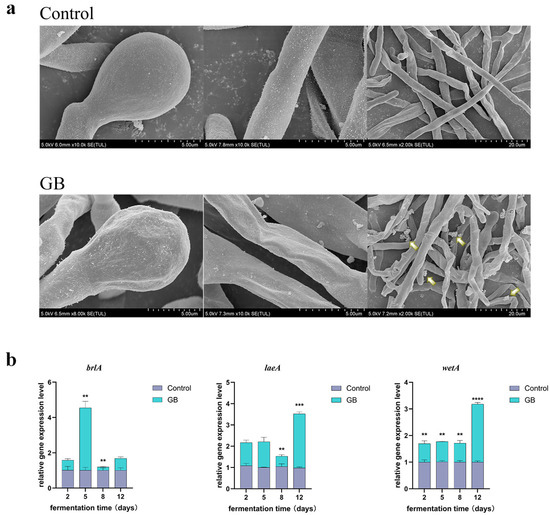
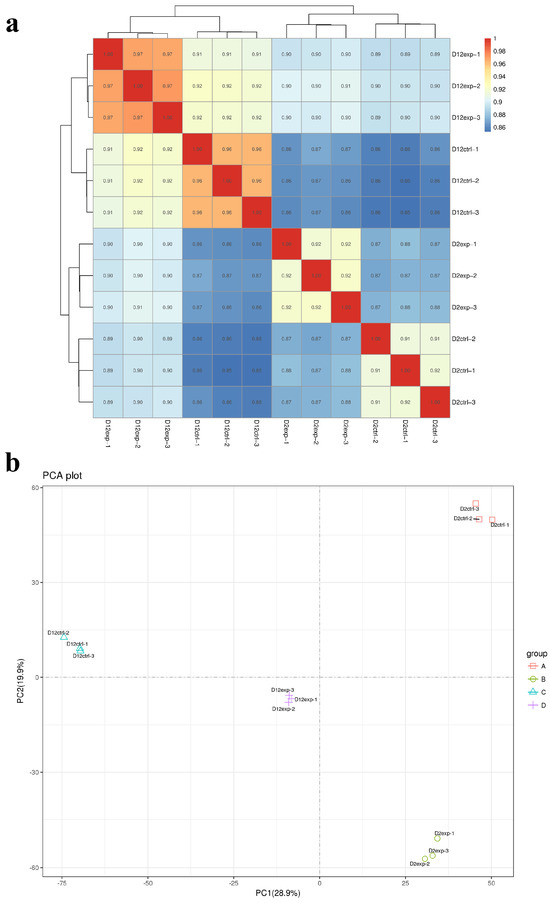
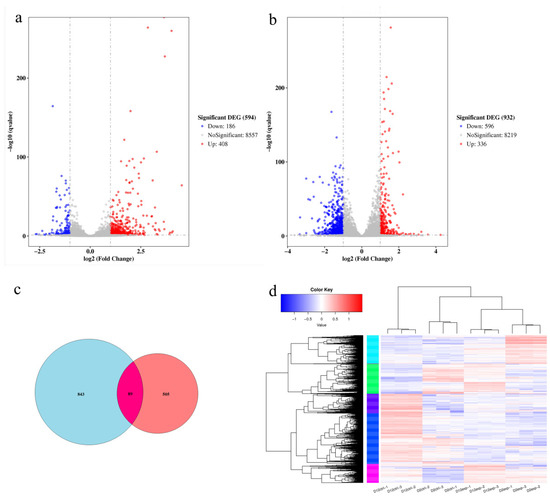
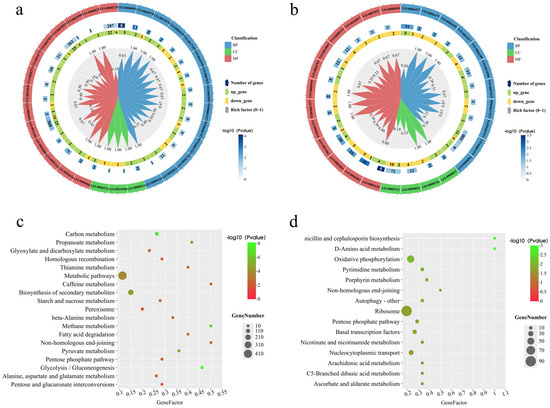
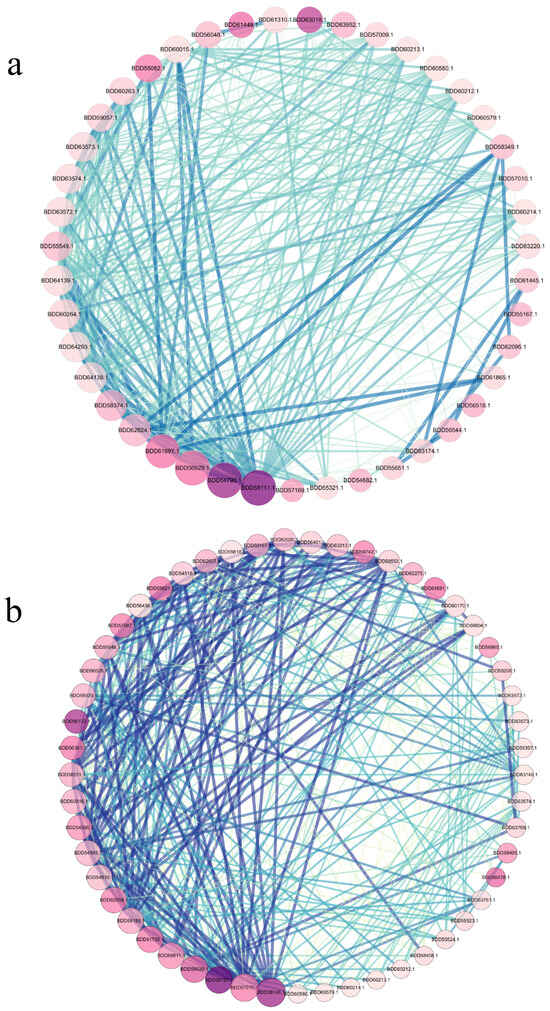
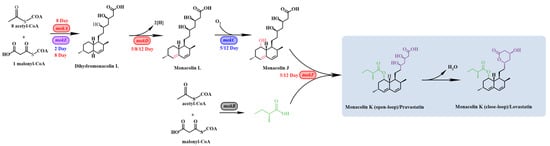
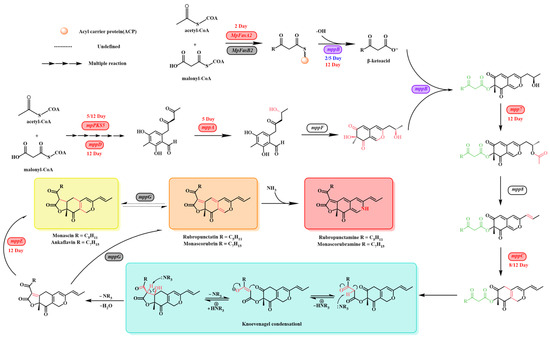
Glycine betaine (GB) serves as both a methyl donor and osmoprotectant in microorganisms, facilitating growth and enhancing metabolic product yields. While the polyketide metabolites from Monascus purpureus, such as Monascus pigments (MPs) and monacolin K (MK), have been extensively studied, the effects of GB on their production and the underlying molecular mechanisms remain insufficiently explored. In this study, various concentrations of GB were added to Monascus purpureus M1 cultures, followed by RNA sequencing, RT-qPCR, differential gene expression analysis, and functional enrichment to investigate the regulatory impact of GB on polyketide metabolism. Protein–protein interaction network analysis identified key upregulated genes, including RPS15, RPS14, RPS5, NDK1, EGD2, and ATP9, particularly during the later growth phases. GB significantly upregulated genes involved in stress response, secondary metabolism, and polyketide biosynthesis. Scanning electron microscopy, HPLC, and UV-Vis spectrophotometry further confirmed that GB promoted both strain growth and polyketide production, with red pigment and MK production increasing by 120.08% and 93.4%, respectively. These results indicate that GB enhances growth and polyketide metabolism in Monascus purpureus by functioning as both a methyl donor and osmoprotectant, offering new insights into optimizing microbial polyketide production and revealing gene regulatory mechanisms by GB in Monascus purpureus.
Full article

Figure 1
Open AccessArticle
The Efficacy of a Combination of Selected Azole Antifungals and Plant Essential Oil Components Against Malassezia pachydermatis
by
Eva Čonková, Shiri Karasenti, Peter Váczi, Zuzana Malinovská and Miriam Bačkorová
J. Fungi 2025, 11(4), 272; https://doi.org/10.3390/jof11040272 - 1 Apr 2025
Abstract
Infections caused by Malassezia (M.) pachydermatis in dogs are mostly treated with azole antifungals. Excessive use of these drugs is usually associated with an increased incidence of resistant isolates, which can be prevented by combining commonly used antifungals with natural bioactive
[...] Read more.
Infections caused by Malassezia (M.) pachydermatis in dogs are mostly treated with azole antifungals. Excessive use of these drugs is usually associated with an increased incidence of resistant isolates, which can be prevented by combining commonly used antifungals with natural bioactive compounds. The present study aimed at testing the effectiveness of a combination of selected azole derivatives showing low antifungal activity against M. pachydermatis isolates, with plant essential oil components displaying the highest efficacy. Among the four azole antifungals tested (itraconazole, posaconazole, clotrimazole, and miconazole), clotrimazole (a mean MIC of 7.62 μg/mL at 72 h and 7.24 μg/mL at 96 h) and miconazole (a mean MIC of 1.71 μg/mL at 72 h and 2.33 μg/mL at 96 h) exhibited the lowest antifungal efficacy. Out of the four plant essential oil components tested (eugenol, terpinene-4-ol, geraniol, and limonene), eugenol (an average MIC of 378.57 μg/mL at 72 h and 1180 μg/mL at 92 h) showed the highest antifungal activity. The checkerboard method was used to assess the interaction of these agents. The fractional inhibitory concentration index (FICI) values for the combination of clotrimazole with eugenol reached 1.43 at 72 h and 0.70 at 96 h and for the combination of miconazole with eugenol, 1.30 at 72 h and 0.45 at 96 h. A higher effect of the combinations was recorded at 96 h, when the combination of clotrimazole with eugenol showed an additive effect in 66.67% of the isolates, and the combination of miconazole and eugenol brought a synergistic effect in 57.14% of the isolates. The obtained results indicate that eugenol is a suitable agent for enhancing the efficacy of poor azoles against M. pachydermatis.
Full article
(This article belongs to the Section Fungal Pathogenesis and Disease Control)
Open AccessReview
Resilience in Resistance: The Role of Cell Wall Integrity in Multidrug-Resistant Candida
by
Iván A. Banda-Flores, David Torres-Tirado, Héctor M. Mora-Montes, Gabriela Pérez-Flores and Luis A. Pérez-García
J. Fungi 2025, 11(4), 271; https://doi.org/10.3390/jof11040271 - 1 Apr 2025
Abstract
The Candida species cell wall plays a pivotal role as a structural and functional barrier against external aggressors and as an intermediary in host–pathogen interactions. Candida species exhibit unique adaptations in their cell wall composition, with varying proportions of chitin, mannans, and β-glucans
[...] Read more.
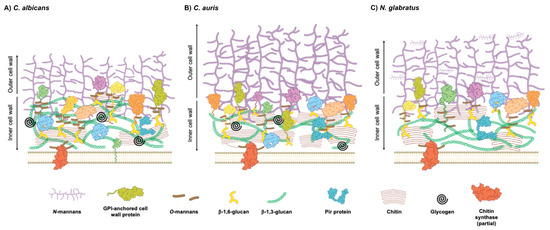
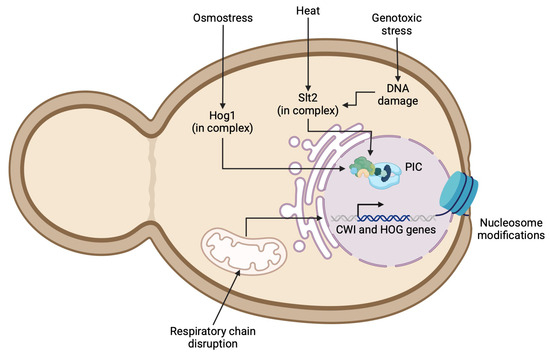
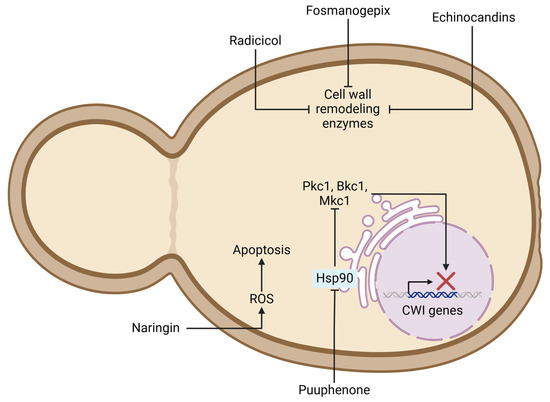
The Candida species cell wall plays a pivotal role as a structural and functional barrier against external aggressors and as an intermediary in host–pathogen interactions. Candida species exhibit unique adaptations in their cell wall composition, with varying proportions of chitin, mannans, and β-glucans influenced by the environmental conditions and the morphological states. These components not only maintain cellular viability under osmotic, thermal, and chemical stress, but also serve as the key targets for novel antifungal strategies. MAPK signaling pathways, like the cell wall integrity pathway and the high-osmolarity glycerol pathway, play a crucial role in responding to cell wall stressors. Due to the rise of antifungal resistance and its clinical challenges, there is a need to identify new antifungal targets. This review discusses the recent advances in understanding the mechanisms underlying cell wall integrity, their impact on antifungal resistance and virulence, and their potential as therapeutic targets of C. albicans, N. glabratus, and C. auris.
Full article
(This article belongs to the Special Issue New Discovery on Antifungal Drugs)
►▼
Show Figures

Figure 1
Open AccessCase Report
Invasive Fungal Infection by Scedosporium apiospermum with Cerebral Involvement in a Pediatric Patient Affected by Chronic Granulomatous Disease After Hematopoietic Cell Transplant
by
Chiara Garonzi, Matteo Chinello, Giulia Caddeo, Elisa Bonetti, Maria Pia Esposto, Vincenza Pezzella, Virginia Vitale, Ada Zaccaron, Annarita Sorrentino, Davide Gibellini and Simone Cesaro
J. Fungi 2025, 11(4), 270; https://doi.org/10.3390/jof11040270 - 1 Apr 2025
Abstract
A 5-year-old boy affected by chronic granulomatous disease (CGD) underwent two allogeneic hematopoietic cell transplants (HCT) from the same unrelated donor. The first HCT was complicated by prolonged fever and primary graft failure. While fully aplastic, the patient developed a disseminated infection by
[...] Read more.
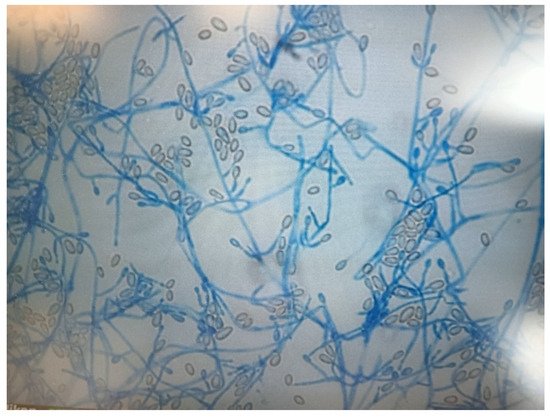
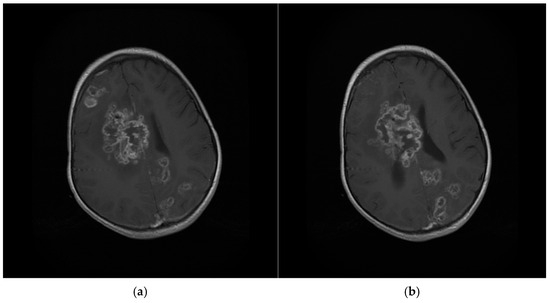
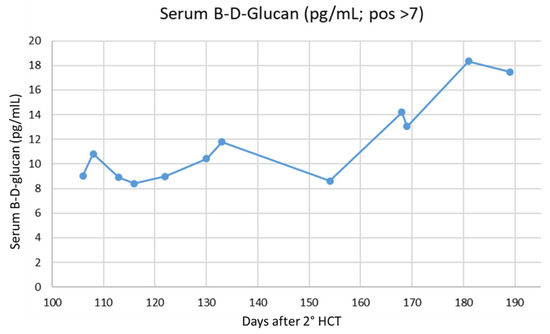
A 5-year-old boy affected by chronic granulomatous disease (CGD) underwent two allogeneic hematopoietic cell transplants (HCT) from the same unrelated donor. The first HCT was complicated by prolonged fever and primary graft failure. While fully aplastic, the patient developed a disseminated infection by Scedosporium apiospermum involving the knee and parasternal skin (day +34 and +40 post-HCT). The patient was treated with voriconazole and granulocyte transfusions followed by a second HCT 80 days after the first HCT. At day +105, the patient developed fever, headache, and altered level of consciousness associated with multiple bilateral cerebral abscesses at magnetic resonance imaging. The serum B-D-glucan test was positive. Micafungin was added to voriconazole. Despite an initial clinical improvement, the patient developed hydrocephalus. Scedosporium apiospermum was cultured from cerebrospinal fluid. Liposomal amphotericin B, instead of micafungin, was combined with voriconazole as salvage therapy. Unfortunately, the patient developed uncal herniation and died at day +193 from HCT. This case shows that the prognosis of scedosporiosis remains poor despite adequate antifungal treatment. Noteworthy, the B-D-Glucan test is confirmed useful as a non-invasive marker for early diagnosis and may help the differential diagnosis of mycoses.
Full article
(This article belongs to the Special Issue Human Fungal Pathogens: Emerging Threats, Diagnostic and Therapeutic Innovations and Global Impacts)
►▼
Show Figures

Figure 1
Open AccessBrief Report
Evaluation of the DendrisKIT®DP for the Diagnosis of Superficial Fungal Infections
by
Pauline Tirard-Collet, François Durupt, Marion Hérault, Charline Miossec, Jean-Philippe Lemoine, Martine Wallon, Damien Dupont, Florence Persat and Jean Menotti
J. Fungi 2025, 11(4), 269; https://doi.org/10.3390/jof11040269 - 1 Apr 2025
Abstract
Conventional diagnosis of fungal infections of the skin, nail, and hair requires both expertise in mycology and prolonged cultures. We evaluated a new molecular tool based on an innovative technology, the DendrisKIT®DP, combining a pan-fungal PCR, a DNA chip and a
[...] Read more.
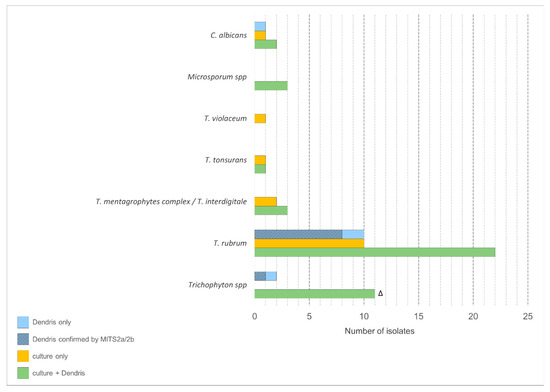
Conventional diagnosis of fungal infections of the skin, nail, and hair requires both expertise in mycology and prolonged cultures. We evaluated a new molecular tool based on an innovative technology, the DendrisKIT®DP, combining a pan-fungal PCR, a DNA chip and a decision algorithm using machine learning, for the diagnosis of superficial fungal infections directly from clinical samples. It enables the simultaneous detection of Candida albicans and twelve dermatophytes, providing faster results than conventional techniques. Among 85 clinical samples (50 skin scrapings, 29 nail specimens, and 6 hair specimens) routinely tested by microscopic examination and cultures that were retrospectively tested by the DendrisKIT®DP, we found a sensitivity of 83.9% and a specificity of 88.9%. This performance appeared satisfactory compared to microscopy and culture, and results were achieved much faster than with cultures, saving time for patient management. Moreover, thanks to the continuous improvement in the identification algorithm due to enriching the database, its performance is likely to be further enhanced.
Full article
(This article belongs to the Special Issue Diagnosis and Treatment of Superficial Fungal Infections)
►▼
Show Figures

Figure 1
Open AccessArticle
The Characterization of the Purine Nucleoside Phosphorylase from Agaricus bisporus and Its Potential Application in Reducing Purine Content in Beer
by
Jun Liu and Jian Lu
J. Fungi 2025, 11(4), 268; https://doi.org/10.3390/jof11040268 - 31 Mar 2025
Abstract
►▼
Show Figures
Beer, the most popular alcoholic beverage, poses health risks for individuals with gout and hyperuricemia due to its high purine content. Herein, we identified a novel purine nucleoside phosphorylase (AbPNP) from the edible mushroom Agaricus bisporus and heterologously expressed it in
[...] Read more.
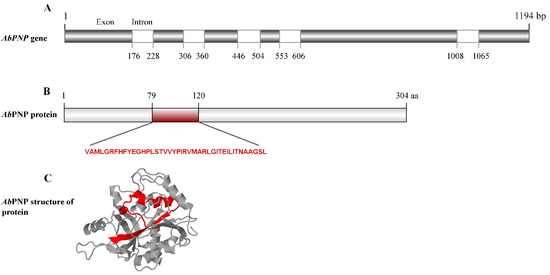
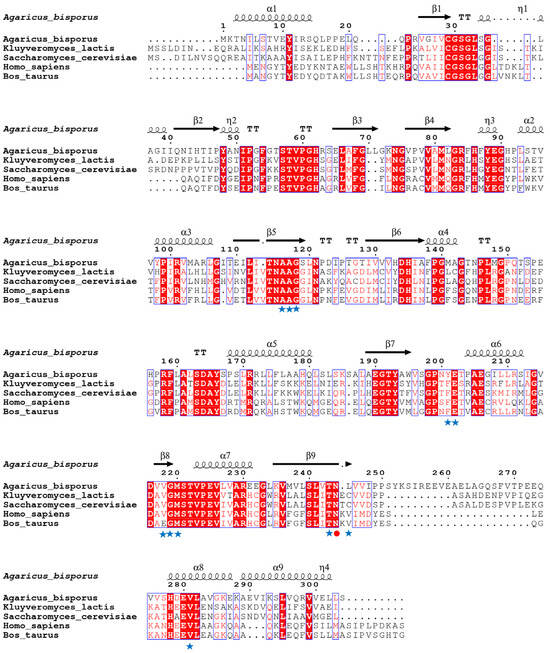
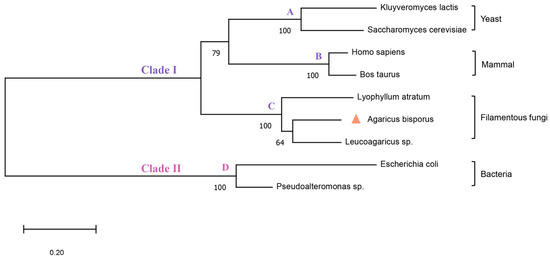
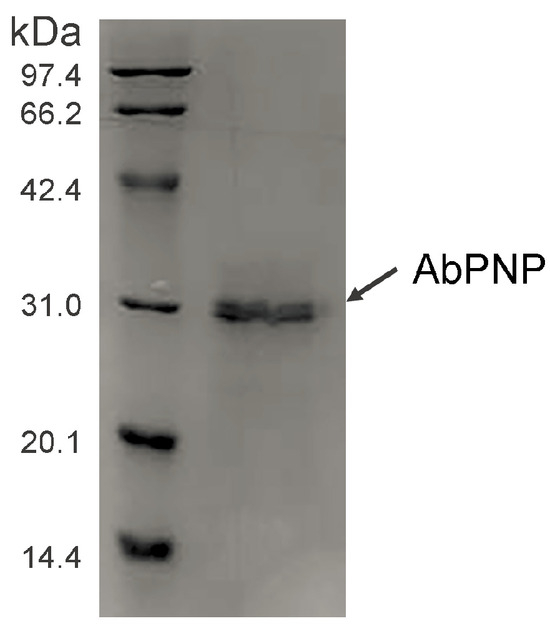
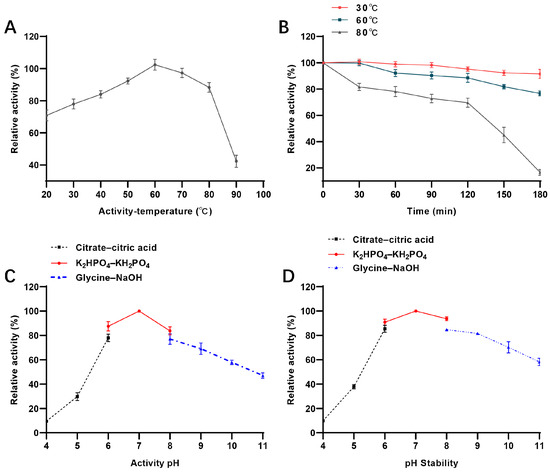
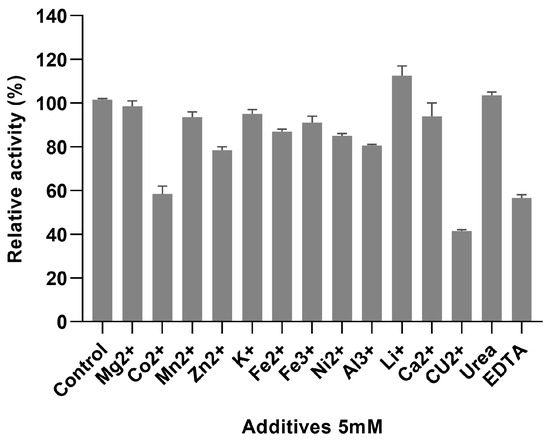
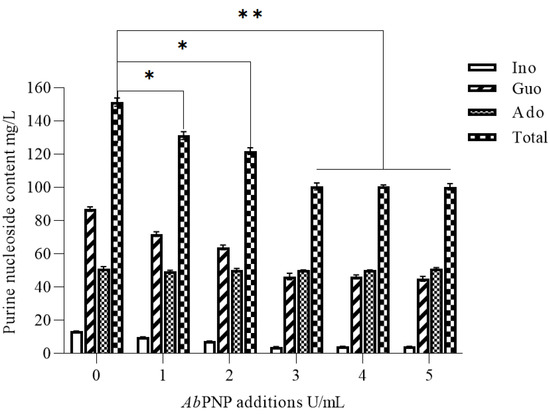
Beer, the most popular alcoholic beverage, poses health risks for individuals with gout and hyperuricemia due to its high purine content. Herein, we identified a novel purine nucleoside phosphorylase (AbPNP) from the edible mushroom Agaricus bisporus and heterologously expressed it in Pichia pastoris. The recombinant AbPNP exhibited optimal activity at 60 °C and pH 7.0, retaining >80% activity at pH 6.0–9.0 and >85% activity after 3 h at ≤60 °C. Kinetic analysis revealed high catalytic efficiency (kcat/Km = 2.02 × 10⁶ s−1⋅M−1) toward inosine, with strong resistance to metal ions except for Co2+ and Cu2+. The application of AbPNP (1.0–5.0 U/mL) during wort saccharification reduced purine nucleosides by 33.54% (from 151.53 to 100.65 mg/L) while increasing yeast utilization of free purine bases. The resulting beer showed improved fermentation performance (alcohol content increased by 3.6%) without compromising flavor profiles. This study provides the food-grade enzymatic strategy for low-purine beer production, leveraging the GRAS status of both A. bisporus and P. pastoris.
Full article

Figure 1
Journal Menu
► ▼ Journal Menu-
- JoF Home
- Aims & Scope
- Editorial Board
- Reviewer Board
- Topical Advisory Panel
- Instructions for Authors
- Special Issues
- Topics
- Sections & Collections
- Article Processing Charge
- Indexing & Archiving
- Editor’s Choice Articles
- Most Cited & Viewed
- Journal Statistics
- Journal History
- Journal Awards
- Society Collaborations
- Conferences
- Editorial Office
- 10th Anniversary
Journal Browser
► ▼ Journal BrowserHighly Accessed Articles
Latest Books
E-Mail Alert
News
Topics
Topic in
Antibiotics, Antioxidants, JoF, Microbiology Research, Microorganisms
Redox in Microorganisms, 2nd Edition
Topic Editors: Michal Letek, Volker BehrendsDeadline: 31 July 2025
Topic in
JoF, Microbiology Research, Microorganisms, Pathogens
Pathophysiology and Clinical Management of Fungal Infections
Topic Editors: Allan J. Guimarães, Marcos de Abreu AlmeidaDeadline: 30 November 2025
Topic in
Biomedicines, JoF, Pharmaceuticals, Pharmaceutics, Reports, Molecules
Natural Products to Fight Fungal Infections
Topic Editors: Célia Fortuna Rodrigues, Shasank Sekhar SwainDeadline: 30 December 2025
Topic in
Applied Microbiology, Forests, Insects, JoF, Microorganisms
Diversity of Insect-Associated Microorganisms
Topic Editors: Dilnora E. Gouliamova, Teun BoekhoutDeadline: 28 February 2026
Conferences
Special Issues
Special Issue in
JoF
Epidemiology of Invasive Mycosis in the Hospital
Guest Editor: Giuliana Lo CascioDeadline: 7 April 2025
Special Issue in
JoF
Advances in Invasive Fungal Infections 2024
Guest Editors: L. Joseph Wheat, Nicolas BarrosDeadline: 15 April 2025
Special Issue in
JoF
Fungal-Related Proteomics in Biotechnology and Health
Guest Editor: Carlos André Ornelas RicartDeadline: 30 April 2025
Special Issue in
JoF
Mycological Research in Cultural Heritage Protection
Guest Editor: Jiao PanDeadline: 30 April 2025
Topical Collections
Topical Collection in
JoF
Superficial Fungal Infections
Collection Editors: Aditya Gupta, Bianca Maria Piraccini
Topical Collection in
JoF
Advances in Plant Pathogenic Fungi: Diagnosis, Biological Control, and Eco-Sustainable Formulations
Collection Editors: Santa Olga Cacciola, Carlos Agustí-Brisach, Josep Armengol
Topical Collection in
JoF
Pathogenic Fungal Infections in Cancer and Transplant Patients
Collection Editors: Issam I Raad, Marjorie Vieira Batista