




Journal Description
Journal of Personalized Medicine
is an international, peer-reviewed, open access journal on personalized medicine, published monthly online by MDPI. The Inter-American Society for Minimally Invasive Spine Surgery (SICCMI), Korean Society of Brain Neuromodulation Therapy (KBNT) and American Board of Precision Medicine (ABOPM) are affiliated with JPM, and their members receive a discount on article processing charges.
- Open Access— free for readers, with article processing charges (APC) paid by authors or their institutions.
- High Visibility: indexed within Scopus, PubMed, PMC, Embase, and other databases.
- Journal Rank: CiteScore - Q2 (Medicine (miscellaneous))
- Rapid Publication: manuscripts are peer-reviewed and a first decision is provided to authors approximately 17.4 days after submission; acceptance to publication is undertaken in 2.6 days (median values for papers published in this journal in the second half of 2024).
- Recognition of Reviewers: reviewers who provide timely, thorough peer-review reports receive vouchers entitling them to a discount on the APC of their next publication in any MDPI journal, in appreciation of the work done.
Latest Articles
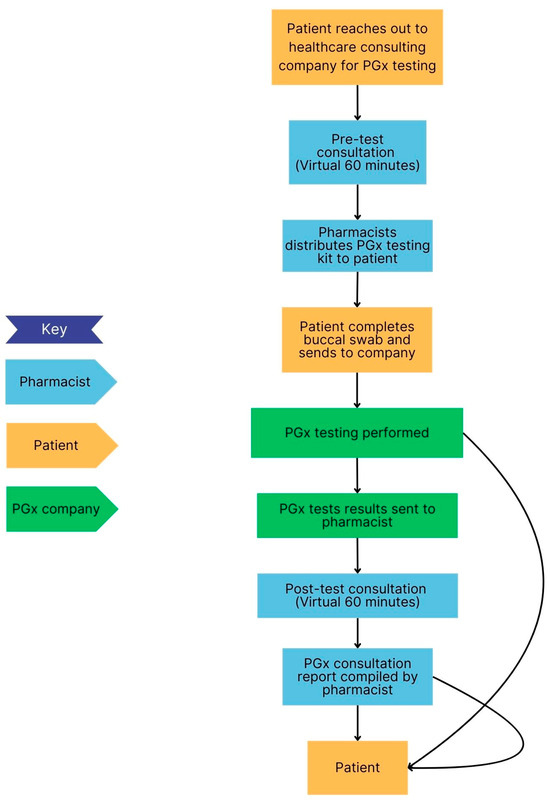
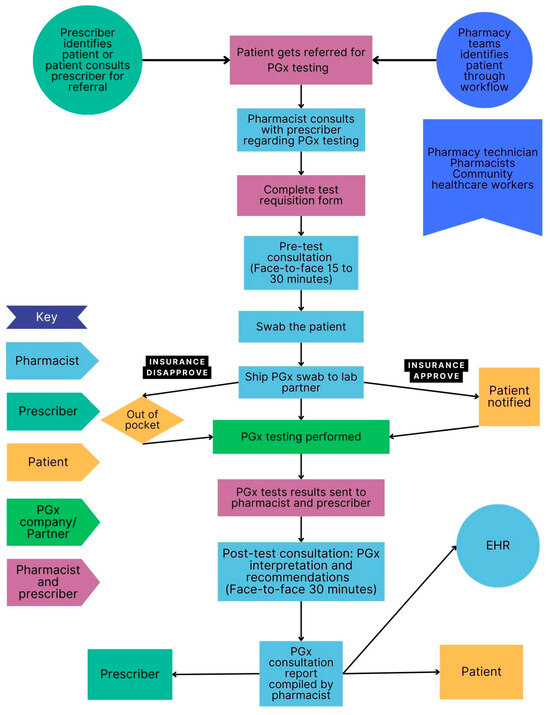
Exploring the Clinical Workflow in Pharmacogenomics Clinics: An Observational Study
J. Pers. Med. 2025, 15(4), 146; https://doi.org/10.3390/jpm15040146 (registering DOI) - 5 Apr 2025
Abstract
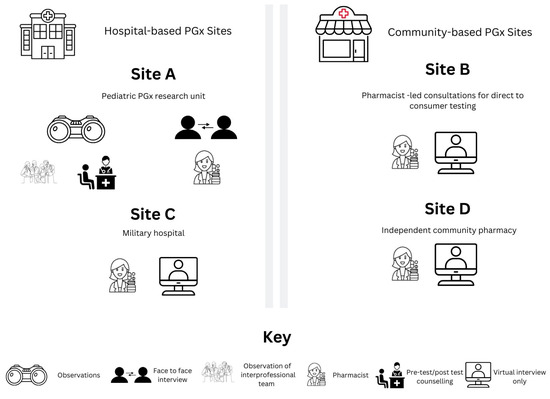
Background: Pharmacogenomics (PGx) is the future of healthcare and implementation is being driven by increasing evidence. Understanding the workflow in a PGx clinic provides insight into the development and implementation of PGx services. It considers the patient’s perspective, the role of the
[...] Read more.
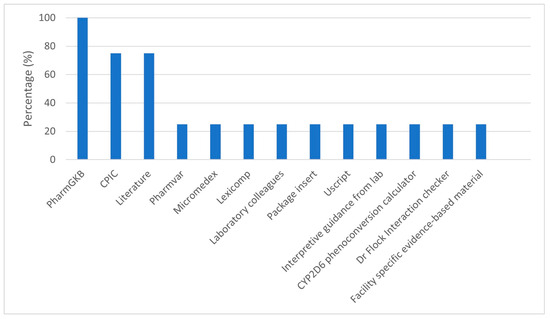
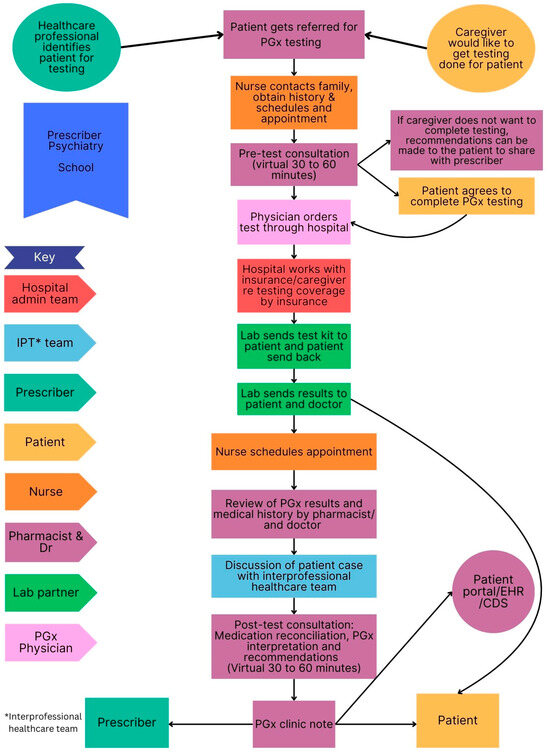
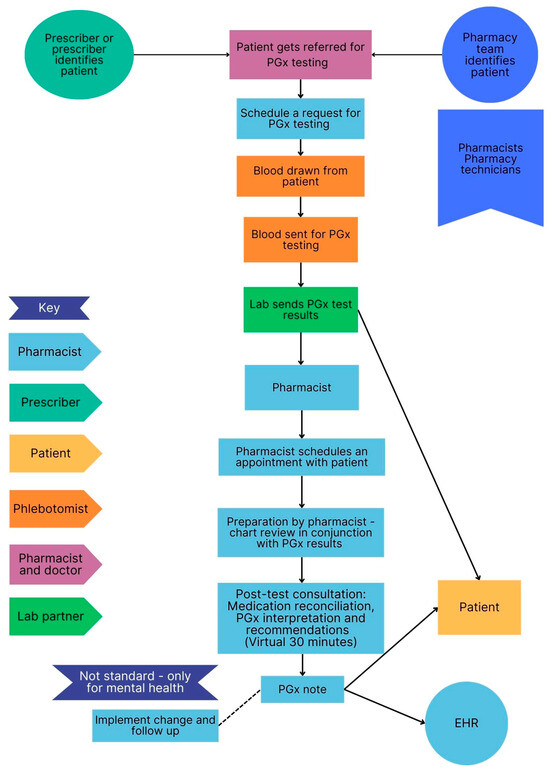
Background: Pharmacogenomics (PGx) is the future of healthcare and implementation is being driven by increasing evidence. Understanding the workflow in a PGx clinic provides insight into the development and implementation of PGx services. It considers the patient’s perspective, the role of the interprofessional team and the pivotal input of the pharmacist. Objectives: The purpose of this study was to describe the clinical workflow followed in selected PGx clinics. Methods: Four different sites that offer PGx clinical services (United States of America) were included. Qualitative data were collected through semi-structured interviews and observations providing valuable insights into the workflow followed in both community-based and hospital-based PGx clinics. Results: Although each setting differed, the processes were similar with setting-specific workflows and barriers. This study highlights the role of the pharmacist and the interprofessional team, the resources used for interpretation of PGx test results and the importance of patient and healthcare education. Conclusions: Understanding the workflow and the role of the interprofessional team in PGx is essential to ensure successful implementation and sustainable precision medicine practices in resource-limited settings.
Full article
(This article belongs to the Section Pharmacogenetics)
►
Show Figures
Open AccessSystematic Review
A Systematic Review and Meta-Analysis Association Between Periodontitis and Age-Related Macular Degeneration: Potential for Personalized Approach
by
Sophie Boberg-Ans, Frederikke Arnold-Vangsted, Anna Bonde Scheel-Bech, Lars Christian Boberg-Ans, Andreas Arnold-Vangsted, Christian Jakobsen, Kasper Stokbro and Yousif Subhi
J. Pers. Med. 2025, 15(4), 145; https://doi.org/10.3390/jpm15040145 (registering DOI) - 5 Apr 2025
Abstract
Background/Objectives: Periodontitis is a chronic inflammatory disease that leads to systemic low-grade inflammation. Systemic low-grade inflammation has been found in patients with age-related macular degeneration (AMD). In this systematic review and meta-analysis, we evaluated the association between periodontitis and AMD. Methods:
[...] Read more.
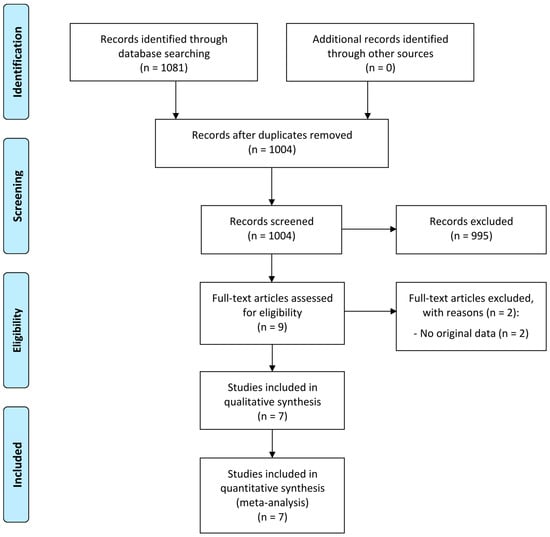
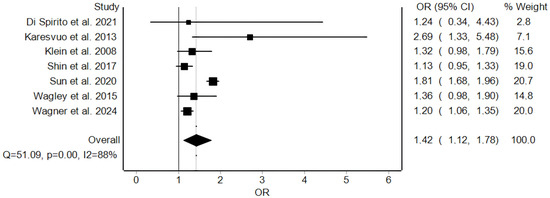
Background/Objectives: Periodontitis is a chronic inflammatory disease that leads to systemic low-grade inflammation. Systemic low-grade inflammation has been found in patients with age-related macular degeneration (AMD). In this systematic review and meta-analysis, we evaluated the association between periodontitis and AMD. Methods: We searched 11 scientific literature databases on 16th December 2024 for studies of a diagnosis of periodontitis and prevalent or incident AMD. Eligible studies underwent a qualitative review and meta-analysis of the association. Study selection, data extraction, and risk of bias within studies were made in duplicate by two authors and conferred with a senior author. Results: Seven studies eligible for review included in total 149,217 individuals. Across the seven studies, different study designs, diagnoses and definitions of periodontitis, and diagnosis and definitions of AMD were employed. Our meta-analysis showed an association between periodontitis and AMD with an odds ratio of 1.42 (95% CI: 1.12 to 1.78; p = 0.003). Conclusions: Periodontitis is significantly associated with AMD. Unlike genetic predisposition and high age, which are important risk factors of AMD that cannot be modified, periodontitis is a risk factor that can be treated and potentially eliminated, thus allowing for a personalized approach for risk elimination in AMD. Attention should be given to the dental health of patients at risk of AMD.
Full article
(This article belongs to the Special Issue Diagnostics and Therapeutics in Ophthalmology—2nd Edition)
►▼
Show Figures

Figure 1
Open AccessArticle
Comparative Changes in Fecal Microbiome After Endoscopic Resection and Surgical Resection in Gastric Cancer Patients
by
Hochan Seo, Jae Yong Park, Hee Sang You, Beom Jin Kim and Jae Gyu Kim
J. Pers. Med. 2025, 15(4), 144; https://doi.org/10.3390/jpm15040144 - 4 Apr 2025
Abstract
Background/Objectives: Gastric cancer treatments can lead to significant alterations to patients’ gastrointestinal microbiome. However, differences in microbial impacts between gastrectomy and endoscopic submucosal dissection (ESD) remain underexplored. This study investigates how these treatments influence microbial diversity and composition in patients with stage
[...] Read more.
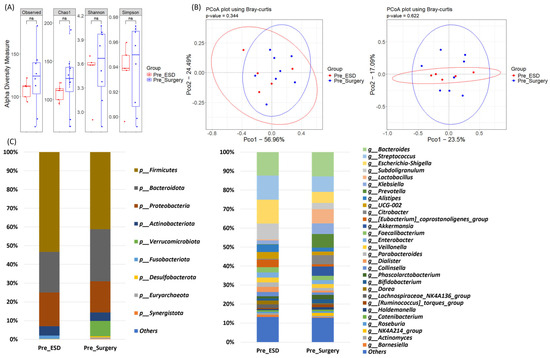
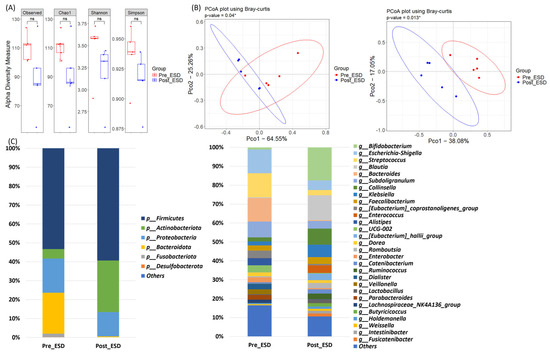
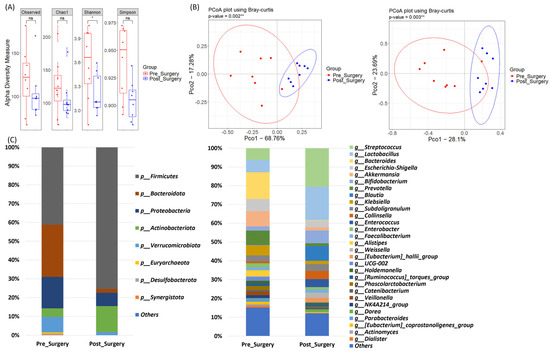
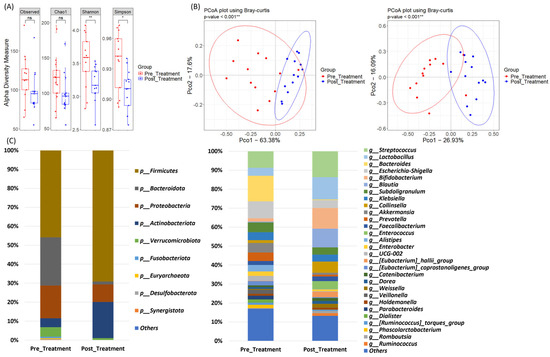
Background/Objectives: Gastric cancer treatments can lead to significant alterations to patients’ gastrointestinal microbiome. However, differences in microbial impacts between gastrectomy and endoscopic submucosal dissection (ESD) remain underexplored. This study investigates how these treatments influence microbial diversity and composition in patients with stage I gastric cancer. Methods: Patients with pathologically confirmed stage I gastric cancer were recruited from Chung-Ang University Hospital between December 2016 and December 2019. This study analyzed fecal samples from 13 patients (ESD: n = 5; gastrectomy: n = 8) before and after treatment using 16S rRNA gene sequencing. Microbial diversity indices and taxonomic composition were compared, with follow-up extending up to two years. Results: In the total cohort, alpha diversity significantly decreased post-treatment (p < 0.05), and beta diversity analysis showed distinct clustering between pre- and post-treatment samples (p < 0.05). At the genus level, Bacteroides significantly decreased (p < 0.05), while Lactobacillus, Bifidobacterium, and Blautia showed significant increases (p < 0.05). Comparative analyses revealed that in the ESD group, alpha diversity remained unchanged, although beta diversity showed significant clustering (p < 0.05), without notable changes in major taxa. In contrast, surgical resection resulted in a significant reduction in alpha diversity (p < 0.05) and beta diversity clustering (p < 0.05), with increased abundances of Streptococcus and Blautia and decreased abundance of Bacteroides (p < 0.05). Conclusions: Surgical gastrectomy exerts significant effects on microbiome diversity and composition, while ESD has a more limited impact. These findings underscore the importance of considering microbiome changes in postoperative management.
Full article
(This article belongs to the Special Issue Gastrointestinal Cancers: New Advances and Challenges)
►▼
Show Figures

Figure 1

Open AccessArticle
Pulsed Electromagnetic Field Therapy Alters the Genomic Profile of Bladder Cancer Cell Line HT-1197
by
Maxwell Sandberg, Wyatt Whitman, Randall Bissette, Christina Ross, Matvey Tsivian and Stephen J. Walker
J. Pers. Med. 2025, 15(4), 143; https://doi.org/10.3390/jpm15040143 - 4 Apr 2025
Abstract
Background/Objectives: Pulsed electromagnetic field (PEMF) therapy involves the use of magnetic waveform energy for targeted treatment delivery. This technique has shown promising results in the treatment of various cancers. Currently, treatment of bladder cancer is highly invasive, involving intravesical chemotherapy or radical cystectomy.
[...] Read more.
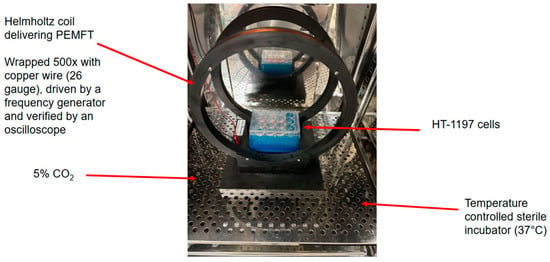
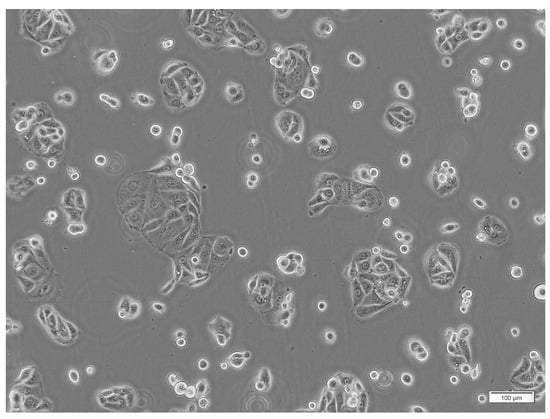
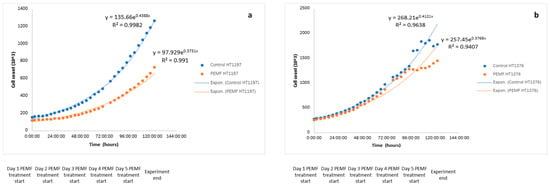
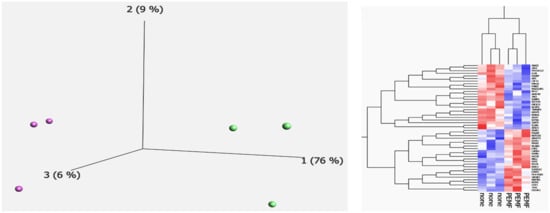
Background/Objectives: Pulsed electromagnetic field (PEMF) therapy involves the use of magnetic waveform energy for targeted treatment delivery. This technique has shown promising results in the treatment of various cancers. Currently, treatment of bladder cancer is highly invasive, involving intravesical chemotherapy or radical cystectomy. The potential therapeutic effects of PEMF therapy on bladder cancer are a relatively new and understudied area; therefore, the goal of this investigation was to gain mechanistic insight by examining the effects of PEMF therapy on a bladder cancer cell line in vitro. Methods: Cells from the bladder cancer cell line HT-1197 were cultured and incubated with (treatment group) or without (control group) PEMF therapy for one hour each day for five days. Cell counts were compared using Incucyte® data to determine proliferation rates. At days 1 and 5, total RNA was isolated from cells, and following quantity and quality checks, gene expression was compared between the two groups. Proliferation rates from cell line HT-1197 were compared to prior published results on the bladder cancer cell line HT-1376. Results: HT-1197 cells treated with PEMF therapy had slower proliferation rates compared to controls (p < 0.05), but HT-1376 cells did not (p > 0.05). Principal component analysis showed complete separation of treated and untreated cells, with PEMF treatment accounting for 76% of the variation between the groups. Expression of numerous genes and cancer-related pathways was altered in the treated cells relative to the controls. Conclusions: Bladder cancer HT-1197 cells treated with PEMF therapy had slower proliferation and corresponding changes in gene expression. Several cancer-relevant pathways were differentially regulated following PEMF treatment. The conclusions are limited by the lack of a control healthy urothelial cell line in the experiments. Despite this shortcoming, our results suggest that PEMF therapy may be a promising avenue for further research in the treatment of bladder cancer.
Full article
(This article belongs to the Special Issue Novel Diagnostic and Therapeutic Approaches to Urologic Oncology)
►▼
Show Figures

Figure 1

Open AccessReview
Ultrafast Breast MRI: A Narrative Review
by
Ottavia Battaglia, Filippo Pesapane, Silvia Penco, Giulia Signorelli, Valeria Dominelli, Luca Nicosia, Anna Carla Bozzini, Anna Rotili and Enrico Cassano
J. Pers. Med. 2025, 15(4), 142; https://doi.org/10.3390/jpm15040142 - 2 Apr 2025
Abstract
Breast magnetic resonance imaging (MRI) is considered the most effective method for detecting breast cancer due to its high sensitivity. Yet multiple factors limit its widespread use, including high direct and indirect costs, a prolonged acquisition time with consequent patient discomfort, and a
[...] Read more.
Breast magnetic resonance imaging (MRI) is considered the most effective method for detecting breast cancer due to its high sensitivity. Yet multiple factors limit its widespread use, including high direct and indirect costs, a prolonged acquisition time with consequent patient discomfort, and a lack of trained radiologists. During the last decade, new strategies have been followed to increase the availability of breast MRI, including the omission of non-essential sequences to generate abbreviated MRI protocols (AB-MRIs) aimed at reducing the acquisition time with the potential of improving the patient’s experience and accommodating a higher number of MRI examinations per day. An alternative method is ultrafast MRI (UF-MRI), a novel technique that gathers kinetic data within the first minute after contrast injection, offering high temporal resolution. This enables the analysis of early contrast wash-in curves, showing promising outcomes. In this study, we reviewed the role of UF-MRI in breast imaging and detailed how the integration of this new approach with radiomics and mathematical models might further improve diagnostic accuracy and even have a prognostic role, a fundamental characteristic in the modern scenarios of personalized medicine. In addition, possible clinical applications and advantages of UF-MRI will be discussed.
Full article
(This article belongs to the Special Issue Application of Statistical and Mathematical Techniques in Personalized Medicine and Healthcare)
Open AccessEditorial
Targeted Therapeutic Approaches for the Treatment of Cancer: The Future Is Bright
by
Matthew J. Hadfield, Benedito A. Carneiro and Liang Cheng
J. Pers. Med. 2025, 15(4), 141; https://doi.org/10.3390/jpm15040141 - 2 Apr 2025
Abstract
The last two decades have ushered in unprecedented advancements in the treatment of cancer [...]
Full article
(This article belongs to the Special Issue Recent Advances in Precision Medicine: Personalized Therapy, Drug Delivery and Nanomedicine)
Open AccessArticle
The Prediction of Intrapartum Fetal Compromise According to the Expected Fetal Weight
by
José Morales-Roselló, Alicia Martínez-Varea, Blanca Novillo-Del Álamo, Carmen Sánchez-Arco and Asma Khalil
J. Pers. Med. 2025, 15(4), 140; https://doi.org/10.3390/jpm15040140 - 1 Apr 2025
Abstract
Objectives: To assess the predictive accuracy of the expected fetal weight in the third trimester (ExFW3t), based on the estimated fetal weight (EFW) at mid-trimester ultrasound scan, for the prediction of intrapartum fetal compromise (IFC) (an abnormal intrapartum fetal heart rate or intrapartum
[...] Read more.
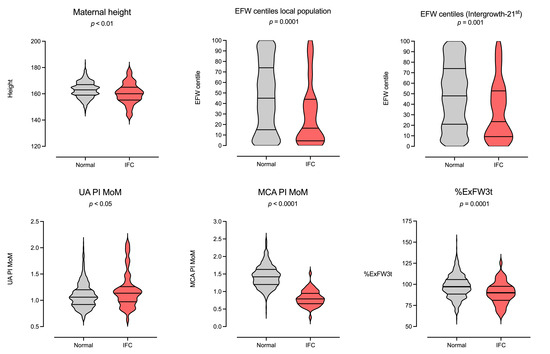
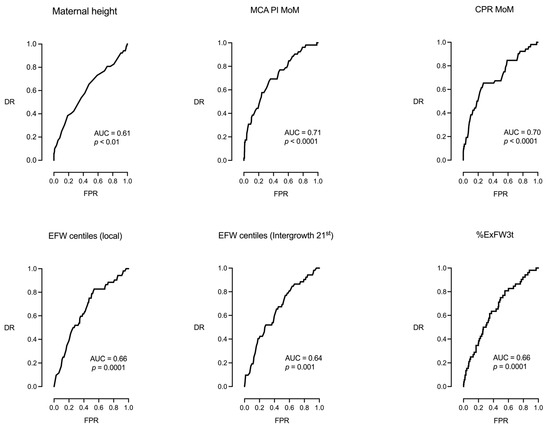
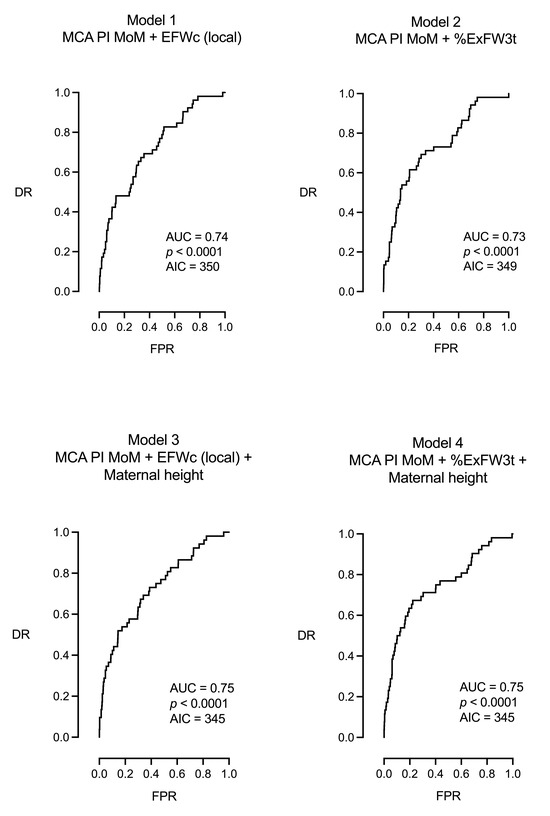
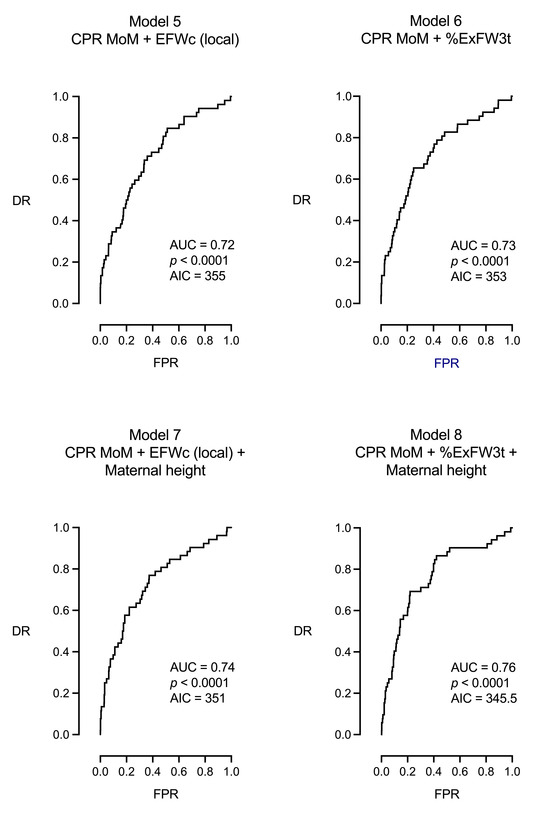
Objectives: To assess the predictive accuracy of the expected fetal weight in the third trimester (ExFW3t), based on the estimated fetal weight (EFW) at mid-trimester ultrasound scan, for the prediction of intrapartum fetal compromise (IFC) (an abnormal intrapartum fetal heart rate or intrapartum fetal scalp pH requiring urgent cesarean section). Methods: This retrospective study included 777 singleton pregnancies that underwent a 20-week study and a 3t scan. The extrapolated EFW at 20 weeks to the 3t or ExFW3t was considered a proxy of the potential growth. The percentage difference with the actual 3t EFW (%ExFW3t) was compared with other ultrasonographic and clinical parameters—EFW centile (EFWc), middle cerebral artery pulsatility index (MCA PI) in multiples of the median (MoM), umbilical artery (UA) PI MoM, cerebroplacental ratio (CPR) MoM, and maternal height—for the prediction of IFC by means of the area under the curve (AUC) and Akaike Information Criteria (AIC). Results: Pregnancies with IFC presented higher values of UA PI MoM (1.19 vs. 1.09, p = 0.0460) and lower values of population and Intergrowth EFWc (45.9 vs. 28.9, p < 0.0001, 48.4 vs. 33.6, p = 0.0004), MCA PI MoM (0.97 vs. 0.81, p < 0.0001), CPR MoM (1.01 vs. 0.79, p < 0.0001), %ExFW3t (89.9% vs. 97.5%, p = 0.0003), and maternal height (160.2 vs. 162.9, p = 0.0083). Univariable analysis selected maternal height, EFWc, %ExFW3t, and UA PI MoM as significant parameters. However, %ExFW3t did not surpass the prediction ability of cerebral Doppler. Finally, multivariable analysis showed that the best models for the prediction of IFC resulted from the combination of cerebral Doppler (MCA PI MoM or CPR MoM), fetal weight (%ExFW3t or EFWc), and maternal height (AUC 0.75/0.76, AIC 345, p < 0.0001). Conclusions: Fetal weight-related parameters, including %ExFW3t, a proxy of the proportion of potential growth achieved in the 3t, were less effective than fetal cerebral Doppler for the prediction of IFC. The best performance was achieved by combining hemodynamic, ponderal, and clinical data.
Full article
(This article belongs to the Section Clinical Medicine, Cell, and Organism Physiology)
►▼
Show Figures

Figure 1
Open AccessEditorial
Materials of the 2nd Conference with International Participation “Basic Research in Endocrinology: A Modern Strategy for the Development and Technologies of Personalized Medicine”
by
Oksana Rymar, Alla Ovsyannikova and Elena Shakhtshneider
J. Pers. Med. 2025, 15(4), 139; https://doi.org/10.3390/jpm15040139 - 1 Apr 2025
Abstract
There has been an increase in patients with diabetes mellitus (DM) all over the world, with the advent of new modern research methods (for example, molecular genetic diagnostics), non-classical types of diabetes are increasingly being identified [...]
Full article
Open AccessCase Report
Osteonecrosis of the Jaw Associated with Obinutuzumab in a Patient with Preceding Follicular Non-Hodgkin’s Lymphoma
by
Katharina Theresa Obermeier, Thomas Frank, Tim Hildebrandt, Sven Otto, Philipp Poxleitner and Ina Dewenter
J. Pers. Med. 2025, 15(4), 138; https://doi.org/10.3390/jpm15040138 - 1 Apr 2025
Abstract
Background: Obinutuzumab is a glycoengineered type II anti-CD-20 monoclonal antibody, which can be applied as immunotherapy in patients with follicular lymphoma. To our knowledge, this is the first reported case in the literature describing osteonecrosis of the jaw associated with CD20 monoclonal antibody
[...] Read more.
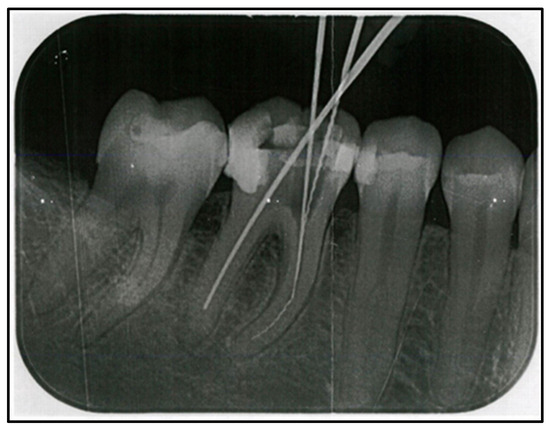
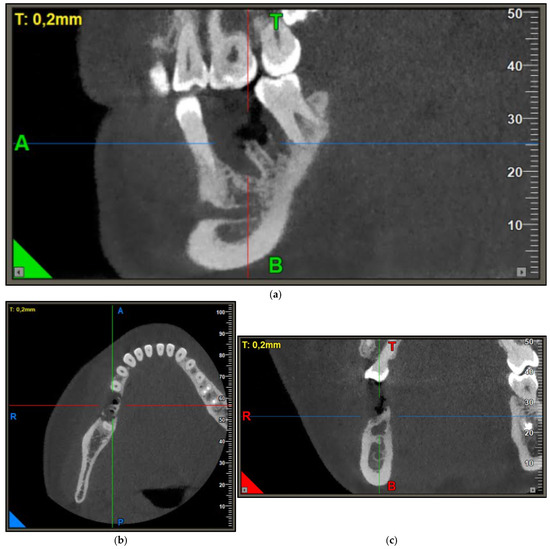
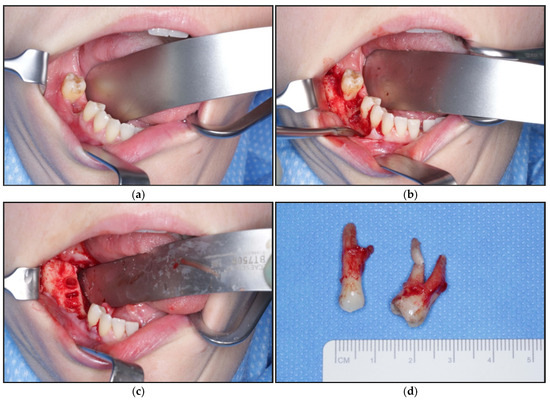
Background: Obinutuzumab is a glycoengineered type II anti-CD-20 monoclonal antibody, which can be applied as immunotherapy in patients with follicular lymphoma. To our knowledge, this is the first reported case in the literature describing osteonecrosis of the jaw associated with CD20 monoclonal antibody therapy. Methods: The following case report describes a 39-year-old female patient under maintaining therapy with Obinutuzumab developing osteonecrosis of the jaw after tooth extraction. The necrotic area was located in the right mandible and was rated as a stage II osteonecrosis. Results: This case report should draw attention to the importance of dental follow-ups during aftercare of patients with Non-Hodgkin’s Lymphoma as well as to the relevant precautions for performing tooth extractions in such patients. Conclusions: As Obinutuzumab seems to be a contributing factor in the development of MRONJ, special attention has to be drawn to tooth extractions in such patients, which should only be performed with perioperative antibiosis, the least amount of trauma possible, always including the smoothening of sharp residual bone segments and a saliva-proof wound closure, as well as constant dental follow-ups.
Full article
(This article belongs to the Section Personalized Therapy and Drug Delivery)
►▼
Show Figures

Figure 1

Open AccessArticle
Association Between Amerindian Ancestry and Chronic Obstructive Pulmonary Disease in the Chilean Mixed Population
by
Vicente Silva, Andrea Canals and Lucia Cifuentes
J. Pers. Med. 2025, 15(4), 137; https://doi.org/10.3390/jpm15040137 - 31 Mar 2025
Abstract
Background/Objectives: Chronic Obstructive Pulmonary Disease (COPD) is one of the most common chronic non-communicable diseases in adults. The most critical risk factors are tobacco and air pollution. The familial aggregation of this disease and the fact that only 15–20% of smokers develop
[...] Read more.
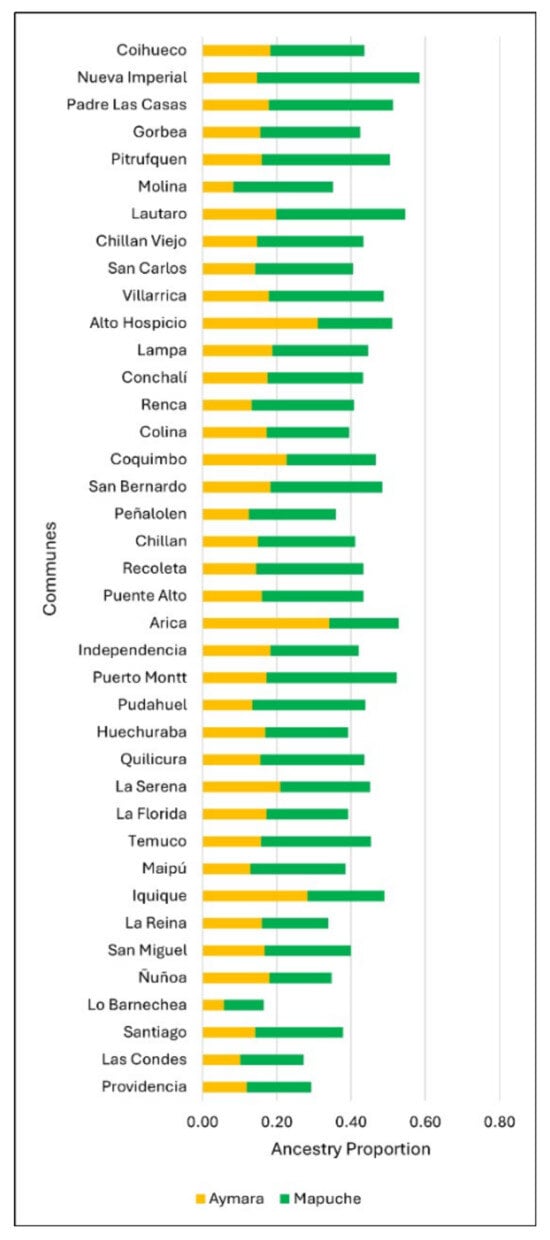
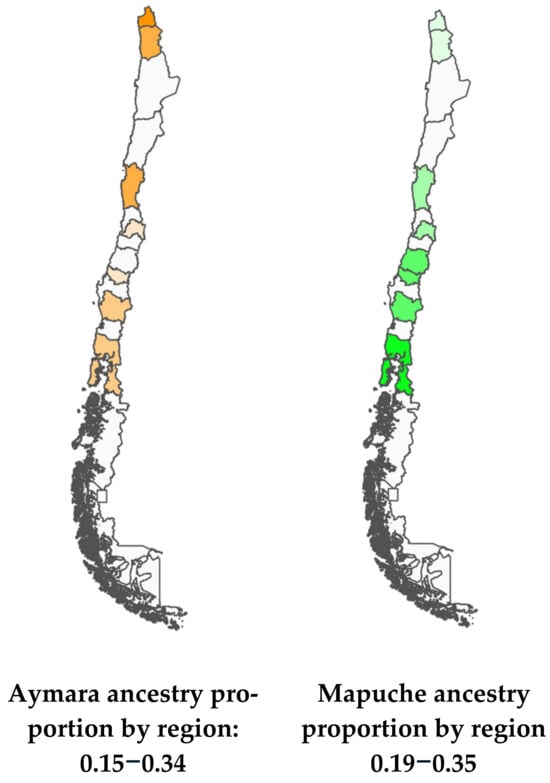
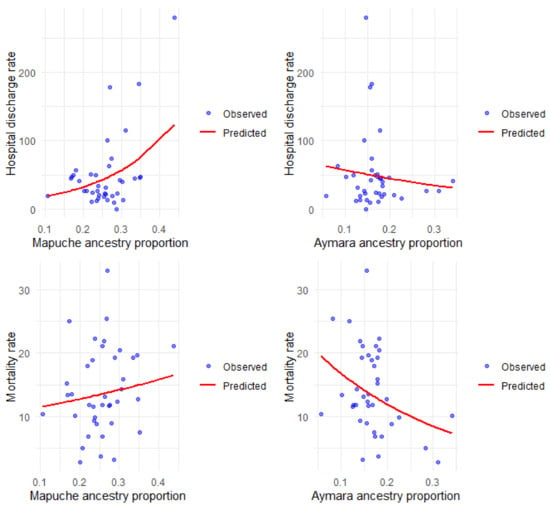
Background/Objectives: Chronic Obstructive Pulmonary Disease (COPD) is one of the most common chronic non-communicable diseases in adults. The most critical risk factors are tobacco and air pollution. The familial aggregation of this disease and the fact that only 15–20% of smokers develop COPD demonstrate the existence of an individual susceptibility that would depend on genetic factors. The already-known susceptibility genomic variants explain only about 38% of the heritability of COPD. The present work analyzes the relationship between the percentage of Amerindian genomic ancestry of Chileans with morbidity and mortality of Chronic Obstructive Pulmonary Disease (COPD), adjusting for socioeconomic and environmental variables. Methods: We rely on the estimates of genomic ancestry percentages obtained in the Chilegenomico project in urban Chileans from 39 communes along eight regions of the country from north to south. From the public databases of the Departamento de Estadísticas e Información en Salud (DEIS) of the Chilean Ministry of Health, we obtained mortality rates and hospital discharge rates. We incorporated adjustment variables (communal data) obtained from other public databases. We performed correlation analyses and fitted negative binomial regression models to examine the association between Amerindian ancestries and COPD statistics. Results: A positive and significant association between Mapuche ancestry and hospital discharge and mortality rates for COPD was found in both simple and multiple analyses. In contrast, we found a negative and significant association between the percentage of Aymara genomic ancestry and COPD mortality rates. Conclusions: The levels of Mapuche and Aymara genomic ancestries have different and contrasting significant associations with COPD susceptibility and mortality in the Chilean mixed population.
Full article
(This article belongs to the Special Issue Novel Challenges and Advances in Respiratory Diseases)
►▼
Show Figures

Figure 1

Open AccessArticle
The Actual Role of CPET in Predicting Postoperative Morbidity and Mortality of Patients Undergoing Pneumonectomy
by
Antonio Mazzella, Riccardo Orlandi, Patrick Maisonneuve, Clarissa Uslenghi, Matteo Chiari, Monica Casiraghi, Luca Bertolaccini, Giovanni Caffarena and Lorenzo Spaggiari
J. Pers. Med. 2025, 15(4), 136; https://doi.org/10.3390/jpm15040136 - 31 Mar 2025
Abstract
This study aims to determine whether maximal oxygen consumption (VO2max) or predicted postoperative (ppo)-VO2max could still reliably predict postoperative complications and deaths in lung cancer patients undergoing pneumonectomy and which values could be more reliably considered as the optimal threshold. Methods: We
[...] Read more.
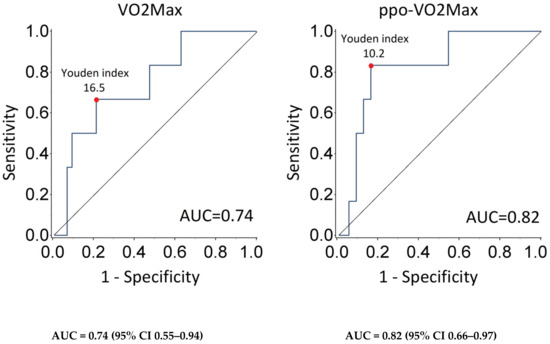
This study aims to determine whether maximal oxygen consumption (VO2max) or predicted postoperative (ppo)-VO2max could still reliably predict postoperative complications and deaths in lung cancer patients undergoing pneumonectomy and which values could be more reliably considered as the optimal threshold. Methods: We retrospectively collected data of consecutive patients undergoing pneumonectomy for primary lung cancer at the European Oncological Institute (April 2019–April 2023). Routine preoperative assessment included cardiopulmonary exercise testing (CPET) and a lung perfusion scan. We evaluated the morbidity and mortality rates; associations between morbidity, mortality, VO2max, and ppoVO2max values were investigated through ANOVA or Fisher’s exact test as appropriate. Receiver operating characteristic (ROC) curves were applied to further explore the relation between VO2max, ppoVO2max values, and 90-day mortality. Results: The cardiopulmonary morbidity rate was 32.2%; the 30-day and 90-day mortality rates were 2.2% and 6.7%. The PpoVO2max values were significantly lower in patients experiencing cardiopulmonary complications or deaths compared to the whole cohort, whereas VO2max, though showing a trend towards lower values, did not reach statistical significance. A VO2max value threshold of 15 mL/kg/min correlated significantly with 90-day mortality, while a ppoVO2max cut-off of 10 mL/kg/min was significantly associated with cardiopulmonary complications and 30-day and 90-day mortality rates. ROC curve analysis revealed ppoVO2max as a better predictor of 90-day mortality compared to VO2max. Conclusions: CPET and a lung perfusion scan are two key elements for the preoperative evaluation of patients undergoing pneumonectomy, since it provides a holistic assessment of cardiopulmonary functionality. We recommend the routine calculation of ppoVO2max, particularly when adopting a 10 mL/kg/min threshold.
Full article
(This article belongs to the Special Issue Novel Challenges and Advances in Thoracic Surgery)
►▼
Show Figures

Figure 1

Open AccessArticle
Vimentin and p53 Immunoreactivity in Cases of Traumatic Brain Injury
by
Alice Chiara Manetti, Alessandra De Matteis, Gabriele Napoletano, Raffaele La Russa, Aniello Maiese and Paola Frati
J. Pers. Med. 2025, 15(4), 135; https://doi.org/10.3390/jpm15040135 - 31 Mar 2025
Abstract
Background: Traumatic brain injury (TBI) is one of the main causes of death in trauma pathology, especially among the youngest victims. After having evaluated the causality relationship between damage to the brain tissue and death, pathologists should try to estimate the duration
[...] Read more.
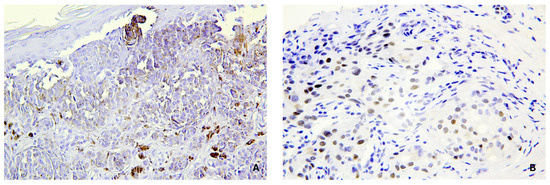
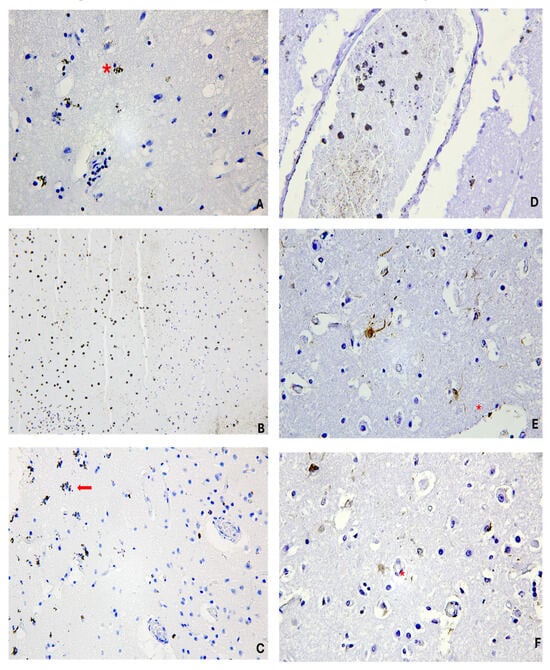
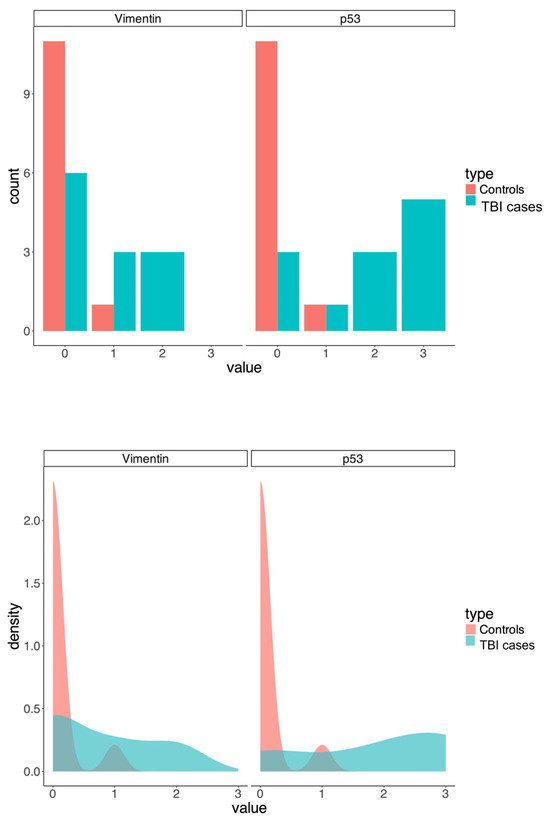
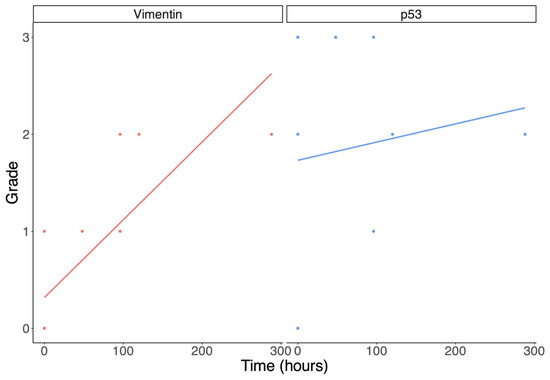
Background: Traumatic brain injury (TBI) is one of the main causes of death in trauma pathology, especially among the youngest victims. After having evaluated the causality relationship between damage to the brain tissue and death, pathologists should try to estimate the duration between the TBI and death. Immunohistochemistry could be used in this field as a personalized medico-legal approach. This study aims to evaluate the possible role of vimentin and p53 as TBI markers to assess vitality and date the TBI. Methods: Twelve cases of TBI deaths were selected (two women and ten men, with a mean age of 46.83 years). In seven cases, death occurred immediately after the trauma, while in the others, death occurred after some days. An immunohistological study of brain samples using anti-p53 and anti-vimentin antibodies was performed. A semi-quantitative scale was adopted to grade the immunohistochemical reaction. Results: Our results showed a strong relationship between the p53 immunoreaction grade and TBI (X-squared value 10.971, p-value < 0.01), suggesting that p53 expression is enhanced in TBI cases. Vimentin is more expressed when the PTI is longer. Vimentin-immunoreaction was weaker than p53-immunoreaction (+0.75 vs. +1.83 mean values, respectively) in a group predominantly including short post-traumatic interval cases. Conclusions: The present research is limited by the small sample size; however, the molecules tested, vimentin and p53, have shown great potential to be used, in addition to others, as biological markers for the diagnosis and timing of TBI.
Full article
(This article belongs to the Special Issue Personalized Medicine in Pathological Diagnosis)
►▼
Show Figures

Figure 1

Open AccessArticle
Integrative Analysis of DNA Methylation and microRNA Reveals GNPDA1 and SLC25A16 Related to Biopsychosocial Factors Among Taiwanese Women with a Family History of Breast Cancer
by
Sabiah Khairi, Chih-Yang Wang, Gangga Anuraga, Fidelia Berenice Prayugo, Muhamad Ansar, Mohammad Hendra Setia Lesmana, Lalu Muhammad Irham, Chen-Yang Shen and Min-Huey Chung
J. Pers. Med. 2025, 15(4), 134; https://doi.org/10.3390/jpm15040134 - 30 Mar 2025
Abstract
Biopsychosocial factors, including family history, influence the development of breast cancer. Malignancies in women with a family history of breast cancer may be detectable based on DNA methylation and microRNA. Objectives: The present study extended an integrative analysis of DNA methylation and
[...] Read more.
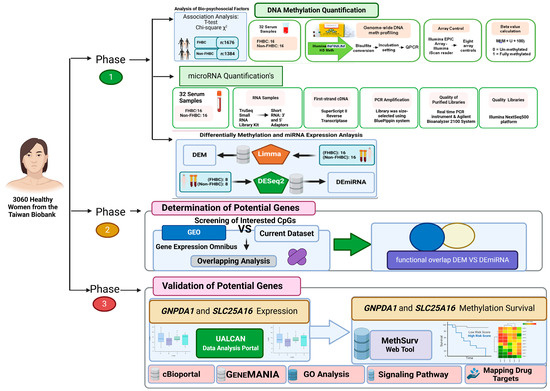
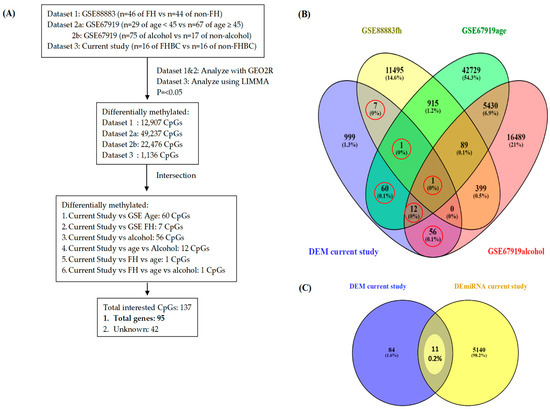
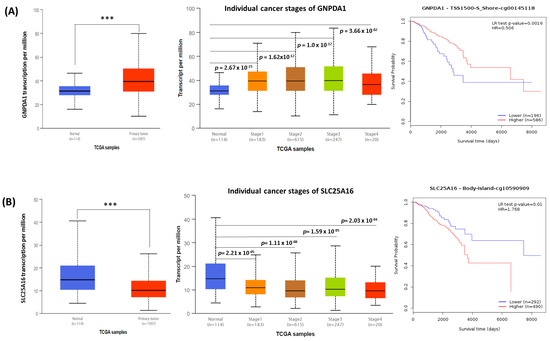
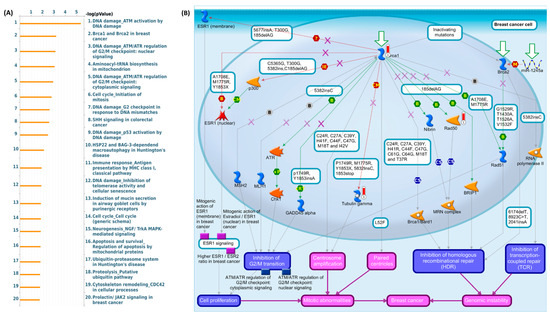
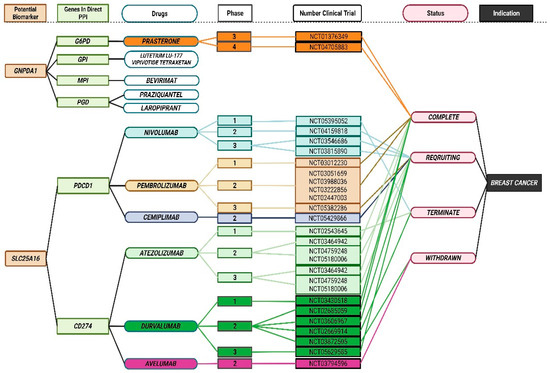
Biopsychosocial factors, including family history, influence the development of breast cancer. Malignancies in women with a family history of breast cancer may be detectable based on DNA methylation and microRNA. Objectives: The present study extended an integrative analysis of DNA methylation and microRNA to identify genes associated with biopsychosocial factors. Methods: We identified 3060 healthy women from the Taiwan Biobank and included 32 blood plasma samples for analysis of biopsychosocial factors and epigenetic changes. GEO databases and bioinformatics approaches were used for the identification and validation of potential genes. Results: Our integrative analysis revealed GNPDA1 and SLC25A16 as potential genes. Age, a family history of cancer, and alcohol consumption were associated with GNPDA1 and SLC25A16 based on the current data set and the GEO data set. GNPDA1 and SLC25A16 exhibited significant expression in breast cancer tissues based on UALCAN analysis, where they were overexpressed and underexpressed, respectively. Through a MethSurv analysis, GNPDA1 hypomethylation and SLC25A16 hypermethylation were associated with poor prognoses in terms of overall survival in breast cancer. Moreover, through a MetaCore functional enrichment analysis, GNPDA1 and SLC25A16 were associated with the BRCA1, BRCA2, and pro-oncogenic actions of the androgen receptor in breast cancer. Further, GNPDA1 and SLC25A16 were enriched in known targets of approved cancer drugs as potential genes associated with breast cancer. Conclusions: These two genes might serve as biomarkers for the early detection of breast cancer, especially for women with a family history of breast cancer.
Full article
(This article belongs to the Special Issue Epigenetics in Precision Medicine: From Mechanism to Therapy)
►▼
Show Figures

Figure 1
Open AccessArticle
Personalized Approaches to Diabetic Foot Care: The Impact of Ethnic and Socioeconomic Disparities
by
Tal Shachar, Eyal Yaacobi, Roy Romem, Mohamad Fadila, Geva Sarrabia, Mor Saban and Nissim Ohana
J. Pers. Med. 2025, 15(4), 133; https://doi.org/10.3390/jpm15040133 - 29 Mar 2025
Abstract
Objective: To explore the impact of ethnic and socioeconomic disparities on diabetic foot ulcer (DFU) care and outcomes, emphasizing the need for personalized treatment approaches tailored to diverse patient populations. Methods: This retrospective observational study analyzed 1409 patients hospitalized with DFUs
[...] Read more.
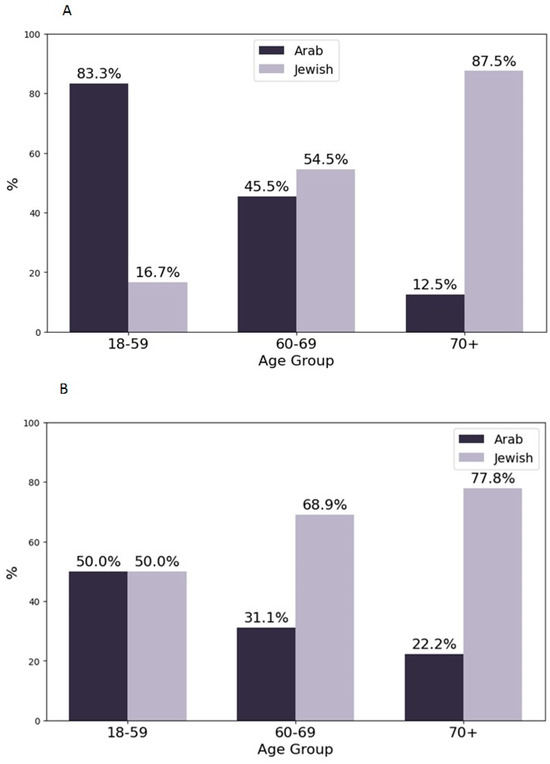
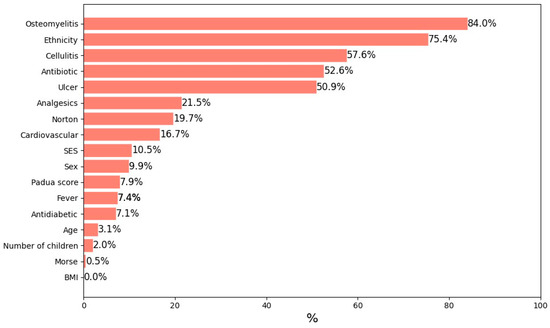
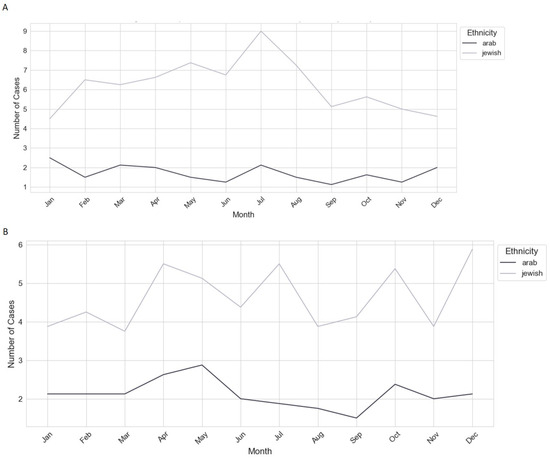
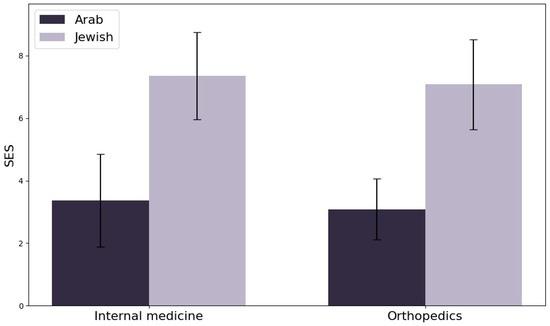
Objective: To explore the impact of ethnic and socioeconomic disparities on diabetic foot ulcer (DFU) care and outcomes, emphasizing the need for personalized treatment approaches tailored to diverse patient populations. Methods: This retrospective observational study analyzed 1409 patients hospitalized with DFUs between 2016 and 2023 at a tertiary medical center. Data extracted from electronic medical records included demographics, socioeconomic status (SES), clinical variables, and healthcare utilization. Statistical analyses included descriptive statistics, Chi-Square and Kruskal–Wallis tests, and a regularized logistic regression model to identify predictors of mortality and disparities in treatment access. Results: Arab patients had significantly lower SES (median score: 3.00) compared to Jewish patients (median score: 8.00), resulting in reduced healthcare access and worse clinical outcomes. Arab patients were diagnosed with diabetes at a younger age (57 years vs. 68 years for Jewish patients) and exhibited a higher body mass index (30.36 vs. 28.68, p < 0.05). Despite similar mortality rates between groups (21.52% vs. 22.83%, p = 0.65), differences in healthcare utilization were evident, particularly in younger patients (18–59 years) within the internal medicine department (p = 0.017). Conclusions: Our findings underscore the need for a personalized approach to diabetic foot care, integrating socioeconomic and demographic factors into treatment plans. Ethnic minorities with lower SES, earlier diabetes onset, and higher BMI may require tailored intervention strategies to optimize prevention, access to specialized care, and adherence to treatment. Addressing individualized patient needs through precision medicine and culturally adapted healthcare models can improve outcomes and reduce disparities in DFU management.
Full article
(This article belongs to the Section Personalized Therapy and Drug Delivery)
►▼
Show Figures

Figure 1
Open AccessArticle
Effect of Flecainide in Idiopathic Premature Ventricular Contractions and the Induced Cardiomyopathy—UNIFLECA: A Single Arm, Non-Randomized Trial: Review of the Literature and Initial Results
by
Sotirios Kotoulas, Dimitrios Tsiachris, Michail Botis, Athanasios Kordalis, Dimitrios Varvarousis, Georgios Leventopoulos, Eleftherios Kallergis, Ioannis Doundoulakis, Leonidas E. Poulimenos and Konstantinos Tsioufis
J. Pers. Med. 2025, 15(4), 132; https://doi.org/10.3390/jpm15040132 - 29 Mar 2025
Abstract
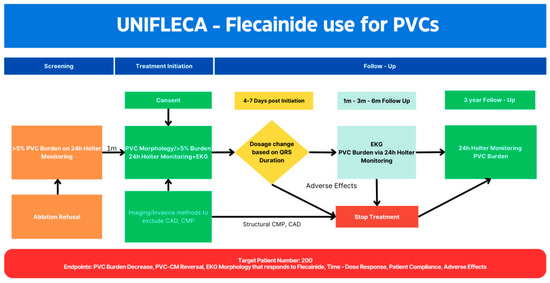
Background/Objectives: Persistent high Premature Ventricular Contraction (PVC) burden (>10%) may result in PVC-induced cardiomyopathy. Current guidelines, supported by limited evidence, recommend flecainide for PVCs originating from the ventricular outflow tract (Class IIa). UNIFLECA is a prospective cohort study, aiming to assess the
[...] Read more.
Background/Objectives: Persistent high Premature Ventricular Contraction (PVC) burden (>10%) may result in PVC-induced cardiomyopathy. Current guidelines, supported by limited evidence, recommend flecainide for PVCs originating from the ventricular outflow tract (Class IIa). UNIFLECA is a prospective cohort study, aiming to assess the efficacy and safety of flecainide in PVC burden reduction in adults, irrespective of PVC origin, focusing secondarily on symptom relief and improvement of left ventricular ejection fraction (LVEF) in patients suffering from PVC-induced cardiomyopathy. Methods: Participants were adults with frequent PVCs, defined as PVC burden > 5%, confirmed by two 24 h Holter recordings taken at least one month apart, who denied catheter ablation treatment. Patients who were deemed ineligible for catheter ablation were also included. A total of 50 patients were screened and 35 were administered Flecainide, with dosage adjustment based on follow-up Holter results and QRS increases. Changes in PVC burden, LVEF, symptomatic status, along with treatment adherence, were evaluated. Results: In adults with frequent PVCs, flecainide led to a significant reduction in PVC burden, with a mean decrease of 76.2% in the first month, and 63.1% of patients achieving a PVC burden reduction greater than 80%. Conclusions: UNIFLECA contributes to the understanding of how personalized, non-interventional therapeutic modalities can be employed to manage PVCs, especially for patients unwilling to have or ineligible for ablation procedures.
Full article
(This article belongs to the Special Issue The Challenges and Therapeutic Prospects in Cardiovascular Disease)
►▼
Show Figures

Figure 1
Open AccessReview
The Role of Dual-Energy CT in Differentiating Adrenal Adenomas from Metastases: A Comprehensive Narrative Review
by
Francesco Tiralongo, Cristina Mosconi, Pietro Valerio Foti, Aldo Eugenio Calogero, Sandro La Vignera, Corrado Ini’, Davide Giuseppe Castiglione, Emanuele David, Stefania Tamburrini, Sebastiano Barbarino, Stefano Palmucci and Antonio Basile
J. Pers. Med. 2025, 15(4), 131; https://doi.org/10.3390/jpm15040131 - 28 Mar 2025
Abstract
Dual-energy CT (DECT) has emerged as a novel imaging modality that offers a multiparametric approach for noninvasive adrenal lesion characterization. This narrative review examines recent advances in DECT—including virtual non-contrast imaging, iodine density quantification, spectral curve analysis, and material density mapping—for differentiating benign
[...] Read more.
Dual-energy CT (DECT) has emerged as a novel imaging modality that offers a multiparametric approach for noninvasive adrenal lesion characterization. This narrative review examines recent advances in DECT—including virtual non-contrast imaging, iodine density quantification, spectral curve analysis, and material density mapping—for differentiating benign adrenal adenomas from metastases. Conventional CT techniques rely primarily on unenhanced attenuation measurements and contrast washout kinetics; however, these methods may be limited in evaluating lipid-poor adenomas, and in cases where imaging features overlap with metastatic lesions. Although virtual non-contrast imaging with DECT tends to overestimate attenuation relative to true non-contrast scans, the recalibration of diagnostic thresholds and integration with complementary parameters, such as the iodine density-to-virtual non-contrast attenuation ratio, can significantly enhance sensitivity and specificity. Additional parameters, including fat fraction analysis and the evaluation of attenuation changes across energy spectra, further refine tissue characterization by quantifying intracellular lipid content and vascularity. Material density analysis has demonstrated near-perfect diagnostic accuracy in select studies. By tailoring imaging evaluation to the unique spectral and compositional features of each adrenal lesion, DECT contributes to a more personalized diagnostic approach. This individualization allows for better differentiation between benign and malignant findings, potentially avoiding unnecessary interventions and enabling more targeted clinical management. Despite these promising developments, challenges remain regarding the standardization of acquisition protocols, optimization of diagnostic thresholds, and minimization of interobserver variability. Emerging radiomics and machine learning applications may further automate lesion classification and improve diagnostic accuracy. Thus, DECT holds considerable potential to improve diagnostic confidence, reduce radiation exposure, and streamline the management of patients with adrenal incidentalomas, although further multicenter validation is warranted.
Full article
(This article belongs to the Section Methodology, Drug and Device Discovery)
Open AccessArticle
Artificial Intelligence Detection of Occlusive Myocardial Infarction from Electrocardiograms Interpreted as “Normal” by Conventional Algorithms
by
Shifa R. Karim, Hans C. Helseth, Peter O. Baker, Gabriel A. Keller, H. Pendell Meyers, Robert Herman and Stephen W. Smith
J. Pers. Med. 2025, 15(4), 130; https://doi.org/10.3390/jpm15040130 - 28 Mar 2025
Abstract
Background: Some authors advocate that ECGs with conventional computer algorithm (CCA) interpretations of “normal” need not be immediately reviewed. However, such ECGs may actually manifest findings of acute coronary occlusion myocardial infarction (OMI). We sought to determine if such cases can be
[...] Read more.
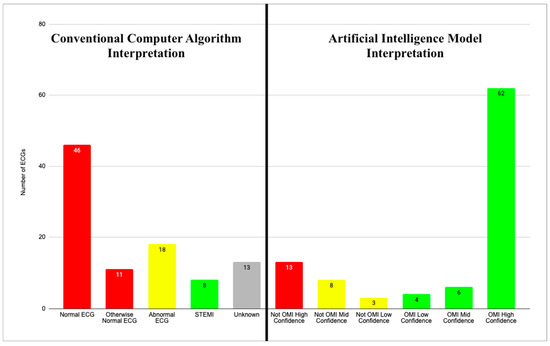
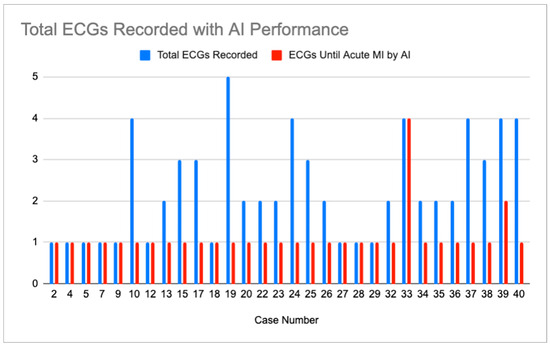
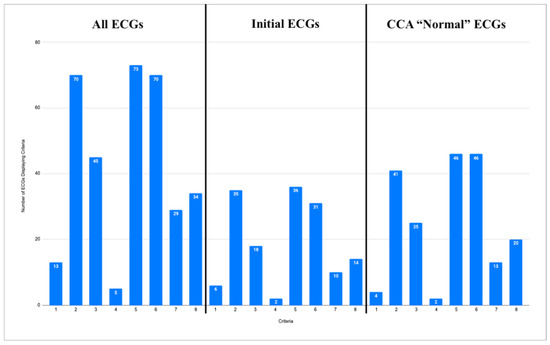
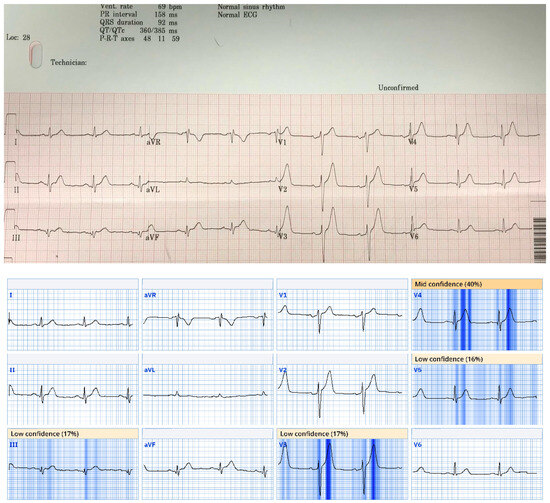
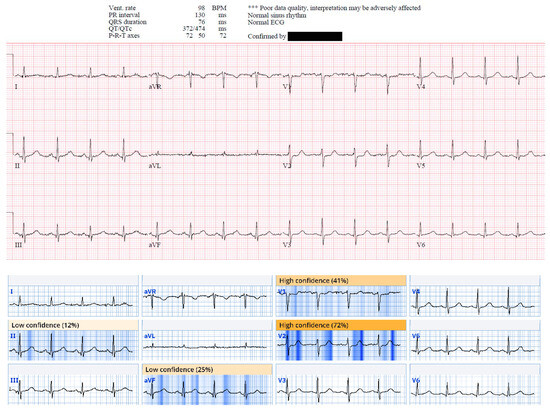
Background: Some authors advocate that ECGs with conventional computer algorithm (CCA) interpretations of “normal” need not be immediately reviewed. However, such ECGs may actually manifest findings of acute coronary occlusion myocardial infarction (OMI). We sought to determine if such cases can be detected by artificial intelligence (AI). Methods: We studied a retrospective series (2014–2024) of cases with ≥1 pre-angiography ECGs with a proven OMI outcome with a CCA ECG interpretation of “normal”. The OMI outcome was defined as (1) the diagnosis of acute type I MI, (2) an angiographic culprit with intervention, and (3) one of the following, (a) TIMI-0-2 flow, or (b) TIMI-3 or unknown flow, with high peak troponin or new wall abnormality. Each ECG as retrospectively interpreted by the PMcardio OMI AI ECG model. The primary analysis was the performance of AI in diagnosing "OMI" among these CCA “normal” ECGs. Results: Forty-two patients with OMI met the inclusion criteria. The first ECG was interpreted as “normal” by the CCA in 88% of cases; AI interpreted 81% as OMI and 86% as abnormal. Of the 78 total ECGs interpreted by the CCA, 73% were diagnosed as “normal”. Of this 73%, AI identified 81% as abnormal and 72% as OMI. Conclusion: The Conventional Computer Algorithm may interpret an ECG manifesting OMI as “normal”. AI not only recognized these as abnormal, but in 81% of patients, correctly recognized OMI on the first ECG and recognized 72% of all the CCA “normal” ECGs as OMI. It was rare for AI to diagnose a normal ECG for any OMI patient.
Full article
(This article belongs to the Section Personalized Critical Care)
►▼
Show Figures

Figure 1
Open AccessArticle
Stored Intestinal Biopsies in Inflammatory Bowel Disease Research: A Danish Nationwide Population-Based Register Study
by
Heidi Lynge Søfelt, Jessica Pingel, Donna Lykke Wolff, Karen Mai Møllegaard, Silja Hvid Overgaard, Anders Green, Gunvor Iben Madsen, Niels Qvist, Sofie Ronja Petersen, Trine Andresen, Andre Franke, Niels Marcussen, Robin Christensen and Vibeke Andersen
J. Pers. Med. 2025, 15(4), 129; https://doi.org/10.3390/jpm15040129 - 28 Mar 2025
Abstract
Background. Inflammatory bowel disease (IBD), encompassing Crohn’s disease (CD) and ulcerative colitis (UC), is a complex inflammatory condition affecting the intestinal tract. Currently, immune-modulating treatments are inadequate for 30–50% of patients and often cause significant side effects, highlighting the urgent need for a
[...] Read more.
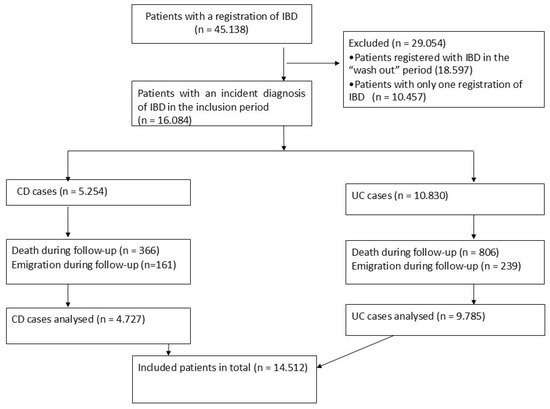
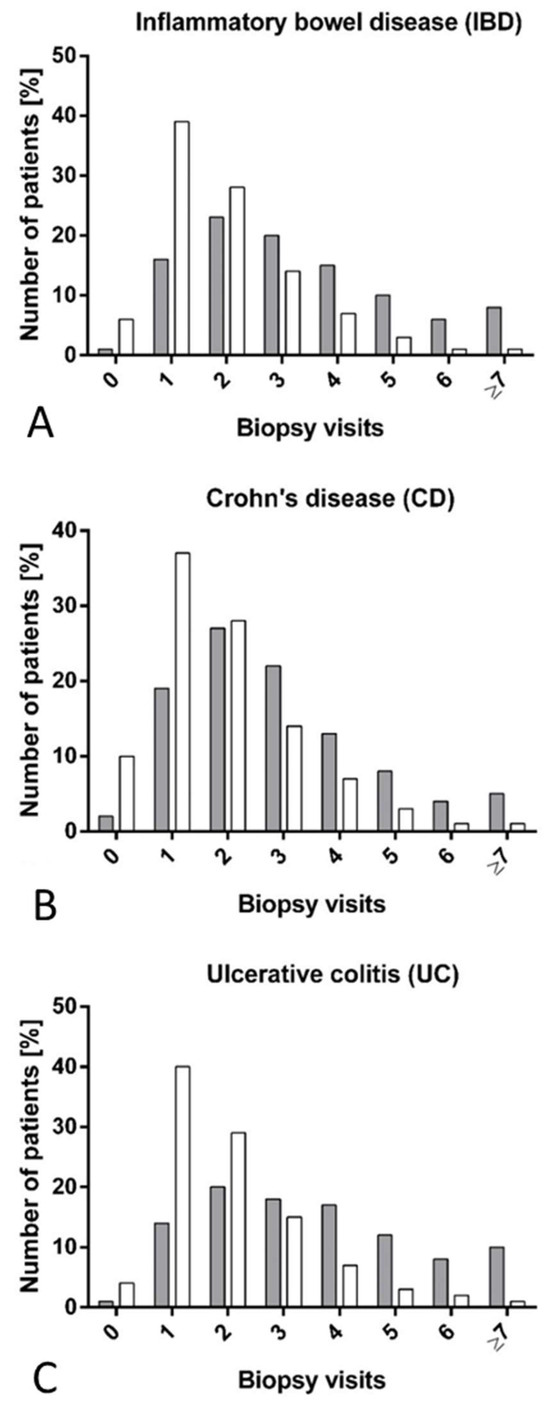
Background. Inflammatory bowel disease (IBD), encompassing Crohn’s disease (CD) and ulcerative colitis (UC), is a complex inflammatory condition affecting the intestinal tract. Currently, immune-modulating treatments are inadequate for 30–50% of patients and often cause significant side effects, highlighting the urgent need for a personalized medicine approach. Real-world data and archived gut biological material from clinical repositories could be a resource for identifying new drug candidates and biomarkers. This study assesses the extent of stored formalin-fixed, paraffin-embedded (FFPE) gut biopsies from patients with IBD that could be leveraged for research efforts. Methods. Data from the Danish National Patient Register and the Danish Pathology Register were used to construct a cohort of patients diagnosed with IBD between 1 January 2005, and 30 June 2013, and followed for five years. Results. Among 14,512 IBD patients, 13,936 (96%) had at least one biopsy visit within five years after their initial diagnosis (CD 94%, UC 97%), and 13,598 (94%) had their first biopsy visit as part of the diagnostic process. Biopsies were taken from the colon (82%) or multiple locations (46%). Patients with severe disease had more biopsy visits than those with non-severe disease (IBD 3.3 vs. 2.0 visits, CD 2.9 vs. 1.9 visits, UC 3.6 vs. 2.0 visits). Conclusions. Thus, the vast majority of patients with IBD have biopsies taken. These findings demonstrate the feasibility and applicability of combining real-world data and archived gut biopsies for research, highlighting it as a valuable but underutilized resource for identifying new drug candidates and biomarkers, with huge potential for enhancing personalized medicine within IBD for the benefit of patients and society.
Full article
(This article belongs to the Section Disease Biomarker)
►▼
Show Figures

Figure 1
Open AccessReview
Genetic Polymorphisms in Cytochrome P450 Enzymes Involved in Vitamin D Metabolism and the Vitamin D Receptor: Their Clinical Relevance
by
Yazun Jarrar, Ghayda’ Alhammadin and Su-Jun Lee
J. Pers. Med. 2025, 15(4), 128; https://doi.org/10.3390/jpm15040128 - 27 Mar 2025
Abstract
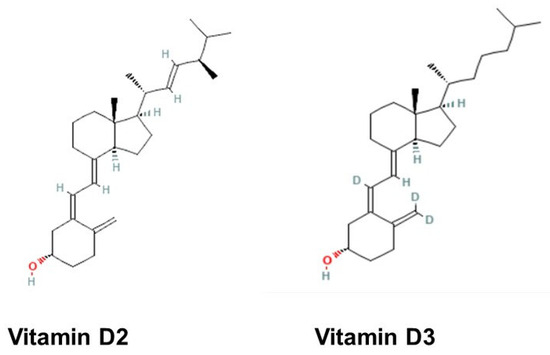
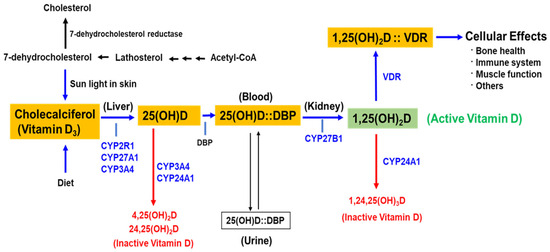
Individual variations in the active form of vitamin D (Vit.D) arise from a combination of dietary intake, sun exposure, and genetic factors, making it complex and challenging to maintain optimal levels. Among Vit.D-related genes, variations in CYP2R1 and CYP27B1 influence Vit.D synthesis, CYP24A1
[...] Read more.
Individual variations in the active form of vitamin D (Vit.D) arise from a combination of dietary intake, sun exposure, and genetic factors, making it complex and challenging to maintain optimal levels. Among Vit.D-related genes, variations in CYP2R1 and CYP27B1 influence Vit.D synthesis, CYP24A1 regulates its inactivation, and the Vit.D receptor (VDR) mediates Vit.D signaling. These genetic variations contribute to substantial differences in Vit.D concentrations and associated clinical effects. However, there has been a lack of comprehensive, simultaneous exploration of these key genes and their clinical implications. This review provides a systematic analysis of genetic variants in Vit.D-related P450 genes identified in human clinical studies, along with in silico predictions of their functional consequences. Since multiple genes seem to influence the body’s response to Vit.D, studying just one genetic variant may not fully explain Vit.D deficiency. A comprehensive evaluation of all Vit.D-related genes could offer valuable insights for advancing personalized medicine in Vit.D management. This study provides a foundation for developing a more personalized approach to Vit.D supplementation and regulation, guided by genetic information.
Full article
(This article belongs to the Special Issue New Approaches in Pharmacogenomics)
►▼
Show Figures

Figure 1
Open AccessArticle
COVID-19 Pandemic Impacts on STRESS, PTSD, and Prefrontal Cortical Thickness in Pre-Pandemic Trauma Survivors
by
Sharad Chandra, Atheer Amer, Chia-Hao Shih, Qin Shao, Xin Wang and Hong Xie
J. Pers. Med. 2025, 15(4), 127; https://doi.org/10.3390/jpm15040127 - 26 Mar 2025
Abstract
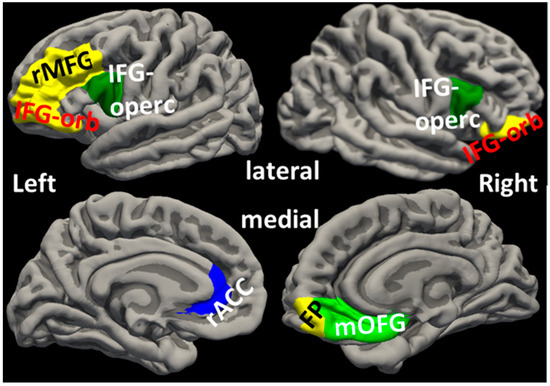
Background/Objectives: The COVID-19 pandemic increased psychiatric symptoms in patients with pre-pandemic mental health conditions. However, the effects of pandemic on the brain, stress, and mental illness remain largely conjectural. Our objective was to examine how the pandemic affected prefrontal cortical thicknesses (CTs),
[...] Read more.
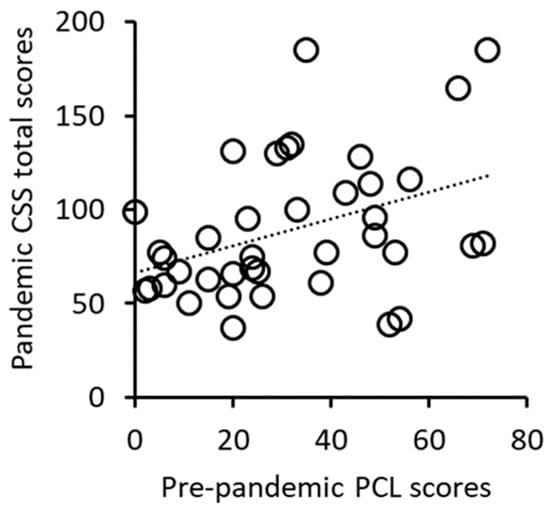
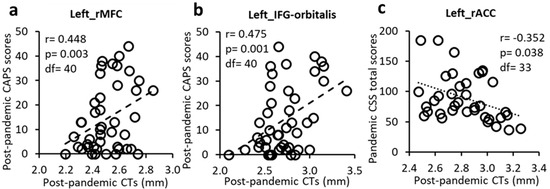
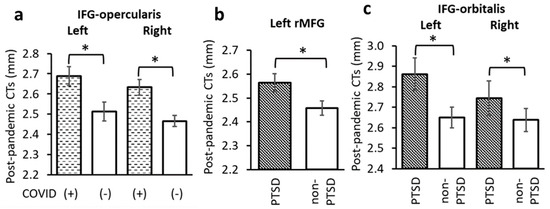
Background/Objectives: The COVID-19 pandemic increased psychiatric symptoms in patients with pre-pandemic mental health conditions. However, the effects of pandemic on the brain, stress, and mental illness remain largely conjectural. Our objective was to examine how the pandemic affected prefrontal cortical thicknesses (CTs), stress, and PTSD symptoms in people with pre-pandemic trauma histories. Methods: Fifty-one survivors from a pre-pandemic trauma study who had completed a pre-pandemic PTSD Checklist-5 (PCL) to assess PTSD symptoms and a sMRI scan to measure prefrontal CTs were re-recruited after the pandemic. They subsequently completed the COVID Stress Scale (CSS) to assess stress, the Clinician Administered PTSD Scale-5 (CAPS) to diagnose PTSD, and a second sMRI scan. COVID-19 infection was self-reported. Associations between stress and symptom assessments and post-pandemic CTs, differences in CTs in PTSD vs. non-PTSD groups, and changes in pre- to post-pandemic CTs were examined. Results: Pre-pandemic PCL scores were positively associated with CSS scores which, in turn, were higher in the PTSD group. Thicker IFG-opercularis CTs were associated with COVID-19 infection. Post-pandemic rMFG and IFG-orbitalis CTs were positively associated with CAPS scores. rACC CTs were negatively associated with CSS scores. Pre- to post-pandemic rMFG and frontal pole CTs thickened in the PTSD group but thinned in the non-PTSD group, whereas rACC CTs thinned in the PTSD group but thickened in the non-PTSD group. Conclusions: These findings provide novel evidence that the COVID-19 pandemic had diverse effects involving prefrontal cortex structure, stress, and PTSD symptoms in subjects with pre-pandemic trauma history and suggest that treatments are needed to counter these diverse effects.
Full article
(This article belongs to the Special Issue Mental Health: Clinical Advances in Personalized Medicine)
►▼
Show Figures

Figure 1
Journal Menu
► ▼ Journal Menu-
- JPM Home
- Aims & Scope
- Editorial Board
- Reviewer Board
- Topical Advisory Panel
- Instructions for Authors
- Special Issues
- Topics
- Sections & Collections
- Article Processing Charge
- Indexing & Archiving
- Editor’s Choice Articles
- Most Cited & Viewed
- Journal Statistics
- Journal History
- Journal Awards
- Society Collaborations
- Conferences
- Editorial Office
Journal Browser
► ▼ Journal BrowserHighly Accessed Articles
Latest Books
E-Mail Alert
News
Topics
Topic in
Diagnostics, JCTO, JCM, JPM, Tomography
Optical Coherence Tomography (OCT) and OCT Angiography – Recent Advances
Topic Editors: Sumit Randhir Singh, Jay ChhablaniDeadline: 26 May 2025
Topic in
JCM, JPM, JVD, Diagnostics, Cancers
Diagnosis, Management, and Prognostic Assessment of Chronic Disease
Topic Editors: Xiude Fan, Enfa Zhao, Yang Xia, Shanshan Shao, Tatsunori Miyata, Dongxing XieDeadline: 5 July 2025
Topic in
Biomedicines, JCM, JPM
Current Challenges and Advances in Skin Repair and Regeneration
Topic Editors: Giovanni Salzano, Chiara CopelliDeadline: 20 July 2025
Topic in
JCM, Diagnostics, JPM, Brain Sciences, JVD
Diagnosis and Management of Acute Ischemic Stroke
Topic Editors: Hyo Suk Nam, Byung Moon Kim, Tae-jin Song, Minho HanDeadline: 20 September 2025
Conferences
Special Issues
Special Issue in
JPM
Advances in Infectious Disease Epidemiology
Guest Editor: Cesar Henriquez-CamachoDeadline: 10 April 2025
Special Issue in
JPM
Novel Advances in Personalized Hepatobiliary Surgery
Guest Editors: Edoardo Maria Muttillo, Fabrizio Panaro, Fabio GiannoneDeadline: 10 April 2025
Special Issue in
JPM
Sports Cardiology and Health Promotion Through Personalized Exercise Prescription
Guest Editor: Luna CavigliDeadline: 15 April 2025
Special Issue in
JPM
Personalized Medicine of Digestive Diseases
Guest Editor: Takashi MurakamiDeadline: 15 April 2025