





-
Risk Management in DeFi: Analyses of the Innovative Tools and Platforms for Tracking DeFi Transactions -
Analyzing Corporate Social Responsibility, CEO Gender, and Compensation Structure: Evidence from U.S. Firms -
Forecasting Forex Market Volatility Using Deep Learning Models and Complexity Measures -
Pension Risk and the Sustainable Cost of Capital -
The Impact of Earnings Announcements Before and After Regular Market Hours on Asset Price Dynamics in the Fintech Era
Journal Description
Journal of Risk and Financial Management
is an international, peer-reviewed, open access journal on risk and financial management, published monthly online by MDPI.
- Open Access— free for readers, with article processing charges (APC) paid by authors or their institutions.
- High Visibility: indexed within Scopus, EconBiz, EconLit, RePEc, and other databases.
- Journal Rank: CiteScore - Q1 (Business, Management and Accounting (miscellaneous))
- Rapid Publication: manuscripts are peer-reviewed and a first decision is provided to authors approximately 21 days after submission; acceptance to publication is undertaken in 3.8 days (median values for papers published in this journal in the second half of 2024).
- Recognition of Reviewers: reviewers who provide timely, thorough peer-review reports receive vouchers entitling them to a discount on the APC of their next publication in any MDPI journal, in appreciation of the work done.
Latest Articles
Risk Management Practices and Financial Performance: Analysing Credit and Liquidity Risk Management and Disclosures by Nigerian Banks
J. Risk Financial Manag. 2025, 18(4), 198; https://doi.org/10.3390/jrfm18040198 (registering DOI) - 4 Apr 2025
Abstract
Nigerian banks encounter persistent difficulties in efficiently managing and disclosing credit and liquidity risks, considerably affecting their financial performance and shareholders’ confidence. This study, therefore, examined the effect of risk-management practices and disclosures on the financial performance of Nigerian commercial banks. The population
[...] Read more.
Nigerian banks encounter persistent difficulties in efficiently managing and disclosing credit and liquidity risks, considerably affecting their financial performance and shareholders’ confidence. This study, therefore, examined the effect of risk-management practices and disclosures on the financial performance of Nigerian commercial banks. The population of the study comprised 13 Nigerian commercial banks, of which 12 were purposively chosen, subject to data availability. The data explored in this study originate from World Development Indicators and the annual reports and accounts of the selected Nigerian commercial banks from 2012 to 2023. The data analysis technique used was panel regression analysis, which was further extended to the generalized method of moments in a bid to account for potential endogeneity. The study made use of EViews 12 software to analyse the data. The results reveal that liquidity risk disclosure and firm size had significant and positive effects on financial performance, while credit risk disclosure, credit risk, firm age, and leverage had significant and negative effects. This study concludes that credit risks significantly undermine commercial banks’ financial performance, as an upsurge in non-performing loans results in reduced financial performance. Conversely, effective liquidity risk disclosure characterized by transparent reporting on liquidity position was found to enhance financial performance. This study, therefore, recommends, among others, that banks should strengthen their credit risk assessment framework and enhance transparent risk reporting to improve performance and financial stability.
Full article
(This article belongs to the Special Issue Financial Management)
Open AccessArticle
A Majority Voting Mechanism-Based Ensemble Learning Approach for Financial Distress Prediction in Indian Automobile Industry
by
Manoranjitham Muniappan and Nithya Darisini Paruvachi Subramanian
J. Risk Financial Manag. 2025, 18(4), 197; https://doi.org/10.3390/jrfm18040197 (registering DOI) - 4 Apr 2025
Abstract
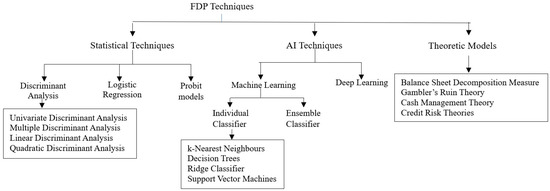
Financial distress poses a significant risk to companies worldwide, irrespective of their nature or size. It refers to a situation where a company is unable to meet its financial obligations on time, potentially leading to bankruptcy and liquidation. Predicting distress has become a
[...] Read more.
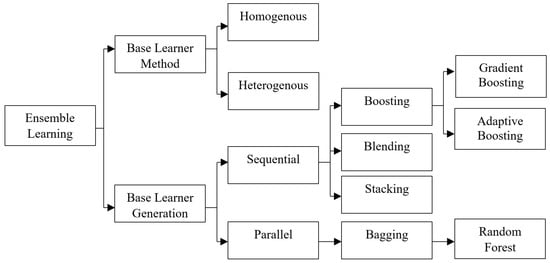
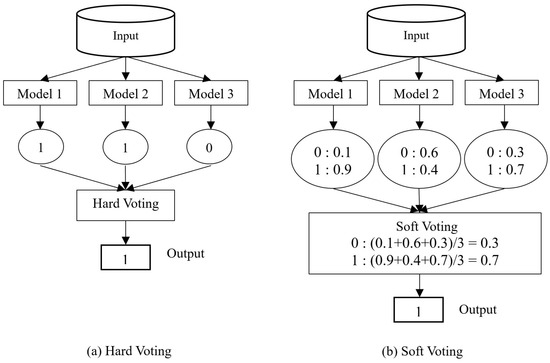
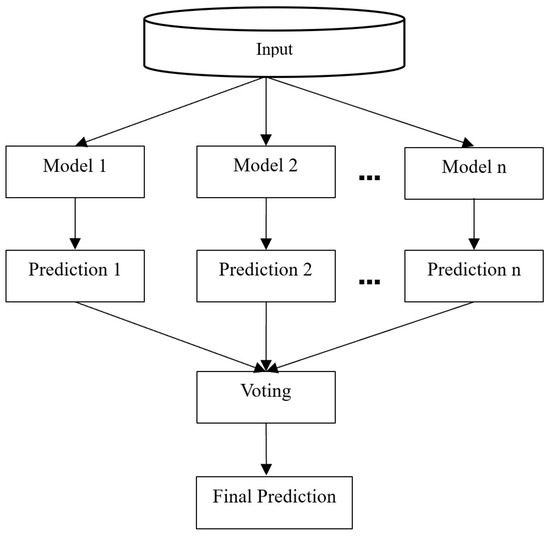
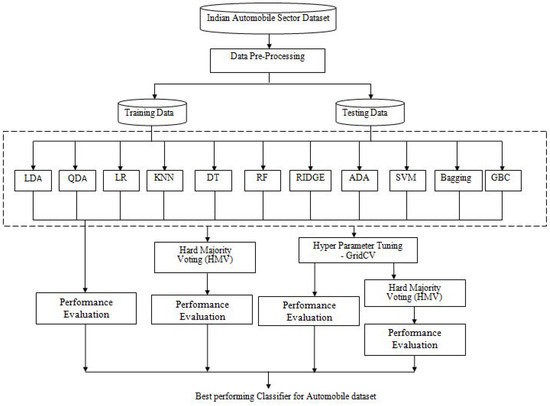
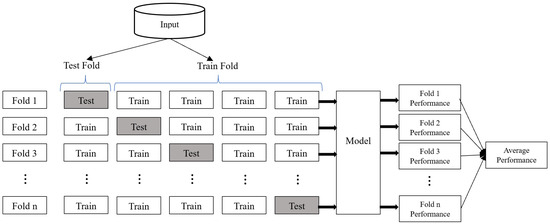
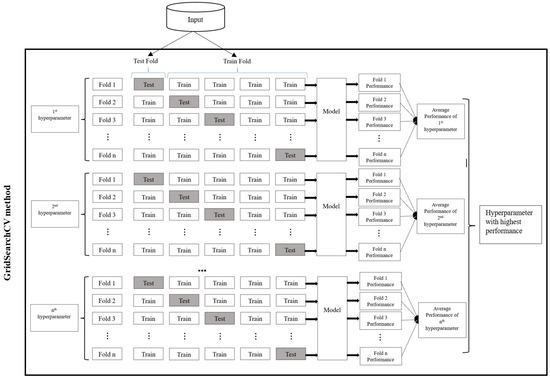
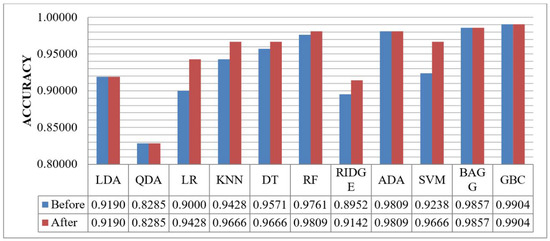
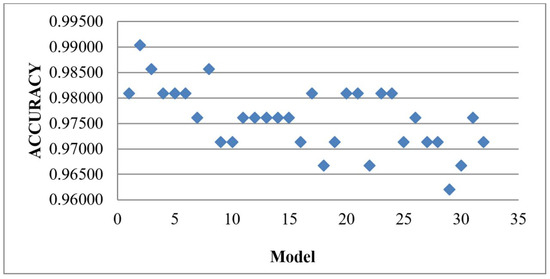
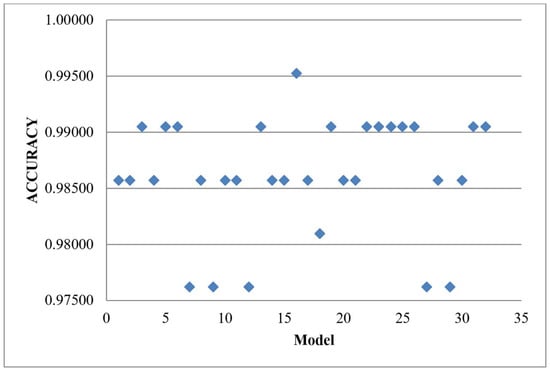
Financial distress poses a significant risk to companies worldwide, irrespective of their nature or size. It refers to a situation where a company is unable to meet its financial obligations on time, potentially leading to bankruptcy and liquidation. Predicting distress has become a crucial application in business classification, employing both Statistical approaches and Artificial Intelligence techniques. Researchers often compare the prediction performance of different techniques on specific datasets, but no consistent results exist to establish one model as superior to others. Each technique has its own advantages and drawbacks, depending on the dataset. Recent studies suggest that combining multiple classifiers can significantly enhance prediction performance. However, such ensemble methods inherit both the strengths and weaknesses of the constituent classifiers. This study focuses on analyzing and comparing the financial status of Indian automobile manufacturing companies. Data from a sample of 100 automobile companies between 2013 and 2019 were used. A novel Firm-Feature-Wise three-step missing value imputation algorithm was implemented to handle missing financial data effectively. This study evaluates the performance of 11 individual baseline classifiers and all the 11 baseline algorithm’s combinations by using ensemble method. A manual ranking-based approach was used to evaluate the performance of 2047 models. The results of each combination are inputted to hard majority voting mechanism algorithm for predicting a company’s financial distress. Eleven baseline models are trained and assessed, with Gradient Boosting exhibiting the highest accuracy. Hyperparameter tuning is then applied to enhance individual baseline classifier performance. The majority voting mechanism with hyperparameter-tuned baseline classifiers achieve high accuracy. The robustness of the model is tested through k-fold Cross-Validation, demonstrating its generalizability. After fine-tuning the hyperparameters, the experimental investigation yielded an accuracy of 99.52%, surpassing the performance of previous studies. Furthermore, it results in the absence of Type-I errors.
Full article
(This article belongs to the Special Issue Machine Learning Applications in Finance, 2nd Edition)
►▼
Show Figures

Figure 1
Open AccessArticle
The Role of Digital Transformation Capabilities in Improving Banking Performance in Jordanian Commercial Banks
by
Ehsan Ali Alqararah, Maha Shehadeh and Hadeel Yaseen
J. Risk Financial Manag. 2025, 18(4), 196; https://doi.org/10.3390/jrfm18040196 - 4 Apr 2025
Abstract
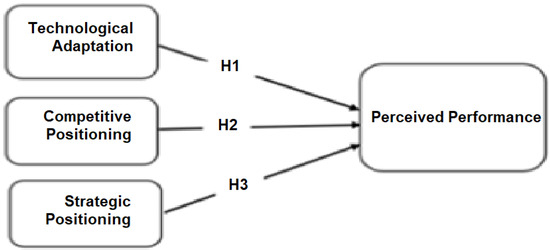
In today’s competitive business environment, digital transformation is crucial for organizational success. The Jordanian banking sector faces the challenges of adapting to rapid digital advancements, evolving customer expectations, and intense competition. This study investigated the impact of digital transformation capabilities—technological adaptation, strategic positioning,
[...] Read more.
In today’s competitive business environment, digital transformation is crucial for organizational success. The Jordanian banking sector faces the challenges of adapting to rapid digital advancements, evolving customer expectations, and intense competition. This study investigated the impact of digital transformation capabilities—technological adaptation, strategic positioning, and competitive positioning—on perceived performance among 129 bank managers from 16 Jordanian commercial banks. Data were collected via a web-based survey that included a 29-item perceptual scale using a 5-point Likert scale. Multiple linear regression analysis revealed a significant positive relationship between these capabilities and perceived performance, explaining 68% of the variance. Specifically, technological adaptation (β = 0.310), strategic positioning (β = 0.260), and competitive positioning (β = 0.360) all significantly predicted perceived performance. Harman’s single-factor test indicated minimal common method bias, and strong positive correlations were found among all study variables. This research underscores the importance of a holistic digital transformation strategy for Jordanian banks, emphasizing the need for strategic investments in technology, competitive differentiation, and alignment with business objectives. Future research should explore additional factors such as organizational culture and regulatory frameworks and incorporate objective performance measures to provide a more comprehensive understanding of the impact of digital transformation. This study offers valuable insights for practitioners, policymakers, and researchers seeking to navigate digital disruption and foster business growth.
Full article
(This article belongs to the Section Financial Technology and Innovation)
►▼
Show Figures

Figure 1
Open AccessArticle
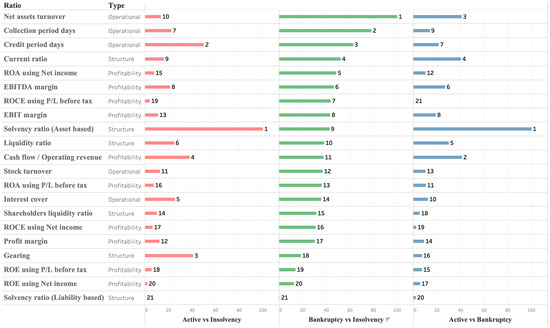
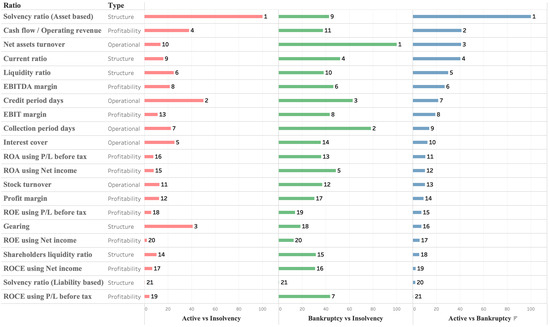
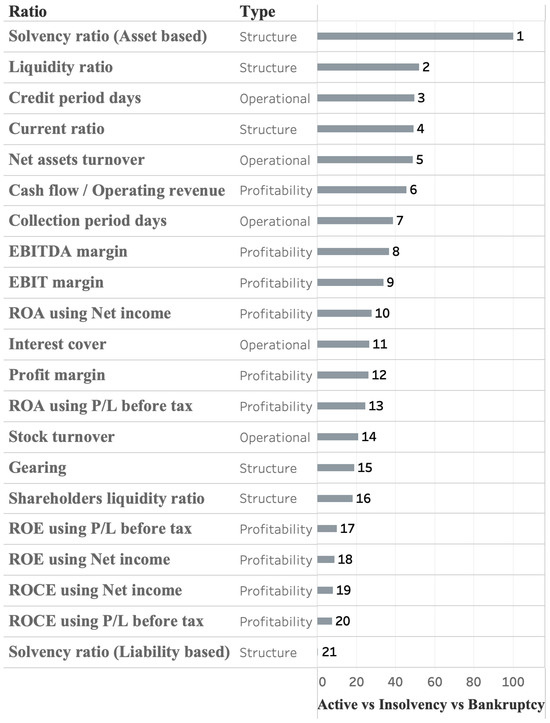
A Multi-Stage Financial Distress Early Warning System: Analyzing Corporate Insolvency with Random Forest
by
Katsuyuki Tanaka, Takuo Higashide, Takuji Kinkyo and Shigeyuki Hamori
J. Risk Financial Manag. 2025, 18(4), 195; https://doi.org/10.3390/jrfm18040195 - 4 Apr 2025
Abstract
As corporate sector stability is crucial for economic resilience and growth, machine learning has become a widely used tool for constructing early warning systems (EWS) to detect financial vulnerabilities more accurately. While most existing EWS research focuses on bankruptcy prediction models, bankruptcy signals
[...] Read more.
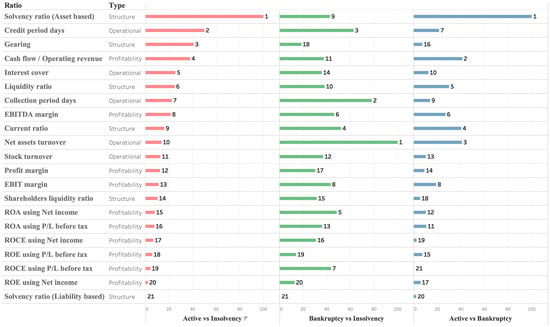
As corporate sector stability is crucial for economic resilience and growth, machine learning has become a widely used tool for constructing early warning systems (EWS) to detect financial vulnerabilities more accurately. While most existing EWS research focuses on bankruptcy prediction models, bankruptcy signals often emerge too late and provide limited early-stage insights. This study employs a random forest approach to systematically examine whether a company’s insolvency status can serve as an effective multi-stage financial distress EWS. Additionally, we analyze how the financial characteristics of insolvent companies differ from those of active and bankrupt firms. Our empirical findings indicate that highly accurate insolvency models can be developed to detect status transitions from active to insolvent and from insolvent to bankrupt. Furthermore, our analysis reveals that the financial determinants of these transitions differ significantly. The shift from active to insolvent is primarily driven by structural and operational ratios, whereas the transition from insolvent to bankrupt is largely influenced by further financial distress in operational and profitability ratios.
Full article
(This article belongs to the Special Issue The Role of Digitization in Corporate Finance)
►▼
Show Figures

Figure 1
Open AccessArticle
Unmasking Delistings: A Multifactorial Analysis of Financial, Non-Financial, and Macroeconomic Variables
by
Peter Lansdell, Ilse Botha and Ben Marx
J. Risk Financial Manag. 2025, 18(4), 194; https://doi.org/10.3390/jrfm18040194 - 4 Apr 2025
Abstract
The stability of financial markets is influenced by the strength and transparency of companies listed on stock exchanges. This paper explores how financial, non-financial, and macroeconomic factors influence delisting likelihood among companies listed on the Johannesburg Stock Exchange (JSE), addressing a limitation in
[...] Read more.
The stability of financial markets is influenced by the strength and transparency of companies listed on stock exchanges. This paper explores how financial, non-financial, and macroeconomic factors influence delisting likelihood among companies listed on the Johannesburg Stock Exchange (JSE), addressing a limitation in the current body of knowledge that often overlooks the combination of these factors, especially within the context of developing economies. Using a sample of 302 companies delisted between 2010 and 2023 and 302 as a control group, we analyzed 72 variables through a multivariate panel probit regression model. Our findings reveal that delisting decisions are driven by a complex interplay of financial health, governance practices, and macroeconomic conditions. Financial health, including liquidity and market valuation, is crucial in mitigating delisting risk. Non-financial factors, such as corporate governance and shareholder composition, further reduce the likelihood of delisting. Macroeconomic conditions, including inflation and interest rates, introduce significant external pressures. This study is especially relevant in developing economies like South Africa, where economic volatility adds risks for listed companies. The results provide insights for companies, investors, regulators, and policymakers to ensure a stable and robust stock market and financial system and identify early warning signals for delisting.
Full article
(This article belongs to the Section Applied Economics and Finance)
Open AccessArticle
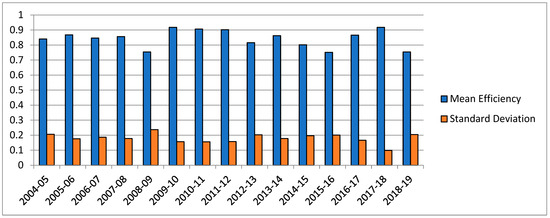
Application of a Slack-Based DEA Approach to Measure Efficiency in Public Sector Banks in India with Non-Performing Assets as an Undesirable Output
by
Hitesh Arora, Ram Pratap Sinha, Padmasai Arora and Sonika Sharma
J. Risk Financial Manag. 2025, 18(4), 193; https://doi.org/10.3390/jrfm18040193 - 2 Apr 2025
Abstract
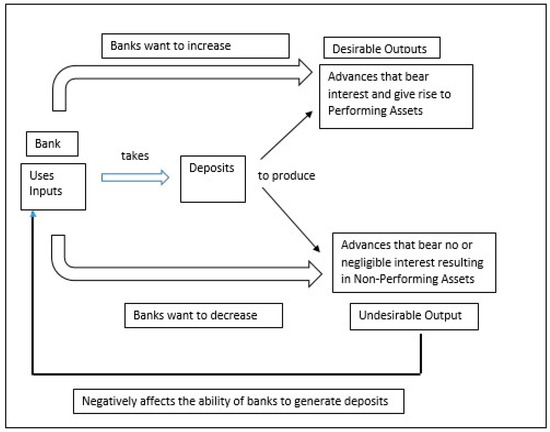
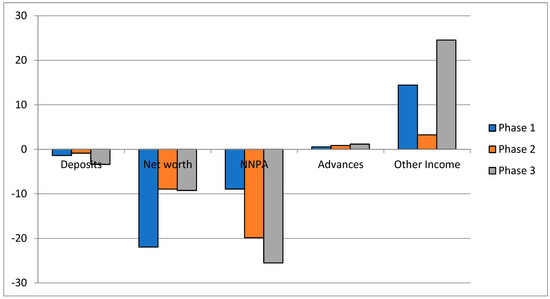
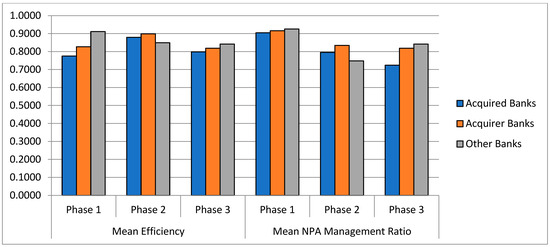
Ignoring the presence of non-performing assets makes efficiency measurement inappropriate and incomplete. Thus, the present study considers non-performing assets as an undesirable output and applies the slack-based efficiency model to measure the efficiency of public sector banks in India during 2004–2005 to 2018–2019.
[...] Read more.
Ignoring the presence of non-performing assets makes efficiency measurement inappropriate and incomplete. Thus, the present study considers non-performing assets as an undesirable output and applies the slack-based efficiency model to measure the efficiency of public sector banks in India during 2004–2005 to 2018–2019. A two-metric performance assessment of sample banks is carried out using mean efficiency and the non-performing assets management ratio. This study is extended to investigate determinants of bank efficiency using a fixed effects model and dynamic panel data regression on the contextual variables. Results show that profitability as measured by return on equity (ROE) and priority sector exposure have had no impact on efficiency. However, cost of deposits and capital adequacy ratio have a significant negative impact on the efficiency of public sector banks in India. Most importantly, the study finds a decline in efficiency in recent years, indicating a necessity of serious efforts for revamping these state-owned banks.
Full article
(This article belongs to the Special Issue Post SVB Banking Sector Outlook)
►▼
Show Figures

Figure 1
Open AccessArticle
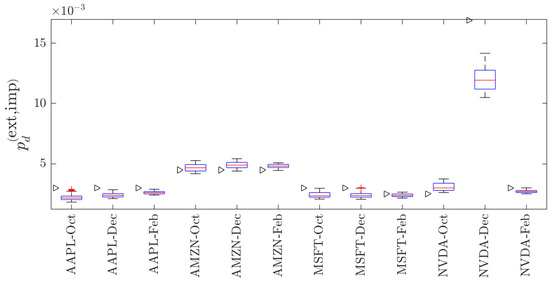
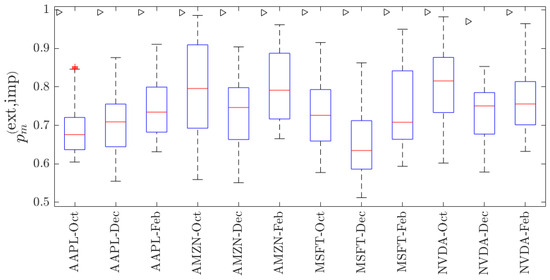
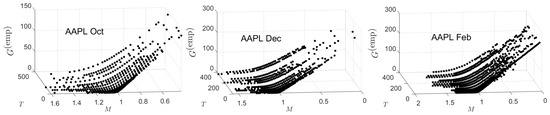
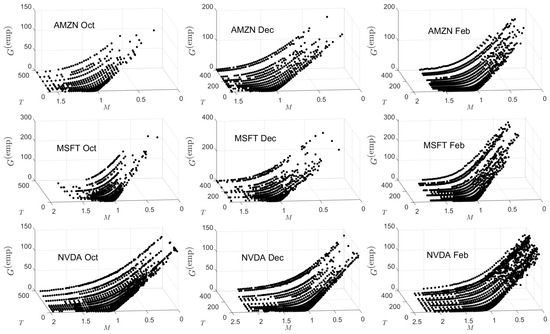
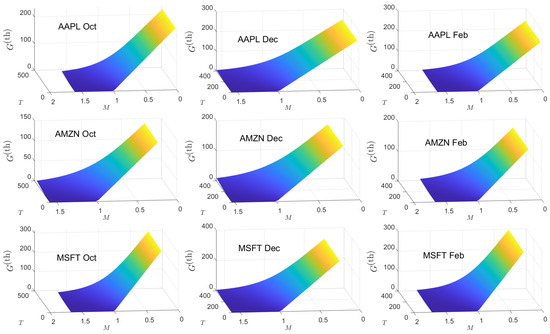
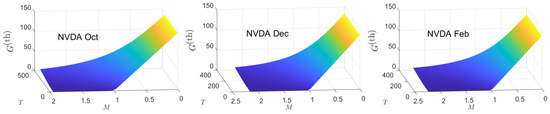
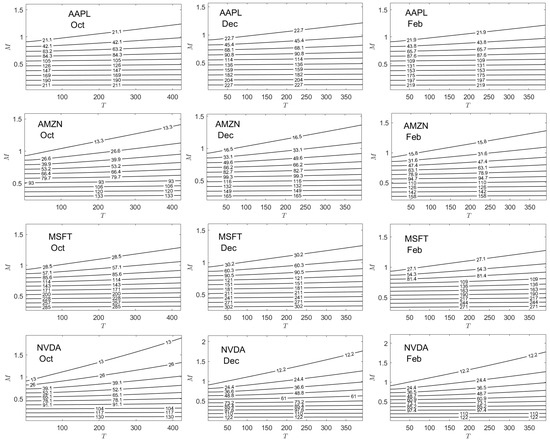
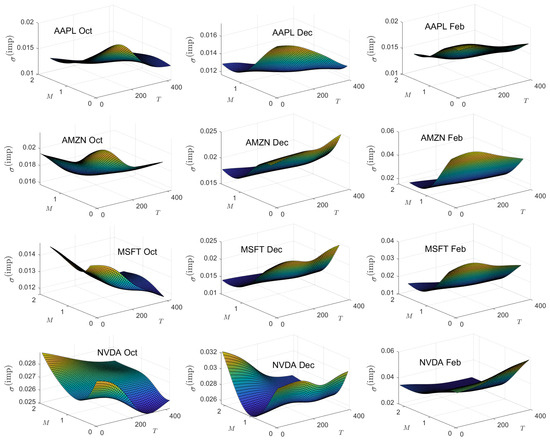
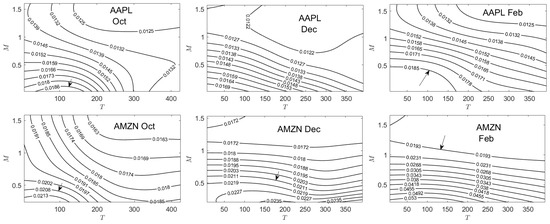
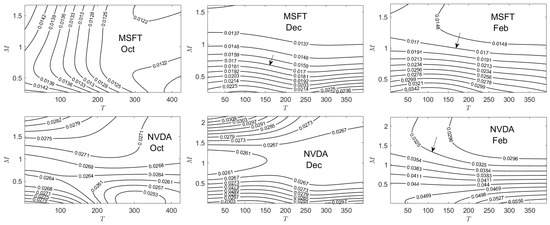
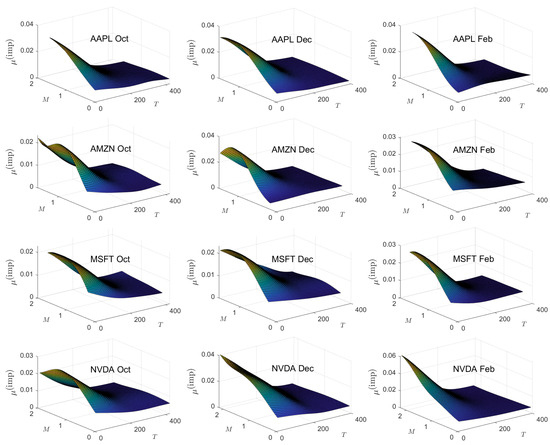
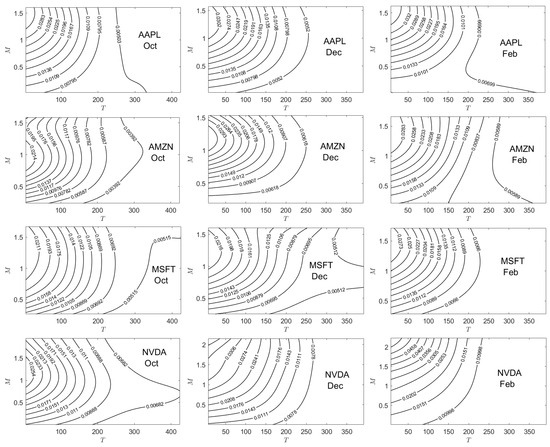
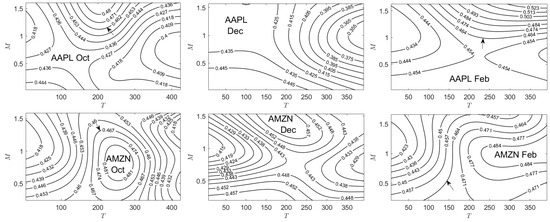
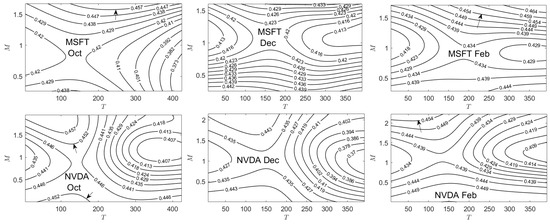
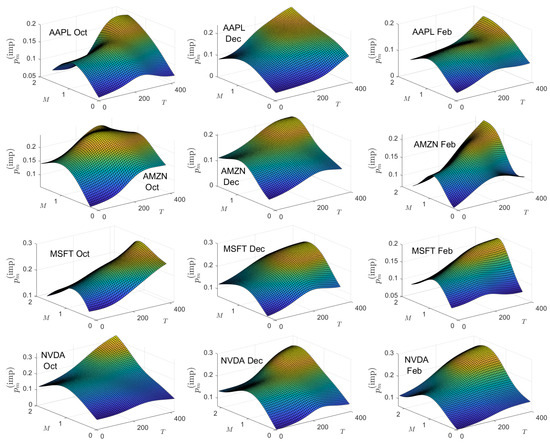
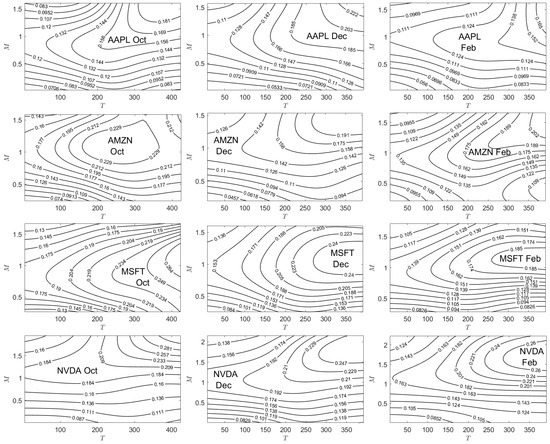
Hedging via Perpetual Derivatives: Trinomial Option Pricing and Implied Parameter Surface Analysis
by
Jagdish Gnawali, W. Brent Lindquist and Svetlozar T. Rachev
J. Risk Financial Manag. 2025, 18(4), 192; https://doi.org/10.3390/jrfm18040192 - 2 Apr 2025
Abstract
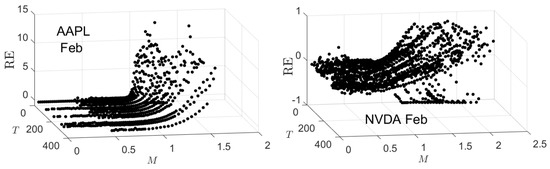
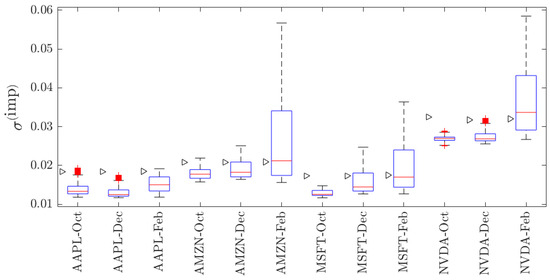
We introduce a fairly general, recombining trinomial tree model in the natural world. Market completeness is ensured by considering a market consisting of two risky assets, a riskless asset and a European option. The two risky assets consist of a stock and a
[...] Read more.
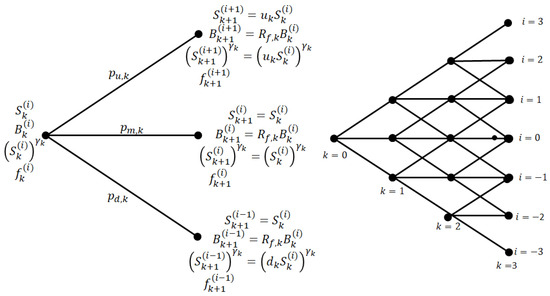
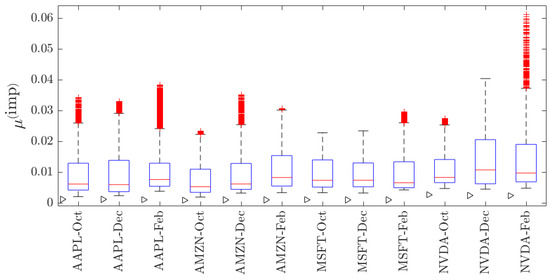
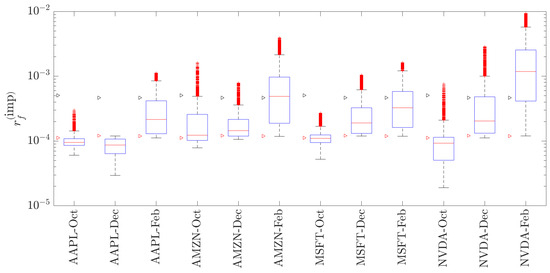
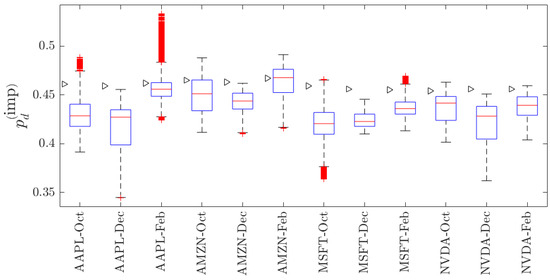
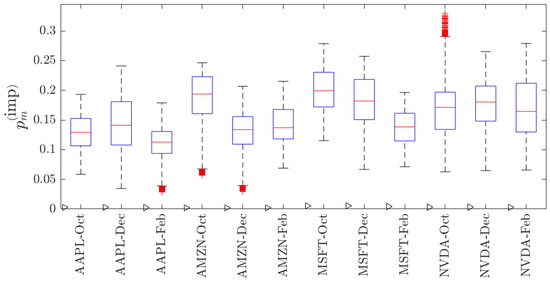
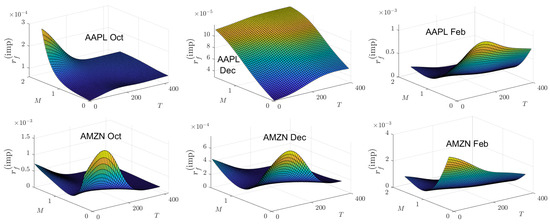
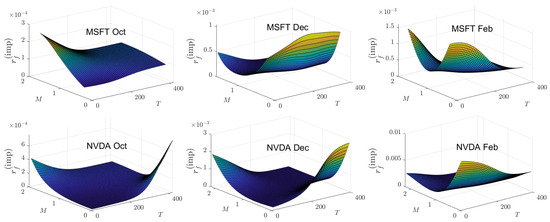
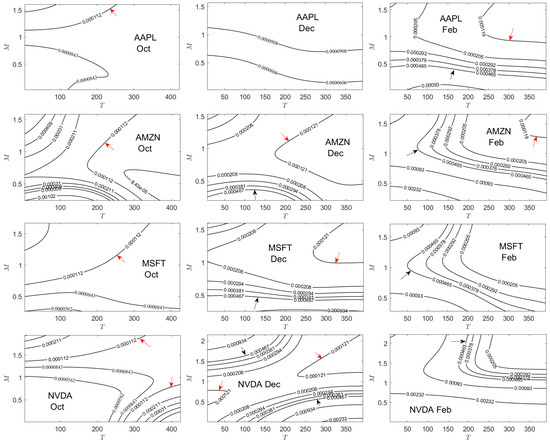
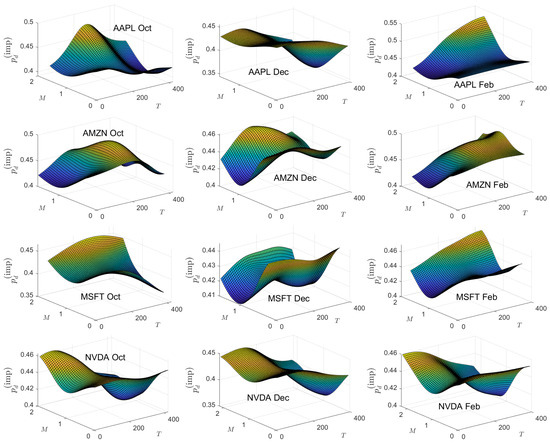
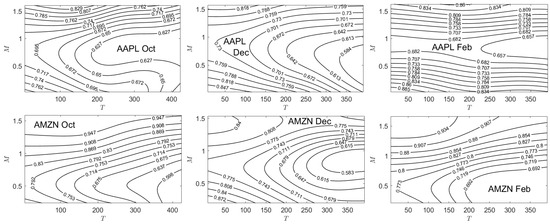
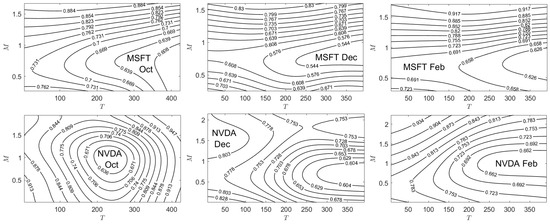
We introduce a fairly general, recombining trinomial tree model in the natural world. Market completeness is ensured by considering a market consisting of two risky assets, a riskless asset and a European option. The two risky assets consist of a stock and a perpetual derivative of that stock. The option has the stock and its derivative as its underlying. Using a replicating portfolio, we develop prices for European options and generate the unique relationships between the risk-neutral and real-world parameters of the model. We discuss calibration of the model to empirical data in the cases in which the risky asset returns are treated as either arithmetic or logarithmic. From historical price and call option data for select large cap stocks, we develop implied parameter surfaces for the real-world parameters in the model.
Full article
(This article belongs to the Special Issue Financial Innovations and Derivatives)
►▼
Show Figures

Figure 1
Open AccessArticle
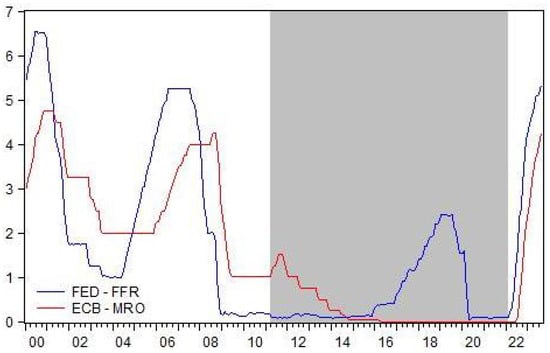
Who Is Leading in Communication Tone? Wavelet Analysis of the Fed and the ECB
by
Pinar Deniz and Thanasis Stengos
J. Risk Financial Manag. 2025, 18(4), 191; https://doi.org/10.3390/jrfm18040191 - 2 Apr 2025
Abstract
This study examines the relationship between the communication tone of the Fed and that of the ECB over the period from January 2000 to September 2023. The tones were measured using both lexicon-based and transform-based algorithms. Wavelet coherence analysis helped distinguish the scale
[...] Read more.
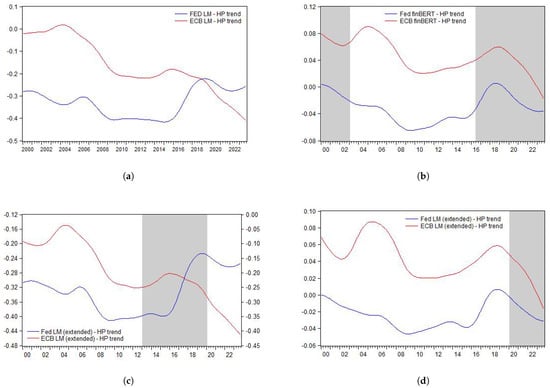
This study examines the relationship between the communication tone of the Fed and that of the ECB over the period from January 2000 to September 2023. The tones were measured using both lexicon-based and transform-based algorithms. Wavelet coherence analysis helped distinguish the scale of the relationship over time and frequency domains. Our findings suggest a dynamic process regarding the lead/lag positions, and the similarity of the two algorithms in the medium run highlights the leading role of the ECB during the (pre-)crisis period of the US and the leading role of the Fed during the QE period of the ECB. Hence, the variability in the leader/follower role suggests no strong predictive structural relationship between the two communication tones.
Full article
(This article belongs to the Special Issue Machine Learning Based Risk Management in Finance and Insurance)
►▼
Show Figures

Figure 1
Open AccessArticle
An Examination of G10 Carry Trade and Covered Interest Arbitrage Before, During, and After Financial Crises
by
Charles Armah Danso and James Refalo
J. Risk Financial Manag. 2025, 18(4), 190; https://doi.org/10.3390/jrfm18040190 - 2 Apr 2025
Abstract
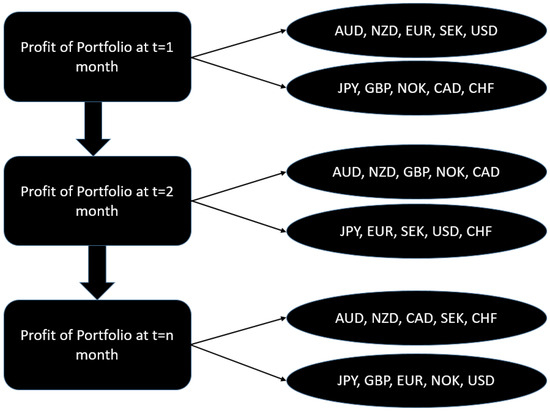
This paper examines and compares the trading strategies of carry and covered interest arbitrage. This study constructs portfolios for G10 countries based on interest rates’ spot and forward exchange rates. We extend the prior literature by focusing on the profitability of the strategies
[...] Read more.
This paper examines and compares the trading strategies of carry and covered interest arbitrage. This study constructs portfolios for G10 countries based on interest rates’ spot and forward exchange rates. We extend the prior literature by focusing on the profitability of the strategies during and around the two crisis periods, comparing both carry trade (CT), i.e., unhedged, and covered interest arbitrage (CIAT), i.e., hedged. We find that both CT and CIAT have variable profits during the period examined, with both strategies’ profits generally concentrated in the pre-crisis period and most losses in the post-crisis period.
Full article
(This article belongs to the Special Issue Advancing Research in International Finance)
►▼
Show Figures

Figure 1
Open AccessArticle
The Impact of Digital Transformation on Economic Integration in ASEAN-6: Evidence from a Generalized Least Squares (GLS) Model
by
Thi Anh Tuyet Le
J. Risk Financial Manag. 2025, 18(4), 189; https://doi.org/10.3390/jrfm18040189 - 2 Apr 2025
Abstract
This study analyzes the impact of digital transformation on the international economic integration of ASEAN-6 countries during the period of 2000–2023 using the Generalized Least Squares (GLS) estimation method. The findings indicate that factors such as fixed broadband subscriptions (FixB), fixed telephone subscriptions
[...] Read more.
This study analyzes the impact of digital transformation on the international economic integration of ASEAN-6 countries during the period of 2000–2023 using the Generalized Least Squares (GLS) estimation method. The findings indicate that factors such as fixed broadband subscriptions (FixB), fixed telephone subscriptions (FixT), and the value added from medium- and high-tech manufacturing (MHT) have a positive and statistically significant effect on trade openness (TO). Conversely, mobile cellular subscriptions (MB) and the percentage of individuals using the Internet (IU) exhibit a negative impact on economic integration, reflecting the uneven development of digital infrastructure across countries. Based on these results, the study suggests policy implications, including substantial investment in digital infrastructure, technological advancement in production, and improved accessibility to digital services to foster more effective economic integration. ASEAN-6 countries should adopt tailored development strategies that emphasize innovation and the development of a skilled digital workforce to enhance their competitiveness both regionally and globally.
Full article
(This article belongs to the Special Issue Recent Developments in Finance and Economic Growth)
Open AccessArticle
Green Loans: Expert Perspectives
by
Giedrė Lapinskienė, Tadas Gudaitis and Rita Martišienė
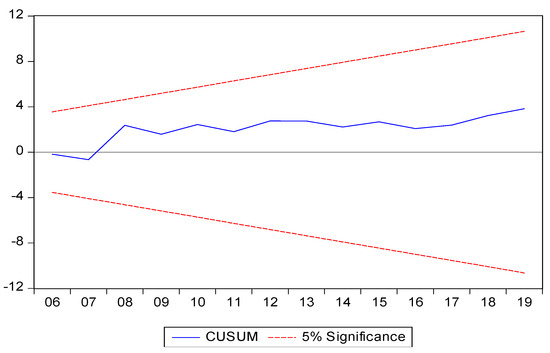
J. Risk Financial Manag. 2025, 18(4), 188; https://doi.org/10.3390/jrfm18040188 - 2 Apr 2025
Abstract
In the context of tighter regulations by European Union institutions, sustainable finance allows companies and individuals to identify environmentally friendly ways to access loans according to their sustainability priorities. The financial sector, facing increasingly stringent regulatory requirements, is adapting existing processes and developing
[...] Read more.
In the context of tighter regulations by European Union institutions, sustainable finance allows companies and individuals to identify environmentally friendly ways to access loans according to their sustainability priorities. The financial sector, facing increasingly stringent regulatory requirements, is adapting existing processes and developing new management tools to address the evolving environmental context. This article examines green loans as a sustainable source of finance through a structural survey of eight experts from five major banks operating in Lithuania. The following study methods are employed: systematization and comparison of theoretical literature; questionnaire survey of experts; and analysis of interviews, involving an inductive approach adopting the Gioia Methodology. The survey was carried out in 2024, and its results show that, despite a high level of uncertainty in this area, all of the banks involved are making significant efforts to develop green loans. However, progress is more rapid in sectors where there is a clearer assessment of the greenness of that sector. The article concludes by analyzing green loans in two key areas: the sectors to which the loans are issued and the most significant challenges. The analysis highlights both strengths and points for improvement, such as the need for closer communication.
Full article
(This article belongs to the Section Sustainability and Finance)
►▼
Show Figures

Figure 1
Open AccessArticle
Foreign Investment and Housing Market Stability in Developing Economies: Empirical Evidence from Malaysia
by
Nur Hafizah Ismail, Mohd Zaini Abd Karim and Helen X. H. Bao
J. Risk Financial Manag. 2025, 18(4), 187; https://doi.org/10.3390/jrfm18040187 - 1 Apr 2025
Abstract
►▼
Show Figures
Sustainable property development in developing economies requires a careful balance between attracting foreign capital and maintaining housing affordability for local residents. While foreign direct investment (FDI) serves as a crucial engine for economic growth by enhancing productive capacity and international competitiveness, its effects
[...] Read more.
Sustainable property development in developing economies requires a careful balance between attracting foreign capital and maintaining housing affordability for local residents. While foreign direct investment (FDI) serves as a crucial engine for economic growth by enhancing productive capacity and international competitiveness, its effects on local housing markets remain inadequately understood in policy frameworks. This study examines how economic development strategies can be designed to harness FDI benefits while preventing residential market distortions in rapidly industrializing regions. Using Malaysia’s Kulim Hi-Tech Park and Batu Kawan Industrial Park as empirical cases, we analyze the relationship between foreign capital inflows and residential property prices from 2000 to 2022 through time-series regression analysis supplemented by stakeholder consultations. Our findings reveal that FDI significantly influences housing price dynamics in industrial zones, with both positive economic spillovers and challenges for housing affordability. The results demonstrate that targeted policy interventions—including affordable housing mandates, developer incentives, and strategic land use planning—can effectively moderate price appreciation while maintaining investment attractiveness. This research contributes to evidence-based policymaking by identifying integrated mechanisms that promote sustainable and inclusive growth in emerging economies seeking to balance industrial advancement with equitable housing access. The Malaysian experience offers valuable practical insights for policymakers in developing nations navigating the complex relationship between international investment, housing markets, and social welfare.
Full article

Figure 1
Open AccessArticle
Ripples of Oil Shocks: How Jordan’s Sectors React
by
Salem Adel Ziadat and Maher Khasawneh
J. Risk Financial Manag. 2025, 18(4), 186; https://doi.org/10.3390/jrfm18040186 - 1 Apr 2025
Abstract
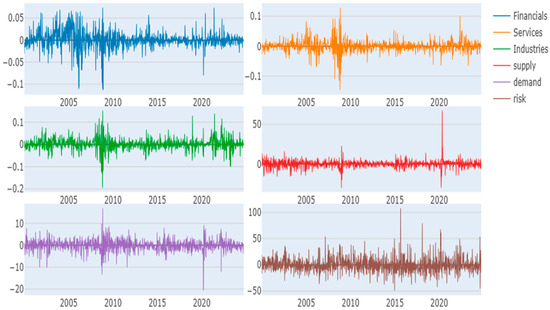
This paper examines the impact of different oil price shocks (supply, demand, and risk) on the sectoral indices of Jordan from 4 January 2000 until 24 September 2024 using the TVP connectedness approach of. The results point to the existence of a time
[...] Read more.
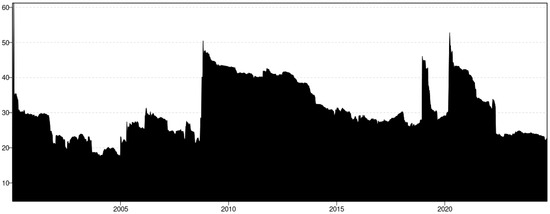
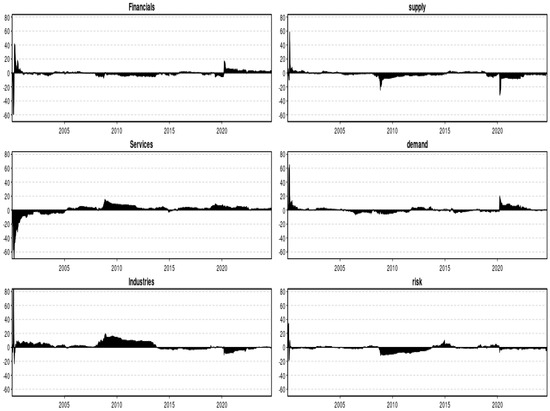
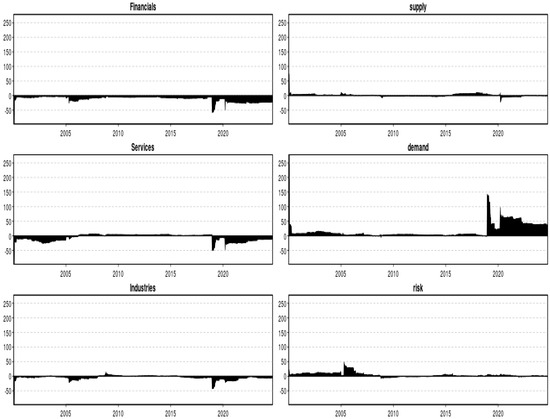
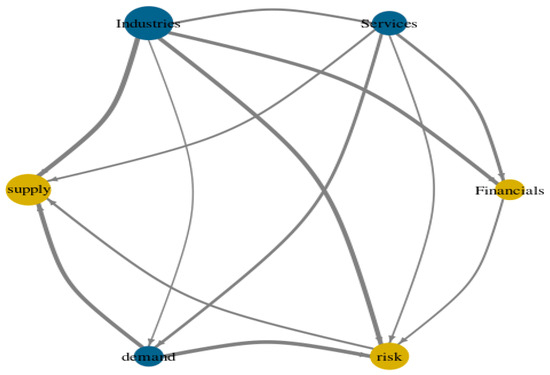
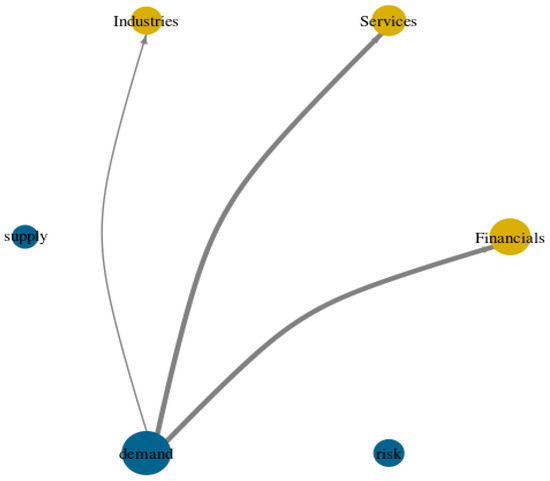
This paper examines the impact of different oil price shocks (supply, demand, and risk) on the sectoral indices of Jordan from 4 January 2000 until 24 September 2024 using the TVP connectedness approach of. The results point to the existence of a time dynamic component that governs the relationship between oil shocks and Jordanian sectors’ return and volatility. Within this, periods like the COVID-19 pandemic endured intense spillovers. Moreover, heterogeneity is observed in different oil shocks and sectors in terms of their role in the information transmission mechanism, with particular importance of oil demand shocks. Spillovers from oil shocks to Jordanian sectors’ volatility is stronger than Jordanian sectors’ returns. This paper carries important implications for policy holders, investors, and academics alike.
Full article
(This article belongs to the Special Issue Emerging Issues in Economics, Finance and Business—2nd Edition)
►▼
Show Figures

Figure 1
Open AccessArticle
Preventing Household Bankruptcy: The One-Third Rule in Financial Planning with Mathematical Validation and Game-Theoretic Insights
by
Aditi Godbole, Zubin Shah and Ranjeet S. Mudholkar
J. Risk Financial Manag. 2025, 18(4), 185; https://doi.org/10.3390/jrfm18040185 - 1 Apr 2025
Abstract
This paper analyzes the 1/3 Financial Rule, a method of allocating income equally among debt repayment, savings, and living expenses. Through mathematical modeling, game theory, behavioral finance, and technological analysis, we examine the rule’s potential for supporting household financial stability and reducing bankruptcy
[...] Read more.
This paper analyzes the 1/3 Financial Rule, a method of allocating income equally among debt repayment, savings, and living expenses. Through mathematical modeling, game theory, behavioral finance, and technological analysis, we examine the rule’s potential for supporting household financial stability and reducing bankruptcy risk. The research develops theoretical foundations using utility maximization theory, demonstrating how equal allocation emerges as a solution under standard economic assumptions. The game-theoretic analysis explores the rule’s effectiveness across different household structures, revealing potential strategic advantages in financial decision-making. We investigate psychological factors influencing financial choices, including cognitive biases and neurobiological mechanisms that impact economic behavior. Technological approaches, such as AI-driven personalization, blockchain tracking, and smart contract applications, are examined for their potential to support financial planning. Empirical validation using U.S. Census data and longitudinal studies assesses the rule’s performance across various household types. Stress testing under different economic conditions provides insights into its adaptability and resilience. The research integrates mathematical analysis with behavioral insights and technological perspectives to develop a comprehensive approach to household financial management.
Full article
(This article belongs to the Section Mathematics and Finance)
Open AccessArticle
State Borrowing and Electricity Tariff in an Emerging Economy: Post-COVID-19 Experience
by
Sam Kris Hilton, Vida Aba Essuman, Ebenezer Dzinpa Effisah and Andaratu Achuliwor Khalid
J. Risk Financial Manag. 2025, 18(4), 184; https://doi.org/10.3390/jrfm18040184 - 1 Apr 2025
Abstract
As the debt stock level of Ghana continues to rise, partly due to the negative impact of COVID-19, a number of new taxes have been introduced in the 2021 budget statement alongside an upward adjustment of electricity tariff. State borrowing may significantly influence
[...] Read more.
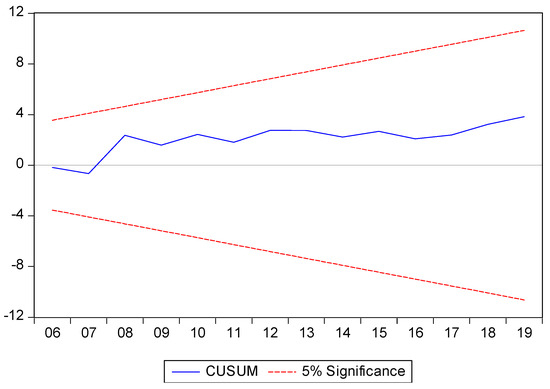
As the debt stock level of Ghana continues to rise, partly due to the negative impact of COVID-19, a number of new taxes have been introduced in the 2021 budget statement alongside an upward adjustment of electricity tariff. State borrowing may significantly influence electricity tariff, as power generation and distribution are primarily undertaken by state-owned companies whose borrowing constitutes a substantial portion of the country’s overall debt. Hence, this paper assesses the impact of state debt on electricity tariff in Ghana post COVID-19. The autoregressive distributed lag (ARDL) model and error correction model (ECM) are employed to test for the Granger causality between state debt and electricity tariff. Other variables such as inflation rates, exchange rates, and net energy imports that have the propensity to influence electricity tariff are also examined. The results reveal that state debt has both short-term and long-term impacts on electricity tariff. Additionally, inflation rates, exchange rates, and net energy imports only have long-term impacts on electricity tariff. Meanwhile, exchange rates have short-term effects on state debt. The findings imply that effective debt management policies should be implemented by the government to reduce borrowing, particularly when such borrowing is not invested into projects that can repay the debt at maturity. This study demonstrates that all the accumulated debt prior to and during the COVID-19 era is causing a significant increase in Ghana’s electricity tariff. This provides an empirical clue as to what the situation is likely to be in other developing countries.
Full article
(This article belongs to the Section Economics and Finance)
►▼
Show Figures

Figure 1
Open AccessArticle
Analysis of Solidarity Mechanisms Affecting the Performance of Ethnic Minority Business Groups in Africa
by
Mahdi Tajeddin and Michael Carney
J. Risk Financial Manag. 2025, 18(4), 183; https://doi.org/10.3390/jrfm18040183 - 28 Mar 2025
Abstract
Business groups comprise independently owned firms based on different types of owner solidarity, such as kinship, ethnicity, religion, or political identity. However, research has been slow to account for how the adverse effects of ethnic solidarity influence BG-affiliate firm performance. We investigate the
[...] Read more.
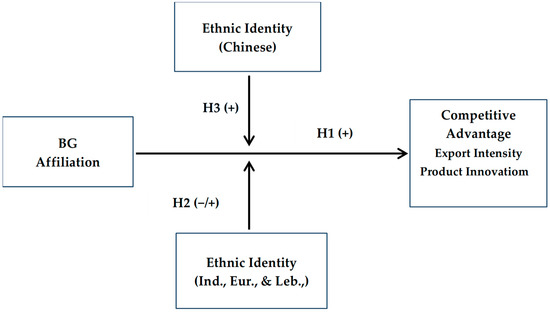
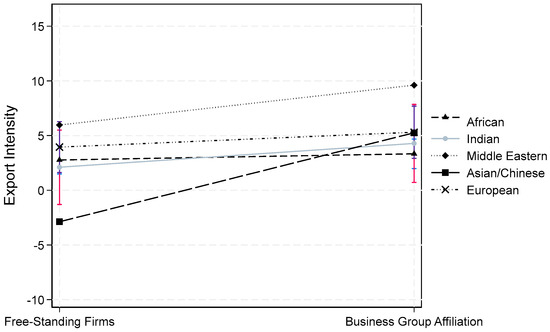
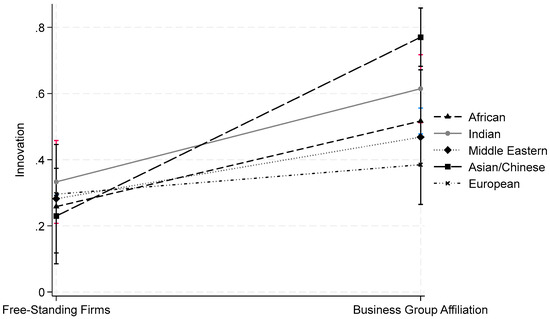
Business groups comprise independently owned firms based on different types of owner solidarity, such as kinship, ethnicity, religion, or political identity. However, research has been slow to account for how the adverse effects of ethnic solidarity influence BG-affiliate firm performance. We investigate the interplay of owner ethnicity and their firms’ innovation and export performance. We find variations in affiliates’ performance based on their self-identified ethnicities by analyzing data from the World Bank’s Enterprise Surveys (WBES) across 20 sub-Saharan African countries. Notably, long-established migrant communities, including Indian, Middle Eastern, and European entrepreneurs, experienced waning performance within the BG structure. In contrast, group-affiliated firms led by Chinese entrepreneurs show significant outperformance compared to their African counterparts and minority group affiliates. This study contributes to a novel understanding of the heterogeneous relationship between ethnic solidarity and BG-affiliated firms’ performance across sub-Saharan Africa.
Full article
(This article belongs to the Special Issue Entrepreneurship in Emerging Economies)
►▼
Show Figures

Figure 1
Open AccessArticle
Profitable Investment Channels of Vietnamese Commercial Banks (2018–2024)
by
Van Thi Hong Pham
J. Risk Financial Manag. 2025, 18(4), 182; https://doi.org/10.3390/jrfm18040182 - 28 Mar 2025
Abstract
The Law on Credit Institutions 2010, amended and supplemented, was applied on 15 January 2018, causing many changes in senior personnel in Vietnamese banking. The period (2018–2014) had many changes. This was also a period of many business difficulties. Four commercial banks had
[...] Read more.
The Law on Credit Institutions 2010, amended and supplemented, was applied on 15 January 2018, causing many changes in senior personnel in Vietnamese banking. The period (2018–2014) had many changes. This was also a period of many business difficulties. Four commercial banks had to carry out mandatory transfers at the request of the State Bank to ensure the development of the Vietnamese banking system in 2024. Profitable investment channels of commercial banks sometimes generate income and, at other times, suffer losses. Managers often analyze and make investment decisions by observing developments recorded on graphs and estimating the future fluctuation trends of each profitable investment channel. However, no research has been conducted on how the simultaneous implementation of all information from investment channels affects the final profit results of commercial banks. This study investigates all banking activities, from trading to investing, to consider which investment channel has a stable impact on bank profits over a long period. The S-GMM estimation method is used, due to the consideration of endogenous variables in quarterly panel data of 27 Vietnamese commercial banks from the first quarter of 2018 to the third quarter of 2024. This study provides statistical evidence indicating that all investment channels of commercial banks contribute to increased profits, except for short-term securities trading channels and capital contributions to subsidiaries. This study also reveals that economic growth and systemic risk affect commercial bank profits. Several solutions are proposed for commercial banks to develop future profitable investment channels.
Full article
(This article belongs to the Special Issue Accounting, Finance and Banking in Emerging Economies)
Open AccessArticle
Climate’s Currency: How ENSO Events Shape Maize Pricing Structures Between the United States and South Africa
by
Mariëtte Geyser and Anmar Pretorius
J. Risk Financial Manag. 2025, 18(4), 181; https://doi.org/10.3390/jrfm18040181 - 28 Mar 2025
Abstract
Climate change manifests itself in rising temperatures across the continent and affects the El Niño–Southern Oscillation (ENSO) by changing sea surface temperatures and atmospheric circulation. This affects precipitation and temperature patterns, with South Africa normally experiencing drier conditions during El Niño events. These
[...] Read more.
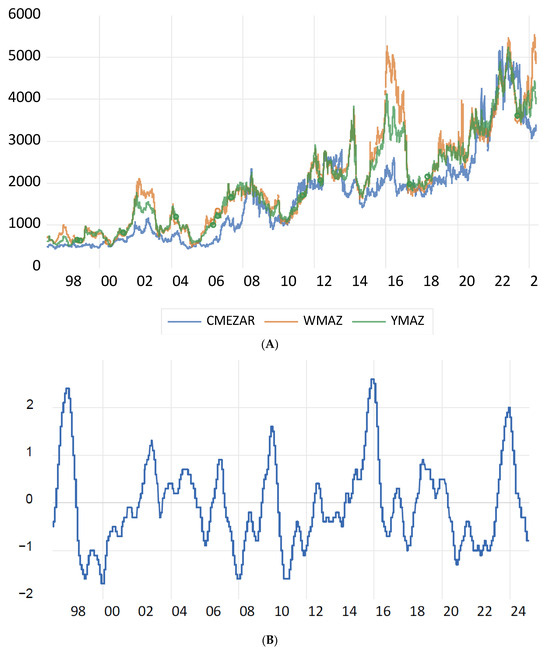
Climate change manifests itself in rising temperatures across the continent and affects the El Niño–Southern Oscillation (ENSO) by changing sea surface temperatures and atmospheric circulation. This affects precipitation and temperature patterns, with South Africa normally experiencing drier conditions during El Niño events. These weather anomalies influence crop yields and food prices. Spatial price transmission indicates the extent to which prices of agricultural goods are linked across different geographical areas and how quickly price signals from one area are passed on to another. Although numerous studies explore spatial price transmission between various countries, there is a gap in the literature on price transmission between the US and South African maize markets during ENSO events. Therefore, we investigate how ENSO-related events impacted maize price transmission between the Chicago Mercantile Exchange and the Johannesburg Stock Exchange from 1997 to 2024. The empirical analysis starts with a correlation analysis, followed by tests for cointegration and error correction models. The results confirm the dominating impact of US maize prices on South African prices, but also how this relationship changes based on the nature of the ENSO event. There is some indication of lower levels of integration and higher levels of price diversion during El Niño periods.
Full article
(This article belongs to the Special Issue Econometrics of Financial Models and Market Microstructure)
►▼
Show Figures

Figure 1
Open AccessArticle
CSR Committee, Women on the Board, and Green Bond Issuance: Evidence from France
by
Wided Khiari, Houssein Ballouk and Wiem Chiba
J. Risk Financial Manag. 2025, 18(4), 180; https://doi.org/10.3390/jrfm18040180 - 28 Mar 2025
Abstract
This study examines the effects of internal governance mechanisms on the issuance of green bonds and investigates whether firms issuing green bonds exhibit distinct corporate governance characteristics, especially regarding board gender diversity and corporate social responsibility (CSR) committees. The analysis is based on
[...] Read more.
This study examines the effects of internal governance mechanisms on the issuance of green bonds and investigates whether firms issuing green bonds exhibit distinct corporate governance characteristics, especially regarding board gender diversity and corporate social responsibility (CSR) committees. The analysis is based on a sample of 64 green bond announcements between 2013 and 2022. Based on the Generalized Least Squares Regression model, empirical results show that the presence of a CSR committee is positively and significantly associated with the issuance of green bonds. In other words, companies with a CSR committee are more likely to issue green bonds. In addition, companies with a lower debt ratio are more likely to issue green bonds.
Full article
(This article belongs to the Special Issue Corporate Accoutability, Sustainability and Green Finance)
Open AccessArticle
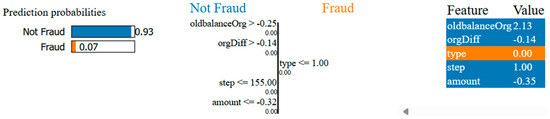
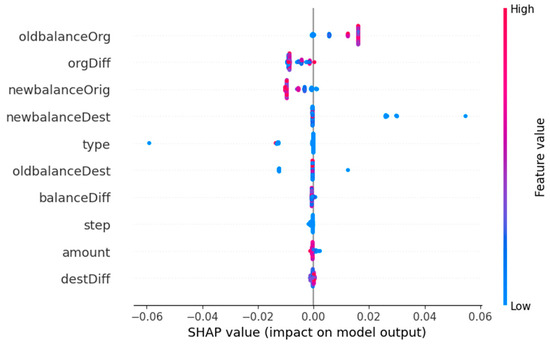
Secure and Transparent Banking: Explainable AI-Driven Federated Learning Model for Financial Fraud Detection
by
Saif Khalifa Aljunaid, Saif Jasim Almheiri, Hussain Dawood and Muhammad Adnan Khan
J. Risk Financial Manag. 2025, 18(4), 179; https://doi.org/10.3390/jrfm18040179 - 27 Mar 2025
Abstract
The increasing sophistication of fraud has rendered rule-based fraud detection obsolete, exposing banks to greater financial risk, reputational damage, and regulatory penalties. Financial stability, customer trust, and compliance are increasingly threatened as centralized Artificial Intelligence (AI) models fail to adapt, leading to inefficiencies,
[...] Read more.
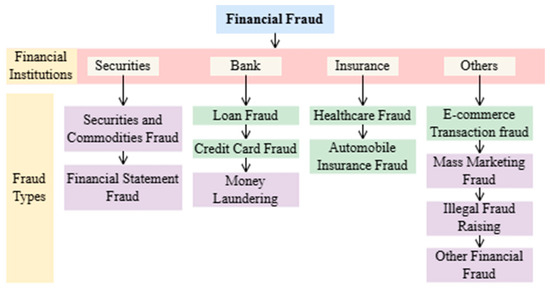
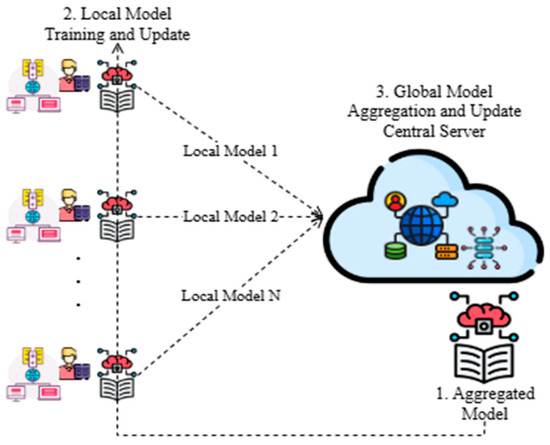
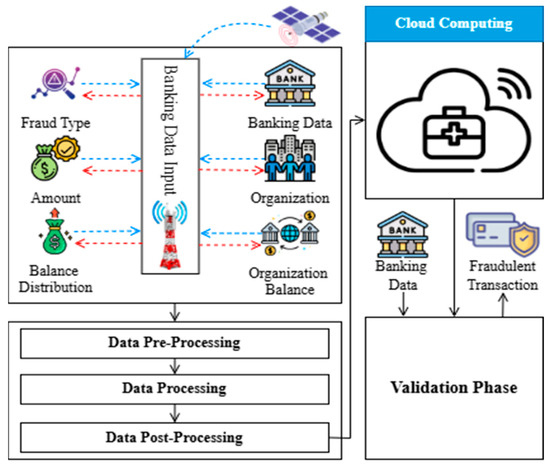
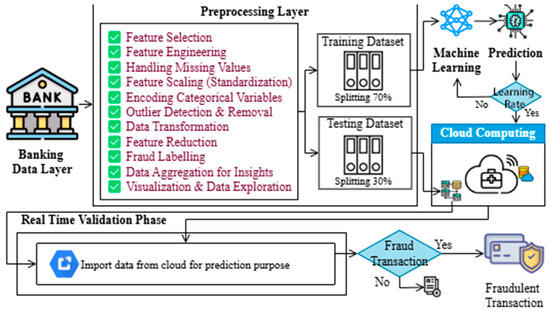
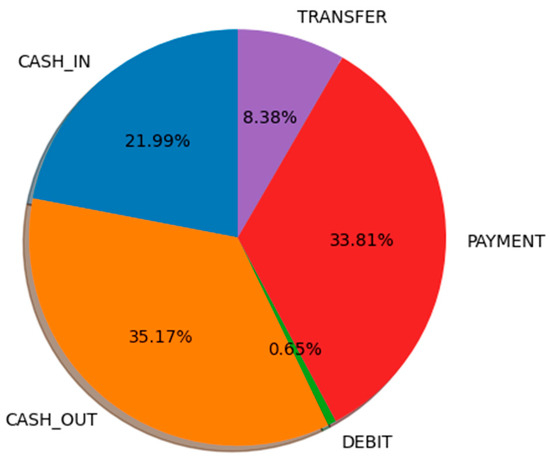
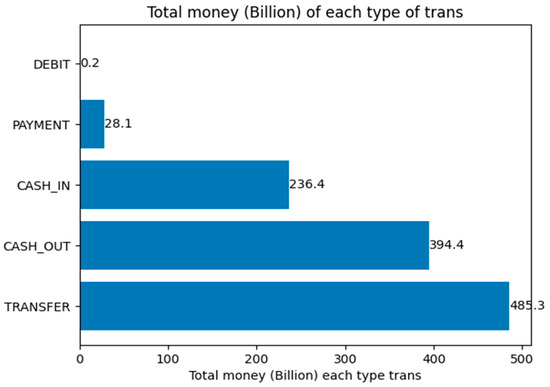
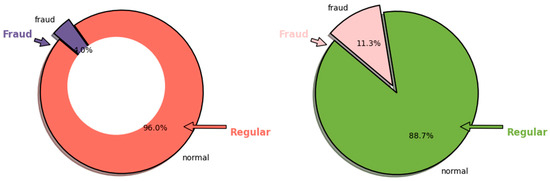
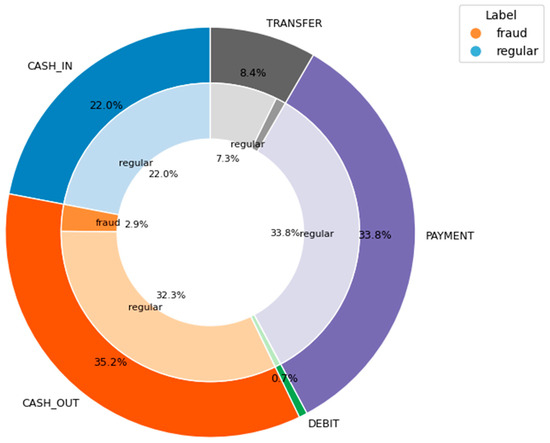
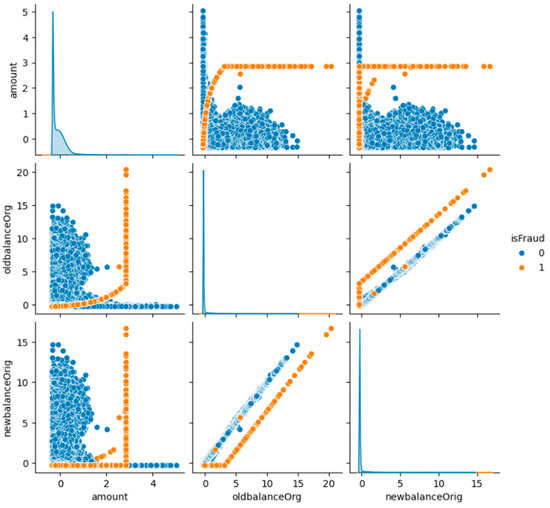
The increasing sophistication of fraud has rendered rule-based fraud detection obsolete, exposing banks to greater financial risk, reputational damage, and regulatory penalties. Financial stability, customer trust, and compliance are increasingly threatened as centralized Artificial Intelligence (AI) models fail to adapt, leading to inefficiencies, false positives, and undetected detection. These limitations necessitate advanced AI solutions for banks to adapt properly to emerging fraud patterns. While AI enhances fraud detection, its black-box nature limits transparency, making it difficult for analysts to trust, validate, and refine decisions, posing challenges for compliance, fraud explanation, and adversarial defense. Effective fraud detection requires models that balance high accuracy and adaptability to emerging fraud patterns. Federated Learning (FL) enables distributed training for fraud detection while preserving data privacy and ensuring legal compliance. However, traditional FL approaches operate as black-box systems, limiting the analysts to trust, verify, or even improve the decisions made by AI in fraud detection. Explainable AI (XAI) enhances fraud analysis by improving interpretability, fostering trust, refining classifications, and ensuring compliance. The integration of XAI and FL forms a privacy-preserving and explainable model that enhances security and decision-making. This research proposes an Explainable FL (XFL) model for financial fraud detection, addressing both FL’s security and XAI’s interpretability. With the help of Shapley Additive Explanations (SHAP) and LIME, analysts can explain and improve fraud classification while maintaining privacy, accuracy, and compliance. The proposed model is trained on a financial fraud detection dataset, and the results highlight the efficiency of detection and successful elimination of false positives and contribute to the improvement of the existing models as the proposed model attained 99.95% accuracy and a miss rate of 0.05%, paving the way for a more effective and comprehensive AI-based system to detect potential fraudulence in banking.
Full article
(This article belongs to the Special Issue Corporate Financial Crises and Fraud Detection)
►▼
Show Figures

Figure 1
Highly Accessed Articles
Latest Books
E-Mail Alert
News
Topics
Topic in
Clean Technol., Economies, FinTech, JRFM, Sustainability
Green Technology Innovation and Economic Growth
Topic Editors: David (Xuefeng) Shao, Miaomiao Tao, Selena ShengDeadline: 31 December 2025
Topic in
Economies, IJFS, JRFM, Risks, Sustainability
Insurance and Risk Management Advances in the 4A Era—AI, Aging, Abruptions, and Adoptions
Topic Editors: Xiaojun Shi, Lingyan Suo, Feng Gao, Baorui DuDeadline: 30 May 2026
Topic in
Economies, IJFS, Sustainability, Businesses, JRFM
Sustainable and Green Finance
Topic Editors: Otilia Manta, Maria PalazzoDeadline: 31 October 2026
Conferences
Special Issues
Special Issue in
JRFM
Financial Performance and Corporate Sustainability
Guest Editor: Camelia Iuliana LunguDeadline: 30 April 2025
Special Issue in
JRFM
Advances in Financial and Hospitality Management Accounting
Guest Editors: Luís Lima Santos, Lucília Cardoso, Conceição Gomes, Giuseppe CatenazzoDeadline: 30 April 2025
Special Issue in
JRFM
Research on Corporate Governance and Financial Reporting
Guest Editor: Omer UnsalDeadline: 30 April 2025
Special Issue in
JRFM
Environmental, Social, and Governance (ESG), Corporate Social Responsibility (CSR), and Green Finance
Guest Editor: Hok Ko PongDeadline: 30 April 2025