


Journal Description
Languages
Languages
is an international, multidisciplinary, peer-reviewed, open access journal on interdisciplinary studies of languages published monthly online by MDPI. The European Society for Transcultural and Interdisciplinary Dialogue (ESTIDIA) is affiliated with Languages and its members receive discounts on the article processing charges.
- Open Access— free for readers, with article processing charges (APC) paid by authors or their institutions.
- High Visibility: indexed within Scopus, ESCI (Web of Science), ERIH Plus, and other databases.
- Journal Rank: JCR - Q2 (Linguistics) / CiteScore - Q1 (Language and Linguistics)
- Rapid Publication: manuscripts are peer-reviewed and a first decision is provided to authors approximately 56.8 days after submission; acceptance to publication is undertaken in 10.8 days (median values for papers published in this journal in the second half of 2024).
- Recognition of Reviewers: reviewers who provide timely, thorough peer-review reports receive vouchers entitling them to a discount on the APC of their next publication in any MDPI journal, in appreciation of the work done.
Impact Factor:
0.9 (2023)
Latest Articles
Syntactic Variation and Sociocultural Identity in Southeast Asian Englishes: A Study of Subjectless Nonfinite Clauses in Philippine and Singaporean English
Languages 2025, 10(4), 77; https://doi.org/10.3390/languages10040077 - 4 Apr 2025
Abstract
This study explores syntactic variation and sociocultural identity in subjectless nonfinite clauses within Philippine English (PhE) and Singaporean English (SgE), focusing on to-infinitive and -ing gerund constructions. Using data from the International Corpus of English for the Philippines (ICE-PHI) and Singapore (ICE-SIN), it
[...] Read more.
This study explores syntactic variation and sociocultural identity in subjectless nonfinite clauses within Philippine English (PhE) and Singaporean English (SgE), focusing on to-infinitive and -ing gerund constructions. Using data from the International Corpus of English for the Philippines (ICE-PHI) and Singapore (ICE-SIN), it examines the distribution of these constructions across spoken and written registers to uncover their sociocultural underpinnings. The findings reveal a shared preference for to-infinitive constructions in both varieties, reflecting their role in expressing intention and purpose. PhE’s adherence to prescriptive norms stems from colonial history and formal education, while SgE’s multilingual and pragmatic linguistic ecology fosters greater syntactic flexibility, exemplified by the innovative want + -ing construction absent in PhE. Although gerunds are less frequent overall, they consistently occur with verbs like enjoy in both varieties, signaling habitual or ongoing actions. Sociolinguistic distinctions also emerge in constructions like [Negator] + try + Nonfinite Clause, where PhE employs elaborative commentary aligned with its expressive narrative tendencies, contrasting with SgE’s concise, context-driven usage. By investigating this underexplored syntactic phenomenon, the study demonstrates how localized Englishes adapt grammatical structures to reflect sociocultural priorities, advancing the understanding of World Englishes and their sociolinguistic diversity.
Full article
(This article belongs to the Special Issue Exploring Discourse and Identity in the Diverse and Evolving Varieties of Southeast Asian Englishes)
Open AccessCorrection
Correction: Lefort (2024). Altaic Elements in the Chinese Variety of Tangwang: True and False Direct Loans. Languages, 9(9), 293
by
Julie Pauline Marie Lefort
Languages 2025, 10(4), 76; https://doi.org/10.3390/languages10040076 - 3 Apr 2025
Abstract
The author has requested to make the following corrections to their original publication [...]
Full article
Open AccessArticle
“I Want to Be Born with That Pronunciation”: Metalinguistic Comments About K-Pop Idols’ Inner Circle Accents
by
Jihye Kim and Luoxiangyu Zhang
Languages 2025, 10(4), 75; https://doi.org/10.3390/languages10040075 - 3 Apr 2025
Abstract
The Korean popular music (K-pop) industry, with its global popularity and increasing multilingual orientation, serves as a suitable context for exploring language perceptions. This research examines the metalinguistic commentary on K-pop idols’ English accents on YouTube. Specifically, we investigate how online users evaluate
[...] Read more.
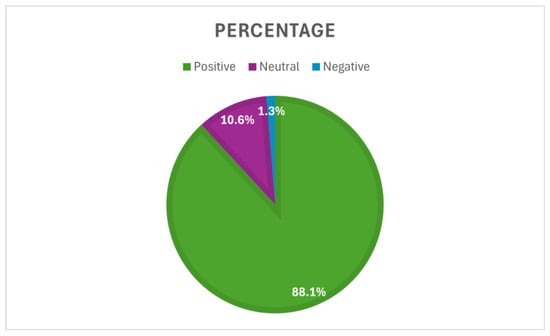
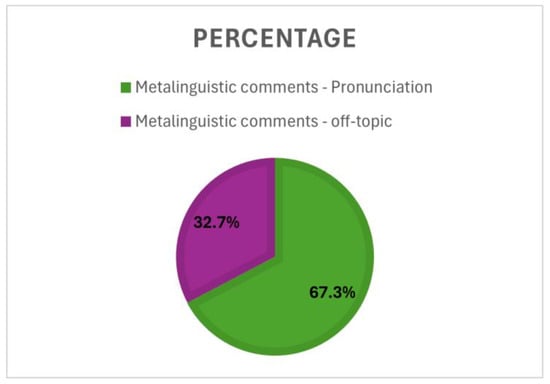
The Korean popular music (K-pop) industry, with its global popularity and increasing multilingual orientation, serves as a suitable context for exploring language perceptions. This research examines the metalinguistic commentary on K-pop idols’ English accents on YouTube. Specifically, we investigate how online users evaluate the idols’ English accents and how their metalinguistic comments communicate linguistic ideologies that favor a “native” way of speaking. Our dataset consists of 602 metalinguistic comments drawn from four popular YouTube videos featuring the evaluation of K-pop idols’ accents. We employ content analysis to first categorize comments into positive, negative, and neutral evaluations, then focus on aspects being evaluated in the users’ comments (e.g., social attractiveness and (non-)nativeness). The results indicate that a vast majority of comments (88.1%) convey positive evaluations, largely associating the idols’ accents with social appeal and native-like accents. Although a few neutral and negative evaluations exist, our result shows a dominant preference for inner circle accents and complex attitudes toward accented speech in digital spaces. We conclude by highlighting the influence of digital platforms in shaping language perceptions and the implications for linguistic stereotyping in the context of K-pop culture.
Full article
(This article belongs to the Special Issue L2 Speech Perception and Production in the Globalized World)
►▼
Show Figures

Figure 1
Open AccessArticle
The Role of German Preverbs in Clausal Selection Properties
by
Barbara Stiebels
Languages 2025, 10(4), 74; https://doi.org/10.3390/languages10040074 - 2 Apr 2025
Abstract
One aspect of clausal embedding that has not received any specific attention in the literature is the question of whether and how derivational morphology may affect clausal selection properties of the respective bases. In this paper, I will focus on the role of
[...] Read more.
One aspect of clausal embedding that has not received any specific attention in the literature is the question of whether and how derivational morphology may affect clausal selection properties of the respective bases. In this paper, I will focus on the role of German preverbs for clausal embedding. I will show that any parameter of clausal embedding can be affected by a preverb, though sometimes in a non-compositional way. Preverbs may affect presuppositions and entailments of their base verb, their selectional behavior with respect to clause types, their status as control or raising predicate and their potential for restructuring. Furthermore, preverbs may license or block neg-raising. The first part of the paper is dedicated to the demonstration of these effects with no specific preverb in mind. The second part discusses three specific preverb patterns with zu- ‘to’, ein- ‘in’ and er-, showing their specific clausal complementation properties. Preverbs influence clausal complementation by their impact on the argument structure/realization (in the case of control and restructuring) and on the lexical aspect of the base (in the case of certain interrogative complements and neg-raising).
Full article
(This article belongs to the Special Issue The Aspectual Architecture of the Slavic Verb: Analogies in Different Languages and Other Grammatical Domains)
Open AccessArticle
Acquisition of Variation in the Use of alors, donc, fait que by Advanced French-as-a-Second-Language Learners in Ontario, Canada
by
Françoise Mougeon, Raymond Mougeon and Katherine Rehner
Languages 2025, 10(4), 73; https://doi.org/10.3390/languages10040073 - 1 Apr 2025
Abstract
This study examines the acquisition of sociolinguistic variation in the use of French connectors alors/donc/fait que ‘so’ by two groups of advanced French-as-a-second language (FL2) learners in Ontario: (i) high school French Immersion (FI) students and (ii) university students. It considers two types
[...] Read more.
This study examines the acquisition of sociolinguistic variation in the use of French connectors alors/donc/fait que ‘so’ by two groups of advanced French-as-a-second language (FL2) learners in Ontario: (i) high school French Immersion (FI) students and (ii) university students. It considers two types of functions fulfilled by these connectors: (i) the grammatical function of expressing consequence between two clauses and (ii) a range of discursive functions, a dual focus not present in previous research, which considered only one or the other of these two types of functions. Our study shows that: (i) although these two FL2 groups’ use of the connectors is distant from the norms of FL1 speech, the university students achieve a more advanced level of acquisition of this case of variation than do the FI students, reflecting the positive effect of continued learning of French at the postsecondary level; (ii) ‘level of opportunities to interact in French with native speakers’ has a greater positive impact on the acquisition of alors/donc/fait que than ‘time spent learning French’; and (iii) both groups of students evidence incomplete acquisition of the linguistic constraints of connector choice.
Full article
(This article belongs to the Special Issue The Acquisition of L2 Sociolinguistic Competence)
Open AccessArticle
Cross-Linguistic Syntactic Priming in Late Bilinguals of Levantine Arabic (L1) and English (L2)
by
Jamal A. Khlifat and Pui Fong Kan
Languages 2025, 10(4), 72; https://doi.org/10.3390/languages10040072 - 1 Apr 2025
Abstract
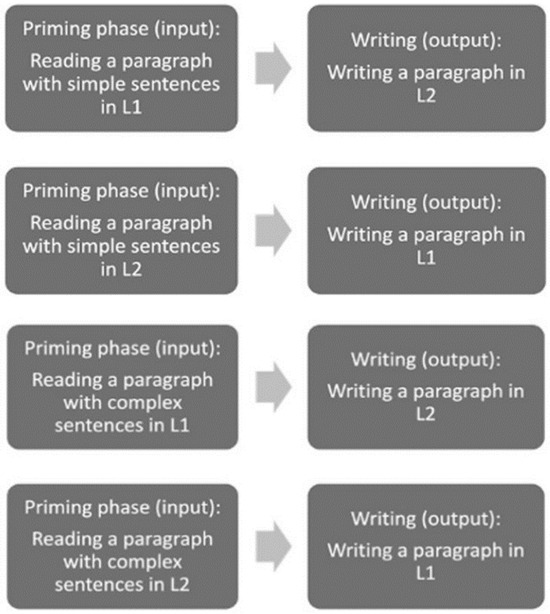
This study investigates the cross-linguistic priming effect in the syntactic written output of late bilingual Levantine Arabic speakers who learn English as a second language. In particular, we examined priming sentence type (simple vs. complex sentences) and priming language condition (Levantine Arabic vs.
[...] Read more.
This study investigates the cross-linguistic priming effect in the syntactic written output of late bilingual Levantine Arabic speakers who learn English as a second language. In particular, we examined priming sentence type (simple vs. complex sentences) and priming language condition (Levantine Arabic vs. English). Forty-nine bilinguals (Mean age = 33.3, SD = 8.5), who learned Levantine Arabic as their L1 and English as their L2, were primed with a short paragraph presented on the computer screen in either English or Levantine Arabic and asked to produce a written response in the counterpart language. Logistic regression analysis revealed a significant cross-linguistic priming effect, suggesting that the syntactic structure of the prime in the participants’ first language (Levantine Arabic) predicts the participants’ written output in the second language (English), and the reverse is also true. However, there was no significant effect of priming sentence type (simple vs. complex) on the likelihood of producing primed res ponses, indicating that both priming conditions yielded similar levels of priming. In contrast, there was a significant effect of the priming language condition, with participants significantly more likely to produce syntactically primed responses when the priming language was Arabic compared to English. In addition, there was a significant interaction between the priming language condition and priming sentence type: Arabic priming led to more simple sentence production in English, whereas English priming did not significantly affect sentence complexity in Arabic. These findings align with the shared syntax account but highlight the need to consider factors such as language dominance in bilingual syntactic processing.
Full article
(This article belongs to the Special Issue Adult and Child Sentence Processing When Reading or Writing)
►▼
Show Figures

Figure 1
Open AccessArticle
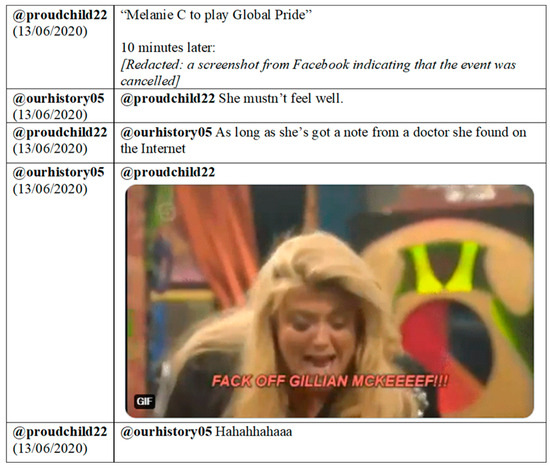
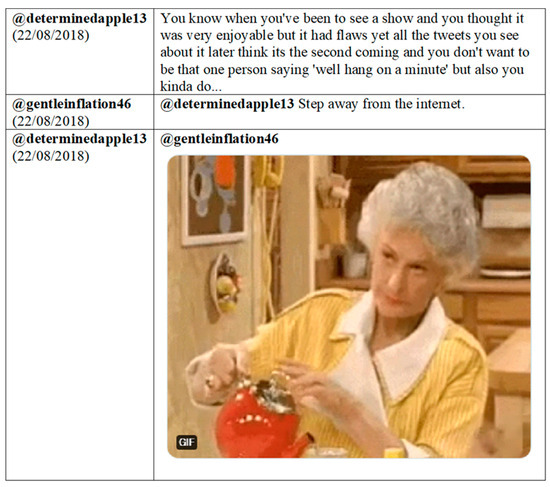
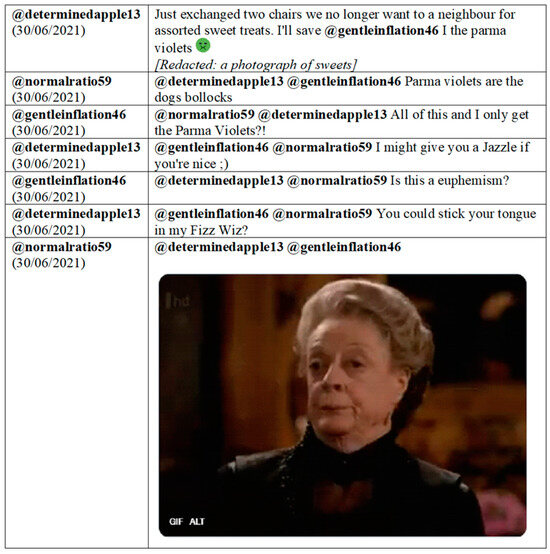
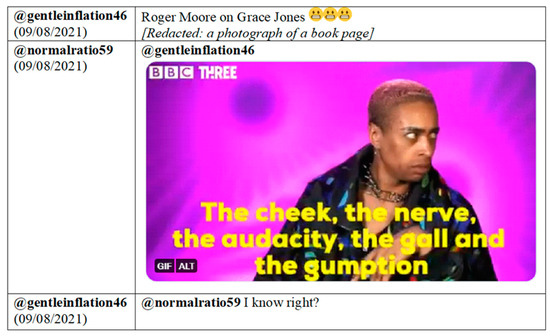
GIF You’re Happy and You Know It: Reaction GIFs and Images in a Gay Male Twitter Community of Practice
by
Caolan O’Neill
Languages 2025, 10(4), 71; https://doi.org/10.3390/languages10040071 - 30 Mar 2025
Abstract
Reaction GIFs and reaction images appear as common multimodal linguistic objects in digitally mediated communication. While past research has tended to focus on the paralinguistic functions of these communicative devices, less attention has been paid to how these digital tools enable their users
[...] Read more.
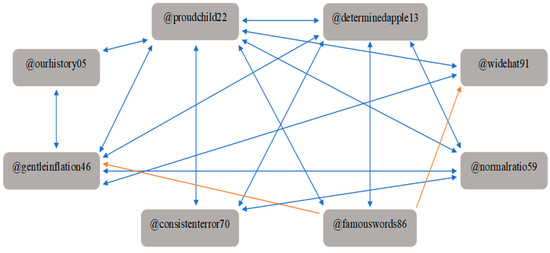
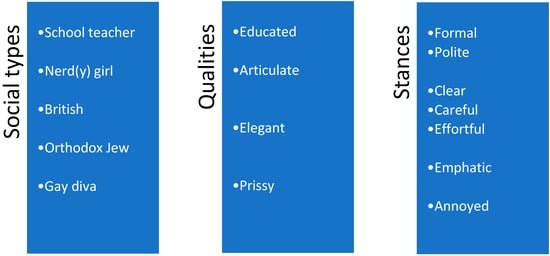
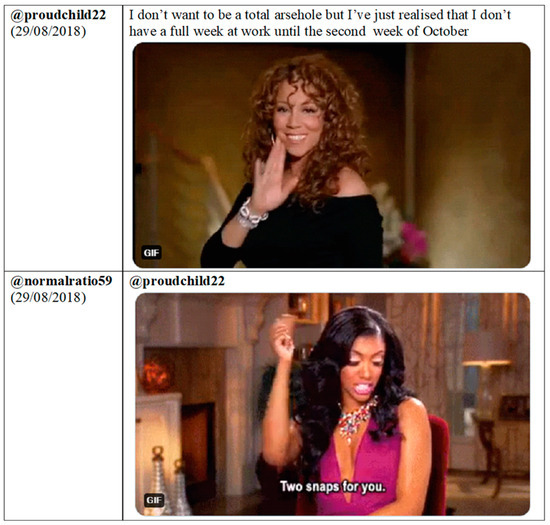
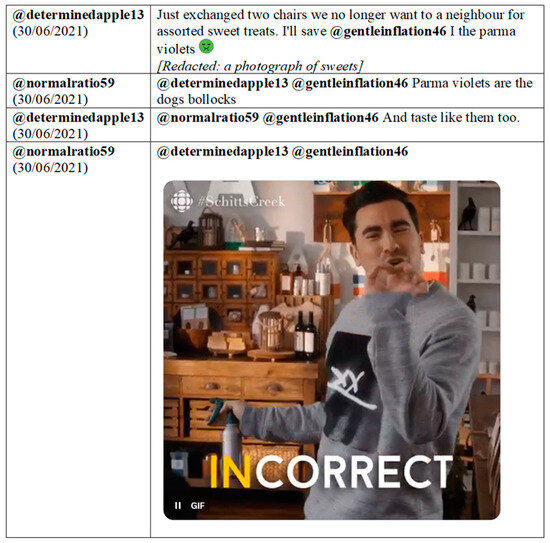
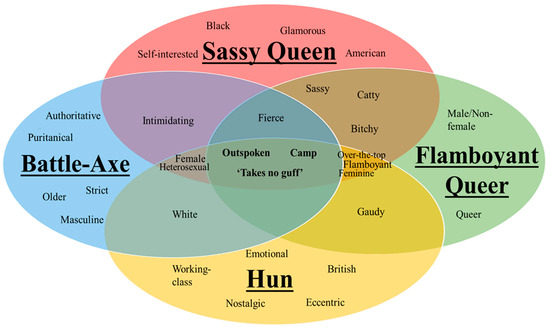
Reaction GIFs and reaction images appear as common multimodal linguistic objects in digitally mediated communication. While past research has tended to focus on the paralinguistic functions of these communicative devices, less attention has been paid to how these digital tools enable their users to strategically enact and embody particular social identities on social media. This article offers a stance-based computer-mediated discourse analysis of a small, gay UK- and Ireland-based Twitter community of practice. Through qualitative analyses of the eight members’ tweets containing reaction GIFs and images (n = 991), as well as their responses to an online survey, this article demonstrates how these self-identified gay men construct four distinct feminine-coded personae: the Sassy Queen, the Hun, the Battle-Axe and the Flamboyant Queer. Each persona exhibits linguistic (e.g., features from British English or African American Language) or stance-based collocations. This analysis identifies common qualities or traits that all four personae possess that these Twitter users may identify with or value, potentially motivating their recurrent constructions. The ability of these non-traditional linguistic resources to conduct identity work is discussed. More broadly, this study foregrounds the significance of social media as a series of digital platforms where online identities are continually developed, (co-)constructed and negotiated.
Full article
(This article belongs to the Special Issue Linguistics of Social Media)
►▼
Show Figures

Figure 1
Open AccessArticle
Analysing Dutch Present Participle Manner Adverbials
by
Lex Cloin-Tavenier
Languages 2025, 10(4), 70; https://doi.org/10.3390/languages10040070 - 28 Mar 2025
Abstract
As recent research has shown, MAs cross-linguistically show signs of a complex internal structure which can consist of a diverse set of syntactic categories. Notably absent from previously studied MA patterns are those that, at first impression, appear to contain verbal substructure. This
[...] Read more.
As recent research has shown, MAs cross-linguistically show signs of a complex internal structure which can consist of a diverse set of syntactic categories. Notably absent from previously studied MA patterns are those that, at first impression, appear to contain verbal substructure. This raises the question whether or not the category V is among the diverse syntactic categories that feature in the grammar of MAs. In this study, I take a closer look at Dutch MAs that appear to contain a present participle -end form of the verb, like lopend ‘by walking’ or spelenderwijs ‘playfully’. Using tests for verbal substructure, I expand on findings from previous literature that show Dutch -erwijs adverbials do not contain verbal substructure by showing that Dutch present participle MAs without -erwijs also lack verbal substructure. Instead, the adjectival -end form is argued to enter into a small clause structure as a predicate over a manner noun to account for the manner reading of Dutch present participle MAs.
Full article
(This article belongs to the Special Issue Mind Your Manner Adverbials!)
Open AccessArticle
Variation in the Amplifier System Among Chinese L2 English Speakers in Australia
by
Minghao Miao and Chloé Diskin-Holdaway
Languages 2025, 10(4), 69; https://doi.org/10.3390/languages10040069 - 28 Mar 2025
Abstract
This study investigates the English adjective amplifier system of eleven Mandarin Chinese L2 speakers of English residing in Australia compared to a sample of ten native Australian English (AusE) speakers from the AusTalk corpus. Employing a variationist framework, we find that the L2
[...] Read more.
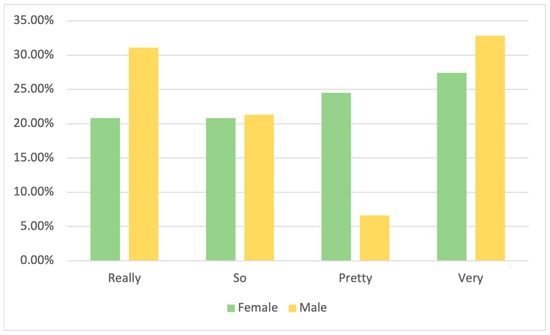
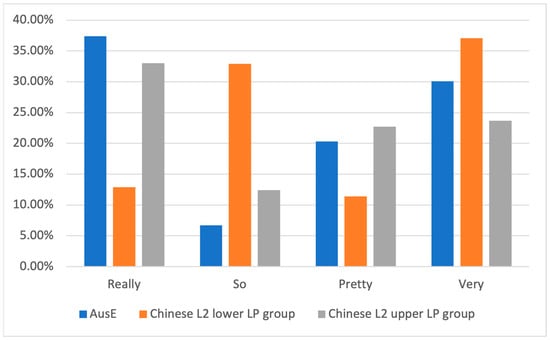
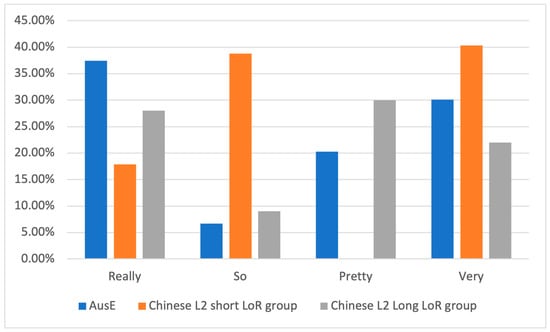
This study investigates the English adjective amplifier system of eleven Mandarin Chinese L2 speakers of English residing in Australia compared to a sample of ten native Australian English (AusE) speakers from the AusTalk corpus. Employing a variationist framework, we find that the L2 speakers employ a markedly overall higher rate (50.2%) of use of adjective amplifiers than AusE speakers (34.8%). This has been shown to be a common phenomenon among L2 speakers, who have a smaller range of adjectives at their disposal, and thus “over-use” amplifiers. However, we also argue that the propensity for amplifier–adjective bigrams in Mandarin Chinese transfers to their L2 English. The results show that Chinese L2 speakers use very more than really, whereas really is more frequent than very in AusE, suggesting that the L2 speakers may be lagging behind in this previously-reported change in AusE. The results also show that higher rates of English proficiency and length of residence in Australia result in more Australian-like amplifier behavior among the Chinese L2 group. The present paper can provide meaningful insights for future language teaching and learning in classroom and naturalistic settings, revealing potential for the instruction of more authentic language among L2 English learners.
Full article
(This article belongs to the Special Issue The Acquisition of L2 Sociolinguistic Competence)
►▼
Show Figures

Figure 1
Open AccessArticle
Fitting in with Porteños: Case Studies of Dialectal Feature Production, Investment, and Identity During Study Abroad
by
Rebecca Pozzi, Chelsea Escalante, Lucas Bugarín, Myrna Pacheco-Ramos, Ximena Pichón and Tracy Quan
Languages 2025, 10(4), 68; https://doi.org/10.3390/languages10040068 - 28 Mar 2025
Abstract
In recent years, several studies across a variety of target languages (e.g., Chinese, French, and Spanish) have demonstrated that students who study abroad acquire target-like patterns of variation. In Spanish-speaking contexts, recent research has moved beyond investigating the acquisition of features specific to
[...] Read more.
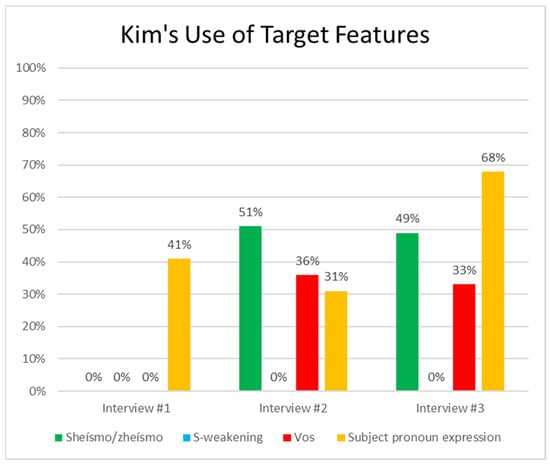
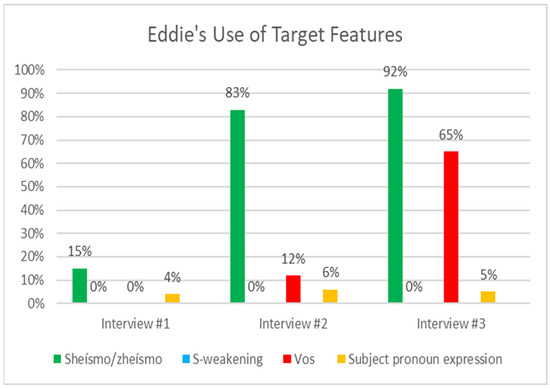
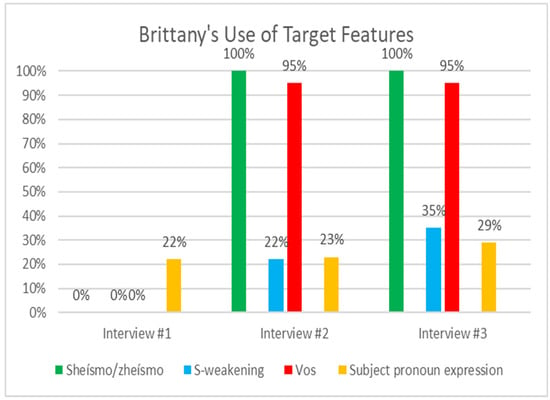
In recent years, several studies across a variety of target languages (e.g., Chinese, French, and Spanish) have demonstrated that students who study abroad acquire target-like patterns of variation. In Spanish-speaking contexts, recent research has moved beyond investigating the acquisition of features specific to Spain to examine that of features used in immersion contexts such as Mexico, the Dominican Republic, Ecuador, Peru, and Argentina. Nevertheless, many of these studies either rely on quantitative variationist analysis or implement qualitative analysis of one or two target dialectal features. In addition, learner omission and expression of pronominal subjects in these contexts have been largely underexplored. Using a mixed-methods approach, this study not only quantitatively examines learners’ production of several features of Buenos Aires Spanish, including sheísmo/zheísmo, /s/-weakening, voseo, and subject pronoun expression, but it also qualitatively relates the production of these features to learners’ experiences during a five-month semester in Argentina. It aims to answer the following research questions: When and to what degree do three English-speaking students studying abroad for five months in Buenos Aires, Argentina acquire target-like production of [ʃ] and/or [ʒ], s-weakening, vos, and subject pronoun expression? How do participants’ experiences, communities of practice, investments, identities, and imagined communities relate to this production? Speech data were gathered prior to, at the midpoint, and at the end of the semester by means of sociolinguistic interviews and elicitation tasks. To further understand the connection between these learners’ use of the target features and their overseas experiences, we explored the case studies of three learners of Spanish of differing proficiency levels (beginning, intermediate, and advanced) using qualitative data collected during semi-structured interviews at each interview time. The results suggest that all three learners increased their production of the prestigious, salient dialectal features of sheísmo/zheísmo and vos during the sojourn and that the amount of increase was greater at each proficiency level. While the beginning and intermediate learners did not move toward target-like norms in their use of the often-stigmatized, less salient, variable features of /s/-weakening and subject pronoun expression, the advanced learner did. As such, stigma, salience, and variability, as well as proficiency level, may play a role in the acquisition of variable features. Learners’ investment in the target language and participation in local communities of practice increased at each proficiency level as well, and learners’ imagined communities beyond their study abroad experiences were related to their identity construction and linguistic choices abroad.
Full article
(This article belongs to the Special Issue The Acquisition of L2 Sociolinguistic Competence)
►▼
Show Figures

Figure 1
Open AccessArticle
Functional Prestige in Sociolinguistic Evaluative Judgements Among Adult Second Language Speakers in Austria: Evidence from Perception
by
Mason A. Wirtz and Andrea Ender
Languages 2025, 10(4), 67; https://doi.org/10.3390/languages10040067 - 28 Mar 2025
Abstract
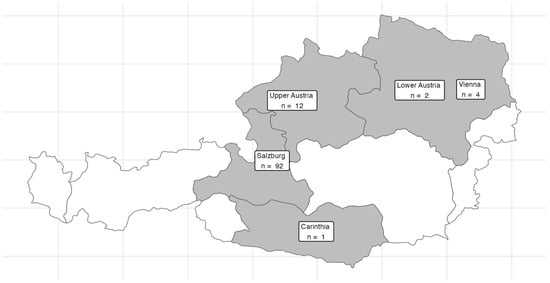
This study explores the perception of (Austrian) standard German and Austro-Bavarian dialect varieties by 111 adult speakers of German as a second language (L2) in Austria, tested through ‘smart’ and ‘friendly’ judgements in a matched-guise task. Our goal was to determine whether L2
[...] Read more.
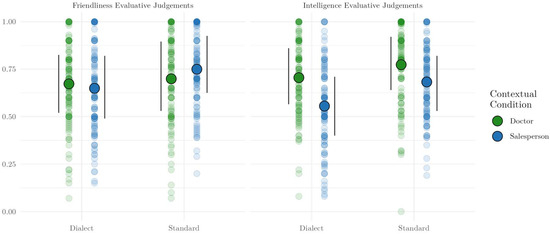
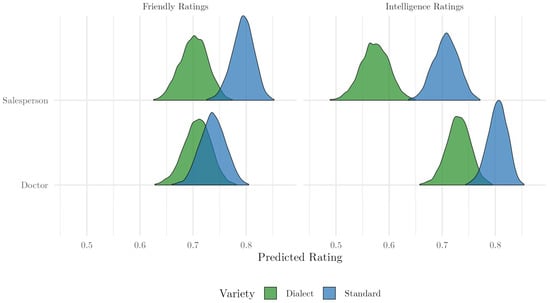
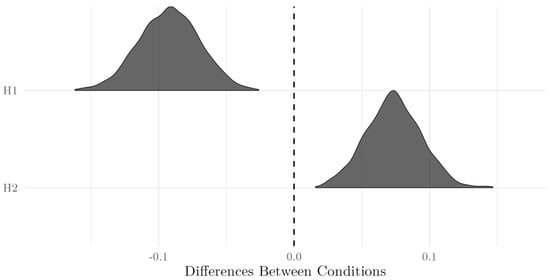
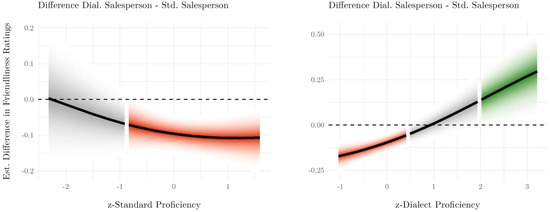
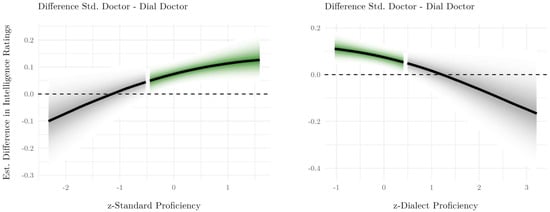
This study explores the perception of (Austrian) standard German and Austro-Bavarian dialect varieties by 111 adult speakers of German as a second language (L2) in Austria, tested through ‘smart’ and ‘friendly’ judgements in a matched-guise task. Our goal was to determine whether L2 speakers, both at the group level and as a function of individual differences in standard German and dialect proficiency, reflect the attitudes of Austrian speakers by (a) judging the dialect higher in terms of friendliness in solidarity-stressing situations (e.g., in a bakery) and (b) attributing the standard variety a higher indexical value in terms of intelligence in status-stressing settings (e.g., at the doctor’s office), a phenomenon in Austrian-centered sociolinguistics known as ‘functional prestige’. Bayesian multilevel modeling revealed that L2 speakers do not adopt attitudinal patterns suggestive of functional prestige and even appear to reallocate certain constraints on sociolinguistic perception, which seems to depend on individual differences in varietal proficiency.
Full article
(This article belongs to the Special Issue The Acquisition of L2 Sociolinguistic Competence)
►▼
Show Figures

Figure 1
Open AccessArticle
Sociolinguistic Competence by L2 Chinese Learners Through the Lens of Null Object Use
by
Xiaoshi Li
Languages 2025, 10(4), 66; https://doi.org/10.3390/languages10040066 - 28 Mar 2025
Abstract
Using the analytical tool Rbrul, this study explores the object expression variations in the speech of twenty CSL (Chinese as a Second Language) learners whose first languages (L1) were English, Russian, Korean, and Japanese, and compares them to native speaker (NS) patterns. Multivariate
[...] Read more.
Using the analytical tool Rbrul, this study explores the object expression variations in the speech of twenty CSL (Chinese as a Second Language) learners whose first languages (L1) were English, Russian, Korean, and Japanese, and compares them to native speaker (NS) patterns. Multivariate analysis revealed that the learner patterns closely resembled NSs’ in most dimensions explored, except the learners tended to overuse overt pronouns and underuse null forms. For both CSL learners and NSs, the general patterns in object use were as follows: (1) animate objects tended to favor overt objects, while inanimate objects favored null forms, (2) switch in referents favored overt forms, while no referent change favored null, (3) specific referents favored null forms, whereas nonspecific referents favored overt expressions, and (4) conversational contexts favored null forms, but elicited narratives favored explicit forms. As for the patterns specific to learners, the findings were as follows: (1) among the four L1s included in the analysis, Japanese and Russian speakers tended to use null objects more than Korean and English speakers, (2) a stay in China of one, two, or four years tended to favor null forms, but a three-year stay favored explicit forms, and (3) high-intermediate learners tended to use null forms more frequently than advanced learners. These results indicated that learners successfully acquired null object use patterns in spoken Chinese, but they still required further development in understanding the nuances between overt object forms and null object use to enhance their sociolinguistic competence.
Full article
(This article belongs to the Special Issue The Acquisition of L2 Sociolinguistic Competence)
Open AccessArticle
Exploring the Relationship Between Preference and Production as Indicators of L2 Sociophonetic Competence
by
Megan Solon and Matthew Kanwit
Languages 2025, 10(4), 65; https://doi.org/10.3390/languages10040065 - 28 Mar 2025
Abstract
Sociophonetic competence—a component of sociolinguistic and, thus, communicative competence—has been explored in both learner production and perception. Still, little is known about the relationship between learners’ ability to account for sociophonetic variability in the input and their likelihood to produce such variation in
[...] Read more.
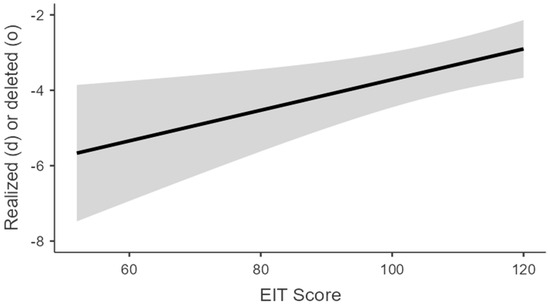
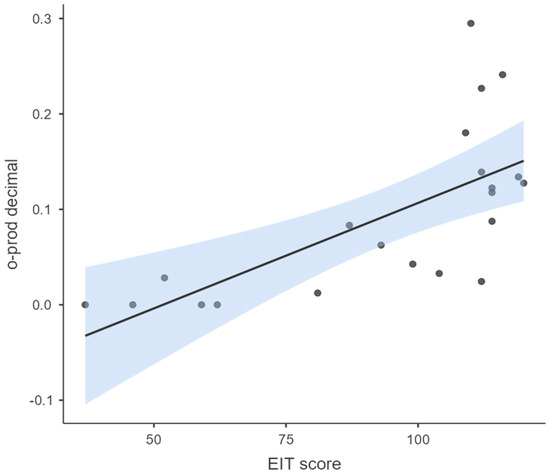
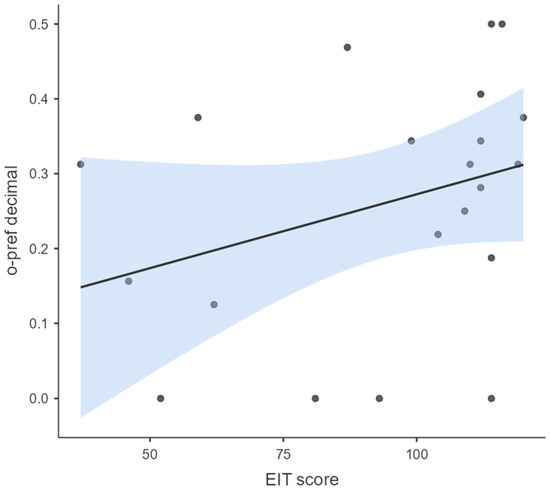
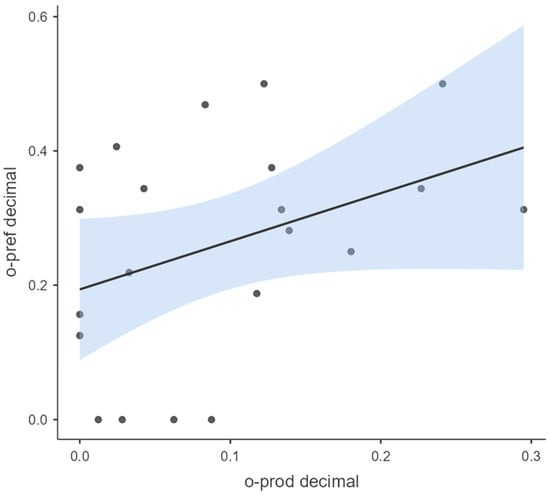
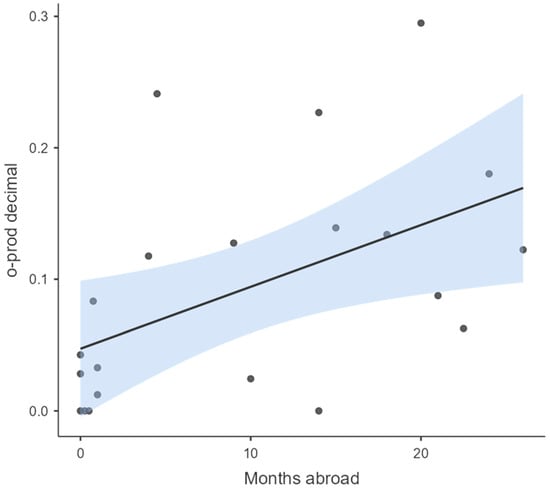
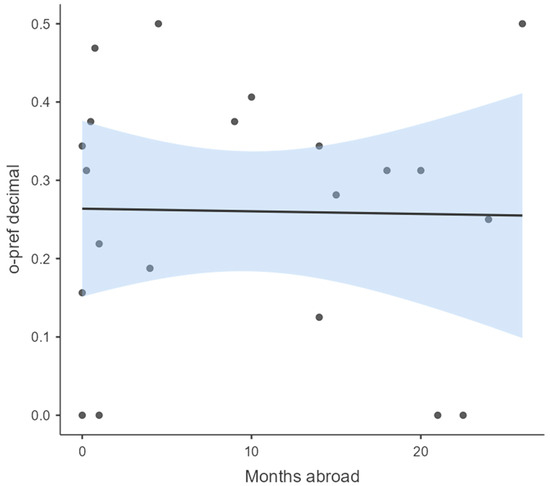
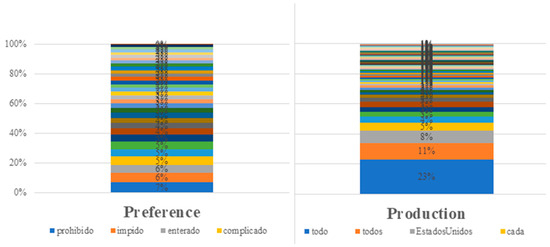
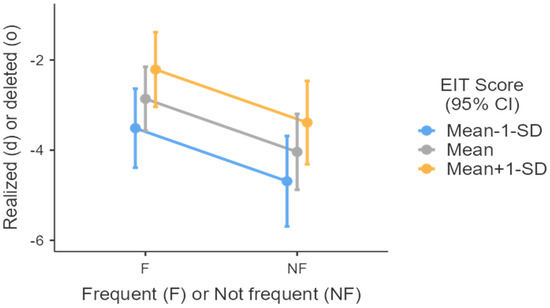
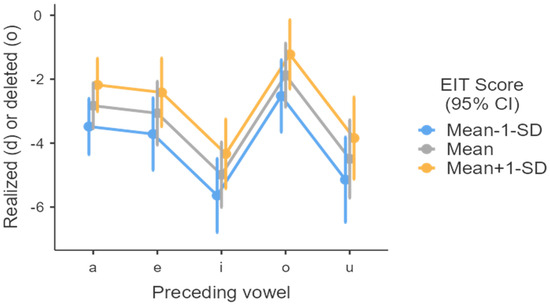
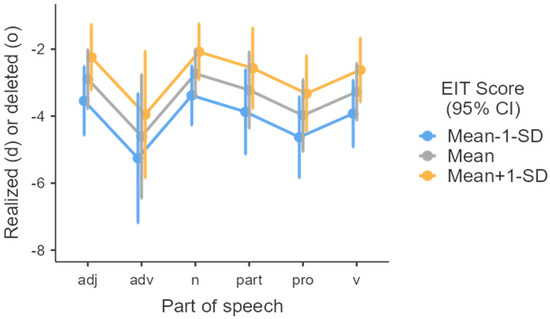
Sociophonetic competence—a component of sociolinguistic and, thus, communicative competence—has been explored in both learner production and perception. Still, little is known about the relationship between learners’ ability to account for sociophonetic variability in the input and their likelihood to produce such variation in output. The present study explores 21 learners’ preference for a specific sociophonetic variant on an aural preference task and the same learners’ patterns of production of the variant in semi-spontaneous speech. The sociolinguistic variable considered is Spanish intervocalic /d/, variably realized as approximant [ð] or deleted based on numerous (extra)linguistic factors, including the speaker’s gender, the vowel that precedes /d/, and the grammatical category and lexical frequency of the word containing /d/. Results reveal that preference for and production of a deleted variant increased with learner proficiency. Moreover, regardless of proficiency, learners generally selected deleted /d/ more than they produced it, suggesting that sociophonetic awareness precedes reliable production. Learners’ production of a deleted variant was influenced by the preceding vowel, the grammatical category of the word containing /d/, and the word’s lexical frequency, and sensitivity to these predictors was especially observed as proficiency increased. Learners produced the deleted variant more after /o/, in adjectives and nouns, and in frequent words.
Full article
(This article belongs to the Special Issue The Acquisition of L2 Sociolinguistic Competence)
►▼
Show Figures

Figure 1
Open AccessReview
Reconsidering the Social in Language Learning: A State of the Science and an Agenda for Future Research in Variationist SLA
by
Aarnes Gudmestad and Matthew Kanwit
Languages 2025, 10(4), 64; https://doi.org/10.3390/languages10040064 - 28 Mar 2025
Abstract
The current paper offers a critical reflection on the role of the social dimension of the second language (L2) development of sociolinguistic competence. We center our discussion of L2 sociolinguistic competence on variationist approaches to second language acquisition (SLA) and the study of
[...] Read more.
The current paper offers a critical reflection on the role of the social dimension of the second language (L2) development of sociolinguistic competence. We center our discussion of L2 sociolinguistic competence on variationist approaches to second language acquisition (SLA) and the study of variable structures. We first introduce the framework of variationist SLA and offer a brief overview of some of the social, and more broadly extralinguistic, factors that have been investigated in this line of inquiry. We then discuss the three waves of variationist sociolinguistics and various social factors that have been examined in other socially oriented approaches to SLA. By reflecting on these bodies of research, our goal is to identify how the insights from this work (i.e., research couched in the second and third waves of variationist sociolinguistics and in other socially oriented approaches to SLA) could be extended to the study of L2 sociolinguistic competence. We argue that greater attention to the social nature of language in variationist SLA is needed in order to more fully understand the L2 development of variable structures.
Full article
(This article belongs to the Special Issue The Acquisition of L2 Sociolinguistic Competence)
►▼
Show Figures

Figure 1
Open AccessArticle
Entering Foreign Lands: How Acceptable Is Extraction from Adjunct Clauses to L1 Users of English in L2 Danish?
by
Anne Mette Nyvad and Ken Ramshøj Christensen
Languages 2025, 10(4), 63; https://doi.org/10.3390/languages10040063 - 27 Mar 2025
Abstract
Adjunct clauses have traditionally been assumed to be syntactic configurations from which extraction is universally impossible. However, numerous studies have challenged this assumption and extraction from finite adjunct clauses has been shown to be acceptable to varying degrees in the Mainland Scandinavian languages,
[...] Read more.
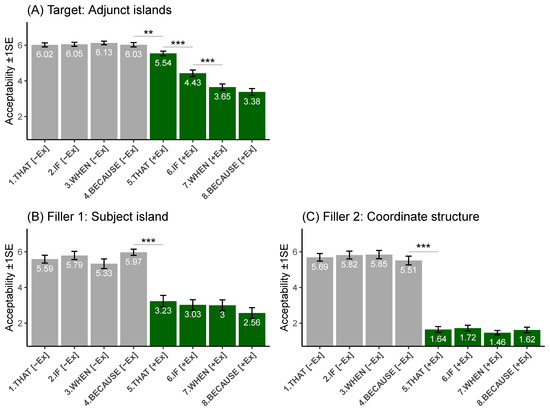
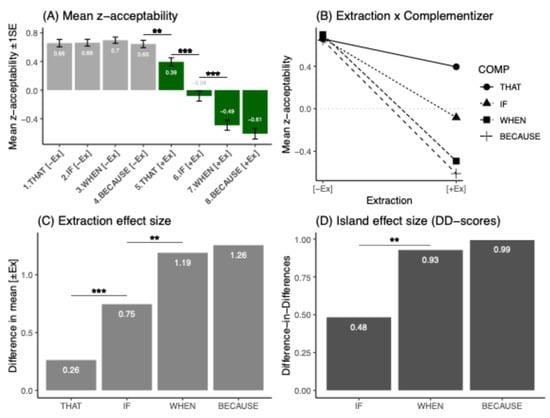
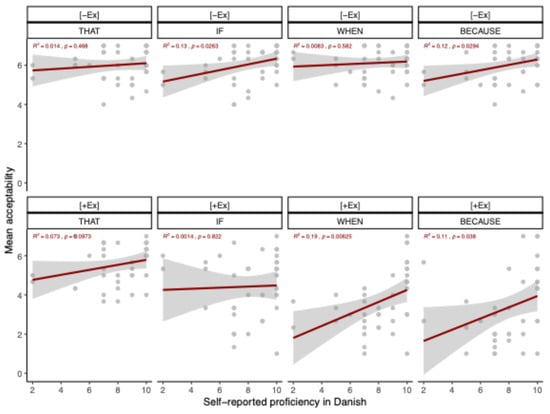
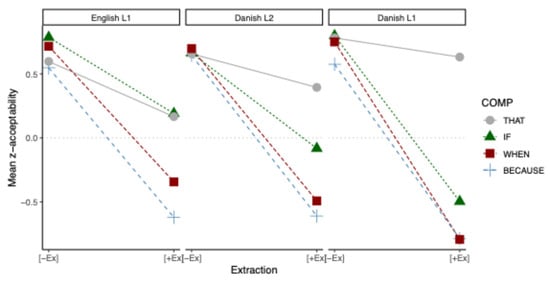
Adjunct clauses have traditionally been assumed to be syntactic configurations from which extraction is universally impossible. However, numerous studies have challenged this assumption and extraction from finite adjunct clauses has been shown to be acceptable to varying degrees in the Mainland Scandinavian languages, as well as in English. The relative acceptability of extraction appears to depend on a number of factors, including the type of adjunct clause and the type of extraction dependency. Research on L2 learning has shown that learners often transfer properties of their L1 grammar into their L2 during the process of learning a second language. Our previous studies on L1 English and L1 Danish found a surprising contrast in which L1 English users found relativization out of adverbial clauses to be better than L1 Danish users did. Based on these findings, we conducted an L2 acceptability judgment experiment on extraction from three types of finite adjunct clauses in Danish (corresponding to English if-, when- and because-clauses) in order to test whether language-specific parameters related to extractability are transferred from L1 to L2. Our results show that the judgments from L2 Danish speakers are intermediate between and significantly different from L1 English and L1 Danish, which does not suggest a parameter resetting.
Full article
(This article belongs to the Special Issue Exploring Second Language Acquisition of Grammar from a Psycholinguistic Perspective)
►▼
Show Figures

Figure 1
Open AccessArticle
Second Language (L2) Learners’ Perceptions of Online-Based Pronunciation Instruction
by
Mohammadreza Dalman
Languages 2025, 10(4), 62; https://doi.org/10.3390/languages10040062 - 27 Mar 2025
Abstract
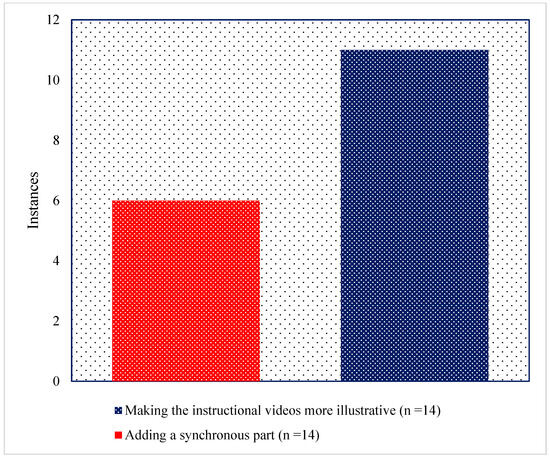
The COVID-19 pandemic resulted in the widespread adoption of online instruction all around the world. In fact, in the post-pandemic era, online teaching and learning are proliferating and are considered as alternatives to traditional learning. The current study investigated L2 learners’ perceptions of
[...] Read more.
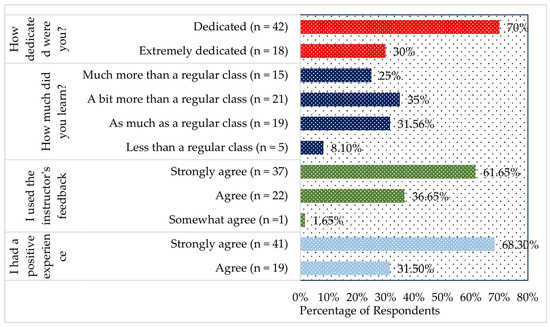
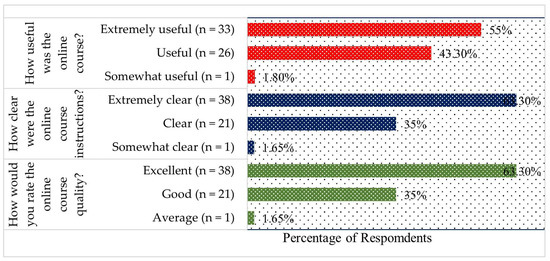
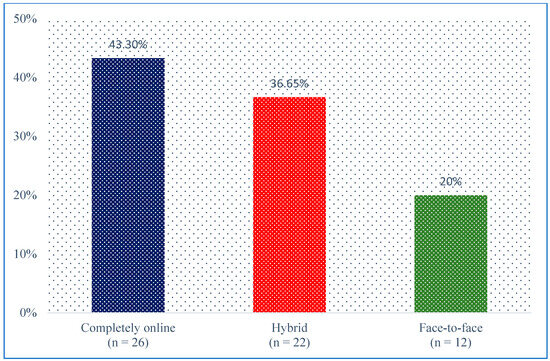
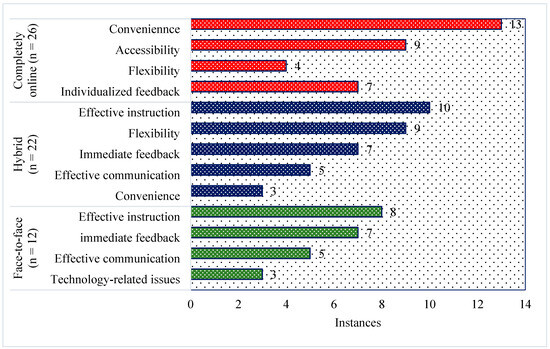
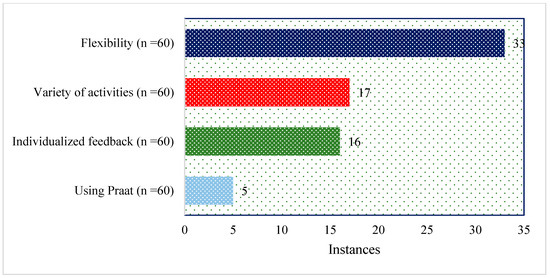
The COVID-19 pandemic resulted in the widespread adoption of online instruction all around the world. In fact, in the post-pandemic era, online teaching and learning are proliferating and are considered as alternatives to traditional learning. The current study investigated L2 learners’ perceptions of an online pronunciation course. Sixty L2 learners, ranging in age from 18 to 60, were recruited from different intensive English programs (IEPs) across the United States and six other countries, including India, Brazil, China, France, Russia, and Canada. The participants received online-based computer-assisted pronunciation training (CAPT) on Moodle over a period of three weeks and completed an online survey on Qualtrics. The results of the quantitative and qualitative data collected from the learners at the end of the course showed that the learners were highly satisfied with their own performance and that they found the online course highly useful and preferred it over a face-to-face pronunciation course. The findings provide valuable insights into the design and delivery of online courses for pronunciation teachers. The findings also suggest that CAPT can effectively support asynchronous L2 pronunciation teaching.
Full article
(This article belongs to the Special Issue L2 Speech Perception and Production in the Globalized World)
►▼
Show Figures

Figure 1
Open AccessArticle
How Children With and Without Developmental Language Disorder Use Prosody and Gestures to Process Phrasal Ambiguities
by
Albert Giberga, Ernesto Guerra, Nadia Ahufinger, Alfonso Igualada, Mari Aguilera and Núria Esteve-Gibert
Languages 2025, 10(4), 61; https://doi.org/10.3390/languages10040061 - 26 Mar 2025
Abstract
Prosody is crucial for resolving phrasal ambiguities. Recent research suggests that gestures can enhance this process, which may be especially useful for children with Developmental Language Disorder (DLD), who have impaired structural language. This study investigates how children with DLD use prosodic and
[...] Read more.
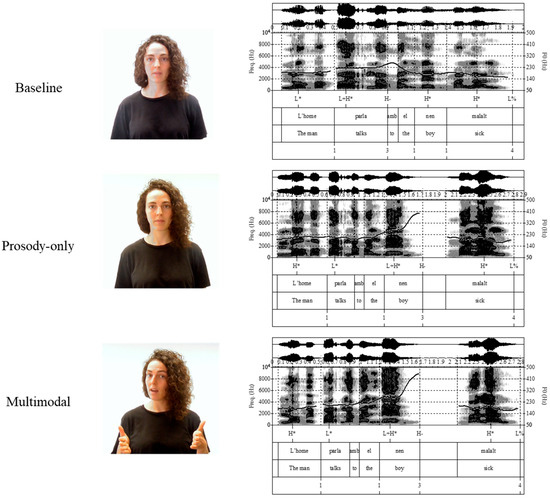
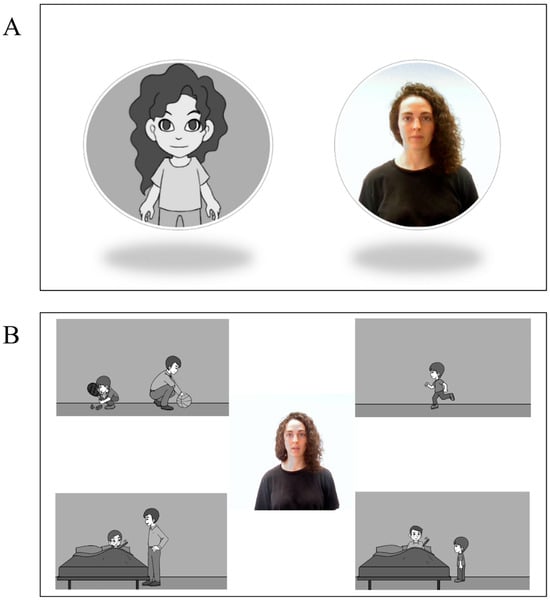
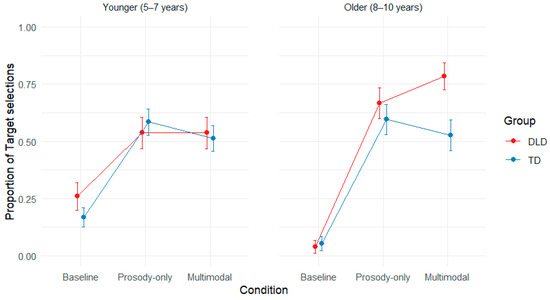
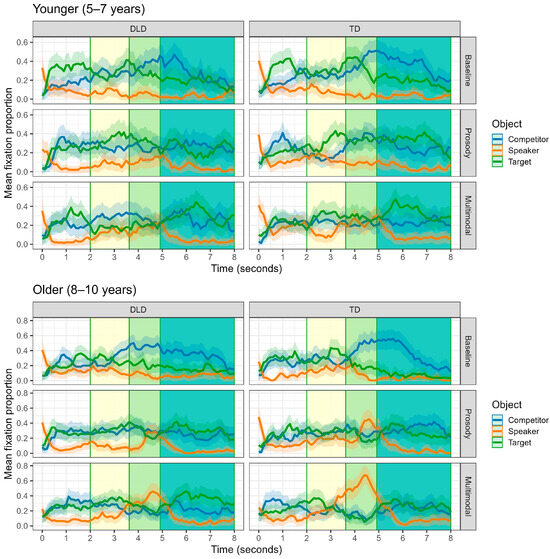
Prosody is crucial for resolving phrasal ambiguities. Recent research suggests that gestures can enhance this process, which may be especially useful for children with Developmental Language Disorder (DLD), who have impaired structural language. This study investigates how children with DLD use prosodic and gestural cues to interpret phrasal ambiguities. Catalan-speaking children with and without DLD heard sentences with two possible interpretations, a high (less common) and low (more common) attachment interpretation of the verb clause. Sentences were presented in three conditions: baseline (no cues to high-attachment interpretation), prosody-only (prosodic cues to high-attachment interpretation), and multimodal (prosodic and gestural cues to high-attachment interpretation). Offline target selection and online gaze patterns were analysed across linguistic (DLD vs. TD) and age groups (5–7 vs. 8–10 years old) to see if multimodal cues facilitate the processing of the less frequent high-attachment interpretation. The offline results revealed that prosodic cues influenced all children’s comprehension of phrasal structures and that gestures provided no benefit beyond prosody. Online data showed that children with DLD struggled to integrate visual information. Our findings underscore that children with DLD can rely on prosodic cues to support sentence comprehension and highlight the importance of integrating multimodal cues in linguistic interactions.
Full article
(This article belongs to the Special Issue Advances in the Acquisition of Prosody)
►▼
Show Figures

Figure 1
Open AccessArticle
Simplex Perfectives in Russian Verb Formation
by
Olav Mueller-Reichau
Languages 2025, 10(4), 60; https://doi.org/10.3390/languages10040060 - 26 Mar 2025
Abstract
This paper investigates the role of simplex perfectives in the Russian aspectual system, which are known to display a number of characteristics that seem to escape a proper theoretical treatment. It is proposed that simplex perfective roots (like reš- or bros-) share
[...] Read more.
This paper investigates the role of simplex perfectives in the Russian aspectual system, which are known to display a number of characteristics that seem to escape a proper theoretical treatment. It is proposed that simplex perfective roots (like reš- or bros-) share with internally prefixed base predicates (like napis- or pročit-) a maximal path in their event descriptions. The two classes of predicates differ from each other, however, in that only the latter require their events to realise the path up to its limit. The underspecification of so-called simplex perfectives with respect to event maximality is resolved by the choice of the different theme vowels -a or -i. A theoretical model is developed that derives the actual verb forms in accordance with their aspectual values. It implements two different morphological cycles, with theme vowel insertion demarkating the end of the first one. Early (internal) and late (external) prefixation are defined relative to this.
Full article
(This article belongs to the Special Issue The Aspectual Architecture of the Slavic Verb: Analogies in Different Languages and Other Grammatical Domains)
Open AccessCommentary
The Role of Cognitive Control in Language Comprehension: Commentary on Kuz et al. (2024)
by
Jared M. Novick, Susan Teubner-Rhodes and Albert E. Kim
Languages 2025, 10(4), 59; https://doi.org/10.3390/languages10040059 - 25 Mar 2025
Abstract
►▼
Show Figures
This commentary examines a recent study that challenges the view that cognitive control supports the resolution of linguistic ambiguities. We critique the study’s methodological limitations, particularly its reliance on self-paced reading, which lacks the sensitivity to detect the effects of cognitive control on
[...] Read more.
This commentary examines a recent study that challenges the view that cognitive control supports the resolution of linguistic ambiguities. We critique the study’s methodological limitations, particularly its reliance on self-paced reading, which lacks the sensitivity to detect the effects of cognitive control on language processing. Furthermore, we address theoretical issues with the proposal that visual attention, rather than cognitive control, explains prior findings from the visual-world paradigm. By highlighting the linking assumptions behind the visual-world paradigm, we argue that eye movement patterns reflect syntactic parsing decisions and cannot be explained by visual attention alone. Considering these factors and the broader body of evidence, we maintain that cognitive control remains a key mechanism in language comprehension, despite the alternative account presented in the target study.
Full article

Figure 1
Open AccessCommentary
Rethinking Language Proficiency: Commentary on Hulstijn (2024)
by
Lourdes Ortega and Shu-Ling Wu
Languages 2025, 10(4), 58; https://doi.org/10.3390/languages10040058 - 24 Mar 2025
Abstract
We enjoyed reading Jan Hustijn’s update of his Basic Language Cognition (BLC) theory in the pages of Languages (Hulstijn, 2024), and we are honored to provide a commentary here. Researchers, language learners, and educators hold varying definitions and understandings of language proficiency. Innovative
[...] Read more.
We enjoyed reading Jan Hustijn’s update of his Basic Language Cognition (BLC) theory in the pages of Languages (Hulstijn, 2024), and we are honored to provide a commentary here. Researchers, language learners, and educators hold varying definitions and understandings of language proficiency. Innovative work that helps researchers in the field rethink proficiency is therefore of utmost importance. Hulstijn’s BLC theory offers a clear, well-motivated, and comprehensive framework for investigating what language proficiency may be, what ceilings there may be in what can be attained, and what causes there may be for attainment differences. Hulstijn tells us that BLC rests on a metatheory (i.e., a foundation of assumptions) of language and language learning grounded in two areas familiar to most scholars in second language acquisition (SLA): usage-based linguistics and complex systems. He offers BLC as a theory, that is, a tool to empirically investigate the causation and development of a phenomenon, in this case, proficiency, through a well-articulated research program. In this commentary, we highlight some aspects of the updated BLC theory that we find most useful. Following the Popperian spirit embraced by Hulstijn, we also introduce some critical probes subjects for refinements that may benefit BLC theory in the future.
Full article
Highly Accessed Articles
Latest Books
E-Mail Alert
News
Topics
Conferences
Special Issues
Special Issue in
Languages
Current Trends in Discourse Marker Research
Guest Editor: Ludivine CribleDeadline: 15 April 2025
Special Issue in
Languages
Language Processing in Spanish Heritage Speakers
Guest Editors: Óscar Loureda, Olga IvanovaDeadline: 20 April 2025
Special Issue in
Languages
Current Issues in Vietnamese Linguistics
Guest Editors: Trang Phan, Nigel Duffield, Tim ChouDeadline: 30 April 2025
Special Issue in
Languages
Exploring Linguistic Boundaries: From the Acquisition of Languages to Multilingual Practices
Guest Editors: Renata Enghels, An Vande Casteele, Diana CastillejaDeadline: 30 April 2025