

Journal Description
Livers
Livers
is an international, peer-reviewed, open access journal on liver science published quarterly online by MDPI.
- Open Access— free for readers, with article processing charges (APC) paid by authors or their institutions.
- High Visibility: indexed within ESCI (Web of Science), Scopus, EBSCO, and other databases.
- Rapid Publication: manuscripts are peer-reviewed and a first decision is provided to authors approximately 27.2 days after submission; acceptance to publication is undertaken in 6.6 days (median values for papers published in this journal in the second half of 2024).
- Recognition of Reviewers: APC discount vouchers, optional signed peer review, and reviewer names published annually in the journal.
Latest Articles
An Integrated Pathogenetic Model of Primary Biliary Cholangitis
Livers 2025, 5(2), 15; https://doi.org/10.3390/livers5020015 - 28 Mar 2025
Abstract
►
Show Figures
The pathogenesis of primary biliary cholangitis (PBC) is not fully understood. Despite recent progress, many aspects require further clarification. Thus, PBC is regarded as an autoimmune disease, but immunosuppressive treatment, which is effective in other autoimmune diseases, is not working in the case
[...] Read more.
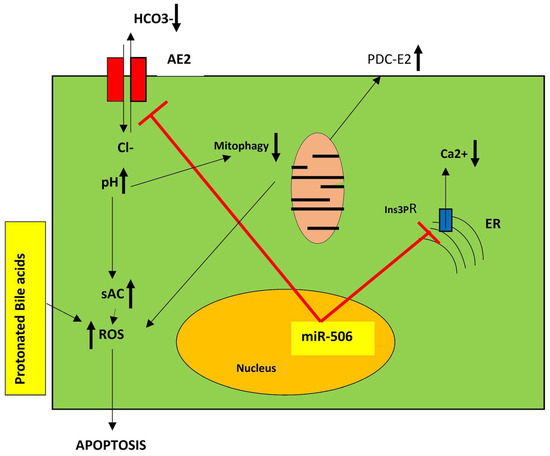
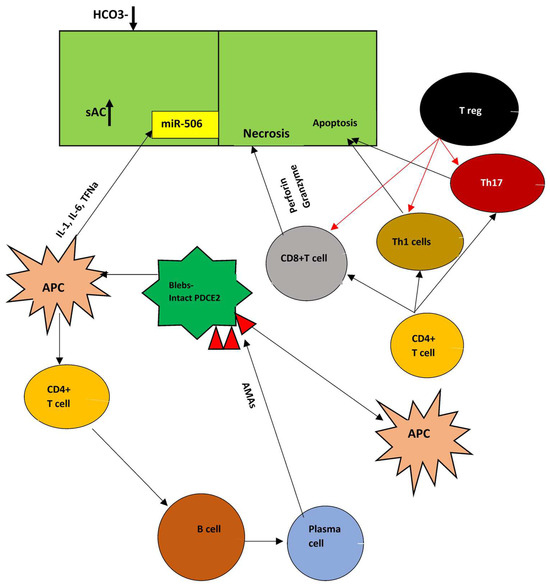
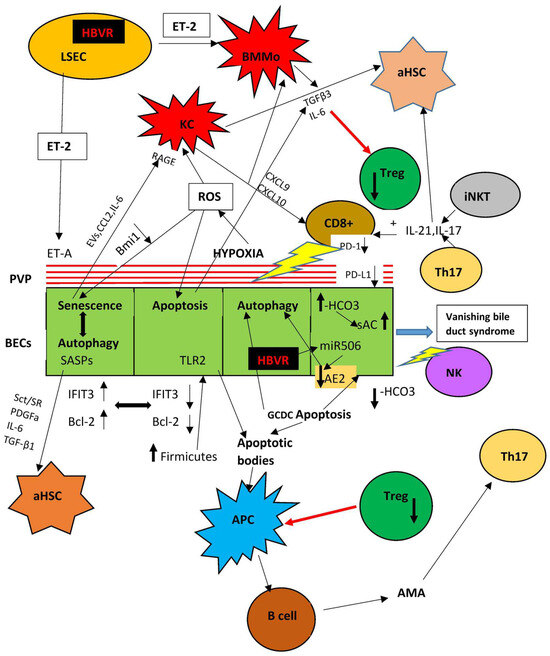
The pathogenesis of primary biliary cholangitis (PBC) is not fully understood. Despite recent progress, many aspects require further clarification. Thus, PBC is regarded as an autoimmune disease, but immunosuppressive treatment, which is effective in other autoimmune diseases, is not working in the case of PBC. Moreover, there are controversies over the pathogenetic role of anti-mitochondrial antibodies as mitochondria are present in all cells but only cholangiocytes are damaged. In this review, all the proposed models and factors that have been involved in the pathogenesis of PBC are presented. They include mechanisms such as dysregulated autophagy, senescence, apoptosis, impairment of the protective bicarbonate umbrella, immunological abnormalities, the dysbiosis of gut microbiota, and the role of bile acids. Genetics of PBC and epigenetic transcriptional modifications are also presented. Data supporting molecular mimicry and the viral etiology of PBC are analyzed. Finally, an integrated model is proposed based on interactions of the factors that may participate in PBC pathogenesis. Therefore, the purpose of this review is to provide a unifying presentation of the various aspects of PBC pathophysiology, which will allow for a better understanding of this multifaceted disease. New treatment targets may also be identified in such a holistic model.
Full article
Open AccessReview
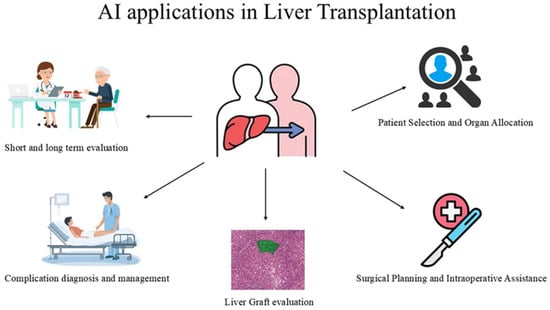
AI Innovations in Liver Transplantation: From Big Data to Better Outcomes
by
Eleni Avramidou, Dominik Todorov, Georgios Katsanos, Nikolaos Antoniadis, Athanasios Kofinas, Stella Vasileiadou, Konstantina-Eleni Karakasi and Georgios Tsoulfas
Livers 2025, 5(1), 14; https://doi.org/10.3390/livers5010014 - 14 Mar 2025
Abstract
►▼
Show Figures
Artificial intelligence (AI) has emerged as a transformative field in computational research with diverse applications in medicine, particularly in the field of liver transplantation (LT) given its ability to analyze and build upon complex and multidimensional data. This literature review investigates the application
[...] Read more.
Artificial intelligence (AI) has emerged as a transformative field in computational research with diverse applications in medicine, particularly in the field of liver transplantation (LT) given its ability to analyze and build upon complex and multidimensional data. This literature review investigates the application of AI in LT, focusing on its role in pre-implantation biopsy evaluation, development of recipient prognosis algorithms, imaging analysis, and decision-making support systems, with the findings revealing that AI can be applied across a variety of fields within LT, including diagnosis, organ allocation, and surgery planning. As a result, algorithms are being developed to assess steatosis in pre-implantation biopsies and predict liver graft function, with AI applications displaying great accuracy across various studies included in this review. Despite its relatively recent introduction to transplantation, AI demonstrates potential in delivering cost and time-efficient outcomes. However, these tools cannot replace the role of healthcare professionals, with their widespread adoption demanding thorough clinical testing and oversight.
Full article

Figure 1
Open AccessCase Report
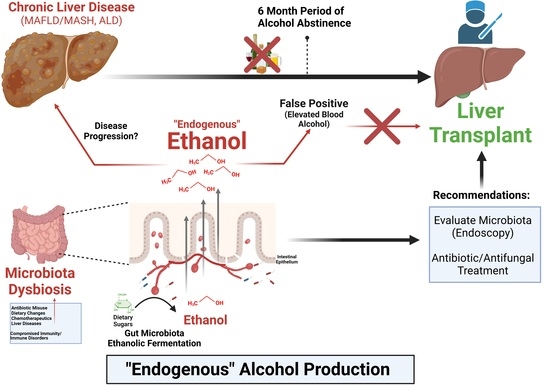
Endogenous Alcohol and Auto-Brewery Syndrome Complicating Liver Transplantation: A Case Report and Literature Review
by
Jack C. Drda and Jill P. Smith
Livers 2025, 5(1), 13; https://doi.org/10.3390/livers5010013 - 13 Mar 2025
Abstract
Introduction: We describe the first reported case of auto-brewery syndrome complicating liver transplantation, wherein a patient was temporarily removed from a liver transplant list not due to ethanol consumption but rather spontaneous ethanolic fermentation within the gastrointestinal tract. Auto-brewery syndrome (ABS) is a
[...] Read more.
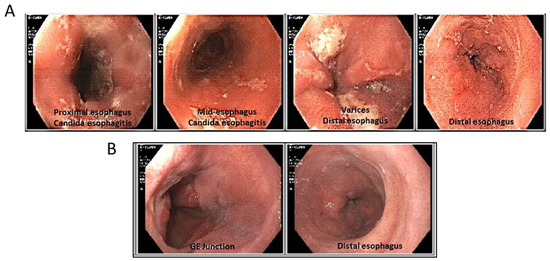
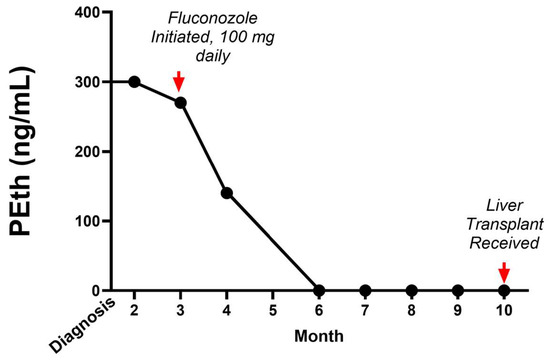
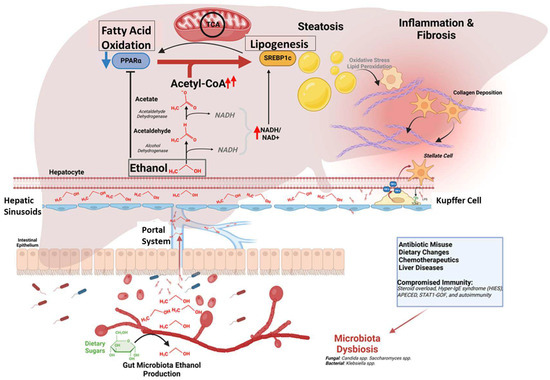
Introduction: We describe the first reported case of auto-brewery syndrome complicating liver transplantation, wherein a patient was temporarily removed from a liver transplant list not due to ethanol consumption but rather spontaneous ethanolic fermentation within the gastrointestinal tract. Auto-brewery syndrome (ABS) is a rare metabolic condition where gastrointestinal microbiota dysbiosis leads to spontaneous microbial ethanolic fermentation under anaerobic, high carbohydrate conditions. Because no alcohol is directly consumed by the patient, this alcohol is often referred to as “endogenous”. Methods: We present a case where a patient awaiting orthotopic liver transplantation was removed from the transplant list due to significantly elevated blood alcohol levels. However, an upper endoscopy revealed Candida esophagitis, and the diagnosis of ABS was made. Results: With antifungal fluconazole treatment, the patient’s blood alcohol biomarkers decreased, and the patient underwent a successful liver transplantation. Discerning between patient exogenous alcohol consumption and endogenous alcohol production with ABS remains a significant challenge for clinicians, and this knowledge could have serious implications for a patient awaiting a life-saving liver transplant. Conclusions: This case highlights the importance of listening to the patient and carefully assessing potential liver transplant recipients who consistently deny alcohol consumption, specifically for gut dysbiosis and ABS.
Full article
(This article belongs to the Special Issue Recent Advances in the Detection and Pathophysiology of Steatotic, Alcoholic and Drug-Induced Liver Diseases)
►▼
Show Figures

Graphical abstract
Open AccessArticle
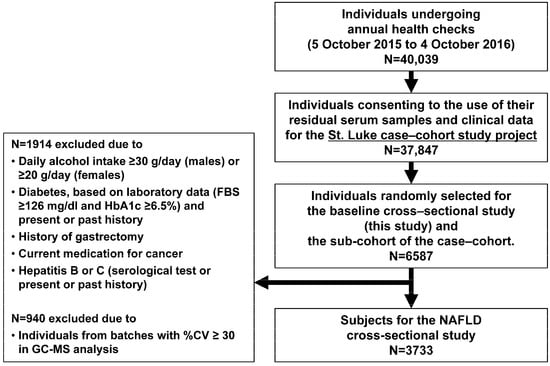
A Metabolomics-Based Approach for Diagnosing NAFLD and Identifying Its Pre-Condition Along the Potential Disease Spectrum
by
Masanori Nojima, Takeshi Kimura, Yutaka Aoki, Hirotaka Fujimoto, Kuniyoshi Hayashi, Junya Ohtake, Mariko Kimura-Asami, Kazuhiko Suzuki, Kevin Urayama, Masaaki Matsuura, Taka-Aki Sato and Katsunori Masuda
Livers 2025, 5(1), 12; https://doi.org/10.3390/livers5010012 - 12 Mar 2025
Abstract
►▼
Show Figures
Introduction: The significant impact of nonalcoholic fatty liver disease (NAFLD) on public health, combined with the limitations of current diagnostic approaches, demands a more comprehensive and accurate method to identify NAFLD cases in large general populations. Methods: In this cross-sectional study, we recruited
[...] Read more.
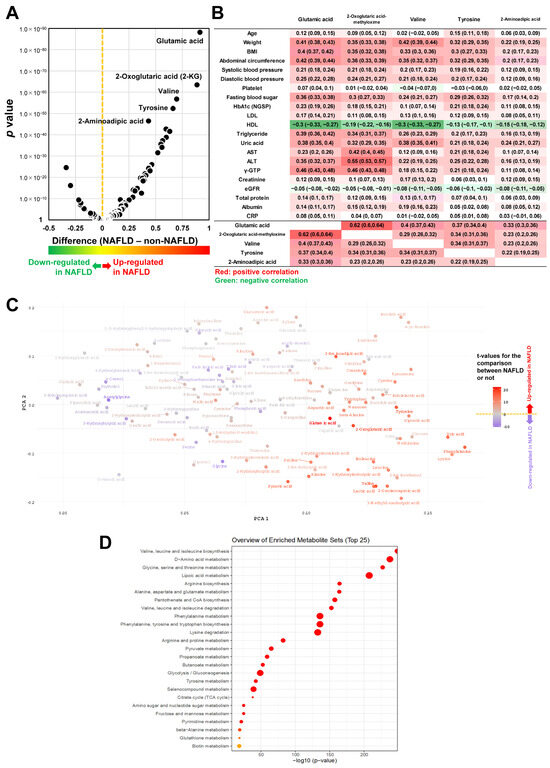
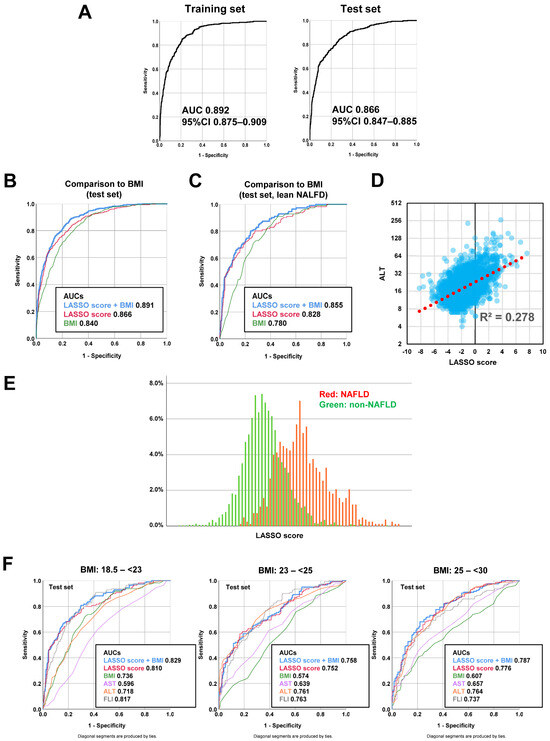
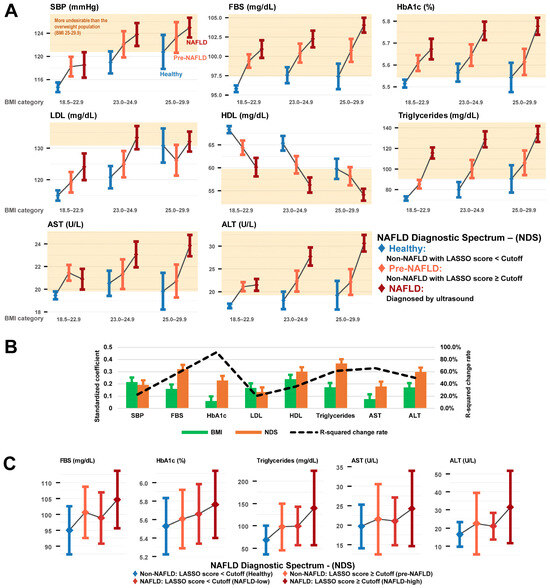
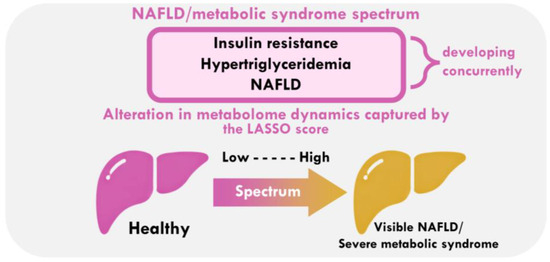
Introduction: The significant impact of nonalcoholic fatty liver disease (NAFLD) on public health, combined with the limitations of current diagnostic approaches, demands a more comprehensive and accurate method to identify NAFLD cases in large general populations. Methods: In this cross-sectional study, we recruited 3733 individuals (average age 51.8 years) who underwent health check-ups between October 2015 and October 2016. NAFLD was diagnosed using ultrasound; 114 serum metabolites were measured using gas chromatography–mass spectrometry. We adopted the least absolute shrinkage and selection operator (LASSO) method to build a metabolomic-based diagnostic model. Results: NAFLD was diagnosed in 826 participants. While each metabolite exhibited a limited diagnostic ability for NAFLD when used individually, compared with BMI, the model constructed using the LASSO demonstrated adequate diagnostic power (area under the curve [AUC] 0.866, 95% confidence interval 0.847–0.885 in test set) and even for lean (BMI < 23) populations (AUC for LASSO 0.828, for BMI 0.78). Moreover, the LASSO model-derived ‘pre-NAFLD’ condition showed a potential association with insulin resistance and elevated triglycerides. Conclusions: Our metabolomic-based approach provides a comprehensive evaluation of NAFLD or ‘pre-NAFLD’, both considered parts of a hypothetical ‘NAFLD spectrum’, independent of body type. Metabolomics could offer additional diagnostic benefits and potentially expand the disease concept.
Full article

Figure 1

Open AccessReview
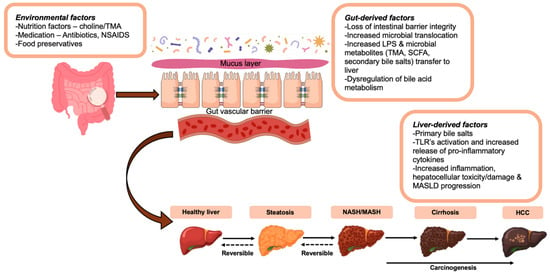
Gut Microbiota and Metabolic Dysfunction-Associated Steatotic Liver Disease (MASLD): Emerging Pathogenic Mechanisms and Therapeutic Implications
by
Farah Abdelhameed, Attia Mustafa, Chris Kite, Lukasz Lagojda, Alexander Dallaway, Nwe Ni Than, Eva Kassi, Ioannis Kyrou and Harpal S. Randeva
Livers 2025, 5(1), 11; https://doi.org/10.3390/livers5010011 - 4 Mar 2025
Abstract
►▼
Show Figures
Non-alcoholic fatty liver disease (NAFLD), recently redefined as metabolic dysfunction-associated steatotic liver disease (MASLD), is the most common cause of chronic liver disease worldwide. Characterized by excessive hepatic fat accumulation, this disease encompasses a spectrum from simple steatosis to more severe forms, including
[...] Read more.
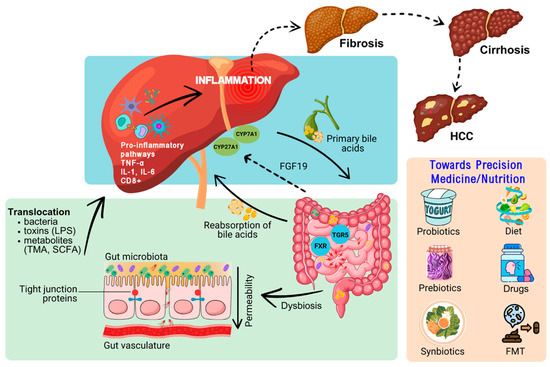
Non-alcoholic fatty liver disease (NAFLD), recently redefined as metabolic dysfunction-associated steatotic liver disease (MASLD), is the most common cause of chronic liver disease worldwide. Characterized by excessive hepatic fat accumulation, this disease encompasses a spectrum from simple steatosis to more severe forms, including steatohepatitis, fibrosis, and cirrhosis. Emerging evidence highlights the pivotal role of gut dysbiosis in the pathogenesis of MASLD. Dysbiosis disrupts the gut–liver axis, an intricate communication network that regulates metabolic, immune, and barrier functions. Alterations in gut microbiota composition, increased gut permeability, and translocation of pro-inflammatory metabolites/factors have been shown to trigger liver inflammatory and fibrotic cascades, exacerbating hepatic inflammation and injury. Recent studies have identified microbiome signatures associated with MASLD, offering promise as non-invasive diagnostic biomarkers and paving the way for new potential therapeutic strategies targeting gut dysbiosis. This review explores the crucial role of the gut microbiota in MASLD pathogenesis and highlights the need for further targeted research in this field to validate microbial biomarkers and optimize therapeutic strategies. Comprehensive understanding of the gut–liver axis may enable innovative diagnostic and therapeutic approaches, transforming the clinical management of MASLD.
Full article

Figure 1
Open AccessCorrection
Correction: Watanabe et al. Pemafibrate Improves Alanine Aminotransferase Levels Independently of Its Lipid-Lowering Effect. Livers 2023, 3, 562–568
by
Azuma Watanabe, Ryoko Horigome, Yumiko Nakatsuka and Shuji Terai
Livers 2025, 5(1), 10; https://doi.org/10.3390/livers5010010 - 27 Feb 2025
Abstract
In the original publication [...]
Full article
Open AccessEditor’s ChoiceArticle
Identifying Subgroup at High Risk of Transarterial Chemoembolization Failure Among Patients with Hepatocellular Carcinoma Awaiting Liver Transplantation
by
Edoardo Poli, Marc-Antoine Allard, Astrid Laurent-Bellue, Maïté Lewin, Catherine Guettier, Daniel Azoulay, Audrey Coilly, Alexandre Dos Santos, Jamila Faivre, Eric Vibert, Alina Pascale, Clara Prud’homme, Antonio Sa Cunha, Faouzi Saliba, Jean Charles Duclos-Vallée, René Adam, Didier Samuel, Daniel Cherqui and Olivier Rosmorduc
Livers 2025, 5(1), 9; https://doi.org/10.3390/livers5010009 - 20 Feb 2025
Abstract
►▼
Show Figures
Background/Objectives: Transarterial chemoembolization (TACE) is the most widely used bridging treatment for hepatocellular carcinoma (HCC) before liver transplantation (LT) but may be associated with dropout and post-LT HCC recurrence. We aimed to identify a subgroup of HCC LT candidates at high risk of
[...] Read more.
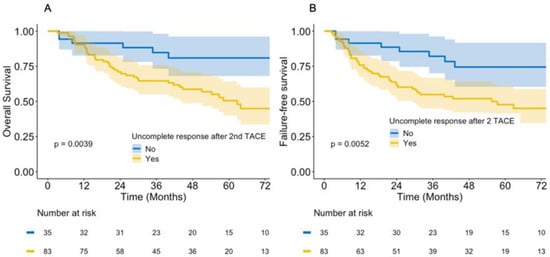
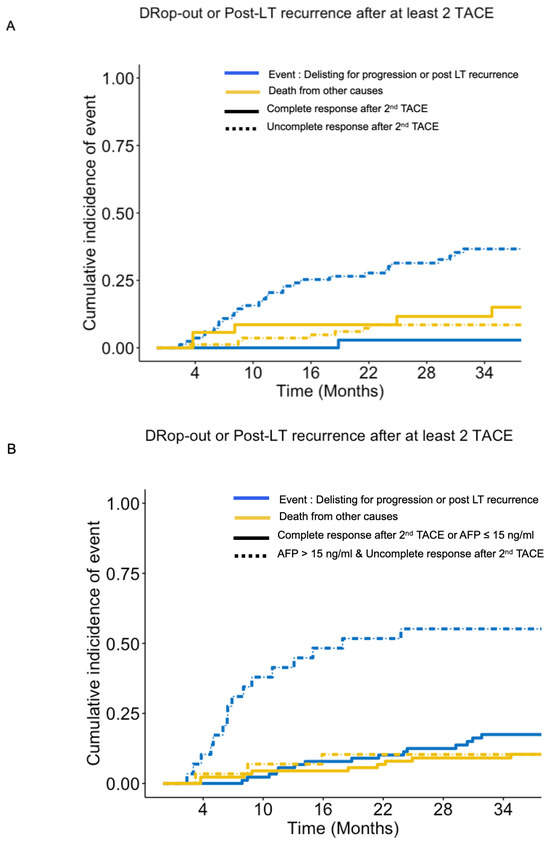
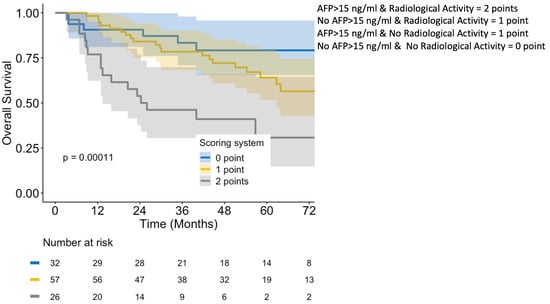
Background/Objectives: Transarterial chemoembolization (TACE) is the most widely used bridging treatment for hepatocellular carcinoma (HCC) before liver transplantation (LT) but may be associated with dropout and post-LT HCC recurrence. We aimed to identify a subgroup of HCC LT candidates at high risk of TACE-to-LT strategy failure (TLSF). Methods: All consecutive HCC LT candidates with French AFP-scores ≤ 2 who underwent at least one bridging TACE at Paul Brousse Hospital in 2013–2018 were included (n = 173). Dropout for HCC progression during waiting list and post-LT HCC recurrence was defined TLSF. Results: The one-year TLSF cumulative incidence was 15%. According to univariate analysis, pre-TACE AFP > 15 ng/mL was the only factor associated with decreased overall survival (OS) and TLSF-free survival (TLSF-FS) after the first TACE. The absence of complete radiological response (CRR) or pre-TACE AFP > 15 ng/mL were associated with reduced OS and TLSF-FS after a second TACE (n = 118). The cumulative incidence of TLSF reached 41% one year after the second TACE in patients with both AFP > 15 ng/mL and no CRR, while it was 7% for others (p < 0.001). Conclusions: HCC patients receiving bridging TACE, with pre-TACE AFP > 15 ng/mL and no CRR after two TACEs, are at high risk of delisting for HCC progression or of post-LT recurrence. Alternative therapeutic strategies should be proposed early for this better-defined population.
Full article

Figure 1

Open AccessEditor’s ChoiceReview
Immunology Highlights of Four Major Idiosyncratic DILI Subtypes Verified by the RUCAM: A New Evidence-Based Classification
by
Rolf Teschke
Livers 2025, 5(1), 8; https://doi.org/10.3390/livers5010008 - 14 Feb 2025
Abstract
Conventionally, drug-induced liver injury (DILI) exists in two types: idiosyncratic and intrinsic. Both types are classified as non-immune disorders, thereby ignoring that some iDILI cases may have an immune or autoimmune background that requires a different therapeutic approach because steroids may be helpful.
[...] Read more.
Conventionally, drug-induced liver injury (DILI) exists in two types: idiosyncratic and intrinsic. Both types are classified as non-immune disorders, thereby ignoring that some iDILI cases may have an immune or autoimmune background that requires a different therapeutic approach because steroids may be helpful. The purpose of this analysis was to analyze and classify the subtypes of iDILI which, indeed, show autoimmune or immune features among four cohorts, namely idiosyncratic DILI type 1: idiosyncratic drug-induced autoimmune hepatitis (DIAIH), to be differentiated from the classic drug-unrelated idiosyncratic autoimmune hepatitis (AIH); idiosyncratic DILI type 2: human leucocyte antigen-based idiosyncratic drug-induced autoimmune hepatitis; idiosyncratic DILI type 3: anti-cytochrome P450-based idiosyncratic drug-induced autoimmune hepatitis; and idiosyncratic DILI type 4: immune-based idiosyncratic drug-induced liver injury associated with Stevens–Johnson syndrome (SJS) and toxic epidermal necrolysis (TEN). In conclusion, the traditional non-immune and non-autoimmune iDILI, as well as the four immune or autoimmune iDILI subtypes, are now well classified and clinically characterized by the broadly applied Roussel Uclaf Causality Assessment Method (RUCAM), facilitating additional immunology and therapy studies for the four subtypes, all of which could benefit from steroid treatment.
Full article
Open AccessEditor’s ChoiceReview
Changes and Future Directions in Liver Transplantation in the United States
by
Francis Spitz, Stalin Dharmayan, Jason Mial-Anthony, Abiha Abdullah, Charbel Elias, Godwin Packiaraj, Sabin Subedi and Michele Molinari
Livers 2025, 5(1), 7; https://doi.org/10.3390/livers5010007 - 8 Feb 2025
Abstract
Liver transplantation (LT) in the United States is evolving in response to shifting disease patterns, innovative therapies, and technological advancements. Metabolic-associated fatty liver disease (MAFLD) and alcohol-associated liver disease (ALD) now are the most common indications for LT, reflecting the impact of the
[...] Read more.
Liver transplantation (LT) in the United States is evolving in response to shifting disease patterns, innovative therapies, and technological advancements. Metabolic-associated fatty liver disease (MAFLD) and alcohol-associated liver disease (ALD) now are the most common indications for LT, reflecting the impact of the obesity epidemic and increased alcohol consumption. Advances in pharmacotherapy for MAFLD and tailored protocols for ALD management are reducing disease progression and improving outcomes. The inclusion of colorectal liver metastases (CRLM) and intrahepatic cholangiocarcinoma (iCCA) as transplant indications highlights progress in chemotherapy and patient selection. Technologies like normothermic machine perfusion (NMP) are expanding the donor pool, while xenotransplantation and organ rehabilitation offer transformative solutions to organ shortages. As the population ages, LT programs must address challenges in older patients and explore minimally invasive approaches for donors and recipients. By integrating innovation and multidisciplinary expertise, LT will continue to provide life-saving care while adapting to the needs of diverse patient populations.
Full article
Open AccessEditor’s ChoiceReview
Electrochemotherapy for Colorectal Liver Metastasis: What Interventional Radiologists Need to Know
by
Alessandro Posa, Pierluigi Barbieri, Marcello Lippi, Alessandro Maresca, Edoardo Vincenzo Andreani and Roberto Iezzi
Livers 2025, 5(1), 6; https://doi.org/10.3390/livers5010006 - 7 Feb 2025
Abstract
►▼
Show Figures
The global burden of liver metastases from different primary lesions is increasing, resulting in significant challenges for public health systems. Accordingly, colorectal cancer (CRC) remains a leading cause of cancer-related mortality, with a high incidence of liver metastases. Although surgical resection is considered
[...] Read more.
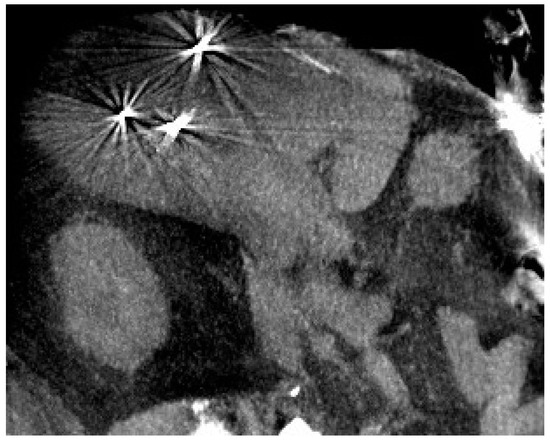
The global burden of liver metastases from different primary lesions is increasing, resulting in significant challenges for public health systems. Accordingly, colorectal cancer (CRC) remains a leading cause of cancer-related mortality, with a high incidence of liver metastases. Although surgical resection is considered the standard curative treatment, it is only viable for a limited subset of patients. This review aims to describe a potential alternative nonsurgical intervention, such as electrochemotherapy (ECT), in the treatment of CRC oligometastatic liver disease. ECT has been largely used for the treatment of cutaneous and subcutaneous lesions, while its visceral use is currently a novel approach. ECT consists of the administration of intravenous anticancer drugs, followed by the application of intralesional electrode needles, which release localized electrical pulses to induce electroporation, a process that transiently increases cell membrane permeability, thereby facilitating the intracellular delivery of otherwise membrane-impermeable drugs. The main topics of this review focus on the technical and clinical applications, efficacy, safety, and possible complications of ECT for CRC liver metastases. A comparison with other locoregional treatments is also performed, highlighting possible advantages and disadvantages.
Full article

Figure 1
Open AccessEditor’s ChoiceReview
Immune Checkpoints and the Immunology of Liver Fibrosis
by
Ioannis Tsomidis, Argyro Voumvouraki and Elias Kouroumalis
Livers 2025, 5(1), 5; https://doi.org/10.3390/livers5010005 - 27 Jan 2025
Cited by 1
Abstract
Liver fibrosis is a very complicated dynamic process where several immune cells are involved. Both innate and adaptive immunity are implicated, and their interplay is always present. Multi-directional interactions between liver macrophages, hepatic stellate cells (HSCs), immune cells, and several cytokines are important
[...] Read more.
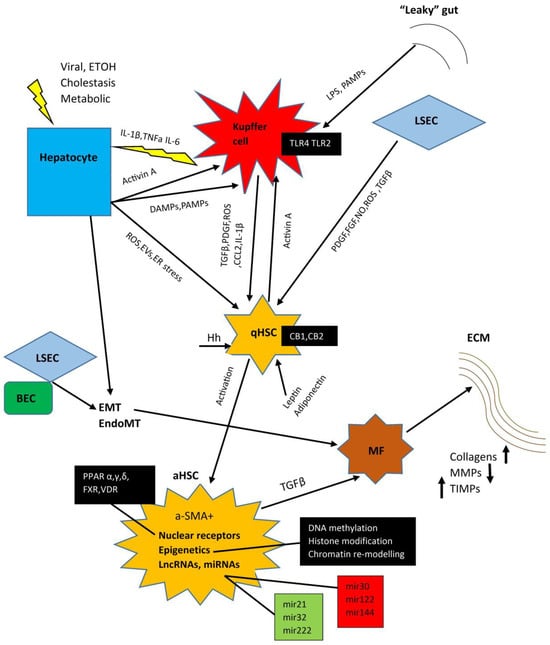
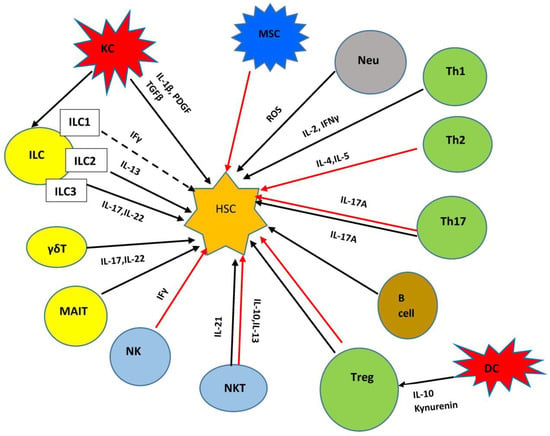
Liver fibrosis is a very complicated dynamic process where several immune cells are involved. Both innate and adaptive immunity are implicated, and their interplay is always present. Multi-directional interactions between liver macrophages, hepatic stellate cells (HSCs), immune cells, and several cytokines are important for the induction and perpetuation of liver fibrosis. Detailed studies of proteomics and transcriptomics have produced new evidence for the role of individual cells in the process of liver fibrosis and cirrhosis. Most of these cells are controlled by the various immune checkpoints whose main function is to maintain the homeostasis of the implicated immune cells. Recent evidence indicates that several immune checkpoints are involved in liver fibrosis. In particular, the role of the programmed cell death protein 1 (PD-1), the programmed death-ligand 1 (PD-L1), and the role of the cytotoxic T lymphocyte-associated antigen 4 (CTLA-4) have been investigated, particularly after the availability of checkpoint inhibitors. Their activation leads to the exhaustion of CD4+ve and CD8+ve T cells and the promotion of liver fibrosis. In this review, the current pathogenesis of liver fibrosis and the immunological abnormalities are discussed. The recent data on the involvement of immune checkpoints are identified as possible targets of future interventions.
Full article
(This article belongs to the Special Issue Liver Fibrosis: Mechanisms, Targets, Assessment and Treatment)
►▼
Show Figures

Figure 1
Open AccessReview
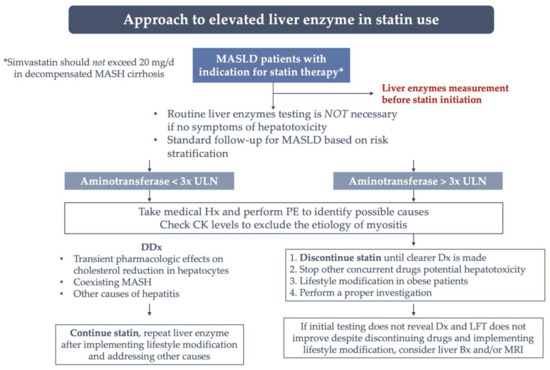
Applicability of Statins in Metabolic Dysfunction-Associated Steatotic Liver Disease (MASLD)
by
Thaninee Prasoppokakorn
Livers 2025, 5(1), 4; https://doi.org/10.3390/livers5010004 - 23 Jan 2025
Abstract
►▼
Show Figures
Metabolic dysfunction-associated steatotic liver disease (MASLD) is the novel terminology encompassing liver disease associated with metabolic dysfunction, replacing the previous terminology of non-alcoholic fatty liver disease (NAFLD). This disease is strongly associated with metabolic disorders such as obesity, type 2 diabetes, and dyslipidemia.
[...] Read more.
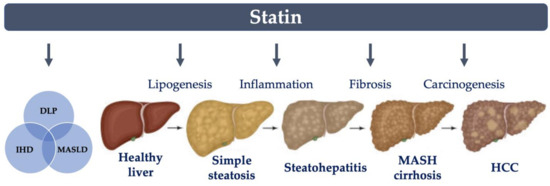
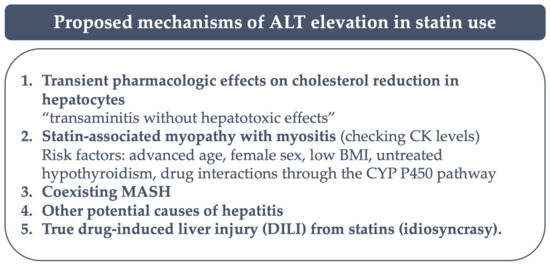
Metabolic dysfunction-associated steatotic liver disease (MASLD) is the novel terminology encompassing liver disease associated with metabolic dysfunction, replacing the previous terminology of non-alcoholic fatty liver disease (NAFLD). This disease is strongly associated with metabolic disorders such as obesity, type 2 diabetes, and dyslipidemia. MASLD and dyslipidemia are deeply interconnected, driven by shared pathophysiological mechanisms. Emerging evidence suggests that statins, a class of lipid-lowering medications, may have beneficial effects on MASLD beyond their primary role in reducing cholesterol levels through several mechanisms, including anti-inflammatory, antioxidant, anti-fibrosis, and immunomodulatory effects. This review aims to summarize the efficacy of statins in the management of MASLD and provide insights into their potential mechanisms of action. It discusses the pathophysiology of MASLD and the role of statins in targeting key aspects of the disease. Additionally, the review examines the clinical evidence supporting the use of different statins in MASLD treatment and highlights their specific effects on liver enzymes, inflammation, and fibrosis. Furthermore, an algorithm for statin therapy in MASLD is proposed based on the current knowledge and available evidence.
Full article

Figure 1

Open AccessArticle
Innovative Elastography Measuring Cap for Ex Vivo Liver Condition Assessment: Numerical and Preclinical Studies in a Porcine Model
by
Dariusz Pyka, Agnieszka Noszczyk-Nowak, Karina Krawiec, Tomasz Świetlik and Krzysztof J. Opieliński
Livers 2025, 5(1), 3; https://doi.org/10.3390/livers5010003 - 16 Jan 2025
Abstract
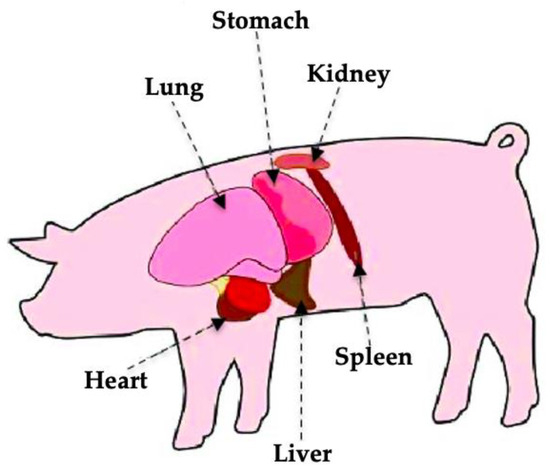
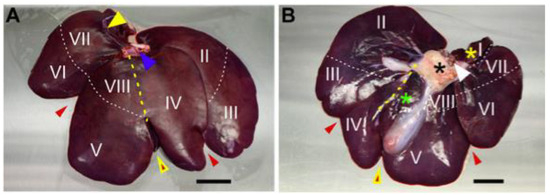
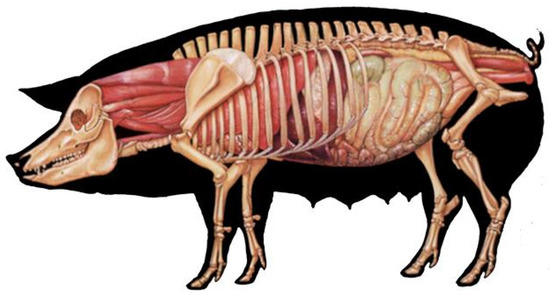
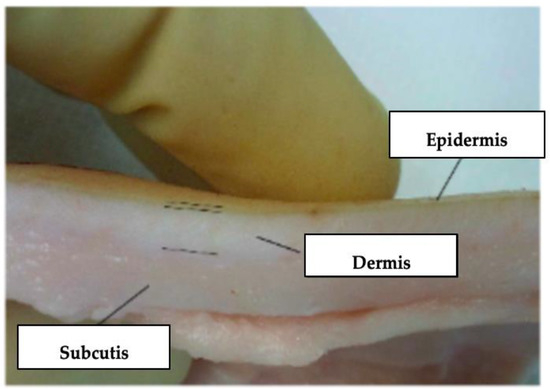
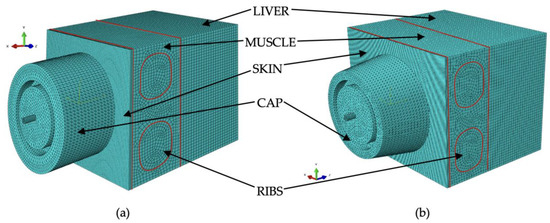
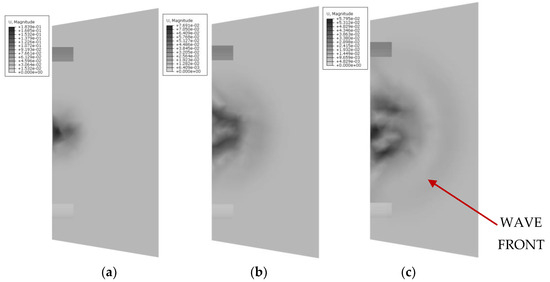
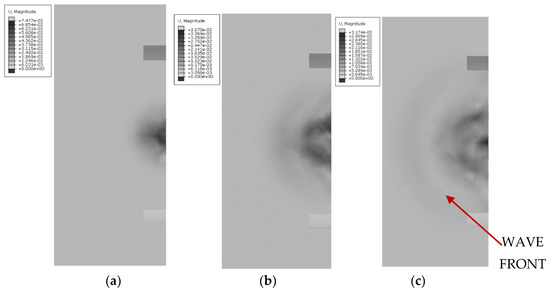
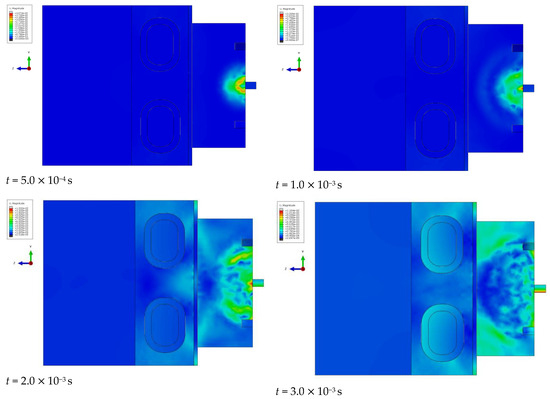
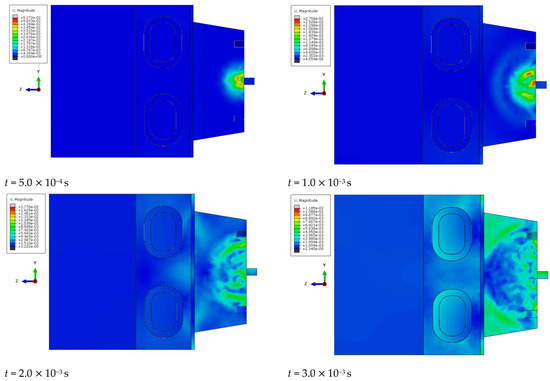
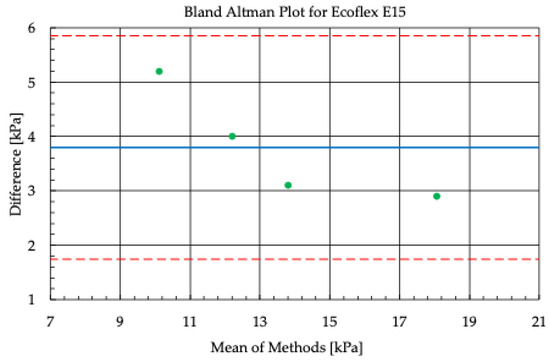
The authors of this study focused their research on developing cap geometries for the FibroScan® elastograph (FibroScan, EchoSens, Paris, France) measuring head aimed at a non-invasive assessment of liver condition for transplantation using a pig animal model. Numerical models were created to
[...] Read more.
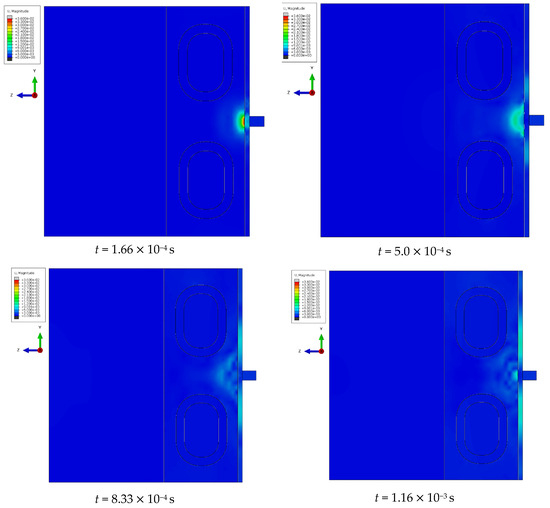
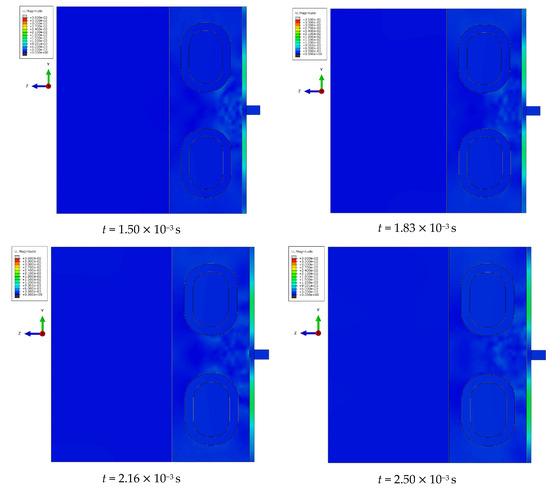
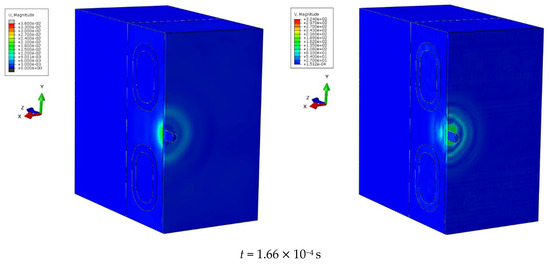
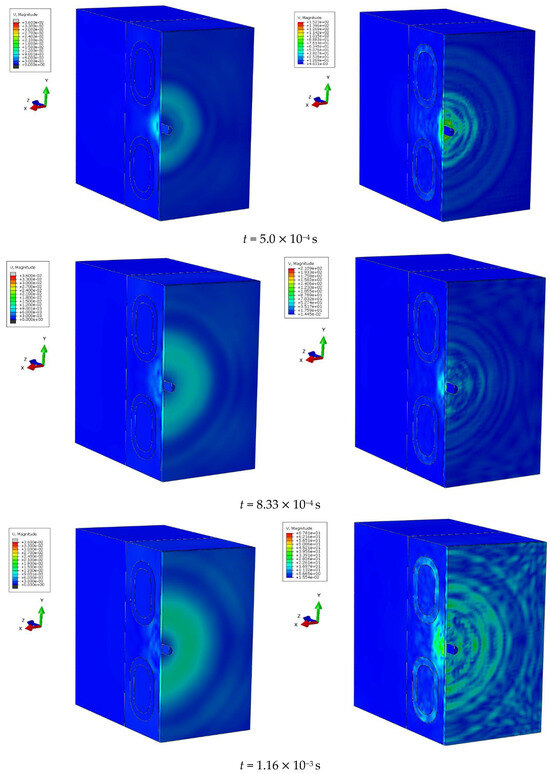
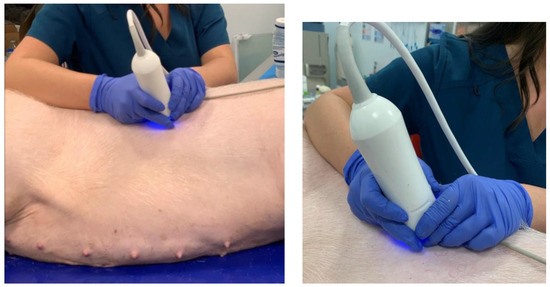
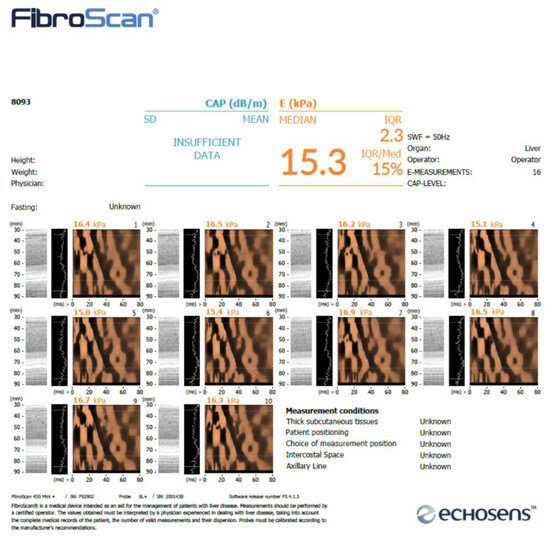
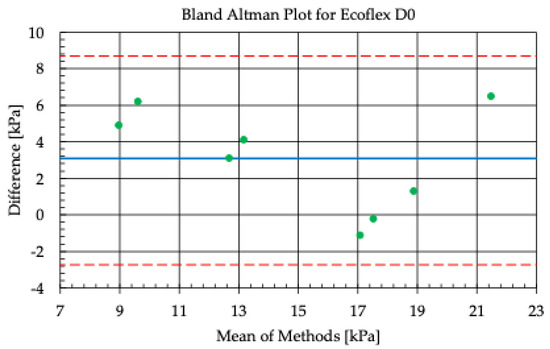
The authors of this study focused their research on developing cap geometries for the FibroScan® elastograph (FibroScan, EchoSens, Paris, France) measuring head aimed at a non-invasive assessment of liver condition for transplantation using a pig animal model. Numerical models were created to simulate the propagation of a mechanical wave through a biological medium induced by the FibroScan® elastograph measuring head. The designed caps were intended to replicate the skin–muscle–rib–liver structures to minimize the risk of damage caused by mechanical wave excitation when directly applied to liver tissue. The construction process of numerical models for the liver and surrounding tissues is presented, along with simulations reflecting the mechanical and acoustic properties of the wave propagation process. The results obtained from in vivo measurements on pigs were validated through a numerical analysis, confirming a high level of agreement between the test results and the numerical model.
Full article
(This article belongs to the Special Issue Liver Fibrosis: Mechanisms, Targets, Assessment and Treatment)
►▼
Show Figures

Figure 1
Open AccessArticle
Advancing Chronic Liver Disease Diagnoses: Targeted Proteomics for the Non-Invasive Detection of Fibrosis
by
Andrea Villanueva Raisman, David Kotol, Ozlem Altay, Adil Mardinoglu, Dila Atak, Cihan Yurdaydin, Murat Akyildiz, Murat Dayangac, Hale Kirimlioglu, Müjdat Zeybel and Fredrik Edfors
Livers 2025, 5(1), 2; https://doi.org/10.3390/livers5010002 - 14 Jan 2025
Abstract
Chronic liver disease poses significant challenges to healthcare systems, which frequently struggle to meet the needs of end-stage liver disease patients. Early detection and management are essential because liver damage and fibrosis are potentially reversible. However, the implementation of population-wide screenings is hindered
[...] Read more.
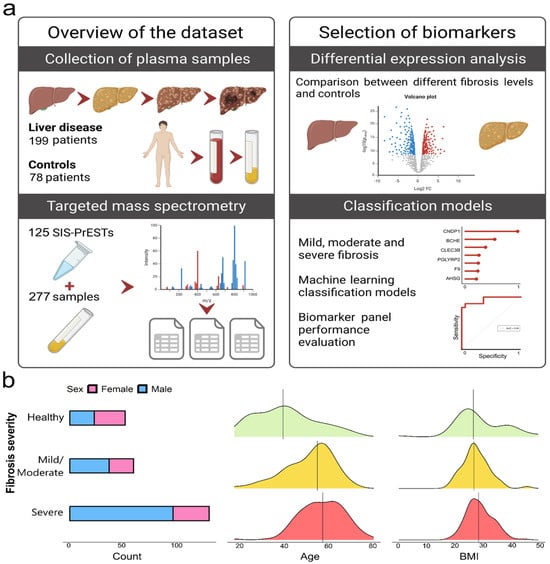
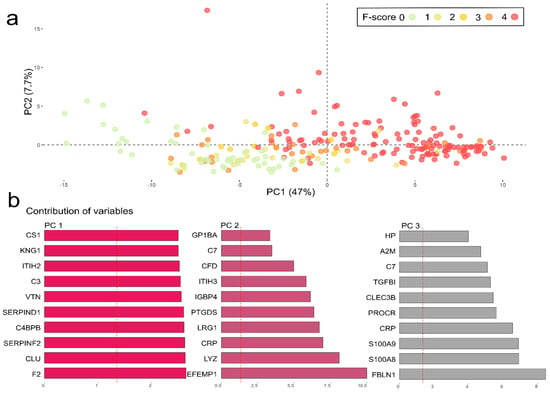
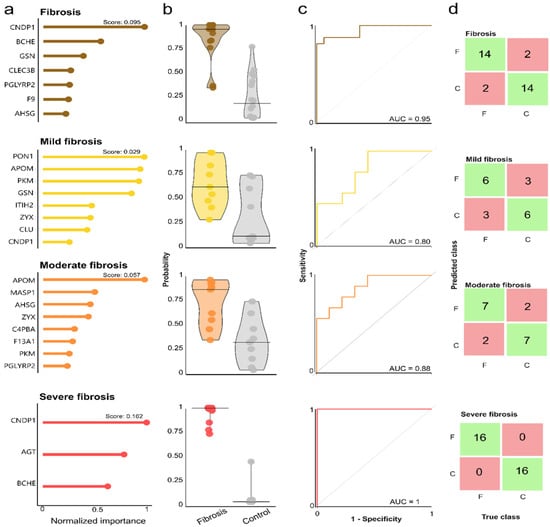
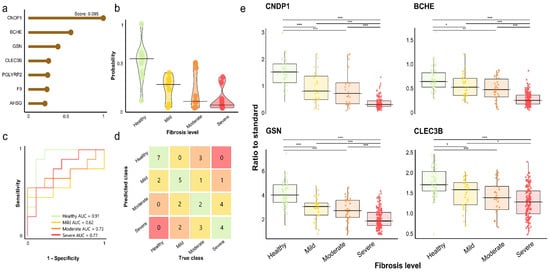
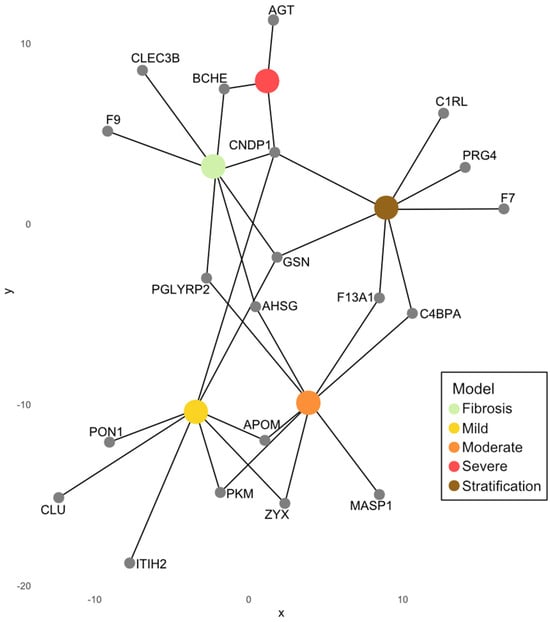
Chronic liver disease poses significant challenges to healthcare systems, which frequently struggle to meet the needs of end-stage liver disease patients. Early detection and management are essential because liver damage and fibrosis are potentially reversible. However, the implementation of population-wide screenings is hindered by the asymptomatic nature of early chronic liver disease, along with the risks and costs associated with traditional diagnostics, such as liver biopsies. This study pioneers the development of innovative, minimally invasive methods capable of improving the outcomes of liver disease patients by identifying liver disease biomarkers using quantification methods with translational potential. A targeted mass spectrometry assay based on stable isotope standard protein epitope signature tags (SIS-PrESTs) was employed for the absolute quantification of 108 proteins in just two microliters of plasma. The plasma profiles were derived from patients of various liver disease stages and etiologies, including healthy controls. A set of potential biomarkers for stratifying liver fibrosis was identified through differential expression analysis and supervised machine learning. These findings offer promising alternatives for improved diagnostics and personalized treatment strategies in liver disease management. Moreover, our approach is fully compatible with existing technologies that facilitate the robust quantification of clinically relevant protein targets via minimally disruptive sampling methods.
Full article
(This article belongs to the Special Issue Liver Fibrosis: Mechanisms, Targets, Assessment and Treatment)
►▼
Show Figures

Figure 1
Open AccessEditor’s ChoiceArticle
Effects of SARS-CoV-2 Spike S1 Subunit on the Interplay Between Hepatitis B and Hepatocellular Carcinoma Related Molecular Processes in Human Liver
by
Giovanni Colonna
Livers 2025, 5(1), 1; https://doi.org/10.3390/livers5010001 - 31 Dec 2024
Abstract
►▼
Show Figures
Background: This study addresses a particular aspect of the biological behavior of the Spike subunit S1 of SARS-CoV-2. Researchers observed S1 acting freely in the human organism during and after COVID-19 and vaccination. One of its properties is that it interacts one-to-one with
[...] Read more.
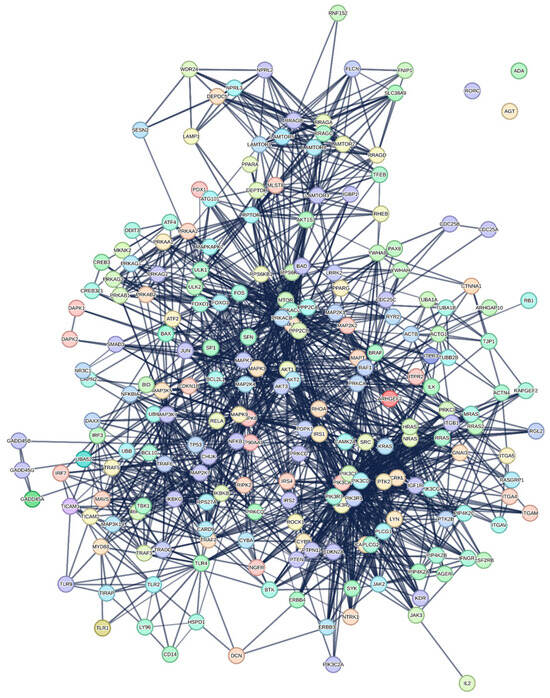
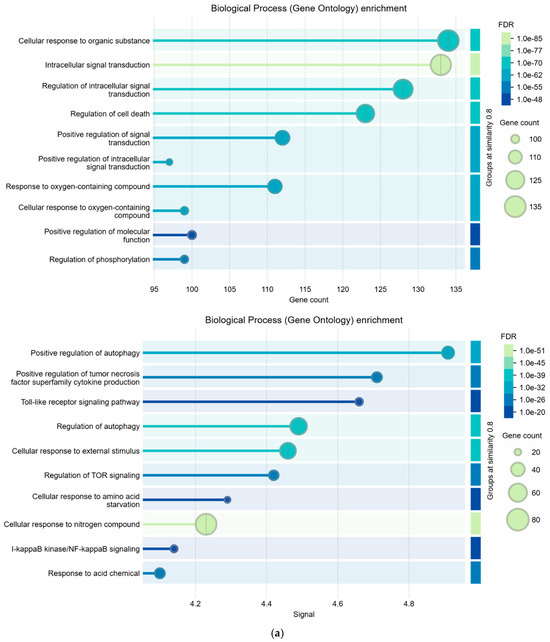
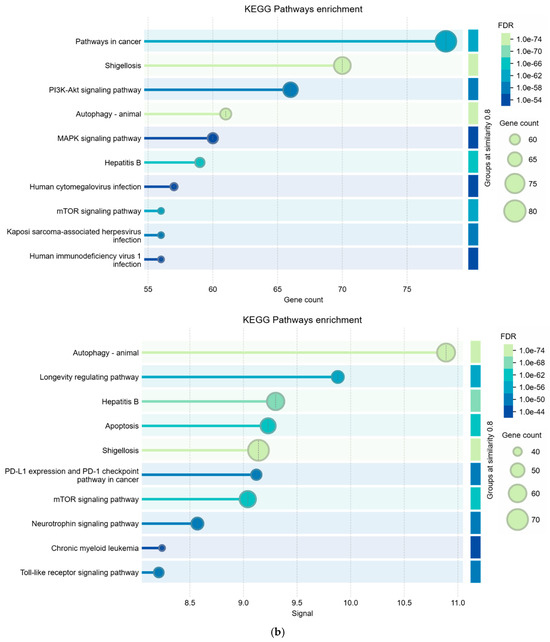
Background: This study addresses a particular aspect of the biological behavior of the Spike subunit S1 of SARS-CoV-2. Researchers observed S1 acting freely in the human organism during and after COVID-19 and vaccination. One of its properties is that it interacts one-to-one with human proteins. S1 interacts with 12 specific human proteins in the liver. Methods: We used these proteins as seeds to extract their functional relationships from the human proteome through enrichment. The interactome representing the set of metabolic activities in which they are involved shows several molecular processes (KEGG), including some linked to HBV (hepatitis B) and HCC (hepatocellular carcinoma) with many genes/proteins involved. Reports show that, in some COVID patients, HBV reactivated or progressed to cancer. Results: We analyzed the interactome with several approaches to understand whether the two pathologies have independent progressions or a common progression. All our efforts consistently showed that the molecular processes involving both HBV and HCC are significantly present in all approaches we used, making it difficult to extract any useful information about their fate. Through BioGRID, we extracted experimental data in vivo but derived it from model cell systems. The lack of patient data in STRING results prevents diagnosis or prediction of real disease progression; therefore, we can consider them “aseptic” model data. Conclusion: The interactome tells us that genes involved in HCC and HVB-related pathways have the potential to activate disease processes. We can consider them as a gold standard. It is the comparison with similar molecular interactions found in individual human phenotypes that shows us whether the phenotype favors or hinders their progression. This also suggests how to use these features. These sets of proteins constitute a molecular “toolkit”. In fact, if we compare them with similar molecular sets of the patient, they will provide us with information on the level of the phenotypic state that is driving the disease. The information derived from the composition of an entire group of proteins is broader and more detailed than a single marker. Therefore, these protein compositions can serve as a reference system with which doctors can compare specific cases for personalized molecular medicine diagnoses.
Full article

Figure 1
Open AccessArticle
Liver Stiffness, Not Steatosis, Predicts Mortality in MASLD Patients: An NHANES Analysis
by
Yuting Huang, Yichen Wang, Yan Yan, Samuel O. Antwi, Dilhana S. Badurdeen and Liu Yang
Livers 2024, 4(4), 711-719; https://doi.org/10.3390/livers4040049 - 23 Dec 2024
Abstract
►▼
Show Figures
Background: Metabolic dysfunction-associated steatotic liver disease (MASLD) has surged as a major cause of liver transplants in the United States. Existing studies have presented conflicting findings regarding the association between liver characteristics (specifically steatosis and fibrosis) and mortality. This study investigates the relationship
[...] Read more.
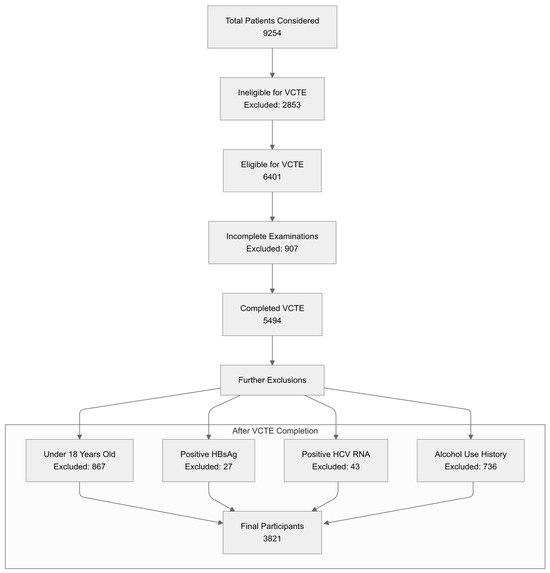
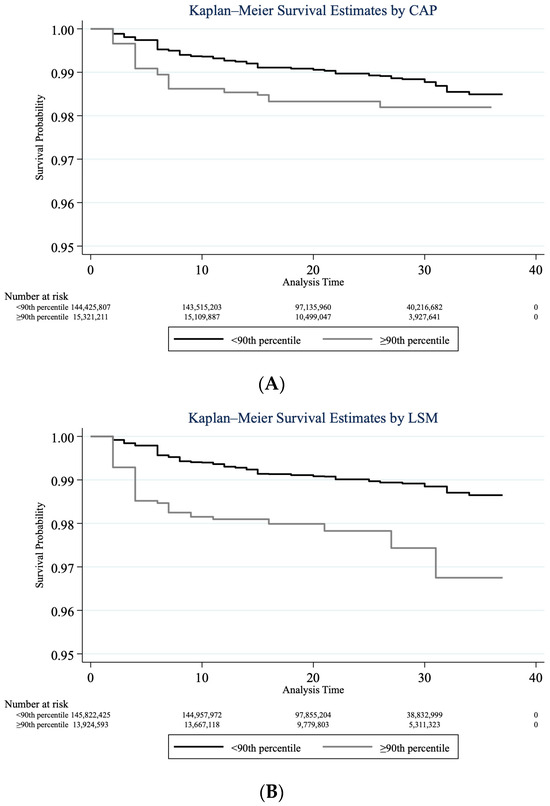
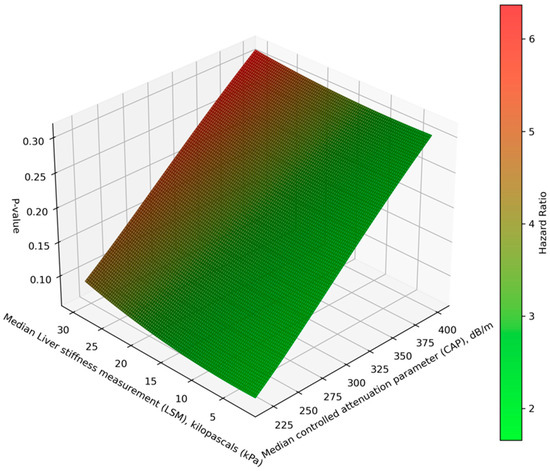
Background: Metabolic dysfunction-associated steatotic liver disease (MASLD) has surged as a major cause of liver transplants in the United States. Existing studies have presented conflicting findings regarding the association between liver characteristics (specifically steatosis and fibrosis) and mortality. This study investigates the relationship between the controlled attenuation parameter (CAP) and liver stiffness measurement (LSM) via vibration-controlled transient elastography (VCTE) and all-cause mortality in MASLD patients. Methods: Using the NHANES 2017-2018 database, 3821 individuals representing the United States population with MASLD underwent VCTE for liver stiffness measurement. Exclusion criteria were applied, eliminating ineligible cases, incomplete examinations, underage individuals, and those with hepatitis B or C, along with significant alcohol consumption history. Cox proportional hazard models assessed the hazard ratio (HR) for all-cause mortality in CAP and LSM. Cox regression analysis with interaction terms was employed for deeper exploration. Results: The study unveiled a strong, independent correlation between LSM and all-cause mortality. However, the CAP failed to demonstrate a significant association with mortality in both univariate and adjusted analyses, contrary to recent findings. The analysis underscores the importance of accurately measuring liver stiffness via VCTE in predicting adverse outcomes in MASLD patients, emphasizing the pivotal role of fibrosis in assessing mortality risk. Conclusion: This study reaffirms the robust link between liver fibrosis (measured through VCTE) and mortality among MASLD individuals. The absence of a significant association between steatosis (indicated by CAP) and mortality challenges recent research, urging further comprehensive investigations with larger cohorts to delineate steatosis’ precise impact on MASLD-related mortality.
Full article

Figure 1
Open AccessArticle
Hepatoprotective Activity and Oxidative Stress Reduction of an Arctium tomentosum Mill. Root Extract in Mice with Experimentally Induced Hepatotoxicity
by
Arailym Aitynova, Bogdan Sevastre, Irina Ielciu, Daniela Hanganu, Neli-Kinga Olah, Nailya Ibragimova, Tamara Shalakhmetova, Daniela Benedec, Marina Lyu, Arkadiy Krasnoshtanov and Tamari Gapurkhaeva
Livers 2024, 4(4), 696-710; https://doi.org/10.3390/livers4040048 - 17 Dec 2024
Abstract
►▼
Show Figures
Background: The use of natural hepatoprotective remedies represents an important path in modern phytotherapy. Objectives: In this context, our research aims to evaluate the phytochemical composition and the hepatoprotective and oxidative stress reduction potential of an Arctium tomentosum Mill. root extract. Methods: The
[...] Read more.
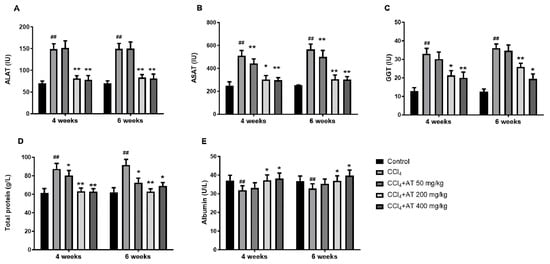
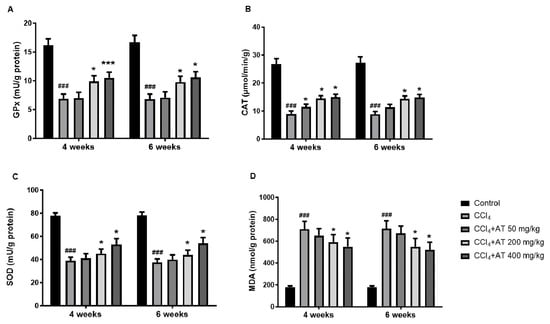
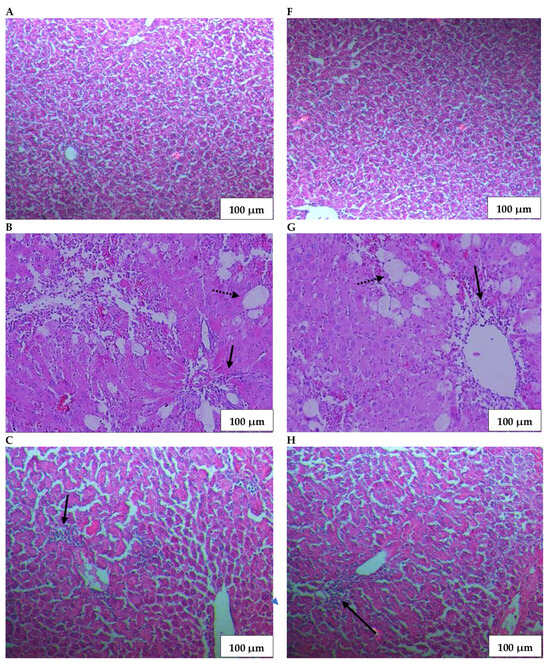
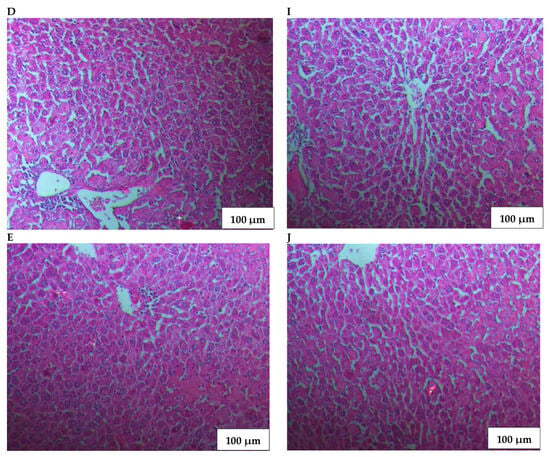
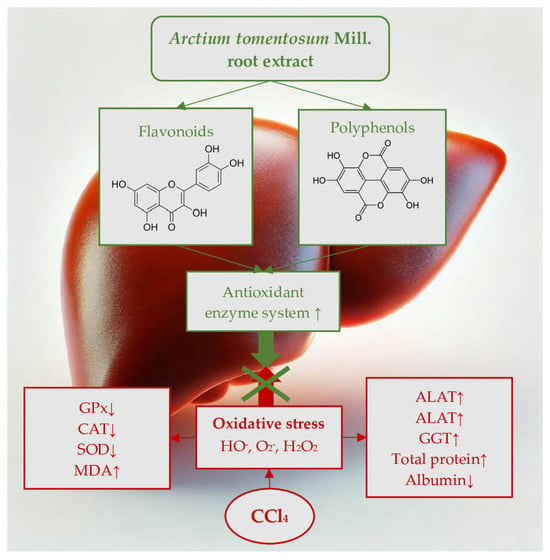
Background: The use of natural hepatoprotective remedies represents an important path in modern phytotherapy. Objectives: In this context, our research aims to evaluate the phytochemical composition and the hepatoprotective and oxidative stress reduction potential of an Arctium tomentosum Mill. root extract. Methods: The phenolic profile of the tested extract, prepared by the subcritical fluid-assisted method were qualitatively and quantitatively analyzed by spectrophotometrical and HPLC/DAD/ESI methods. In vitro antioxidant capacity was assessed using DPPH and FRAP assays. Hepatoprotective activity of the extract was assessed on a model of CCl4 experimentally induced hepatotoxicity in mice. Results: Phytochemical assays revealed the presence of important polyphenols, such as chlorogenic acid (17.20 ± 0.65 μg/mL) and acacetin 7-O-glucoside (56.80 ± 1.66 μg/mL). In vitro, the tested extract exhibited a significant oxidative stress reduction capacity, while in vivo it showed a dose-dependent hepatoprotective effect indicated by an improvement in plasma proteins profile and down-regulation of plasma transaminase activity (ALAT, ASAT, GGT). In liver tissue, the extract partially restored the activity of GPx, CAT, and SOD and attenuated lipid peroxidation. The protective effect of the A. tomentosum root extract was supported by the alleviation of histological injuries of the liver (centrilobular necrosis, granulocytic infiltrate, and fibrosis). Conclusions: The A. tomentosum subcritical fluid-assisted root extract proved to be able to provide a significant hepatoprotective effect mainly through an antioxidant mechanism.
Full article

Figure 1
Open AccessEditor’s ChoiceCase Report
Progressive Metabolic Dysfunction-Associated Steatotic Liver Disease (MASLD) from a Young Age Due to a Rare Genetic Disorder, Familial Partial Lipodystrophy: A Case Report and Review of the Literature
by
Elena Vorona, Ekaterina Sorkina and Jonel Trebicka
Livers 2024, 4(4), 688-695; https://doi.org/10.3390/livers4040047 - 13 Dec 2024
Abstract
Steatotic liver disease is common in the general population and is associated with higher risk for cardiovascular diseases. Early diagnosis and appropriate therapy can prevent the development of irreversible end-stage liver fibrosis and reduce liver-related and cardiovascular mortality. It is important to recognise
[...] Read more.
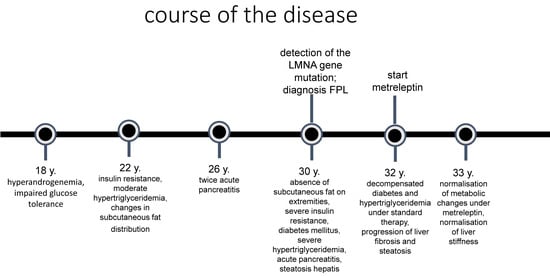
Steatotic liver disease is common in the general population and is associated with higher risk for cardiovascular diseases. Early diagnosis and appropriate therapy can prevent the development of irreversible end-stage liver fibrosis and reduce liver-related and cardiovascular mortality. It is important to recognise not only the common causes of metabolic dysfunction-associated steatotic liver disease, such as type 2 diabetes mellitus or morbid obesity, but also rare conditions, because their treatment is different from conventional therapy. Here, we report a female patient with familial partial lipodystrophy, in whom the diagnosis was not confirmed until several years after the initial manifestation, which delayed the start of pathogenetic therapy. After the initiation of leptin replacement therapy, a significant improvement in liver stiffness measurement was achieved within a few months. In addition, we summarise the current treatment options for diabetes and their influence on steatosis hepatis.
Full article
(This article belongs to the Special Issue Liver Fibrosis: Mechanisms, Targets, Assessment and Treatment)
►▼
Show Figures

Figure 1
Open AccessEditor’s ChoiceArticle
Statin Use in Metabolic Dysfunction-Associated Steatotic Liver Disease and Effects on Vibration-Controlled Transient Elastography-Derived Scores—A Population-Based Inverse Probability Treatment Weighting Analysis
by
Natchaya Polpichai, Sakditad Saowapa, Aunchalee Jaroenlapnopparat, Leandro Sierra, Pojsakorn Danpanichkul, Panisara Fangsaard, Phuuwadith Wattanachayakul and Apichat Kaewdech
Livers 2024, 4(4), 677-687; https://doi.org/10.3390/livers4040046 - 12 Dec 2024
Abstract
►▼
Show Figures
Background/Objectives: Metabolic dysfunction-associated steatotic liver disease (MASLD) is the leading cause of chronic liver disease globally. The impact of statins on liver fibrosis severity in MASLD individuals remains uncertain, despite their known cardiovascular benefits. Methods: A cross-sectional study was performed utilizing the National
[...] Read more.
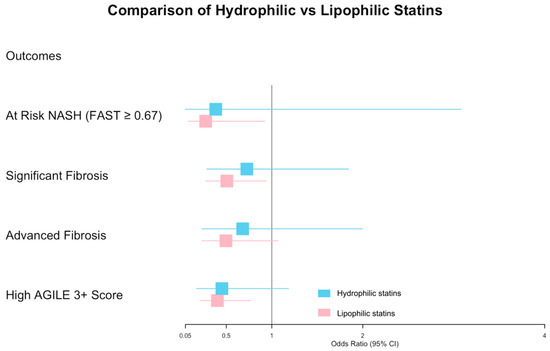
Background/Objectives: Metabolic dysfunction-associated steatotic liver disease (MASLD) is the leading cause of chronic liver disease globally. The impact of statins on liver fibrosis severity in MASLD individuals remains uncertain, despite their known cardiovascular benefits. Methods: A cross-sectional study was performed utilizing the National Health and Nutrition Examination Survey (NHANES) database from 2017 to 2018. MASLD was defined by hepatic steatosis (controlled attenuation parameter [CAP] score ≥ 288 dB/m) without other etiologies. Using inverse probability treatment weighting to minimize confounding, we examined the association between statin use and MASLD outcomes, including at-risk steatohepatitis (FibroScan-aspartate aminotransferase [AST] [FAST] score ≥ 0.67), significant and advanced fibrosis (liver stiffness measurement [LSM] ≥ 8.8 kilopascals [kPa] and ≥ 11.7 kPa), and advanced fibrosis (AGILE 3+ score ≥ 0.68). Results: Of 1283 MASLD patients, 376 were prescribed statins within the past 30 days. After adjustment for confounders, statin use was significantly associated with reduced risks of at-risk steatohepatitis, significant fibrosis, and high AGILE 3+ scores, with odds ratios (ORs) of 0.29 (95% CI: 0.01 to 0.87), 0.54 (95% CI: 0.31 to 0.95), and 0.41 (95% CI: 0.22 to 0.75), respectively. However, a subgroup analysis showed this effect persisted only with lipophilic statins. Conclusions: Statin use was associated with reduced steatohepatitis and fibrosis in patients with MASLD, supported by robust causal inference and vibration-controlled transient elastography-derived scores.
Full article

Figure 1
Open AccessEditor’s ChoiceArticle
Systemic Oxidative Stress Correlates with Sarcopenia and Pruritus Severity in Primary Biliary Cholangitis (PBC): Two Independent Relationships Simultaneously Impacting the Quality of Life—Is the Low Absorption of Cholestasis-Promoted Vitamin D a Puzzle Piece?
by
Marcello Dallio, Mario Romeo, Fiammetta Di Nardo, Carmine Napolitano, Paolo Vaia, Lorenzo Ventriglia, Annachiara Coppola, Simone Olivieri, Marco Niosi and Alessandro Federico
Livers 2024, 4(4), 656-676; https://doi.org/10.3390/livers4040045 - 6 Dec 2024
Cited by 1
Abstract
►▼
Show Figures
Background: Unlike other chronic liver disorders, in primary biliary cholangitis (PBC), systemic oxidative stress (SOS) worsens along with liver disease progression status (DPS), influencing muscle metabolism, muscle quantity (MQ), and itch pathways. Synergistically, cholestasis contributes to reduced vitamin D absorption, with a negative
[...] Read more.
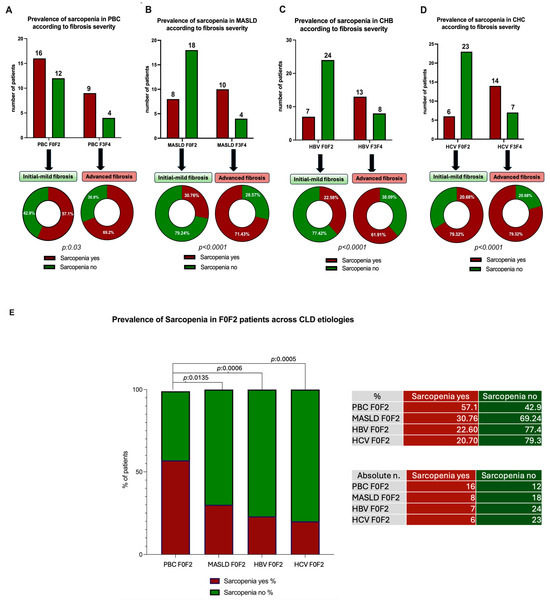
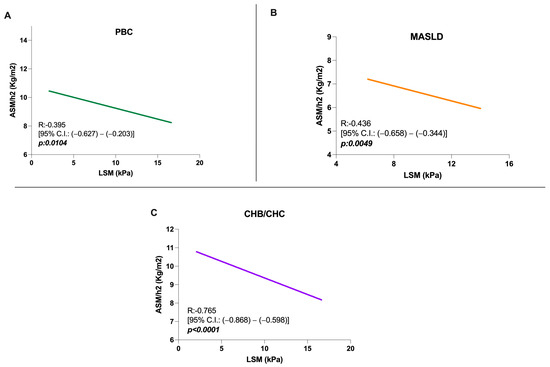
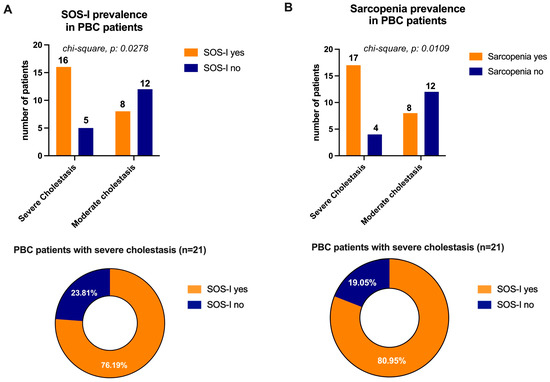
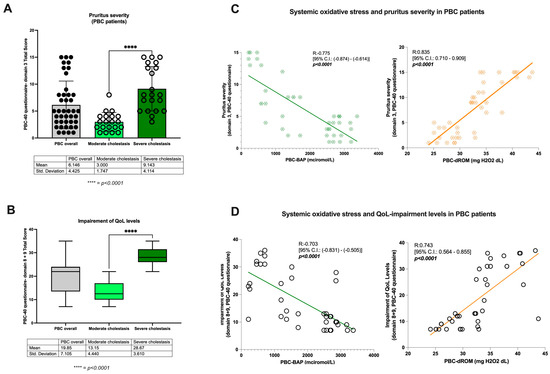
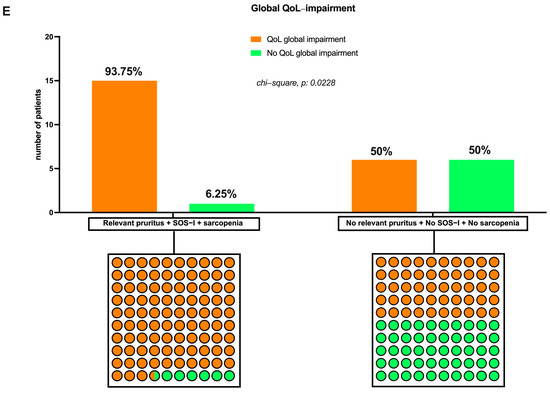
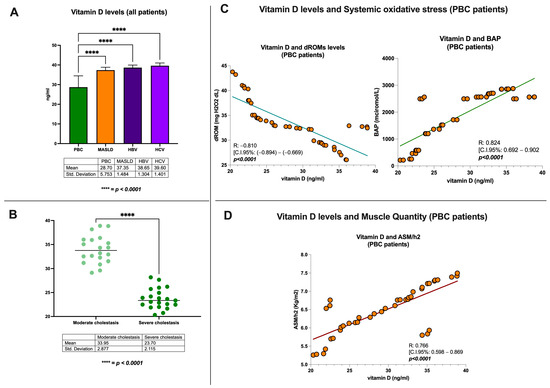
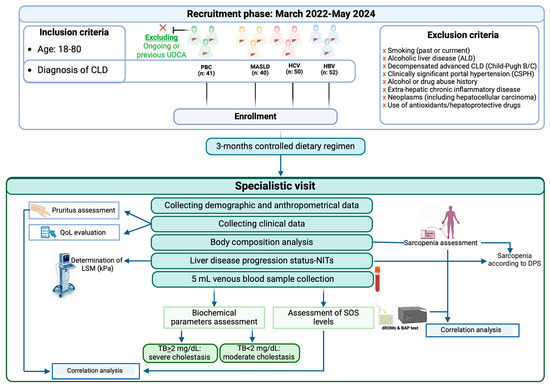
Background: Unlike other chronic liver disorders, in primary biliary cholangitis (PBC), systemic oxidative stress (SOS) worsens along with liver disease progression status (DPS), influencing muscle metabolism, muscle quantity (MQ), and itch pathways. Synergistically, cholestasis contributes to reduced vitamin D absorption, with a negative impact on MM and SOS. Despite this evidence, the prevalence of sarcopenia in PBC, and the SOS-MQ relationship comparing PBC with other CLDs, has never been investigated. Moreover, the relationship between vitamin D and MQ-SOS, and the correlation between SOS and pruritus severity, remains unexplored in PBC. Methods: A total of 40 MASLD, 52 chronic HBV infections, 50 chronic HCV infections, and 41 ursodeoxycholic acid/antioxidant-naïve PBC patients were enrolled. Biochemical, nutritional, and liver stiffness (LSM) data were collected, and sarcopenia was assessed after a normalizing 3-month dietetic–physical exercise regimen. The d-ROMs/BAP tests evaluated SOS. The validated “PBC-40 questionnaire” estimated pruritus and quality of life (QoL). Results: Unlike other CLDs, in PBC patients, sarcopenia was more prevalent in initial mild fibrosis (PBC: 57.10% vs. MASLD: 30.76%, HBV: 22.60%, HCV: 20.70%, all p < 0.0001), and SOS significantly correlated with MQ (dROMs-ASM/h2, p: 0.0002; BAP-ASM/h2: p: 0.0092). PBC patients presented lower vitamin D levels and a significant correlation of these with SOS and MQ (all p < 0.0001). SOS also correlated with pruritus severity (dROMs, R: 0.835; BAP, R: −0.775, p < 0.0001). QoL impairment was significantly more represented in PBC individuals with sarcopenia, SOS imbalance, and relevant pruritus (p: 0.0228). Conclusions: In PBC, SOS correlates with MQ impairment and pruritus severity, configuring two independent relationships simultaneously impacting QoL.
Full article

Figure 1
Highly Accessed Articles
Latest Books
E-Mail Alert
News
Topics
Topic in
Biomedicines, Current Oncology, Diagnostics, Gastrointestinal Disorders, JCM, Livers, Transplantology
Advances in Gastrointestinal and Liver Disease: From Physiological Mechanisms to Clinical Practice
Topic Editors: Davide Giuseppe Ribaldone, Gian Paolo CavigliaDeadline: 20 June 2025
Topic in
Biomolecules, Cancers, Cells, JMP, Livers
Signaling Pathways in Liver Disease 2nd Edition
Topic Editors: Ralf Weiskirchen, Amedeo AmedeiDeadline: 20 March 2026
Conferences
Special Issues
Special Issue in
Livers
Recent Advances in Acetaminophen Hepatotoxicity
Guest Editor: Hartmut W. JaeschkeDeadline: 31 May 2025
Special Issue in
Livers
Liver Fibrosis: Mechanisms, Targets, Assessment and Treatment
Guest Editors: Ralf Weiskirchen, Tilman SauerbruchDeadline: 31 May 2025
Special Issue in
Livers
Recent Advances in the Detection and Pathophysiology of Steatotic, Alcoholic and Drug-Induced Liver Diseases
Guest Editors: Leonard Nelson, Michel Kranendonk, Anabel Martinez Lyons, Francisco EstevesDeadline: 10 June 2025
Special Issue in
Livers
Liver Macrophage Diversity and Functions in MASLD and ALD
Guest Editor: Adeline BertolaDeadline: 15 September 2025