


Journal Description
Lubricants
Lubricants
is an international, peer-reviewed, open access journal on tribology published monthly online by MDPI.
- Open Access— free for readers, with article processing charges (APC) paid by authors or their institutions.
- High Visibility: indexed within Scopus, SCIE (Web of Science), Inspec, CAPlus / SciFinder, and other databases.
- Journal Rank: JCR - Q2 (Engineering, Mechanical) / CiteScore - Q2 (Mechanical Engineering)
- Rapid Publication: manuscripts are peer-reviewed and a first decision is provided to authors approximately 14.6 days after submission; acceptance to publication is undertaken in 2.5 days (median values for papers published in this journal in the second half of 2024).
- Recognition of Reviewers: reviewers who provide timely, thorough peer-review reports receive vouchers entitling them to a discount on the APC of their next publication in any MDPI journal, in appreciation of the work done.
Impact Factor:
3.1 (2023);
5-Year Impact Factor:
3.1 (2023)
Latest Articles
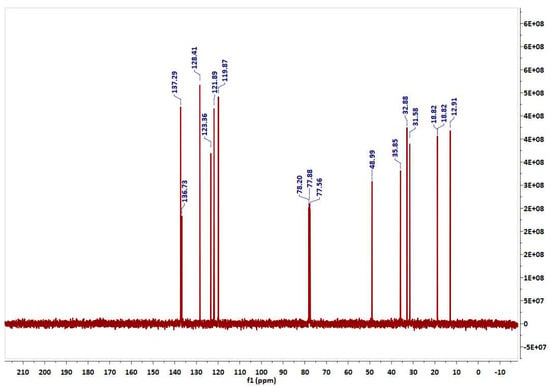
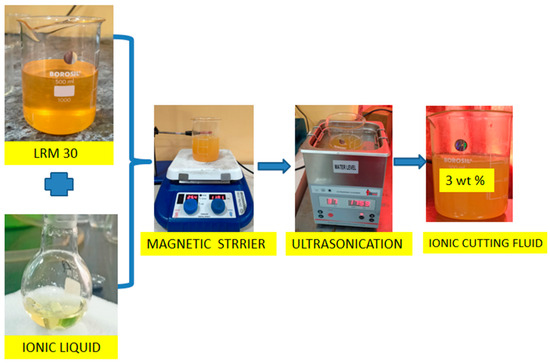
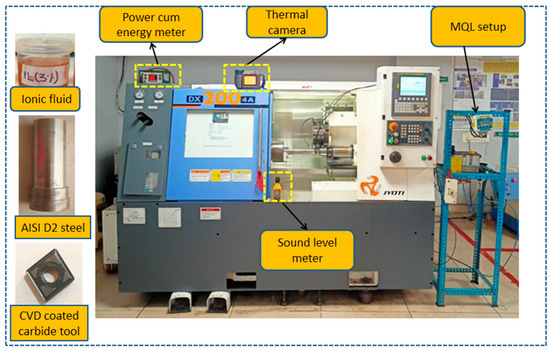
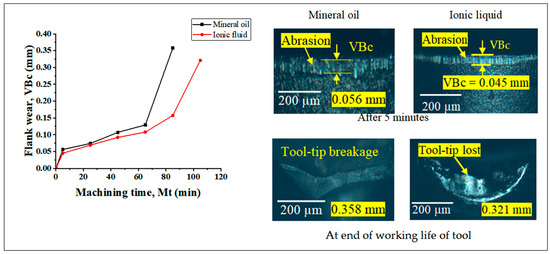
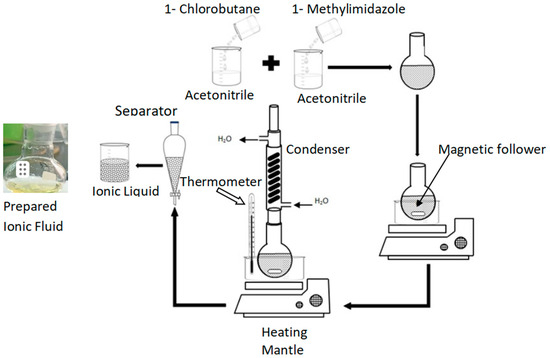
Synthesis of an Ionic Liquid-Based Cutting Lubricant and Its Performance Comparison with Mineral Oil in Hard Turning
Lubricants 2025, 13(4), 166; https://doi.org/10.3390/lubricants13040166 (registering DOI) - 6 Apr 2025
Abstract
This study compares the hard turning performance under dual-nozzle minimum quantity lubrication (MQL) using mineral oil and 1-butyl-3-methylimidazolium chloride-based ionic fluids. Key performance indicators, including tool life (based on tool wear), surface roughness, cutting power, cutting temperature, cutting sound, carbon emission, and circularity
[...] Read more.
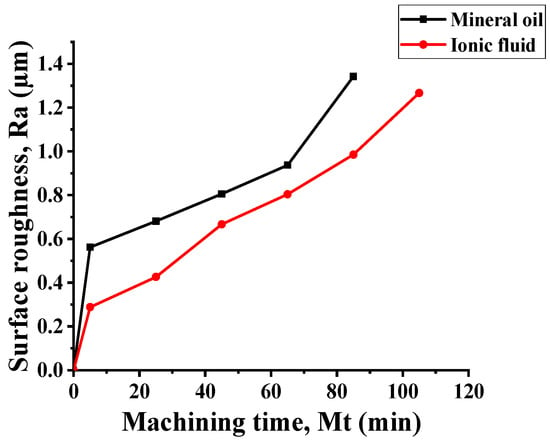
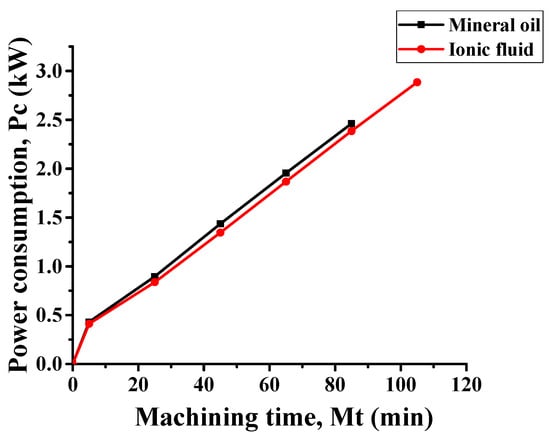
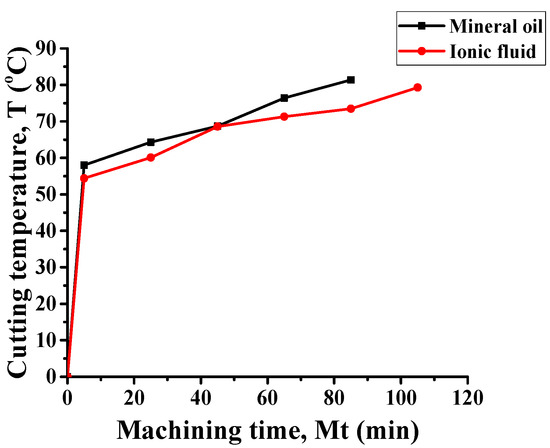
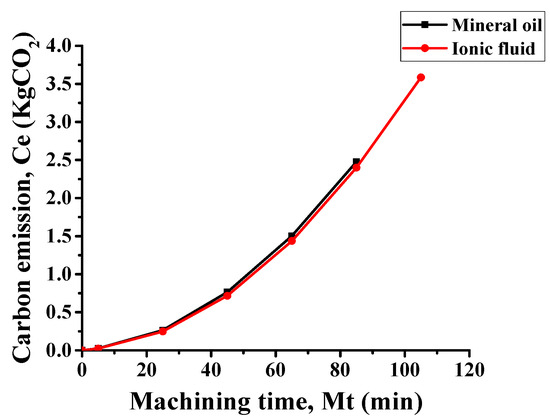
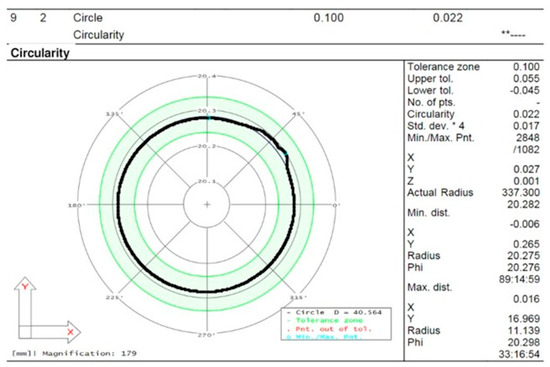
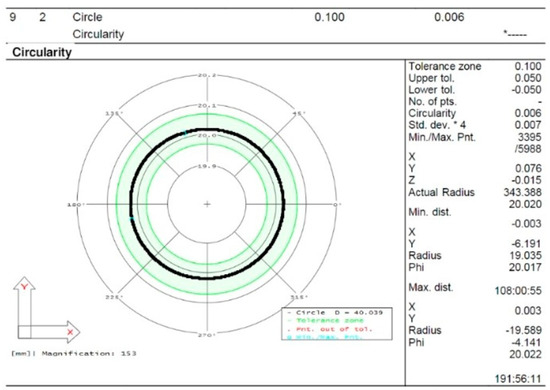
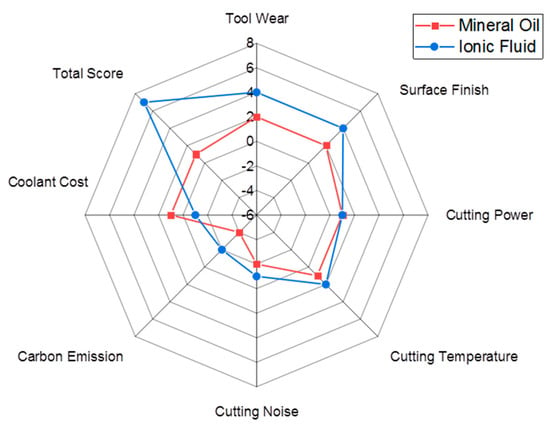
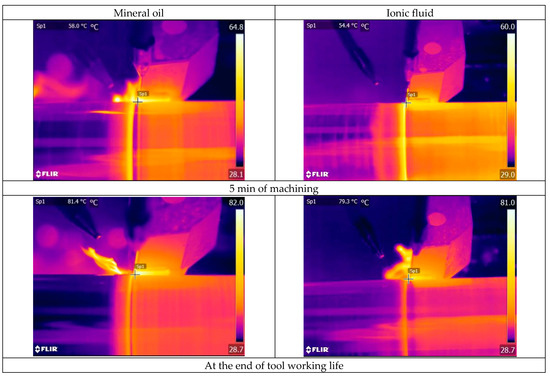
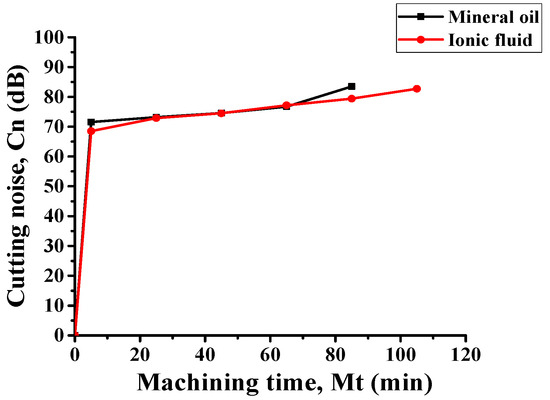
This study compares the hard turning performance under dual-nozzle minimum quantity lubrication (MQL) using mineral oil and 1-butyl-3-methylimidazolium chloride-based ionic fluids. Key performance indicators, including tool life (based on tool wear), surface roughness, cutting power, cutting temperature, cutting sound, carbon emission, and circularity error, were evaluated to assess manufacturing sustainability. The results revealed that ionic fluid-assisted MQL significantly outperformed mineral oil, improving tool life by 28.75% and reducing surface roughness by 5.58%, attributed to the superior lubrication and cooling ability of ionic fluids. Additionally, after 85 min of machining, the power consumption and carbon emission were greatly reduced under ionic fluid conditions, indicating a lower environmental impact. For precision machining concerns, the ionic fluid proved more favorable, as circularity error under mineral oil conditions was 2.67 times higher than with ionic fluids. The weighted Pugh matrix awarded ionic fluid a higher sustainability score (+7) than mineral oil (+1), establishing it as the superior cooling option for hard turning, enhancing sustainability in machining difficult-to-cut metals.
Full article
(This article belongs to the Special Issue Advances in Ionic Liquids as New Lubricant Materials)
►
Show Figures
Open AccessArticle
Parameter Optimization for the Improvement of Tribological Behavior of Textured Tapered Roller Bearings
by
Risheng Long, Qiang Ma, Qingyu Shang, Haiming Wang, Ying Yao, Yueyong Wang and Lin Zong
Lubricants 2025, 13(4), 165; https://doi.org/10.3390/lubricants13040165 (registering DOI) - 5 Apr 2025
Abstract
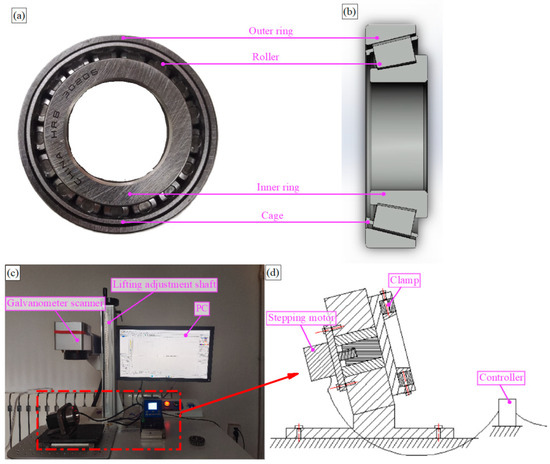
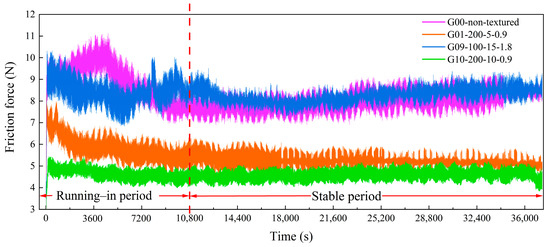
To enhance the operational stability and service life of tapered roller bearings (TRBs), this study investigates the application of surface texturing technology using laser marking to fabricate micro-dimples with controlled diameters and distributions on the TRB outer ring. An orthogonal experimental design was
[...] Read more.
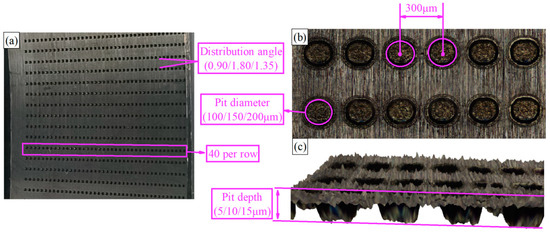
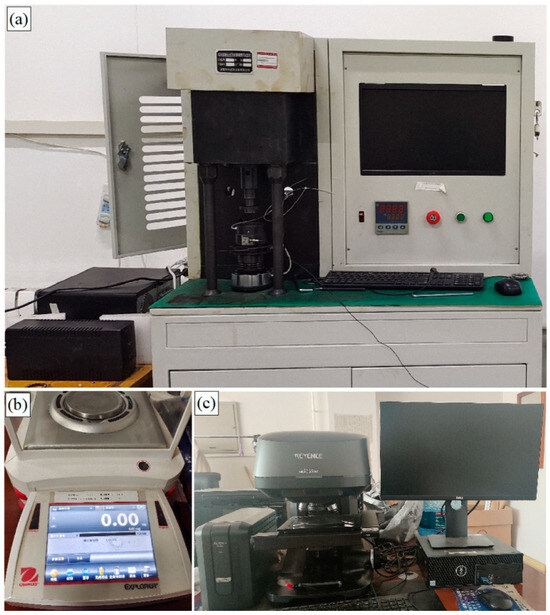
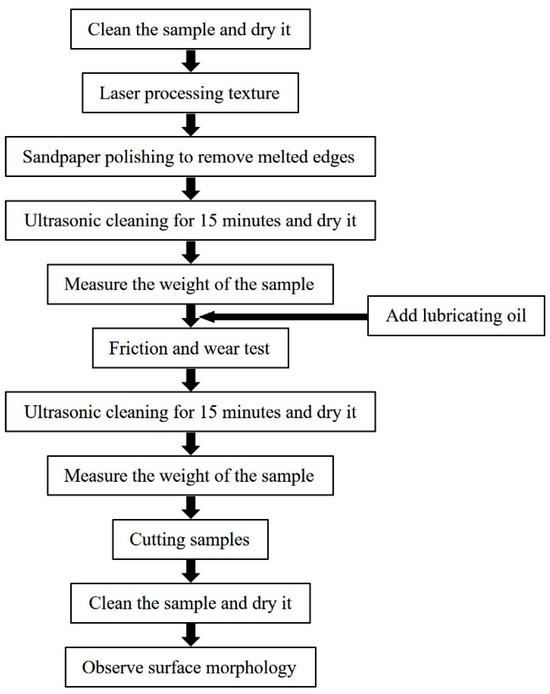
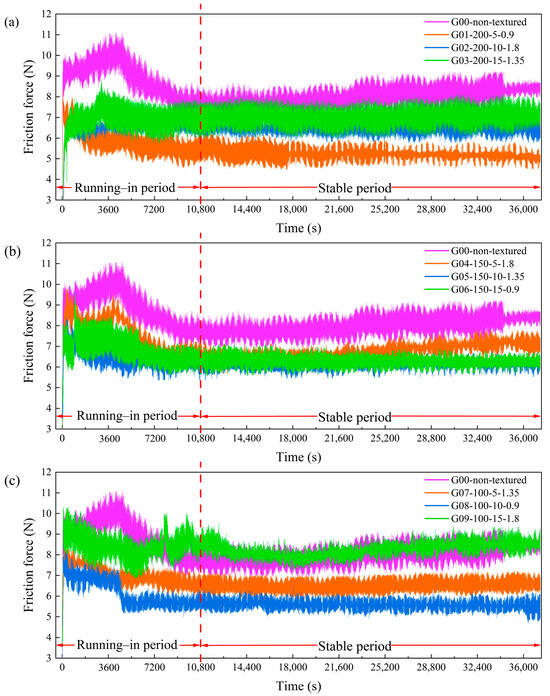
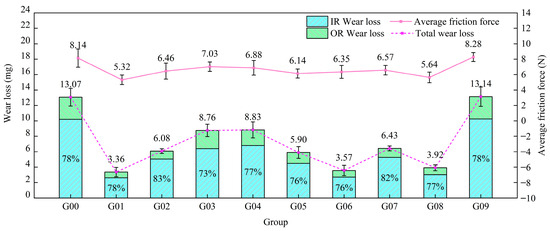
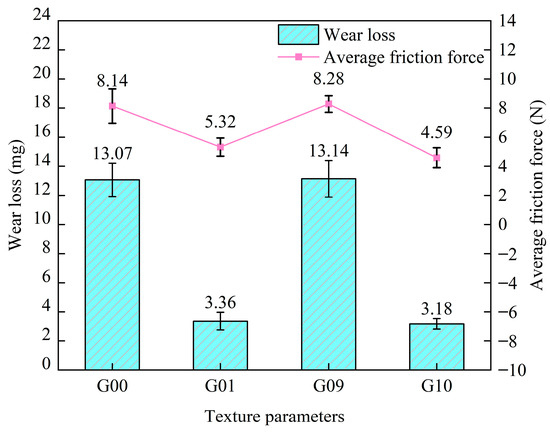
To enhance the operational stability and service life of tapered roller bearings (TRBs), this study investigates the application of surface texturing technology using laser marking to fabricate micro-dimples with controlled diameters and distributions on the TRB outer ring. An orthogonal experimental design was implemented to systematically evaluate the effects of three key dimple parameters—diameter, depth, and angular distribution—on the tribological performance under starved lubrication. The results demonstrate that the textured surfaces significantly improve friction-reducing performance and wear resistance. Optimal dimple parameters (diameter: 200 μm, depth: 10 μm, angular interval: 0.9°) were identified, achieving a 43.6% reduction in the average coefficient of friction (COF) and a 75.7% decrease in wear loss compared to smooth bearings. These findings would offer a practical approach to enhancing the durability and operational reliability of TRBs in industrial applications.
Full article
(This article belongs to the Special Issue Recent Achievements and Future Developments in Surface Texture Control of Tribological Properties)
►▼
Show Figures

Figure 1
Open AccessArticle
Evolution of Microstructure, Hardness, and Wear Behavior of Medium-Entropy CuNiSiCrCoTiNbx Alloy
by
Denis Ariel Avila-Salgado, Arturo Juárez-Hernández, Nelson Javier Izaguirre-Bonilla, Jonathan Muñoz Tabora and José Luis Camacho-Martínez
Lubricants 2025, 13(4), 164; https://doi.org/10.3390/lubricants13040164 (registering DOI) - 5 Apr 2025
Abstract
Medium-entropy alloys (MEAs) allow the formation of different phases, generally in a solid-solution state, and compounds that favor obtaining alloys with properties superior to those of conventional alloys. In this study, medium-entropy CuNiSiCrCoTiNbx alloys were fabricated via melting in a vacuum induction furnace.
[...] Read more.
Medium-entropy alloys (MEAs) allow the formation of different phases, generally in a solid-solution state, and compounds that favor obtaining alloys with properties superior to those of conventional alloys. In this study, medium-entropy CuNiSiCrCoTiNbx alloys were fabricated via melting in a vacuum induction furnace. The influence of the Nb addition (X = 0, 0.5 and 1 wt%) alloying elements on the microstructure, hardness, and wear resistance of the CuNiSiCrCoTiNb0 (M1), CuNiSiCrCoTiNb0.5 (M2), and CuNiCoCrSiTiNb1 (M3) alloys were explored using X-ray diffraction (XRD), scanning electron microscopy (SEM), and a ball-on-disc tribometer, respectively. In general, the results indicated that the incorporation of Nb alloying element promoted the evolution of the microstructure, increased the hardness, and improvement of the wear resistance. The XRD and SEM findings demonstrate that higher Nb addition and aging heat treatment (AT) modification mainly favored the formation of dendritic regions and the precipitation of the Co2Nb, Cr3Si, and Ni2Si phases, which promoted the refinement and strengthening of the microstructure. Significant increases in hardness were recorded: 11.95% increased, promoted by the addition of Nb before (E1) and after (E2, E3, and E4) the heat treatments. The maximum hardness values recorded were 92 ± 0.11 (AC) and 103 ± 0.5 HRB (AT-60 min) for the M3 alloy. The increase in hardness caused by Nb addition and aging heat treatments contributed to the dry sliding wear resistance response, decreasing material loss by 20%. This was related to the high concentration of precipitated phases rich in CoNb, CrSi, and NiSi with high hardness. Finally, the M3 alloy aged for 60 min exhibited the best specific wear rate behavior, with a material loss of 1.29 . The commercial Cu-Be C17510 alloy experienced a maximum hardness of 83.47 Hardness Rockwell B, HRB, and a high wear rate of 3.34 mm3.
Full article
(This article belongs to the Special Issue Friction and Wear of Alloys)
Open AccessArticle
A Non-Linear Optimization Model for Controlling the Real Area of Contact in Surface Texture Design
by
Sandra D. Ekşioğlu and Min Zou
Lubricants 2025, 13(4), 163; https://doi.org/10.3390/lubricants13040163 - 3 Apr 2025
Abstract
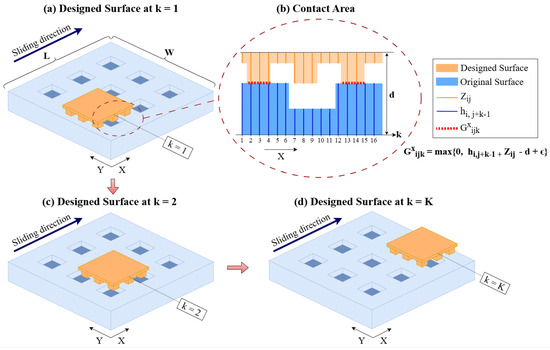
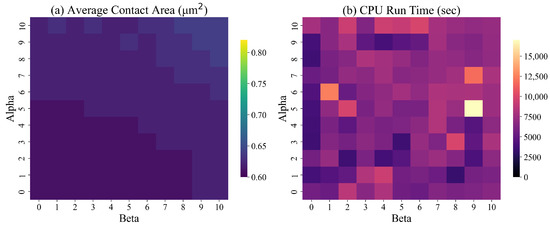
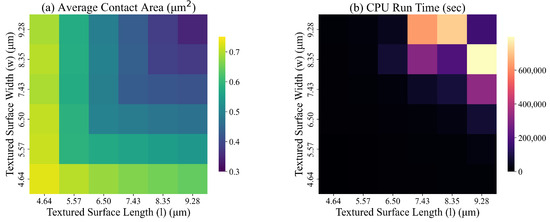
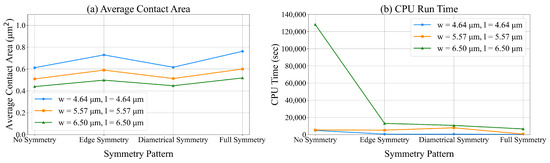
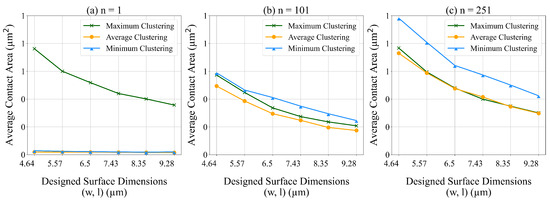
Motivated by the potential of surface texturing to enhance the tribological performance of micro- and nano-electromechanical systems (MEMS/NEMS), this study proposes a novel non-linear optimization approach for designing textured surfaces. This model minimizes the contact area between interacting surfaces and deformation during sliding
[...] Read more.
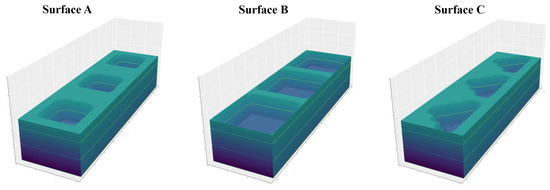
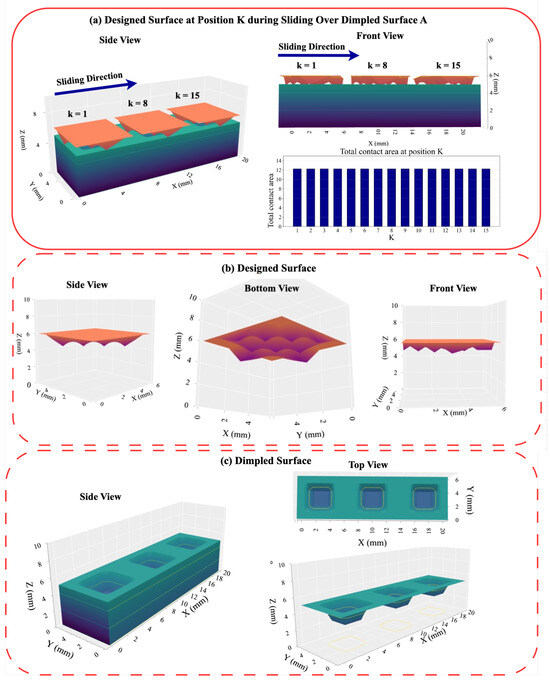
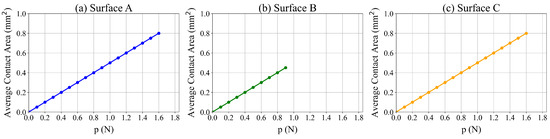
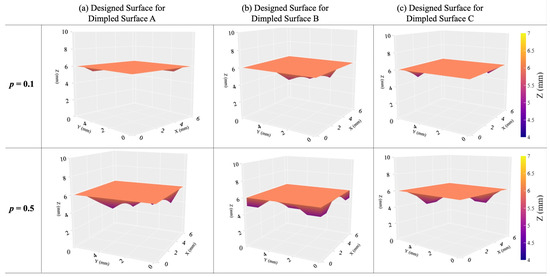
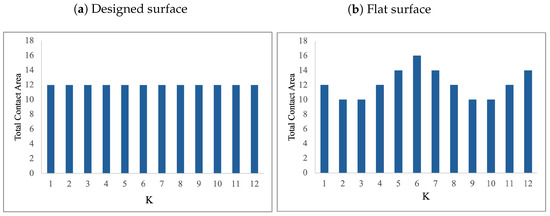
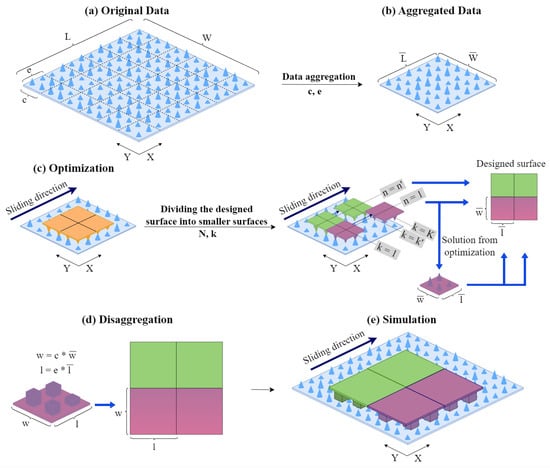
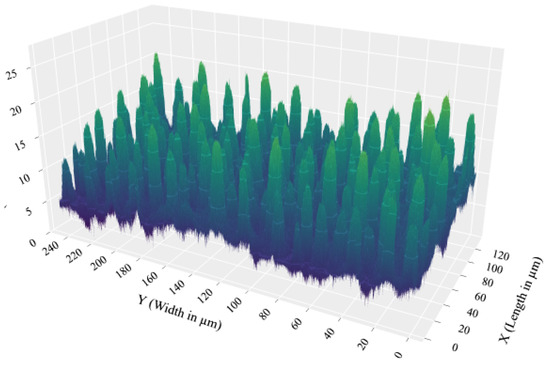
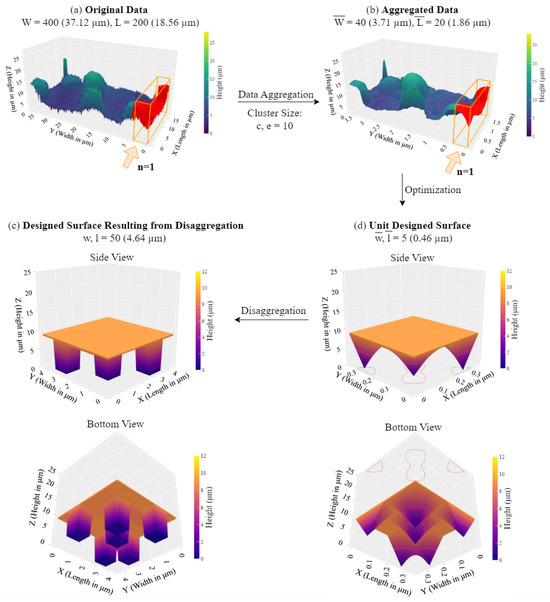
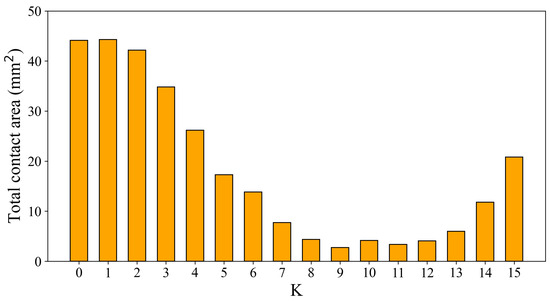
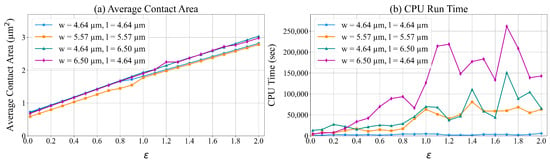
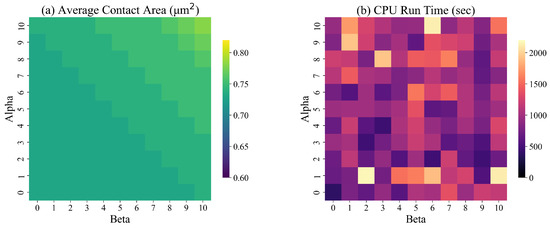
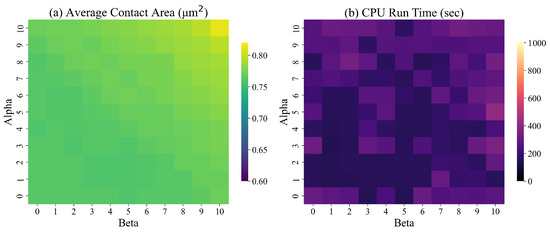
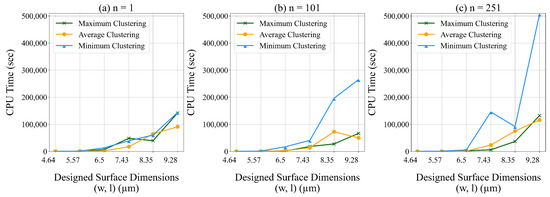
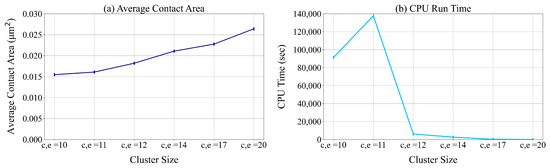
Motivated by the potential of surface texturing to enhance the tribological performance of micro- and nano-electromechanical systems (MEMS/NEMS), this study proposes a novel non-linear optimization approach for designing textured surfaces. This model minimizes the contact area between interacting surfaces and deformation during sliding under dry conditions by controlling key design parameters, such as the size and shape of the designed surface. We test the performance of the proposed model using the lotus leaf surface with dimensions of 248 × 136 micrometers. Due to the large size of the model, we propose a solution approach which consists of a data aggregation step, an optimization step, and a data disaggregation step. The optimization step decomposes the model into smaller models that are easier to solve. Via the sensitivity analysis, we highlight the trade-offs between data aggregation and model decomposition and their effect on the quality of the solutions found. In conclusion, our approach bridges the gap between fabrication capabilities and design requirements, paving the way for significant advances in tribological performance and surface engineering.
Full article
(This article belongs to the Special Issue Tribology of Textured Surfaces)
►▼
Show Figures

Figure 1
Open AccessArticle
Study on Current-Carrying Friction Characteristics and Corrosion Resistance of Carbon Brush/Collector Ring by Copper–Graphene Electrodeposition Process
by
Meiyun Zhao, Jianwen Li, Chenshi Li, Yangyang Li and Xiaolong Zhang
Lubricants 2025, 13(4), 162; https://doi.org/10.3390/lubricants13040162 - 3 Apr 2025
Abstract
►▼
Show Figures
: The collector ring/carbon brush assembly of a hydrogenerator set is a critical component for transmitting excitation current into the self-exciting winding. Its operating environment necessitates excellent corrosion resistance and current-carrying frictional properties. The surface condition and material composition of the collector ring
[...] Read more.
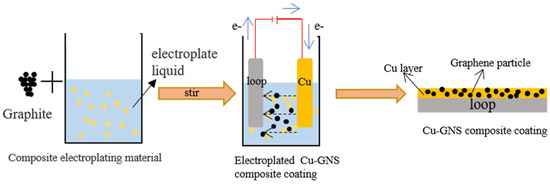
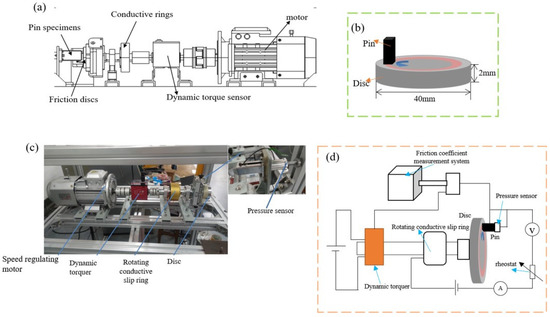
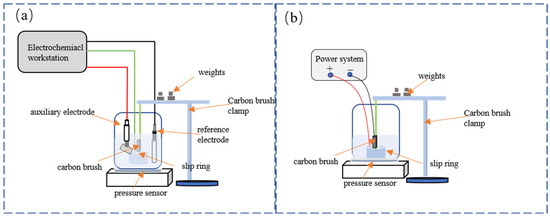
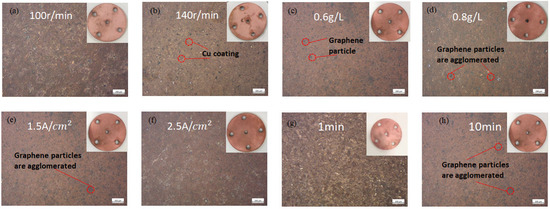
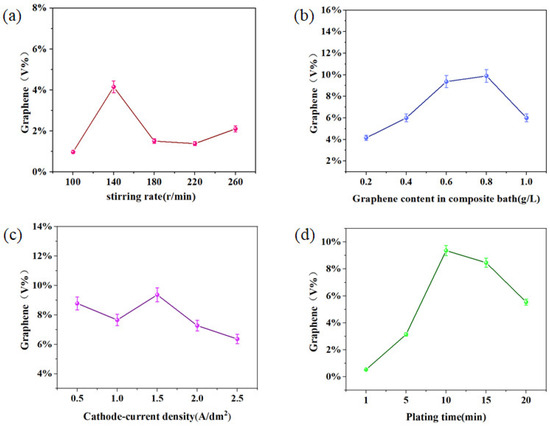
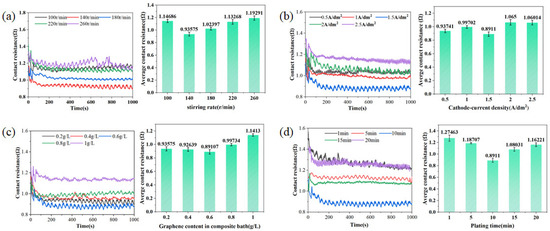
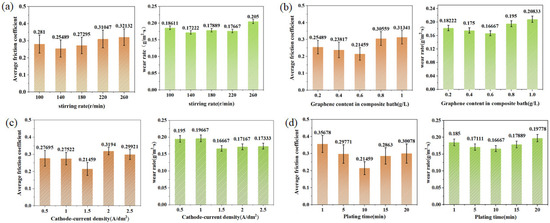
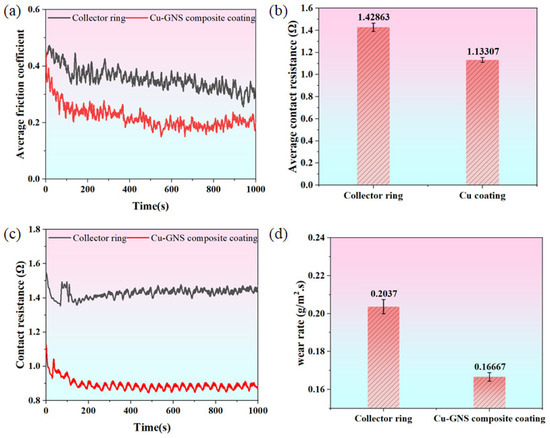
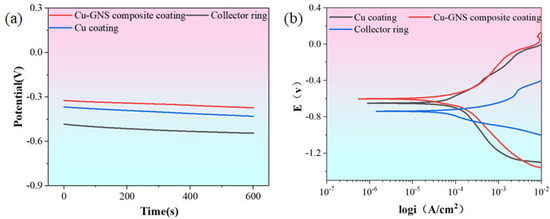
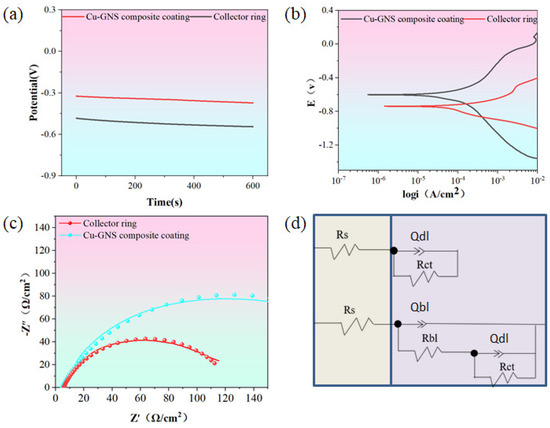
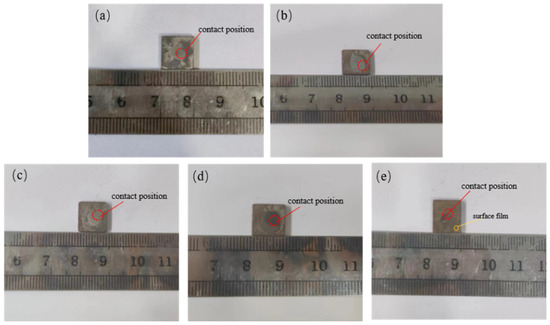
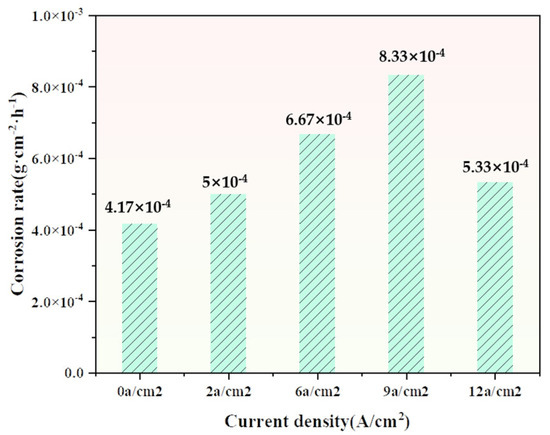
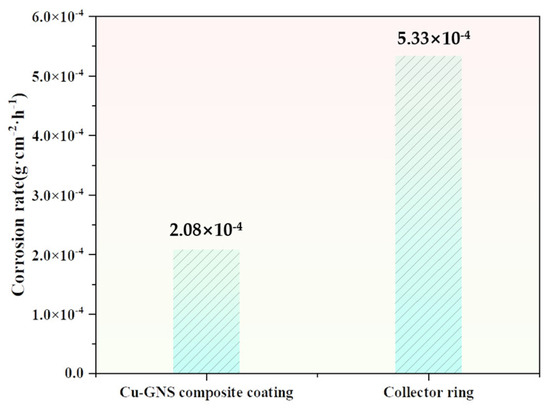
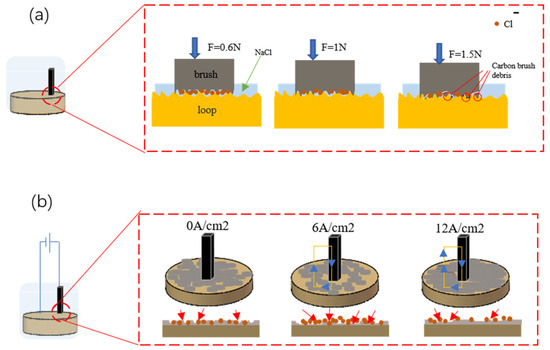
: The collector ring/carbon brush assembly of a hydrogenerator set is a critical component for transmitting excitation current into the self-exciting winding. Its operating environment necessitates excellent corrosion resistance and current-carrying frictional properties. The surface condition and material composition of the collector ring are key factors influencing the performance of the brush/ring interface. Coatings have proven effective in enhancing both tribological and corrosion-resistant characteristics. In this study, copper/graphene composite coatings were fabricated via electroplating, and the effects of graphene deposition rate on current-carrying friction characteristics were systematically investigated to optimize electroplating parameters. The results showed that the composite coating reduced contact resistance by 32.58% and friction coefficient by 37.59%. Electrochemical and immersion tests were conducted to evaluate the corrosion behavior under varying pressure and current density conditions. The results revealed that the optimal corrosion resistance was achieved under 1 N pressure and 12 A/cm2 current density. The copper/graphene composite coating demonstrated superior corrosion resistance compared to uncoated samples. In summary, the electroplated copper/graphene composite coatings exhibit excellent current-carrying frictional performance and corrosion resistance, offering a promising solution for enhancing the durability and efficiency of hydrogenerator collector rings.
Full article

Figure 1
Open AccessArticle
Mechanical, Water Absorption, and Tribological Behavior of Polymer Composites: Role of Pineapple Leaf Fiber Orientation
by
Nitish Kumar, Sudesh Singh, Abhishek Singh and Tianyi Han
Lubricants 2025, 13(4), 161; https://doi.org/10.3390/lubricants13040161 - 3 Apr 2025
Abstract
Natural fiber-reinforced composites have become an important field of research due to their environment-friendly nature, low cost, lightweight, and excellent mechanical properties. In the current study, natural composites were fabricated by the hand layup technique to investigate the influence of pineapple leaf fiber
[...] Read more.
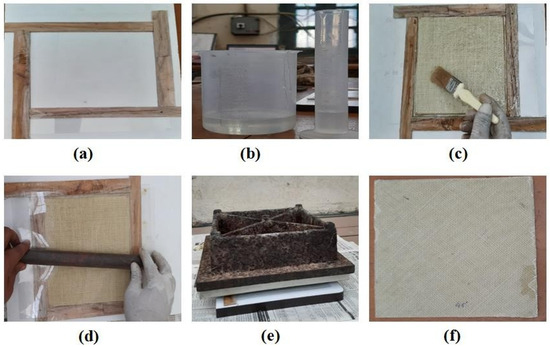
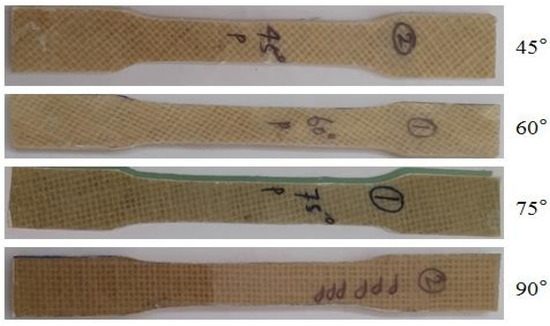
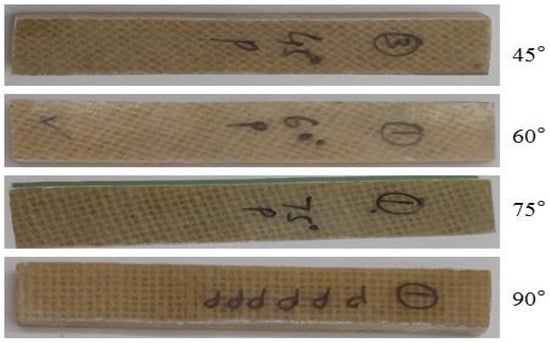
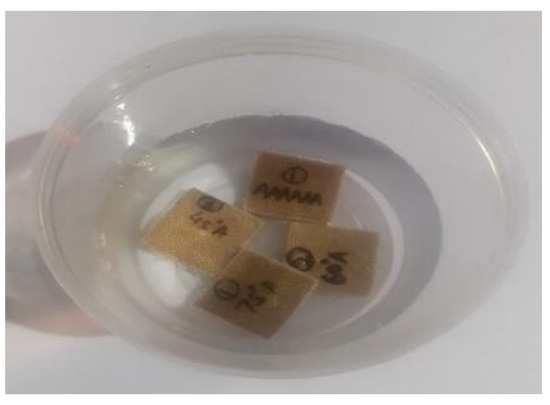
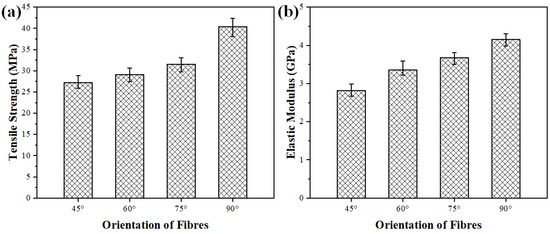
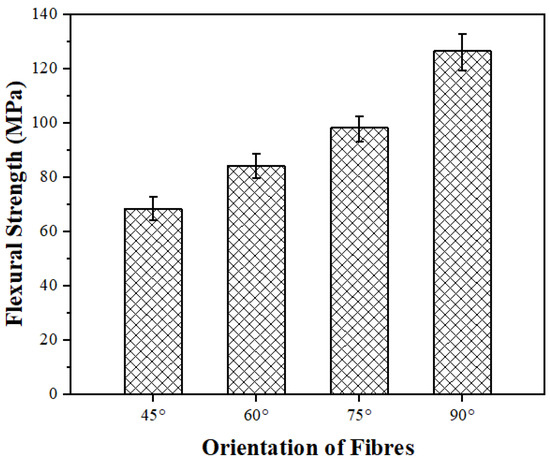
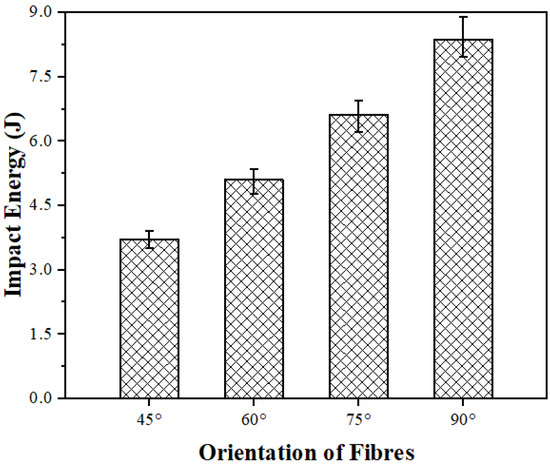
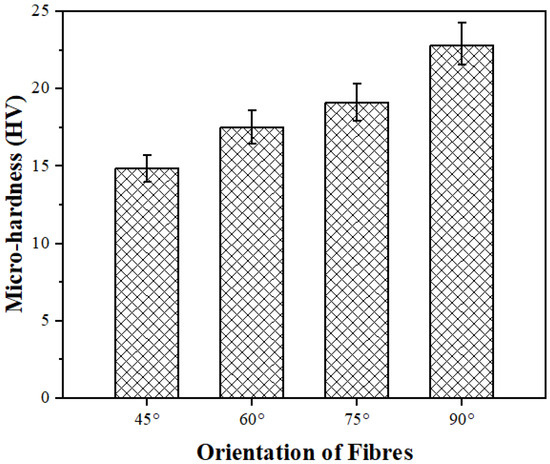
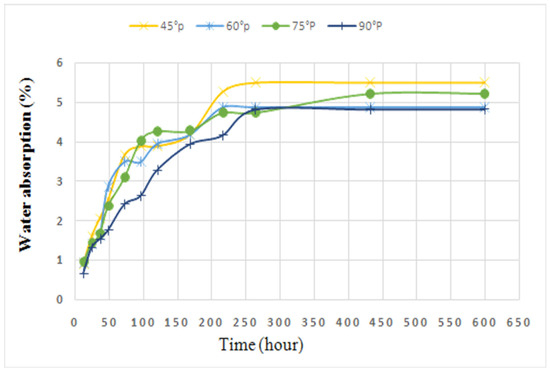
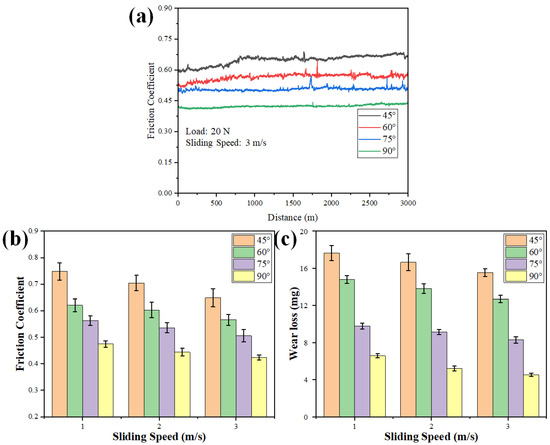
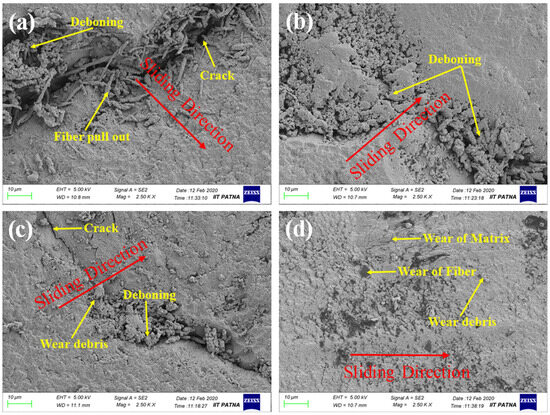
Natural fiber-reinforced composites have become an important field of research due to their environment-friendly nature, low cost, lightweight, and excellent mechanical properties. In the current study, natural composites were fabricated by the hand layup technique to investigate the influence of pineapple leaf fiber (PALF) orientation on the mechanical properties and water absorption behaviors of epoxy composites. Pineapple leaf fibers, known for their natural fiber reinforcement capabilities, were incorporated into polymer matrices at various orientations (45°, 60°, 75°, and 90°) to evaluate their impact on the composite’s performance. Mechanical properties (tensile strength, flexural strength, impact energy, and micro-hardness) were assessed to understand how fiber alignment influences the overall structural integrity of the composite. Additionally, the water absorption characteristics of the fabricated composites were assessed by immersing specimens in water and measuring water uptake over time. Results revealed that fiber orientation plays a crucial role in enhancing mechanical strength and tribological properties, with composites reinforced with fibers aligned at 90° demonstrating efficient load transfer and reduced water absorption. Conversely, composites with fibers oriented at 45° showed relatively lower mechanical strength, higher water absorption, and lower tribological performance. These findings suggest that the optimization of fiber orientation in polymer composites can lead to enhanced performance and durability, making them suitable for an extensive range of eco-friendly and sustainable applications.
Full article
(This article belongs to the Special Issue Tribology of Polymeric Composites)
►▼
Show Figures

Figure 1

Open AccessArticle
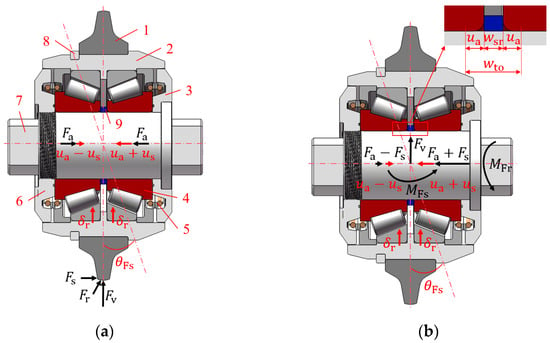
Prediction of Friction Torque in Paired Tapered Roller Bearings of Disc Cutter Under Tri-Axial Rock-Breaking Loads and Preload
by
Gang Hu, Chaoyu Yang, Huanqiang Li, Haiming Zhao and Zhihao Zhang
Lubricants 2025, 13(4), 160; https://doi.org/10.3390/lubricants13040160 - 3 Apr 2025
Abstract
►▼
Show Figures
The disc cutter is a key rock-breaking component of tunnel boring machines, and during operation, improper assembly preload often leads to uneven wear of the cutter. To study the effect of preload force on the friction torque of paired tapered roller bearings during
[...] Read more.
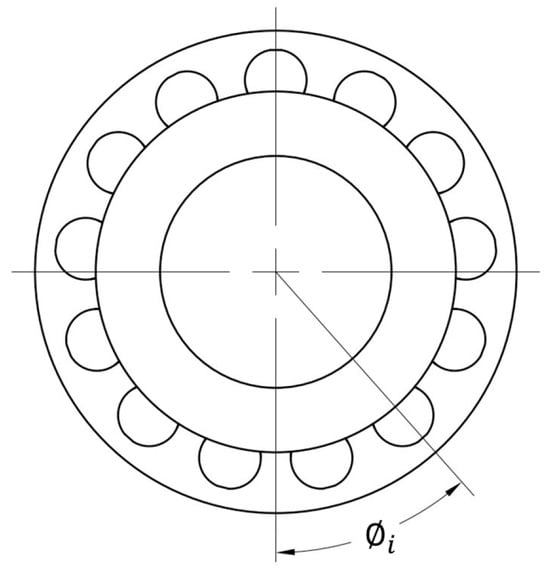
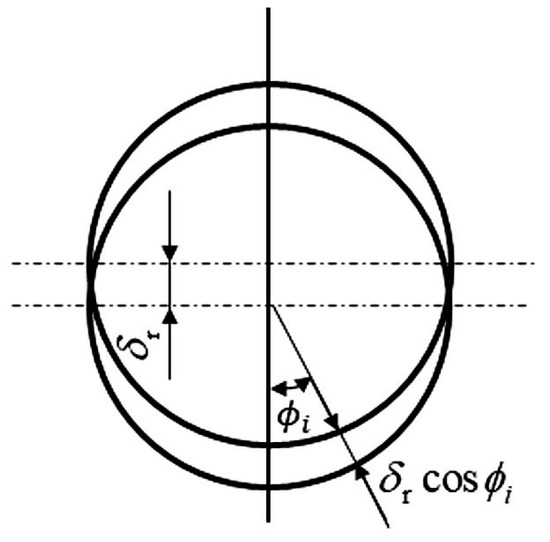
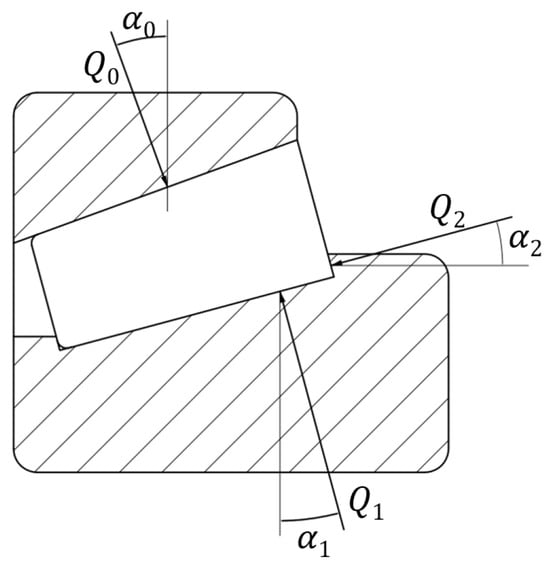
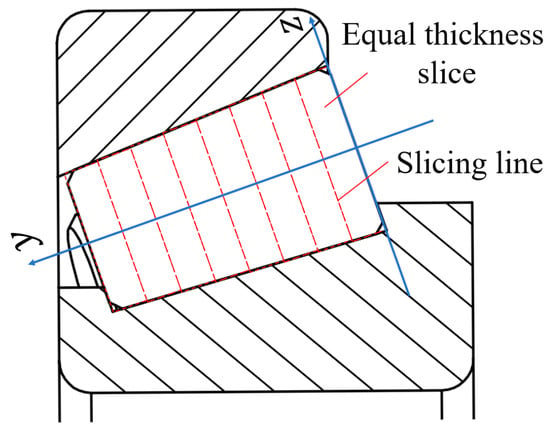
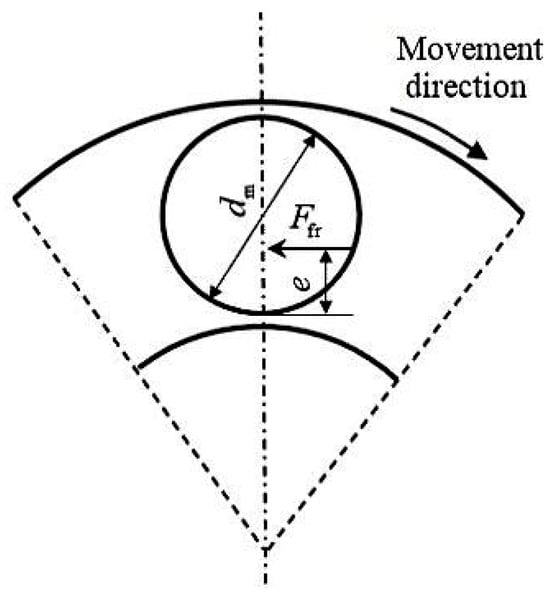
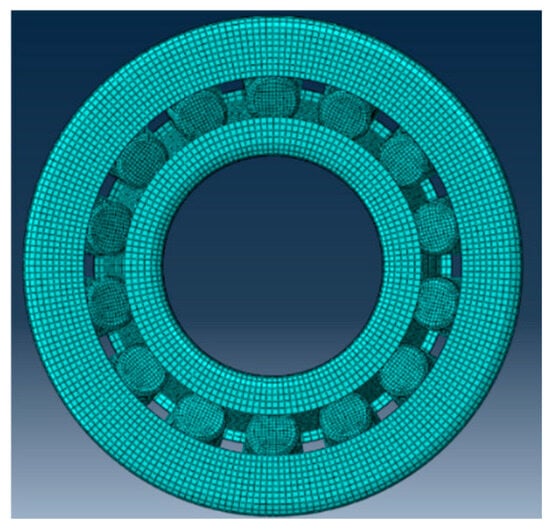
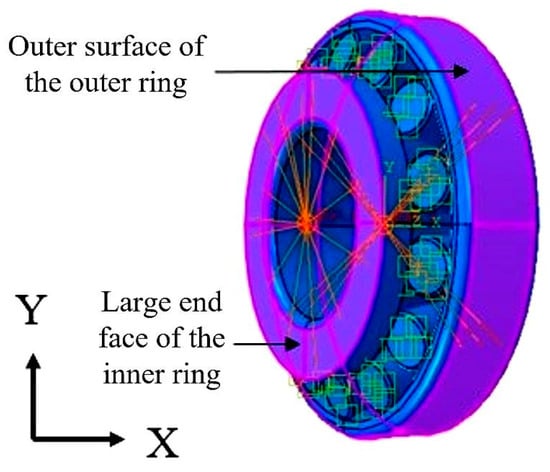
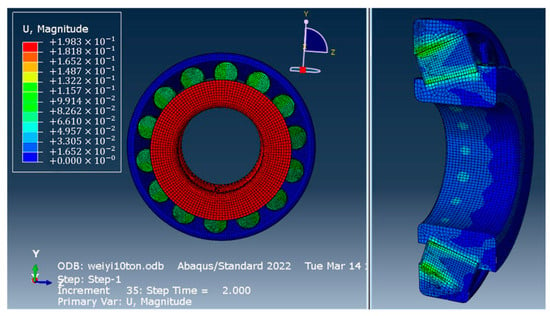
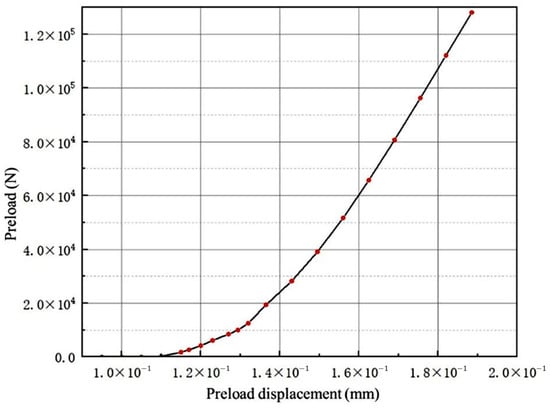
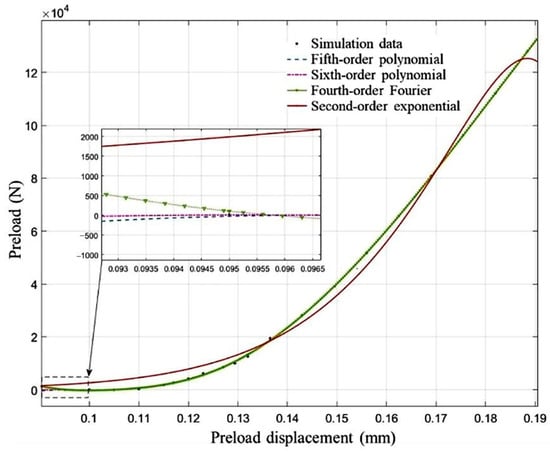
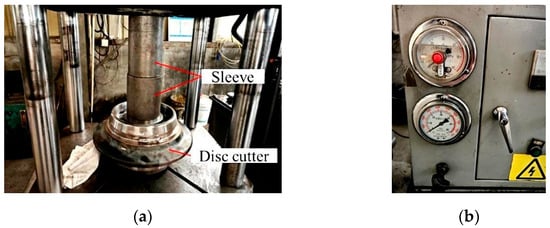
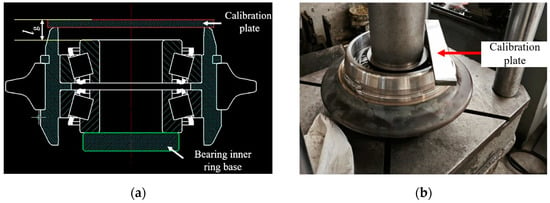
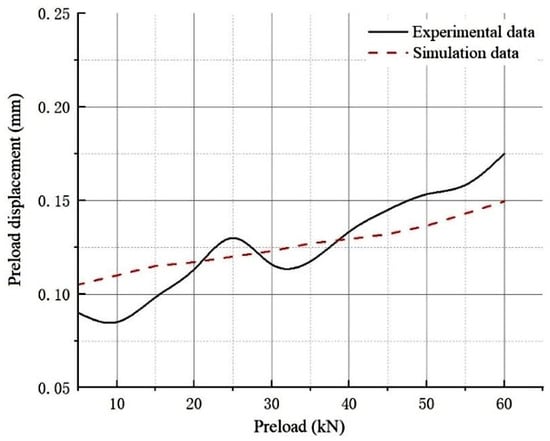
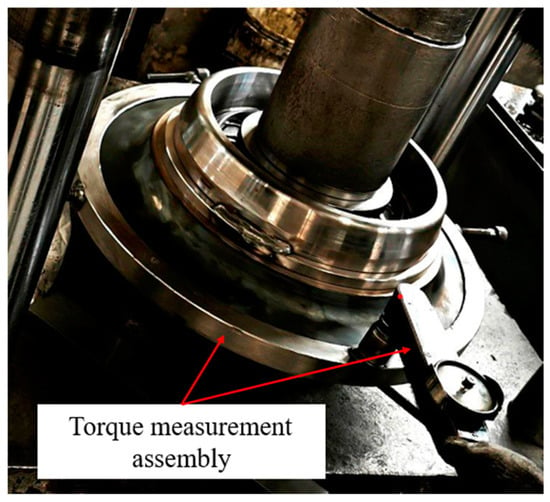
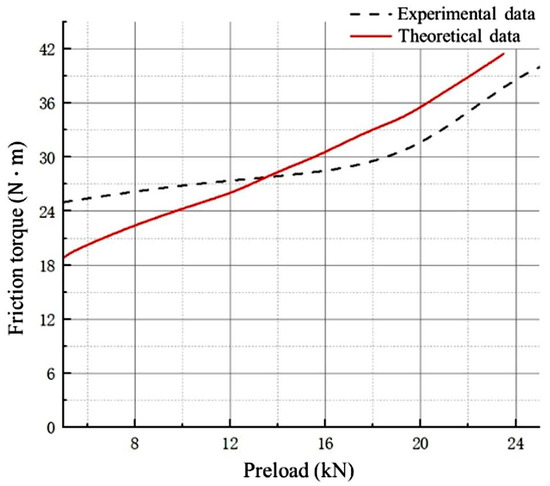
The disc cutter is a key rock-breaking component of tunnel boring machines, and during operation, improper assembly preload often leads to uneven wear of the cutter. To study the effect of preload force on the friction torque of paired tapered roller bearings during rock-breaking, the transmission of preload and rock-breaking loads within the disc cutter structure is first analyzed, and a bearing load distribution model is established. Based on this model, a method for calculating the friction torque of the tapered roller bearings in the disc cutter, considering both external loads and preload force, is proposed. Next, finite element analysis is conducted to investigate the impact of preload displacement on preload force, and a relationship equation is derived using polynomial fitting. Finally, experiments on bearing preload displacement and friction torque are carried out under no-load conditions. The results show that the simulation results for the relationship between preload force and preload displacement are in good agreement with the experimental results. Additionally, the experimental results for the friction torque of the tapered roller bearings are close to the theoretical calculation results, with the overall trend matching, thus verifying the reliability of both the simulation and theoretical models.
Full article

Figure 1
Open AccessArticle
Effects of Gold Mine Tailings as an Additive on the Tribological Performance of Lubricating Polyurea Grease
by
Xiaodong Liu, Heping Wang, Rongshe Wang, Binglong Zhang, Jiqing Wang, Wei Wang and Xihong He
Lubricants 2025, 13(4), 159; https://doi.org/10.3390/lubricants13040159 - 2 Apr 2025
Abstract
►▼
Show Figures
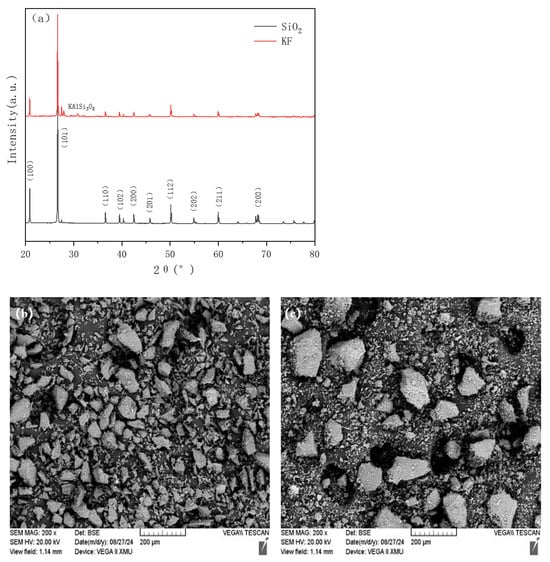
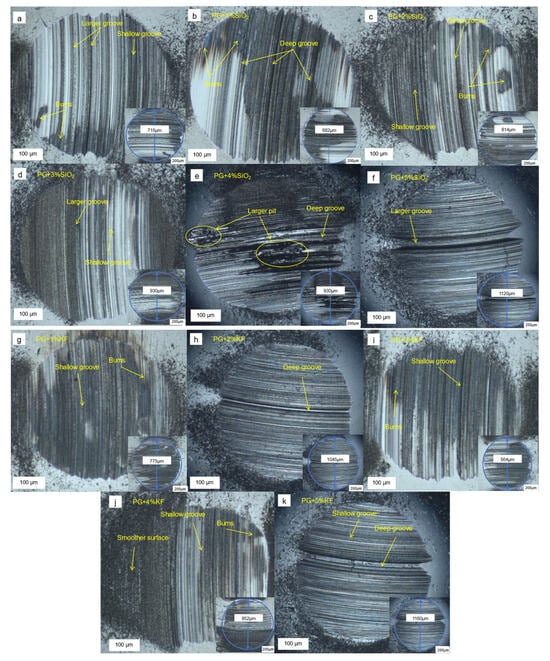
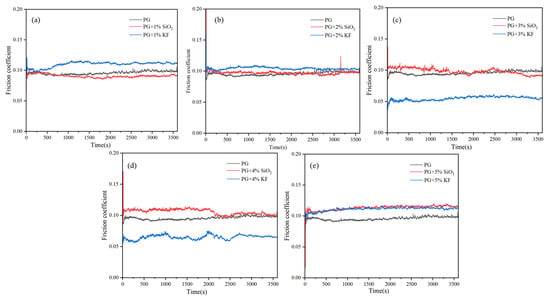
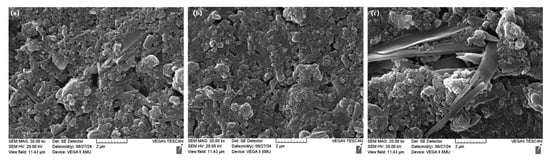
Lubricating greases with varying proportions of gold mine tailings or SiO2 as additives were prepared, and their friction and wear performance were evaluated using a four-ball tribometer. Scanning electron microscopy and three-dimensional surface profilometry were employed to analyze the thickener properties and
[...] Read more.
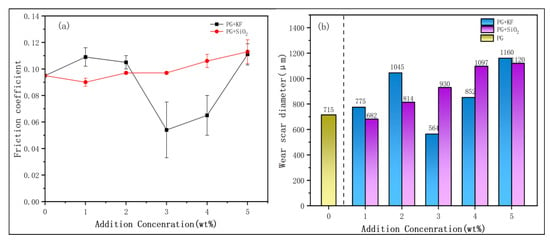
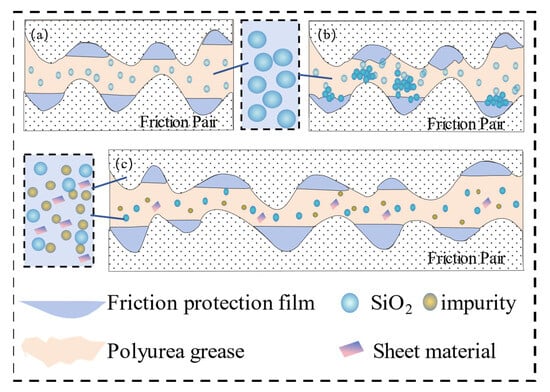
Lubricating greases with varying proportions of gold mine tailings or SiO2 as additives were prepared, and their friction and wear performance were evaluated using a four-ball tribometer. Scanning electron microscopy and three-dimensional surface profilometry were employed to analyze the thickener properties and wear patterns on the steel balls. The results indicated that the addition of gold mine tailings significantly improved the friction-reducing and wear-resistant properties of the base grease compared with SiO2. At the optimal concentration of 3 wt%, the addition of gold mine tailings reduced the coefficient of friction and wear scar diameter of the base grease by 43.2% and 21.1%, respectively, yielding the best performance among the 11 tested samples. Further analysis revealed that silicate and calcium carbonate particles in the gold mine tailings were deposited on the surface, forming a protective layer. This layer, along with the grease film, contributed to substantial reductions in both friction and wear.
Full article

Figure 1
Open AccessArticle
Small Laser-Textured Dimples for Improved Tribological Performance of CoCrMo in Artificial Hip Joints
by
William B. Bennett and Min Zou
Lubricants 2025, 13(4), 158; https://doi.org/10.3390/lubricants13040158 - 2 Apr 2025
Abstract
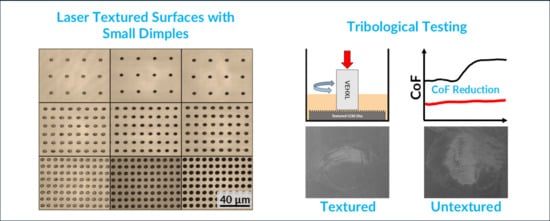
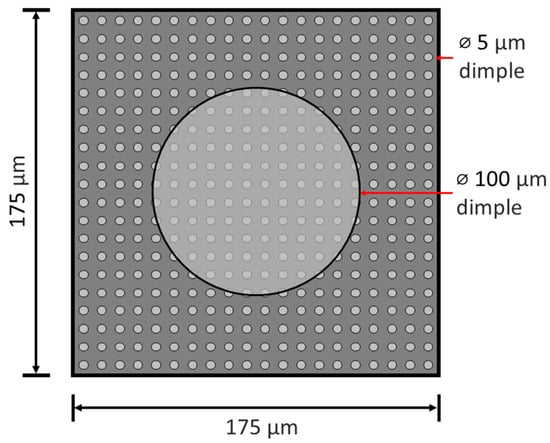
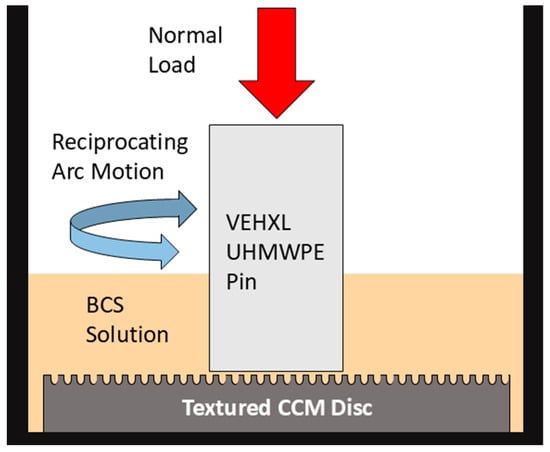
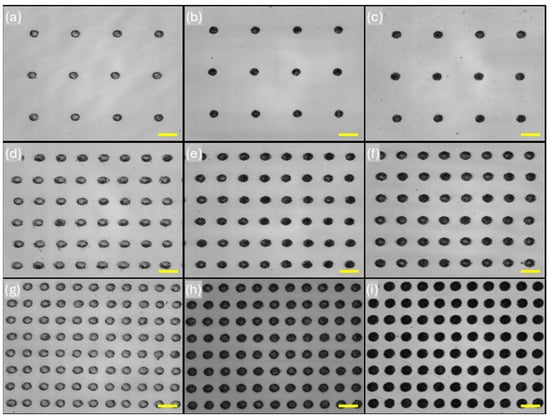
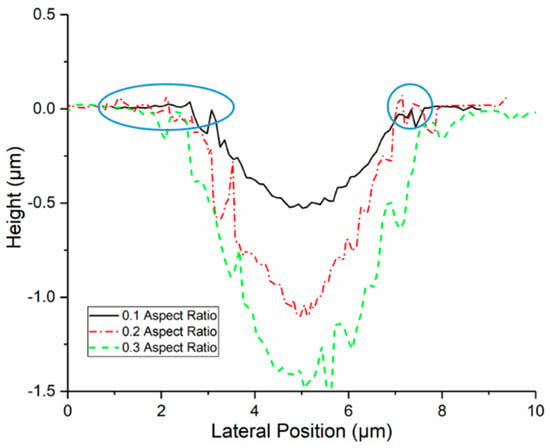
This study investigates the impact of small dimples on the tribological properties of CoCrMo (CCM) surfaces. Laser-ablated textures with 5 µm diameter dimples were fabricated at varying aspect ratios (0.1, 0.2, 0.3) and surface densities (5%, 15%, 25%) to evaluate their effects on
[...] Read more.
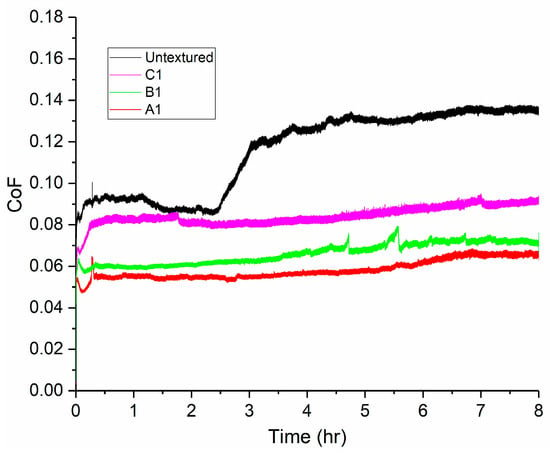
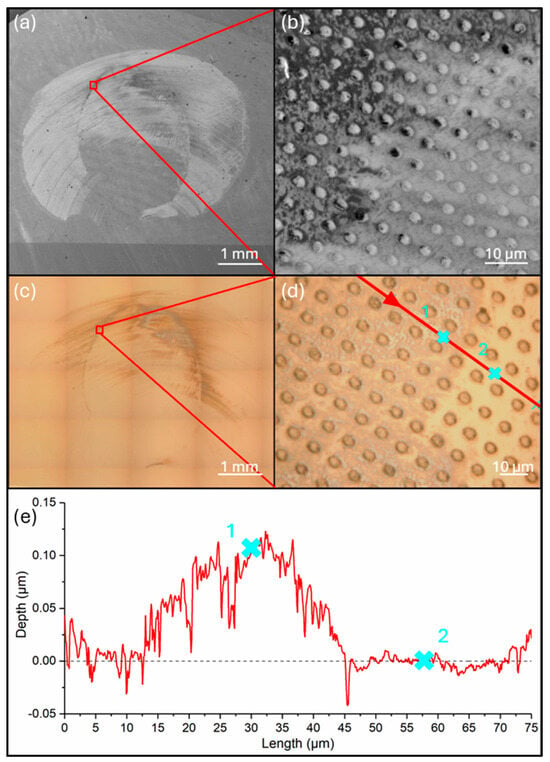
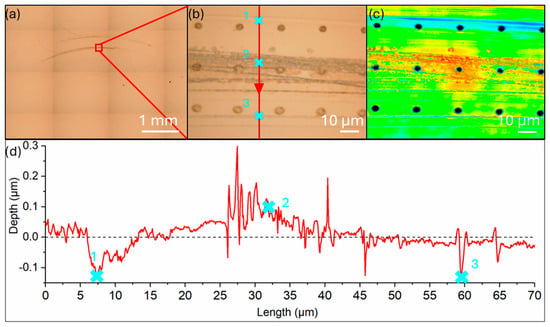
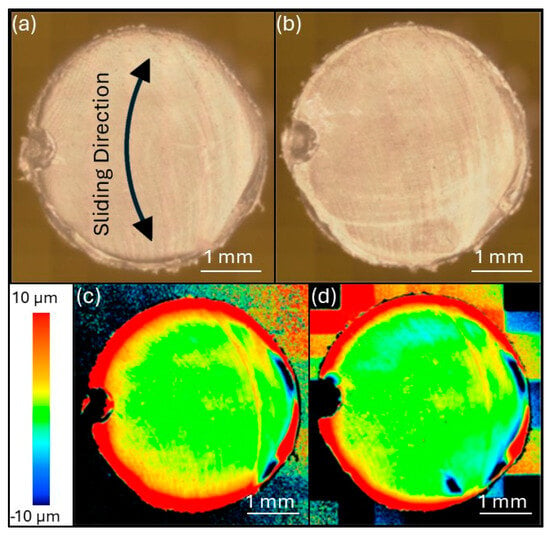
This study investigates the impact of small dimples on the tribological properties of CoCrMo (CCM) surfaces. Laser-ablated textures with 5 µm diameter dimples were fabricated at varying aspect ratios (0.1, 0.2, 0.3) and surface densities (5%, 15%, 25%) to evaluate their effects on friction and wear when paired with ultra-high molecular weight polyethylene (UHMWPE) counterfaces. The results showed that small dimples significantly reduced and stabilized the coefficient of friction (CoF) and wear compared to untextured CCM and larger dimples as reported in the literature. The texture configuration with a 5% surface density and 0.1 aspect ratio achieved the best combination of friction and wear performance by facilitating the formation of a stable and uniform lubricant film during sliding. These findings underscore the potential of small, precisely engineered surface textures to improve the tribological performance of CCM, offering a promising approach for reducing friction and wear in artificial hip joints.
Full article
(This article belongs to the Special Issue Tribology of Textured Surfaces)
►▼
Show Figures

Graphical abstract
Open AccessArticle
Numerical Simulation of the Lubrication Performance of the Stator and Rotor Friction Pair Surface Rhombus-like Texture in Screw Pumps
by
Xiangzhi Shi, Xinfu Liu, Chunhua Liu, Zhongxian Hao, Shouzhi Huang, Yi Sun and Xinglong Niu
Lubricants 2025, 13(4), 157; https://doi.org/10.3390/lubricants13040157 - 2 Apr 2025
Abstract
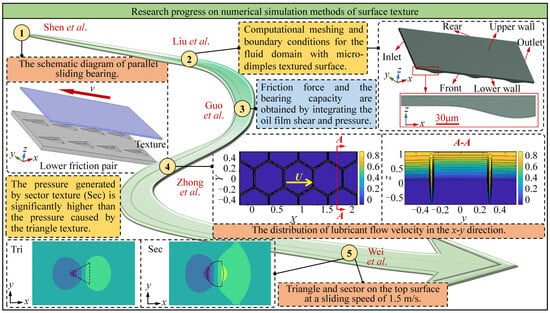
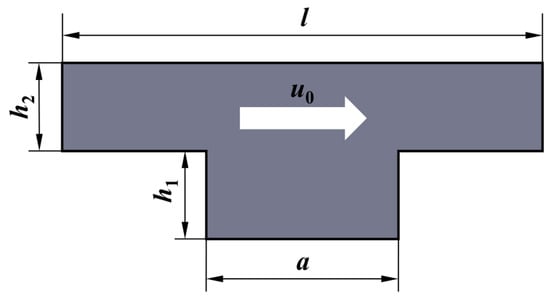
To address wear failure in screw pump stator and rotor friction pairs, this study constructed a numerical model of a rhombus-like micro-dimple texture on friction pair surfaces based on the scale structure of rhombus rattlesnakes. The model was based on the fluid dynamic
[...] Read more.
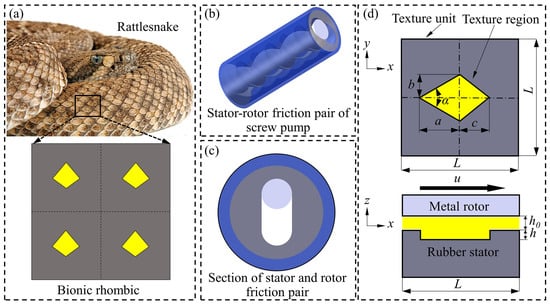
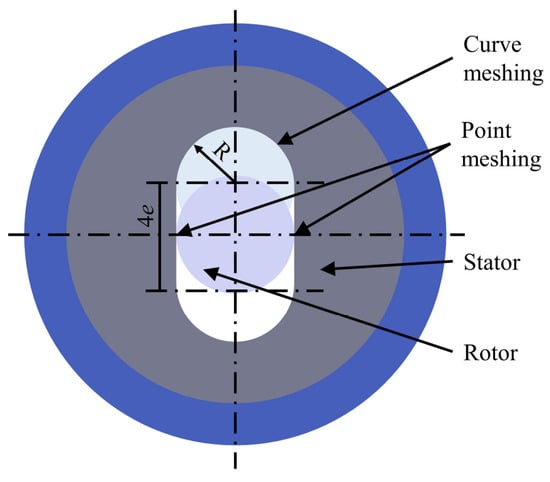
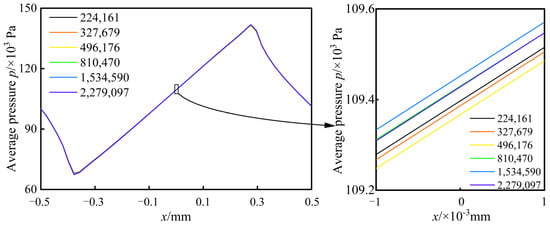
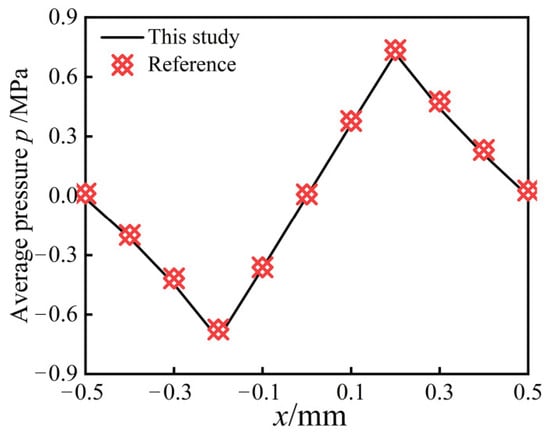
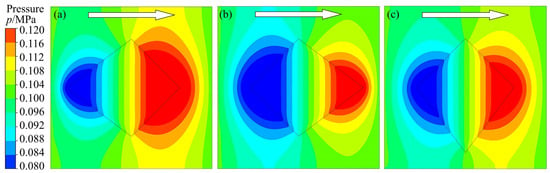
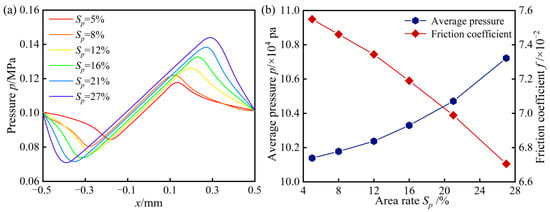
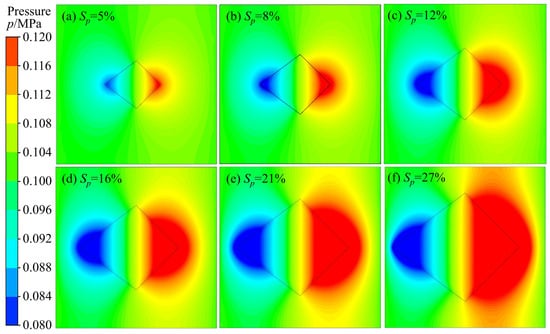
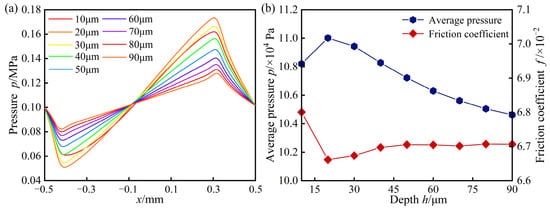
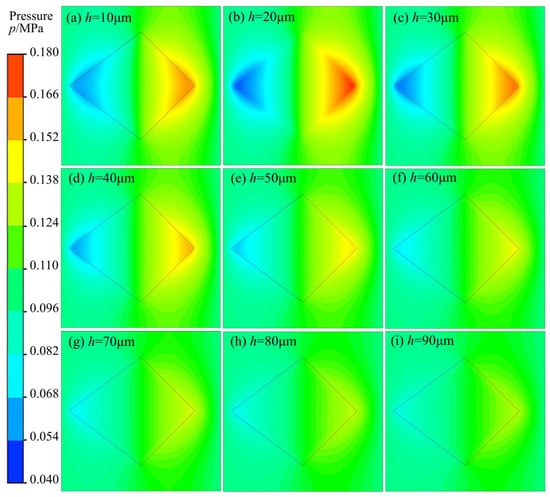
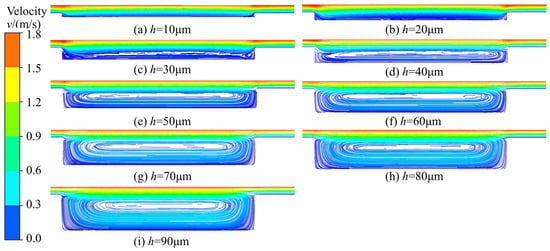
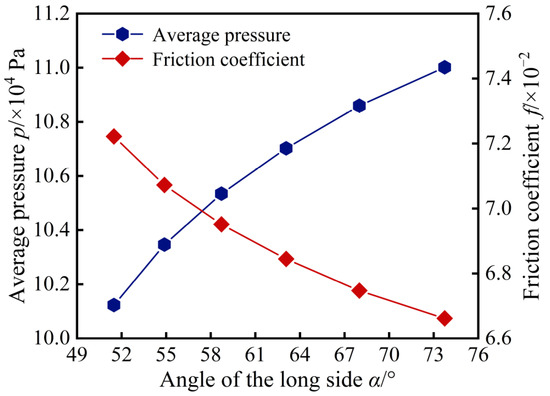
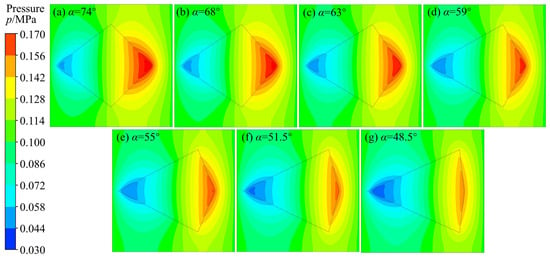
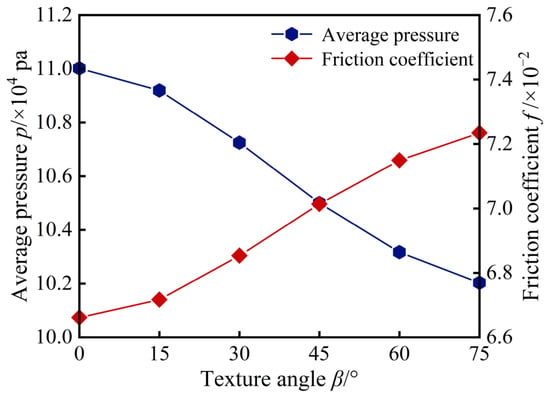
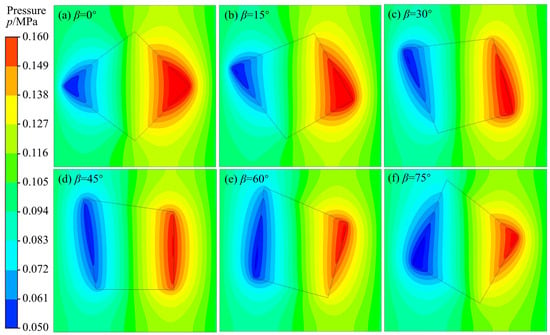
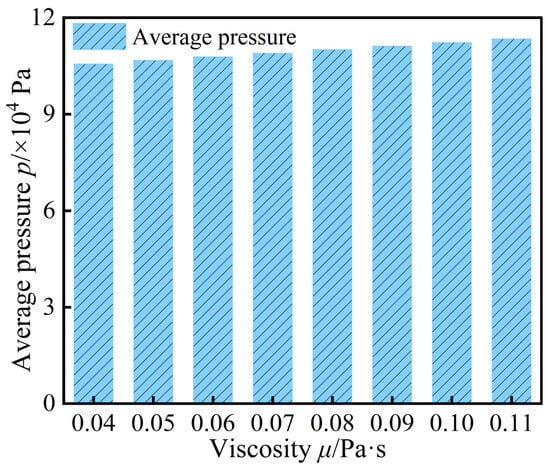
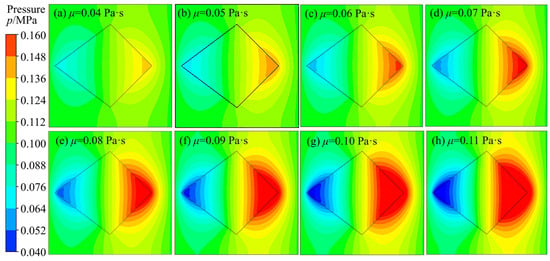
To address wear failure in screw pump stator and rotor friction pairs, this study constructed a numerical model of a rhombus-like micro-dimple texture on friction pair surfaces based on the scale structure of rhombus rattlesnakes. The model was based on the fluid dynamic pressure lubrication mechanism. The CFD method was used to calculate the bearing capacity, friction coefficient, flow field pressure distribution, and flow trace distribution of an oil film carrying surface. The effects of the area rate, depth, shape, and angle of the rhombus-like dimple texture and the actual well fluid viscosity of shale oil on the surface lubrication performance of screw pump stator and rotor friction pairs were analyzed. The results demonstrated that increasing the texture area rate and the angle of the long sides and decreasing the texture angle resulted in a decrease in the oil film surface friction coefficient and an increase in the average pressure and net bearing capacity as well as the hydrodynamic lubrication performance. The average pressure increased and then decreased as the texture depth increased, while the friction coefficient of the oil film surface initially decreased and then increased. At a texture depth of 20 μm, the friction coefficient reached its lowest value while the average pressure and net bearing capacity of the oil film reached their highest value, which resulted in optimal hydrodynamic lubrication performance. When the texture depth became greater than 20 μm, vortices were gradually formed within the texture, which decreased the hydrodynamic lubrication performance. When the area rate of the rhombus-like dimple texture, depth, angle between long sides, and angle were, respectively, equal to 27%, 20 μm, 74°, and 0°, the net bearing capacity of the oil film was maximized, the friction coefficient was minimized, and the hydrodynamic lubrication performance and anti-wear effect reached their highest values. The increase in the viscosity of the actual well fluid could enhance the dynamic pressure lubrication performance and improve the bearing capacity.
Full article
(This article belongs to the Special Issue Tribology of Textured Surfaces)
►▼
Show Figures

Figure 1
Open AccessArticle
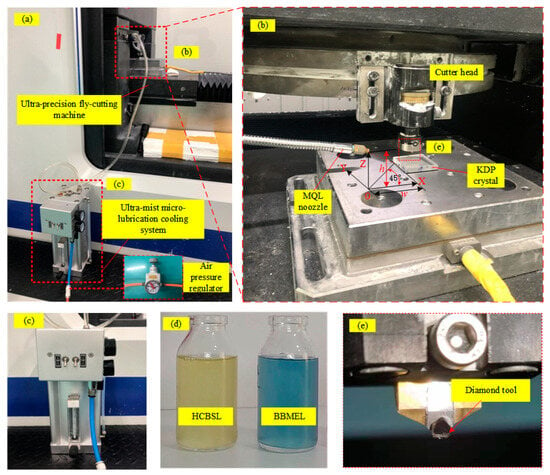
Effect of Bio-Based, Mixed Ester Lubricant in Minimum Quantity Lubrication on Tool Wear and Surface Integrity in Ultra-Precision Fly-Cutting of KDP Crystals
by
Xuelian Yao, Feihu Zhang, Shuai Zhang, Jianfeng Zhang, Defeng Liao, Xiangyang Lei, Jian Wang and Jianbiao Du
Lubricants 2025, 13(4), 156; https://doi.org/10.3390/lubricants13040156 - 1 Apr 2025
Abstract
Potassium dihydrogen phosphate (KDP) crystals, vital for high-power laser systems, pose significant machining challenges due to their brittleness, low hardness, and hygroscopic properties. Achieving crack-free, high-precision surfaces is essential but complex. Single-point diamond fly-cutting (SPDF) is the primary method, yet it exposes tools
[...] Read more.
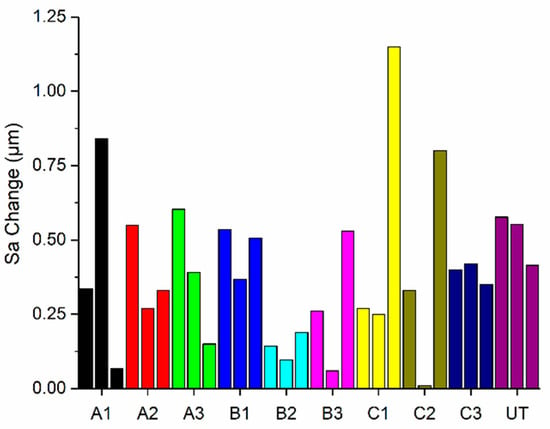
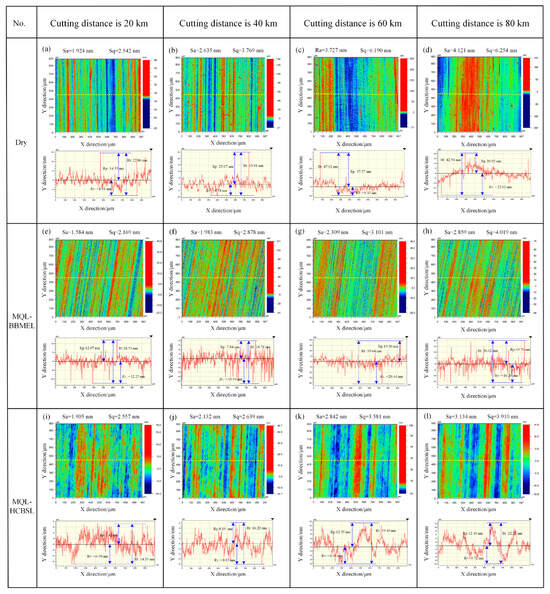
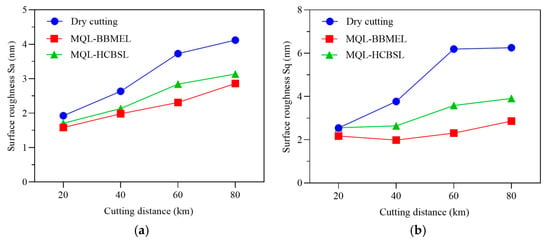
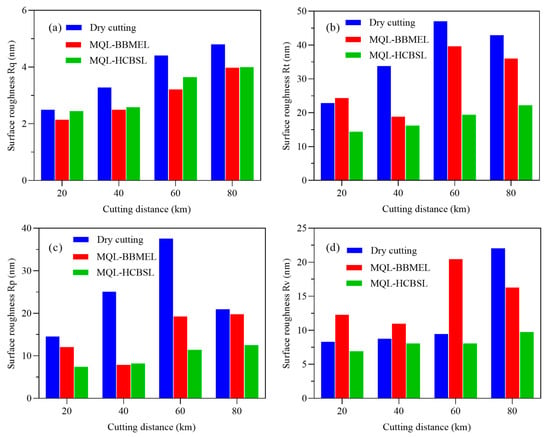
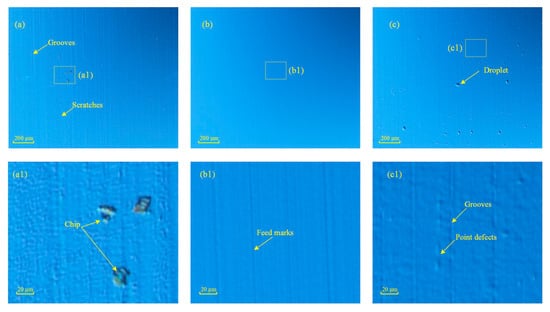
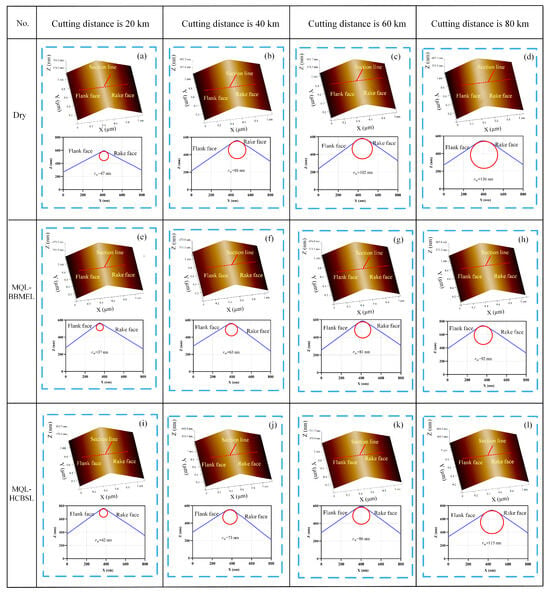
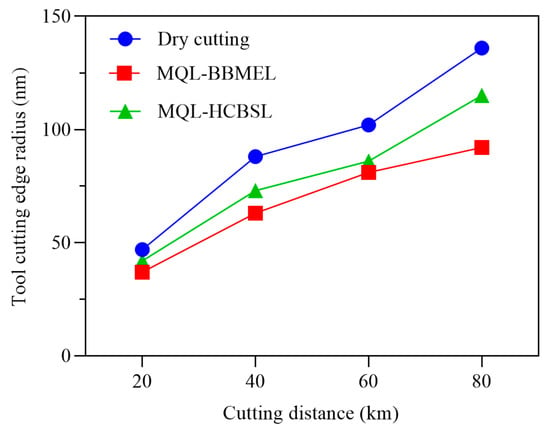
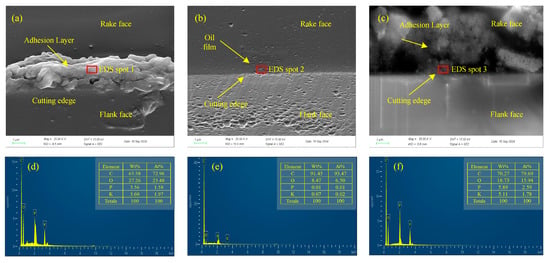
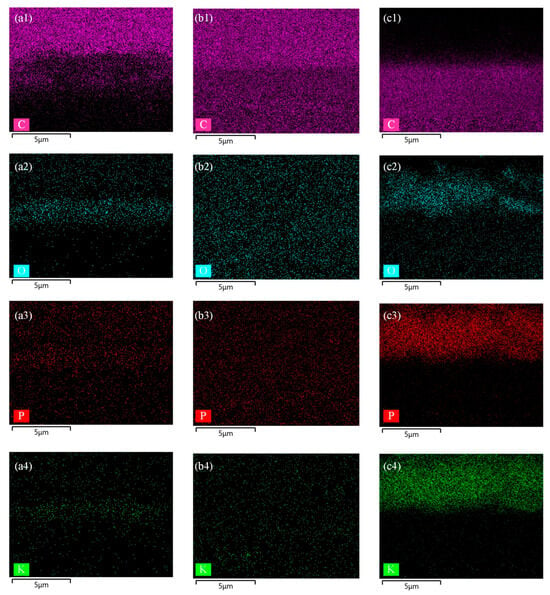
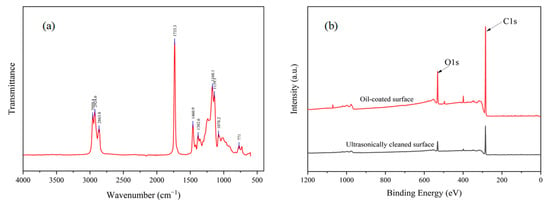
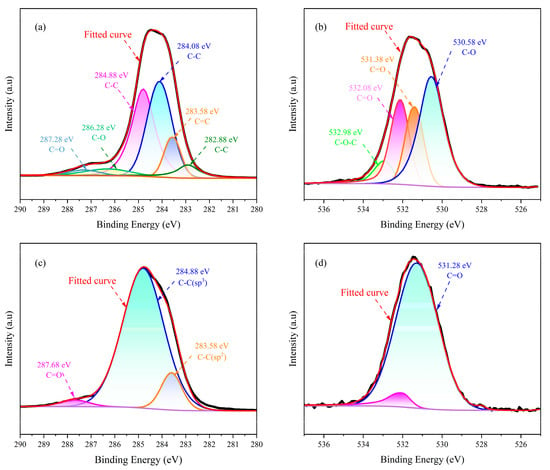
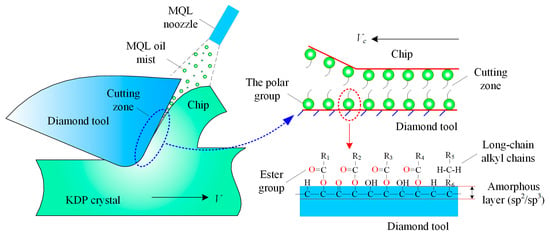
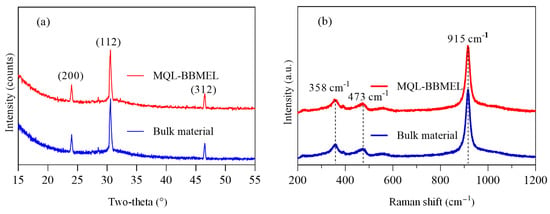
Potassium dihydrogen phosphate (KDP) crystals, vital for high-power laser systems, pose significant machining challenges due to their brittleness, low hardness, and hygroscopic properties. Achieving crack-free, high-precision surfaces is essential but complex. Single-point diamond fly-cutting (SPDF) is the primary method, yet it exposes tools to high mechanical stress and heat, accelerating wear. In dry cutting, worn tools develop adhesive layers that detach, causing scratches and degrading surface quality. Traditional wet cutting improves surface finish but leaves residual fluids that contaminate the surface with metal ions, leading to optical degradation and fogging. To address these issues, this study explores mixed-fat-based minimum quantity lubrication (MQL) as a sustainable alternative, comparing two lubricants: biodegradable-base mixed ester lubrication (BBMEL) and hydrocarbon-based synthetic lubricant (HCBSL). A comprehensive evaluation method was developed to analyze surface roughness, tool wear, and subsurface damage under dry cutting, MQL-BBMEL, and MQL-HCBSL conditions. Experimental results show that MQL-BBMEL significantly enhances machining performance, reducing average surface roughness by 27.77% (Sa) and 44.77% (Sq) and decreasing tool wear by 25.16% compared to dry cutting, outperforming MQL-HCBSL. This improvement is attributed to BBMEL’s lower viscosity and higher proportion of polar functional groups, which form stable lubricating films, minimizing friction and thermal effects. Structural analyses confirm that MQL-BBMEL prevents KDP crystal deliquescence and surface fogging. These findings establish MQL-BBMEL as an eco-friendly, high-performance solution for machining brittle optical materials, offering significant advancements in precision machining for high-power laser systems.
Full article
(This article belongs to the Special Issue High Performance Machining and Surface Tribology)
►▼
Show Figures

Figure 1

Open AccessArticle
Enhancing Fault Diagnosis: A Hybrid Framework Integrating Improved SABO with VMD and Transformer–TELM
by
Jingzong Yang, Xuefeng Li and Min Mao
Lubricants 2025, 13(4), 155; https://doi.org/10.3390/lubricants13040155 - 31 Mar 2025
Abstract
Rolling bearings, as core components in mechanical systems, directly influence the overall reliability of equipment. However, continuous operation under complex working conditions can easily lead to gradual performance degradation and sudden faults, which not only result in equipment failure but may also trigger
[...] Read more.
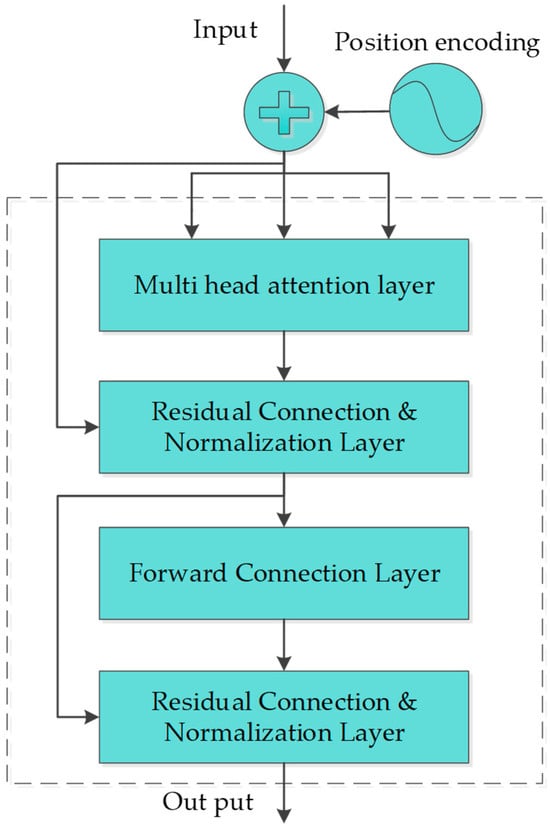
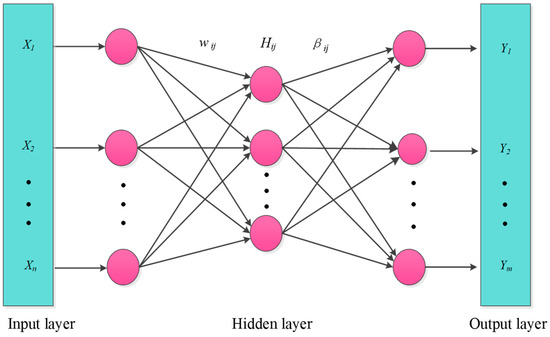
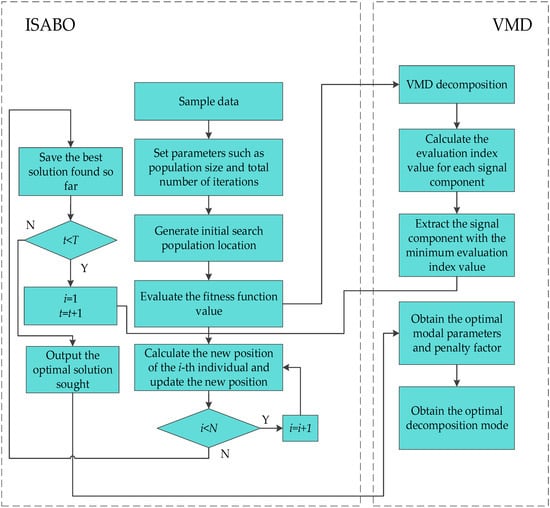
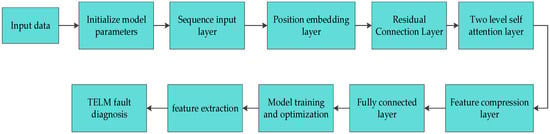
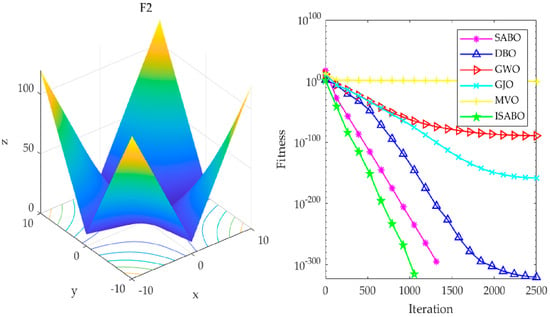
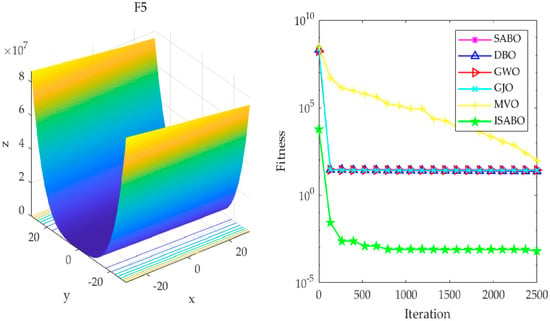
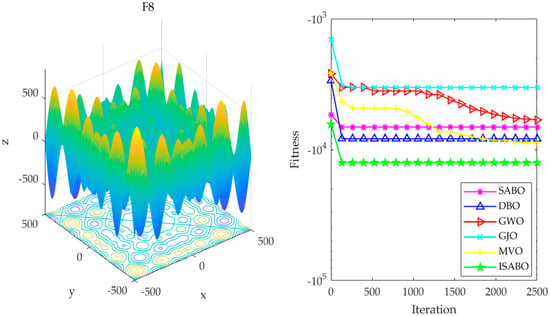
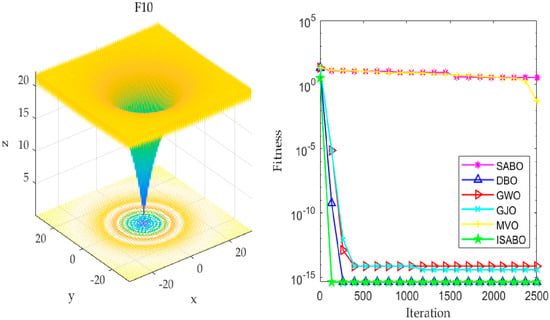
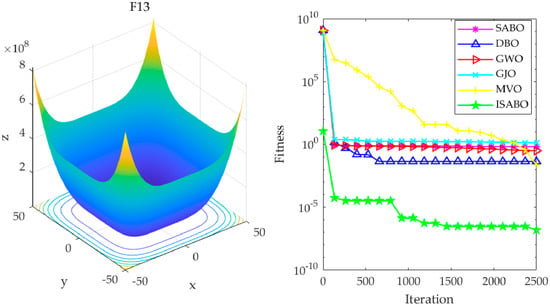
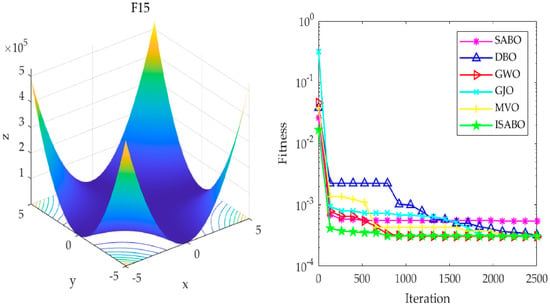
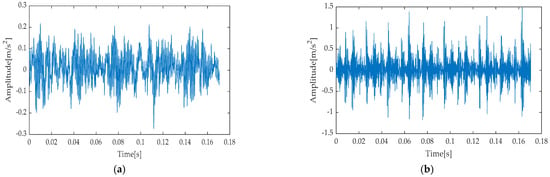
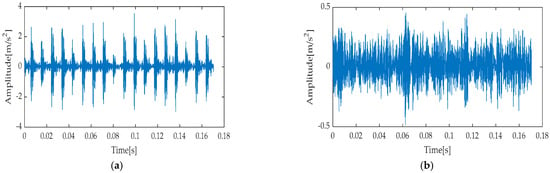
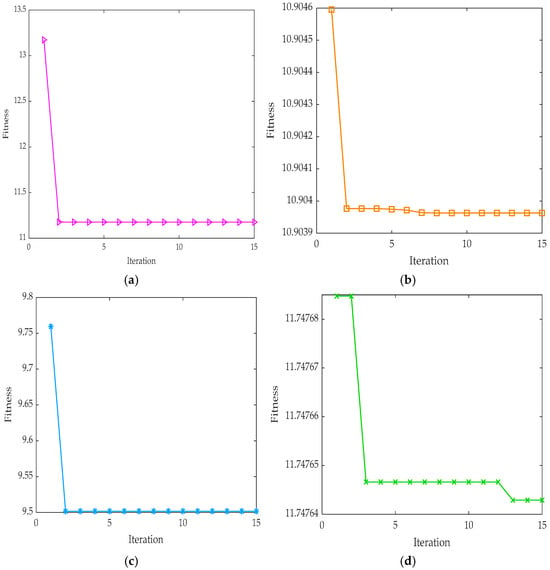
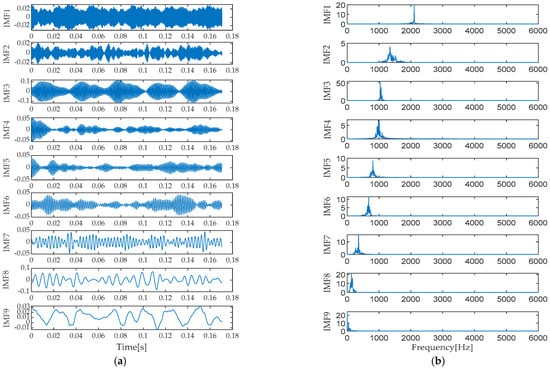
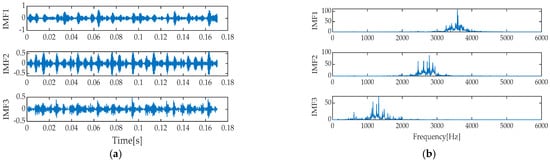
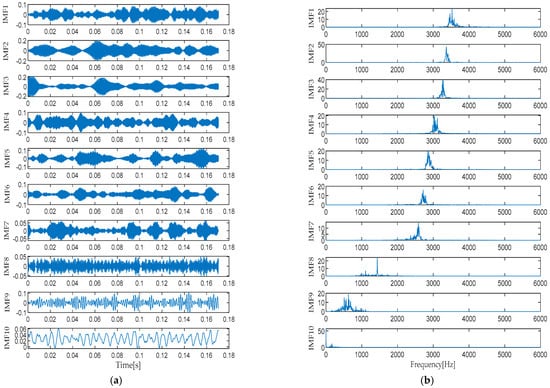
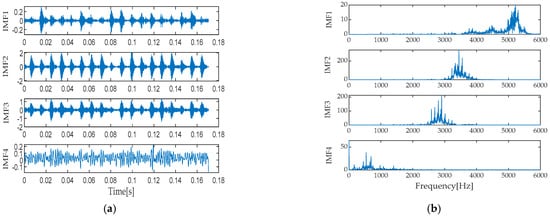
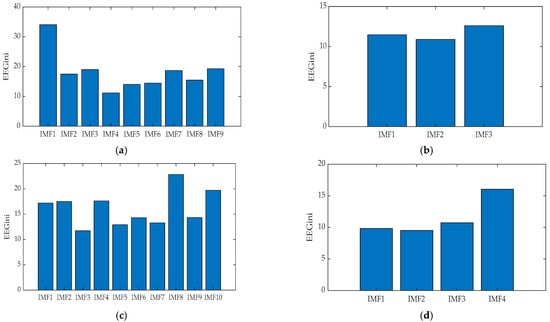
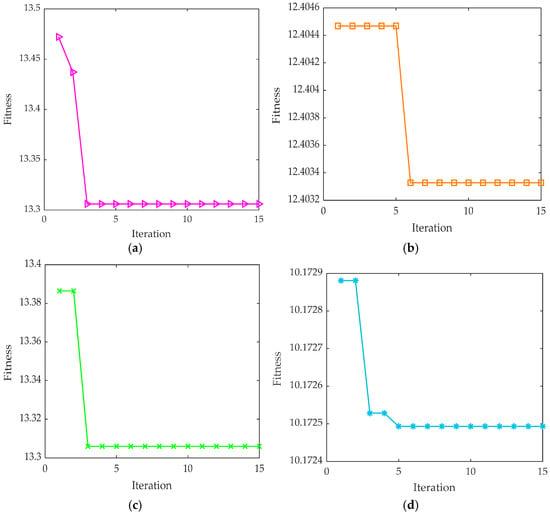
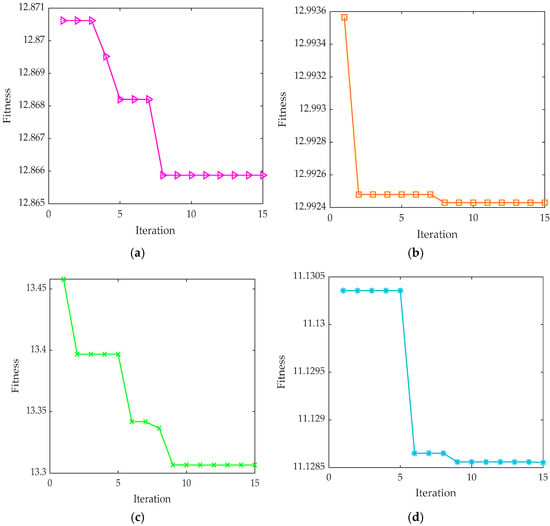
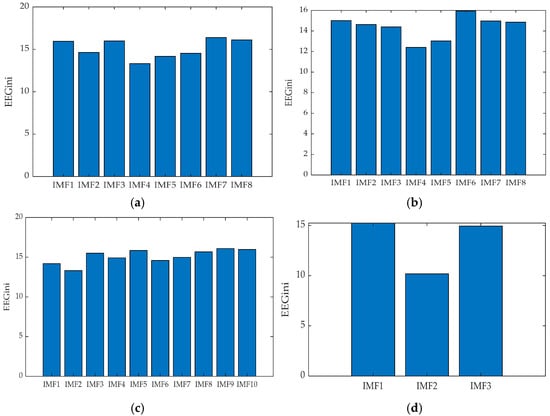
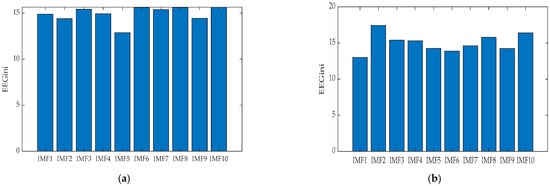
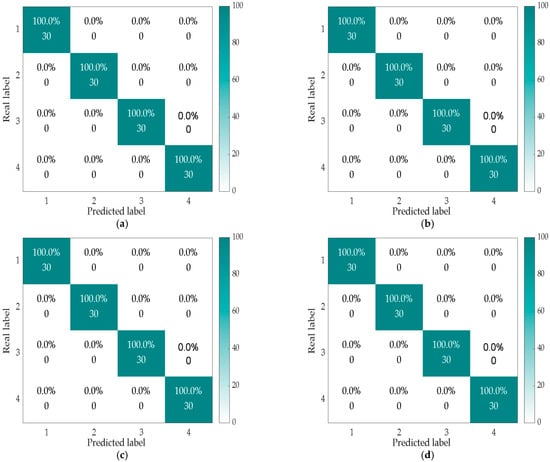
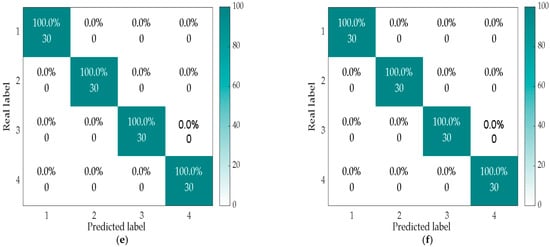
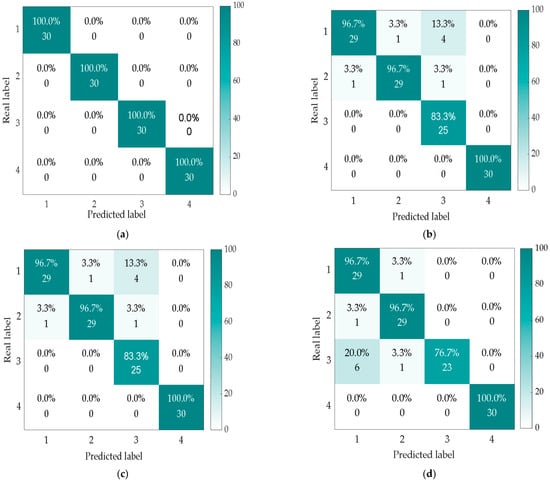
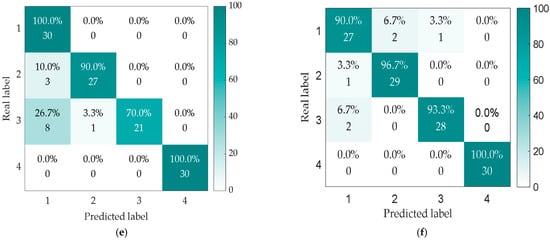
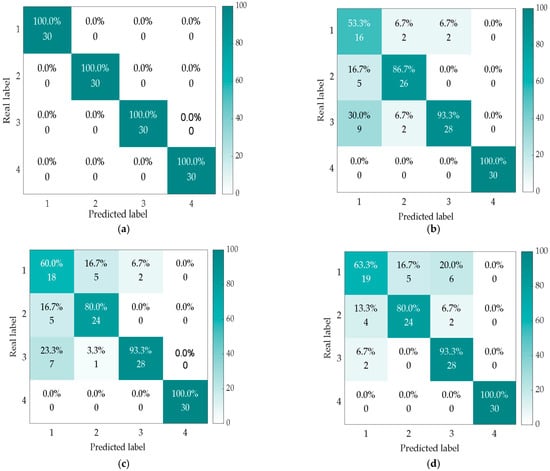
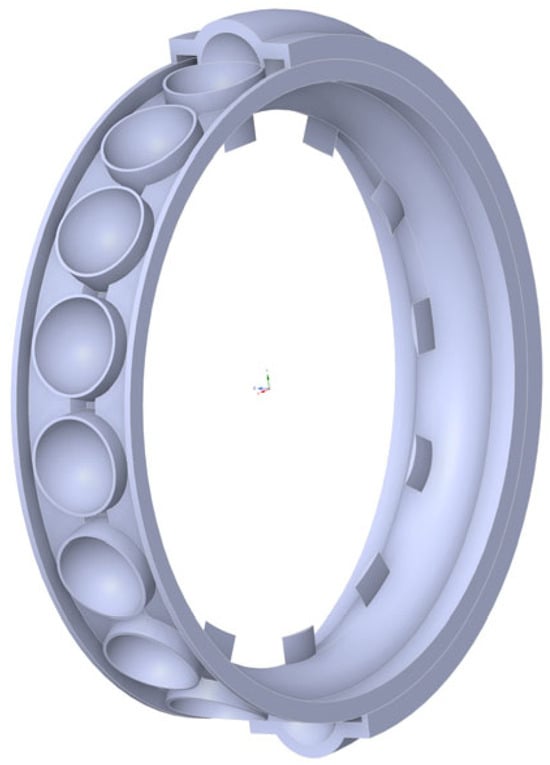
Rolling bearings, as core components in mechanical systems, directly influence the overall reliability of equipment. However, continuous operation under complex working conditions can easily lead to gradual performance degradation and sudden faults, which not only result in equipment failure but may also trigger a cascading failure effect, significantly amplifying downtime losses. To address this challenge, this study proposes an intelligent diagnostic method that integrates variational mode decomposition (VMD) optimized by the improved subtraction-average-based optimizer (ISABO) with transformer–twin extreme learning machine (Transformer–TELM) ensemble technology. Firstly, ISABO is employed to finely optimize the initialization parameters of VMD. With the improved initialization strategy and particle position update method, the optimal parameter combination can be precisely identified. Subsequently, the optimized parameters are used to model and decompose the signal through VMD, and the optimal signal components are selected through a constructed two-dimensional evaluation system. Furthermore, diversified time-domain features are extracted from these components to form an initial feature set. To deeply mine feature information, a multi-layer Transformer model is introduced to refine more discriminative feature representations. Finally, these features are input into the constructed TELM fault diagnosis model to achieve precise diagnosis of rolling bearing faults. The experimental results demonstrate that this method exhibits excellent performance in terms of noise resistance, accurate fault feature capture, and fault classification. Compared with traditional machine learning techniques such as kernel extreme learning machine (KELM), extreme learning machine (ELM), support vector machine (SVM), and Softmax, this method significantly outperforms other models in terms of accuracy, recall, and F1 score.
Full article
(This article belongs to the Special Issue Tribological Characteristics of Bearing System, 3rd Edition)
►▼
Show Figures

Figure 1

Open AccessArticle
Thermal–Mechanical Coupling Model of a Double-Piece Inner Ring Ball Bearing Based on ADAMS Secondary Development
by
Yujun Xue, Fanjing Meng, Yongjian Yu and Haichao Cai
Lubricants 2025, 13(4), 154; https://doi.org/10.3390/lubricants13040154 - 31 Mar 2025
Abstract
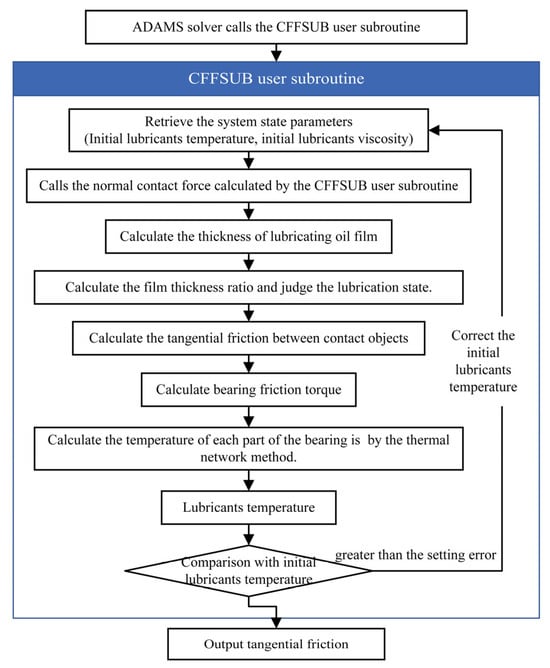
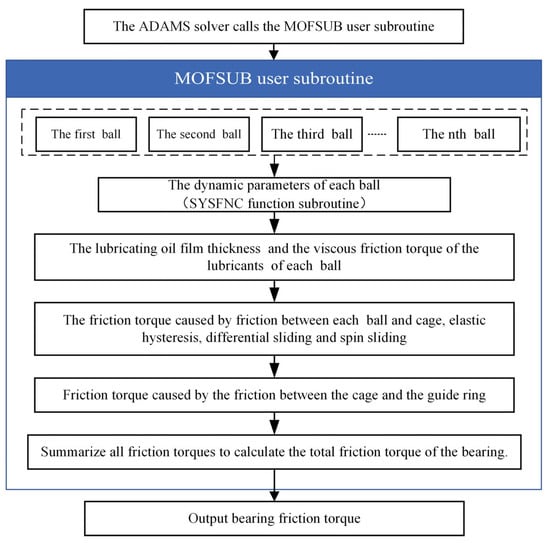
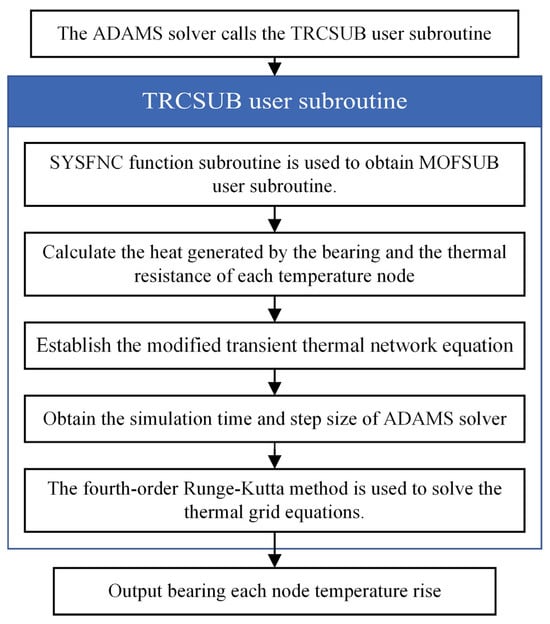
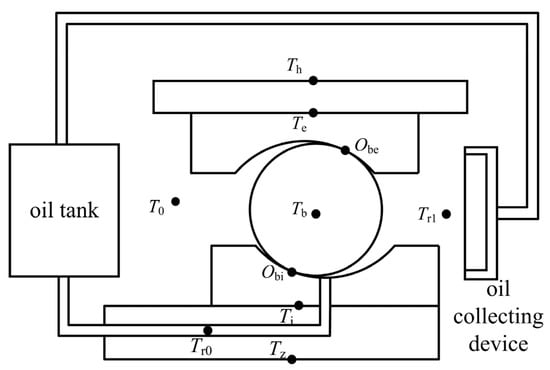
The double-piece inner ring ball bearing is an important part of an aero-engine. An excessive bearing temperature leads to bearing thermal expansion, lubricating oil performance degradation, and other problems that seriously affect the service life and reliability of the bearing. Thus, it is
[...] Read more.
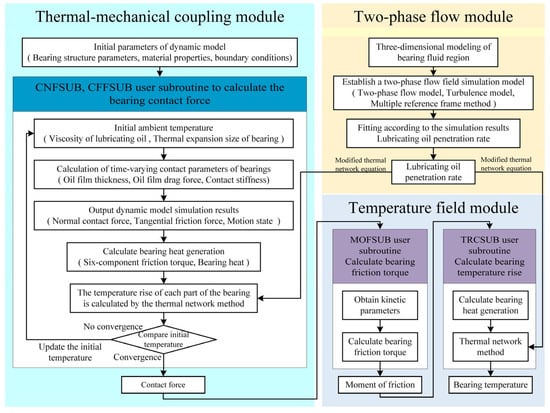
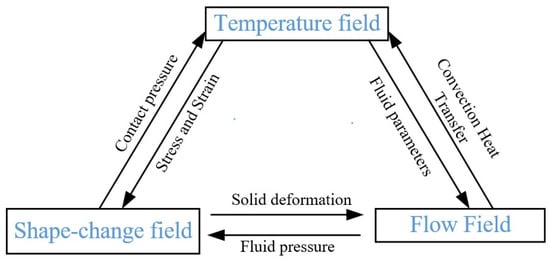
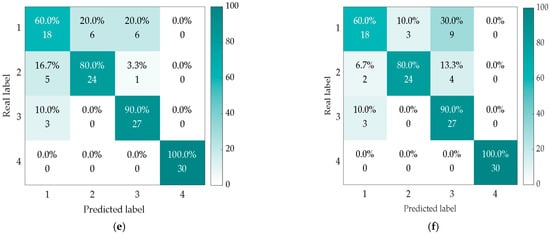
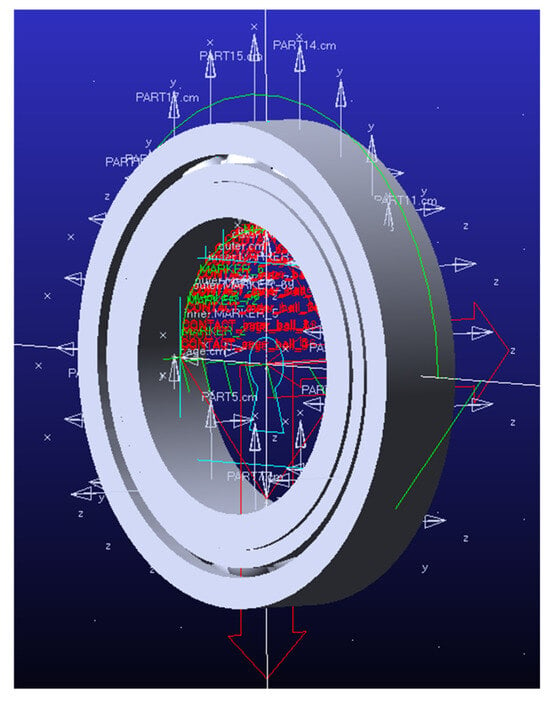
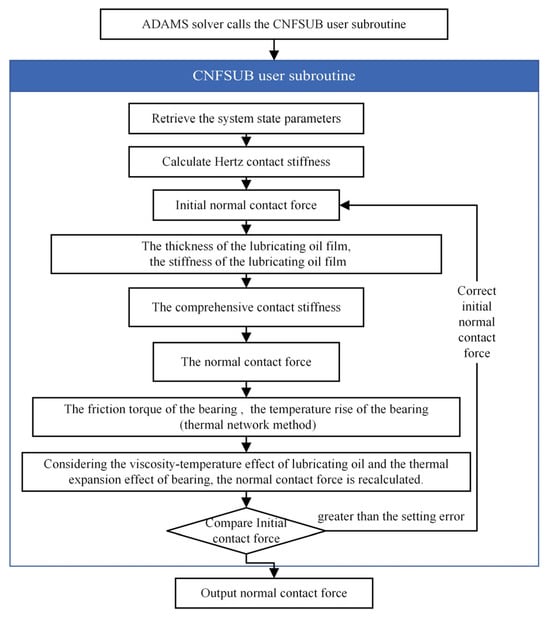
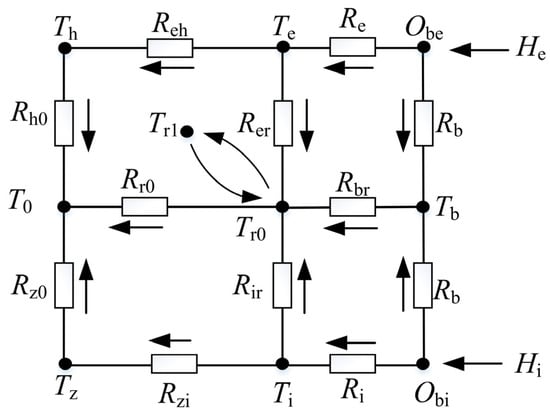
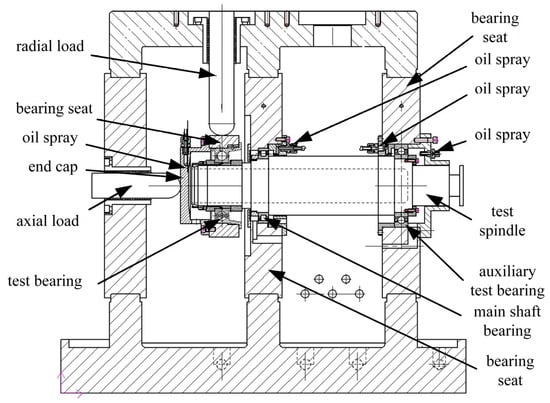
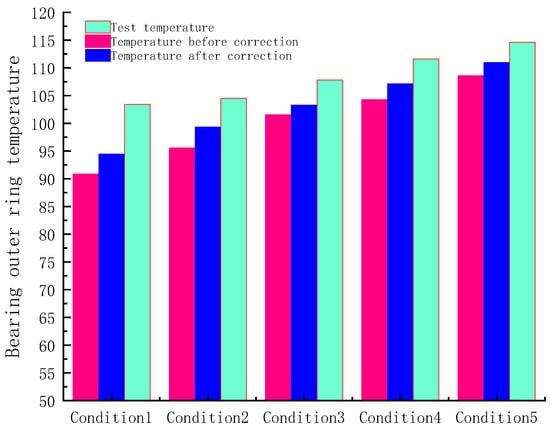
The double-piece inner ring ball bearing is an important part of an aero-engine. An excessive bearing temperature leads to bearing thermal expansion, lubricating oil performance degradation, and other problems that seriously affect the service life and reliability of the bearing. Thus, it is important to study the temperature field of a double-piece inner ring ball bearing. In this study, considering the heat exchange of lubricant circulating in the oil tank–tubing–bearing and the influence of the flow field in the bearing chamber on the bearing’s temperature rise, a modified transient thermal network equation for an oil tank–tubing–bearing system was established. Based on ADAMS software and considering the thermal–mechanical coupling effect on the bearing’s contact force, a thermal–mechanical coupling dynamic model for double-piece inner ring ball bearings was established. Combined with the bearing dynamics and modified transient thermal network equation, a thermal–mechanical coupling transient temperature field model for double-piece inner ring ball bearings was constructed. A temperature rise test was carried out on a double-piece inner ring ball bearing, and the accuracy of the bearing temperature rise simulation model was verified by the test results. The model can simulate the oil temperature change process, calculate the heat absorbed by the lubricating oil more accurately, and provide a theoretical basis for the design of bearing and lubrication systems.
Full article
(This article belongs to the Special Issue Tribological Characteristics of Bearing System, 3rd Edition)
►▼
Show Figures

Figure 1
Open AccessArticle
Experimental Research and Parameter Optimization of High-Pressure Abrasive Water Jet Machining
by
Lin Wu, Xiang Zou, Yuan Guo and Liandong Fu
Lubricants 2025, 13(4), 153; https://doi.org/10.3390/lubricants13040153 - 31 Mar 2025
Abstract
►▼
Show Figures
Machining of No. 45 steel (AISI 1045) becomes more vital due to its widespread use. In this study, machining performances of abrasive water jet machining (AWJM) of No. 45 steel, including material removal rate, notch depth, and nozzle wear rate, were obtained by
[...] Read more.
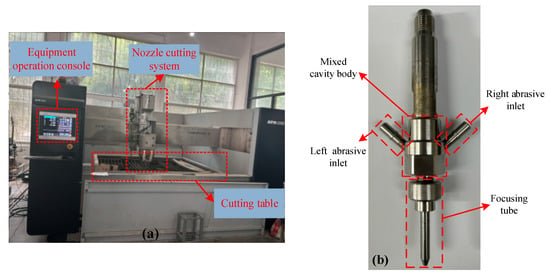
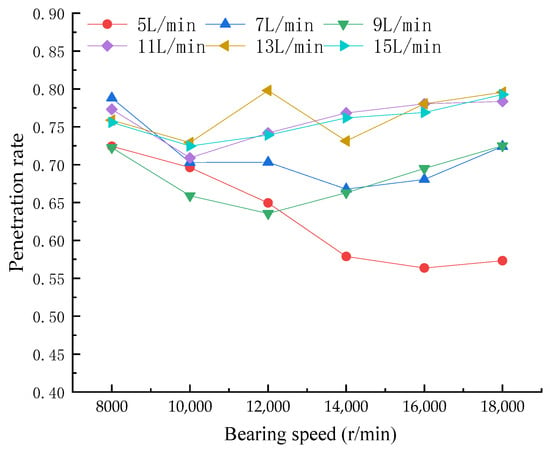
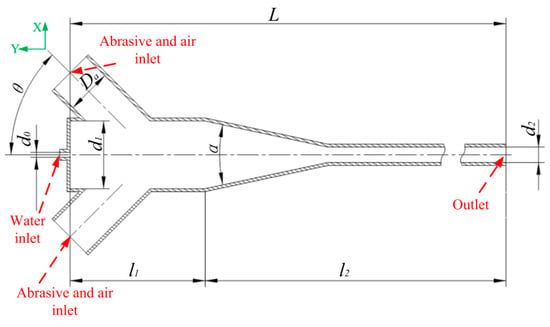
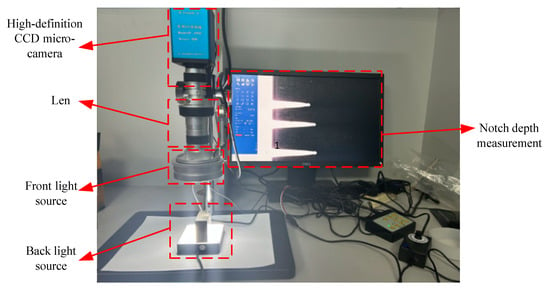
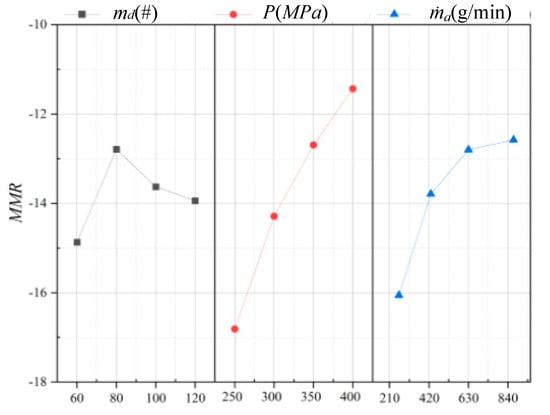
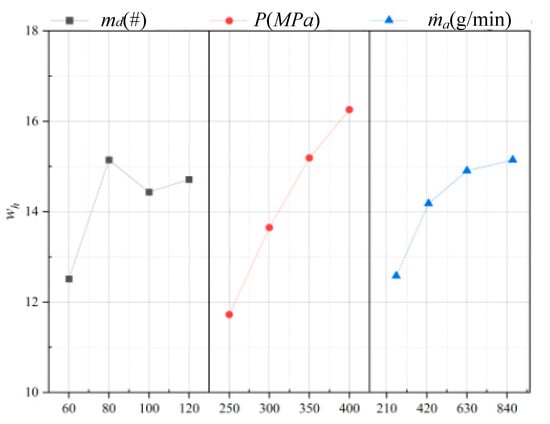
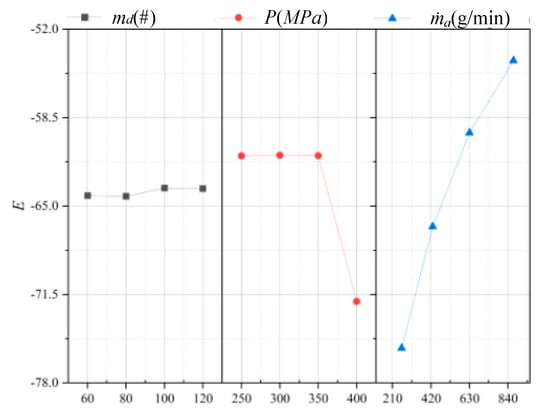
Machining of No. 45 steel (AISI 1045) becomes more vital due to its widespread use. In this study, machining performances of abrasive water jet machining (AWJM) of No. 45 steel, including material removal rate, notch depth, and nozzle wear rate, were obtained by experimental and computational results. The Taguchi L16 orthogonal array design was used to study the influence of process parameters on machining performance. The optimal material removal rate and notch depth were achieved when abrasive particle size, operating pressure, and abrasive feed rate were 80 #, 400 MPa, and 840 g/min, respectively. The optimal nozzle wear rate was achieved when abrasive particle size, operating pressure, and abrasive feed rate were 80 #, 400 MPa, and 260 g/min, respectively. When the abrasive particle size is 80 # (namely the mesh number is 80), the particle diameter is usually between 0.18 and 0.25 mm according to the corresponding relationship between the international standard mesh number and particle diameter. Analysis of Variance was conducted to evaluate the statistical significance of the experimental results. Using regression analysis, an empirical model was developed to predict the response values of the AWJM process. Multi-response optimization was then carried out using the Decision Engineering Analysis and Resolution method. The optimal parameter solution for a higher material removal rate, a bigger notch depth, and a smaller nozzle wear rate was achieved when abrasive particle size, operating pressure, and abrasive feed rate were 120 #, 400 MPa, and 870 g/min, respectively.
Full article

Figure 1
Open AccessArticle
A Study on the Surfactant and Tribological Properties of Water-Based Nano-Rolling Lubricants on Non-Ferrous Metal Surfaces
by
Yuchuan Zhu, Zixuan Li and Changyu Han
Lubricants 2025, 13(4), 152; https://doi.org/10.3390/lubricants13040152 - 31 Mar 2025
Abstract
►▼
Show Figures
This study proposes a composite-surfactant-assisted method for preparing Fe3O4 water-based nanolubricants to enhance environmental and tribological performance in rolling applications. The dispersion stability of nanoparticles in the suspension was analyzed. The optimal concentration of the nanolubricant was identified. In addition,
[...] Read more.
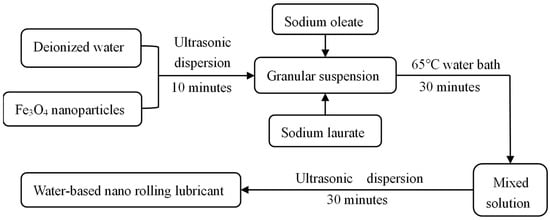
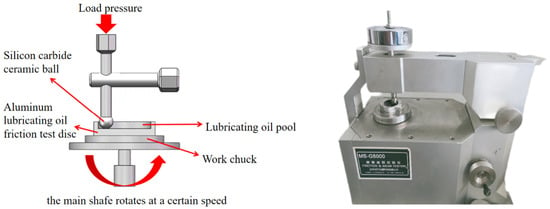
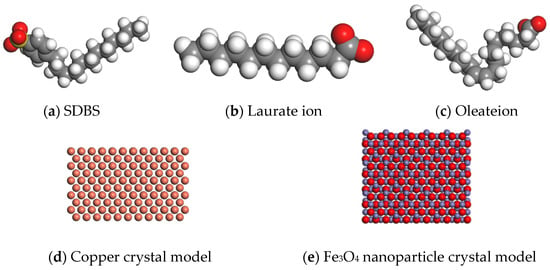
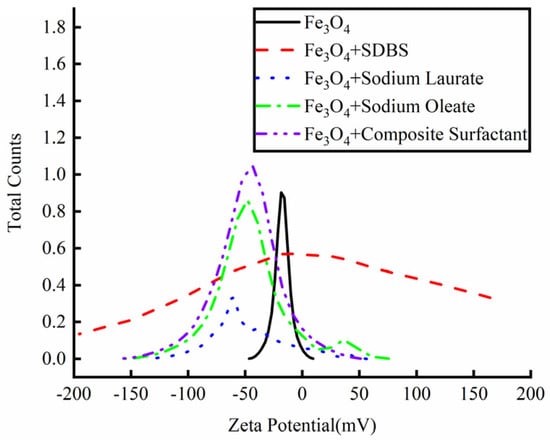
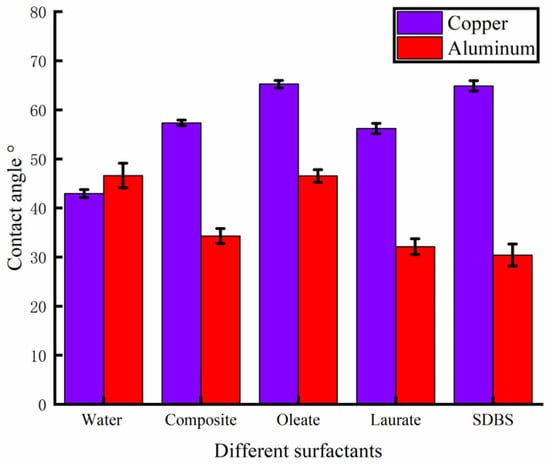
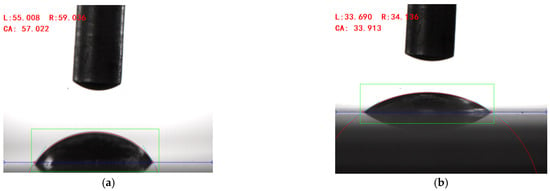
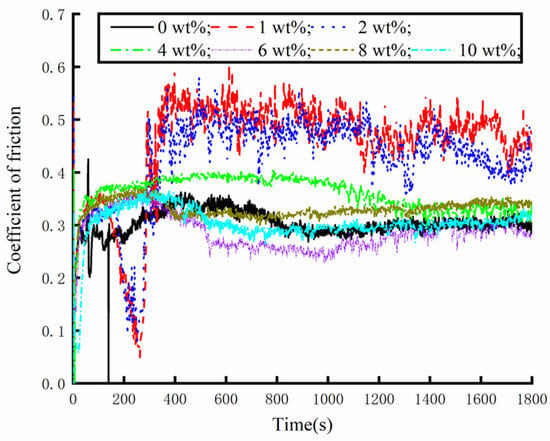
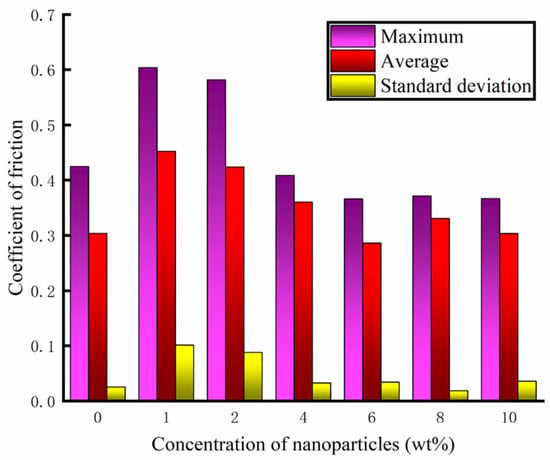
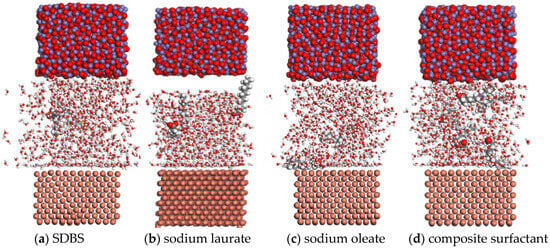
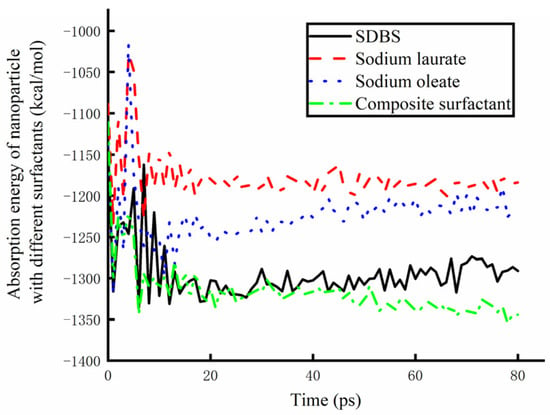
This study proposes a composite-surfactant-assisted method for preparing Fe3O4 water-based nanolubricants to enhance environmental and tribological performance in rolling applications. The dispersion stability of nanoparticles in the suspension was analyzed. The optimal concentration of the nanolubricant was identified. In addition, the reaction mechanism between nanoparticles and water-based nanolubricants was discussed. The experimental results demonstrated that the lubricant containing 6 wt% Fe3O4 nanoparticles exhibited the best anti-friction and anti-wear performance. The aqueous lubricant with composite surfactants showed improved dispersion stability, with its Zeta potential increasing to −43.45 mV, and the intensity curve exhibited a single peak. Through contact angle measurements, wettability was also significantly improved. The molecular interactions of composite surfactants in the prepared water-based nanolubricants were investigated using numerical simulations. The water-based nanolubricant containing composite surfactants displayed enhanced adsorption capacity on Fe3O4 crystals. Compared to other surfactants, the Fe3O4 water-based nanolubricant prepared with composite surfactants exhibited stable dispersion properties. Therefore, composite surfactants can enhance the stability and wettability of water-based nanolubricants. This method enables the preparation of high-performance water-based rolling nanolubricants.
Full article

Figure 1
Open AccessArticle
Modeling and Analysis of Oil Film Thickness with Viscosity–Pressure–Temperature Effects Under Hybrid Lubrication in the Cold Rolling Process of High-Strength Thin Sheets
by
Yujin Liu, Xuechang You, Lei Liu, Yanli Xin, Xiaomin Zhou and Zhiying Gao
Lubricants 2025, 13(4), 151; https://doi.org/10.3390/lubricants13040151 - 30 Mar 2025
Abstract
►▼
Show Figures
With the development of steel sheets towards higher strength and lower thickness, the process of rolling is facing more challenges, and one of the most important issues is lubrication, which directly determines the rolling stability, product quality, and production efficiency. This study focuses
[...] Read more.
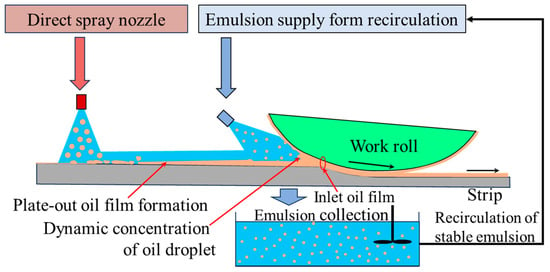
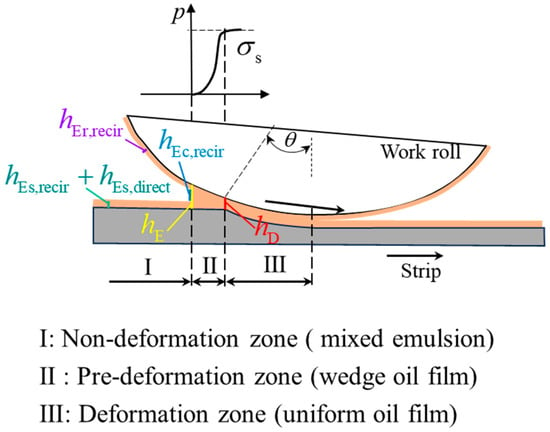
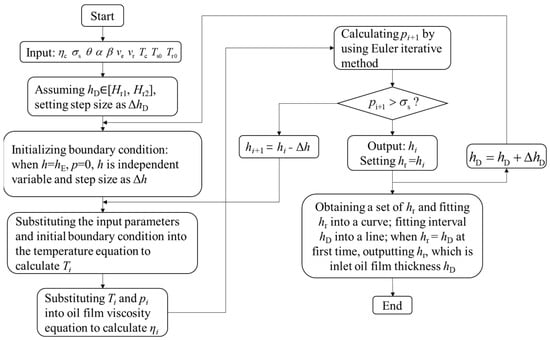
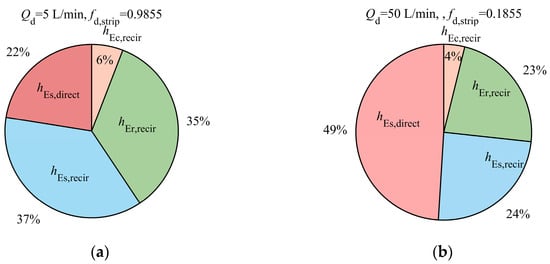
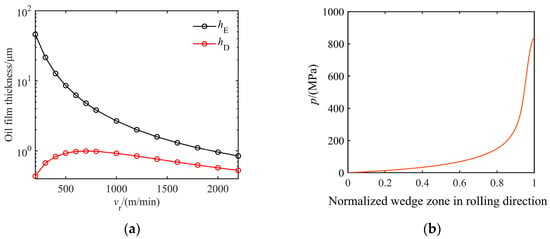
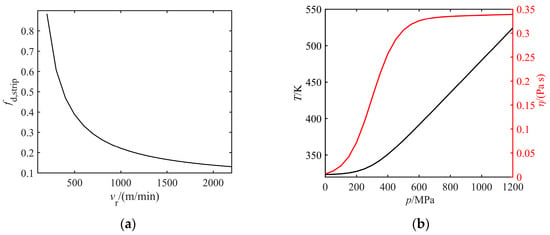
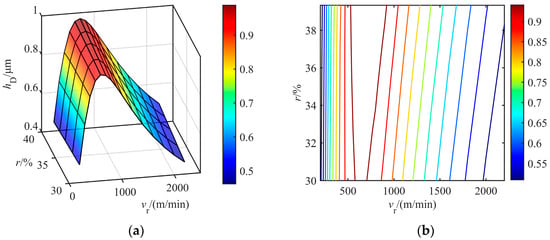
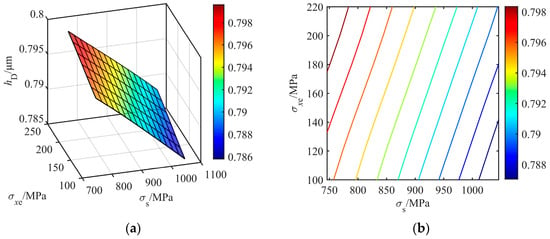
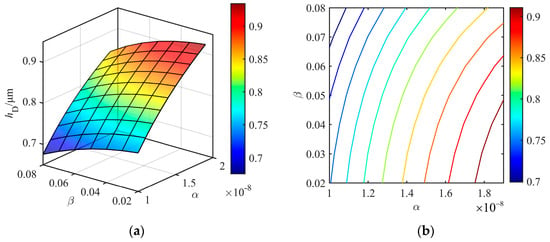
With the development of steel sheets towards higher strength and lower thickness, the process of rolling is facing more challenges, and one of the most important issues is lubrication, which directly determines the rolling stability, product quality, and production efficiency. This study focuses on the modeling and analysis of oil film thickness with viscosity–pressure–temperature (VPT) coupling effects under a hybrid lubrication system. Firstly, the mechanisms and limitations of direct spray and recirculation lubrication systems are systematically compared, highlighting the advantages of hybrid lubrication for high-speed tandem cold rolling. Subsequently, the mathematical models corresponding to different positions within the rolling interface between the roll and strip, are presented; the initial oil film thickness is described based on both plate-out and dynamic concentration formation mechanisms under the hybrid lubrication; and the model of inlet oil film thickness integrates the Reynolds equation, VPT effects, energy conservation, and continuity equations to quantify temperature-driven viscosity degradation. Furthermore, the influences of rolling process and lubrication parameters on the oil film thickness are analyzed, and a dynamic regulation strategy is proposed to optimize direct emulsion flow with regard to the actual rolling speed and the expected oil film thickness. This work bridges the gap between theoretical models and industrial requirements, providing actionable insights for high-speed rolling of advanced high-strength steel sheets.
Full article

Figure 1
Open AccessArticle
Mechanistic Study of Groove Parameters on the Thermoelastic Instability of Wet Clutch
by
Zhigang Zhang, Zhihua Mu and Xiaoxia Yu
Lubricants 2025, 13(4), 150; https://doi.org/10.3390/lubricants13040150 - 30 Mar 2025
Abstract
The groove parameters on the friction base of wet clutches significantly affect the temperature distribution of the steel plates. However, existing methods have not thoroughly investigated the mechanisms by which these parameters influence the thermoelastic instability of wet clutches. To address this gap,
[...] Read more.
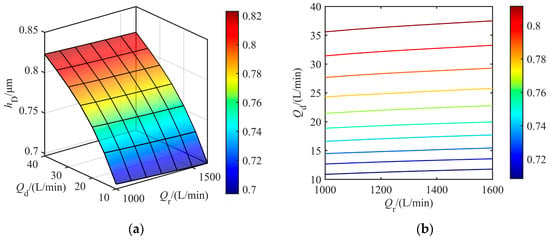
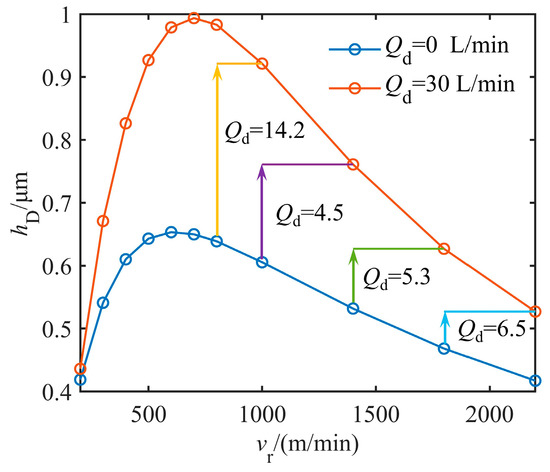
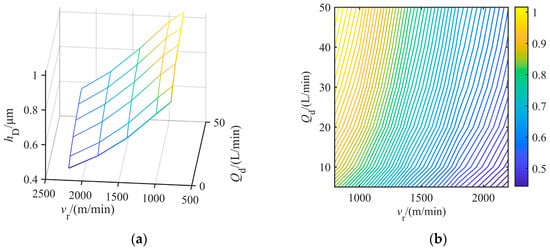
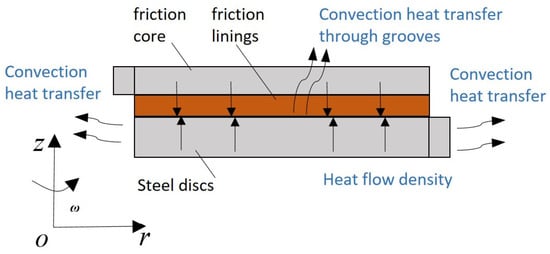
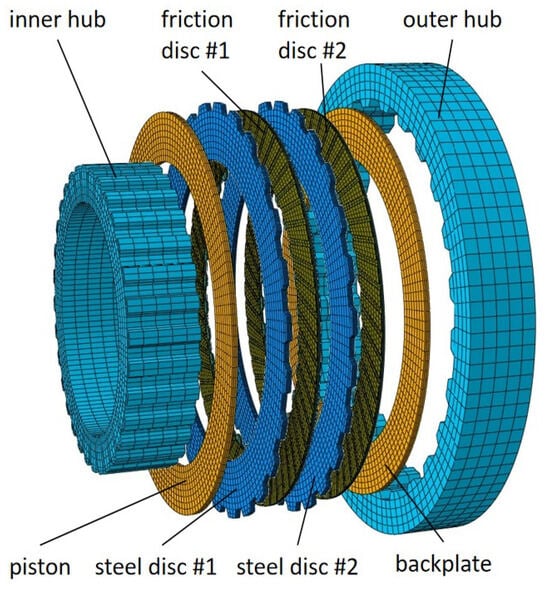
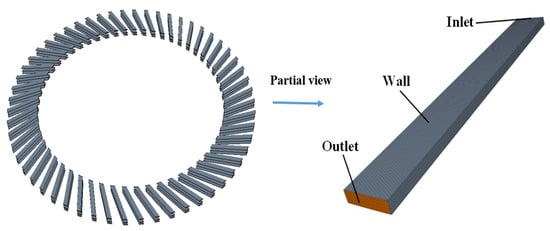
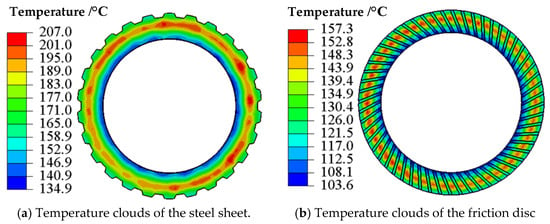
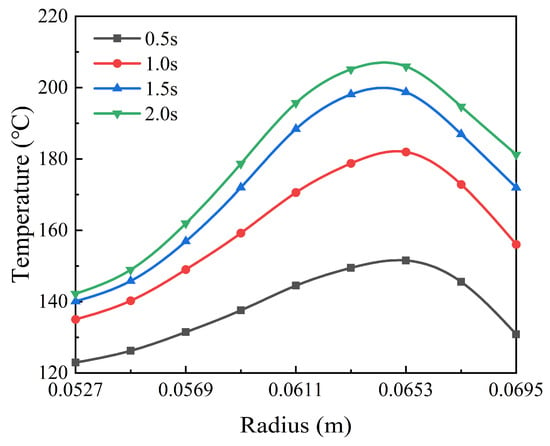
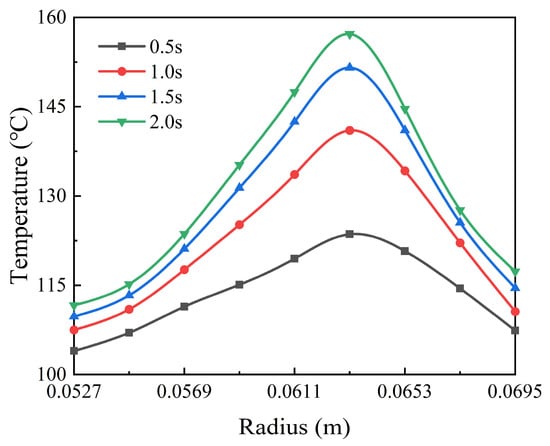
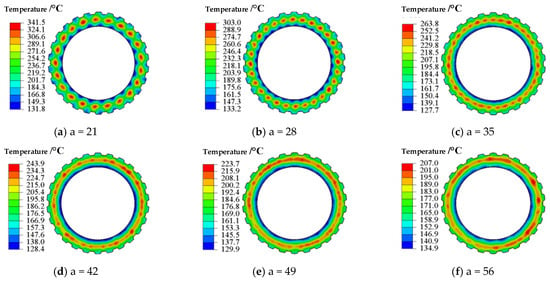
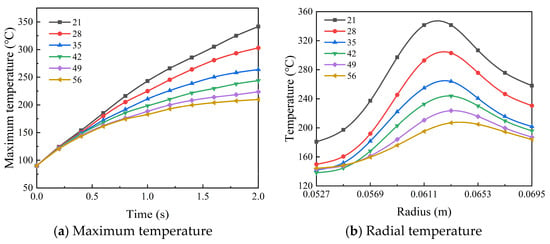
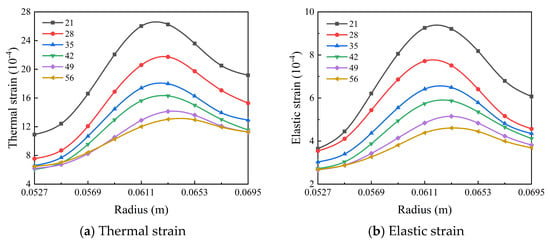
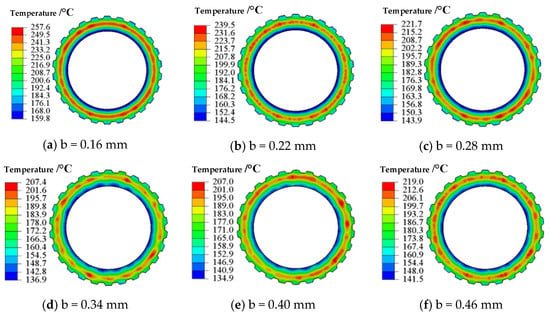
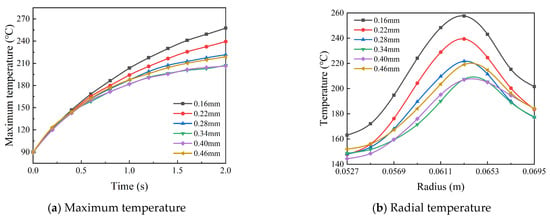
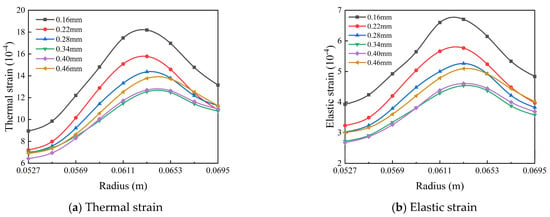
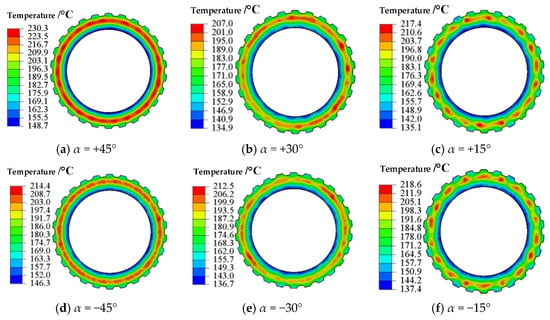
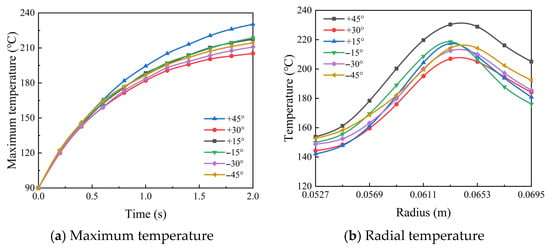
The groove parameters on the friction base of wet clutches significantly affect the temperature distribution of the steel plates. However, existing methods have not thoroughly investigated the mechanisms by which these parameters influence the thermoelastic instability of wet clutches. To address this gap, a comprehensive co-simulation model of the friction sub-multi-physical field was developed to systematically examine the effects of groove inclination, groove density, and groove depth on the surface temperature and mechanical response of the steel plates. The results indicate that both the tilt angle of the grooves and the number of grooves substantially influence the surface temperature distribution of the steel plates. Specifically, increasing the number of grooves leads to a more concentrated distribution of high-temperature hot spots in the circumferential direction, gradually transitioning the surface temperature–hot spot pattern from isolated hot spots to a more uniform high-temperature tropical distribution, which subsequently reduces the maximum surface temperature. On the other hand, increasing the groove inclination angle causes the high-temperature distribution to shift from localized hot spots to a more tropical pattern, with a relatively minor impact on the peak surface temperature. Furthermore, increasing the groove depth results in the dispersion of the high-temperature tropical zone in the circumferential direction, causing the maximum temperature to initially decrease and then increase.
Full article
(This article belongs to the Special Issue Thermal Hydrodynamic Lubrication)
►▼
Show Figures

Figure 1
Open AccessArticle
Proteinaceous Spirulina Biomass as a Sustainable Drilling Fluid Additive for Lubricity
by
Garrett M. Thibodeaux, Nicholas A. Baudoin and William M. Chirdon
Lubricants 2025, 13(4), 149; https://doi.org/10.3390/lubricants13040149 - 29 Mar 2025
Abstract
►▼
Show Figures
This study investigates the potential of Spirulina biomass as a lubricating additive for drilling fluid formulations. In this work, this waste protein is evaluated as a lubricant alternative that may decrease the coefficient of friction while improving the rheological profiles and/or reducing fluid
[...] Read more.
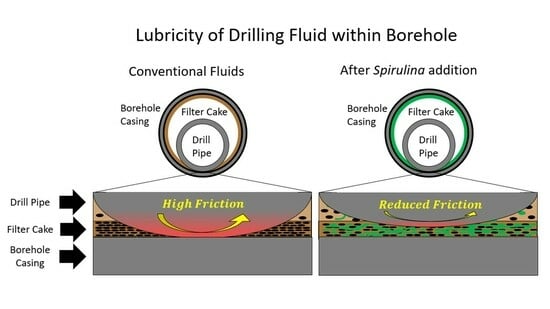
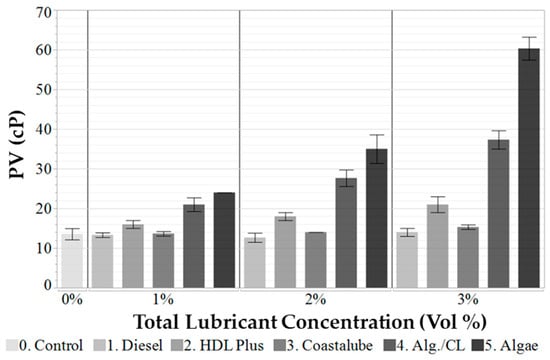
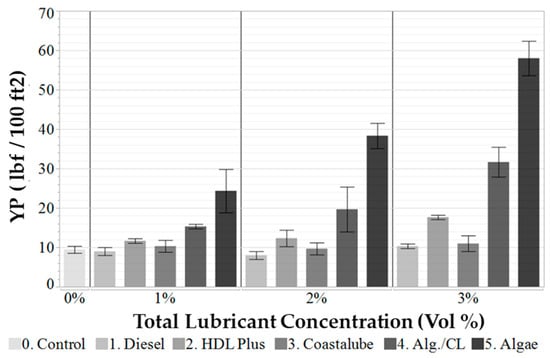
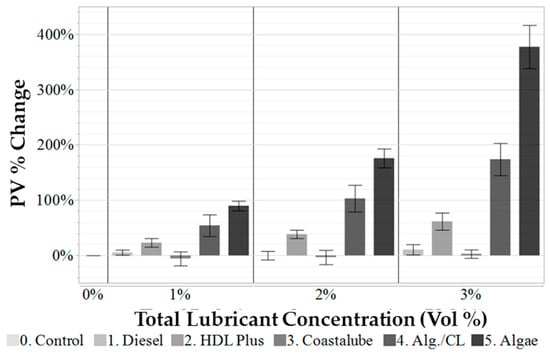
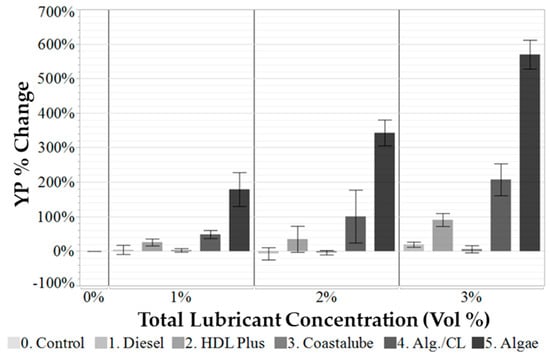
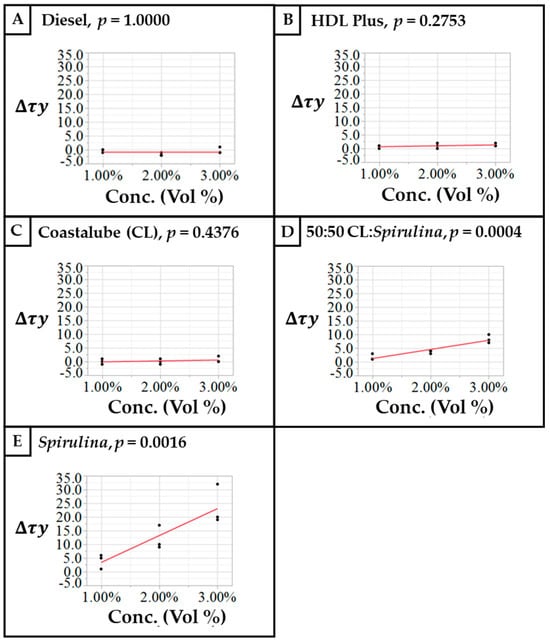
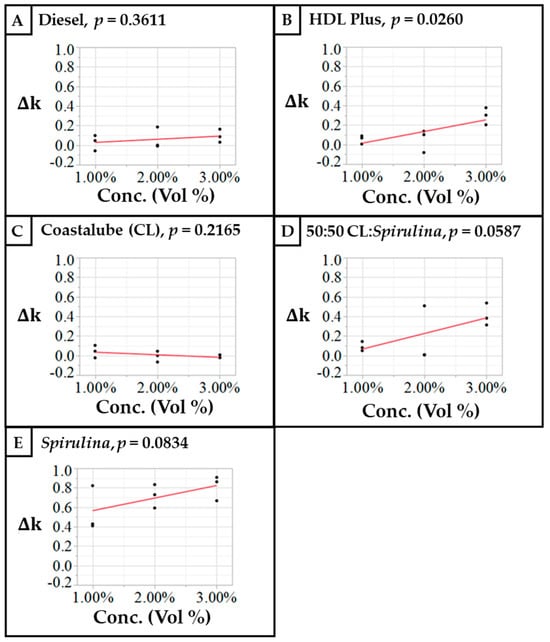
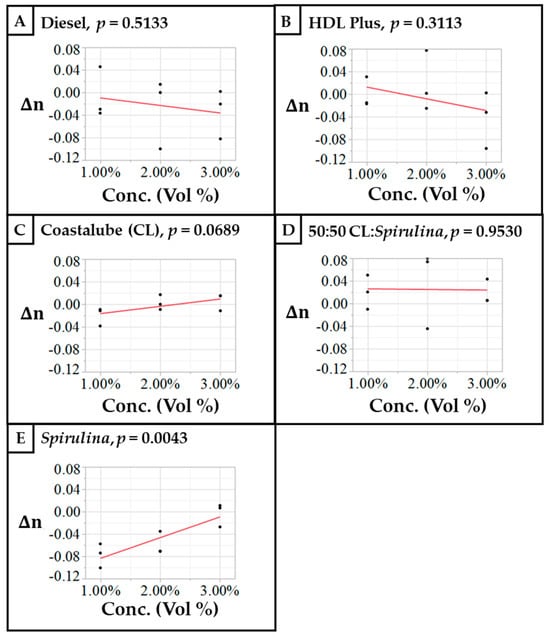
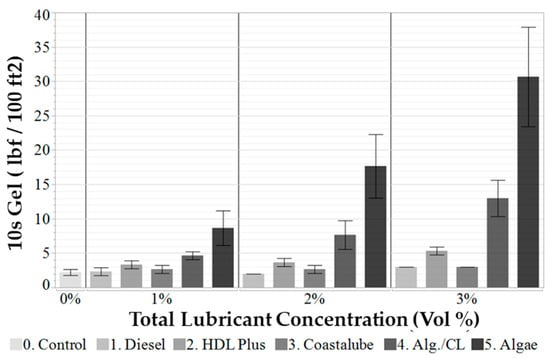
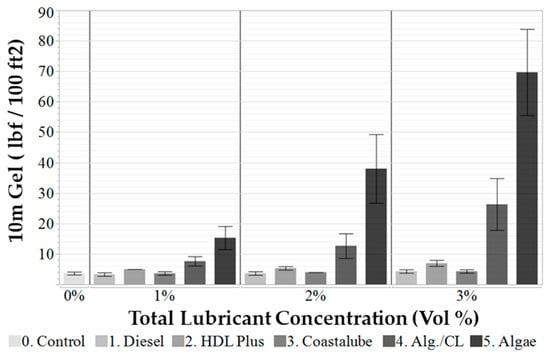
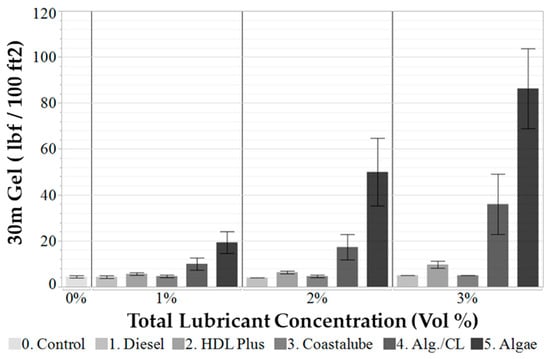
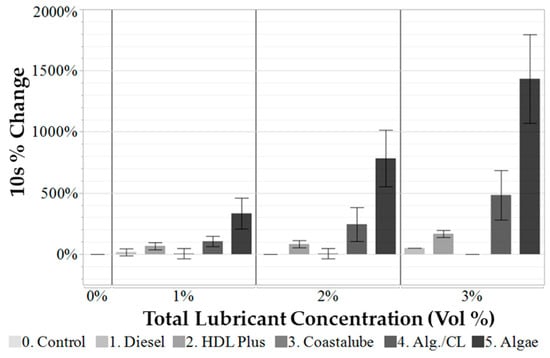
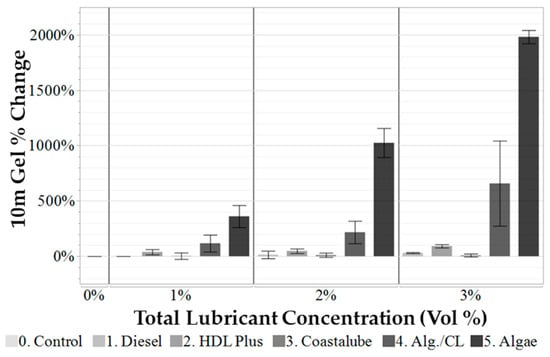
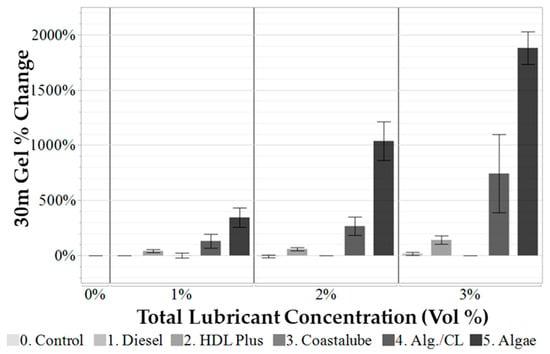
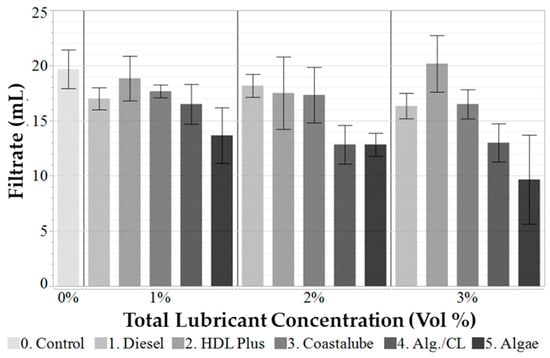
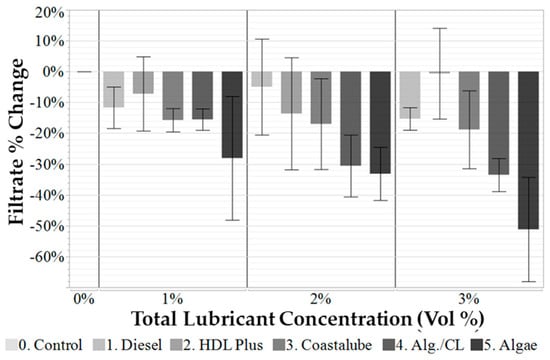
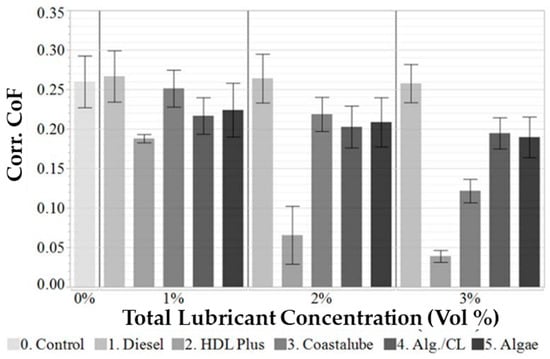
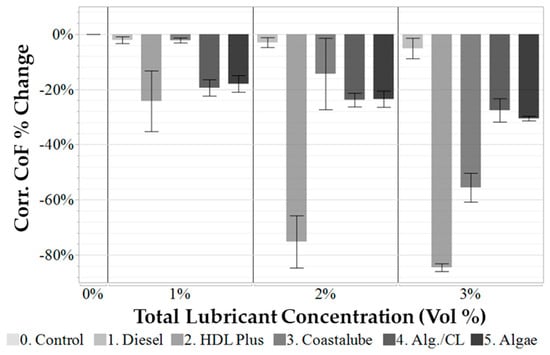
This study investigates the potential of Spirulina biomass as a lubricating additive for drilling fluid formulations. In this work, this waste protein is evaluated as a lubricant alternative that may decrease the coefficient of friction while improving the rheological profiles and/or reducing fluid loss via permeation in drilling fluids. A processed and dried Arthrospira platensis (Spirulina) biomass is incorporated into drilling fluid formulations and compared to standard lubricant additives for the drilling fluid properties of lubricity, rheology, and fluid loss. Rheological characterization includes the determination of yield stress, gel strength, and viscosity measurements. The major findings of this study include a friction value reduction of up to 30% and a fluid loss reduction of up to 51% by using 3 vol.% Spirulina. Parameters were fit to two rheological models (Bingham plastic and Herschel–Bulkley). After experimentation and analyzing the data gathered, it was determined that Spirulina and the Spirulina–Coastalube mixture in drilling fluids are good potential candidates as more environmentally benign and cost-effective alternative technologies for drilling fluids for decreasing the coefficient of friction, which results in increasing the lubrication performance of the drilling fluids.
Full article

Graphical abstract
Open AccessArticle
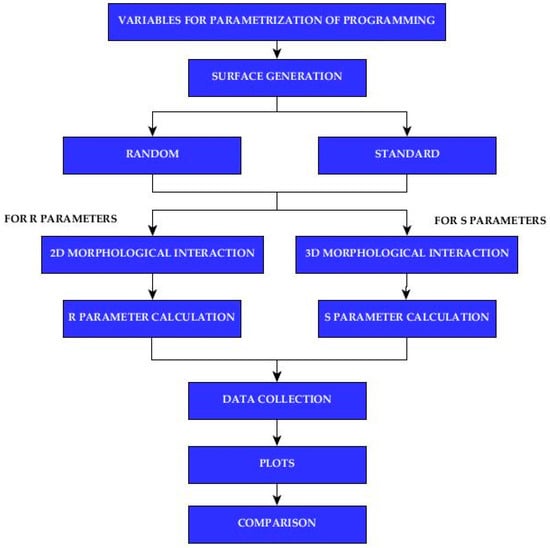
Comparing the Effectiveness of R and S Roughness Parameters on Surfaces Lubricated with Standardized Nominal Particle Size Lubricants
by
Leire Mendieta-Echevarría, María Ana Sáenz-Nuño and Eva María Rubio
Lubricants 2025, 13(4), 148; https://doi.org/10.3390/lubricants13040148 - 27 Mar 2025
Abstract
►▼
Show Figures
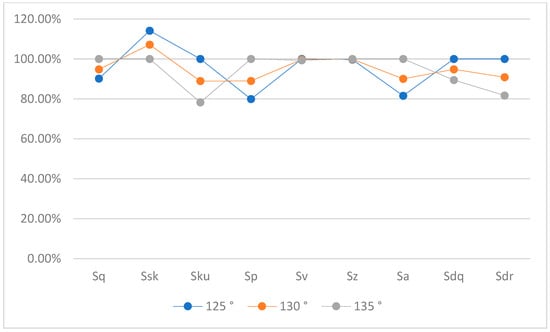
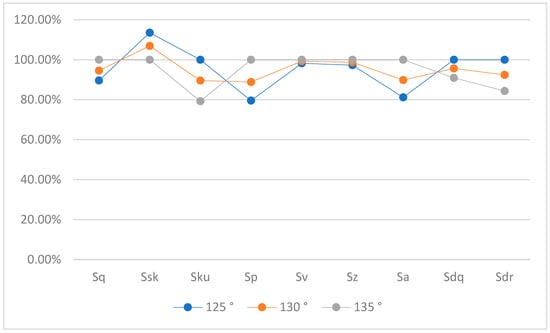
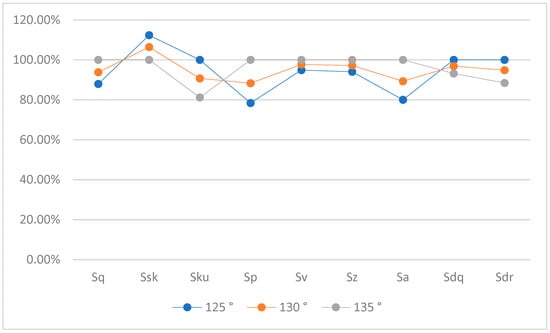
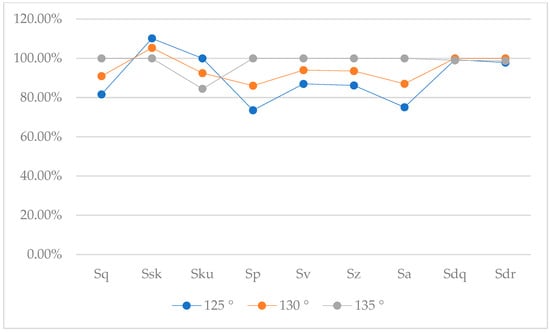
The aim of this article is to simulate the distribution of oil or lubricants on the surface by the characterization of the R and S roughness parameters. It is considered that undesirable particles may appear in the oil due to friction, the wear
[...] Read more.
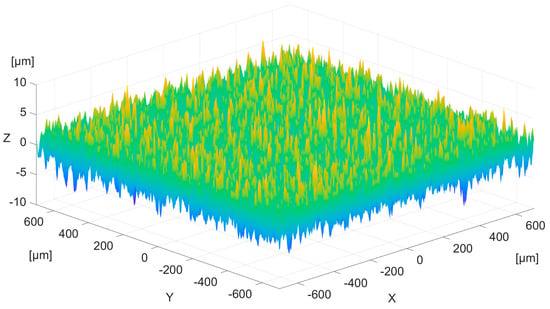
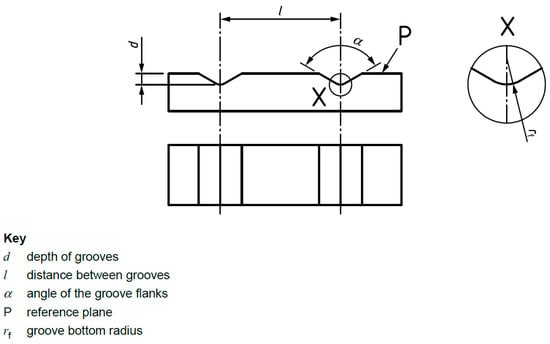
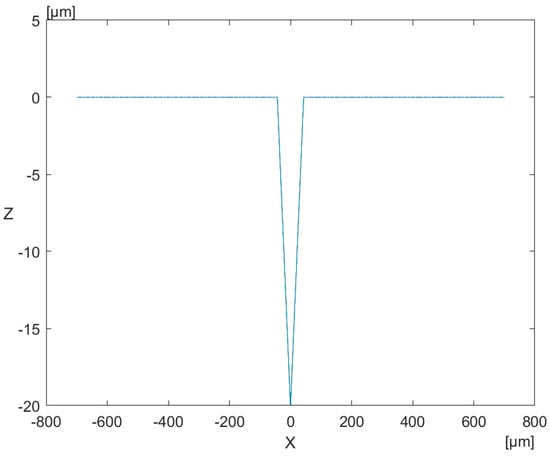
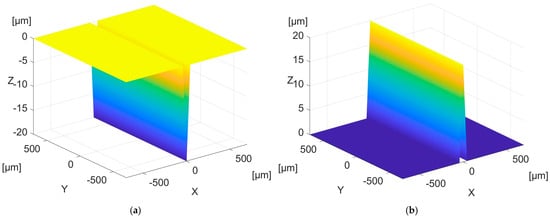
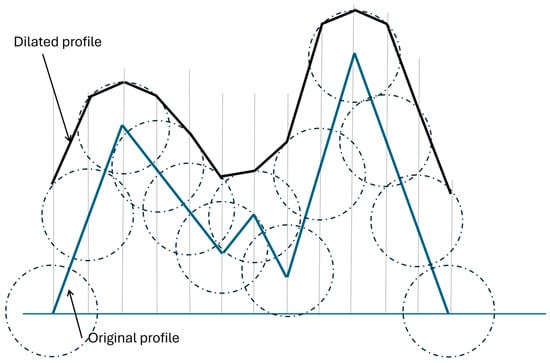
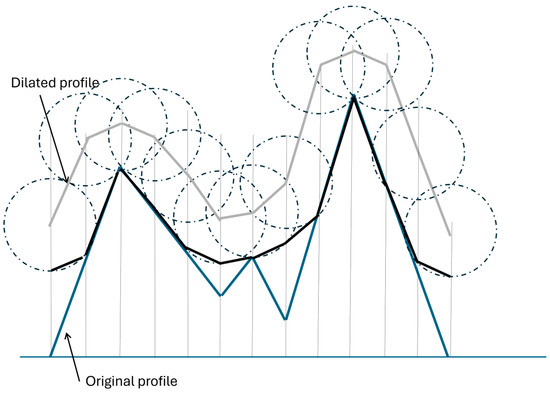
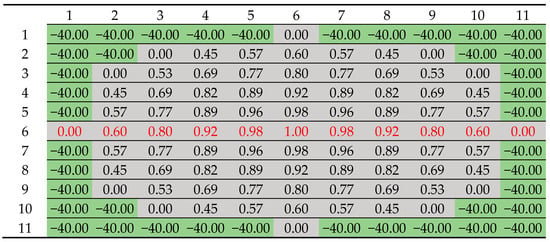
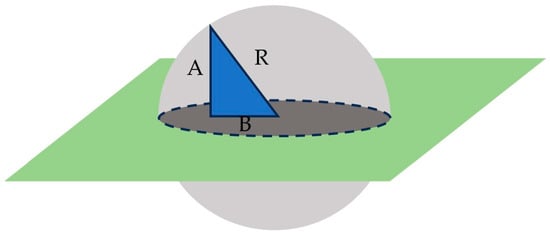
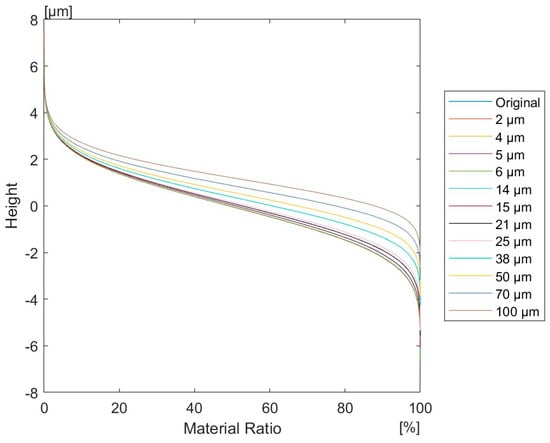
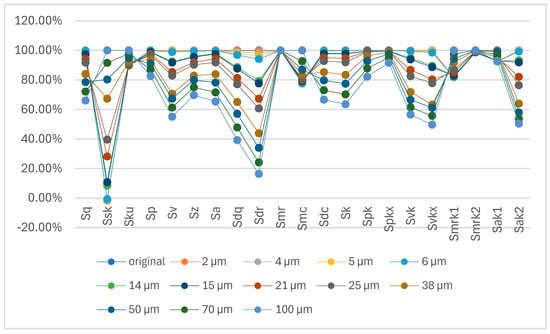
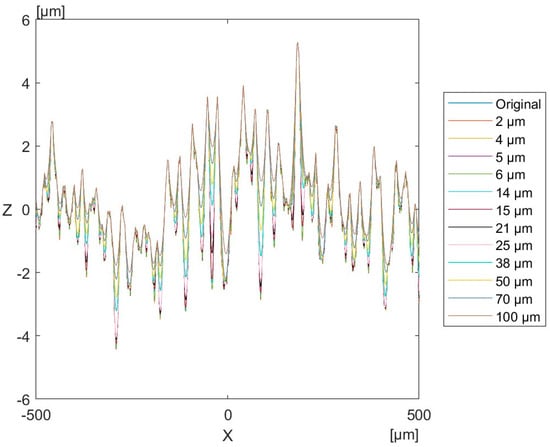
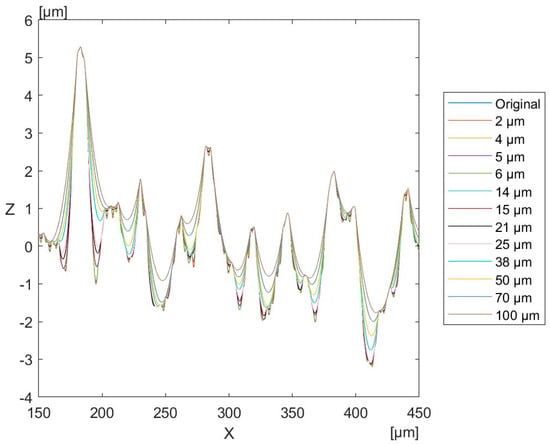
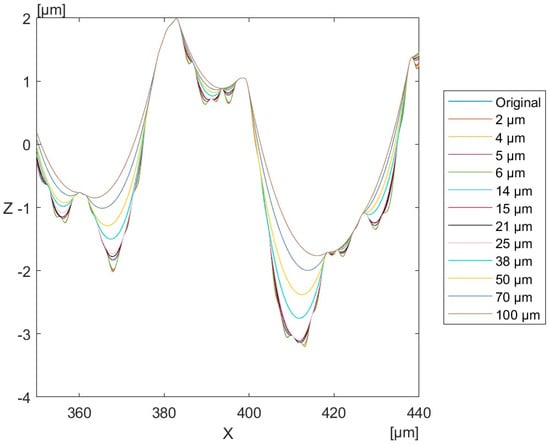
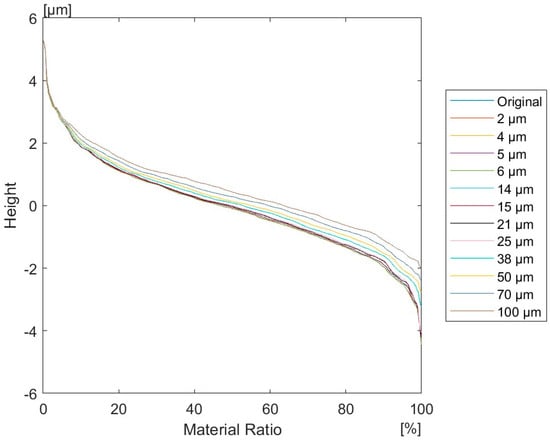
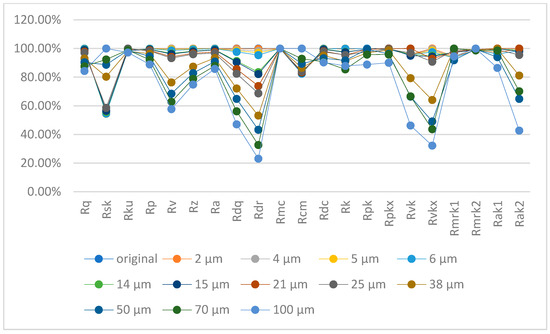
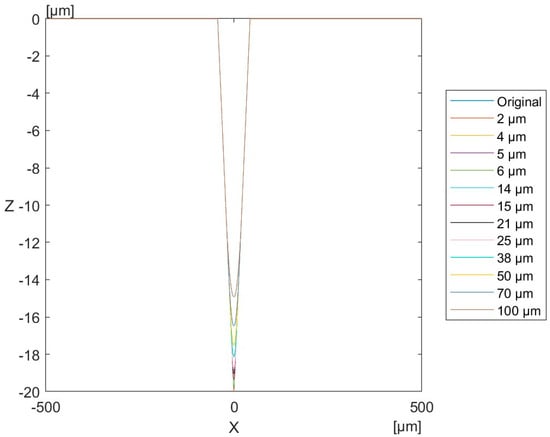
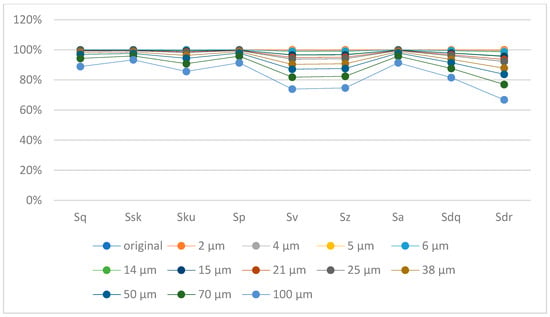
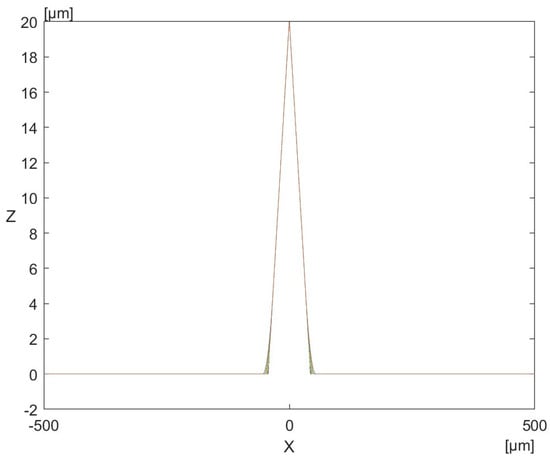
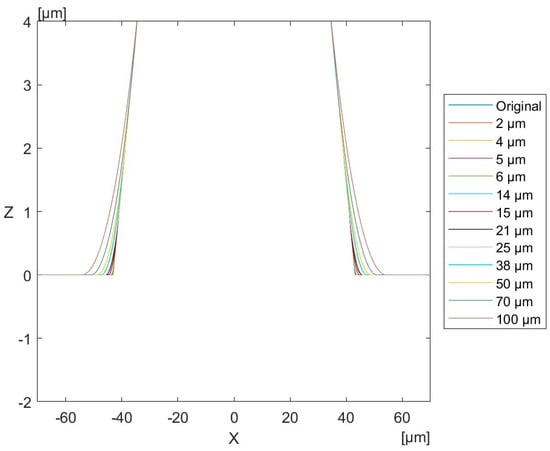
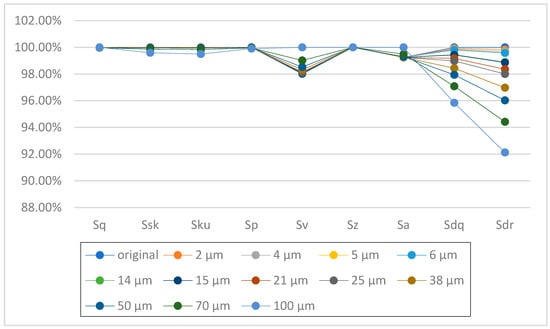
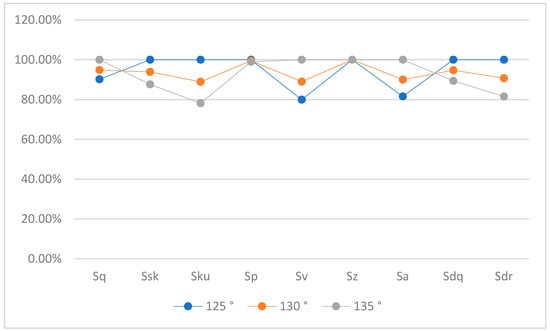
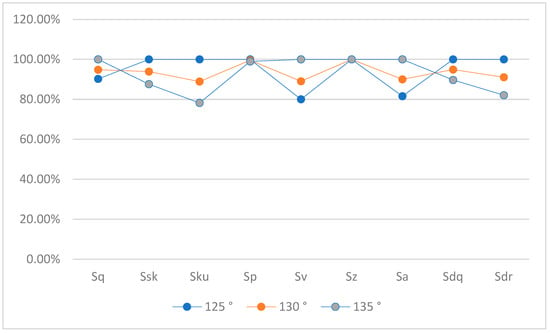
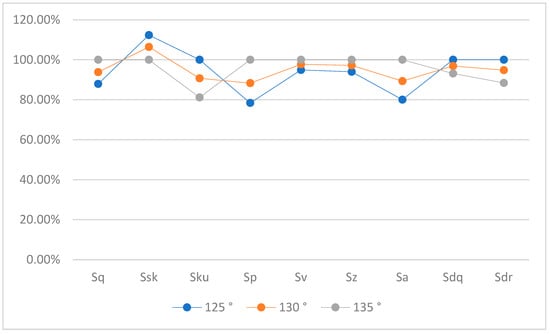
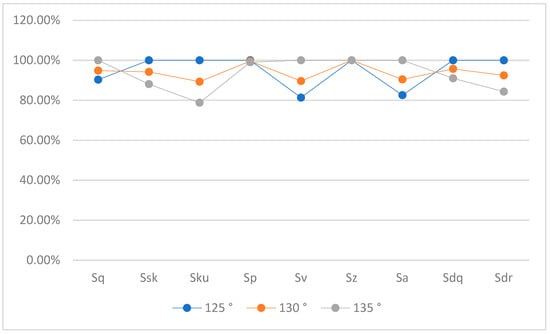
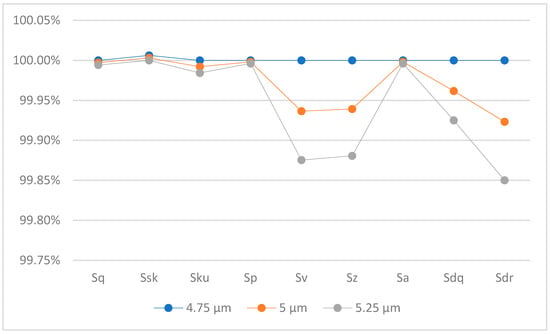
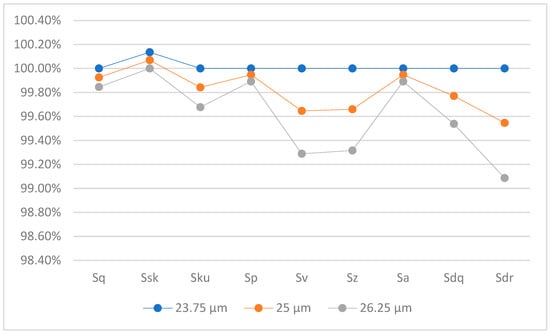
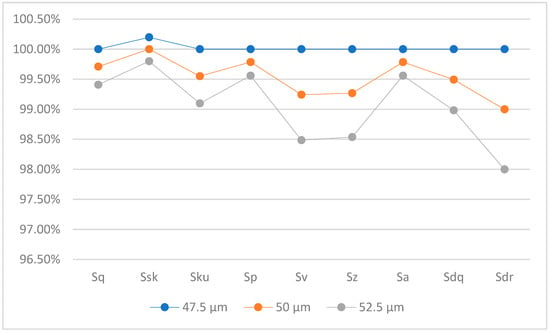
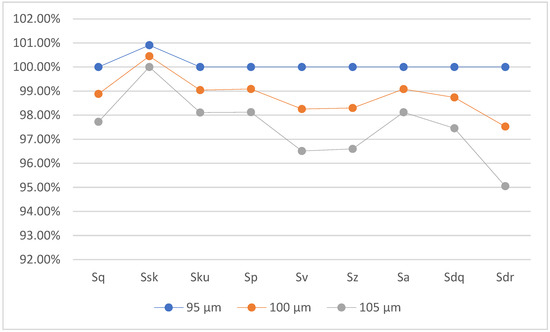
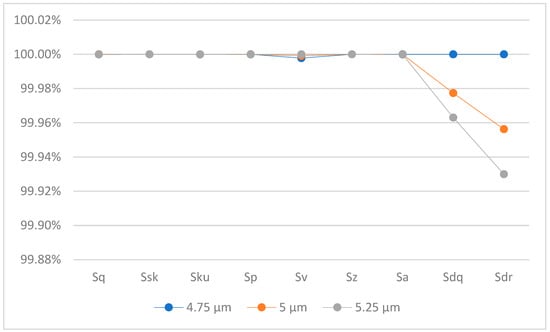
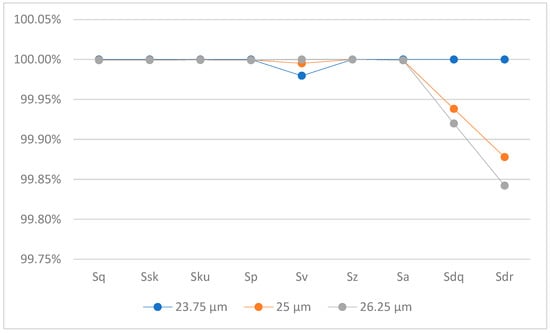
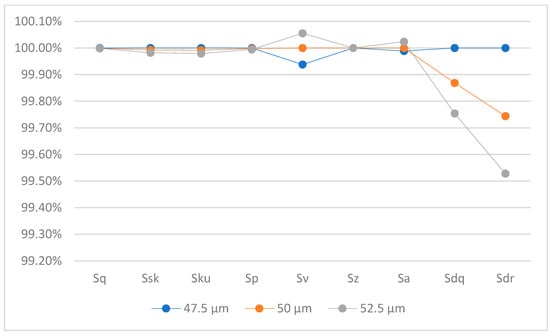
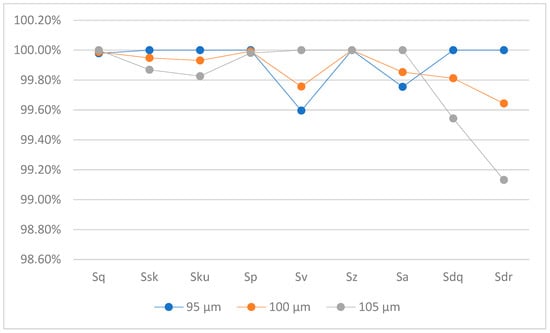
The aim of this article is to simulate the distribution of oil or lubricants on the surface by the characterization of the R and S roughness parameters. It is considered that undesirable particles may appear in the oil due to friction, the wear of parts, or dirt in the lubrication circuit. One of the problems that can generate the appearance of particles in the oil is the poor distribution of this along the surface, using standards, standardised particle sizes, and following the standard. This research aims to implement effective algorithms for the calculation of profile and surface roughness parameters following existing standards, as well as the development of a morphological filter that will simulate particles on the surface. The analysis of the surface roughness of the surface in contact with the lubricant can help to decide the maximum particle size that is permissible in the system; therefore, analysing the oil will help to decide when it is necessary to filter or replace that lubricant. This research is carried out form the geometrical point of view of the morphological filter effect. This paper represents a first approach to researching the calculation of all standardized profile and surface roughness parameters. As a result, only a selection of parameters has been chosen from the full range of available ones, in order to improve effectiveness.
Full article

Figure 1
Open AccessArticle
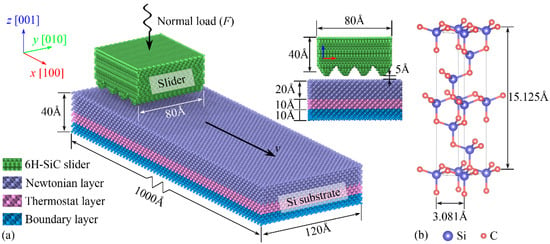
Atomic Simulation of Wear and Slip Behavior Between Monocrystalline Silicon and 6H-SiC Friction Pair
by
Jiansheng Pan, Jianwei Wu, Daiyi Lei, Huan Liu, Pengyue Zhao, Bo Zhao, Jiang Liu and Qingshan Yang
Lubricants 2025, 13(4), 147; https://doi.org/10.3390/lubricants13040147 - 27 Mar 2025
Abstract
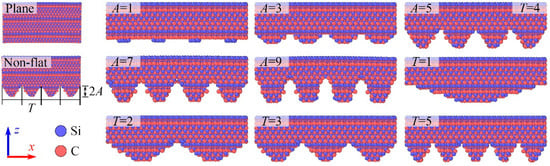
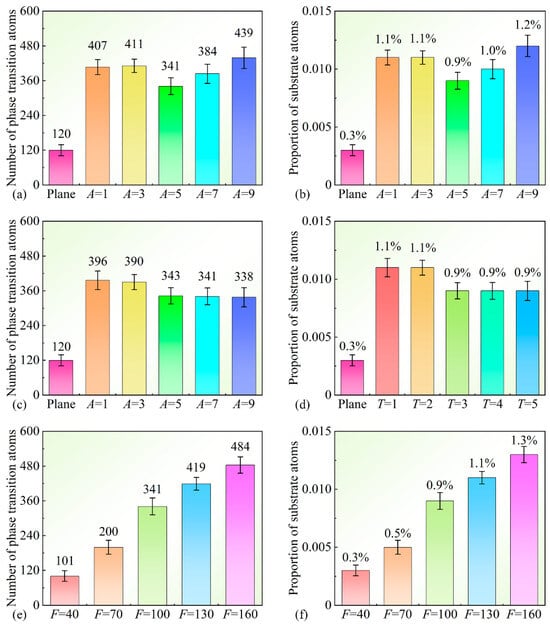
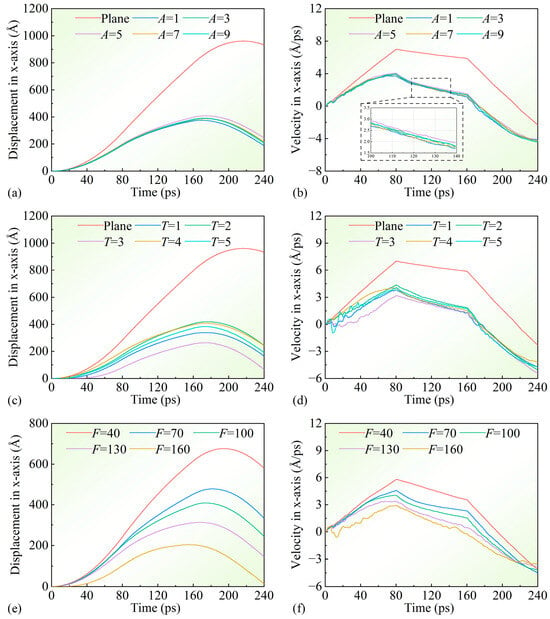
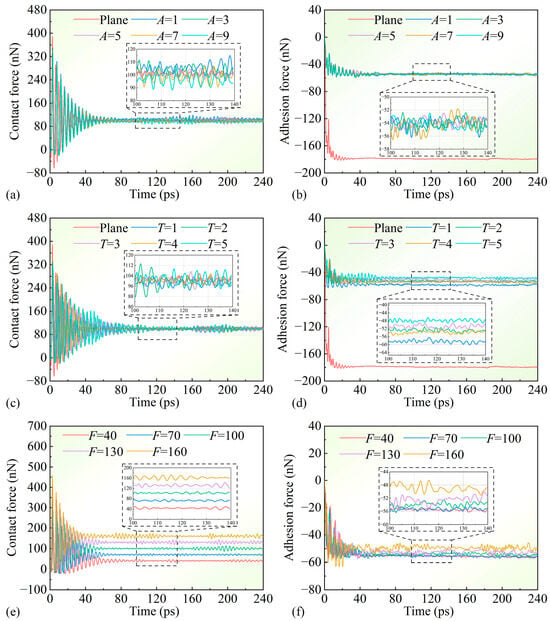
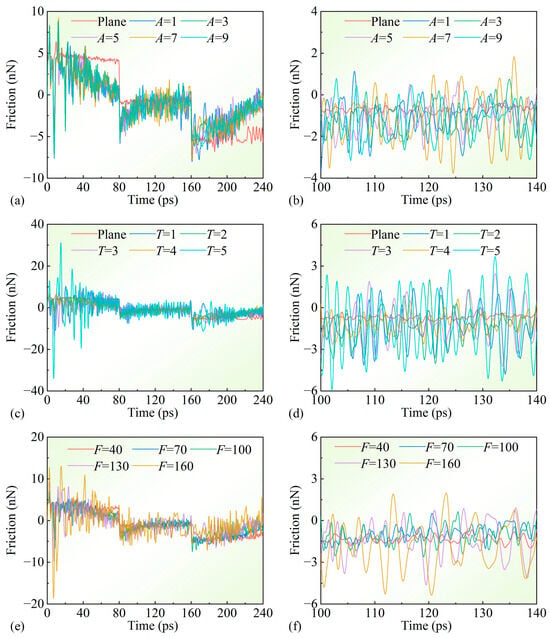
The slip mechanism between the chunk and wafer during high-speed dynamic scanning of the extreme ultraviolet lithography (EUV) motion stage remains unclear. Considering real-machined roughness, molecular dynamics (MD) simulations were performed to investigate the nanotribological behavior of 6H-SiC sliders on single-crystal silicon substrates.
[...] Read more.
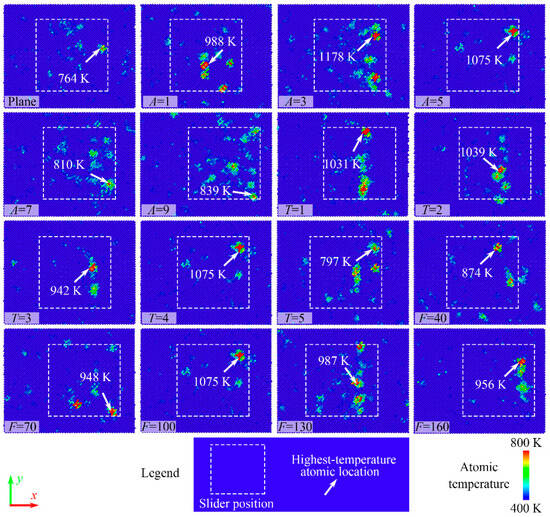
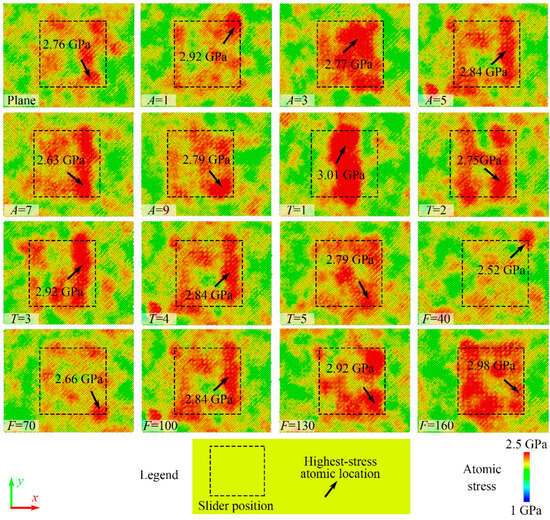
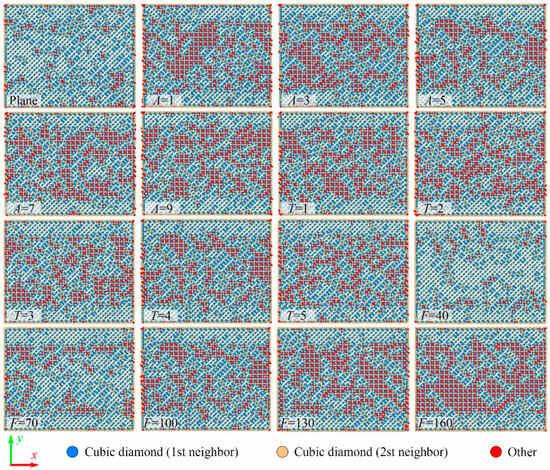
The slip mechanism between the chunk and wafer during high-speed dynamic scanning of the extreme ultraviolet lithography (EUV) motion stage remains unclear. Considering real-machined roughness, molecular dynamics (MD) simulations were performed to investigate the nanotribological behavior of 6H-SiC sliders on single-crystal silicon substrates. The effects of sinusoidal asperity parameters and normal loads on wear and slip were systematically analyzed. Results indicate that, for friction between sinusoidal asperities and ideal flat surfaces, the amplitude of surface parameters exhibits negligible influence on friction. In contrast, reduced normal loads and lower periods significantly increase both friction force and coefficient of friction (COF).
Full article
(This article belongs to the Special Issue Recent Advances in Lubricated Tribological Contacts)
►▼
Show Figures

Figure 1
Highly Accessed Articles
Latest Books
E-Mail Alert
News
2 April 2025
MDPI INSIGHTS: The CEO's Letter #21 - Annual Report, Swiss Consortium, IWD, ICARS, Serbia
1 April 2025
Meet Us at the 15th International Conference on Surface Engineering, 9–11 May 2025, Tianjin, China
Topics
Topic in
Bioengineering, IJMS, Materials, Surfaces, Lubricants, Nanomaterials
Surface Science of Materials
Topic Editors: Satoshi Komasa, Akina Tani, Yoshiya Hashimoto, Hideaki SatoDeadline: 31 December 2025
Topic in
Coatings, Eng, Micro, Micromachines, Lubricants
Surface Engineering and Micro Additive Manufacturing
Topic Editors: Joško Valentinčič, Avik Samanta, Soham MujumdarDeadline: 28 February 2026
Topic in
Coatings, JMMP, Lubricants, Machines, Materials
Advanced Manufacturing and Surface Technology, 2nd Edition
Topic Editors: Dingding Xiang, Kaiming Wang, Xudong SuiDeadline: 20 March 2026
Conferences
Special Issues
Special Issue in
Lubricants
Recent Advances in High Temperature Tribology
Guest Editors: Long Wang, Guanyu Deng, Jun ChengDeadline: 10 April 2025
Special Issue in
Lubricants
Tribology of Powder Metallurgy Materials and Alloys
Guest Editors: Omar Jimenez, Luis Olmos, Jorge ChávezDeadline: 30 April 2025
Special Issue in
Lubricants
Tribology in Ball Milling: Theory and Applications
Guest Editors: Zixin Yin, Tongqing LiDeadline: 30 April 2025
Special Issue in
Lubricants
Advances in Ionic Liquids as New Lubricant Materials
Guest Editors: Luís Vilhena, Fábio FerreiraDeadline: 30 April 2025
Topical Collections
Topical Collection in
Lubricants
Rising Stars in Tribological Research
Collection Editor: Max Marian