

Journal Description
Marine Drugs
Marine Drugs
is the leading, peer-reviewed, open access journal on the research, development, and production of biologically and therapeutically active compounds from the sea. Marine Drugs is published monthly online by MDPI. Australia New Zealand Marine Biotechnology Society (ANZMBS) is affiliated with Marine Drugs and its members receive a discount on article processing charges.
- Open Access— free for readers, with article processing charges (APC) paid by authors or their institutions.
- High Visibility: indexed within Scopus, SCIE (Web of Science), PubMed, MEDLINE, PMC, Embase, PubAg, MarinLit, AGRIS, and other databases.
- Journal Rank: JCR - Q1 (Pharmacology and Pharmacy) / CiteScore - Q1 (Pharmacology, Toxicology and Pharmaceutics (miscellaneous))
- Rapid Publication: manuscripts are peer-reviewed and a first decision is provided to authors approximately 13.7 days after submission; acceptance to publication is undertaken in 1.9 days (median values for papers published in this journal in the second half of 2024).
- Recognition of Reviewers: reviewers who provide timely, thorough peer-review reports receive vouchers entitling them to a discount on the APC of their next publication in any MDPI journal, in appreciation of the work done.
Impact Factor:
4.9 (2023);
5-Year Impact Factor:
5.2 (2023)
Latest Articles
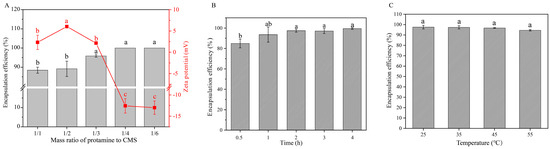
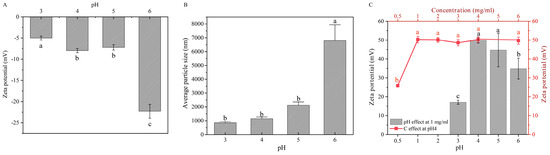
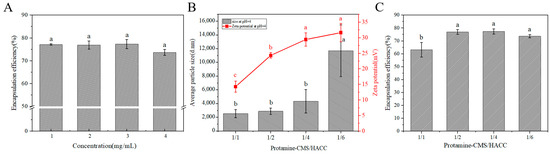
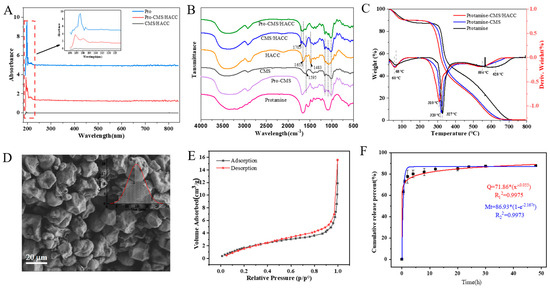
Optimization and Preparation of Polysaccharide–Protamine Microspheres with Enhanced Hemostatic and Antibacterial Properties for Wound Healing
Mar. Drugs 2025, 23(4), 160; https://doi.org/10.3390/md23040160 (registering DOI) - 6 Apr 2025
Abstract
This study employs layer-by-layer self-assembly technology to develop novel antibacterial hemostatic microspheres to tackle significant blood loss and related complications resulting from accidents, surgeries, and natural disasters. By measuring the zeta potential and particle size of protamine, carboxymethyl starch (CMS), and hydroxypropyl trimethyl
[...] Read more.
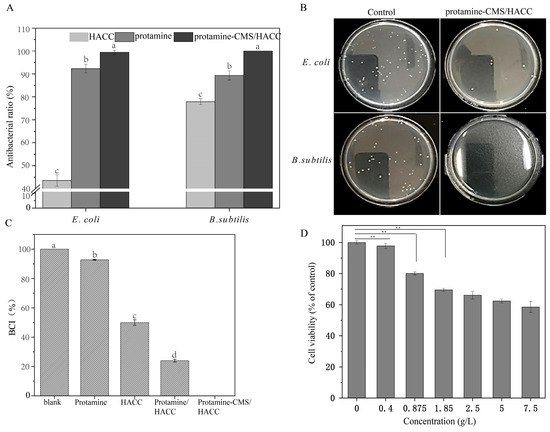
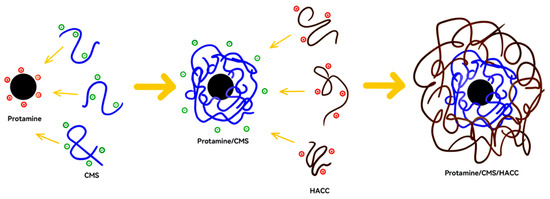
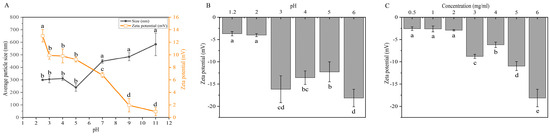
This study employs layer-by-layer self-assembly technology to develop novel antibacterial hemostatic microspheres to tackle significant blood loss and related complications resulting from accidents, surgeries, and natural disasters. By measuring the zeta potential and particle size of protamine, carboxymethyl starch (CMS), and hydroxypropyl trimethyl ammonium chloride chitosan (HACC), the optimal assembly conditions were determined. The optimal pH for the monolayer assembly is 3.0, with a CMS concentration of 3 mg/mL and a mass ratio of 1:4 between protamine and CMS, and the assembly process lasts for 2 h. The optimal assembly conditions for the bilayer assembly are a pH of 4.0, an HACC concentration of 1 mg/mL, and a mass ratio of the one-layer assembly to HACC of 1:2. The performance of the assembled microspheres was analyzed via antibacterial and coagulation experiments, revealing excellent antibacterial and coagulation effects, with inhibition rates against Escherichia coli and Bacillus subtilis both exceeding 99%, and a coagulation index of 0%. Additionally, the bilayer assembled microspheres also exhibited strong adsorption capacity and good biocompatibility. In summary, this study provides important scientific evidence for the development of new hemostatic materials, demonstrating significant clinical application potential.
Full article
(This article belongs to the Special Issue Marine Polysaccharide-Based Biomaterials)
►
Show Figures
Open AccessArticle
Heterologous Expression and Biochemical Characterization of a New α-Amylase from Nocardiopsis aegyptia HDN19-252 of Antarctic Animal Origin
by
Fuhao Liu, Xiangnan Zheng, Wenhui Liao, Xingtao Ren, Chuanteng Ma, Guojian Zhang, Qian Che, Tianjiao Zhu, Wenxue Wang, Tao Zhang, Feng Han and Dehai Li
Mar. Drugs 2025, 23(4), 159; https://doi.org/10.3390/md23040159 (registering DOI) - 4 Apr 2025
Abstract
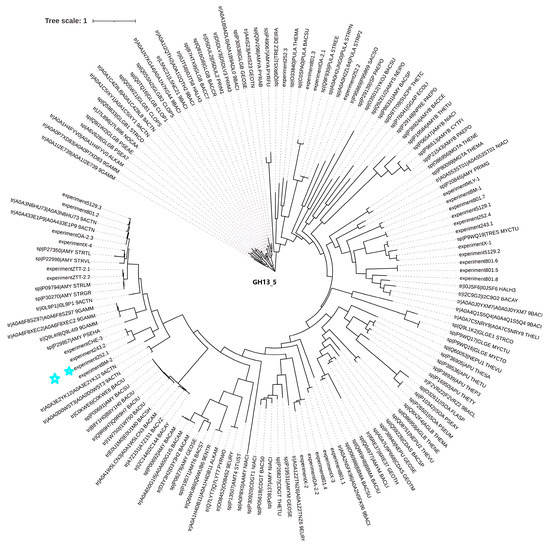
α-Amylases, catalyzing starch degradation, serve as vital biocatalysts in industrial and pharmaceutical applications. This study identified a new α-amylase, Alphaz, from Nocardiopsis aegyptia HDN19-252 of Antarctic animal origin, achieving heterologous expression in Escherichia coli. Phylogenetic analysis confirmed its classification into the GH13_5
[...] Read more.
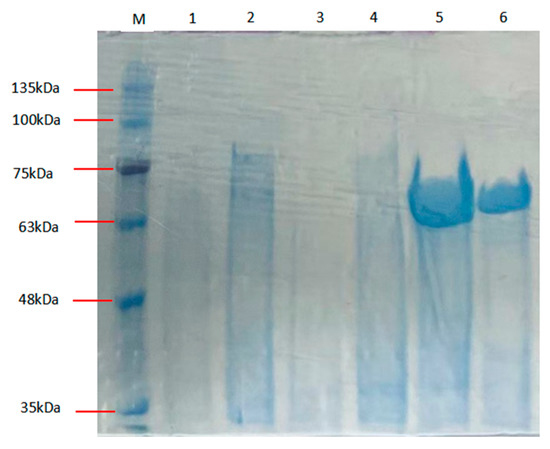
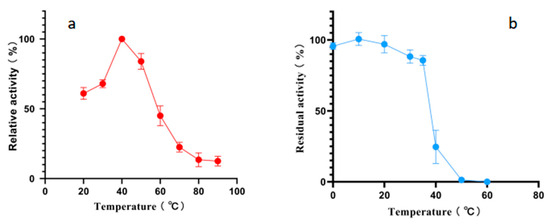
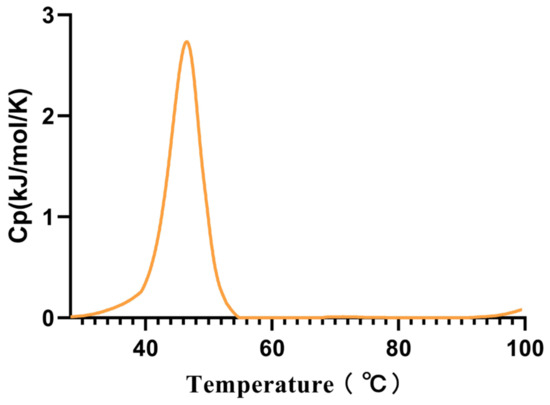
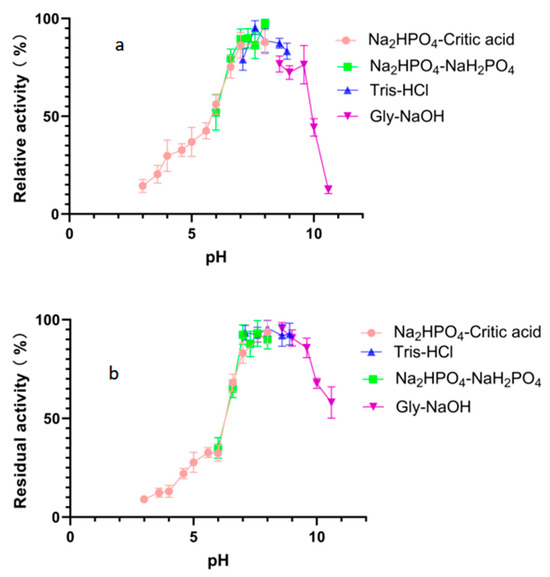
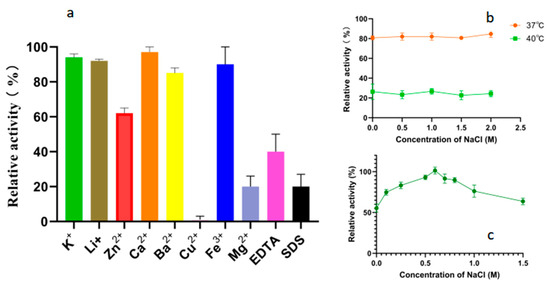
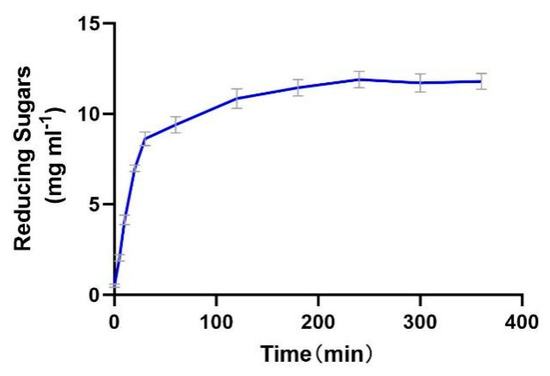
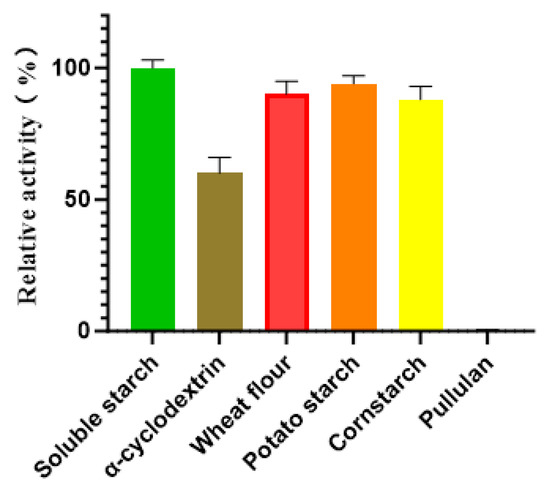
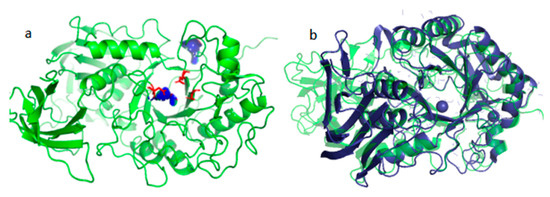
α-Amylases, catalyzing starch degradation, serve as vital biocatalysts in industrial and pharmaceutical applications. This study identified a new α-amylase, Alphaz, from Nocardiopsis aegyptia HDN19-252 of Antarctic animal origin, achieving heterologous expression in Escherichia coli. Phylogenetic analysis confirmed its classification into the GH13_5 subfamily of glycoside hydrolases. Recombinant Alphaz exhibited optimal activity at 40 °C/pH 8.0 while maintaining stability across 0–30 °C and pH 6.6–9.6. Its distinctive halotolerant properties included full activity retention in 0.6 M NaCl and >60% efficiency in salt-free conditions. The enzyme exhibits tolerance to K+, Ca2+, and Fe³+ while demonstrating specific inhibition by Cu2+/Zn2+. With its heterologously validated functional properties, Alphaz emerges as a programmable enzymatic tool offering advantages in sustained-release formulation quality control, targeted prodrug modification, and precision medicine applications, thereby enabling sustainable biomanufacturing solutions that harmonize process reliability with environmental compatibility.
Full article
(This article belongs to the Special Issue Advances of Marine-Derived Enzymes)
►▼
Show Figures

Figure 1
Open AccessReview
Marine-Derived Bioactive Compounds: A Promising Strategy for Ameliorating Skeletal Muscle Dysfunction in COPD
by
Meiling Jiang, Peijun Li, Xiaoyu Han, Linhong Jiang, Lihua Han, Qinglan He, Chen Yang, Zhichao Sun, Yingqi Wang, Yuanyuan Cao, Xiaodan Liu and Weibing Wu
Mar. Drugs 2025, 23(4), 158; https://doi.org/10.3390/md23040158 - 4 Apr 2025
Abstract
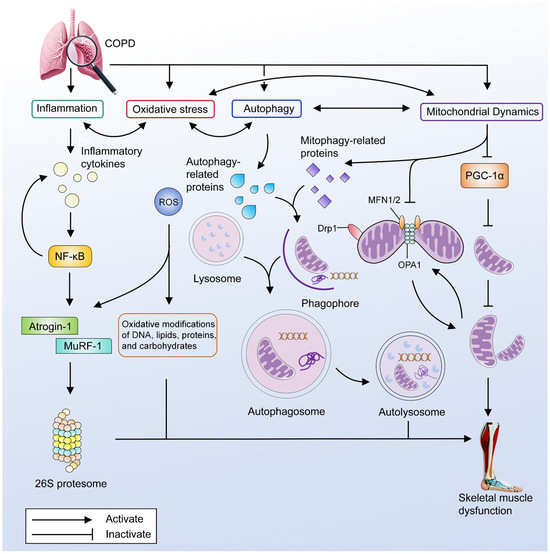
Chronic obstructive pulmonary disease (COPD) is frequently accompanied by skeletal muscle dysfunction, a critical and severe extrapulmonary complication. This dysfunction contributes to reduced exercise capacity, increased frequency of acute exacerbations, and elevated mortality, serving as an independent risk factor for poor prognosis in
[...] Read more.
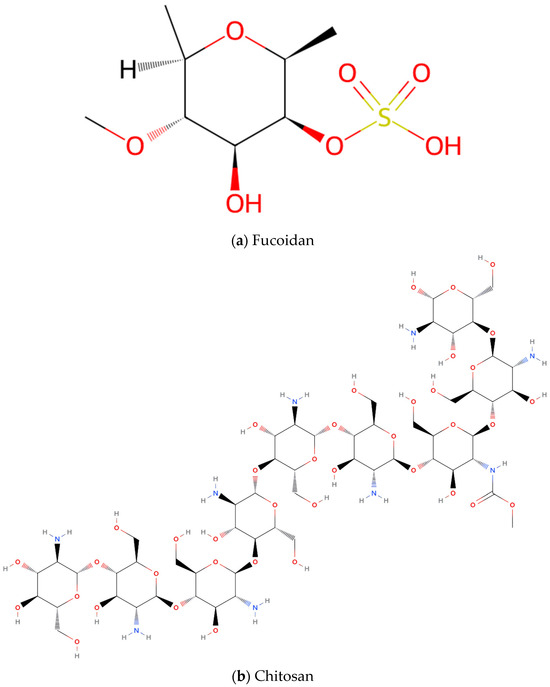
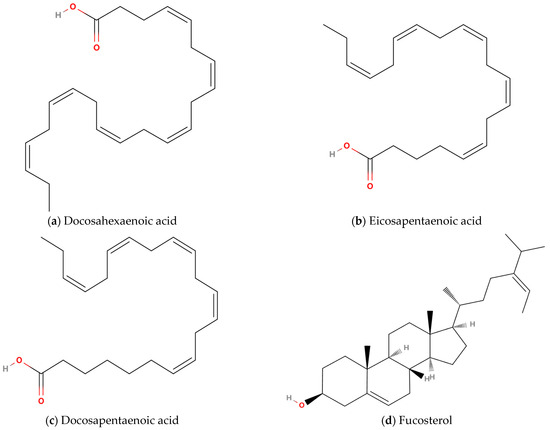
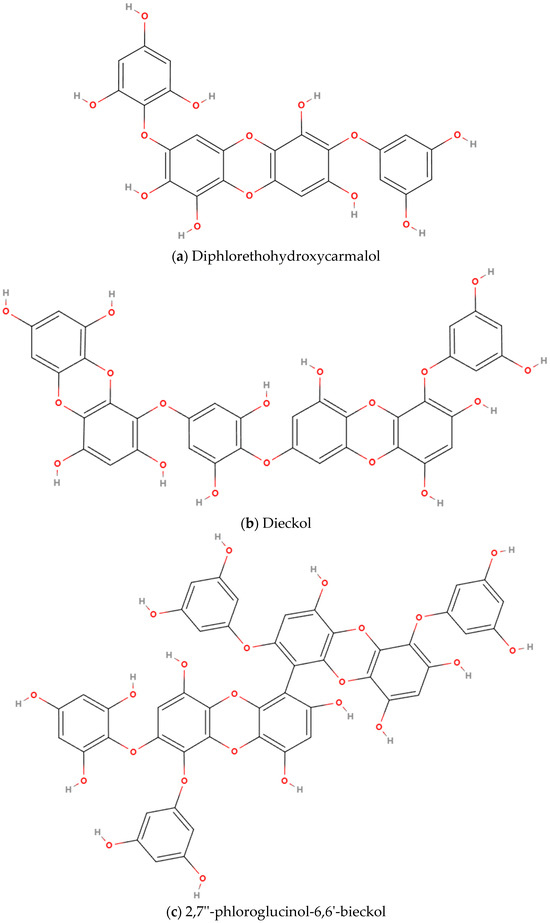
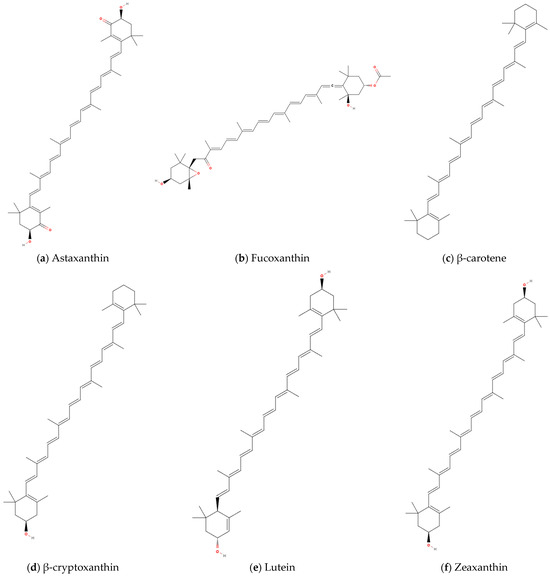
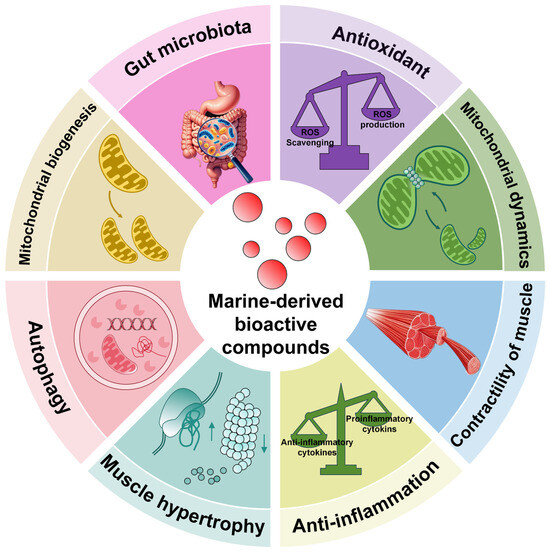
Chronic obstructive pulmonary disease (COPD) is frequently accompanied by skeletal muscle dysfunction, a critical and severe extrapulmonary complication. This dysfunction contributes to reduced exercise capacity, increased frequency of acute exacerbations, and elevated mortality, serving as an independent risk factor for poor prognosis in COPD patients. Owing to the unique physicochemical conditions of the marine environment, marine-derived bioactive compounds exhibit potent anti-inflammatory and antioxidant properties, demonstrating therapeutic potential for ameliorating COPD skeletal muscle dysfunction. This review summarizes marine-derived bioactive compounds with promising efficacy against skeletal muscle dysfunction in COPD, including polysaccharides, lipids, polyphenols, peptides, and carotenoids. The discussed compounds have shown bioactivities in promoting skeletal muscle health and suppressing muscle atrophy, thereby providing potential strategies for the prevention and treatment of COPD skeletal muscle dysfunction. These findings may expand the therapeutic strategies for managing COPD skeletal muscle dysfunction.
Full article
(This article belongs to the Section Marine-Derived Ingredients for Drugs, Cosmeceuticals and Nutraceuticals)
►▼
Show Figures

Figure 1
Open AccessReview
Bioactivity of Marine-Derived Peptides and Proteins: A Review
by
Fereidoon Shahidi and Abu Saeid
Mar. Drugs 2025, 23(4), 157; https://doi.org/10.3390/md23040157 (registering DOI) - 4 Apr 2025
Abstract
The marine environment, covering over 70% of the Earth’s surface, serves as a reservoir of bioactive molecules, including peptides and proteins. Due to the unique and often extreme marine conditions, these molecules exhibit distinctive structural features and diverse functional properties, making them promising
[...] Read more.
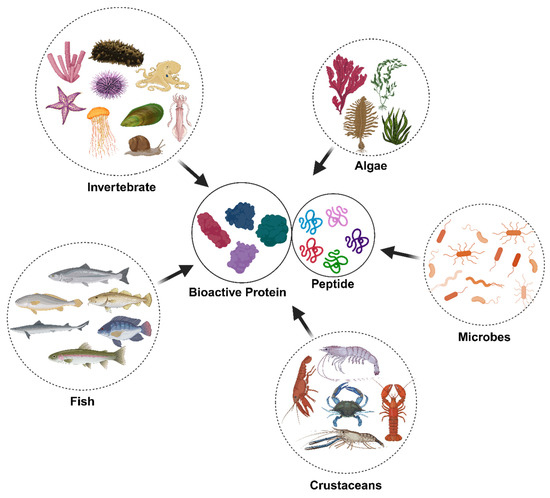
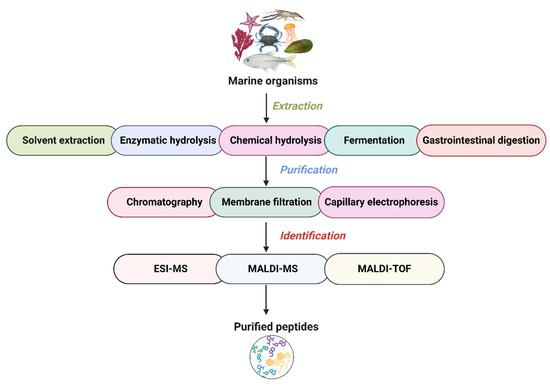
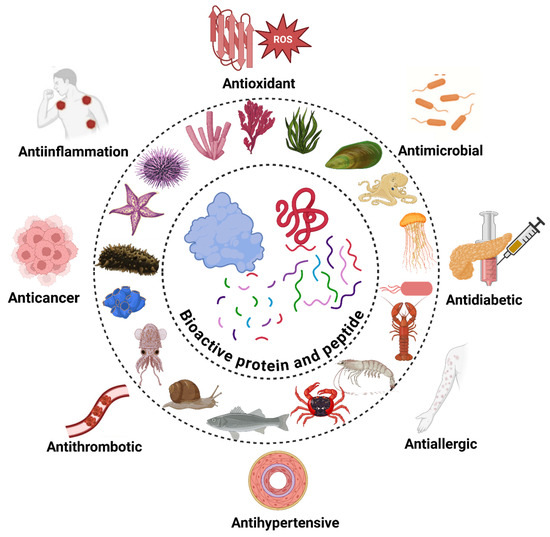
The marine environment, covering over 70% of the Earth’s surface, serves as a reservoir of bioactive molecules, including peptides and proteins. Due to the unique and often extreme marine conditions, these molecules exhibit distinctive structural features and diverse functional properties, making them promising candidates for therapeutic applications. Marine-derived bioactive peptides, typically consisting of 3 to 40 amino acid residues—though most commonly, 2 to 20—are obtained from parent proteins through chemical or enzymatic hydrolysis, microbial fermentation, or gastrointestinal digestion. Like peptides, protein hydrolysates from collagen, a dominant protein of such materials, play an important role. Peptide bioactivities include antioxidant, antihypertensive, antidiabetic, antimicrobial, anti-inflammatory, anticoagulant, and anti-cancer effects as well as immunoregulatory and wound-healing activities. These peptides exert their effects through mechanisms such as enzyme inhibition, receptor modulation, and free radical scavenging, among others. Fish, algae, mollusks, crustaceans, microbes, invertebrates, and marine by-products such as skin, bones, and viscera are some of the key marine sources of bioactive proteins and peptides. The advancements in the extraction and purification processes, e.g., enzymatic hydrolysis, ultrafiltration, ion-exchange chromatography, high-performance liquid chromatography (HPLC), and molecular docking, facilitate easy identification and purification of such bioactive peptides in greater purity and activity. Despite their colossal potential, their production, scale-up, stability, and bioavailability are yet to be enhanced for industrial applications. Additional work needs to be carried out for optimal extraction processes, to unravel the mechanisms of action, and to discover novel marine sources. This review emphasizes the enormous scope of marine-derived peptides and proteins in the pharmaceutical, nutraceutical, cosmeceutical, and functional food industries, emphasizing their role in health promotion and risk reduction of chronic diseases.
Full article
(This article belongs to the Special Issue The Bioactive Potential of Marine-Derived Peptides and Proteins)
►▼
Show Figures

Figure 1

Open AccessArticle
In Vitro Digestion and Gut Microbiota Fermentation of the Anticancer Marine Drug BG136: Stability and Biotransformation Investigation
by
Xintong Li, Shuying Xu, Baiyuan Chen, Pengcheng Gao, Youjing Lv, Qingsen Shang, Guangli Yu and Guoyun Li
Mar. Drugs 2025, 23(4), 156; https://doi.org/10.3390/md23040156 - 3 Apr 2025
Abstract
BG136, a β-1,3/1,6-glucan derived from Durvillaea antarctica, is an injectable anticancer drug and has entered Phase II clinical trials. Rational oral formulation design is a pivotal focus for our future drug development research; therefore, elucidating the gastrointestinal fate of BG136 becomes imperative.
[...] Read more.
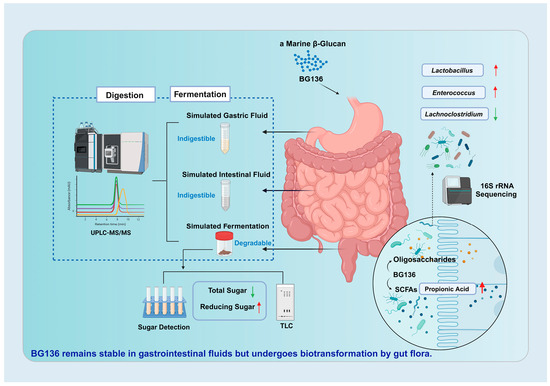
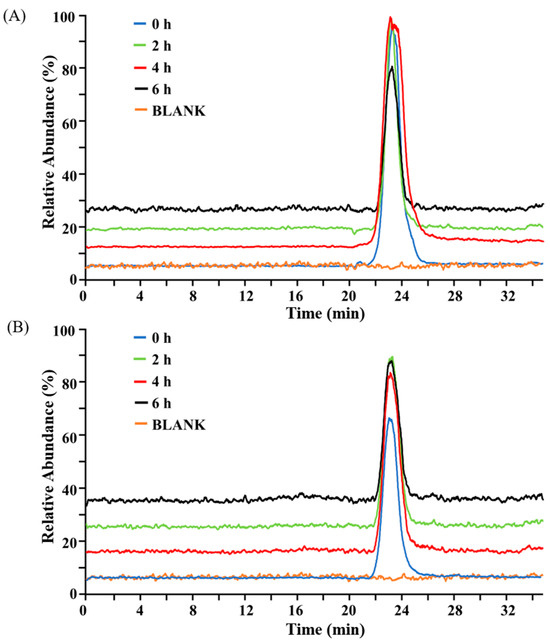
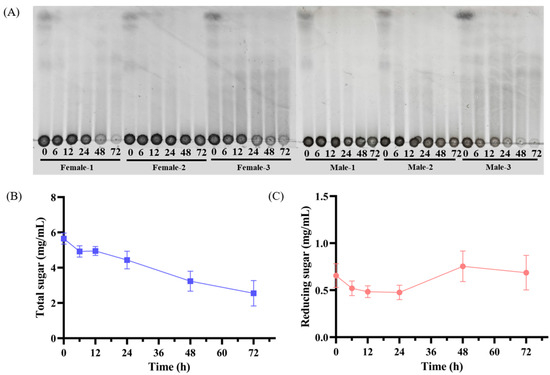
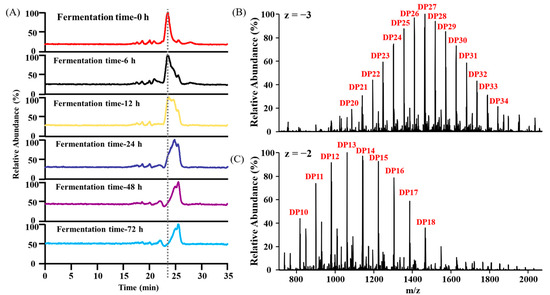
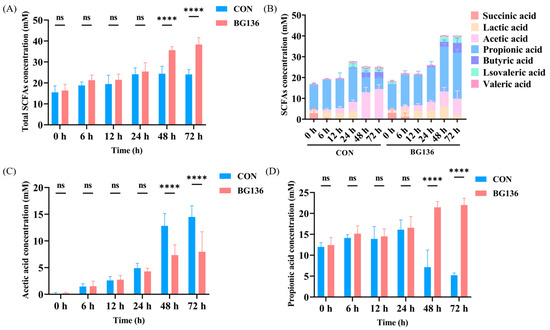
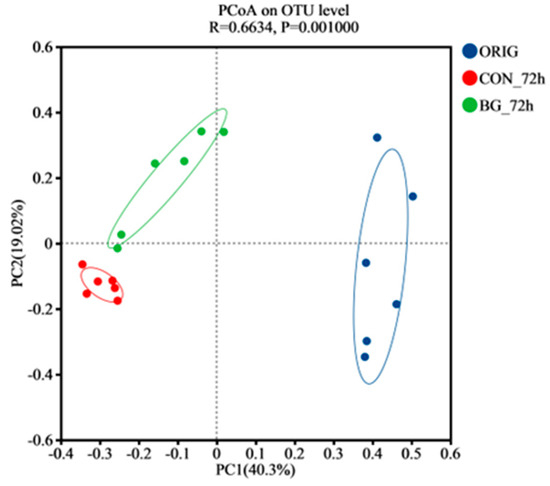
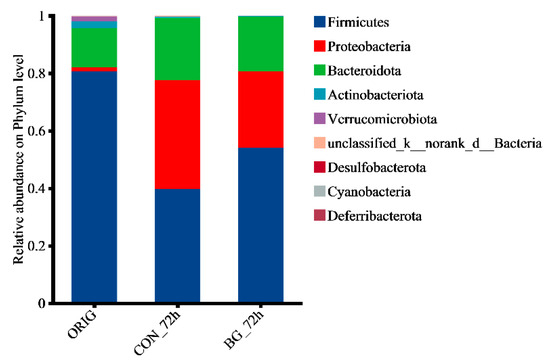
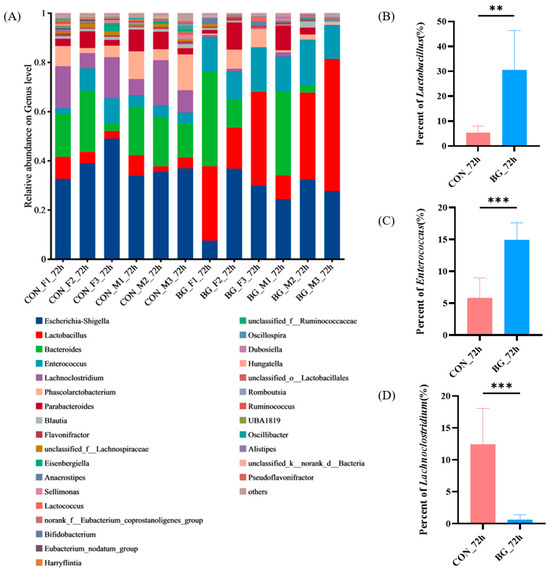
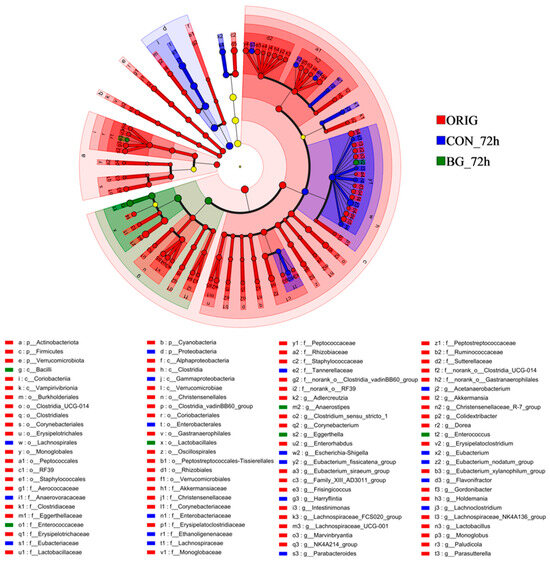
BG136, a β-1,3/1,6-glucan derived from Durvillaea antarctica, is an injectable anticancer drug and has entered Phase II clinical trials. Rational oral formulation design is a pivotal focus for our future drug development research; therefore, elucidating the gastrointestinal fate of BG136 becomes imperative. This study investigated the stability and biotransformation of BG136 via in vitro digestion and gut microbiota fermentation. The results confirmed BG136’s structural integrity, resistance to degradation in a highly acid environment and by gastrointestinal tract enzymes. In contrast, BG136 was degraded by intestinal bacteria into mid-size fragments along with smaller oligosaccharides. Additionally, the biotransformation process notably elevated total short-chain fatty acids (SCFAs) to 38.37 ± 3.29 mM, representing a 59.4% increase versus controls (24.08 ± 2.29 mM), with propionic acid exhibiting the most substantial increase. Meanwhile, the process was accompanied by significant microbial regulation, including an increase in beneficial genera (Lactobacillus, Enterococcus) and a reduction in Lachnoclostridium populations. Overall, these findings systematically map the oral bioavailability challenges and prebiotic potential of BG136, highlighting its microbiota-modulating capacity through species-specific ecological regulation, providing insights into oral drug development for BG136.
Full article
(This article belongs to the Special Issue Marine Natural Products and Signaling Pathways, 2nd Edition)
►▼
Show Figures

Graphical abstract
Open AccessCommunication
Effect of Nrf2 Activators in Hepatitis B Virus-Infected Cells Under Oxidative Stress
by
Junsei Taira, Takuya Kubo, Hiroya Nagano, Ryuji Tsuda, Takayuki Ogi, Kenji Nakashima and Tetsuro Suzuki
Mar. Drugs 2025, 23(4), 155; https://doi.org/10.3390/md23040155 - 3 Apr 2025
Abstract
The liver is an active metabolic site that generates high levels of reactive oxygen species (ROS). Oxidative stress has been implicated in the chronicity of hepatitis and hepatitis B virus (HBV) infection. This study aimed to determine the involvement of oxidative stress in
[...] Read more.
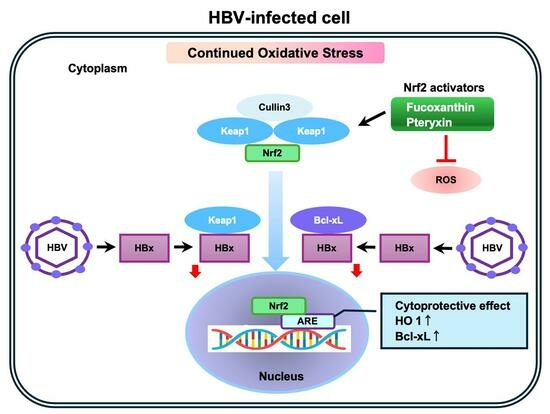
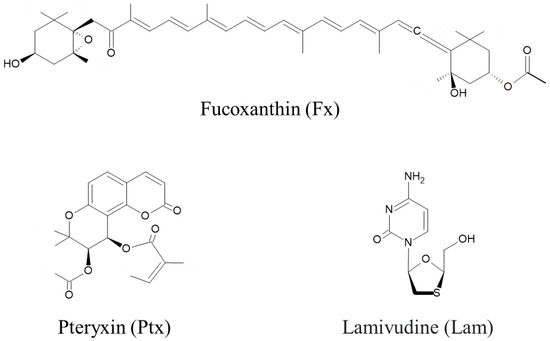
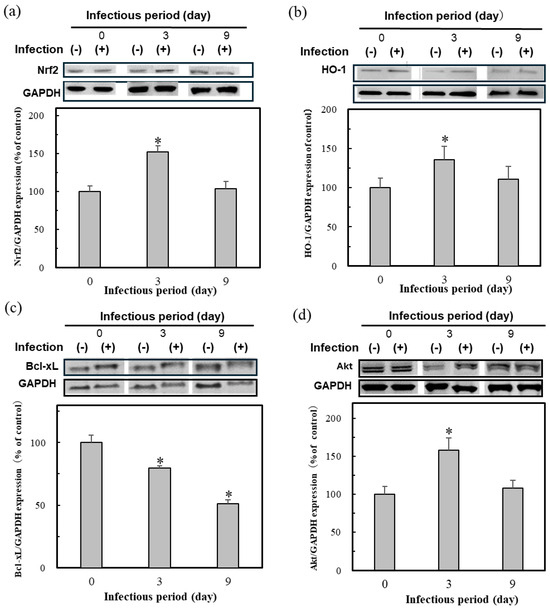
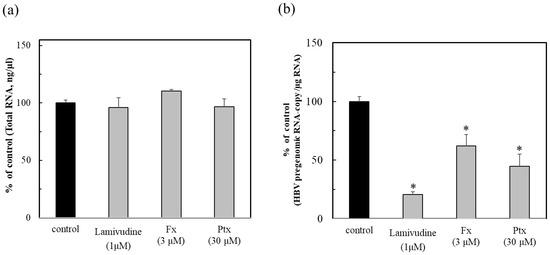
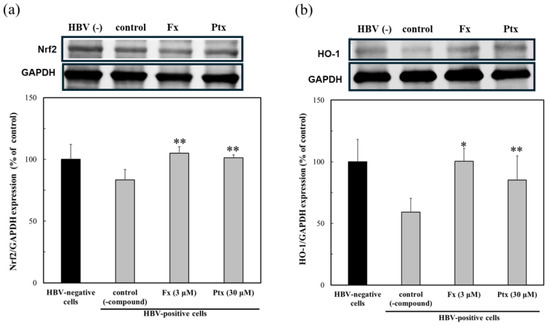
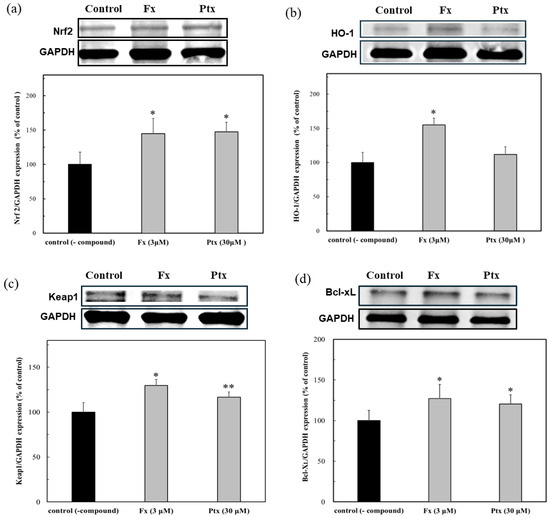
The liver is an active metabolic site that generates high levels of reactive oxygen species (ROS). Oxidative stress has been implicated in the chronicity of hepatitis and hepatitis B virus (HBV) infection. This study aimed to determine the involvement of oxidative stress in HBV-infected cells and the efficacy of natural Nrf2 activators. The intracellular HBV pregenomic RNA copy number relative to total RNA was measured by RT-PCR, and various protein expressions associated with oxidative stress were analyzed by a Western blot analysis. The results showed that the Nrf2, HO-1, Akt, and Bcl-xL proteins were decreased by the continuous infection, indicating that HBV-positive cells were exposed to oxidative stress. The present study evaluated the anti-HBV infection effects of the Nrf2 activator fucoxanthin (Fx), a marine carotenoid from edible biological resources, including the comparative natural Nrf2 activator pteryxin (Ptx). These Nrf2 activators suppressed the HBV pregenomic RNA production in the HBV-infected cells, thus increasing the expression of the proteins of Nrf2 and HO-1. In the persistently infected cells transfected with the HBV genome, the Bcl-xL and Keap1 proteins, which contribute to suppressing the HBx protein involved in the HBV replication, were overexpressed. In particular, the activity of these protein expressions was marked at low concentrations of Fx. This suggests that natural Nrf2 activators may play a significant role in the HBV infection and could be a valuable source for further development through the functional utilization of food resources.
Full article
(This article belongs to the Special Issue Marine-Derived Bioactive Substances and Their Mechanisms of Action)
►▼
Show Figures

Graphical abstract
Open AccessArticle
Polyunsaturated Fatty Acids Improved Long Term Prognosis by Reducing Oxidative Stress, Inflammation, and Endothelial Dysfunction in Acute Coronary Syndromes
by
Alexandru Covaciu, Theodora Benedek, Elena Bobescu, Horatiu Rus, Valentina Benza, Luigi Geo Marceanu, Simona Grigorescu and Christian Gabriel Strempel
Mar. Drugs 2025, 23(4), 154; https://doi.org/10.3390/md23040154 - 1 Apr 2025
Abstract
Background: Oxidative stress, inflammation, and endothelial dysfunction are important processes in the progression of atherosclerosis and the occurrence of acute coronary syndromes (ACSs). Omega-3 polyunsaturated fatty acids (Omega-3 PUFAs) are present in marine organisms and have the capacity to reduce all these processes
[...] Read more.
Background: Oxidative stress, inflammation, and endothelial dysfunction are important processes in the progression of atherosclerosis and the occurrence of acute coronary syndromes (ACSs). Omega-3 polyunsaturated fatty acids (Omega-3 PUFAs) are present in marine organisms and have the capacity to reduce all these processes and, at the same time, the progression of atherosclerosis and the emergence of ACSs. Aim: To evaluate the role of Omega-3 PUFAs therapy on parameters of oxidative stress, inflammatory syndrome, endothelial dysfunction, and long-term prognosis in acute coronary syndromes. Methods: One thousand one hundred forty patients were admitted to Clinic County Emergency Hospital Brasov with ACS and were enrolled in a prospective study. The study was divided into four groups related to the type of ACS and treatment with Omega-3 PUFAs added to the optimal medical therapy (OMT). The effect of Omega-3 PUFAs therapy associated with the OMT was determined by measuring the dynamics of the following parameters: (a) oxidative stress—total antioxidant status (TAS), oxidated low density lipoprotein cholesterol antibodies (Ab anti-ox-LDL), IgG anti-Myeloperoxidase antibodies (IgG type Ab anti-MPO); (b) inflammatory syndrome—C-reactive protein and fibrinogen; (c) endothelial dysfunction—flow mediated dilation (FMD) and von Willebrand factor (vWf) activity, from baseline to 6 months of follow-up. Clinical events followed at 5 years were cardiovascular and sudden death, Non-ST and ST segment elevation ACS, in stent thrombosis and restenosis, stroke, readmission in hospital for ACS and for heart failure. Results: In ACS groups, treatment with Omega-3 PUFAs added to the OMT significantly decreased the parameters of oxidative stress, inflammatory syndrome, and endothelial dysfunction at 6 months of follow-up. Regarding the clinical events, a significant reduction in the risk of cardiovascular and sudden death and a decreased incidence of Non-ST and ST segment elevation ACS, in-stent restenosis, readmission for ACS and heart failure, was observed in Omega-3 PUFA-treated groups in comparison to control groups. Conclusions: In acute coronary syndromes, therapy with Omega-3 PUFAs added to the OMT resulted in a significant decrease of parameters of oxidative stress, inflammation, and endothelial dysfunction at 6 months and also a significant improvement in the long-term prognosis.
Full article
(This article belongs to the Special Issue Fatty Acids from Marine Organisms, 2nd Edition)
Open AccessArticle
Isolation and Characterization of Photosensitive Hemolytic Toxins from the Mixotrophic Dinoflagellate Akashiwo sanguinea
by
Jiling Pan, Ting Fang, Shuang Xie, Ning Xu and Ping Zhong
Mar. Drugs 2025, 23(4), 153; https://doi.org/10.3390/md23040153 - 31 Mar 2025
Abstract
The mixotrophic dinoflagellate Akashiwo sanguinea is known to have acute toxic effects on multiple marine organisms, while the composition and chemical properties of its toxins remain unclear. In this study, we established a method for separation and purification of A. sanguinea toxins using chromatographic
[...] Read more.
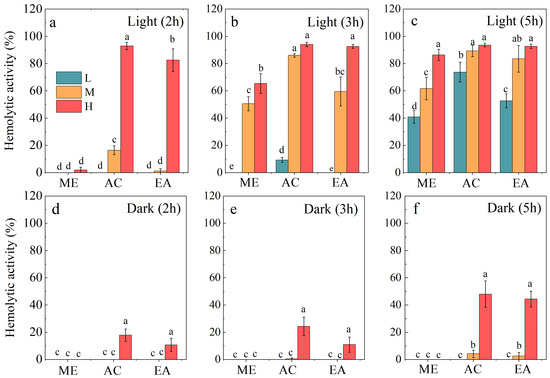
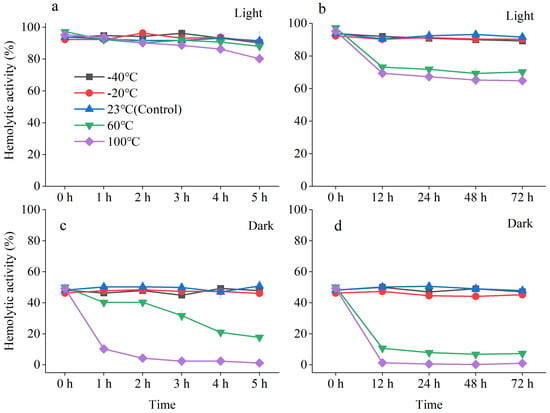
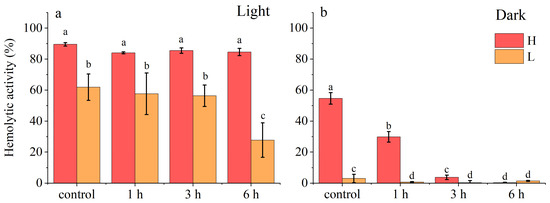
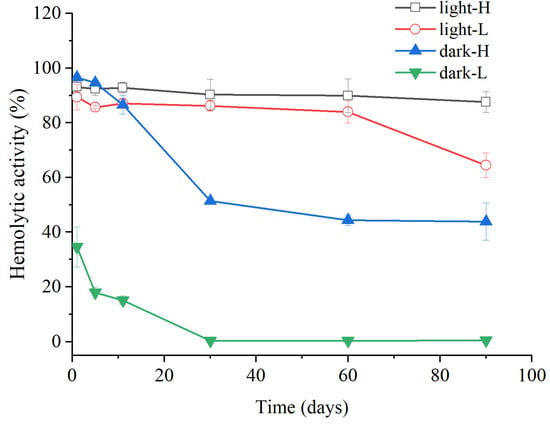
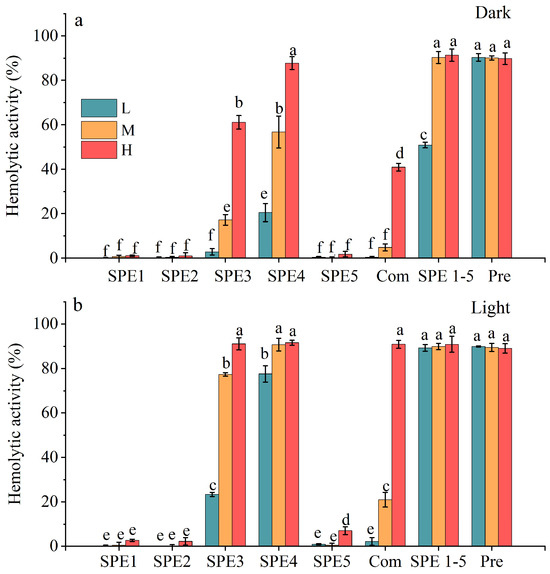
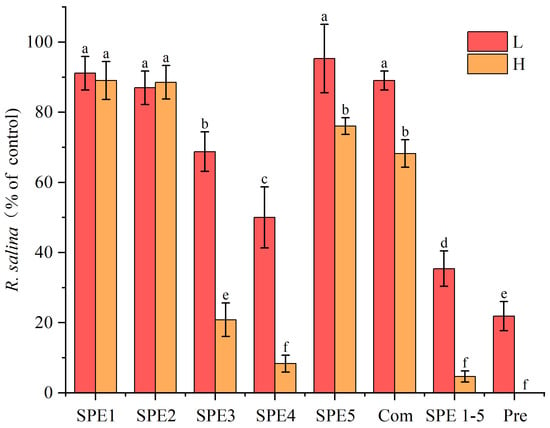
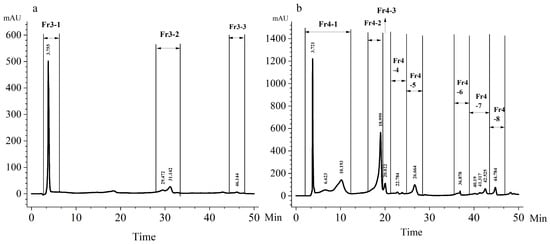
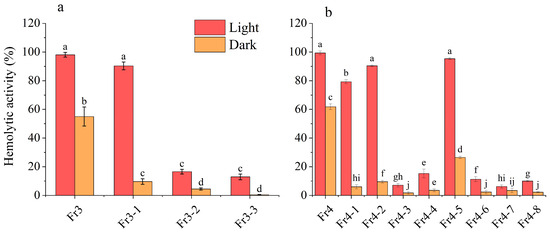
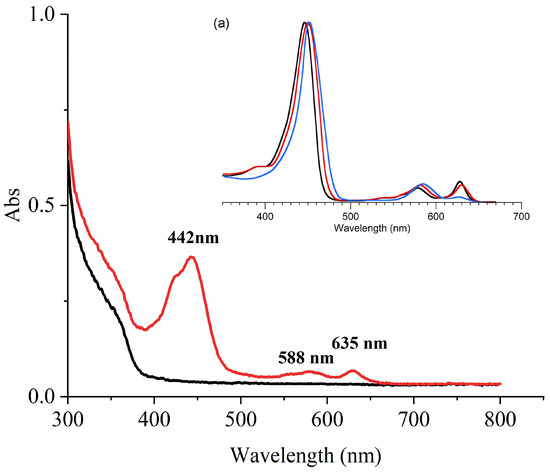
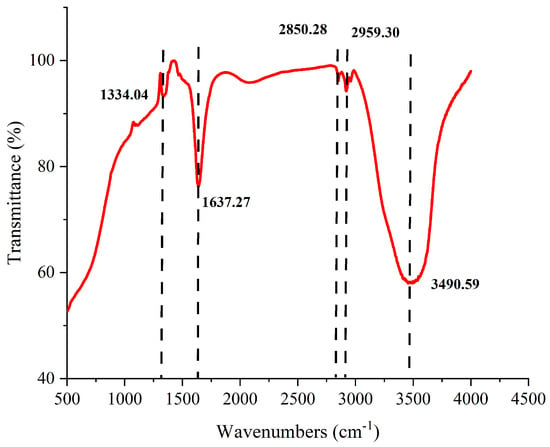
The mixotrophic dinoflagellate Akashiwo sanguinea is known to have acute toxic effects on multiple marine organisms, while the composition and chemical properties of its toxins remain unclear. In this study, we established a method for separation and purification of A. sanguinea toxins using chromatographic techniques. The acetone extract of A. sanguinea exhibited higher hemolytic activity and shorter incubation time compared to methanol and ethyl acetate extracts. Five fractions were obtained by solid-phase extraction (SPE), of which SPE3 (acetone/water ratio 3:2) and SPE4 (acetone/water ratio 4:1) exhibited the highest hemolytic activities and allelopathic effects. Further purification on SPE3 and SPE4 using reverse-phase high-performance liquid chromatography (RP-HPLC) coupled with a diode array detector (DAD) resulted in 11 subfractions, among which Fr4-5 displayed the strongest hemolytic activity. Nearly all active subfractions exhibited higher hemolytic activities incubated under light than those in the dark (p < 0.05), suggesting that A. sanguinea can produce both photosensitive and non-photosensitive toxins, with the former being the primary contributors to its hemolytic activity. Molecular characterization by UV-Vis, FTIR, and HRMS/MS analysis revealed that the structural features of Fr4-5 were highly consistent with porphyrin analogs and could be derived from chlorophyll c-related precursors. These findings highlight that the photosensitive toxins in A. sanguinea may serve dual roles in stress adaptation and ecological competition, potentially contributing to the formation of the blooms.
Full article
(This article belongs to the Special Issue Marine Algal Chemical Ecology 2024)
►▼
Show Figures

Figure 1
Open AccessReview
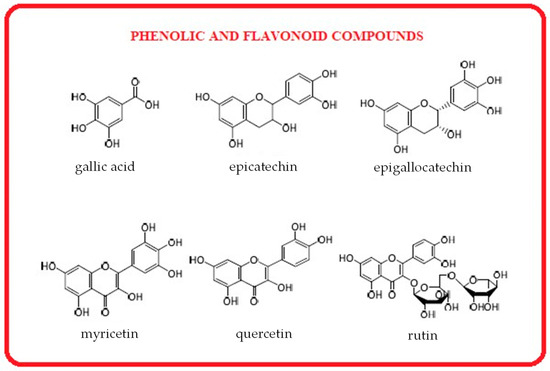
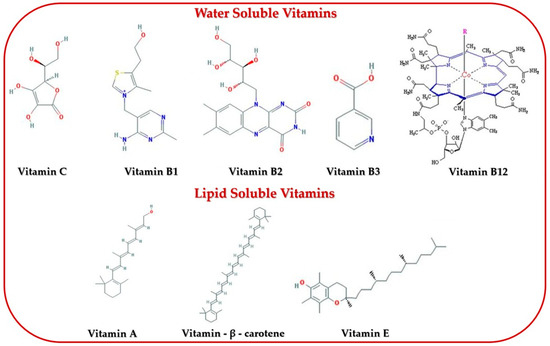
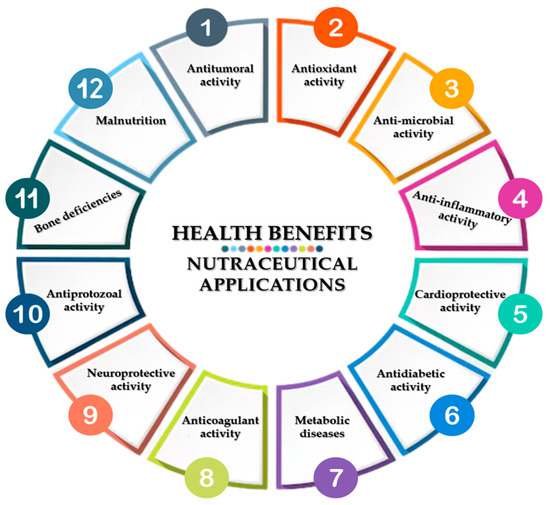
Bioactive Compounds of Marine Algae and Their Potential Health and Nutraceutical Applications: A Review
by
Emin Cadar, Antoanela Popescu, Ana-Maria-Laura Dragan, Ana-Maria Pesterau, Carolina Pascale, Valentina Anuta, Irina Prasacu, Bruno Stefan Velescu, Cezar Laurentiu Tomescu, Claudia Florina Bogdan-Andreescu, Rodica Sirbu and Ana-Maria Ionescu
Mar. Drugs 2025, 23(4), 152; https://doi.org/10.3390/md23040152 - 31 Mar 2025
Abstract
Currently, marine algae are still an under-exploited natural bioresource of bioactive compounds. Seaweeds represent a sustainable source for obtaining bioactive compounds that can be useful for the fabrication of new active products with biomedical benefits and applications as biomedicinals and nutraceuticals. The objective
[...] Read more.
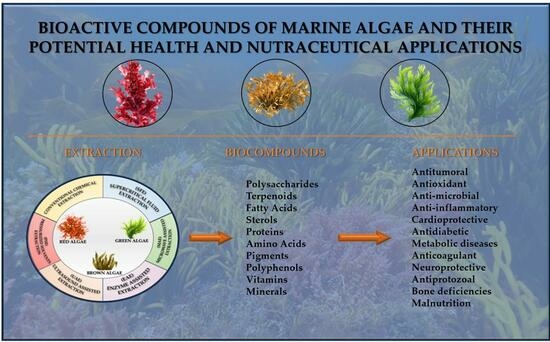
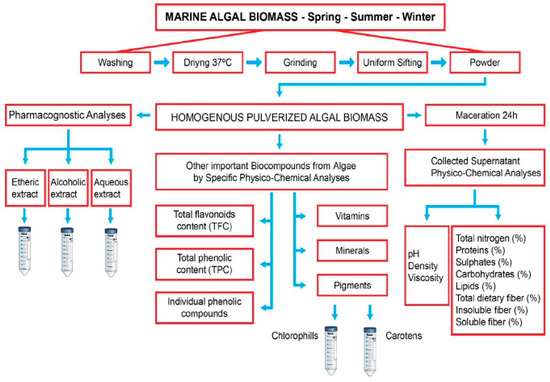
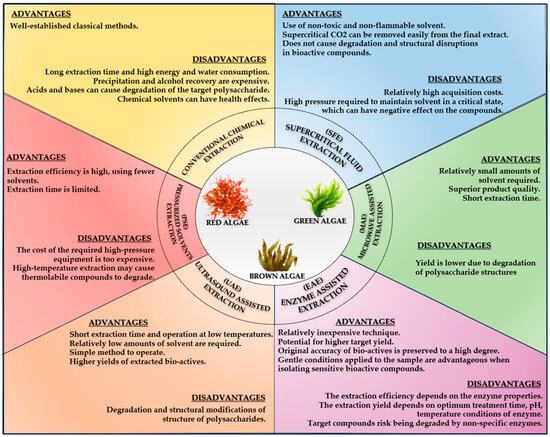
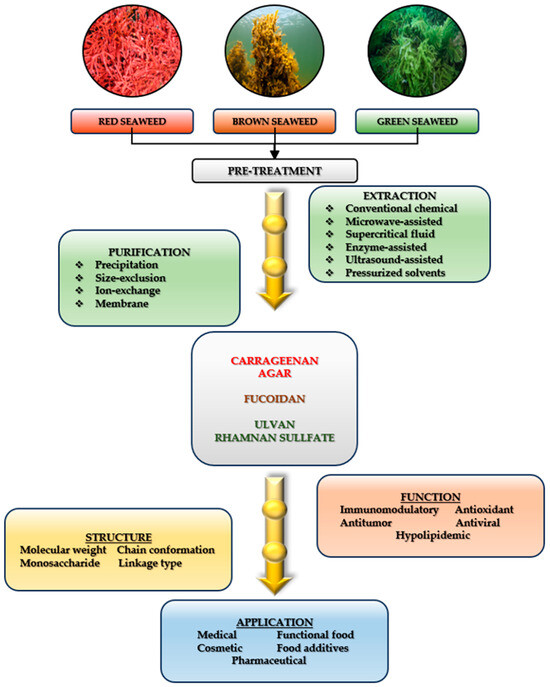
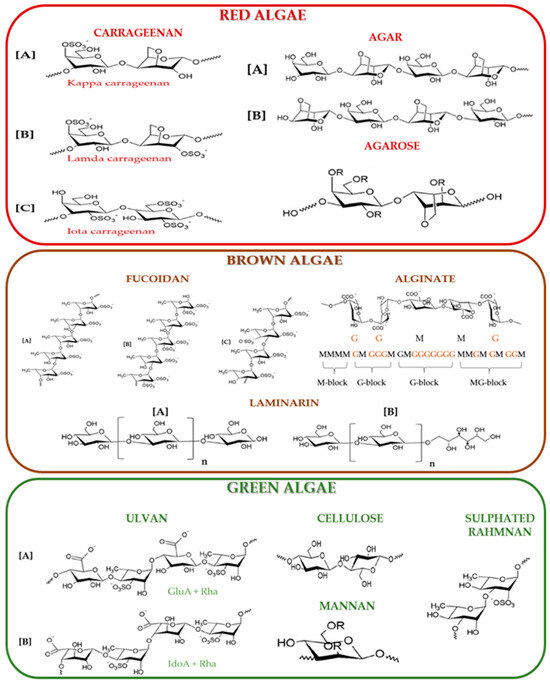
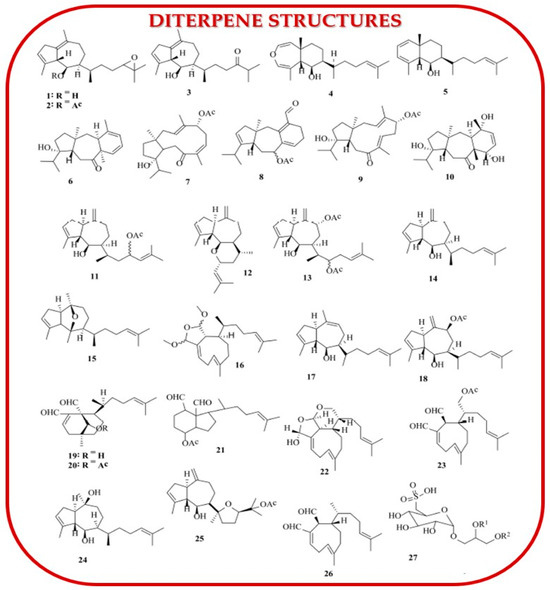
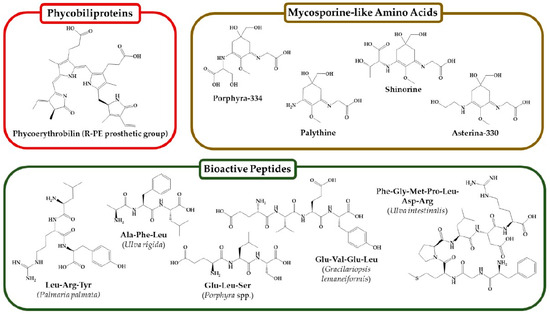
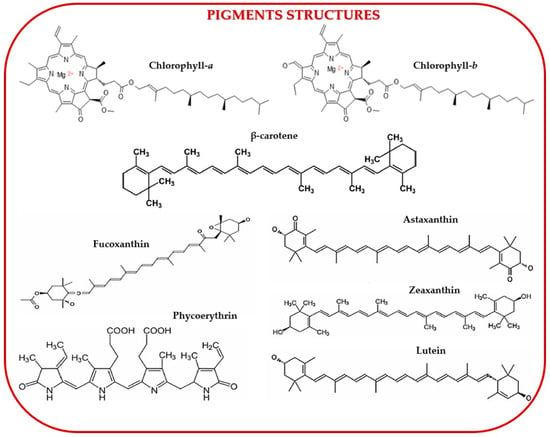
Currently, marine algae are still an under-exploited natural bioresource of bioactive compounds. Seaweeds represent a sustainable source for obtaining bioactive compounds that can be useful for the fabrication of new active products with biomedical benefits and applications as biomedicinals and nutraceuticals. The objective of this review is to highlight scientific papers that identify biocompounds from marine macroalgae and emphasize their benefits. The method used was data analysis to systematize information to identify biocompounds and their various benefits in pharmaceuticals, cosmetics, and nutraceuticals. The research results demonstrate the multiple uses of seaweeds. As pharmaceuticals, seaweeds are rich sources of bioactive compounds like polysaccharides, protein compounds, pigments, and polyphenols, which have demonstrated various pharmacological activities such as antioxidant, antibacterial, anti-inflammatory, antiviral, anticoagulant, and potentially anticarcinogenic effects. Seaweed has gained recognition as a functional food and offers a unique set of compounds that promote body health, including vitamins, minerals, and antioxidants. In conclusion, the importance of this review is to expand the possibilities for utilizing natural resources by broadening the areas of research for human health and marine nutraceuticals.
Full article
(This article belongs to the Special Issue Marine Algae: Exploring Their Nutritional, Health, and Nutraceutical Potential)
►▼
Show Figures

Graphical abstract
Open AccessReview
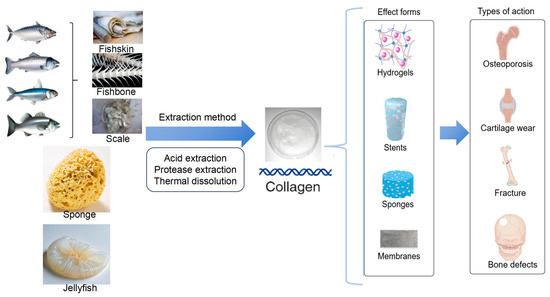
Comprehensive Review on Application Progress of Marine Collagen Cross-Linking Modification in Bone Repairs
by
Xiaofei Zhai, Xinrong Geng, Wenjun Li, Hongli Cui, Yunqing Wang and Song Qin
Mar. Drugs 2025, 23(4), 151; https://doi.org/10.3390/md23040151 - 30 Mar 2025
Abstract
Bone tissue injuries are a significant health risk, and their repair is challenging. While various materials have potential for bone repair, issues like sourcing and immune rejection limit their use. Marine-derived collagen, abundant and free from religious and disease transmission concerns, is a
[...] Read more.
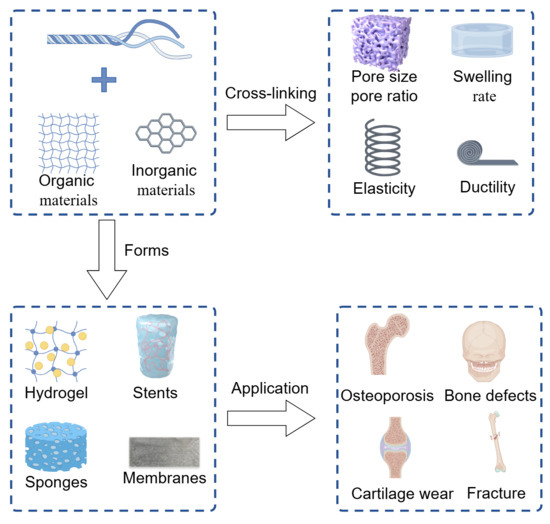
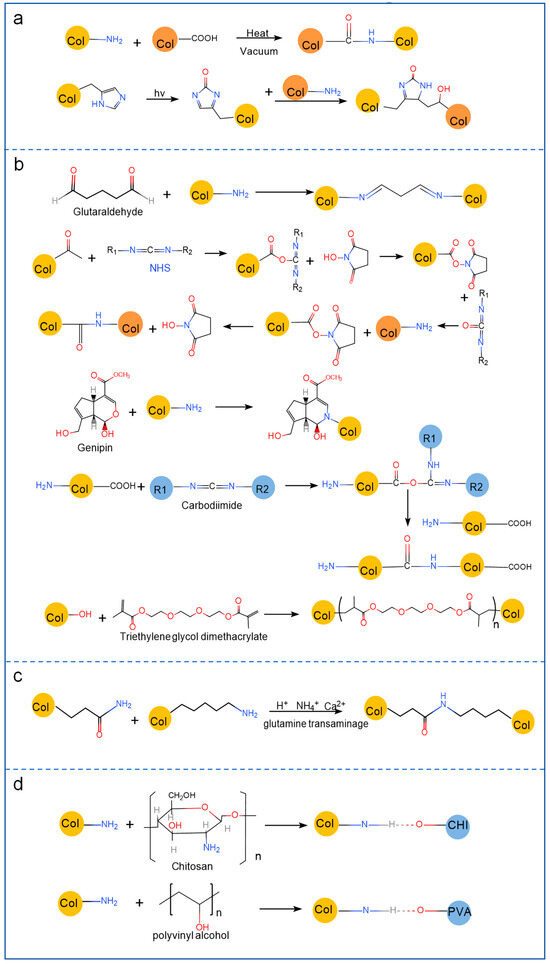
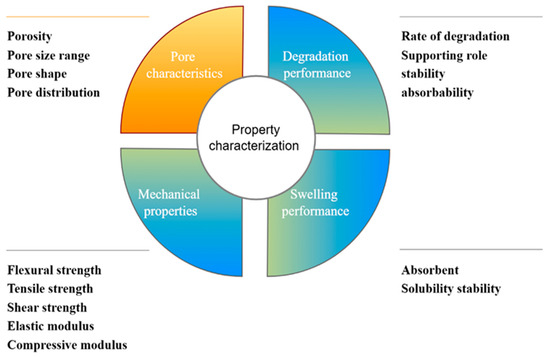
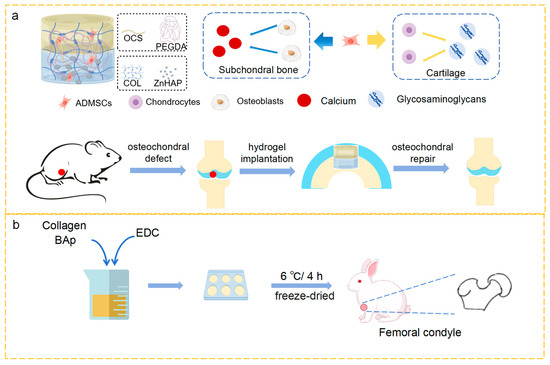
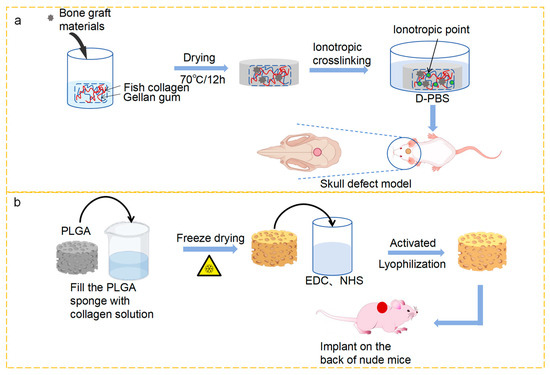
Bone tissue injuries are a significant health risk, and their repair is challenging. While various materials have potential for bone repair, issues like sourcing and immune rejection limit their use. Marine-derived collagen, abundant and free from religious and disease transmission concerns, is a promising biomaterial in bone tissue engineering. Cross-linking modification can enhance its mechanical properties and degradation rate, making it more suitable for bone repair. However, detailed analysis of cross-linking methods, property changes post-cross-linking, and their impact on bone repair is needed. This review examines marine collagen’s modification methods, improved characteristics, and potential in bone tissue repair, providing a foundation for its effective use in bone tissue engineering.
Full article
(This article belongs to the Special Issue Collagen and Chitin from Marine Resources and Their Interdisciplinary Applications—2nd Edition)
►▼
Show Figures

Graphical abstract
Open AccessArticle
Preparation and Characterization of Polyphenol-Functionalized Chitooligosaccharide Pyridinium Salts with Antioxidant Activity
by
Zhen Qi, Wenqiang Tan, Zhanyong Guo and Aili Jiang
Mar. Drugs 2025, 23(4), 150; https://doi.org/10.3390/md23040150 - 30 Mar 2025
Abstract
As a kind of eco-friendly material with wide application prospects, chitooligosaccharide (COS) has attracted increasing attention because of its unique bioactivities. In this study, novel polyphenol-functionalized COS pyridinium salts were designed and synthesized. The structural characteristics of the desired derivatives were confirmed by
[...] Read more.
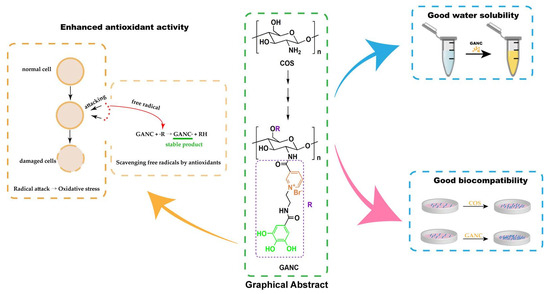
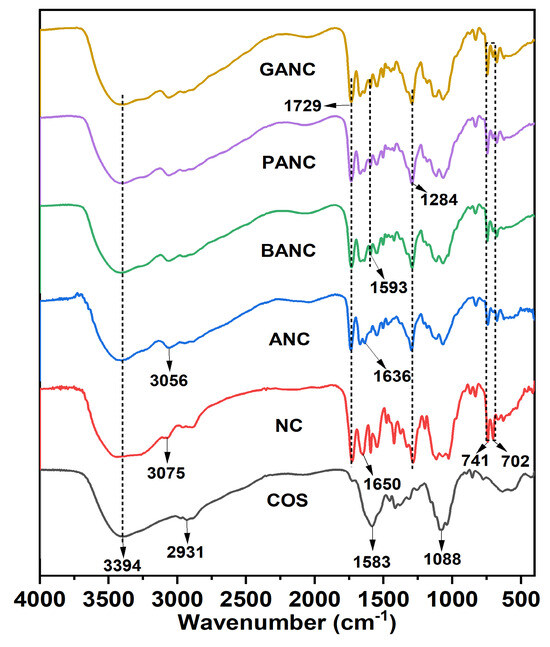
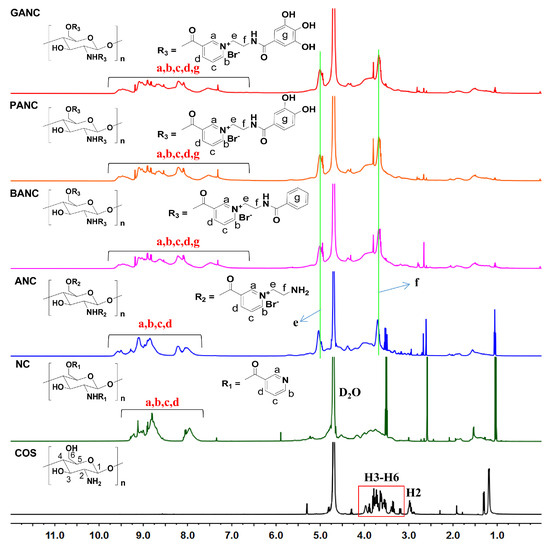
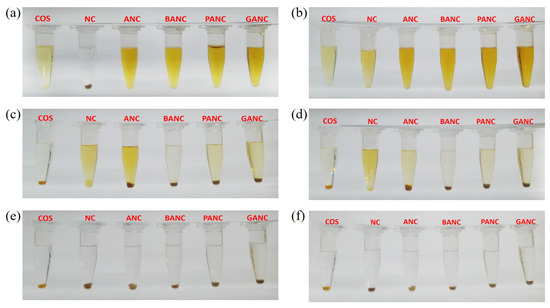
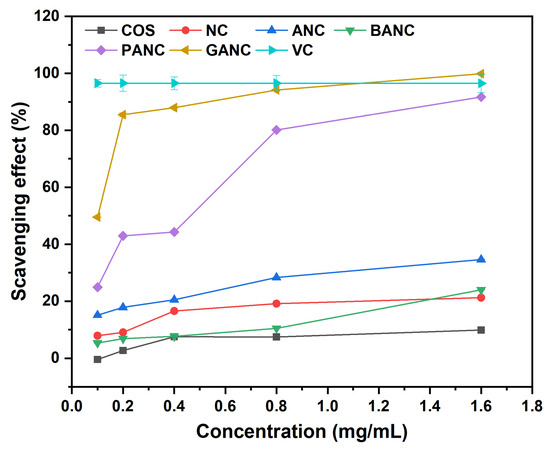
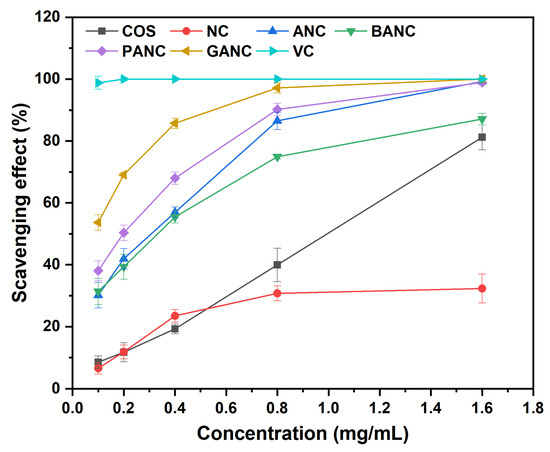
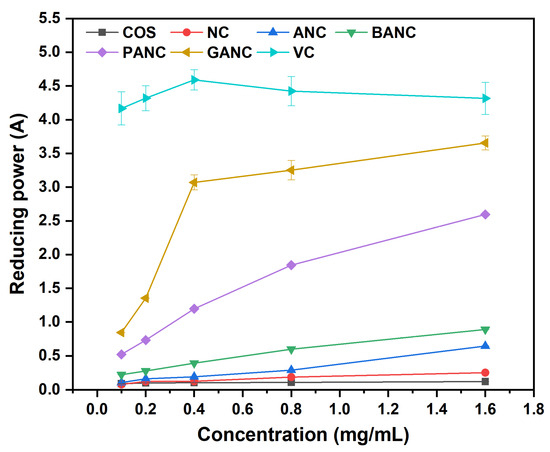
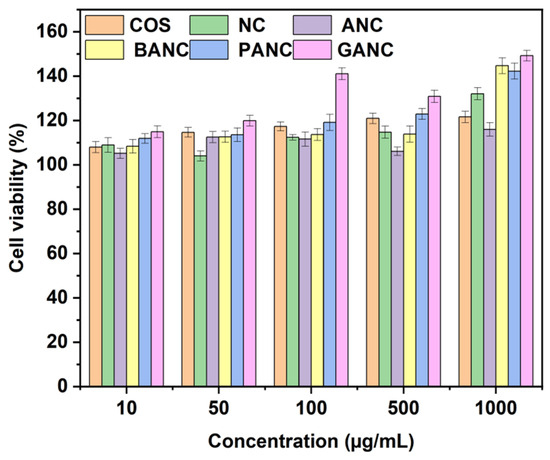
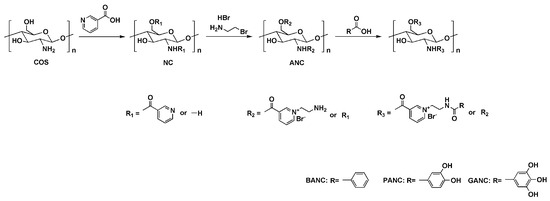
As a kind of eco-friendly material with wide application prospects, chitooligosaccharide (COS) has attracted increasing attention because of its unique bioactivities. In this study, novel polyphenol-functionalized COS pyridinium salts were designed and synthesized. The structural characteristics of the desired derivatives were confirmed by FT-IR and 1H NMR spectroscopy. Their antioxidant activities were evaluated in vitro by DPPH radical scavenging assay, superoxide anion radical scavenging assay, and reducing power assay. The solubility assay in common solvents and cytotoxicity assay against L929 cells using the MTT method in vitro were also performed. The antioxidant assay results showed that the compounds functionalized by polyphenol displayed improved antioxidant activities, which were enhanced with the increase of sample concentration and the number of phenolic hydroxyl groups. The solubility assay indicated that the prepared derivatives had good water solubility. Besides, the modified products were non-toxic to the cells tested. In short, the polyphenol-functionalized COS pyridinium salts with enhanced antioxidant activity and good biocompatibility could be employed as newly safe antioxidant in the fields of biomedicine and food.
Full article
(This article belongs to the Section Biomaterials of Marine Origin)
►▼
Show Figures

Graphical abstract
Open AccessArticle
In Vitro and In Silico Studies on the Anti-H1N1 Activity of Bioactive Compounds from Marine-Derived Streptomyces ardesiacus
by
Yung-Husan Chen, Cheng-Yang Hsieh, Chun-Tang Chiou, Engelo John Gabriel V. Caro, Lemmuel L. Tayo and Po-Wei Tsai
Mar. Drugs 2025, 23(4), 149; https://doi.org/10.3390/md23040149 - 29 Mar 2025
Abstract
This study explores the potential anti-H1N1 Influenza A activity of bioactive compounds extracted from Streptomyces ardesiacus, a marine-derived microorganism known for producing diverse secondary metabolites. Four major compounds—1-acetyl-β-carboline, 1H-indole-3-carbaldehyde, anthranilic acid, and indole-3-carboxylic acid—were isolated and characterized through NMR. Among
[...] Read more.
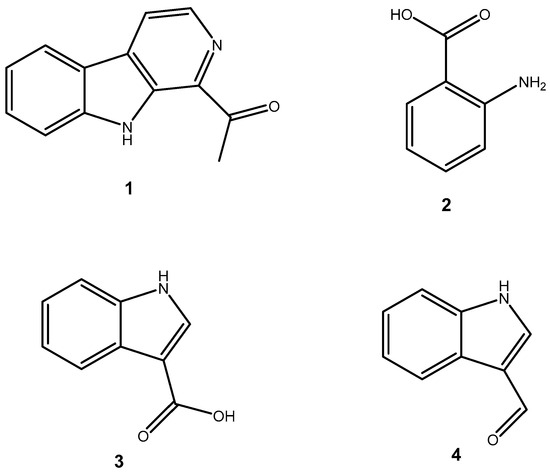
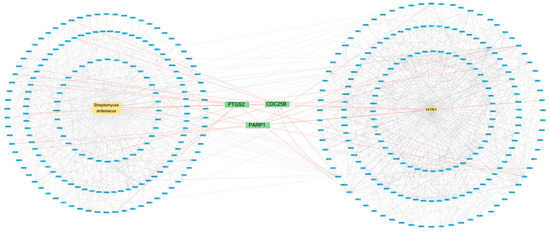
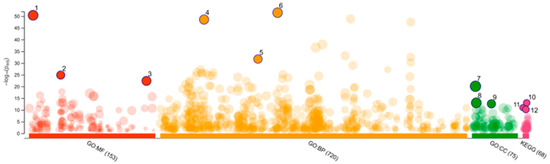
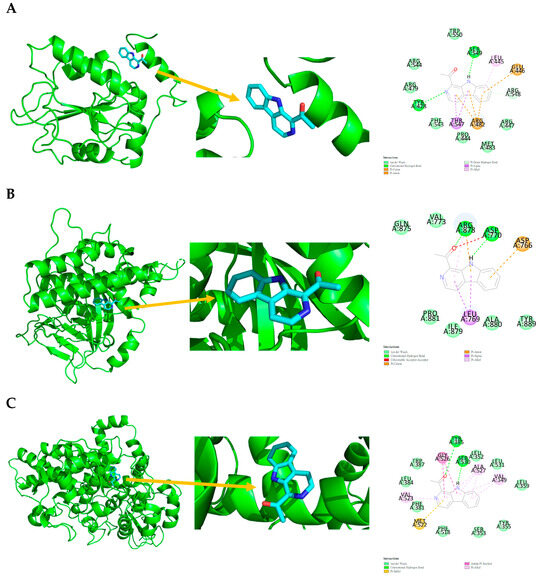
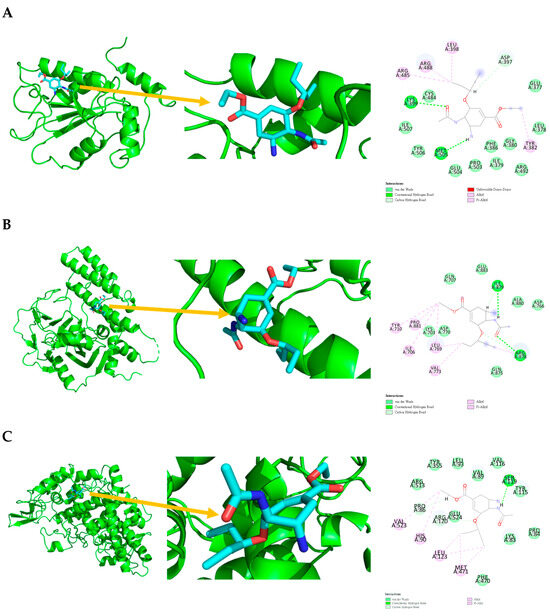
This study explores the potential anti-H1N1 Influenza A activity of bioactive compounds extracted from Streptomyces ardesiacus, a marine-derived microorganism known for producing diverse secondary metabolites. Four major compounds—1-acetyl-β-carboline, 1H-indole-3-carbaldehyde, anthranilic acid, and indole-3-carboxylic acid—were isolated and characterized through NMR. Among these, the identified structure of 1-acetyl-β-carboline showed the highest IC50 effect, with a dose of 9.71 μg/mL in anti-influenza assays. Using network pharmacology and molecular docking analyses, the interactions of these compounds with key proteins involved in H1N1 pathogenesis were examined. Protein–protein interaction (PPI) networks and Gene Ontology enrichment analysis revealed CDC25B, PARP1, and PTGS2 as key targets, associating these compounds with pathways related to catalytic activity, inflammation, and cell cycle regulation. The molecular docking results demonstrated that 1-acetyl-β-carboline exhibited binding affinities comparable to Tamiflu, the positive control drug, with LibDock scores of 81.89, 77.49, and 89.21 for CDC25B, PARP1, and PTGS2, respectively, compared to Tamiflu’s scores of 84.34, 86.13, and 91.29. These findings highlight the potential of the active compound 1-acetyl-β-carboline from S. ardesiacus as a novel anti-influenza agent, offering insights into their molecular mechanisms of action. The results support further in vitro and in vivo studies to validate the observed inhibitory mechanisms and therapeutic applications against H1N1 Influenza A.
Full article
(This article belongs to the Special Issue Marine Streptomyces-Derived Natural Products 2024)
►▼
Show Figures

Figure 1
Open AccessArticle
New Polyketides from a Marine Sponge-Derived Fungus, Neopestalotiopsis sp., with Anti-Renal Fibrosis Activity
by
Xinlong Li, Jianglian She, Meiqun Cai, Xinqi Chen, Rongxiang Qiu, Xiaowei Luo, Yonghong Liu, Xuefeng Zhou and Lan Tang
Mar. Drugs 2025, 23(4), 148; https://doi.org/10.3390/md23040148 - 29 Mar 2025
Abstract
Sixteen polyketides, including six new compounds (1–2, and 5–8), were isolated from the culture of the marine sponge-associated fungus Neopestalotiopsis sp. SCSIO 41422. Their structures were elucidated through NMR, MS spectroscopic analyses, calculated electronic circular dichroism,
[...] Read more.
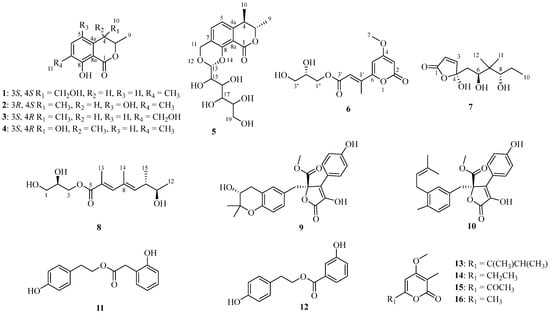
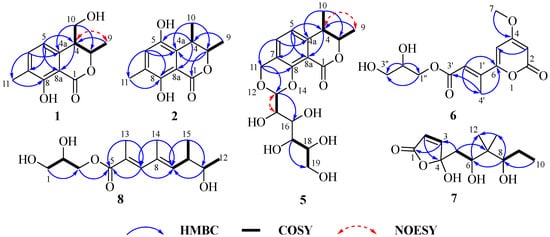
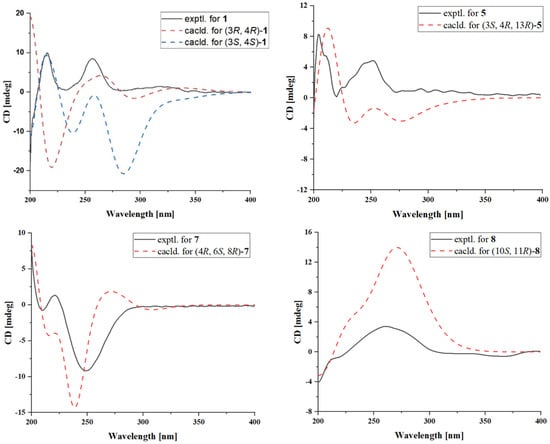
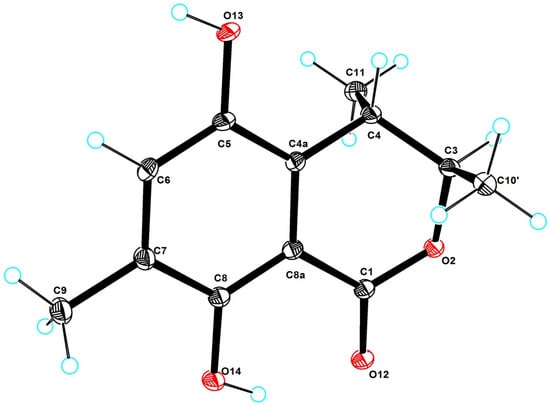
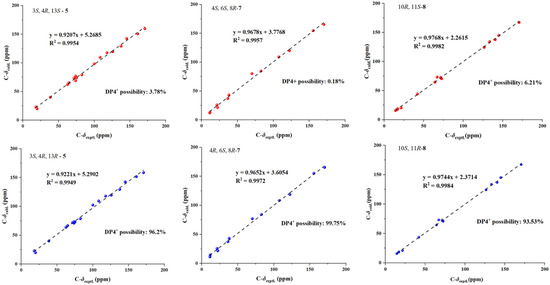
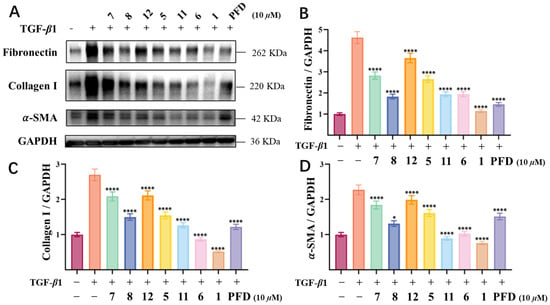
Sixteen polyketides, including six new compounds (1–2, and 5–8), were isolated from the culture of the marine sponge-associated fungus Neopestalotiopsis sp. SCSIO 41422. Their structures were elucidated through NMR, MS spectroscopic analyses, calculated electronic circular dichroism, quantum chemical NMR calculations, and X-ray single-crystal diffraction. To screen and evaluate the inhibitory activity of these polyketides in renal fibrosis, a TGF-β1-stimulated HK-2 cell model was used. All tested compounds (1, 5–8, and 11–12) at 10 µM showed obvious anti-fibrotic activity by inhibiting TGF-β1-induced α-SMA expression and extracellular matrix production (collagen I and fibronectin). Among them, gamahorin A (1) was shown to be the most potent and the most promising inhibitor against renal fibrosis.
Full article
(This article belongs to the Special Issue Diversity of Marine Fungi as a Source of Bioactive Natural Products, 2nd Edition)
►▼
Show Figures

Figure 1
Open AccessArticle
Optimization of Nanoencapsulation of Codium tomentosum Extract and Its Potential Application in Yogurt Fortification
by
Micaela Costa, Cristina Soares, Aurora Silva, Maria Fátima Barroso, Pedro Simões, Mariana Ferreira, Paula Gameiro, Clara Grosso and Cristina Delerue-Matos
Mar. Drugs 2025, 23(4), 147; https://doi.org/10.3390/md23040147 - 28 Mar 2025
Abstract
Marine macroalgae are excellent sources of bioactive compounds recognized by their pharmaceutical and biomedical potential. A subcritical water extraction (SWE) was applied to the macroalga Codium tomentosum, and the extract was used to prepare phytosomes. A Box–Behnken design was applied to optimize
[...] Read more.
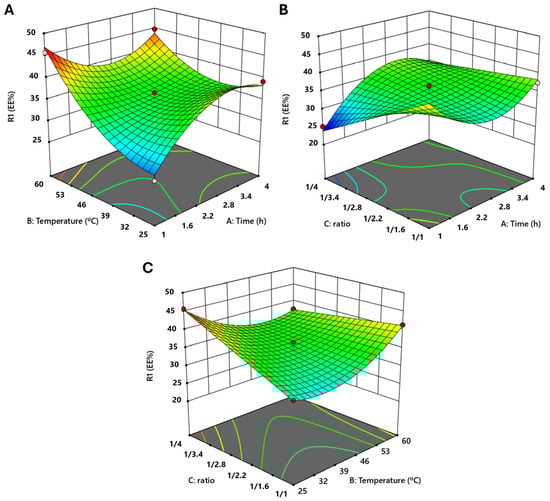
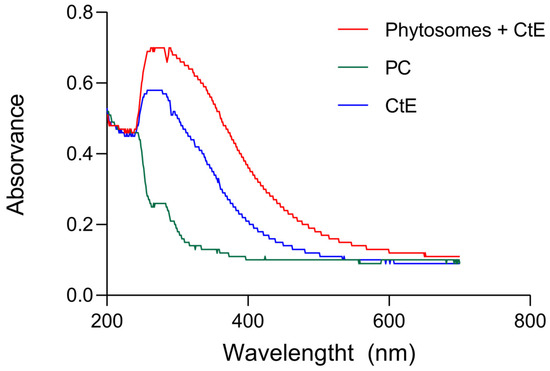
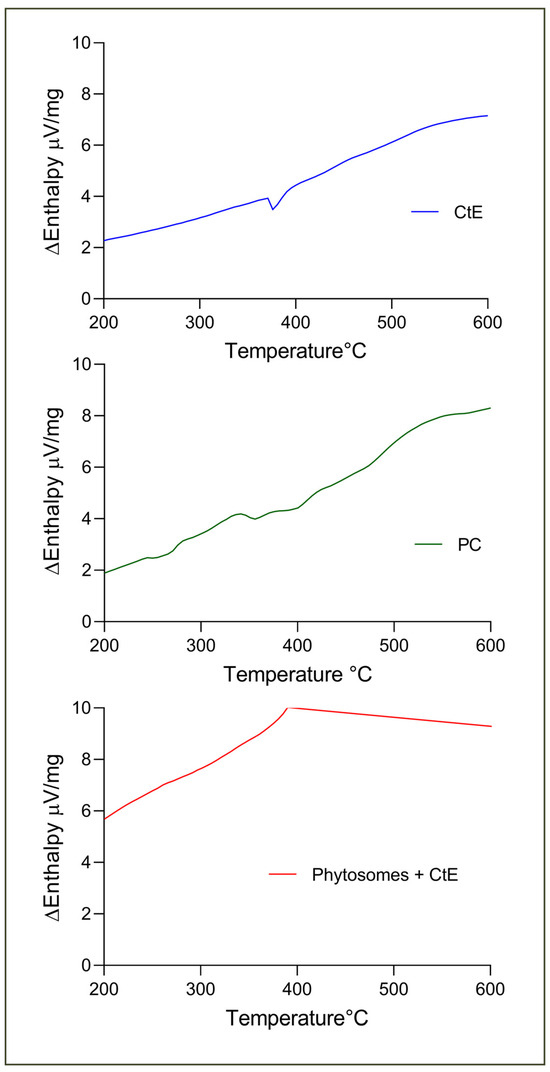
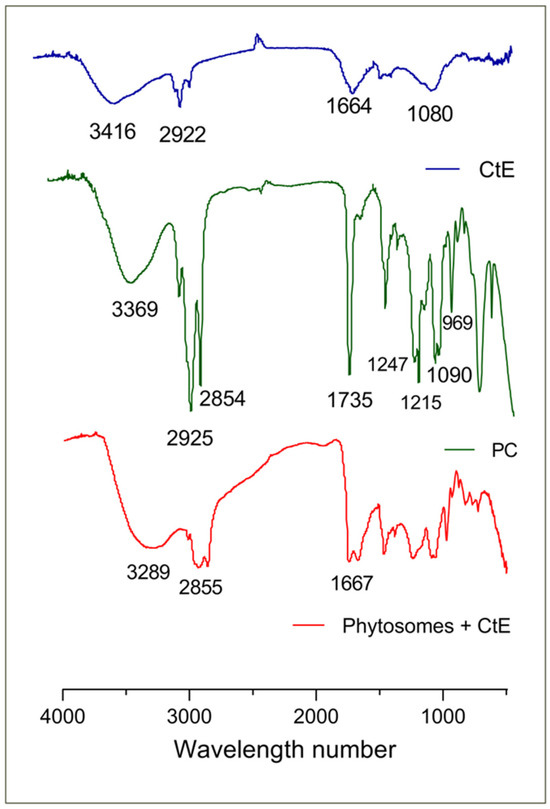
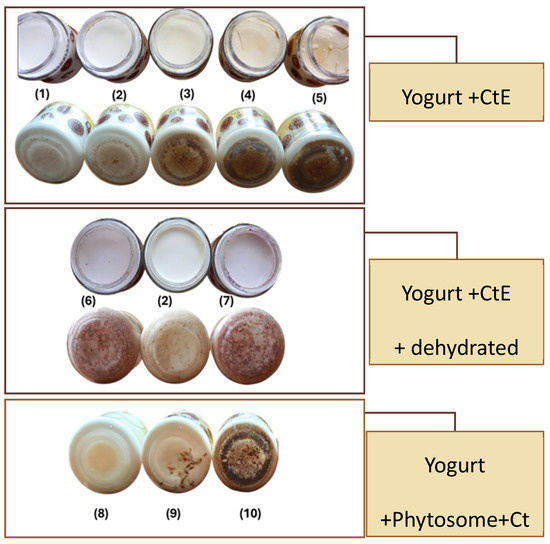
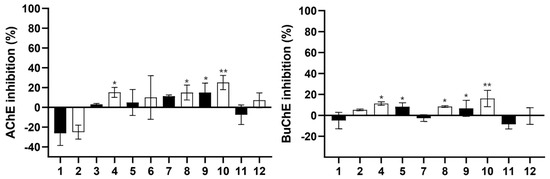
Marine macroalgae are excellent sources of bioactive compounds recognized by their pharmaceutical and biomedical potential. A subcritical water extraction (SWE) was applied to the macroalga Codium tomentosum, and the extract was used to prepare phytosomes. A Box–Behnken design was applied to optimize the entrapment efficiency. These phytosomes were further modified with DSPE-PEG (2000)-maleimide and apolipoprotein E and characterized by dynamic light scattering, UV spectrophotometry, octanol/water partition coefficient, differential scanning calorimetry, and Fourier transform infrared spectroscopy. As proof of concept, prototypes of functional food tailored to the elderly were produced. Yogurts were fortified with seaweed extract or phytosomes, and physicochemical properties and proximal composition (pH, acidity, syneresis, moisture, peroxides, proteins, total lipids, sugar content, ash, and mineral composition) were analyzed. The antioxidant and the inhibition capacity of two brain enzymes, cholinesterases (AChE and BuChE), involved in the pathogenesis of Alzheimer’s disease, were also evaluated in the final prototypes. Despite their unappealing sensory characteristics, the results are promising for integrating marine extracts with potential neuroprotective effects into functional foods.
Full article
(This article belongs to the Special Issue The Extraction and Application of Functional Components in Algae)
►▼
Show Figures

Figure 1
Open AccessArticle
Xanthocillin X Dimethyl Ether Exhibits Anti-Proliferative Effect on Triple-Negative Breast Cancer by Depletion of Mitochondrial Heme
by
Jingjing Du, Xuening Zhang, Kaiqiang Guo, Wanjun Lin, Wenjian Lan, Zi Wang, Meina Shi, Zifeng Huang, Houjin Li and Wenzhe Ma
Mar. Drugs 2025, 23(4), 146; https://doi.org/10.3390/md23040146 - 28 Mar 2025
Abstract
Triple-negative breast cancer (TNBC) presents a significant therapeutic challenge due to the absence of specific targeted treatments. In this study, we explored the therapeutic potential of xanthocillin X dimethyl ether (XanDME), a naturally occurring isocyanide isolated from the marine fungus Scedosporium apiospermum,
[...] Read more.
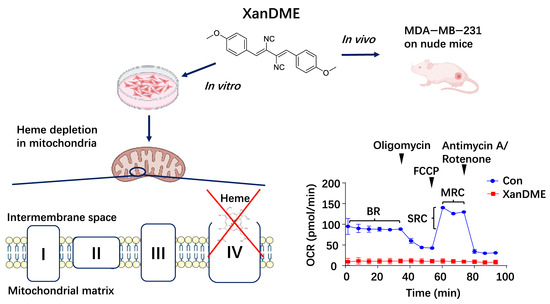
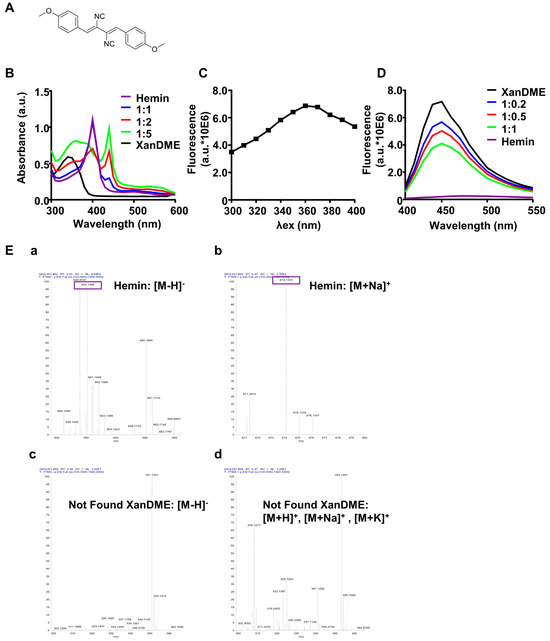
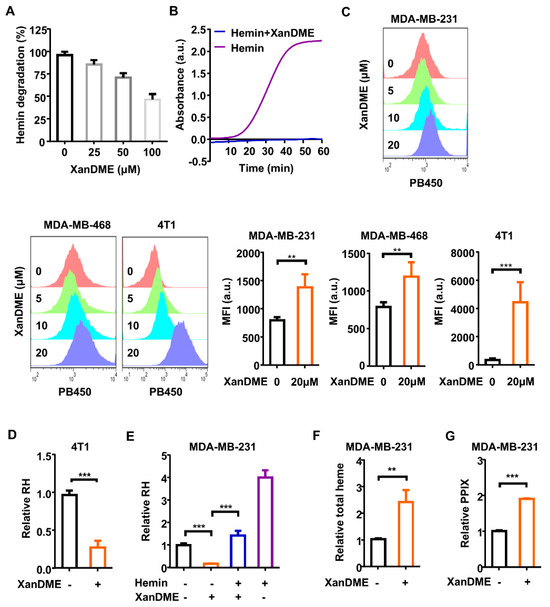
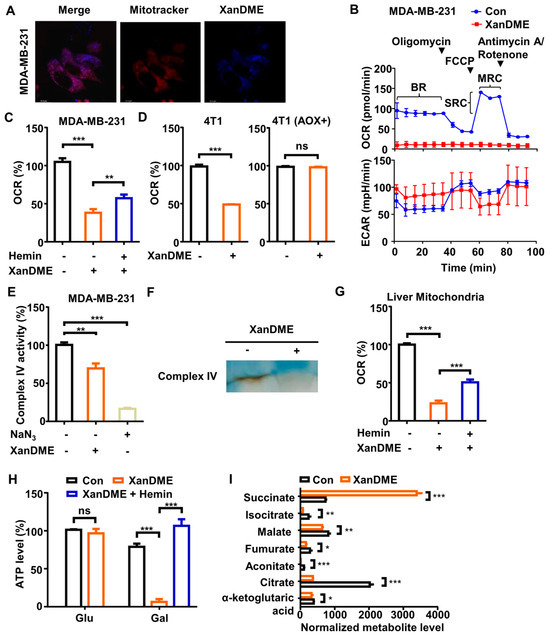
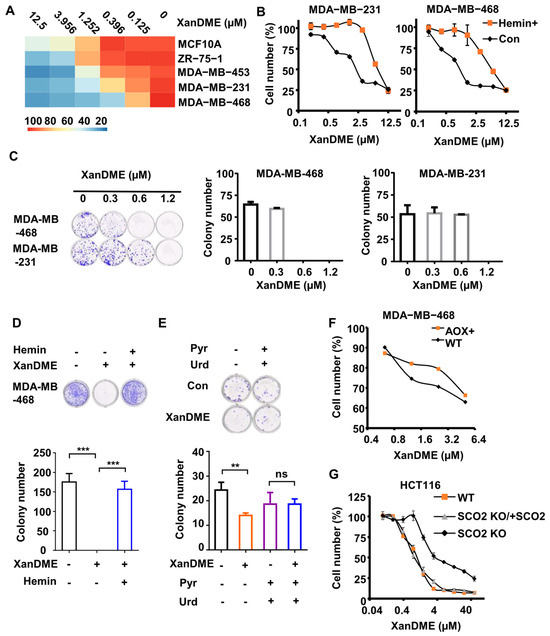
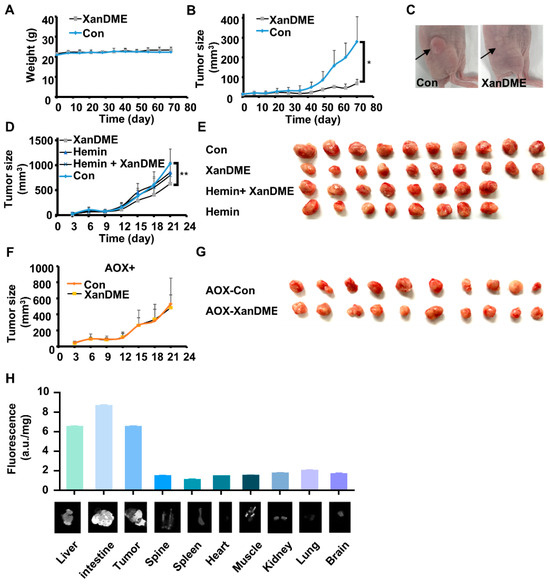
Triple-negative breast cancer (TNBC) presents a significant therapeutic challenge due to the absence of specific targeted treatments. In this study, we explored the therapeutic potential of xanthocillin X dimethyl ether (XanDME), a naturally occurring isocyanide isolated from the marine fungus Scedosporium apiospermum, on TNBC. To elucidate the underlying mechanism, we initially demonstrated that XanDME directly binds to hemin, the oxidized form of heme, in vitro, corroborating previous reports. This interaction led to the depletion of intracellular regulatory heme. We further established that XanDME translocates into the mitochondria, where it interacts with crucial hemoproteins, namely cytochromes. The binding of XanDME with mitochondrial cytochromes disrupts the electron transport chain (ETC), inhibits the activity of mitochondrial complexes, and inactivates mitochondrial respiration. The inhibitory activity of XanDME on mitochondrial function significantly contributes to its anti-TNBC effects, as observed both in vitro and in vivo. Our study underscores the potential of XanDME against TNBC, warranting further investigations.
Full article
(This article belongs to the Section Marine Pharmacology)
►▼
Show Figures

Graphical abstract
Open AccessArticle
The Marine Compound Isaridin E Ameliorates Lipopolysaccharide-Induced Vascular Endothelial Inflammation via the Downregulation of the TLR4/NF-κB Signaling Pathway
by
Jing Liu, Xin Zeng, Yu-Quan Lin, Yu-Sheng Peng, Lan Liu, Sen-Hua Chen and Yan-Hua Du
Mar. Drugs 2025, 23(4), 145; https://doi.org/10.3390/md23040145 - 28 Mar 2025
Abstract
Isaridin E, a cyclodepsipeptide derived from the marine fungus Beauveria felina (SYSU-MS7908), has been demonstrated to possess multiple biological properties. In this study, we employed both lipopolysaccharide (LPS)-stimulated human umbilical vein endothelial cells (HUVECs) and a LPS-induced murine endotoxemia model to investigate its
[...] Read more.
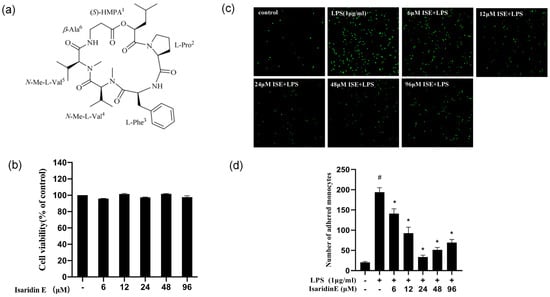
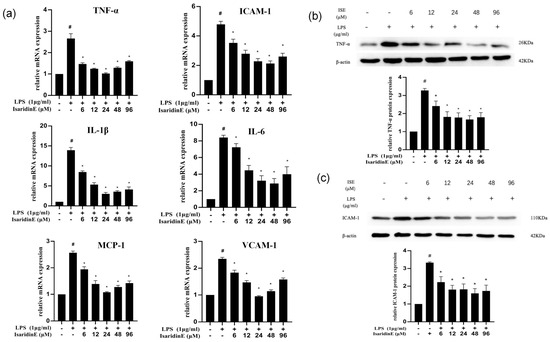
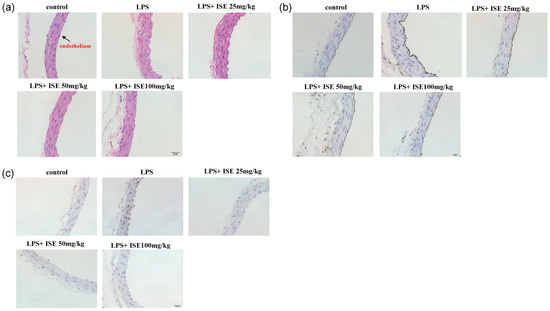
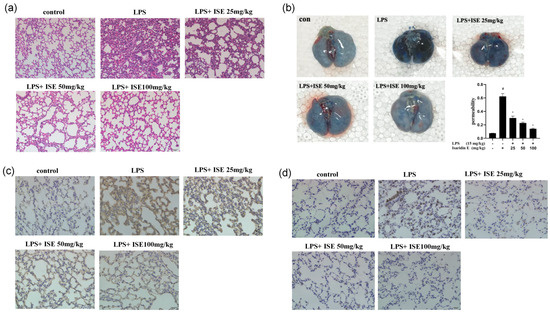
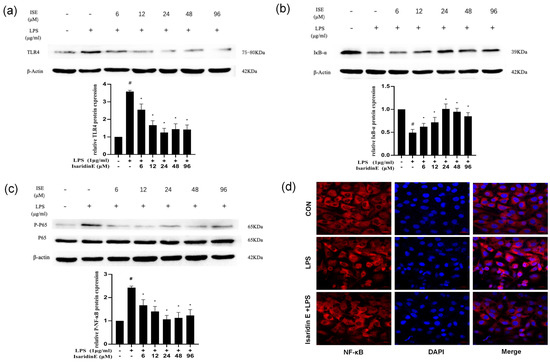
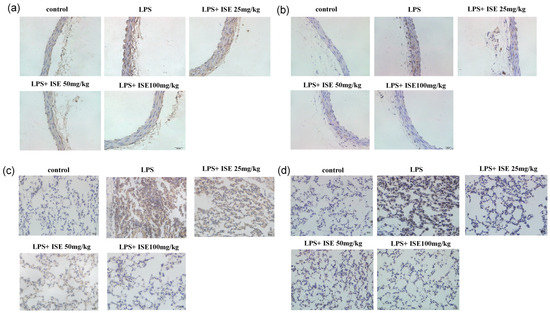
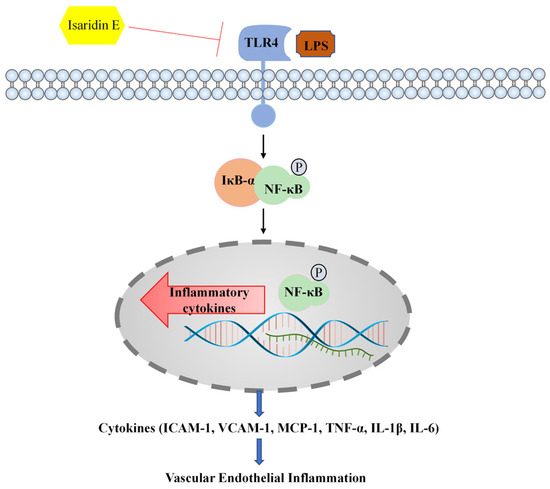
Isaridin E, a cyclodepsipeptide derived from the marine fungus Beauveria felina (SYSU-MS7908), has been demonstrated to possess multiple biological properties. In this study, we employed both lipopolysaccharide (LPS)-stimulated human umbilical vein endothelial cells (HUVECs) and a LPS-induced murine endotoxemia model to investigate its anti-inflammatory effects. Our results revealed that isaridin E suppressed the expression of pro-inflammatory cytokines and adhesion molecules in a concentration dependent manner, while also reducing monocyte adhesion to endothelial cells. Furthermore, this compound attenuated vascular hyperpermeability and inflammatory cell infiltration in the lungs, as well as preserving the integrity of the aortic and pulmonary tissues. At the molecular level, isaridin E was found to downregulate TLR4 expression, increase IκBα levels, and inhibit the LPS-induced phosphorylation and nuclear translocation of NF-κB p65. In conclusion, our findings indicate that isaridin E exerts robust anti-inflammatory effects in LPS-induced endotoxemia through the suppression of the TLR4/NF-κB signaling axis, positioning it as a promising therapeutic candidate for vascular inflammatory disorders.
Full article
(This article belongs to the Special Issue Marine Anti-inflammatory Agents )
►▼
Show Figures

Figure 1
Open AccessArticle
Genome-Wide Mining of Chitinase Diversity in the Marine Diatom Thalassiosira weissflogii and Functional Characterization of a Novel GH19 Enzyme
by
Mengzhen Cheng, Shuang Li, Jiahui Wang, Xiaoqi Yang, Delin Duan and Zhanru Shao
Mar. Drugs 2025, 23(4), 144; https://doi.org/10.3390/md23040144 - 26 Mar 2025
Abstract
Chitin represents a globally abundant marine polymer with significant ecological and biotechnological value. β-chitin is an important carbon fixation product of diatoms and has a greater range of applications than α- and γ-chitin. However, there has been a paucity of research on the
[...] Read more.
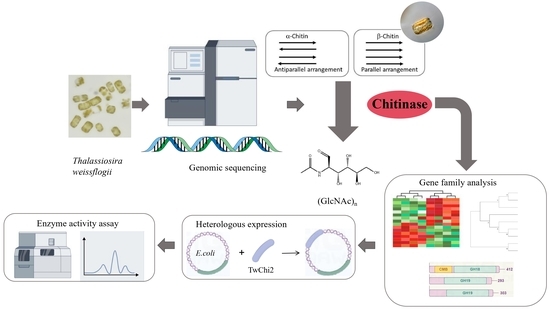
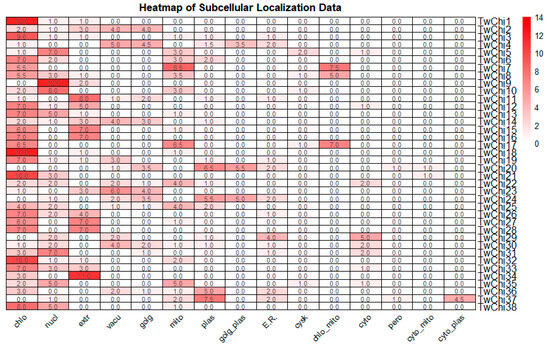
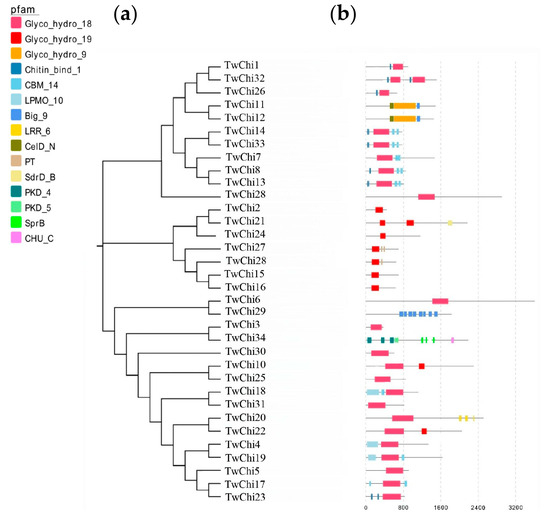
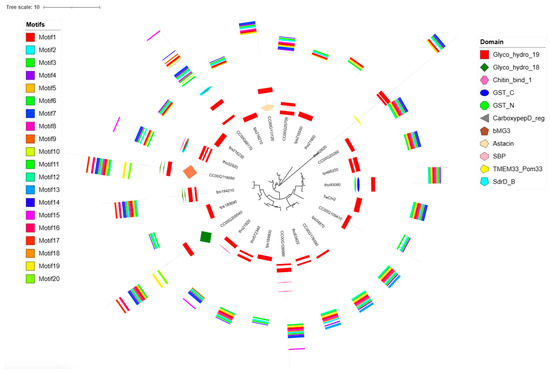
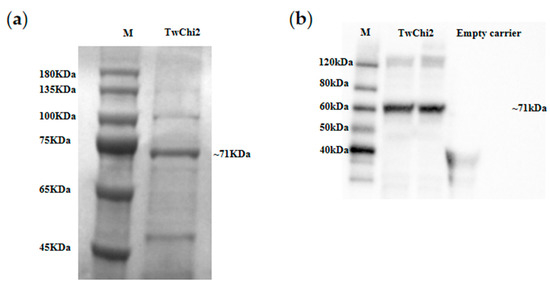
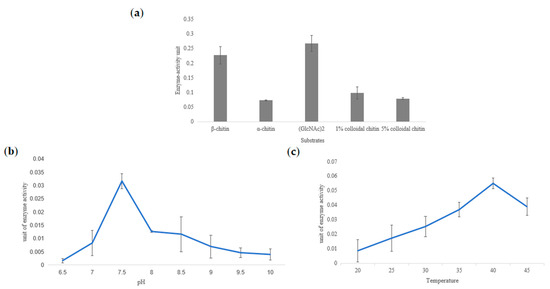
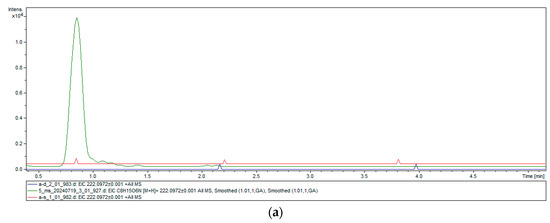
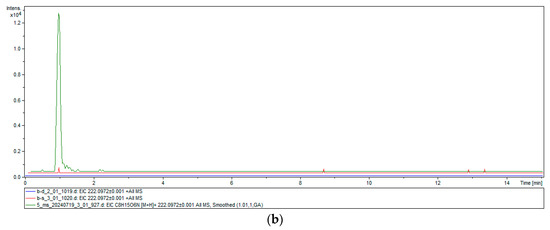
Chitin represents a globally abundant marine polymer with significant ecological and biotechnological value. β-chitin is an important carbon fixation product of diatoms and has a greater range of applications than α- and γ-chitin. However, there has been a paucity of research on the characterization of chitin-related enzymes from β-chitin producers. In this study, we performed a genome-wide identification of 38 putative chitinase genes in Thalassiosira weissflogii, a key producer of β-chitin. Through comprehensive analyses of phylogenetic relationships, conserved motifs, structural domains, and subcellular localization predictions, we revealed that T. weissflogii possesses evolutionarily distinct GH18 and GH19 chitinase families exhibiting unique motif and domain configurations. Subcellular localization predictions showed that most TwChis were presumed to be located in the chloroplast, with a few being present in the nucleus and extracellular. The enzymatic activity of TwChi2, a GH19 chitinase, showed that TwChi2 was a member of exochitinase (EC 3.2.1.201) with strong thermal stability (40 °C) and broad substrate adaptability of hydrolyzing bipolymer, 1% and 5% colloidal chitin, α-chitin and β-chitin. Altogether, we analyzed the chitinase gene family and characterized a highly active exochitinase from T. weissflogii, which can catalyze the degradation of both chitin polymers and chitin oligosaccharides. The relevant results lay a foundation for the internal regulation mechanism of chitin metabolism in diatoms and provide a candidate enzyme for the green industrial preparation of high-value chitin oligosaccharides.
Full article
(This article belongs to the Special Issue Omics Technologies and Marine Microbial Natural Product Discovery)
►▼
Show Figures

Graphical abstract
Open AccessArticle
Encapsulation Techniques to Enhance Astaxanthin Utilization as Functional Feed Ingredient
by
Matteo Vitale, Joaquin Gomez-Estaca, Janete Chung, Seong-Chea Chua and Daniela Maria Pampanin
Mar. Drugs 2025, 23(4), 143; https://doi.org/10.3390/md23040143 - 26 Mar 2025
Abstract
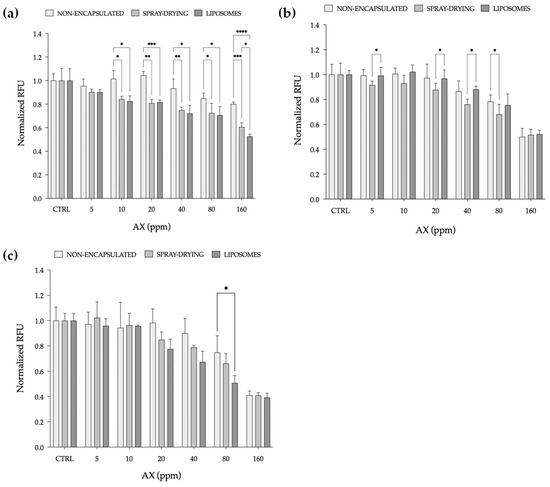
Herein, the effectiveness of astaxanthin (AX) as functional feed ingredient was assessed by enhancing its stability and bioavailability using encapsulation methods. Spray-drying and liposome entrapment were applied to a natural AX source from shrimp by-products, along with two commercially synthetic alternatives. Encapsulated AX
[...] Read more.
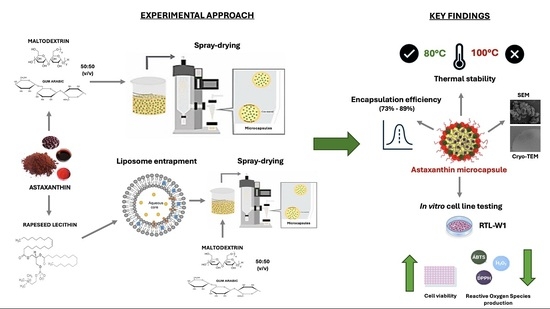
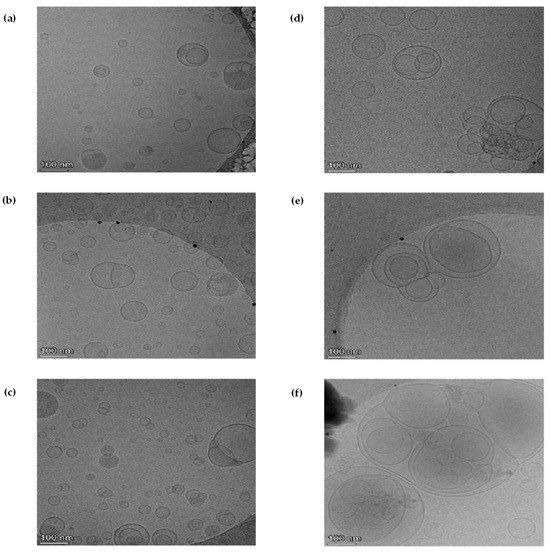
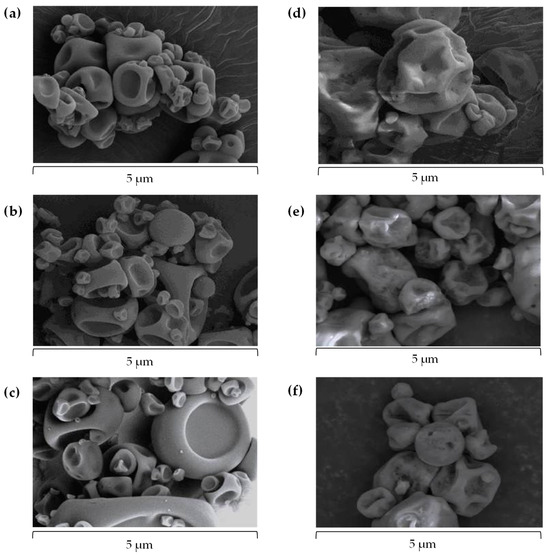
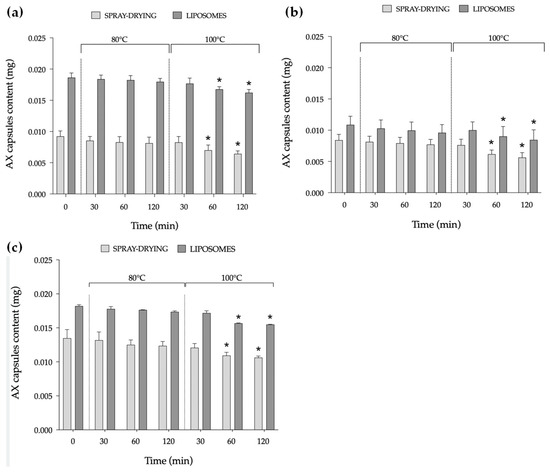
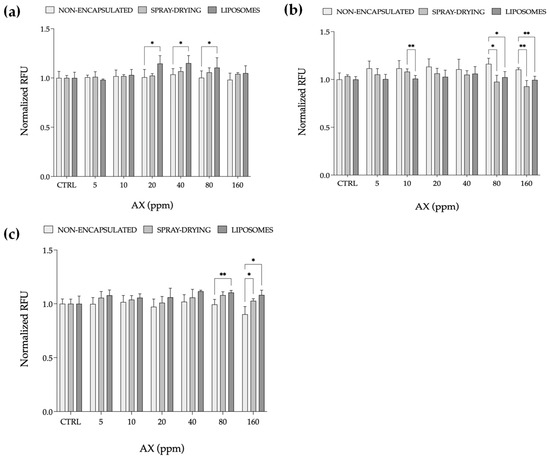
Herein, the effectiveness of astaxanthin (AX) as functional feed ingredient was assessed by enhancing its stability and bioavailability using encapsulation methods. Spray-drying and liposome entrapment were applied to a natural AX source from shrimp by-products, along with two commercially synthetic alternatives. Encapsulated AX formulations were evaluated for their physico-chemical properties, thermal stability, and in vitro performance using RTL-W1, a rainbow trout (Oncorhynchus mykiss) liver-derived cell line. Both techniques achieved high encapsulation efficiency (73–89%) and provided remarkable protection to AX during thermal treatments, maintaining its stability at 80 °C for up to 2 h and at 100 °C for 30 min. Nevertheless, neither encapsulation methods significantly mitigated water absorption over time. Additionally, morphological characterization revealed spray-dried microcapsules with typical round, partially collapsed particles with a broad size distribution, while liposomes further stabilized into dry powders by spray-drying showed structural rearrangements and an increase in size upon rehydration, although maintaining a uniform and stable distribution. In vitro testing revealed enhanced RTL-W1 cell viability and reduced reactive oxygen species (ROS) production when encapsulation was employed. Overall, these findings demonstrate the potential of the selected encapsulation techniques to optimize the stability, bioavailability, and functionality of AX, providing valuable insights to improve its utilization as a functional ingredient in fish feed formulations.
Full article
(This article belongs to the Special Issue Marine Carotenoids: Properties, Health Benefits, and Applications)
►▼
Show Figures

Graphical abstract
Open AccessReview
Marine Fungal Metabolites as Potential Antidiabetic Agents: A Comprehensive Review of Their Structures and Enzyme Inhibitory Activities
by
Zimin Wang, Meirong Zhao, Yunxia Yu, Fandong Kong, Nanxin Lin and Qi Wang
Mar. Drugs 2025, 23(4), 142; https://doi.org/10.3390/md23040142 - 26 Mar 2025
Abstract
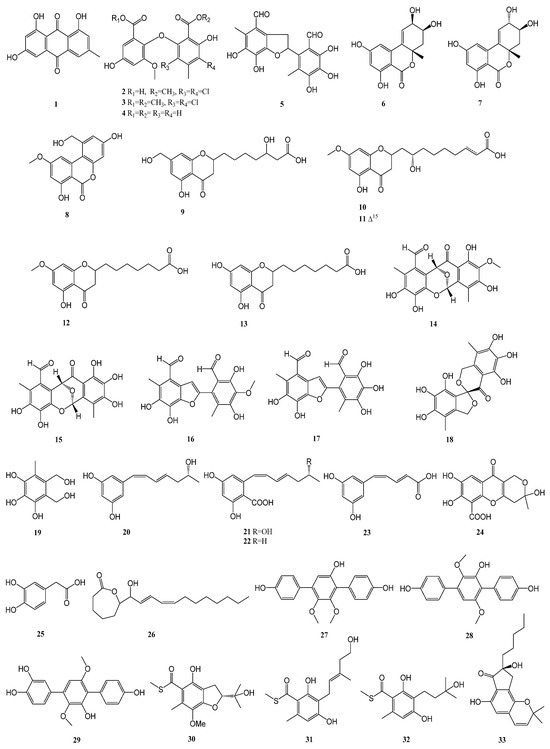
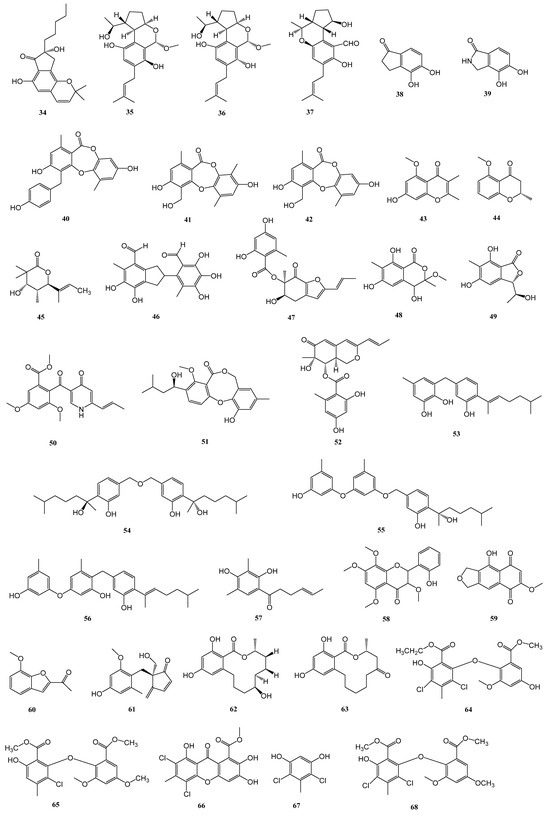
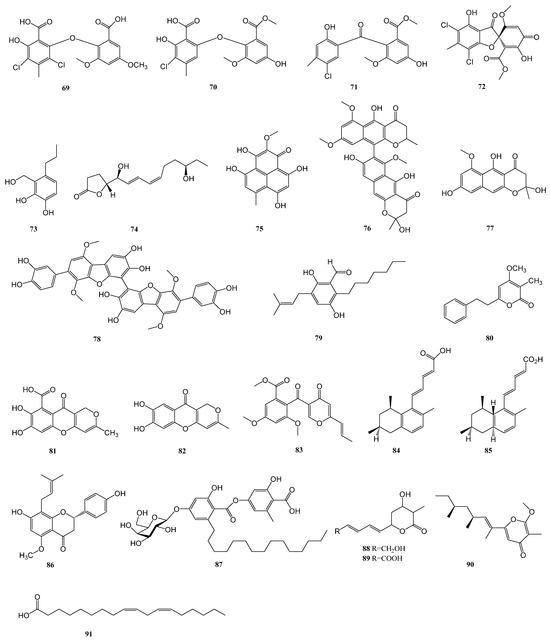
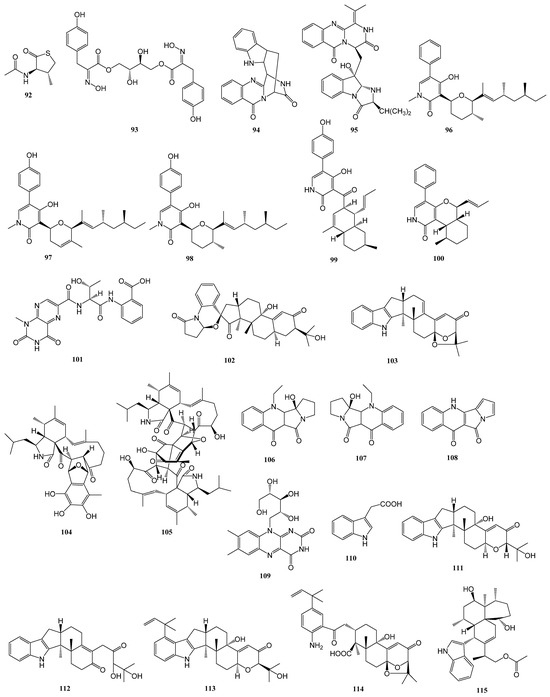
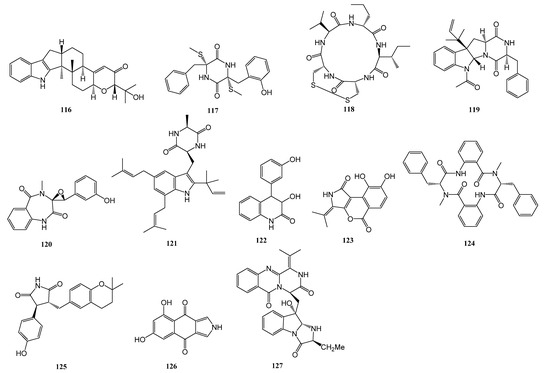
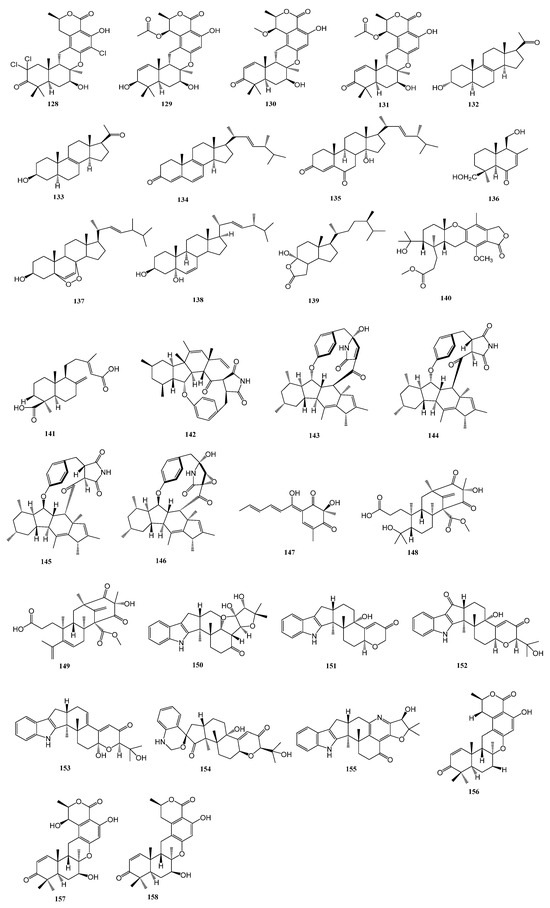
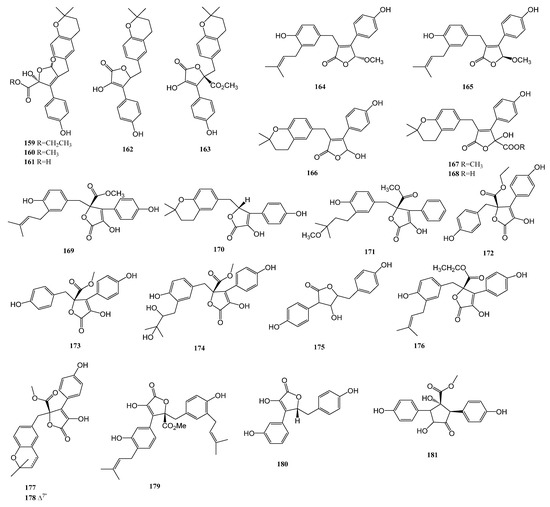
Diabetes mellitus has emerged as a global public health crisis, with Type 2 diabetes (T2D) constituting over 90% of cases. Current treatments are palliative, primarily focusing on blood glucose modulation. This review systematically evaluates 181 bioactive compounds isolated from 66 marine fungal strains
[...] Read more.
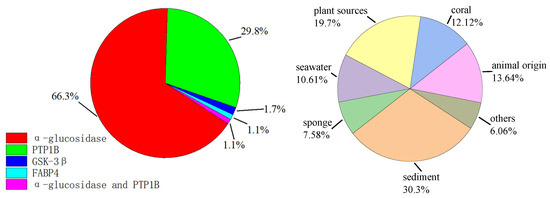
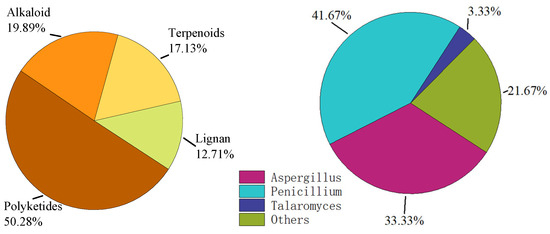
Diabetes mellitus has emerged as a global public health crisis, with Type 2 diabetes (T2D) constituting over 90% of cases. Current treatments are palliative, primarily focusing on blood glucose modulation. This review systematically evaluates 181 bioactive compounds isolated from 66 marine fungal strains for their inhibitory activities against key diabetes-related enzymes, including α-glucosidase, protein tyrosine phosphatase 1B (PTP1B), dipeptidyl peptidase-4 (DPP-4), glycogen synthase kinase-3β (GSK-3β), and fatty acid-binding protein 4 (FABP4). These compounds, categorized into polyketides, alkaloids, terpenoids, and lignans, exhibit multitarget engagement and nanomolar-to-micromolar potency. The review highlights the potential of marine fungal metabolites as novel antidiabetic agents, emphasizing their structural novelty and diverse mechanisms of action. Future research should focus on overcoming challenges related to yield and extraction, leveraging advanced technologies such as genetic engineering and synthetic biology to enhance drug development.
Full article
(This article belongs to the Special Issue Bioactive Secondary Metabolites of Marine Fungi, 3rd Edition)
►▼
Show Figures

Figure 1
Open AccessArticle
Overcoming Extraction Hurdles and Assessing Biological Activity in a Major Invasive Seaweed Species in Europe, Rugulopteryx okamurae
by
Carolina Paulo, Joana Matos, Cláudia Afonso and Carlos Cardoso
Mar. Drugs 2025, 23(4), 141; https://doi.org/10.3390/md23040141 - 25 Mar 2025
Abstract
The brown seaweed Rugulopteryx okamurae is a major invasive species in Europe, menacing local ecosystems. The challenge lies in assessing application routes for this biomass, testing different extraction technologies (overnight agitation, mechanical homogenization, pH-shift, ionic liquid-, and ultrasound-assisted extractions) and parameters. There was
[...] Read more.
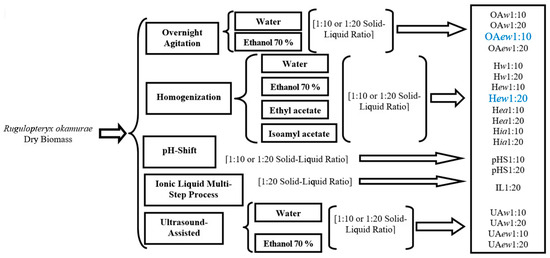
The brown seaweed Rugulopteryx okamurae is a major invasive species in Europe, menacing local ecosystems. The challenge lies in assessing application routes for this biomass, testing different extraction technologies (overnight agitation, mechanical homogenization, pH-shift, ionic liquid-, and ultrasound-assisted extractions) and parameters. There was a higher yield in the extracts homogenized with 70% ethanol, especially with 1:20, w/v, biomass–solvent ratio, than in aqueous extracts. As to overnight agitation, 70% ethanol produced results (24.5–28.3%) similar to those found in the homogenized extracts. However, in the former, the best biomass–solvent proportion was 1:10, w/v. Mineral matter yield presented specific patterns, reaching 59.6 ± 1.1% (70% ethanol) and 82.3 ± 0.1% (water). The highest total polyphenol level was attained in the 70% ethanol, 1:20, w/v, extract, 310.7 ± 22.1 mg GAE/100 g dw seaweed. This extract had a higher FRAP/ABTS. The extract attained with overnight agitation, 70% ethanol, 1:10, w/v, had 48% COX-2 inhibition as anti-inflammatory activity. Besides showing the potential of R. okamurae for pharmacological purposes, especially in the antioxidant and anti-inflammatory area, this study enabled us to rank technologies and conditions for the utilization of this abundant biomass resource by the industry.
Full article
(This article belongs to the Special Issue Nutritional Content, Biologically Active Compounds, and Correlated Health Impacts of Seaweed as a Resource for Nutraceutical, Cosmetic, and Pharmaceutical Applications)
►▼
Show Figures

Figure 1

Journal Menu
► ▼ Journal Menu-
- Marine Drugs Home
- Aims & Scope
- Editorial Board
- Reviewer Board
- Instructions for Authors
- Special Issues
- Topics
- Sections & Collections
- Article Processing Charge
- Indexing & Archiving
- Editor’s Choice Articles
- Most Cited & Viewed
- Journal Statistics
- Journal History
- Journal Awards
- Society Collaborations
- Conferences
- Editorial Office
Journal Browser
► ▼ Journal Browser-
arrow_forward_ios
Forthcoming issue
arrow_forward_ios Current issue - Vol. 23 (2025)
- Vol. 22 (2024)
- Vol. 21 (2023)
- Vol. 20 (2022)
- Vol. 19 (2021)
- Vol. 18 (2020)
- Vol. 17 (2019)
- Vol. 16 (2018)
- Vol. 15 (2017)
- Vol. 14 (2016)
- Vol. 13 (2015)
- Vol. 12 (2014)
- Vol. 11 (2013)
- Vol. 10 (2012)
- Vol. 9 (2011)
- Vol. 8 (2010)
- Vol. 7 (2009)
- Vol. 6 (2008)
- Vol. 5 (2007)
- Vol. 4 (2006)
- Vol. 3 (2005)
- Vol. 2 (2004)
- Vol. 1 (2003)
Highly Accessed Articles
Latest Books
E-Mail Alert
News
Topics
Topic in
Biomolecules, IJMS, Molecules, Sci. Pharm., Marine Drugs, Plants
Antioxidant Activity of Natural Products—2nd Edition
Topic Editors: José Virgílio Santulhão Pinela, Maria Inês Moreira Figueiredo Dias, Carla Susana Correia Pereira, Alexandra PlácidoDeadline: 30 September 2025
Topic in
Agrochemicals, Agronomy, Insects, IJMS, Marine Drugs, Toxins, Agriculture, Biology
Research on Natural Bioactive Product-Based Pesticidal Agents—2nd Edition
Topic Editors: Min Lv, Hui XuDeadline: 28 February 2026
Topic in
Applied Biosciences, Applied Sciences, Fermentation, Marine Drugs, Microorganisms, Phycology
Microalgae: Current Trends in Basic Research and Applications
Topic Editors: Nhuan Nghiem, Tae Hyun KimDeadline: 31 March 2026
Conferences
Special Issues
Special Issue in
Marine Drugs
Marine Toxins: Characterization, Detection, Classification and Potential Therapeutics
Guest Editors: Robert F. Williams, Hau B. NguyenDeadline: 15 April 2025
Special Issue in
Marine Drugs
Biologically Active Compounds from Marine Invertebrates 2025
Guest Editor: Crisalejandra Rivera-PérezDeadline: 15 April 2025
Special Issue in
Marine Drugs
Enzymes from Marine By-Products and Wastes
Guest Editor: Zied KhiariDeadline: 15 April 2025
Special Issue in
Marine Drugs
Enzymes from Marine Environments: Diversity, Characteristics, Structure, Catalytic Mechanism, Function and Application
Guest Editor: Xiulan ChenDeadline: 15 April 2025
Topical Collections
Topical Collection in
Marine Drugs
Bioactive Compounds from Marine Plankton
Collection Editor: Georg Pohnert
Topical Collection in
Marine Drugs
Bioactive Compounds from Marine Invertebrates
Collection Editor: Kirsten Benkendorff
Topical Collection in
Marine Drugs
Microalgal Active Biomolecules
Collection Editor: Cédric Delattre