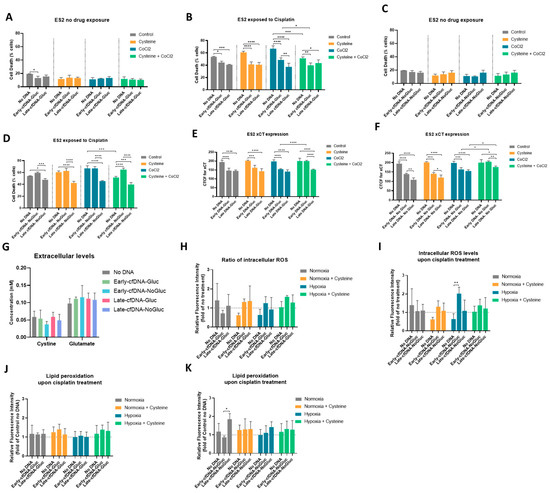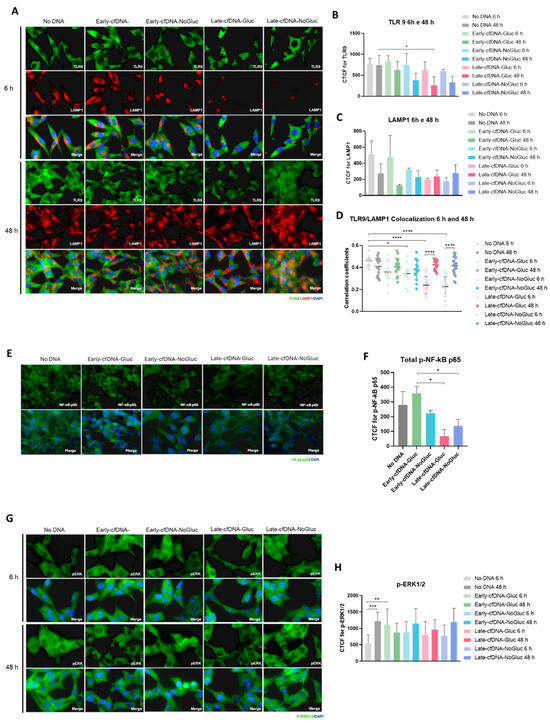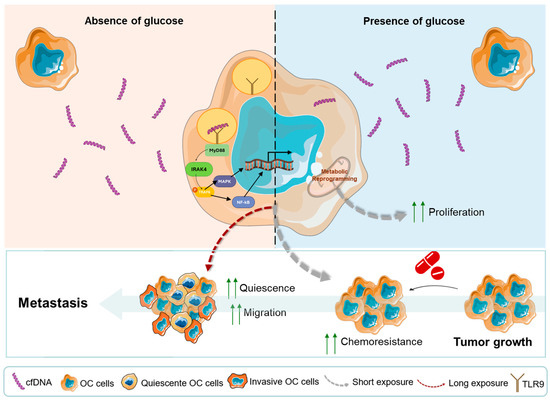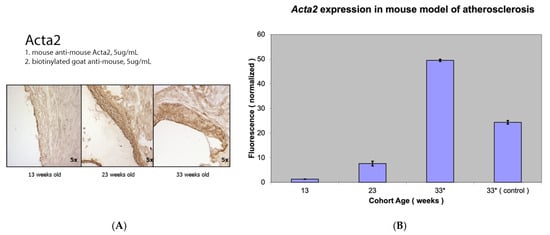





-
Metabolomics Approach Revealed Polyunsaturated Fatty Acid Disorders as Pathogenesis for Chronic Pancreatitis−Induced Osteoporosis in Mice -
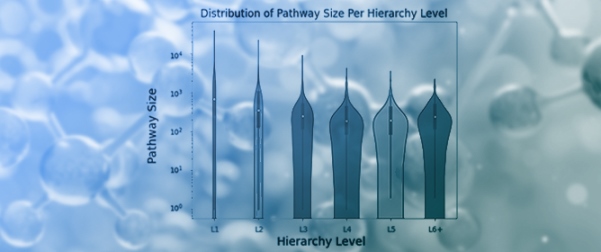
Predicting the Pathway Involvement of Compounds Annotated in the Reactome Knowledgebase -
Polar Metabolite Profiles Distinguish Between Early and Severe Sub-Maintenance Nutritional States of Wild Bighorn Sheep -
Role of Dietary Ceramide 2-Aminoethylphosphonate on Aberrant Crypt Foci Formation and Colon Inflammation in 1,2-Dimethylhydrazine-Treated Mice
Journal Description
Metabolites
Metabolites
is an international, peer-reviewed, open access journal of metabolism and metabolomics, published monthly online by MDPI.
- Open Access— free for readers, with article processing charges (APC) paid by authors or their institutions.
- High Visibility: indexed within Scopus, SCIE (Web of Science), PubMed, PMC, Embase, CAPlus / SciFinder, and other databases.
- Journal Rank: JCR - Q2 (Biochemistry and Molecular Biology) / CiteScore - Q2 (Endocrinology, Diabetes and Metabolism)
- Rapid Publication: manuscripts are peer-reviewed and a first decision is provided to authors approximately 16.1 days after submission; acceptance to publication is undertaken in 2.9 days (median values for papers published in this journal in the second half of 2024).
- Recognition of Reviewers: reviewers who provide timely, thorough peer-review reports receive vouchers entitling them to a discount on the APC of their next publication in any MDPI journal, in appreciation of the work done.
Impact Factor:
3.5 (2023);
5-Year Impact Factor:
4.0 (2023)
Latest Articles
The Role of the Intrauterine Environment in Shaping Childhood and Adolescence Metabolic Outcomes
Metabolites 2025, 15(4), 252; https://doi.org/10.3390/metabo15040252 (registering DOI) - 6 Apr 2025
Abstract
Emerging research suggests that the intrauterine environment plays a critical role in predisposing individuals to metabolic syndrome (MetS), a constellation of conditions that heightens the risk for heart disease, stroke, and diabetes. Traditionally linked to lifestyle, the risk for MetS is now understood
[...] Read more.
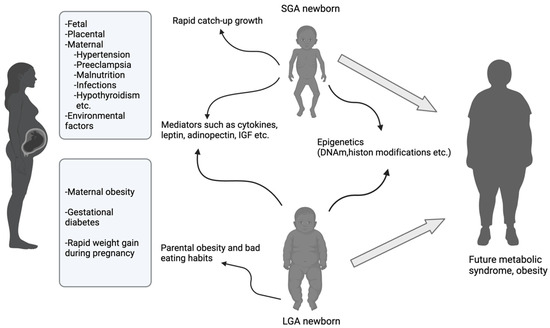
Emerging research suggests that the intrauterine environment plays a critical role in predisposing individuals to metabolic syndrome (MetS), a constellation of conditions that heightens the risk for heart disease, stroke, and diabetes. Traditionally linked to lifestyle, the risk for MetS is now understood to be also influenced by fetal exposures. The environment in which a child lives offers abundant potential sources that can contribute to an increased risk of developing various diseases, and in some cases, these factors can be avoided. This review integrates findings from both epidemiological and experimental research to underscore the impact of prenatal factors, including maternal nutrition, obesity, gestational diabetes (GDM), and birth size, on the subsequent development of metabolic derangements in offspring, particularly during puberty. The progression of genetic and epigenetic studies has enlightened the pathophysiology of these conditions starting in the intrauterine period and continuing into early life. By examining data and studies, this article elucidates the prenatal influences and underlying mechanisms that contribute to the pathogenesis of MetS. The updated understanding of the link between the intrauterine environment and future health comorbidities will draw attention to intrauterine care and maternal health and contribute to the prevention of serious diseases in adulthood.
Full article
(This article belongs to the Special Issue Puberty and the Metabolic Syndrome)
►
Show Figures
Open AccessArticle
Effects of Long-Term Airport Noise Exposure on Inflammation and Intestinal Flora and Their Metabolites in Mice
by
Jian Yang, Longwei Wei, Yuan Xia, Junyi Wang, Yan Bai and Yun Xia
Metabolites 2025, 15(4), 251; https://doi.org/10.3390/metabo15040251 (registering DOI) - 5 Apr 2025
Abstract
Background: The World Health Organization has indicated that airport noise is strongly associated with cardiovascular disease, with vascular inflammation identified as the primary mechanism. Therefore, long-term exposure to airport noise is considered far more harmful than other types of noise. However, there
[...] Read more.
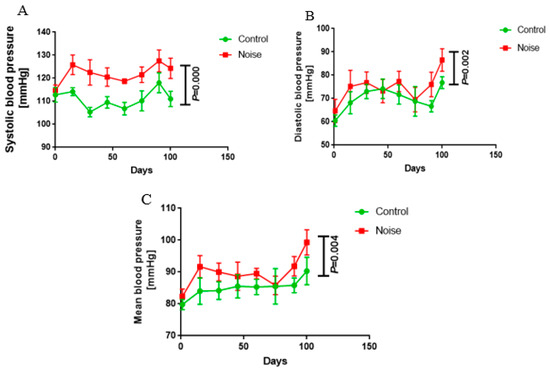
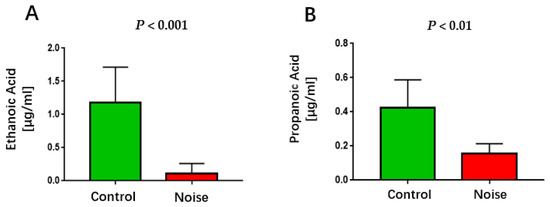
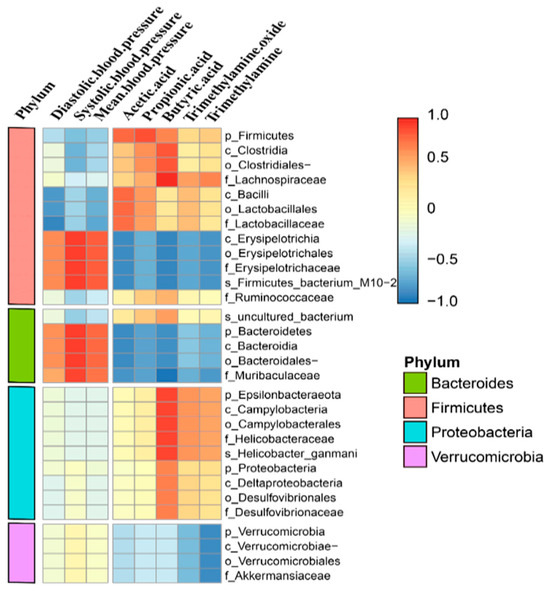
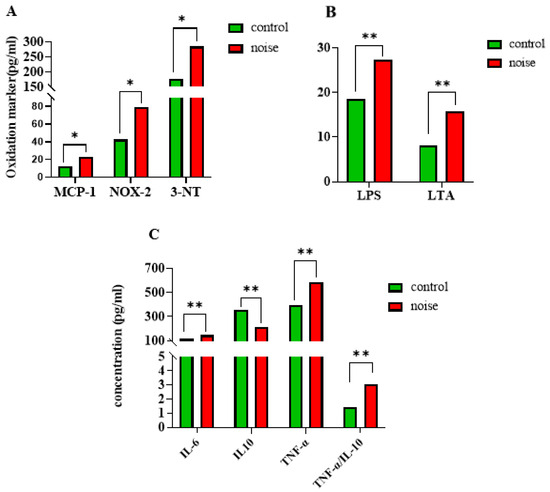
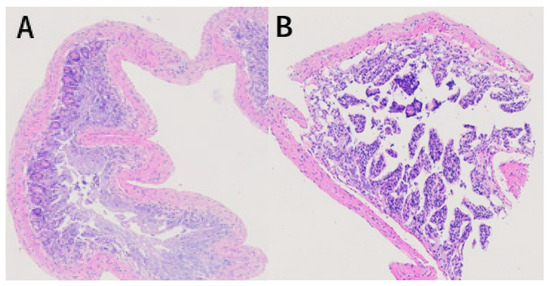
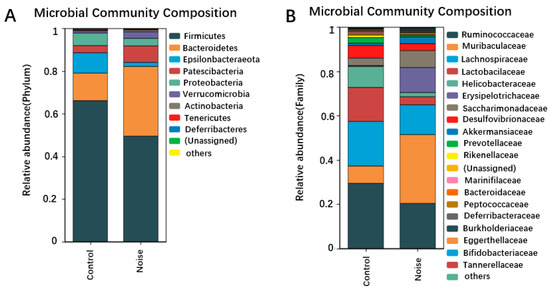
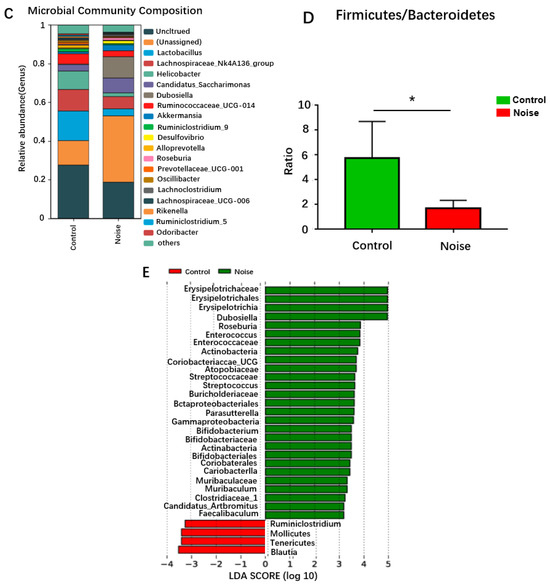
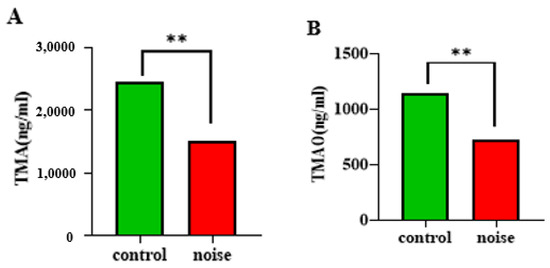
Background: The World Health Organization has indicated that airport noise is strongly associated with cardiovascular disease, with vascular inflammation identified as the primary mechanism. Therefore, long-term exposure to airport noise is considered far more harmful than other types of noise. However, there remains a lack of research into the mechanisms underlying long-term exposure to airport noise and harm to the human body. Methods: A mouse model was established and exposed to airport noise at a maximum sound pressure level of 95 dB(A) and an equivalent continuous sound pressure level of 72 dB(A) for 12 h per day over a period of 100 days. Quantitative polymerase chain reaction (qPCR) was used to detect the mRNA expression levels of pro-inflammatory and anti-inflammatory factors. Enzyme-linked immunosorbent assay (ELISA) was used to detect LPS, LTA, TMA, and TMAO levels. Intestinal flora composition was analyzed by 16S rDNA sequencing, and targeted metabolomics was employed to determine the levels of serum short-chain fatty acids. Results: Long-term airport noise exposure significantly increased systolic blood pressure, diastolic blood pressure, and mean blood pressure (p < 0.05); significantly increased the mRNA expression levels of oxidative stress parameters (nuclear matrix protein 2, 3-nitrotyrosine, and monocyte chemoattractant protein-1) (p < 0.05); significantly increased pro-inflammatory factors (interleukin 6 and tumor necrosis factor alpha) (p < 0.05); significantly decreased the mRNA expression level of anti-inflammatory factor interleukin 10 (p < 0.05); and significantly increased the content of LPS and LTA (p < 0.05). The composition of the main flora in the intestinal tract was structurally disordered, and there were significant differences between the noise-exposed and control groups at the levels of the phylum, family, and genus of bacteria. β-diversity of the principal component analysis diagrams was clearly distinguished. Compared with those of the control group, TMA-producing bacteria and levels of TMA and TMAO were significantly reduced, and the serum ethanoic acid and propanoic acid levels of the noise-exposed group were significantly decreased (p < 0.05). Conclusions: Long-term airport noise exposure causes significant elevation of blood pressure and structural disruption in the composition of the intestinal flora in mice, leading to elevated levels of oxidative stress and inflammation, resulting in metabolic disorders that lead to significant changes in the production of metabolites.
Full article
(This article belongs to the Special Issue Environmental Metabolites Insights into Health and Disease)
►▼
Show Figures

Figure 1
Open AccessArticle
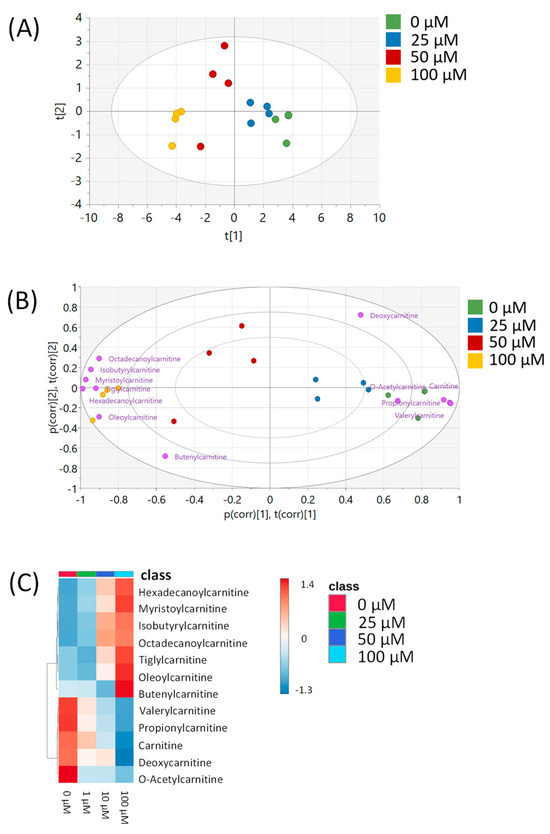
Untargeted Metabolomics Reveals Acylcarnitines as Major Metabolic Targets of Resveratrol in Breast Cancer Cells
by
Isabella G. Falcone and Blake R. Rushing
Metabolites 2025, 15(4), 250; https://doi.org/10.3390/metabo15040250 (registering DOI) - 5 Apr 2025
Abstract
Background/Objectives: Millions of new diagnoses of breast cancer are made each year, with many cases having poor prognoses and limited treatment options, particularly for some subtypes such as triple-negative breast cancer. Resveratrol, a naturally occurring polyphenol, has demonstrated many anticancer properties in
[...] Read more.
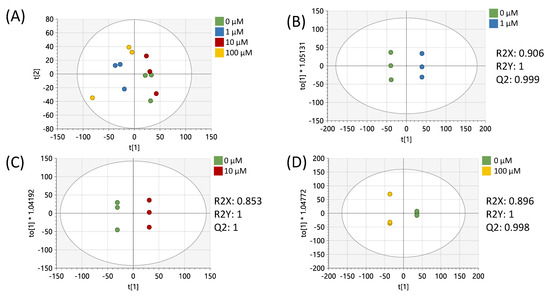
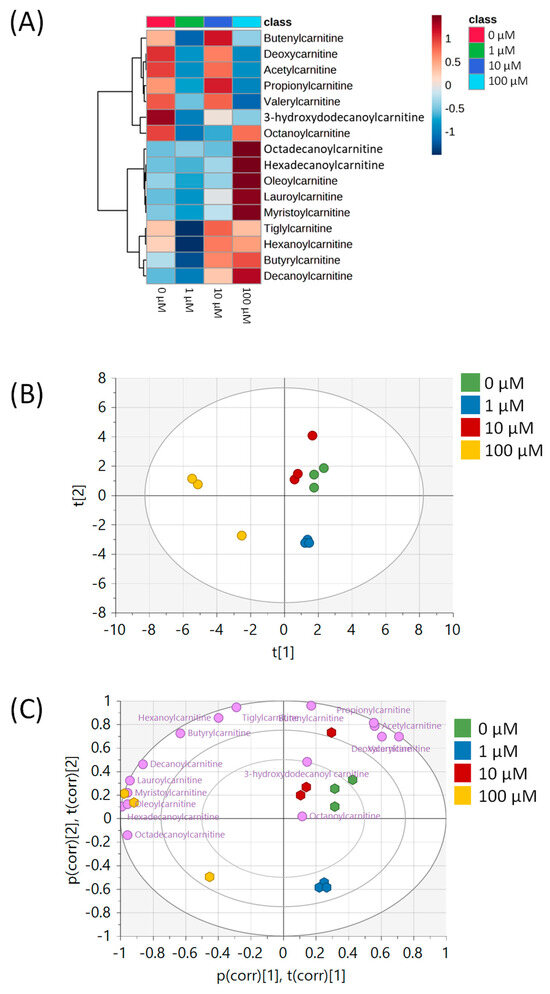
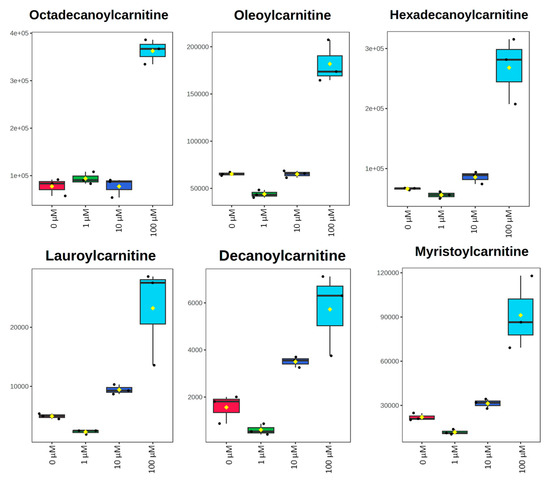
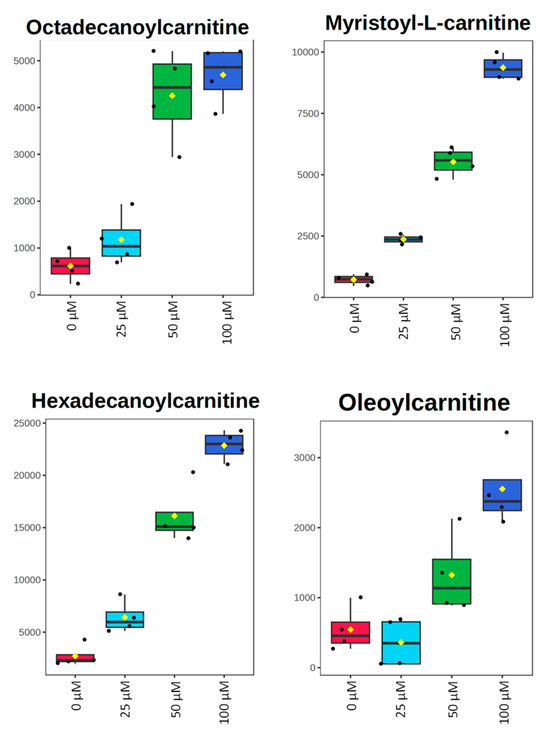
Background/Objectives: Millions of new diagnoses of breast cancer are made each year, with many cases having poor prognoses and limited treatment options, particularly for some subtypes such as triple-negative breast cancer. Resveratrol, a naturally occurring polyphenol, has demonstrated many anticancer properties in breast cancer studies. However, the mechanism of action of this compound remains elusive, although prior evidence suggests that this compound may work through altering cancer cell metabolism. Our objective for the current study was to perform untargeted metabolomics analysis on resveratrol-treated breast cancer cells to identify key metabolic targets of this compound. Methods: MCF-7 and MDA-MB-231 breast cancer cells were treated with varying doses of resveratrol and extracted for mass spectrometry-based untargeted metabolomics. Data preprocessing and filtering of metabolomics data from MCF-7 samples yielded 4751 peaks, with 312 peaks matched to an in-house standards library and 3459 peaks matched to public databases. Results: Pathway analysis in MetaboAnalyst identified significant (p < 0.05) metabolic pathways affected by resveratrol treatment, particularly those involving steroid, fatty acid, amino acid, and nucleotide metabolism. Evaluation of standard-matched peaks revealed acylcarnitines as a major target of resveratrol treatment, with long-chain acylcarnitines exhibiting a 2–5-fold increase in MCF-7 cells and a 5–13-fold increase in MDA-MB-231 cells when comparing the 100 µM treated cells to vehicle-treated cells (p < 0.05, VIP > 1). Notably, doses below 10 µM showed an opposite effect, possibly indicating a biphasic effect of resveratrol due to a switch from anti-oxidant to pro-oxidant effects as dose levels increase. Conclusions: These findings suggest that resveratrol induces mitochondrial metabolic reprogramming in breast cancer cells in a dose-dependent manner. The biphasic response indicates a potential optimal dosage for therapeutic effectiveness. Further research is warranted to explore the mechanisms underlying these metabolic alterations and their implications for precision nutrition strategies in cancer treatment.
Full article
(This article belongs to the Collection Advances in Metabolomics)
►▼
Show Figures

Figure 1

Open AccessArticle
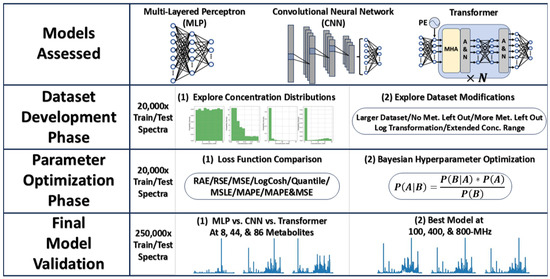
Towards Optimizing Neural Network-Based Quantification for NMR Metabolomics
by
Hayden Johnson and Aaryani Tipirneni-Sajja
Metabolites 2025, 15(4), 249; https://doi.org/10.3390/metabo15040249 (registering DOI) - 4 Apr 2025
Abstract
Background: Quantification of metabolites from nuclear magnetic resonance (NMR) spectra in an accurate, high-throughput manner requires effective data processing tools. Neural networks are relatively underexplored in quantitative NMR metabolomics despite impressive speed and throughput compared to more conventional peak-fitting metabolomics software. Methods: This
[...] Read more.
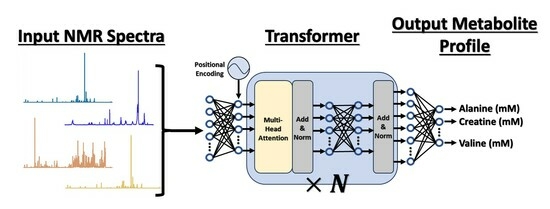
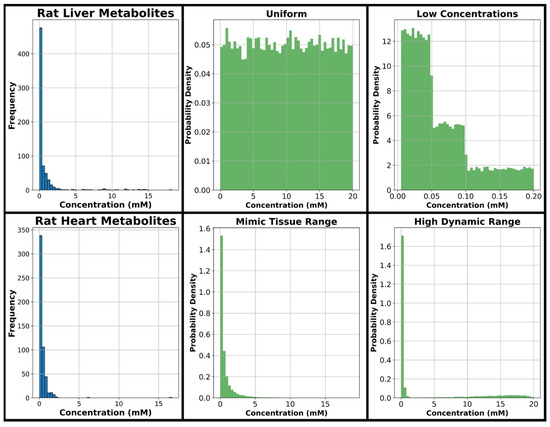
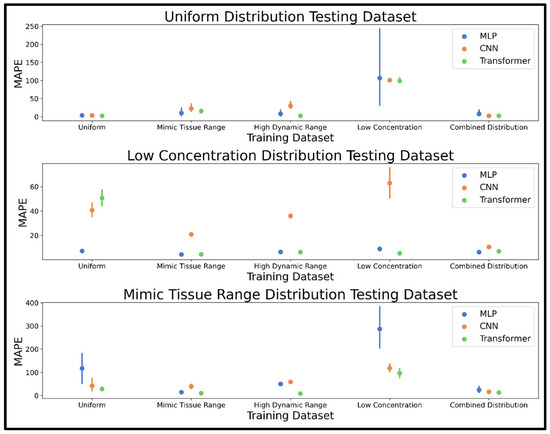
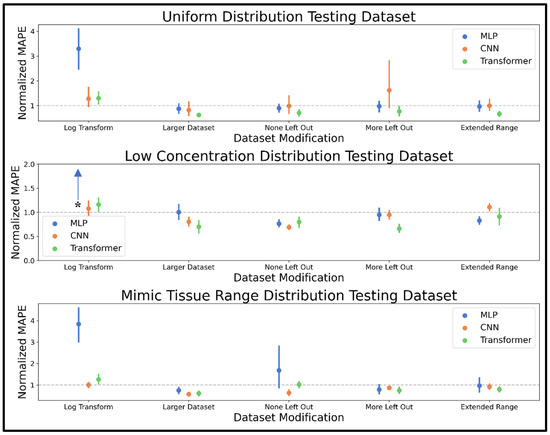
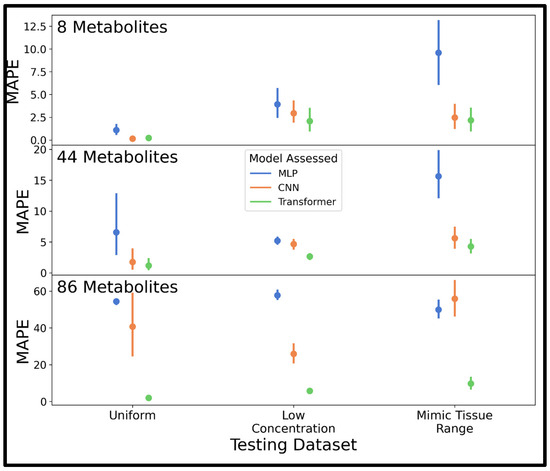
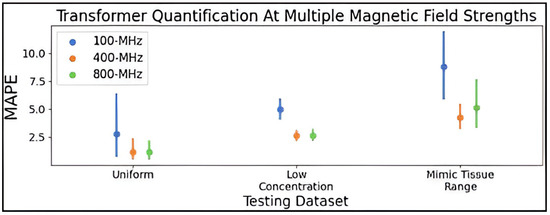
Background: Quantification of metabolites from nuclear magnetic resonance (NMR) spectra in an accurate, high-throughput manner requires effective data processing tools. Neural networks are relatively underexplored in quantitative NMR metabolomics despite impressive speed and throughput compared to more conventional peak-fitting metabolomics software. Methods: This work investigates practices for dataset and model development in the task of metabolite quantification directly from simulated NMR spectra for three neural network models: the multi-layered perceptron, the convolutional neural network, and the transformer. Model architectures, training parameters, and training datasets are optimized before comparing each model on simulated 400-MHz 1H-NMR spectra of complex mixtures with 8, 44, or 86 metabolites to quantify in spectra ranging from simple to highly complex and overlapping peaks. The optimized models were further validated on spectra at 100- and 800-MHz. Results: The transformer was the most effective network for NMR metabolite quantification, especially as the number of metabolites per spectra increased or target concentrations were low or had a large dynamic range. Further, the transformer was able to accurately quantify metabolites in simulated spectra from 100-MHz up to 800-MHz. Conclusions: The methods developed in this work reveal that transformers have the potential to accurately perform fully automated metabolite quantification in real-time and, with further development with experimental data, could be the basis for automated quantitative NMR metabolomics software.
Full article
(This article belongs to the Special Issue Machine Learning Applications in Metabolomics Analysis: 2nd Edition)
►▼
Show Figures

Graphical abstract
Open AccessReview
Gut-Microbiota-Driven Lipid Metabolism: Mechanisms and Applications in Swine Production
by
Shuqi Xiong
Metabolites 2025, 15(4), 248; https://doi.org/10.3390/metabo15040248 - 4 Apr 2025
Abstract
Background/Objectives: The gut microbiota plays a pivotal role in host physiology through metabolite production, with lipids serving as essential biomolecules for cellular structure, metabolism, and signaling. This review aims to elucidate the interactions between gut microbiota and lipid metabolism and their implications for
[...] Read more.
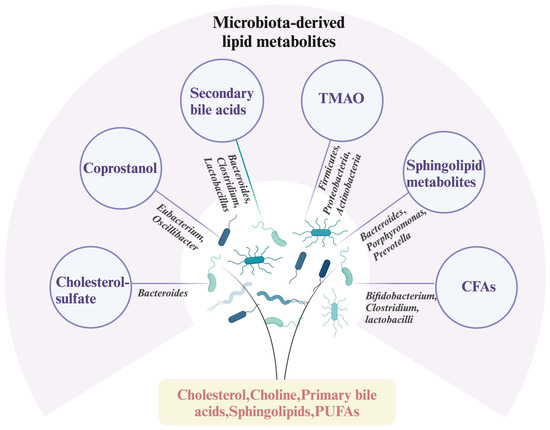
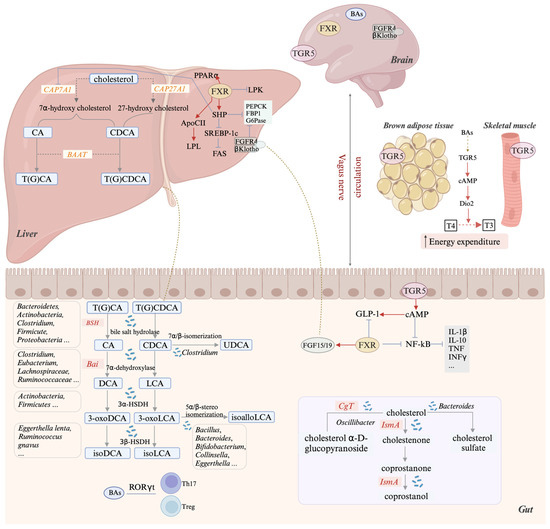
Background/Objectives: The gut microbiota plays a pivotal role in host physiology through metabolite production, with lipids serving as essential biomolecules for cellular structure, metabolism, and signaling. This review aims to elucidate the interactions between gut microbiota and lipid metabolism and their implications for enhancing swine production. Methods: We systematically analyzed current literature on microbial lipid metabolism, focusing on mechanistic studies on microbiota–lipid interactions, key regulatory pathways in microbial lipid metabolism, and multi-omics evidence (metagenomic/metabolomic) from swine models. Results: This review outlines the structural and functional roles of lipids in bacterial membranes and examines the influence of gut microbiota on the metabolism of key lipid classes, including cholesterol, bile acids, choline, sphingolipids, and fatty acids. Additionally, we explore the potential applications of microbial lipid metabolism in enhancing swine production performance. Conclusions: Our analysis establishes a scientific framework for microbiota-based strategies to optimize lipid metabolism. The findings highlight potential interventions to improve livestock productivity through targeted manipulation of gut microbial communities.
Full article
(This article belongs to the Section Animal Metabolism)
►▼
Show Figures

Figure 1

Open AccessArticle
Uncovering Non-Invasive Biomarkers in Paediatric Severe Acute Asthma Using Targeted Exhaled Breath Analysis
by
Sarah van den Berg, Annabel S. Zaat, Isabel F. van der Poel, Yoni E. van Dijk, Simone Hashimoto, Niels W. P. Rutjes, Suzanne W. J. Terheggen-Largo, Bart E. van Ewijk, Claudia Gagliani, Fleur L. Sondaal, Job B. M. van Woensel, Anke-Hilse Maitland-van der Zee, Paul Brinkman, Susanne J. H. Vijverberg and Berber Kapitein
Metabolites 2025, 15(4), 247; https://doi.org/10.3390/metabo15040247 - 3 Apr 2025
Abstract
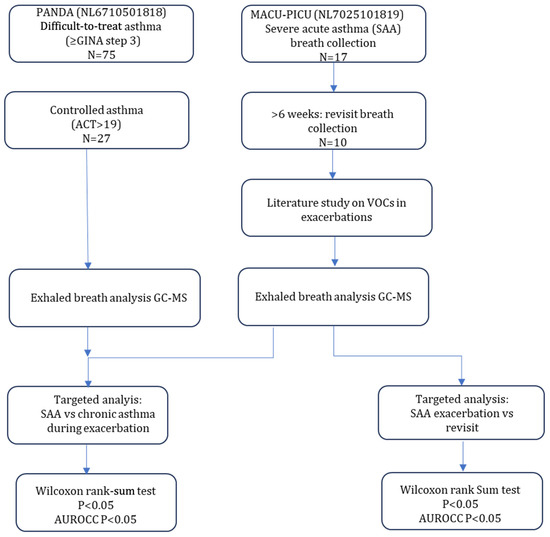
Background: Severe acute asthma (SAA) in children can be life-threatening. There has been a significant rise in paediatric intensive care unit (PICU) admissions due to SAA over the past two decades. While asthma is a heterogeneous disease, its underlying pathophysiological pathways remain
[...] Read more.
Background: Severe acute asthma (SAA) in children can be life-threatening. There has been a significant rise in paediatric intensive care unit (PICU) admissions due to SAA over the past two decades. While asthma is a heterogeneous disease, its underlying pathophysiological pathways remain underexplored. This study aimed to assess the value of non-invasive targeted exhaled breath metabolomics analysis to better characterise SAA. Methods: Breath samples from 17 children admitted to the PICU with SAA (cases) and 27 children with controlled severe asthma (controls) were analysed using thermal desorption gas chromatography–mass spectrometry (TD-GC-MS). Results: A targeted volatile organic compound (VOC) analysis identified 25 compounds, of which 16 were shared between groups. Four VOCs were significantly more often present in SAA, and nine VOCs exhibited higher concentrations in SAA. Longitudinal analysis of VOCs from follow-up samples of 10 cases showed no significant temporal differences, reinforcing the reproducibility of identified biomarkers. Conclusions: This study exemplifies the potential of exhaled breath analysis to provide insights into the molecular background of SAA. Breath metabolomics may enable early recognition of severe asthma attacks and preventive therapeutic interventions in children with severe asthma.
Full article
(This article belongs to the Special Issue Mass Spectrometry-Based Technology for Metabolic Profiling)
►▼
Show Figures

Figure 1
Open AccessArticle
LC-MS/MS-Based Determination and Optimization of Linoleic Acid Oxides in Baijiu and Their Variation with Storage Time
by
Cheng Fang, Xiaotong Zhuang, Zhanguo Li, Yongfang Zou, Jizhou Pu, Dong Wang and Yan Xu
Metabolites 2025, 15(4), 246; https://doi.org/10.3390/metabo15040246 - 2 Apr 2025
Abstract
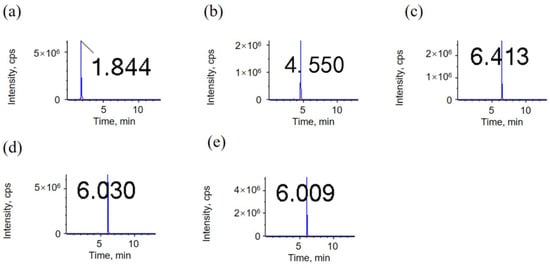
Background: Post-production storage plays a pivotal role in developing the characteristic flavor profile of Baijiu, a traditional alcoholic beverage in China. While aging markers remain crucial for quality authentication, the identification of reliable metabolic indicators for chronological determination requires further exploration.
[...] Read more.
Background: Post-production storage plays a pivotal role in developing the characteristic flavor profile of Baijiu, a traditional alcoholic beverage in China. While aging markers remain crucial for quality authentication, the identification of reliable metabolic indicators for chronological determination requires further exploration. Methods: This study establishes a novel liquid chromatography-tandem mass spectrometry (LC-MS/MS) methodology for quantifying five linoleic acid-derived oxidative metabolites in Baijiu: 9,12,13-trihydroxy-10(E)-octadecenoic acid (9,12,13-TriHOME), 9,10-Dihydroxy-12-octadecenoic acid (9,10-DiHOME), 9-oxo-(10E,12Z)-octadecadienoic acid (9-OxoODE), 9-hydroxy-(10E,12Z)-octadecadienoic acid (9-HODE) and 13-hydroxyoctadeca-(9Z,11E)-octadecadienoic acid (13-HODE). Results: The optimized protocol demonstrated exceptional sensitivity with limits of detection at 0.4 ppb through membrane-filtered direct dilution. Calibration curves exhibited excellent linearity (R2 > 0.9990) across 1.0–100.0 ppb ranges. Method validation revealed satisfactory recovery rates (87.25–119.44%) at three spiking levels (10/20/50 ppb) with precision below 6.96% RSD. Application to authentic samples showed distinct temporal accumulation patterns. Light-aroma Baijiu exhibited storage duration-dependent increases in all five oxides. Strong aroma variants demonstrated significant positive correlations for 9,12,13-TriHOME, 9,10-DiHOME, and 9-OxoODE with aging time. Conclusions: These findings systematically characterize linoleic acid oxidation products as potential aging markers, providing both methodological advancements and new insights into Baijiu aging mechanisms.
Full article
(This article belongs to the Special Issue Exploring and Expanding Horizons in Secondary Metabolites: Biosynthesis, Identification, Regulation and Biological Activity)
►▼
Show Figures

Figure 1
Open AccessReview
Polymorphisms Involved in Insulin Resistance and Metabolic Inflammation: Influence of Nutrients and Dietary Interventions
by
Graziela Biude Silva Duarte, Gabriela de Freitas Laiber Pascoal and Marcelo Macedo Rogero
Metabolites 2025, 15(4), 245; https://doi.org/10.3390/metabo15040245 - 2 Apr 2025
Abstract
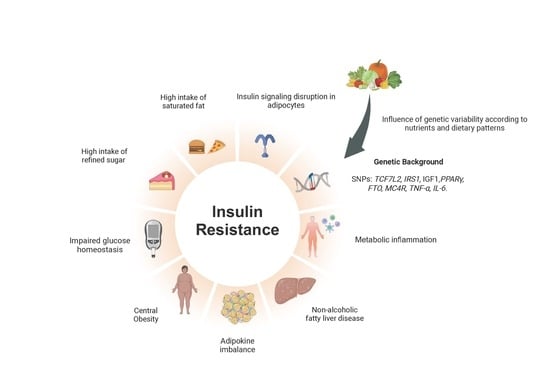
Insulin resistance (IR) is a metabolic disorder characterized by an impaired response to insulin. This condition is associated with excess adiposity and metabolic inflammation, contributing to an increased risk for related chronic diseases. Single-nucleotide polymorphisms (SNPs) can affect genes related to metabolic pathways
[...] Read more.
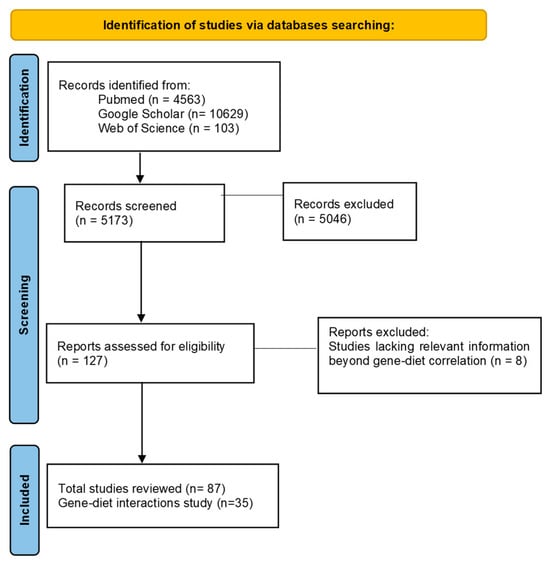
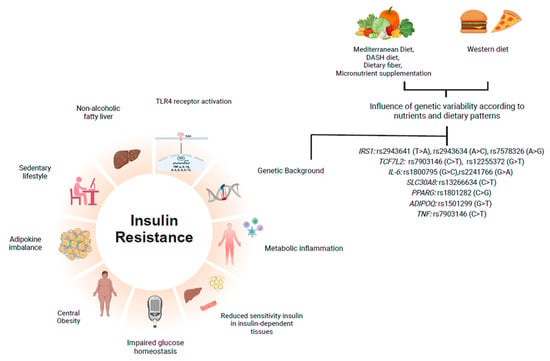
Insulin resistance (IR) is a metabolic disorder characterized by an impaired response to insulin. This condition is associated with excess adiposity and metabolic inflammation, contributing to an increased risk for related chronic diseases. Single-nucleotide polymorphisms (SNPs) can affect genes related to metabolic pathways which are related to IR and the individual response to nutrients and dietary patterns, affecting metabolic inflammation and insulin sensitivity. This narrative review explores the current evidence on interactions between genetic variants and dietary factors, specifically their effects in modulating IR and metabolic inflammation. A comprehensive search of the literature was conducted in PubMed, Google Scholar, and Web of Science, and a total of 95 articles were reviewed. The key findings reveal that SNPs in the TCF7L2, ADIPOQ, and TNF genes significantly influence metabolic responses and modulate the effects of the Mediterranean diet on biomarkers of inflammation and IR. Genotype-dependent variations in IR and inflammation biomarkers were observed in the response to different diets for SNPs in the TCF7L2, ADIPOQ, and TNF genes. Additionally, polygenic risk scores (PRSs) can also predict the response to the intake of nutrients and specific diets, and offer a promising tool for assessing genetic predisposition to IR. This review underscores the pivotal role of an individual’s genetic background in the effects of their nutrient intake and in the responses to dietetic interventions, thereby laying the foundation for personalized and effective nutritional strategies tailored to each individual’s necessity in mitigating IR and its associated risk factors for chronic diseases.
Full article
(This article belongs to the Special Issue Bioactive Food Ingredients in Prevention and Alleviation of Metabolic Diseases)
►▼
Show Figures

Graphical abstract
Open AccessArticle
Cell-Free DNA (cfDNA) Regulates Metabolic Remodeling in the ES-2 Ovarian Carcinoma Cell Line, Influencing Cell Proliferation, Quiescence, and Chemoresistance in a Cell-of-Origin-Specific Manner
by
Isabel Lemos, Catarina Freitas-Dias, Ana Hipólito, José Ramalho, Fabrizio Carteni, Luís G. Gonçalves, Stefano Mazzoleni and Jacinta Serpa
Metabolites 2025, 15(4), 244; https://doi.org/10.3390/metabo15040244 - 2 Apr 2025
Abstract
Background: The cell-free DNA (cfDNA) is an extracellular fragmented DNA found in body fluids in physiological and pathophysiological contexts. In cancer, cfDNA has been pointed out as a marker for disease diagnosis, staging, and prognosis; however, little is known about its biological role.
[...] Read more.
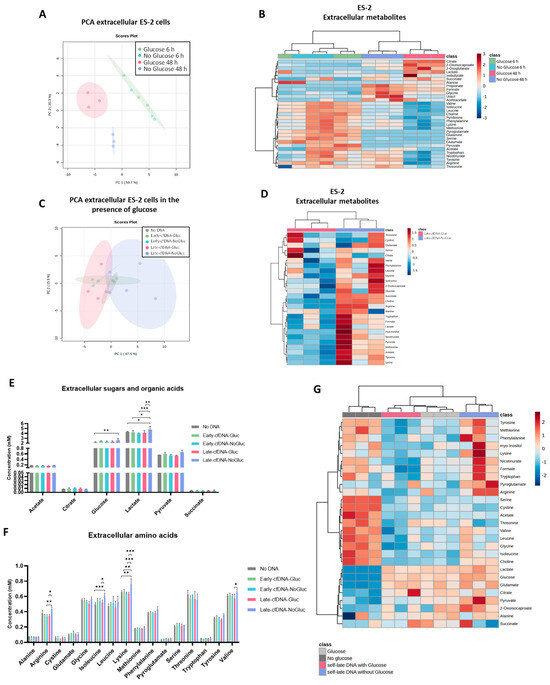
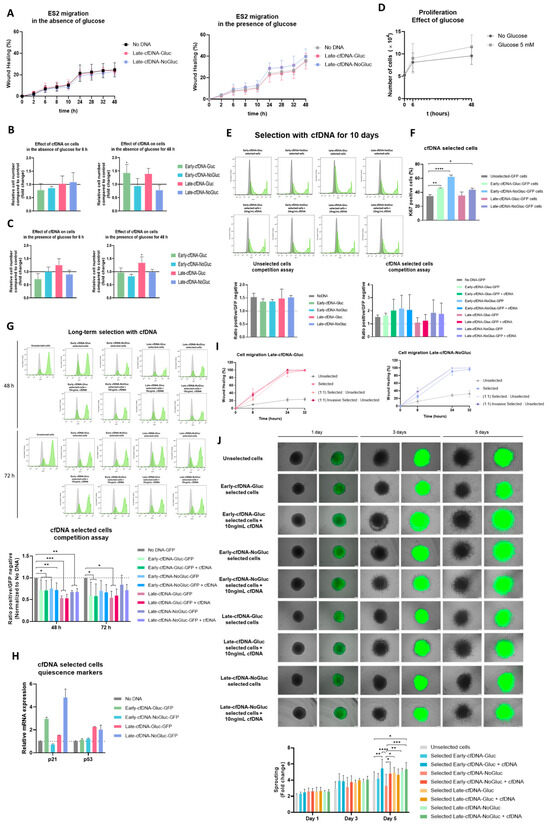
Background: The cell-free DNA (cfDNA) is an extracellular fragmented DNA found in body fluids in physiological and pathophysiological contexts. In cancer, cfDNA has been pointed out as a marker for disease diagnosis, staging, and prognosis; however, little is known about its biological role. Methods: The role of cfDNA released by ES-2 ovarian cancer cells was investigated, along with the impact of glucose bioavailability and culture duration in the cfDNA-induced phenotype. The effect of cfDNA on ES-2 cell proliferation was evaluated by proliferation curves, and cell migration was assessed through wound healing. We explored the impact of different cfDNA variants on ES-2 cells’ metabolic profile using nuclear magnetic resonance (NMR) spectroscopy and cisplatin resistance through flow cytometry. Moreover, we assessed the protein levels of DNA-sensitive Toll-like receptor 9 (TLR9) by immunofluorescence and its colocalization with lysosome-associated membrane protein 1 (LAMP1). Results: This study demonstrated that despite inducing similar effects, different variants of cfDNA promote different effects on cells derived from the ES-2 cell line. We observed instant reactions of adopting the metabolic profile that brings back the cell functioning of more favorable culture conditions supporting proliferation and resembling the cell of origin of the cfDNA variant, as observed in unselected ES-2 cells. However, as a long-term selective factor, certain cfDNA variants induced quiescence that favors the chemoresistance of a subset of cancer cells. Conclusions: Therefore, different tumoral microenvironments may generate cfDNA variants that will impact cancer cells differently, orchestrating the disease fate.
Full article
(This article belongs to the Special Issue Insights into Tumor Cell Metabolism and Epigenetics)
►▼
Show Figures

Figure 1
Open AccessArticle
Fibroblast Activation Protein Compared with Other Markers of Activated Smooth Muscle Cells, Extracellular Matrix Turnover and Inflammation in a Mouse Model of Atherosclerosis
by
Adam Mohmand-Borkowski, Dareus O. Conover and Tomasz Rozmyslowicz
Metabolites 2025, 15(4), 243; https://doi.org/10.3390/metabo15040243 - 2 Apr 2025
Abstract
Background: Fibroblast activation protein (FAP) is a cell surface glycoprotein expressed by myofibroblastic cells in areas of active tissue remodeling, such as wound healing, fibrosis, and certain chronic inflammatory lesions. As FAP is uniquely present in chronic inflammatory lesions and has an important
[...] Read more.
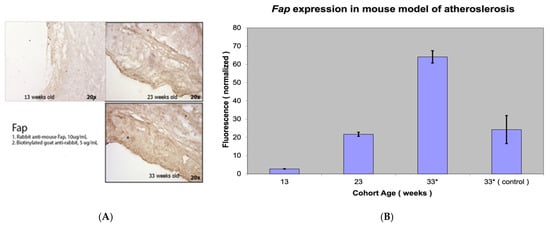
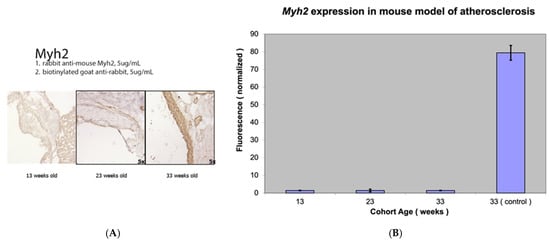
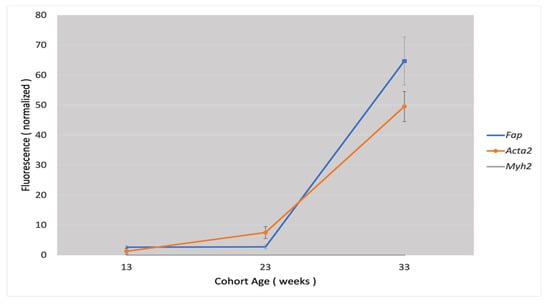
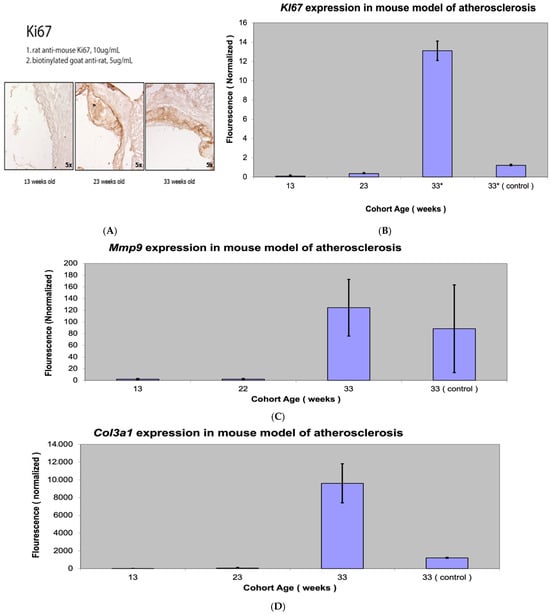
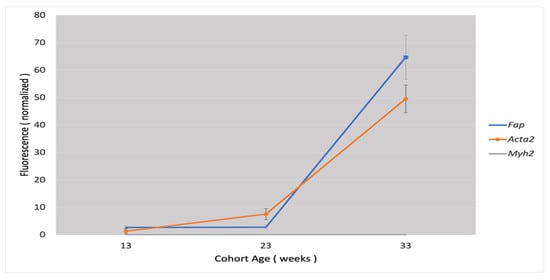
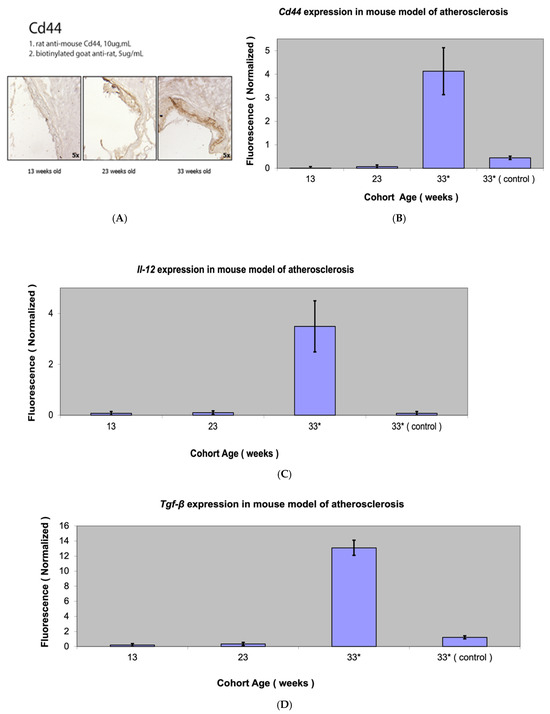
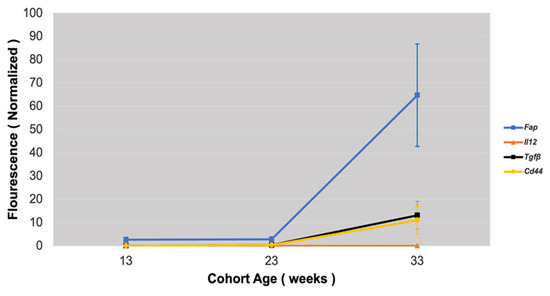
Background: Fibroblast activation protein (FAP) is a cell surface glycoprotein expressed by myofibroblastic cells in areas of active tissue remodeling, such as wound healing, fibrosis, and certain chronic inflammatory lesions. As FAP is uniquely present in chronic inflammatory lesions and has an important role in extracellular matrix (ECM) turnover, it appears to have all the characteristics necessary for involvement in atherosclerosis and atherosclerotic plaque rupture and has become a potential target in the treatment of myocardial infarction. Methods: To further understand the role of FAP, its expression in atherosclerotic plaques was examined in a genetically modified mouse model of accelerated atherosclerosis (Apobec1 −/− Ldlr −/− double-knockout mice). The immunohistochemical Fap staining of atherosclerotic plaques in a mouse model of atherosclerosis was correlated with quantification of Fap mRNA obtained from the atherosclerotic plaques of the aortic arch. Fap distribution was characterized in mouse atherosclerotic plaques relative to other markers of activated smooth muscle cells, such as alpha smooth muscle actin and myosin heavy chain (Acta2 and Myh2), ECM turnover (Ki-67, procollagen III and Mmp-9), and inflammation in atherosclerosis (Cd-44, Il-12 and Tgf beta) using immunohistochemistry (IH) and RT-PCR analysis. Results: The mouse model of accelerated atherosclerosis showed an increasing presence of Fap with the progression of atherosclerosis and a high expression level in advanced atherosclerotic lesions compared with other markers of ECM turnover and inflammation in atherosclerosis. Conclusions: FAP exhibits a distinct pattern of expression in a mouse model of atherosclerosis as compared to other markers of activated vascular smooth muscle cells, ECM degeneration, and inflammatory cytokines.
Full article
(This article belongs to the Section Animal Metabolism)
►▼
Show Figures

Figure 1
Open AccessReview
Metabolic Changes in Patients with Premature Ovarian Insufficiency: Adipose Tissue Focus—A Narrative Review
by
Miriam Sánchez-García, Kapy León-Wu, Regina de Miguel-Ibáñez, Nitzia López-Juárez, Claudia Ramírez-Rentería, Etual Espinosa-Cárdenas, Ernesto Sosa-Eroza and Manuel R. García-Sáenz
Metabolites 2025, 15(4), 242; https://doi.org/10.3390/metabo15040242 - 2 Apr 2025
Abstract
Background: Estrogen plays a crucial role in adipose tissue homeostasis, influencing fat distribution, lipid metabolism, and insulin sensitivity. Through estrogen receptor (ER) activation, particularly ERα, estradiol (E2) regulates adipogenesis, inhibits adipocyte hypertrophy, and promotes insulin signaling. It enhances lipid oxidation, reduces lipogenesis, and
[...] Read more.
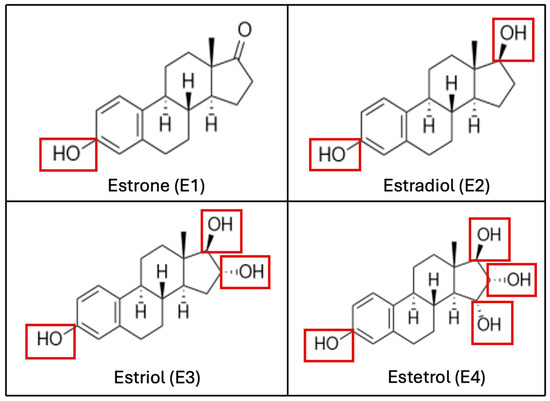
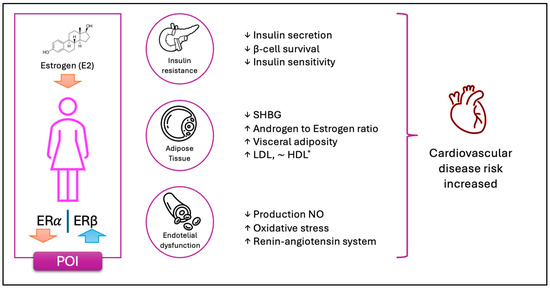
Background: Estrogen plays a crucial role in adipose tissue homeostasis, influencing fat distribution, lipid metabolism, and insulin sensitivity. Through estrogen receptor (ER) activation, particularly ERα, estradiol (E2) regulates adipogenesis, inhibits adipocyte hypertrophy, and promotes insulin signaling. It enhances lipid oxidation, reduces lipogenesis, and suppresses pro-inflammatory cytokine production, thereby maintaining metabolic health. Primary ovarian insufficiency (POI), characterized by estrogen deficiency before the age of 40, disrupts this regulatory network, leading to adverse metabolic effects. Objetives: This review examines the effects of estrogen on adipose tissue, lipid metabolism, and carbohydrate metabolism, with a particular focus on clinical evidence in women with POI. Methods: A narrative review of the metabolic alterations associated with POI, emphasizing the molecular, biochemical, and metabolic mechanisms underlying estrogen deficiency, with a special focus on adipose tissue. Results: Women with POI exhibit increased visceral fat accumulation, reduced lean mass, and alterations in adipokine secretion, resembling the metabolic phenotype of postmenopausal women. The decline in estrogen levels contributes to central adiposity, impaired lipid metabolism, and insulin resistance, exacerbating the risk of type 2 diabetes (T2D) and cardiovascular disease (CVD). The loss of estrogenic regulation leads to enhanced lipolysis in visceral fat, raising free fatty acid flux to the liver, promoting hepatic steatosis, and worsening insulin resistance. Studies indicate that POI patients have significantly higher total cholesterol, low-density lipoprotein (LDL) cholesterol, and triglycerides compared to age-matched controls, reinforcing their heightened CVD risk. Reduced sex hormone-binding globulin (SHBG) levels increase free androgen availability, aggravating central fat deposition. These metabolic disturbances can potentially accelerate atherosclerosis and vascular aging, increasing morbidity and mortality in POI patients. Conclusions: Understanding the role of estrogen in adipose tissue and its disruption in POI highlights the importance of early intervention. Although the available evidence is limited and largely extrapolated from menopause studies, strategies such as hormone replacement therapy, lifestyle modifications, and lipid profile optimization are essential to mitigate metabolic consequences and improve long-term health outcomes in women with POI.
Full article
(This article belongs to the Special Issue Adipose Tissue, Reproduction and Metabolic Health in Women)
►▼
Show Figures

Figure 1

Open AccessArticle
Purine Metabolism Pathway Influence on Running Capacity in Rats
by
Dengbo Chen, Christian Noble Biney, Qian Wang, Mingzheng Cai, Shi Cheng, Wentao Chen, Jinrui Zhang, Junran Zhao, Yuhan Zhang and Wenzhong Zhang
Metabolites 2025, 15(4), 241; https://doi.org/10.3390/metabo15040241 - 2 Apr 2025
Abstract
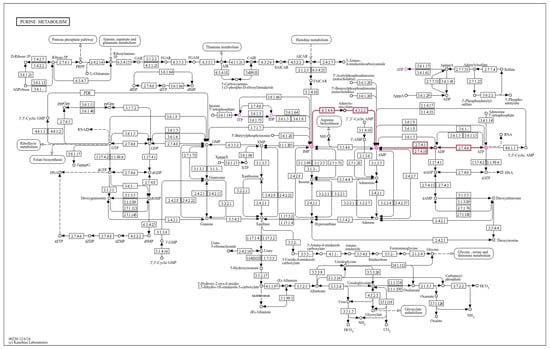
Background: The natural differences in running capacities among rats remain poorly understood, and the mechanisms driving these differences need further investigation. Methods: Twenty male Sprague-Dawley (SD) rats were selected. High and low running capacity rats were identified using Treadmill Exhaustion Tests.
[...] Read more.
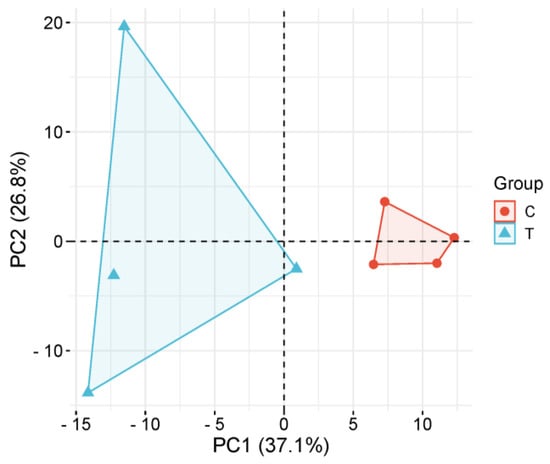
Background: The natural differences in running capacities among rats remain poorly understood, and the mechanisms driving these differences need further investigation. Methods: Twenty male Sprague-Dawley (SD) rats were selected. High and low running capacity rats were identified using Treadmill Exhaustion Tests. Peripheral blood was collected for serum isolation, followed by a metabolomics analysis using LC-MS/MS. Data were preprocessed, and a principal component analysis (PCA) and a partial least squares-discriminant analysis (PLS-DA) were applied to identify metabolic profile differences. Significant metabolites were screened, and a pathway enrichment analysis was conducted using the KEGG database to determine key metabolic pathways. Forty SD rats (equal male and female) were randomly divided into an inosine triphosphate (ITP) group (24.29 mg/kg.bw daily) and a control group. Running capacity was assessed after one week of continuous treatment. Results: Three independent measurements showed consistent differences in running capacity. A total of 519 differential metabolites were identified, with 255 up-regulated and 264 down-regulated. The KEGG pathway analysis revealed a significant enrichment of the Purine Metabolism pathway (ITP-ATP) in the high running capacity group (p < 0.05). The ITP-treated group exhibited a significantly higher running capacity than the controls (p < 0.05), confirming the efficacy of dietary ITP supplementation. Conclusions: The running capacity of rats is influenced by the ITP-ATP pathway, and exogenous ITP administration through dietary intervention significantly improves running ability.
Full article
(This article belongs to the Section Advances in Metabolomics)
►▼
Show Figures

Figure 1
Open AccessArticle
A 30-Day Randomized Crossover Human Study on the Safety and Tolerability of a New Micellar Berberine Formulation with Improved Bioavailability
by
Afoke Ibi, Chuck Chang, Yun Chai Kuo, Yiming Zhang, Min Du, Yoon Seok Roh, Roland Gahler, Mary Hardy and Julia Solnier
Metabolites 2025, 15(4), 240; https://doi.org/10.3390/metabo15040240 - 1 Apr 2025
Abstract
Background/Objectives: Berberine is a naturally occurring compound found in several plants and has been traditionally used for its various health benefits. However, its poor bioavailability limits its therapeutic potential. Berberine LipoMicel® is a novel micellar formulation of berberine, microencapsulated within an emulsified
[...] Read more.
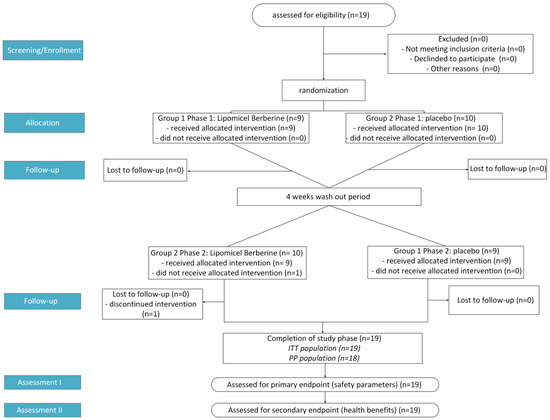
Background/Objectives: Berberine is a naturally occurring compound found in several plants and has been traditionally used for its various health benefits. However, its poor bioavailability limits its therapeutic potential. Berberine LipoMicel® is a novel micellar formulation of berberine, microencapsulated within an emulsified matrix, designed to enhance bioavailability and bioactivity. This study aims to evaluate its safety, ensuring that improved bioavailability does not introduce new safety concerns. Methods: To assess its safety, a randomized, double-blind, placebo-controlled crossover study with a minimum 4-week washout period was conducted in 19 healthy participants over 30 days. The participants received 1000 mg of the treatment daily (i.e., 2 capsules/d), and their capillary blood was analyzed every week to monitor for changes in established safety markers related to liver and kidney function, including aspartate aminotransferase (AST), alanine aminotransferase (ALT), total bilirubin (TB), creatinine, fasting glucose (GLU), HbA1c, and various electrolytes. Additionally, potential side effects were recorded through the collection of weekly health questionnaires to determine treatment tolerability. Results: Compared to placebo, no statistically significant changes in any of the safety markers related to liver or kidney health were detected. Within-group analysis revealed a significant reduction of total cholesterol (TC) in females after 30 days of Berberine LipoMicel® treatment. Although not significant, both male and female participants showed a noticeable improvement in the mean AST, potentially signaling a hepatoprotective effect. As for tolerability, no adverse events were reported by any of the participants. Conclusions: Based on these findings, despite higher bioavailability of berberine in a newly formulated delivery system (LipoMicel®), the treatment was found to be safe and well tolerated by human participants, with no significant deviations in blood chemistry that would indicate safety concerns over a period of 30 days.
Full article
(This article belongs to the Special Issue Metabolic Insights into Natural Health Products and Dietary Supplements for Human Health)
►▼
Show Figures

Figure 1

Open AccessArticle
Steroids Static Postural Balance Changes After Exercise Intervention Correlate with Steroidome in Elderly Female
by
Zuzanna Kornatovská, Martin Hill, Dobroslava Jandová, Milada Krejčí and Anna Zwierzchowska
Metabolites 2025, 15(4), 239; https://doi.org/10.3390/metabo15040239 - 1 Apr 2025
Abstract
Background: Aging is associated with the development of various disorders, including postural imbalance, which increases the risk of falls and related health complications. This study examines changes in static postural balance after a 4-week intervention involving appropriate exercise and an optimized daily regimen.
[...] Read more.
Background: Aging is associated with the development of various disorders, including postural imbalance, which increases the risk of falls and related health complications. This study examines changes in static postural balance after a 4-week intervention involving appropriate exercise and an optimized daily regimen. Additionally, it explores the relationship between these changes and the steroidome. Methods: The study was conducted on a clinically homogeneous group of 41 females around their sixth decade, diagnosed with anxiety-depressive syndrome and treated with selective serotonin reuptake inhibitors (SSRIs). Postural balance was assessed using the dual-scales method (DLLL-DSM), which estimates postural imbalance by evaluating differences in the lower limb load in the standing position. Correlations between initial DLLL-DSM values, age, BMI, and the baseline levels of nine serum steroids, as well as post-intervention changes in five steroids, were analyzed using multivariate regression (OPLS model). Results: A significant reduction in lower limb load differences (-ΔDLLL-DSM), indicating improved postural balance, was observed. The -ΔDLLL-DSM strongly correlated with initial DLLL-DSM values, age, BMI, initial levels of nine serum steroids, and post-intervention changes in five steroids (R = 0.892, p < 0.001). Furthermore, initial DLLL-DSM values negatively correlated with adrenal androgen androstenediol sulfate and various sulfated 5α/β-reduced androgen metabolites (R = 0.323, p < 0.05), suggesting that the activity of steroid sulfotransferase (SULT2A1) and C17-hydroxylase-C17,20-lyase (CYP17A1) at the lyase step is negatively associated with postural imbalance in elderly females. Conclusions: The findings suggest that even severe postural imbalance can be effectively and relatively rapidly improved through an appropriate exercise-based intervention and an optimized daily regimen, provided that initial adrenal activity is not significantly impaired. Additionally, the identified associations between steroid levels and postural balance provide new insights into the hormonal mechanisms regulating balance control in older individuals.
Full article
(This article belongs to the Special Issue Interplay Between Metabolic Adaptations to Physical Activity)
►▼
Show Figures

Figure 1
Open AccessArticle
Characterization of Ten Novel Metabolites of a PAF Antagonist SY0916 in Rats Using LC-MS and NMR
by
Xin He, Tingting Zhang, Hongyi Zhao and Chen Ma
Metabolites 2025, 15(4), 238; https://doi.org/10.3390/metabo15040238 - 31 Mar 2025
Abstract
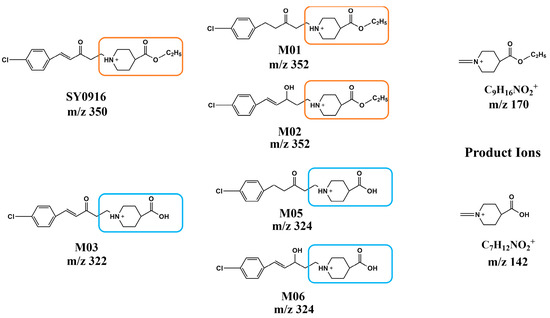
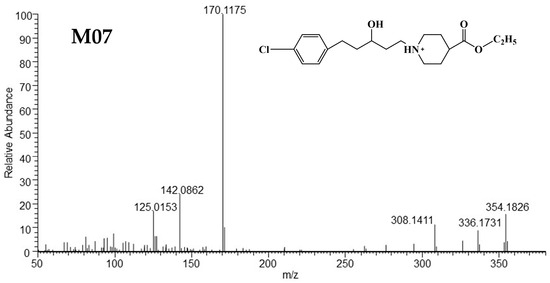
Background: SY0916 is a novel PAF receptor antagonist used to treat chronic immune-inflammatory diseases and is currently undergoing phase II clinical trials. However, SY0916 is rapidly transformed in vivo, suggesting a demand for metabolite screening. Methods: According to the similar MS fragmentation patterns
[...] Read more.
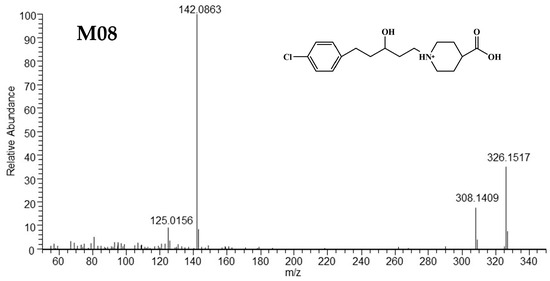
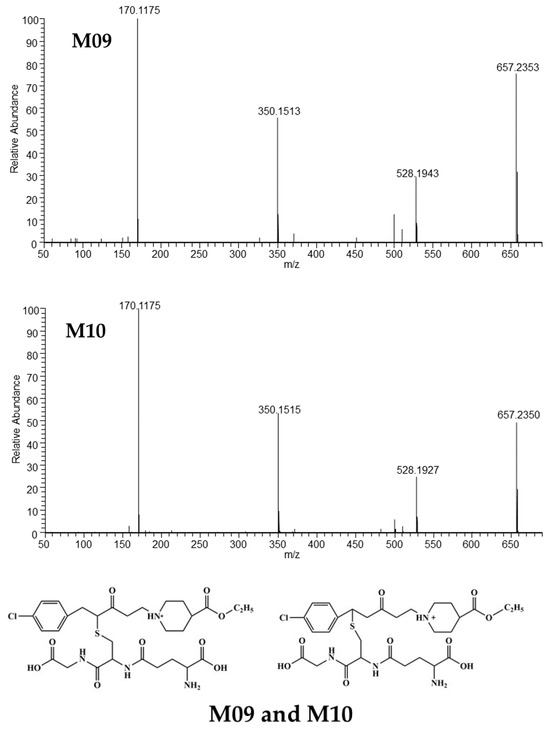
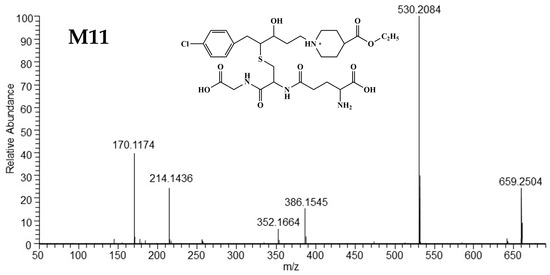
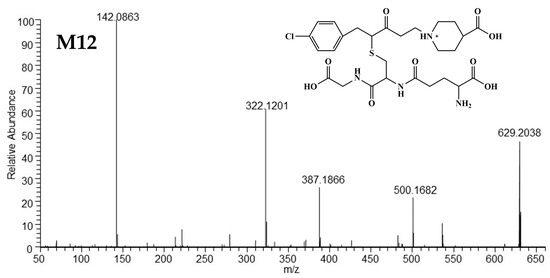
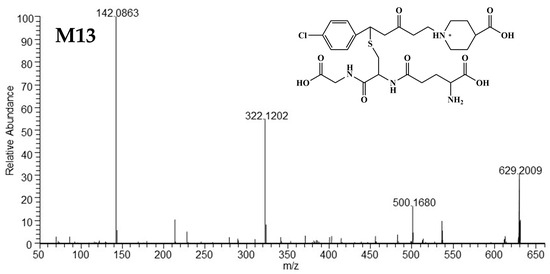
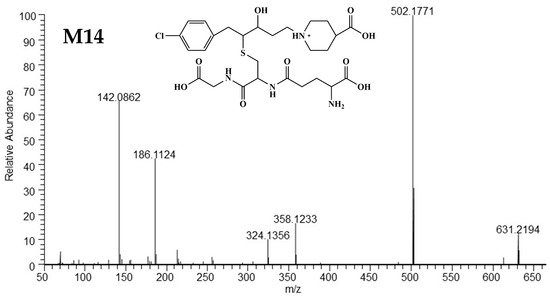
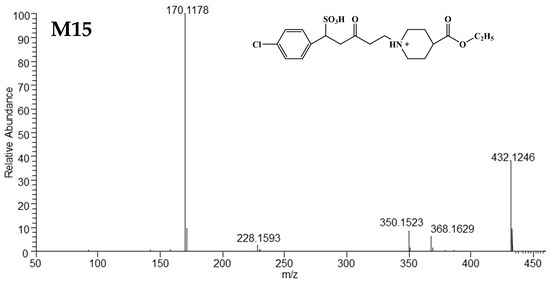
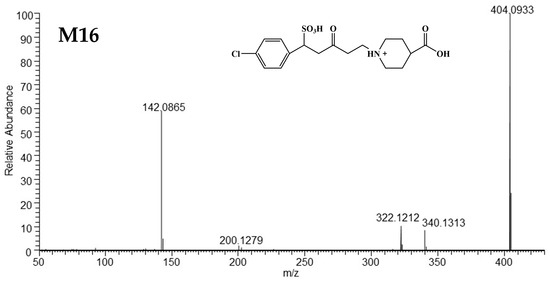
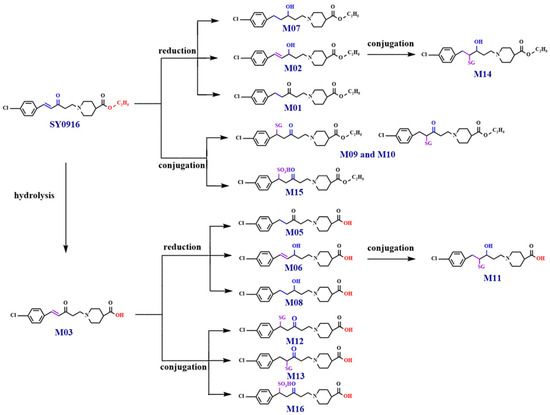
Background: SY0916 is a novel PAF receptor antagonist used to treat chronic immune-inflammatory diseases and is currently undergoing phase II clinical trials. However, SY0916 is rapidly transformed in vivo, suggesting a demand for metabolite screening. Methods: According to the similar MS fragmentation patterns of SY0916 and its five reported metabolites (M01, M02, M03, M05, and M06), a strategy based on two characteristic ions of m/z 170 and m/z 142 was employed to identify the potential metabolites in precursor screening in vivo, then LC-HRMS and NMR were applied to the metabolites characterization. Results: Two phase I metabolites (M07 and M08) were identified using LC-HRMS and NMR. Eight phase II metabolites, including six glutathione conjugates (M09-M14) and two sulfonate conjugates (M15 and M16), were identified using LC-HRMS. The possible metabolic pathways of SY0916 and fragmentation regularities of mass spectra of its metabolites were summarized. Conclusions: We preliminarily determined the metabolic profile of SY0916 in rats using LC-MS, providing insight into the metabolism of SY0916 in vivo and a basis for clinical studies and future applications.
Full article
(This article belongs to the Section Pharmacology and Drug Metabolism)
►▼
Show Figures

Figure 1
Open AccessArticle
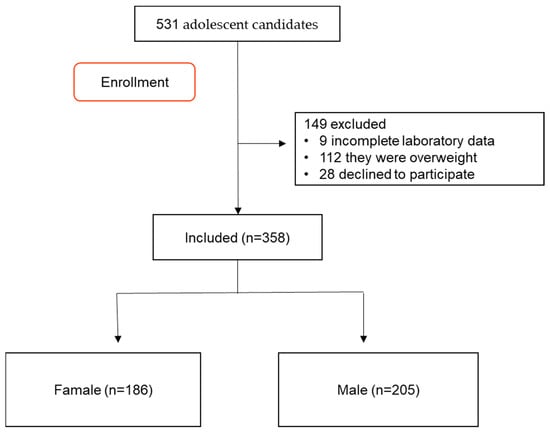
Association of Serum Uric Acid Levels with Cardiometabolic Factors in Adolescents with Obesity: A Cross-Sectional Study
by
Miguel Angel Villasis-Keever, Jessie Nallely Zurita-Cruz, Iris Alejandra Alcaraz-Hurtado, Miguel Klünder-Klünder, Jenny Vilchis-Gil, Ana Laura Romero-Guerra, Ana Laura López-Beltran and Martha Alicia Delgadillo-Ruano
Metabolites 2025, 15(4), 237; https://doi.org/10.3390/metabo15040237 - 31 Mar 2025
Abstract
Introduction: High serum uric acid (SUA) levels are known to be correlated with cardiometabolic factors in adults, but this relationship is less clear in the pediatric population, particularly given the undefined cutoff points for high SUA levels. Objetive: This study aimed to explore
[...] Read more.
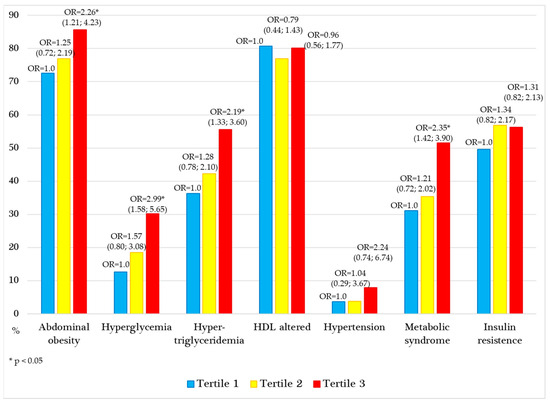
Introduction: High serum uric acid (SUA) levels are known to be correlated with cardiometabolic factors in adults, but this relationship is less clear in the pediatric population, particularly given the undefined cutoff points for high SUA levels. Objetive: This study aimed to explore the associations between SUA levels and cardiometabolic factors in obese adolescents. Materials and Methods: We conducted a cross-sectional study of 391 adolescents aged 10 to 18 years with obesity (BMI > 95th percentile), assessing outcomes such as hypertriglyceridemia, reduced HDL cholesterol, hypertension, hyperglycemia, and insulin resistance. The statistical methods used to compare SUA levels with cardiometabolic factors included the Mann-Whitney U test and the chi-square test. Results: The results revealed that the median SUA level was 5.9 mg/dL, with significant differences between the sexes (5.5 mg/dL for girls and 6.1 mg/dL for boys). The highest SUA tertile (≥6.41 mg/dL) was associated with a significantly greater frequency of hyperglycemia and hypertriglyceridemia than the lowest tertile (p < 0.005). Conclusions: The study concluded that higher SUA levels are significantly associated with specific cardiometabolic risks in adolescents with obesity, highlighting the importance of monitoring SUA levels in this population.
Full article
(This article belongs to the Topic Metabolic Syndrome, Biomarkers and Lifestyles)
►▼
Show Figures

Figure 1
Open AccessArticle
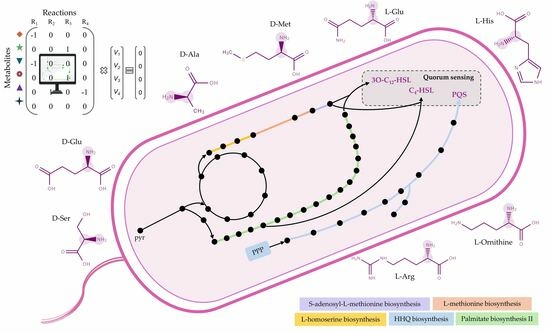
Influence of Amino Acids on Quorum Sensing-Related Pathways in Pseudomonas aeruginosa PAO1: Insights from the GEM iJD1249
by
Javier Alejandro Delgado-Nungaray, Luis Joel Figueroa-Yáñez, Eire Reynaga-Delgado, Mario Alberto García-Ramírez, Karla Esperanza Aguilar-Corona and Orfil Gonzalez-Reynoso
Metabolites 2025, 15(4), 236; https://doi.org/10.3390/metabo15040236 - 29 Mar 2025
Abstract
Background/objectives: Amino acids (AAs) play a critical role in diseases such as cystic fibrosis where Pseudomonas aeruginosa PAO1 adapts its metabolism in response to host-derived nutrients. The adaptation influences virulence and complicates antibiotic treatment mainly for the antimicrobial resistance context. D- and L-AAs
[...] Read more.
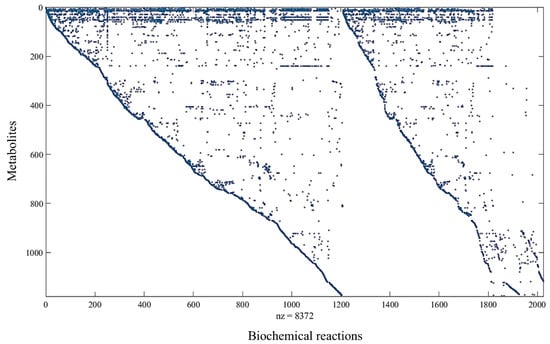
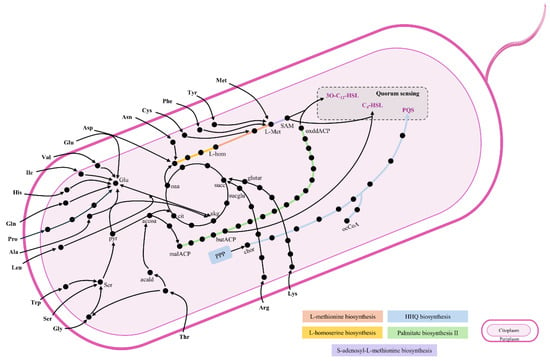
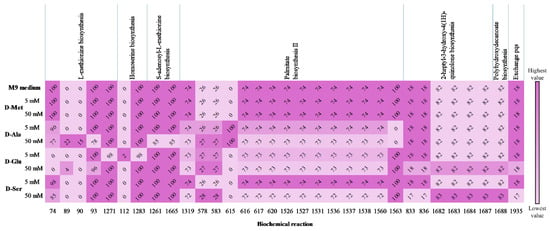
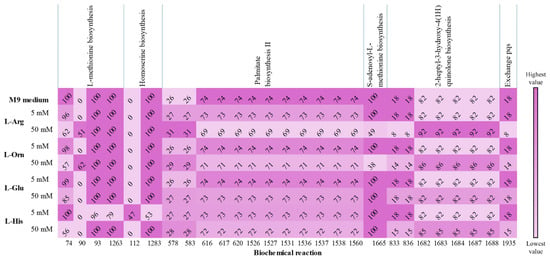
Background/objectives: Amino acids (AAs) play a critical role in diseases such as cystic fibrosis where Pseudomonas aeruginosa PAO1 adapts its metabolism in response to host-derived nutrients. The adaptation influences virulence and complicates antibiotic treatment mainly for the antimicrobial resistance context. D- and L-AAs have been analyzed for their impact on quorum sensing (QS), a mechanism that regulates virulence factors. This research aimed to reconstruct the genome-scale metabolic model (GEM) of P. aeruginosa PAO1 to investigate the metabolic roles of D- and L-AAs in QS-related pathways. Methods: The updated GEM, iJD1249, was reconstructed by using protocols to integrate data from previous models and refined with well-standardized in silico media (LB, M9, and SCFM) to improve flux balance analysis accuracy. The model was used to explore the metabolic impact of D-Met, D-Ala, D-Glu, D-Ser, L-His, L-Glu, L-Arg, and L-Ornithine (L-Orn) at 5 and 50 mM in QS-related pathways, focusing on the effects on bacterial growth and carbon flux distributions. Results: Among the tested AAs, D-Met was the only one that did not enhance the growth rate of P. aeruginosa PAO1, while L-Arg and L-Orn increased fluxes in the L-methionine biosynthesis pathway, influencing the metH gene. These findings suggest a differential metabolic role for D-and L-AAs in QS-related pathways. Conclusions: Our results shed some light on the metabolic impact of AAs on QS-related pathways and their potential role in P. aeruginosa virulence. Future studies should assess D-Met as a potential adjuvant in antimicrobial strategies, optimizing the concentration in combination with antibiotics to maximize its therapeutic effectiveness.
Full article
(This article belongs to the Special Issue Biostatistics and Bioinformatics in Metabolomics Research: From Study Design and Analytics to Clinical Insights and Public Health Implications)
►▼
Show Figures

Graphical abstract
Open AccessReview
Hormonal Crossroads in Inborn Errors of the Metabolism Impact of Puberty and Dietary Interventions on Metabolic Health
by
Thomas Lundqvist, Rasmus Stenlid and Maria Halldin
Metabolites 2025, 15(4), 235; https://doi.org/10.3390/metabo15040235 - 28 Mar 2025
Abstract
Background/Objectives: Inborn errors of metabolism (IEMs) represent a diverse group of genetic disorders characterized by enzymatic defects that disrupt metabolic pathways, leading to toxic metabolite accumulation, deficits, or impaired macromolecule synthesis. While strict dietary interventions are critical for managing many of these
[...] Read more.
Background/Objectives: Inborn errors of metabolism (IEMs) represent a diverse group of genetic disorders characterized by enzymatic defects that disrupt metabolic pathways, leading to toxic metabolite accumulation, deficits, or impaired macromolecule synthesis. While strict dietary interventions are critical for managing many of these conditions, hormonal and metabolic changes during puberty introduce new challenges. Advancements in early diagnosis and treatment have significantly extended the lifespan of individuals with IEMs. However, this increased longevity is associated with heightened risks of new medical problems, including obesity, insulin resistance, and type 2 diabetes mellitus (T2DM), as these complications share mechanistic features with those seen in obesity and T2DM. Methods: This mini-review examines current knowledge of the intricate interplay between pubertal hormones and metabolic pathways in IEM patients. Results: We address critical questions, such as if puberty intensifies the risk of metabolic derangements in these individuals and if there is a metabolic intersection where these disorders converge, leading to shared complications. We highlight the impact of puberty-induced hormonal fluctuations, such as growth hormone (GH) surges and sex steroid activity, on disorders like phenylketonuria, urea cycle defects, and fatty acid oxidation disorders. Moreover, we explore the role of dietary interventions in mitigating or exacerbating these effects, emphasizing the importance of balancing nutritional needs during growth spurts. Conclusions: A multidisciplinary approach integrating endocrinology, nutrition, and emerging therapies is advocated to optimize metabolic health during puberty. Addressing these challenges is critical for improving long-term outcomes for individuals with IEMs, particularly during this pivotal developmental phase.
Full article
(This article belongs to the Special Issue Puberty and the Metabolic Syndrome)
Open AccessArticle
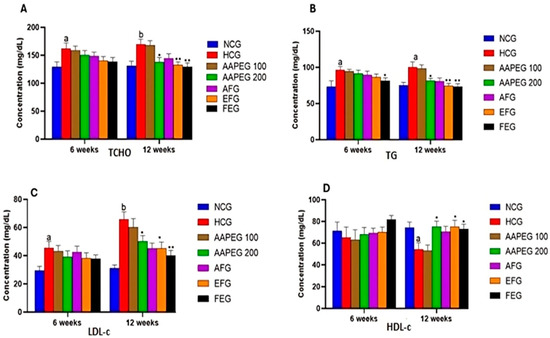
Argan Fruit Polyphenols Regulate Lipid Homeostasis, Prevent Liver Fat Accumulation, and Improve Antioxidant Defense in High-Calorie Diet Fed Mice: In Vivo Study and In Silico Prediction of Possible Underlying Mechanisms
by
Mohammadine Moumou, Imane Mokhtari, Mohamed Harnafi, Mohammed Alrugaibah, Thamer Aljutaily, Hend F. Alharbi, Abdulmalik Alhuwaymil, Abdulkarim S. Almutairi, Hassan Barakat, Dragan Milenkovic, Souliman Amrani and Hicham Harnafi
Metabolites 2025, 15(4), 234; https://doi.org/10.3390/metabo15040234 - 28 Mar 2025
Abstract
Background/Objectives: Argania spinosa L. Skeels is a Moroccan endemic plant widely used by the local population as folk medicine. This study aimed to investigate the effects of Argan fruit pulp on lipid metabolism disorders and liver steatosis in hypercaloric diet-fed mice. Methods:
[...] Read more.
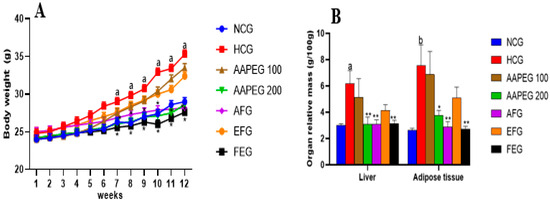
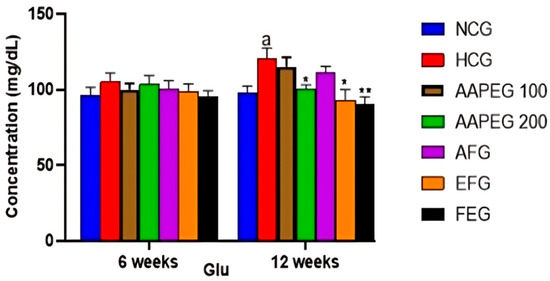
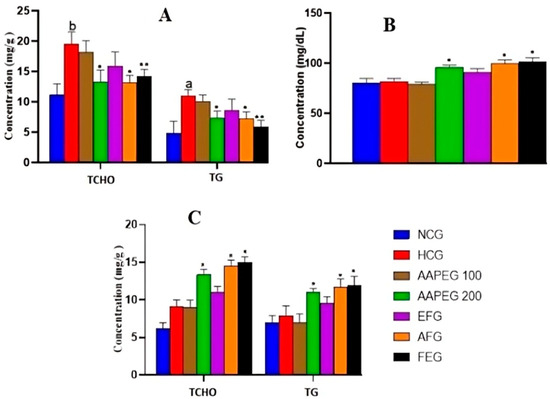
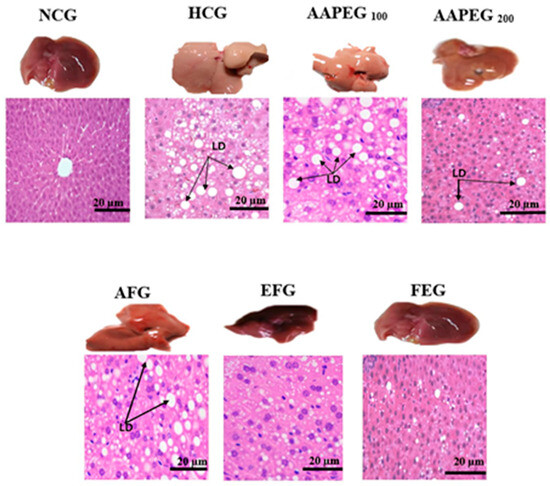
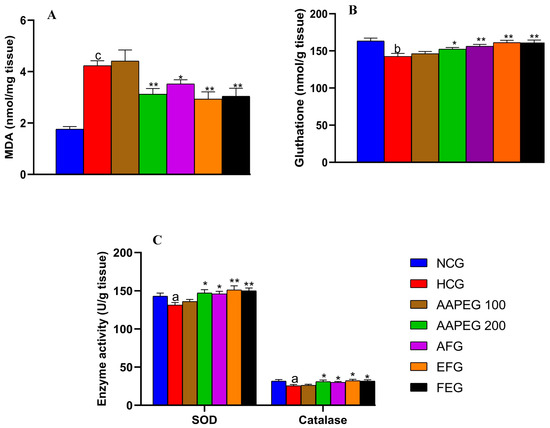
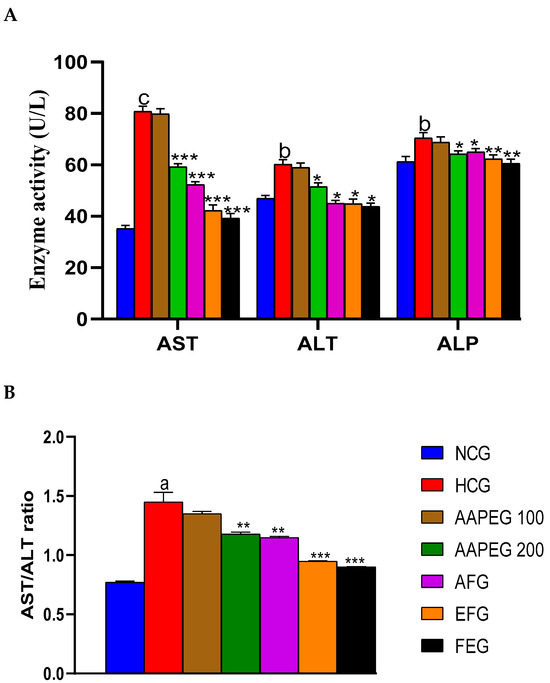
Background/Objectives: Argania spinosa L. Skeels is a Moroccan endemic plant widely used by the local population as folk medicine. This study aimed to investigate the effects of Argan fruit pulp on lipid metabolism disorders and liver steatosis in hypercaloric diet-fed mice. Methods: Animals were treated with the Argan fruit pulp extract and its fractions for 12 weeks at 100 and 200 mg Kg−1 BW daily. The analysis was conducted on lipid levels in plasma, liver, feces, and bile as well as on glycemia. The liver glutathione, malondialdehyde, and antioxidant enzyme activities were assessed. The hepatic steatosis was evaluated by measuring transaminases and alkaline phosphatase activities and examining histological sections. The polyphenol profiles were determined using HPLC-DAD. Possible underlying mechanisms in the hypolipidemic and hepatoprotective activities were predicted by molecular docking. Results: The crude extract and its aqueous fraction (rich in protocatechuic and gallic acids) significantly restored plasma lipids and glucose levels. Indeed, total cholesterol level (TCHO) was decreased in the liver but increased in bile and feces. The treatment also reduced body weight and liver and adipose tissue mass and prevented liver steatosis. The ethyl acetate fraction exhibited no effect on lipid metabolism but significantly prevented liver oxidative stress. The crude extract and its fractions appear to be nontoxic (LD50 > 5000 mg Kg−1) in mice. The phenolic acids demonstrated strong binding affinity to key targets involved in regulating lipid homeostasis, including ABCA-1, LXR, CYP7A1, HMH-CoA reductase, and PCSK-9. However, the identified flavonoids exhibited high affinities to targets involved in oxidative stress defense (SOD, CAT, and CYP2E1). Conclusions: The Argan fruit pulp, particularly its polyphenols, could be a promising natural approach for preventing cardio-metabolic diseases by improving lipid metabolism and reducing liver oxidative stress.
Full article
(This article belongs to the Special Issue Plant-Derived Molecules in Prevention of Metabolic and Oxidative Stress-Related Diseases)
►▼
Show Figures

Figure 1
Open AccessReview
Recent Advances in Pretreatment Methods and Detection Techniques for Veterinary Drug Residues in Animal-Derived Foods
by
Qing Dai, Shusheng Tang and Chongshan Dai
Metabolites 2025, 15(4), 233; https://doi.org/10.3390/metabo15040233 - 28 Mar 2025
Abstract
Veterinary drugs are extensively employed in livestock, poultry, and aquaculture, playing a crucial role in preventing and treating animal diseases, facilitating growth, and enhancing feed conversion rates. Nevertheless, veterinary drug residues in animal-derived foods pose a direct or potential threat to human life
[...] Read more.
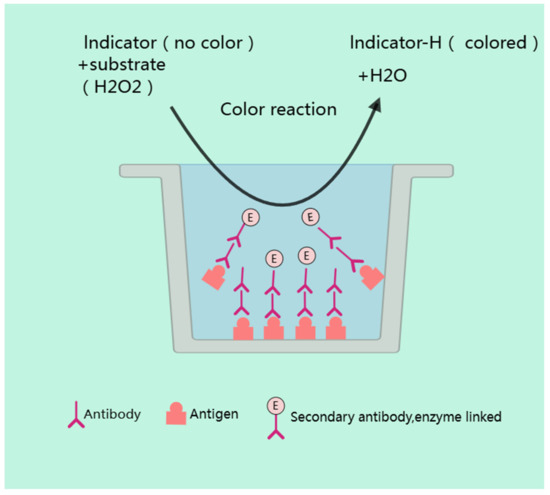
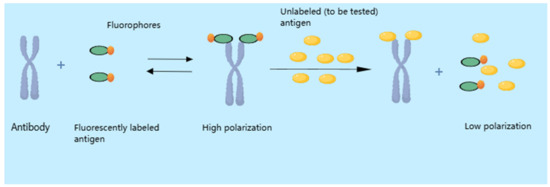
Veterinary drugs are extensively employed in livestock, poultry, and aquaculture, playing a crucial role in preventing and treating animal diseases, facilitating growth, and enhancing feed conversion rates. Nevertheless, veterinary drug residues in animal-derived foods pose a direct or potential threat to human life and health. Precise detection of these residues in animal-derived foods to ensure their safety has become an important mission. In this review, we sum up the current progress of applied pretreatment methods and detection techniques for veterinary drug residues in animal-derived foods. At present, sample pretreatment methods mainly consist of the following: liquid–liquid extraction; solid-phase extraction; immunoaffinity chromatography; Quick, Easy, Cheap, Effective, Rugged, and Safe (QuEChERS) method; and molecular imprinting technology. Detection techniques mainly involve chromatographic techniques, immunoassay techniques, fluorescence polarization immunoassay, and surface-enhanced Raman scattering. We also discussed the advantages and limitations of these technologies. Moreover, we point out the development direction and tendency of detection techniques in the future, providing references for the detection of veterinary drug residues in animal-derived foods.
Full article
(This article belongs to the Topic Recent Advances in Veterinary Pharmacology and Toxicology)
►▼
Show Figures

Figure 1
Journal Menu
► ▼ Journal Menu-
- Metabolites Home
- Aims & Scope
- Editorial Board
- Reviewer Board
- Topical Advisory Panel
- Instructions for Authors
- Special Issues
- Topics
- Sections & Collections
- Article Processing Charge
- Indexing & Archiving
- Editor’s Choice Articles
- Most Cited & Viewed
- Journal Statistics
- Journal History
- Journal Awards
- Conferences
- Editorial Office
Journal Browser
► ▼ Journal BrowserHighly Accessed Articles
Latest Books
E-Mail Alert
News
Topics
Topic in
BioChem, Biomedicines, Biomolecules, IJMS, Metabolites, Molecules
Natural Products in Prevention and Therapy of Metabolic Syndrome
Topic Editors: Jianbo Wan, Ligen LinDeadline: 30 April 2025
Topic in
Cells, Organoids, Cancers, Metabolites
Overview of Cancer Metabolism
Topic Editors: Arnaud Blomme, Cyril CorbetDeadline: 20 May 2025
Topic in
Analytica, Biomolecules, Metabolites, Molecules, Separations, Spectroscopy Journal
Advances in Separation Methods for Metabolomics and Lipidomics
Topic Editors: Eduardo Sommella, Giulia Mazzoccanti, Emanuela SalviatiDeadline: 31 May 2025
Topic in
Antioxidants, Biomolecules, JCDD, Metabolites, Neurology International, Pharmaceutics
Tissue-Specific, Disease-Signatured Macrophages in Control of Redox and Antioxidation in Metabolic Diseases
Topic Editors: Xiangwei Xiao, Yingmei Feng, Zhiyong LeiDeadline: 5 July 2025
Conferences
Special Issues
Special Issue in
Metabolites
Metabolic Pathways of Nutrition Intake in Obese Children
Guest Editors: Edyta Łuszczki, Katarzyna Dereń, Anna BartosiewiczDeadline: 7 April 2025
Special Issue in
Metabolites
Metabolic Changes during Pre- and Post-harvest Fruit and Vegetable Decay, Ripening and Senescence
Guest Editors: Analía Concellón, María José ZaroDeadline: 8 April 2025
Special Issue in
Metabolites
Metabolites and Regenerative Medicine: Perspectives and Updates
Guest Editors: Reggiani Vilela Gonçalves, Mariáurea Sarandy, Rômulo Dias NovaesDeadline: 10 April 2025
Special Issue in
Metabolites
Nutrition and Metabolic Changes in Aging and Age-Related Diseases
Guest Editor: Qi ZhangDeadline: 15 April 2025
Topical Collections
Topical Collection in
Metabolites
Insulin Resistance in the 2020's
Collection Editor: Amedeo Lonardo
Topical Collection in
Metabolites
Feature Papers Related to Metabolomic Profiling Technology
Collection Editor: Thusitha Rupasinghe
Topical Collection in
Metabolites
Advances in Metabolomics
Collection Editors: Leonardo Tenori, Edoardo Saccenti